Skip to content

Black Locust

Robinia Pseudoacacia

Design with this plant

Overview

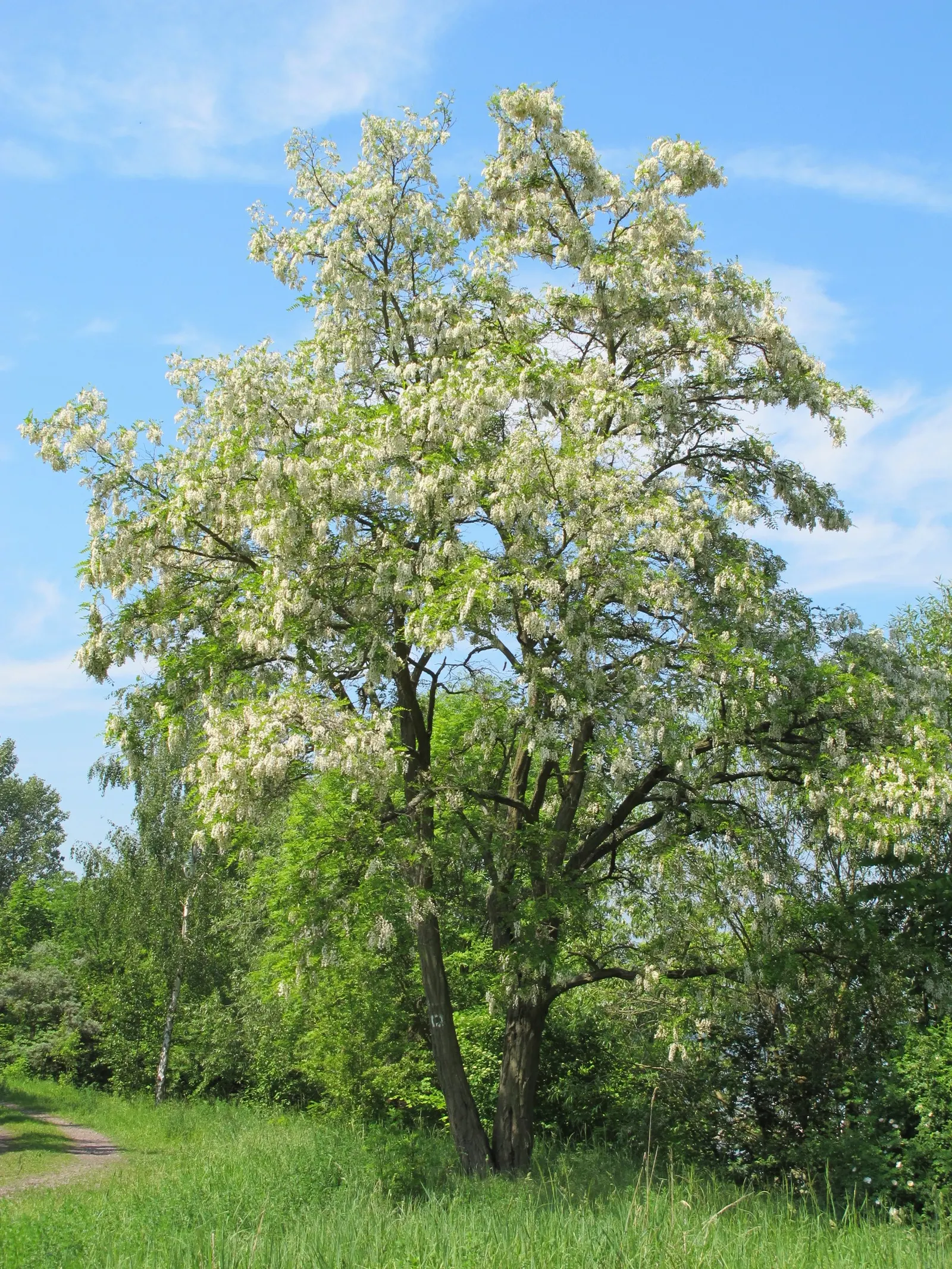
The Black Locust, Robinia pseudoacacia, is a fast-growing deciduous tree, reaching heights of 40-100 feet with a spread of 20-35 feet. Its notable for its fragrant, white flower clusters and compound leaves. Hardy in zones 4-8, it thrives in full sun and well-drained soils. The tree is drought-tolerant, though its aggressive roots and self-seeding nature require cautious placement. Its wood is durable and rot-resistant.

Sun FullWater Low, Medium, Very LowZones 3–10Climate Temperate
Black Locust (Robinia Pseudoacacia) — is a fast-growing deciduous tree

Culture

Sun
Full
Water
Low, Medium, Very Low
USDA zones
3–10

Shape & size

Classification

Family
Fabaceae
Climate
Temperate

See full data, regional cultivation notes, full-resolution photos, and design tools. Build a client presentation around this plant.

Start your 14-day trial

Photos (116)

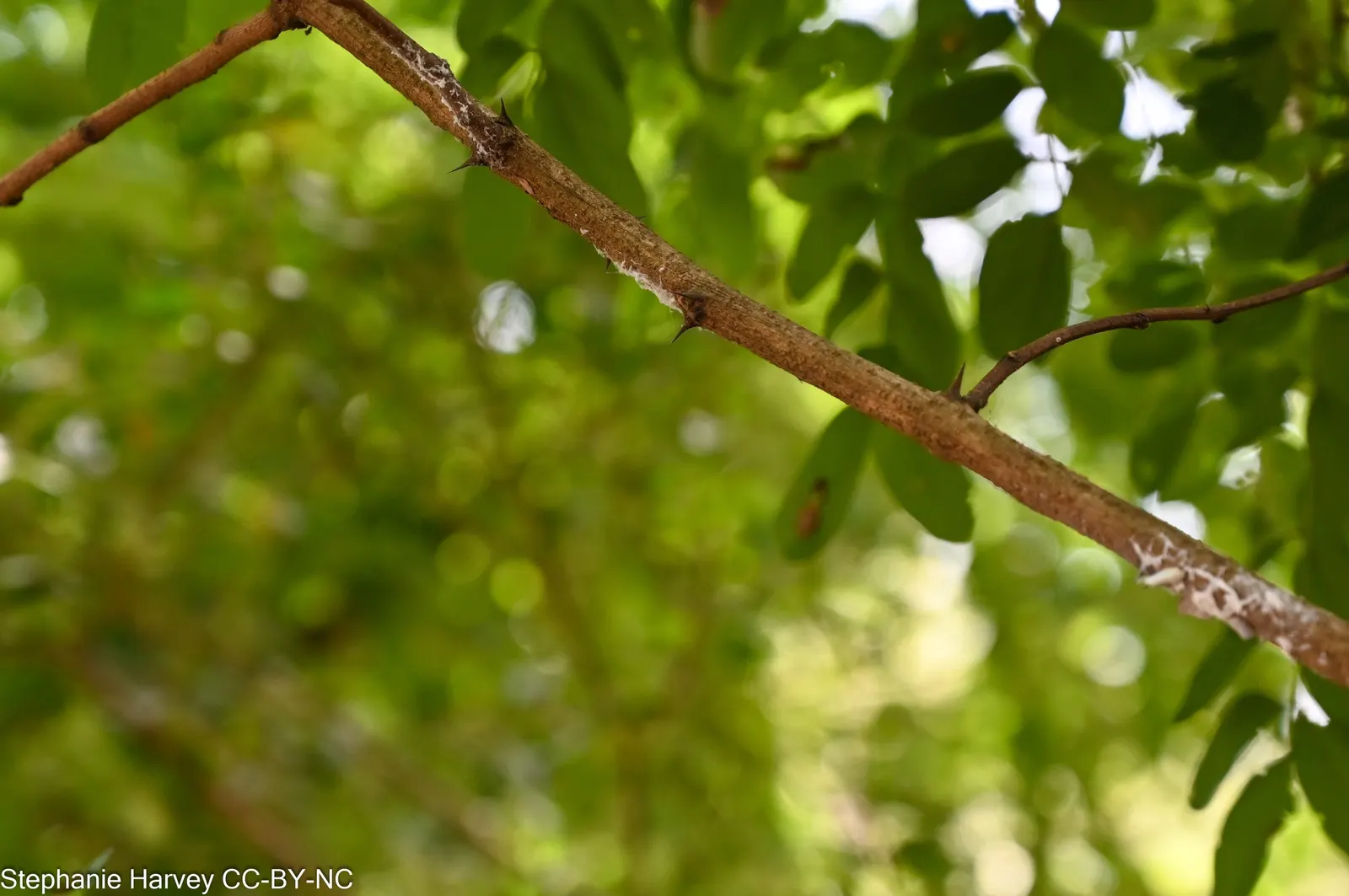
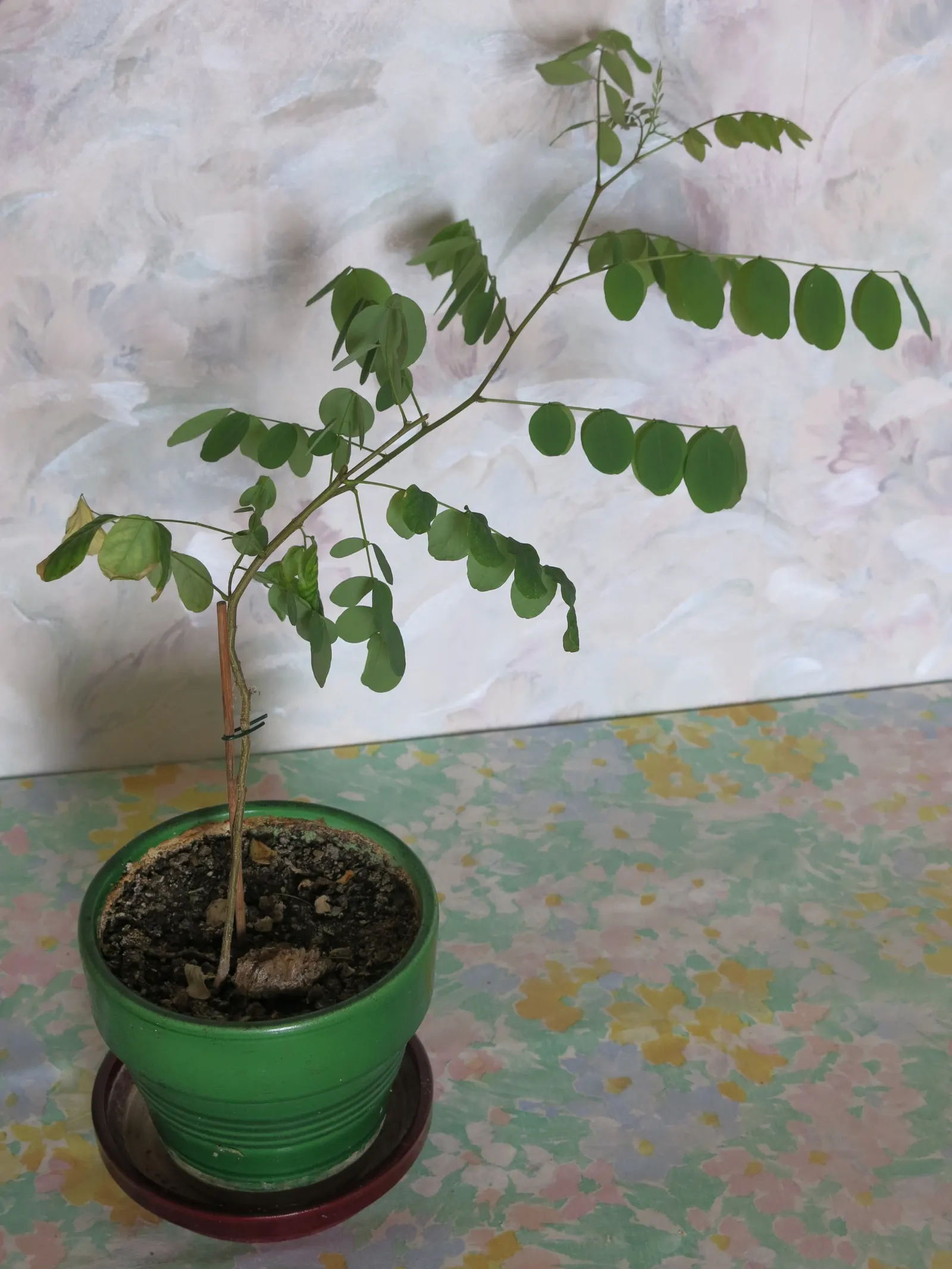
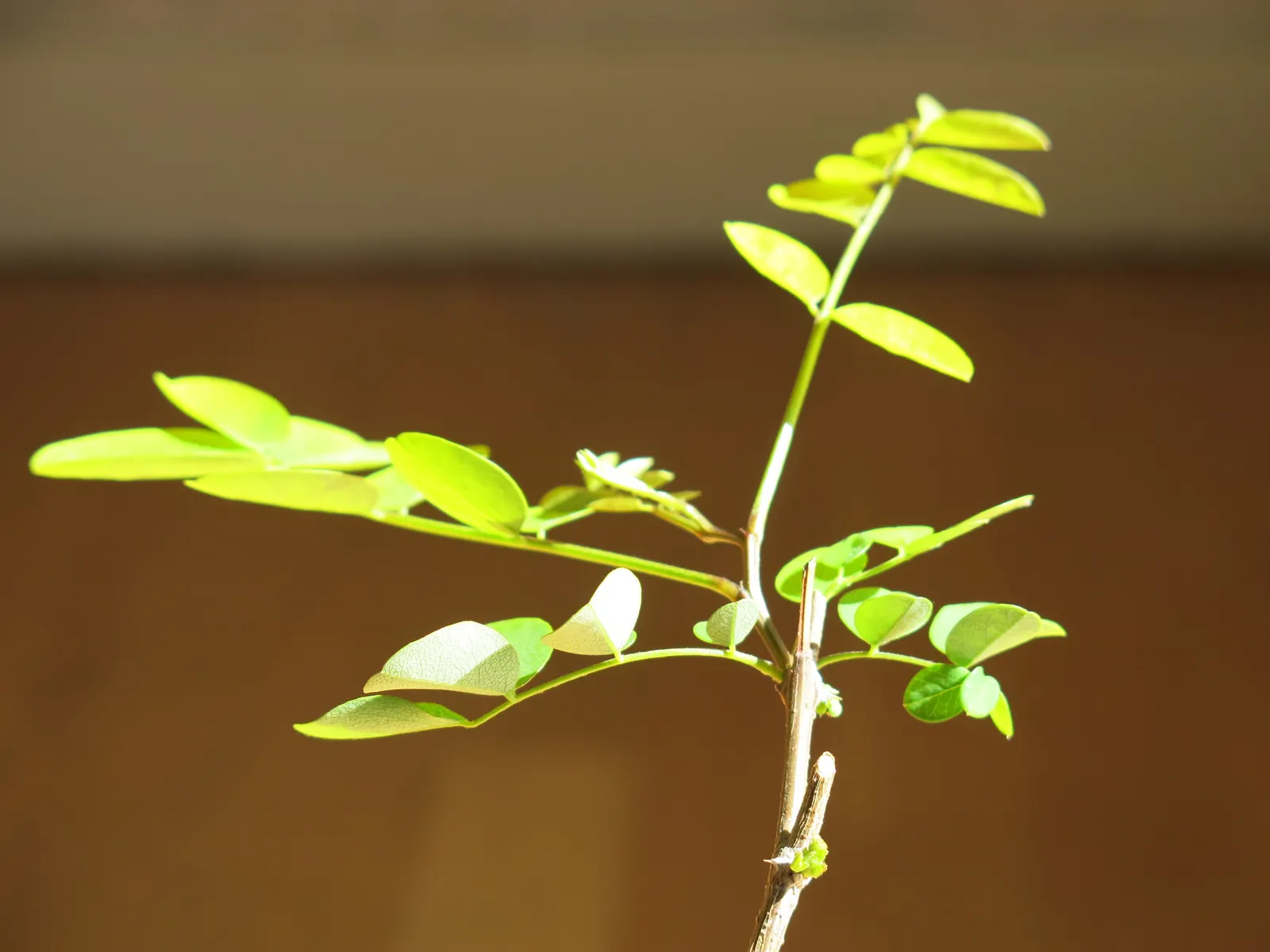
Black Locust (Robinia Pseudoacacia) — Hardy in zones 4-8, it thrives in full sun and well-drained soils; tree for full
Black Locust (Robinia Pseudoacacia) — Its wood is durable and rot-resistant; adding a visually striking and pleasing olfactory element to any garden
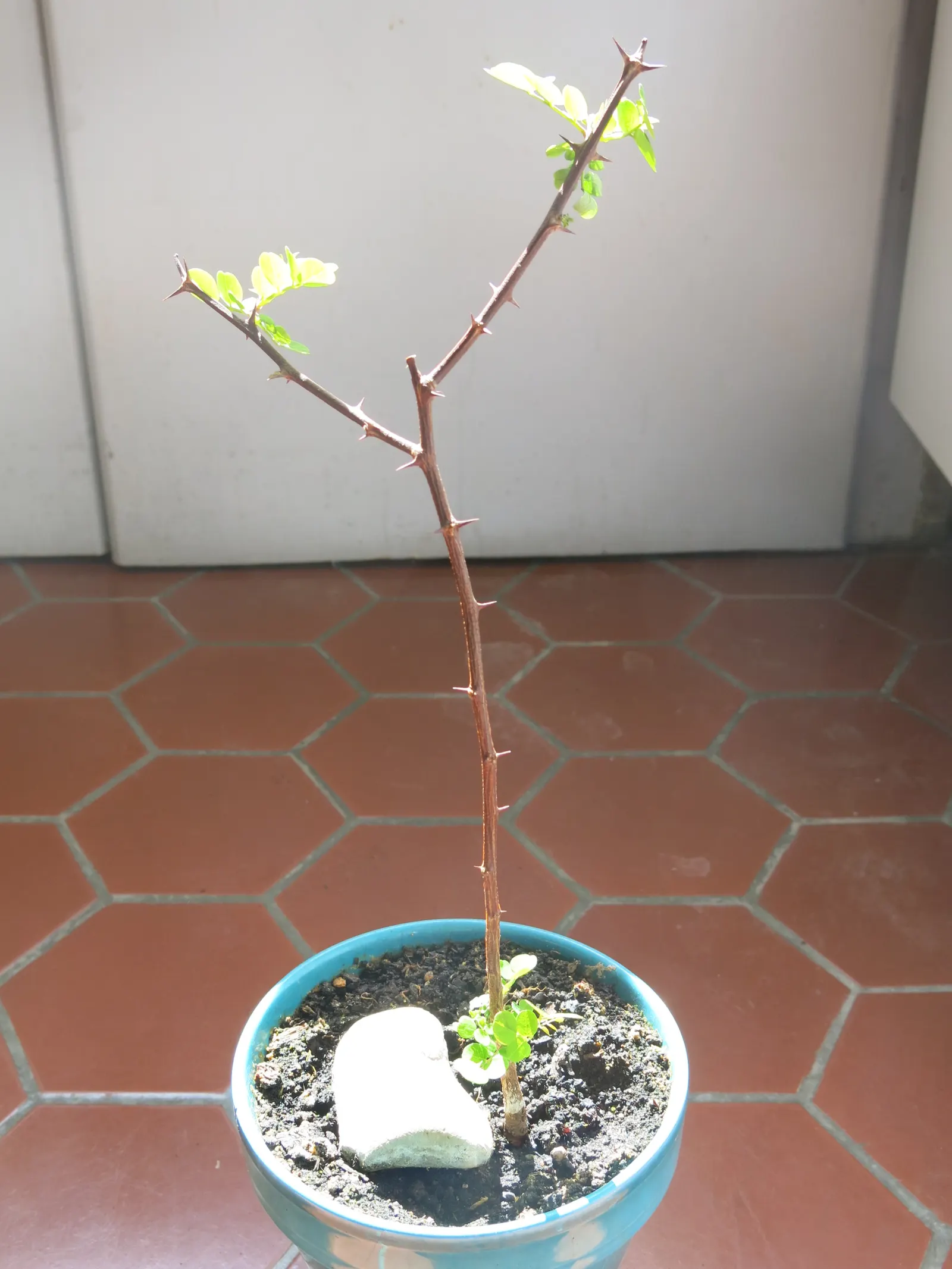
Black Locust (Robinia Pseudoacacia) — The tree is drought-tolerant, though its aggressive roots and self-seeding nature require cautious placement, image 30
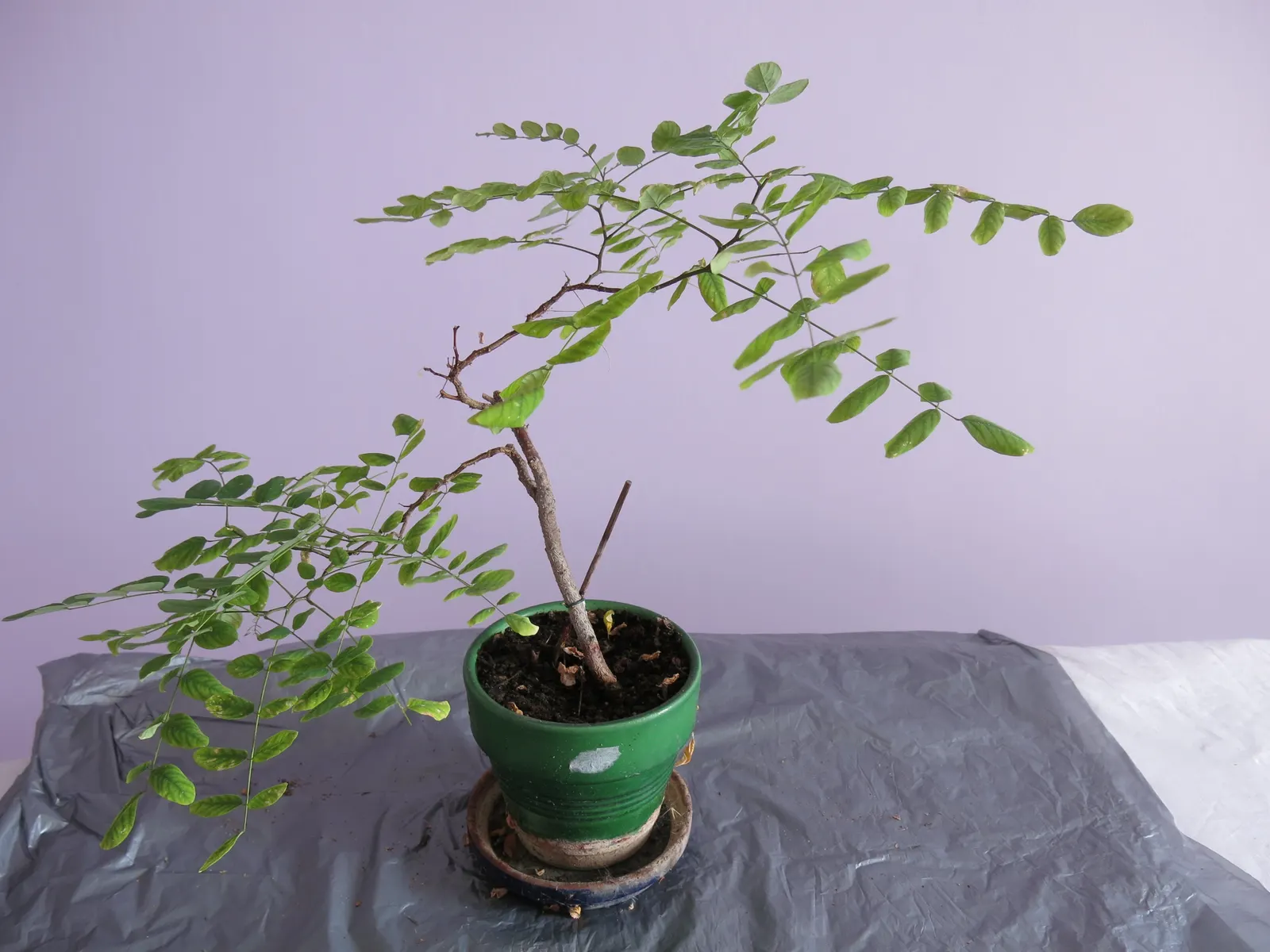
Black Locust (Robinia Pseudoacacia) — tree for full
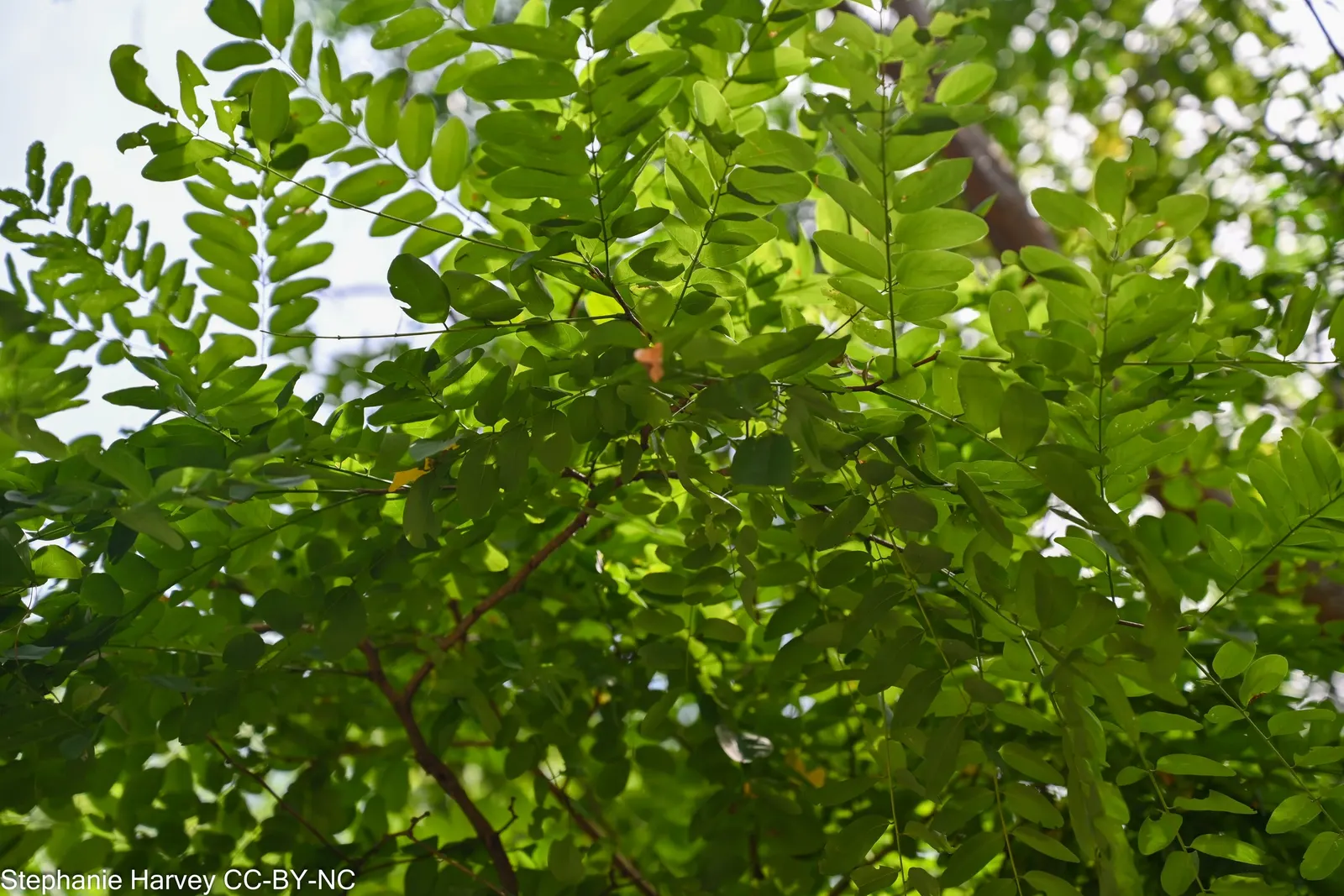
Black Locust (Robinia Pseudoacacia) — is a fast-growing deciduous tree; hardy in zones 4-8, it thrives in full sun and well-drained soils
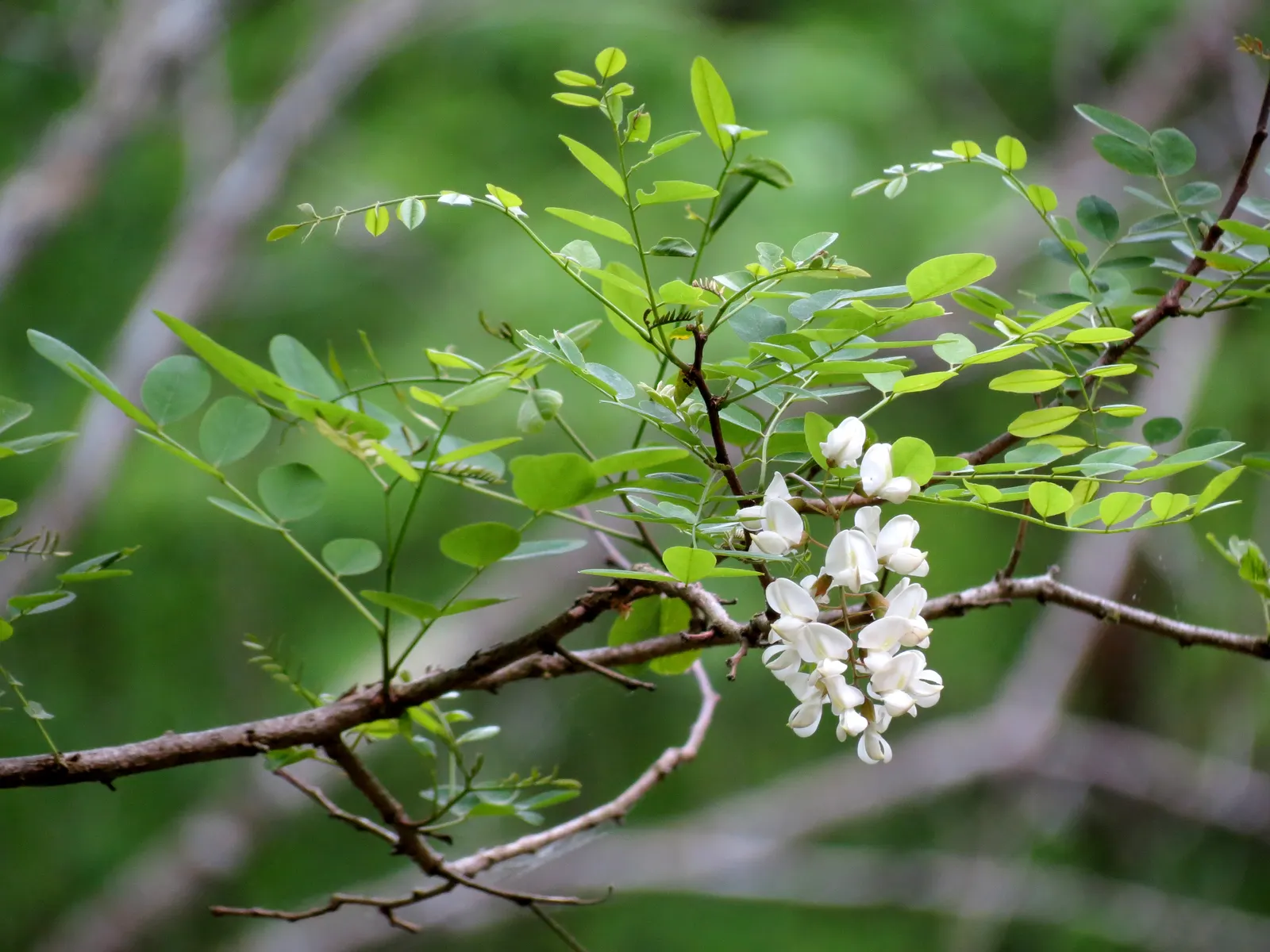
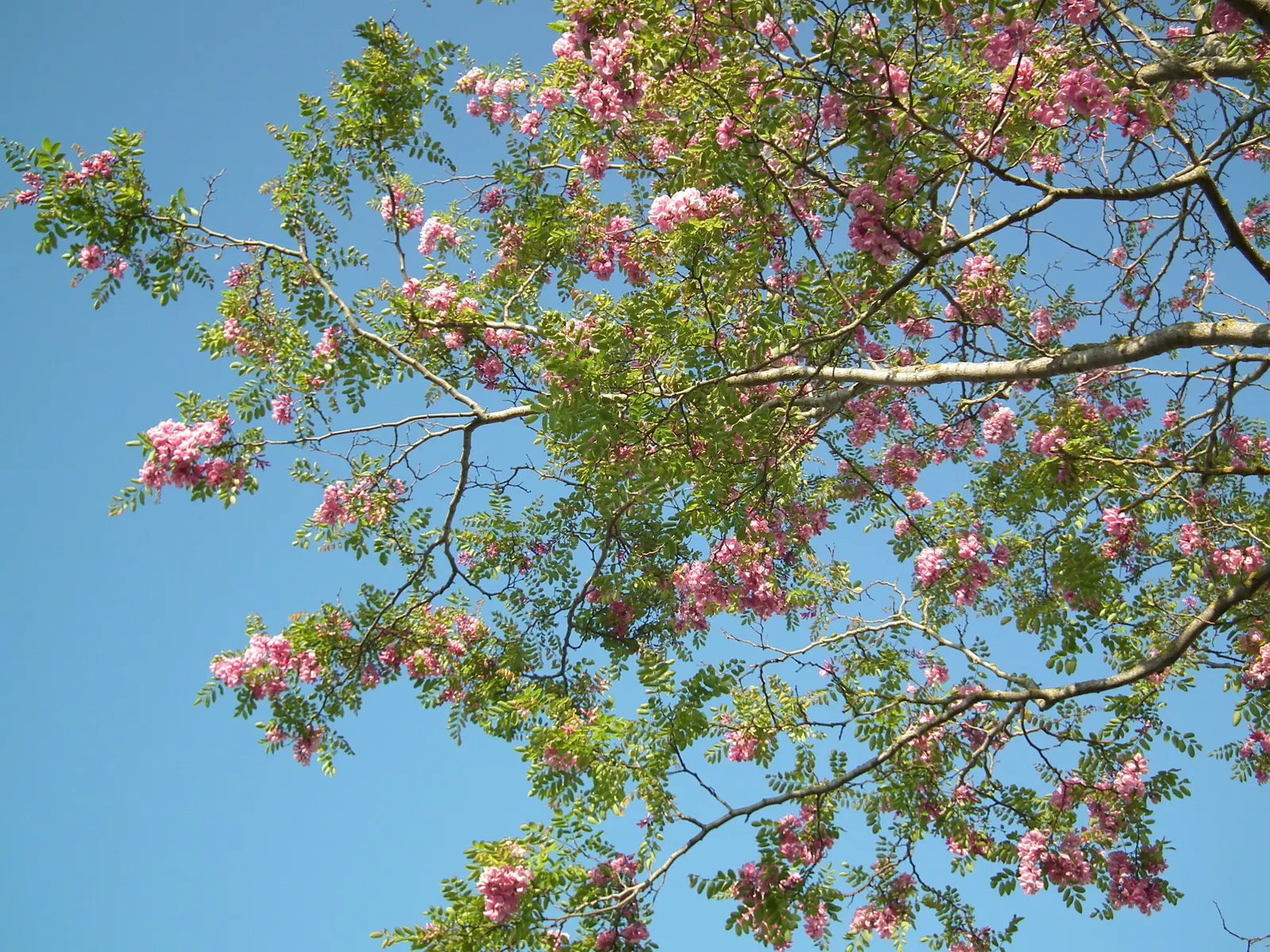
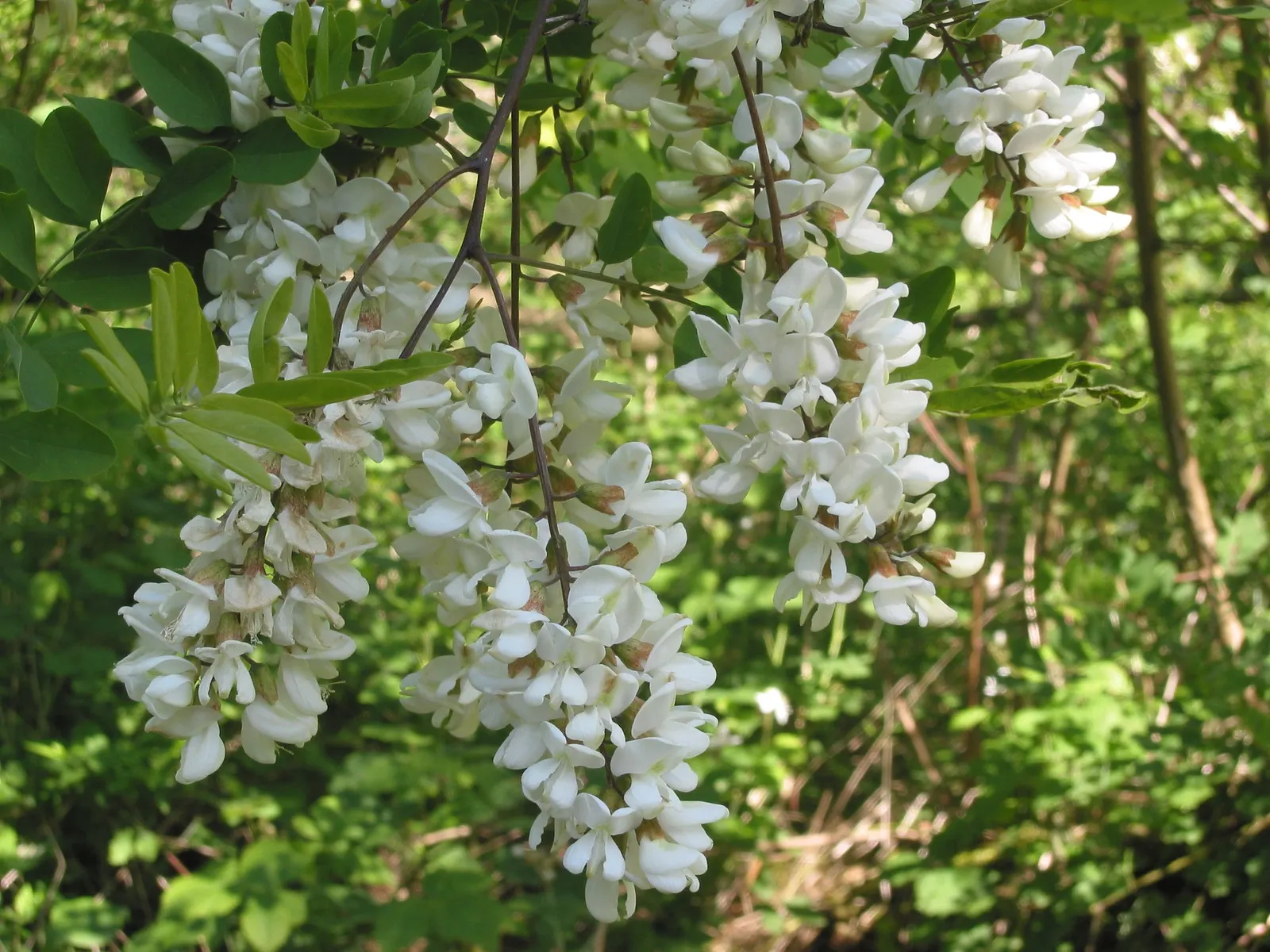
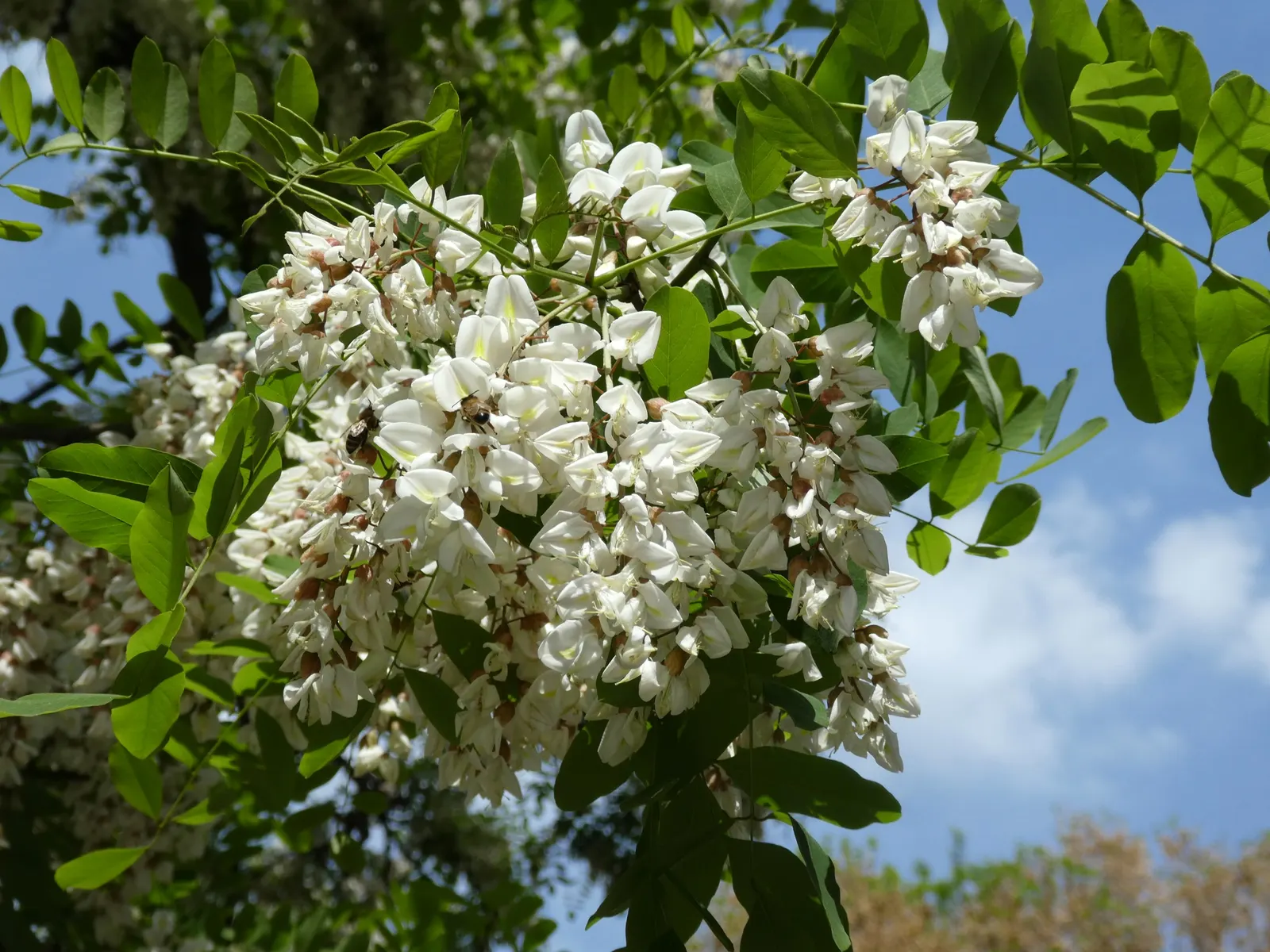
Black Locust (Robinia Pseudoacacia) — tree with white blooms
Black Locust (Robinia Pseudoacacia) — white flowers in the garden
Black Locust (Robinia Pseudoacacia) — making it an excellent choice for varied landscape designs; this hardy species reaches a mature height of 40 to 70 feet
Black Locust (Robinia Pseudoacacia) — is a deciduous tree renowned for its resilience and ornamental qualities; its notable for its fragrant, white flower
Black Locust (Robinia Pseudoacacia) — scientifically named Robinia pseudoacacia; especially the bark and seeds
Black Locust (Robinia Pseudoacacia) — These pendulous flower clusters can reach 4 to 8 inches in length, image 38
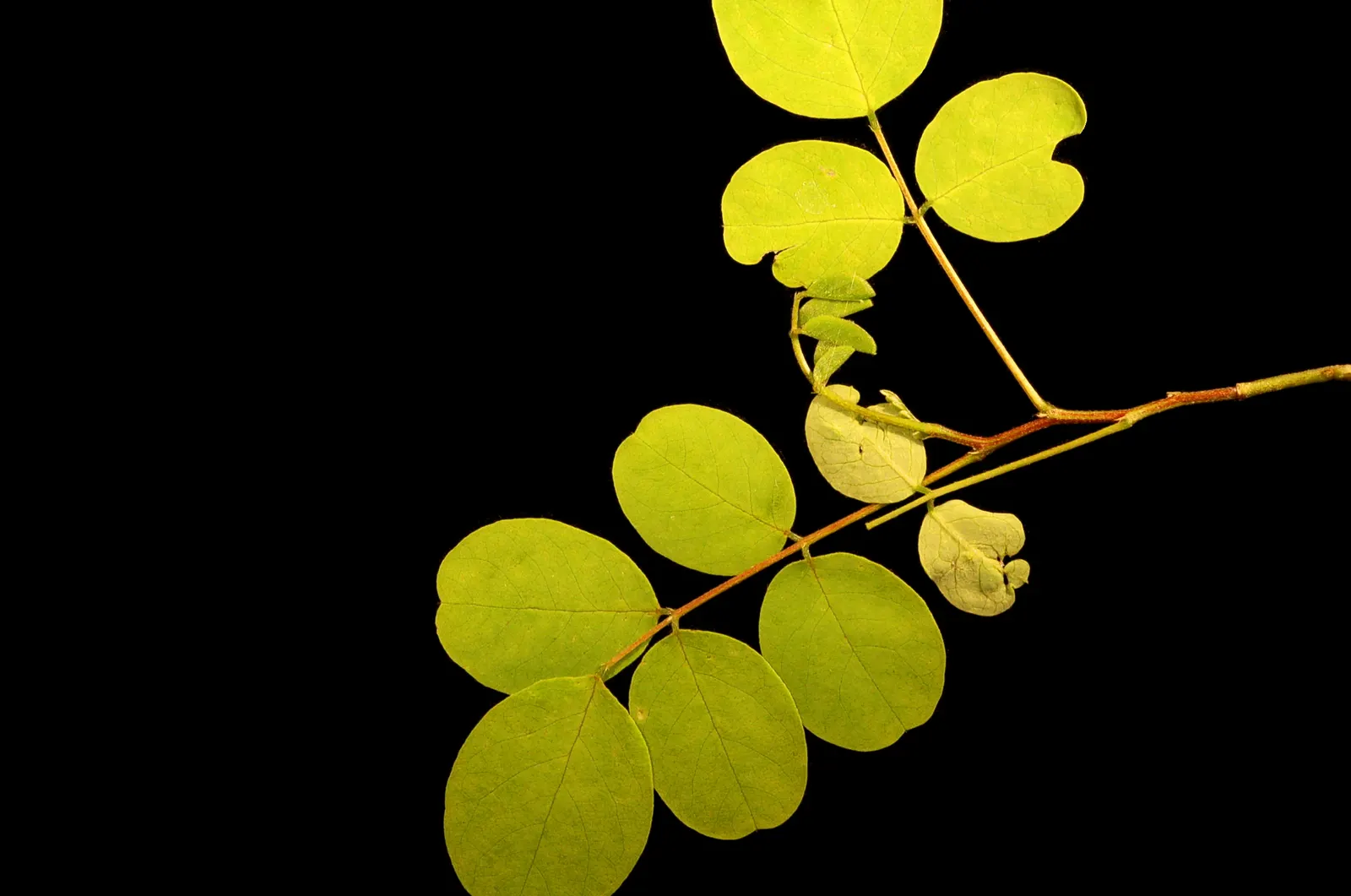
Black Locust (Robinia Pseudoacacia) — the foliage turns an attractive yellow hue; reaching heights of 40-100 feet with a spread of 20-35 feet
Black Locust (Robinia Pseudoacacia) — adding a visually striking and pleasing olfactory element to any garden; which can be utilized for posts or lumber if
Black Locust (Robinia Pseudoacacia) — and the fragrant white flowers that bloom in late spring; its wood is durable and rot-resistant
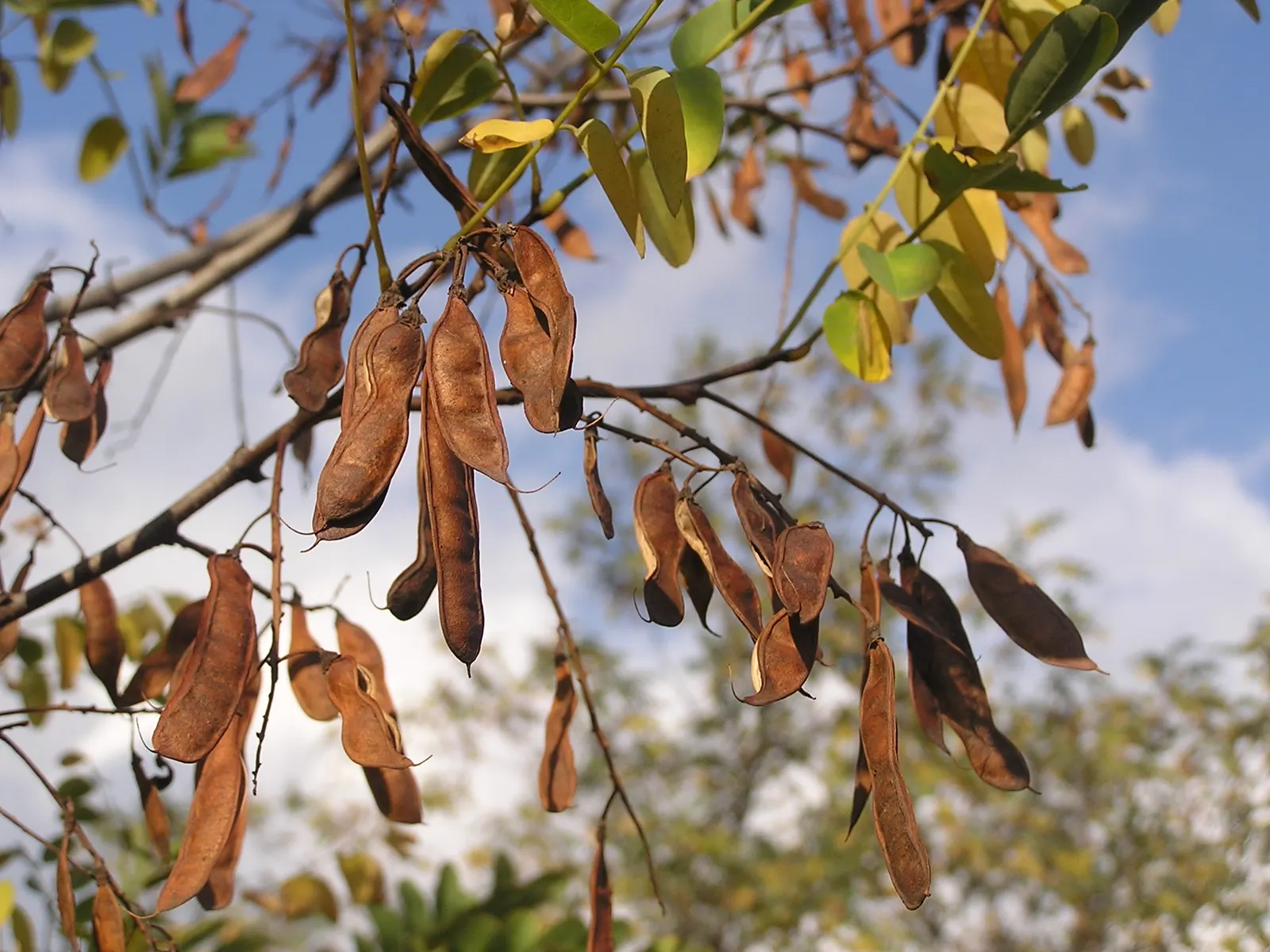
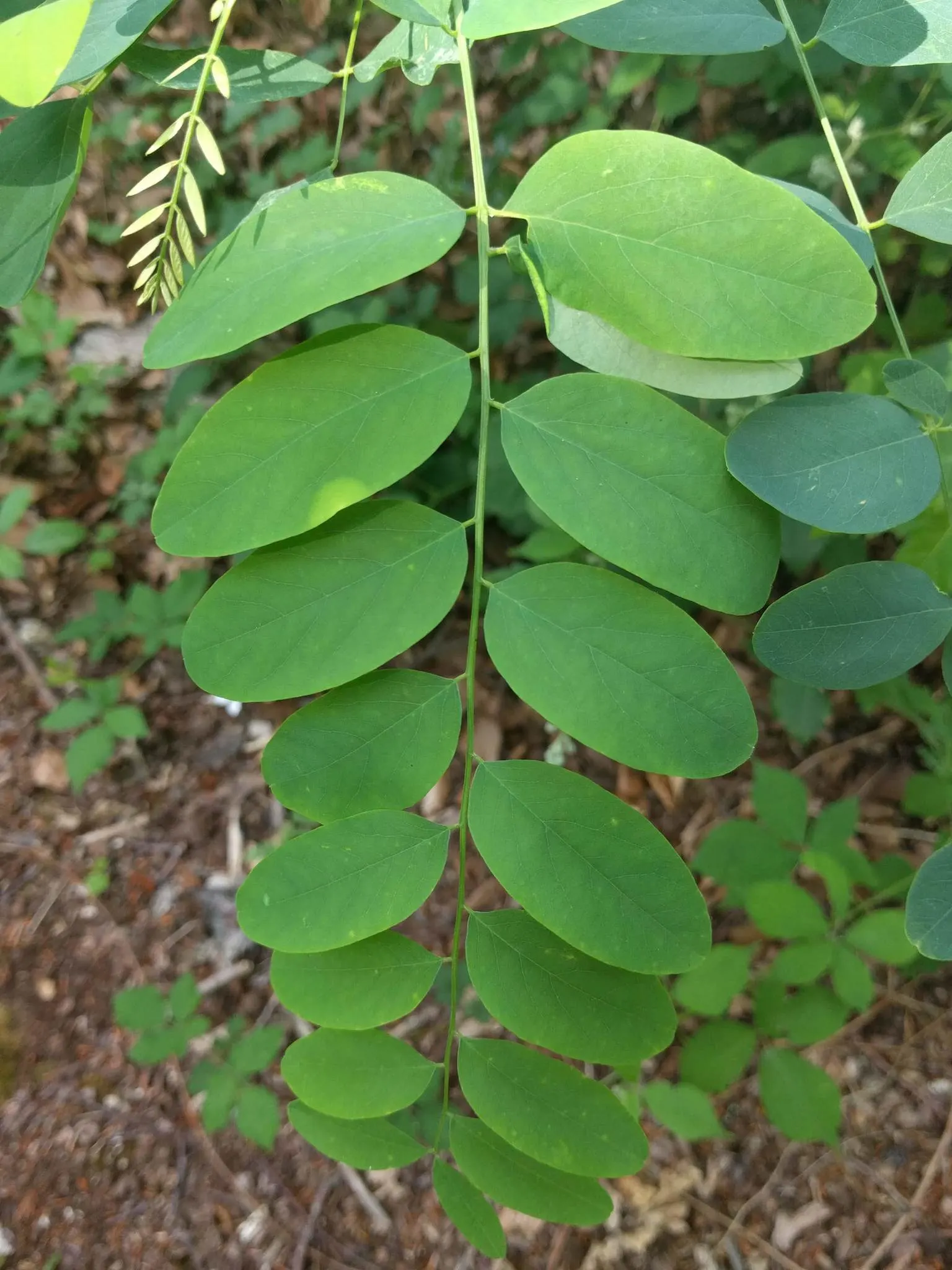
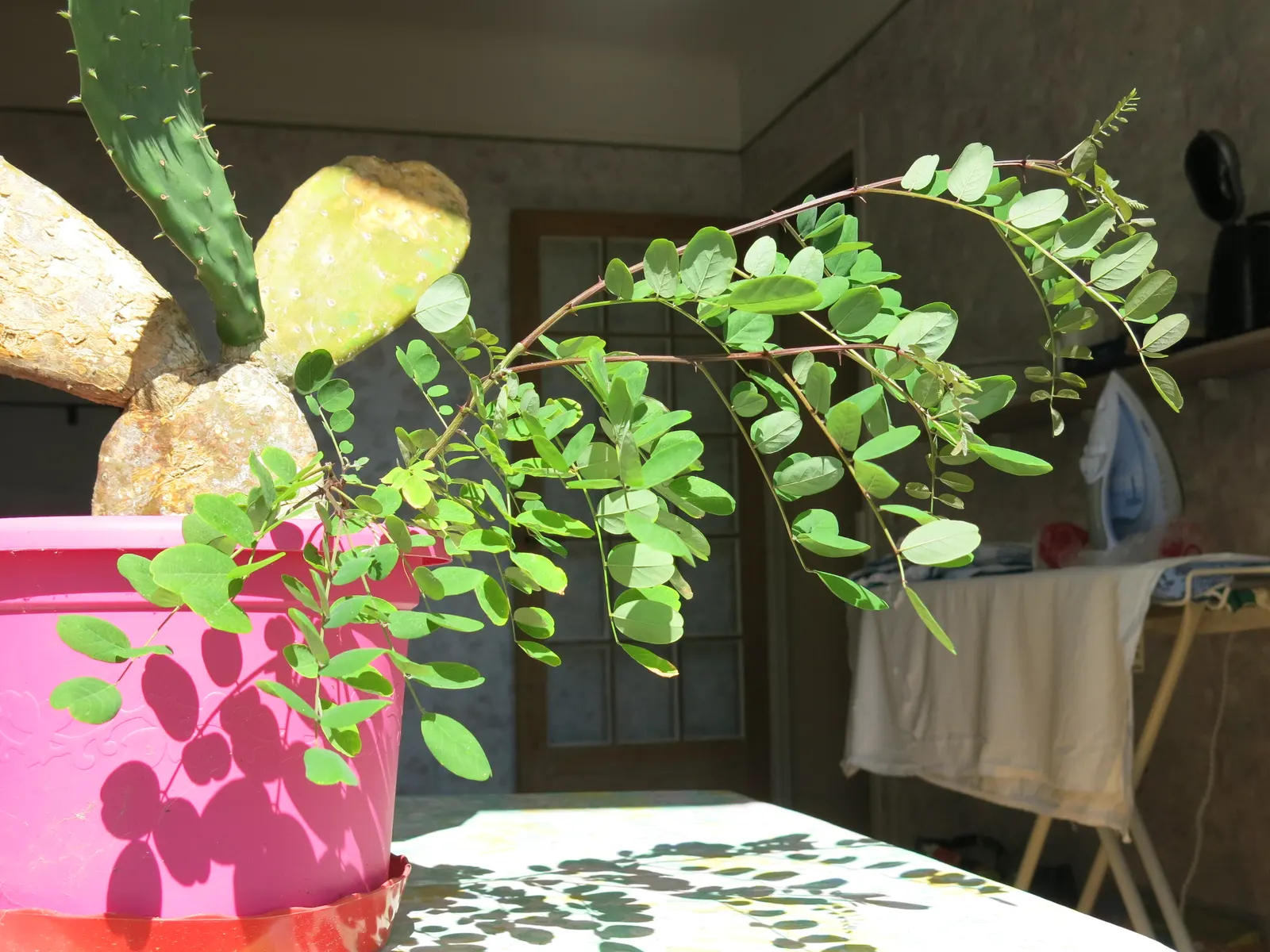
Black Locust (Robinia Pseudoacacia) — each typically measuring about 8 to 14 inches in length; tree with white blooms
Black Locust (Robinia Pseudoacacia) — This hardy species reaches a mature height of 40 to 70 feet with a canopy spread of 20 to 35 feet; it exhibits notable
Black Locust (Robinia Pseudoacacia) — so careful consideration should be given to its placement in areas of human activity; white flowers in the garden
Black Locust (Robinia Pseudoacacia) — thus caution is advised in landscapes frequented by pets or small children; is a fast-growing deciduous tree
Black Locust (Robinia Pseudoacacia) — especially the bark and seeds; the Black Locust is also known for its hard
Black Locust (Robinia Pseudoacacia) — which can be utilized for posts or lumber if needed; and the fragrant white flowers that bloom in late spring
Black Locust (Robinia Pseudoacacia) — it exhibits notable drought tolerance; preferring full sun exposure for optimal growth
Black Locust (Robinia Pseudoacacia) — the Black Locust is also known for its hard; the tree is drought-tolerant, though its aggressive roots and self-seeding
Black Locust (Robinia Pseudoacacia) — preferring full sun exposure for optimal growth; making it an excellent choice for varied landscape designs
Black Locust (Robinia Pseudoacacia) — tree for full; thus caution is advised in landscapes frequented by pets or small children

Related plants