Skip to content

Garden Red Currant

Ribes Rubrum

Design with this plant

Overview

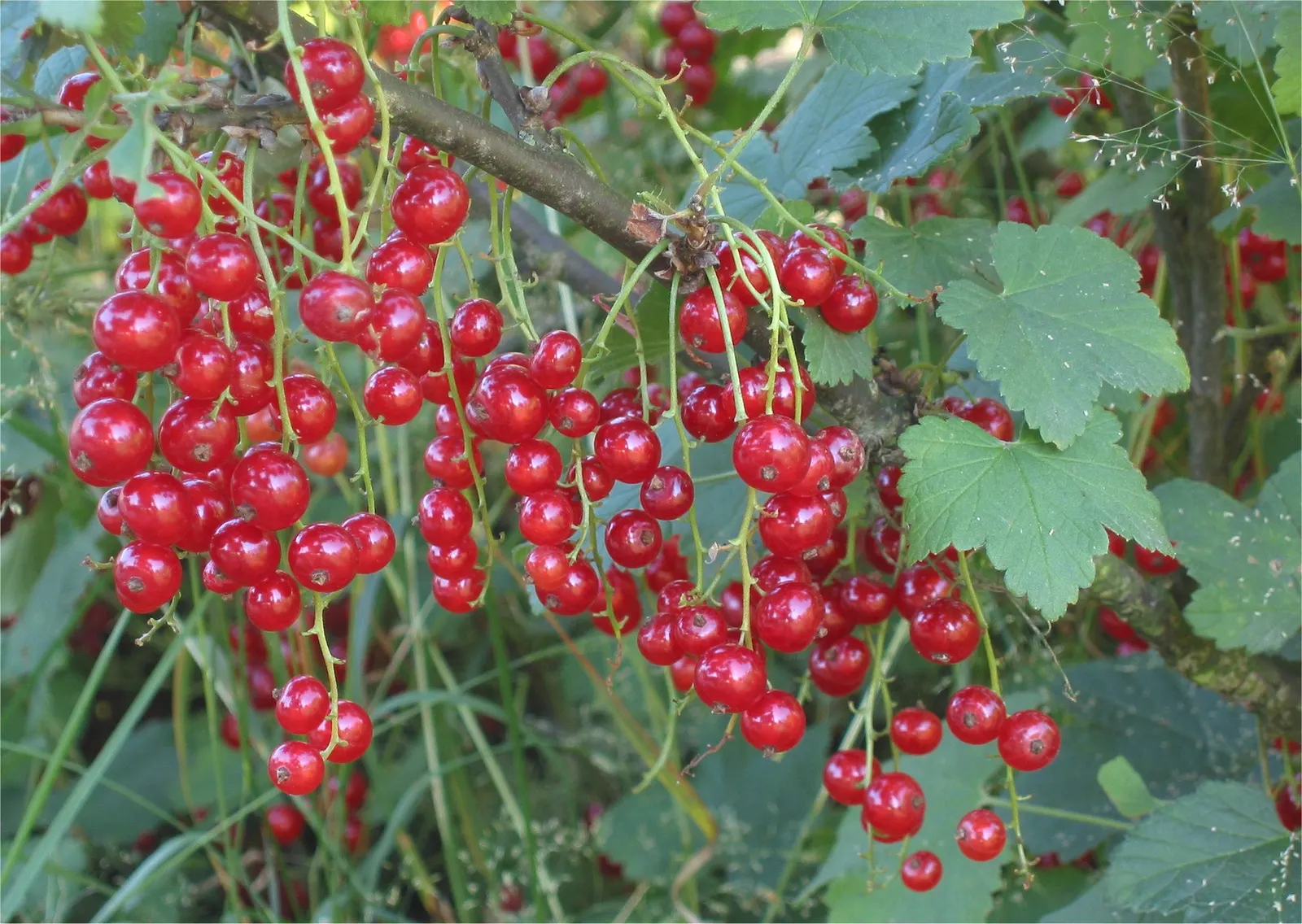
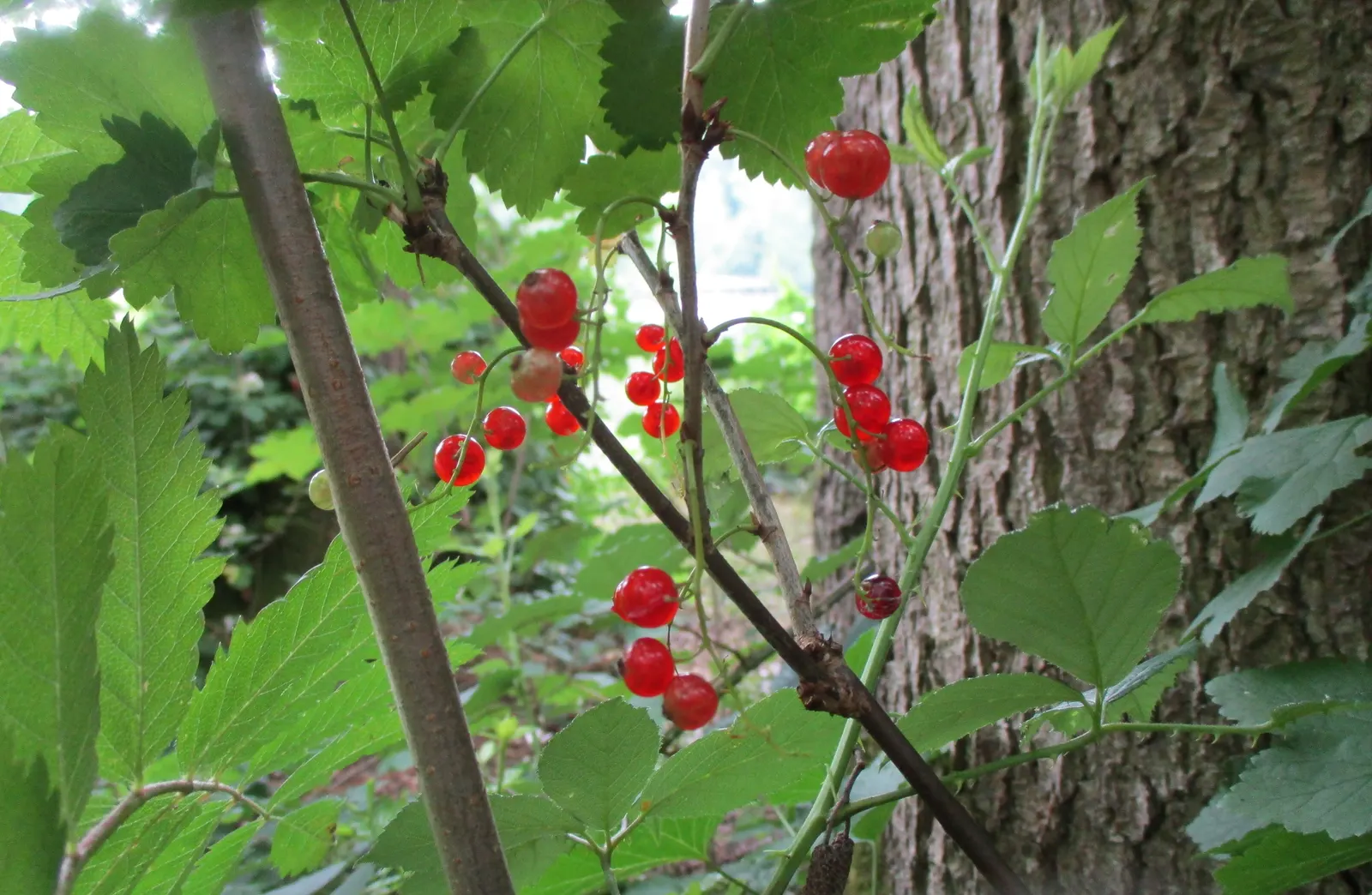
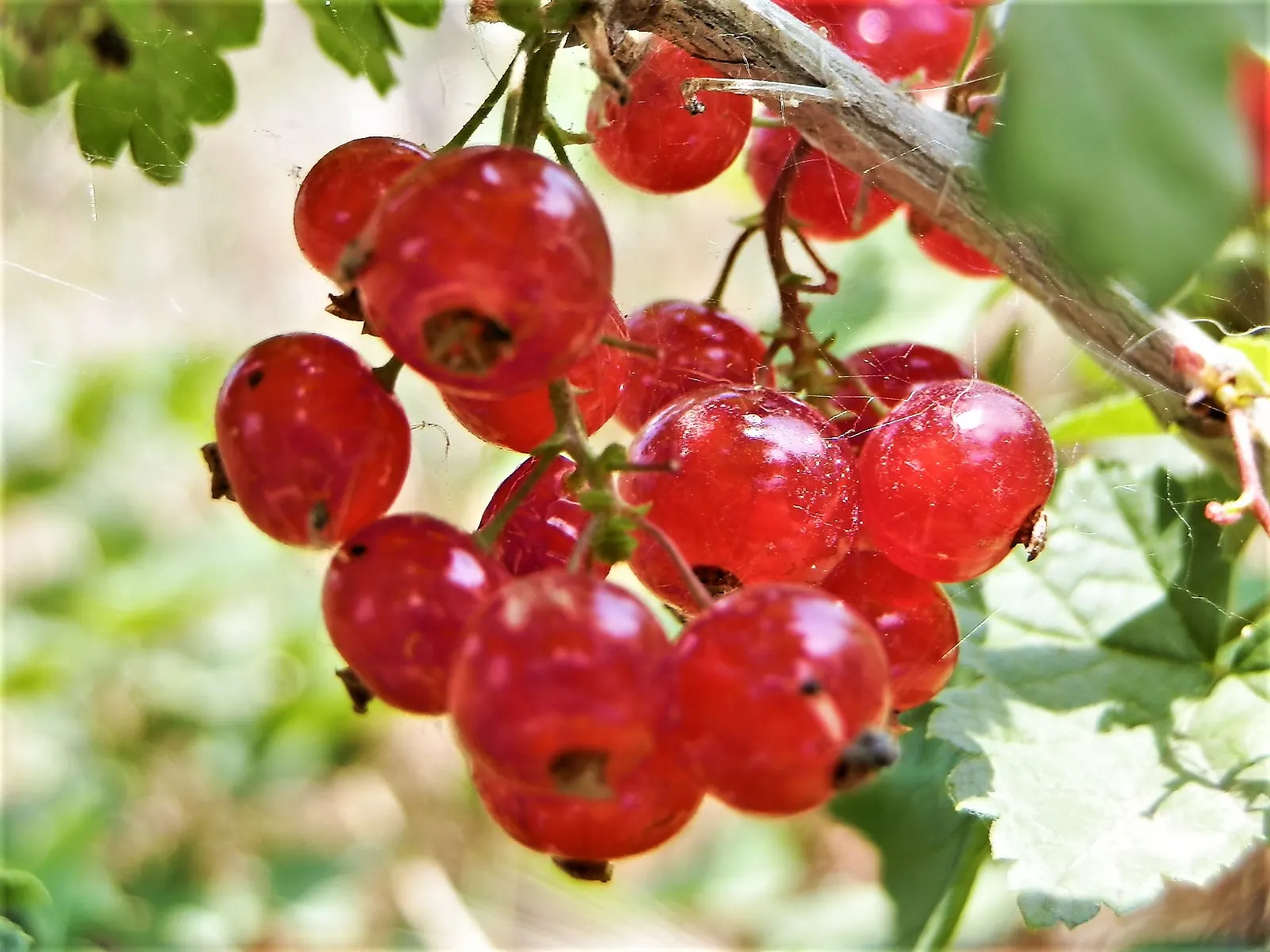
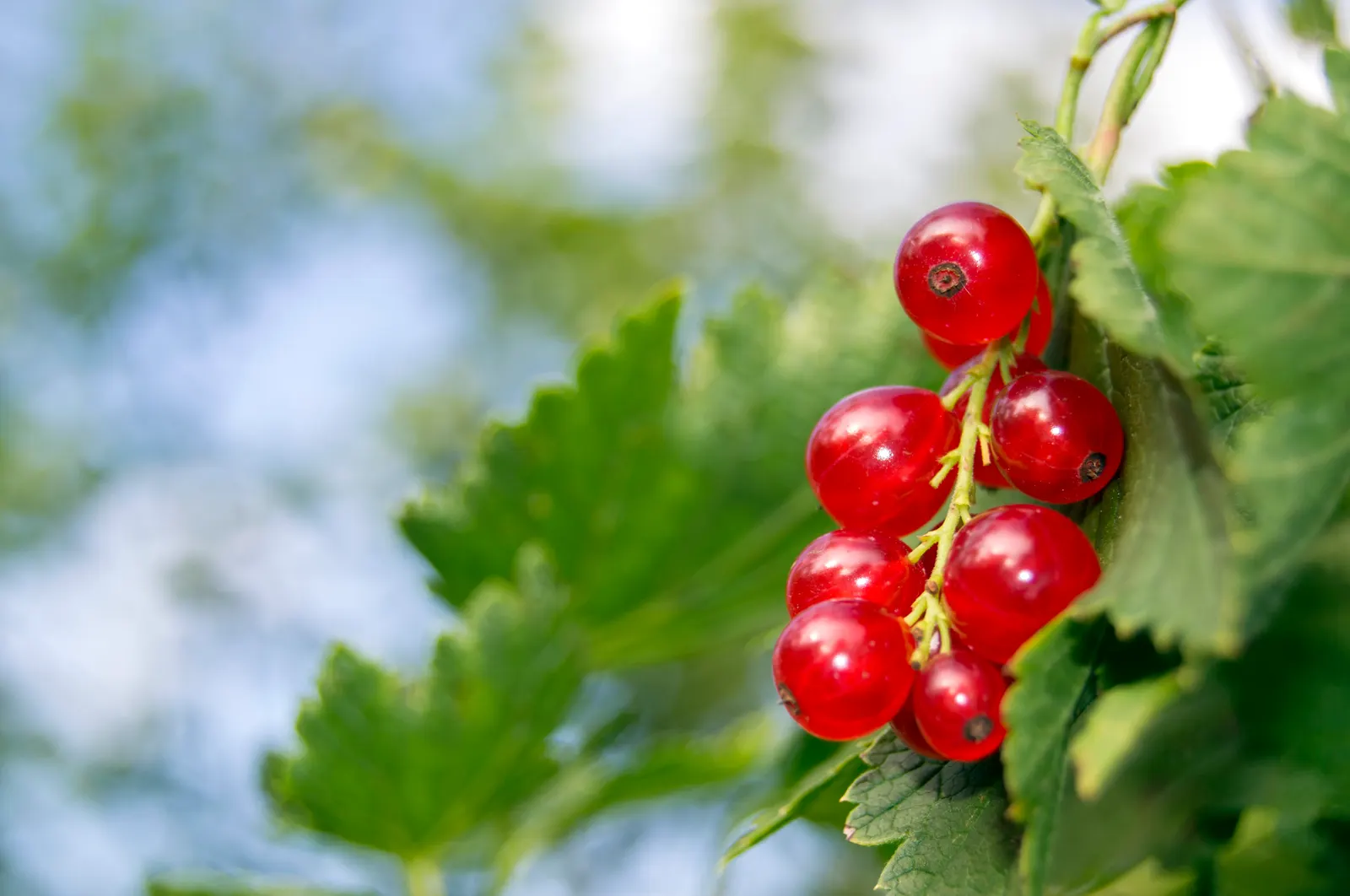
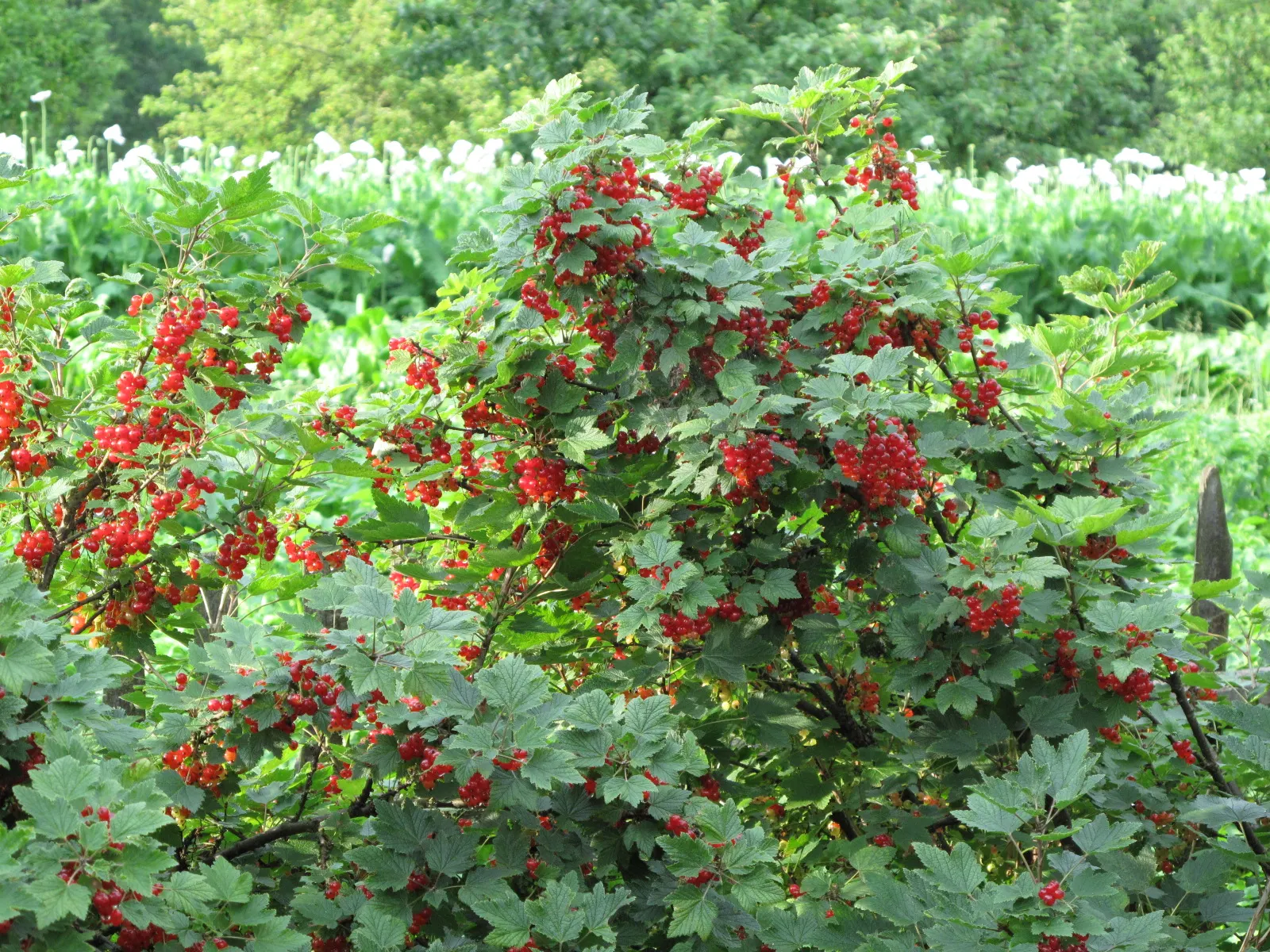
The Garden Red Currant (Ribes rubrum) is a hardy deciduous shrub reaching 3-5 feet in height and width. Esteemed for its clusters of bright red berries, the plant offers a tart flavor popular in culinary uses. Its spring blossoms attract pollinators, while the fruit entices birds. Thrives in well-drained, loamy soil with full sun to partial shade. Space plants approximately 4-6 feet apart to ensure ample growth and airflow.

Sun Half, ShadeWater LowZones 3–7Climate Mediterranean
Garden Red Currant (Ribes Rubrum) — The Garden Red Currant (Ribes rubrum) is a hardy deciduous shrub reaching 3-5 feet in height and width

Culture

Sun
Half, Shade
Water
Low
USDA zones
3–7

Shape & size

Classification

Family
Grossulariaceae
Climate
Mediterranean

See full data, regional cultivation notes, full-resolution photos, and design tools. Build a client presentation around this plant.

Start your 14-day trial

Photos (106)

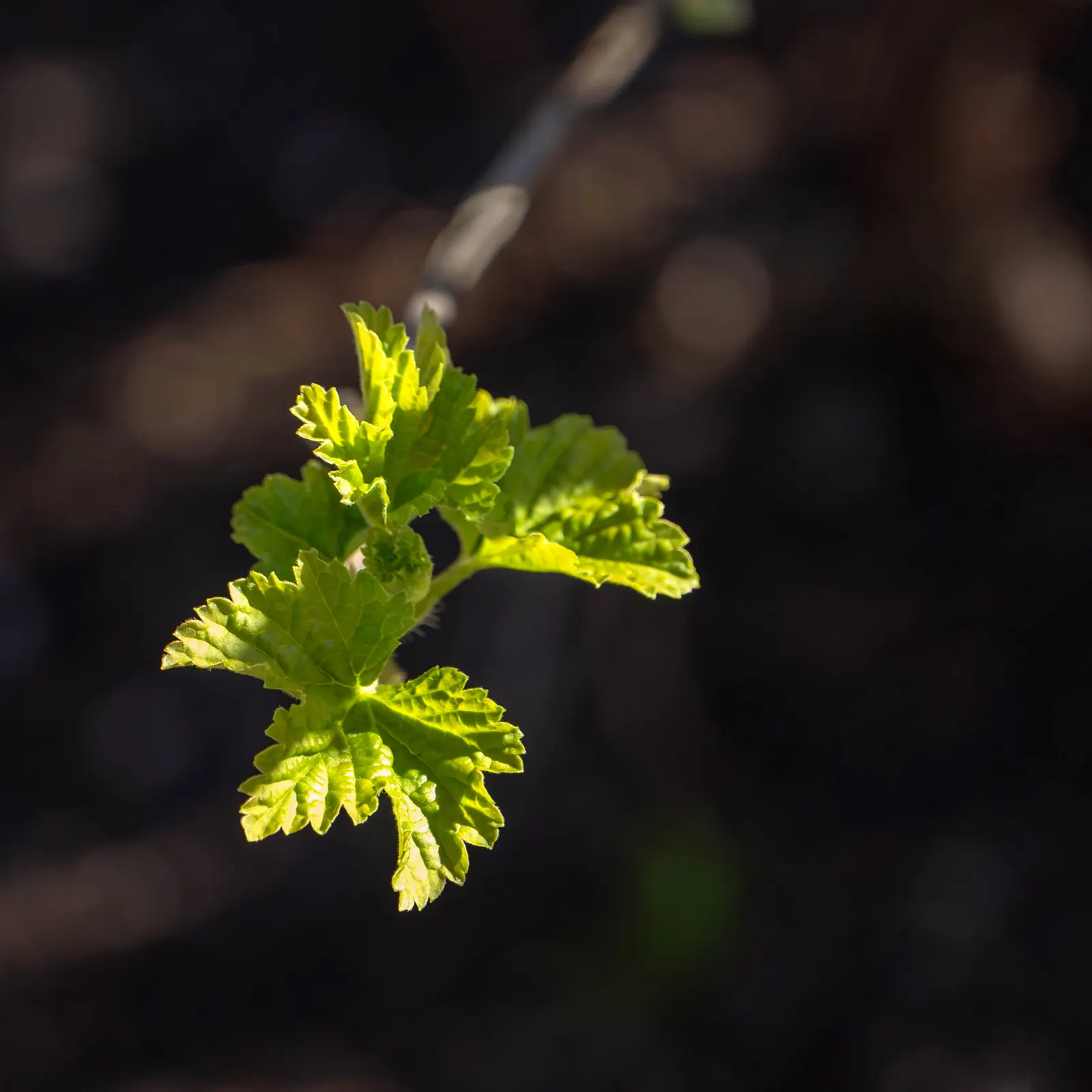
Garden Red Currant (Ribes Rubrum) — Regular pruning will maintain an attractive shape and encourage fruit production
Garden Red Currant (Ribes Rubrum) — an addition to an edible garden
Garden Red Currant (Ribes Rubrum) — making the Garden Red Currant a delightful choice for their garden
Garden Red Currant (Ribes Rubrum) — and low-maintenance requirements
Garden Red Currant (Ribes Rubrum) — shrub for half or shade
Garden Red Currant (Ribes Rubrum) — The Garden Red Currant (Ribes rubrum) is a hardy deciduous shrub reaching 3-5 feet in height and width; thrives in
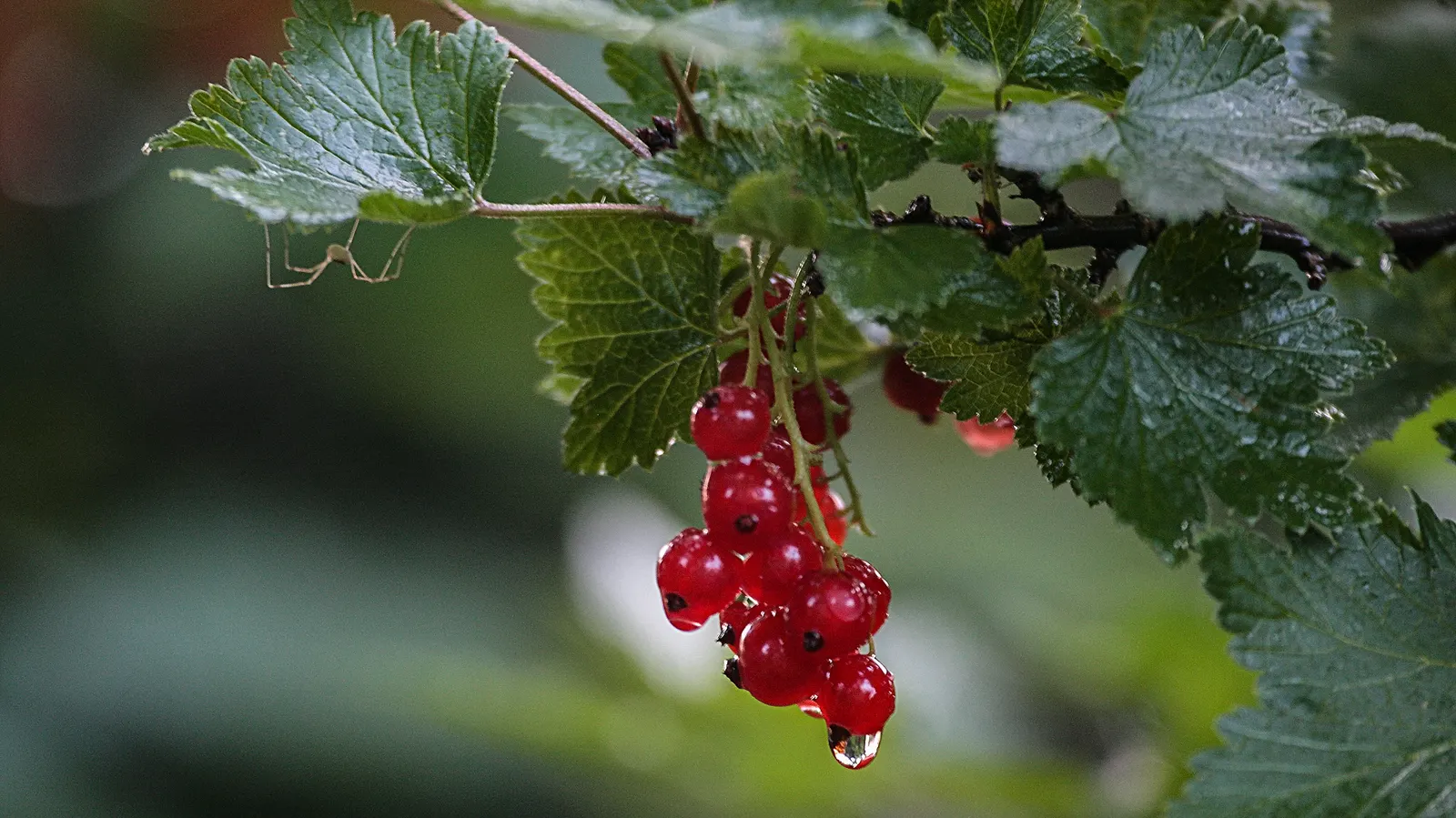
Garden Red Currant (Ribes Rubrum) — Esteemed for its clusters of bright red berries, the plant offers a tart flavor popular in culinary uses; which are a
Garden Red Currant (Ribes Rubrum) — Its spring blossoms attract pollinators, while the fruit entices birds; adding a nutritious aspect to their ornamental
Garden Red Currant (Ribes Rubrum) — Thrives in well-drained, loamy soil with full sun to partial shade; consider its potential as a border plant
Garden Red Currant (Ribes Rubrum) — which are a subtle highlight before the main attraction; they contain a tart flavor, which is perfect for jellies
Garden Red Currant (Ribes Rubrum) — Space plants approximately 4-6 feet apart to ensure ample growth and airflow; its spring blossoms attract pollinators
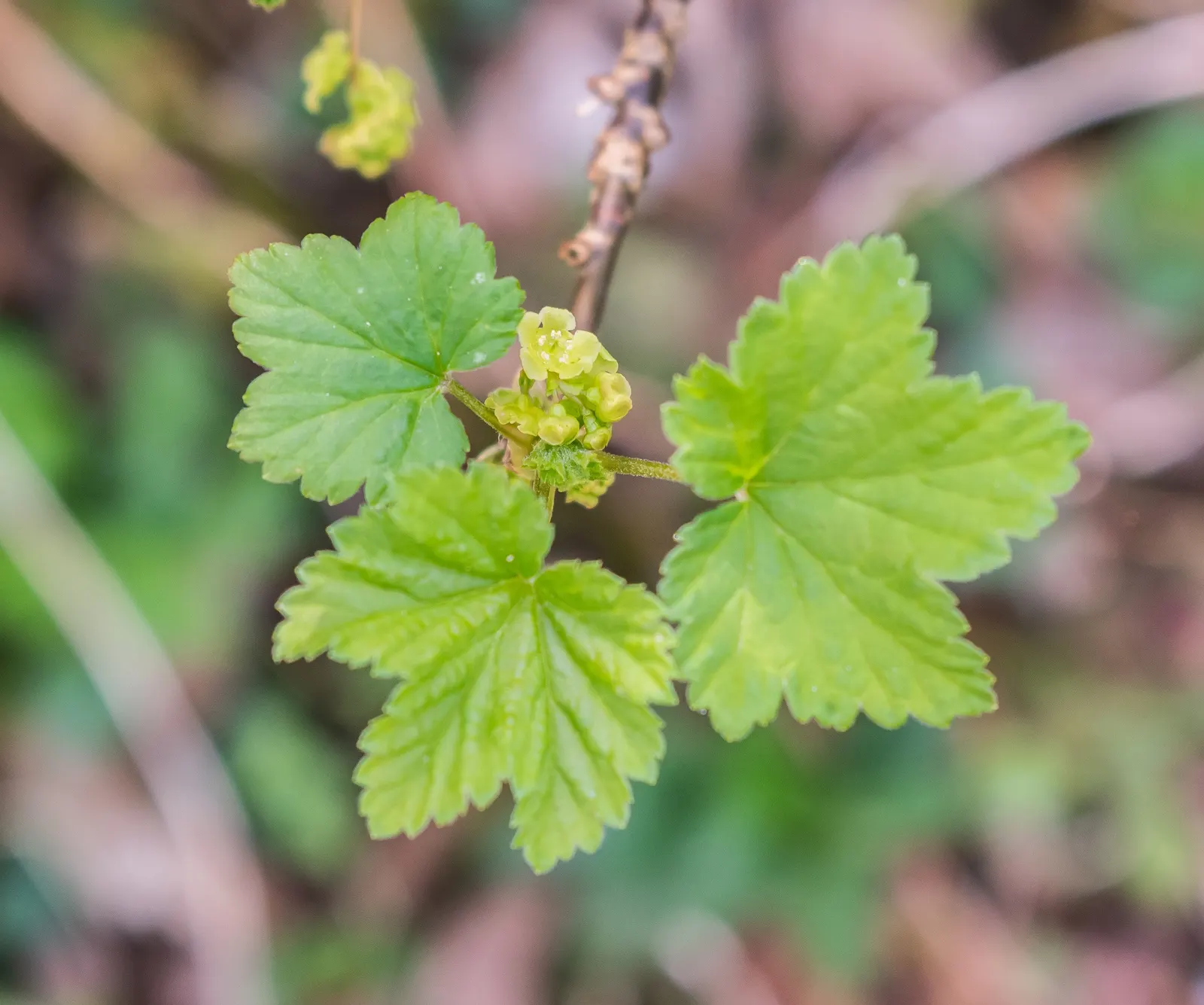
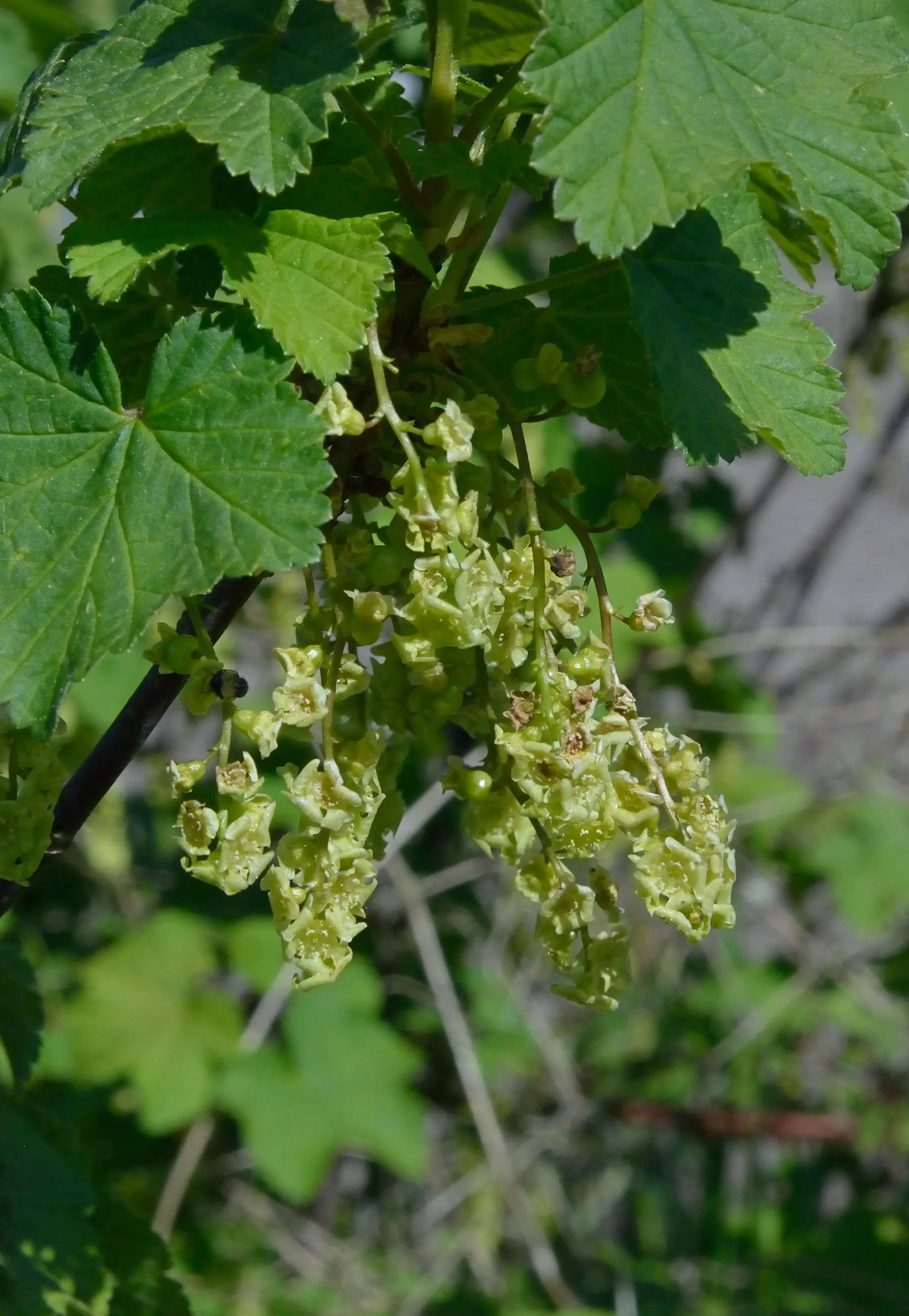
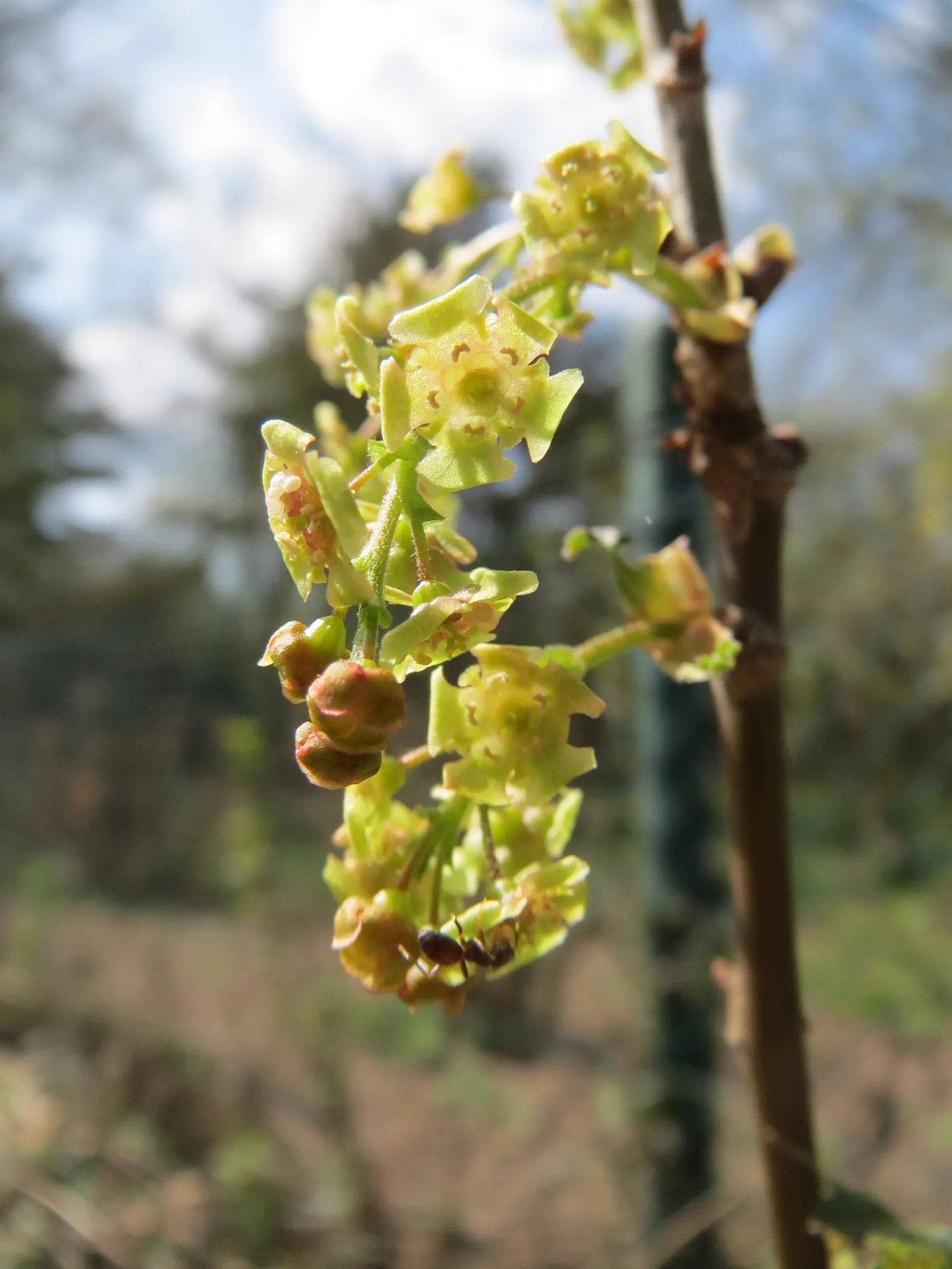
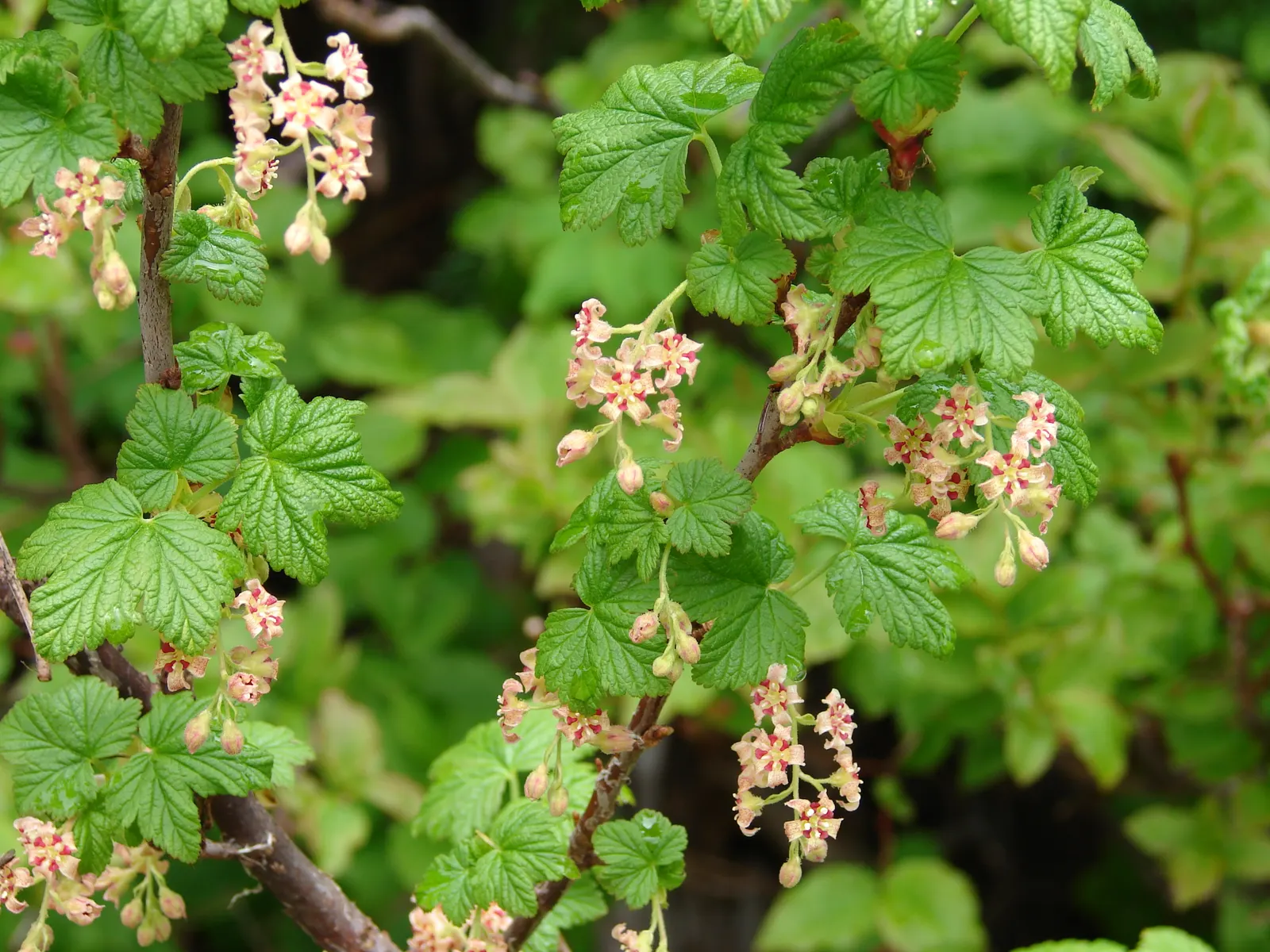
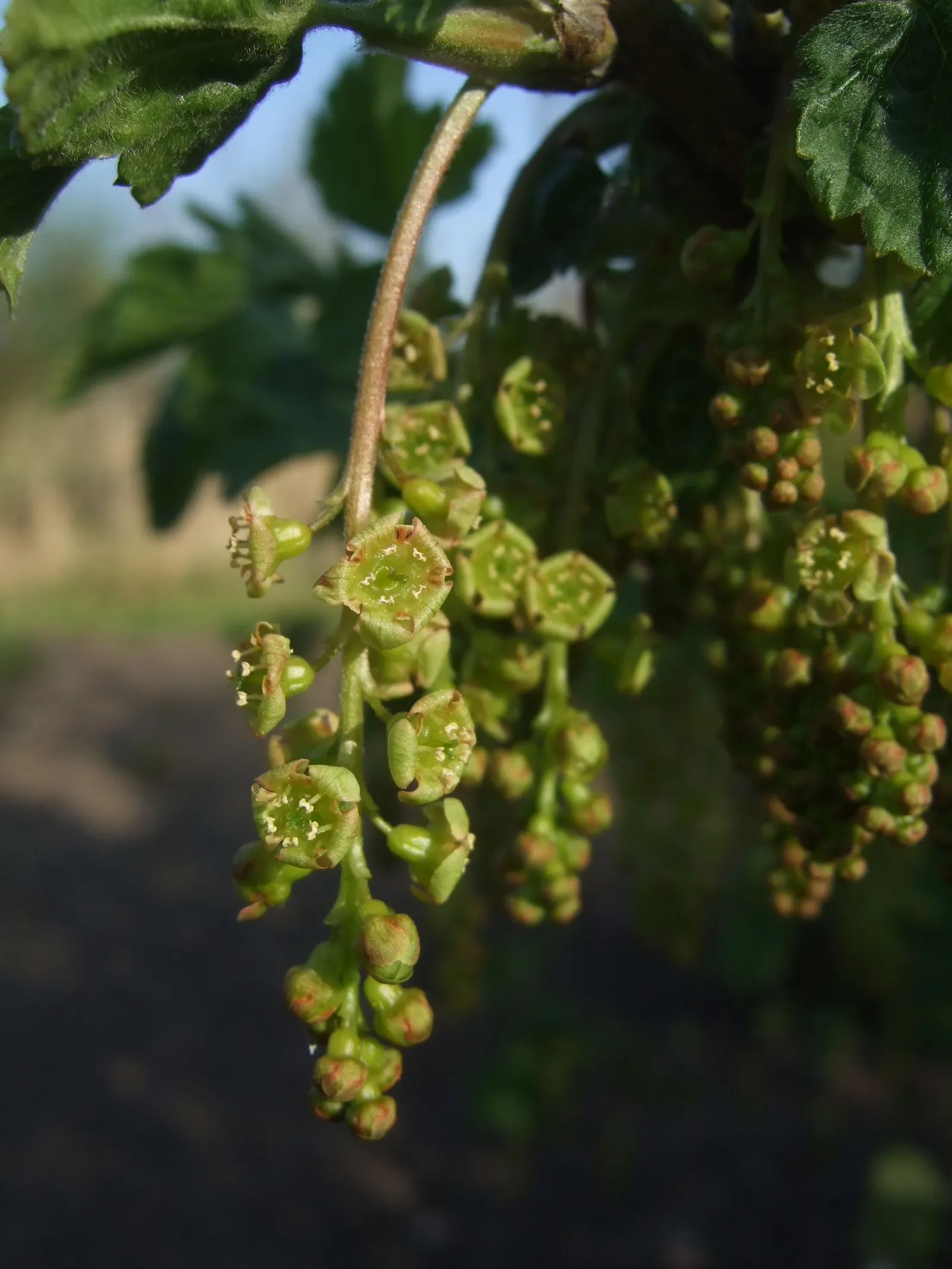
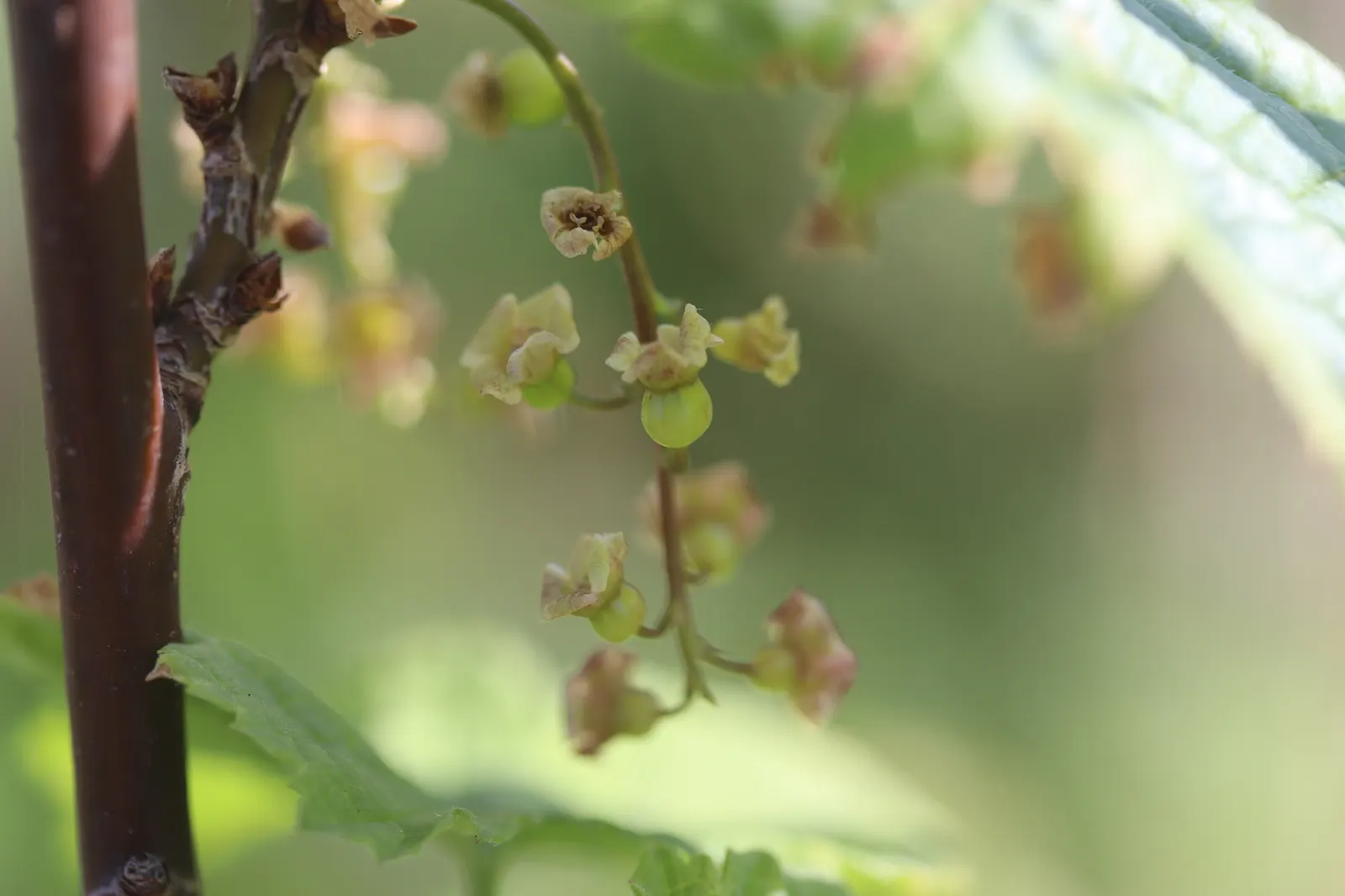
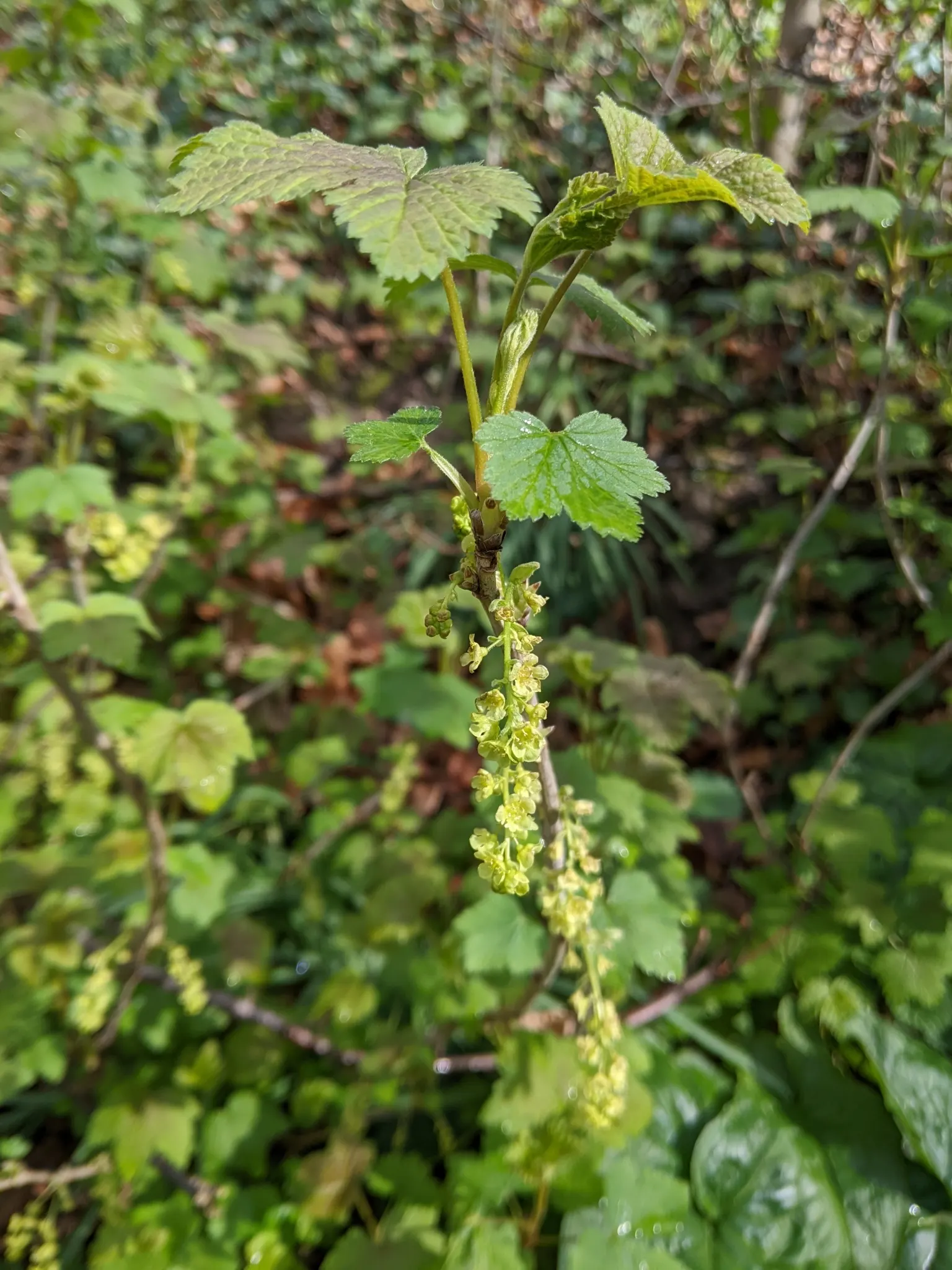
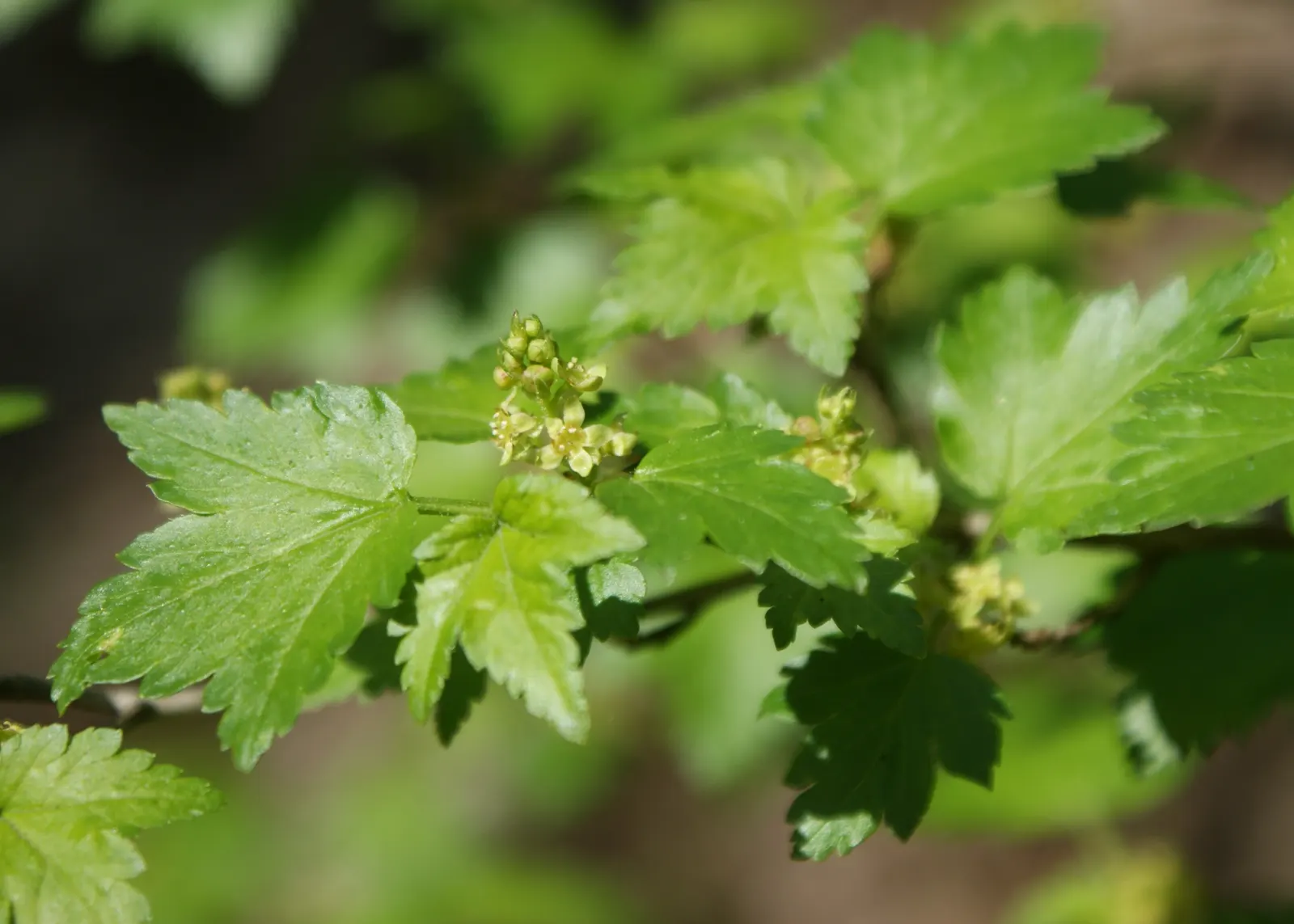
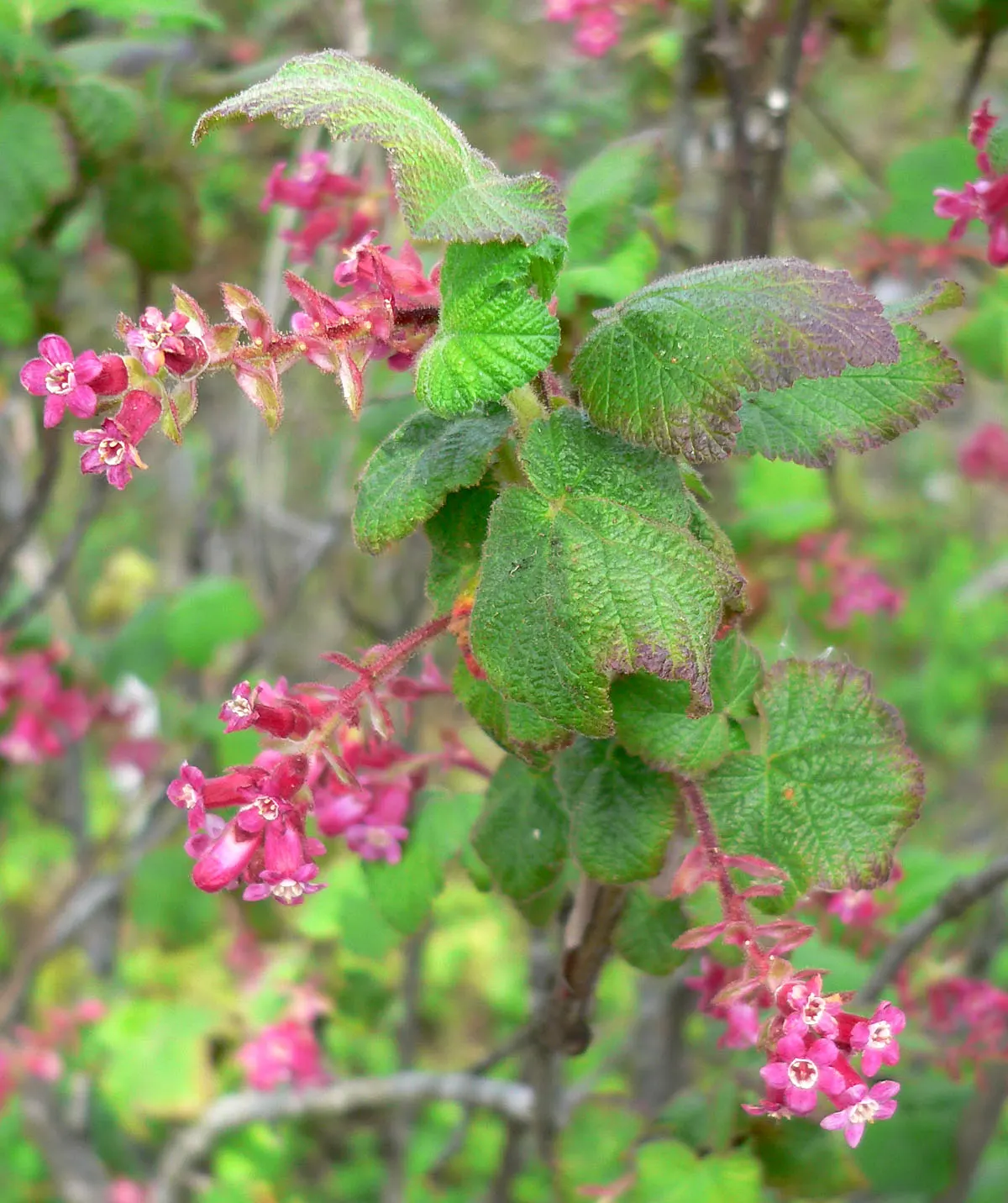
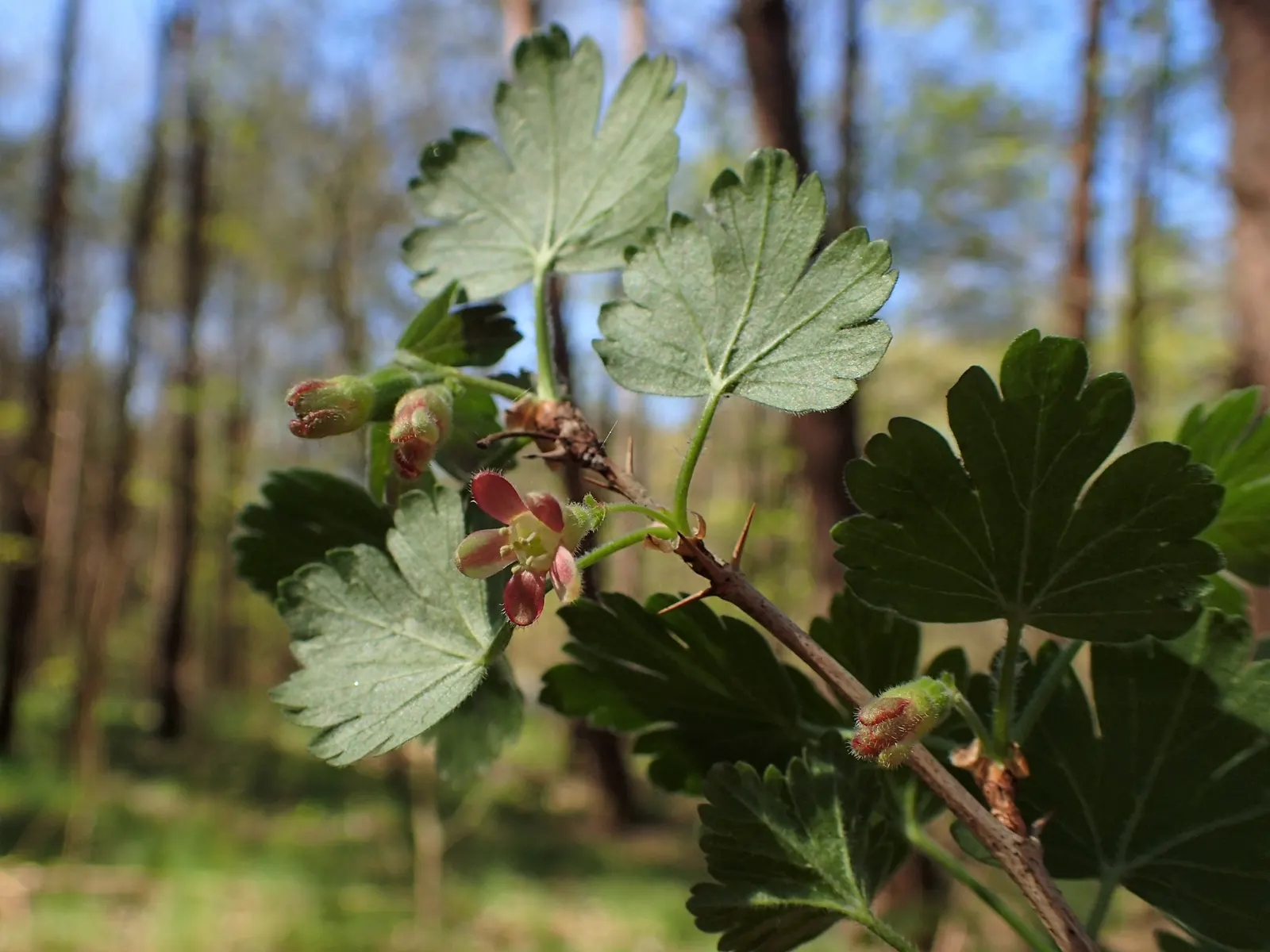
Garden Red Currant (Ribes Rubrum) — scientifically known as Ribes rubrum; the plant produces modest racemes of dainty white or greenish flowers
Garden Red Currant (Ribes Rubrum) — is a deciduous shrub that introduces a refined and productive element to any landscape design; the currants are also high
Garden Red Currant (Ribes Rubrum) — This plant typically grows to a height of 3 to 5 feet with a similar spread; when incorporating Red Currant into a design
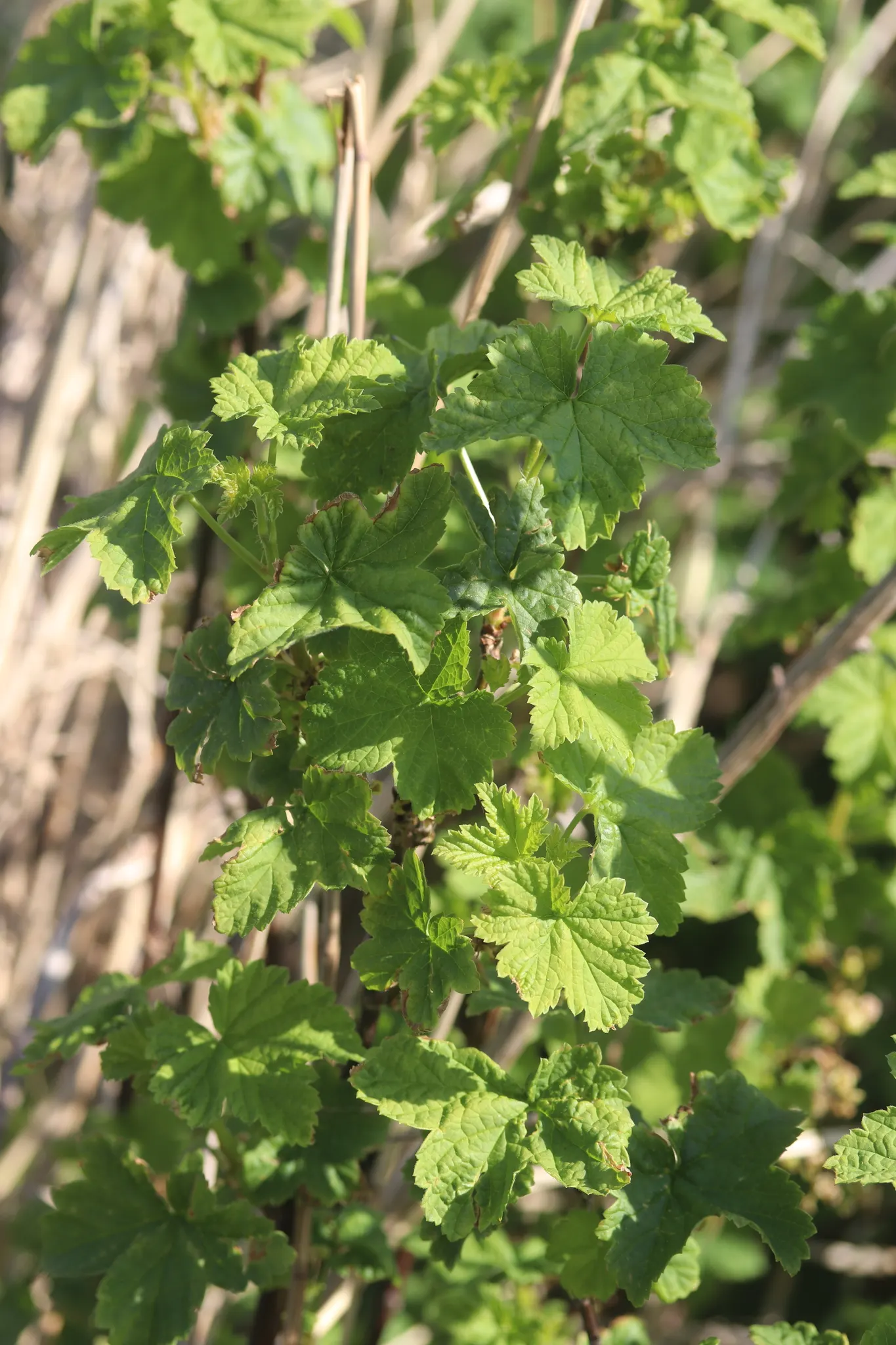
Garden Red Currant (Ribes Rubrum) — textured backdrop throughout the growing season; esteemed for its clusters of bright red berries, the plant offers a tart
Garden Red Currant (Ribes Rubrum) — the plant produces modest racemes of dainty white or greenish flowers; textured backdrop throughout the growing season
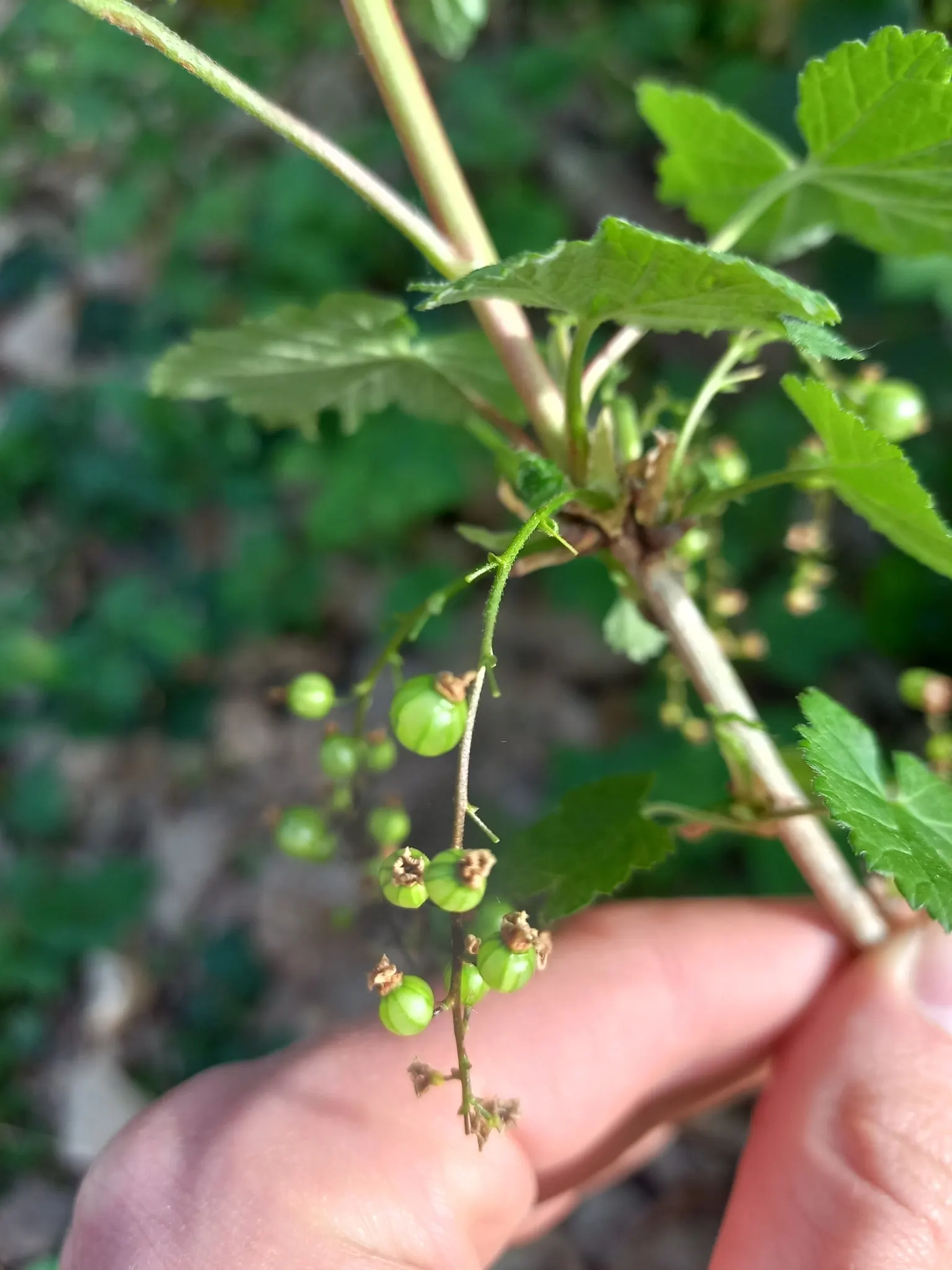
Garden Red Currant (Ribes Rubrum) — ripening from translucent green to a radiant red in mid to late summer.<br><br>The berries; the Garden Red Currant (Ribes
Garden Red Currant (Ribes Rubrum) — They contain a tart flavor, which is perfect for jellies, preserves, and baking; making it suitable for USDA zones 3
Garden Red Currant (Ribes Rubrum) — are a visual and edible treat, image 44
Garden Red Currant (Ribes Rubrum) — each approximately 1/4 to 3/8 inch in diameter; this plant typically grows to a height of 3 to 5 feet with a similar spread
Garden Red Currant (Ribes Rubrum) — These blossoms give way to the signature jewel-like currants; regular pruning will maintain an attractive shape and
Garden Red Currant (Ribes Rubrum) — The currants are also high in vitamins and antioxidants; shrub for half or shade
Garden Red Currant (Ribes Rubrum) — When incorporating Red Currant into a design; fertile soil and thrives in full sun to partial shade
Garden Red Currant (Ribes Rubrum) — Regular pruning will maintain an attractive shape and encourage fruit production; ripening from translucent green to a

Related plants