Skip to content

Blackcurrant

Ribes Nigrum

Design with this plant

Overview

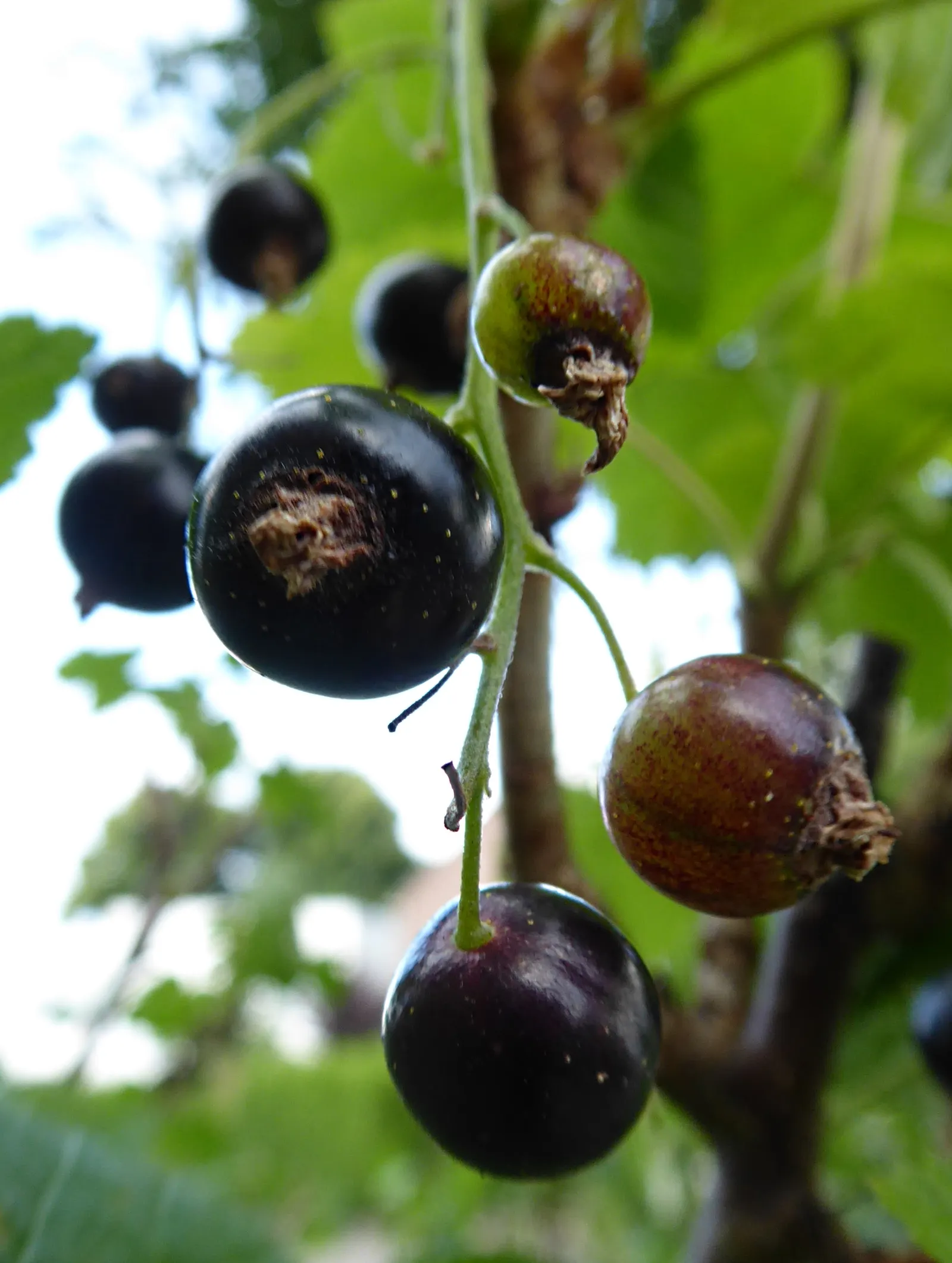
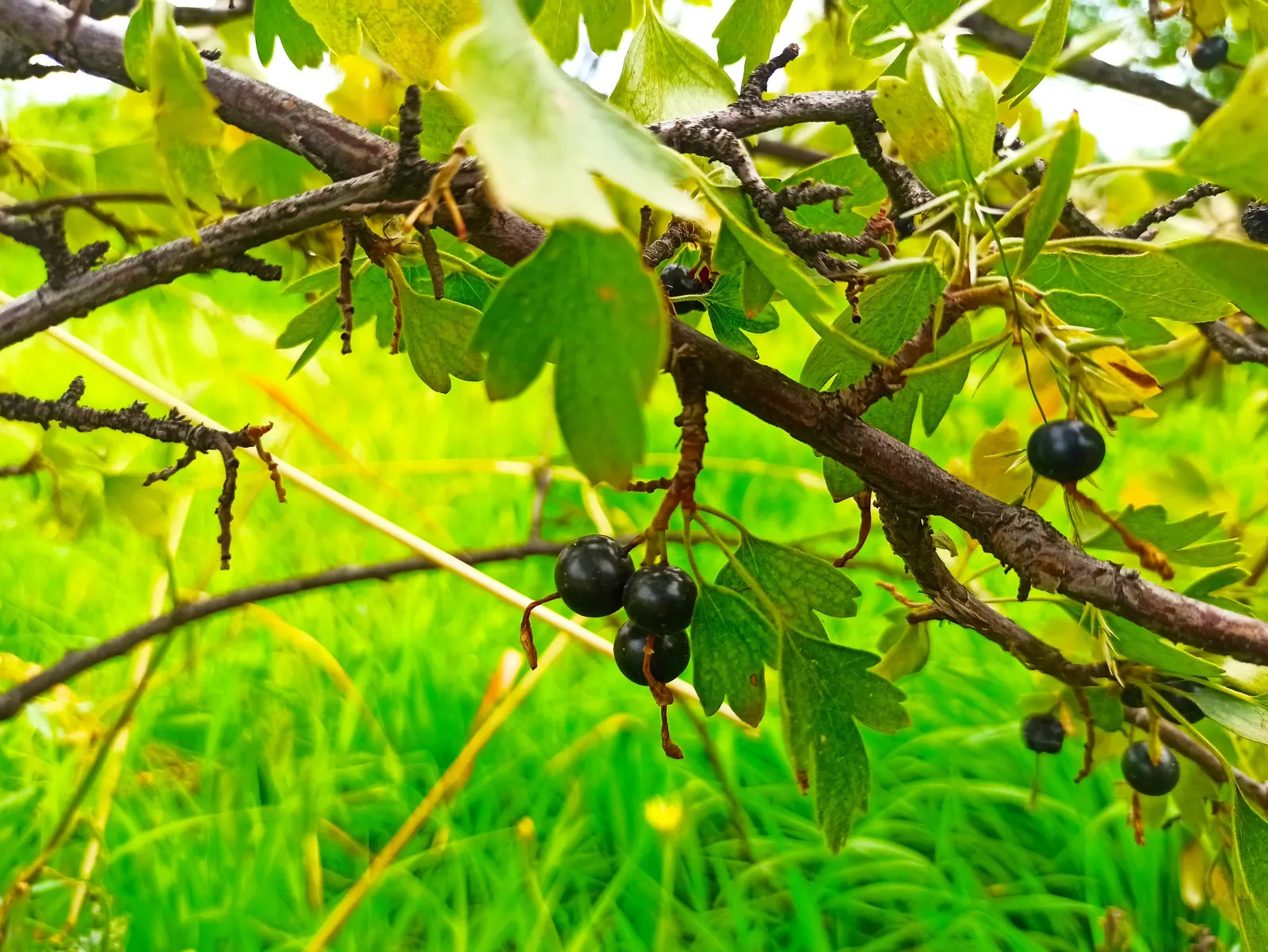
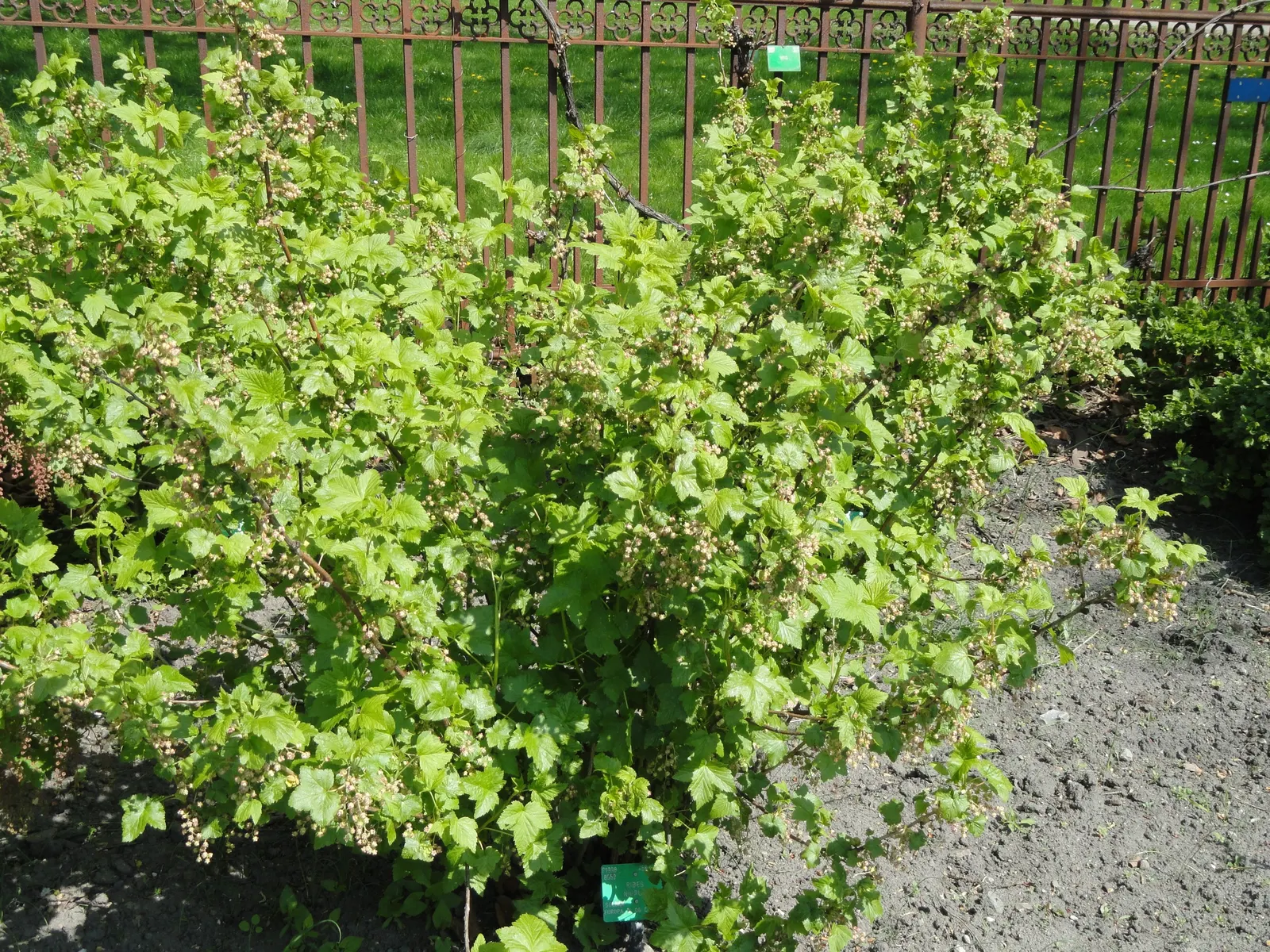
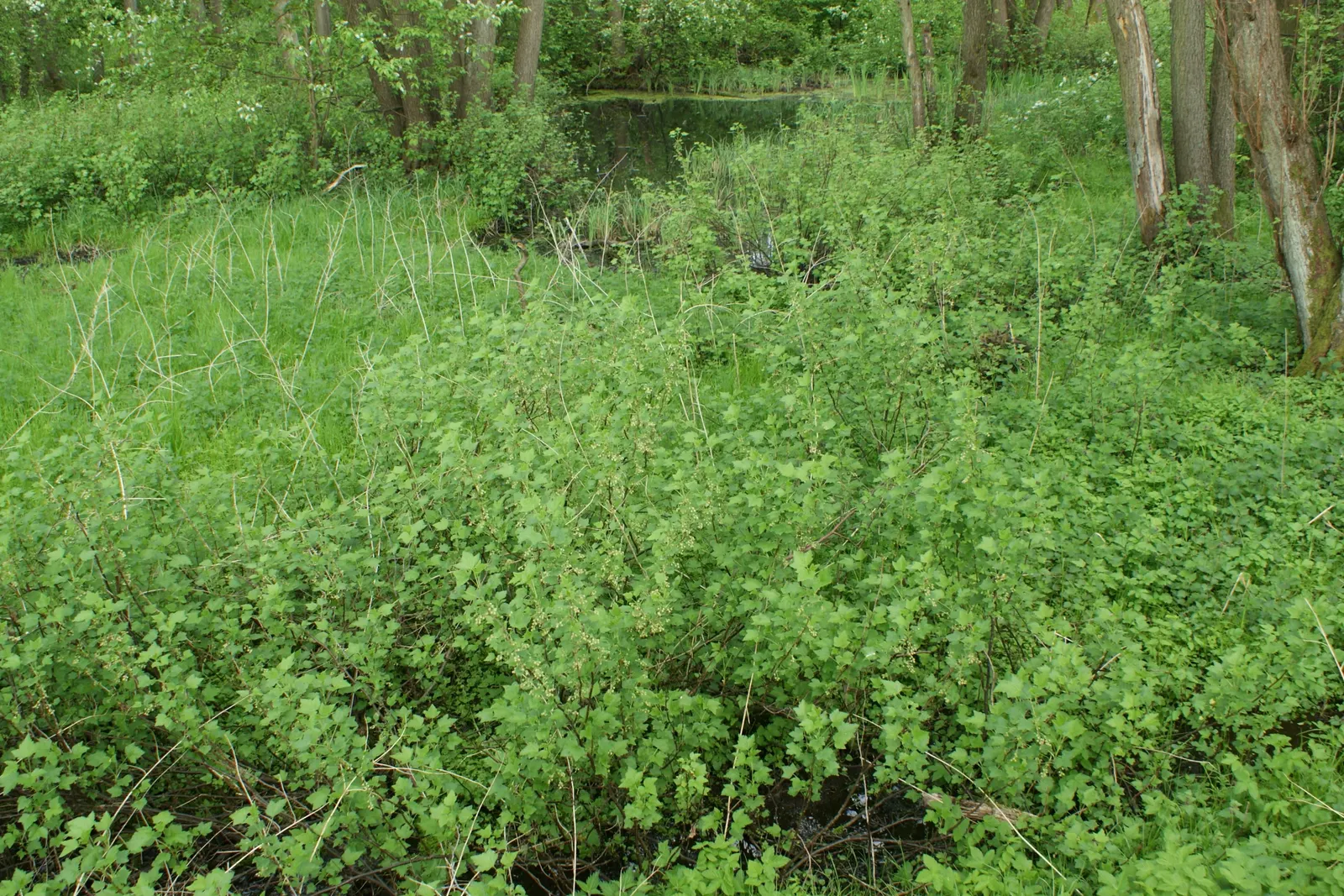
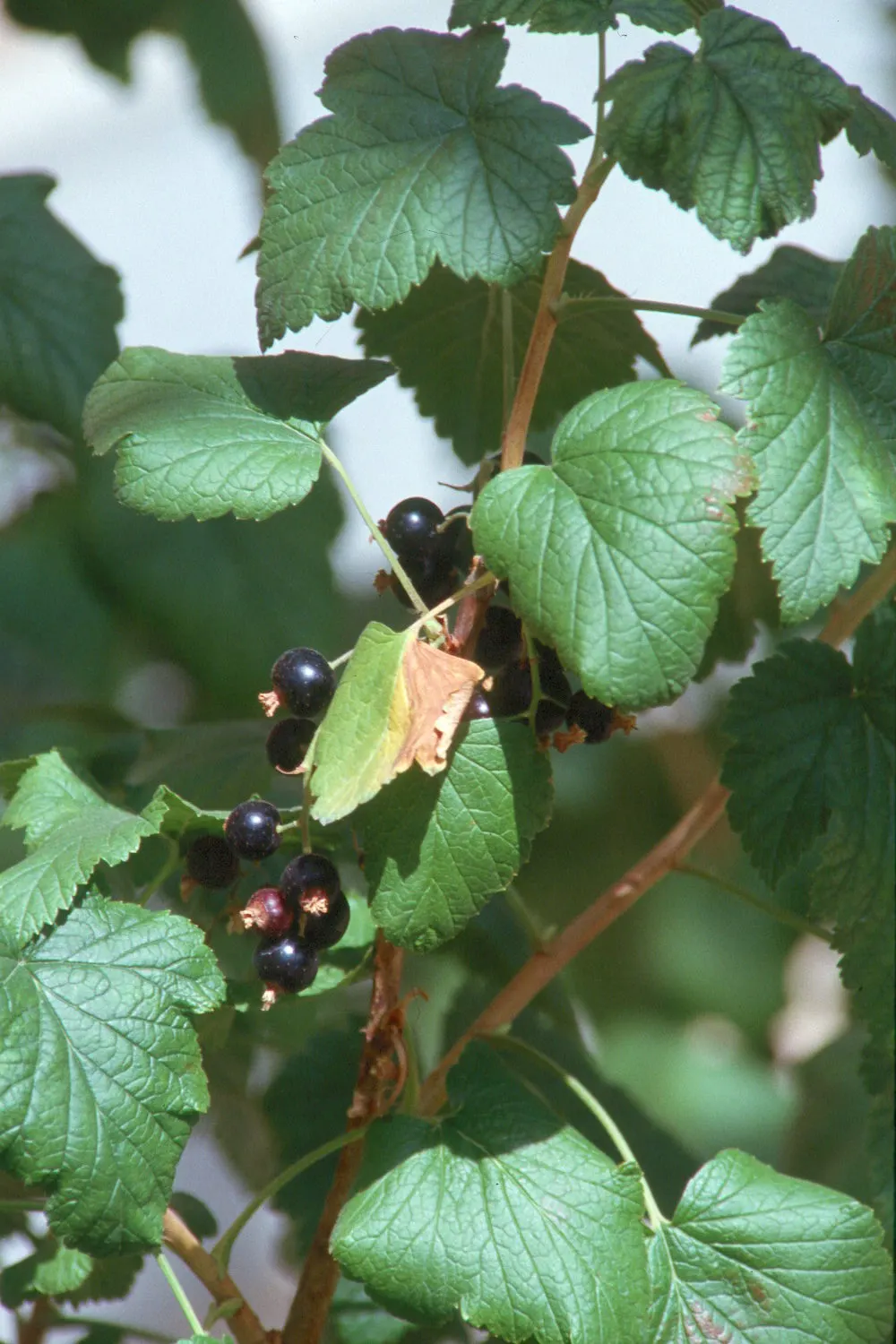
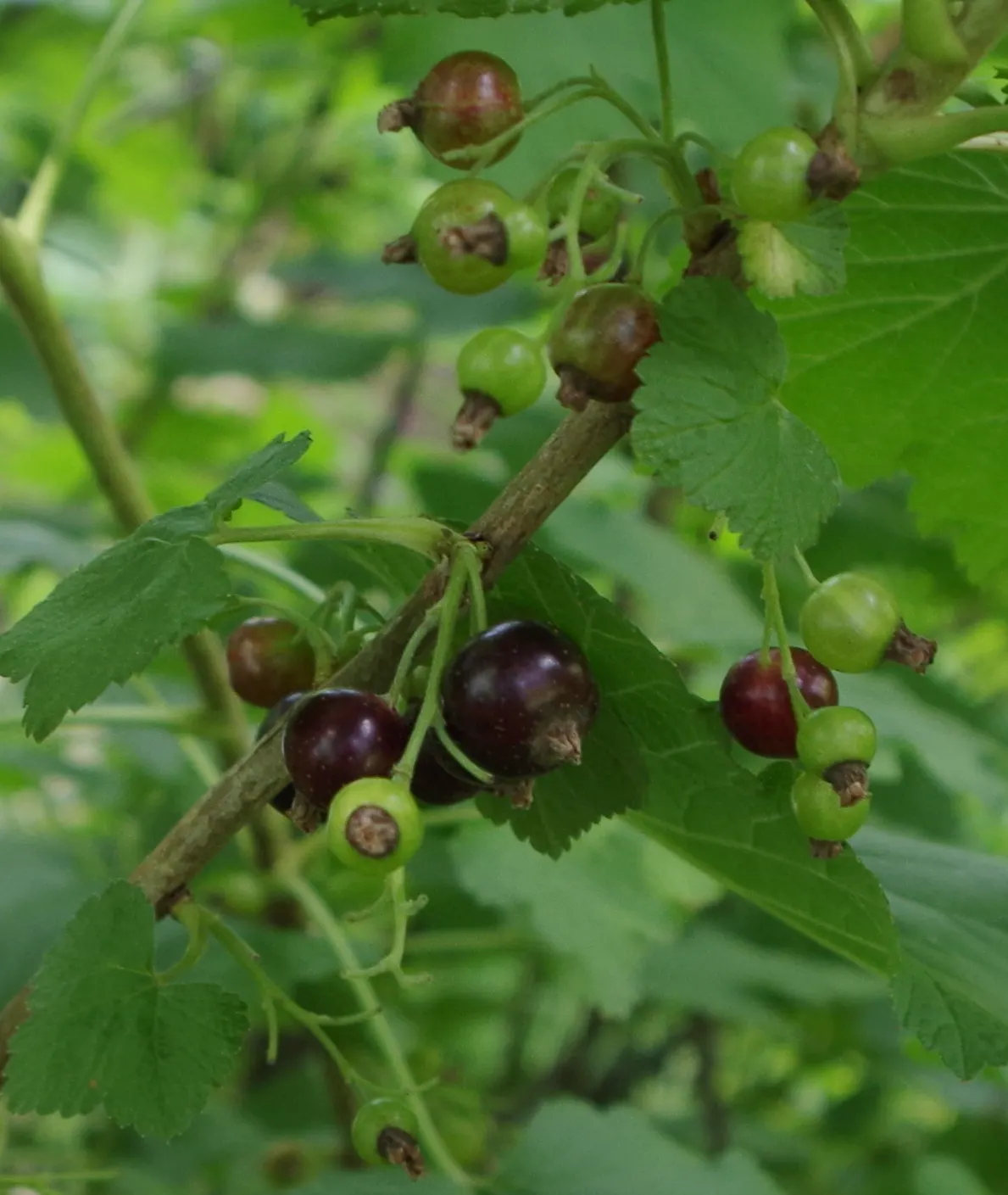
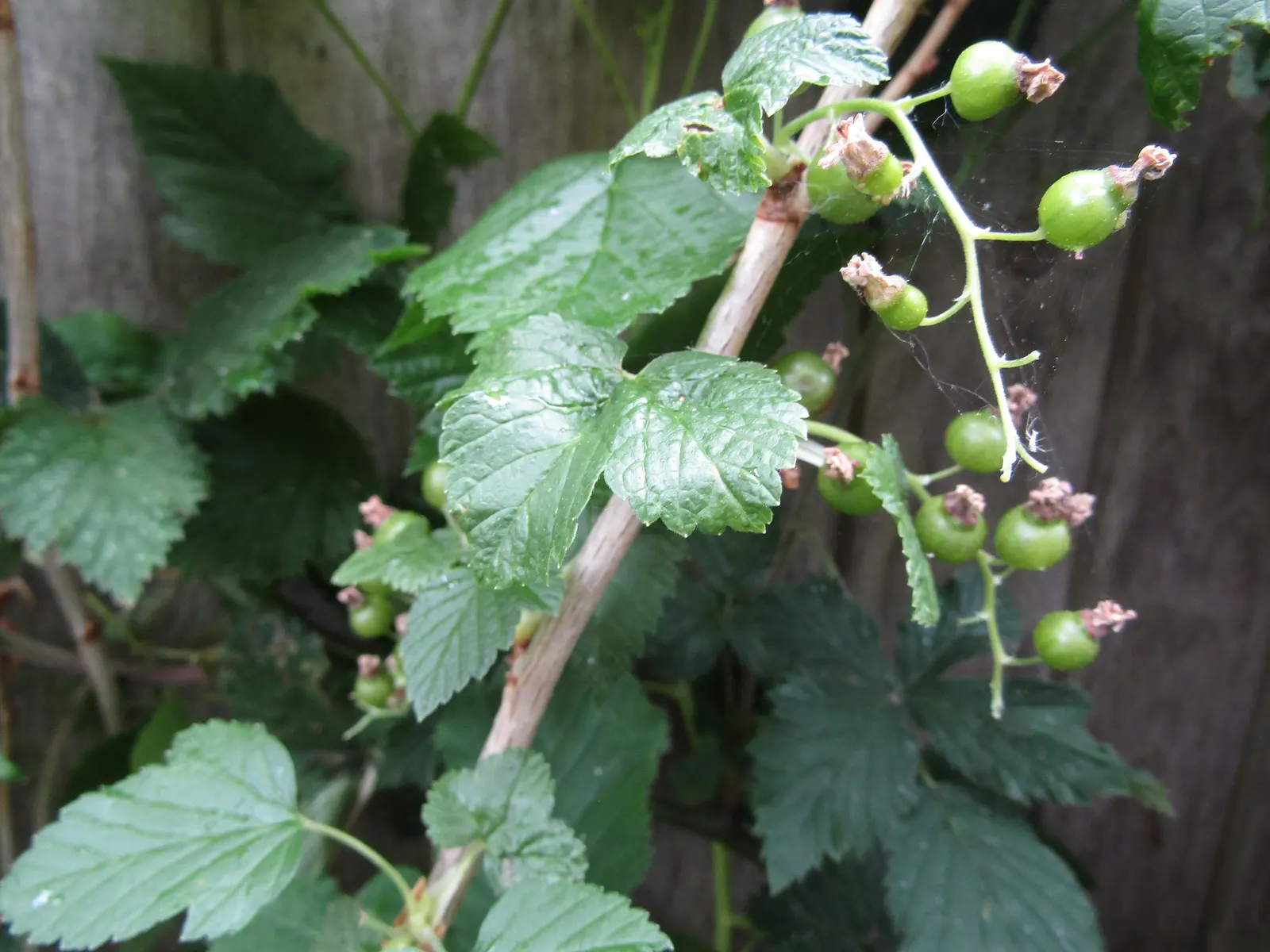
Blackcurrant (Ribes nigrum) is a deciduous shrub, flourishing in fertile, well-drained soil with a preference for full sun to part shade. Hardy in zones 3-8, it reaches up to 5 feet tall and wide. Known for clusters of aromatic, edible dark berries, high in vitamin C, and late spring blooms attracting pollinators. It requires annual pruning to encourage productivity. Allows interest while providing a natural barrier or hedge in landscape designs.

Sun Half, ShadeWater LowZones 3–8Climate Mediterranean
Blackcurrant (Ribes Nigrum) — Blackcurrant (Ribes nigrum) is a deciduous shrub

Culture

Sun
Half, Shade
Water
Low
USDA zones
3–8

Shape & size

Classification

Family
Grossulariaceae
Climate
Mediterranean

See full data, regional cultivation notes, full-resolution photos, and design tools. Build a client presentation around this plant.

Start your 14-day trial

Photos (62)

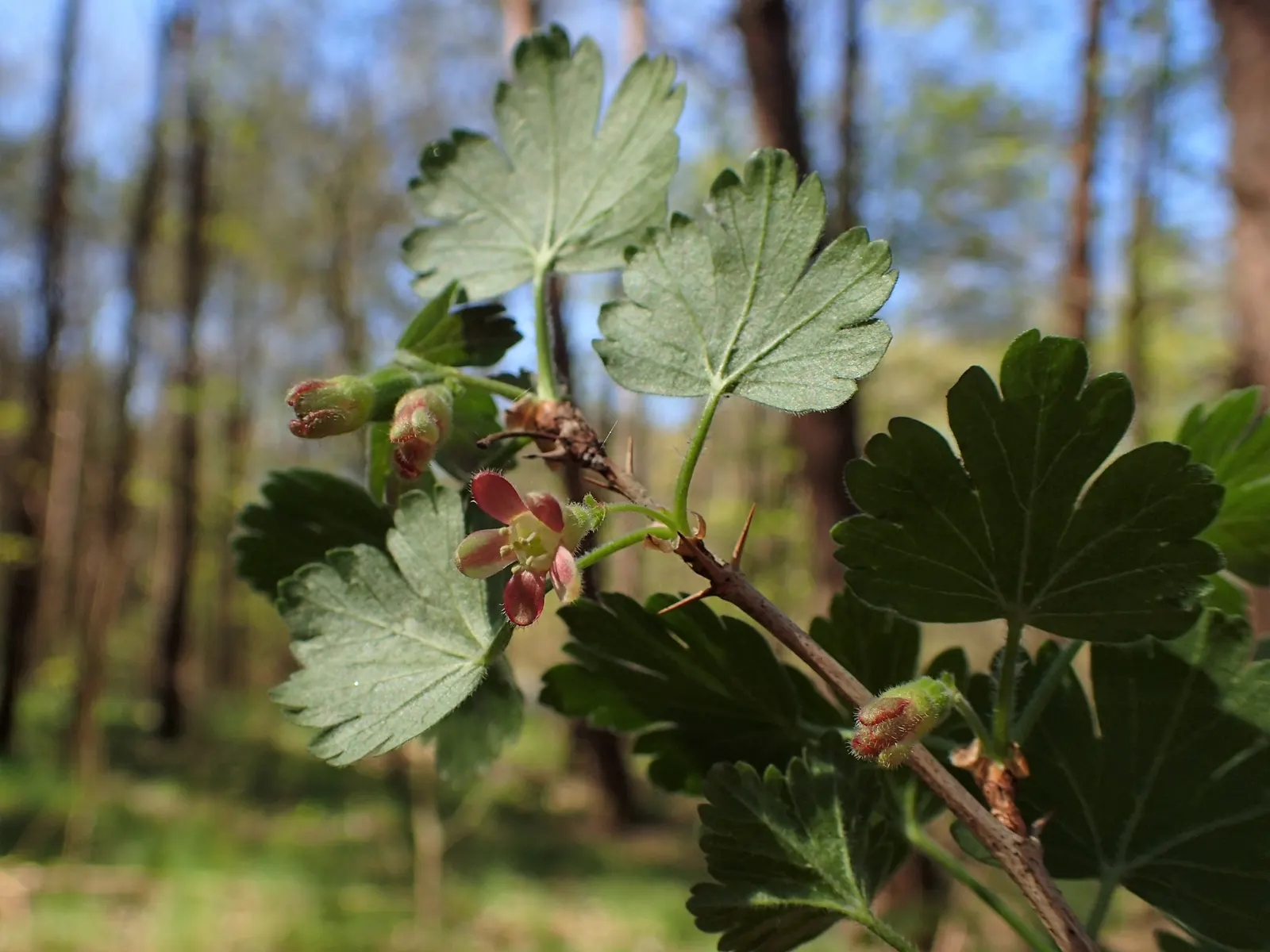
Blackcurrant (Ribes Nigrum) — shrub for half or shade
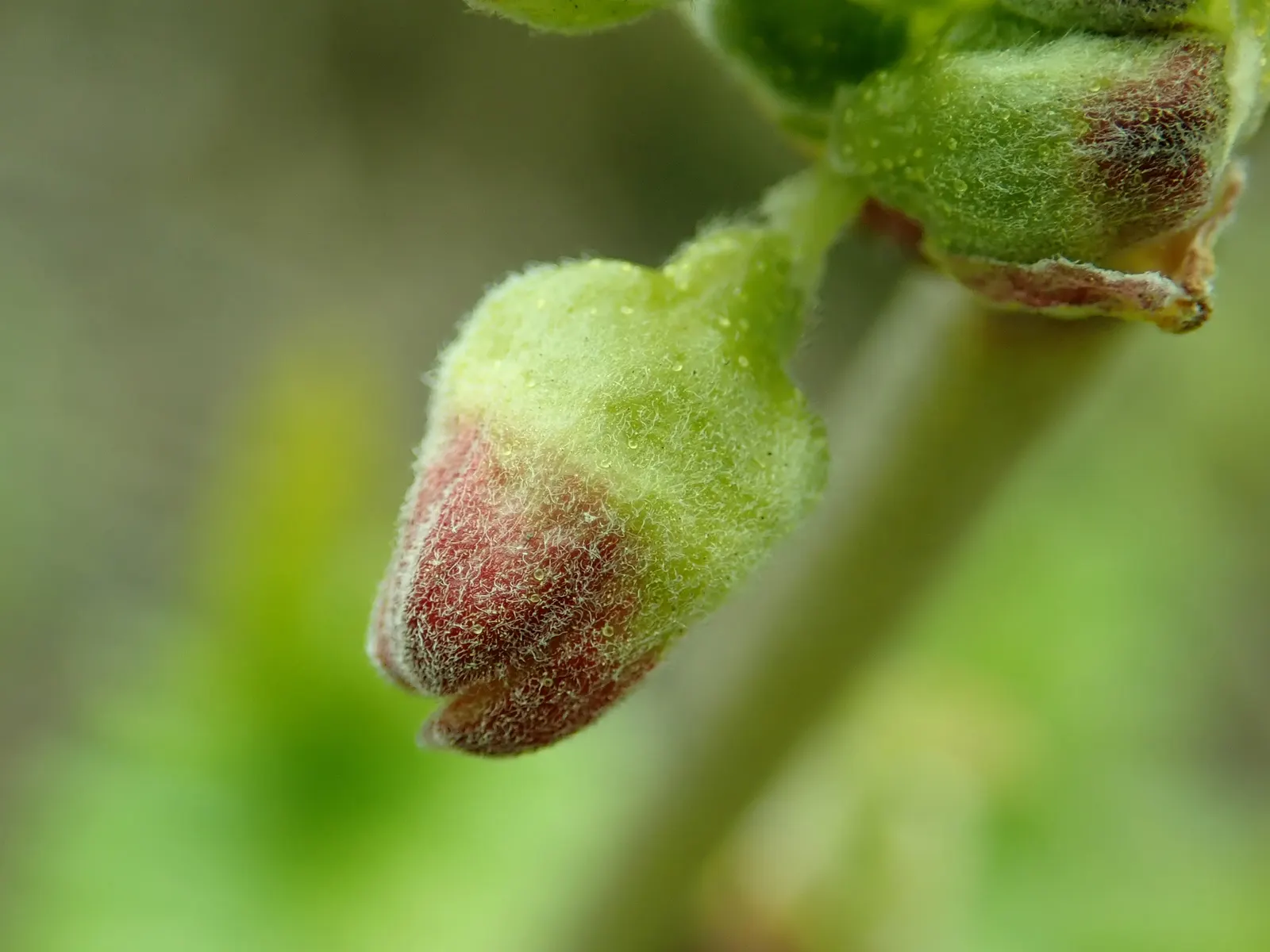
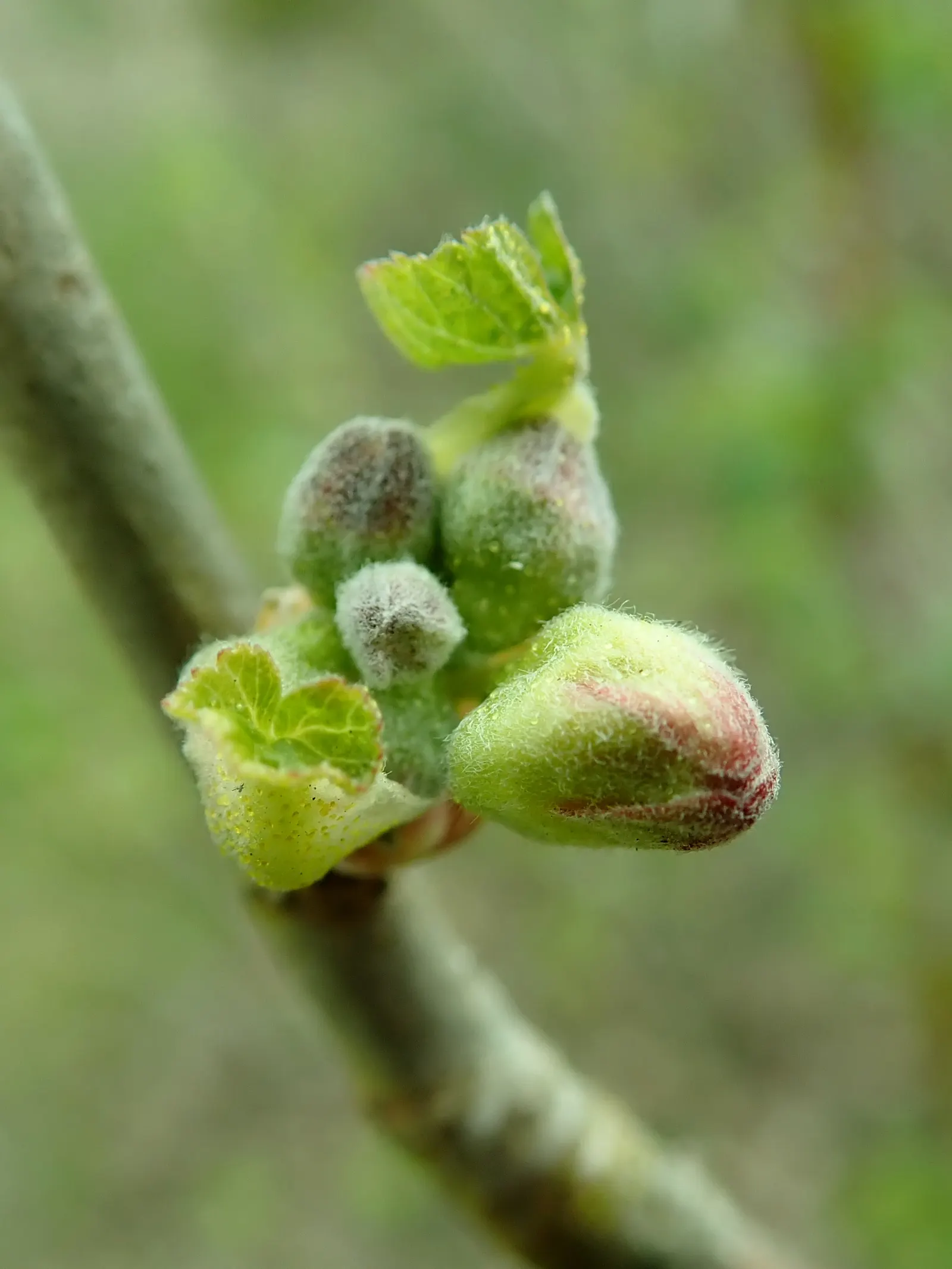
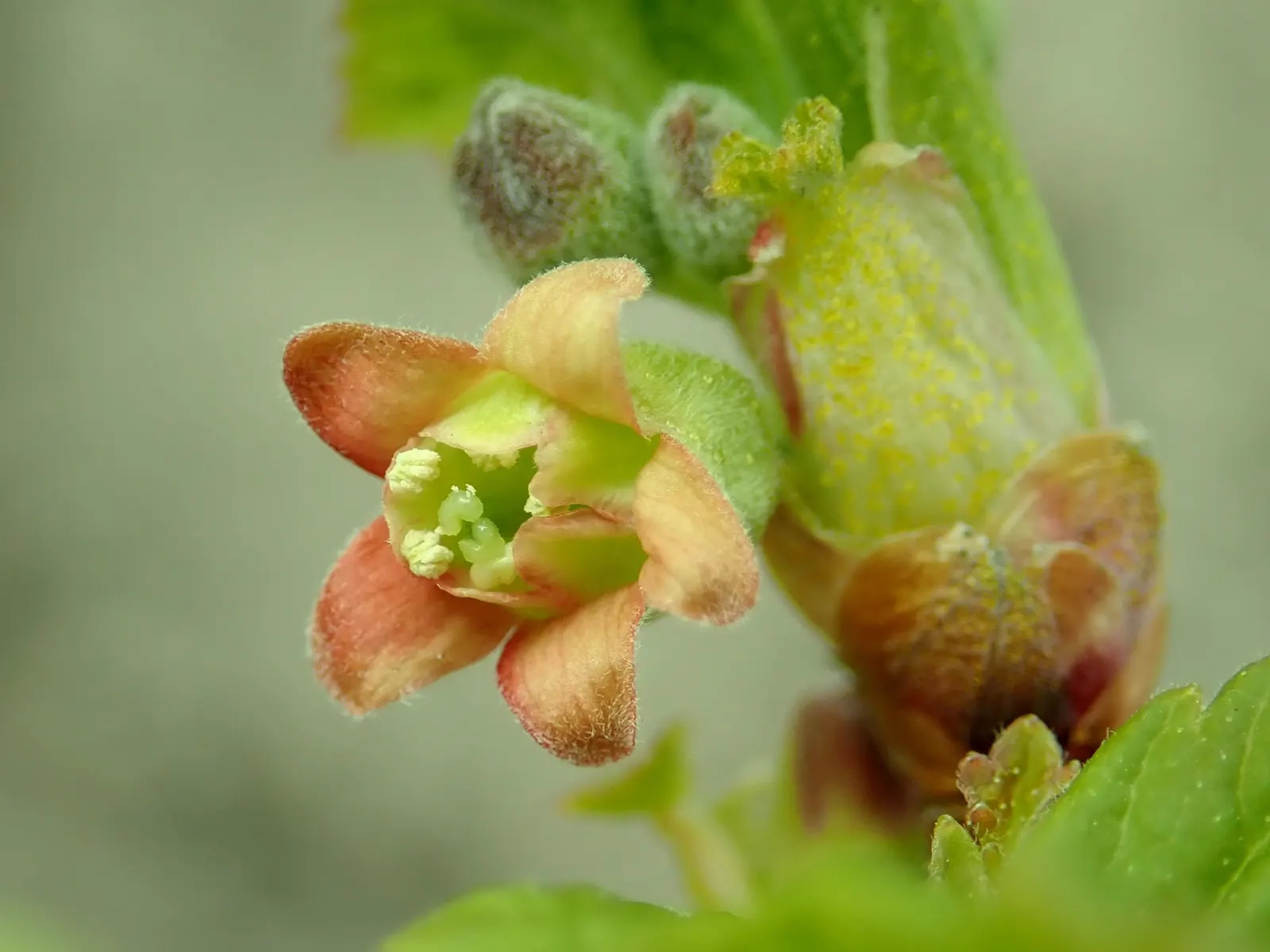
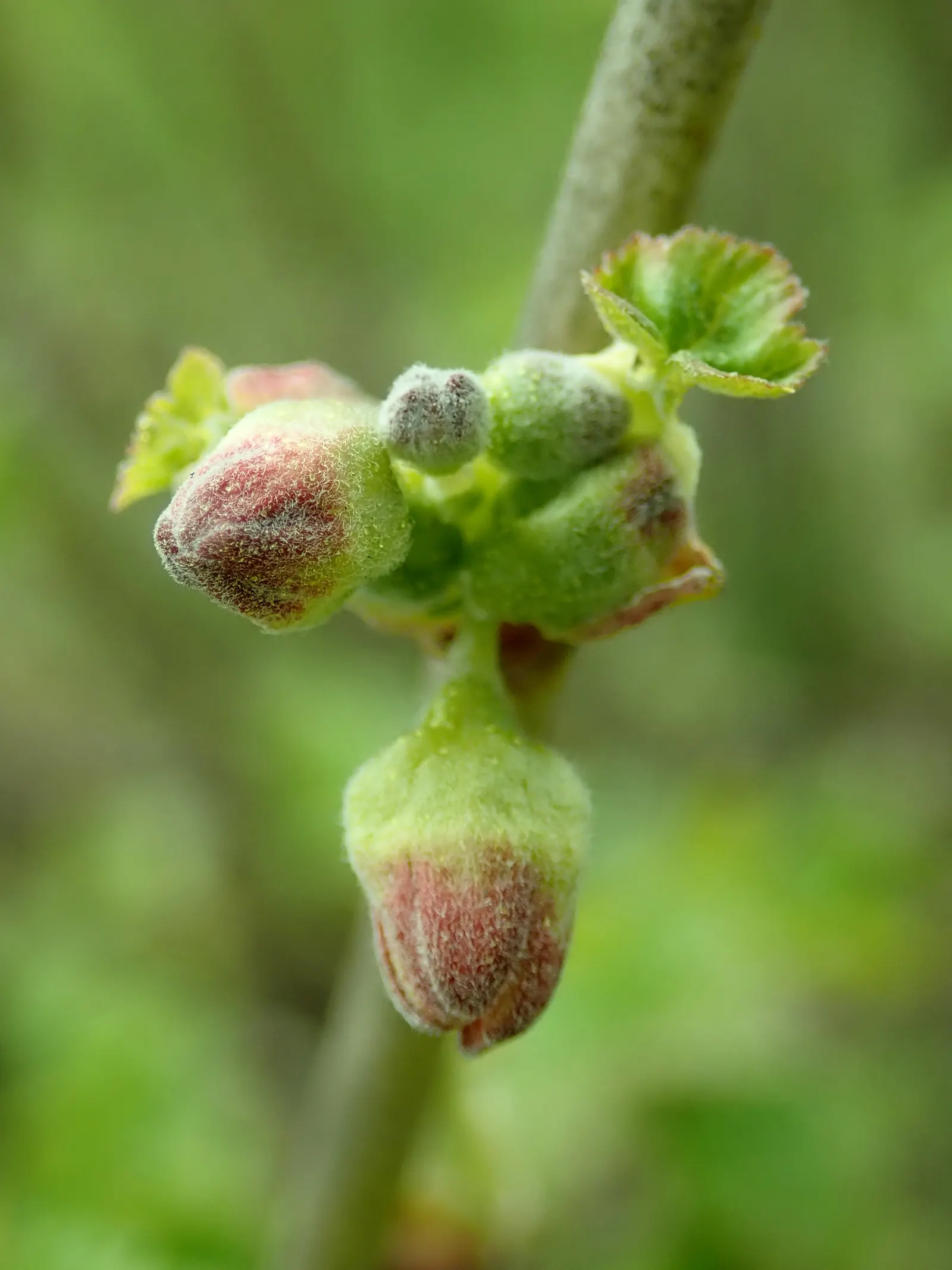
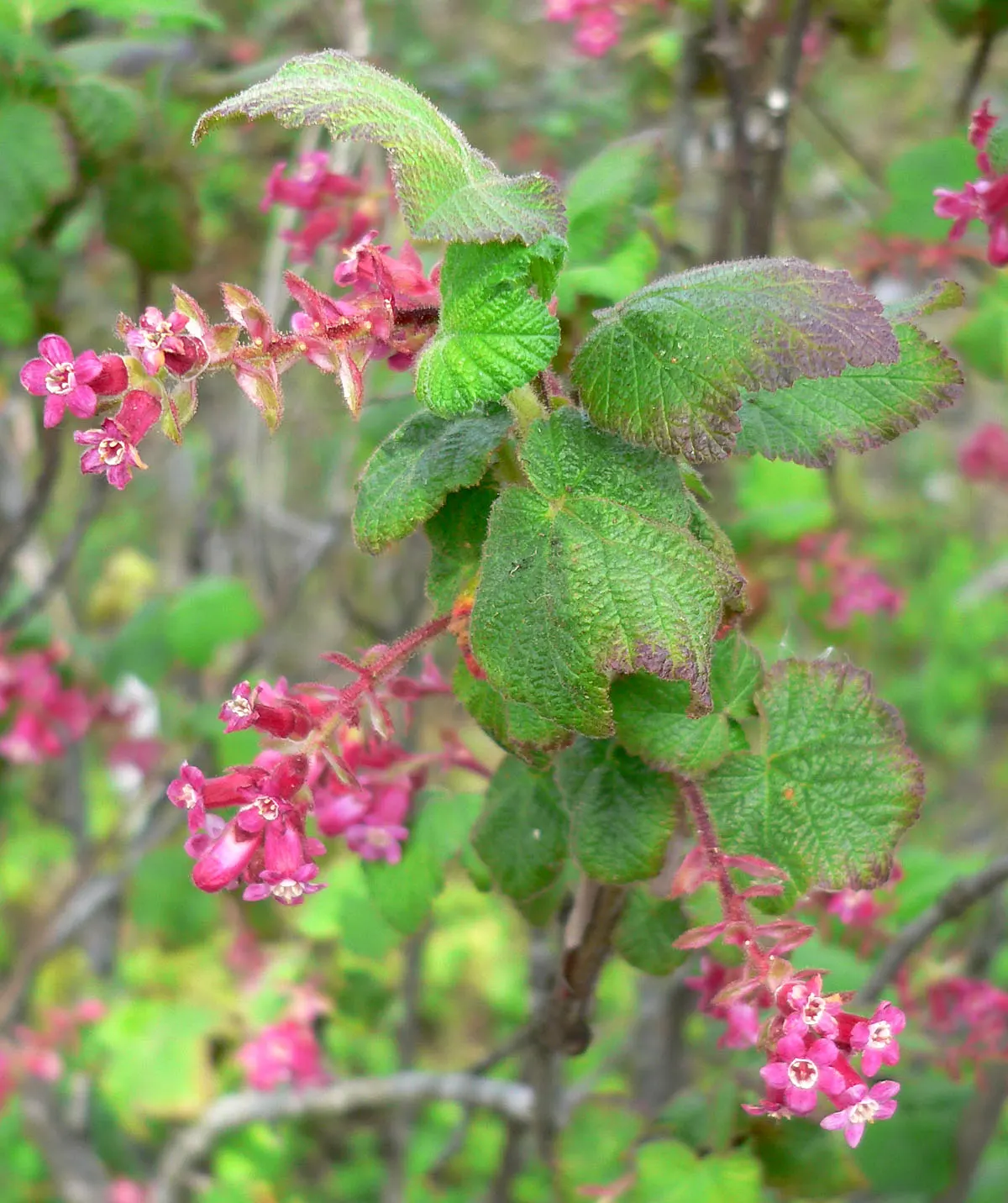
Blackcurrant (Ribes Nigrum) — shrub with red blooms
Blackcurrant (Ribes Nigrum) — is a perennial shrub renowned for its edible berries and ornamental qualities; allows interest while providing a natural barrier
Blackcurrant (Ribes Nigrum) — It requires annual pruning to encourage productivity; fertile soil and benefit from full sun to partial shade exposure
Blackcurrant (Ribes Nigrum) — Known for clusters of aromatic; well-drained soil with a preference for full sun to part shade
Blackcurrant (Ribes Nigrum) — Allows interest while providing a natural barrier or hedge in landscape designs; shrub for half or shade
Blackcurrant (Ribes Nigrum) — and late spring blooms attracting pollinators; making it an excellent choice for diverse landscape designs
Blackcurrant (Ribes Nigrum) — making it an excellent choice for diverse landscape designs; the drooping strands of dark purple
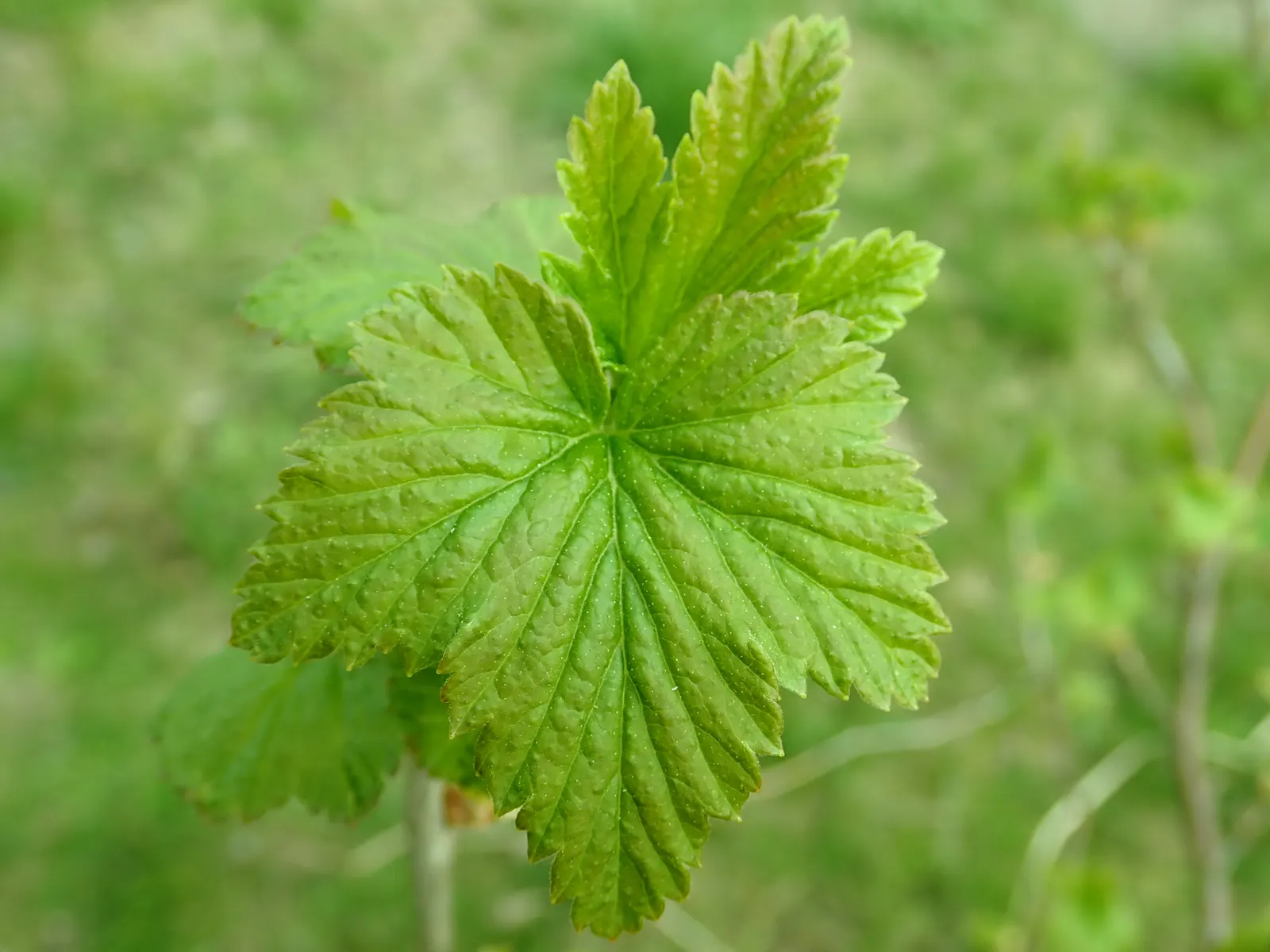
Blackcurrant (Ribes Nigrum) — and release a distinctive aroma when crushed; and late spring blooms attracting pollinators
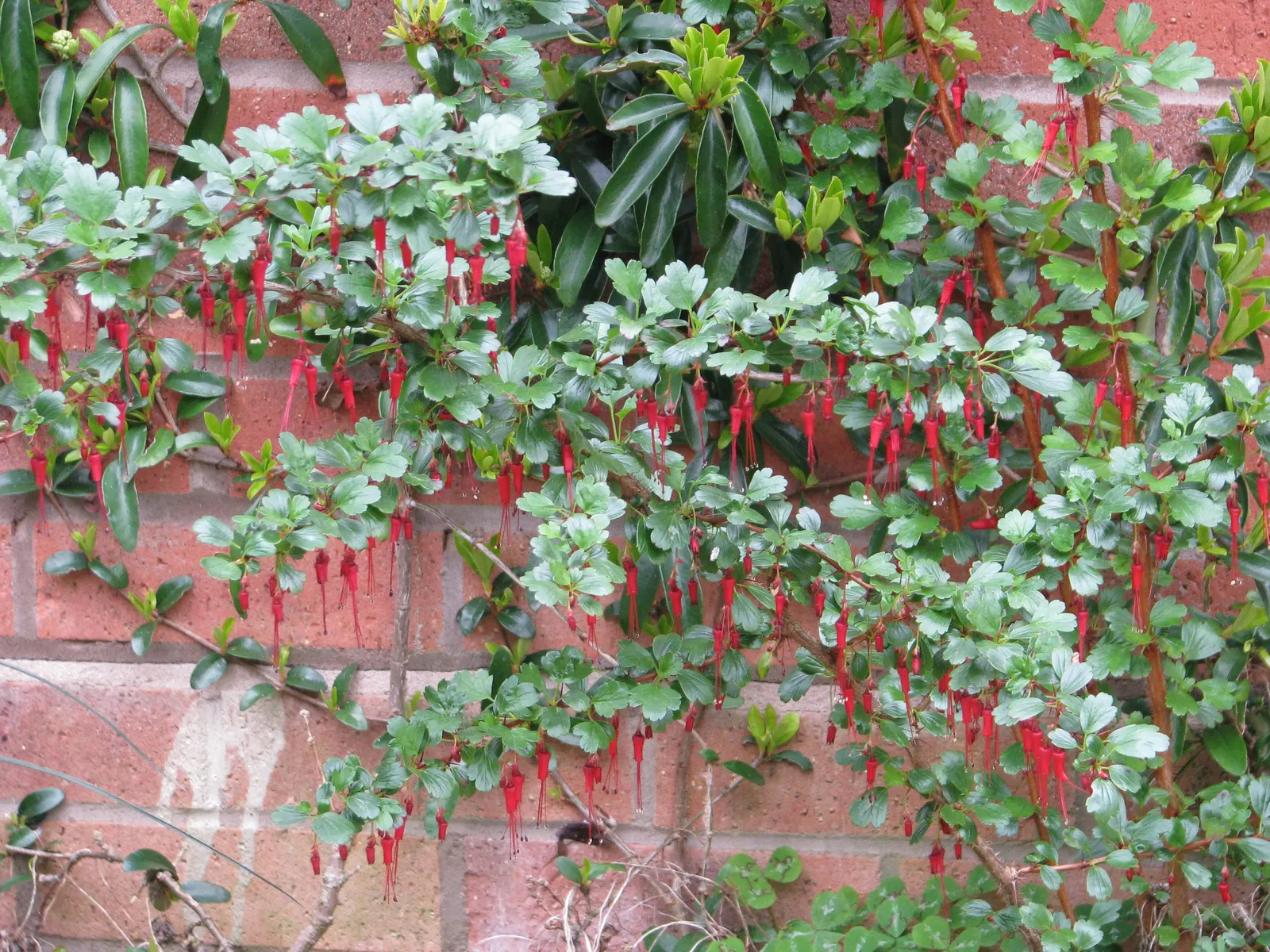
Blackcurrant (Ribes Nigrum) — Typically attaining a mature height of 4 to 6 feet with a similar spread; red flowers in the garden
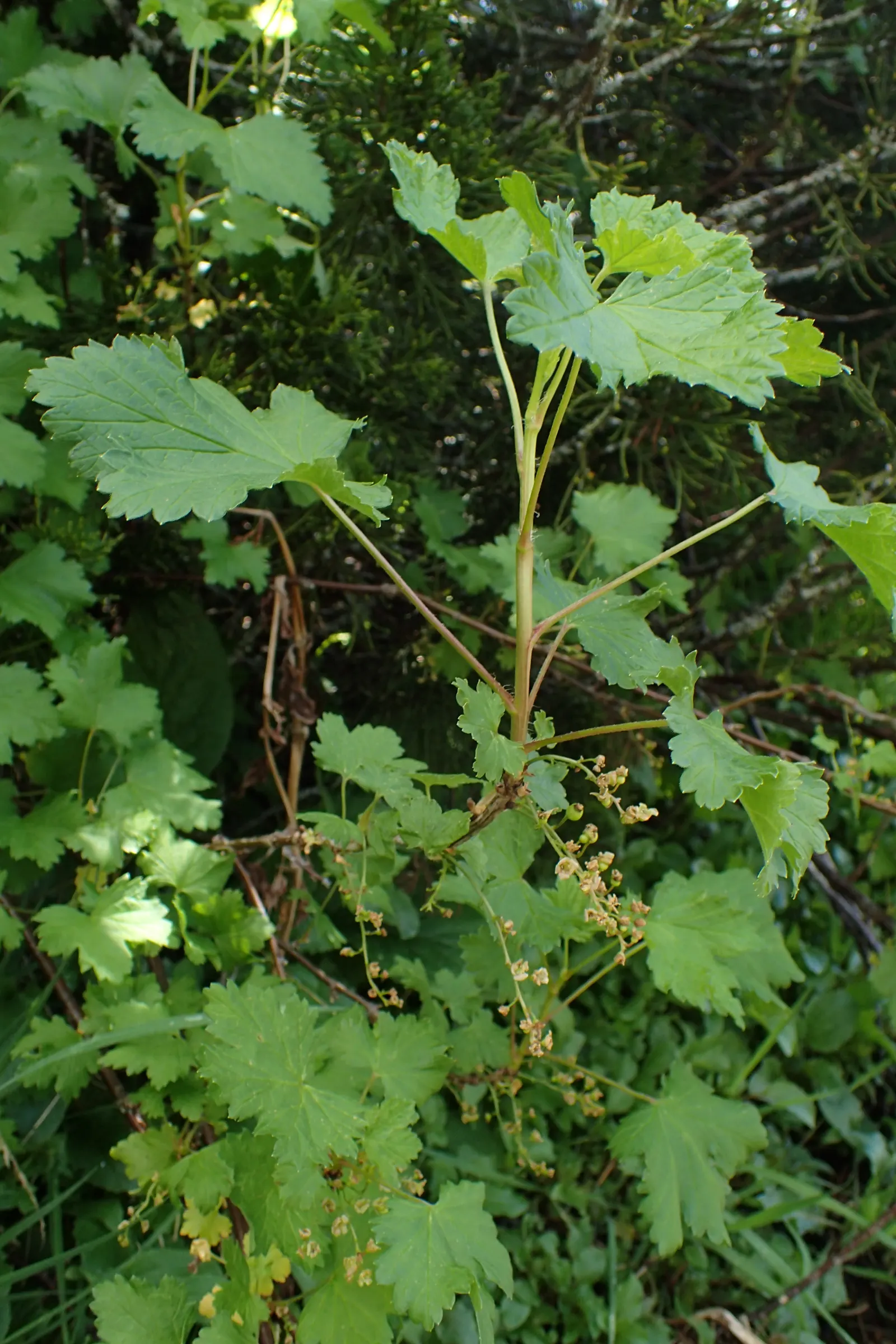
Blackcurrant (Ribes Nigrum) — clustered flowers blossom in colors of greenish-yellow, image 35
Blackcurrant (Ribes Nigrum) — The drooping strands of dark purple; hardy in zones 3-8, it reaches up to 5 feet tall and wide
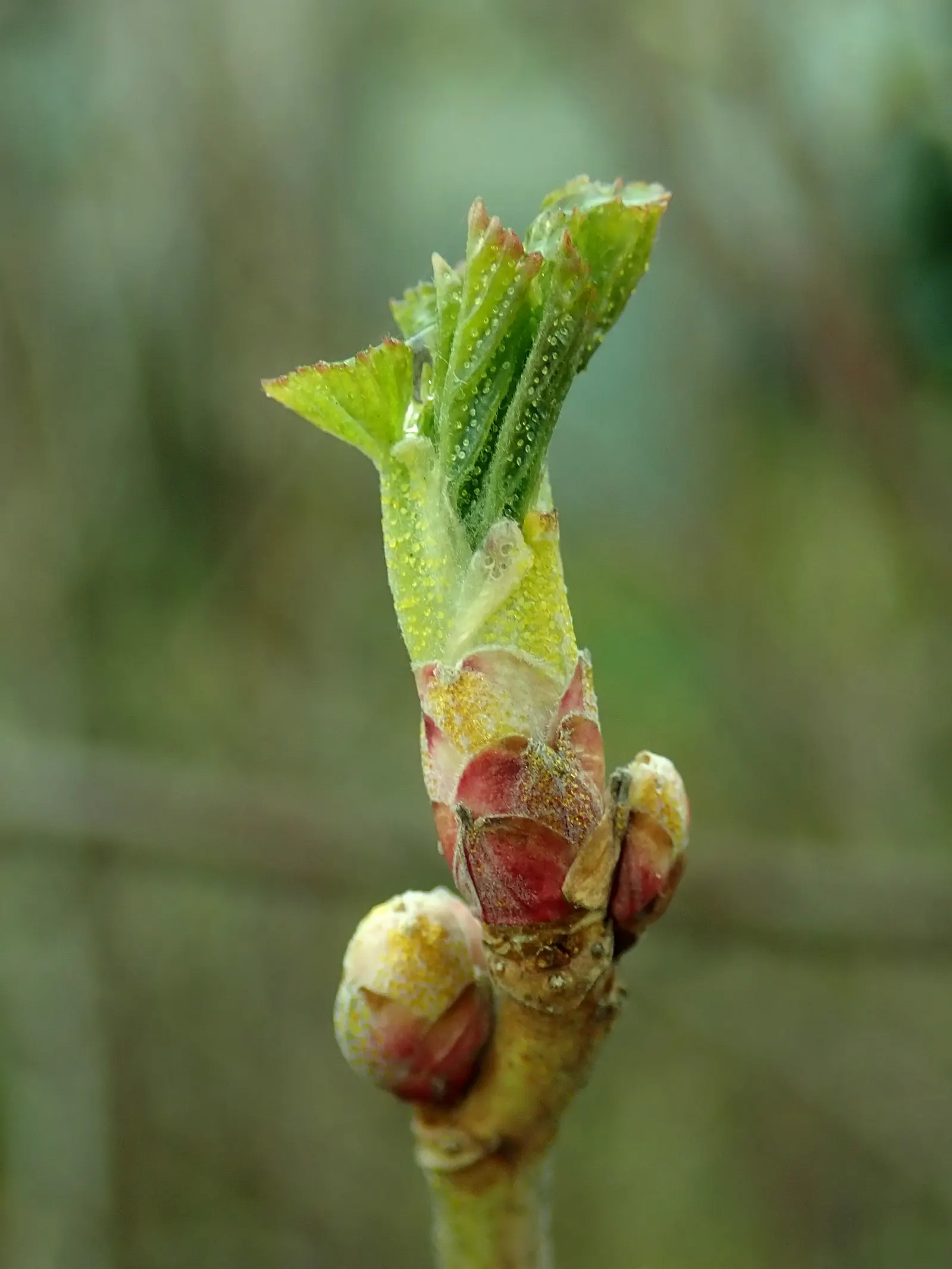
Blackcurrant (Ribes Nigrum) — setting the stage for the formation of the renowned blackcurrant fruit; where their unique flavor and high nutritive value can be
Blackcurrant (Ribes Nigrum) — often utilized in culinary creations.<br><br>Blackcurrants thrive in well-drained; typically attaining a mature height of 4 to 6
Blackcurrant (Ribes Nigrum) — where their unique flavor and high nutritive value can be readily enjoyed; often utilized in culinary
Blackcurrant (Ribes Nigrum) — Pruning is essential to maintain plant health, encourage airflow, and facilitate ample fruit production; blackcurrant (Ribes
Blackcurrant (Ribes Nigrum) — consider mass planting for a striking visual effect or incorporating them into edible gardens; is a perennial shrub renowned for
Blackcurrant (Ribes Nigrum) — fertile soil and benefit from full sun to partial shade exposure; pruning is essential to maintain plant health, encourage
Blackcurrant (Ribes Nigrum) — red flowers in the garden; it requires annual pruning to encourage productivity
Blackcurrant (Ribes Nigrum) — their attractive foliage and seasonal changes provide ornamental interest throughout the growing season; shrub with red blooms
Blackcurrant (Ribes Nigrum) — shrub for half or shade; their attractive foliage and seasonal changes provide ornamental interest throughout the growing season
Blackcurrant (Ribes Nigrum) — Blackcurrant (Ribes nigrum) is a deciduous shrub; known for clusters of aromatic, image 47
Blackcurrant (Ribes Nigrum) — shrub with red blooms; setting the stage for the formation of the renowned blackcurrant fruit
Blackcurrant (Ribes Nigrum) — well-drained soil with a preference for full sun to part shade; and release a distinctive aroma when crushed, image 48

Related plants