Skip to content

Staghorn Sumac

Rhus Typhina

Design with this plant

Overview

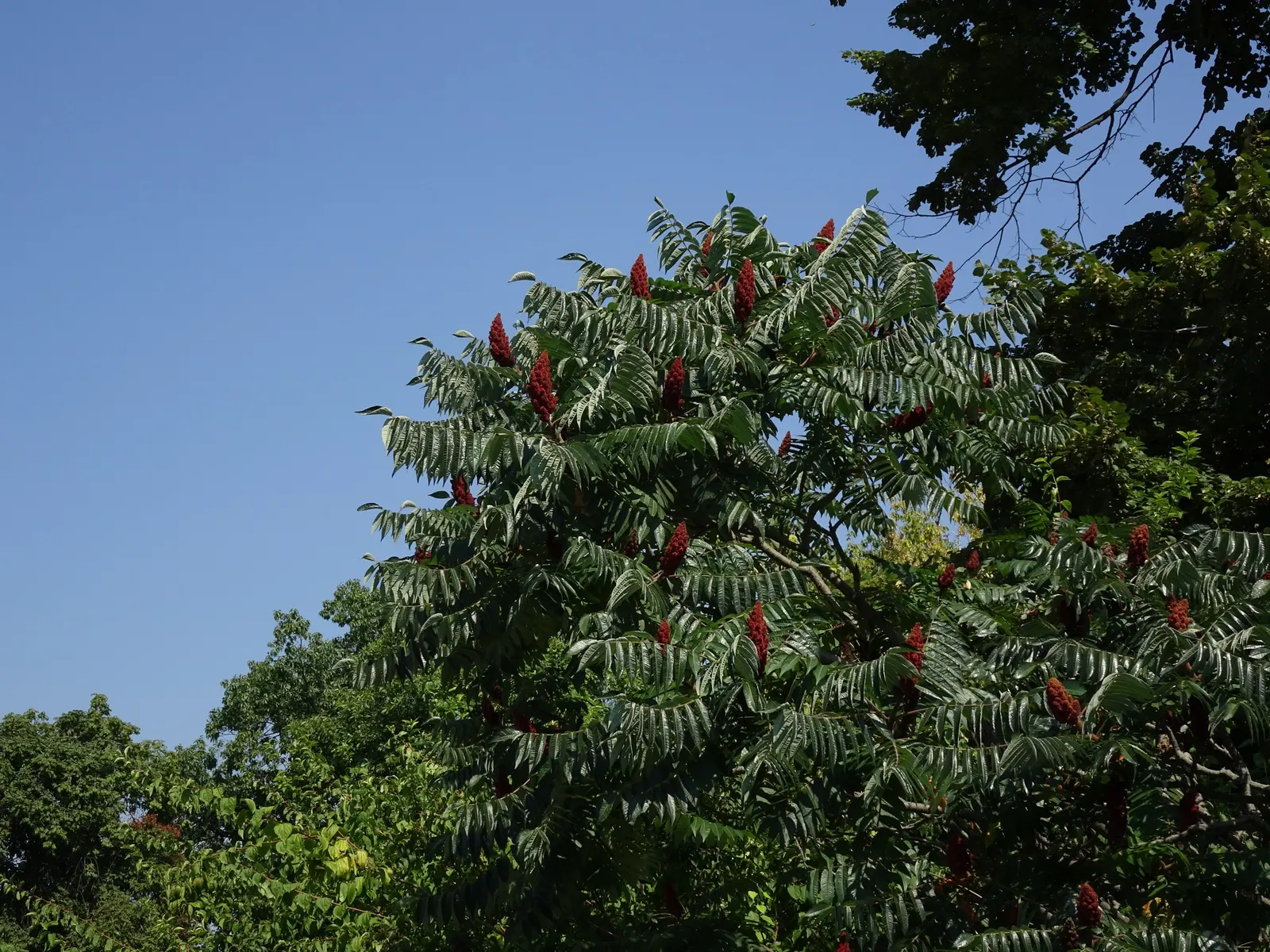
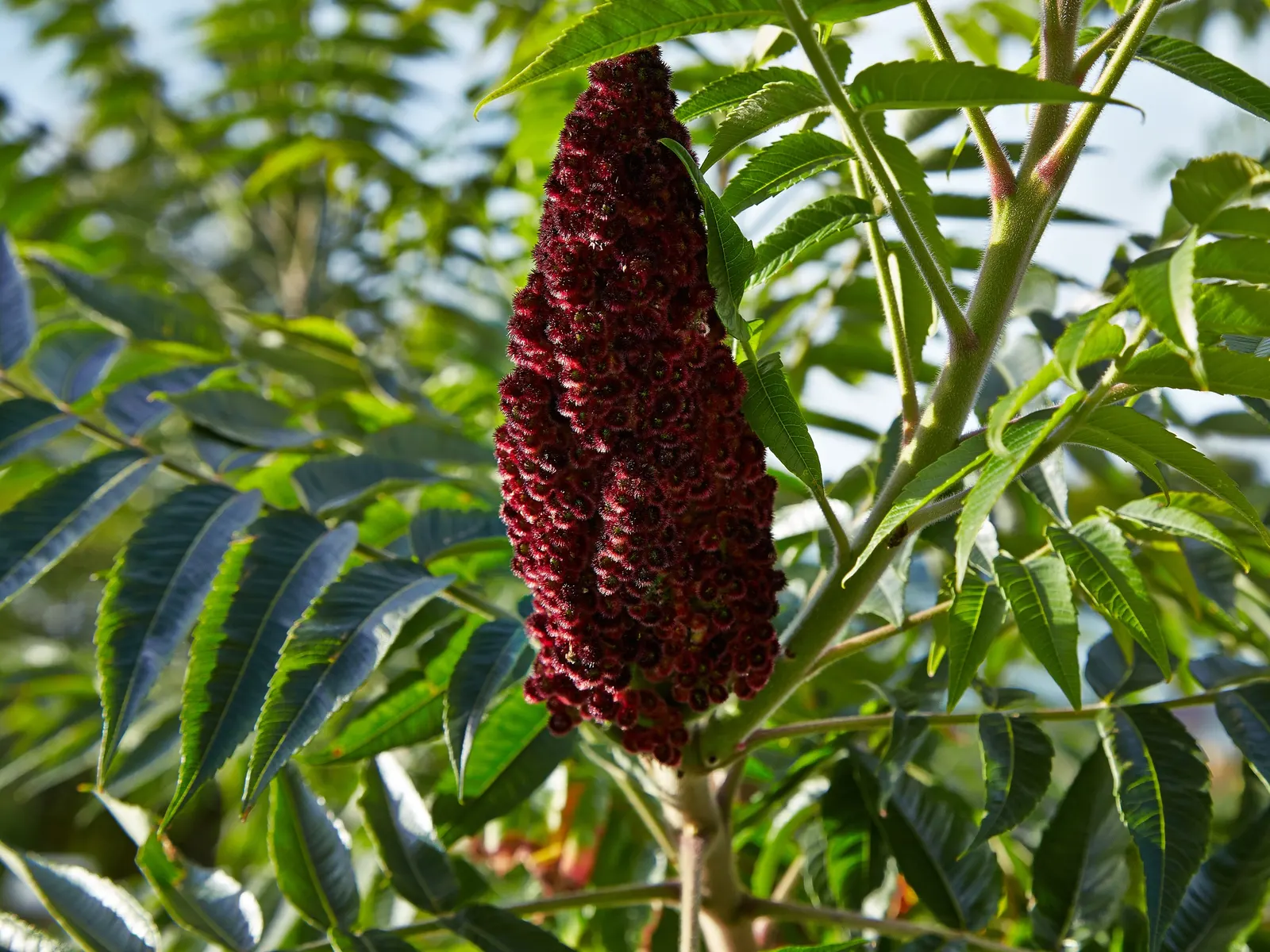
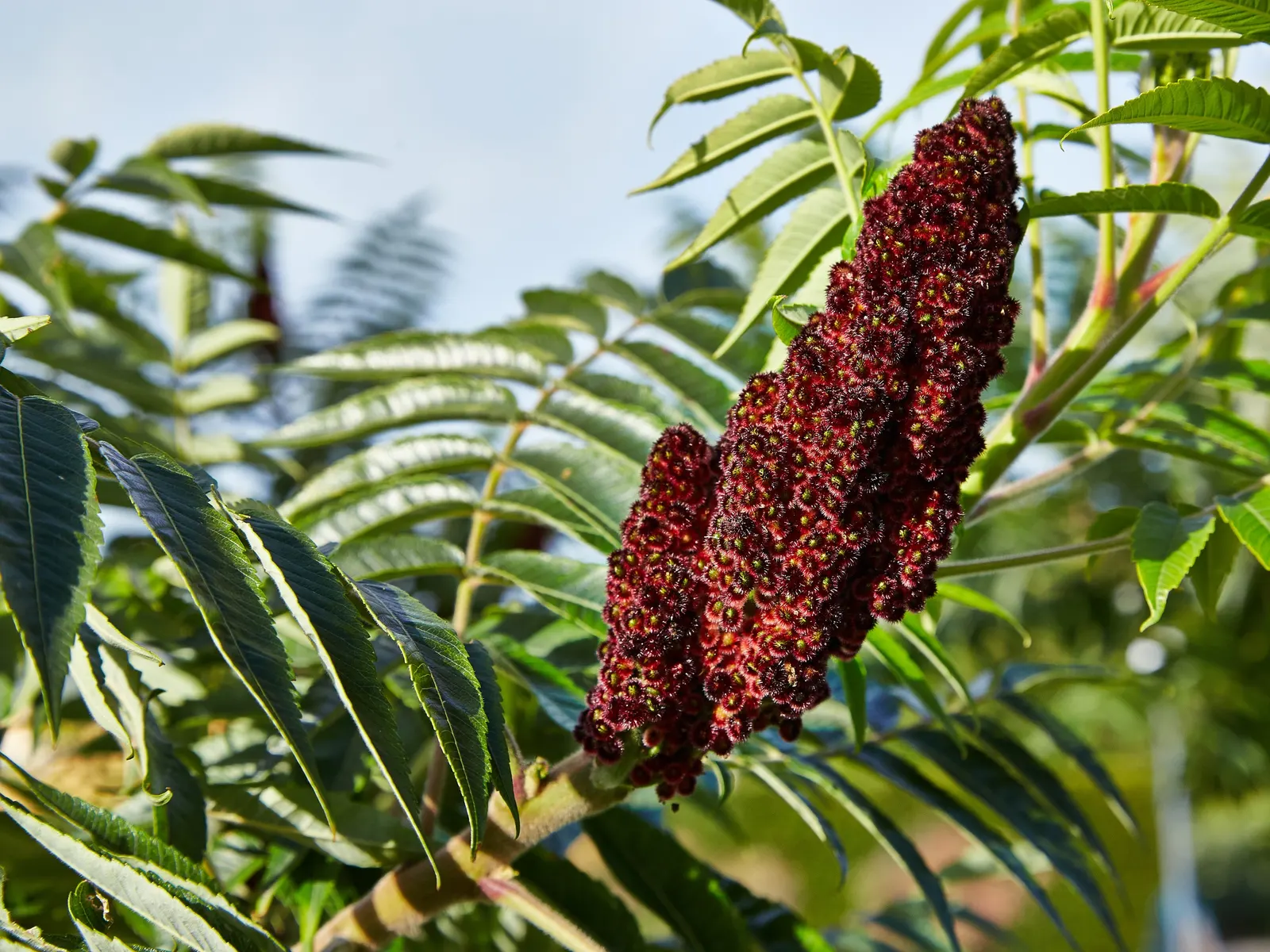
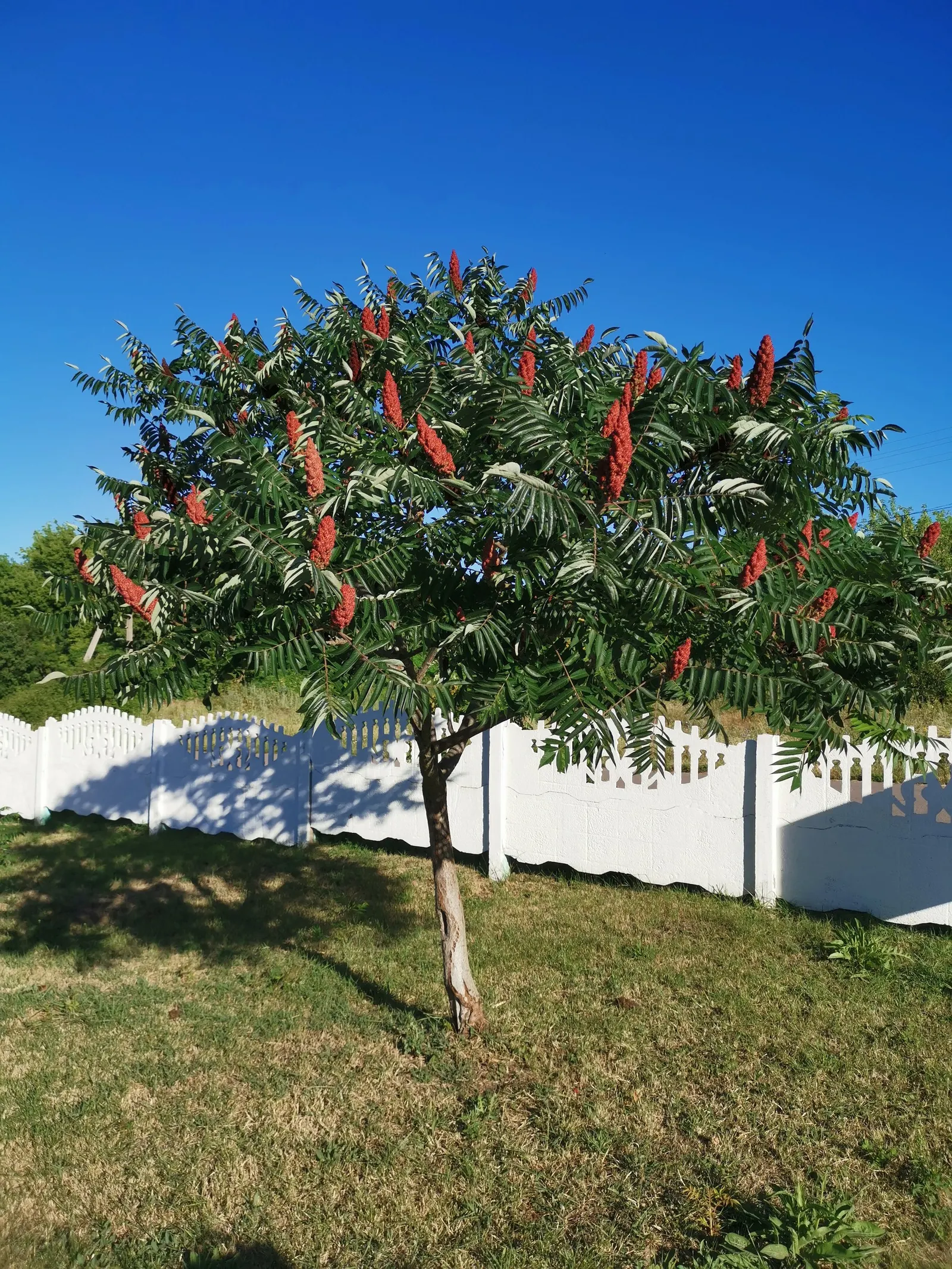
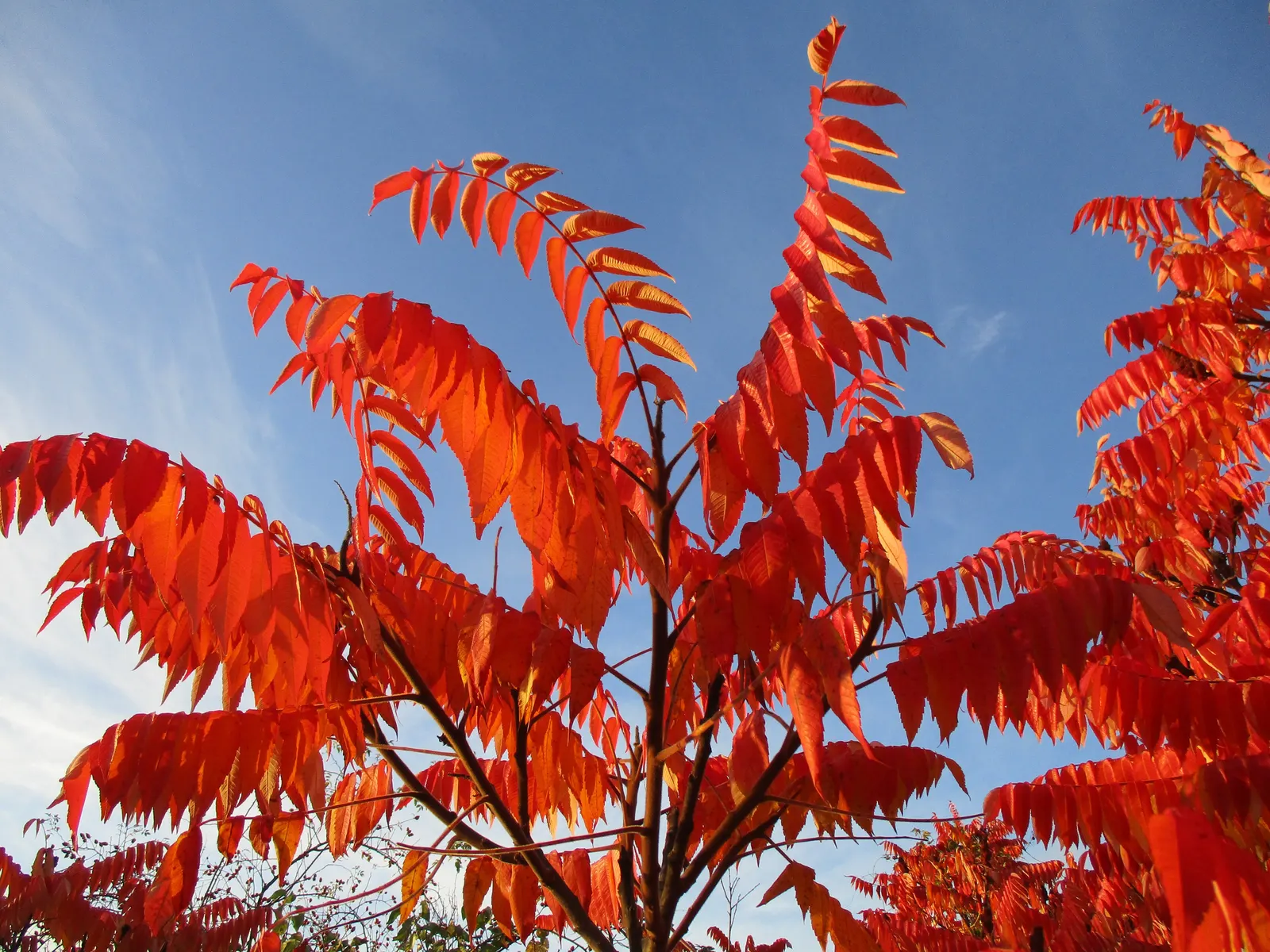
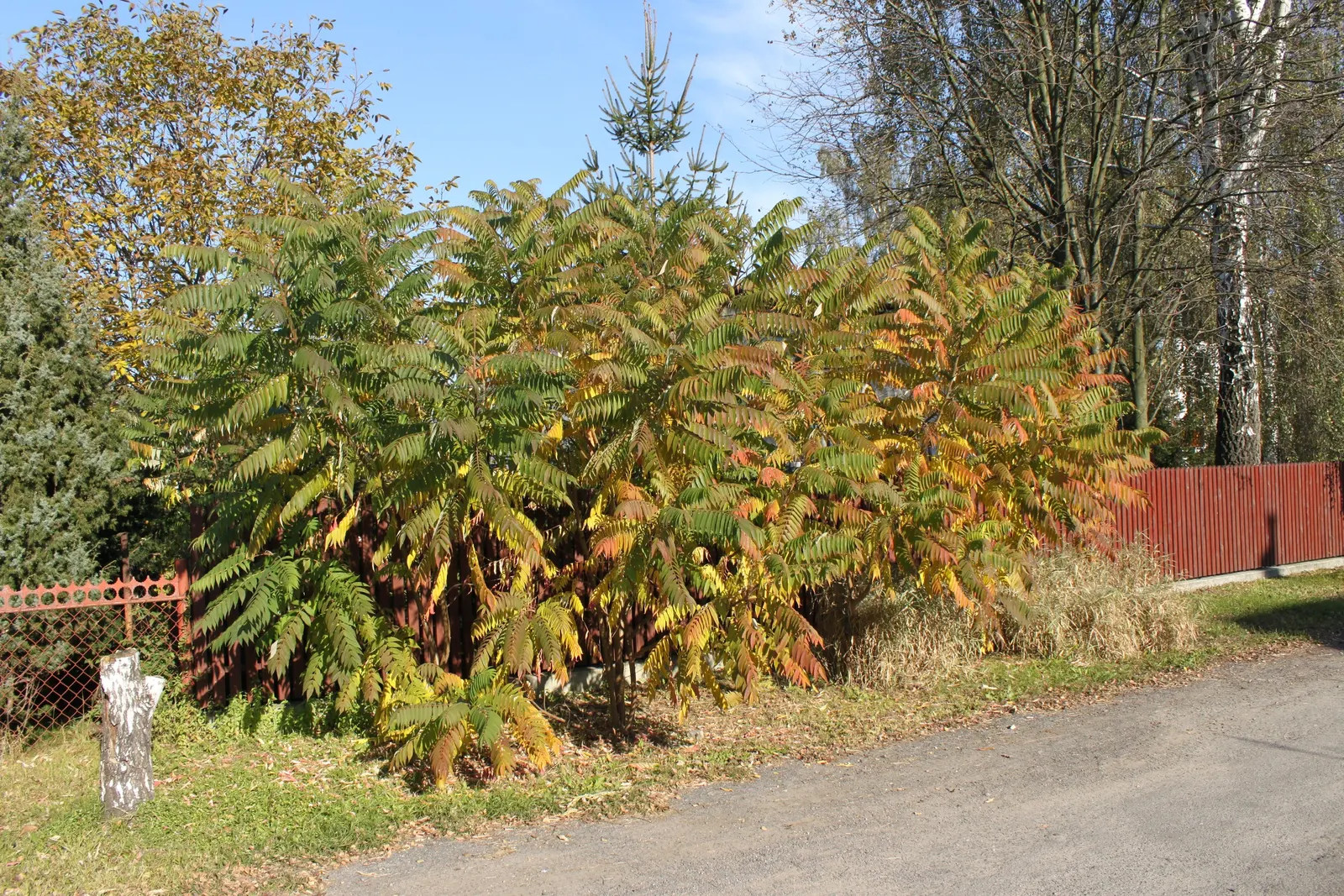
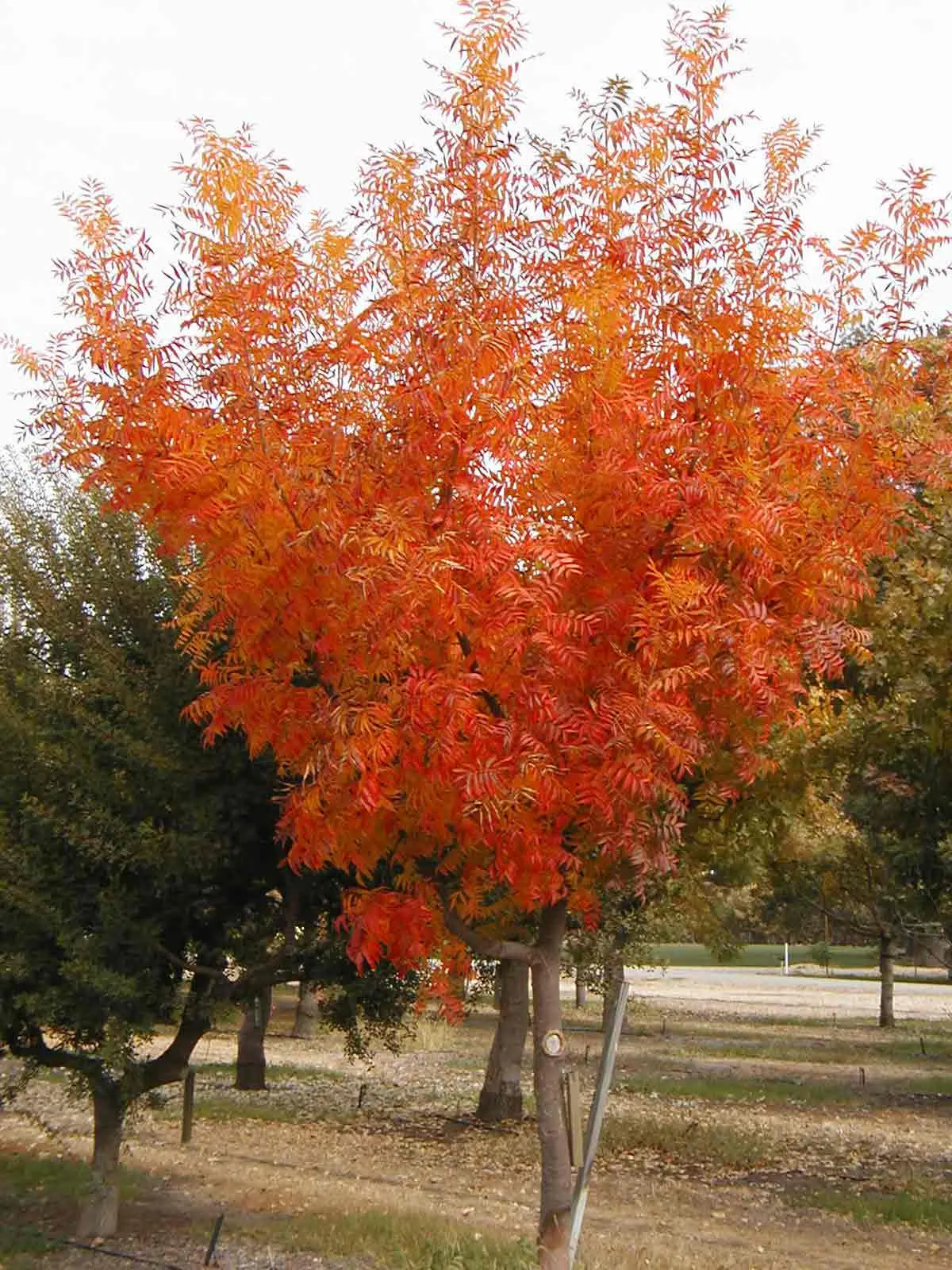
Staghorn Sumac (Rhus typhina) is a striking deciduous shrub, attaining 15-25 feet in height and spread. Renowned for its vibrant fall foliage in shades of yellow, orange, and fiery red, this plant features velvety branches resembling deer antlers. Sumacs produce crimson fruit clusters, adding winter interest. Preferring full sun, they thrive in well-drained soils and are drought-tolerant, making them a low-maintenance choice for impactful seasonal color.

Sun Full, Half, ShadeWater High, Low, MediumZones 3–8Climate Temperate
Staghorn Sumac (Rhus Typhina) — including dry and poor soils

Culture

Sun
Full, Half, Shade
Water
High, Low, Medium
USDA zones
3–8

Shape & size

Classification

Family
Anacardiaceae
Climate
Temperate

See full data, regional cultivation notes, full-resolution photos, and design tools. Build a client presentation around this plant.

Start your 14-day trial

Photos (127)

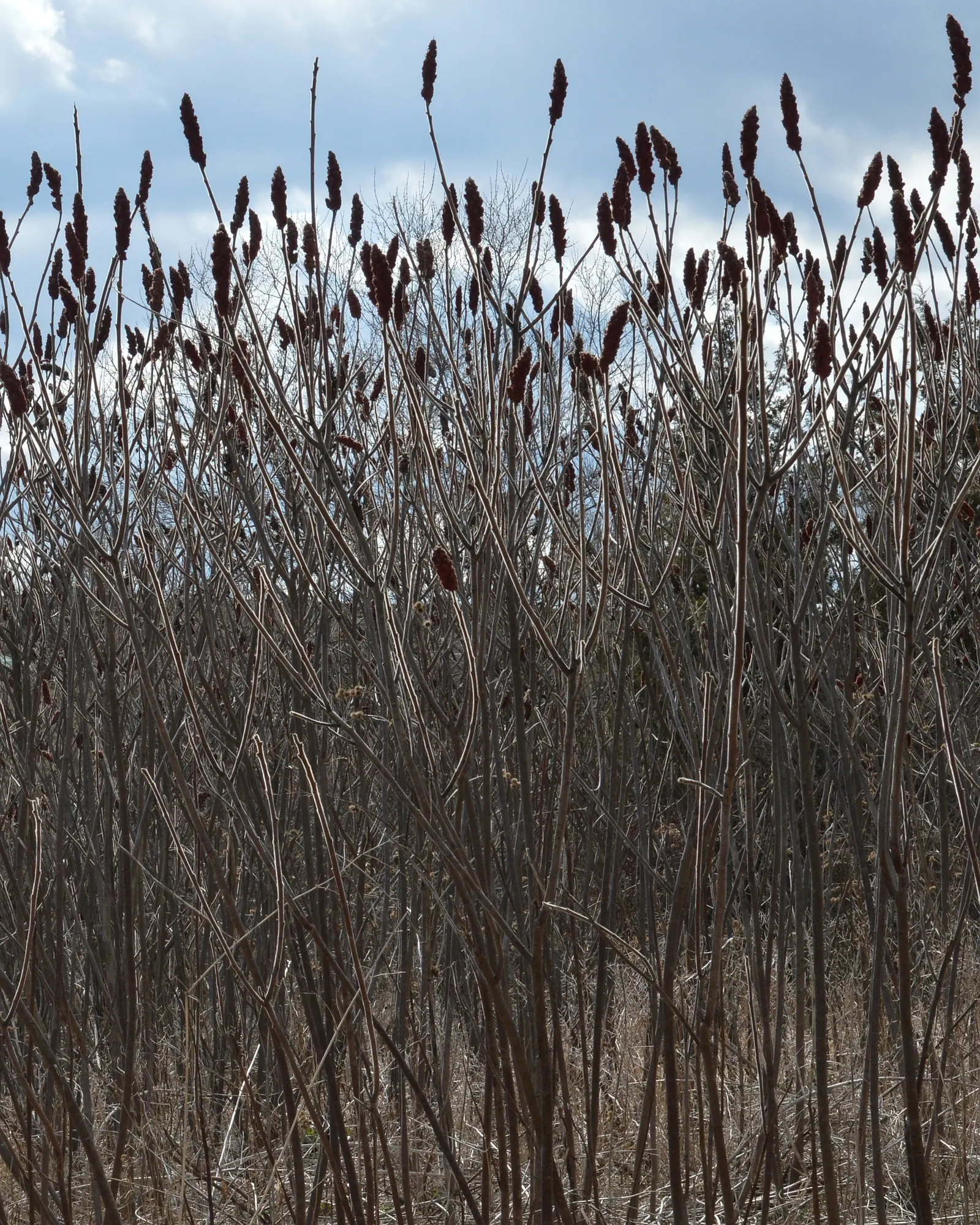
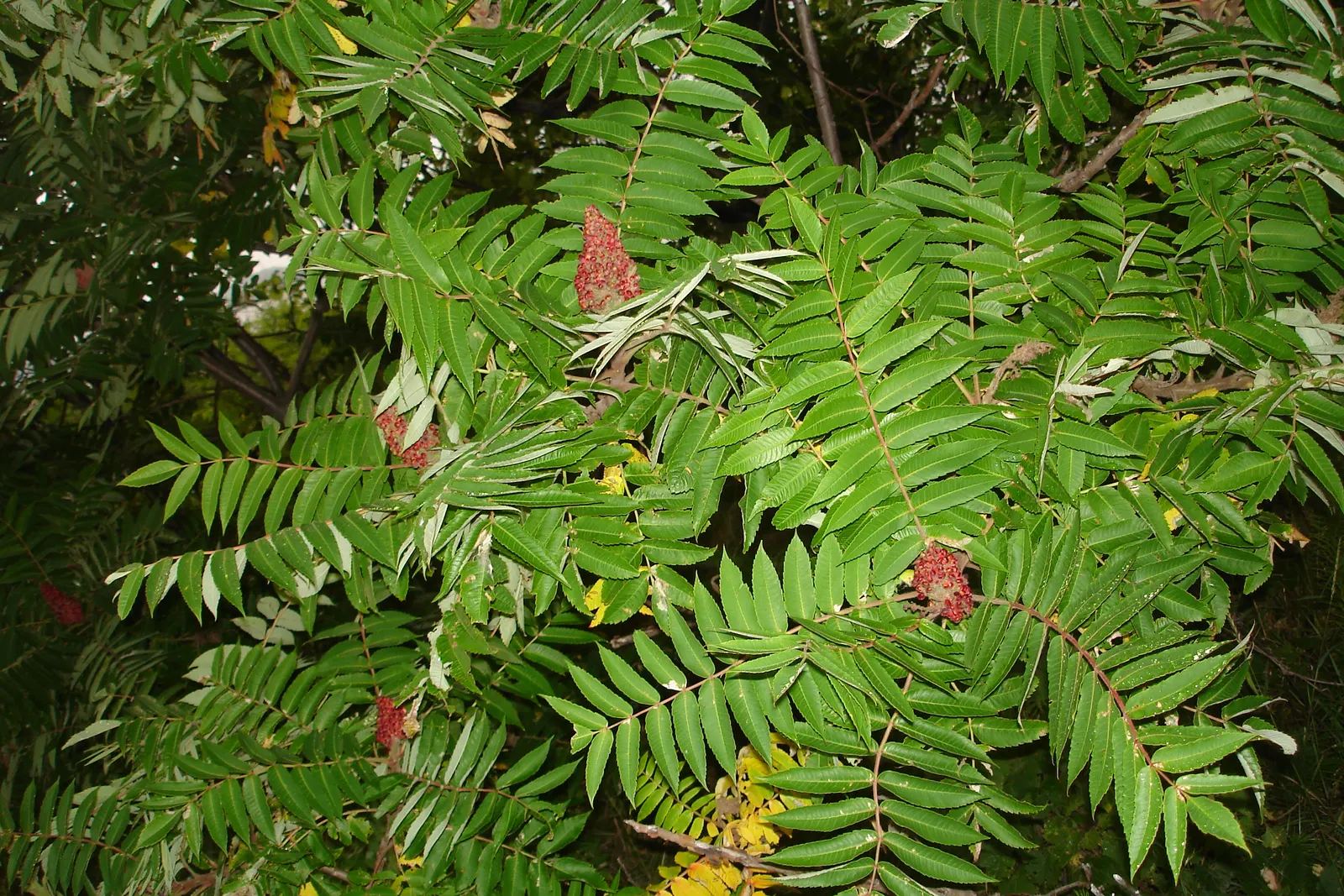
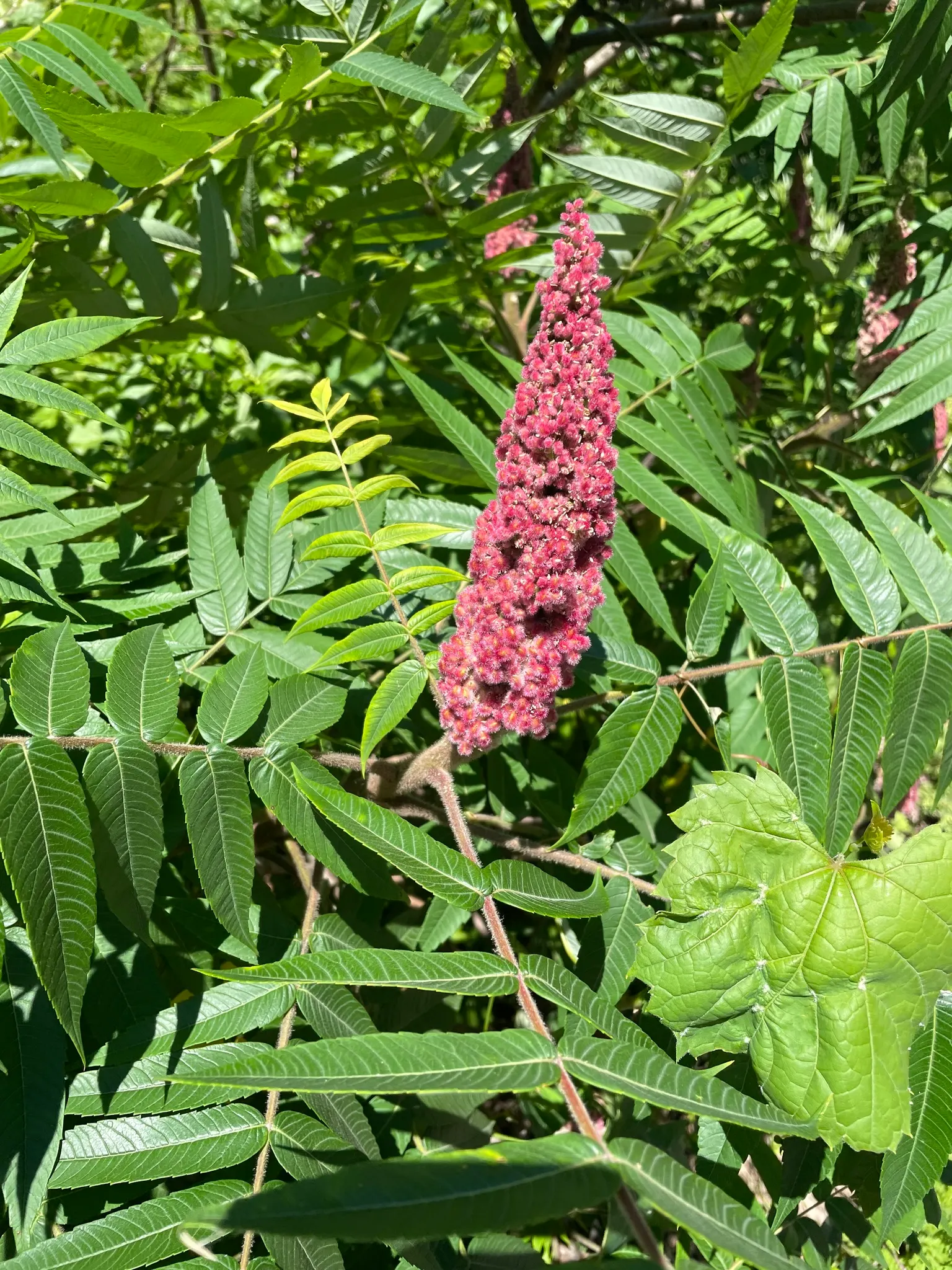
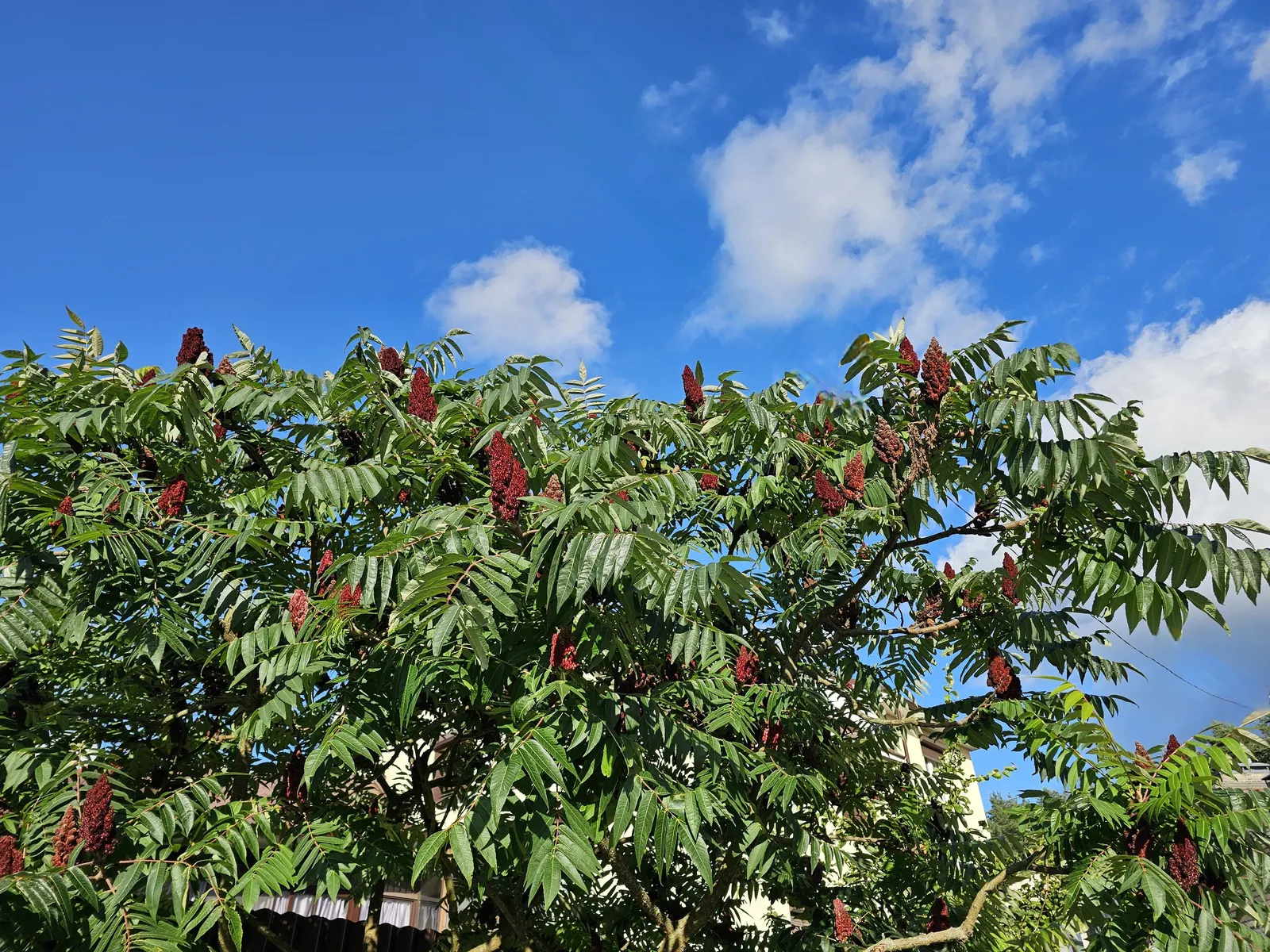
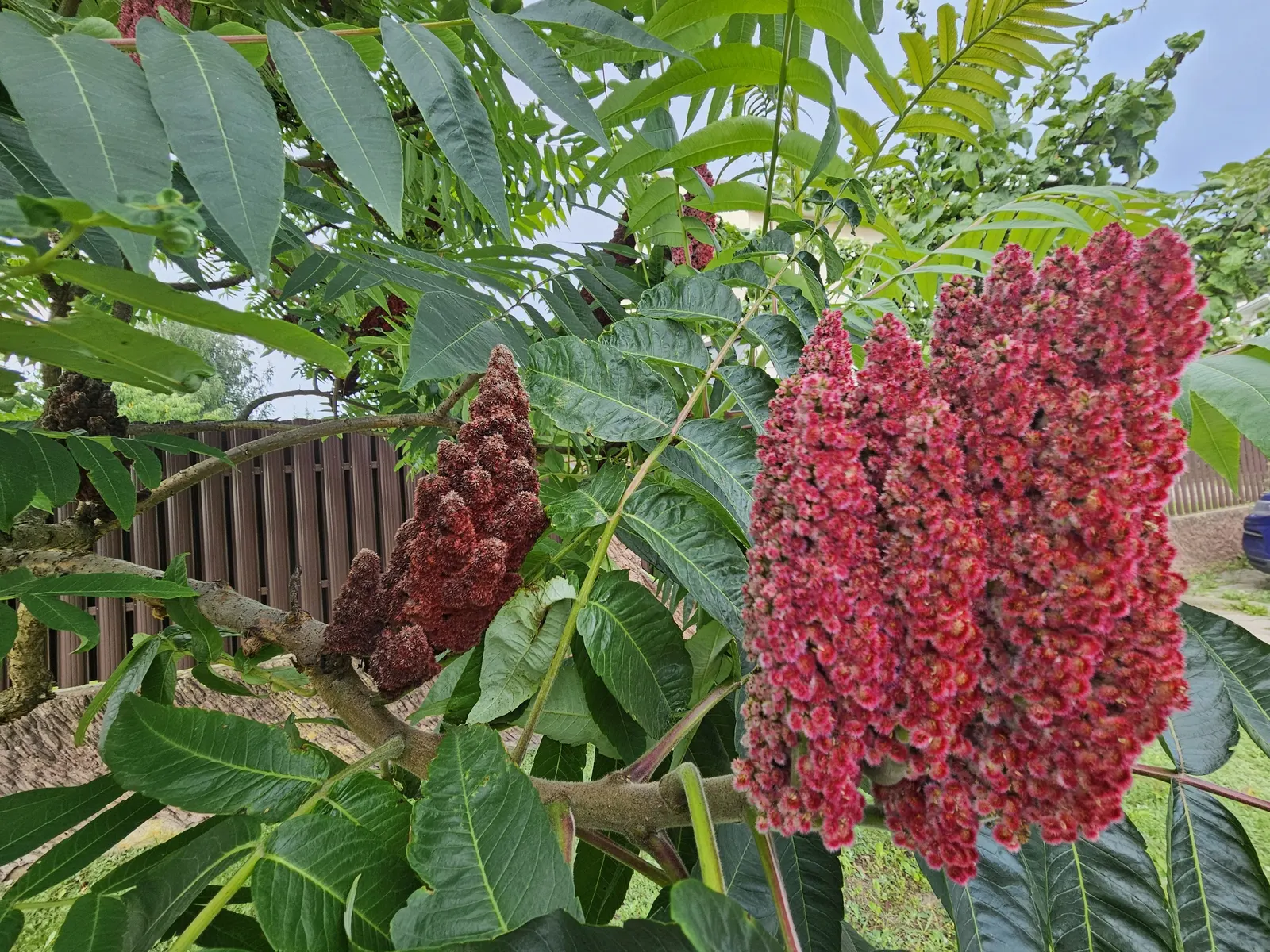
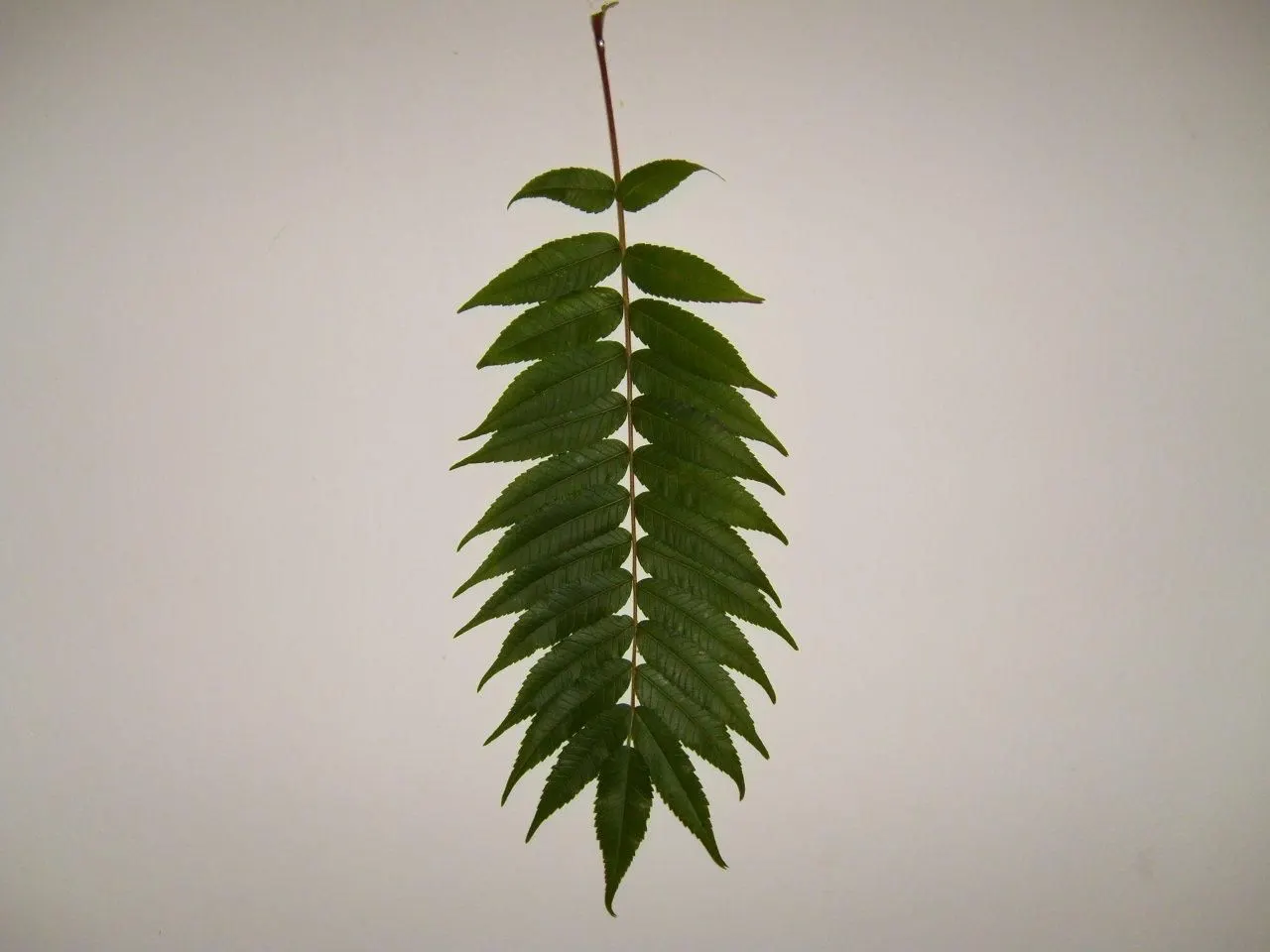
Staghorn Sumac (Rhus Typhina) — antler-like branches that resemble a male deer's antlers in velvet; offering a brilliant autumnal display.<br><br>Furthermore
Staghorn Sumac (Rhus Typhina) — the Staghorn Sumac thrives in full sun to partial shade; which allows it to form thickets if not managed
Staghorn Sumac (Rhus Typhina) — The plant prefers well-draining soil but tolerates a variety of conditions; this plant features velvety branches resembling
Staghorn Sumac (Rhus Typhina) — which can grow up to 2 feet in length; with its engaging aesthetics and low-maintenance nature
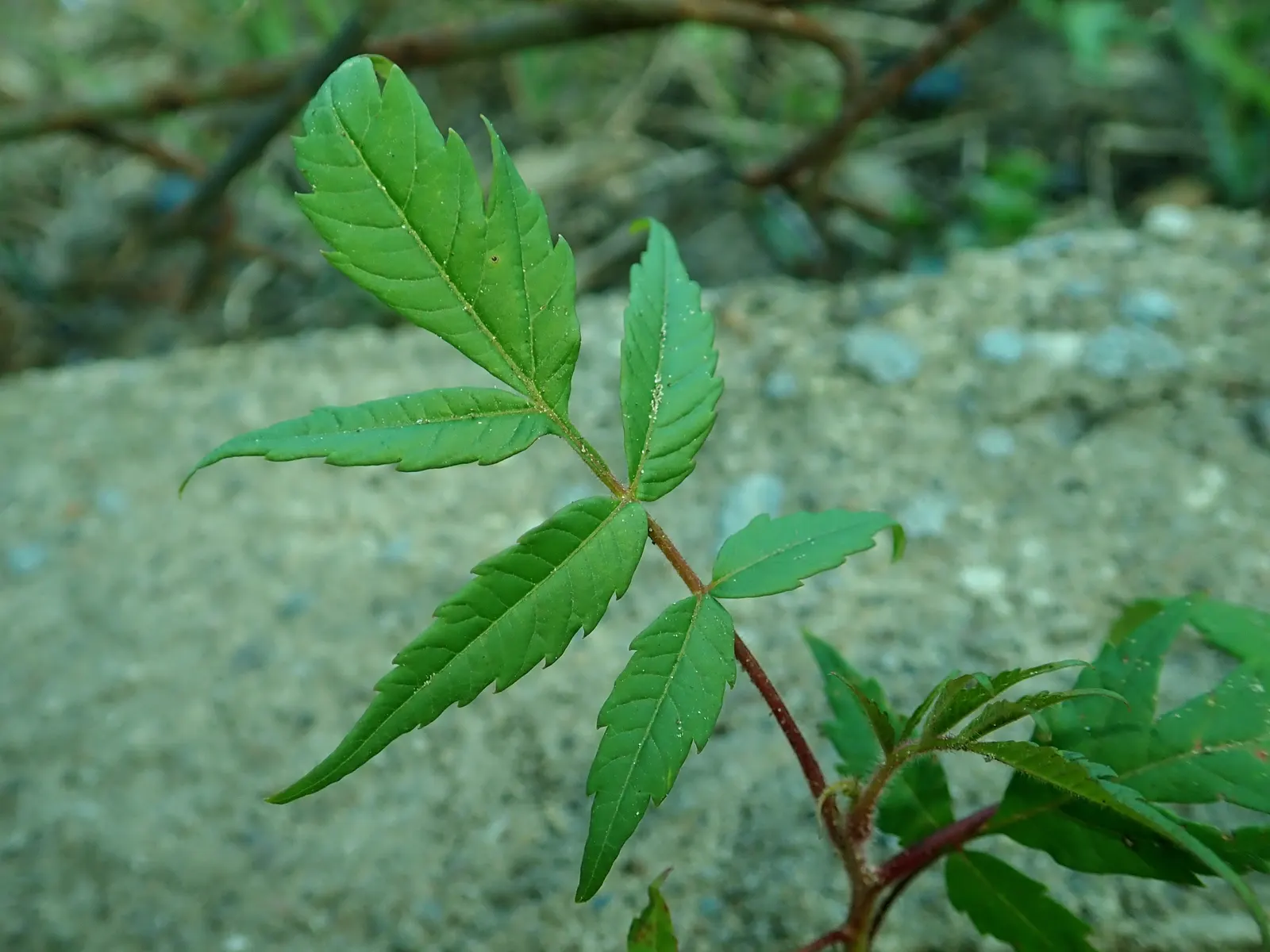
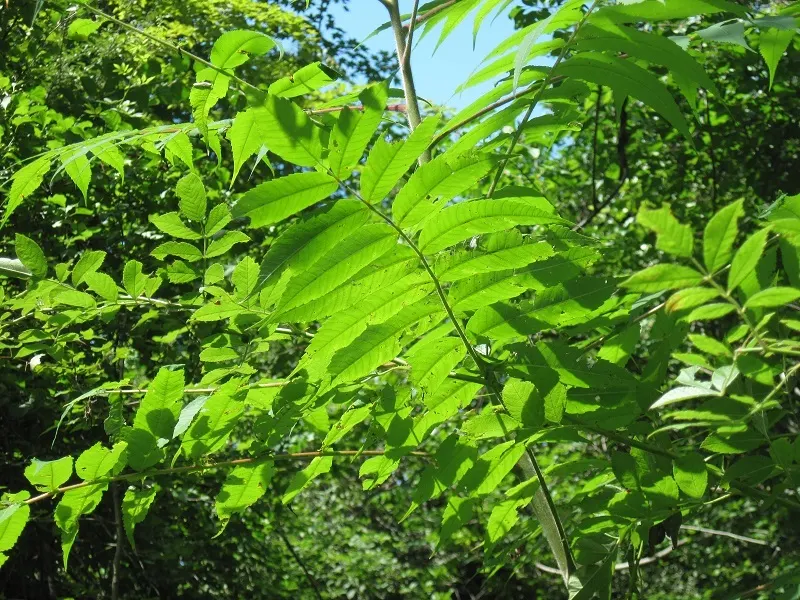
Staghorn Sumac (Rhus Typhina) — provide a lush green canopy; they thrive in well-drained soils and are drought-tolerant
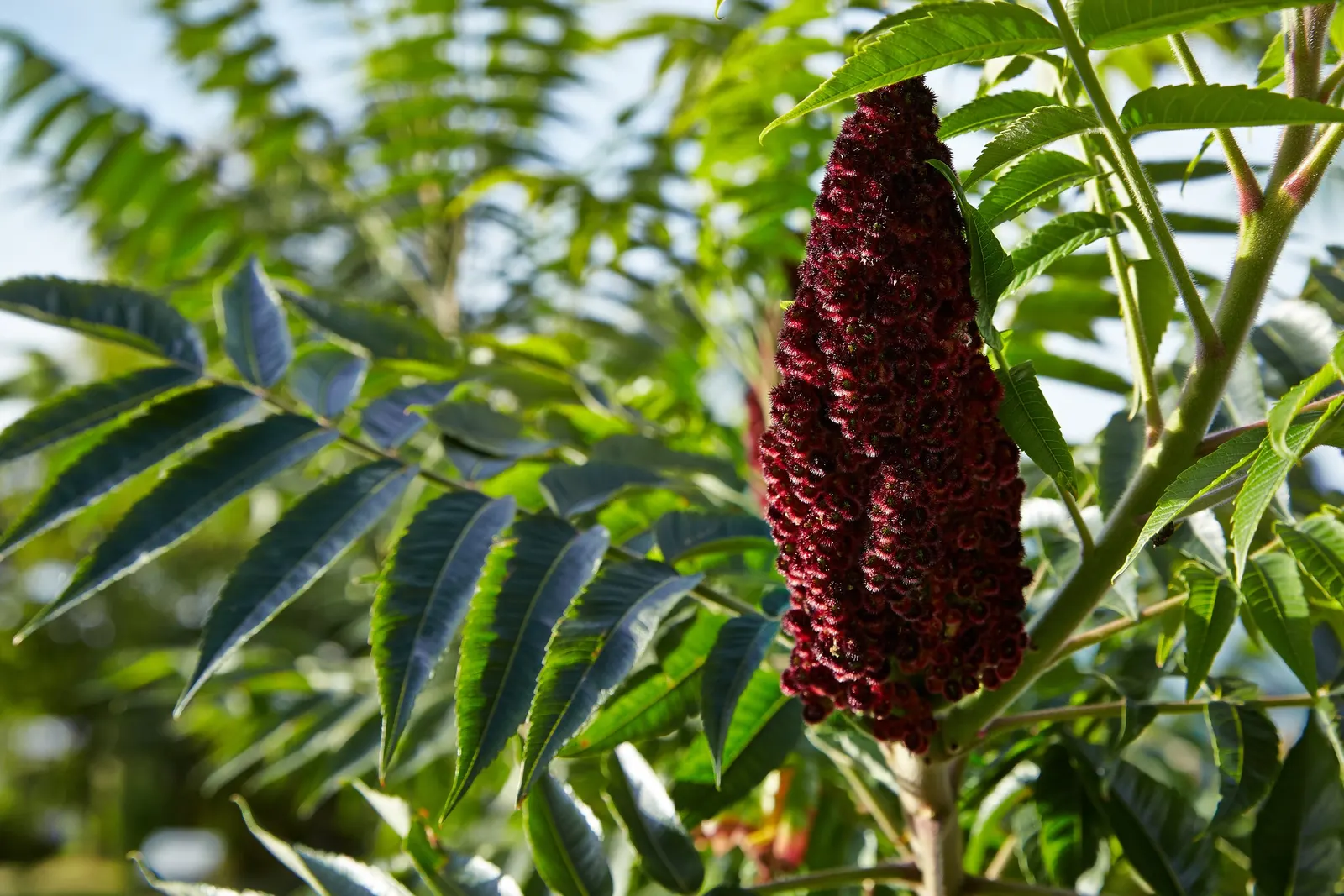
Staghorn Sumac (Rhus Typhina) — followed by eye-catching clusters of fuzzy; shrub / tree for full or half or shade
Staghorn Sumac (Rhus Typhina) — consider its potential to spread through suckers, image 61
Staghorn Sumac (Rhus Typhina) — These berries are a valuable food source for wildlife; the foliage transforms into spectacular shades of yellow
Staghorn Sumac (Rhus Typhina) — adding multi-season interest; the Staghorn Sumac thrives in full sun to partial shade
Staghorn Sumac (Rhus Typhina) — red berries that linger into winter; staghorn Sumac (Rhus typhina)
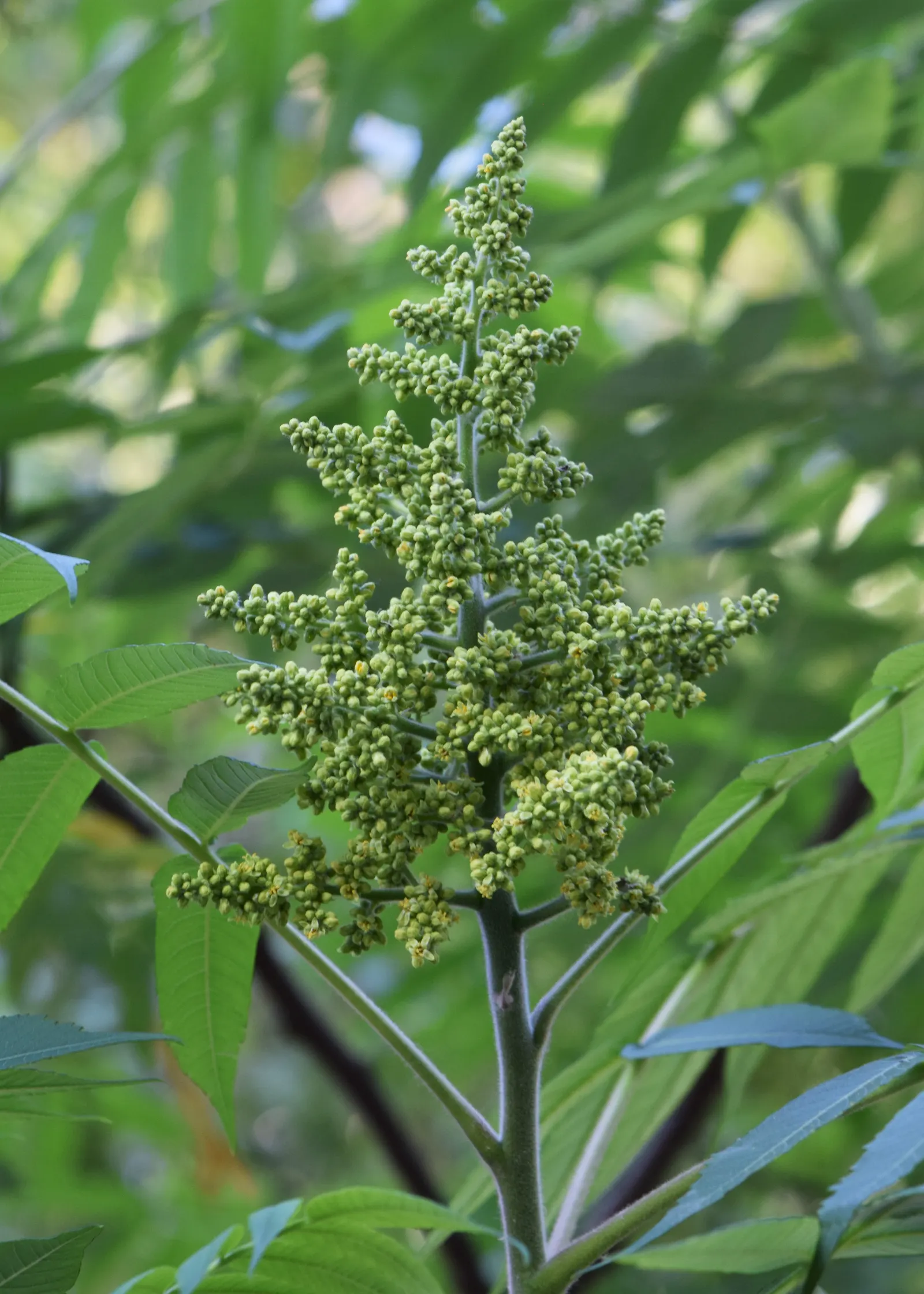
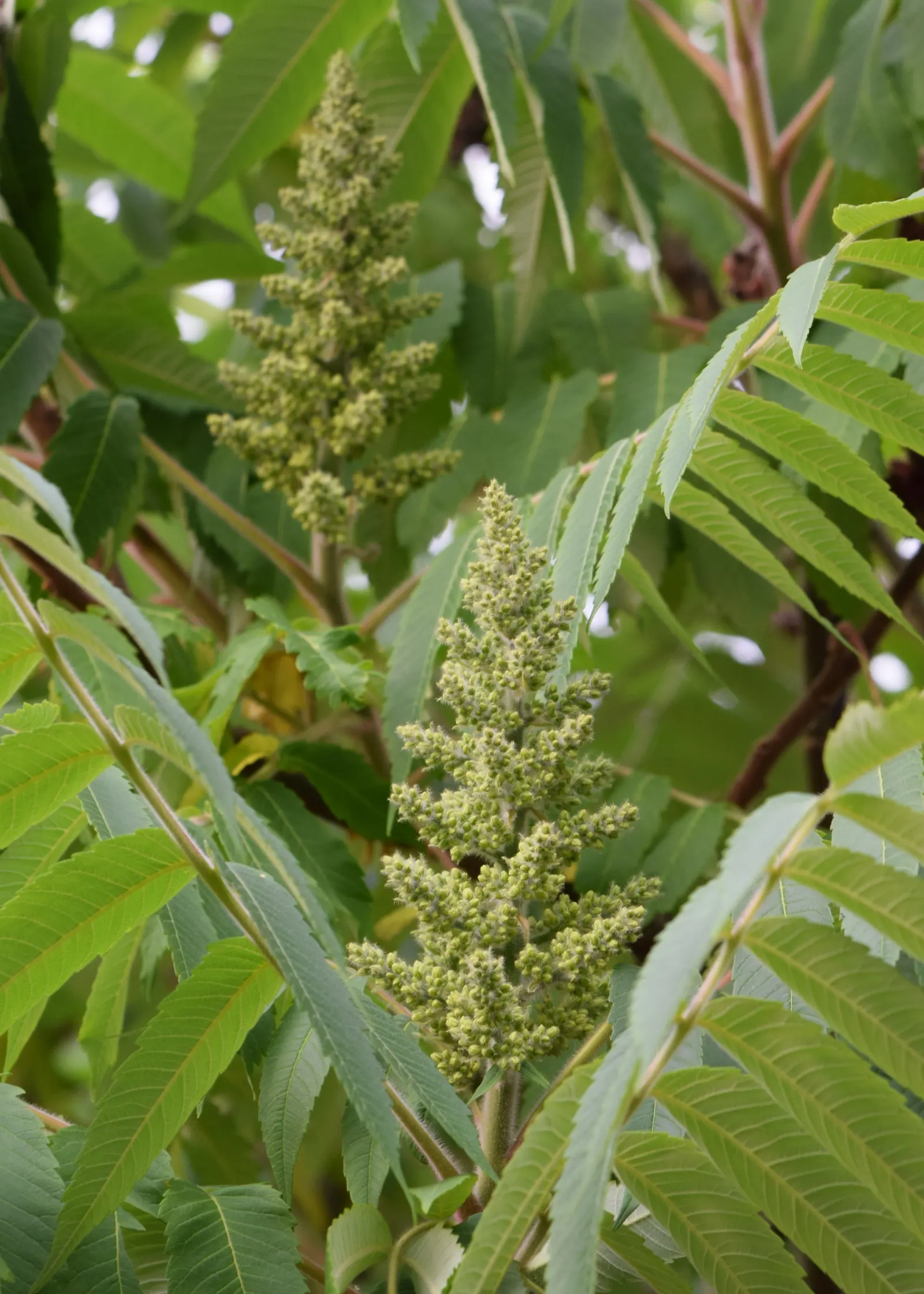
Staghorn Sumac (Rhus Typhina) — Staghorn Sumac produces dense panicles of greenish-yellow flowers in the summer; adding multi-season interest
Staghorn Sumac (Rhus Typhina) — offering a brilliant autumnal display.<br><br>Furthermore; which can grow up to 2 feet in length
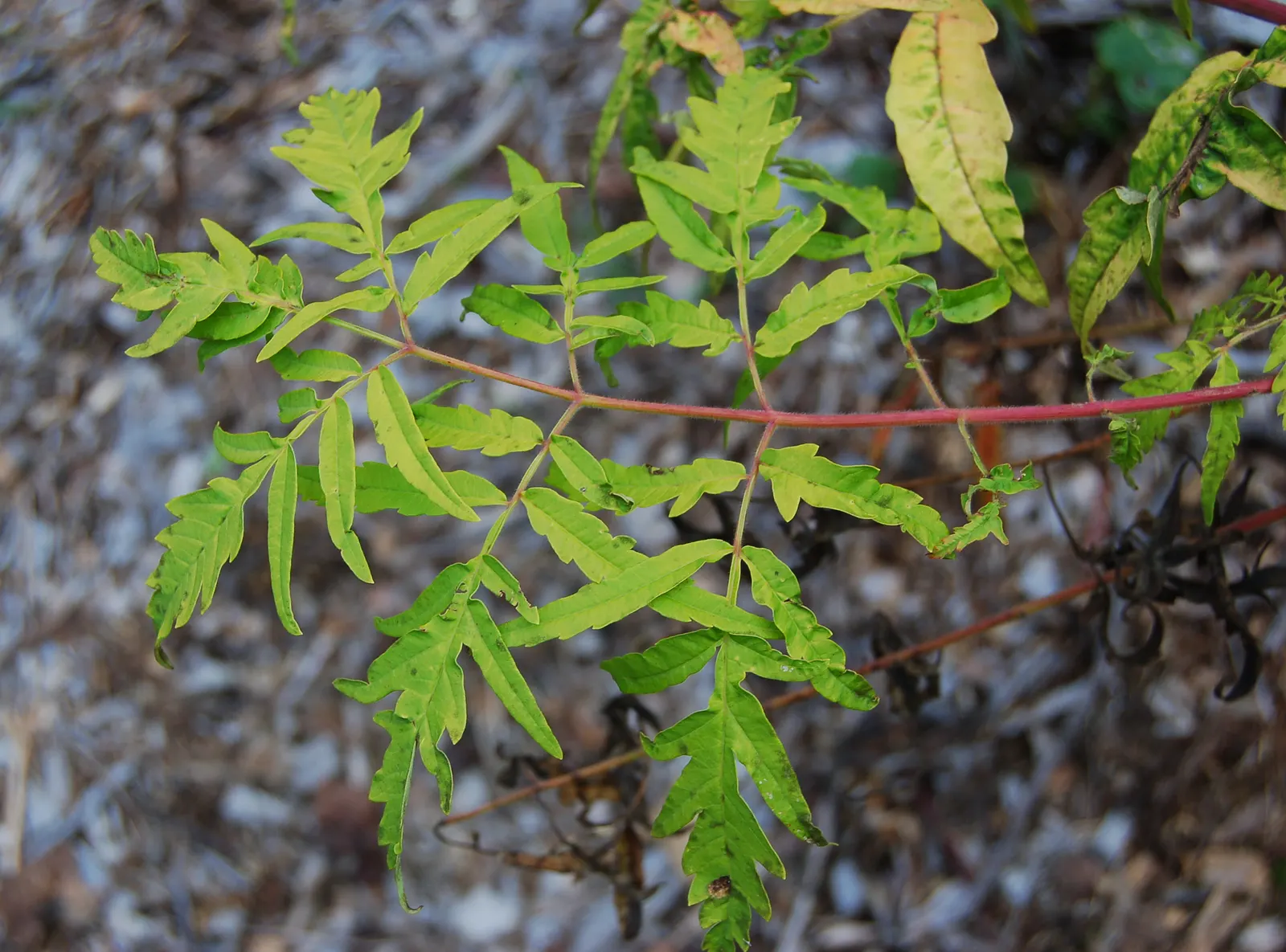
Staghorn Sumac (Rhus Typhina) — the foliage transforms into spectacular shades of yellow; this plant is well-suited to USDA hardiness zones 4 through
Staghorn Sumac (Rhus Typhina) — It typically stands 15 to 25 feet in height with an equal spread, though it can sometimes reach up to 35 feet, image 76
Staghorn Sumac (Rhus Typhina) — which allows it to form thickets if not managed; renowned for its vibrant fall foliage in shades of yellow
Staghorn Sumac (Rhus Typhina) — Regular pruning may be necessary to maintain its shape and size within the intended space; is celebrated for its ornamental
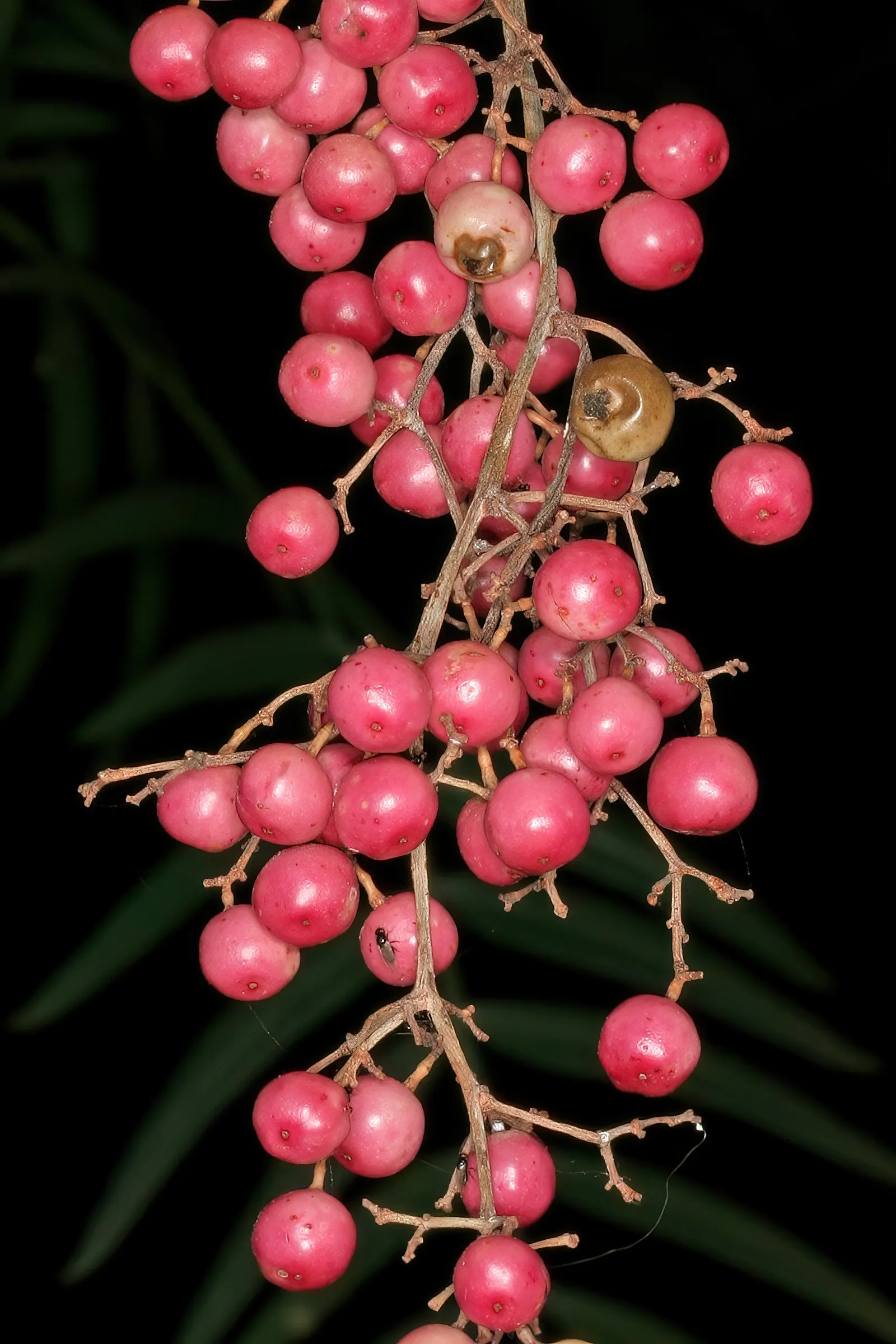
Staghorn Sumac (Rhus Typhina) — Sumacs produce crimson fruit clusters, adding winter interest; red berries that linger into winter, image 70
Staghorn Sumac (Rhus Typhina) — they thrive in well-drained soils and are drought-tolerant; staghorn Sumac is an excellent choice for adding, image 71
Staghorn Sumac (Rhus Typhina) — making them a low-maintenance choice for impactful seasonal color, image 72
Staghorn Sumac (Rhus Typhina) — Staghorn Sumac (Rhus typhina); antler-like branches that resemble a male deer's antlers in velvet, image 73
Staghorn Sumac (Rhus Typhina) — a striking deciduous shrub or small tree; provide a lush green canopy, image 74
Staghorn Sumac (Rhus Typhina) — is celebrated for its ornamental features and adaptability; these berries are a valuable food source for wildlife, image 75
Staghorn Sumac (Rhus Typhina) — With its engaging aesthetics and low-maintenance nature; including dry and poor soils
Staghorn Sumac (Rhus Typhina) — Renowned for its vibrant fall foliage in shades of yellow; a native to the Northeastern United States, image 68

Related plants