
Skunkbush Sumac
Rhus trilobata
Overview
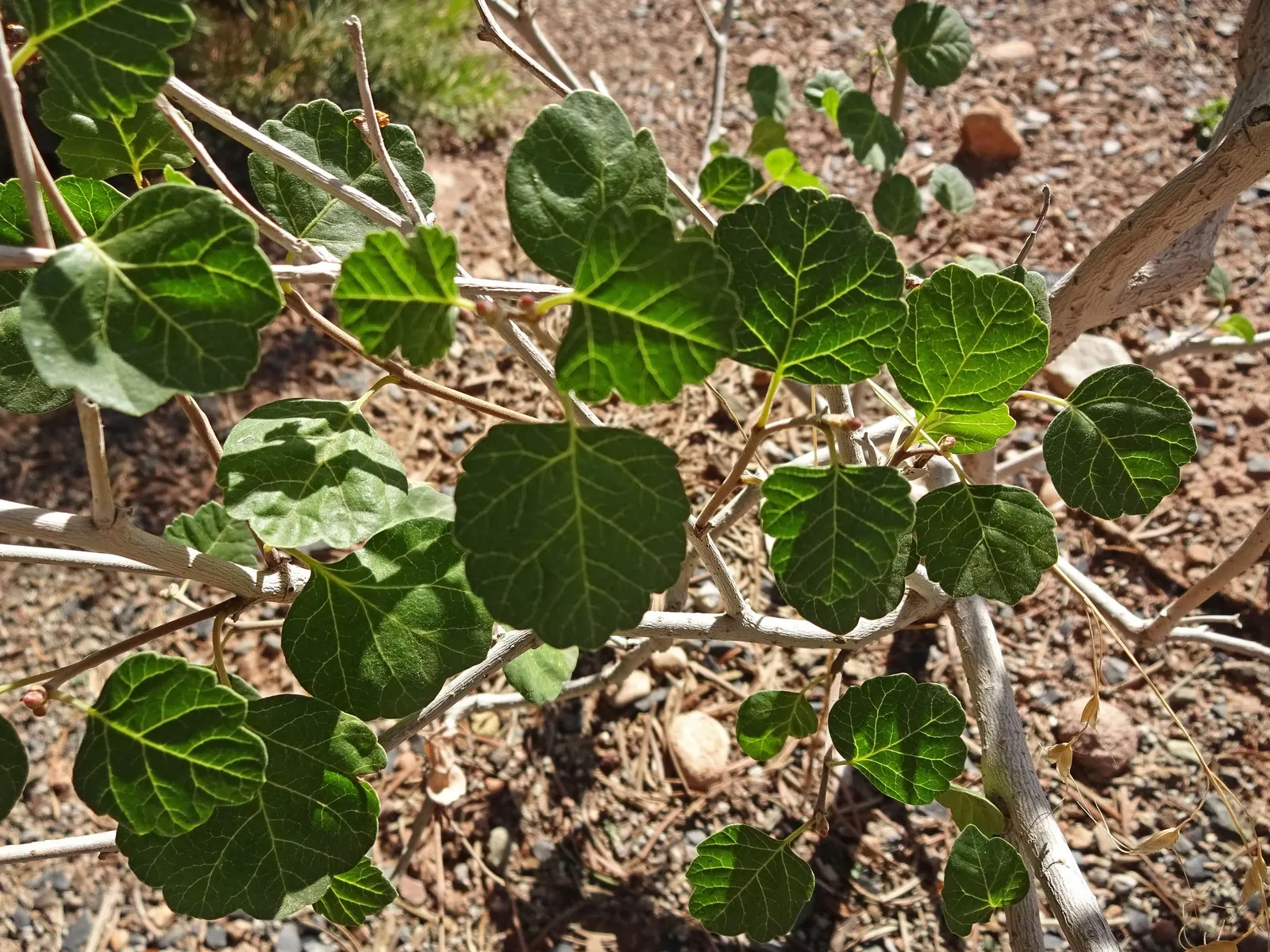
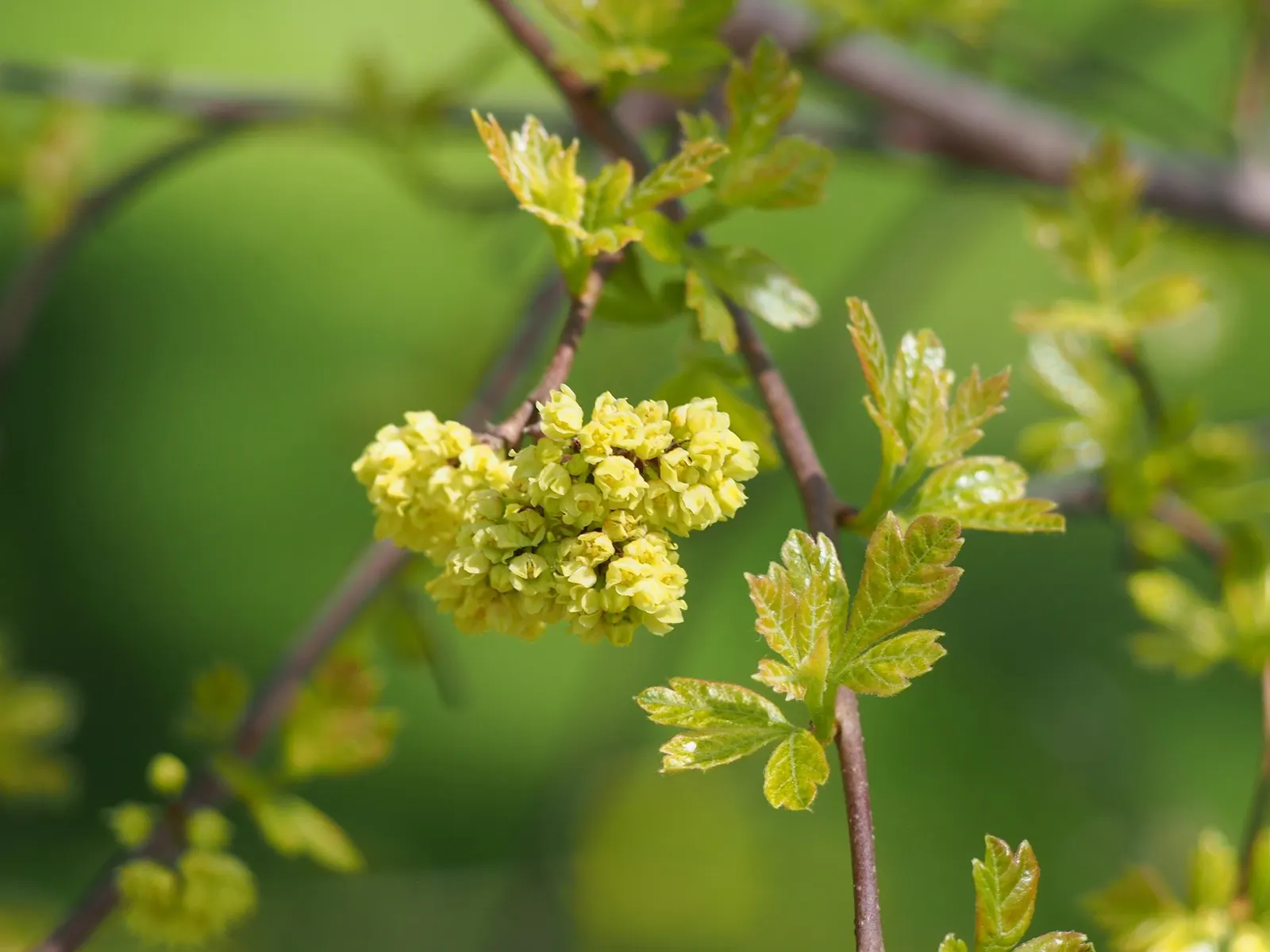
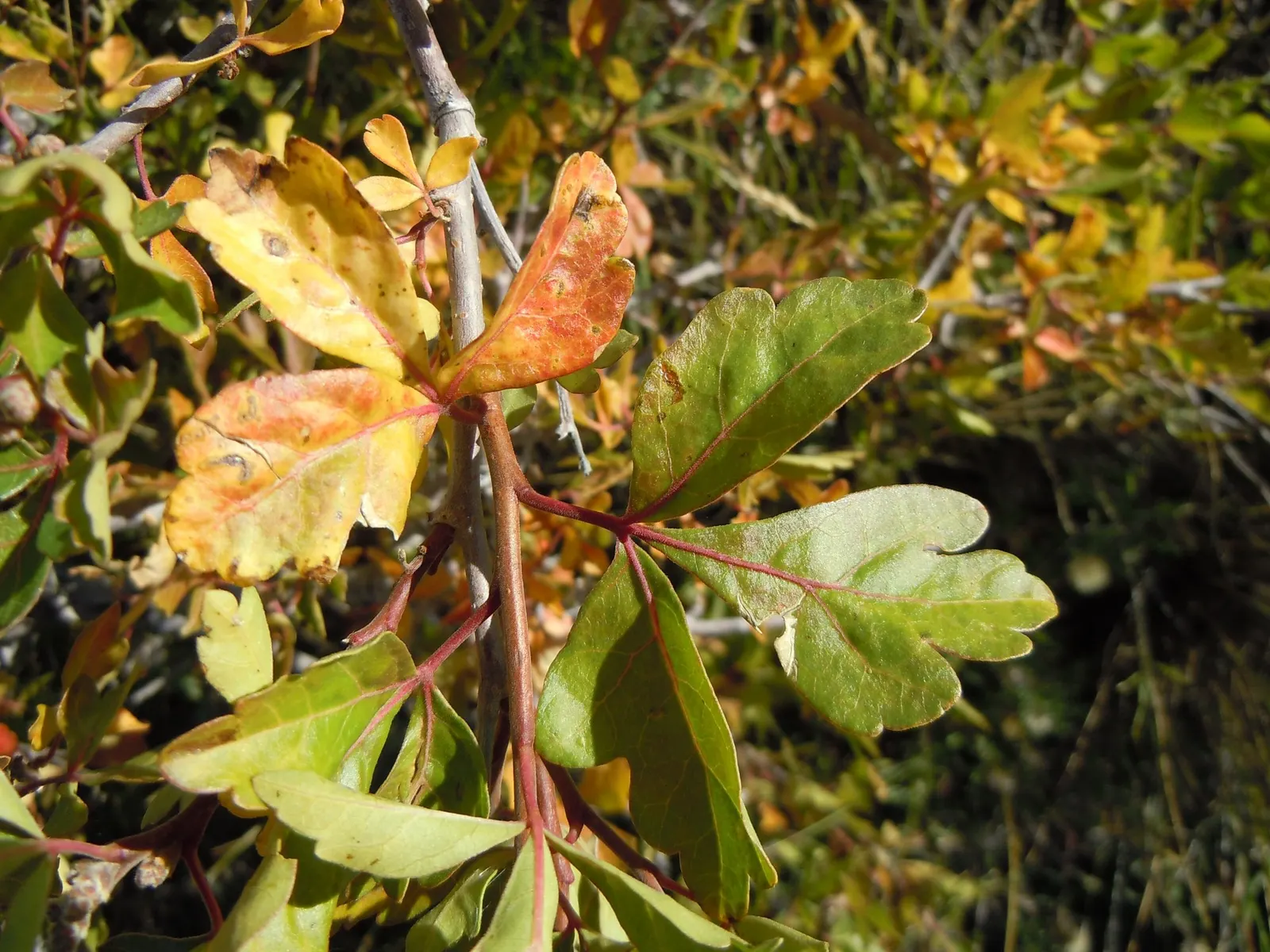
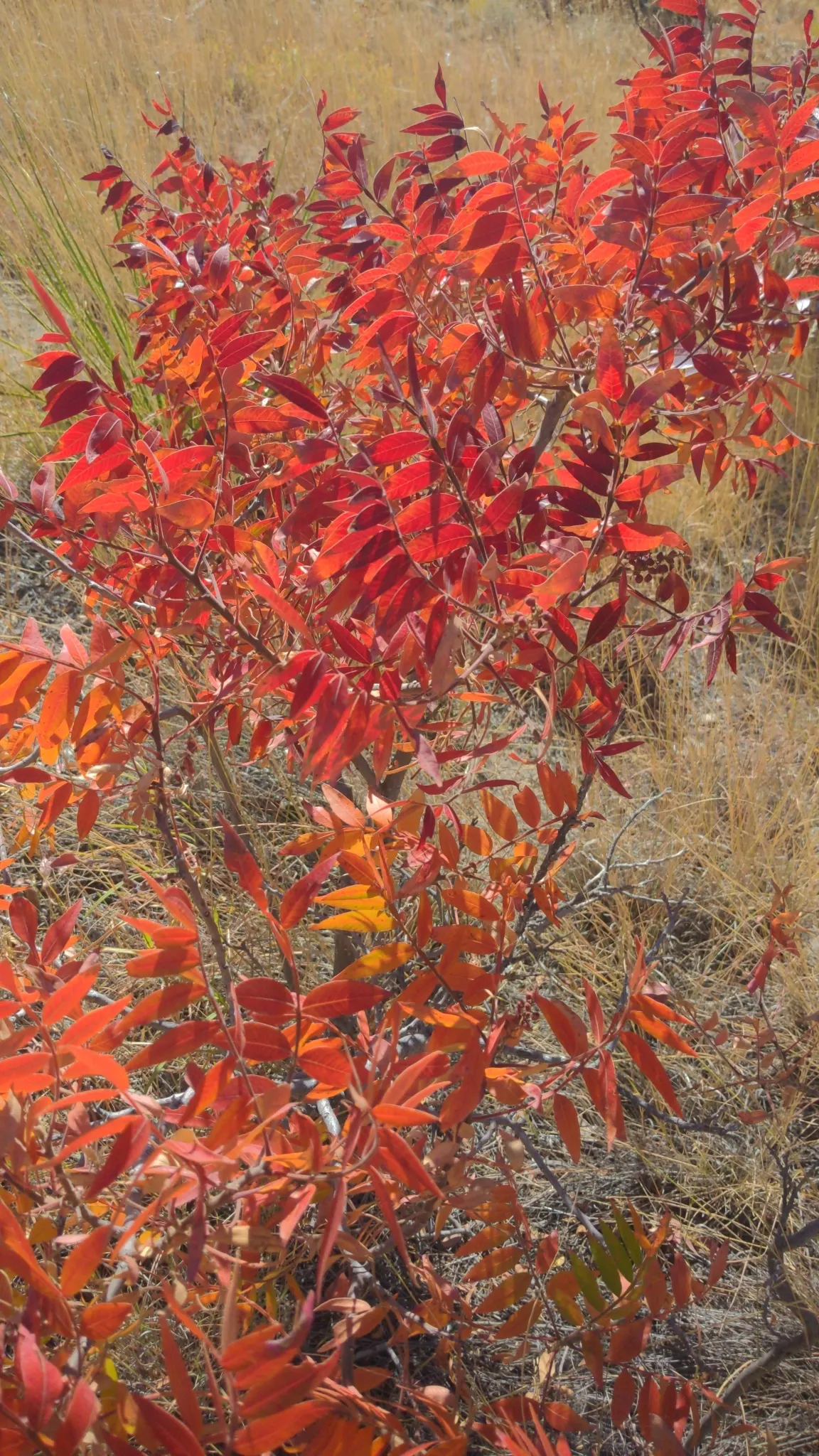
Desert Sumac (Rhus triolobata), a hardy, deciduous shrub, thrives in arid landscapes. It boasts trilobed leaves and reaches up to 6 feet tall with an equal spread. Springtime yellow flowers give way to reddish-orange berry clusters, providing vivid seasonal interest. This low-maintenance native is ideal for erosion control and wildlife habitats, enduring zones 4-9. Its drought tolerance and adaptability make it an excellent choice for resilient, naturalistic designs.
Sun FullWater Extra in Summer, Very LowZones 3–9Type ShrubClimate Arid, Mediterranean, Subtropical
Culture
- Sun
- Full
- Water
- Extra in Summer, Very Low
- USDA zones
- 3–9
Shape & size
Classification
- Type
- Shrub
- Family
- Anacardiaceae
- Climate
- Arid, Mediterranean, Subtropical
See full data, regional cultivation notes, and design tools. Build a client presentation around this plant.
Start your 14-day trialPhotos (51)

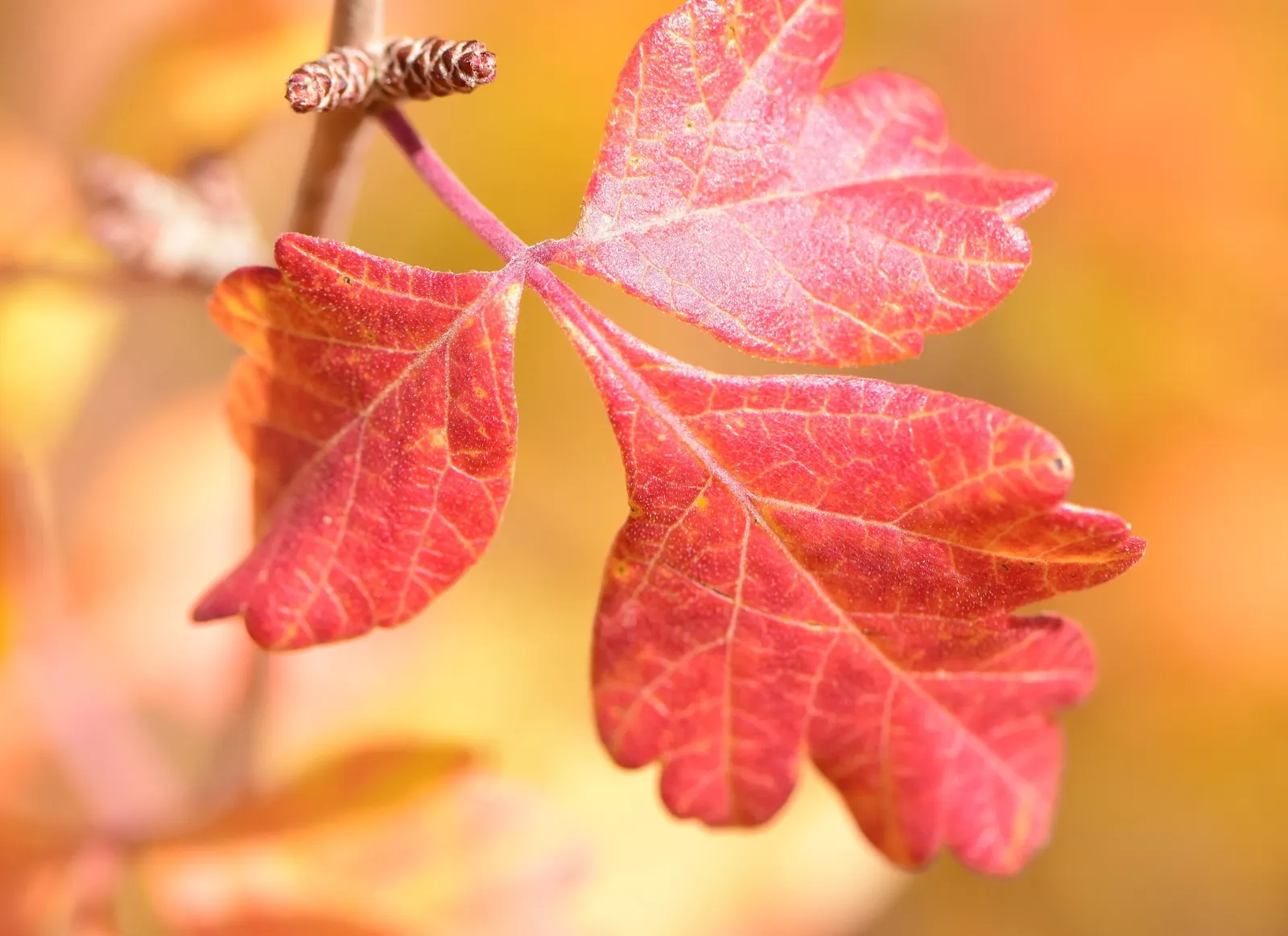

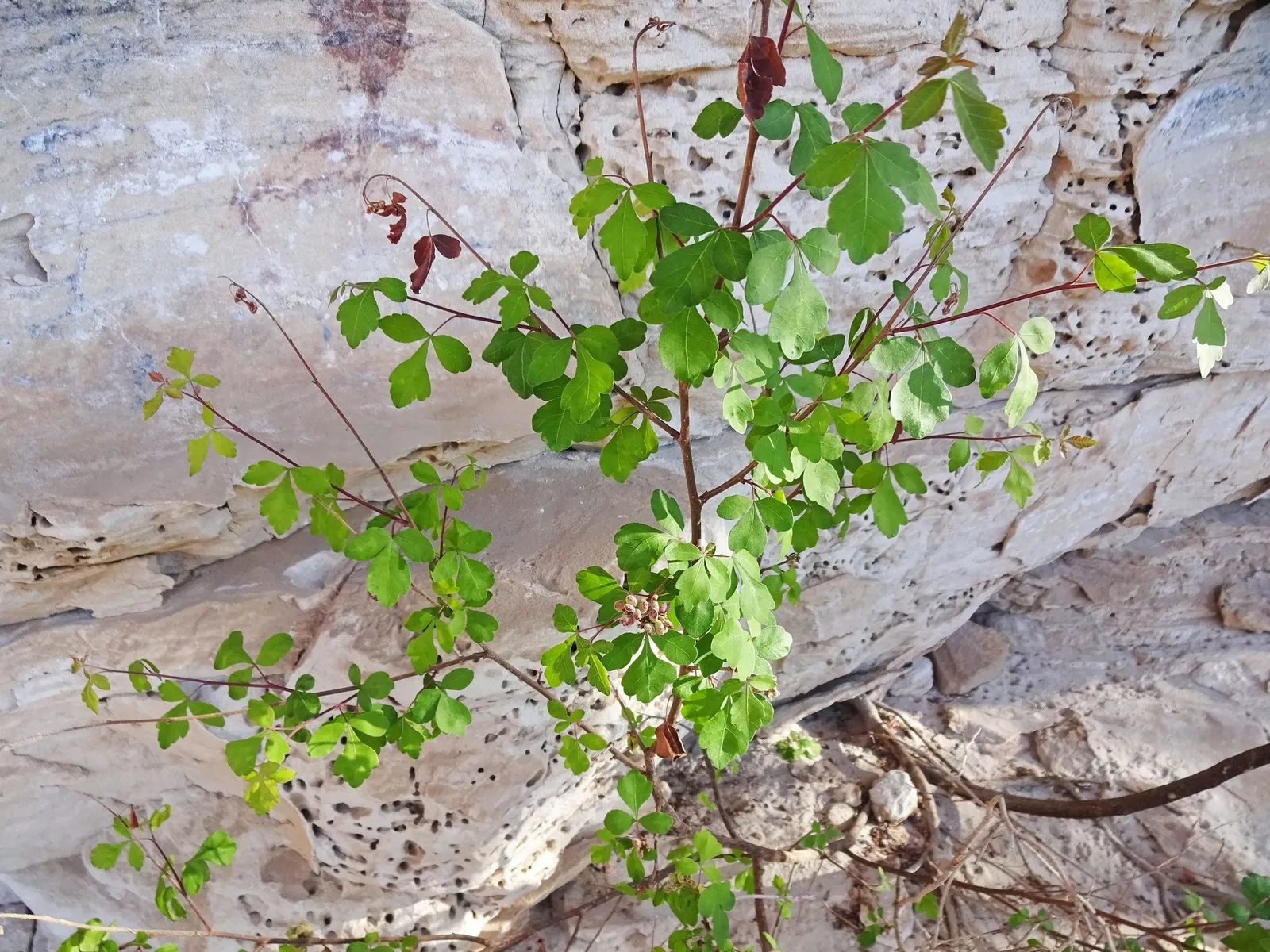
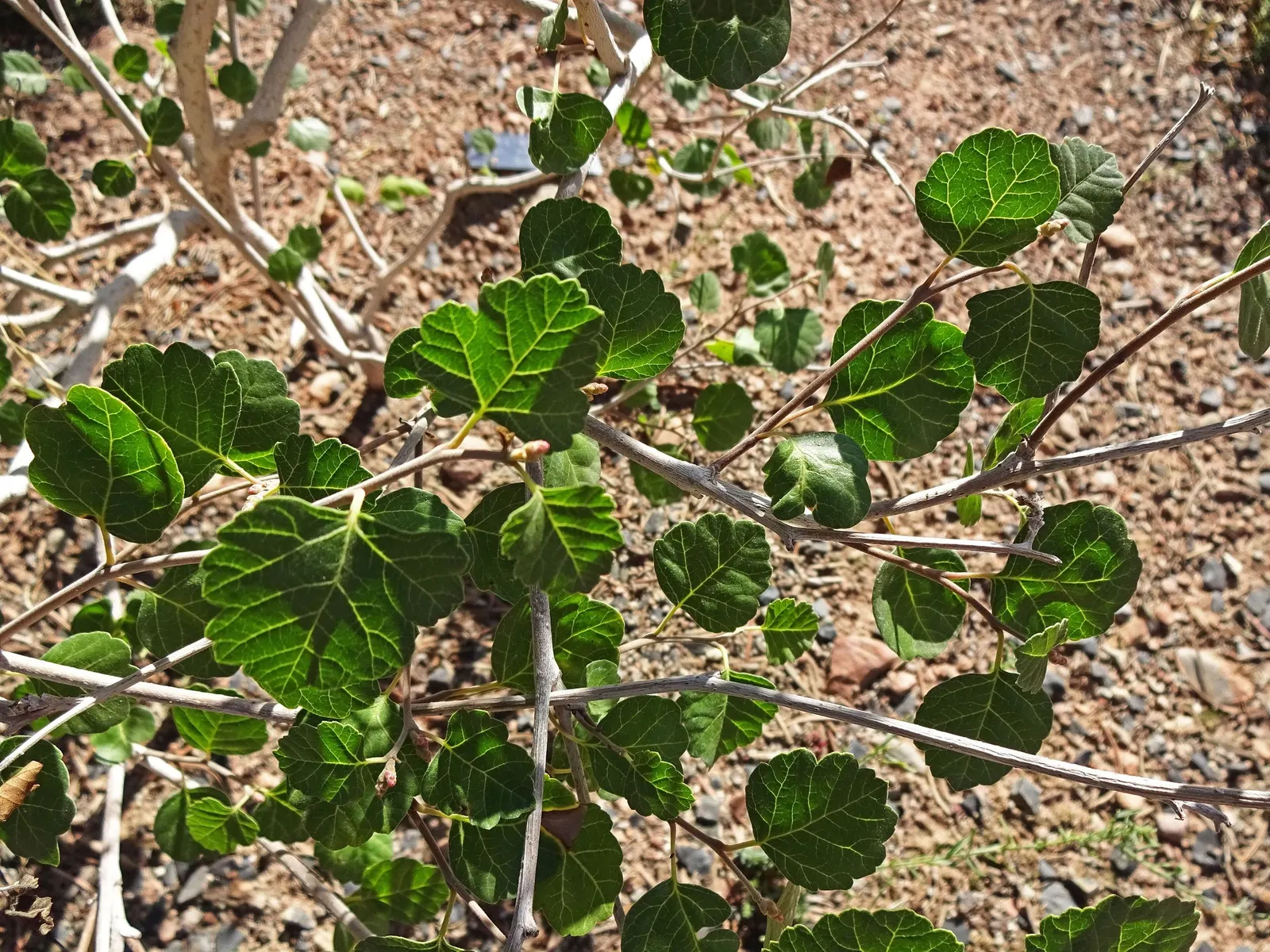
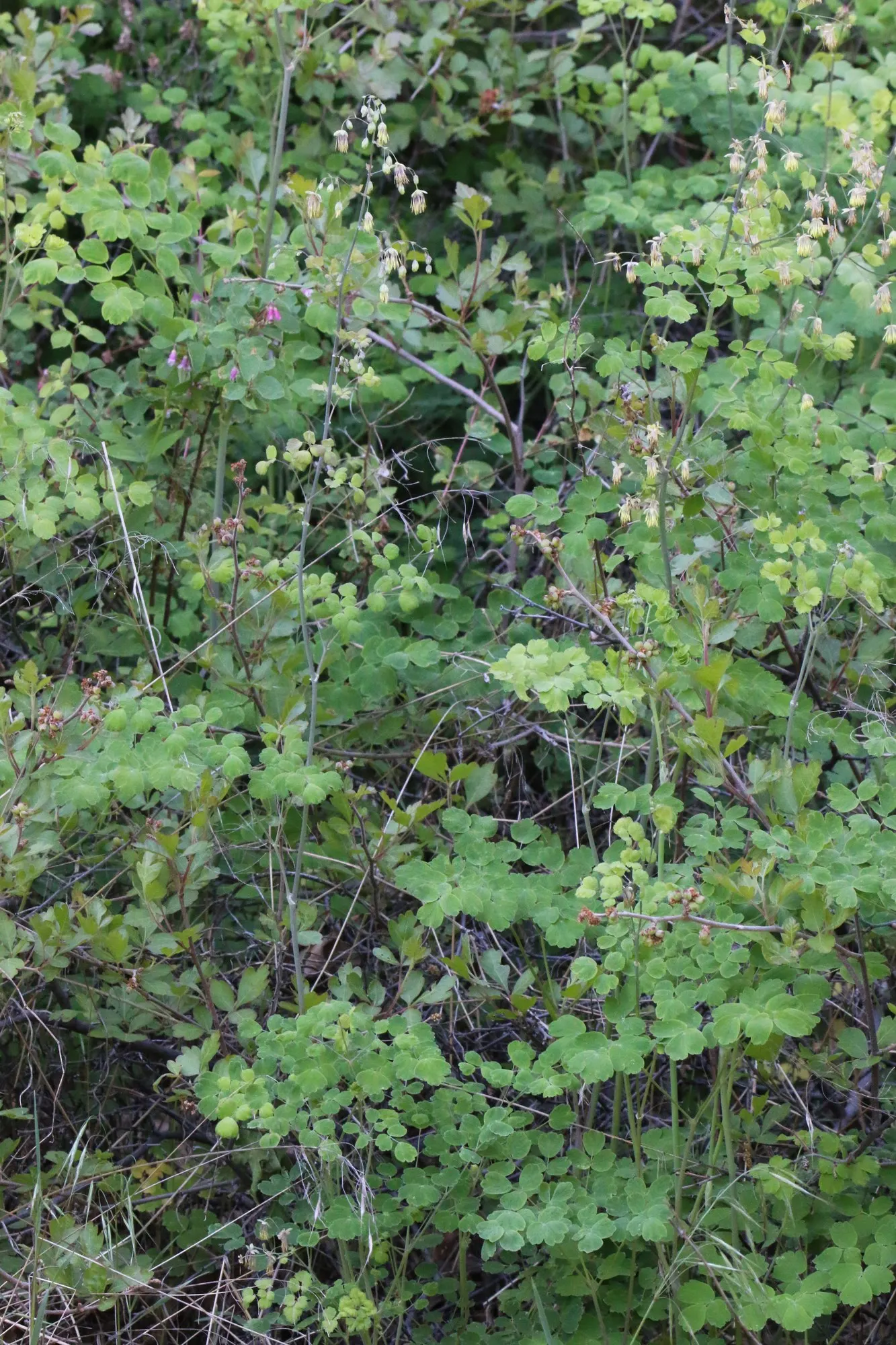
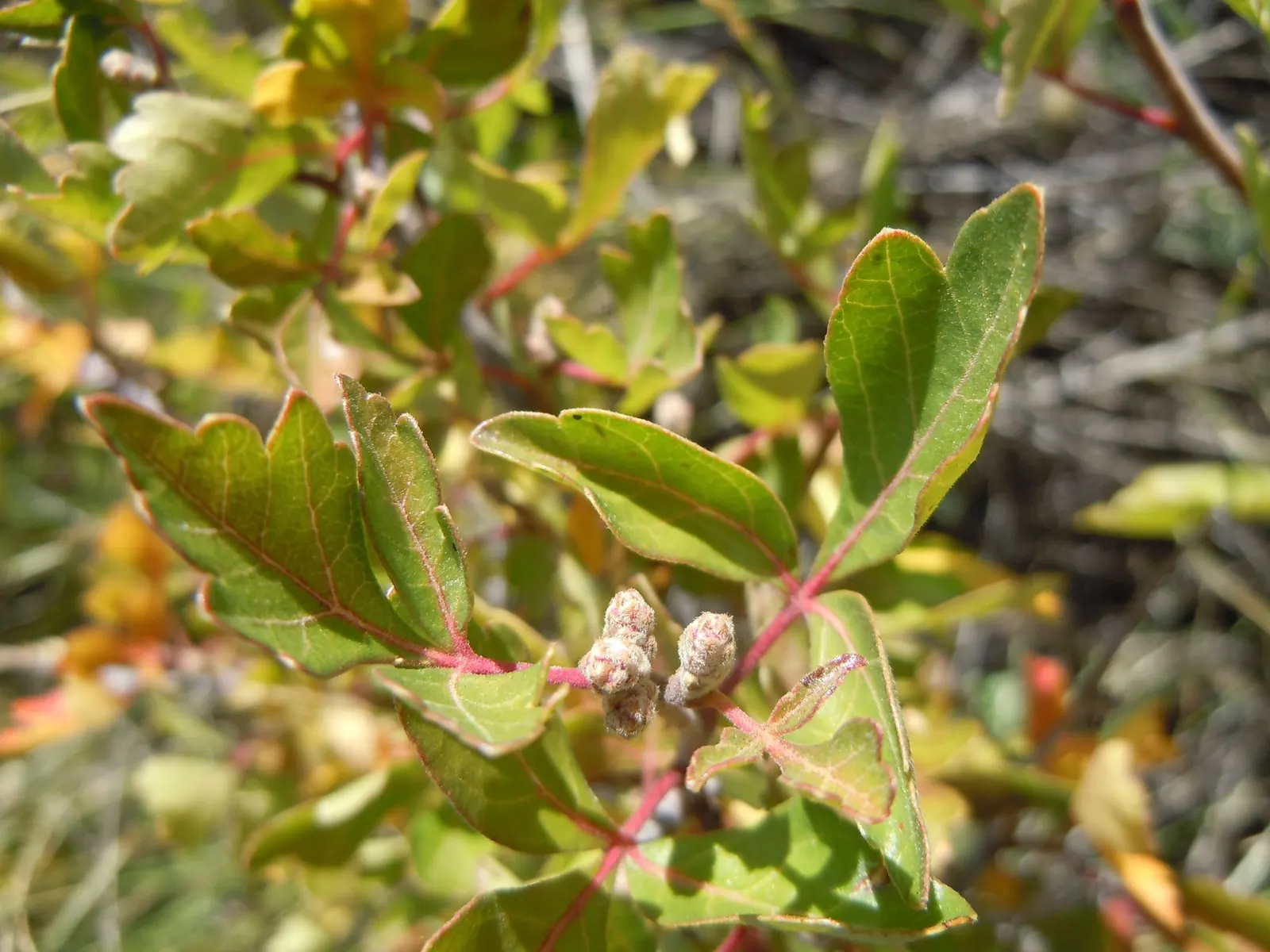


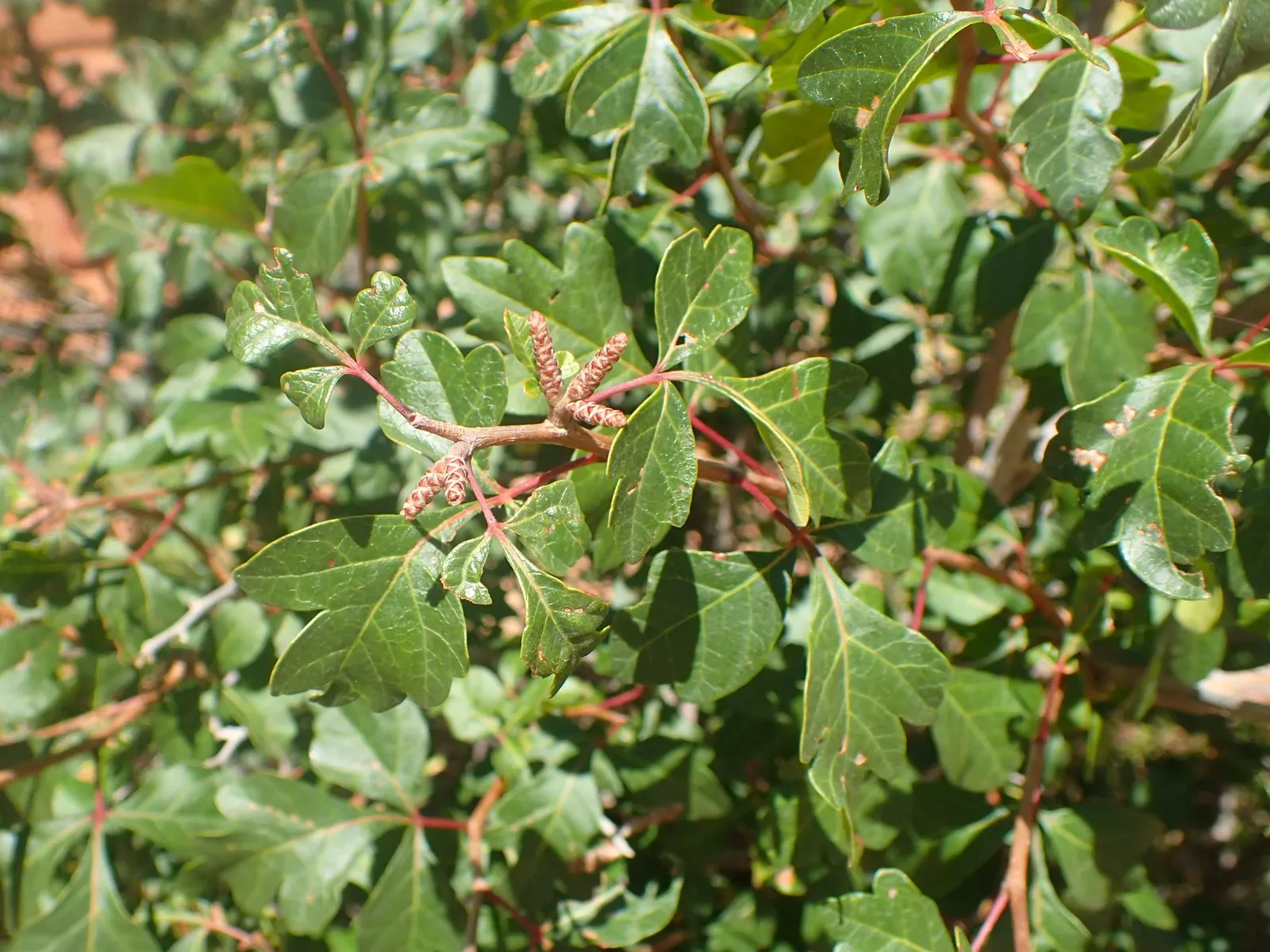
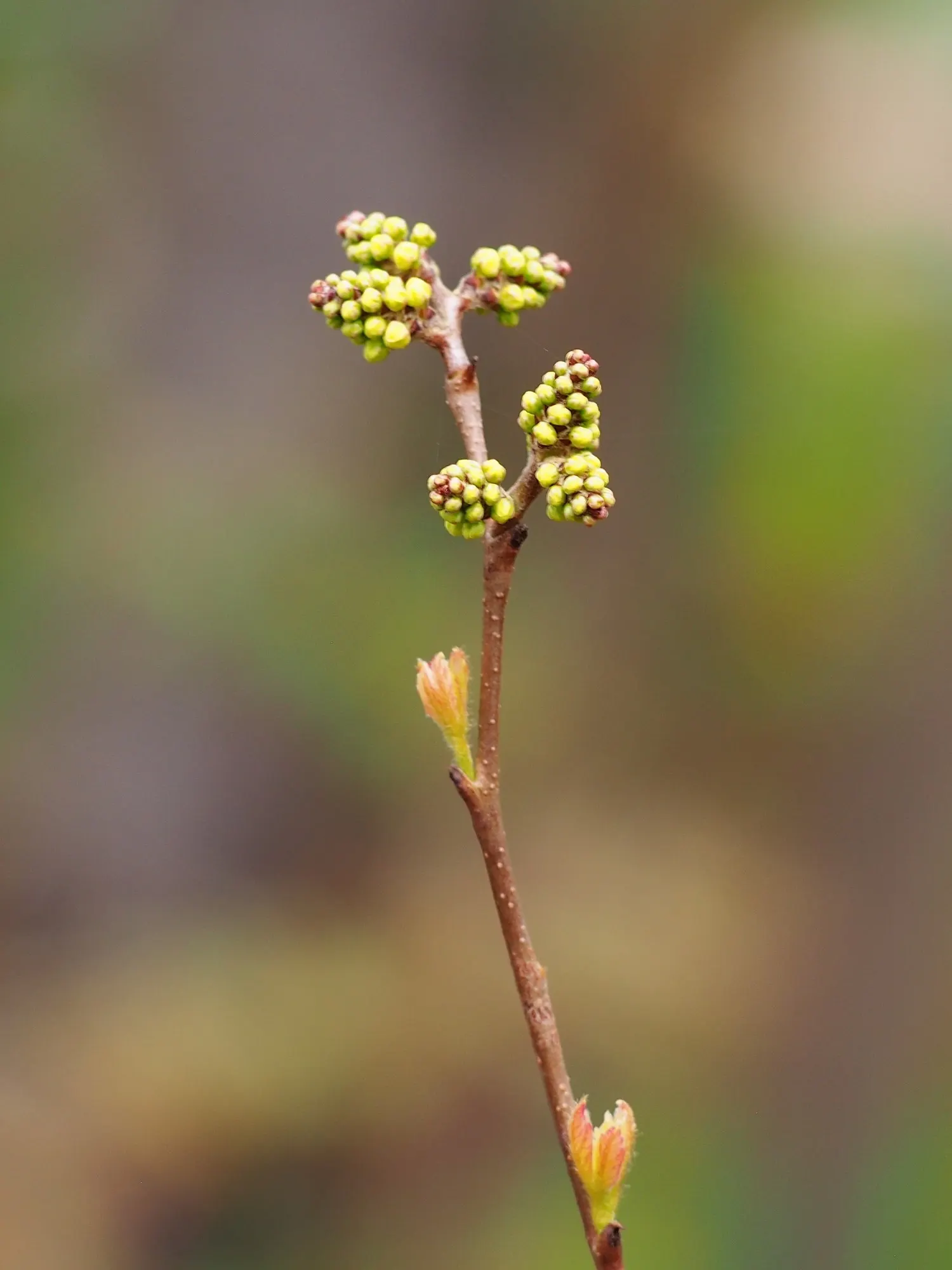
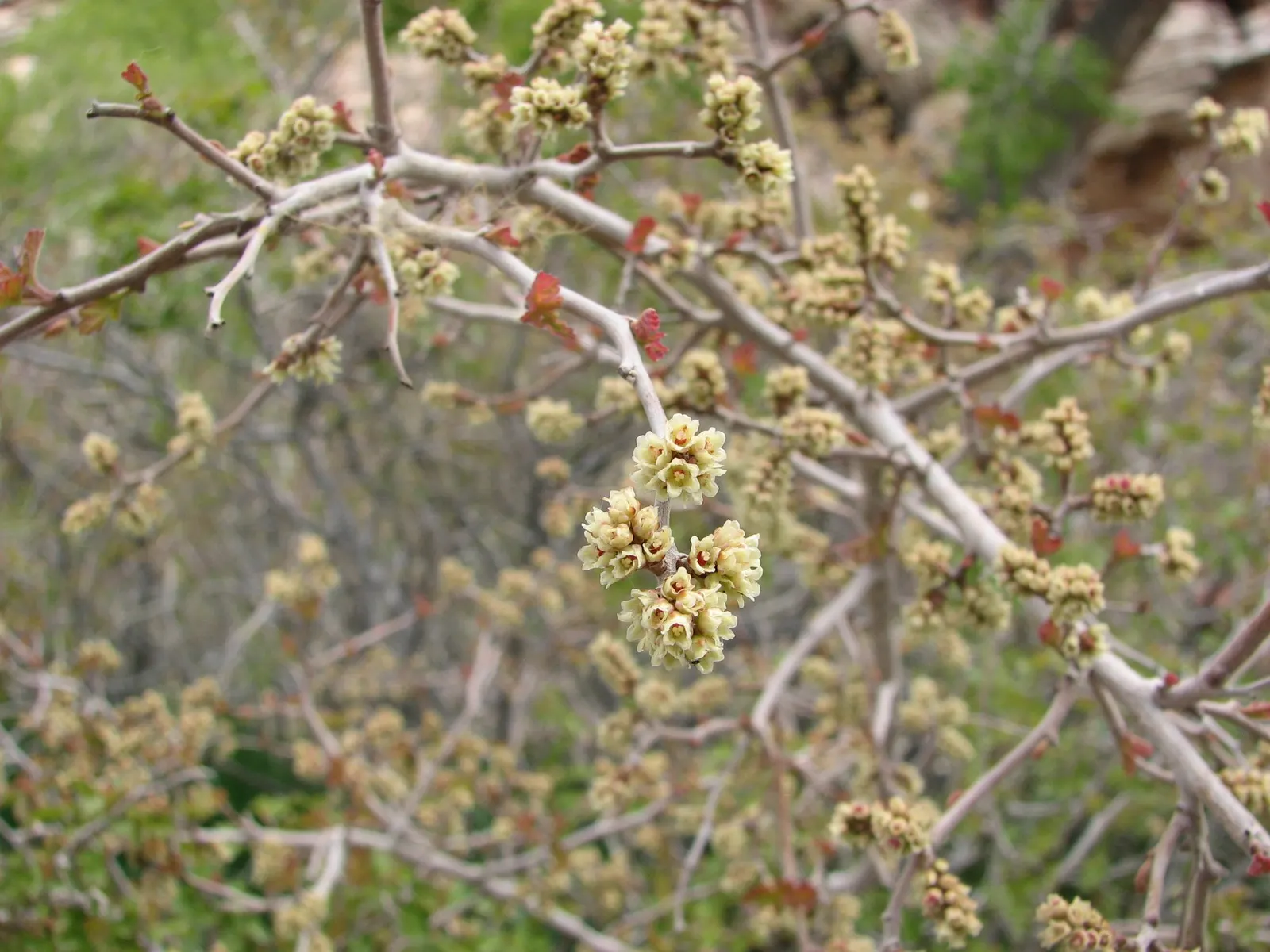
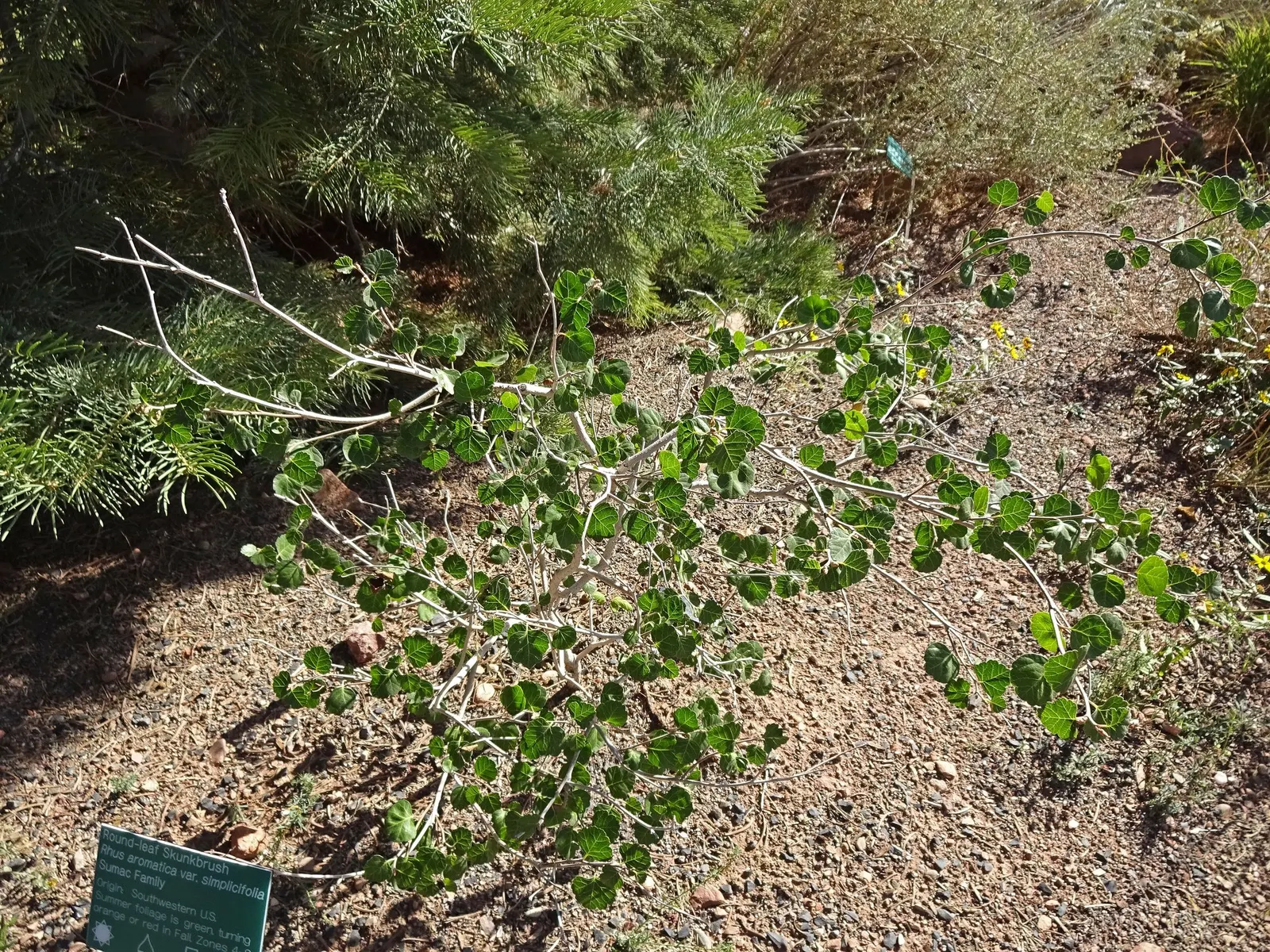
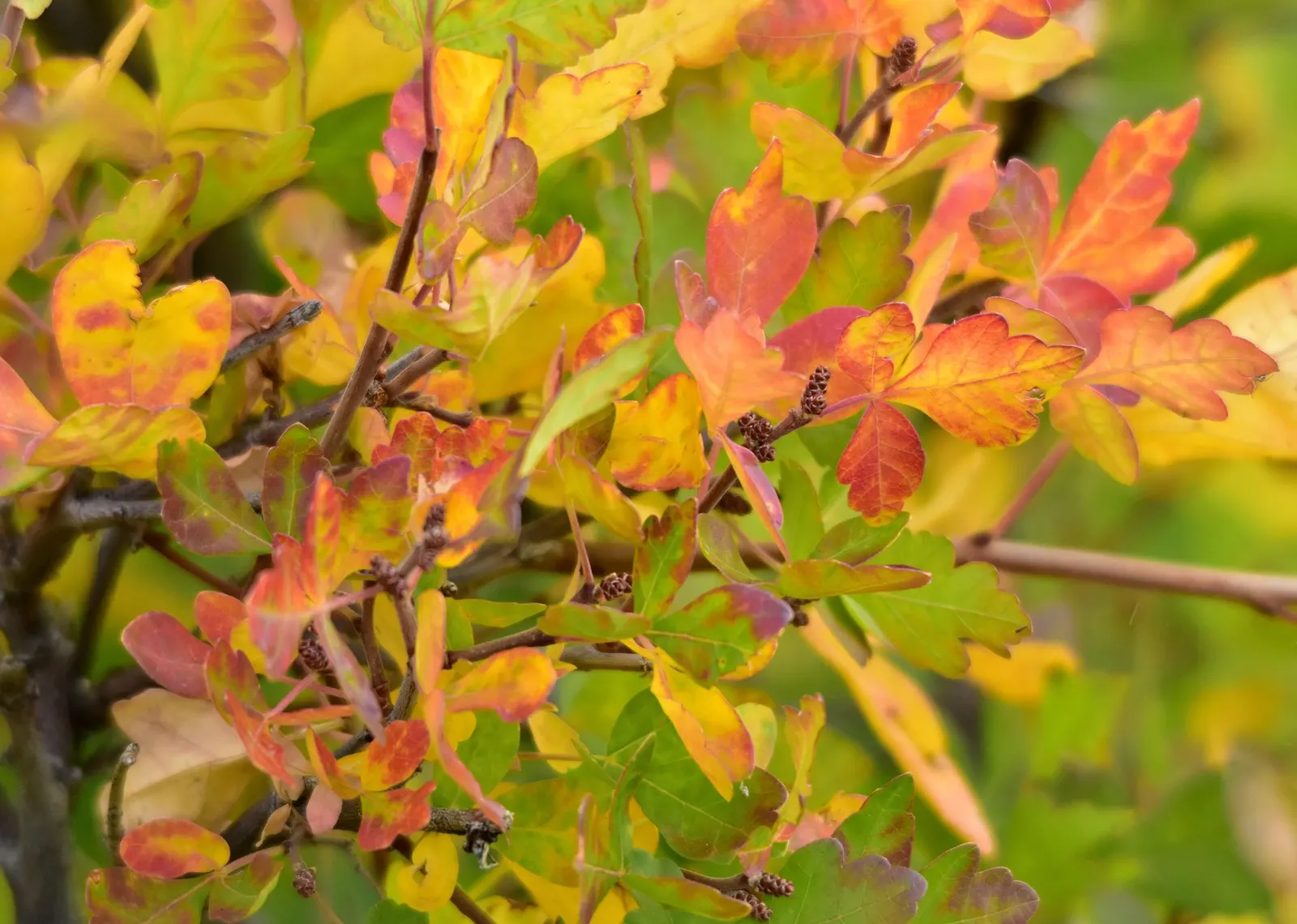
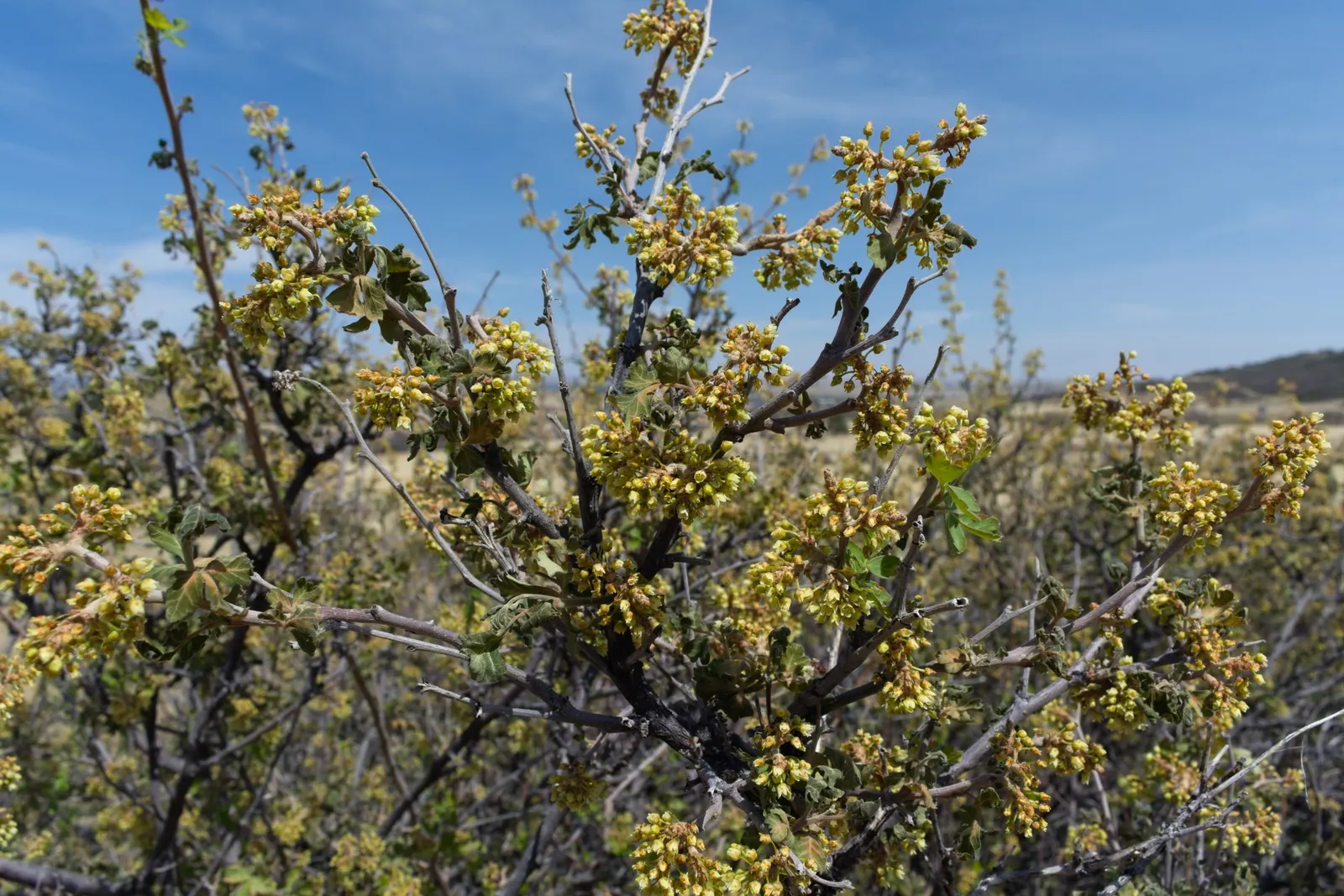
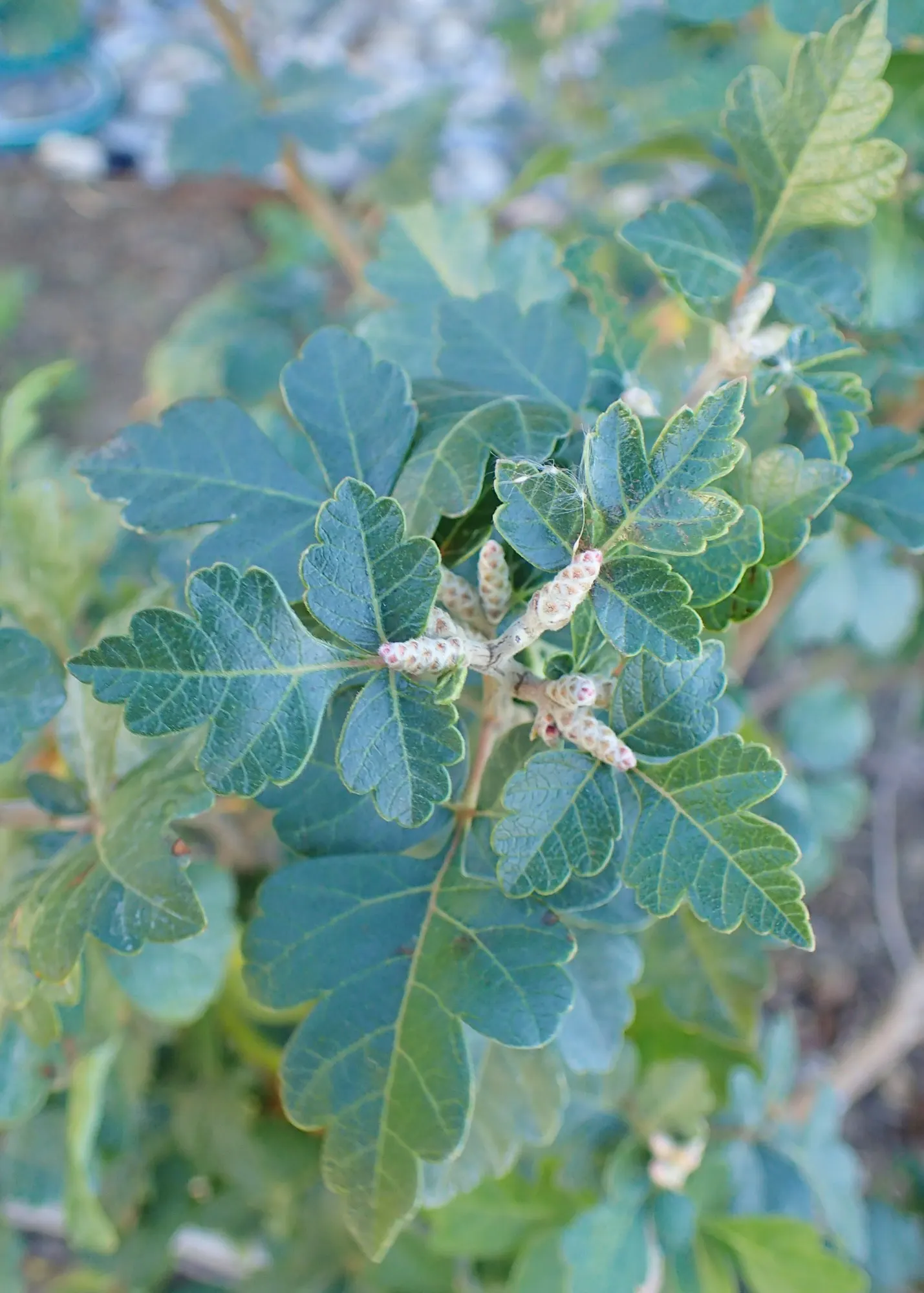

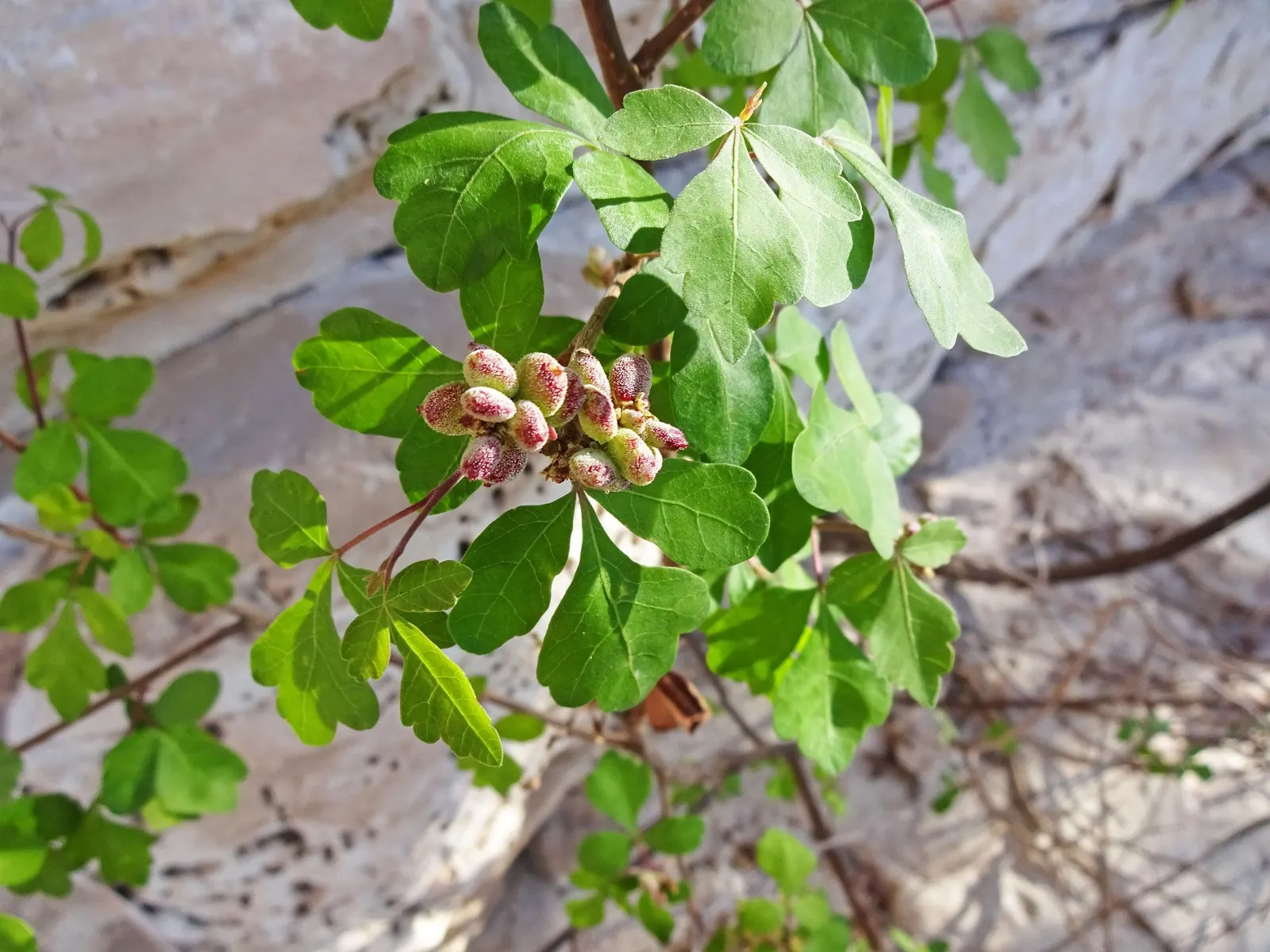
Photographs by 7 contributors
- David J. Stang, CC BY-SA 4.0 · source
- Andrey Zharkikh from Salt Lake City,…, CC BY 2.0 · source
- Matt Lavin from Bozeman, Montana, USA, CC BY-SA 2.0 · source
- Agnieszka Kwiecień, Nova, CC BY-SA 4.0 · source
- TranqyPoo, CC BY-SA 4.0 · source
- Krzysztof Ziarnek, Kenraiz, CC BY-SA 4.0 · source
- BLM Nevada, CC BY-SA 2.0 · source
Related plants
Tree
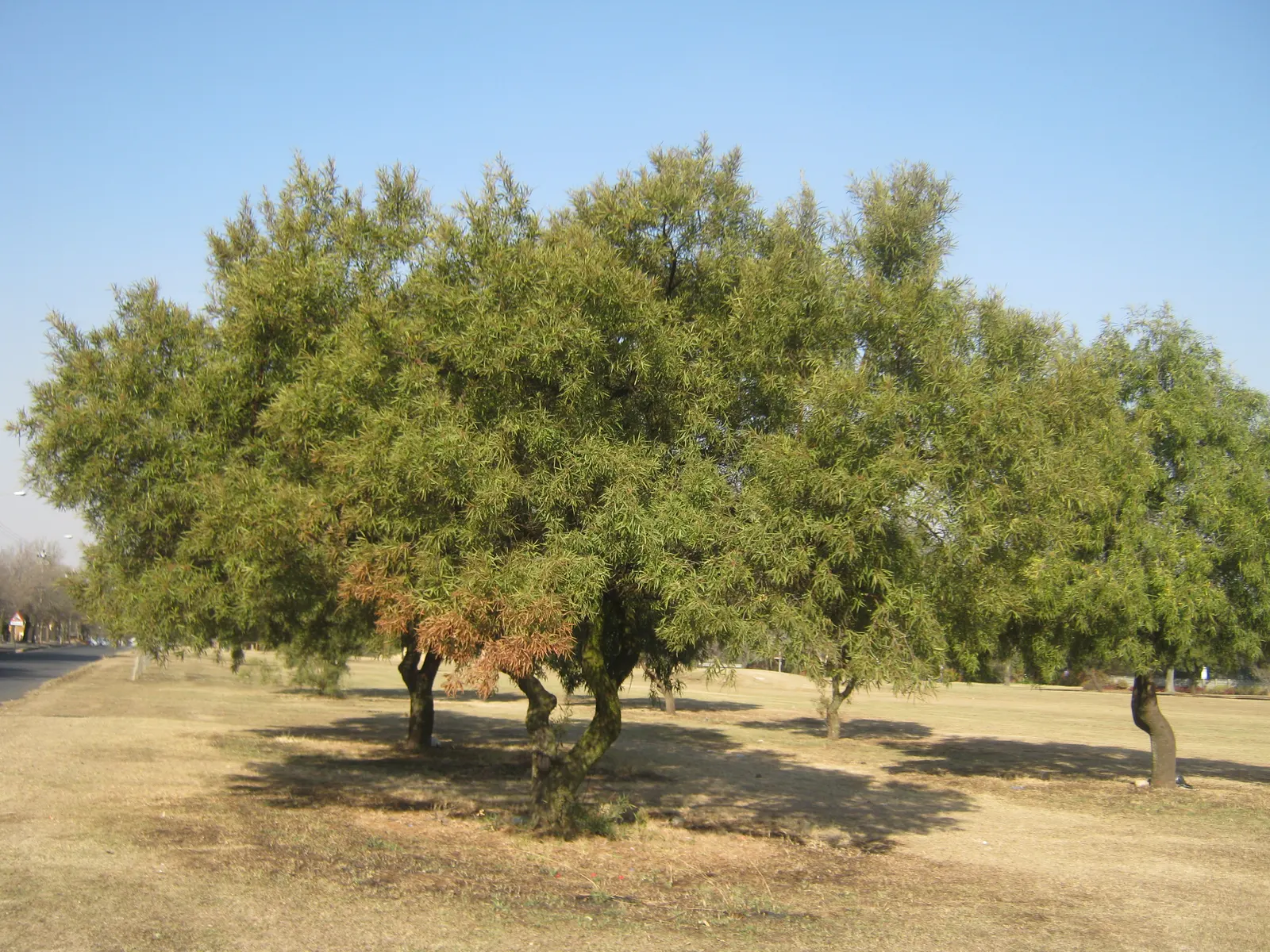
African Sumac
Rhus Lancea
FullUSDA 8–10
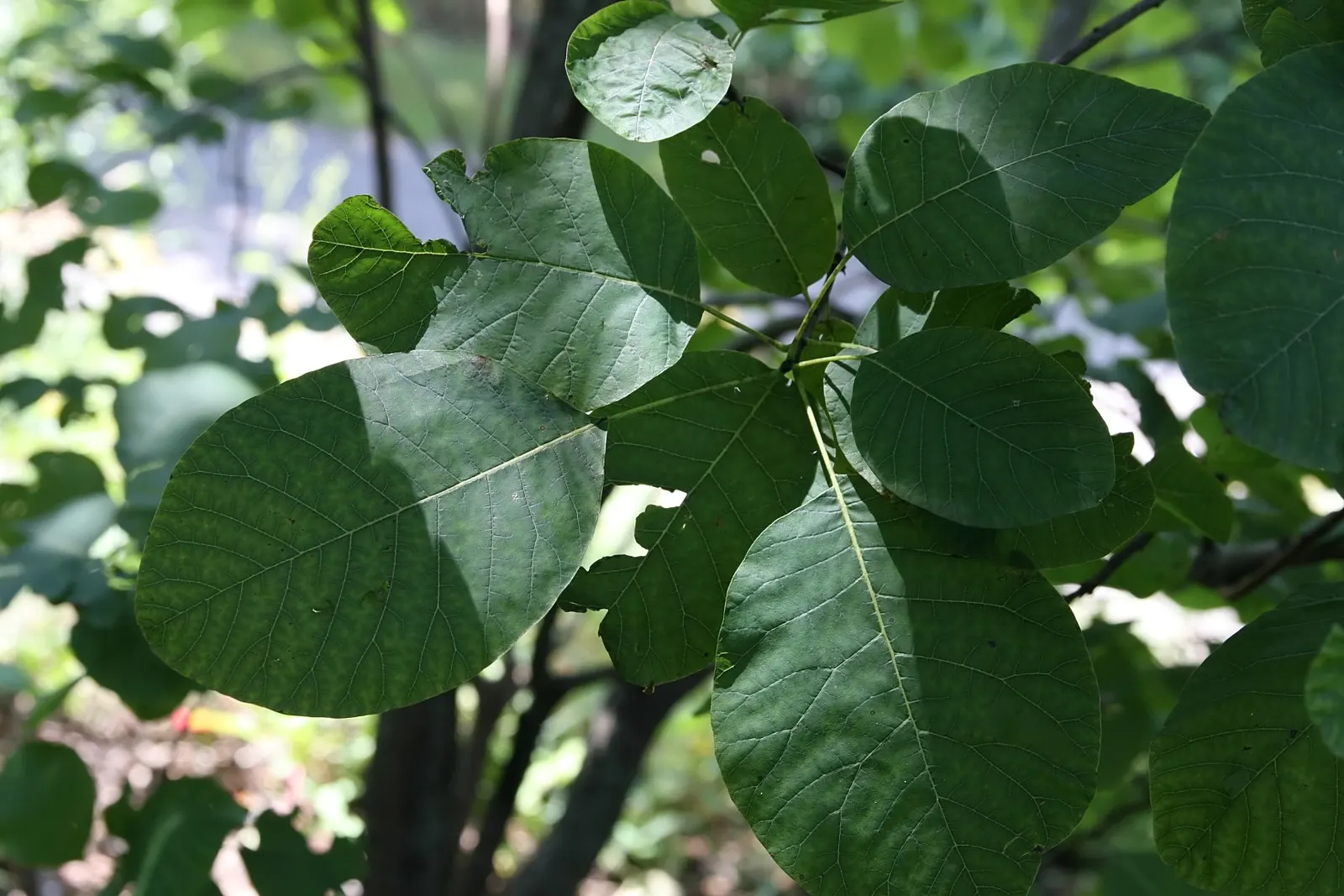
Tree
American Smoke Bush
Cotinus Obovatus
FullUSDA 4–8
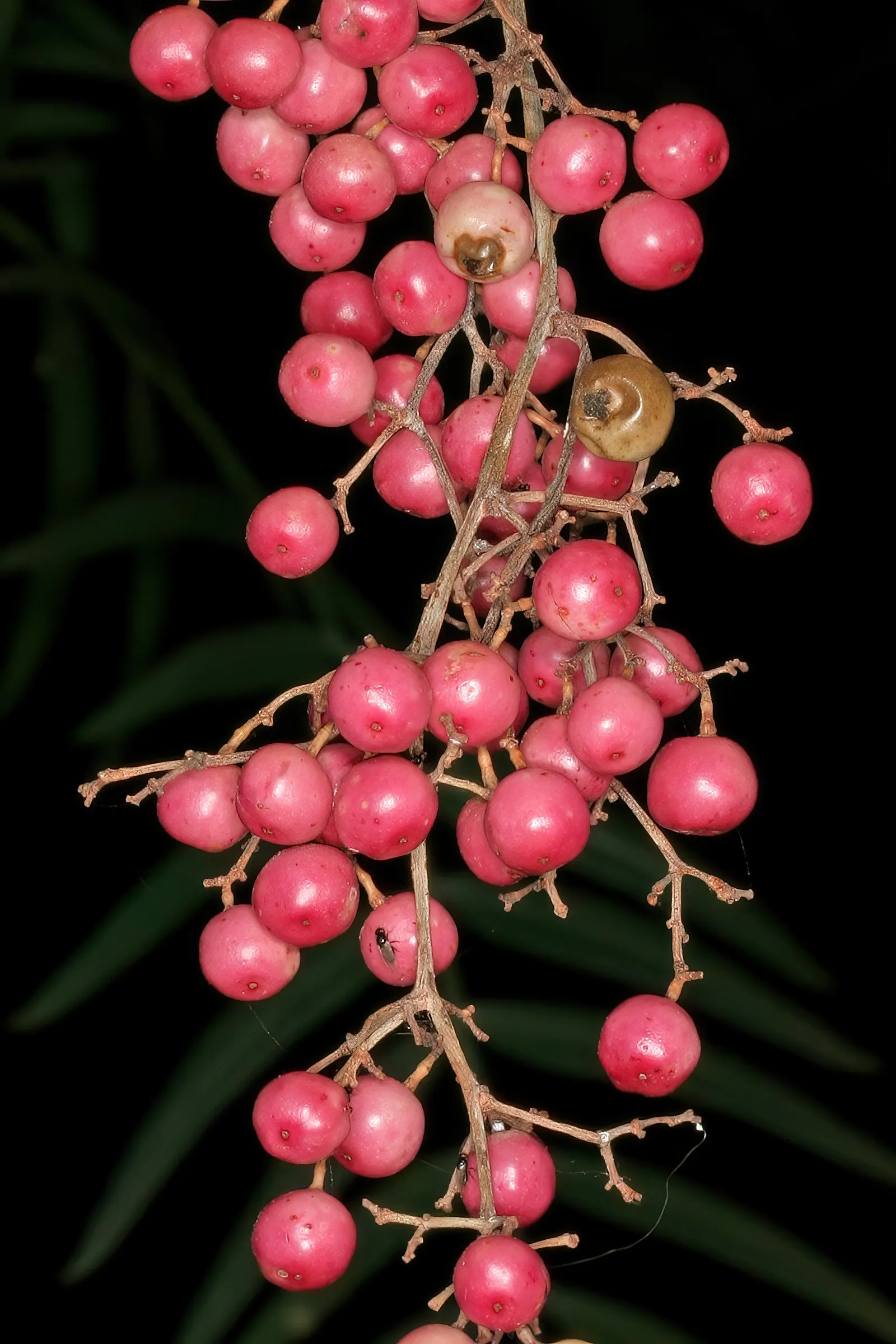
Tree
California Pepper
Schinus Molle
FullUSDA 8–10
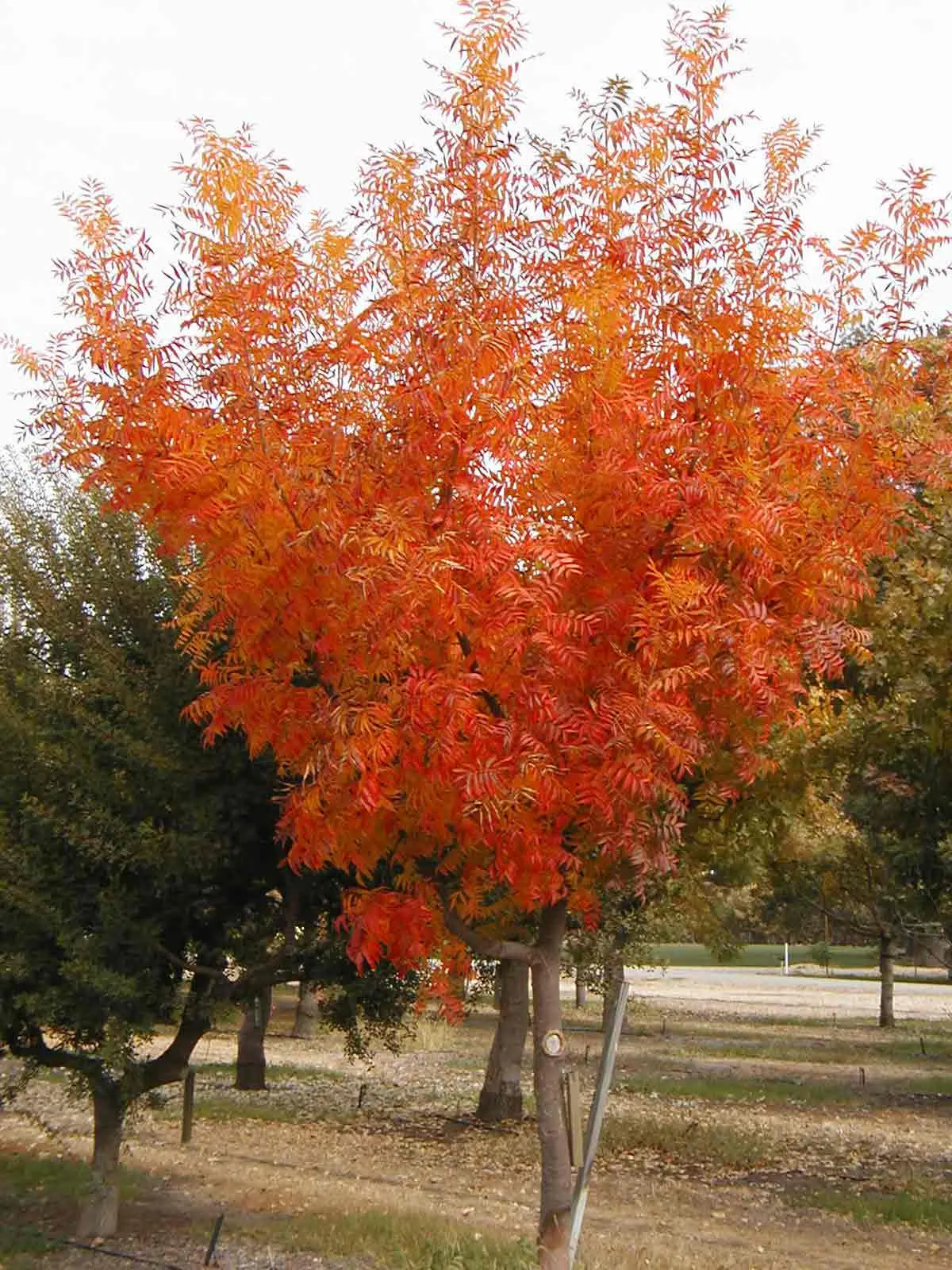
Tree
Chinese Pistache
Pistacia Chinensis
FullUSDA 7–10
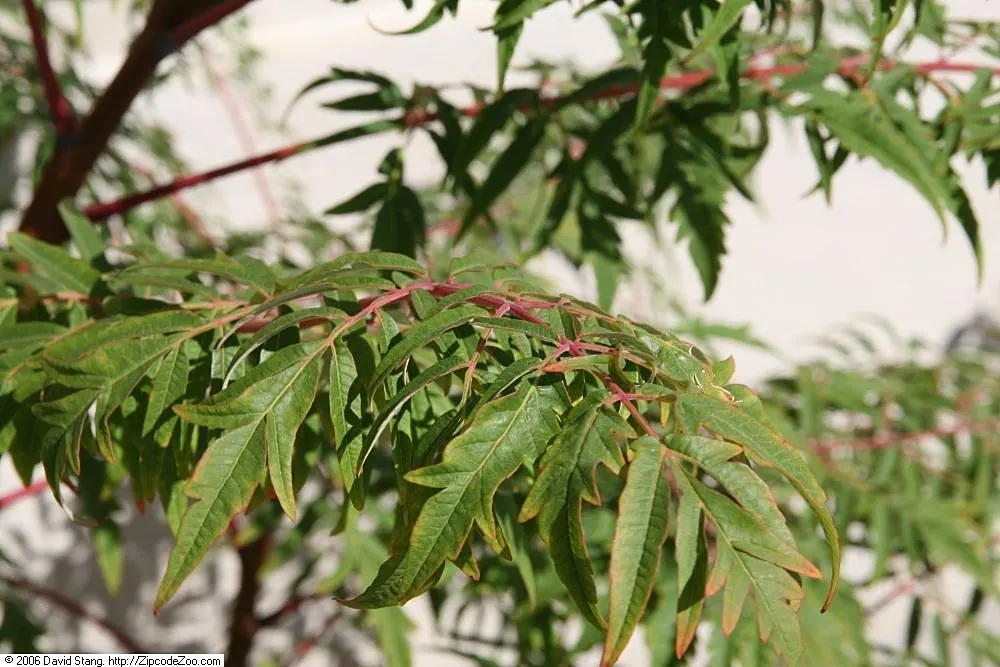
Shrub
Cutleaf Staghorn Sumac
Rhus Typhina 'Laciniata'
FullUSDA 3–10
Shrub
Flame Leaf Sumac
Rhus Lanceolata
FullUSDA 5–11