
Shining Sumac, Winged Sumac
Rhus Copallina
Overview
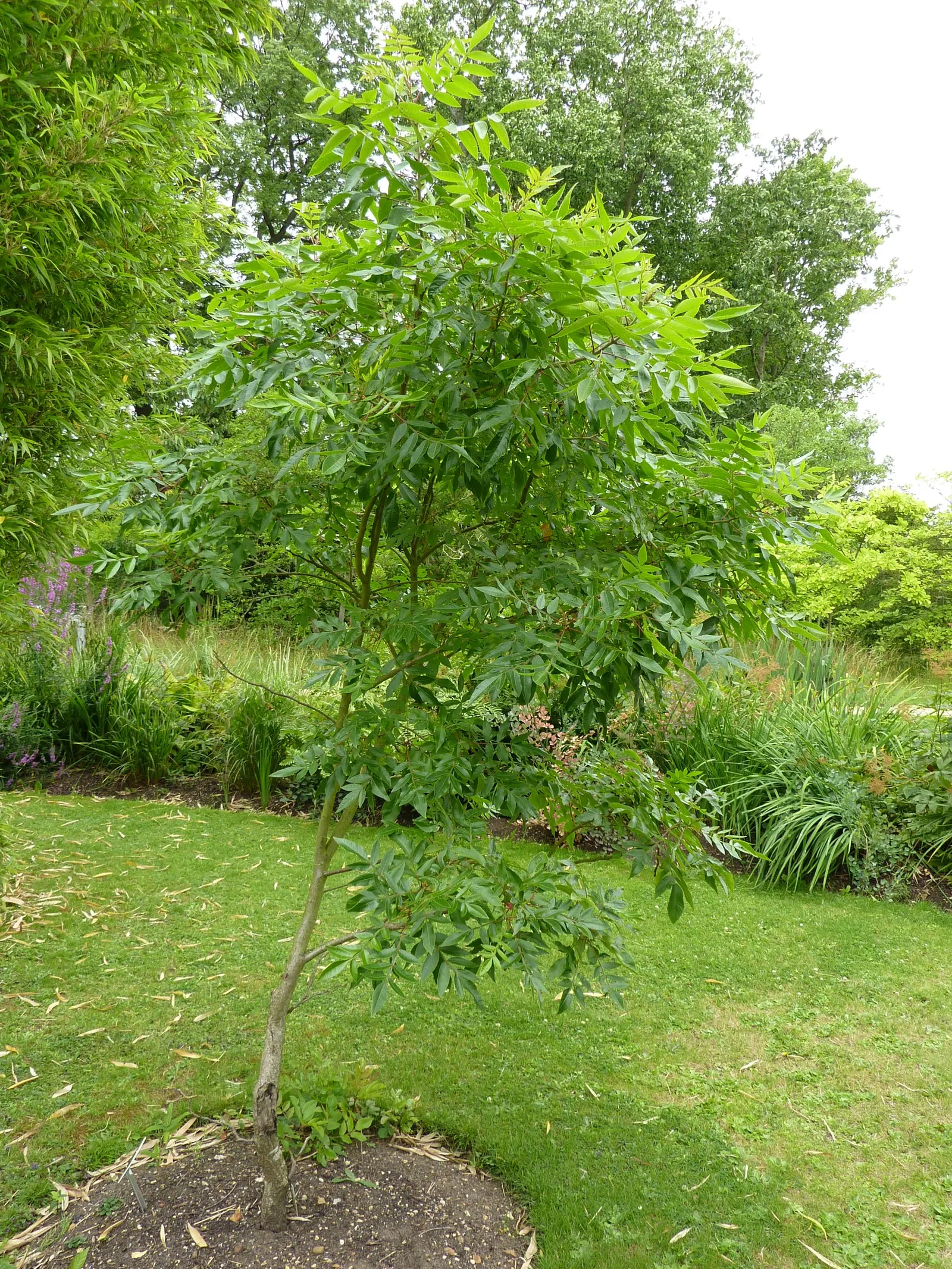
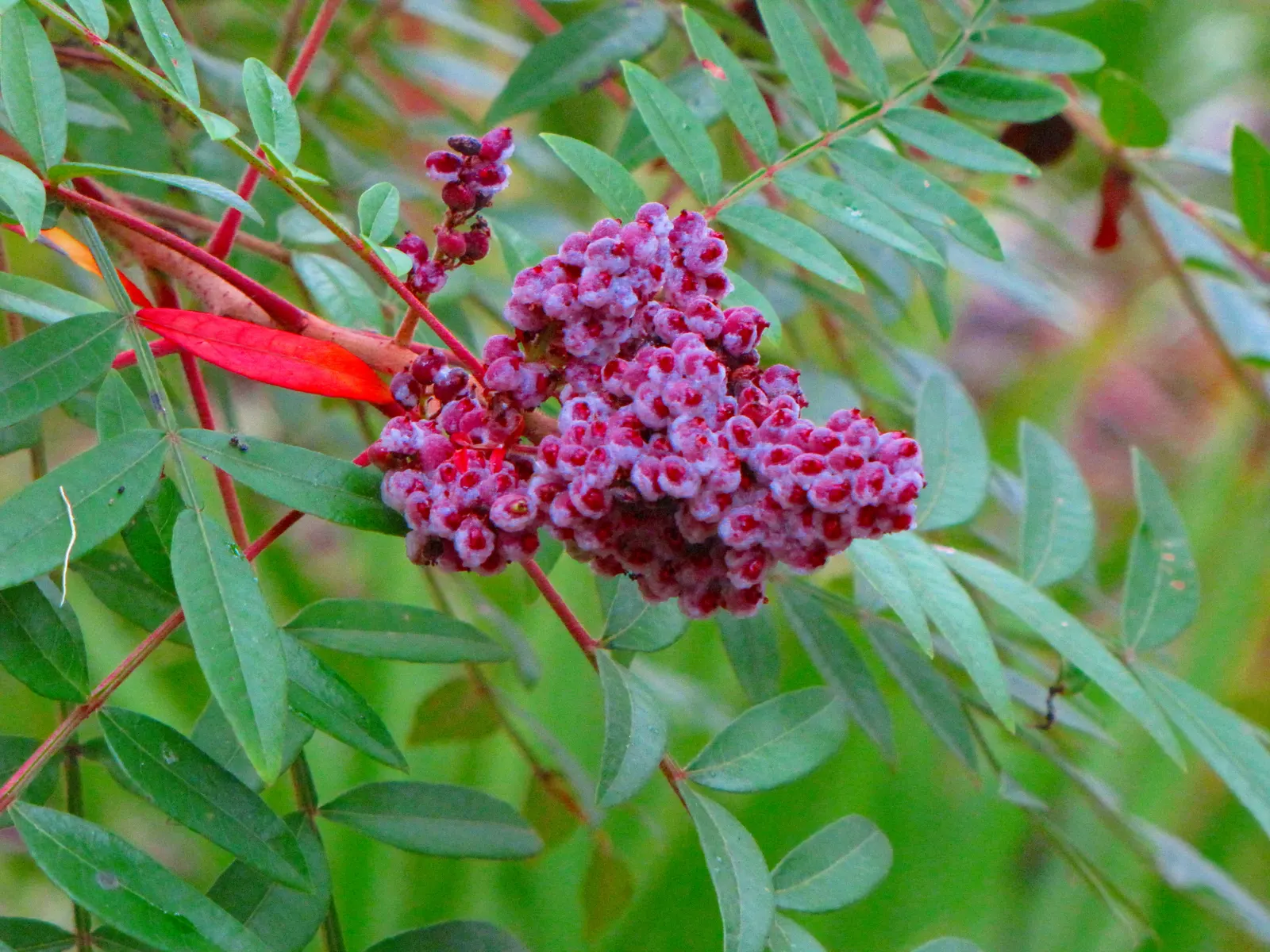
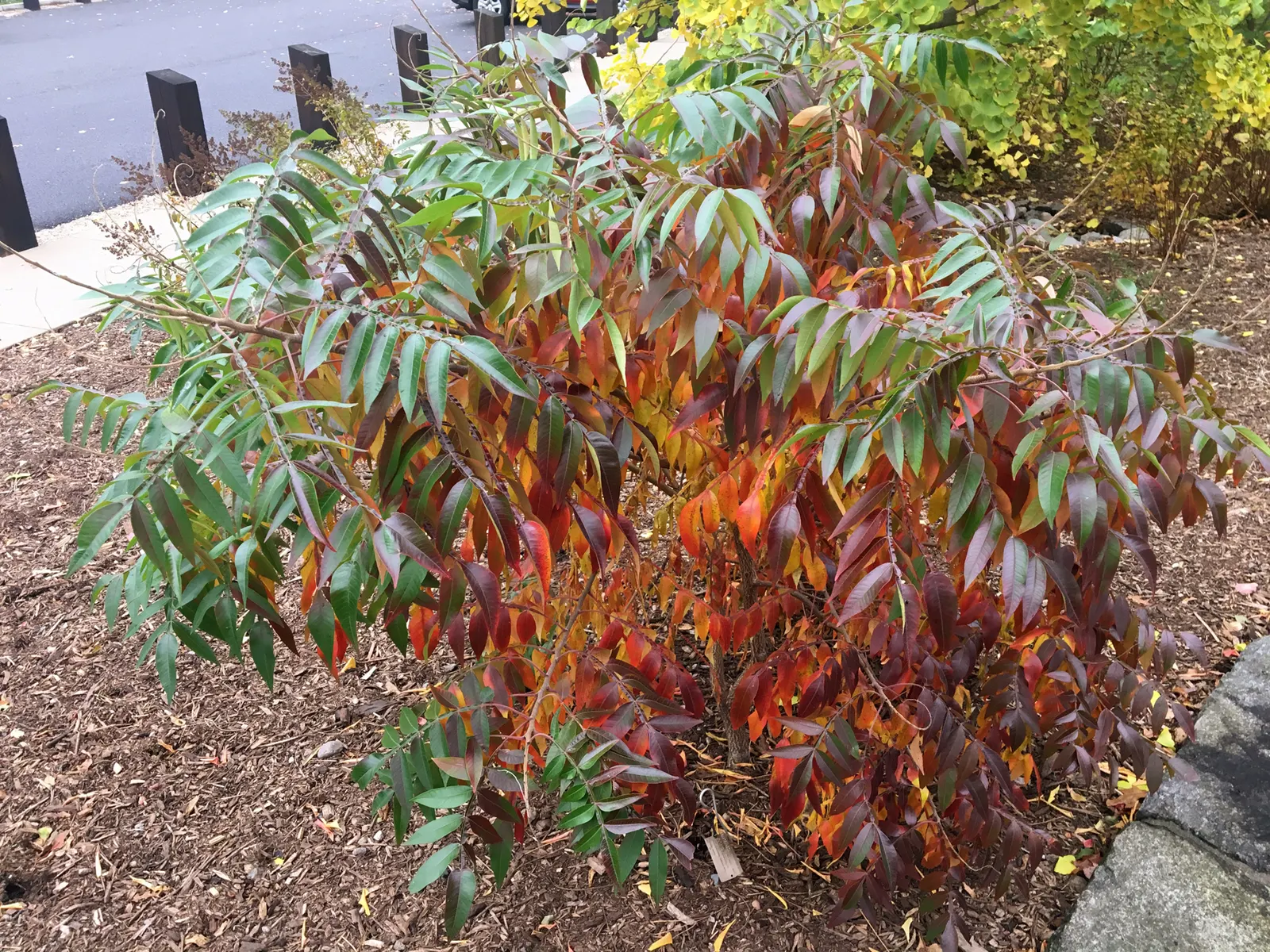
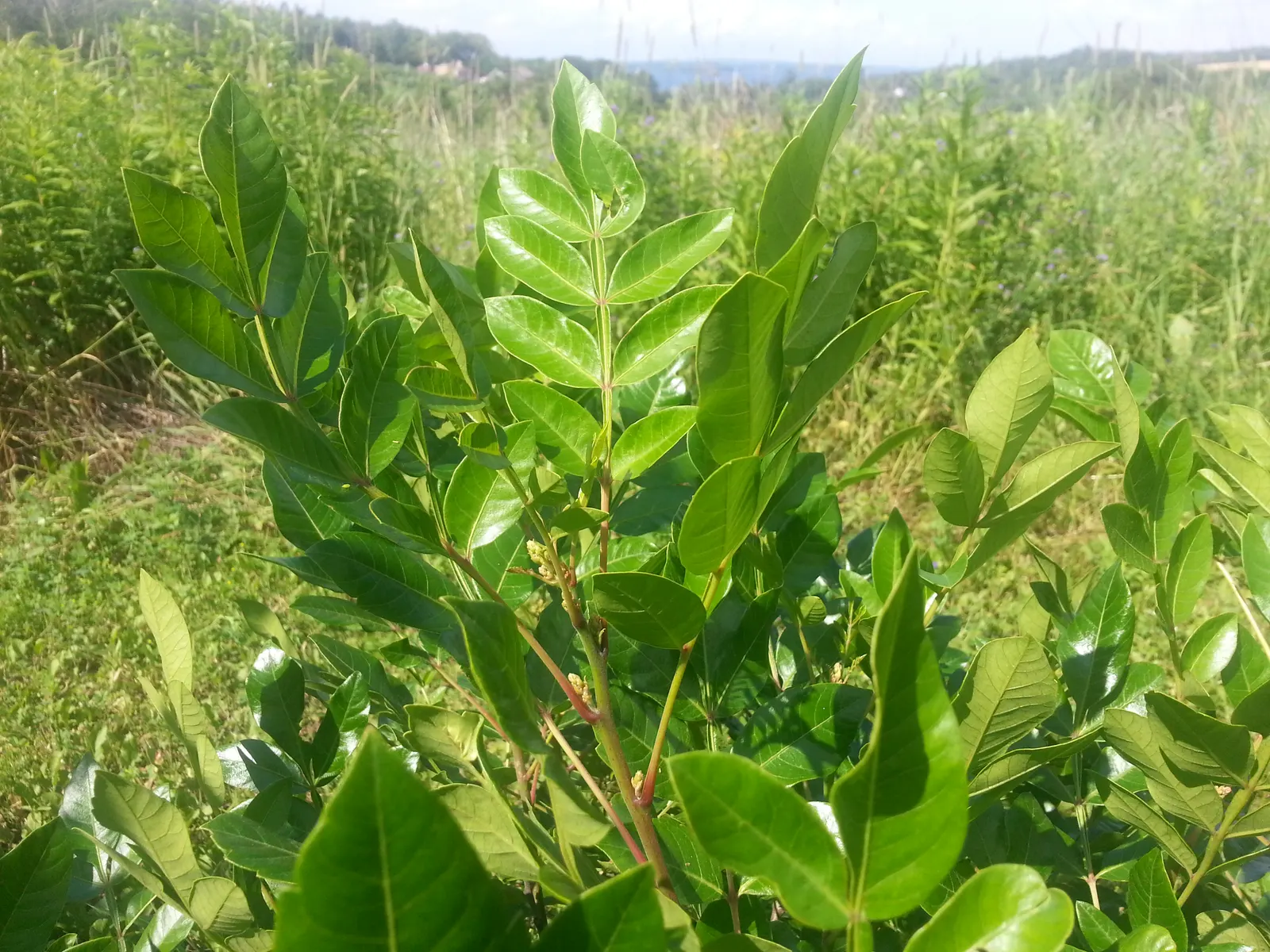
Rhus copallinum, or Winged Sumac, is a deciduous shrub reaching 10-15 feet tall and wide. Its distinctive feature—wings on leaf stems—complements compound leaves that turn vibrant red in fall. This hardy native thrives in zones 4-9, favoring full sun to light shade and well-drained soil. Drought-tolerant and low-maintenance, it provides excellent fall color and attracts wildlife with its red berries. Ideal for mass plantings or naturalized areas.
Sun Full, HalfWater Low, MediumZones 5–10Type Shrub, TreeClimate Temperate
Culture
- Sun
- Full, Half
- Water
- Low, Medium
- USDA zones
- 5–10
Shape & size
Classification
- Type
- Shrub, Tree
- Family
- Anacardiaceae
- Climate
- Temperate
See full data, regional cultivation notes, and design tools. Build a client presentation around this plant.
Start your 14-day trialPhotos (60)
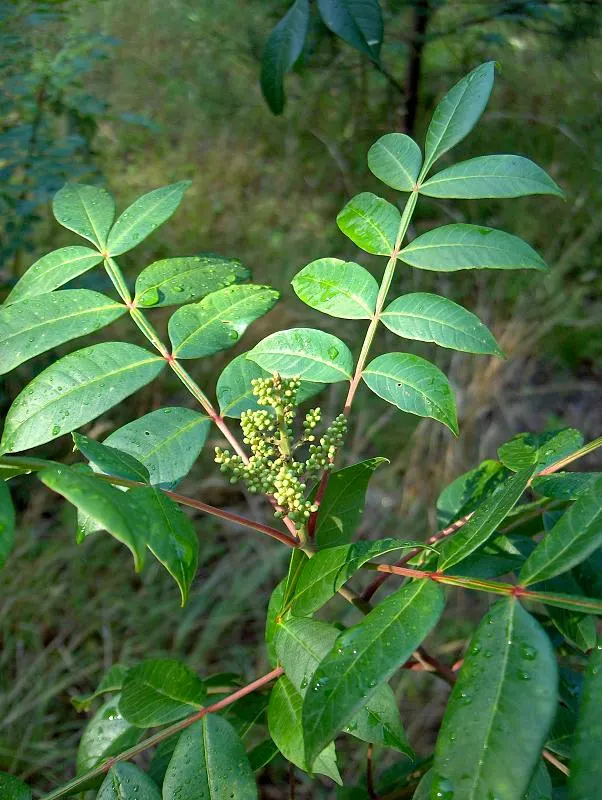
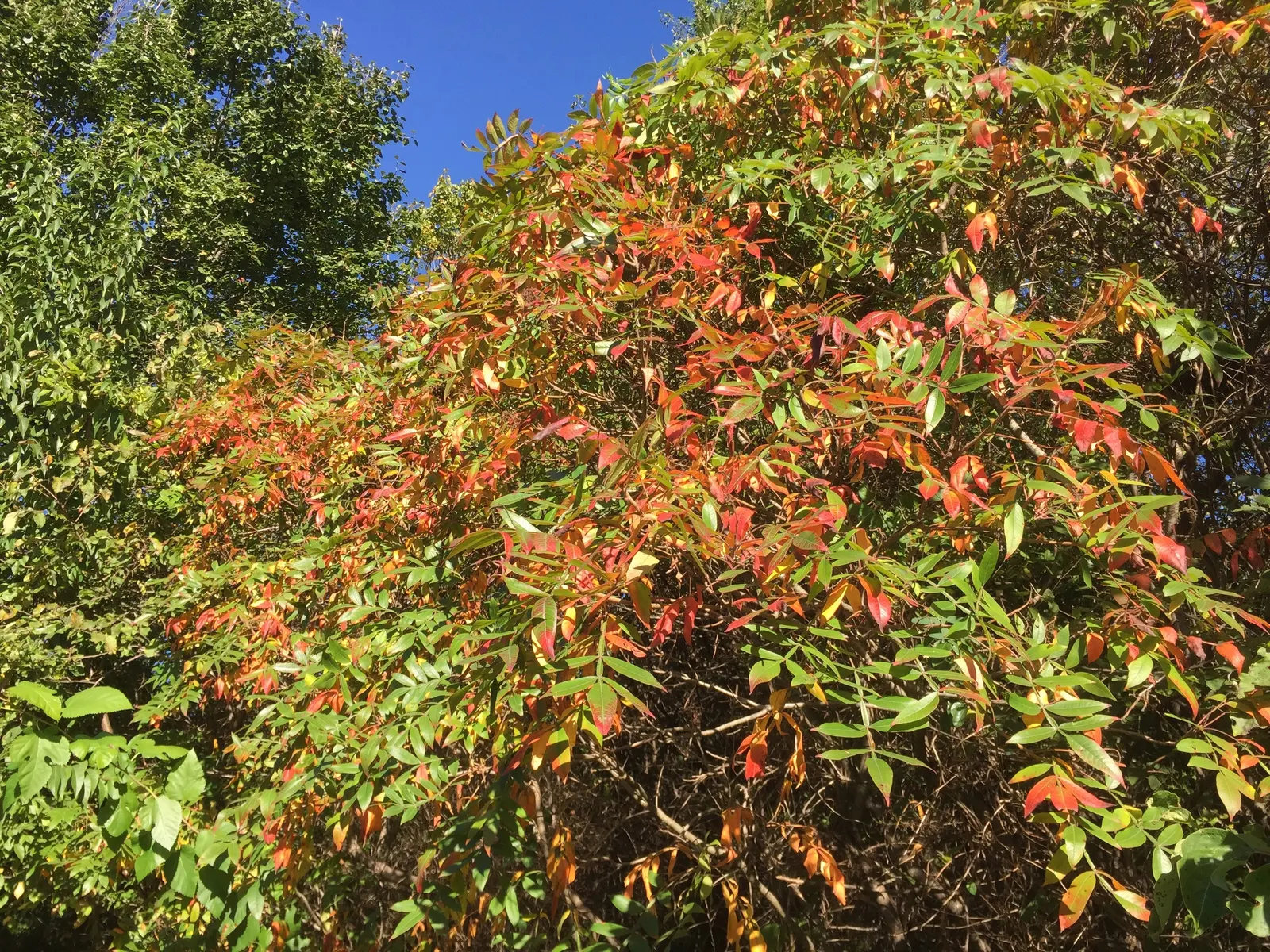
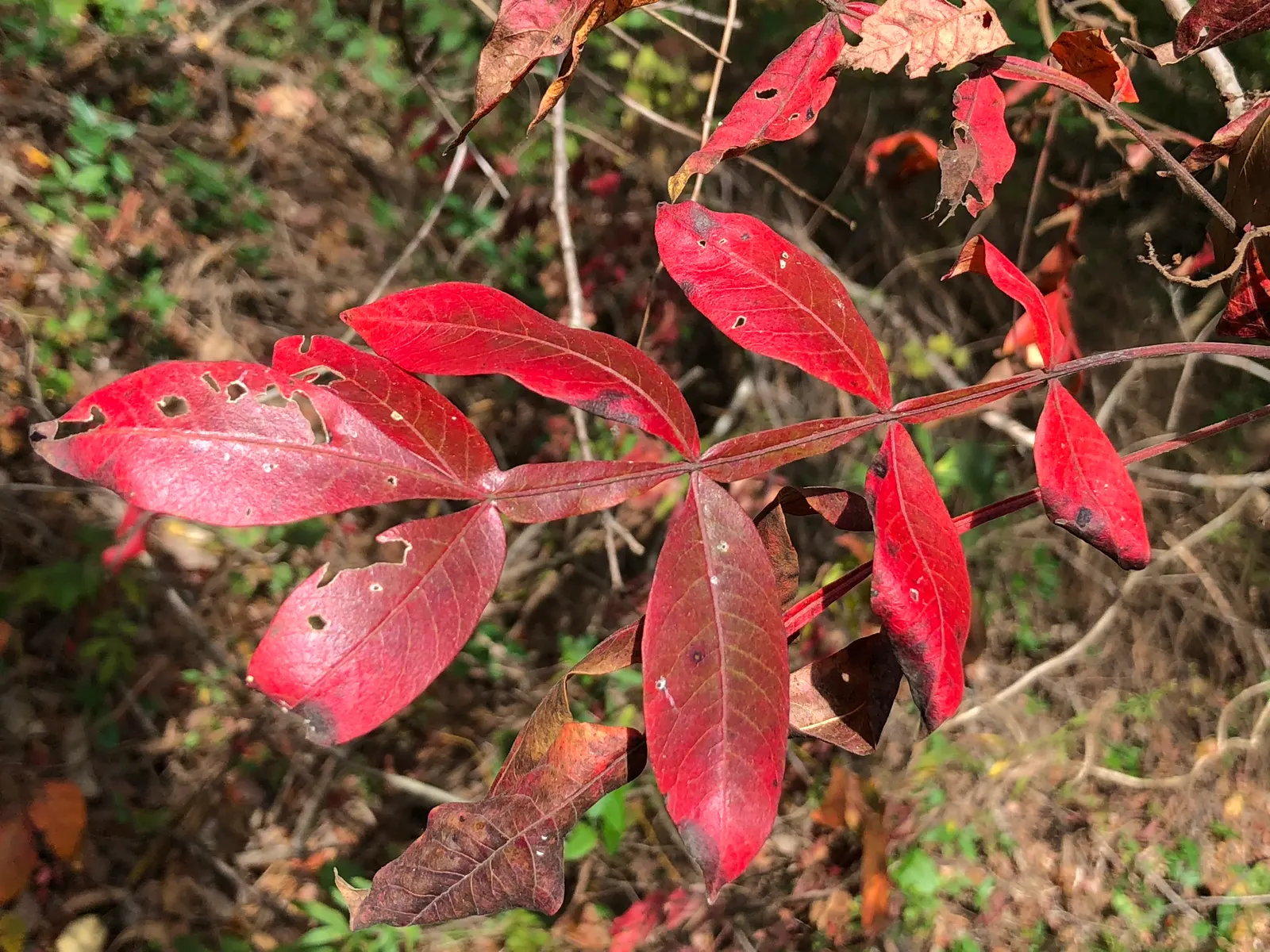
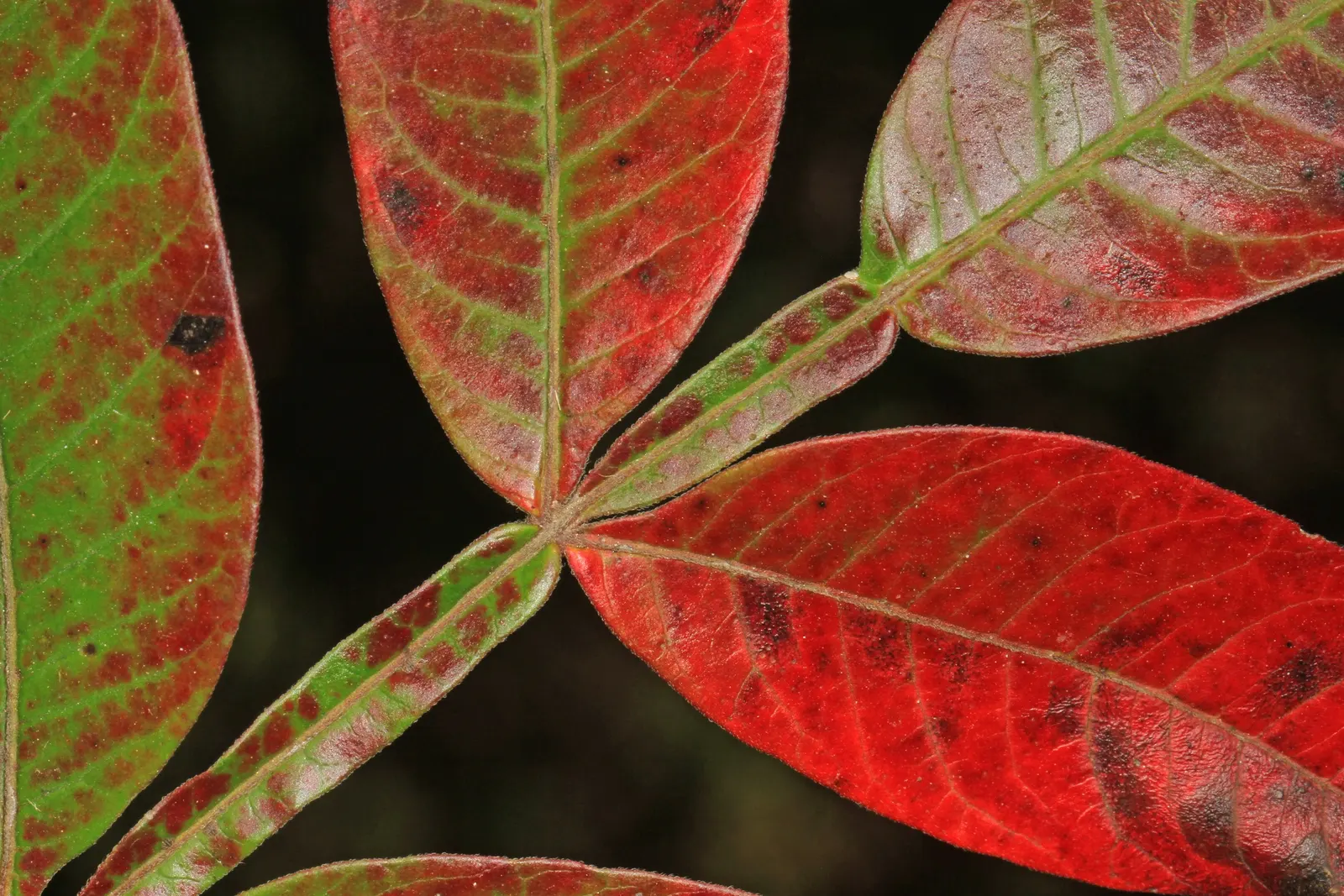

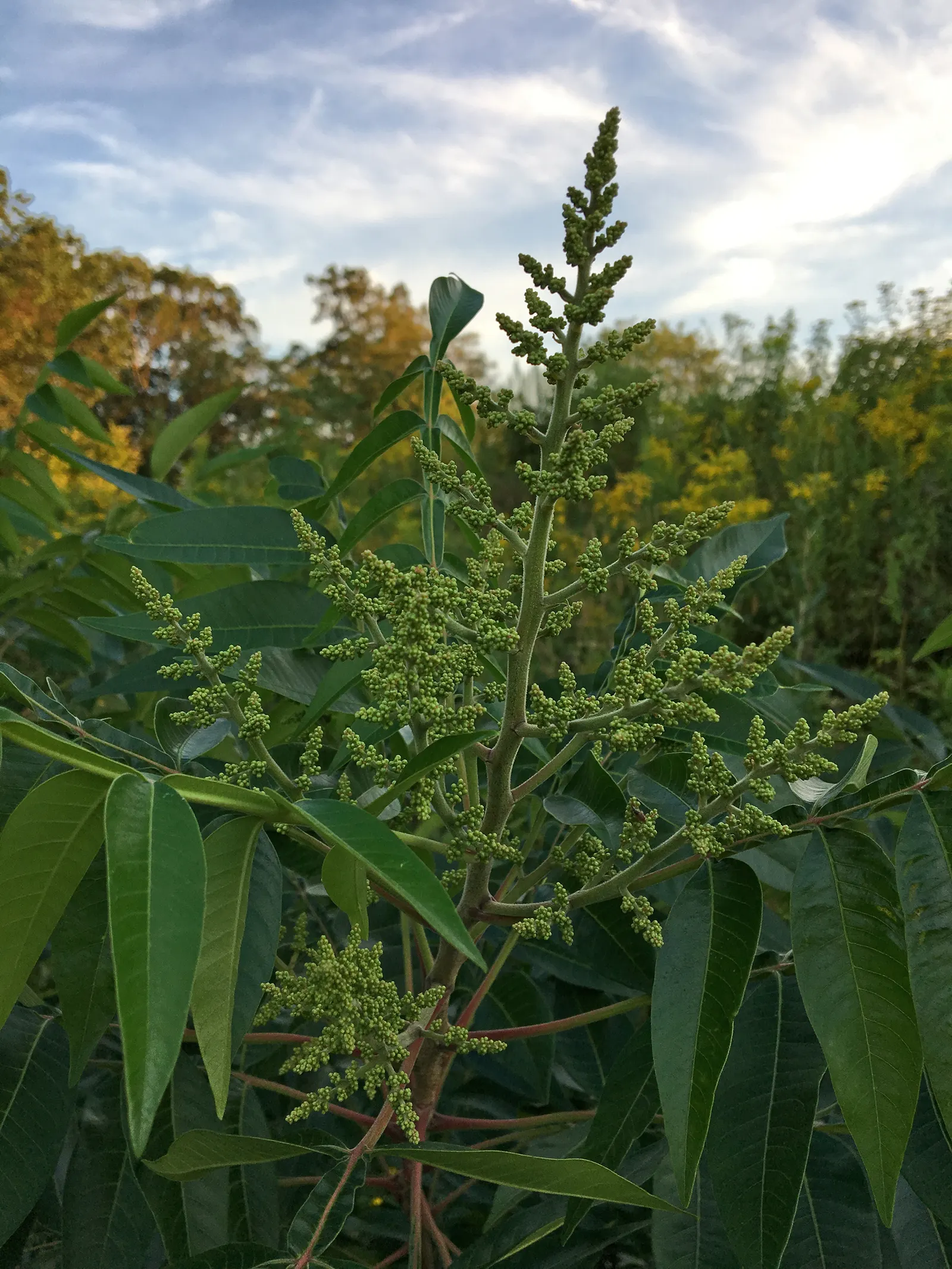
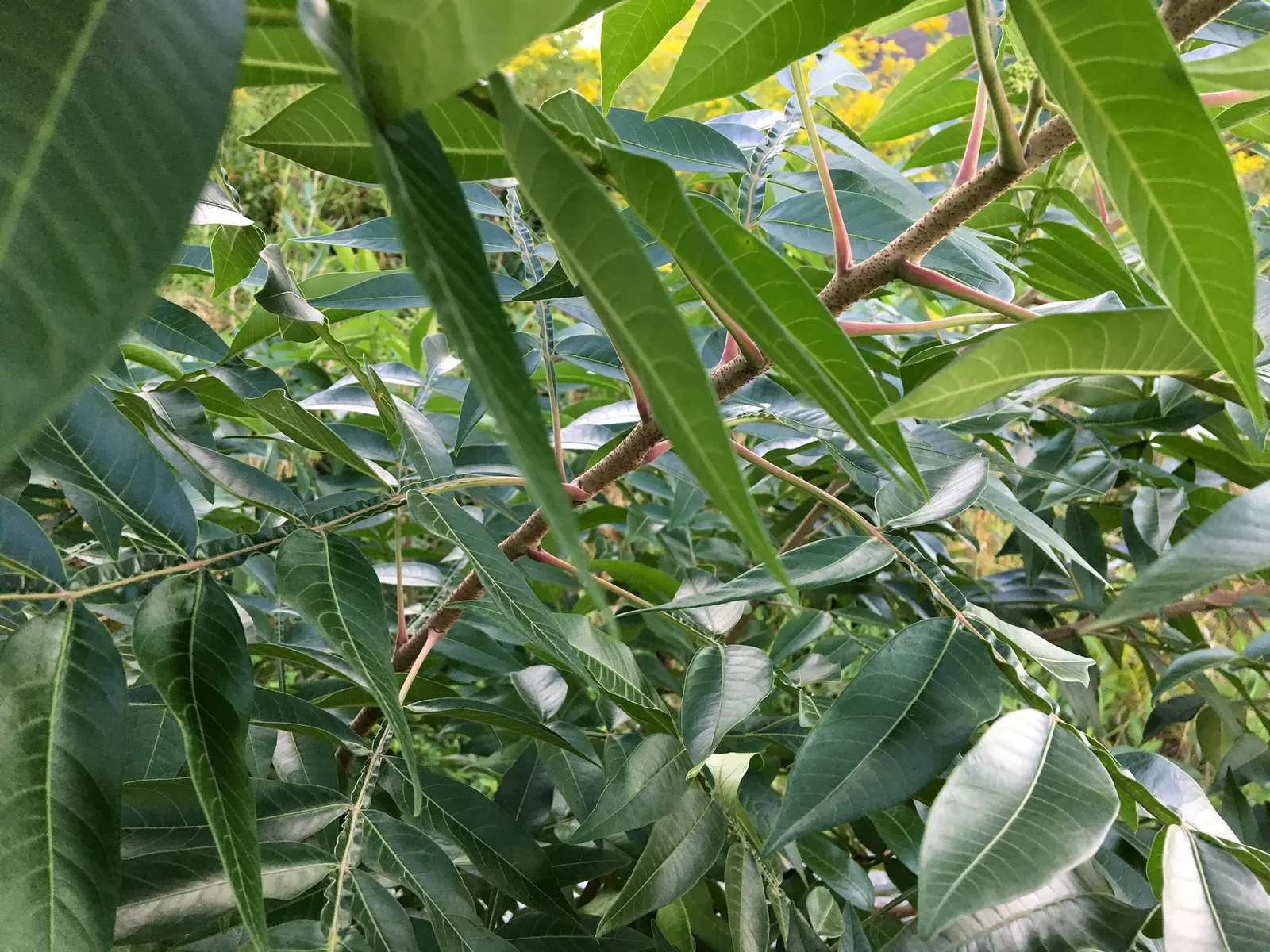
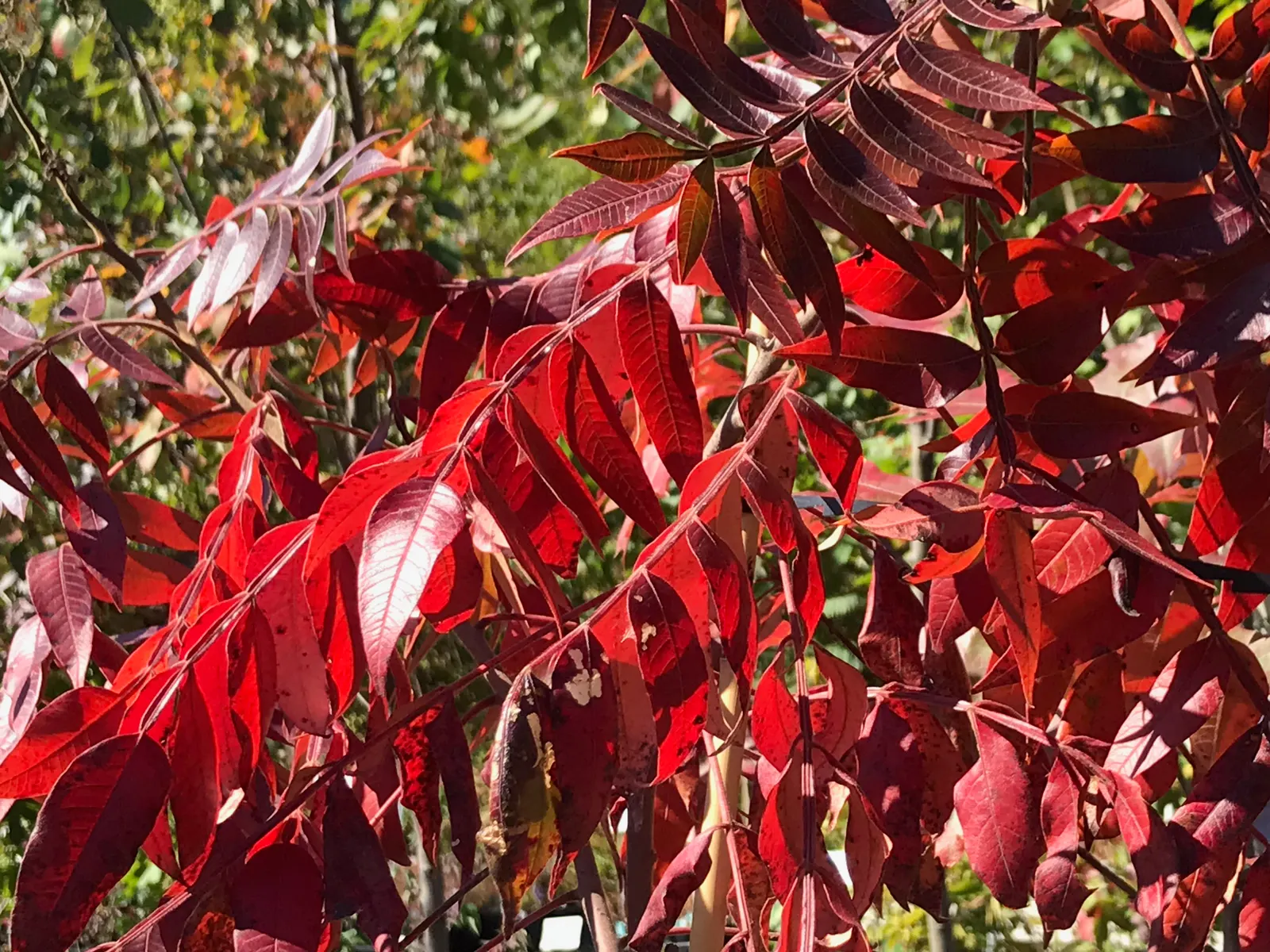
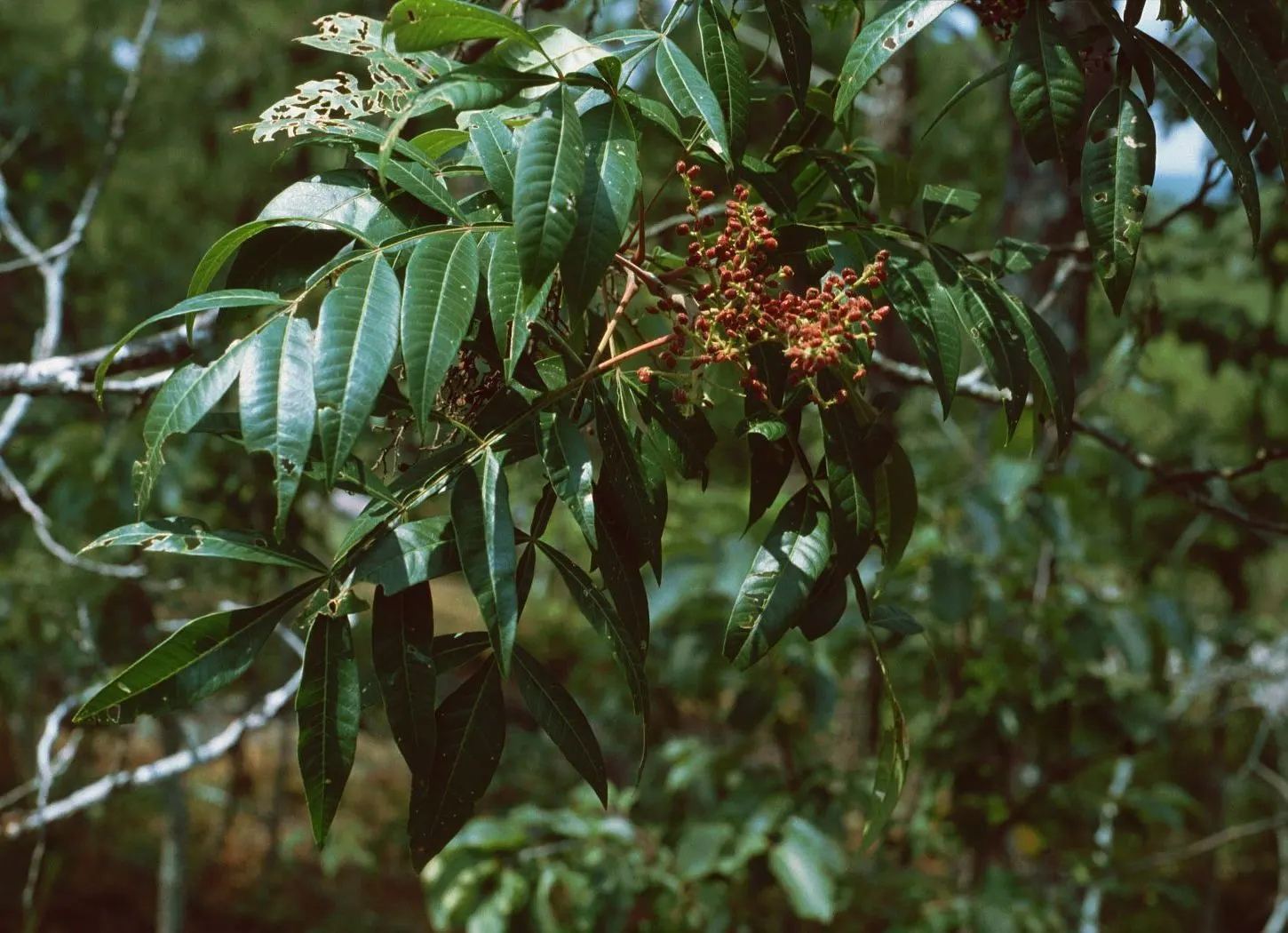
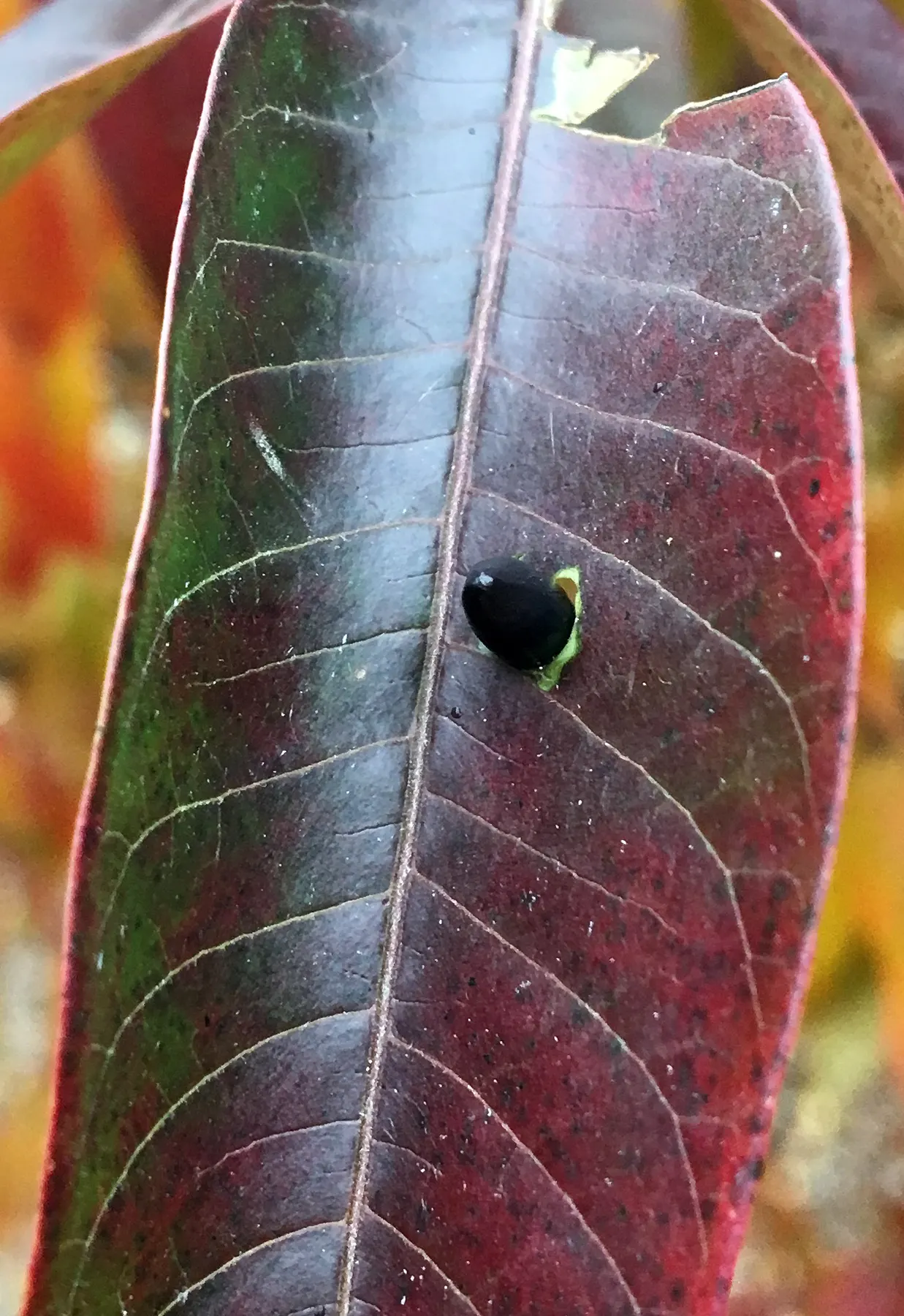
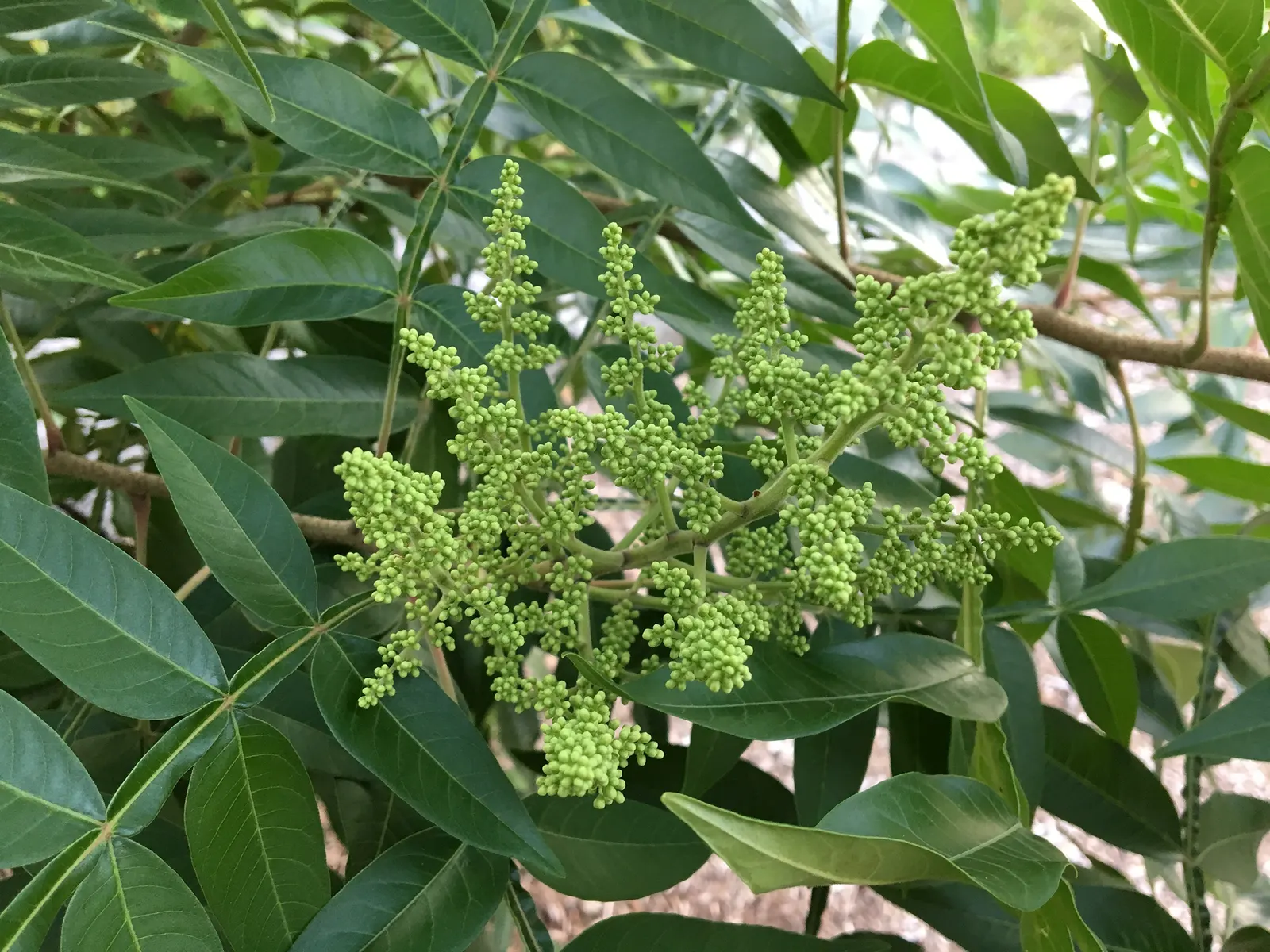
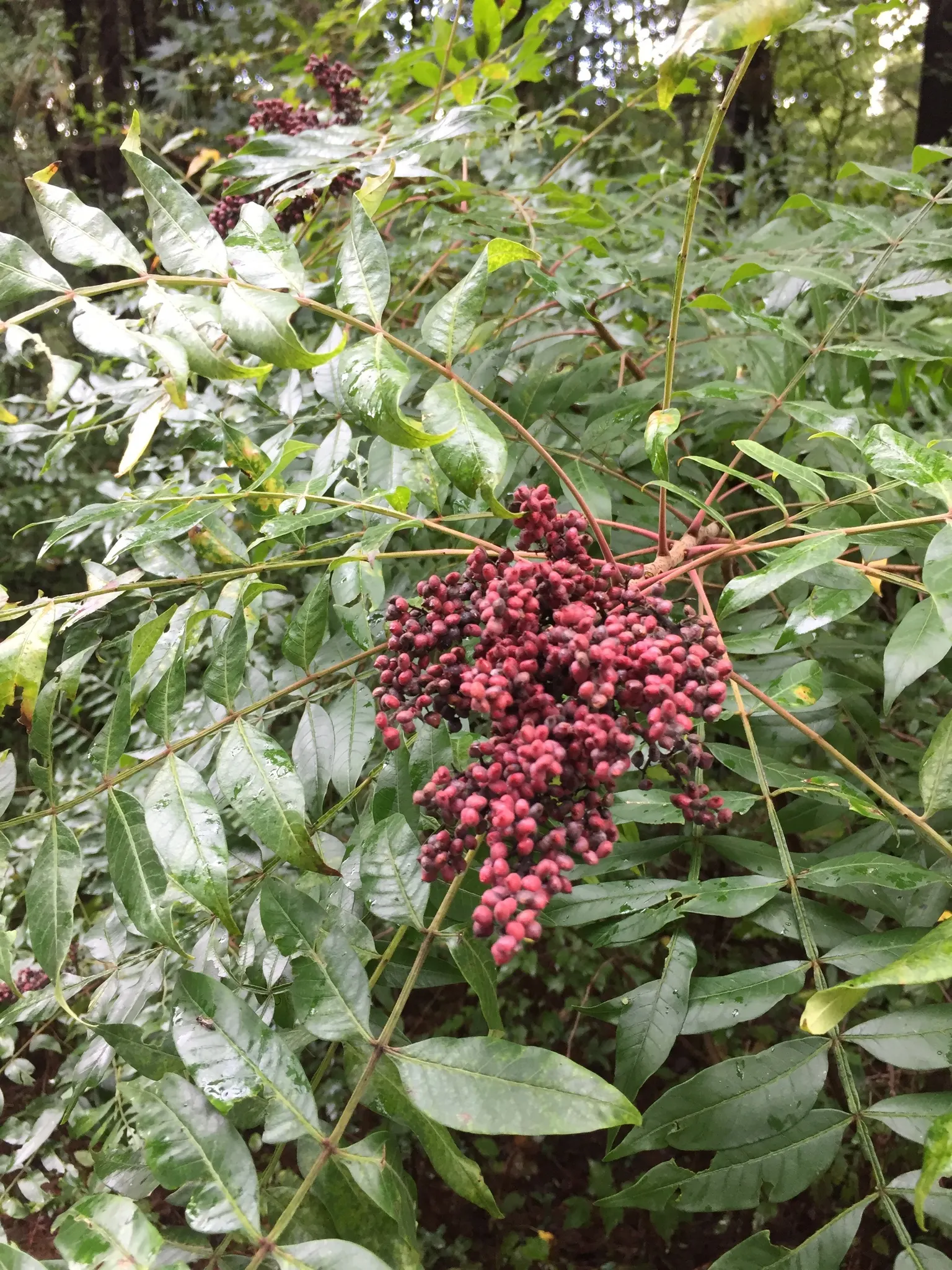
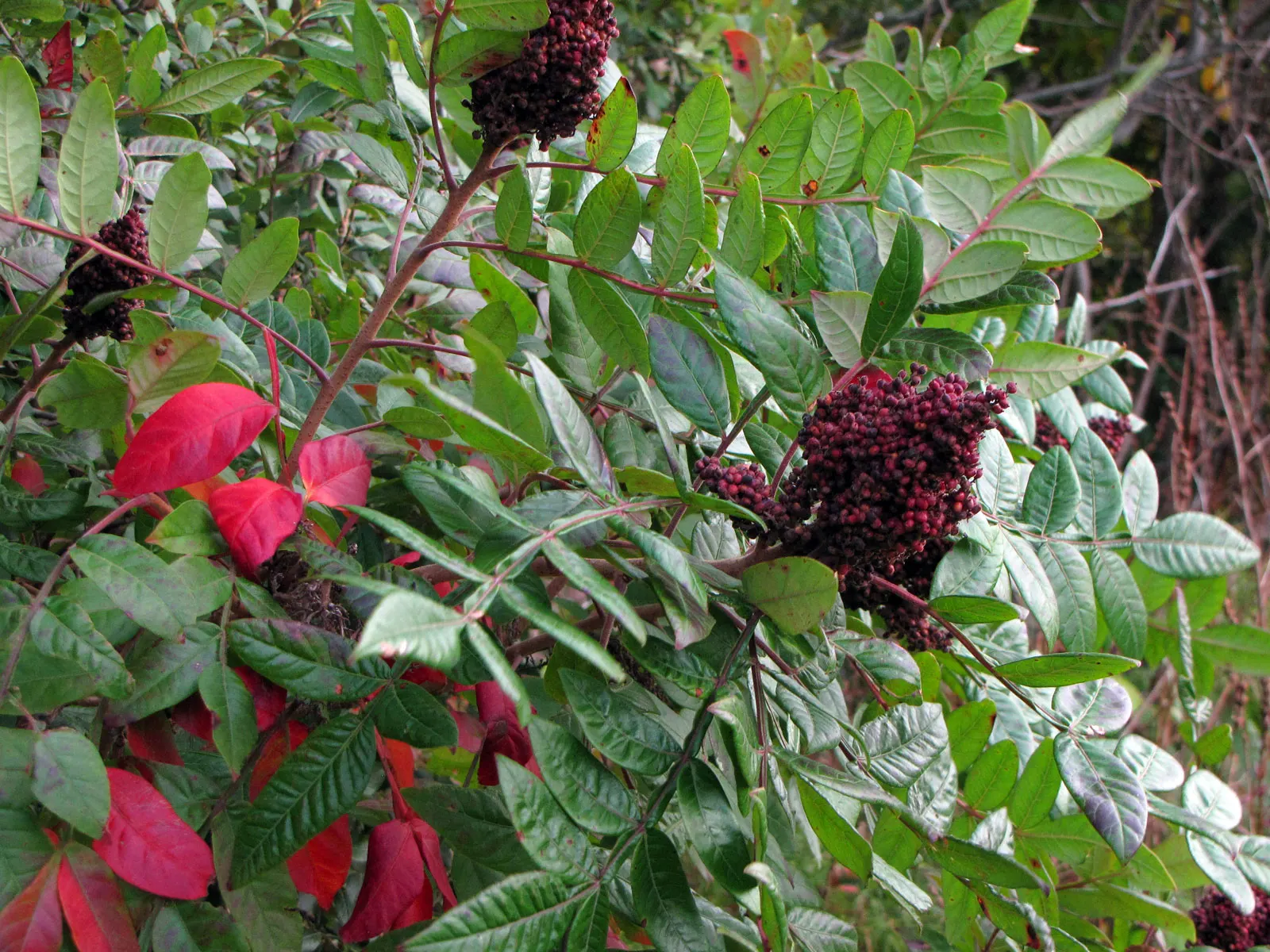
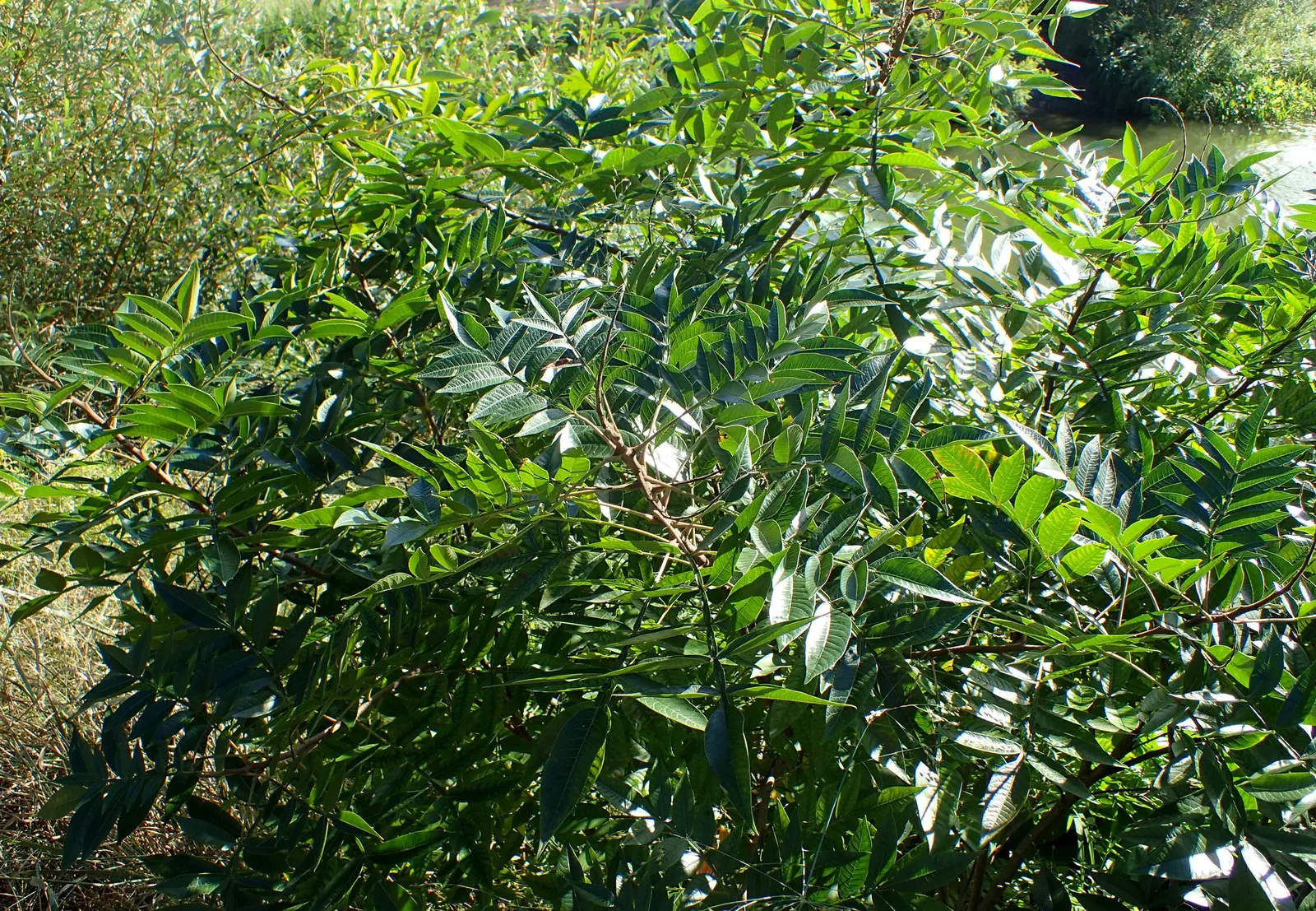
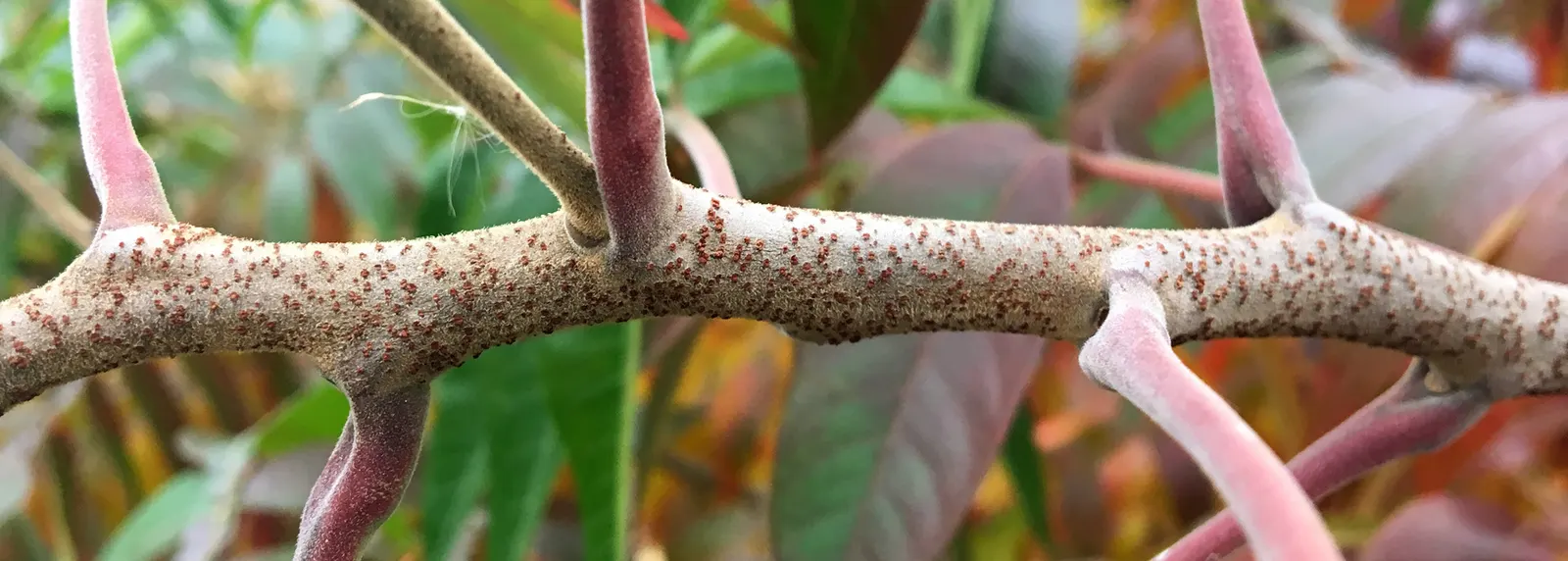
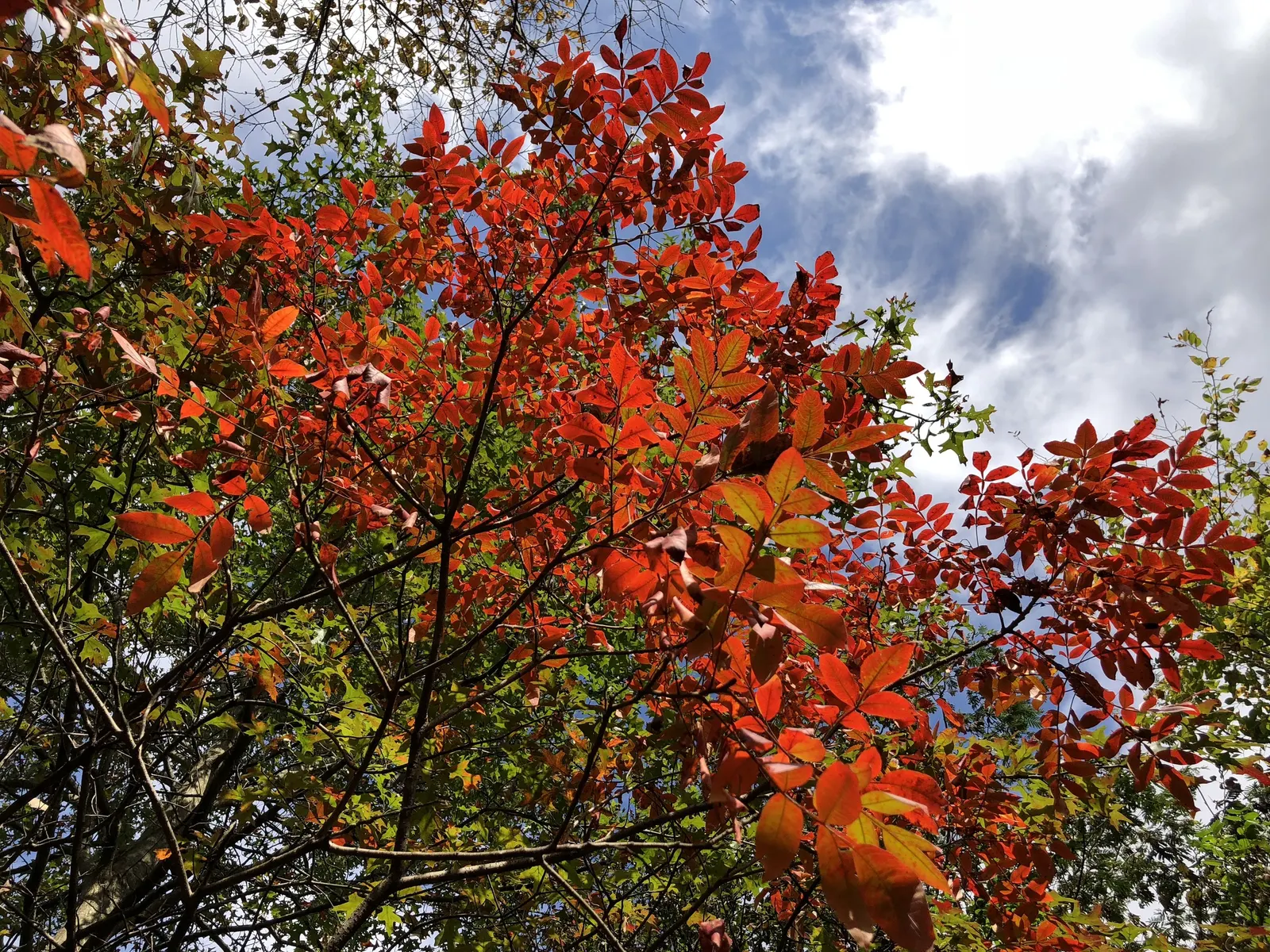
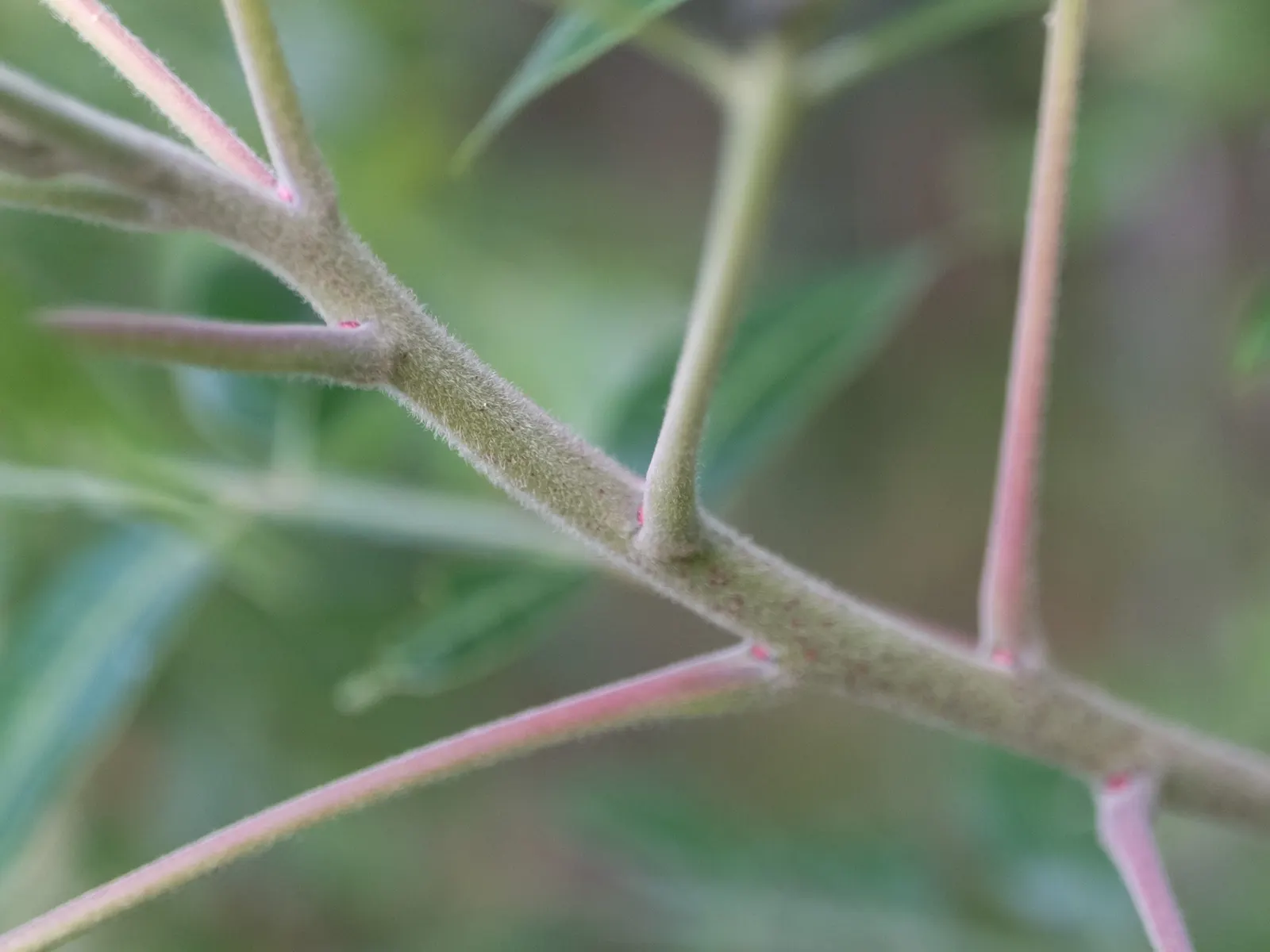
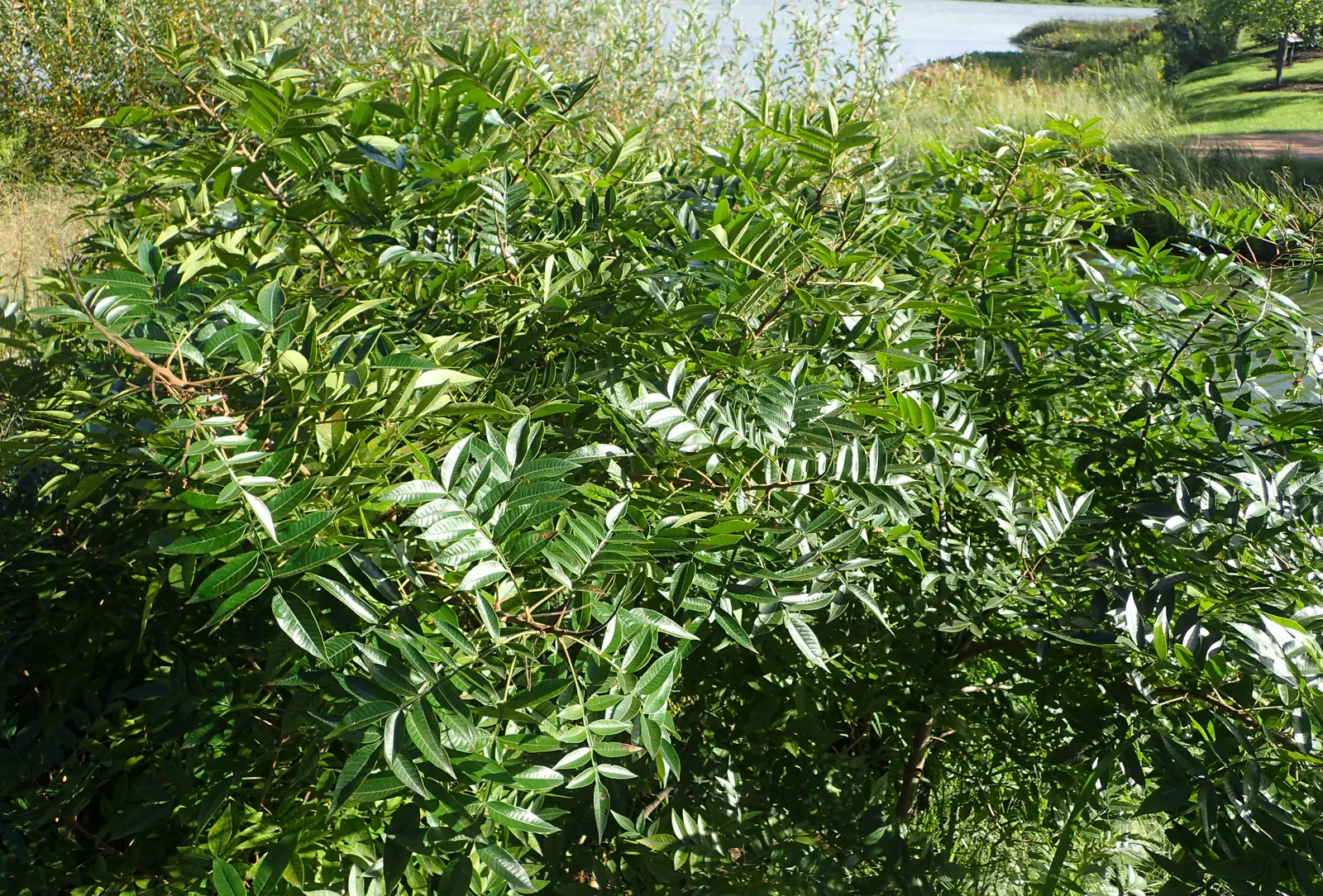

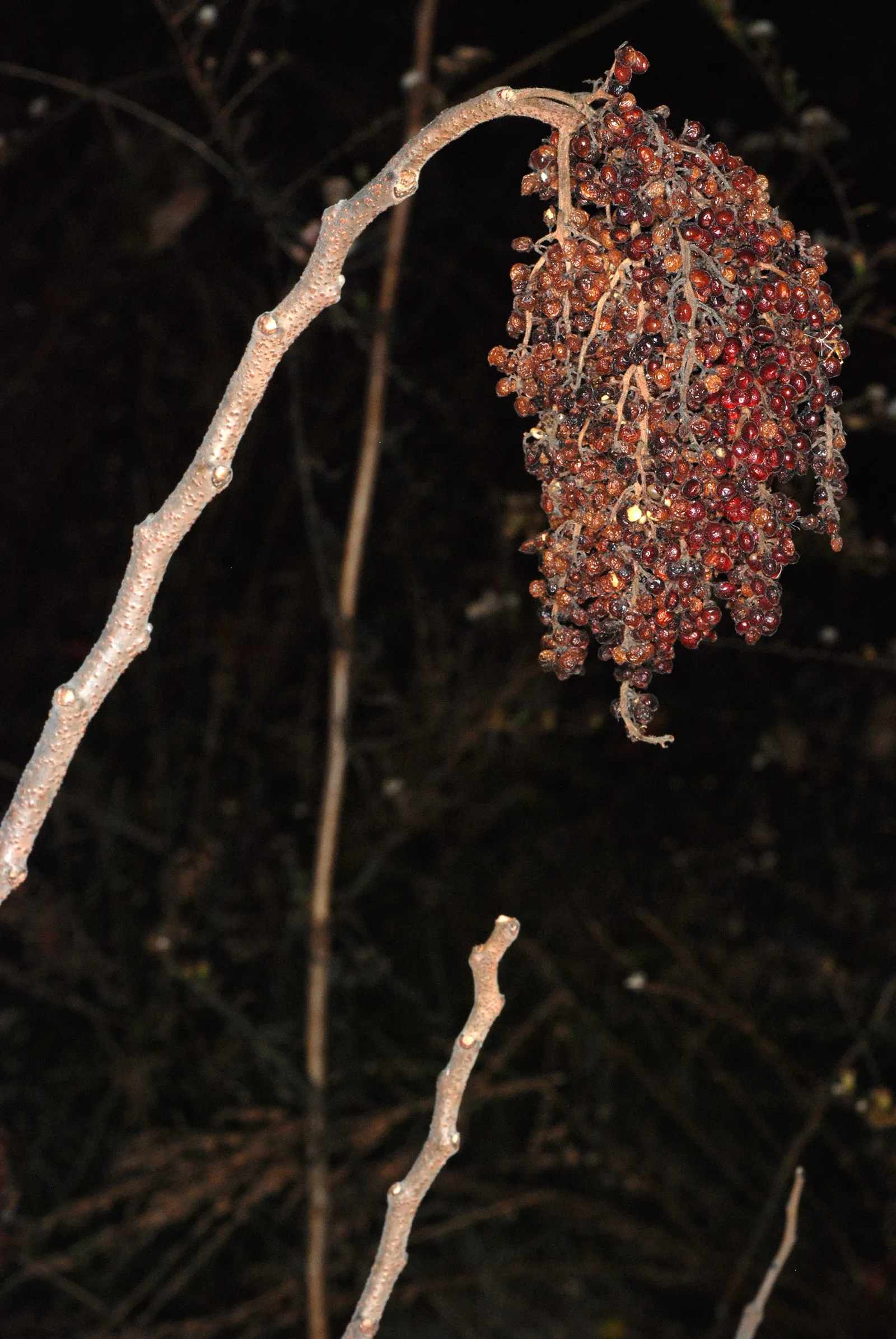
Photographs by 14 contributors
- homeredwardprice, CC BY 2.0 · source
- Famartin, CC BY-SA 4.0 · source
- Judy Gallagher, CC BY 2.0 · source
- Homer Edward Price, CC BY 2.0 · source
- Plant Image Library from Boston, USA, CC BY-SA 2.0 · source
- Francis Groeters, CC BY-SA 4.0 · source
- Franz Xaver, CC BY-SA 3.0 · source
- Katja Schulz from Washington, D. C.,…, CC BY 2.0 · source
- Krzysztof Ziarnek, Kenraiz, CC BY-SA 4.0 · source
- Alex Abair, CC BY 4.0 · source
- Magnus Manske, CC BY-SA 3.0 · source
- Riverbanks Outdoor Store from New Port…, CC BY 2.0 · source
- User:JohnOyston, CC BY-SA 1.0 · source
- DouglasGoldman, CC BY-SA 4.0 · source
Related plants
Tree
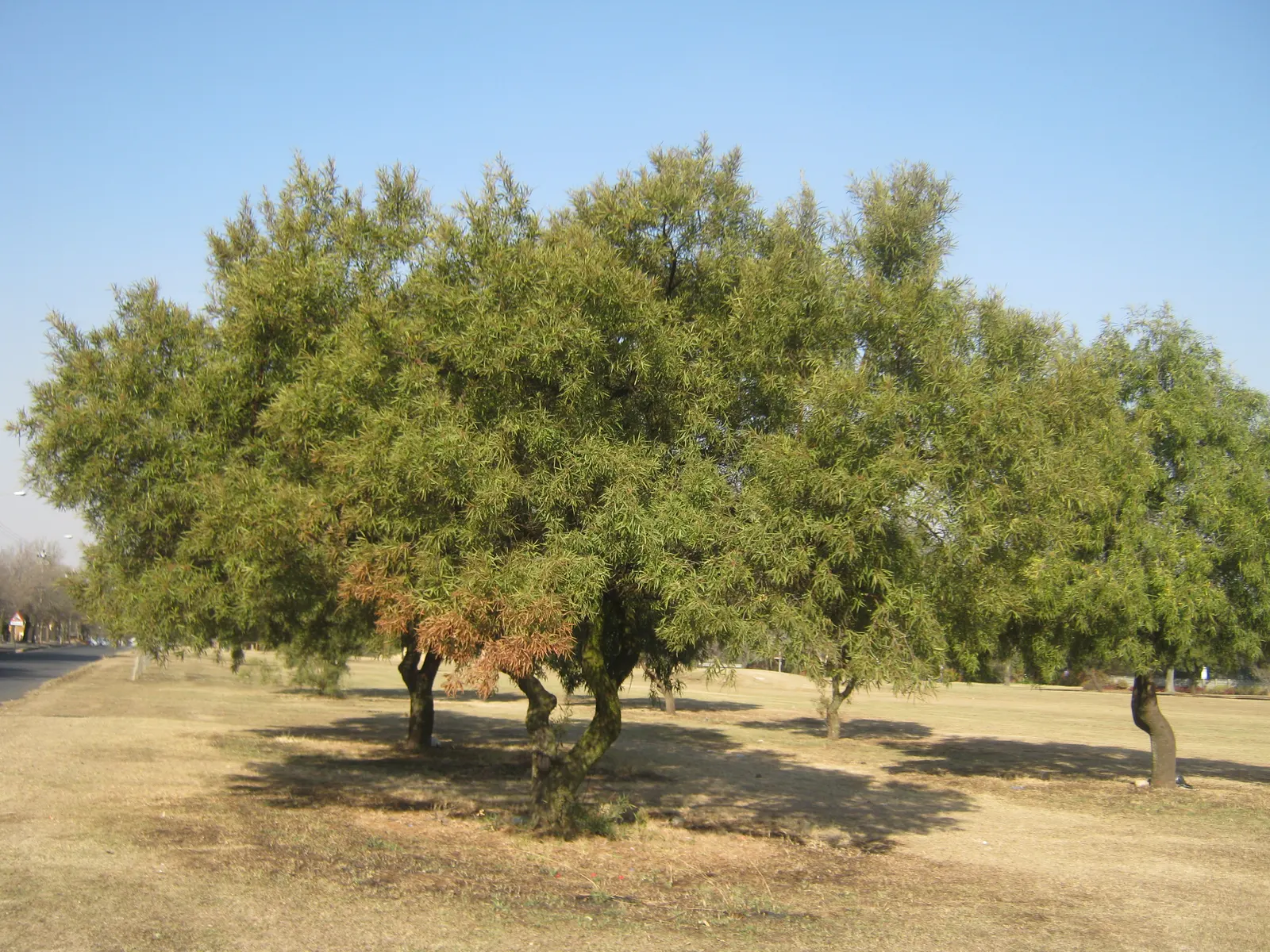
African Sumac
Rhus Lancea
FullUSDA 8–10
Tree
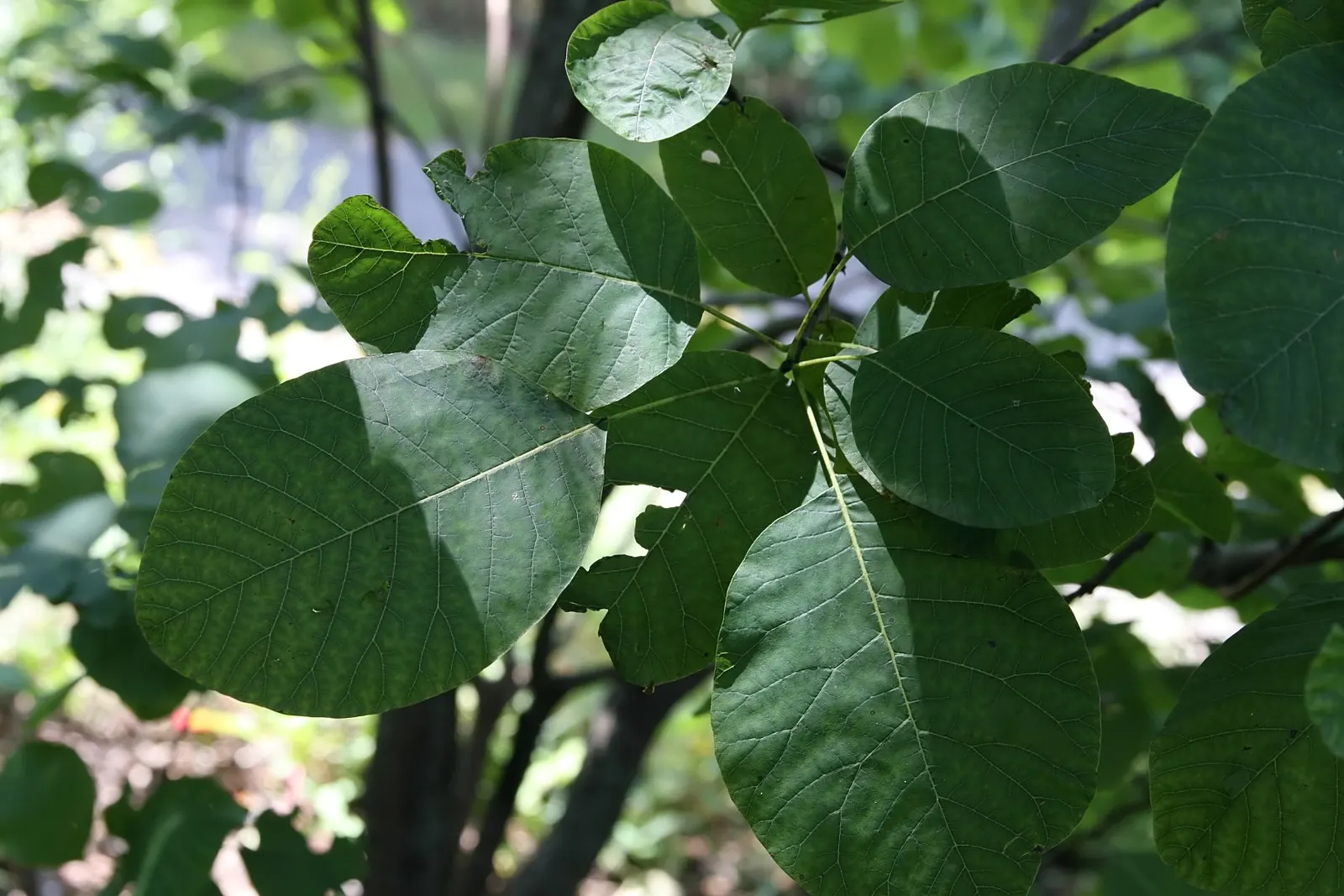
American Smoke Bush
Cotinus Obovatus
FullUSDA 4–8
Tree
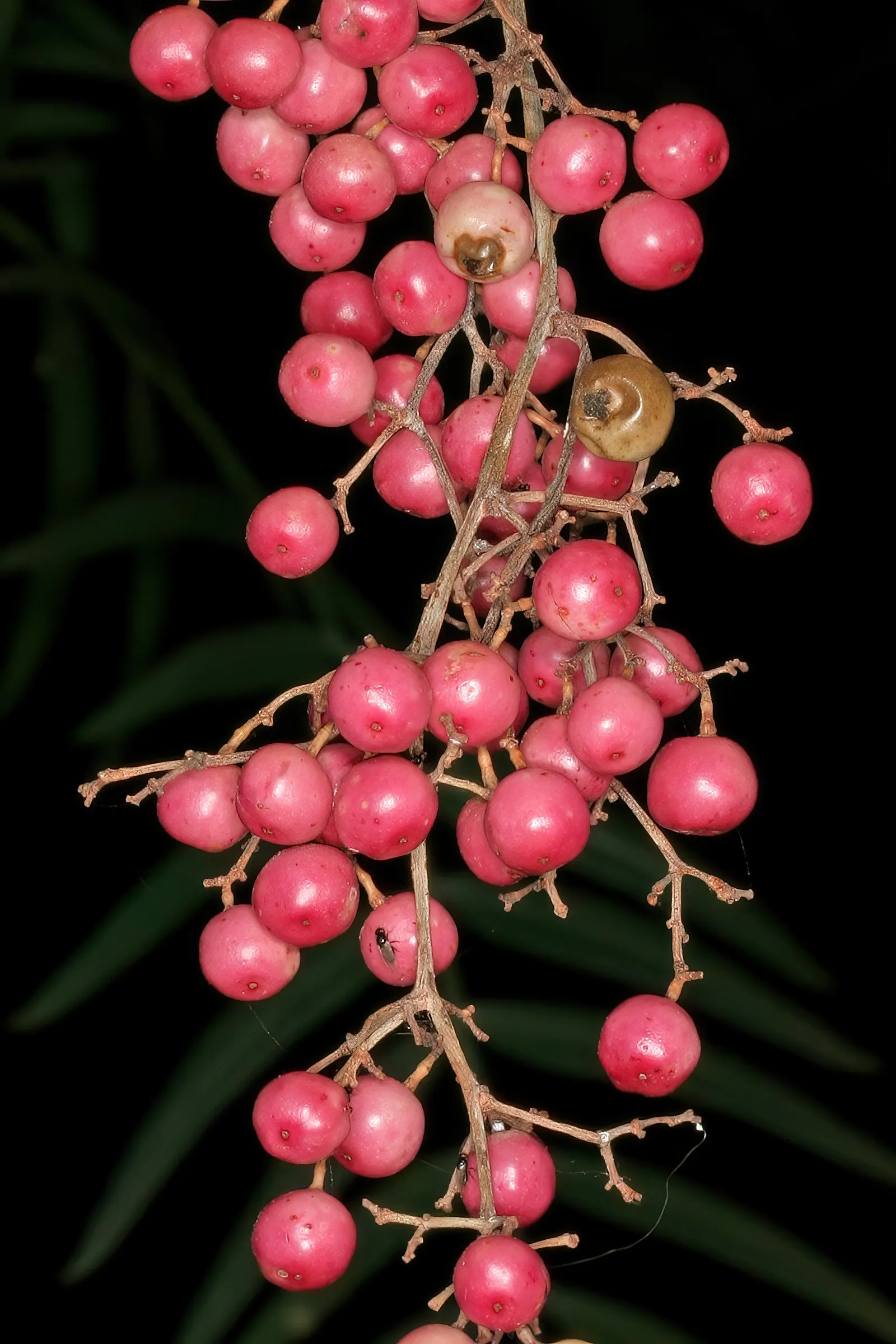
California Pepper
Schinus Molle
FullUSDA 8–10
Tree
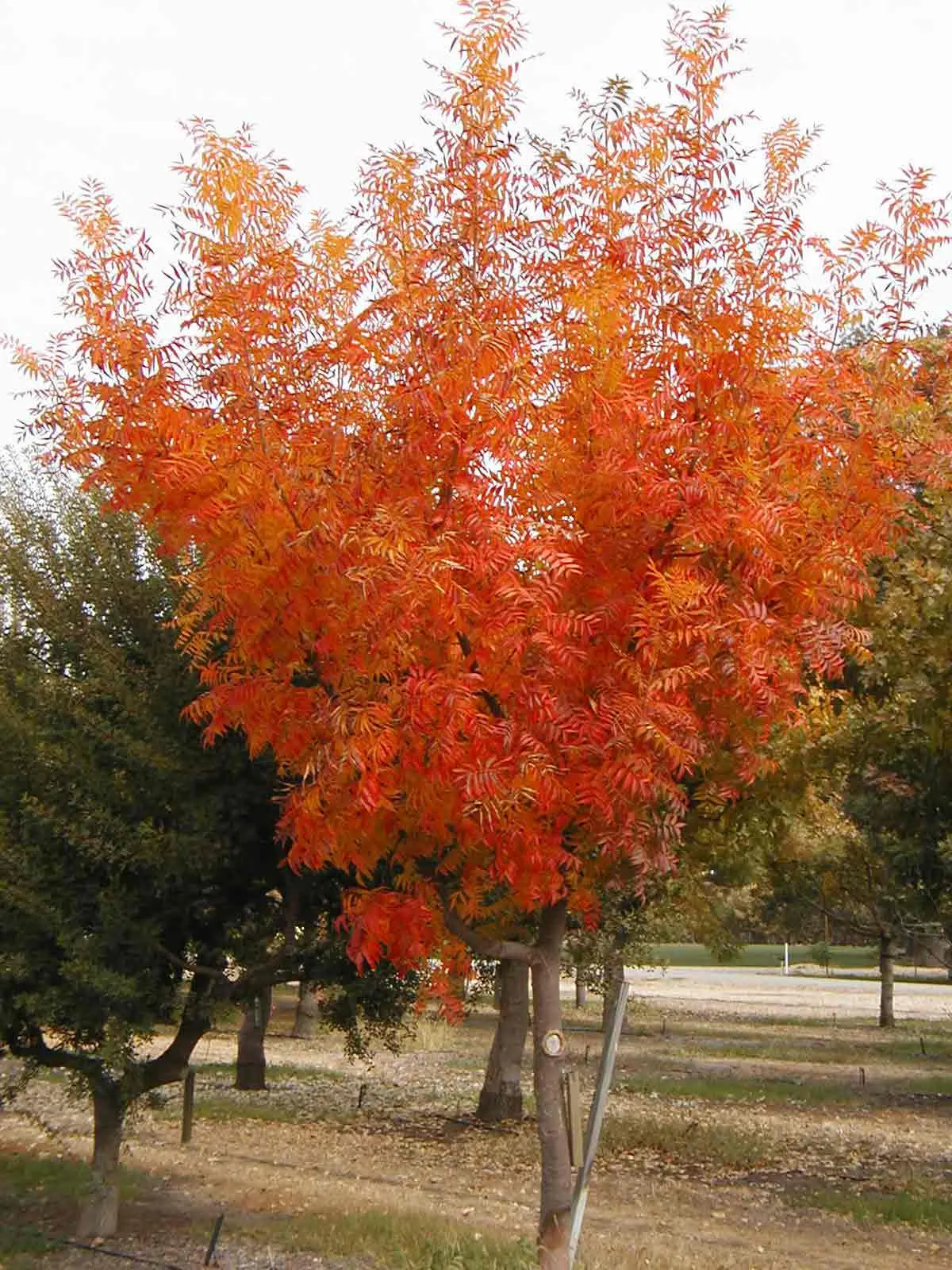
Chinese Pistache
Pistacia Chinensis
FullUSDA 7–10
Shrub
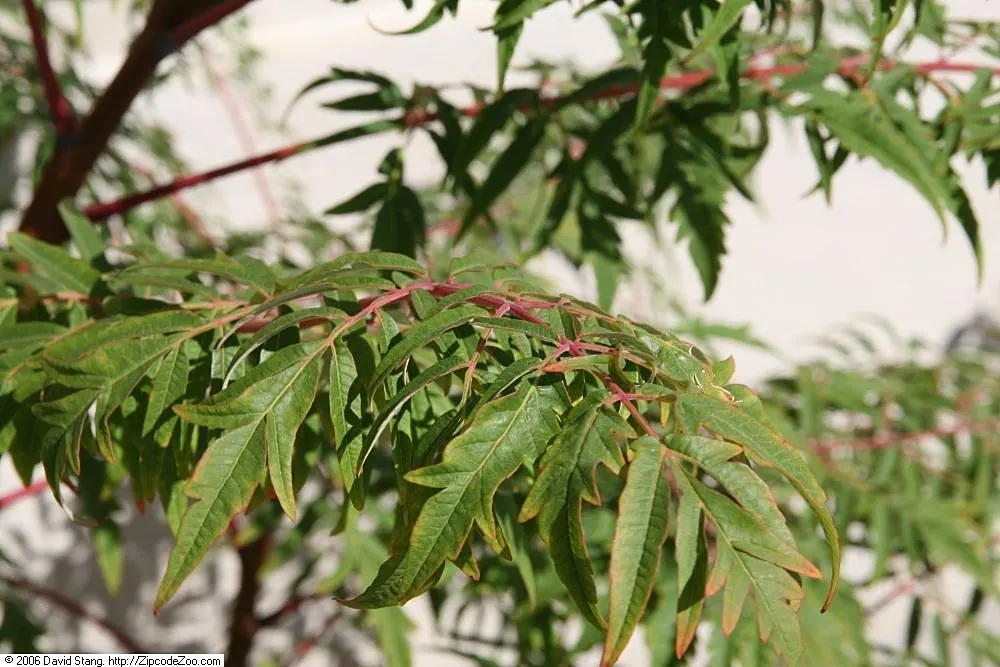
Cutleaf Staghorn Sumac
Rhus Typhina 'Laciniata'
FullUSDA 3–10
Shrub
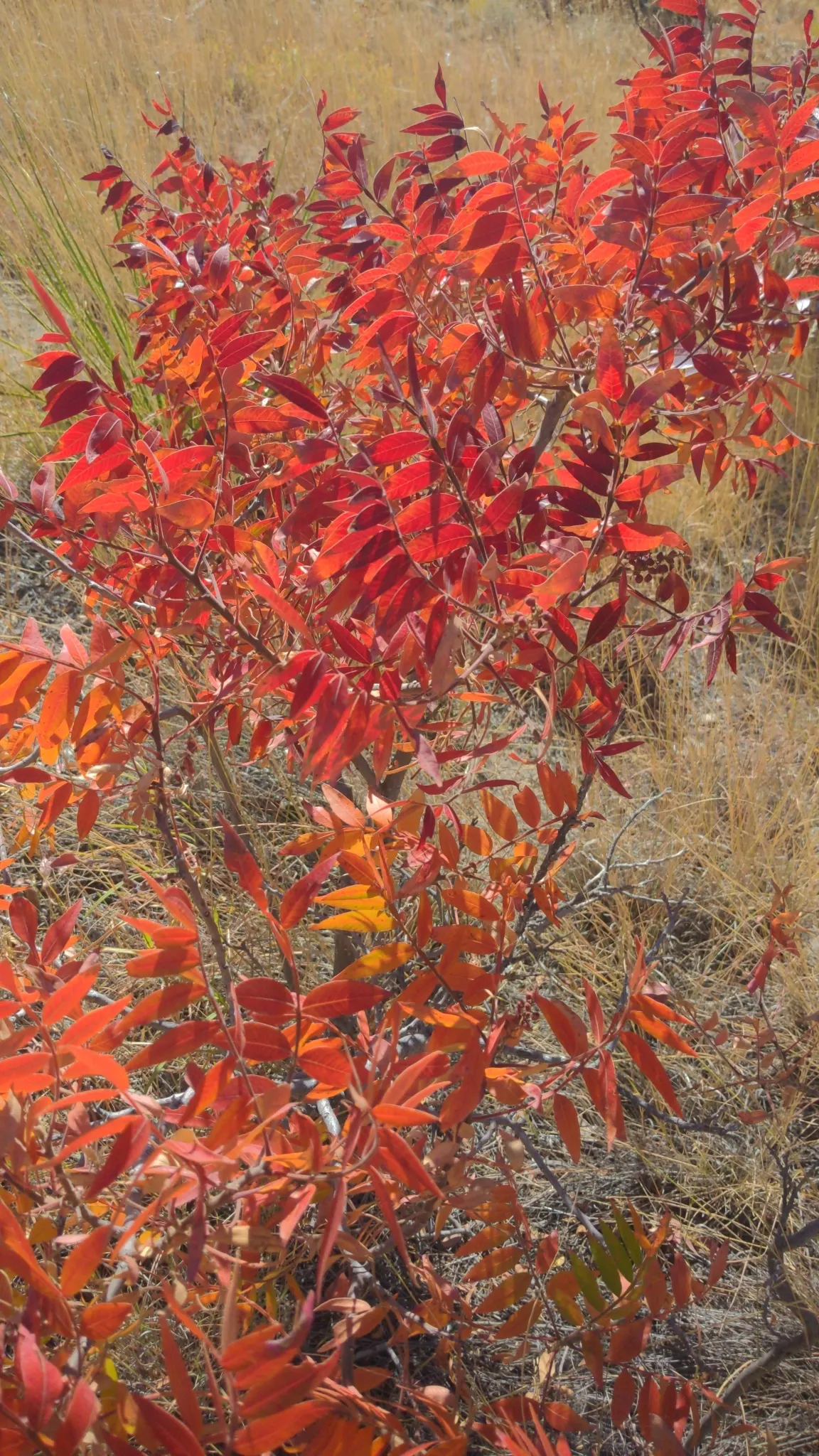
Flame Leaf Sumac
Rhus Lanceolata
FullUSDA 5–11