Skip to content

Fragrant Sumac

Rhus Aromatica

Design with this plant

Overview

Rhus aromatica, or Fragrant Sumac, is a durable, deciduous shrub reaching 2-6 feet in height with a similar spread. Renowned for its aromatic foliage, which turns fiery red in fall, it boasts clusters of small yellow flowers in early spring before the leaves emerge. This low-maintenance native thrives in zones 3-9, preferring full sun to partial shade and adapts well to various soils, making it ideal for naturalized or erosion-prone areas.

Sun FullWater Extra in Summer, Very LowZones 3–9Type ShrubClimate Arid, Mediterranean, Subtropical

Culture

Sun
Full
Water
Extra in Summer, Very Low
USDA zones
3–9

Shape & size

Classification

Type
Shrub
Family
Anacardiaceae
Climate
Arid, Mediterranean, Subtropical

See full data, regional cultivation notes, and design tools. Build a client presentation around this plant.

Start your 14-day trial

Photos (90)

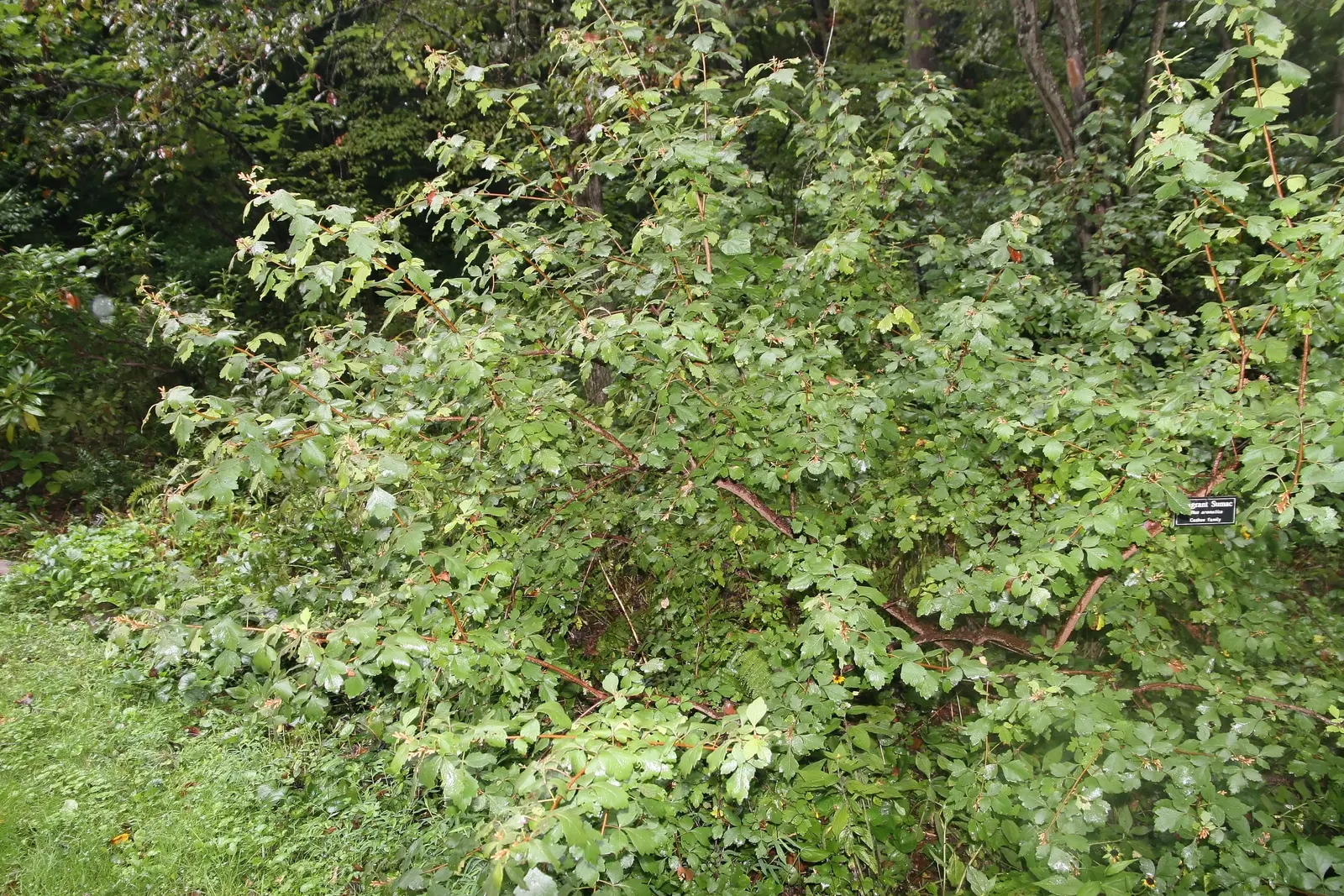
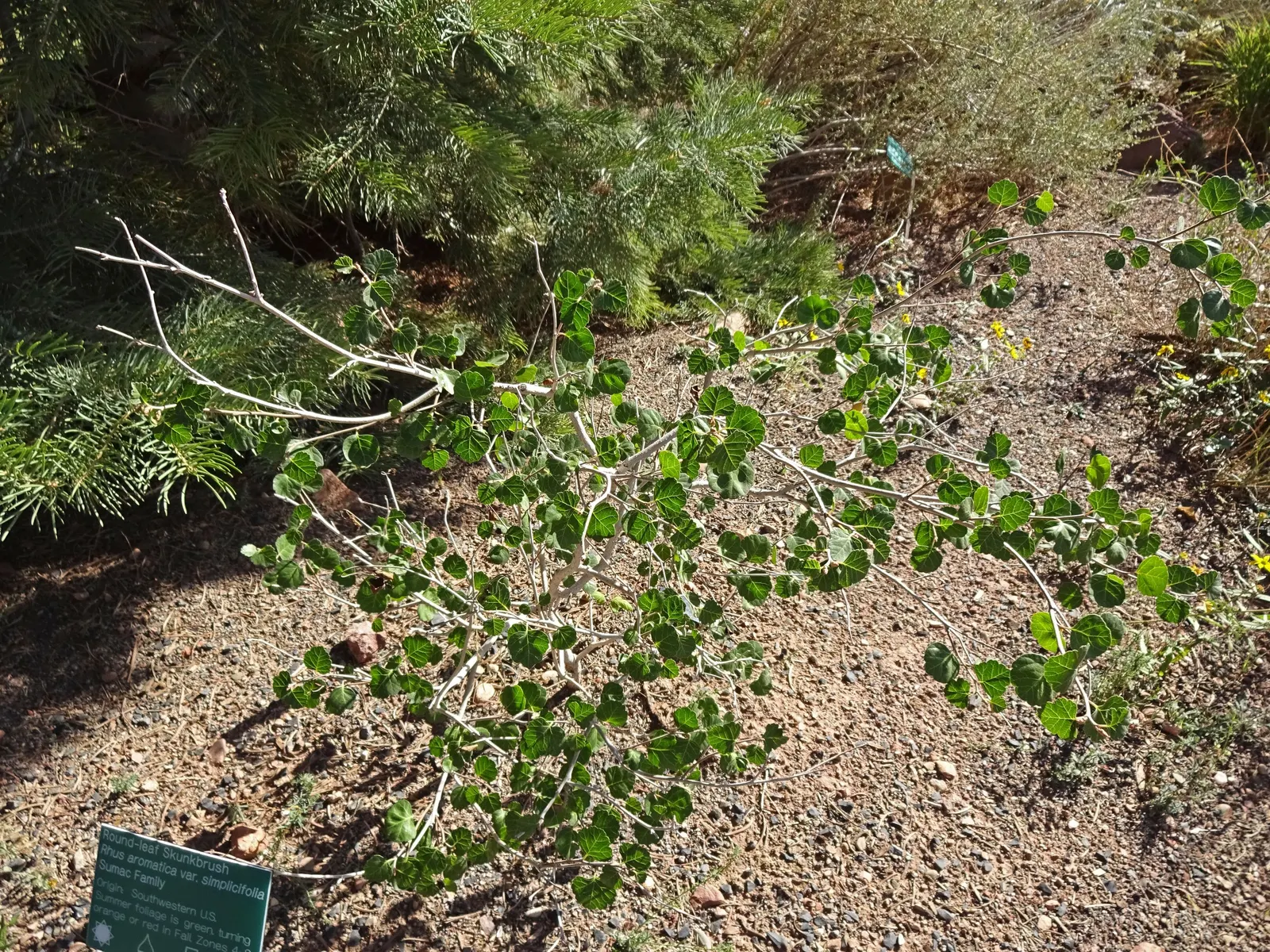
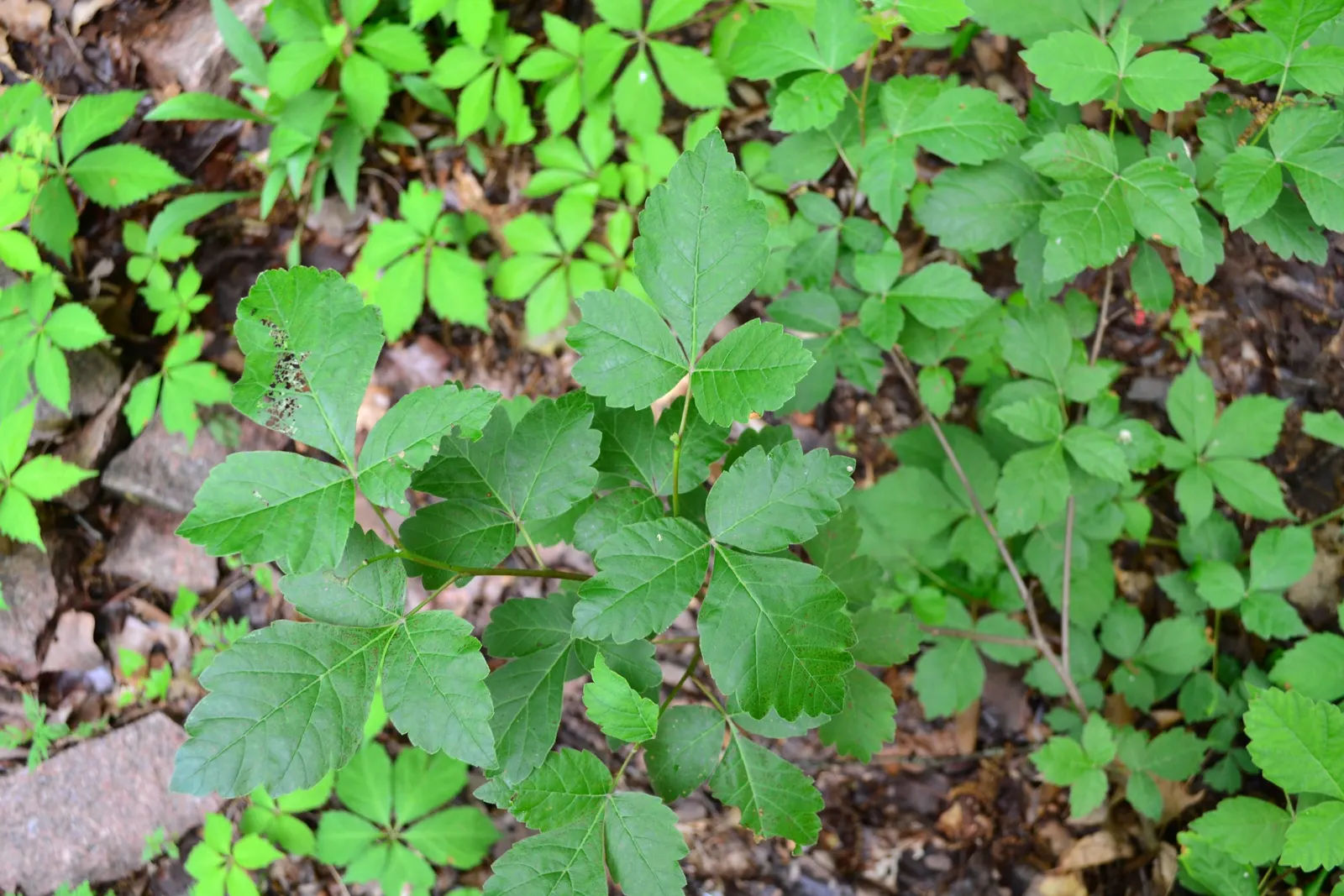
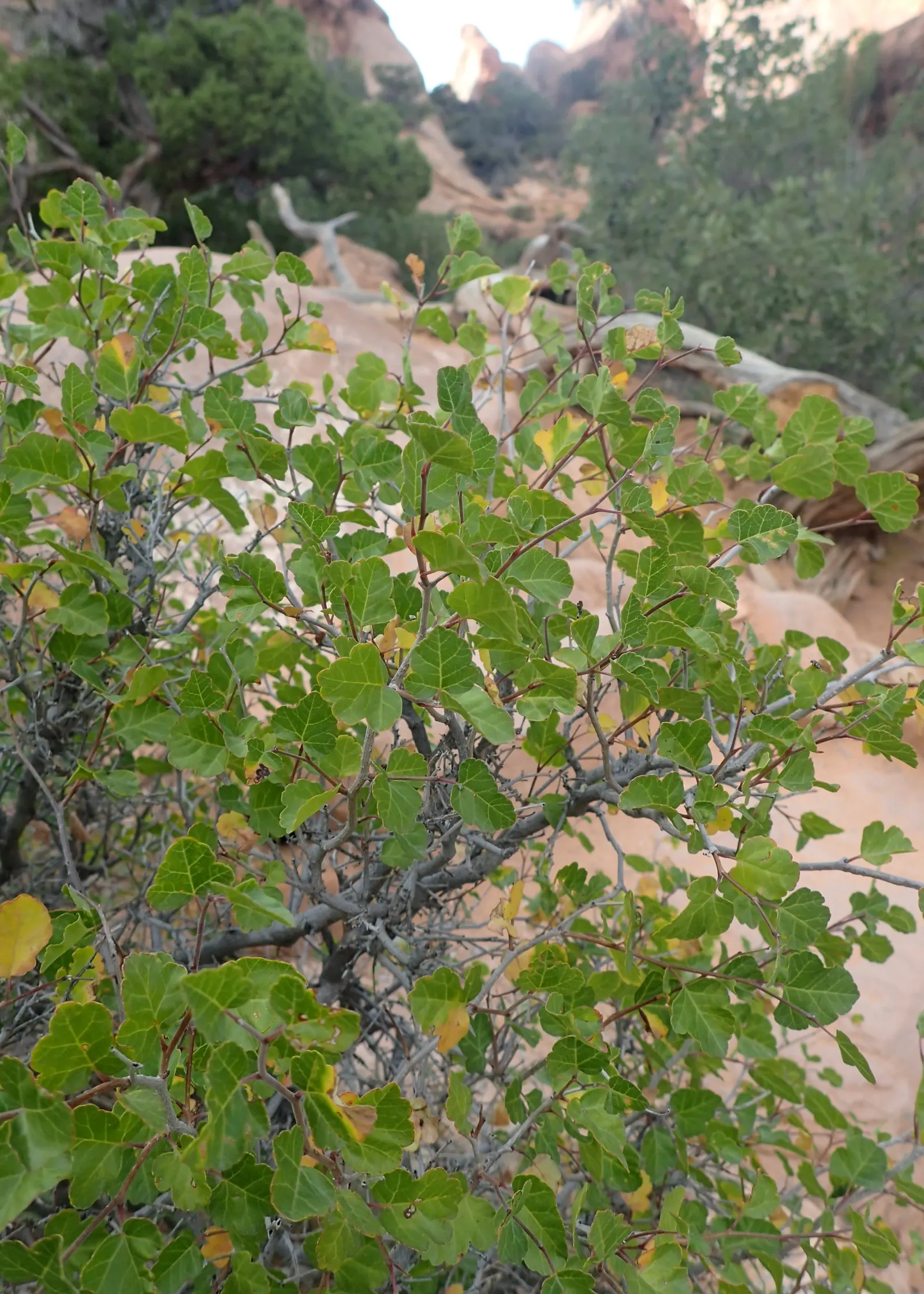
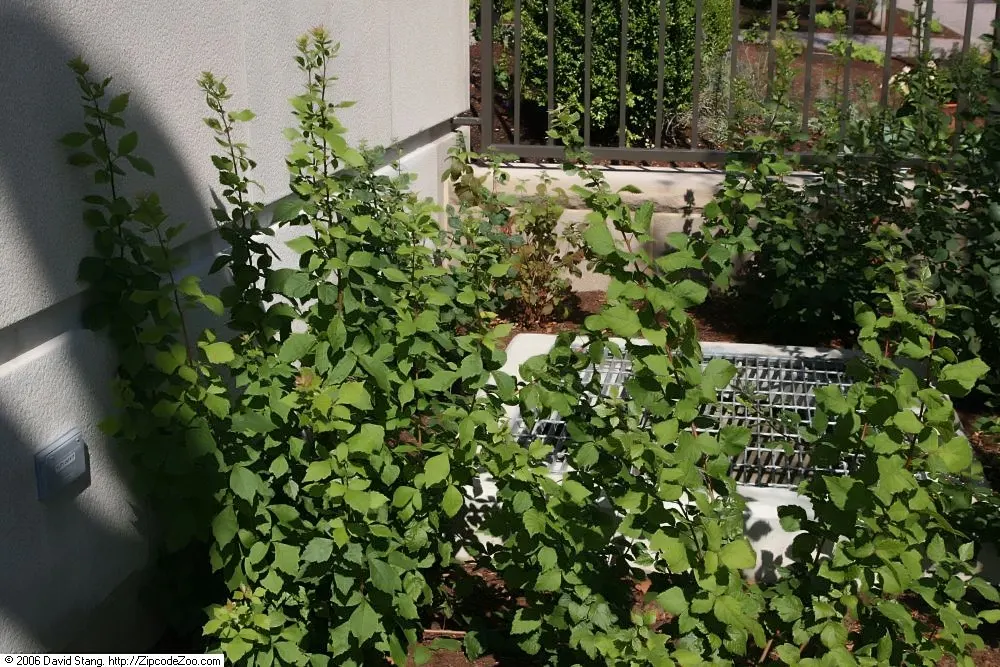
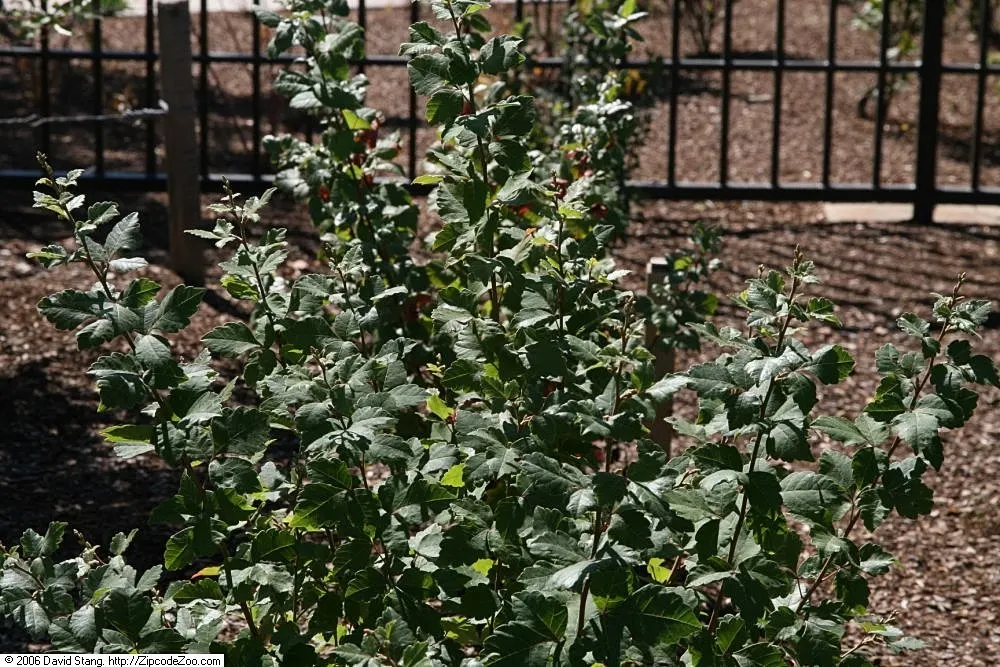
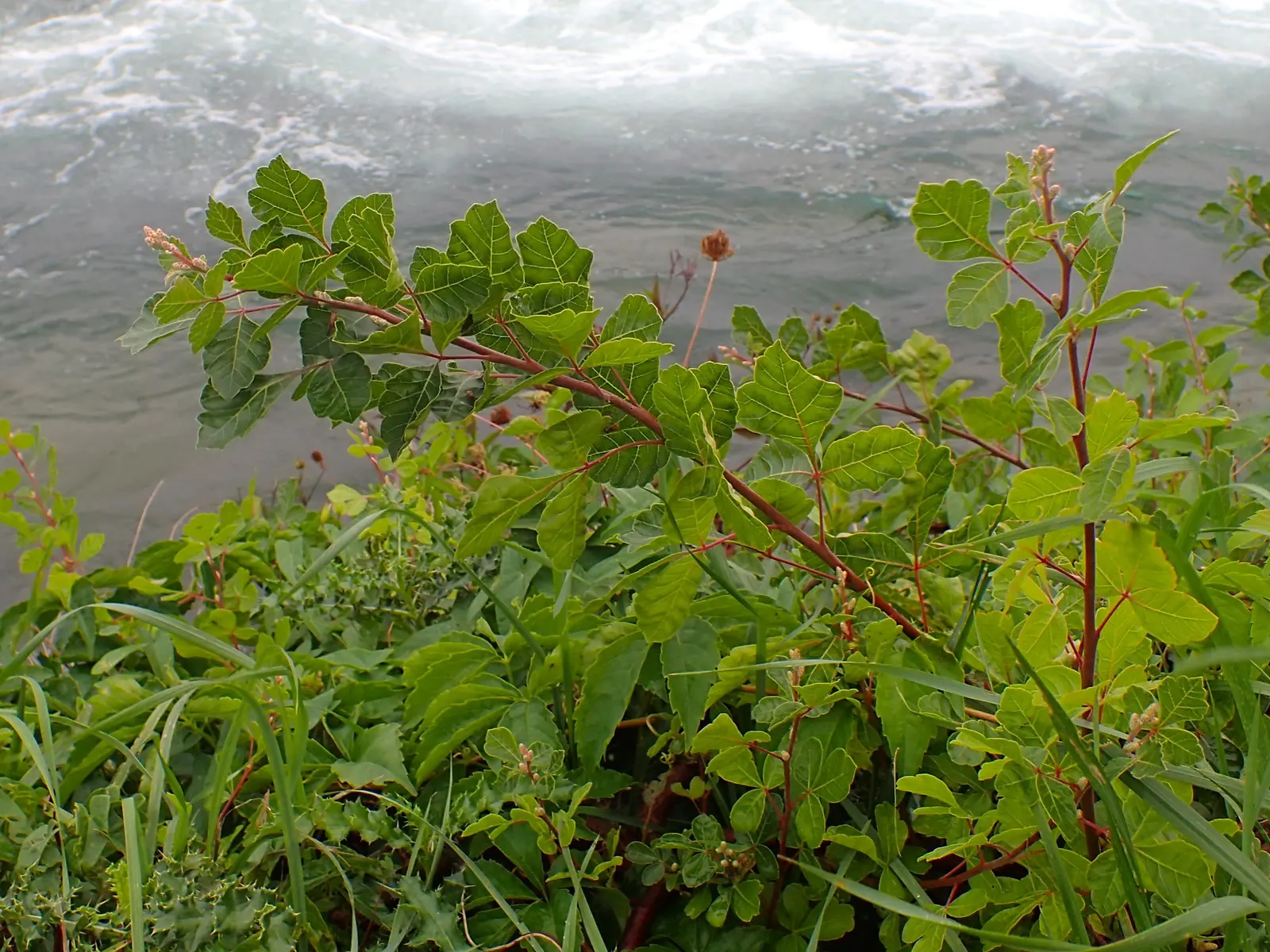
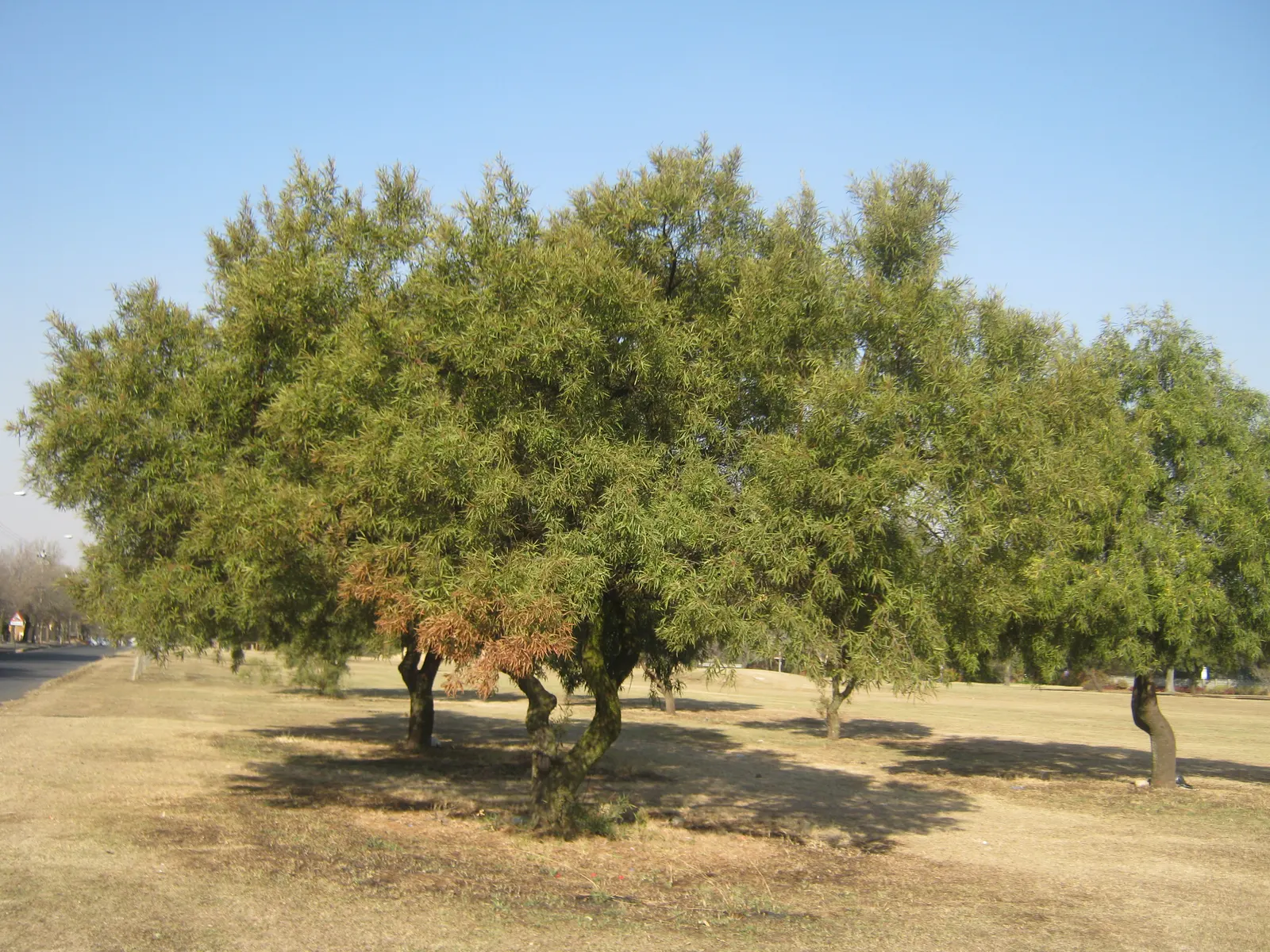
Fragrant Sumac (Rhus Aromatica) — Typically reaching a mature height of 2 to 6 feet with an equal or greater spread of 6 to 10 feet
Fragrant Sumac (Rhus Aromatica) — garden enthusiasts can relish the foliage's vibrant transformation to fiery shades of orange; it boasts clusters, image 52
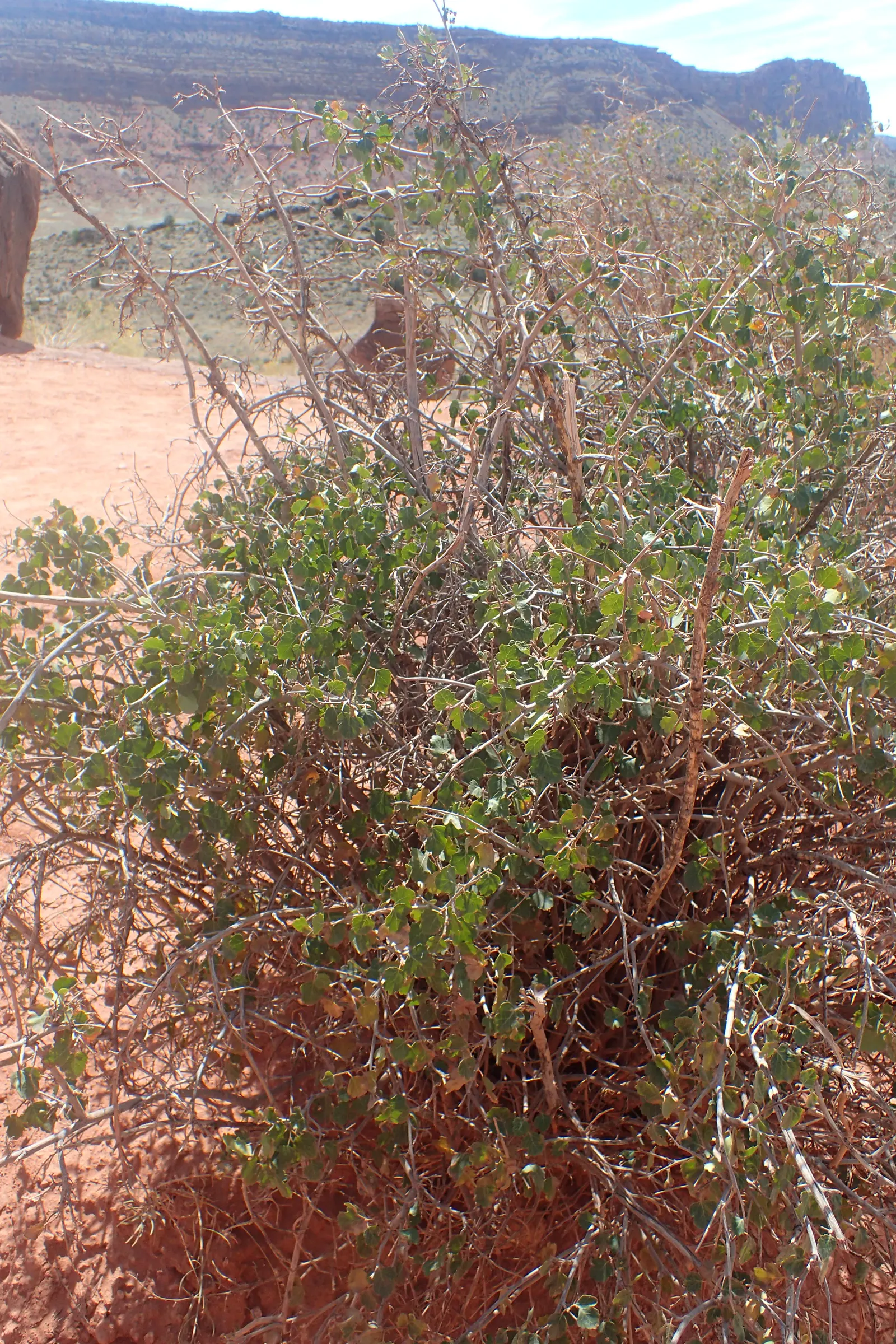
Fragrant Sumac (Rhus Aromatica) — making it an excellent candidate for challenging growing conditions; providing year-round interest and ecological benefits to
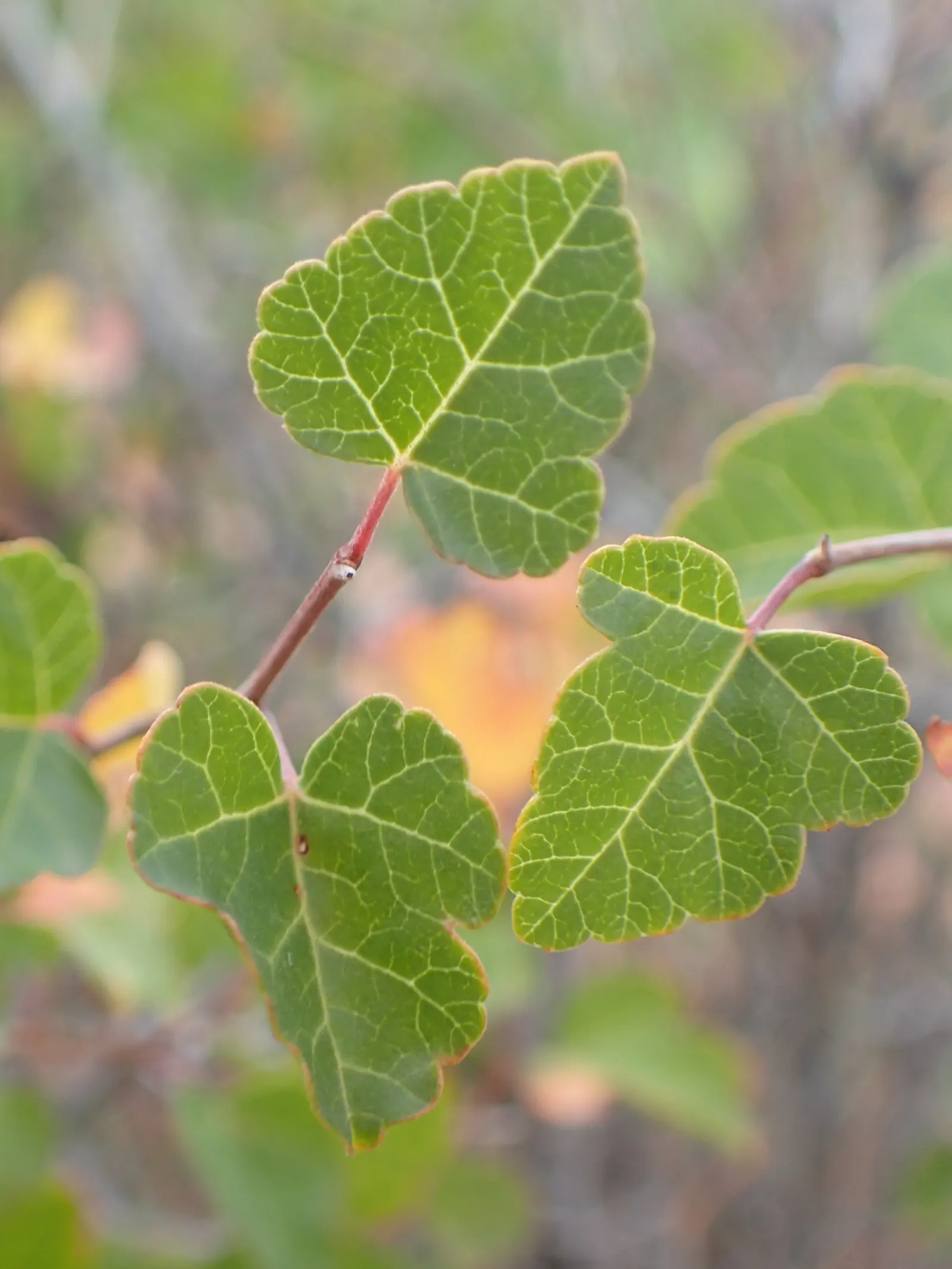
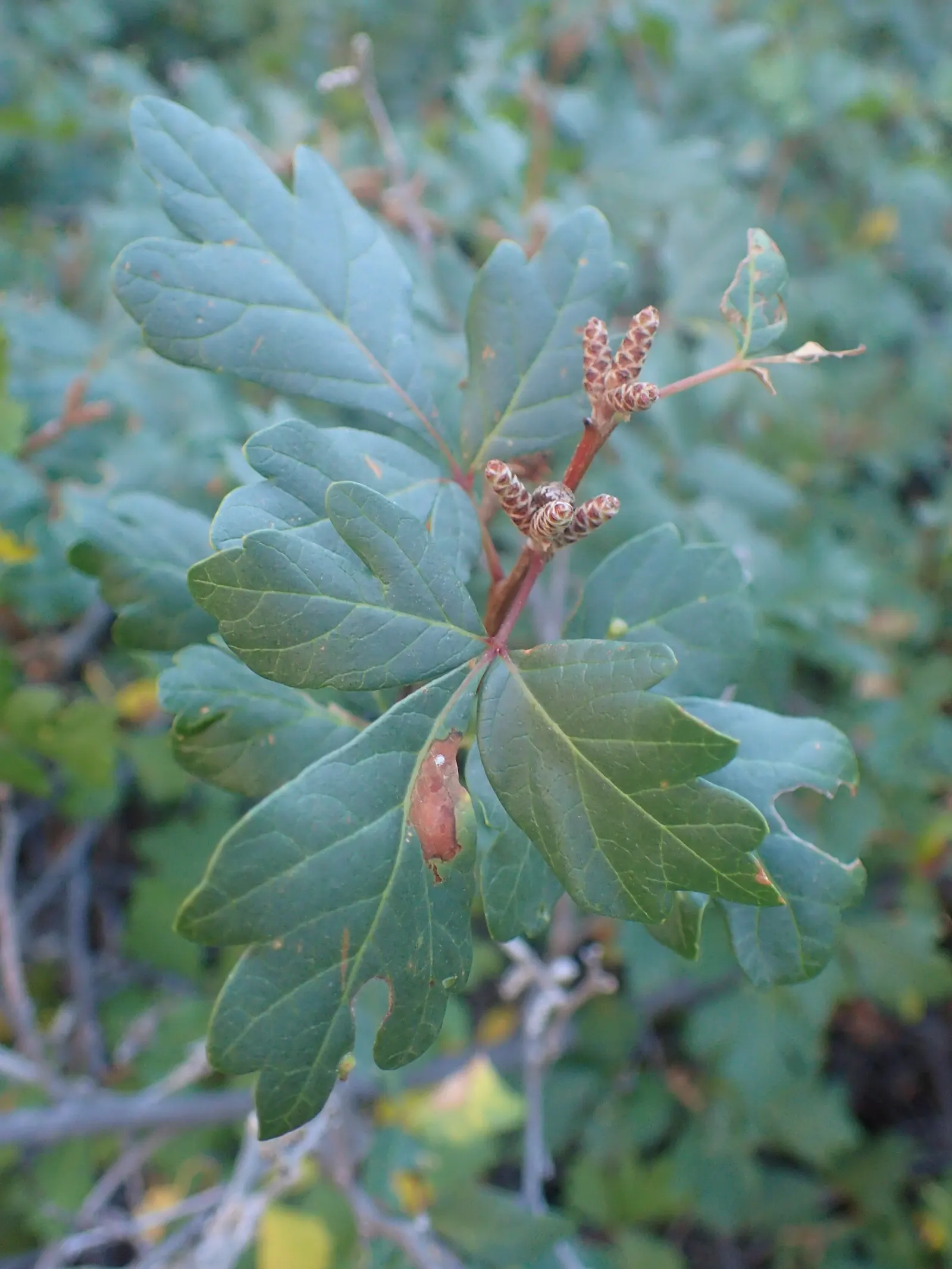
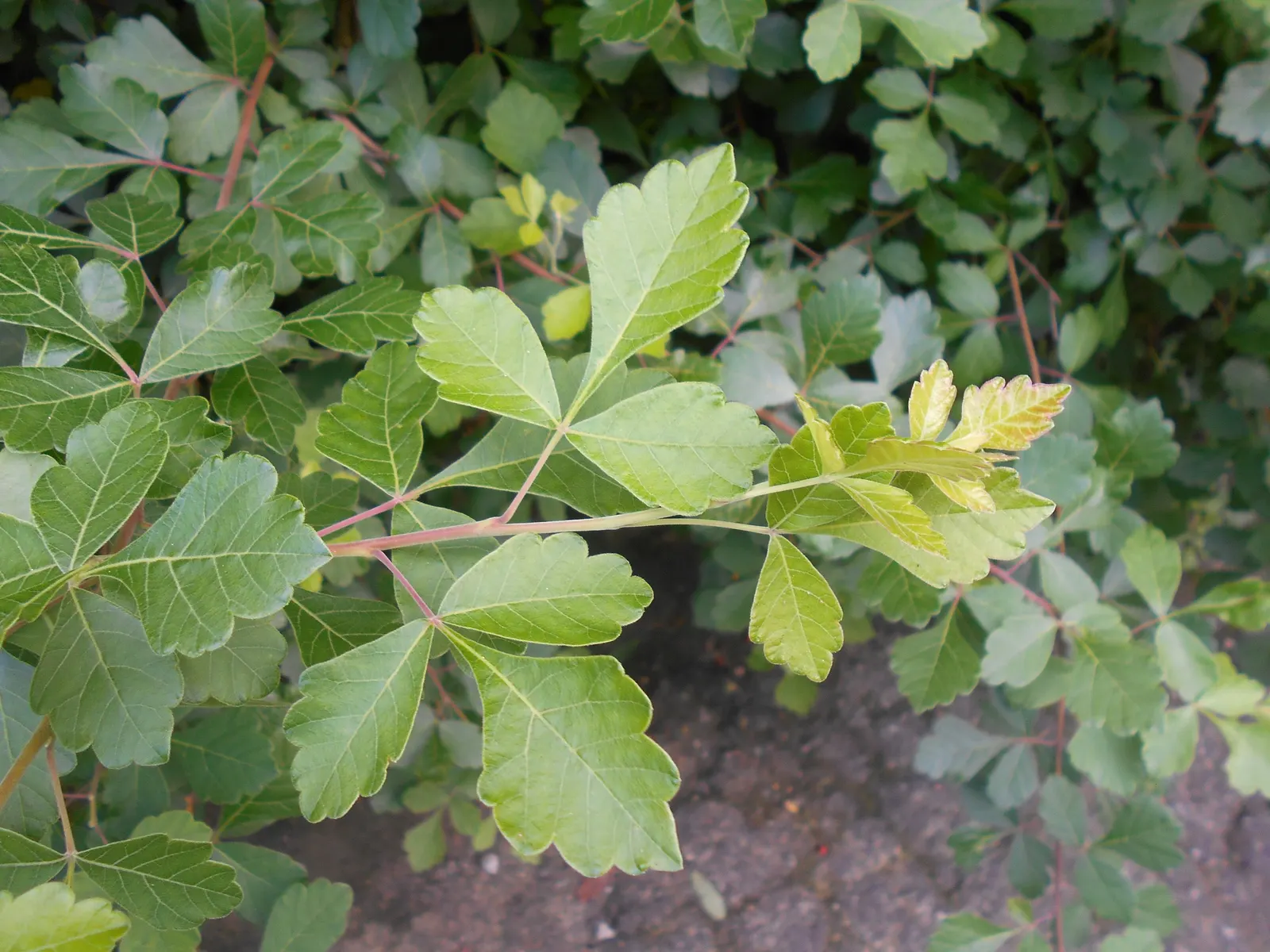
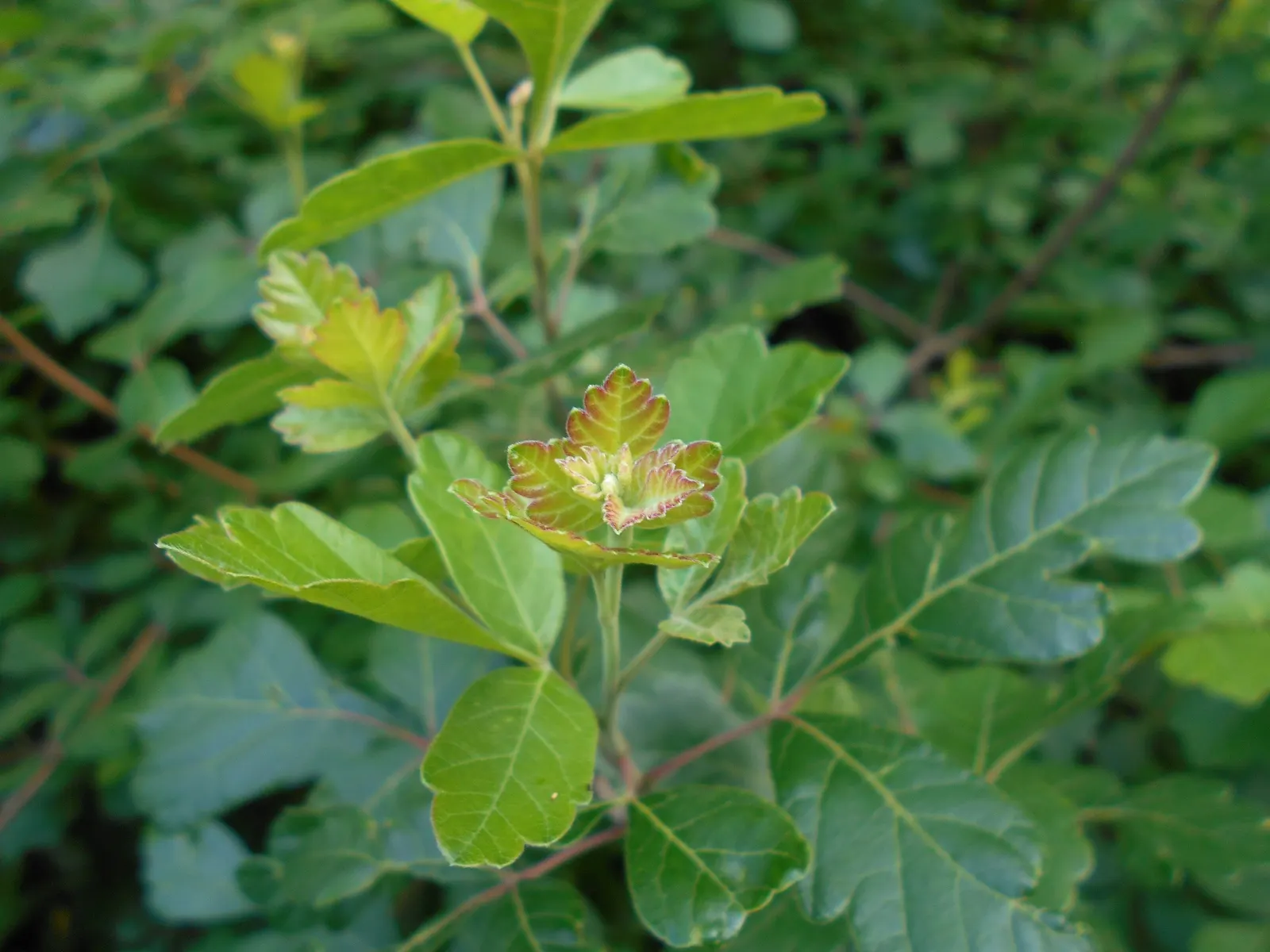
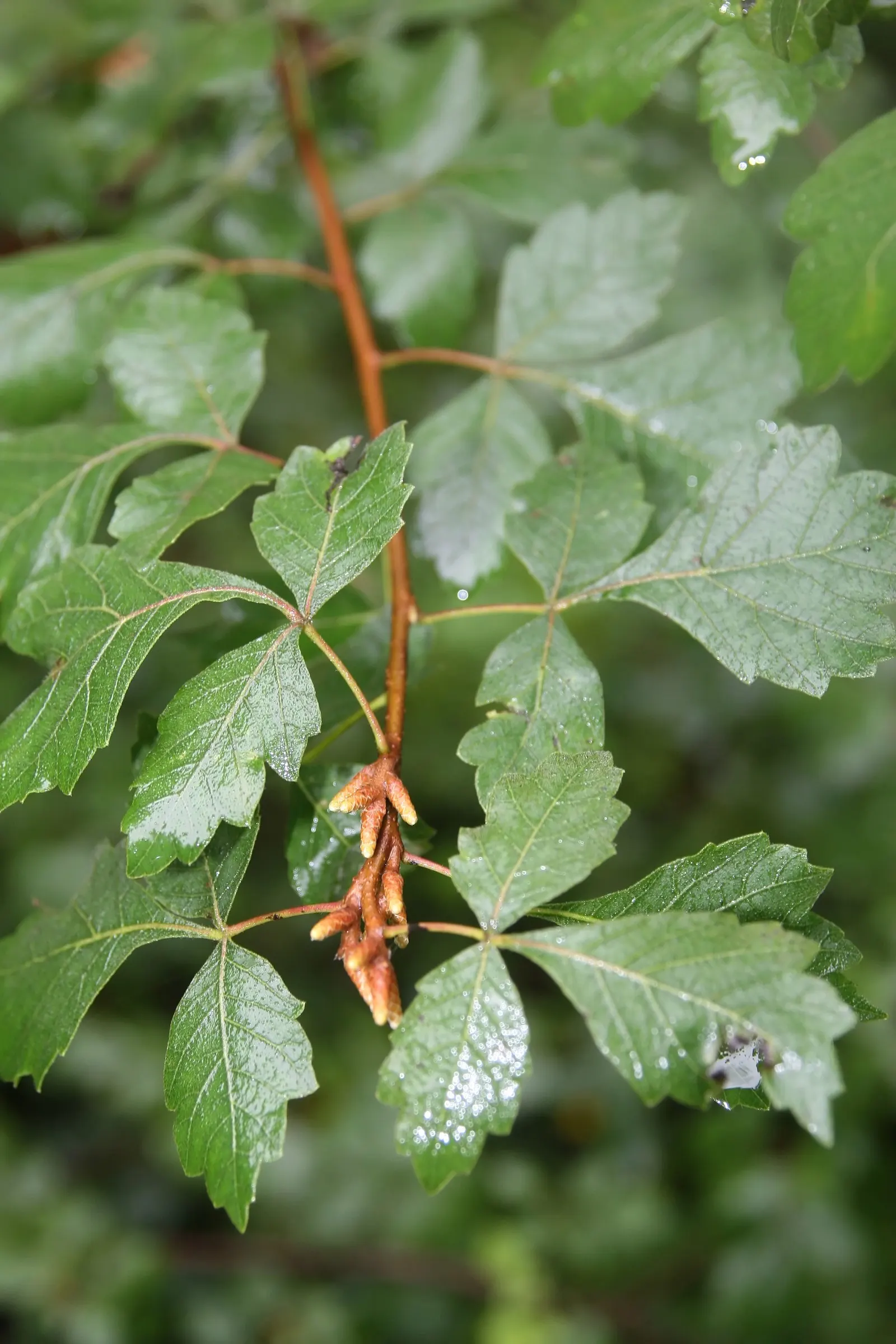
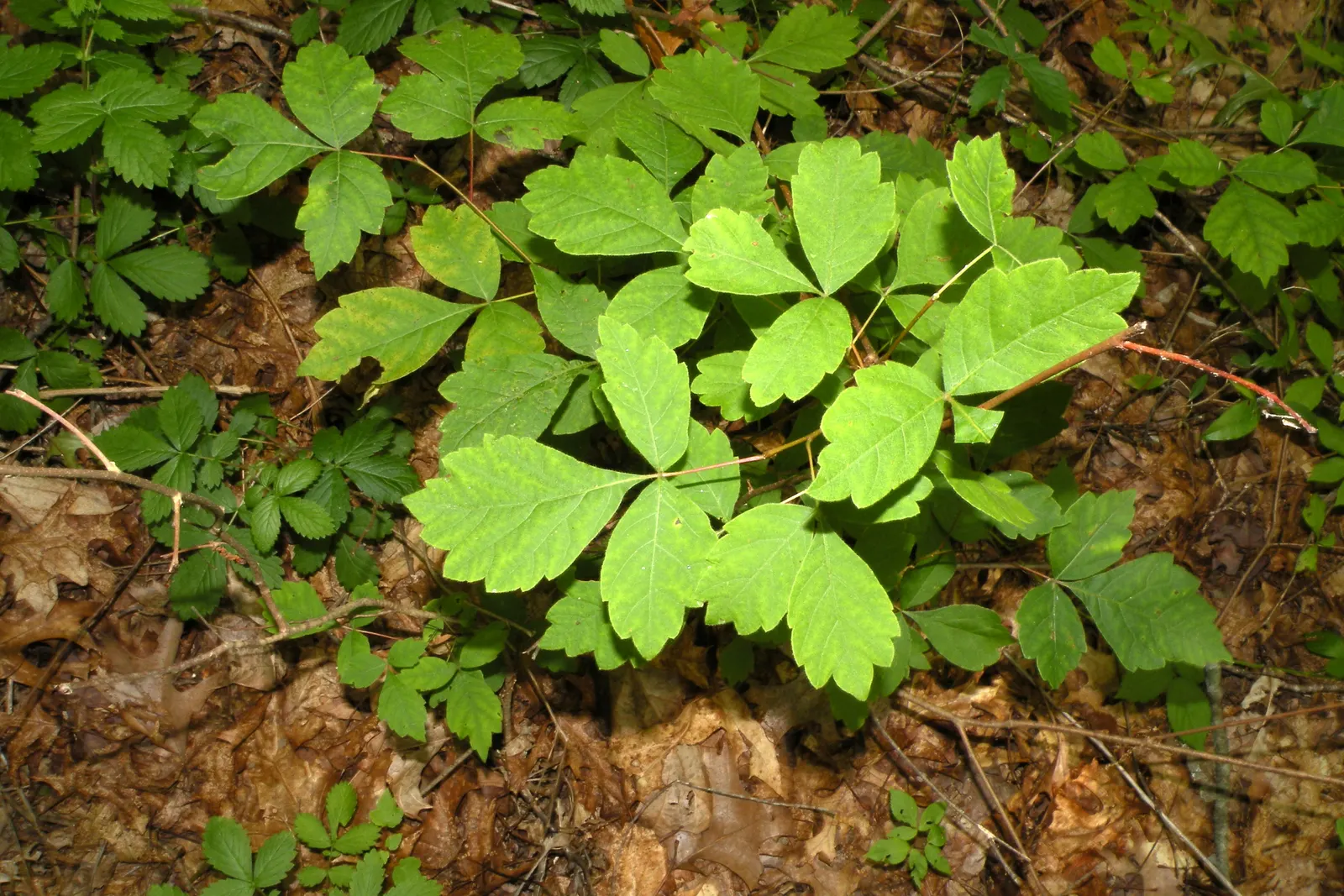
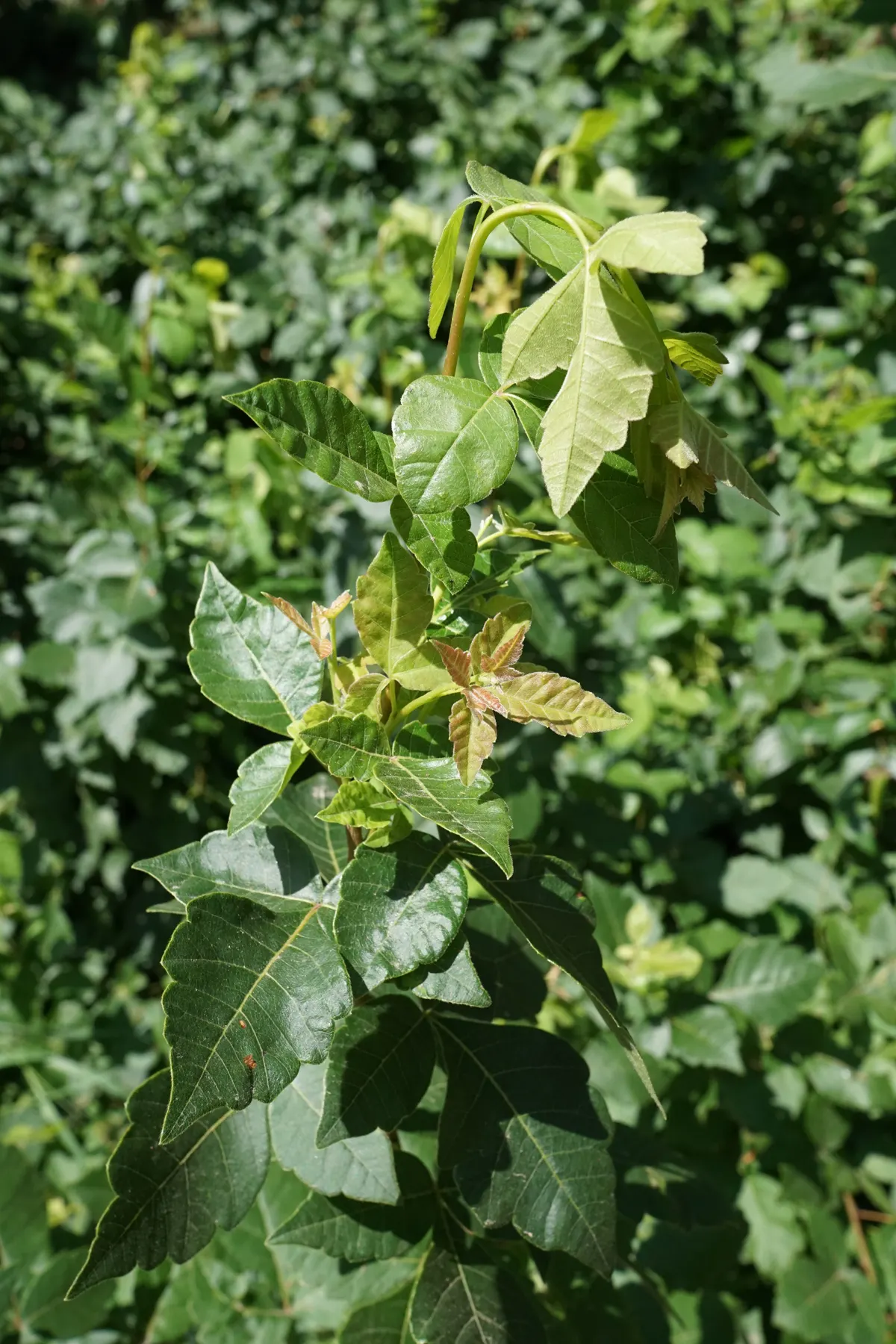
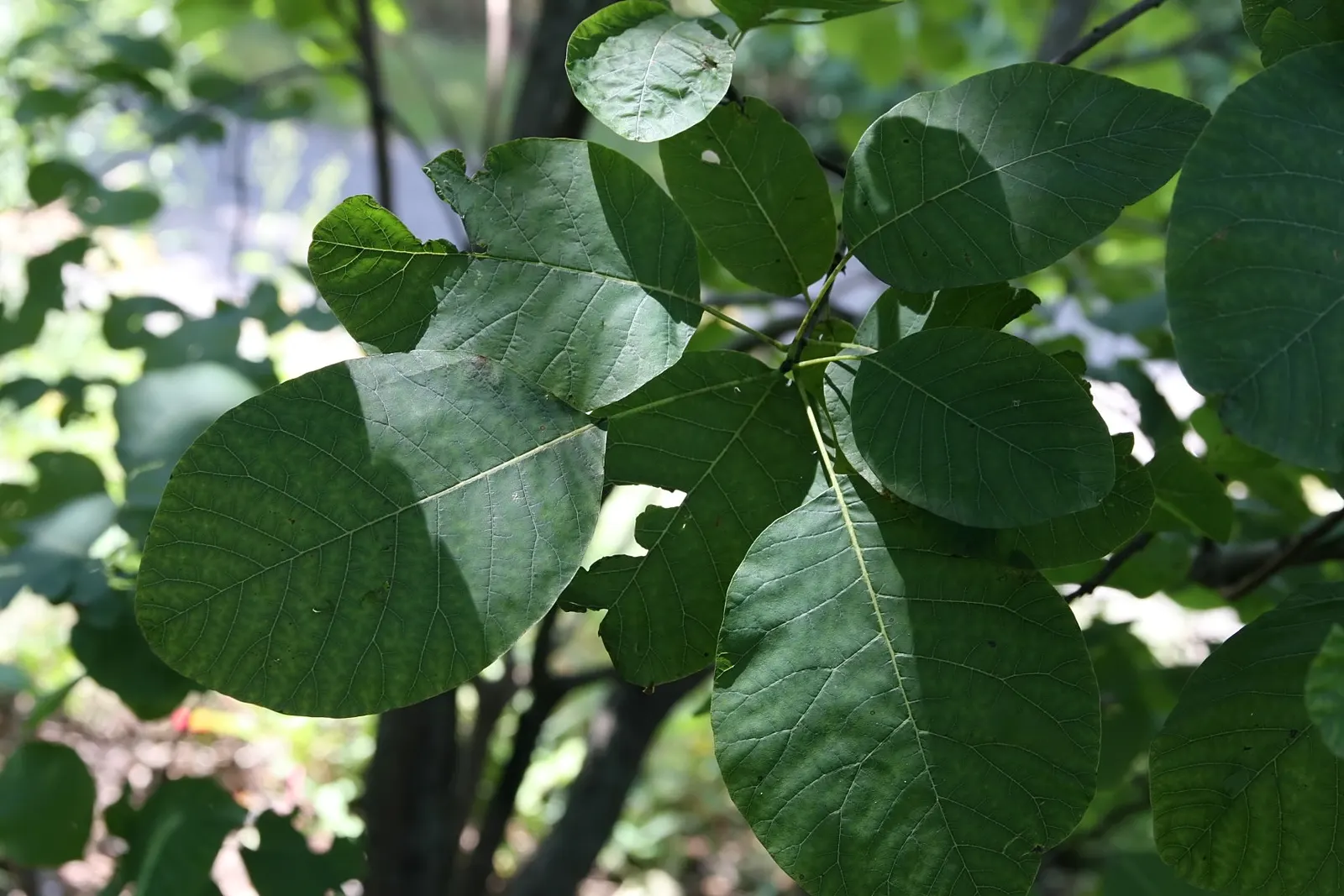
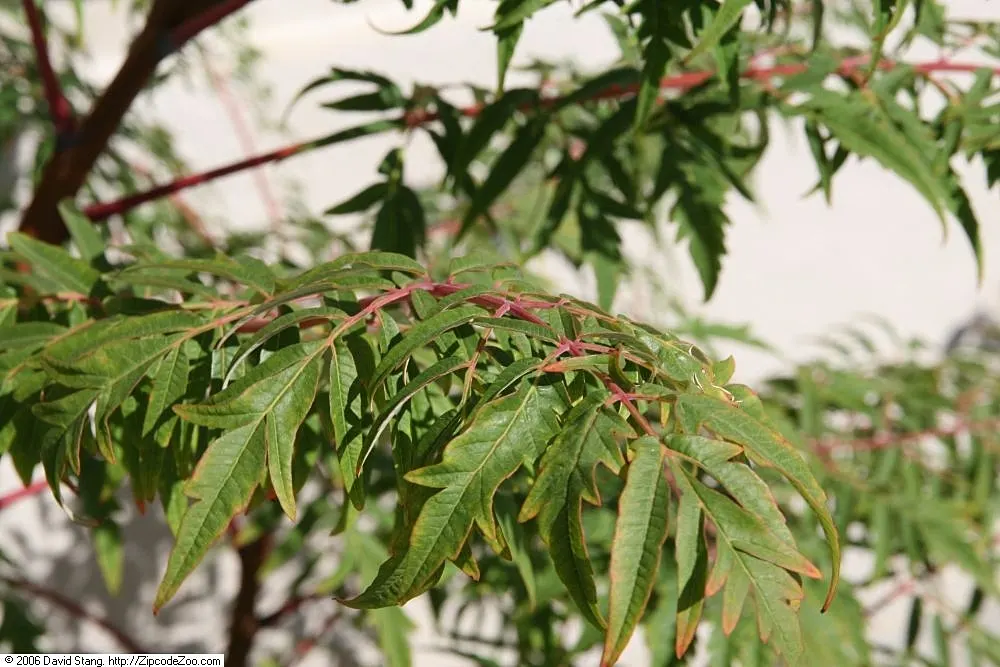
Fragrant Sumac (Rhus Aromatica) — Renowned for its aromatic foliage
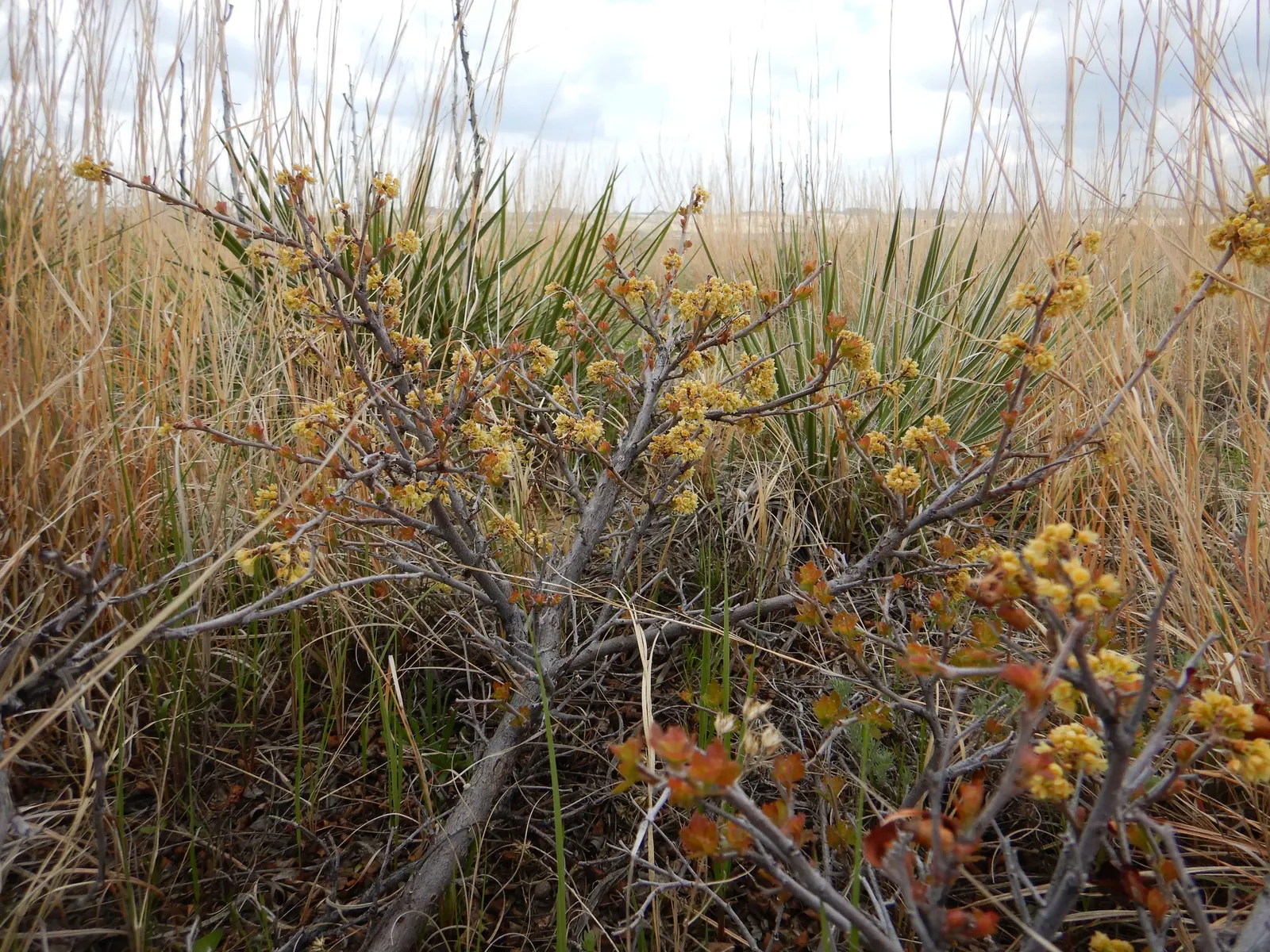
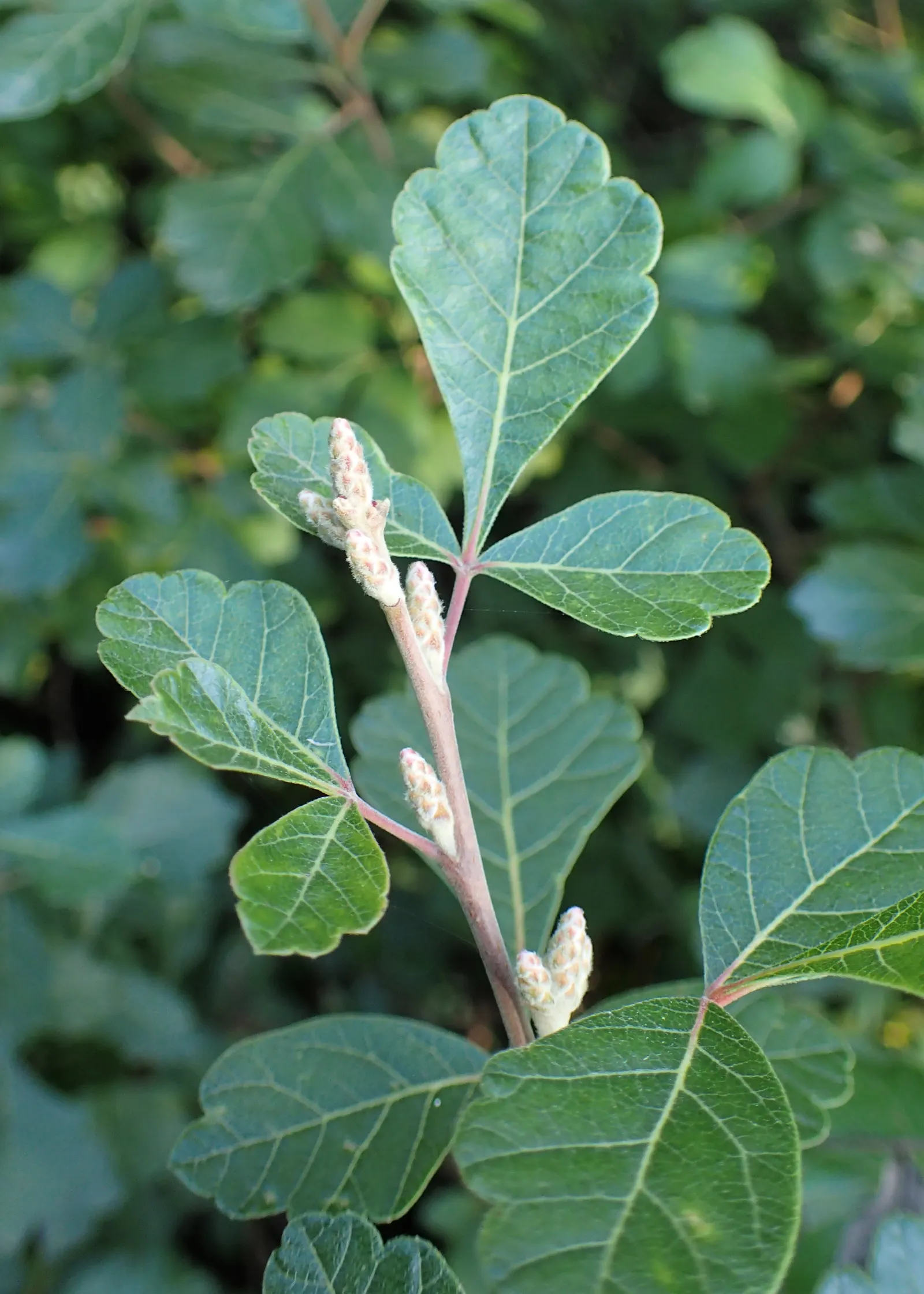
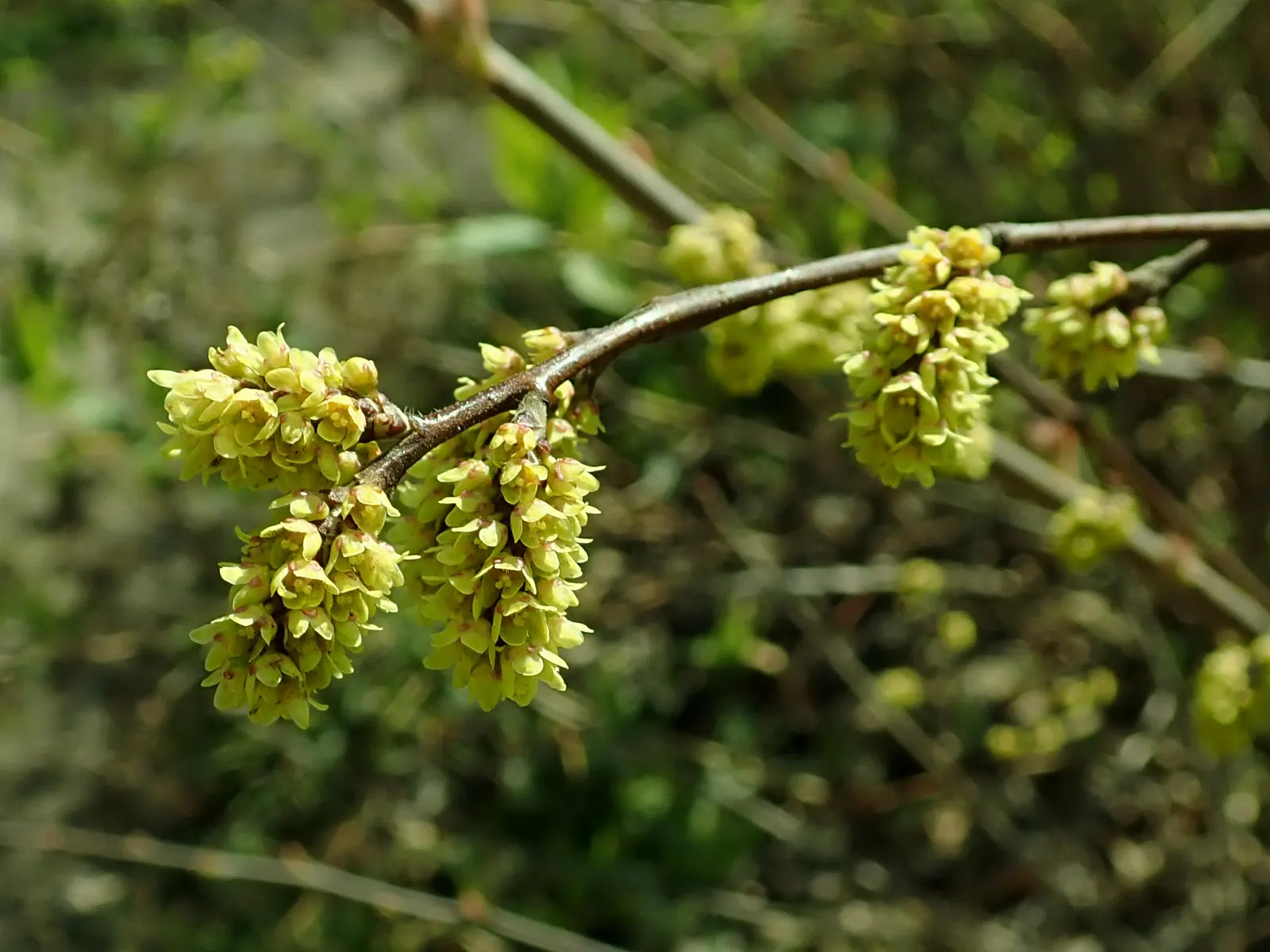
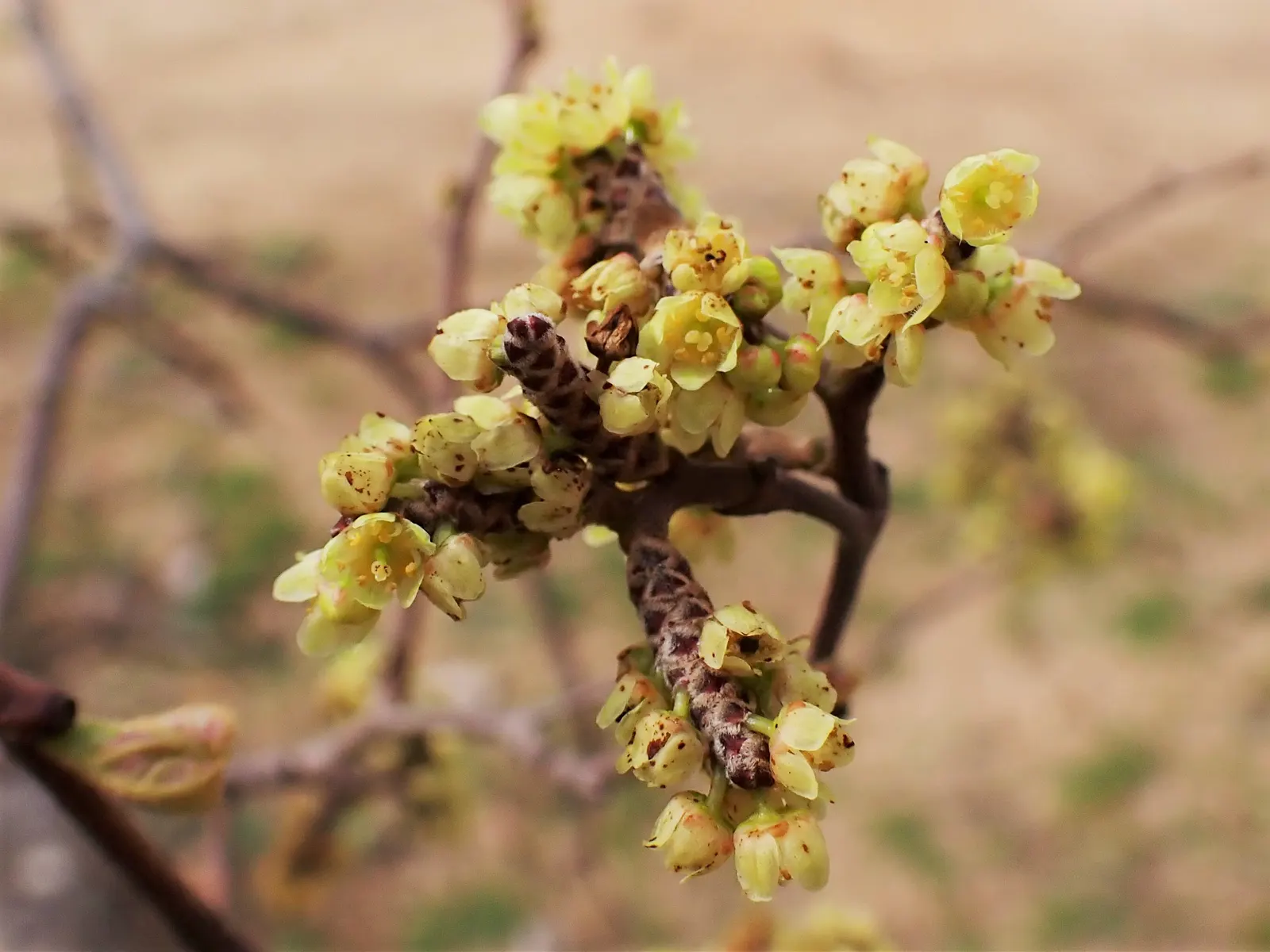
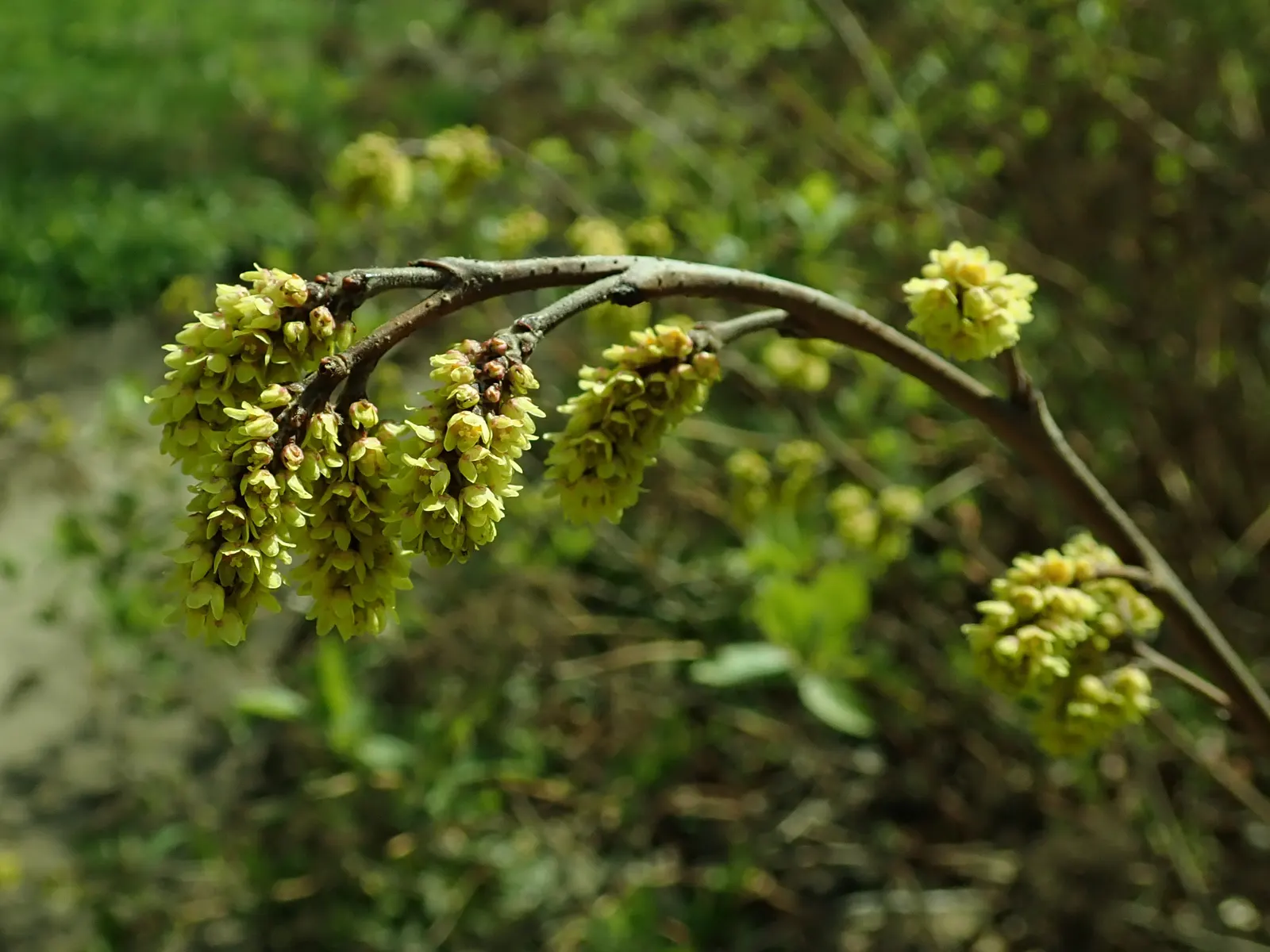
Fragrant Sumac (Rhus Aromatica) — white flowers in the garden; it boasts clusters of small yellow flowers in early spring before the leaves emerge
Fragrant Sumac (Rhus Aromatica) — it boasts clusters of small yellow flowers in early spring before the leaves emerge, image 46
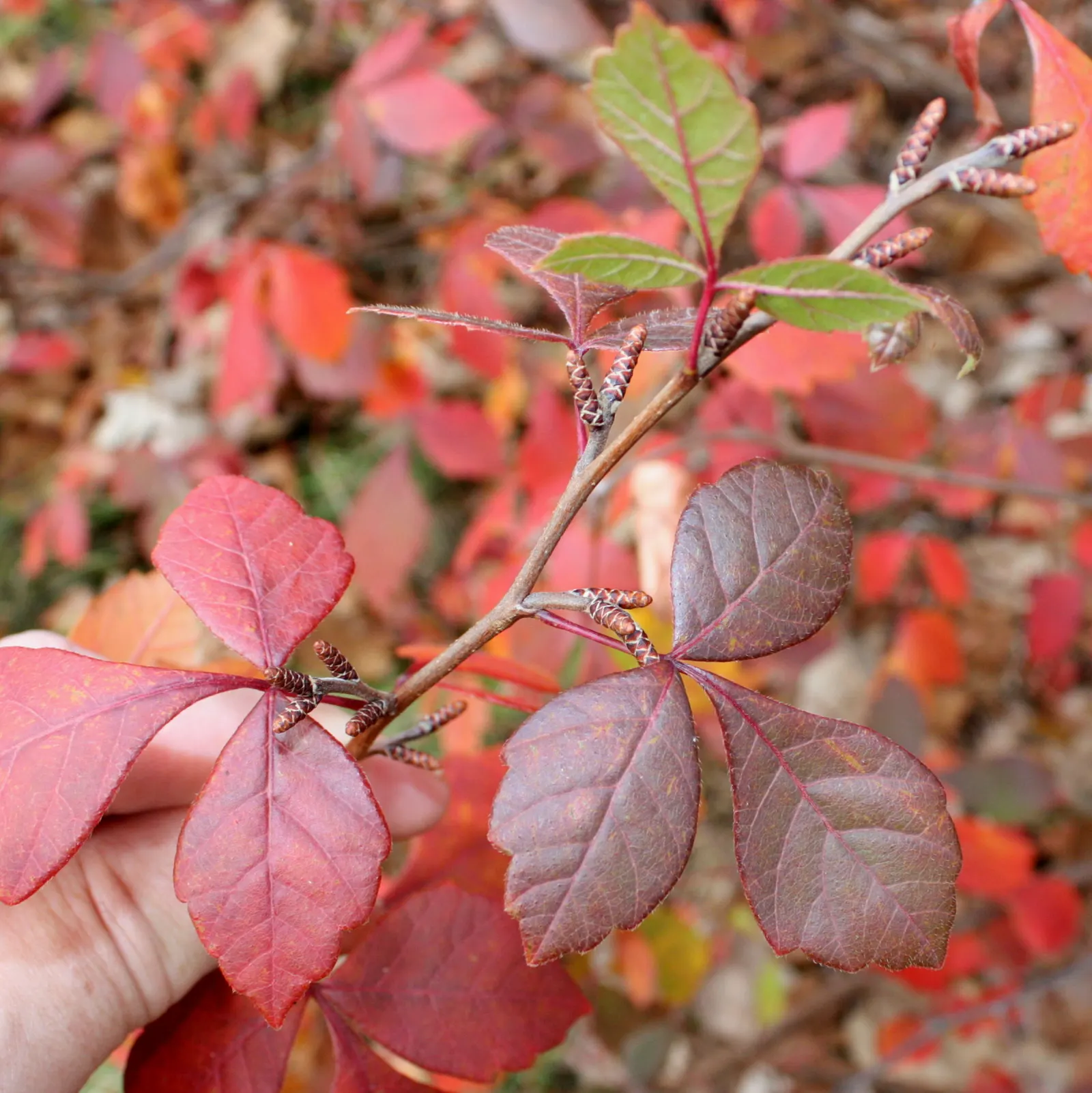
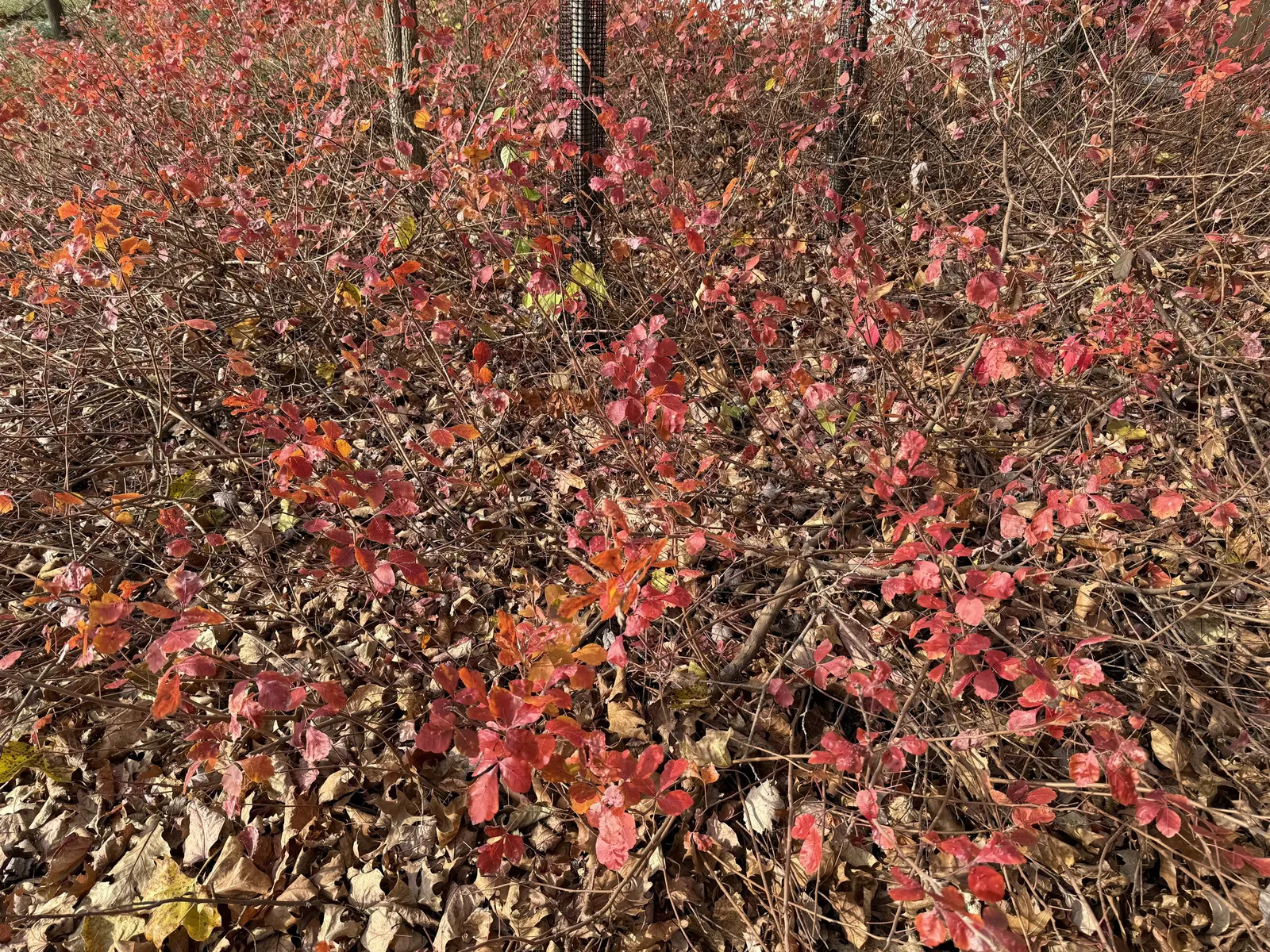
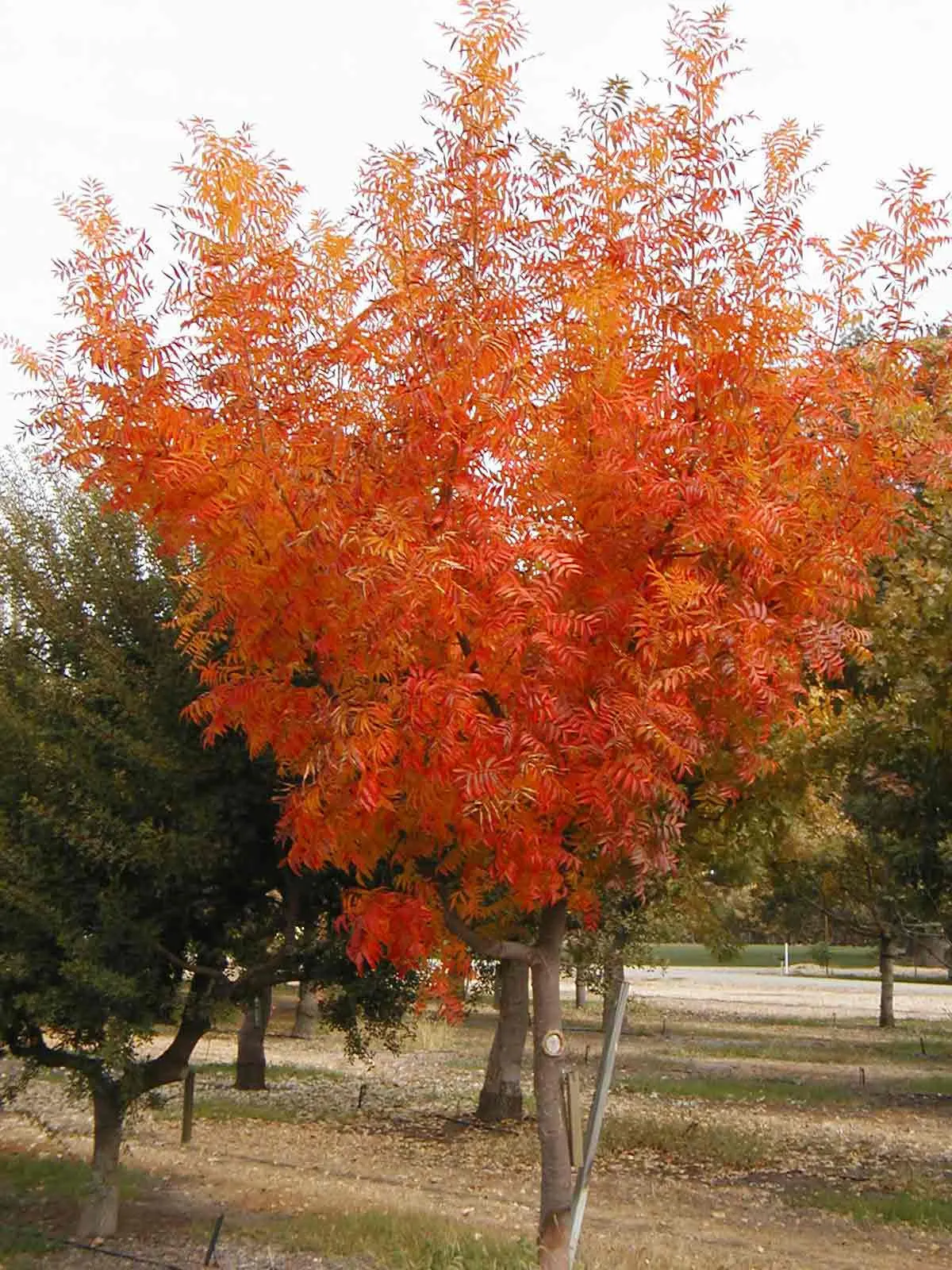
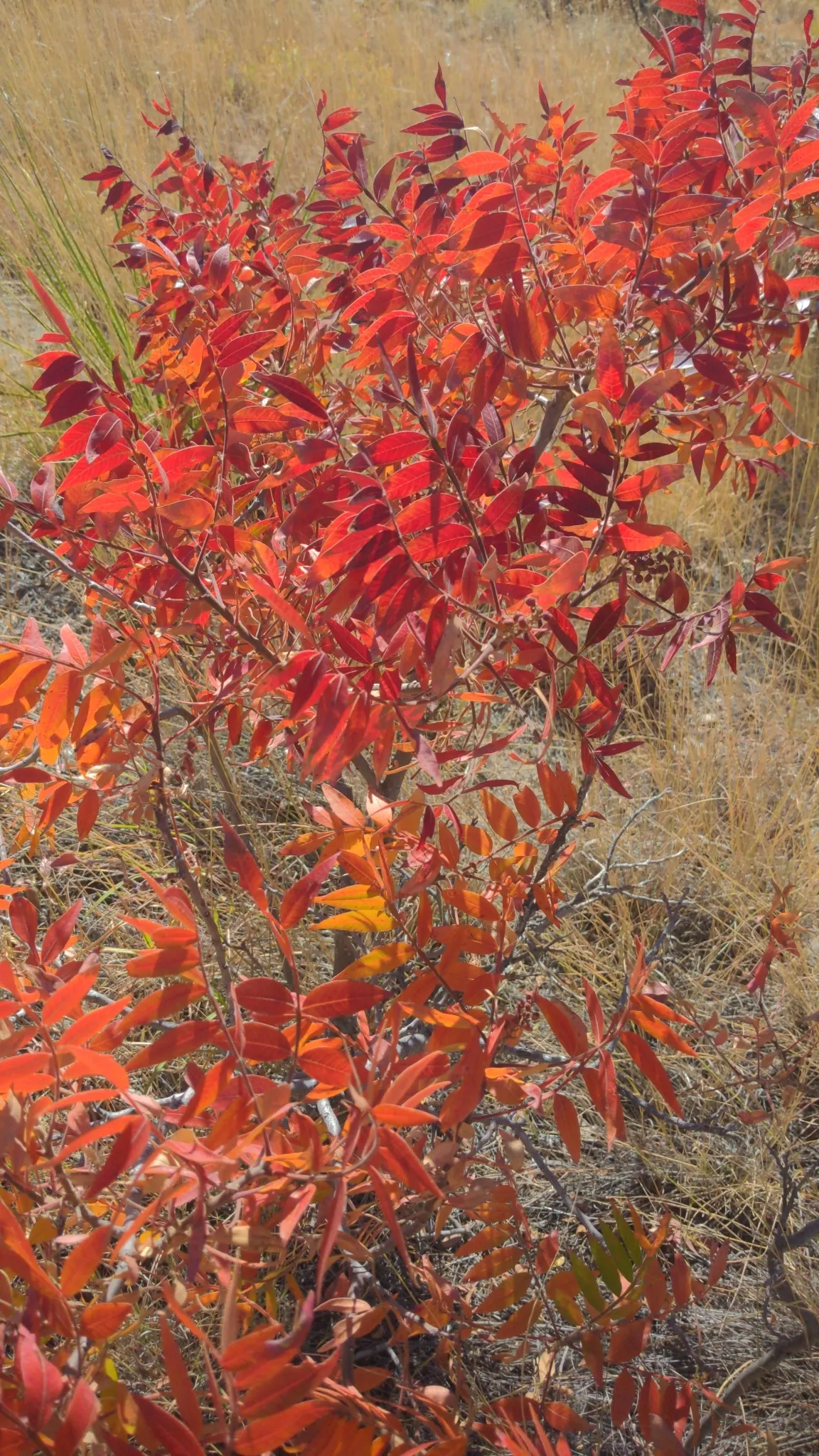
Fragrant Sumac (Rhus Aromatica) — which turns fiery red in fall; providing year-round interest and ecological benefits to garden spaces
Fragrant Sumac (Rhus Aromatica) — enhancing the autumnal palette of any landscape
Fragrant Sumac (Rhus Aromatica) — garden enthusiasts can relish the foliage's vibrant transformation to fiery shades of orange
Fragrant Sumac (Rhus Aromatica) — deciduous shrub reaching 2-6 feet in height with a similar spread; it boasts clusters of small yellow flowers in, image 43
Fragrant Sumac (Rhus Aromatica) — which emit a pleasant fragrance when crushed; providing year-round interest and ecological benefits to garden spaces
Fragrant Sumac (Rhus Aromatica) — enhancing the autumnal palette of any landscape, image 32
Fragrant Sumac (Rhus Aromatica) — garden enthusiasts can relish the foliage's vibrant transformation to fiery shades of orange; it boasts clusters of small
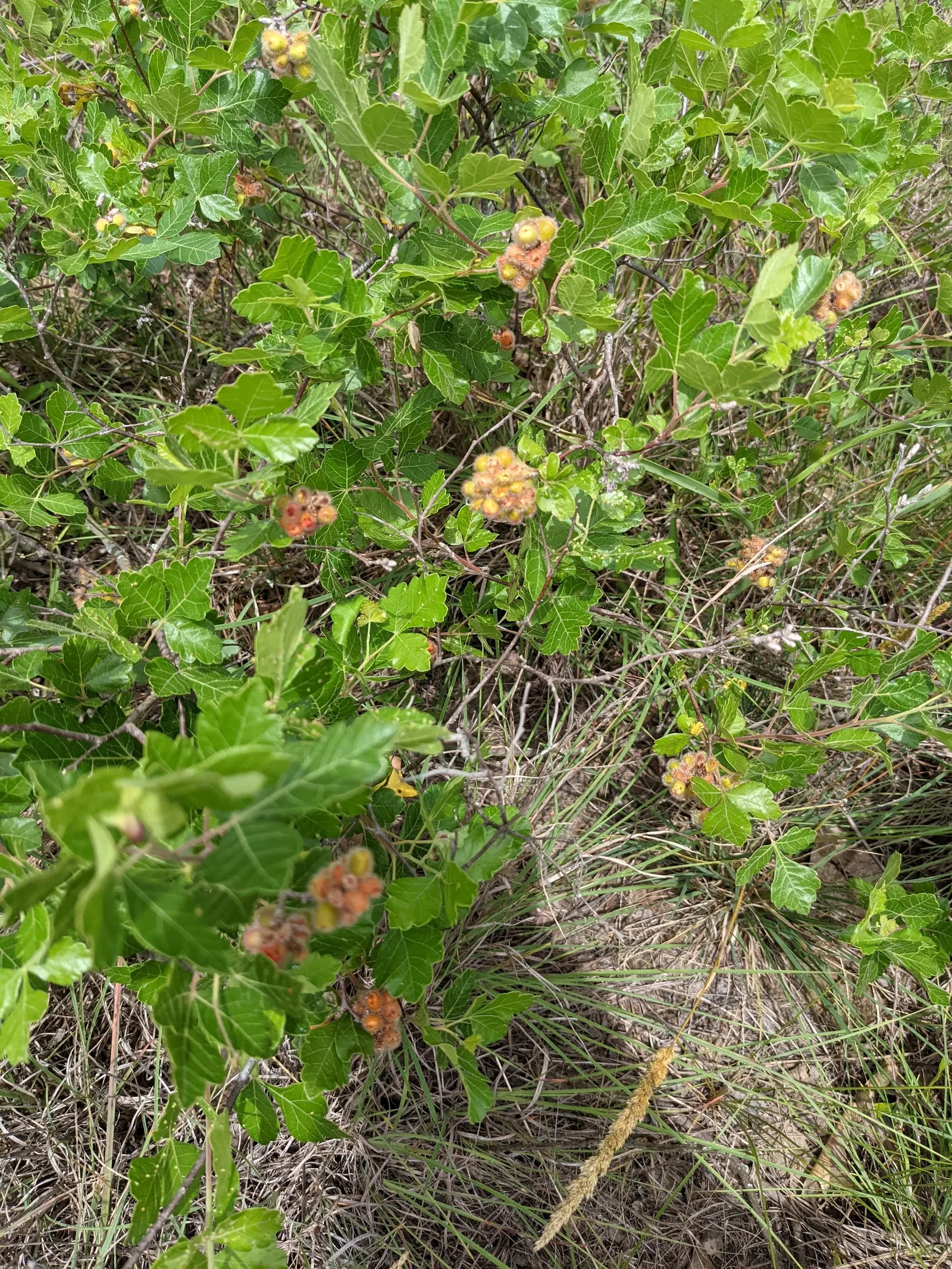
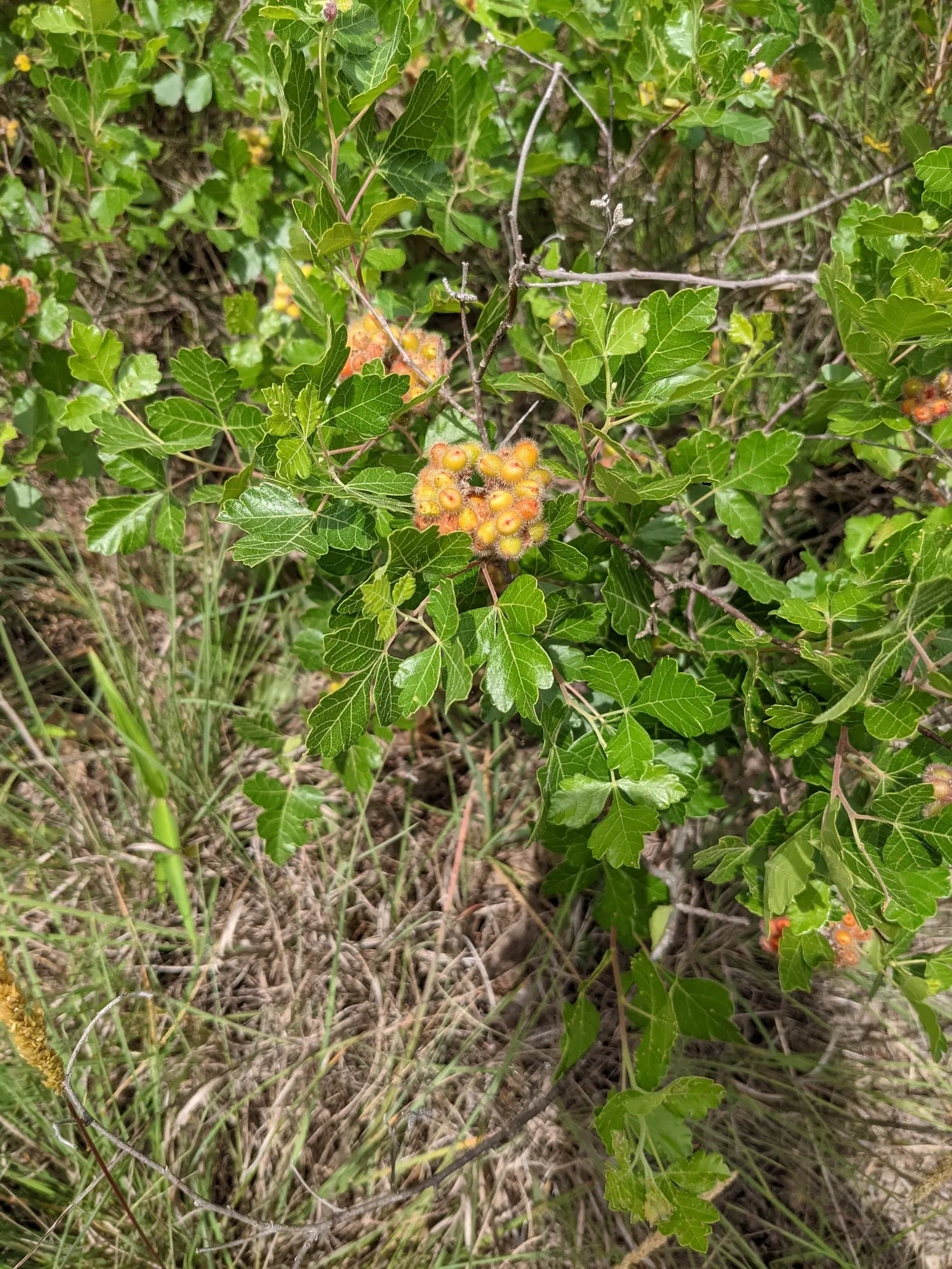
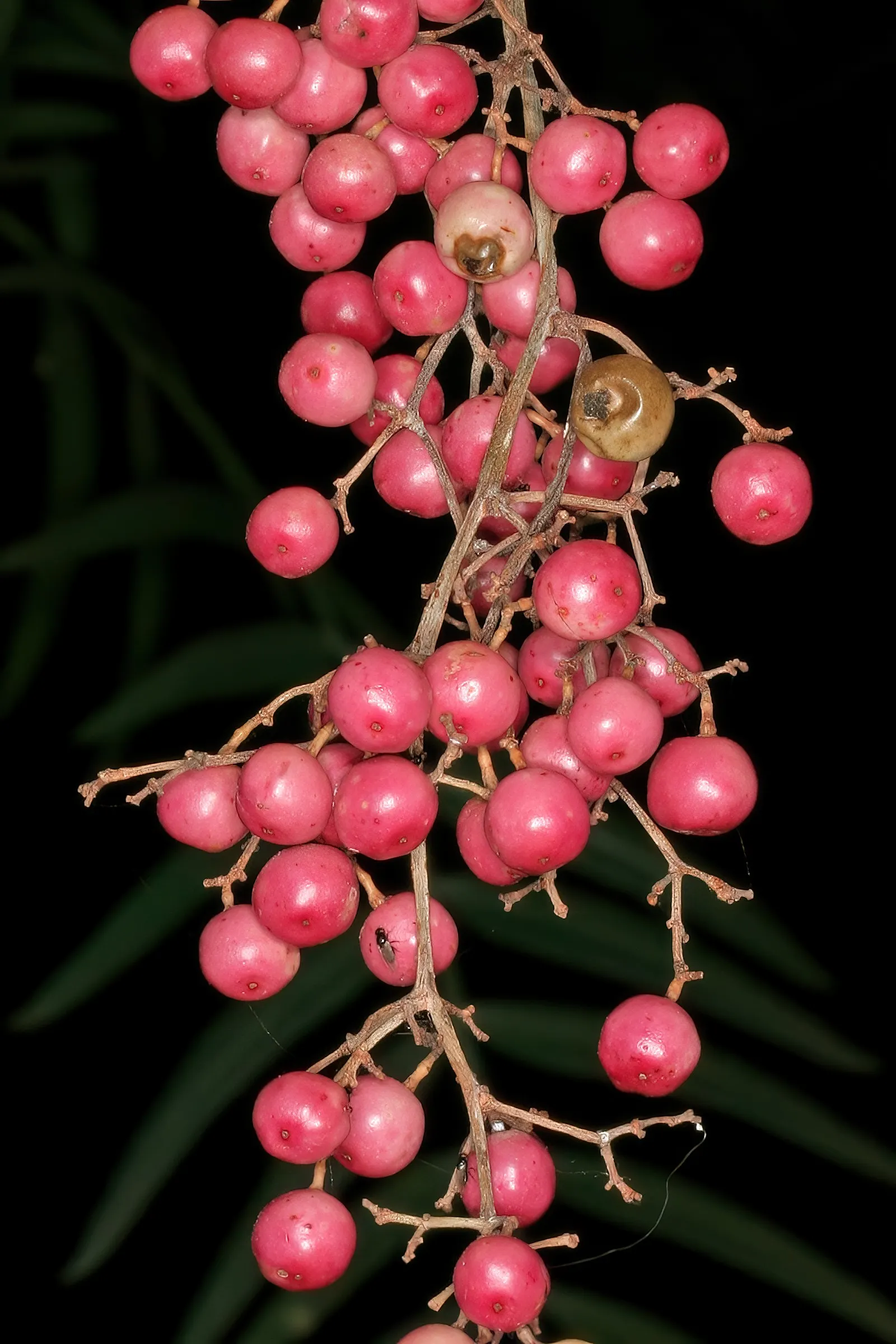
Fragrant Sumac (Rhus Aromatica) — followed by hairy red berries which persist into winter and attract a variety of wildlife; it boasts clusters of small yellow
Fragrant Sumac (Rhus Aromatica) — deciduous shrub reaching 2-6 feet in height with a similar spread; it boasts clusters of small yellow flowers in, image 64
Fragrant Sumac (Rhus Aromatica) — making it an excellent candidate for challenging growing conditions; providing year-round interest and ecological, image 57
Fragrant Sumac (Rhus Aromatica) — it boasts clusters of small yellow flowers in early spring before the leaves emerge, image 25
Fragrant Sumac (Rhus Aromatica) — This low-maintenance native thrives in zones 3-9; enhancing the autumnal palette of any landscape, image 68
Fragrant Sumac (Rhus Aromatica) — It is highly tolerant of drought; enhancing the autumnal palette of any landscape
Fragrant Sumac (Rhus Aromatica) — providing year-round interest and ecological benefits to garden spaces, image 60
Fragrant Sumac (Rhus Aromatica) — This low-maintenance native thrives in zones 3-9; enhancing the autumnal palette of any landscape, image 47
Fragrant Sumac (Rhus Aromatica) — making it ideal for naturalized or erosion-prone areas
Fragrant Sumac (Rhus Aromatica) — making it ideal for naturalized or erosion-prone areas; it boasts clusters of small yellow flowers in early spring before the
Fragrant Sumac (Rhus Aromatica) — which emit a pleasant fragrance when crushed
Photographs by 12 contributors

Related plants