Skip to content

Prairie Coneflower

Ratibida Pinnata

Design with this plant

Overview

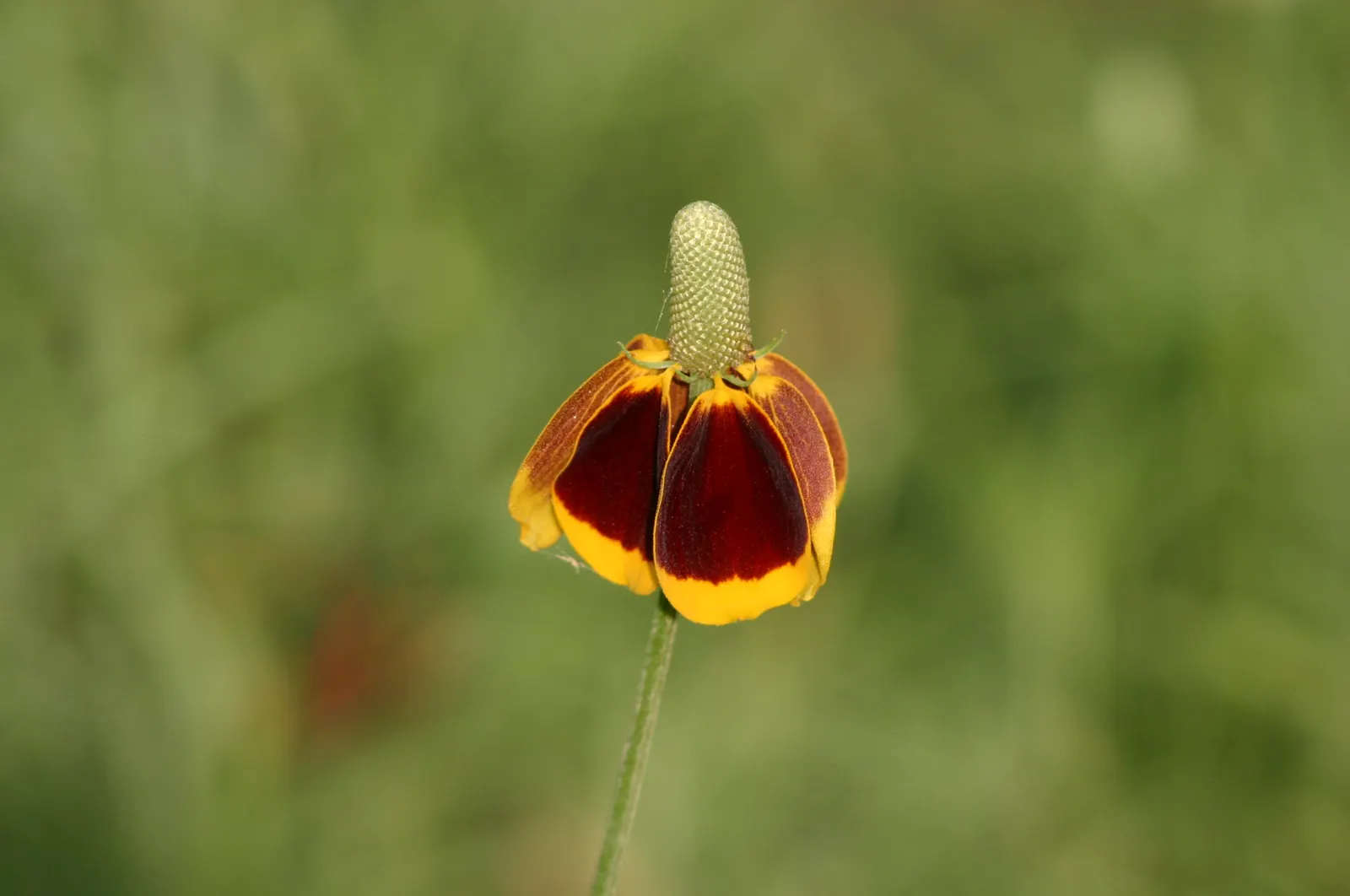
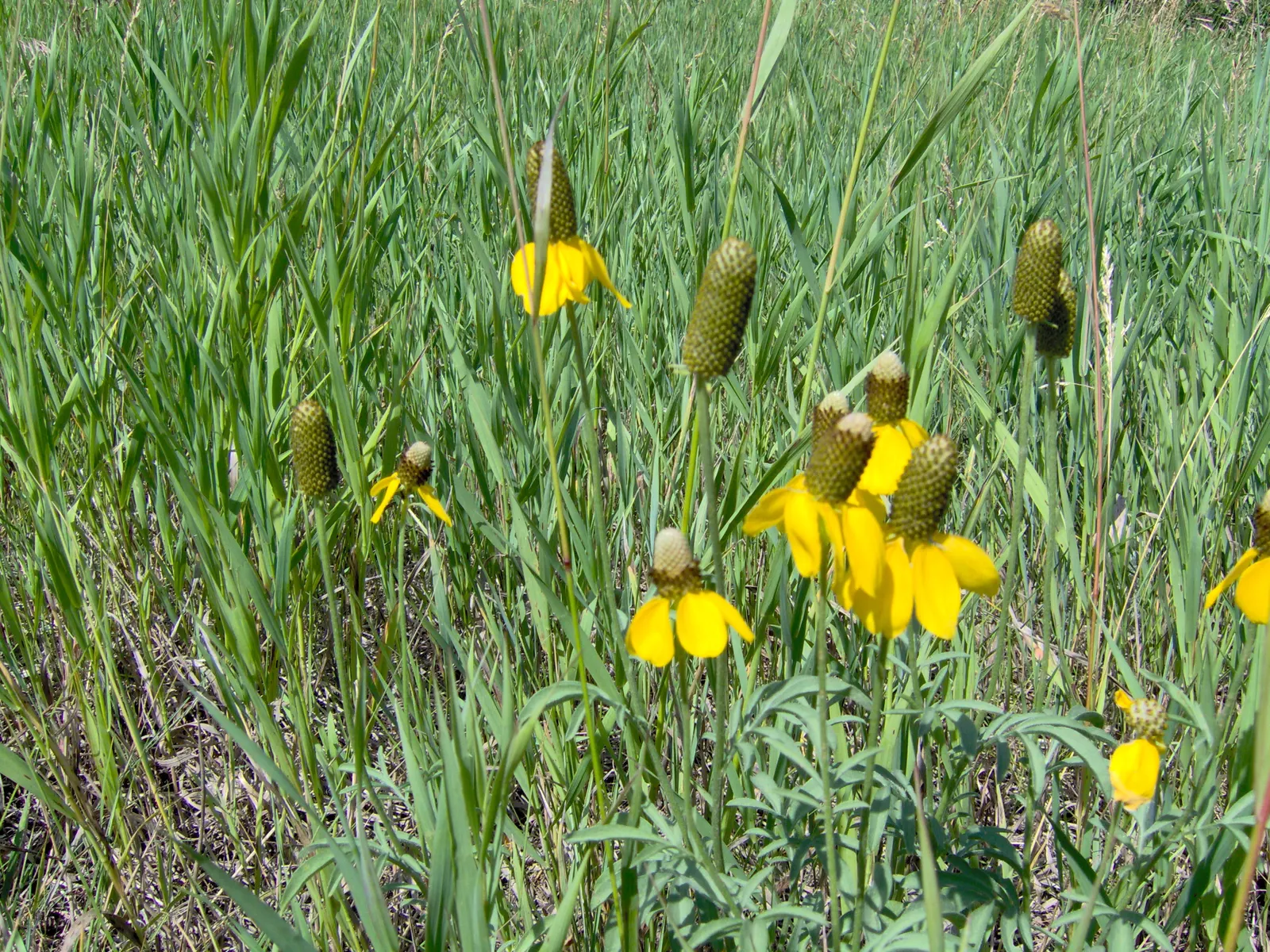
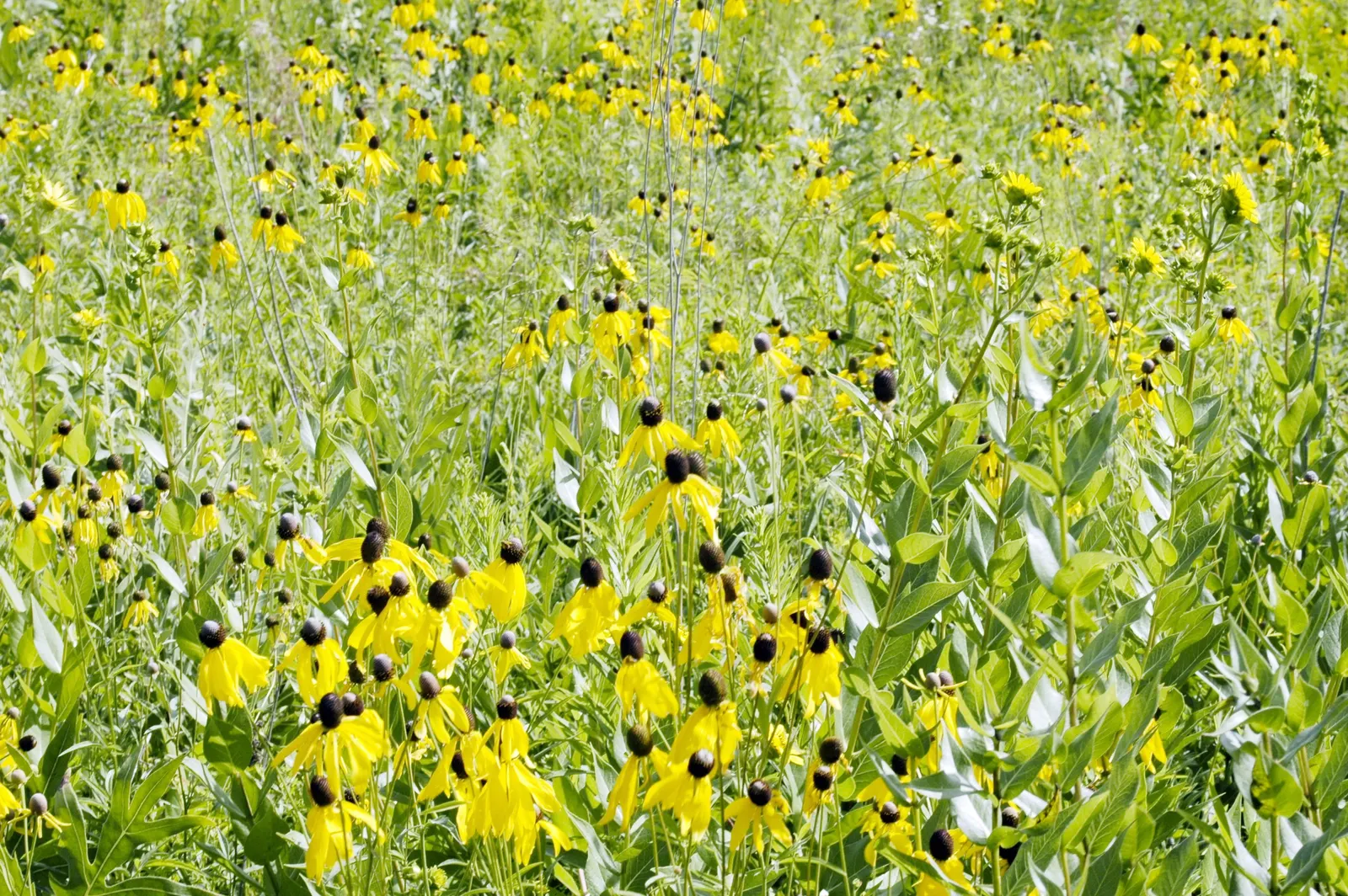
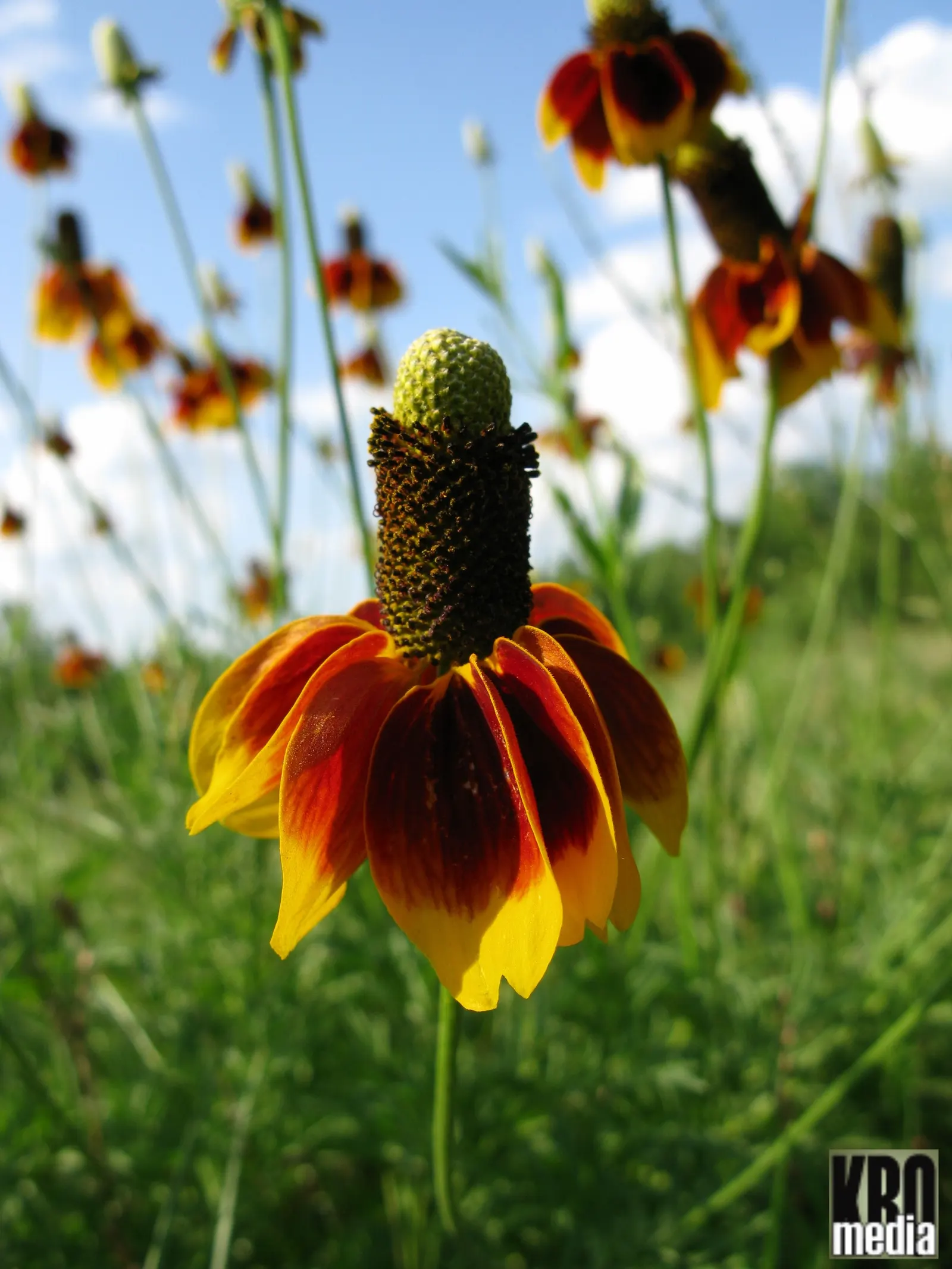
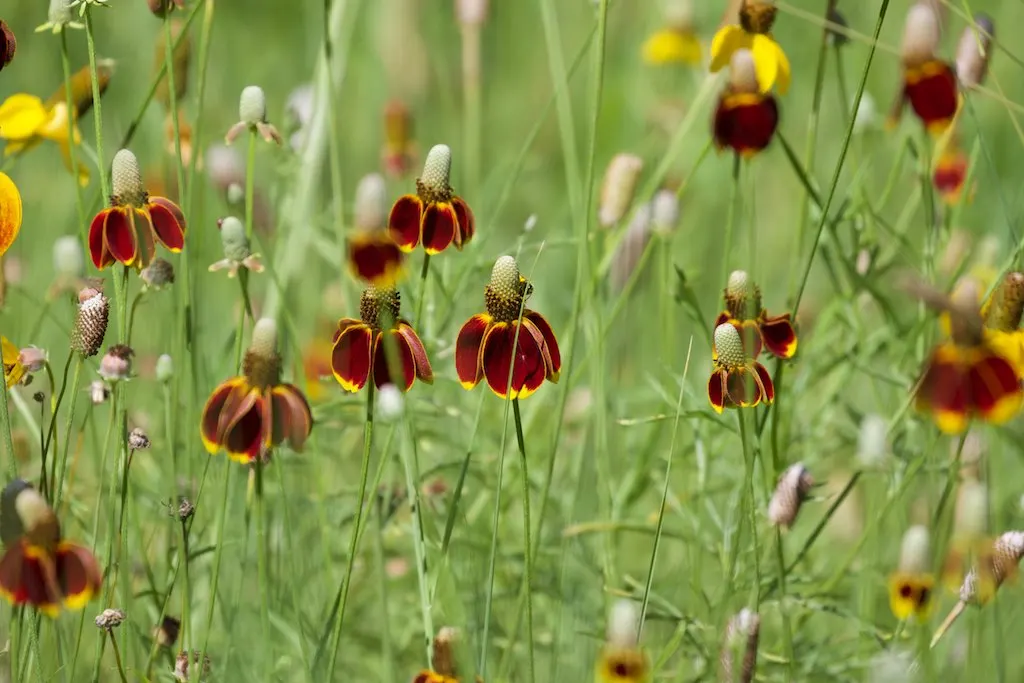
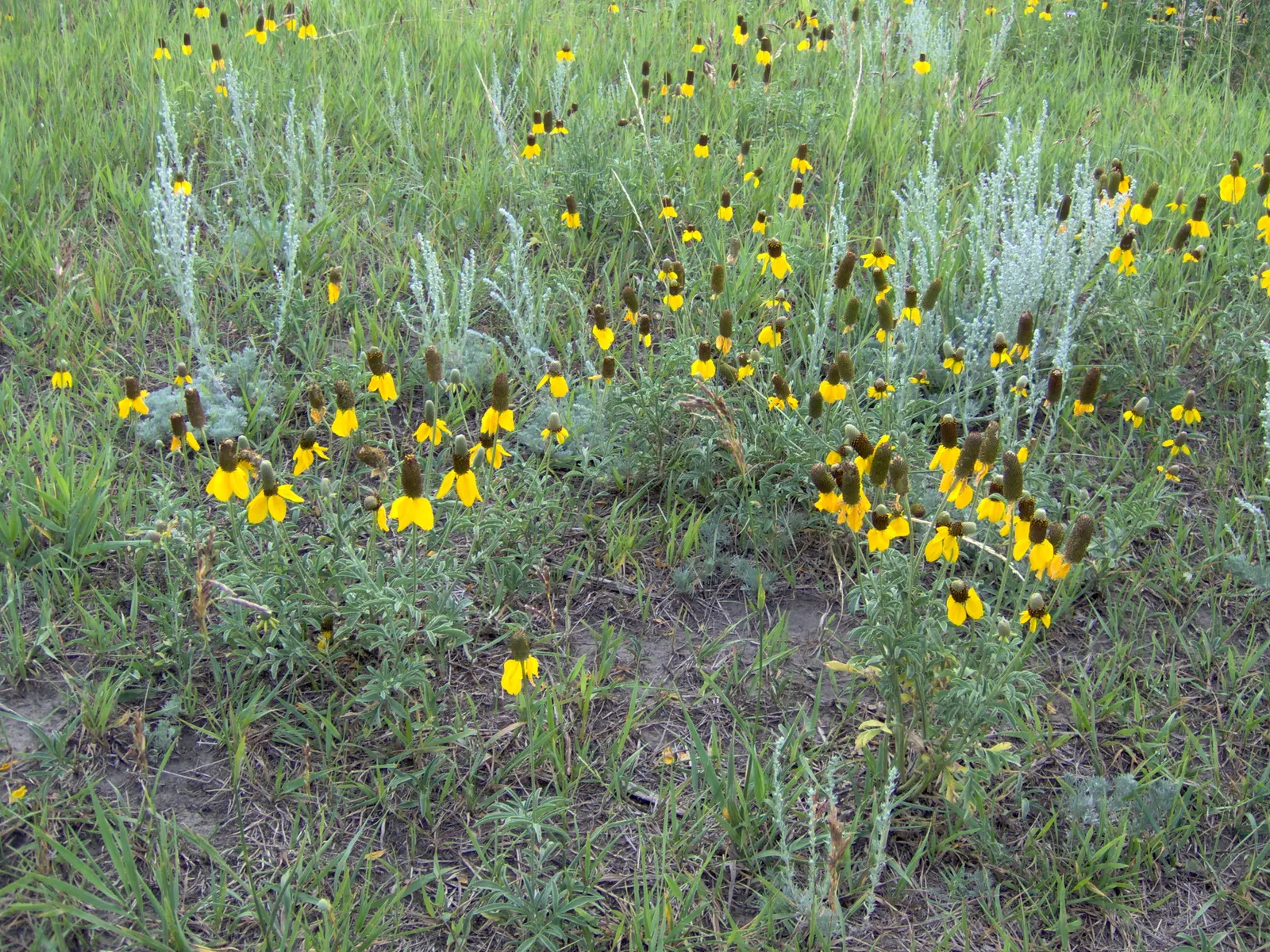
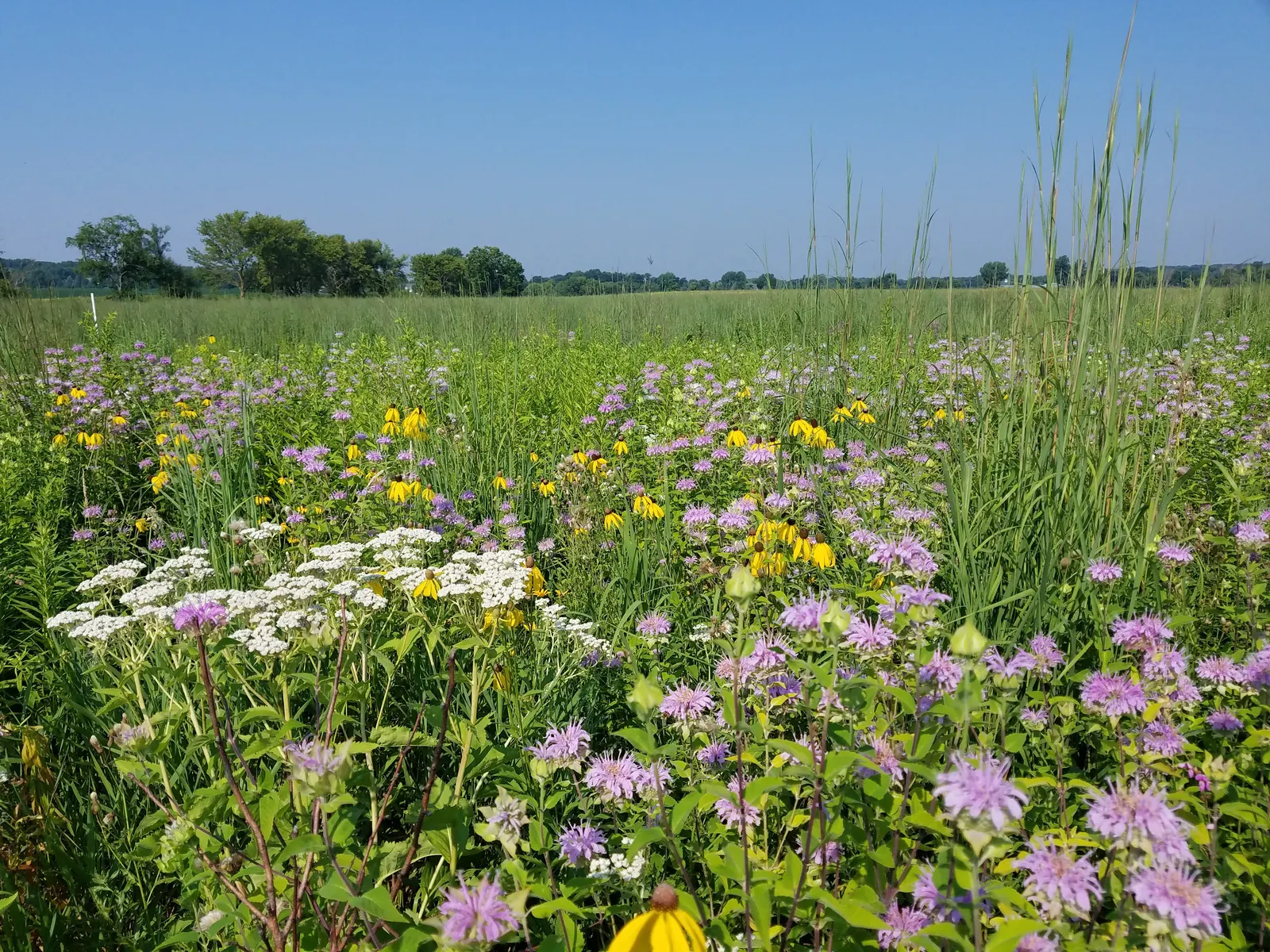
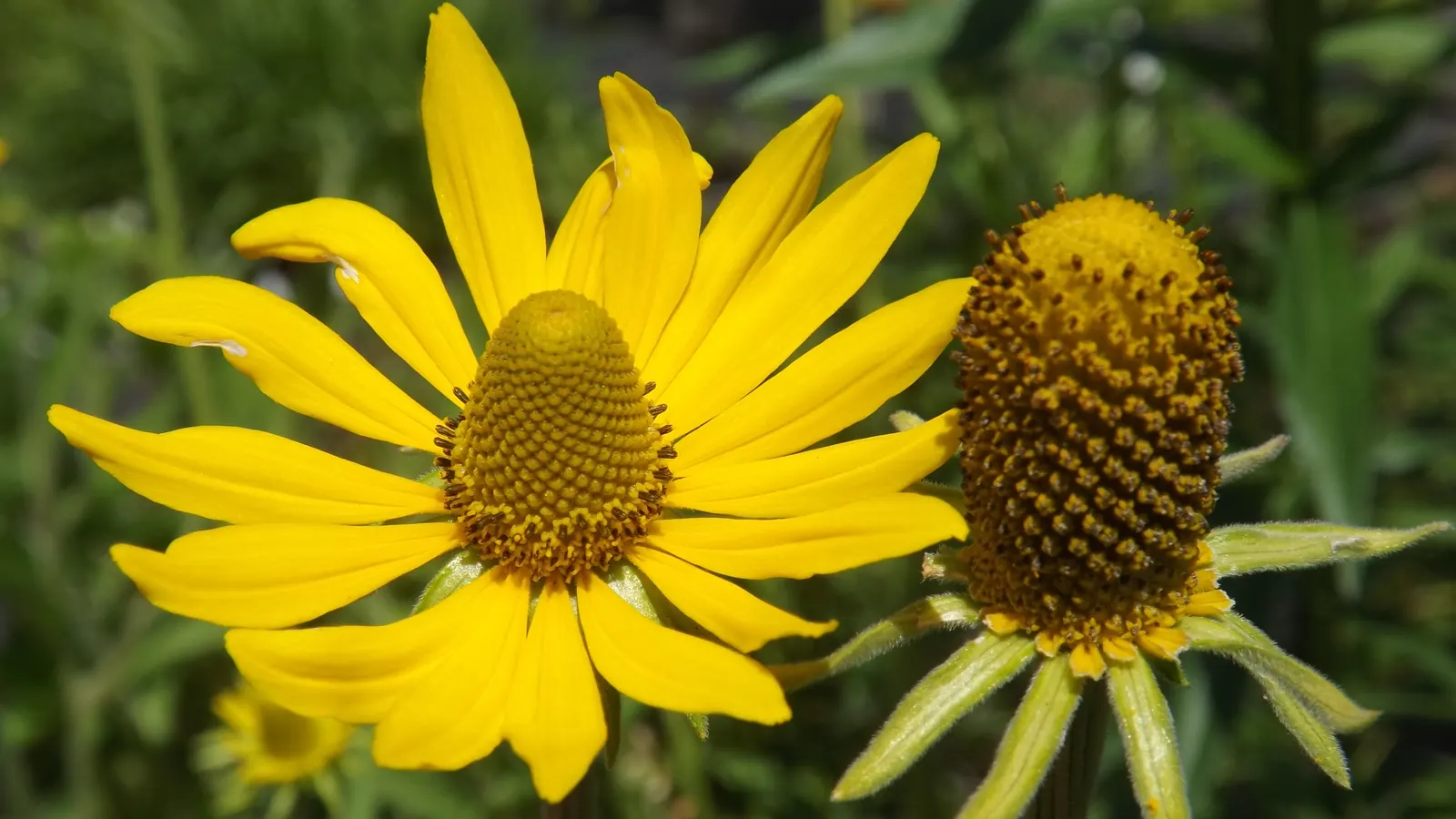
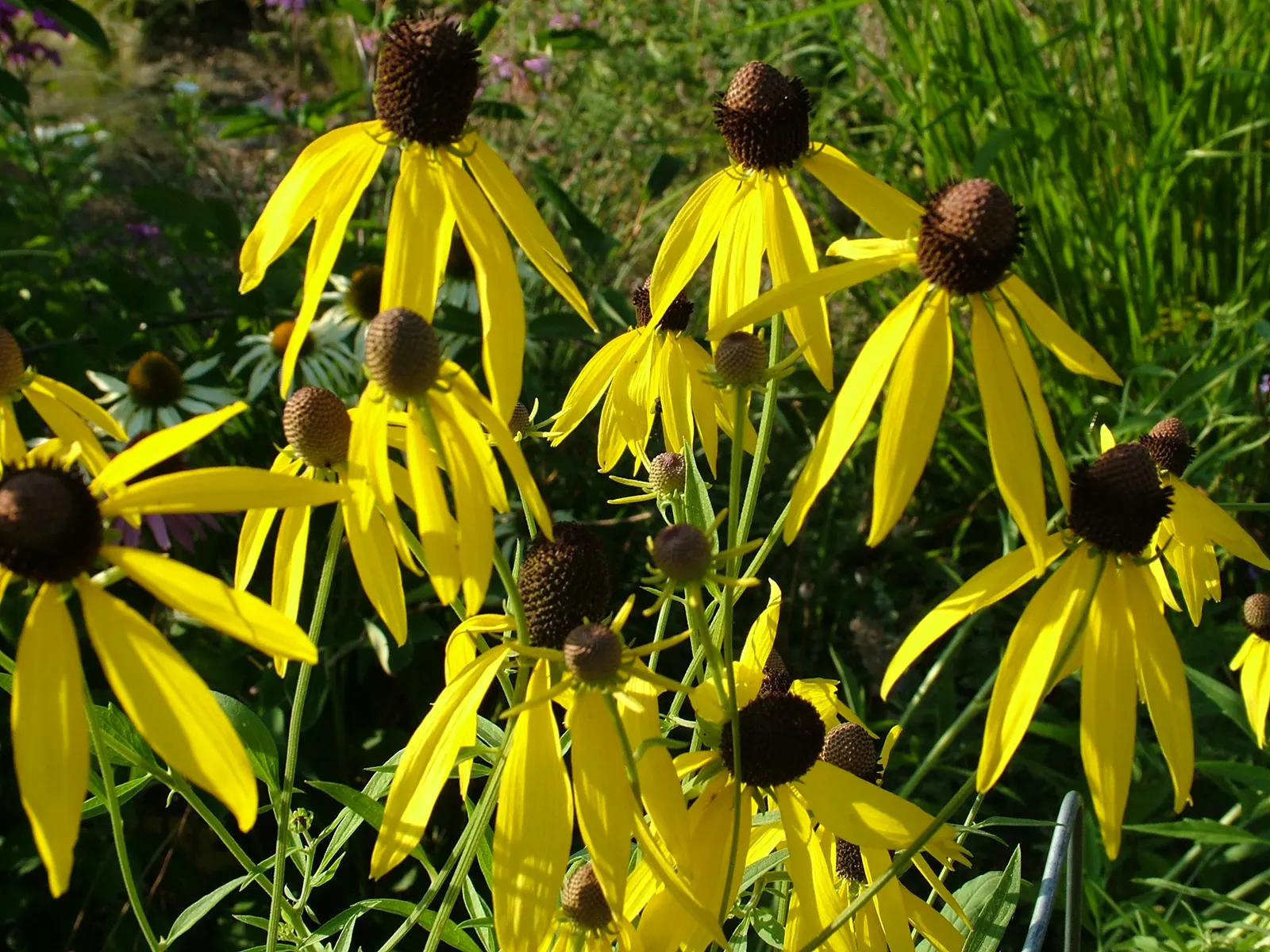
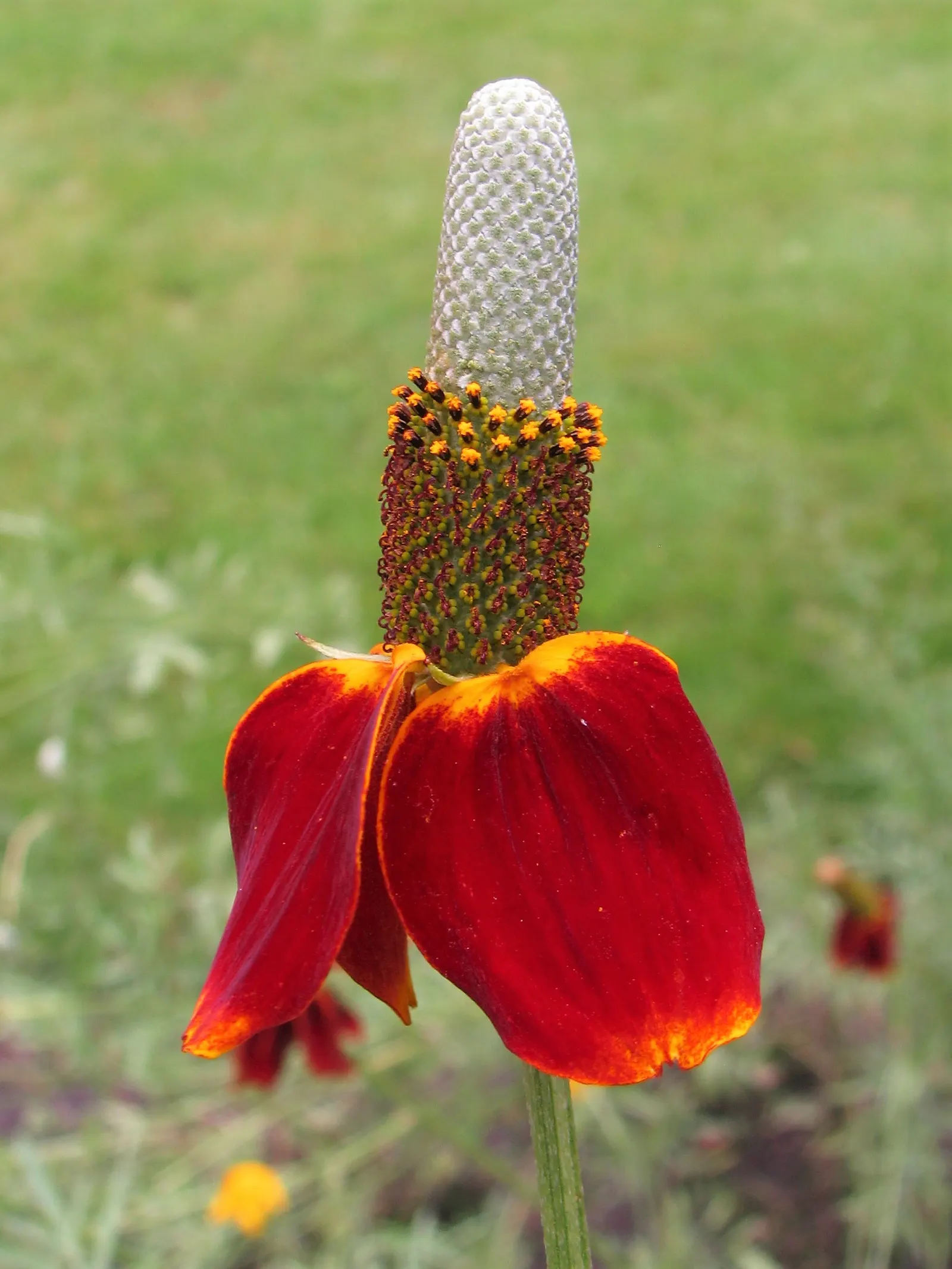
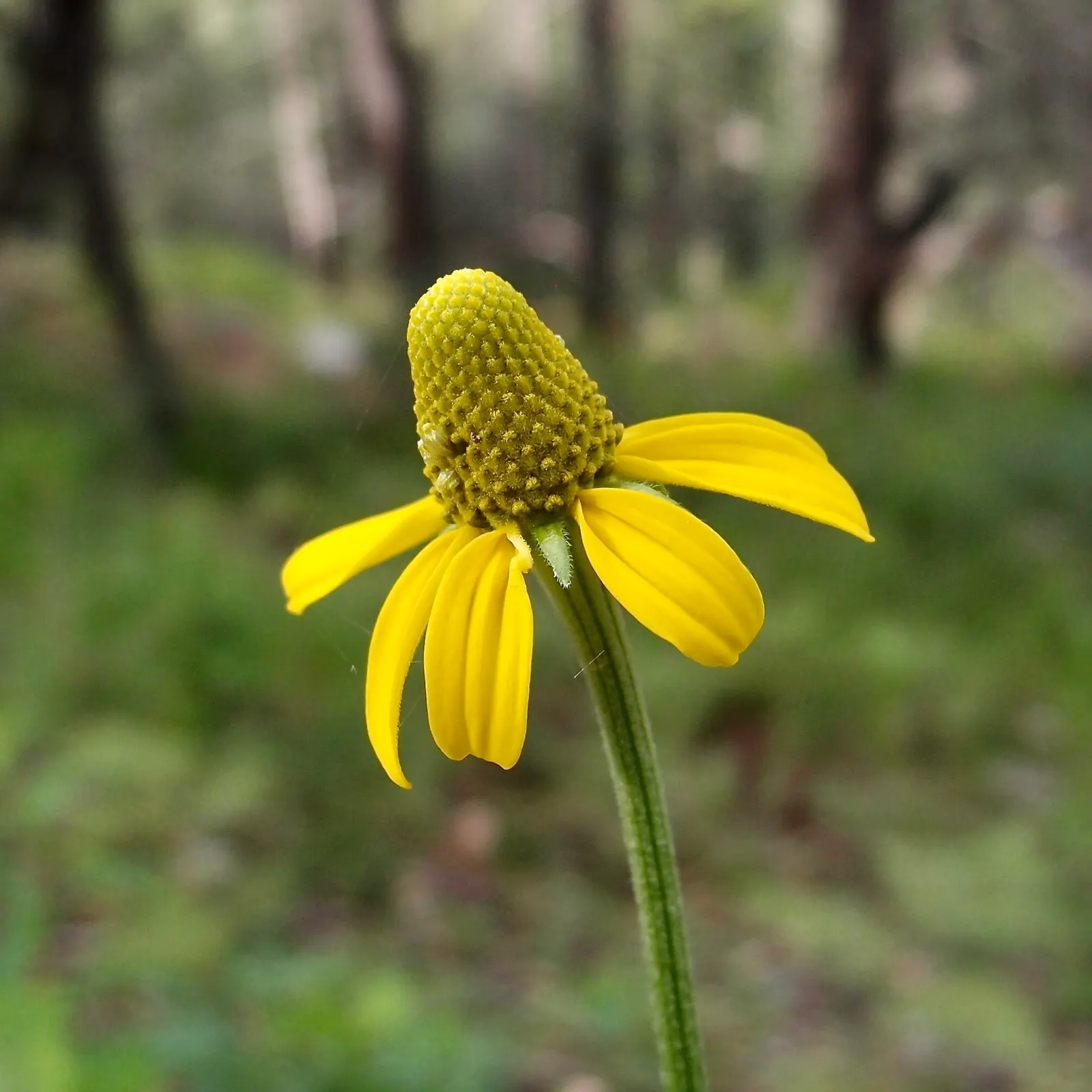
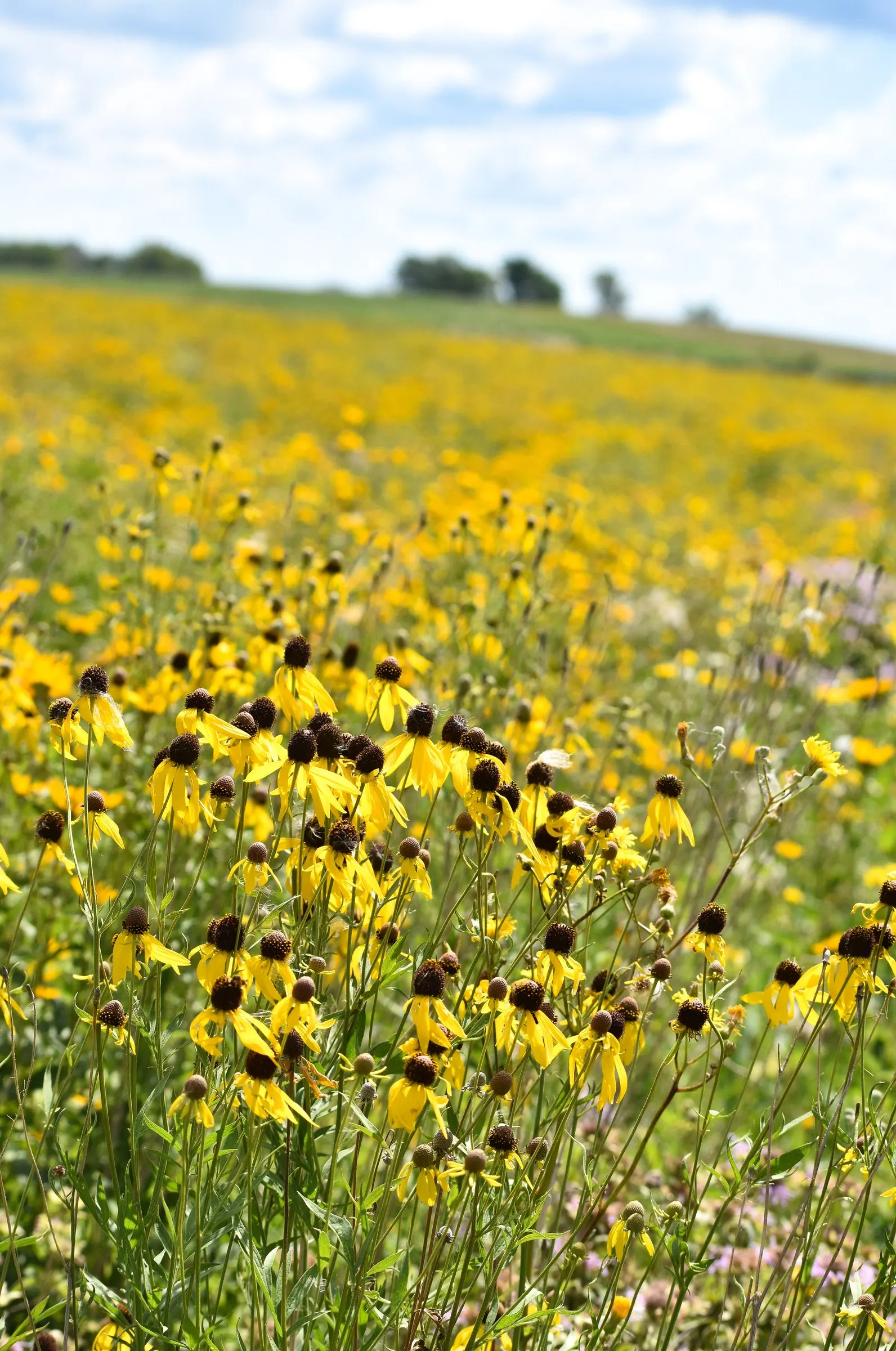
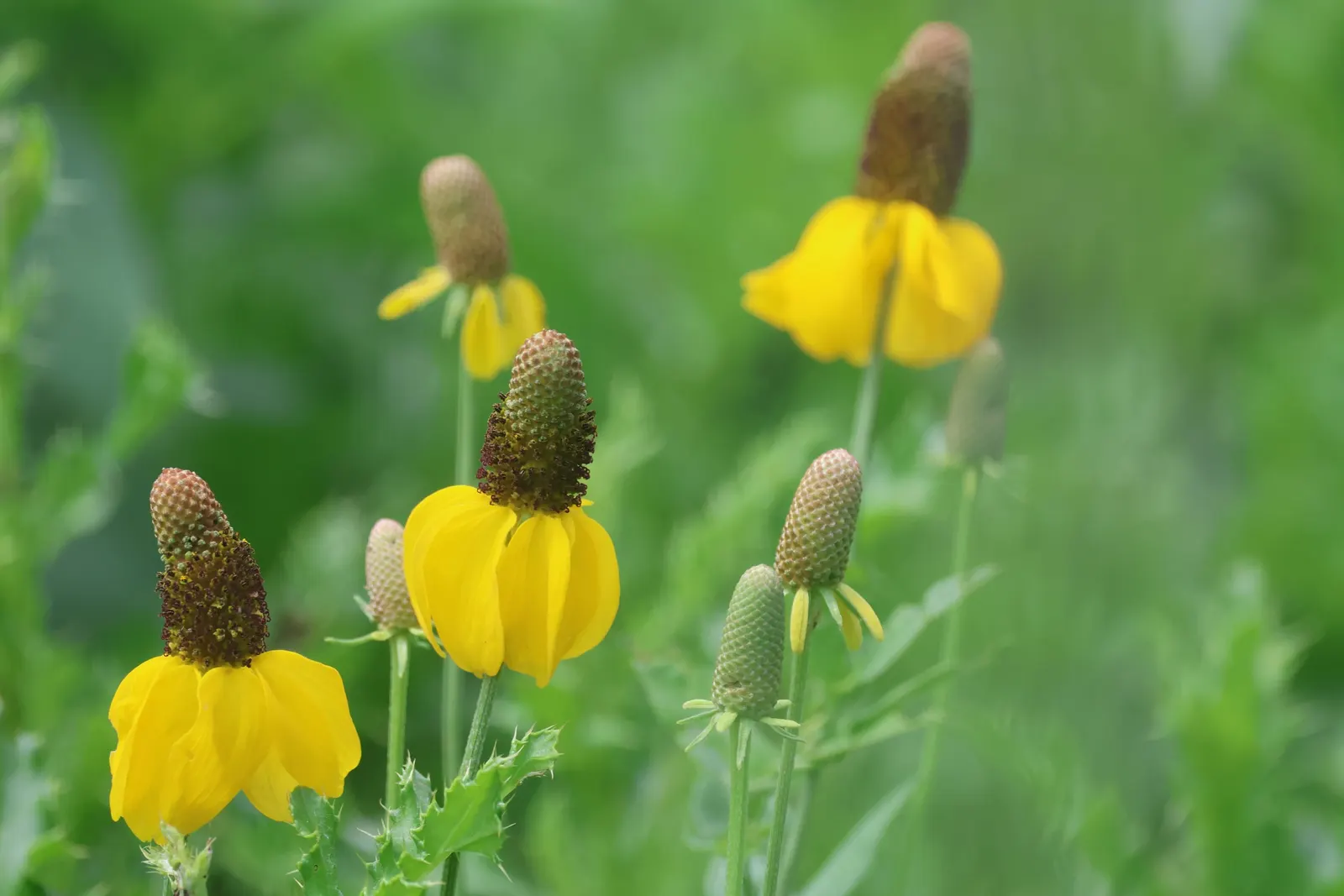
Prairie Coneflower (Ratibida pinnata), a North American native, exhibits yellow to orange drooping petals circling a prominent central cone. Ideal for naturalistic designs, it reaches 3-5 feet in height and thrives in full sun. This perennial promotes biodiversity, attracting butterflies and pollinators, and is drought-resistant once established, favoring well-drained soil. Blooming occurs from mid-summer to early fall, adding vibrant, vertical interest to prairies and wildflower gardens.
Sun Full, HalfWater LowZones 3–10Type PerennialClimate Temperate
Prairie Coneflower (Ratibida Pinnata) — This resilient plant prefers well-drained soil and demonstrates moderate drought tolerance; characterized by drooping

Culture

Sun
Full, Half
Water
Low
USDA zones
3–10

Shape & size

Mature height
3–6 Ft.
Mature width
1–2 Ft.

Classification

Type
Perennial
Family
Asteraceae
Climate
Temperate

See full data, regional cultivation notes, and design tools. Build a client presentation around this plant.

Start your 14-day trial

Photos (139)

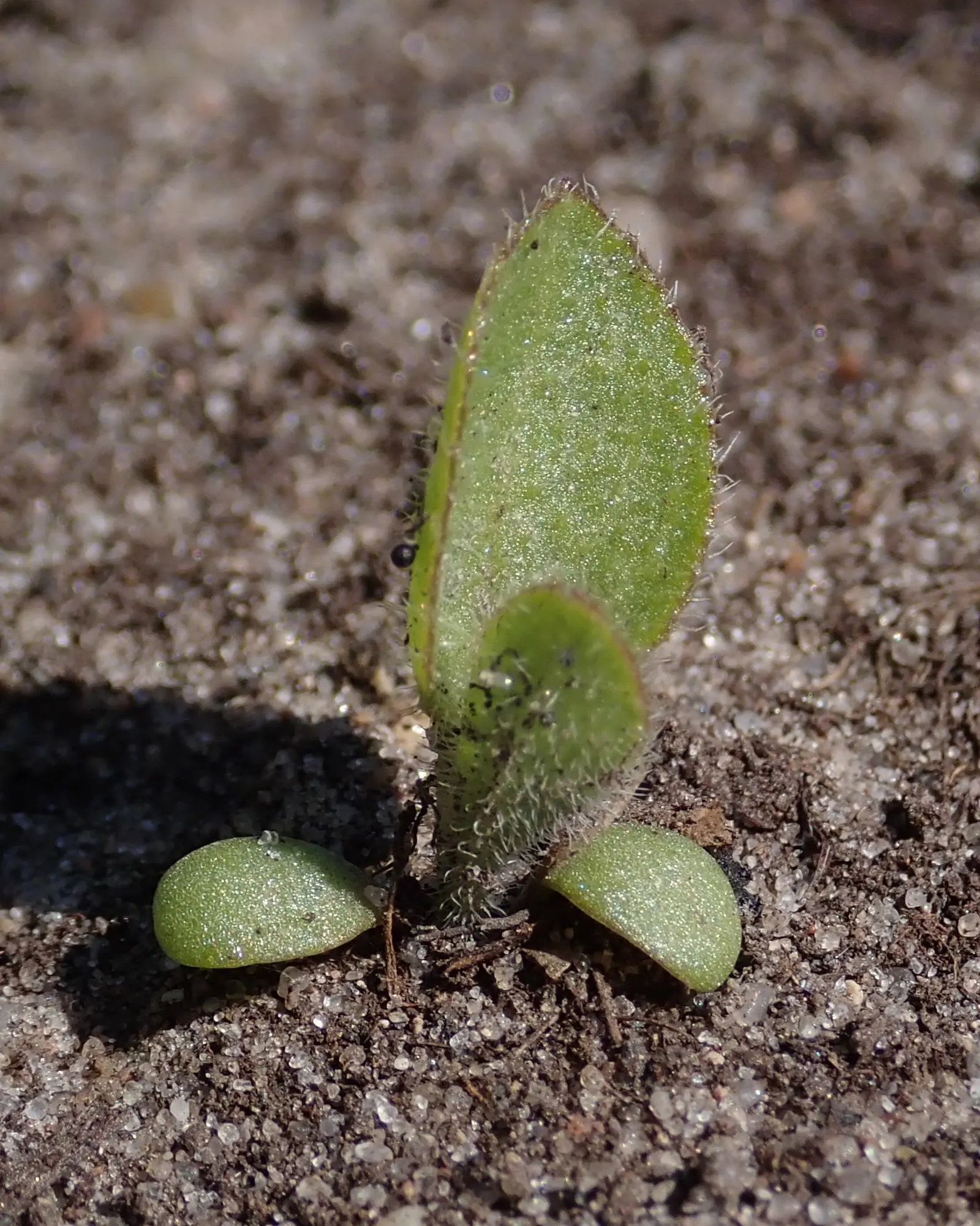
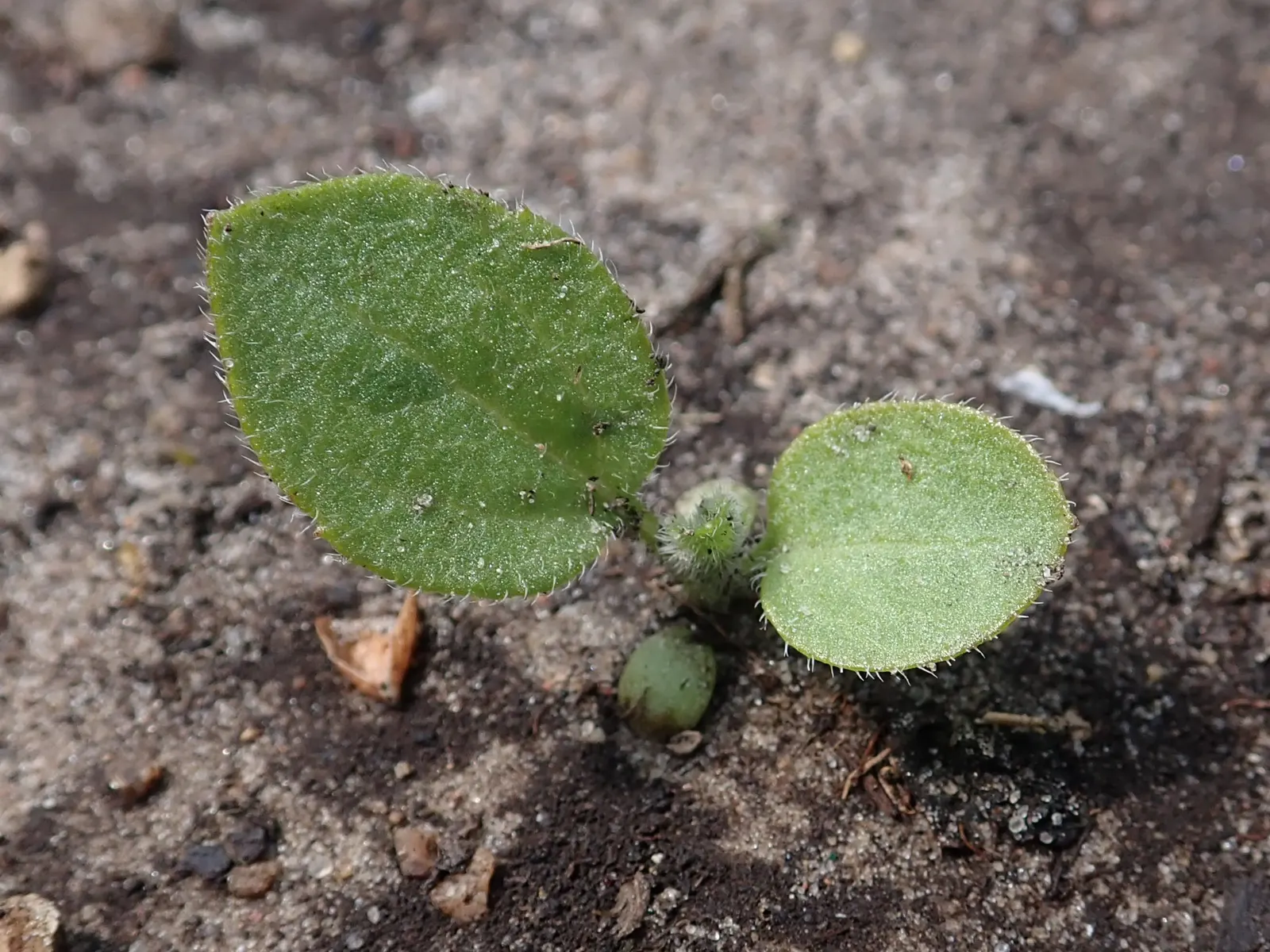
Prairie Coneflower (Ratibida Pinnata) — This perennial promotes biodiversity; prairie Coneflower (Ratibida pinnata), image 52
Prairie Coneflower (Ratibida Pinnata) — This perennial promotes biodiversity
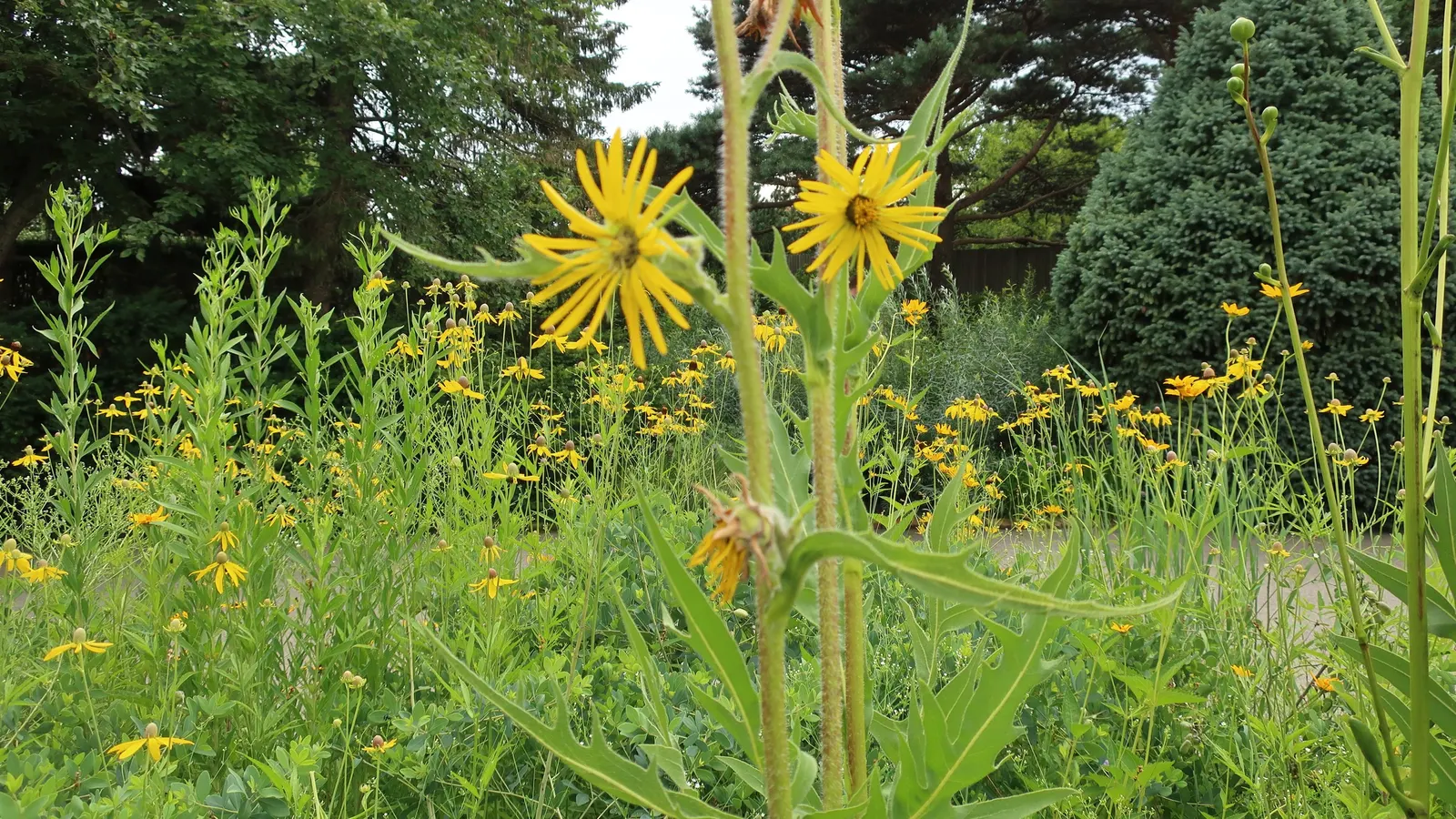
Prairie Coneflower (Ratibida Pinnata) — yellow flowers in the garden
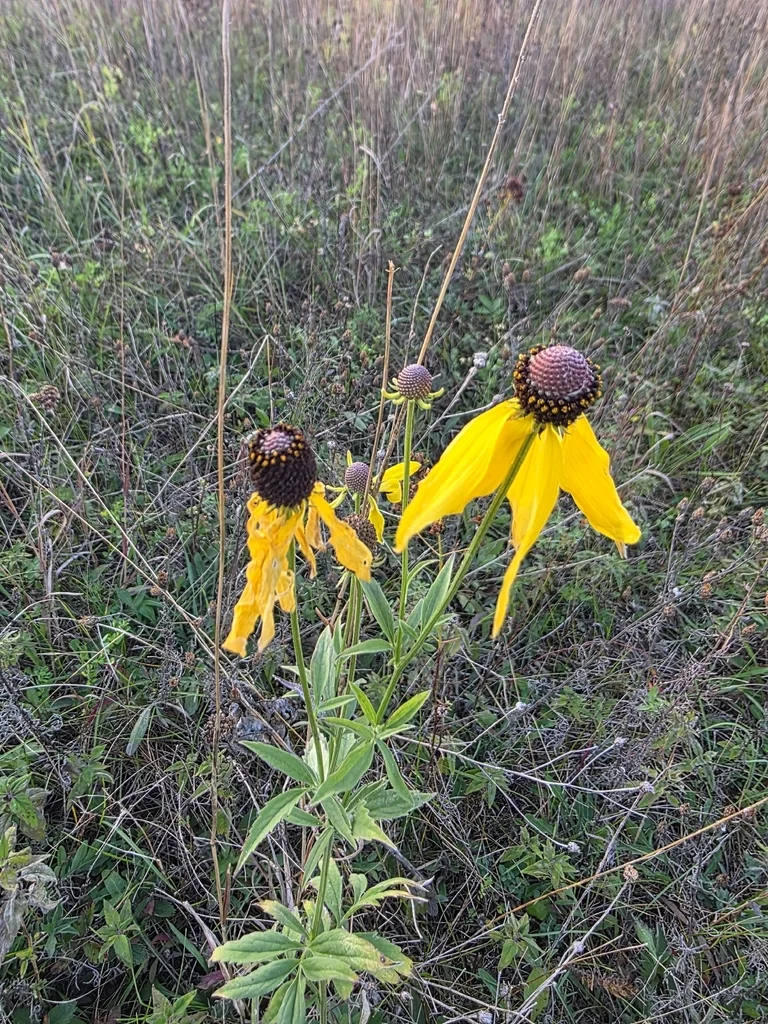
Prairie Coneflower (Ratibida Pinnata) — central brown cone (approximately 1 to 1.5 inches tall); perennial with yellow blooms
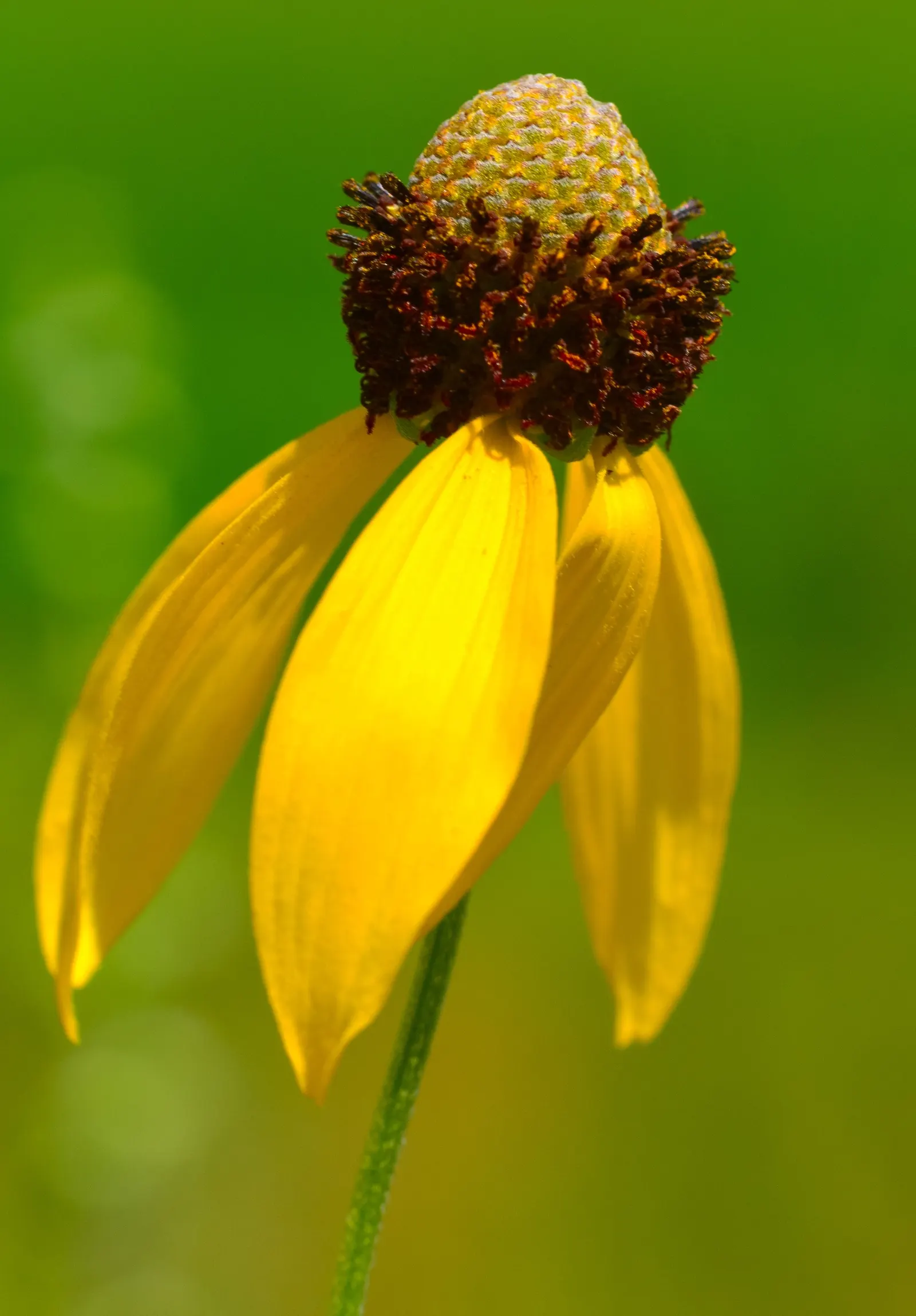
Prairie Coneflower (Ratibida Pinnata) — exhibits yellow to orange drooping petals circling a prominent central cone; wildflower aesthetic to garden landscapes
Prairie Coneflower (Ratibida Pinnata) — This resilient plant prefers well-drained soil and demonstrates moderate drought tolerance; characterized, image 64
Prairie Coneflower (Ratibida Pinnata) — perennial for full or half; this low-maintenance choice will reward the landscape with a stable and lasting native
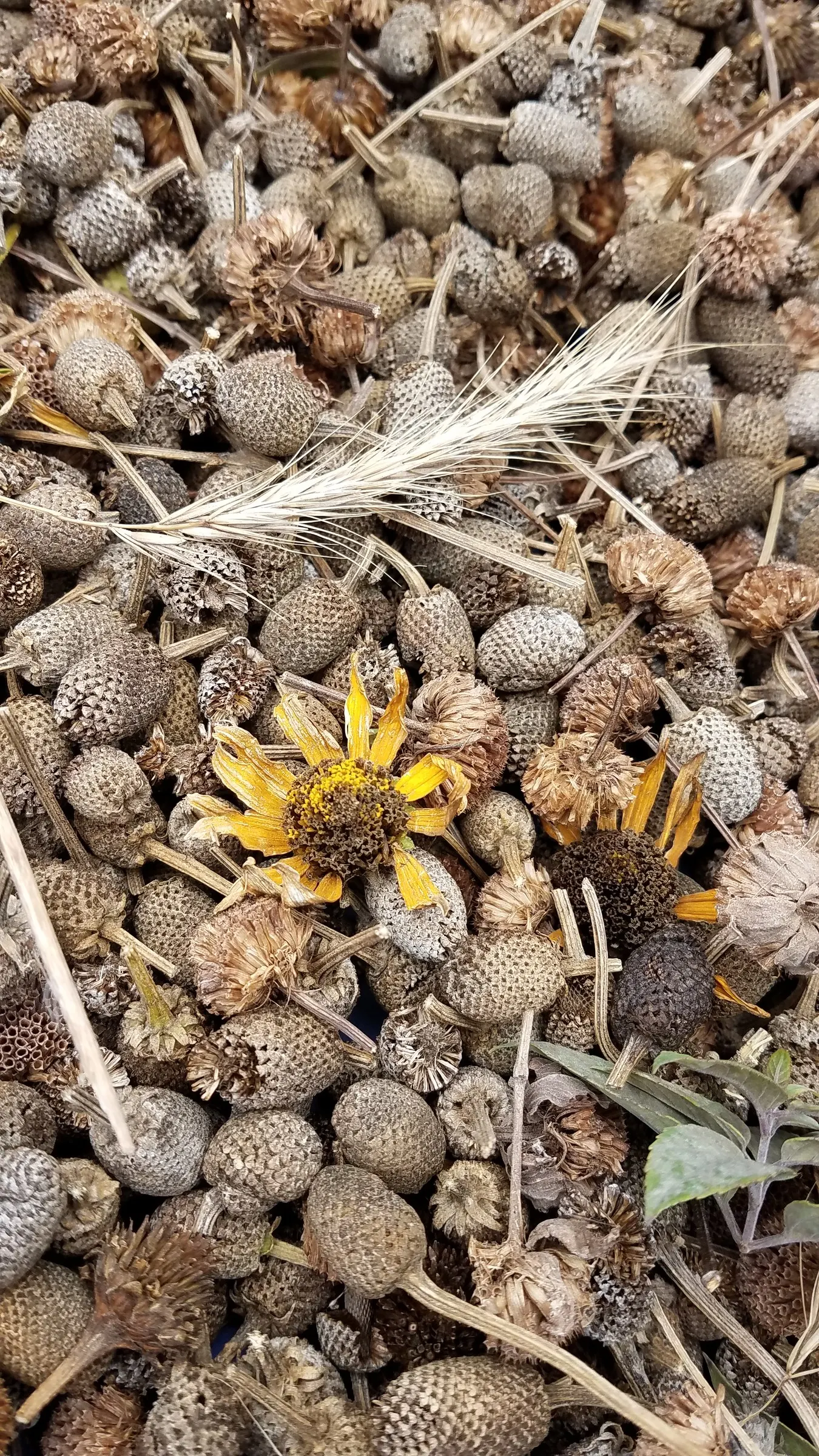
Prairie Coneflower (Ratibida Pinnata) — although leaving the seed heads can provide winter interest and feed birds; ratibida pinnata blooms from, image 68
Prairie Coneflower (Ratibida Pinnata) — the Prairie Coneflower has an upright habit and thrives in full sun exposure; and is drought-resistant once, image 63
Prairie Coneflower (Ratibida Pinnata) — Its distinctive appearance; vertical interest to prairies and wildflower gardens, image 84
Prairie Coneflower (Ratibida Pinnata) — Ideal for naturalistic designs, it reaches 3-5 feet in height and thrives in full sun; adding long-term, image 75
Prairie Coneflower (Ratibida Pinnata) — exhibits yellow to orange drooping petals circling a prominent central cone; wildflower aesthetic to garden, image 74
Prairie Coneflower (Ratibida Pinnata) — Ratibida pinnata blooms from early summer to early fall; although leaving the seed heads can provide winter, image 113
Prairie Coneflower (Ratibida Pinnata) — central brown cone (approximately 1 to 1.5 inches tall); perennial with yellow blooms, image 62
Prairie Coneflower (Ratibida Pinnata) — This resilient plant prefers well-drained soil and demonstrates moderate drought tolerance
Prairie Coneflower (Ratibida Pinnata) — perennial for full or half; this low-maintenance choice will reward the landscape with a stable and lasting, image 96
Prairie Coneflower (Ratibida Pinnata) — attracting butterflies and pollinators; blooming occurs from mid-summer to early fall
Prairie Coneflower (Ratibida Pinnata) — wildflower aesthetic to garden landscapes; exhibits yellow to orange drooping petals circling a prominent central cone
Prairie Coneflower (Ratibida Pinnata) — vertical interest to prairies and wildflower gardens; its distinctive appearance, image 105
Prairie Coneflower (Ratibida Pinnata) — favoring well-drained soil; yellow flowers in the garden
Prairie Coneflower (Ratibida Pinnata) — Its distinctive appearance; vertical interest to prairies and wildflower gardens
Prairie Coneflower (Ratibida Pinnata) — Prairie Coneflower (Ratibida pinnata)
Prairie Coneflower (Ratibida Pinnata) — and is drought-resistant once established; the Prairie Coneflower has an upright habit and thrives in full sun exposure
Ratibida Pinnata
Photographs by 13 contributors

Related plants