Skip to content

Ranunculus

Ranunculus Asiaticus

Design with this plant

Overview

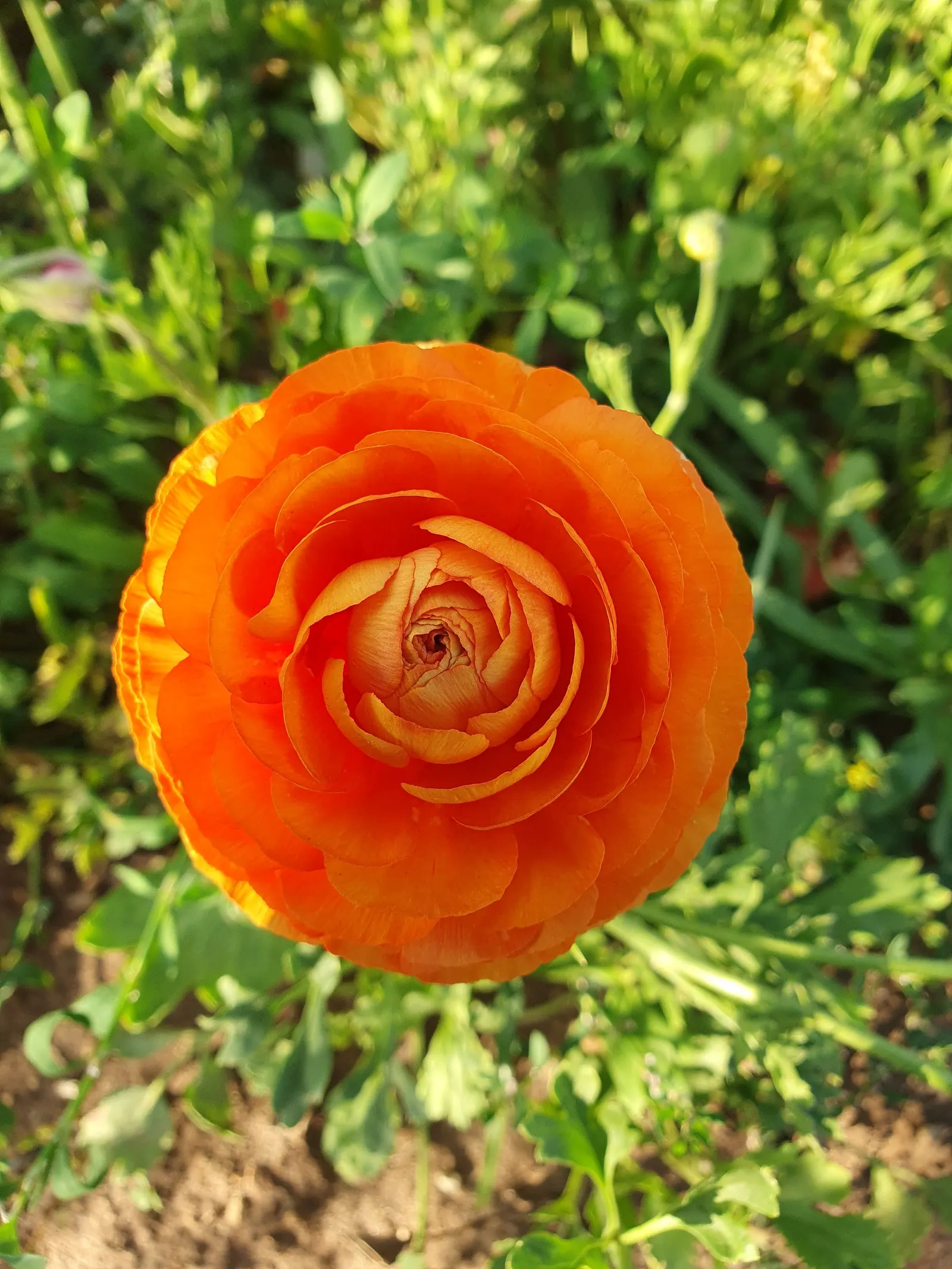
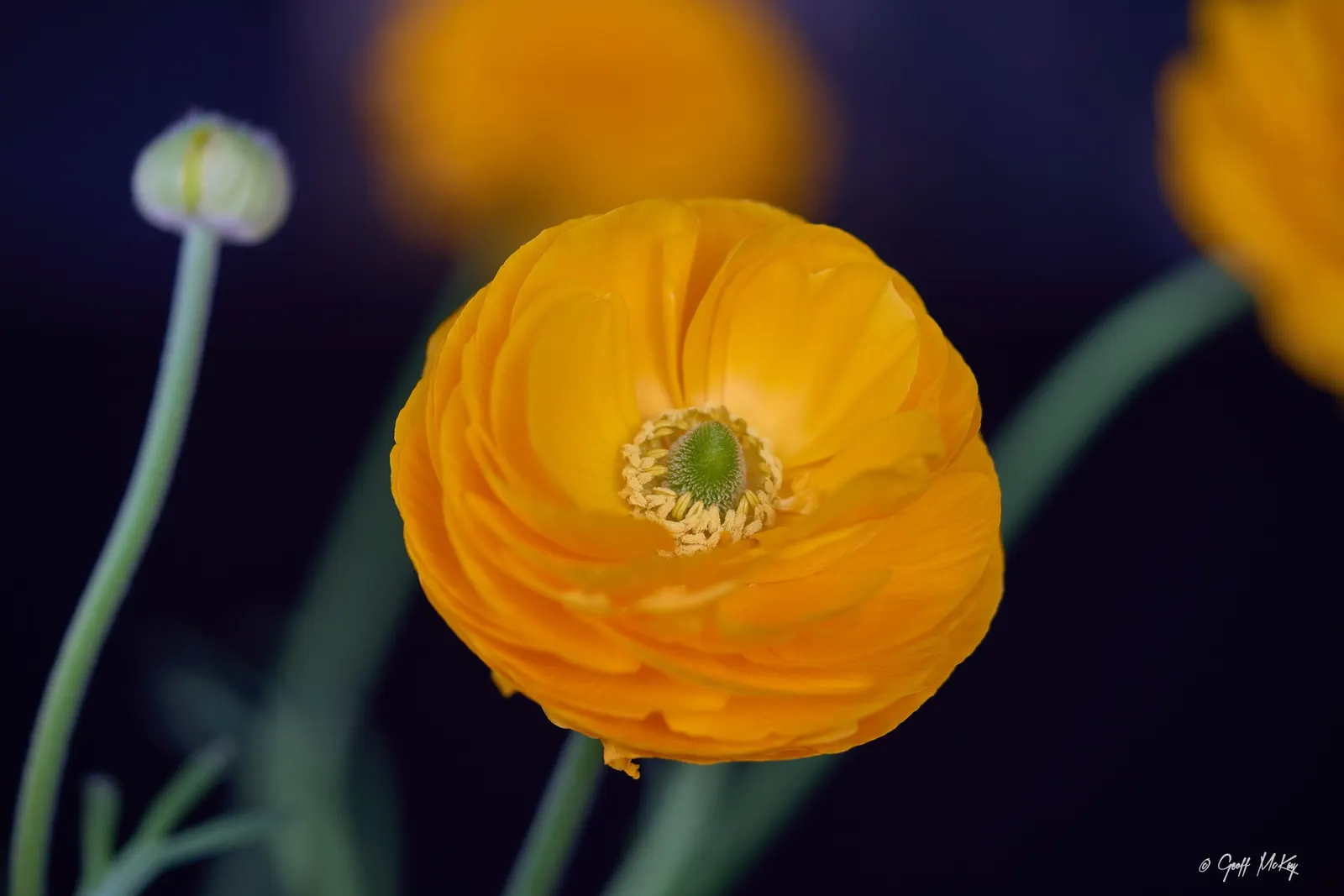
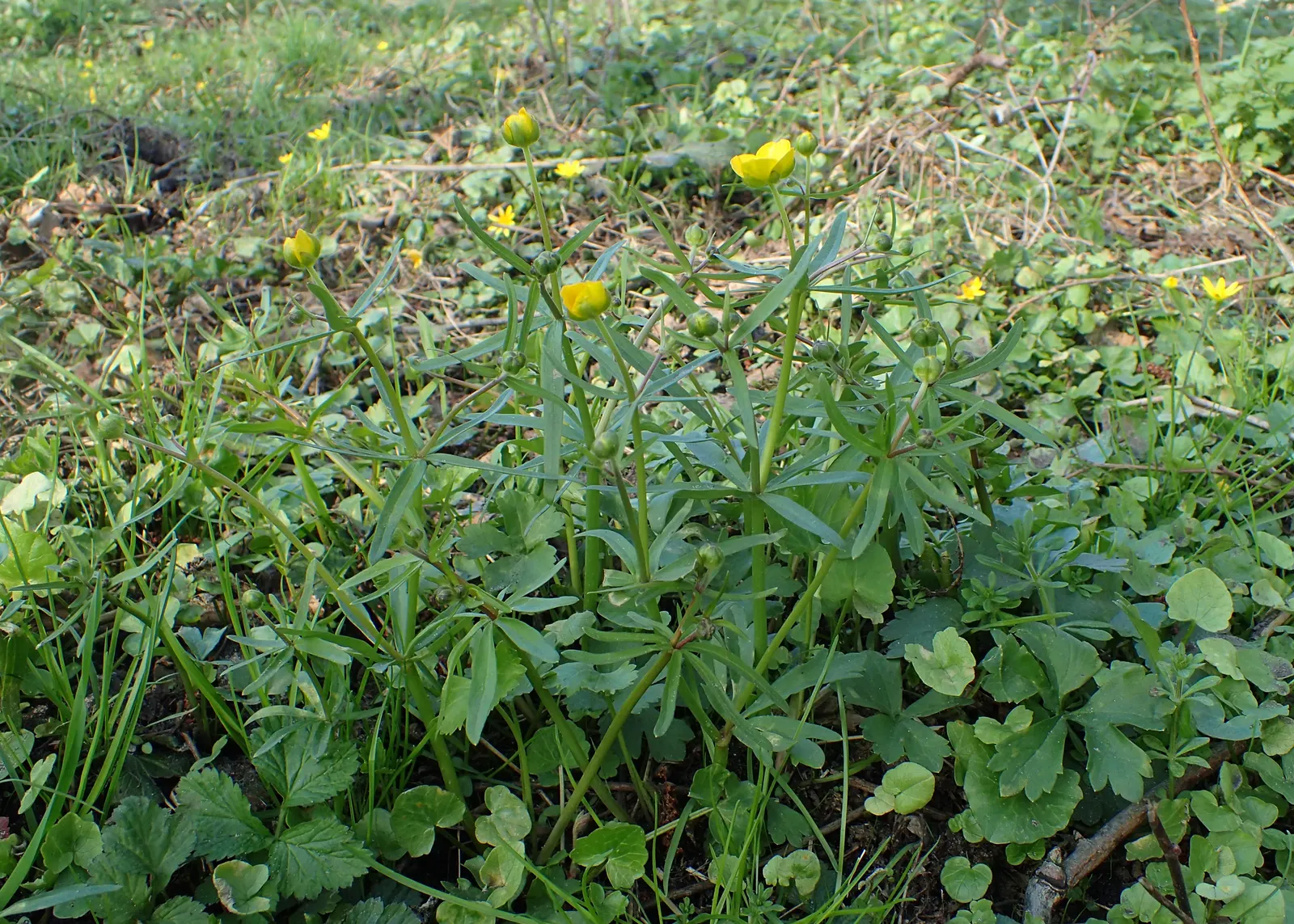
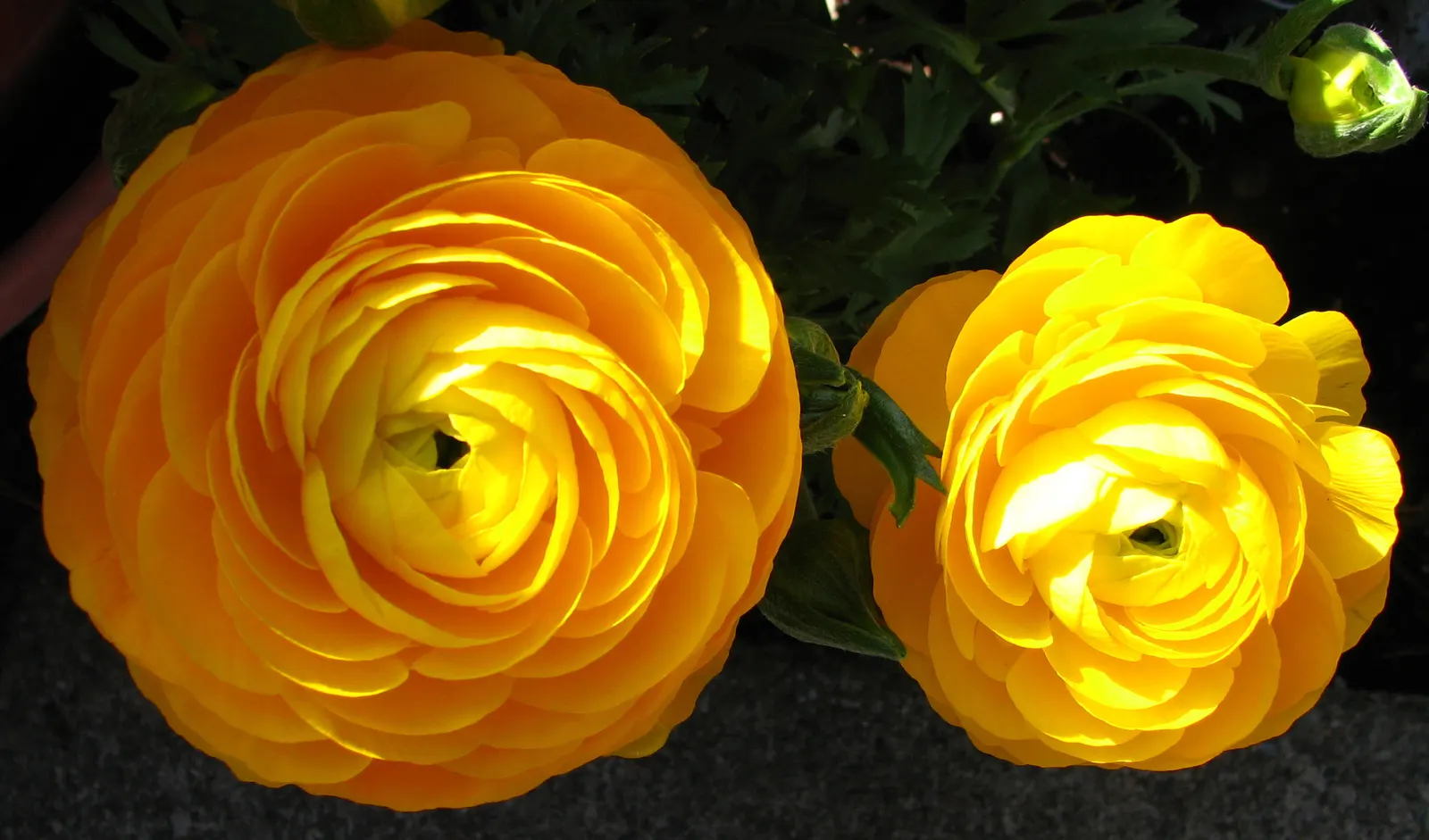
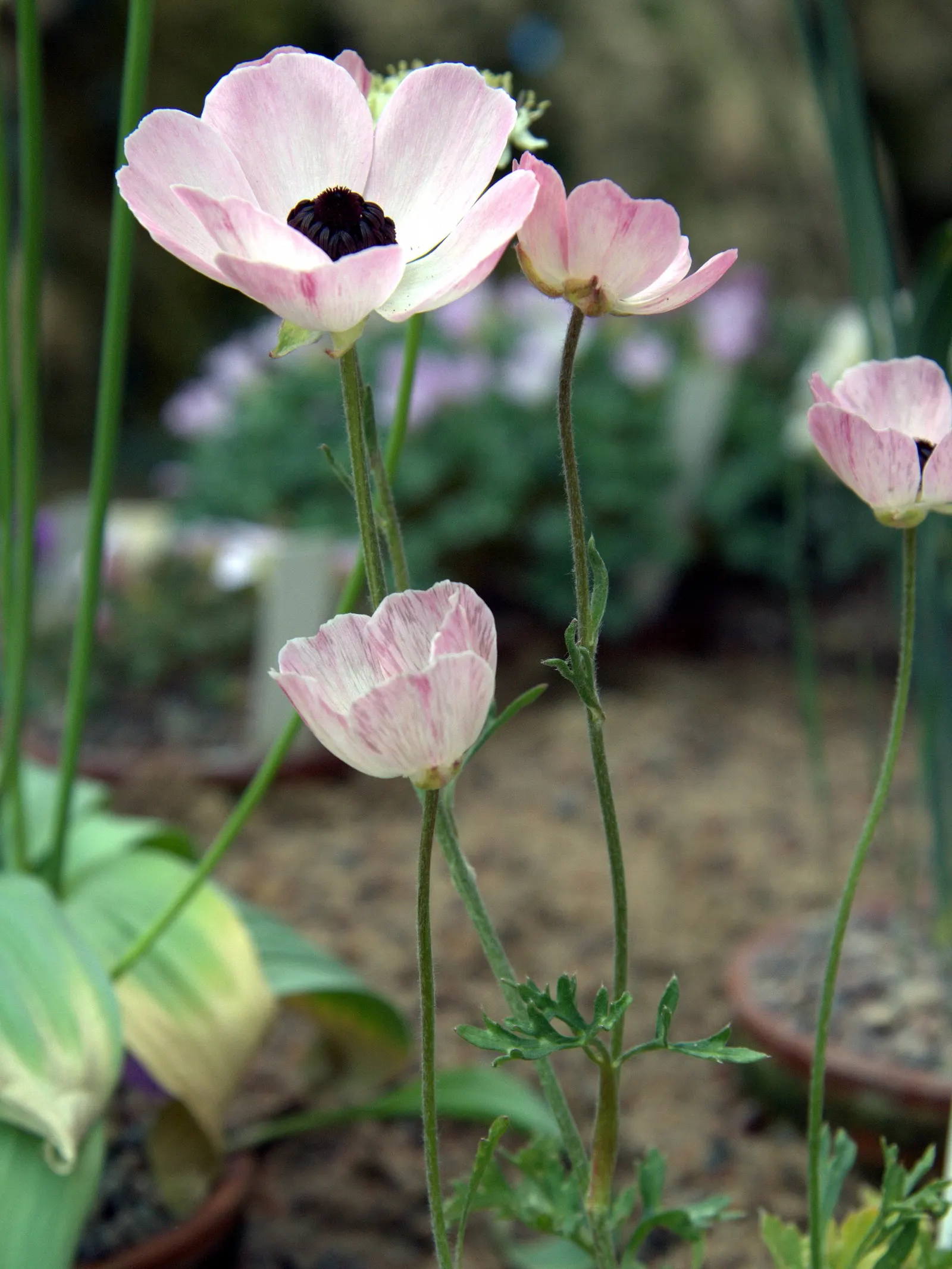
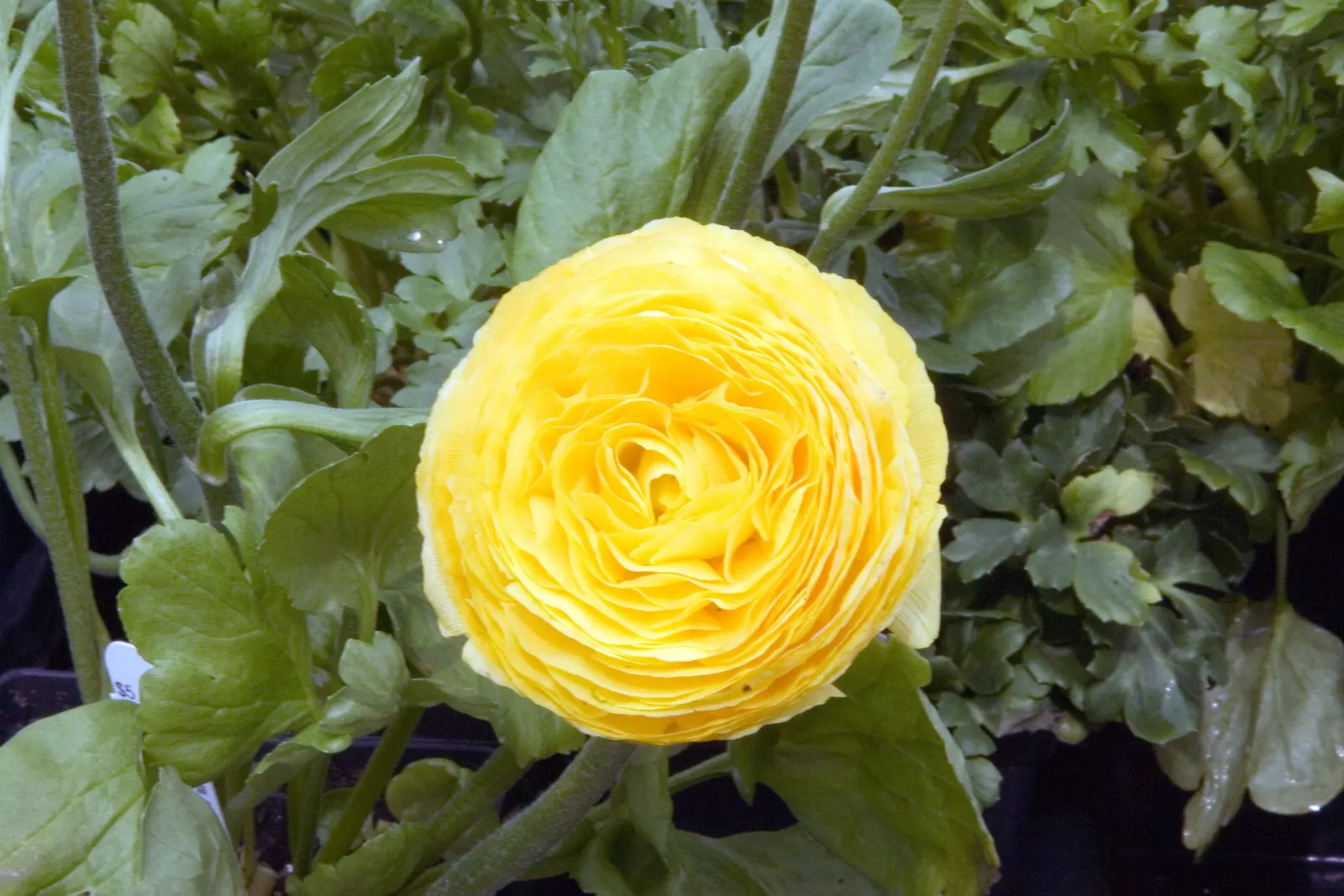
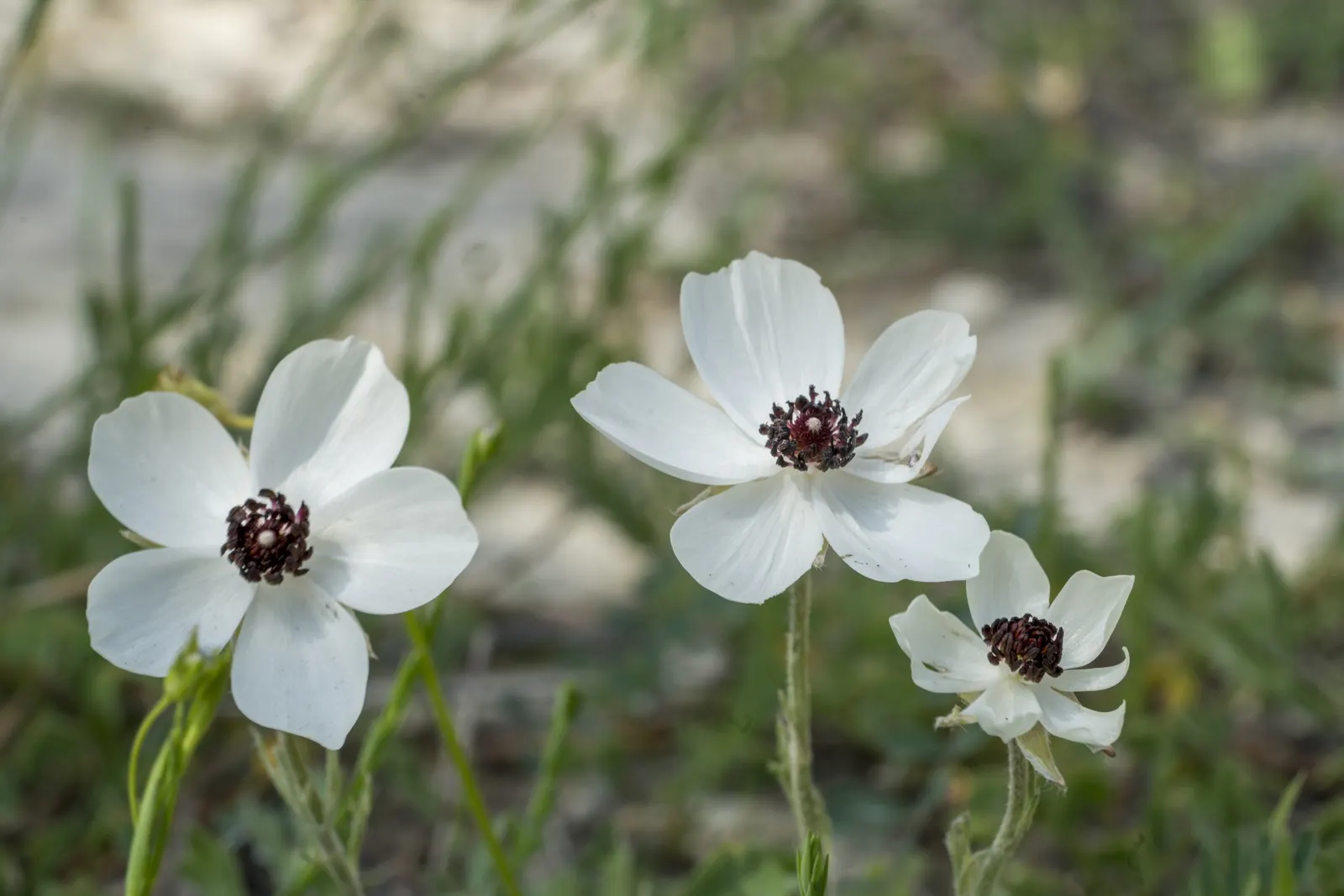
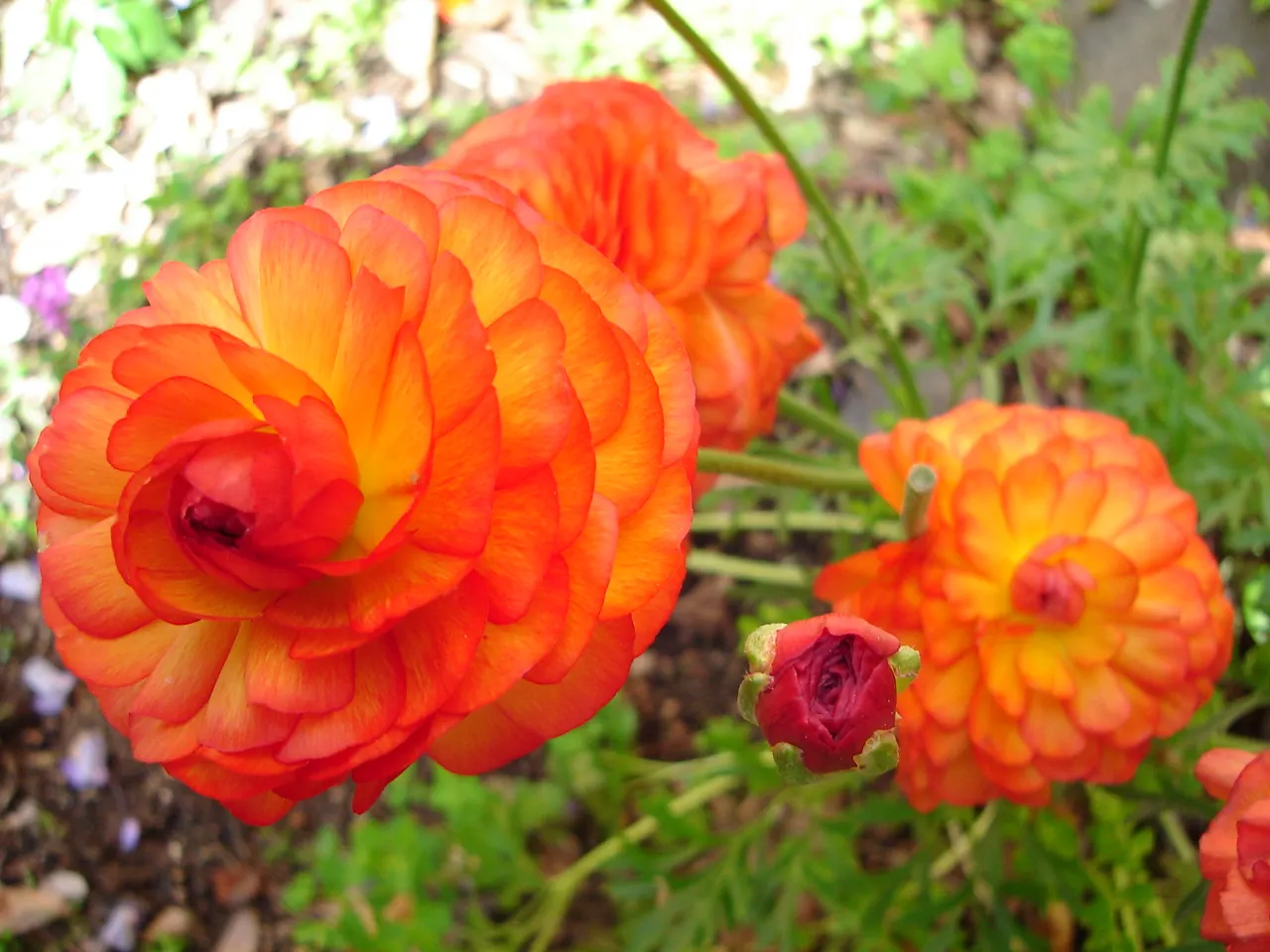
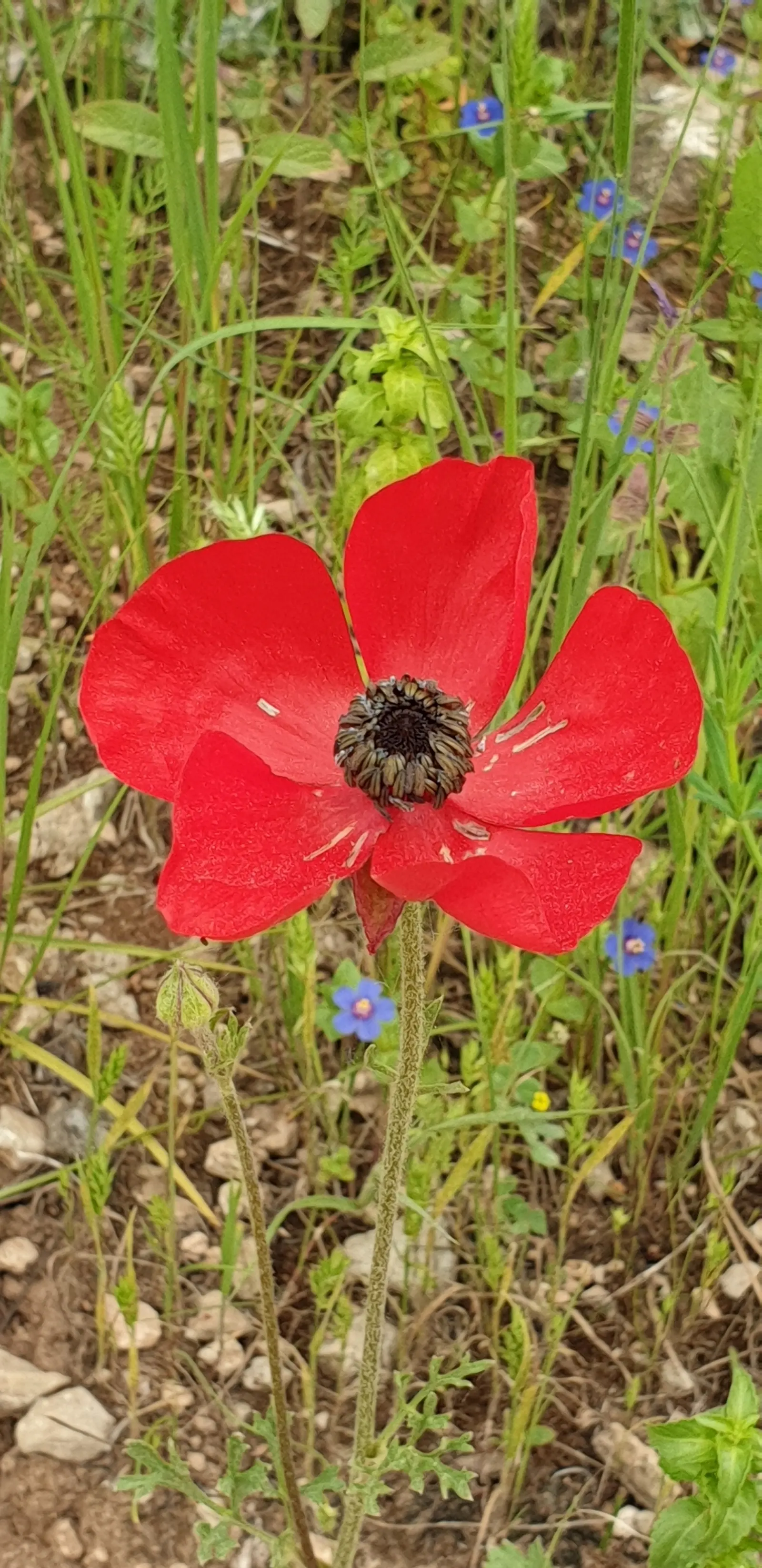
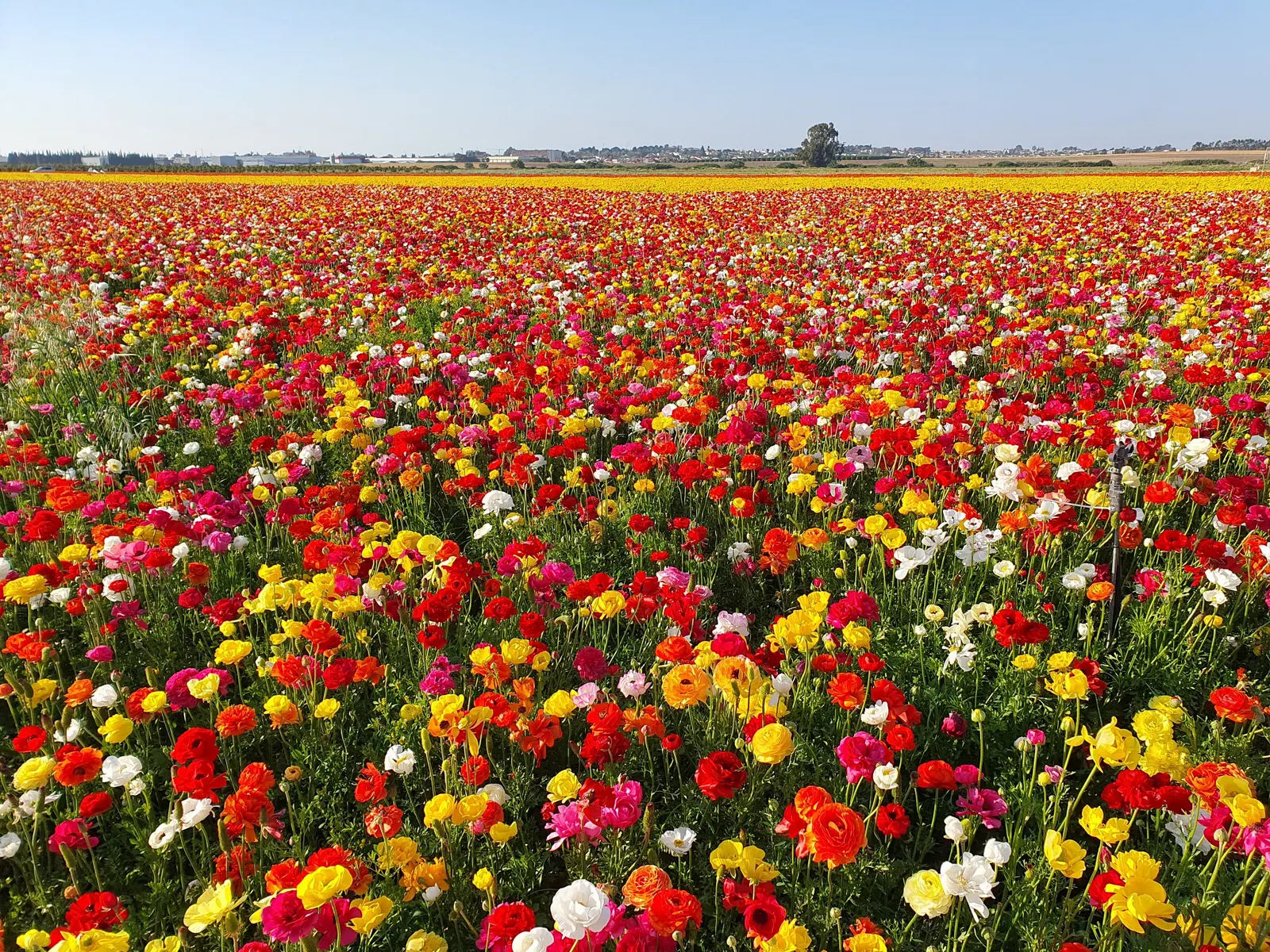
Ranunculus asiaticus, commonly known as Persian Buttercup, boasts lush, fully double flowers with layered petals resembling tissue paper. They thrive in full sun to partial shade and prefer well-drained soil. Blooming vibrantly in spring, they stand approximately 12-24 inches tall with a spread of 9-12 inches. With an array of colors from white to deep red, these hardy perennials are perfect for borders, containers, or cut flower gardens in USDA zones 8 through 11.

Sun Full, HalfWater MediumZones 10–10Climate Mediterranean
Ranunculus (Ranunculus Asiaticus) — these hardy perennials are perfect for borders

Culture

Sun
Full, Half
Water
Medium
USDA zones
10–10

Shape & size

Classification

Family
Ranunculaceae
Climate
Mediterranean

See full data, regional cultivation notes, full-resolution photos, and design tools. Build a client presentation around this plant.

Start your 14-day trial

Photos (169)

Ranunculus (Ranunculus Asiaticus) — With an array of colors from white to deep red; is a cherished perennial heralding the arrival of spring with, image 53
Ranunculus (Ranunculus Asiaticus) — these hardy perennials are perfect for borders; deadheading is recommended, image 54
Ranunculus (Ranunculus Asiaticus) — or cut flower gardens in USDA zones 8 through 11; pink and purple and red and white and yellow flowers in the, image 55
Ranunculus (Ranunculus Asiaticus) — is a cherished perennial heralding the arrival of spring with its lush; with an array of colors from white to, image 56
Ranunculus (Ranunculus Asiaticus) — Flourishing in USDA hardiness zones 8 to 10; its sturdy stems are adorned with bright, image 57
Ranunculus (Ranunculus Asiaticus) — this plant demands well-draining soil and a site bathed in full to partial sunlight; remember to plant the, image 58
Ranunculus (Ranunculus Asiaticus) — making it an excellent choice for mid-border planting or as a vibrant container specimen; fully double flowers, image 59
Ranunculus (Ranunculus Asiaticus) — Its sturdy stems are adorned with bright; flourishing in USDA hardiness zones 8 to 10, image 60
Ranunculus (Ranunculus Asiaticus) — cup-shaped flowers that span 3 to 5 inches across and present a palette ranging from creamy whites; they pair, image 61
Ranunculus (Ranunculus Asiaticus) — deeply lobed leaves providing a plush green backdrop that accentuates its jewel-toned blossoms; perennial with, image 62
Ranunculus (Ranunculus Asiaticus) — deadheading is recommended; these hardy perennials are perfect for borders, image 63
Ranunculus (Ranunculus Asiaticus) — They pair exceptionally well with spring bulbs; cup-shaped flowers that span 3 to 5 inches across and present a, image 64
Ranunculus (Ranunculus Asiaticus) — such as tulips and daffodils; at a depth of approximately 2 inches, image 65
Ranunculus (Ranunculus Asiaticus) — and their cut flowers provide lasting beauty in floral arrangements; they thrive in full sun to partial shade, image 66
Ranunculus (Ranunculus Asiaticus) — Remember to plant the claw-like tubers in fall or early spring; this plant demands well-draining soil and a, image 67
Ranunculus (Ranunculus Asiaticus) — and space them about 6 to 8 inches apart to allow for proper growth and ventilation; perennial for full or half, image 69
Ranunculus (Ranunculus Asiaticus) — at a depth of approximately 2 inches; such as tulips and daffodils, image 68
Ranunculus (Ranunculus Asiaticus) — or cut flower gardens in USDA zones 8 through 11
Ranunculus (Ranunculus Asiaticus) — is a cherished perennial heralding the arrival of spring with its lush
Ranunculus (Ranunculus Asiaticus) — Flourishing in USDA hardiness zones 8 to 10
Ranunculus (Ranunculus Asiaticus) — this plant demands well-draining soil and a site bathed in full to partial sunlight
Ranunculus (Ranunculus Asiaticus) — making it an excellent choice for mid-border planting or as a vibrant container specimen
Ranunculus (Ranunculus Asiaticus) — Its sturdy stems are adorned with bright
Ranunculus (Ranunculus Asiaticus) — cup-shaped flowers that span 3 to 5 inches across and present a palette ranging from creamy whites

Related plants