
Soapbark Tree
Quillaja Saponaria
Overview
The Soapbark Tree (Quillaja saponaria) is a hardy, evergreen species, native to Chile. It can reach up to 49-66 feet in height, with a dense, round canopy. Its leathery leaves complement clusters of small, white flowers. This tree is renowned for its bark, high in saponins, traditionally used as a natural detergent. Drought-resistant, it thrives in full sun and well-drained soils, adding a robust option for water-conscious landscapes.
Sun FullWater MediumZones 9–10Type TreeClimate Temperate
Culture
- Sun
- Full
- Water
- Medium
- USDA zones
- 9–10
Shape & size
Classification
- Type
- Tree
- Family
- Rosaceae
- Climate
- Temperate
See full data, regional cultivation notes, and design tools. Build a client presentation around this plant.
Start your 14-day trialPhotos (51)
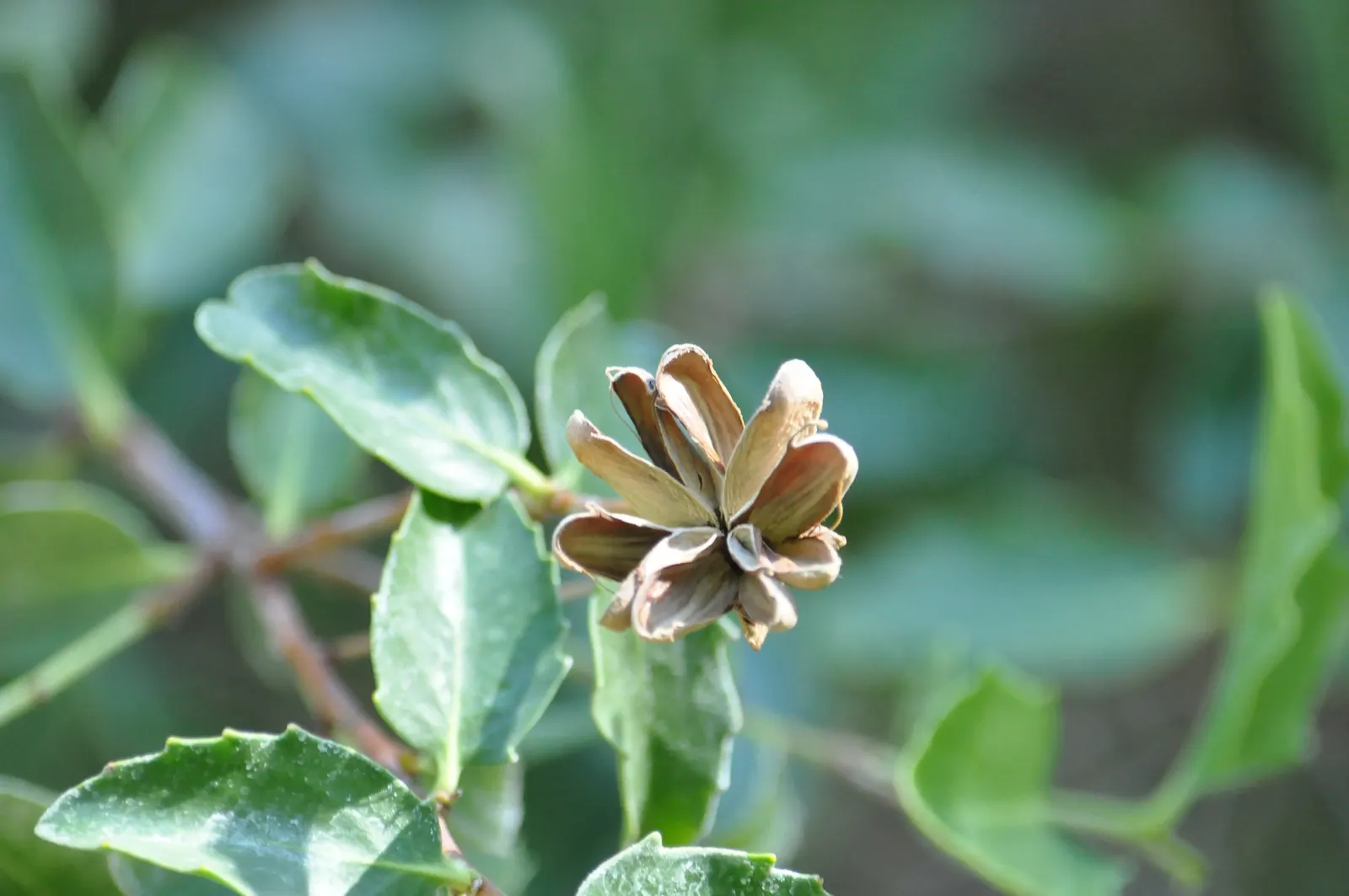
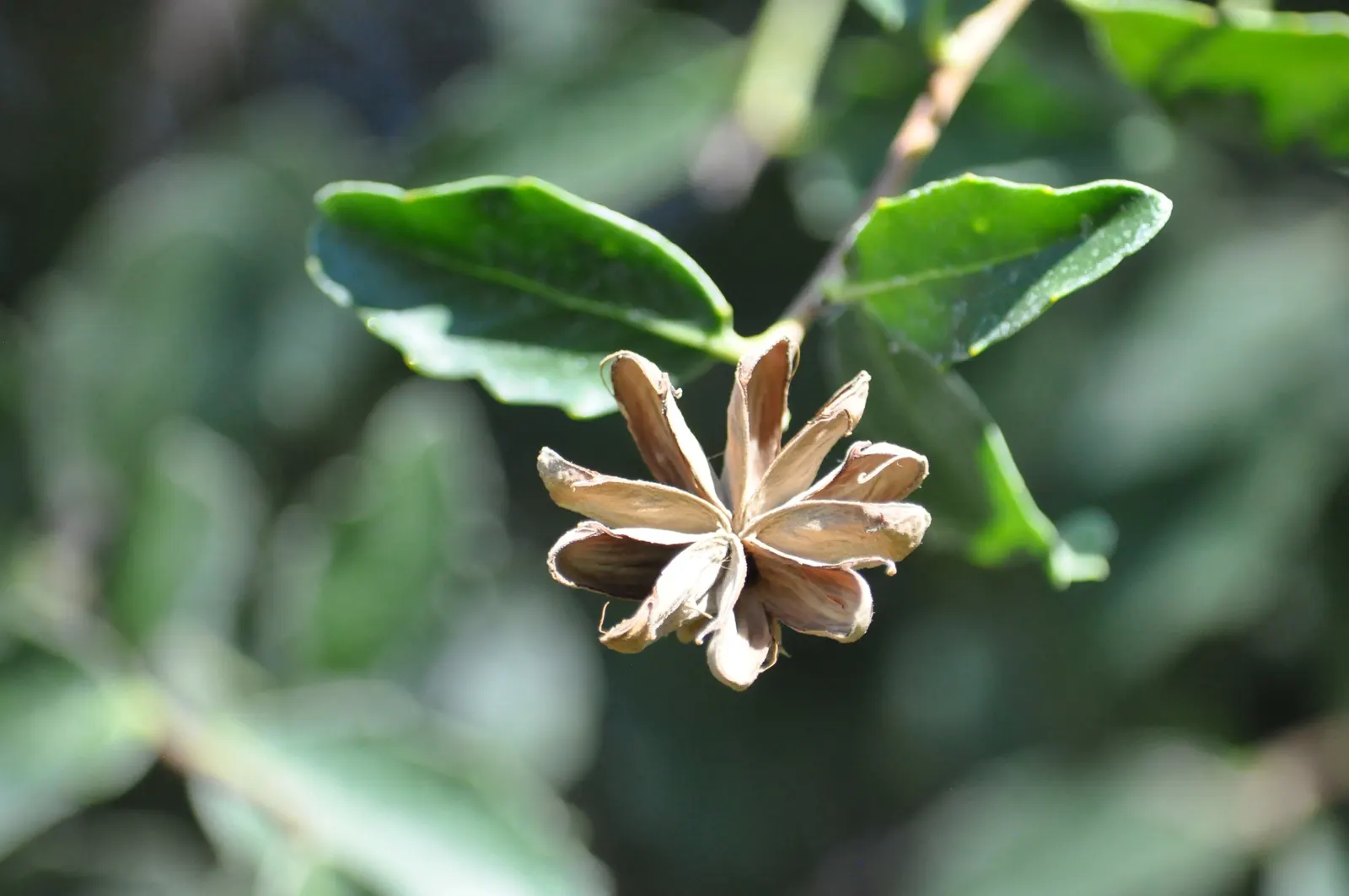
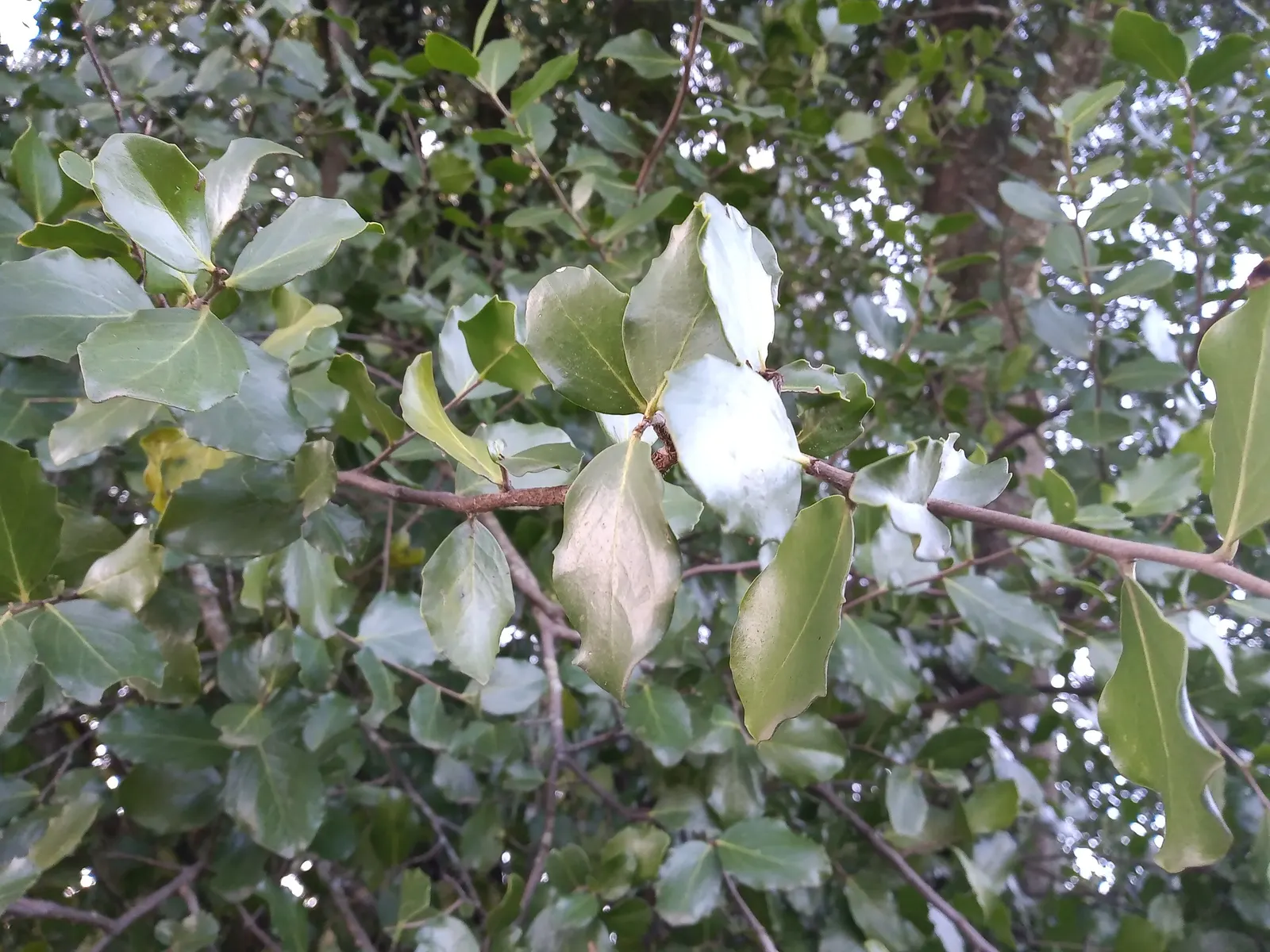
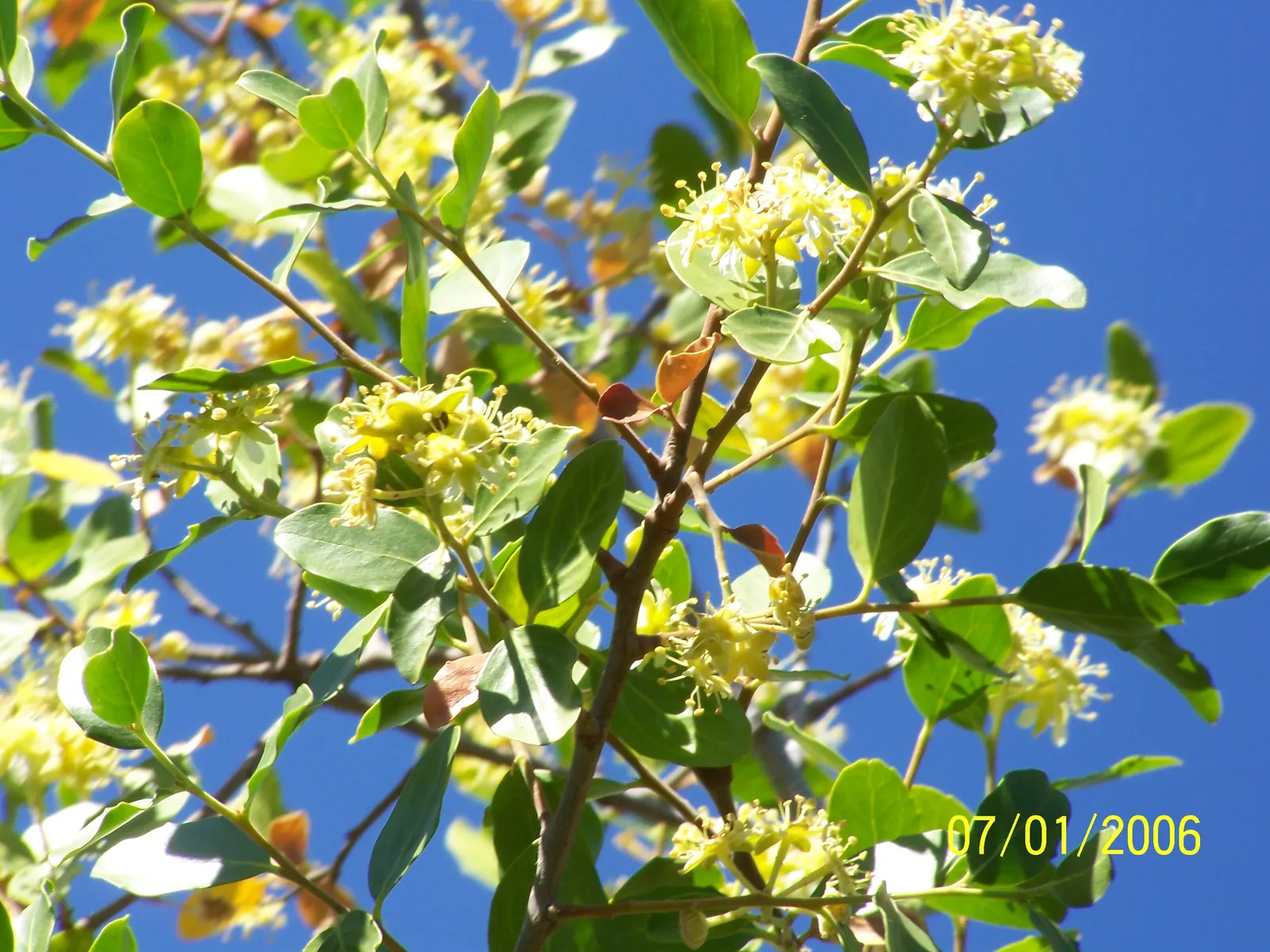
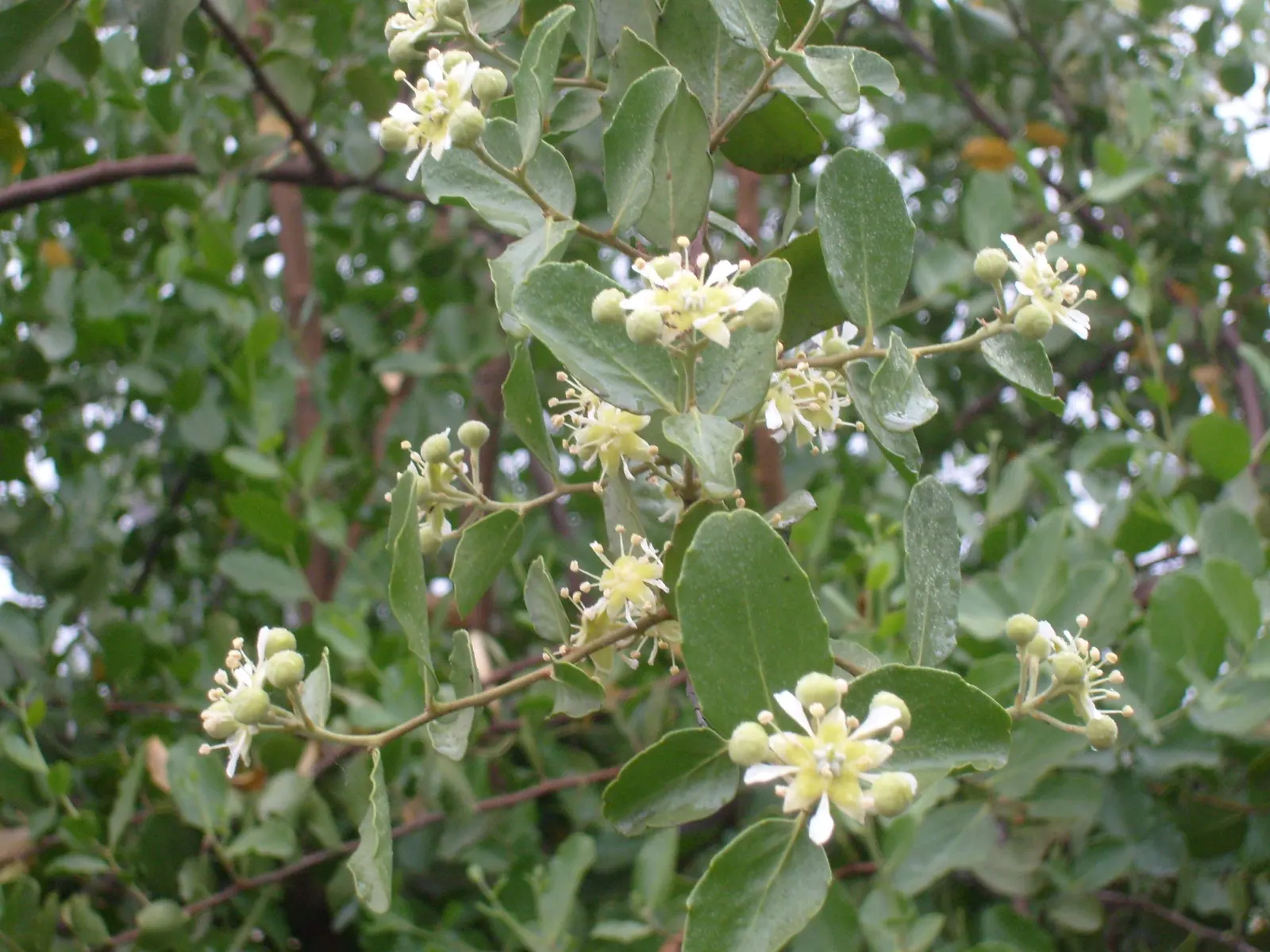
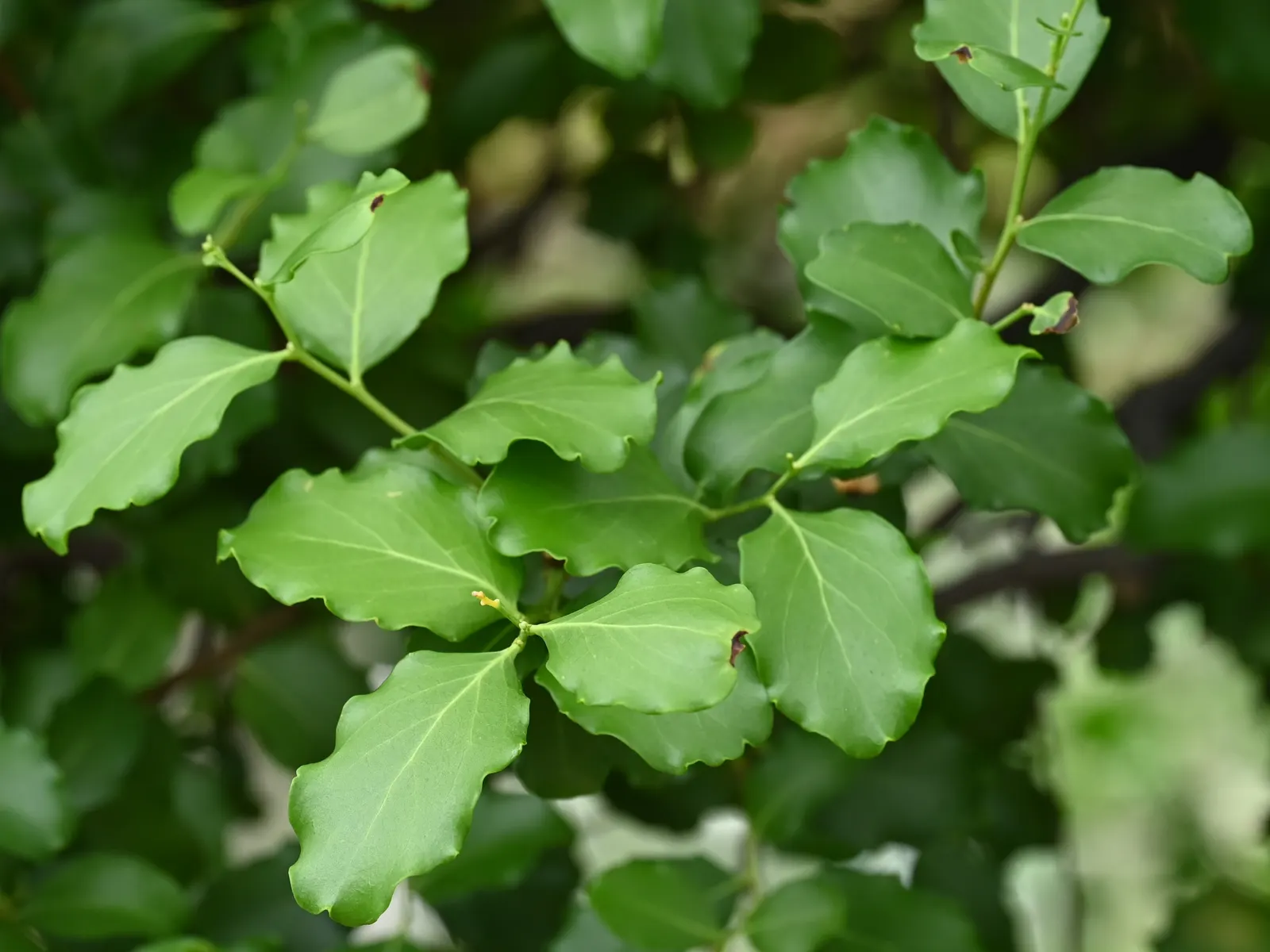
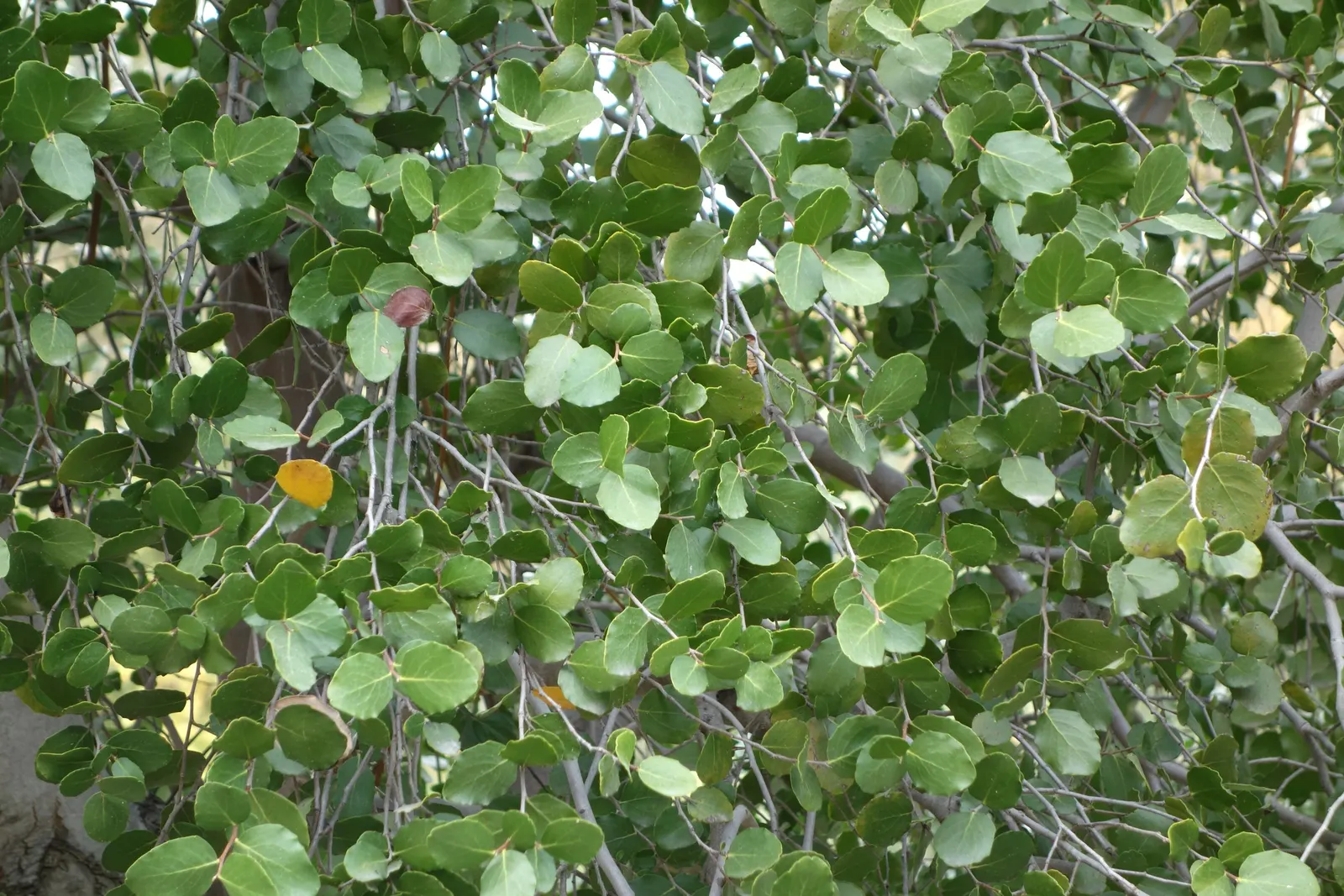
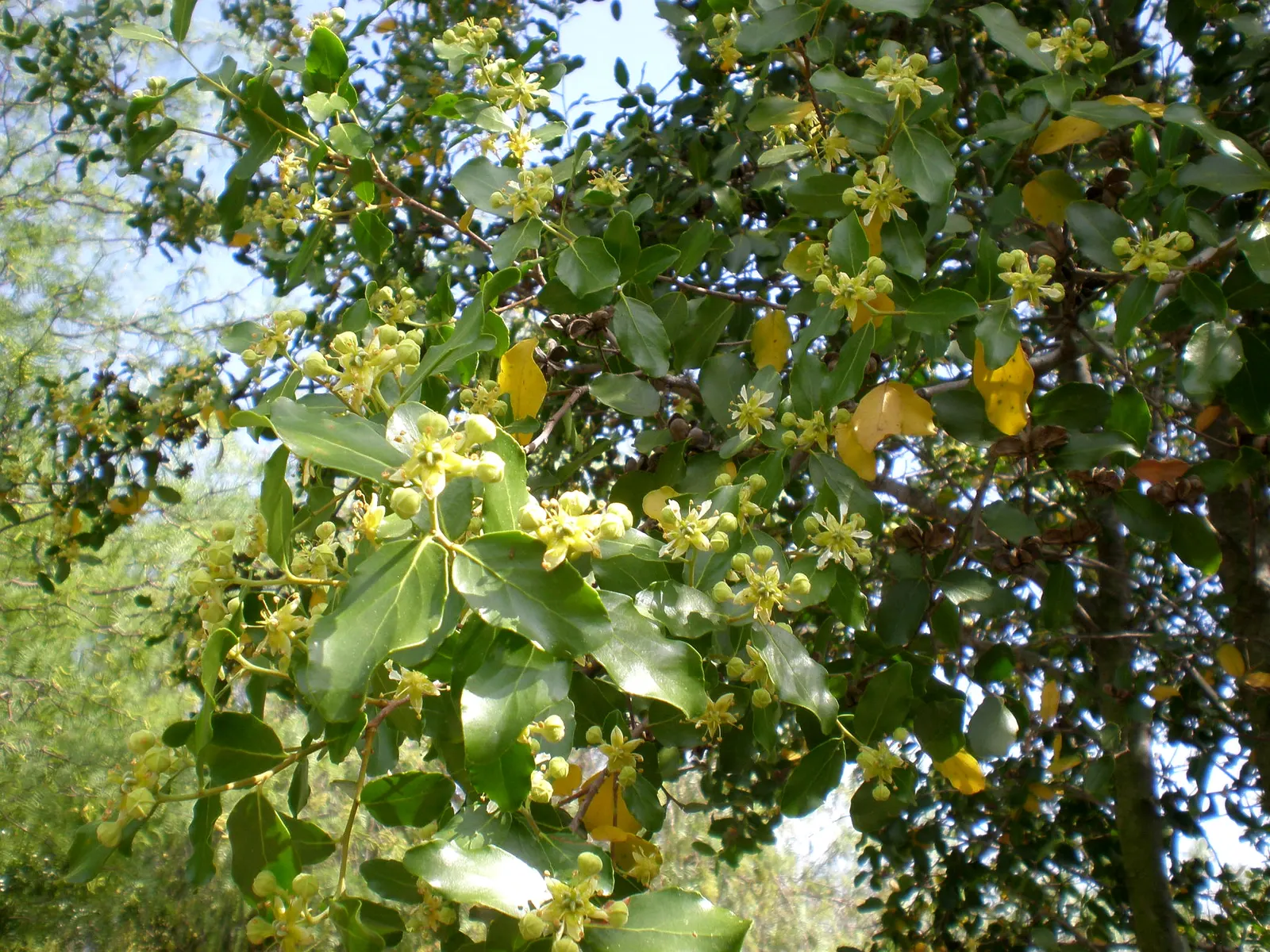
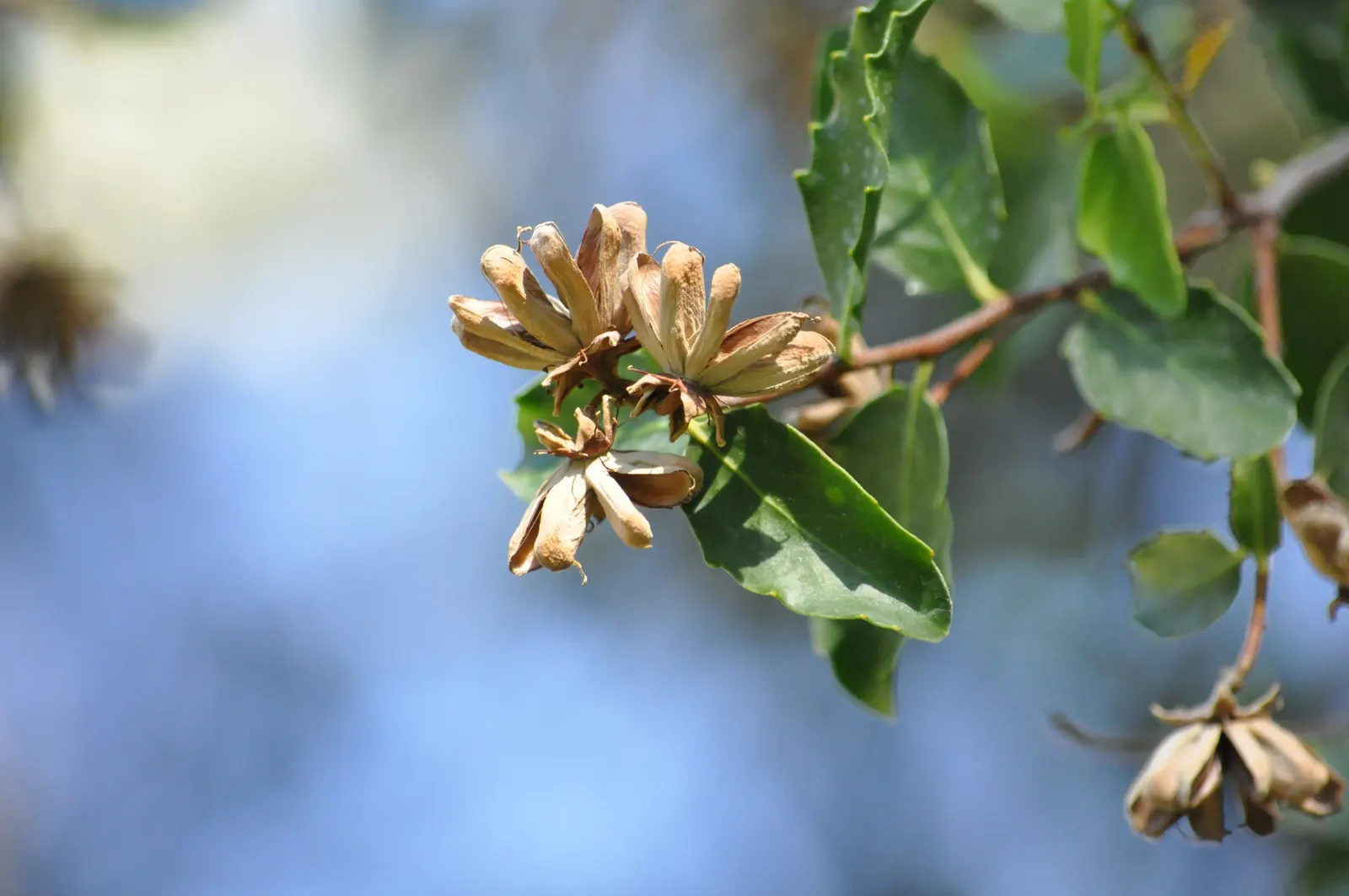

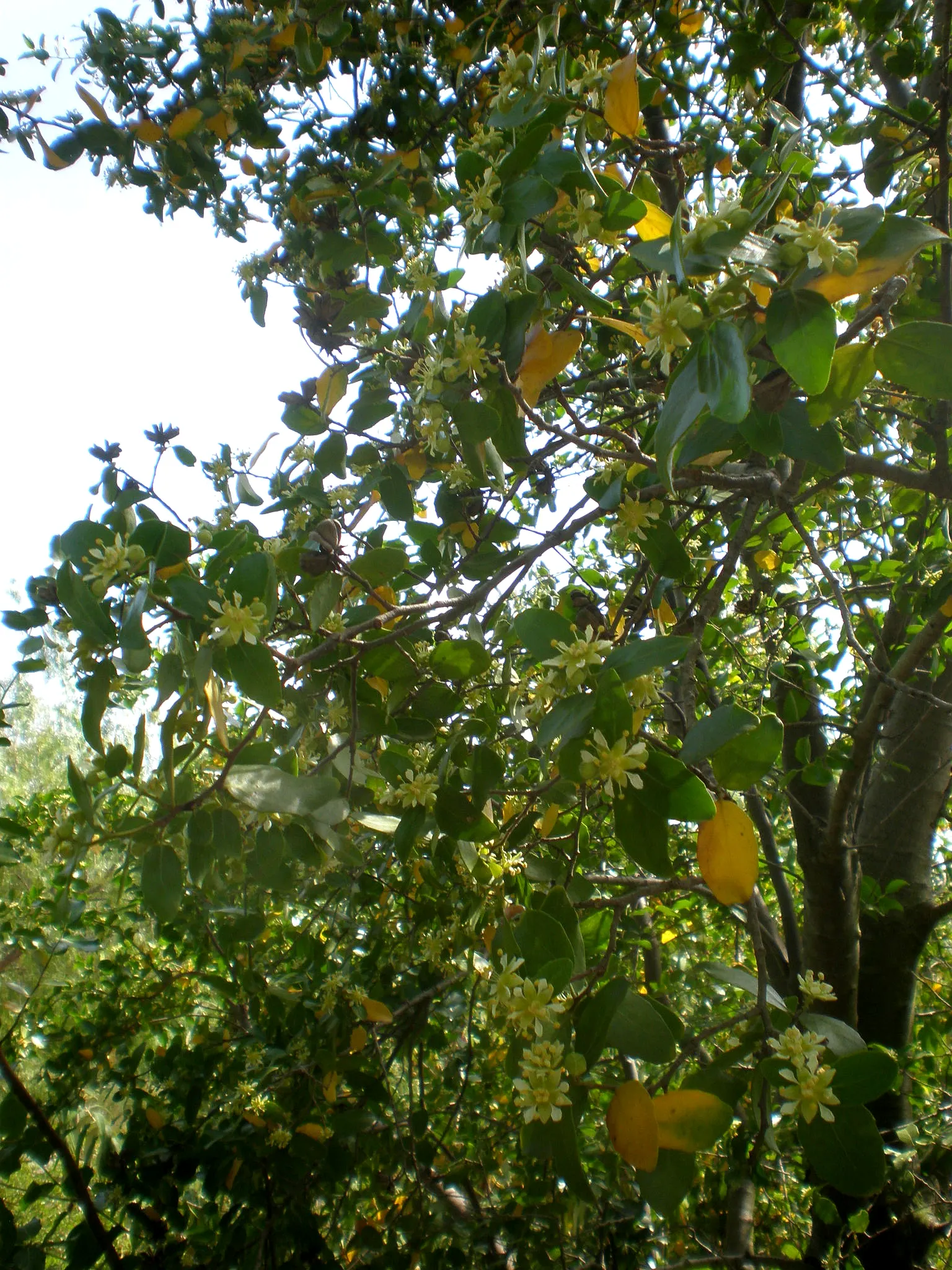
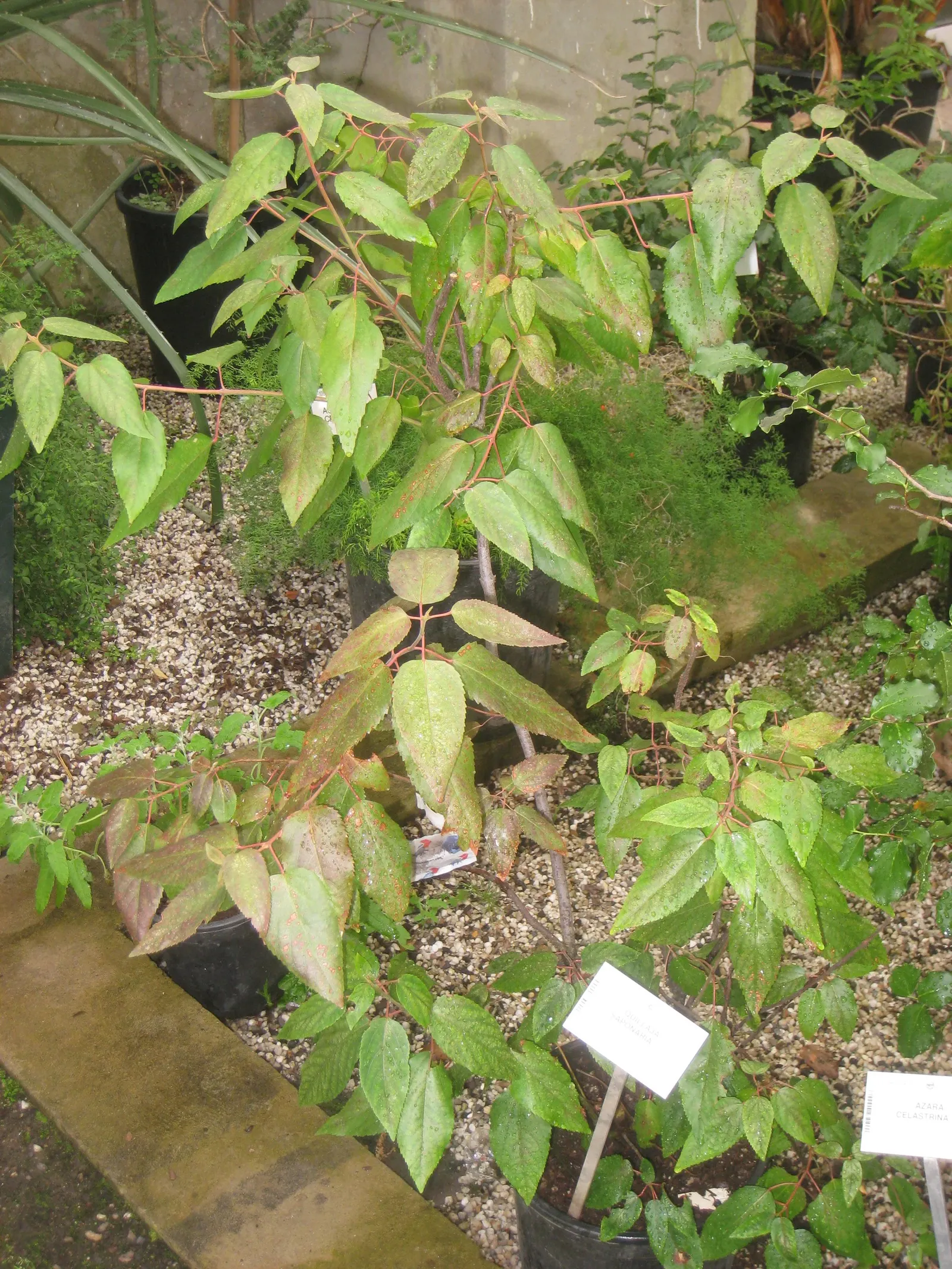
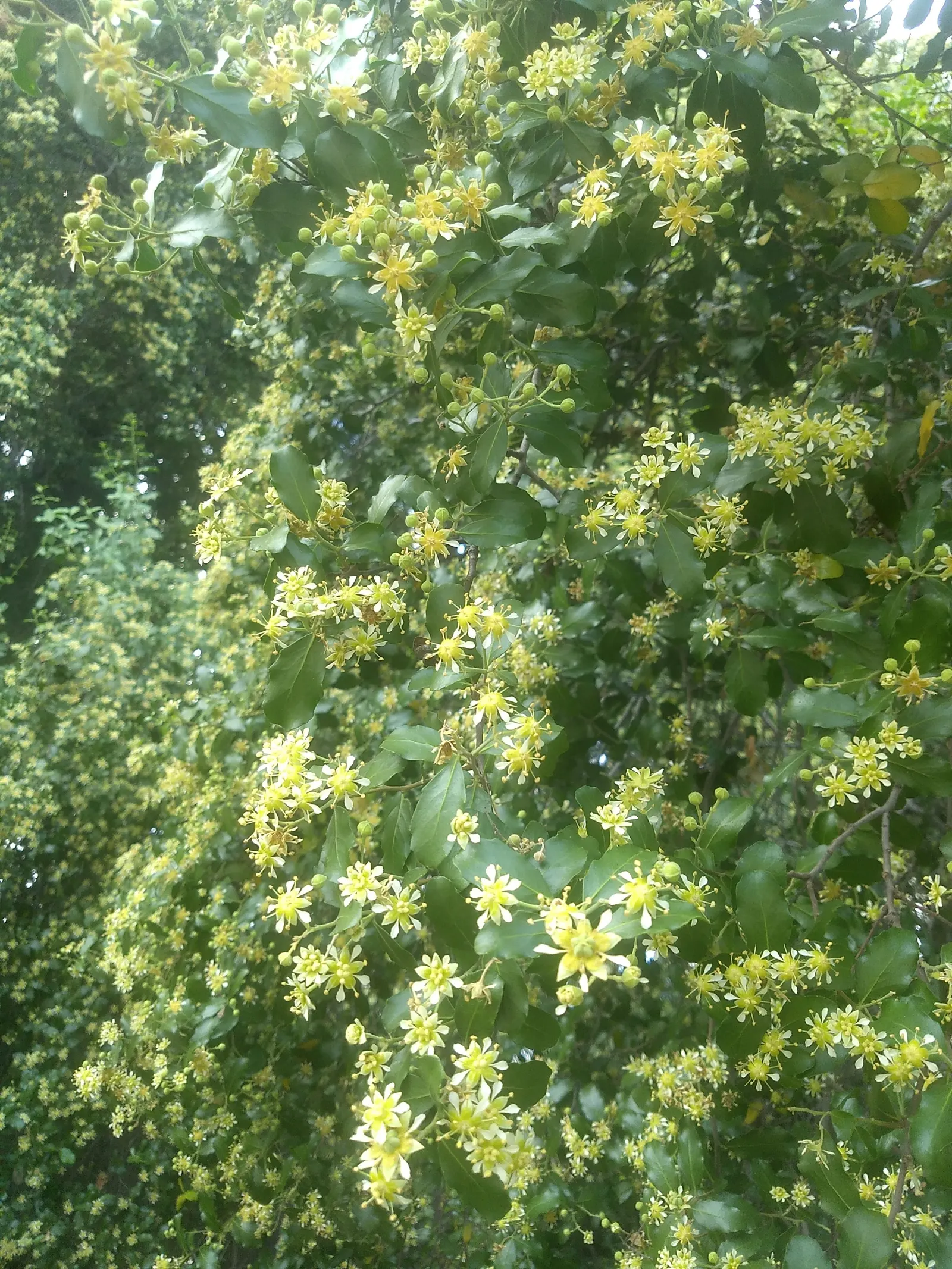
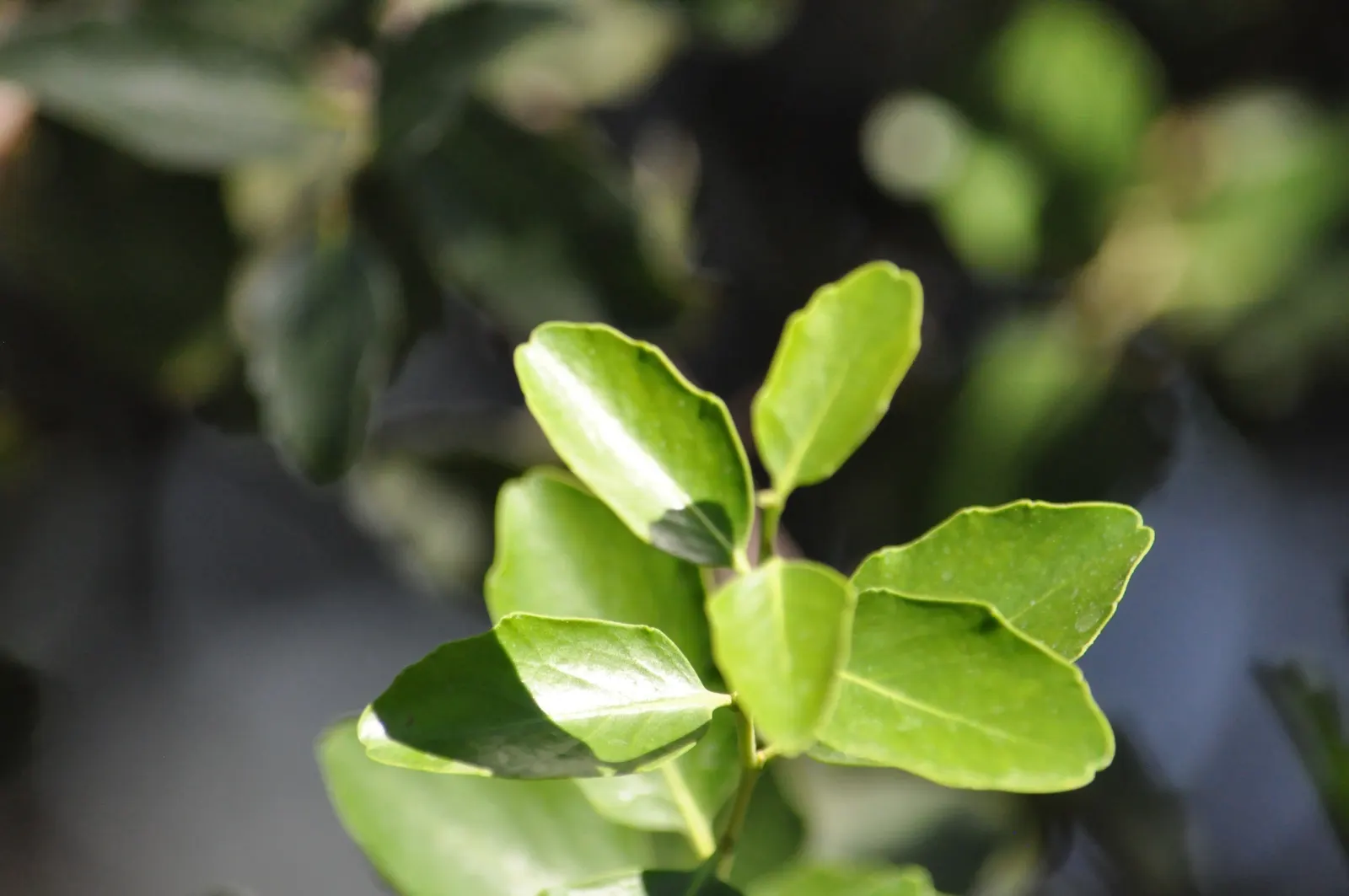
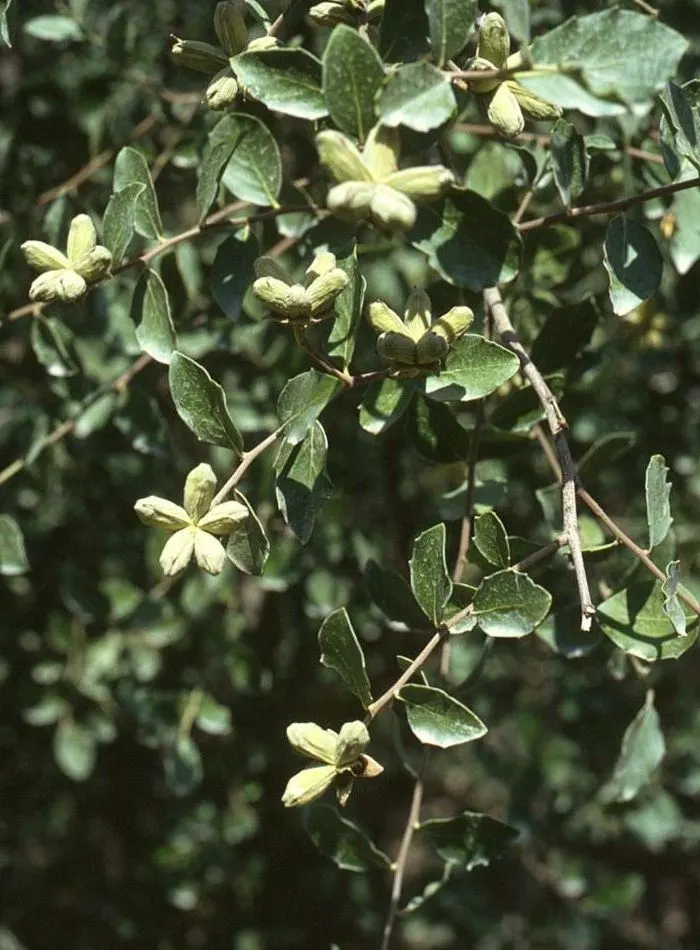
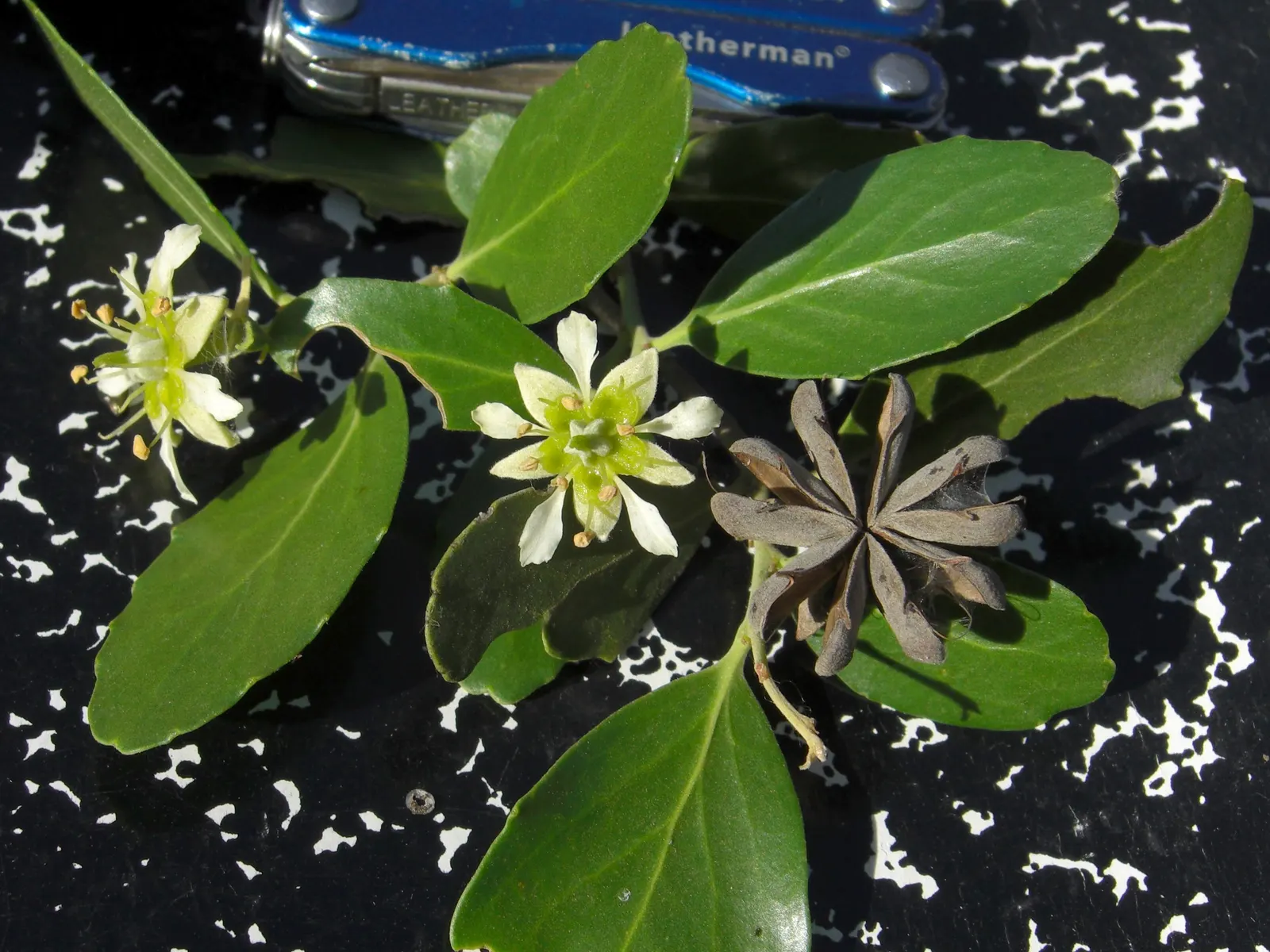
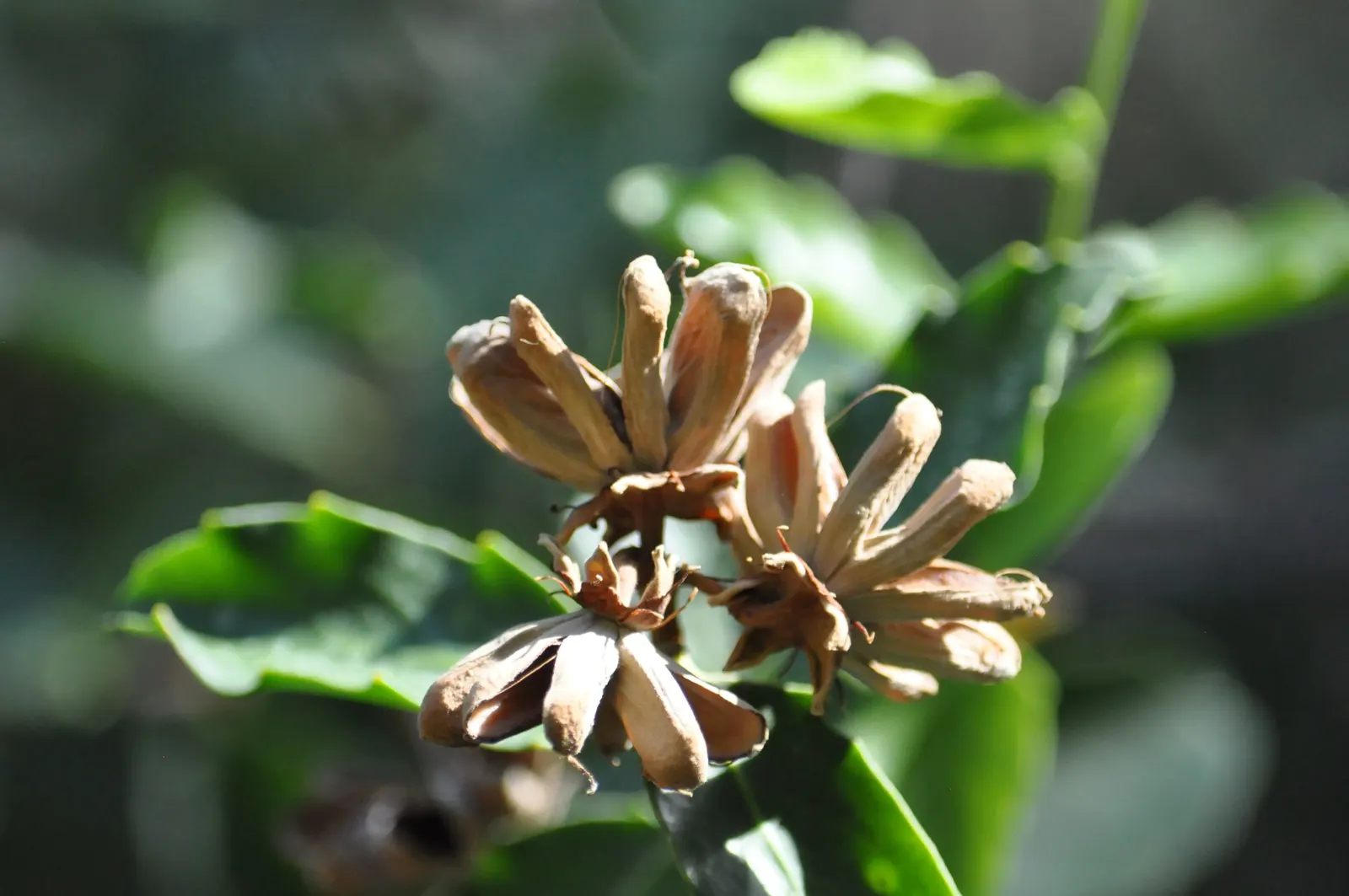
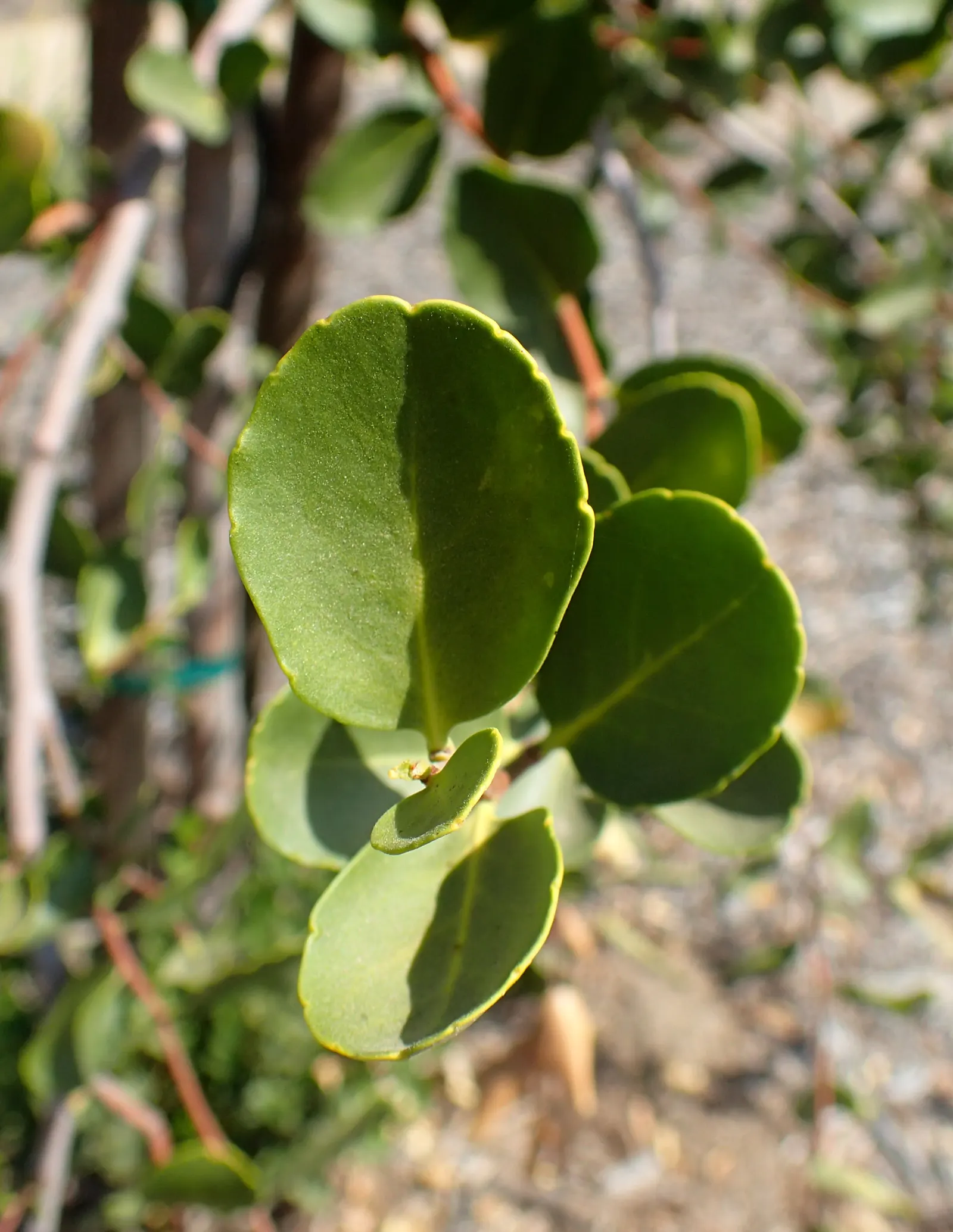
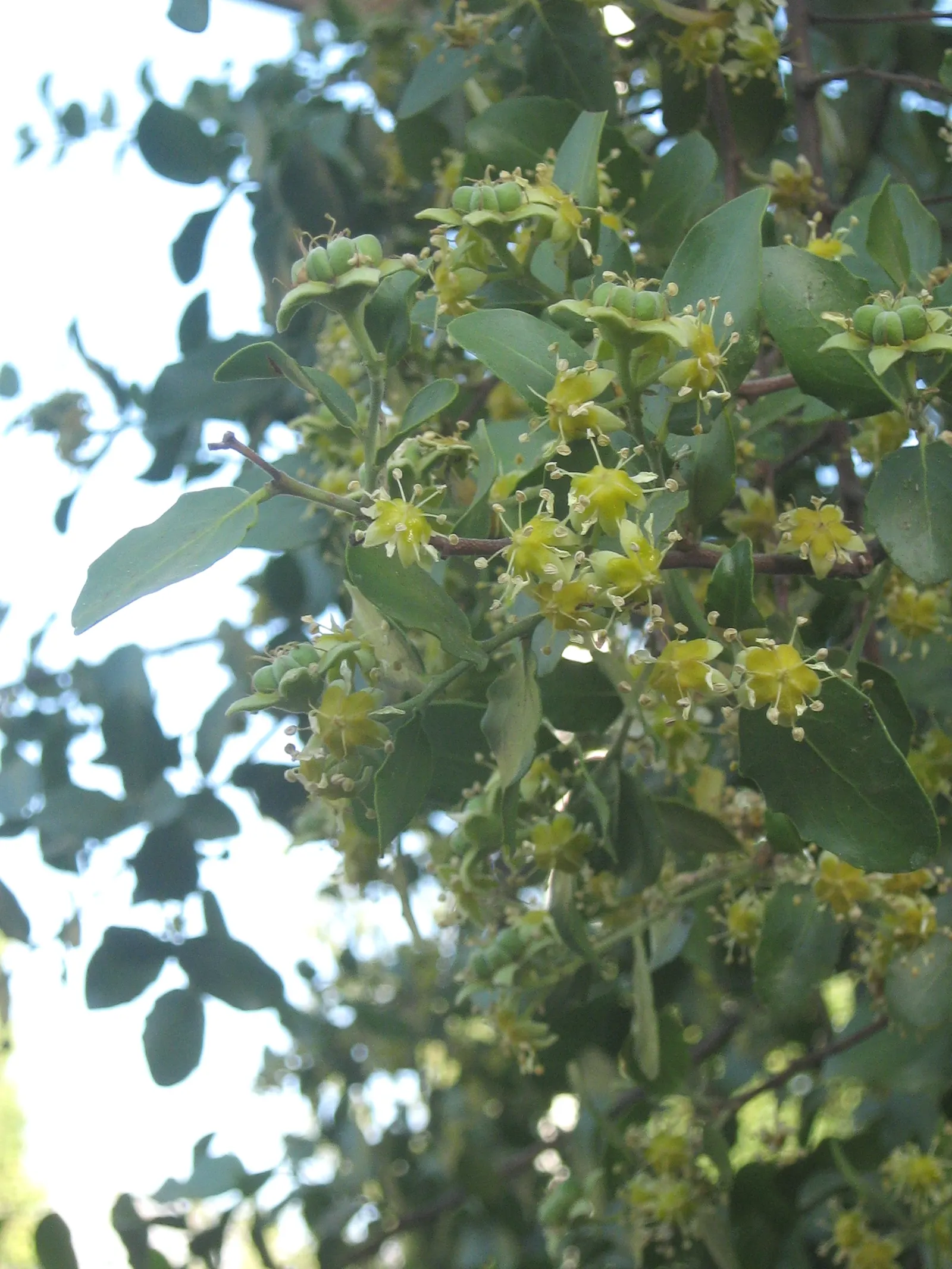
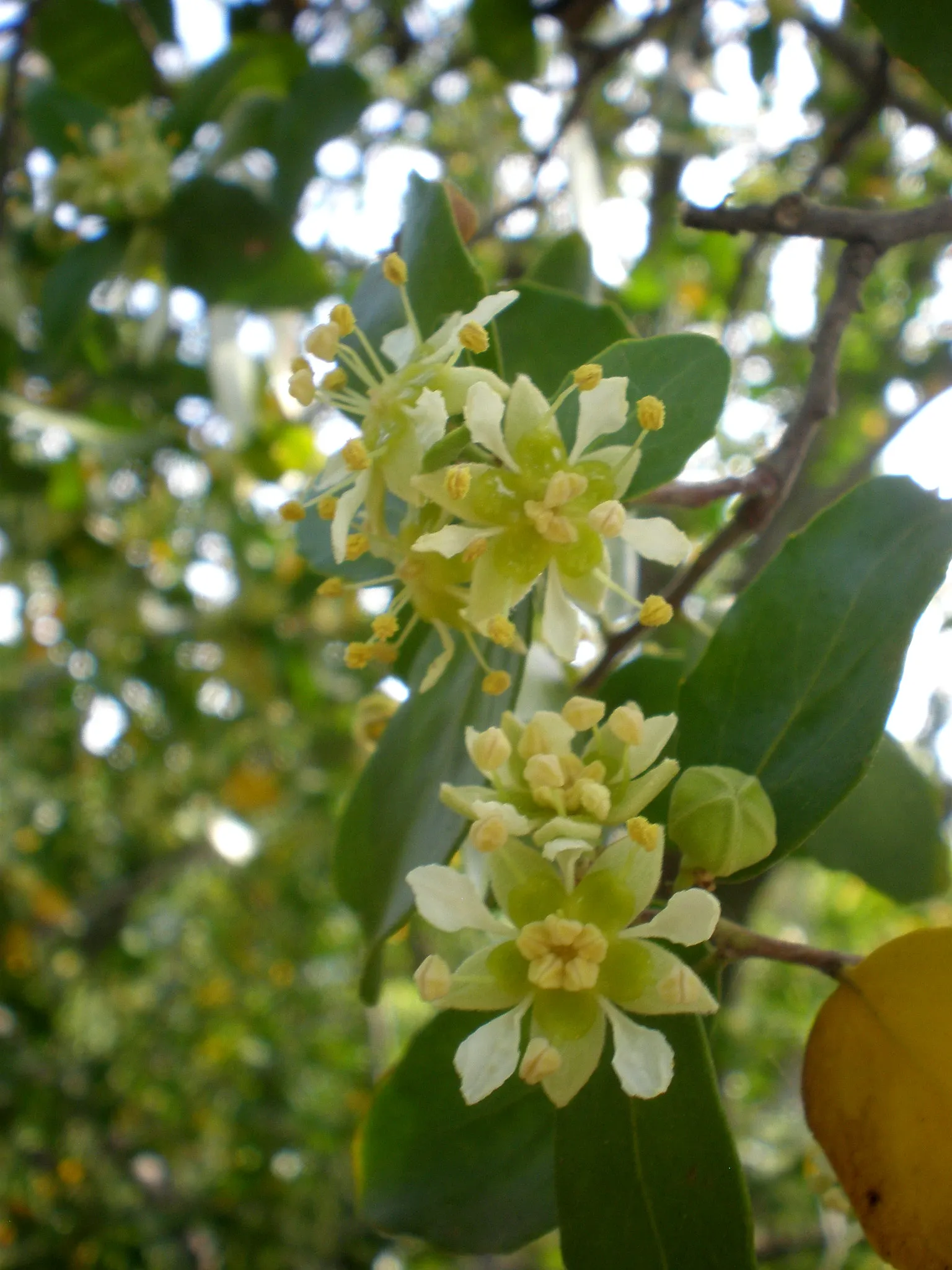
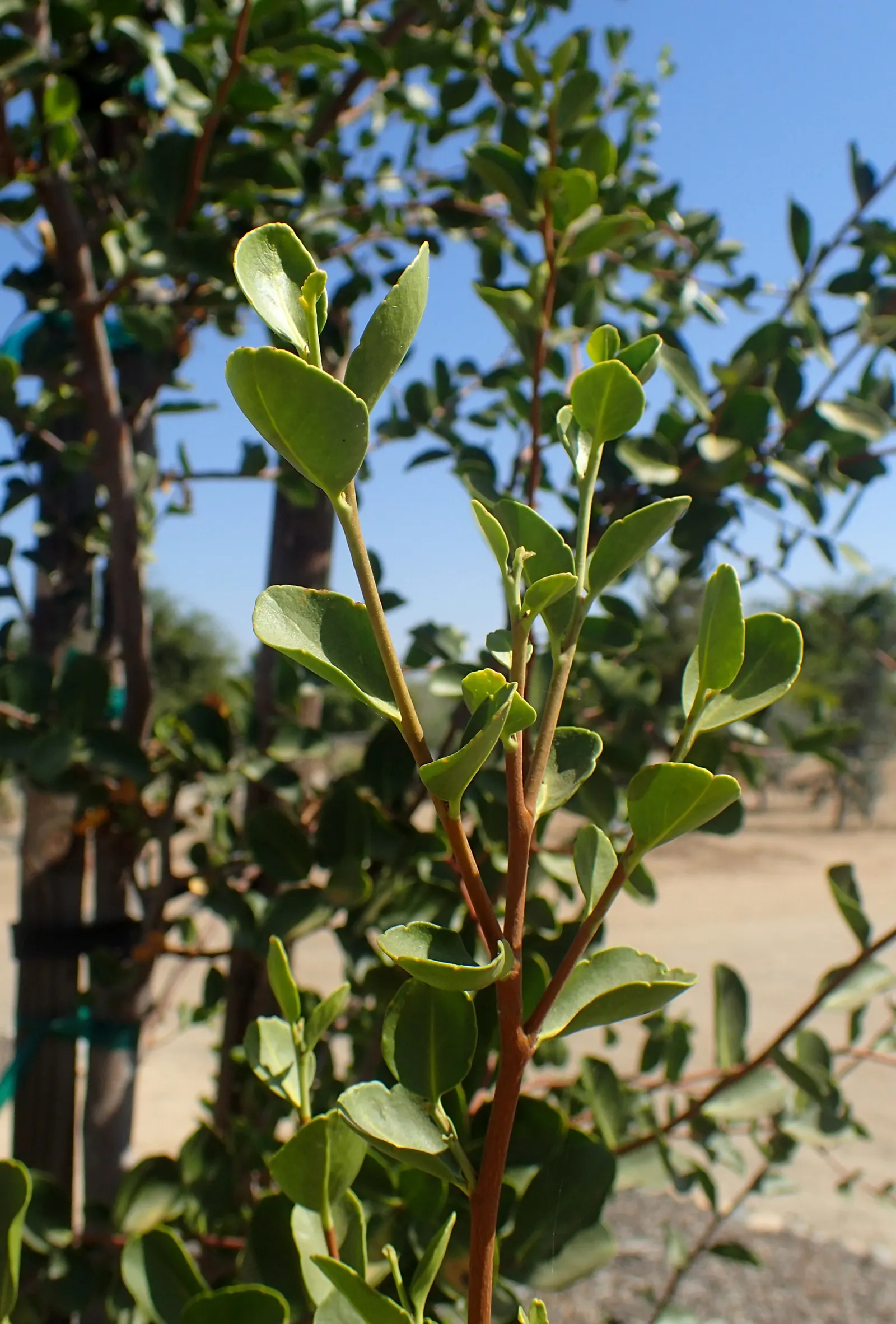


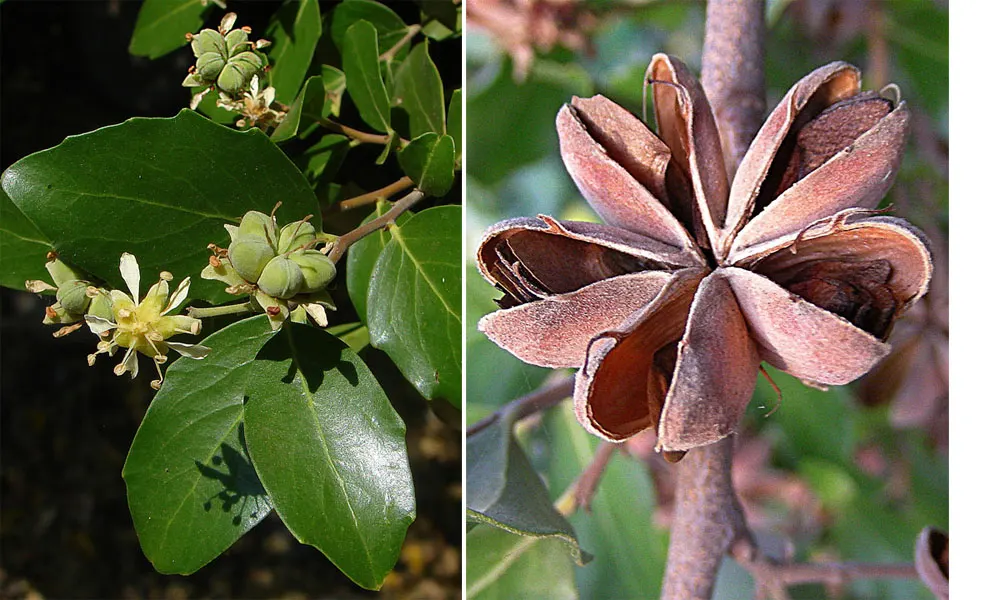
Photographs by 12 contributors
- Yastay, CC BY-SA 4.0 · source
- FracGuyGD, CC BY-SA 4.0 · source
- CARLOS SALGADO MELLA, CC BY-SA 3.0 · source
- Penarc, CC BY-SA 3.0 · source
- Krzysztof Ziarnek, Kenraiz, CC BY-SA 4.0 · source
- Consultaplantas, CC BY-SA 4.0 · source
- Amberckerr, CC BY-SA 4.0 · source
- Franz Xaver, CC BY-SA 3.0 · source
- Jason Hollinger, CC BY 2.0 · source
- penarc, CC BY-SA 3.0 · source
- Pato Novoa from Valparaíso, Chile, CC BY 2.0 · source
- Dick Culbert from Gibsons, B.C., Canada, CC BY 2.0 · source
Related plants
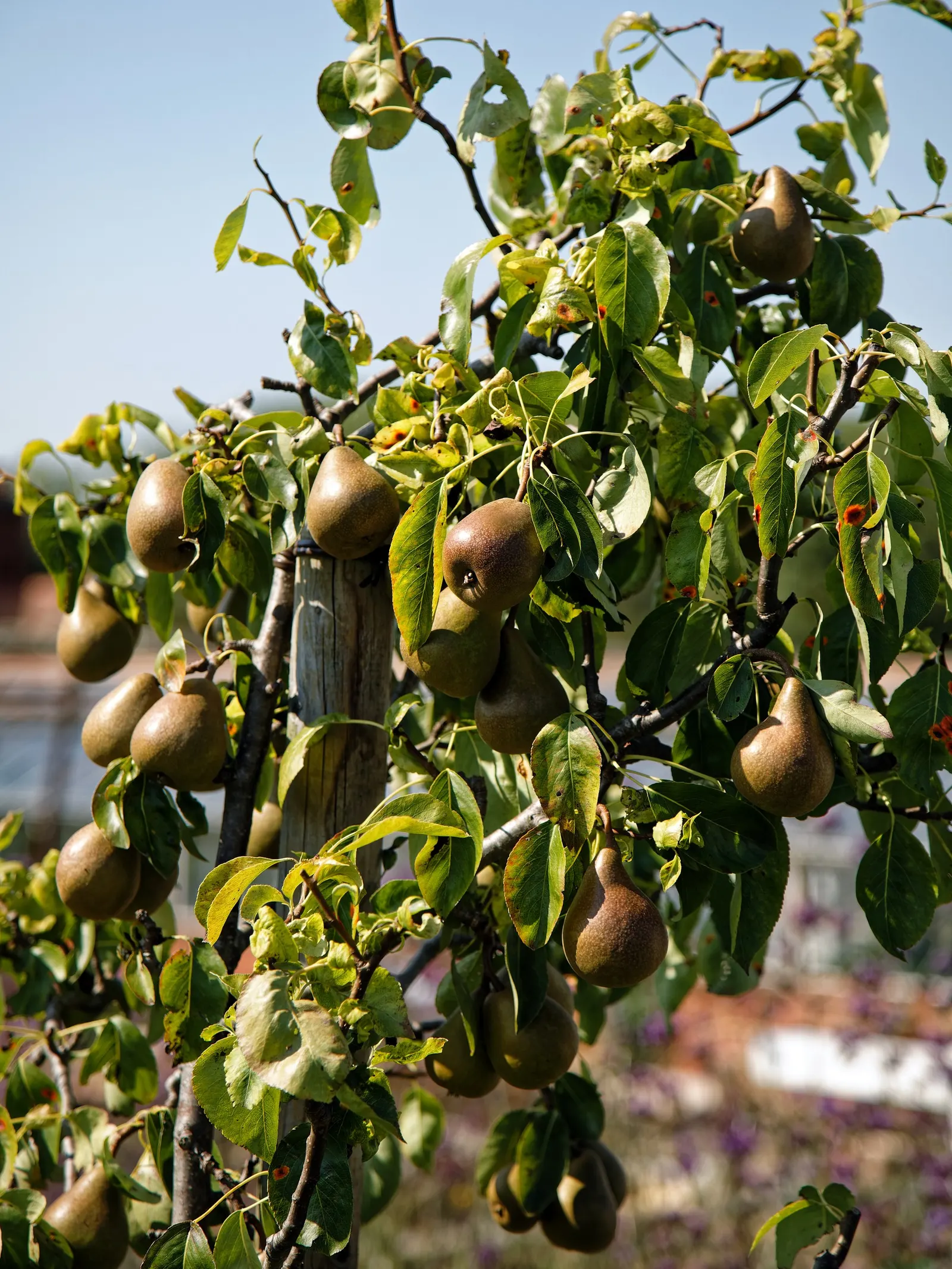
Tree
20Th Century Pear
Pyrus Pyrifolia 'Nijisseiki'
FullUSDA 4–8
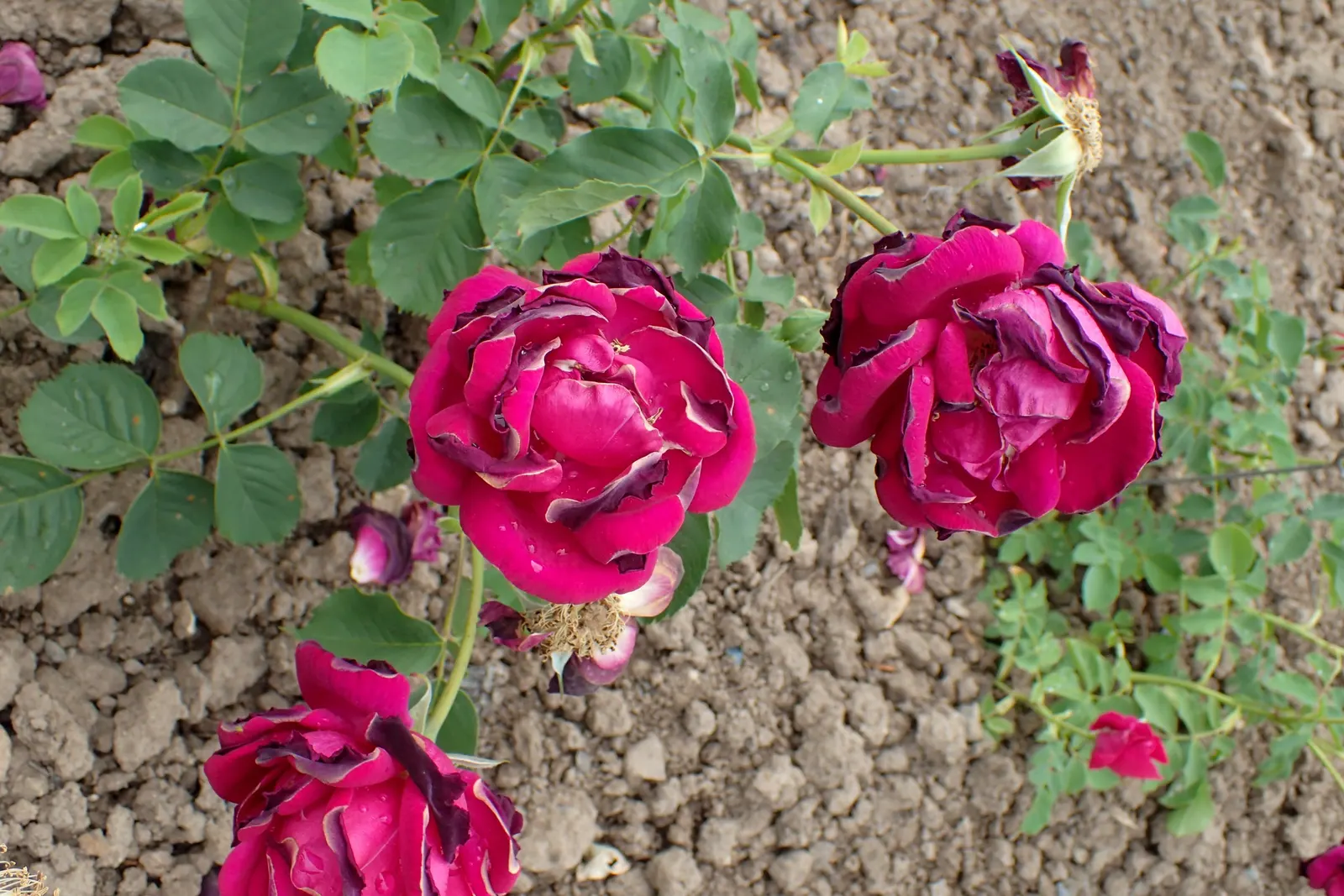
Shrub
Adelaide Hoodless Rose
Rosa 'Adelaide Hoodless'
FullUSDA 5–9
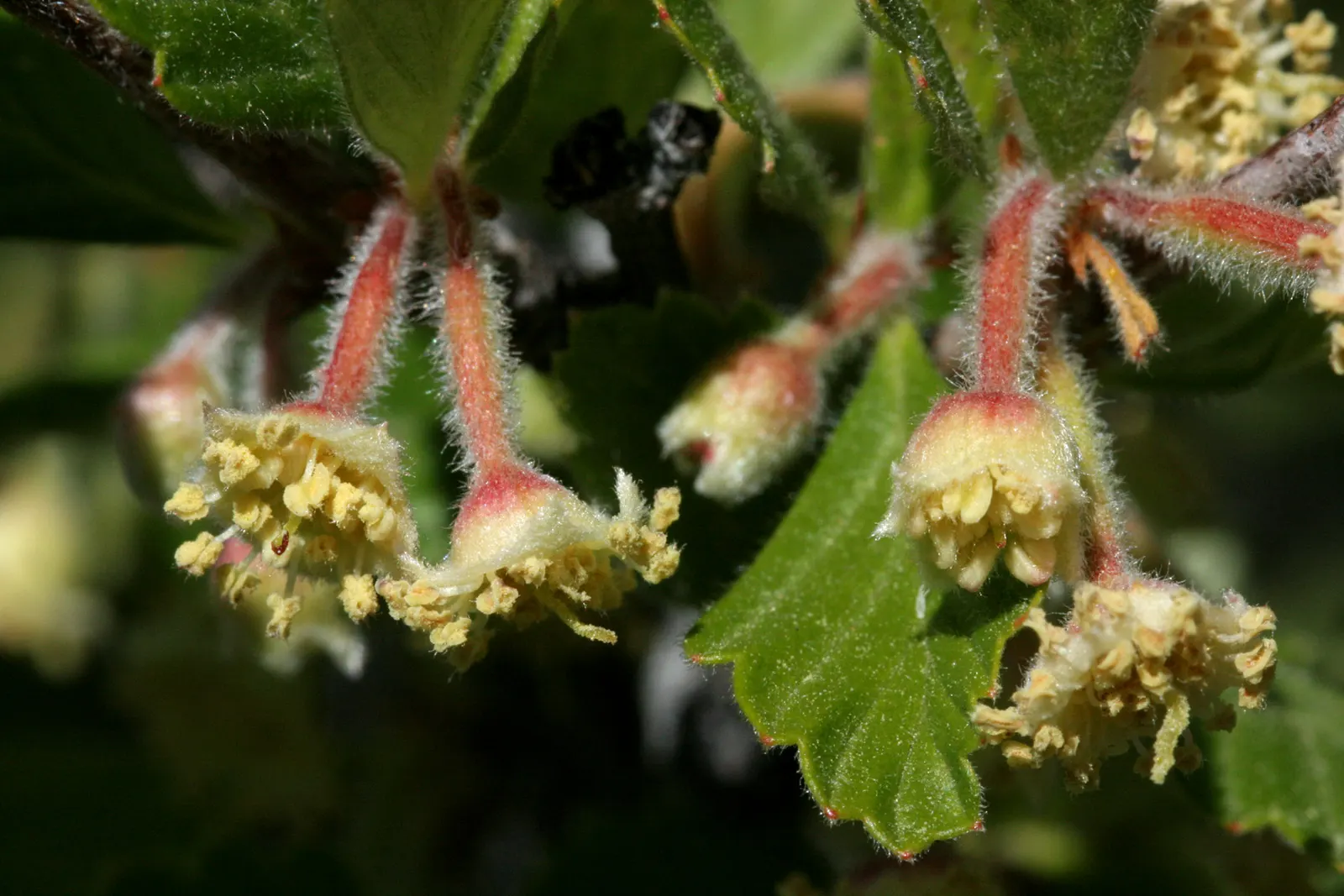
Shrub
Alderleaf Mountain Mahogany
Cercocarpus Montanus
FullUSDA 4–6
Shrub
Allegheny Serviceberry
Amelanchier Laevis
FullUSDA 4–8
Ground cover
Alpine Lady'S-Mantle
Alchemilla Alpinia
HalfUSDA 4–7
Tree
Amanogawa Japanese Flowering Cherry
Prunus Serrulata 'Amanogawa'
FullUSDA 6–9