Skip to content

Edible Pear

Pyrus Communis

Design with this plant

Overview

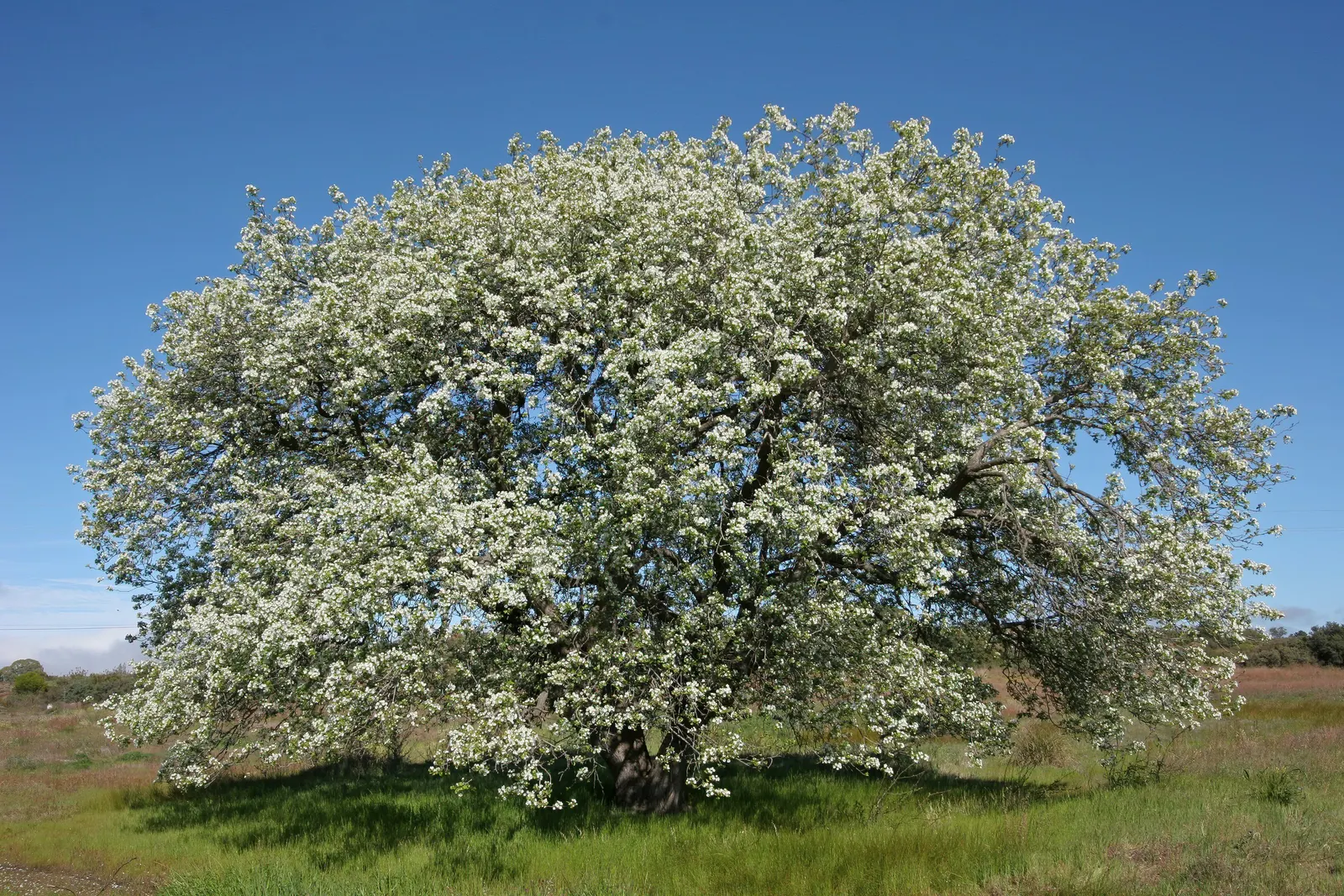
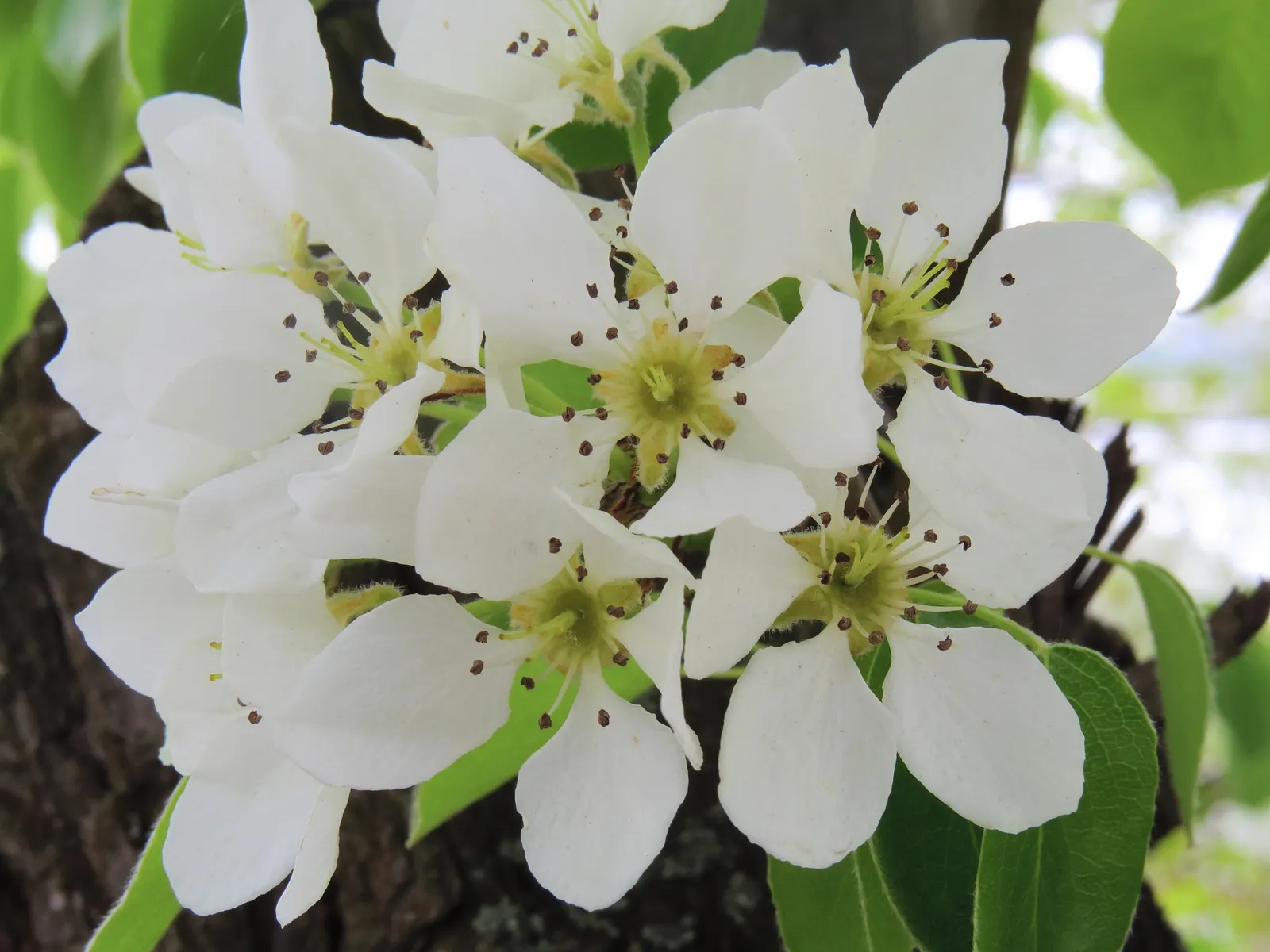
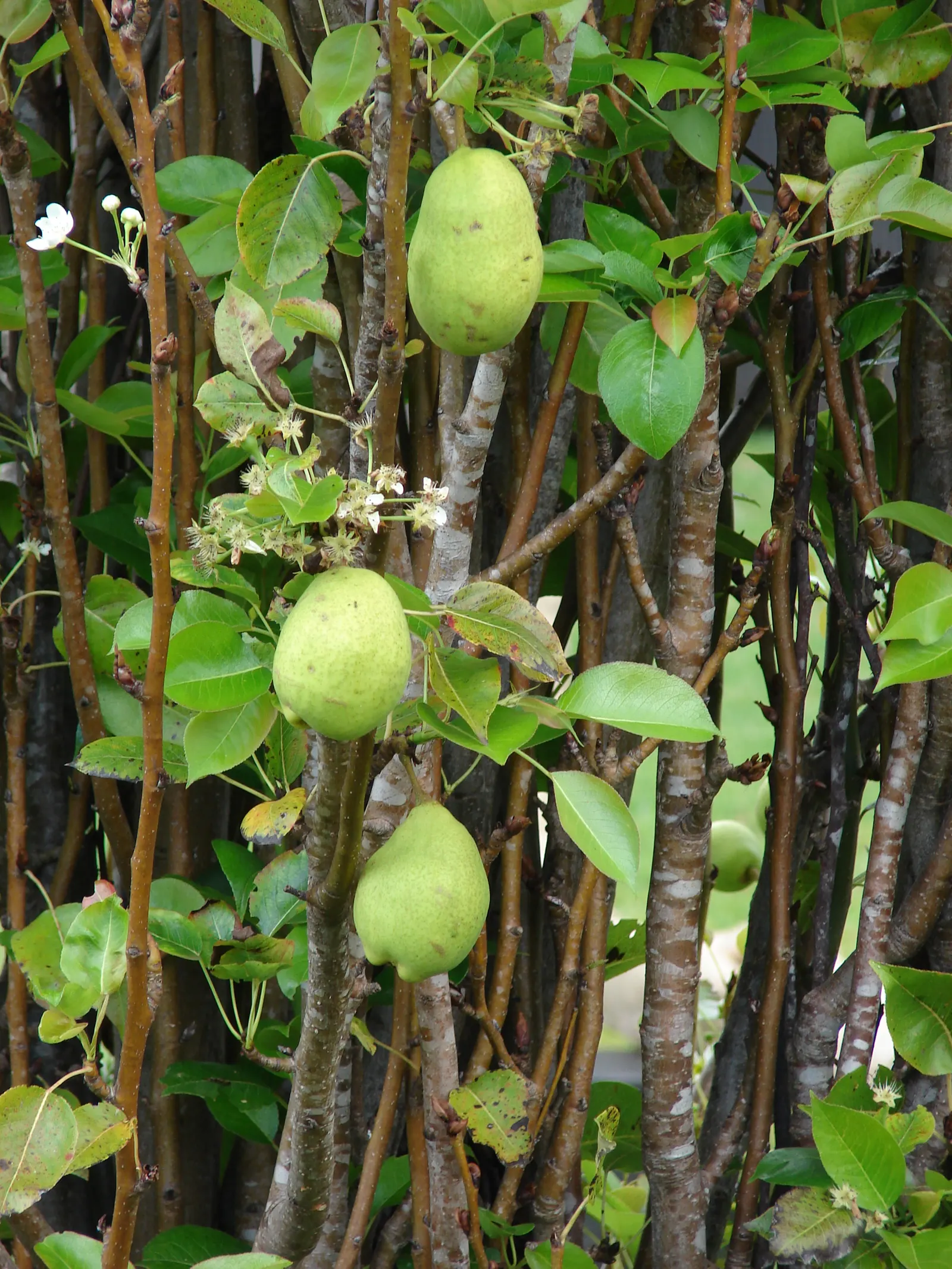
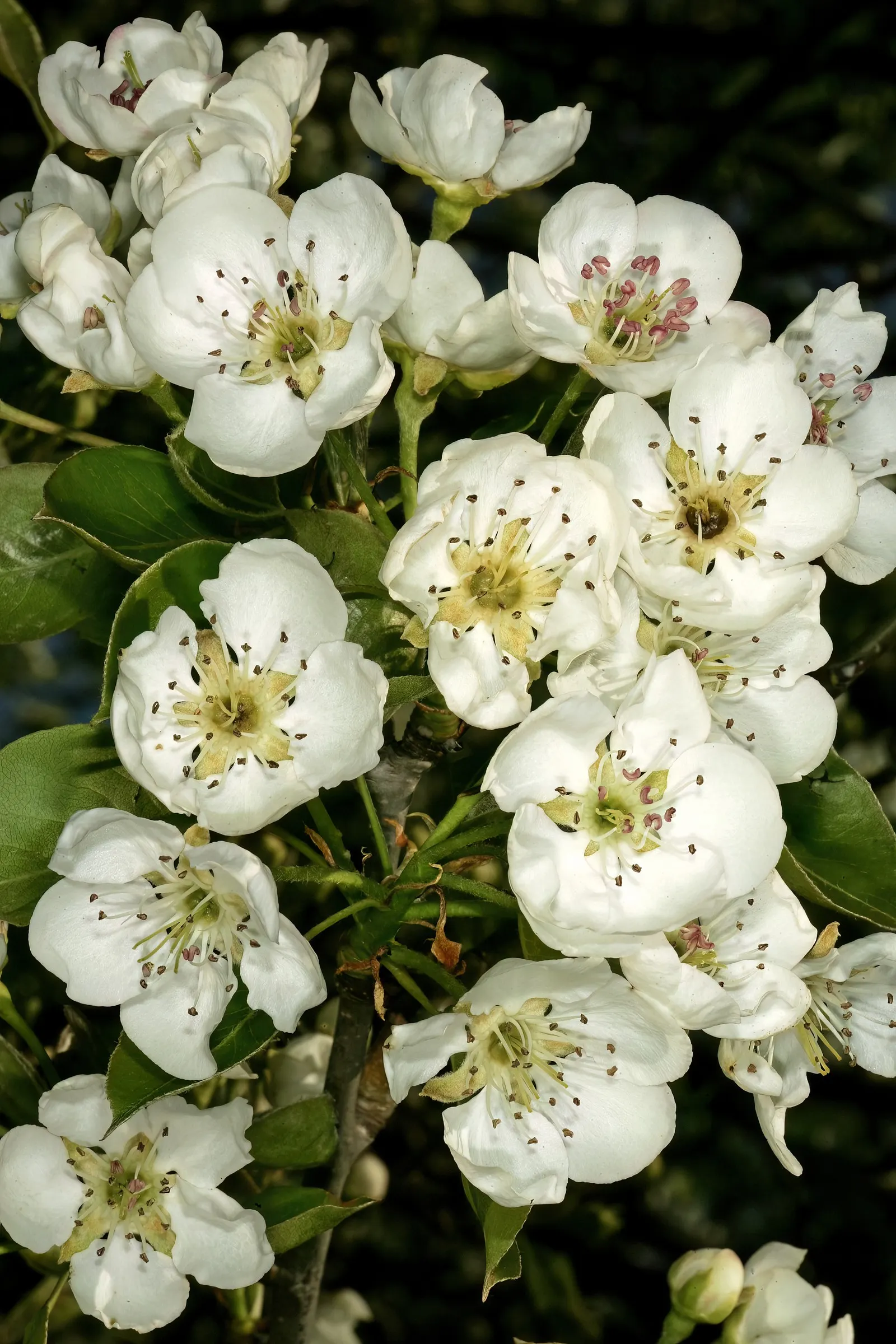
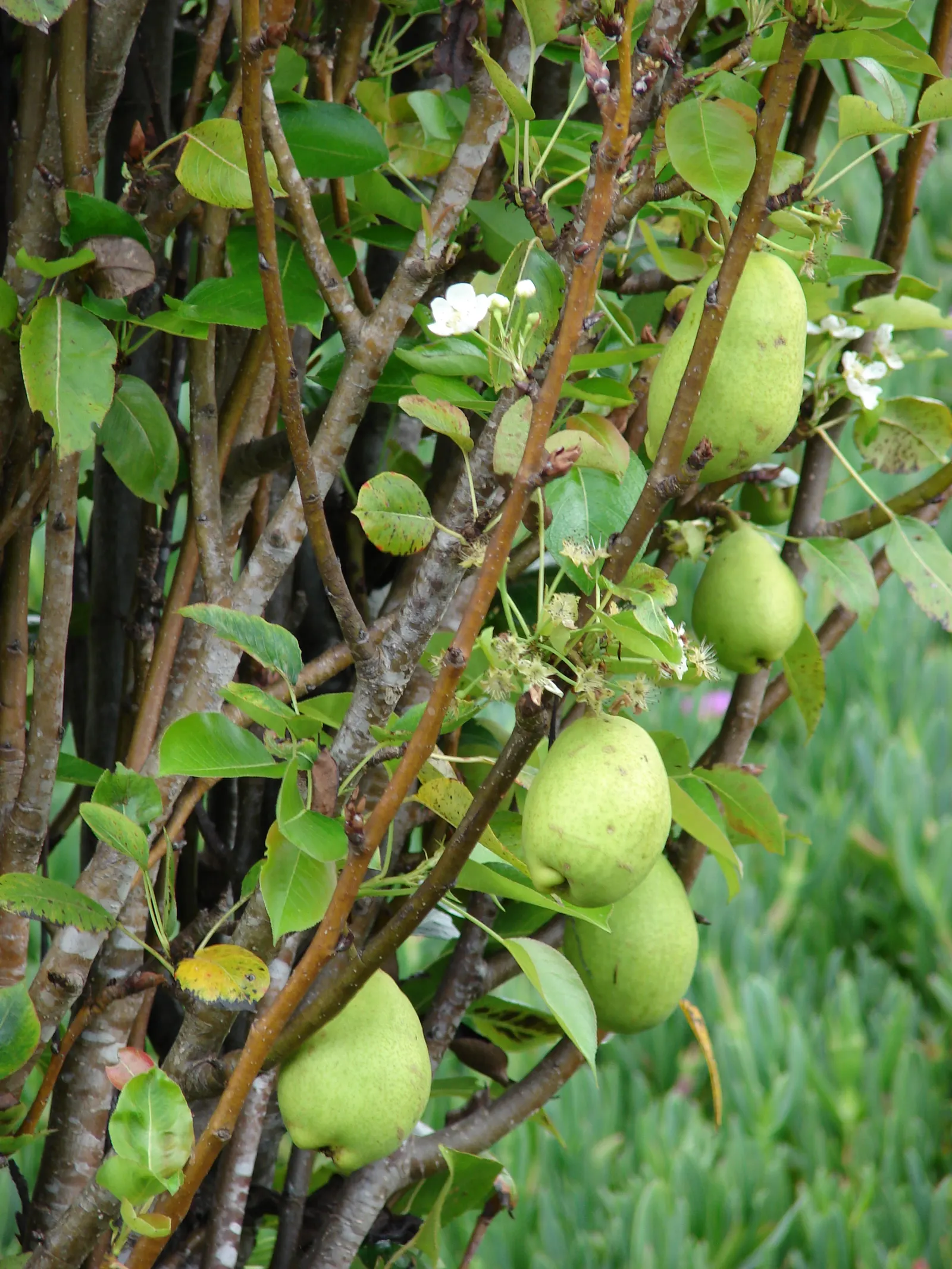
Pyrus communis, commonly known as the Edible Pear, is a deciduous tree coveted for its spring blossoms and sumptuous fruit. Mature trees reach 20-30 feet in height with a spread of 15-20 feet, thriving in well-drained loam. Full sun nurtures optimal fruit production, with harvest times varying by cultivar. Cold-hardy and preferring USDA zones 4-8, it adds both visual charm and practical yield to any landscape.

Sun FullWater Extra in Summer, Low, MediumZones 4–8Type TreeClimate Temperate

Culture

Sun
Full
Water
Extra in Summer, Low, Medium
USDA zones
4–8

Shape & size

Classification

Type
Tree
Family
Rosaceae
Climate
Temperate

See full data, regional cultivation notes, and design tools. Build a client presentation around this plant.

Start your 14-day trial

Photos (111)

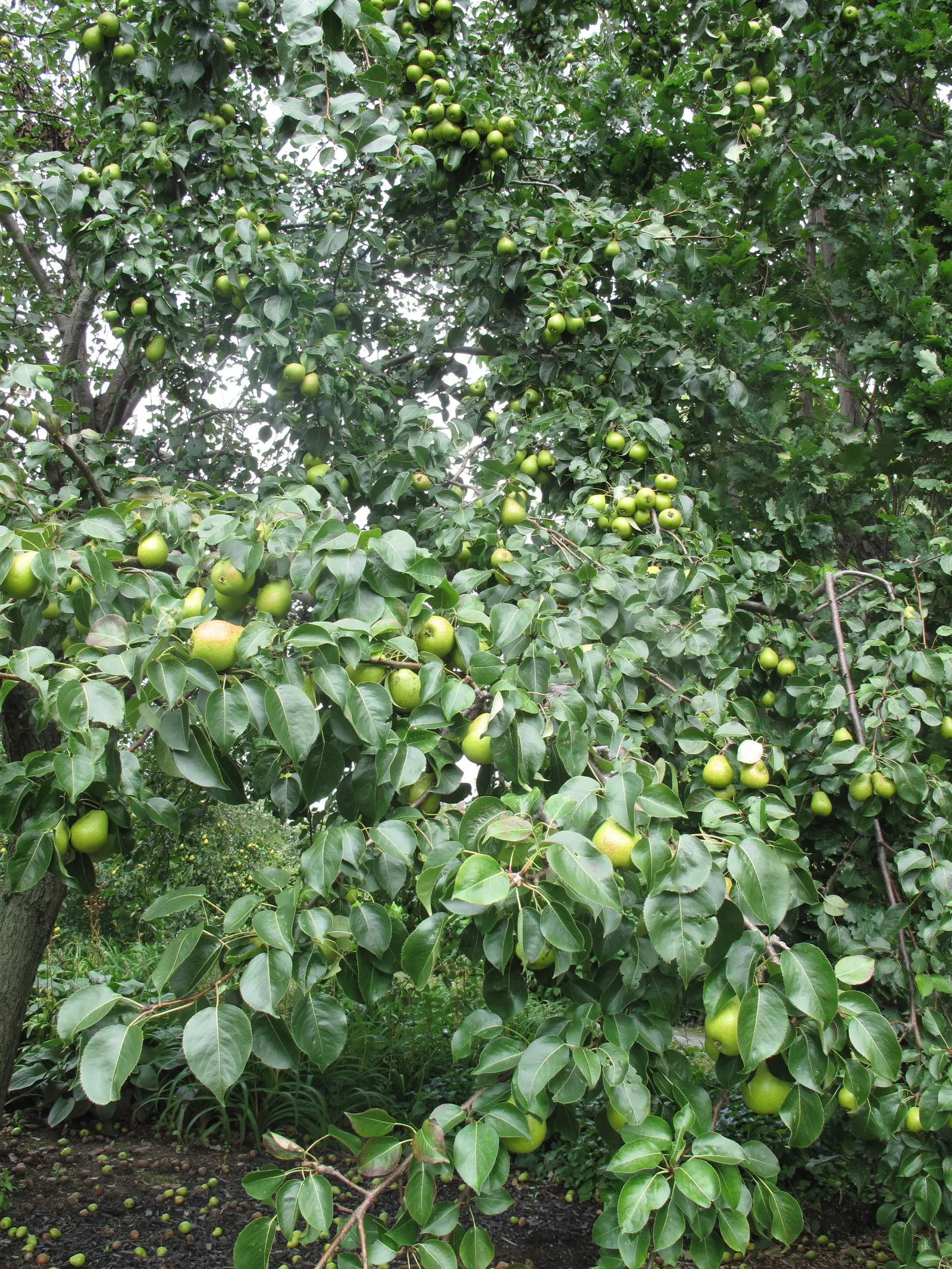
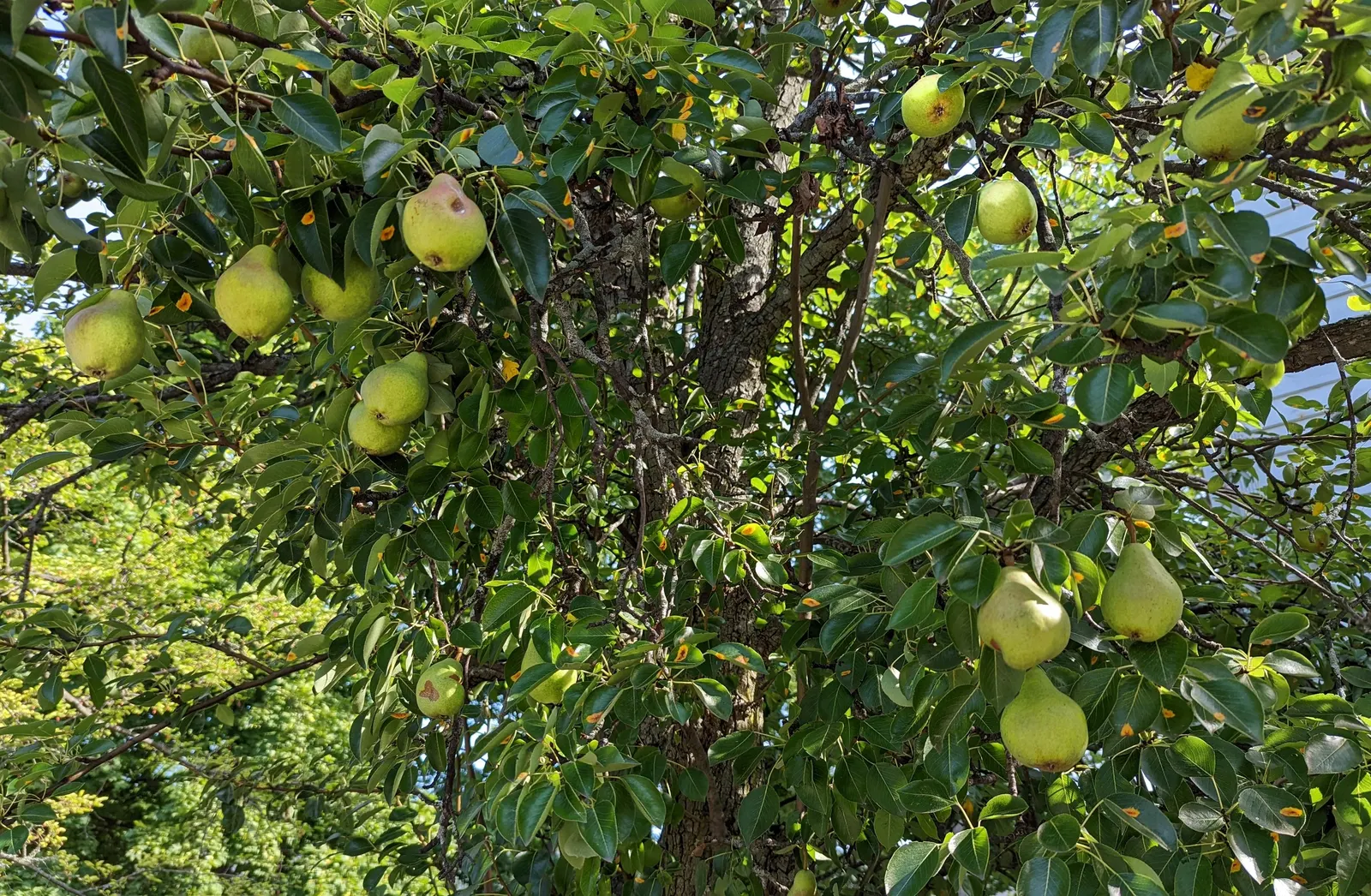
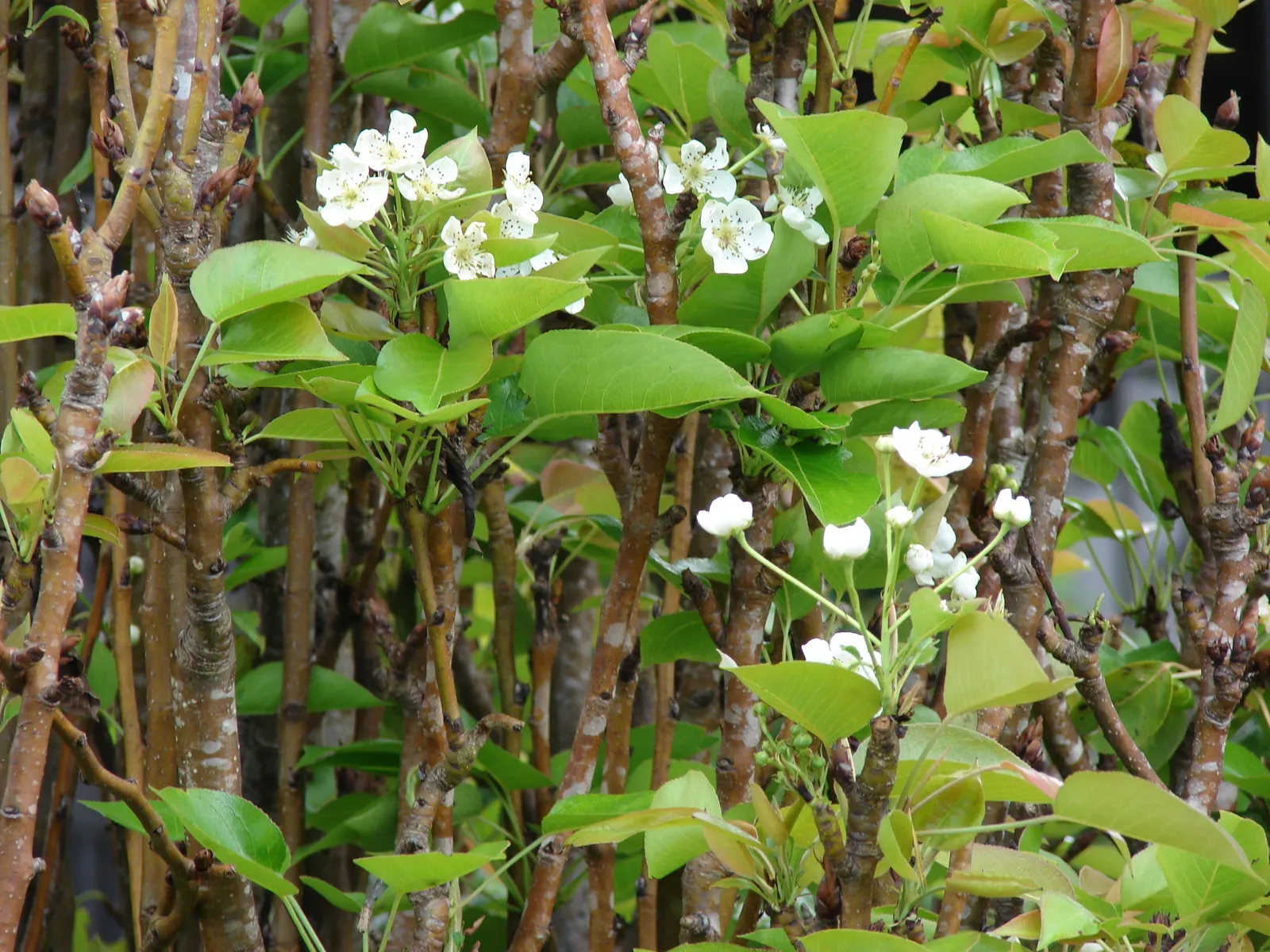
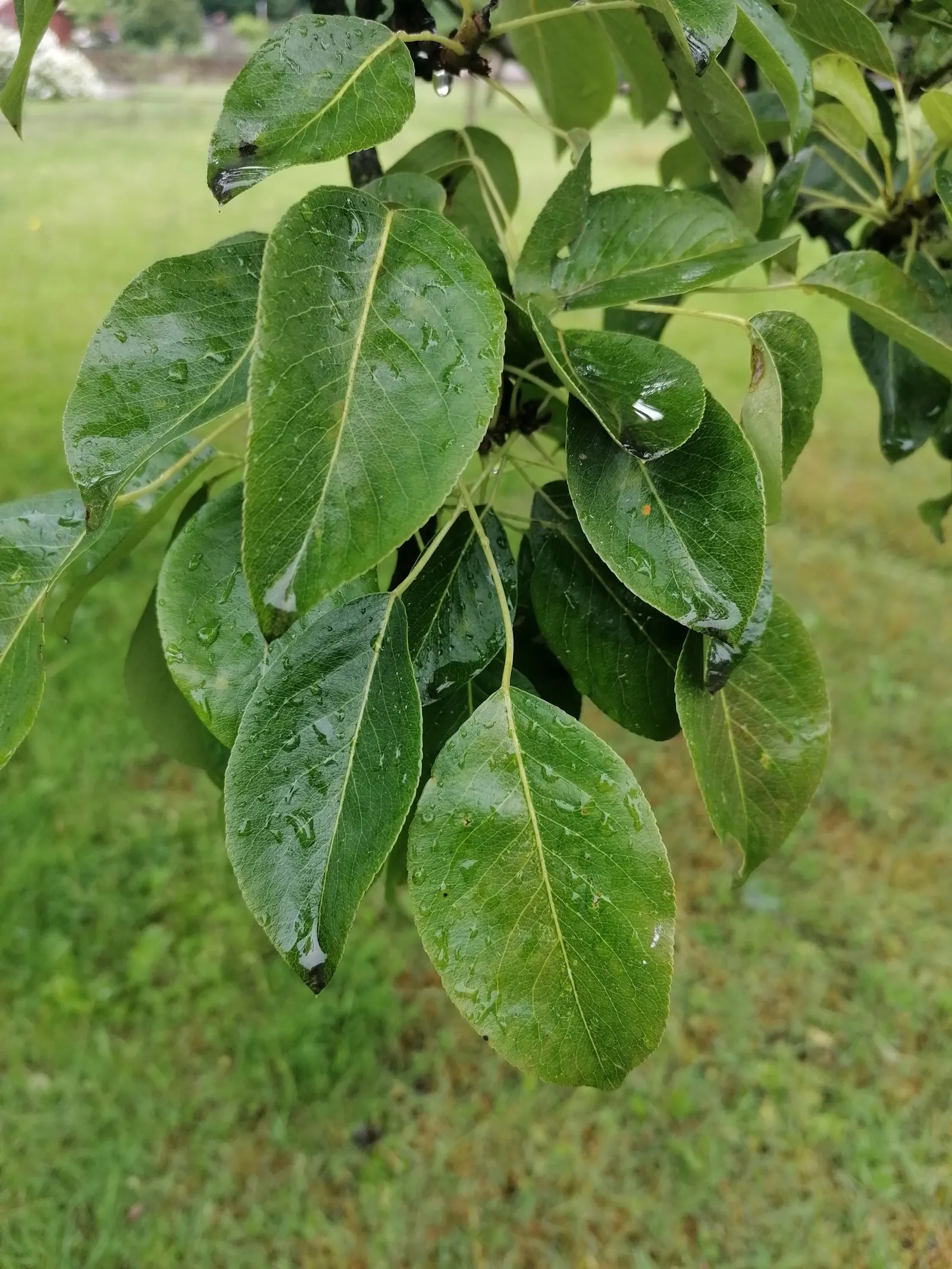
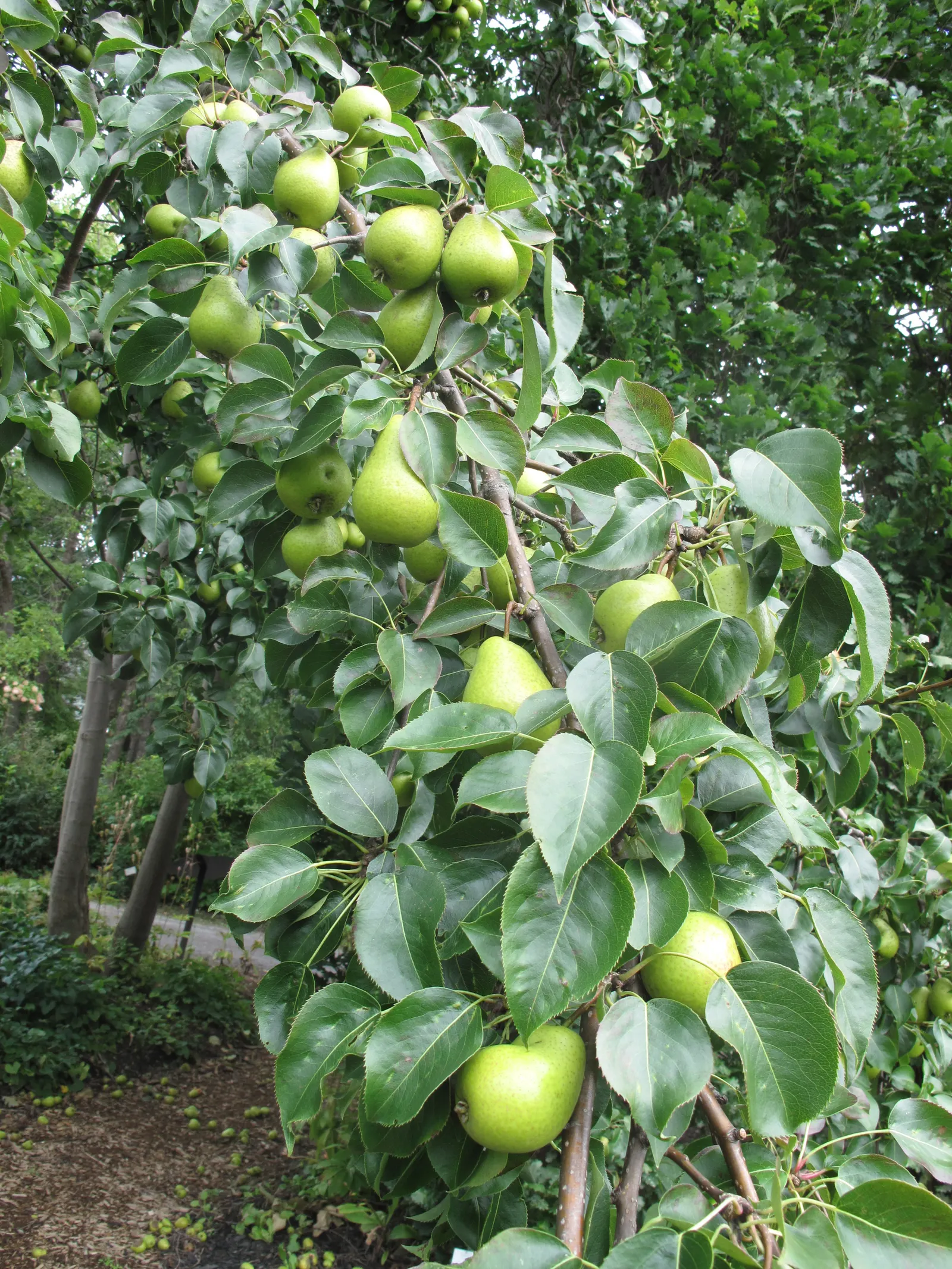
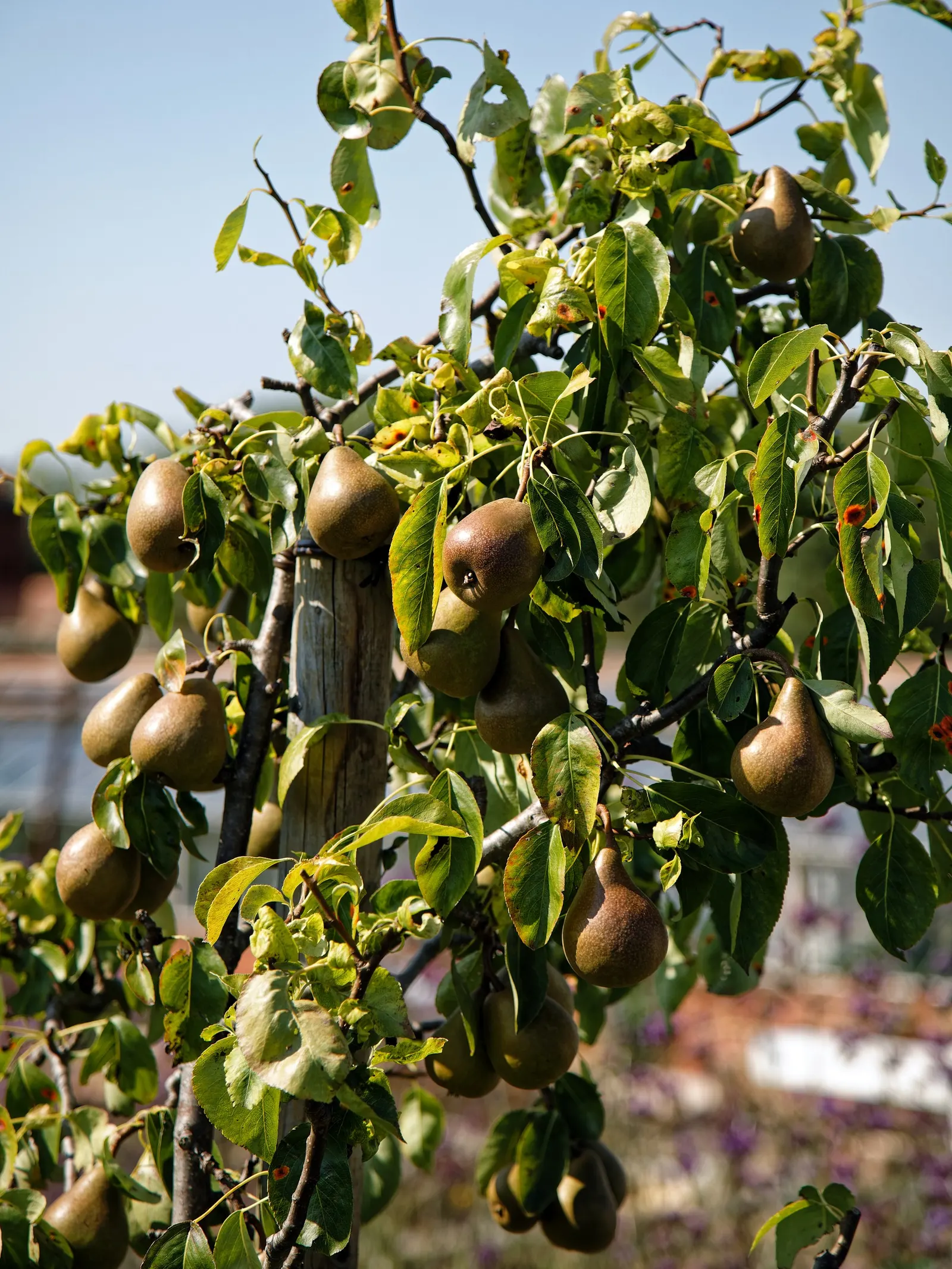
Edible Pear (Pyrus Communis) — displaying a rounded canopy that offers dappled shade; these can vary in color from green to yellow and sometimes have a blush
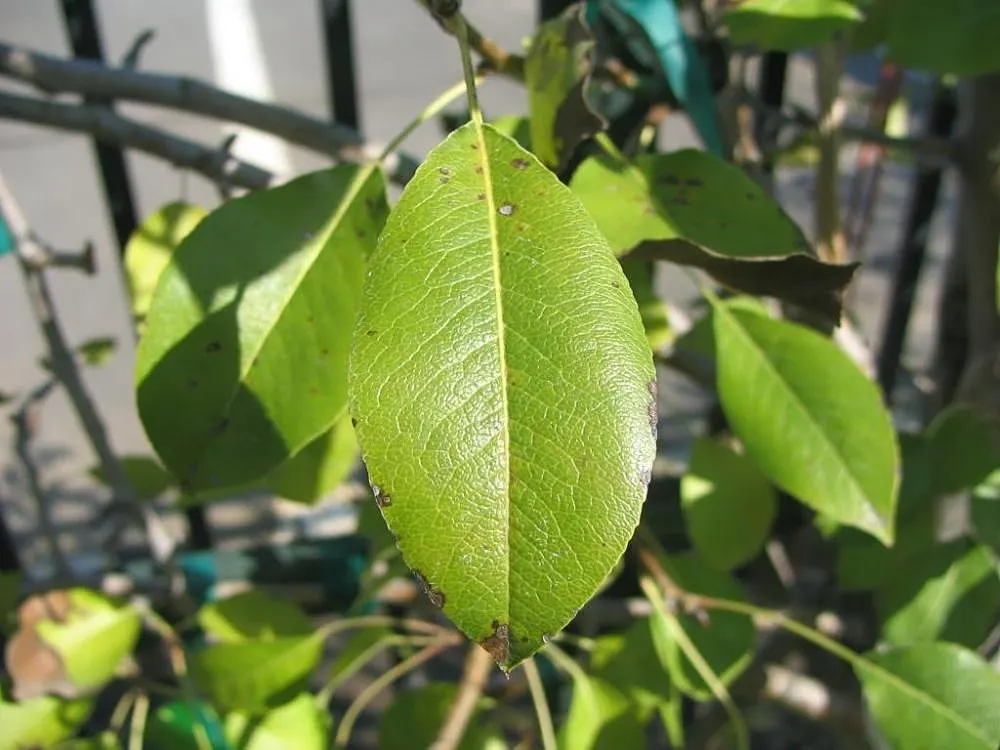
Edible Pear (Pyrus Communis) — such as codling moths and fire blight; mature trees reach 20-30 feet in height with a spread of 15-20 feet, thriving in
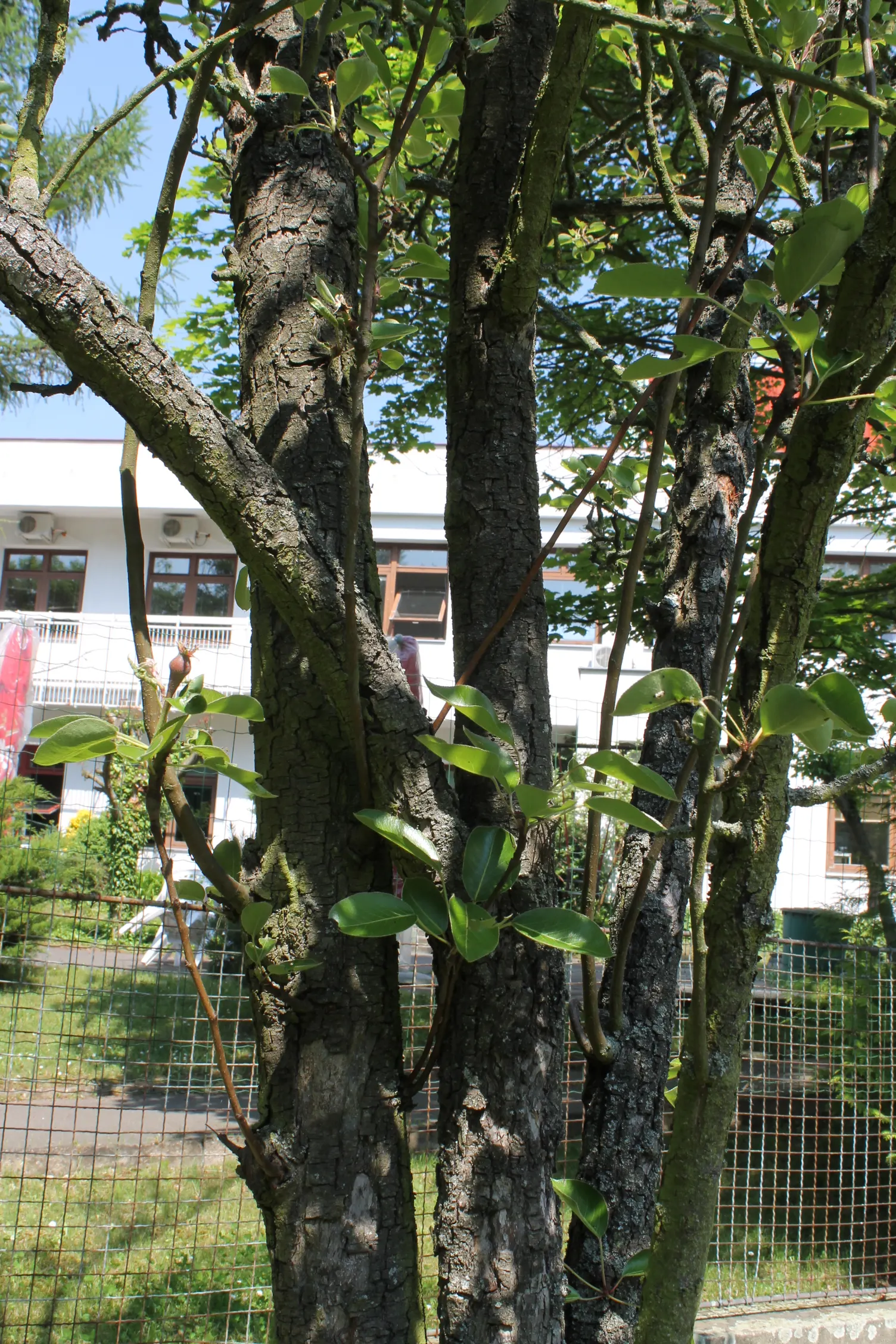
Edible Pear (Pyrus Communis) — While tolerant of a range of conditions, adequate watering is crucial, especially in dry periods; commonly known as, image 87
Edible Pear (Pyrus Communis) — commonly known as the Edible Pear; full sun nurtures optimal fruit production, with harvest times varying by cultivar
Edible Pear (Pyrus Communis) — Full sun nurtures optimal fruit production, with harvest times varying by cultivar; commonly known as the Edible Pear, image 76
Edible Pear (Pyrus Communis) — is a deciduous tree that provides both aesthetic appeal and fruit harvest for garden owners
Edible Pear (Pyrus Communis) — cross-pollination is often necessary; thus; will help ensure a robust tree that can live upwards of 50 years
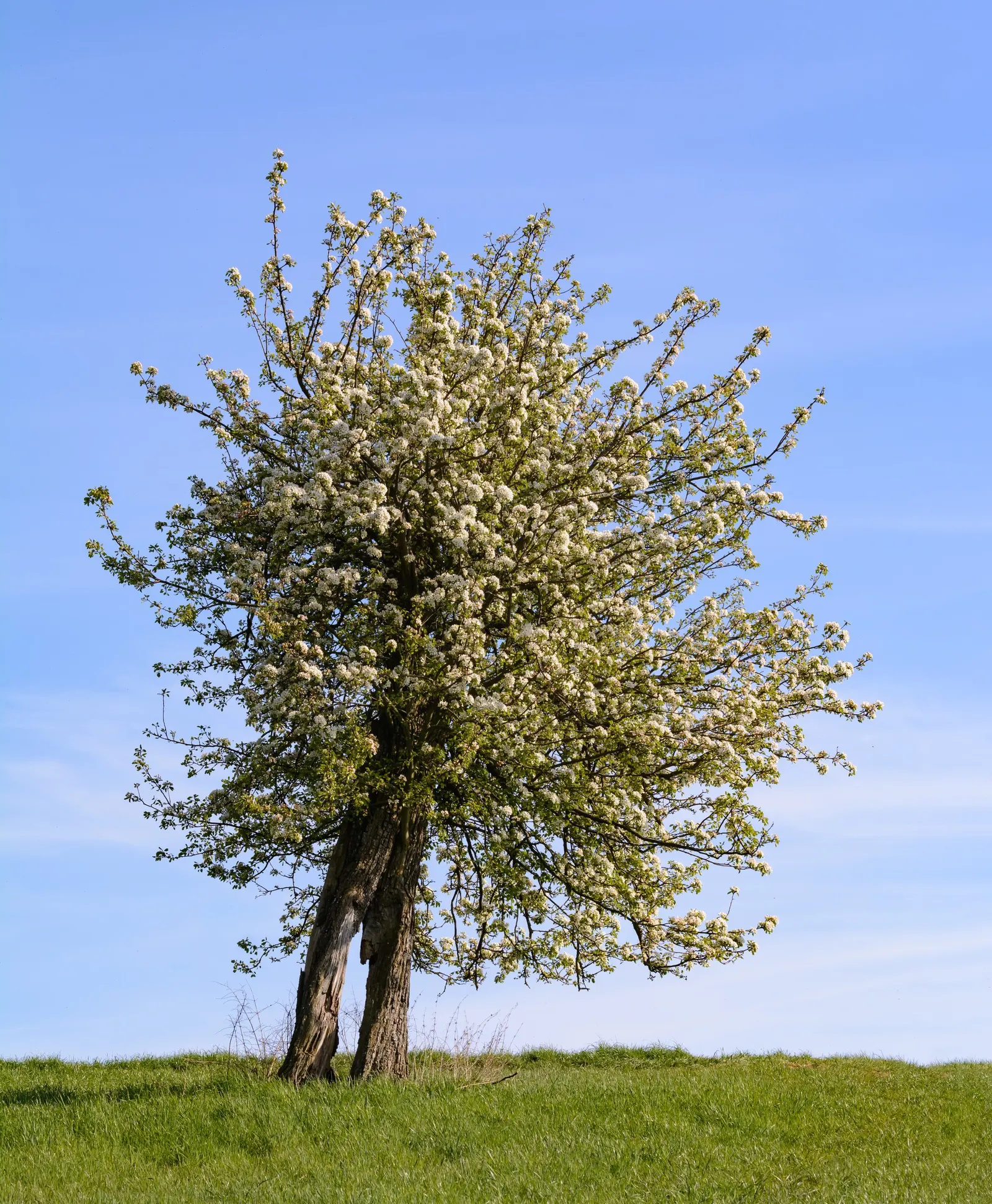
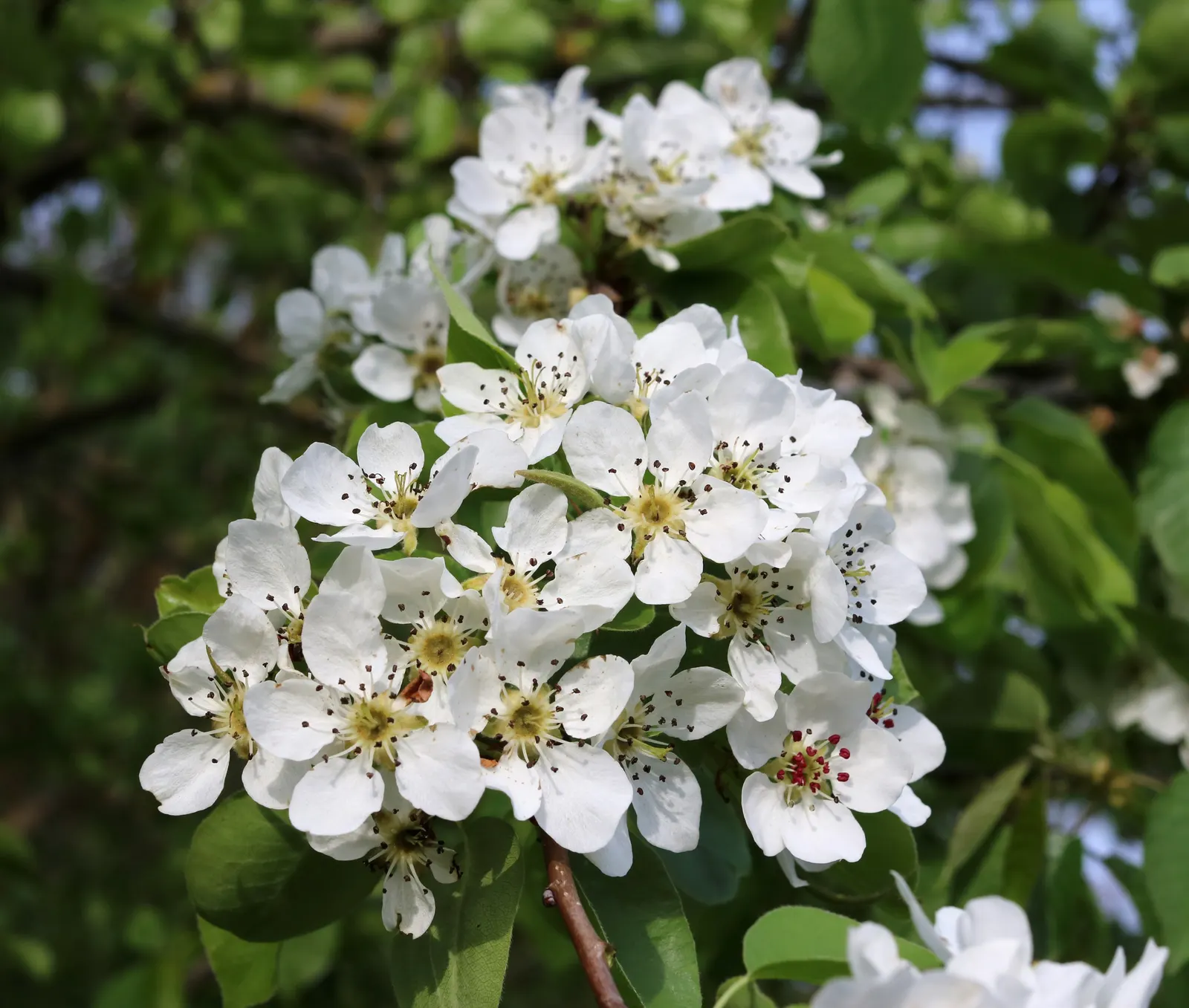
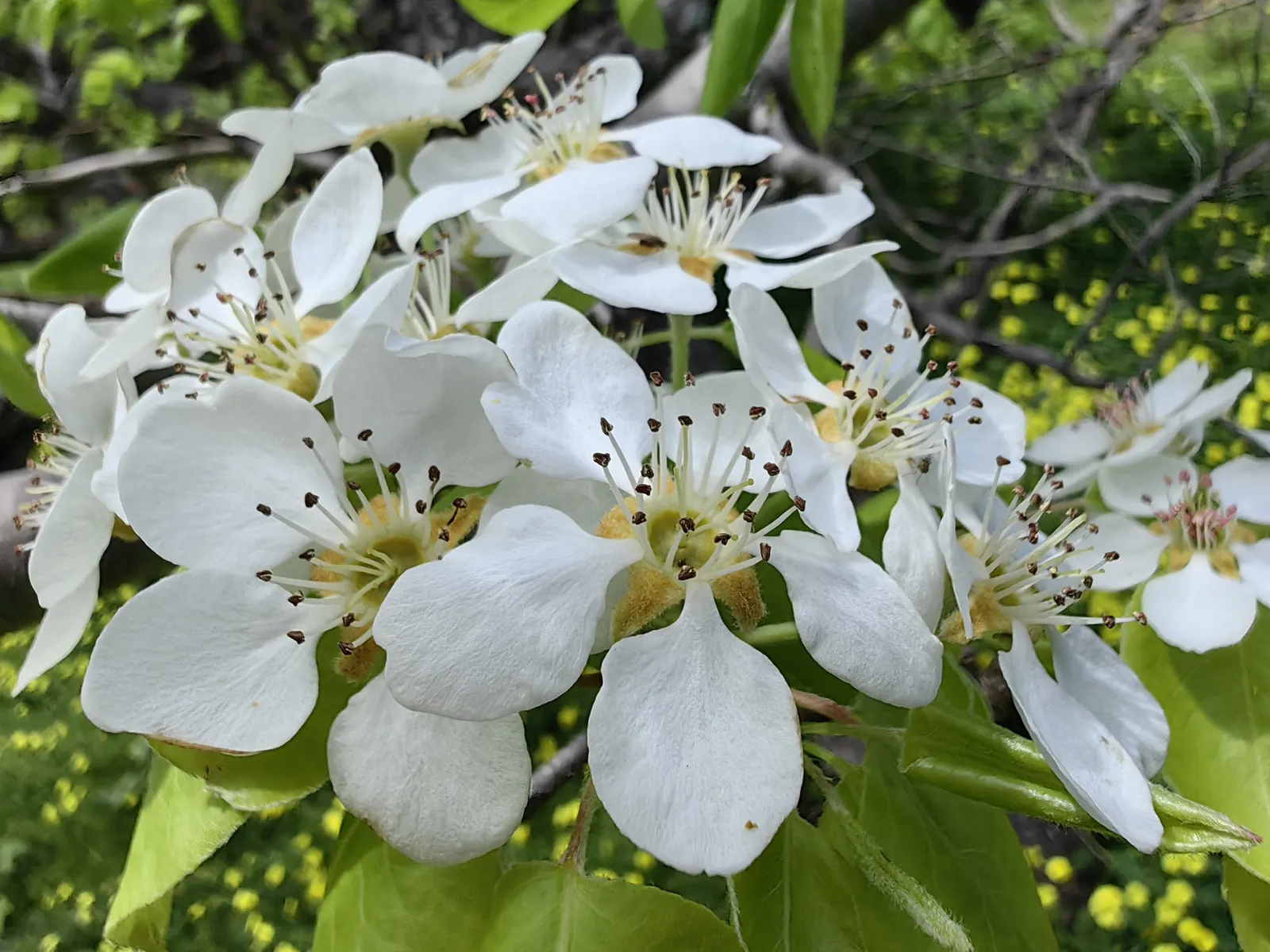
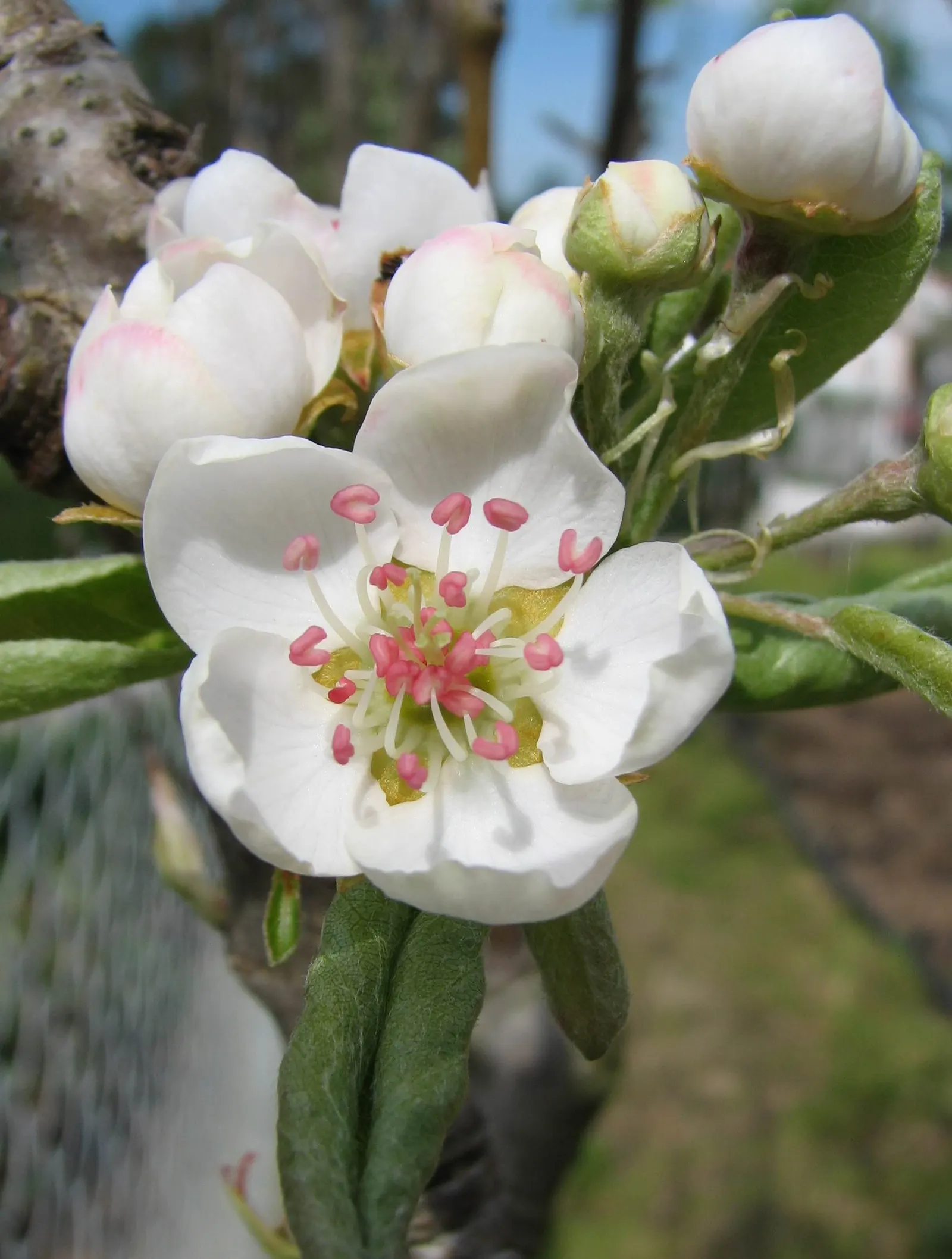
Edible Pear (Pyrus Communis) — tree with white blooms
Edible Pear (Pyrus Communis) — is a deciduous tree that provides both aesthetic appeal and fruit harvest for garden owners; white flowers in the garden
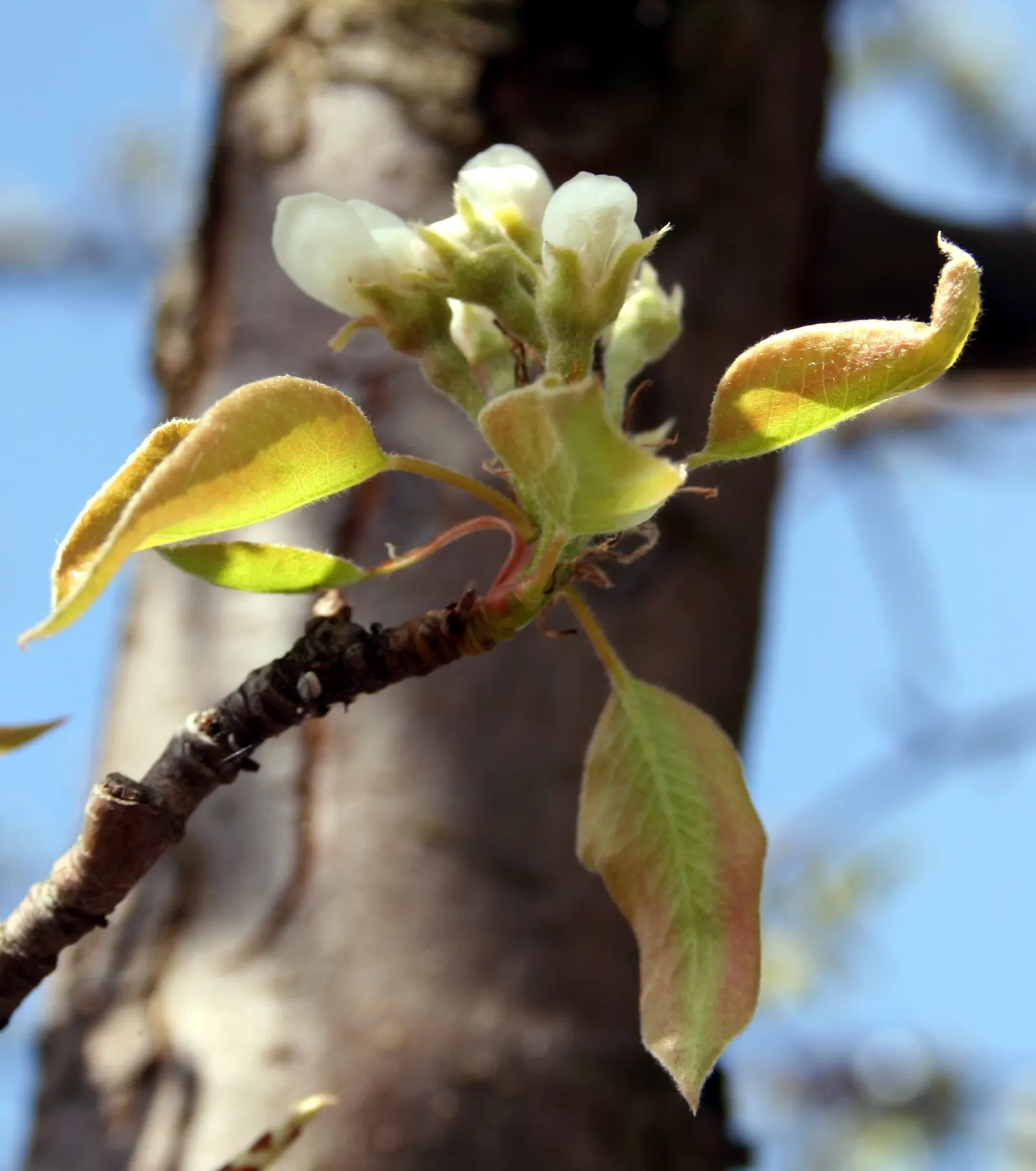
Edible Pear (Pyrus Communis) — is a deciduous tree coveted for its spring blossoms and sumptuous fruit; following the spring bloom, the tree, image 74
Edible Pear (Pyrus Communis) — including pruning and monitoring for health issues; each about 1 inch in diameter, image 91
Edible Pear (Pyrus Communis) — tree for full; providing both beauty and edible delights in garden landscapes, image 72
Edible Pear (Pyrus Communis) — including pruning and monitoring for health issues; each about 1 inch in diameter
Edible Pear (Pyrus Communis) — loamy soil with a pH between 6.0 and 7.0; tree with white blooms, image 86
Edible Pear (Pyrus Communis) — For a bountiful fruit harvest; ripening typically from late summer to mid-fall.<br><br>Pear trees prefer full sun and thrive in
Edible Pear (Pyrus Communis) — Cold-hardy and preferring USDA zones 4-8, it adds both visual charm and practical yield to any landscape; this, image 77
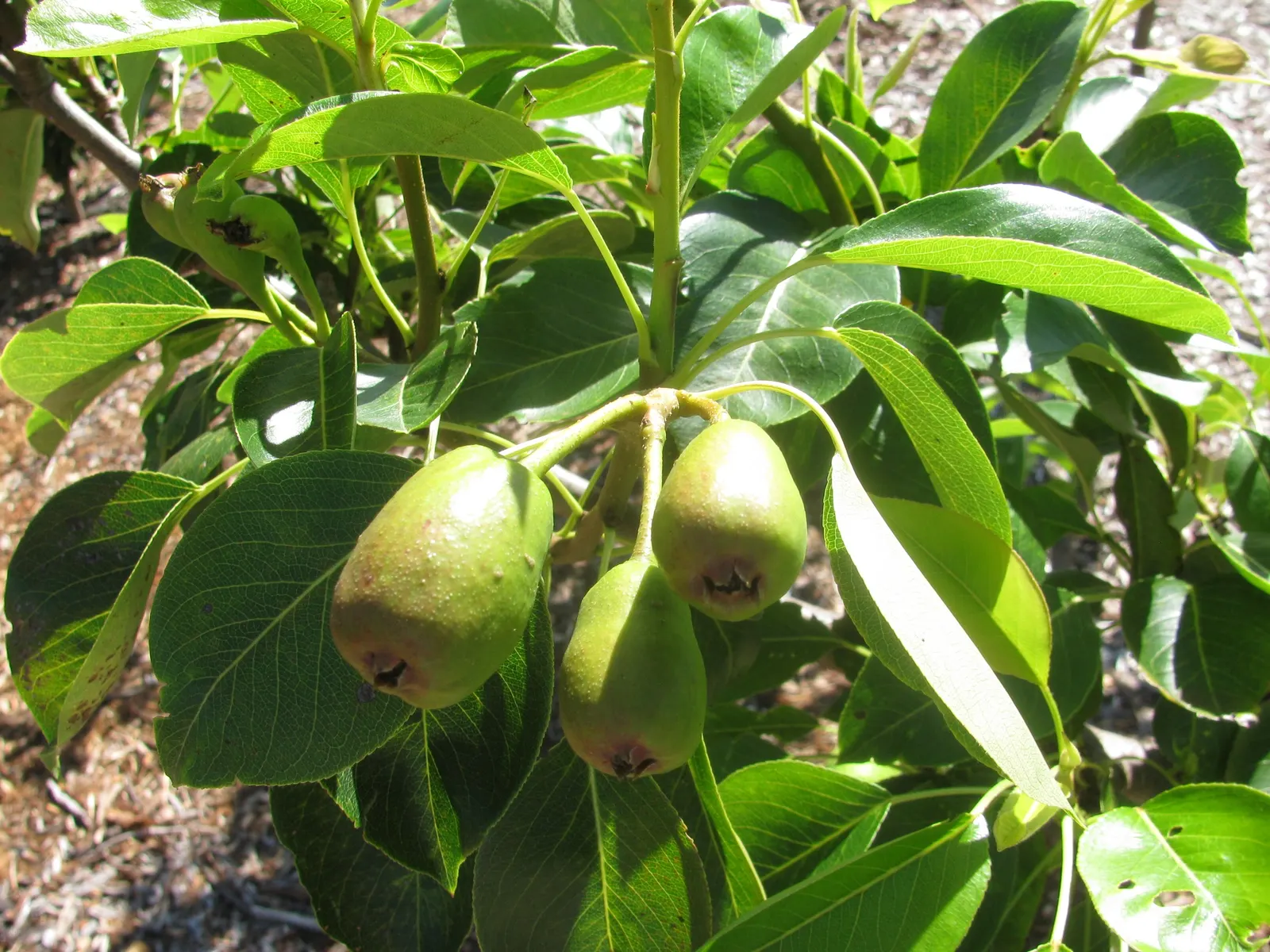
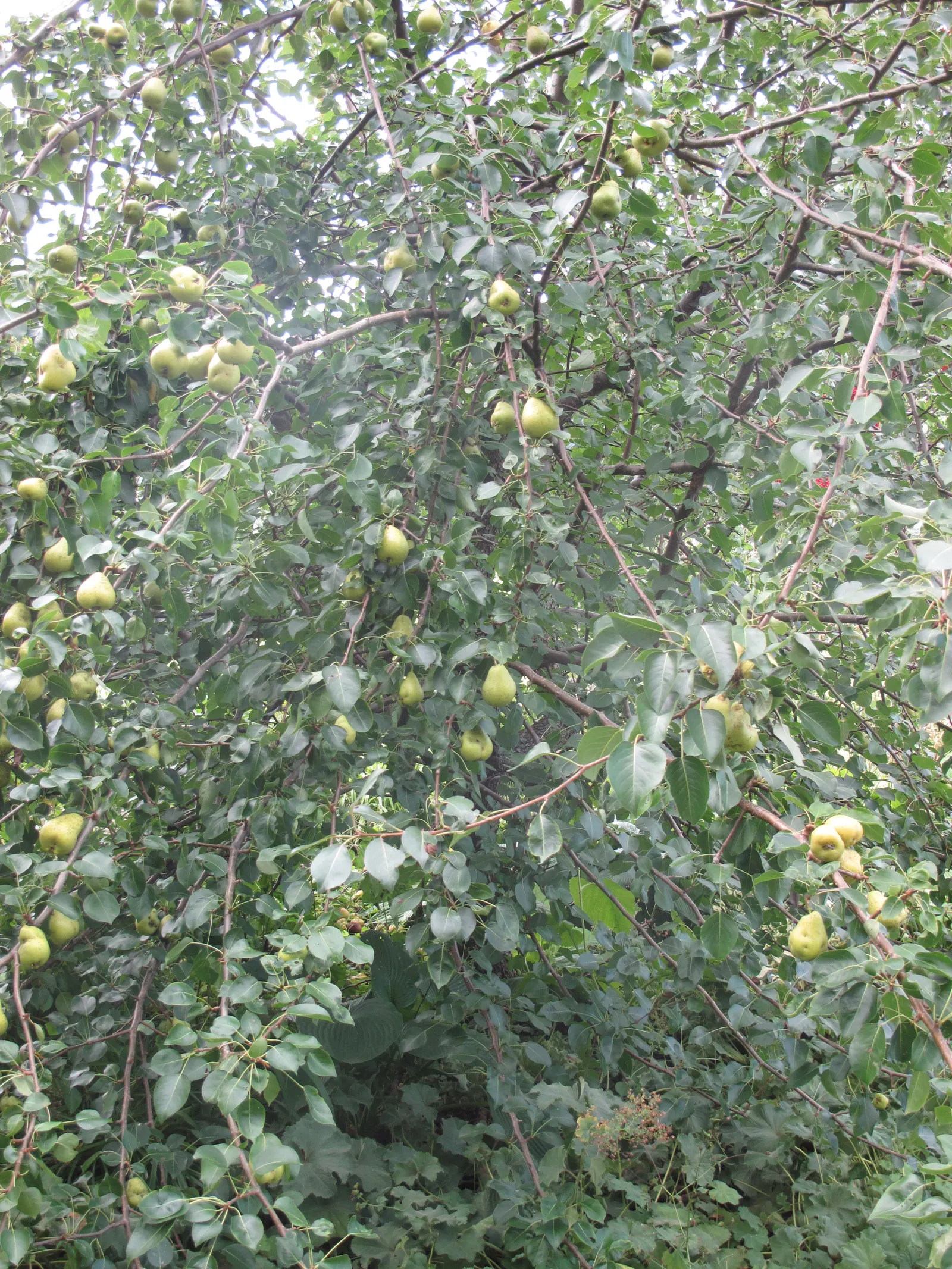
Edible Pear (Pyrus Communis) — Following the spring bloom, the tree produces the well-loved, ovate-shaped fruit - the pear
Edible Pear (Pyrus Communis) — For a bountiful fruit harvest; ripening typically from late summer to mid-fall.<br><br>Pear trees prefer full sun, image 64
Edible Pear (Pyrus Communis) — is a deciduous tree that provides both aesthetic appeal and fruit harvest for garden owners; white flowers in the, image 79
Edible Pear (Pyrus Communis) — is a deciduous tree coveted for its spring blossoms and sumptuous fruit; following the spring bloom, the tree produces the
Edible Pear (Pyrus Communis) — is a deciduous tree that provides both aesthetic appeal and fruit harvest for garden owners; white flowers in the, image 55
Edible Pear (Pyrus Communis) — commonly known as the Edible Pear
Edible Pear (Pyrus Communis) — cross-pollination is often necessary; thus; will help ensure a robust tree that can live upwards of 50 years, image 65
Edible Pear (Pyrus Communis) — This species typically reaches a mature height of 20 to 30 feet with a spread of 12 to 20 feet; cold-hardy and, image 56
Photographs by 10 contributors

Related plants