Skip to content

Sapphire Tower

Puya Alpestris

Design with this plant

Overview

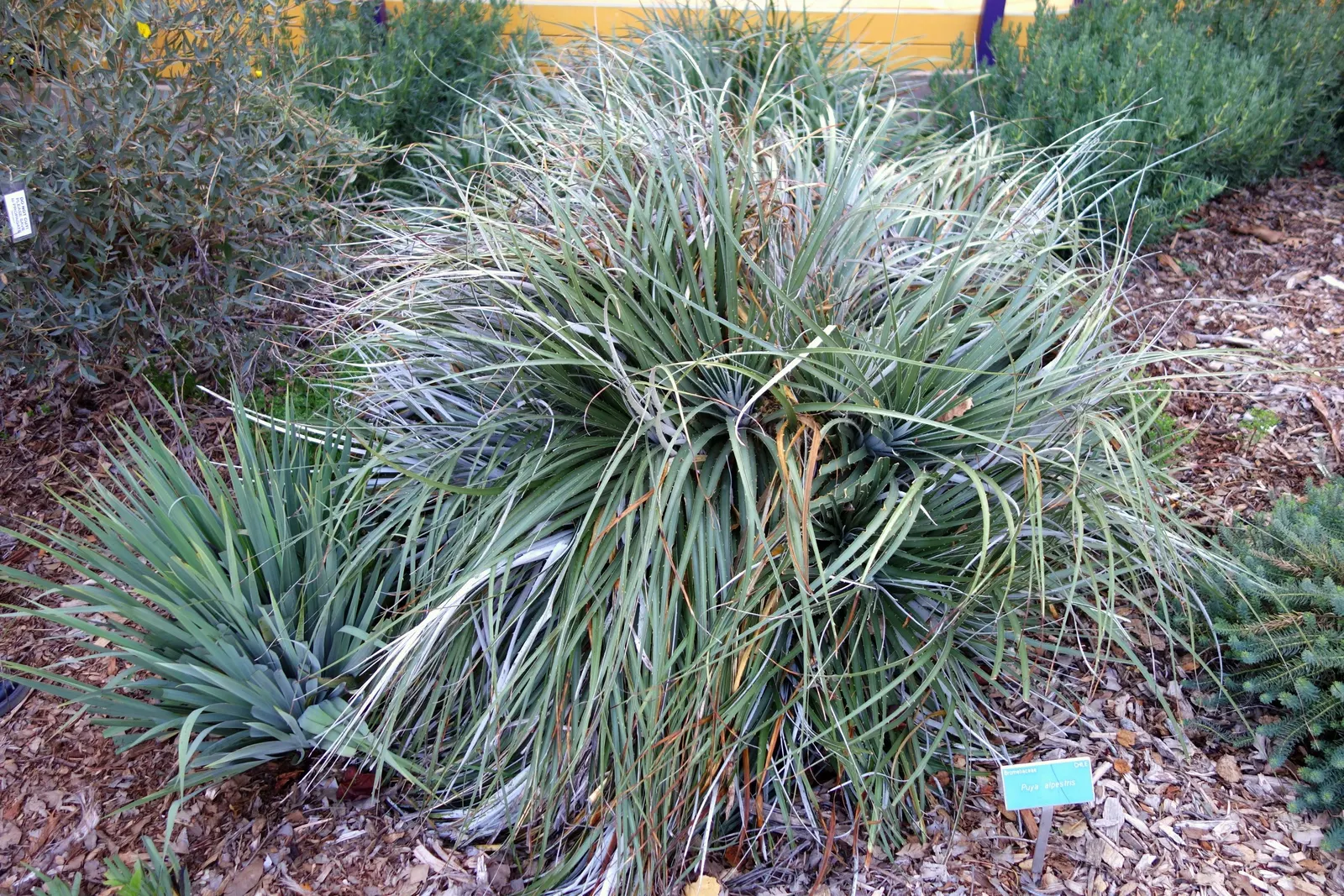
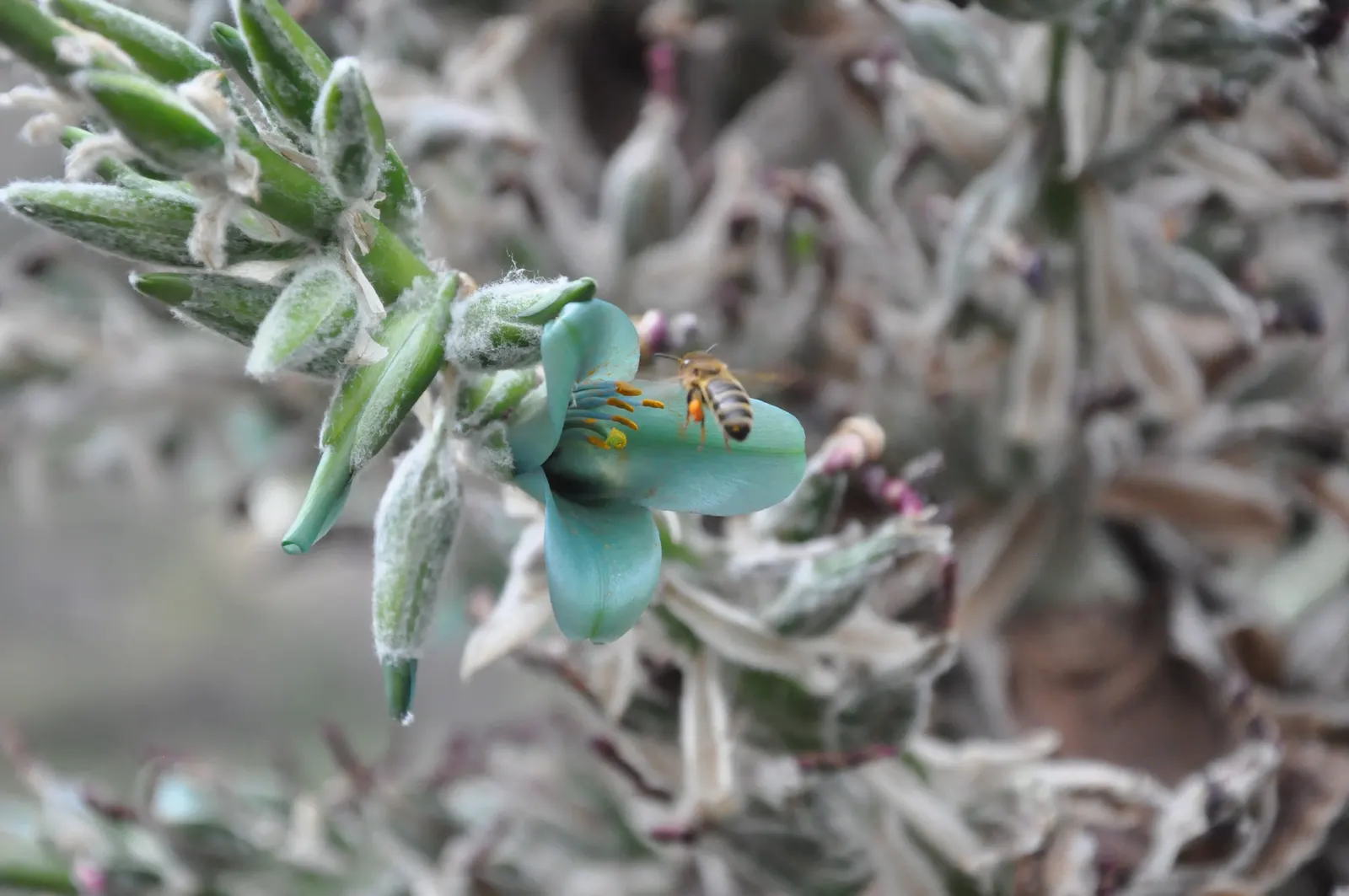
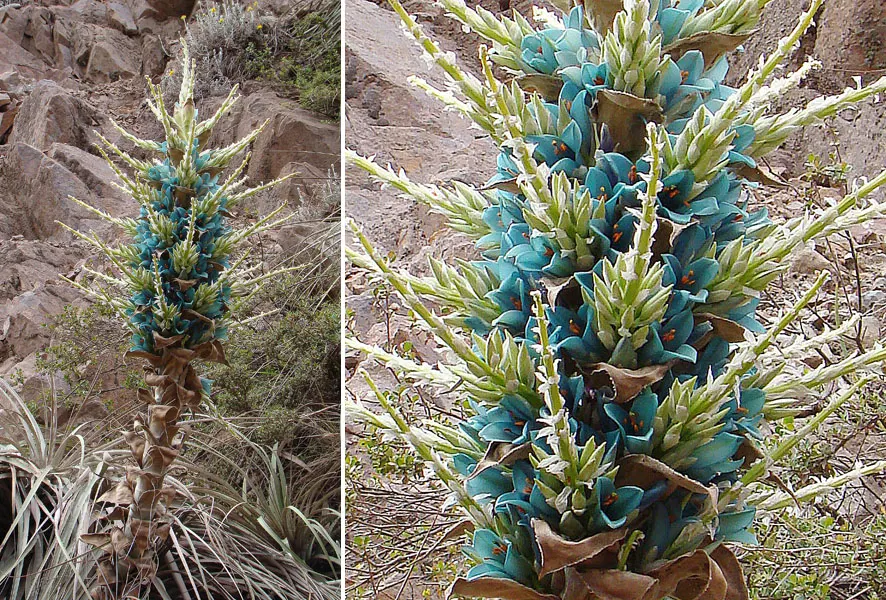
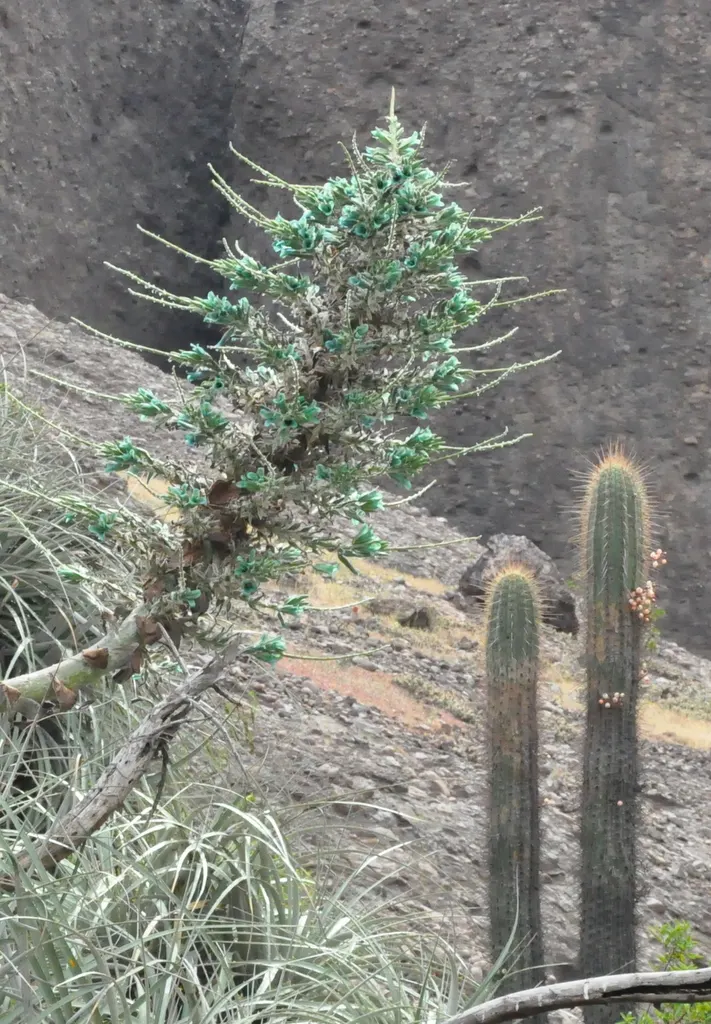
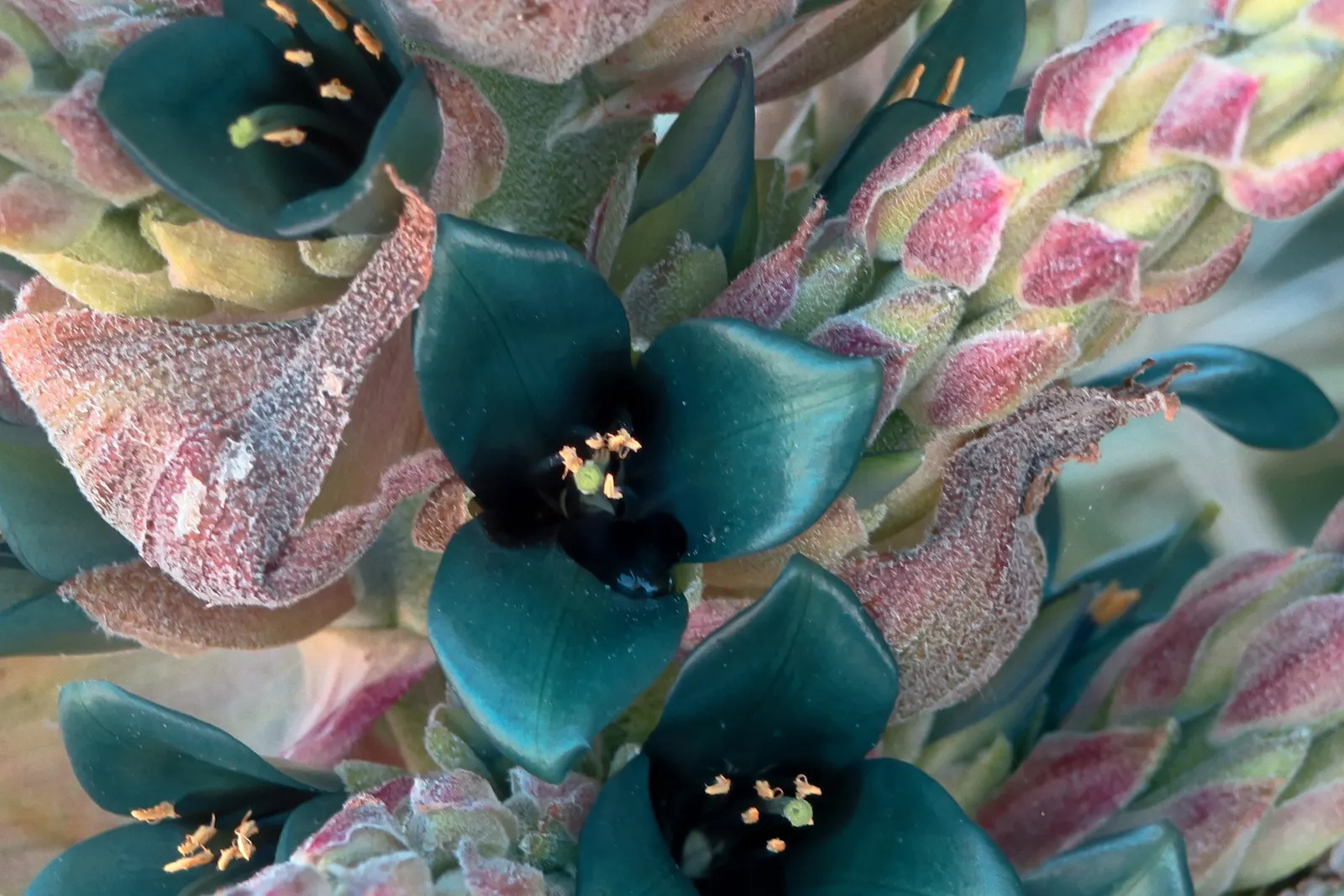
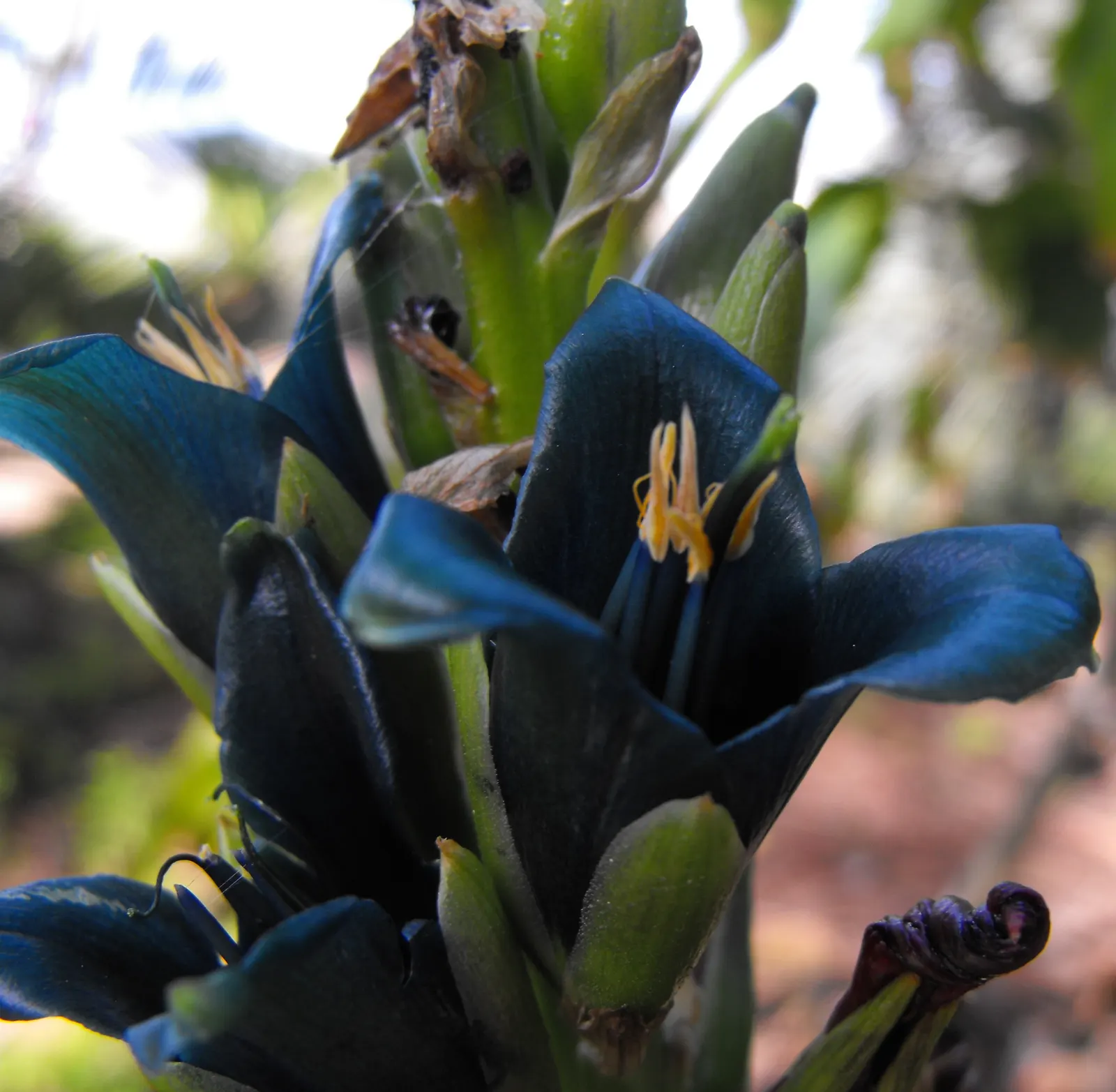
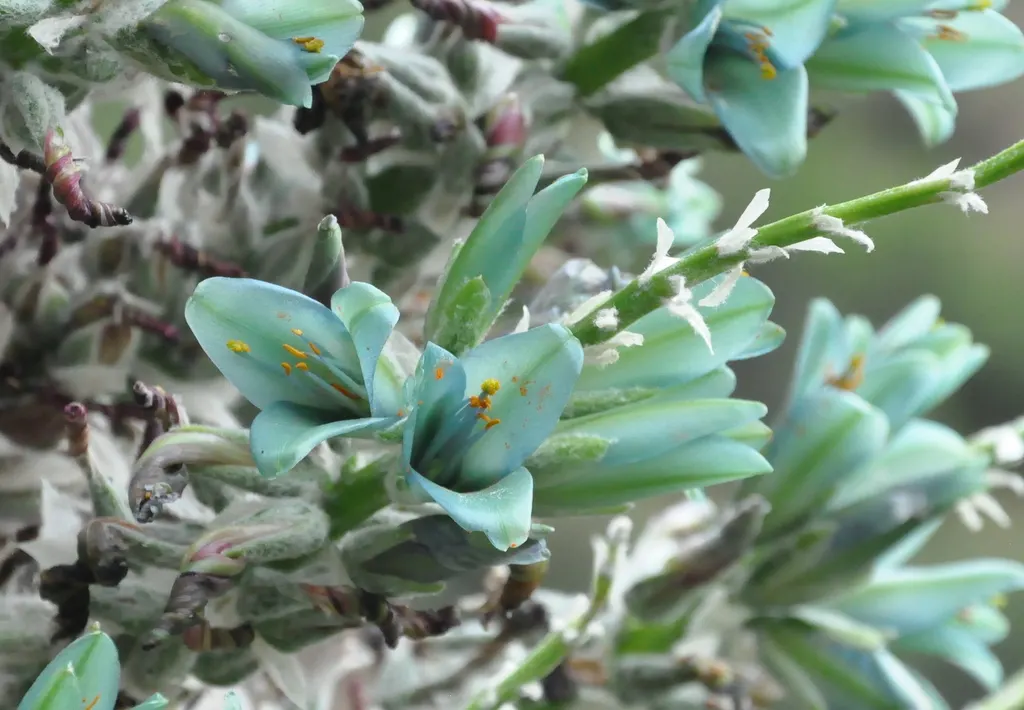
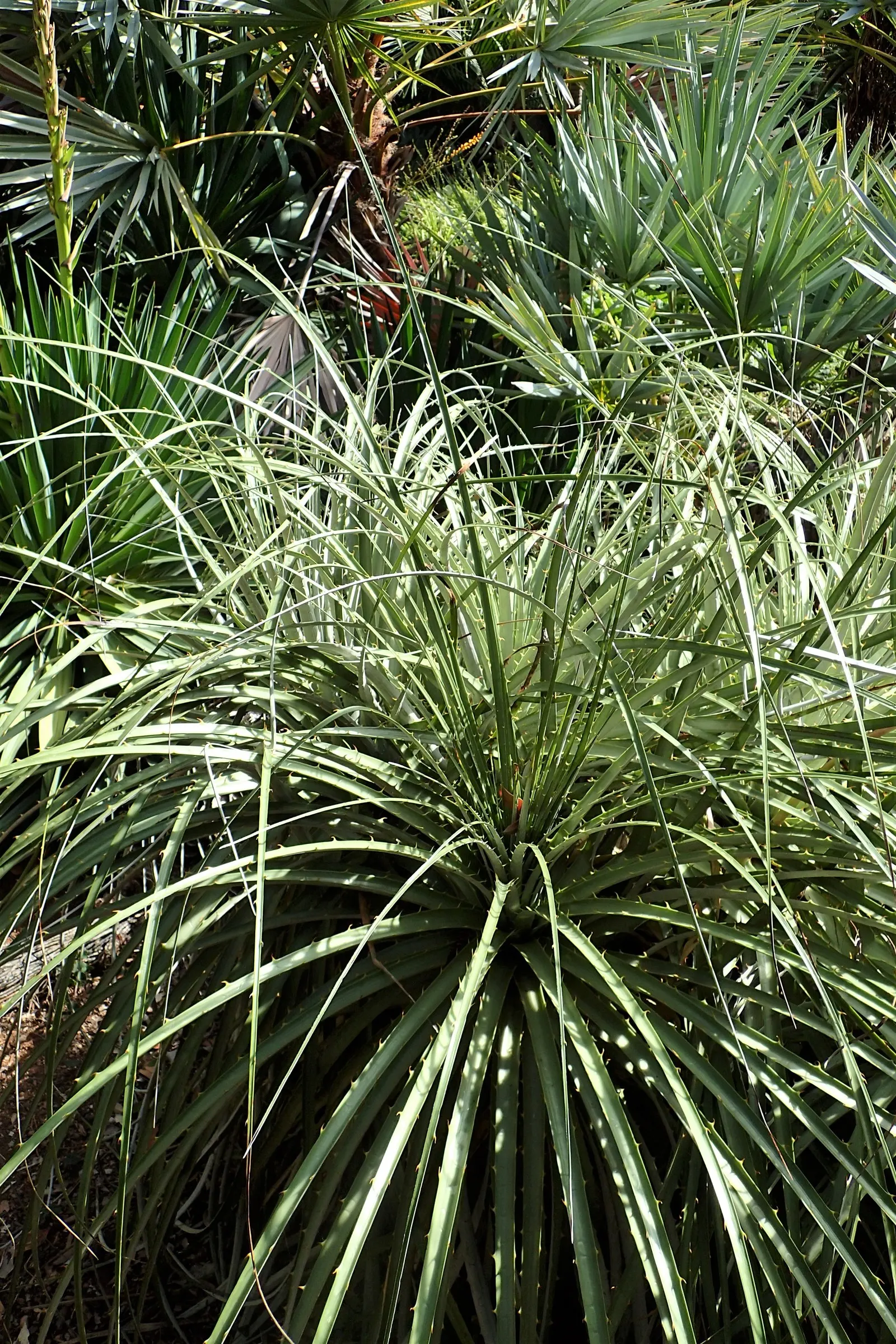
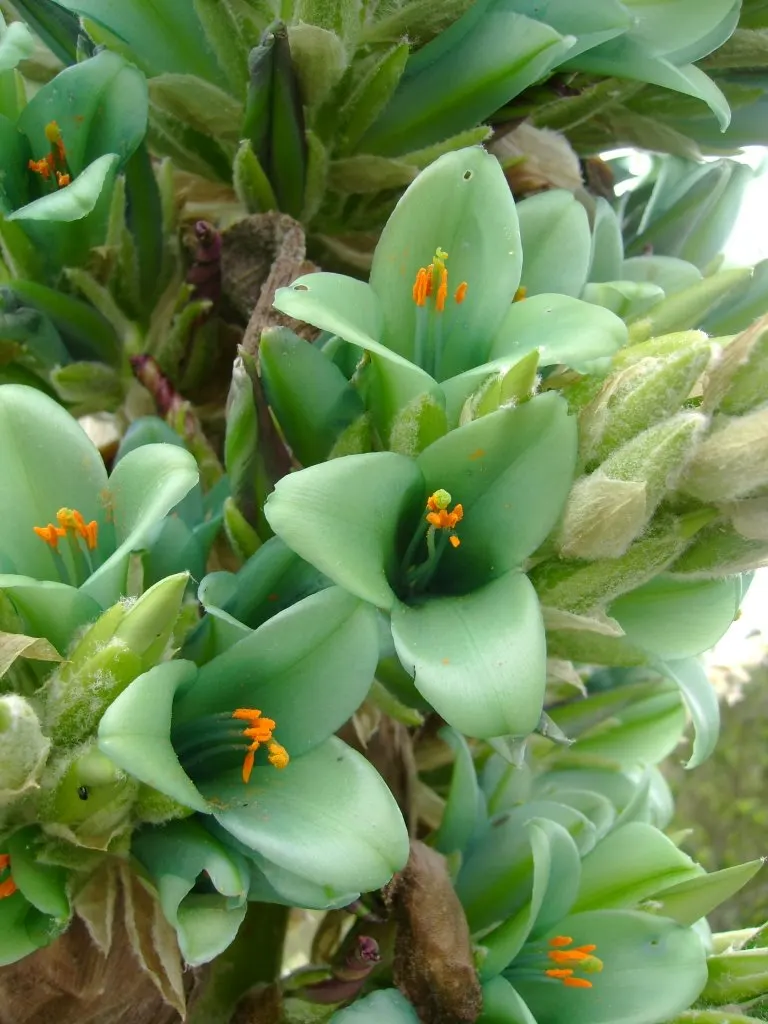
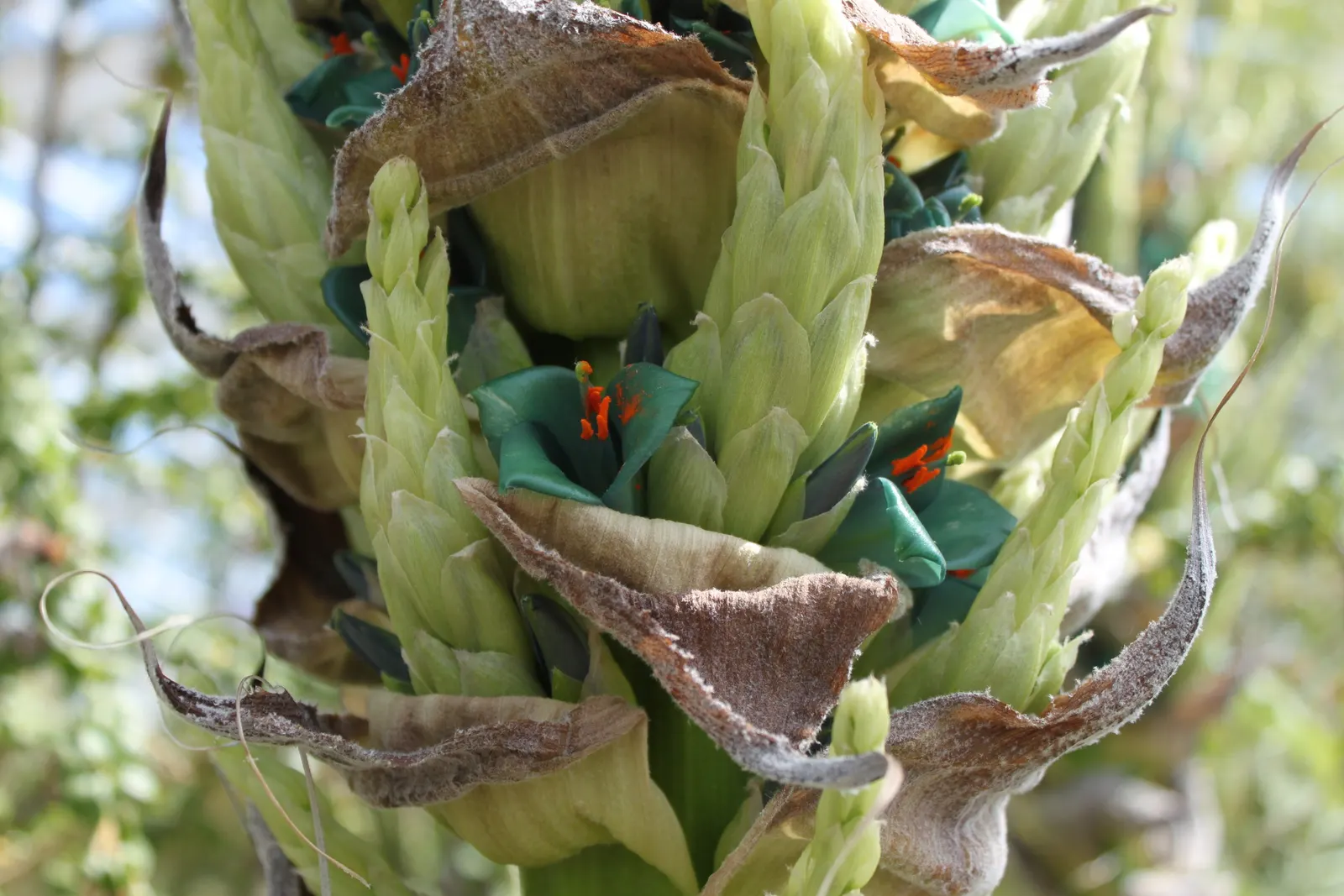
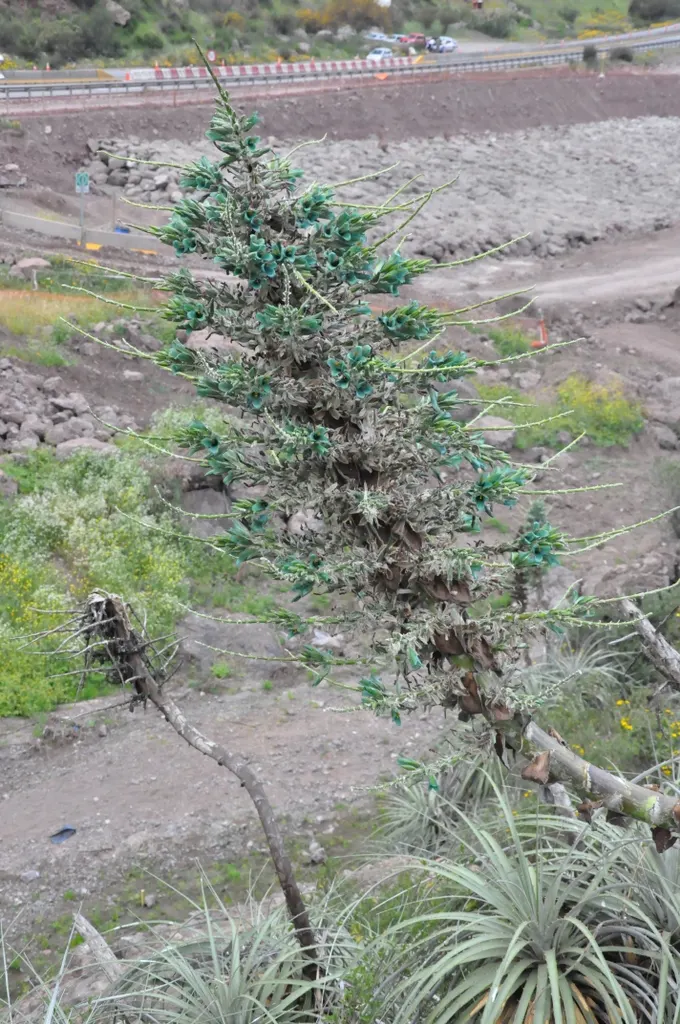
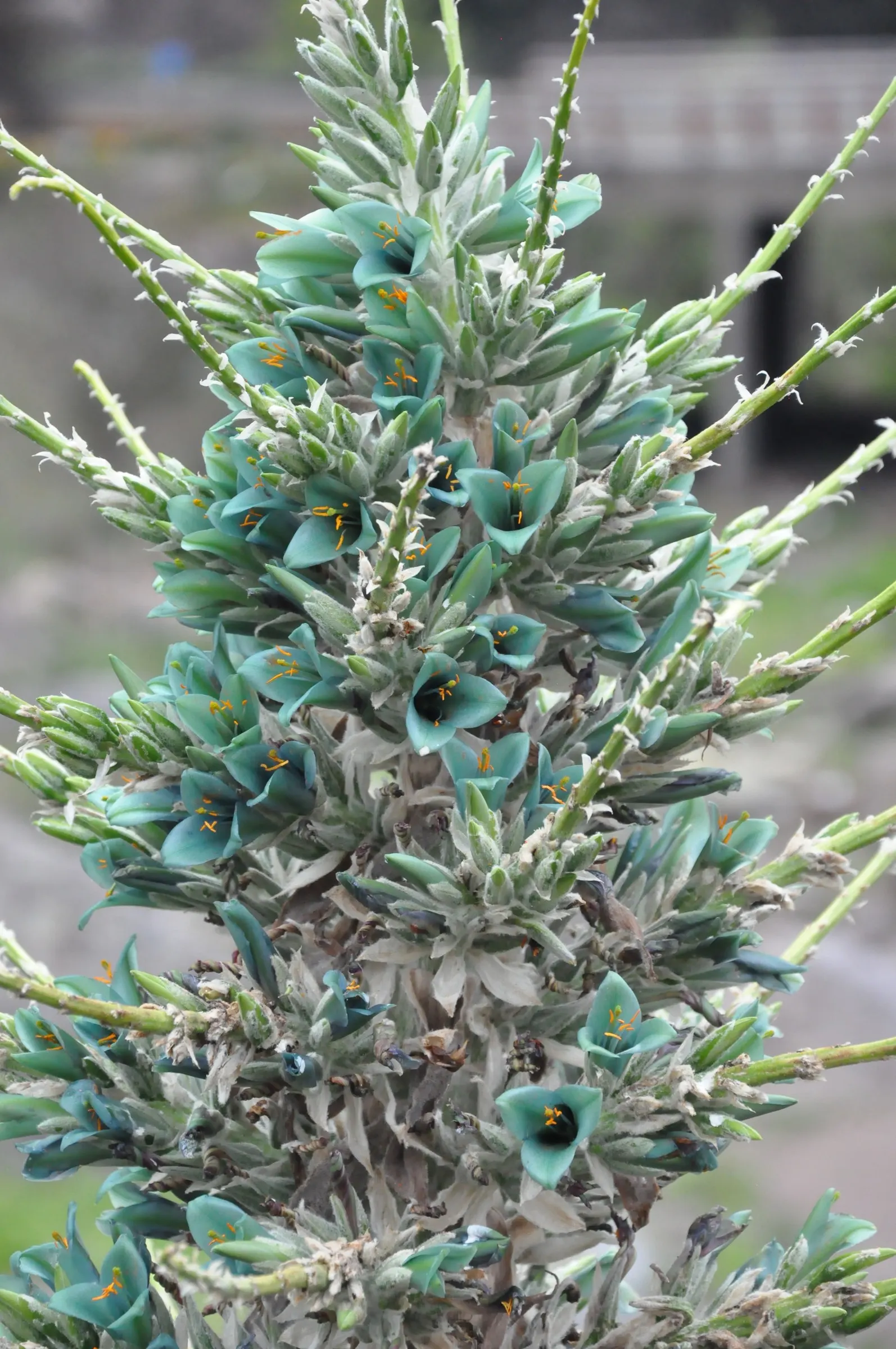
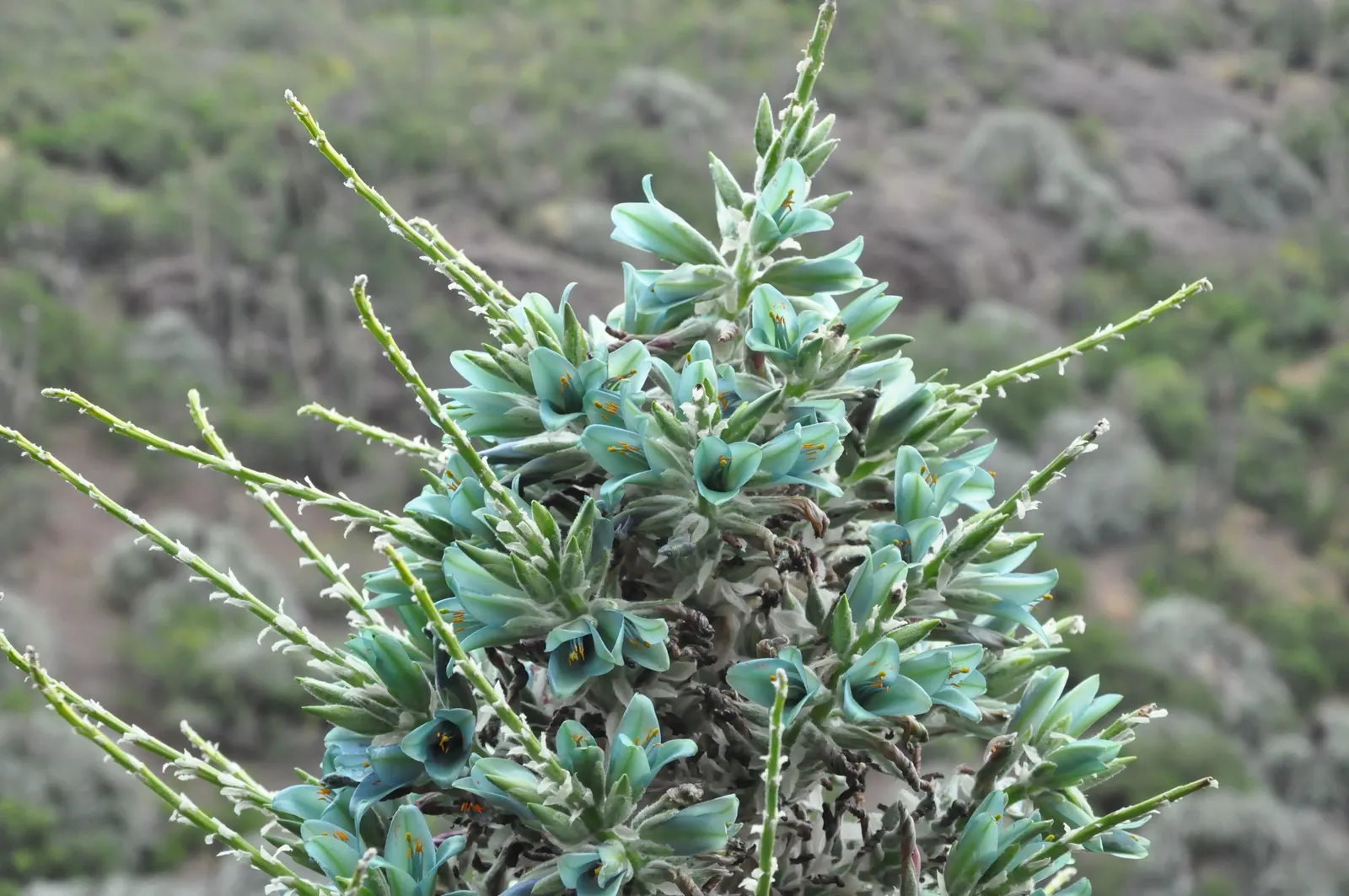
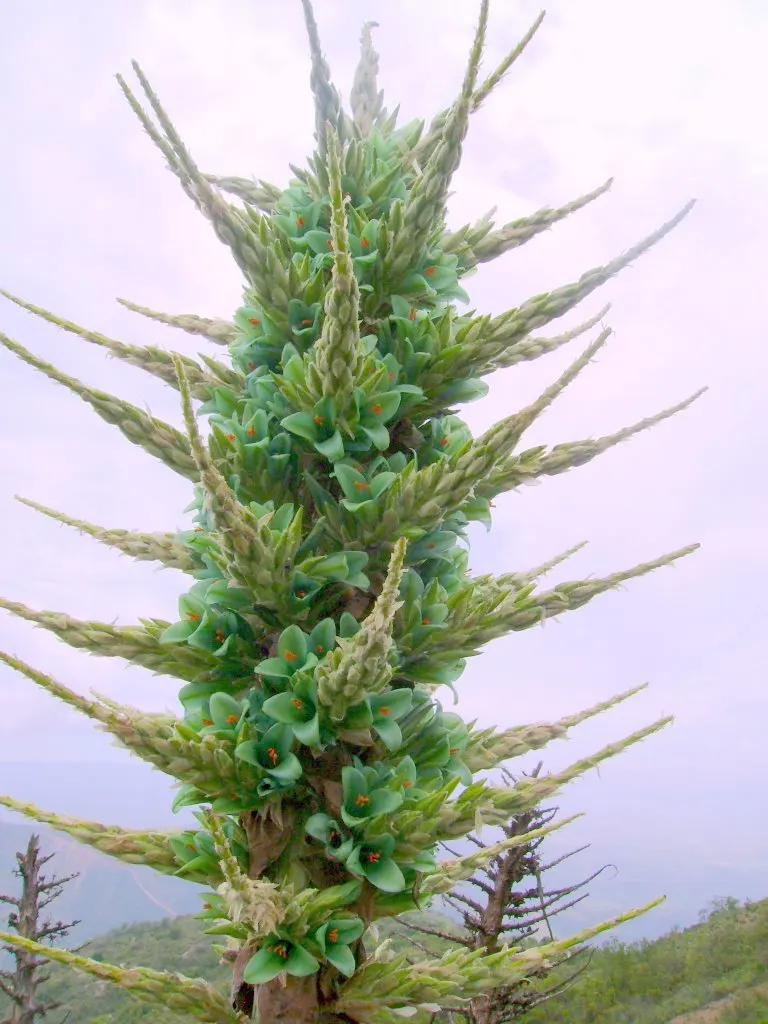
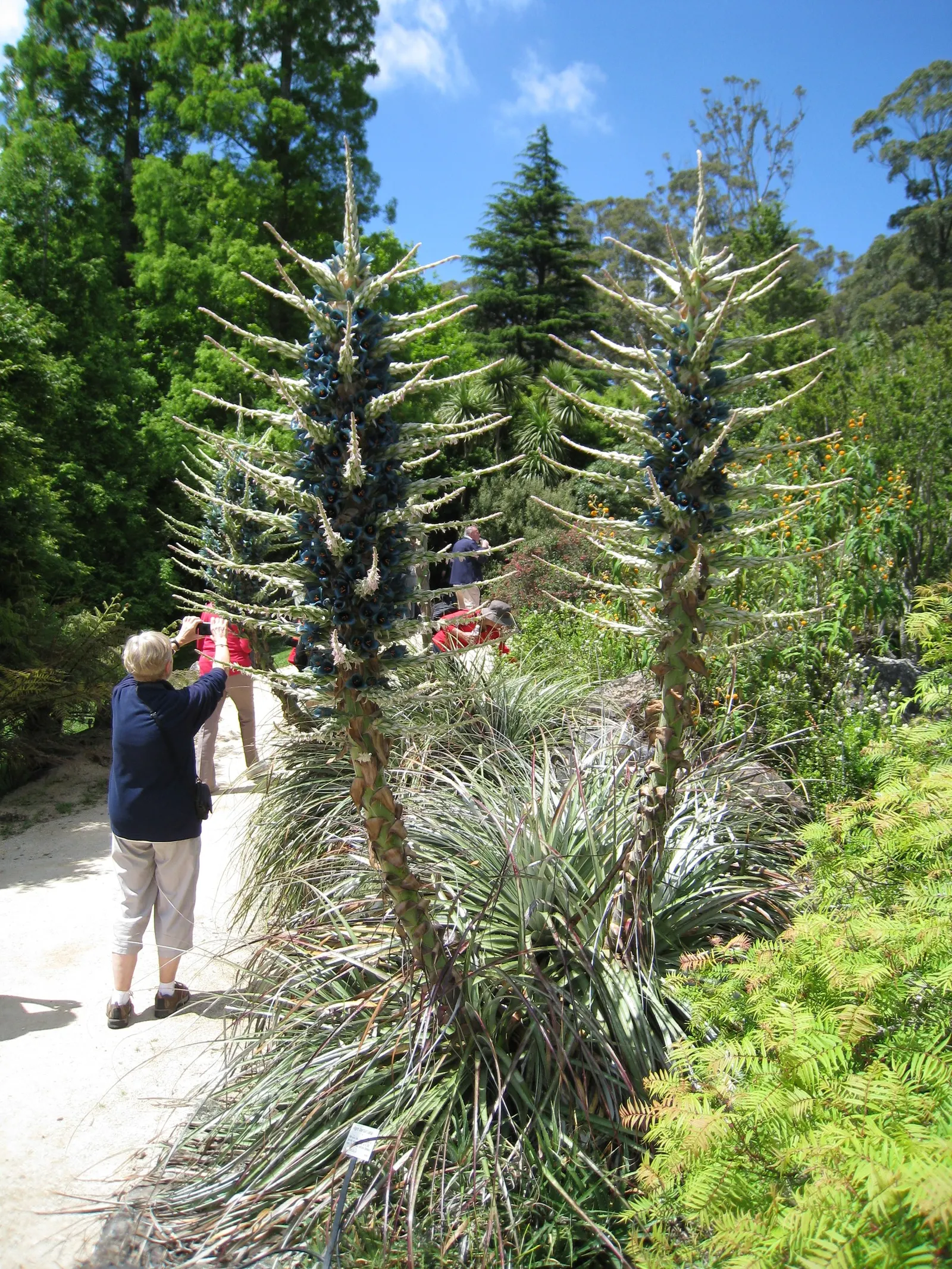
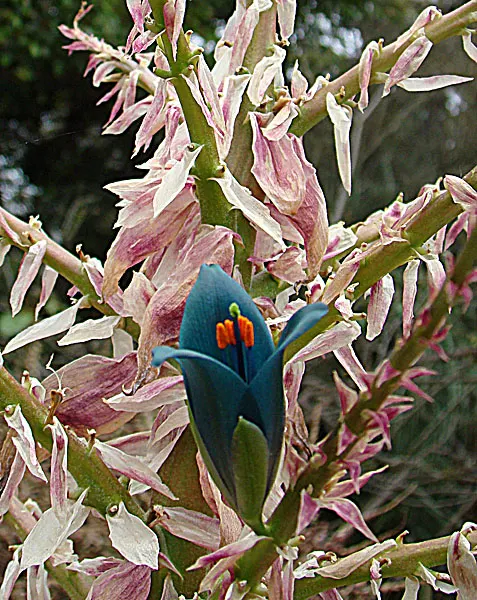
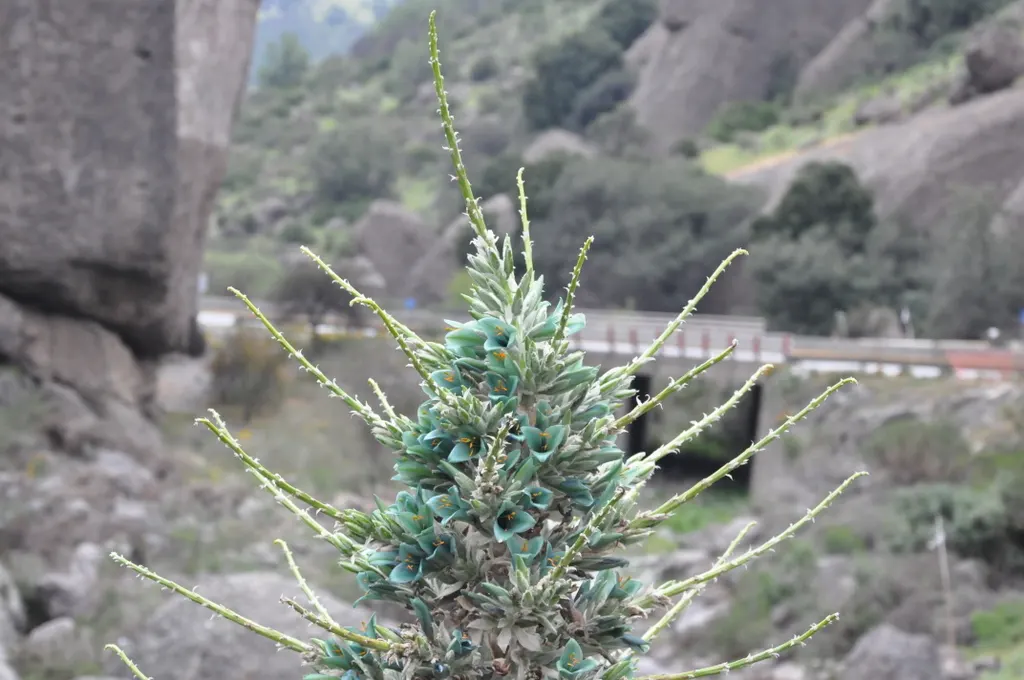
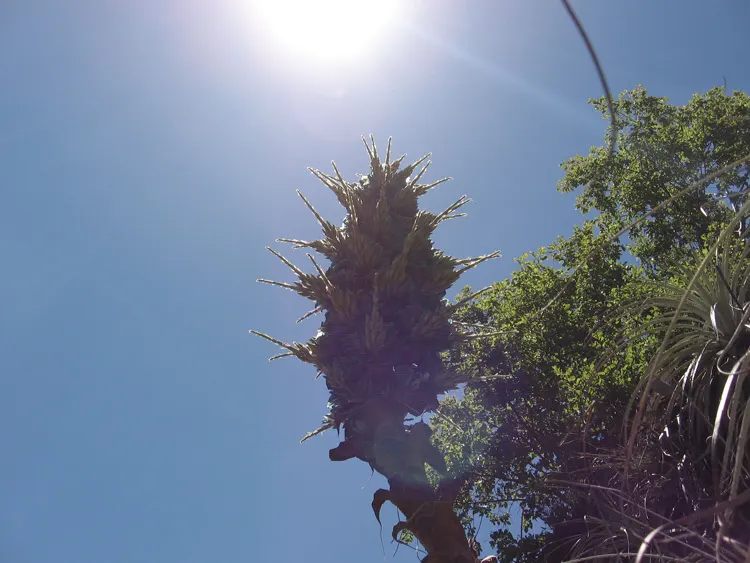
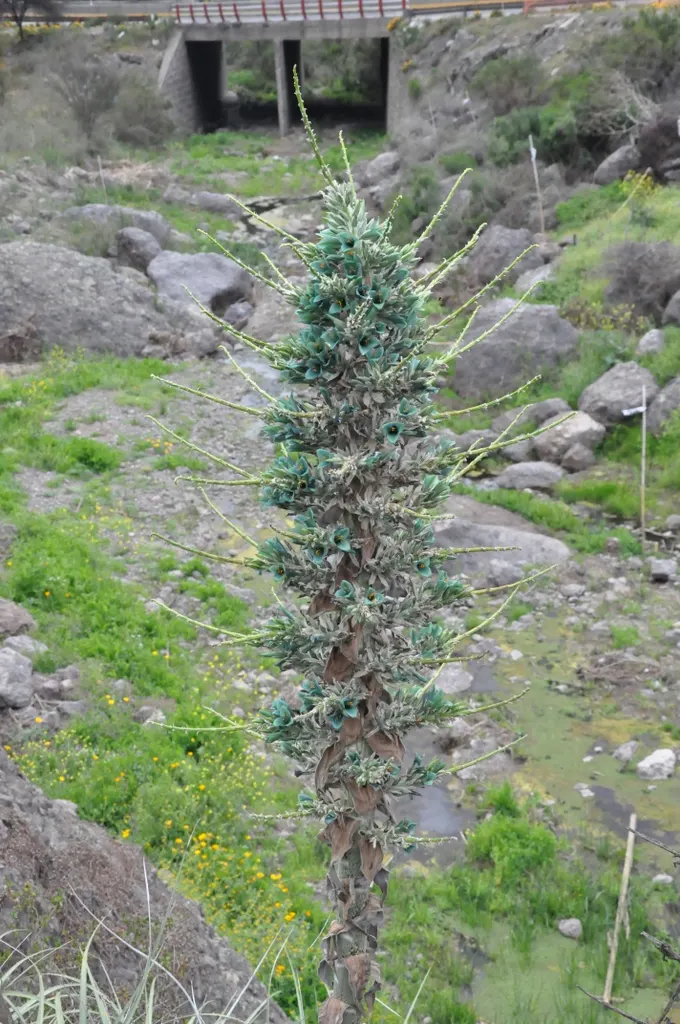
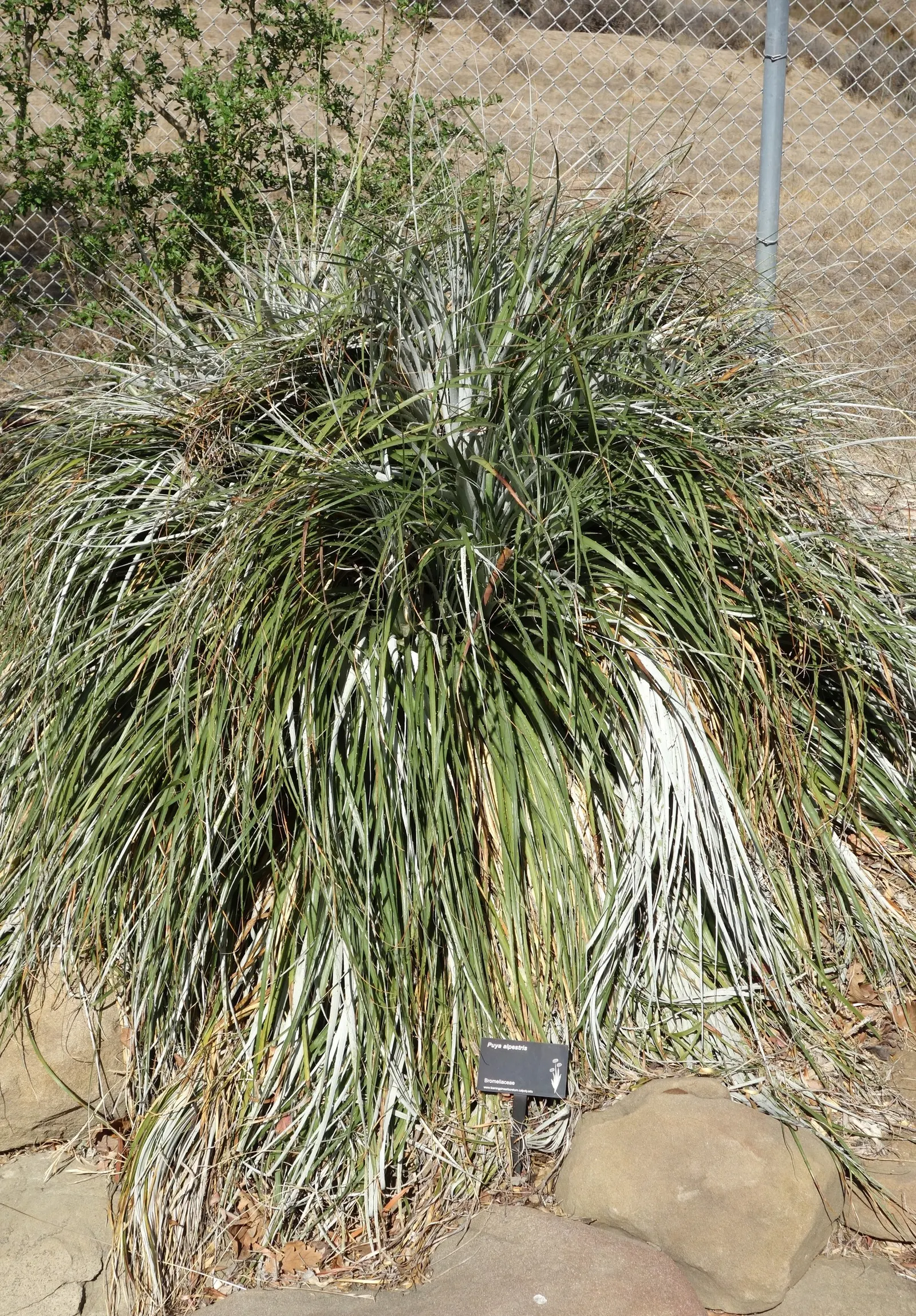
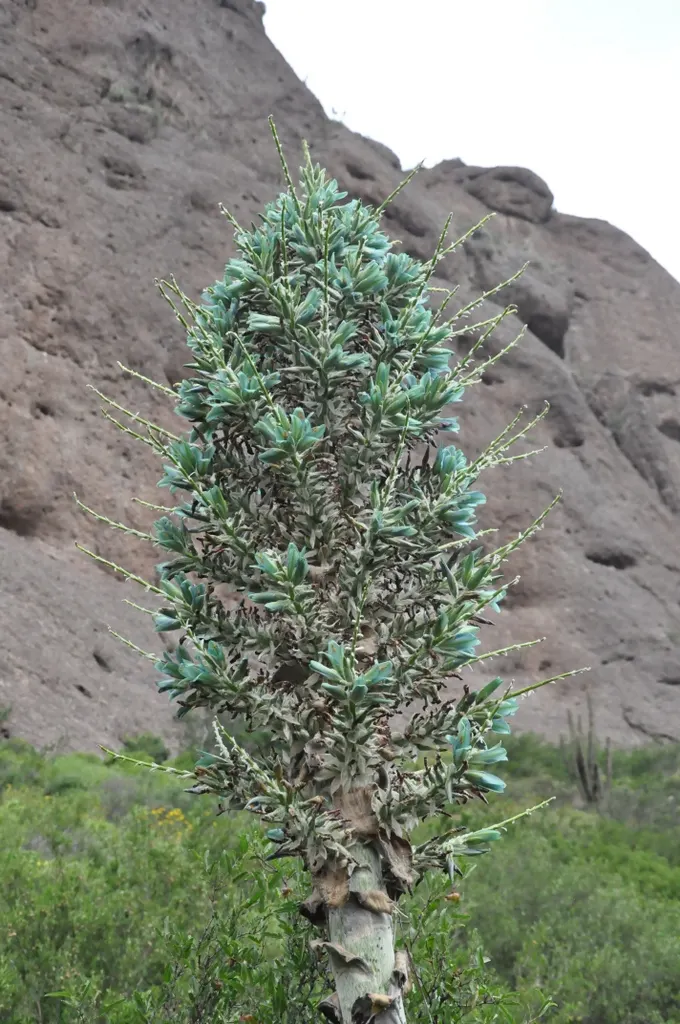
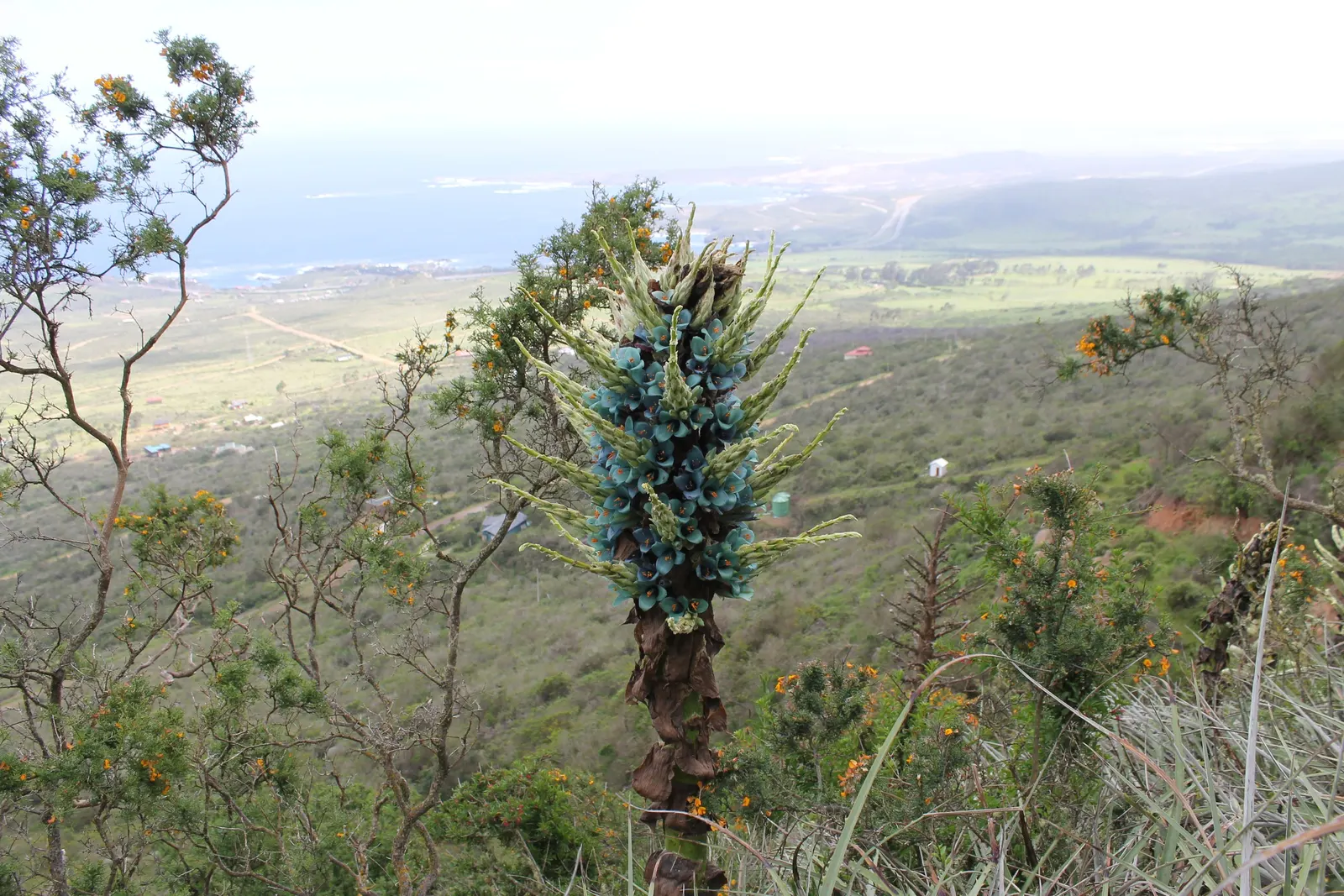
Puya alpestris, commonly known as Sapphire Tower, is a striking evergreen perennial native to Chilean slopes. It features a rosette of narrow, silver-green leaves reaching 2-3 feet in length and armed with hooked spines along the edges. This plant's crowning glory is its impressive turquoise-blue flowers on a 5-6 foot tall spike that blooms in late spring to early summer, providing an exotic focal point in xeriscape designs.

Sun FullWater LowZones 10–11Type SucculentClimate Subtropical

Culture

Sun
Full
Water
Low
USDA zones
10–11

Shape & size

Mature height
2–3 Ft.
Mature width
3–5 Ft.

Classification

Type
Succulent
Family
Bromeliaceae
Climate
Subtropical

See full data, regional cultivation notes, and design tools. Build a client presentation around this plant.

Start your 14-day trial

Photos (101)

Sapphire Tower (Puya Alpestris) — the Sapphire Tower is a remarkable addition to the discerning horticulturist's collection
Sapphire Tower (Puya Alpestris) — providing an exotic focal point in xeriscape designs
Sapphire Tower (Puya Alpestris) — The plant forms a rosette of silver-green; with its stunning visual impact and low water needs, image 66
Sapphire Tower (Puya Alpestris) — It features a rosette of narrow; sapphire Tower produces a towering flower spike, image 60
Sapphire Tower (Puya Alpestris) — creating a remarkable South American feel in a temperate landscape design; known botanically as Puya alpestris
Sapphire Tower (Puya Alpestris) — Puya alpestris, commonly known as Sapphire Tower, is a striking evergreen perennial native to Chilean slopes, image 59
Sapphire Tower (Puya Alpestris) — It is drought-tolerant once established
Sapphire Tower (Puya Alpestris) — With its stunning visual impact and low water needs; it is drought-tolerant once established
Sapphire Tower (Puya Alpestris) — making it an excellent choice for water-wise gardens and arid landscaping schemes; succulent with blue and green blooms
Sapphire Tower (Puya Alpestris) — which can shoot up to between 6-10 feet tall; adding a mulch layer can provide additional cold protection, image 70
Sapphire Tower (Puya Alpestris) — a rare color combination that makes it a showstopper, image 44
Sapphire Tower (Puya Alpestris) — Adding a mulch layer can provide additional cold protection; making it an eye-catching addition to any garden
Sapphire Tower (Puya Alpestris) — is a strikingly unique perennial plant indigenous to the Chilean Andes; these pointed leaves give it a dramatic
Sapphire Tower (Puya Alpestris) — the spectacle is well worth the wait.<br><br>As a xerophytic plant; as a member of the Bromeliaceae family, it boasts one of
Sapphire Tower (Puya Alpestris) — It's important to note that this plant may take several years before it blooms; succulent for full
Sapphire Tower (Puya Alpestris) — silver-green leaves reaching 2-3 feet in length and armed with hooked spines along the edges; the spectacle is, image 61
Sapphire Tower (Puya Alpestris) — Sapphire Tower produces a towering flower spike; typically flowering in late spring to early summer, image 69
Sapphire Tower (Puya Alpestris) — and spiky leaves that can reach a width of up to 2 feet and a height between 1.5-3 feet; it features a rosette of, image 67
Sapphire Tower (Puya Alpestris) — making it an eye-catching addition to any garden; puya alpestris, commonly known as Sapphire Tower, is a striking evergreen
Sapphire Tower (Puya Alpestris) — It is hardy to about 20&deg;F (-6.7&deg;C) but should be protected from heavy frosts
Sapphire Tower (Puya Alpestris) — typically flowering in late spring to early summer
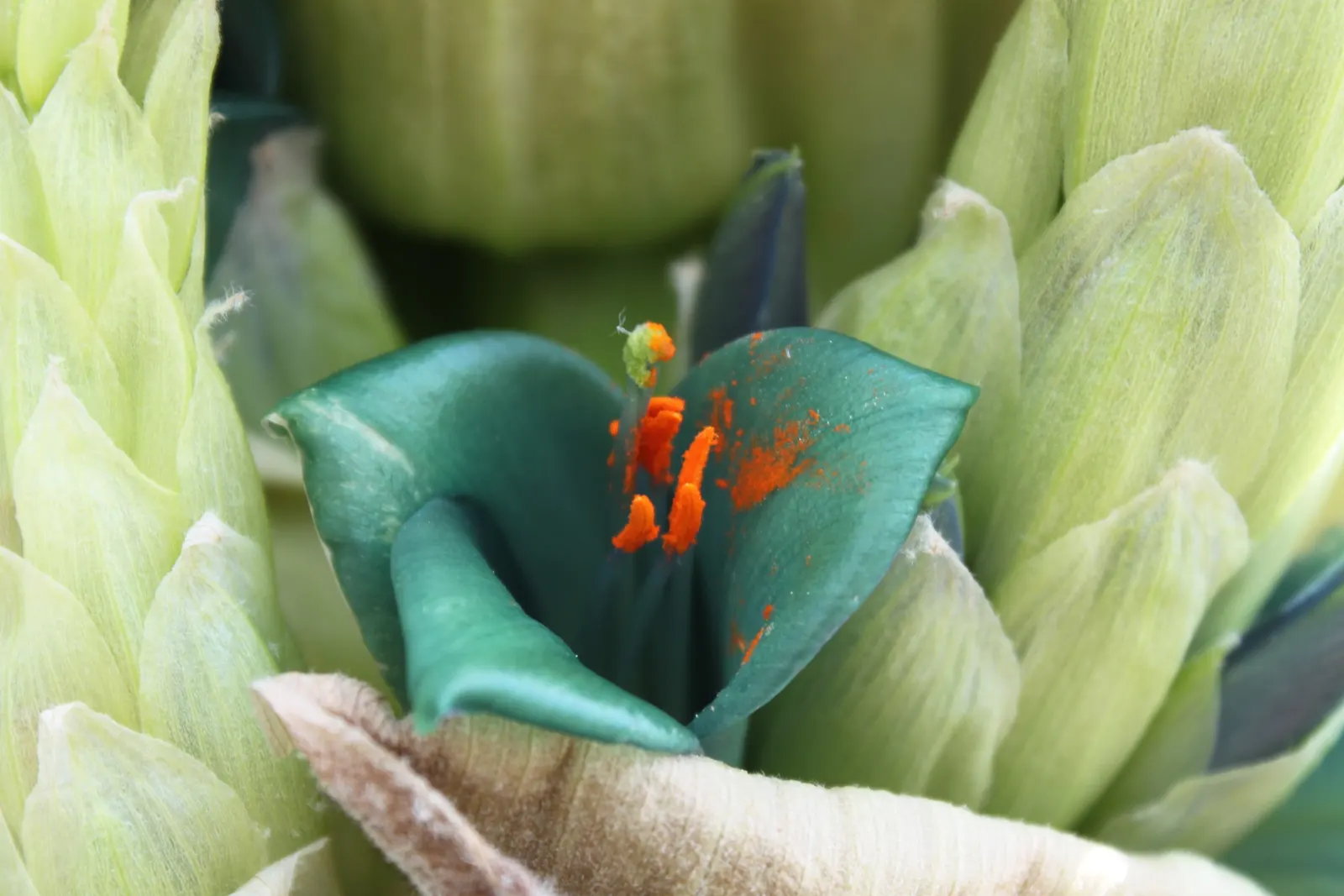
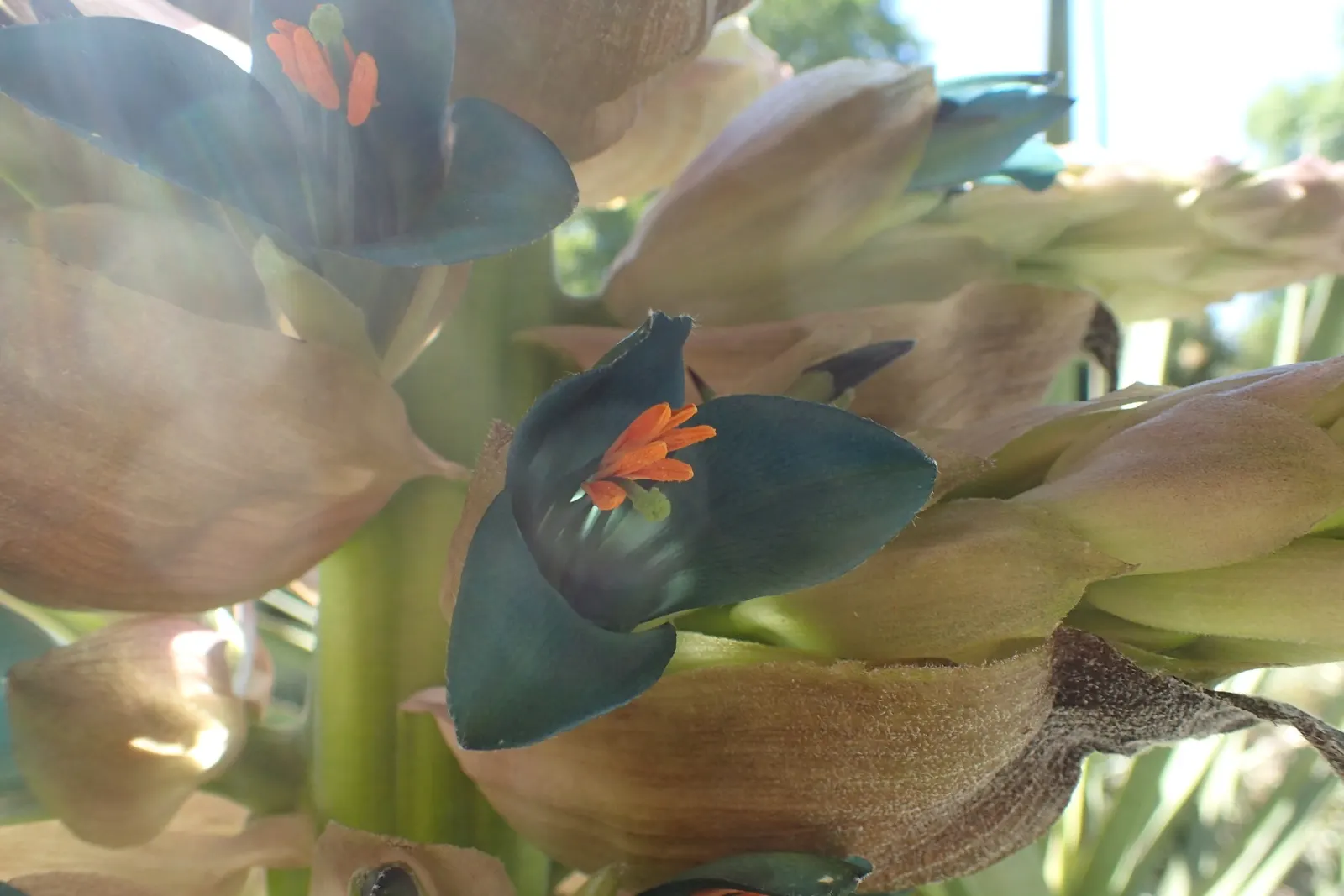
Sapphire Tower (Puya Alpestris) — The inflorescence holds numerous turquoise-blue flowers with bright orange anthers
Sapphire Tower (Puya Alpestris) — It is drought-tolerant once established; making it an excellent choice for water-wise gardens and arid, image 78
Sapphire Tower (Puya Alpestris) — silver-green leaves reaching 2-3 feet in length and armed with hooked spines along the edges
Photographs by 9 contributors

Related plants