Skip to content

Higan Cherry

Prunus Subhirtella

Design with this plant

Overview

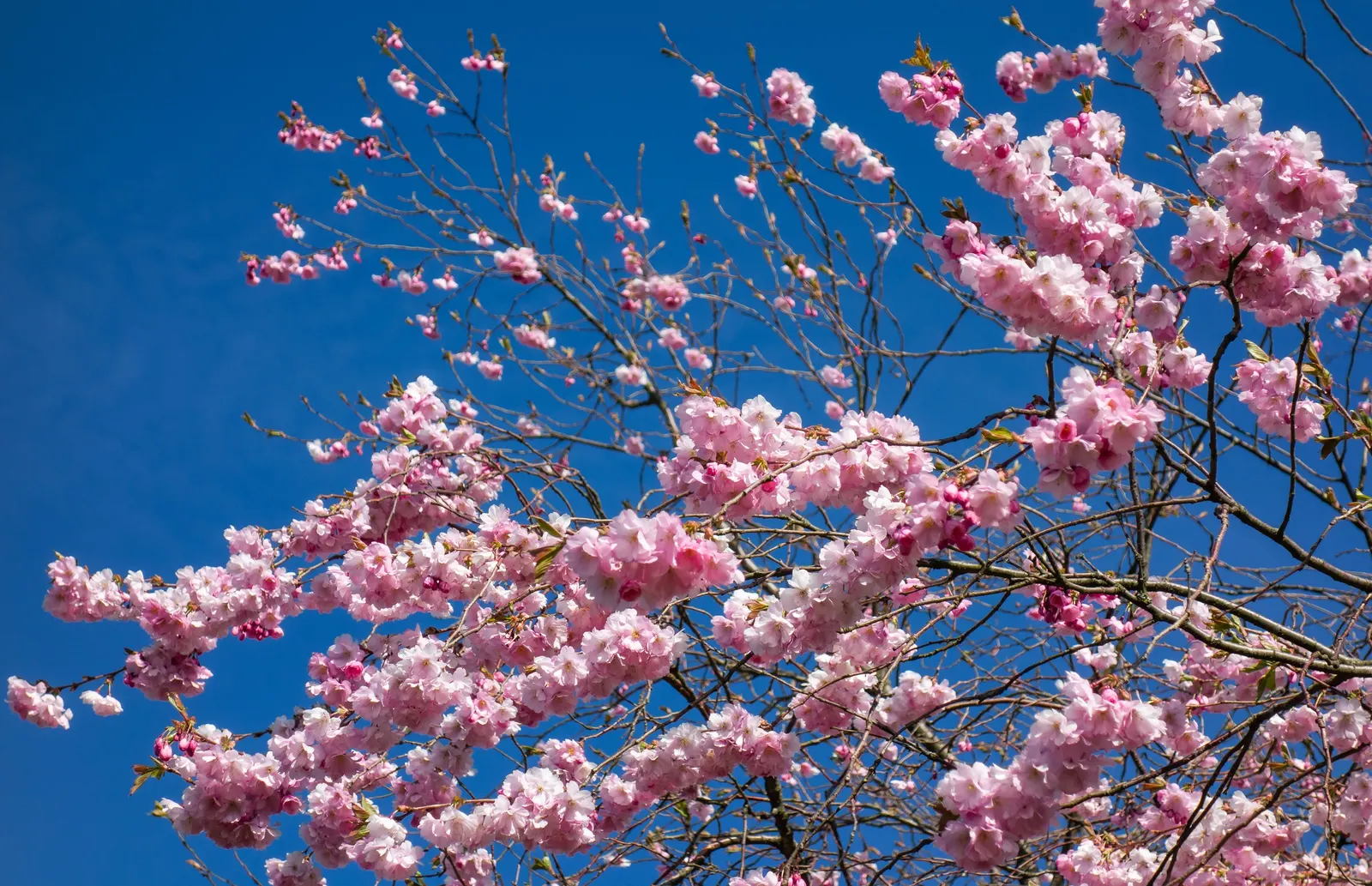
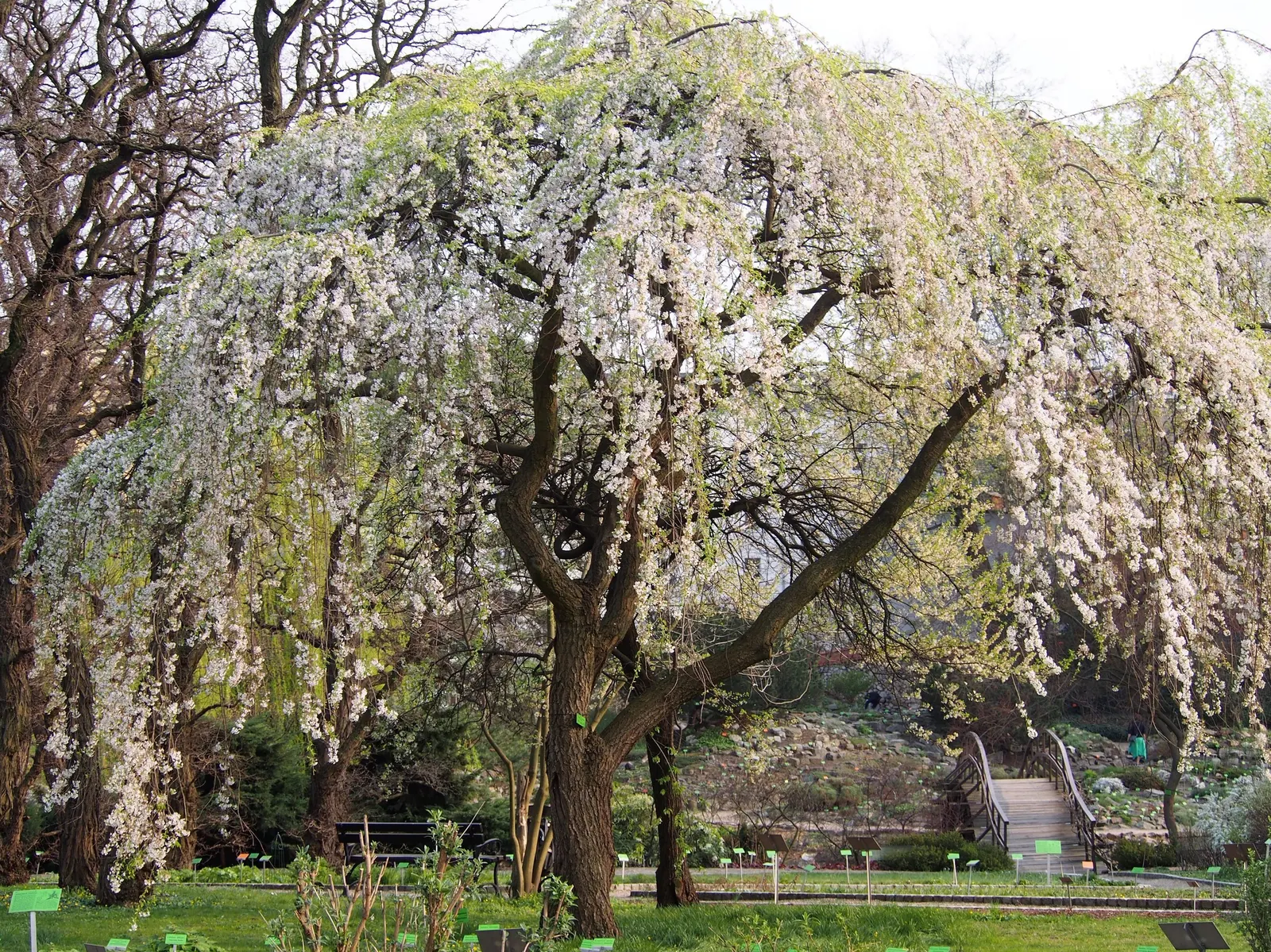
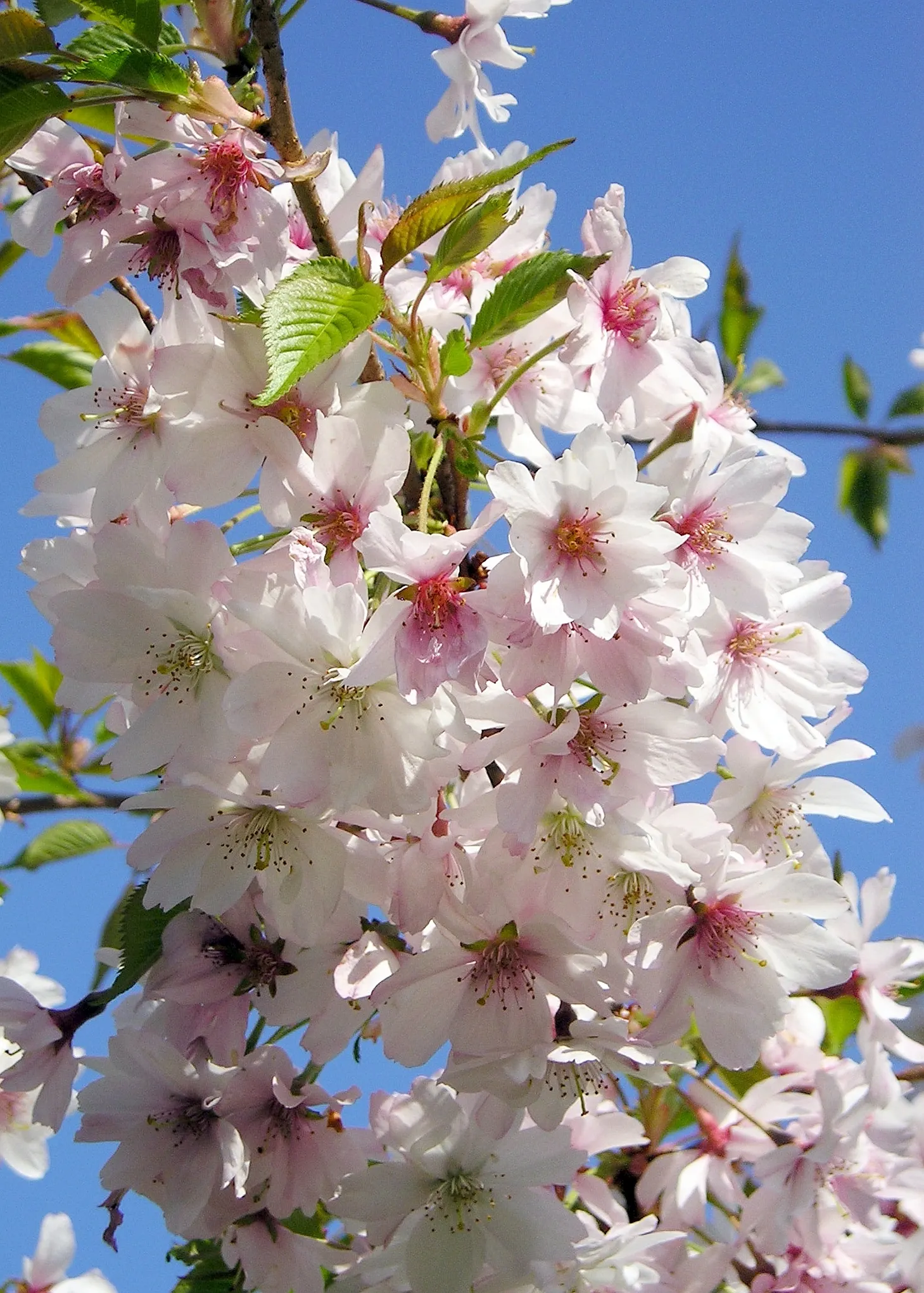
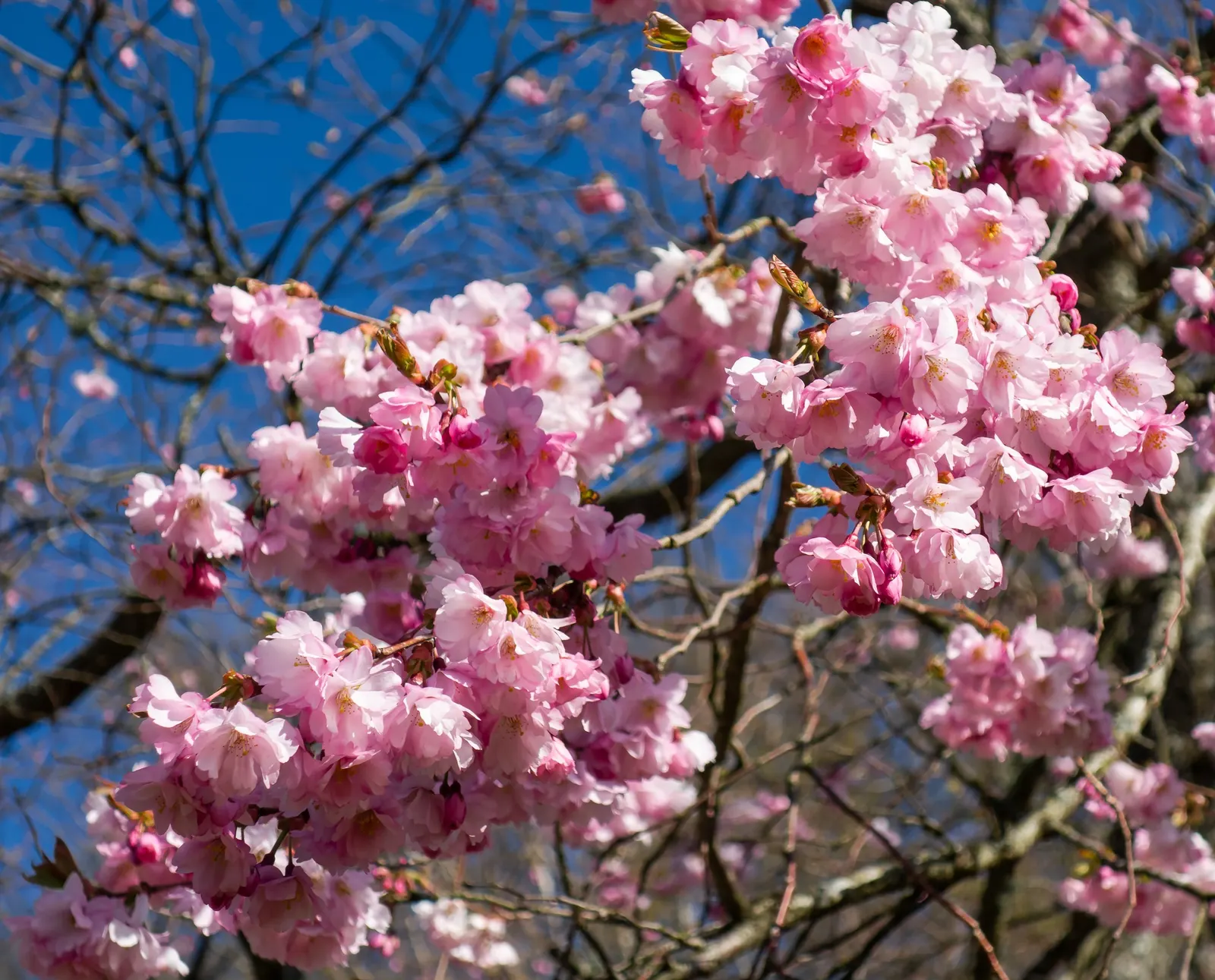
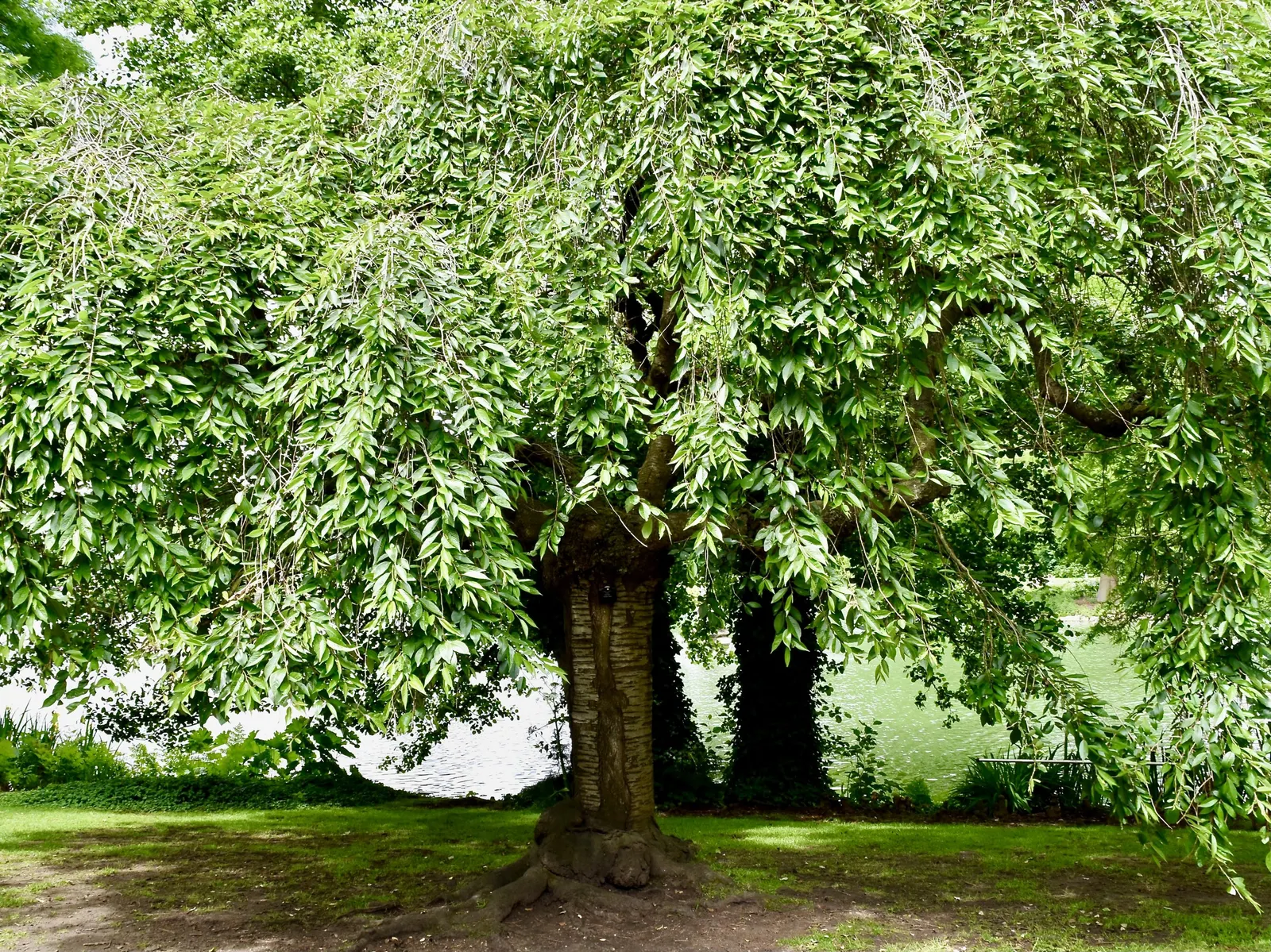
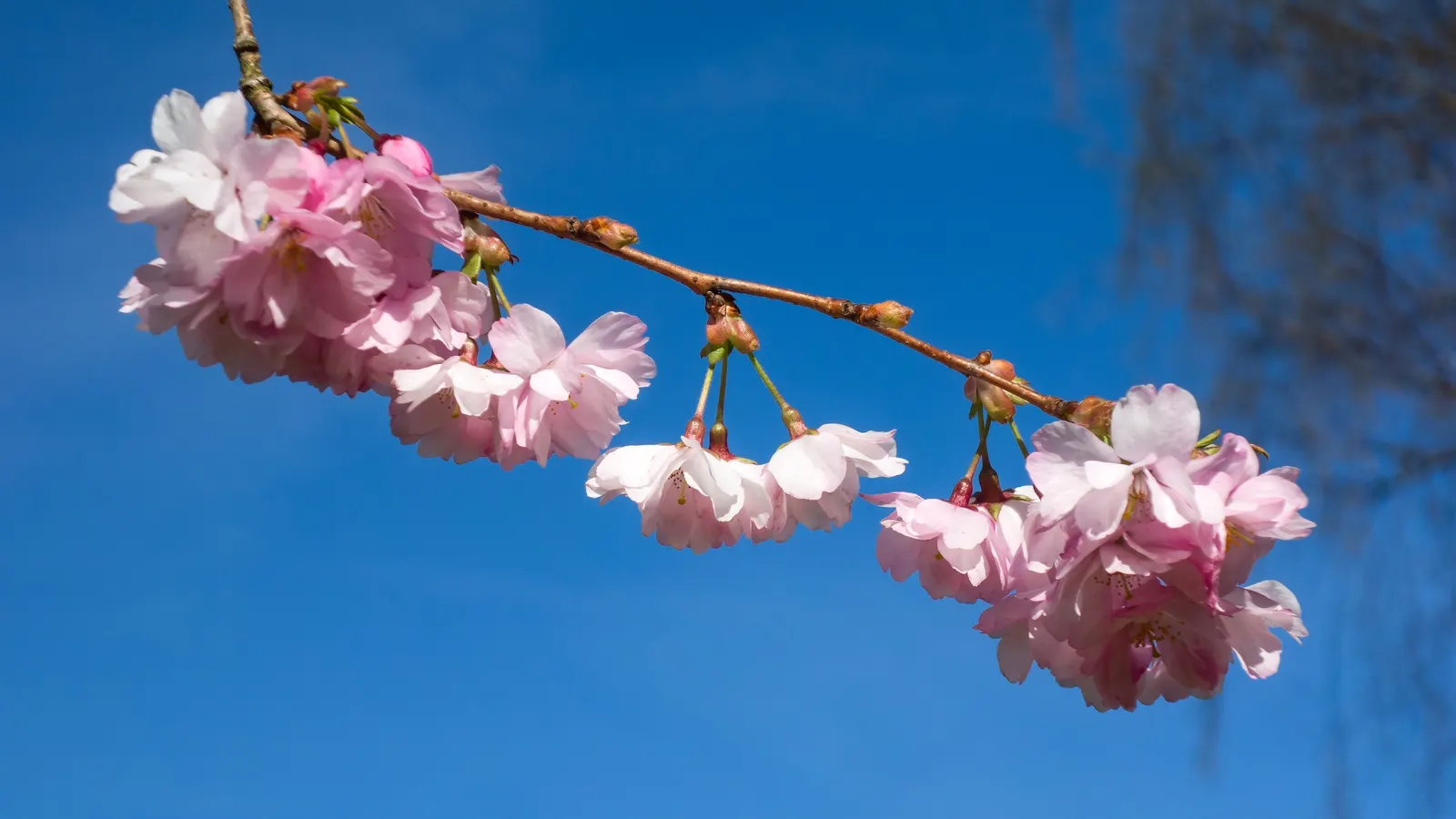
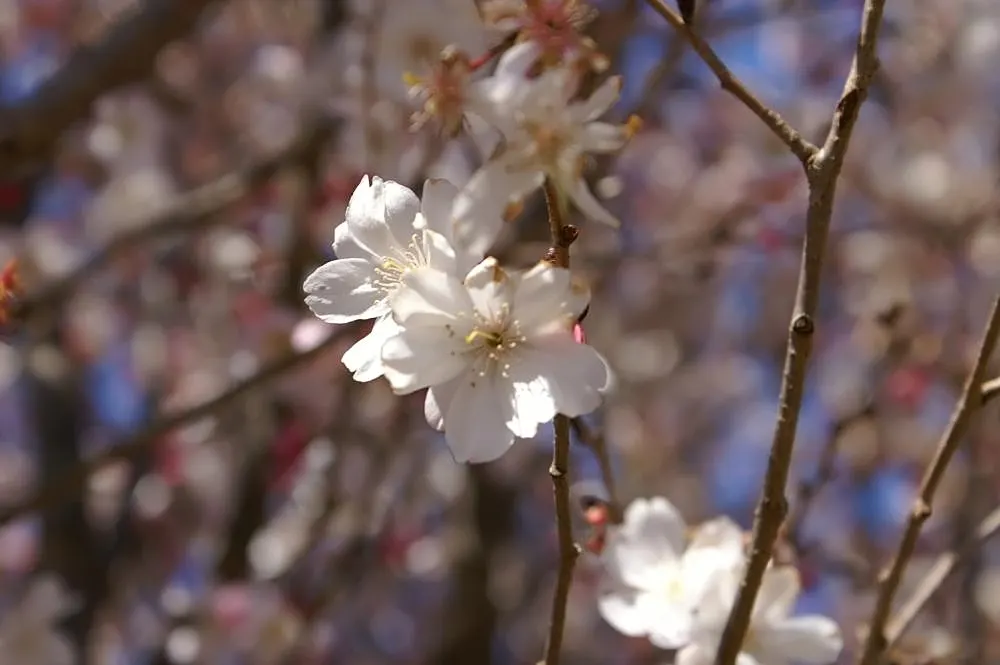
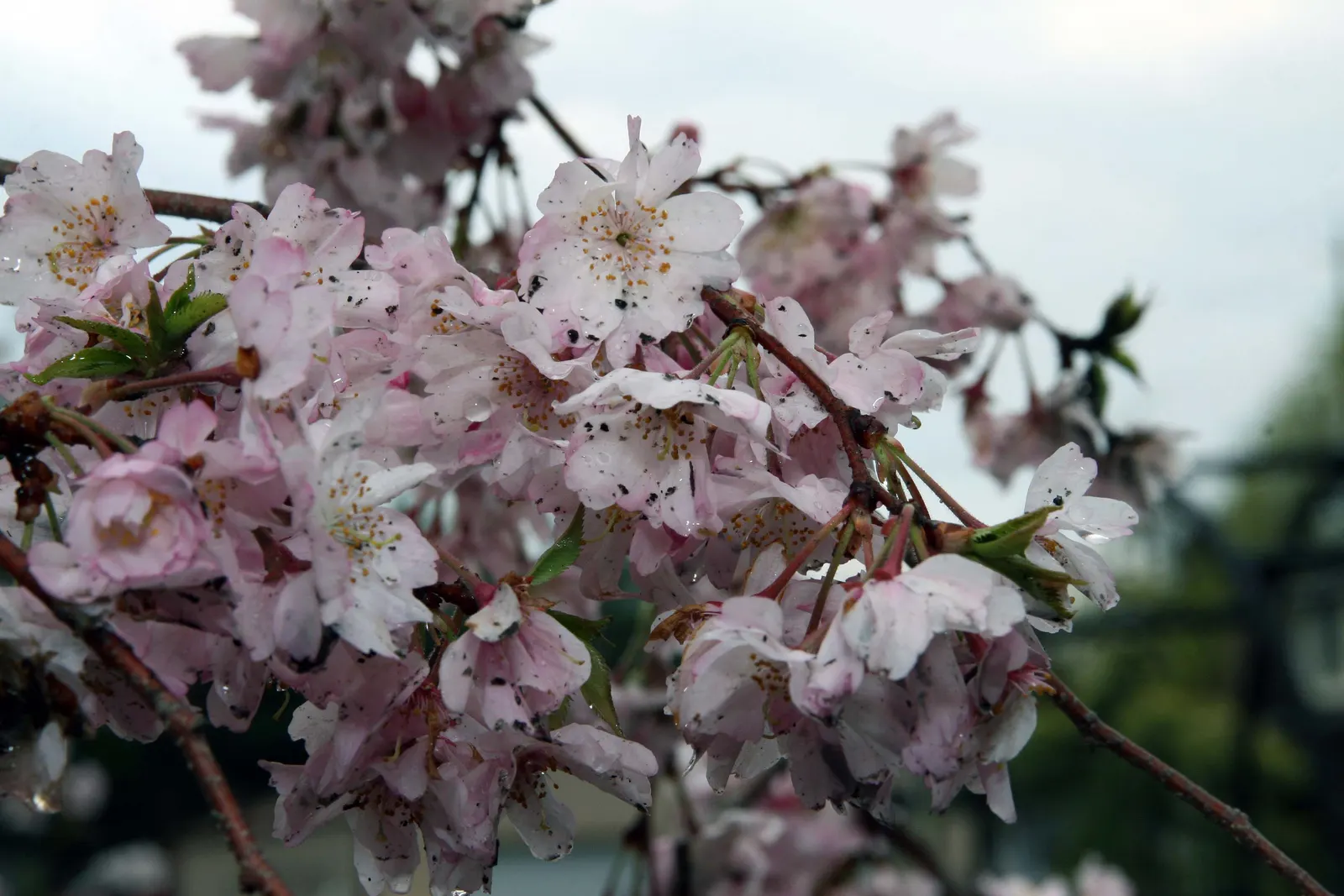
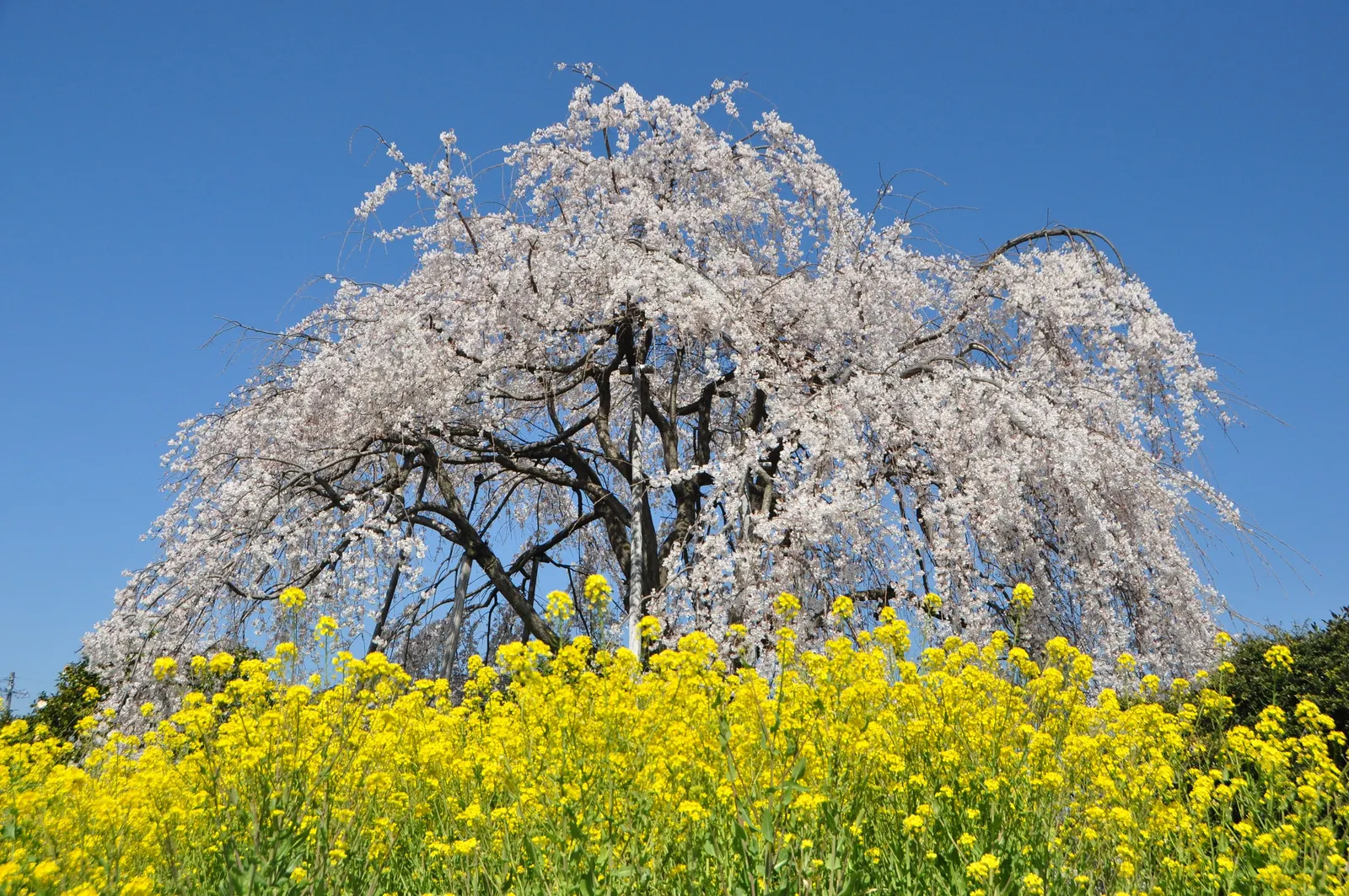
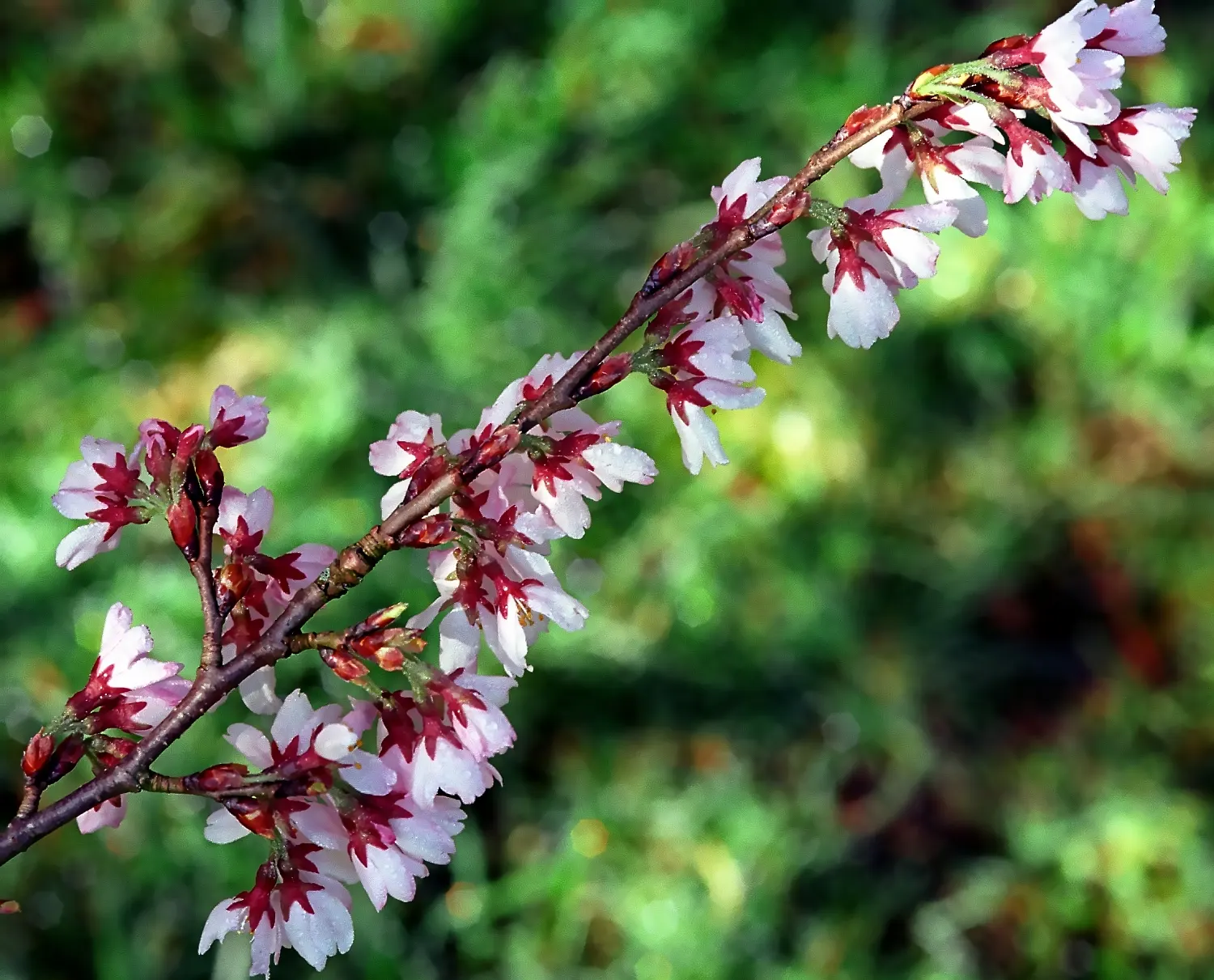
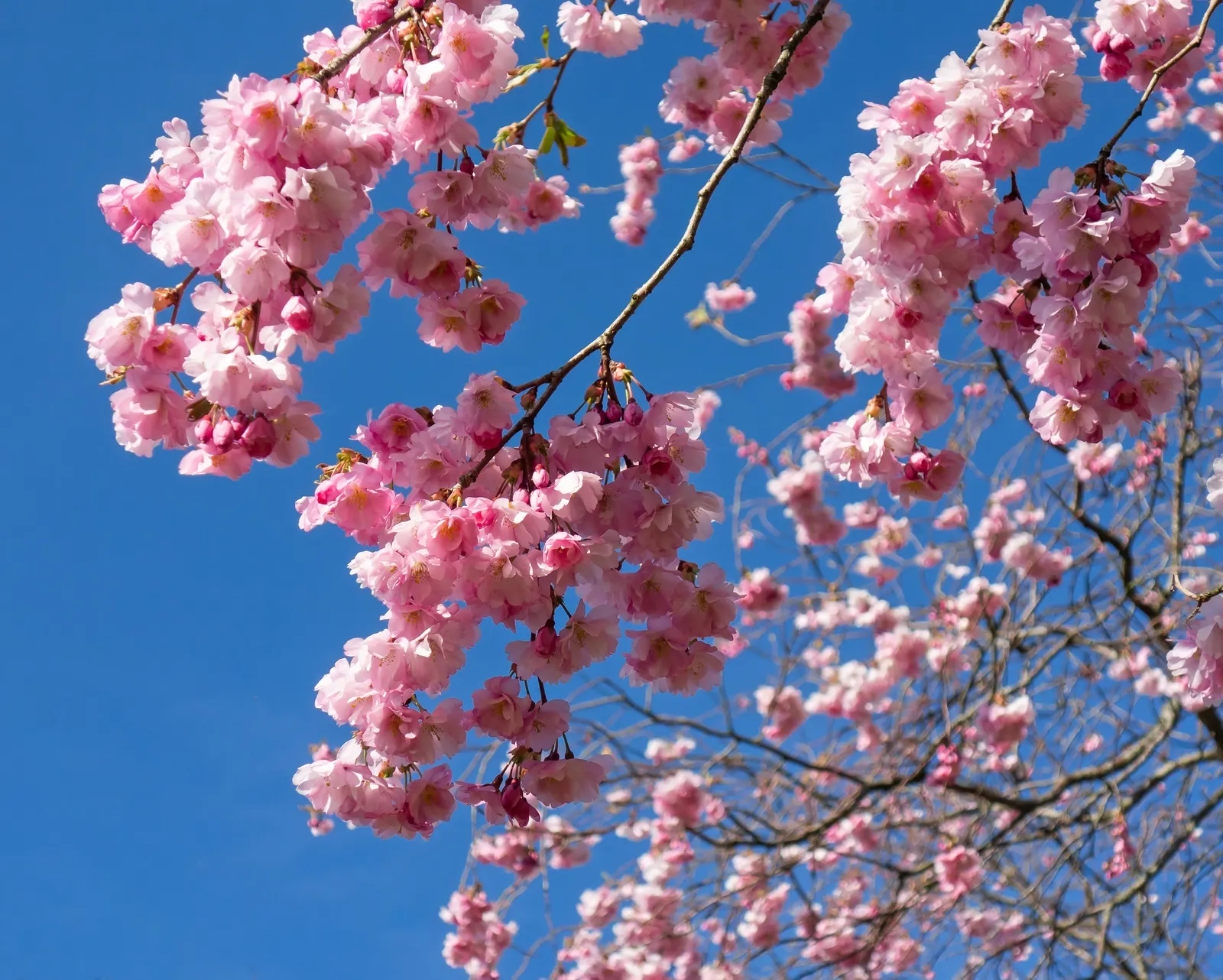
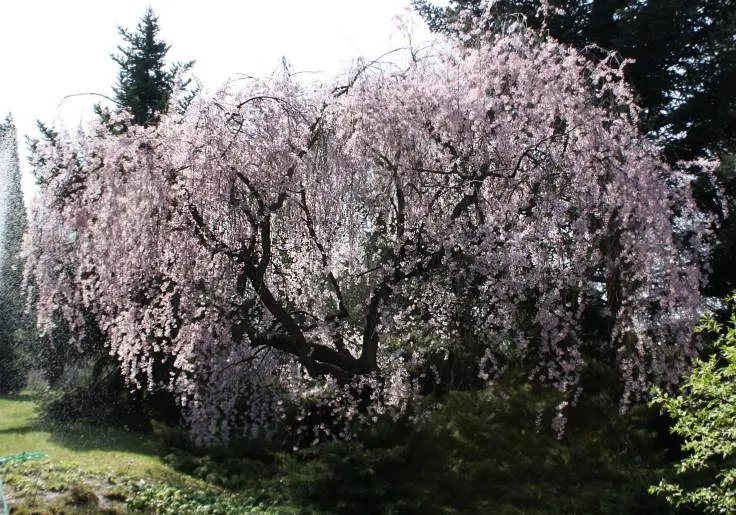
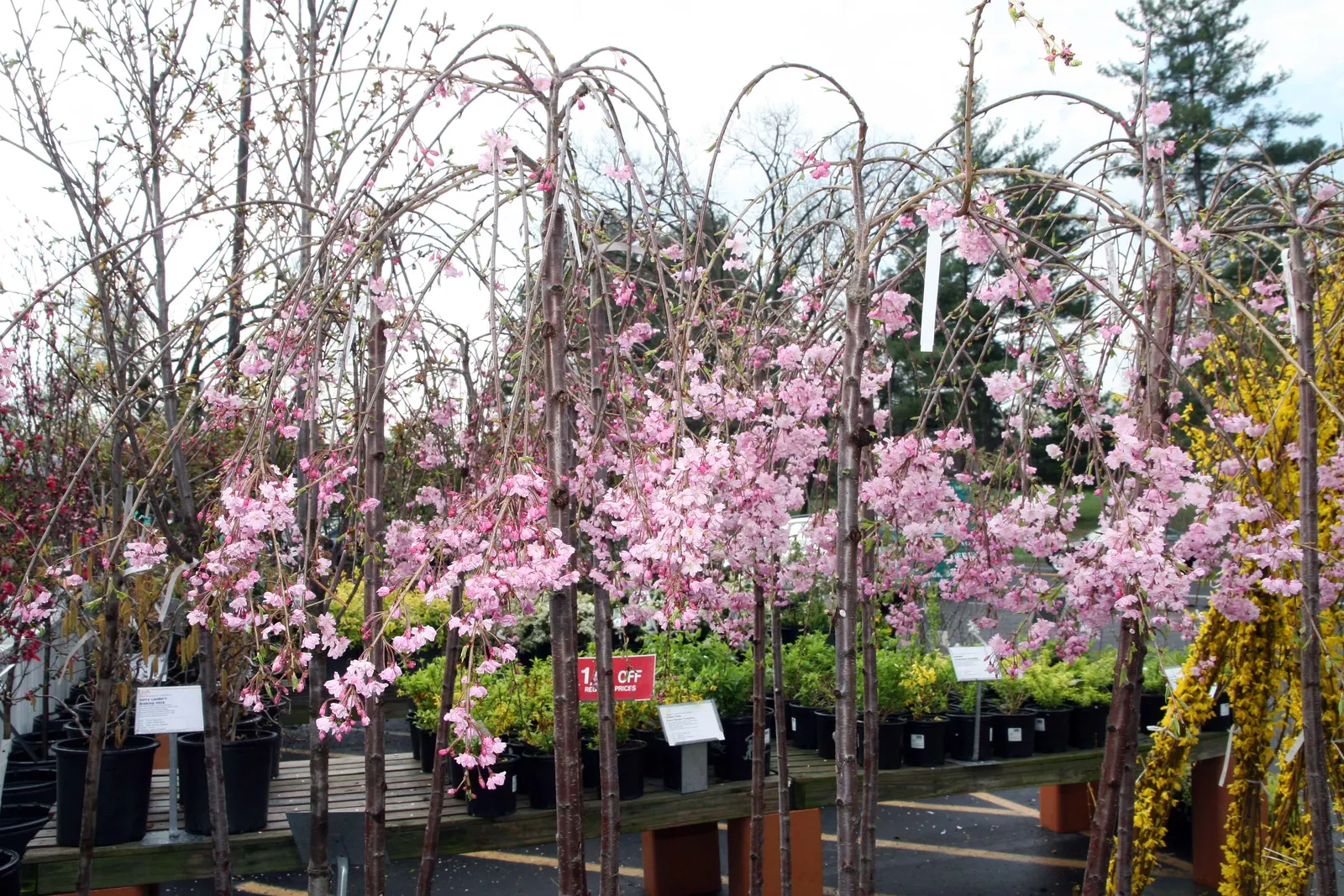
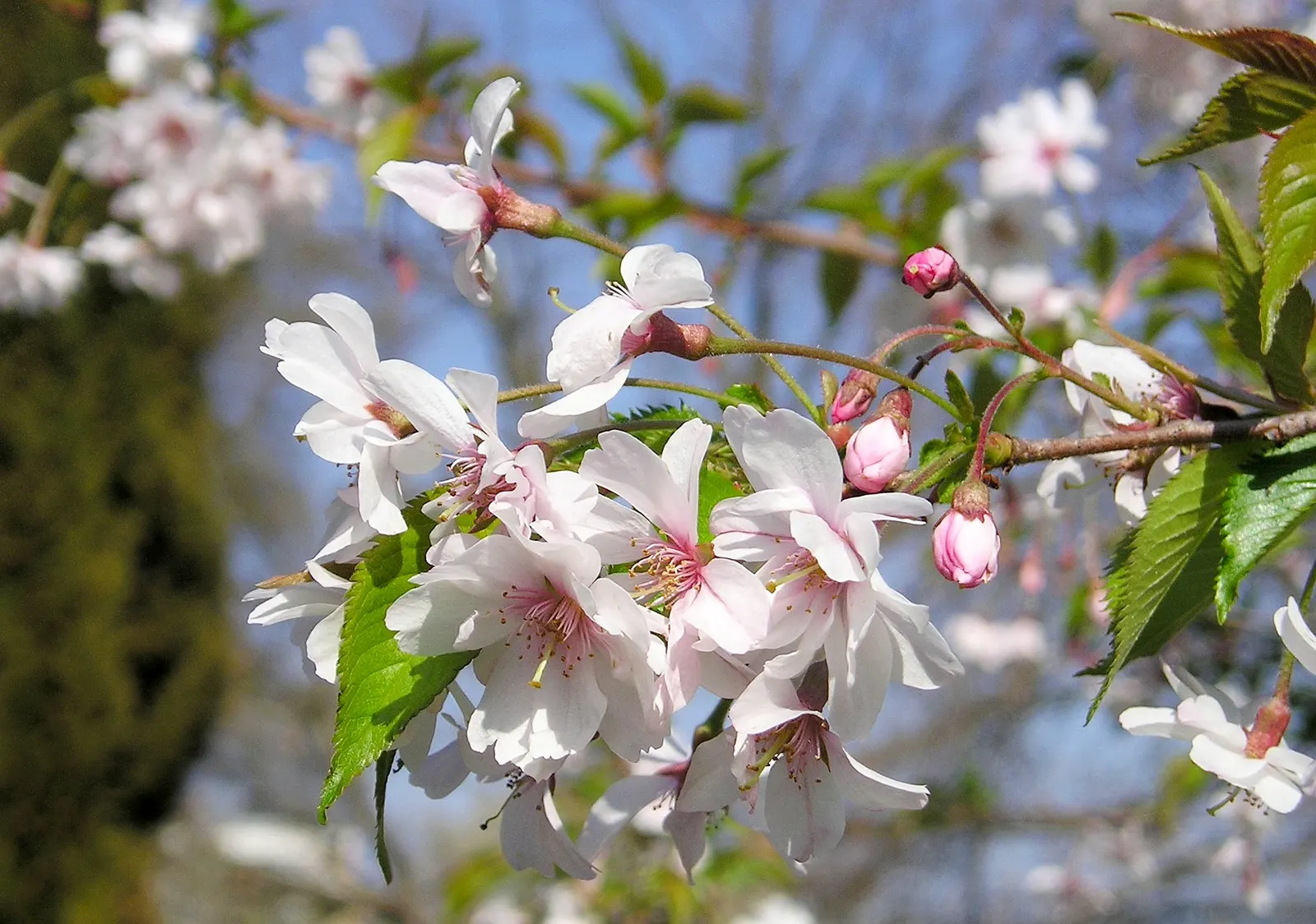
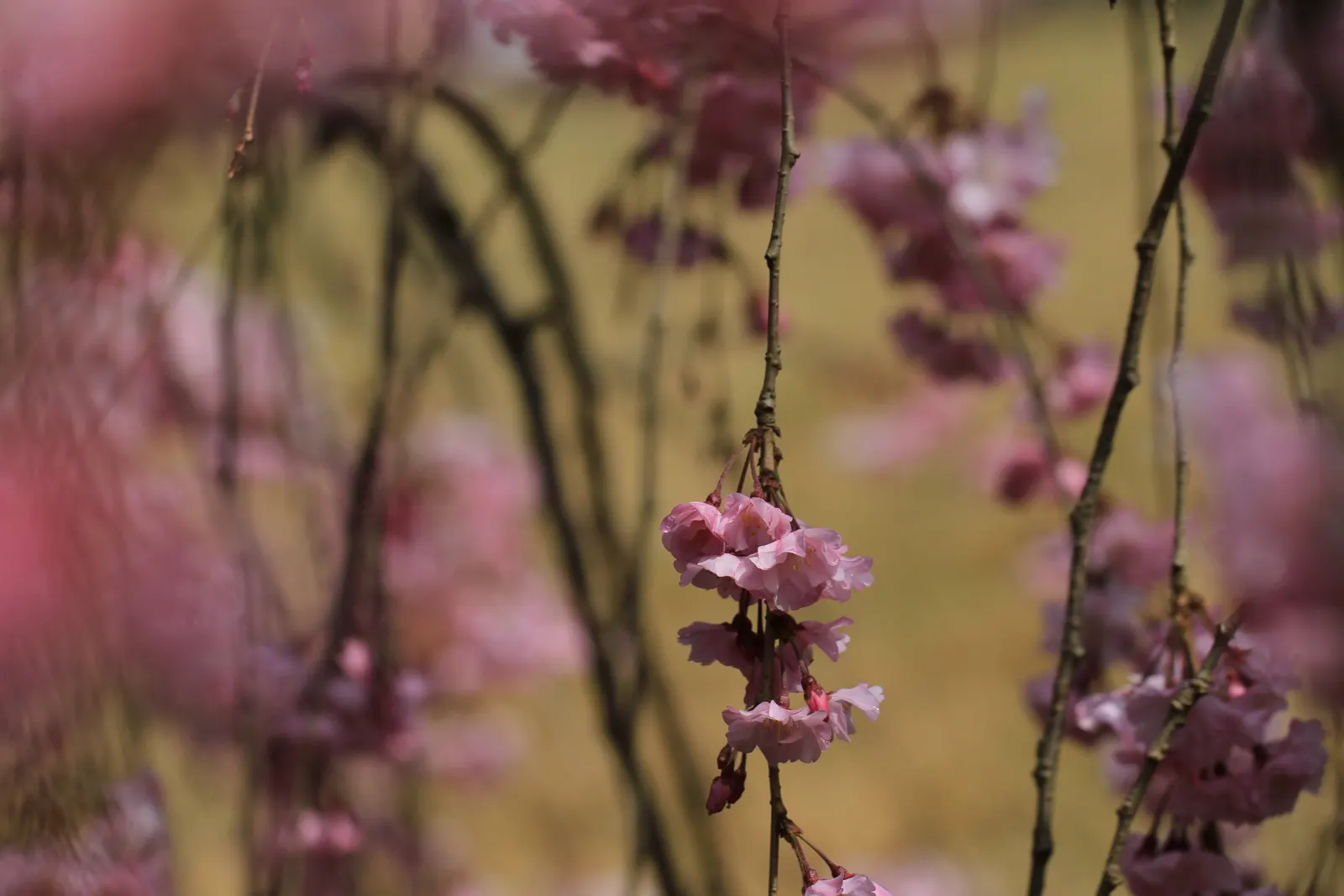
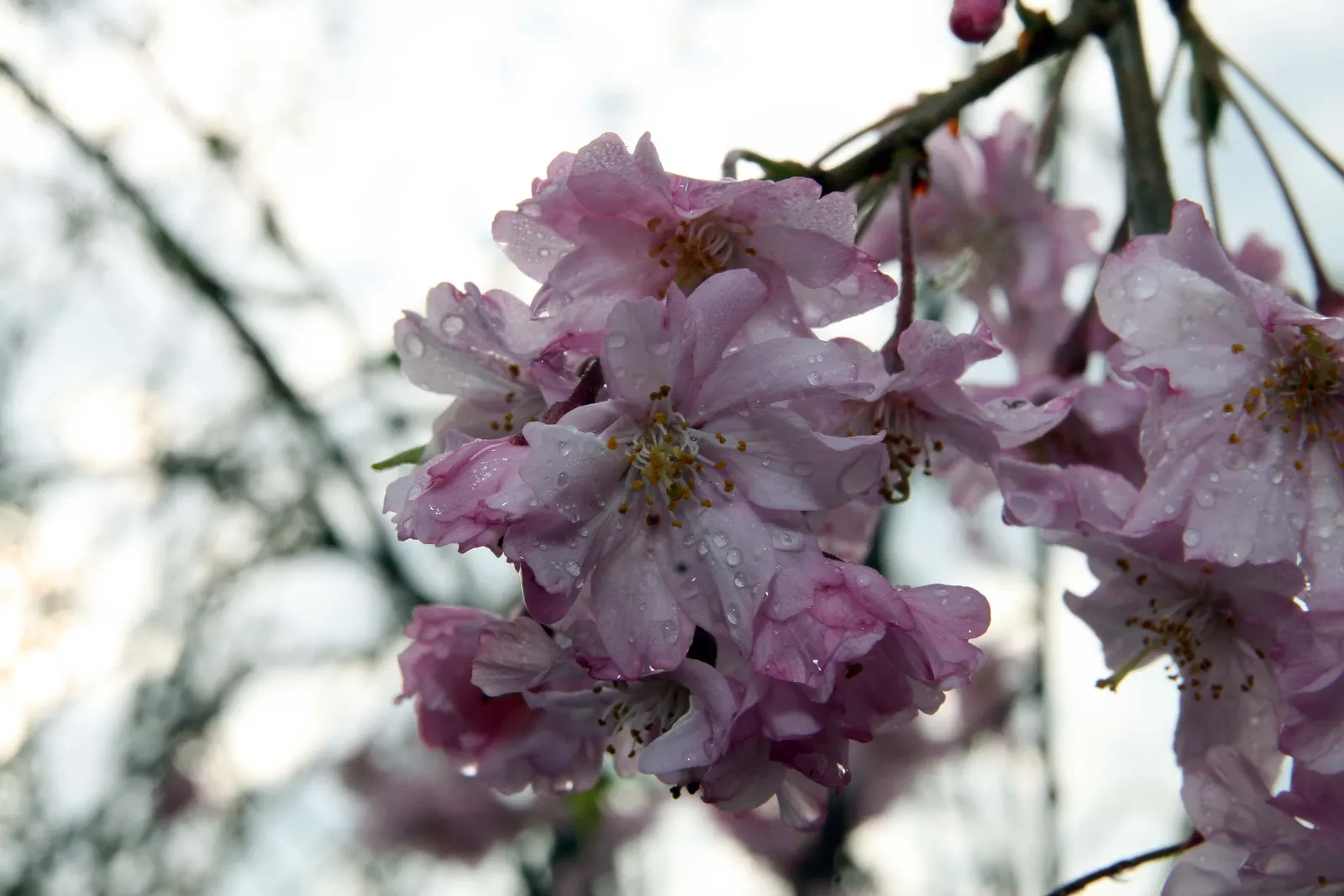
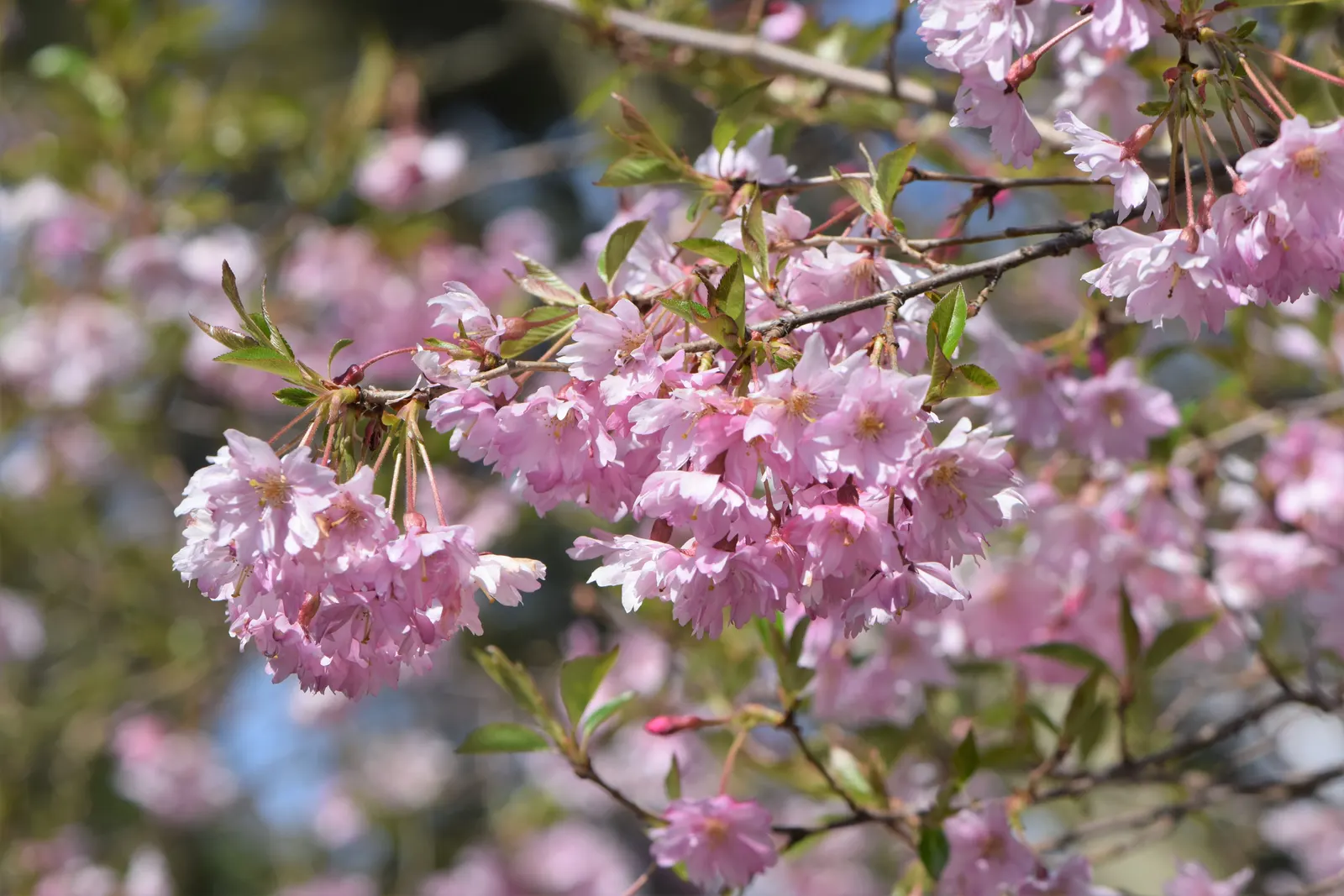
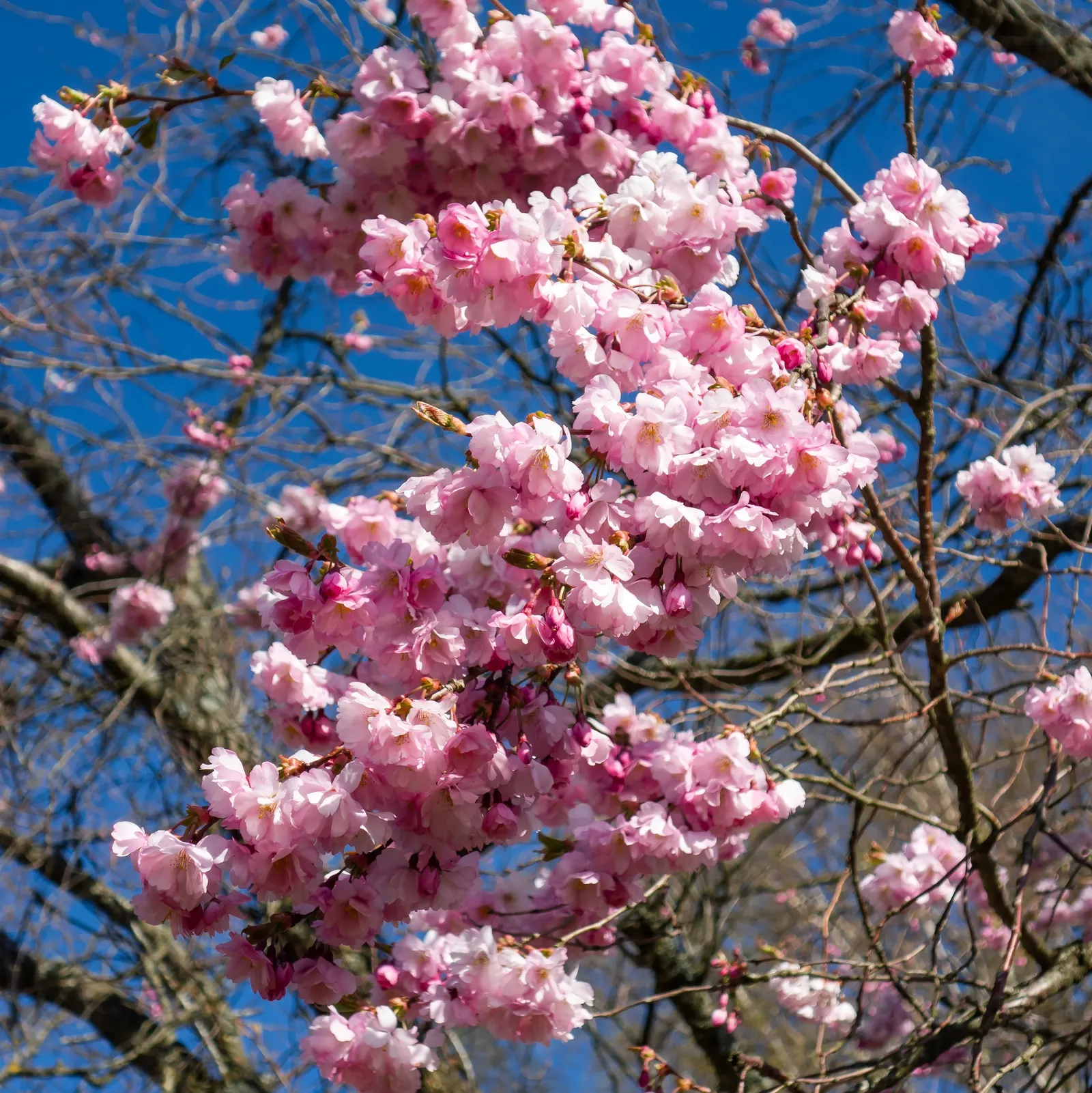
The Higan Cherry (Prunus subhirtella) is a gracefully arching, deciduous tree, renowned for its profuse, soft pink blooms in spring. Mature specimens reach 20-30 feet in height and width. It thrives in USDA zones 4-8, prefers well-drained soil, and full sun to partial shade. Its fall foliage adds another season of interest, turning to hues of yellow and bronze. Ideal for specimen planting or creating enchanting alleyways in gardens.

Sun FullWater MediumZones 4–8
Higan Cherry (Prunus Subhirtella) — soft pink blooms in spring

Culture

Sun
Full
Water
Medium
USDA zones
4–8

Shape & size

Classification

Family
Rosaceae

See full data, regional cultivation notes, full-resolution photos, and design tools. Build a client presentation around this plant.

Start your 14-day trial

Photos (66)

Higan Cherry (Prunus Subhirtella) — pink flowers in the garden
Higan Cherry (Prunus Subhirtella) — ensuring lasting enjoyment for years to come
Higan Cherry (Prunus Subhirtella) — preferring full sun to partial shade; as it thrives in USDA hardiness zones 4 through 8
Higan Cherry (Prunus Subhirtella) — Mature specimens reach 20-30 feet in height and width; as it thrives in USDA hardiness zones 4 through 8
Higan Cherry (Prunus Subhirtella) — tree with pink blooms
Higan Cherry (Prunus Subhirtella) — The Higan Cherry (Prunus subhirtella) is a gracefully arching; it thrives in USDA zones 4-8, prefers well-drained soil, and
Higan Cherry (Prunus Subhirtella) — soft pink blooms in spring; standing between 20 to 30 feet in height with a corresponding spread of 15 to 30 feet at
Higan Cherry (Prunus Subhirtella) — It thrives in USDA zones 4-8, prefers well-drained soil, and full sun to partial shade; ensuring lasting enjoyment for
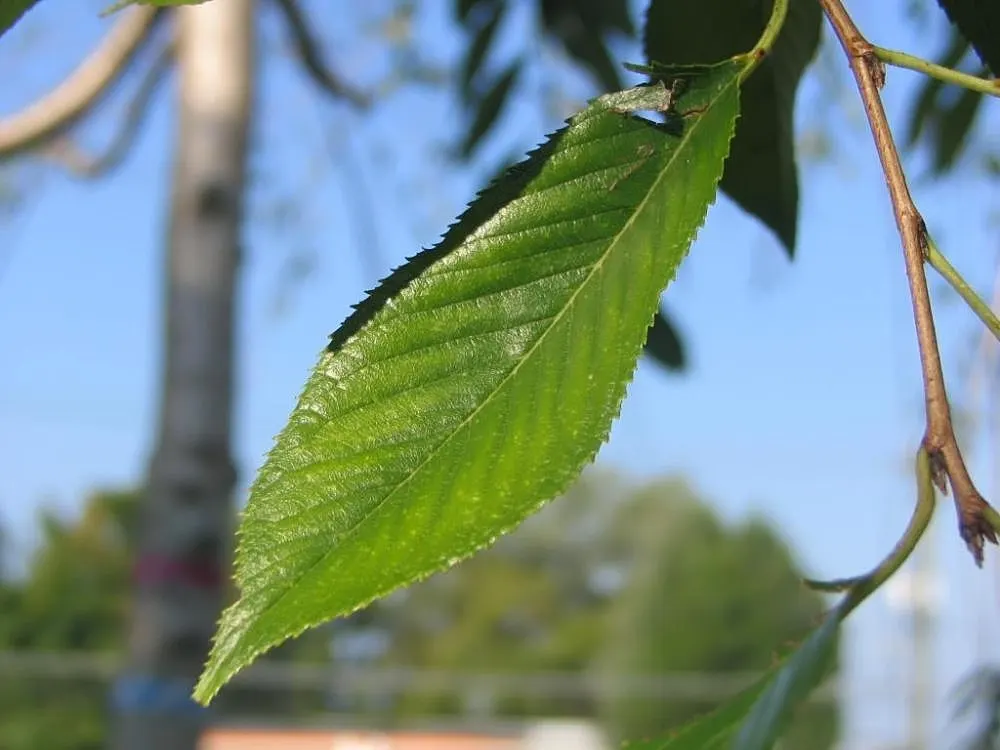
Higan Cherry (Prunus Subhirtella) — Its fall foliage adds another season of interest, turning to hues of yellow and bronze; it thrives in USDA zones 4-8
Higan Cherry (Prunus Subhirtella) — Ideal for specimen planting or creating enchanting alleyways in gardens; standing between 20 to 30 feet in height with a
Higan Cherry (Prunus Subhirtella) — The Higan Cherry (Prunus subhirtella); as it thrives in USDA hardiness zones 4 through 8
Higan Cherry (Prunus Subhirtella) — a graceful and widely admired ornamental tree; ensuring lasting enjoyment for years to come
Higan Cherry (Prunus Subhirtella) — offers an aesthetic appeal across multiple seasons; it thrives in USDA zones 4-8, prefers well-drained soil, and full sun
Higan Cherry (Prunus Subhirtella) — making it a treasured addition to any landscape design; standing between 20 to 30 feet in height with a corresponding
Higan Cherry (Prunus Subhirtella) — Standing between 20 to 30 feet in height with a corresponding spread of 15 to 30 feet at maturity; as it thrives in USDA
Higan Cherry (Prunus Subhirtella) — which may occur from late winter into early spring; ensuring lasting enjoyment for years to come
Higan Cherry (Prunus Subhirtella) — depending on the regional climate; it thrives in USDA zones 4-8, prefers well-drained soil, and full sun to partial shade
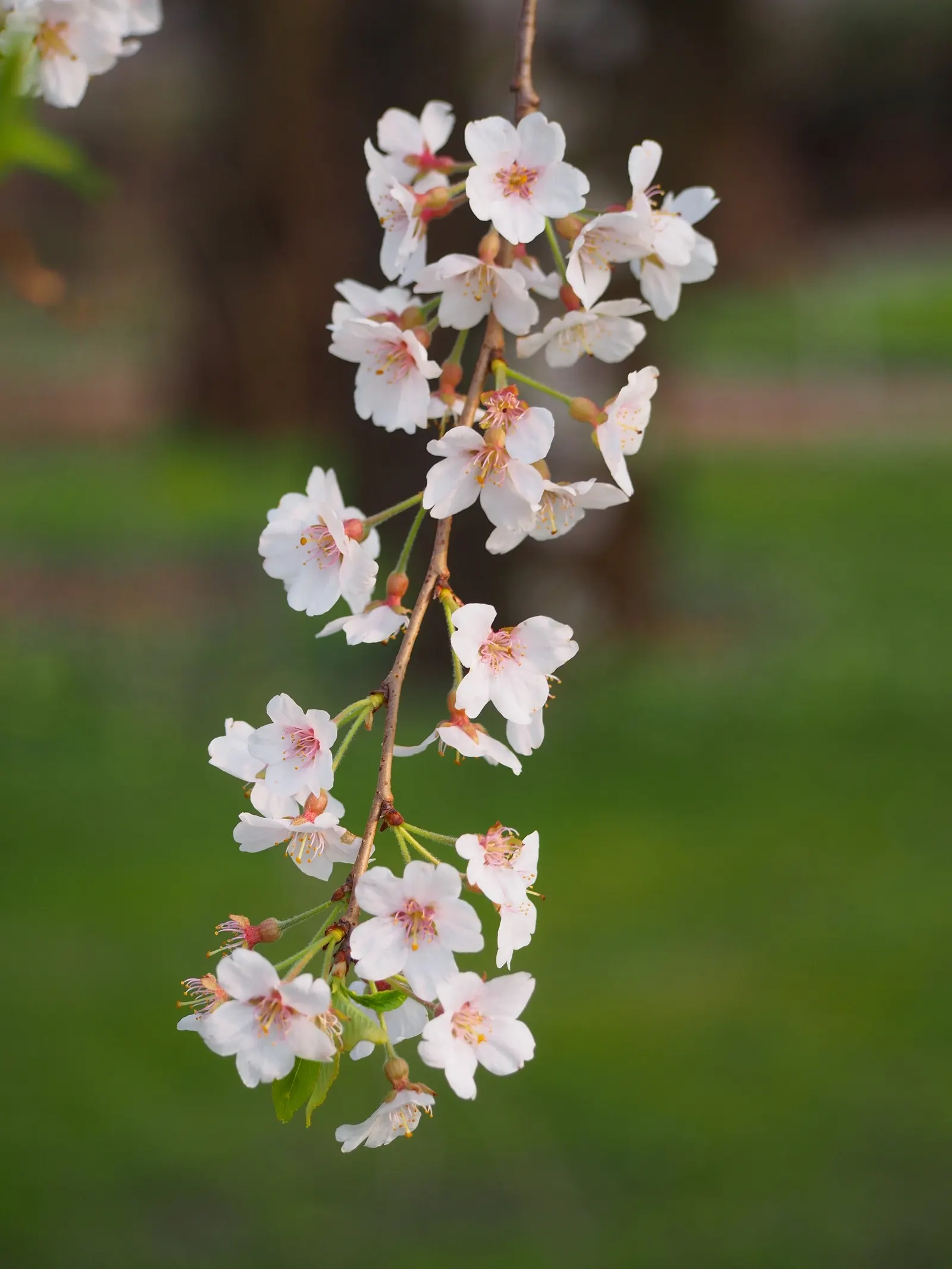
Higan Cherry (Prunus Subhirtella) — The delicate flowers range in color from pale pink to white; standing between 20 to 30 feet in height with a corresponding
Higan Cherry (Prunus Subhirtella) — adding bursts of color when most other plants are yet to awaken from dormancy; as it thrives in USDA hardiness zones 4
Higan Cherry (Prunus Subhirtella) — Blooms are not only visually striking but also attract pollinators; ensuring lasting enjoyment for years to come
Higan Cherry (Prunus Subhirtella) — thus supporting local biodiversity.<br><br>An added advantage of Prunus subhirtella is its adaptability; it thrives in USDA
Higan Cherry (Prunus Subhirtella) — as it thrives in USDA hardiness zones 4 through 8; standing between 20 to 30 feet in height with a corresponding spread of
Higan Cherry (Prunus Subhirtella) — It is best to plant this cherry in well-drained soil and ensure regular watering; ensuring lasting enjoyment for years to
Higan Cherry (Prunus Subhirtella) — especially during drought conditions; it thrives in USDA zones 4-8, prefers well-drained soil, and full sun to partial shade

Related plants