
Plum
Prunus Salicina
Overview
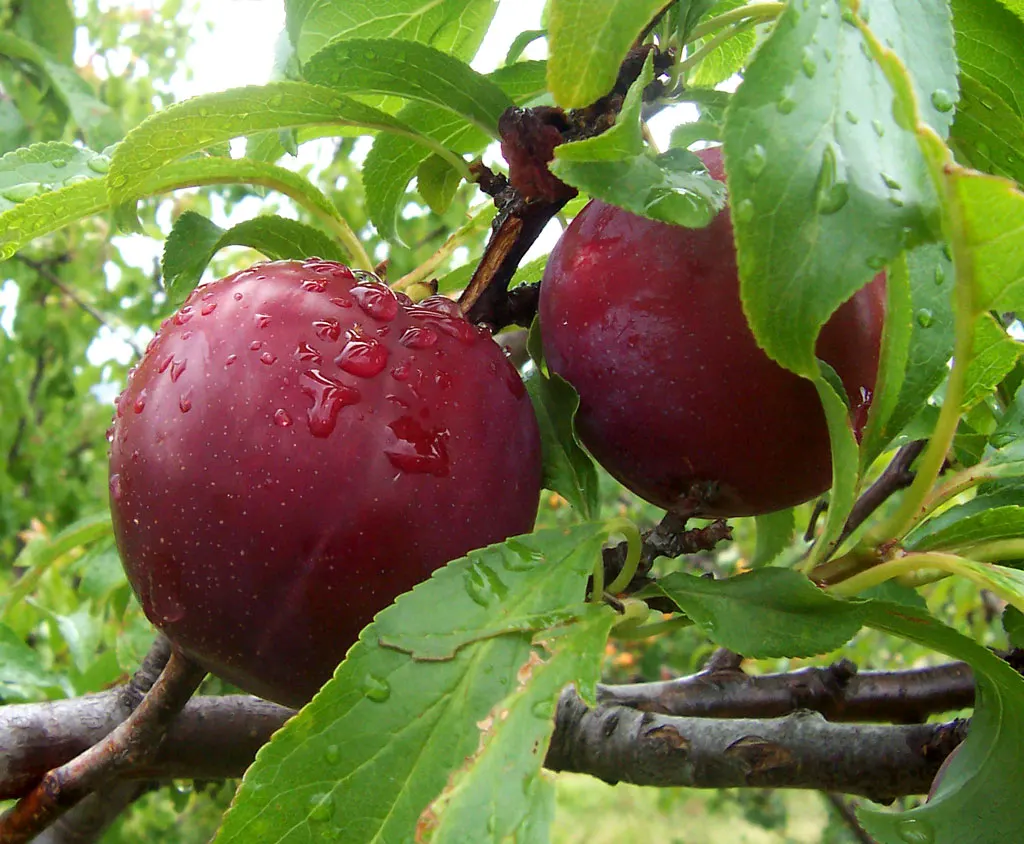
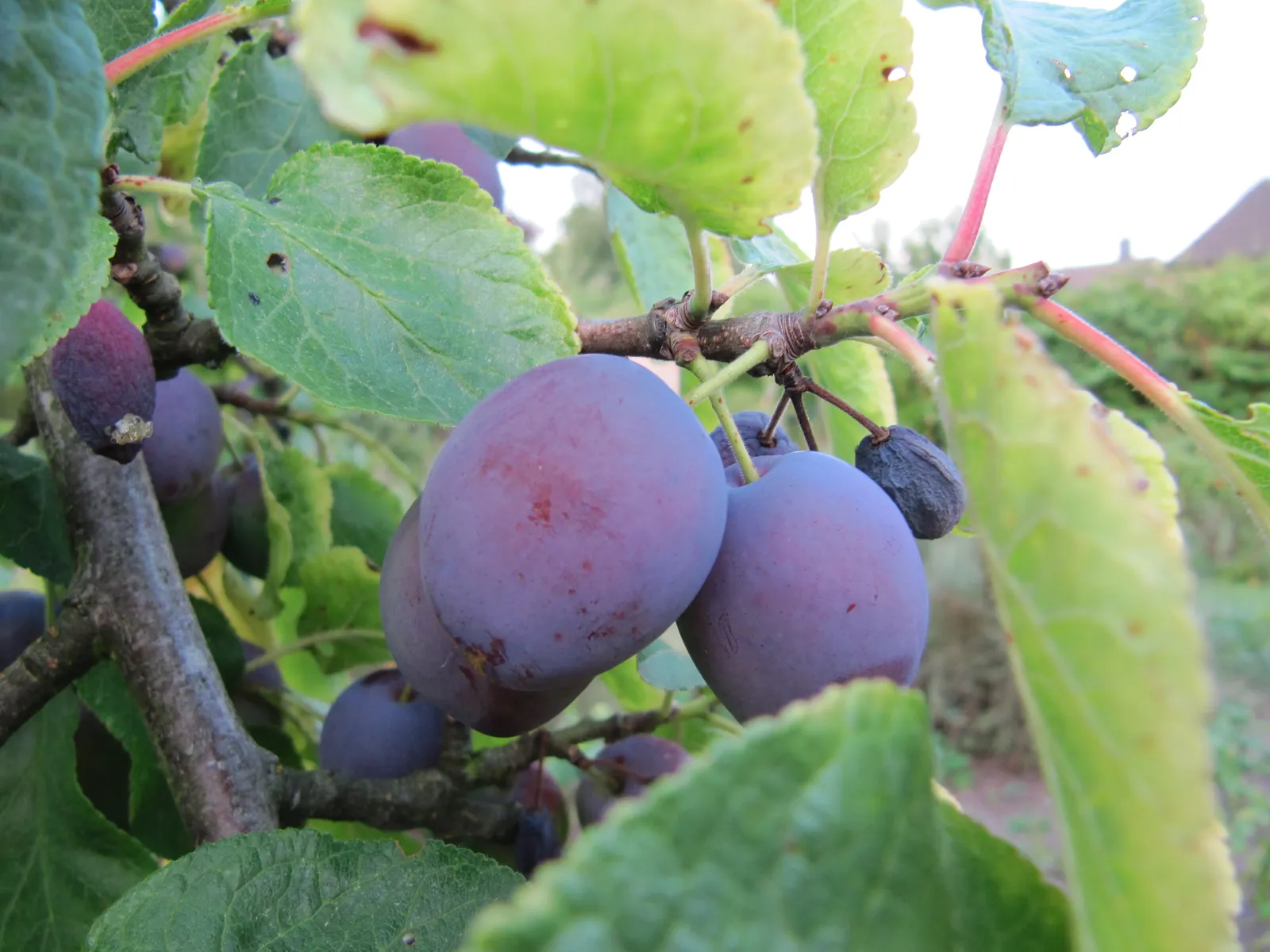
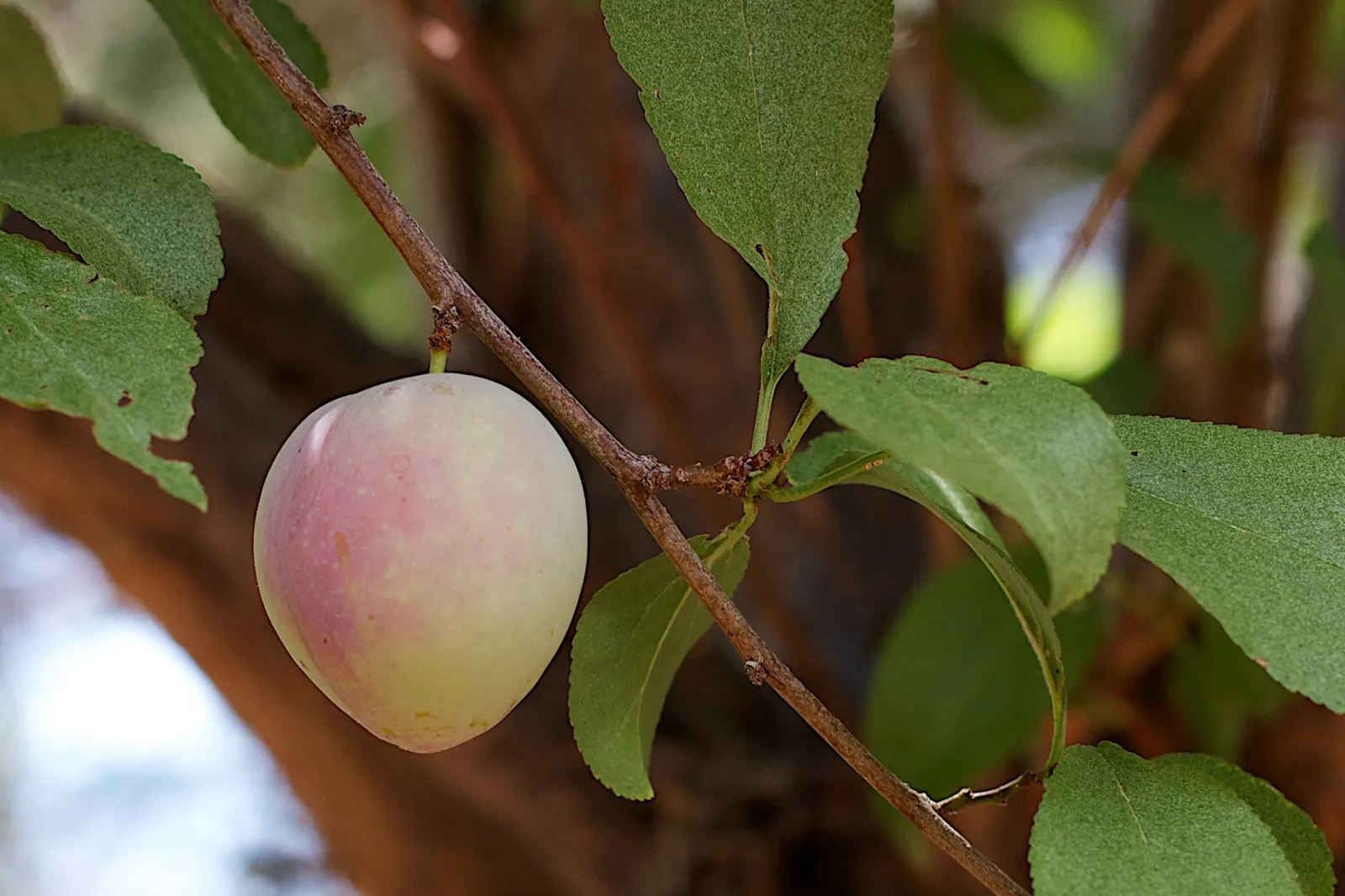
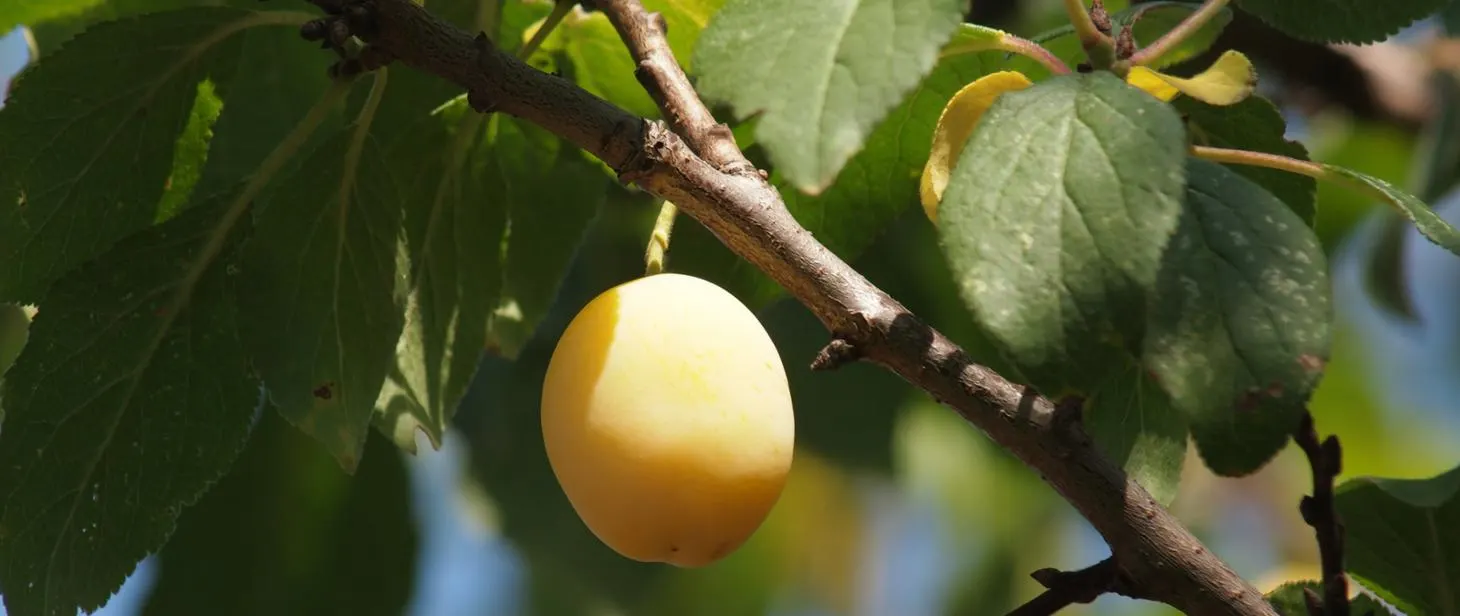
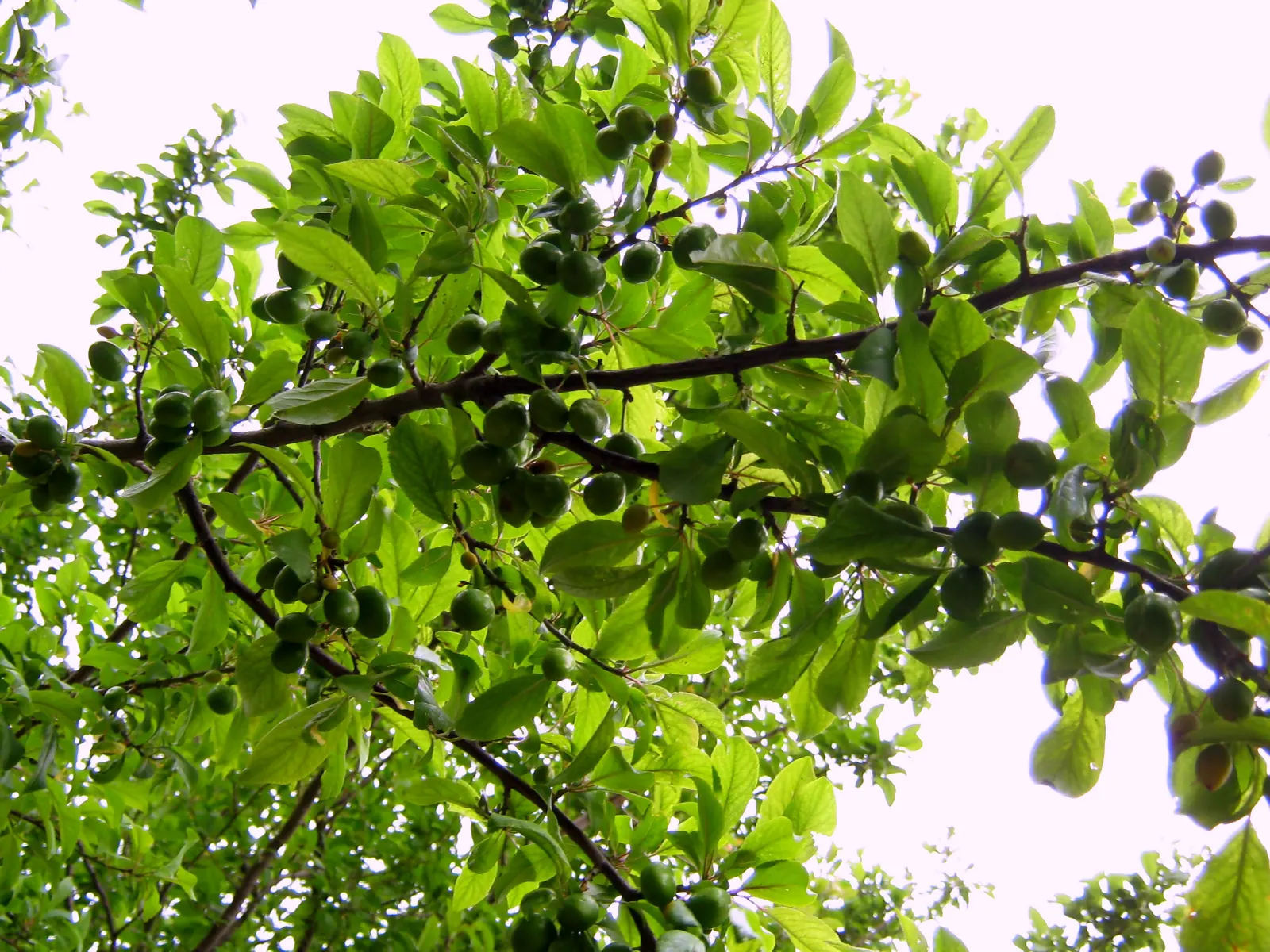
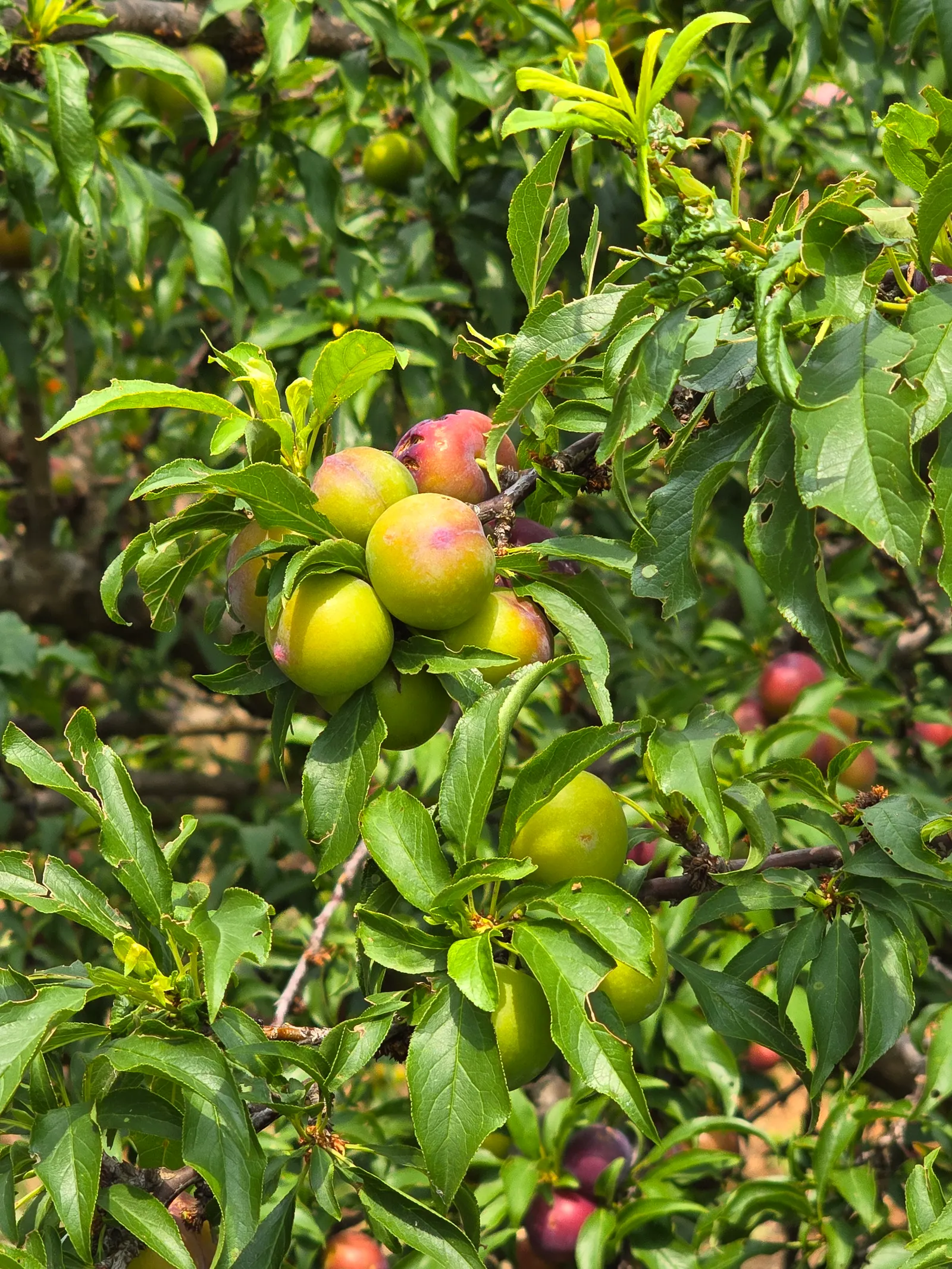
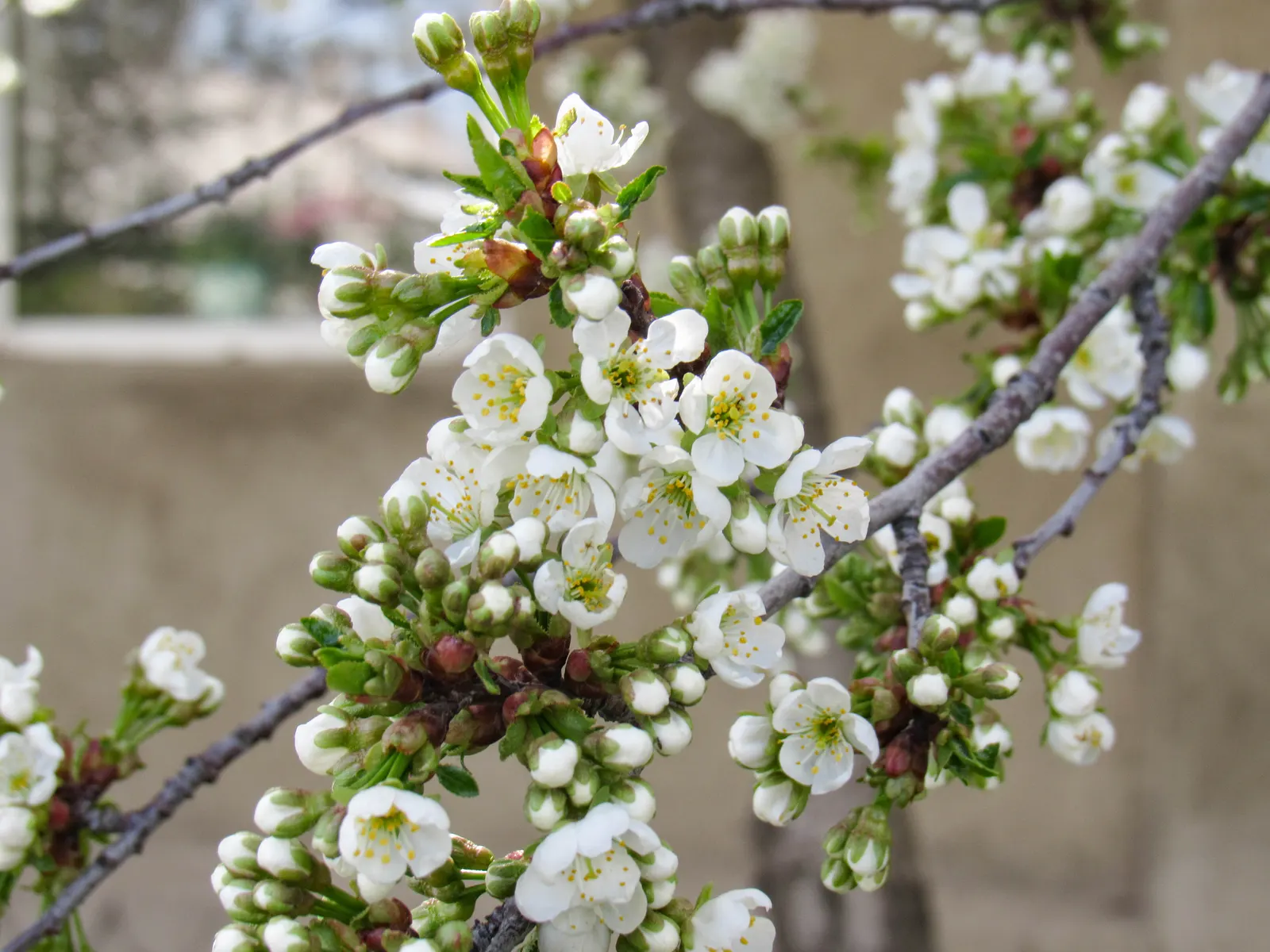
Prunus salicina, commonly known as the Japanese Plum or Chinese Plum, is a deciduous tree prized for its spring blossoms and delicious summer fruit. Typically reaching 15-20 feet in height and 10-15 feet in width, it features a rounded canopy with oblong leaves. Ideal for zones 5-9, it thrives in full sun and well-drained soil. Flowering in early spring, it produces fragrant white to pale pink blooms followed by juicy, sweet, or tart plums.
Sun FullWater Extra in Summer, MediumZones 5–10Type TreeClimate Temperate
Culture
- Sun
- Full
- Water
- Extra in Summer, Medium
- USDA zones
- 5–10
Shape & size
Classification
- Type
- Tree
- Family
- Rosaceae
- Climate
- Temperate
See full data, regional cultivation notes, and design tools. Build a client presentation around this plant.
Start your 14-day trialPhotos (85)
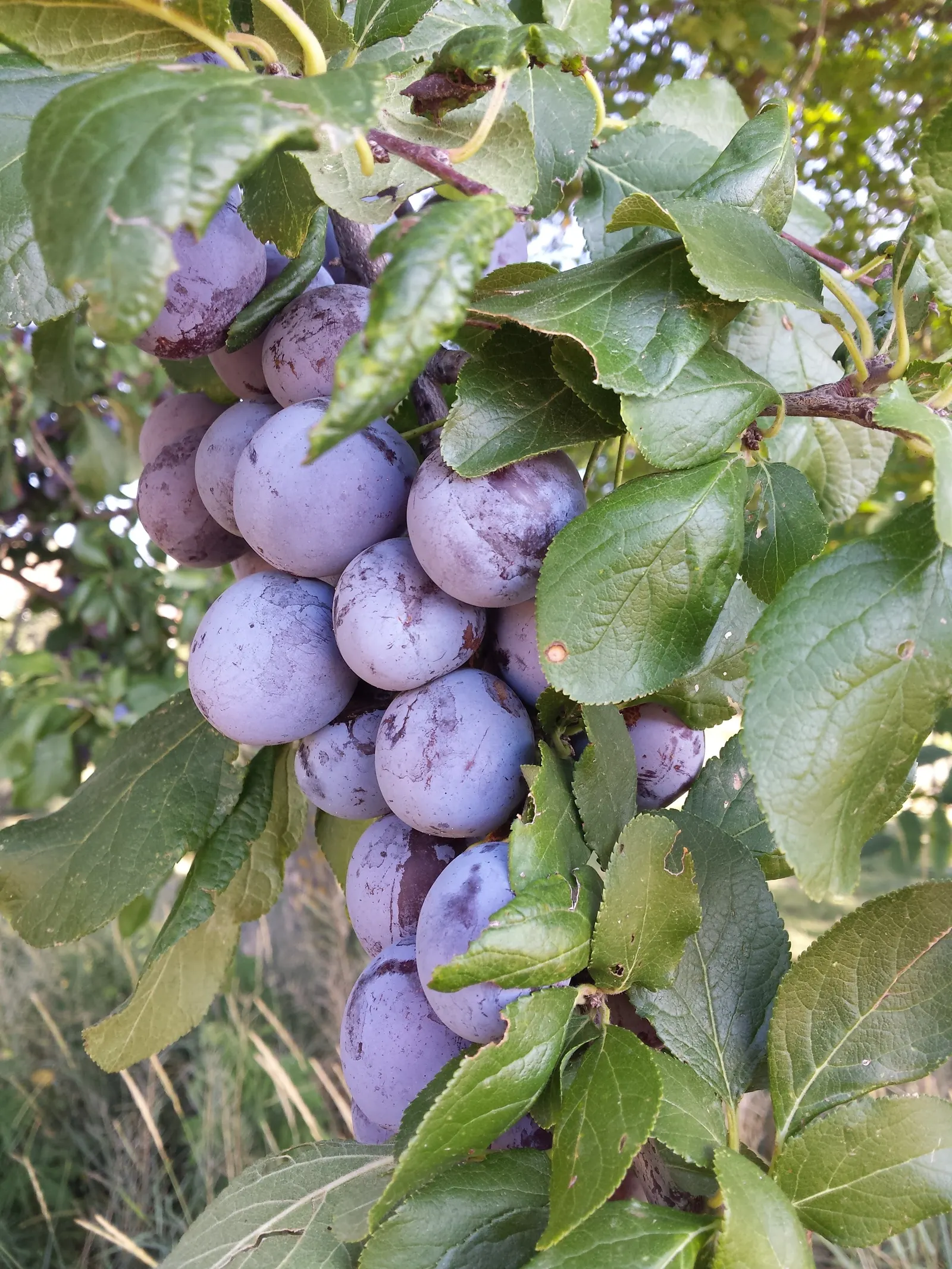
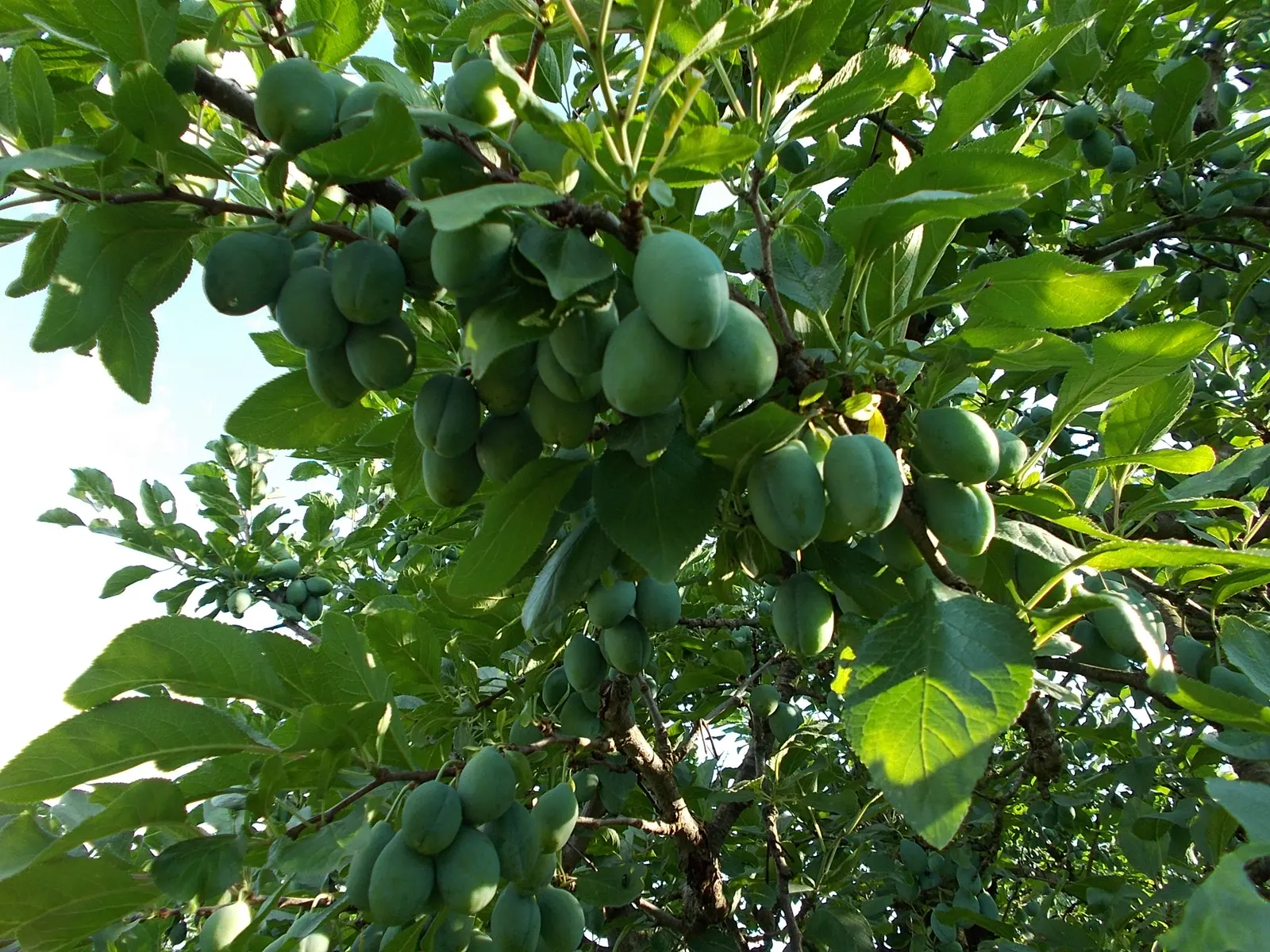
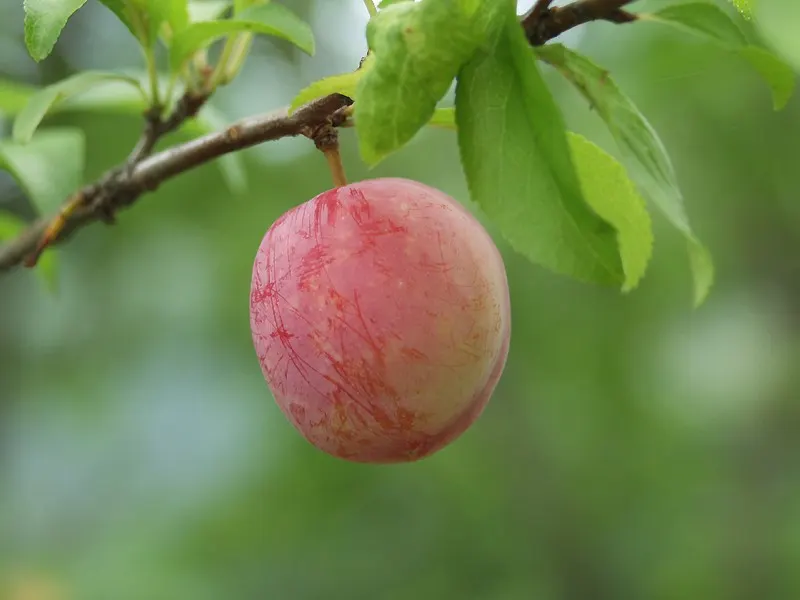
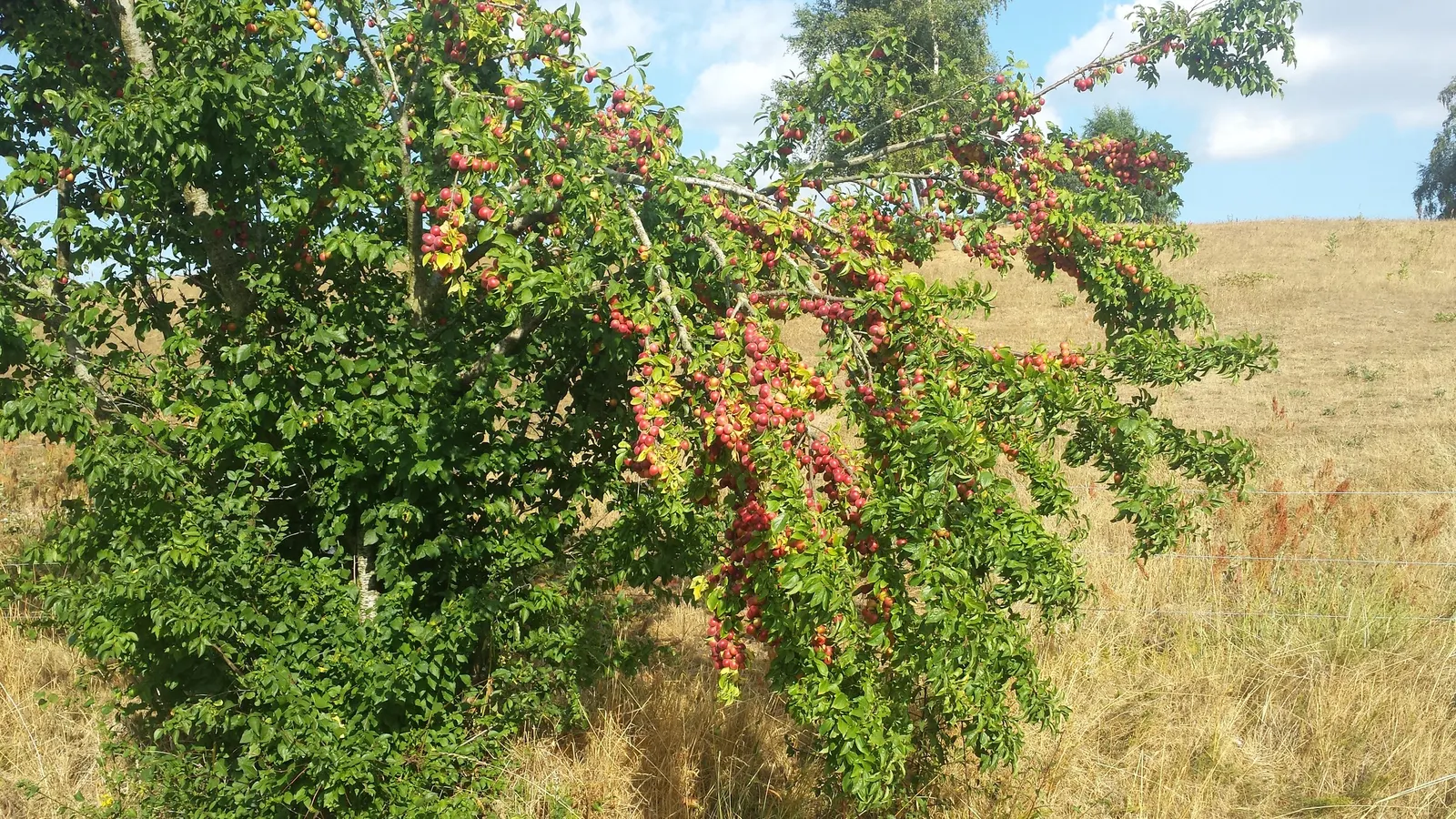
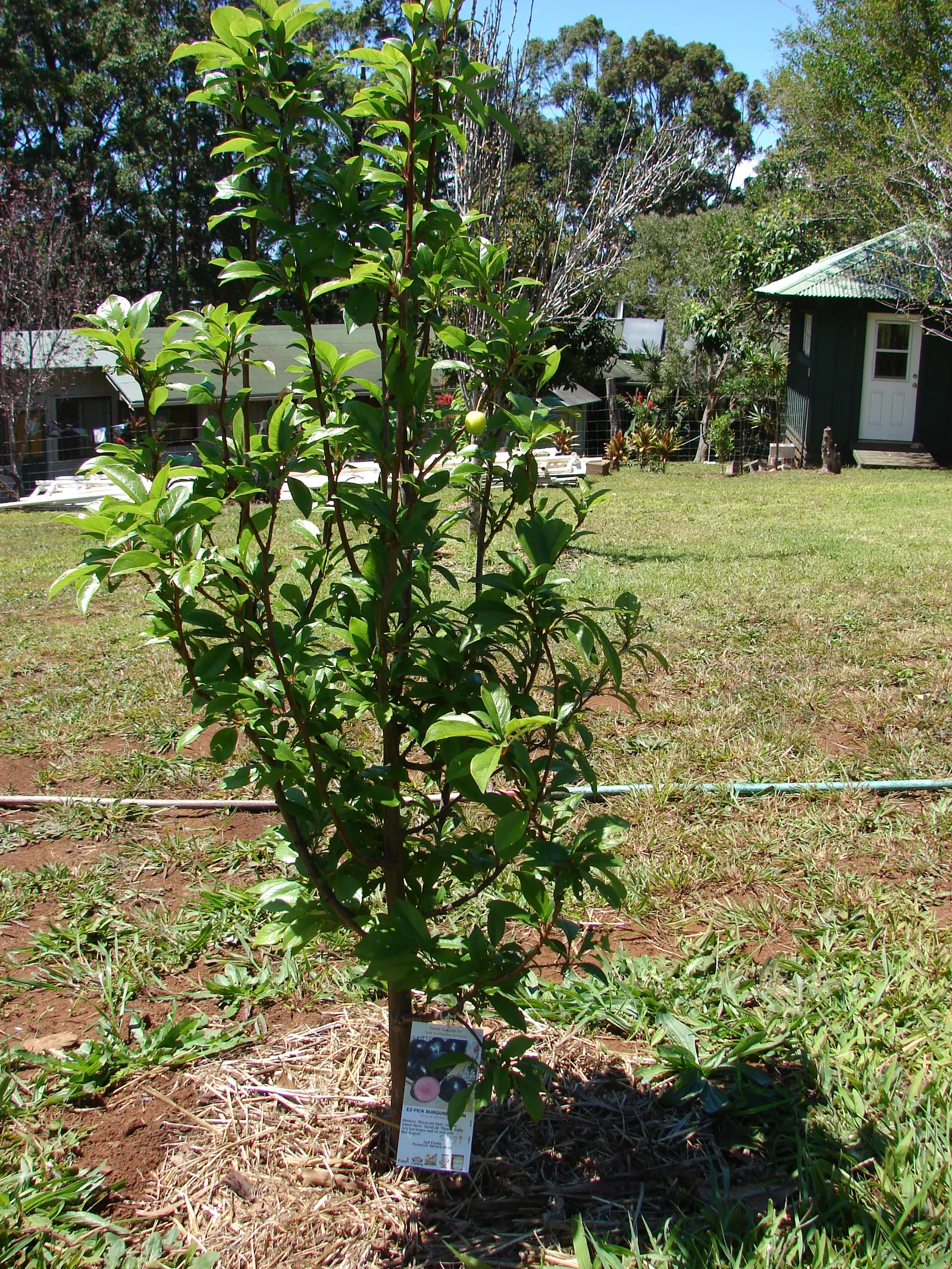
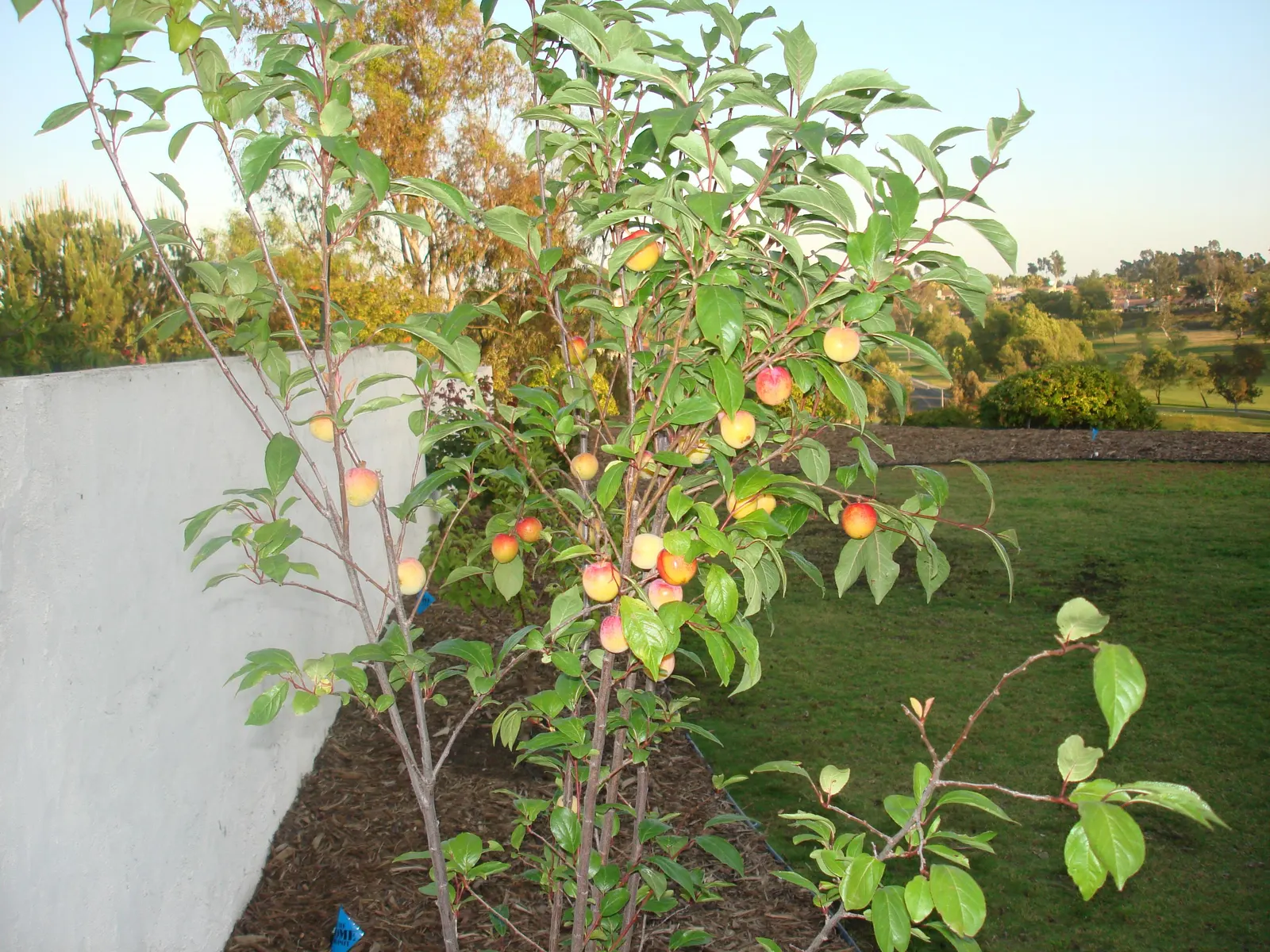
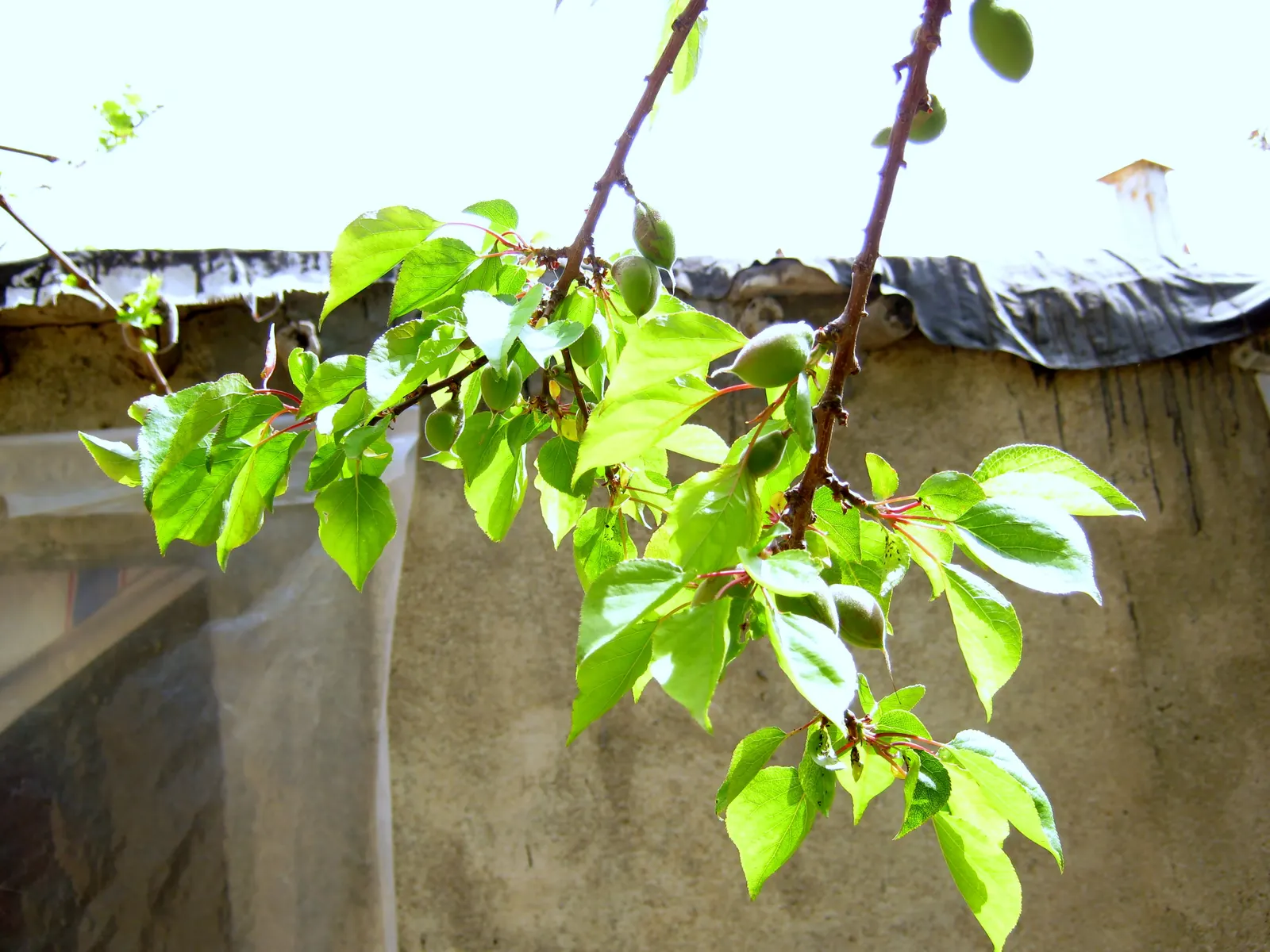
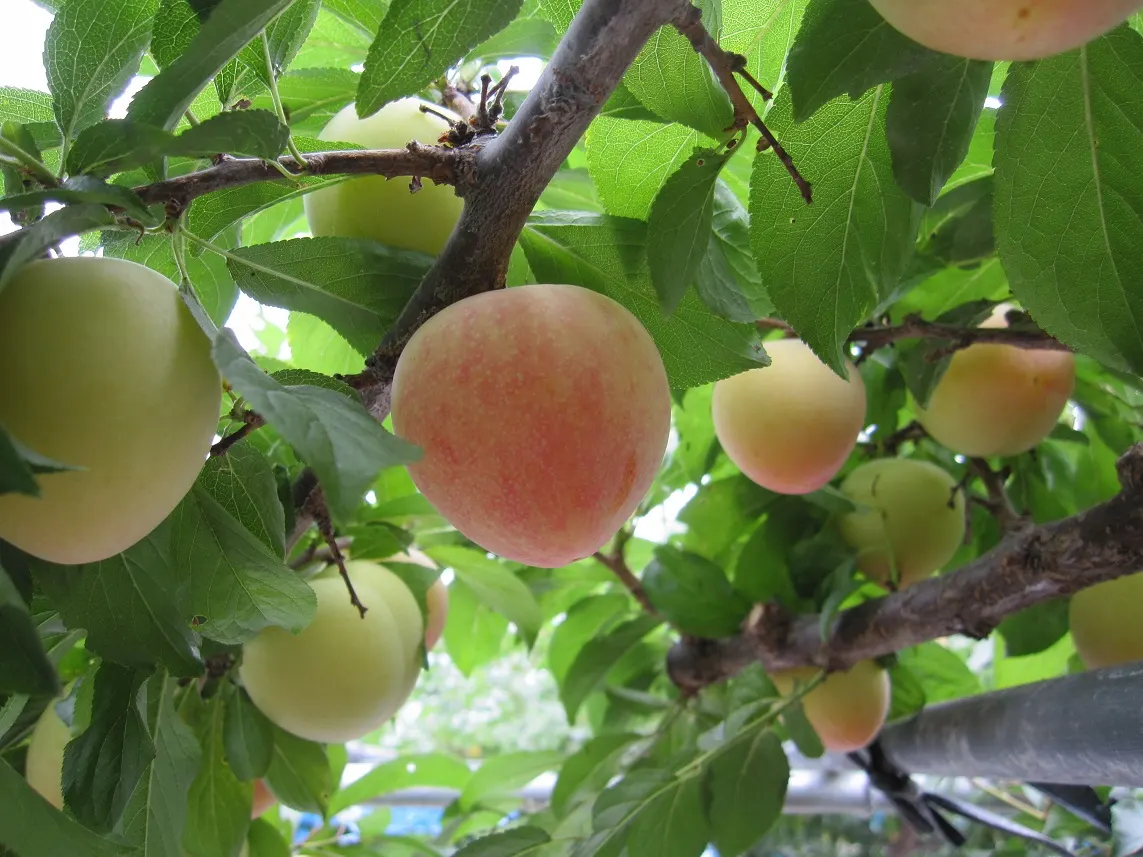
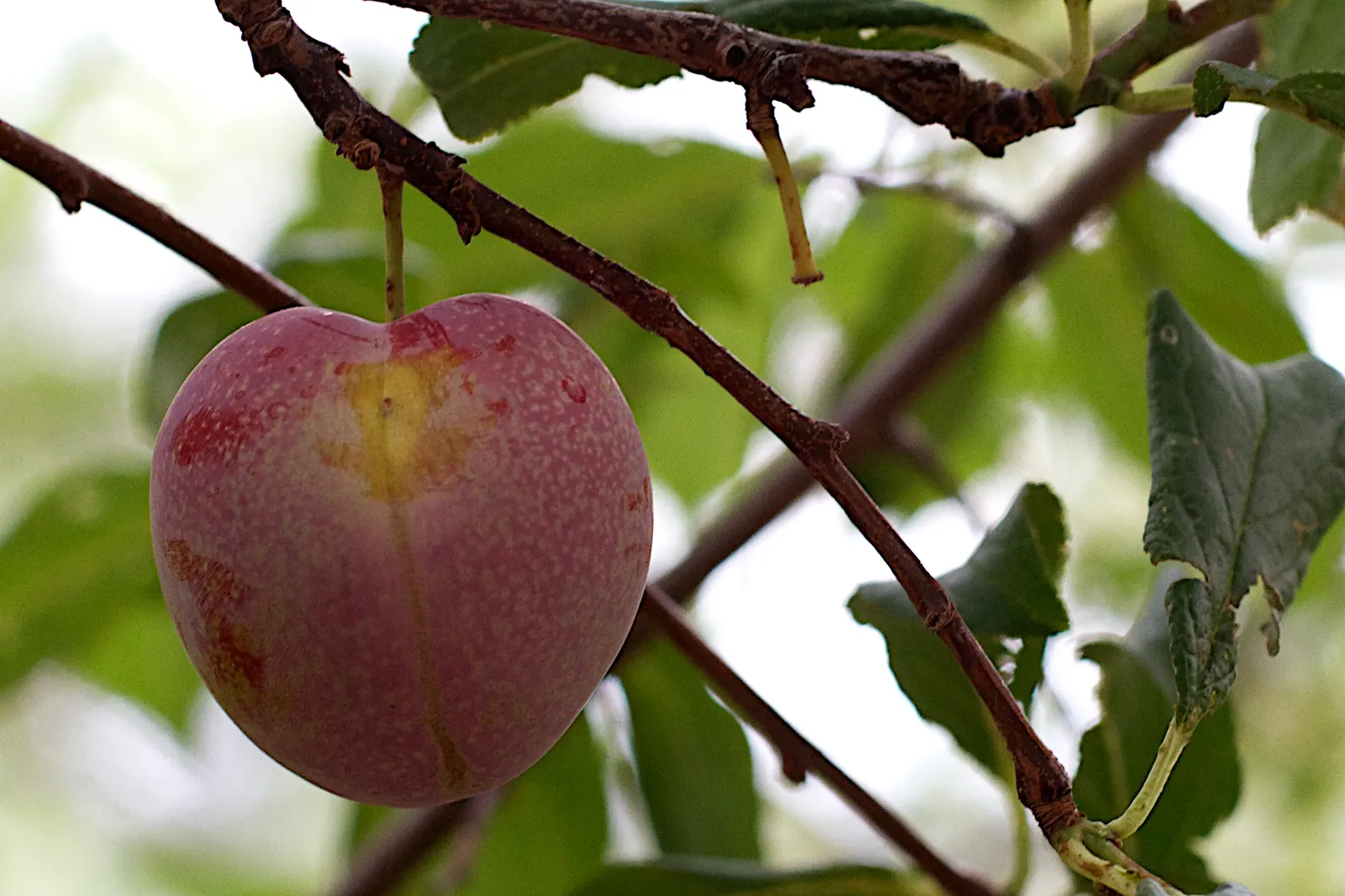
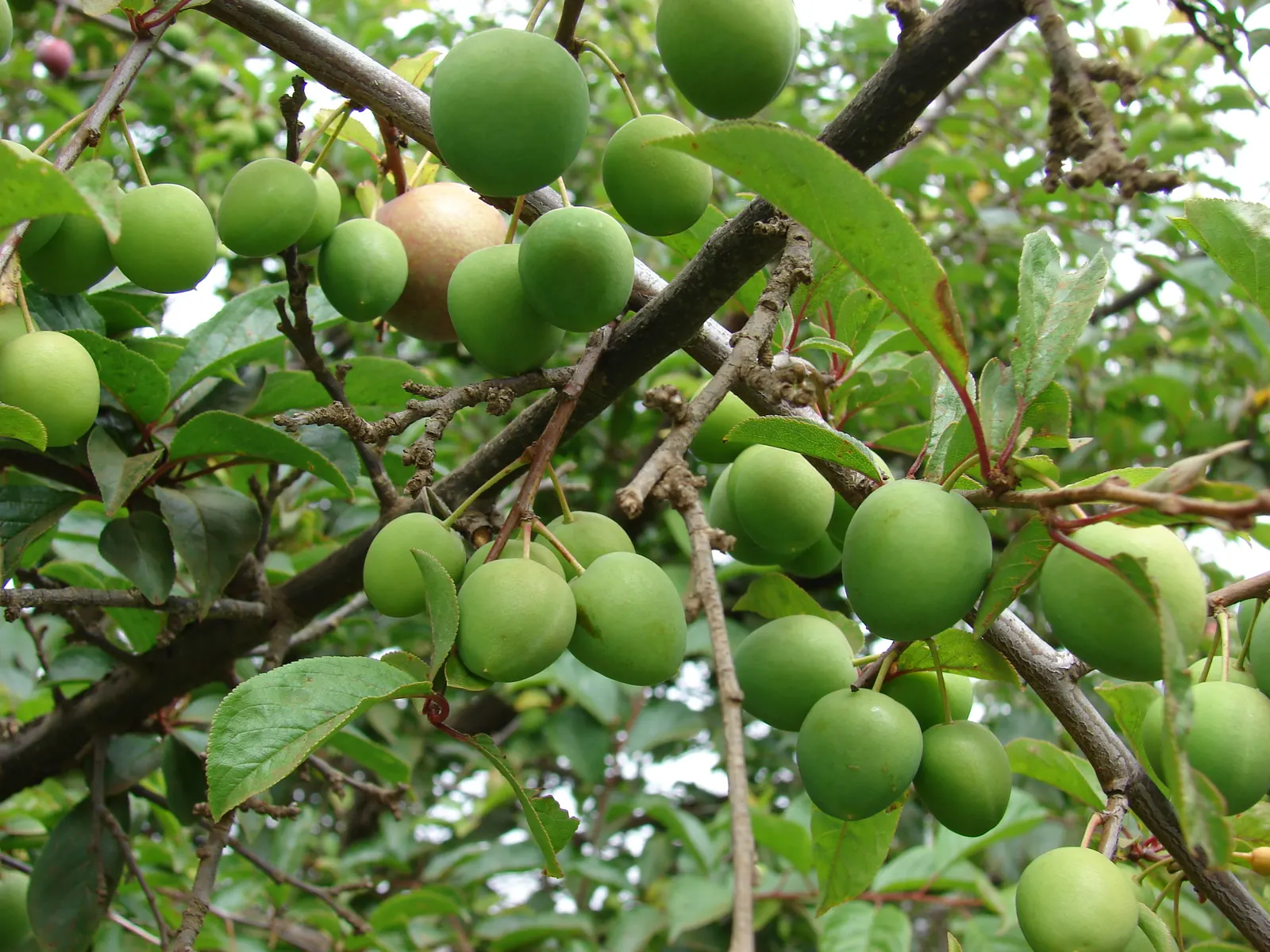
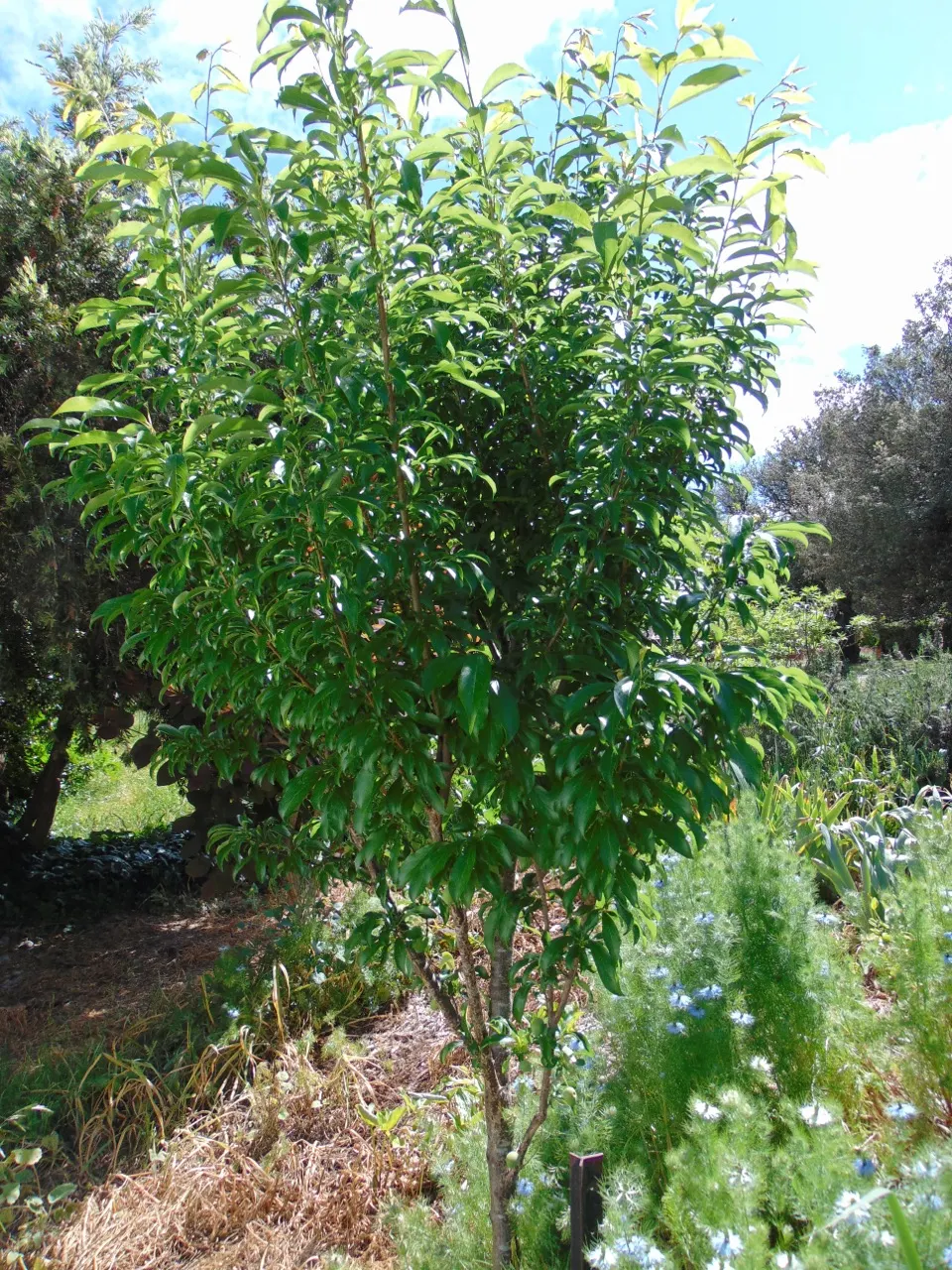
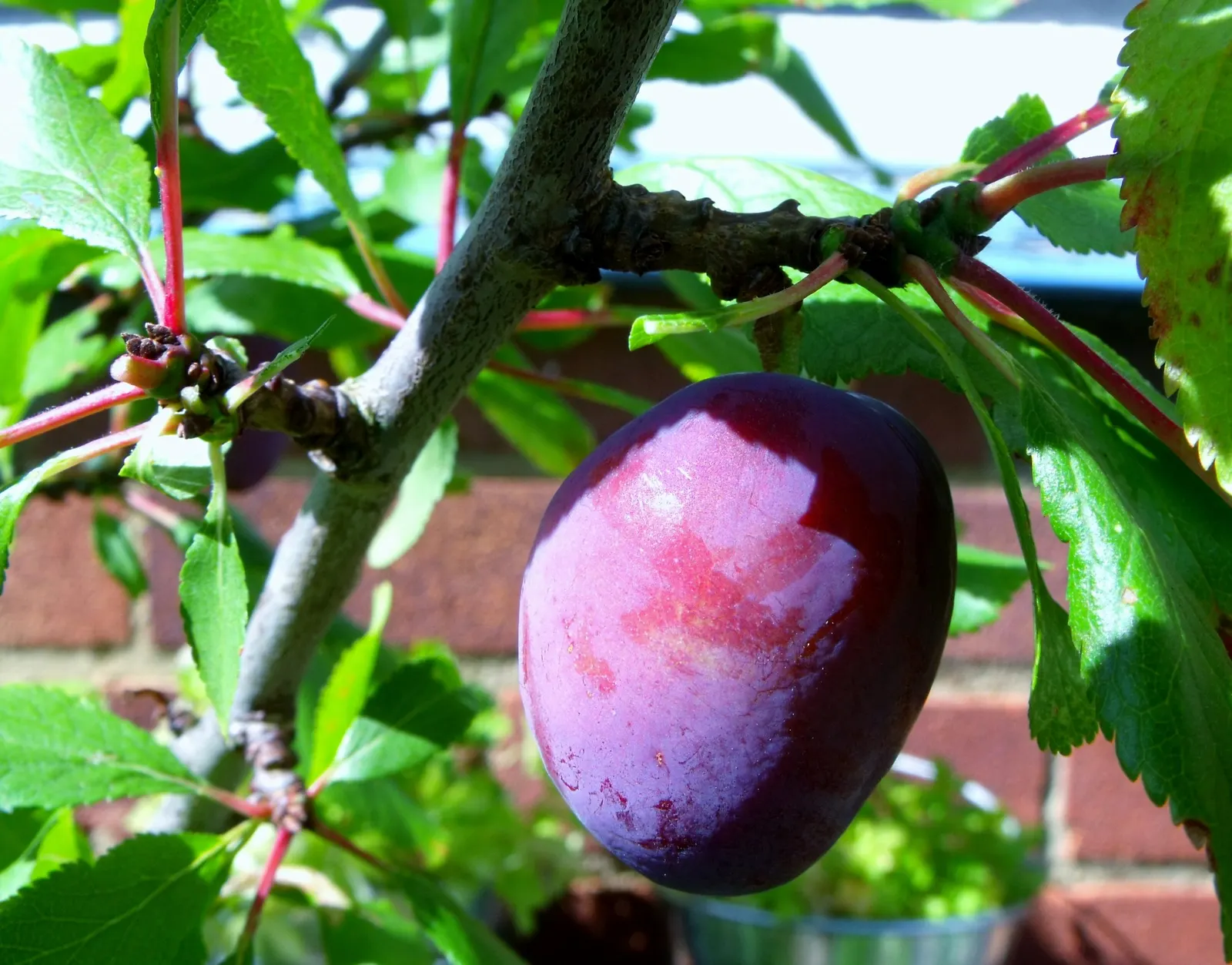
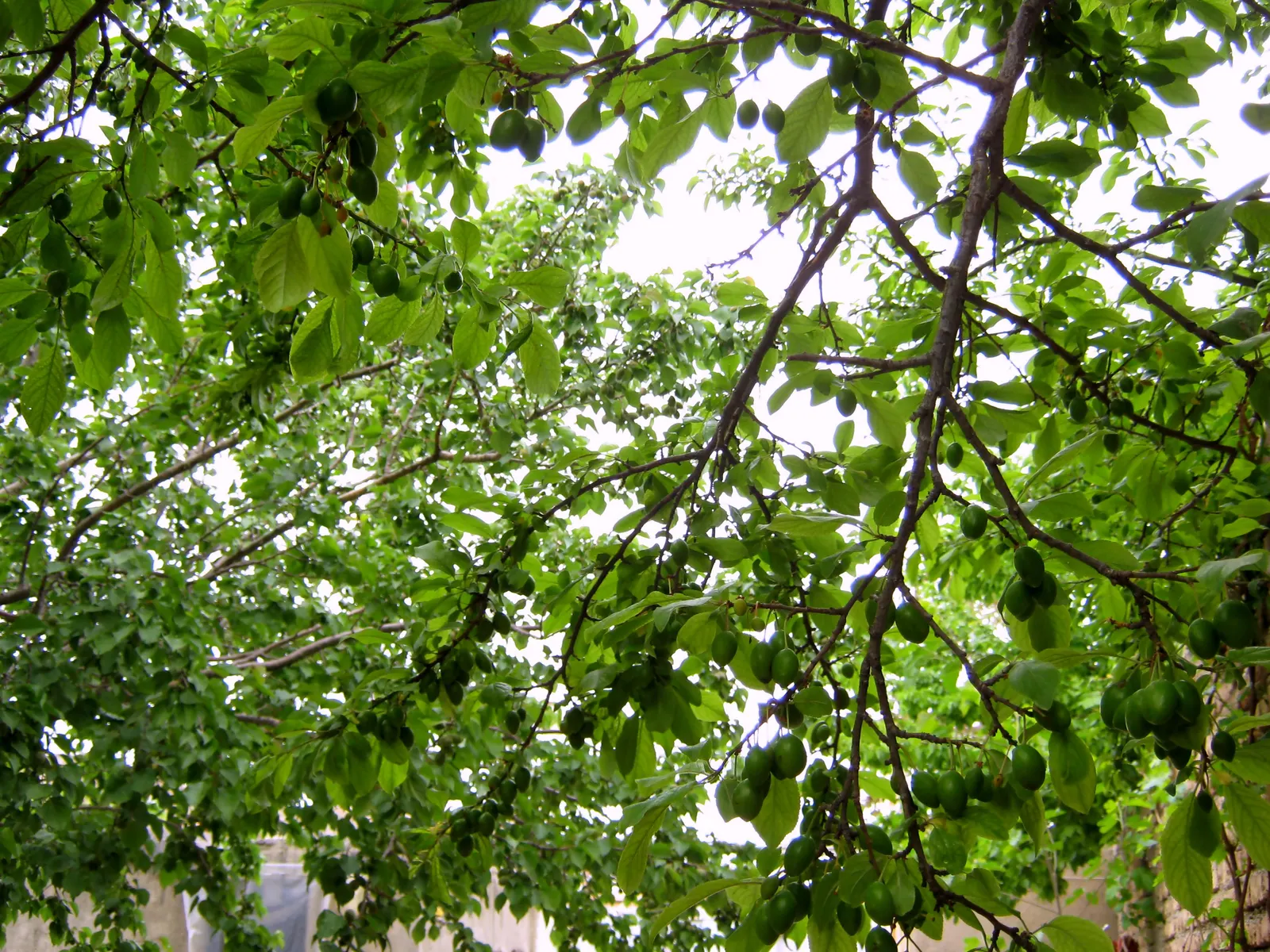
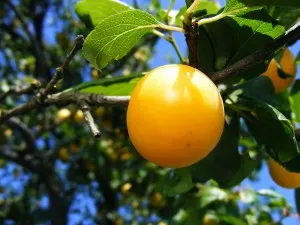
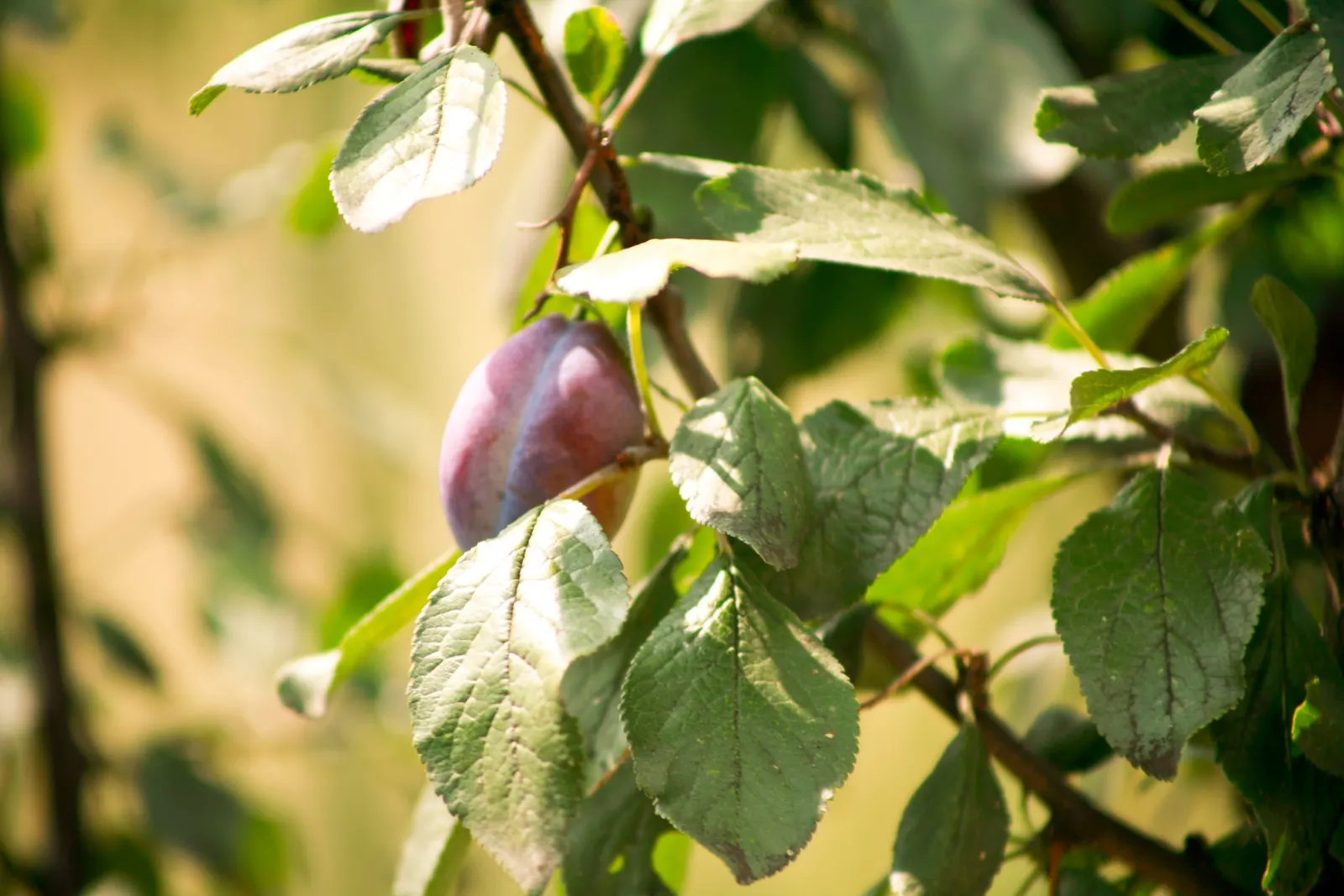
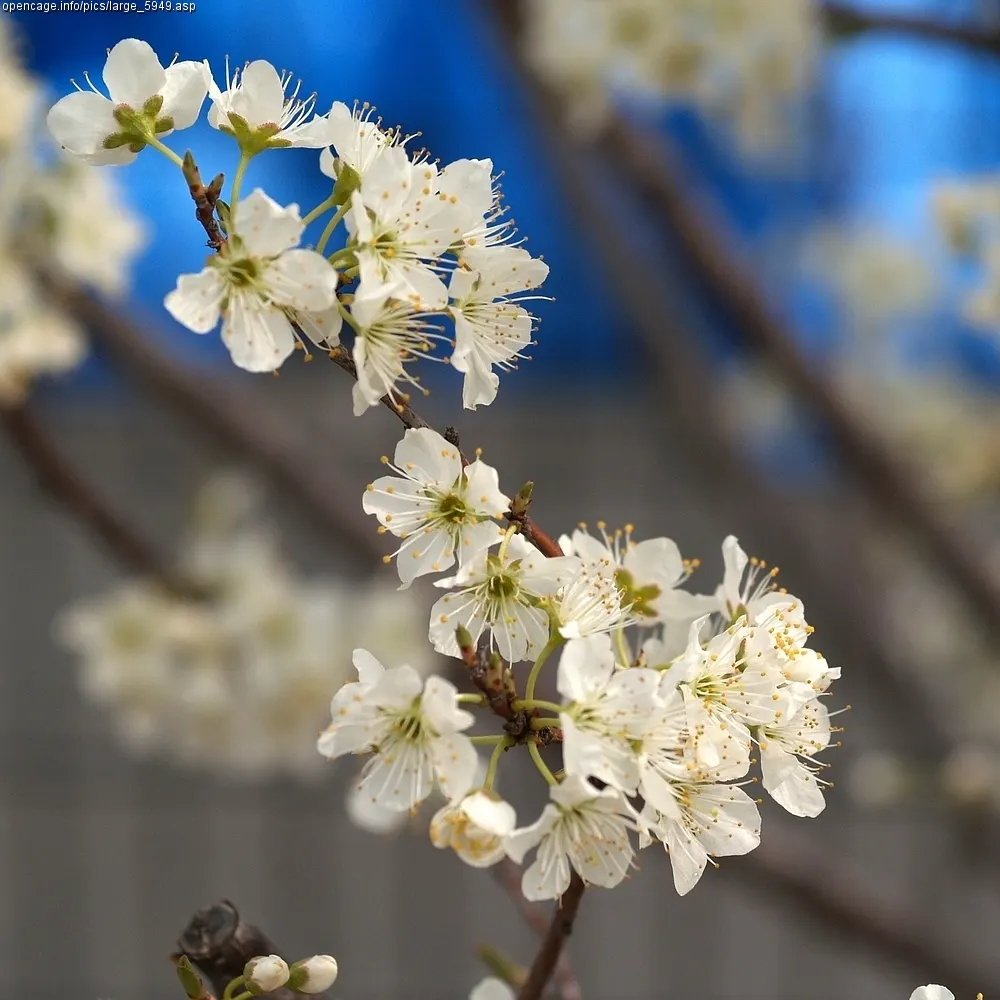
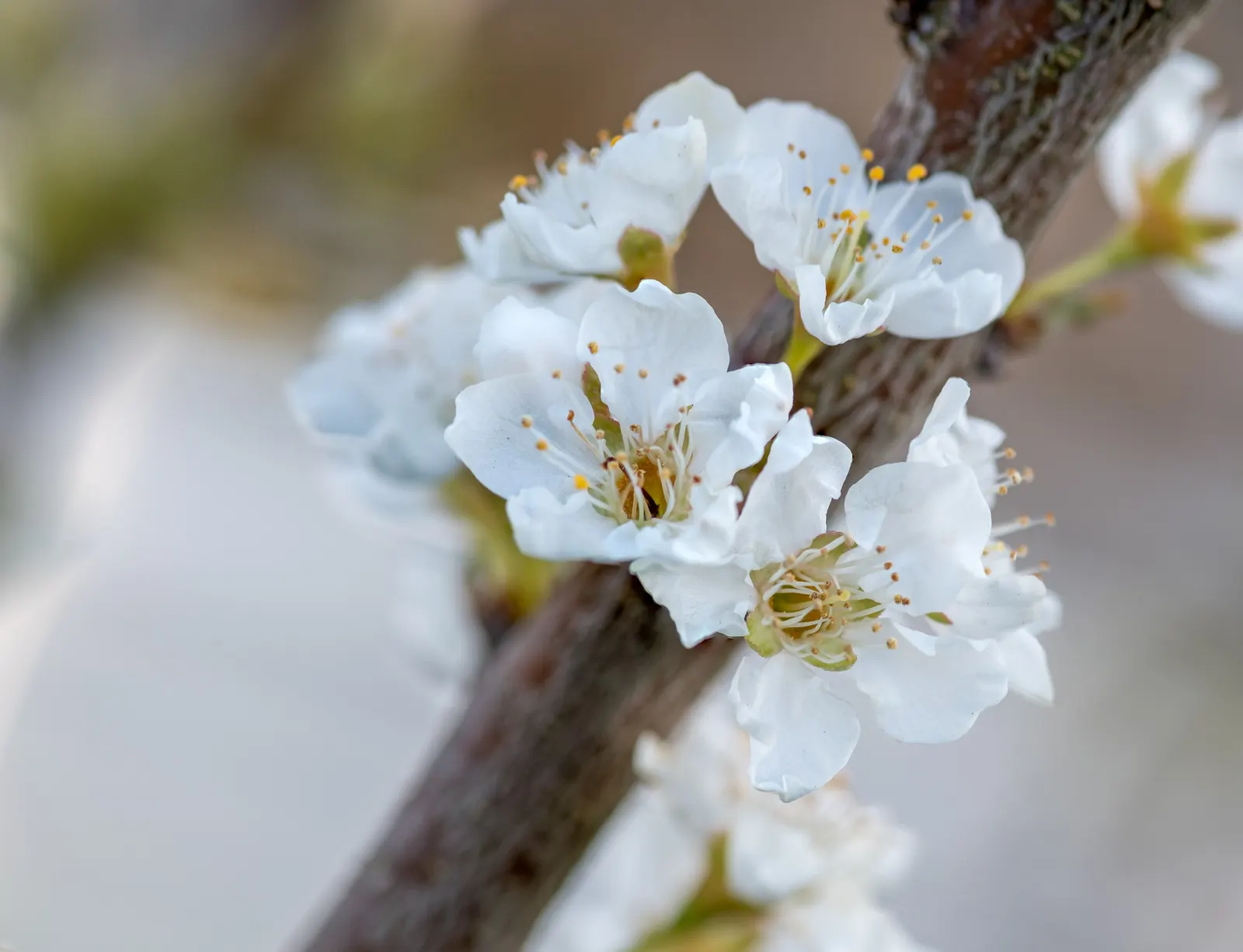
Photographs by 16 contributors
- Fir0002, CC BY-SA 3.0 · source
- cogdogblog, CC BY 2.0 · source
- Franck Hidvégi, CC BY-SA 4.0 · source
- Unknown photographer, CC BY-SA 3.0 · source
- Forest & Kim Starr, CC BY 3.0 · source
- Shams948, CC BY-SA 3.0 · source
- Takaaki Lilongwe, CC BY-SA 4.0 · source
- Forest and Kim Starr, CC BY 3.0 us · source
- Nadiatalent, CC BY-SA 4.0 · source
- grassrootsgroundswell, CC BY 2.0 · source
- Emilian Robert Vicol from Com. Balanesti, CC BY 2.0 · source
- Unuplusunu, CC BY-SA 3.0 · source
- Ministerstwo Rolnictwa i Rozwoju Wsi, CC BY 3.0 pl · source
- Saosukgam, CC BY-SA 4.0 · source
- Nikolai Bulykin, CC BY-SA 4.0 · source
- Puddin Tain, CC BY-SA 2.0 · source
Related plants
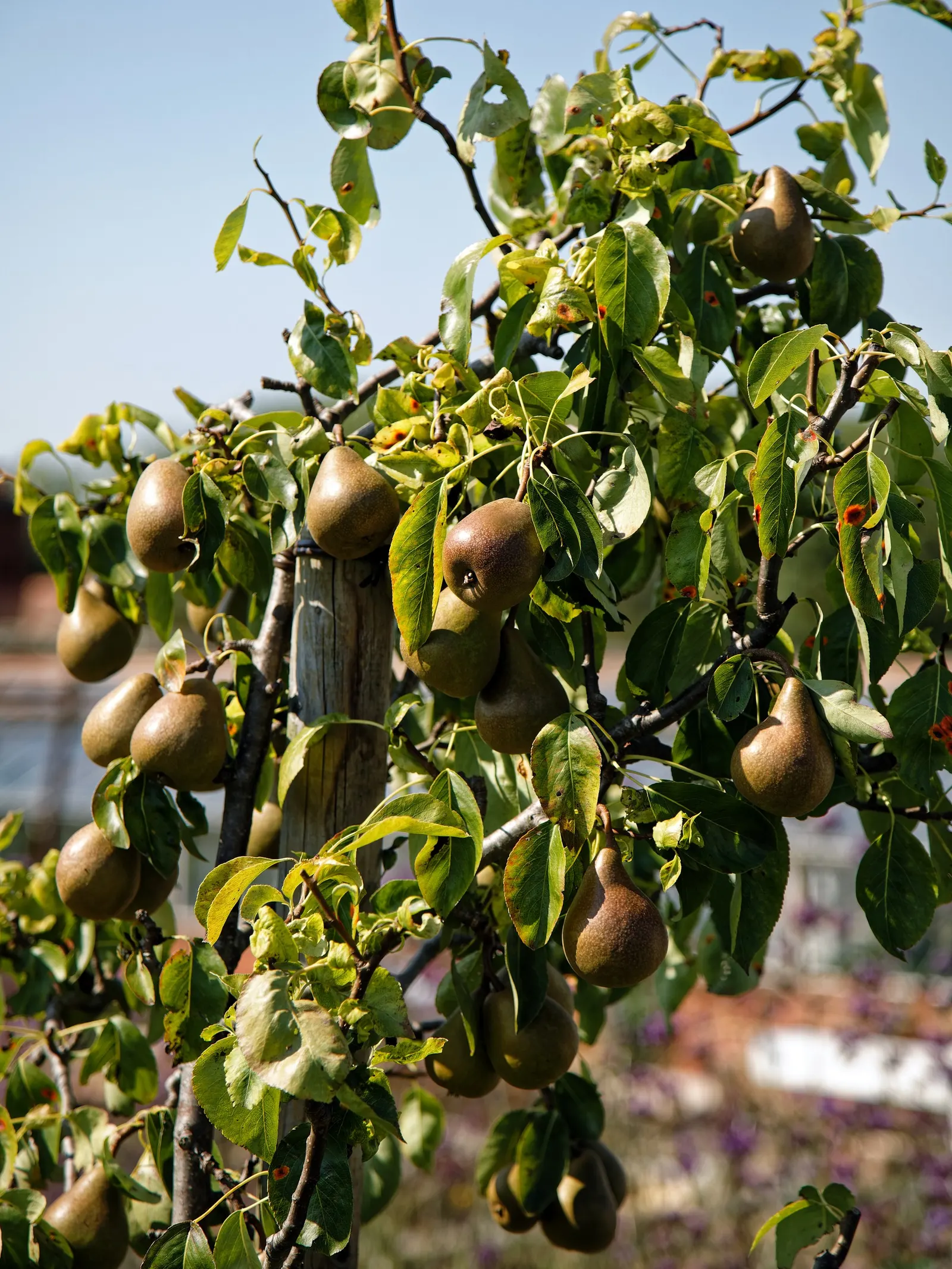
Tree
20Th Century Pear
Pyrus Pyrifolia 'Nijisseiki'
FullUSDA 4–8
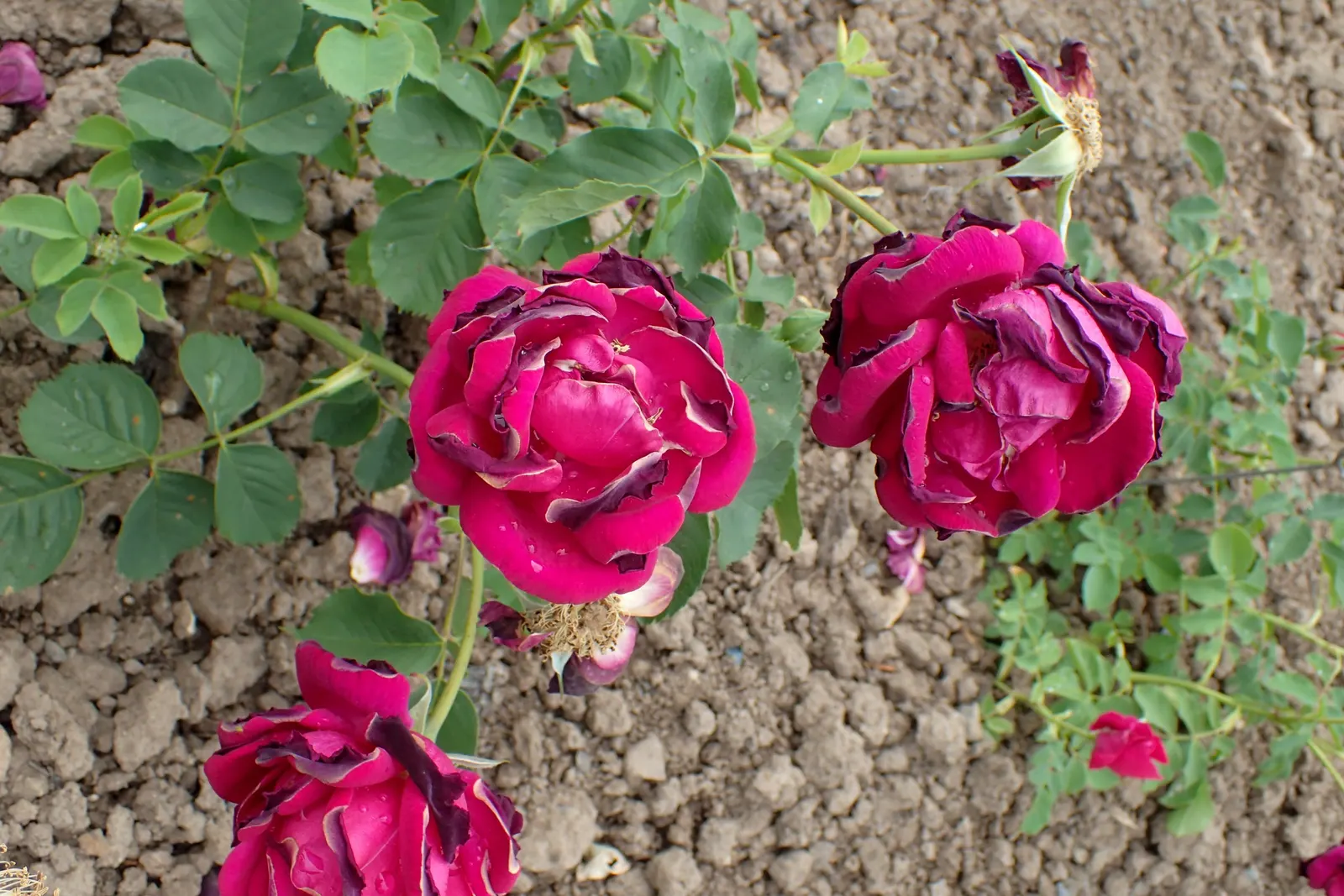
Shrub
Adelaide Hoodless Rose
Rosa 'Adelaide Hoodless'
FullUSDA 5–9
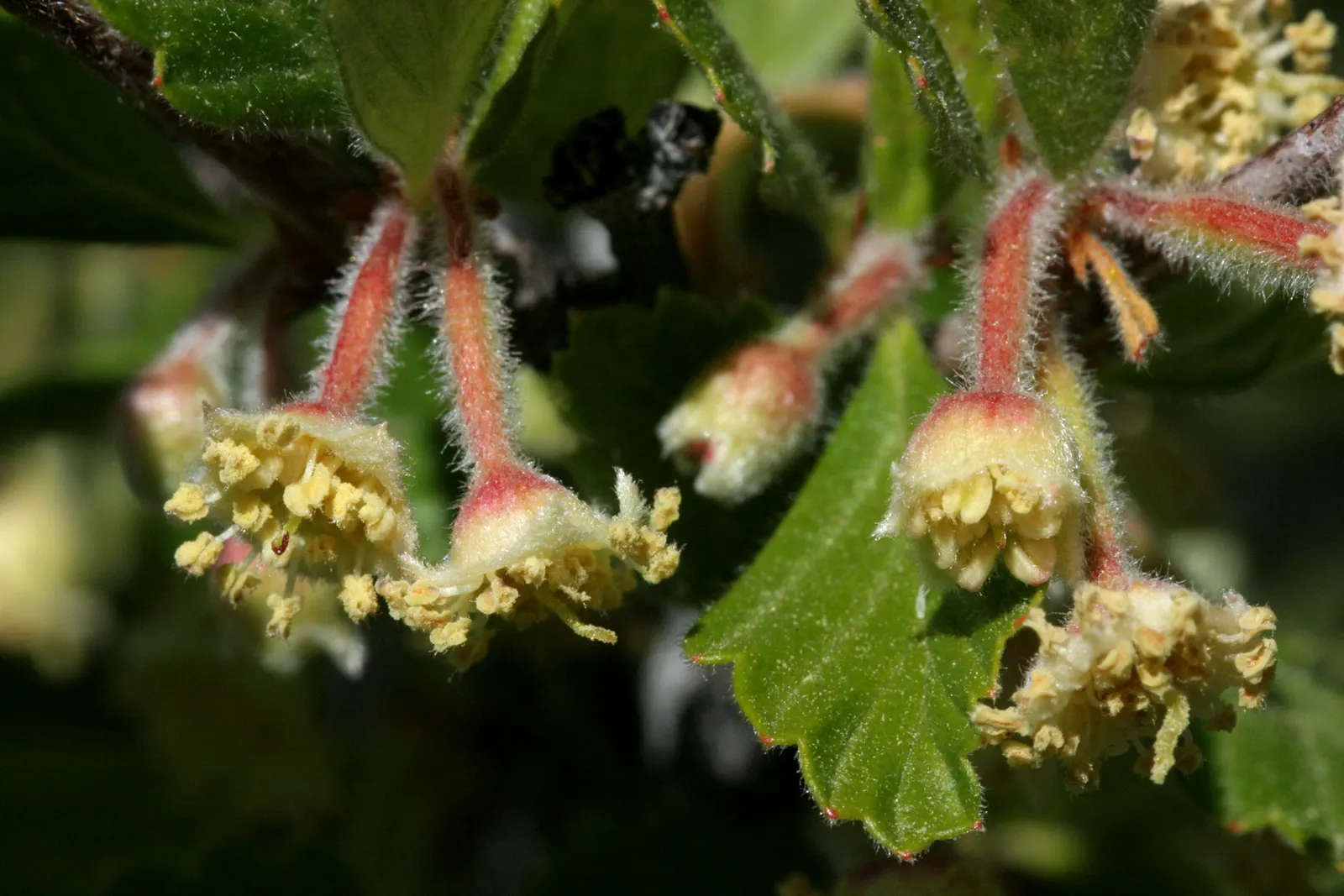
Shrub
Alderleaf Mountain Mahogany
Cercocarpus Montanus
FullUSDA 4–6
Shrub
Allegheny Serviceberry
Amelanchier Laevis
FullUSDA 4–8
Ground cover
Alpine Lady'S-Mantle
Alchemilla Alpinia
HalfUSDA 4–7
Tree
Amanogawa Japanese Flowering Cherry
Prunus Serrulata 'Amanogawa'
FullUSDA 6–9