Skip to content

Nectarine

Prunus Persica Var. Nucipersica

Design with this plant

Overview

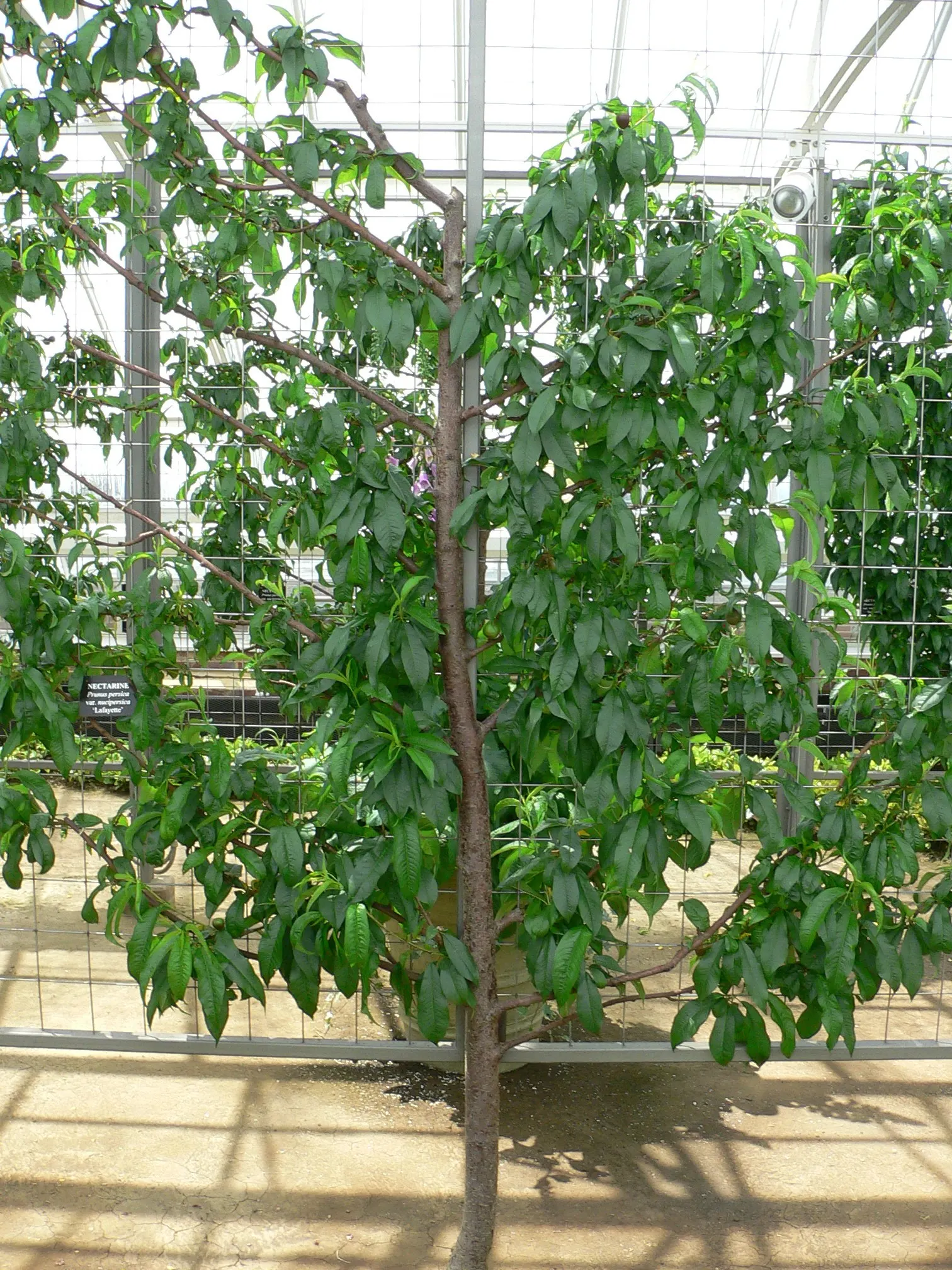
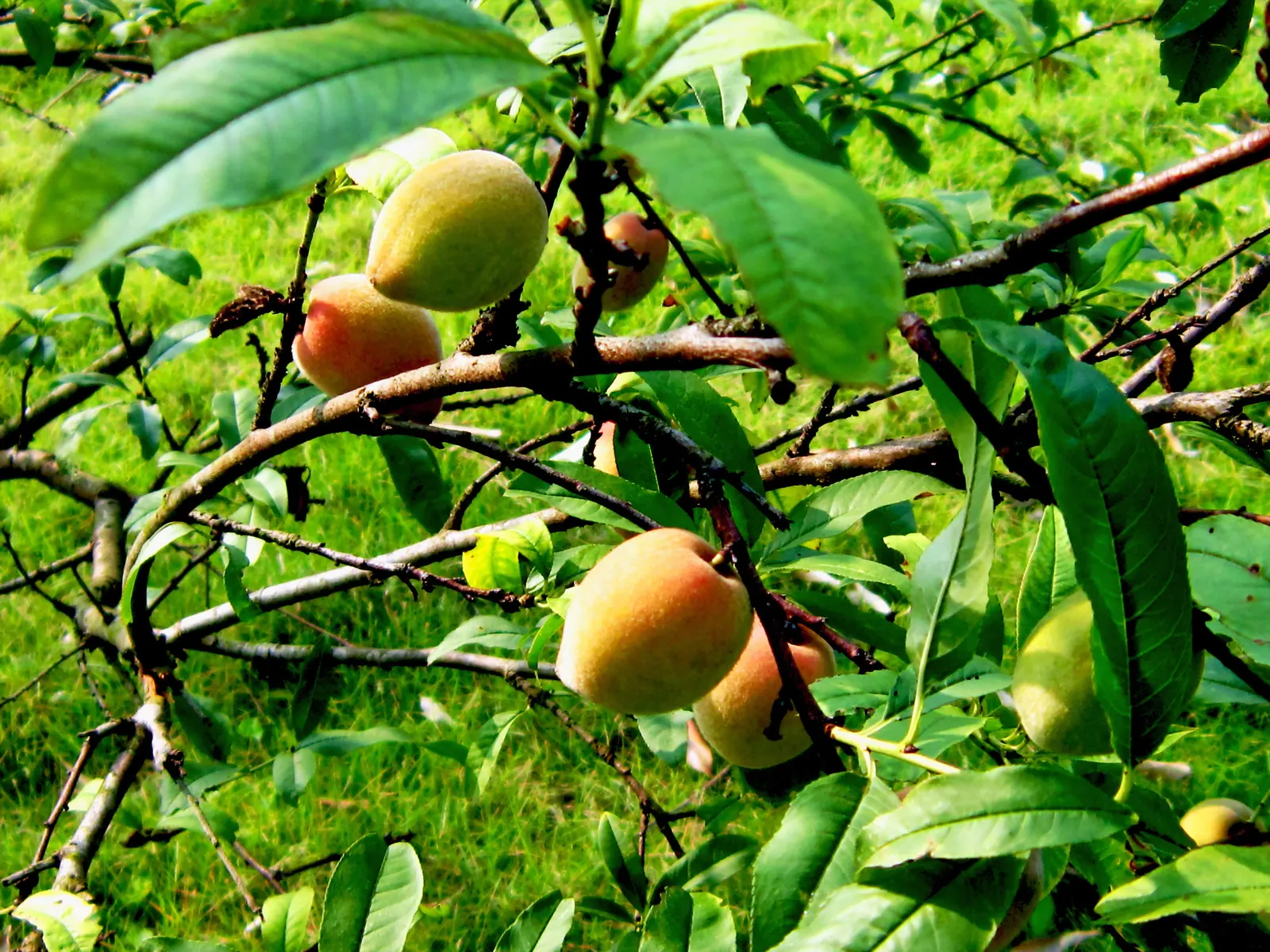
The Nectarine, Prunus persica var. nucipersica, is a deciduous tree reaching 15-20 feet in height with a similar spread. Revered for its spring blossoms, it boasts lush foliage and succulent summer fruit. Preferring well-drained soil and full sun exposure, it requires moderate water. Nectarines are hardy in USDA zones 5-8, making them suitable for a variety of temperate landscapes. Note: they entail routine maintenance, including pruning and pest control.
Sun FullWater Extra in Summer, MediumZones 6–9Type TreeClimate Temperate
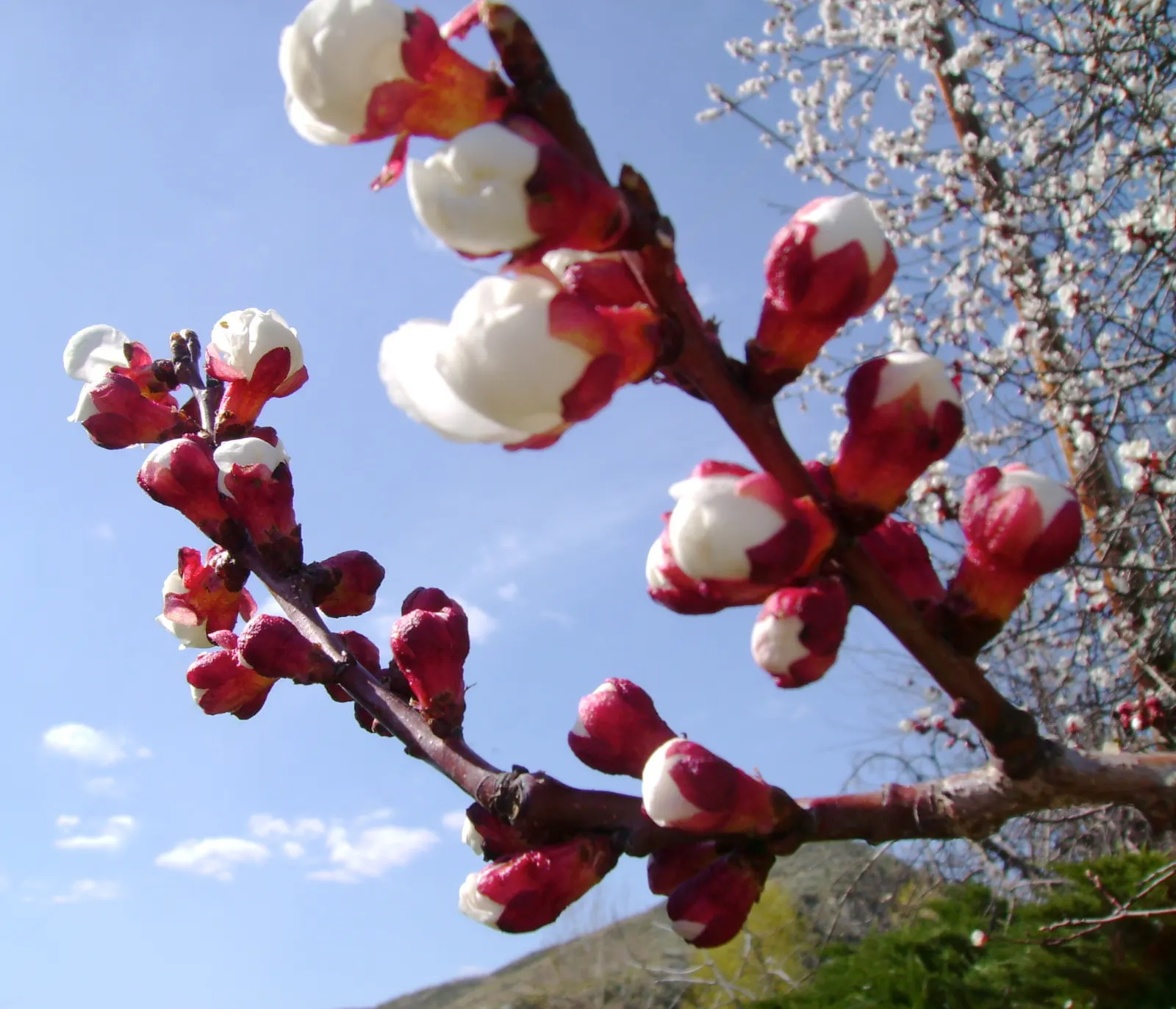
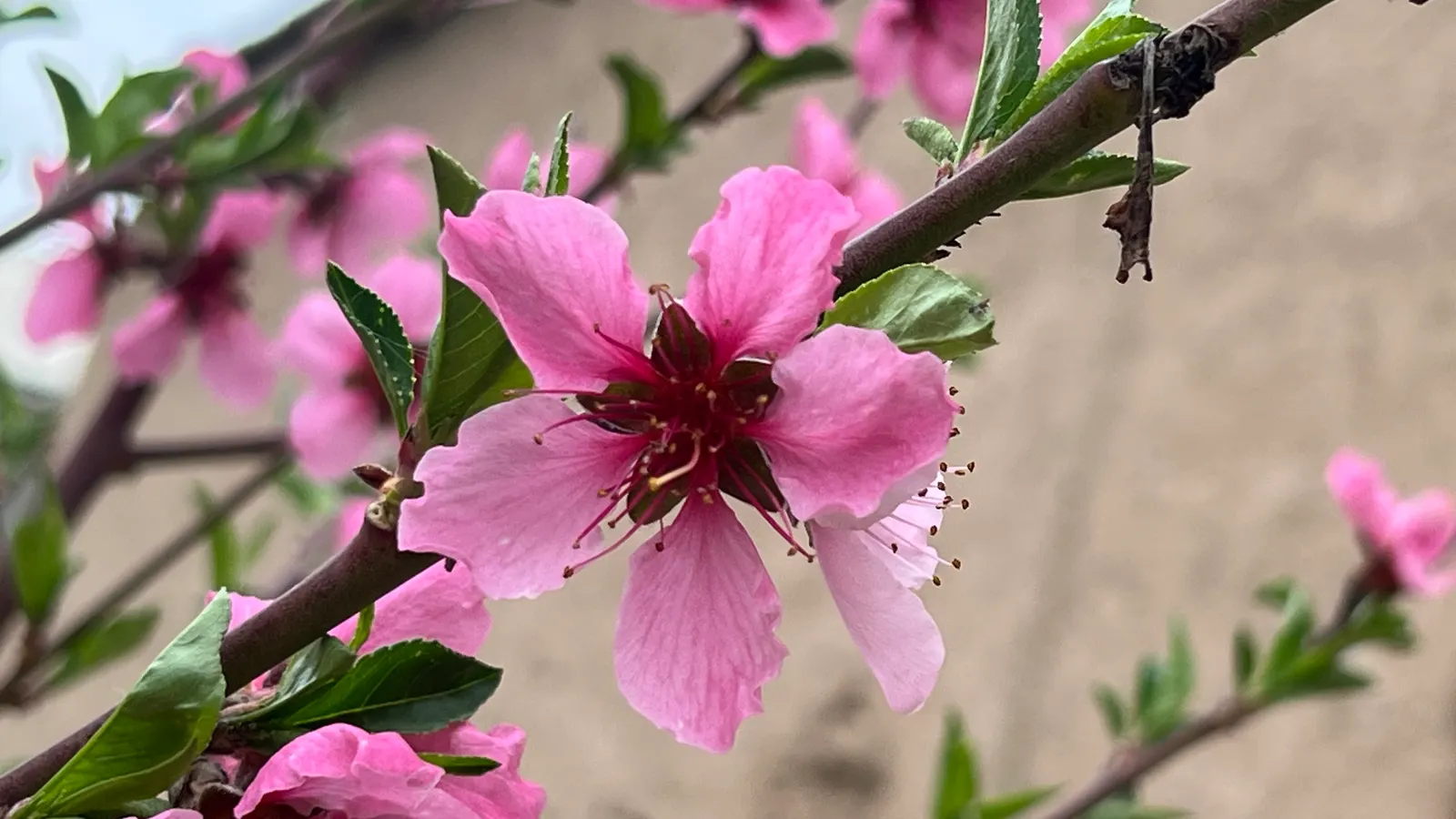
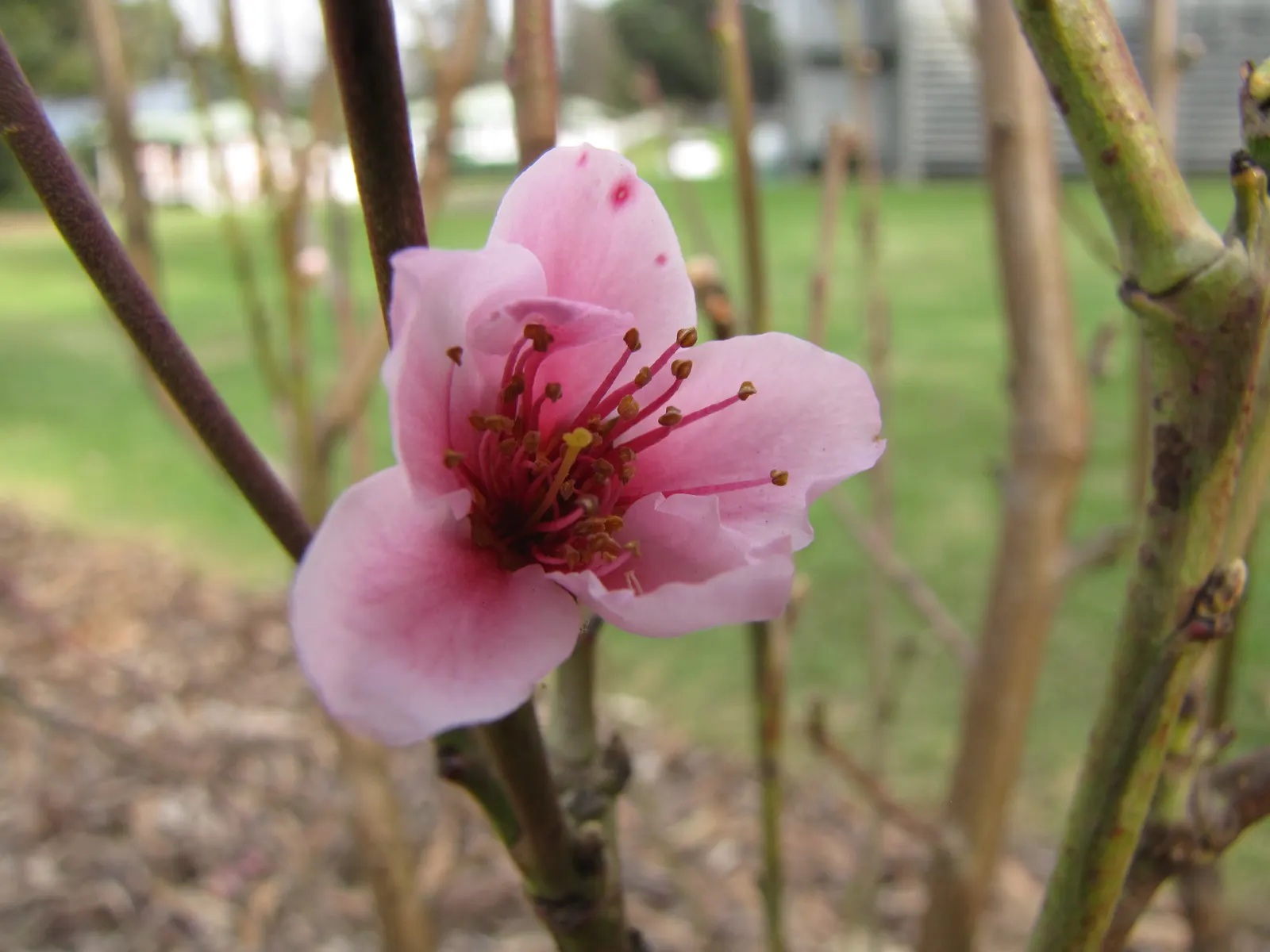
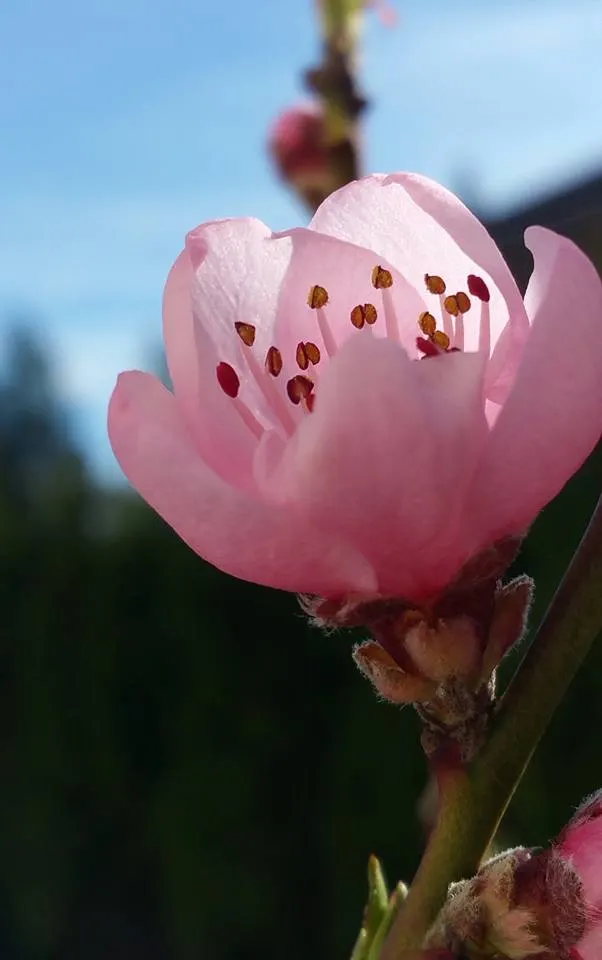
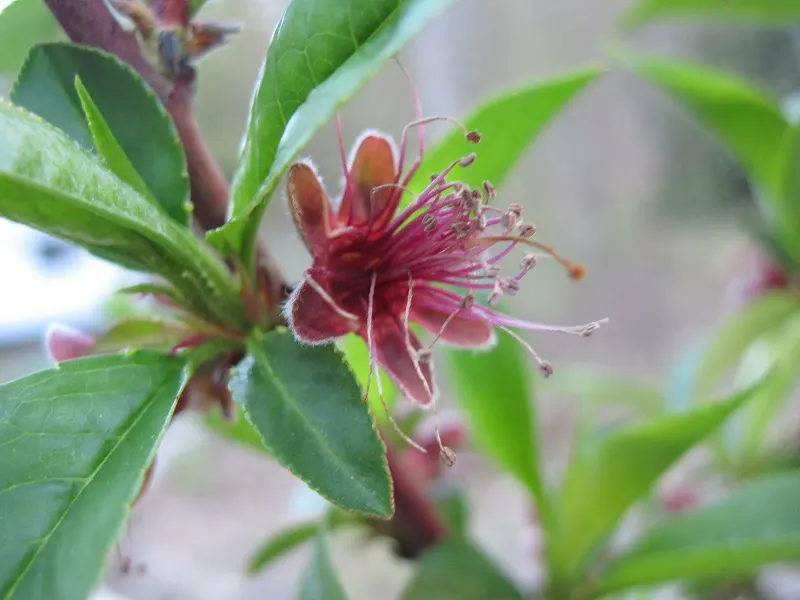
Nectarine (Prunus Persica Var. Nucipersica) — each flower being about three-quarters of an inch to one inch across

Culture

Sun
Full
Water
Extra in Summer, Medium
USDA zones
6–9

Shape & size

Mature height
15–20 Ft.
Mature width
15–20 Ft.

Classification

Type
Tree
Family
Rosaceae
Climate
Temperate

See full data, regional cultivation notes, and design tools. Build a client presentation around this plant.

Start your 14-day trial

Photos (79)

Nectarine (Prunus Persica Var. Nucipersica) — or purple before falling in autumn.<br><br>In spring; the Nectarine, botanically known as Prunus, image 67
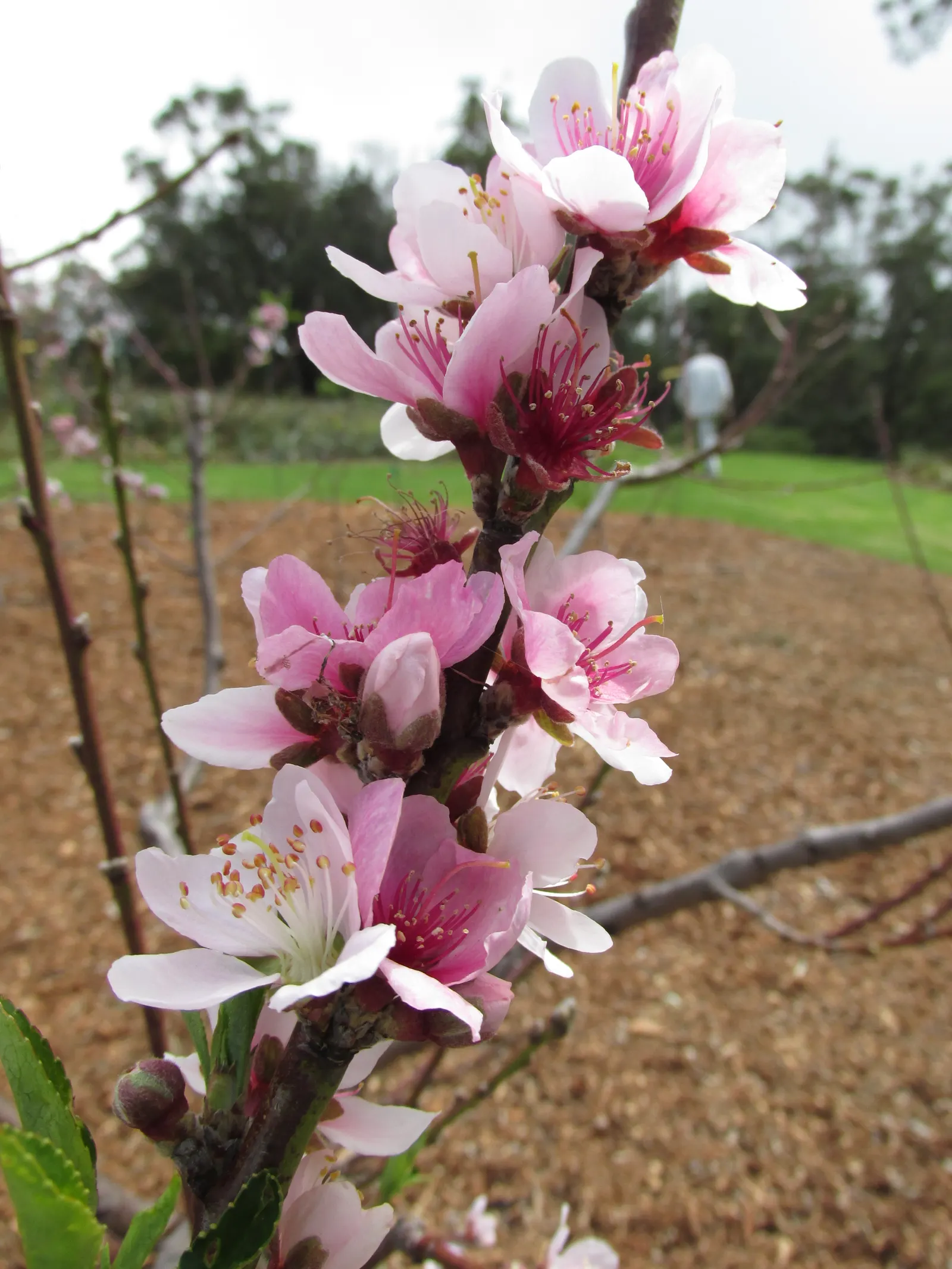
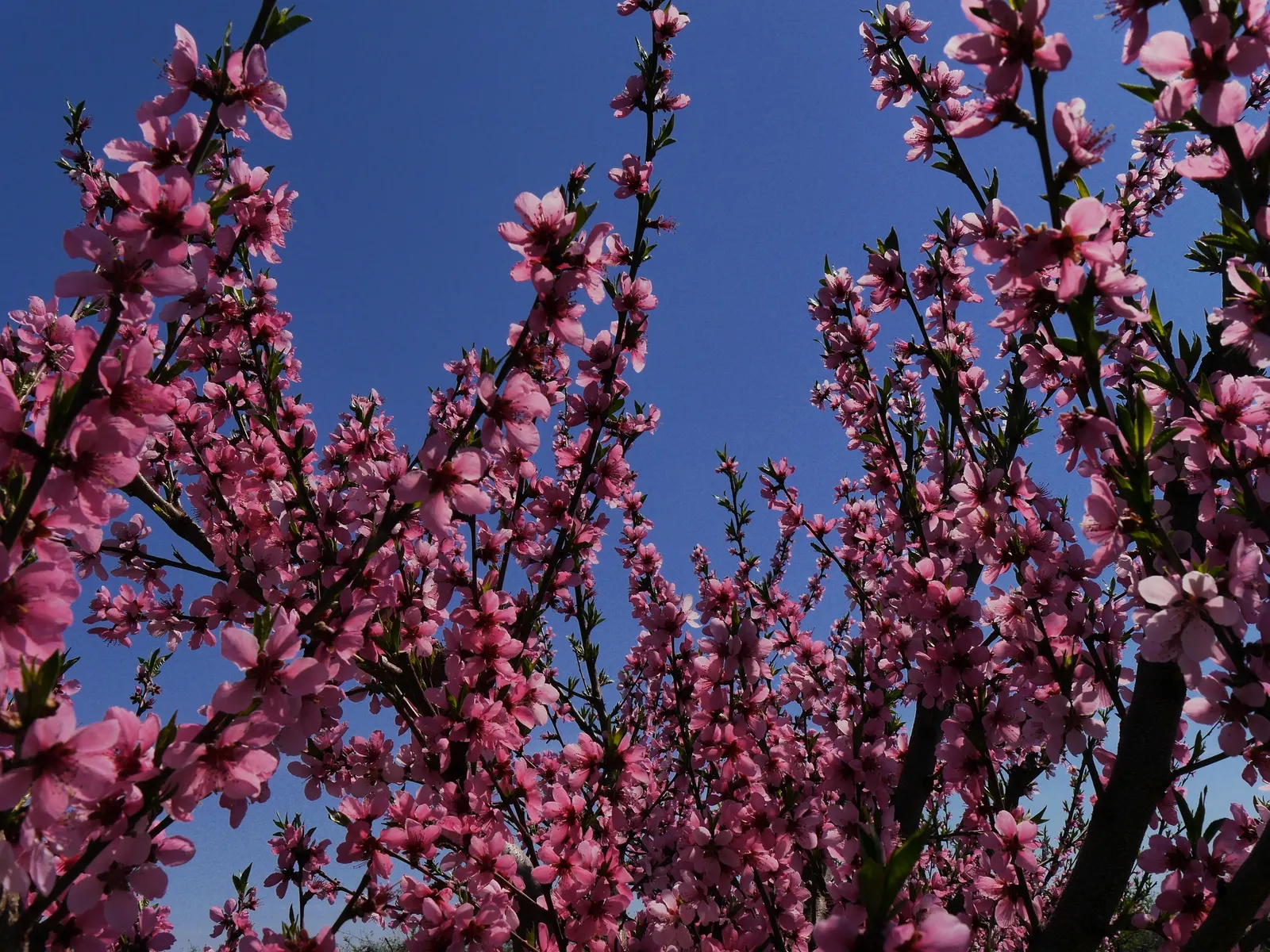
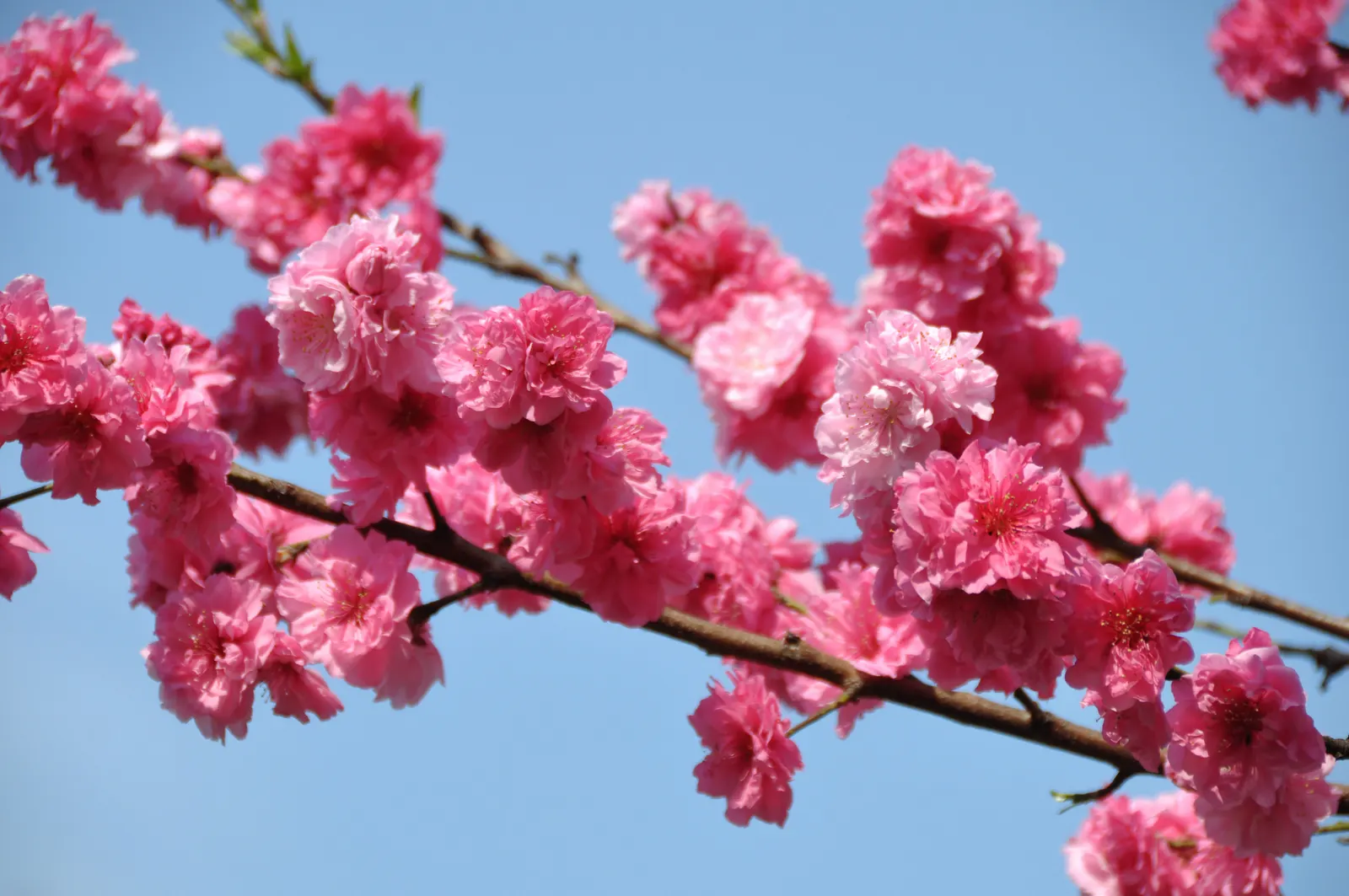
Nectarine (Prunus Persica Var. Nucipersica) — the Nectarine presents a captivating floral display of pink to white blossoms
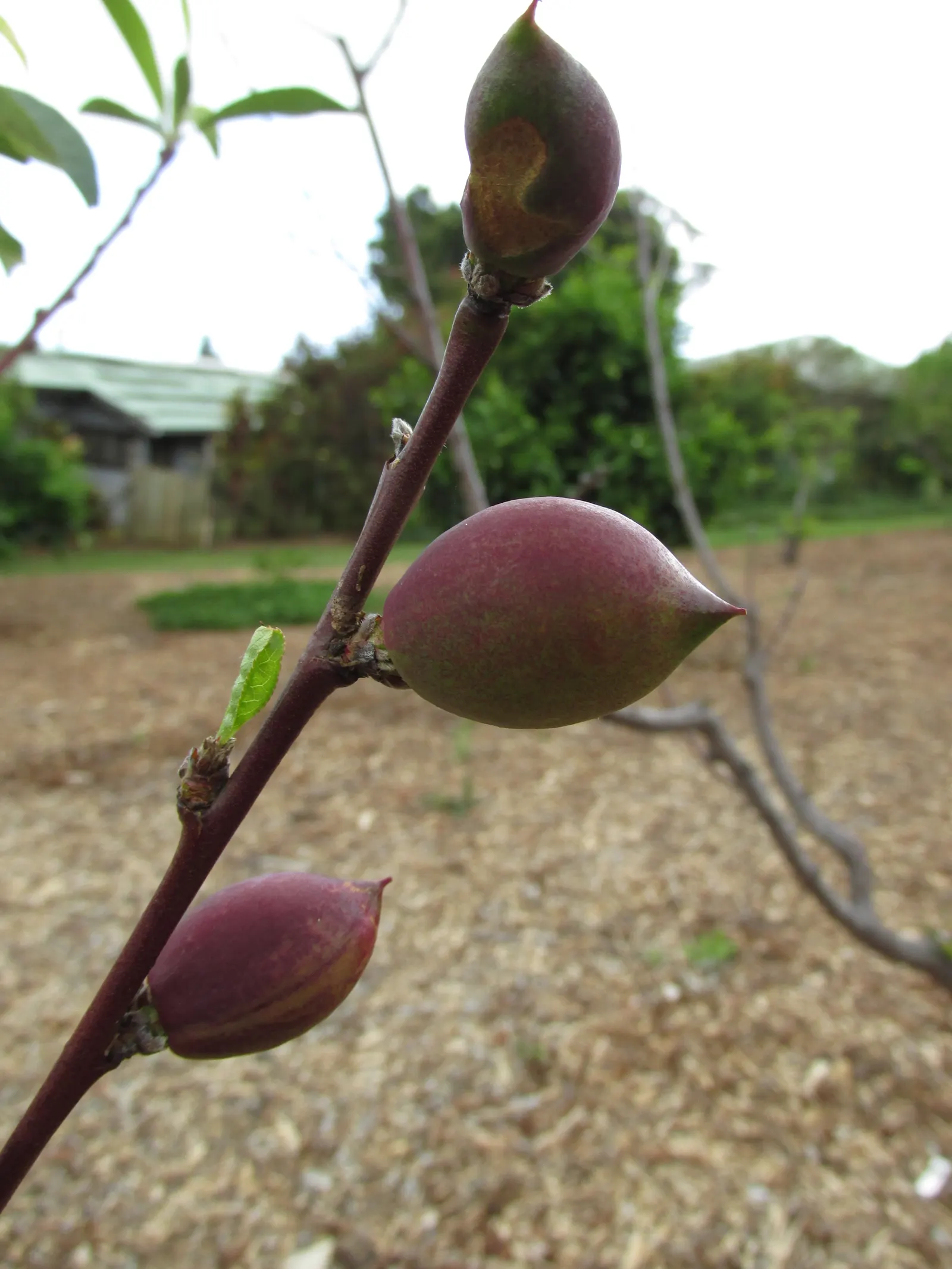
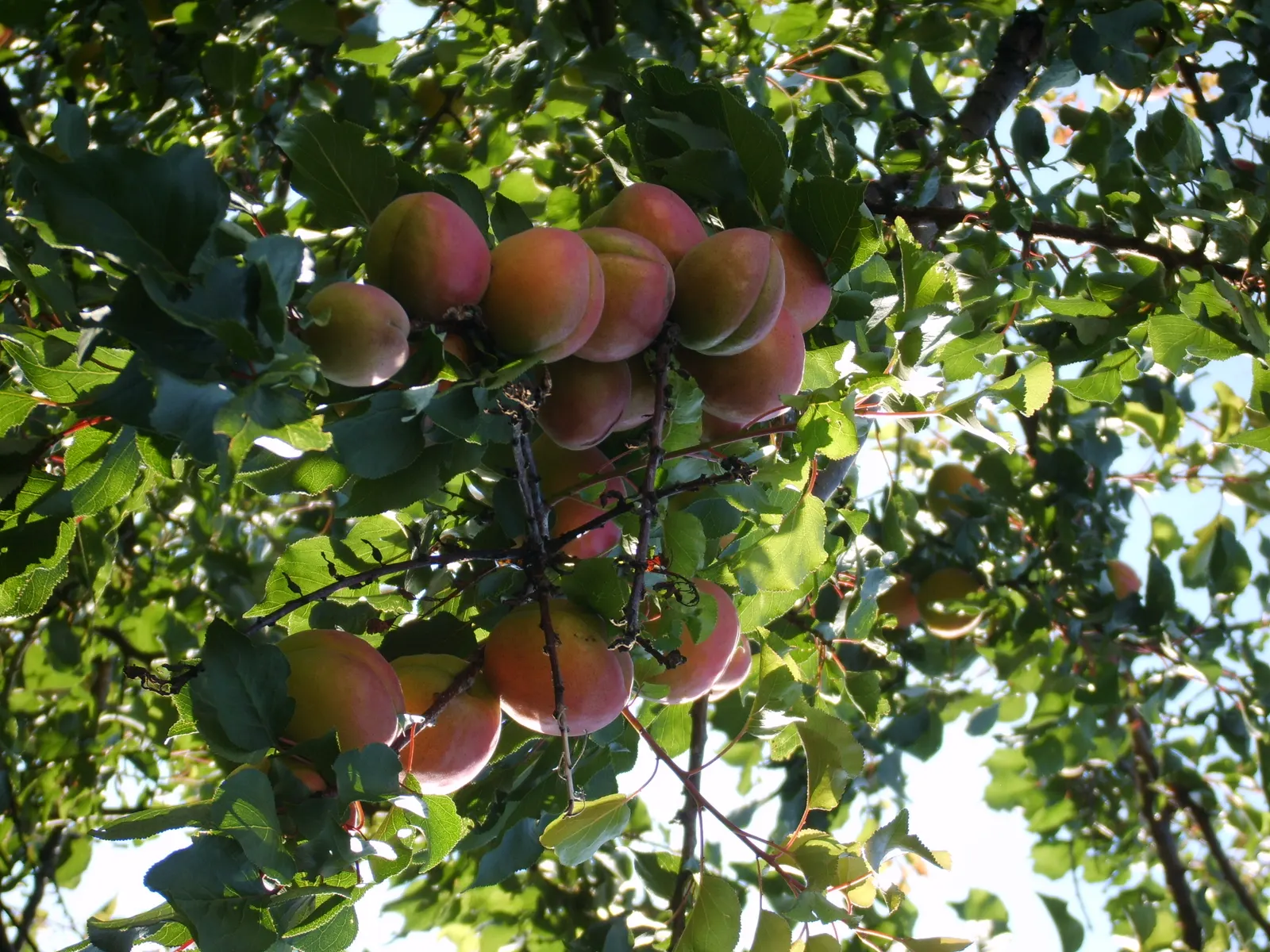
Nectarine (Prunus Persica Var. Nucipersica) — especially during fruit development, image 50
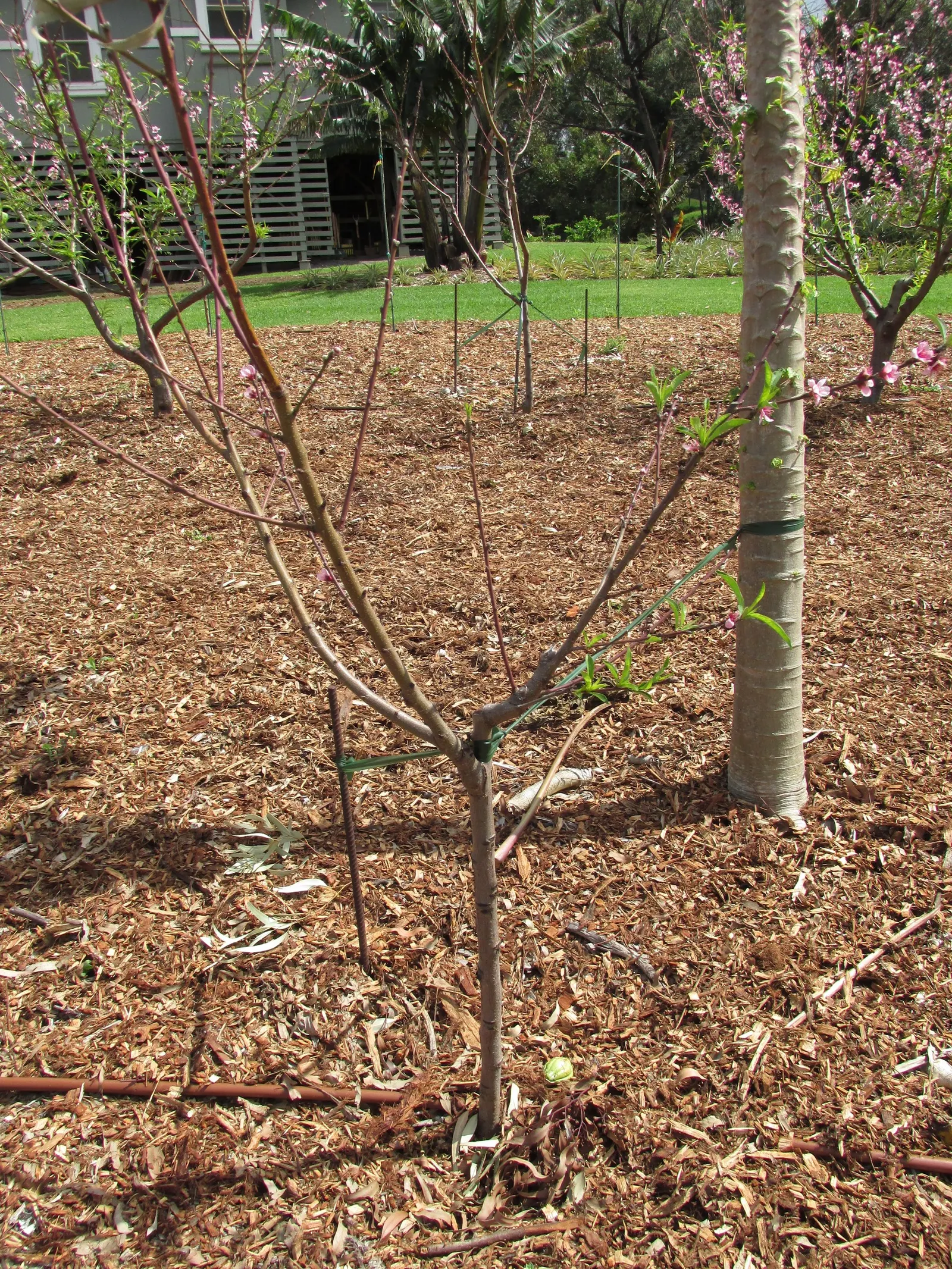
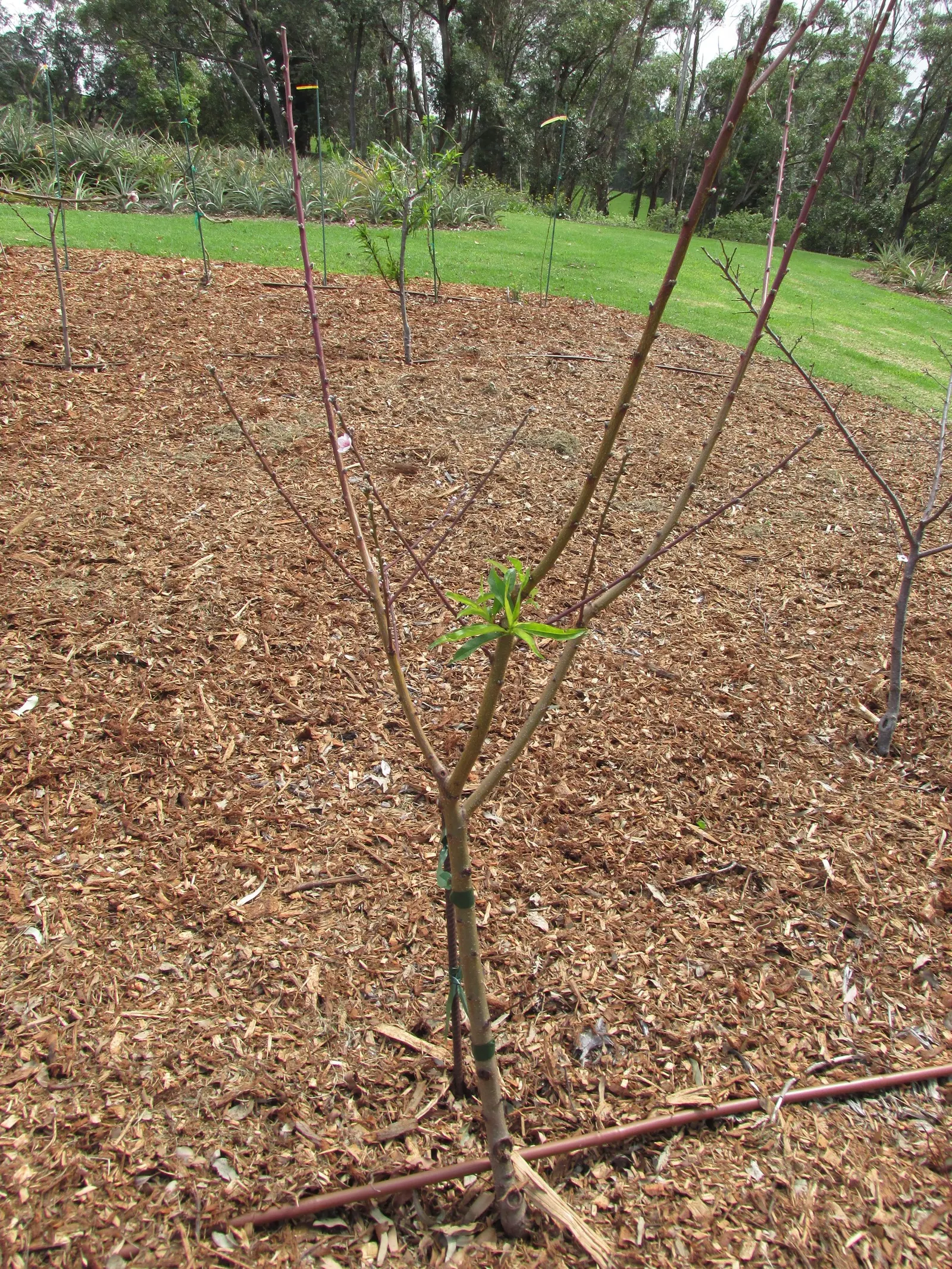
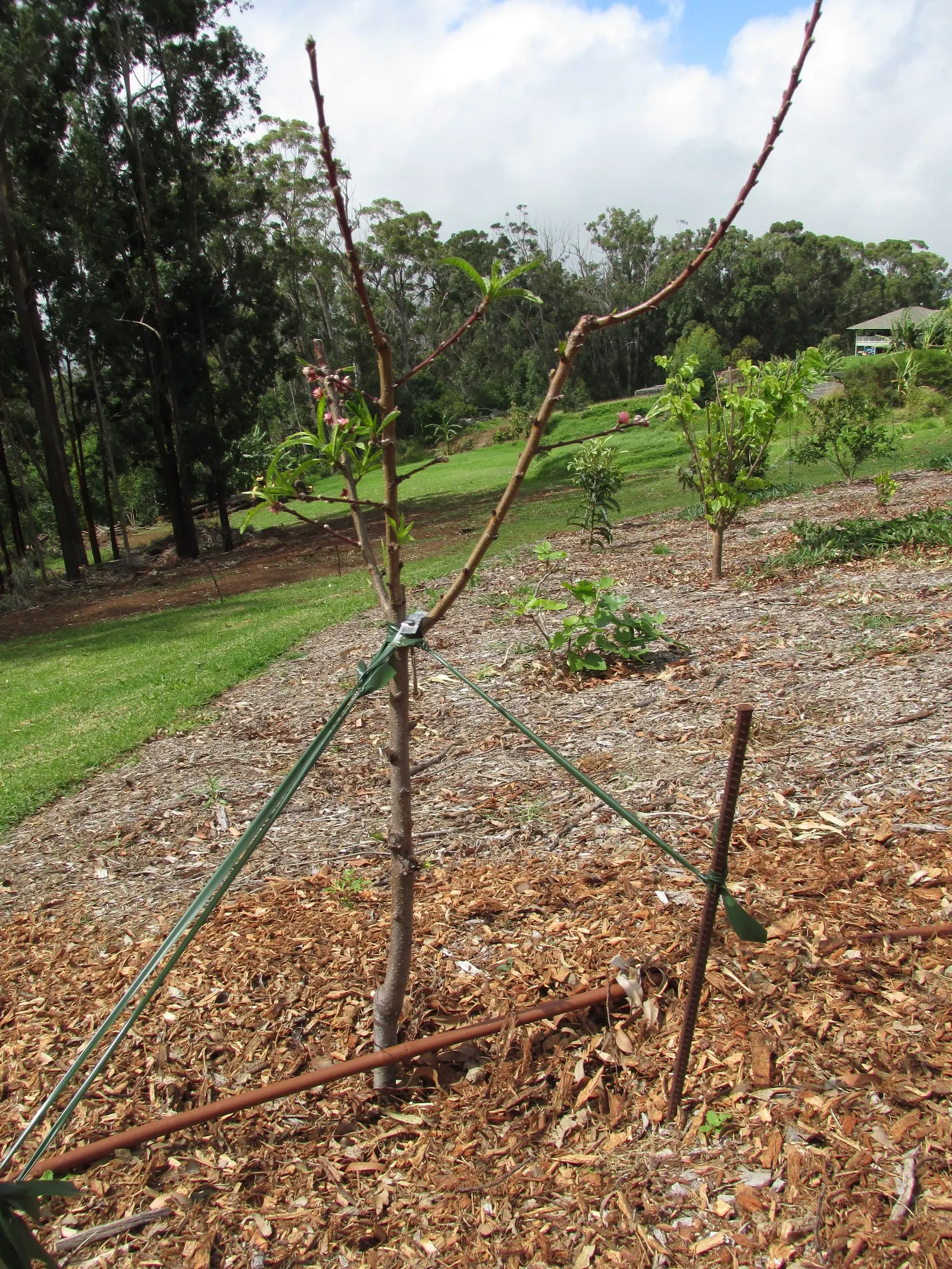
Nectarine (Prunus Persica Var. Nucipersica) — tree with pink blooms
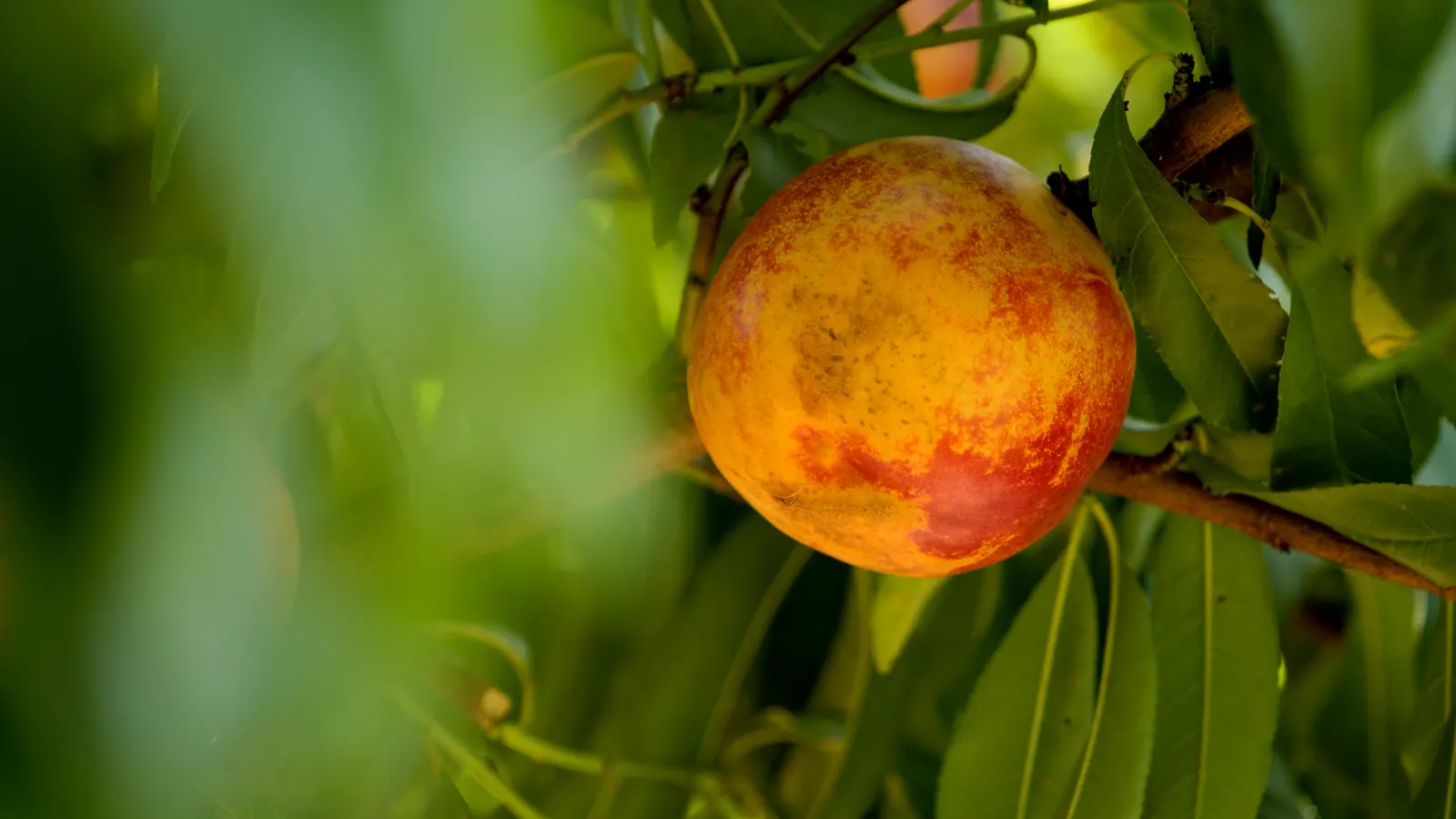
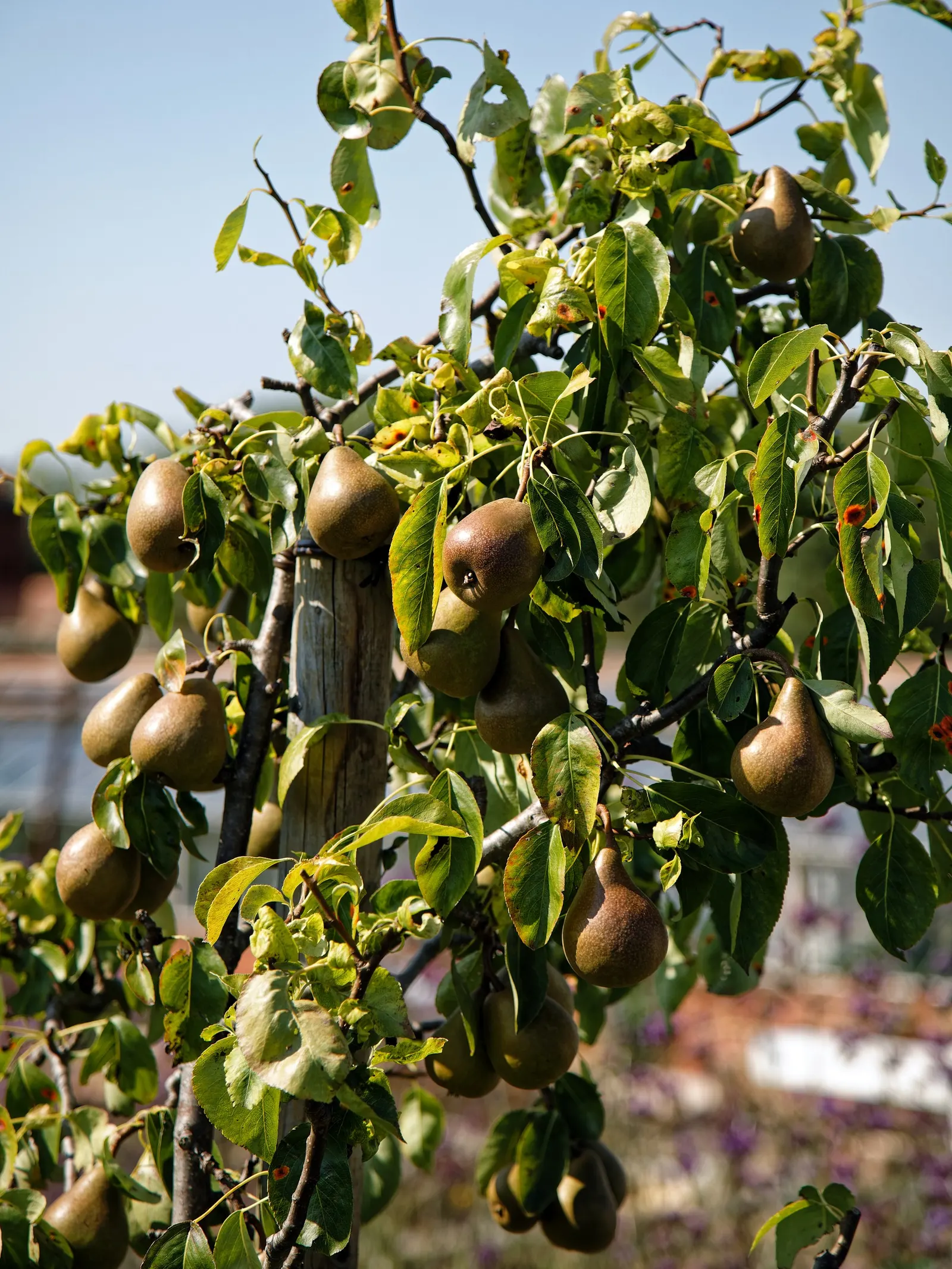
Nectarine (Prunus Persica Var. Nucipersica) — Revered for its spring blossoms, it boasts lush foliage and succulent summer fruit; smooth-skinned, image 57
Nectarine (Prunus Persica Var. Nucipersica) — offering a dual purpose of ornamental beauty and edible fruit production
Nectarine (Prunus Persica Var. Nucipersica) — These blooms not only add a splash of color but also attract pollinators to the garden; the Nectarine, Prunus
Nectarine (Prunus Persica Var. Nucipersica) — providing ample shade in the warmer months; or purple before falling in autumn.<br><br>In spring, image 64
Nectarine (Prunus Persica Var. Nucipersica) — the Nectarine presents a captivating floral display of pink to white blossoms, image 68
Nectarine (Prunus Persica Var. Nucipersica) — These blooms not only add a splash of color but also attract pollinators to the garden
Nectarine (Prunus Persica Var. Nucipersica) — is a delightful addition to any landscape design
Nectarine (Prunus Persica Var. Nucipersica) — or purple before falling in autumn.<br><br>In spring; the Nectarine, botanically known as Prunus persica var
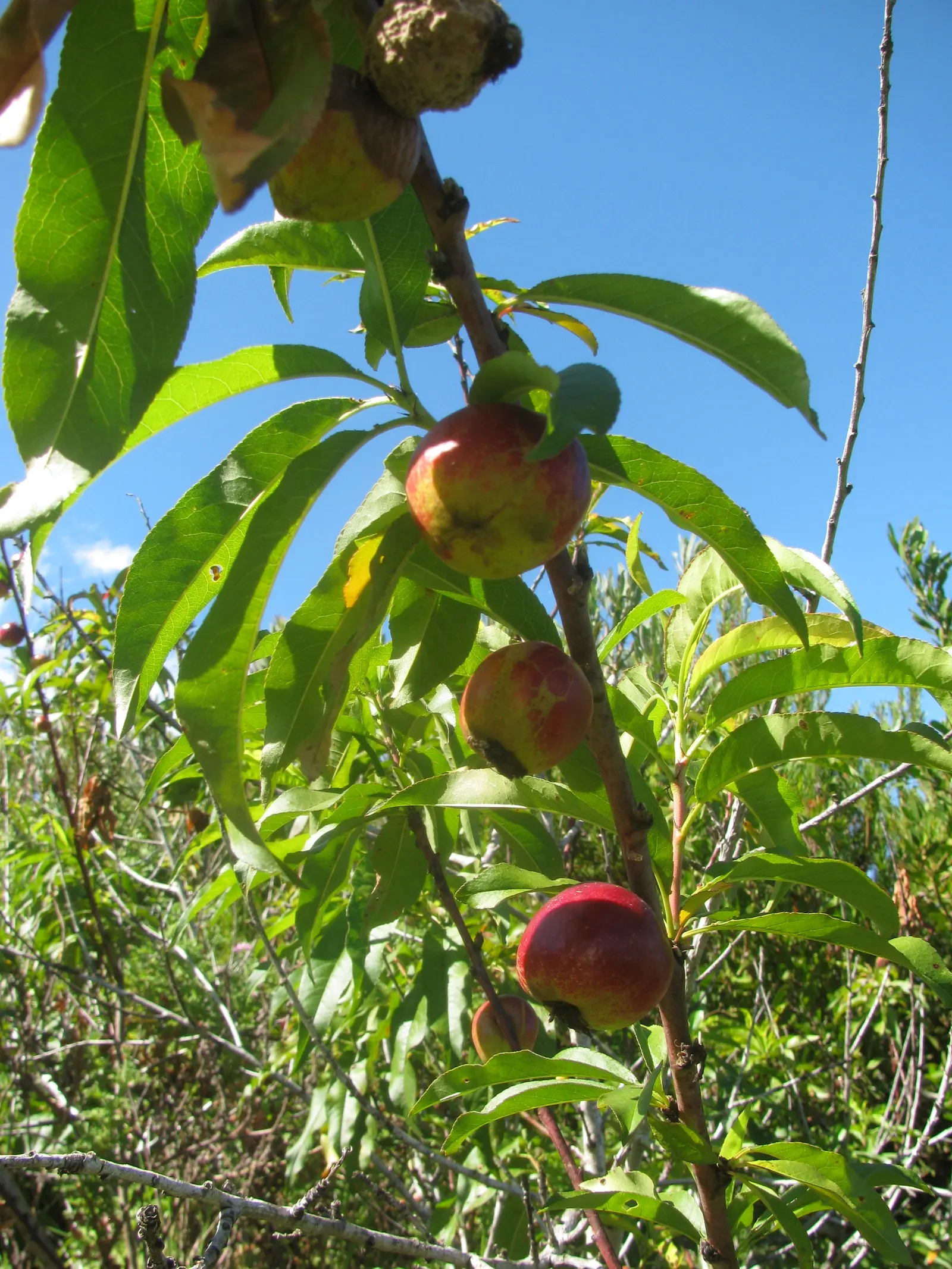
Nectarine (Prunus Persica Var. Nucipersica) — Each nectarine can be approximately 2 to 3 inches in diameter; fertile soil and full sun exposure to, image 73
Nectarine (Prunus Persica Var. Nucipersica) — smooth-skinned fruits that distinguish it from its fuzz-covered peach relatives
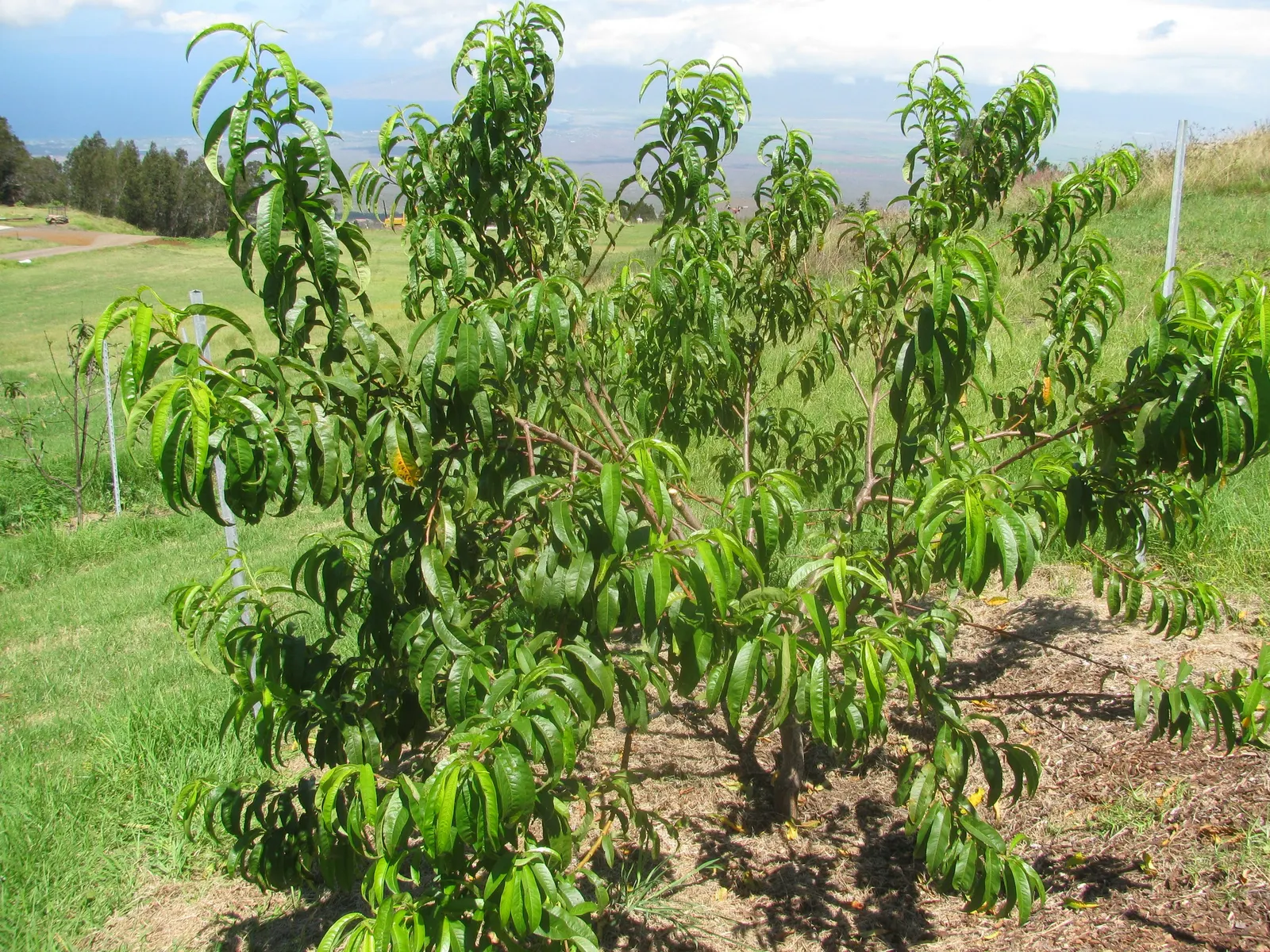
Nectarine (Prunus Persica Var. Nucipersica) — providing ample shade in the warmer months
Nectarine (Prunus Persica Var. Nucipersica) — fertile soil and full sun exposure to ensure optimal fruit production; these blooms not only add a splash of
Nectarine (Prunus Persica Var. Nucipersica) — especially during fruit development
Nectarine (Prunus Persica Var. Nucipersica) — offering a dual purpose of ornamental beauty and edible fruit production; note: they entail routine maintenance
Nectarine (Prunus Persica Var. Nucipersica) — Nectarines are hardy in USDA zones 5-8, making them suitable for a variety of temperate landscapes, image 59
Nectarine (Prunus Persica Var. Nucipersica) — The Nectarine, Prunus persica var
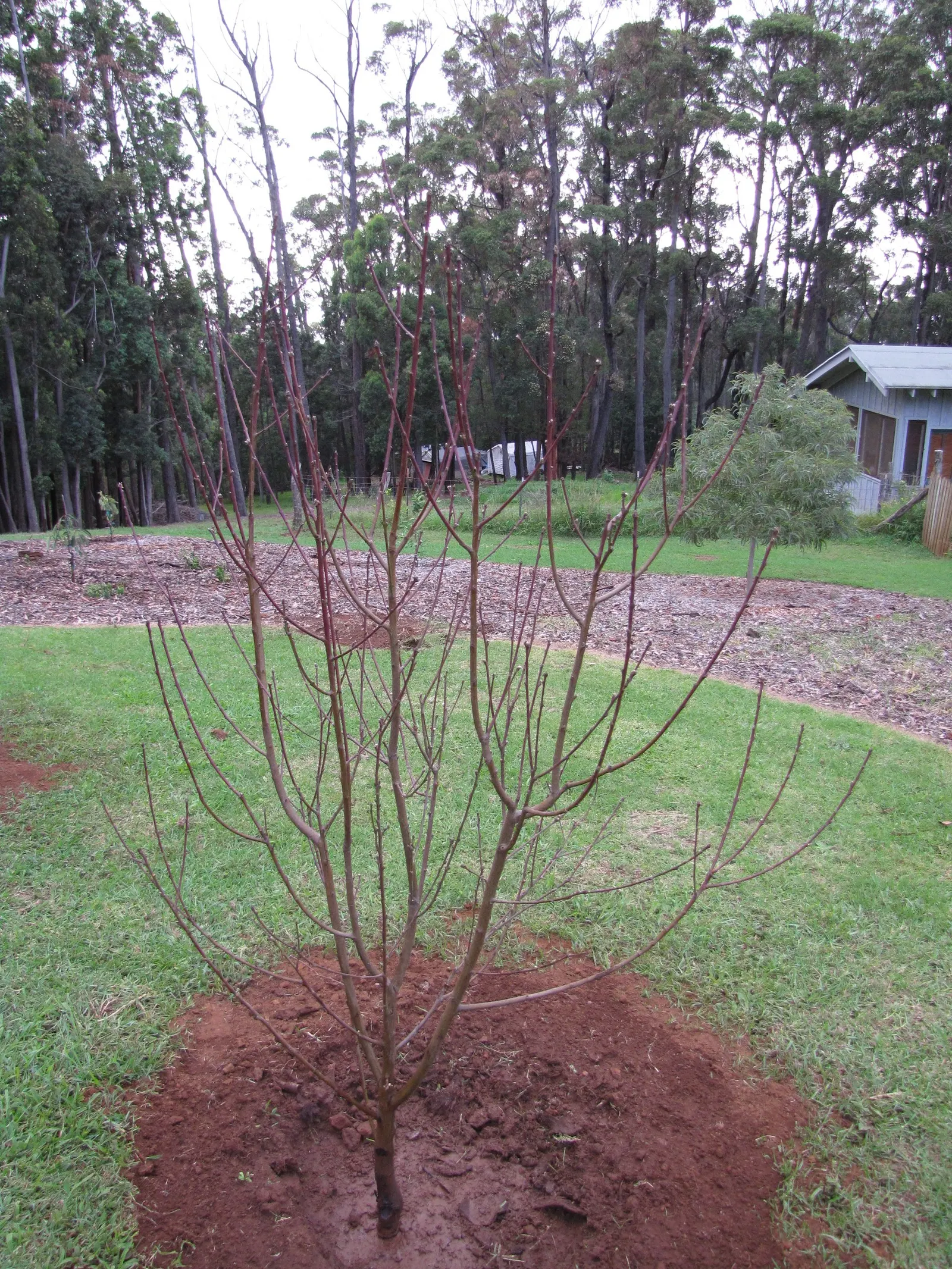
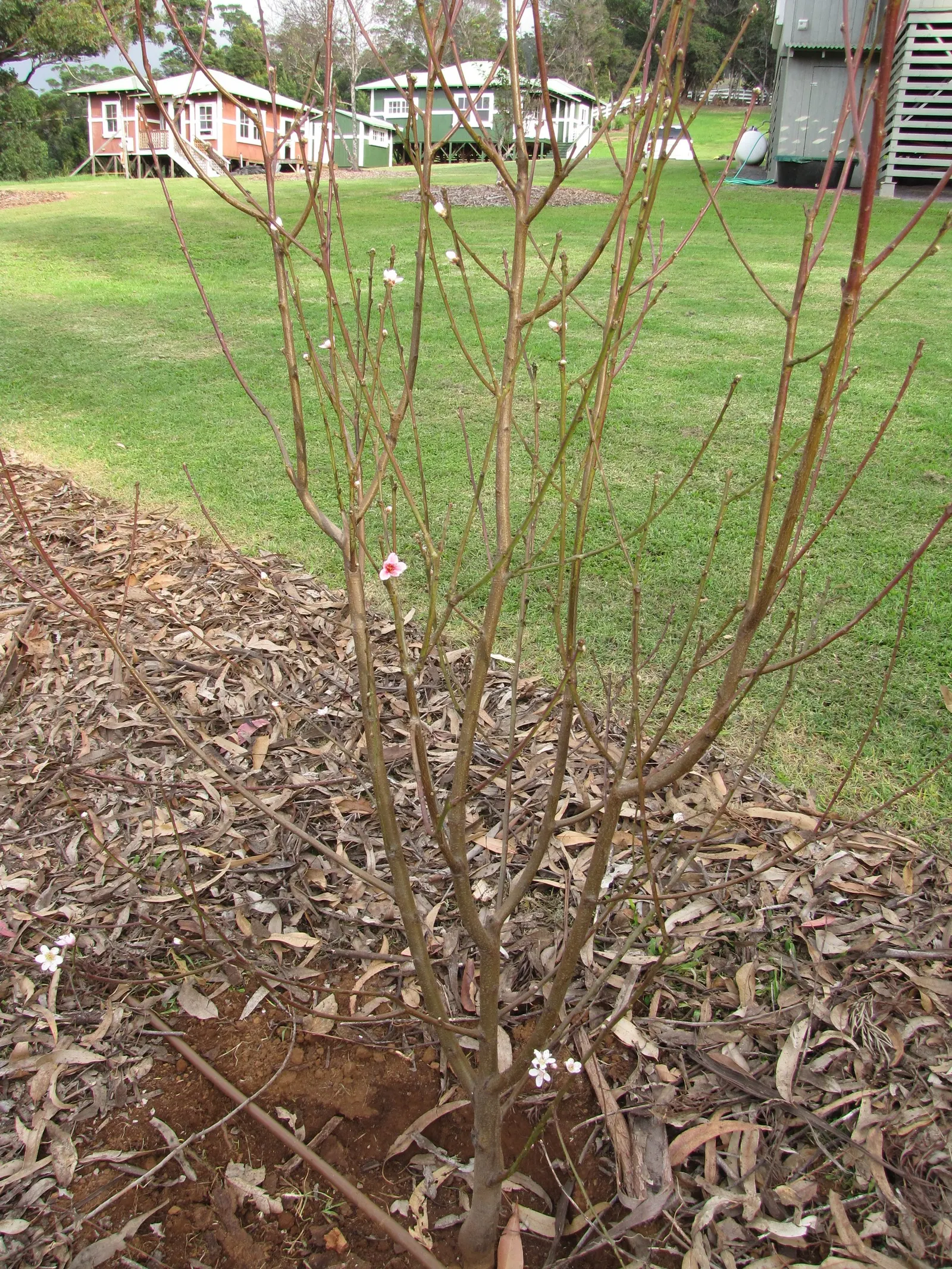
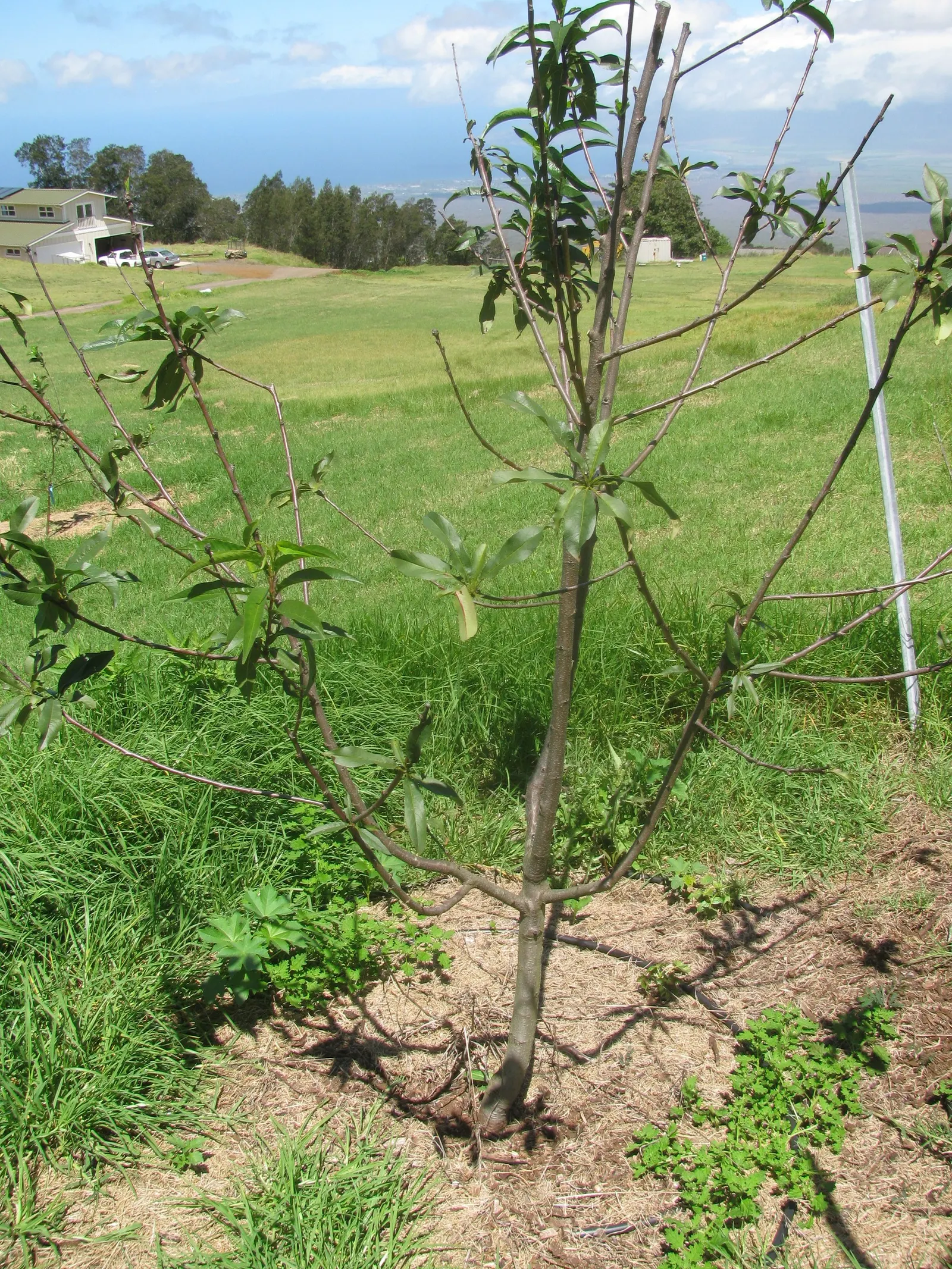
Nectarine (Prunus Persica Var. Nucipersica) — tree for full; and occasional pruning to maintain shape and remove dead branches will keep the tree healthy and
Nectarine (Prunus Persica Var. Nucipersica) — or purple before falling in autumn.<br><br>In spring
Nectarine (Prunus Persica Var. Nucipersica) — smooth-skinned fruits that distinguish it from its fuzz-covered peach relatives; each flower being about
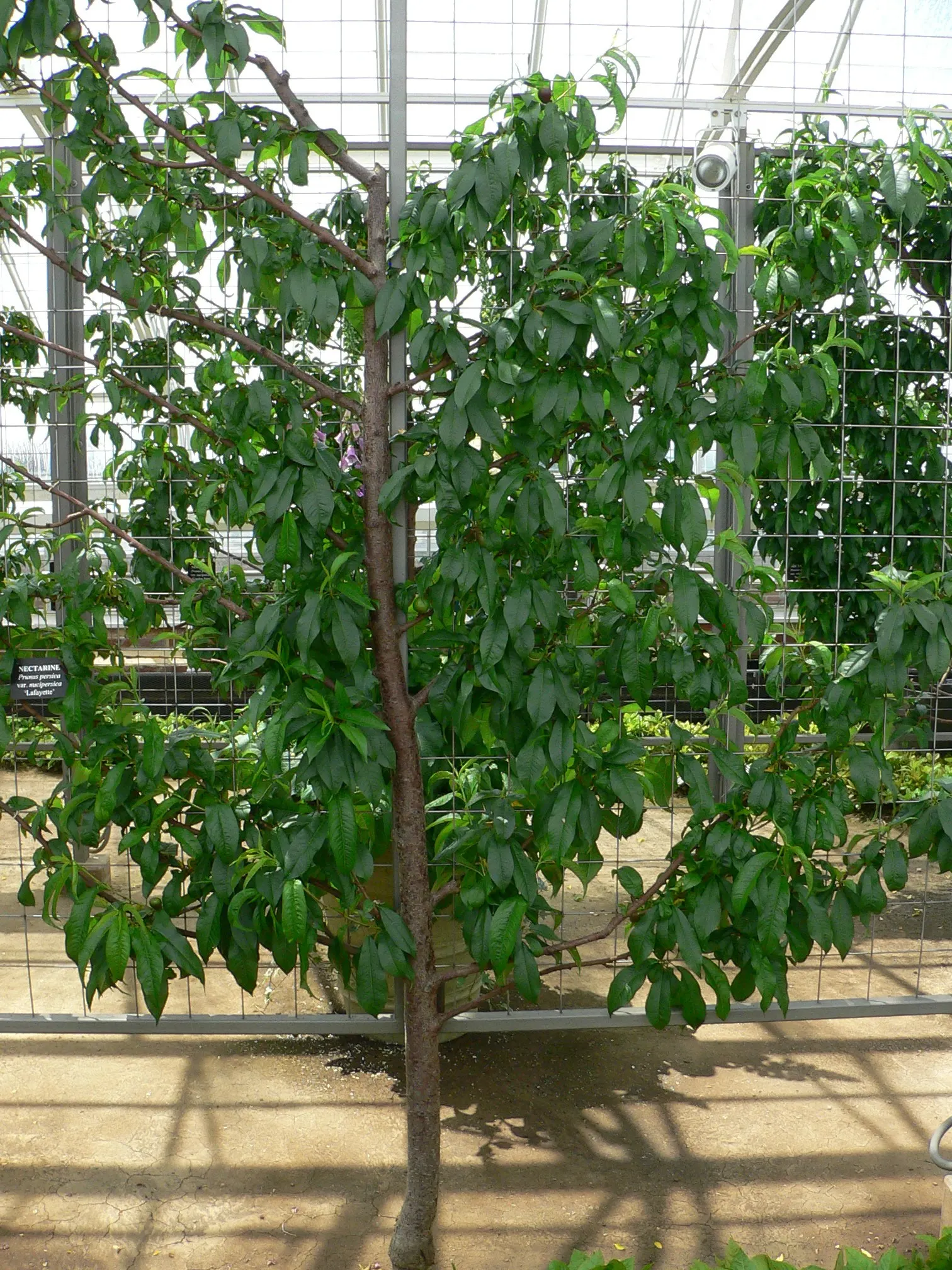
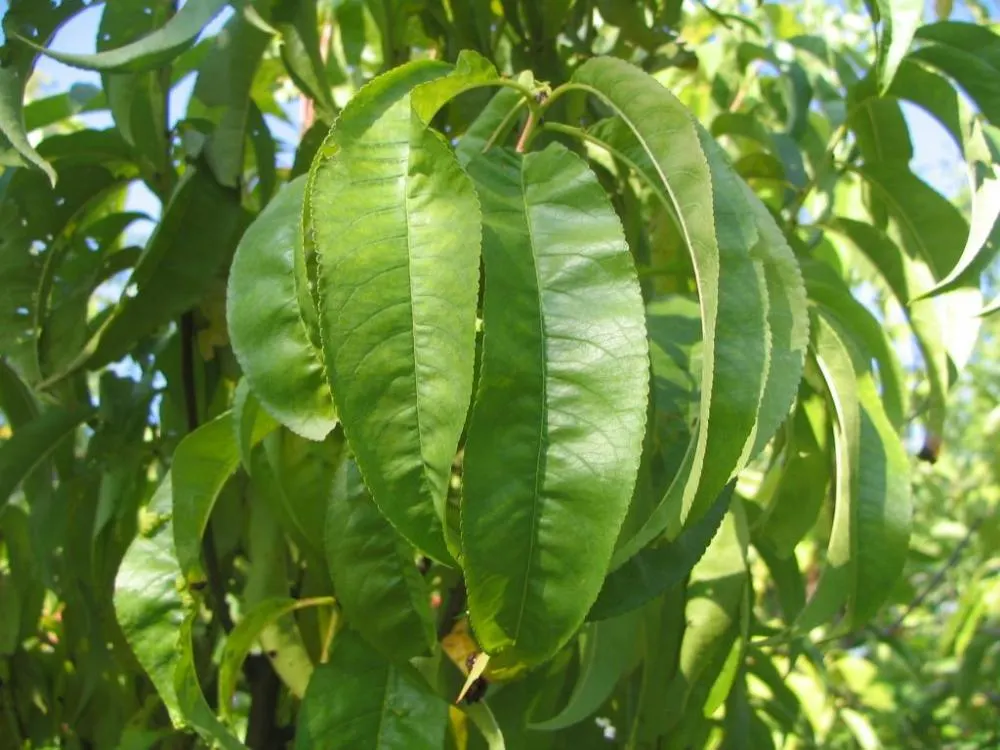
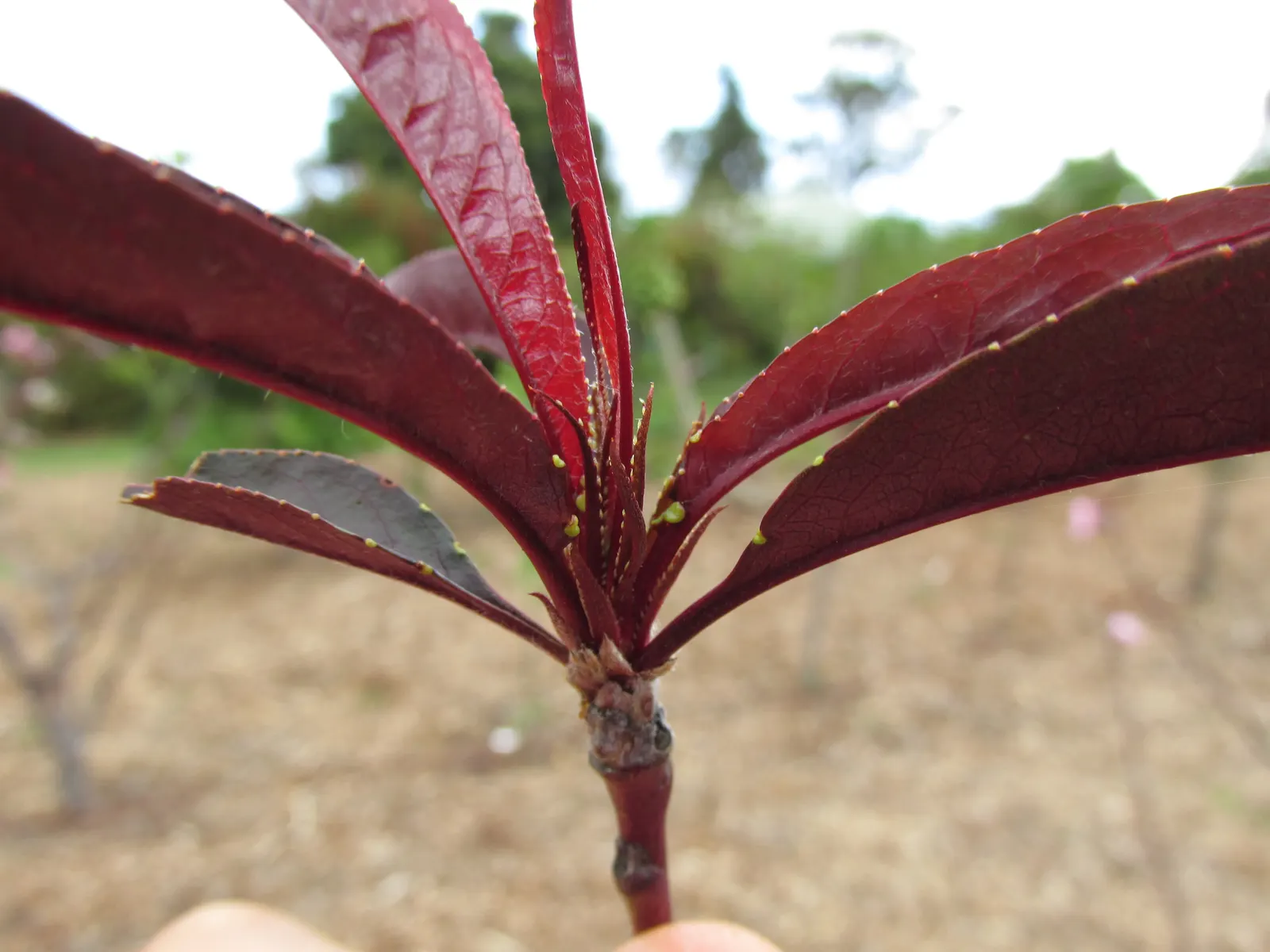
Nectarine (Prunus Persica Var. Nucipersica) — Its elegant foliage showcases lanceolate leaves that span about 3 to 6 inches long
Photographs by 10 contributors

Related plants