Skip to content

Edible Peach

Prunus Persica

Design with this plant

Overview

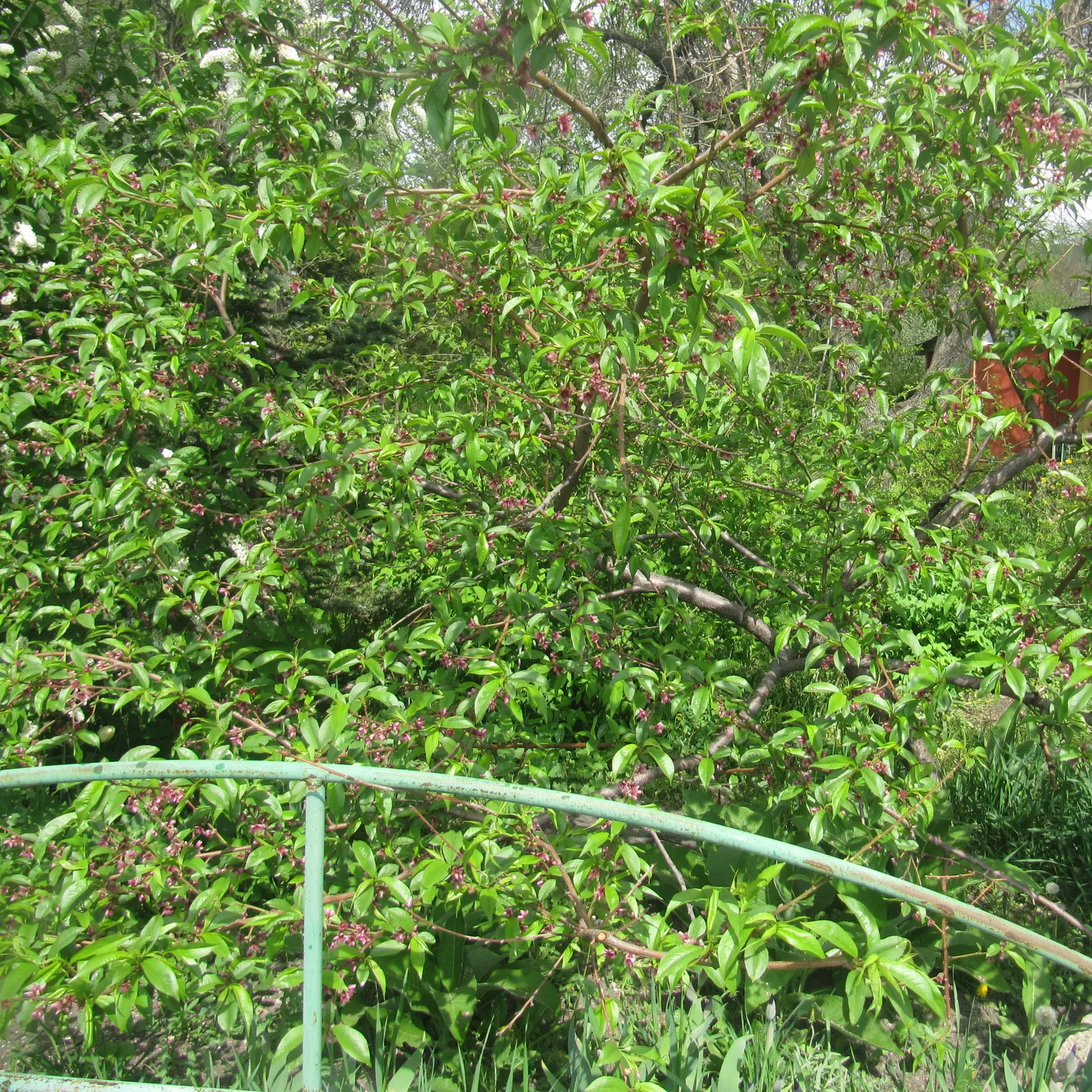
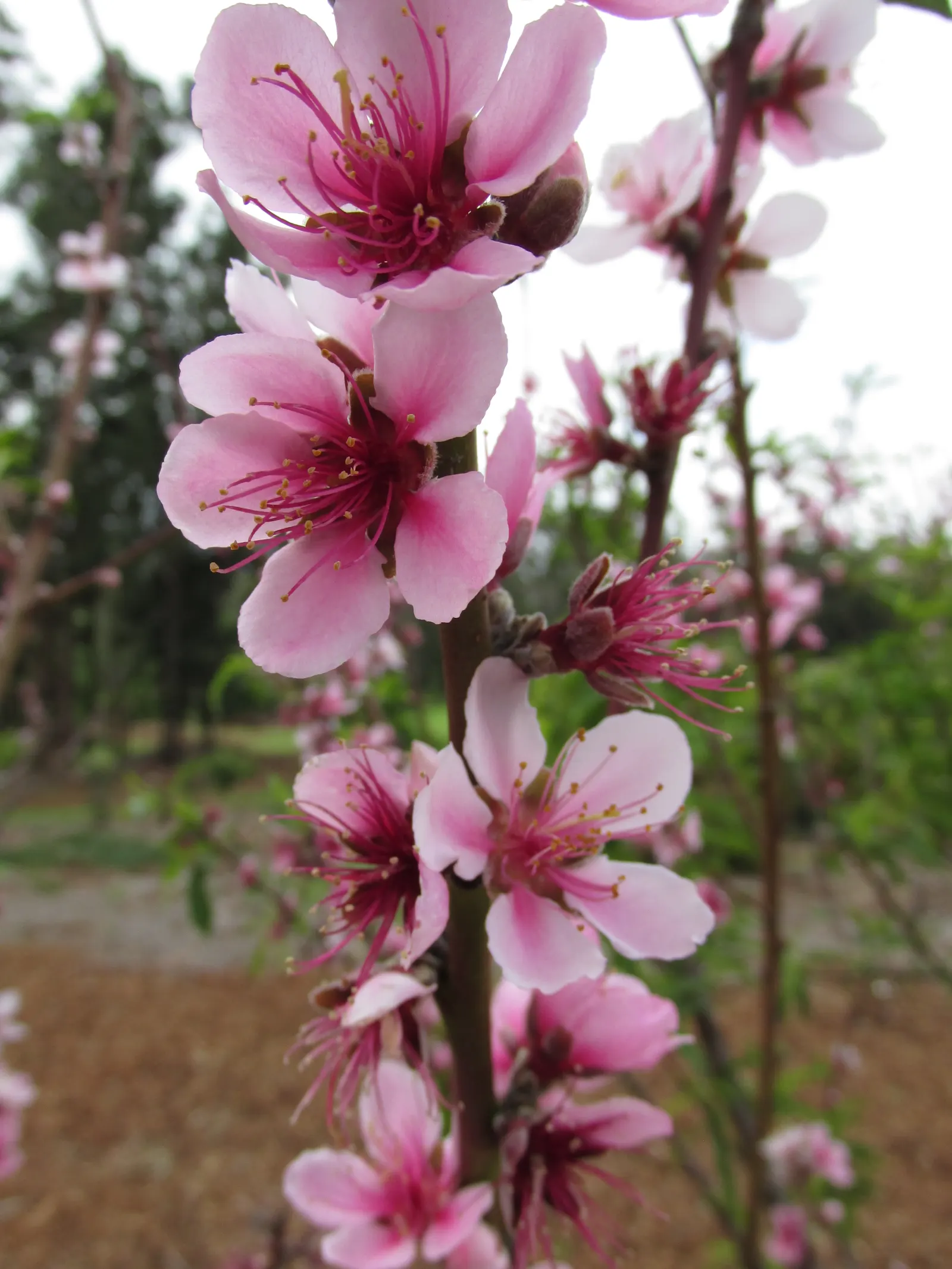
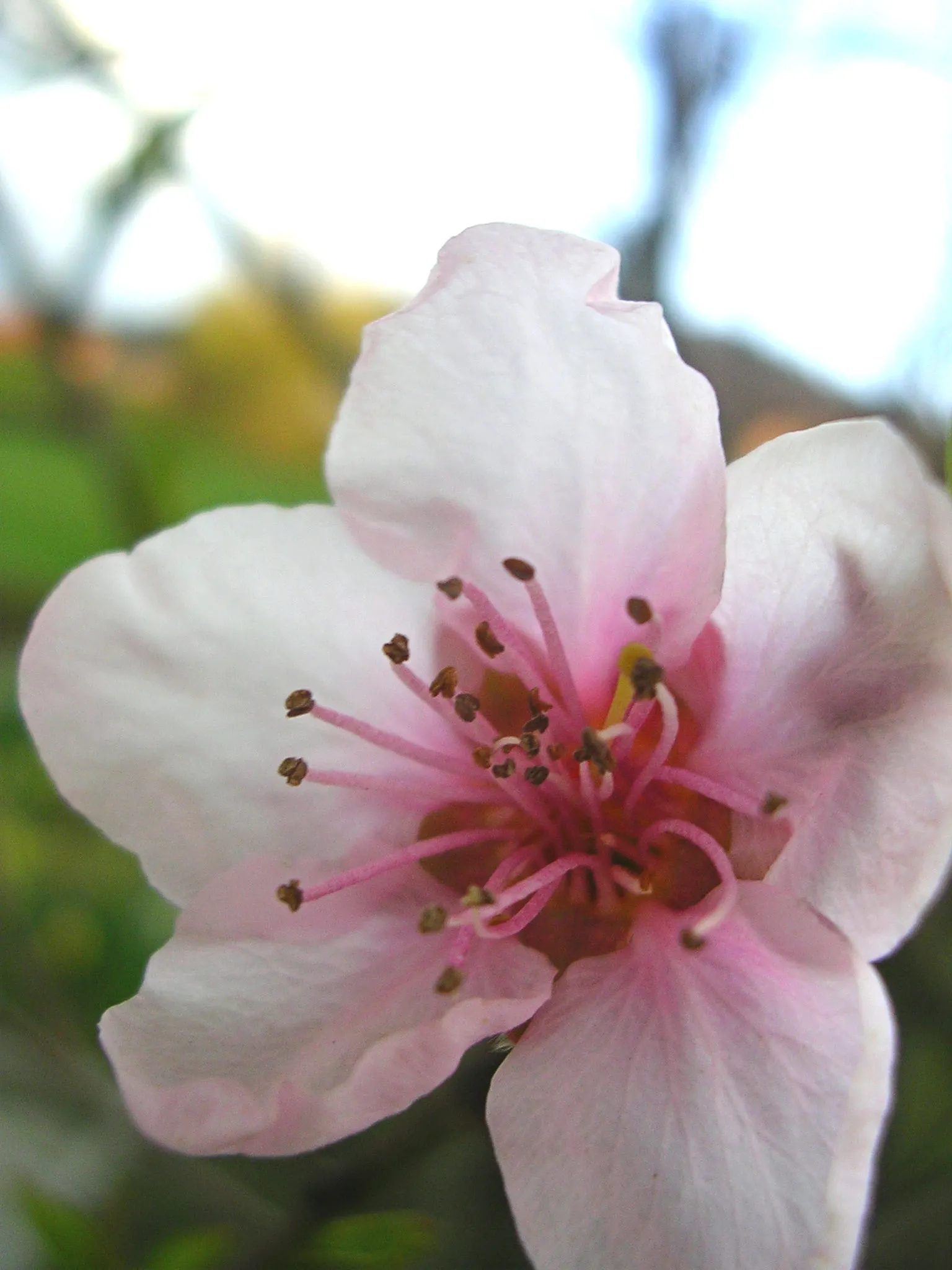
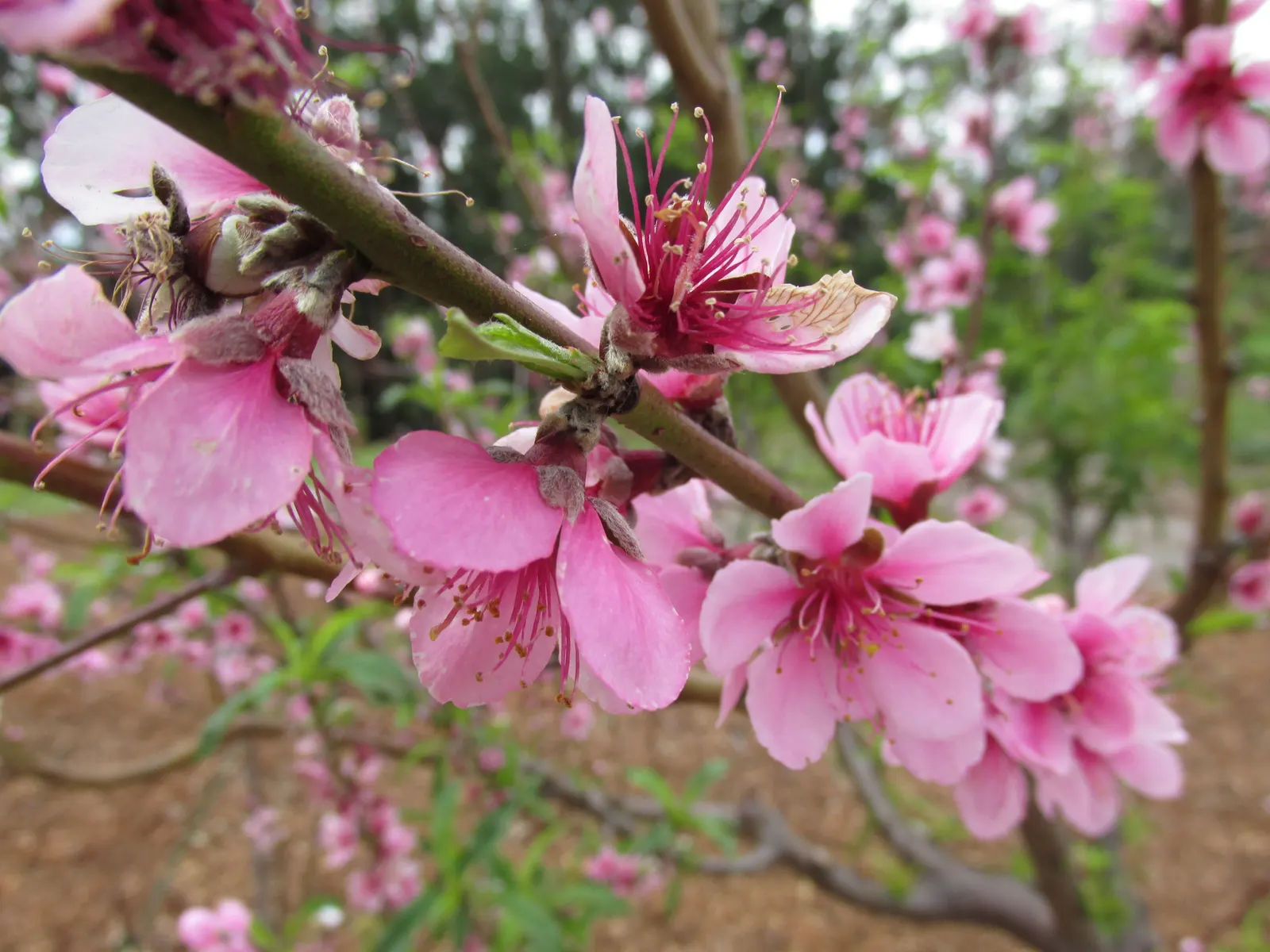
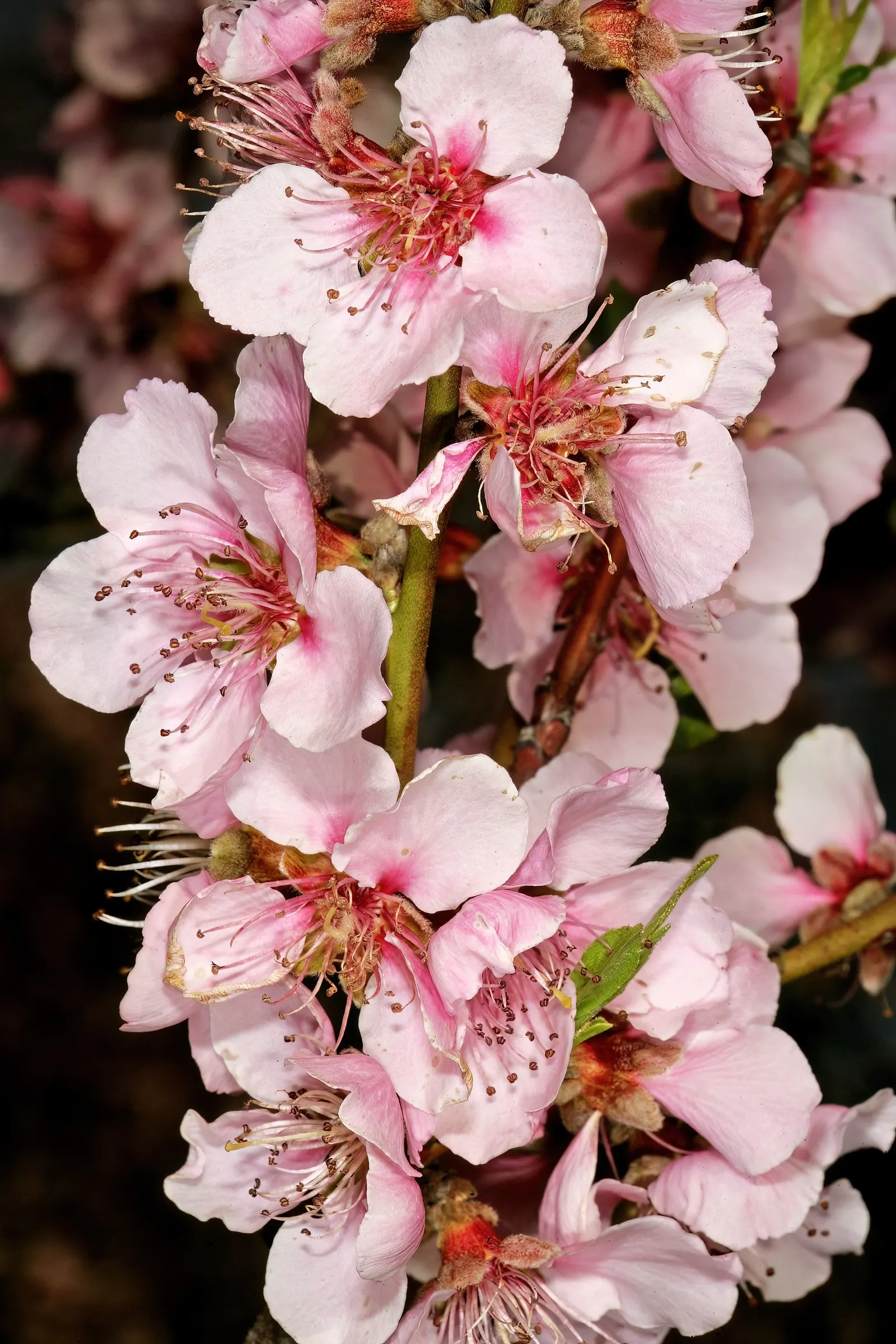
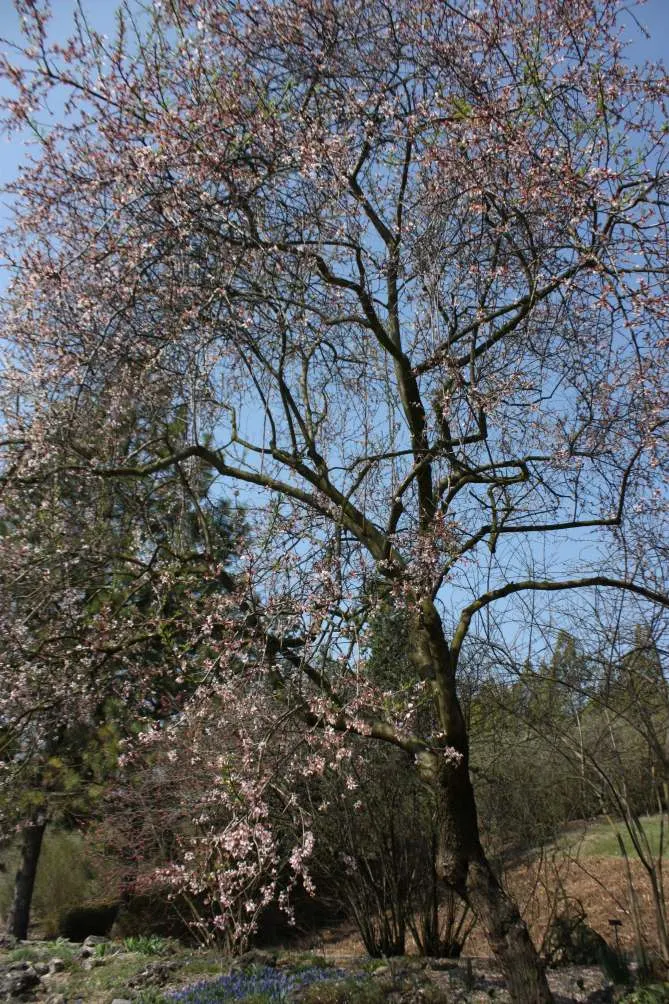
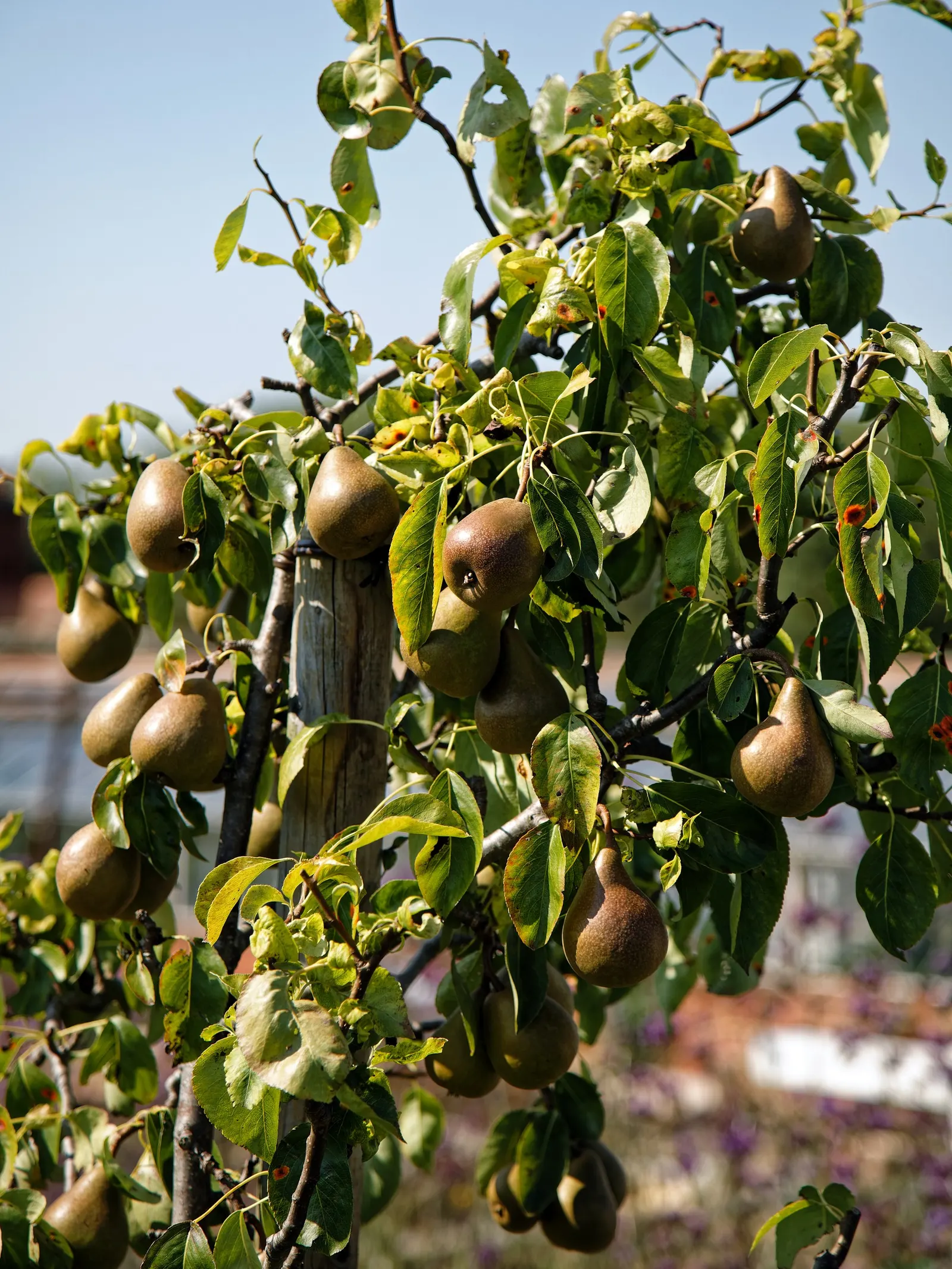
Prunus persica, commonly known as the Peach Tree, is a deciduous species famed for its delightful spring blossoms and succulent summer fruits. It thrives in full sun and well-drained soil within USDA zones 5-9. Mature trees reach 15-25 feet in height with an equal spread. Peaches demand diligent care, including regular pruning and pest management, to ensure a bountiful harvest of 2.5-3 inch diameter, juicy, edible peaches.

Sun FullWater Extra in Summer, MediumZones 5–10Climate Temperate
Edible Peach (Prunus Persica) — commonly known as the Peach Tree

Culture

Sun
Full
Water
Extra in Summer, Medium
USDA zones
5–10

Shape & size

Classification

Family
Rosaceae
Climate
Temperate

See full data, regional cultivation notes, full-resolution photos, and design tools. Build a client presentation around this plant.

Start your 14-day trial

Photos (137)

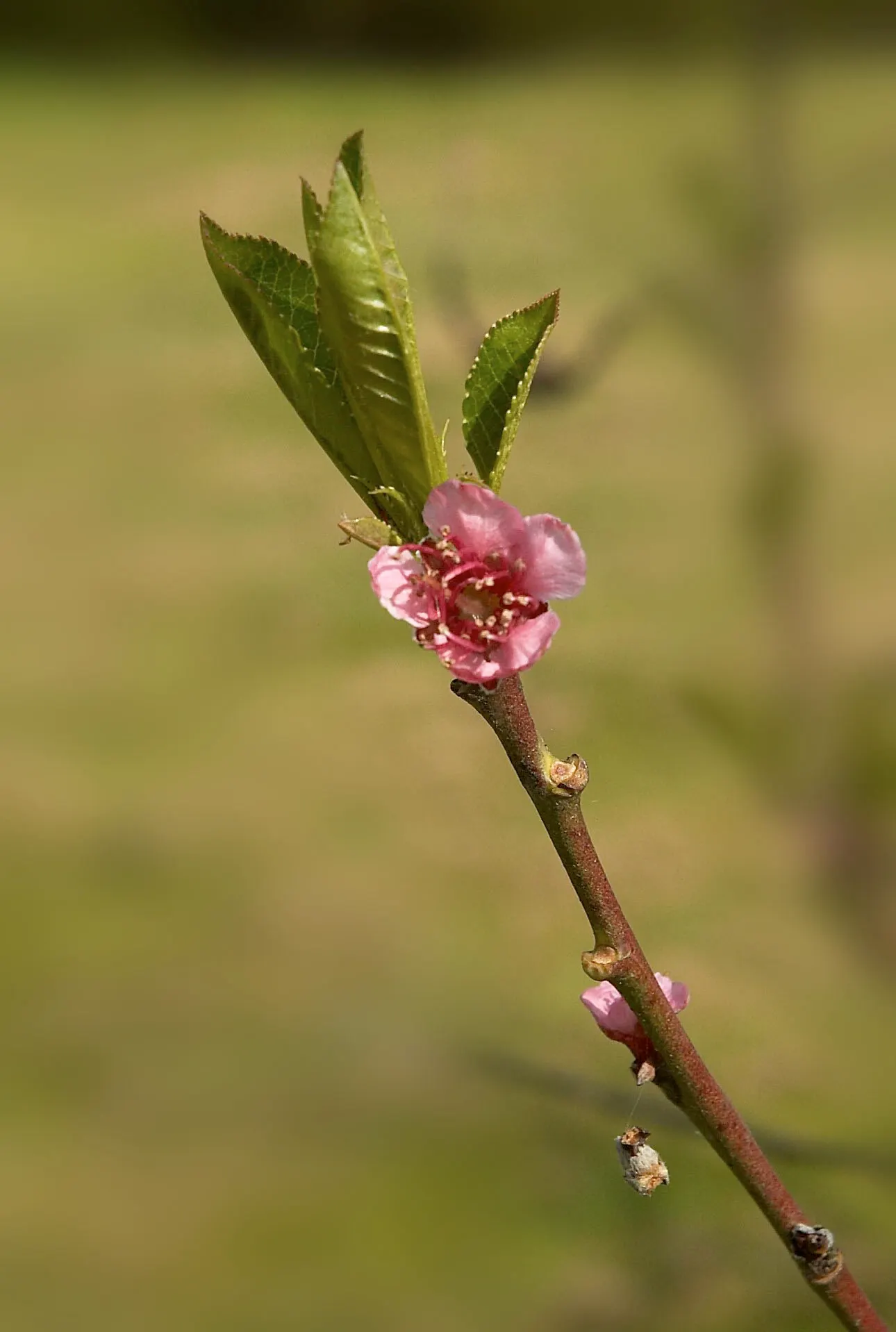
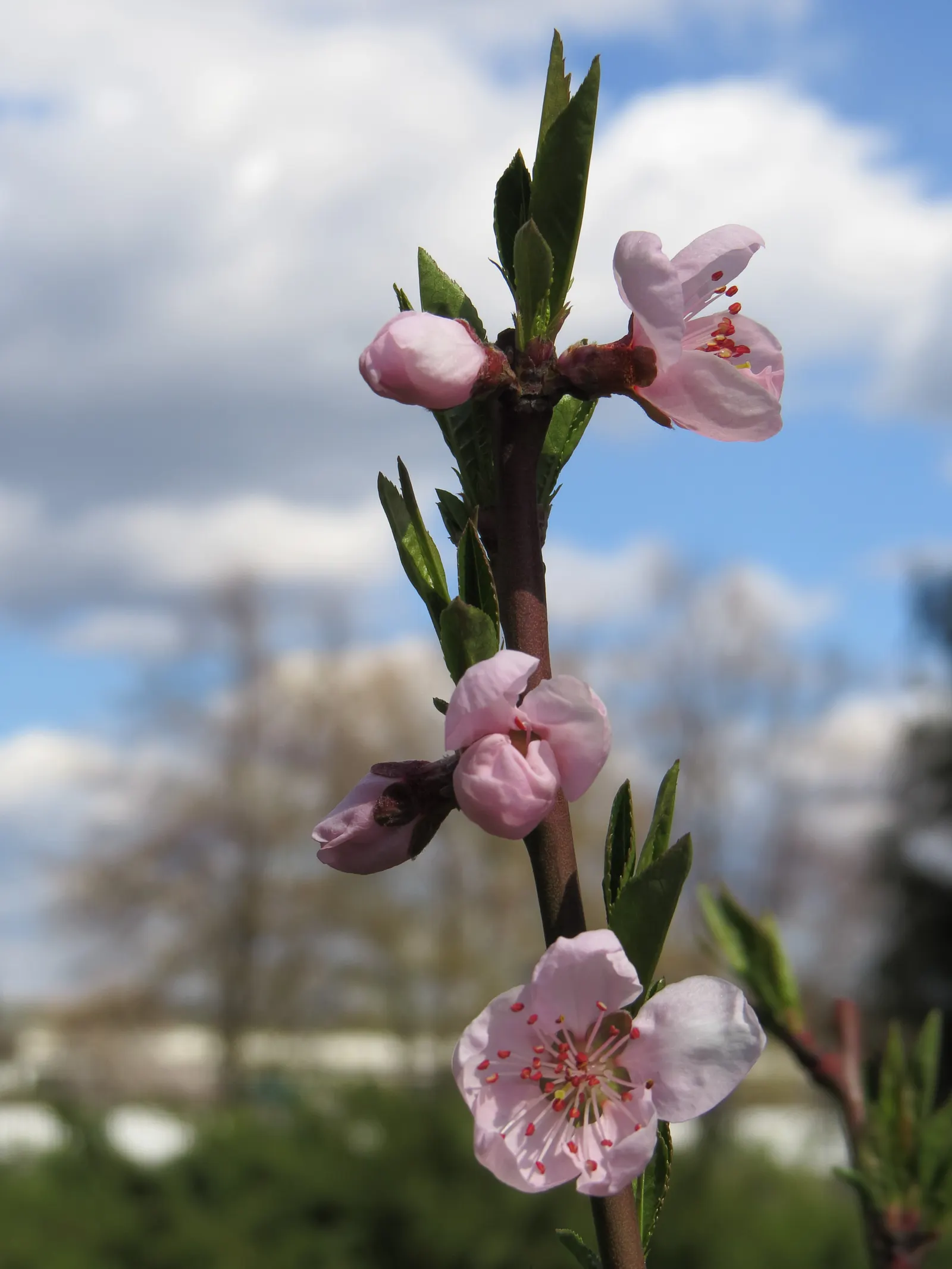
Edible Peach (Prunus Persica) — unfolding in a vibrant green that transitions to a rich; including annual pruning for shape
Edible Peach (Prunus Persica) — The tree demands a sunny position; tree for full
Edible Peach (Prunus Persica) — with at least six hours of direct sunlight to thrive and produce high-quality fruit; to ensure a bountiful harvest of 2.5-3
Edible Peach (Prunus Persica) — It also requires well-drained; unfolding in a vibrant green that transitions to a rich
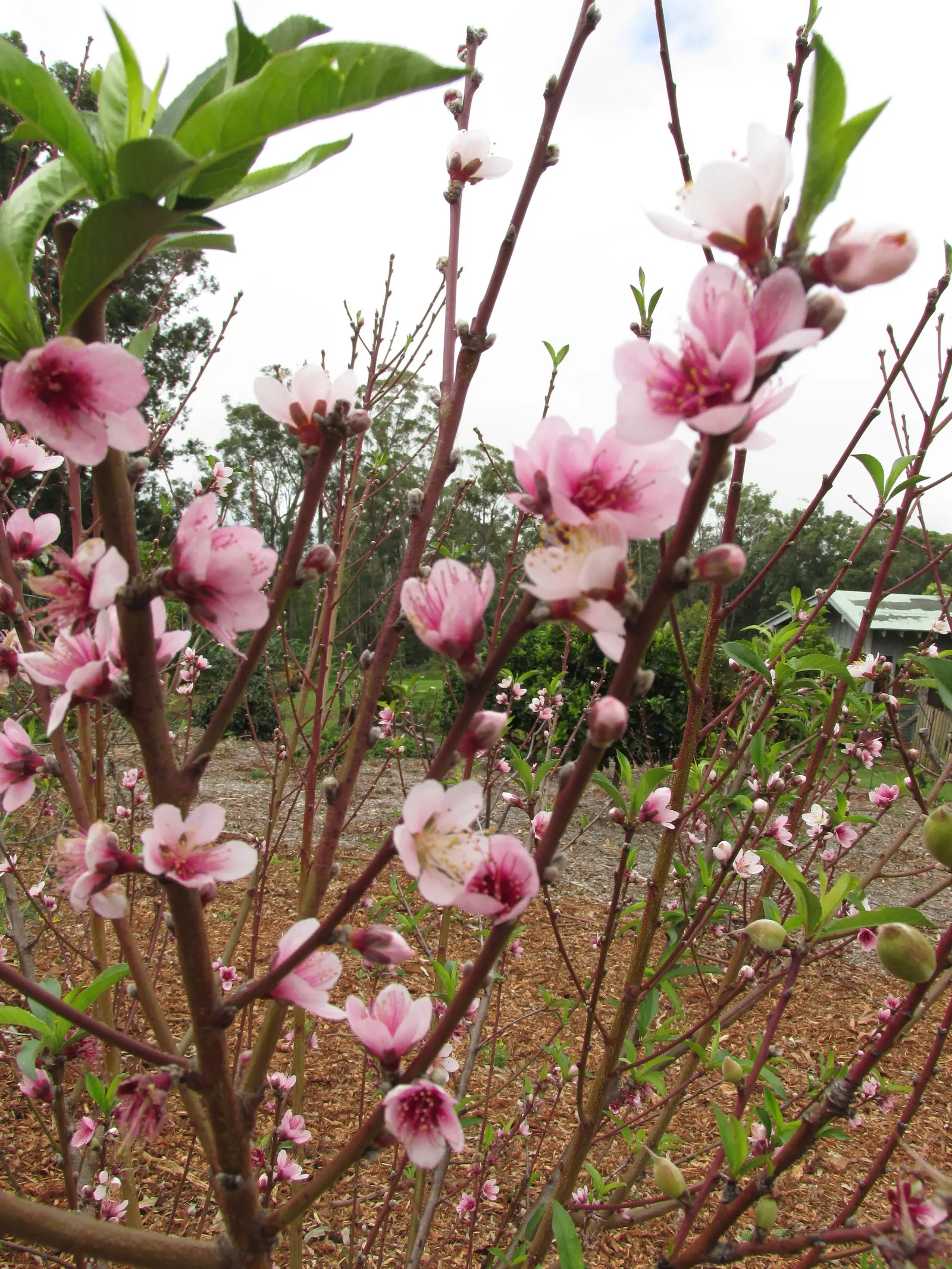
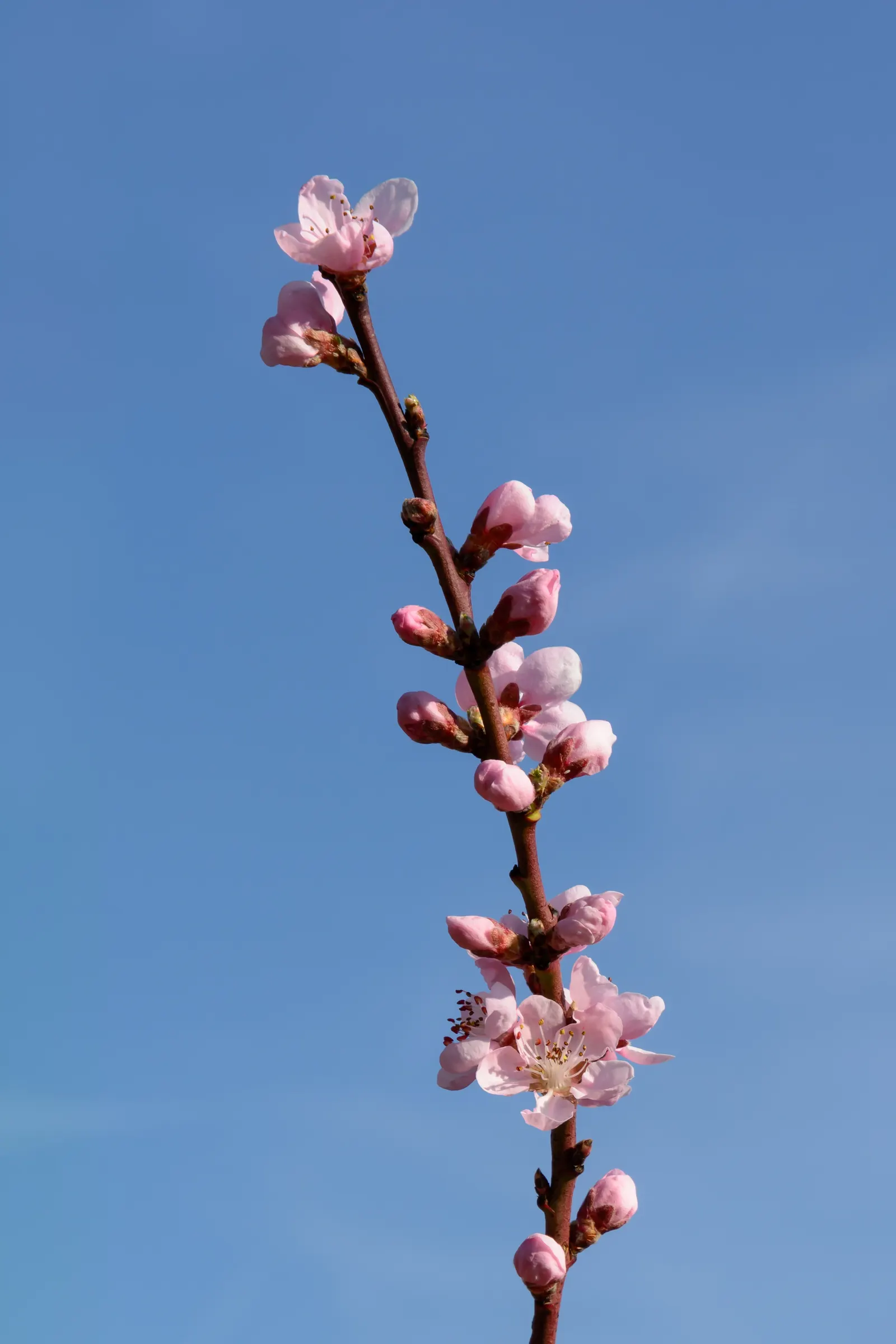
Edible Peach (Prunus Persica) — with a pH range of 6 to 7 for optimal growth.<br><br>Blossoming in early spring before the leaves emerge; these flowers are not
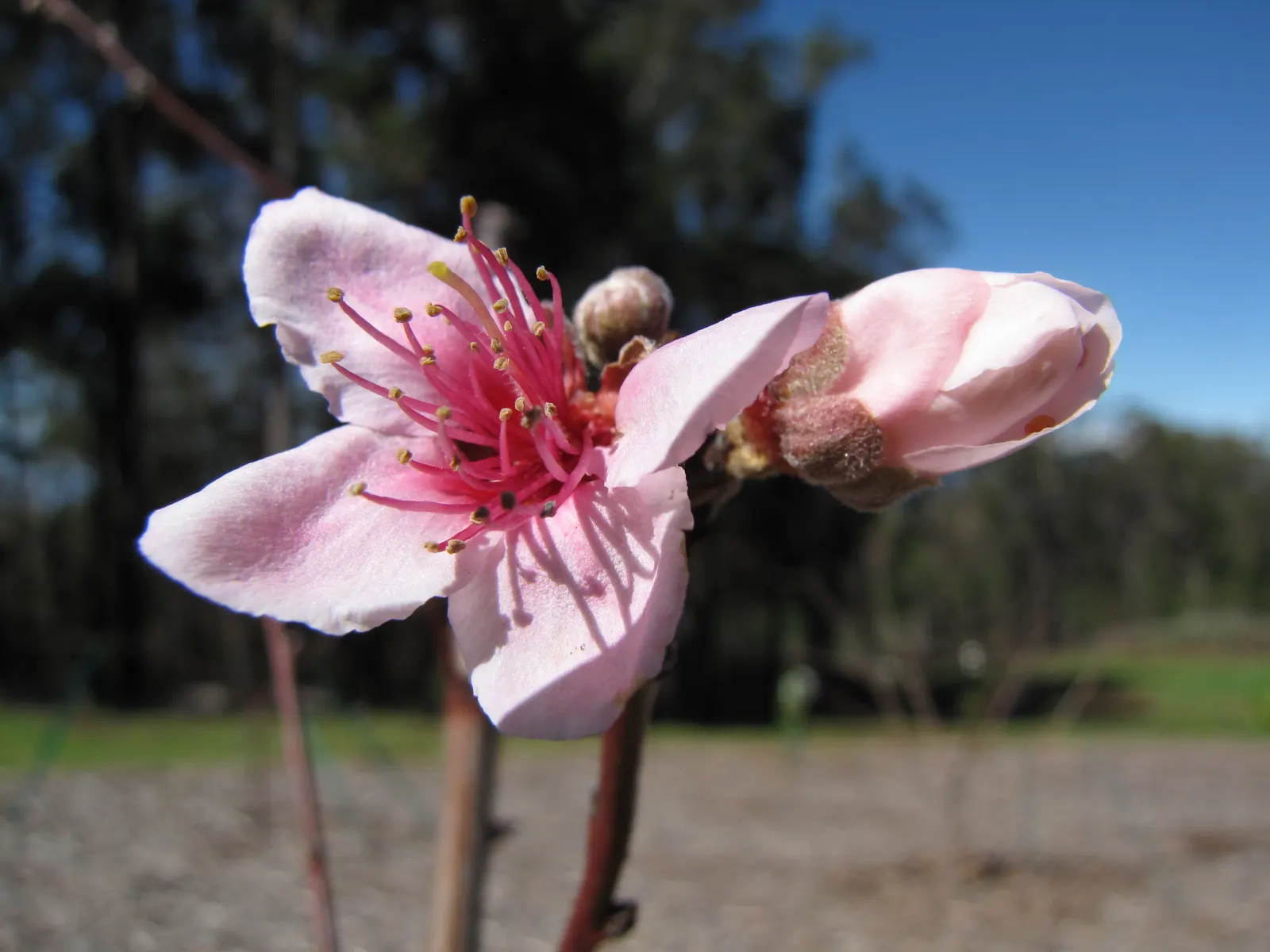
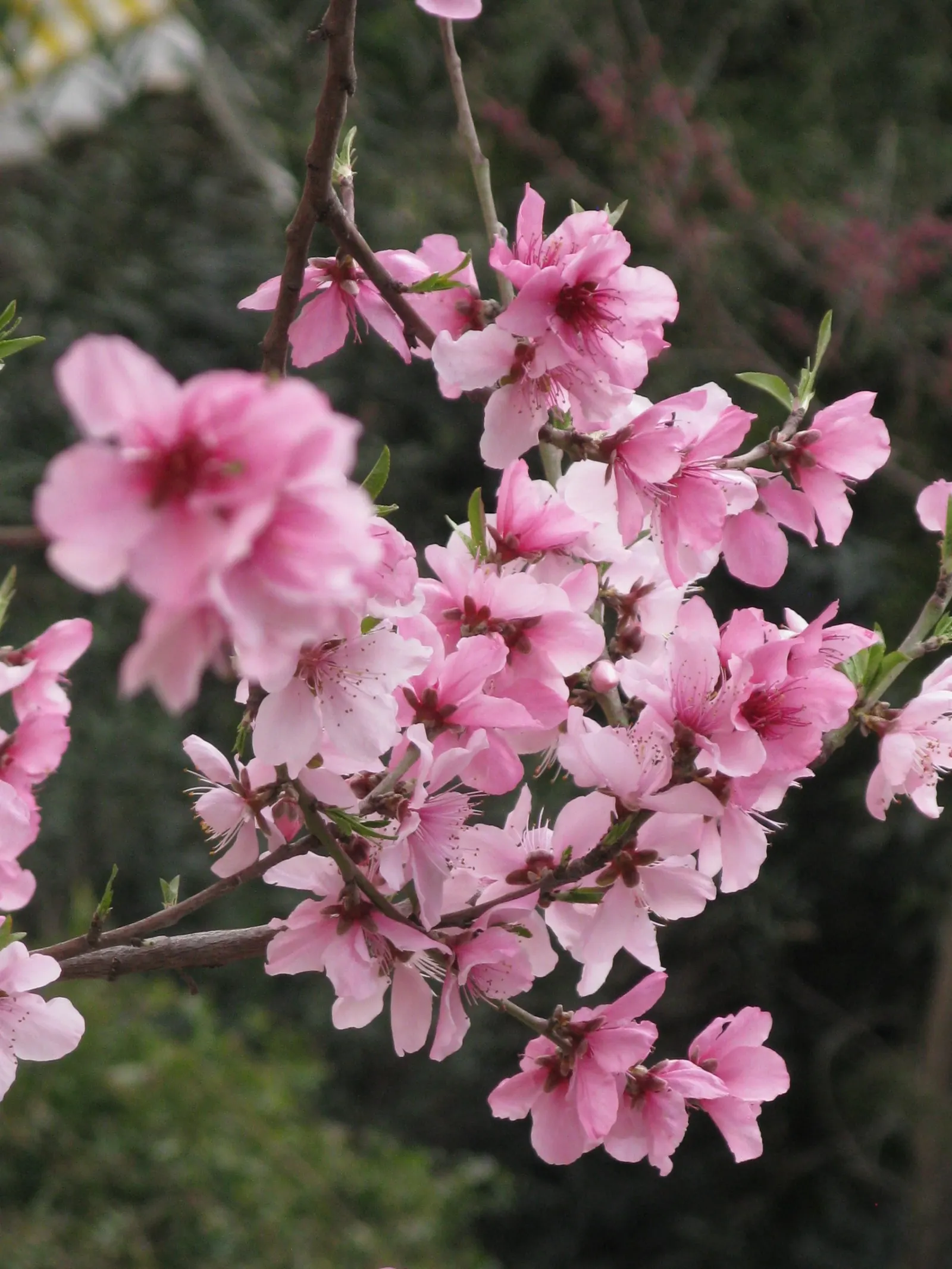
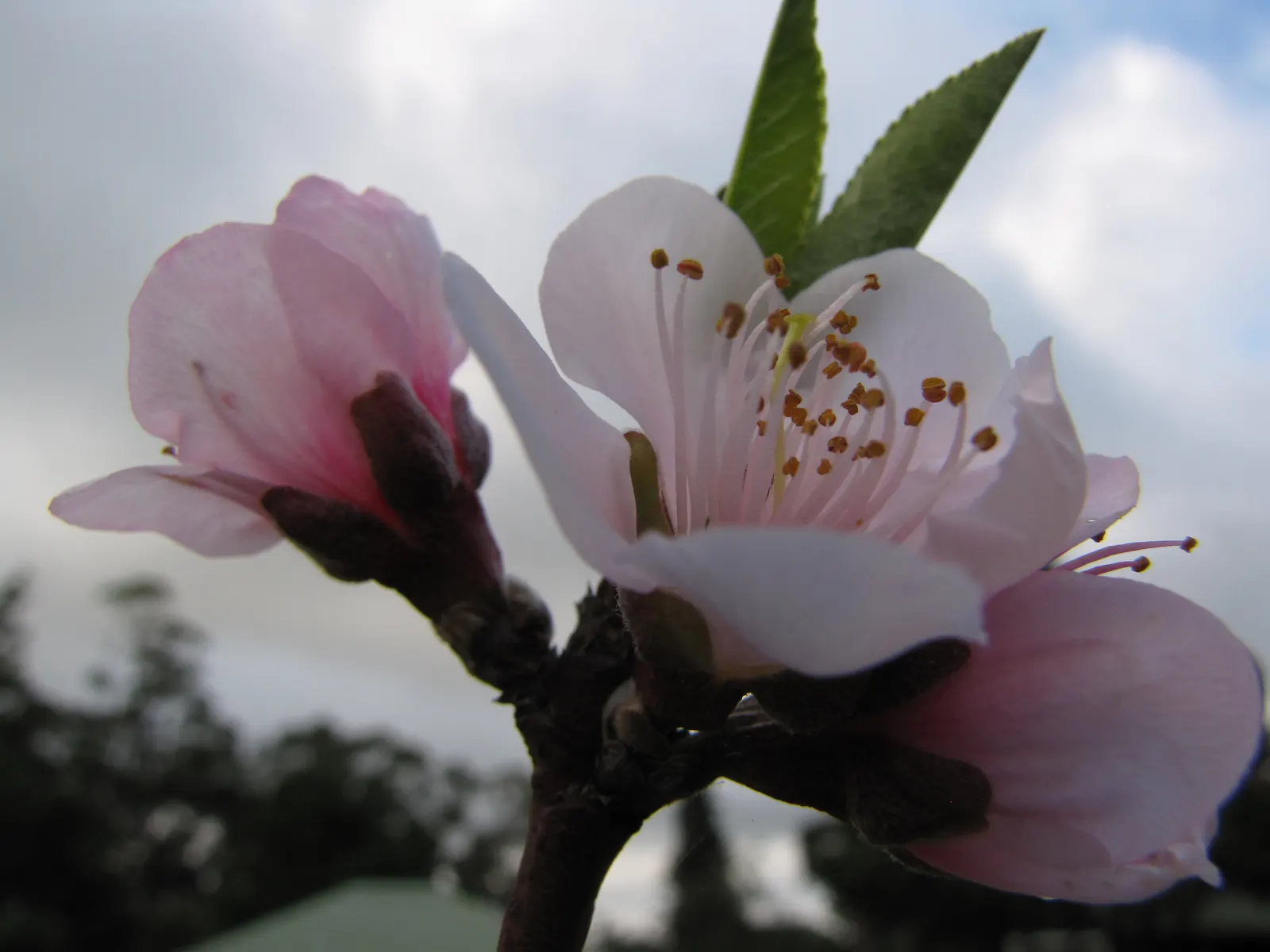
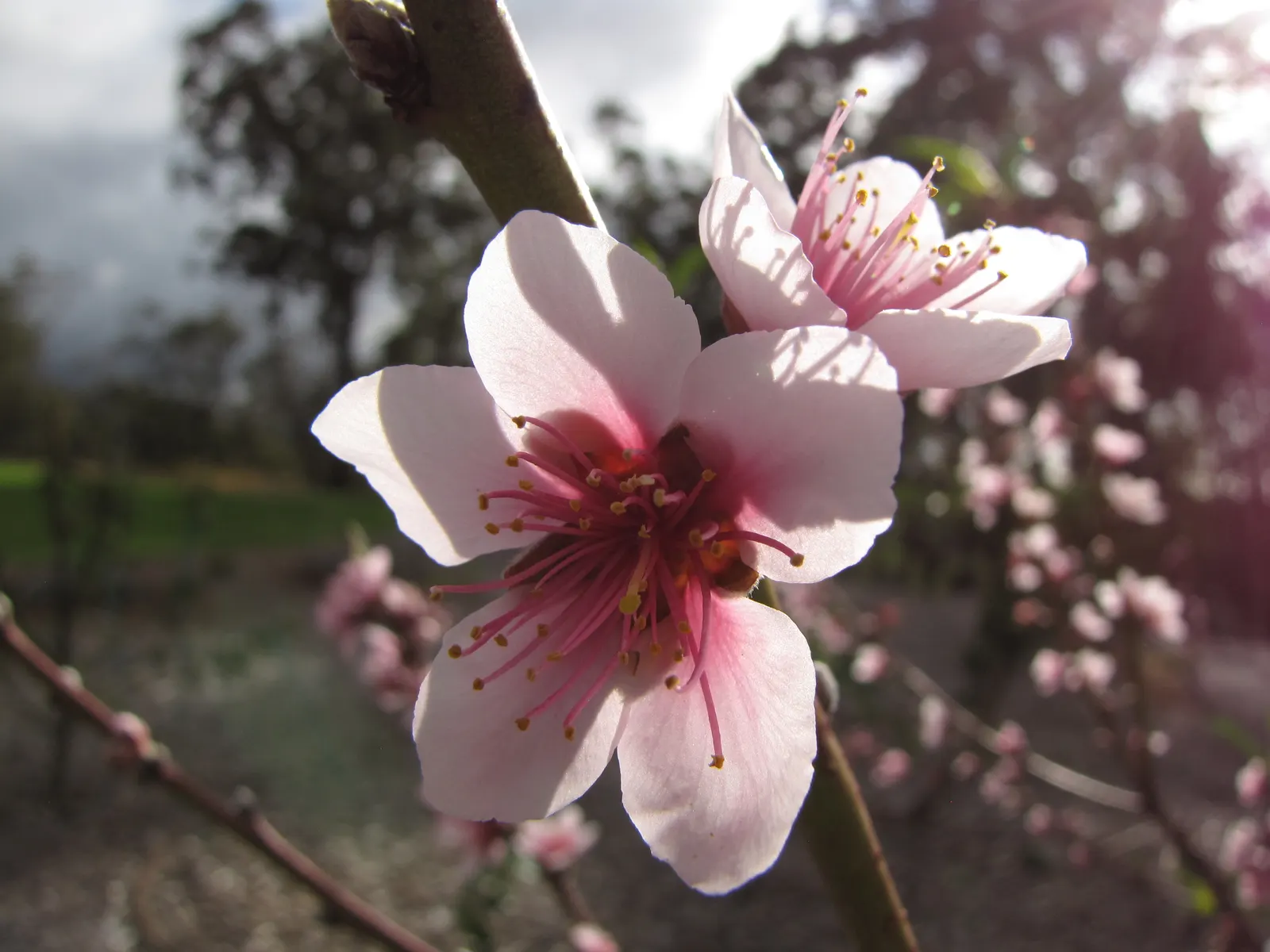
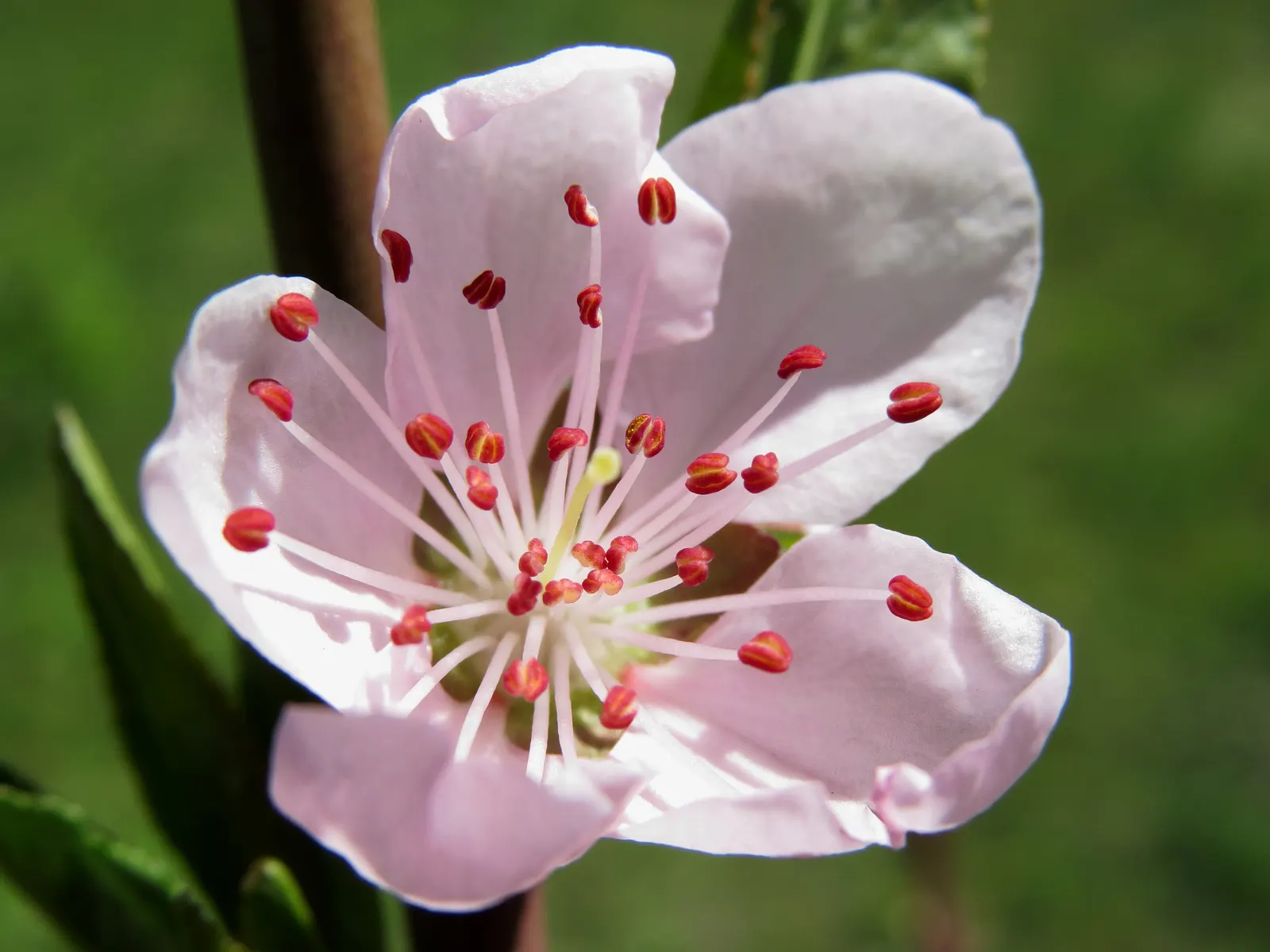
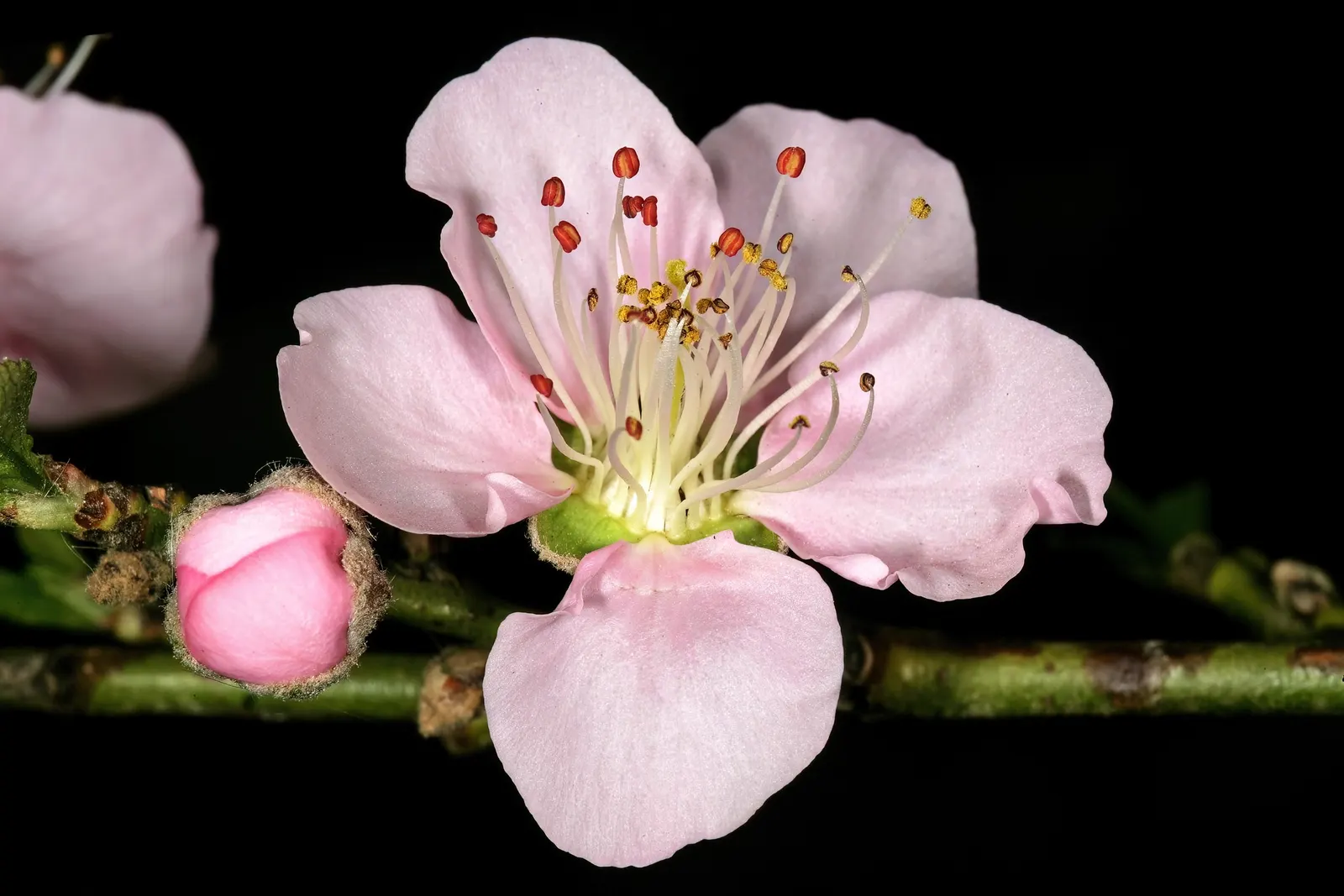
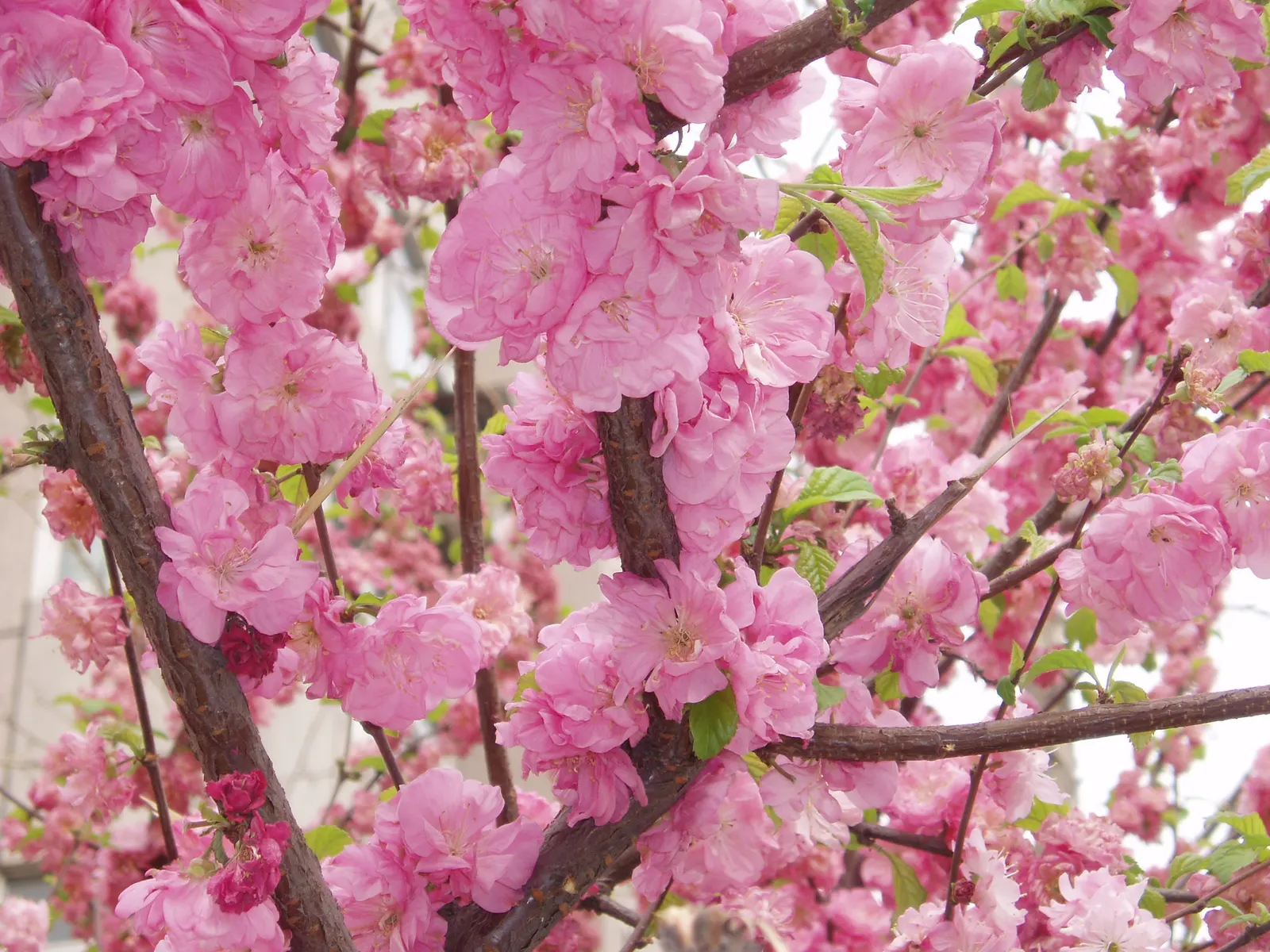
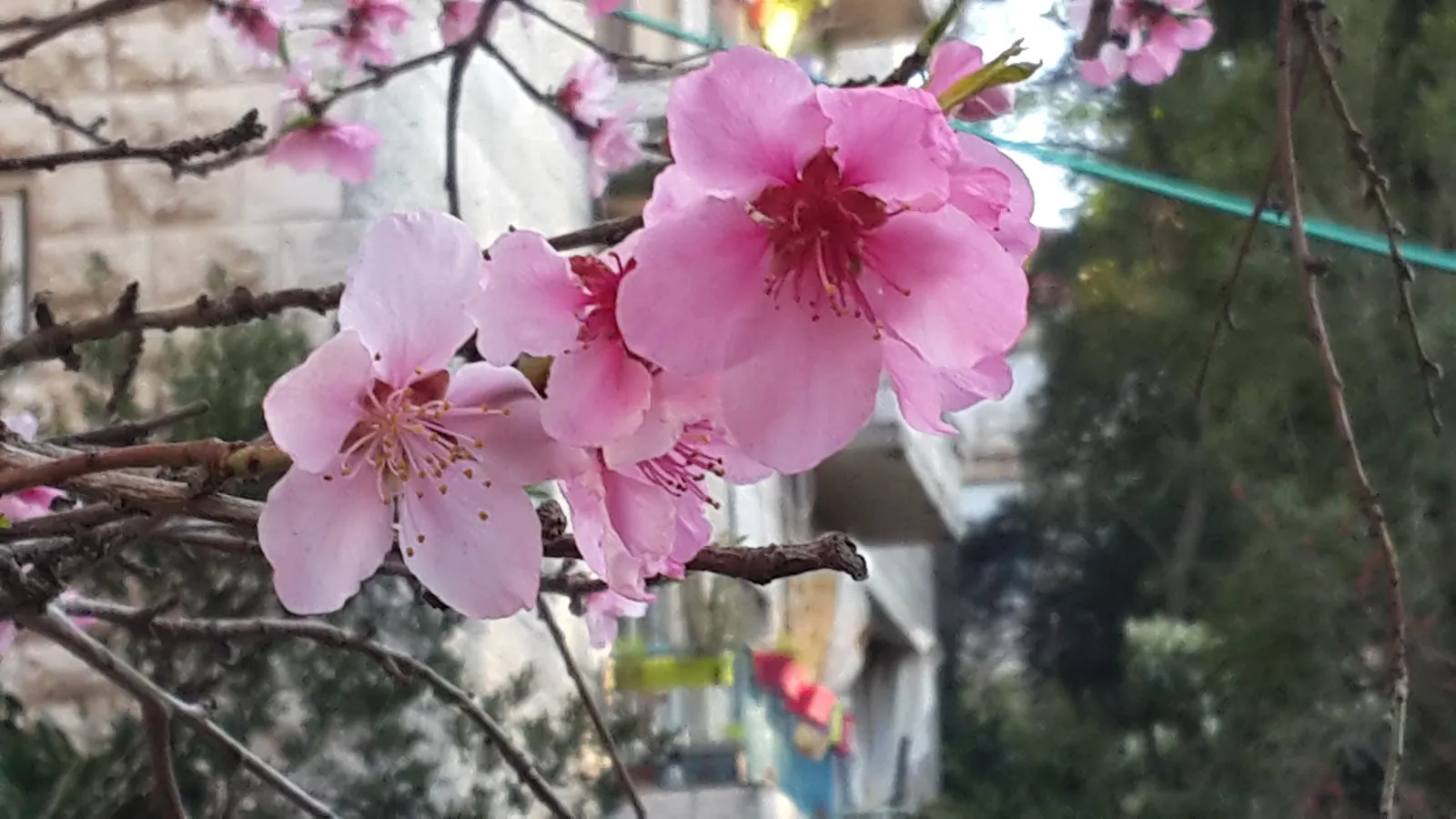
Edible Peach (Prunus Persica) — the peach tree boasts an array of pink to white flowers; as well as regular watering
Edible Peach (Prunus Persica) — with each velvety blossom measuring approximately one inch in diameter; commonly known as the Peach Tree
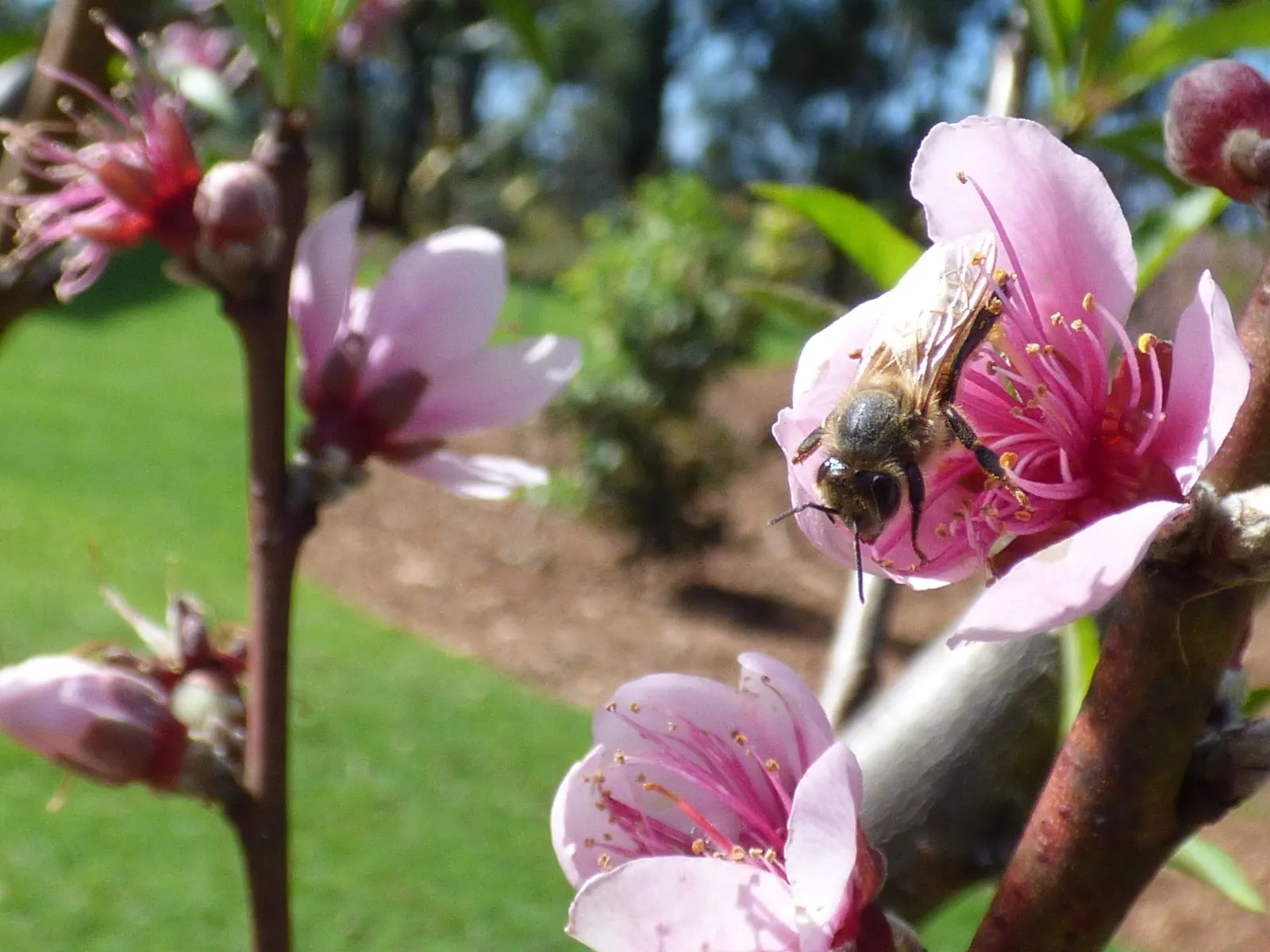
Edible Peach (Prunus Persica) — These flowers are not only ornamental but also signal the subsequent growth of the delectable peaches; commonly known as the
Edible Peach (Prunus Persica) — which reach maturity in late summer to early fall; the tree demands a sunny position
Edible Peach (Prunus Persica) — depending on the cultivar; which reach maturity in late summer to early fall
Edible Peach (Prunus Persica) — Each peach fruit can measure from 2.5 to 3 inches in diameter and is recognized by its fuzzy skin; especially during fruit
Edible Peach (Prunus Persica) — and sweet flavor.<br><br>To ensure a bountiful harvest; is a deciduous species famed for its delightful spring blossoms and
Edible Peach (Prunus Persica) — proper maintenance is required; is a deciduous tree prized for its luscious fruits and early-spring blossoms
Edible Peach (Prunus Persica) — including annual pruning for shape; with at least six hours of direct sunlight to thrive and produce high-quality fruit
Edible Peach (Prunus Persica) — as well as regular watering; depending on the cultivar
Edible Peach (Prunus Persica) — especially during fruit development; but typically 1 inch of water per week is recommended
Edible Peach (Prunus Persica) — but typically 1 inch of water per week is recommended; it thrives in full sun and well-drained soil within USDA zones 5-9
Edible Peach (Prunus Persica) — appealing to both the aesthetic and practical desires of any homeowner or garden enthusiast; native to China but widely
Edible Peach (Prunus Persica) — pink flowers in the garden; it also requires well-drained
Edible Peach (Prunus Persica) — tree with pink blooms; each peach fruit can measure from 2.5 to 3 inches in diameter and is recognized by its fuzzy skin
Edible Peach (Prunus Persica) — tree for full; appealing to both the aesthetic and practical desires of any homeowner or garden enthusiast
Edible Peach (Prunus Persica) — commonly known as the Peach Tree; mature trees reach 15-25 feet in height with an equal spread, image 69
Edible Peach (Prunus Persica) — is a deciduous species famed for its delightful spring blossoms and succulent summer fruits; this tree typically, image 70
Edible Peach (Prunus Persica) — It thrives in full sun and well-drained soil within USDA zones 5-9; with a pH range of 6 to 7 for optimal, image 71

Related plants