Skip to content

Common Plum

Prunus Domestica

Design with this plant

Overview

Prunus domestica, or Common Plum, is a deciduous tree that thrives in well-drained soil with full sun, reaching up to 20 feet in height and spread. This coveted cultivar produces fragrant flowers in early spring, followed by an abundant crop of juicy fruits by late summer. Its lush foliage adds vibrant greenery, turning yellow in the fall. Hardy in USDA zones 4-9, it's perfect for garden focal points and edible landscapes.

Sun FullWater Extra in Summer, MediumZones 5–10Type TreeClimate Temperate
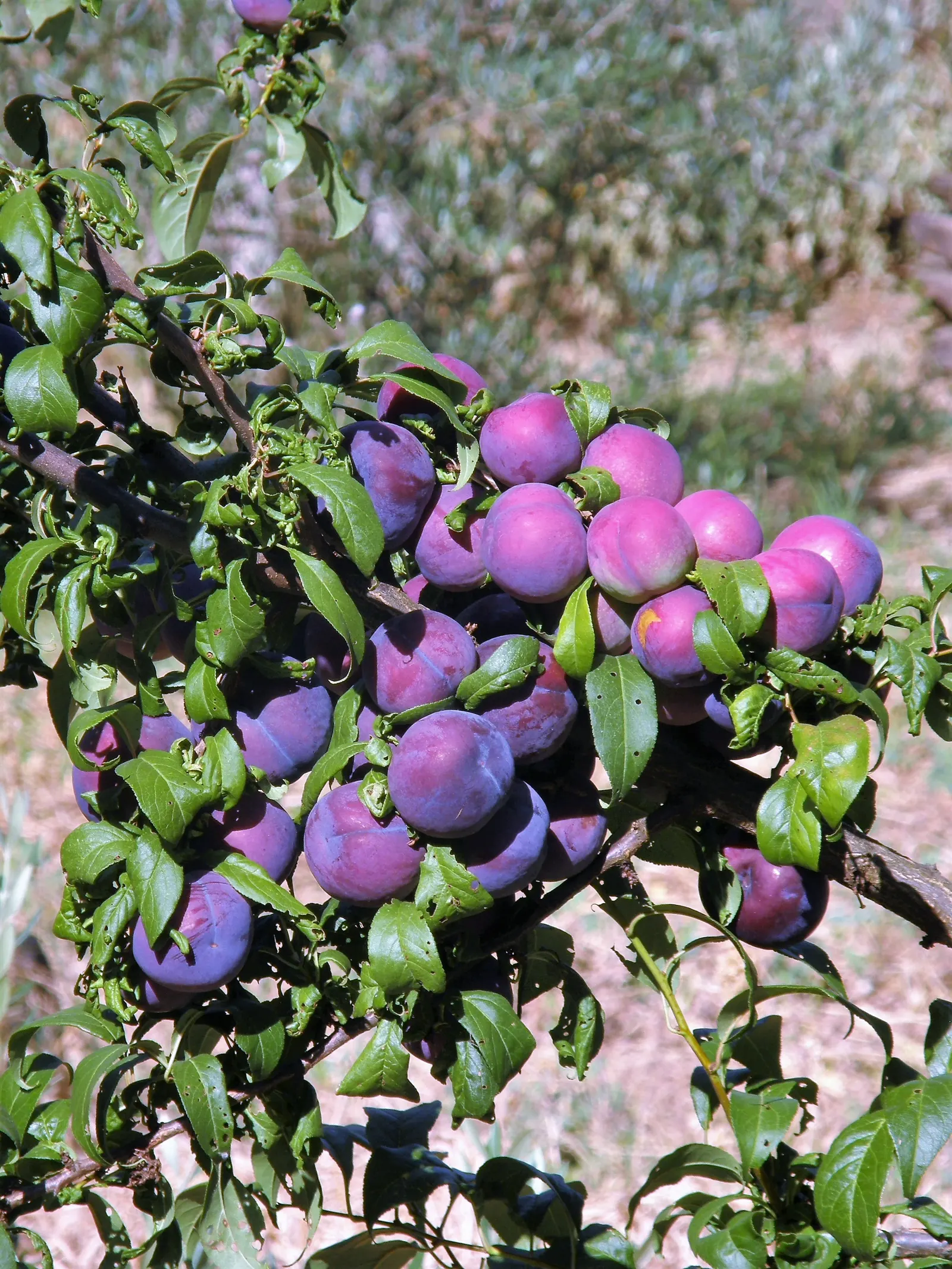
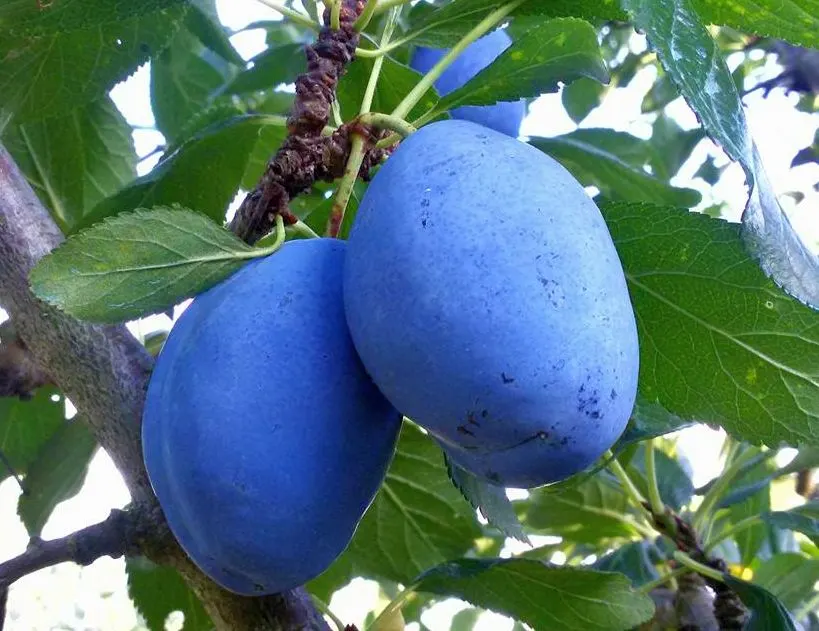
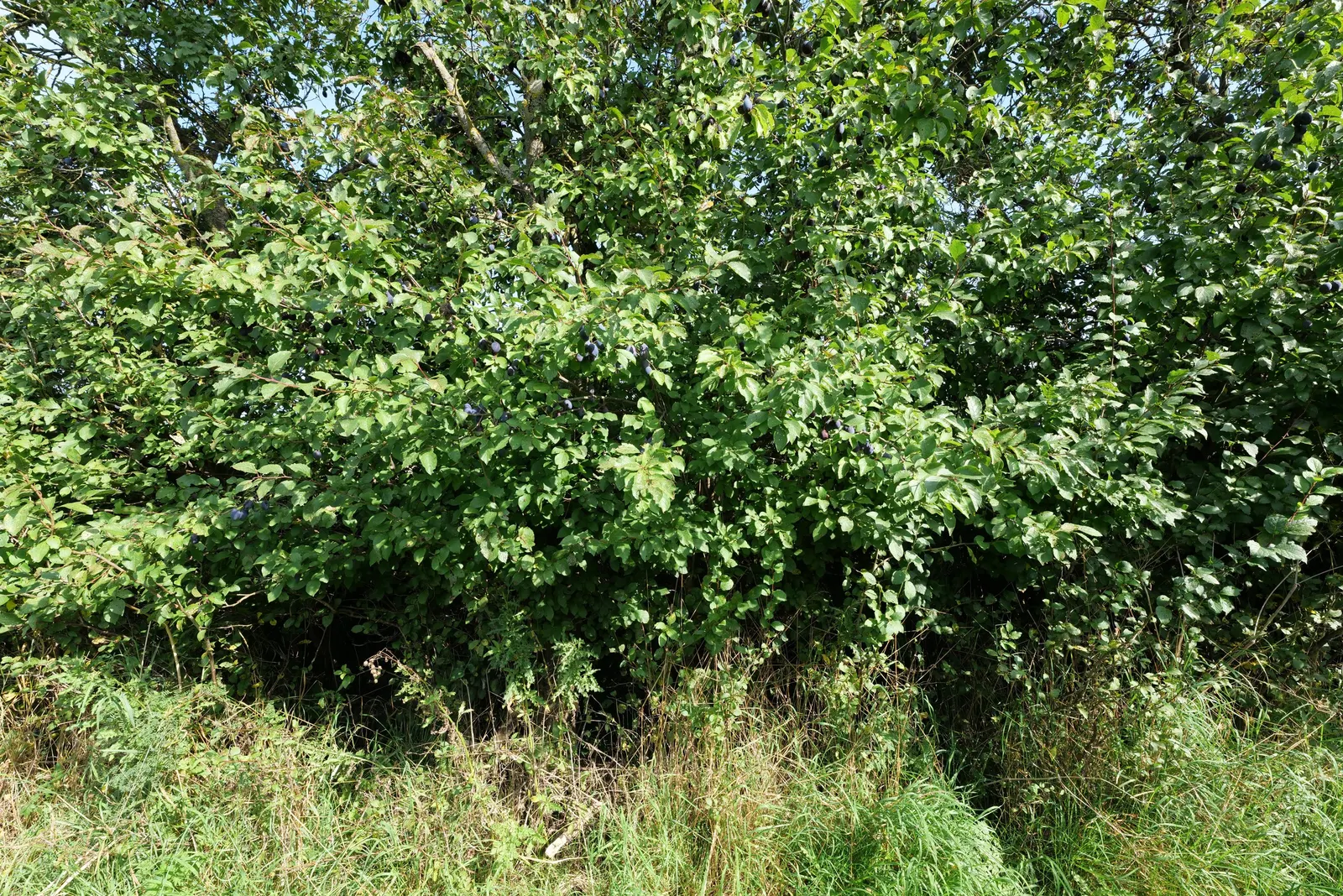
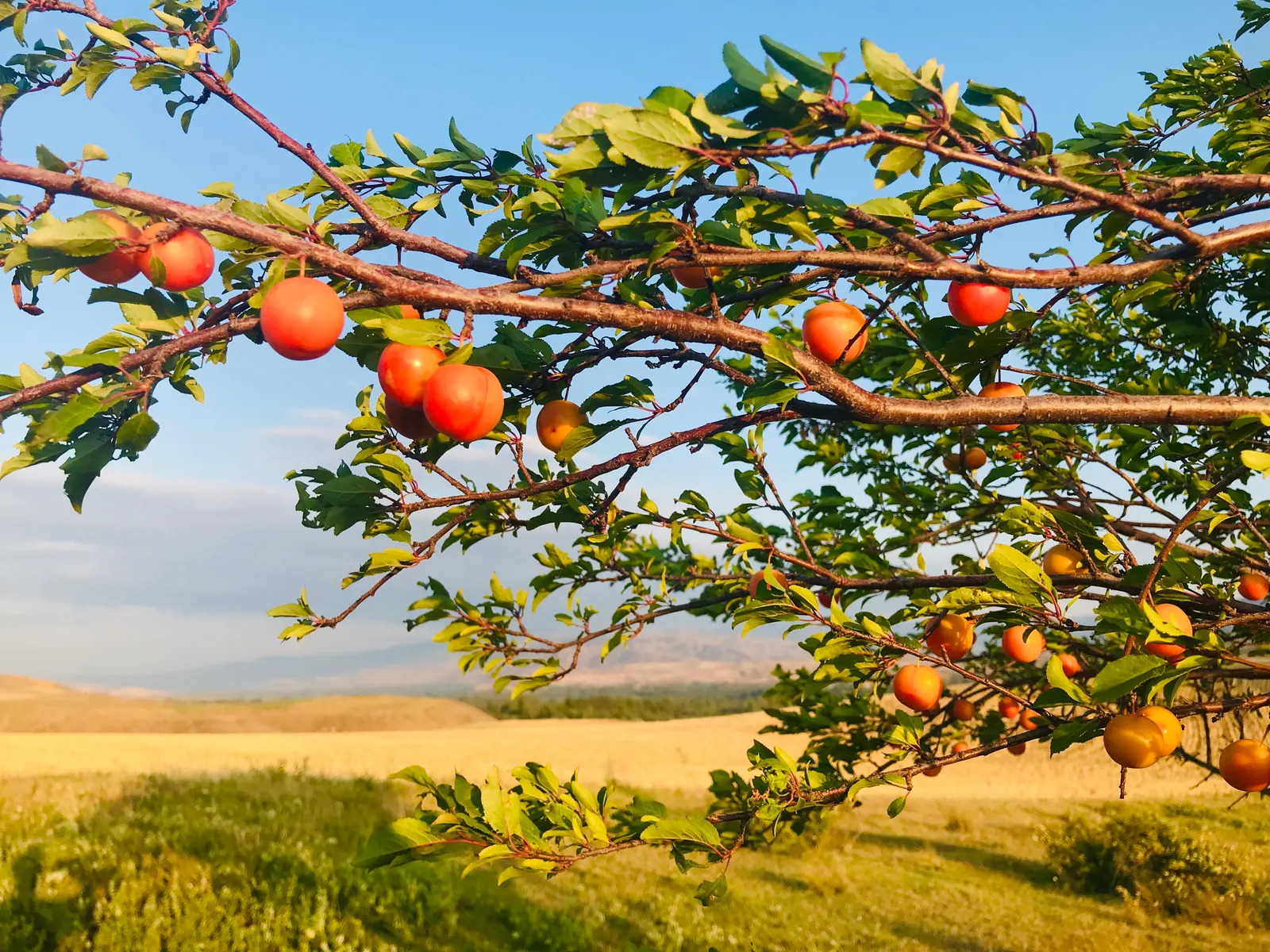
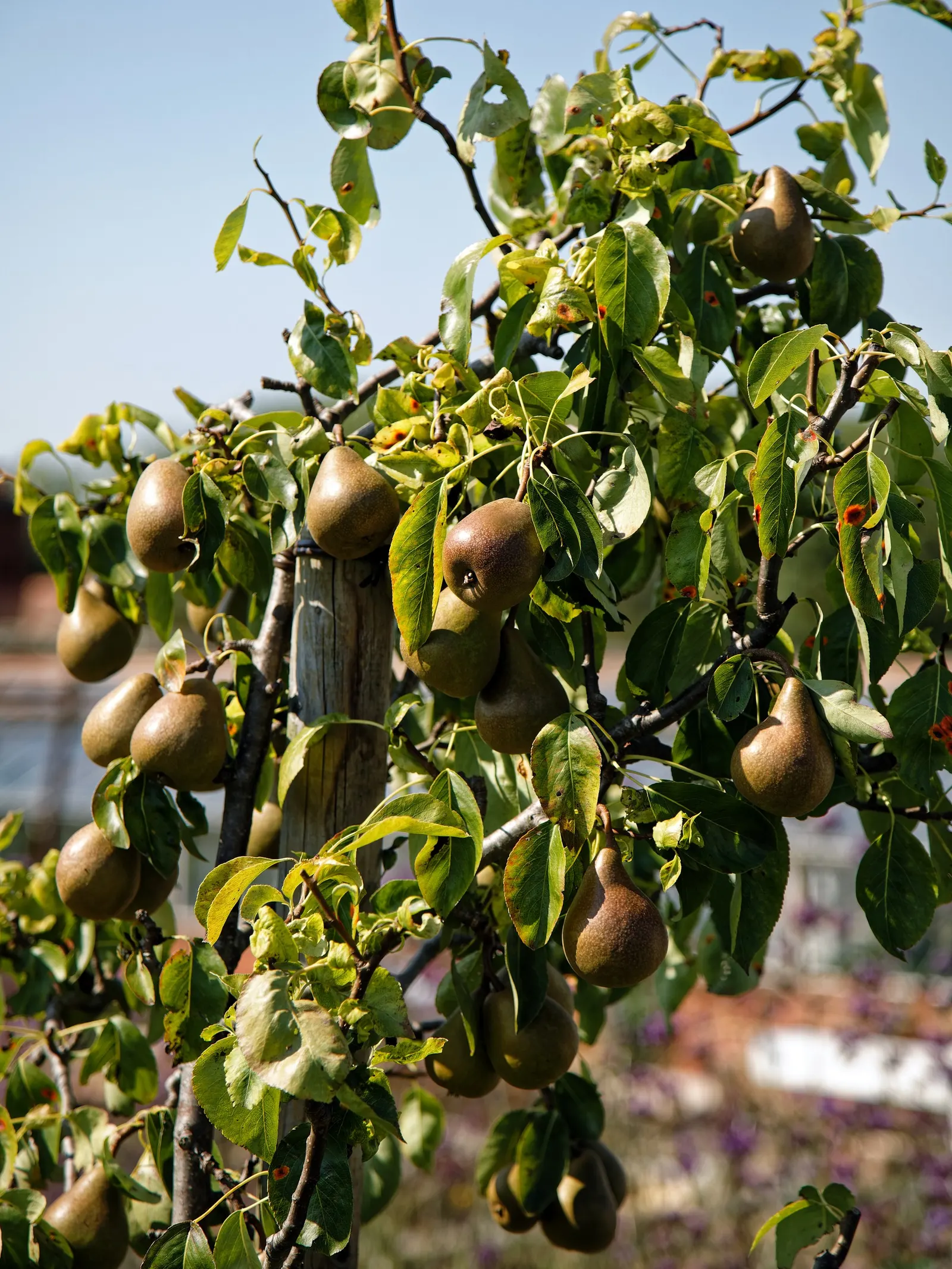
Common Plum (Prunus Domestica) — is a deciduous tree that thrives in well-drained soil with full sun; followed by an abundant crop of juicy fruits, image 133

Culture

Sun
Full
Water
Extra in Summer, Medium
USDA zones
5–10

Shape & size

Classification

Type
Tree
Family
Rosaceae
Climate
Temperate

See full data, regional cultivation notes, and design tools. Build a client presentation around this plant.

Start your 14-day trial

Photos (166)

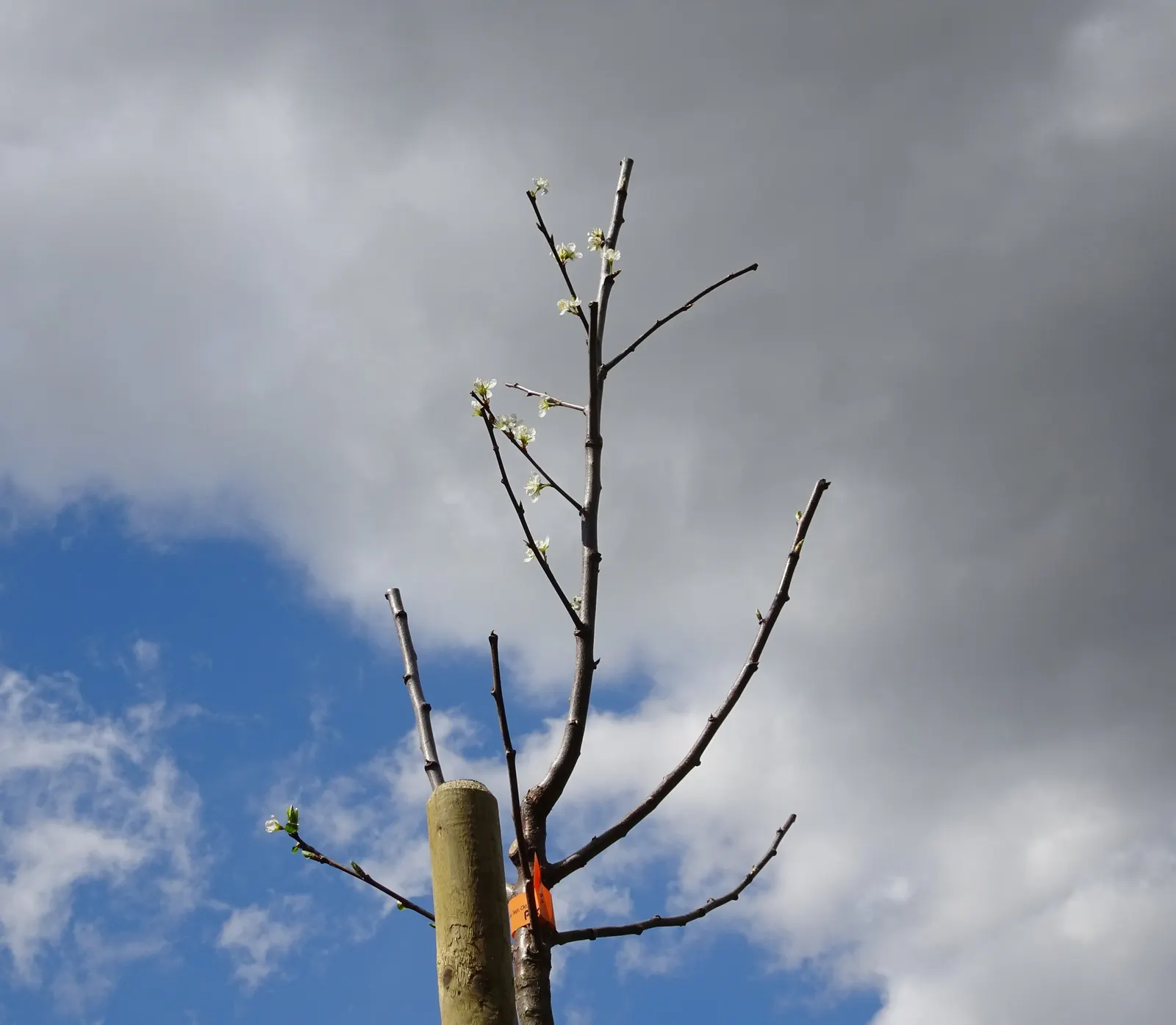
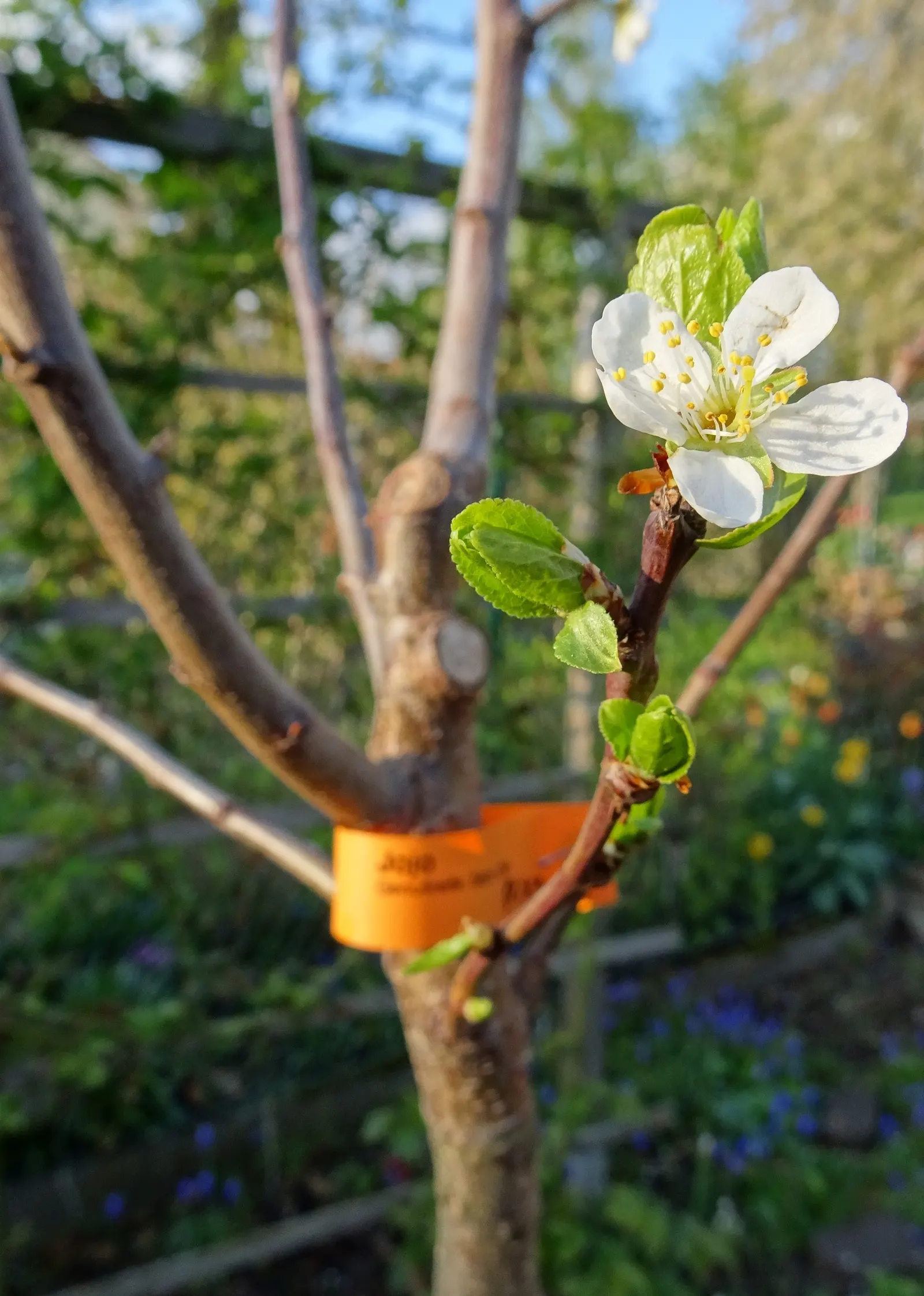
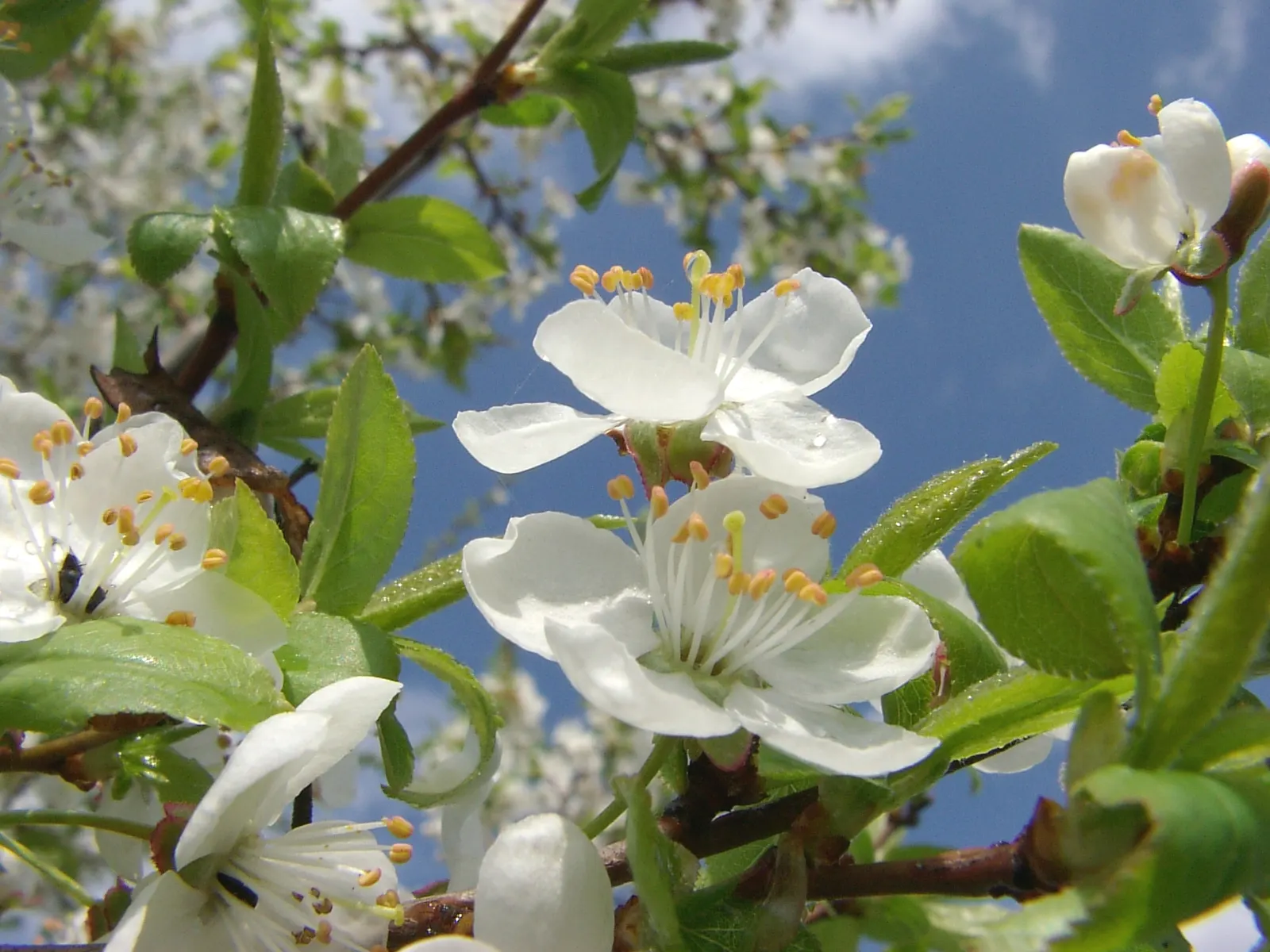
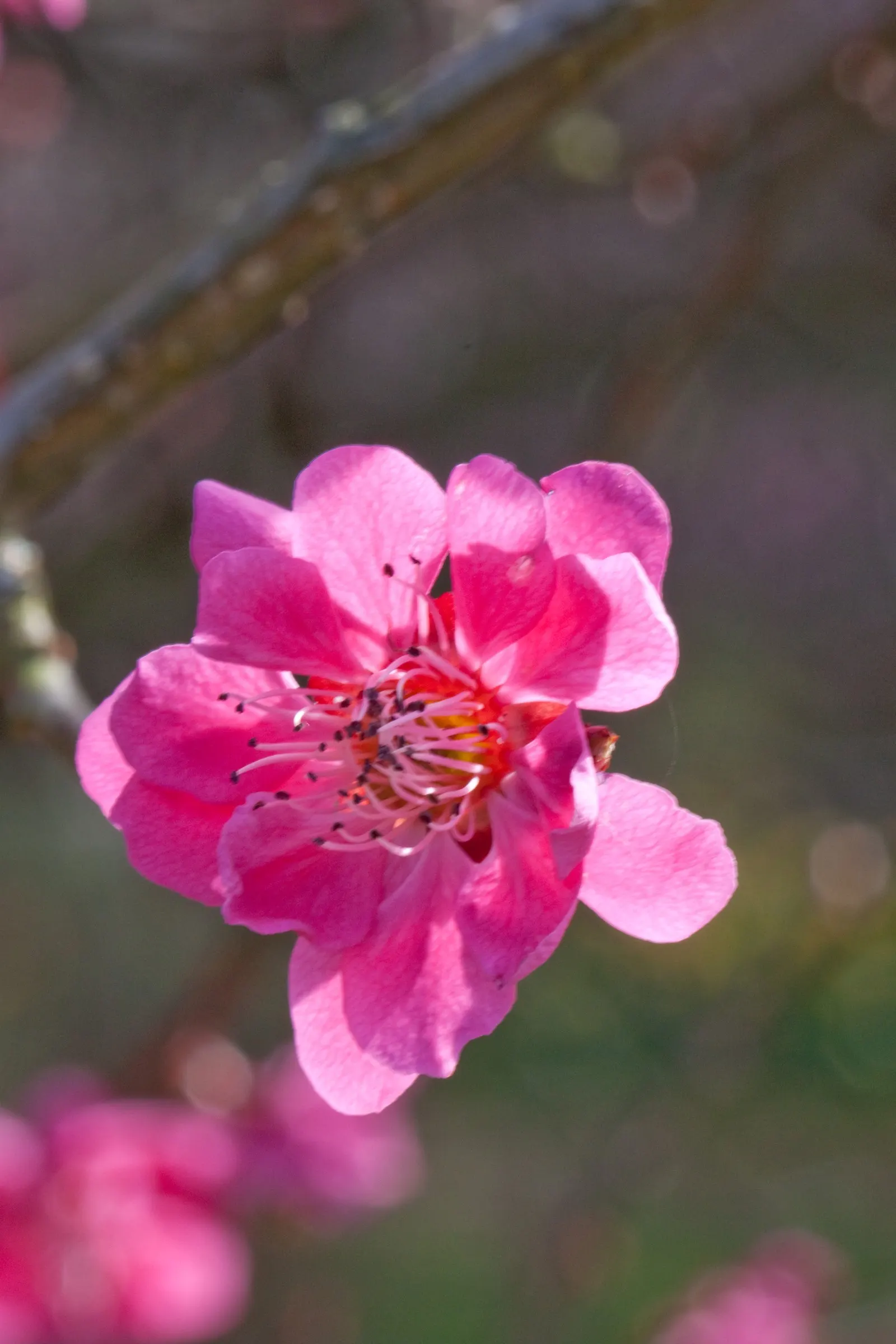
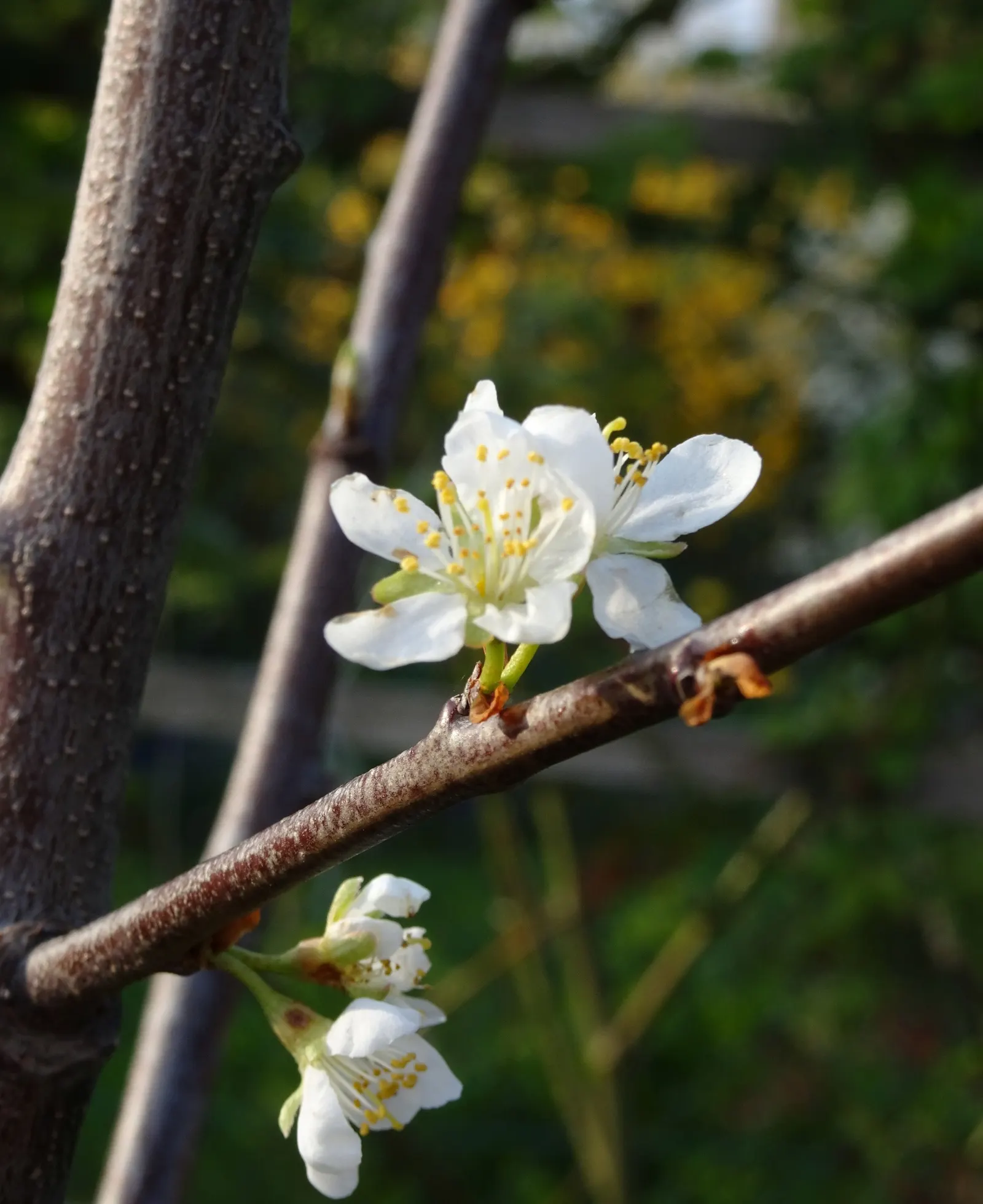
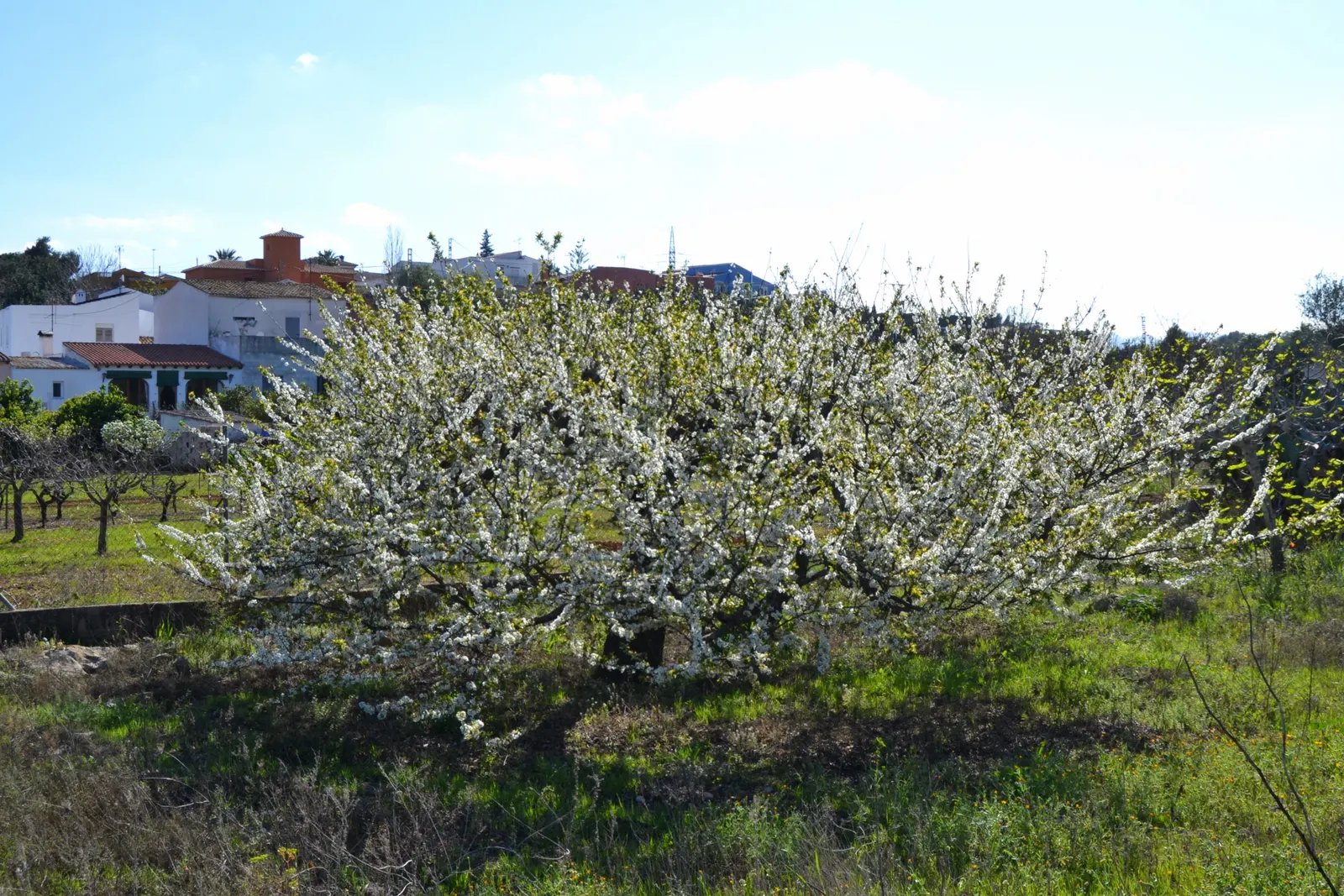
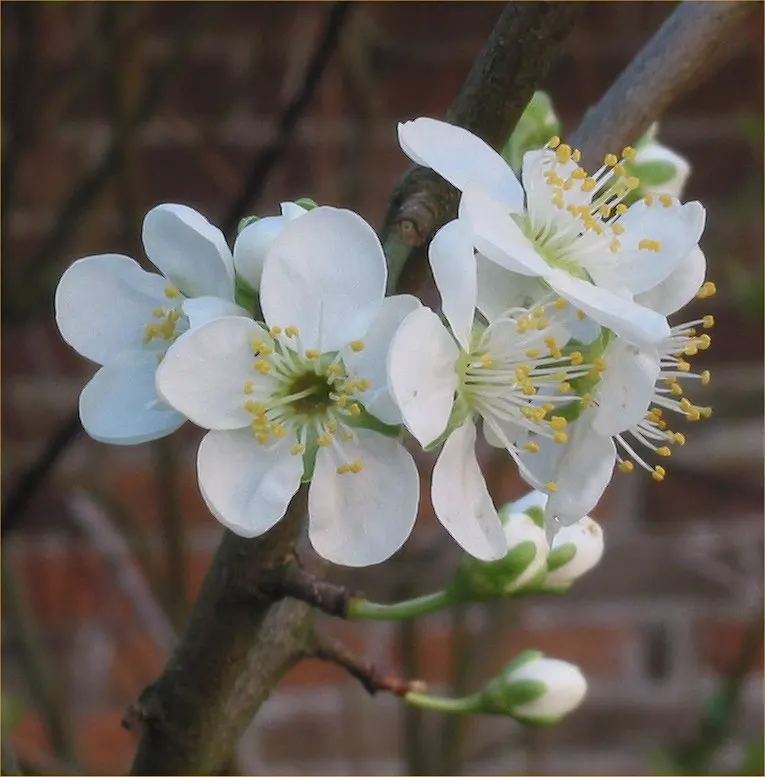
Common Plum (Prunus Domestica) — These flowers not only contribute to the tree's ornamental value but also attract pollinators; it typically, image 143
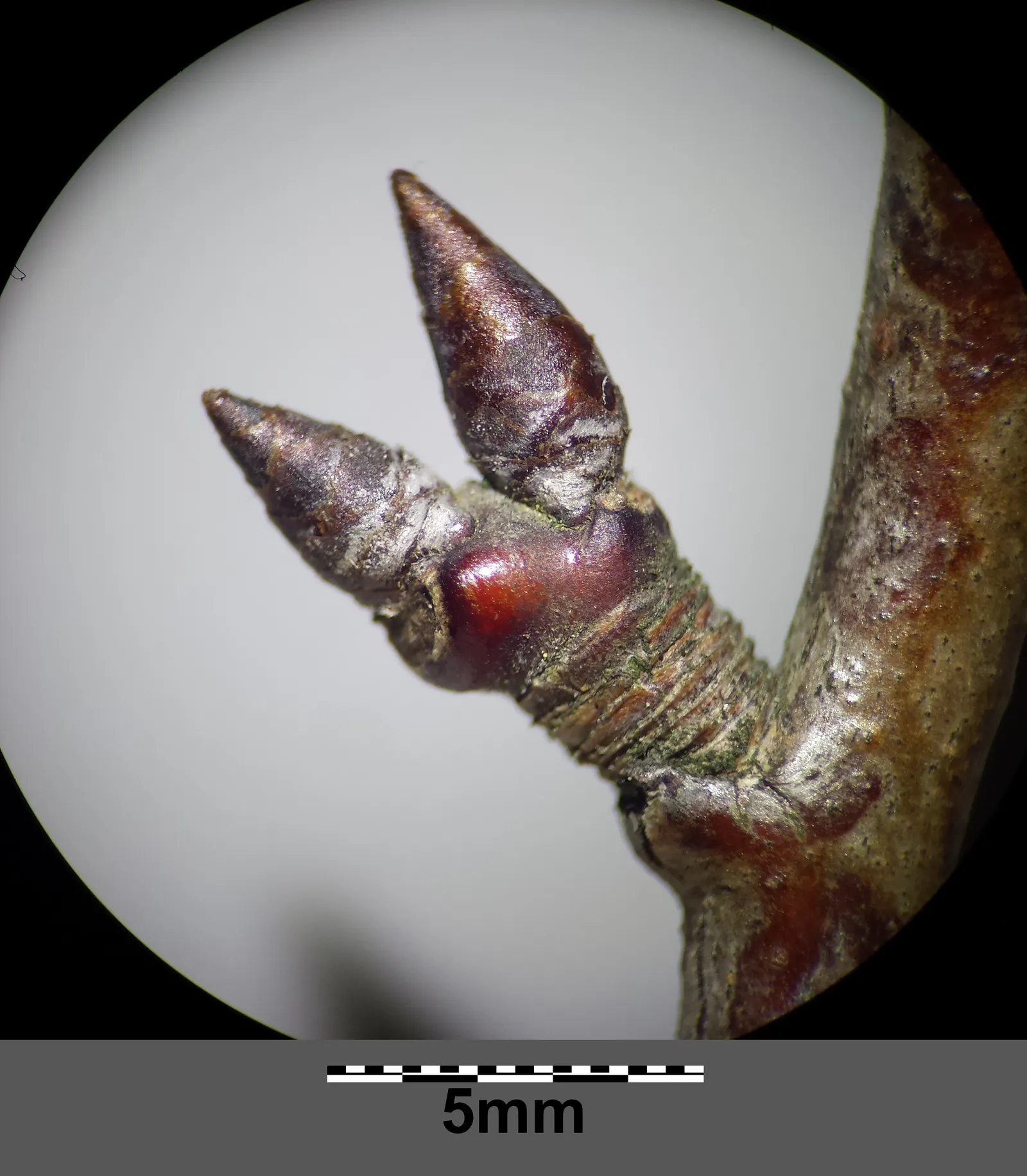
Common Plum (Prunus Domestica) — or canning.<br><br>For optimal health and fruit yield; its trunk and branches exhibit a dark, image 82
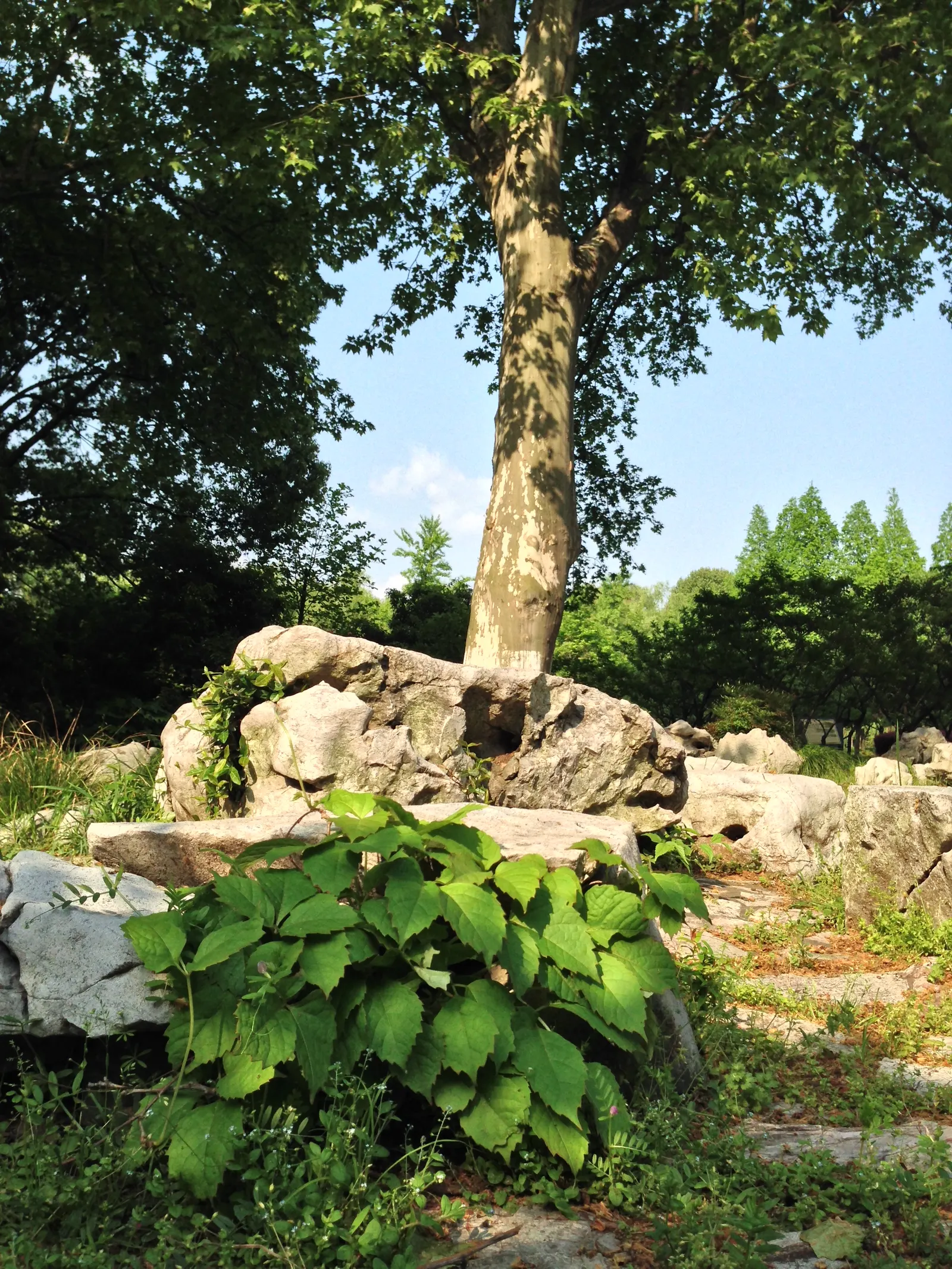
Common Plum (Prunus Domestica) — and while it is adaptable to various soil types; its lush foliage adds vibrant greenery, turning yellow in the fall, image 86
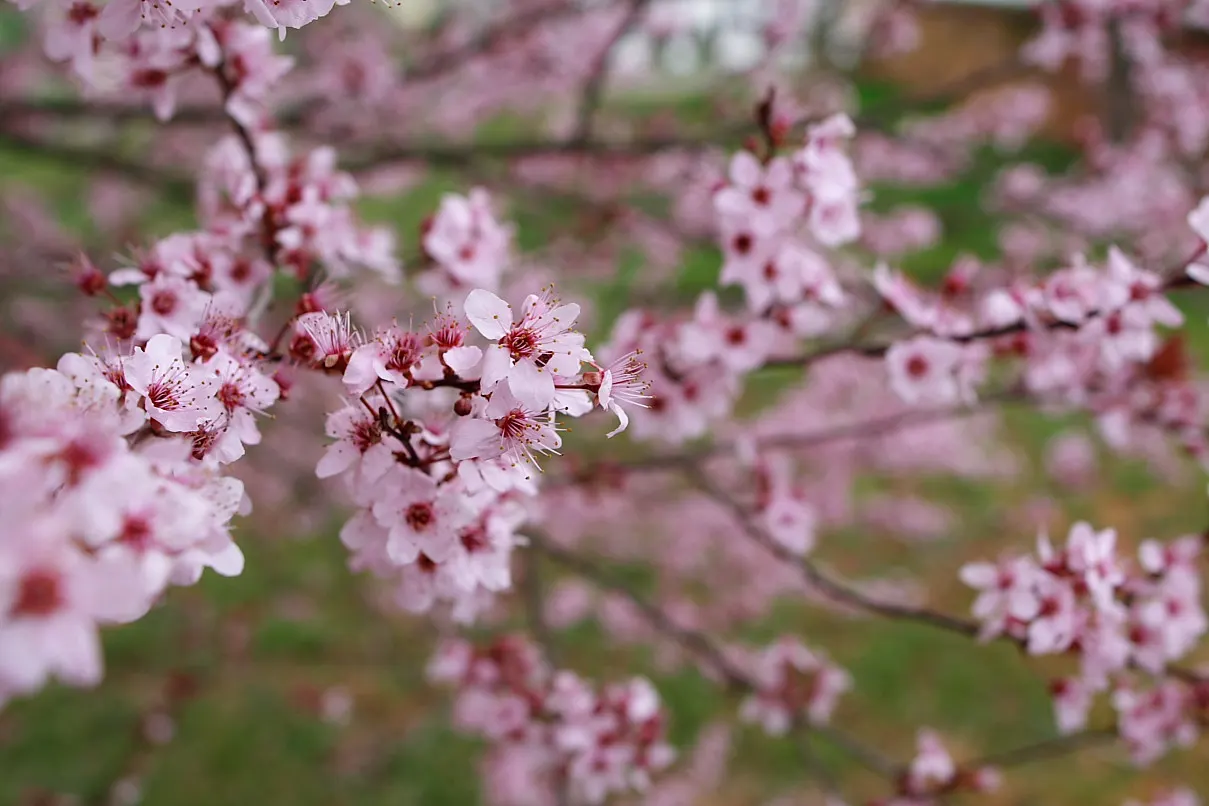
Common Plum (Prunus Domestica) — This coveted cultivar produces fragrant flowers in early spring; with at least six hours of direct sunlight per day, image 69
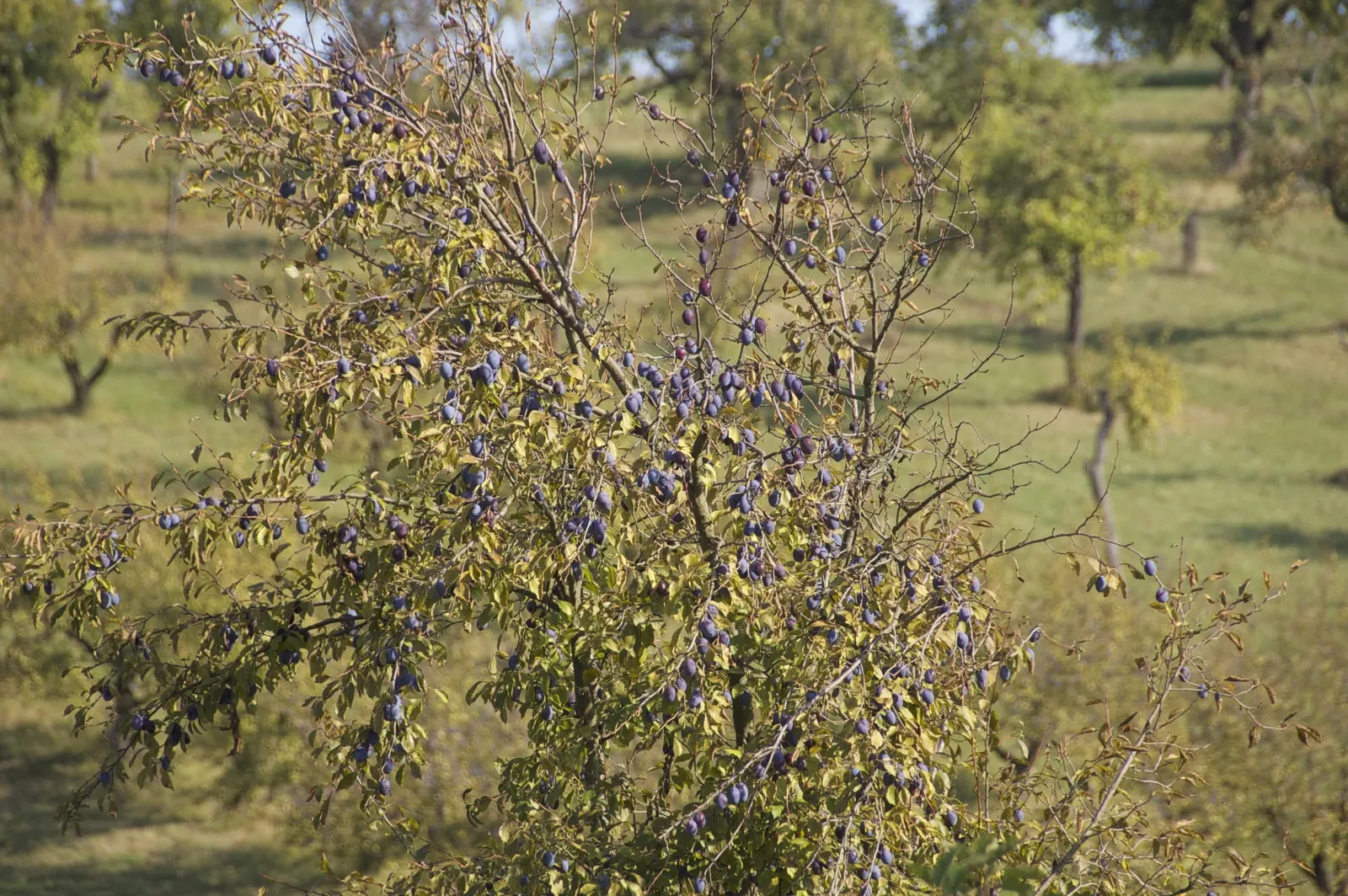
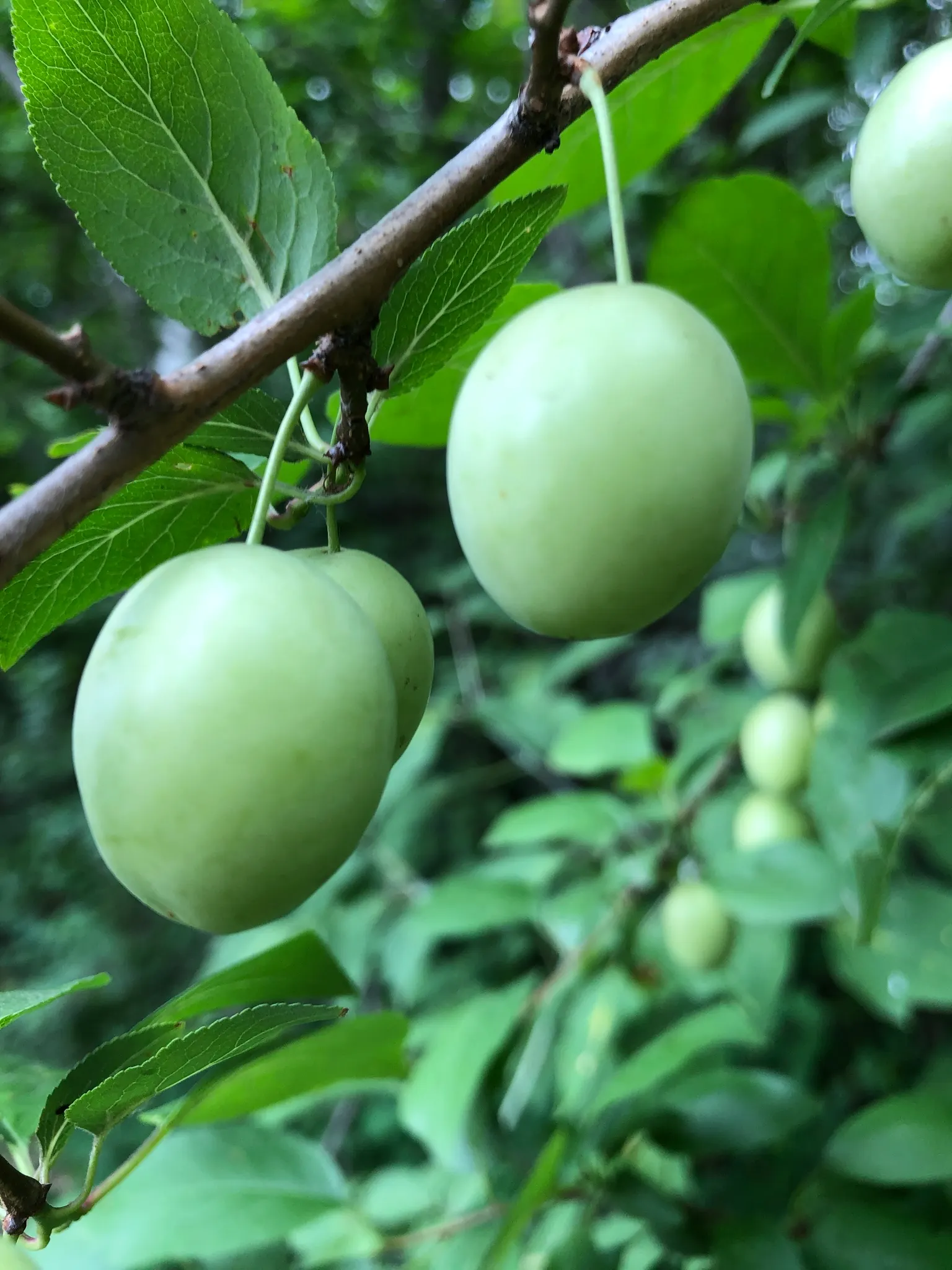
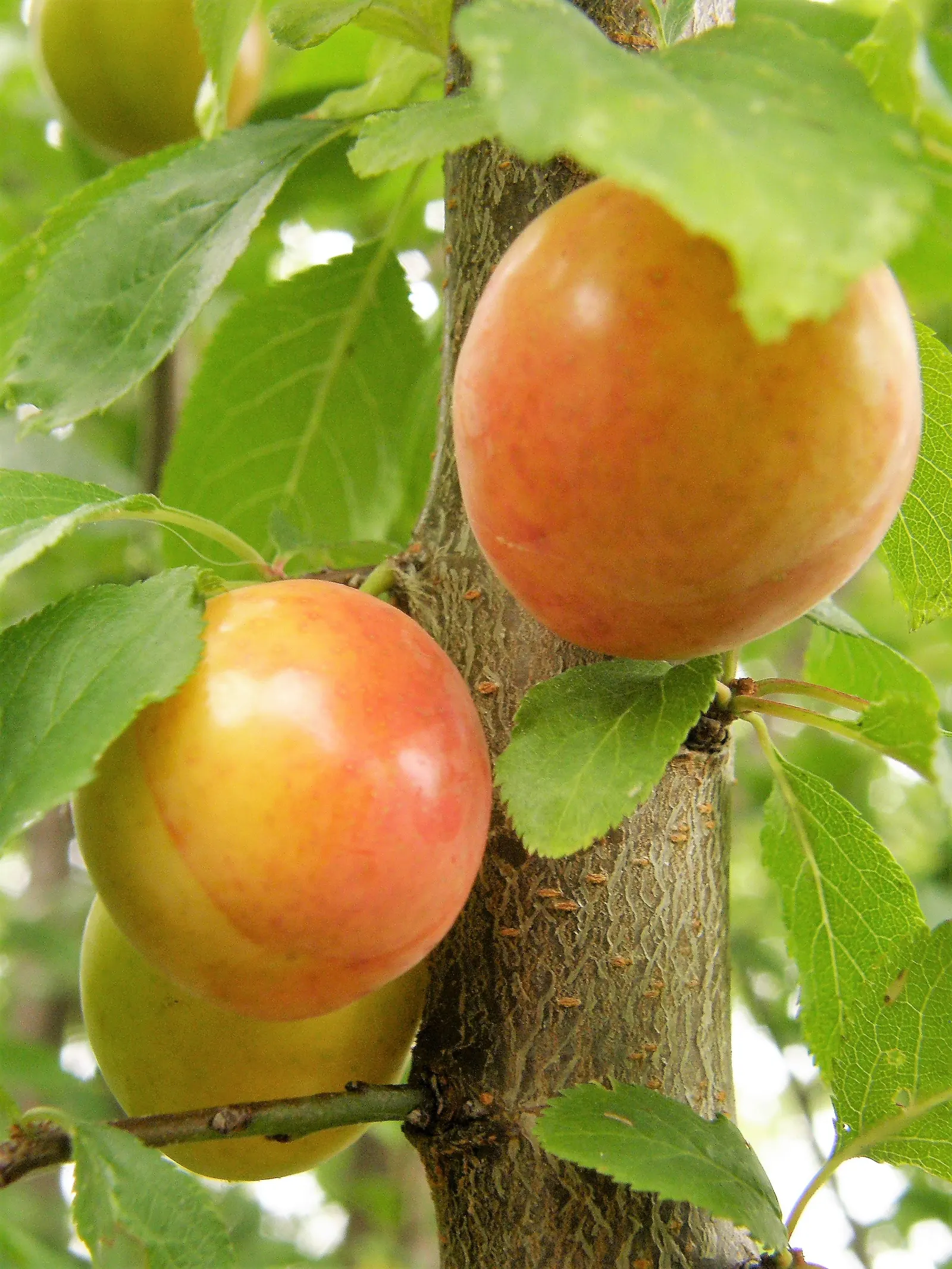
Common Plum (Prunus Domestica) — followed by an abundant crop of juicy fruits by late summer; removing dead or crossing branches to encourage, image 136
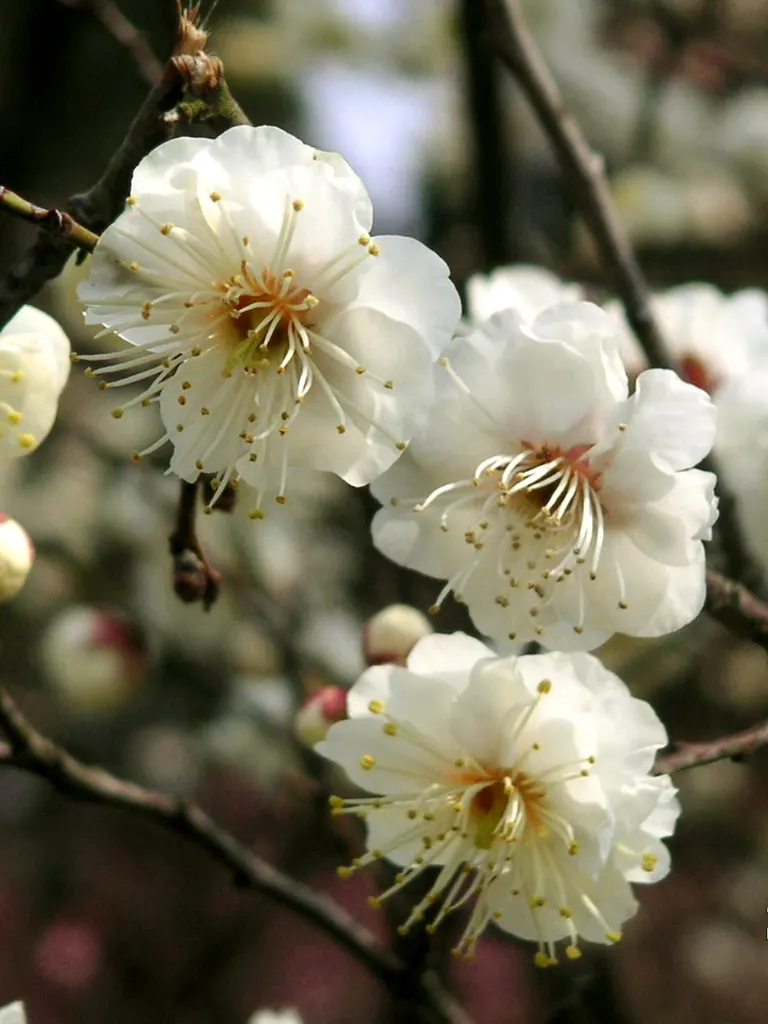
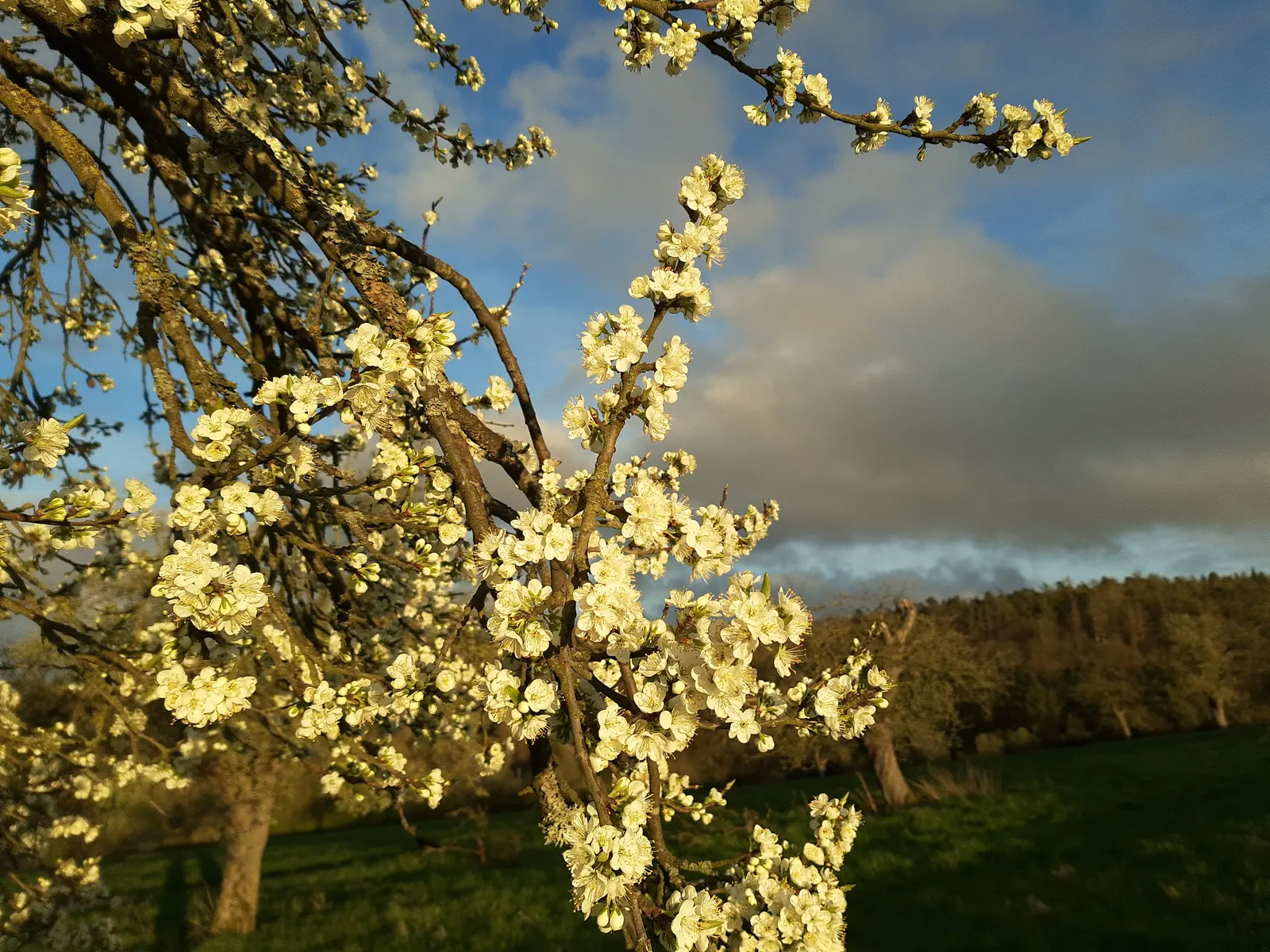
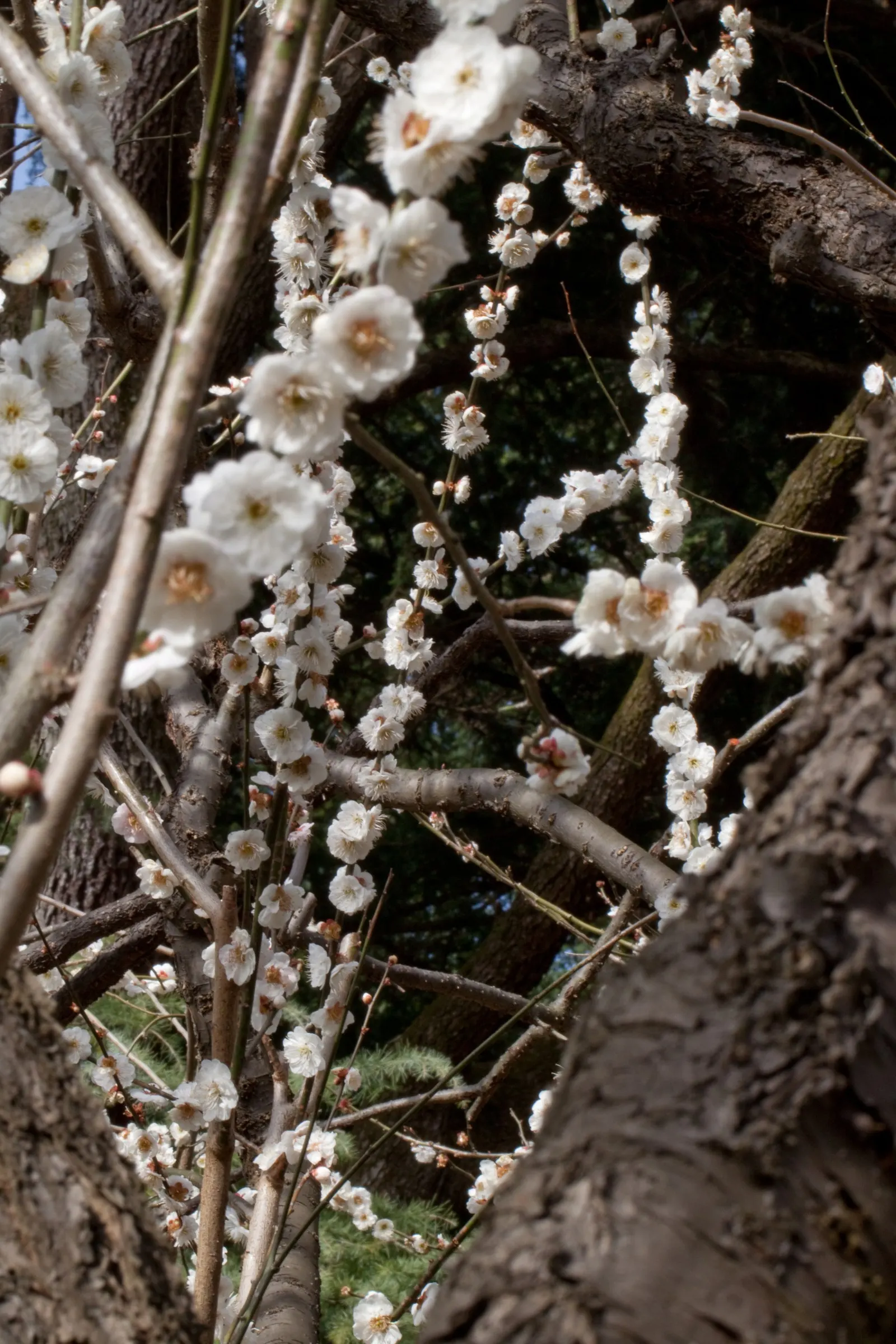
Common Plum (Prunus Domestica) — Well-draining soil is crucial to prevent root rot; white flowers in the garden
Common Plum (Prunus Domestica) — is a deciduous tree that offers both aesthetic appeal and delightful fruit; by mid to late summer, the foliage gives way to
Common Plum (Prunus Domestica) — especially during the establishment phase and fruiting season
Common Plum (Prunus Domestica) — Hardy in USDA zones 4-9, it's perfect for garden focal points and edible landscapes, image 72
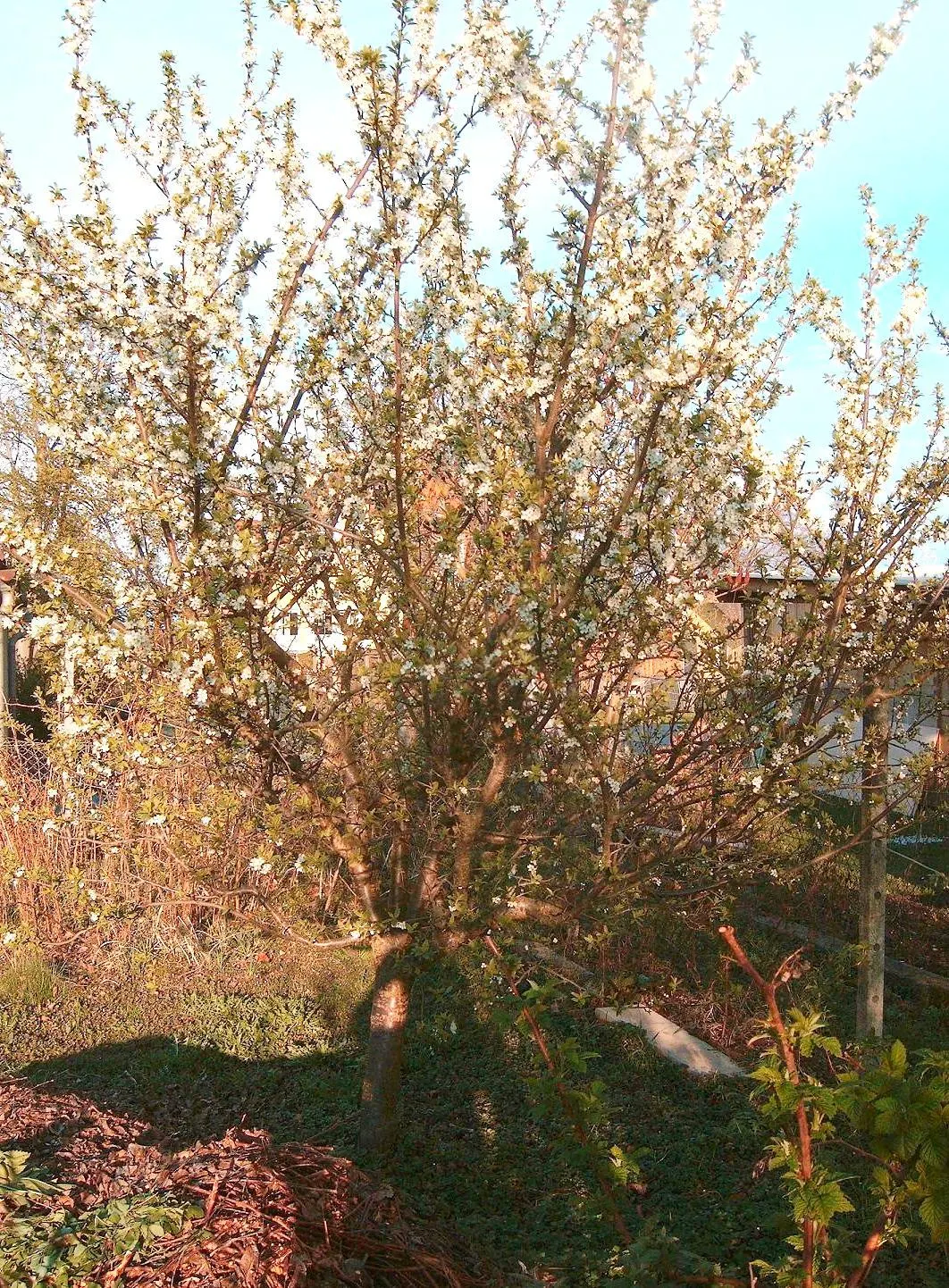
Common Plum (Prunus Domestica) — the Common Plum is an attractive and rewarding addition to any garden; reaching up to 20 feet in height and spread
Common Plum (Prunus Domestica) — removing dead or crossing branches to encourage healthy development.<br><br>When designing landscapes; is a deciduous tree
Common Plum (Prunus Domestica) — followed by an abundant crop of juicy fruits by late summer; removing dead or crossing branches to encourage, image 70
Common Plum (Prunus Domestica) — Its trunk and branches exhibit a dark; is a deciduous tree that thrives in well-drained soil with full sun, image 142
Common Plum (Prunus Domestica) — Pruning in the late winter or early spring helps maintain the tree's structure
Common Plum (Prunus Domestica) — vital for fruit production
Common Plum (Prunus Domestica) — providing beauty and bounty for the discerning homeowner
Common Plum (Prunus Domestica) — By mid to late summer, the foliage gives way to the tree's prized plums
Common Plum (Prunus Domestica) — an anchor in a mixed border; a pH ranging from slightly acidic to neutral is ideal.<br><br>Regular watering is, image 126
Common Plum (Prunus Domestica) — tree for full; providing beauty and bounty for the discerning homeowner, image 99
Common Plum (Prunus Domestica) — Its trunk and branches exhibit a dark; is a deciduous tree that thrives in well-drained soil with full sun, image 109
Common Plum (Prunus Domestica) — or part of an orchard set for practical harvesting, image 127
Common Plum (Prunus Domestica) — Featuring a skin that ranges from deep purple to yellow or green
Common Plum (Prunus Domestica) — especially during the establishment phase and fruiting season; well-draining soil is crucial to prevent root rot, image 121
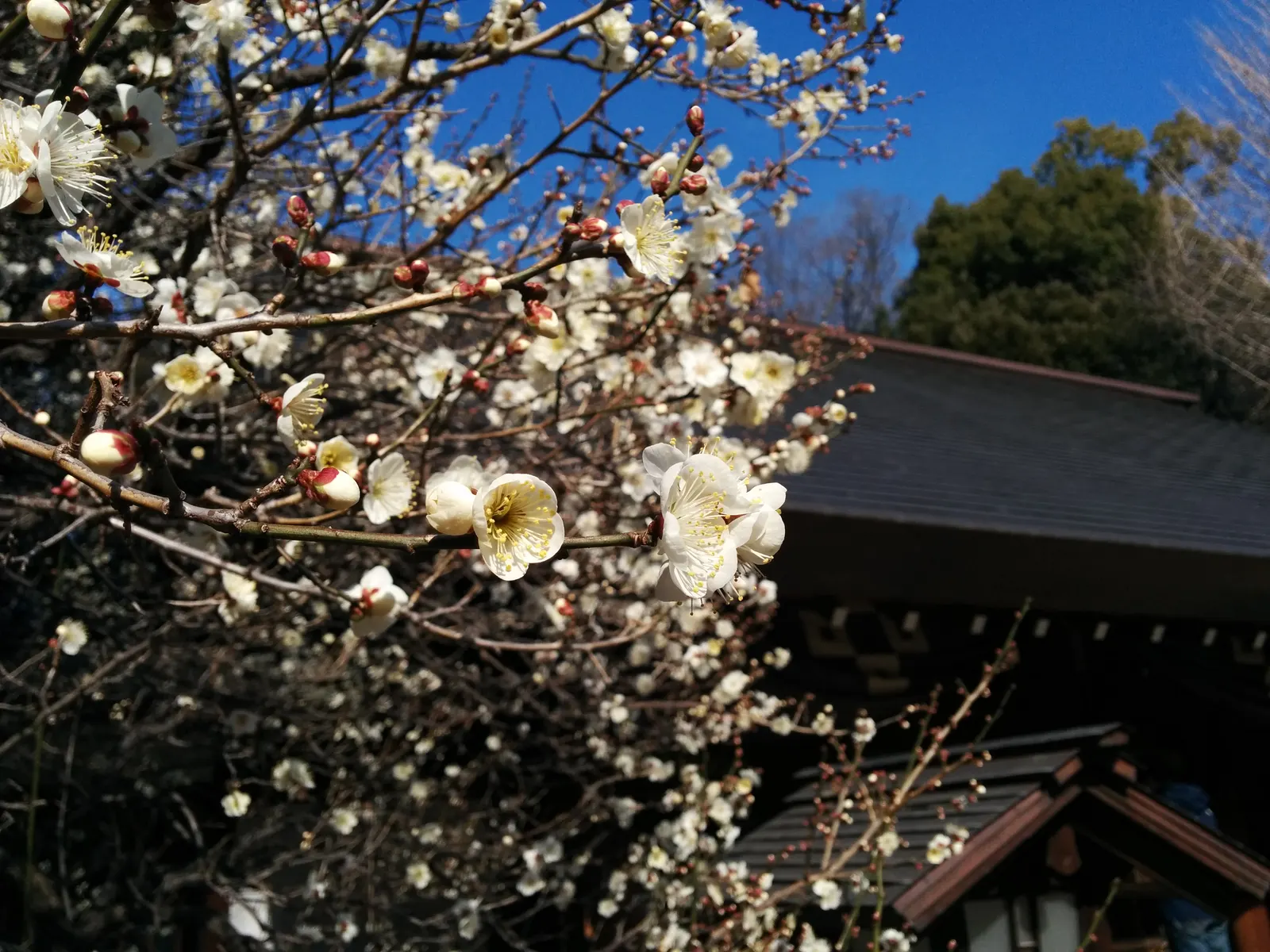
Common Plum (Prunus Domestica) — Its lush foliage adds vibrant greenery, turning yellow in the fall; tree with white blooms, image 71
Photographs by 13 contributors

Related plants