Skip to content

Sweet Cherry

Prunus Avium

Design with this plant

Overview

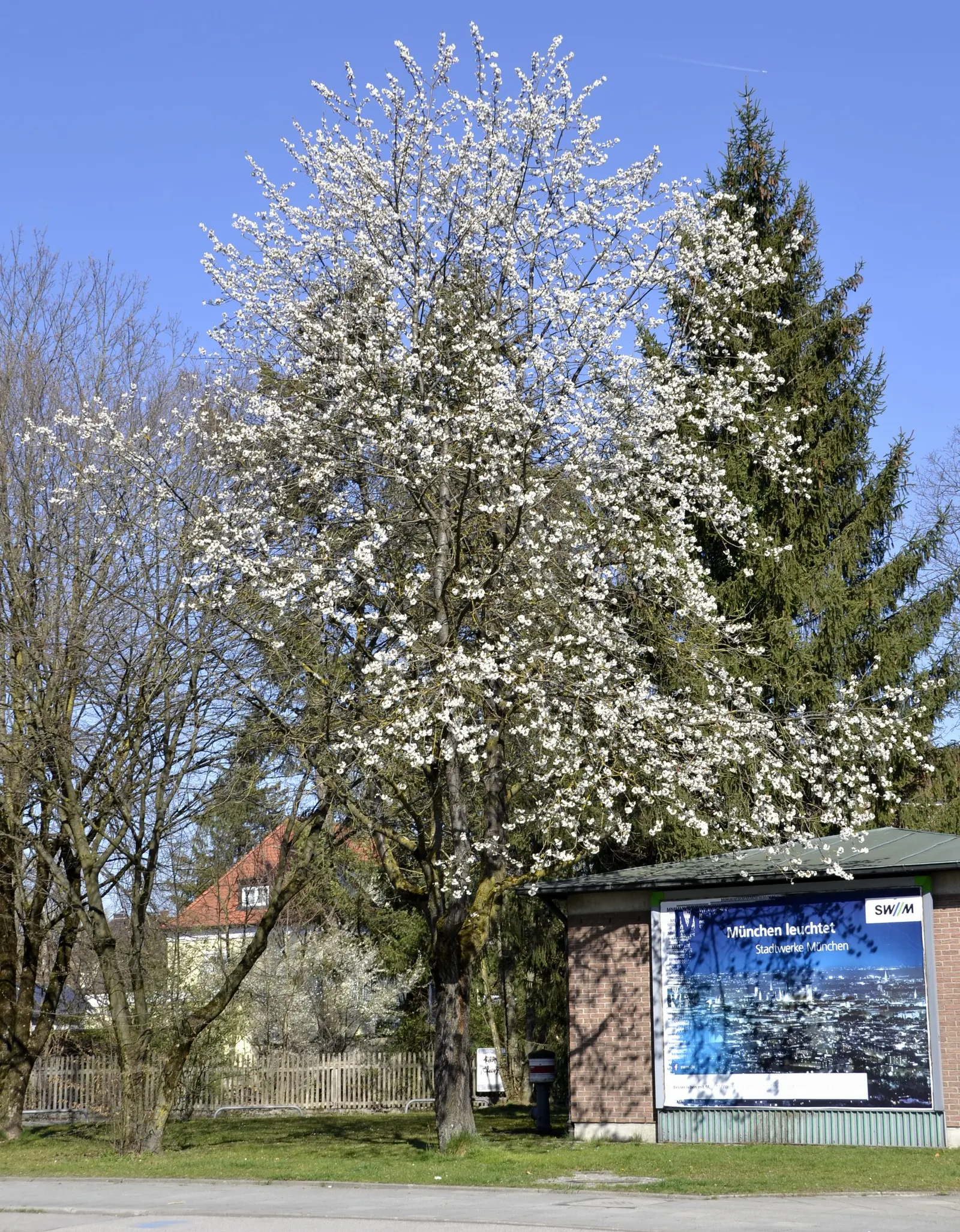
Prunus avium, or Sweet Cherry, is a deciduous tree valued for its spring blossoms and edible fruit. Reaching heights of 15 to 30 feet, with a 15 to 25-foot spread, it prefers well-drained, fertile soil with full sun. Features glossy green leaves and smooth bark, making it an attractive ornamental. Ideal for zones 5 to 7, it requires regular watering and occasional pruning to maintain health and shape.

Sun FullWater MediumZones 5–10Type TreeClimate Temperate
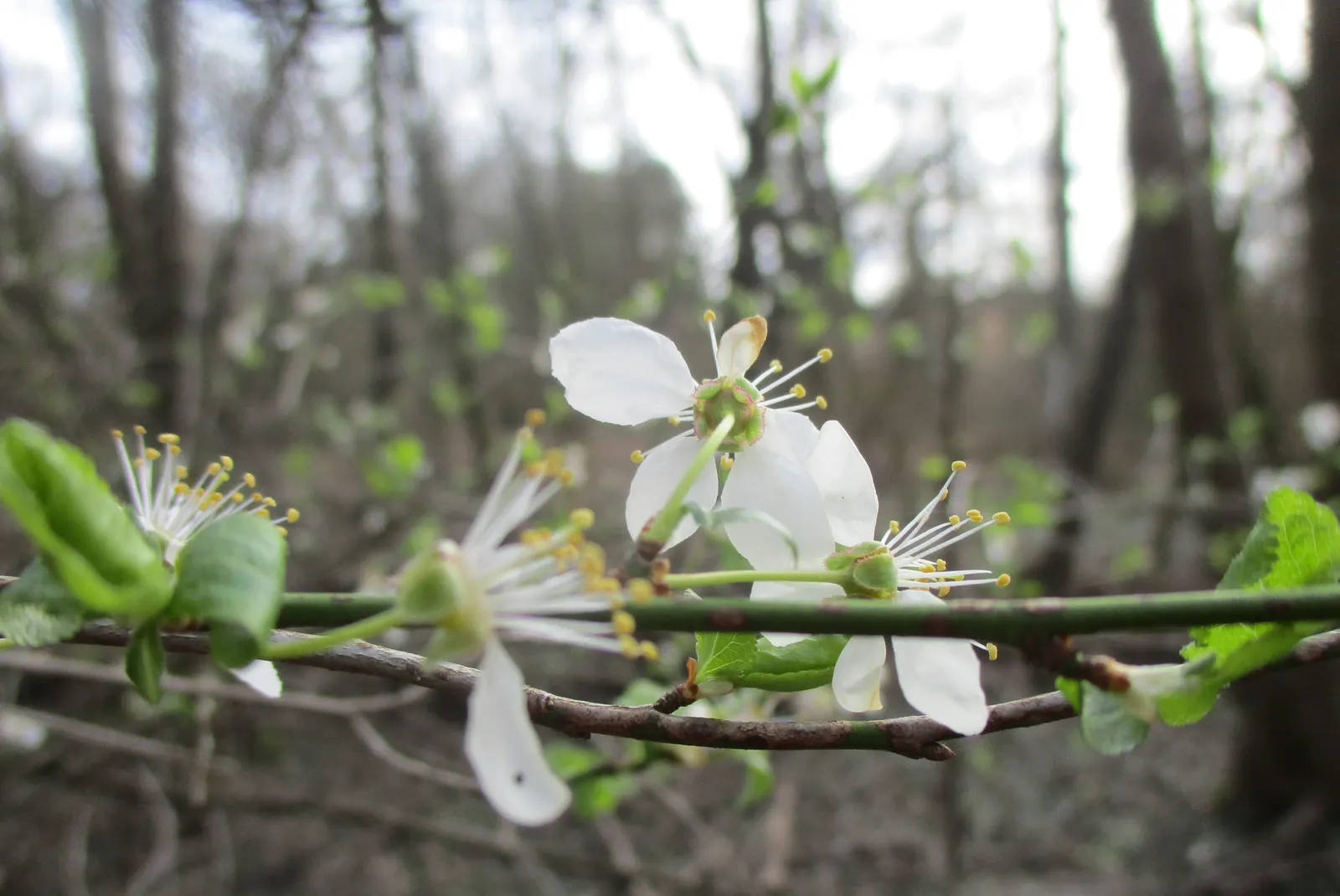
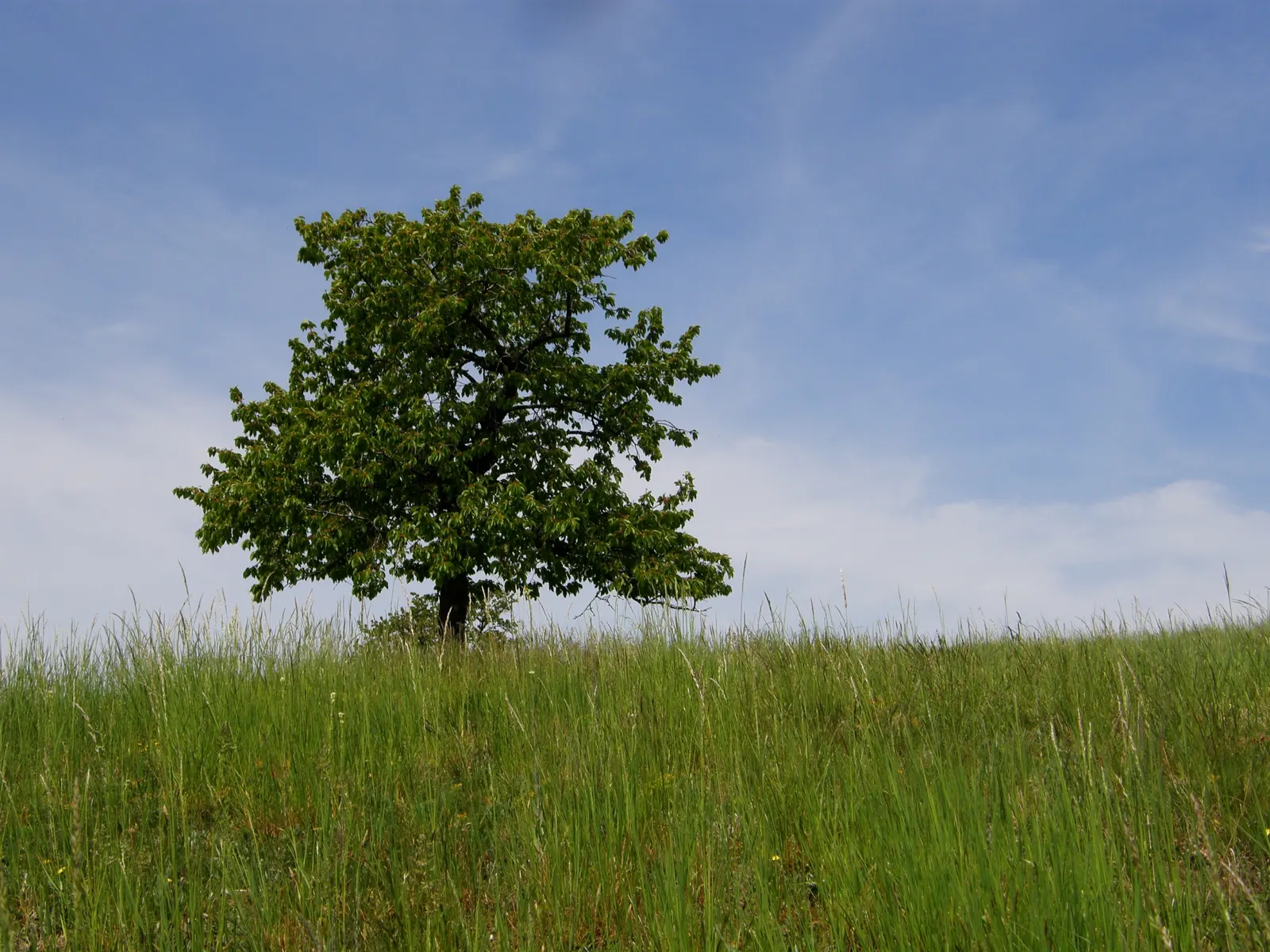
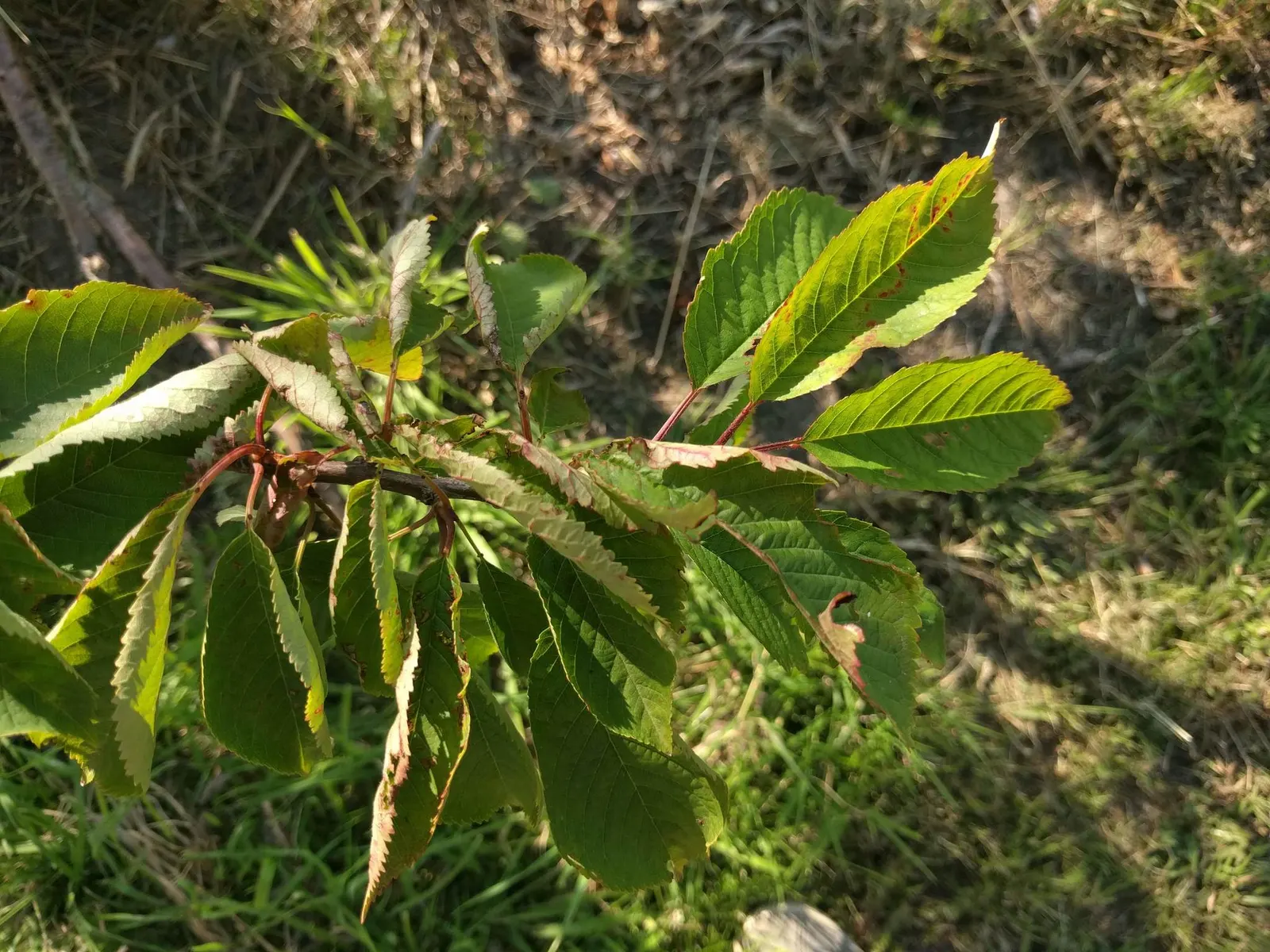
Sweet Cherry (Prunus Avium) — Features glossy green leaves and smooth bark, making it an attractive ornamental; reaching heights of 15 to 30 feet, image 65

Culture

Sun
Full
Water
Medium
USDA zones
5–10

Shape & size

Classification

Type
Tree
Family
Rosaceae
Climate
Temperate

See full data, regional cultivation notes, and design tools. Build a client presentation around this plant.

Start your 14-day trial

Photos (149)

Sweet Cherry (Prunus Avium) — bear in mind its mature size and potential for fruit drop; which not only add a profusion of color but also beckon, image 84
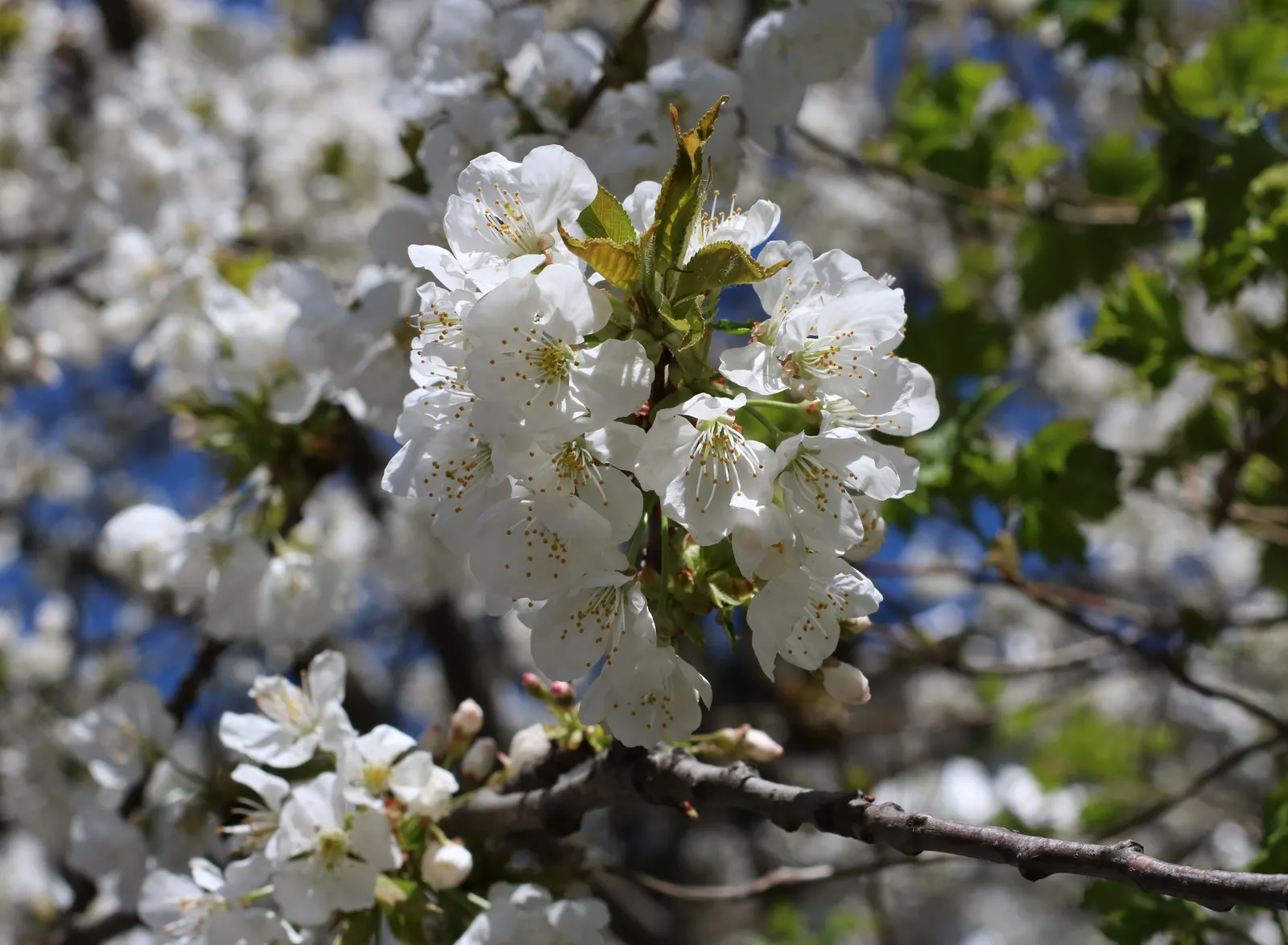
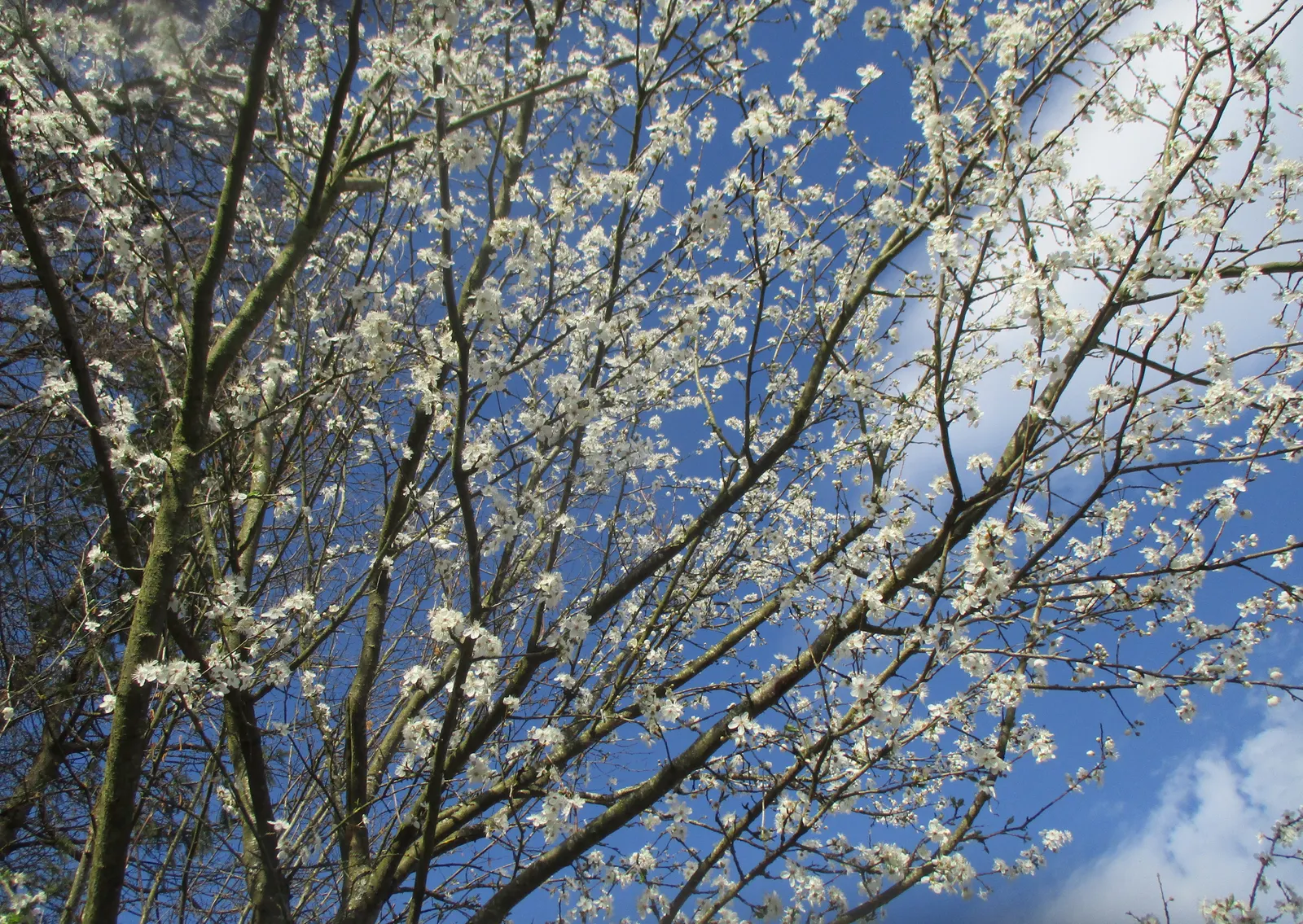
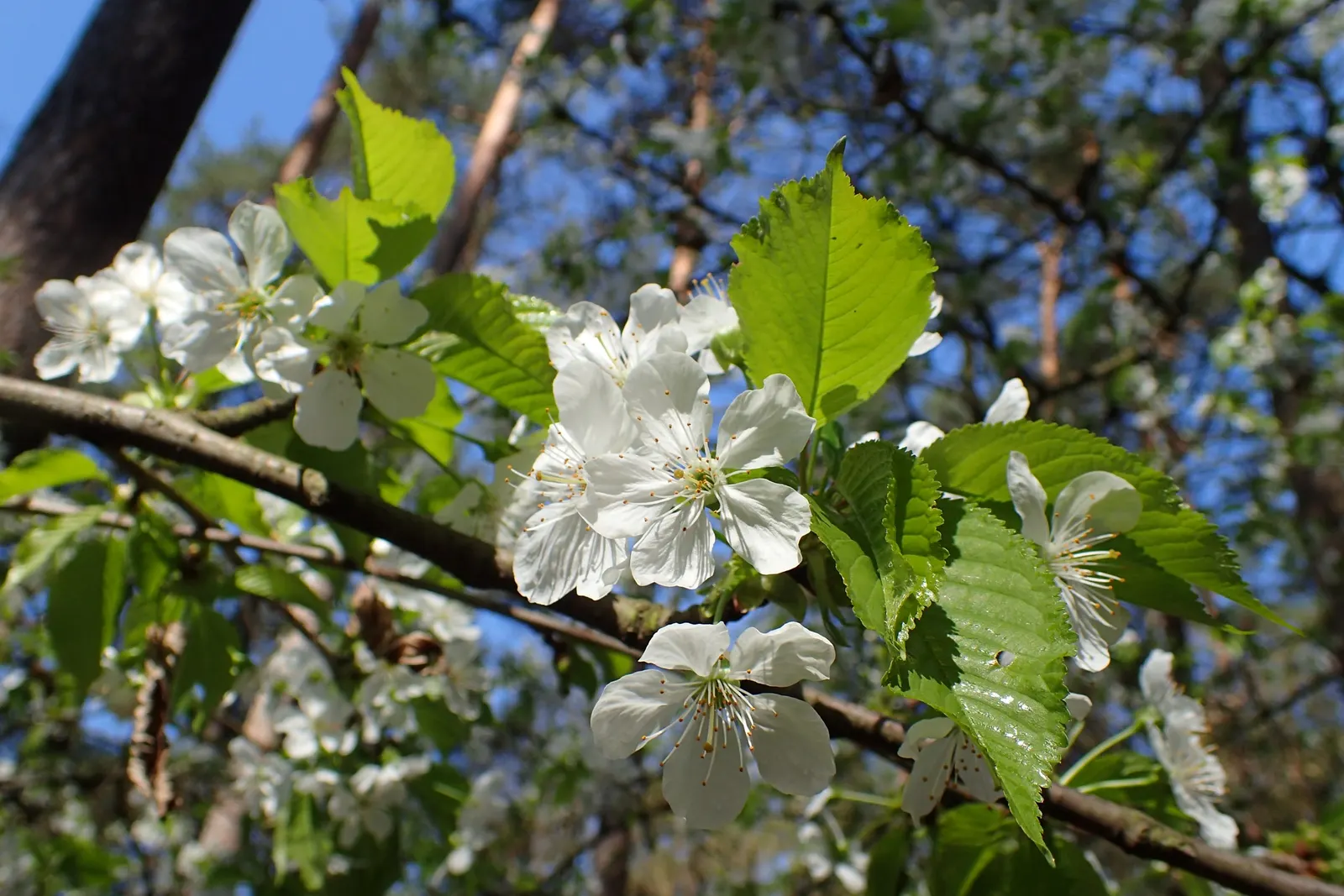
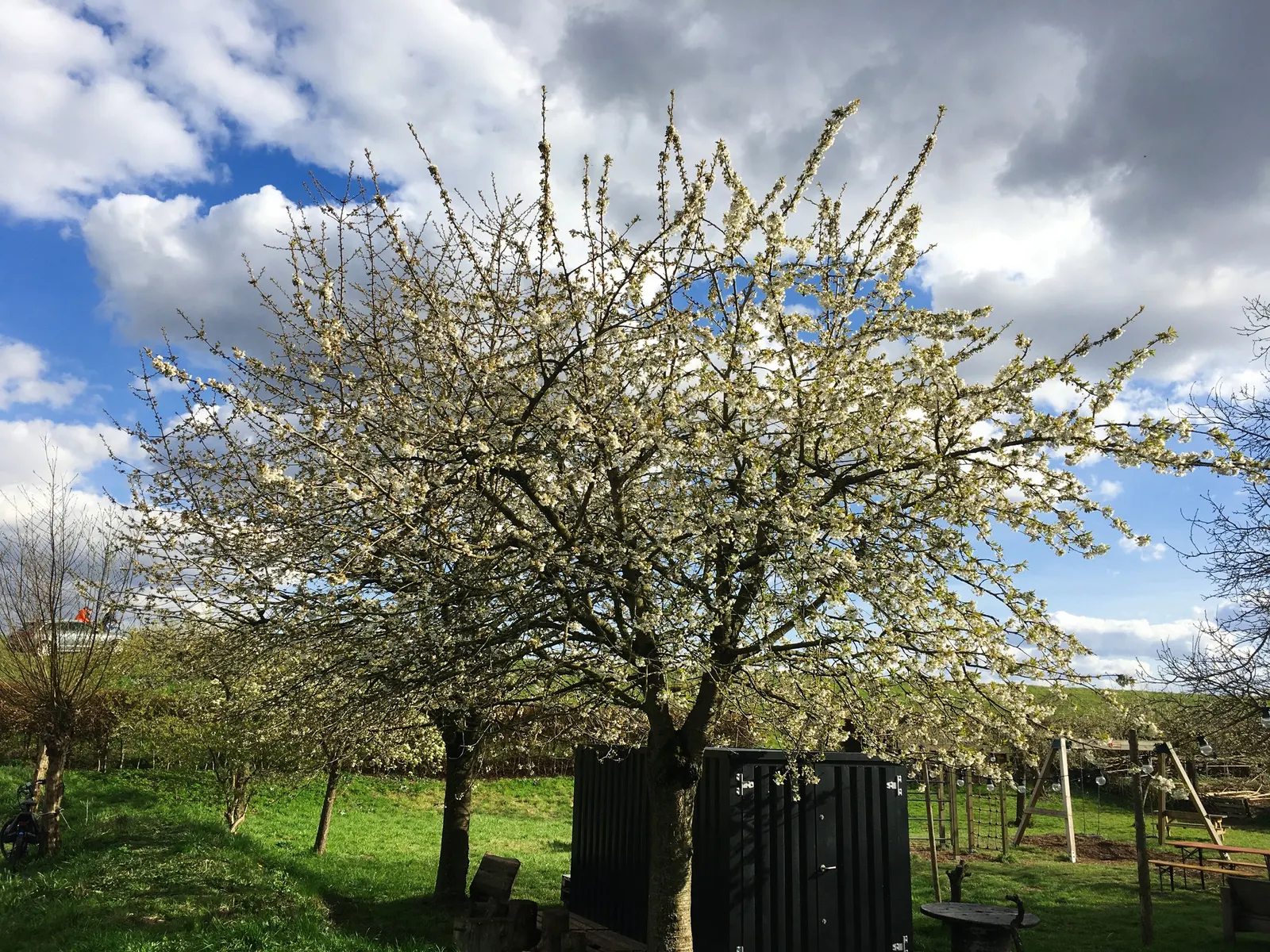
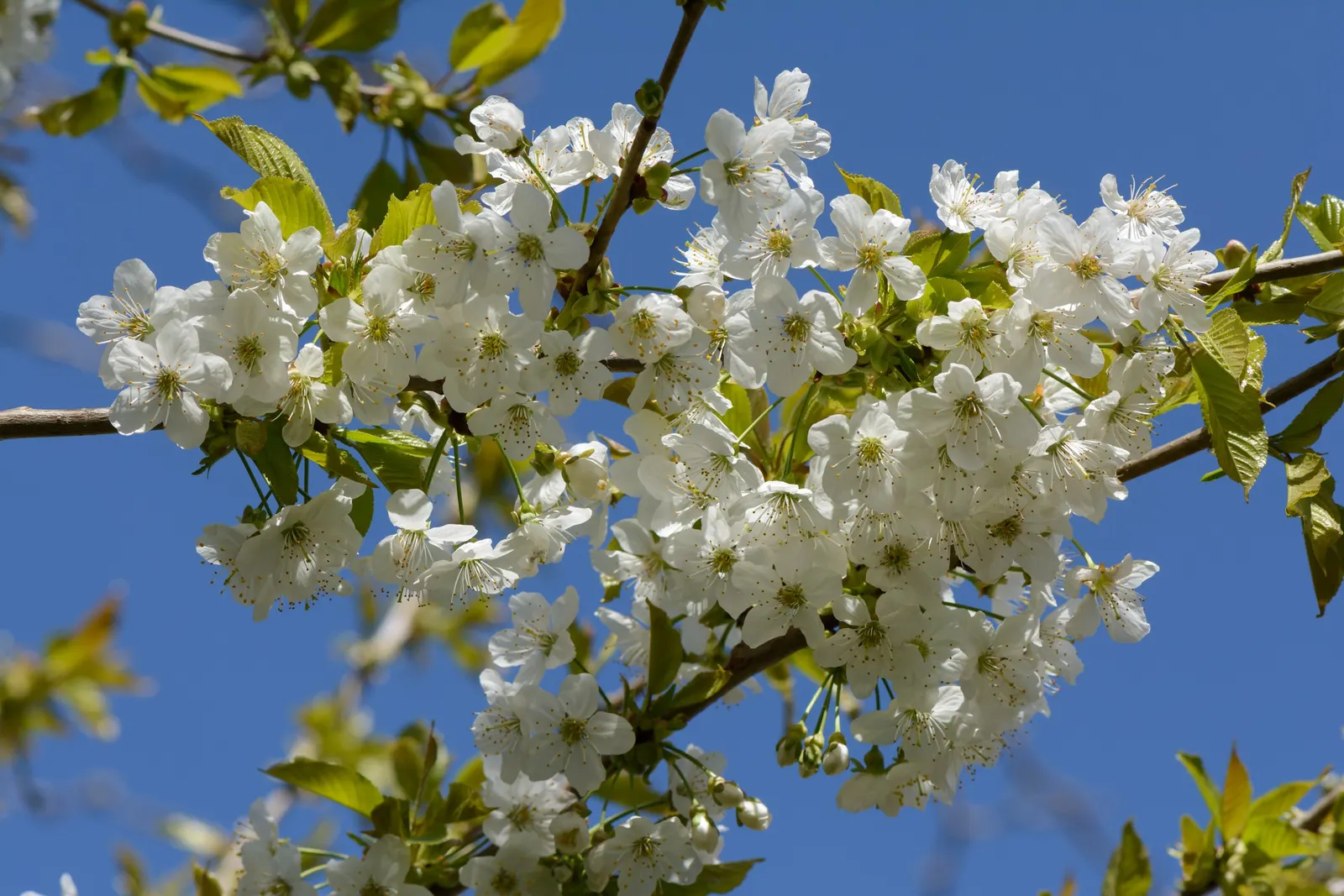
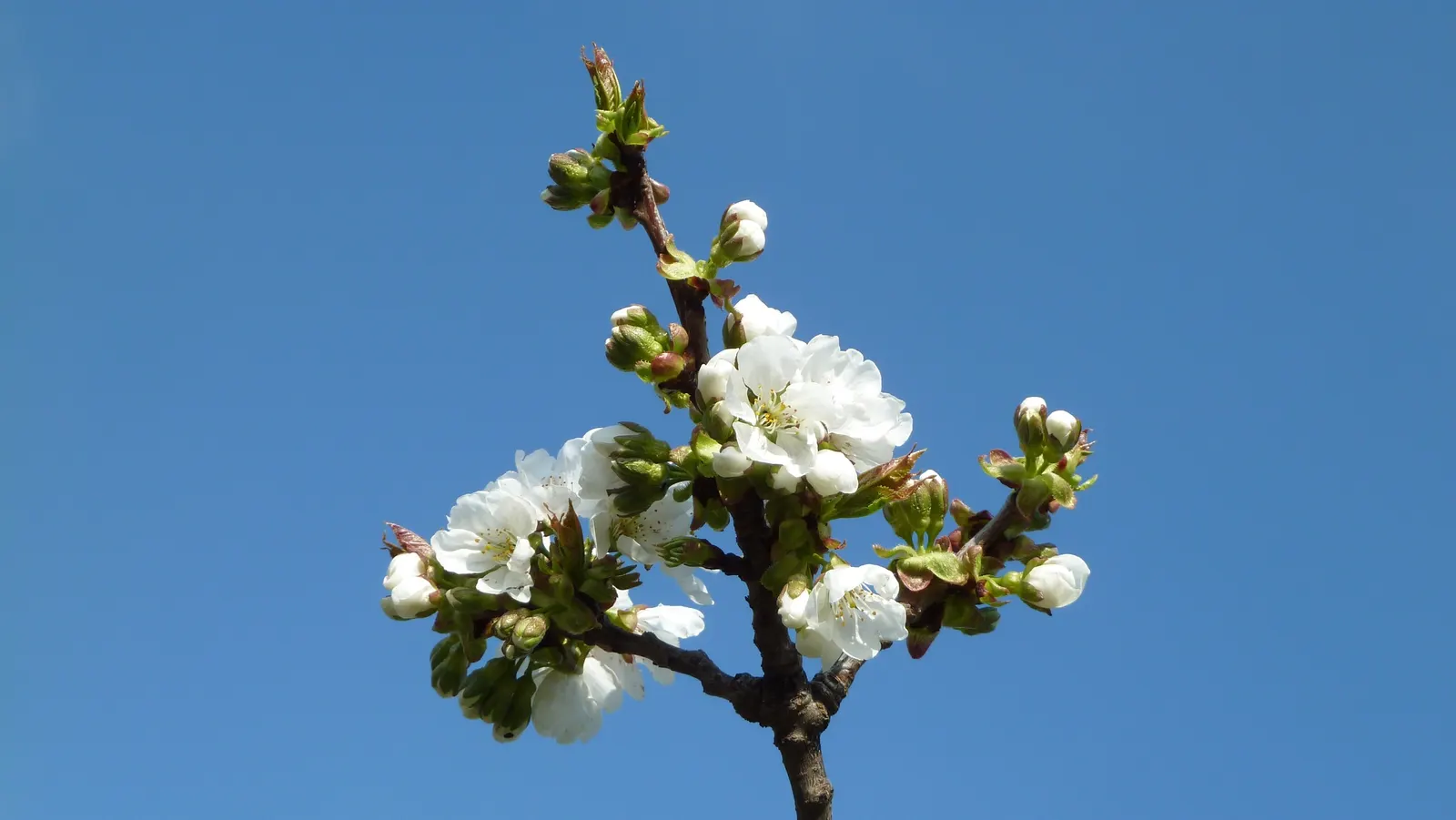
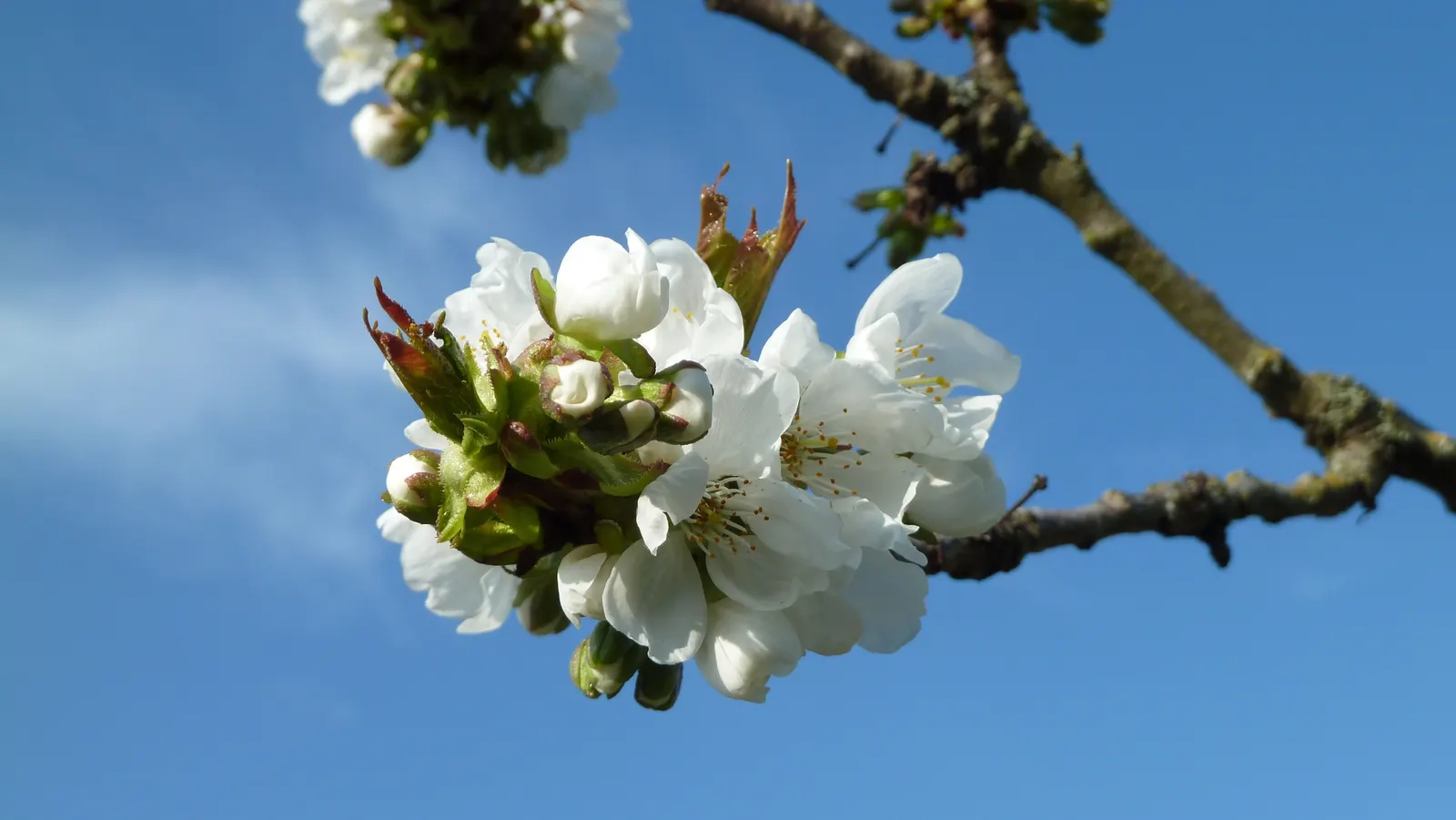
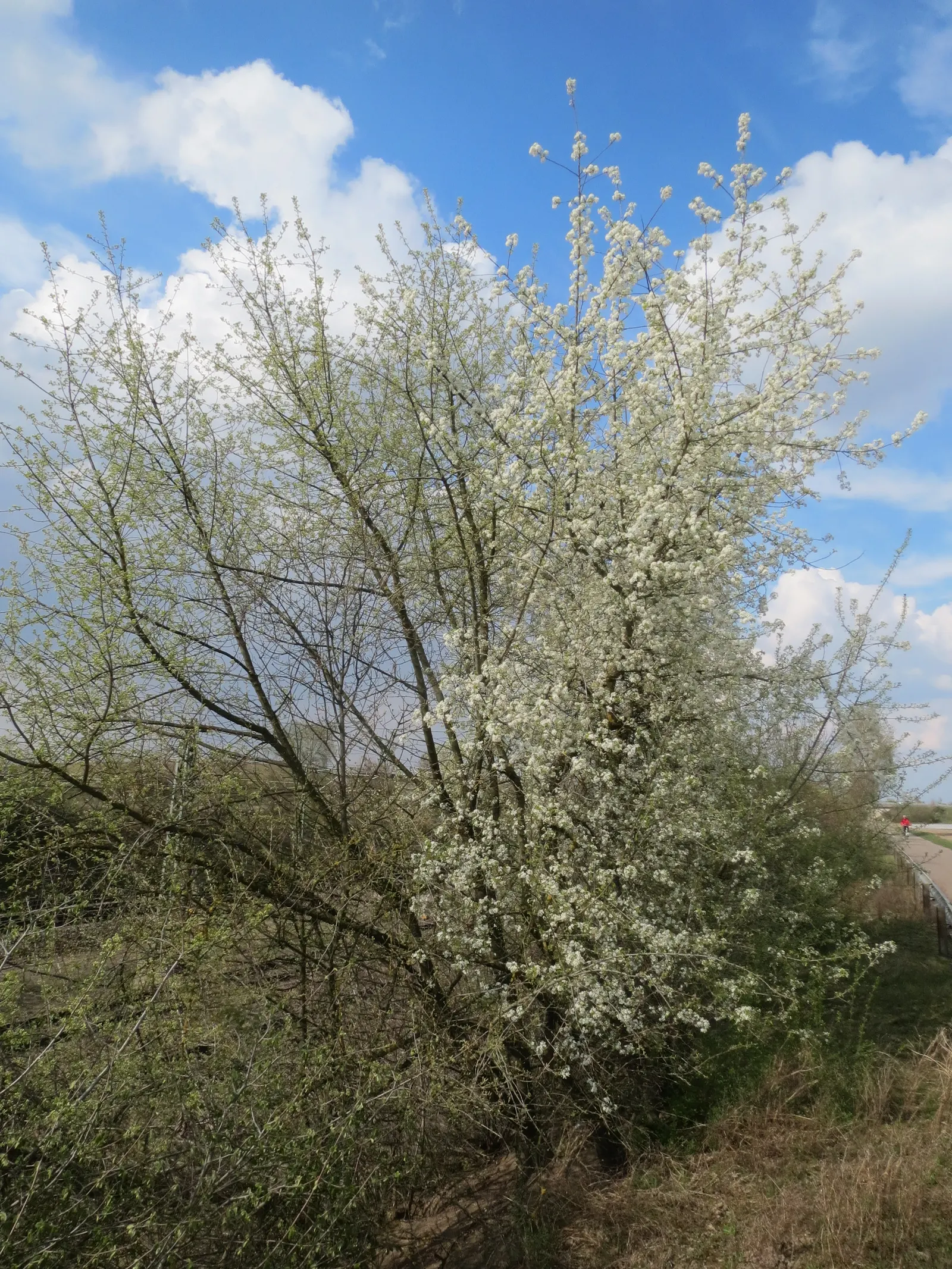
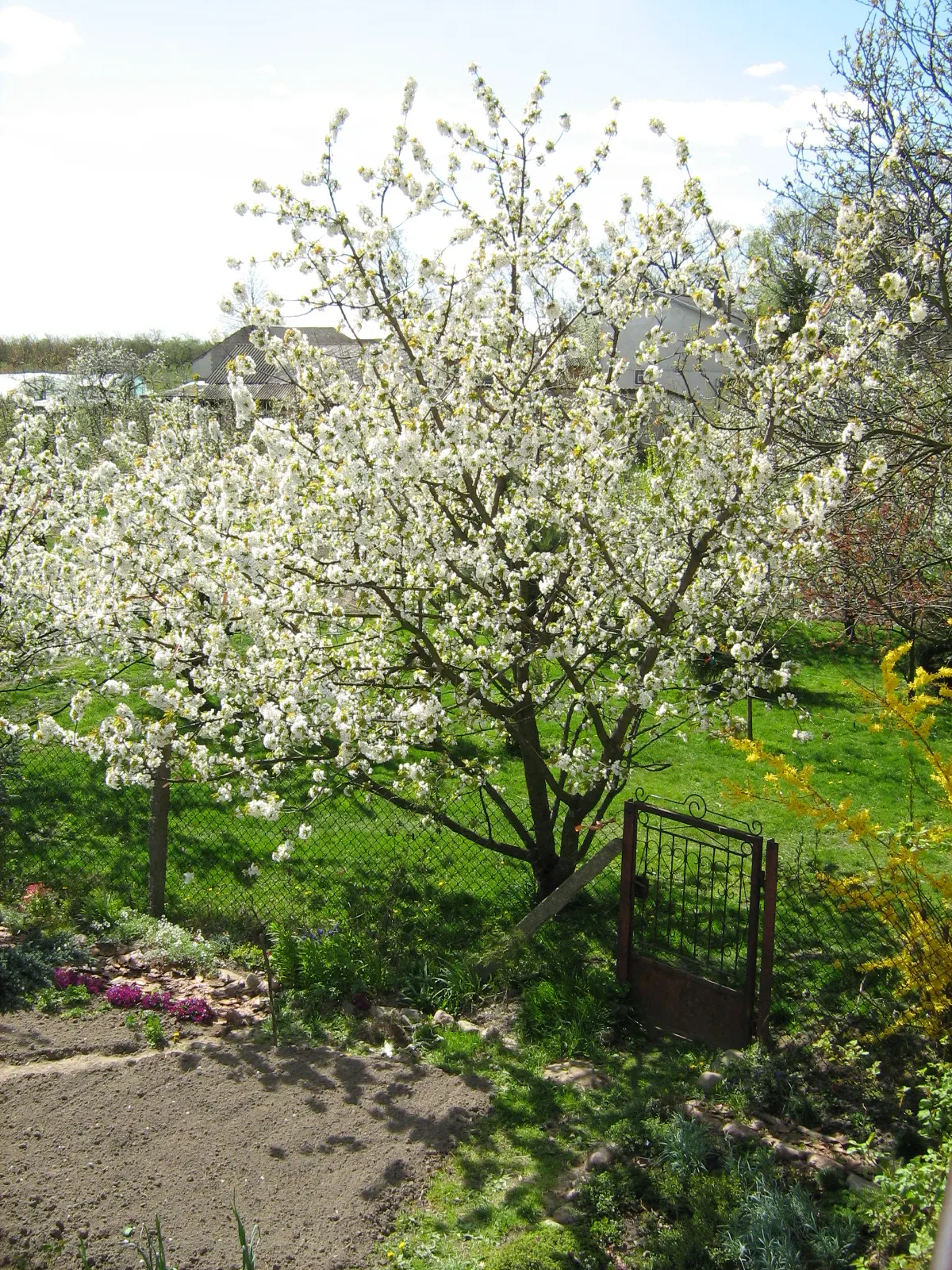
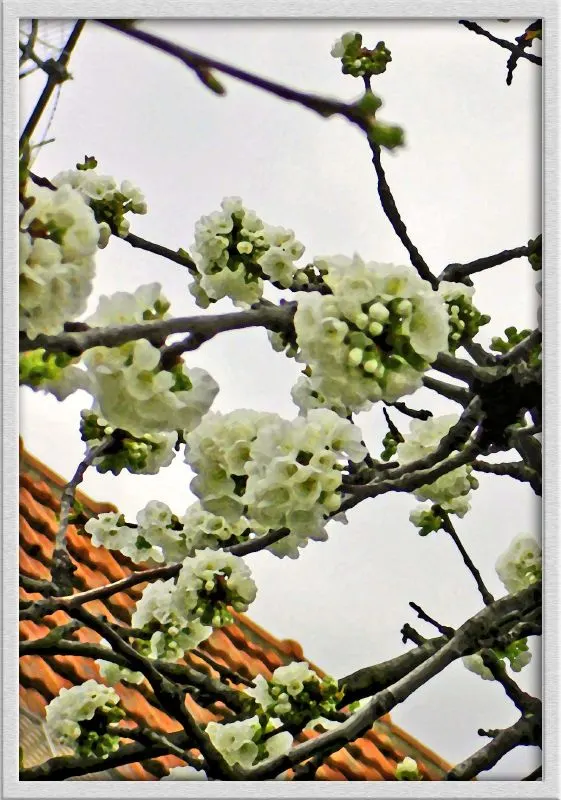
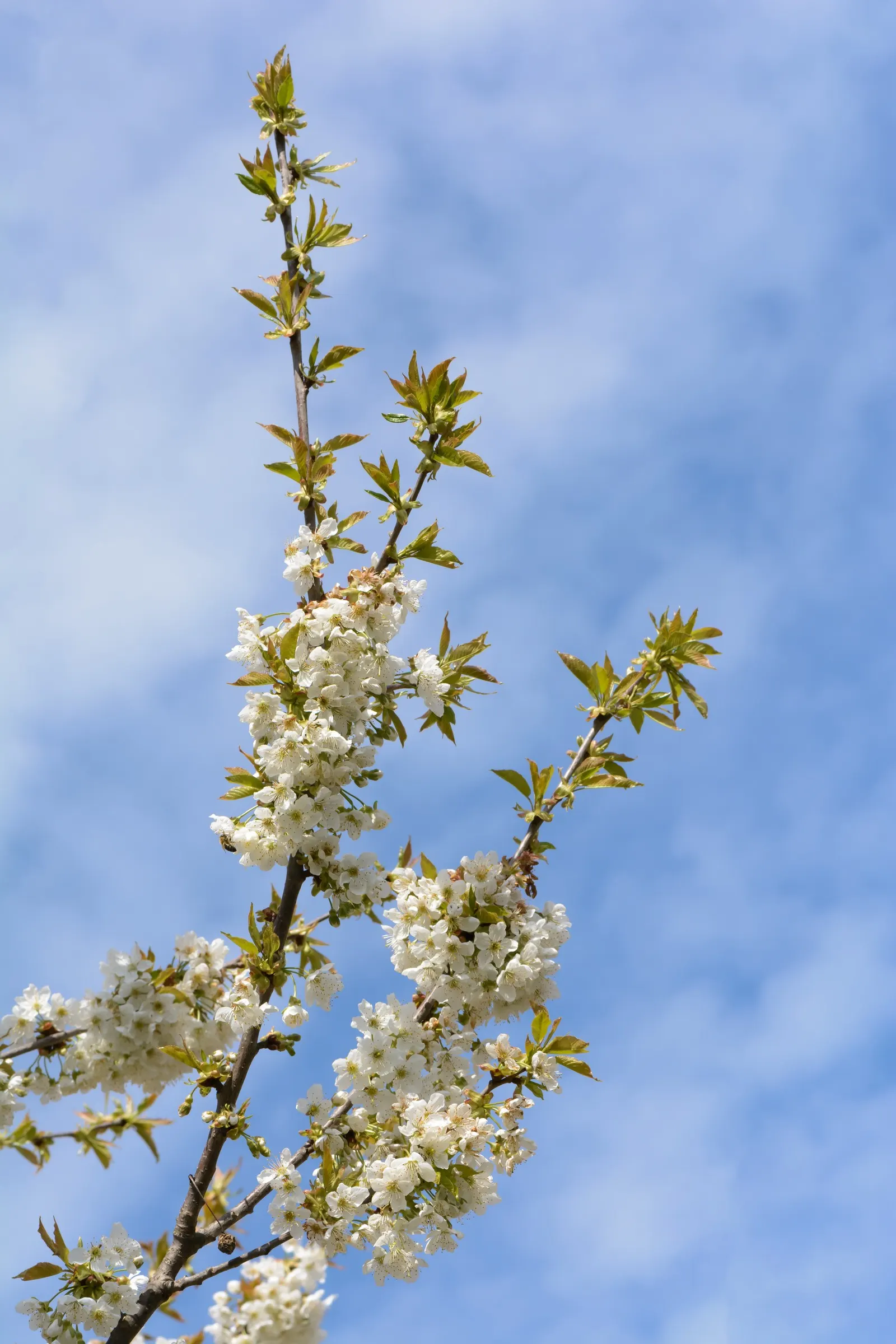
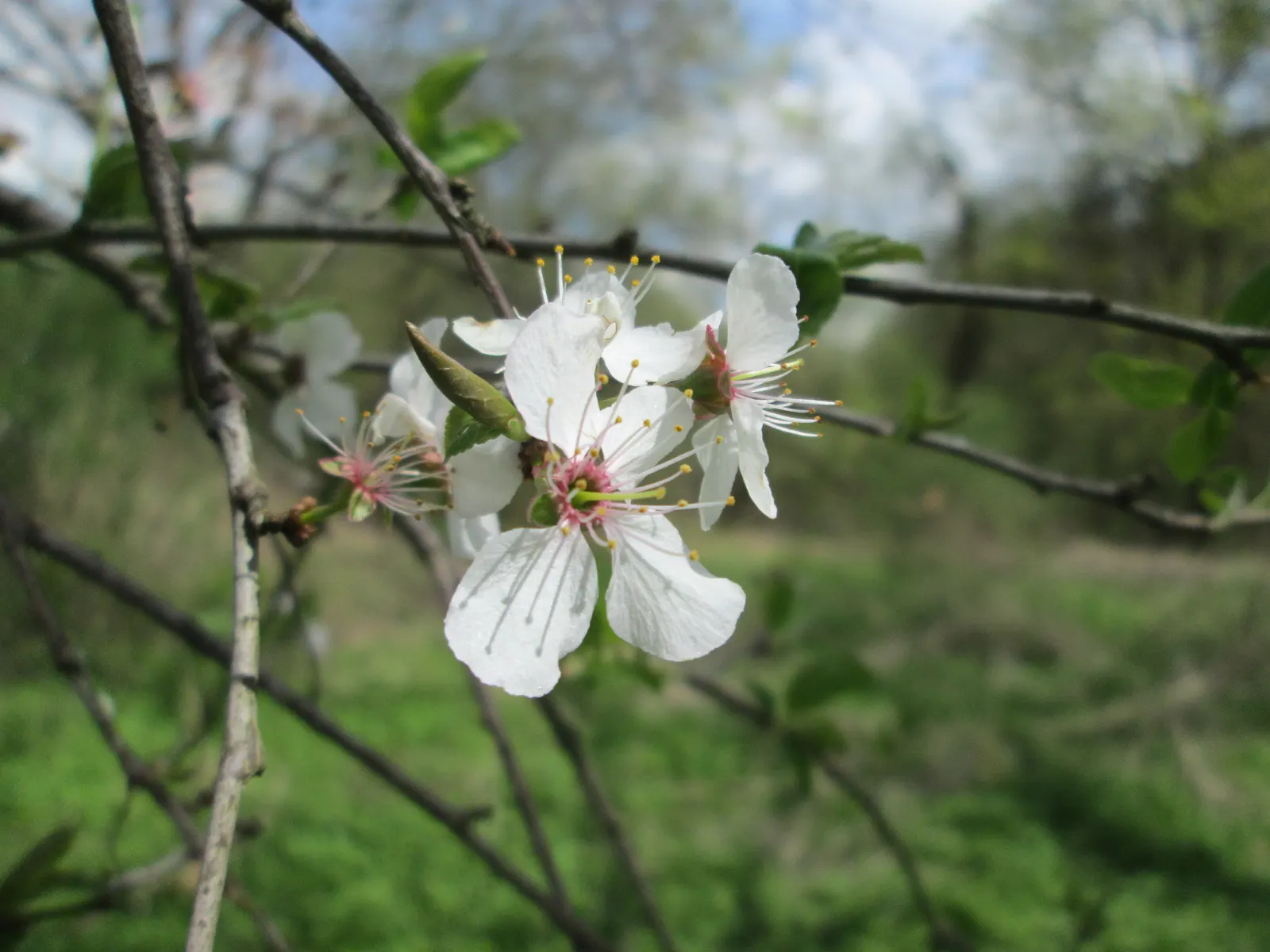
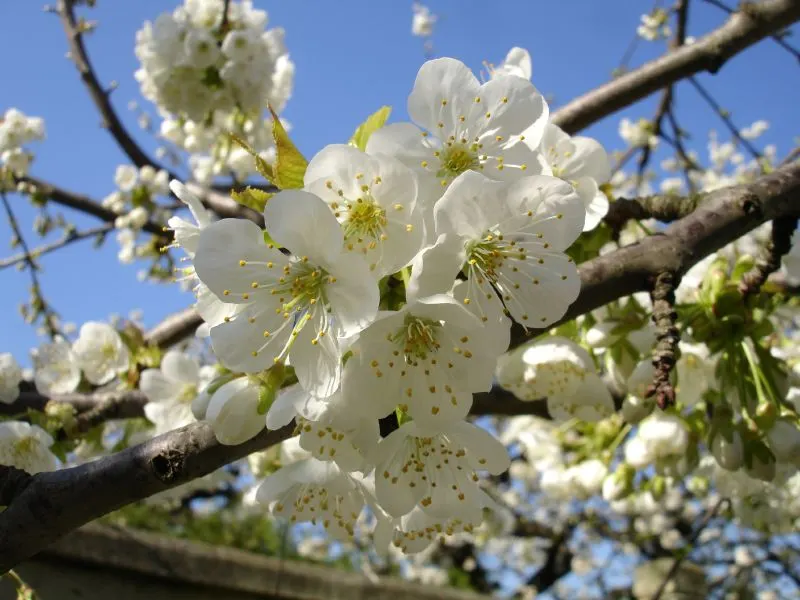
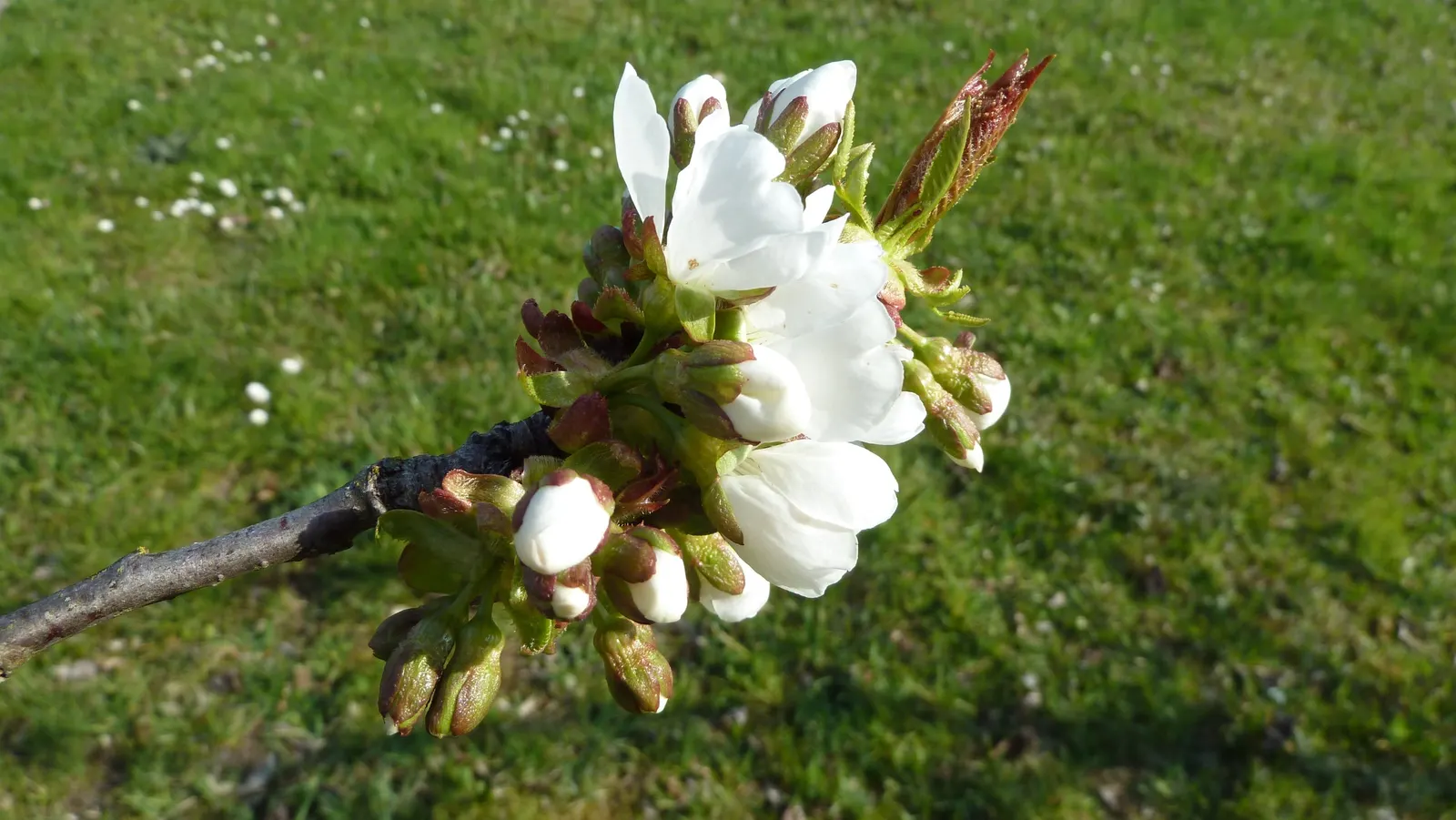
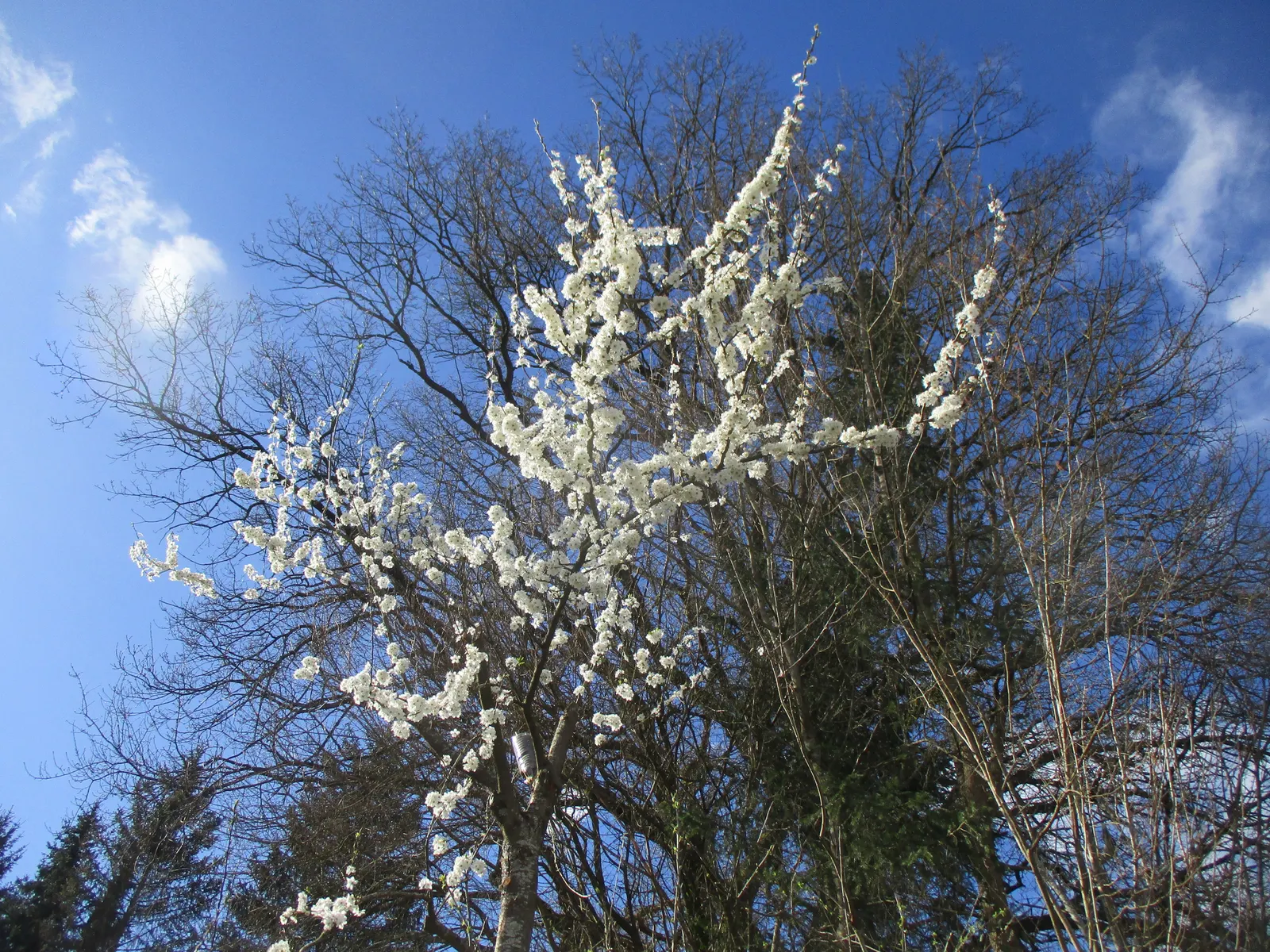
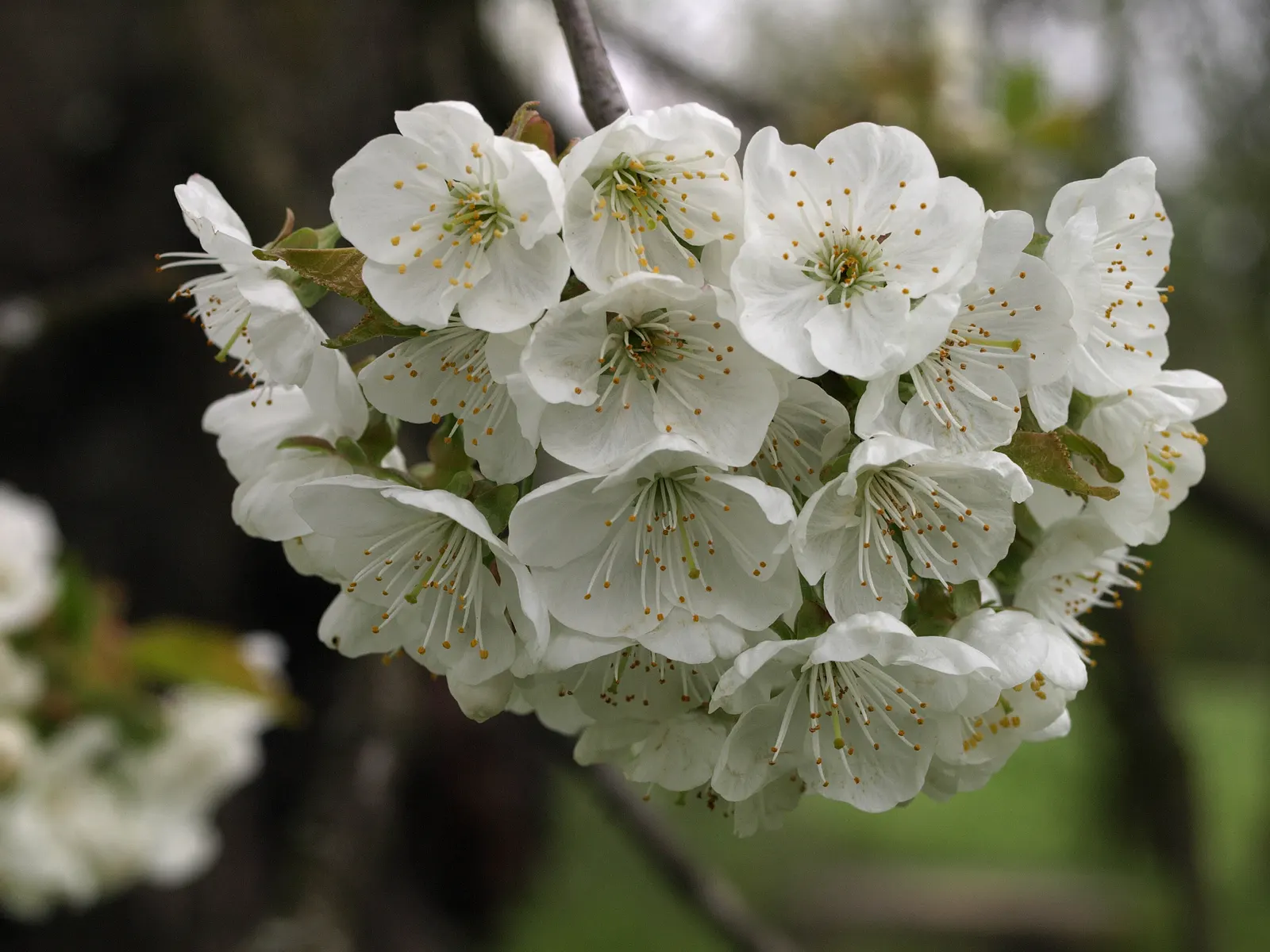
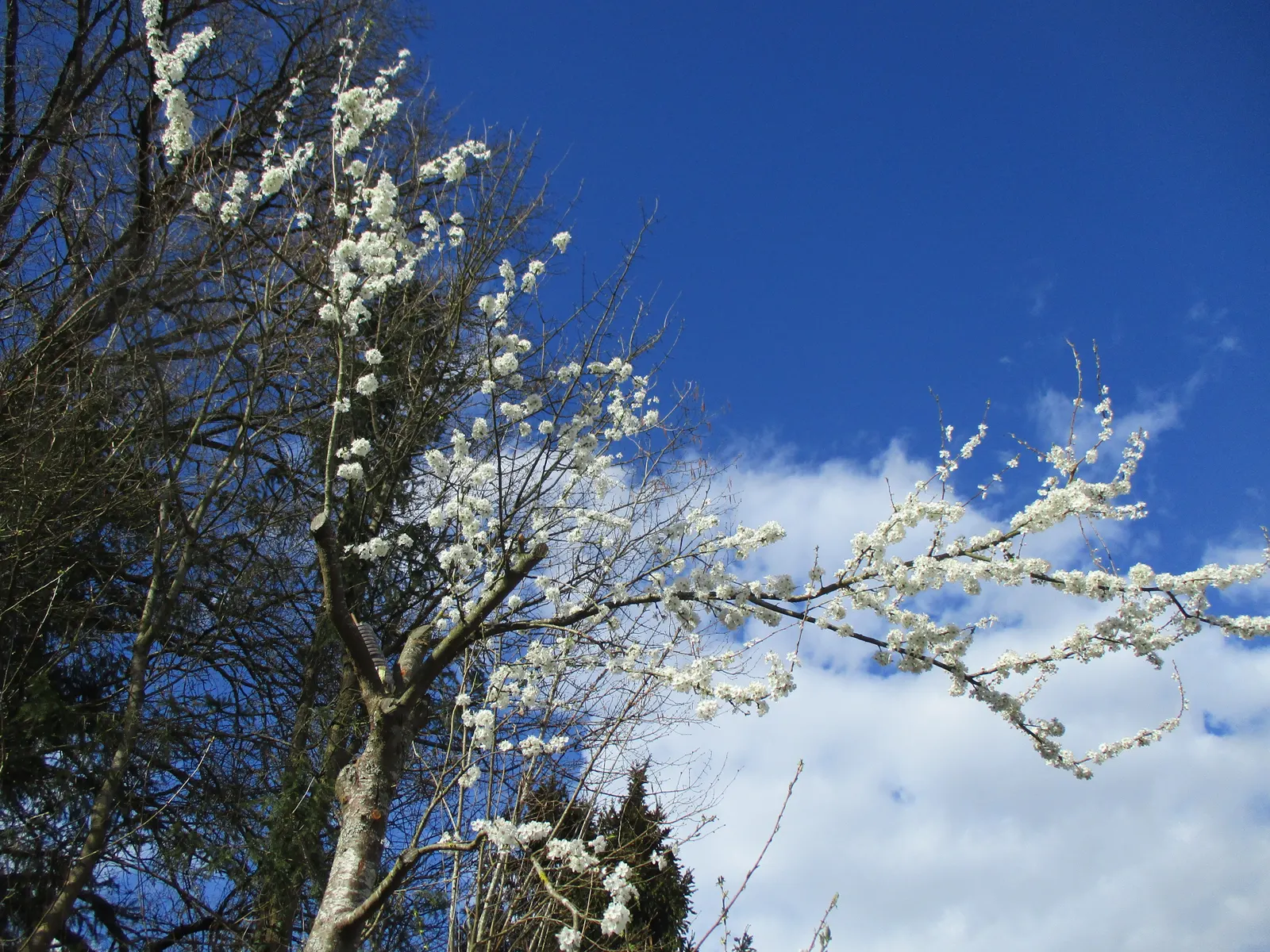
Sweet Cherry (Prunus Avium) — the Sweet Cherry is covered in clusters of white blossoms; features glossy green leaves and smooth bark, making it an attractive
Sweet Cherry (Prunus Avium) — bear in mind its mature size and potential for fruit drop
Sweet Cherry (Prunus Avium) — Prunus avium, or Sweet Cherry, is a deciduous tree valued for its spring blossoms and edible fruit; fertile soil with full sun
Sweet Cherry (Prunus Avium) — with a 15 to 25-foot spread
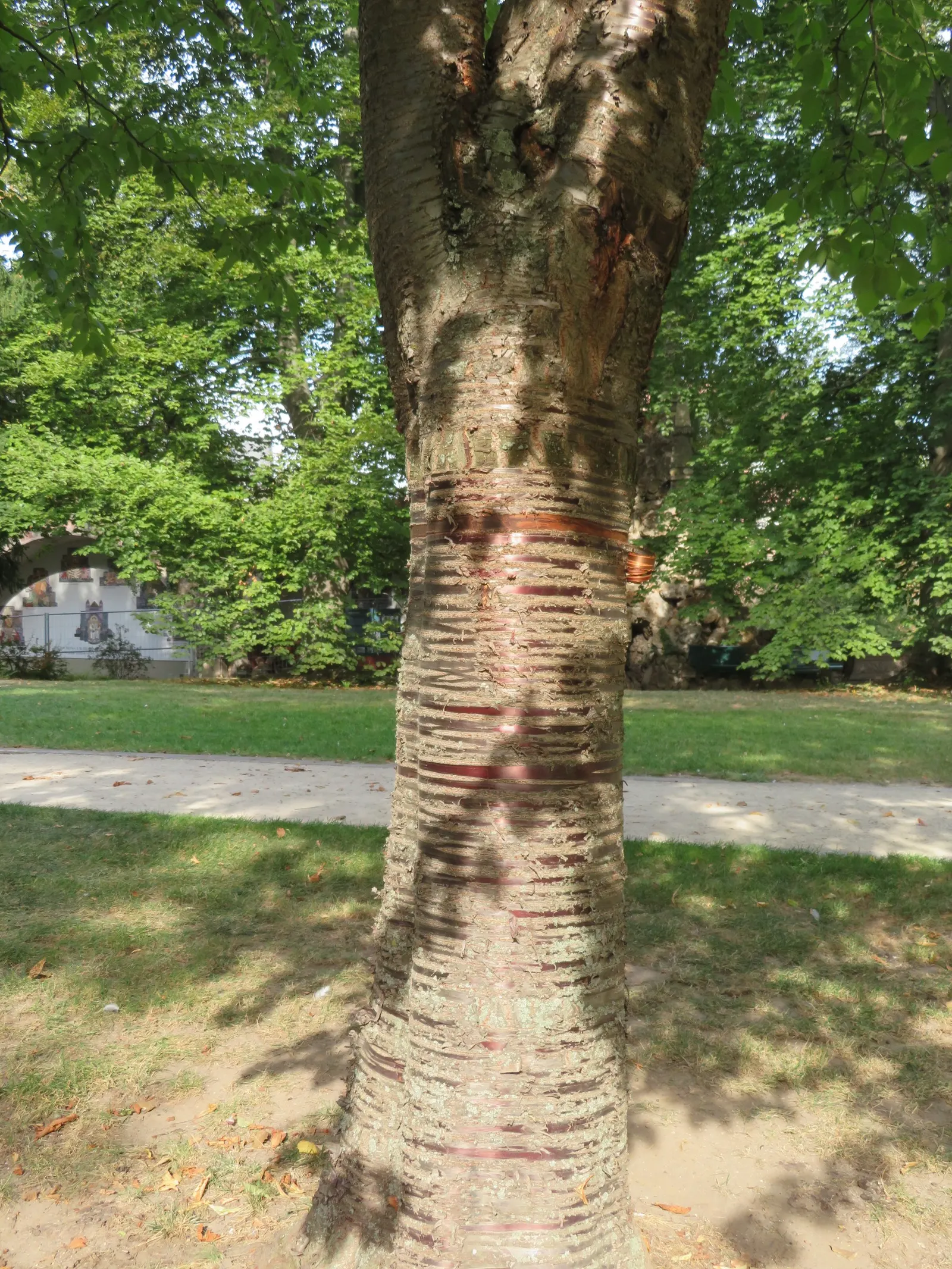
Sweet Cherry (Prunus Avium) — reddish-brown bark which is marked with horizontal lenticels; unfiltered sunlight daily, image 72
Sweet Cherry (Prunus Avium) — It's moderately frost-resistant and fares best in USDA hardiness zones 5 through 7
Sweet Cherry (Prunus Avium) — Reaching heights of 15 to 30 feet; this species features a smooth, image 92
Sweet Cherry (Prunus Avium) — When planning a landscape
Sweet Cherry (Prunus Avium) — This species features a smooth; the Sweet Cherry is covered in clusters of white blossoms, image 71
Sweet Cherry (Prunus Avium) — It's moderately frost-resistant and fares best in USDA hardiness zones 5 through 7; prunus avium, or Sweet Cherry, is, image 82
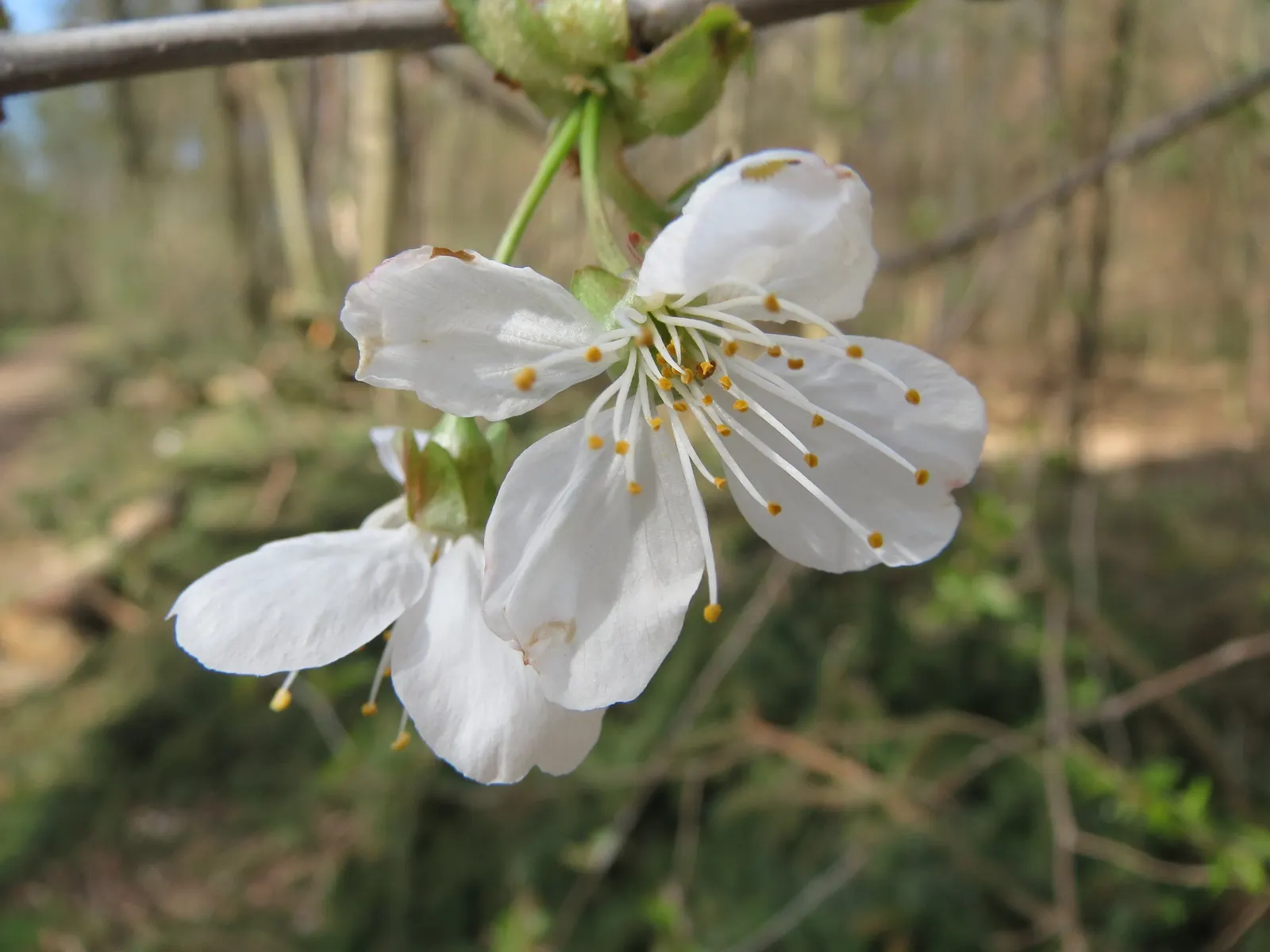
Sweet Cherry (Prunus Avium) — giving it an attractive texture year-round.<br><br>Come spring; white flowers in the garden, image 73
Sweet Cherry (Prunus Avium) — with a 15 to 25-foot spread; prunus avium prefers well-drained, image 123
Sweet Cherry (Prunus Avium) — which not only add a profusion of color but also beckon pollinators to the garden; reddish-brown bark which is marked, image 105
Sweet Cherry (Prunus Avium) — When planning a landscape; is a deciduous tree that brings a beautiful and fruitful addition to any landscape
Sweet Cherry (Prunus Avium) — commonly referred to as the Sweet Cherry; the flowers give way to a bounty of sweet cherries in early to mid-summer, image 127
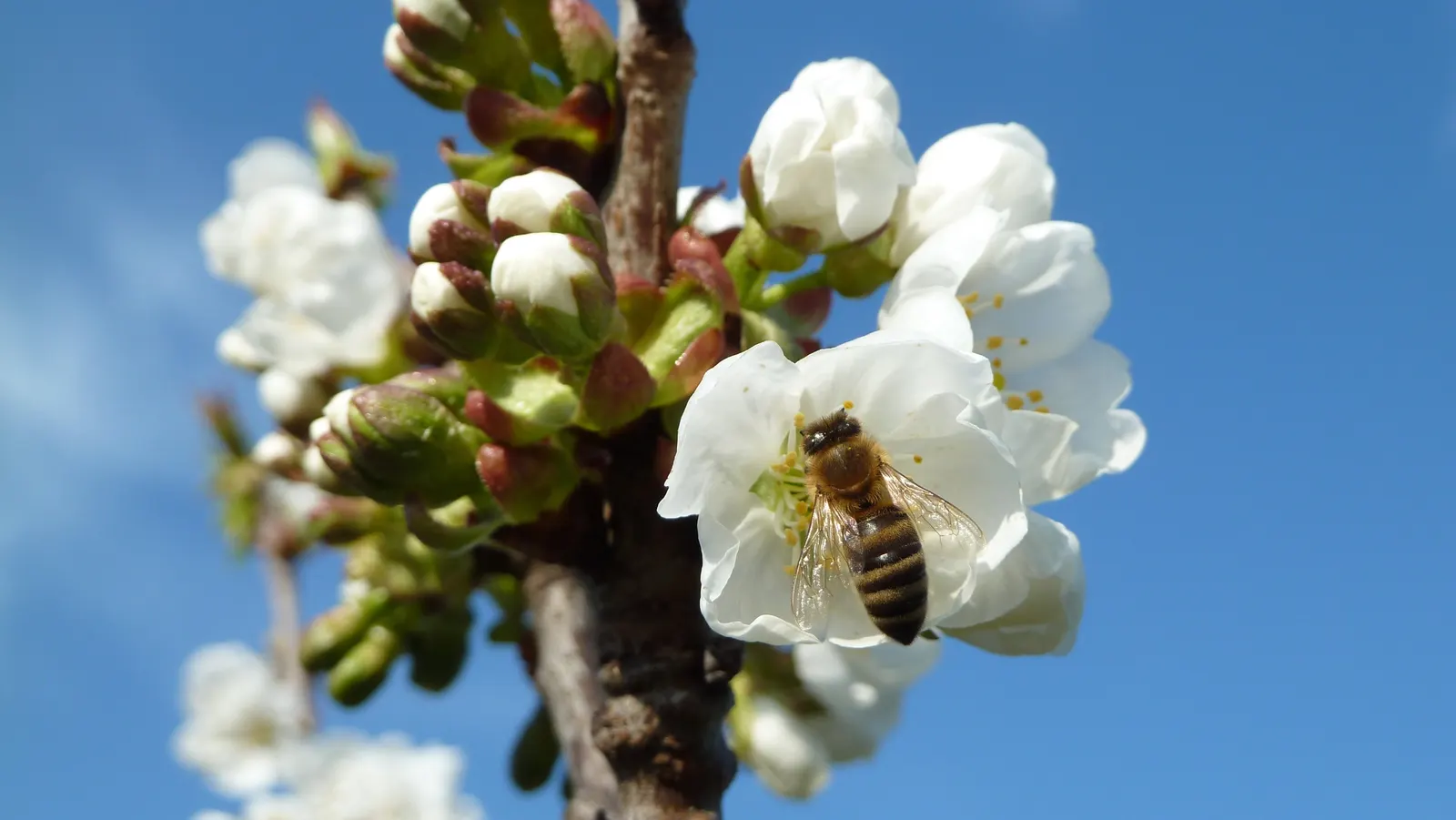
Sweet Cherry (Prunus Avium) — which not only add a profusion of color but also beckon pollinators to the garden
Sweet Cherry (Prunus Avium) — Features glossy green leaves and smooth bark, making it an attractive ornamental; reaching heights of 15 to 30 feet, image 125
Sweet Cherry (Prunus Avium) — loamy soil and a location that receives full sun; creating a canopy of lush foliage that provides dappled shade, image 109
Sweet Cherry (Prunus Avium) — is a deciduous tree that brings a beautiful and fruitful addition to any landscape; when planning a landscape, image 98
Sweet Cherry (Prunus Avium) — with a 15 to 25-foot spread; prunus avium prefers well-drained, image 93
Sweet Cherry (Prunus Avium) — ensuring that the Sweet Cherry remains a centerpiece in the garden for years to come; ideal for zones 5 to 7, it, image 87
Sweet Cherry (Prunus Avium) — fertile soil with full sun; situating it away from walkways and entertainment areas to keep maintenance manageable, image 124
Sweet Cherry (Prunus Avium) — This species features a smooth; the Sweet Cherry is covered in clusters of white blossoms, image 101
Photographs by 9 contributors

Related plants