Skip to content

Apricot

Prunus Armeniaca

Design with this plant

Overview

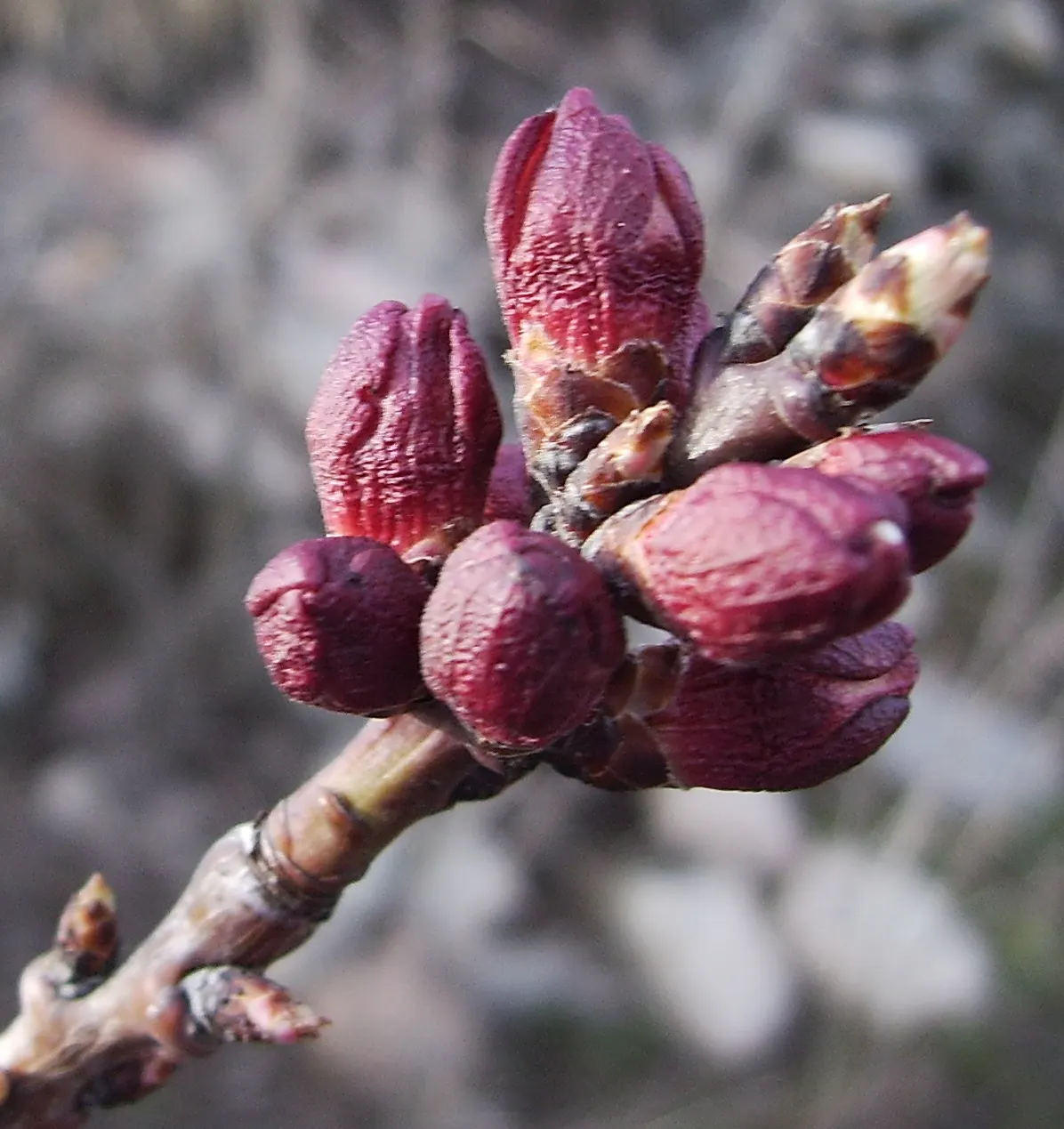
Prunus armeniaca, commonly known as Apricot, is a deciduous tree that grows to 15-20 feet in height with a spread of 15-20 feet. Bearing delightful pinkish-white blooms in early spring, it produces succulent, yellow-orange fruit by summer. Prefers well-drained soil and full sun. Apricot trees add a charming, edible element to landscapes while providing spring blossoms and potential autumn color. Hardy in USDA Zones 5-8.

Sun FullWater Extra in Summer, MediumZones 5–10Climate Temperate
Apricot (Prunus Armeniaca) — commonly known as Apricot

Culture

Sun
Full
Water
Extra in Summer, Medium
USDA zones
5–10

Shape & size

Classification

Family
Rosaceae
Climate
Temperate

See full data, regional cultivation notes, full-resolution photos, and design tools. Build a client presentation around this plant.

Start your 14-day trial

Photos (91)

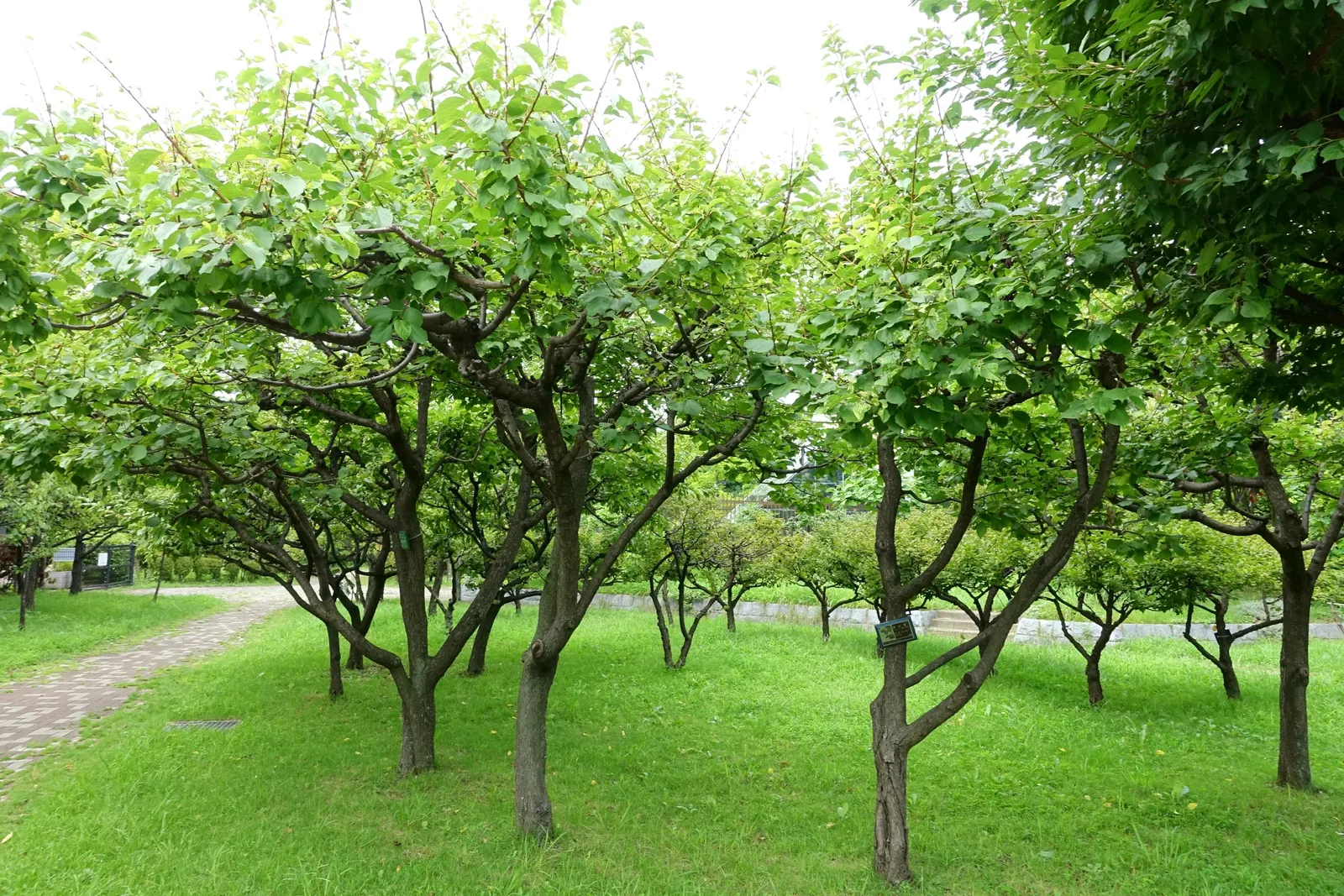
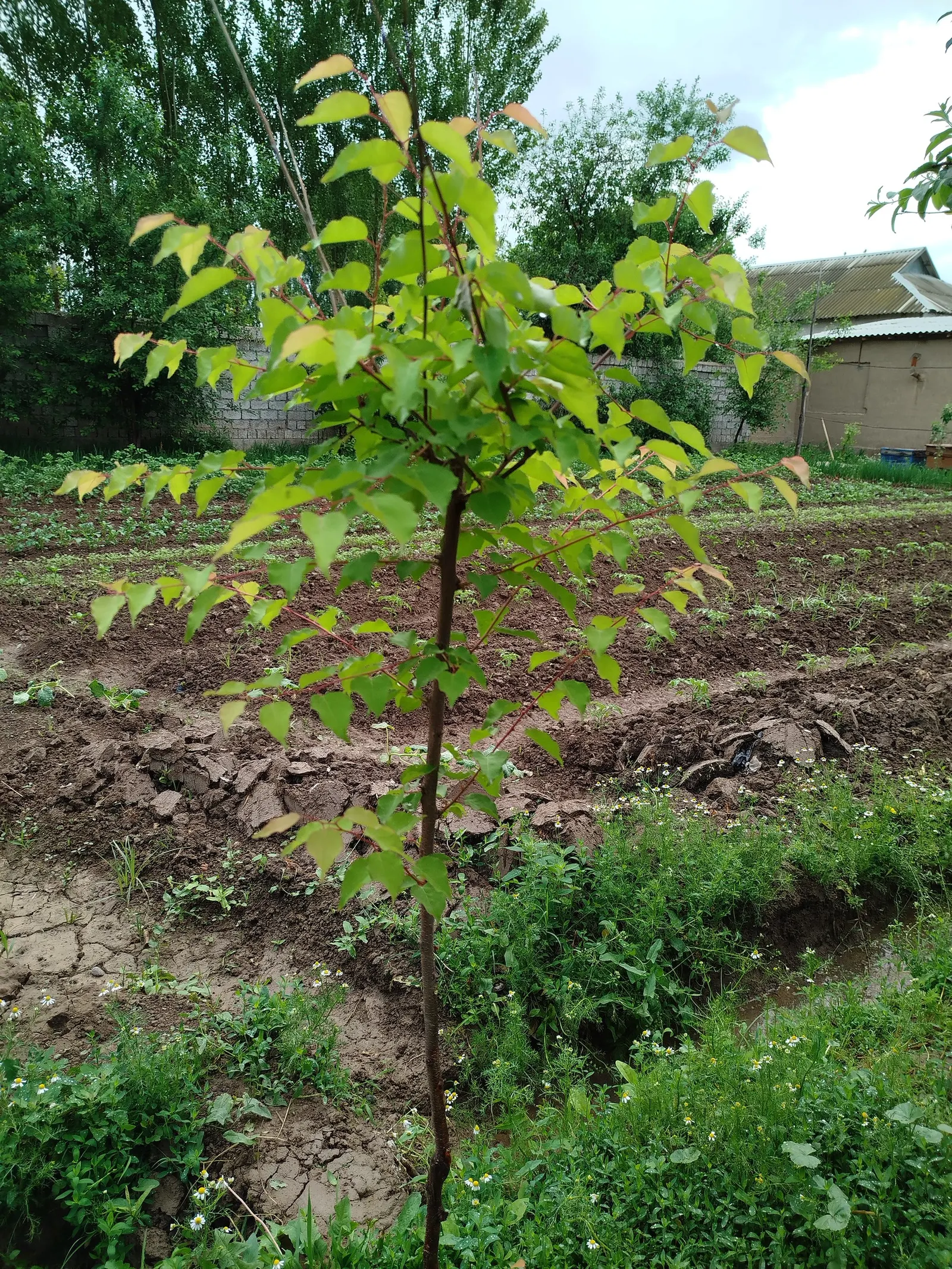
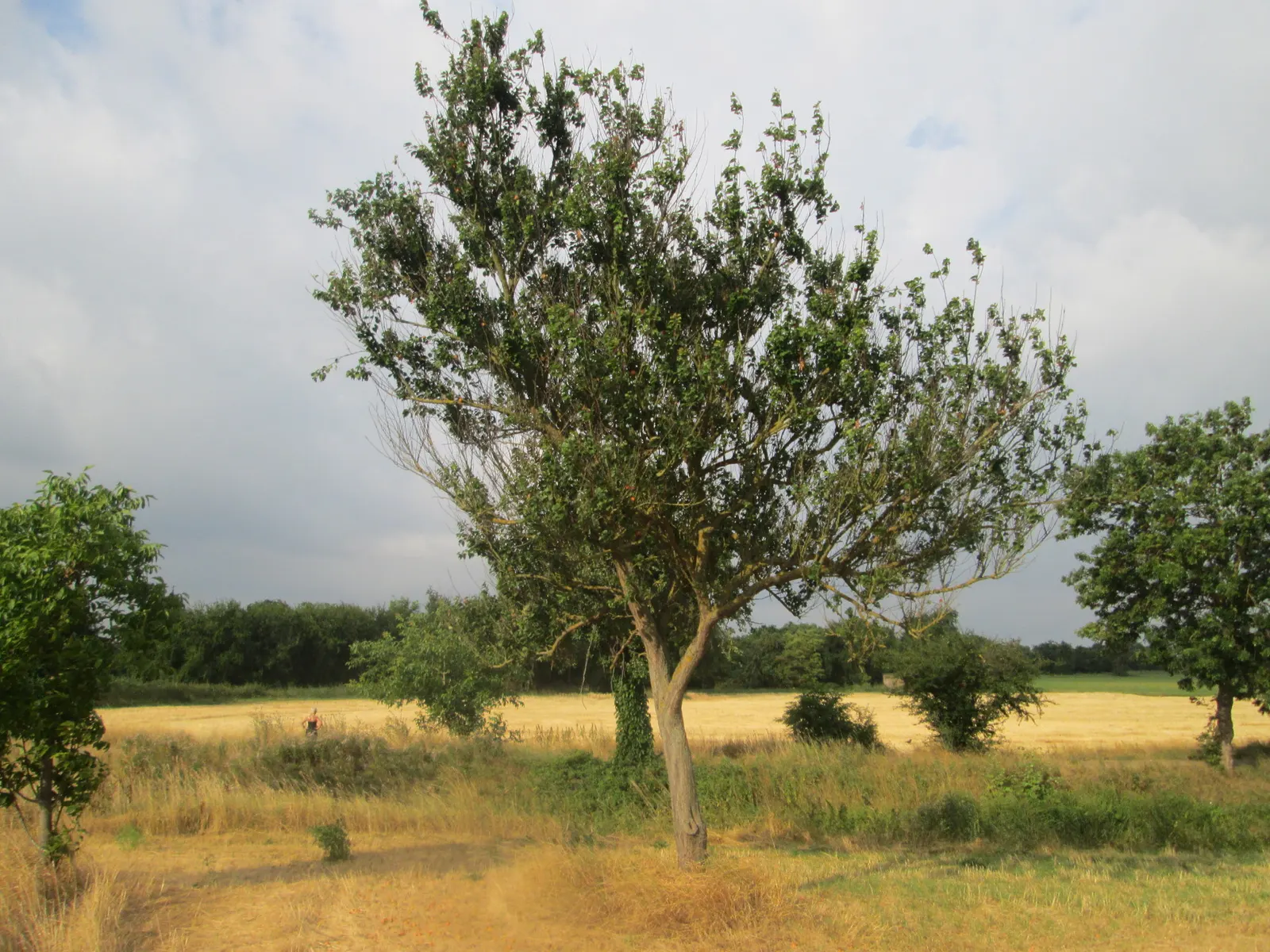
Apricot (Prunus Armeniaca) — This mid-sized tree typically reaches a height of 12 to 15 feet with an equal canopy spread; as it thrives in locations with at
Apricot (Prunus Armeniaca) — open silhouette that complements many landscape designs; providing both visual interest and delicious yields
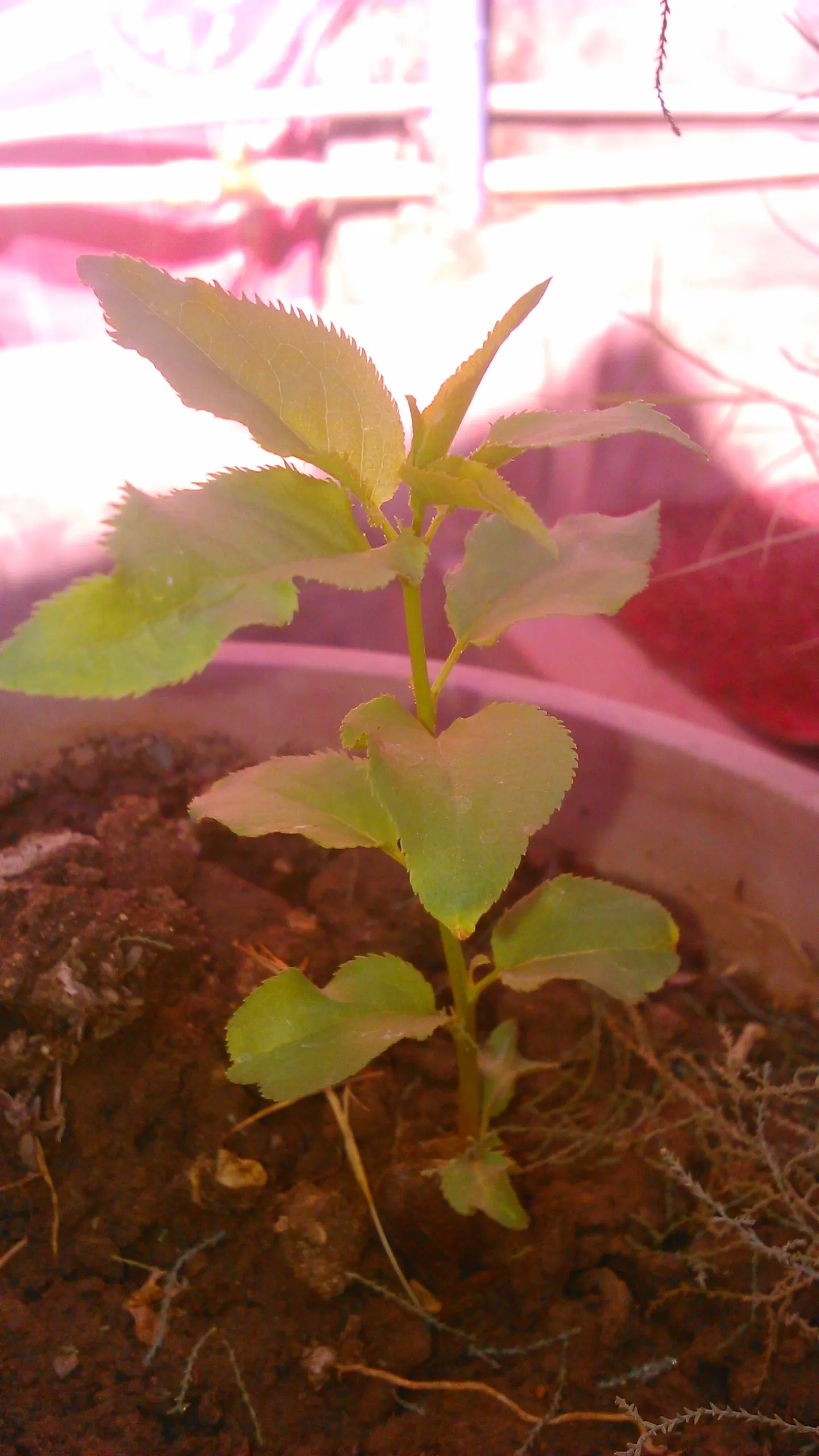
Apricot (Prunus Armeniaca) — The leaves are fresh green; prefers well-drained soil and full sun
Apricot (Prunus Armeniaca) — with finely serrated margins; the leaves are fresh green
Apricot (Prunus Armeniaca) — measuring about 3 to 5 inches in length.<br><br>In early spring; such as bees and butterflies
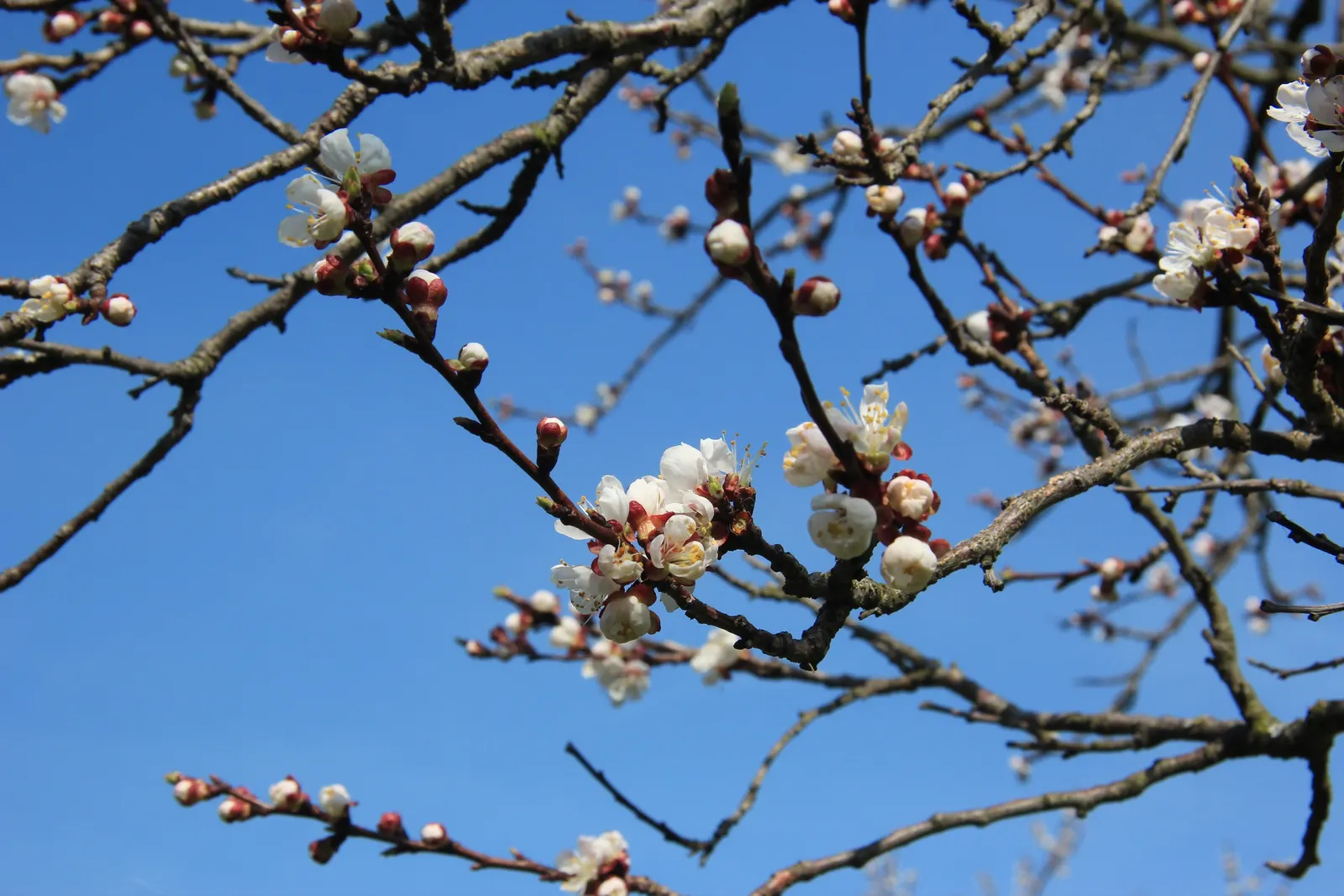
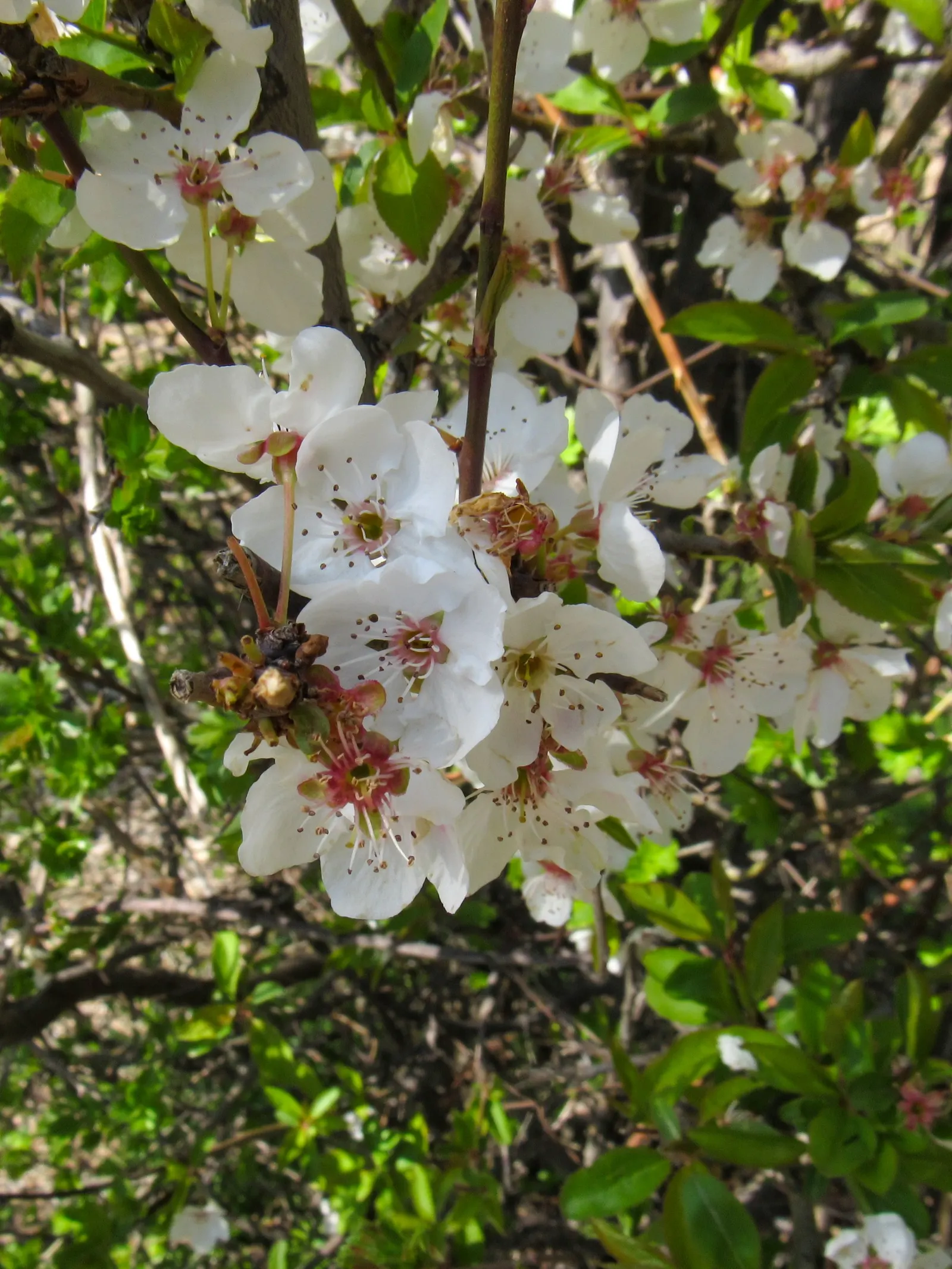
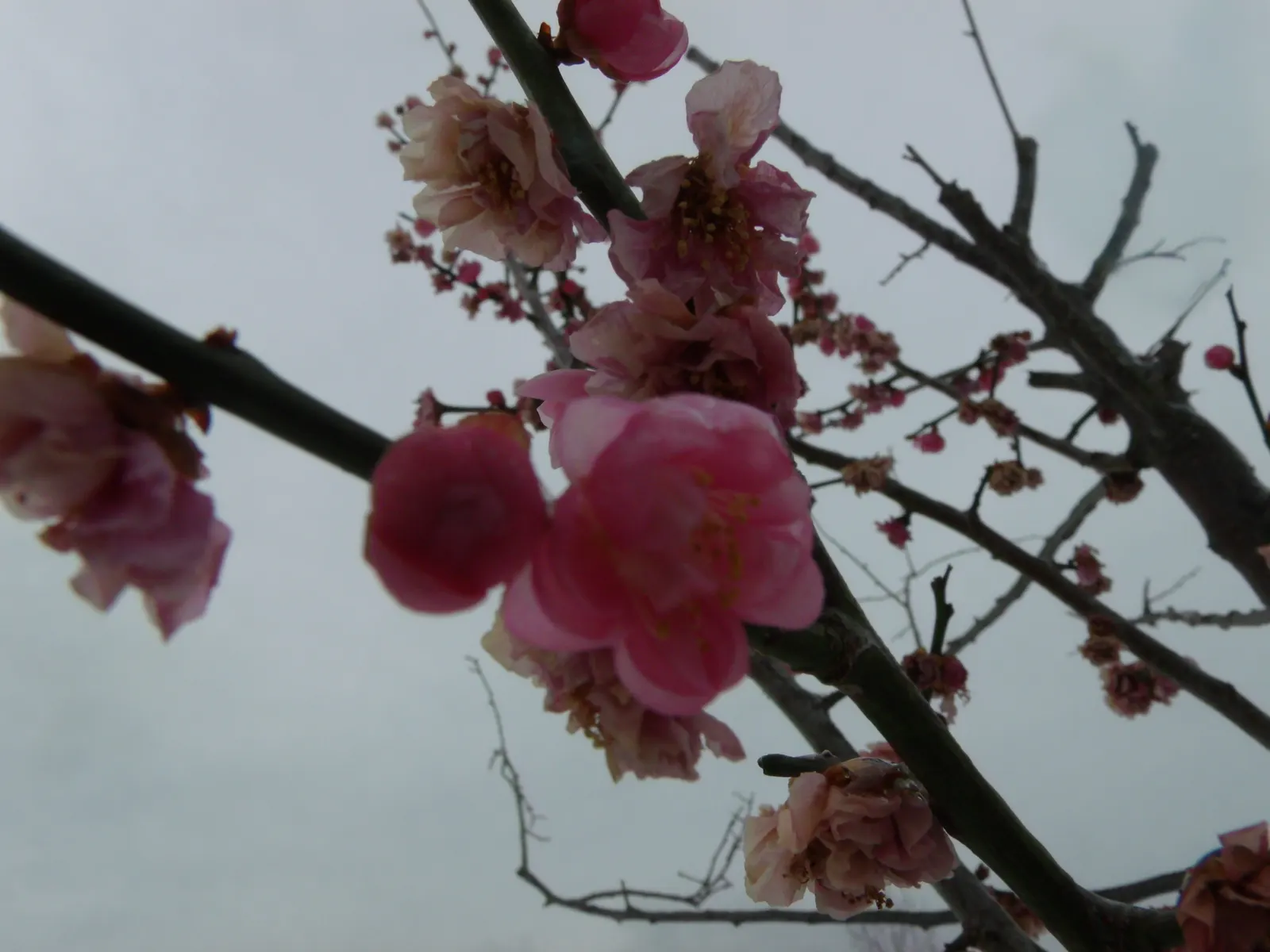
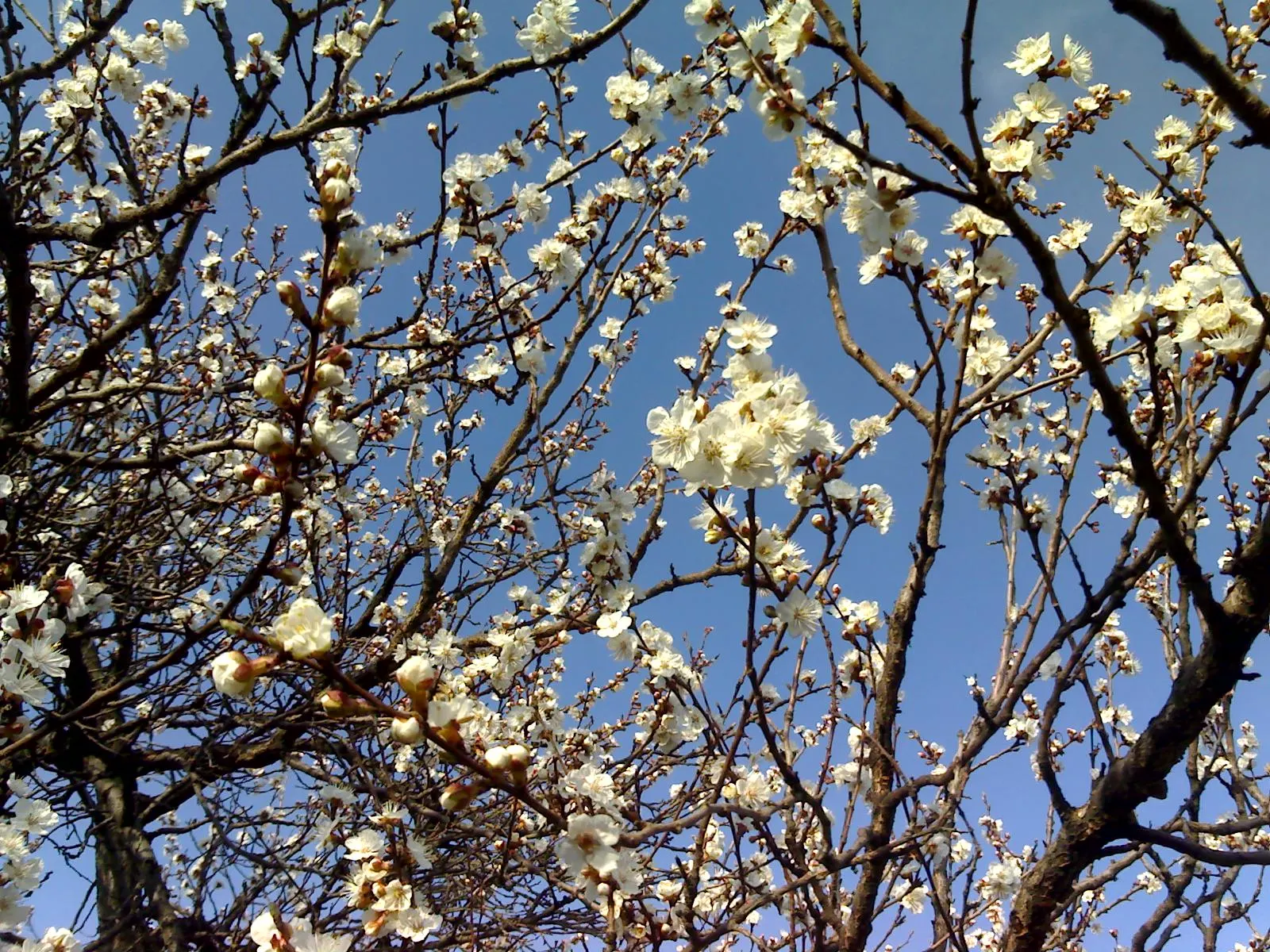
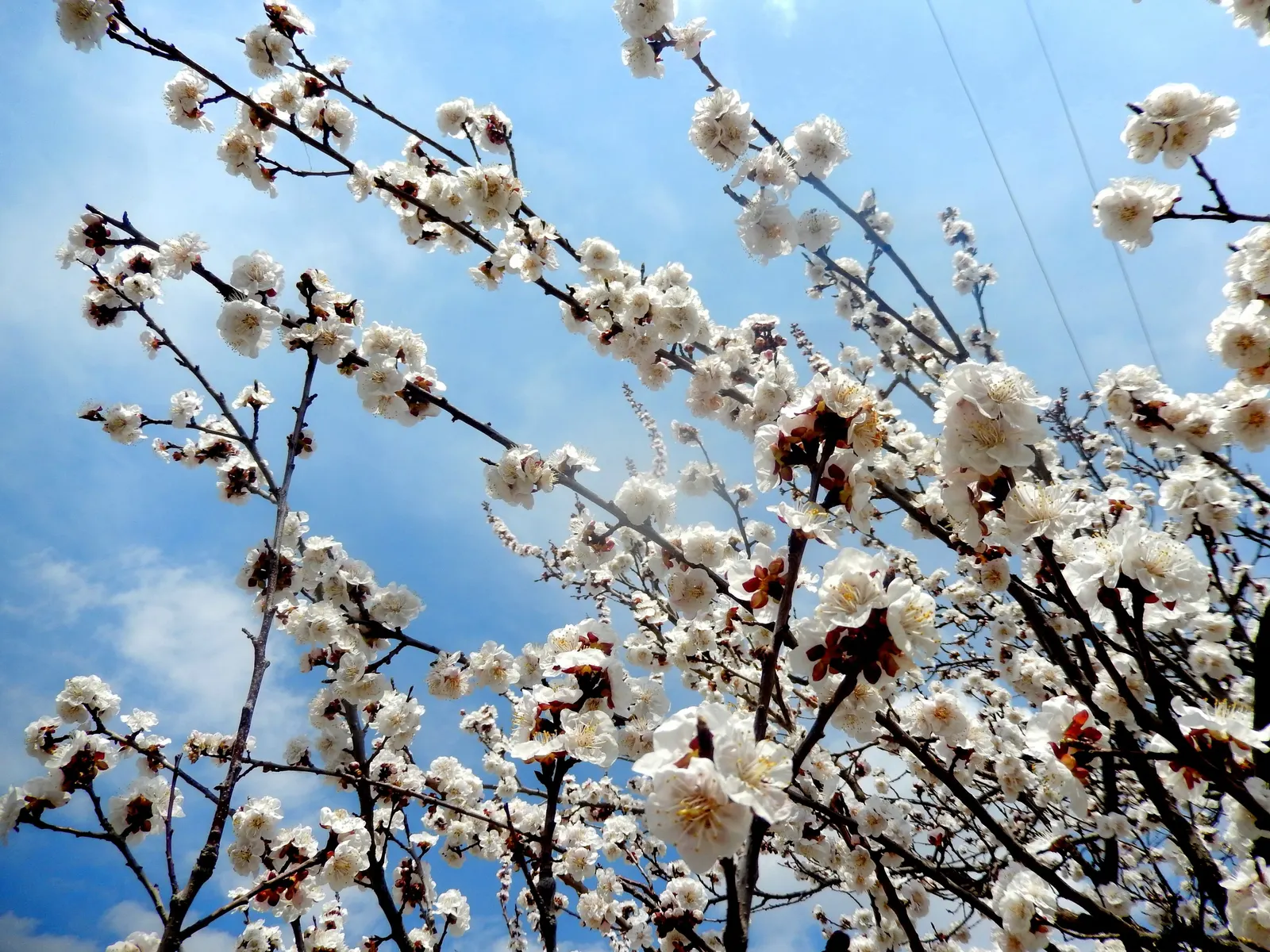
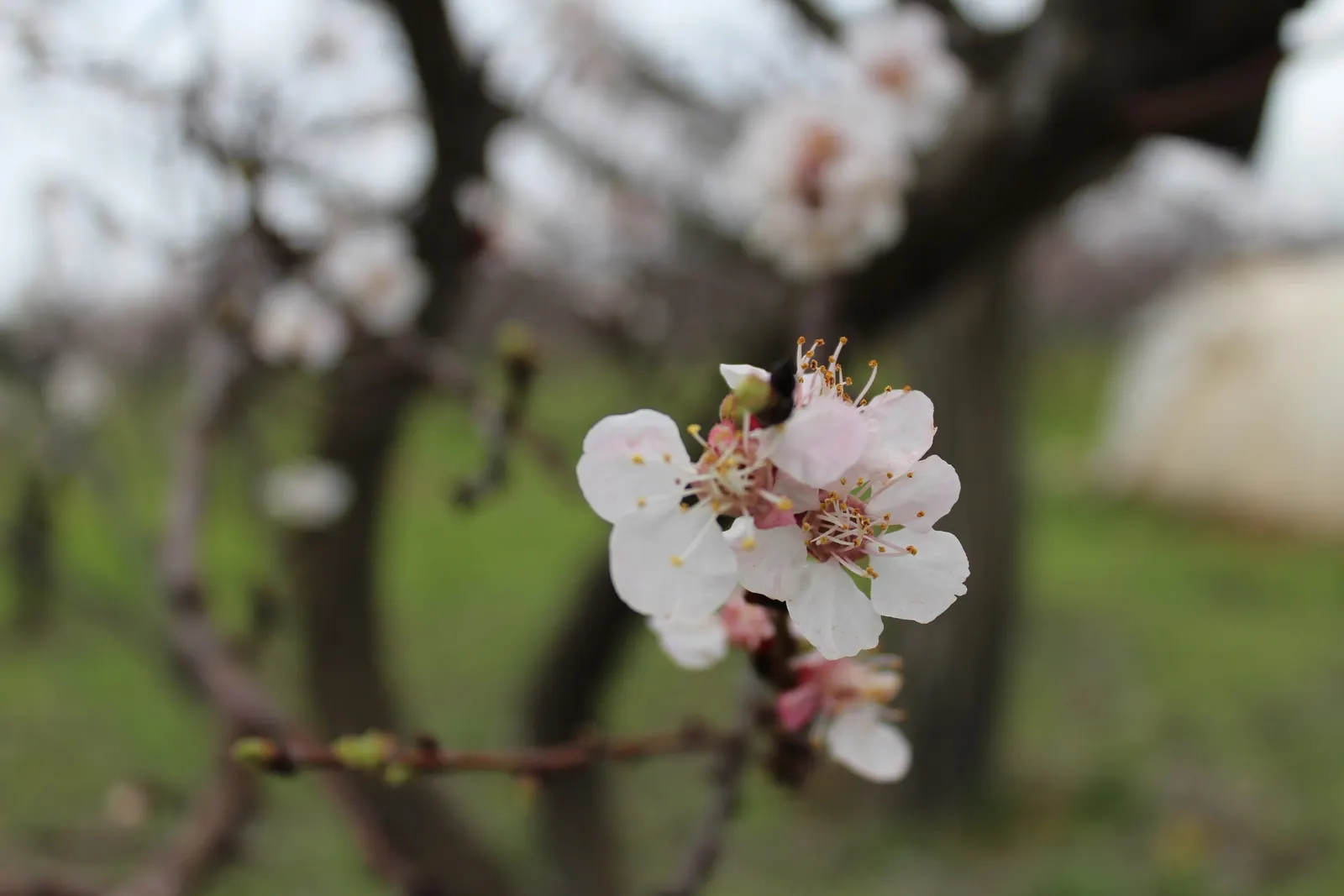
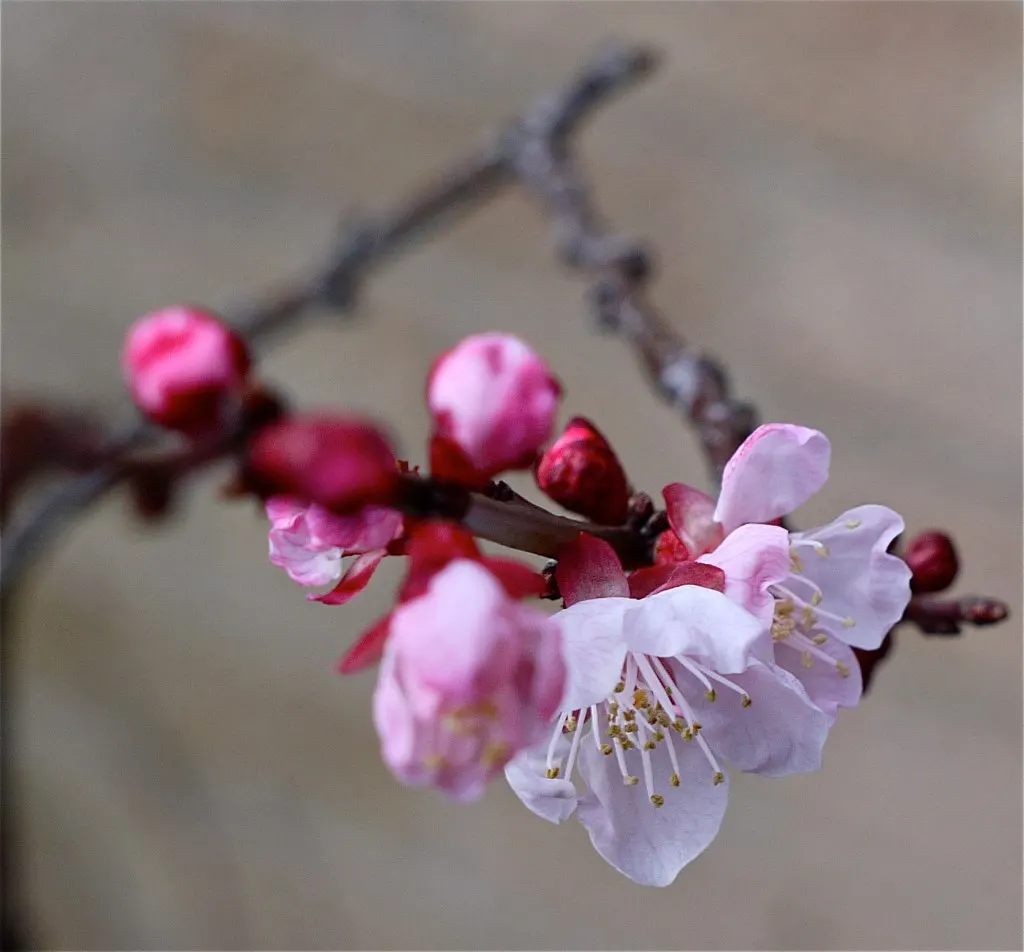
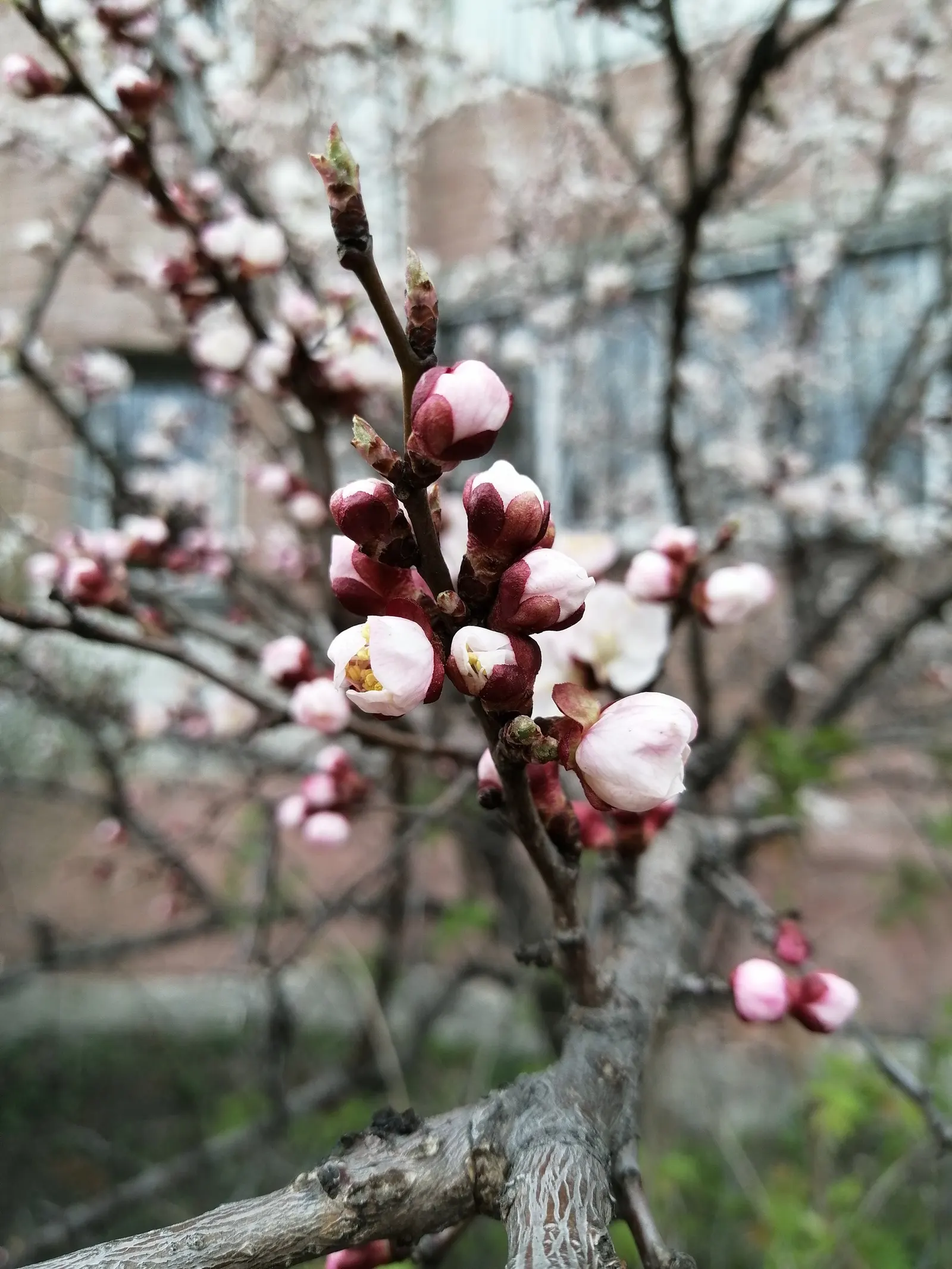
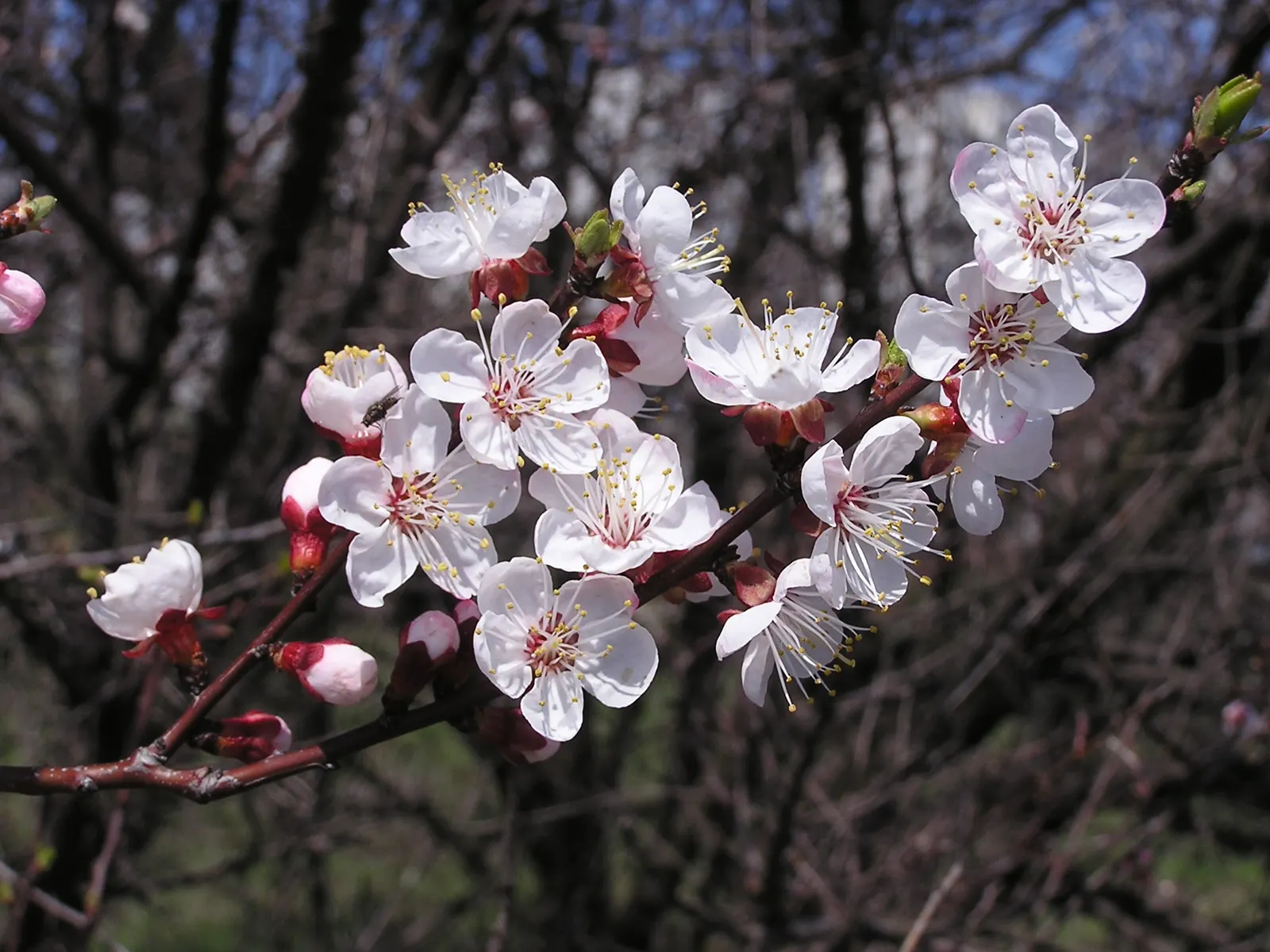
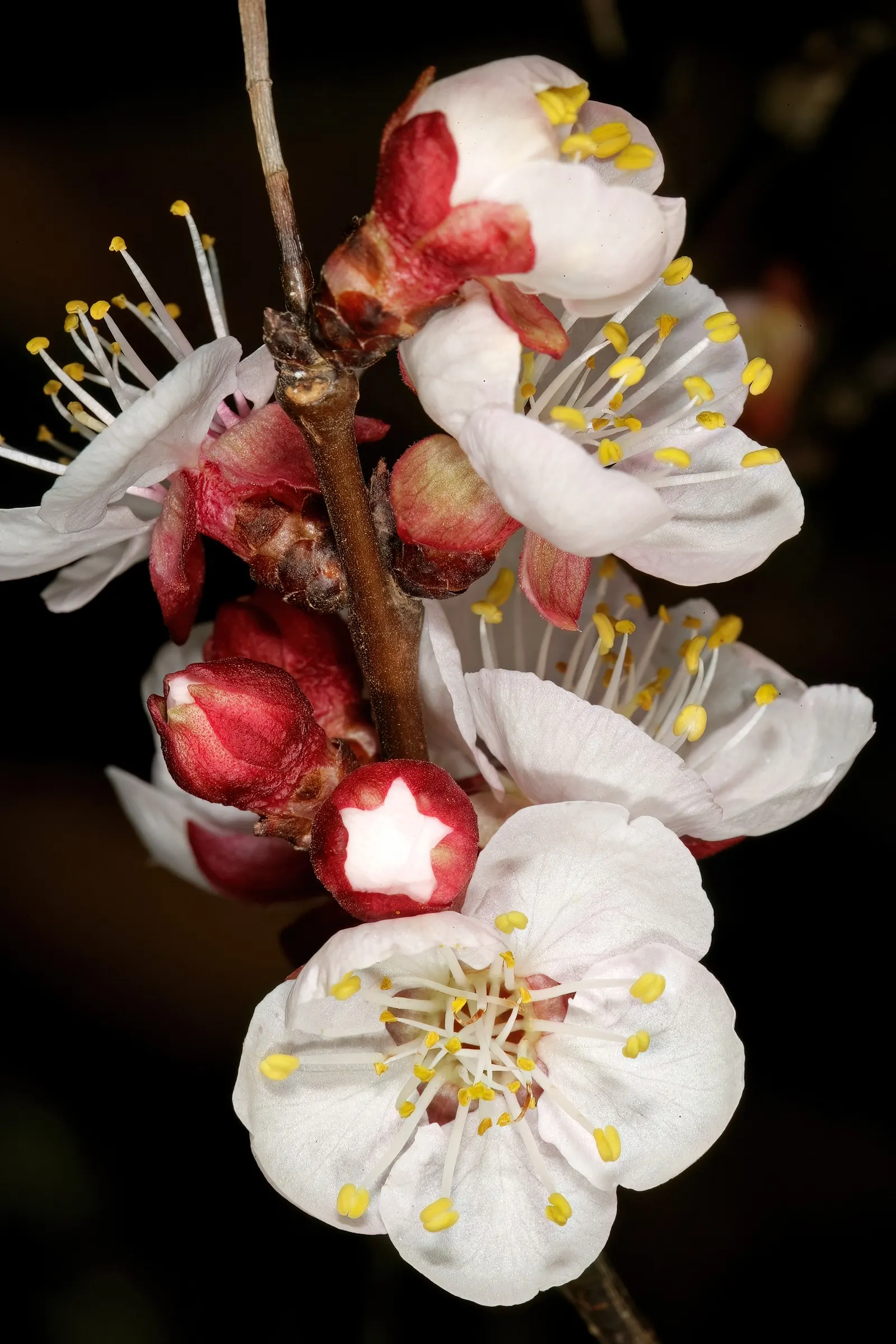
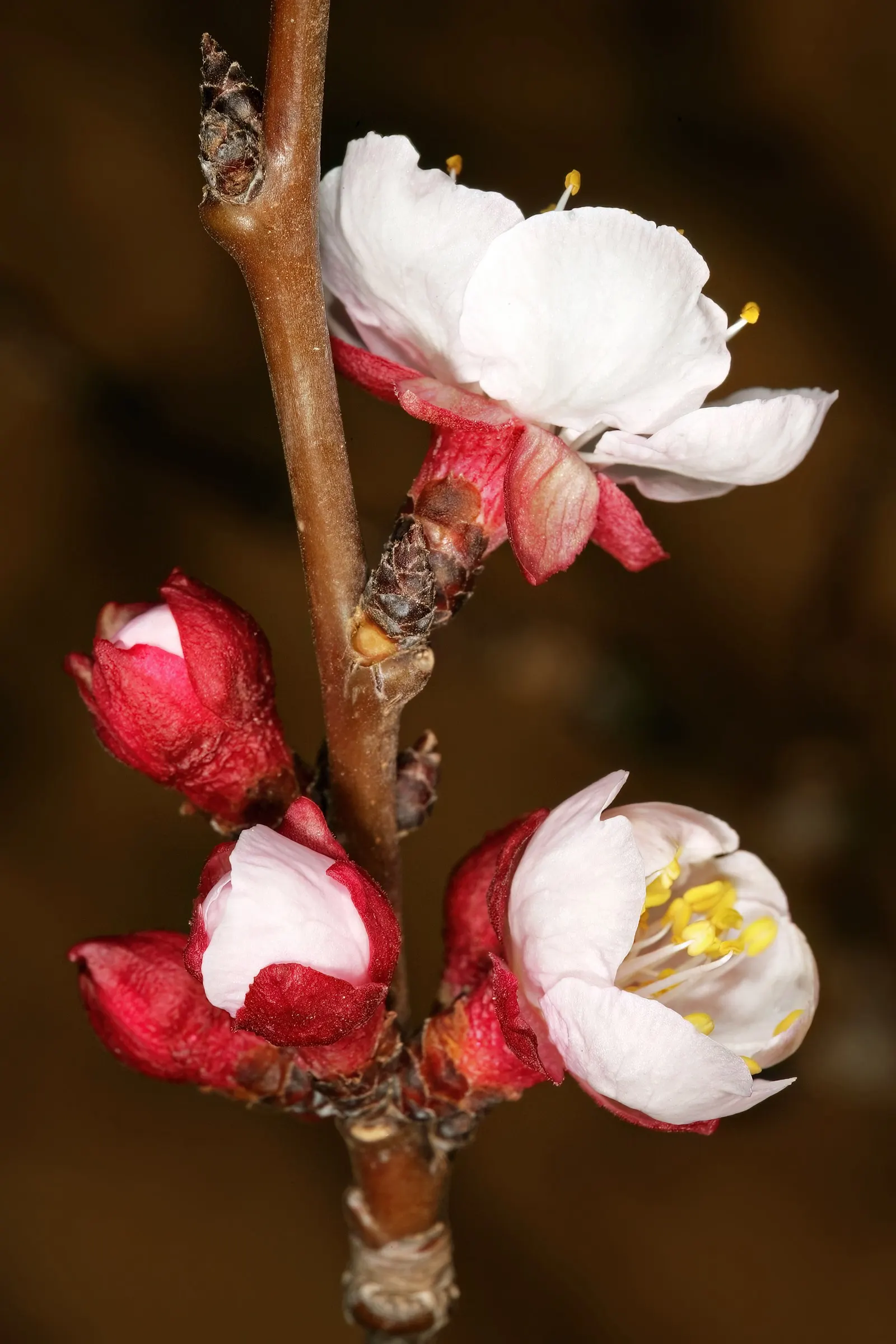
Apricot (Prunus Armeniaca) — Apricot trees produce an opulent display of pink-tinged white blossoms; as it thrives in locations with at least six hours of
Apricot (Prunus Armeniaca) — each about 3/4 to 1 inch in diameter; providing both visual interest and delicious yields
Apricot (Prunus Armeniaca) — covering the bare branches and creating a stunning floral showcase; prefers well-drained soil and full sun
Apricot (Prunus Armeniaca) — These blossoms are not only visually striking but also attract a variety of pollinators; the leaves are fresh green
Apricot (Prunus Armeniaca) — such as bees and butterflies, image 53
Apricot (Prunus Armeniaca) — essential for the success of the fruit crop; as it thrives in locations with at least six hours of direct sun a day
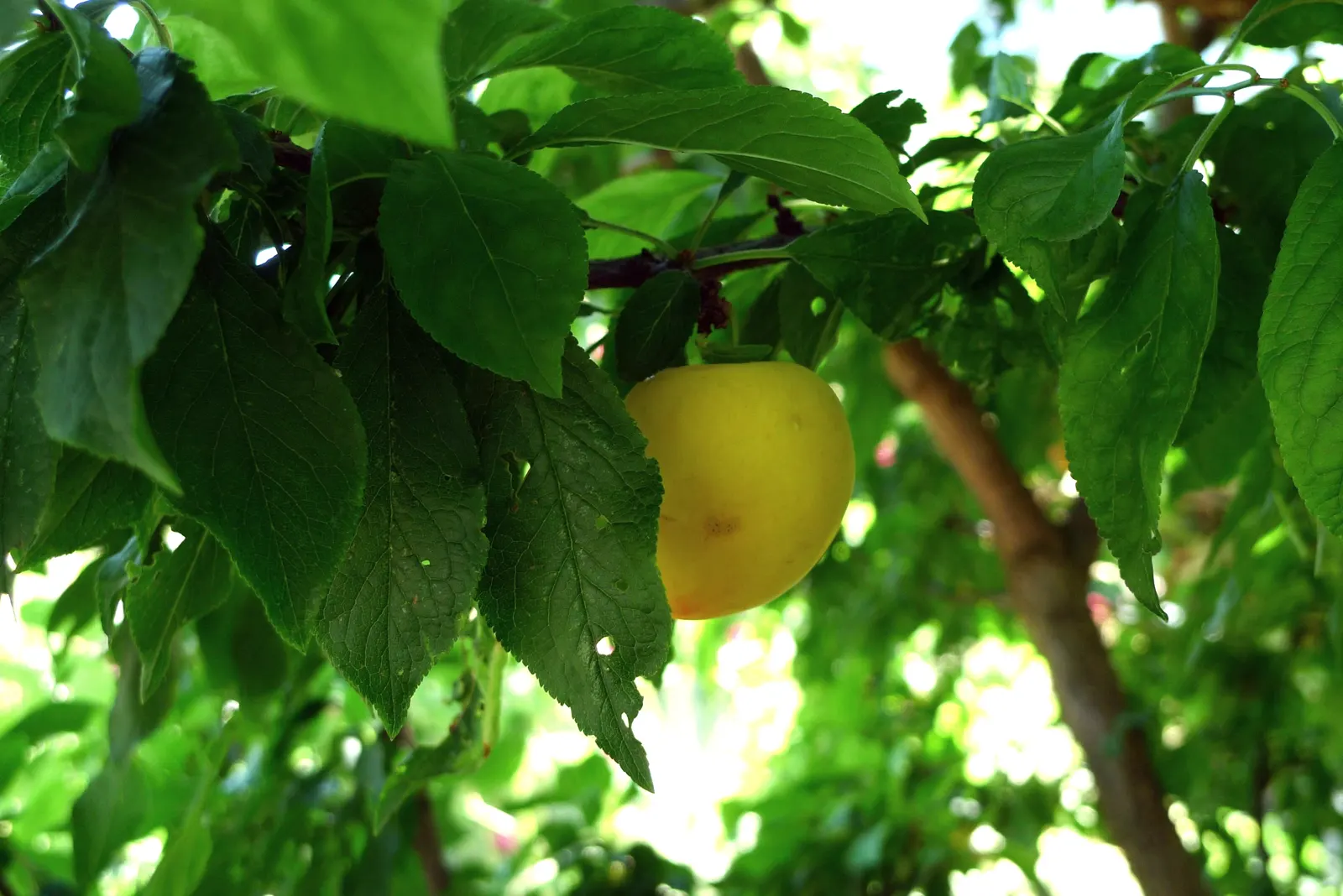
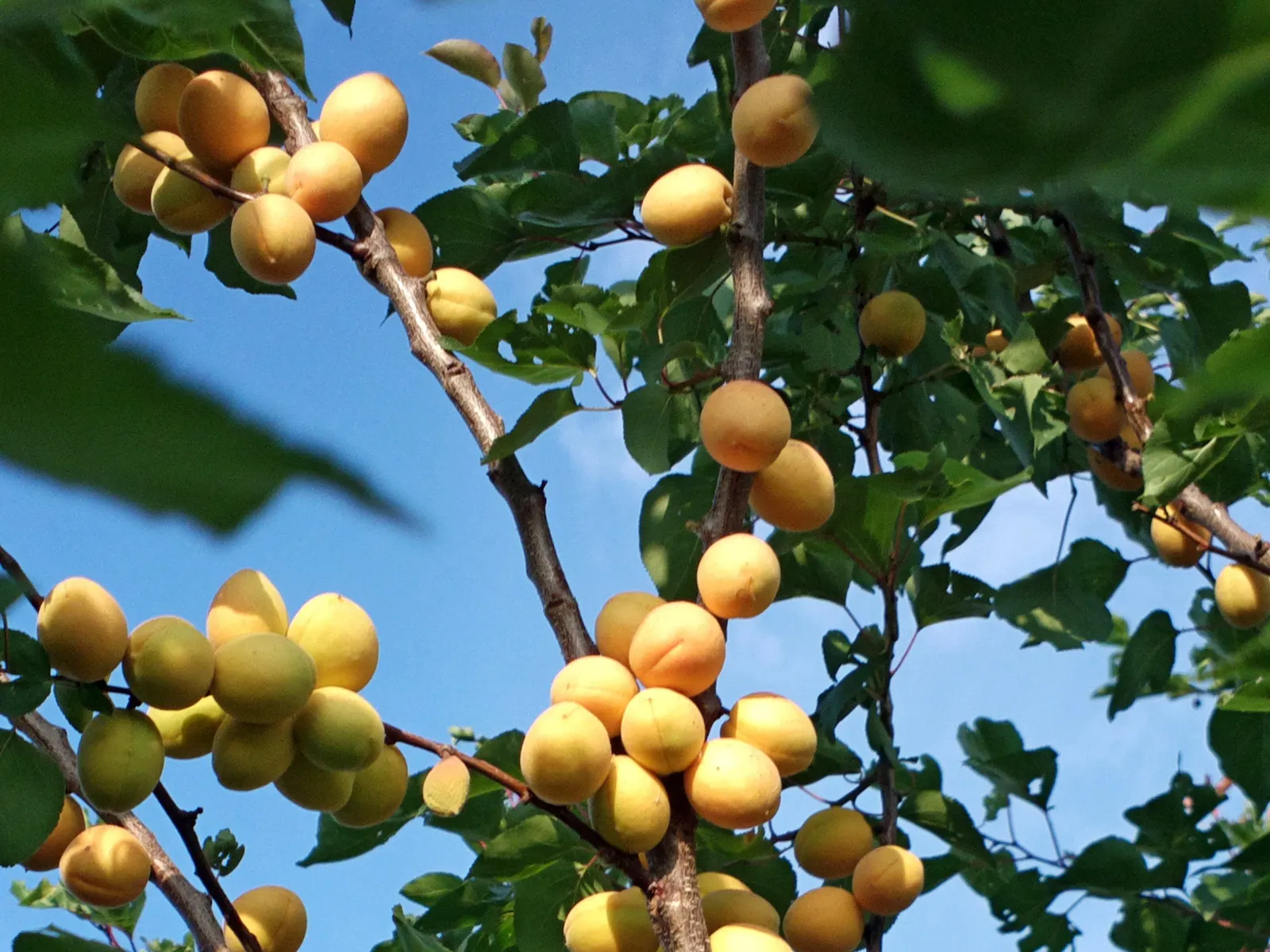
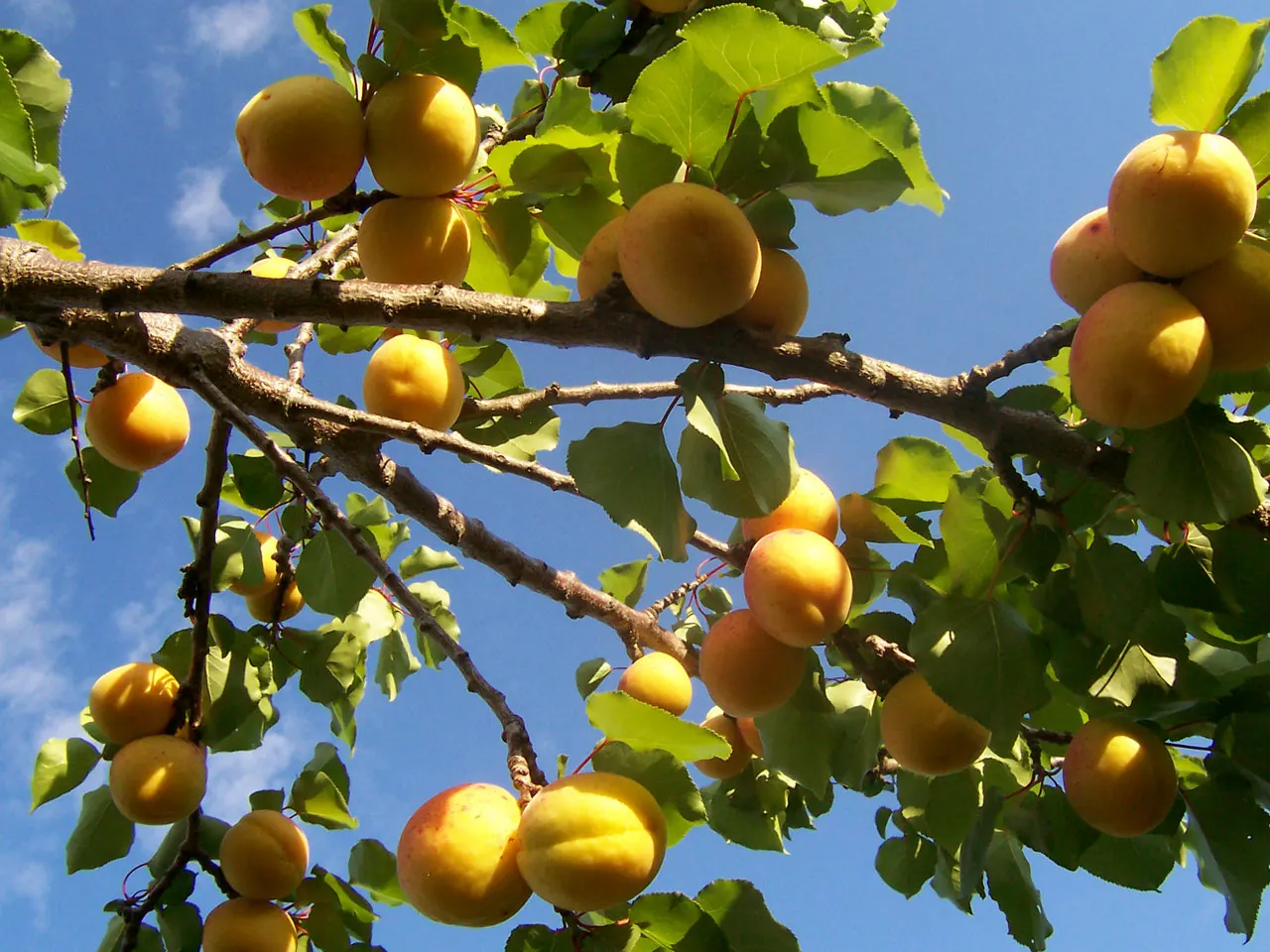
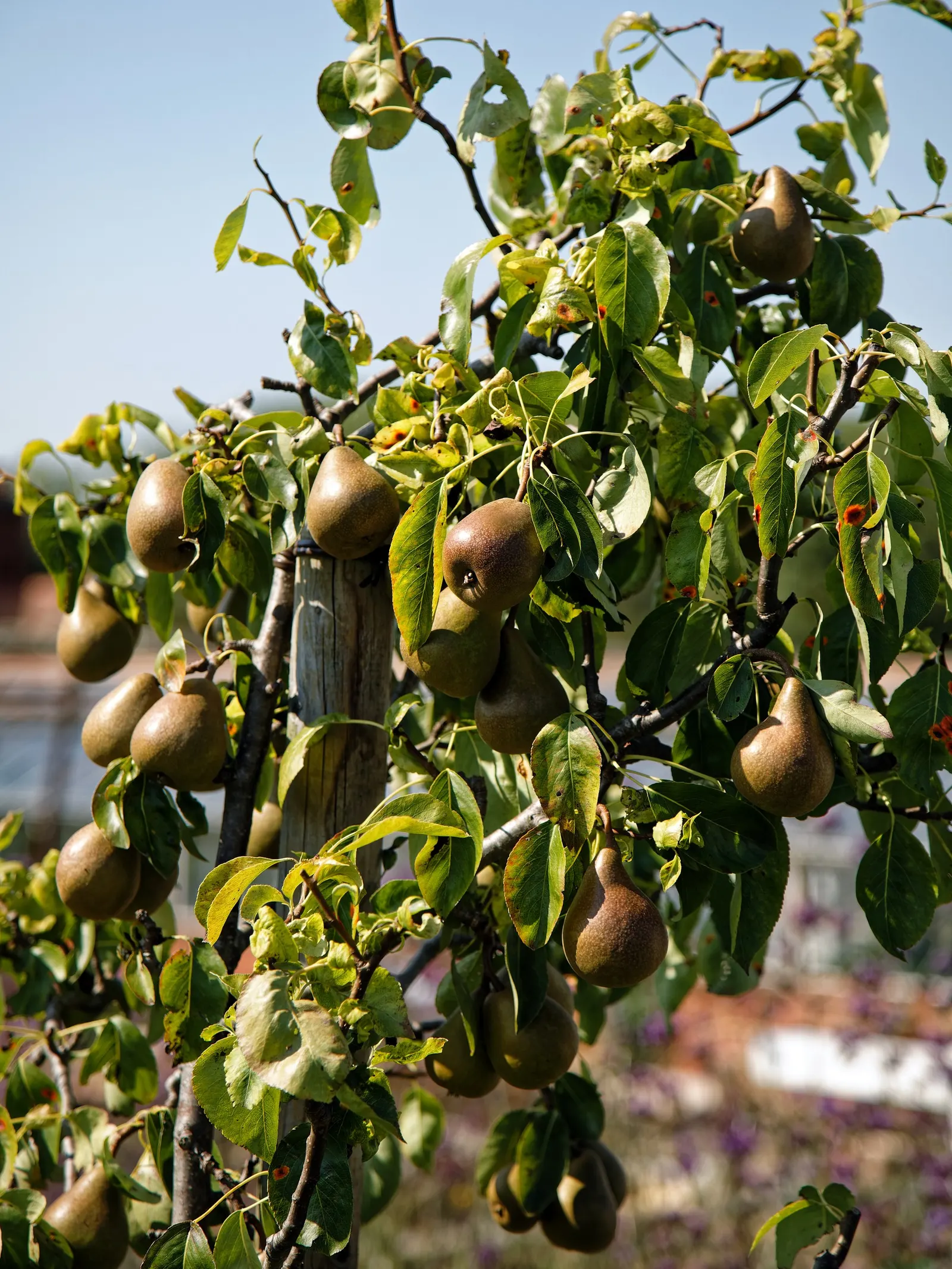
Apricot (Prunus Armeniaca) — By mid to late summer, the tree bears its hallmark apricot fruits; providing both visual interest and delicious yields
Apricot (Prunus Armeniaca) — Each is typically 1.5 to 2.5 inches in diameter; prefers well-drained soil and full sun
Apricot (Prunus Armeniaca) — with a velvety skin that ranges from yellow to orange; the leaves are fresh green
Apricot (Prunus Armeniaca) — occasionally with a red blush; such as bees and butterflies
Apricot (Prunus Armeniaca) — ensure it is planted in well-draining soil with full exposure to sunlight; as it thrives in locations with at least six hours of
Apricot (Prunus Armeniaca) — as it thrives in locations with at least six hours of direct sun a day; providing both visual interest and delicious yields
Apricot (Prunus Armeniaca) — especially during the fruiting season; prefers well-drained soil and full sun
Apricot (Prunus Armeniaca) — though established trees have moderate drought tolerance; the leaves are fresh green
Apricot (Prunus Armeniaca) — Be mindful of potential pests and diseases such as aphids and bacterial canker; such as bees and butterflies
Apricot (Prunus Armeniaca) — which can be managed with appropriate care and preventive measures; as it thrives in locations with at least six hours of direct
Apricot (Prunus Armeniaca) — This tree's modest size and stunning seasonal transitions from spring blooms; providing both visual interest and delicious yields
Apricot (Prunus Armeniaca) — and vibrant fall foliage make it a versatile addition to gardens; prefers well-drained soil and full sun
Apricot (Prunus Armeniaca) — providing both visual interest and delicious yields; the leaves are fresh green

Related plants