
Apricot
Prunus Armeniaca
Overview
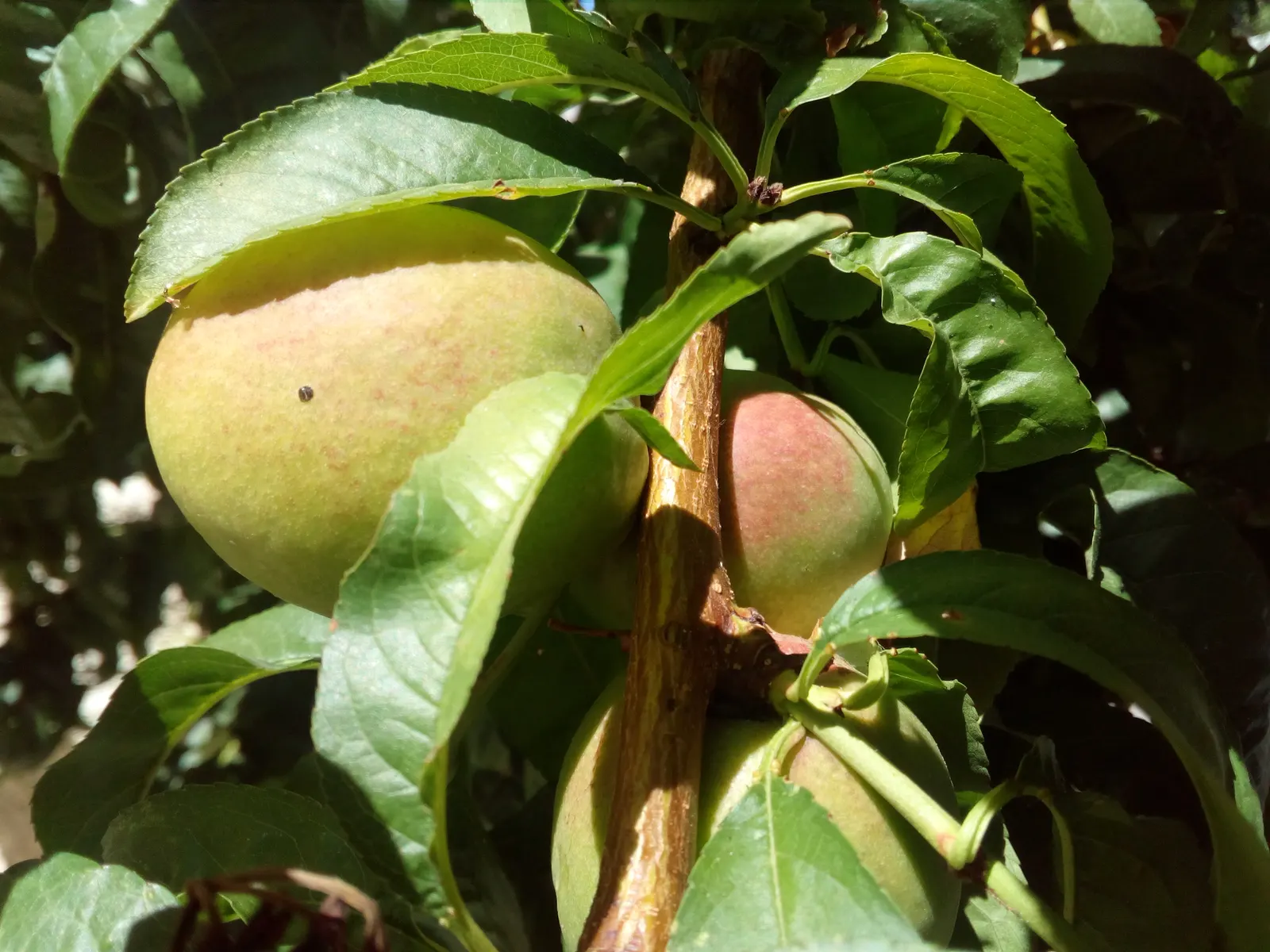
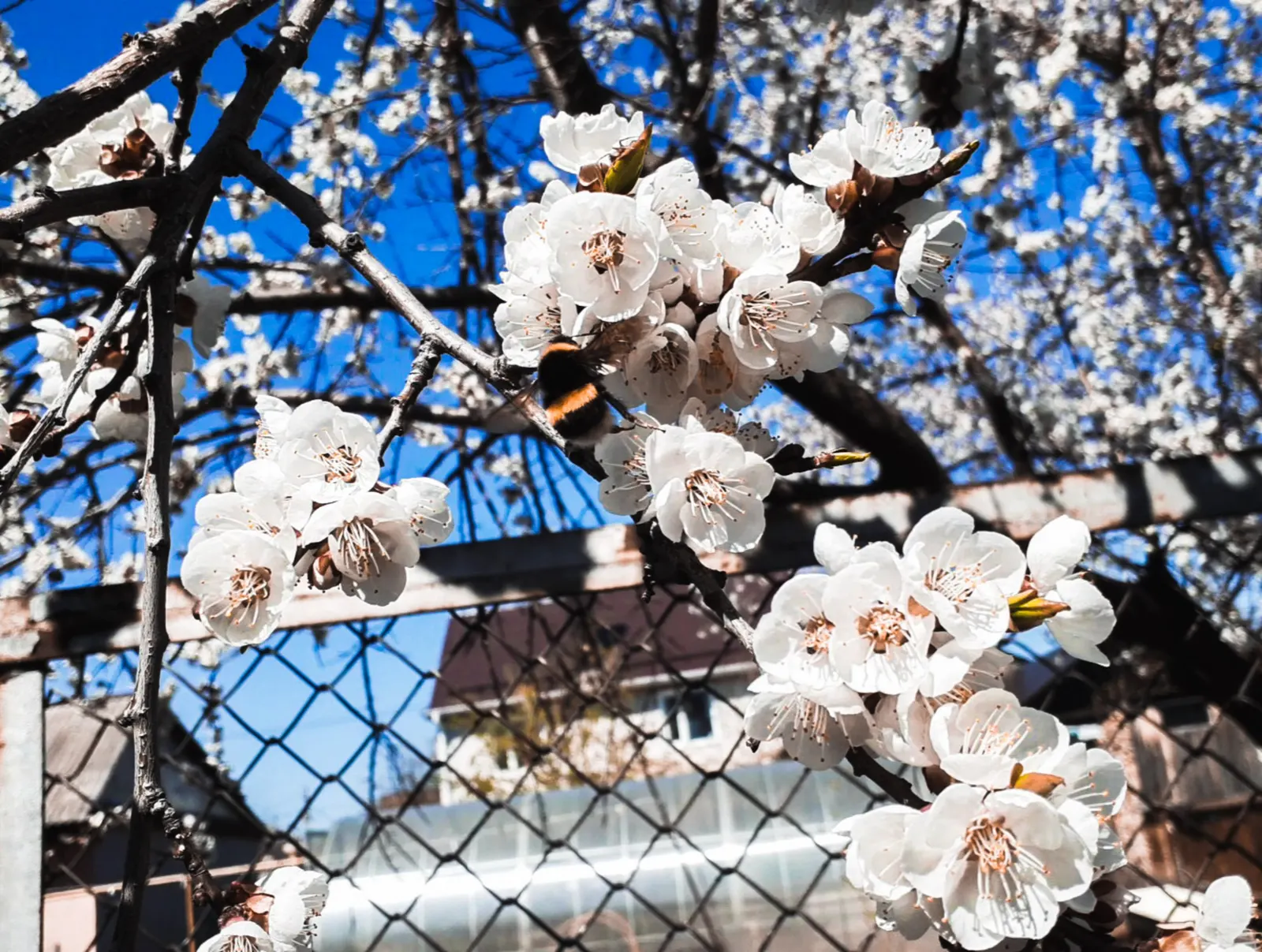
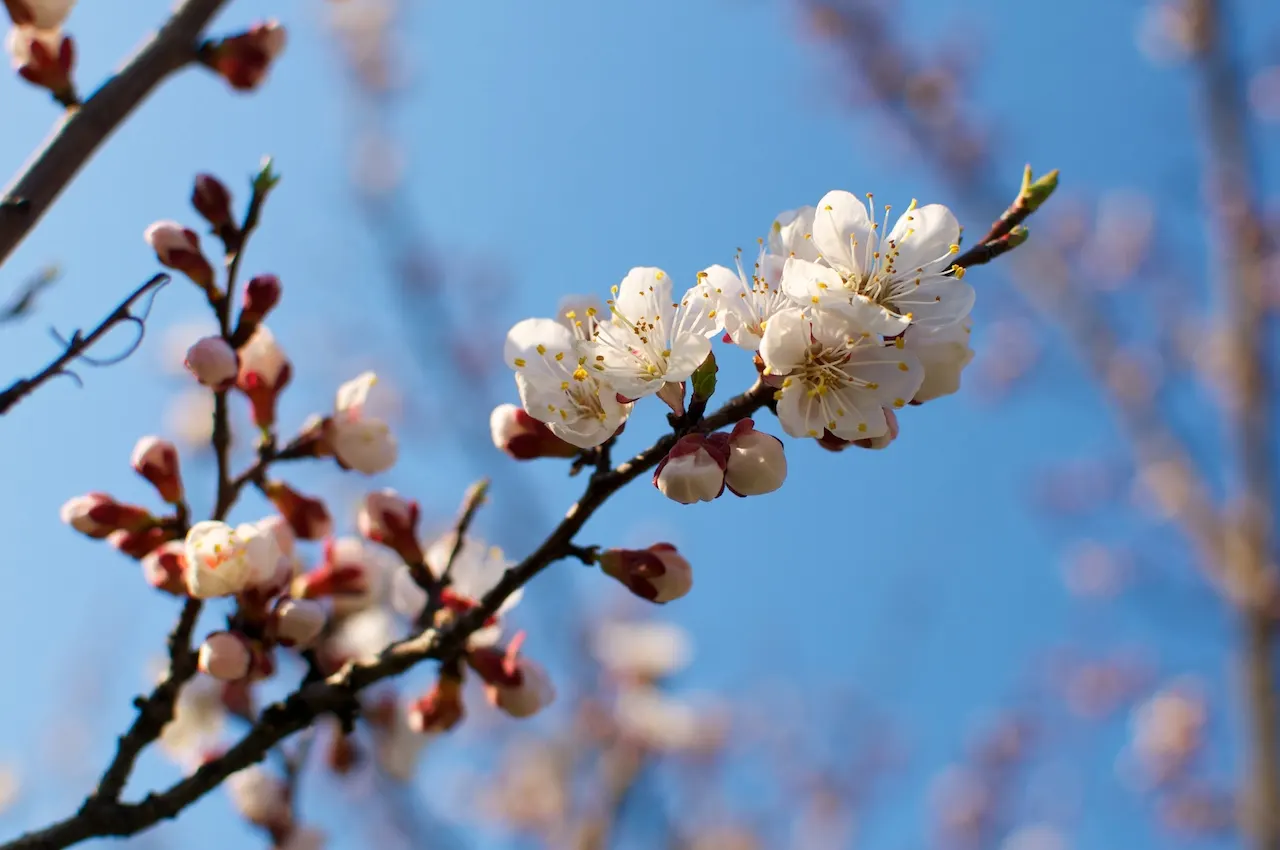
Prunus armeniaca, commonly known as Apricot, is a deciduous tree that grows to 15-20 feet in height with a spread of 15-20 feet. Bearing delightful pinkish-white blooms in early spring, it produces succulent, yellow-orange fruit by summer. Prefers well-drained soil and full sun. Apricot trees add a charming, edible element to landscapes while providing spring blossoms and potential autumn color. Hardy in USDA Zones 5-8.
Sun FullWater Extra in Summer, MediumZones 5–10Type TreeClimate Temperate
Culture
- Sun
- Full
- Water
- Extra in Summer, Medium
- USDA zones
- 5–10
Shape & size
Classification
- Type
- Tree
- Family
- Rosaceae
- Climate
- Temperate
See full data, regional cultivation notes, and design tools. Build a client presentation around this plant.
Start your 14-day trialPhotos (111)
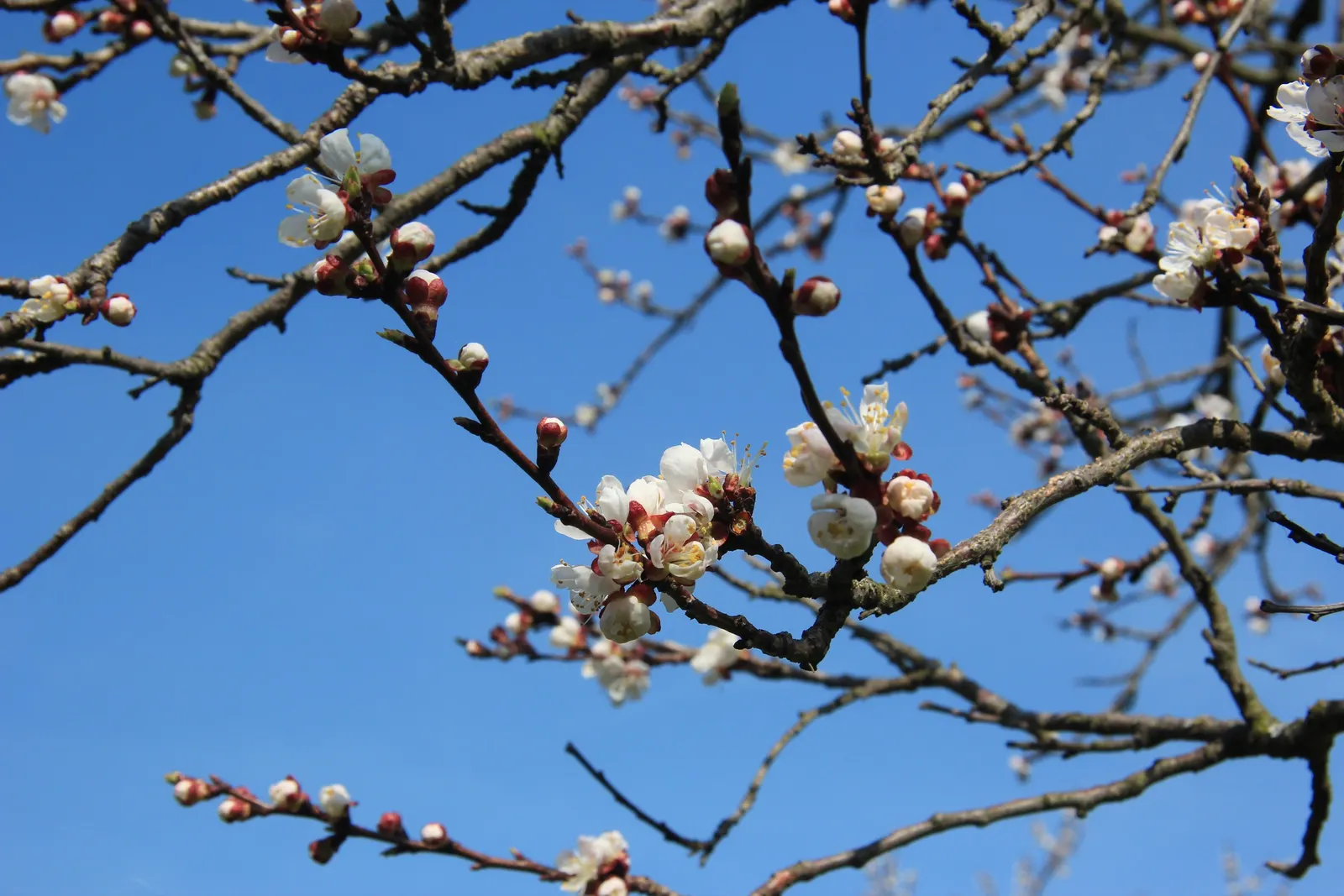
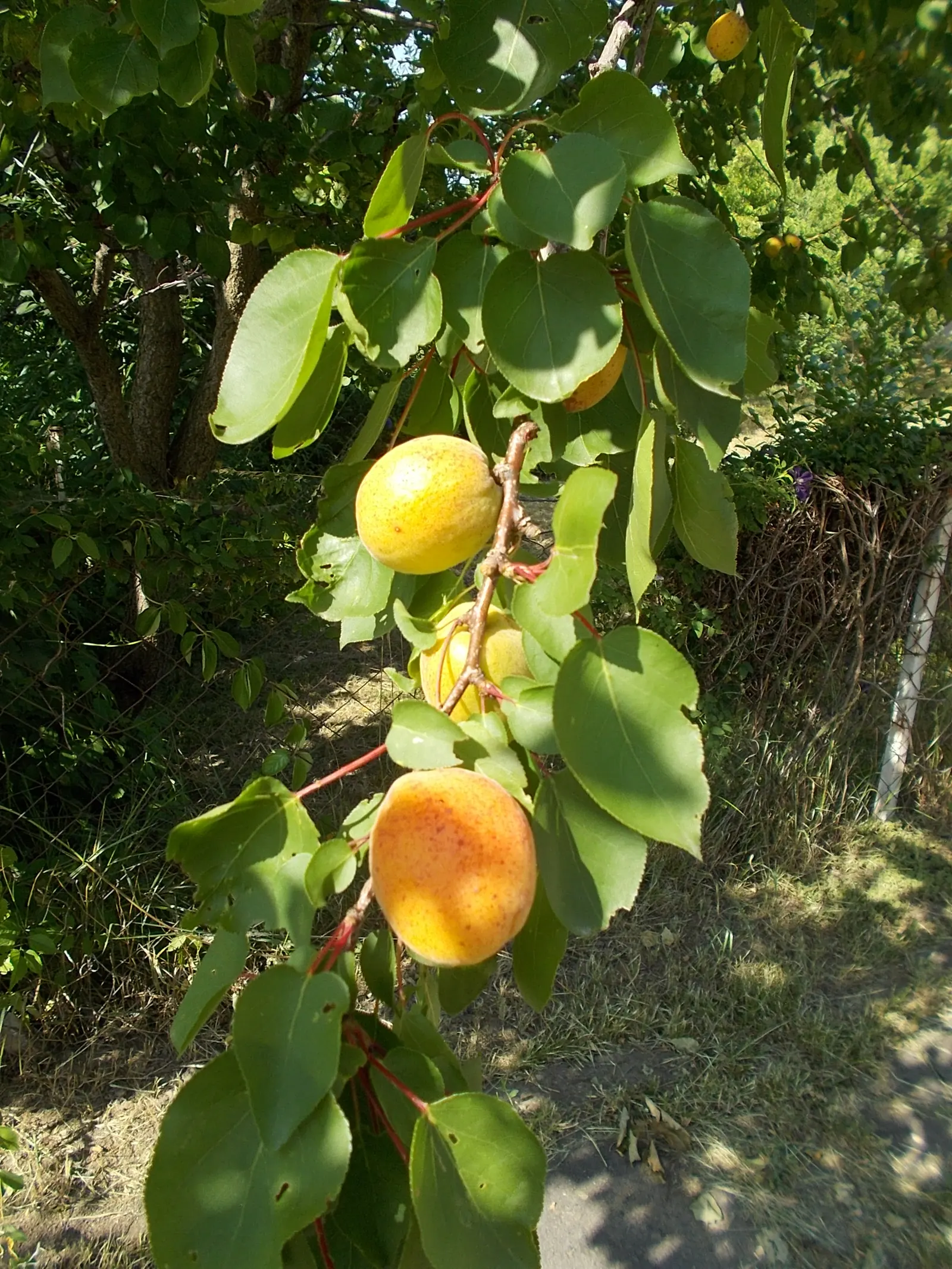
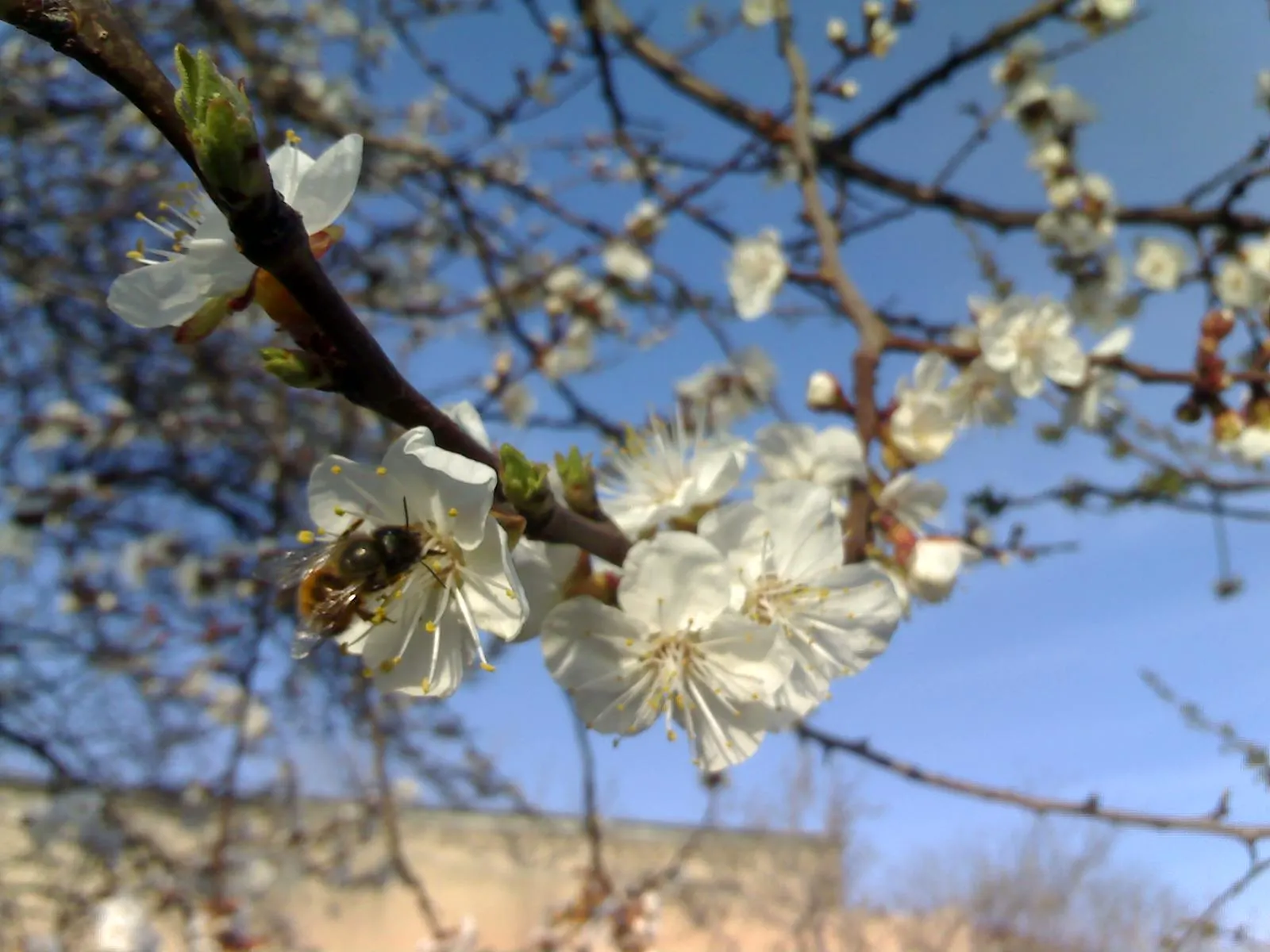
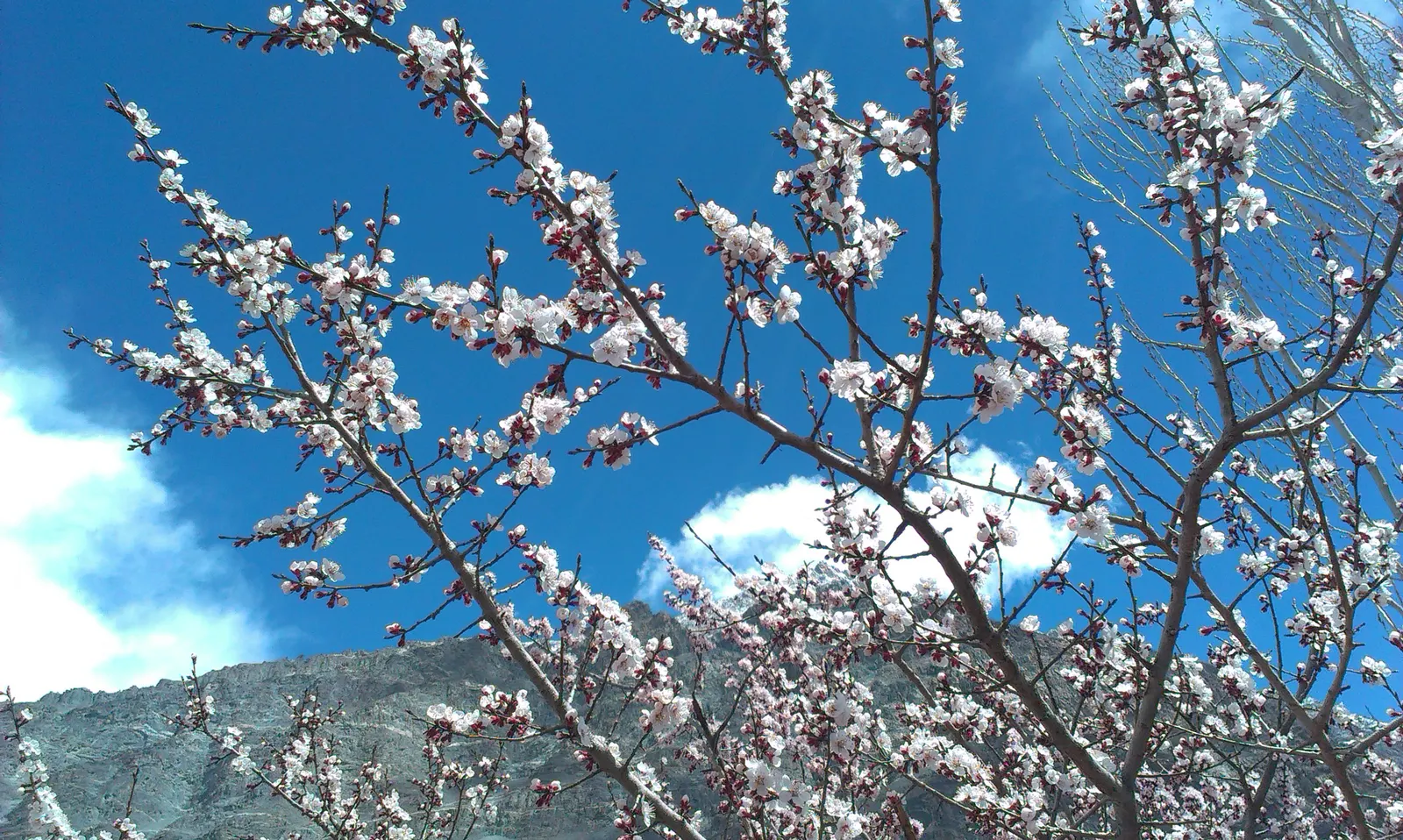
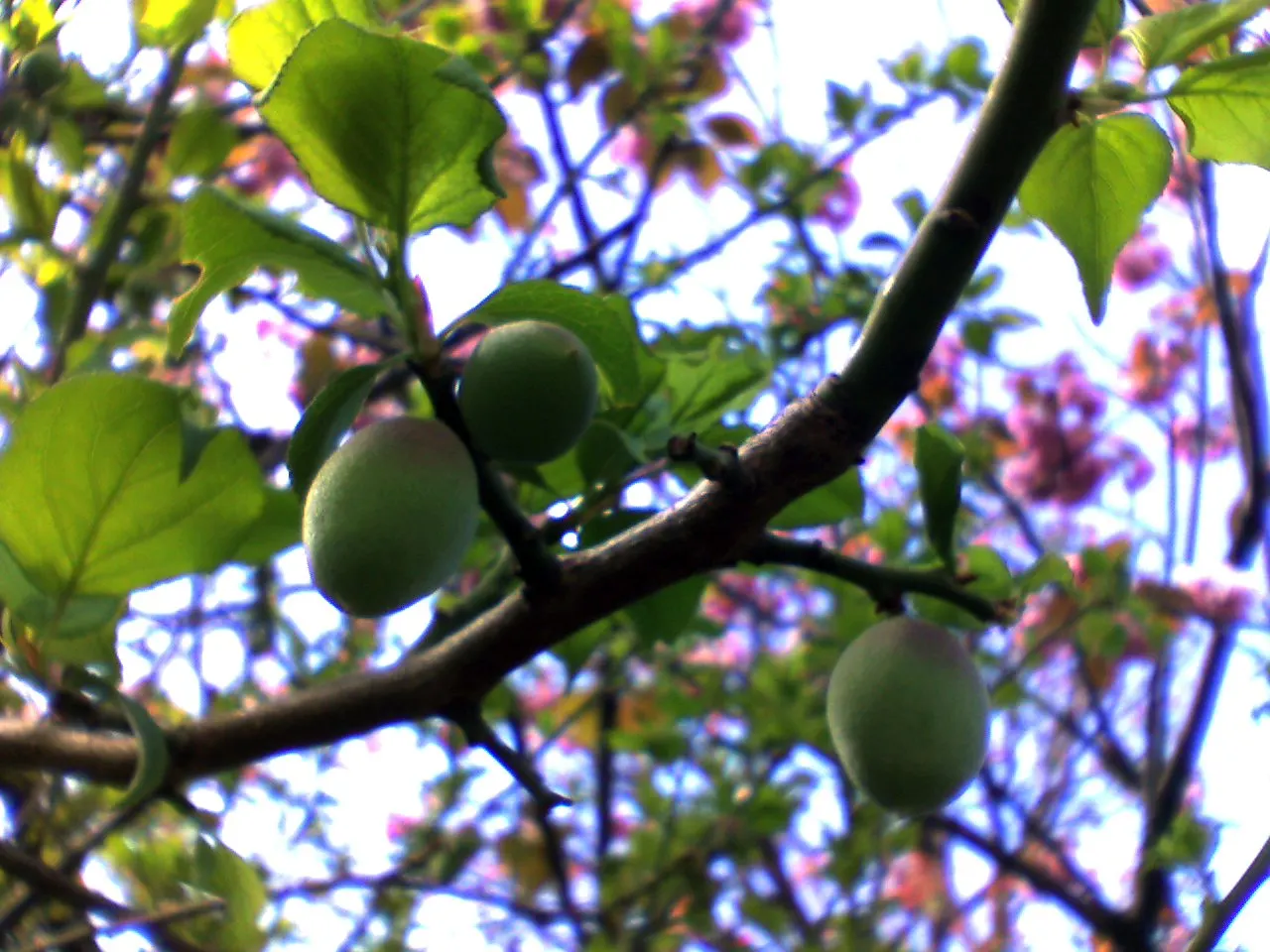
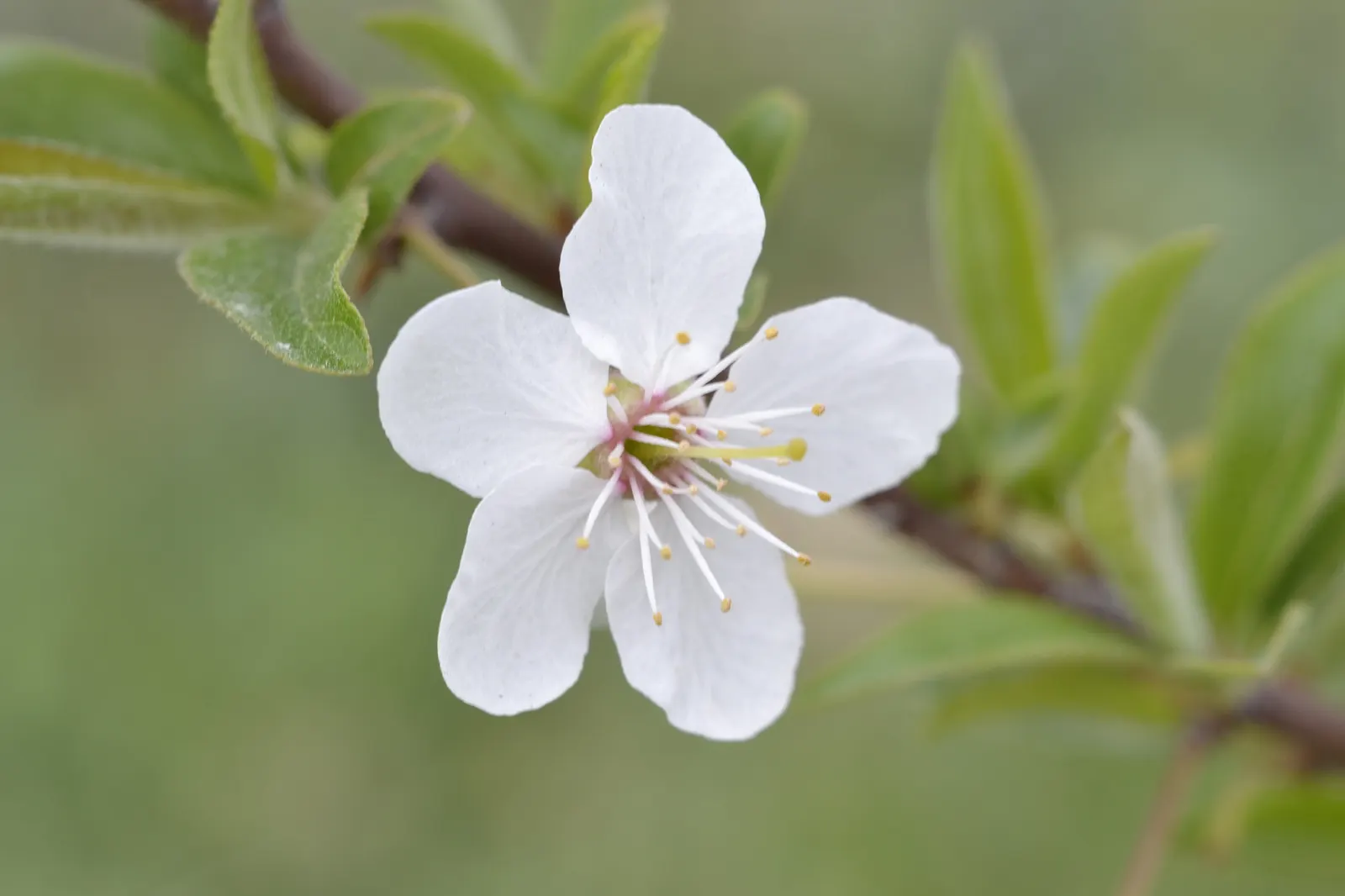
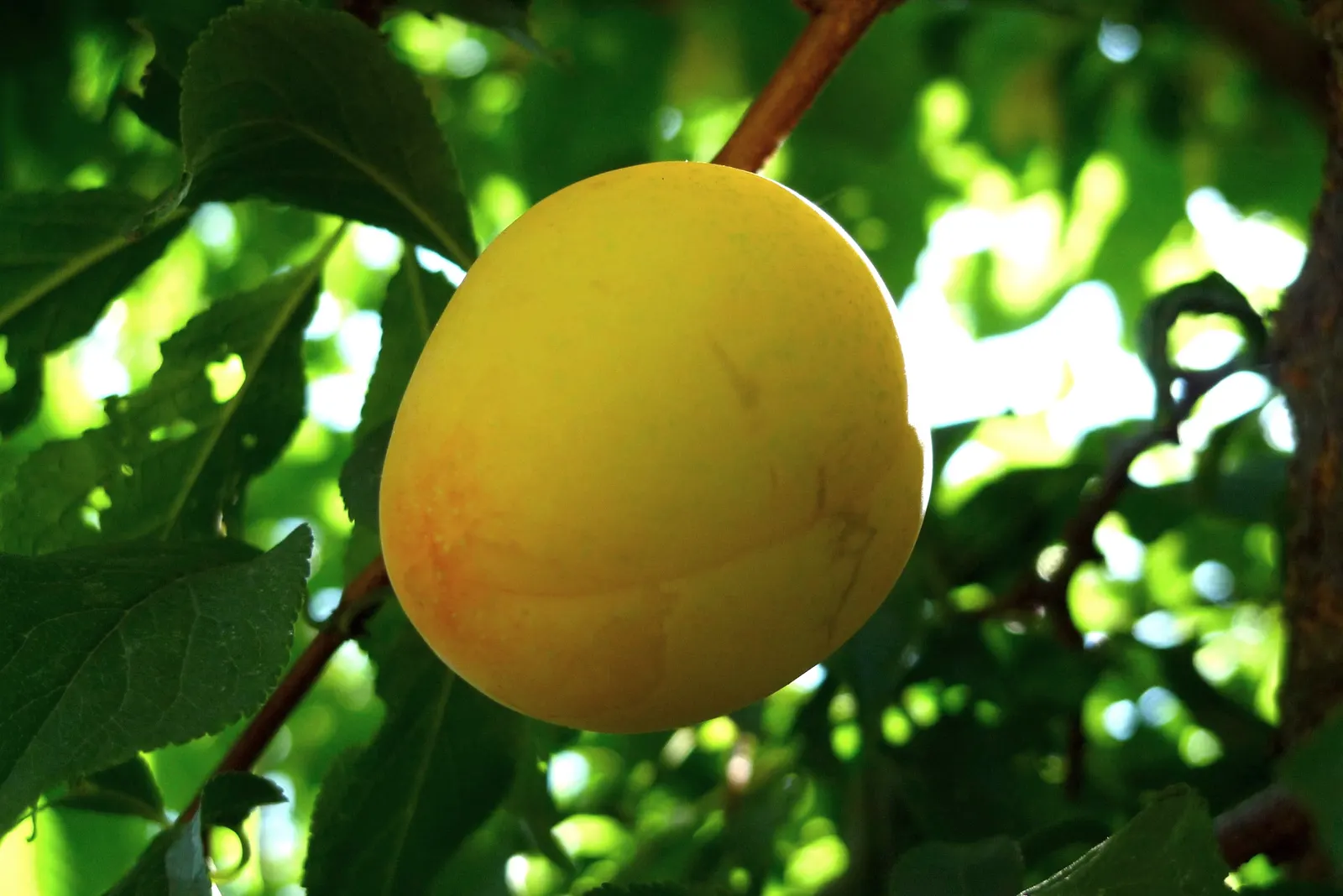
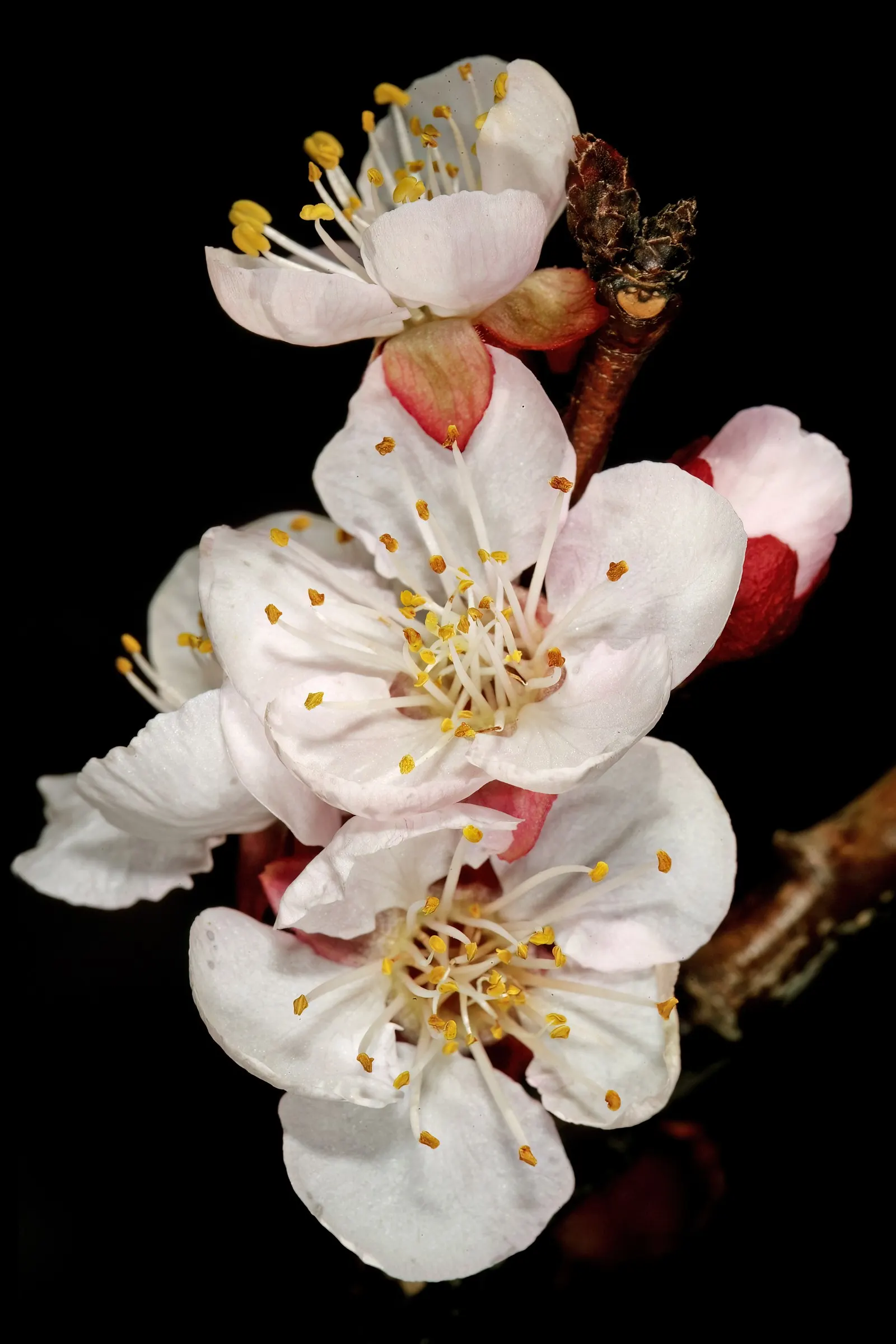
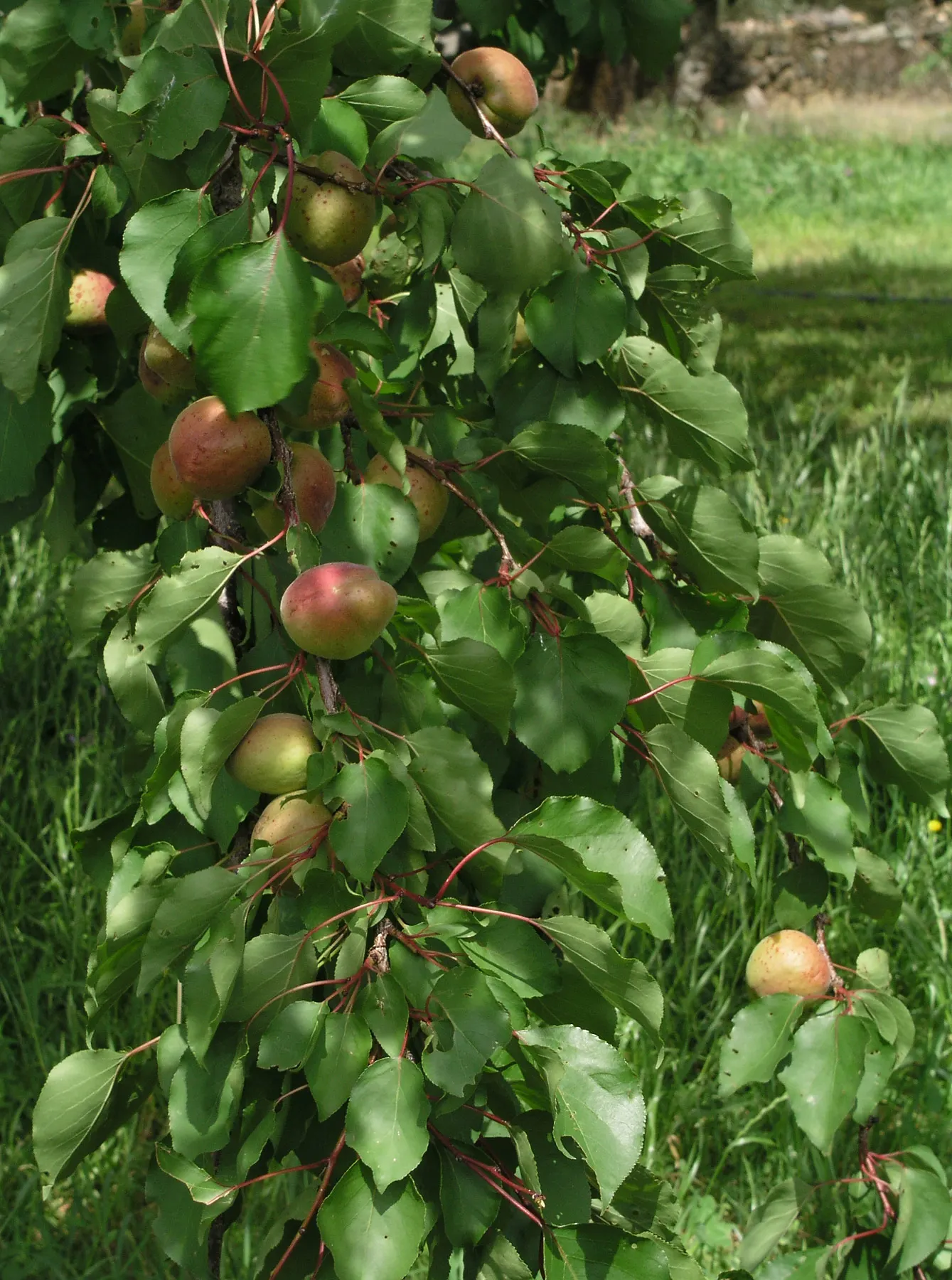
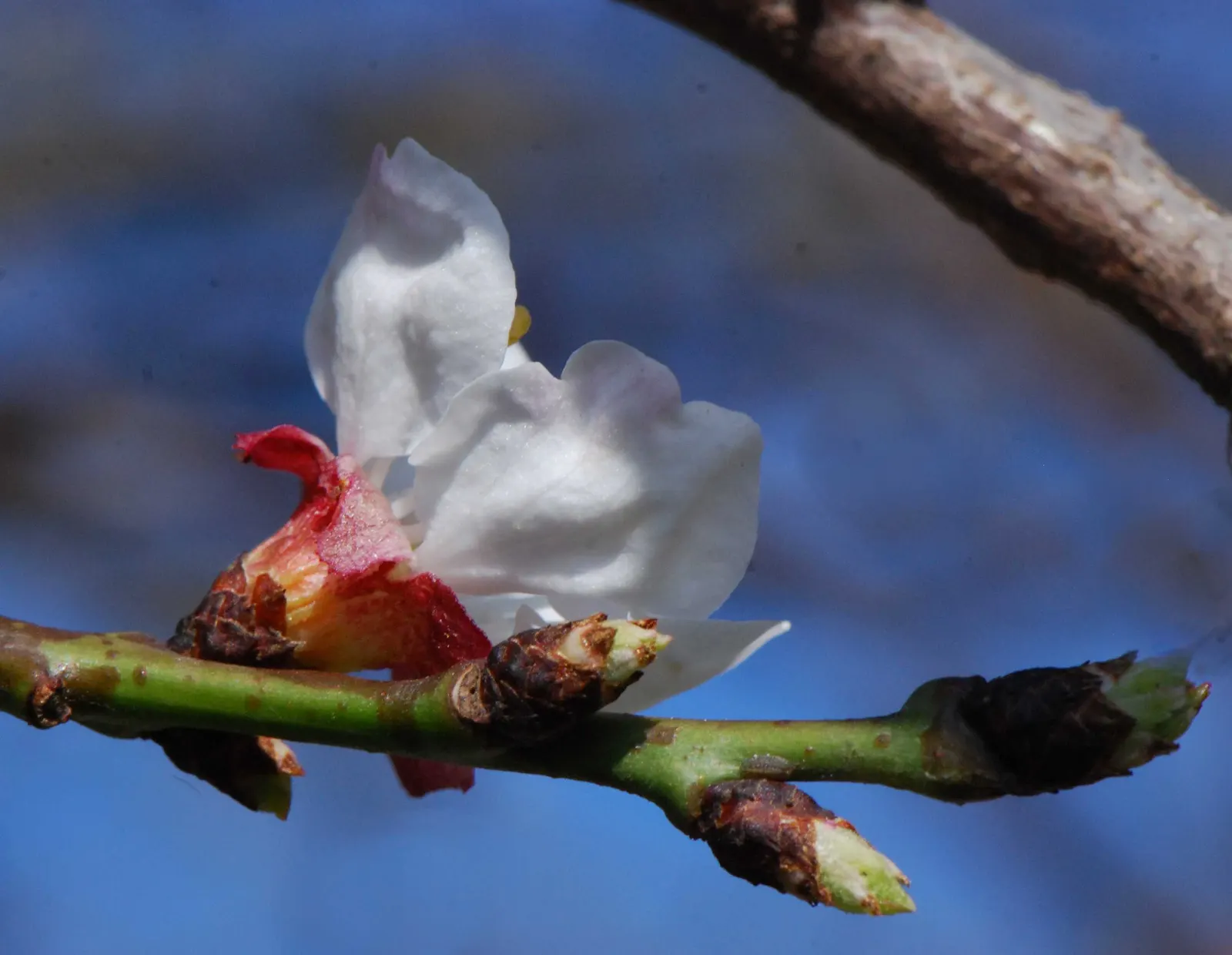
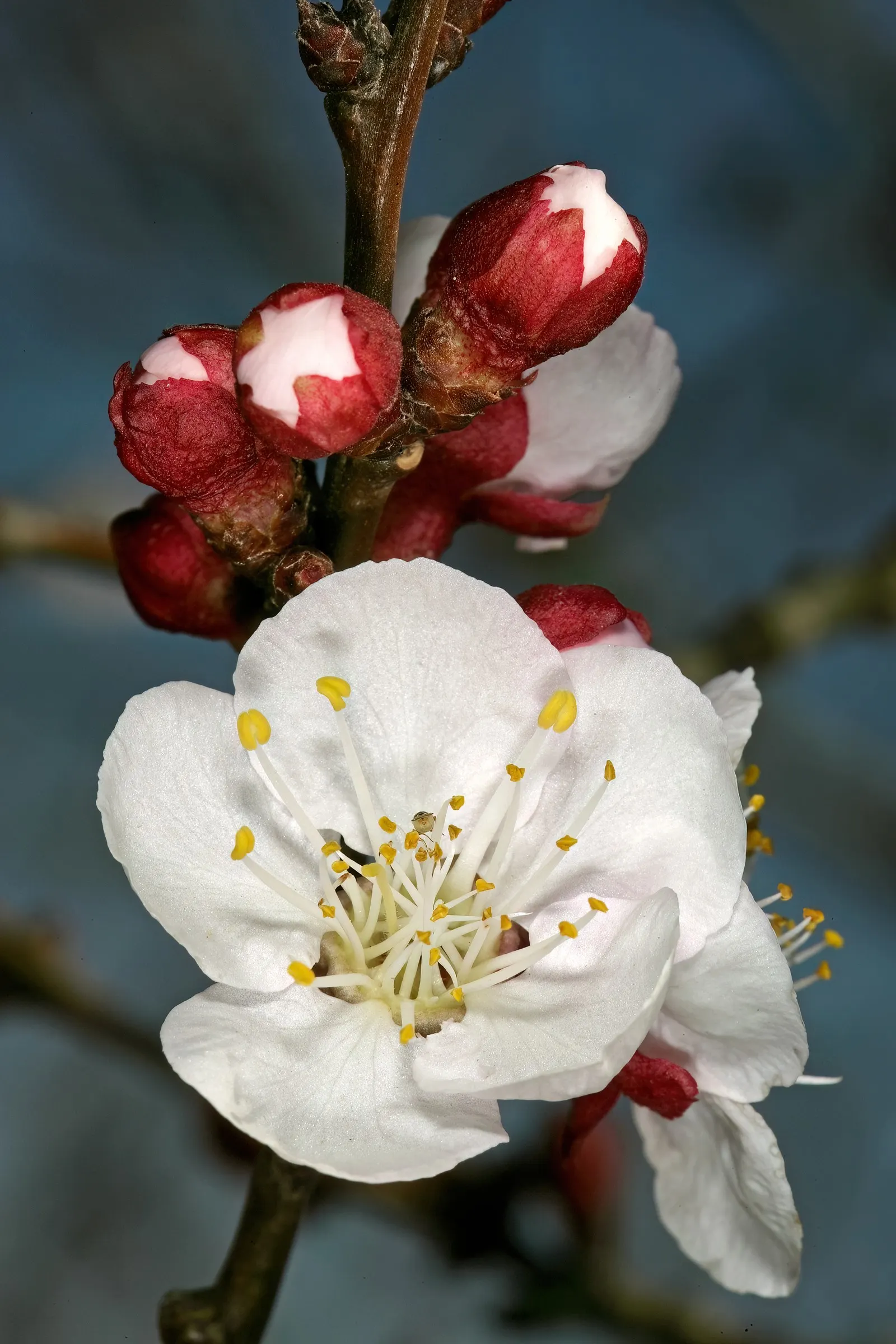
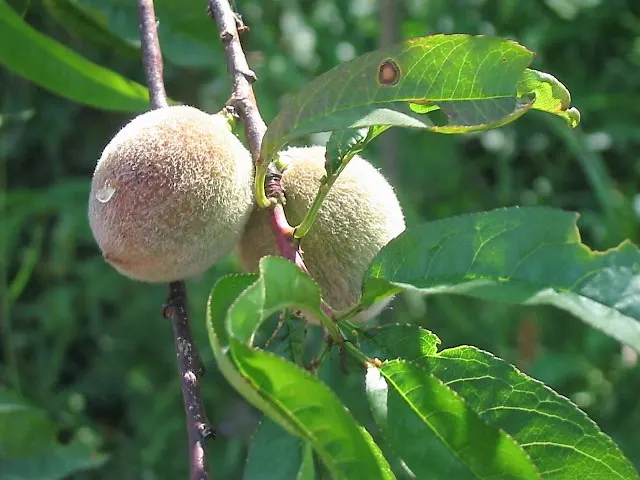
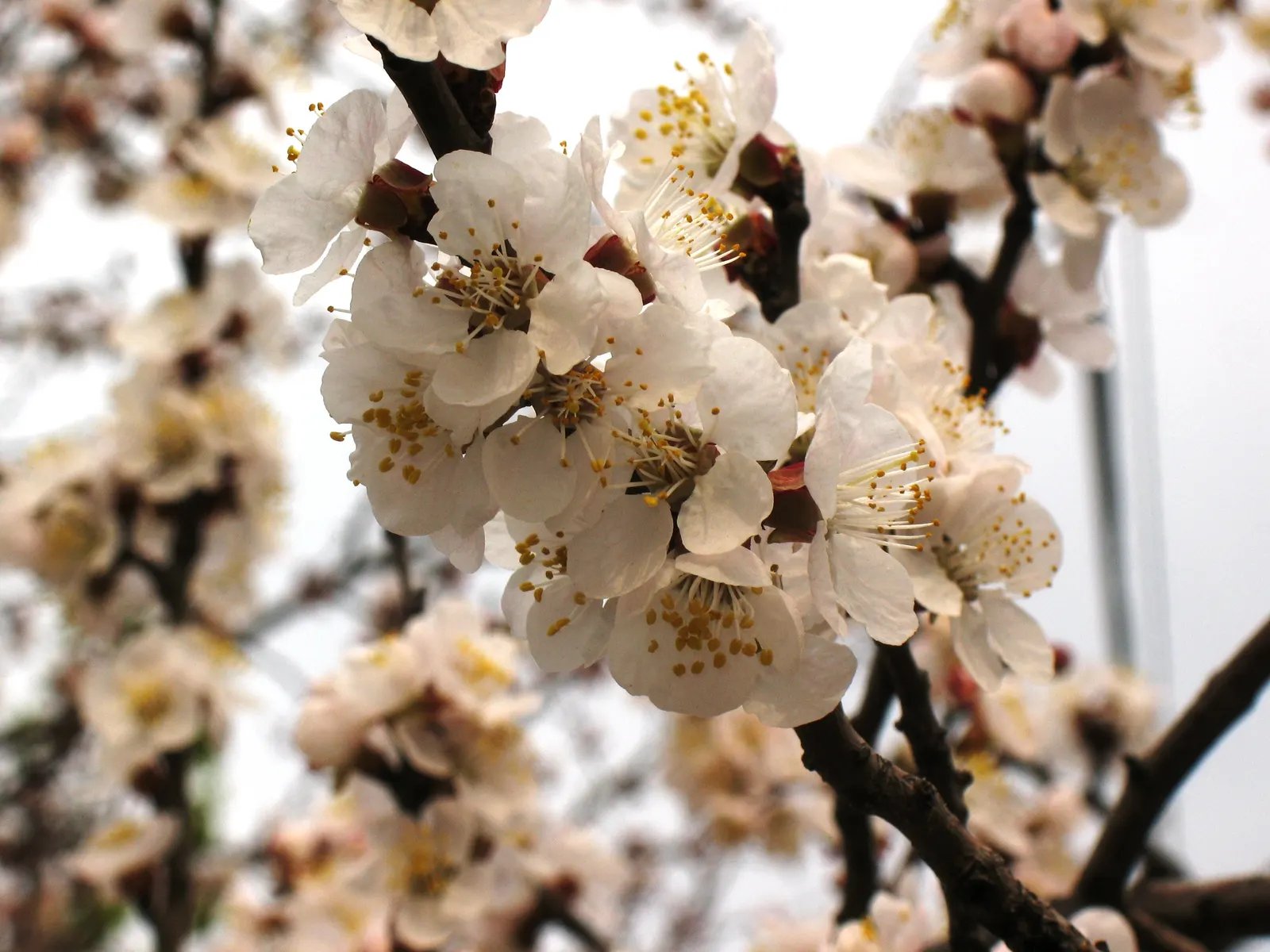
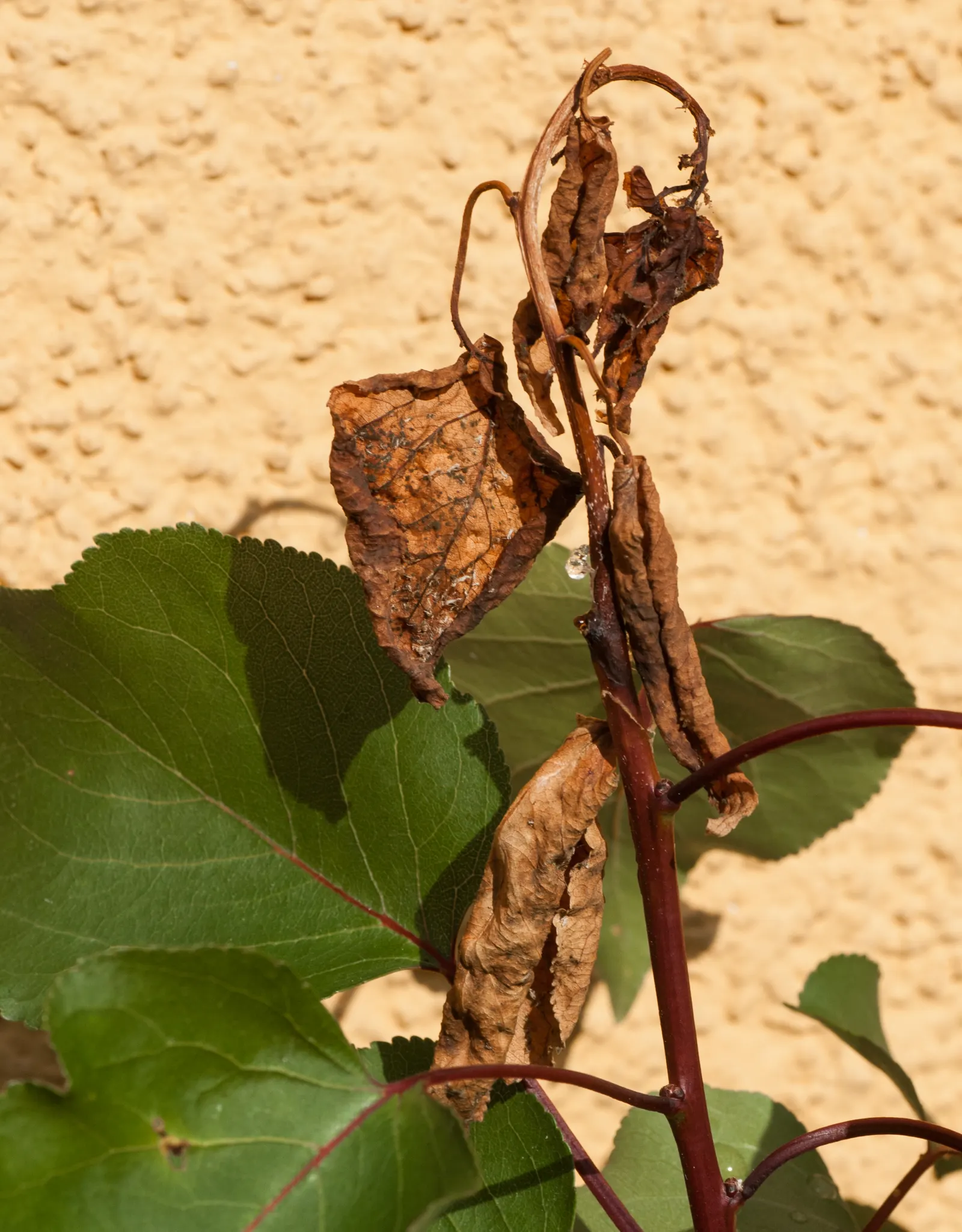
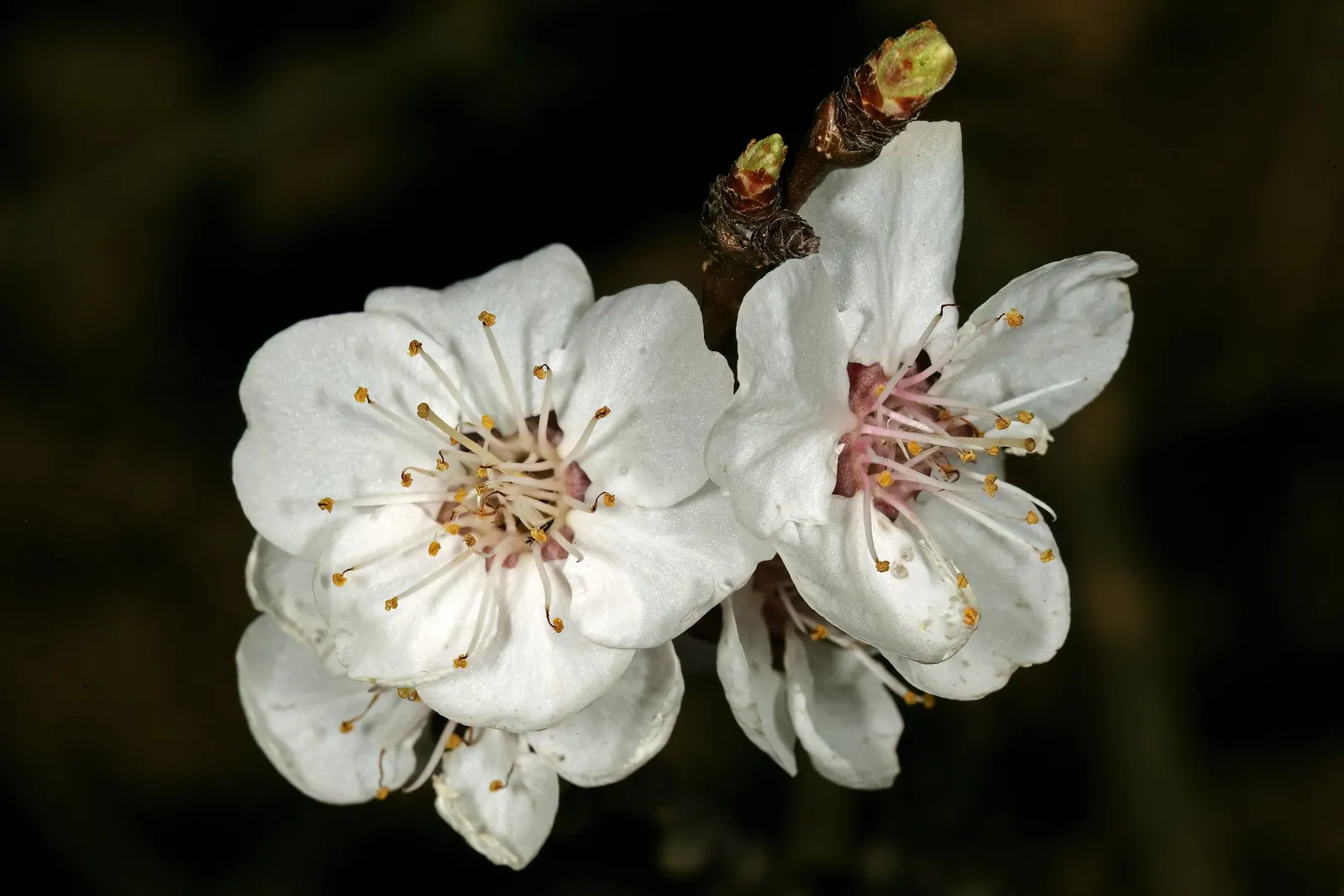
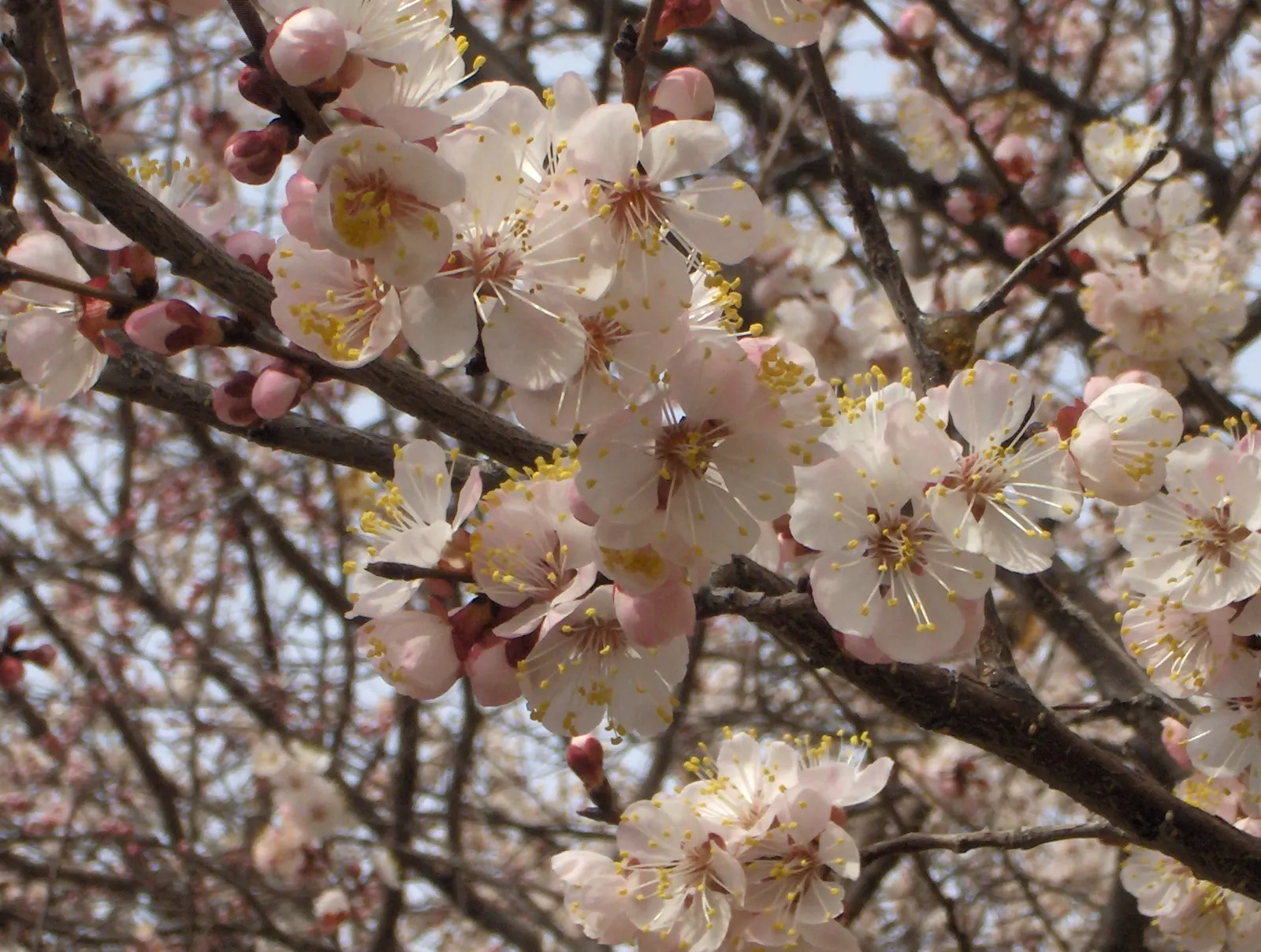
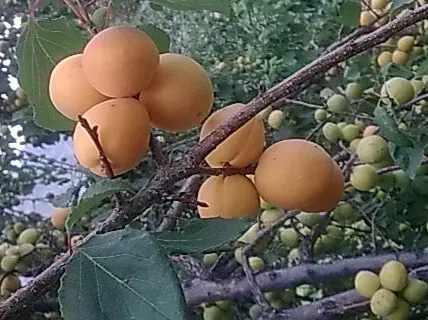
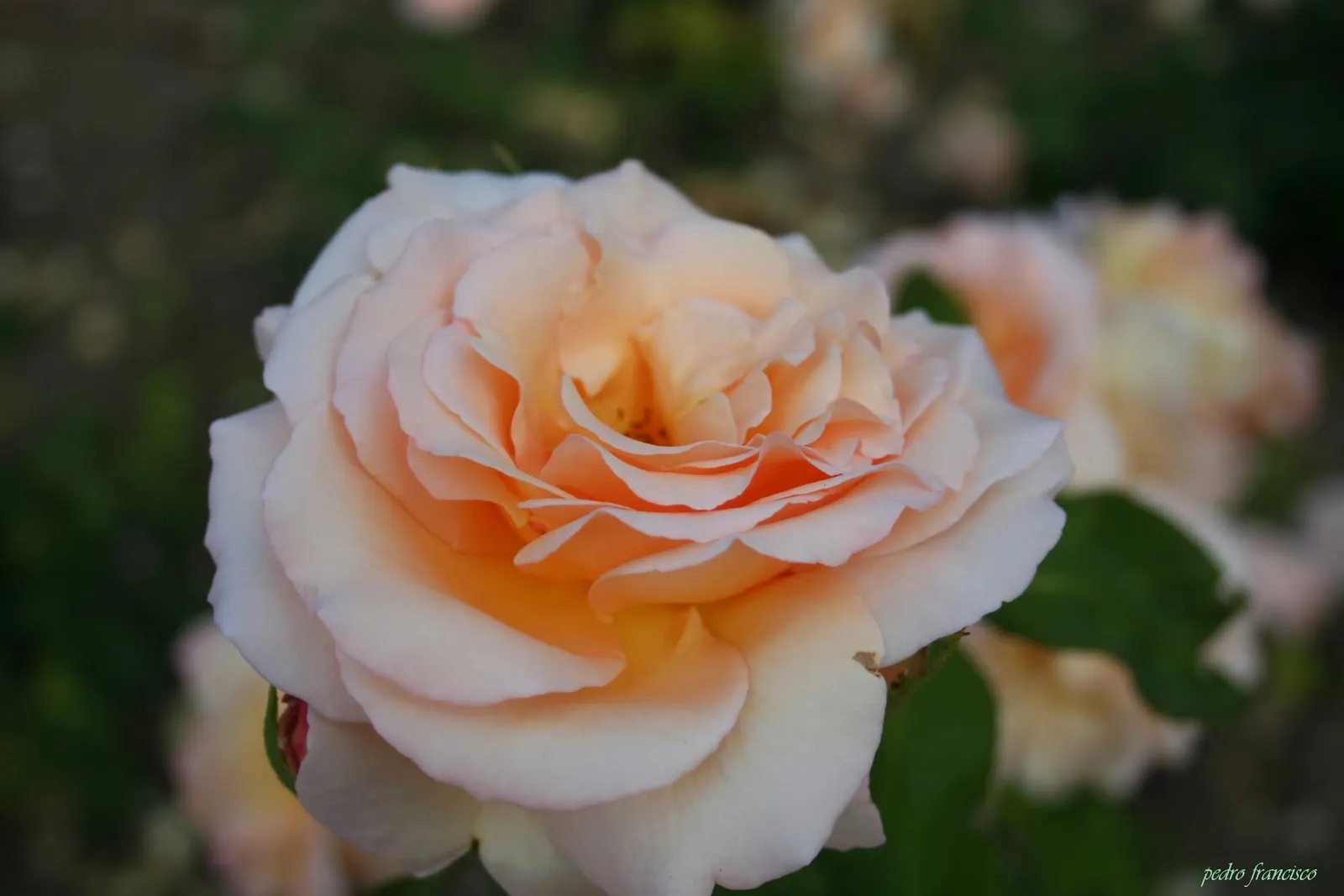
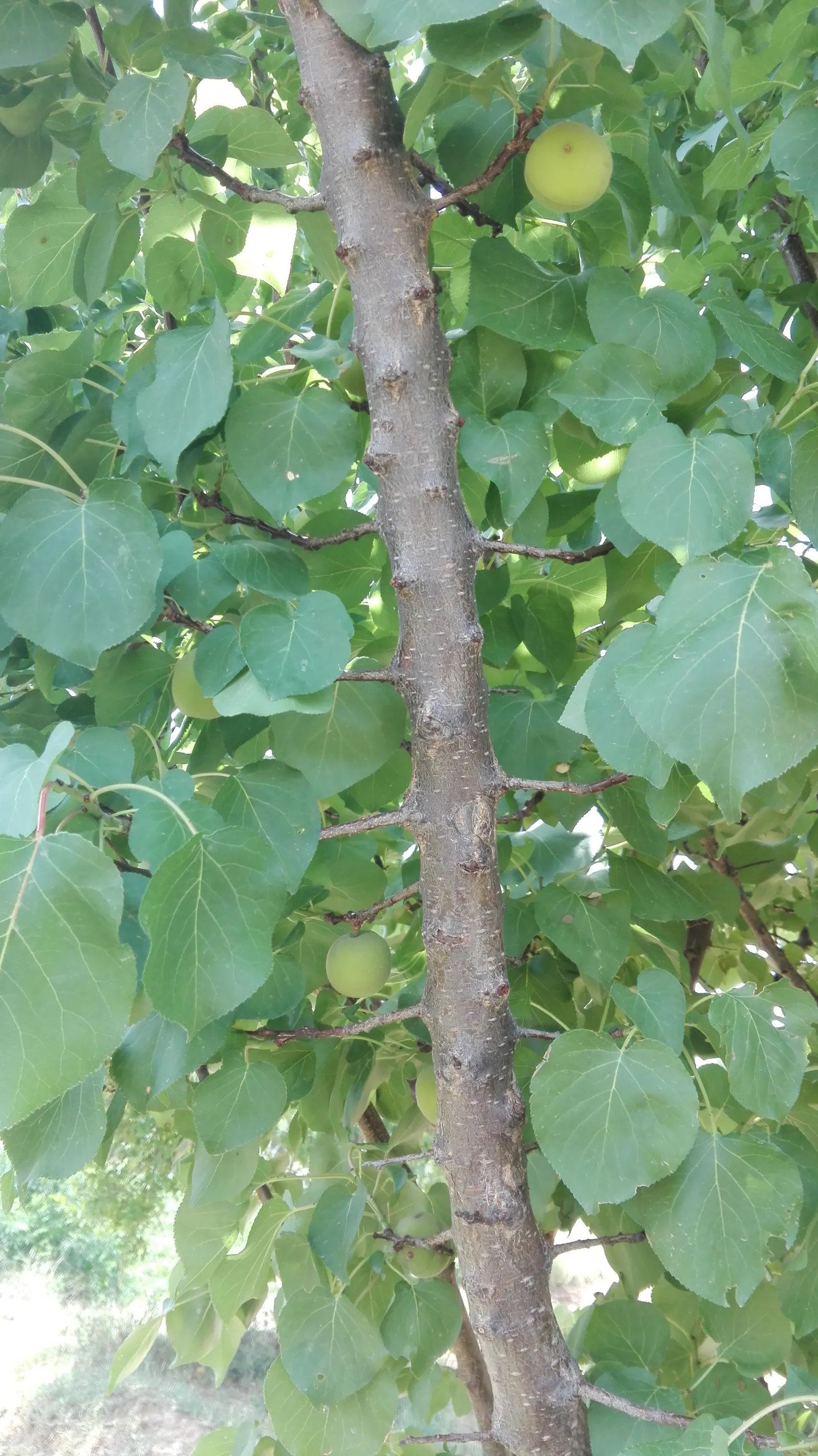
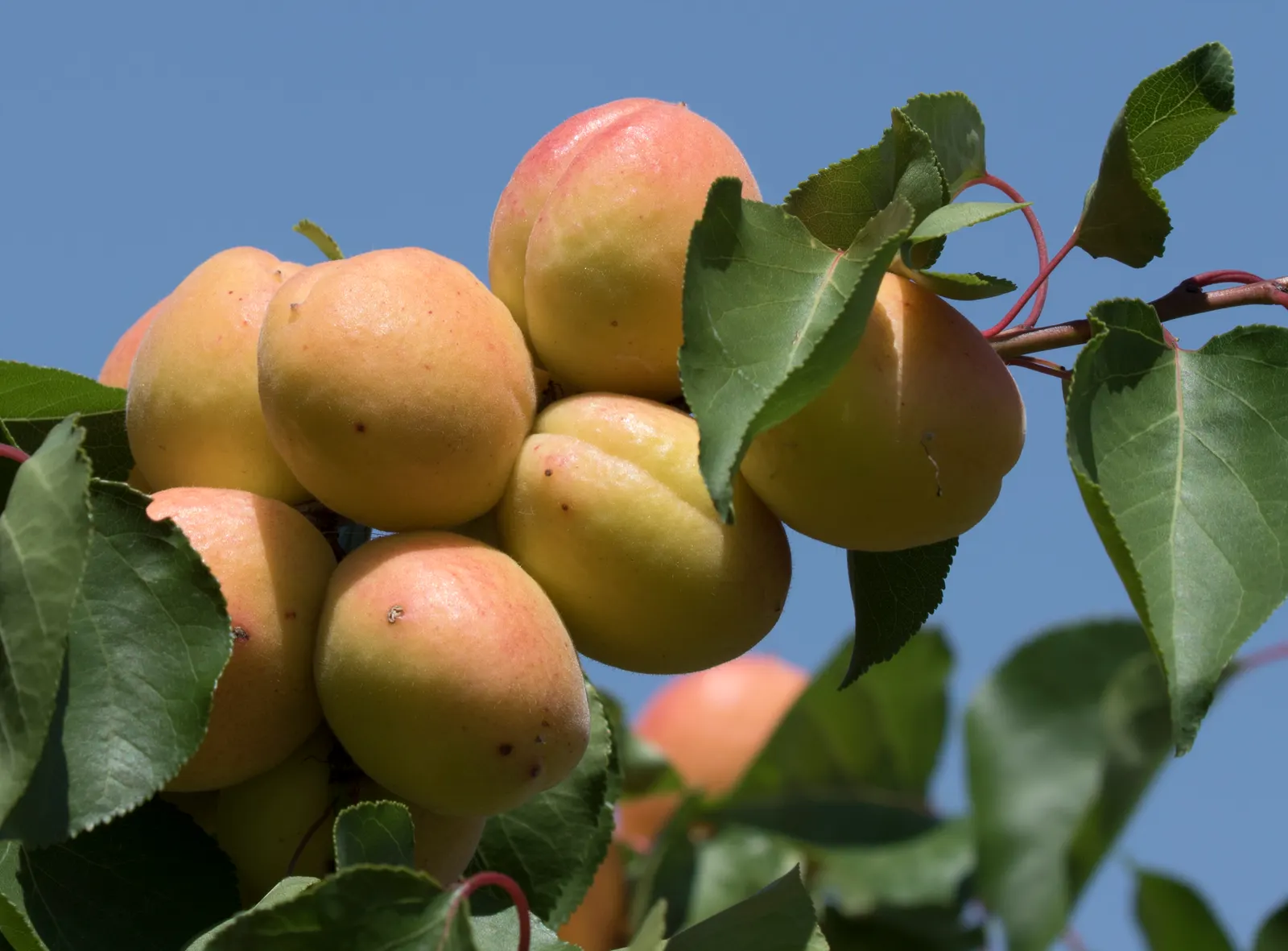
Photographs by 19 contributors
- Karl Gruber, CC BY 3.0 at · source
- Globetrotter19, CC BY-SA 3.0 · source
- Jossian, CC BY-SA 3.0 · source
- Iftikharalii, CC BY-SA 4.0 · source
- Ανώνυμος Βικιπαιδιστής, CC BY 3.0 · source
- Polina Popova, CC BY 4.0 · source
- Ilya from Ukraine, Baltics, CC BY-SA 2.0 · source
- Ali Mamedov, CC BY 3.0 · source
- Ruth Hartnup from Vancouver, Canada, CC BY 2.0 · source
- SAplants, CC BY-SA 4.0 · source
- Luis Fernández García, CC BY-SA 3.0 · source
- Pancrat, CC BY-SA 3.0 · source
- SABENCIA Guillermo César Ruiz, CC BY-SA 4.0 · source
- Victor Vizu, CC BY-SA 3.0 · source
- Ibrahim Rustamov ( tg:User:Ibrahim ), CC BY 2.5 · source
- Rehmat Alam, CC BY-SA 3.0 · source
- someone10x, CC BY 2.0 · source
- Olivepaktehi, CC BY-SA 4.0 · source
- Zeynel Cebeci, CC BY-SA 4.0 · source
Related plants
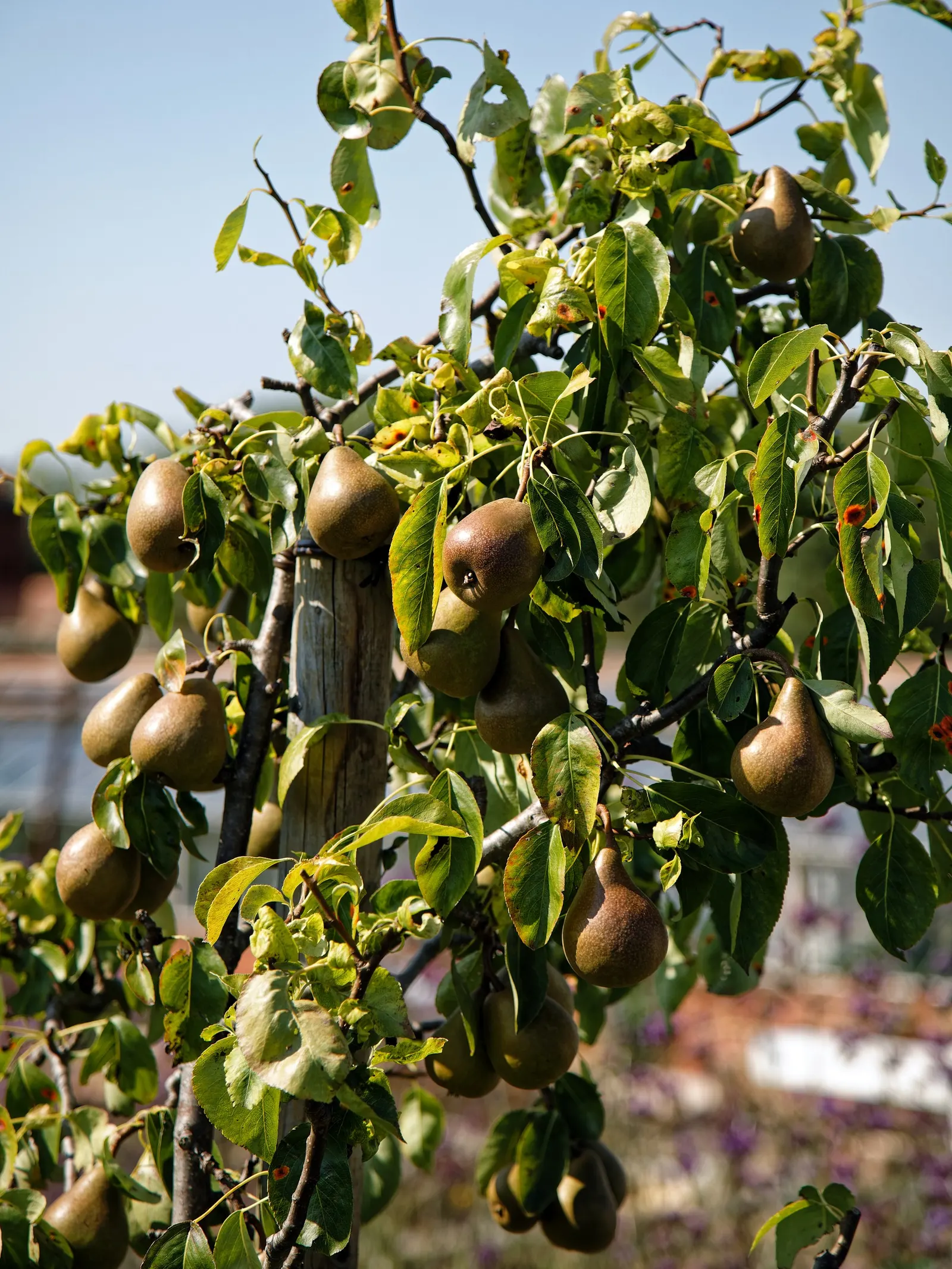
Tree
20Th Century Pear
Pyrus Pyrifolia 'Nijisseiki'
FullUSDA 4–8
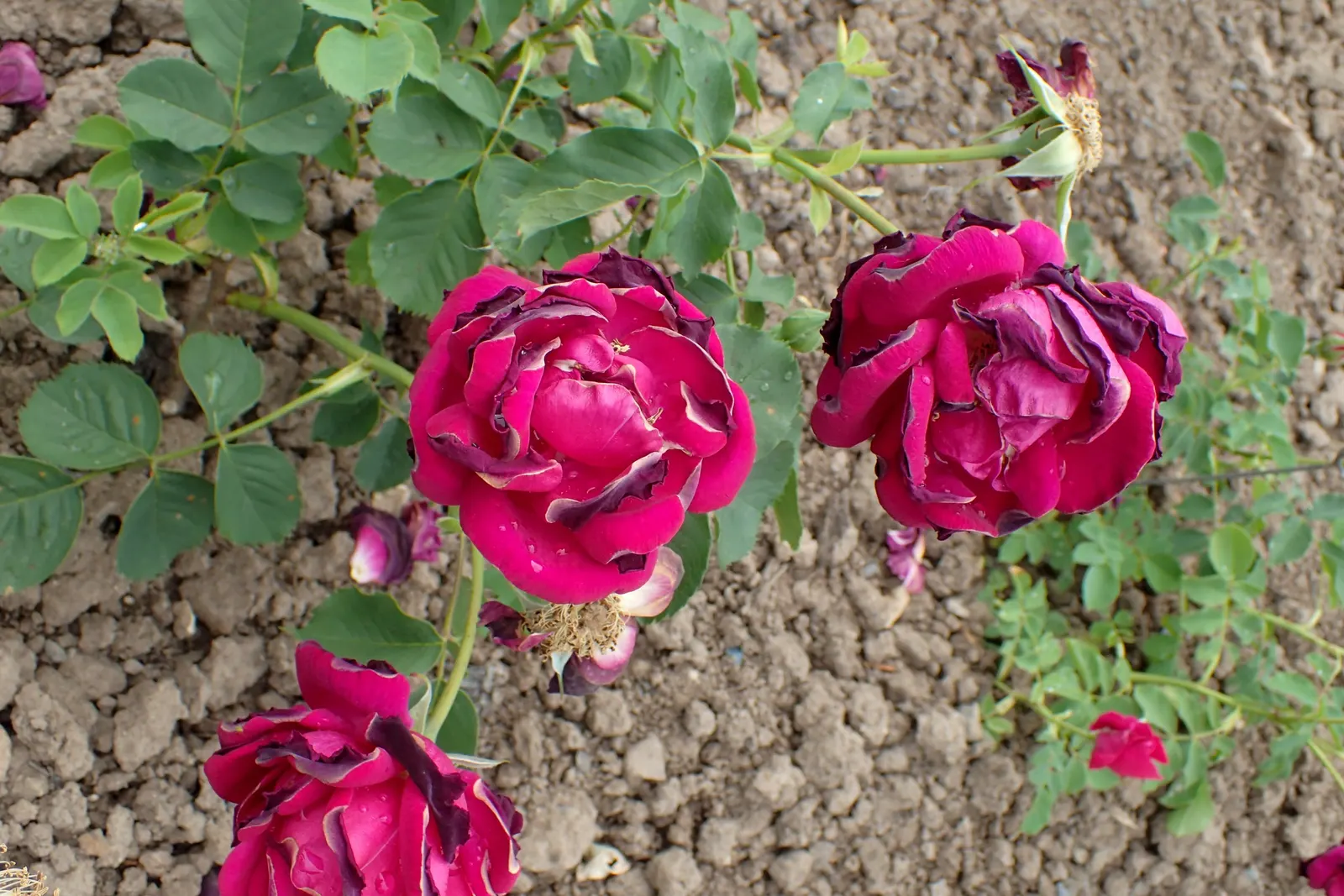
Shrub
Adelaide Hoodless Rose
Rosa 'Adelaide Hoodless'
FullUSDA 5–9
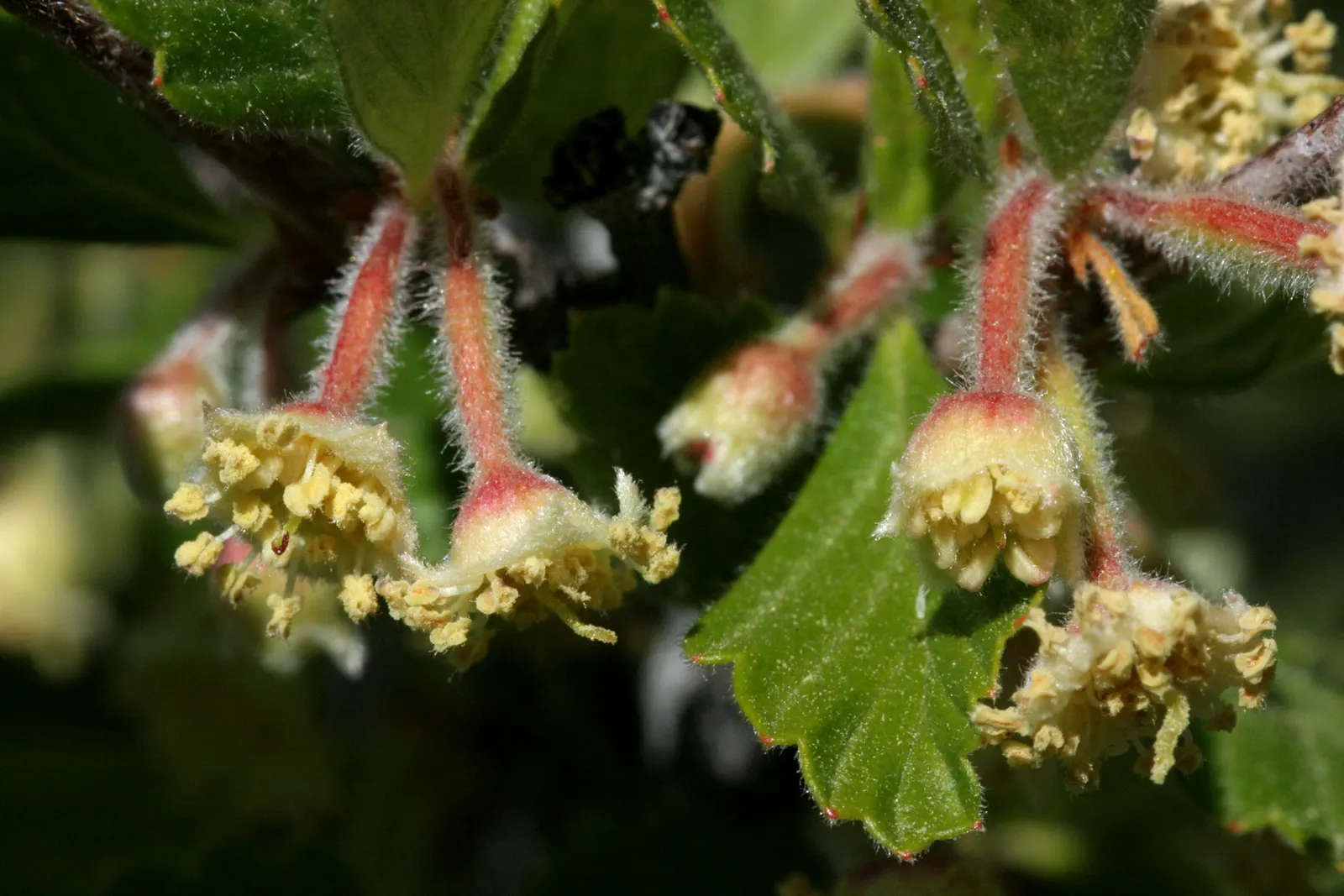
Shrub
Alderleaf Mountain Mahogany
Cercocarpus Montanus
FullUSDA 4–6
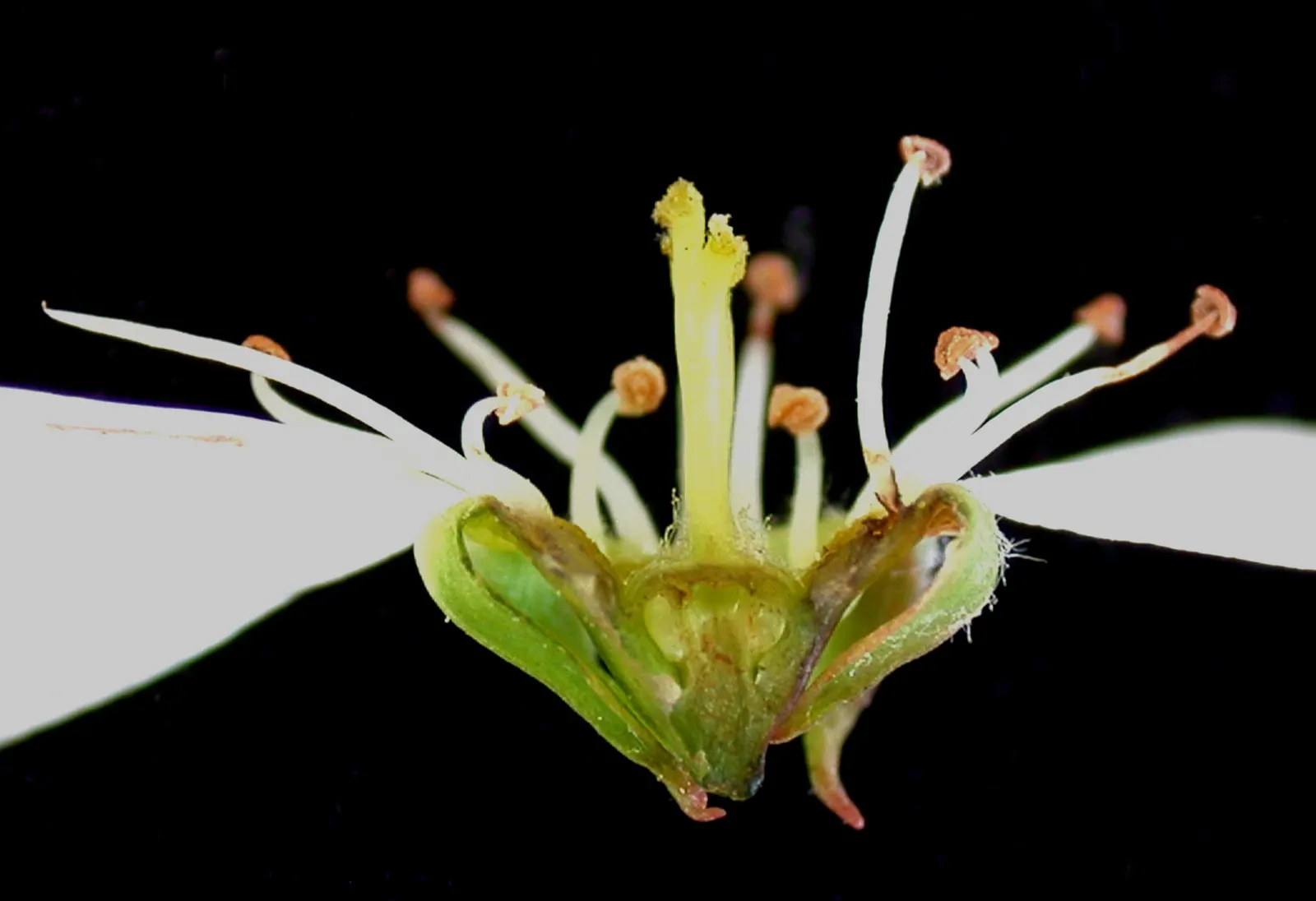
Shrub
Allegheny Serviceberry
Amelanchier Laevis
FullUSDA 4–8
Ground cover
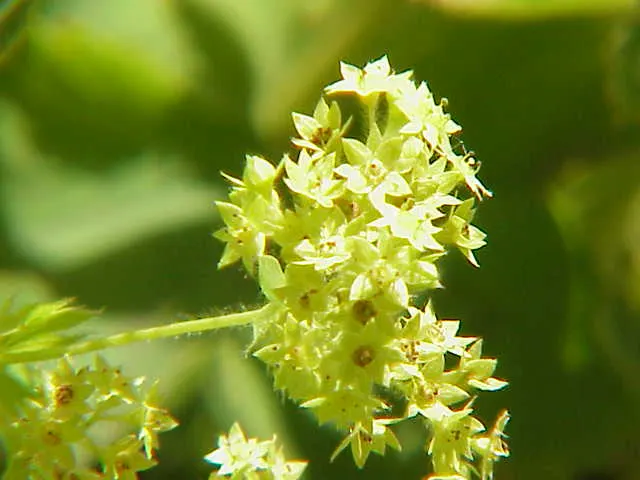
Alpine Lady'S-Mantle
Alchemilla Alpinia
HalfUSDA 4–7
Tree
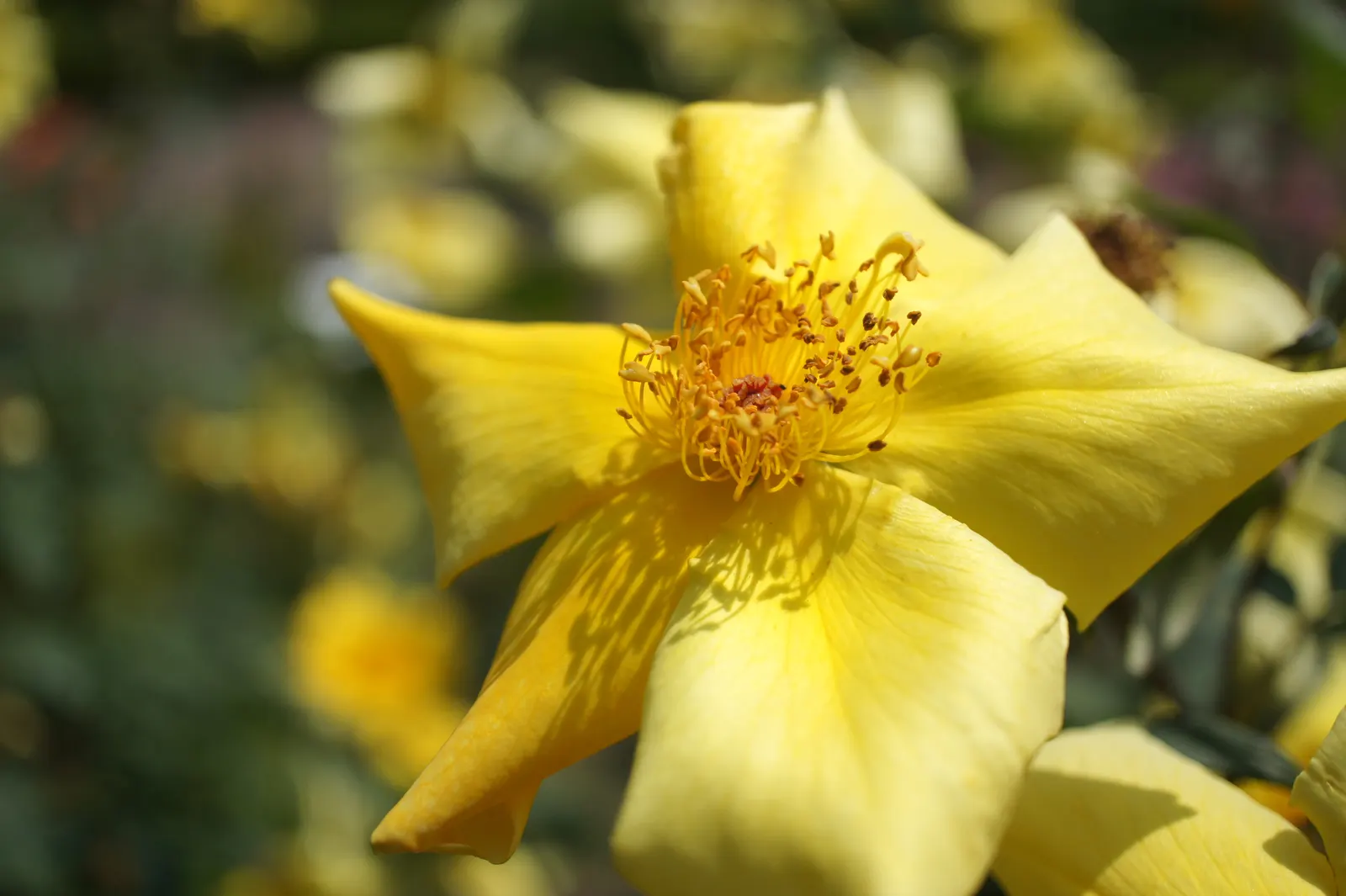
Amanogawa Japanese Flowering Cherry
Prunus Serrulata 'Amanogawa'
FullUSDA 6–9