Skip to content

Texas Honey Mesquite

Prosopis Glandulosa

Design with this plant

Overview

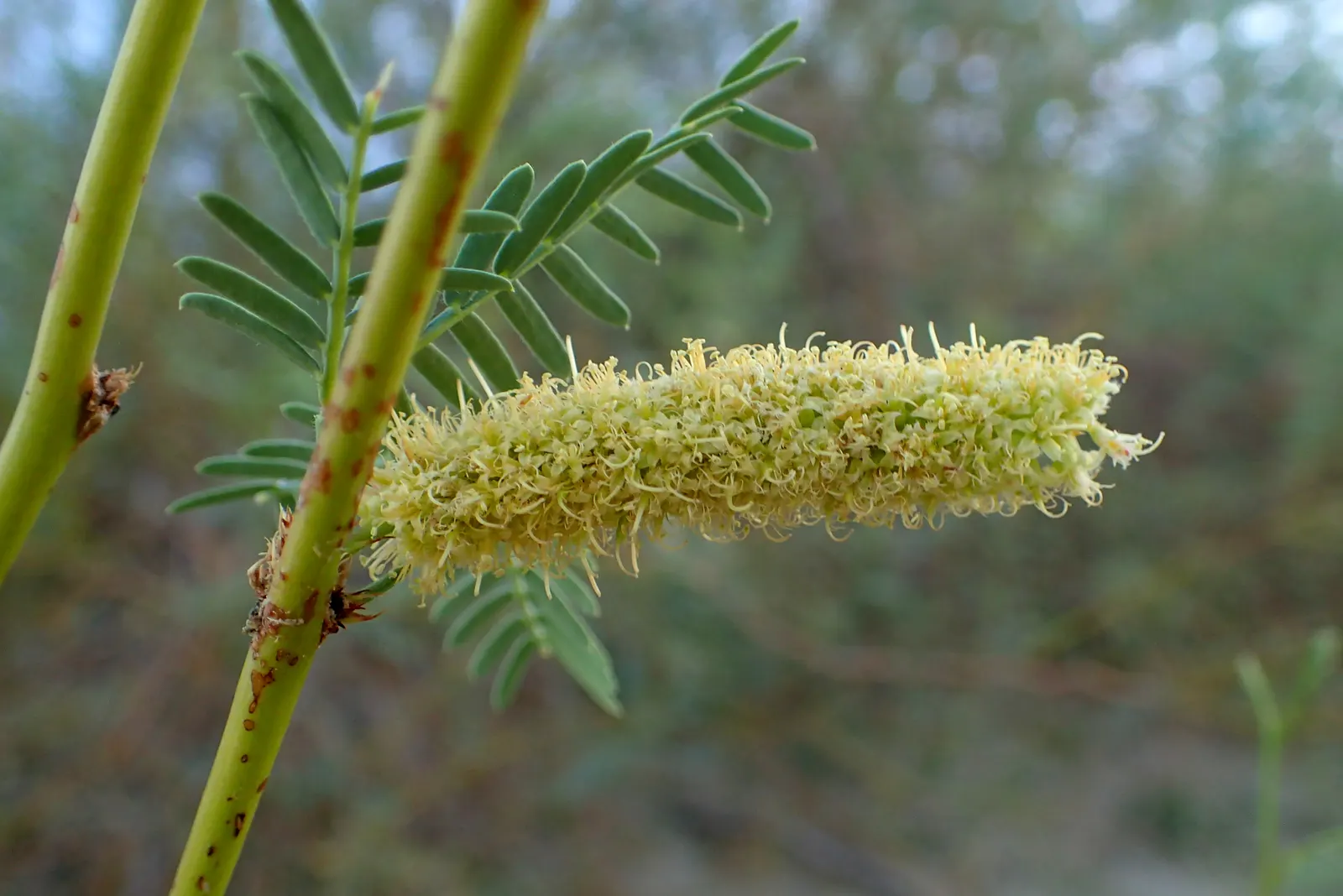
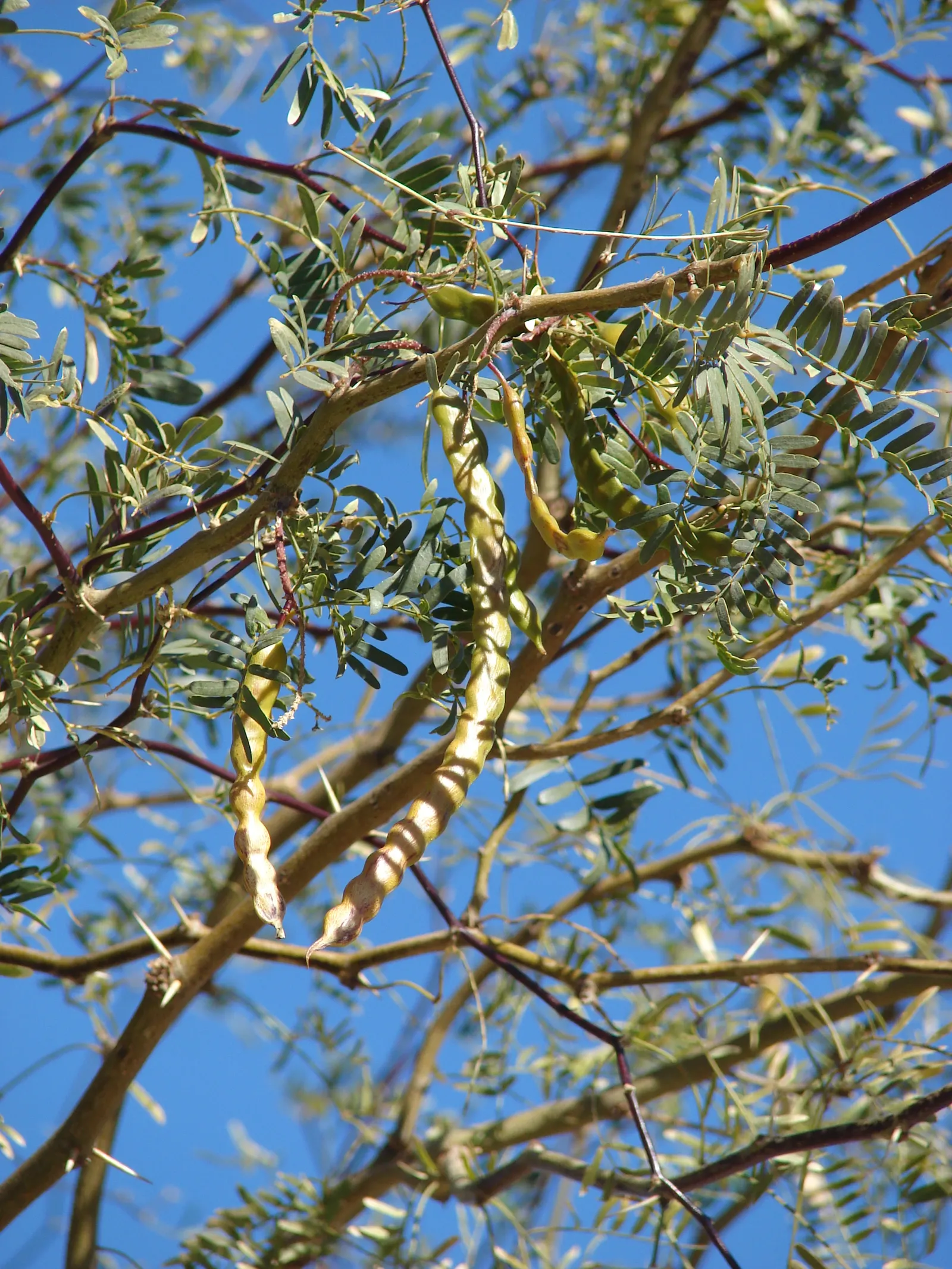
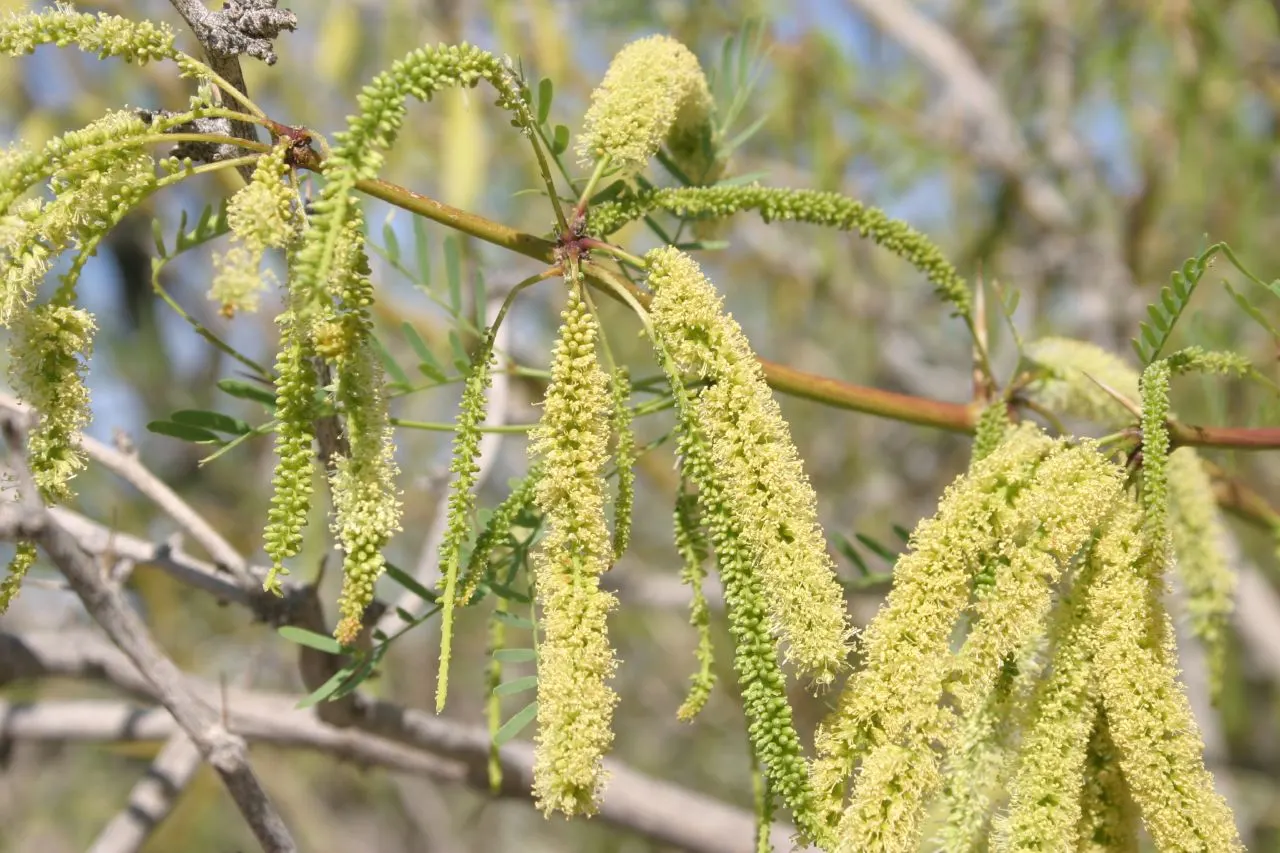
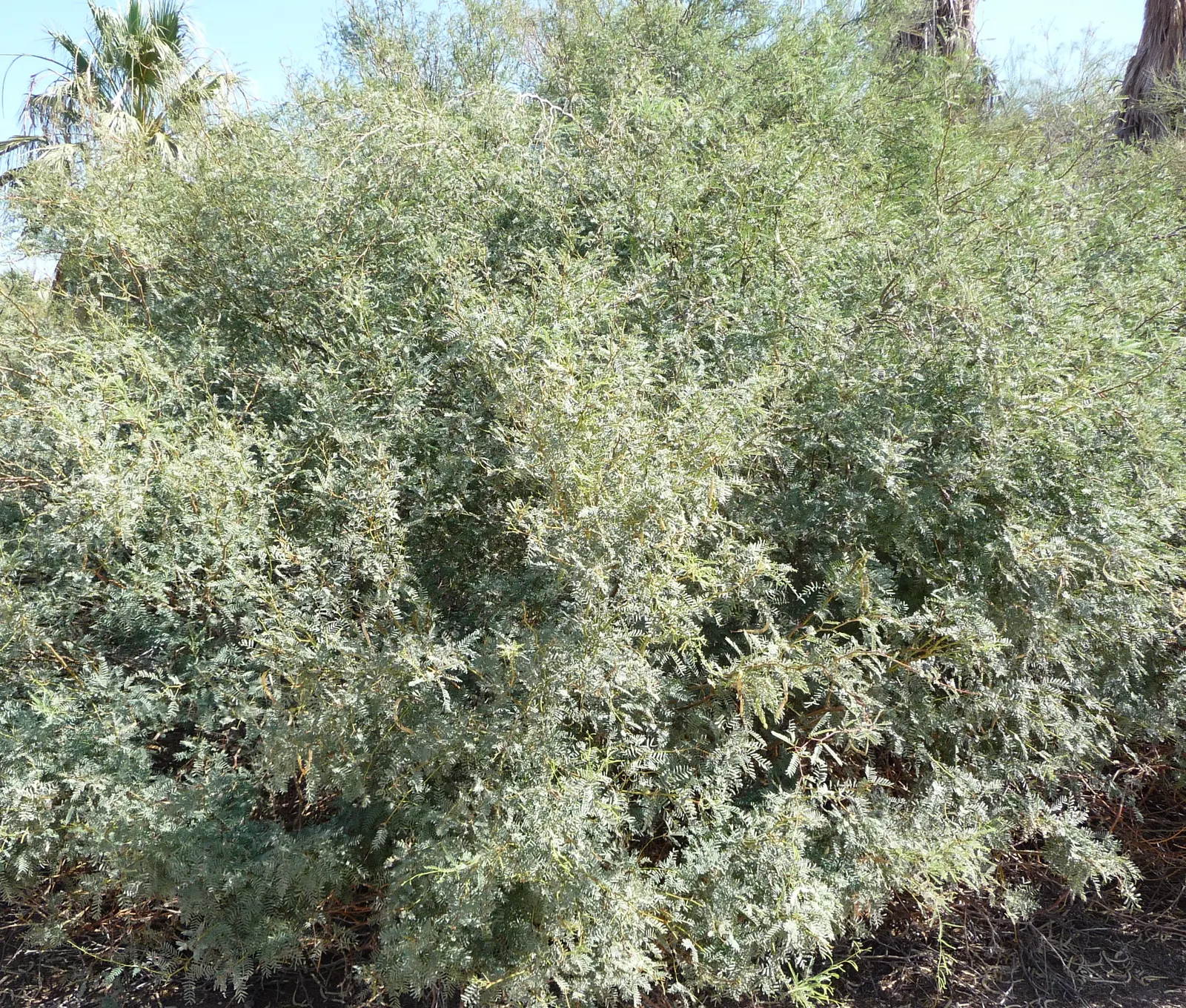
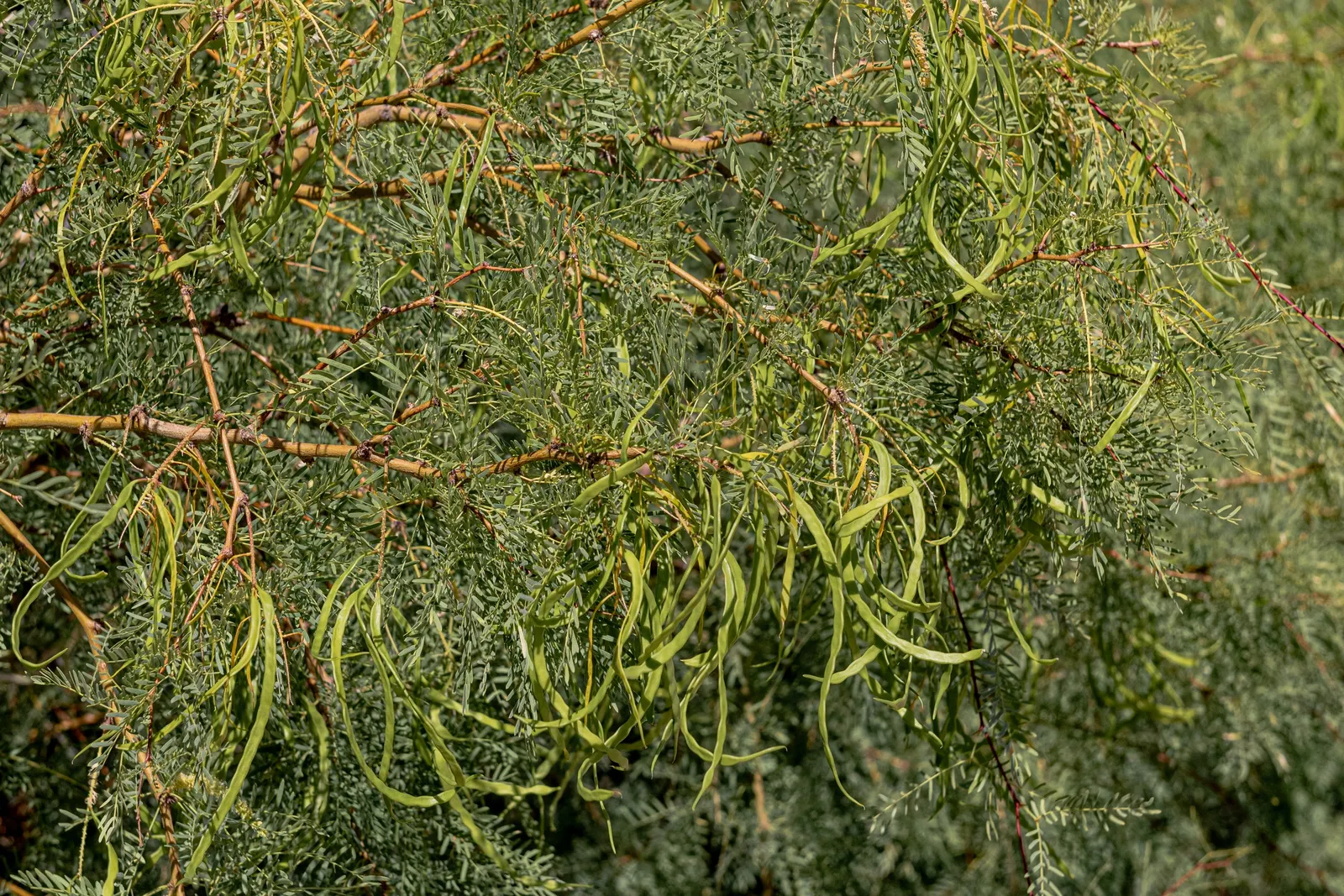
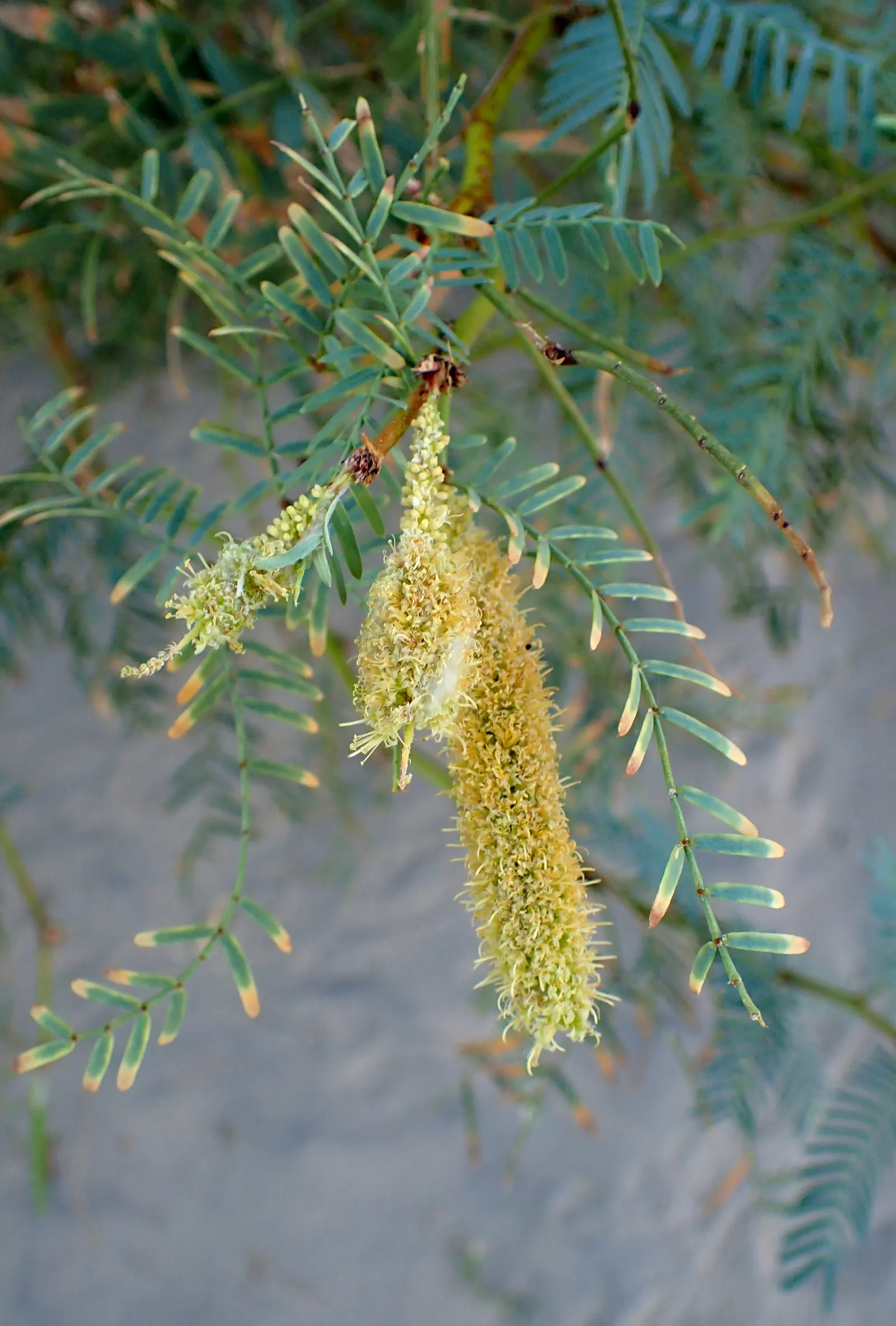
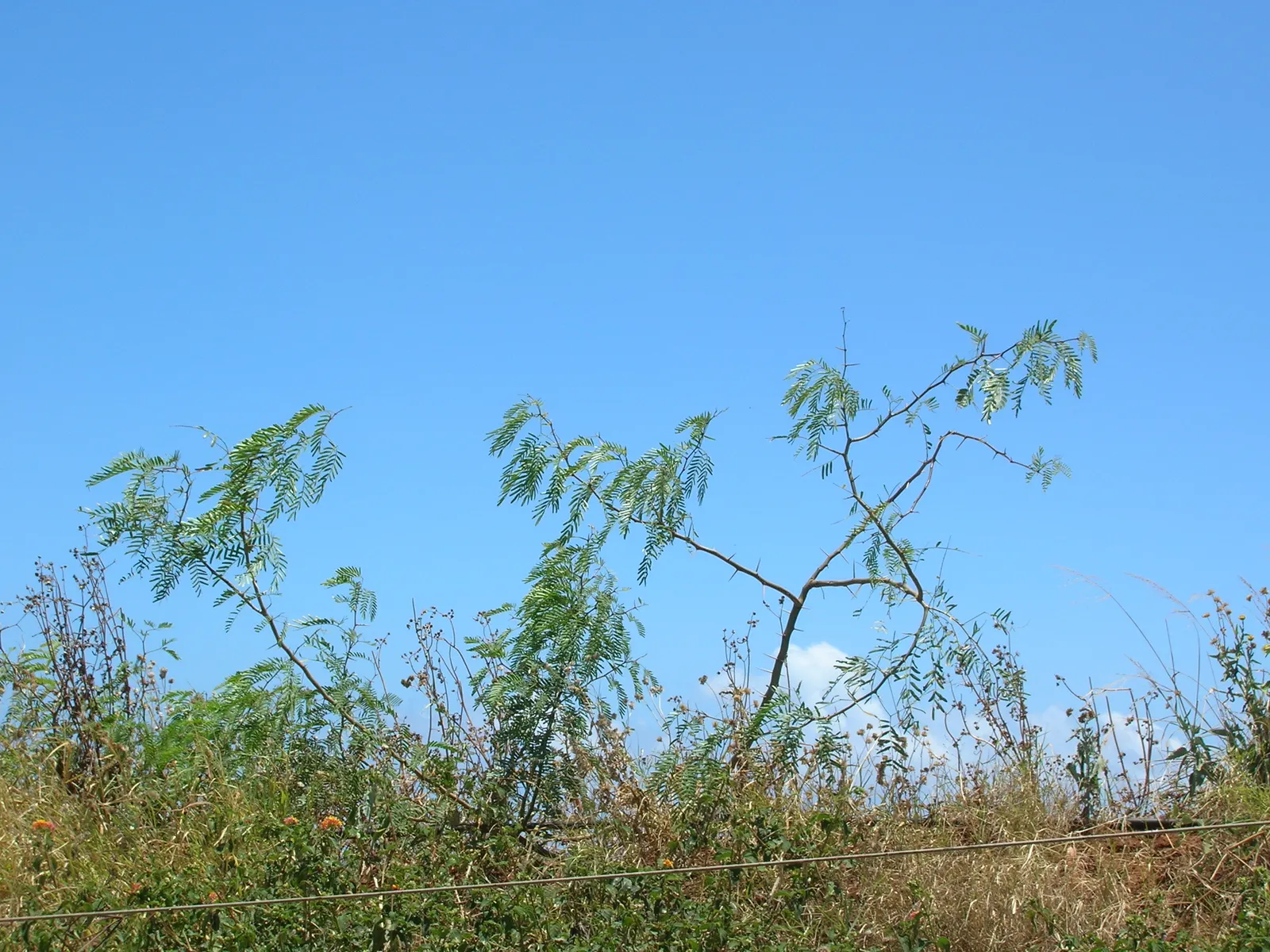
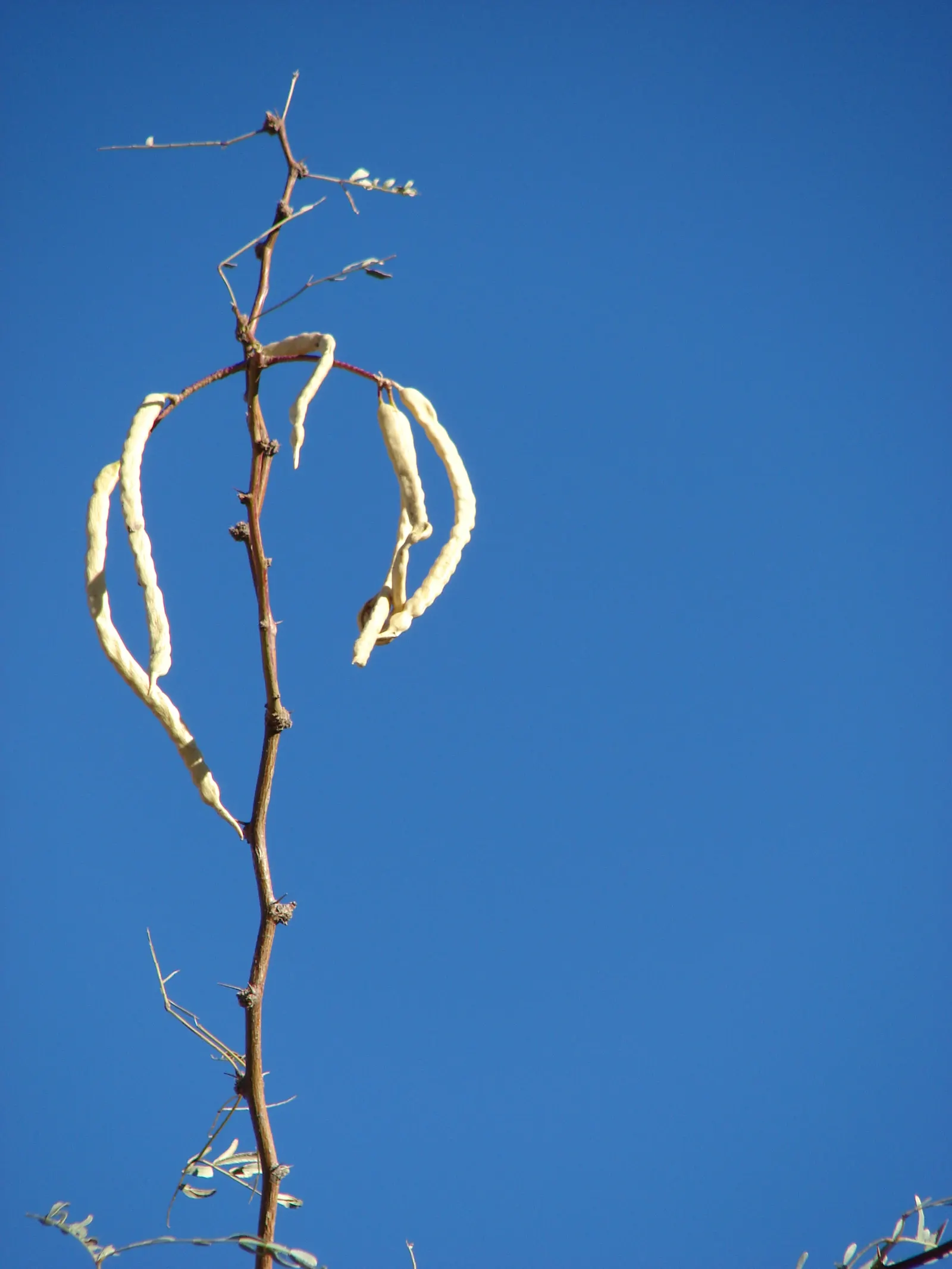
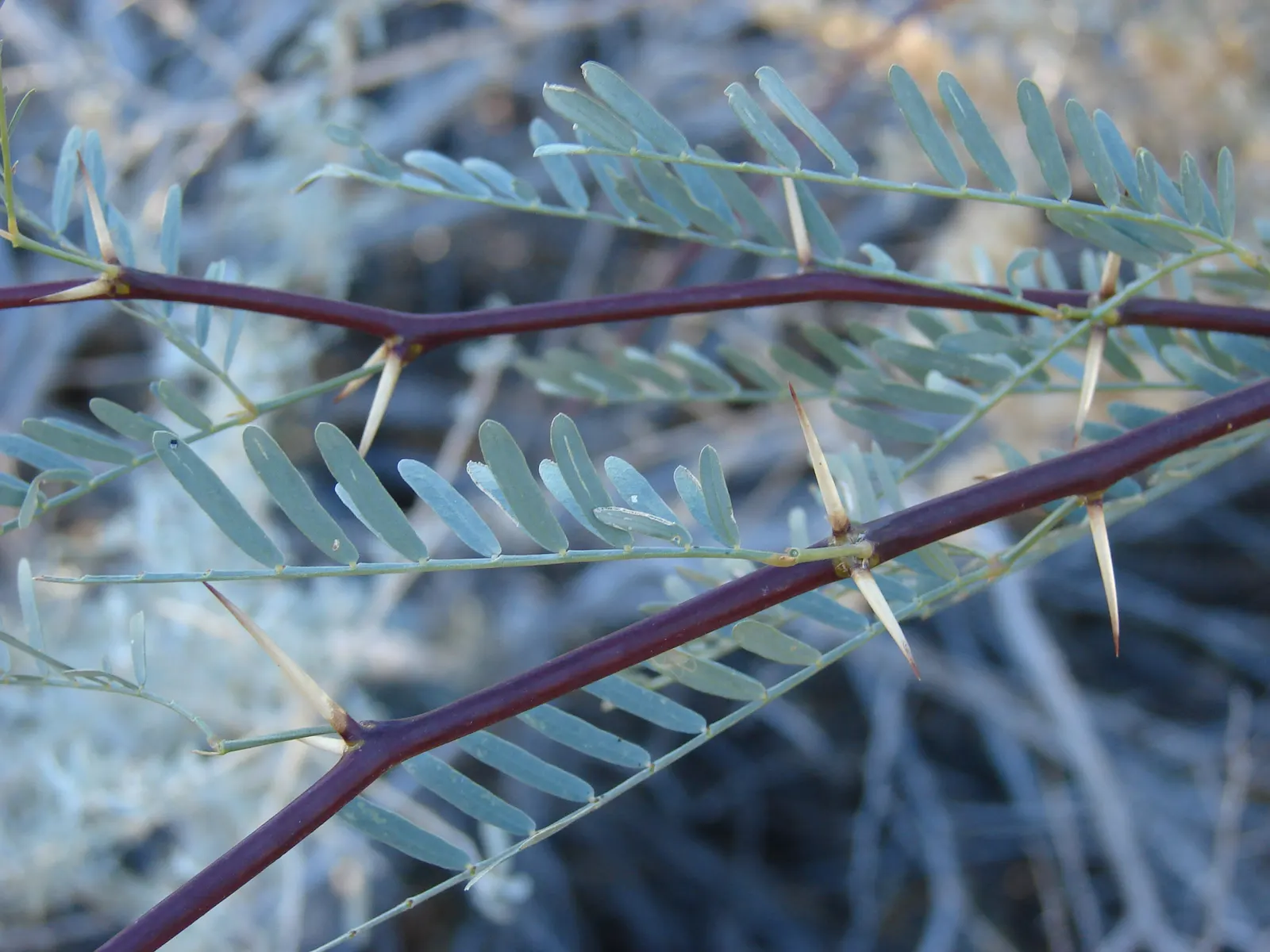
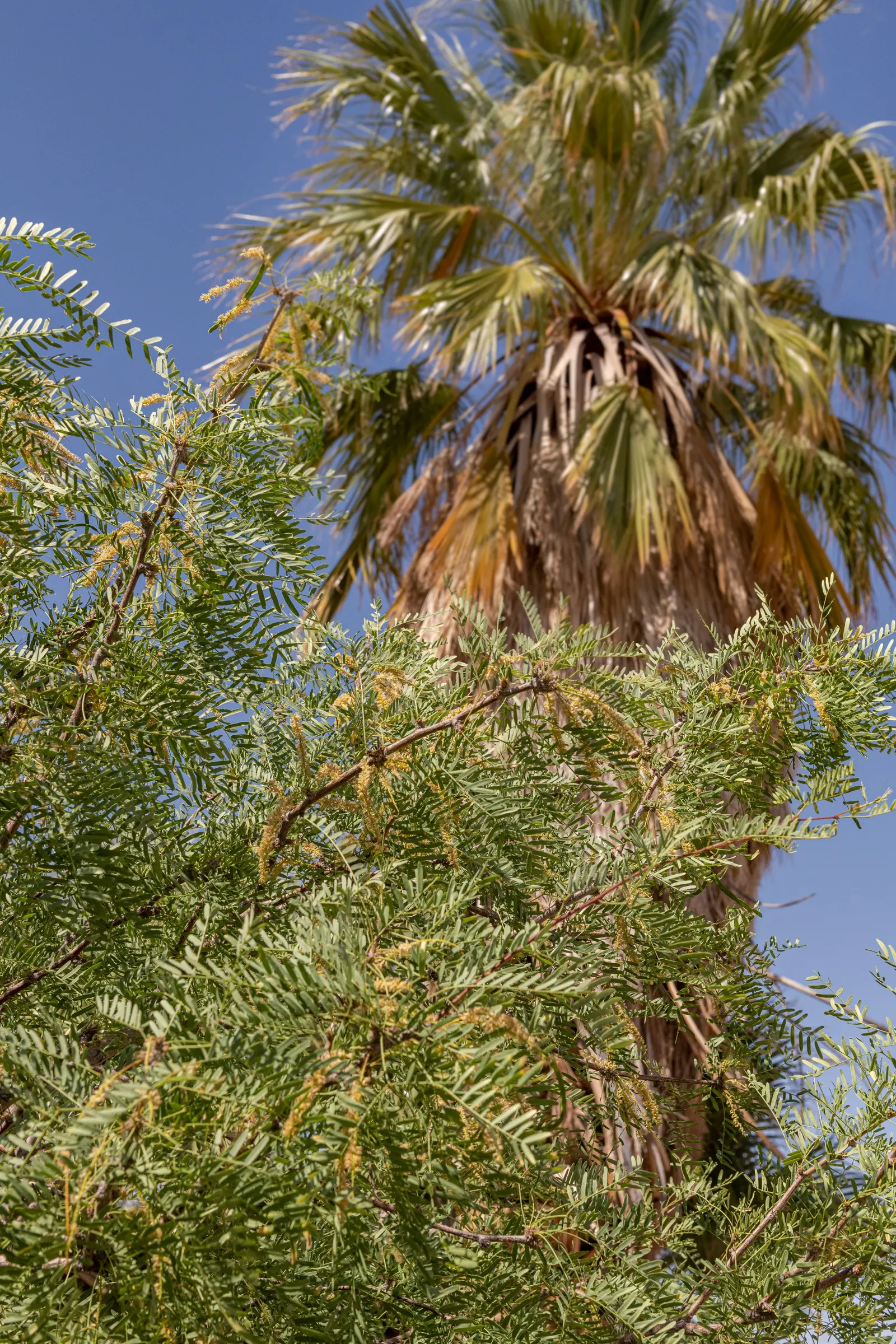
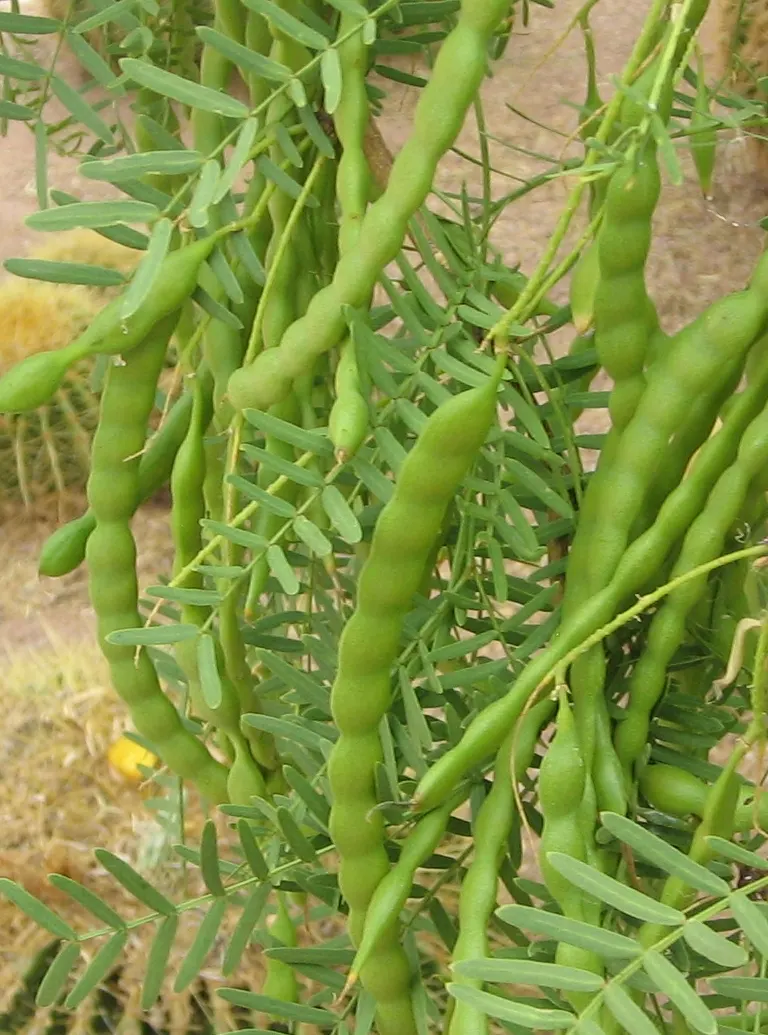
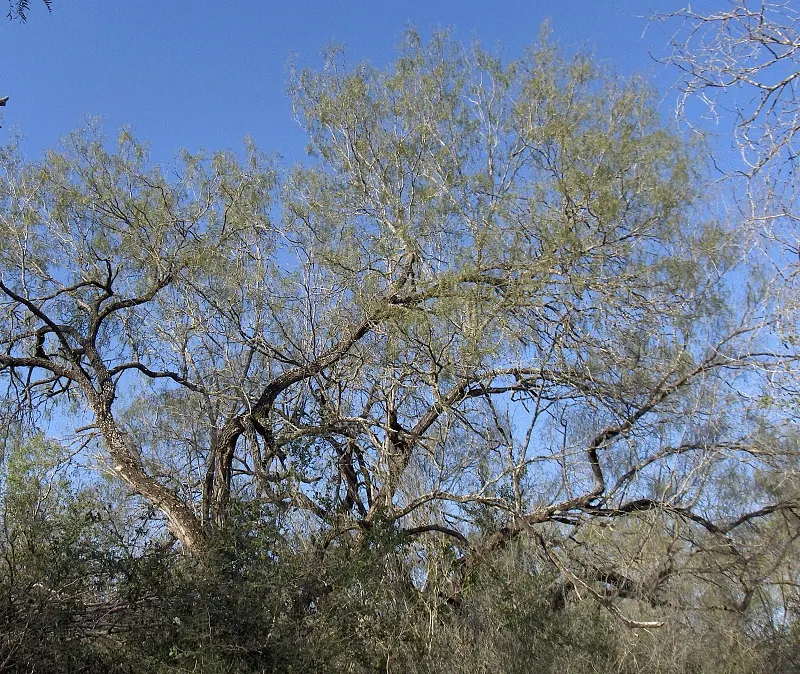
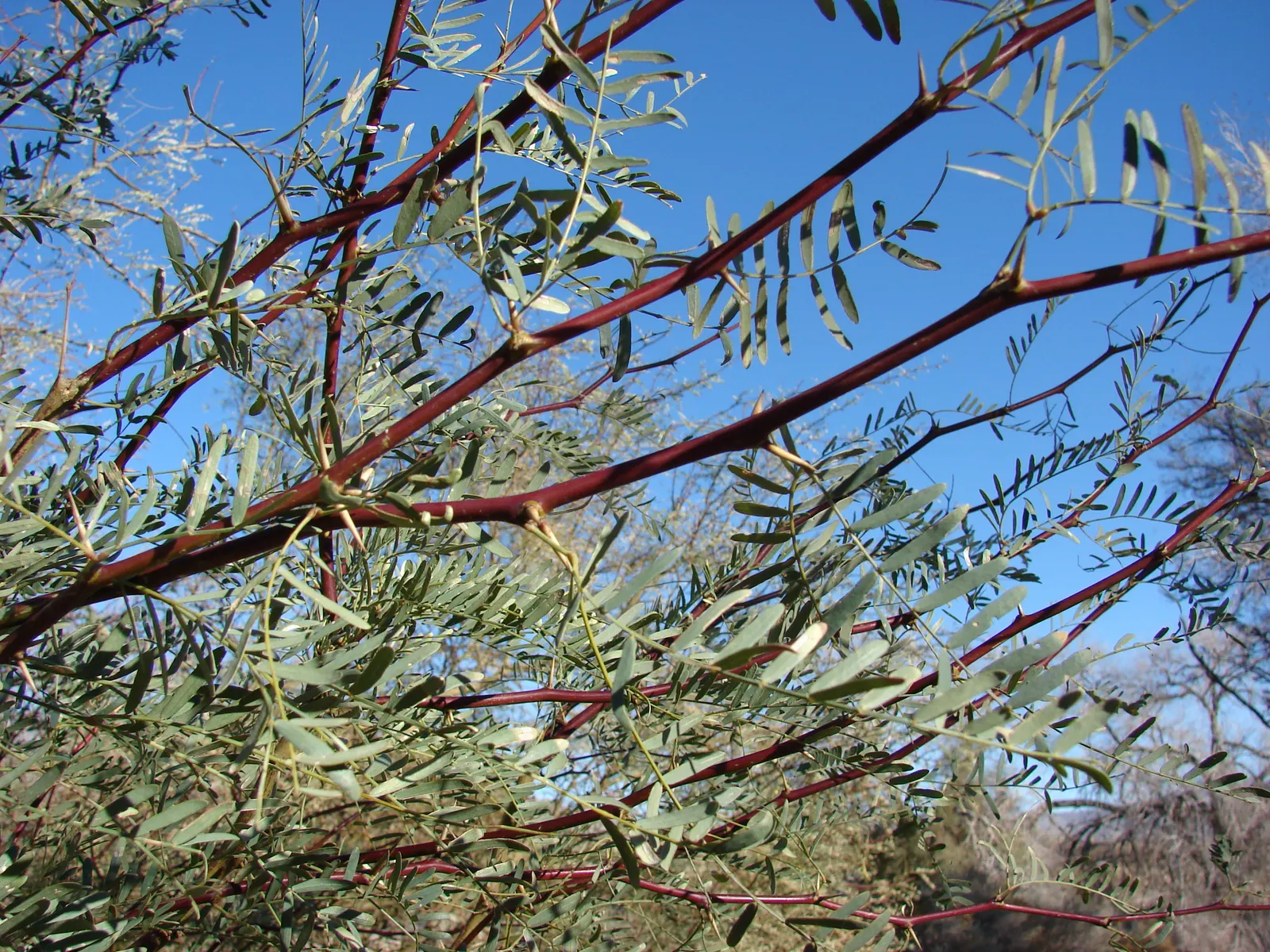
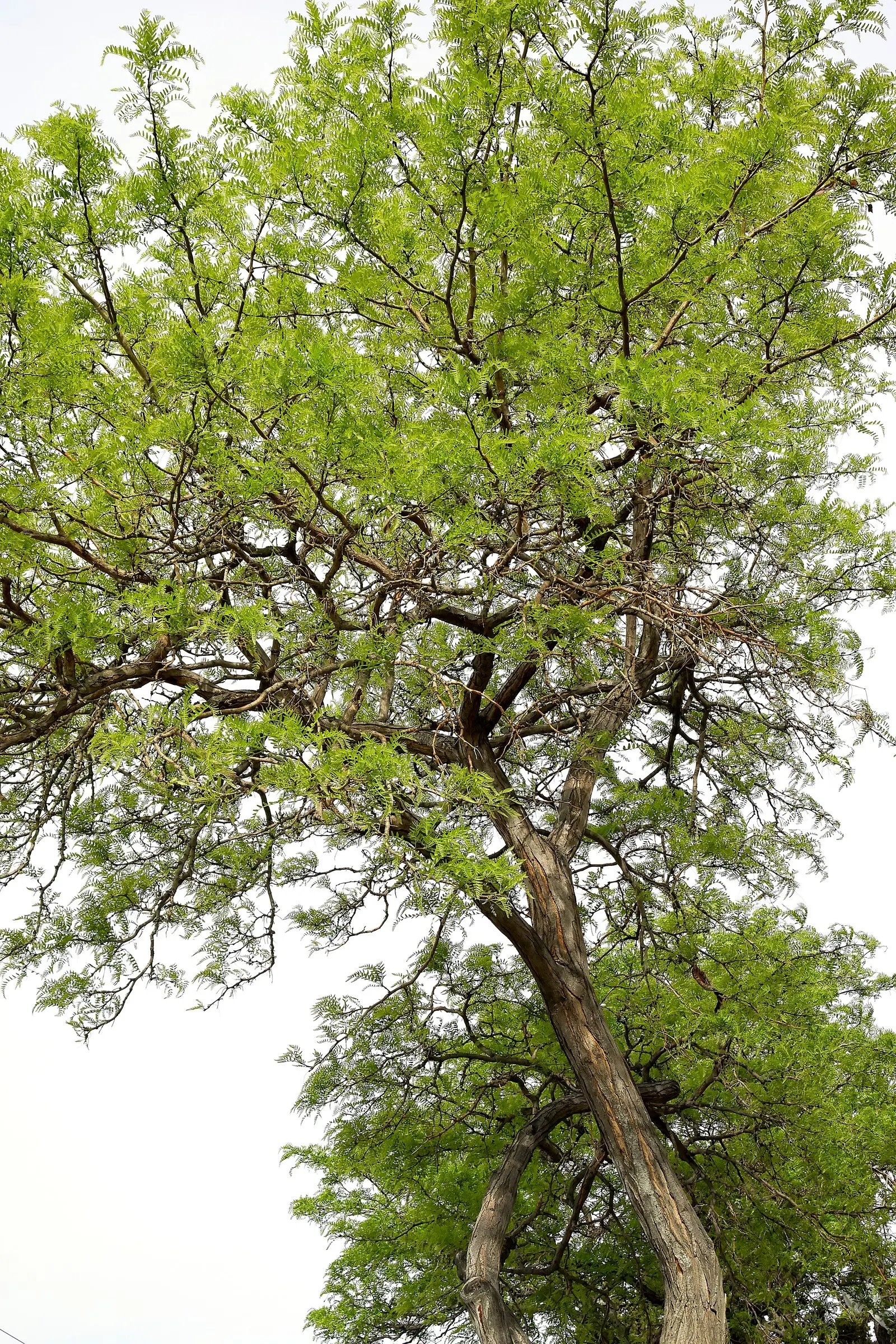
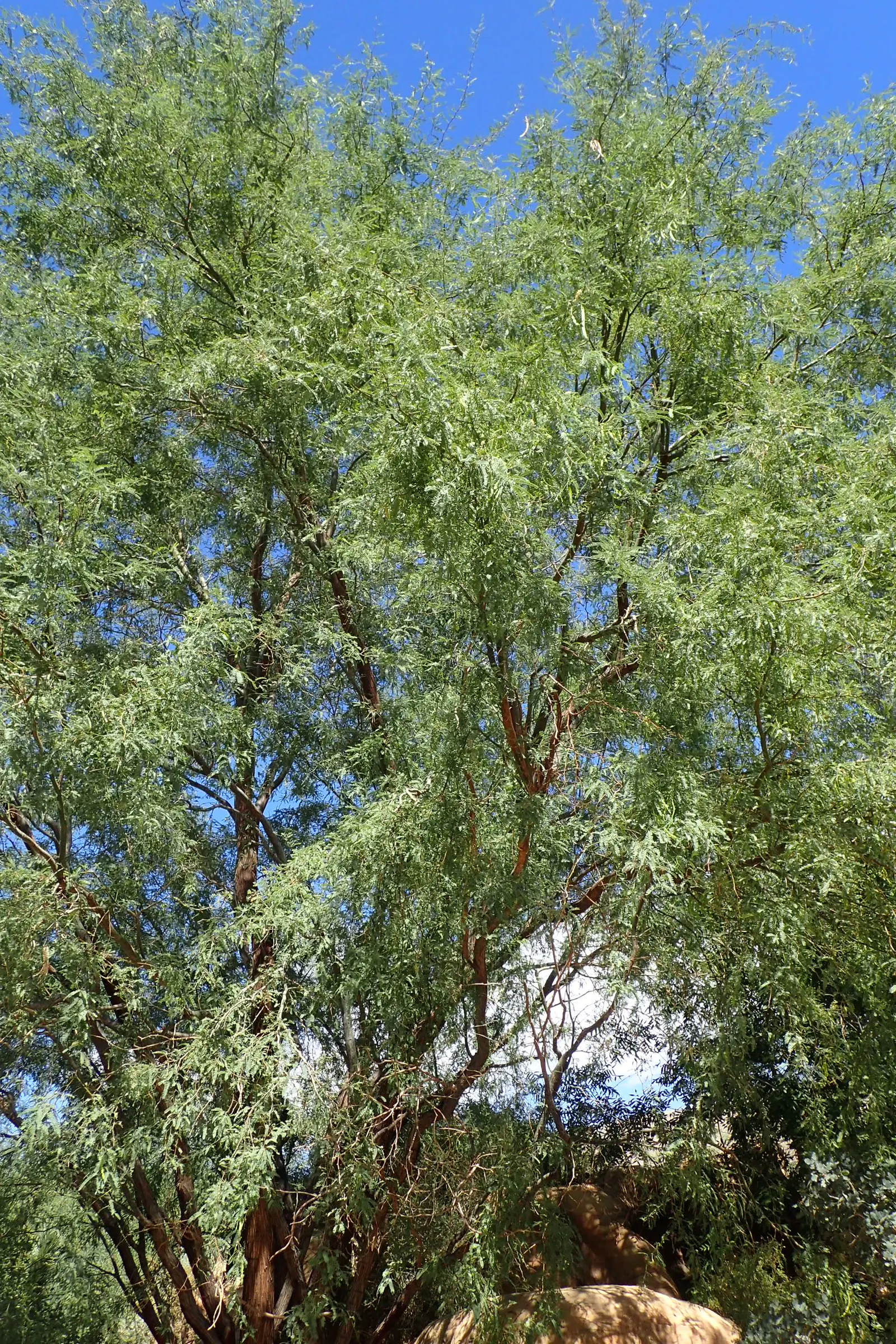
Texas Honey Mesquite (Prosopis glandulosa) is a deciduous tree, typically growing to 20-30 ft. Adaptable to diverse soils, it thrives in full sun with minimal water. It features a broad, rounded canopy with feathery foliage and produces fragrant, cream-colored flowers, followed by long seed pods. Its deep roots enable drought resistance, making it a hardy choice for arid landscapes. Caution: Thorns can reach up to 2 inches.

Sun FullWater Very LowZones 8–11Climate Arid, Subtropical
Texas Honey Mesquite (Prosopis Glandulosa) — Texas Honey Mesquite (Prosopis glandulosa) is a deciduous tree, typically growing to 20-30 ft

Culture

Sun
Full
Water
Very Low
USDA zones
8–11

Shape & size

Classification

Family
Fabaceae
Climate
Arid, Subtropical

See full data, regional cultivation notes, full-resolution photos, and design tools. Build a client presentation around this plant.

Start your 14-day trial

Photos (64)

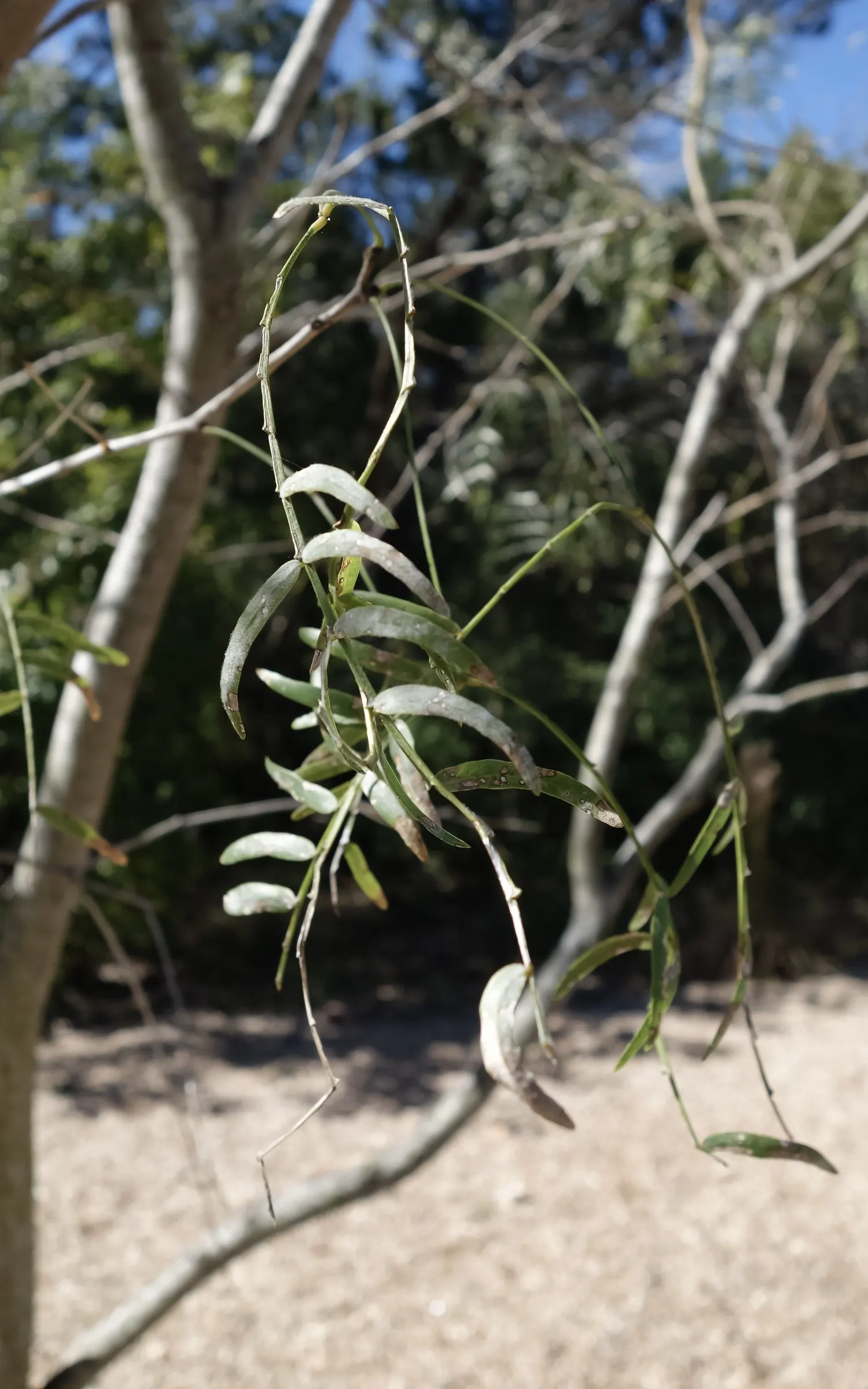
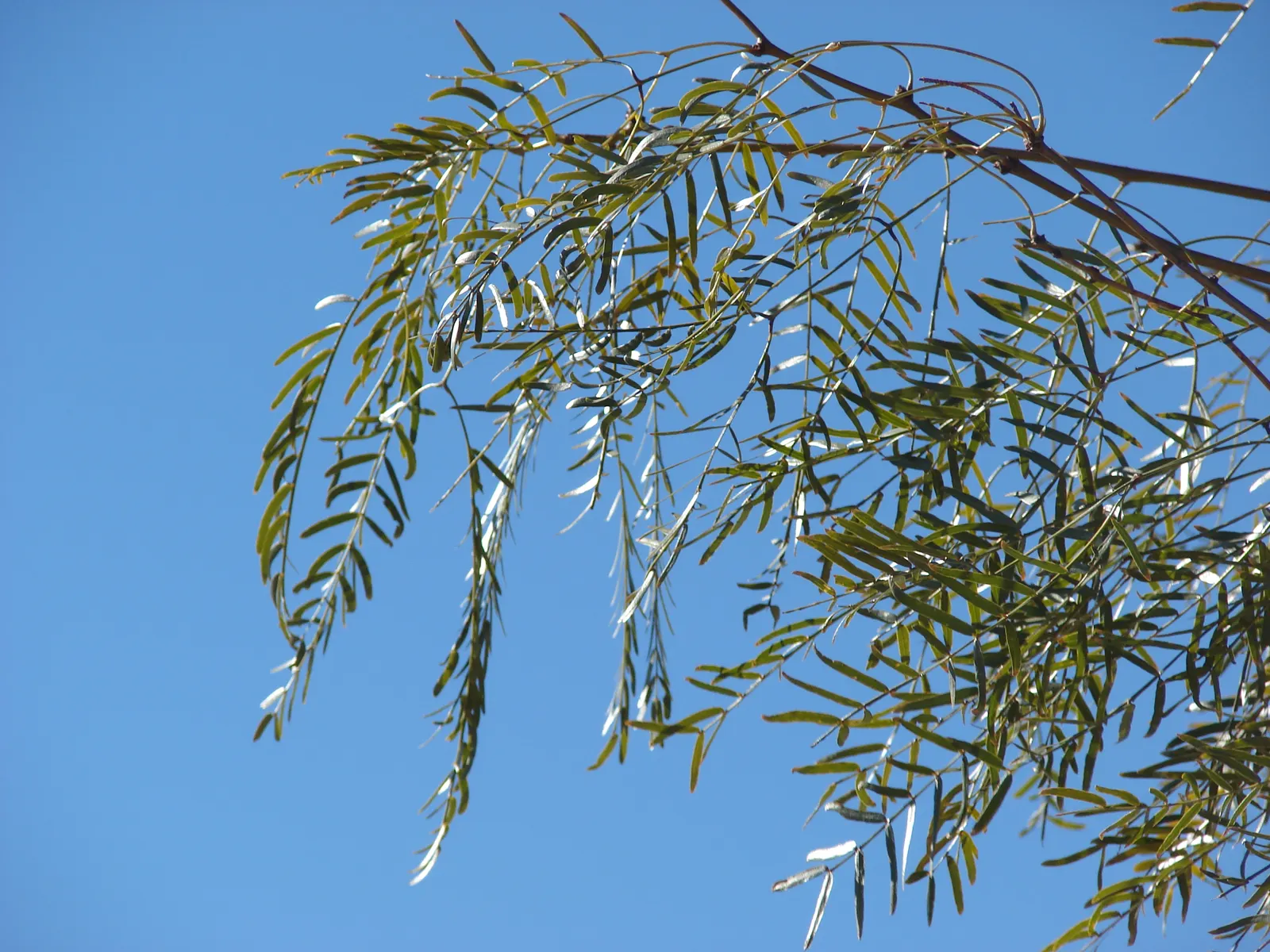
Texas Honey Mesquite (Prosopis Glandulosa) — growing up to 12 inches in length; bipinnate leaves that are small and fern-like
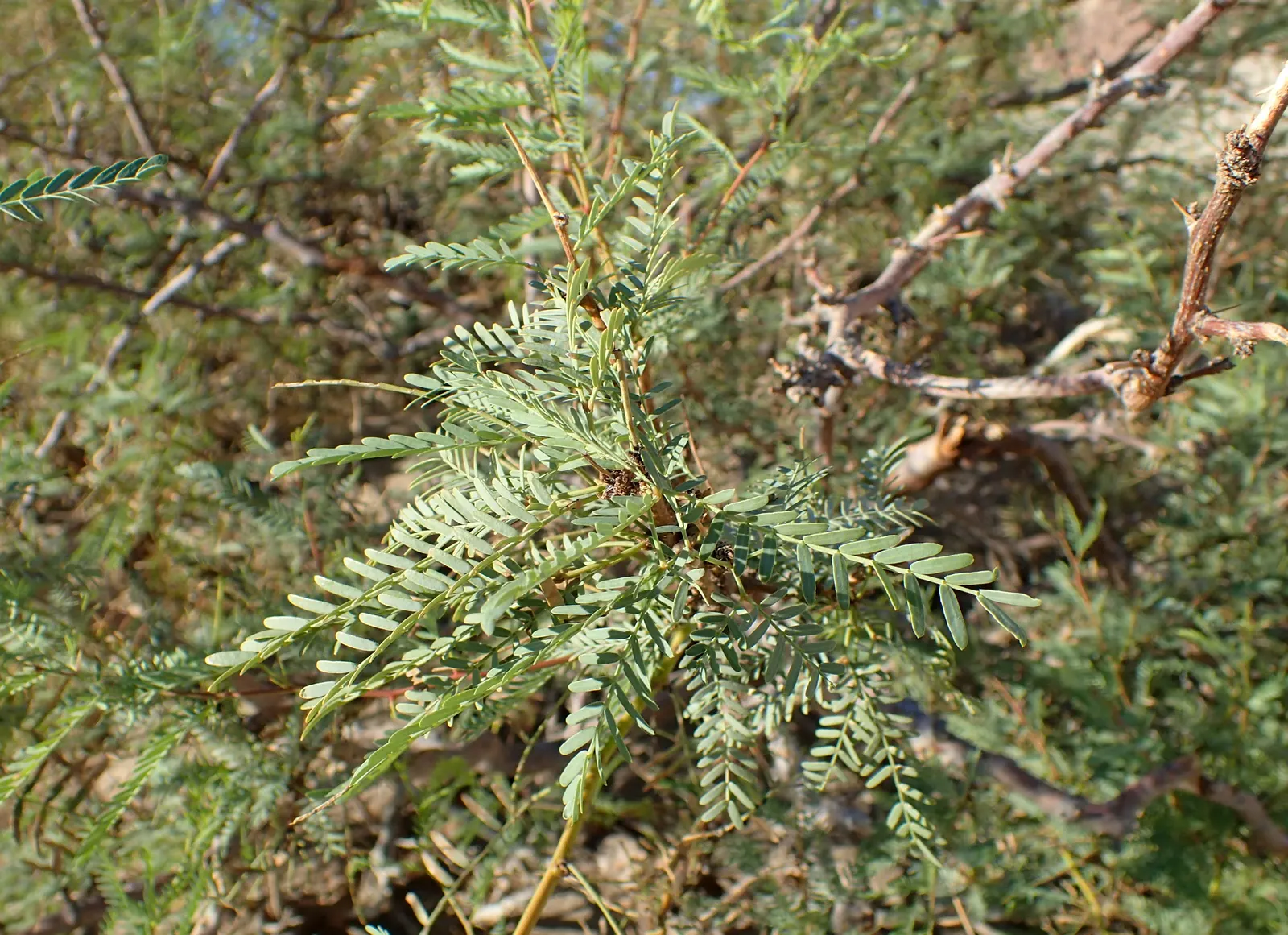
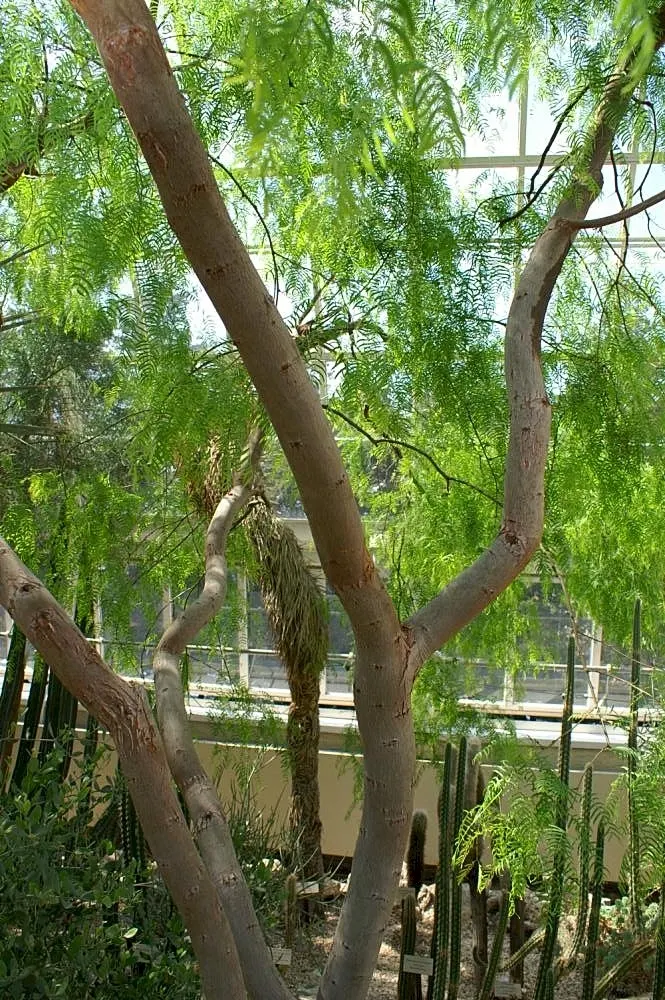
Texas Honey Mesquite (Prosopis Glandulosa) — bipinnate leaves that are small and fern-like; the multi-trunked form and irregular branching pattern of this
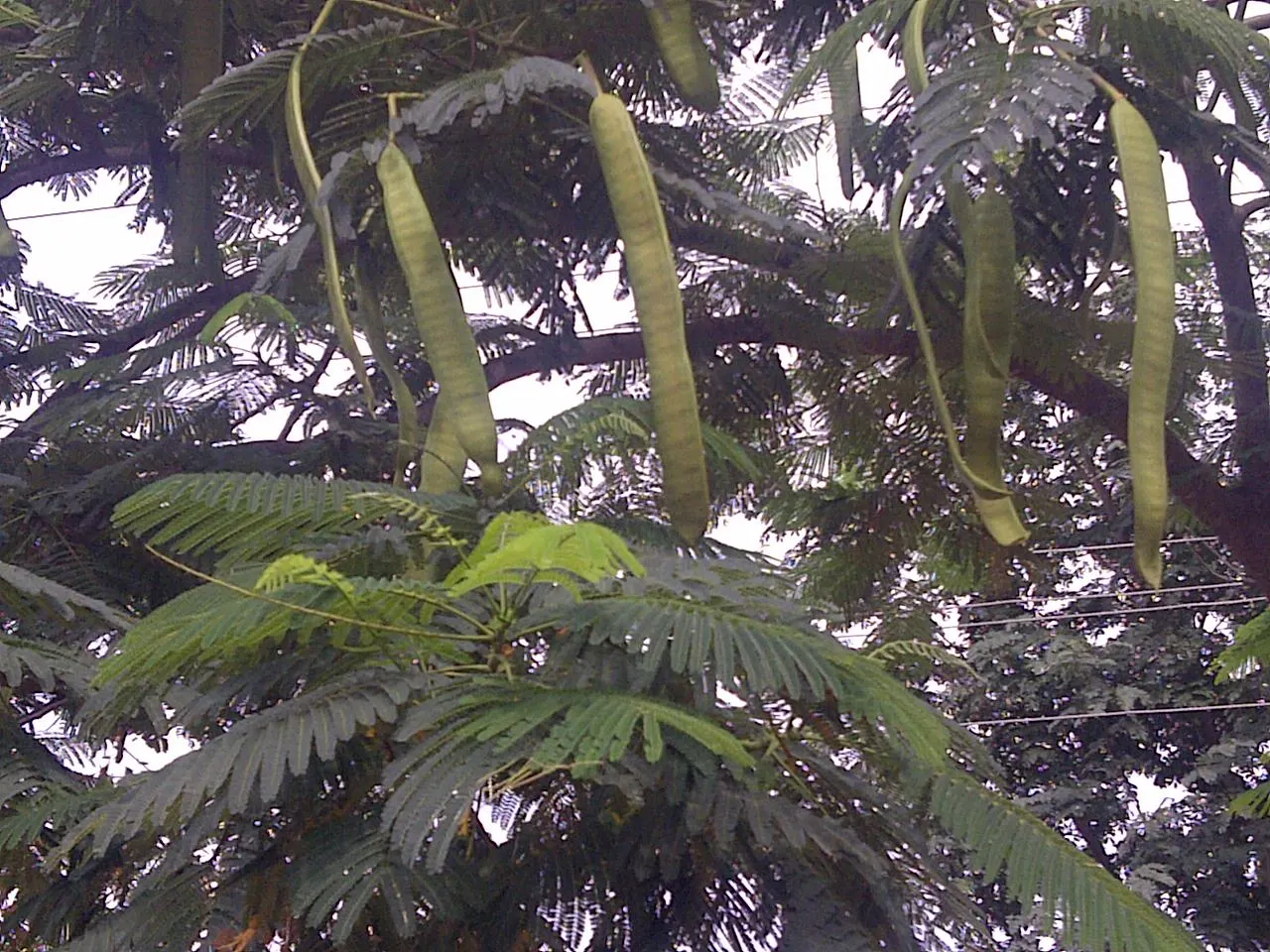
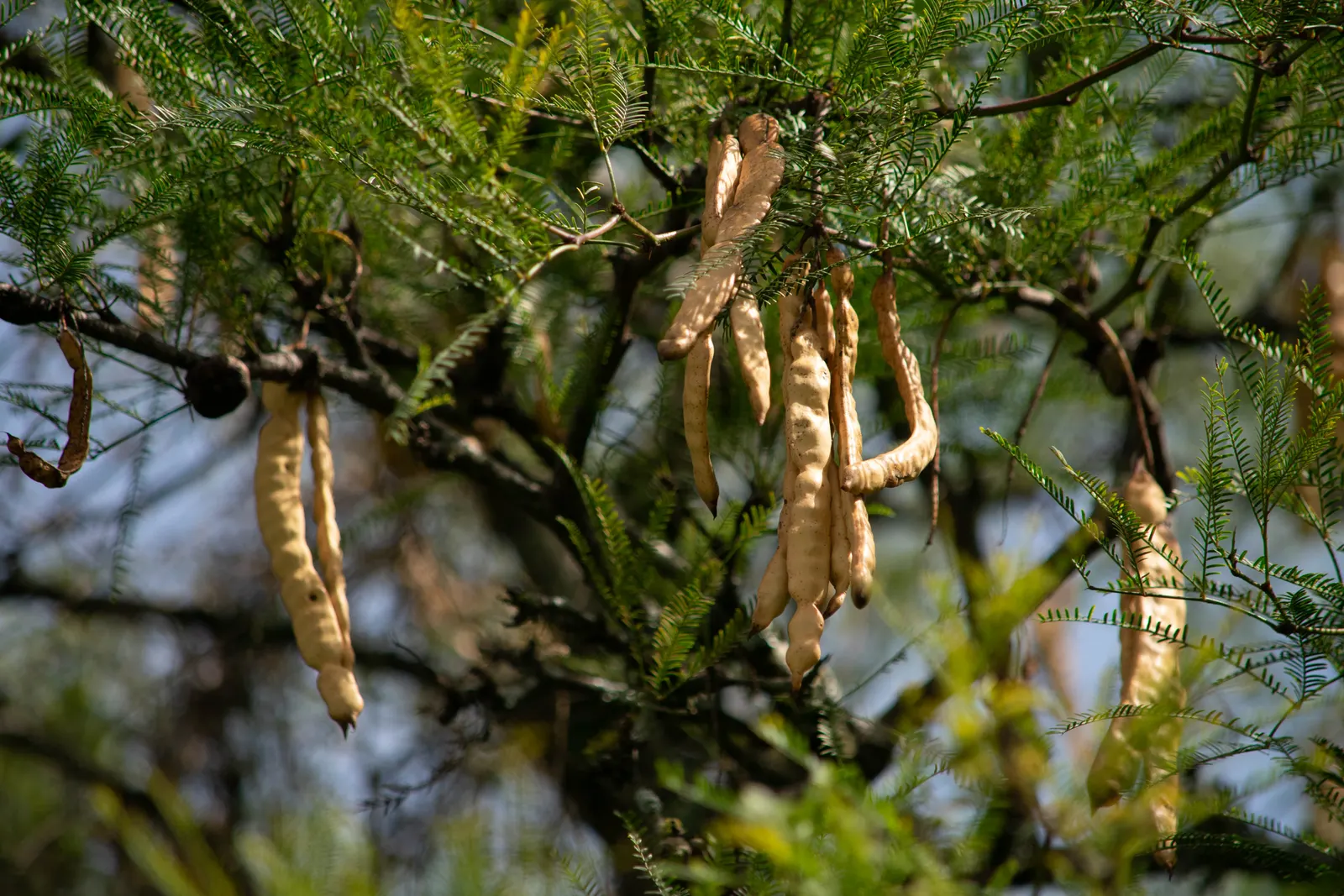
Texas Honey Mesquite (Prosopis Glandulosa) — which mature in the summer and can reach lengths of up to 8 inches; adaptable to diverse soils, it thrives in full
Texas Honey Mesquite (Prosopis Glandulosa) — These blossoms are a favorite of pollinators and give way to long; which can be invasive; therefore
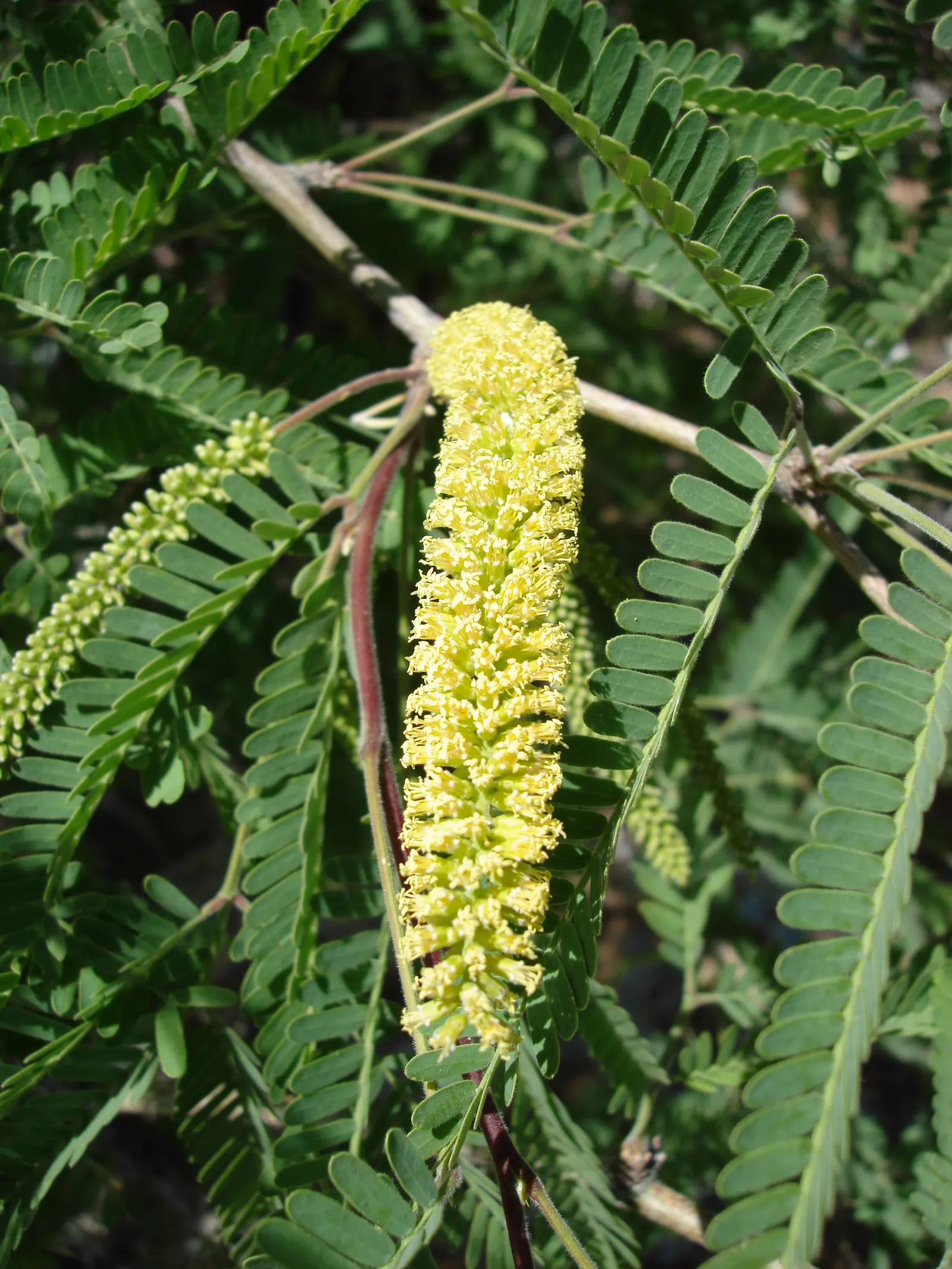
Texas Honey Mesquite (Prosopis Glandulosa) — cylindrical spikes that can be up to 3 inches long, image 38
Texas Honey Mesquite (Prosopis Glandulosa) — the Honey Mesquite produces abundant creamy-yellow flowers; caution: Thorns can reach up to 2 inches
Texas Honey Mesquite (Prosopis Glandulosa) — contributes to its rustic appearance.<br><br>In spring; tree with yellow blooms
Texas Honey Mesquite (Prosopis Glandulosa) — with bark that matures to a rough; growing up to 12 inches in length
Texas Honey Mesquite (Prosopis Glandulosa) — The multi-trunked form and irregular branching pattern of this species; with bark that matures to a rough
Texas Honey Mesquite (Prosopis Glandulosa) — which provides dappled shade; rounded canopy with feathery foliage and produces fragrant
Texas Honey Mesquite (Prosopis Glandulosa) — It typically reaches a height of 15 to 30 feet with an equally wide canopy; it should be sited away from
Texas Honey Mesquite (Prosopis Glandulosa) — Caution: Thorns can reach up to 2 inches; these blossoms are a favorite of pollinators and give way to long
Texas Honey Mesquite (Prosopis Glandulosa) — Its deep roots enable drought resistance, making it a hardy choice for arid landscapes; it typically reaches a
Texas Honey Mesquite (Prosopis Glandulosa) — followed by long seed pods; tree for full
Texas Honey Mesquite (Prosopis Glandulosa) — rounded canopy with feathery foliage and produces fragrant; while this tree is adaptable to various soil types, it
Texas Honey Mesquite (Prosopis Glandulosa) — Adaptable to diverse soils, it thrives in full sun with minimal water; contributes to its rustic
Texas Honey Mesquite (Prosopis Glandulosa) — Texas Honey Mesquite (Prosopis glandulosa) is a deciduous tree, typically growing to 20-30 ft; followed by long
Texas Honey Mesquite (Prosopis Glandulosa) — tree for full
Texas Honey Mesquite (Prosopis Glandulosa) — tree with yellow blooms
Texas Honey Mesquite (Prosopis Glandulosa) — yellow flowers in the garden
Texas Honey Mesquite (Prosopis Glandulosa) — Moreover, the mesquite sap may cause seasonal allergies or attract insects, aspects to discuss with the client
Texas Honey Mesquite (Prosopis Glandulosa) — it should be sited away from foundations and paved areas
Texas Honey Mesquite (Prosopis Glandulosa) — which can be invasive; therefore
Texas Honey Mesquite (Prosopis Glandulosa) — An important consideration for placement is its extensive root system

Related plants