Skip to content

Kentucky Bluegrass

Poa Pratensis

Design with this plant

Overview

Kentucky Bluegrass (Poa pratensis) is a perennial, cool-season grass, favored for its lush, fine-textured blades that form a dense, carpet-like turf. This hardy grass thrives in full sun to partial shade, with optimal growth between 60-75°F. It's adaptable, but prefers well-drained soil with a pH of 6.0-7.0. Mowing height recommendation is 2.5 to 3.5 inches to maintain a healthy lawn. Its deep blue-green hue enhances its appeal.

Sun Full, HalfWater Extra in Summer, HighZones 2–9Type Grass, Ground cover

Culture

Sun
Full, Half
Water
Extra in Summer, High
USDA zones
2–9

Shape & size

Classification

Type
Grass, Ground cover
Family
Poaceae

See full data, regional cultivation notes, and design tools. Build a client presentation around this plant.

Start your 14-day trial

Photos (98)

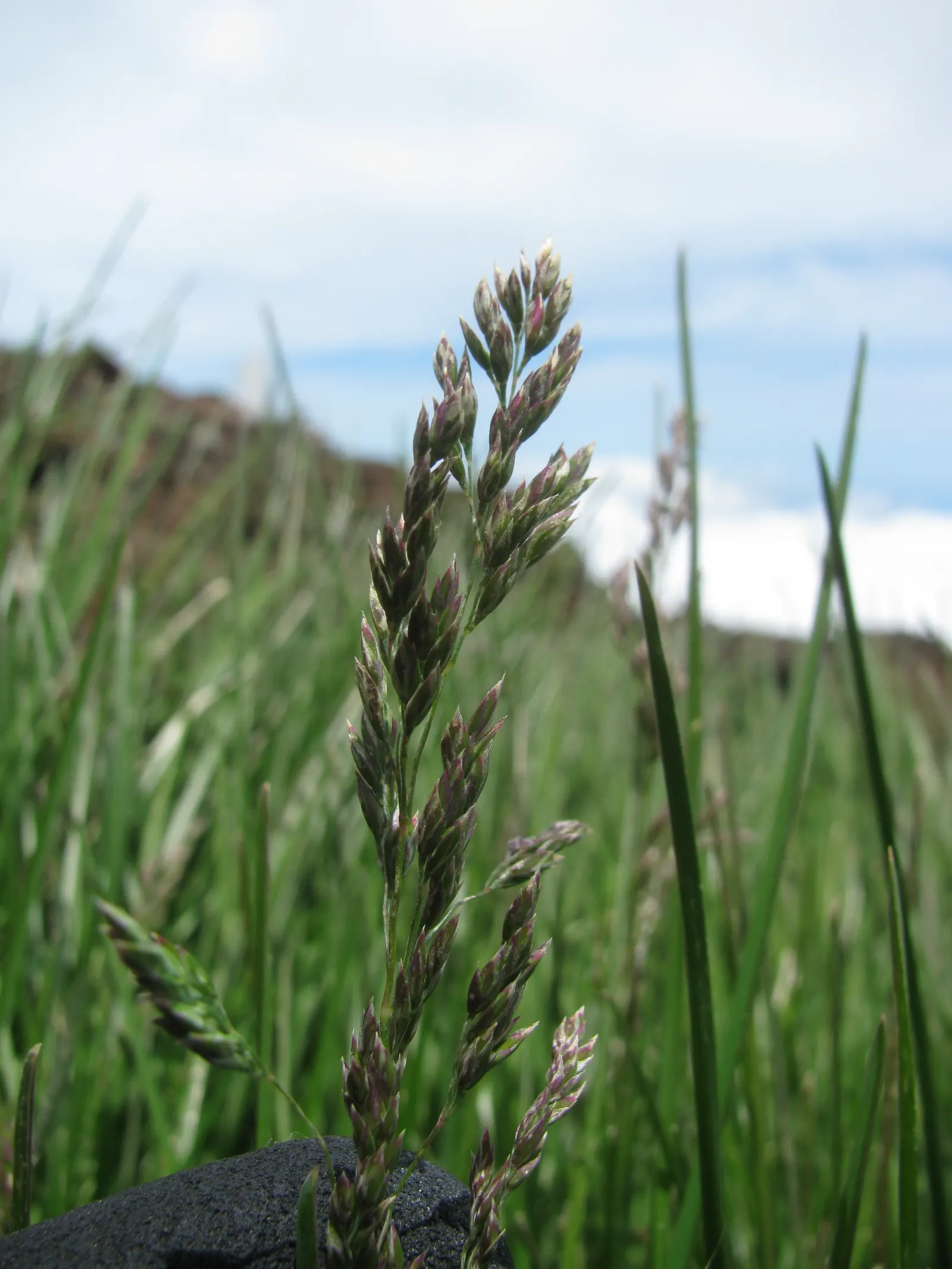
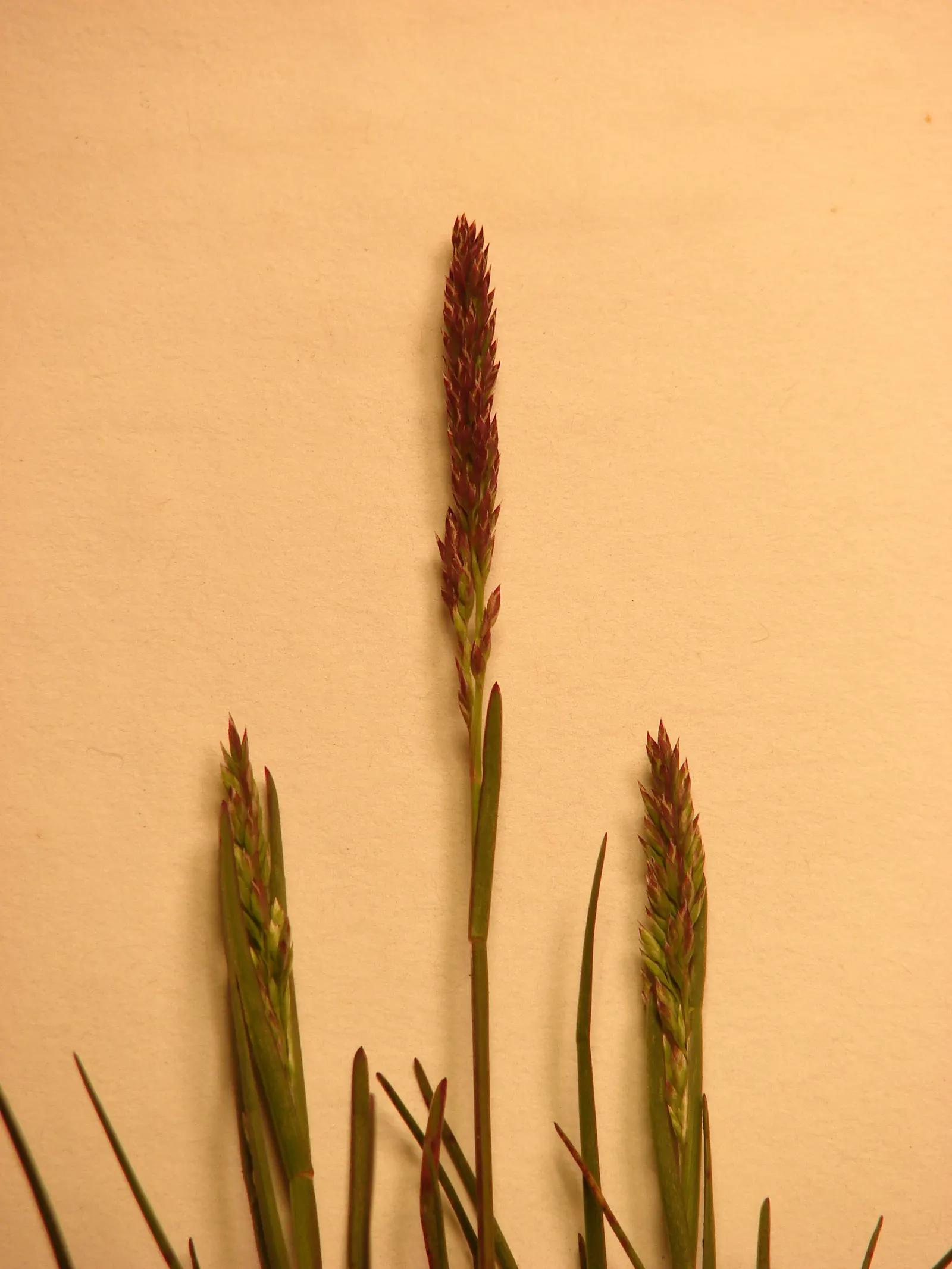
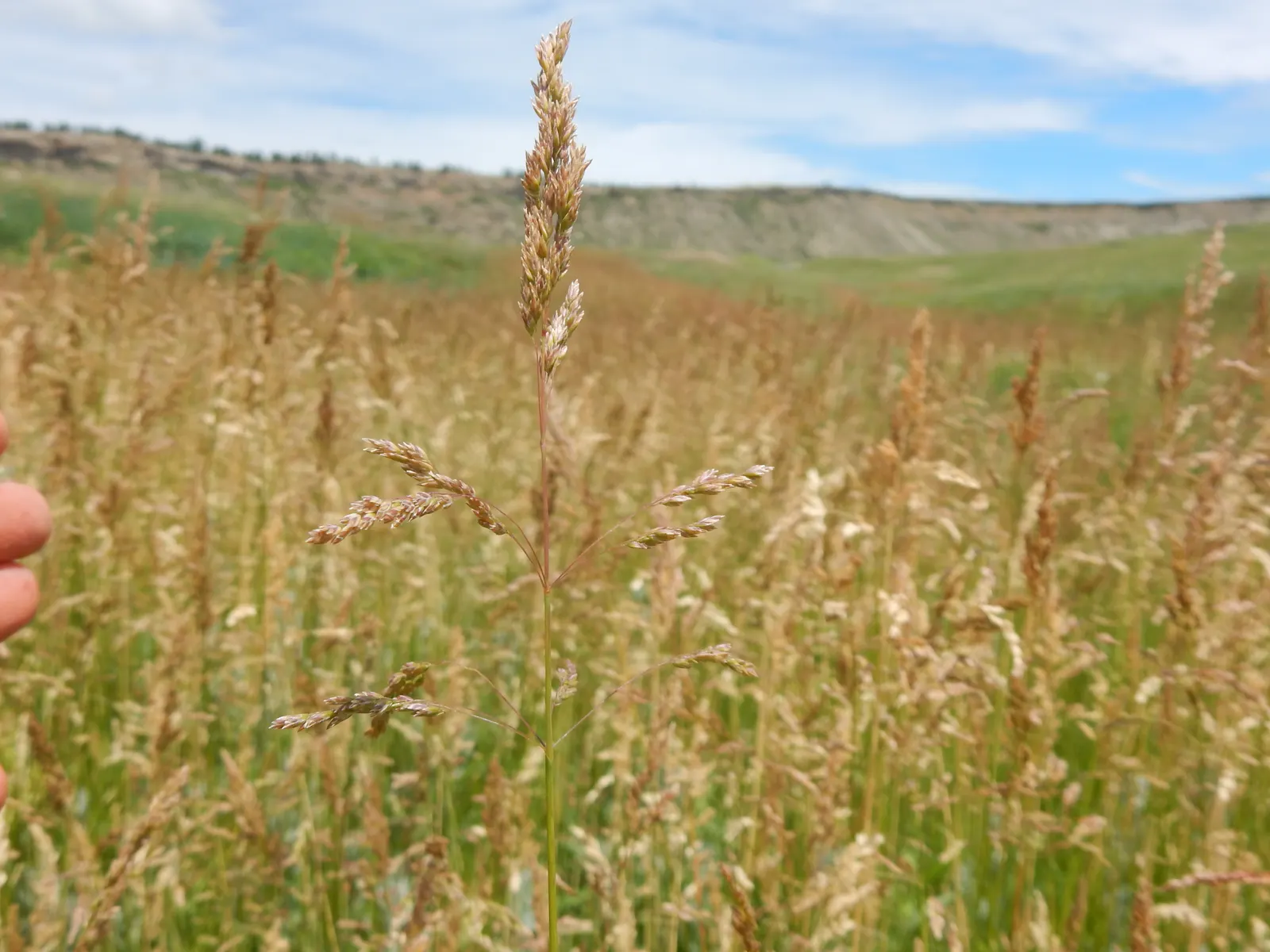
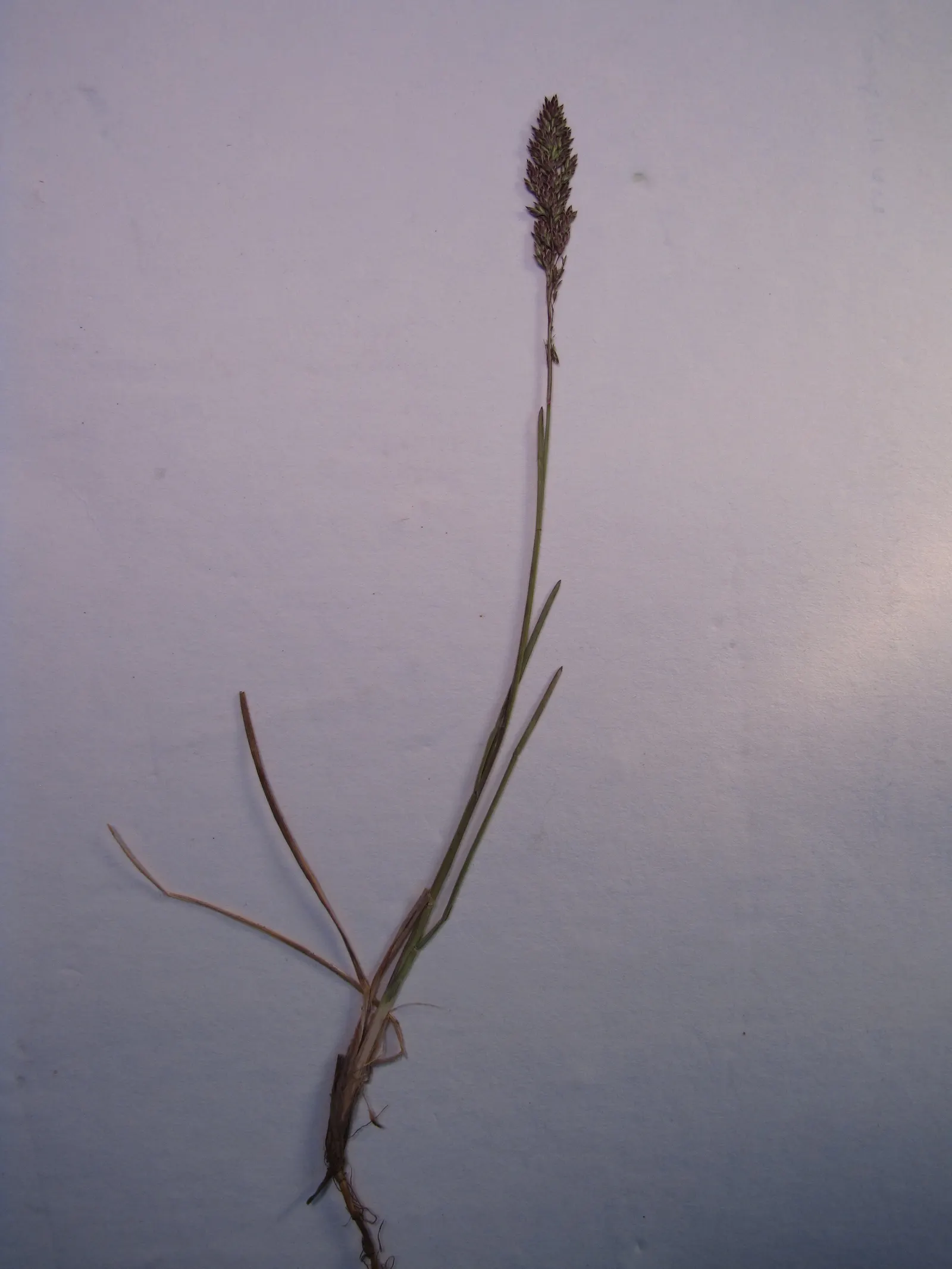
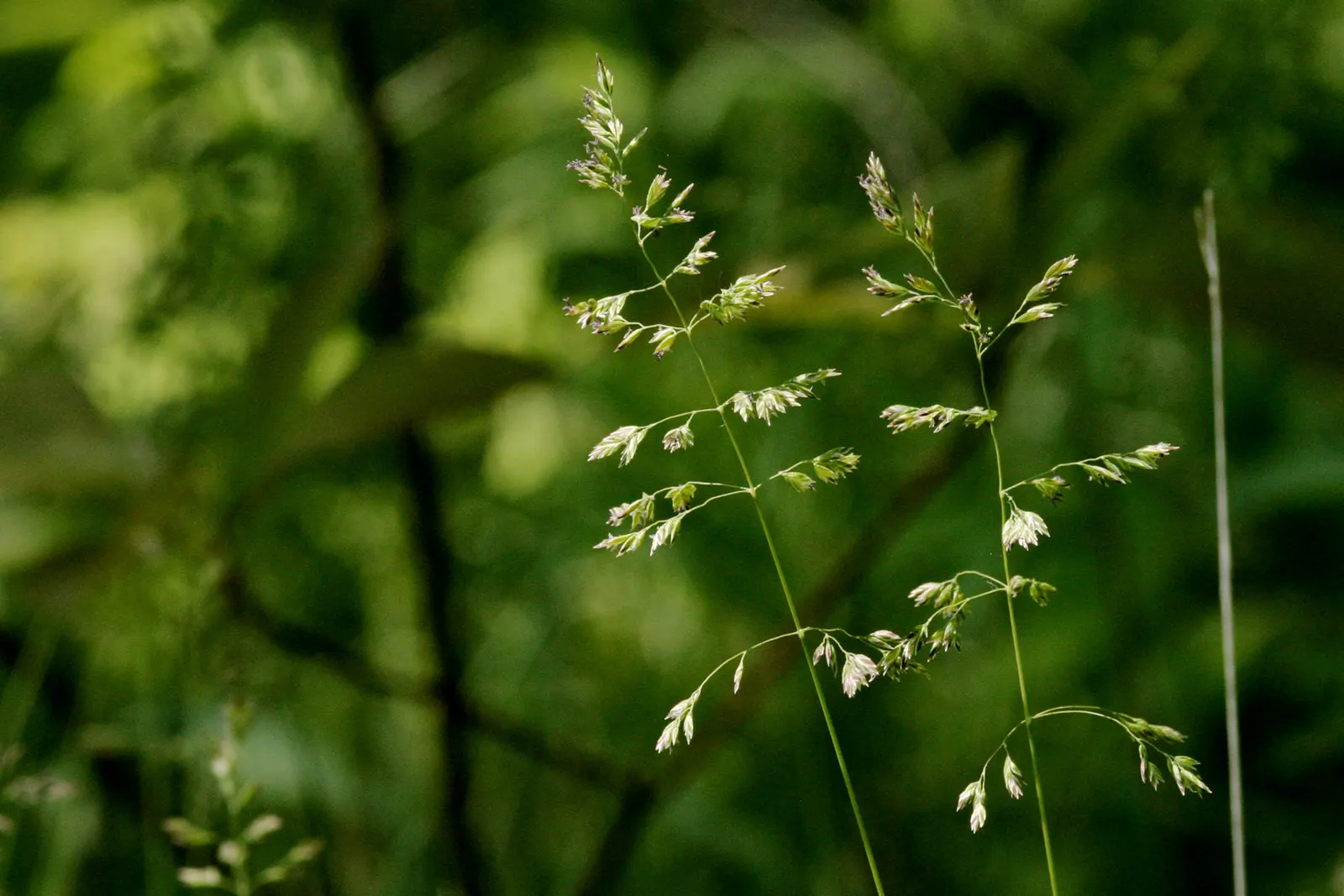
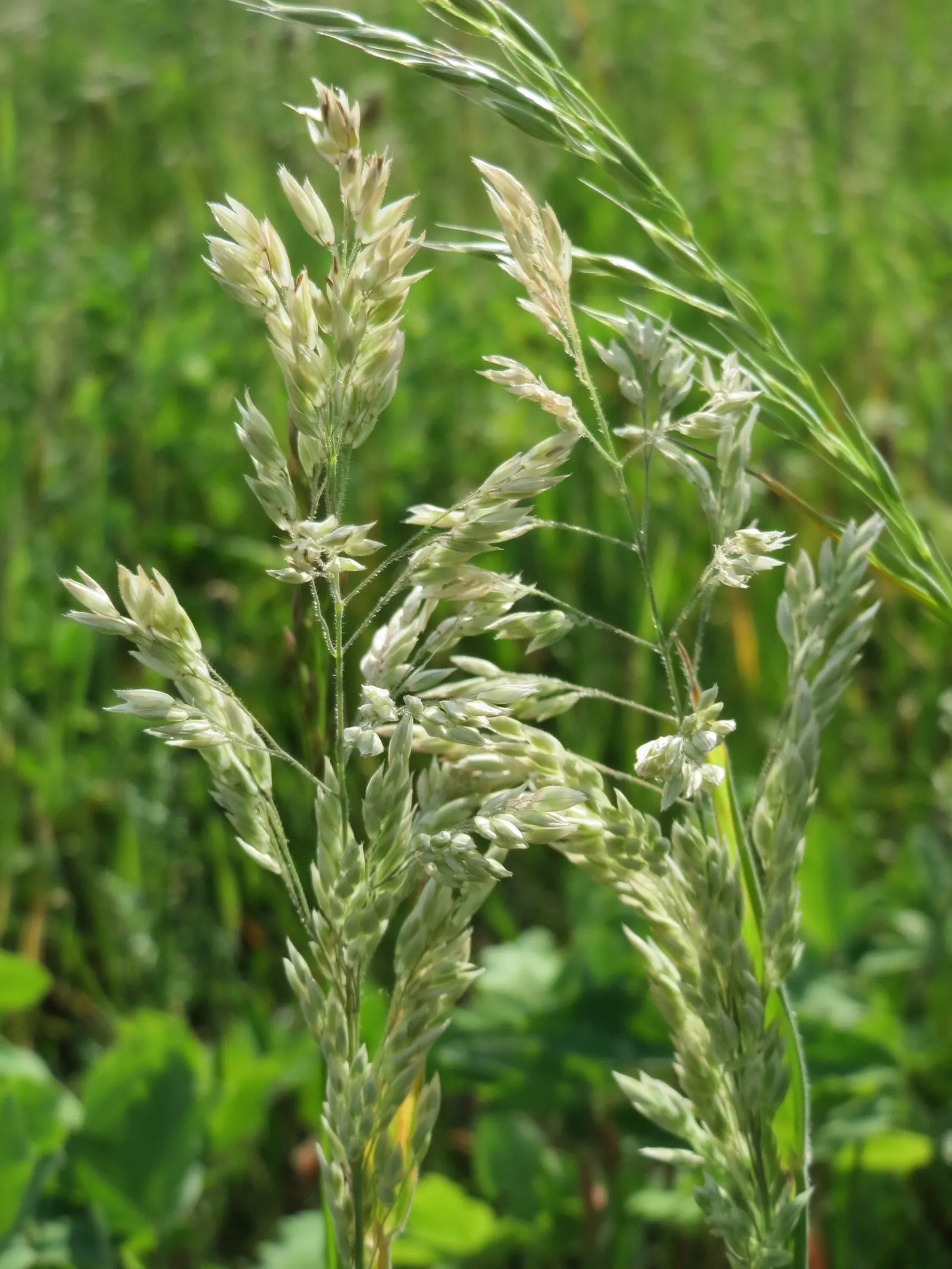
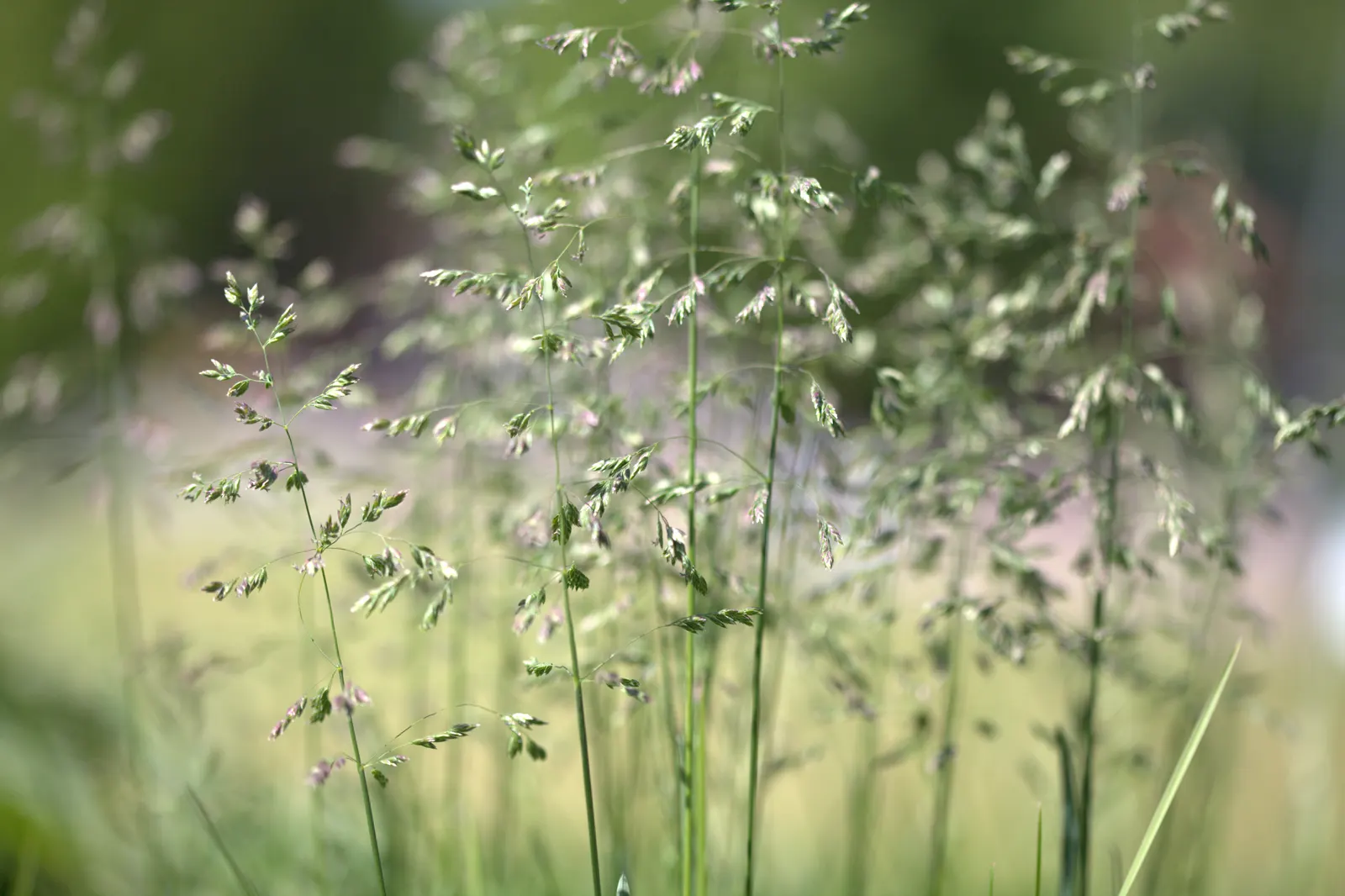
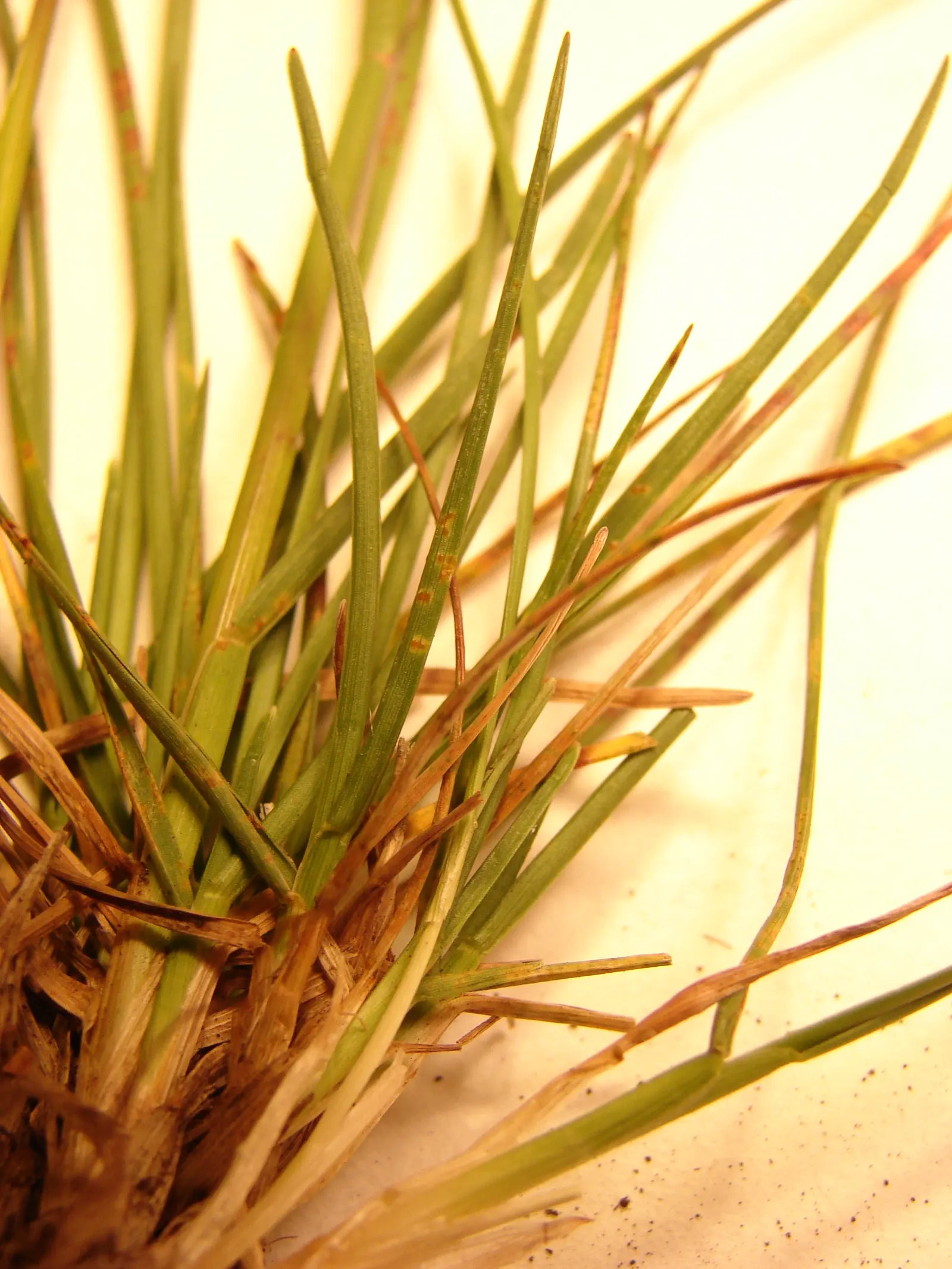
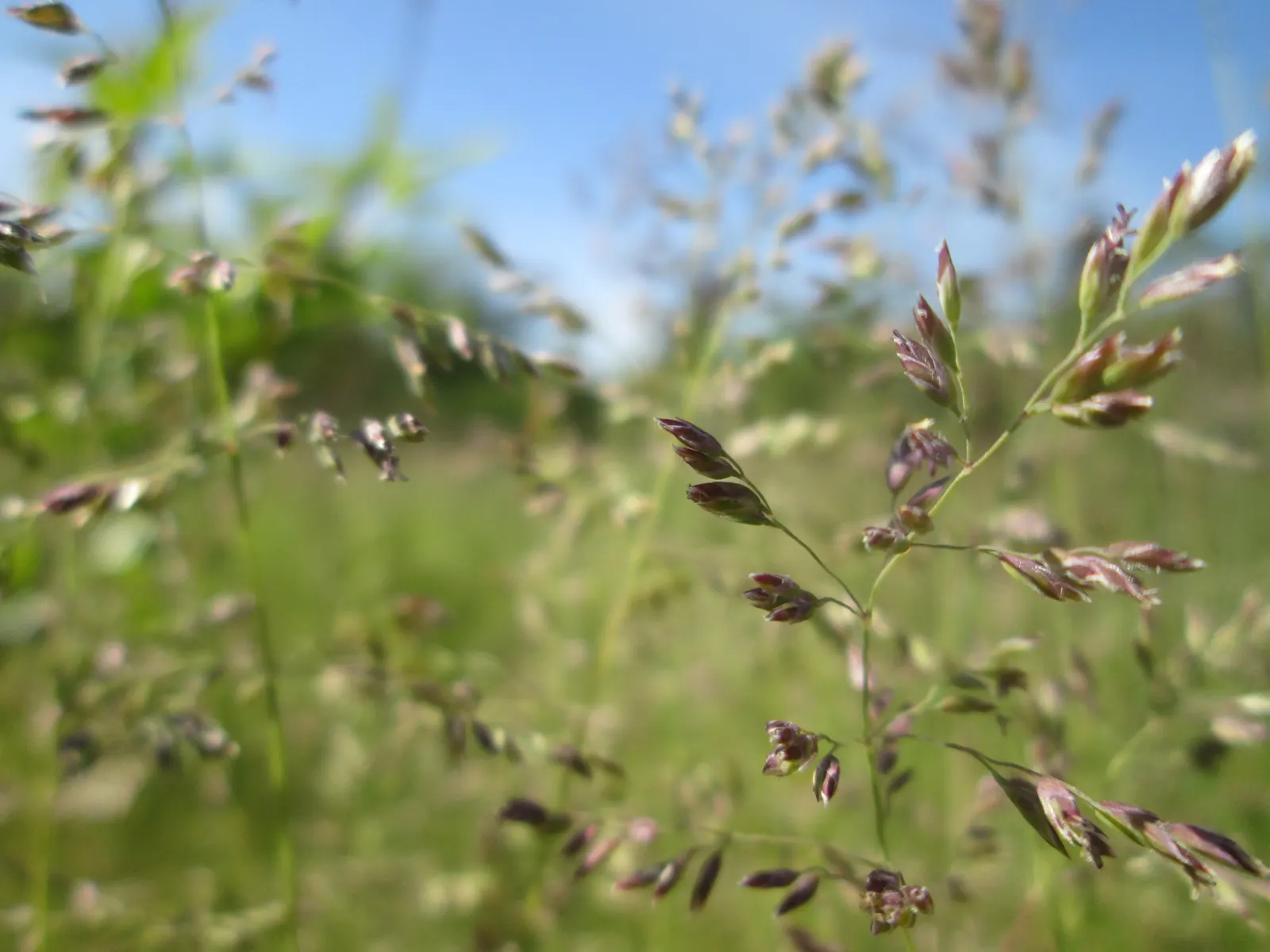
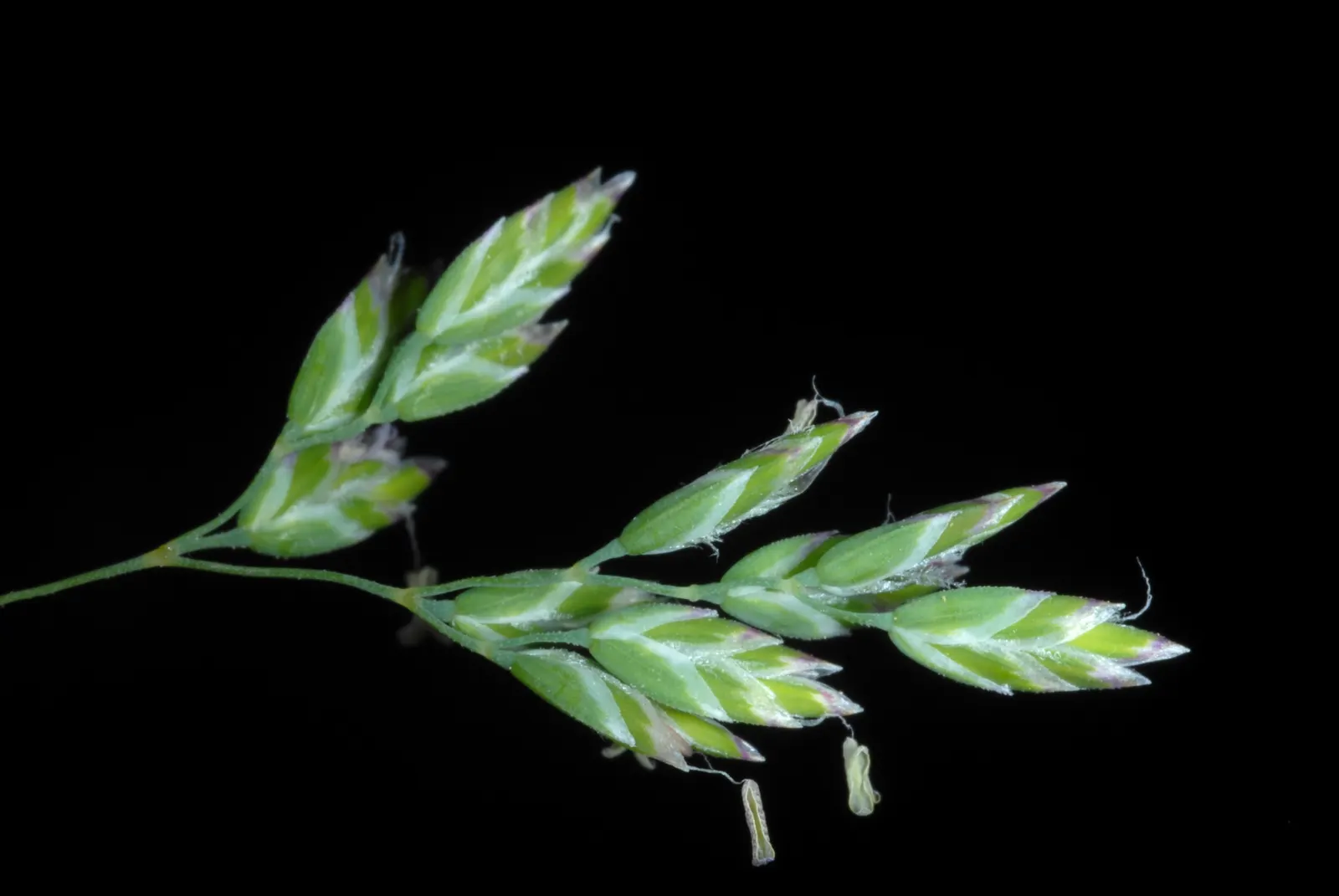
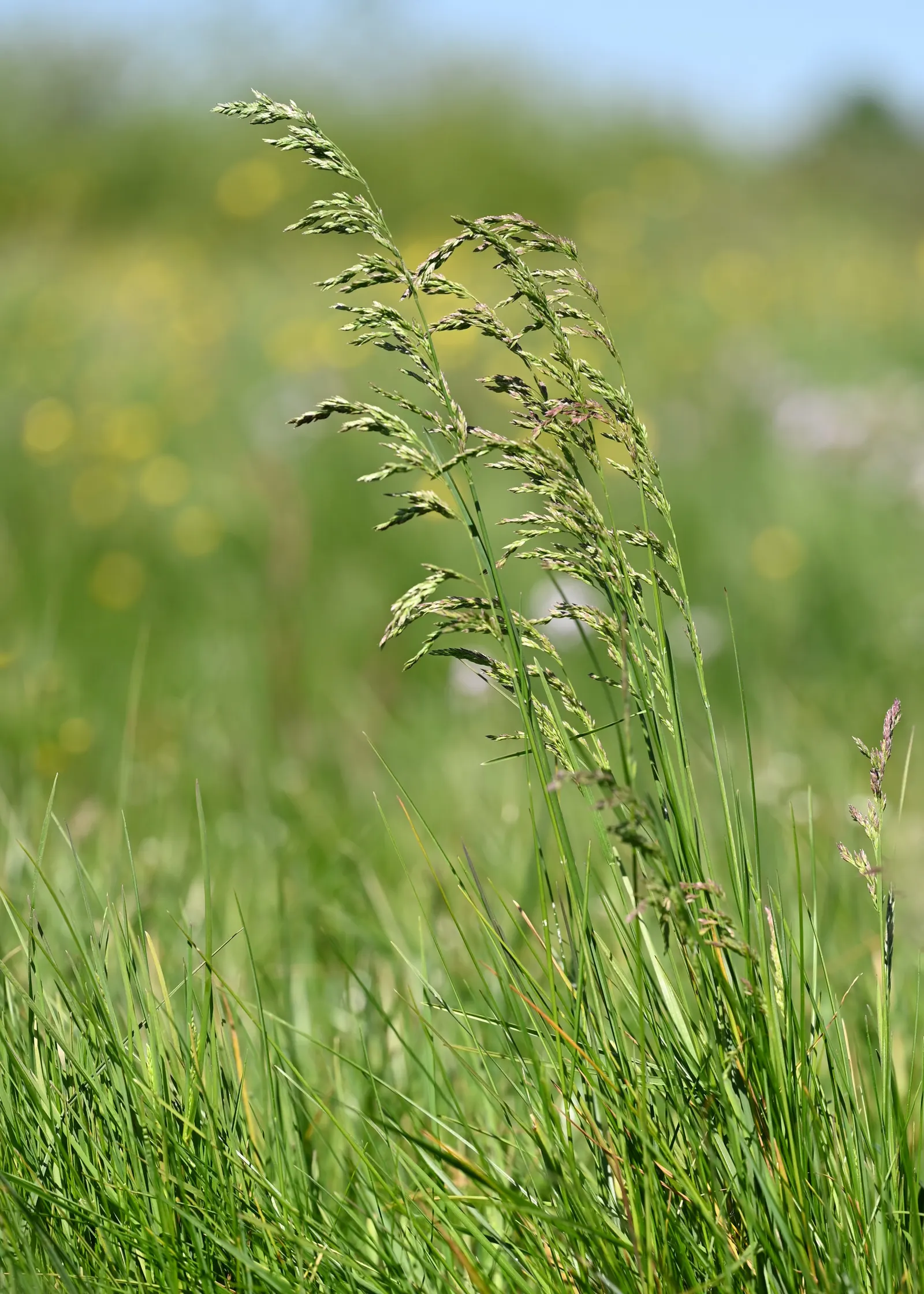
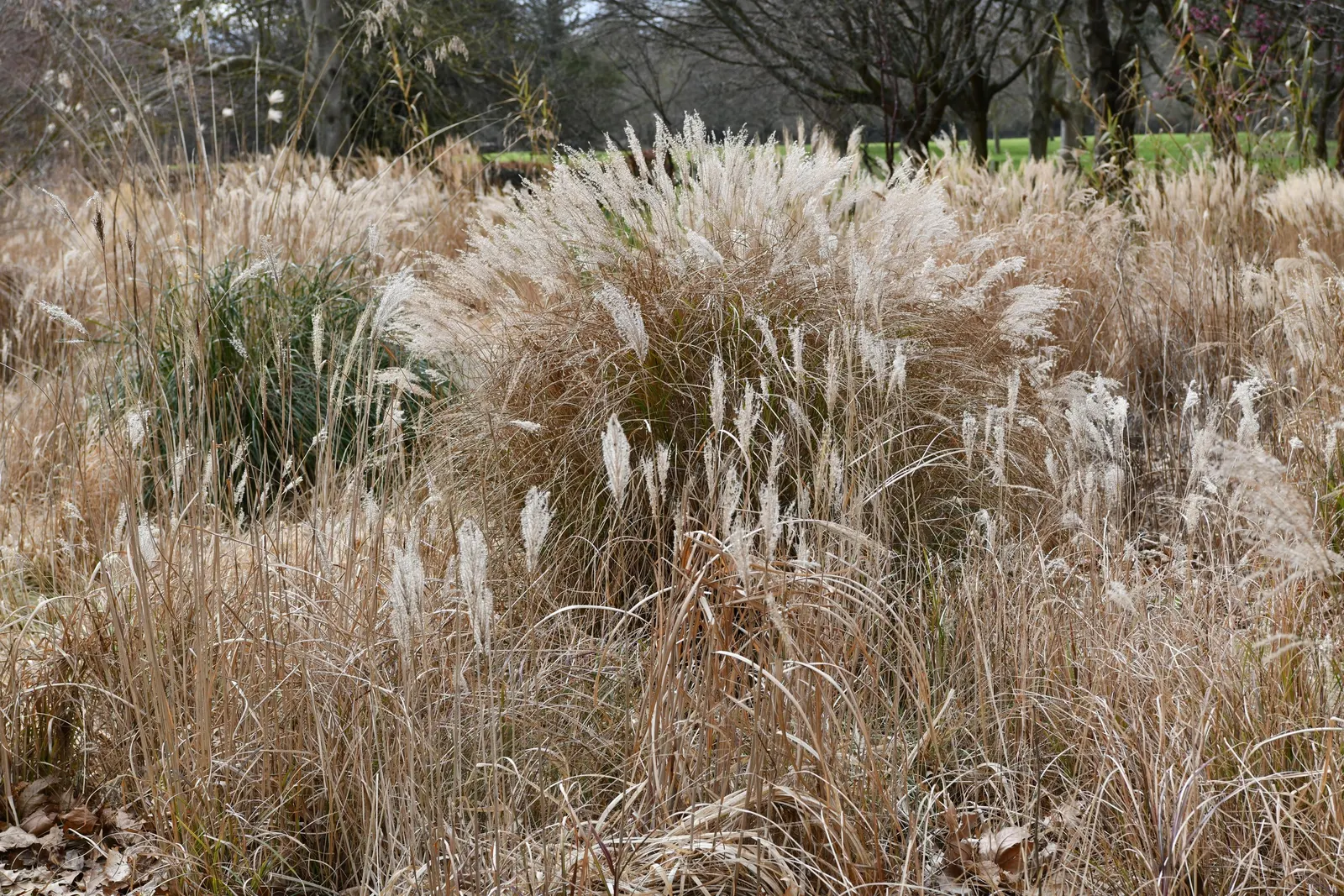
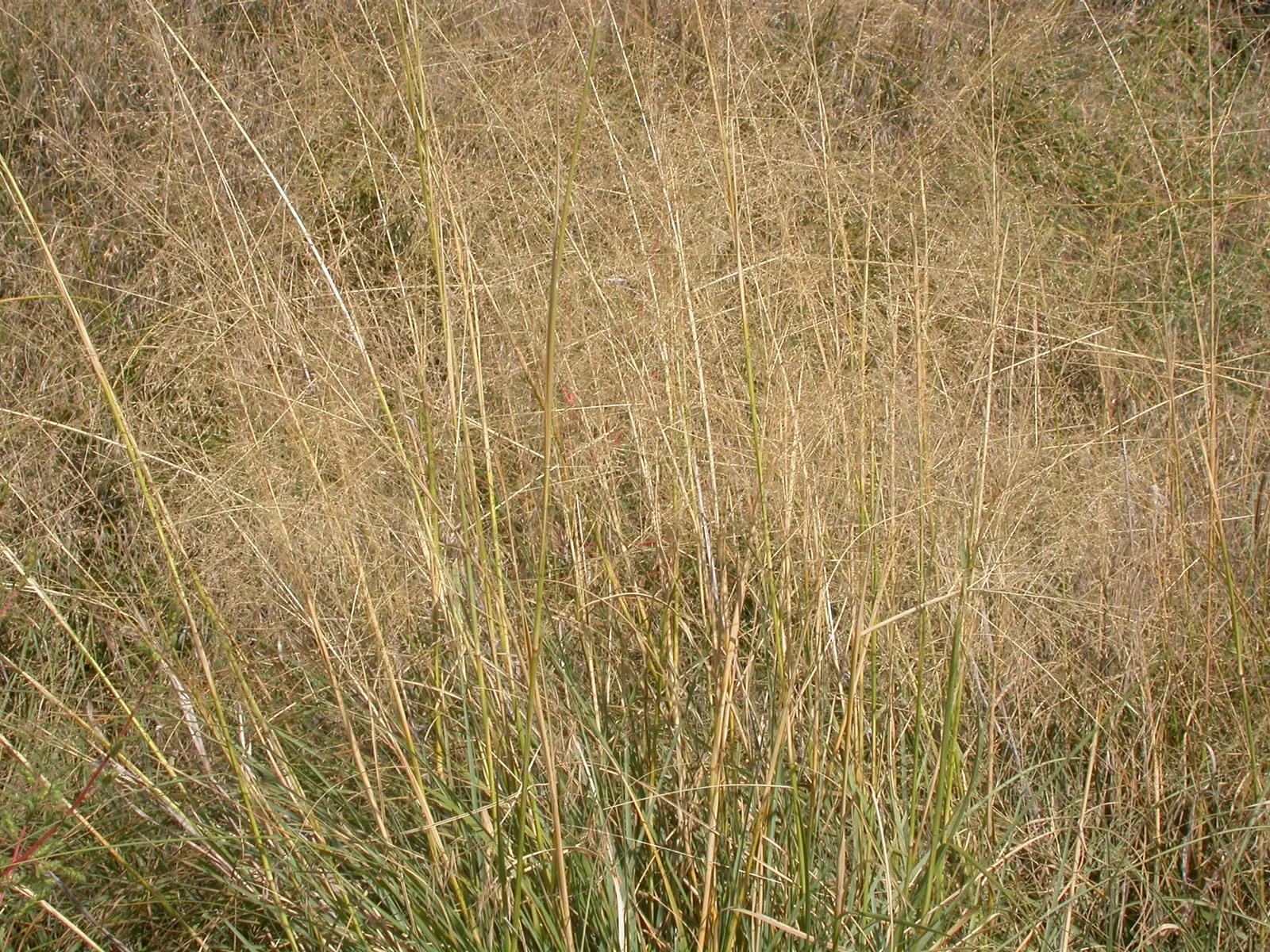
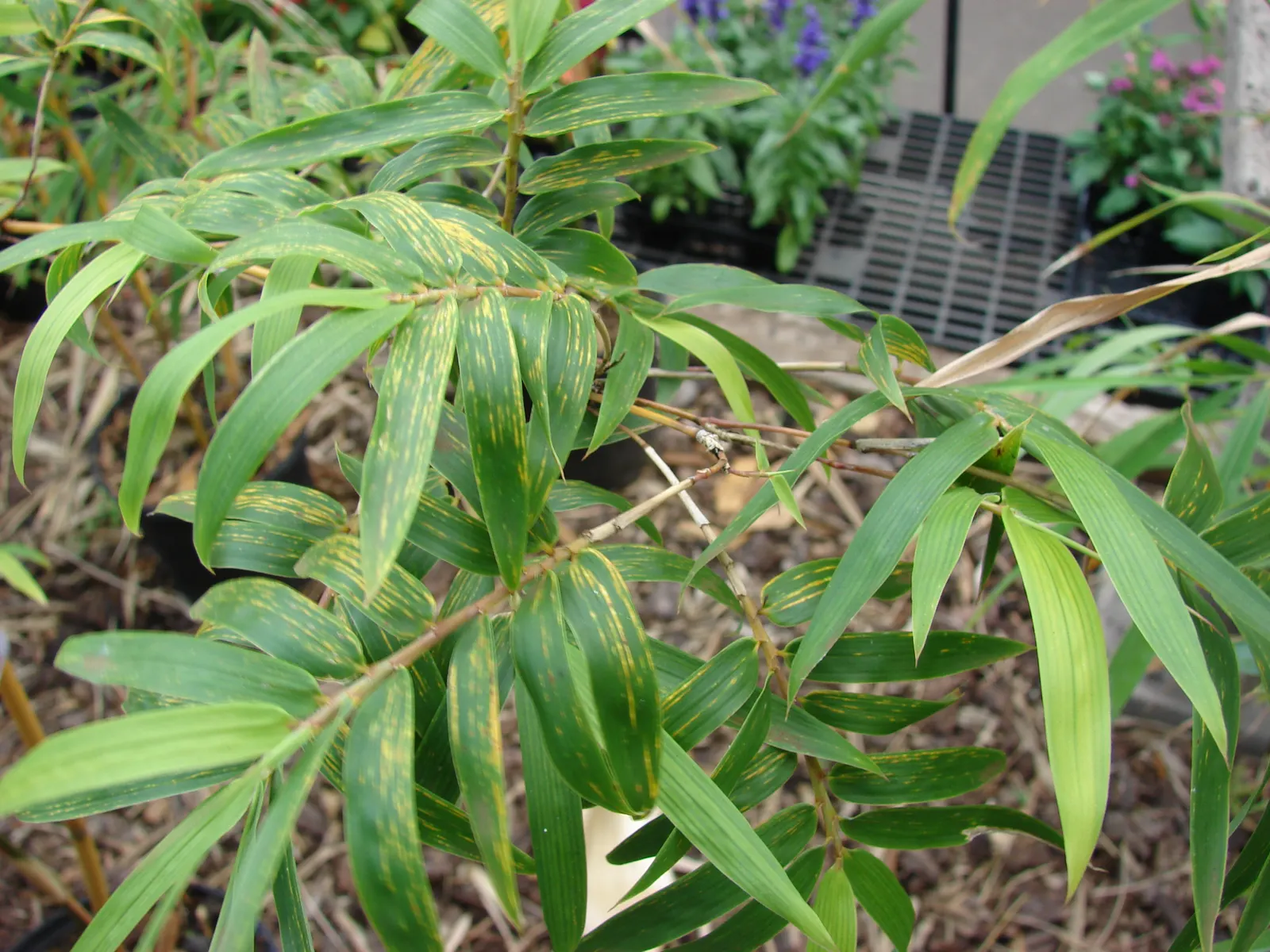
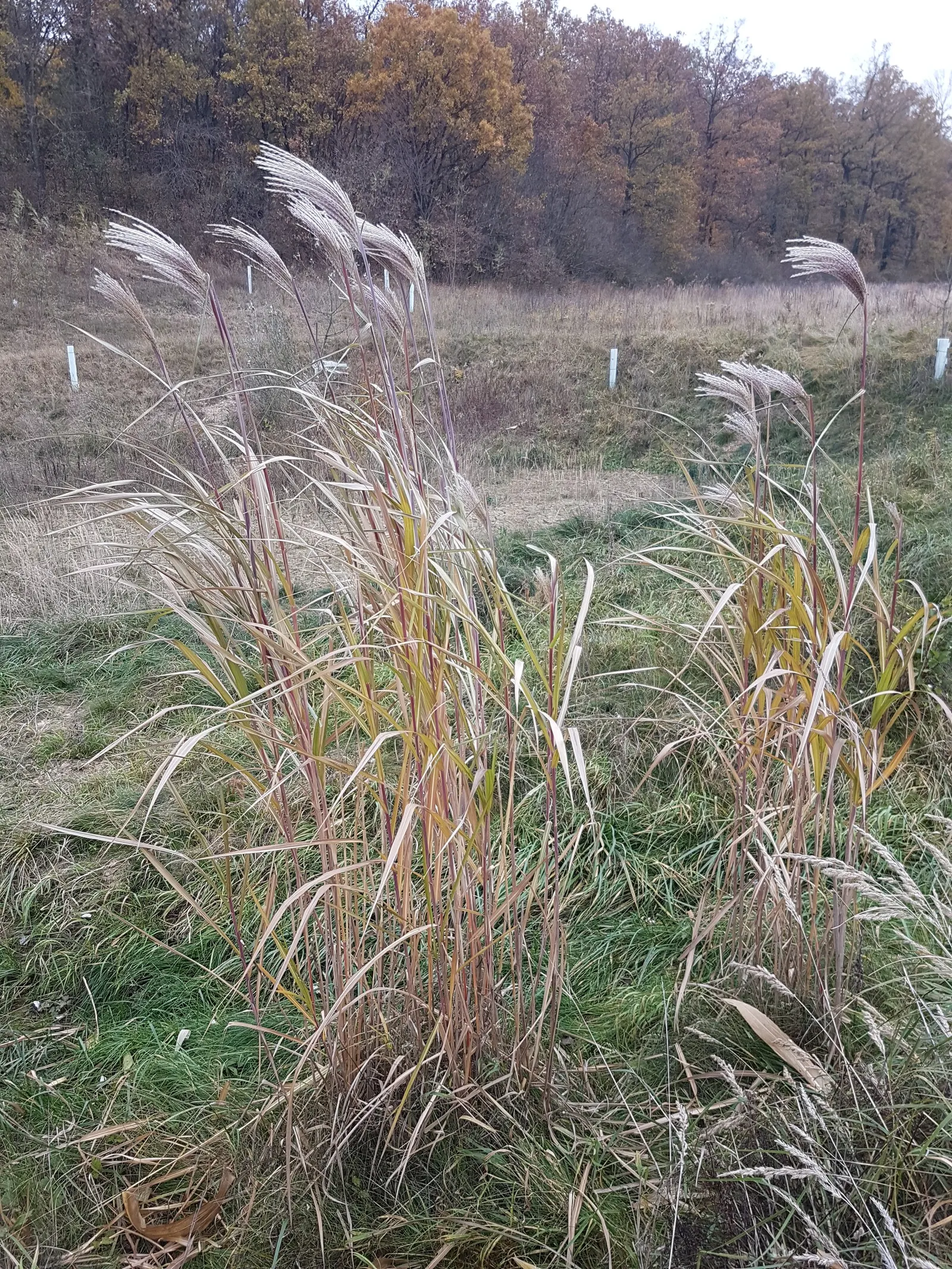
Kentucky Bluegrass (Poa Pratensis) — Highly regarded for its lush; it prefers full sun but tolerates light shade, although growth may become, image 62
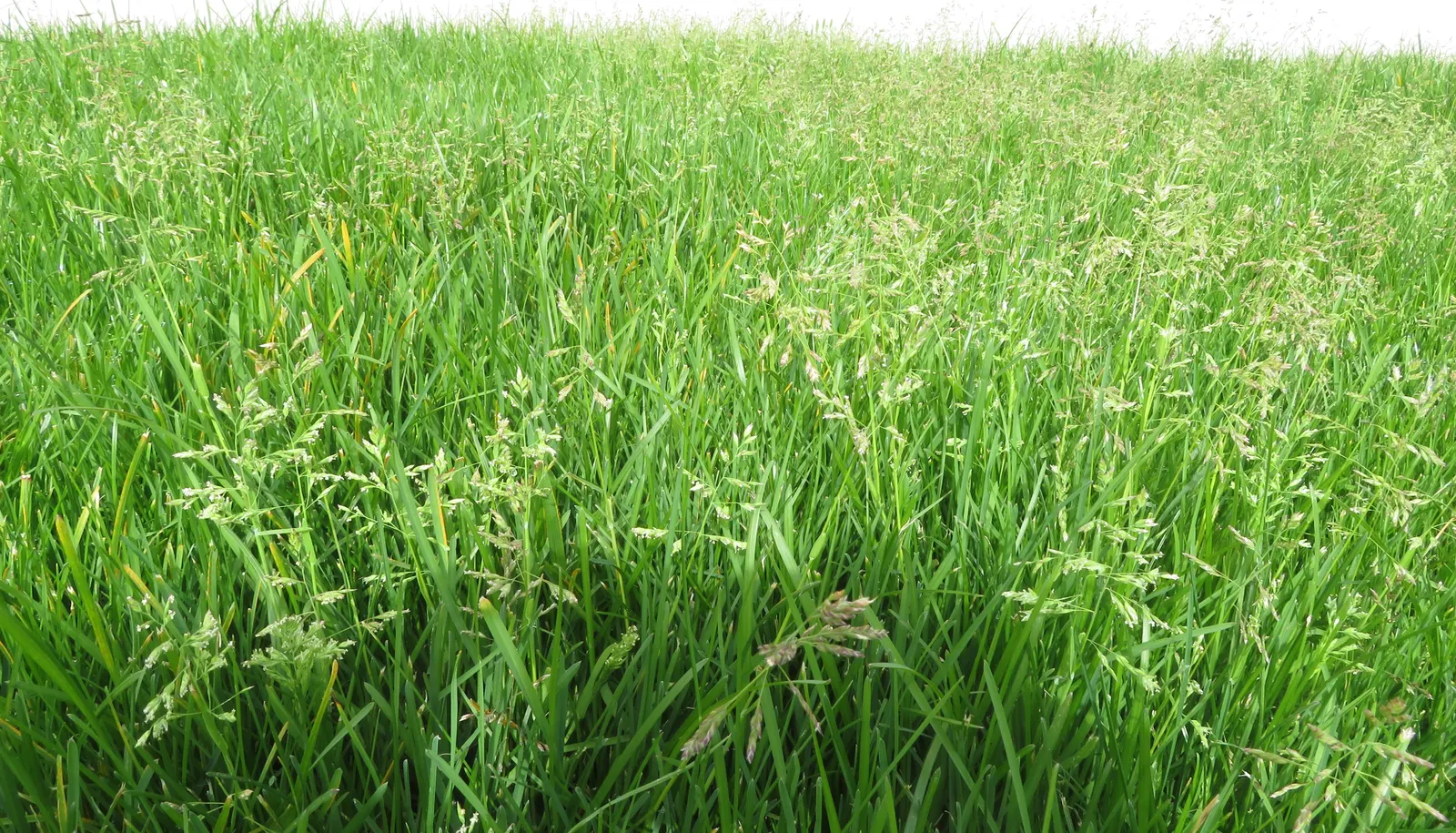
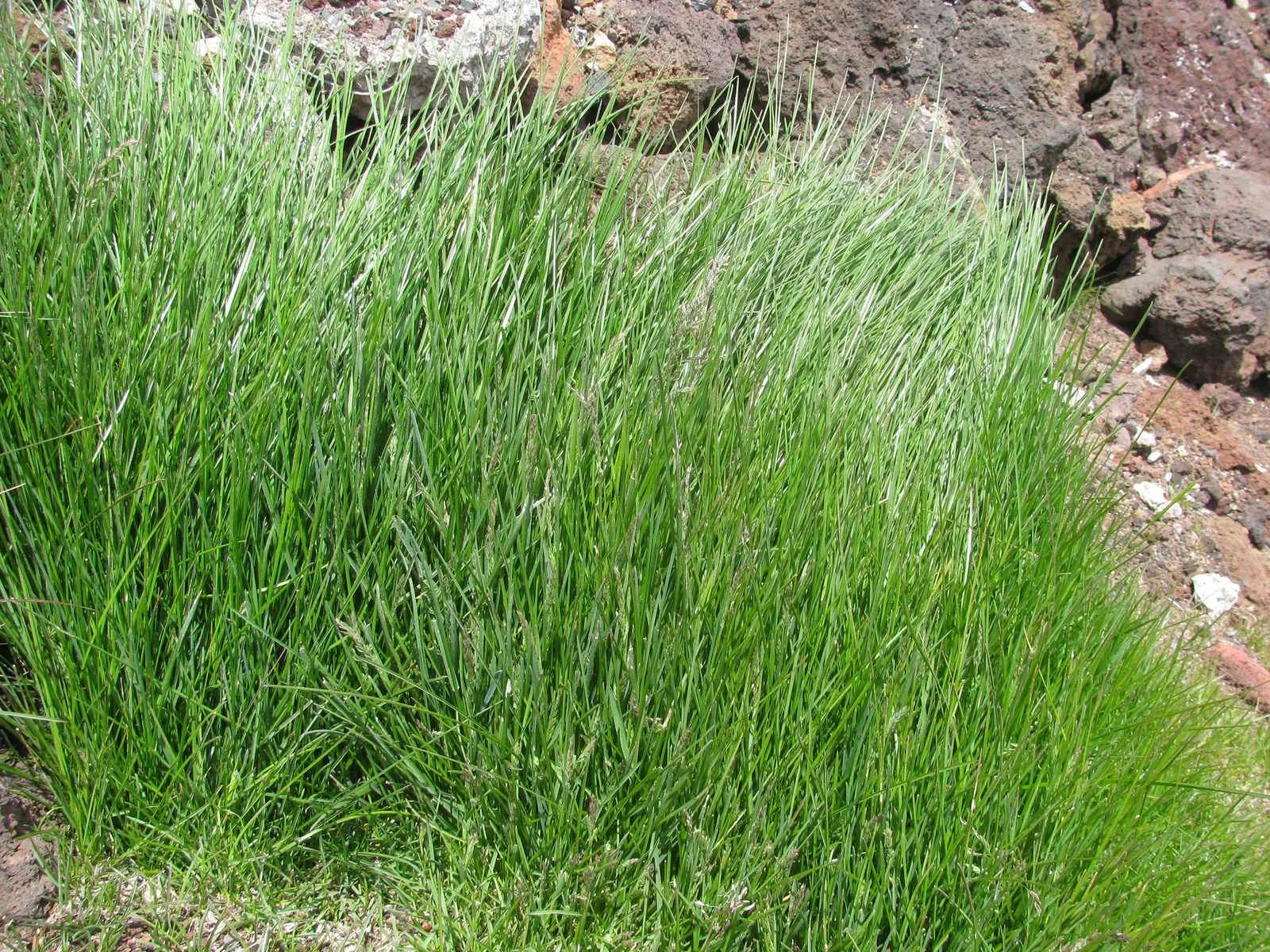
Kentucky Bluegrass (Poa Pratensis) — When designing landscapes; mowing height recommendation is 2.5 to 3.5 inches to maintain a healthy lawn, image 68
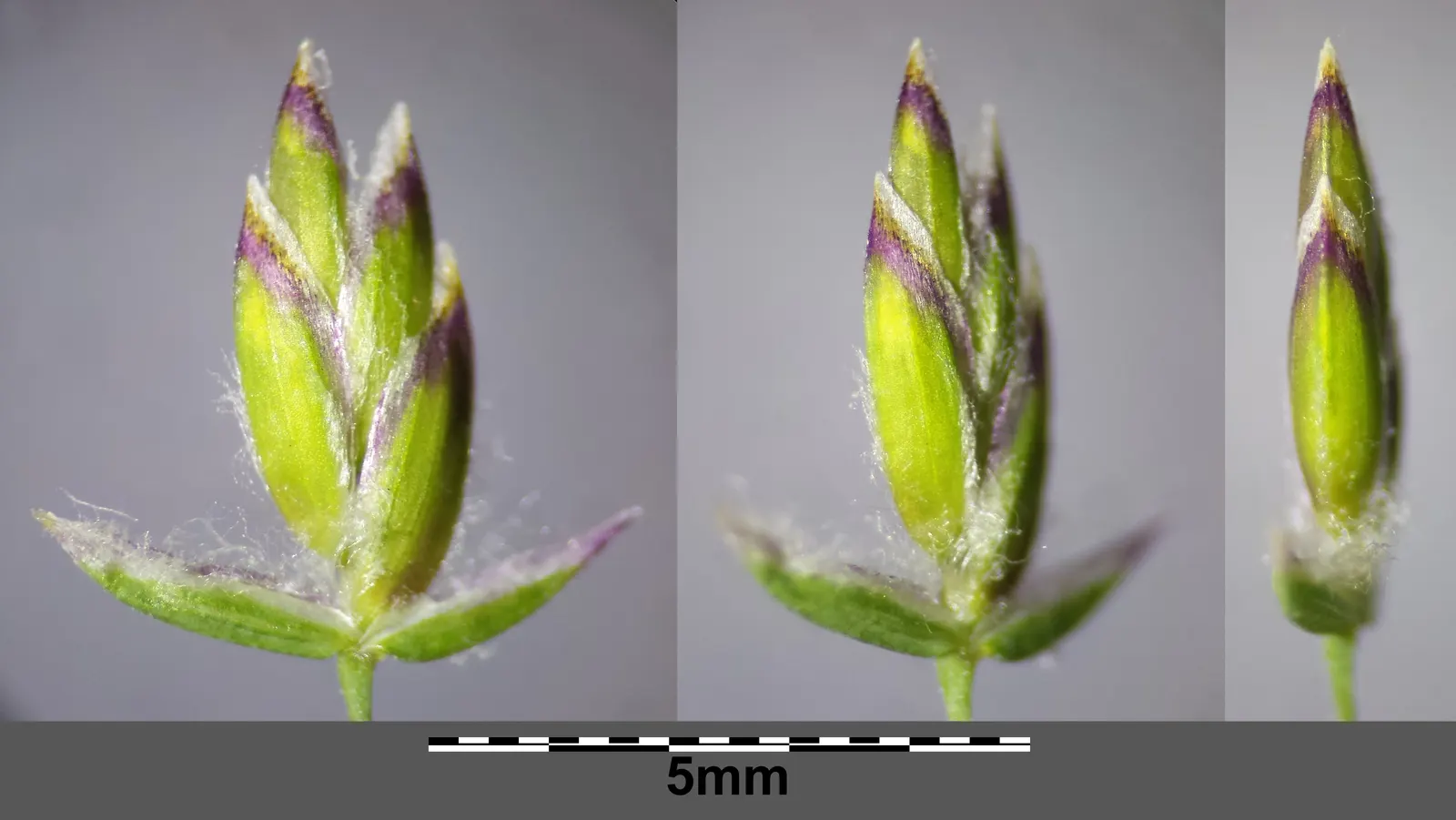
Kentucky Bluegrass (Poa Pratensis) — Its deep blue-green hue enhances its appeal; thriving in USDA hardiness zones 2 through 7.<br><br>Adaptable to a range of
Kentucky Bluegrass (Poa Pratensis) — Its deep blue-green hue enhances its appeal
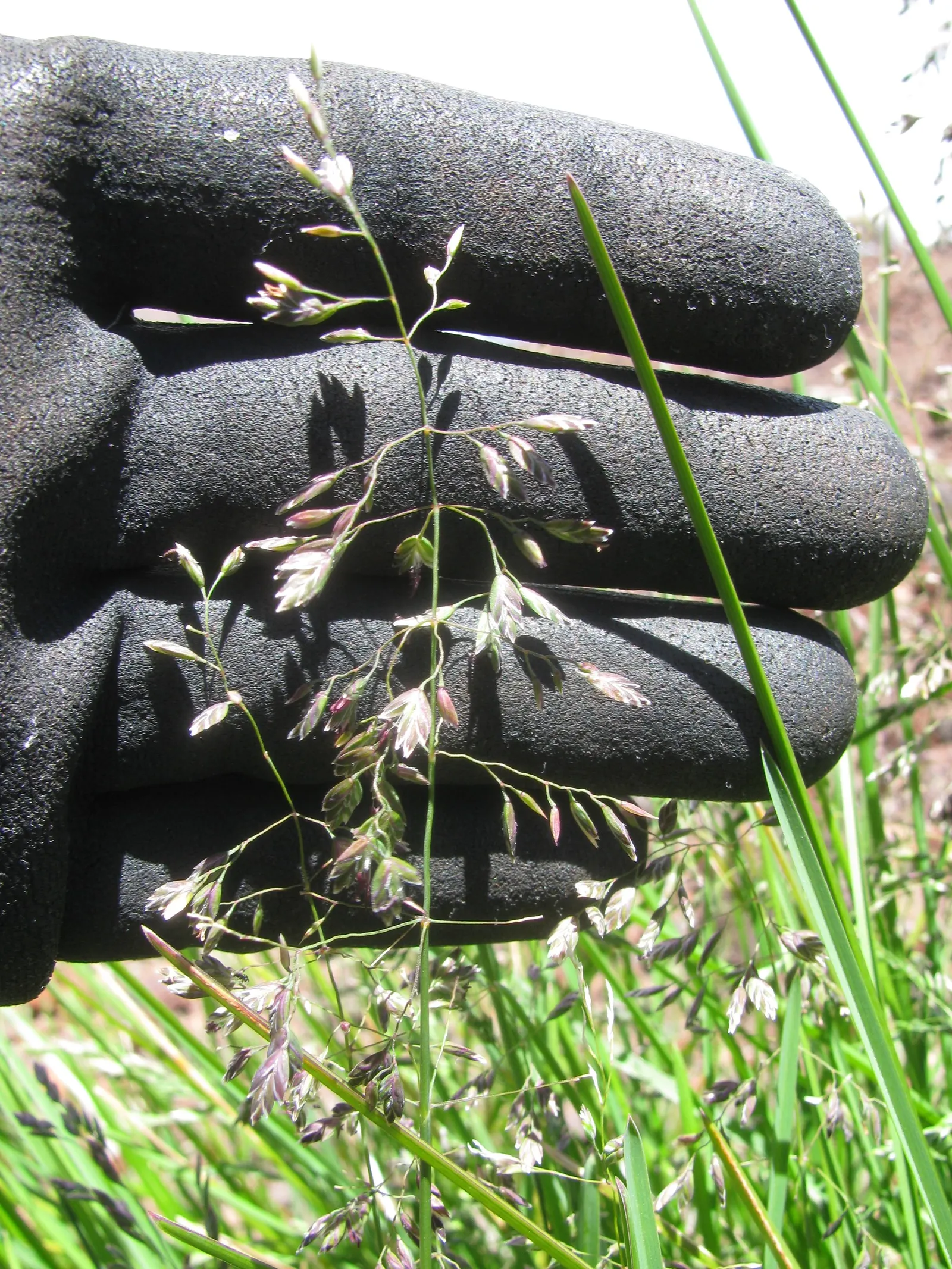
Kentucky Bluegrass (Poa Pratensis) — Kentucky Bluegrass performs best in well-draining loams with a pH between 6.0 and 7.0; consider incorporating, image 66
Kentucky Bluegrass (Poa Pratensis) — Kentucky Bluegrass should be mowed to a height of approximately 2.5 to 3.5 inches; scientifically known as Poa pratensis
Kentucky Bluegrass (Poa Pratensis) — Kentucky Bluegrass should be mowed to a height of approximately 2.5 to 3.5 inches; scientifically known as Poa, image 72
Kentucky Bluegrass (Poa Pratensis) — thriving in USDA hardiness zones 2 through 7.<br><br>Adaptable to a range of soil types; highly regarded for its lush
Kentucky Bluegrass (Poa Pratensis) — This hardy grass thrives in full sun to partial shade, with optimal growth between 60-75&deg;F
Kentucky Bluegrass (Poa Pratensis) — It's adaptable, but prefers well-drained soil with a pH of 6.0-7.0
Kentucky Bluegrass (Poa Pratensis) — Kentucky Bluegrass (Poa pratensis) is a perennial; it's adaptable, but prefers well-drained soil with a pH of 6.0-7.0
Kentucky Bluegrass (Poa Pratensis) — It's adaptable, but prefers well-drained soil with a pH of 6.0-7.0; provide your clients with this information, image 56
Kentucky Bluegrass (Poa Pratensis) — When designing landscapes
Kentucky Bluegrass (Poa Pratensis) — filling in patches over time.<br><br>To maintain its classic beauty; grass / ground cover for full or half
Kentucky Bluegrass (Poa Pratensis) — which are underground stems that foster new growth; filling in patches over time.<br><br>To maintain its, image 70
Kentucky Bluegrass (Poa Pratensis) — Highly regarded for its lush; it prefers full sun but tolerates light shade, although growth may become sparser under such
Kentucky Bluegrass (Poa Pratensis) — Provide your clients with this information to ensure their garden thrives for years to come; when designing, image 77
Kentucky Bluegrass (Poa Pratensis) — cool-season grass native to Europe; kentucky Bluegrass (Poa pratensis) is a perennial, image 60
Kentucky Bluegrass (Poa Pratensis) — This grass requires moderate to high maintenance
Kentucky Bluegrass (Poa Pratensis) — Kentucky Bluegrass performs best in well-draining loams with a pH between 6.0 and 7.0
Kentucky Bluegrass (Poa Pratensis) — It prefers full sun but tolerates light shade, although growth may become sparser under such conditions
Kentucky Bluegrass (Poa Pratensis) — especially during hot or dry periods; fine-textured blades that form a dense
Kentucky Bluegrass (Poa Pratensis) — fine-textured blades and rich emerald hue; demanding regular watering, image 63
Kentucky Bluegrass (Poa Pratensis) — It prefers full sun but tolerates light shade, although growth may become sparser under such conditions, image 67
Photographs by 7 contributors

Related plants