Skip to content

Staghorn Fern

Platycerium Bifurcatum

Design with this plant

Overview

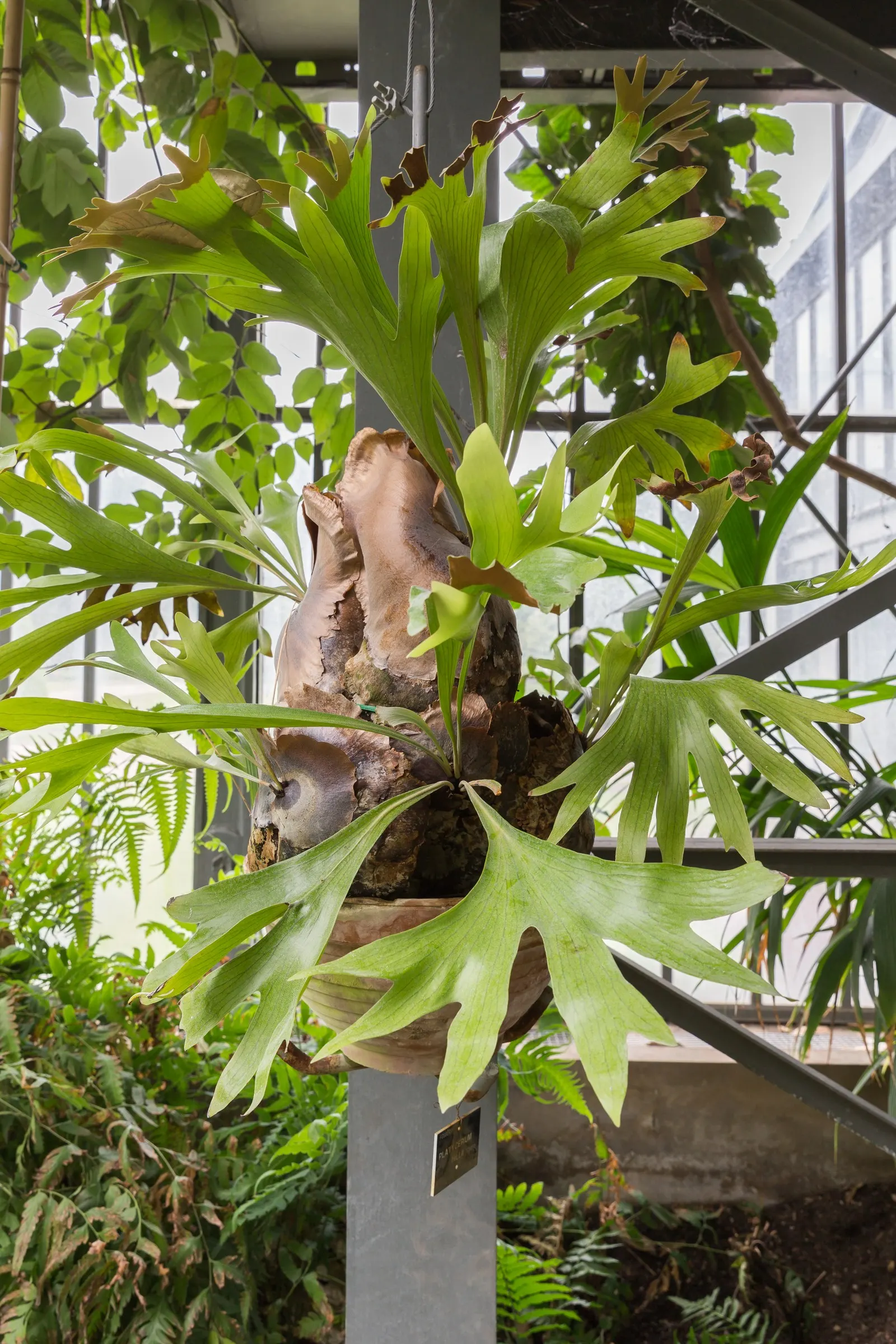
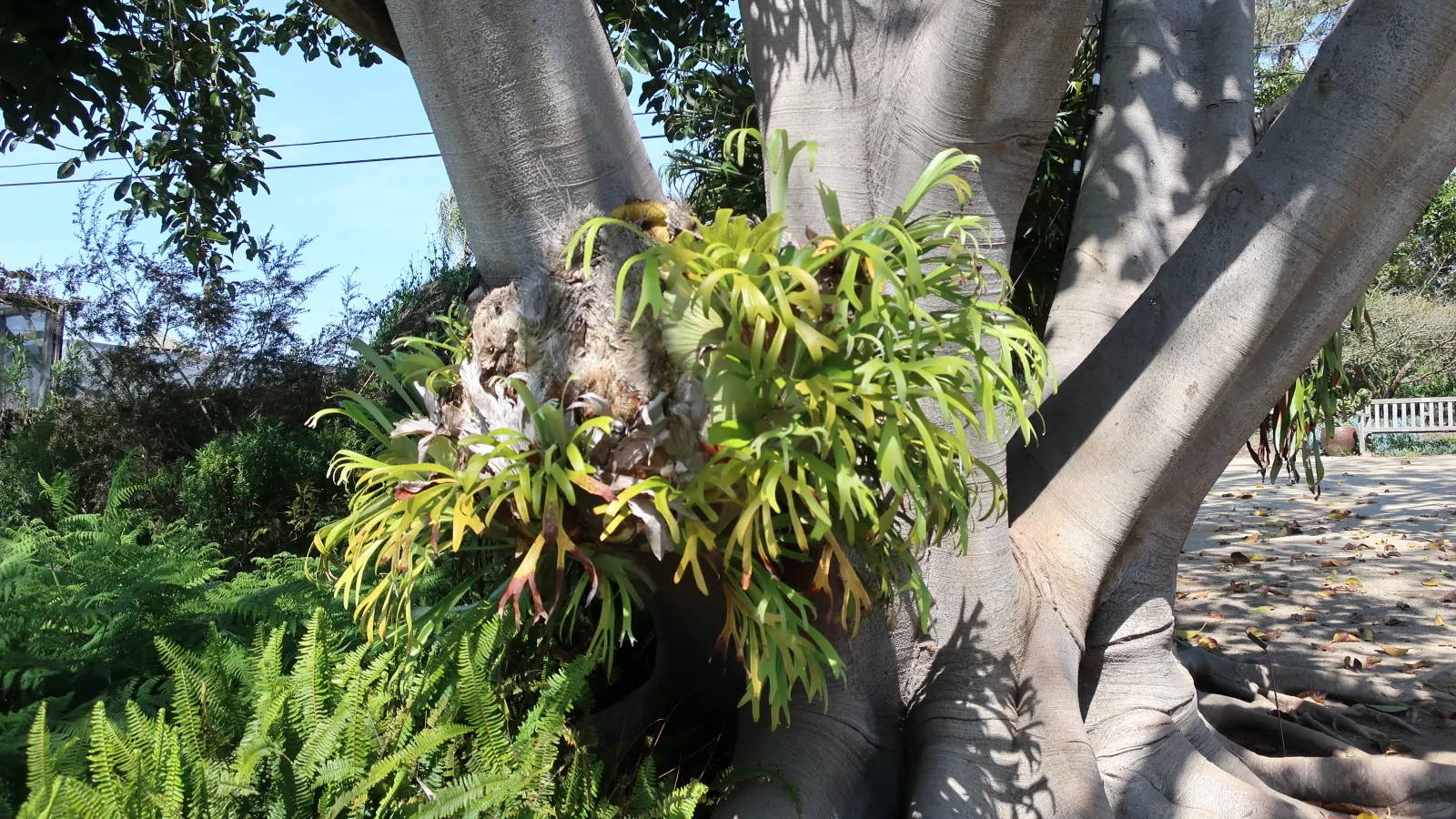
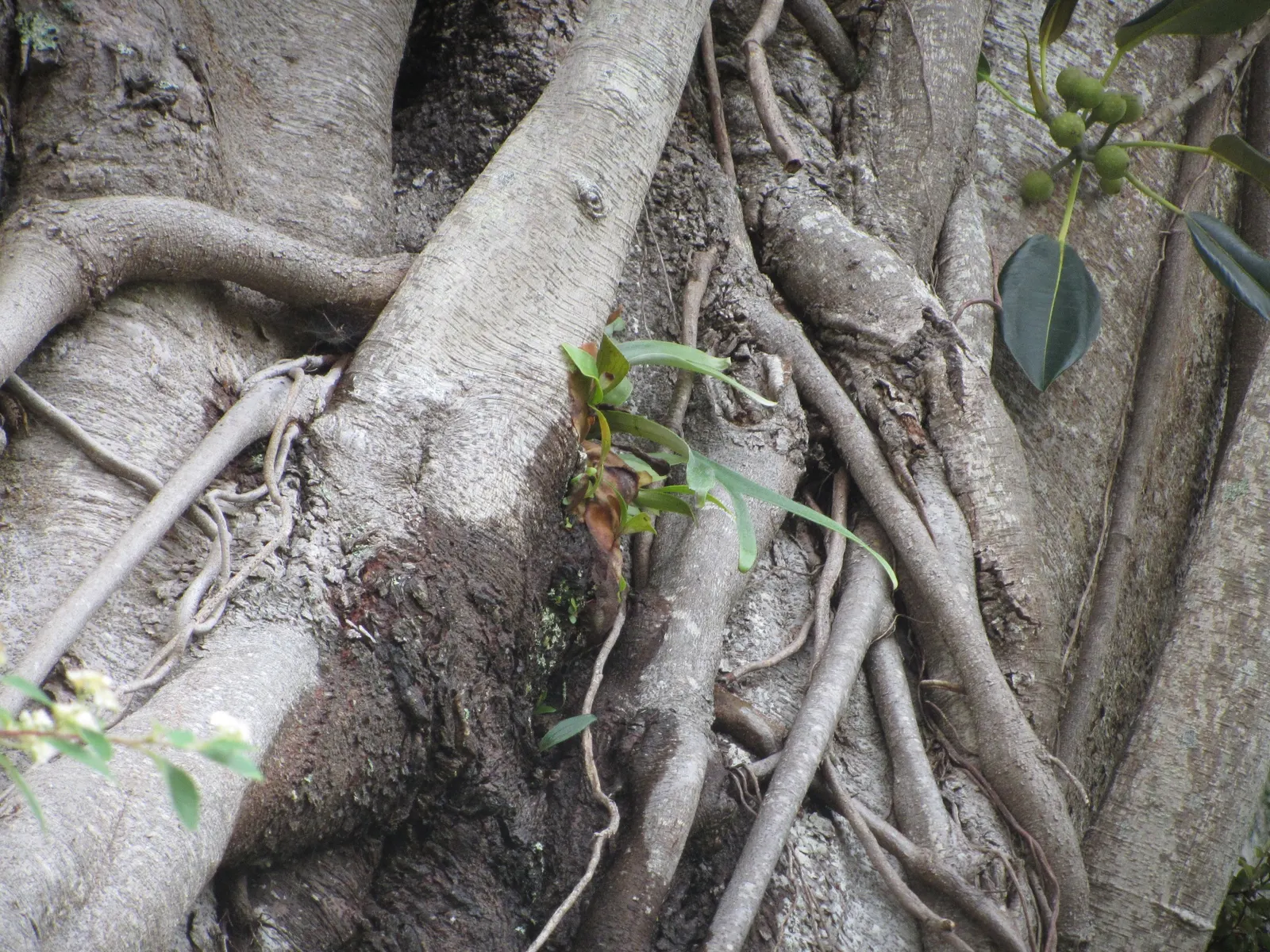
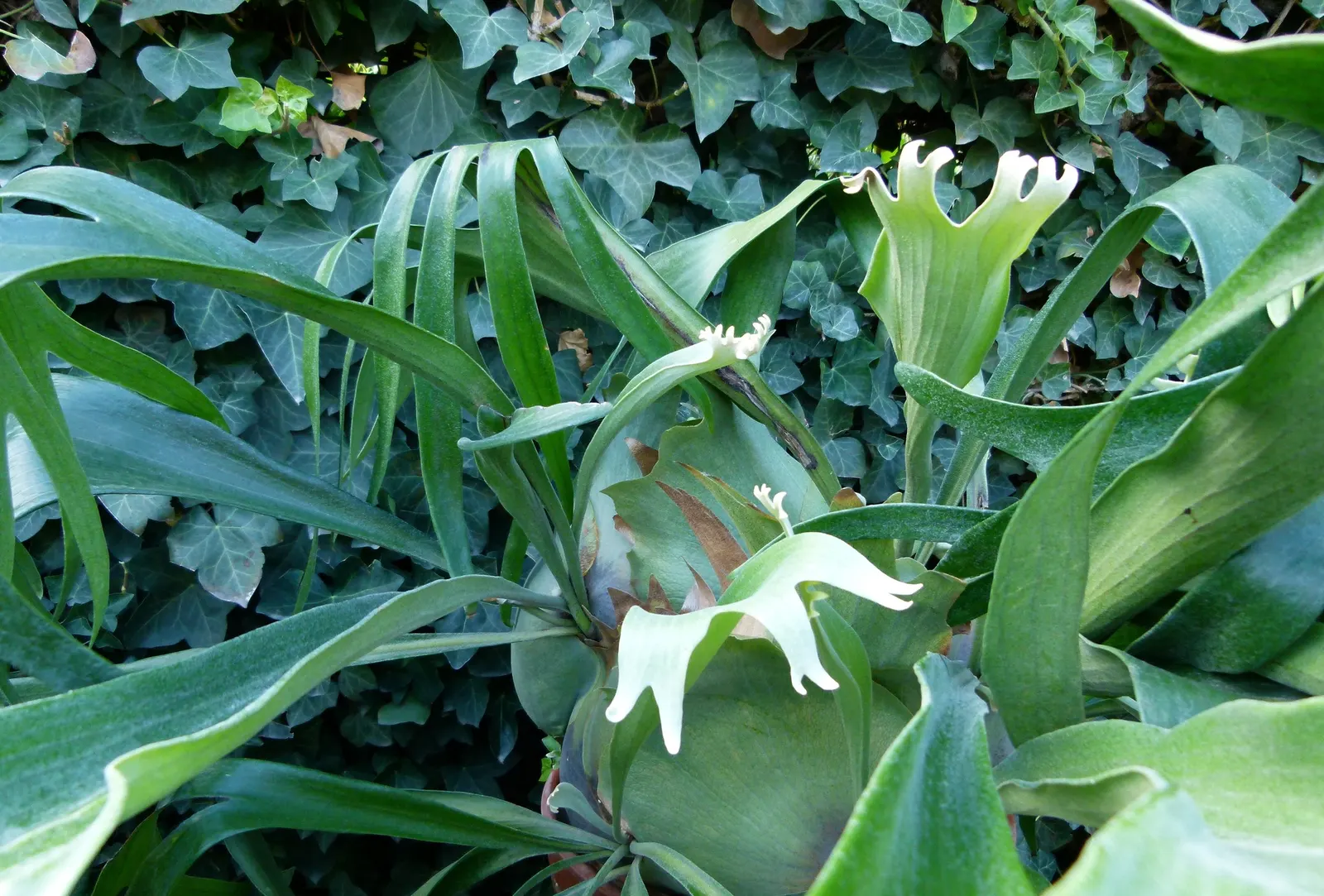
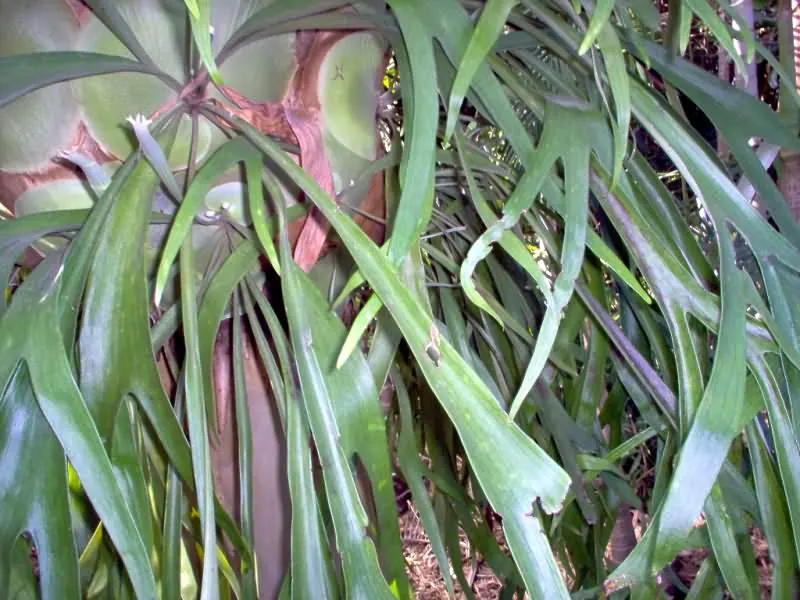
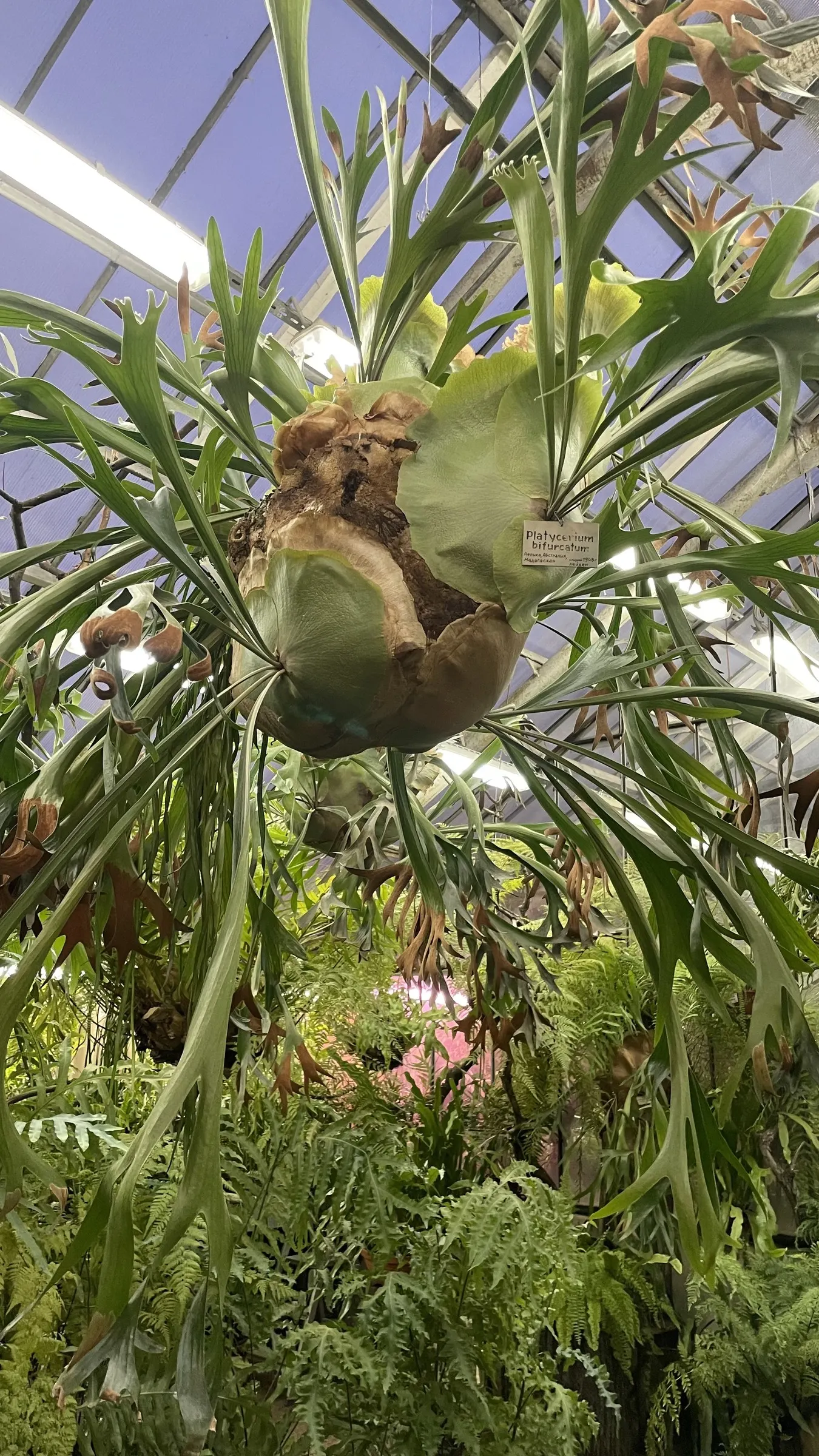
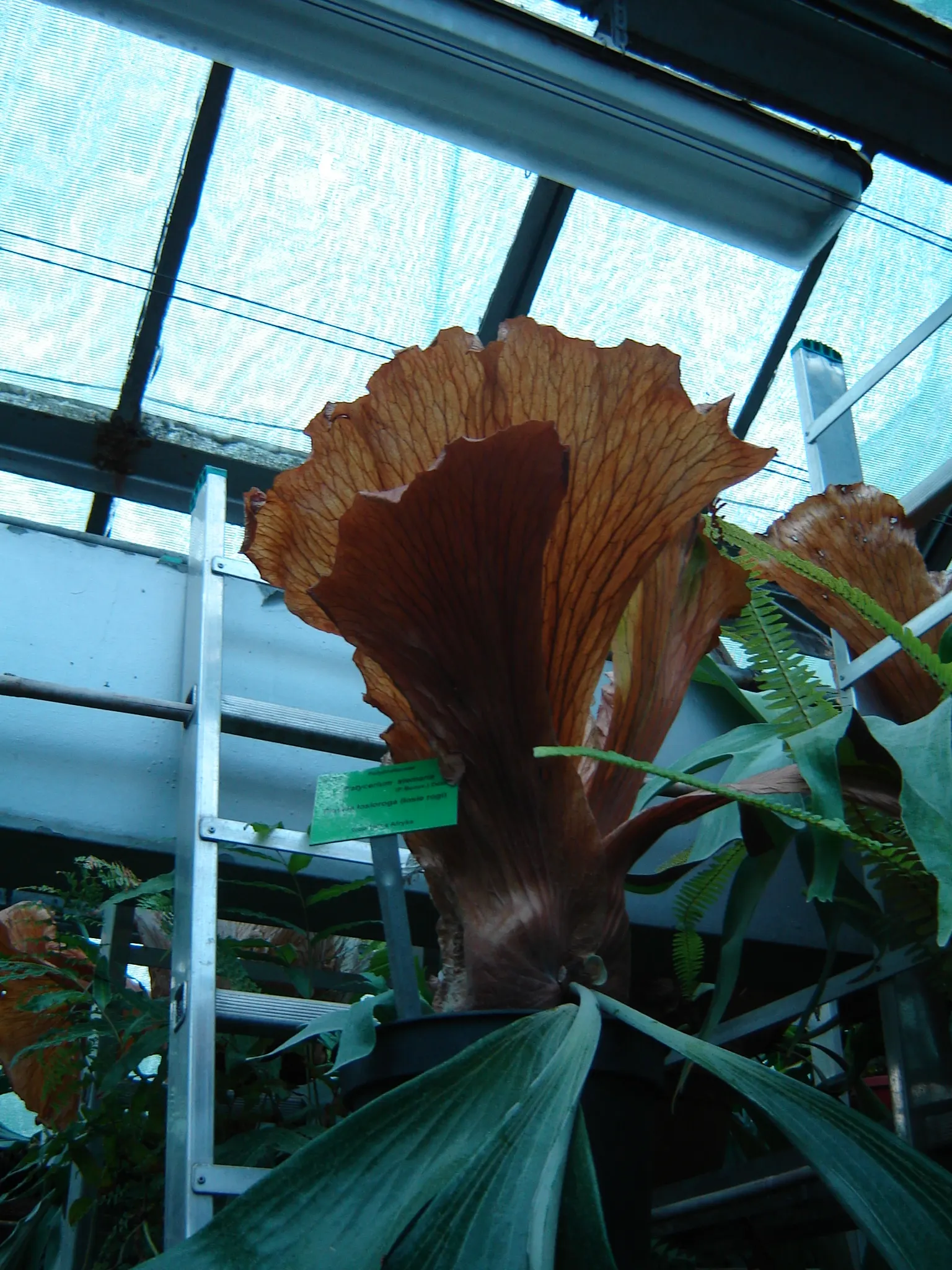
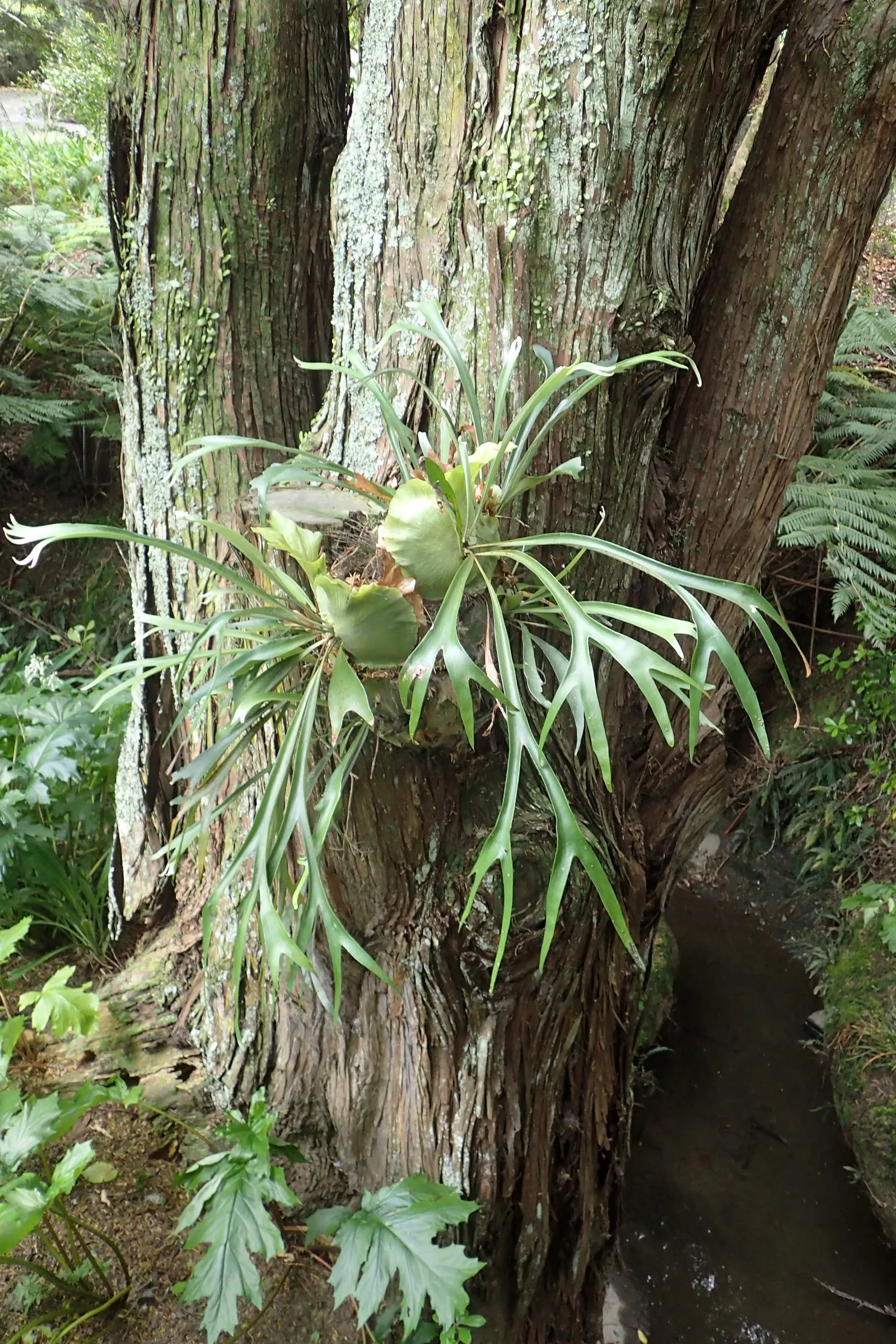
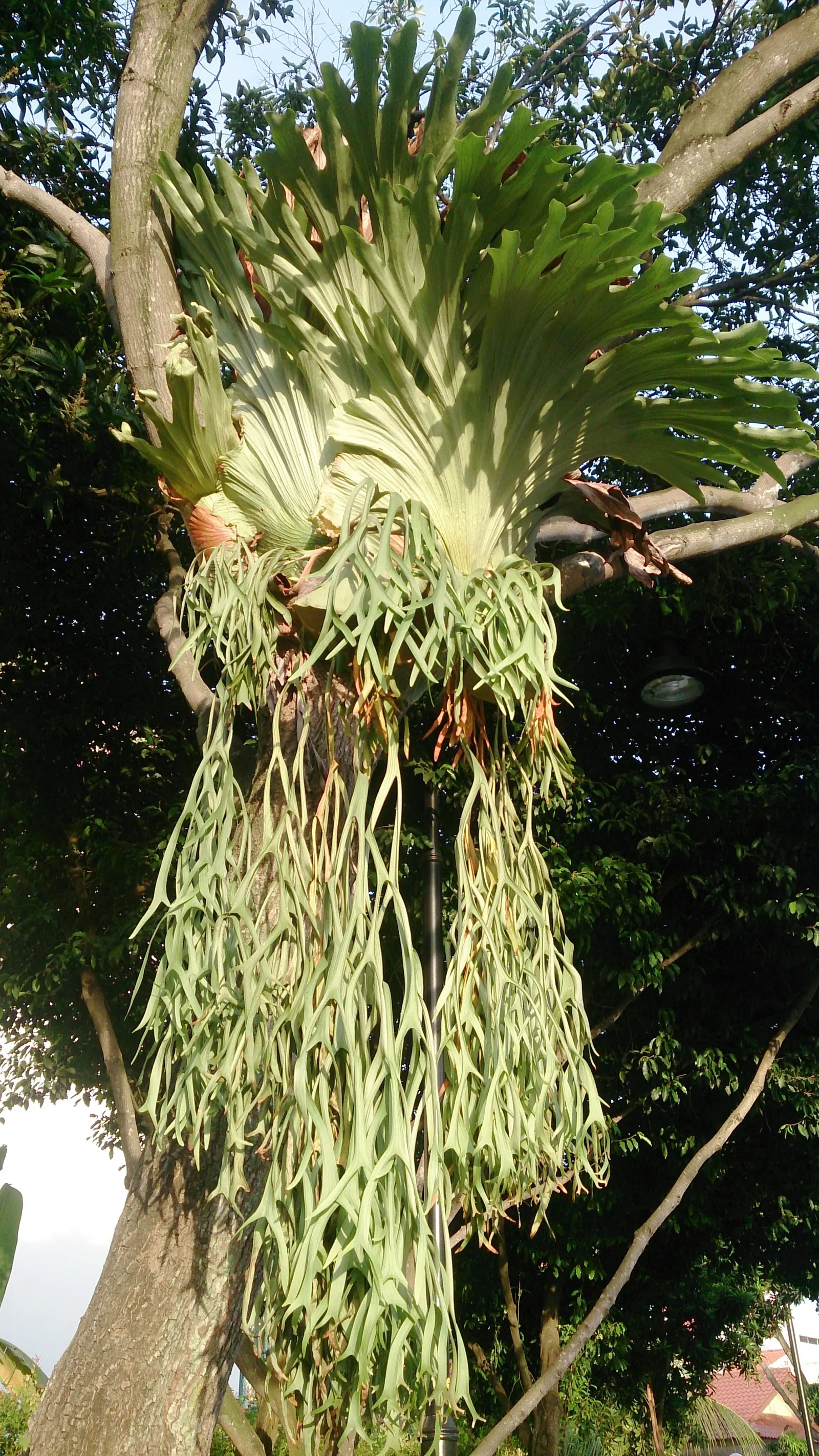
Platycerium bifurcatum, commonly known as Staghorn Fern, is an epiphytic specimen prized for its distinctive forked fronds that resemble deer antlers. With fertile fronds reaching up to 3 ft in length, this fern offers a dramatic vertical element to shaded landscapes. Ideal for USDA Zones 9-12, it thrives in high humidity and indirect light, requiring minimal soil and mounting on organic materials like wood for optimal growth.

Sun HalfWater MediumZones 9–11Climate Subtropical
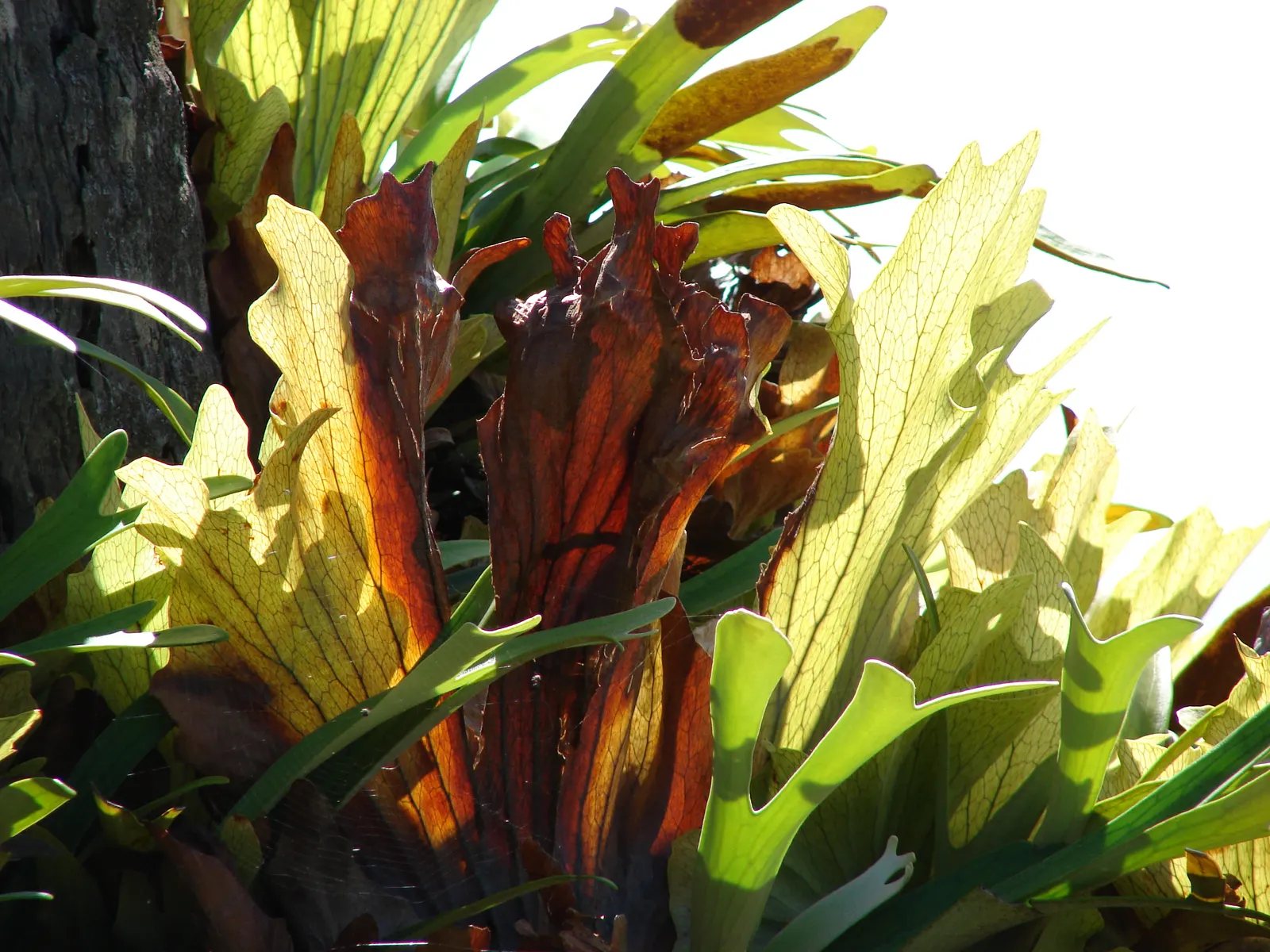
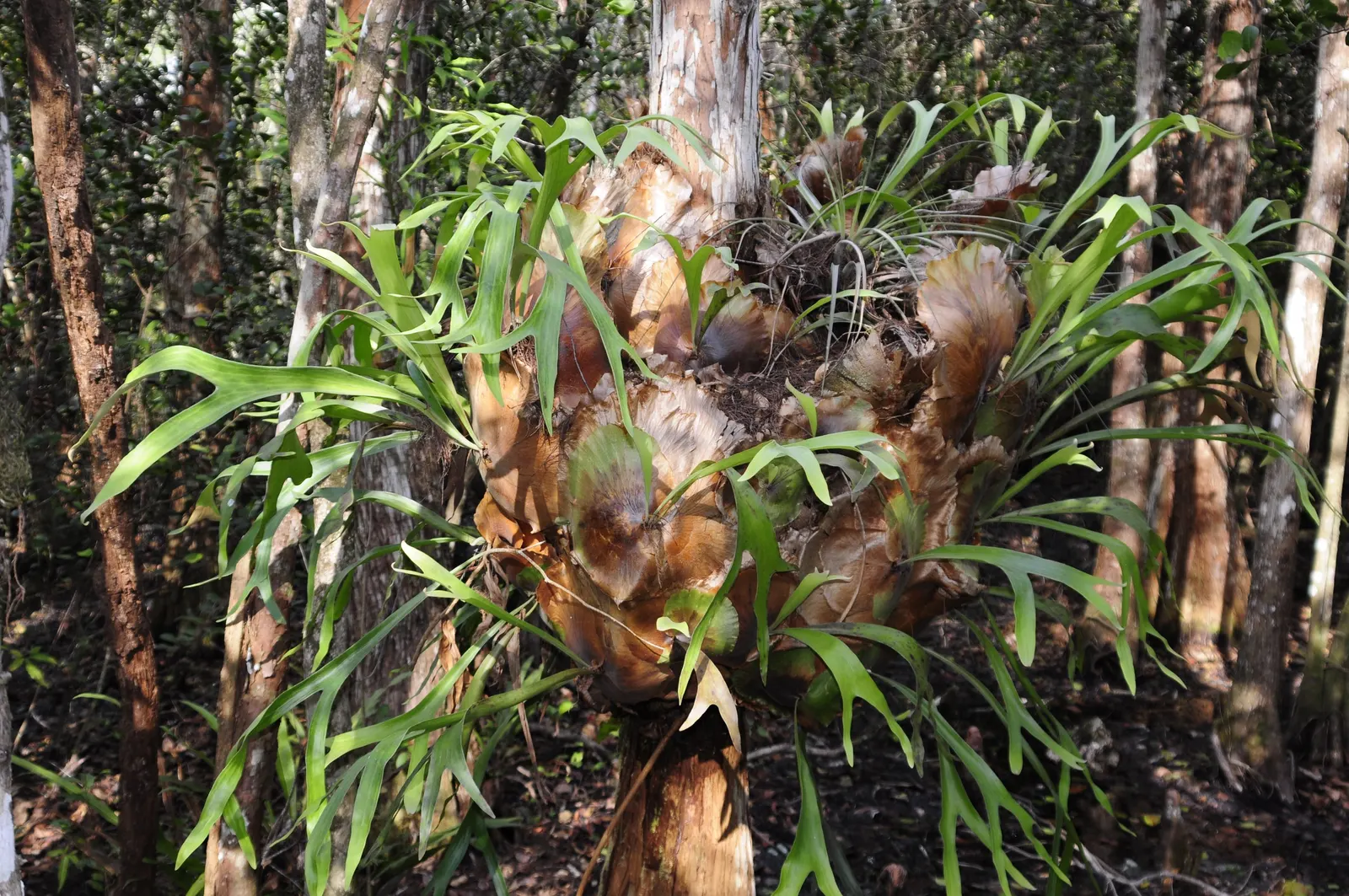
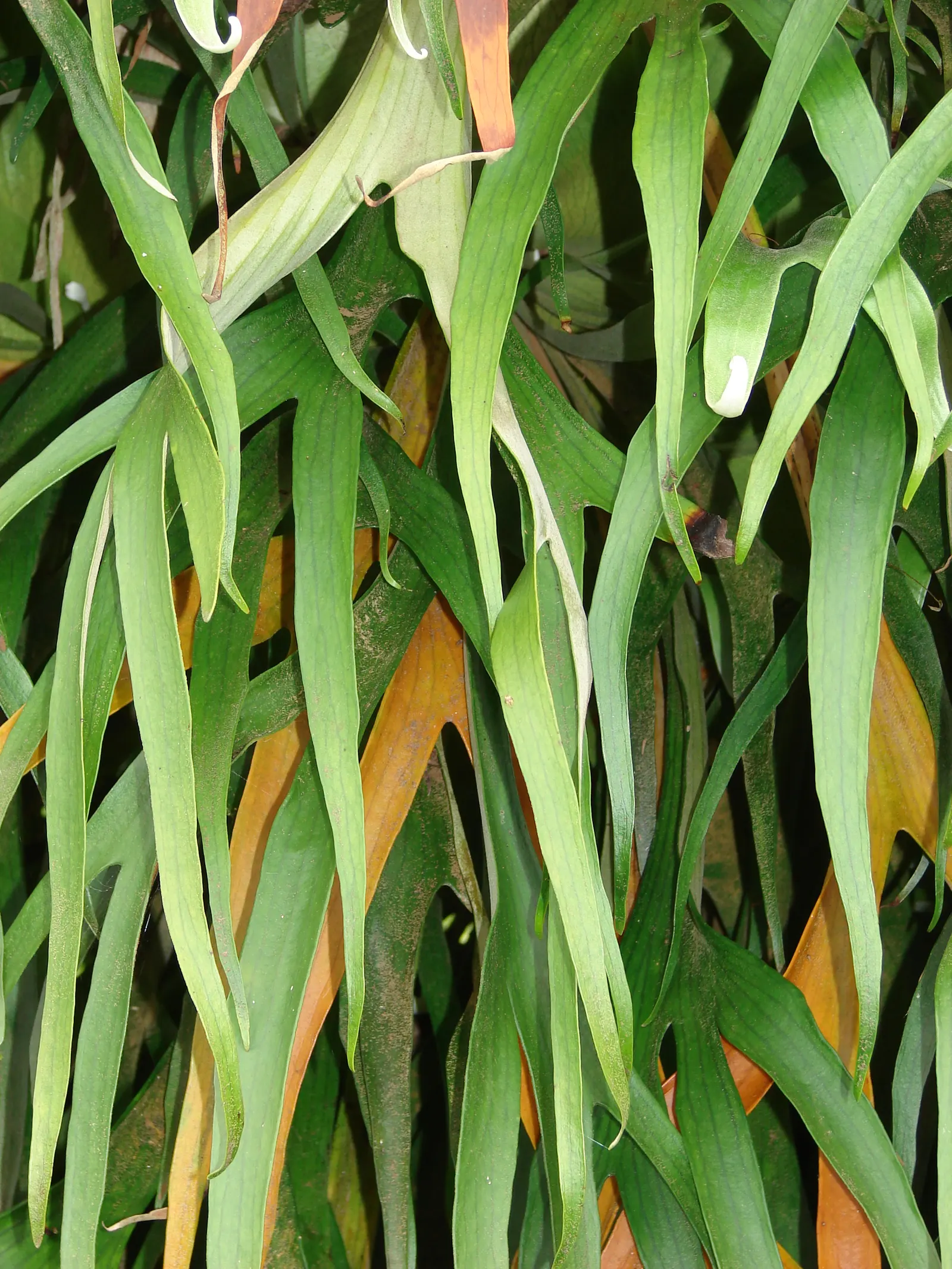
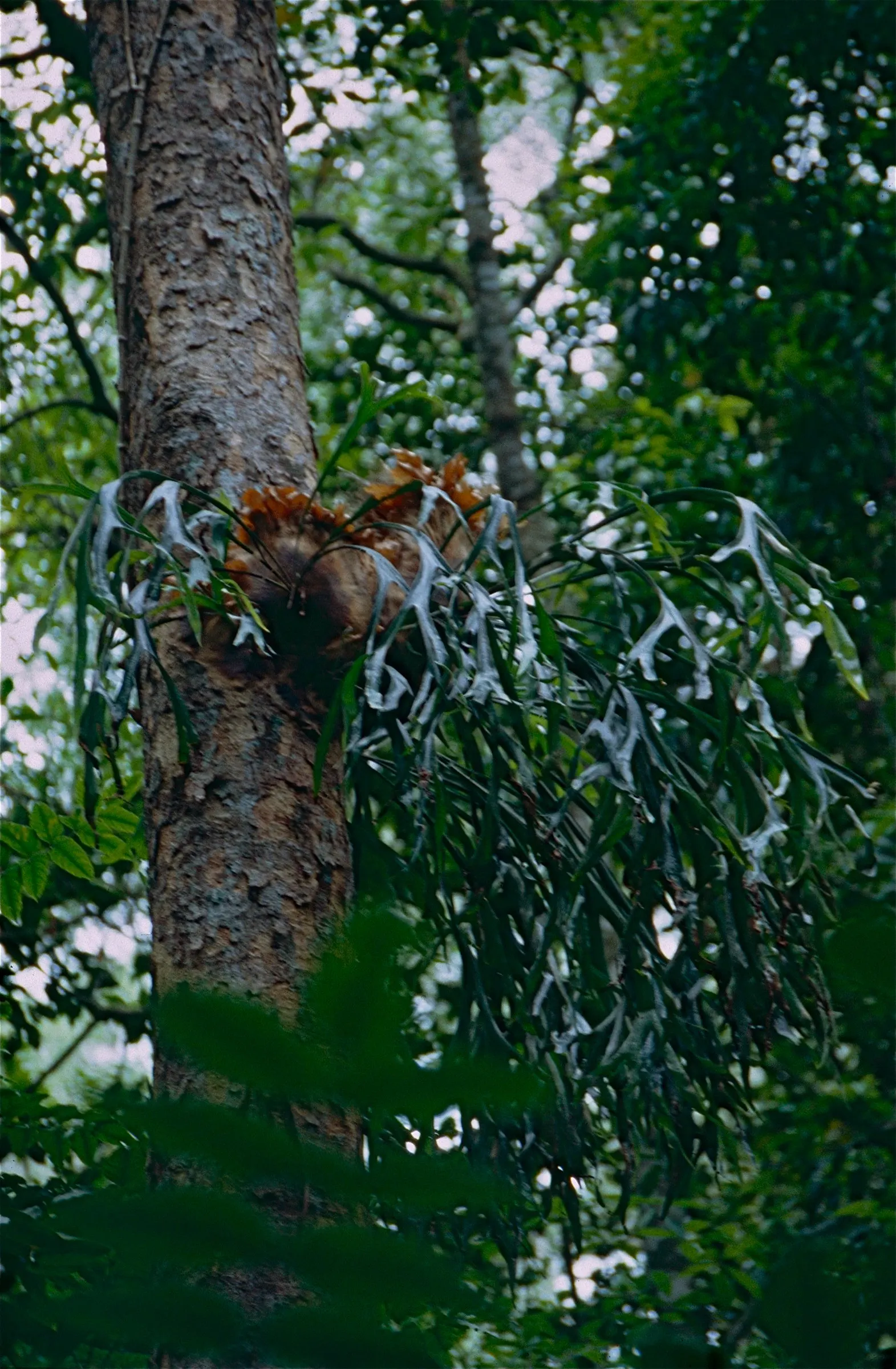
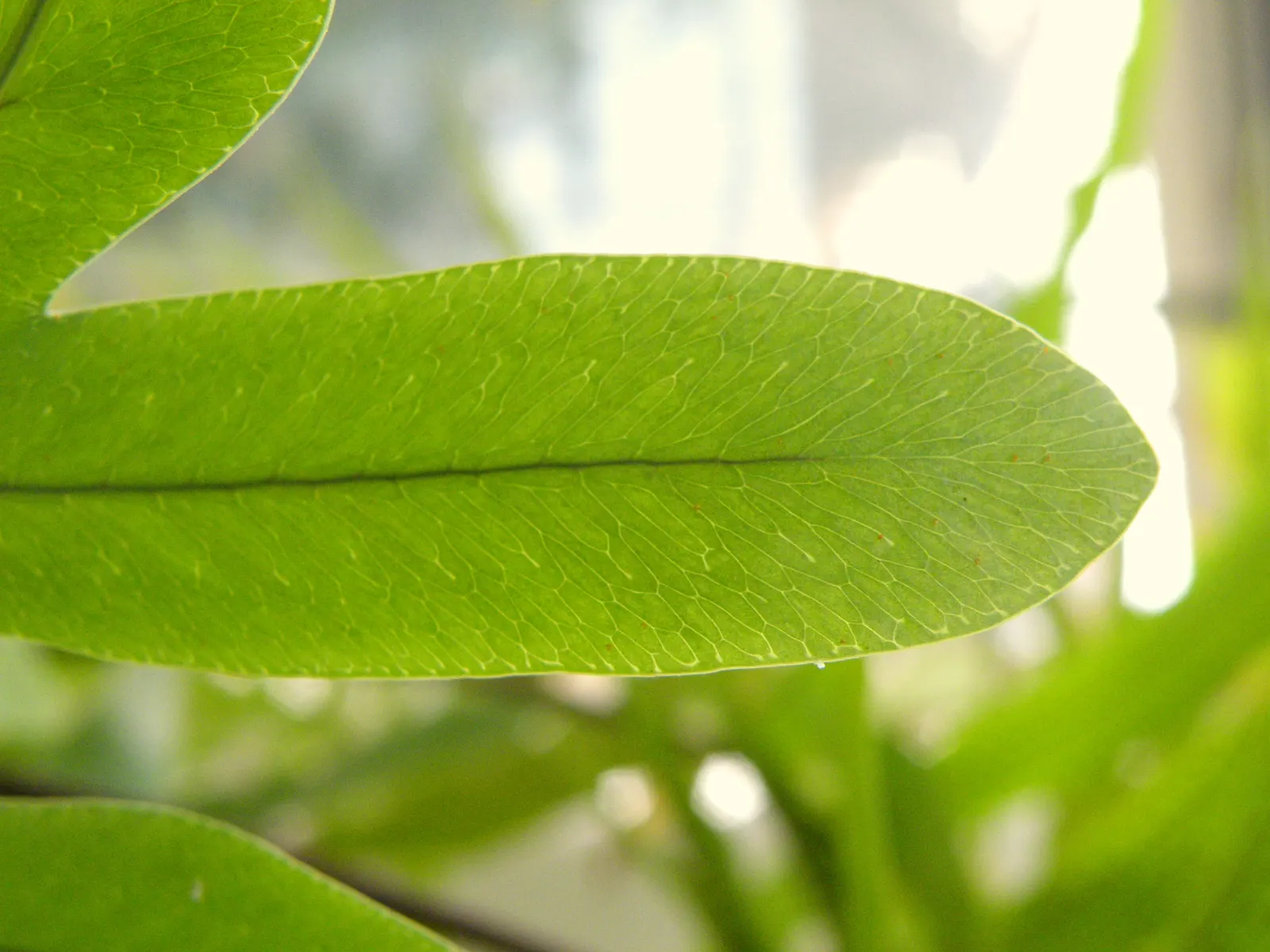
Staghorn Fern (Platycerium Bifurcatum) — foliar fronds which are the elongated

Culture

Sun
Half
Water
Medium
USDA zones
9–11

Shape & size

Classification

Family
Polypodiaceae
Climate
Subtropical

See full data, regional cultivation notes, full-resolution photos, and design tools. Build a client presentation around this plant.

Start your 14-day trial

Photos (130)

Staghorn Fern (Platycerium Bifurcatum) — this fern offers a dramatic vertical element to shaded landscapes; is an epiphytic specimen prized for its, image 50
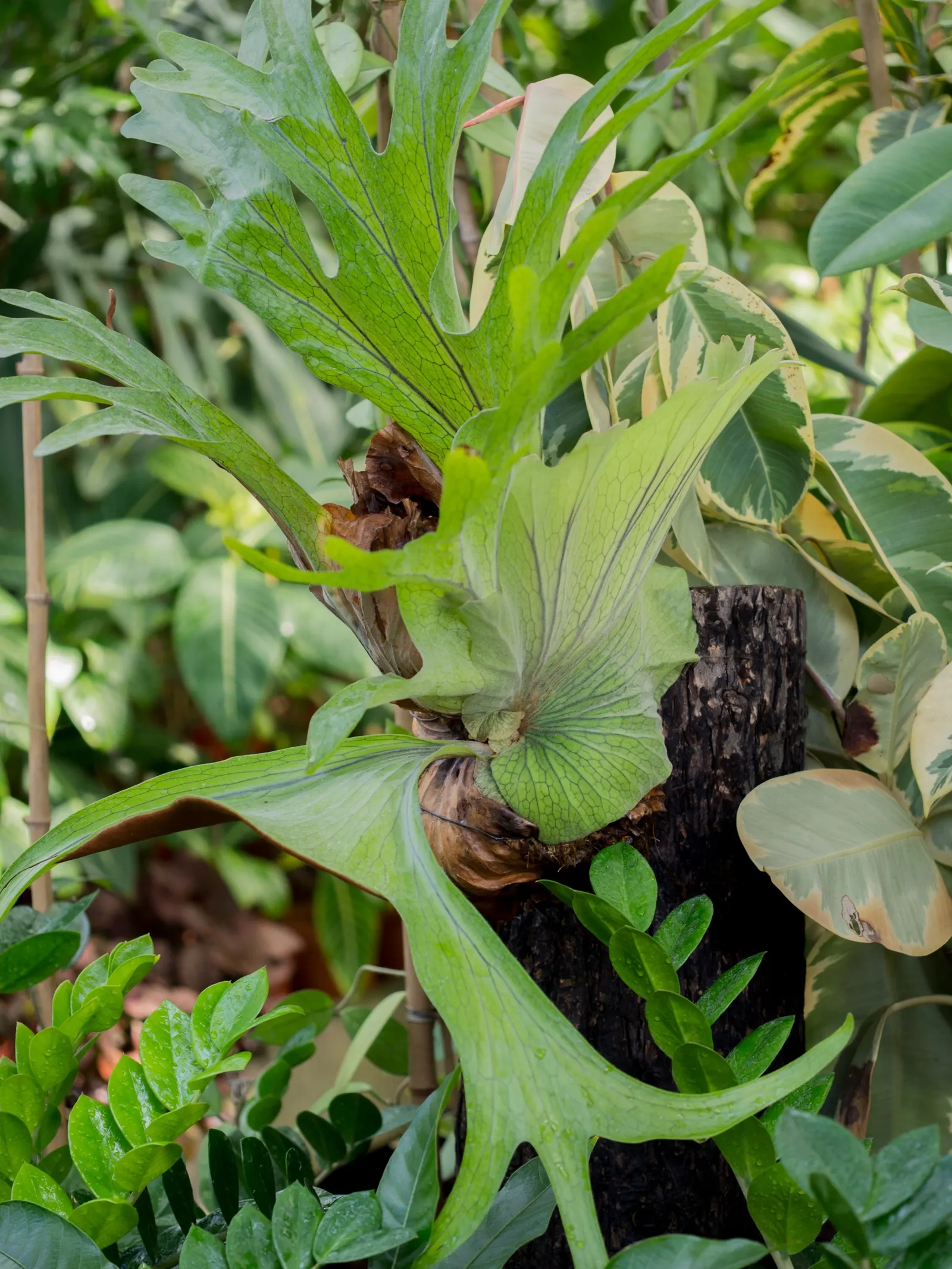
Staghorn Fern (Platycerium Bifurcatum) — Ideal for USDA Zones 9-12; named for its distinctive, image 51
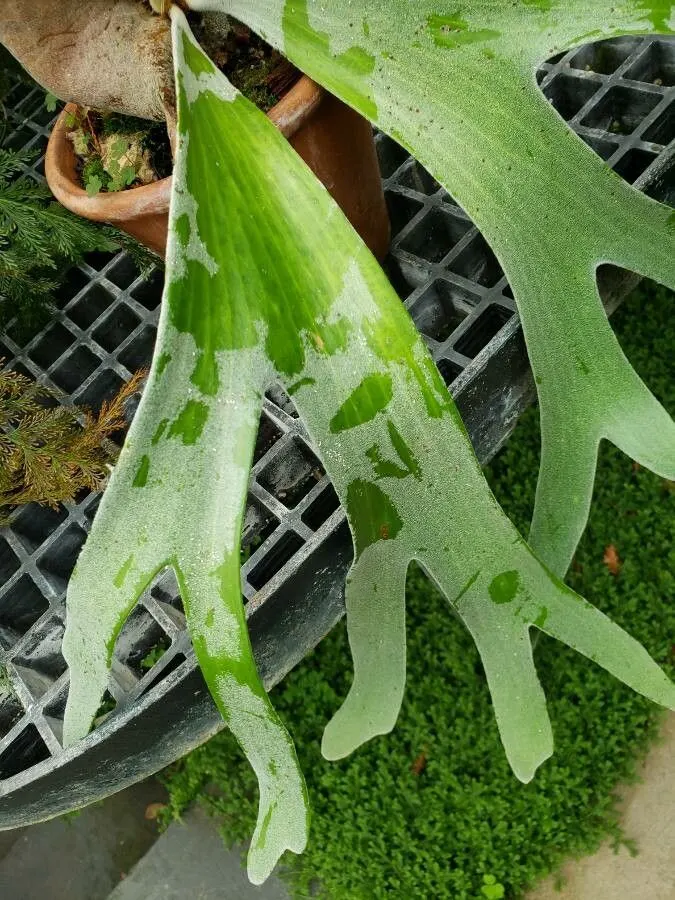
Staghorn Fern (Platycerium Bifurcatum) — it thrives in high humidity and indirect light; keep in mind it prefers indirect light and high humidity, image 52
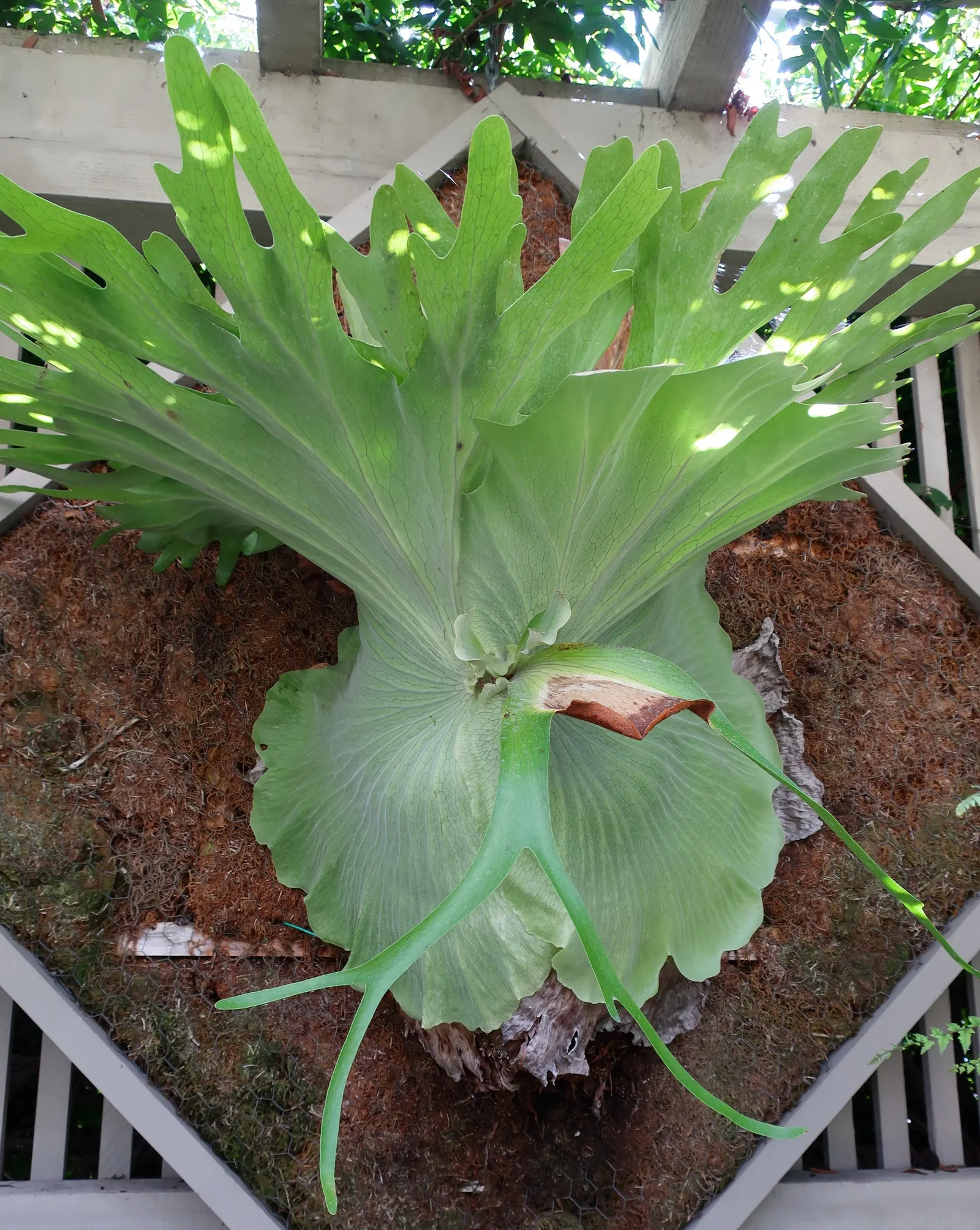
Staghorn Fern (Platycerium Bifurcatum) — requiring minimal soil and mounting on organic materials like wood for optimal growth; fern for half, image 53
Staghorn Fern (Platycerium Bifurcatum) — The Staghorn Fern, or Platycerium bifurcatum, presents a unique, artistic flair to any garden setting, image 54
Staghorn Fern (Platycerium Bifurcatum) — Named for its distinctive; foliar fronds which are the elongated, image 55
Staghorn Fern (Platycerium Bifurcatum) — With fertile fronds reaching up to 3 ft in length; as such, north-facing walls or trees that provide, image 49
Staghorn Fern (Platycerium Bifurcatum) — this epiphytic fern thrives in USDA hardiness zones 9-12; its unique visual impact and growth habit make, image 56
Staghorn Fern (Platycerium Bifurcatum) — appreciating the warmth and dappled light of these regions; ideal for USDA Zones 9-12, image 57
Staghorn Fern (Platycerium Bifurcatum) — The fern generally showcases two types of fronds: the sterile, image 58
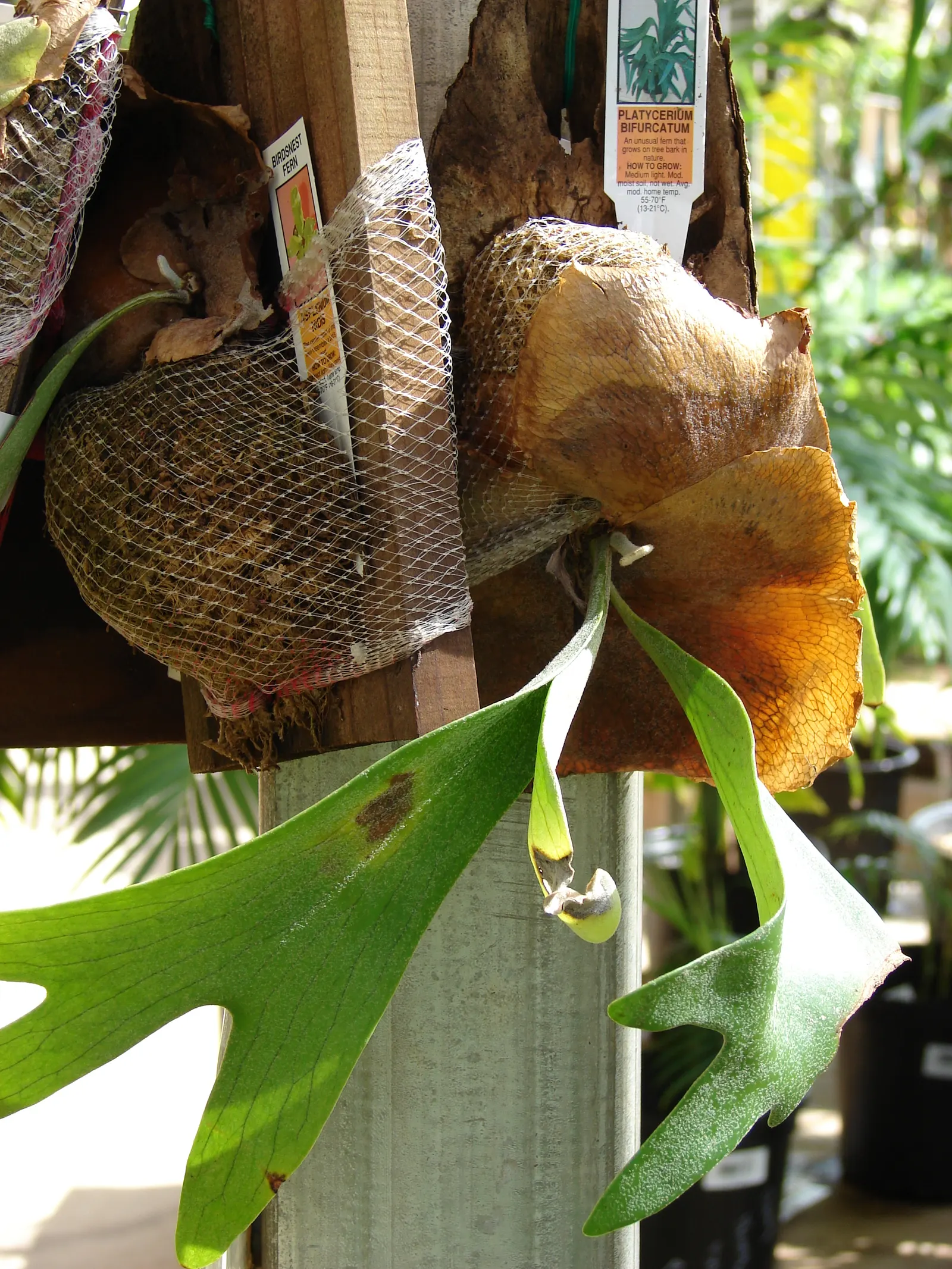
Staghorn Fern (Platycerium Bifurcatum) — basal fronds which grow close to the mounting surface; with foliar fronds reaching lengths up to 3 feet, image 59
Staghorn Fern (Platycerium Bifurcatum) — foliar fronds which are the elongated; with fertile fronds reaching up to 3 ft in length, image 60
Staghorn Fern (Platycerium Bifurcatum) — keep in mind it prefers indirect light and high humidity; mimicking its native tropical habitat, image 62
Staghorn Fern (Platycerium Bifurcatum) — bifurcated structures projecting outward.<br><br>When incorporating the Staghorn Fern into landscape, image 61
Staghorn Fern (Platycerium Bifurcatum) — As such, north-facing walls or trees that provide filtered sunlight are ideal locations; the Staghorn, image 64
Staghorn Fern (Platycerium Bifurcatum) — Watering requirements typically involve misting several times a week rather than traditional soil, image 66
Staghorn Fern (Platycerium Bifurcatum) — Its unique visual impact and growth habit make it a talking point for any green space; it thrives in high, image 67
Staghorn Fern (Platycerium Bifurcatum) — sure to impress and enchant for years to come; basal fronds which grow close to the mounting surface, image 68
Staghorn Fern (Platycerium Bifurcatum) — fern for half; watering requirements typically involve misting several times a week rather than, image 69
Staghorn Fern (Platycerium Bifurcatum) — commonly known as Staghorn Fern; this fern offers a dramatic vertical element to shaded landscapes, image 70
Staghorn Fern (Platycerium Bifurcatum) — is an epiphytic specimen prized for its distinctive forked fronds that resemble deer antlers; appreciating, image 71
Staghorn Fern (Platycerium Bifurcatum) — With fertile fronds reaching up to 3 ft in length; as such, north-facing walls or trees that provide, image 72
Staghorn Fern (Platycerium Bifurcatum) — this fern offers a dramatic vertical element to shaded landscapes; is an epiphytic specimen prized for its, image 73
Staghorn Fern (Platycerium Bifurcatum) — Ideal for USDA Zones 9-12; named for its distinctive, image 74

Related plants