Skip to content

American Sycamore

Platanus Occidentalis

Design with this plant

Overview

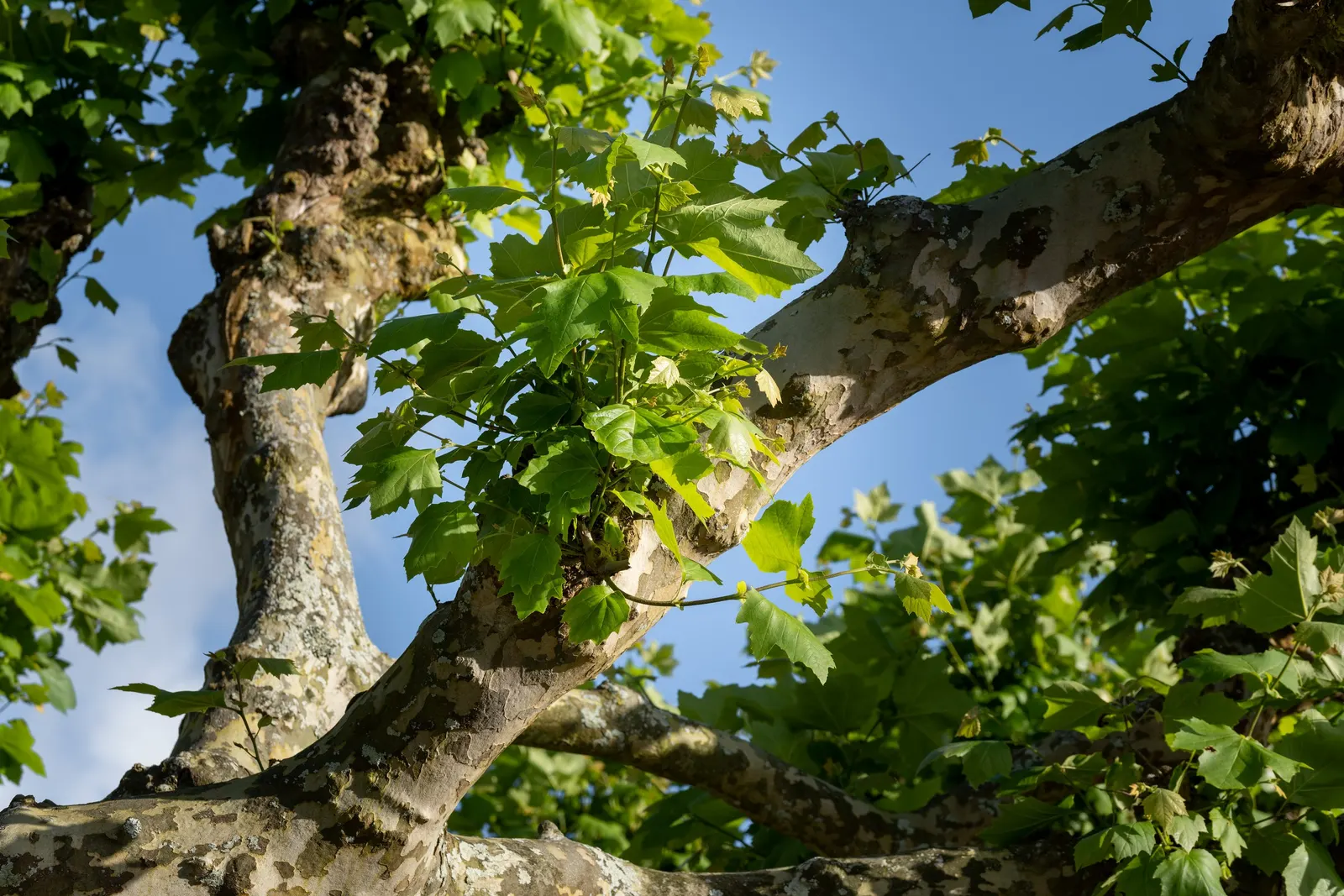
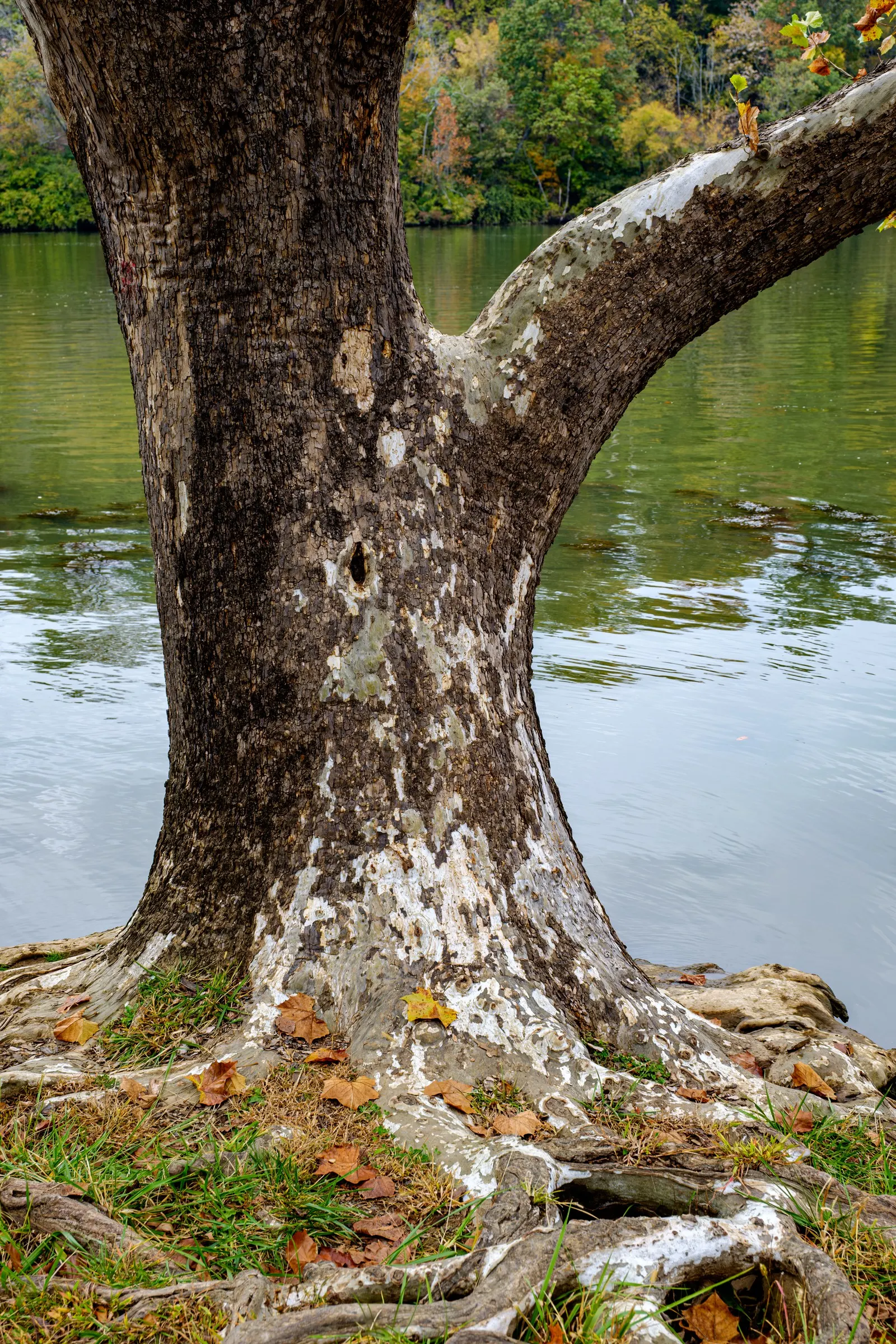
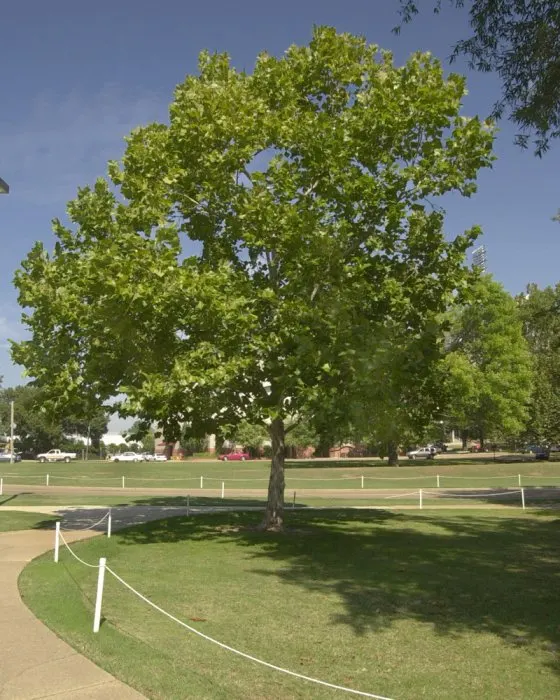
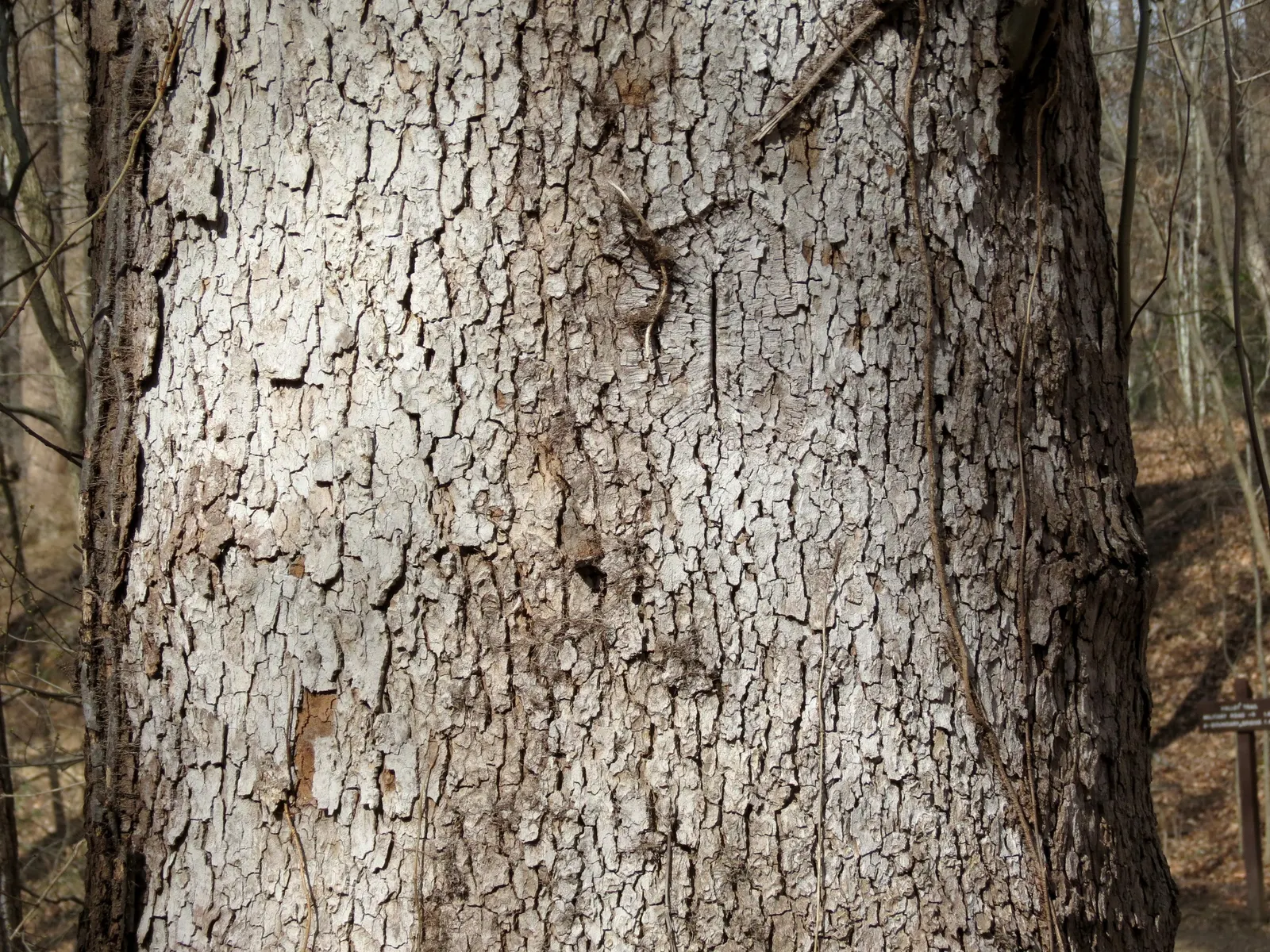
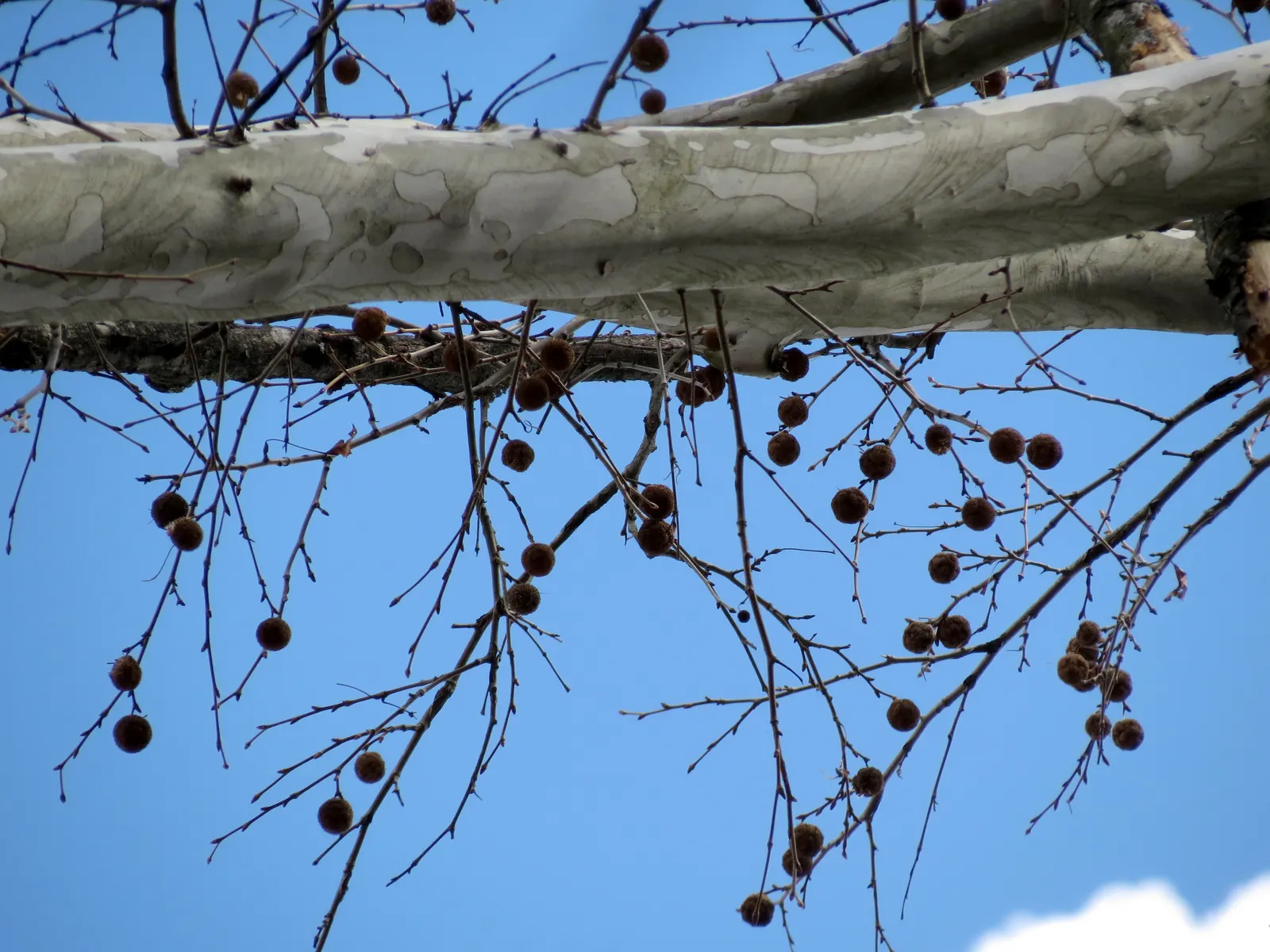
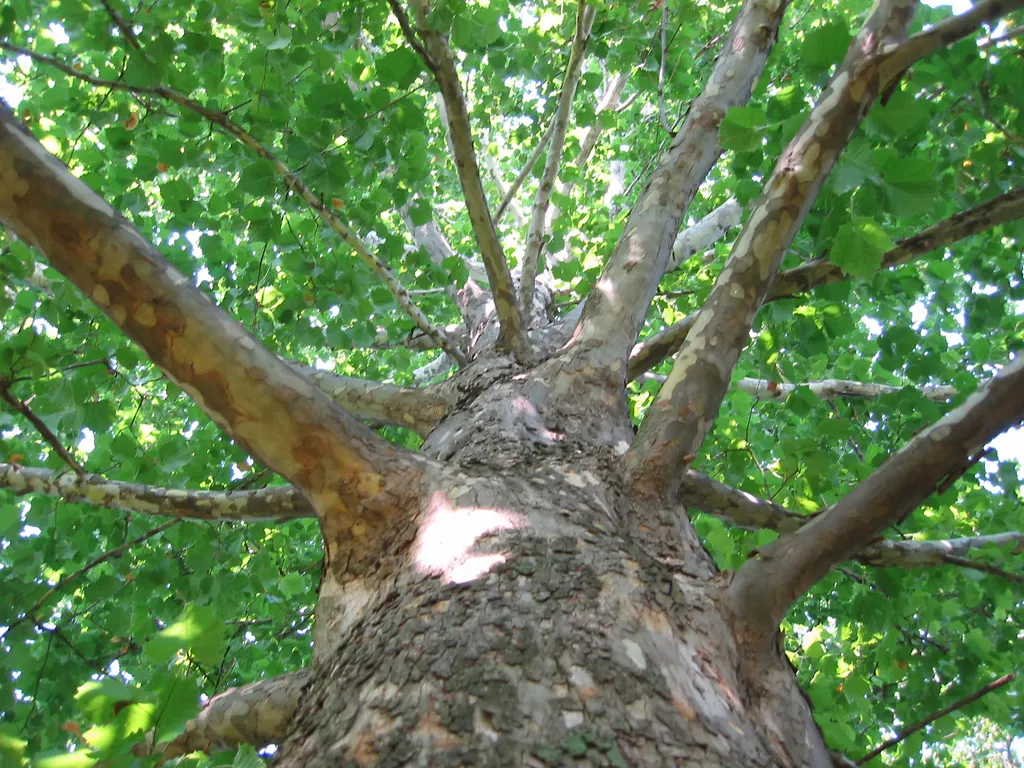
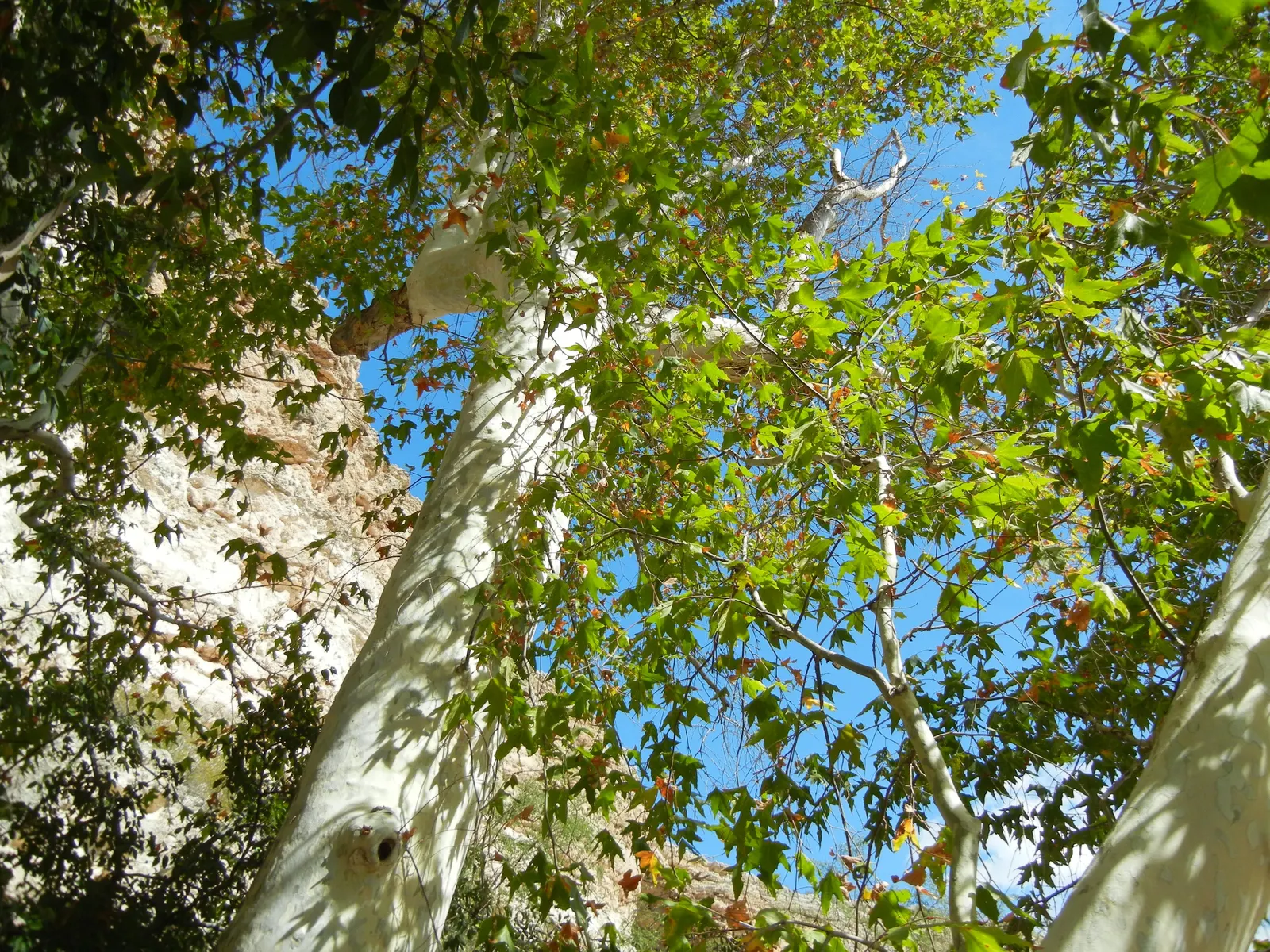
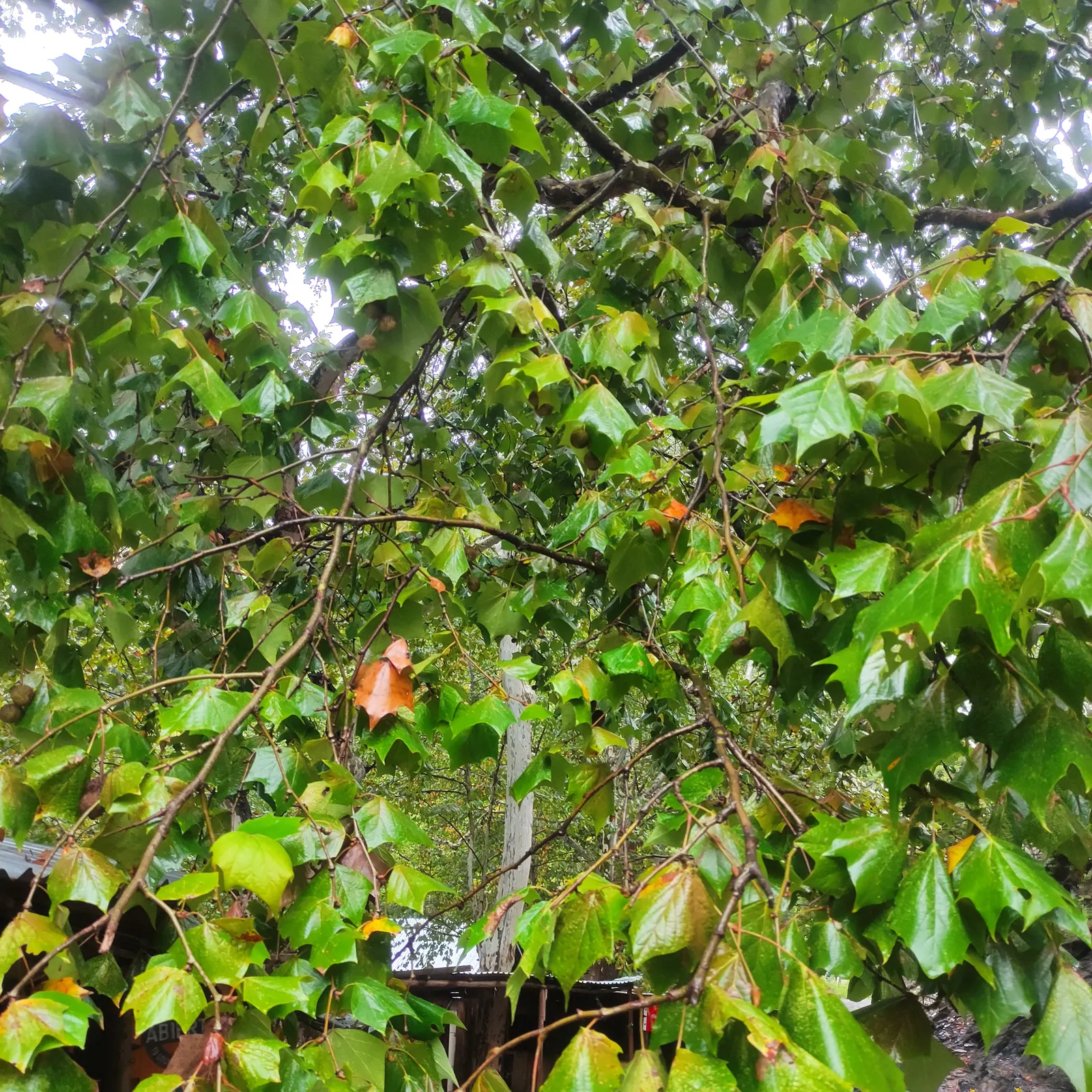
The American Sycamore (Platanus occidentalis) is a robust deciduous tree, notable for its broad, dense canopy and distinctive peeling bark which reveals a camouflage-like pattern of white and tawny hues. It can soar to heights of 75-100 feet, with a similar spread, offering ample shade. Suitable for larger landscapes, it thrives in Zones 4-9, favors full sun, and tolerates a variety of soil conditions, including wet soils near water bodies.

Sun FullWater MediumZones 4–11Climate Temperate
American Sycamore (Platanus Occidentalis) — The American Sycamore (Platanus occidentalis) is a robust deciduous tree

Culture

Sun
Full
Water
Medium
USDA zones
4–11

Shape & size

Classification

Family
Platanaceae
Climate
Temperate

See full data, regional cultivation notes, full-resolution photos, and design tools. Build a client presentation around this plant.

Start your 14-day trial

Photos (51)

American Sycamore (Platanus Occidentalis) — It thrives in USDA hardiness zones 4 through 9
American Sycamore (Platanus Occidentalis) — with a preference for moist
American Sycamore (Platanus Occidentalis) — well-drained soils and full sun to partial shade exposure
American Sycamore (Platanus Occidentalis) — When integrating this arboreal icon into a landscape
American Sycamore (Platanus Occidentalis) — allow ample space for its substantial growth both above and below ground to avoid future complications
American Sycamore (Platanus Occidentalis) — red flowers in the garden
American Sycamore (Platanus Occidentalis) — tree with red blooms
American Sycamore (Platanus Occidentalis) — tree for full
American Sycamore (Platanus Occidentalis) — The American Sycamore (Platanus occidentalis) is a robust deciduous tree; suitable for larger landscapes
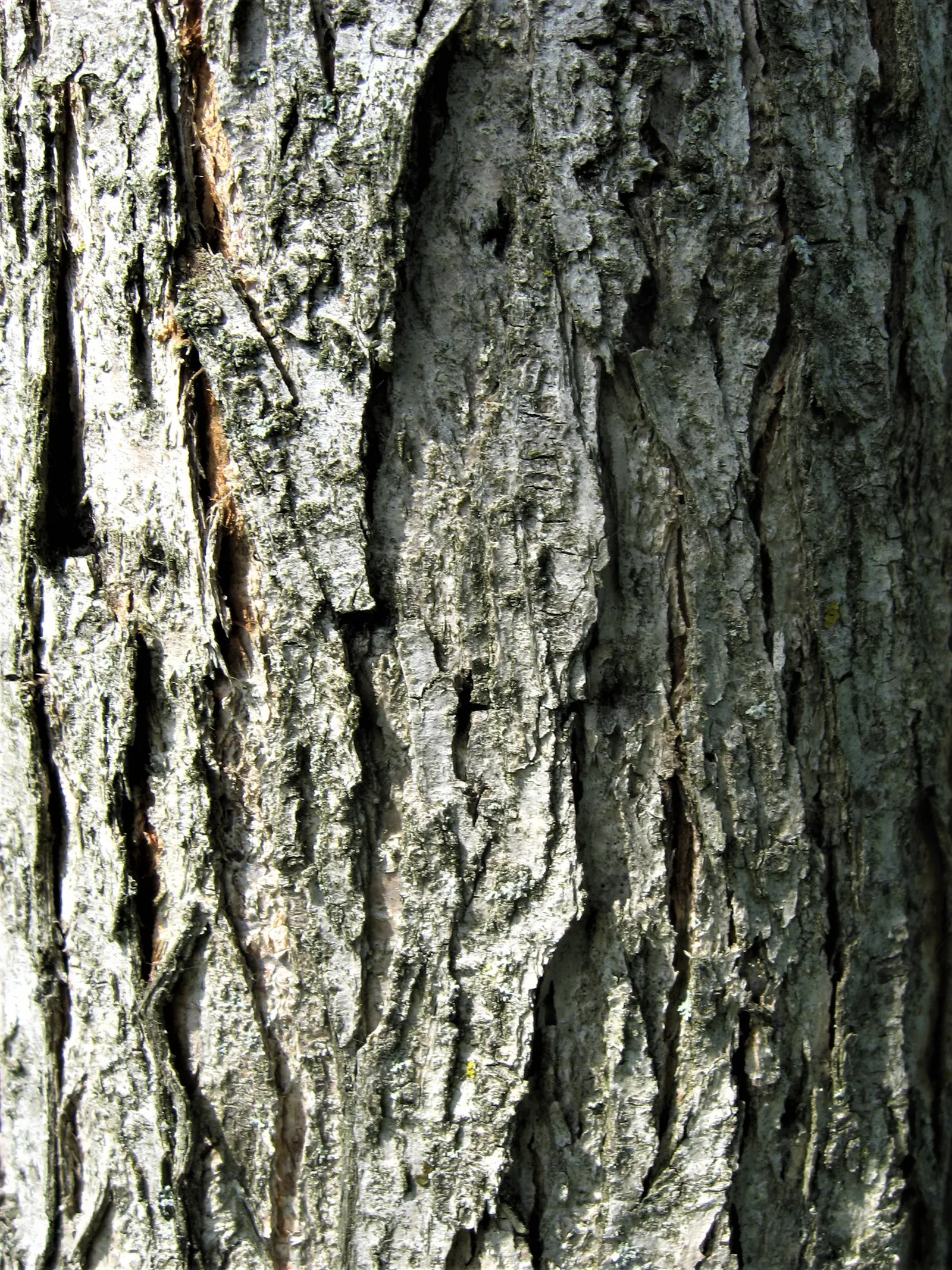
American Sycamore (Platanus Occidentalis) — dense canopy and distinctive peeling bark which reveals a camouflage-like pattern of white and tawny hues; the tree
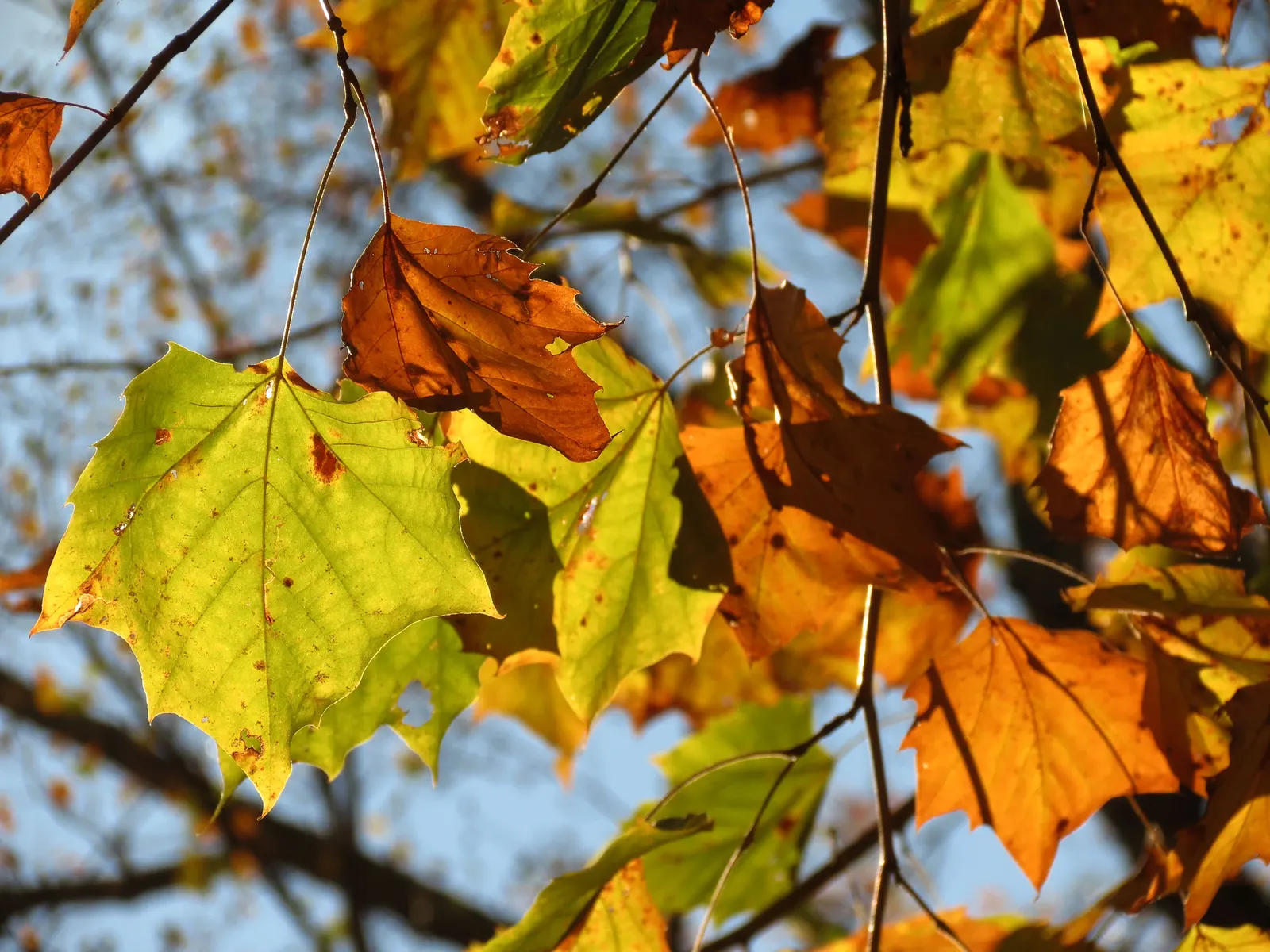
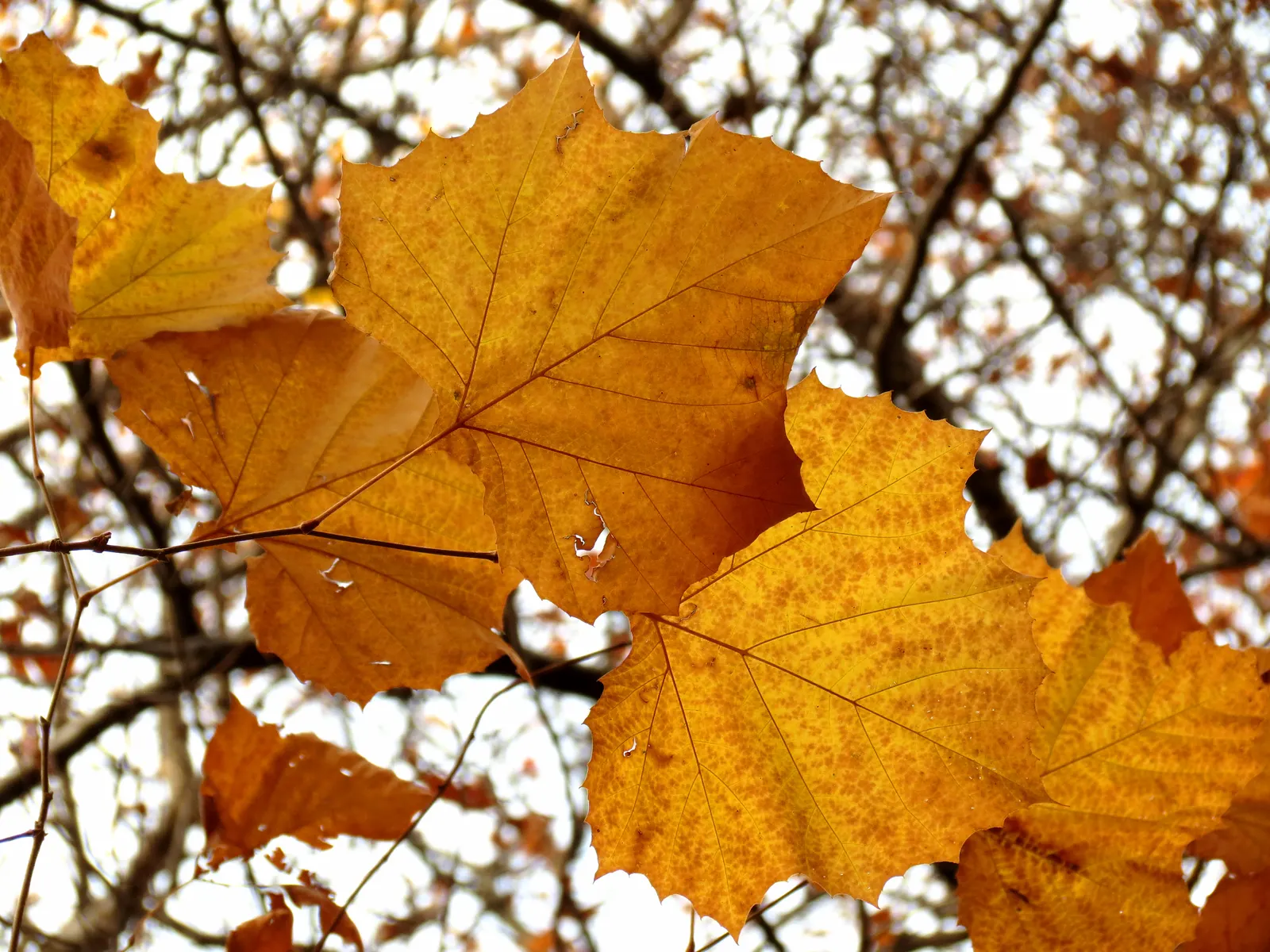
American Sycamore (Platanus Occidentalis) — It can soar to heights of 75-100 feet, with a similar spread, offering ample shade; in autumn, the foliage turns a
American Sycamore (Platanus Occidentalis) — Suitable for larger landscapes; allow ample space for its substantial growth both above and below ground to avoid
American Sycamore (Platanus Occidentalis) — and tolerates a variety of soil conditions; suitable for larger landscapes
American Sycamore (Platanus Occidentalis) — including wet soils near water bodies; the tree exhibits a broad and rounded crown, creating a dominant silhouette
American Sycamore (Platanus Occidentalis) — scientifically named Platanus occidentalis; in autumn, the foliage turns a yellow-brown, adding seasonal interest
American Sycamore (Platanus Occidentalis) — deciduous tree that is native to Eastern North America; allow ample space for its substantial growth both above and
American Sycamore (Platanus Occidentalis) — This arboreal giant is celebrated for its impressive stature; suitable for larger landscapes
American Sycamore (Platanus Occidentalis) — with mature heights ranging from 70 to 100 feet and sometimes even reaching up to 130 feet; the tree exhibits a
American Sycamore (Platanus Occidentalis) — The tree exhibits a broad and rounded crown, creating a dominant silhouette; in autumn, the foliage turns a
American Sycamore (Platanus Occidentalis) — Its spread can be massive; allow ample space for its substantial growth both above and below ground to avoid future
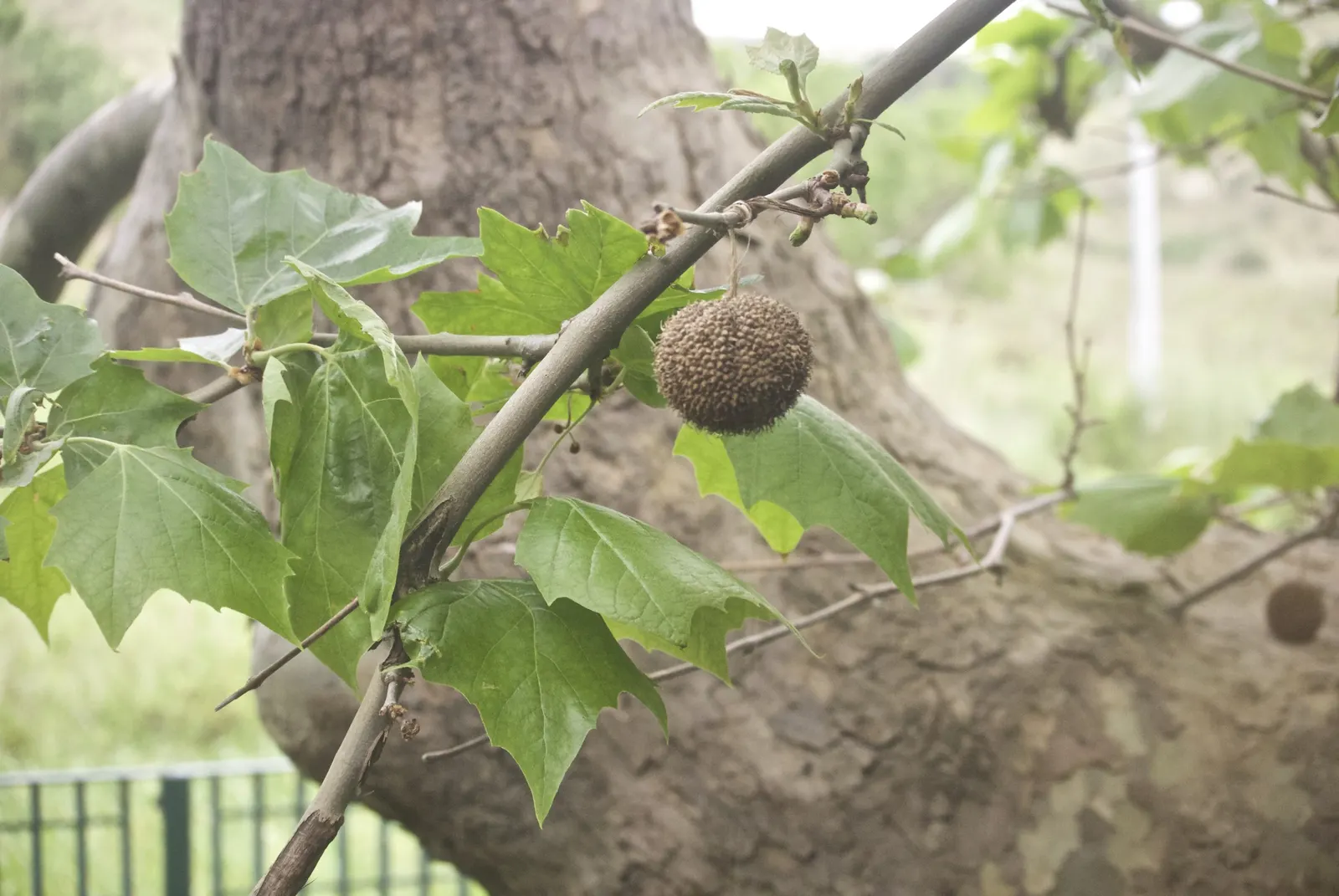
American Sycamore (Platanus Occidentalis) — which exfoliates in irregular patches to reveal a creamy white and olive-green inner bark; suitable for larger
American Sycamore (Platanus Occidentalis) — creating a striking mottled appearance; the tree exhibits a broad and rounded crown, creating a dominant silhouette
American Sycamore (Platanus Occidentalis) — This exfoliation process enables the tree to tolerate polluted urban conditions; in autumn, the foliage turns a
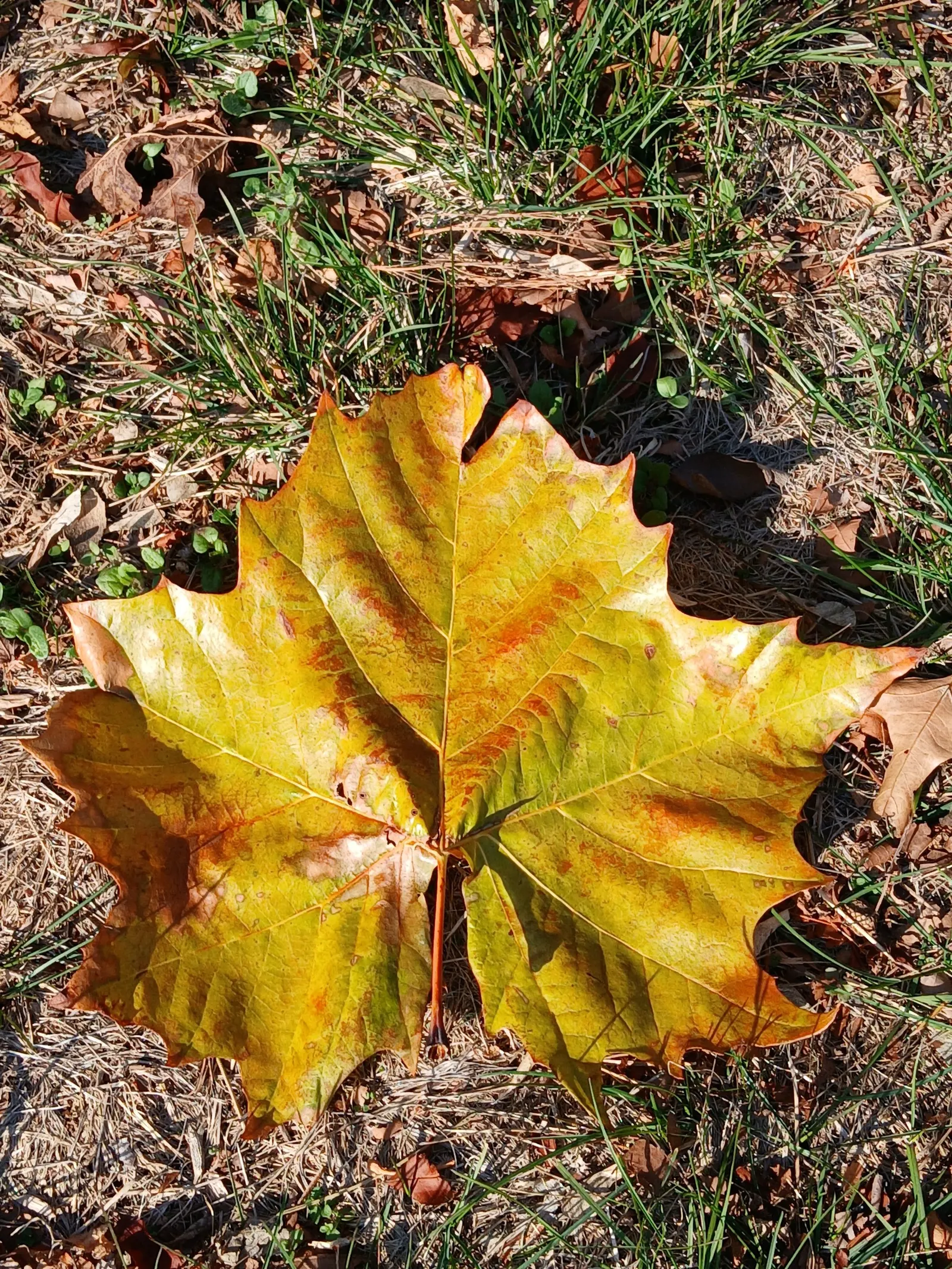
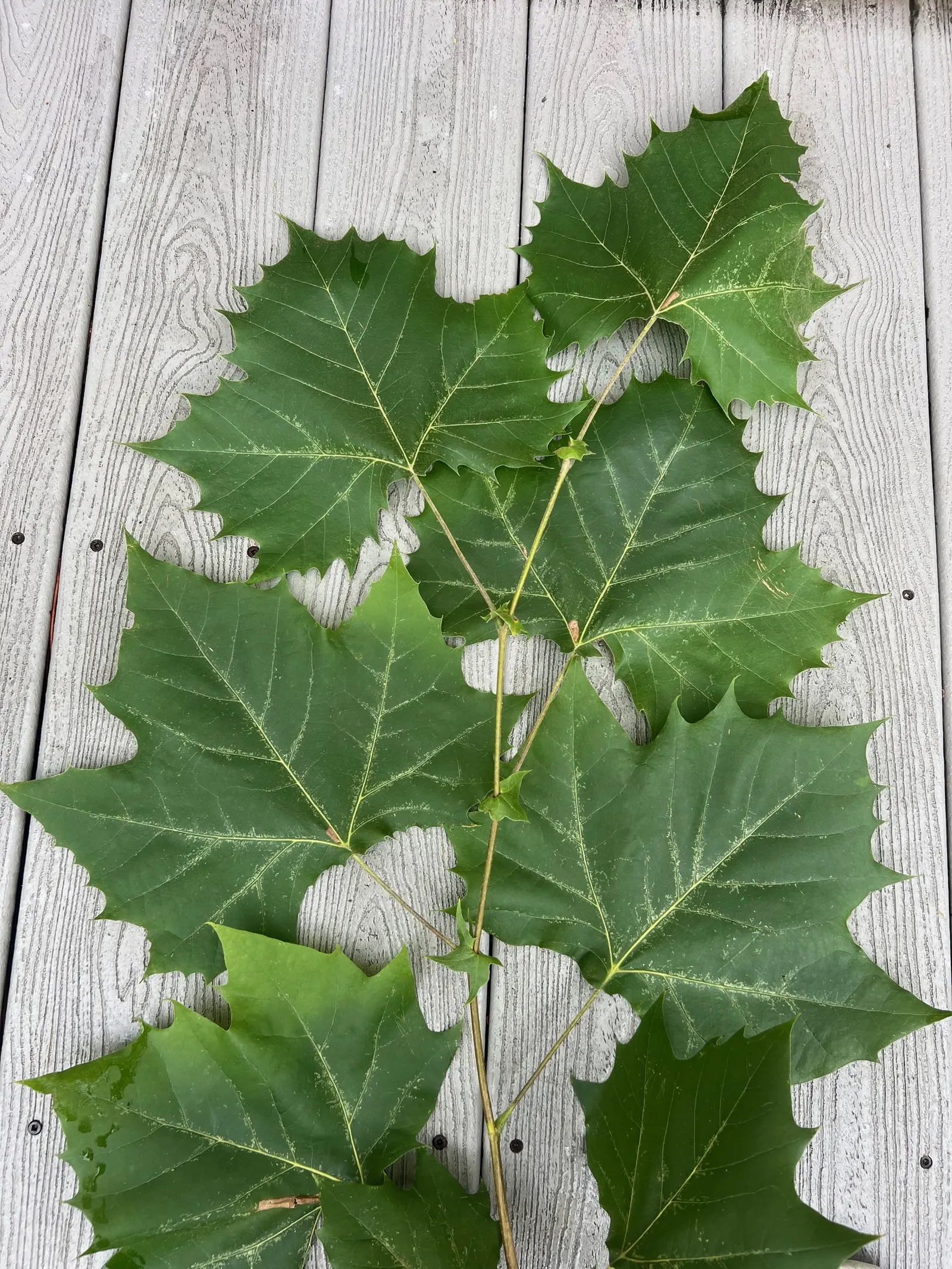
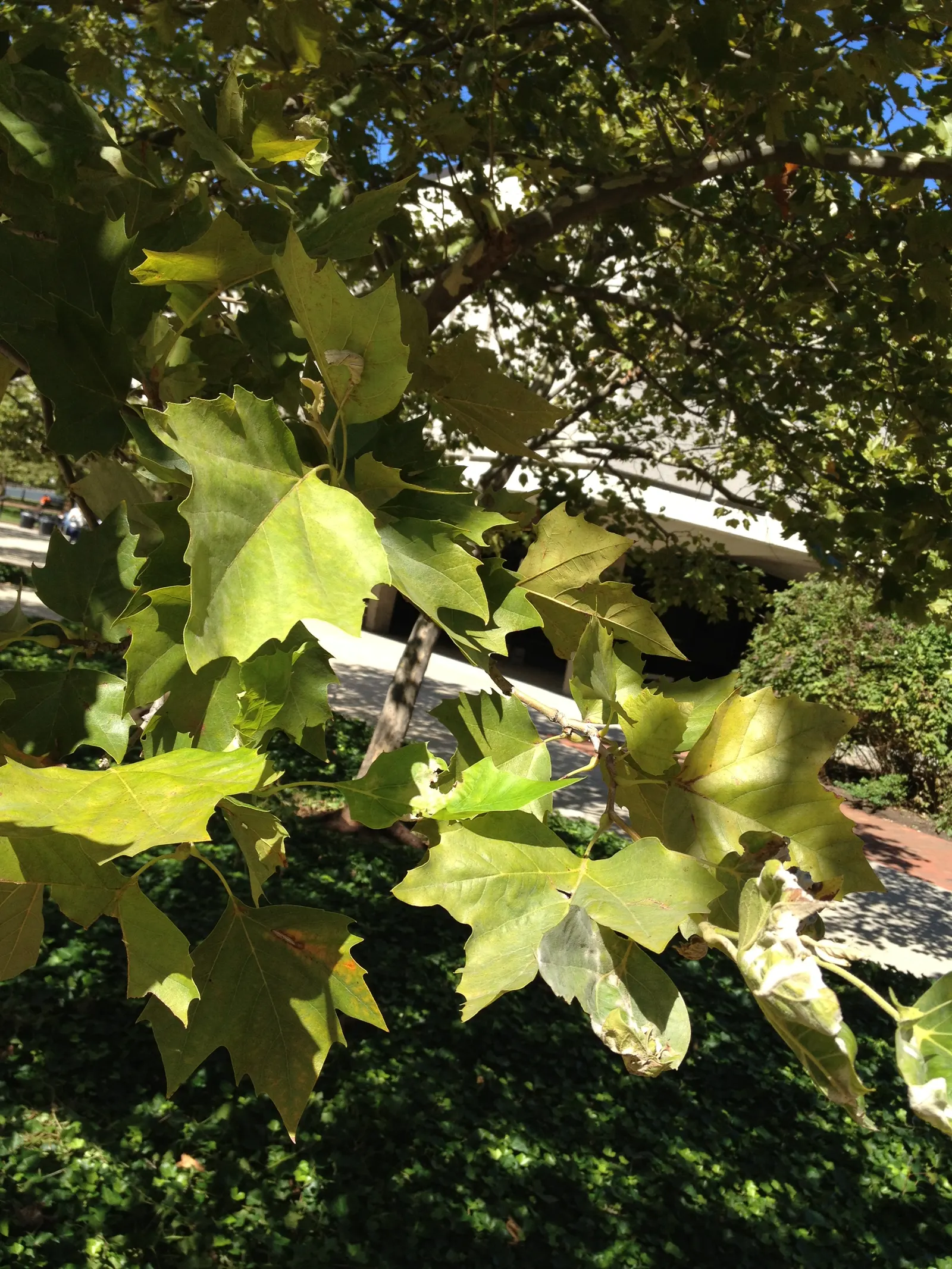
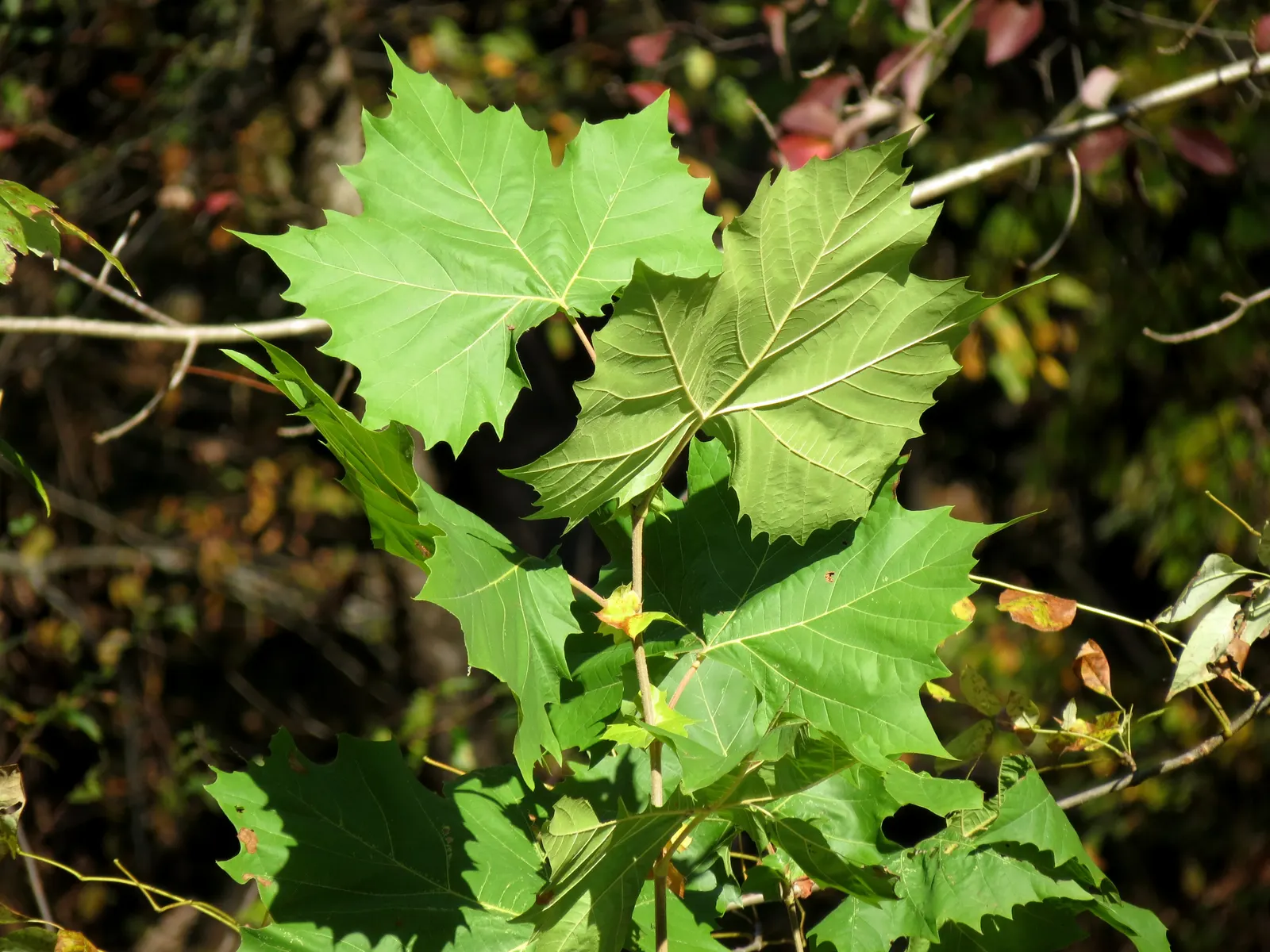
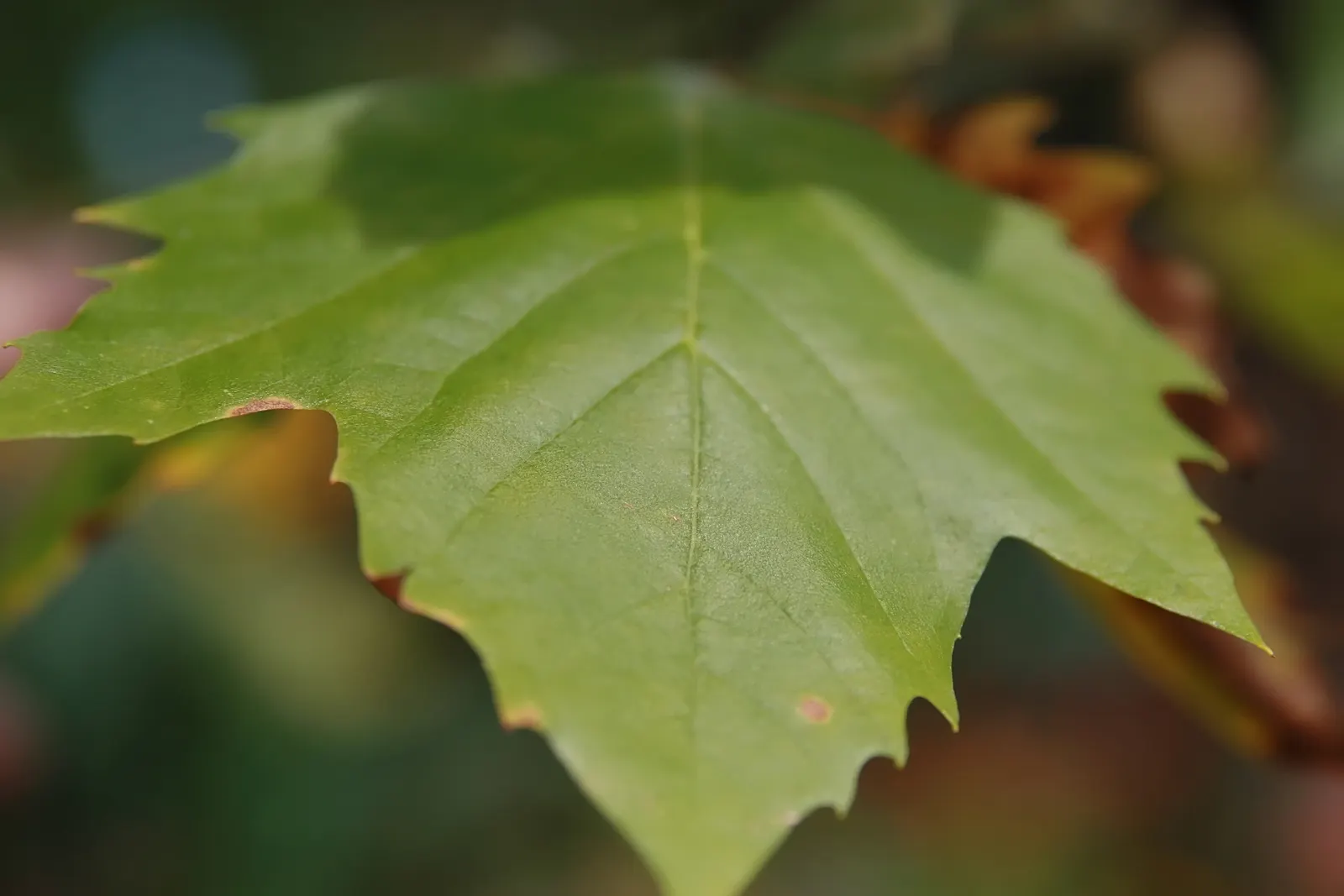
American Sycamore (Platanus Occidentalis) — measuring 4 to 9 inches wide; allow ample space for its substantial growth both above and below ground to avoid

Related plants