Skip to content

Ninebark

Physocarpus Capitatus

Design with this plant

Overview

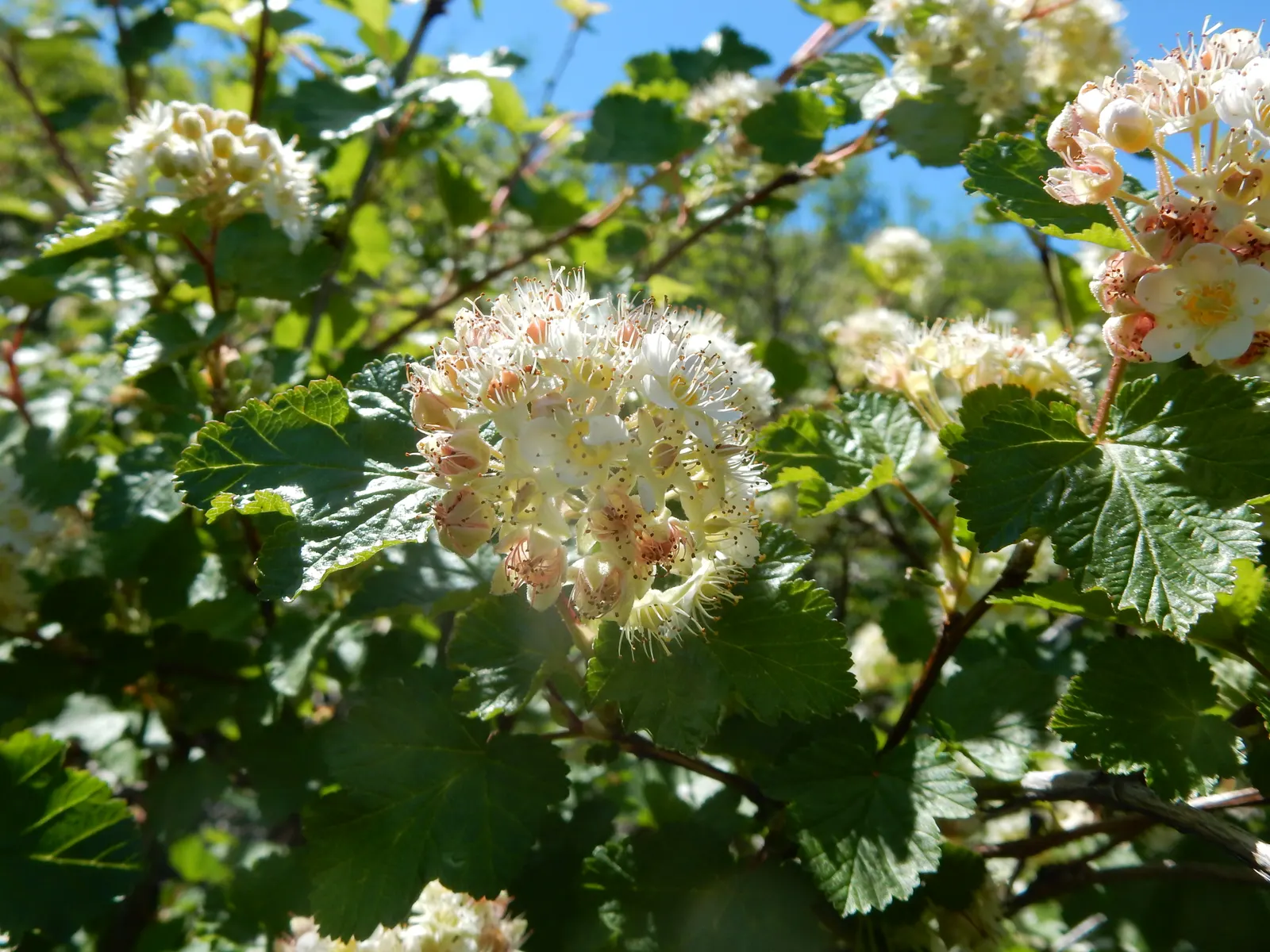
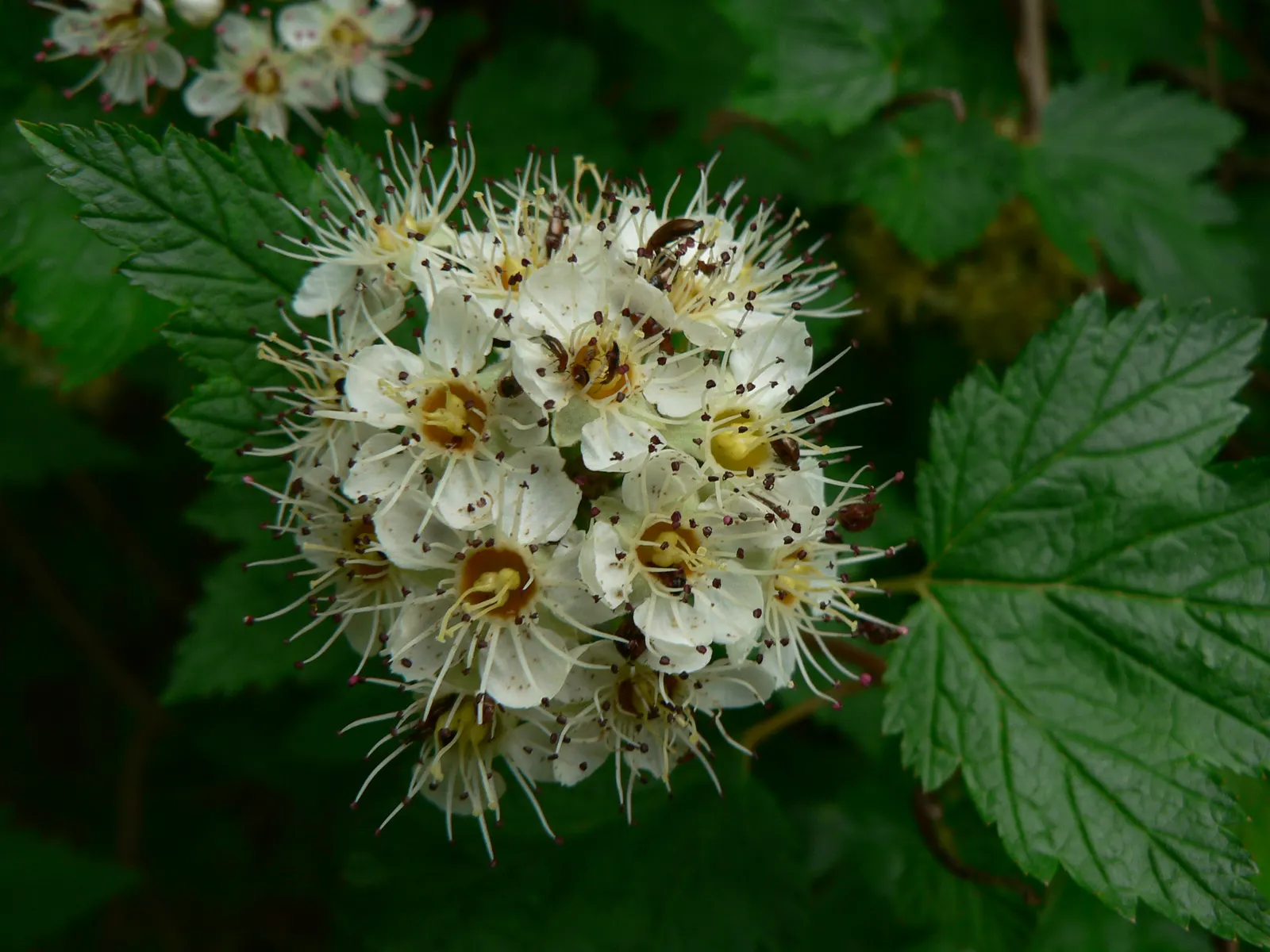
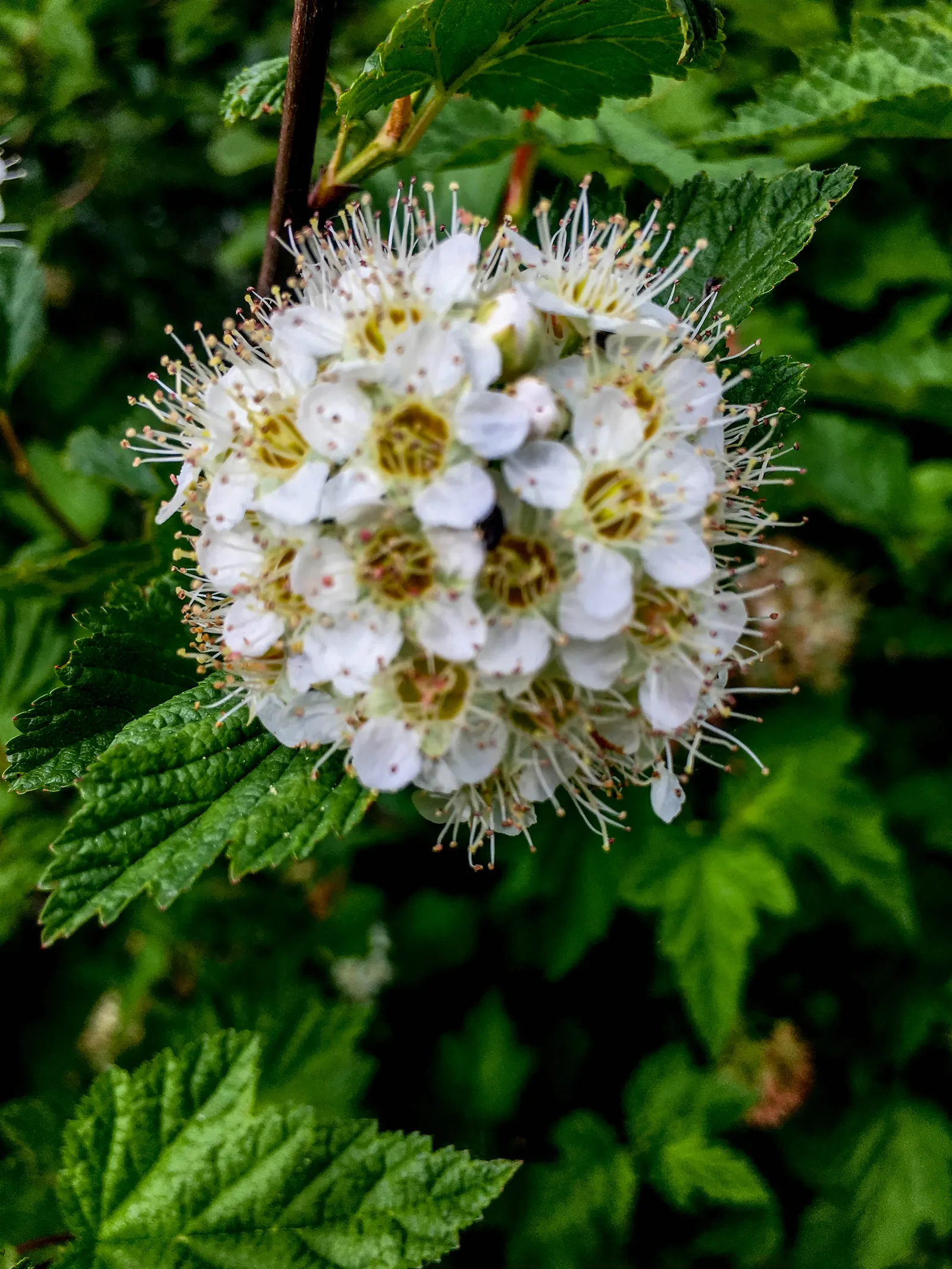
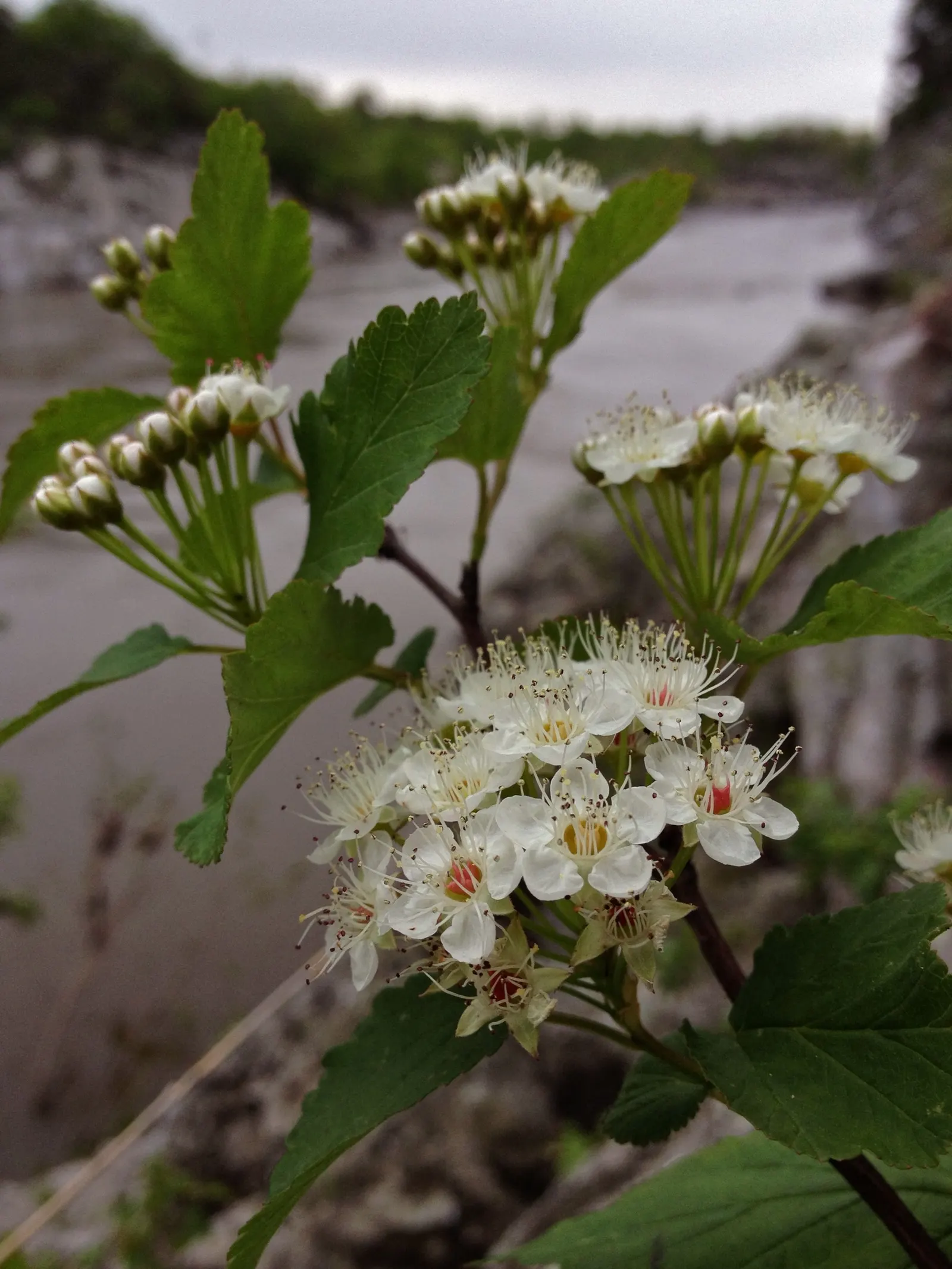
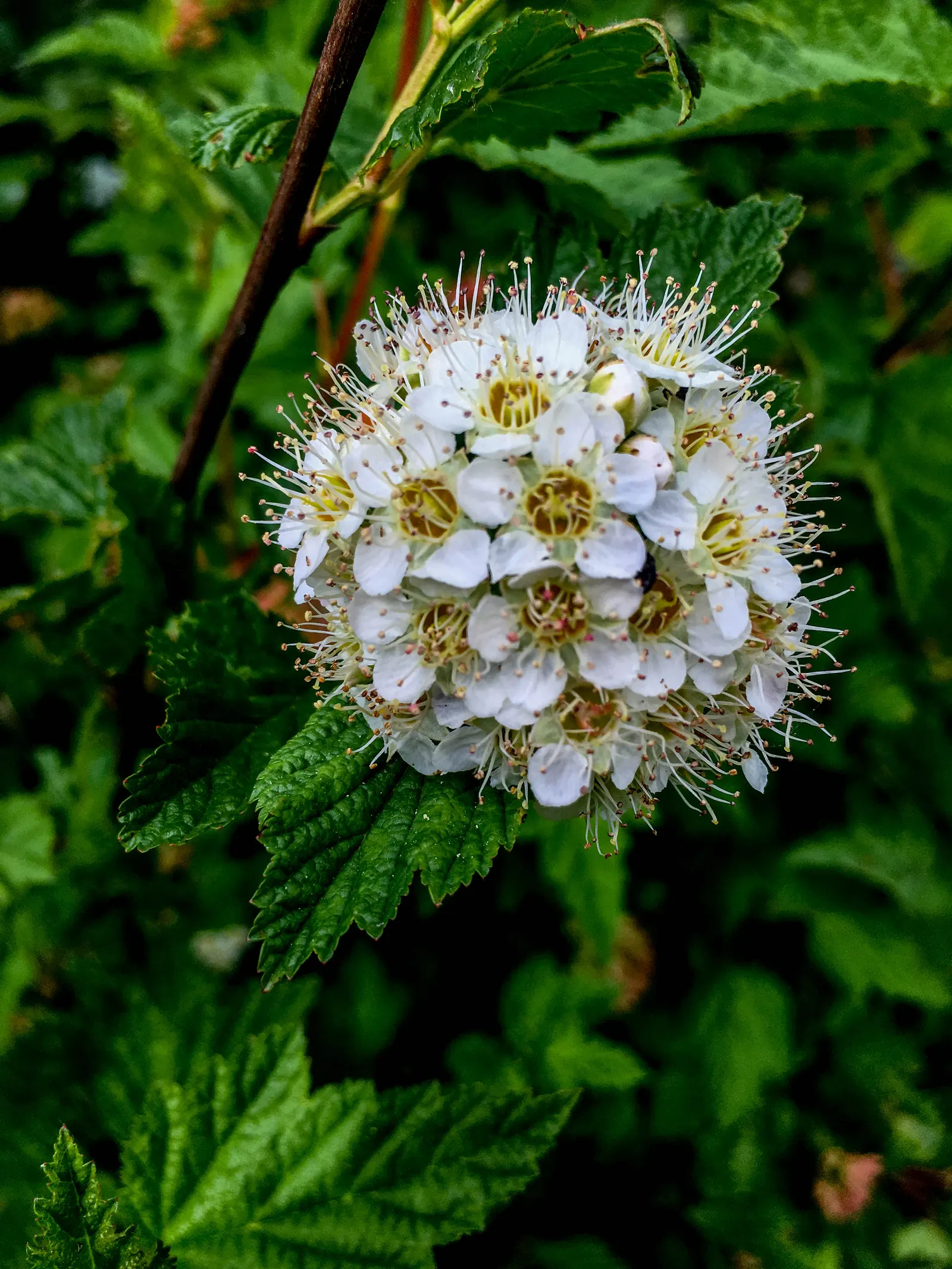
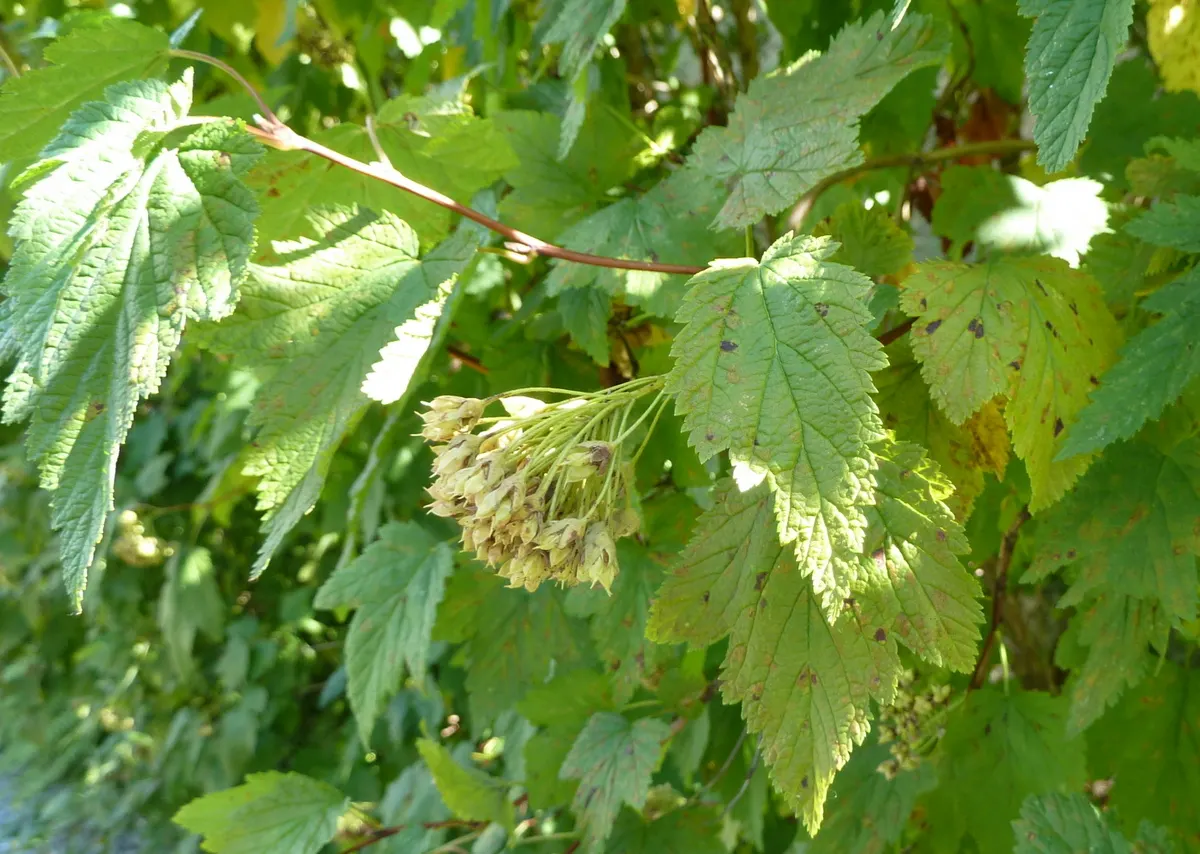
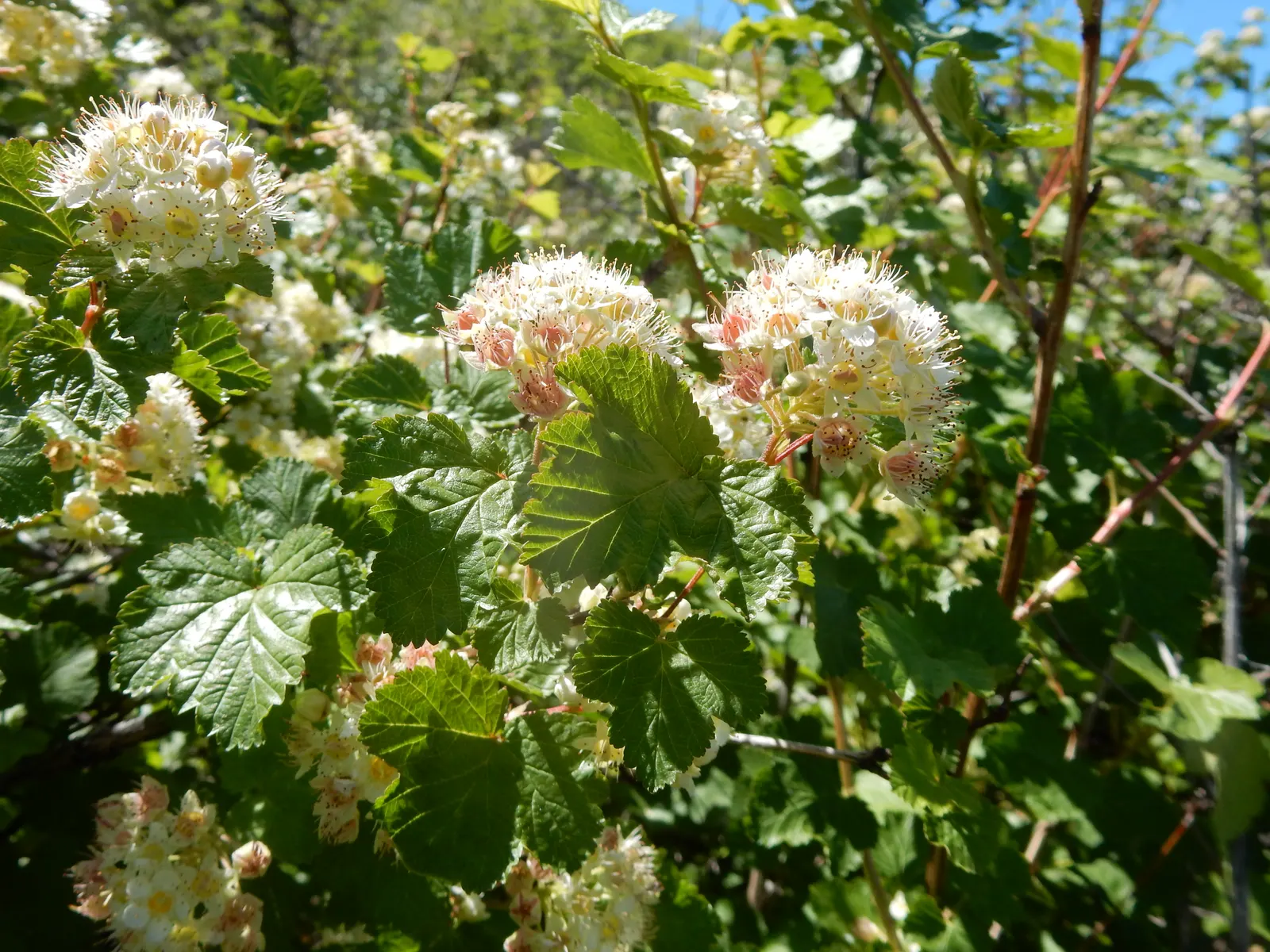
Ninebark (Physocarpus capitatus) is a deciduous shrub thriving up to 8 feet tall with a similar spread. It flaunts multi-season interest with a white-pinkish bloom in late spring, peeling reddish-brown bark for winter texture, and lobed leaves that turn golden in fall. Durable and low-maintenance, ninebark is perfect for adding structure to borders or naturescaping projects. Flourishes in zones 2-7, prefers full sun to partial shade, and tolerates a range of soil conditions.

Sun Full, HalfWater Extra in Summer, MediumZones 3–7Type ShrubClimate Temperate

Culture

Sun
Full, Half
Water
Extra in Summer, Medium
USDA zones
3–7

Shape & size

Classification

Type
Shrub
Family
Rosaceae
Climate
Temperate

See full data, regional cultivation notes, and design tools. Build a client presentation around this plant.

Start your 14-day trial

Photos (81)

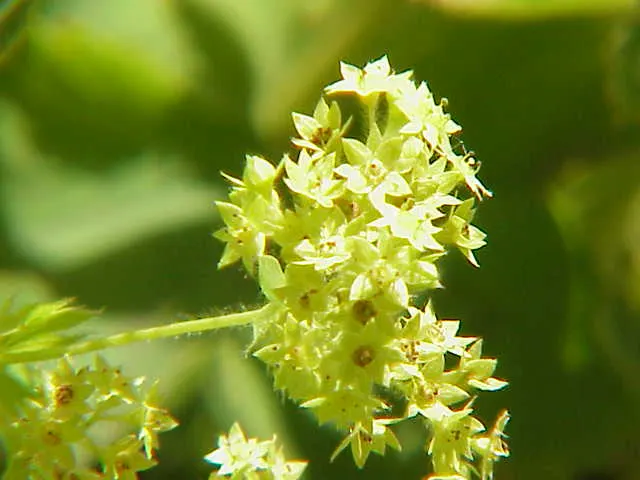
Ninebark (Physocarpus Capitatus) — Durable and low-maintenance, ninebark is perfect for adding structure to borders or naturescaping projects
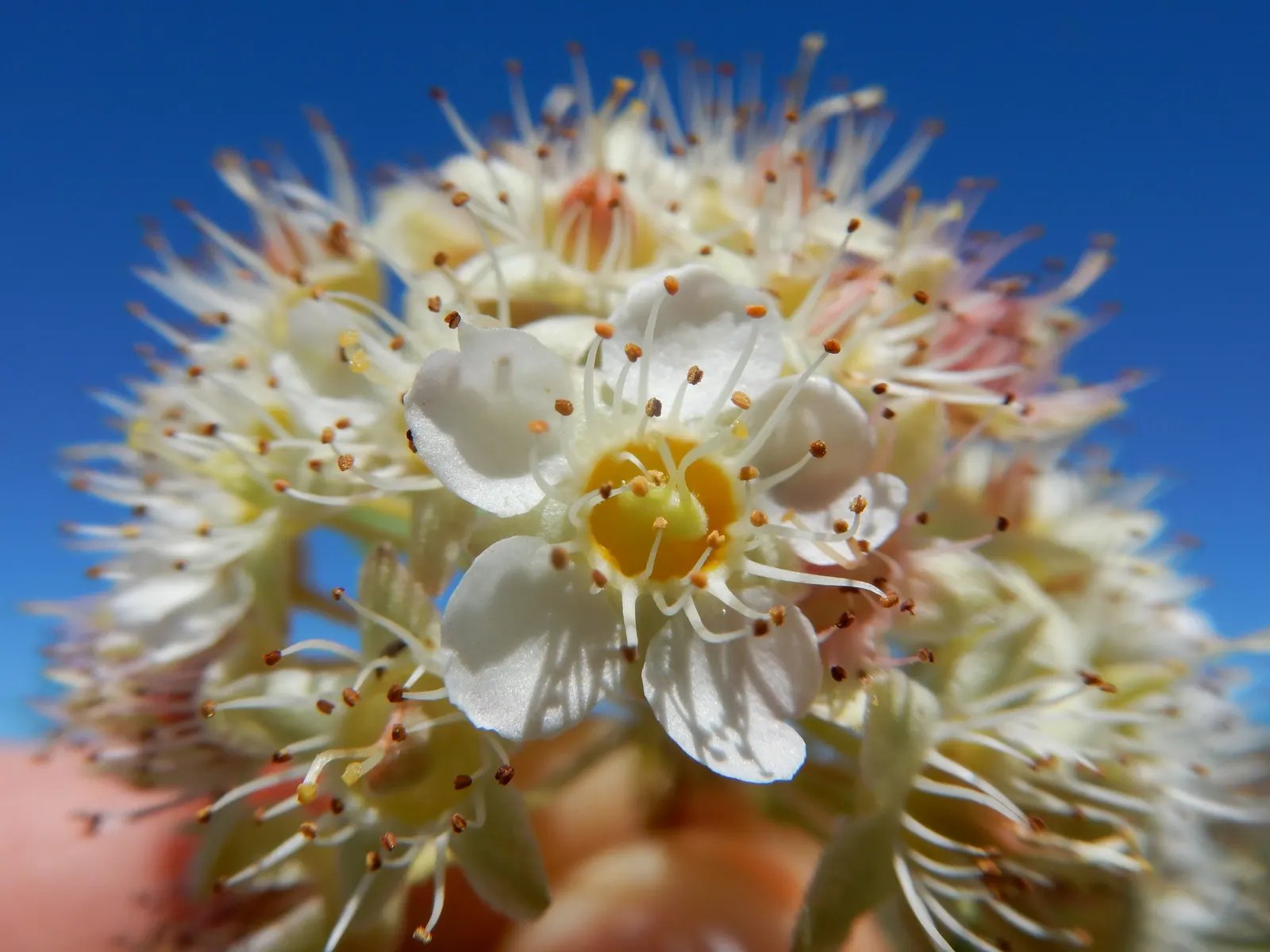
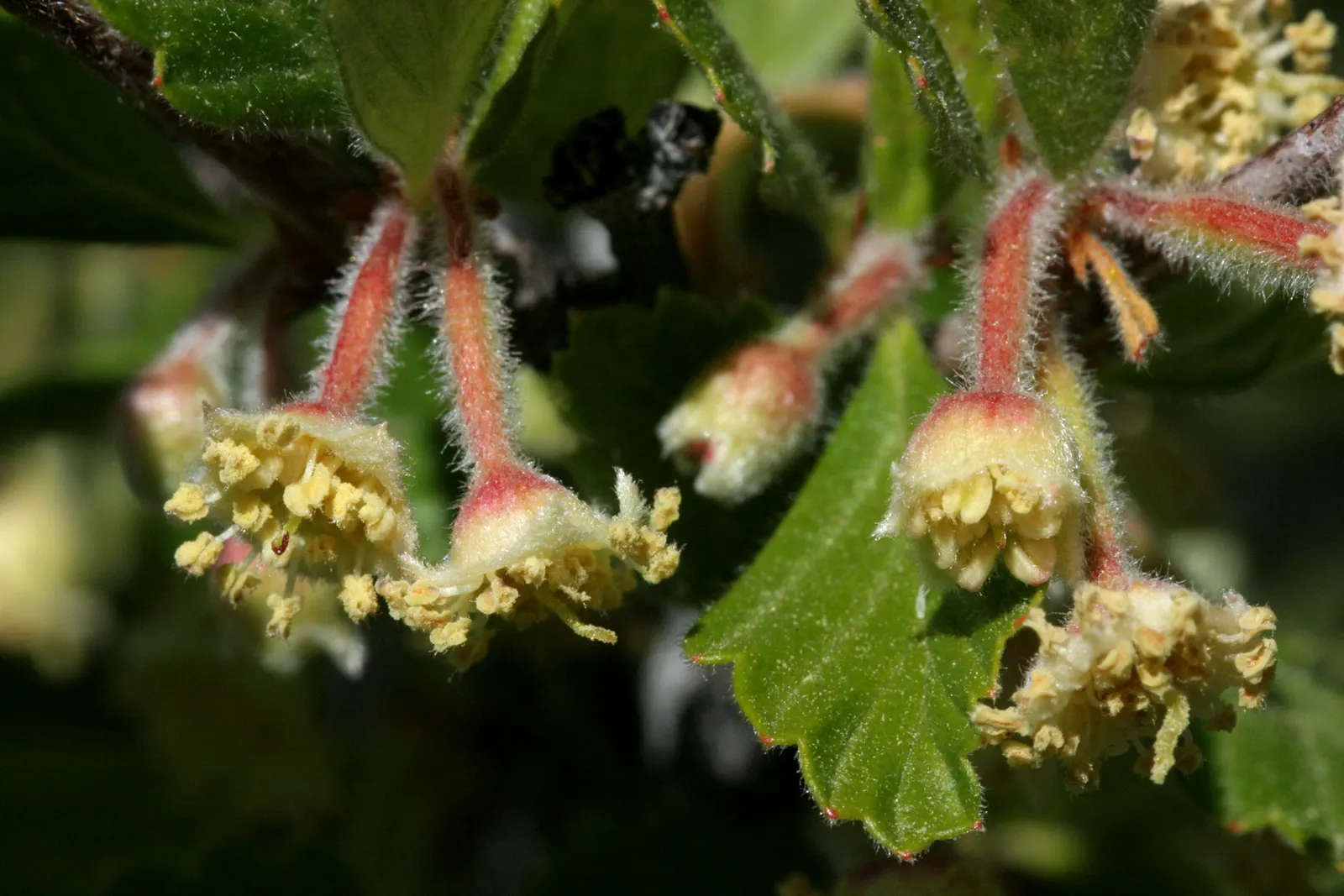
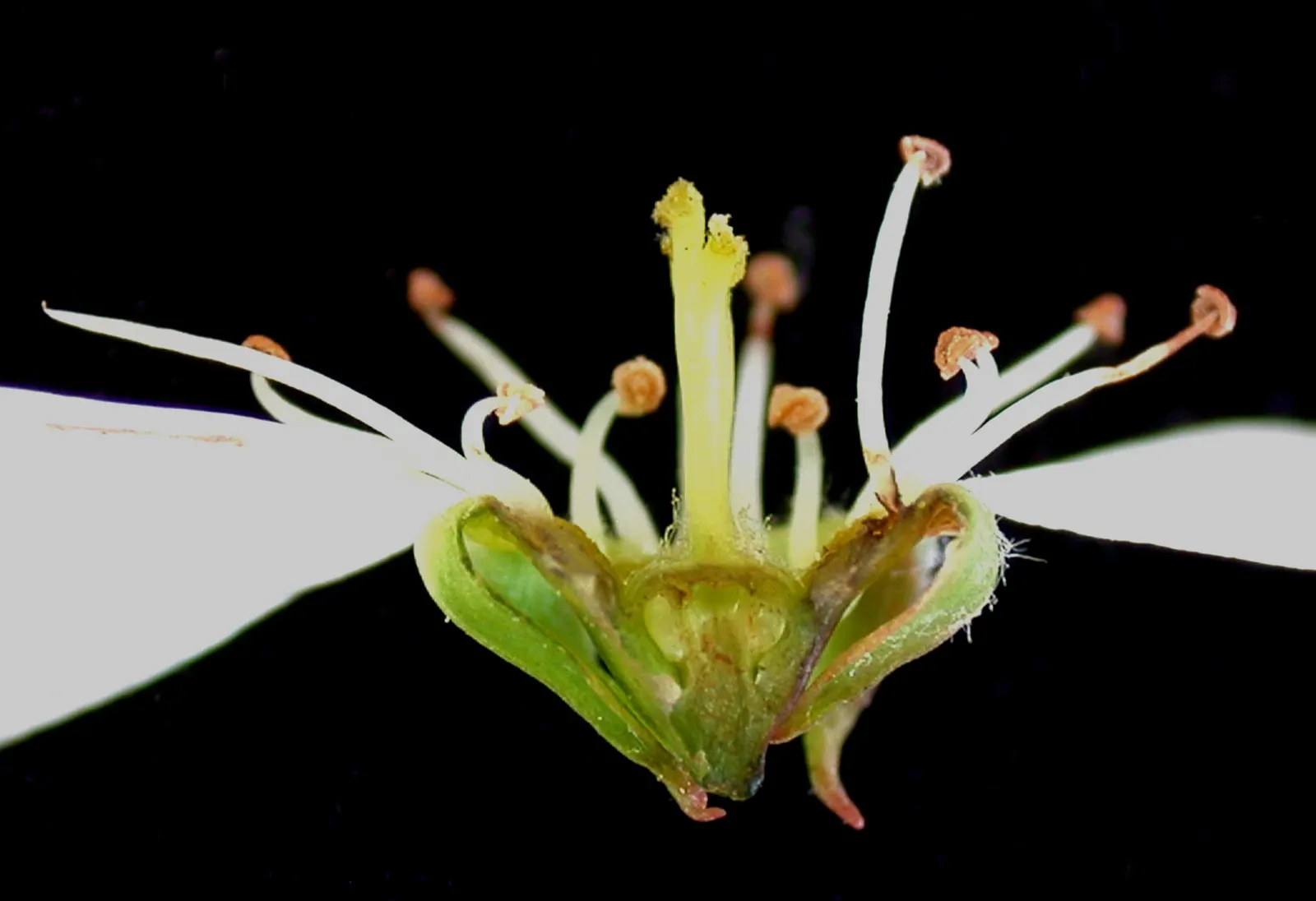
Ninebark (Physocarpus Capitatus) — deciduous shrub known for its ornamental appeal and adaptability; 1/4 inch in diameter) that are a beacon for pollinators
Ninebark (Physocarpus Capitatus) — Flourishes in zones 2-7, prefers full sun to partial shade, and tolerates a range of soil conditions; the plant's arching
Ninebark (Physocarpus Capitatus) — making it an excellent choice for a diverse range of landscape designs; given the Ninebark's ability to withstand drought
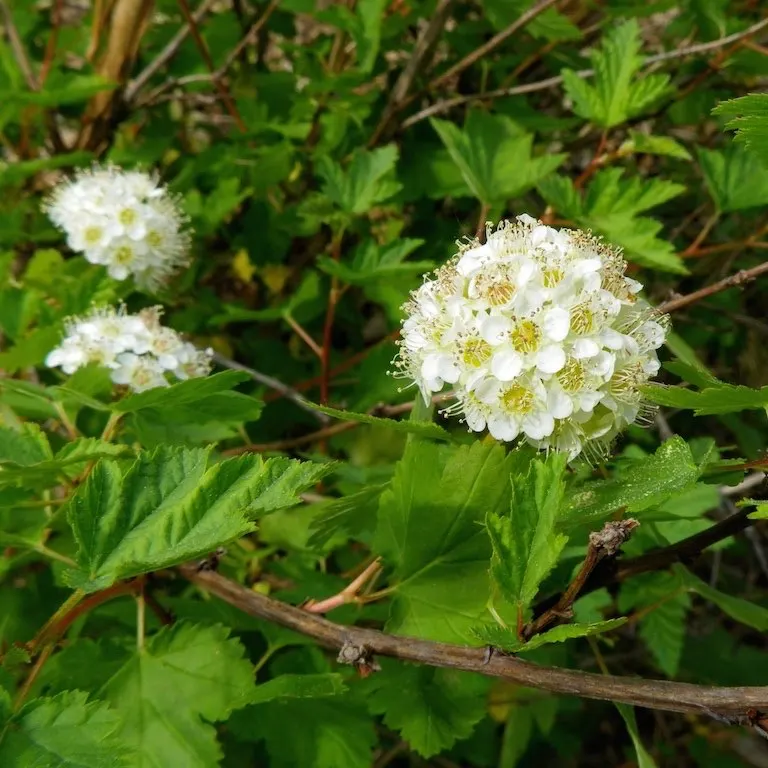
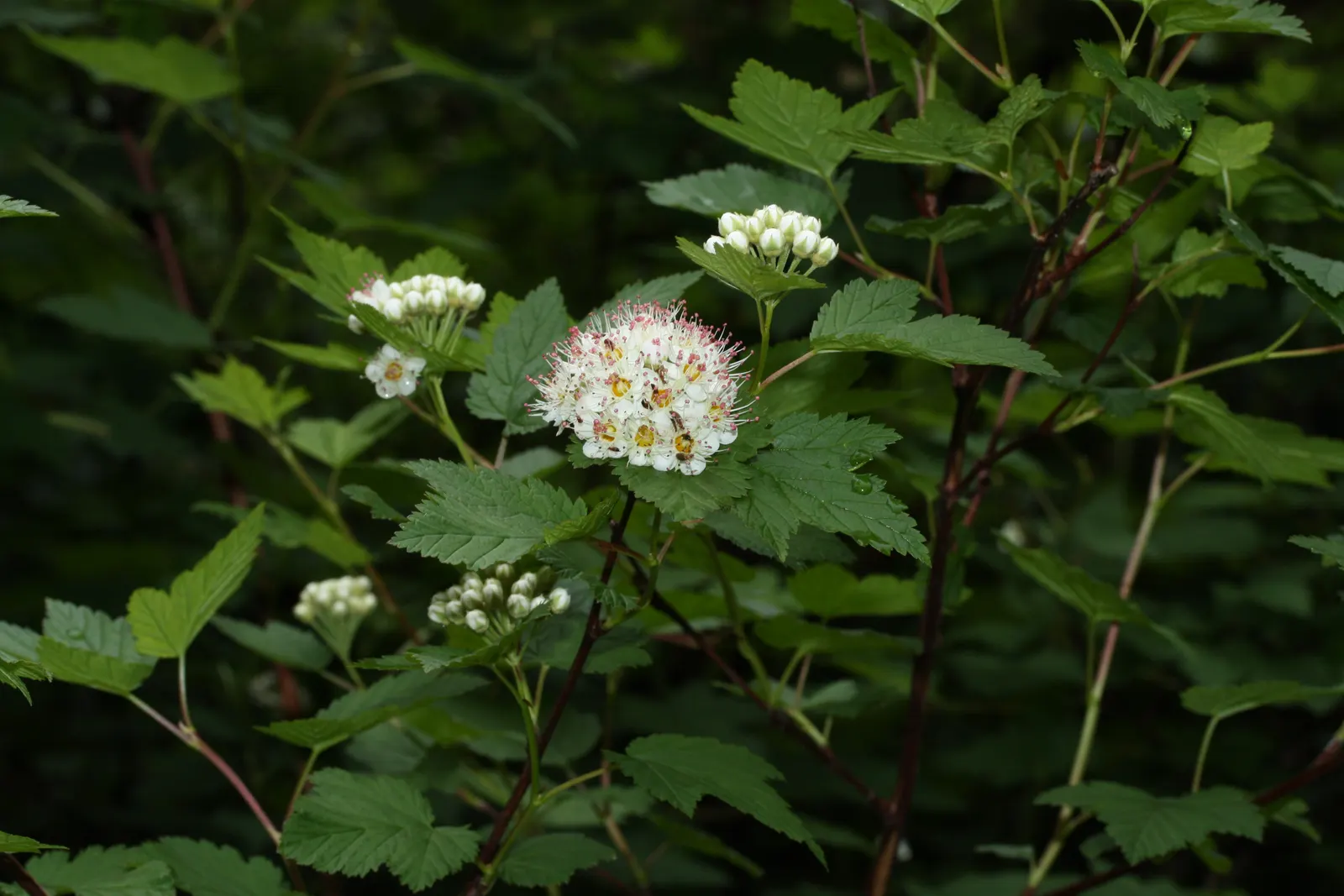
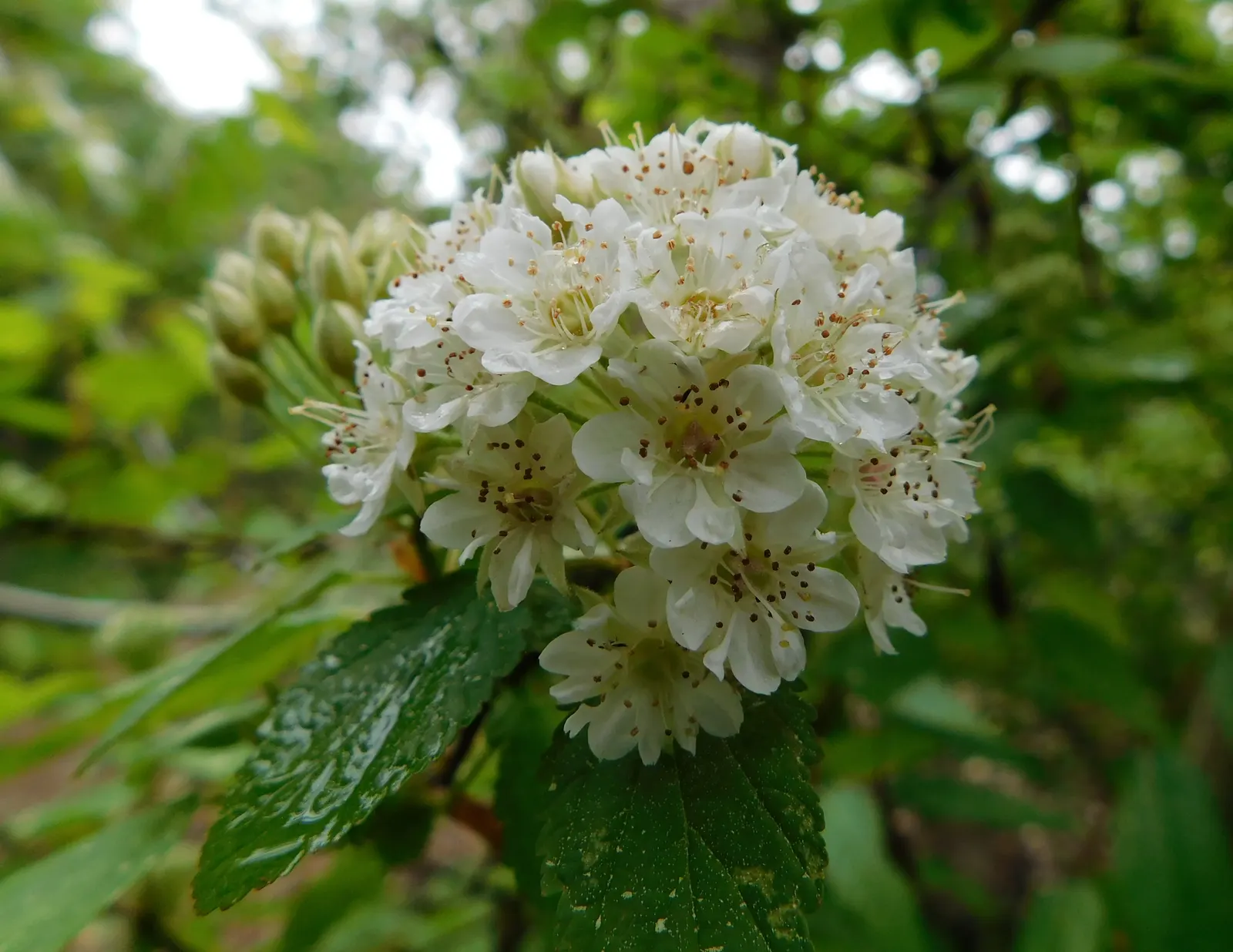
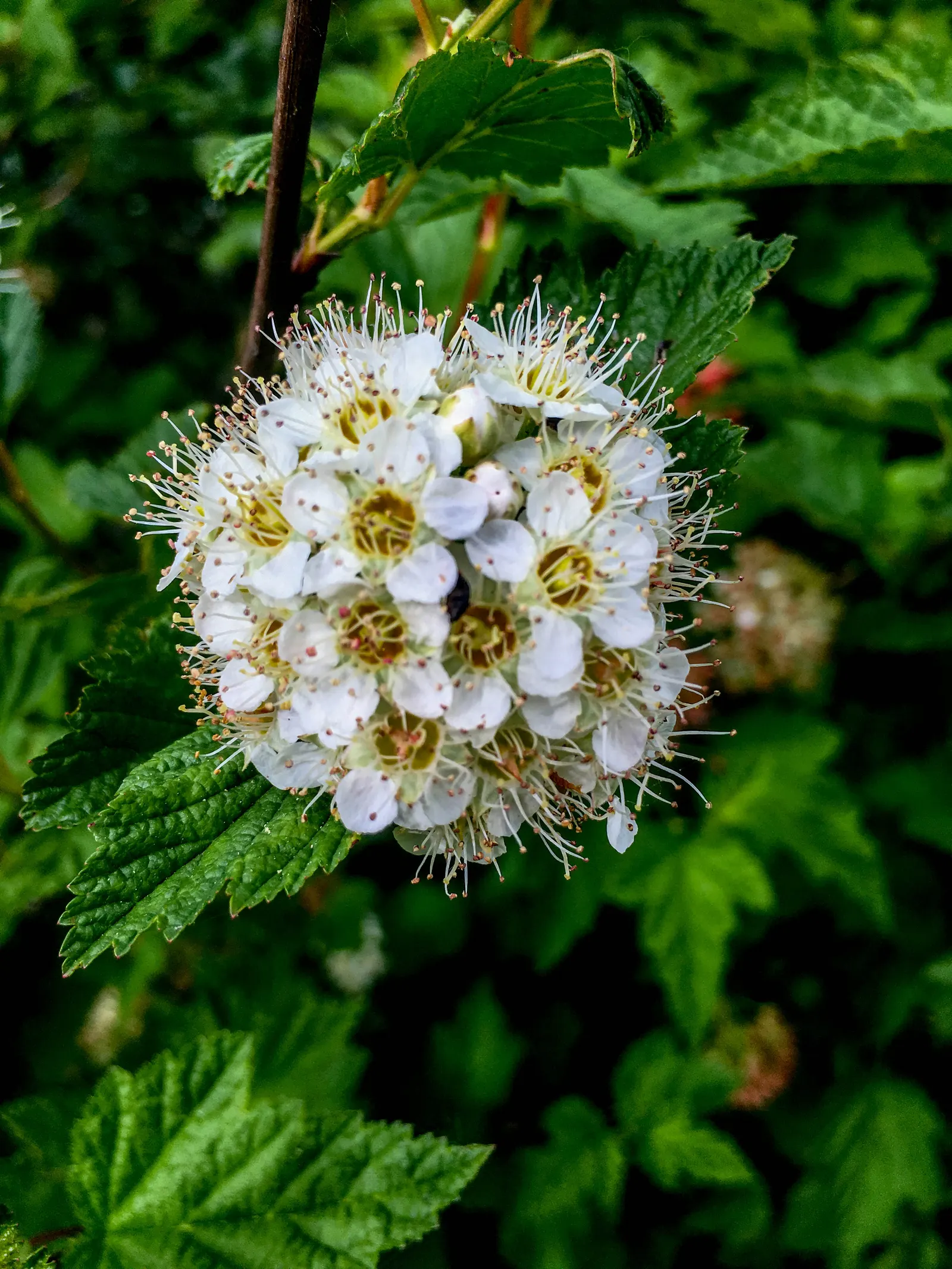
Ninebark (Physocarpus Capitatus) — It flaunts multi-season interest with a white-pinkish bloom in late spring
Ninebark (Physocarpus Capitatus) — developing to a dark purplish tone in some varieties
Ninebark (Physocarpus Capitatus) — making it an excellent choice for a diverse range of landscape designs
Ninebark (Physocarpus Capitatus) — This North American native typically reaches heights of 6 to 10 feet with a similar spread; and lobed leaves that turn
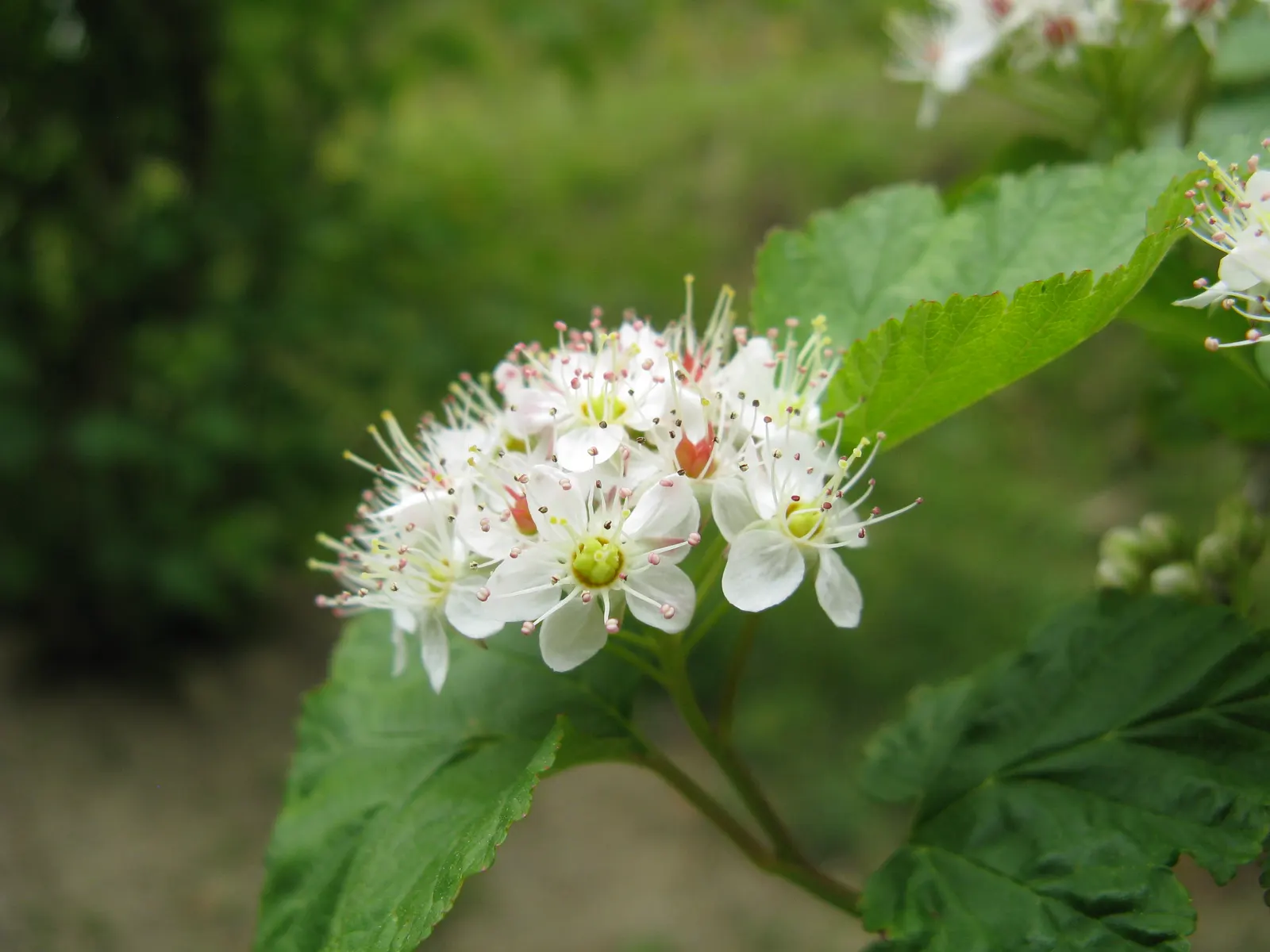
Ninebark (Physocarpus Capitatus) — shrub with pink and white blooms; 1/4 inch in diameter) that are a beacon for pollinators
Ninebark (Physocarpus Capitatus) — peeling reddish-brown bark for winter texture; 1/4 inch in diameter) that are a beacon for pollinators, image 59
Ninebark (Physocarpus Capitatus) — Given the Ninebark's ability to withstand drought and its non-invasive nature
Ninebark (Physocarpus Capitatus) — 1/4 inch in diameter) that are a beacon for pollinators; the plant's arching branches display an exfoliating bark that peels
Ninebark (Physocarpus Capitatus) — It flaunts multi-season interest with a white-pinkish bloom in late spring; the plant's arching branches display, image 58
Ninebark (Physocarpus Capitatus) — Ninebark should be planted in full sun to partial shade and is tolerant of a variety of soil types; given the Ninebark's
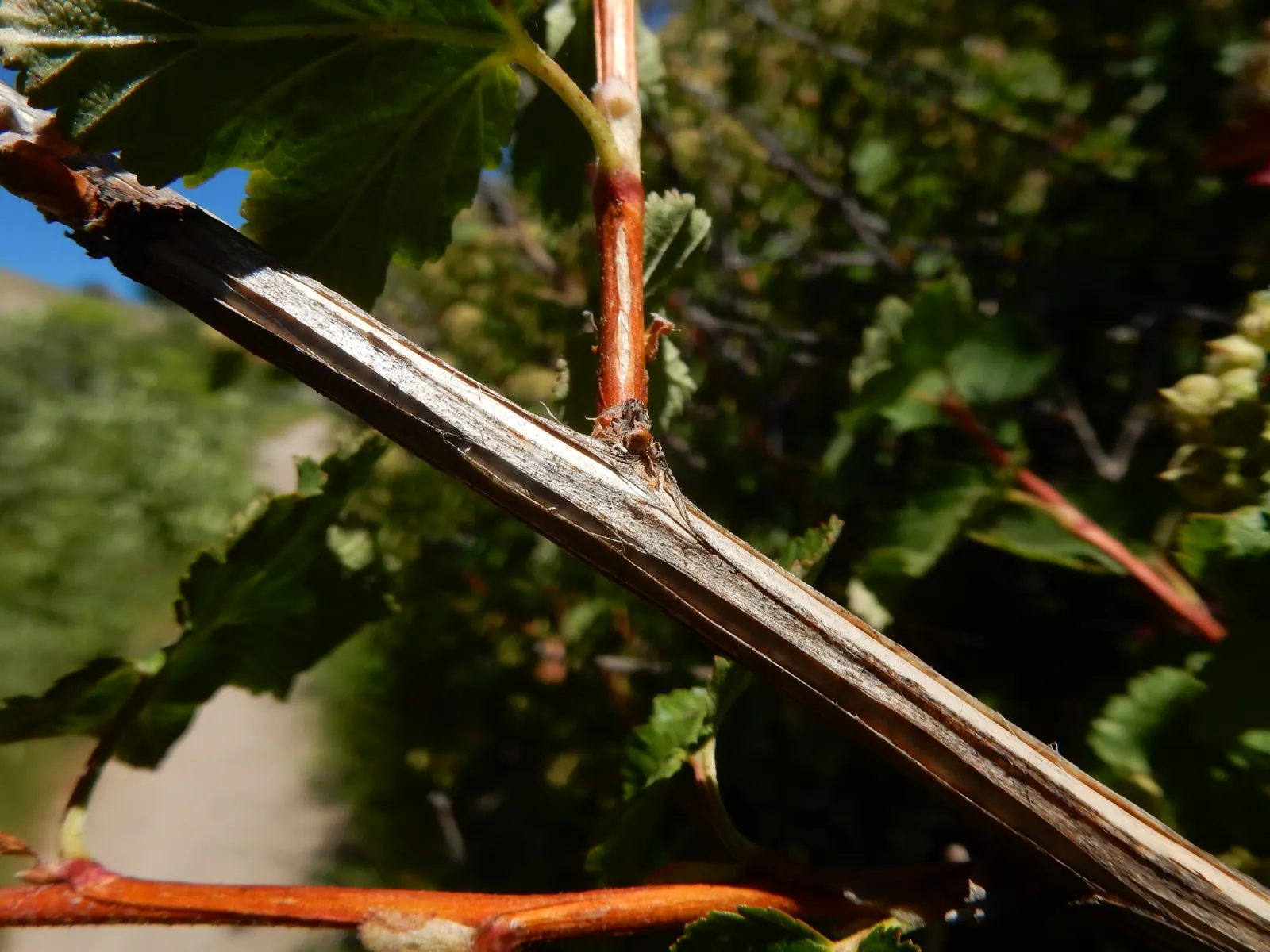
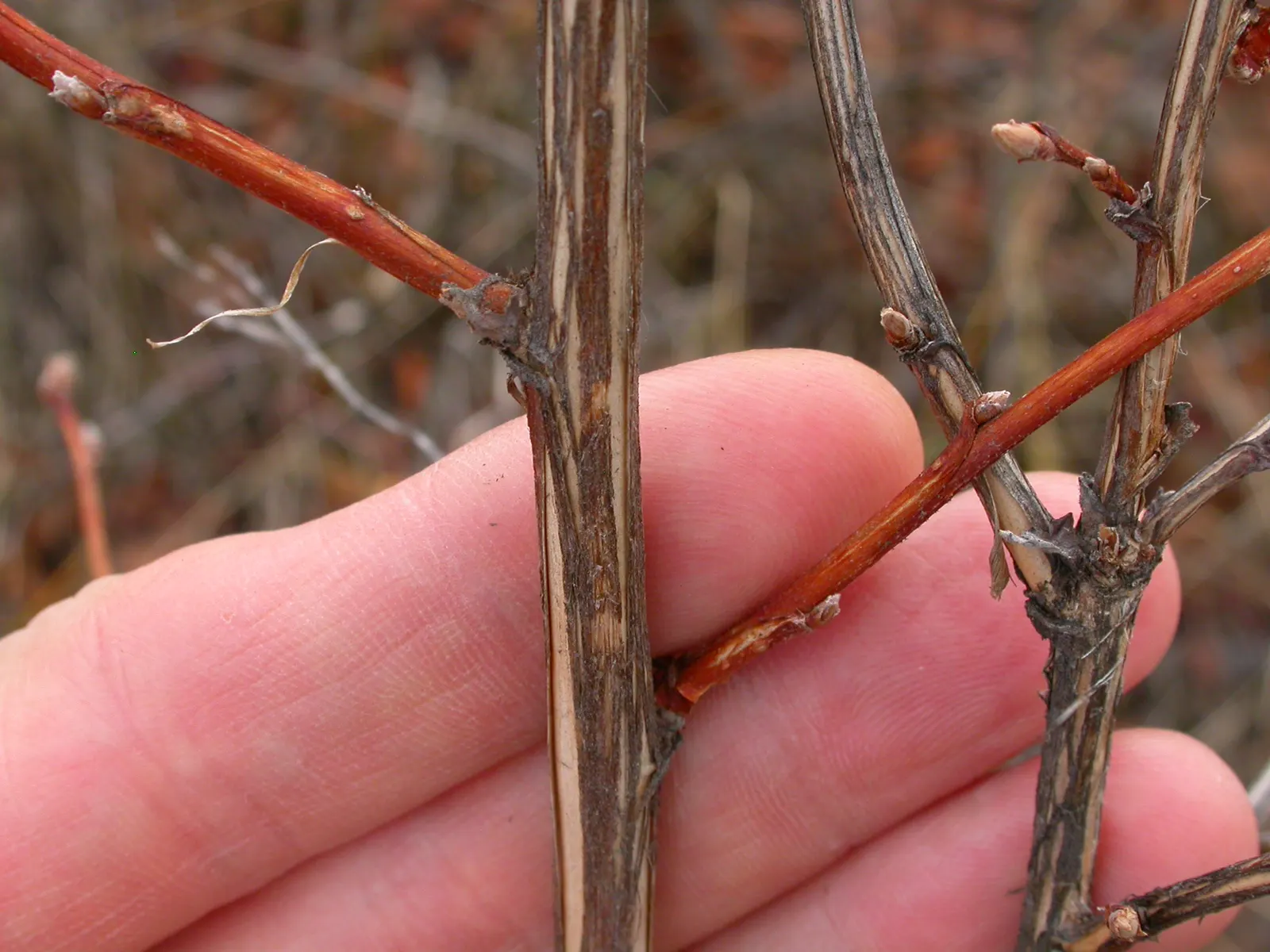
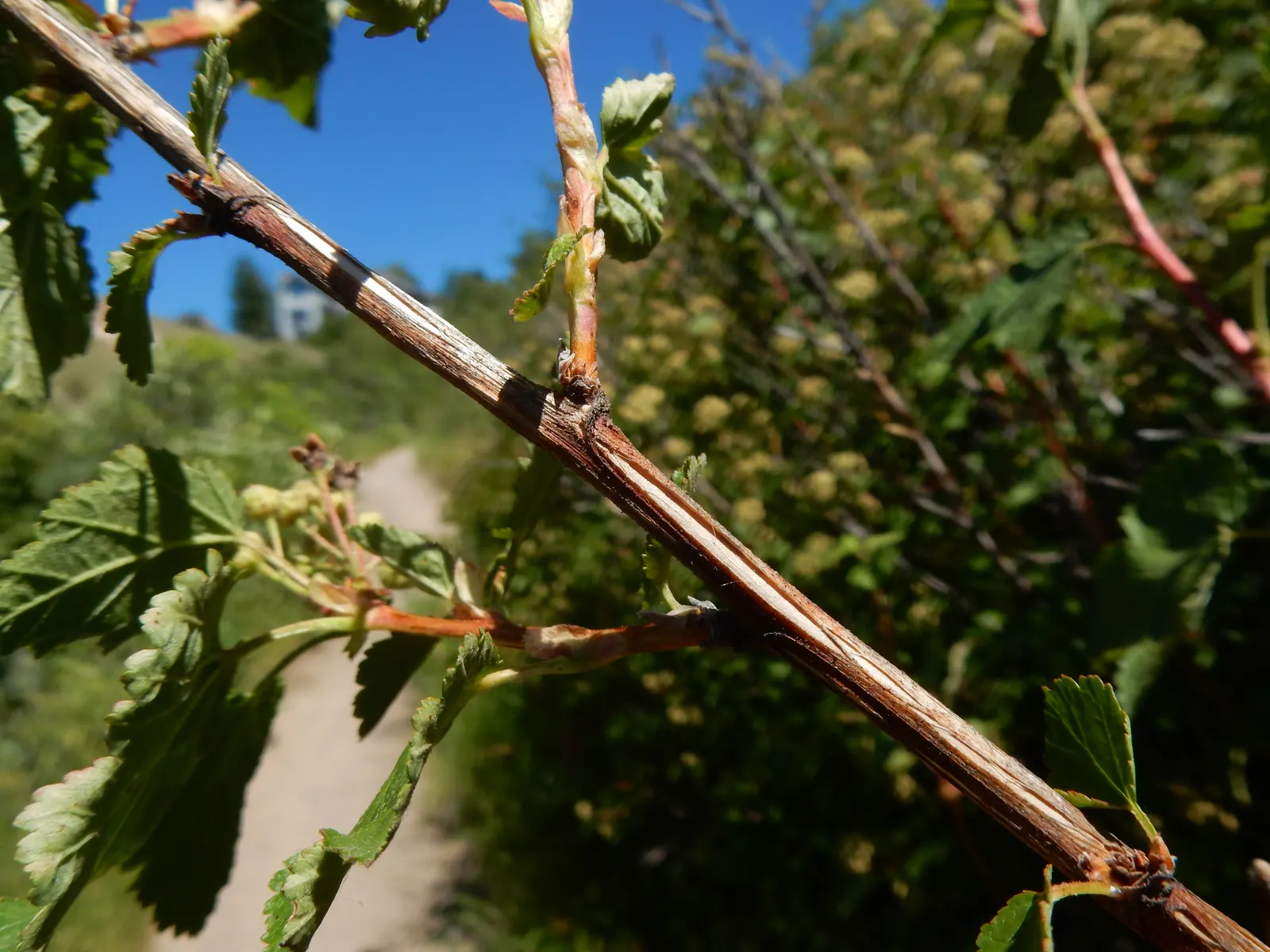
Ninebark (Physocarpus Capitatus) — peeling reddish-brown bark for winter texture
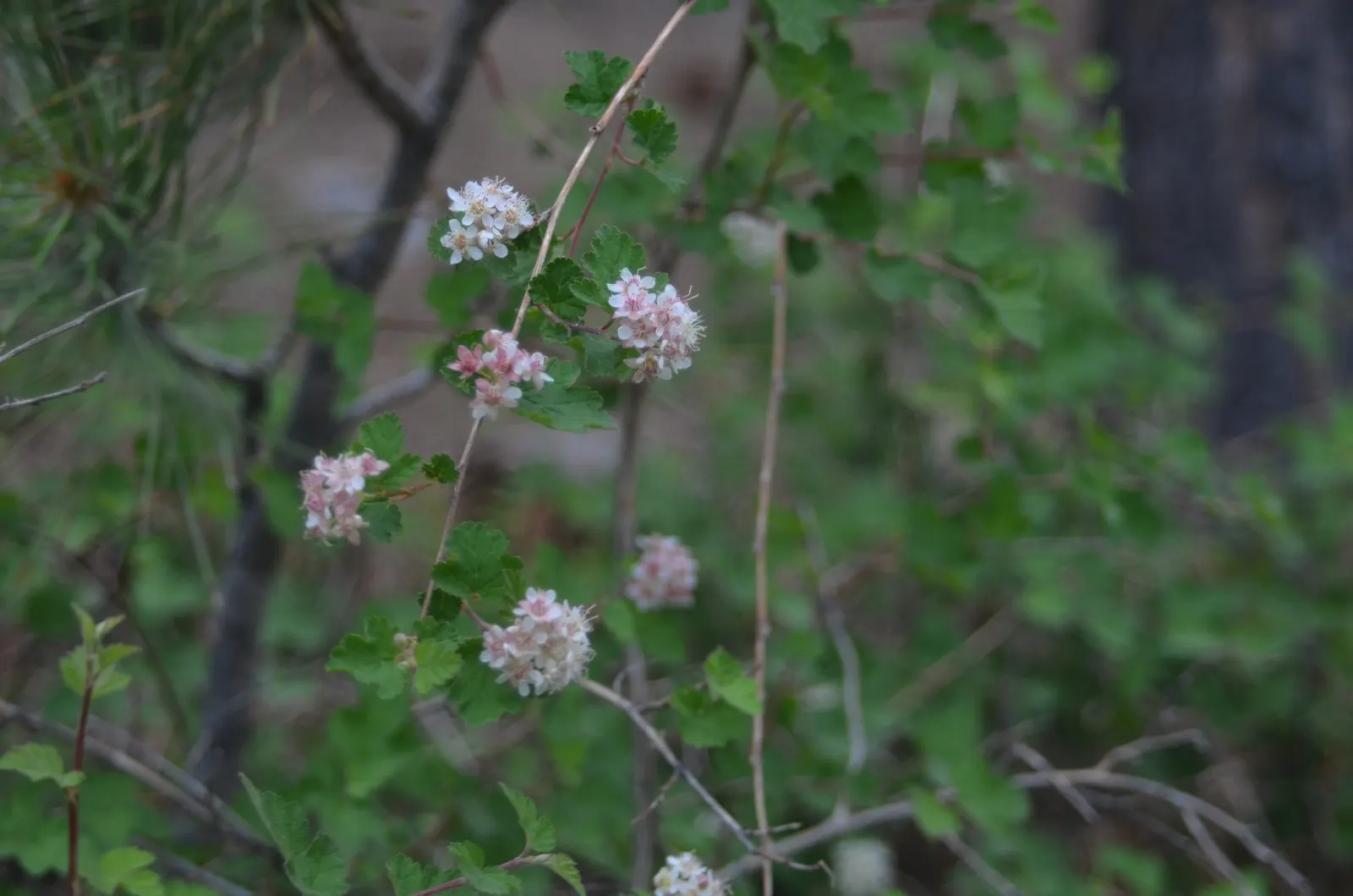
Ninebark (Physocarpus Capitatus) — shrub with pink and white blooms
Ninebark (Physocarpus Capitatus) — cinnamon-brown inner bark; given the Ninebark's ability to withstand drought and its non-invasive nature
Ninebark (Physocarpus Capitatus) — cinnamon-brown inner bark
Ninebark (Physocarpus Capitatus) — Given the Ninebark's ability to withstand drought and its non-invasive nature; and lobed leaves that turn golden in fall
Ninebark (Physocarpus Capitatus) — and lobed leaves that turn golden in fall; given the Ninebark's ability to withstand drought and its, image 60
Ninebark (Physocarpus Capitatus) — Pruning can be done to shape the shrub or encourage denser growth, preferably in late winter or early spring; given the
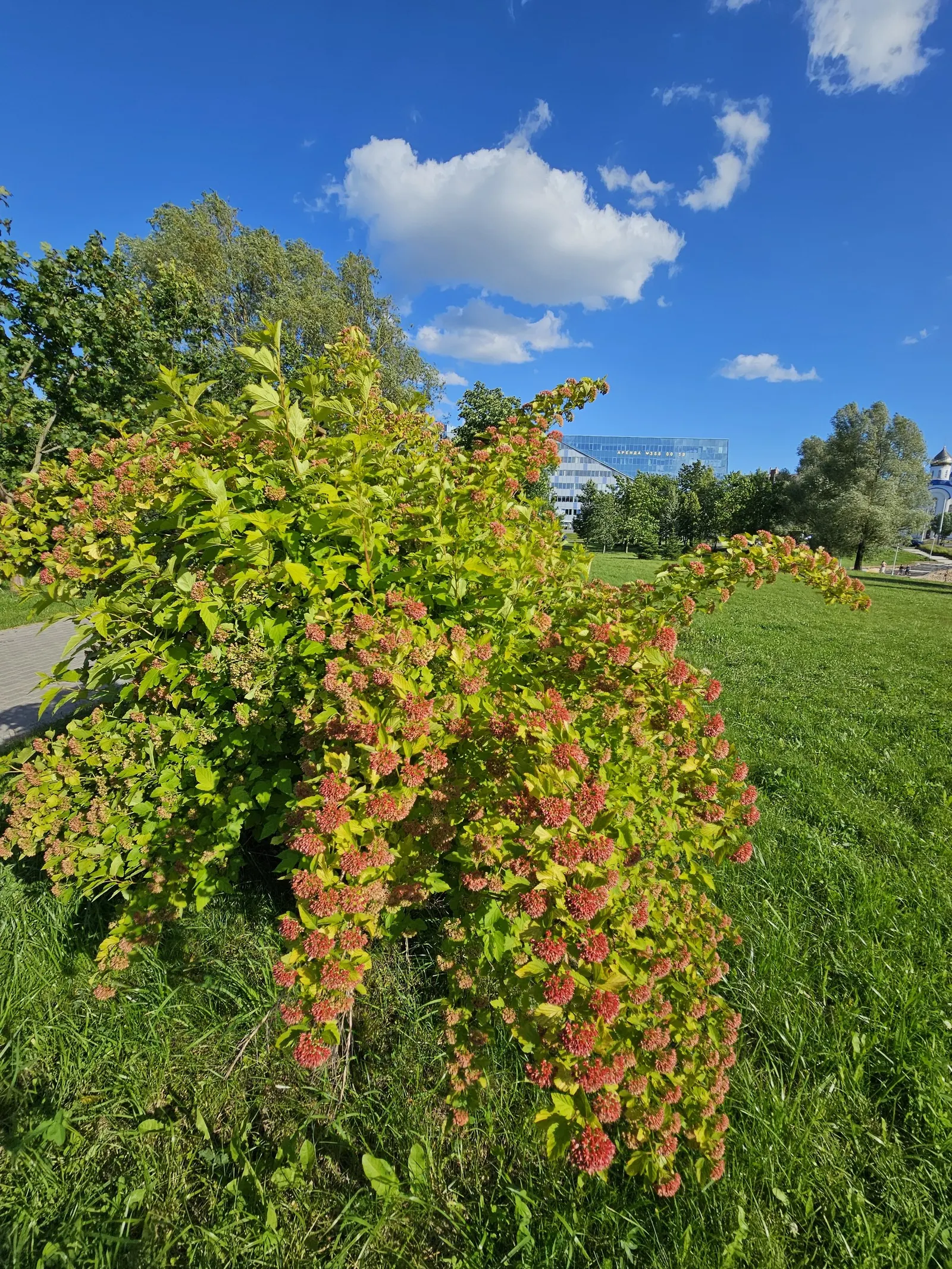
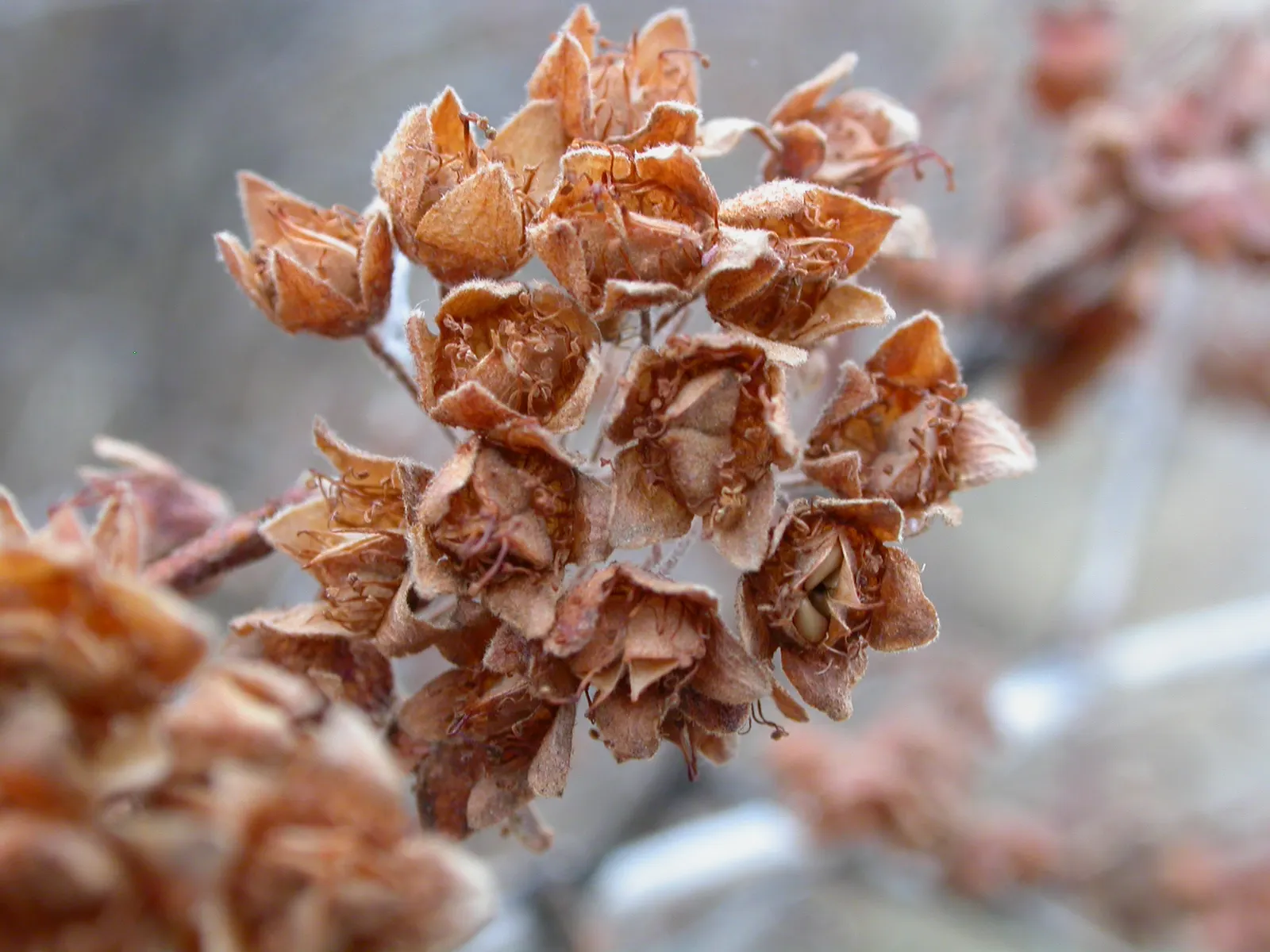
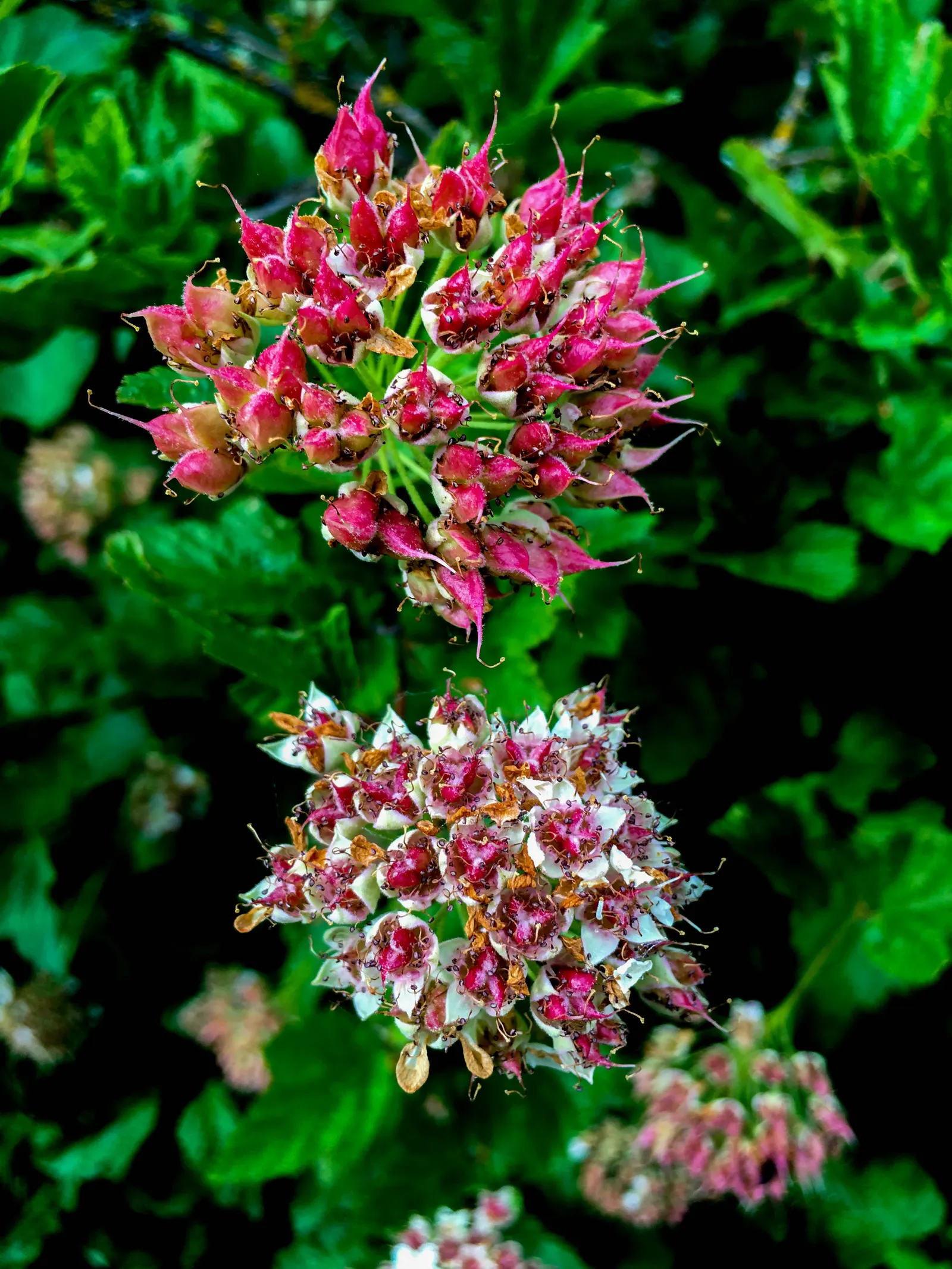
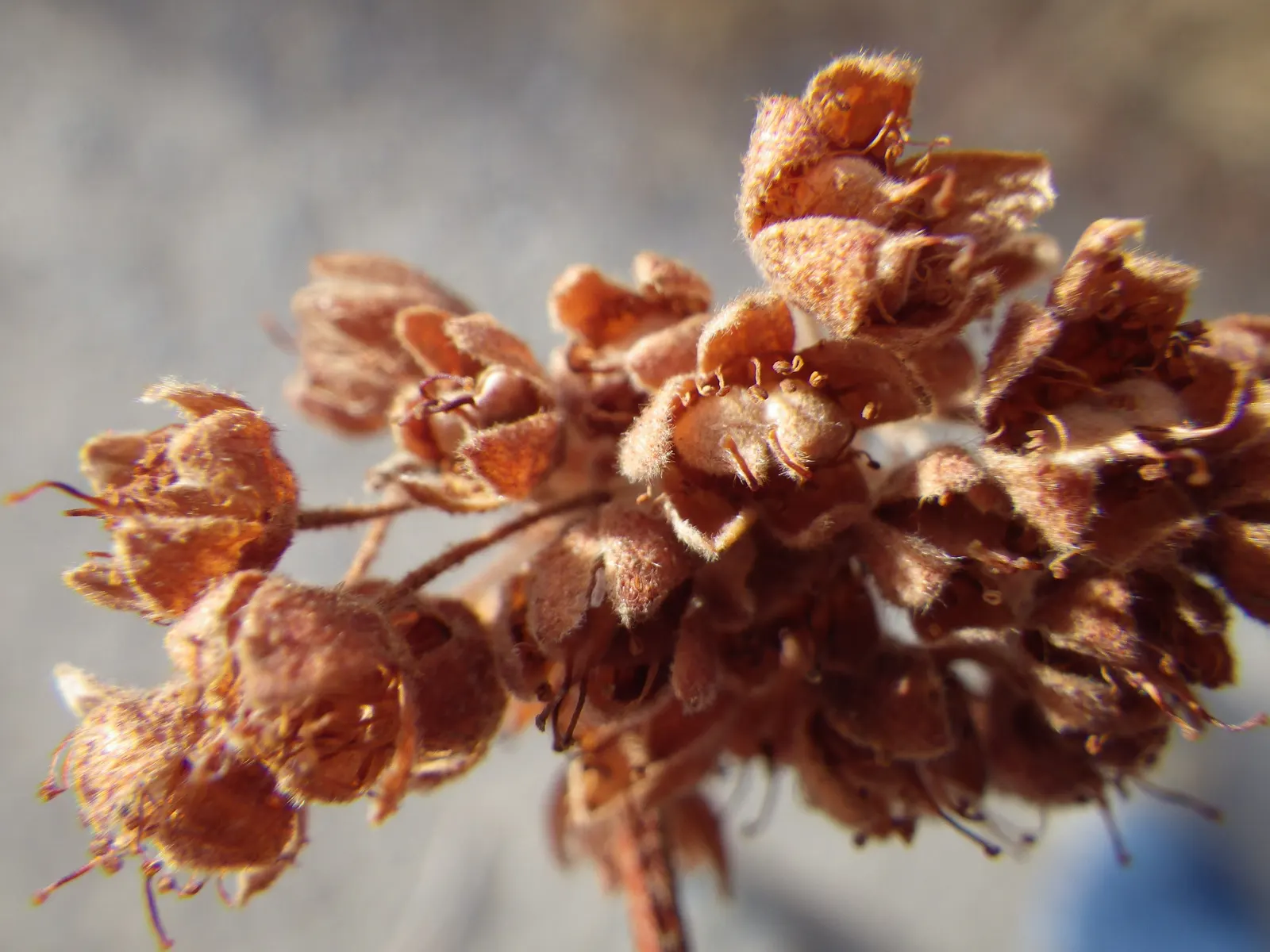
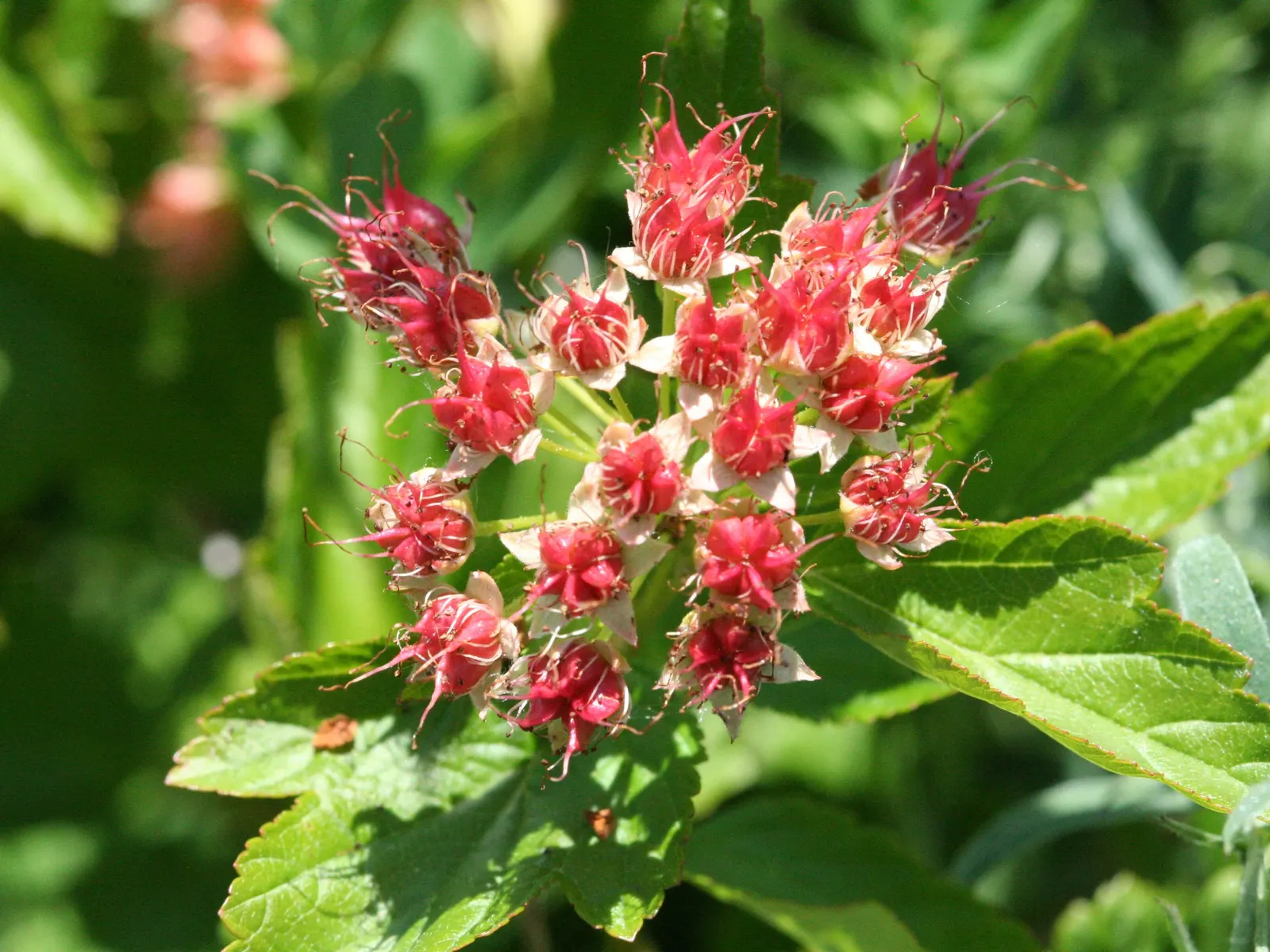
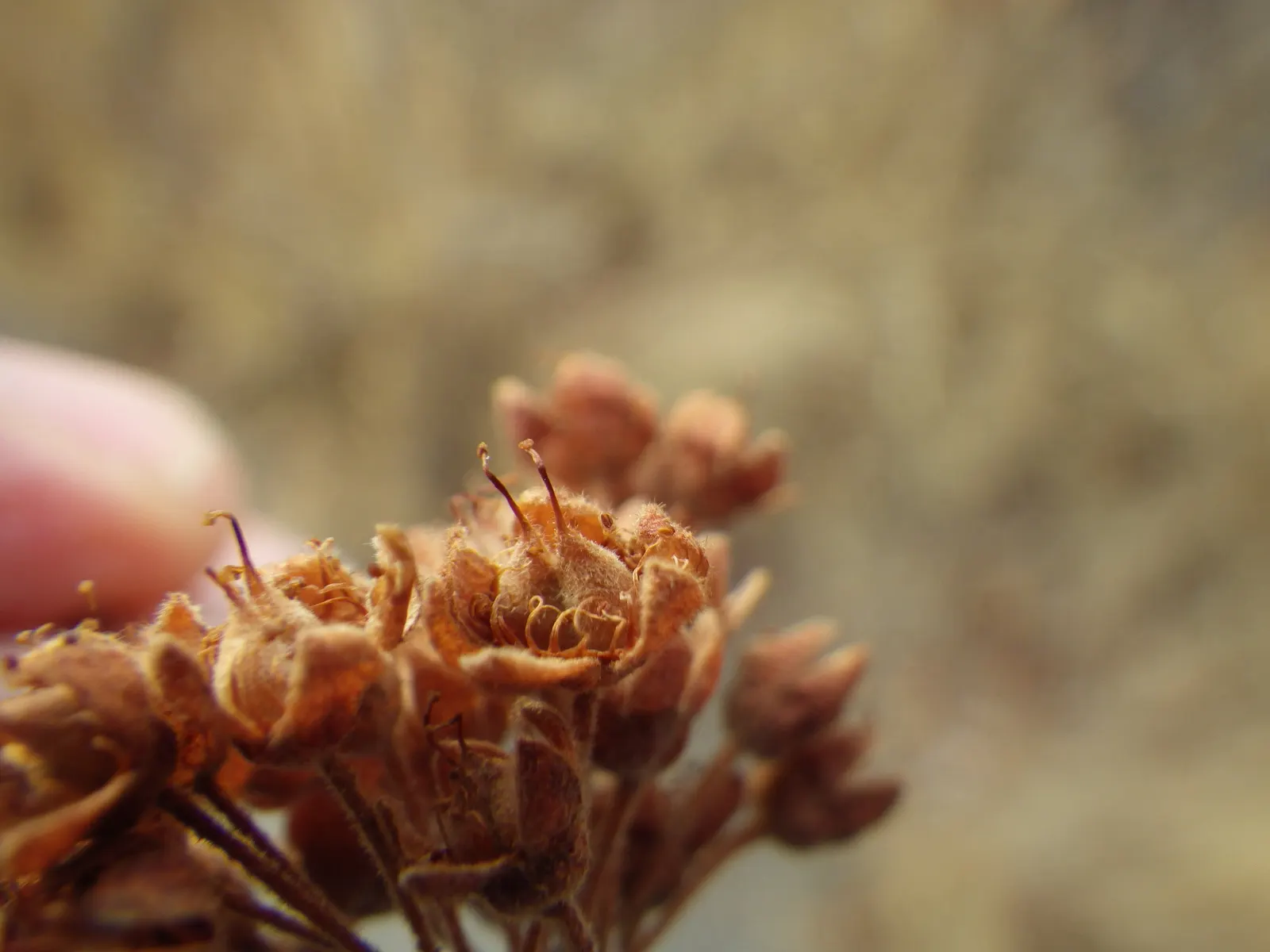
Ninebark (Physocarpus Capitatus) — the shrub produces reddish seed capsules that provide food for birds.<br><br>For optimal vigor
Ninebark (Physocarpus Capitatus) — The plant's arching branches display an exfoliating bark that peels away in strips to reveal a rich; 1/4 inch in diameter)
Ninebark (Physocarpus Capitatus) — as long as they are well-drained
Photographs by 11 contributors

Related plants