
Mock Orange
Philadelphus Coronarius
Overview
Mock Orange (Philadelphus coronarius) is a deciduous shrub offering prolific spring blooms with a delightful citrus fragrance. It matures to 10-12 feet in height and spans approximately 6-10 feet wide. Ideal for a hedgerow or accent plant, it flourishes in USDA zones 4-8 and prefers full sun to partial shade. Hardy and low-maintenance, it features oval-shaped leaves and delicate white flowers that attract pollinators. Regular pruning encourages vibrant growth.
Culture
- Sun
- Full, Half
- Water
- Medium
- USDA zones
- 4–8
Shape & size
Classification
- Type
- Shrub
- Family
- Hydrangeaceae
- Climate
- Temperate
See full data, regional cultivation notes, and design tools. Build a client presentation around this plant.
Start your 14-day trialPhotos (171)
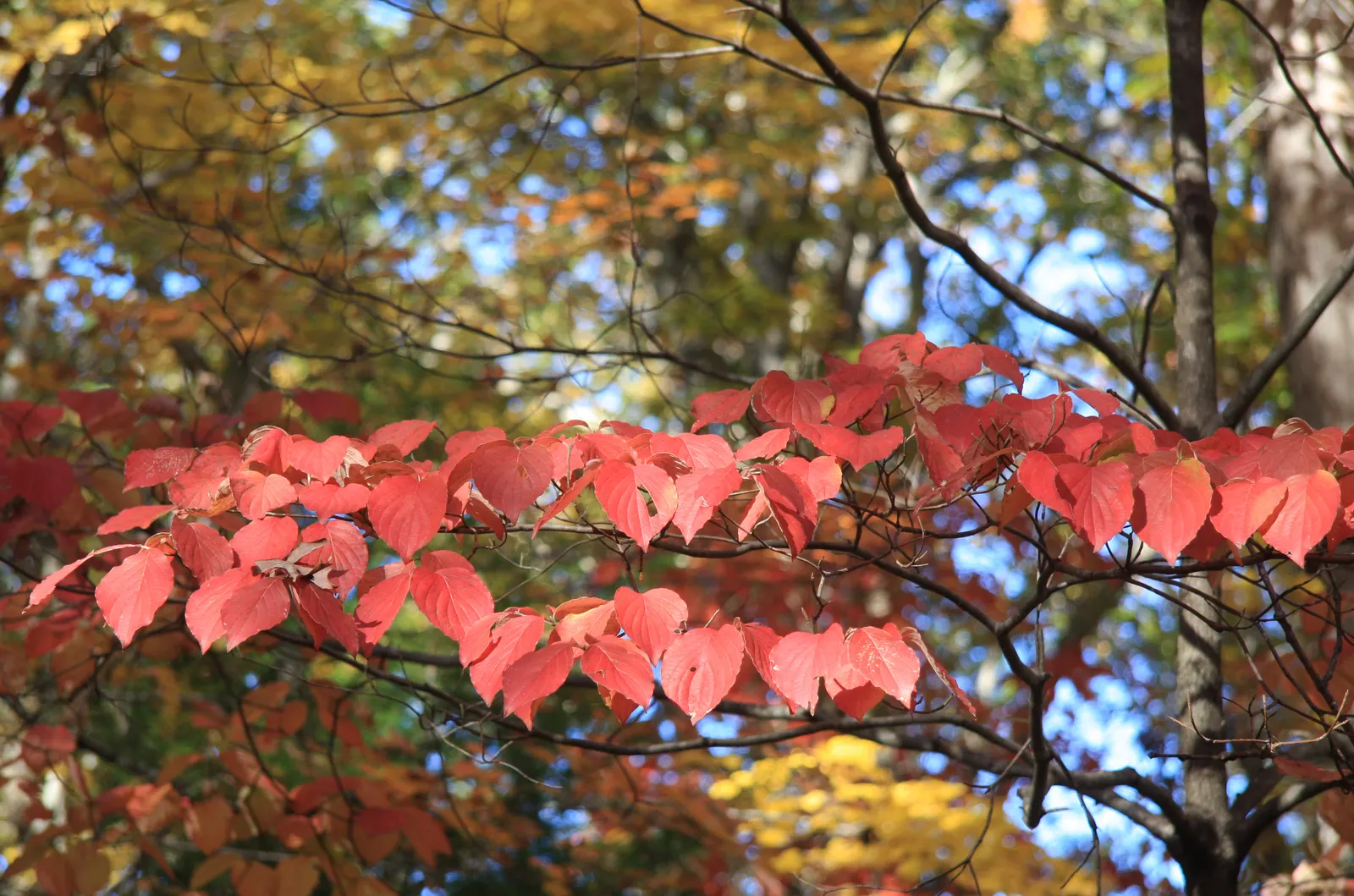
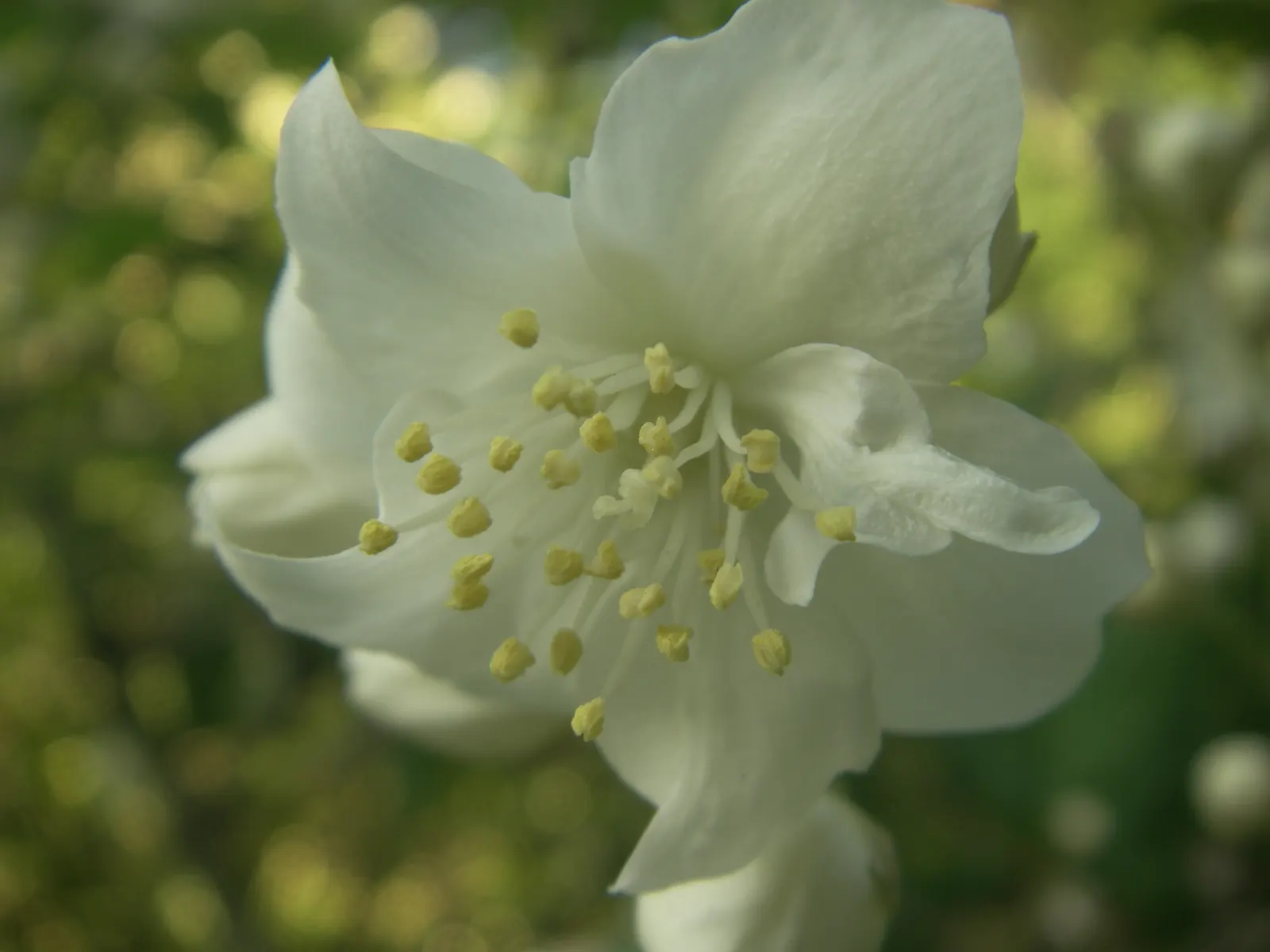
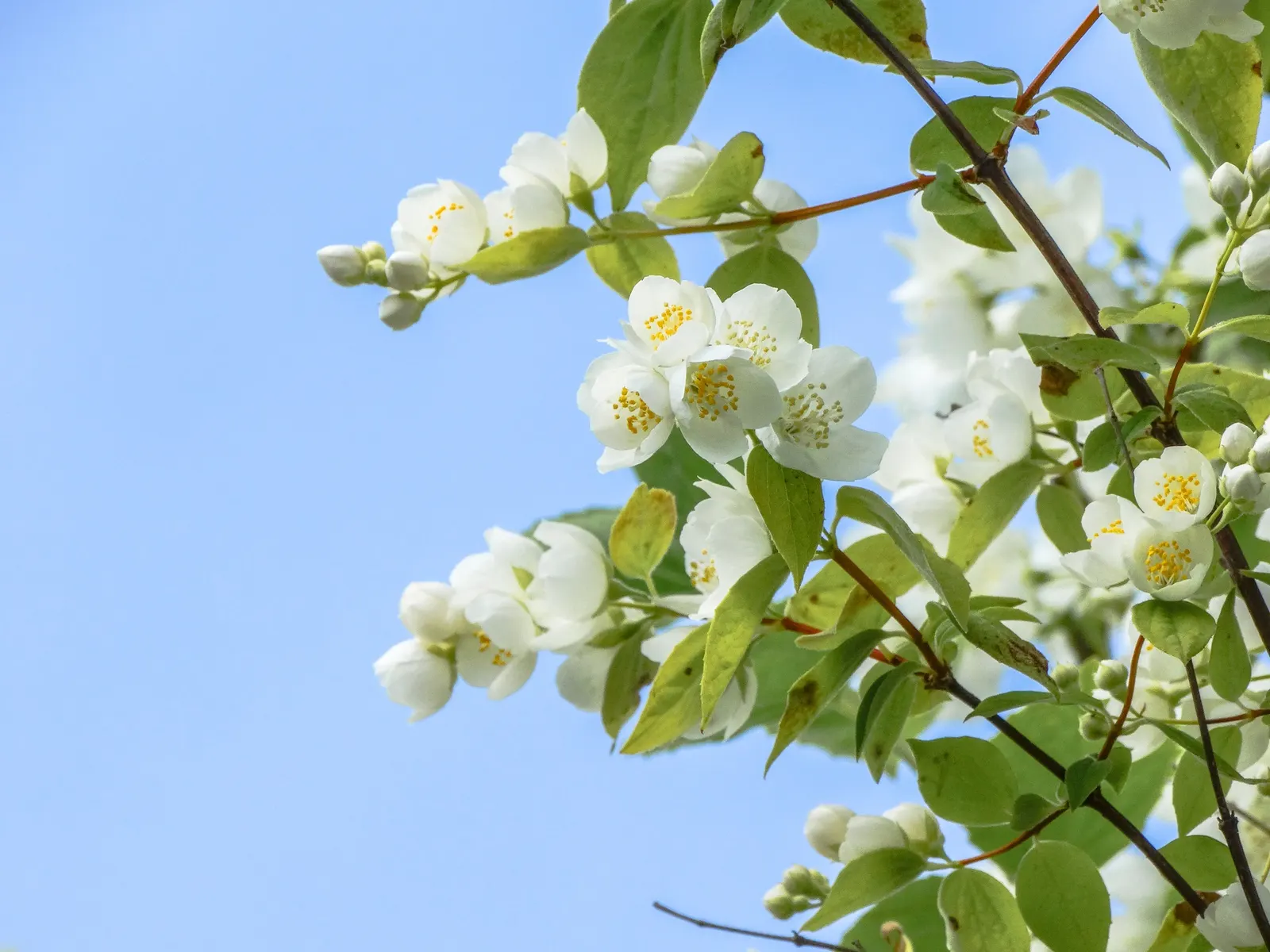

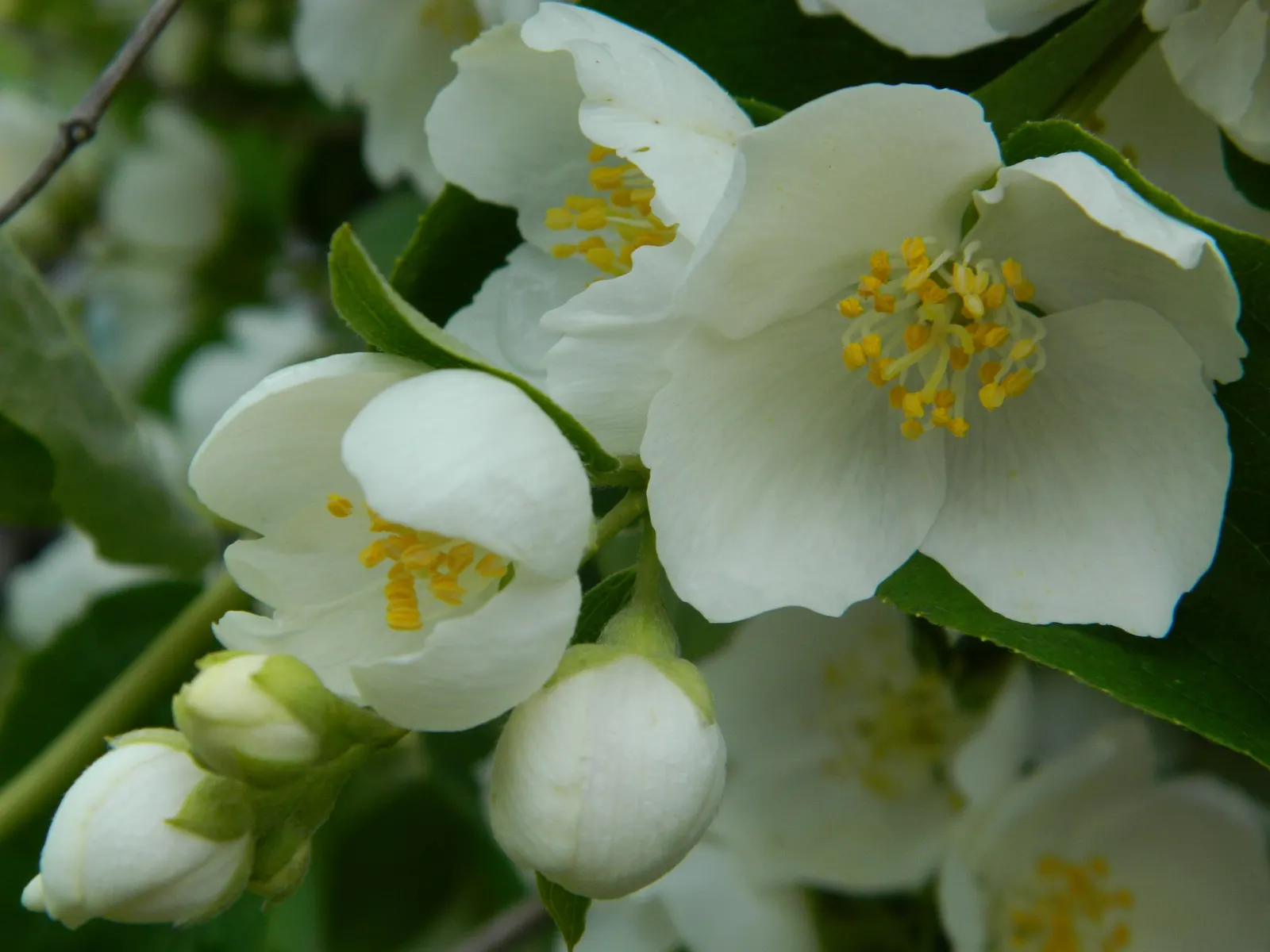
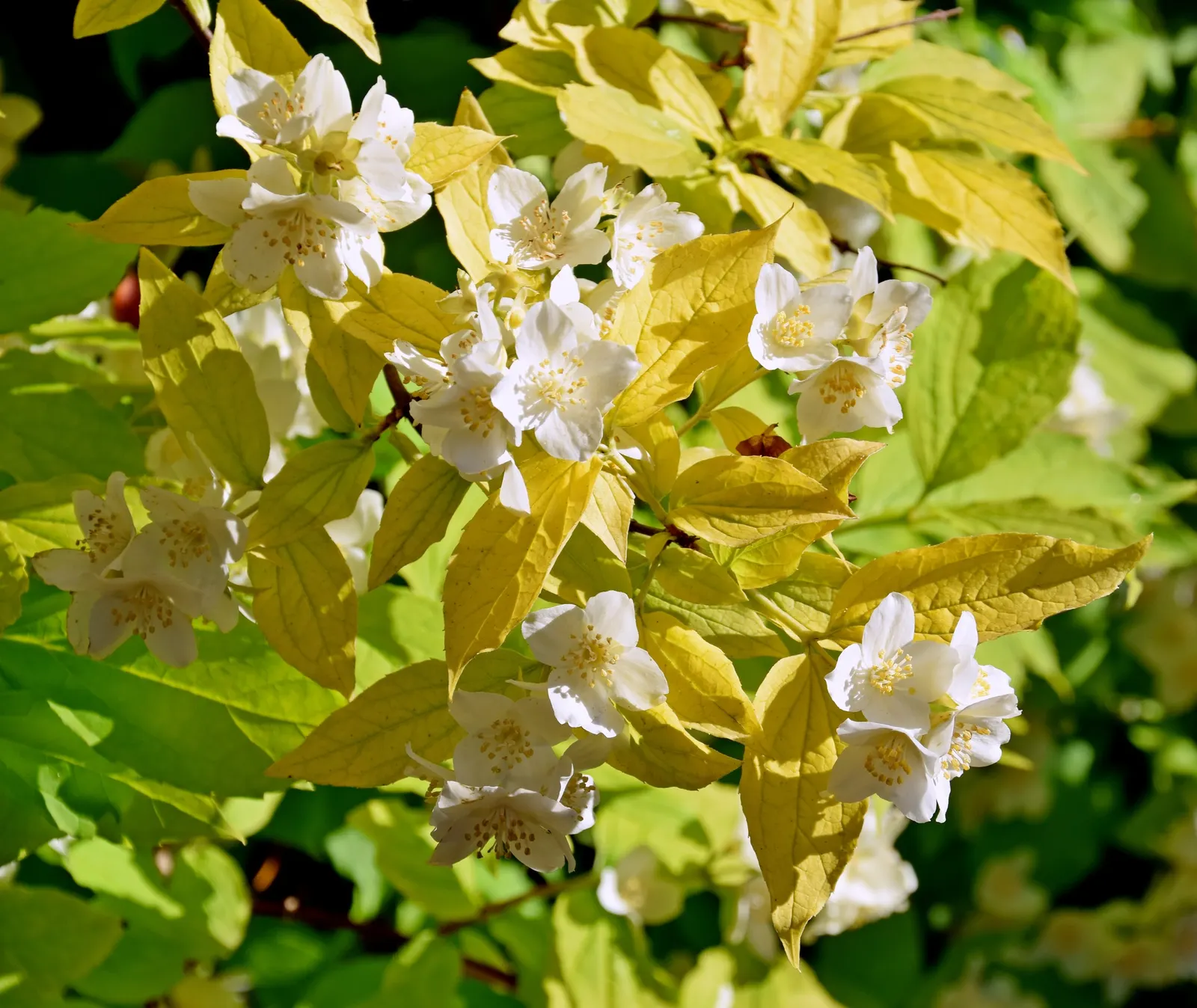
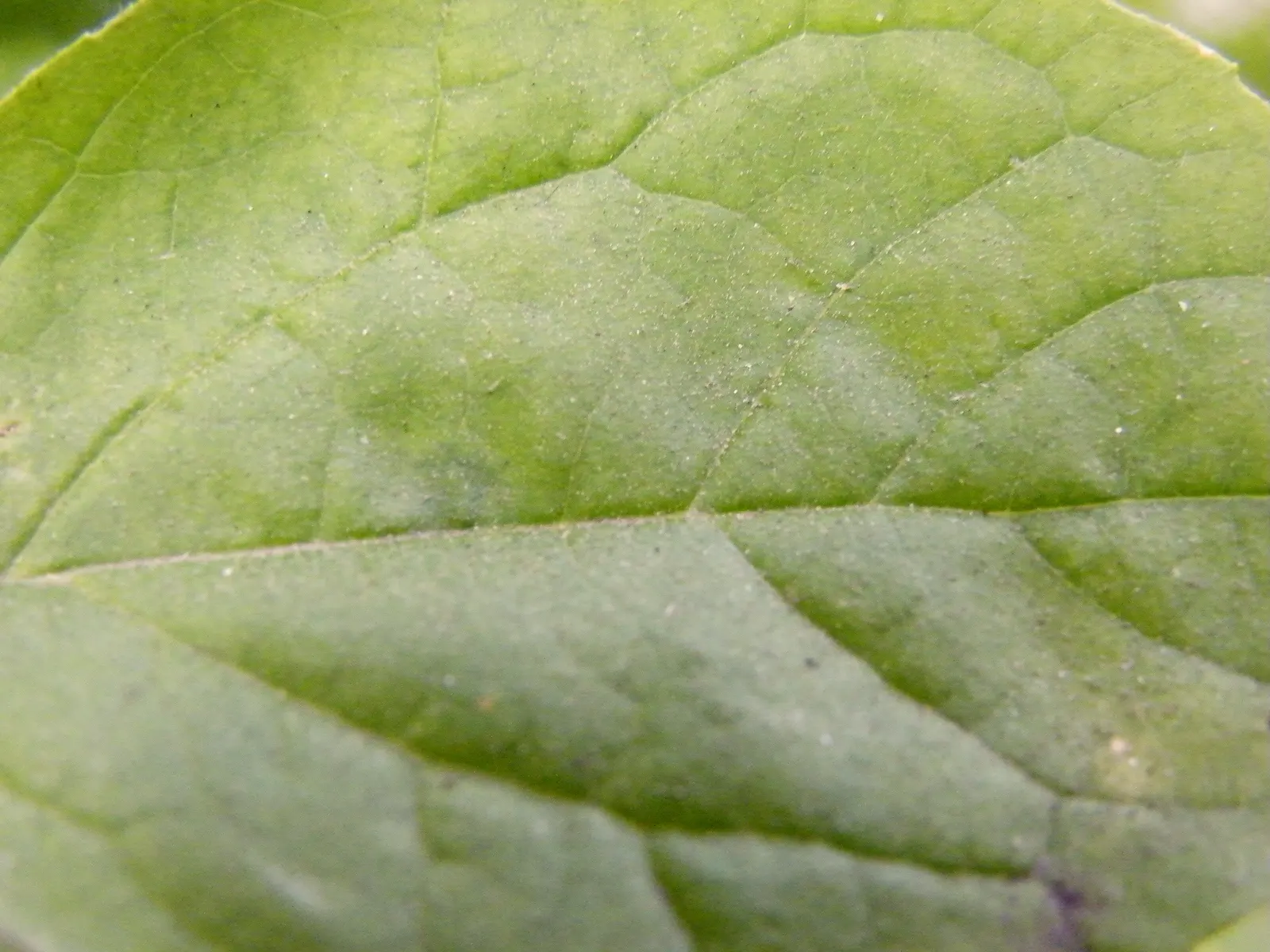
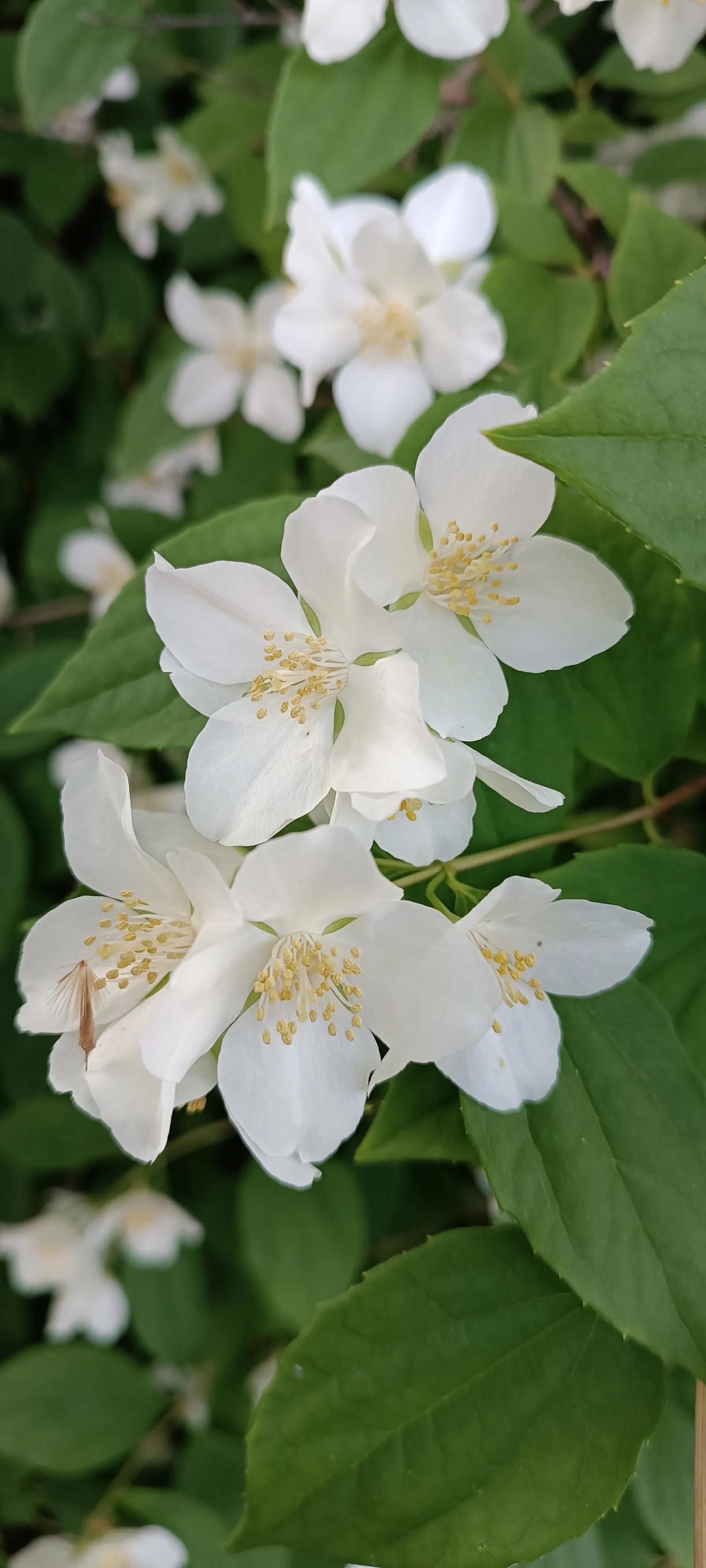

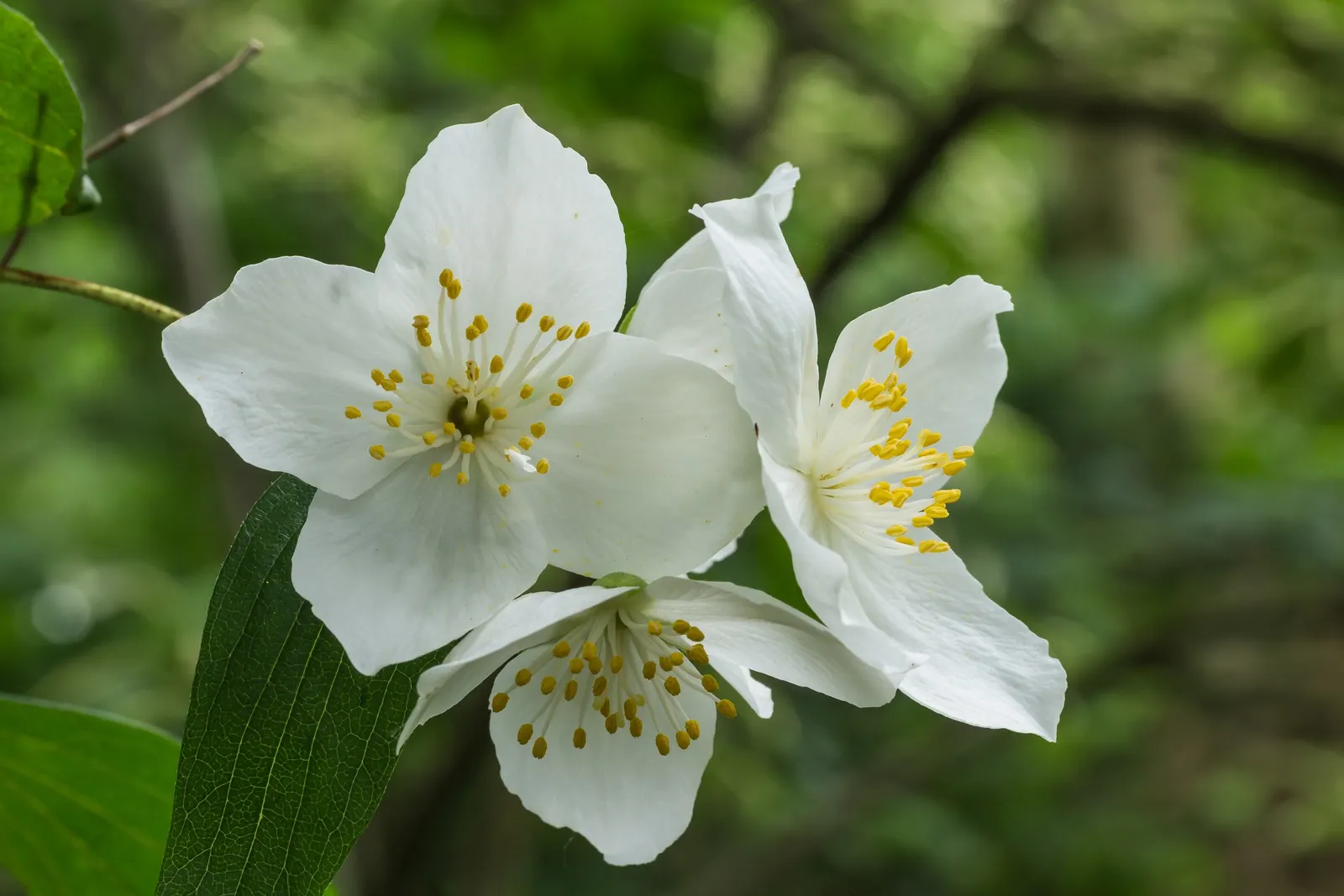
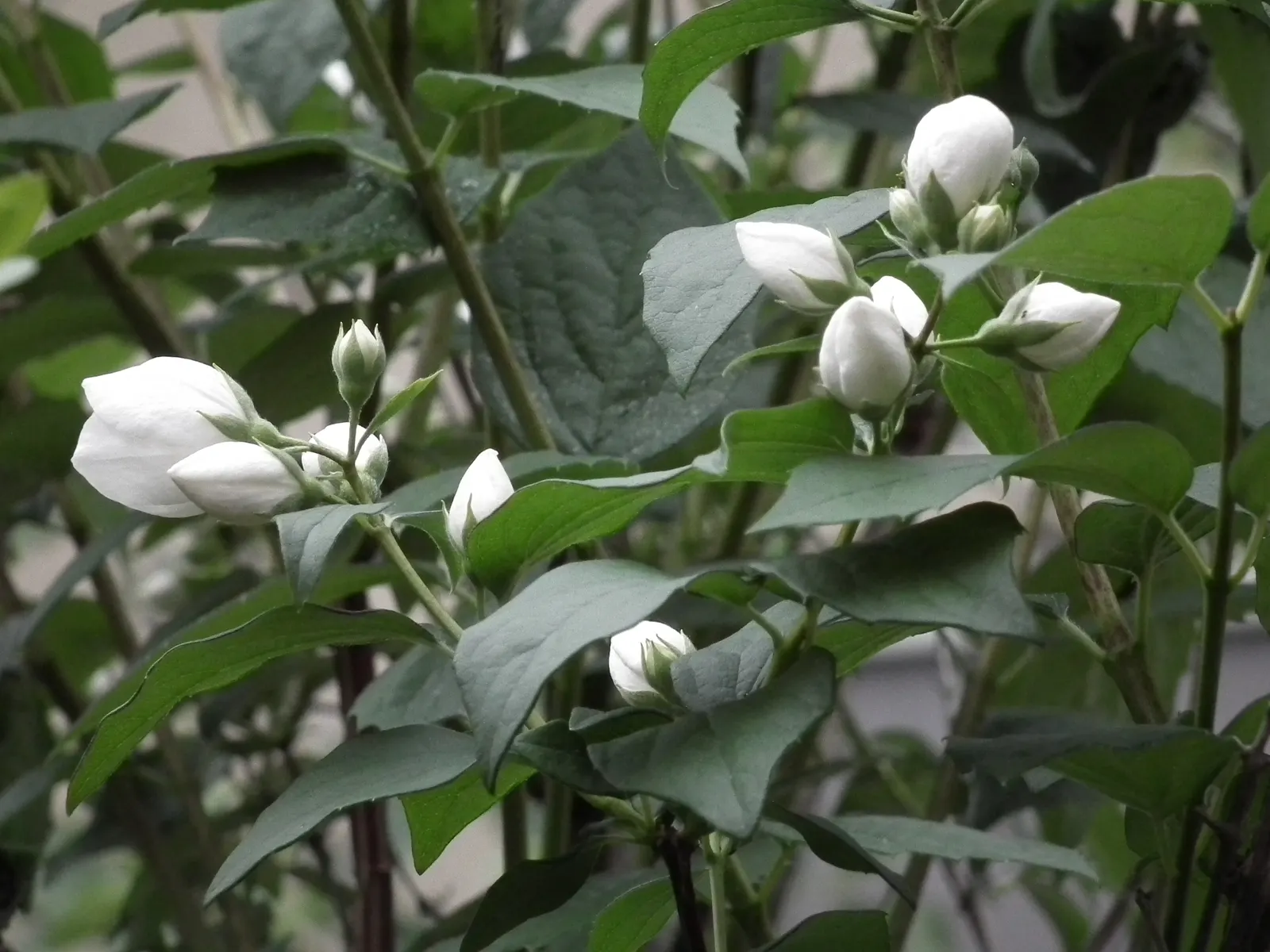
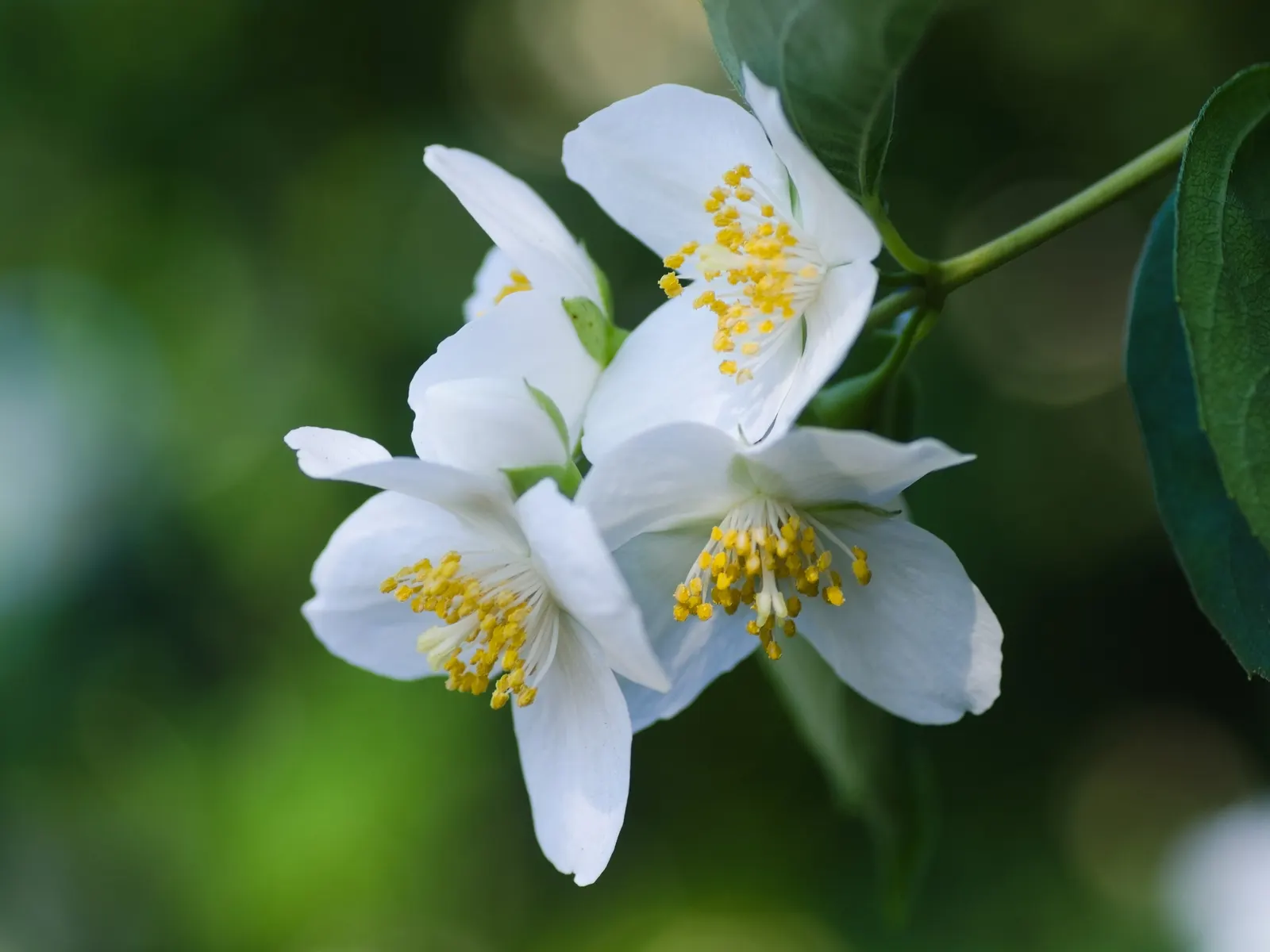
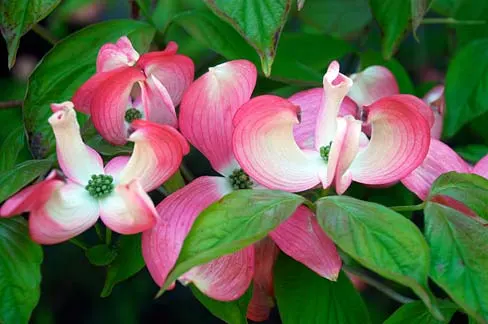
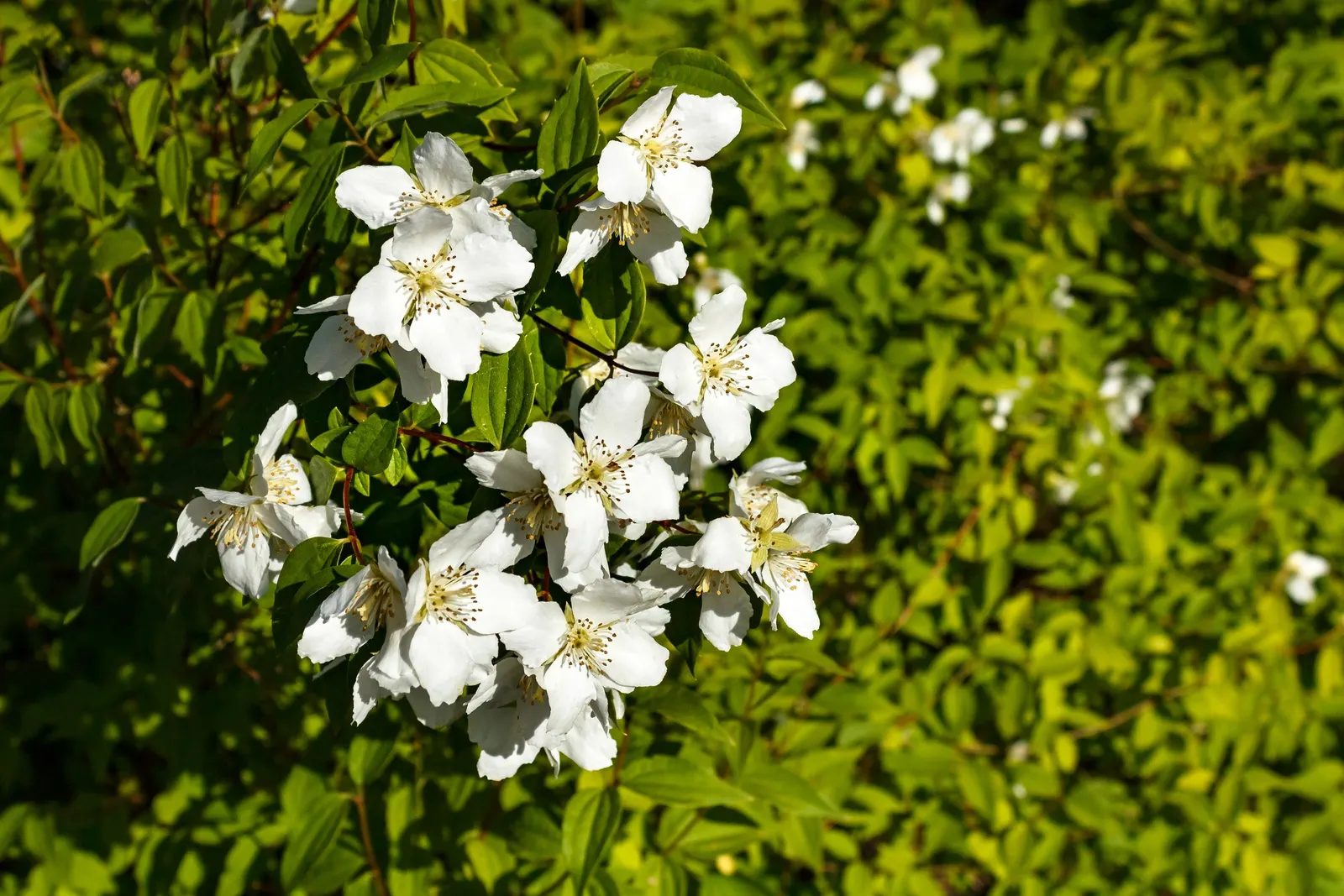
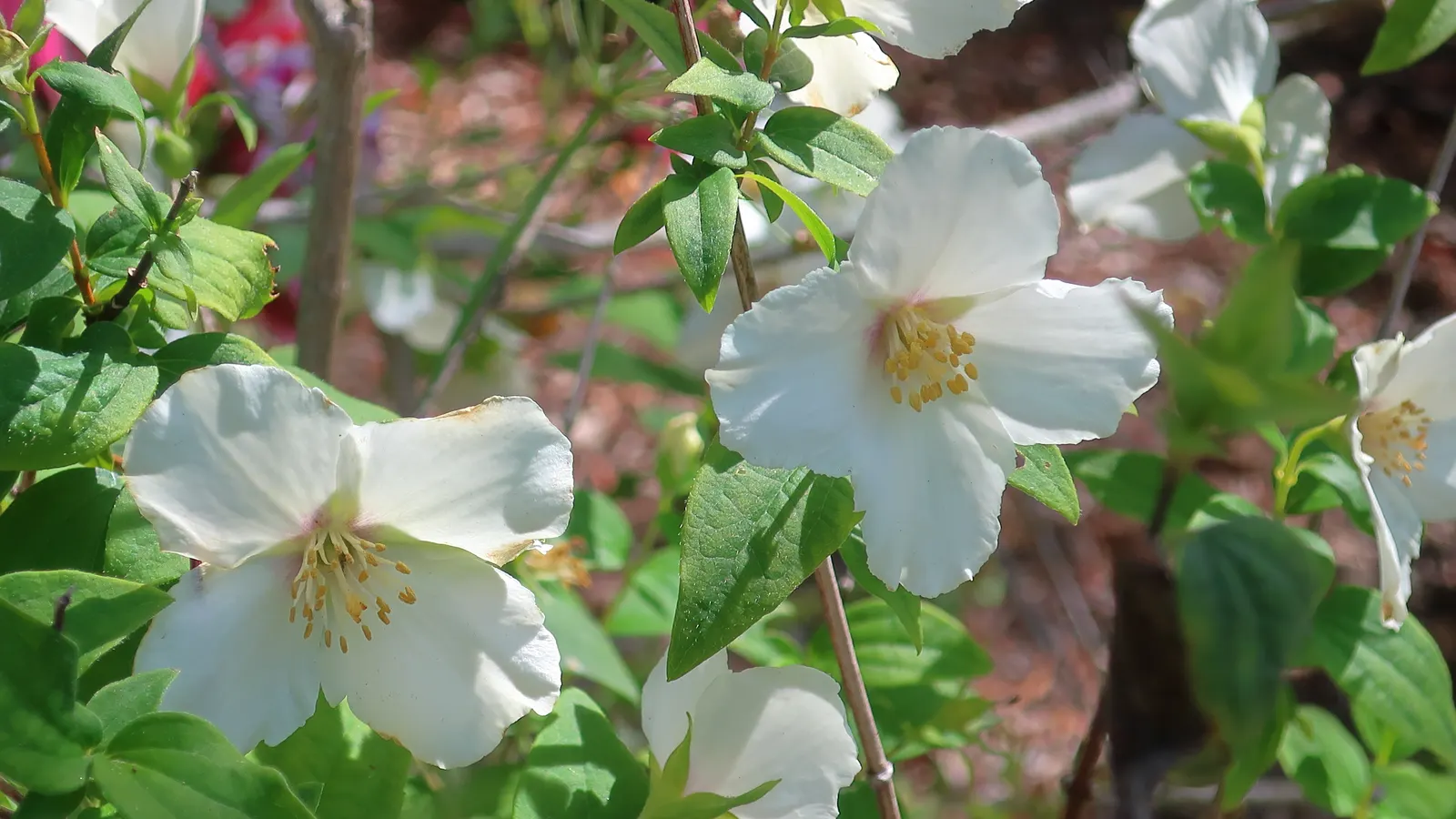
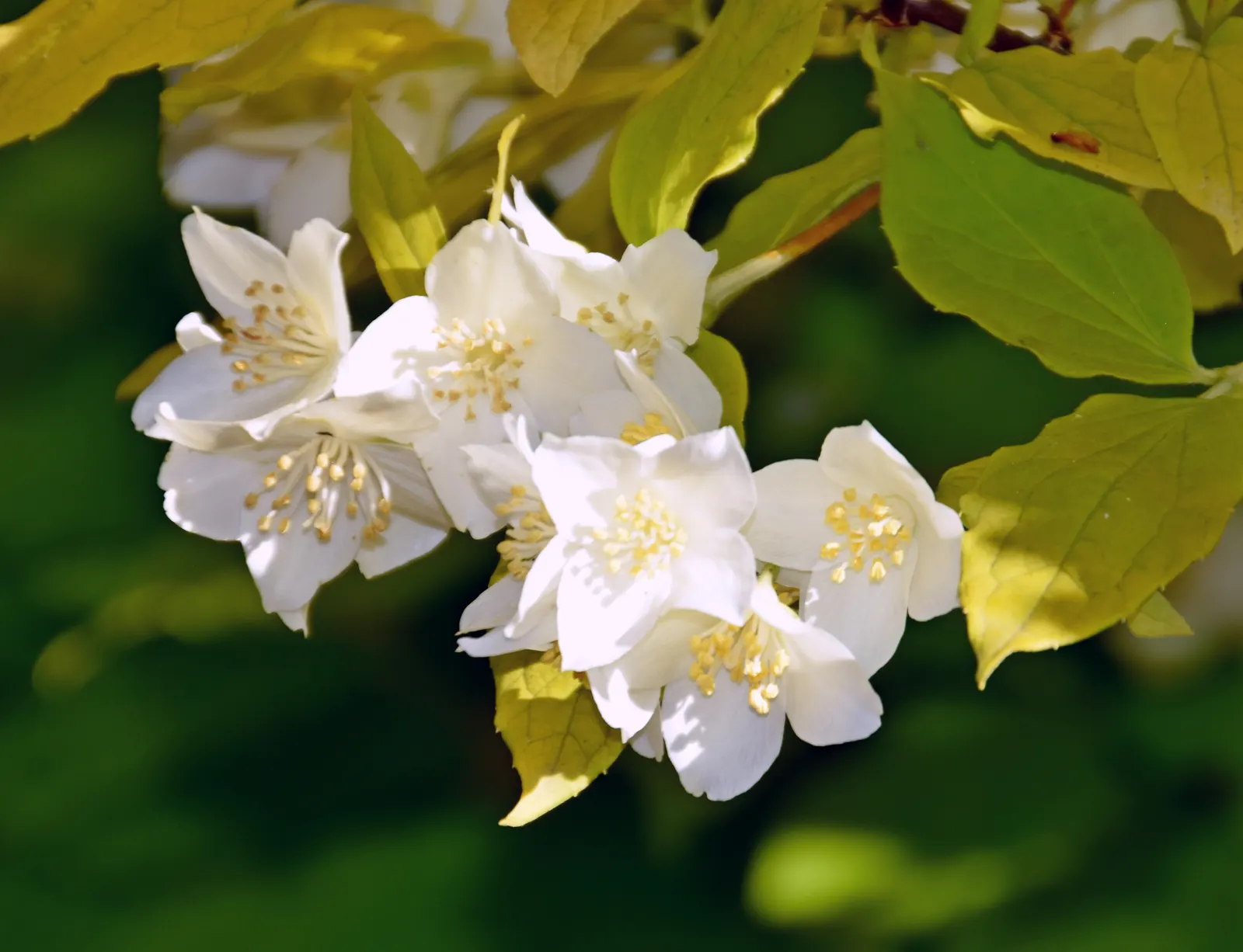
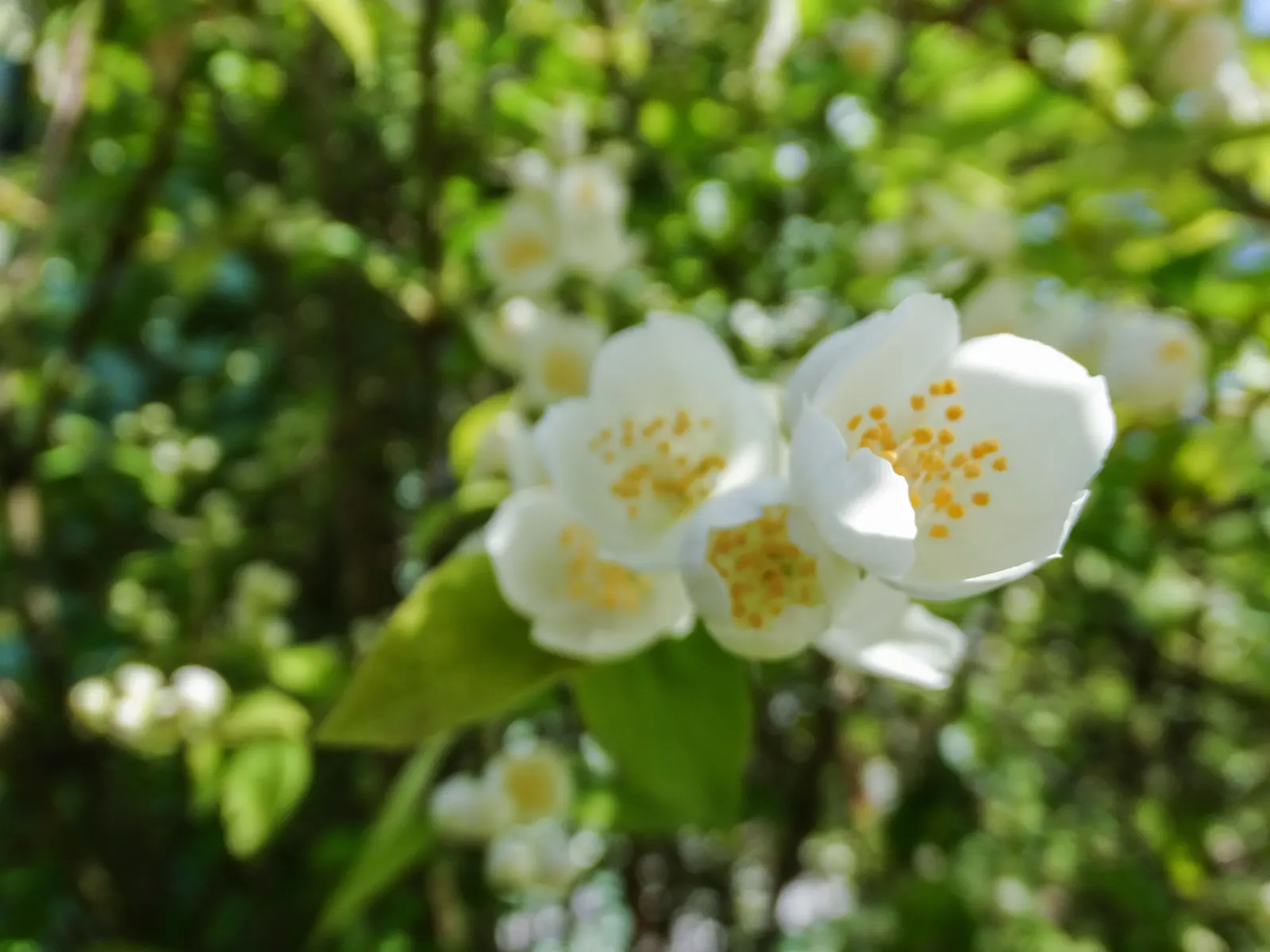
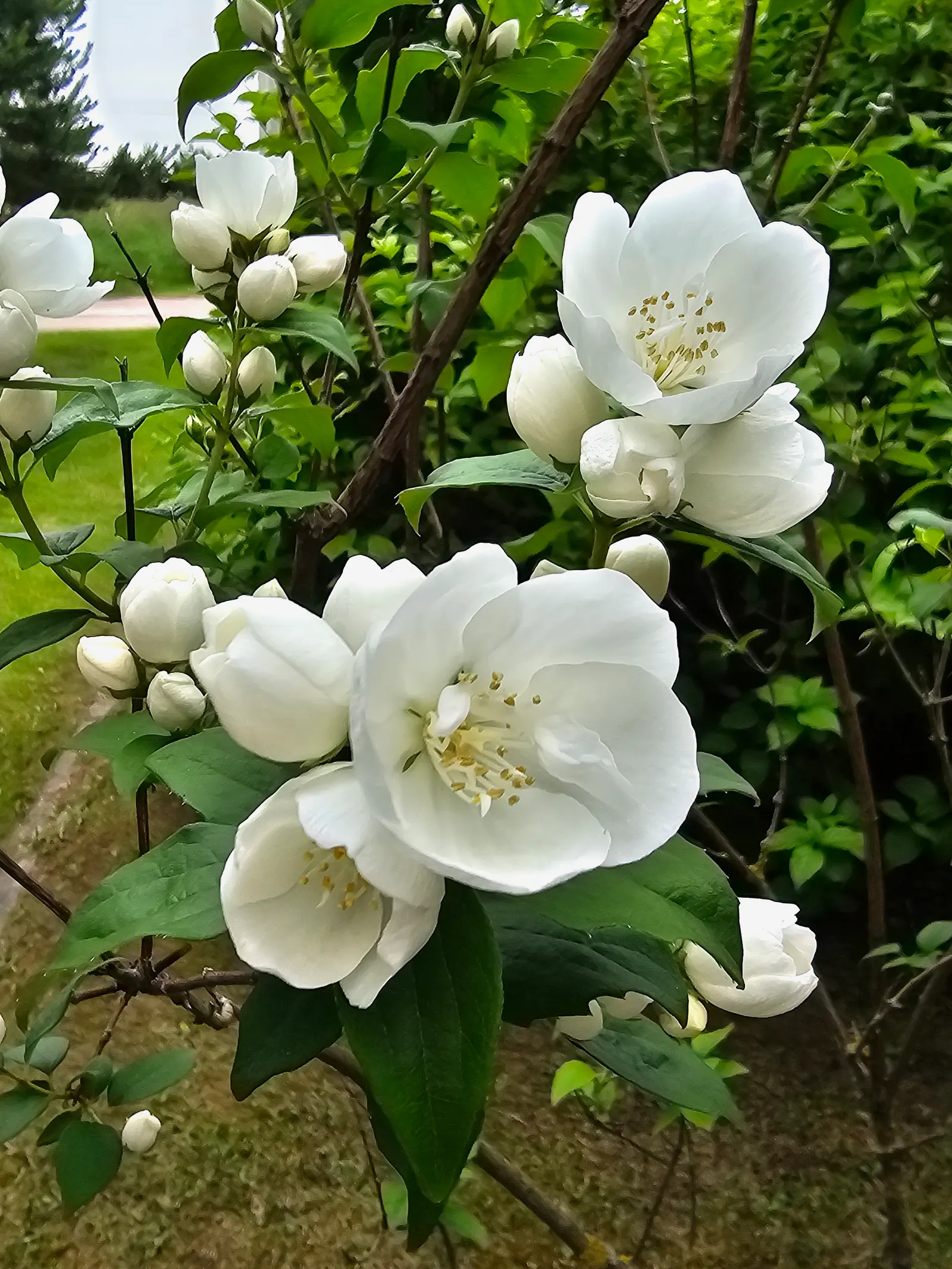

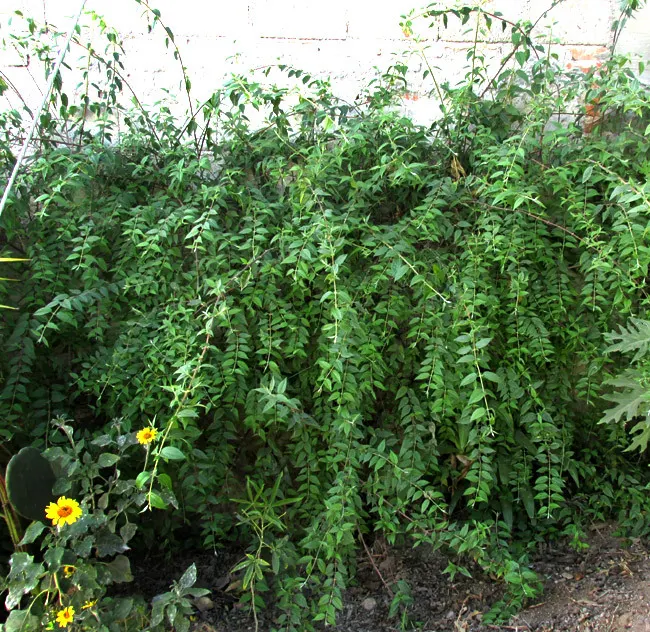


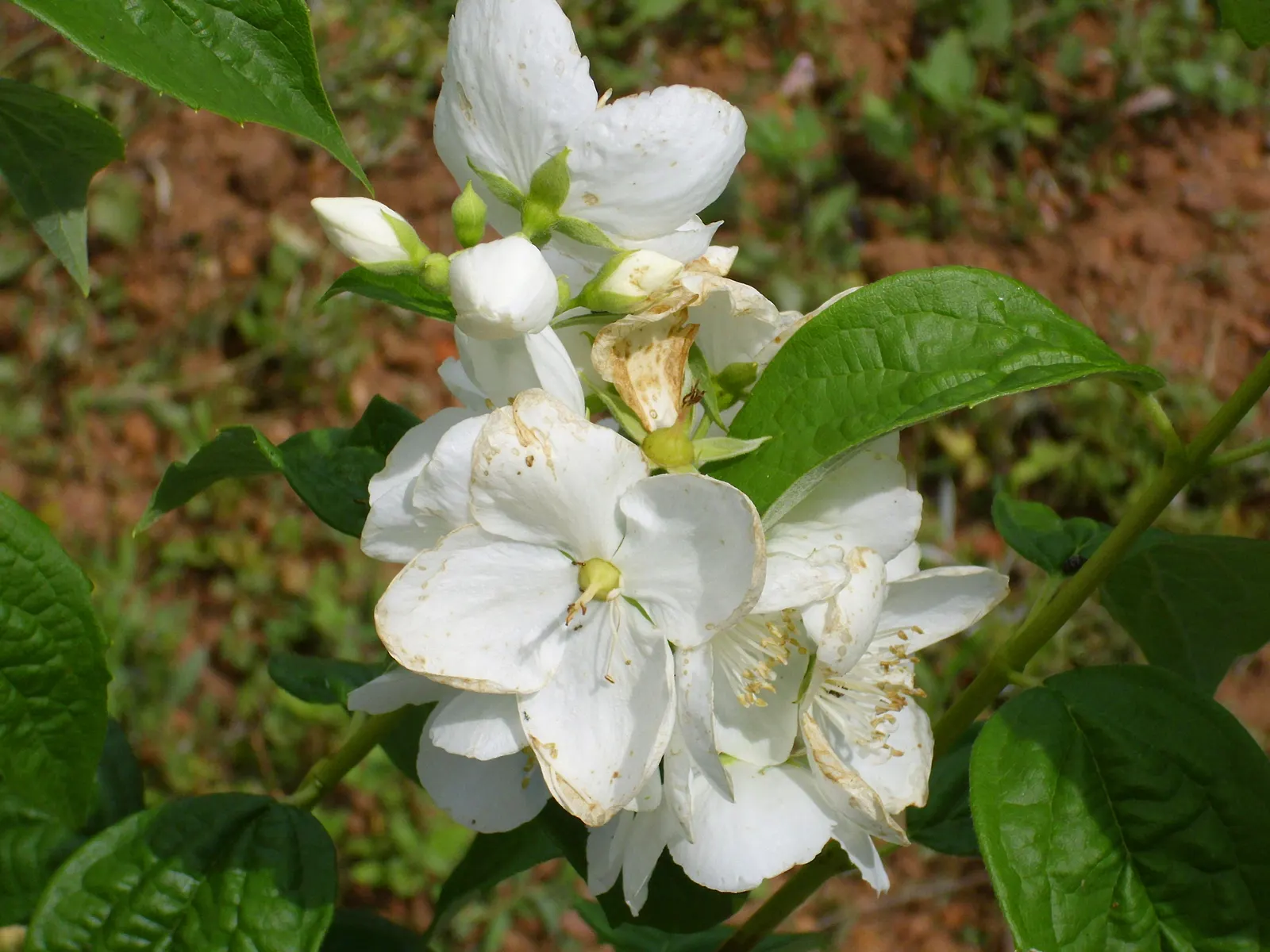
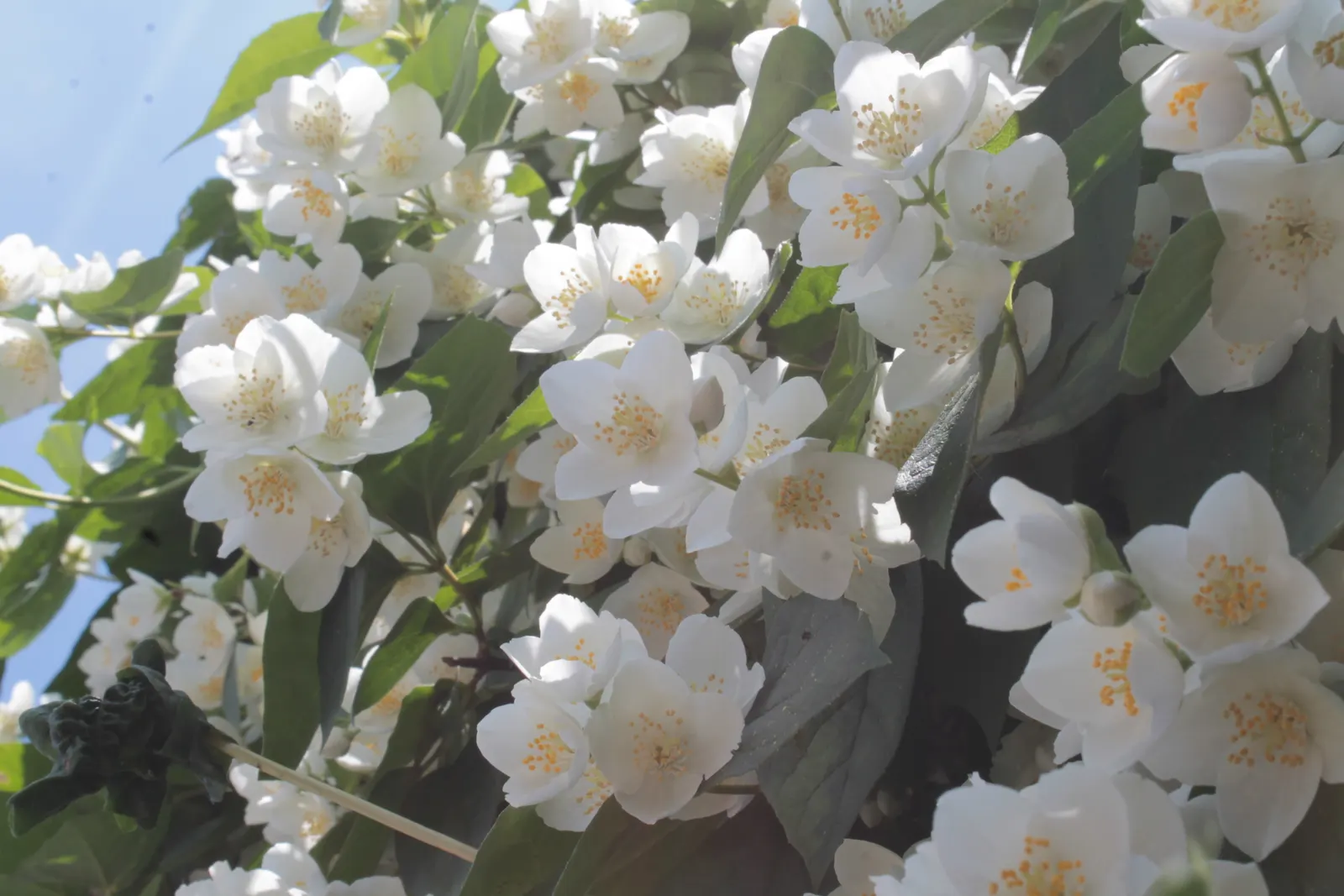
Photographs by 16 contributors
- Dcrjsr, CC BY 3.0 · source
- YuJeen from Riga, Latvia, CC BY 2.0 · source
- Oleksandra Deriy, CC BY-SA 4.0 · source
- Krzysztof Golik, CC BY-SA 4.0 · source
- Marija Gajić, CC BY-SA 4.0 · source
- Bigmanbaloo, CC BY-SA 4.0 · source
- Robert Flogaus-Faust, CC BY 4.0 · source
- Dominicus Johannes Bergsma, CC BY-SA 4.0 · source
- 4028mdk09, CC BY-SA 3.0 · source
- Adrian Tync, CC BY-SA 4.0 · source
- Gary Halvorson, Oregon State Archives, Attribution · source
- W.carter, CC BY-SA 4.0 · source
- cultivar413, CC BY 2.0 · source
- Tess Mattew, CC BY-SA 4.0 · source
- Forest & Kim Starr, CC BY 3.0 · source
- Salicyna, CC BY-SA 4.0 · source
Related plants
Shrub
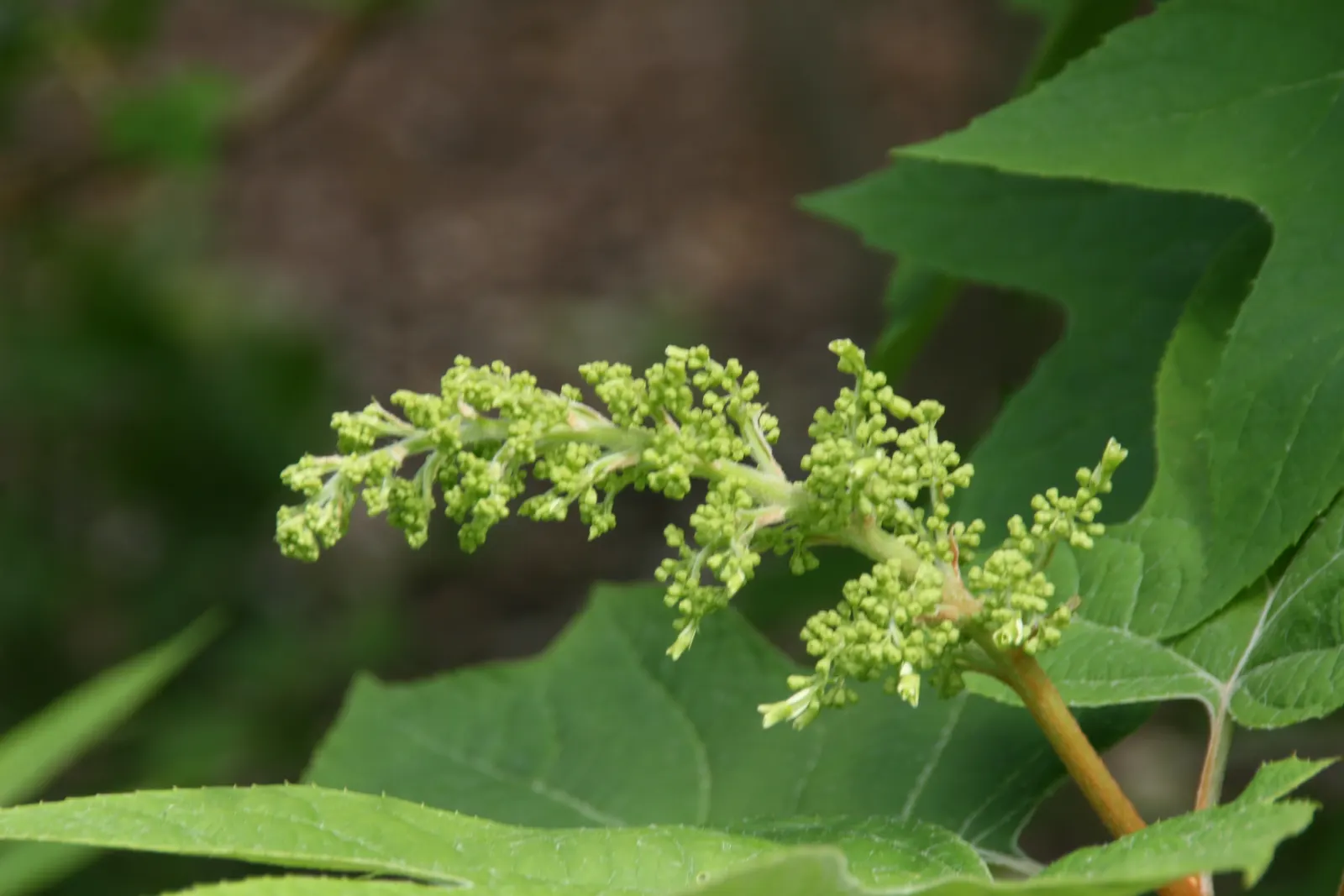
Alice Oak Leaf Hydrangea
Hydrangea Quercifolia 'Alice'
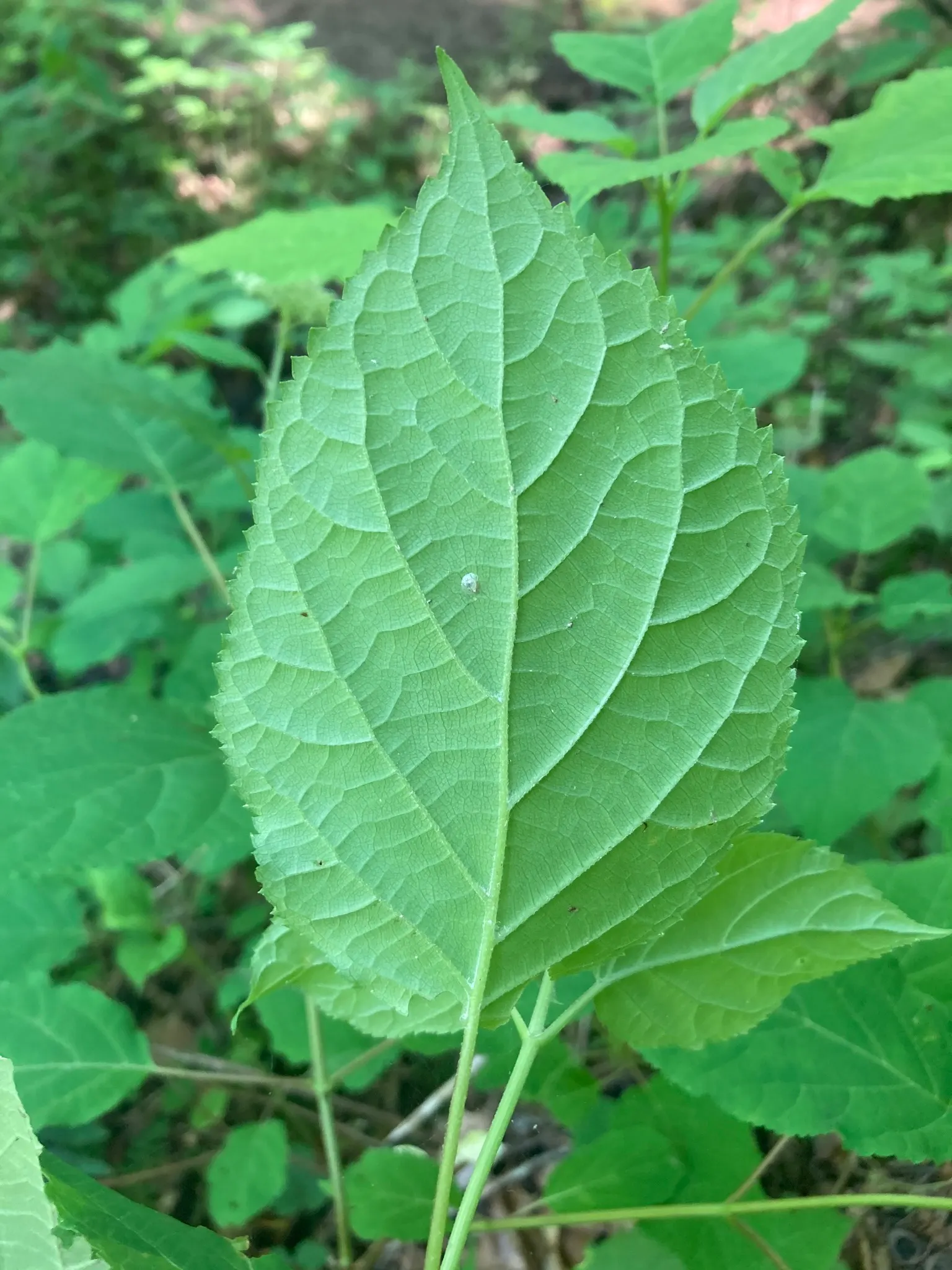
Shrub
Annabelle Hydrangea
Hydrangea Arborescens 'Annabelle'
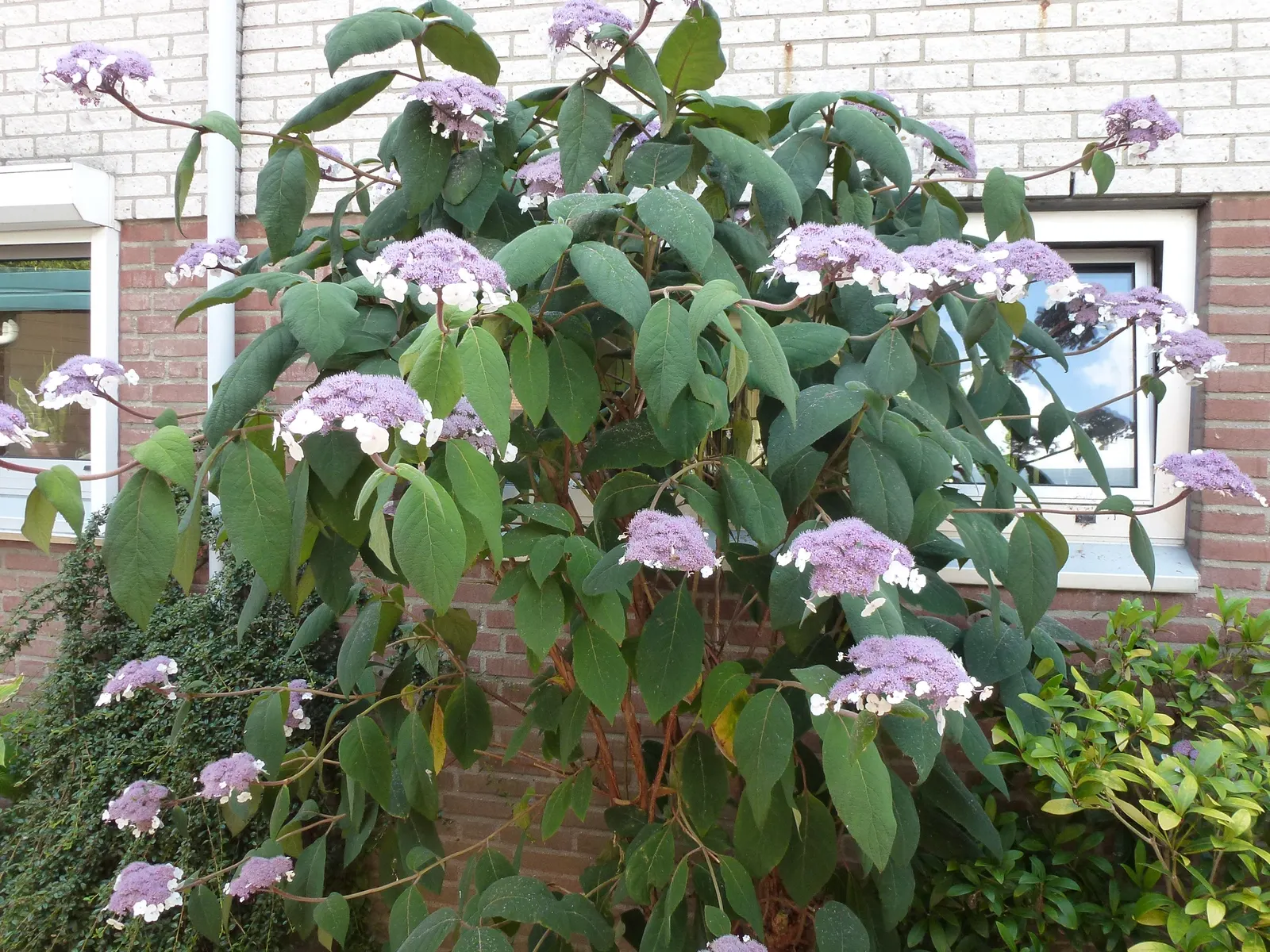
Shrub
Big-Leaf Chinese Hydrangea
Hydrangea Aspera 'Macrophylla'
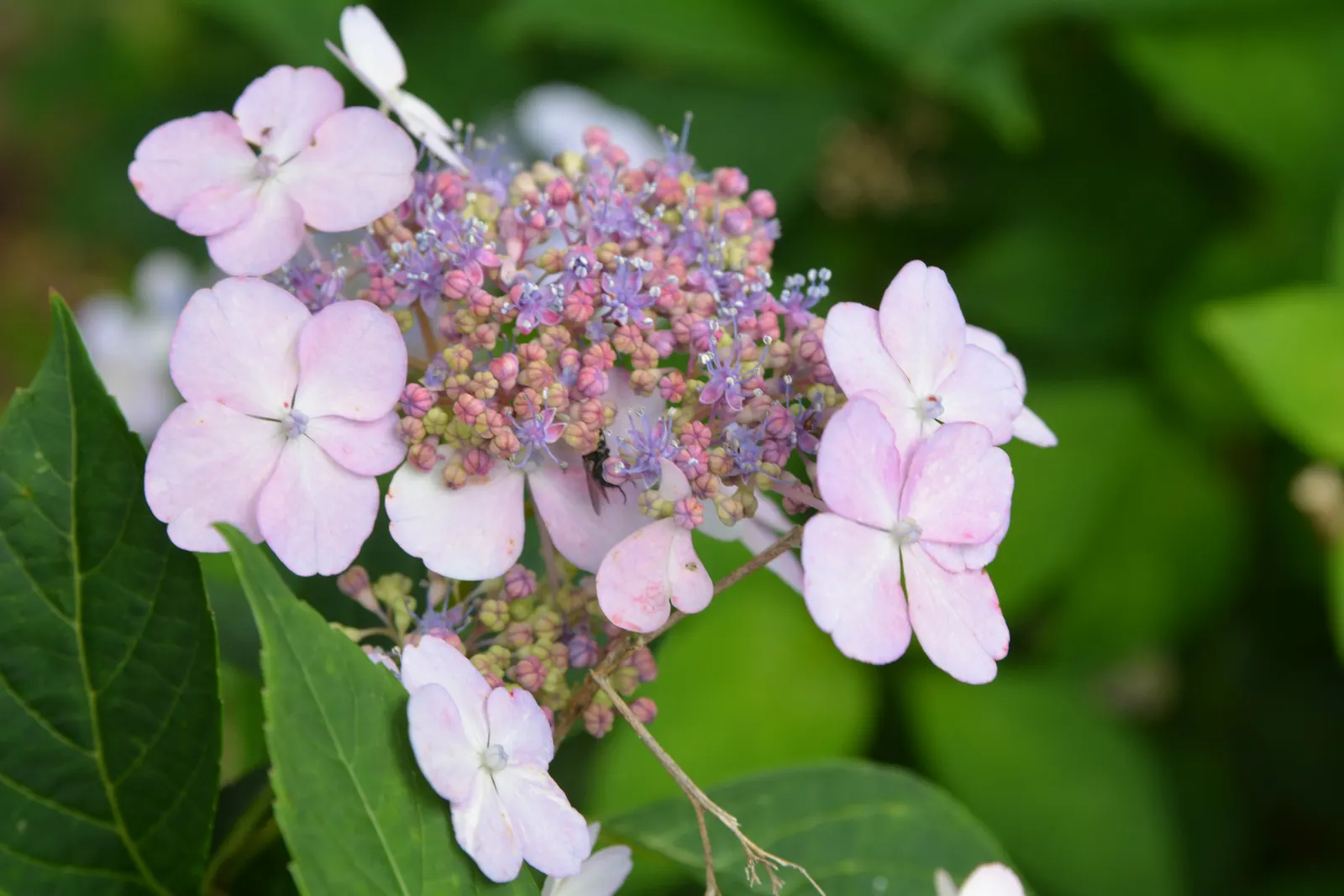
Shrub
Bigleaf Hydrangea
Hydrangea Macrophylla
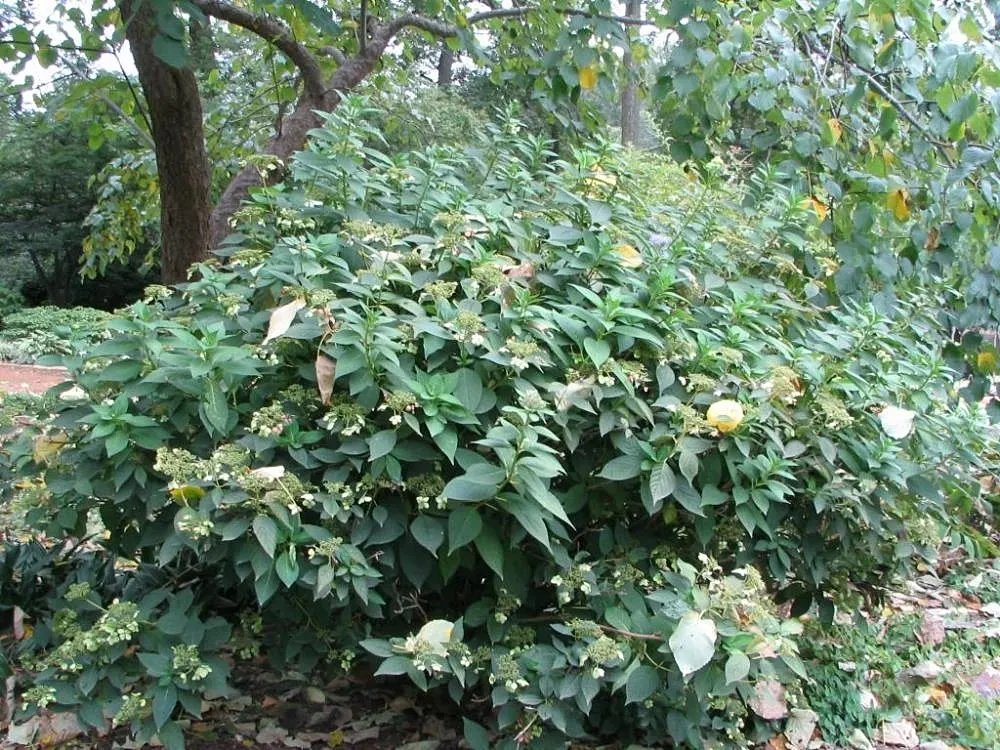
Shrub
Bluebird Sawtooth Hydrangea
Hydrangea Serrata 'Bluebird'
Blue Jangles® Reblooming hydrangea
Hydrangea macrophylla