
Lima Beans
Phaseolus Lunatus
Overview
Lima beans (Phaseolus lunatus), a perennial in frost-free climates and annual elsewhere, thrive well in full sun and rich, well-drained soil. With vines reaching up to 12 ft, they require support like trellises or stakes. This species boasts broad, flat pods containing creamy seeds, providing a dual ornamental and culinary use. Planting is best post-frost, with a mature height ranging from 1 to 3 ft and a spread of 2 ft.
Zones 10–11Type Vegetable
Culture
- USDA zones
- 10–11
Shape & size
Classification
- Type
- Vegetable
- Family
- Fabaceae
See full data, regional cultivation notes, and design tools. Build a client presentation around this plant.
Start your 14-day trialPhotos (30)
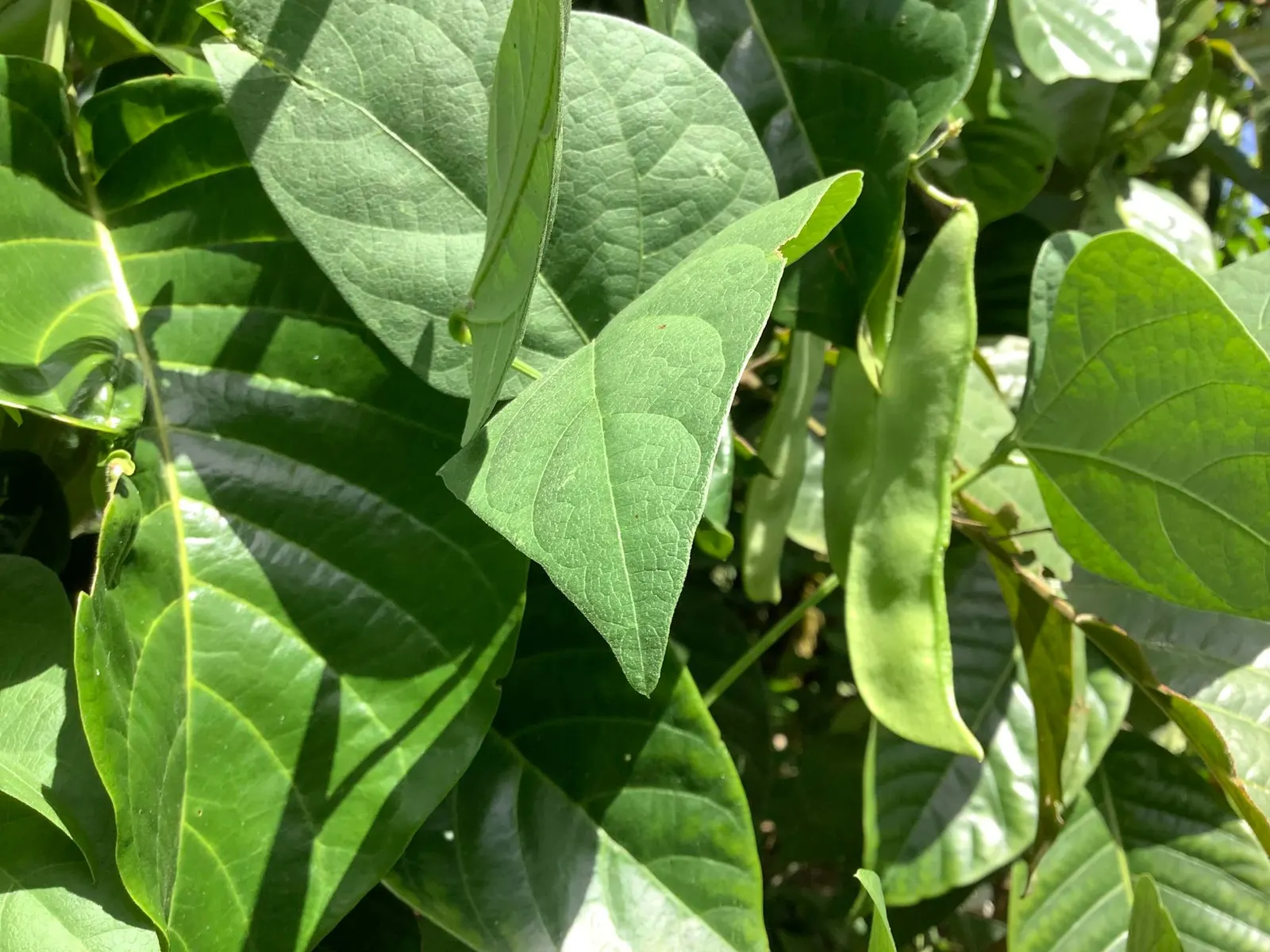
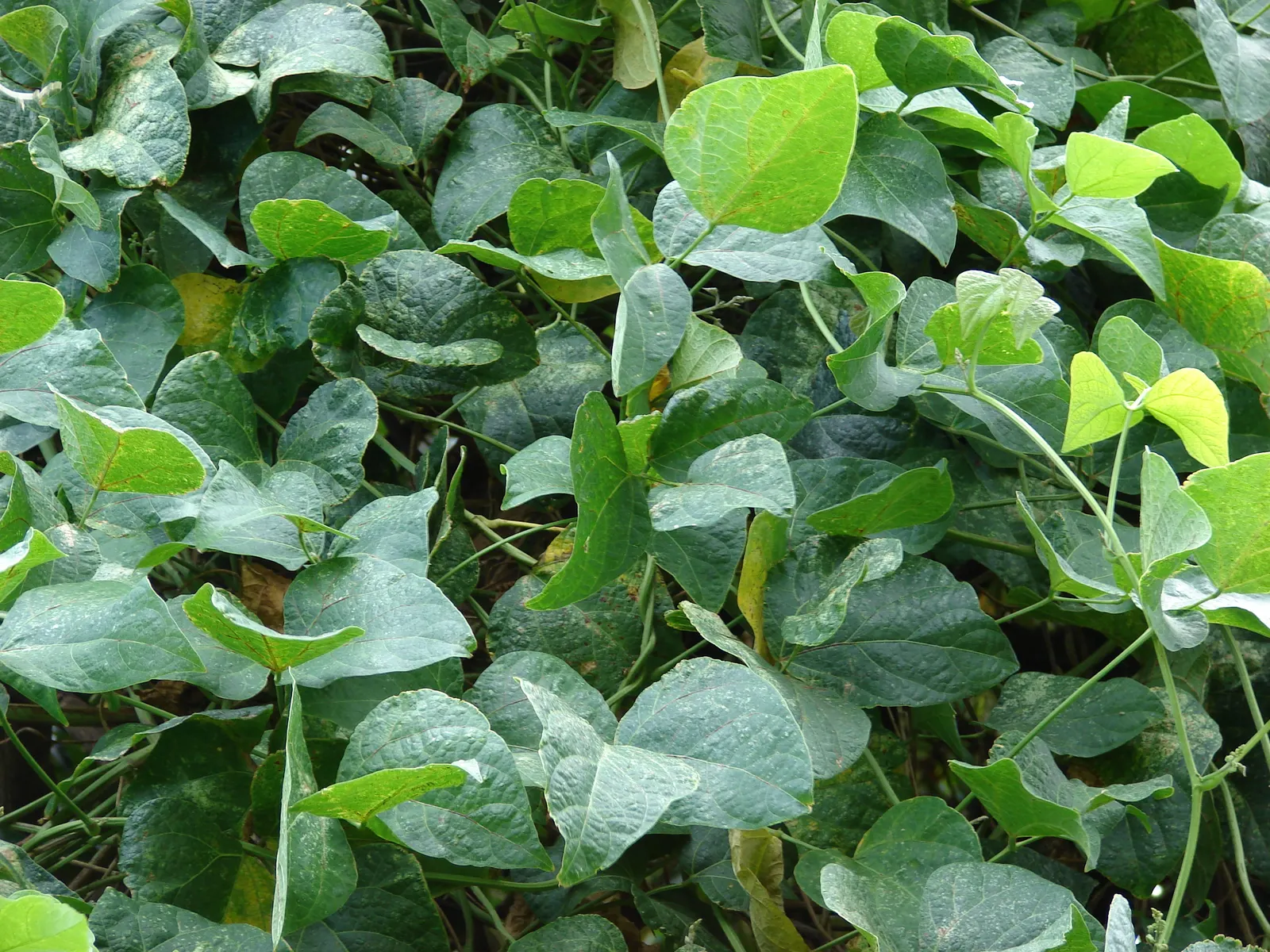
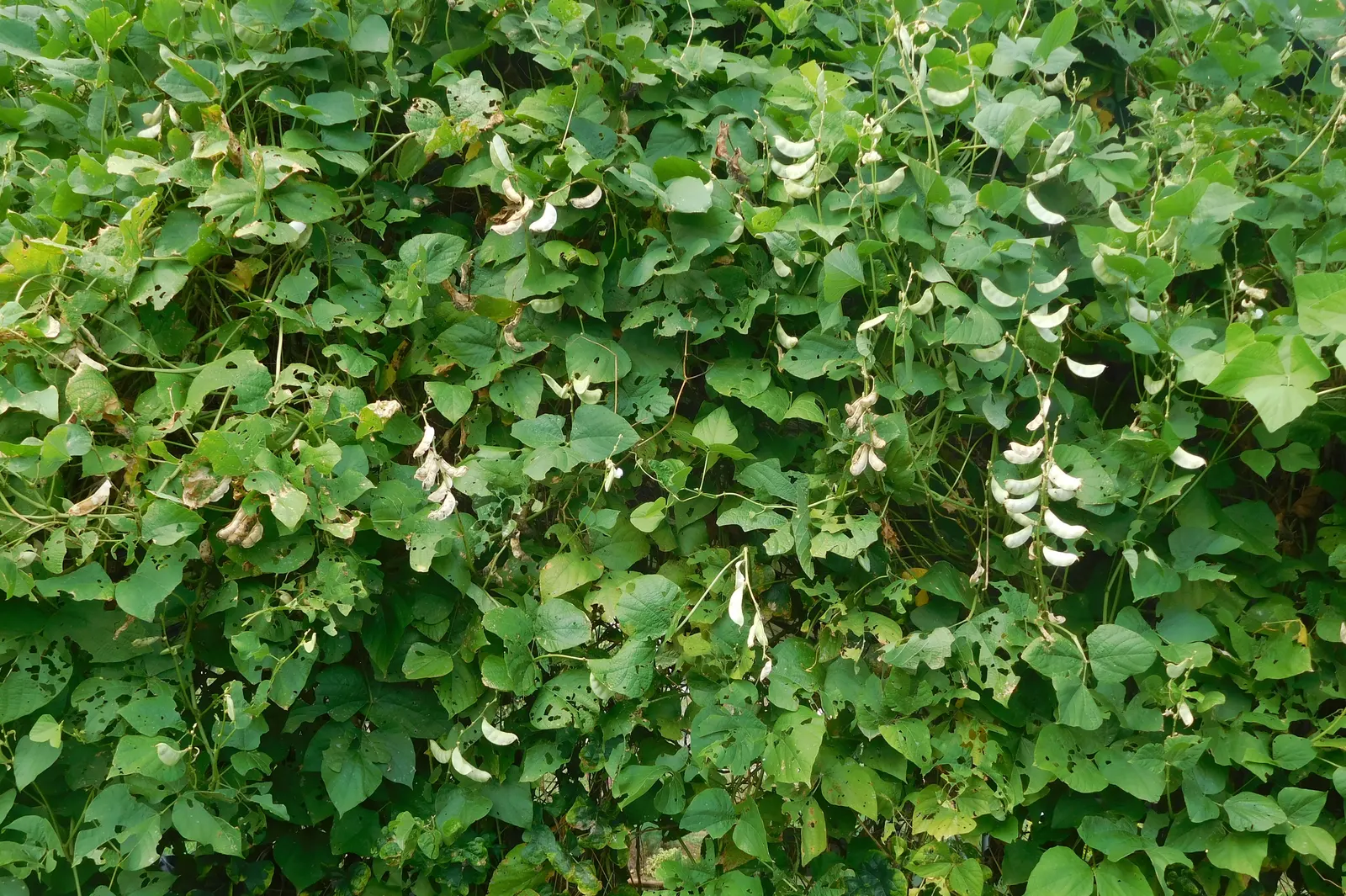
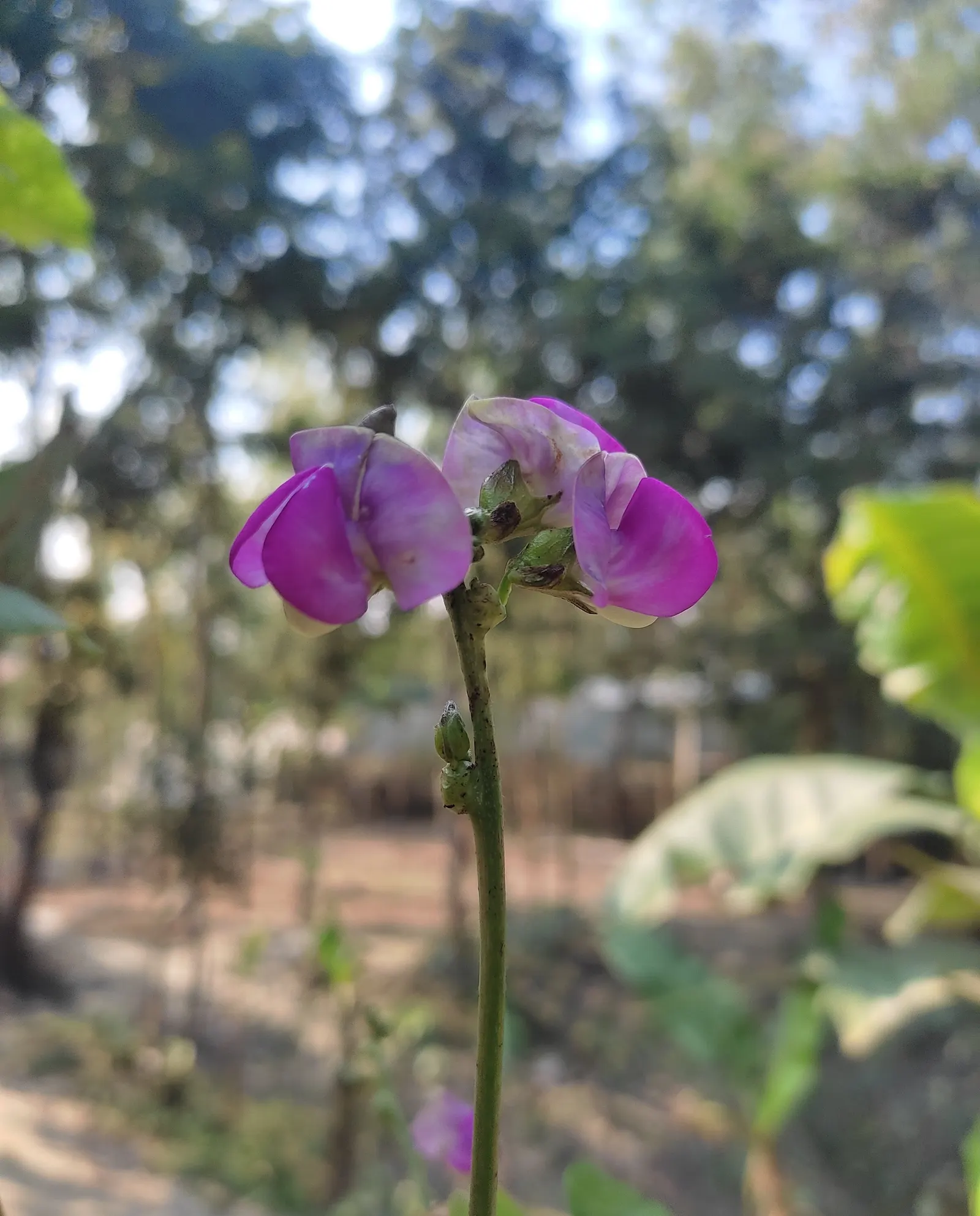
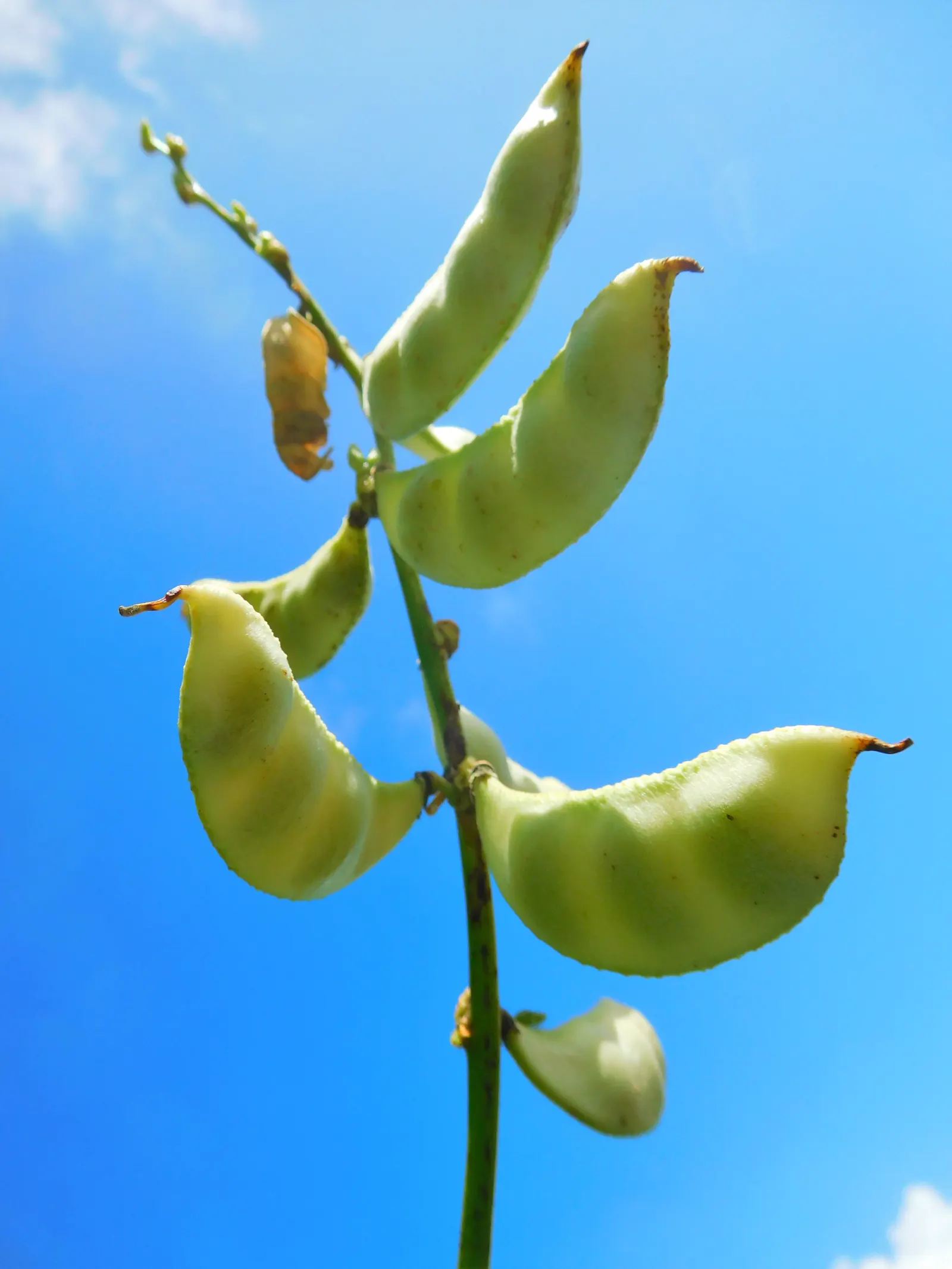
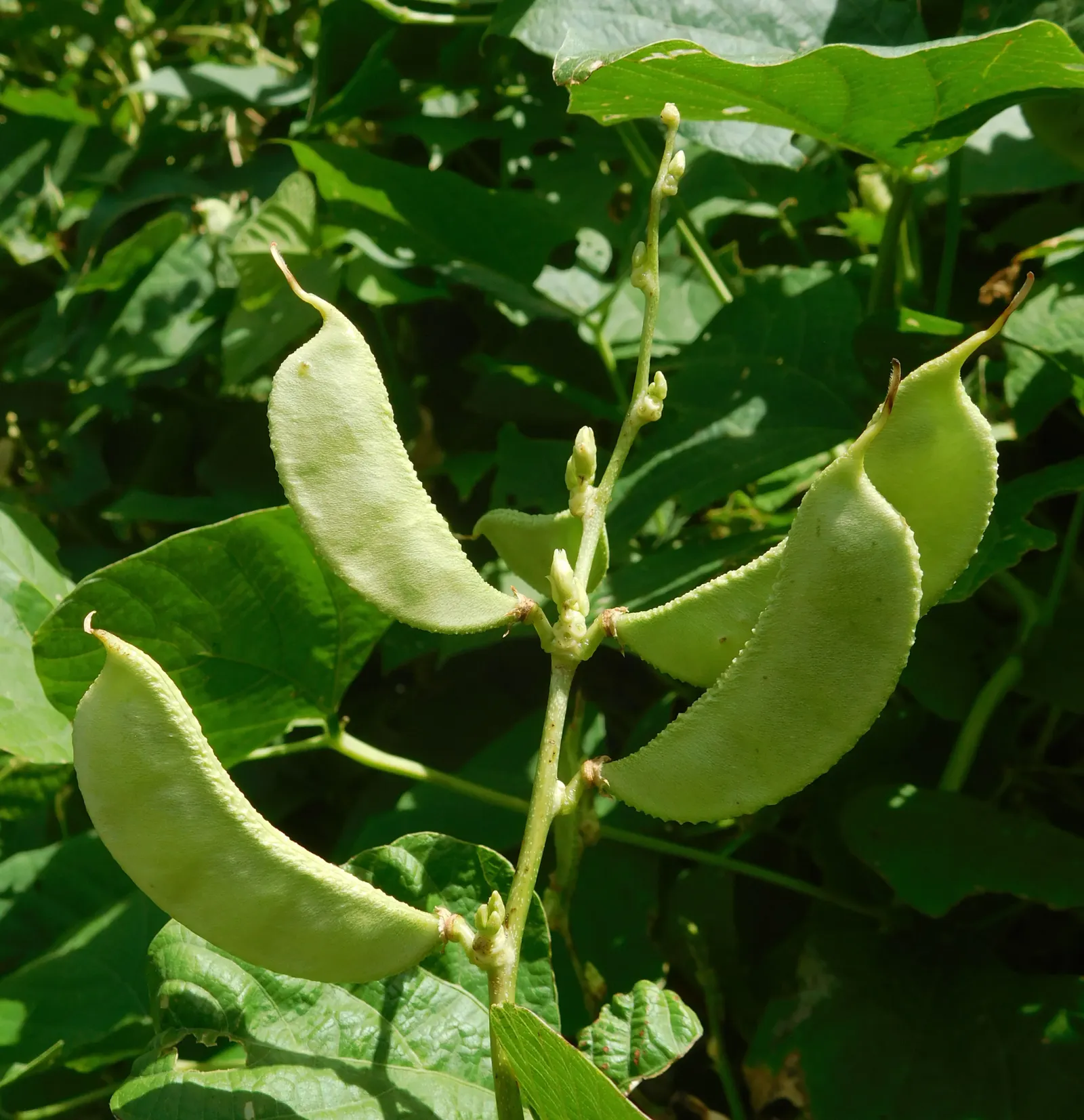
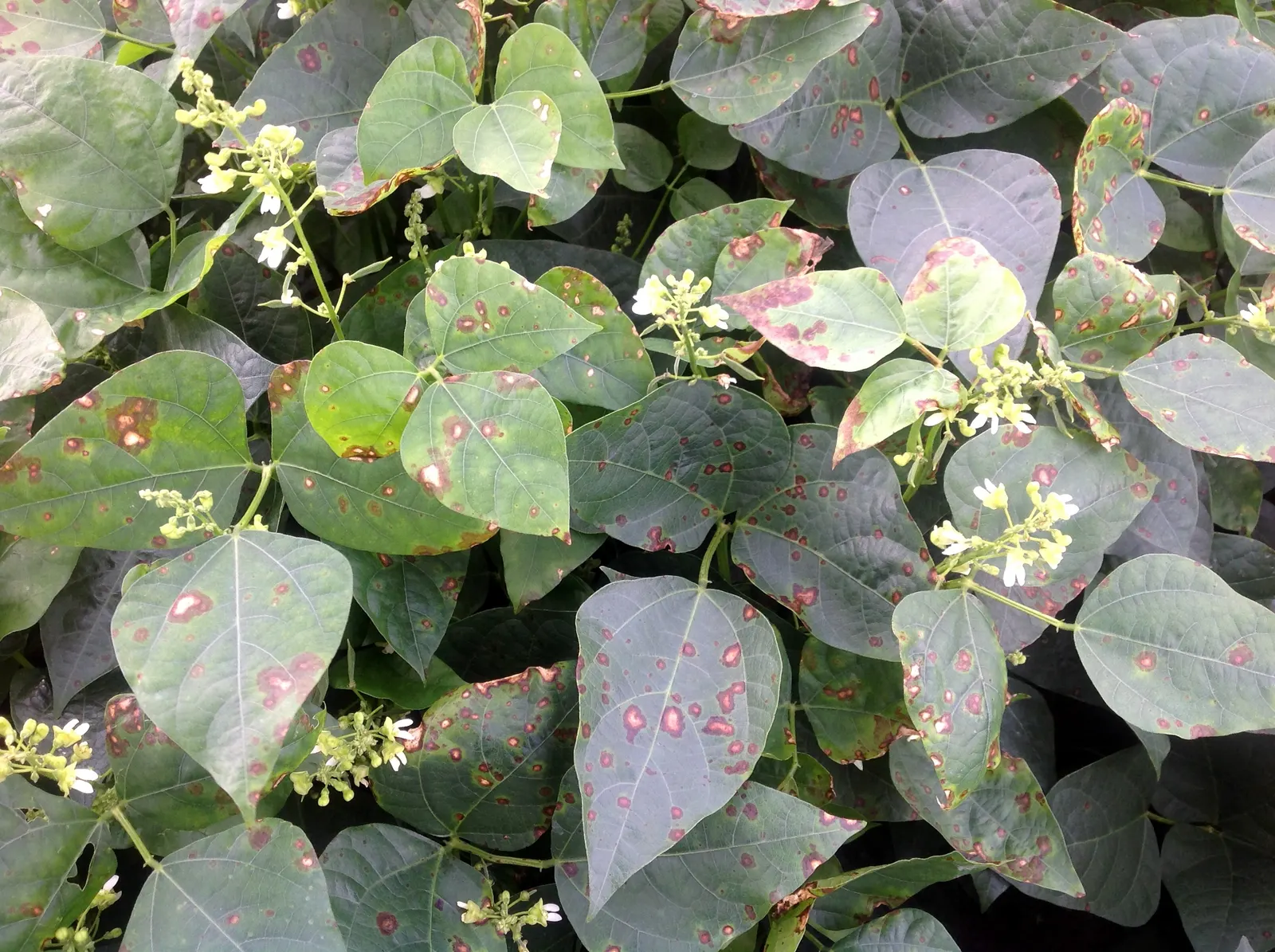
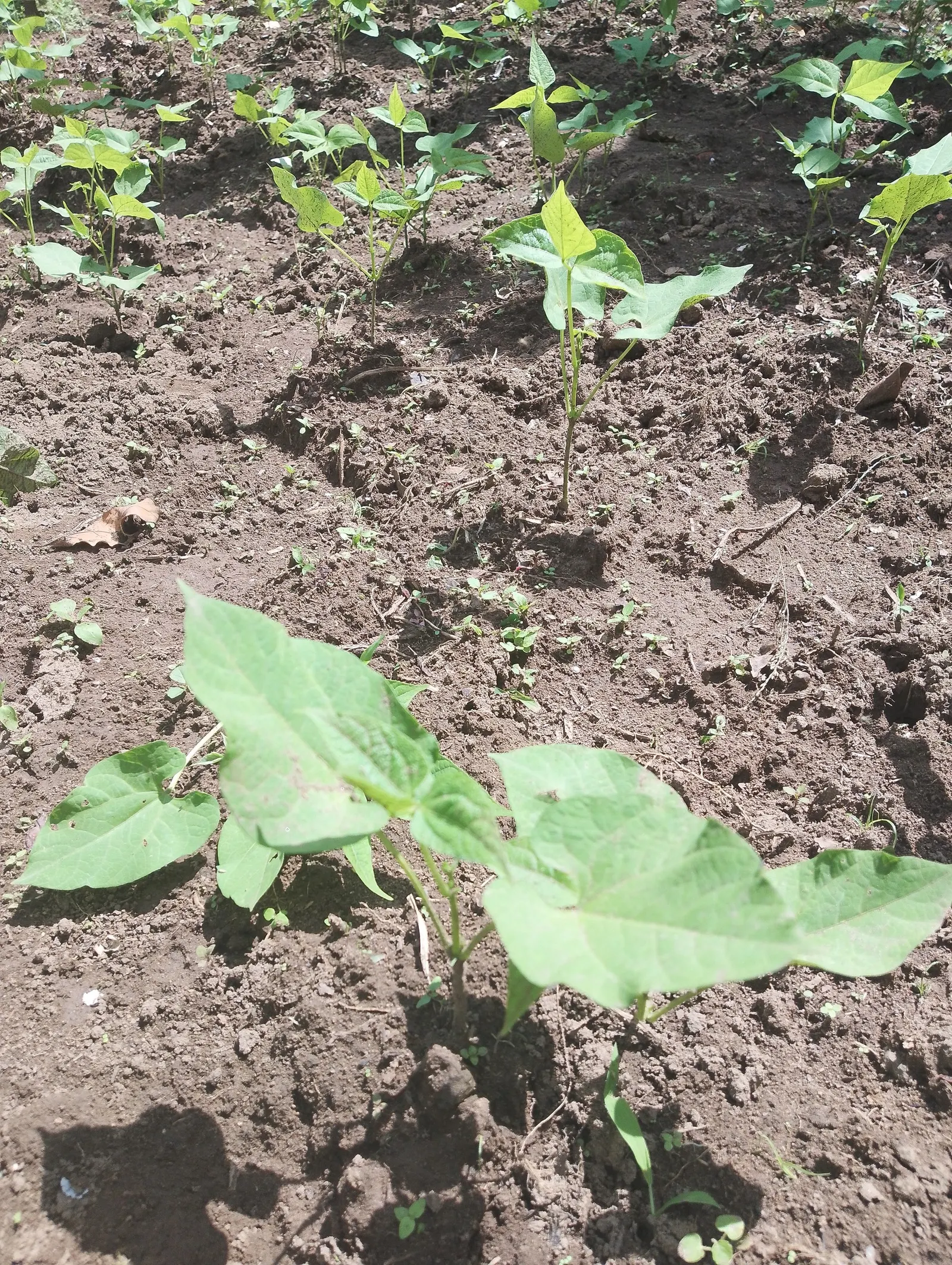
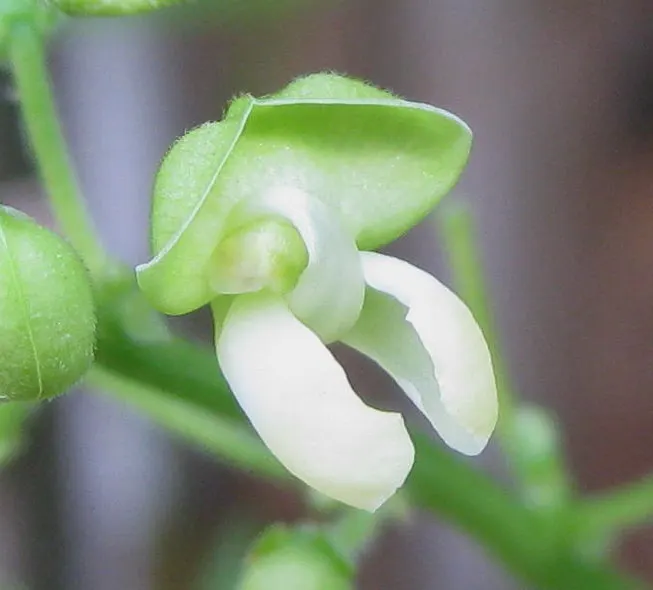
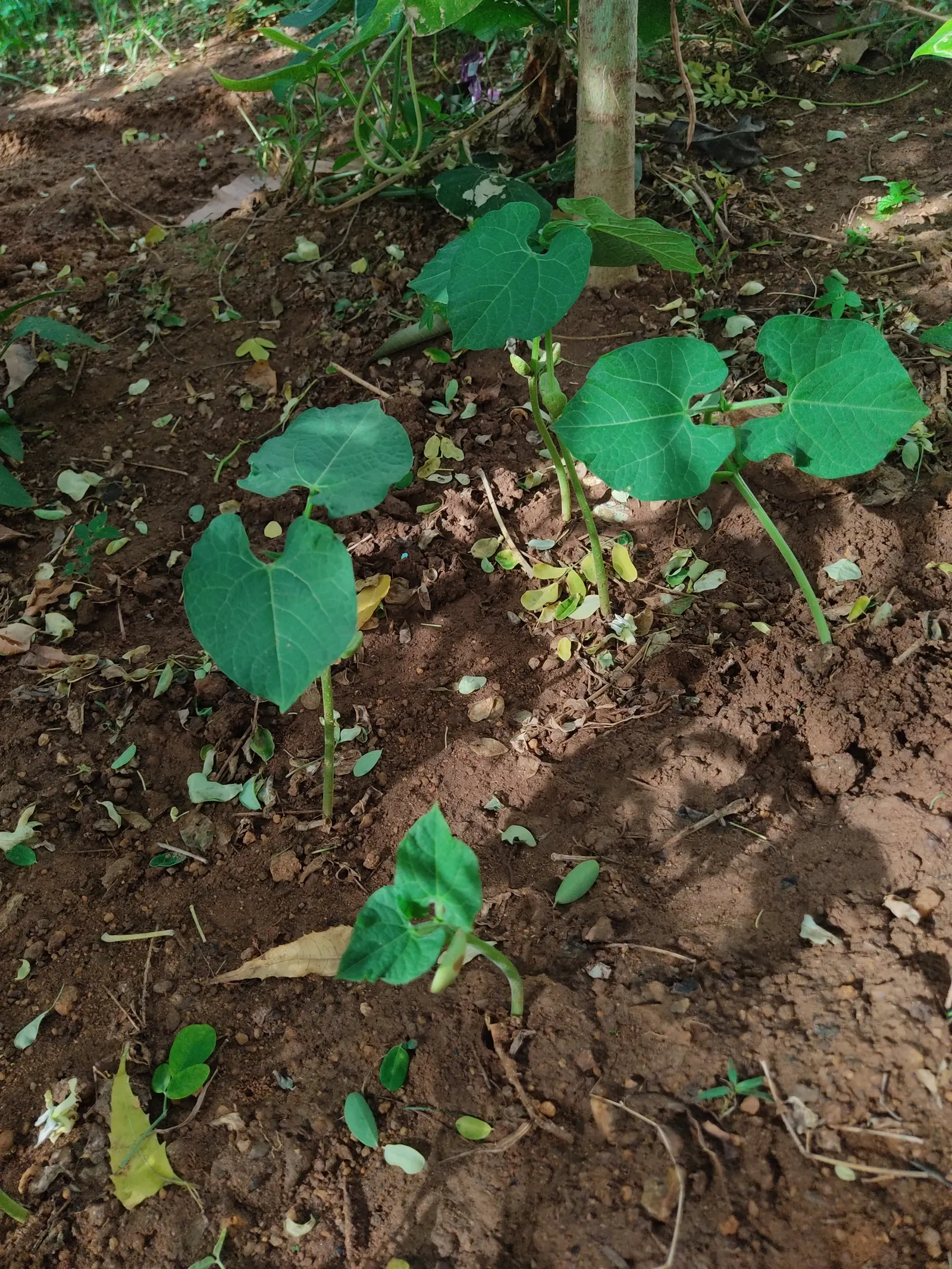
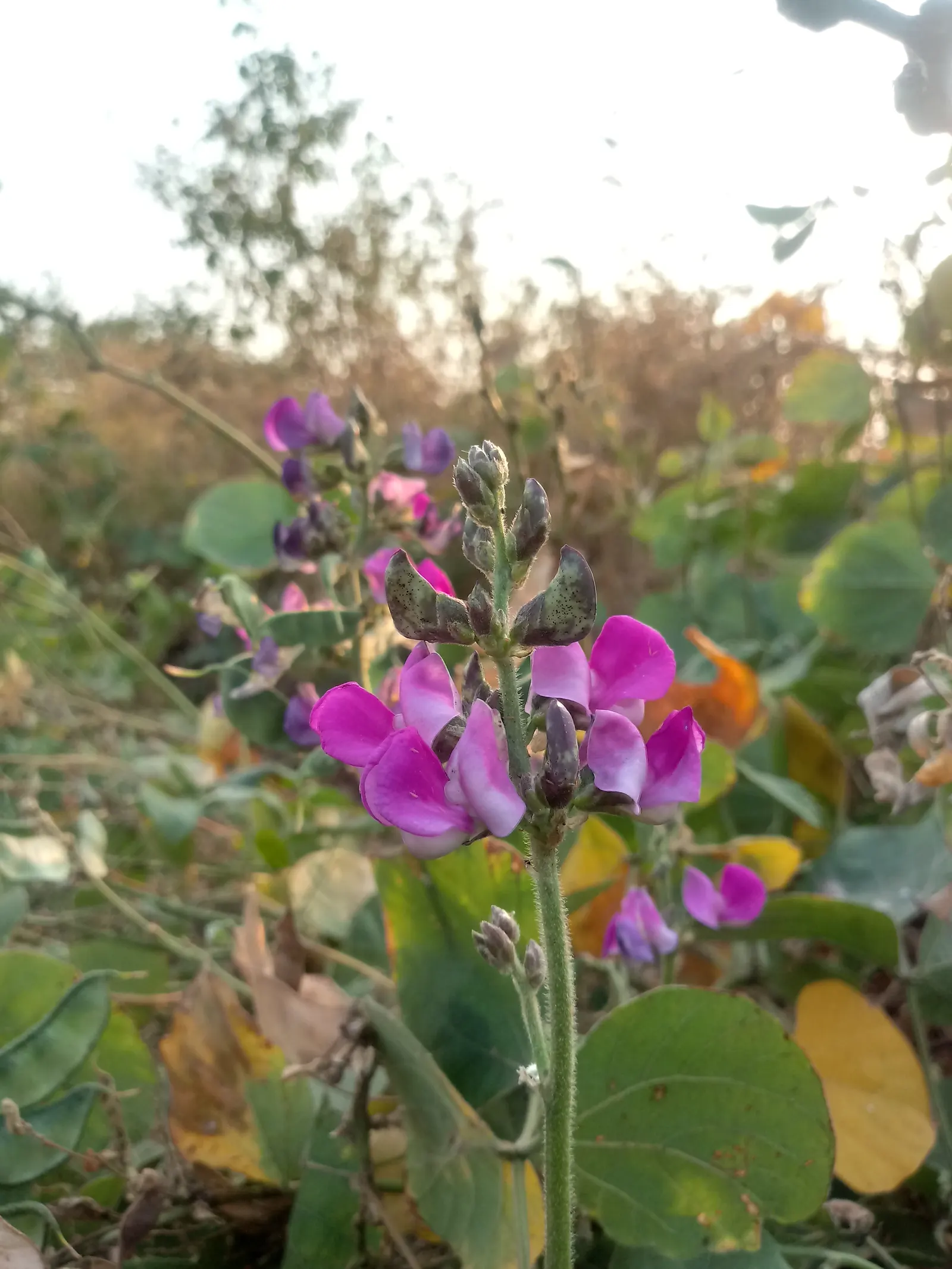
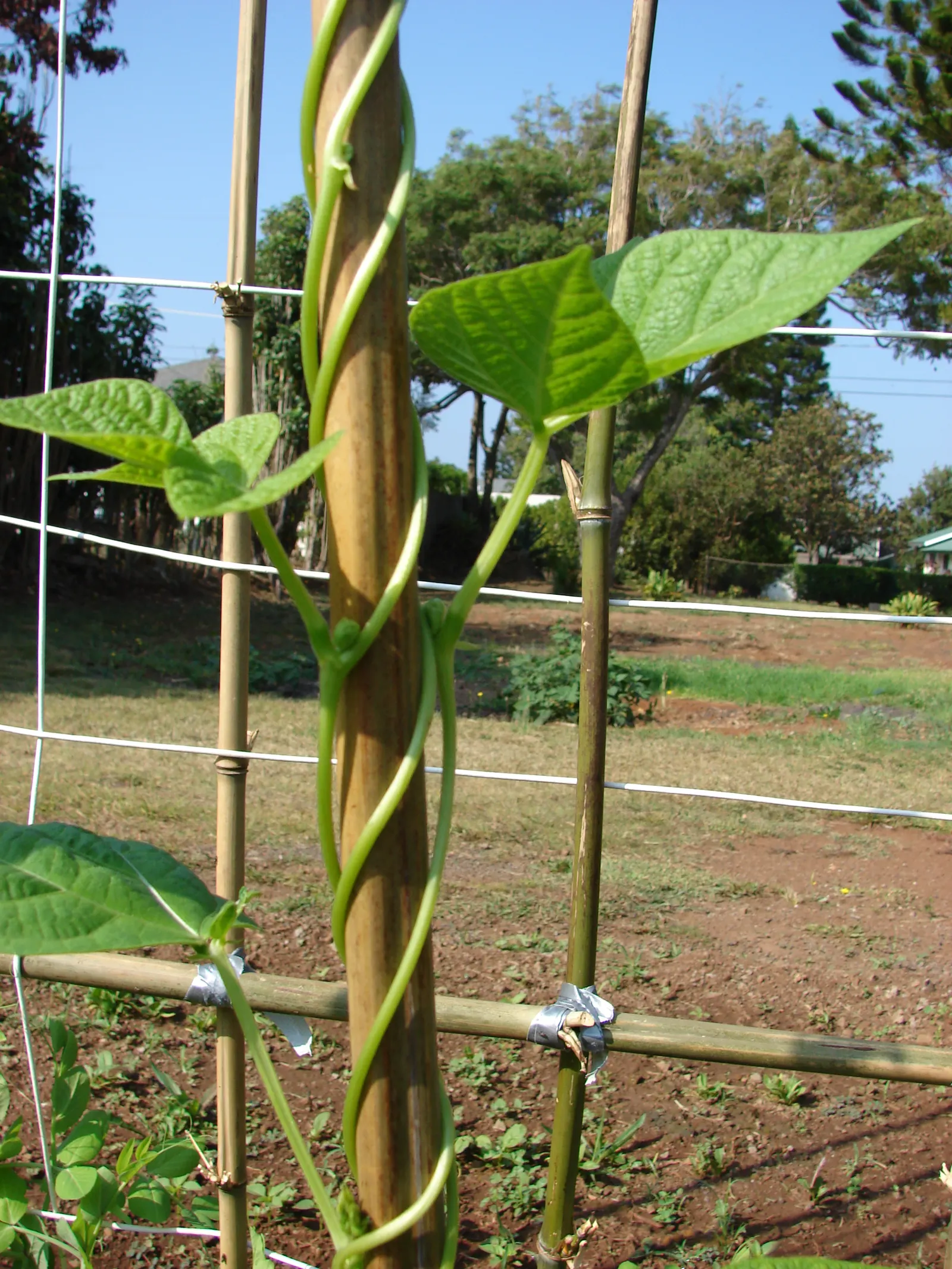
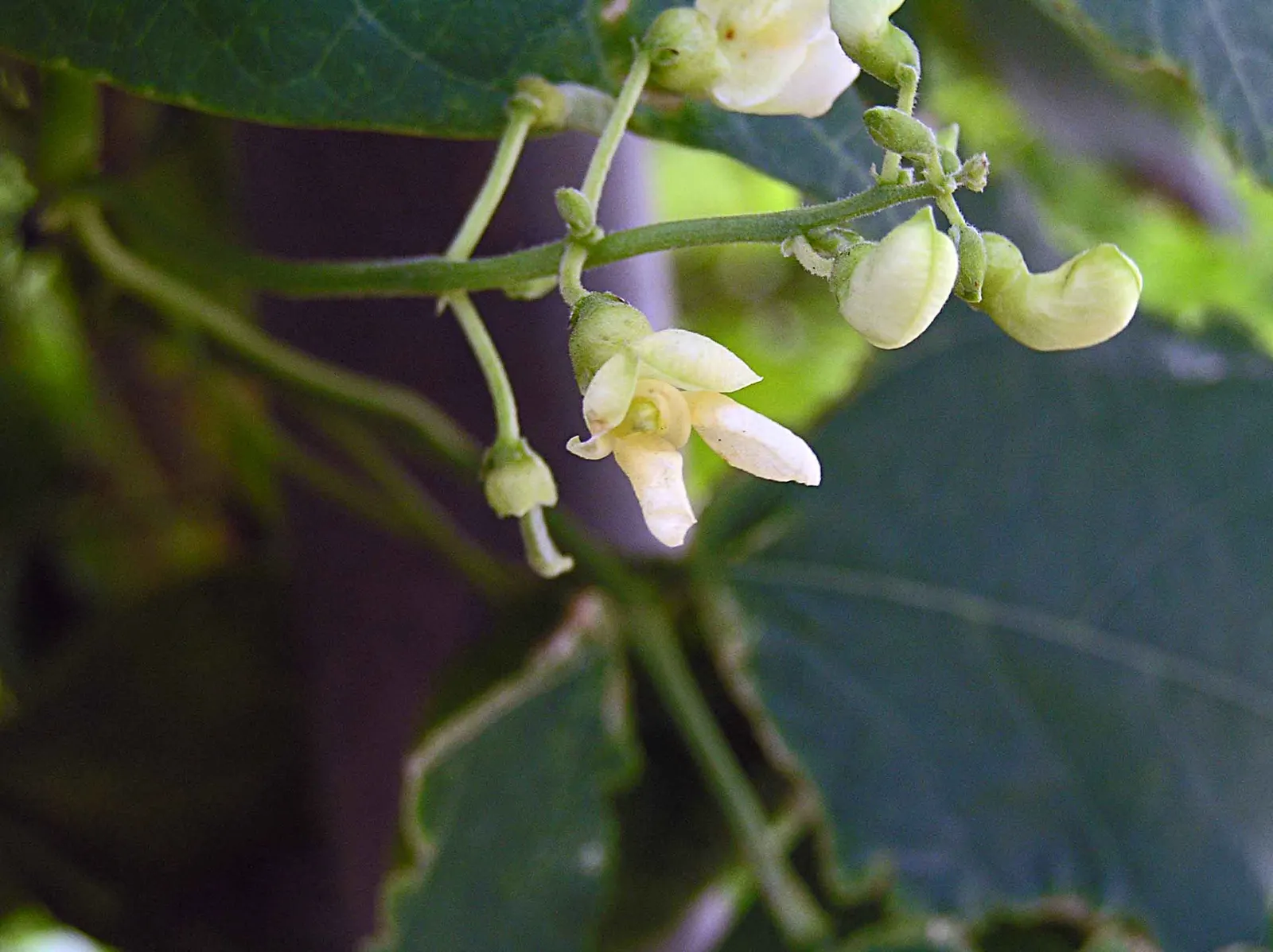
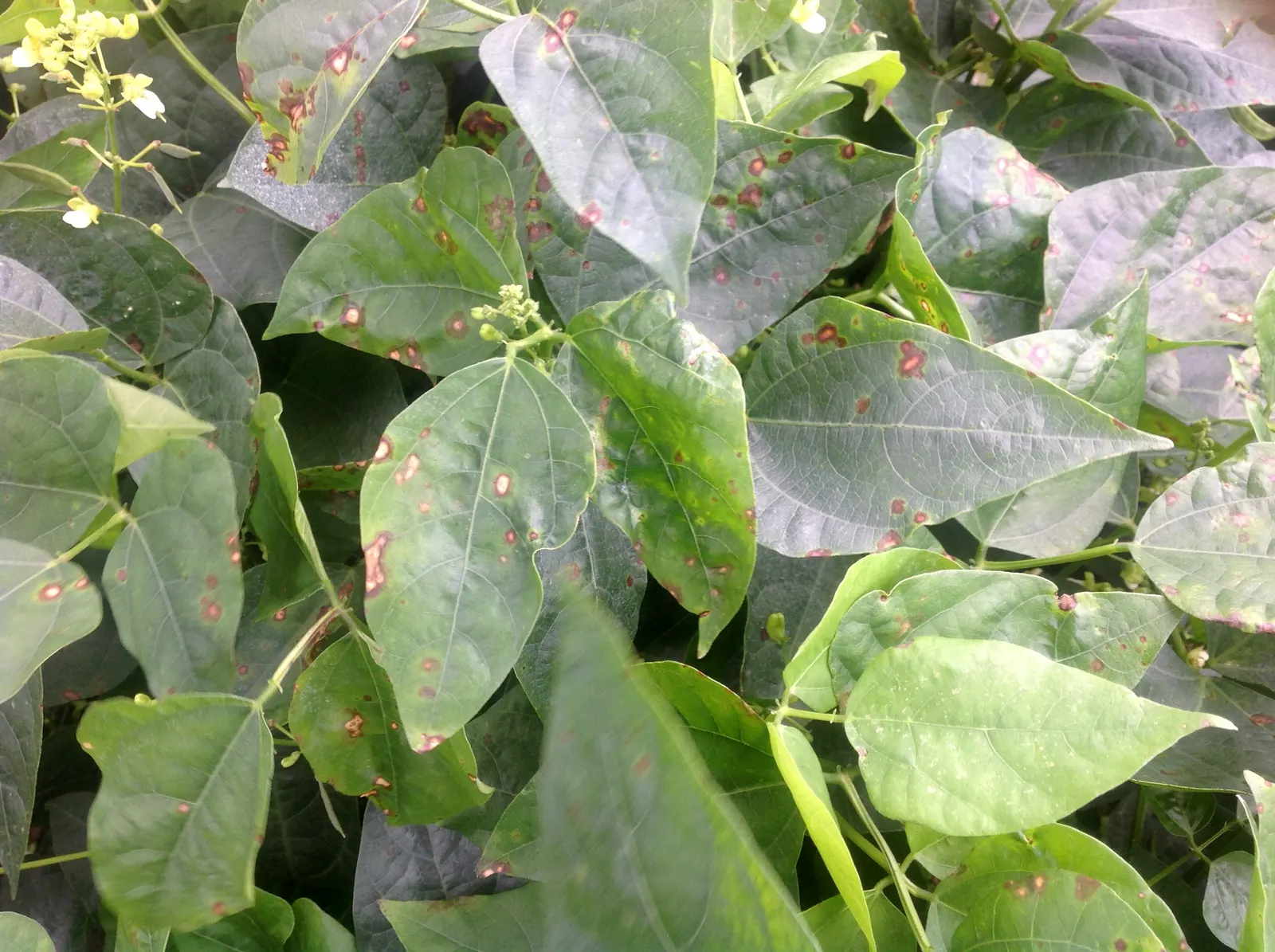
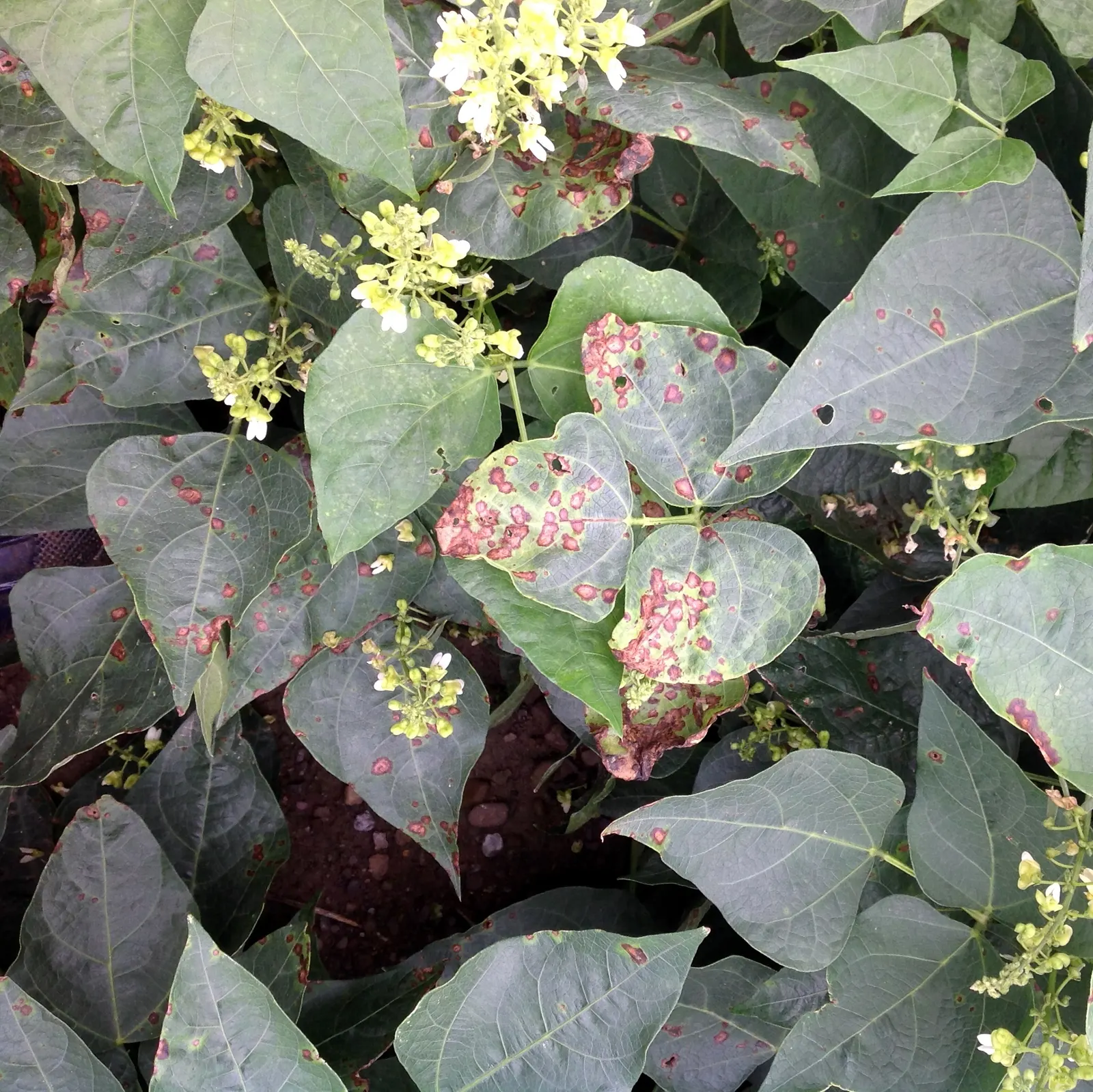
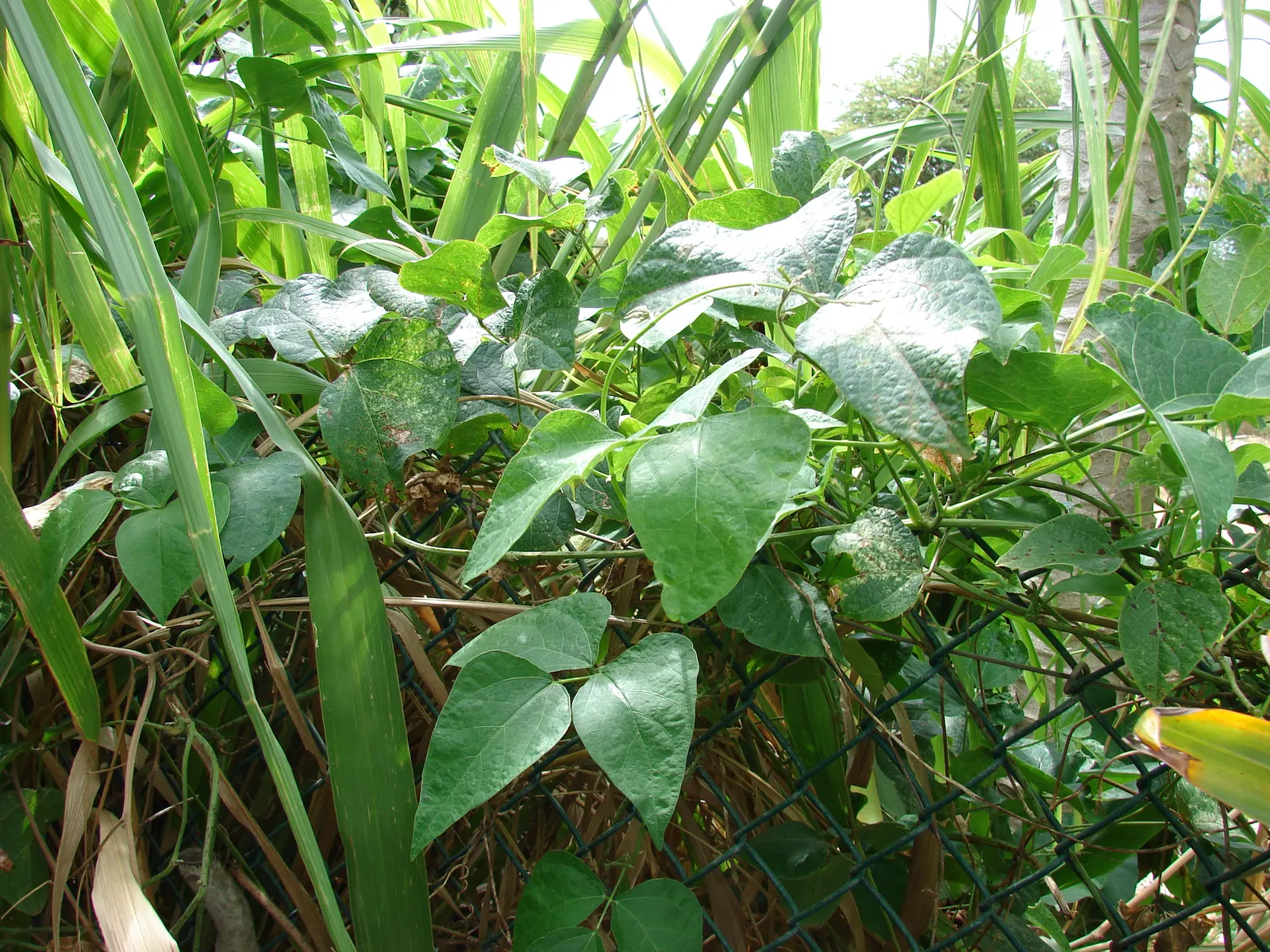
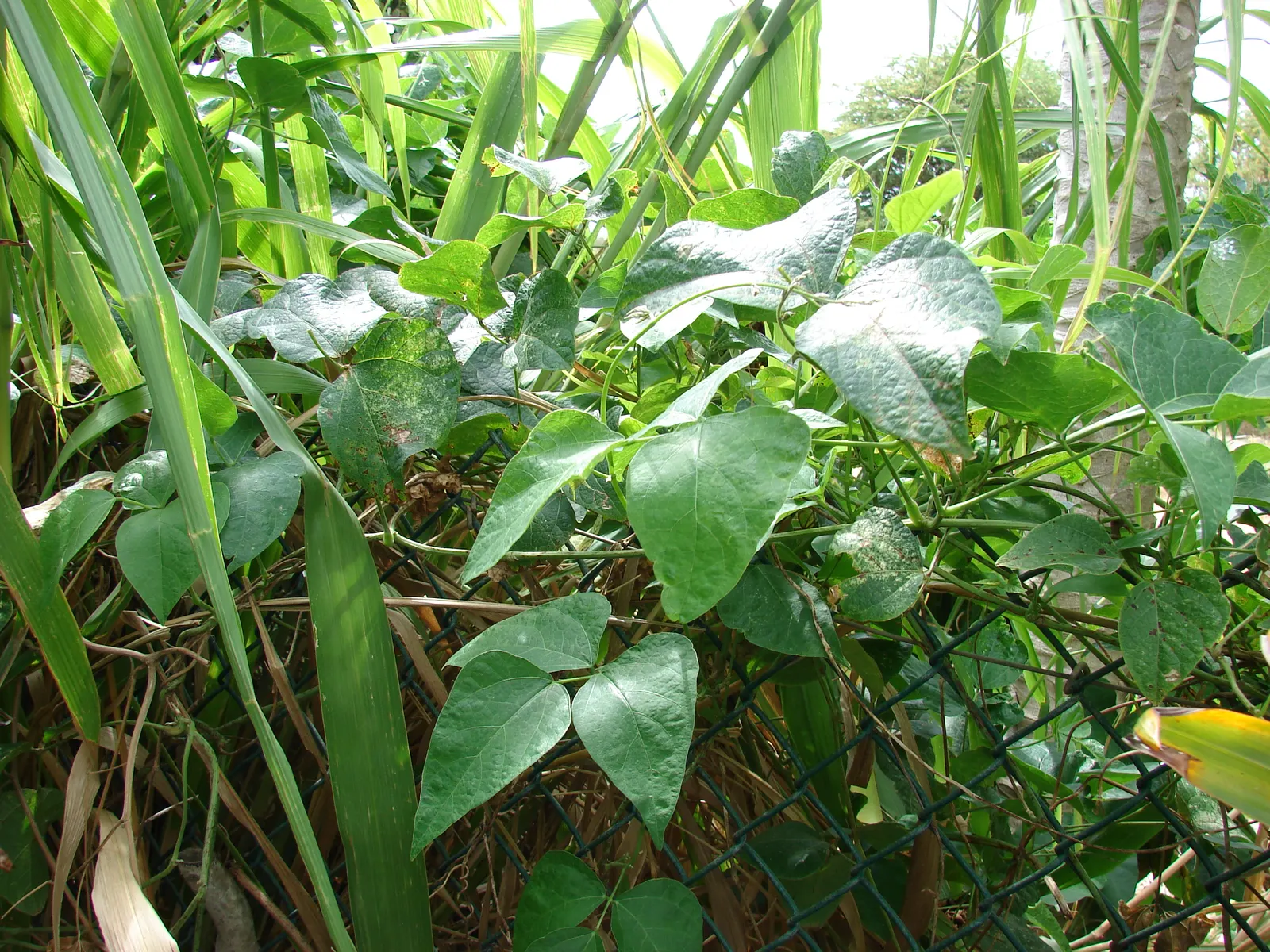

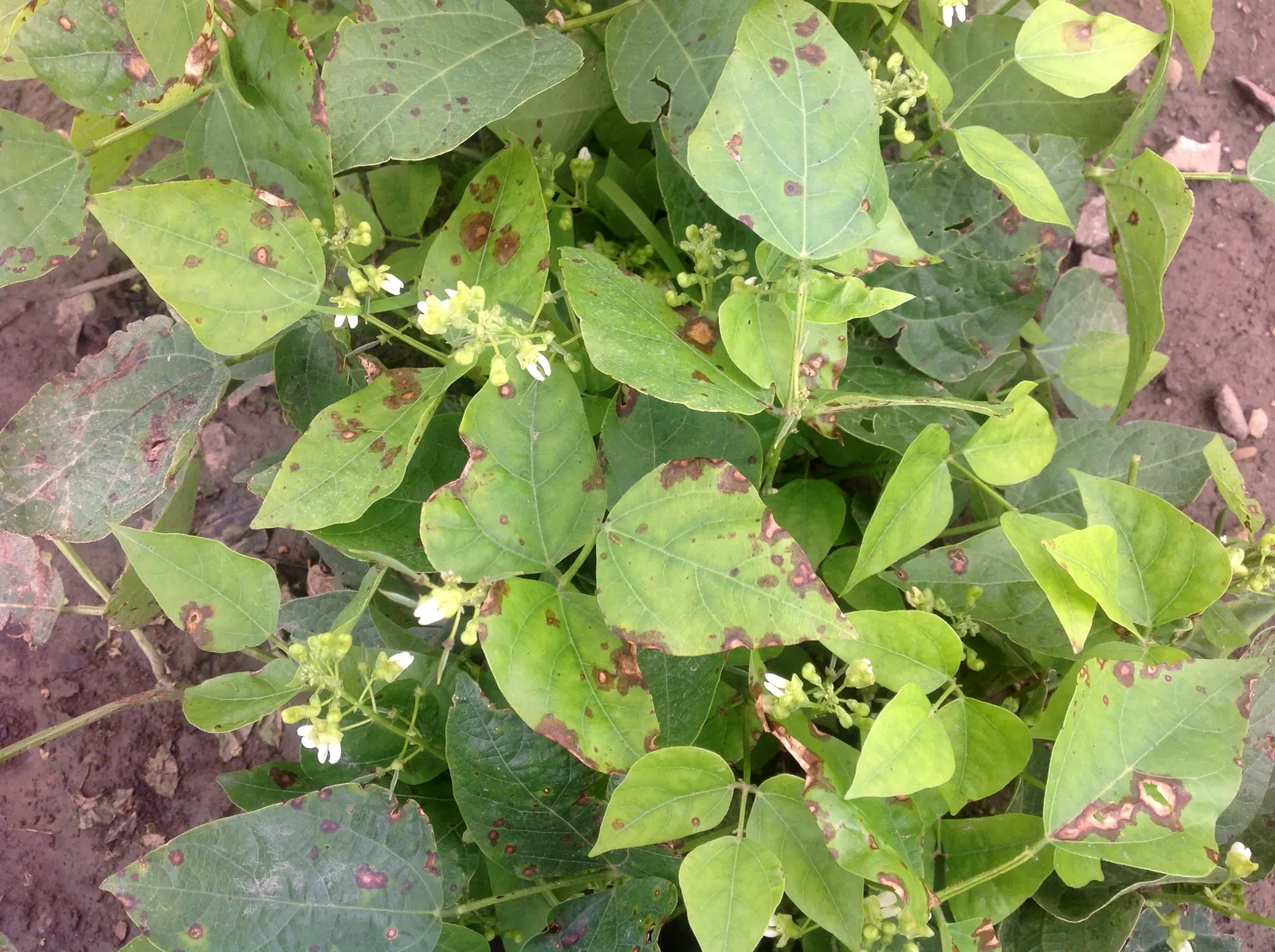
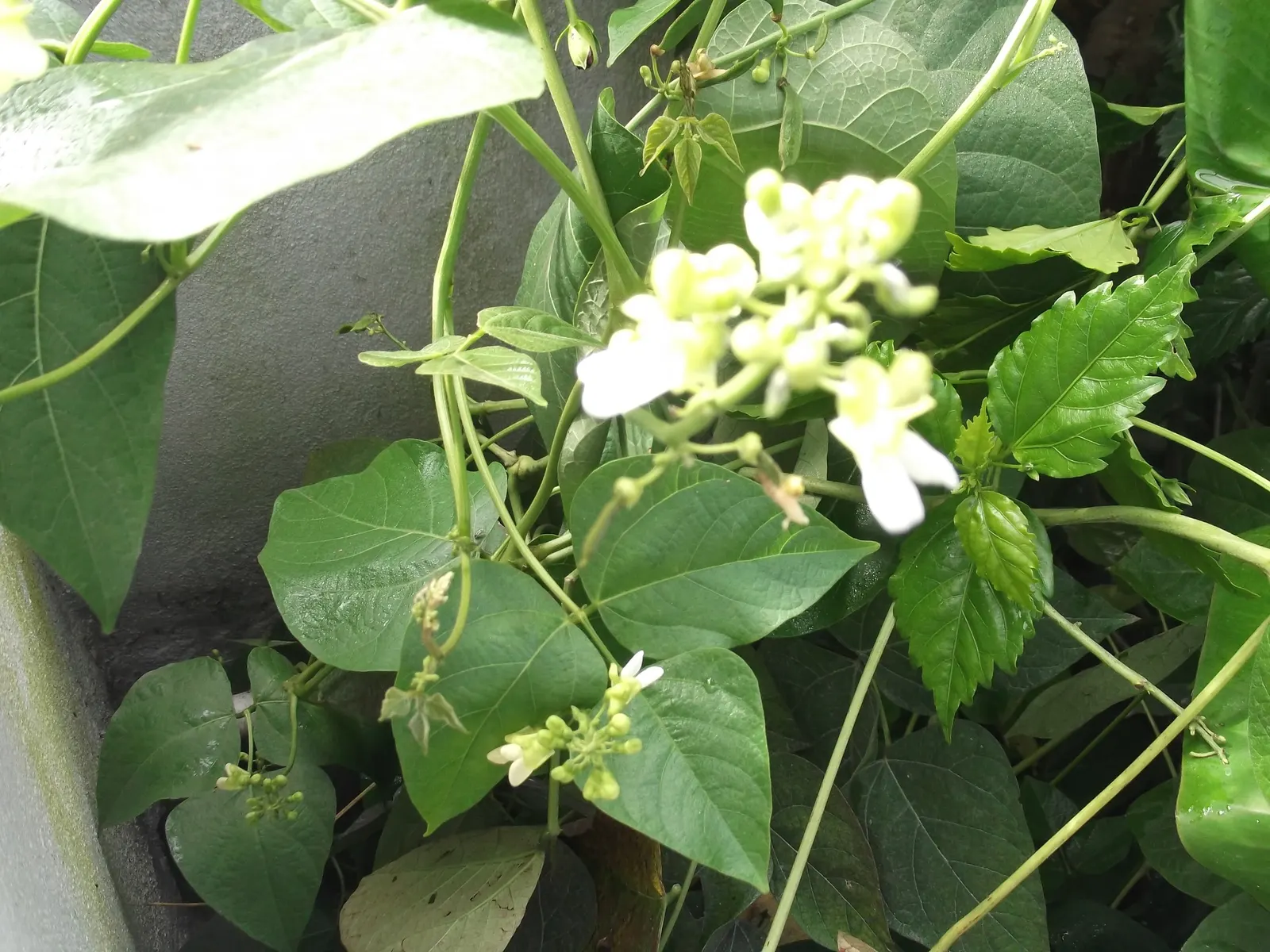


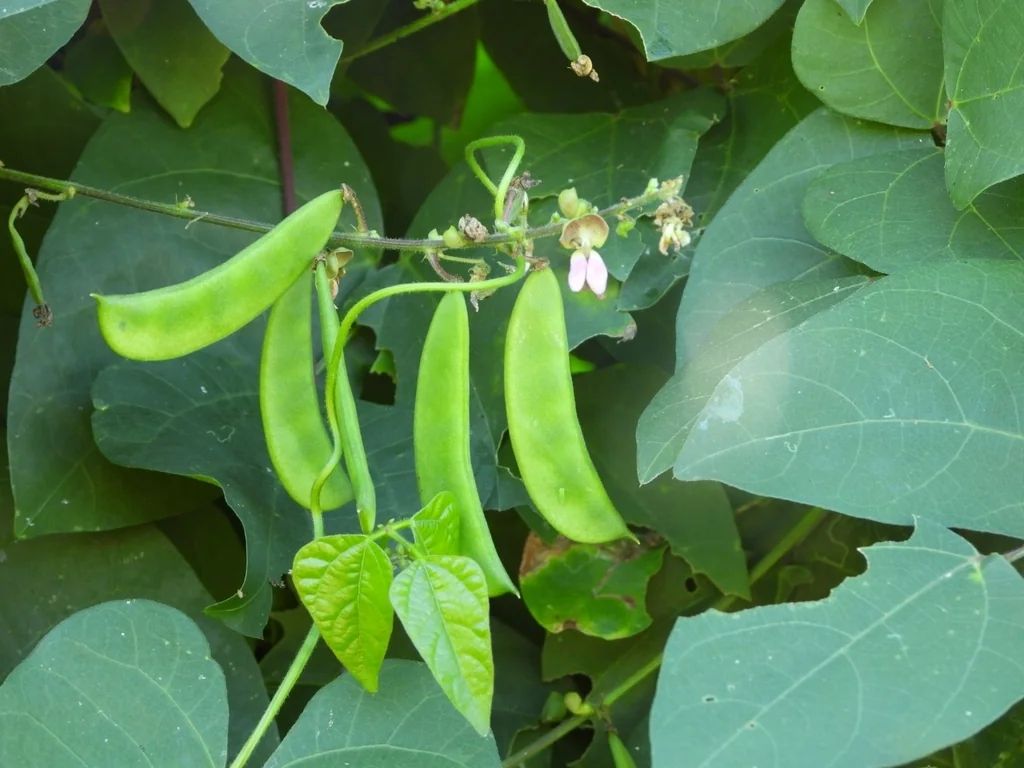
Photographs by 13 contributors
- Ringer, CC BY-SA 4.0 · source
- Forest and Kim Starr, CC BY 2.0 · source
- Filo gèn', CC BY-SA 4.0 · source
- Tanvir Rahat, CC BY-SA 4.0 · source
- Geossegawa, CC BY 4.0 · source
- Ton Rulkens from Mozambique, CC BY-SA 2.0 · source
- Varshini31, CC BY-SA 4.0 · source
- Ravikiran vilas jadhav, CC BY-SA 4.0 · source
- Forest & Kim Starr, CC BY 3.0 · source
- 阿橋 HQ, CC BY-SA 2.0 · source
- Yercaud-elango, CC BY-SA 4.0 · source
- Theornamentalist, CC BY-SA 3.0 · source
- Wibowo Djatmiko ( Wie146 ), CC BY-SA 3.0 · source
Related plants
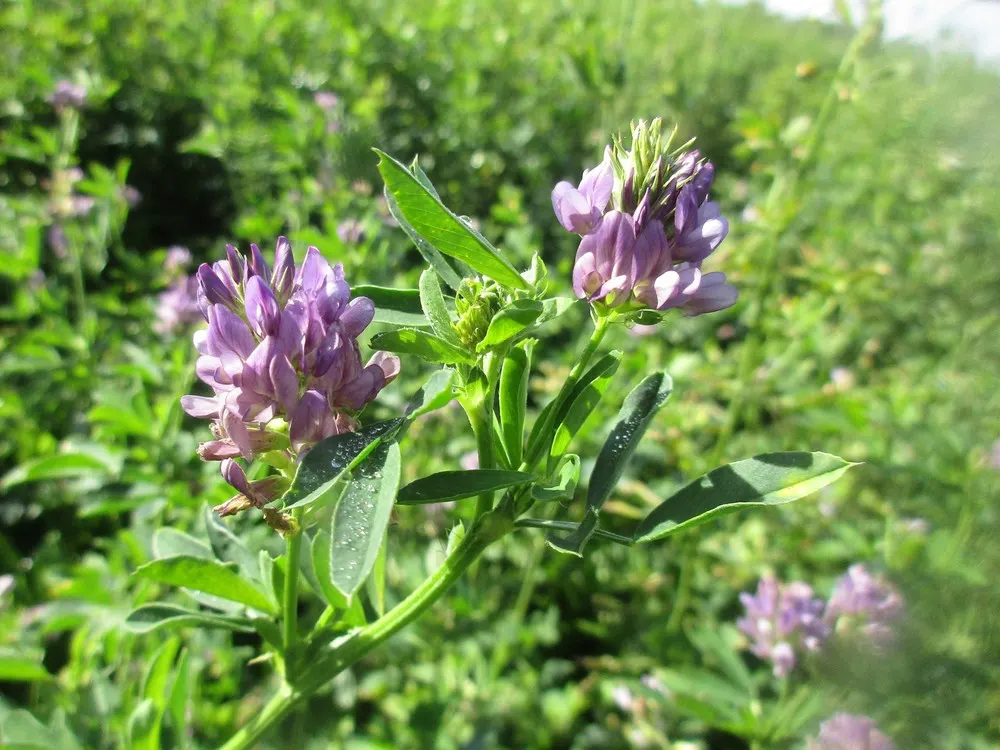
Perennial
Alfalfa
Medicago Sativa
FullUSDA 4–9
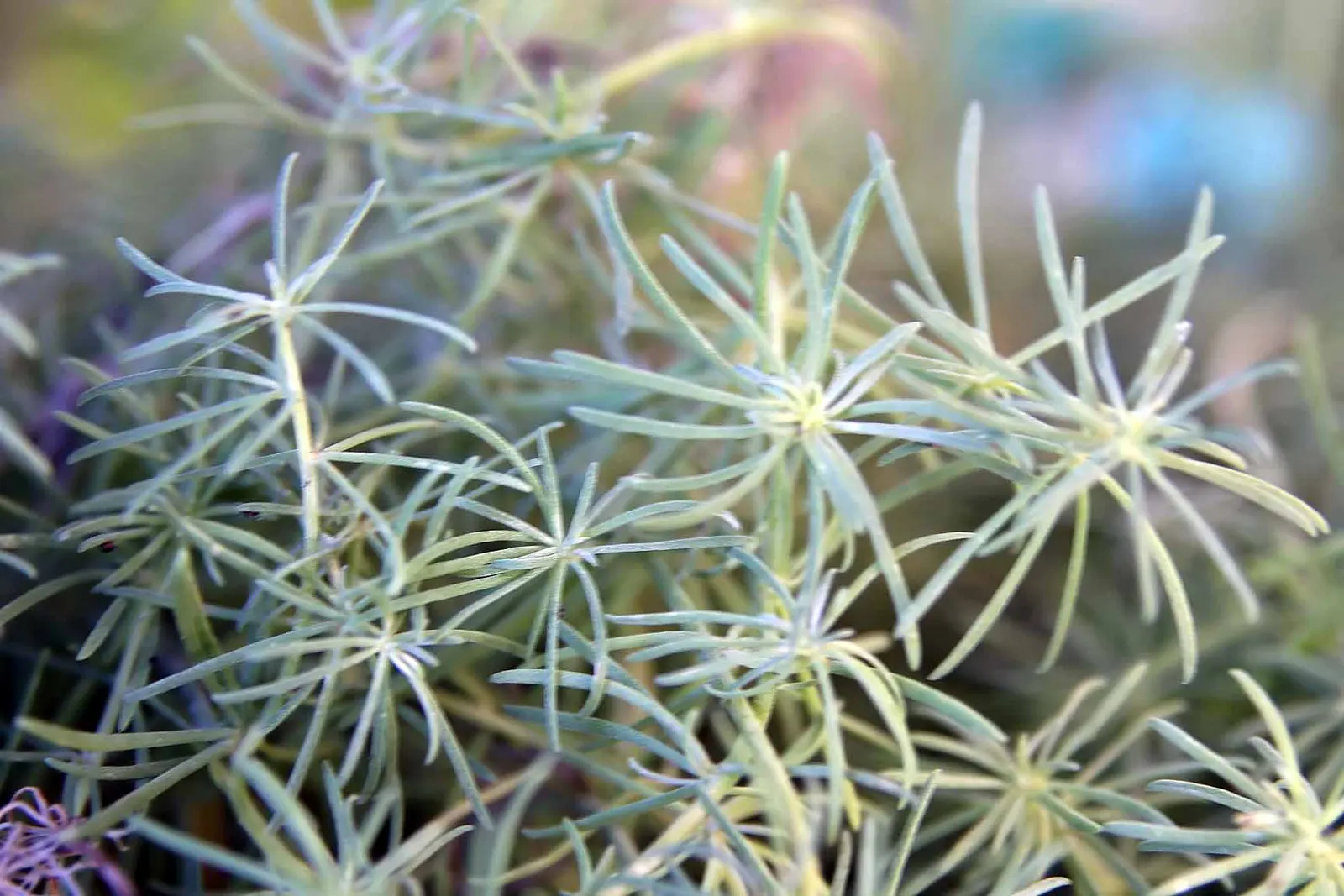
Ground cover
Amazon Sunset Lotus
Lotus Maculatus 'Amazon Sunset'
FullUSDA 10–11
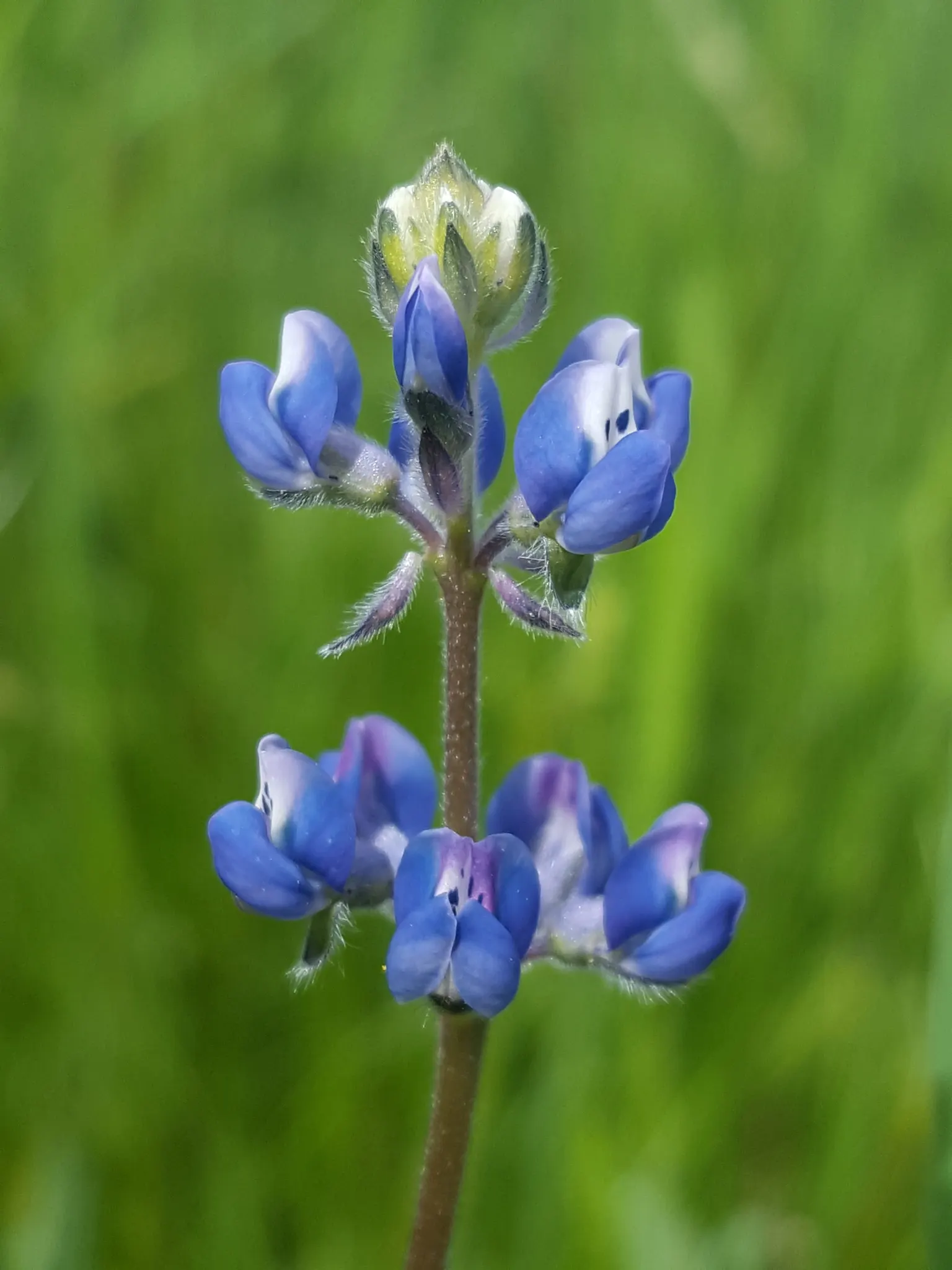
Annual
Annual Lupine, Bicolored Lupine
Lupinus Bicolor
FullUSDA 7–10
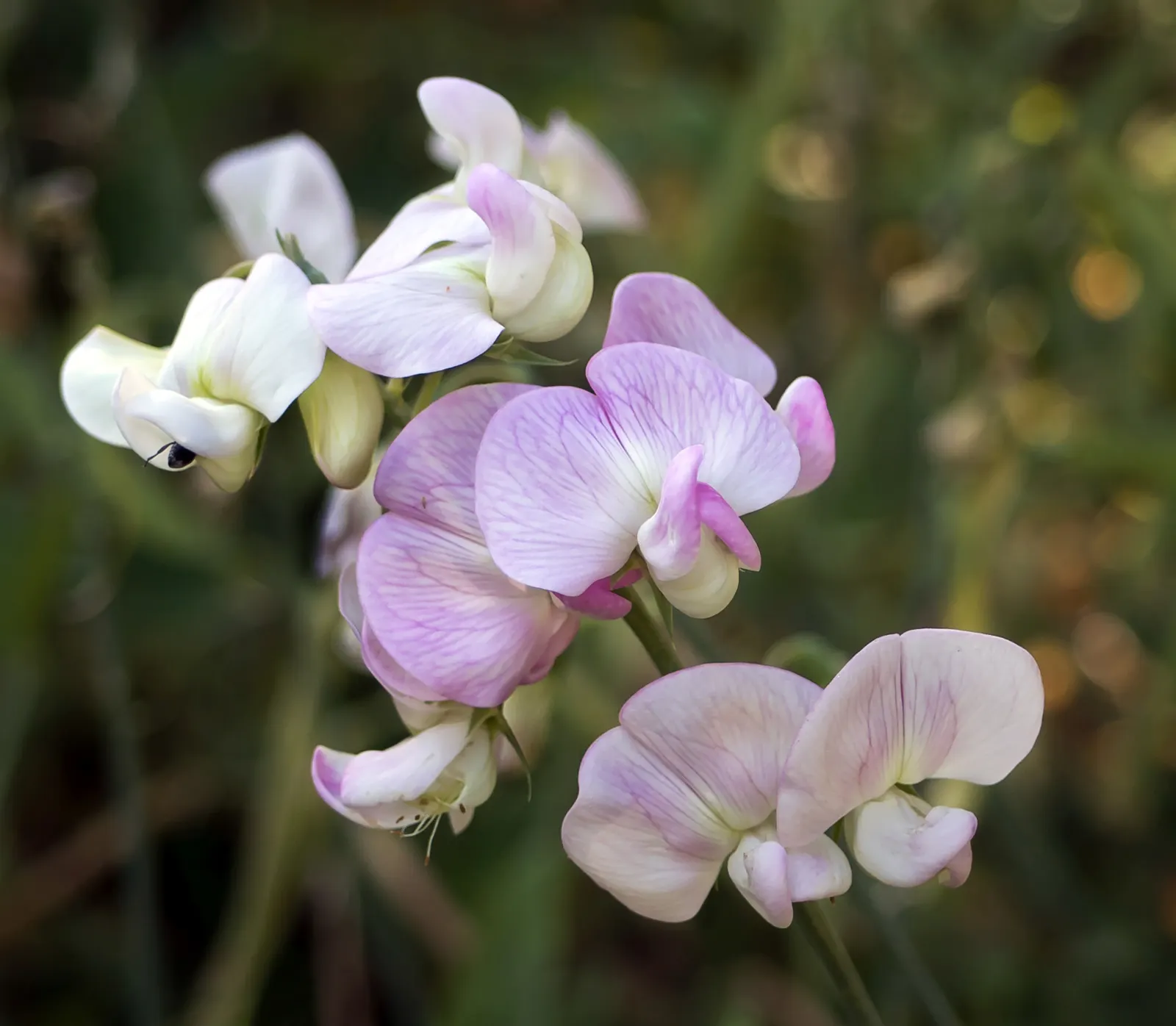
Annual
Annual Sweet Pea
Lathyrus Odoratus
FullUSDA 3–10
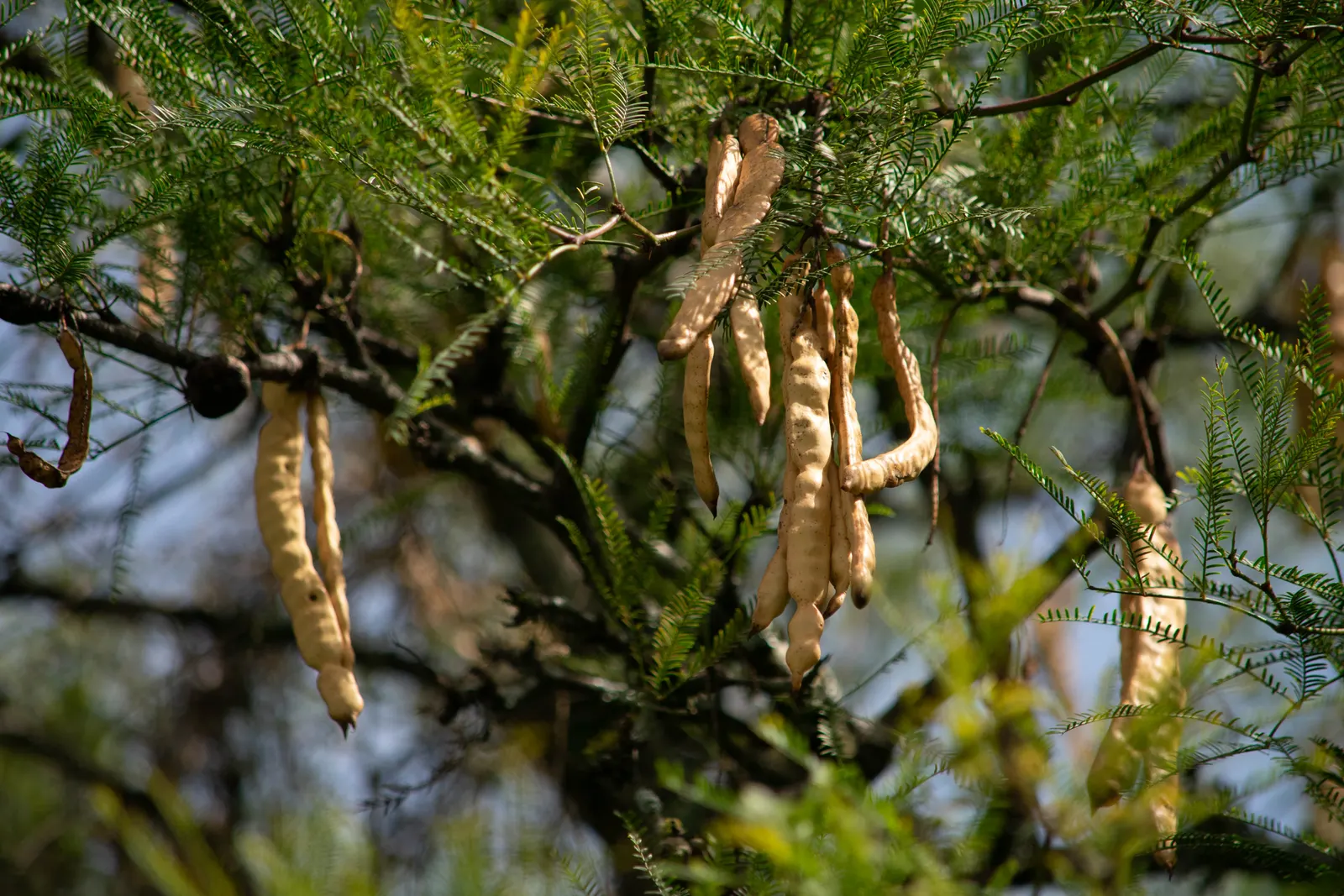
Tree
Argentine Mesquite
Prosopis Alba
FullUSDA 8–10
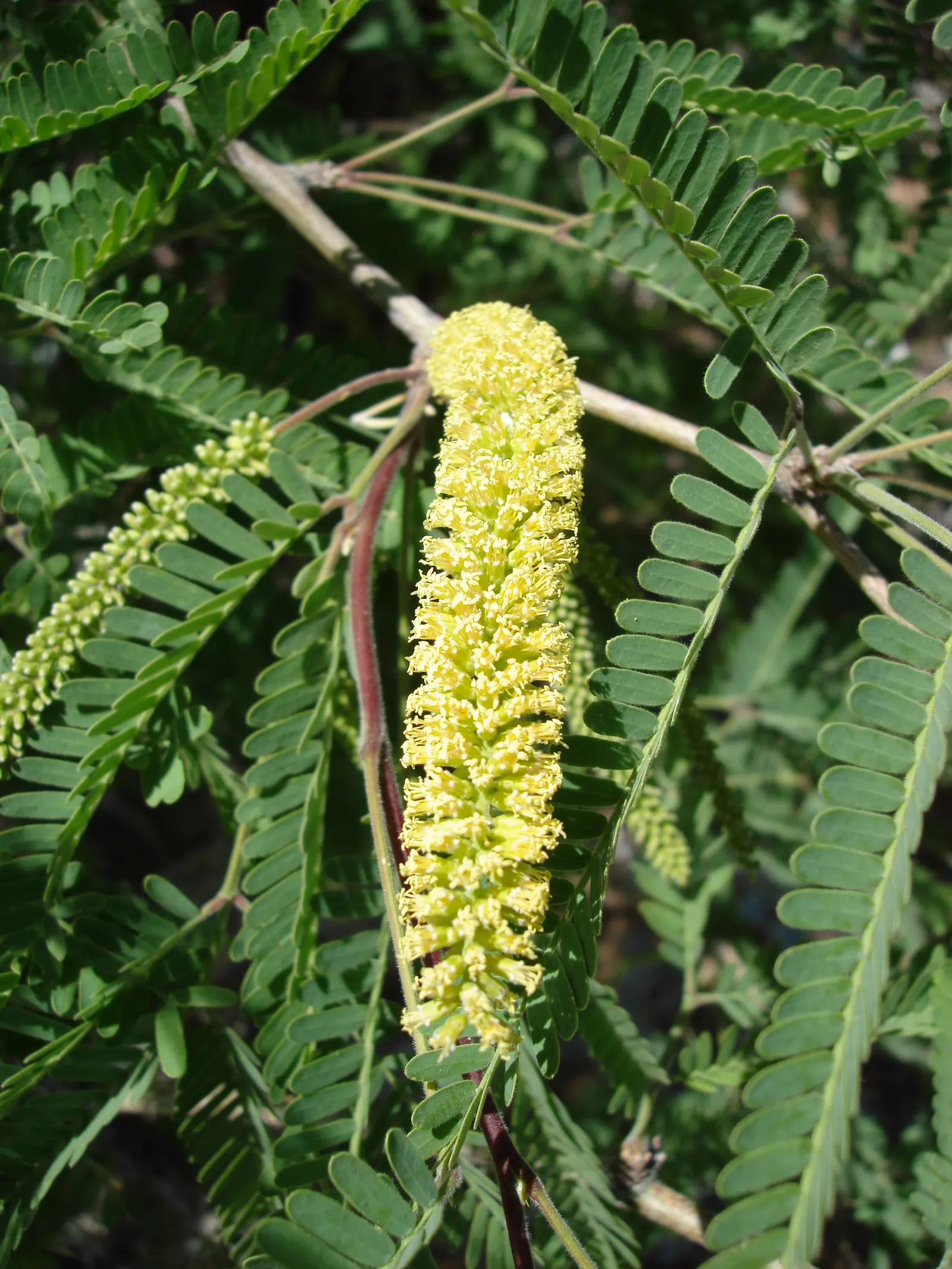
Tree
Arizona Velvet Mesquite
Prosopis Velutina
FullUSDA 9–10