Skip to content

Reed Canary Grass

Phalaris Arundinacea

Design with this plant

Overview

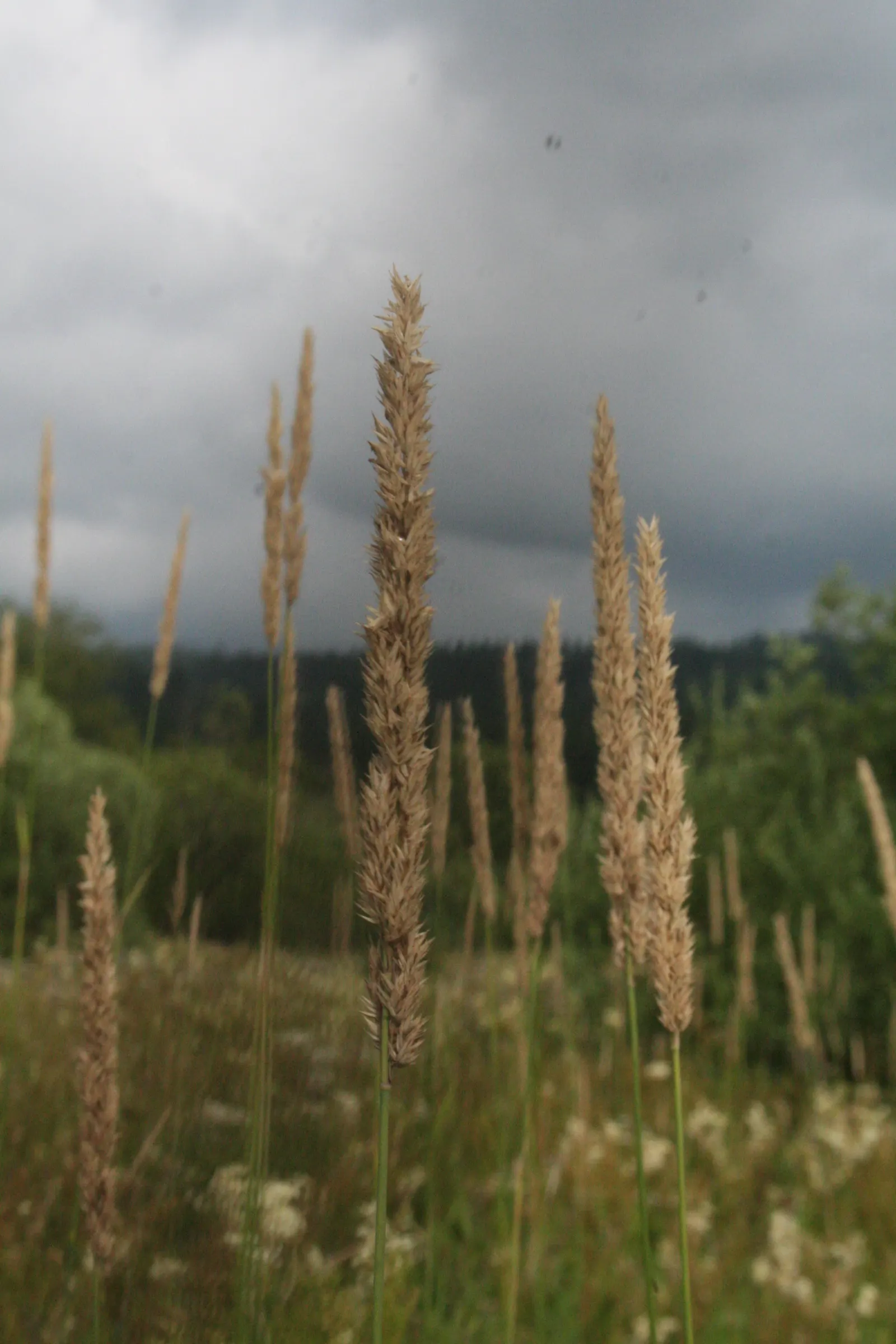
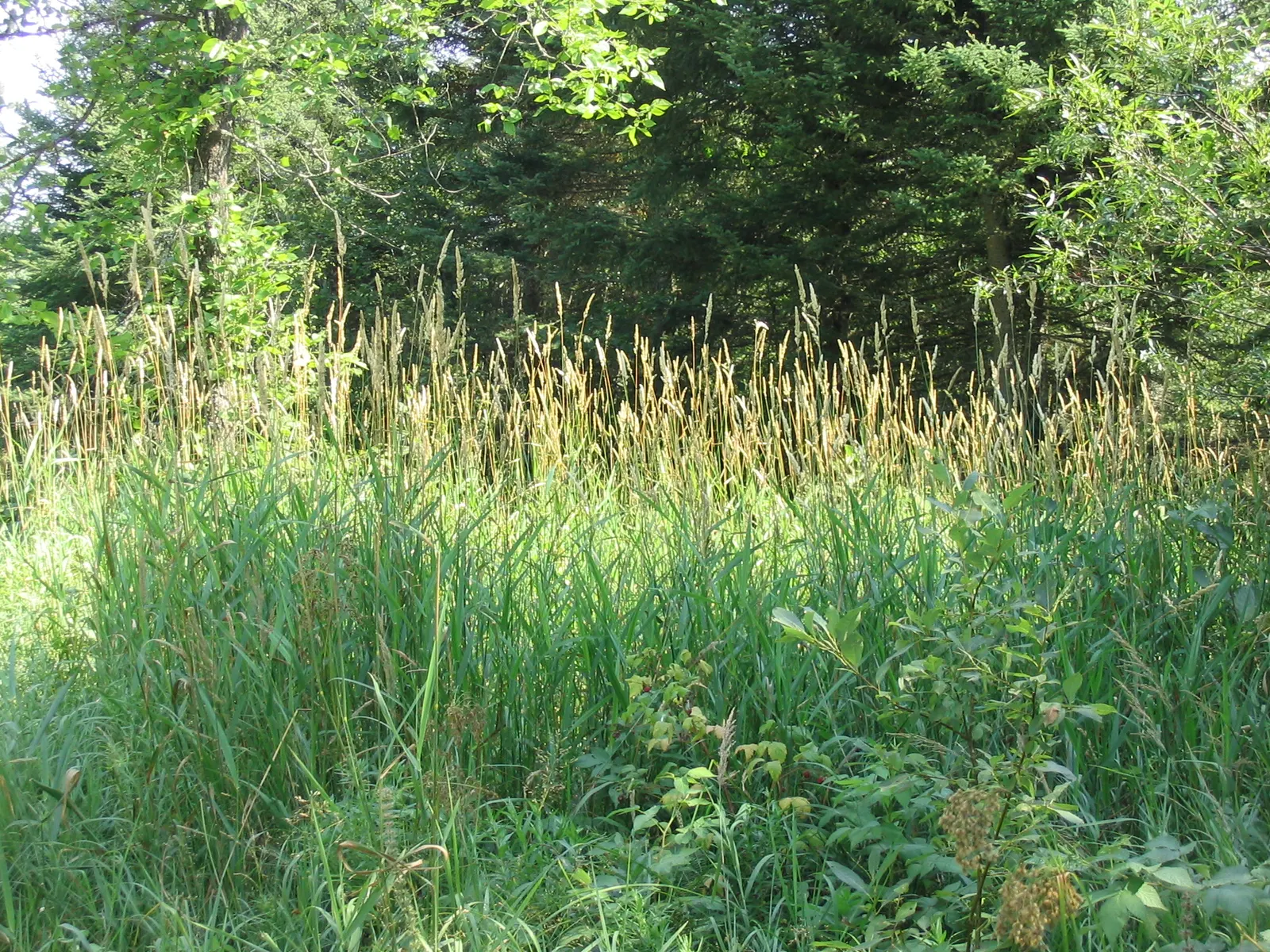
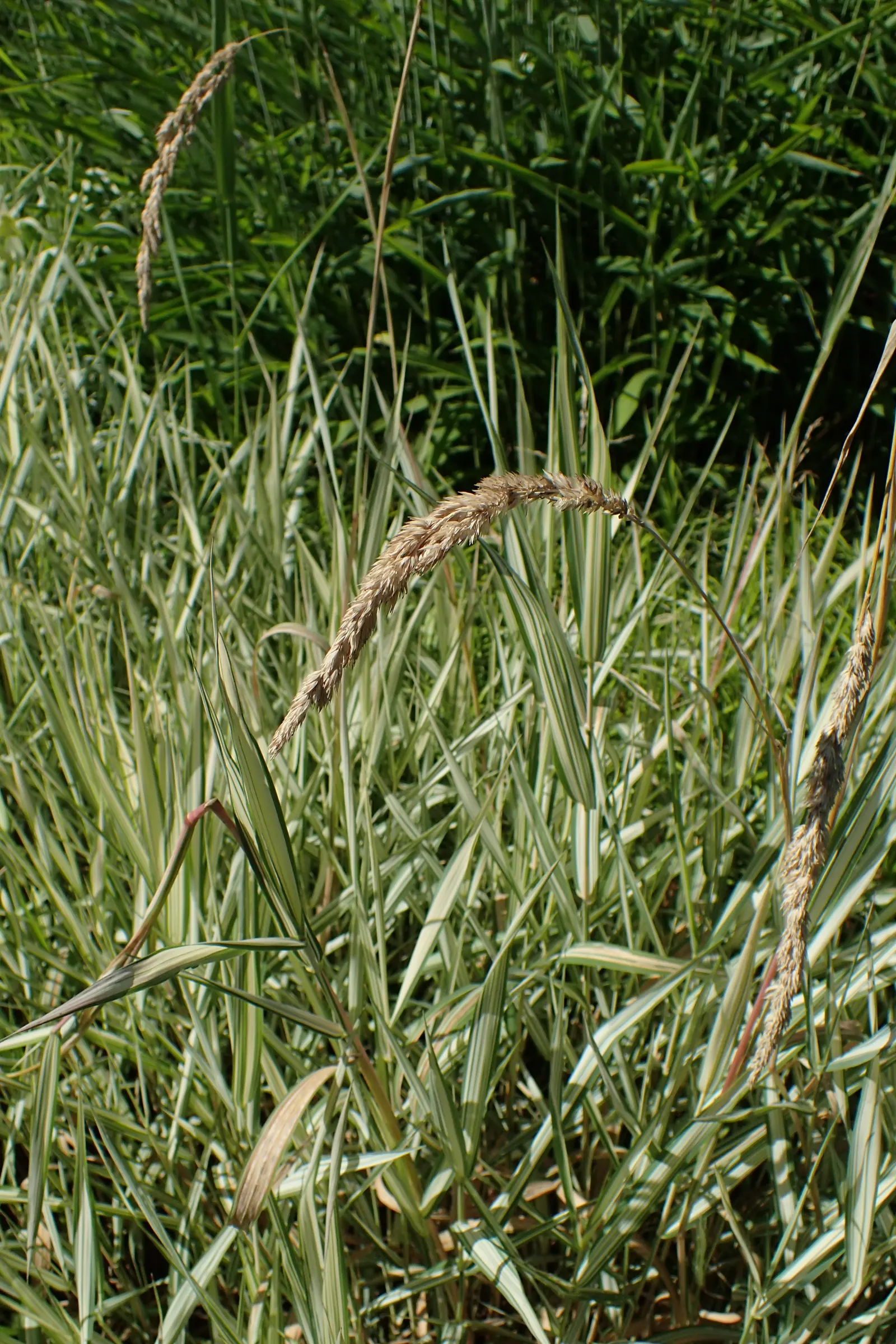
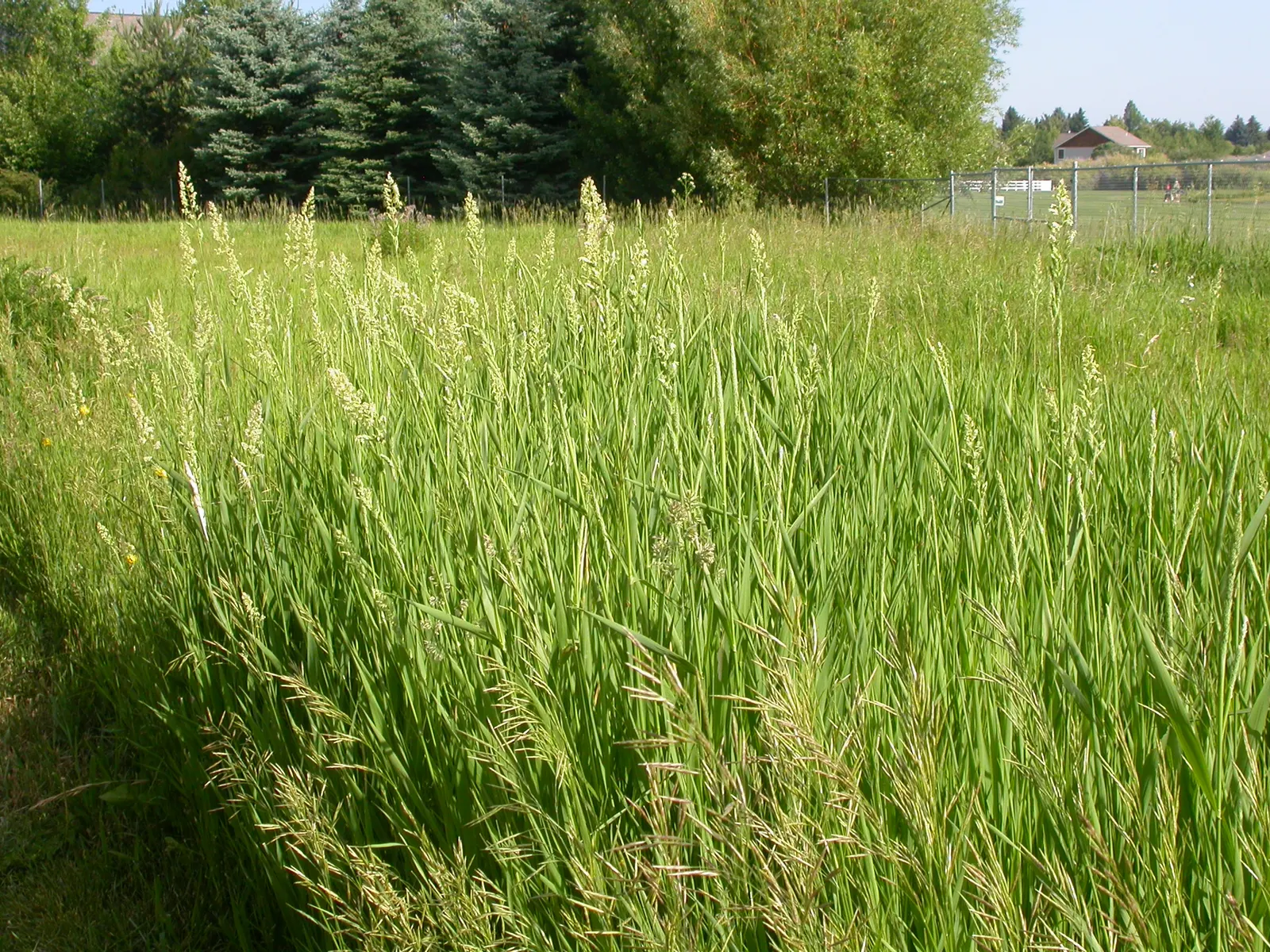
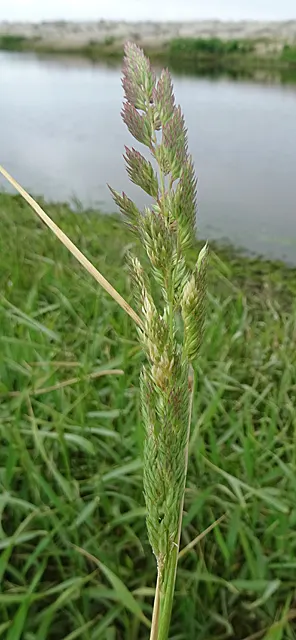
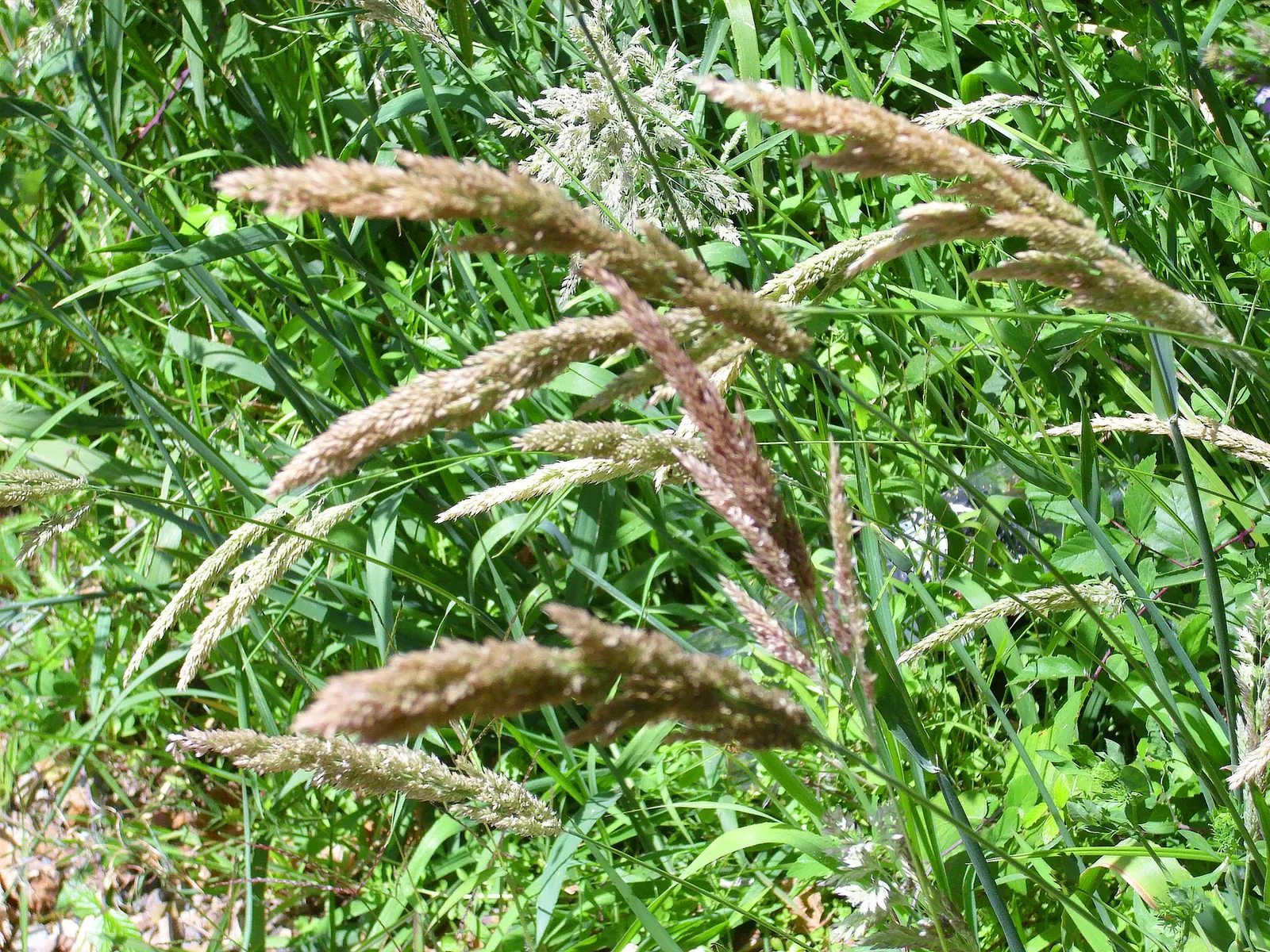
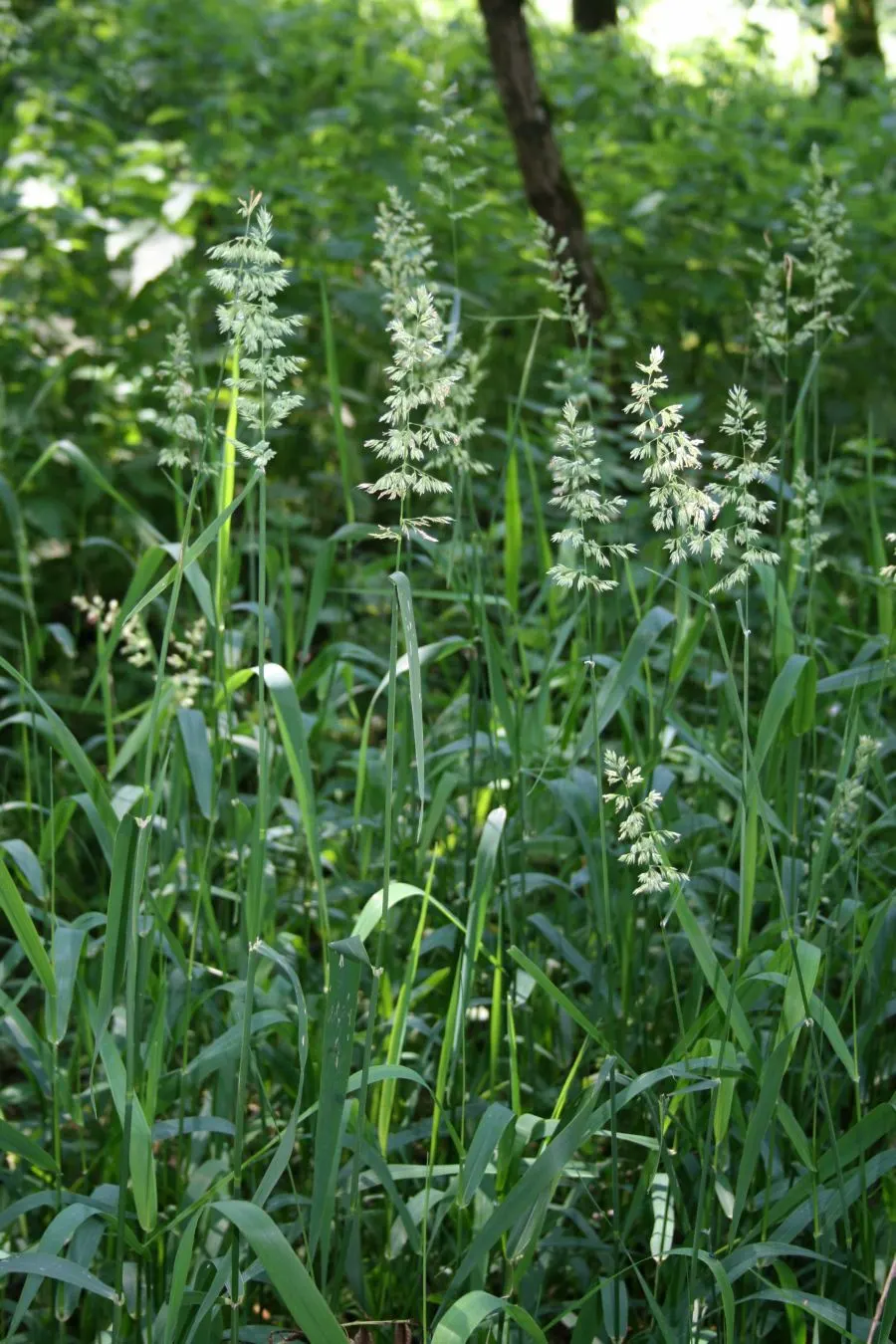
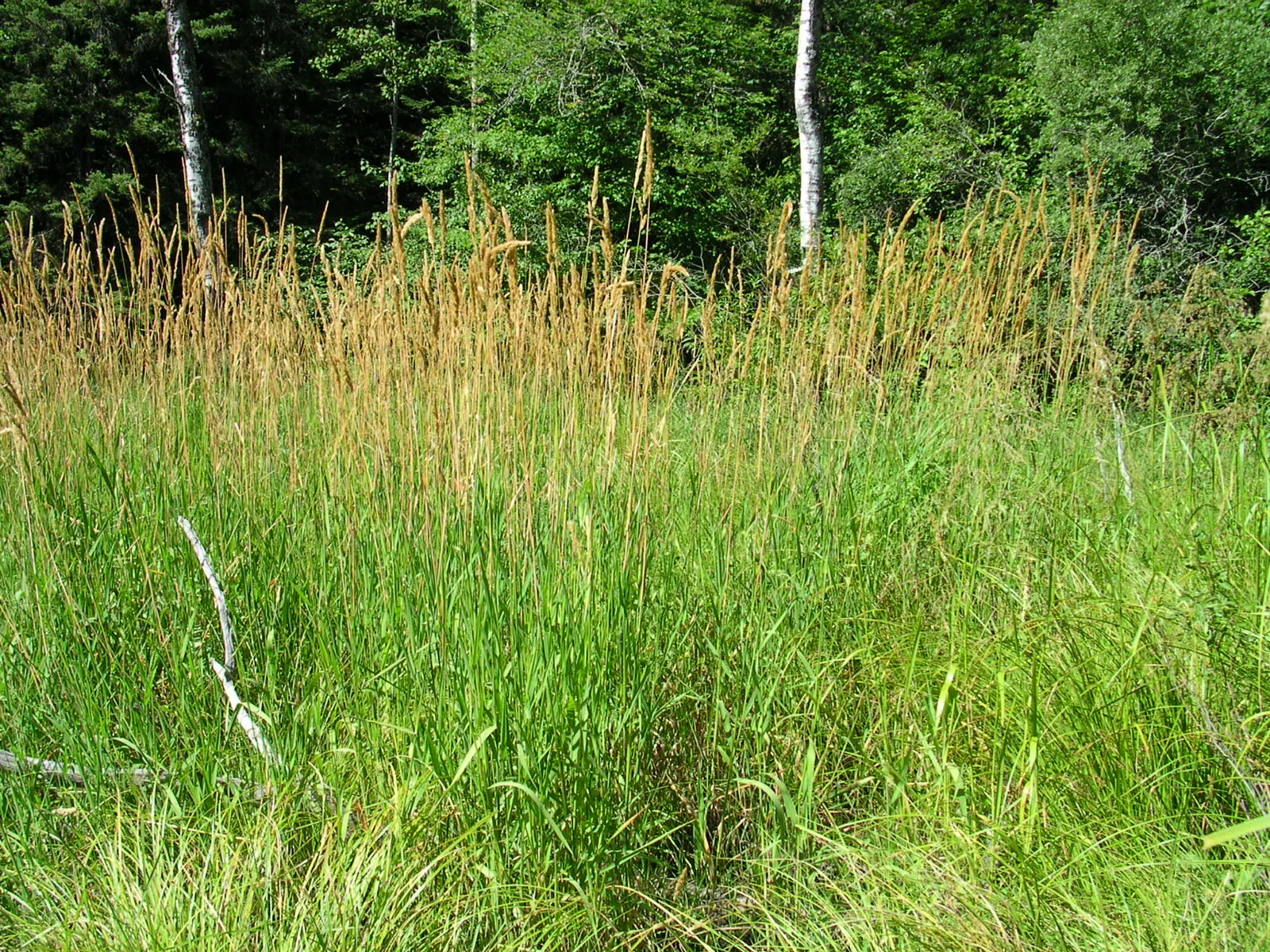
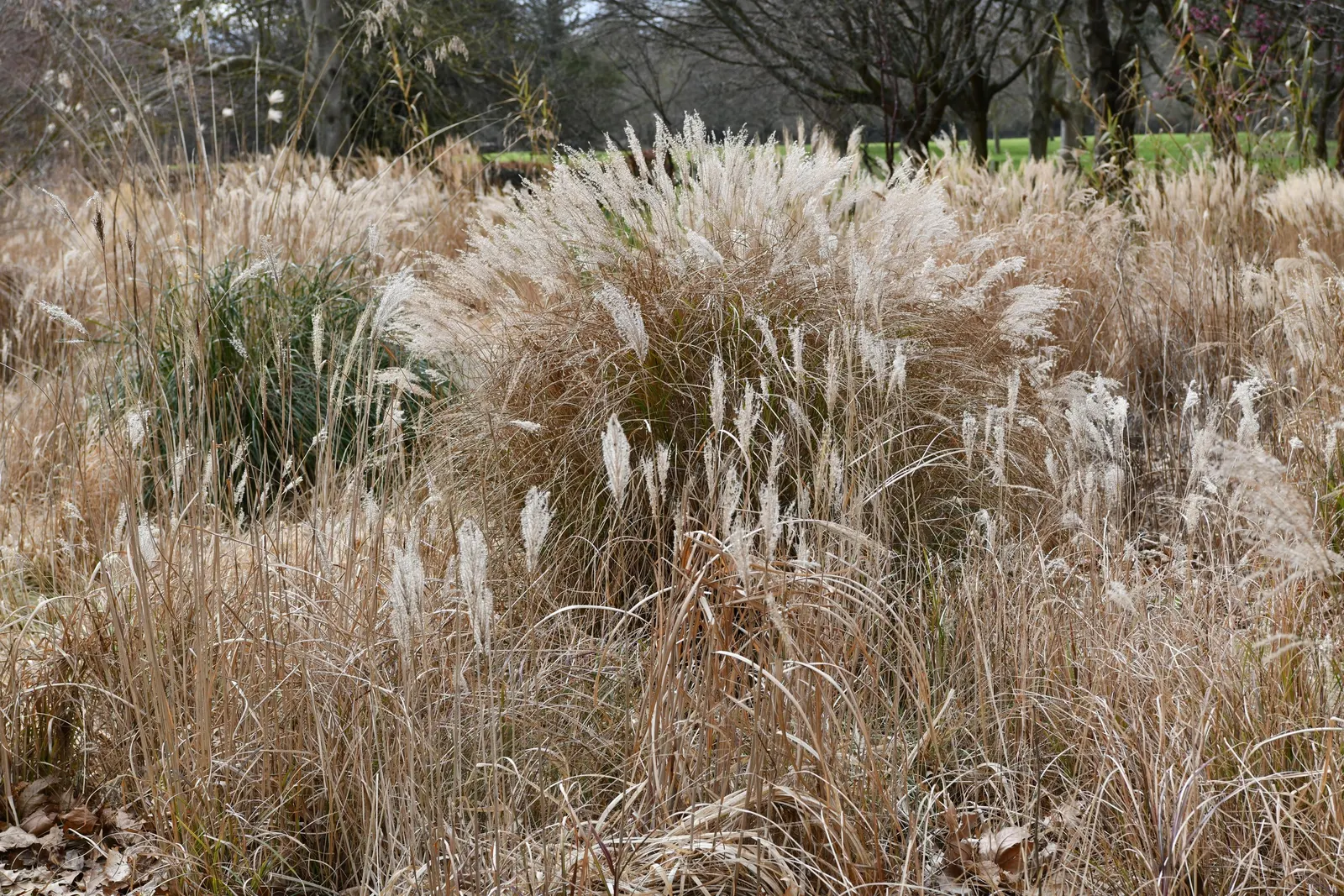
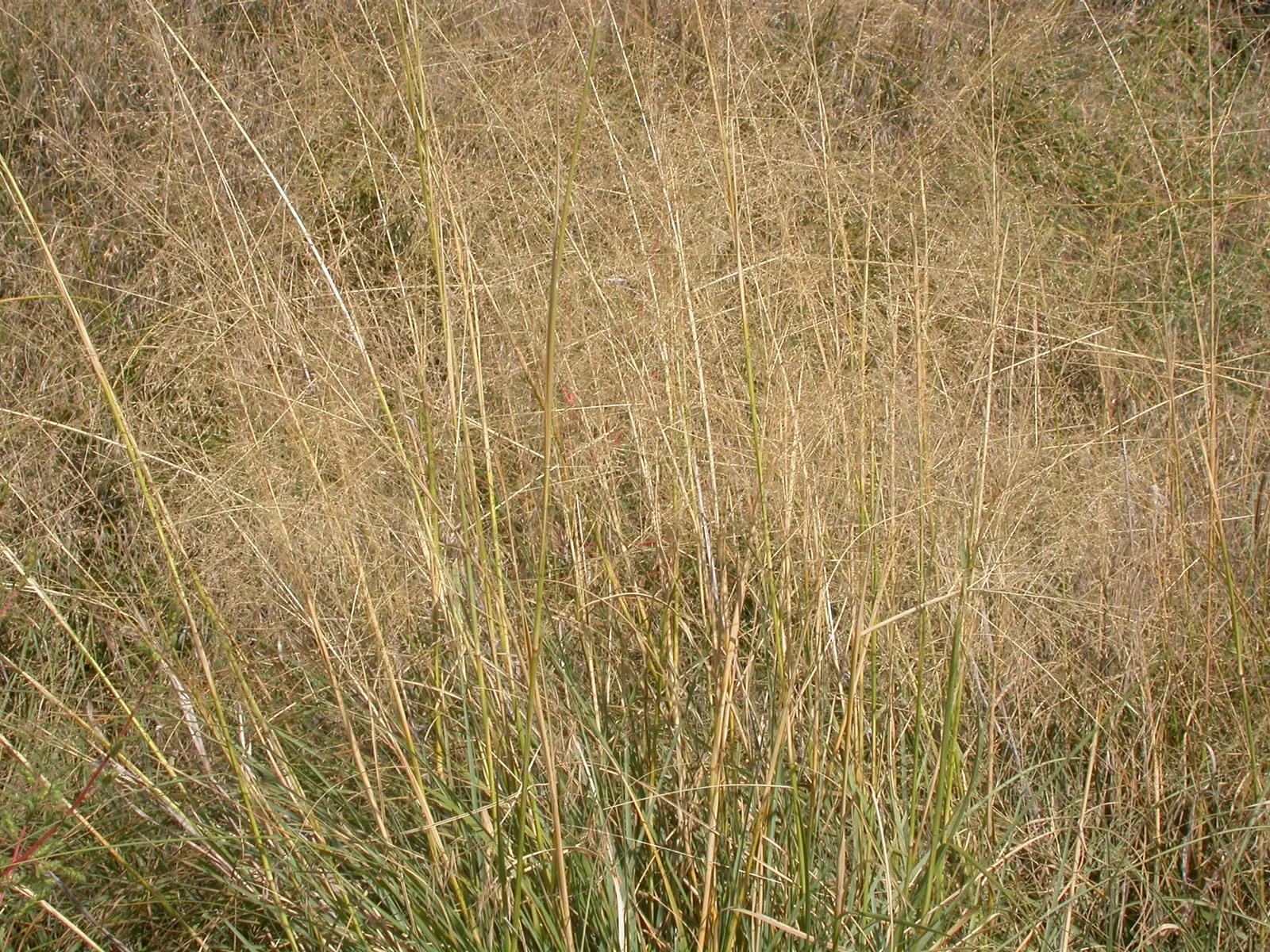
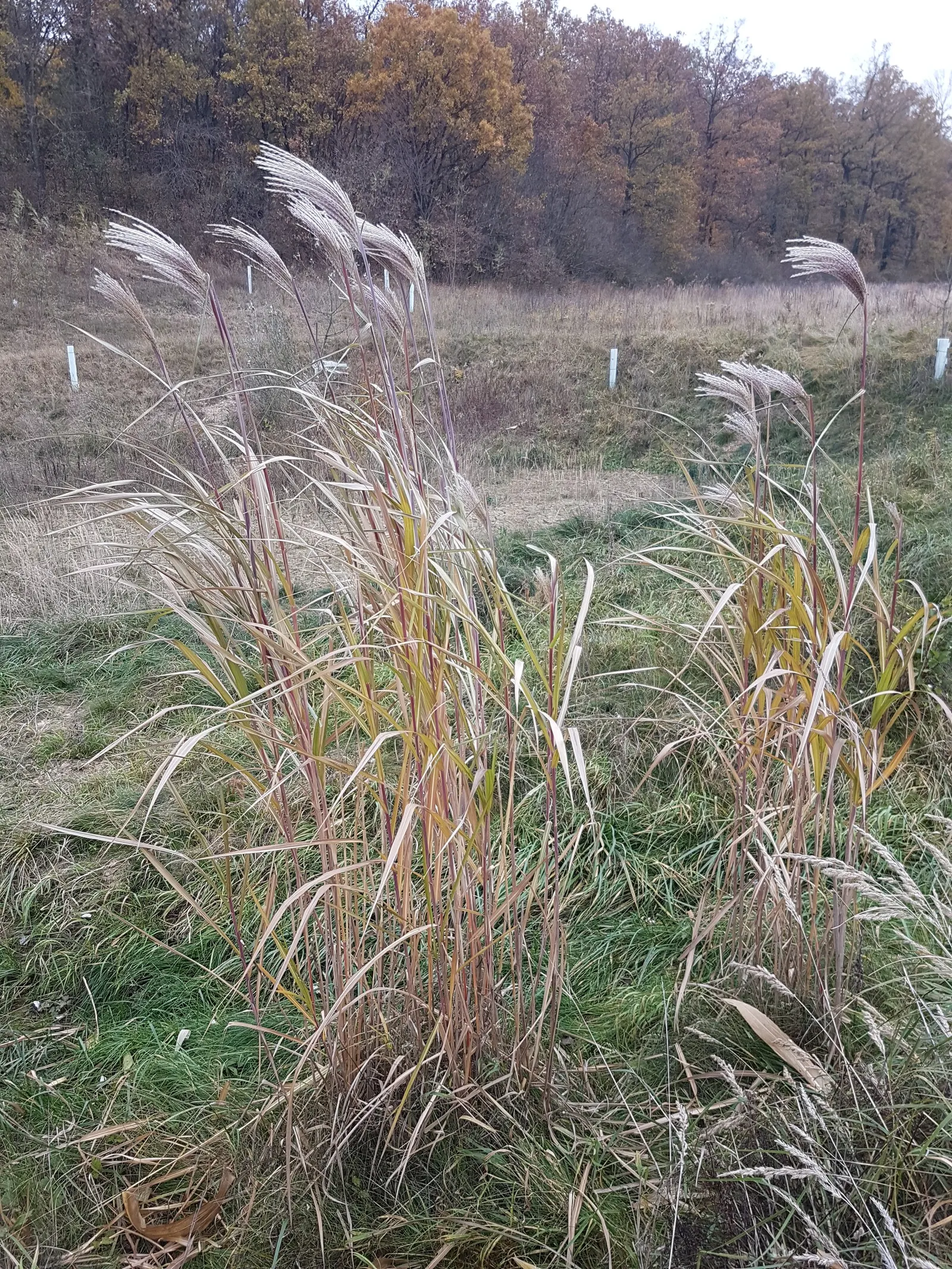
Reed Canary Grass (Phalaris arundinacea), thriving in zones 4-9, is a perennial grass reaching 5-6 feet tall and spreading 2-3 feet wide. Preferring full sun to part shade, it grows rapidly in wet soils and can tolerate flooding. Its dense, feathery, green inflorescences in summer add texture. Caution: It's invasive and may require management to keep in check. Ideal for erosion control and naturalized areas.

Sun Full, HalfWater Low, MediumZones 6–9Type Grass
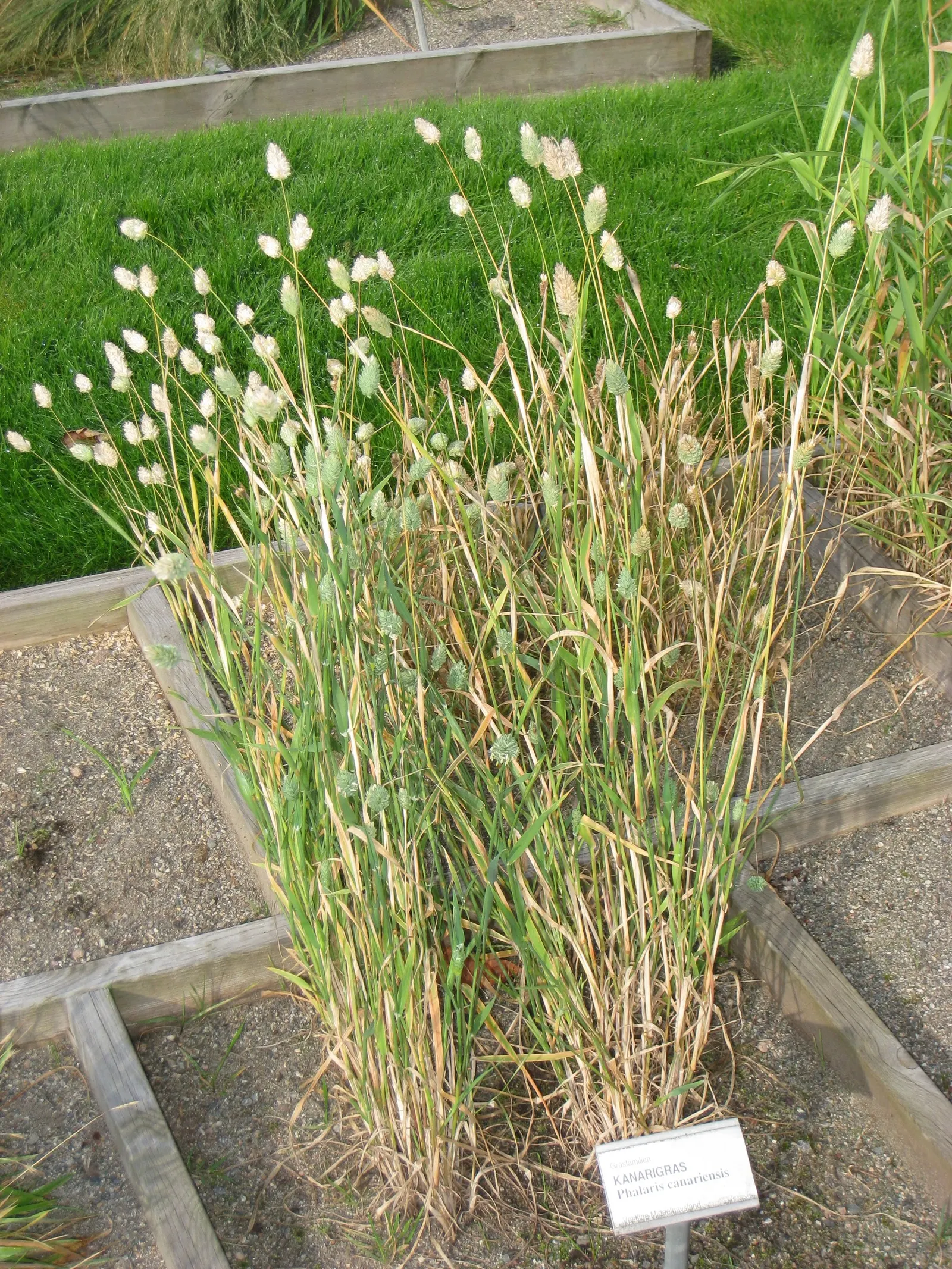
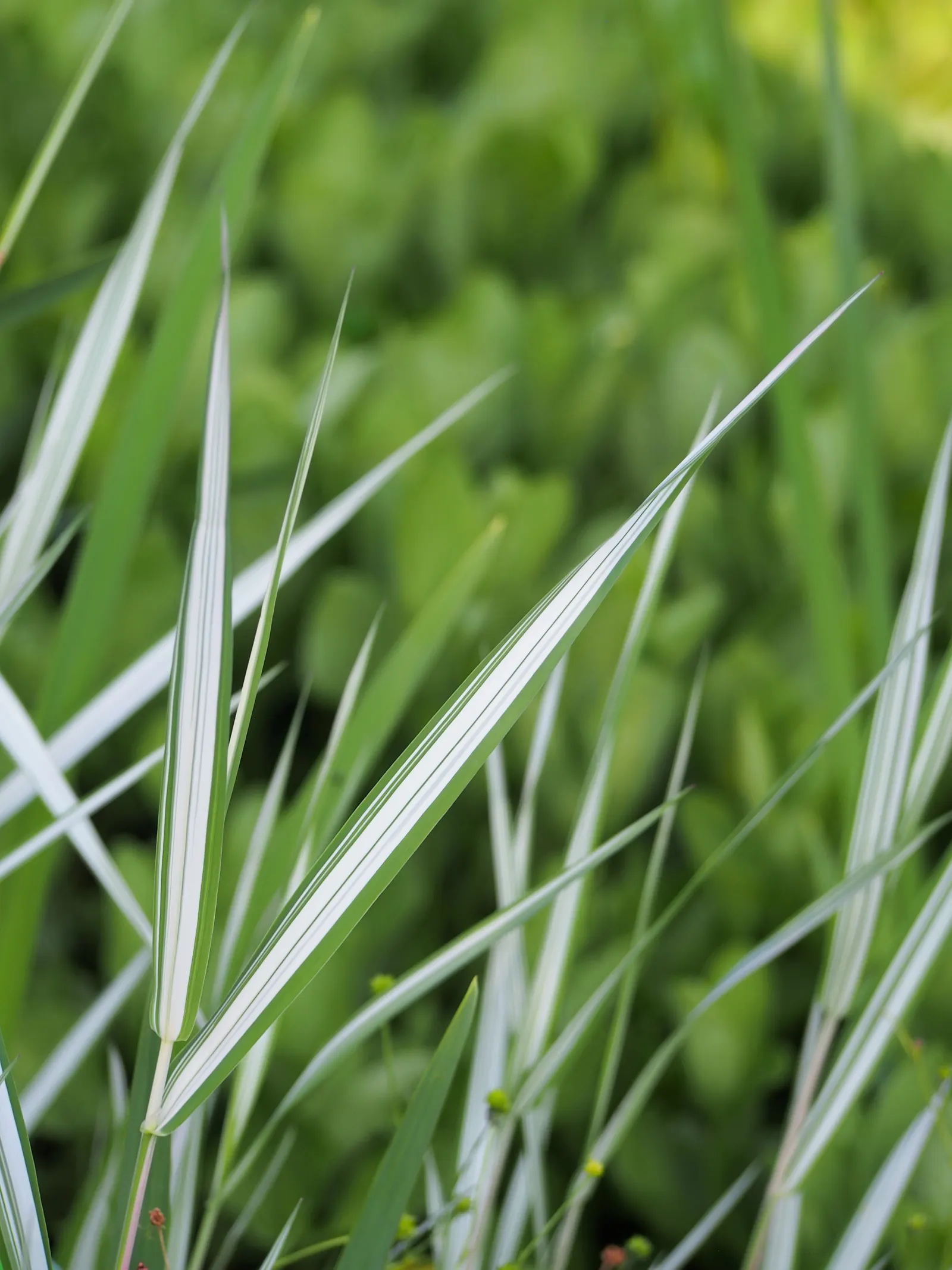
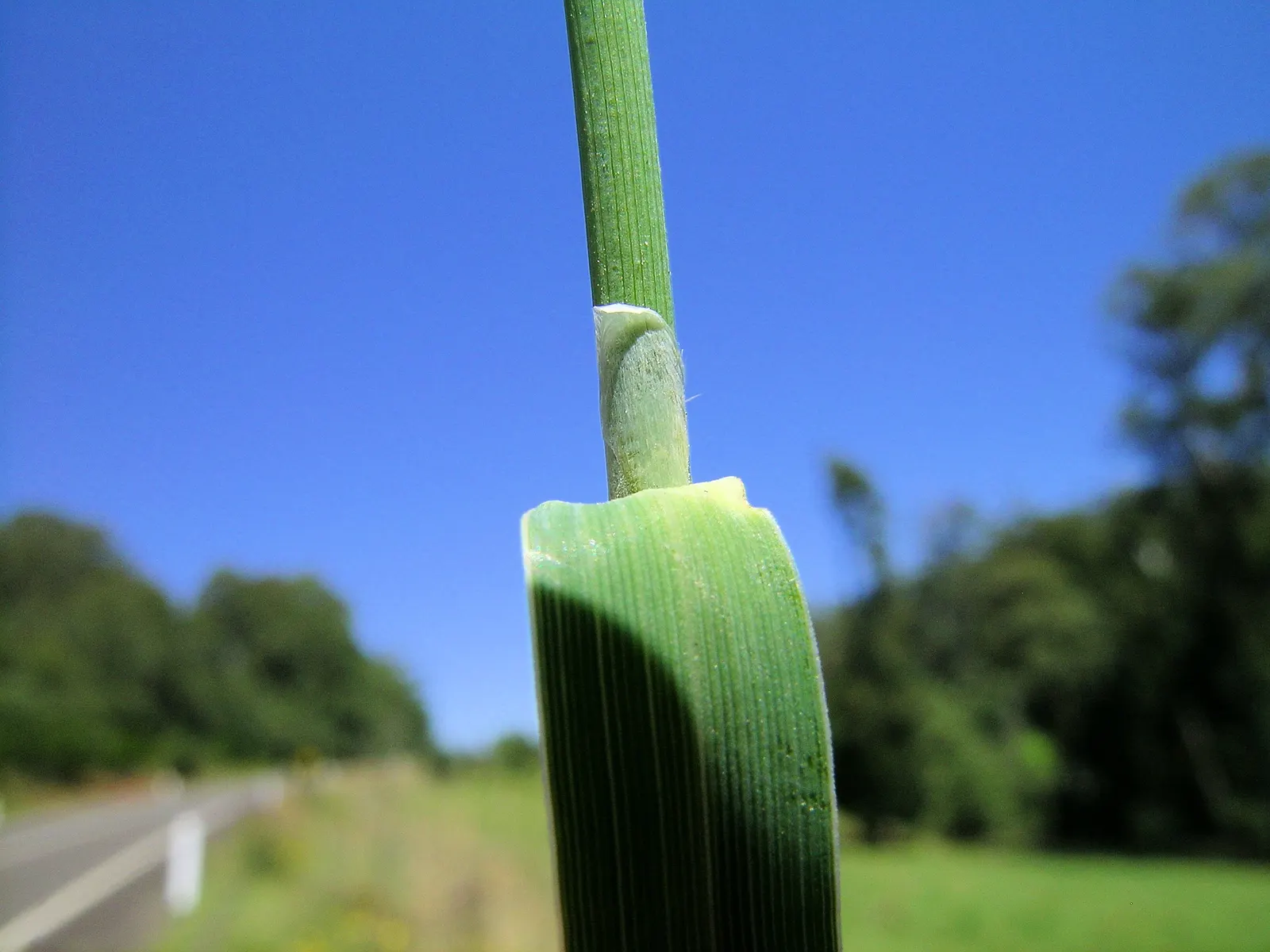
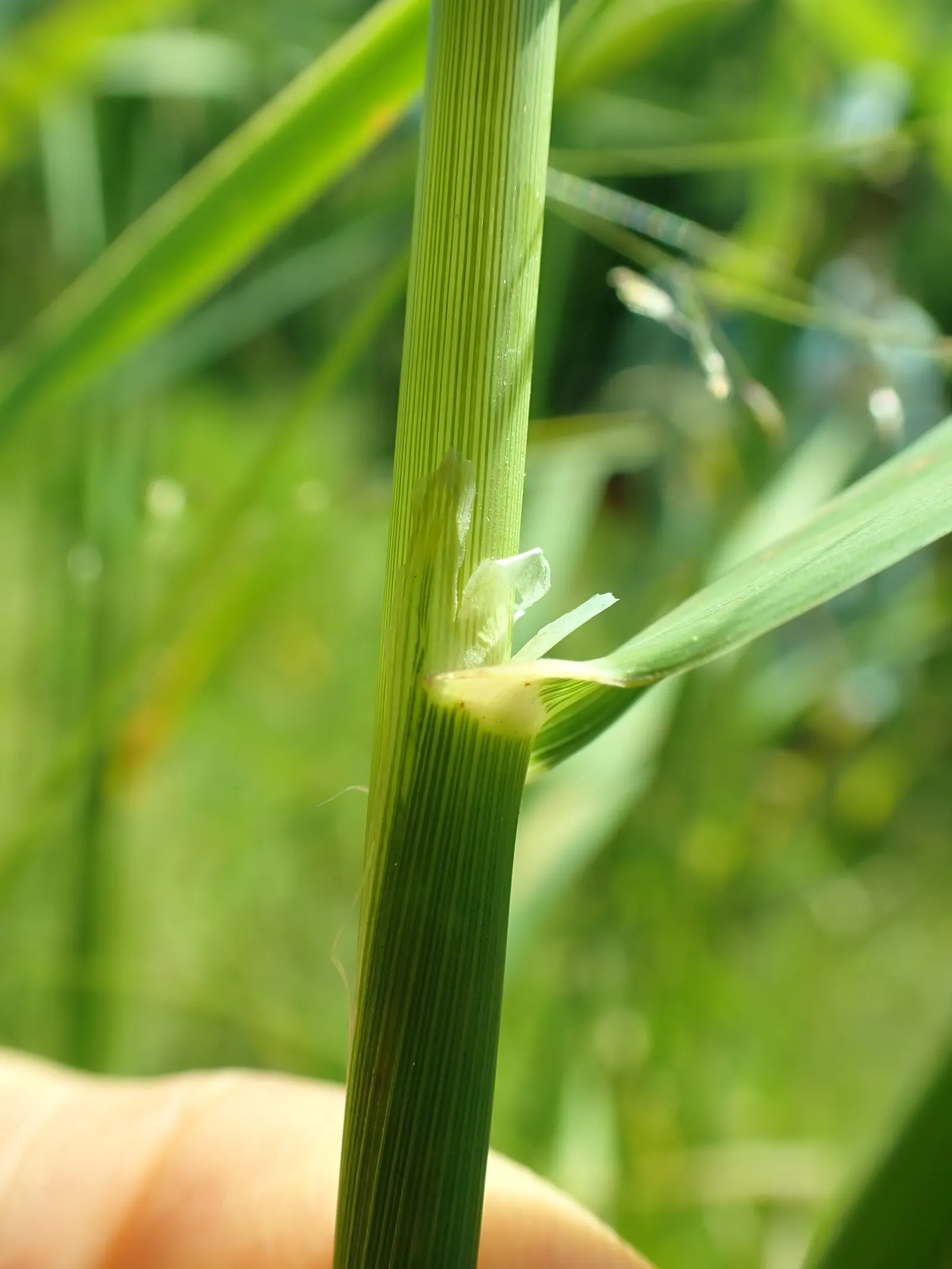
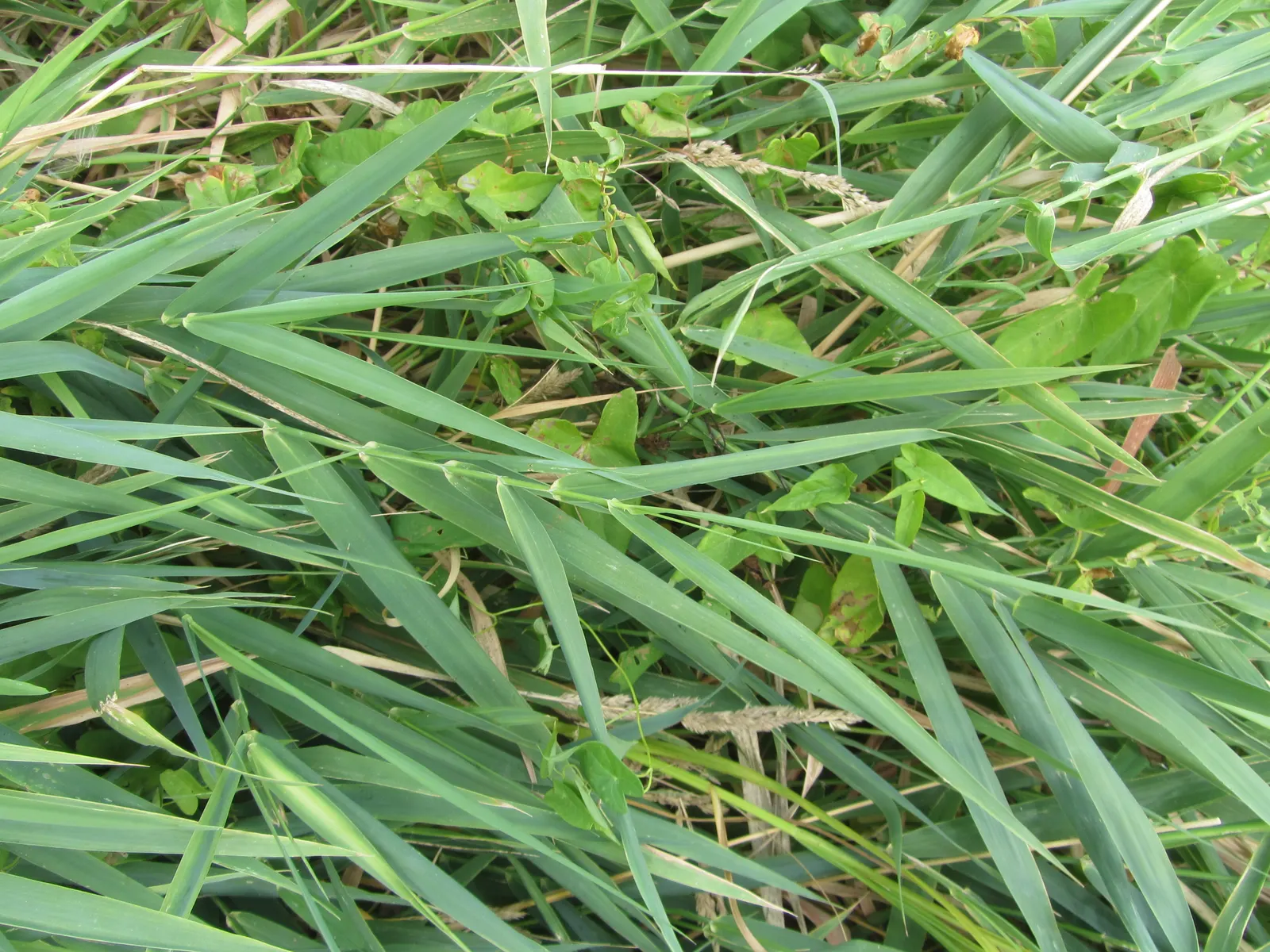
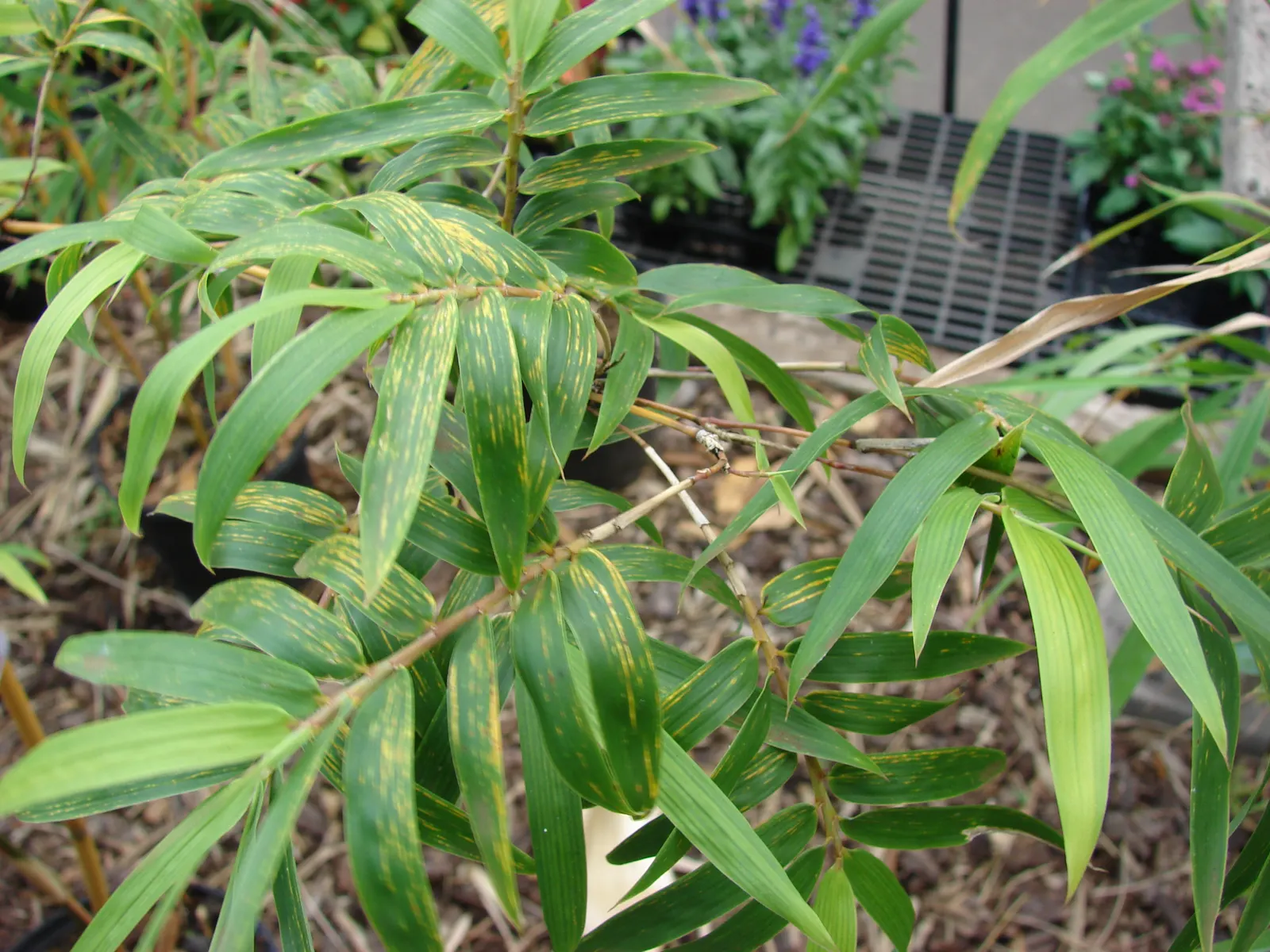
Reed Canary Grass (Phalaris Arundinacea) — glossy leaves approximately 1/2 an inch wide and can grow over 10 inches long; this grass often reaches, image 60

Culture

Sun
Full, Half
Water
Low, Medium
USDA zones
6–9

Shape & size

Classification

Type
Grass
Family
Poaceae

See full data, regional cultivation notes, and design tools. Build a client presentation around this plant.

Start your 14-day trial

Photos (118)

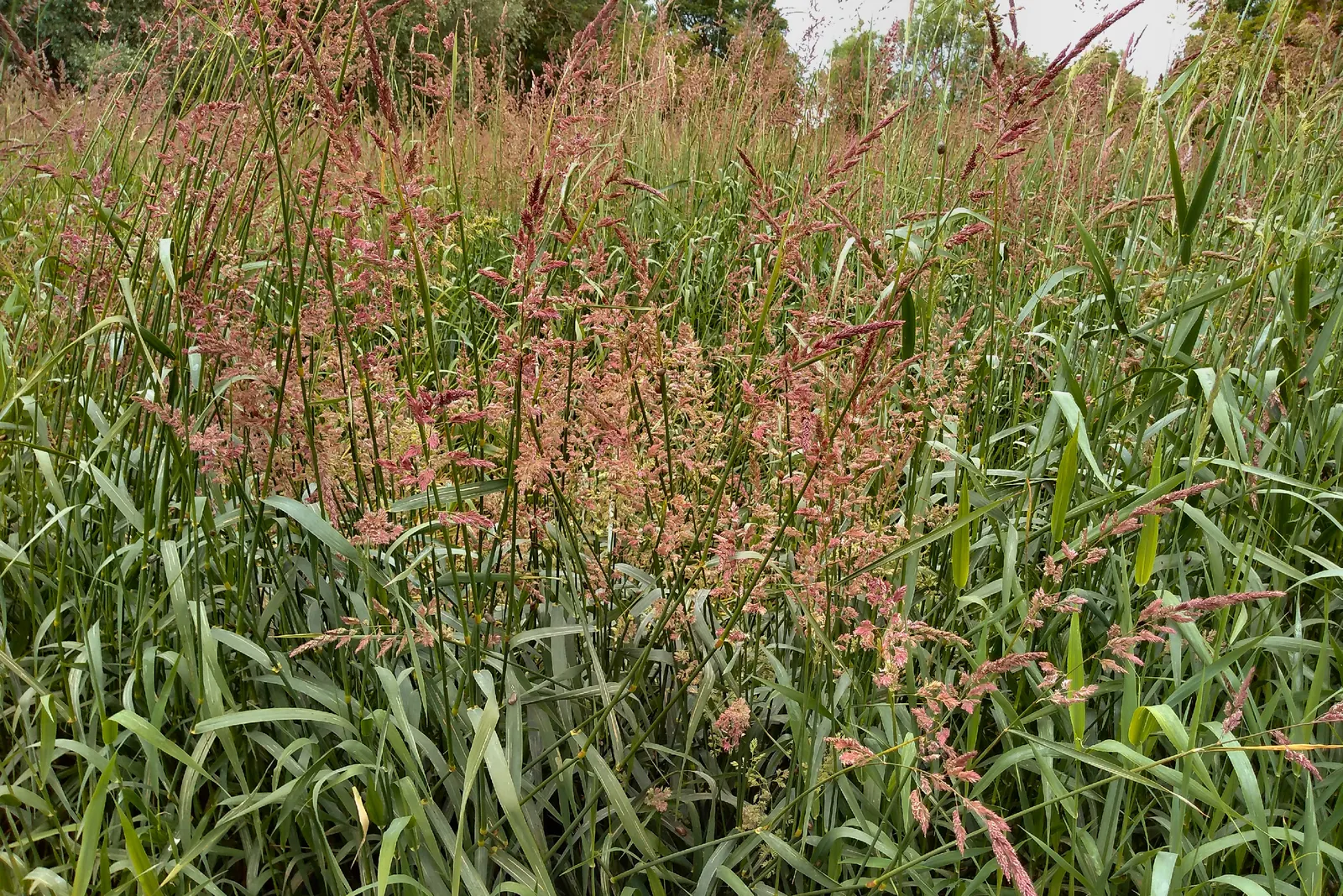
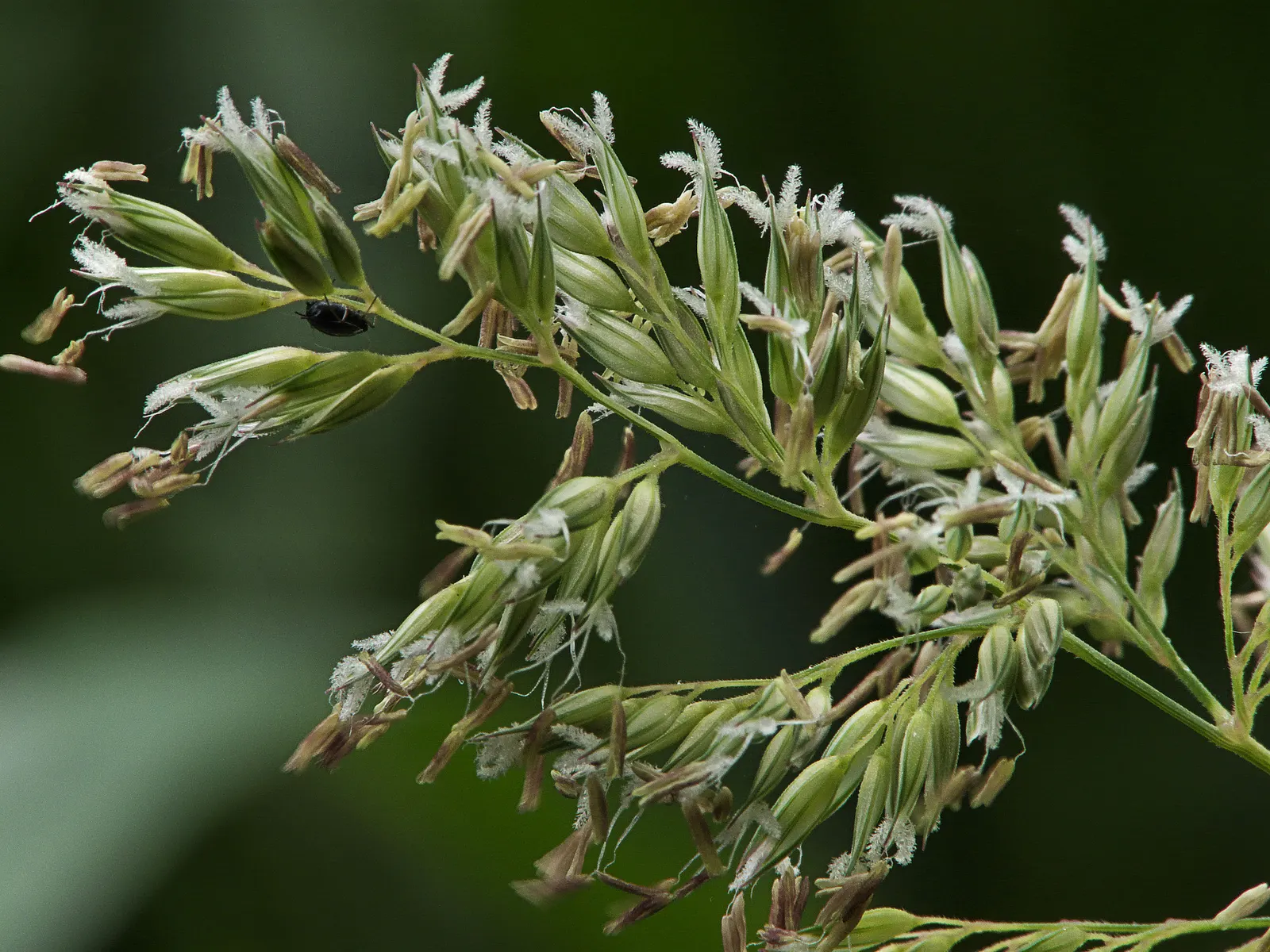
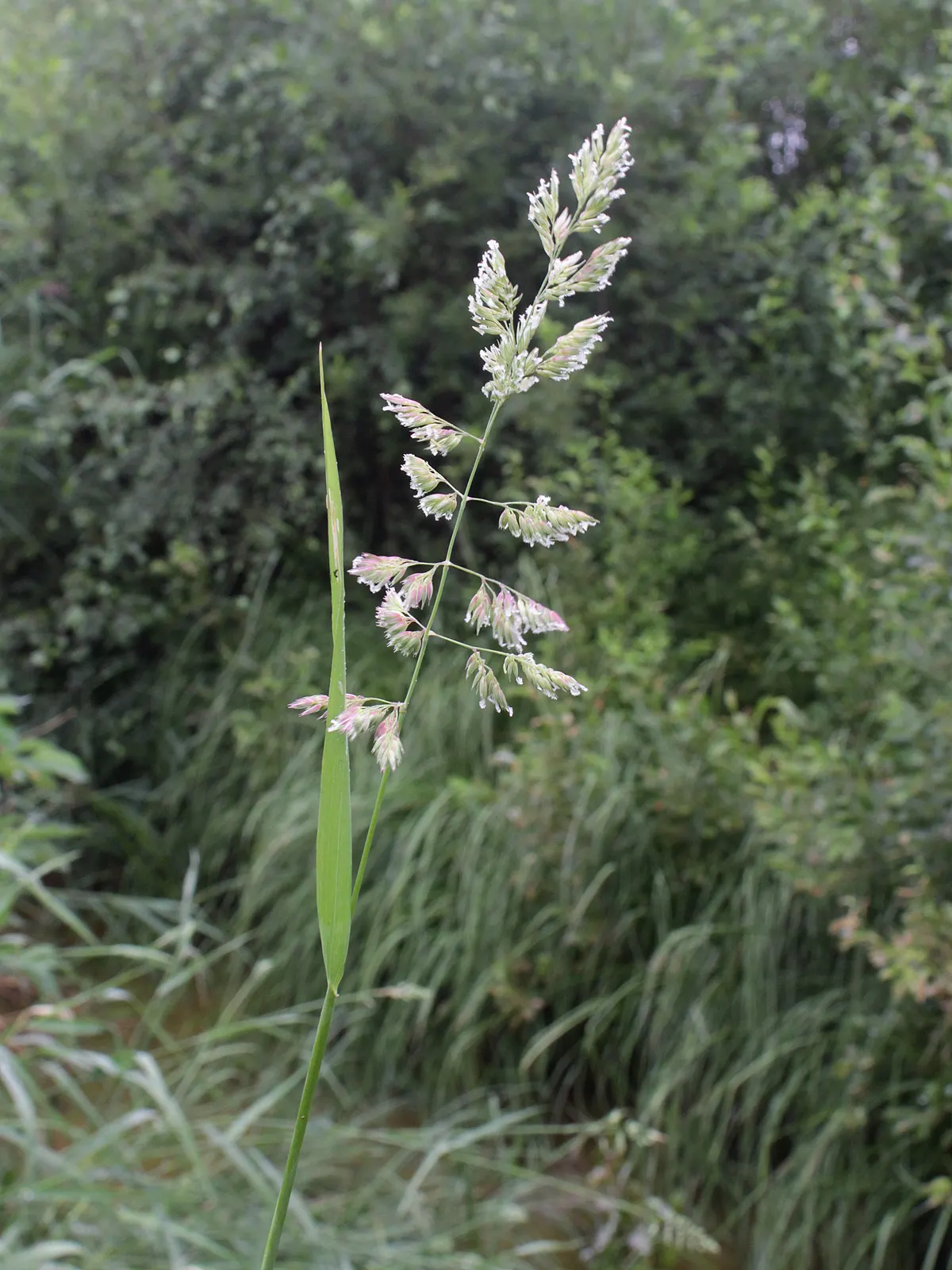
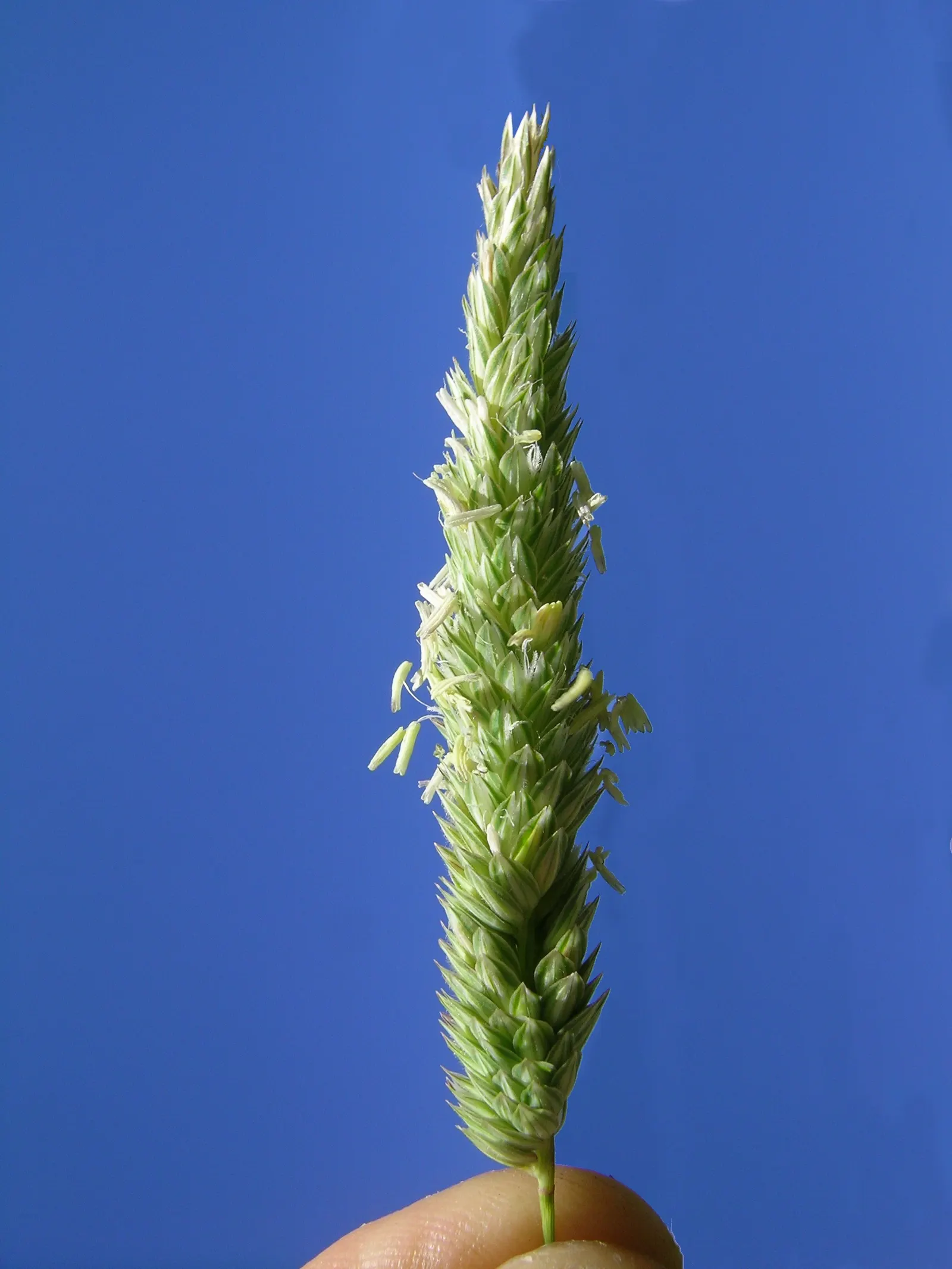
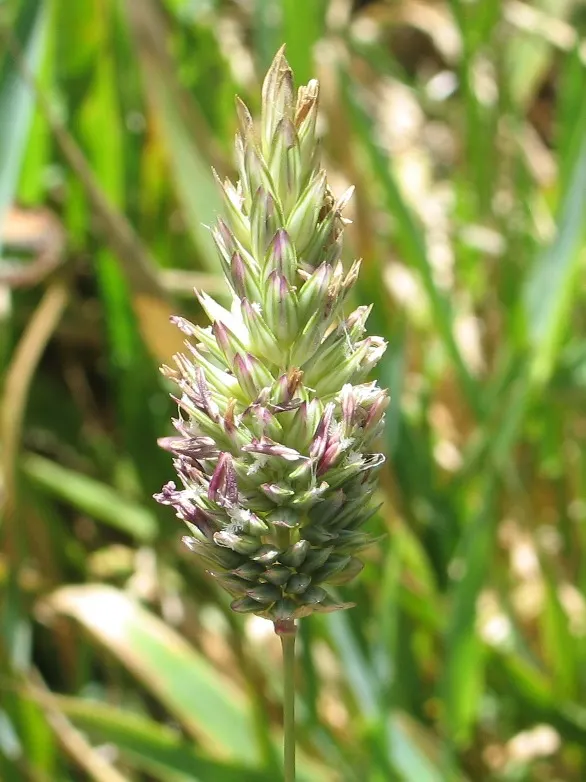
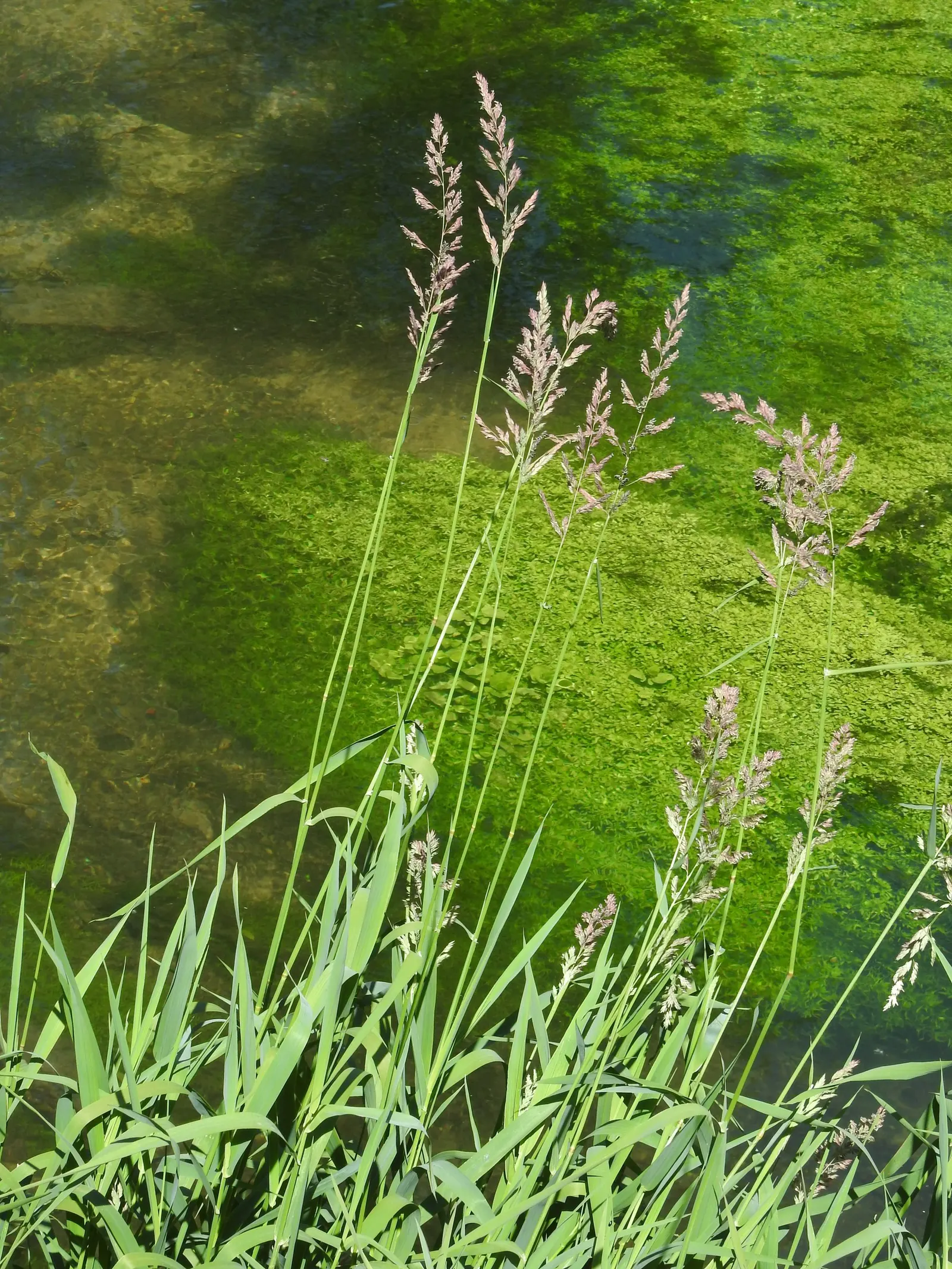
Reed Canary Grass (Phalaris Arundinacea) — Reed Canary Grass can be aggressively invasive in certain regions; pale green to purple-flushed panicles, image 88
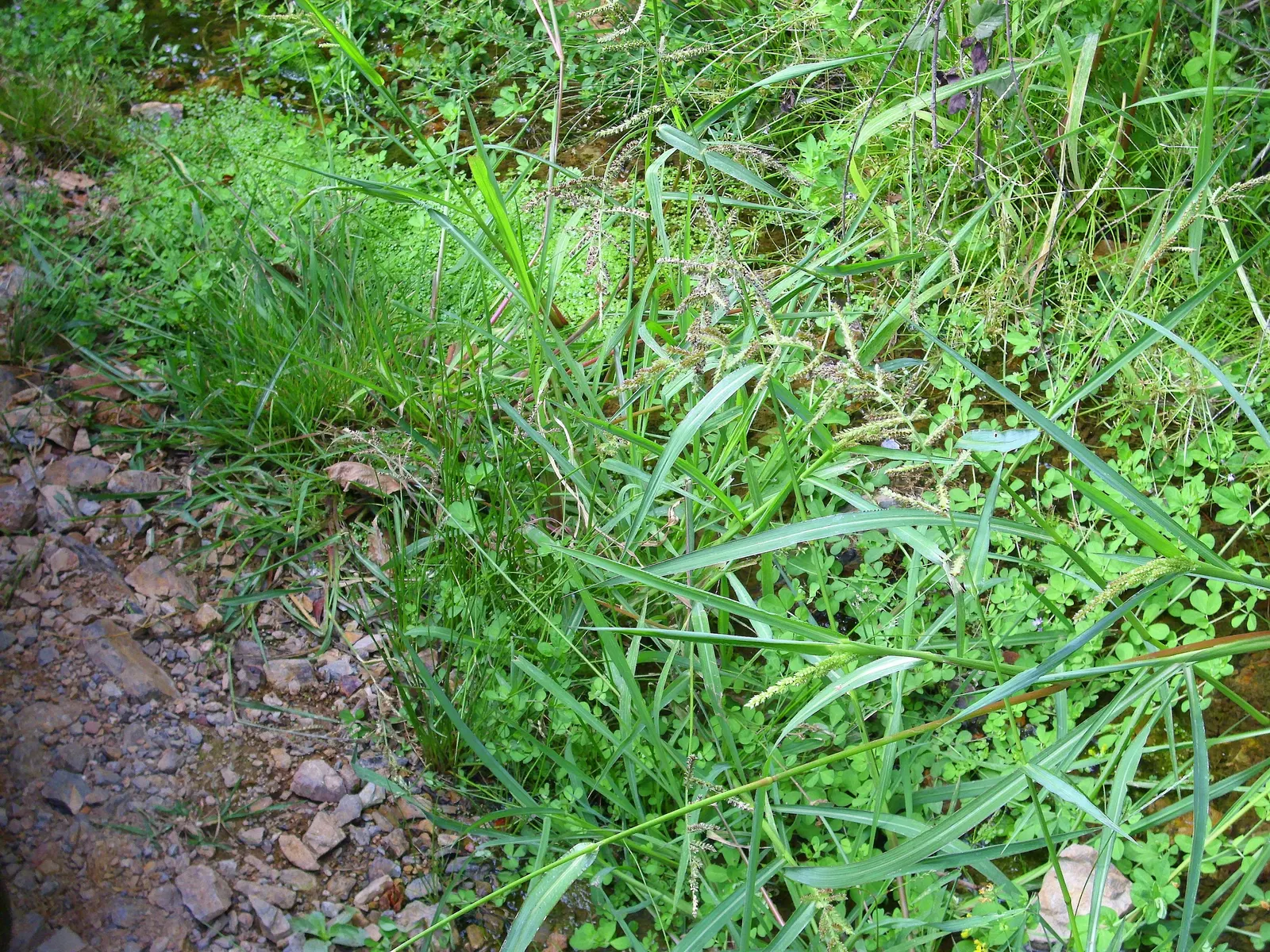
Reed Canary Grass (Phalaris Arundinacea) — outcompeting native vegetation; whether you seek to create naturalized borders or to integrate a water-wise feature
Reed Canary Grass (Phalaris Arundinacea) — Ideal for erosion control and naturalized areas
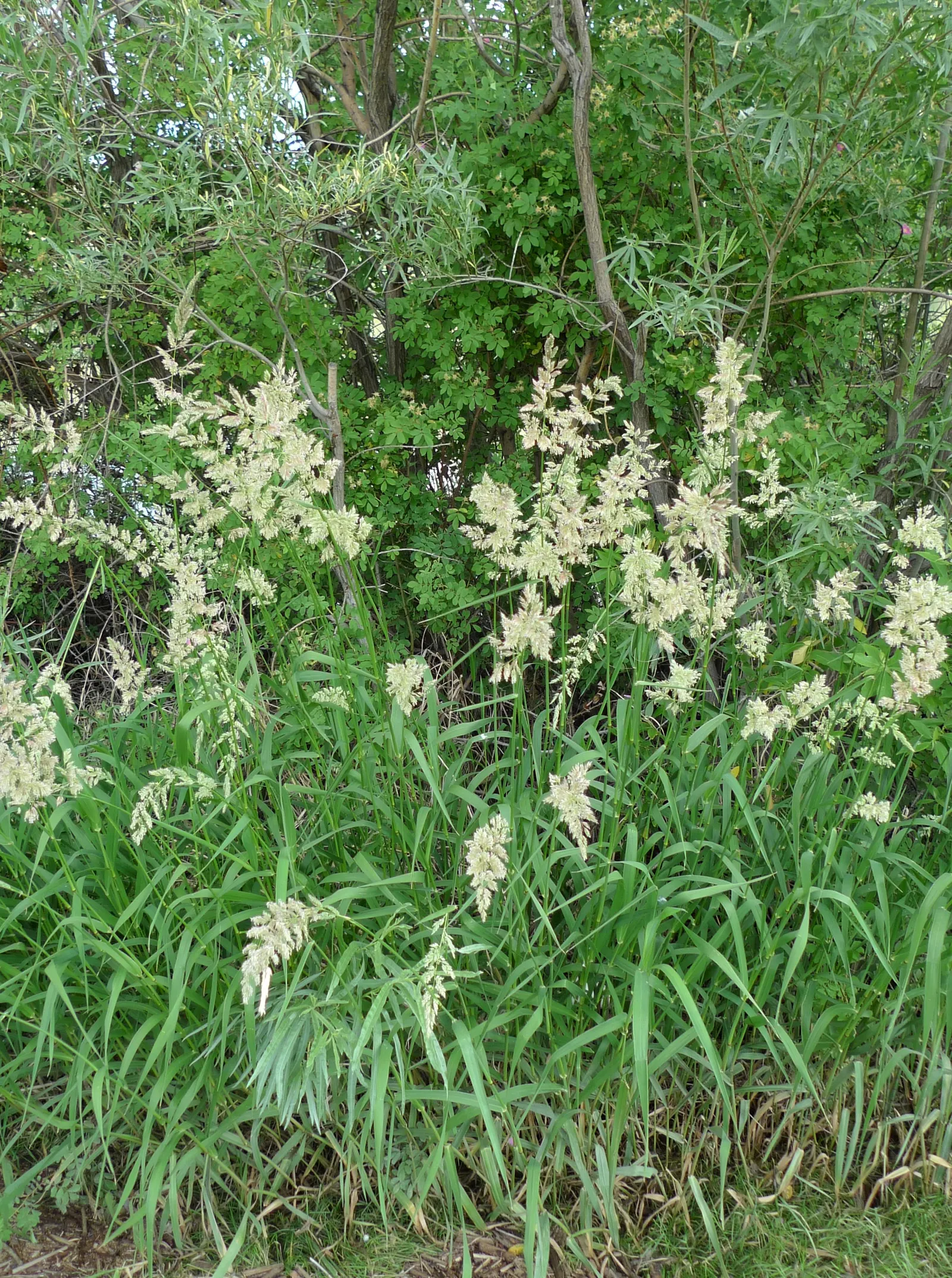
Reed Canary Grass (Phalaris Arundinacea) — is a perennial grass reaching 5-6 feet tall and spreading 2-3 feet wide; its foliage displays flat, image 50
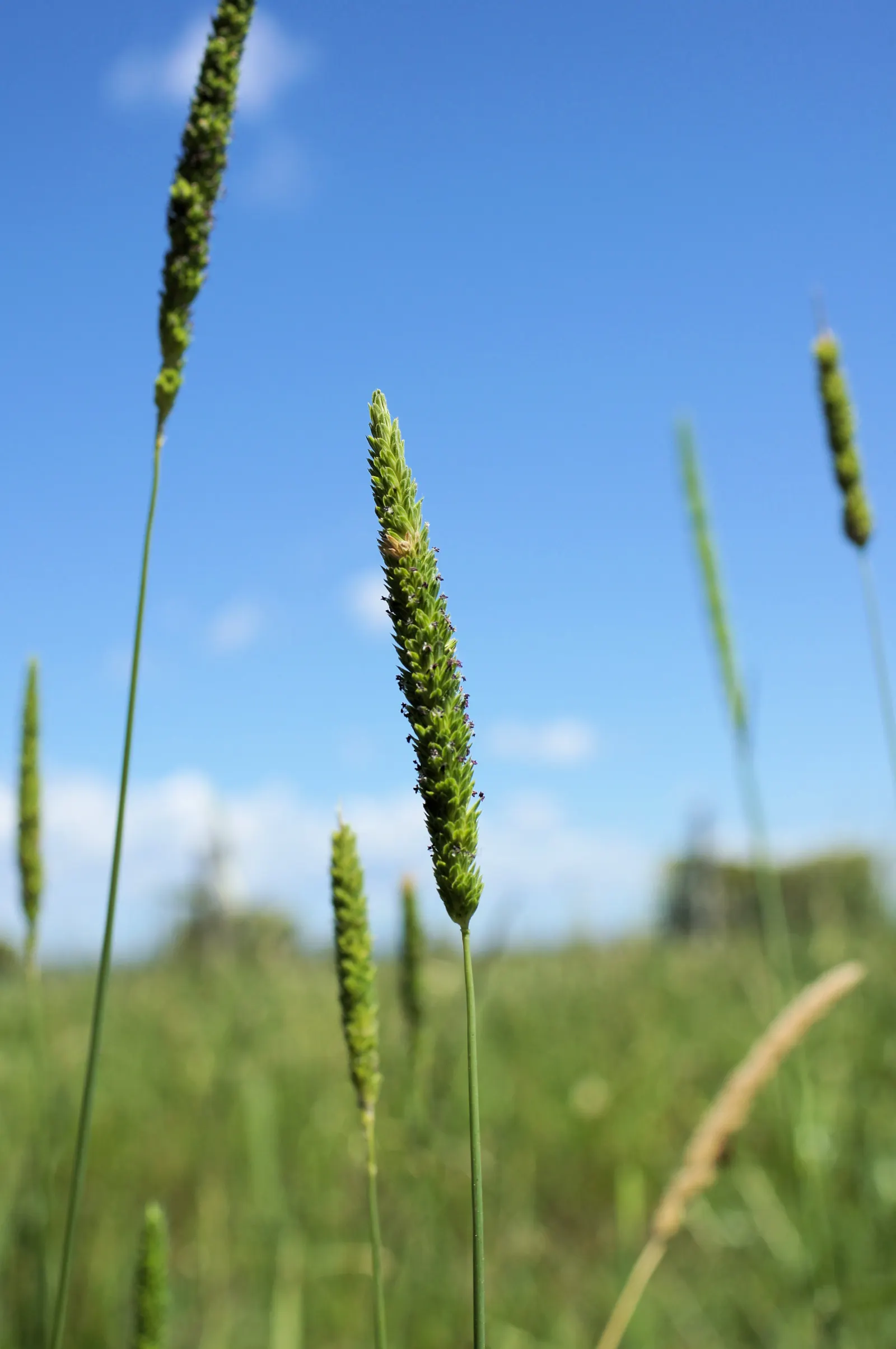
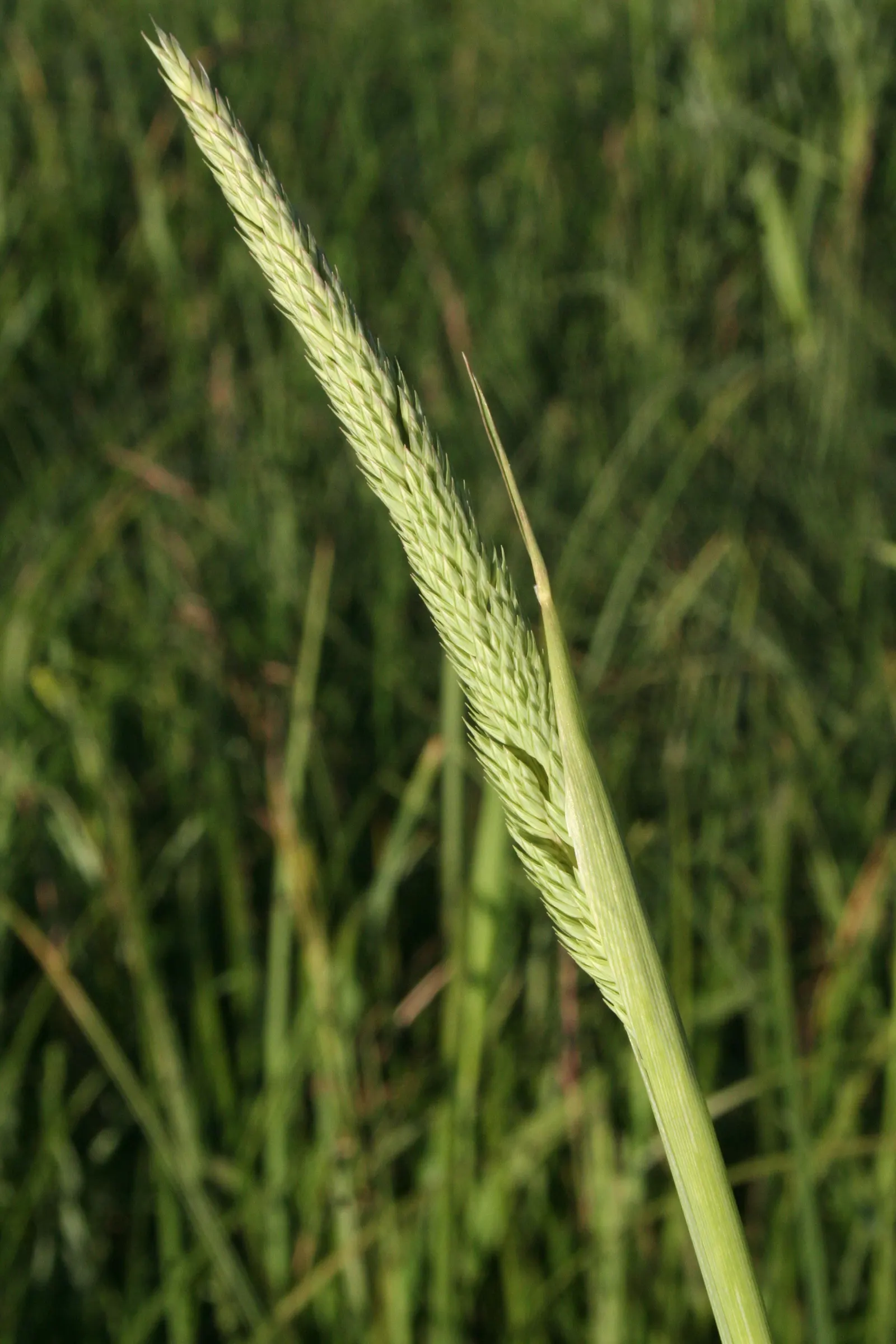
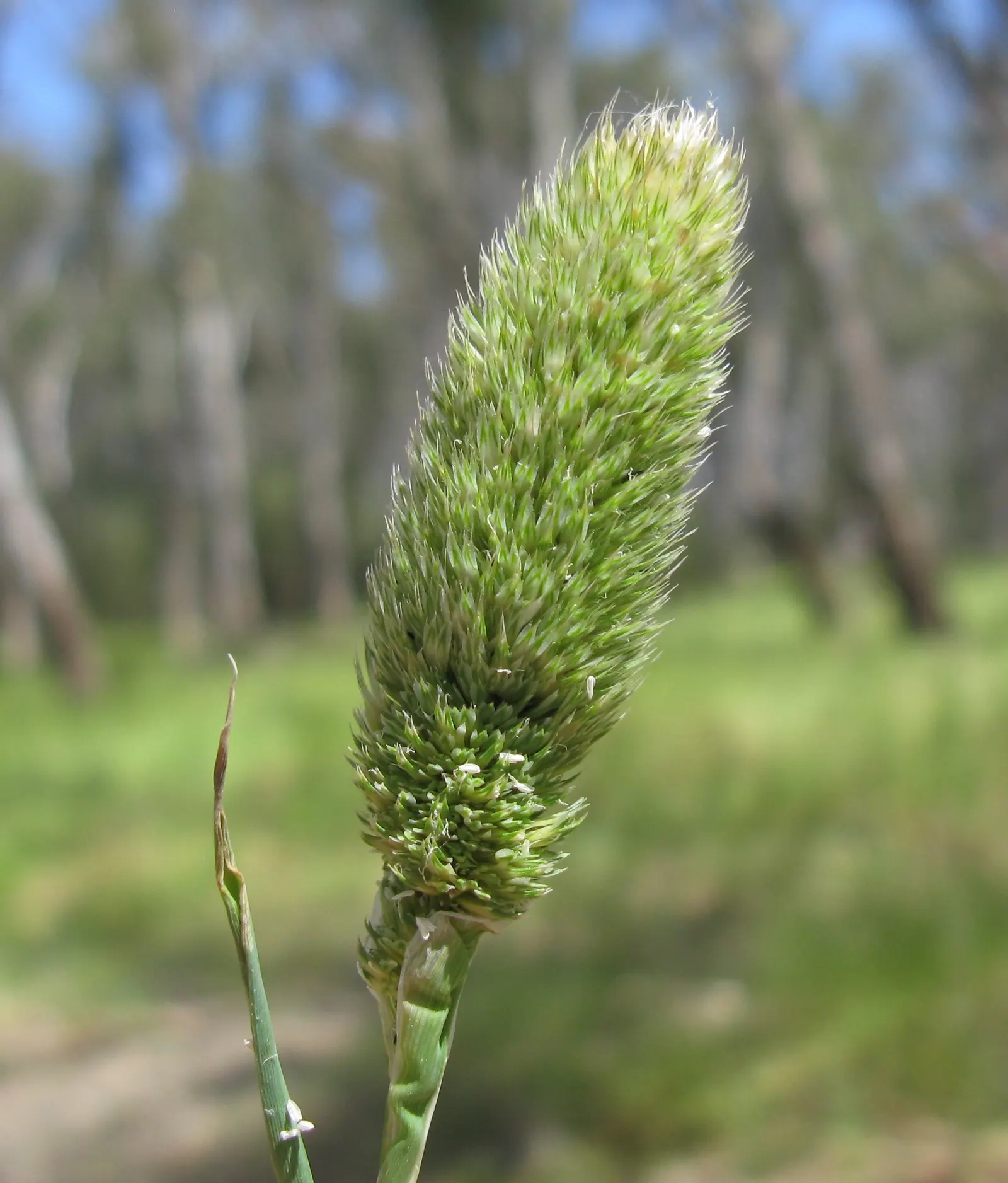
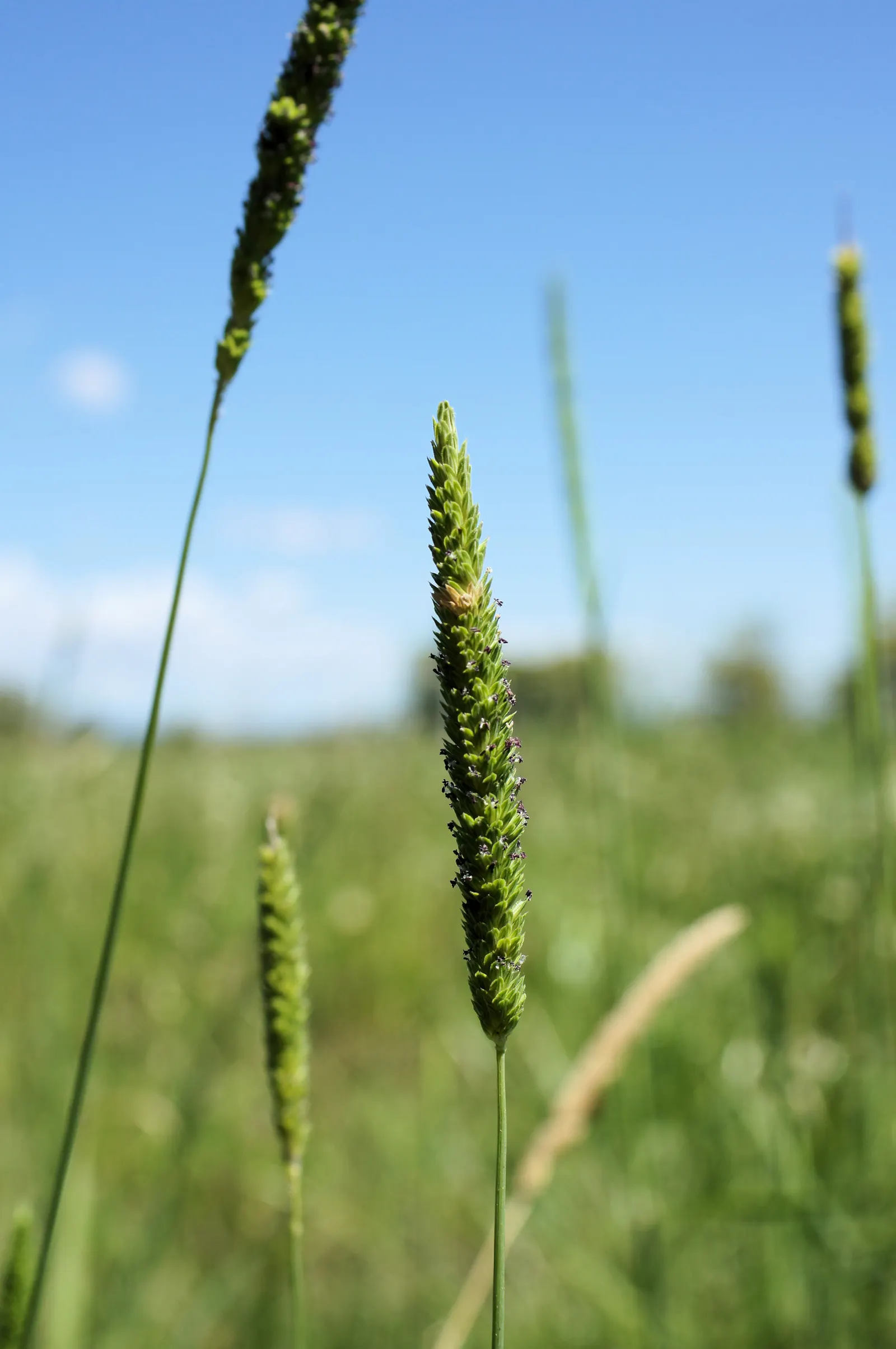
Reed Canary Grass (Phalaris Arundinacea) — These inflorescences can be about 3 to 6 inches long, adding vertical interest to your design; grass with white
Reed Canary Grass (Phalaris Arundinacea) — pale green to purple-flushed panicles that make a subtle statement; reed Canary Grass can be, image 85
Reed Canary Grass (Phalaris Arundinacea) — grass for full or half; reed Canary Grass presents a hardy option for both functional and aesthetic, image 72
Reed Canary Grass (Phalaris Arundinacea) — grass with white blooms; these inflorescences can be about 3 to 6 inches long, adding vertical interest, image 95
Reed Canary Grass (Phalaris Arundinacea) — Whether you seek to create naturalized borders or to integrate a water-wise feature; outcompeting native, image 92
Reed Canary Grass (Phalaris Arundinacea) — Whether you seek to create naturalized borders or to integrate a water-wise feature
Reed Canary Grass (Phalaris Arundinacea) — Reed Canary Grass presents a hardy option for both functional and aesthetic purposes in your landscape, image 69
Reed Canary Grass (Phalaris Arundinacea) — with a similar spread that can form dense clumps
Reed Canary Grass (Phalaris Arundinacea) — removing the flower heads before they set seed is recommended; with a similar spread that can form dense, image 91
Reed Canary Grass (Phalaris Arundinacea) — Ideal for erosion control and naturalized areas; this resilient grass thrives in a wide range of soil, image 78
Reed Canary Grass (Phalaris Arundinacea) — Ideal for erosion control and naturalized areas; this resilient grass thrives in a wide range of soil types but
Reed Canary Grass (Phalaris Arundinacea) — This resilient grass thrives in a wide range of soil types but favors moist conditions; ideal for, image 87
Reed Canary Grass (Phalaris Arundinacea) — Whether you seek to create naturalized borders or to integrate a water-wise feature; outcompeting native, image 68
Reed Canary Grass (Phalaris Arundinacea) — this grass often reaches heights between 2 and 6 feet; glossy leaves approximately 1/2 an inch wide and can grow
Reed Canary Grass (Phalaris Arundinacea) — These inflorescences can be about 3 to 6 inches long, adding vertical interest to your design; grass, image 86
Reed Canary Grass (Phalaris Arundinacea) — Ideal for erosion control and naturalized areas; this resilient grass thrives in a wide range of soil, image 54
Reed Canary Grass (Phalaris Arundinacea) — grass for full or half; reed Canary Grass presents a hardy option for both functional and aesthetic purposes in your
Reed Canary Grass (Phalaris Arundinacea) — Caution: It's invasive and may require management to keep in check; hardy across USDA Zones 4 to 9, image 77
Reed Canary Grass (Phalaris Arundinacea) — Reed Canary Grass is a perennial species known for its robust growth and versatility; white flowers in, image 79
Reed Canary Grass (Phalaris Arundinacea) — This resilient grass thrives in a wide range of soil types but favors moist conditions; ideal for, image 63
Photographs by 14 contributors

Related plants