Skip to content

Emerald Ripple Peperomia

Peperomia Caperata

Design with this plant

Overview

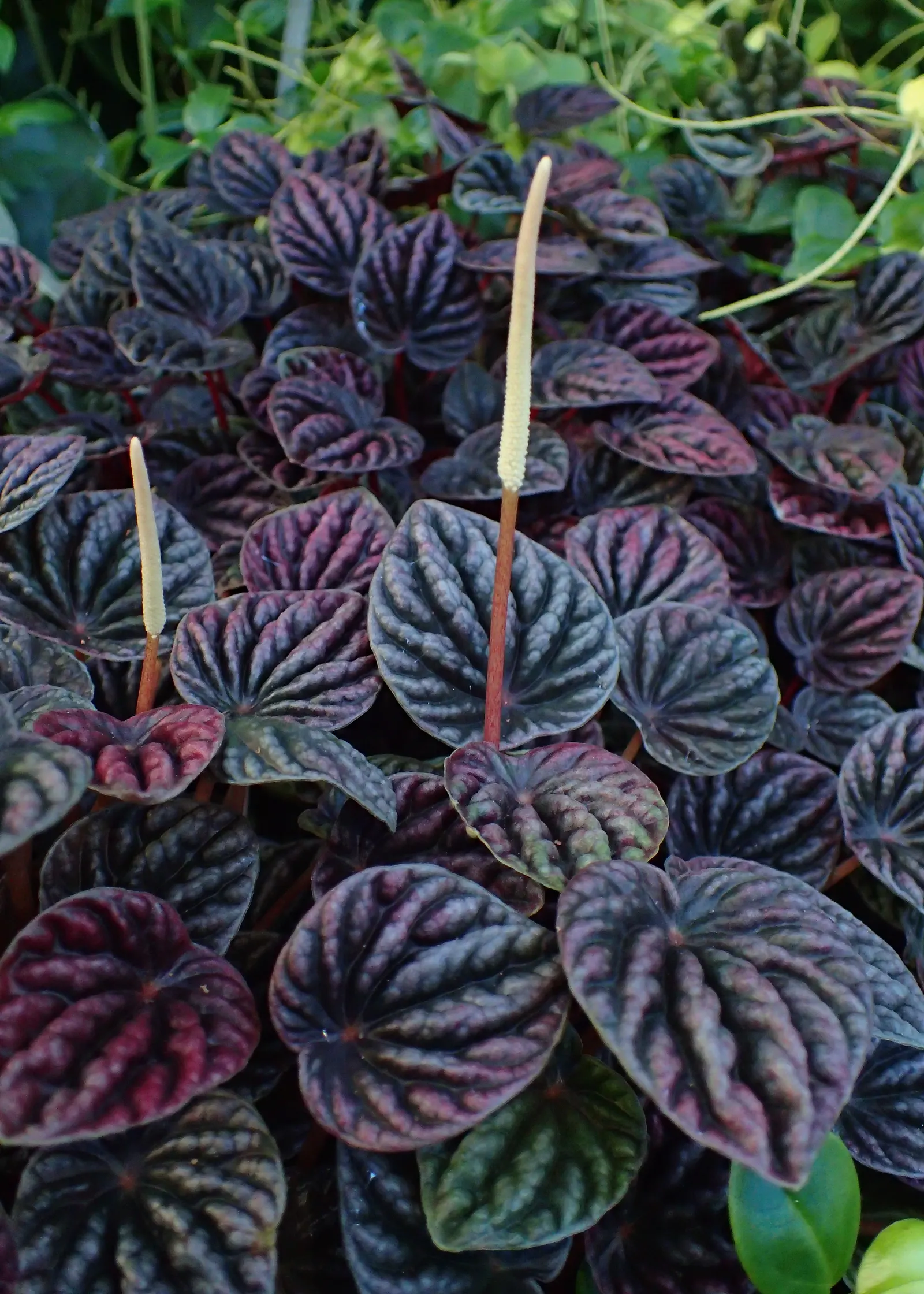
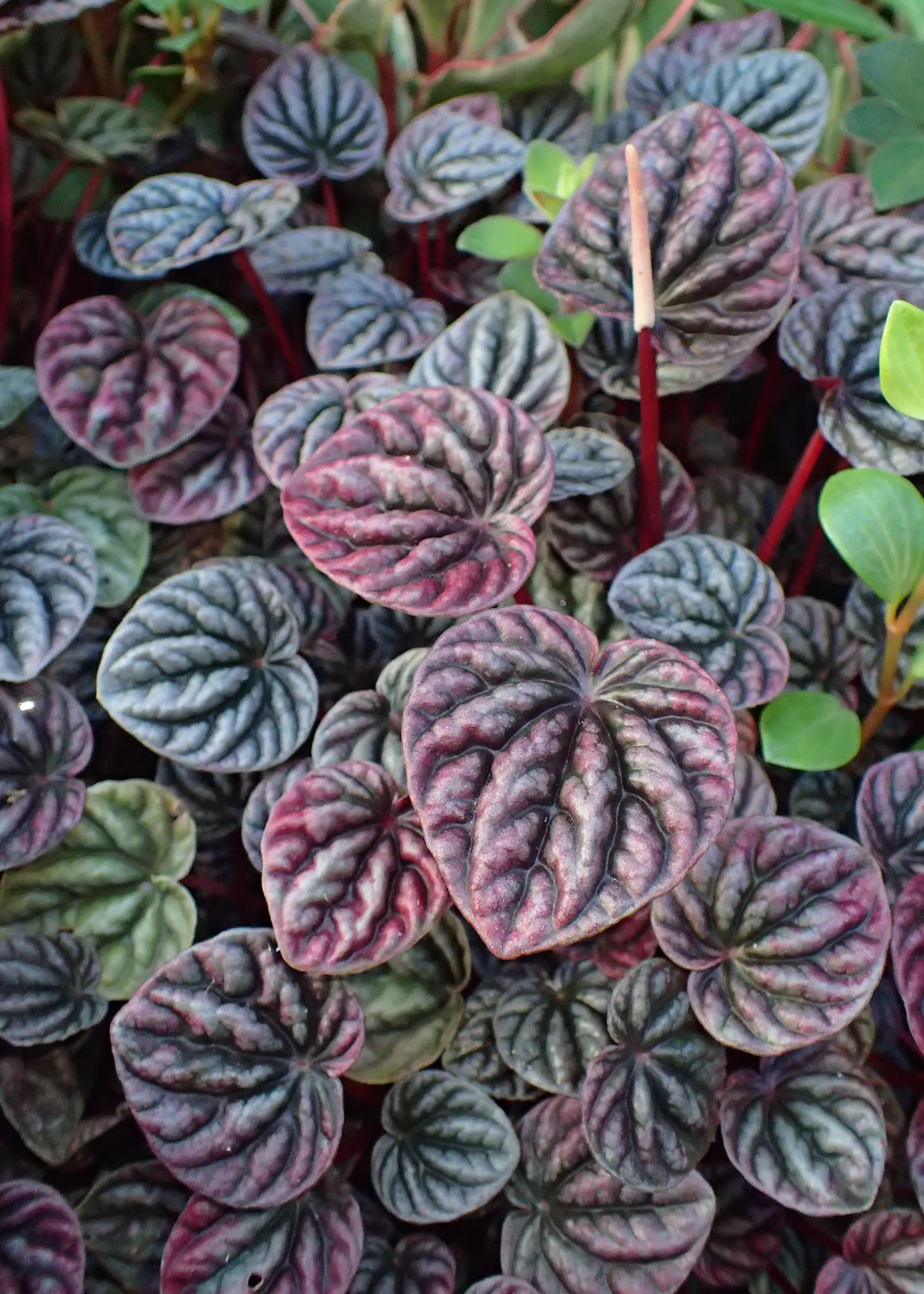
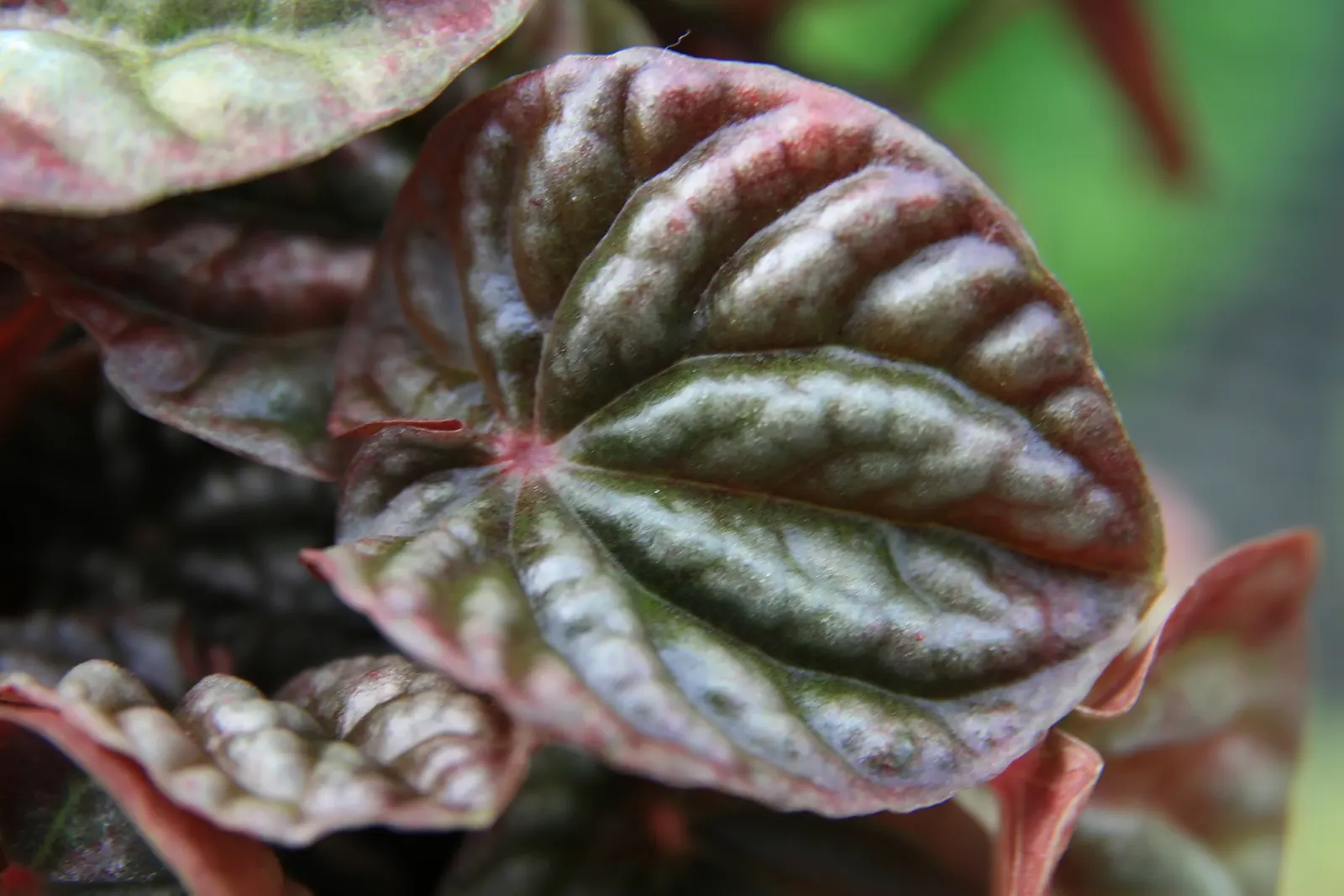
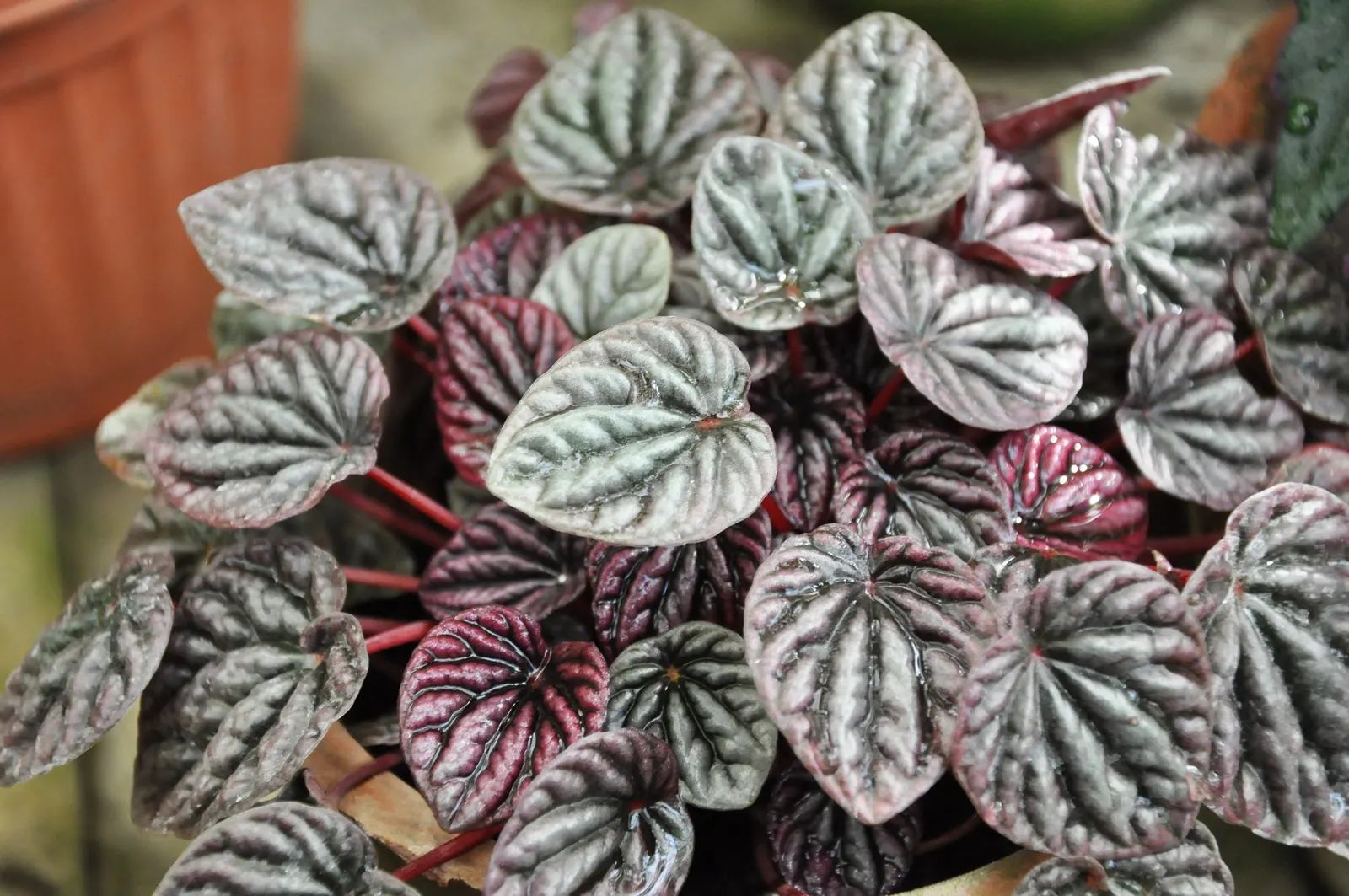
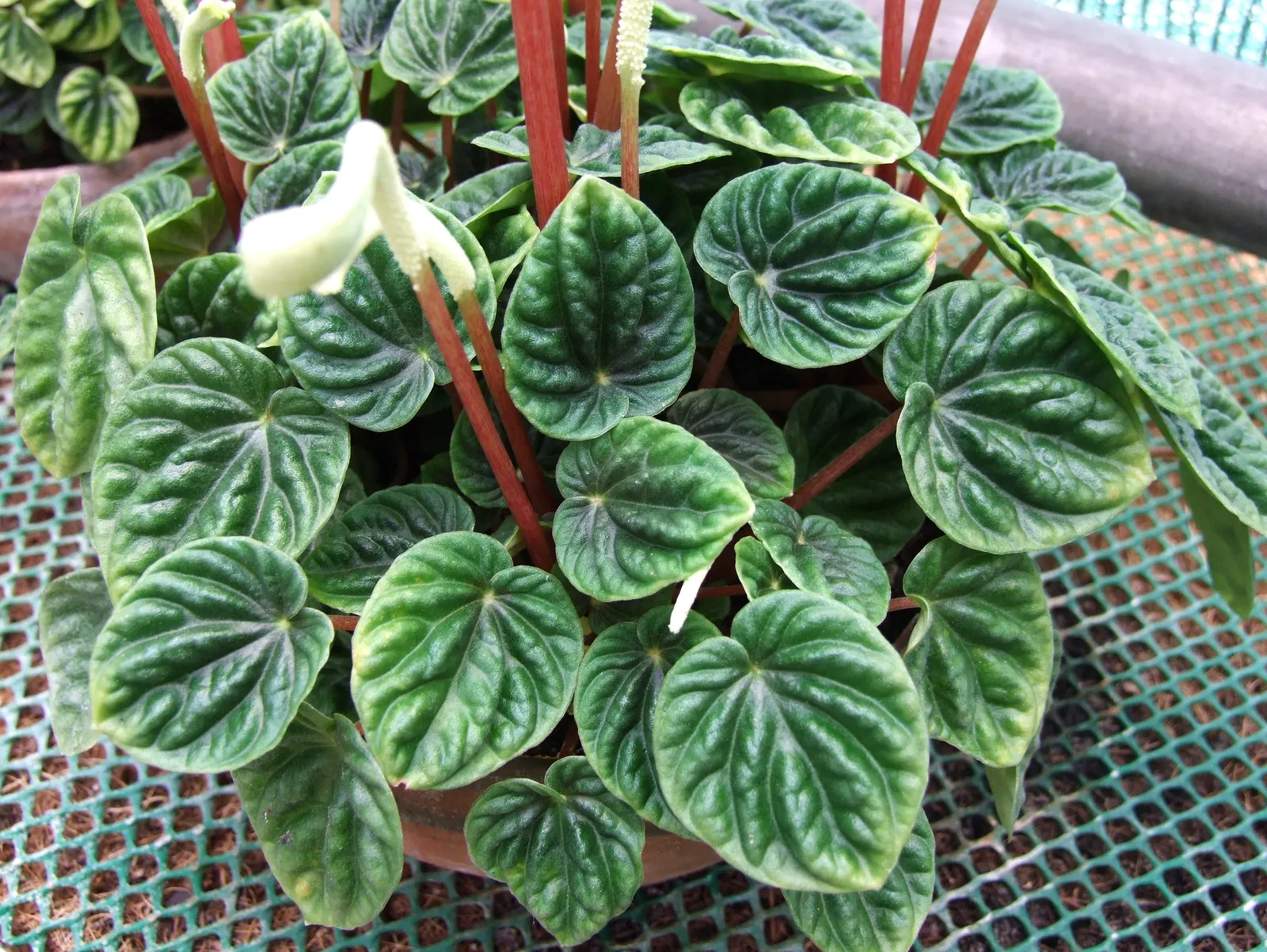
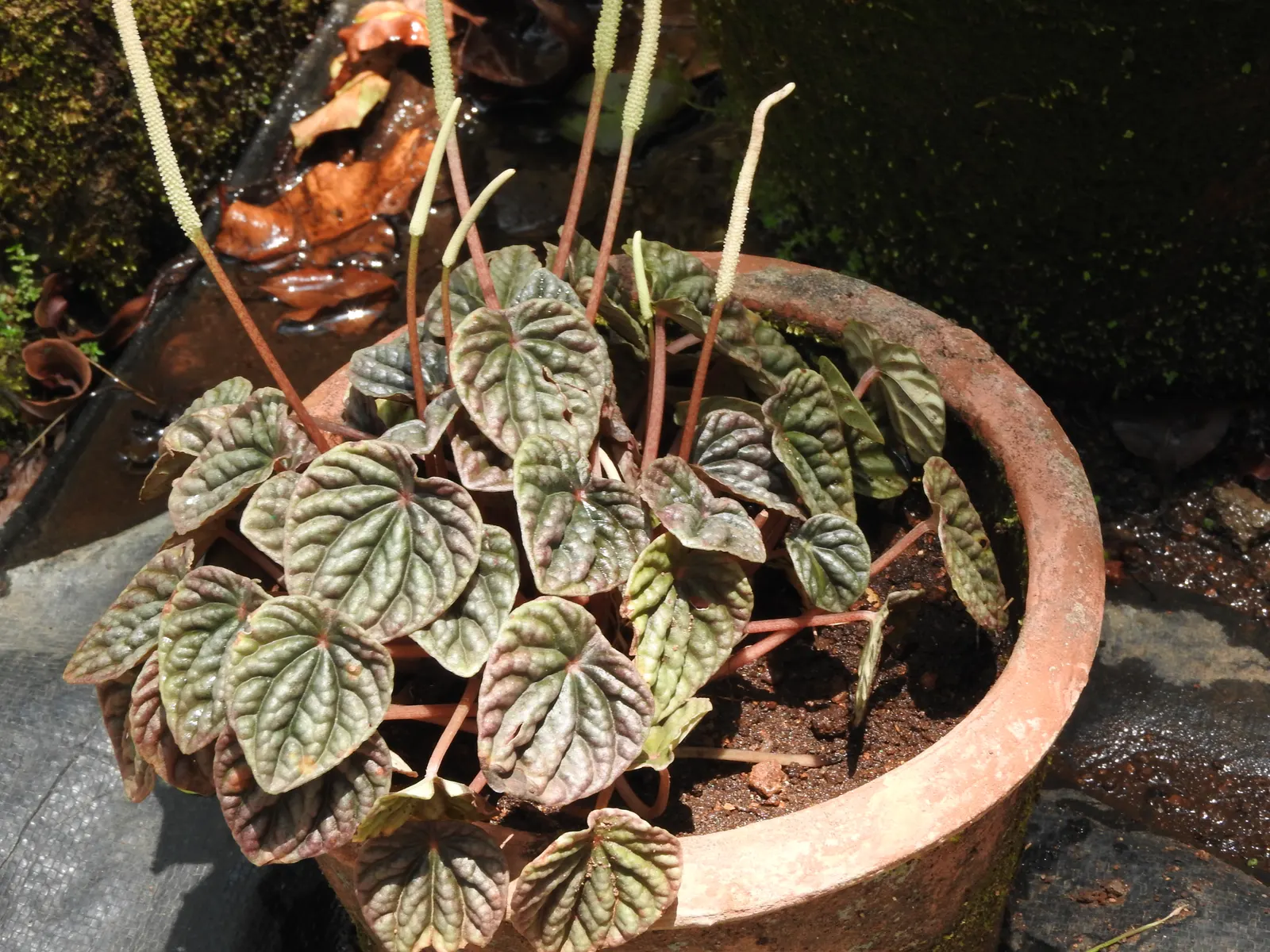
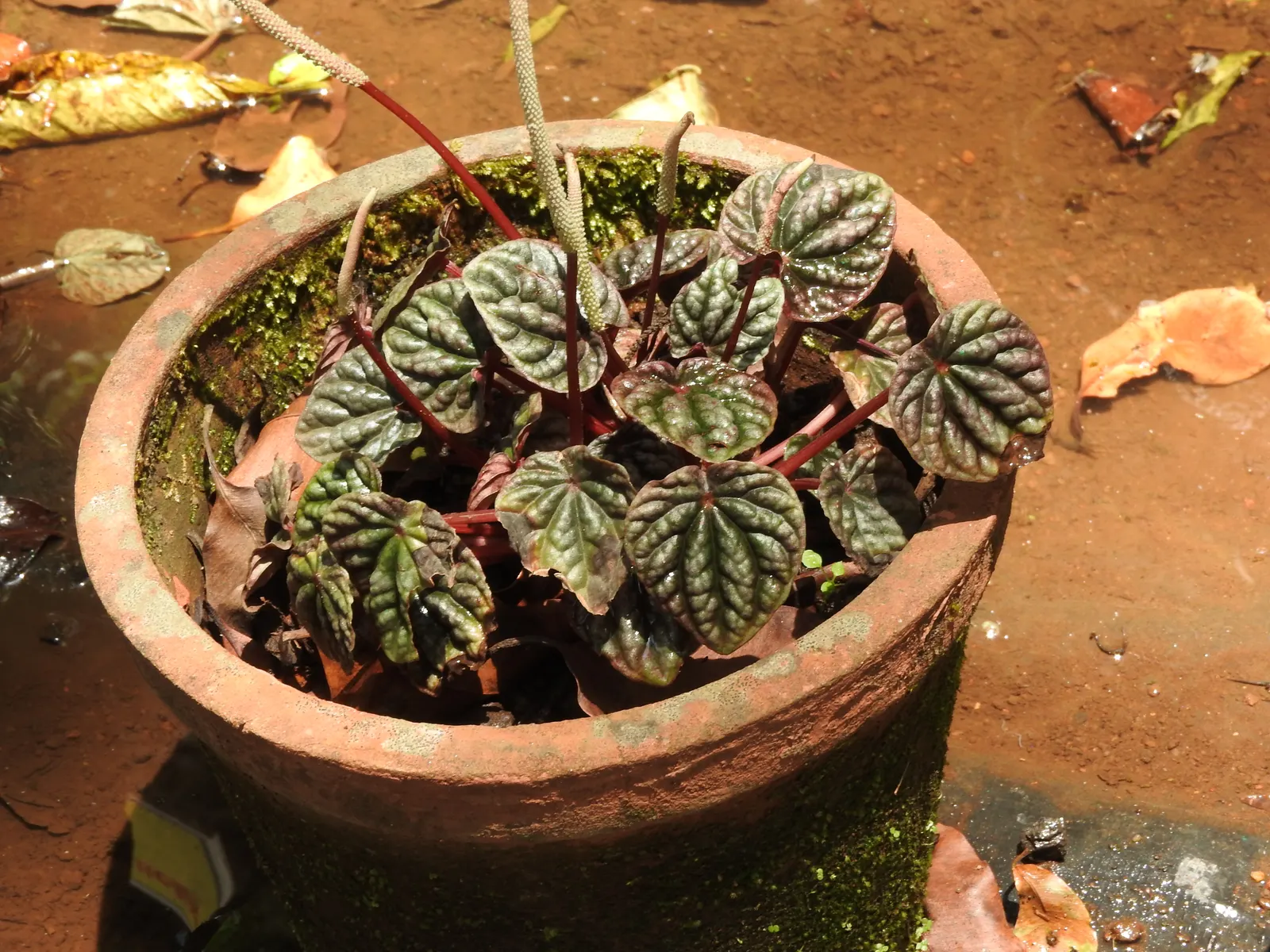
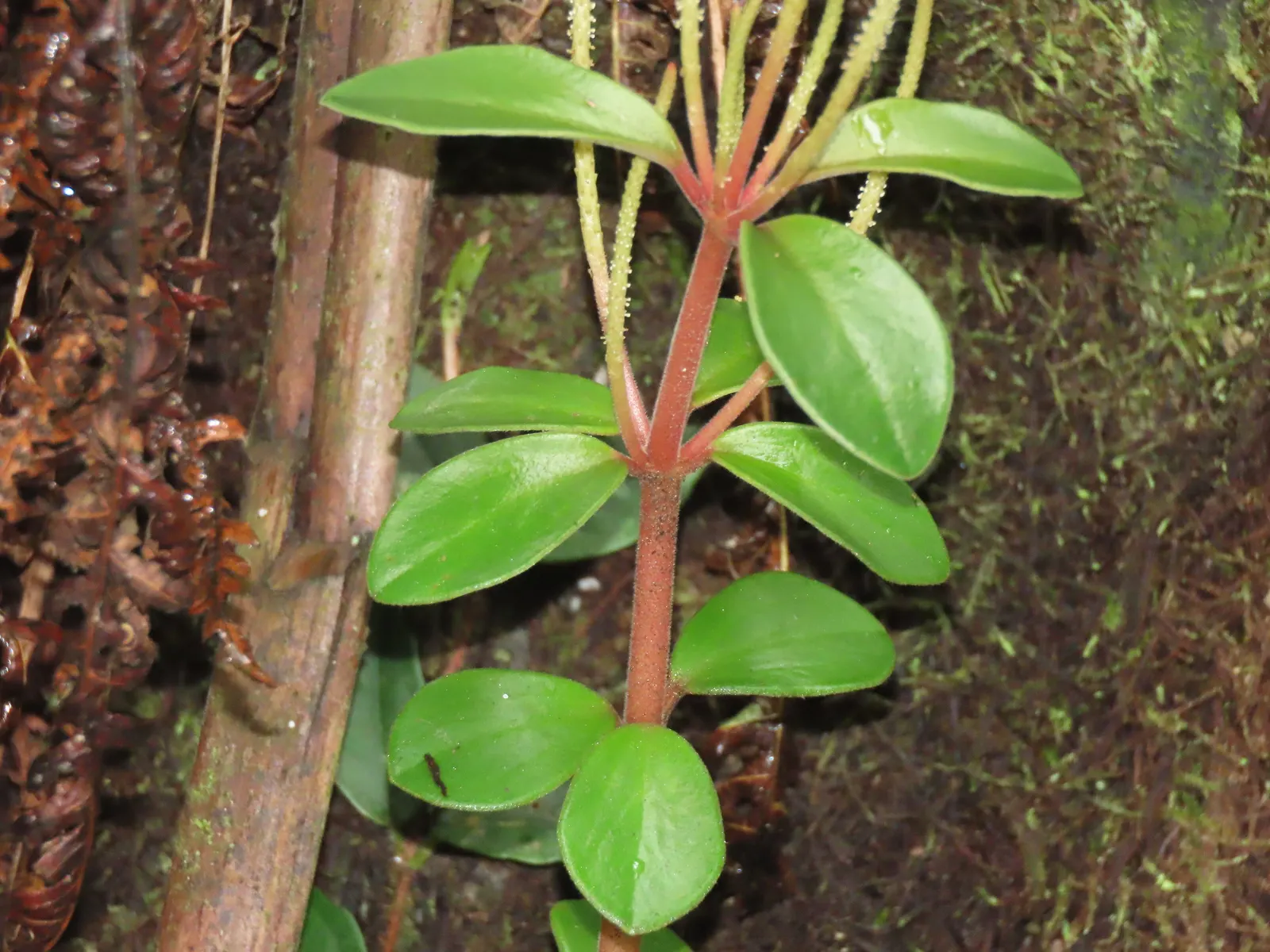
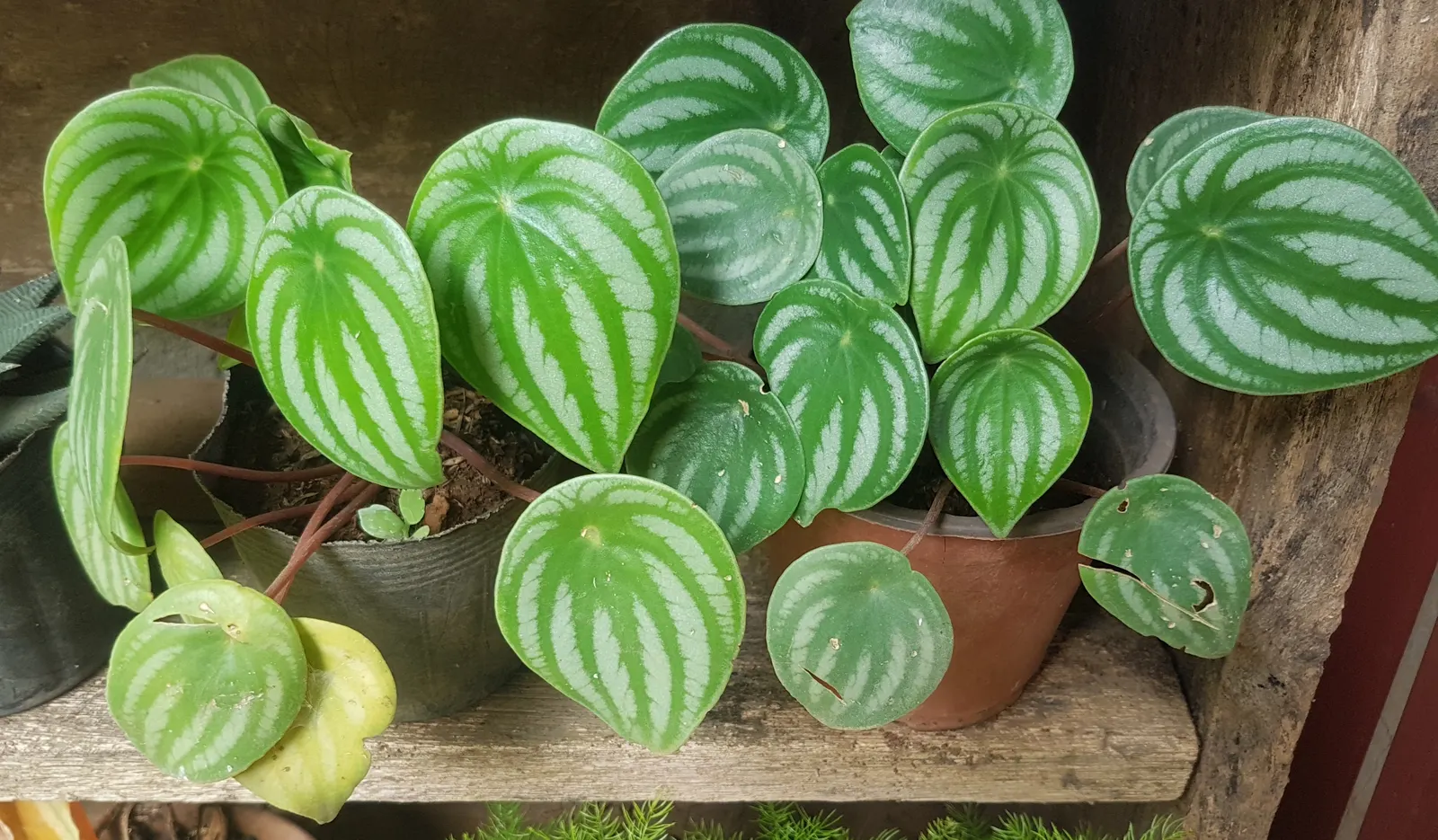
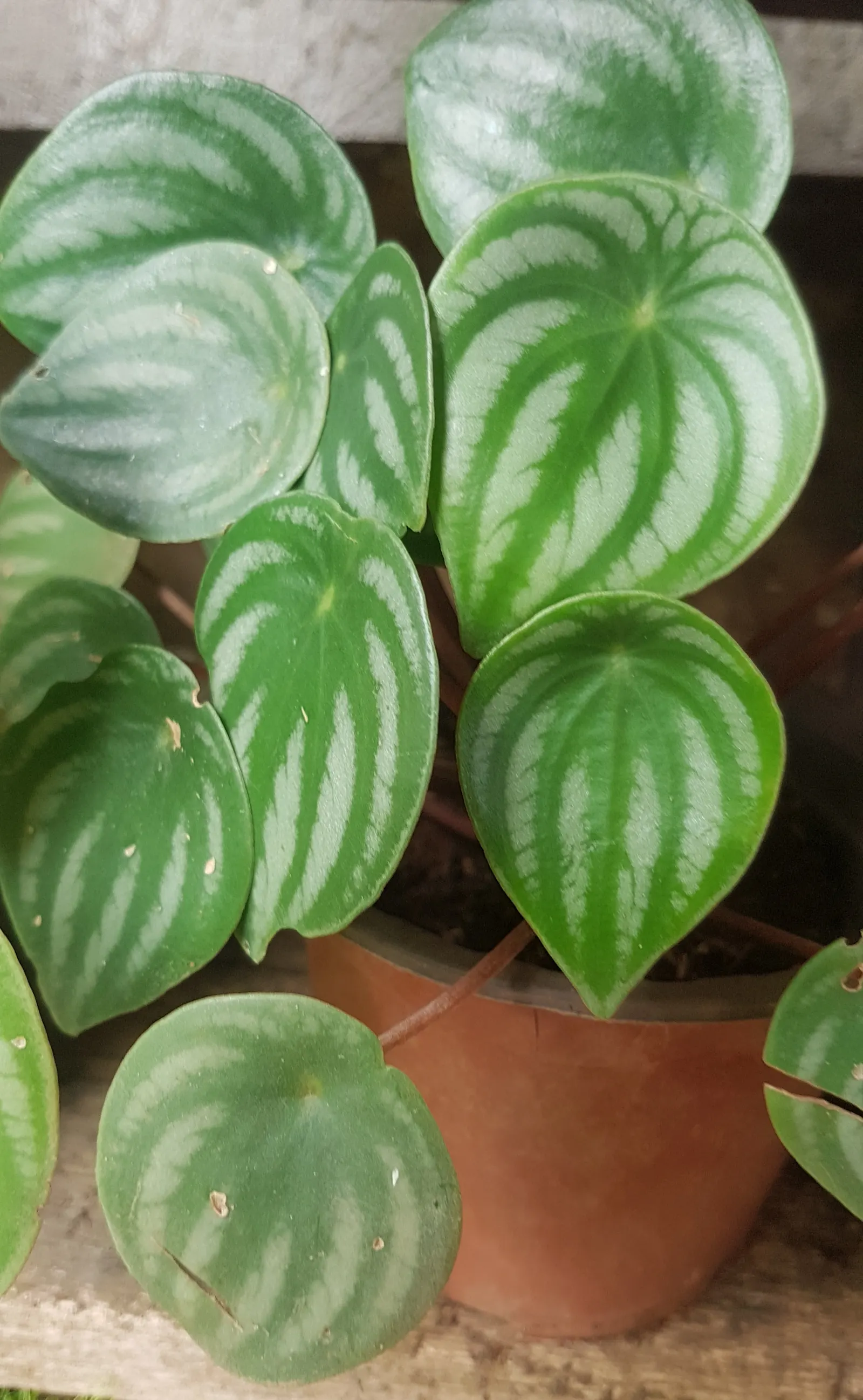
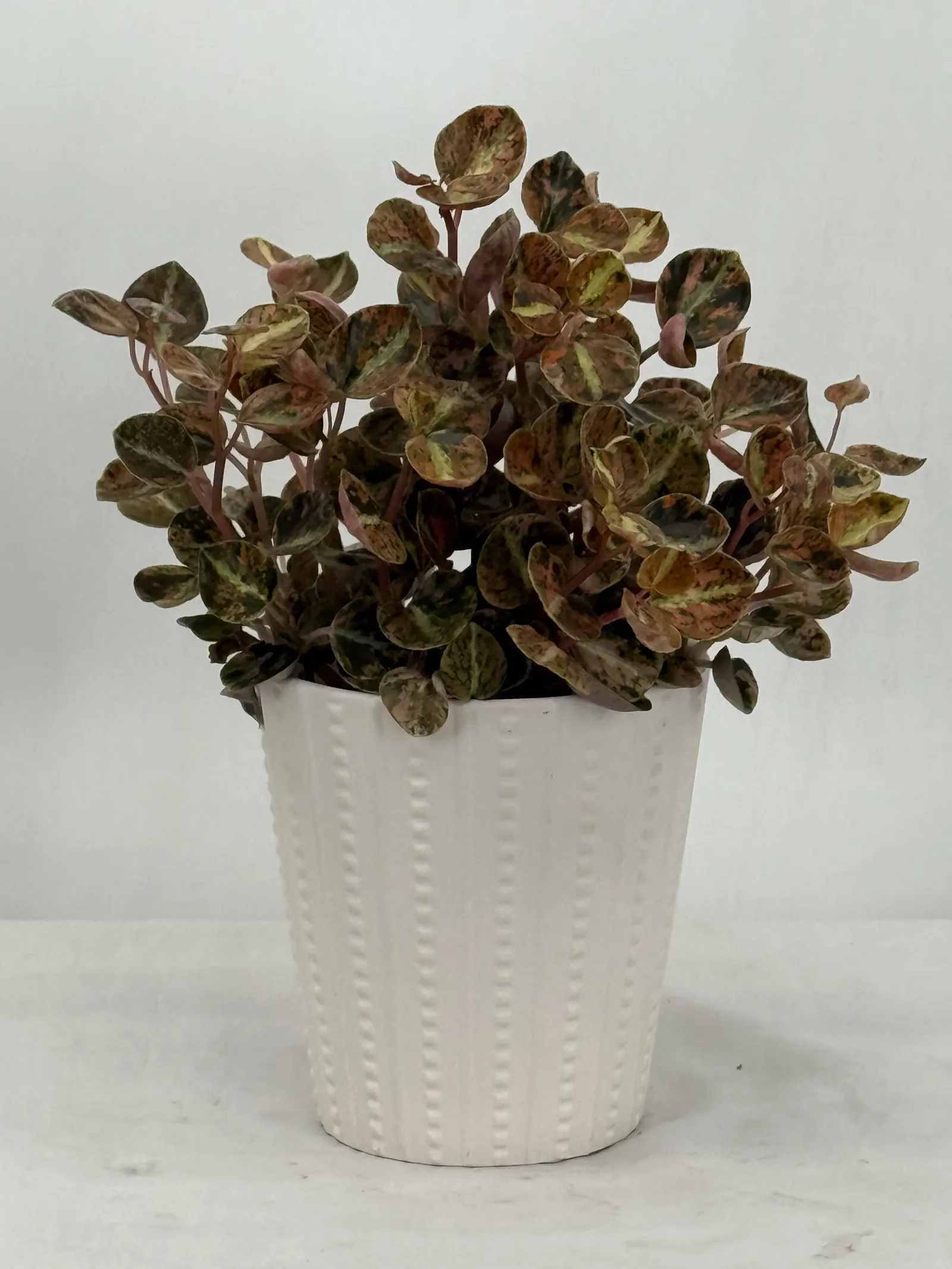
Emerald Ripple Peperomia (Peperomia caperata) is a compact herbaceous perennial, admired for its rich, textured, dark green, heart-shaped leaves with deep ridges. It thrives in partial to full shade, requiring well-drained soil, and grows up to 8 inches tall and 6-8 inches wide. Minimal watering is recommended. Its low-growing, mounding habit makes it perfect for shaded rock gardens, terrariums, or as a delicate indoor accent.

Sun ShadeWater High, MediumZones 10–11Type Ground cover, Perennial
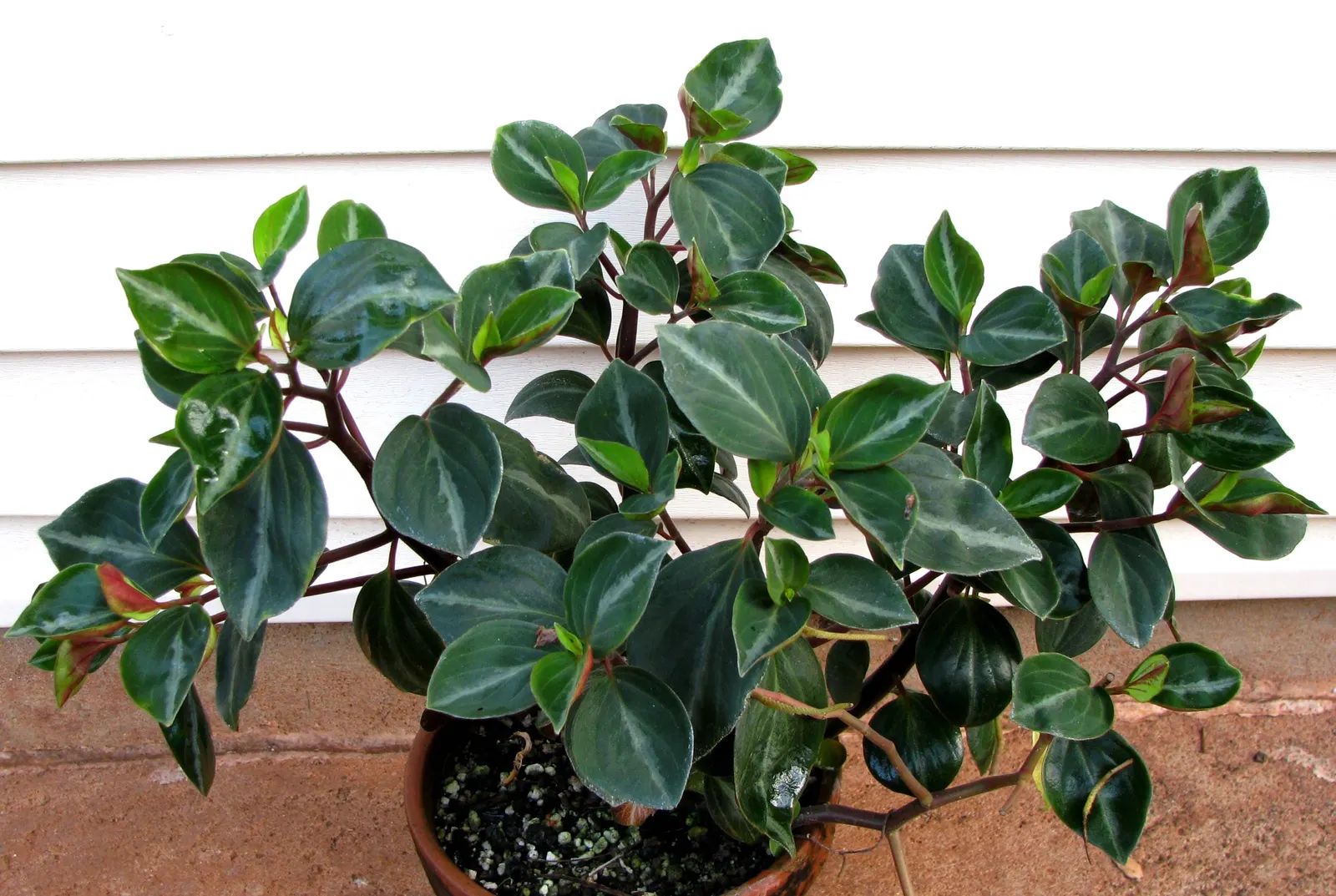
Emerald Ripple Peperomia (Peperomia Caperata) — mimicking its native habitat's loamy and rich substratum; the Emerald Ripple should be watered approximately

Culture

Sun
Shade
Water
High, Medium
USDA zones
10–11

Shape & size

Classification

Type
Ground cover, Perennial
Family
Piperaceae

See full data, regional cultivation notes, and design tools. Build a client presentation around this plant.

Start your 14-day trial

Photos (77)

Emerald Ripple Peperomia (Peperomia Caperata) — ensuring the top inch of soil dries out between waterings; ideal temperatures range between 65 and 75 degrees
Emerald Ripple Peperomia (Peperomia Caperata) — Its non-invasive nature and modest size make it particularly suitable for rock gardens
Emerald Ripple Peperomia (Peperomia Caperata) — Ideal temperatures range between 65 and 75 degrees Fahrenheit; white flowers in the garden
Emerald Ripple Peperomia (Peperomia Caperata) — resembling ripples across a serene pond
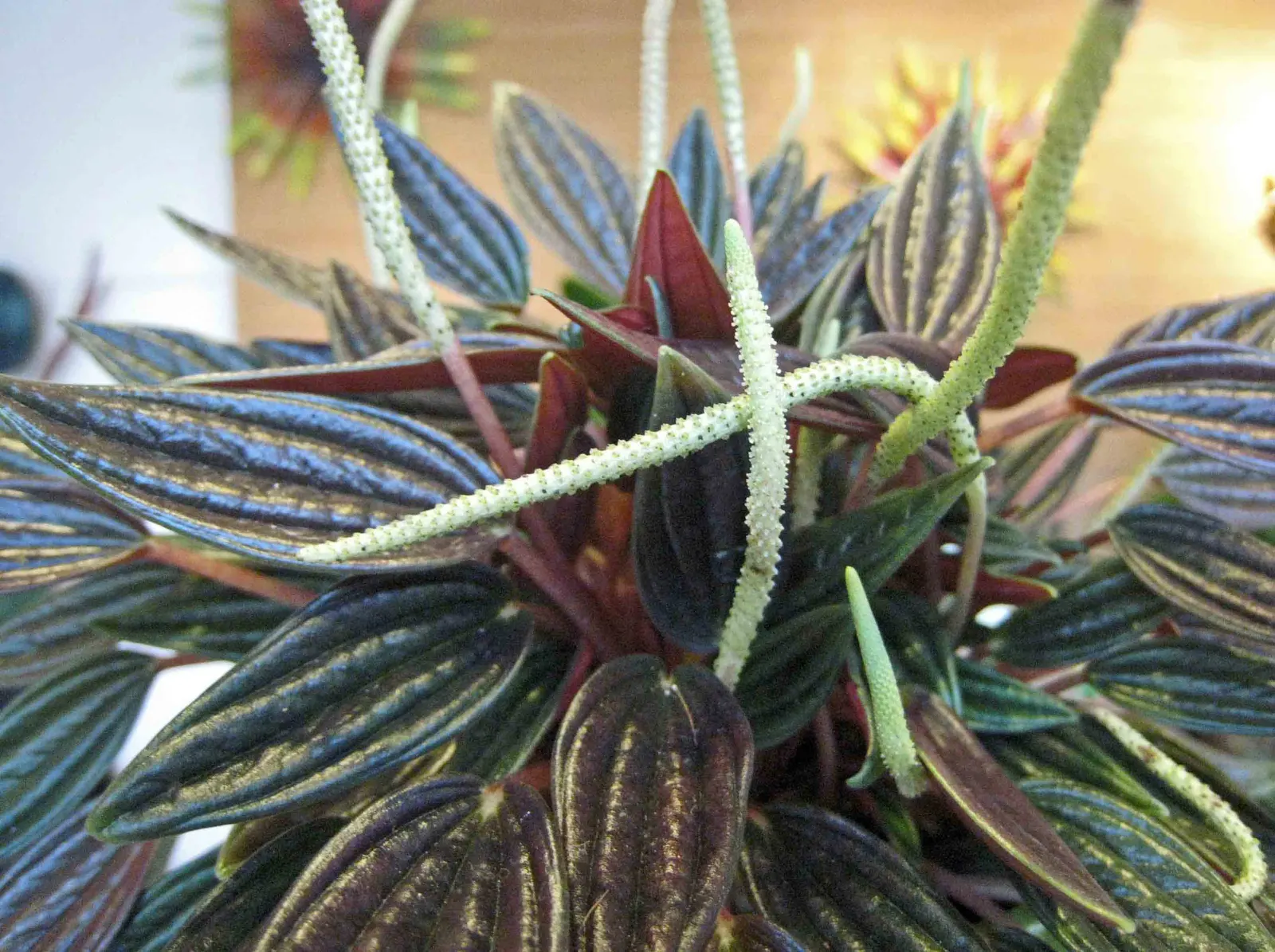
Emerald Ripple Peperomia (Peperomia Caperata) — white flowers in the garden
Emerald Ripple Peperomia (Peperomia Caperata) — be mindful to incorporate well-draining soil; resembling ripples across a serene pond
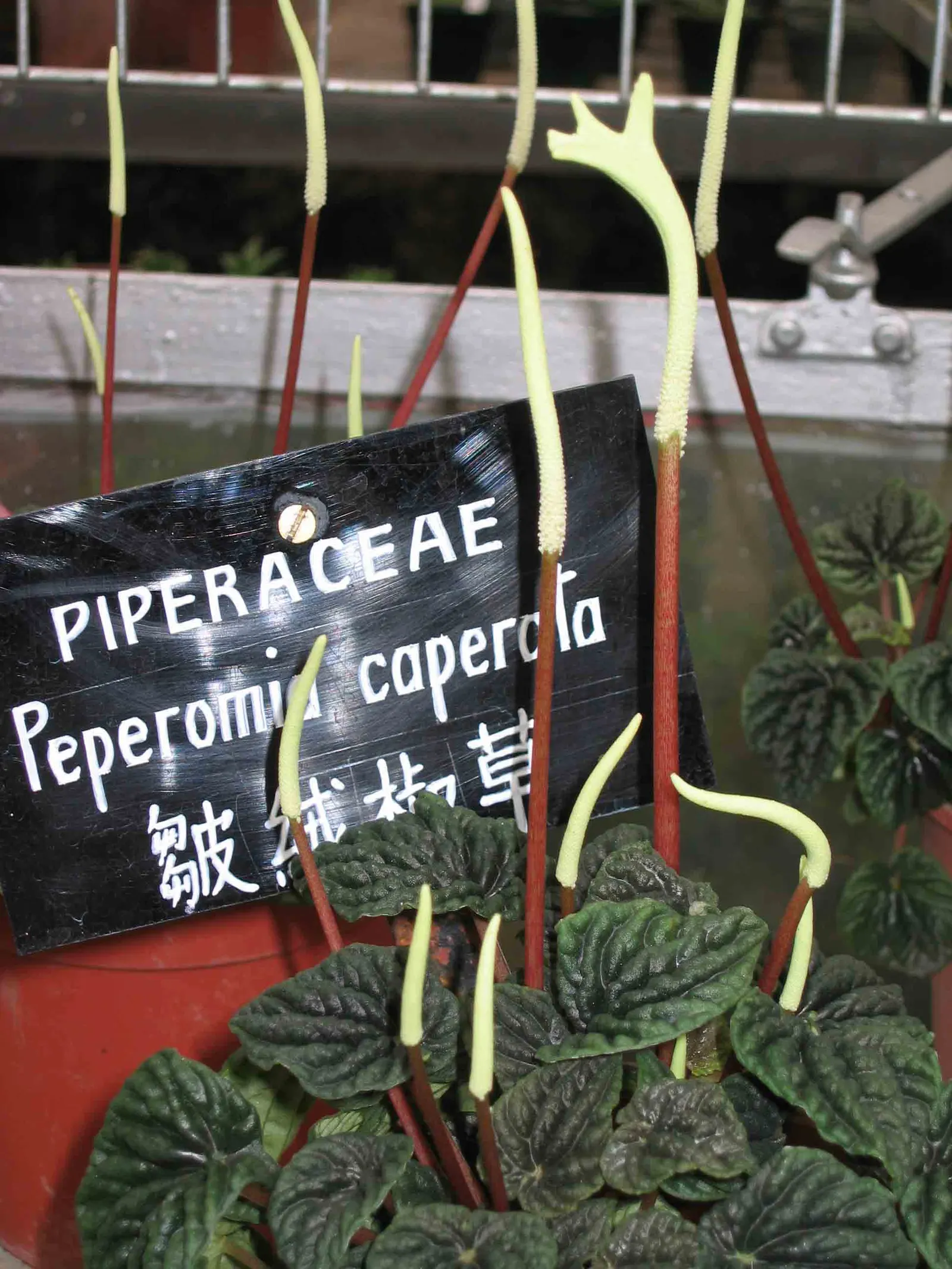
Emerald Ripple Peperomia (Peperomia Caperata) — scientifically known as Peperomia caperata
Emerald Ripple Peperomia (Peperomia Caperata) — This herbaceous perennial is celebrated for its rich
Emerald Ripple Peperomia (Peperomia Caperata) — the Emerald Ripple should be watered approximately once a week; scientifically known as Peperomia caperata
Emerald Ripple Peperomia (Peperomia Caperata) — translating to a comfortable 18 to 24 degrees Celsius
Emerald Ripple Peperomia (Peperomia Caperata) — adding a textural contrast with its ornately patterned leaves; or as a delicate indoor accent
Emerald Ripple Peperomia (Peperomia Caperata) — This herbaceous perennial is celebrated for its rich; stands as an ornamental choice for both, image 75
Emerald Ripple Peperomia (Peperomia Caperata) — requiring well-drained soil; for optimal growth.<br><br>With occasional light feeding and pruning
Emerald Ripple Peperomia (Peperomia Caperata) — Emerald Ripple Peperomia (Peperomia caperata) is a compact herbaceous perennial
Emerald Ripple Peperomia (Peperomia Caperata) — mounding habit makes it perfect for shaded rock gardens
Emerald Ripple Peperomia (Peperomia Caperata) — or as a delicate indoor accent; depending on climate and season
Emerald Ripple Peperomia (Peperomia Caperata) — white flowers in the garden; shielded from the intense midday sun
Emerald Ripple Peperomia (Peperomia Caperata) — stands as an ornamental choice for both indoor and outdoor shaded areas within the landscape; it, image 74
Emerald Ripple Peperomia (Peperomia Caperata) — and grows up to 8 inches tall and 6-8 inches wide; ground cover / perennial for shade
Emerald Ripple Peperomia (Peperomia Caperata) — while maintaining a consistent soil moisture level without waterlogging; its non-invasive nature and modest
Emerald Ripple Peperomia (Peperomia Caperata) — mimicking its native habitat's loamy and rich substratum
Emerald Ripple Peperomia (Peperomia Caperata) — mounding habit makes it perfect for shaded rock gardens; the foliage's lush appearance brings a velvety visual
Emerald Ripple Peperomia (Peperomia Caperata) — It thrives in partial to full shade; while maintaining a consistent soil moisture level without, image 67
Emerald Ripple Peperomia (Peperomia Caperata) — stands as an ornamental choice for both indoor and outdoor shaded areas within the landscape; it thrives in
Photographs by 13 contributors

Related plants