Skip to content

Cranesbill

Pelargonium hortorum

Design with this plant

Overview

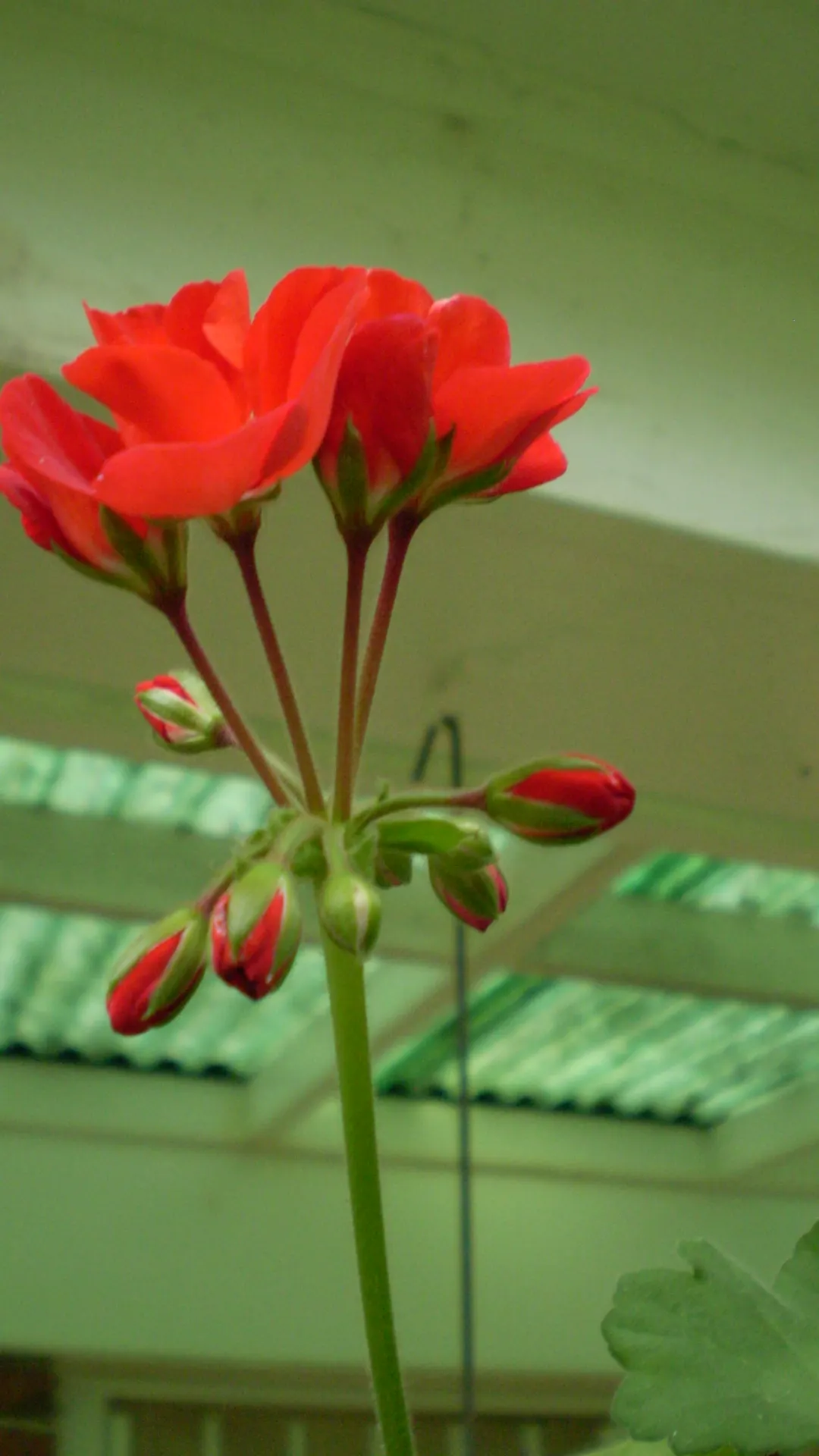
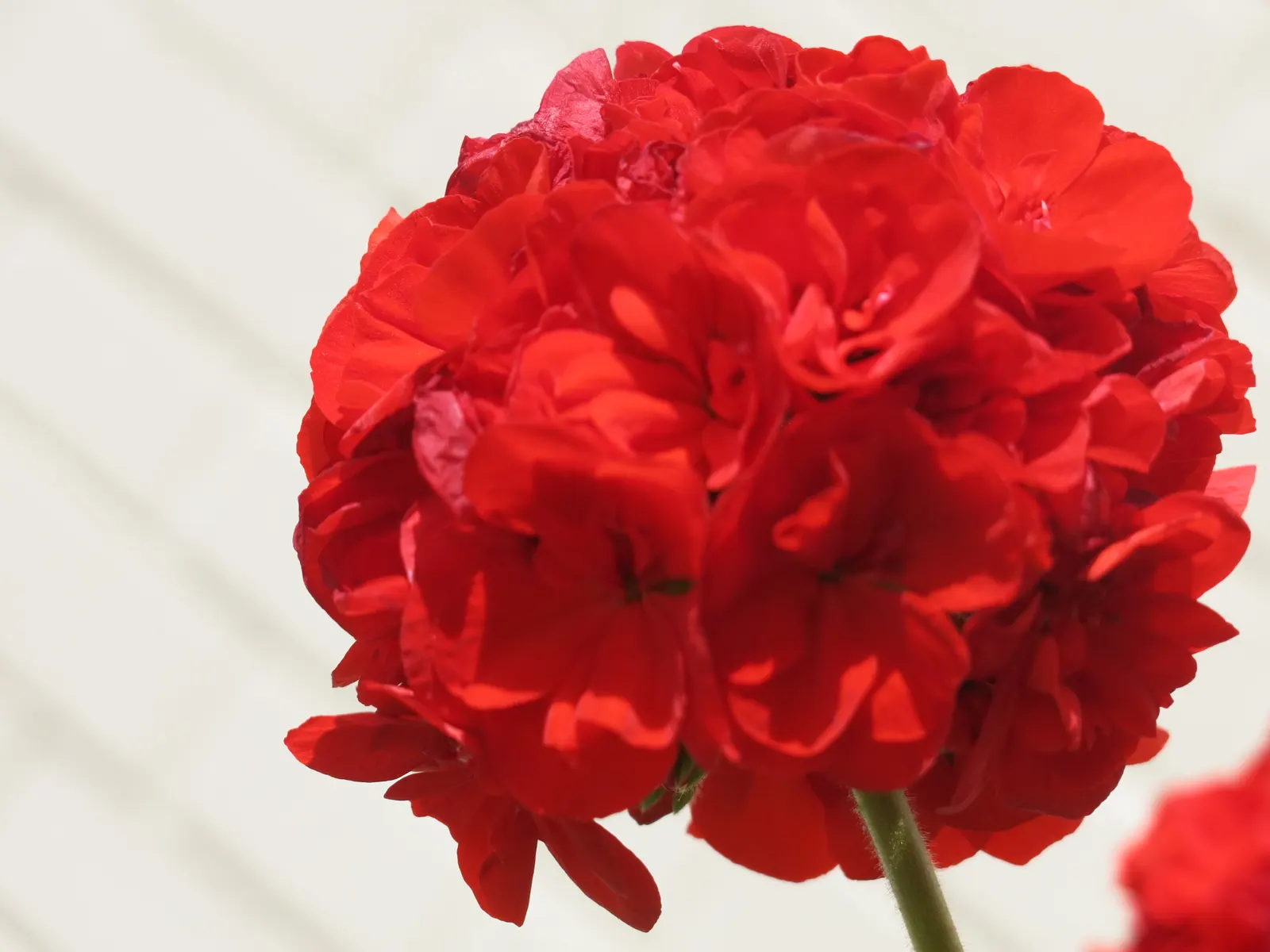
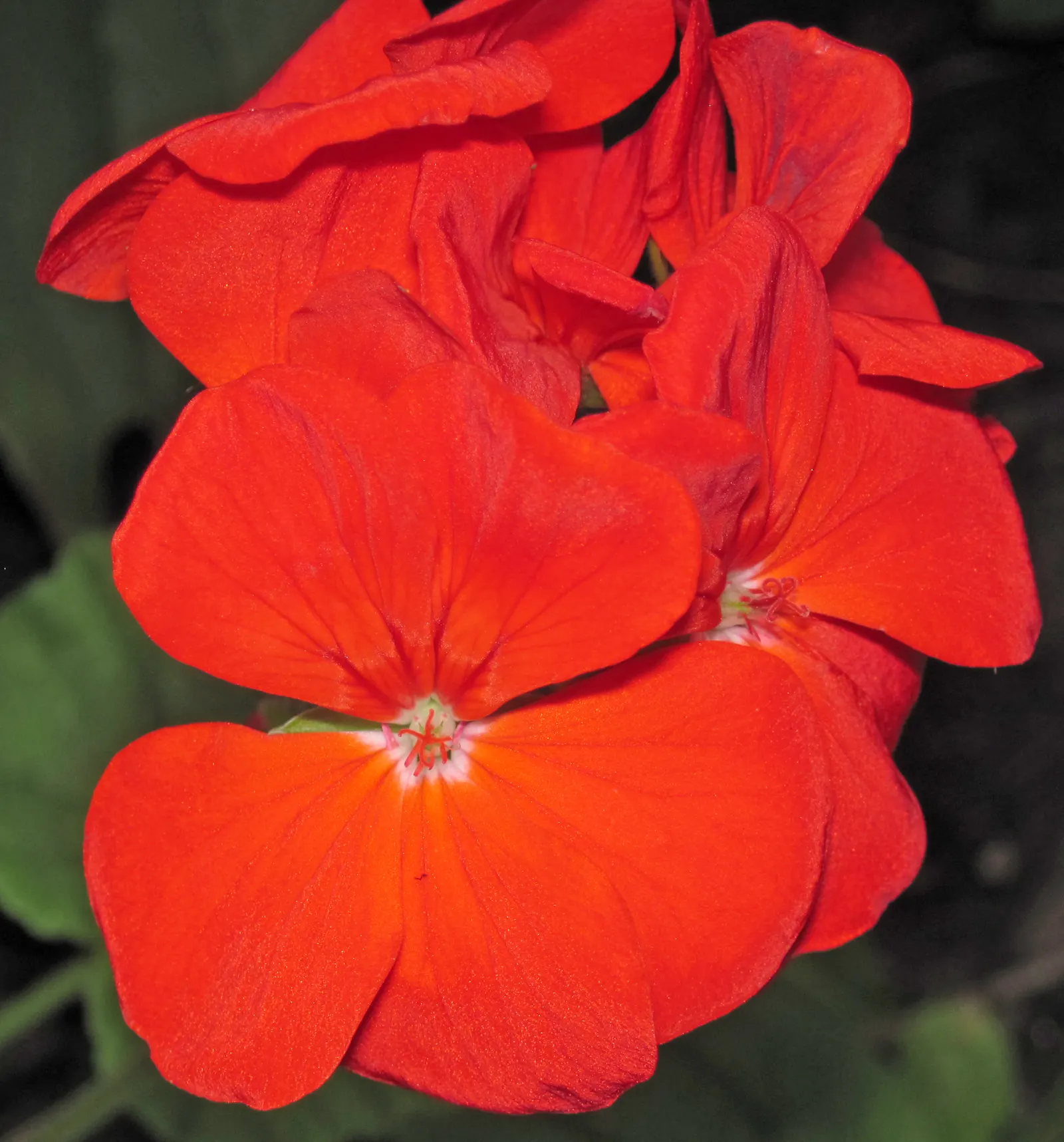
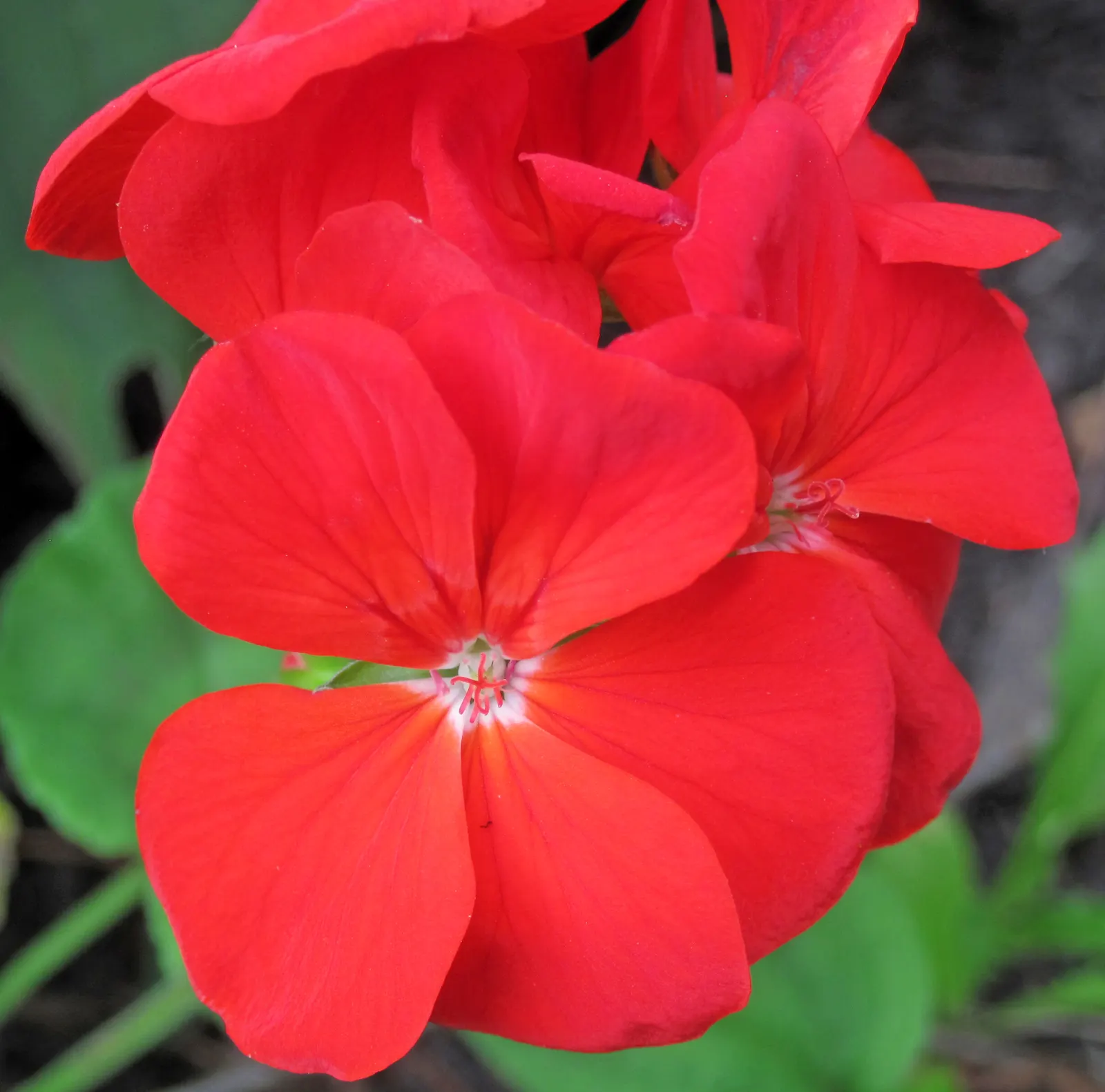
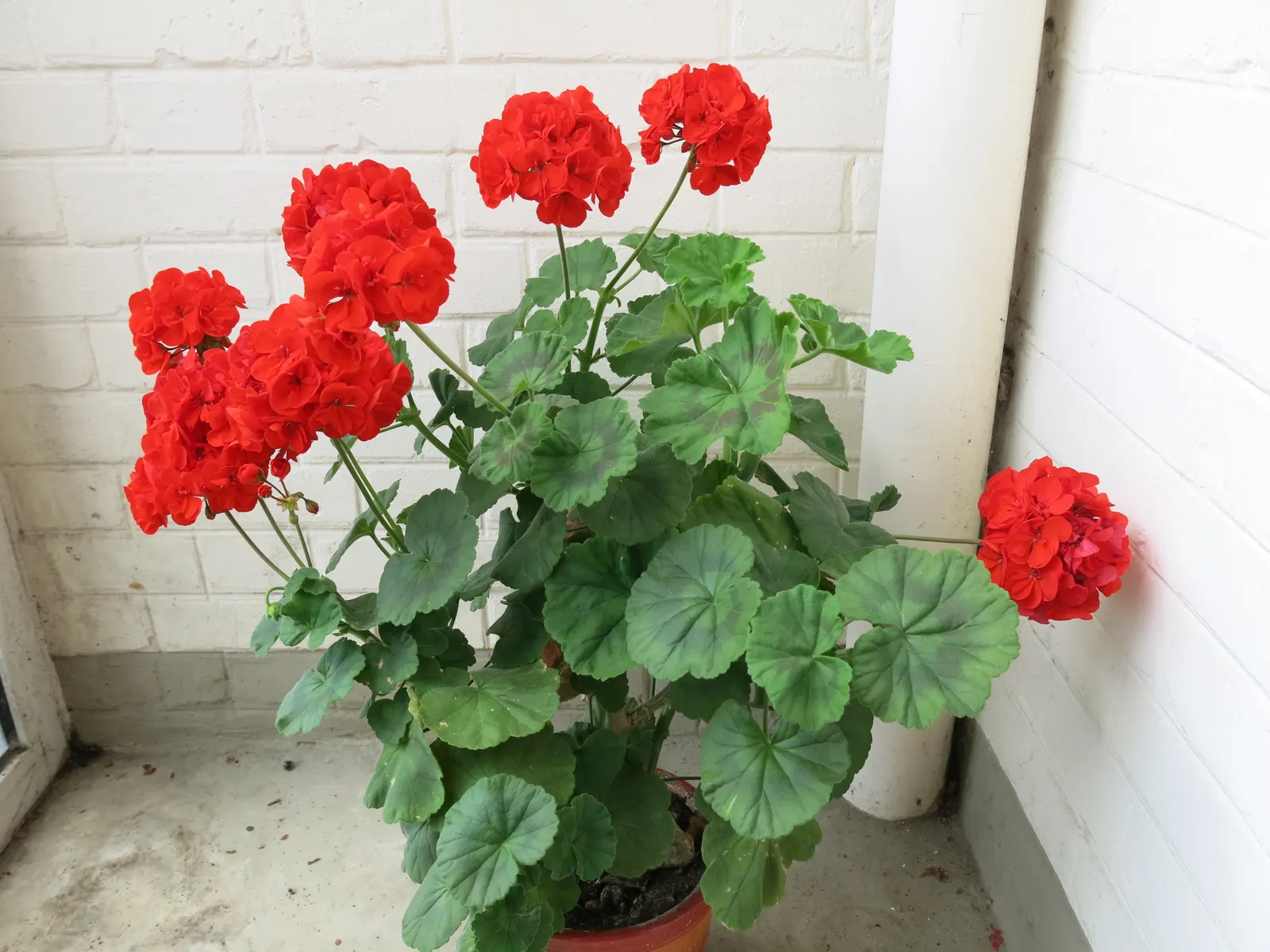
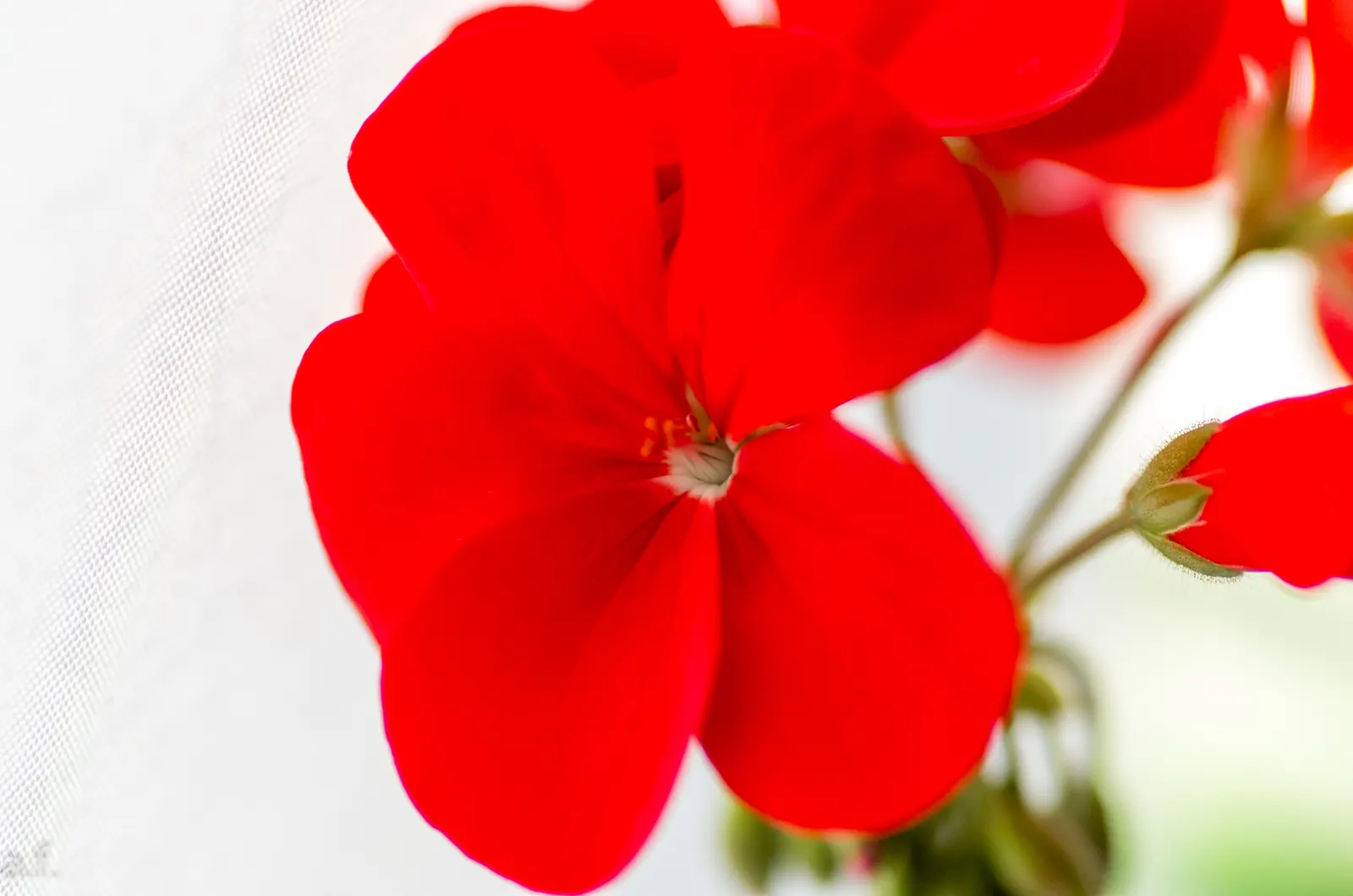
The Red Geranium (Pelargonium spp.), cherished for its vibrant blooms, features 4-6 inch wide, rounded clusters of vivid red flowers atop succulent stems. Its lush foliage, spanning 4-5 inches, offers a lush backdrop. Modest growth, reaching 12-18 inches in height and spread, makes it an ideal choice for borders and containers. Loves full sun and well-draining soil. Regular deadheading encourages continuous flowering. Hardy in USDA zones 10-11.
Sun Full, HalfWater LowZones 9–10Type PerennialClimate Subtropical
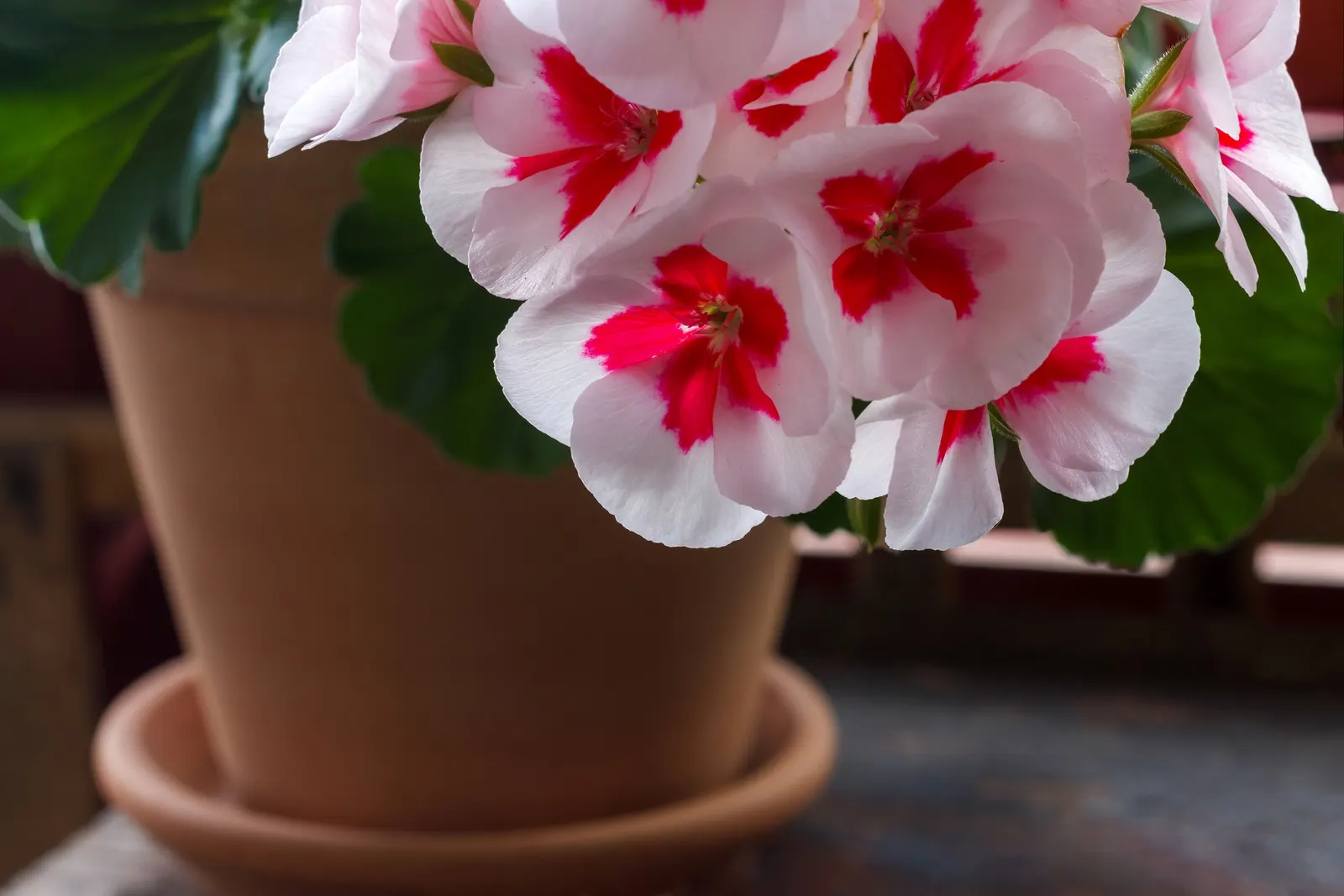
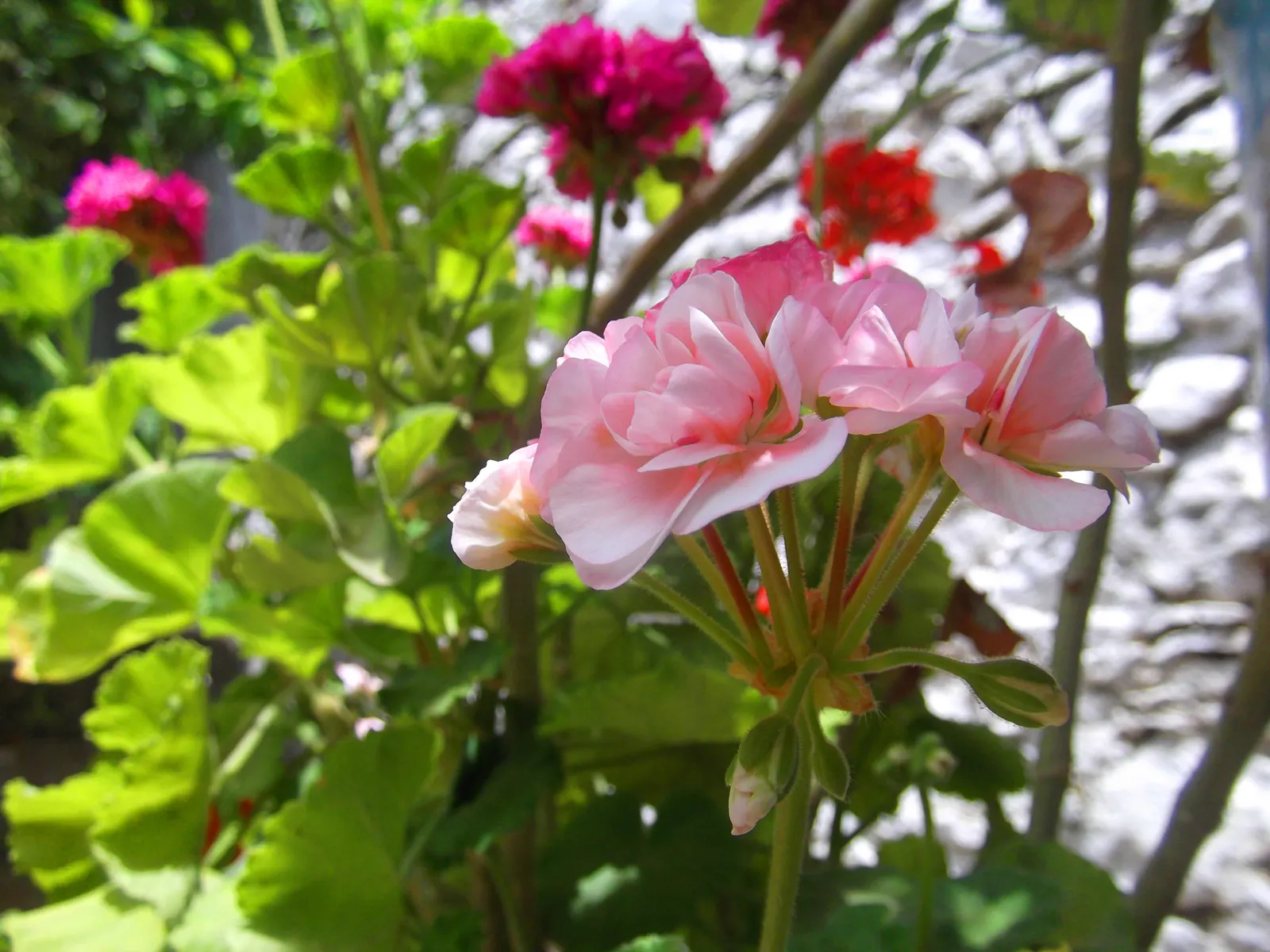
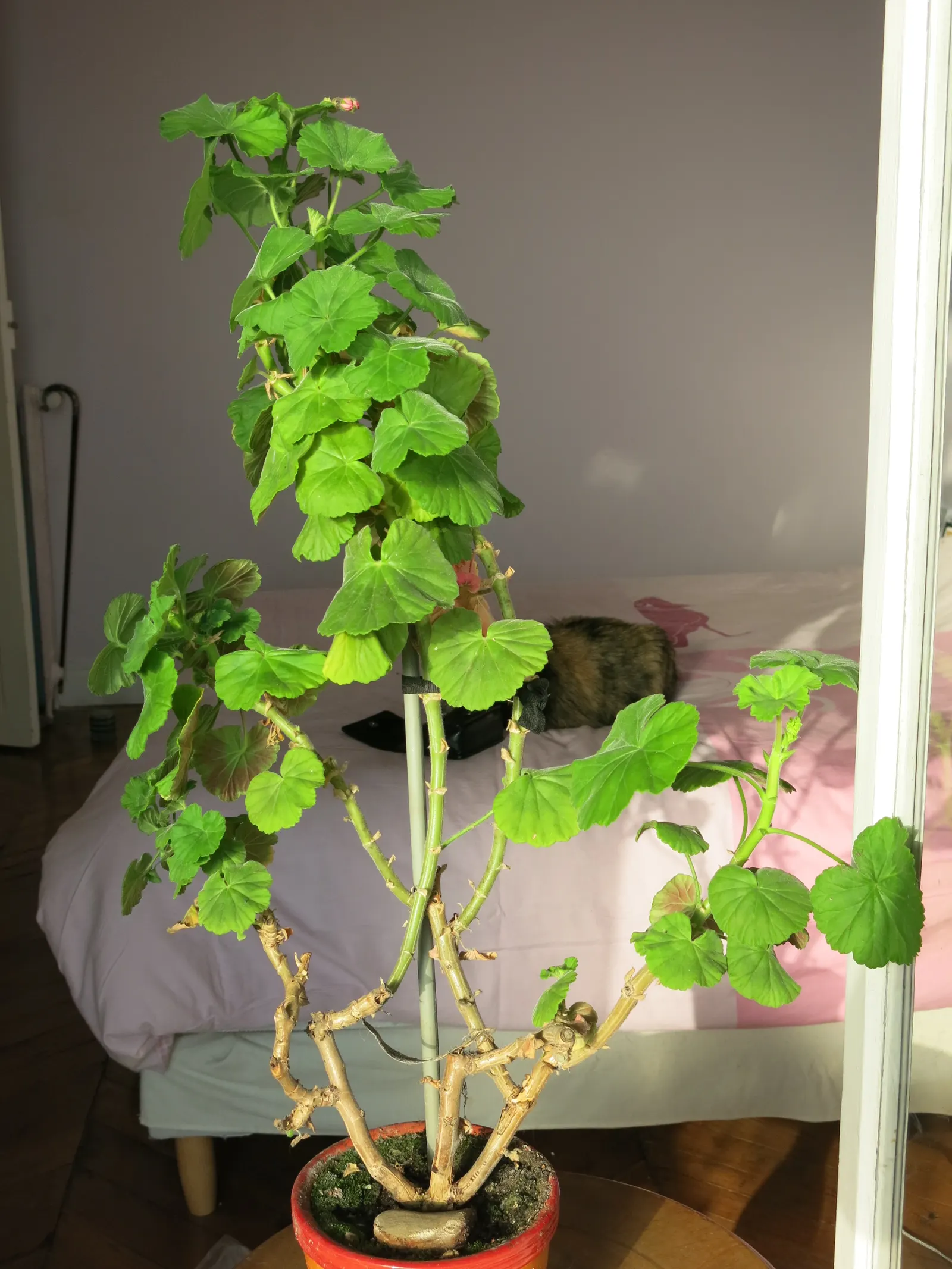
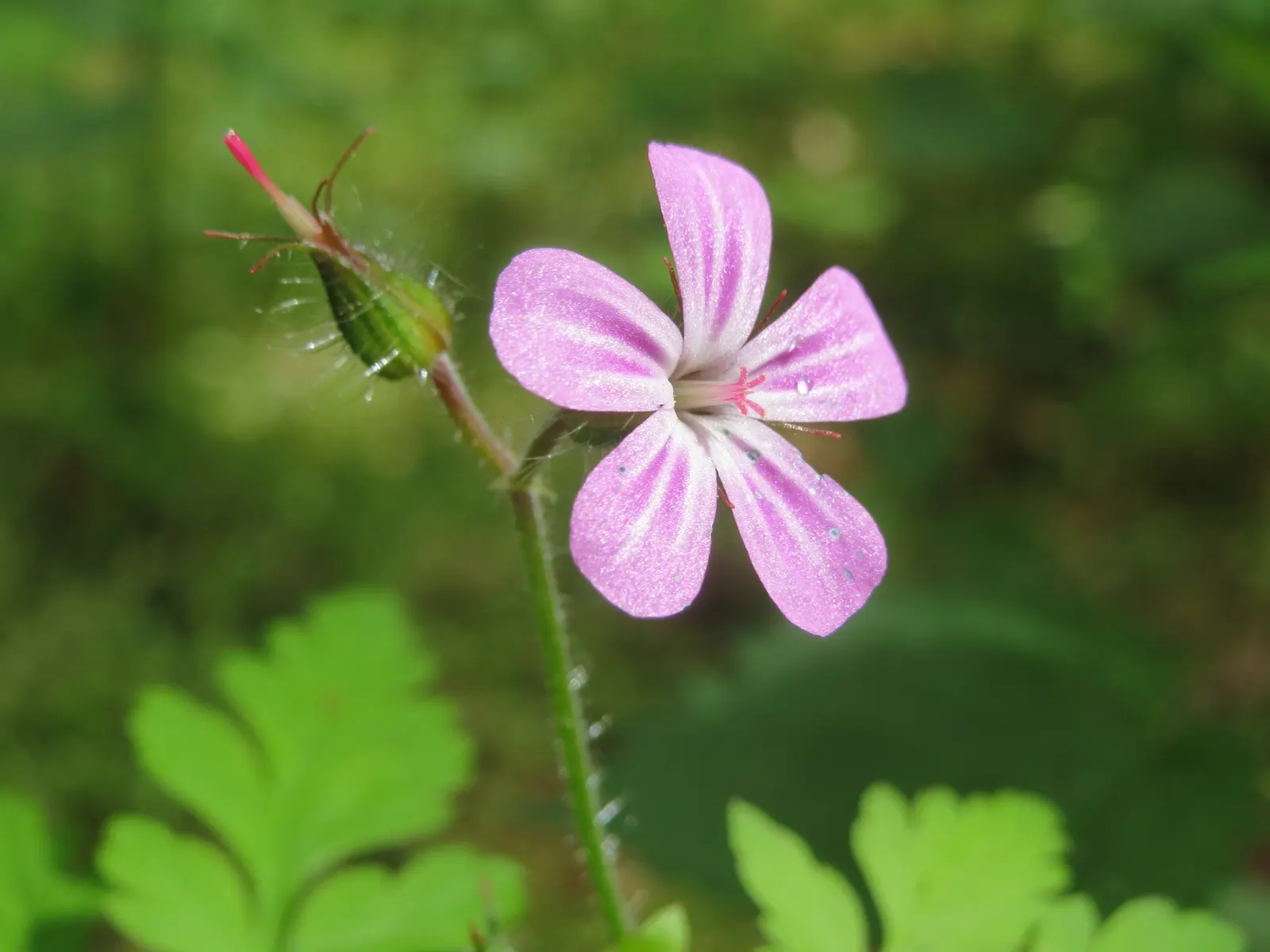
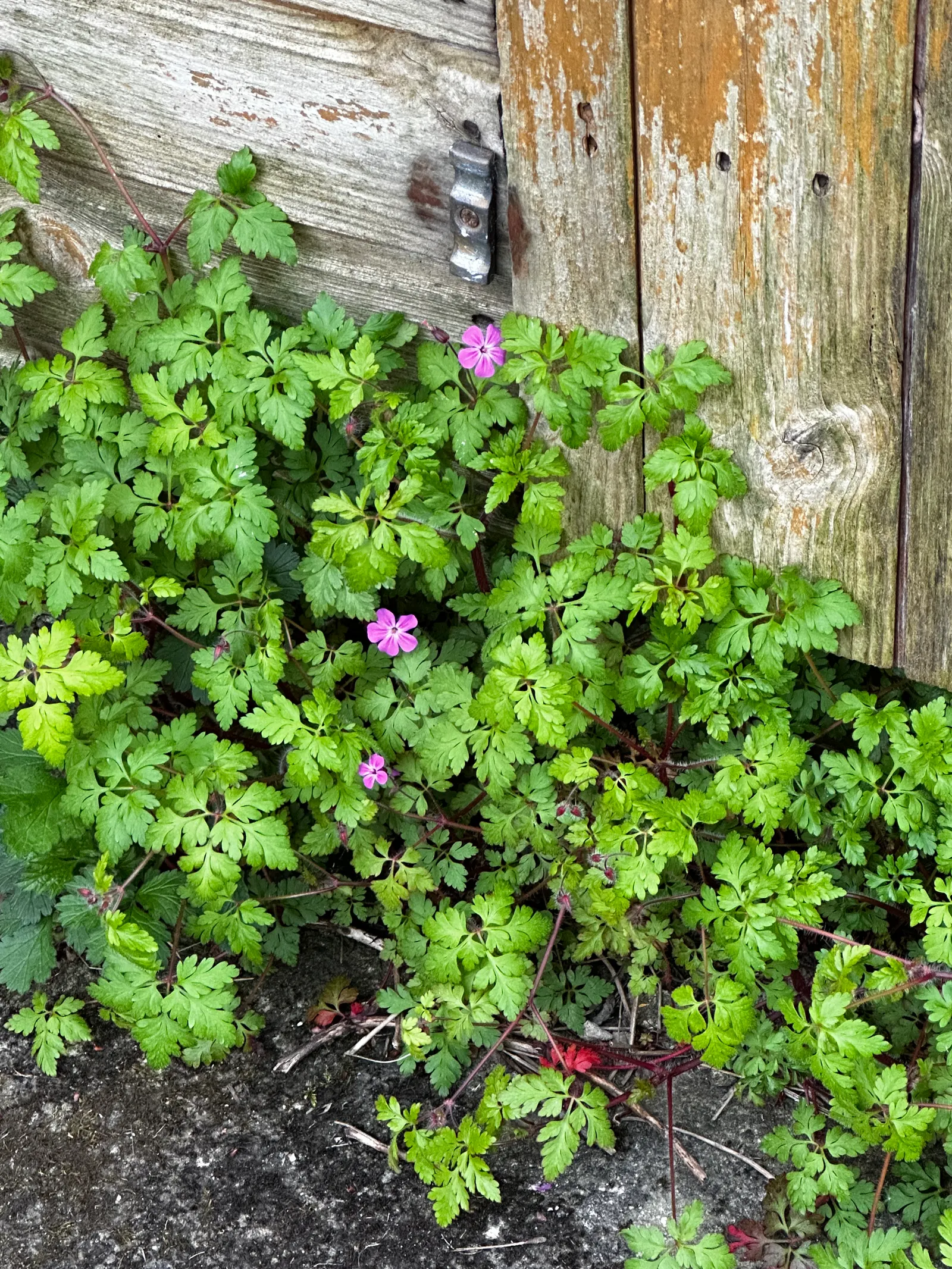
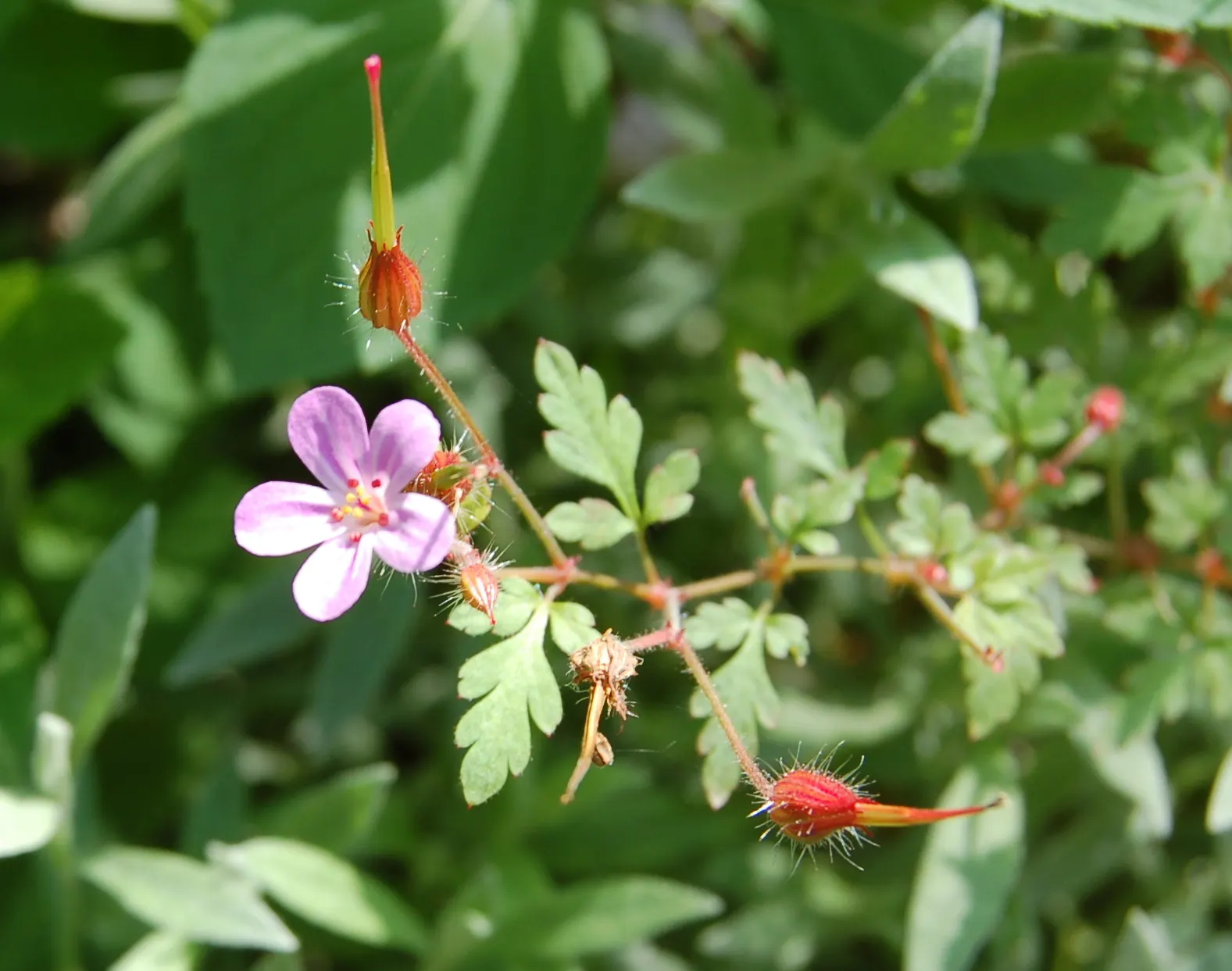
Cranesbill (Pelargonium hortorum) — often marked with a unique zonal pattern; cherished for its vibrant blooms

Culture

Sun
Full, Half
Water
Low
USDA zones
9–10

Shape & size

Classification

Type
Perennial
Family
Geraniaceae
Climate
Subtropical

See full data, regional cultivation notes, and design tools. Build a client presentation around this plant.

Start your 14-day trial

Photos (96)

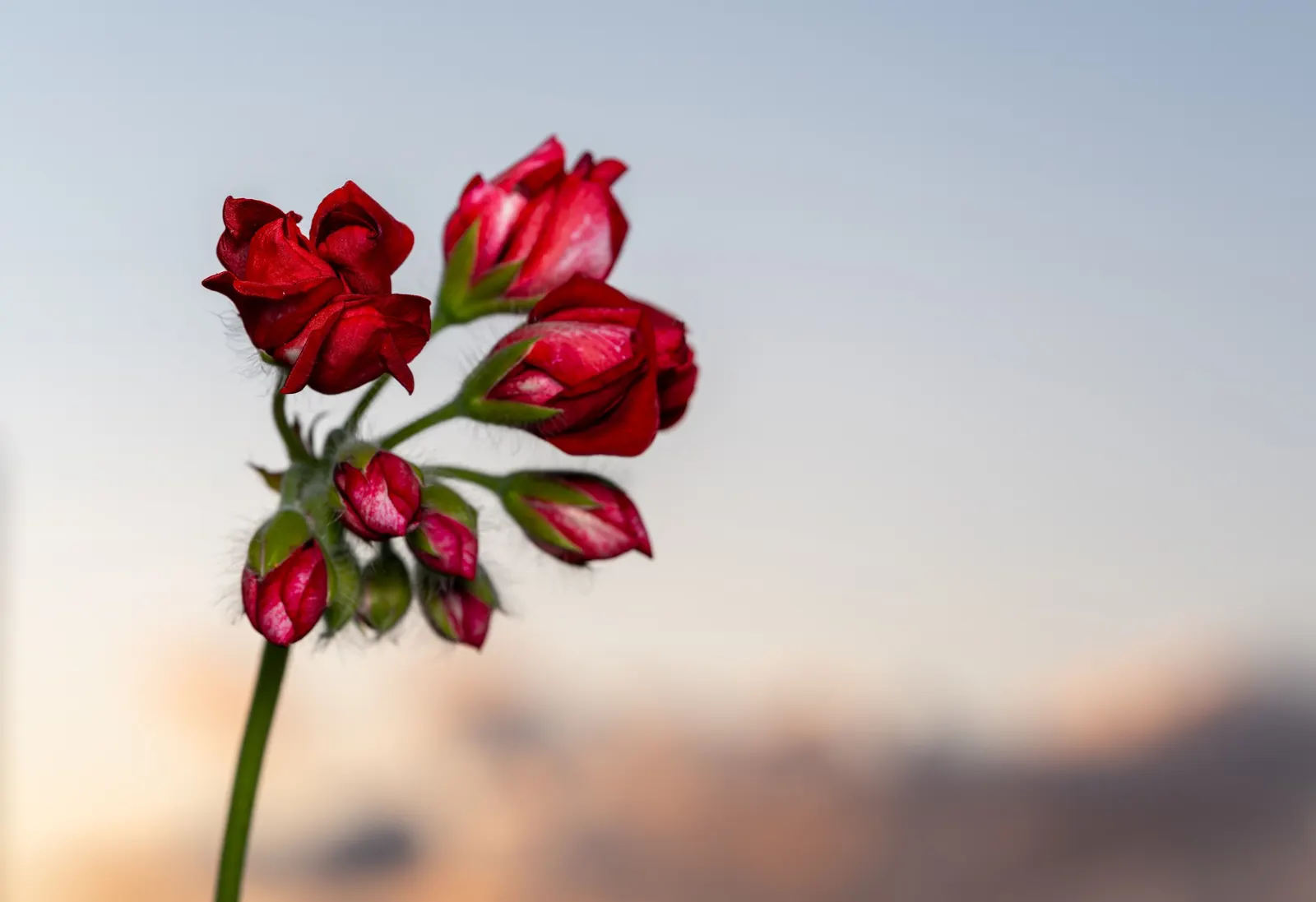
Cranesbill (Pelargonium hortorum) — sporting rounded clusters of red flowers atop sturdy stems; this geranium variety is ideal for container plantings
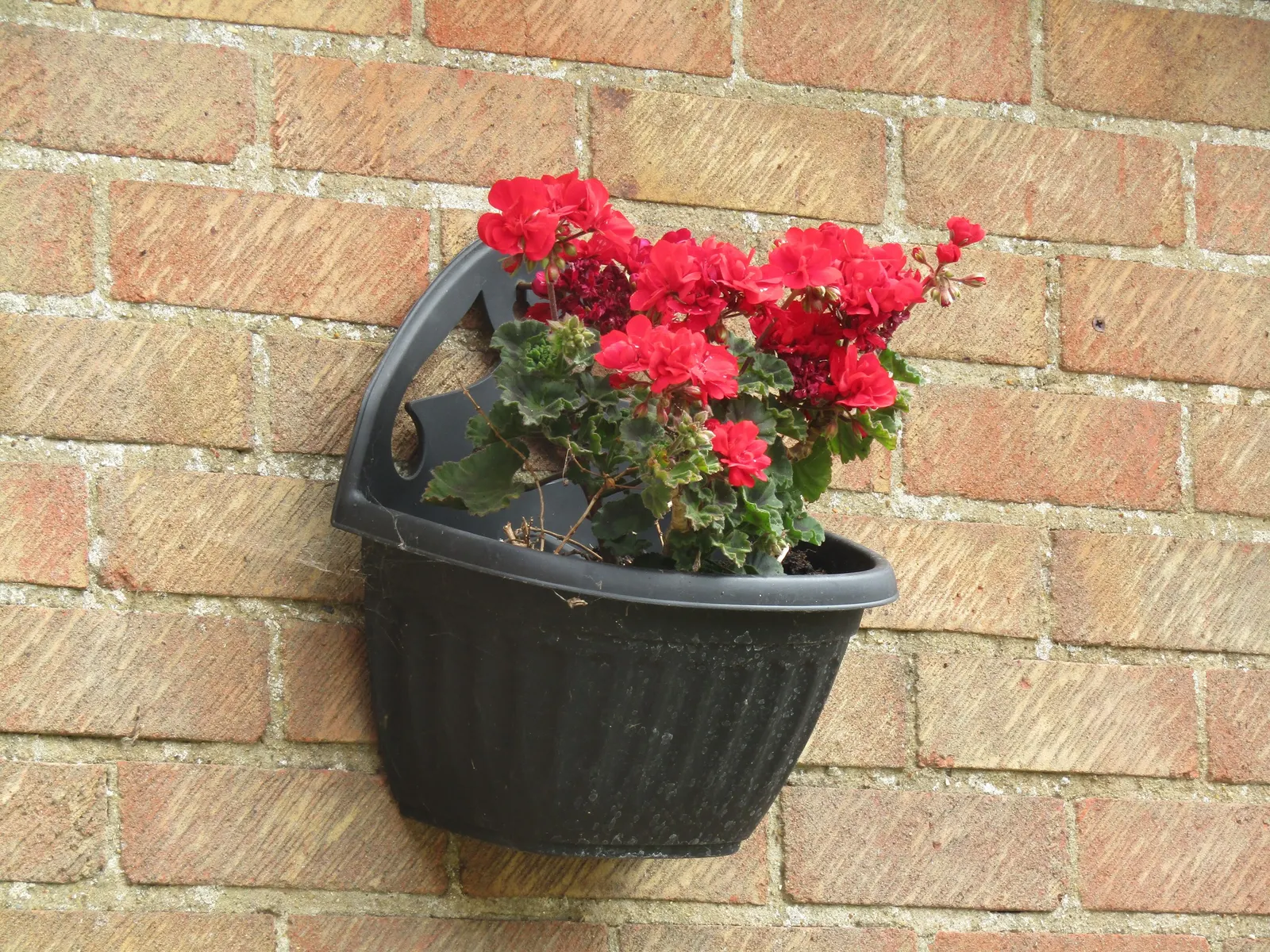
Cranesbill (Pelargonium hortorum) — This geranium variety is ideal for container plantings; also, a slow-release fertilizer can encourage robust growth and
Cranesbill (Pelargonium hortorum) — The Red Geranium (Pelargonium x hortorum); or mass planting for a dramatic effect
Cranesbill (Pelargonium hortorum) — rounded clusters of vivid red flowers atop succulent stems; sporting rounded clusters of red flowers atop, image 67
Cranesbill (Pelargonium hortorum) — it reaches a mature size of 12 to 18 inches in both height and width; loves full sun and well-draining soil
Cranesbill (Pelargonium hortorum) — Its lush foliage, spanning 4-5 inches, offers a lush backdrop; <br><br>To ensure continuous blooms, deadheading spent
Cranesbill (Pelargonium hortorum) — Modest growth, reaching 12-18 inches in height and spread, makes it an ideal choice for borders and containers, image 69
Cranesbill (Pelargonium hortorum) — offering low maintenance and high visual impact in the landscape; hardy in USDA zones 10-11
Cranesbill (Pelargonium hortorum) — Regular deadheading encourages continuous flowering; with a robust growth habit, image 71
Cranesbill (Pelargonium hortorum) — offering a striking pop of color
Cranesbill (Pelargonium hortorum) — Also, a slow-release fertilizer can encourage robust growth and flowering; often marked with a unique zonal pattern
Cranesbill (Pelargonium hortorum) — perennial with multi-colored and red blooms; requiring a minimum of 6 hours of direct sunlight daily to maintain their
Cranesbill (Pelargonium hortorum) — Modest growth, reaching 12-18 inches in height and spread, makes it an ideal choice for borders and containers
Cranesbill (Pelargonium hortorum) — The Red Geranium (Pelargonium spp.)
Cranesbill (Pelargonium hortorum) — allowing the soil to dry slightly between waterings; modest growth, reaching 12-18 inches in height and spread, makes it an
Cranesbill (Pelargonium hortorum) — offering a striking pop of color; red Geraniums bloom profusely from early summer until the first frost
Cranesbill (Pelargonium hortorum) — <br><br>To ensure continuous blooms, deadheading spent flowers is recommended
Cranesbill (Pelargonium hortorum) — The Red Geranium (Pelargonium spp.); its lush foliage, spanning 4-5 inches, offers a lush backdrop, image 65
Cranesbill (Pelargonium hortorum) — is a classic staple in any garden design; known for its vibrant scarlet blossoms
Cranesbill (Pelargonium hortorum) — Also, a slow-release fertilizer can encourage robust growth and flowering
Cranesbill (Pelargonium hortorum) — Its lush foliage, spanning 4-5 inches, offers a lush backdrop; <br><br>To ensure continuous blooms, deadheading, image 68
Cranesbill (Pelargonium hortorum) — ensuring a compact and rounded form
Cranesbill (Pelargonium hortorum) — Hardy in USDA zones 10-11; red Geraniums perform best in full sun to partial shade, image 72
Cranesbill (Pelargonium hortorum) — known for its vibrant scarlet blossoms
Photographs by 12 contributors

Related plants