Skip to content

Passion Flower

Passiflora Membranacea

Design with this plant

Overview

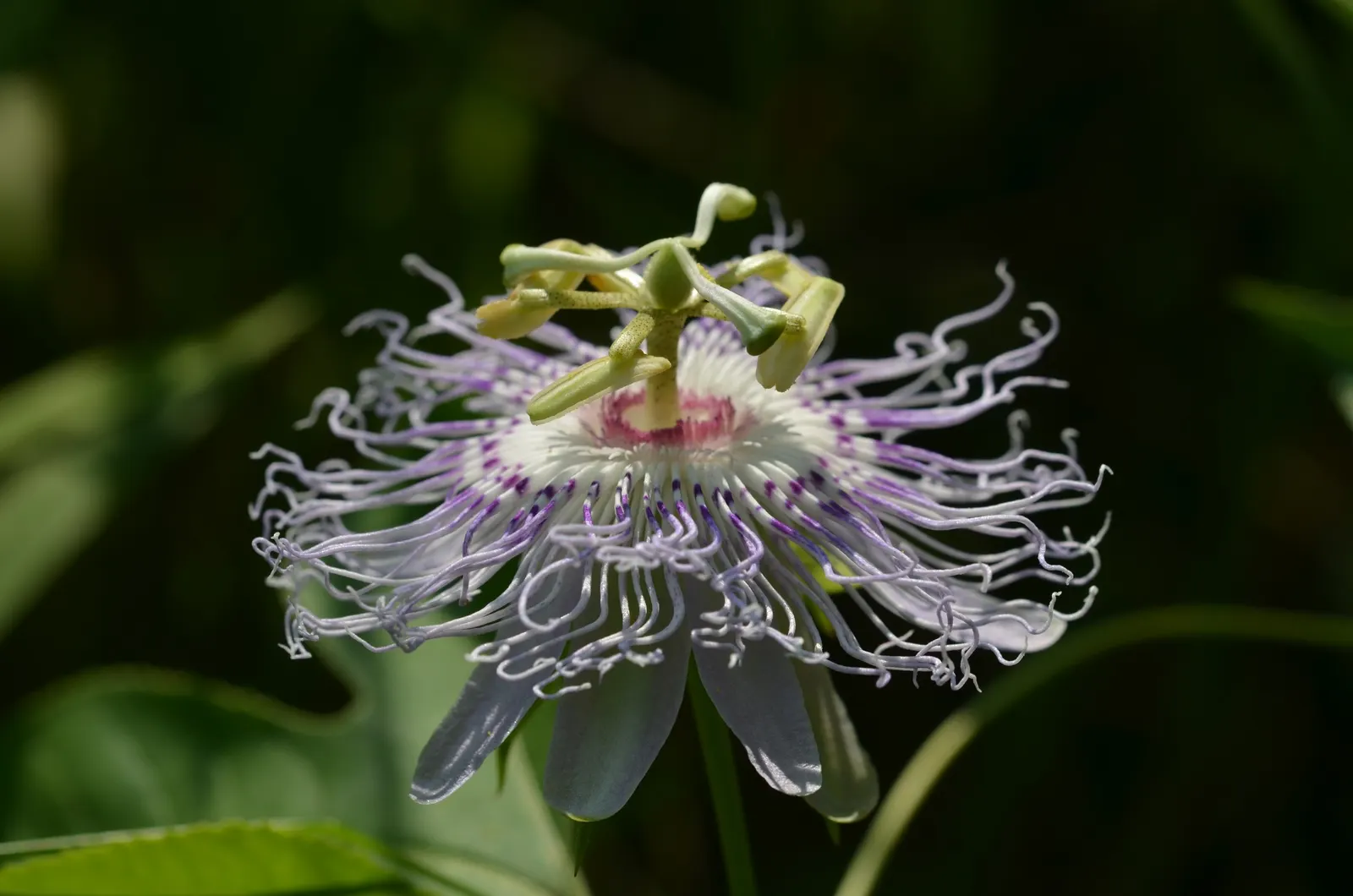
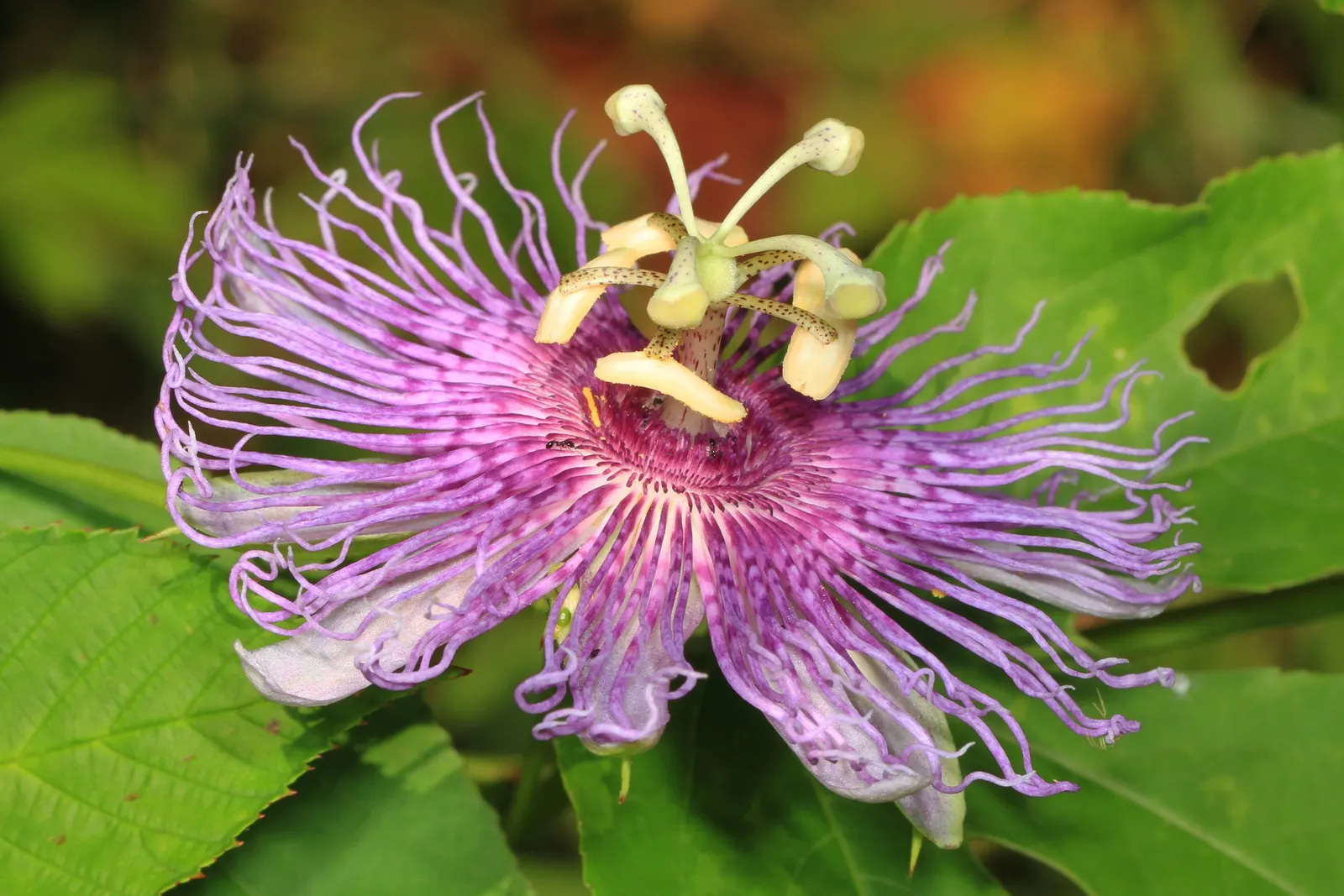
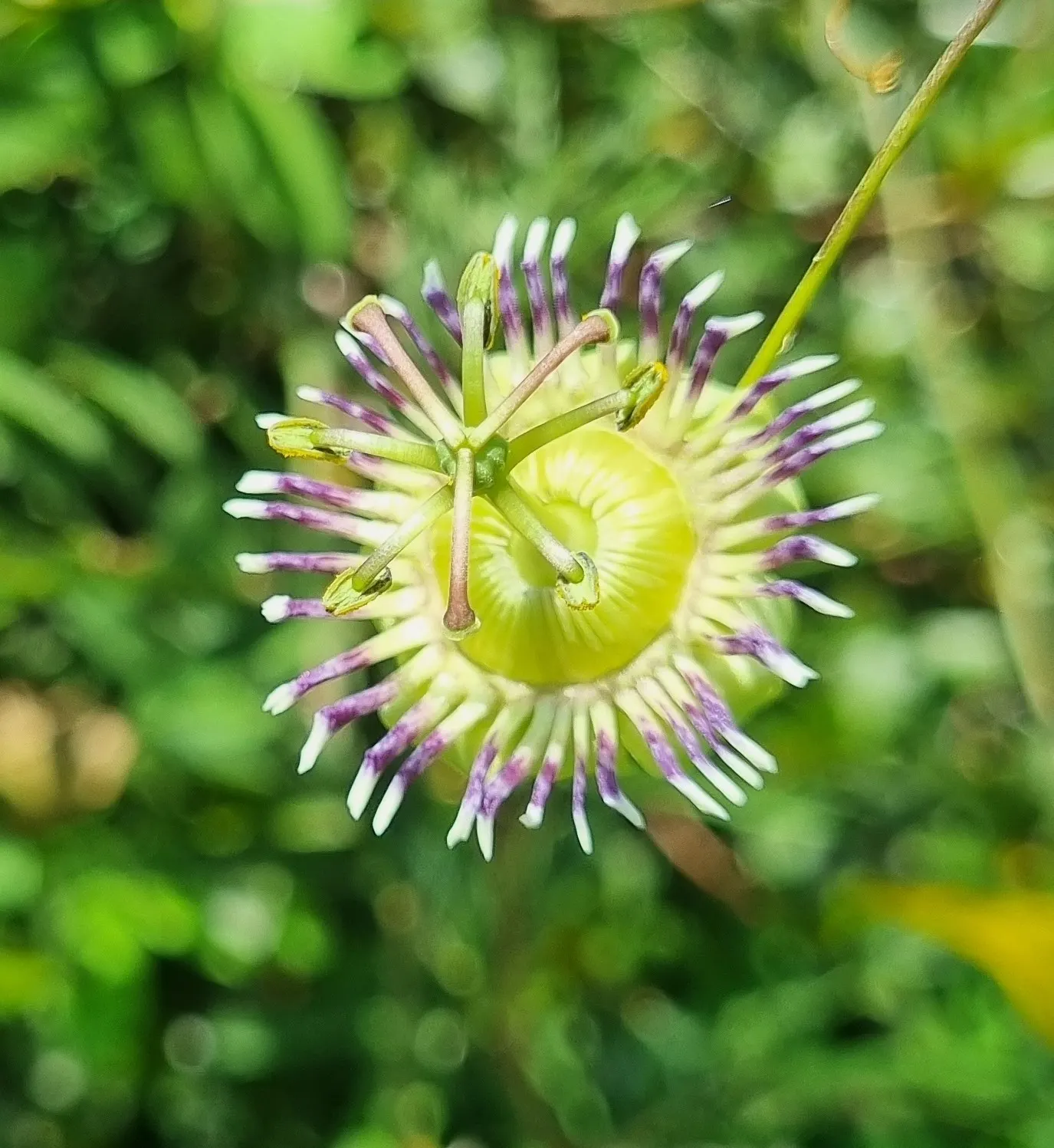
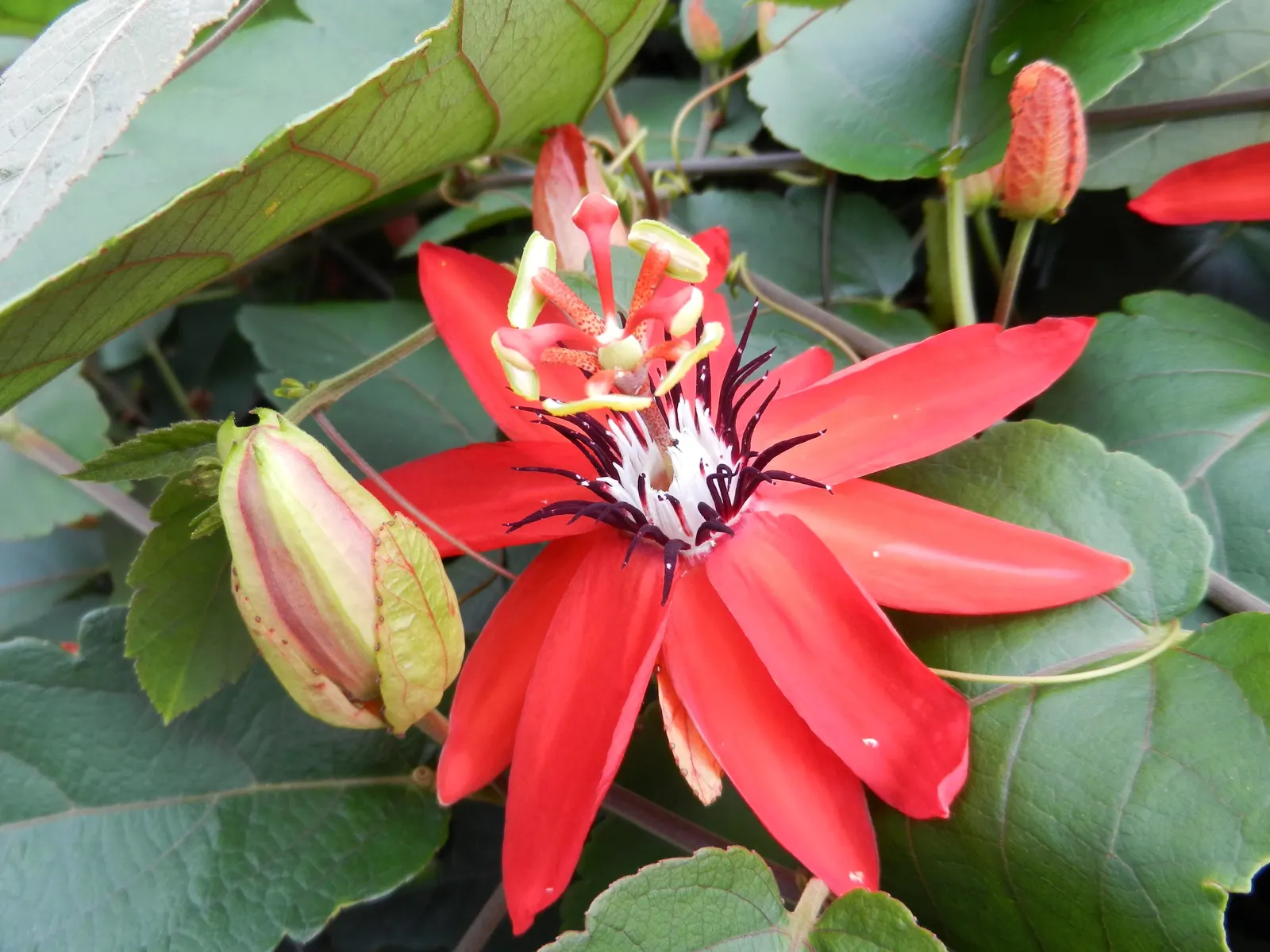
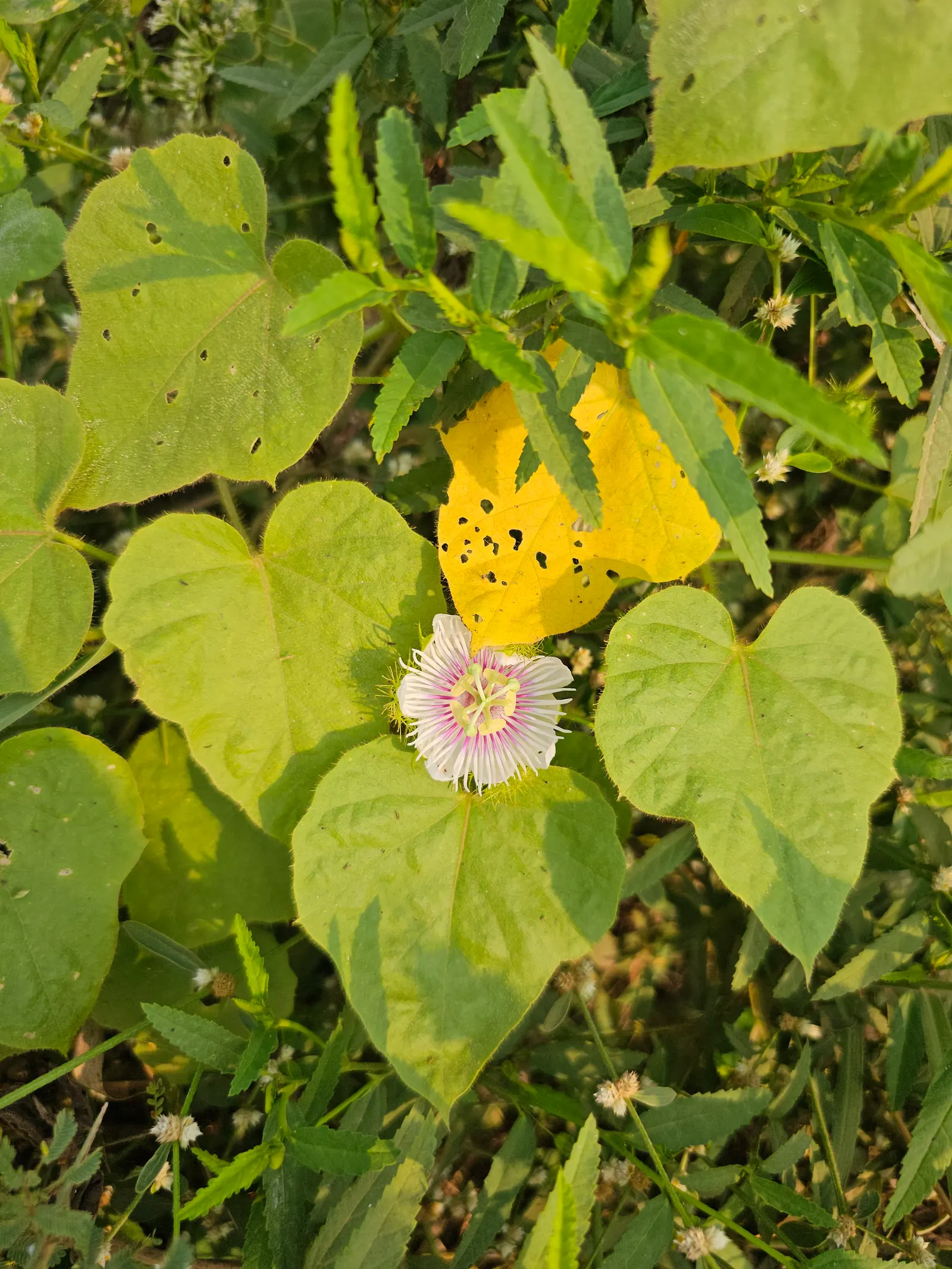
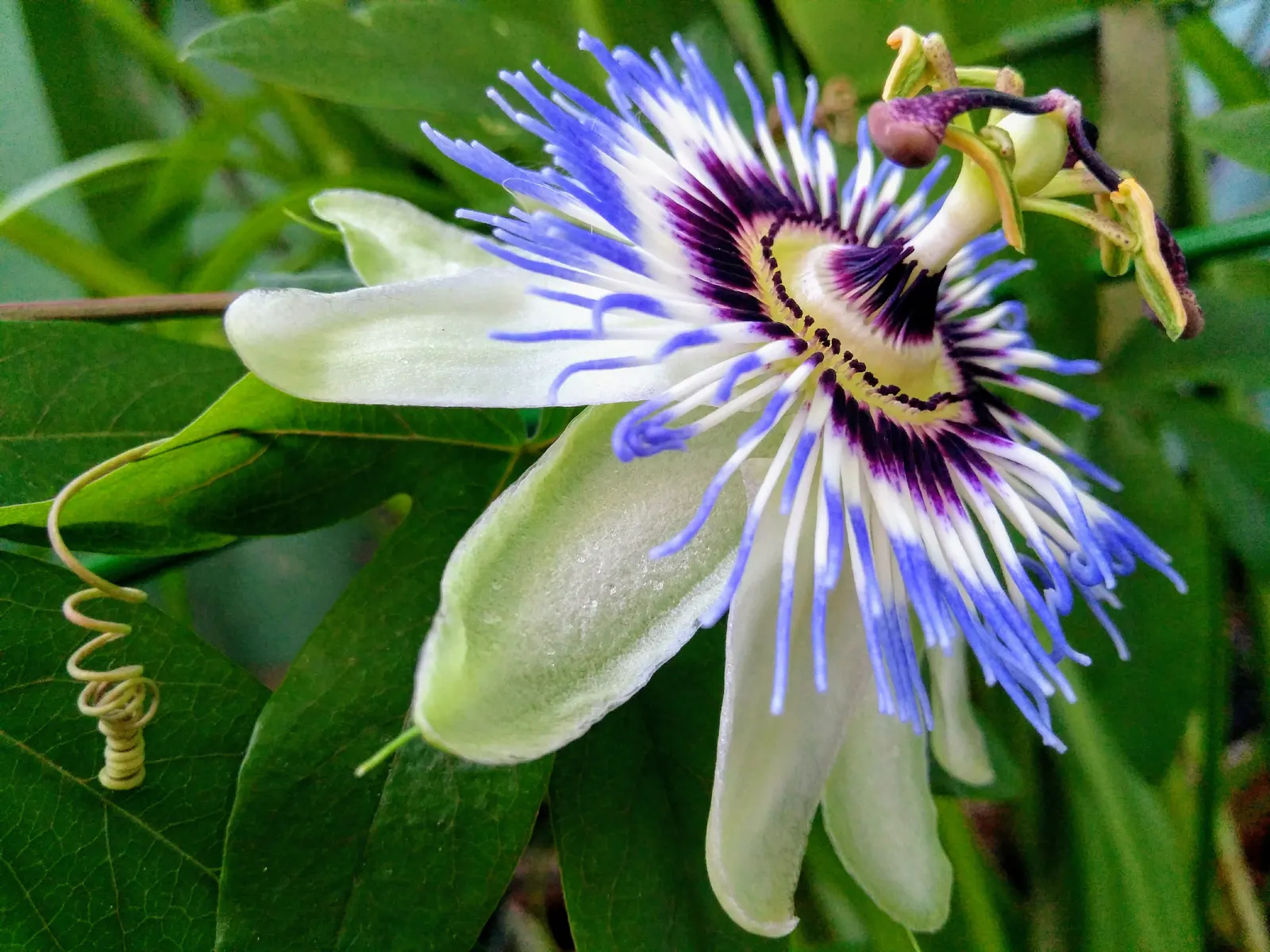
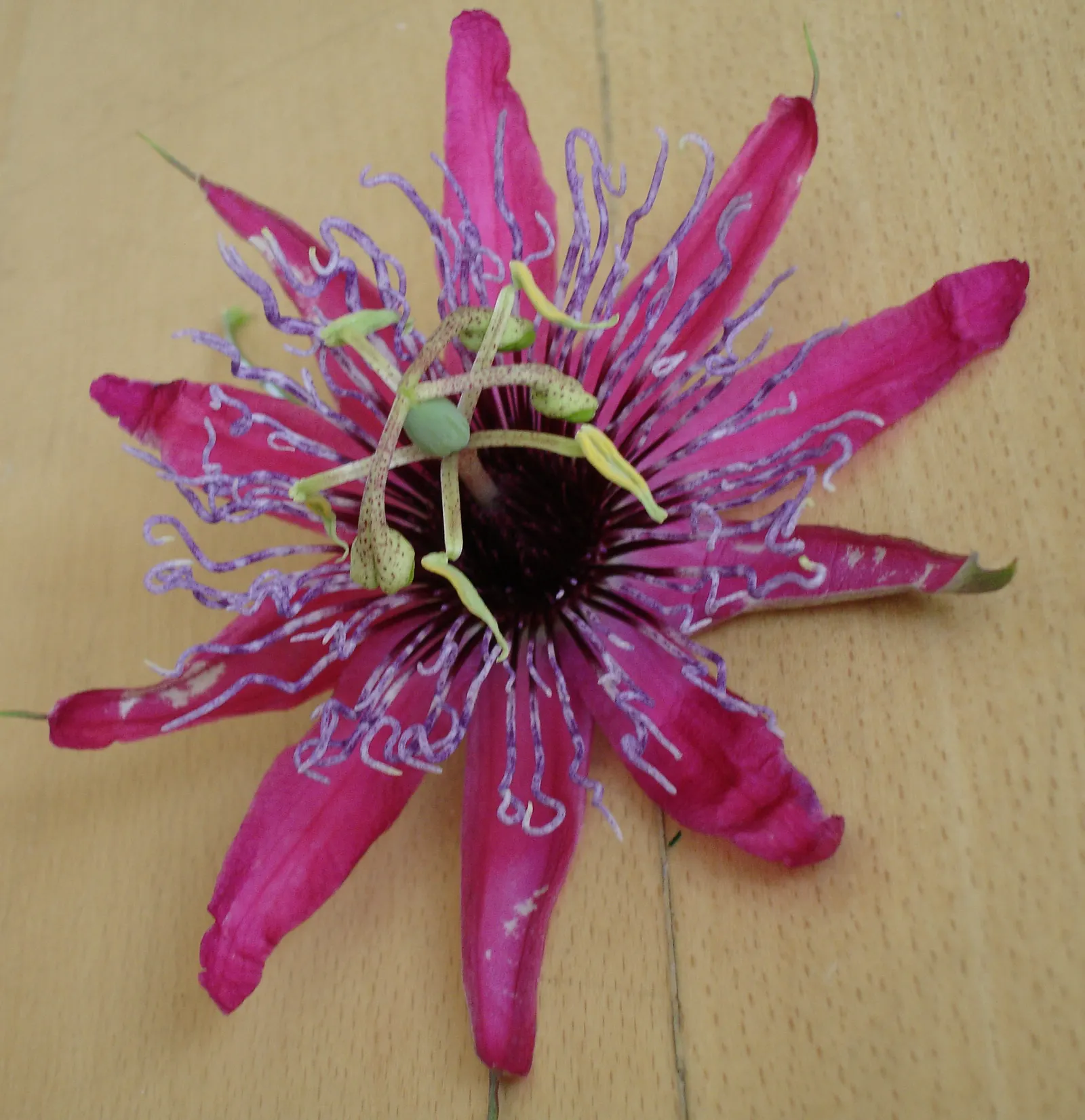
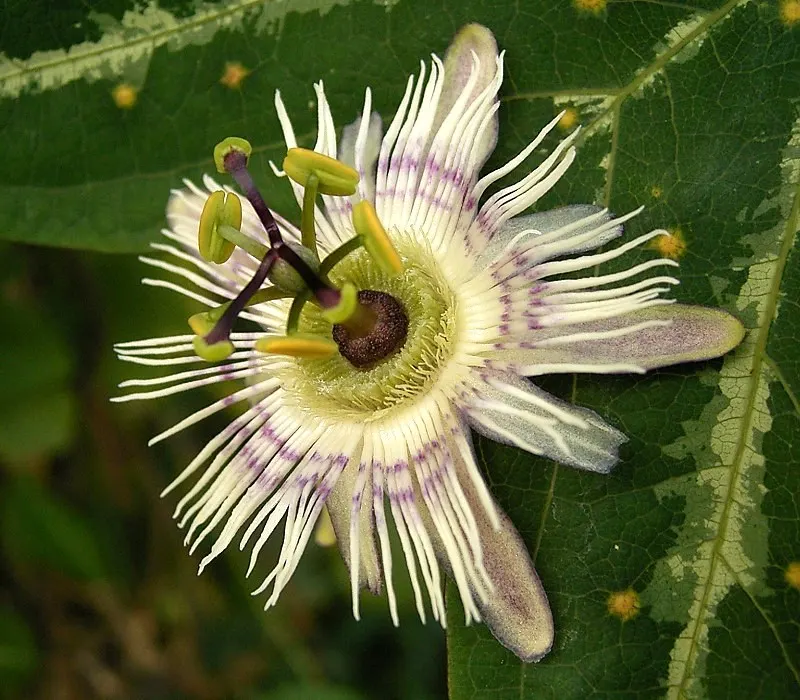
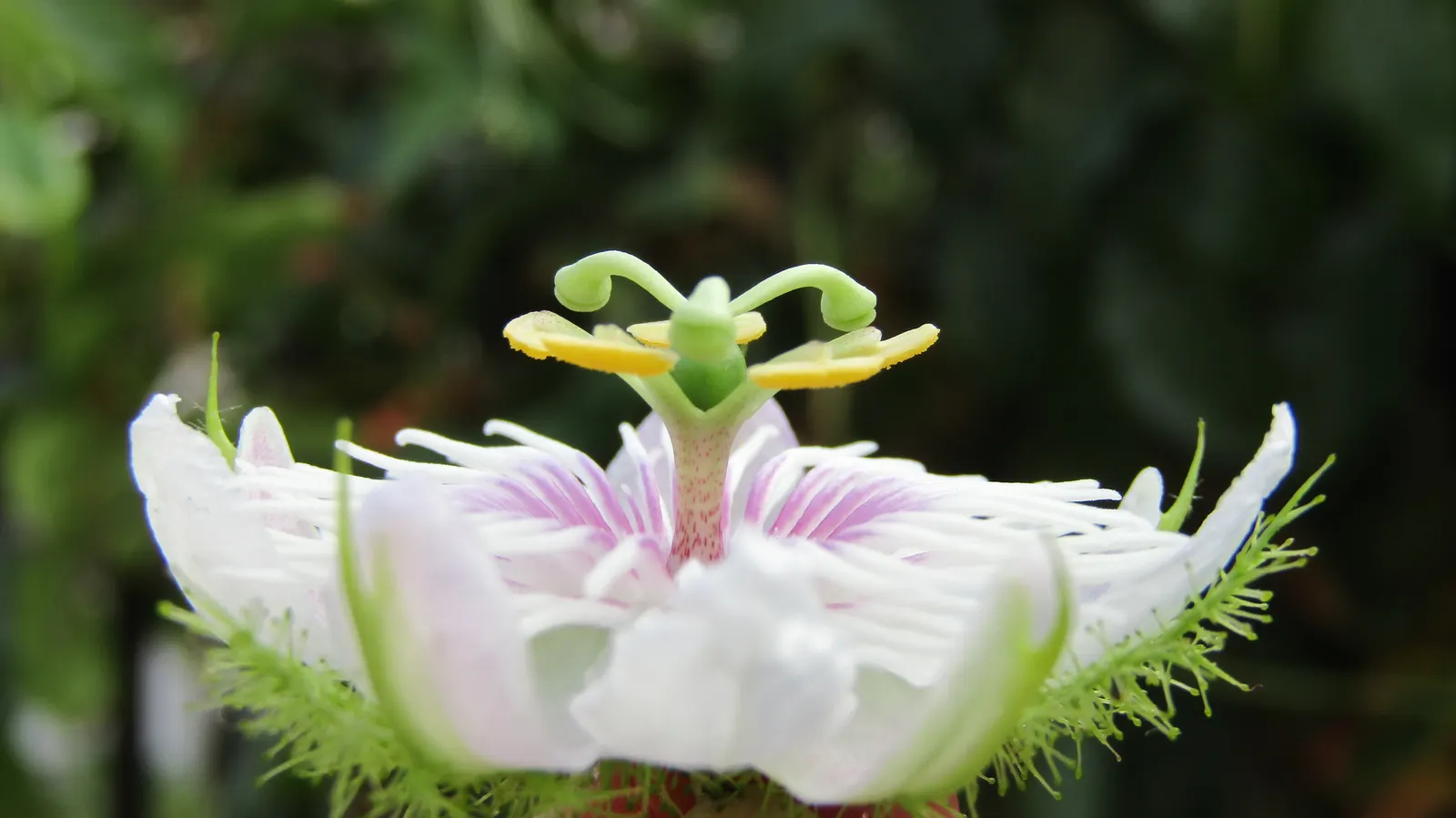
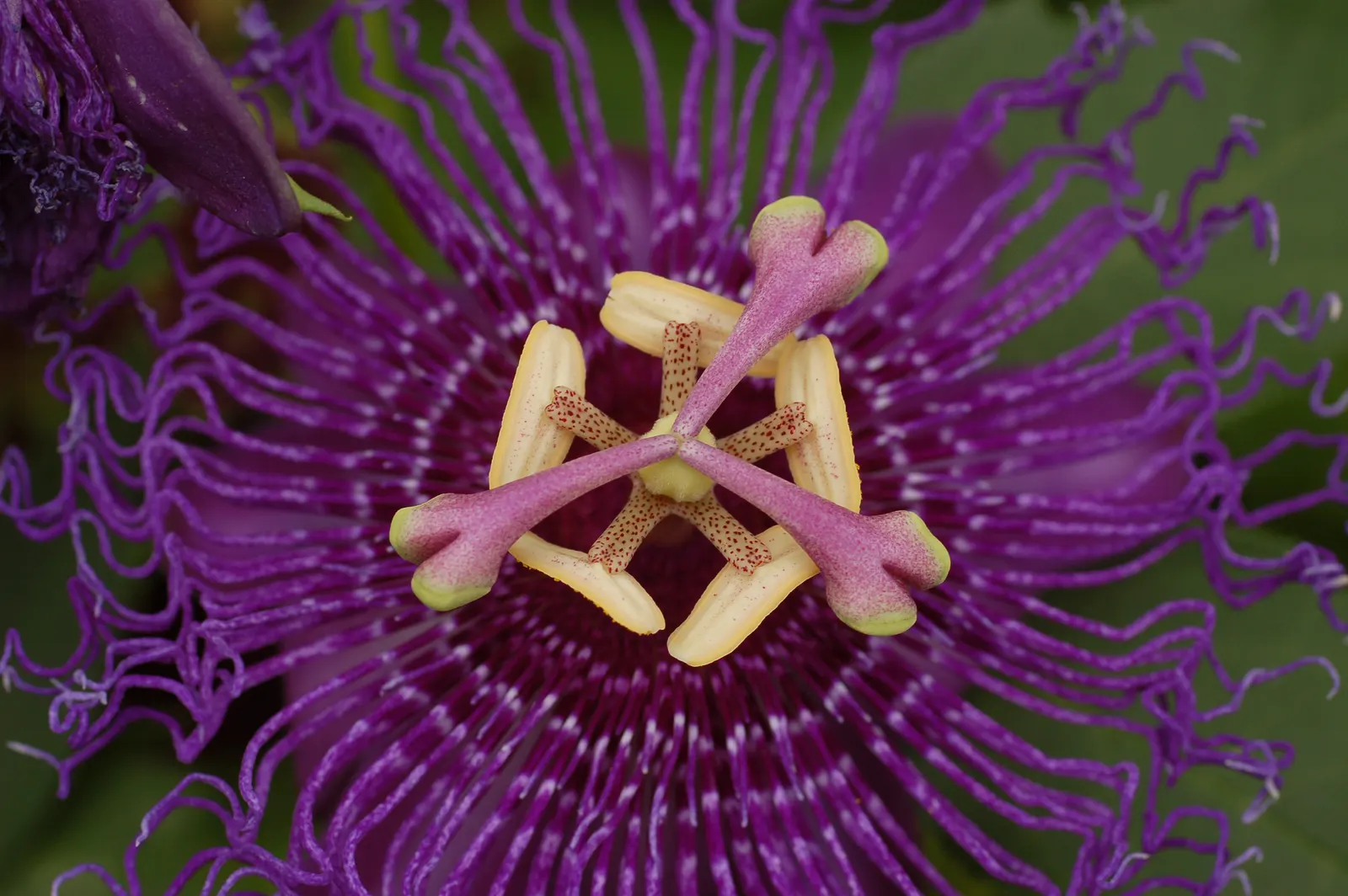
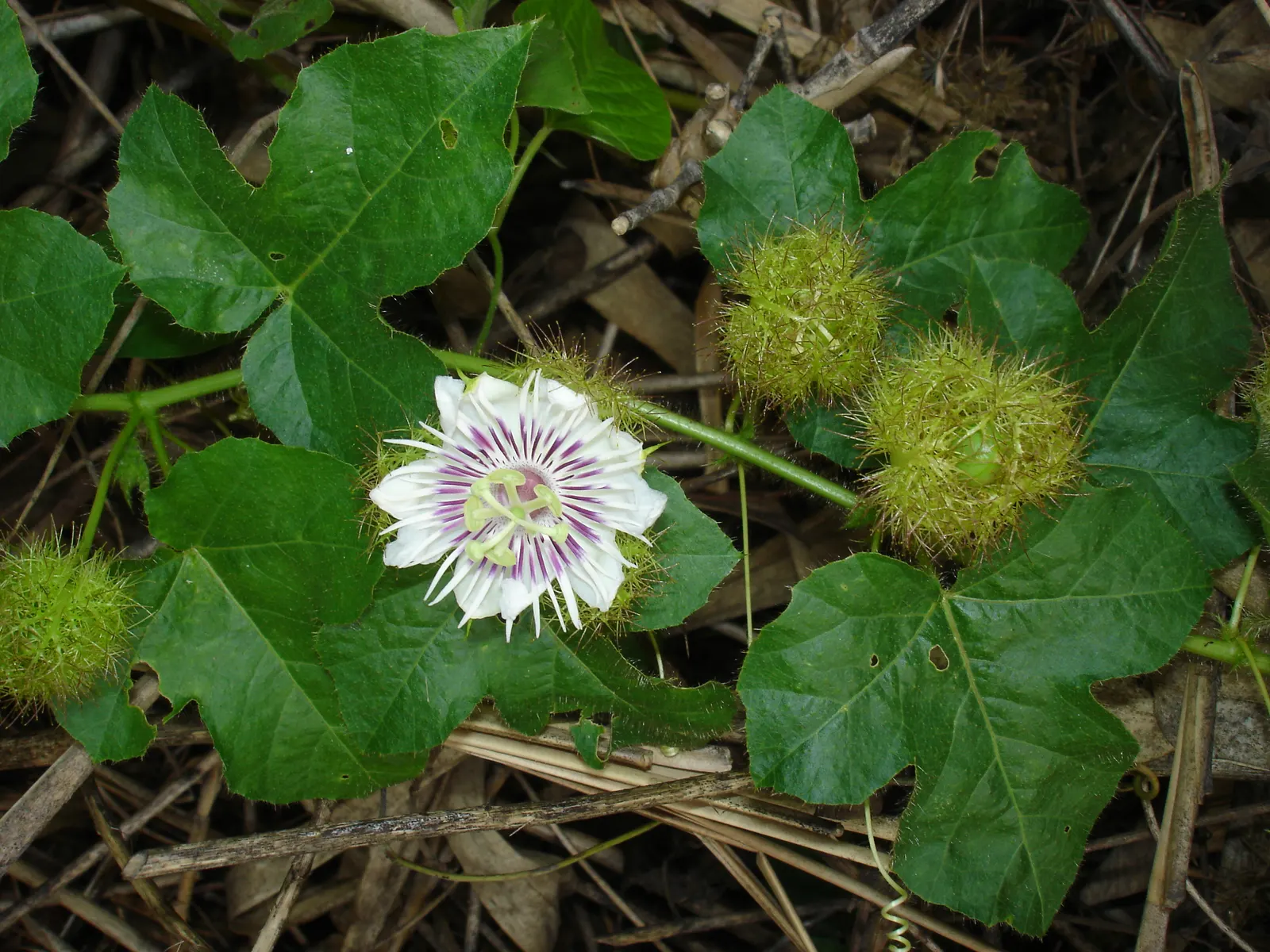
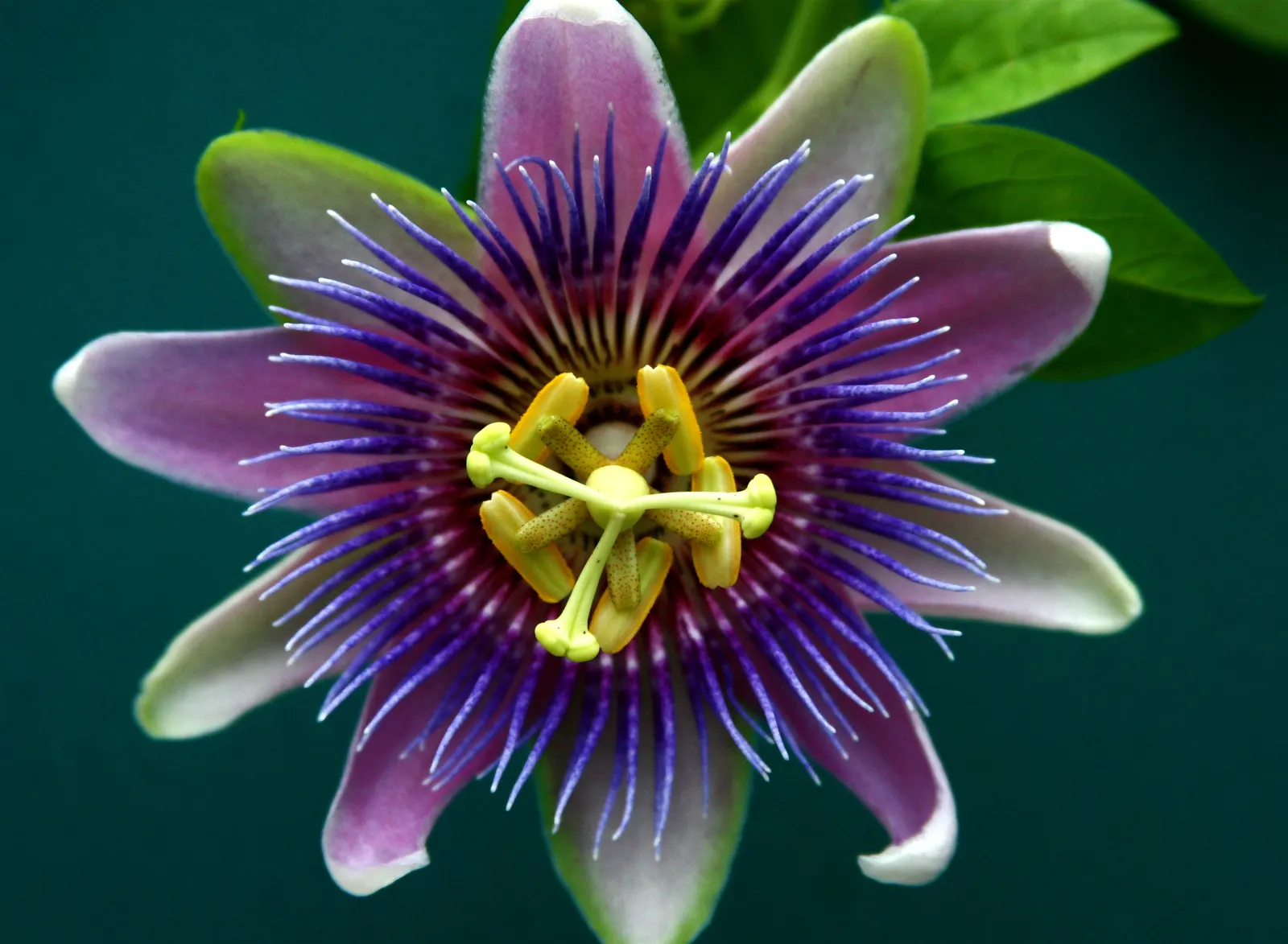
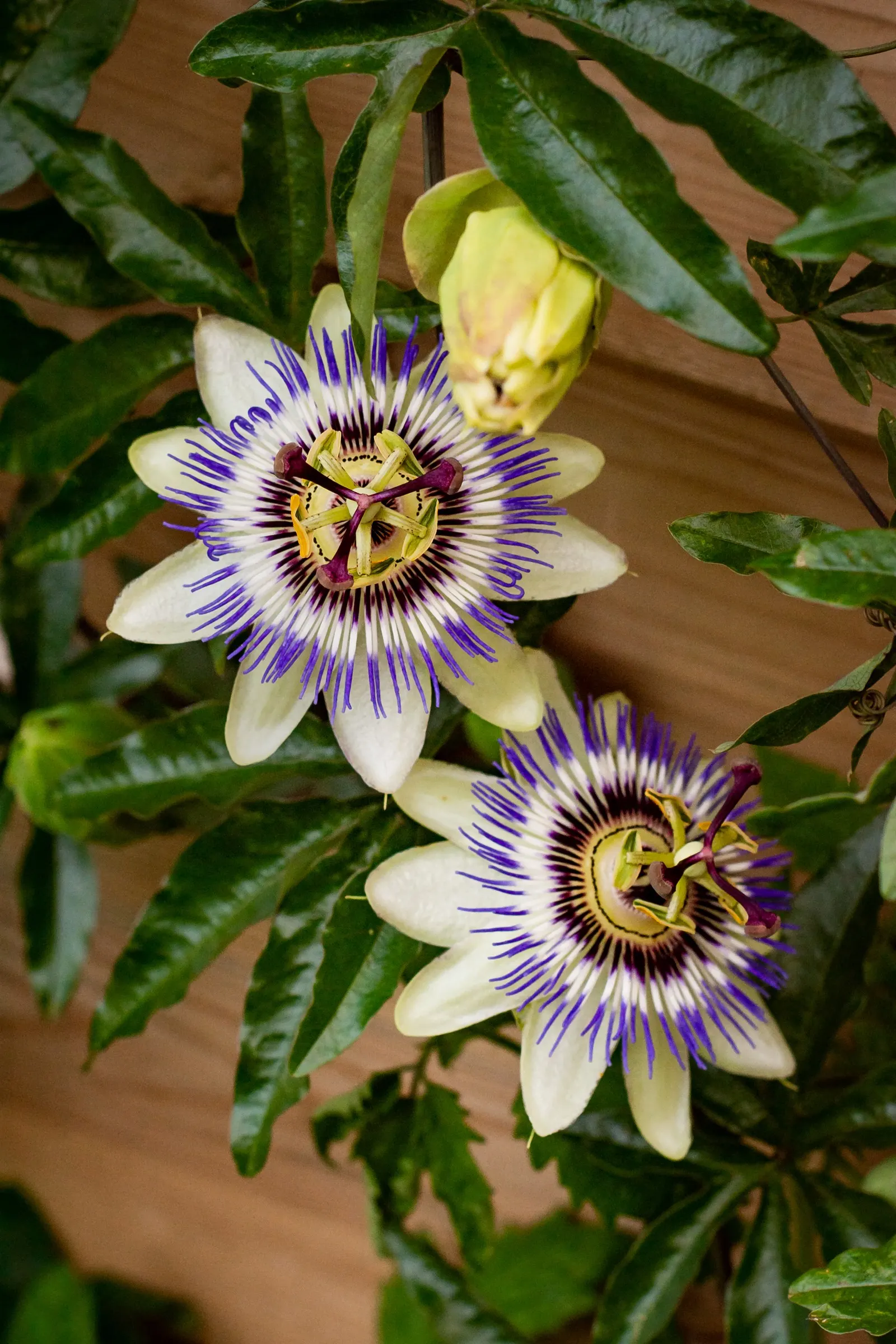
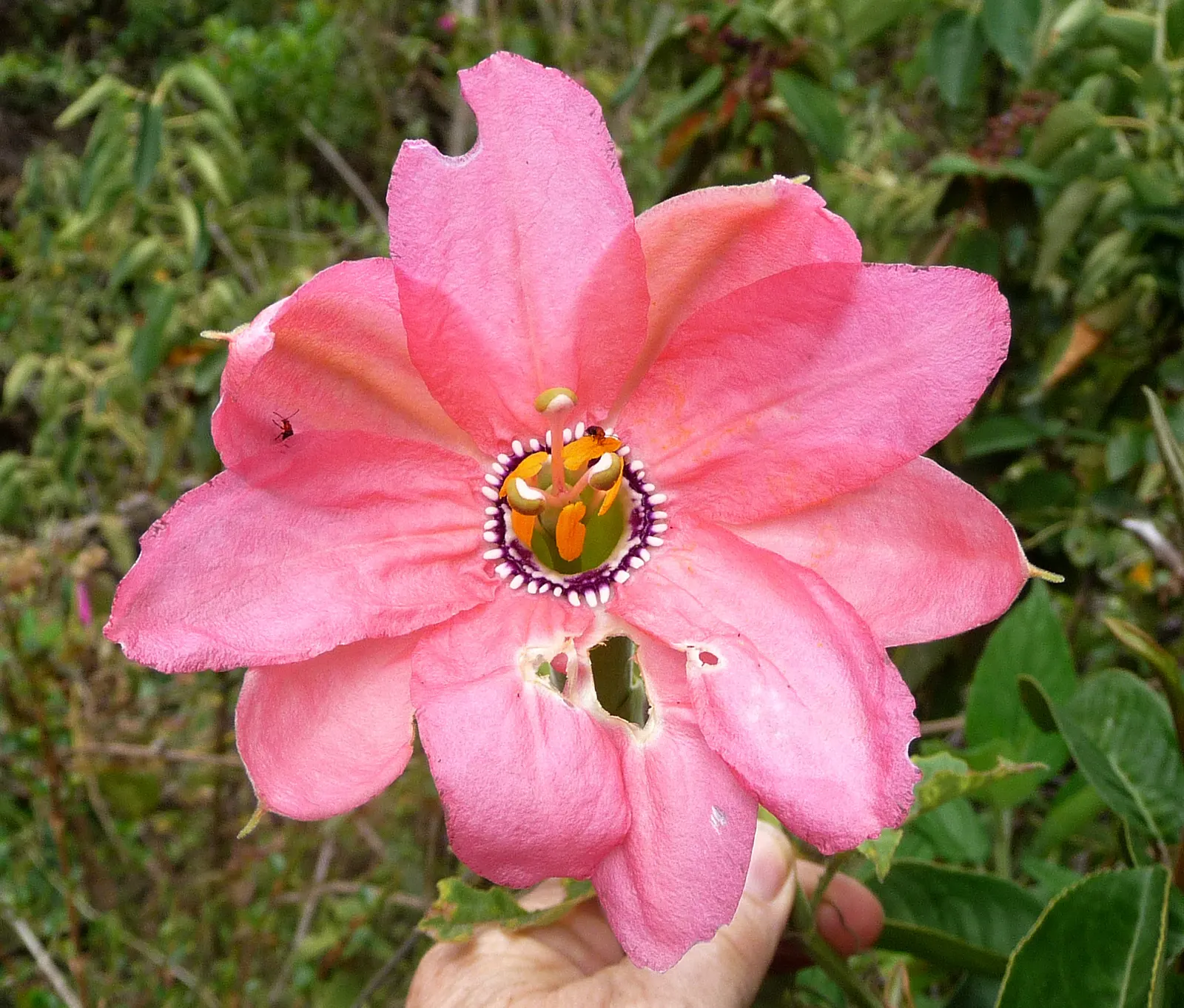
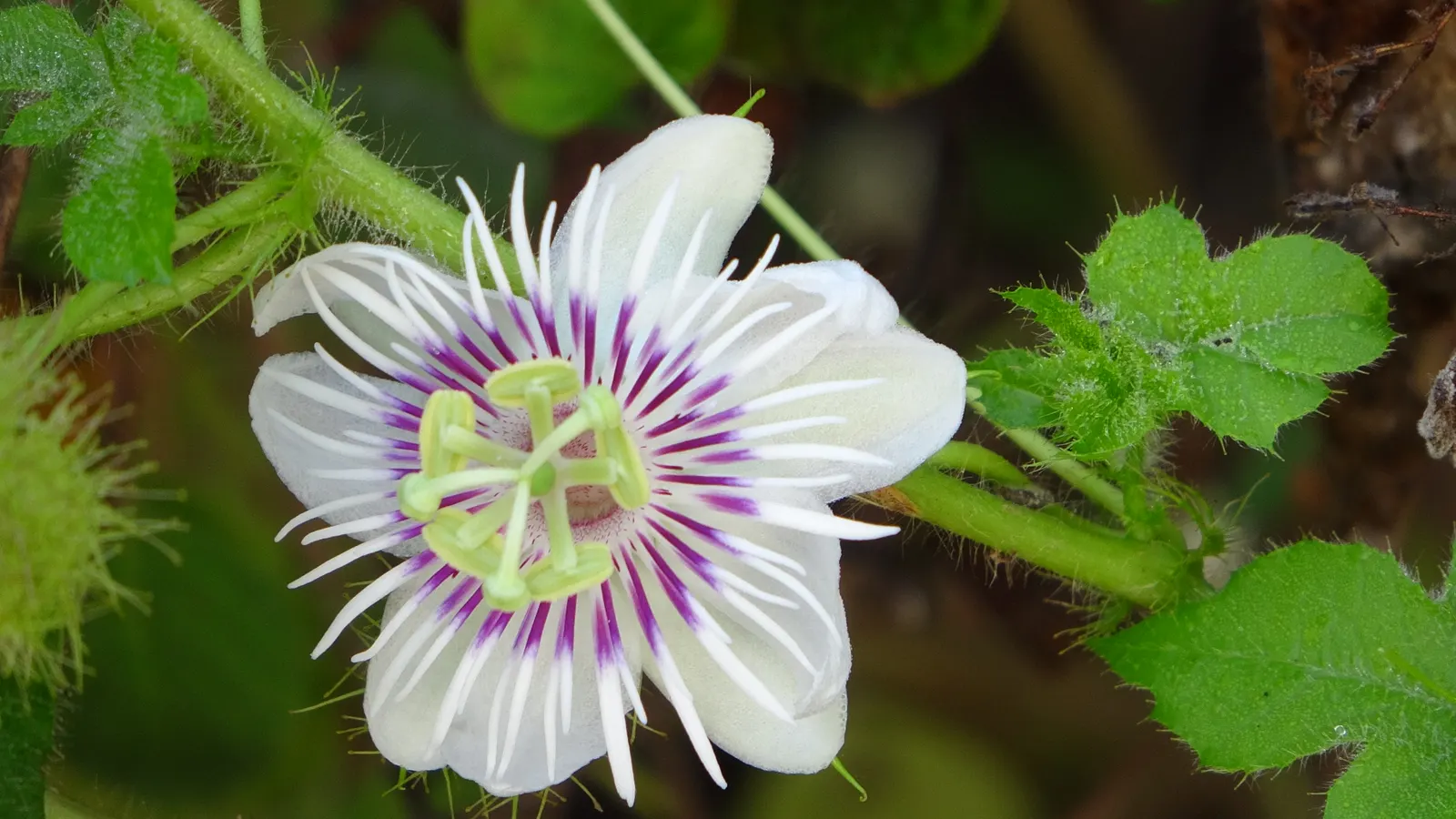
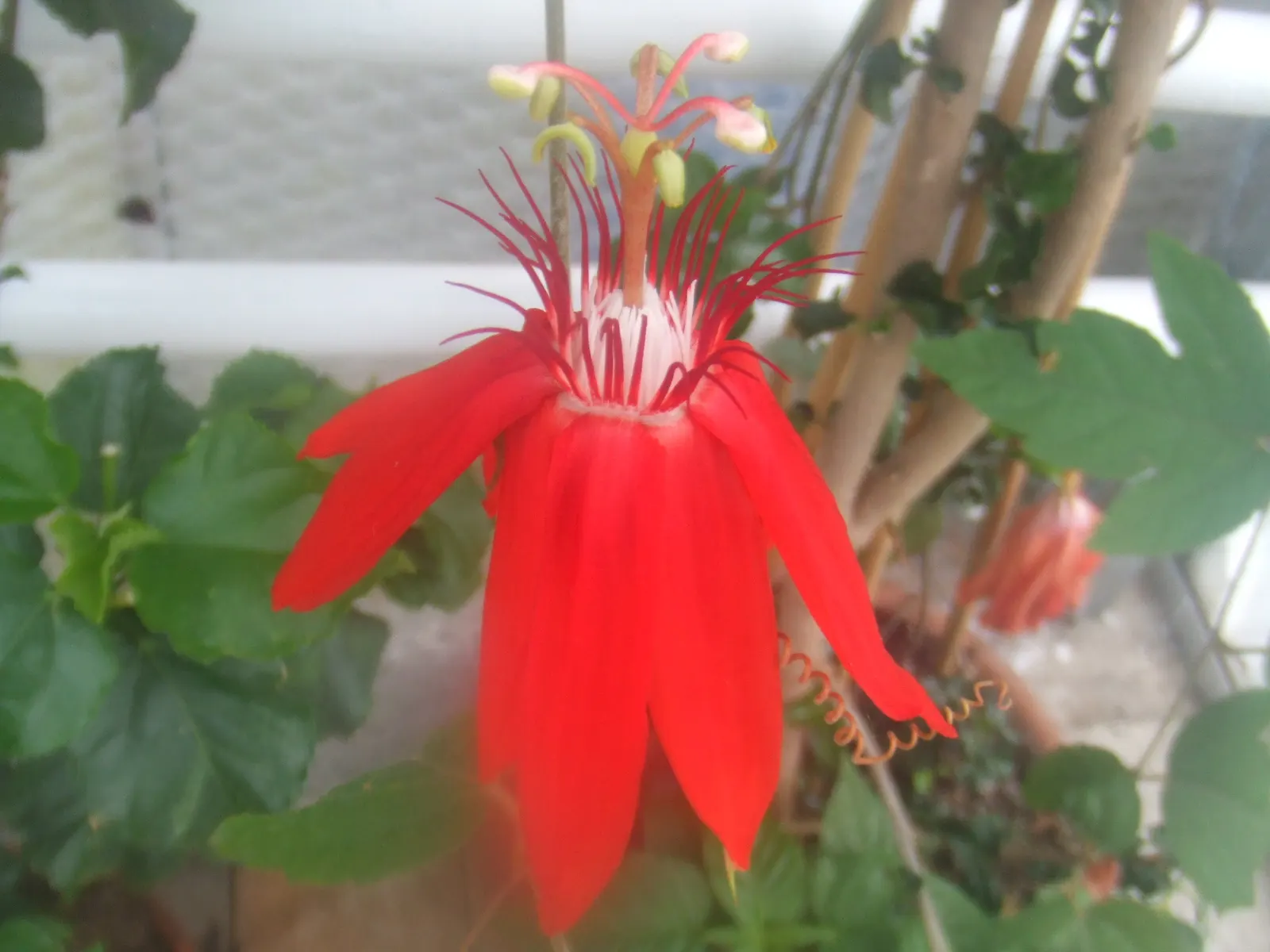
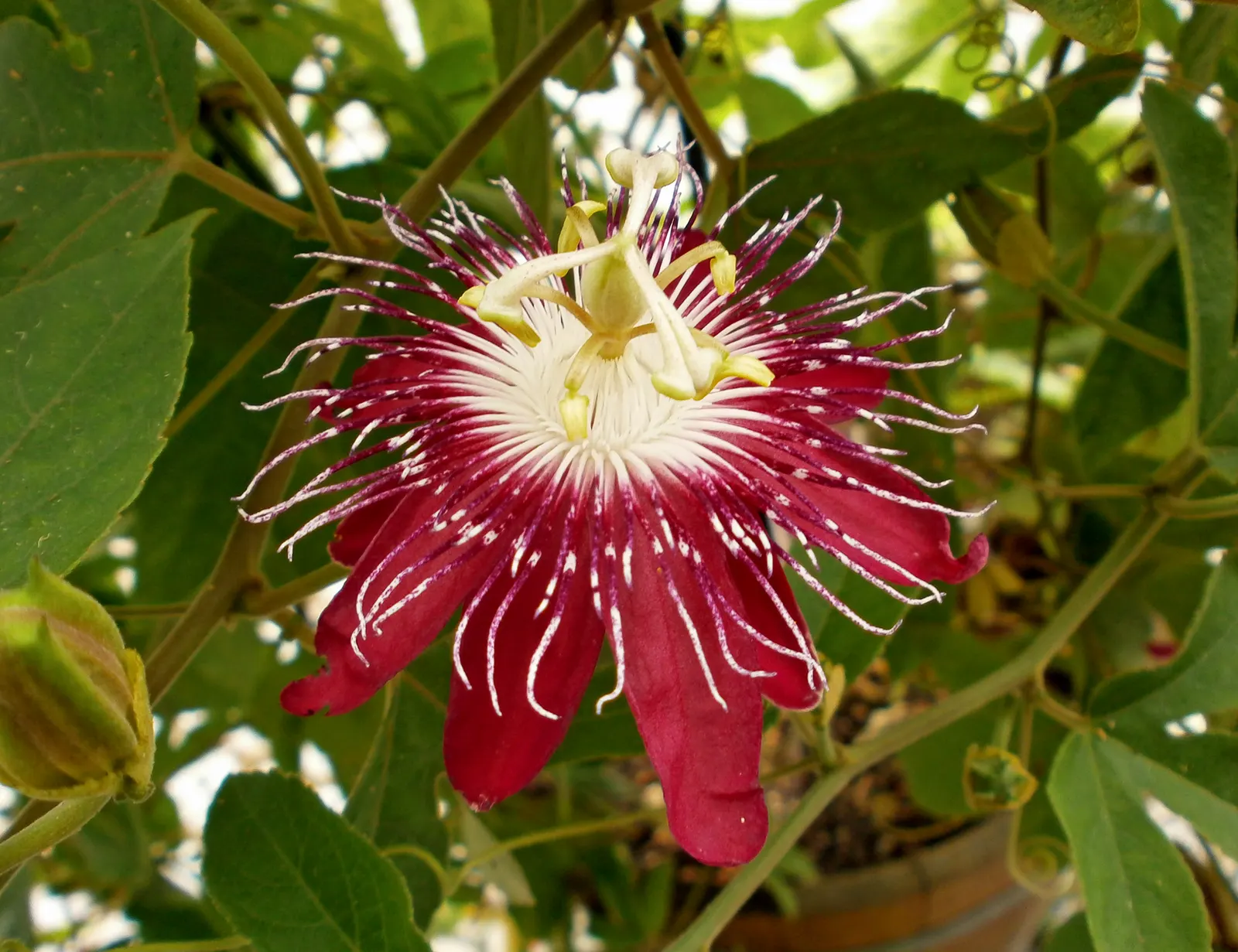
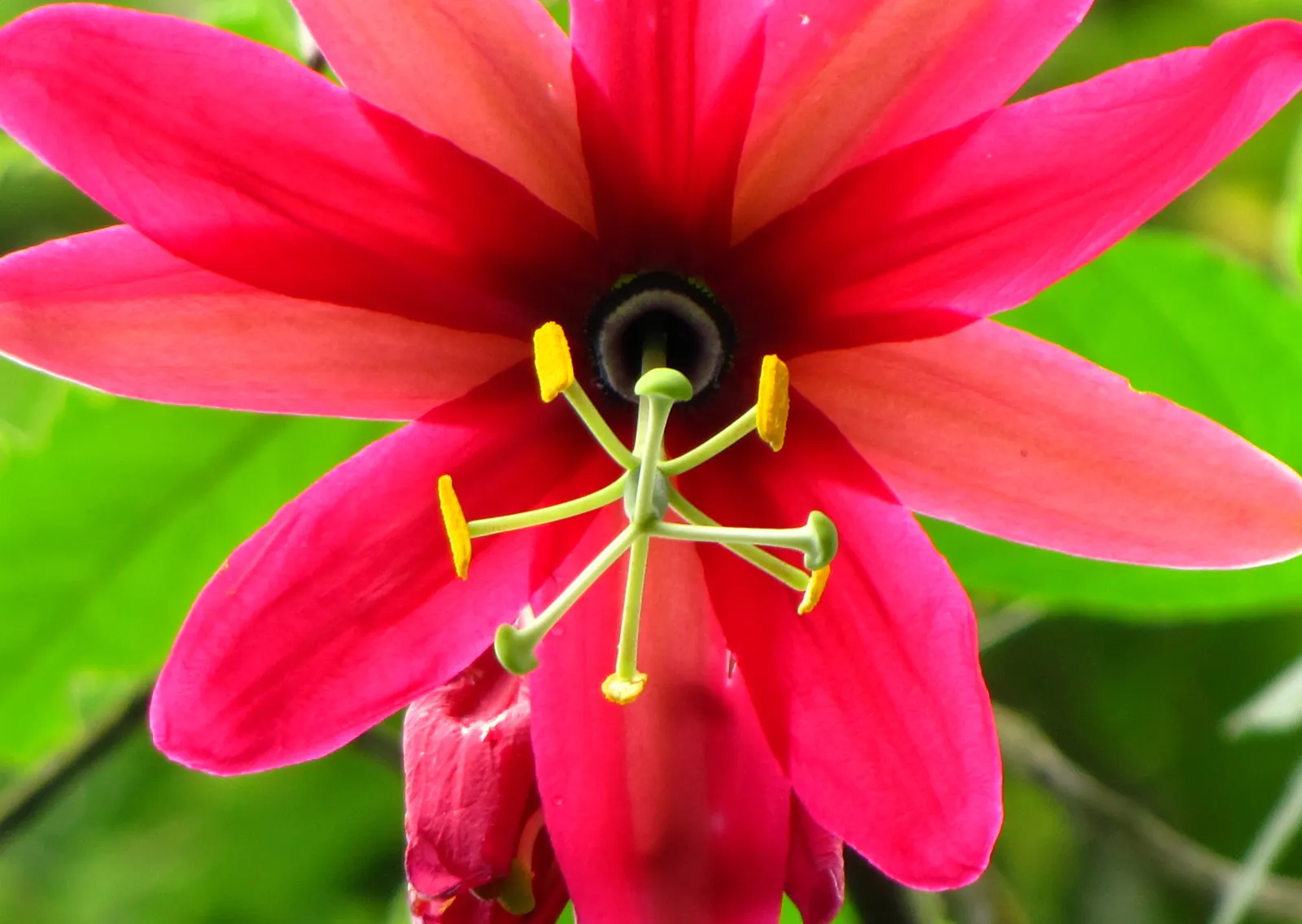
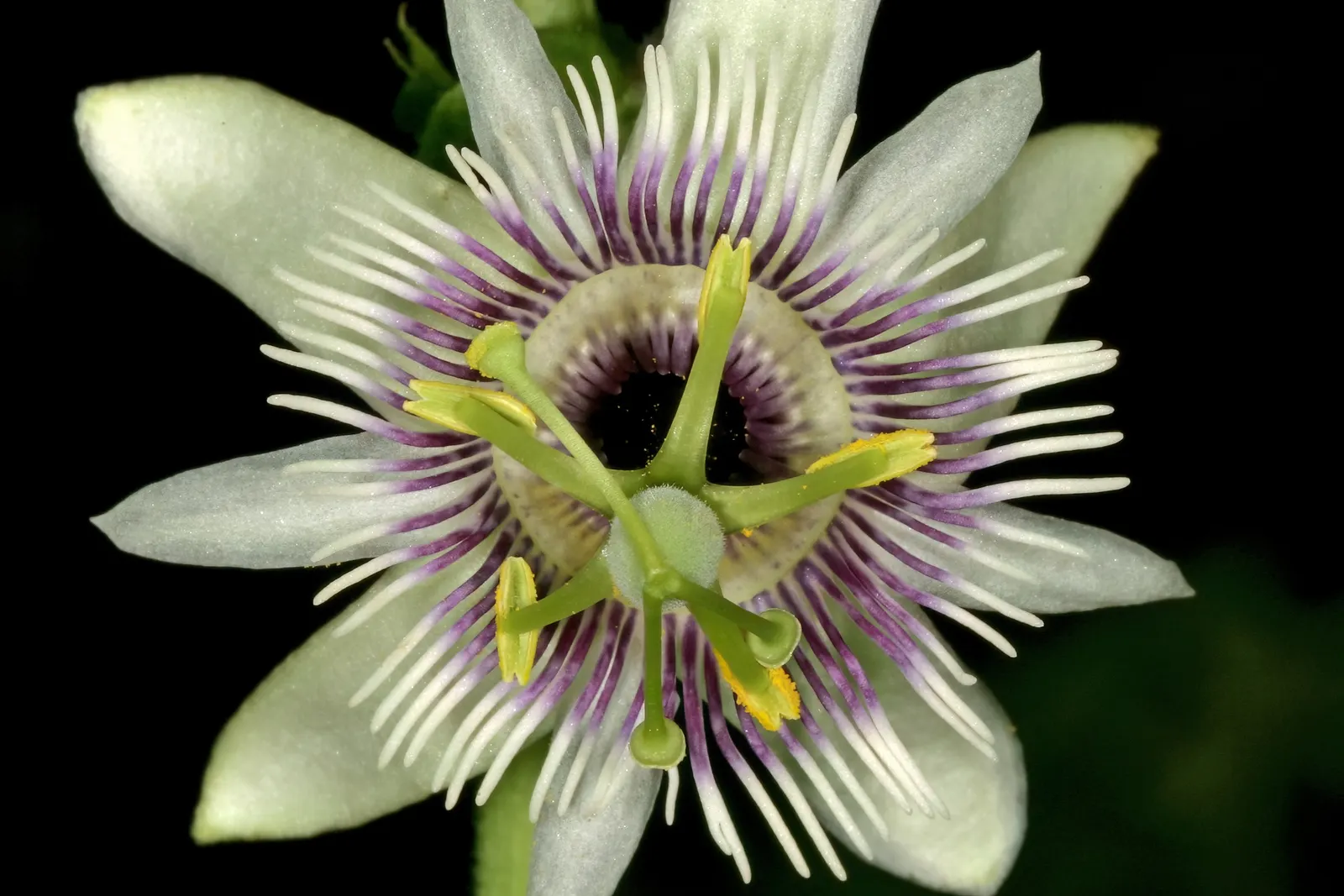
Passiflora membranacea, commonly known as Passion Flower, is a lively climber with exquisitely complex flowers, featuring a distinctive crown of violet filaments atop 5 white petals. This perennial thrives in full sun to partial shade, achieving a spread of up to 6 feet wide and climbing to heights of 10-15 feet. It prefers well-drained soil, is hardy in USDA zones 9-11, and attracts pollinators such as butterflies and hummingbirds.

Sun FullWater MediumZones 9–10Type VineClimate Subtropical
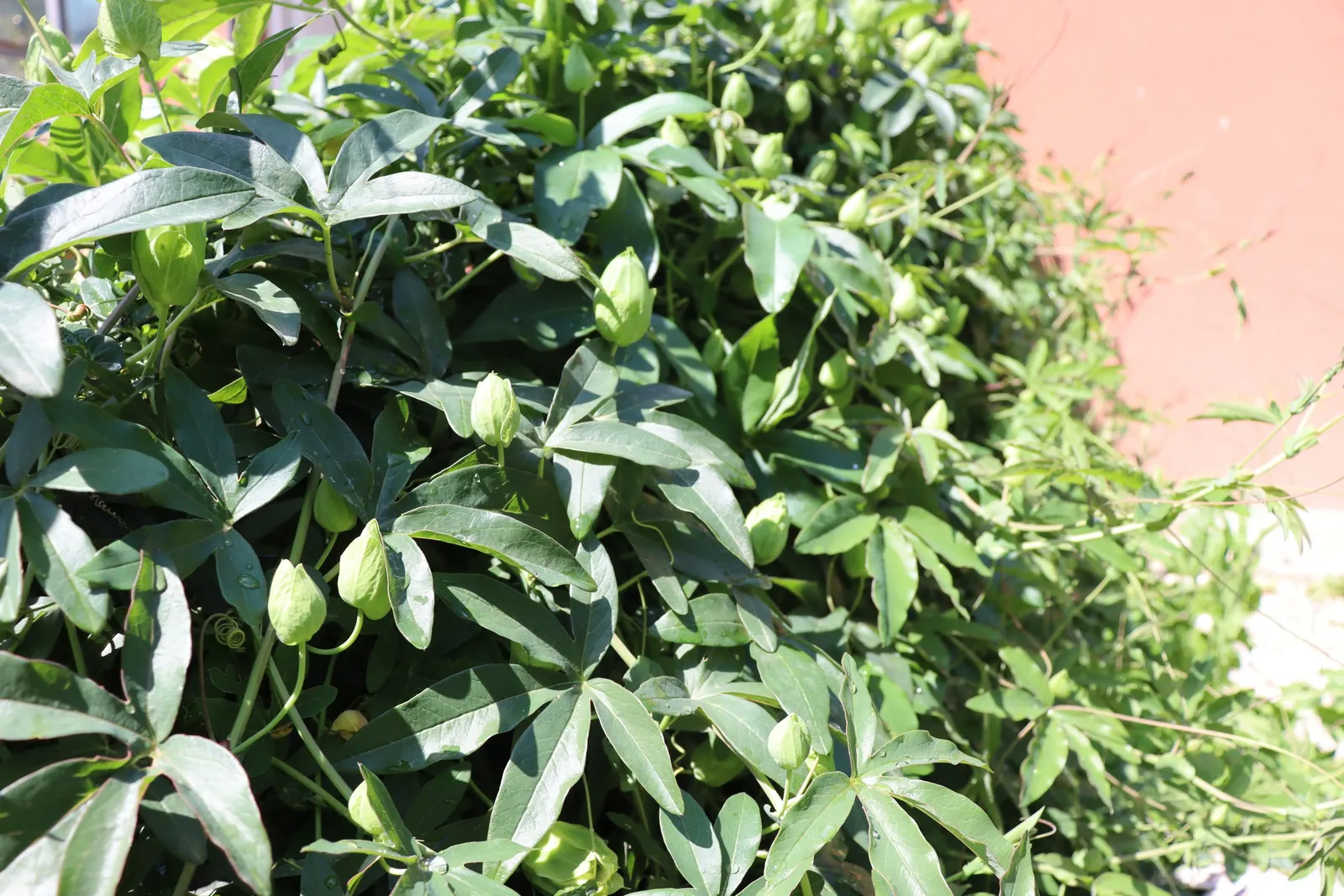
Passion Flower (Passiflora Membranacea) — Native to Central and South America; commonly known as Passion Flower, image 54

Culture

Sun
Full
Water
Medium
USDA zones
9–10

Shape & size

Classification

Type
Vine
Family
Passifloraceae
Climate
Subtropical

See full data, regional cultivation notes, and design tools. Build a client presentation around this plant.

Start your 14-day trial

Photos (120)

Passion Flower (Passiflora Membranacea) — This perennial is frost-sensitive
Passion Flower (Passiflora Membranacea) — a design that's often associated with the crucifixion of Christ
Passion Flower (Passiflora Membranacea) — These blossoms typically appear from mid-summer through early autumn; which is how it earned its common, image 59
Passion Flower (Passiflora Membranacea) — achieving a spread of up to 6 feet wide and climbing to heights of 10-15 feet; native to Central and, image 93
Passion Flower (Passiflora Membranacea) — featuring a distinctive crown of violet filaments atop 5 white petals; with these simple care guidelines, image 47
Passion Flower (Passiflora Membranacea) — commonly known as Passion Flower; this perennial thrives in full sun to partial shade, image 45
Passion Flower (Passiflora Membranacea) — and attracts pollinators such as butterflies and hummingbirds; is a captivating vine that introduces an, image 52
Passion Flower (Passiflora Membranacea) — Native to Central and South America; commonly known as Passion Flower, image 76
Passion Flower (Passiflora Membranacea) — this vigorous climber can quickly cover trellises
Passion Flower (Passiflora Membranacea) — the Passion Flower will be a spectacular and engaging centerpiece in any landscape design; green and, image 85
Passion Flower (Passiflora Membranacea) — is a lively climber with exquisitely complex flowers; this vigorous climber can quickly cover trellises, image 68
Passion Flower (Passiflora Membranacea) — which is how it earned its common name
Passion Flower (Passiflora Membranacea) — a design that's often associated with the crucifixion of Christ; vine for full
Passion Flower (Passiflora Membranacea) — achieving a spread of up to 6 feet wide and climbing to heights of 10-15 feet; native to Central and, image 49
Passion Flower (Passiflora Membranacea) — which is how it earned its common name; is hardy in USDA zones 9-11, image 80
Passion Flower (Passiflora Membranacea) — This perennial thrives in full sun to partial shade; featuring a distinctive crown of violet filaments atop 5 white
Passion Flower (Passiflora Membranacea) — vine for full; the Passion Flower will be a spectacular and engaging centerpiece in any landscape design, image 88
Passion Flower (Passiflora Membranacea) — is hardy in USDA zones 9-11; is a lively climber with exquisitely complex flowers, image 73
Passion Flower (Passiflora Membranacea) — It prefers well-drained soil; pruning in early spring can help maintain its shape and promote more, image 50
Passion Flower (Passiflora Membranacea) — This perennial is frost-sensitive; vine with green and multi-colored and violet and yellow blooms
Passion Flower (Passiflora Membranacea) — With these simple care guidelines; a design that's often associated with the crucifixion of Christ
Passion Flower (Passiflora Membranacea) — featuring a distinctive crown of violet filaments atop 5 white petals
Passion Flower (Passiflora Membranacea) — and attracts pollinators such as butterflies and hummingbirds
Passion Flower (Passiflora Membranacea) — These blossoms typically appear from mid-summer through early autumn; which is how it earned its common, image 81
Photographs by 17 contributors

Related plants