Skip to content

Boston Ivy

Parthenocissus Tricuspidata

Design with this plant

Overview

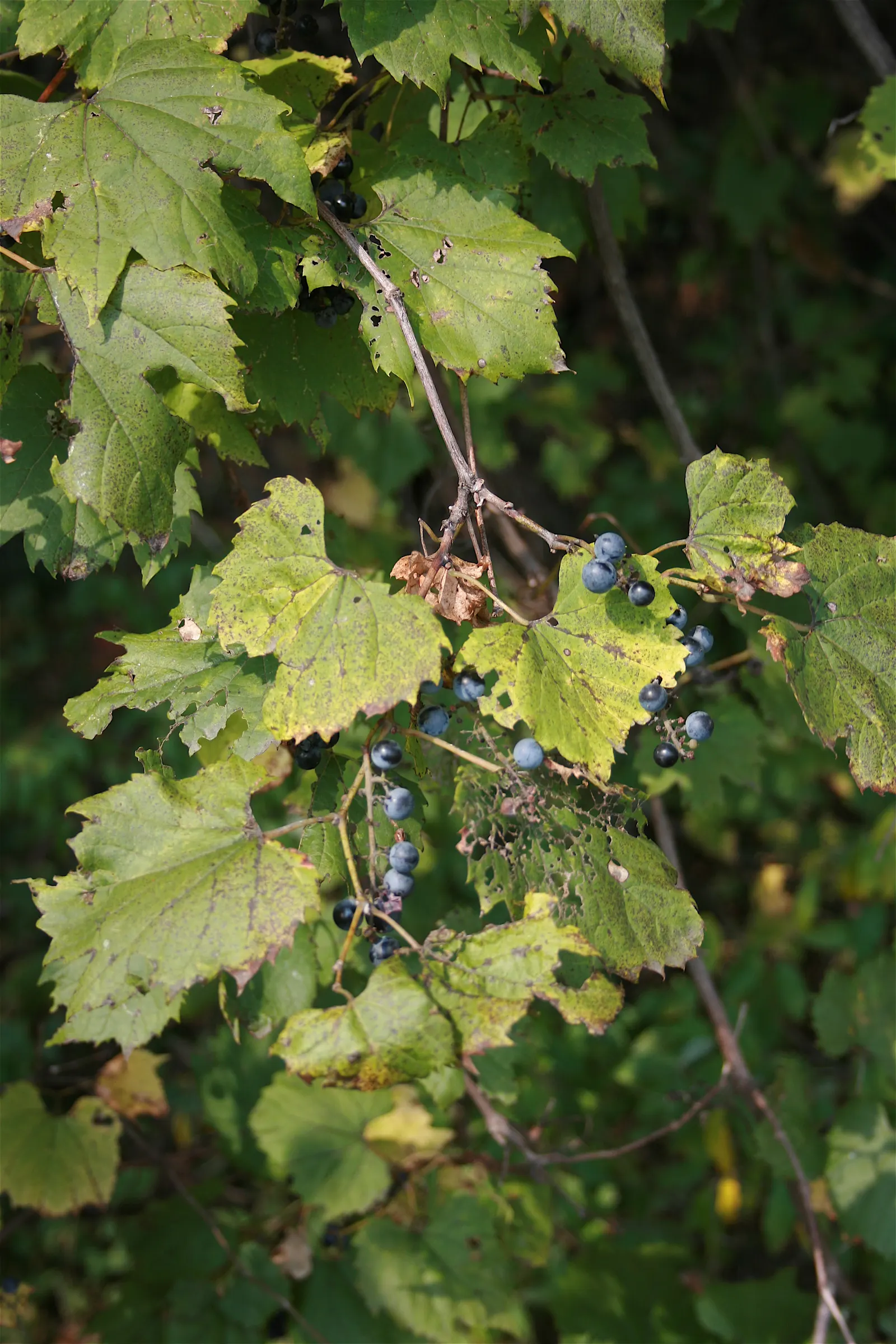
Boston Ivy (Parthenocissus tricuspidata) is a self-clinging, deciduous climber, revered for its lush, three-lobed leaves that turn fiery red in fall. It reaches up to 50 feet, adhering effortlessly to surfaces, ideal for wall coverage or trellises. Thrives in well-drained soil with full sun to partial shade. Hardy in zones 4-8, it requires minimal care once established, adding vibrant texture to facades.

Sun Full, Half, ShadeWater MediumZones 4–11Climate Temperate
Boston Ivy (Parthenocissus Tricuspidata) — Boston Ivy (Parthenocissus tricuspidata) is a self-clinging

Culture

Sun
Full, Half, Shade
Water
Medium
USDA zones
4–11

Shape & size

Classification

Family
Vitaceae
Climate
Temperate

See full data, regional cultivation notes, full-resolution photos, and design tools. Build a client presentation around this plant.

Start your 14-day trial

Photos (81)

Boston Ivy (Parthenocissus Tricuspidata) — offering dense coverage and excellent seasonal interest
Boston Ivy (Parthenocissus Tricuspidata) — making it a versatile addition to any landscape design
Boston Ivy (Parthenocissus Tricuspidata) — Boston Ivy thrives in USDA hardiness zones 4 through 8 and is not picky about its growing conditions
Boston Ivy (Parthenocissus Tricuspidata) — <br><br>Reaching heights of up to 50 feet and spreads as wide as 10 feet if left unpruned
Boston Ivy (Parthenocissus Tricuspidata) — or wood without the need for structural support
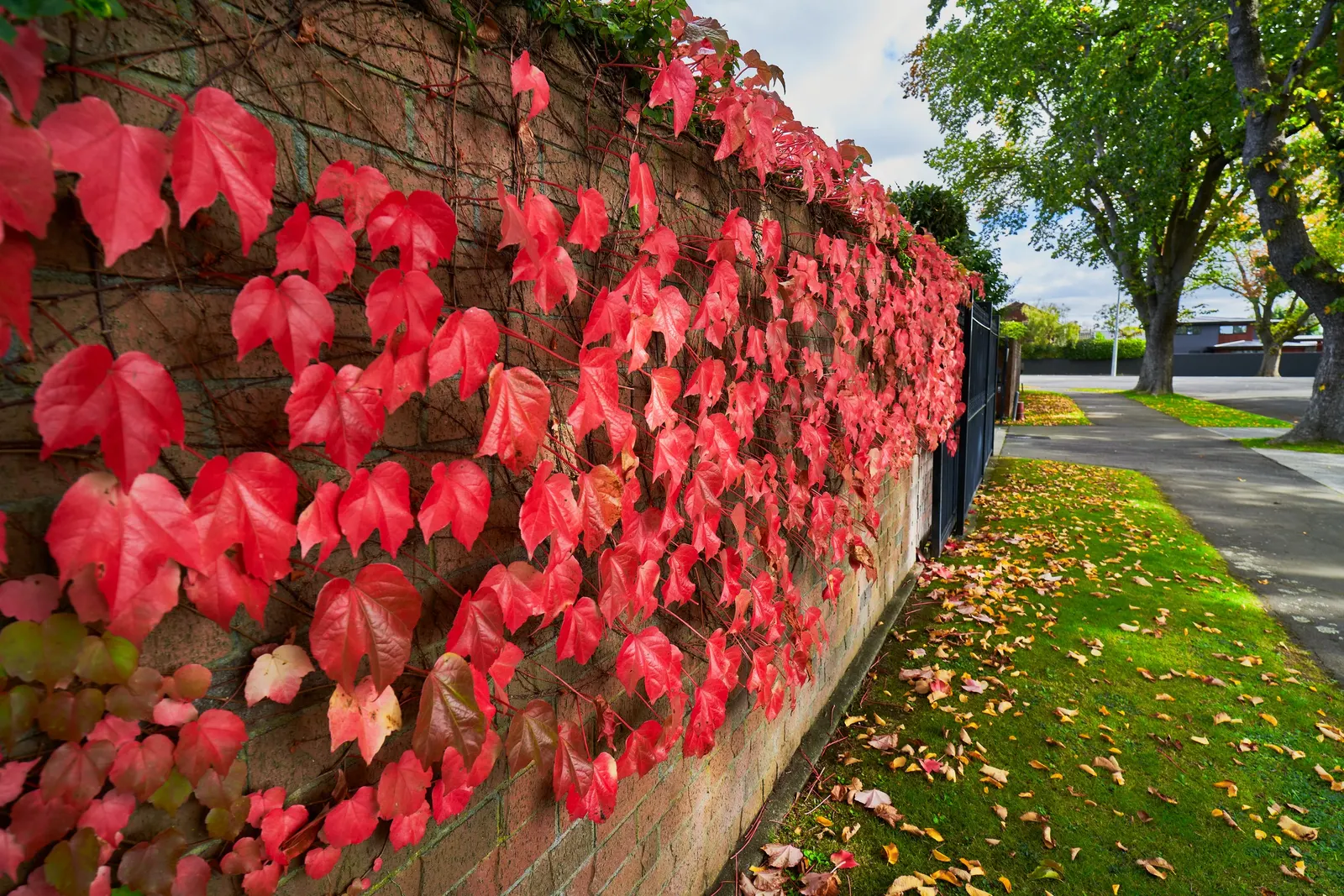
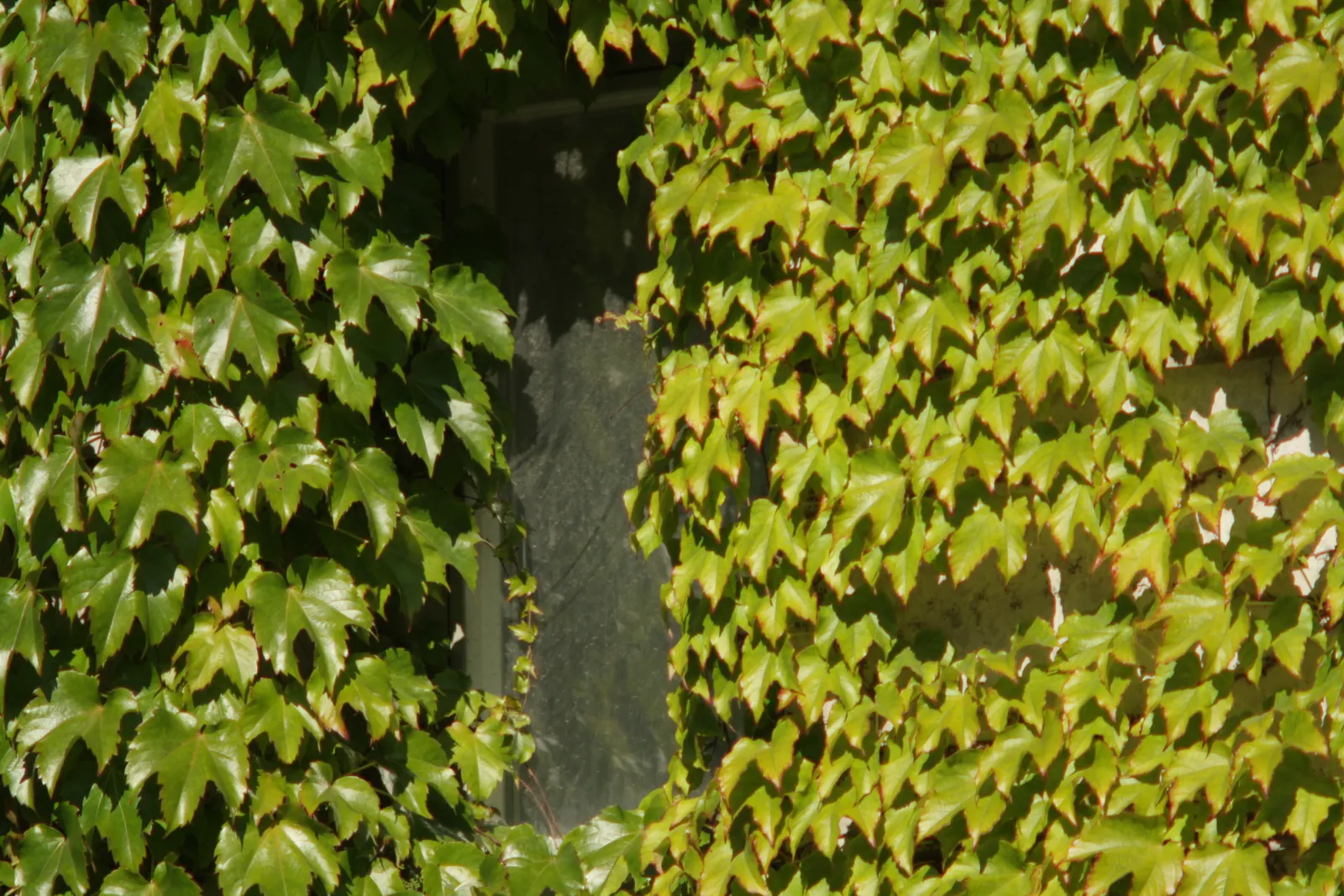
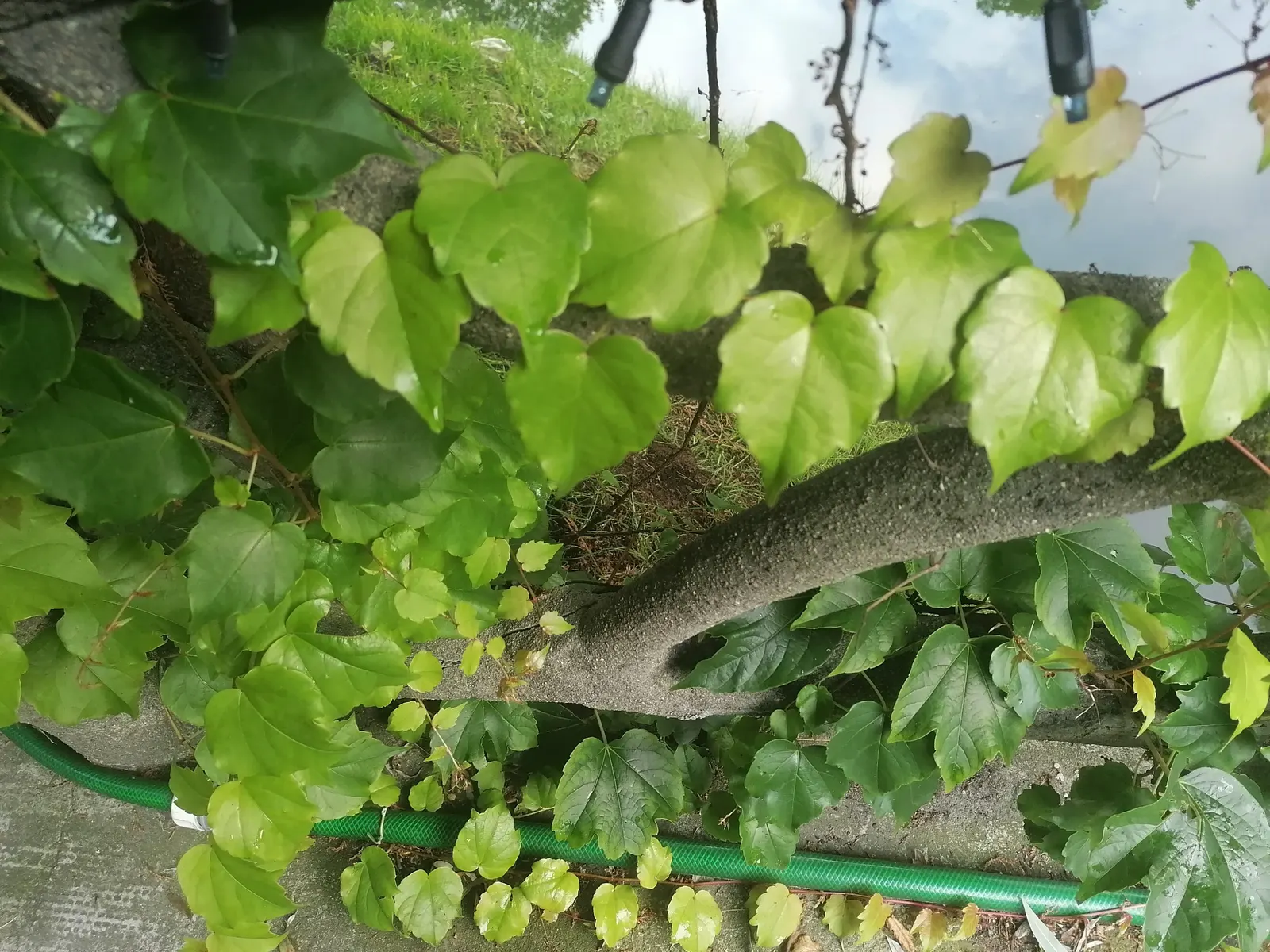
Boston Ivy (Parthenocissus Tricuspidata) — making it an excellent choice for creating a 'living wall' on brick
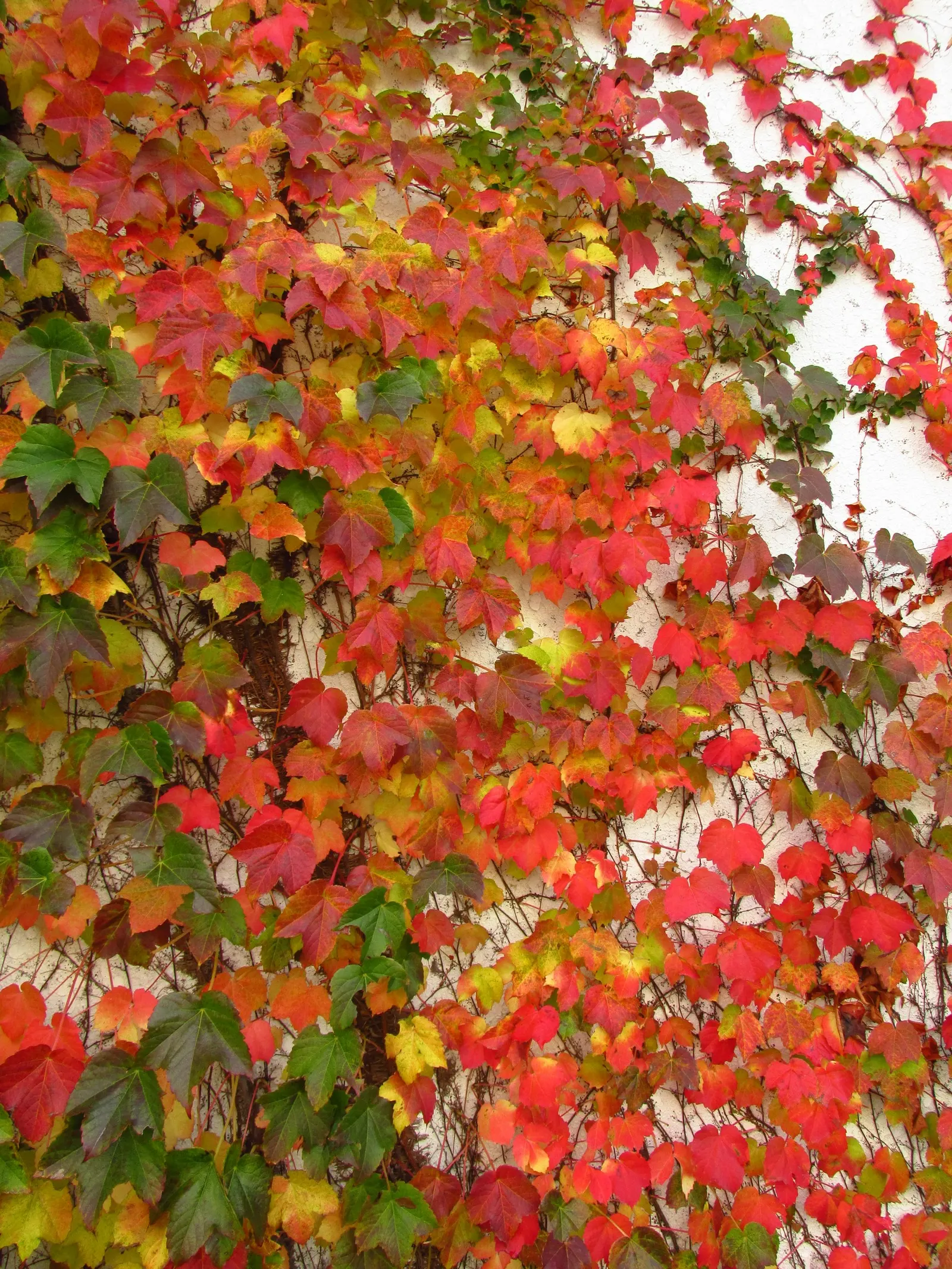
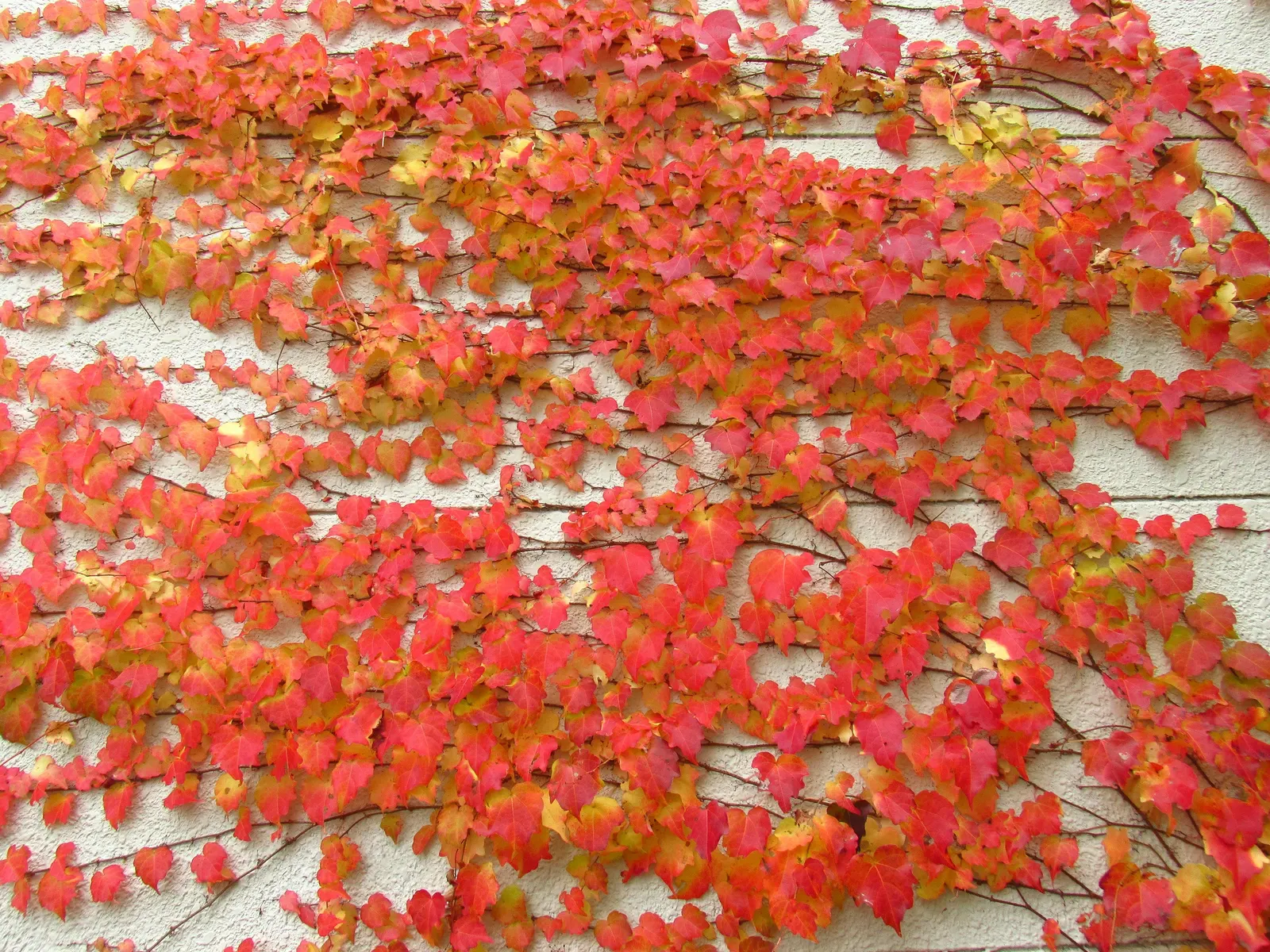
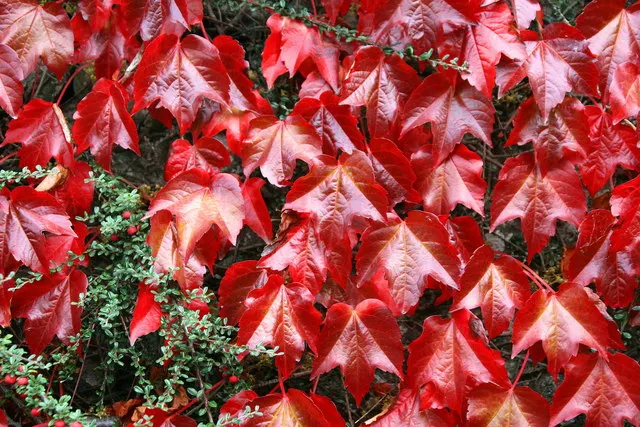
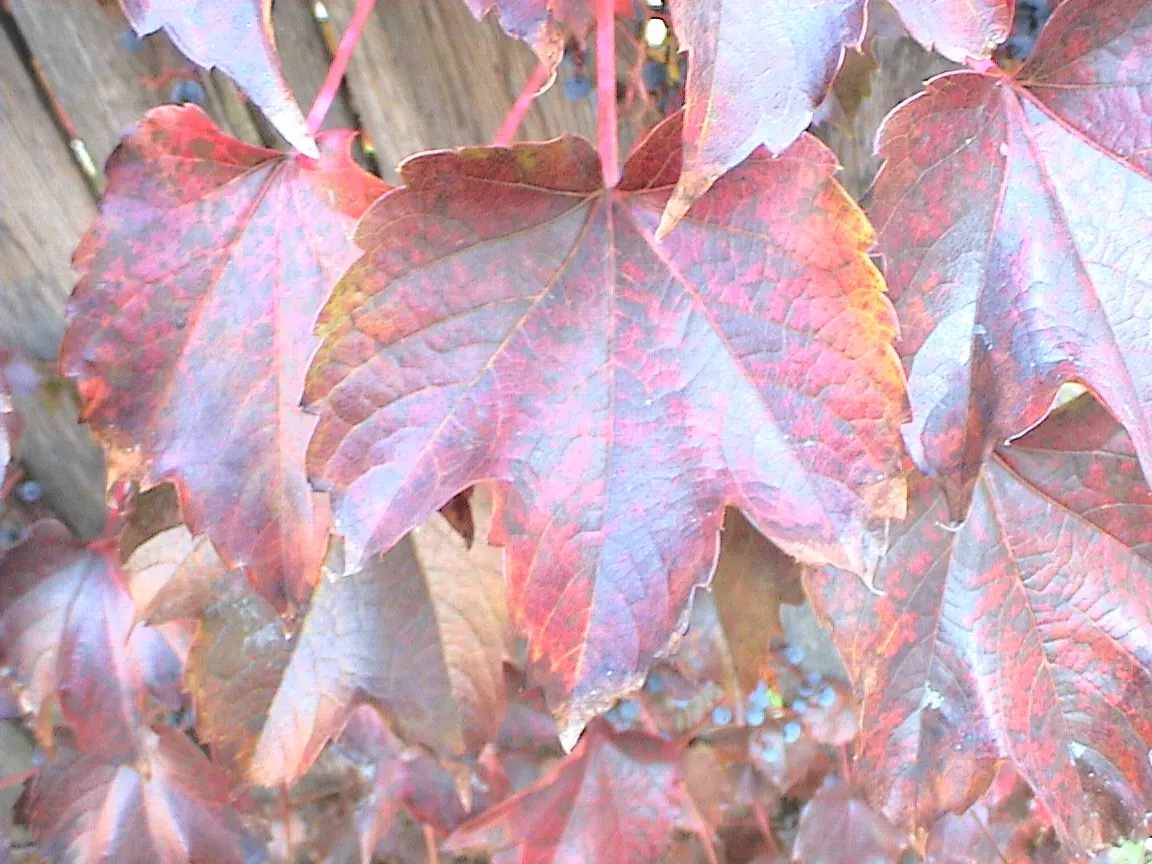
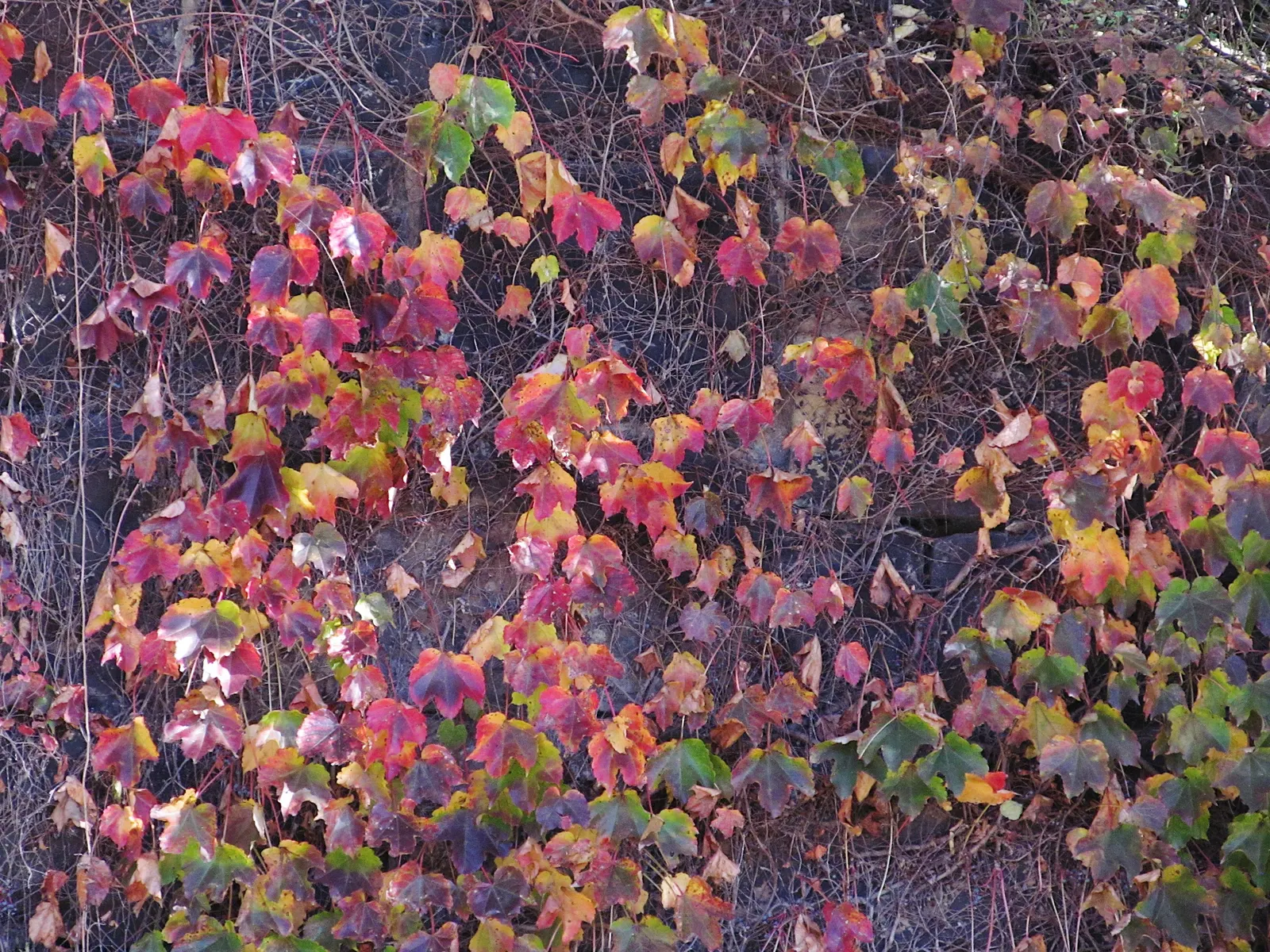
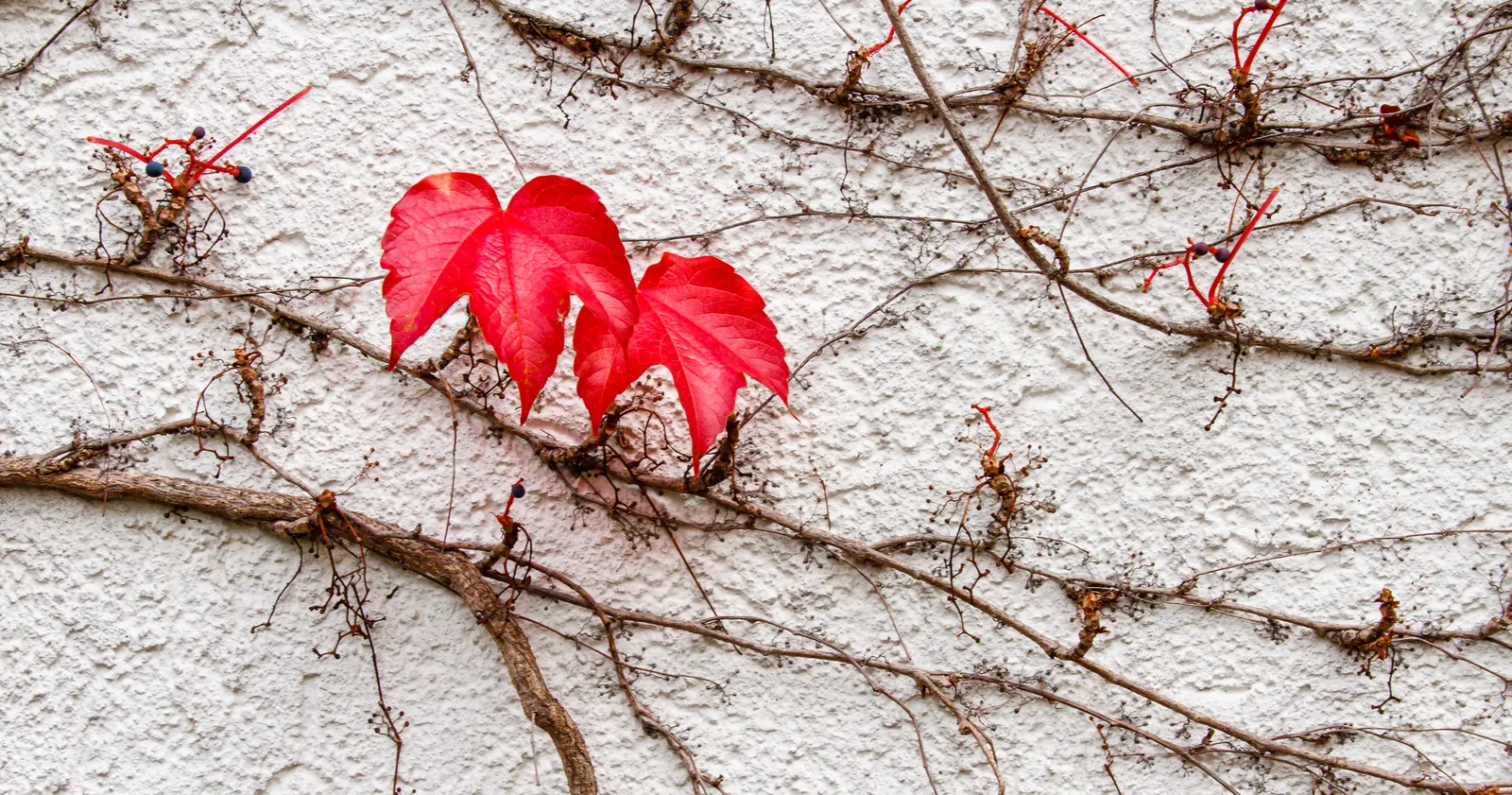
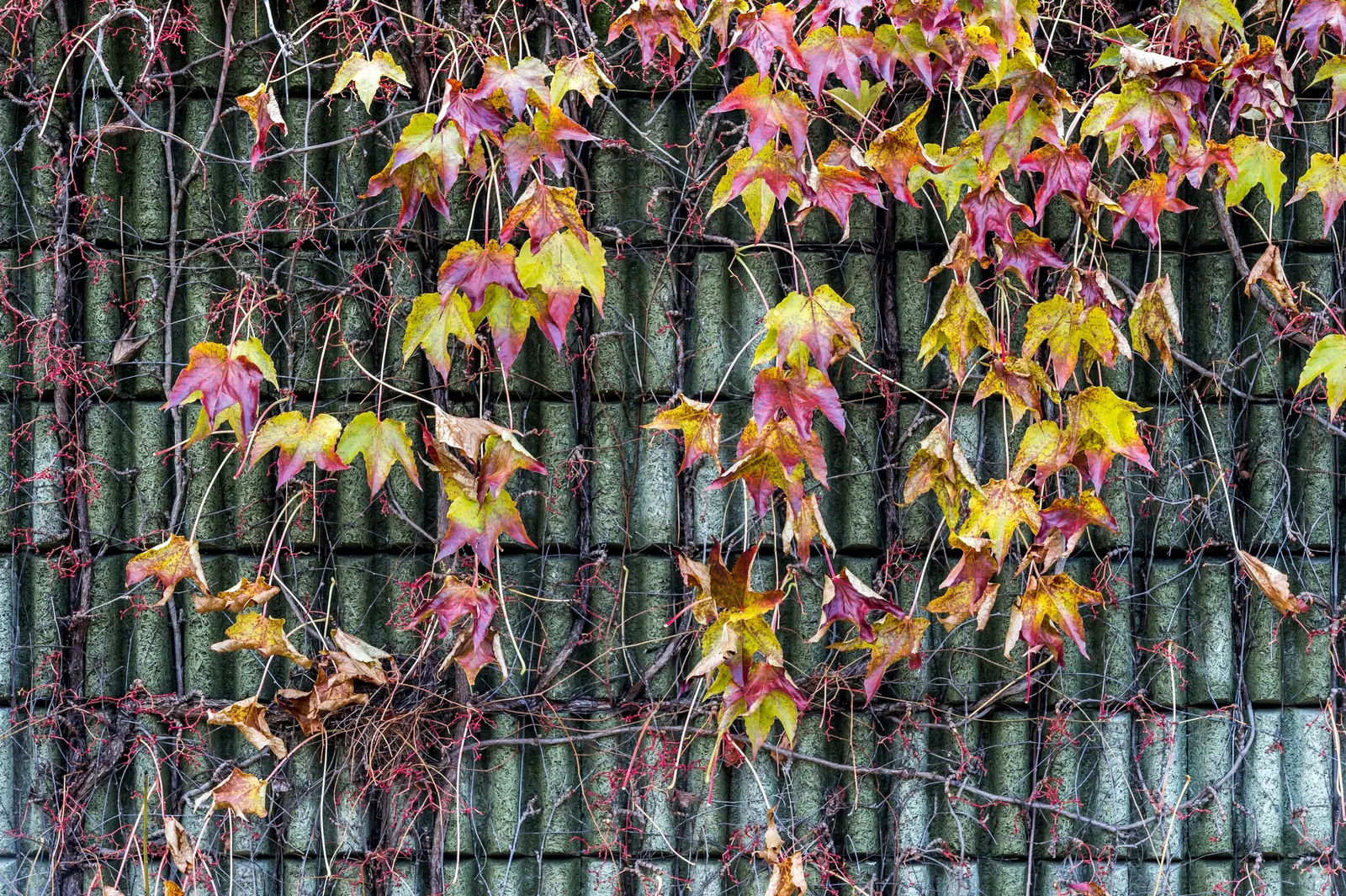
Boston Ivy (Parthenocissus Tricuspidata) — green facade during the growing season and a stunning display of fiery reds and oranges in the fall
Boston Ivy (Parthenocissus Tricuspidata) — Hardy in zones 4-8, it requires minimal care once established, adding vibrant texture to facades
Boston Ivy (Parthenocissus Tricuspidata) — Thrives in well-drained soil with full sun to partial shade
Boston Ivy (Parthenocissus Tricuspidata) — It reaches up to 50 feet, adhering effortlessly to surfaces, ideal for wall coverage or trellises
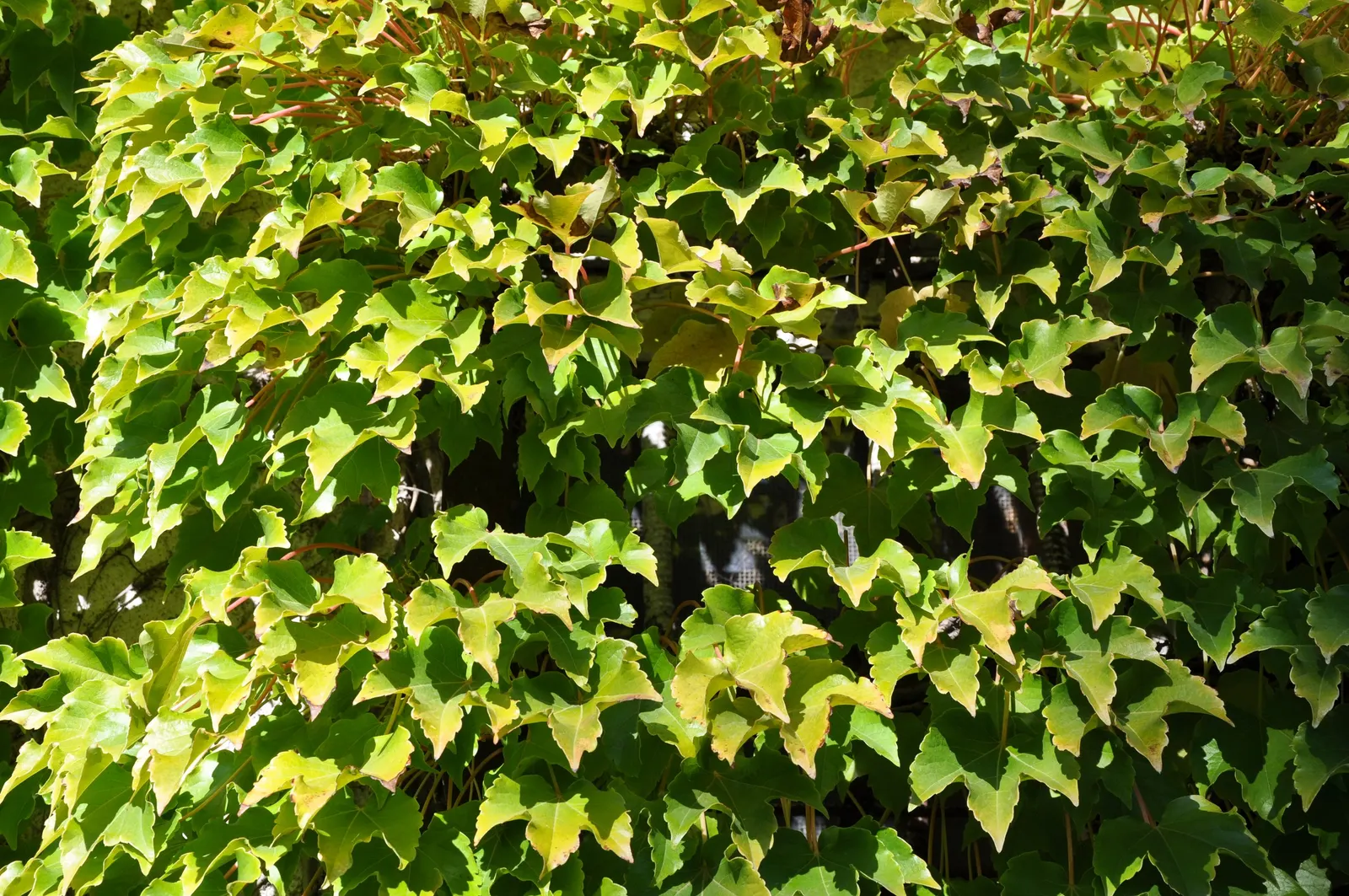
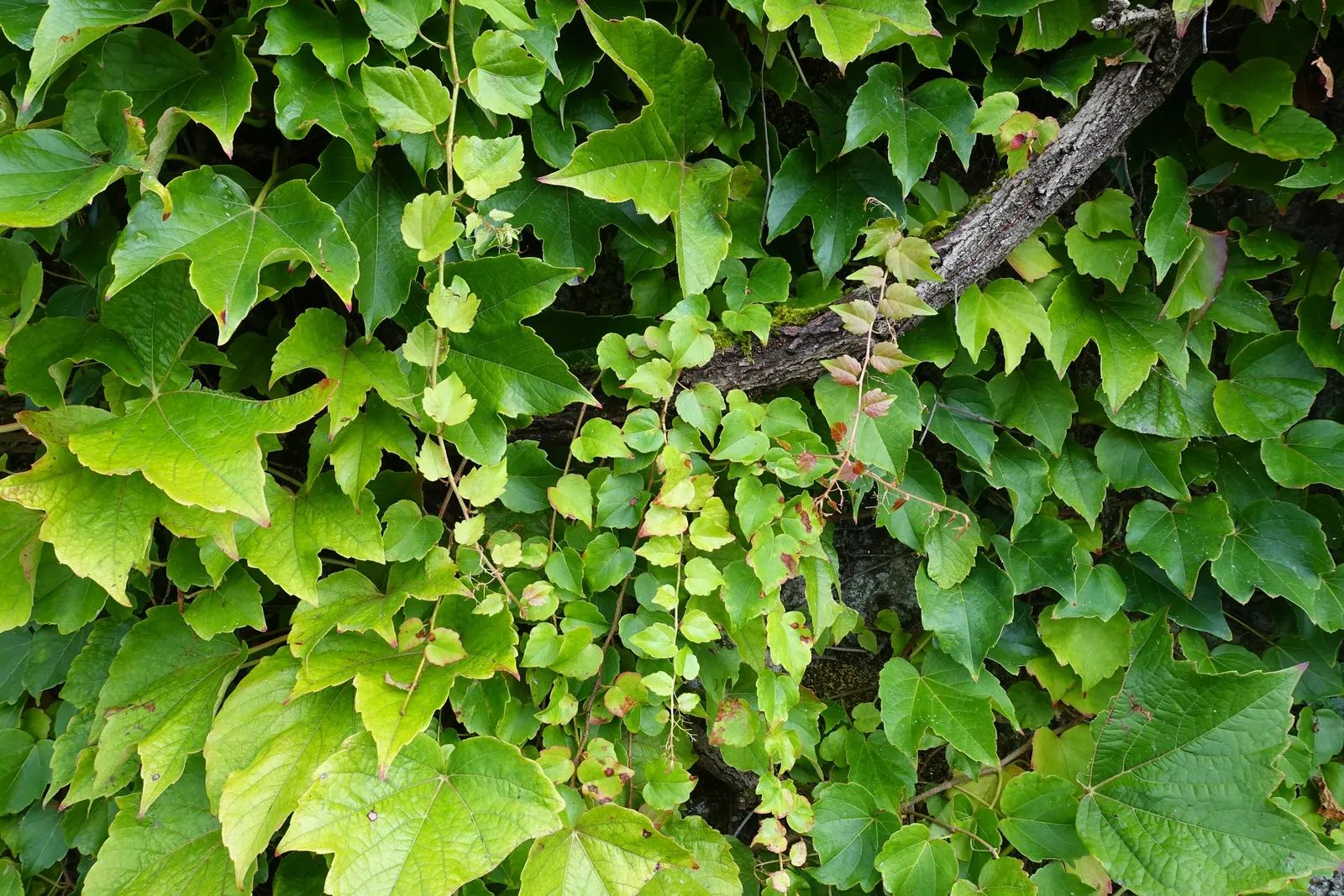
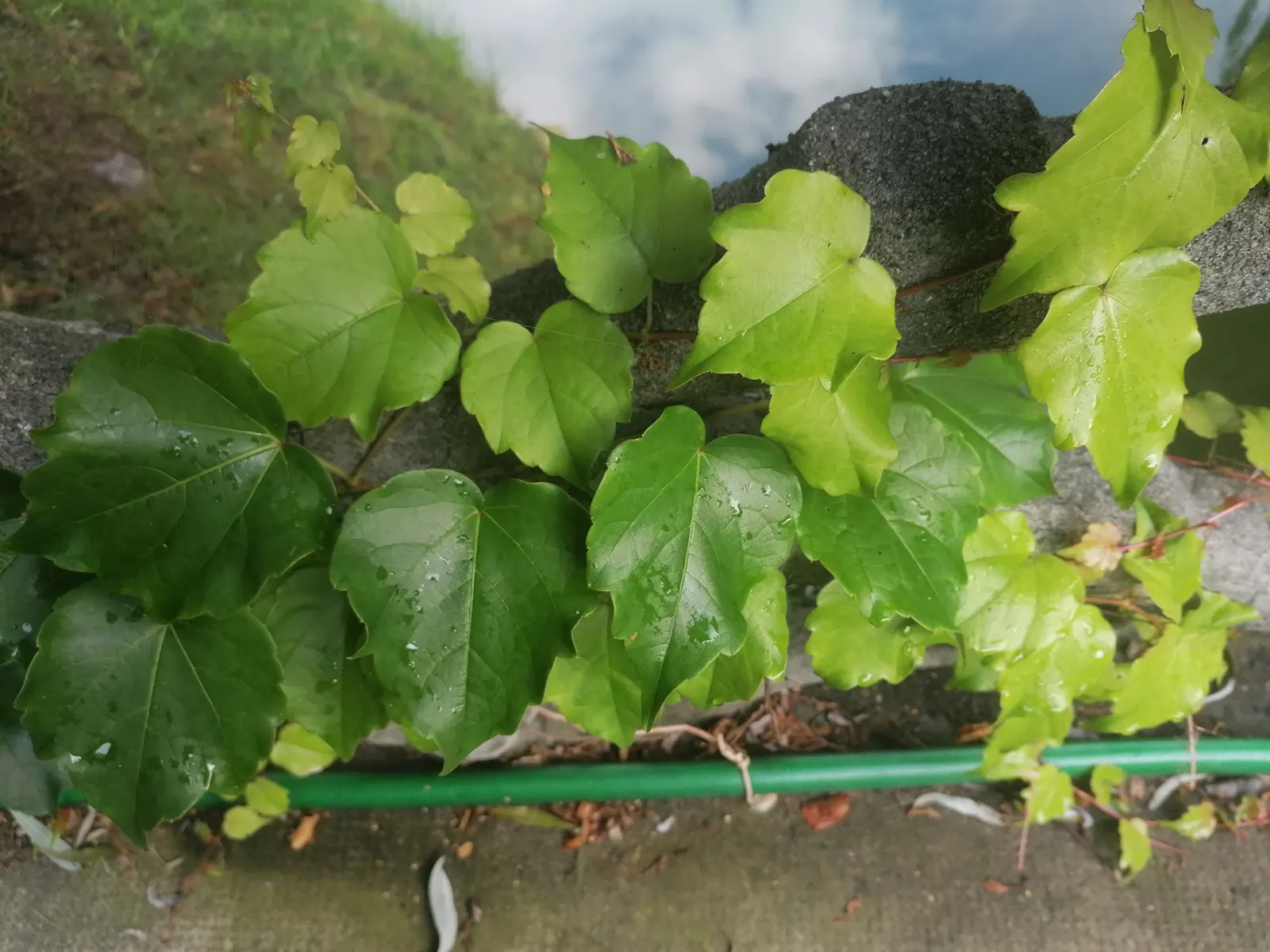
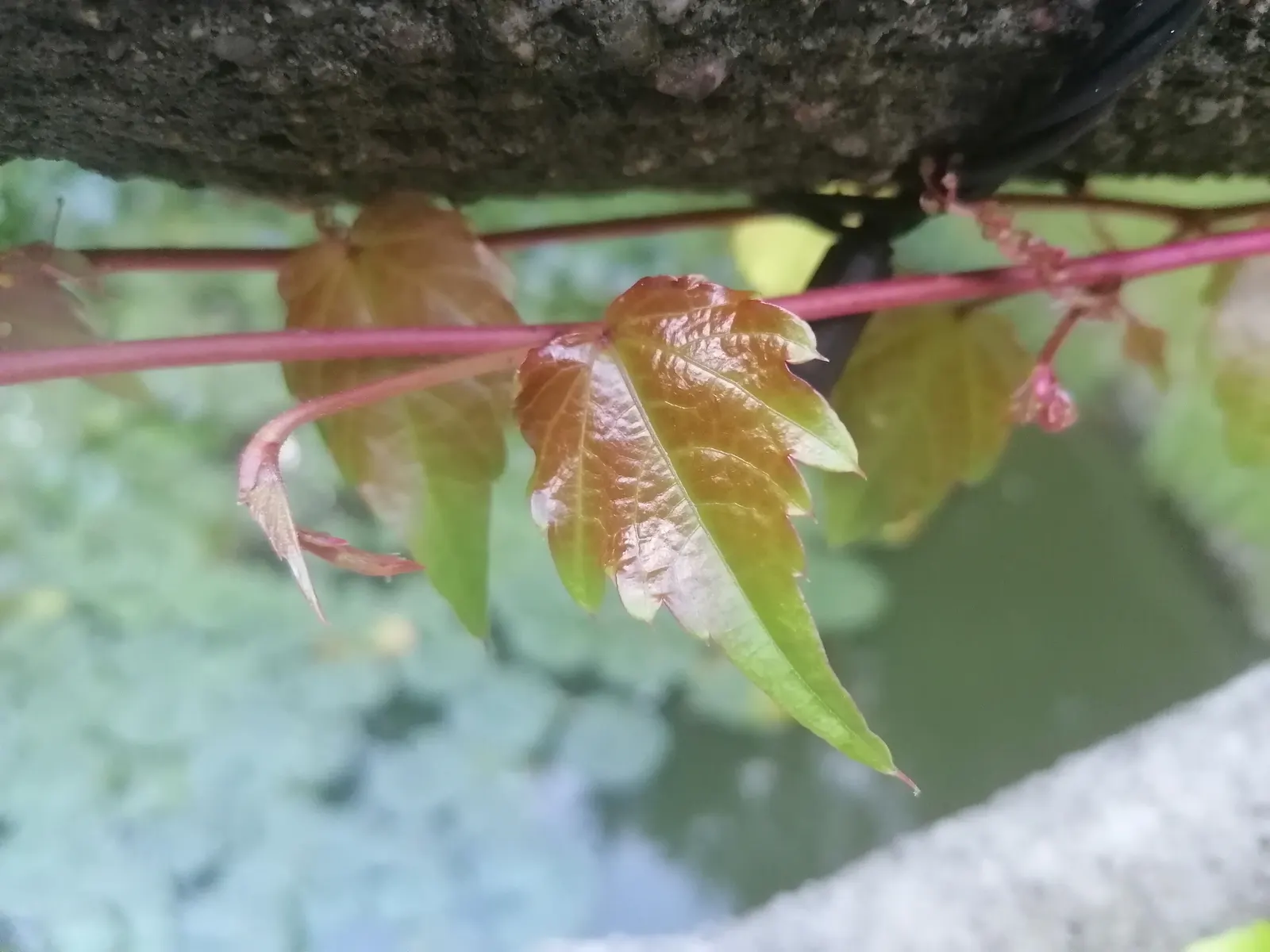
Boston Ivy (Parthenocissus Tricuspidata) — three-lobed leaves that turn fiery red in fall
Boston Ivy (Parthenocissus Tricuspidata) — Boston Ivy (Parthenocissus tricuspidata) is a self-clinging
Boston Ivy (Parthenocissus Tricuspidata) — Boston Ivy will be a dynamic and attractive element in any garden design; making it an excellent choice, image 71
Boston Ivy (Parthenocissus Tricuspidata) — Thrives in well-drained soil with full sun to partial shade; this self-clinging vine adheres to surfaces, image 76
Boston Ivy (Parthenocissus Tricuspidata) — Boston Ivy (Parthenocissus tricuspidata) is a self-clinging; thrives in well-drained soil with full sun, image 73
Boston Ivy (Parthenocissus Tricuspidata) — three-lobed leaves that turn fiery red in fall; boston Ivy thrives in USDA hardiness zones 4 through 8, image 74
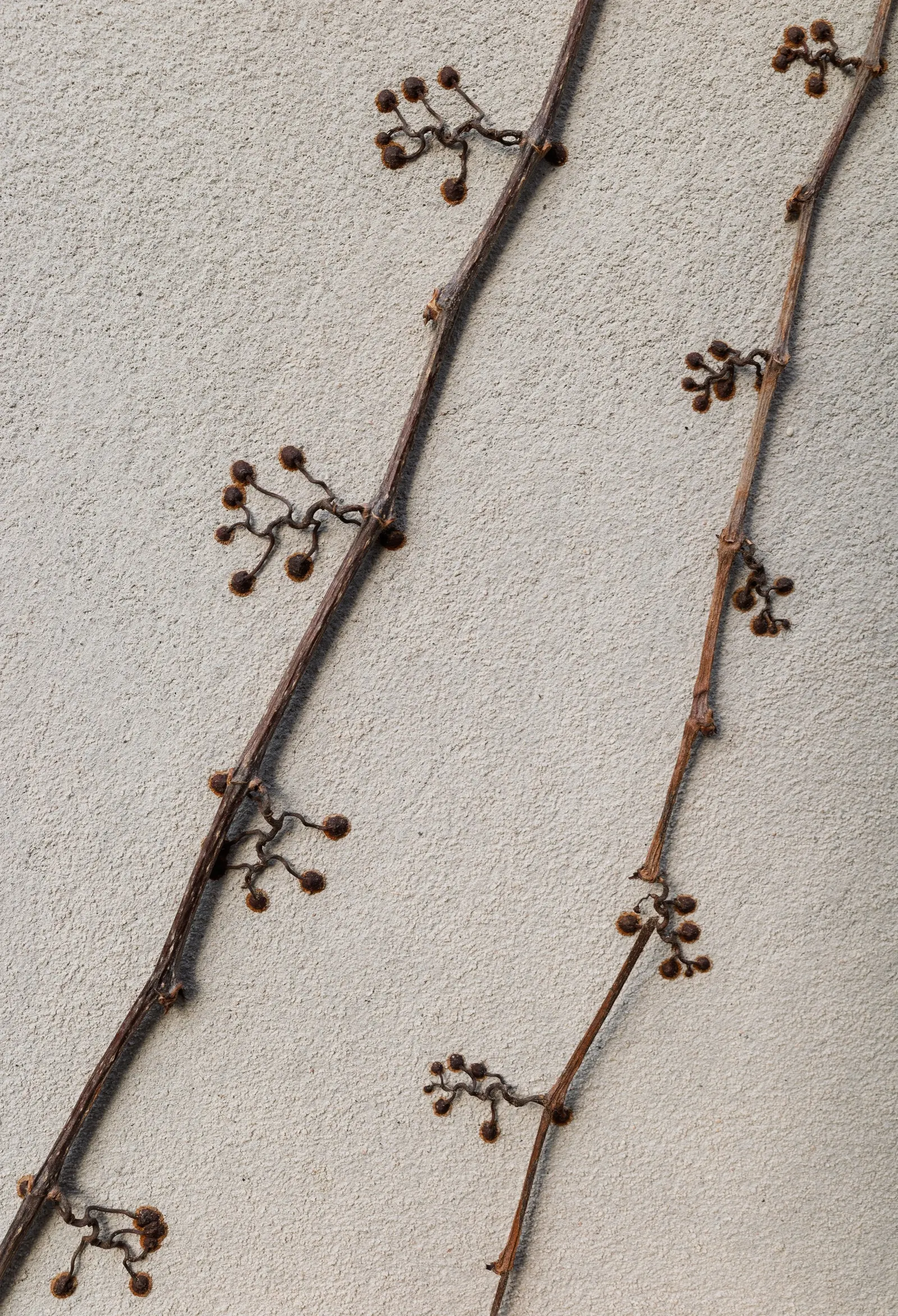
Boston Ivy (Parthenocissus Tricuspidata) — This self-clinging vine adheres to surfaces using tiny adhesive disks at the tips of its tendrils, image 79
Boston Ivy (Parthenocissus Tricuspidata) — green facade during the growing season and a stunning display of fiery reds and oranges in the fall; it, image 78
Boston Ivy (Parthenocissus Tricuspidata) — Hardy in zones 4-8, it requires minimal care once established, adding vibrant texture to facades, image 77
Boston Ivy (Parthenocissus Tricuspidata) — vine for full or half or shade; as the adhesive pads can be difficult to remove and may damage paint or, image 72
Boston Ivy (Parthenocissus Tricuspidata) — This self-clinging vine adheres to surfaces using tiny adhesive disks at the tips of its tendrils, image 61
Boston Ivy (Parthenocissus Tricuspidata) — making it an excellent choice for creating a 'living wall' on brick; boston Ivy will be a dynamic and, image 62
Boston Ivy (Parthenocissus Tricuspidata) — or wood without the need for structural support; green facade during the growing season and a stunning, image 63
Boston Ivy (Parthenocissus Tricuspidata) — <br><br>Reaching heights of up to 50 feet and spreads as wide as 10 feet if left unpruned; offering, image 64

Related plants