Skip to content

Japanese Tree Peony

Paeonia Suffruticosa

Design with this plant

Overview

The Japanese Tree Peony (Paeonia suffruticosa) is a deciduous shrub, revered for its large, extravagant blooms that can reach up to 10 inches. It thrives in USDA zones 4-8, prefers well-drained soil, and full sun to part shade. Maturing to about 4-5 feet tall and wide, it adds vertical interest. Plant in spring or fall, and ensure proper spacing for adequate air circulation. A stunning focal point in any garden design.

Sun HalfWater MediumZones 4–9Type PerennialClimate Temperate
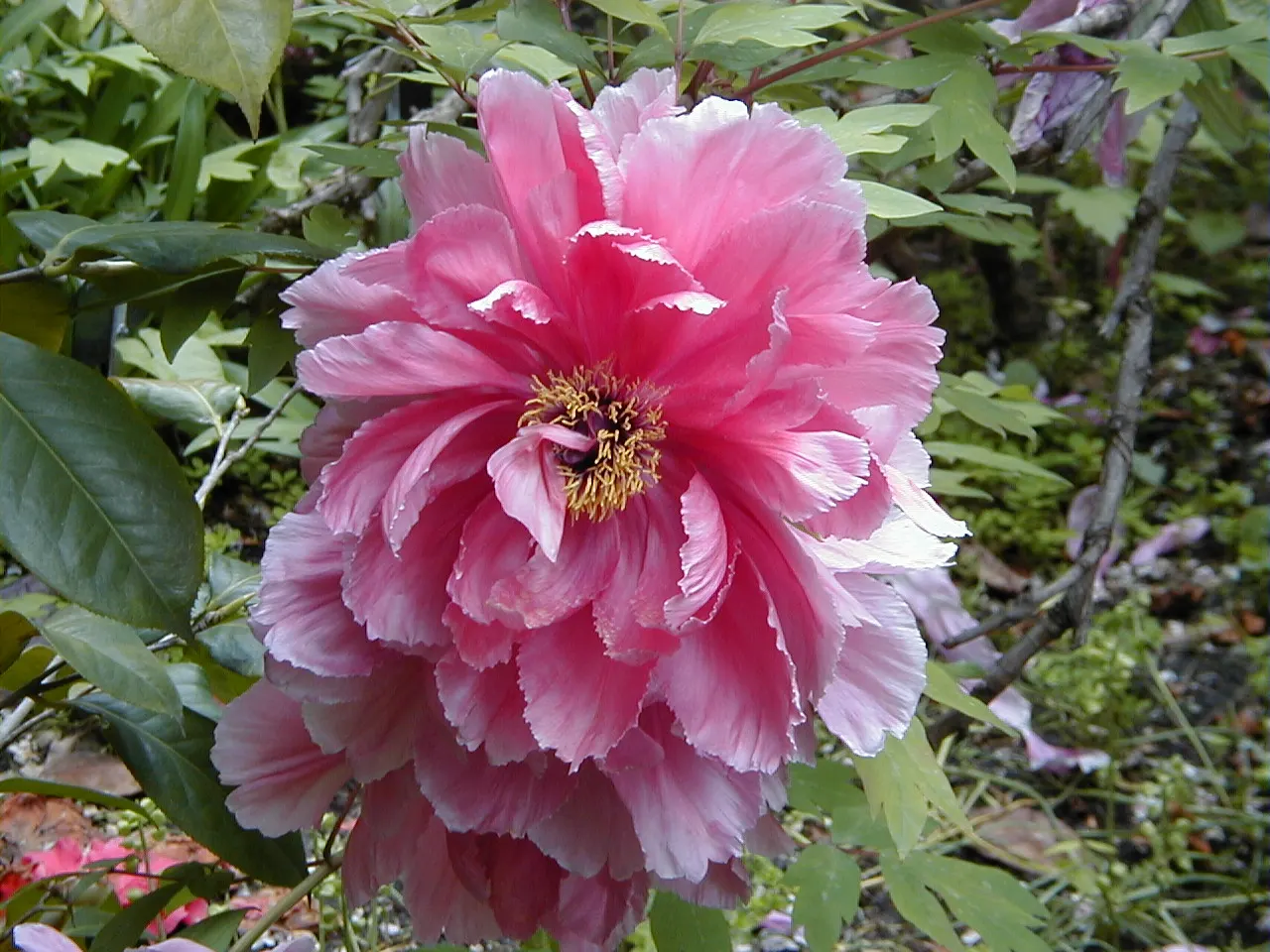
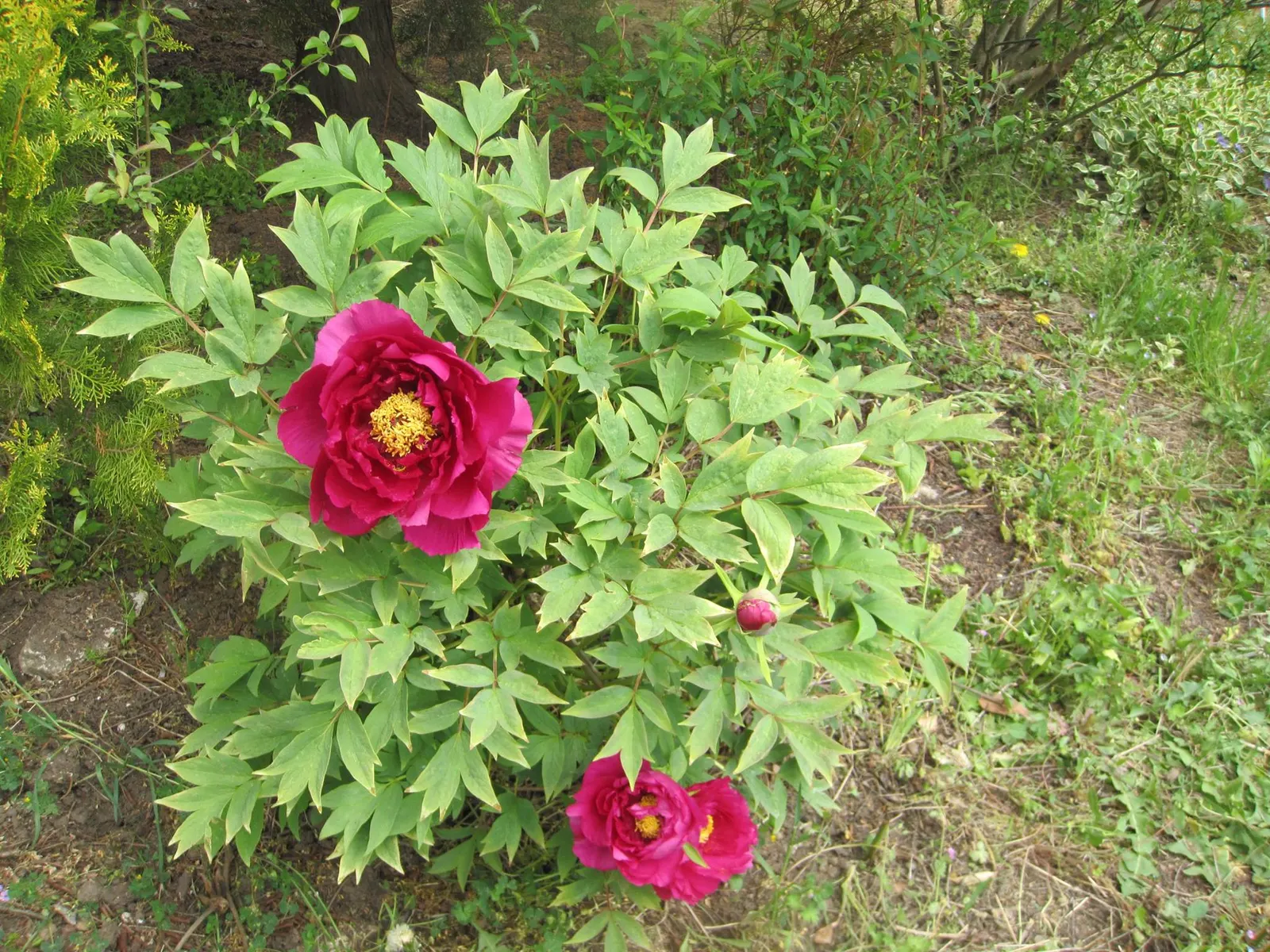
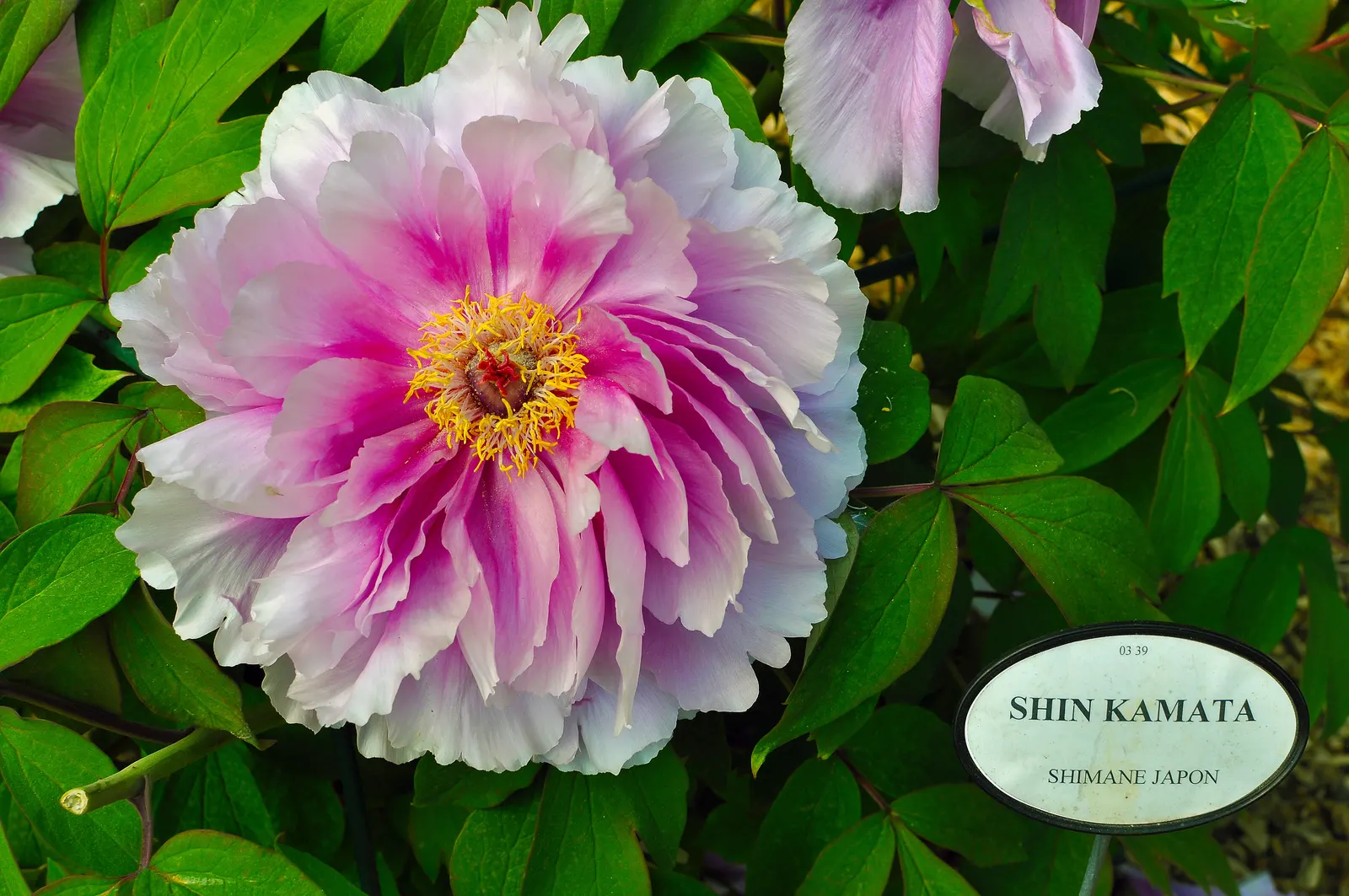
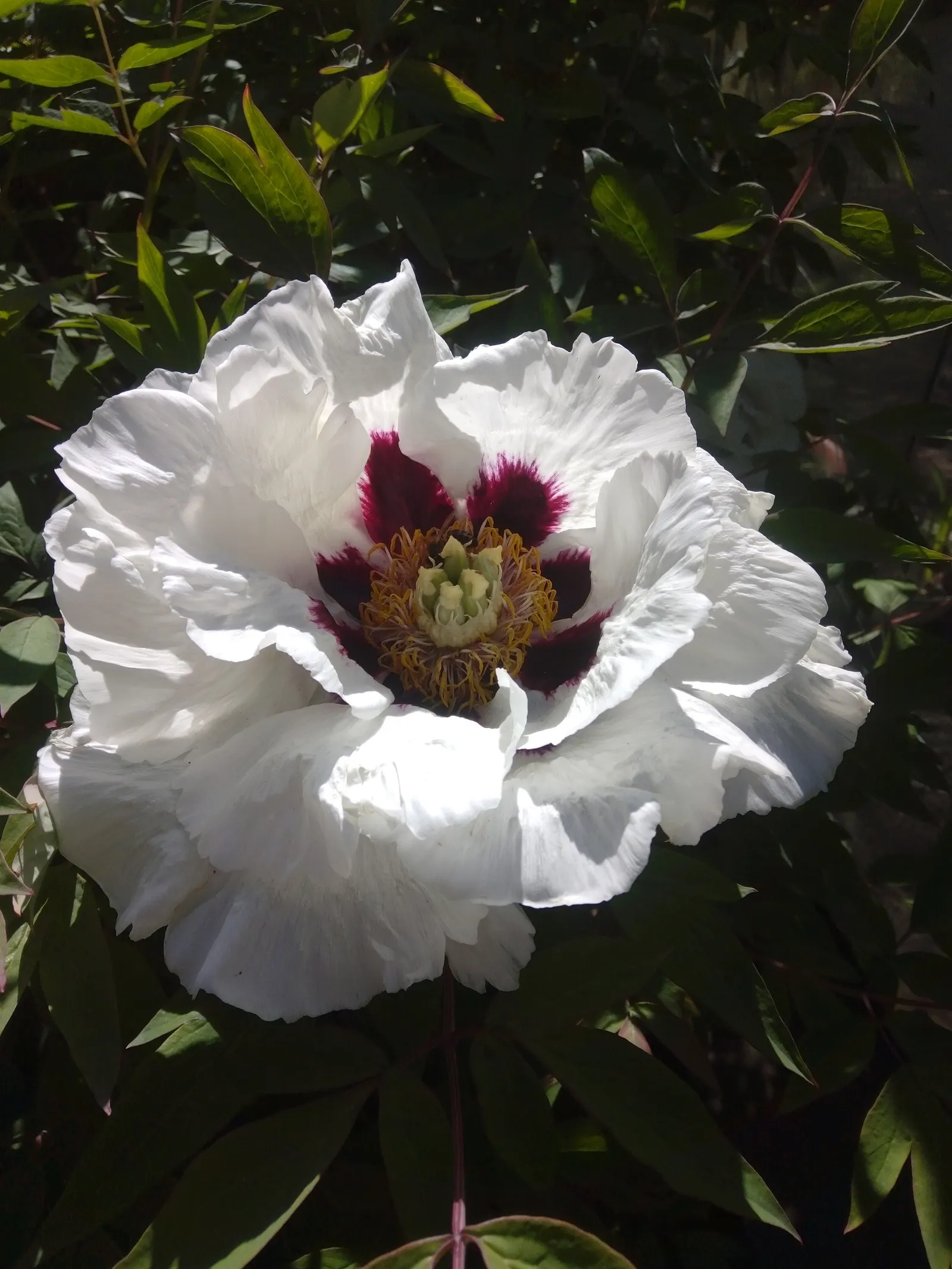
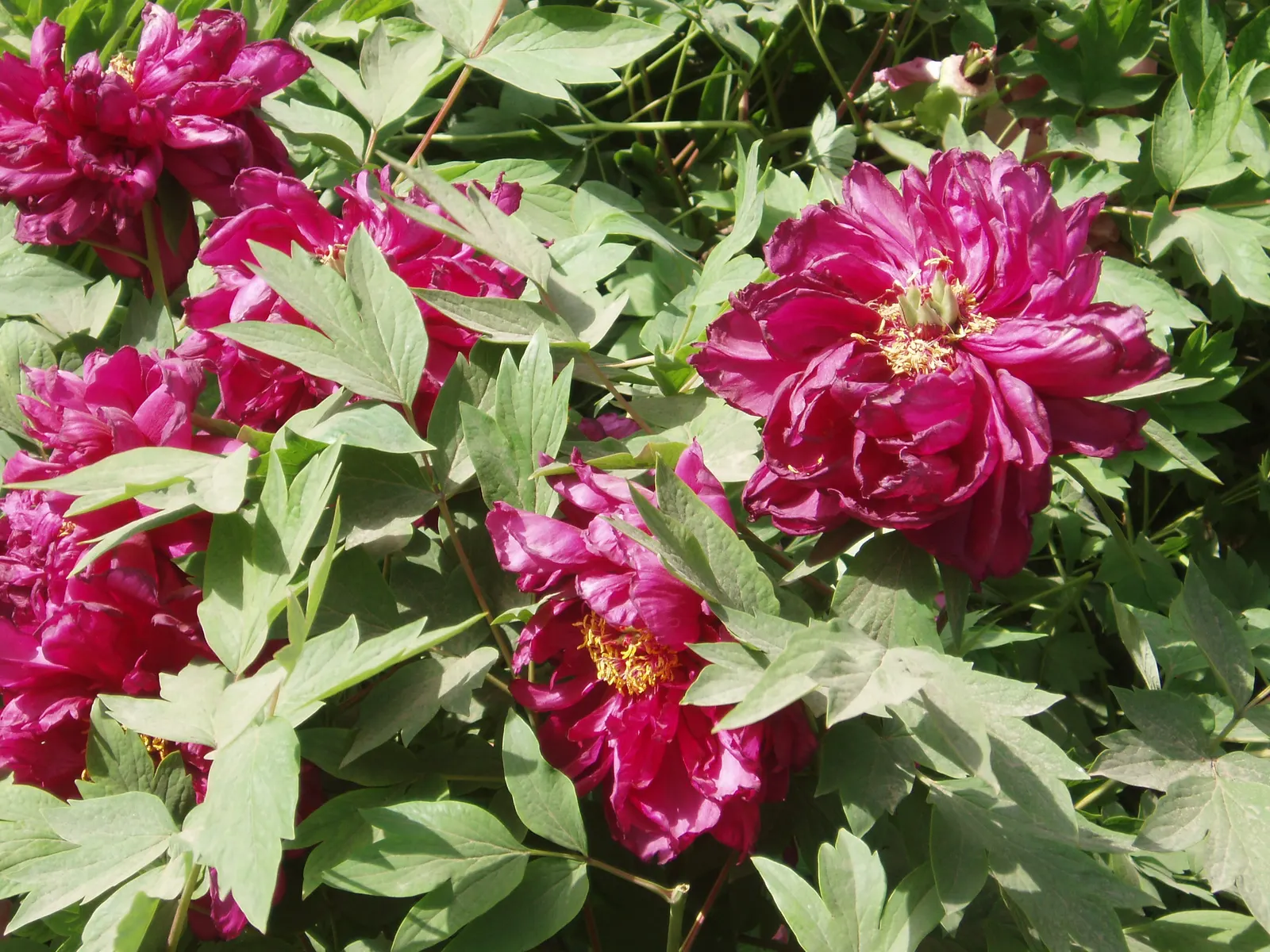
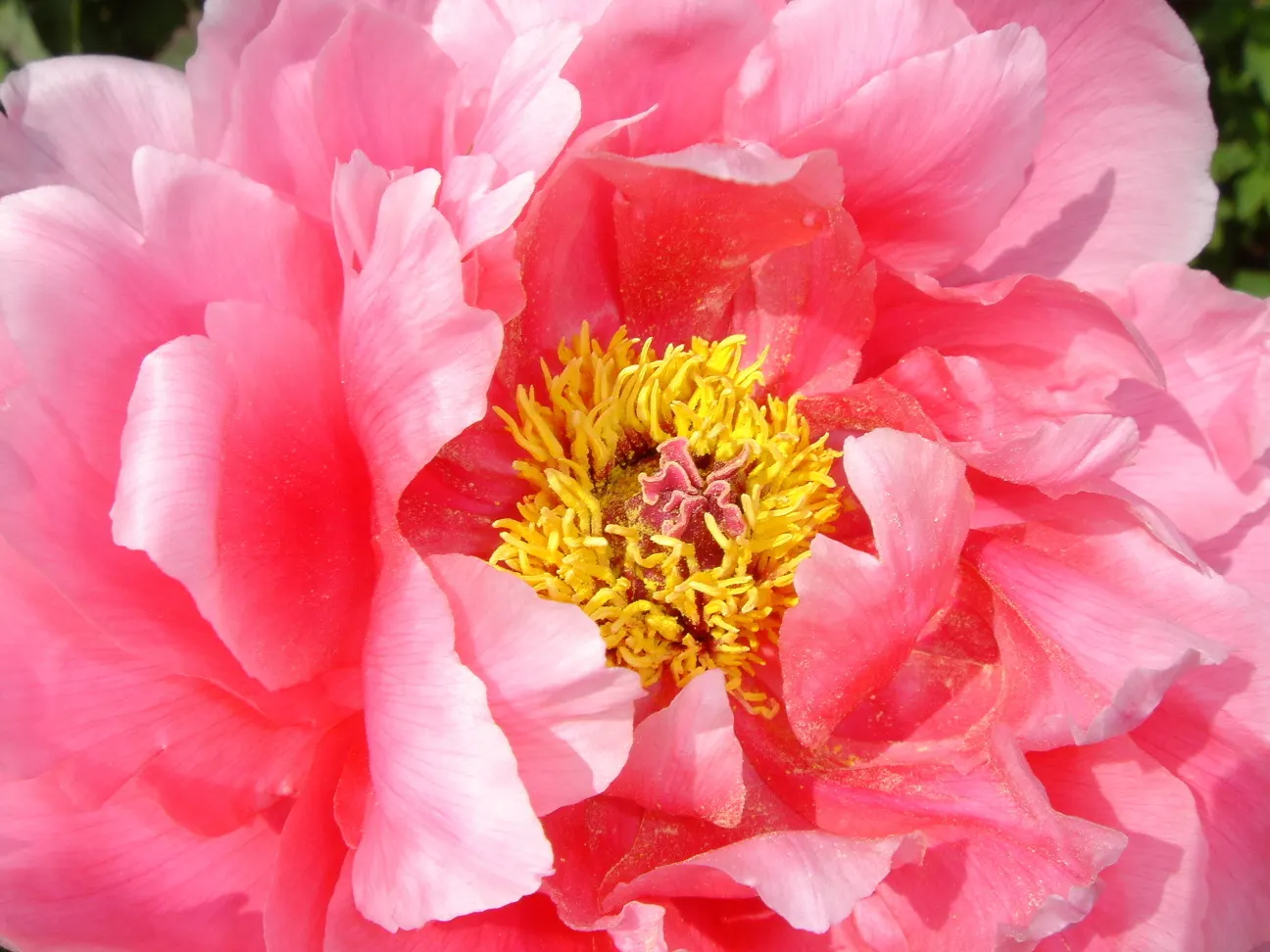
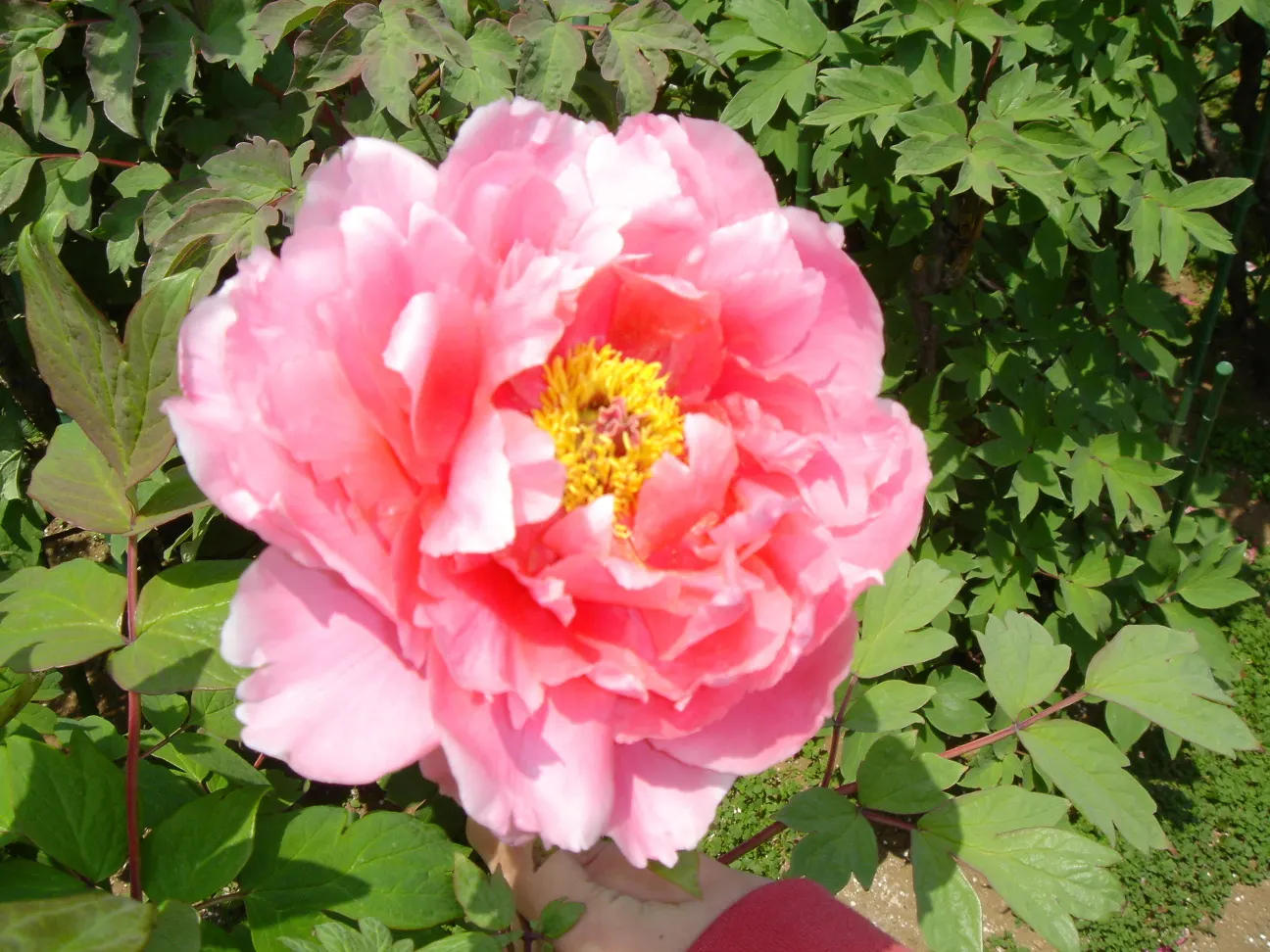
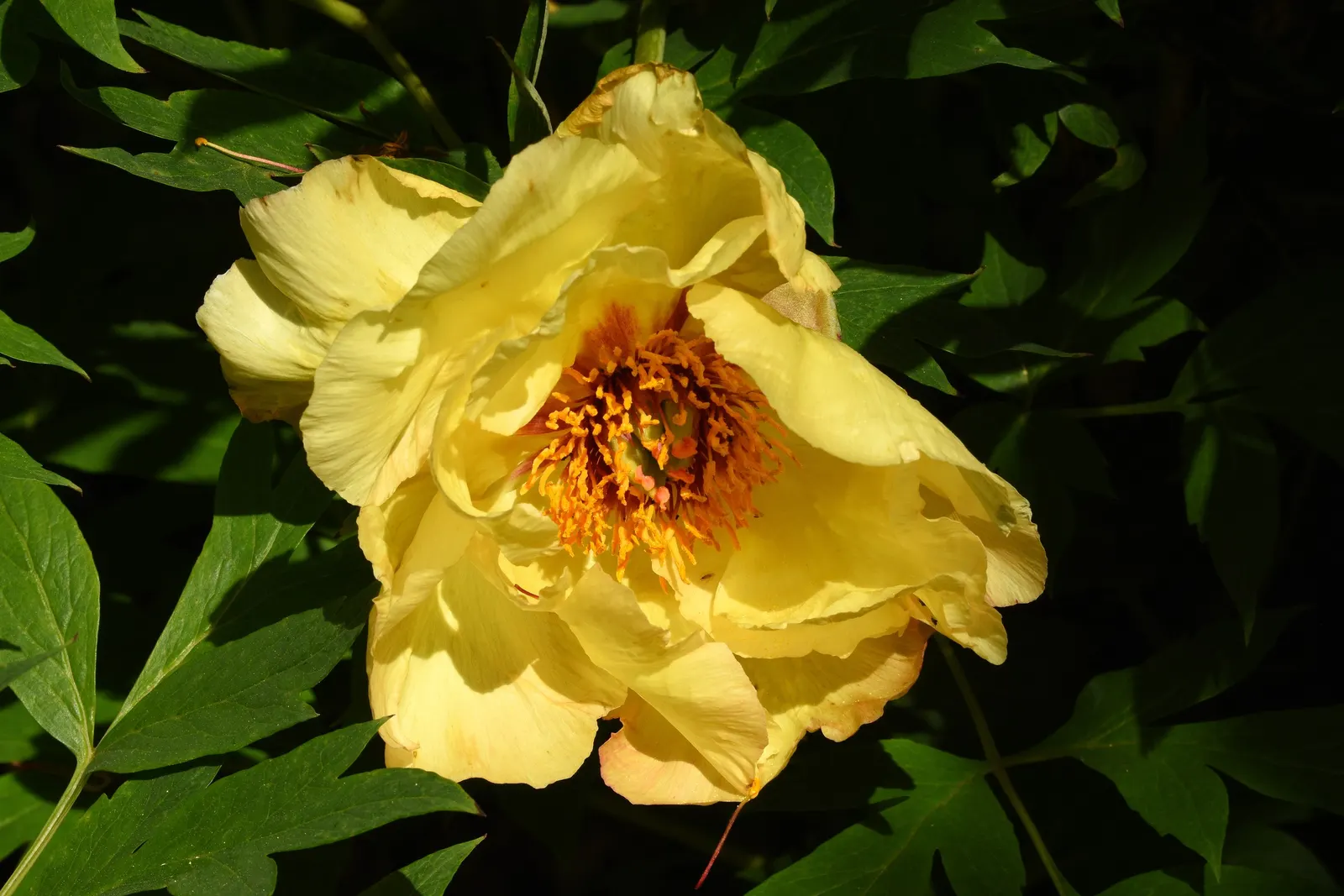
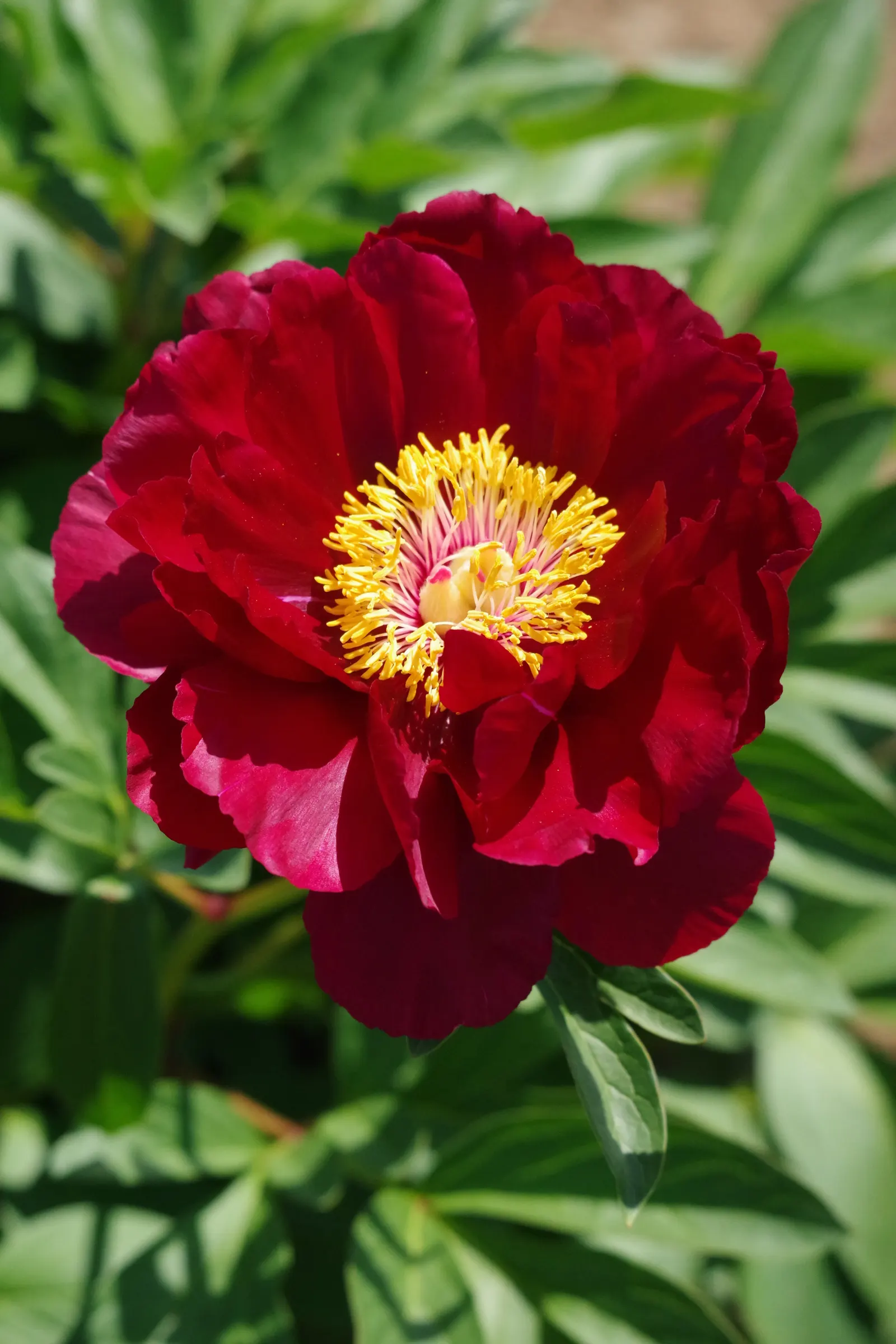
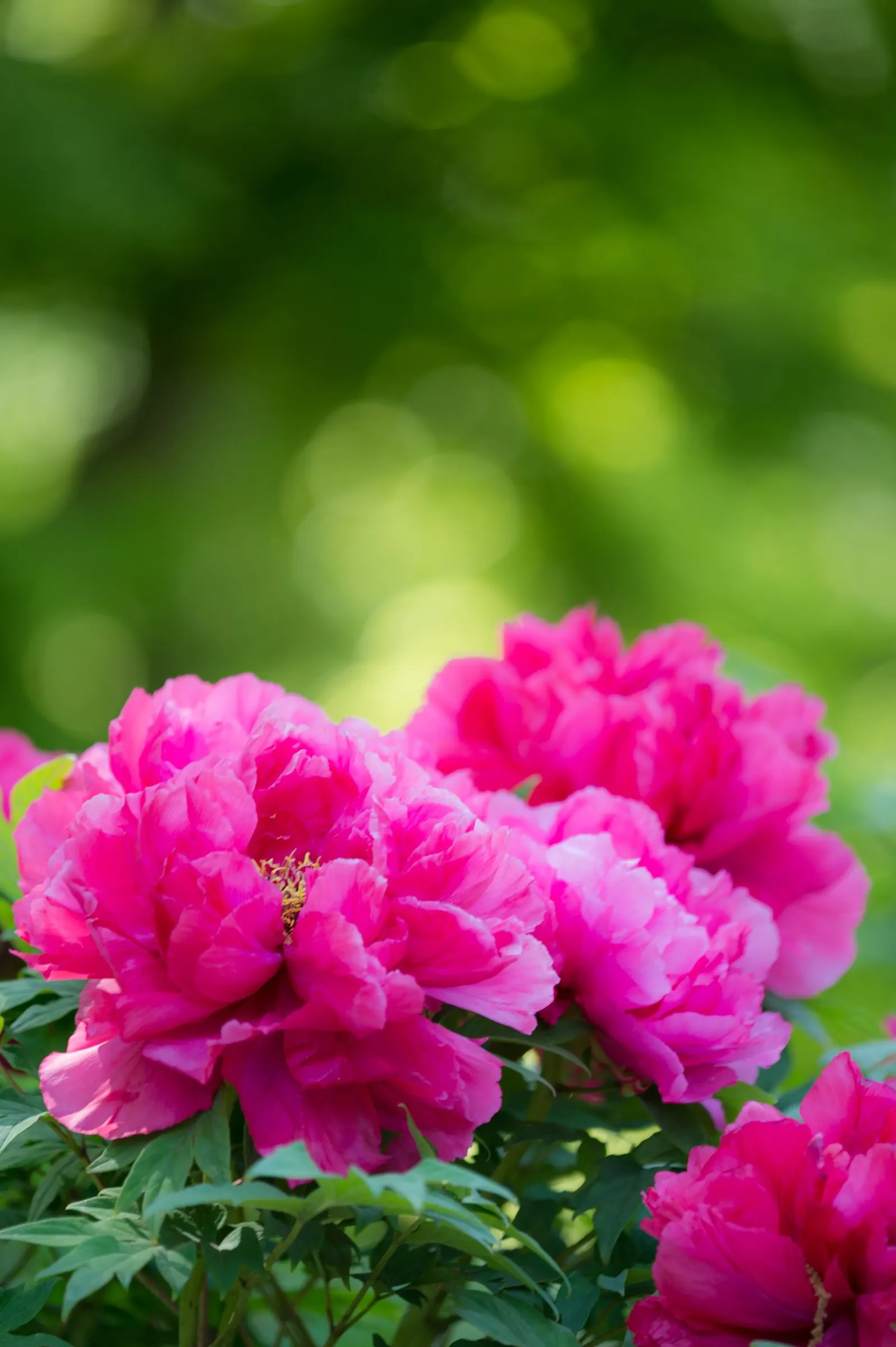
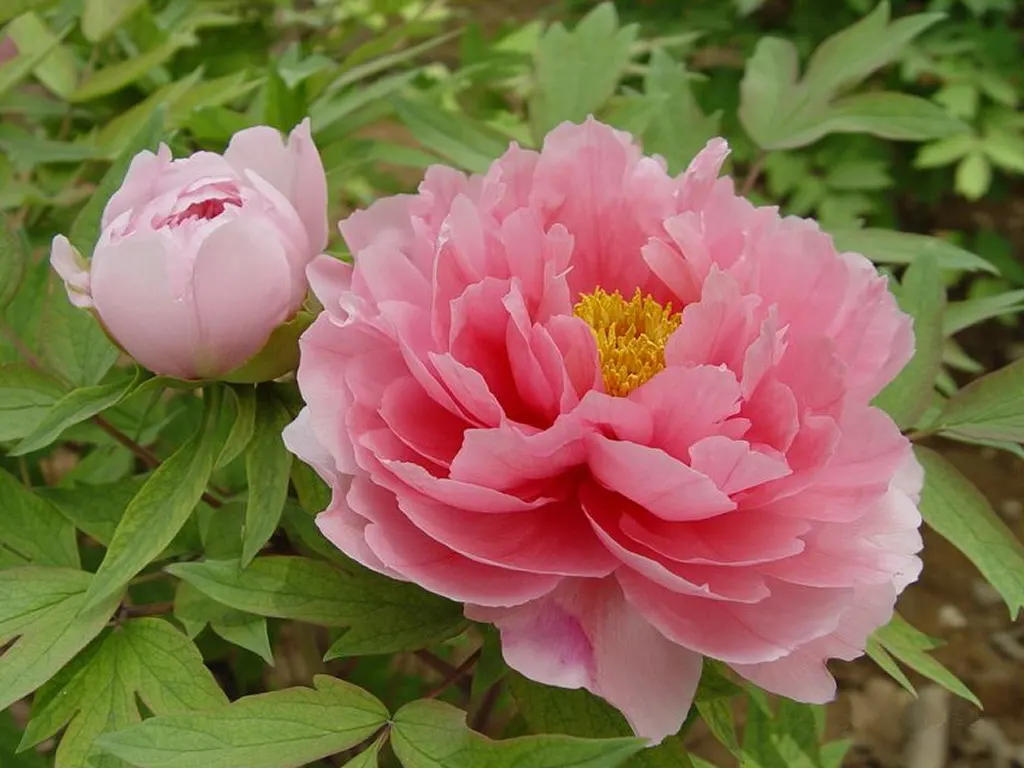
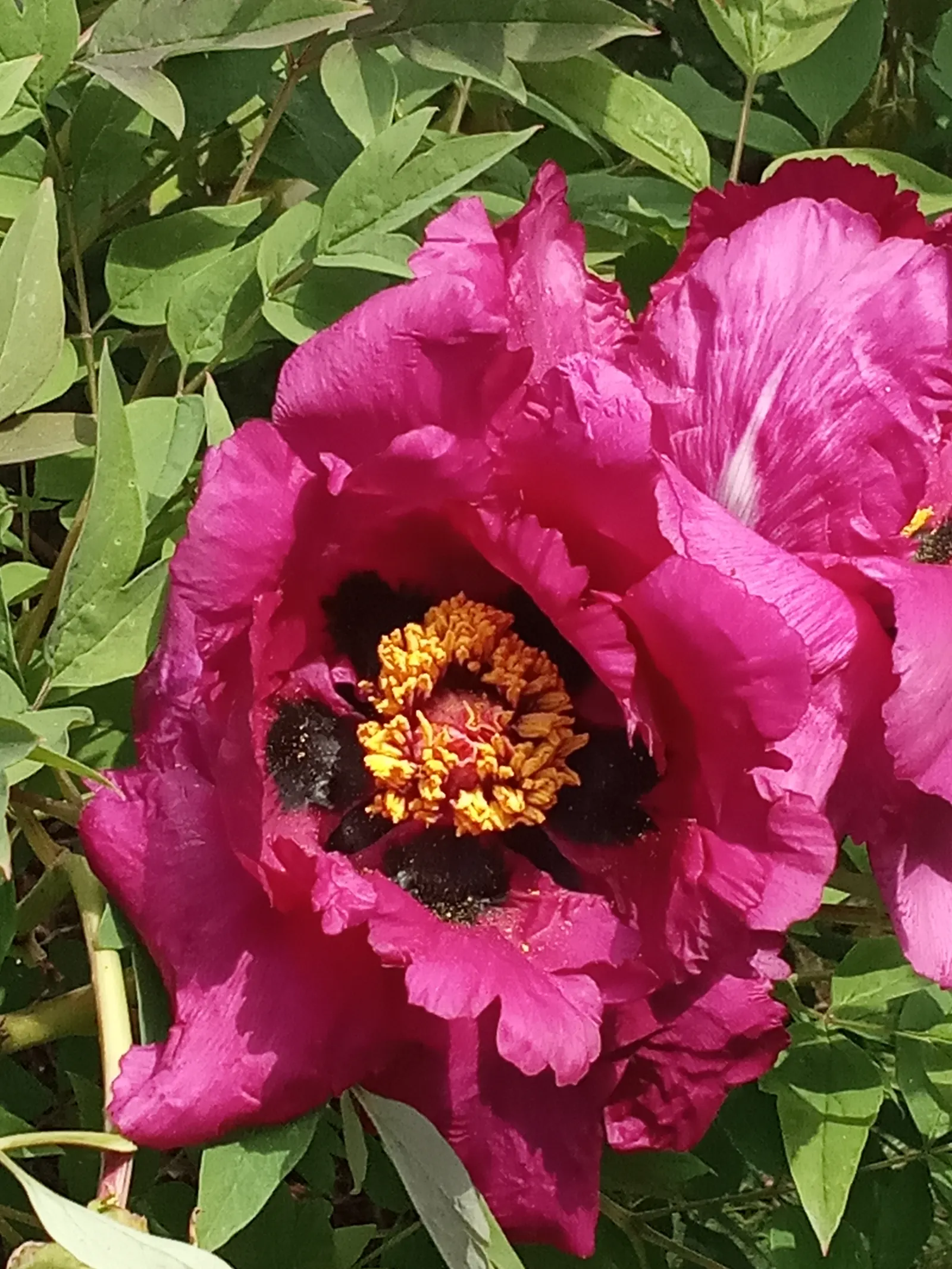
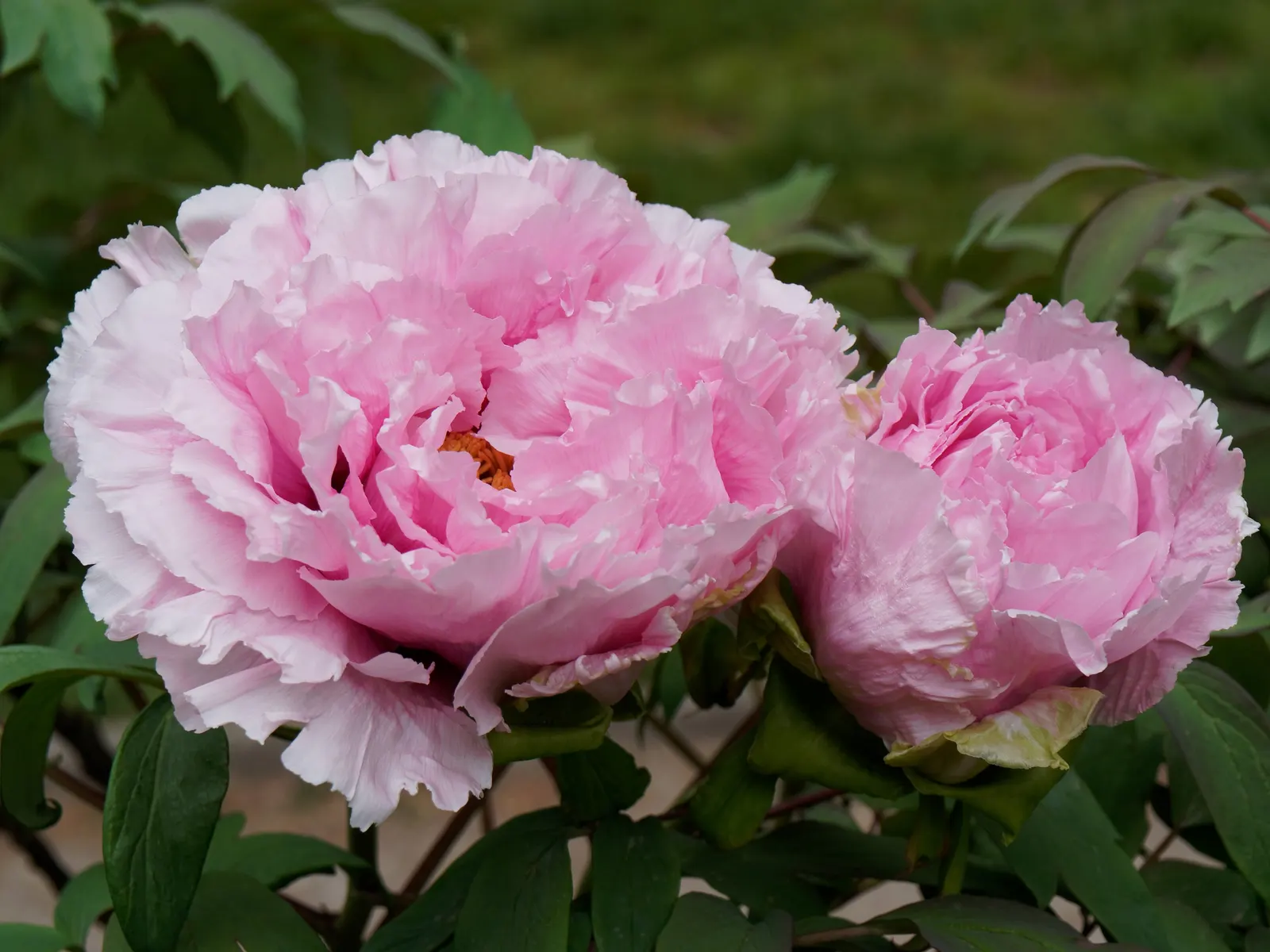
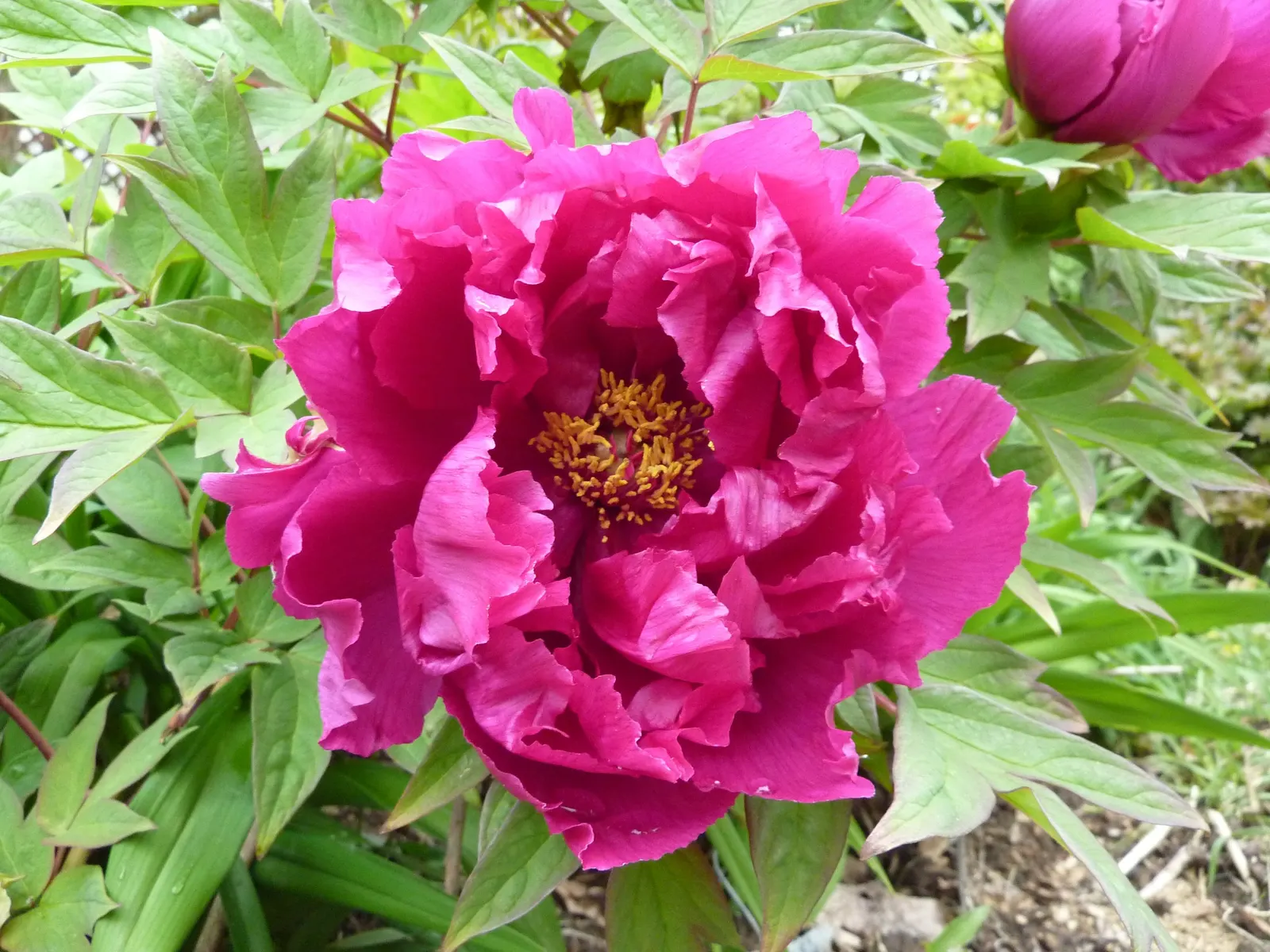
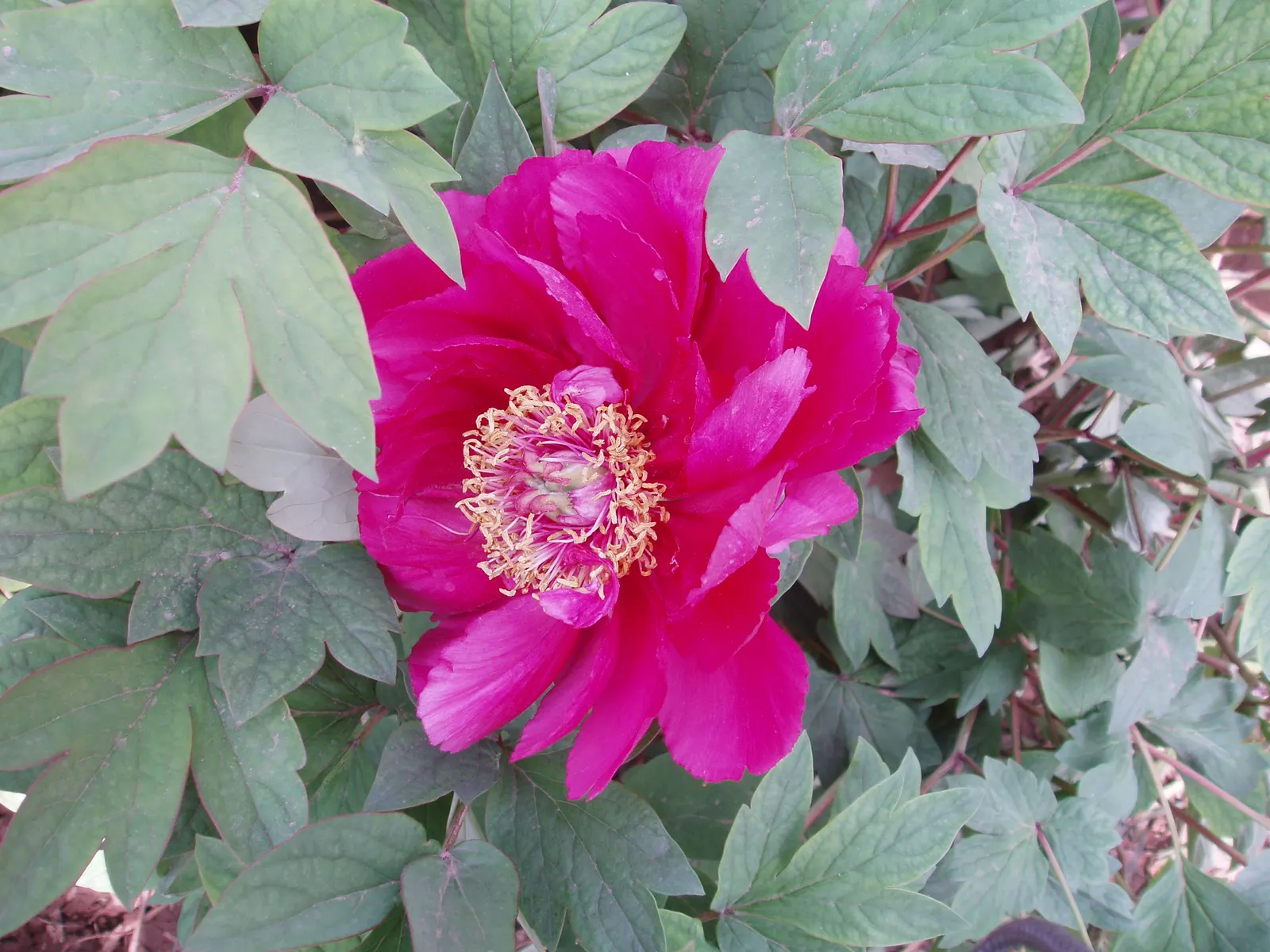
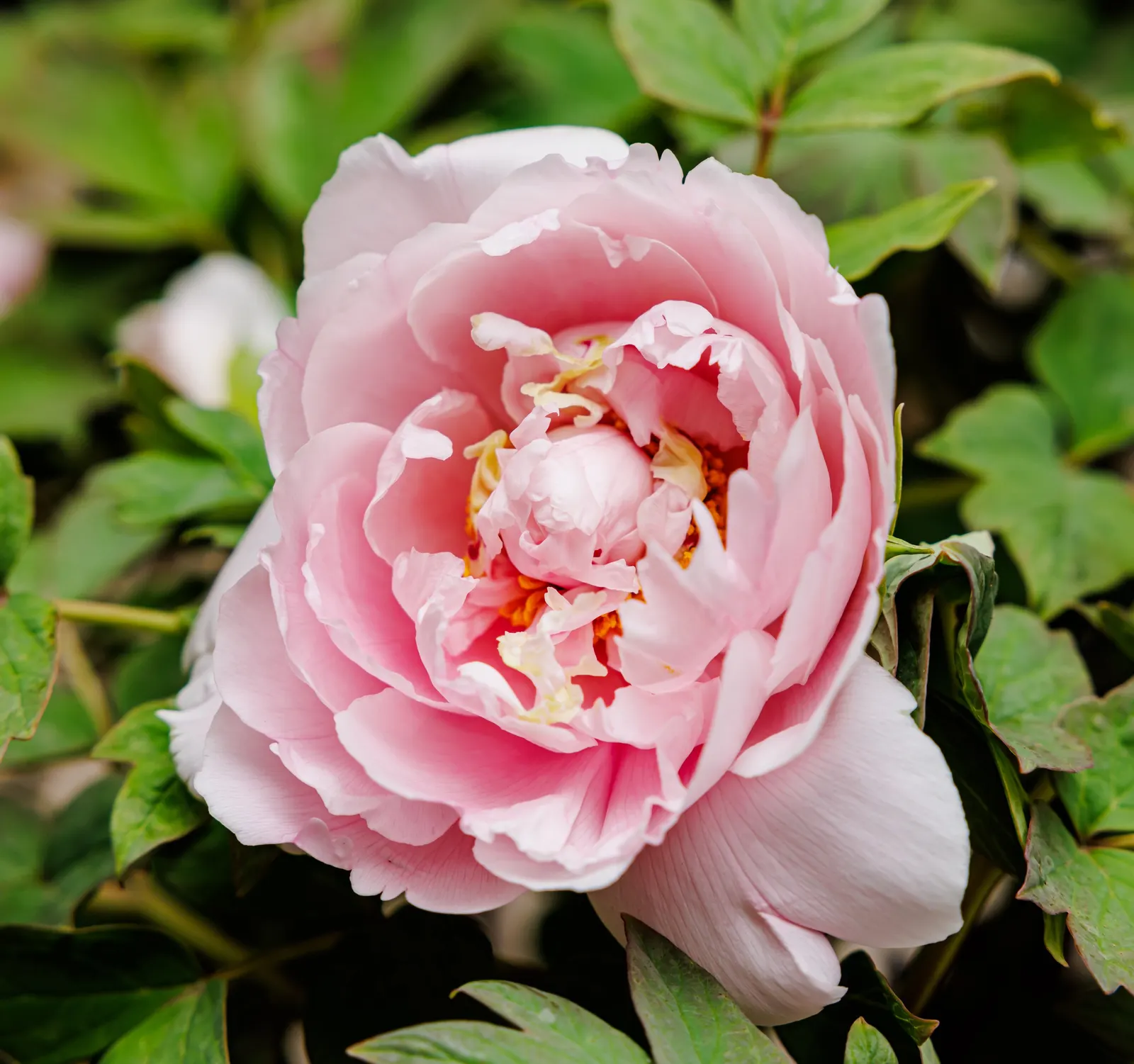
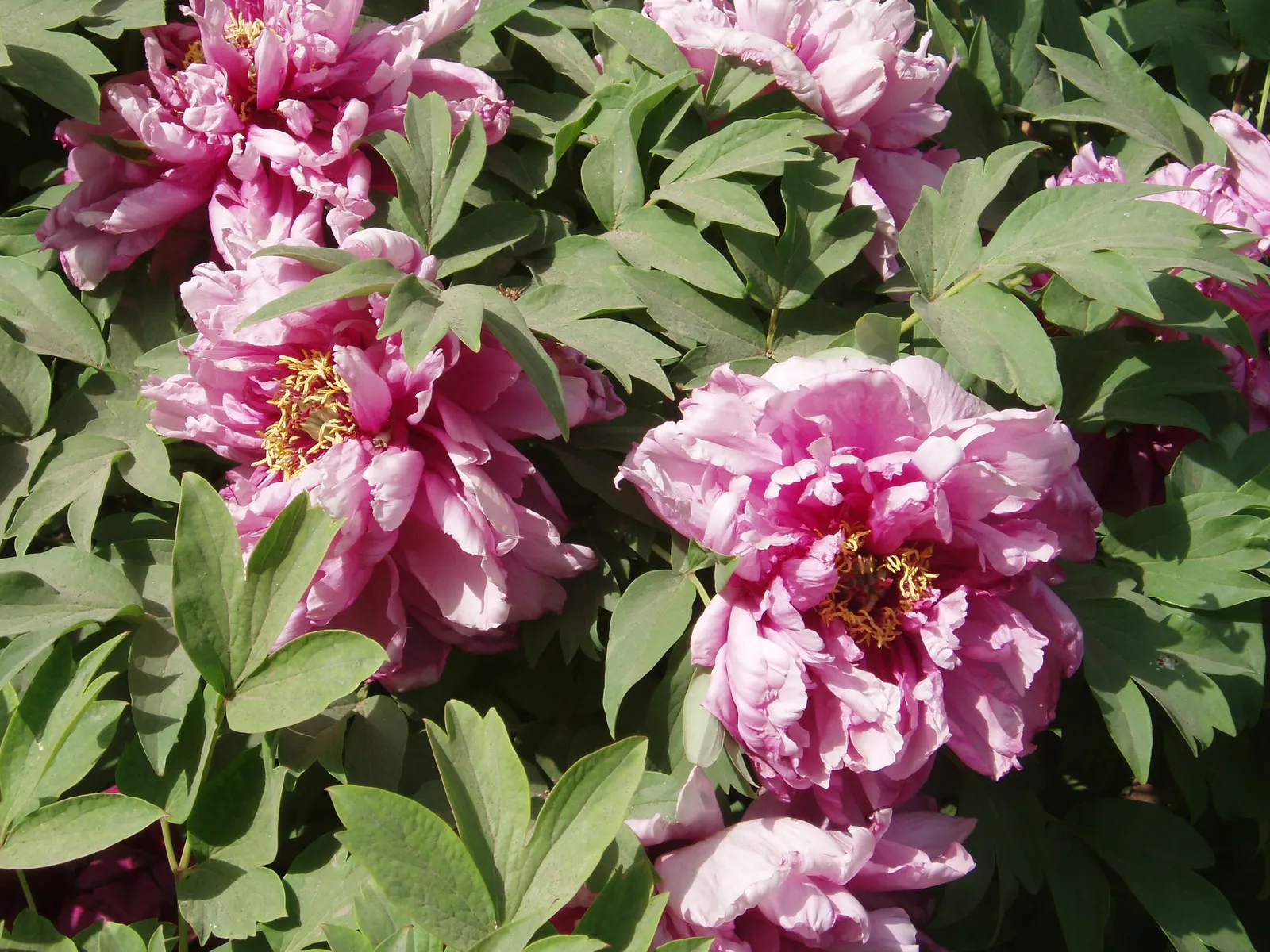
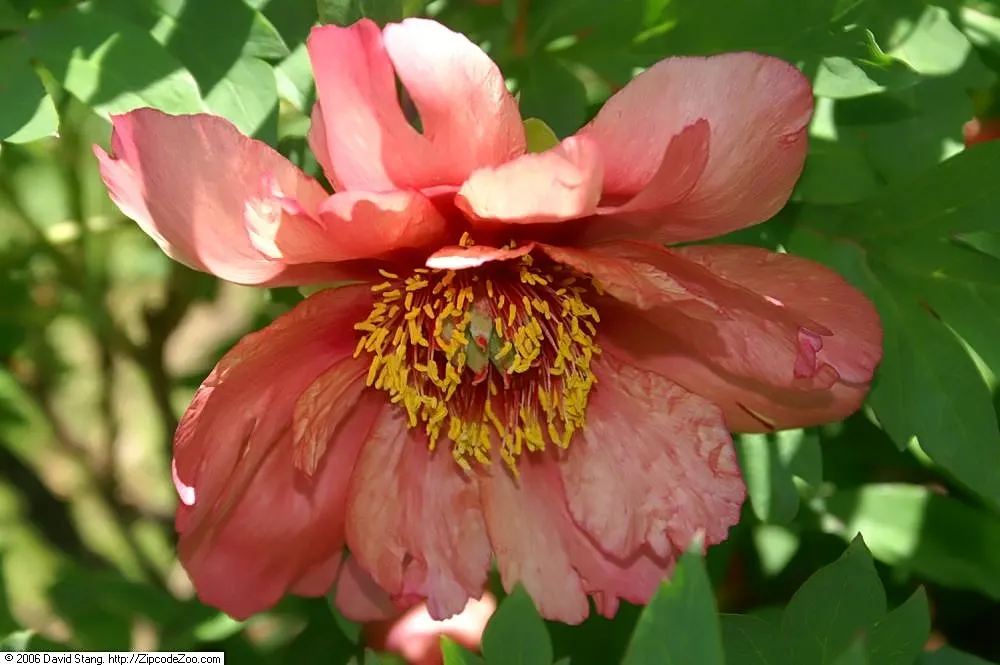
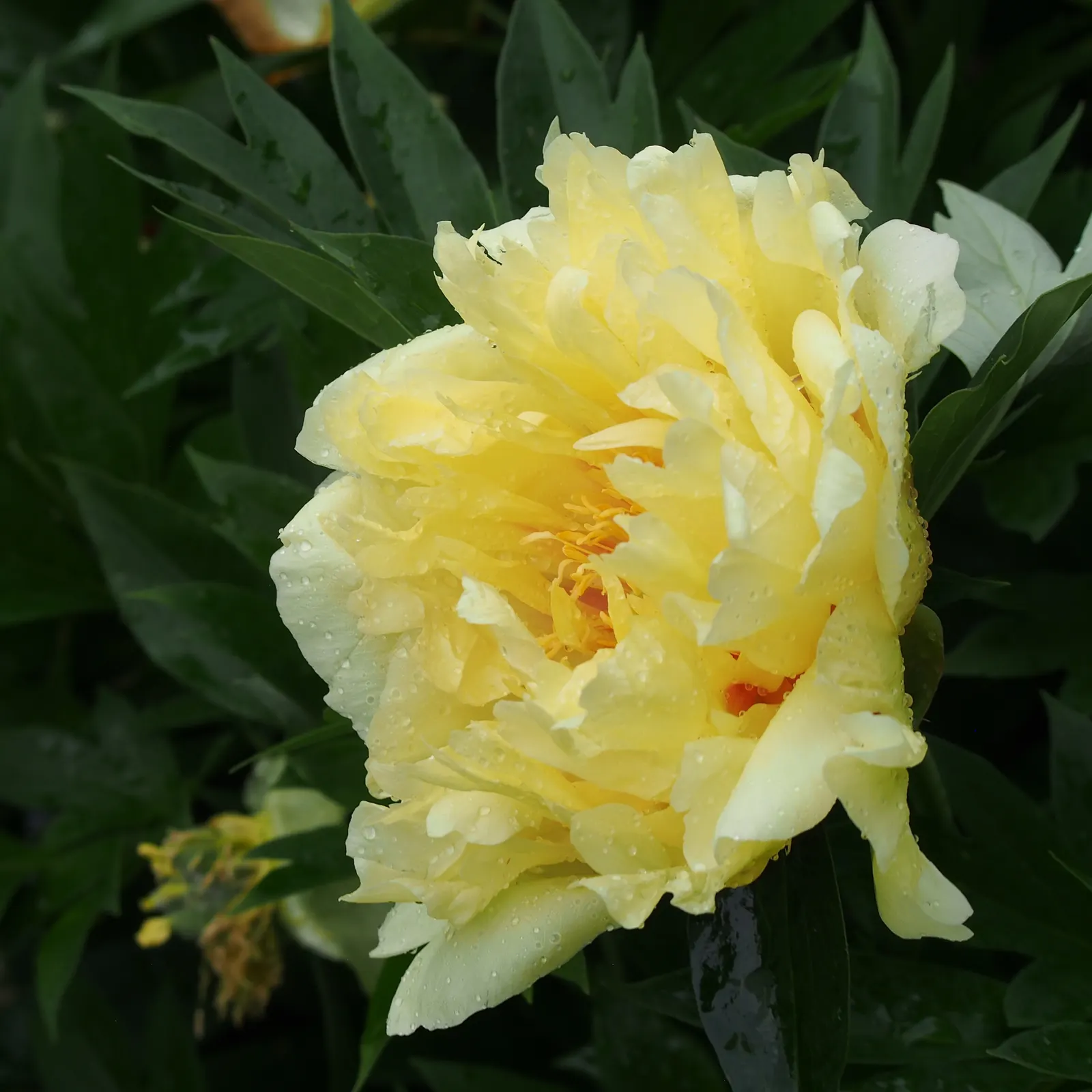
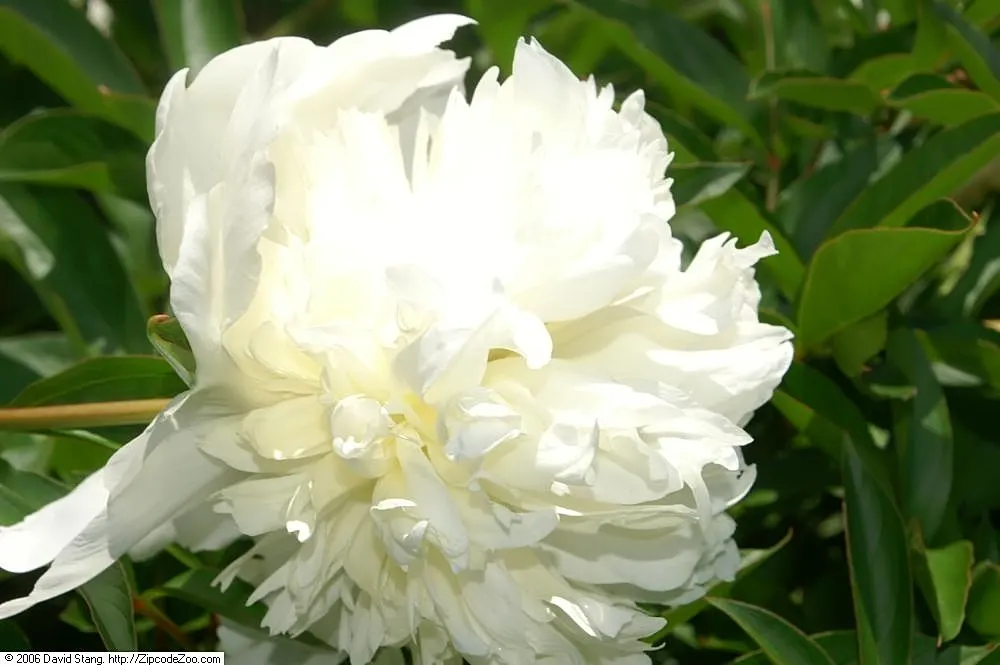
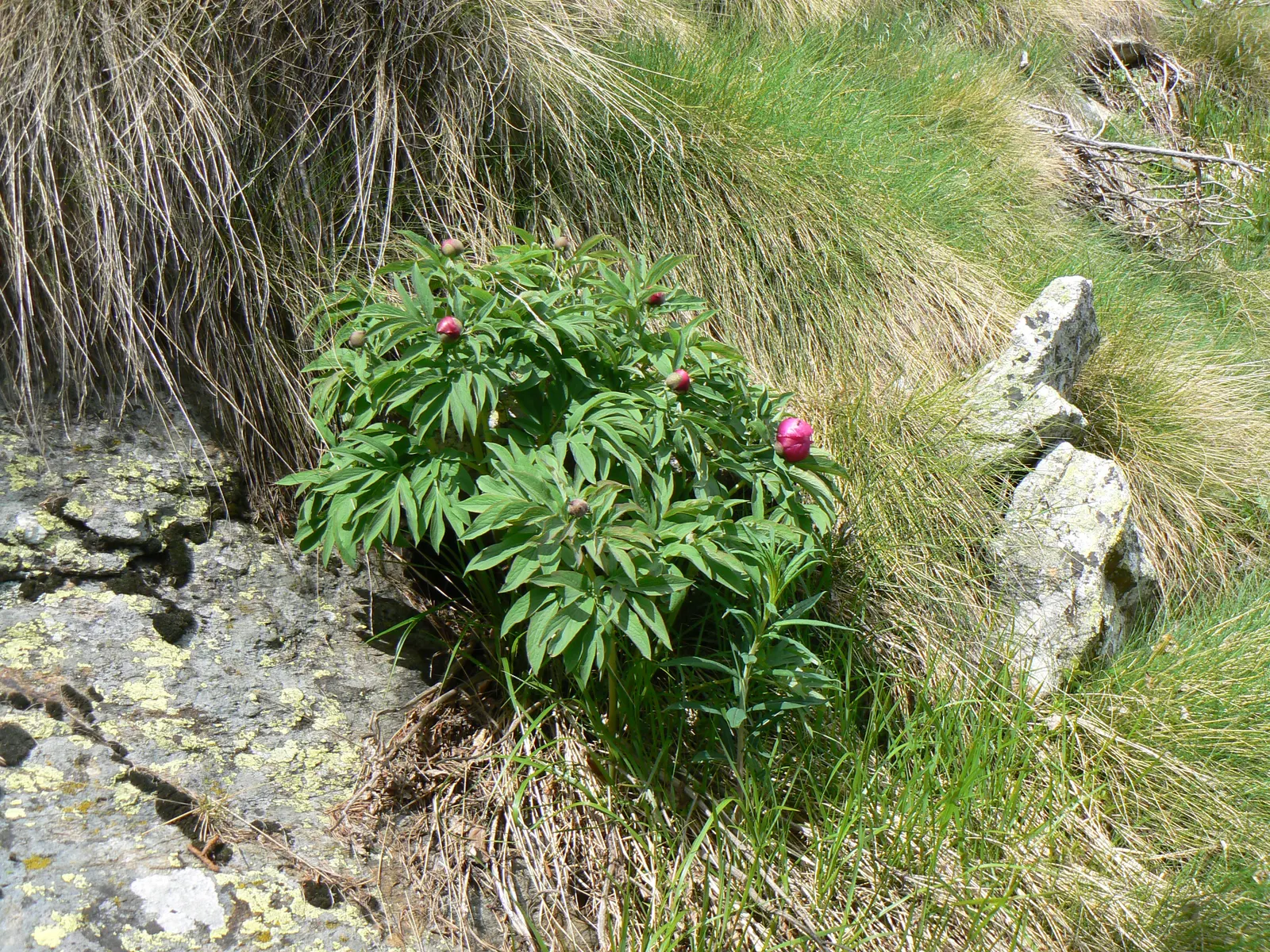
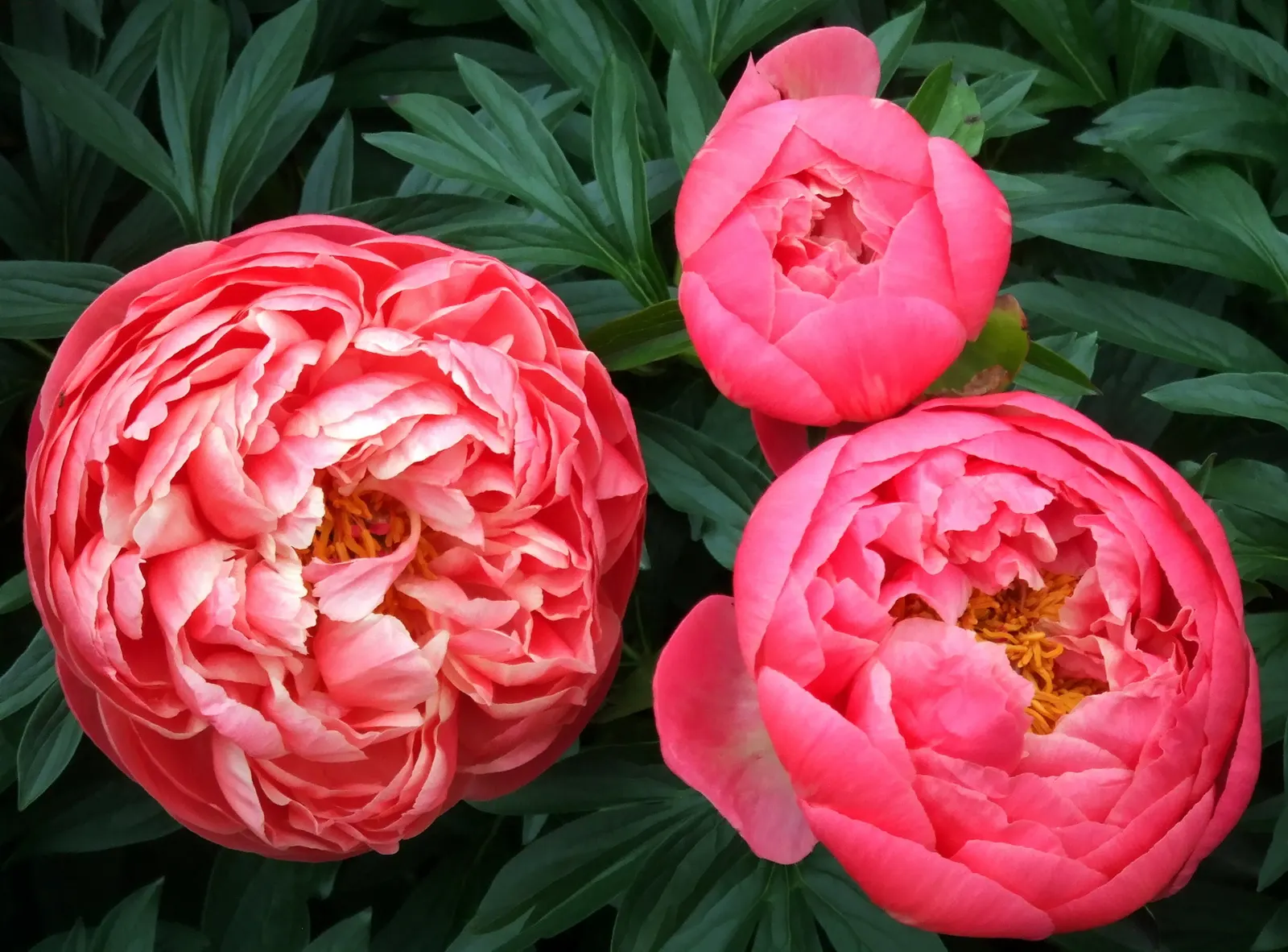
Japanese Tree Peony (Paeonia Suffruticosa) — red and white flowers in the garden; a focal point of the plant

Culture

Sun
Half
Water
Medium
USDA zones
4–9

Shape & size

Classification

Type
Perennial
Family
Paeoniaceae
Climate
Temperate

See full data, regional cultivation notes, and design tools. Build a client presentation around this plant.

Start your 14-day trial

Photos (116)

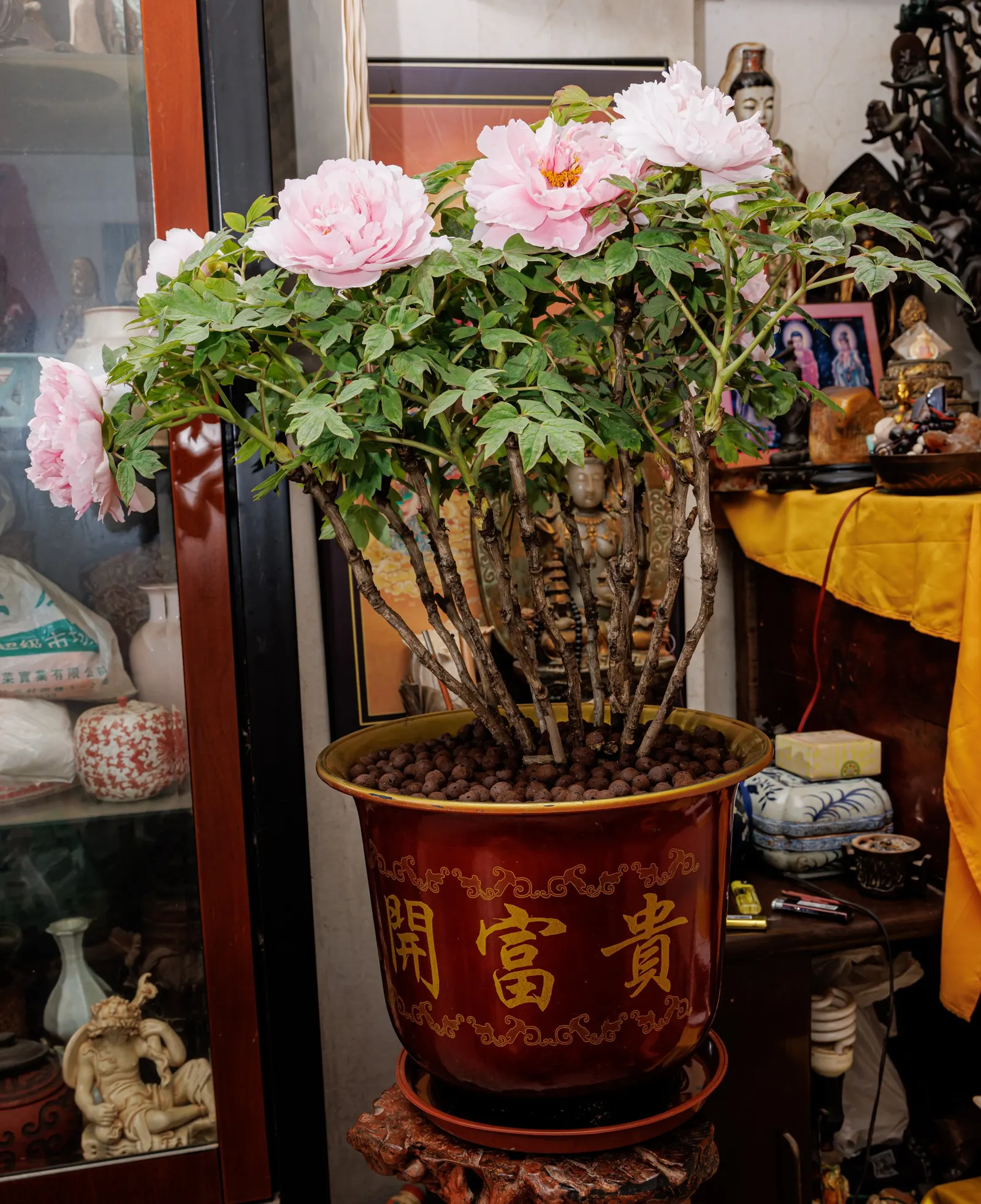
Japanese Tree Peony (Paeonia Suffruticosa) — this species is considerably frost tolerant once established; the Japanese Tree Peony is not only, image 115
Japanese Tree Peony (Paeonia Suffruticosa) — the blooms will be more prolific and vibrant.<br><br>Hardy in USDA zones 4 through 8; it should be, image 83
Japanese Tree Peony (Paeonia Suffruticosa) — which can damage the branches and blossoms; thus attracting pollinators such as bees and, image 87
Japanese Tree Peony (Paeonia Suffruticosa) — making it a wise choice for a serene and elegant landscape design; scientifically termed Paeonia suffruticosa
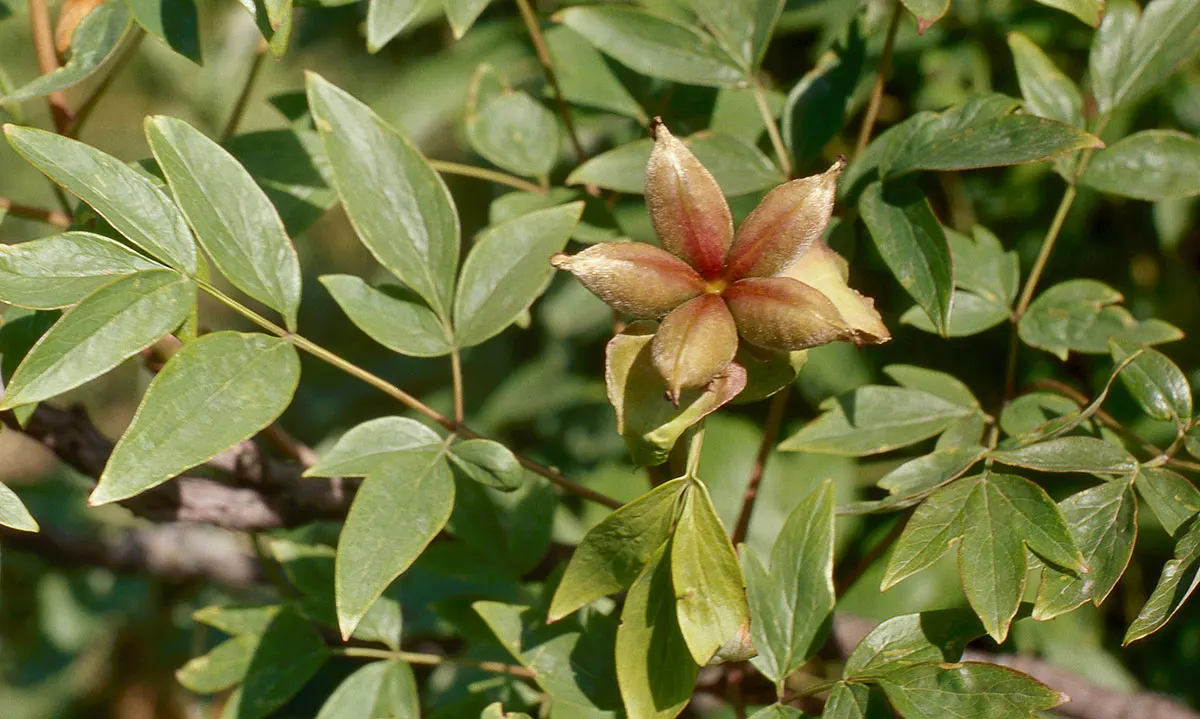
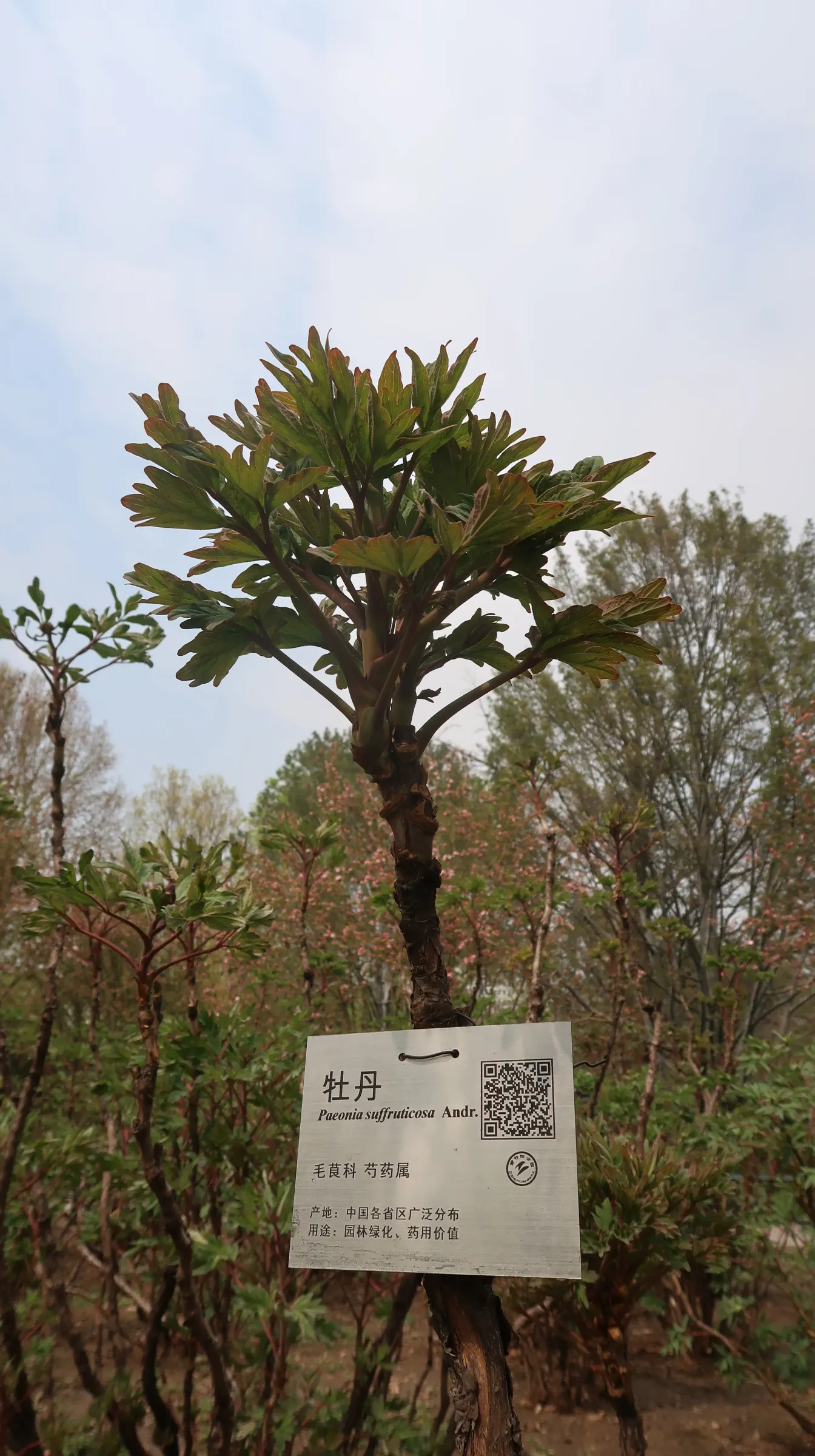
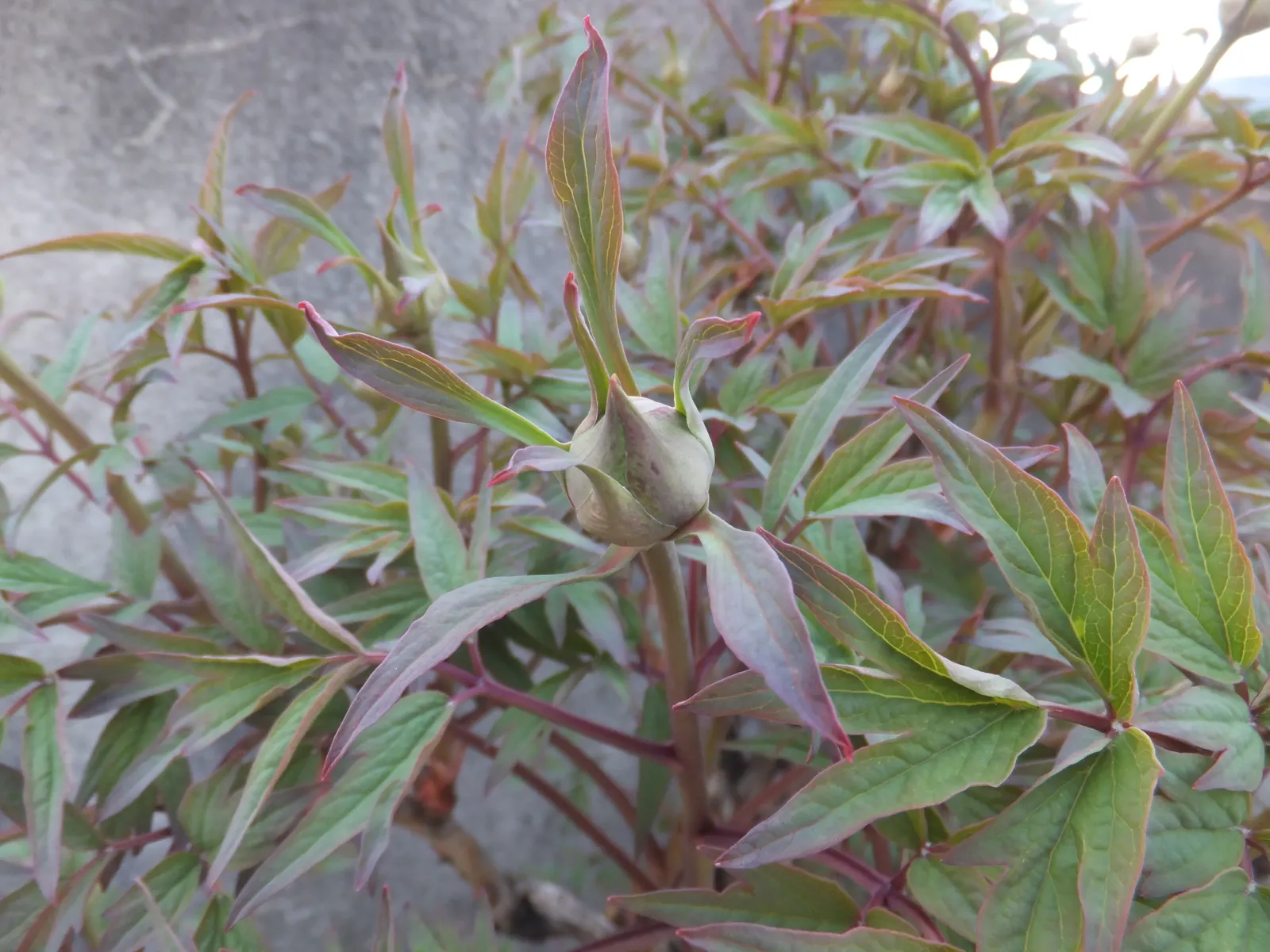
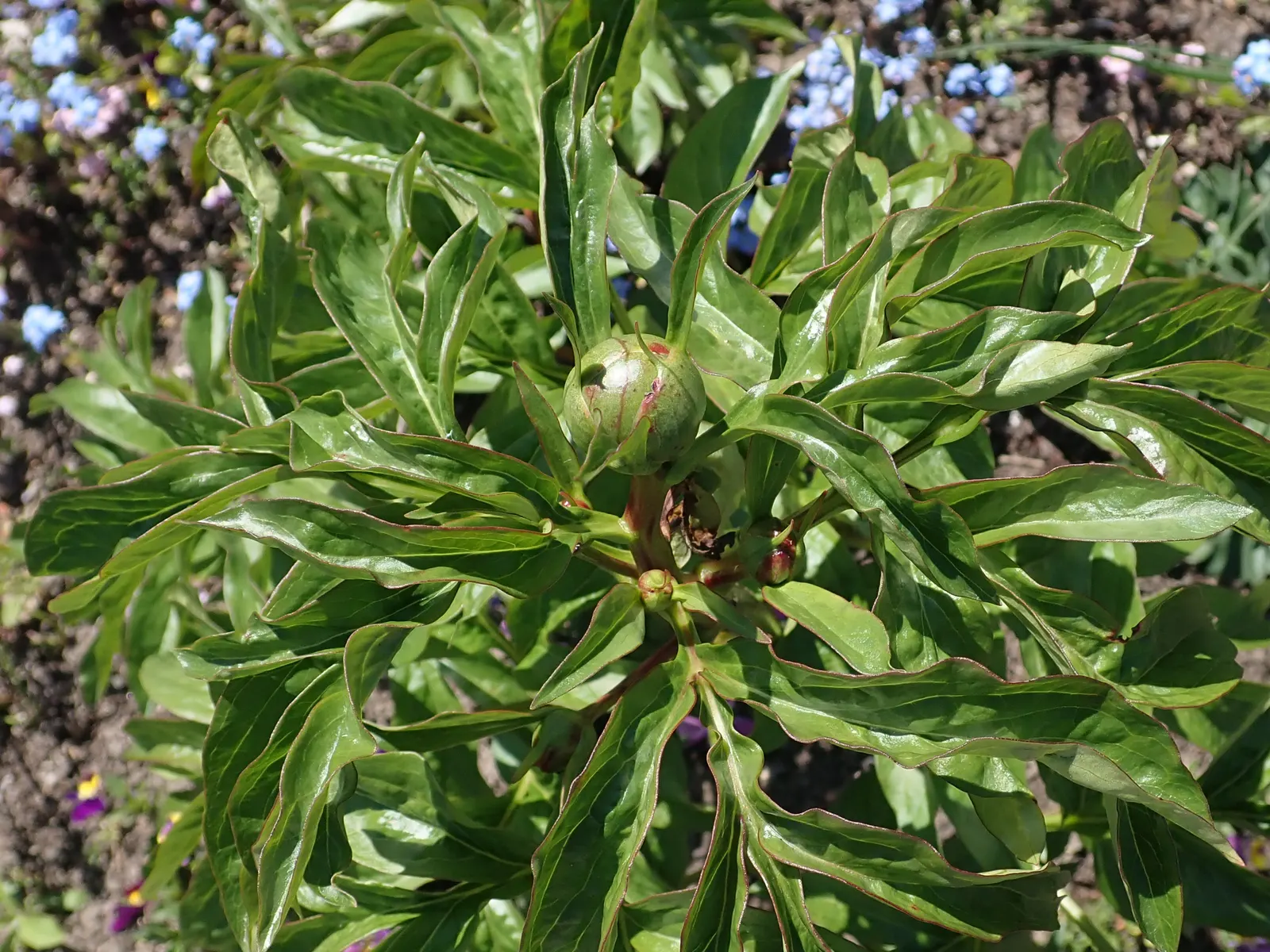
Japanese Tree Peony (Paeonia Suffruticosa) — Its foliage is dark green and deeply lobed
Japanese Tree Peony (Paeonia Suffruticosa) — It thrives in USDA zones 4-8, prefers well-drained soil, and full sun to part shade
Japanese Tree Peony (Paeonia Suffruticosa) — Plant in spring or fall, and ensure proper spacing for adequate air circulation; the Japanese Tree, image 67
Japanese Tree Peony (Paeonia Suffruticosa) — The Japanese Tree Peony is not only visually striking but also has the added benefit of being deer, image 58
Japanese Tree Peony (Paeonia Suffruticosa) — the blooms will be more prolific and vibrant.<br><br>Hardy in USDA zones 4 through 8; it should be, image 114
Japanese Tree Peony (Paeonia Suffruticosa) — It thrives in USDA zones 4-8, prefers well-drained soil, and full sun to part shade; the Japanese Tree, image 65
Japanese Tree Peony (Paeonia Suffruticosa) — scientifically termed Paeonia suffruticosa; can span an impressive 6 to 12 inches in diameter, image 100
Japanese Tree Peony (Paeonia Suffruticosa) — Its foliage is dark green and deeply lobed; with a slight preference for neutral to slightly alkaline, image 74
Japanese Tree Peony (Paeonia Suffruticosa) — perennial for half
Japanese Tree Peony (Paeonia Suffruticosa) — The Japanese Tree Peony (Paeonia suffruticosa) is a deciduous shrub
Japanese Tree Peony (Paeonia Suffruticosa) — providing a stately presence in a garden setting; its foliage is dark green and deeply lobed, image 73
Japanese Tree Peony (Paeonia Suffruticosa) — A stunning focal point in any garden design; is a prized specimen in landscape design, image 99
Japanese Tree Peony (Paeonia Suffruticosa) — a focal point of the plant; extravagant blooms that can reach up to 10 inches, image 107
Japanese Tree Peony (Paeonia Suffruticosa) — is a prized specimen in landscape design
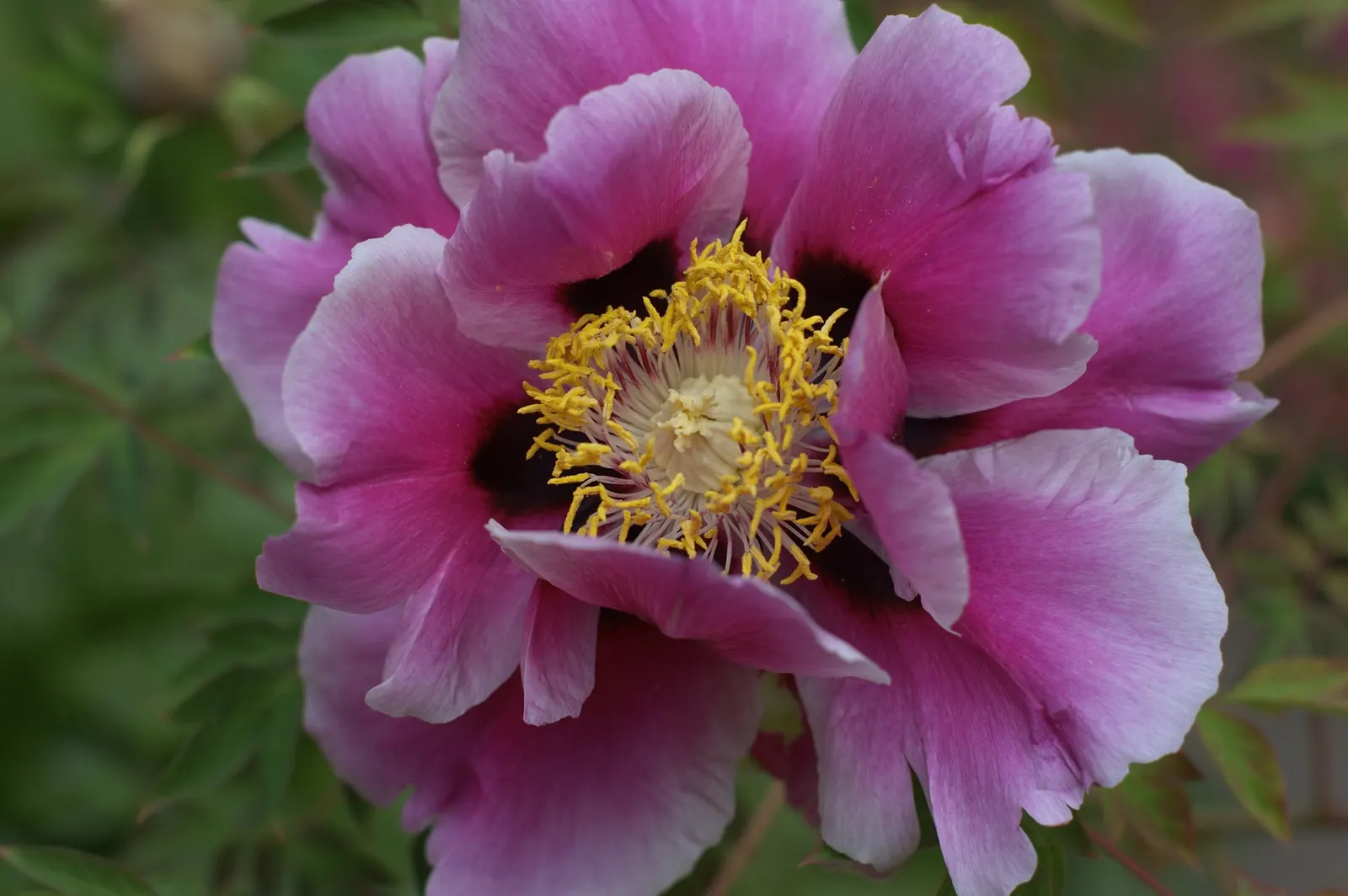
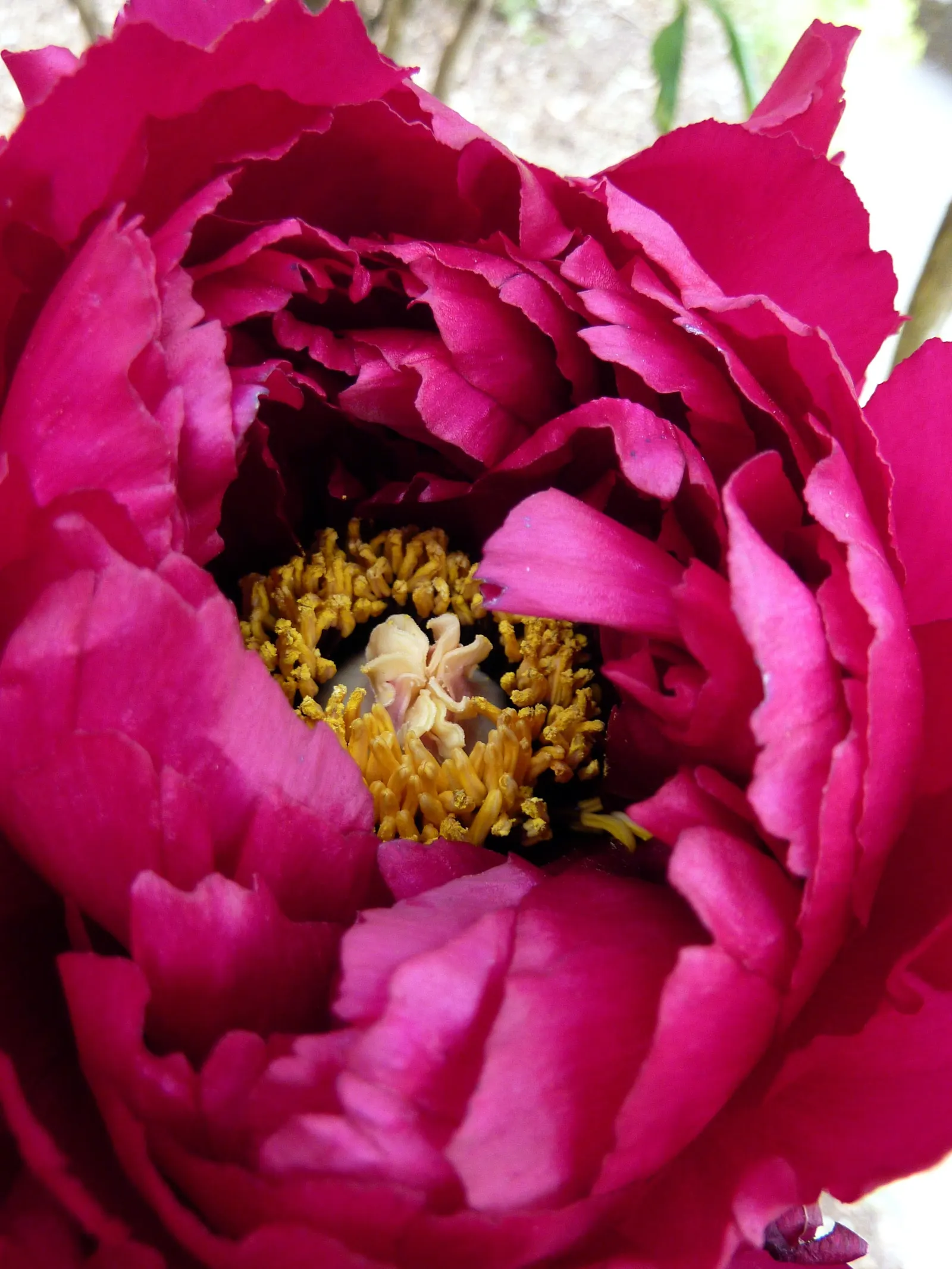
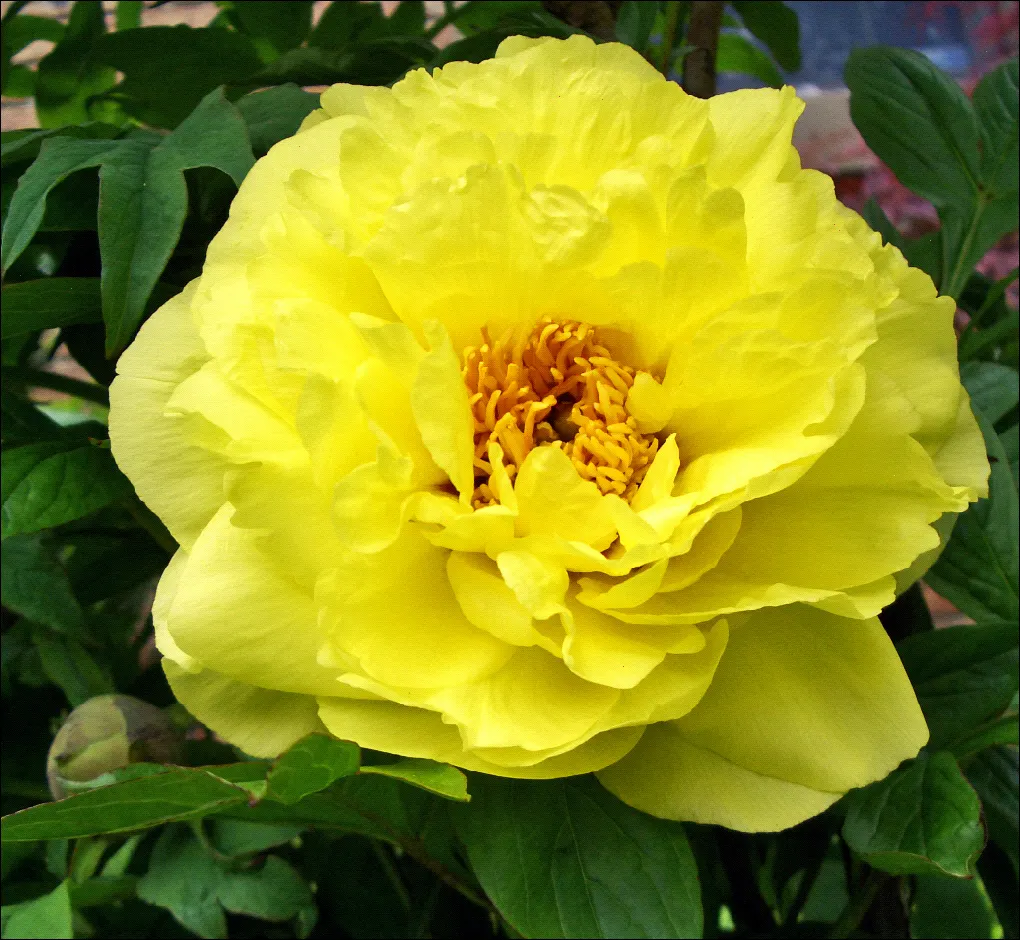
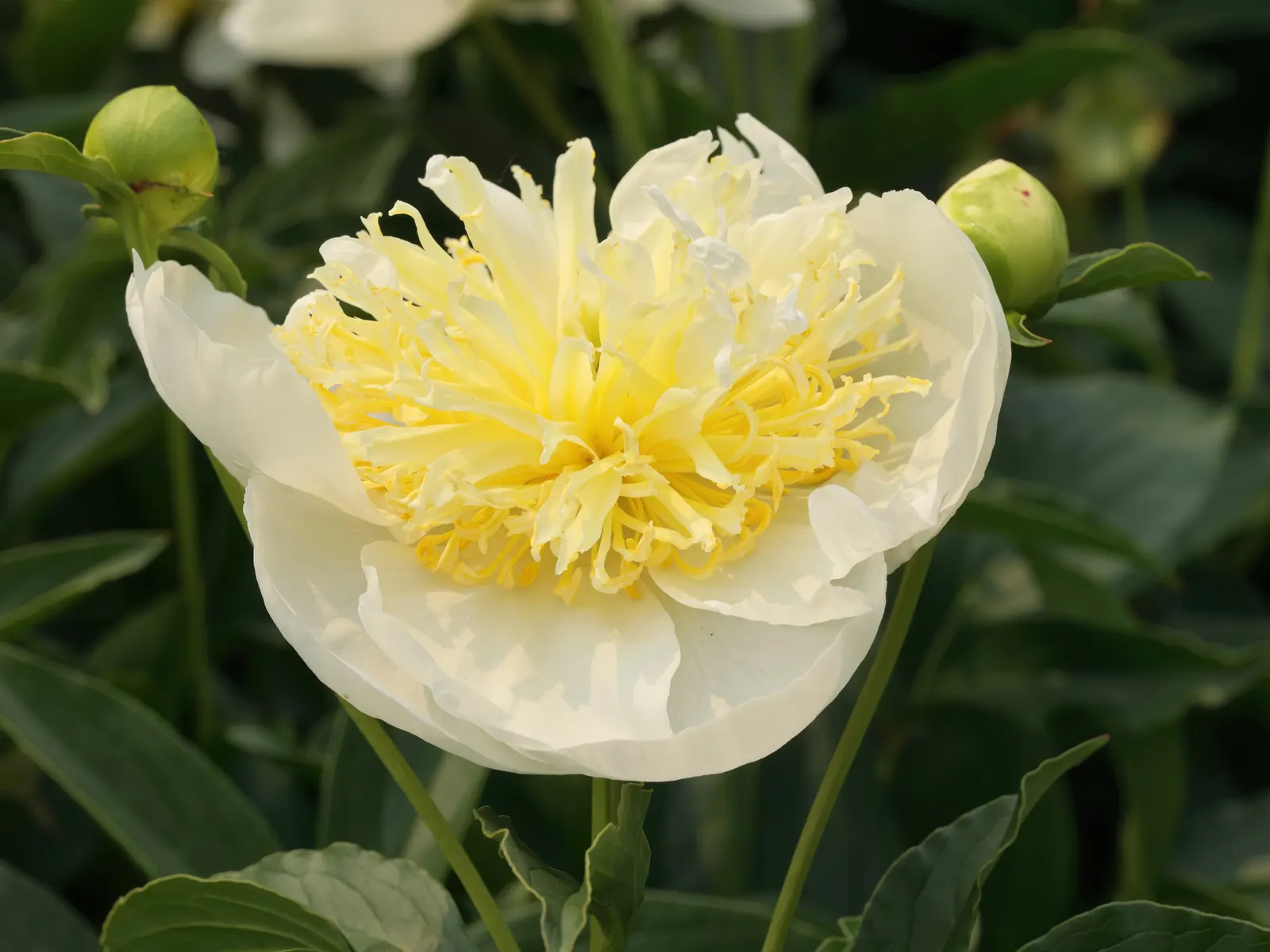
Japanese Tree Peony (Paeonia Suffruticosa) — These flowers are often richly colored in hues of pink
Japanese Tree Peony (Paeonia Suffruticosa) — Minimal maintenance is required; it thrives in USDA zones 4-8, prefers well-drained soil, and full sun to part
Japanese Tree Peony (Paeonia Suffruticosa) — This deciduous shrub typically reaches a mature height of 4 to 7 feet; plant in spring or fall, and, image 103
Japanese Tree Peony (Paeonia Suffruticosa) — It should be planted in a location that offers full sun to partial shade; offering a lush backdrop for the
Japanese Tree Peony (Paeonia Suffruticosa) — perennial with red and white blooms
Japanese Tree Peony (Paeonia Suffruticosa) — Regular pruning to remove dead or weak stems will encourage healthier growth and more robust flowering, image 88
Photographs by 16 contributors

Related plants