Skip to content

Chinese Peony

Paeonia Lactiflora

Design with this plant

Overview

The Chinese Peony, or Paeonia lactiflora, is a beloved perennial with large, fragrant flowers in shades from white to deep pink. Thriving in zones 3-8, it reaches 2-3 feet in height and spread. Preferring full sun to partial shade, it flourishes in well-drained soil. Blooms appear in late spring, offering a spectacular display. The lush foliage provides a backdrop for summer plants after flowering. Deer resistant and low maintenance.

Sun Full, Half, ShadeWater Extra in Summer, HighZones 3–10Type Perennial
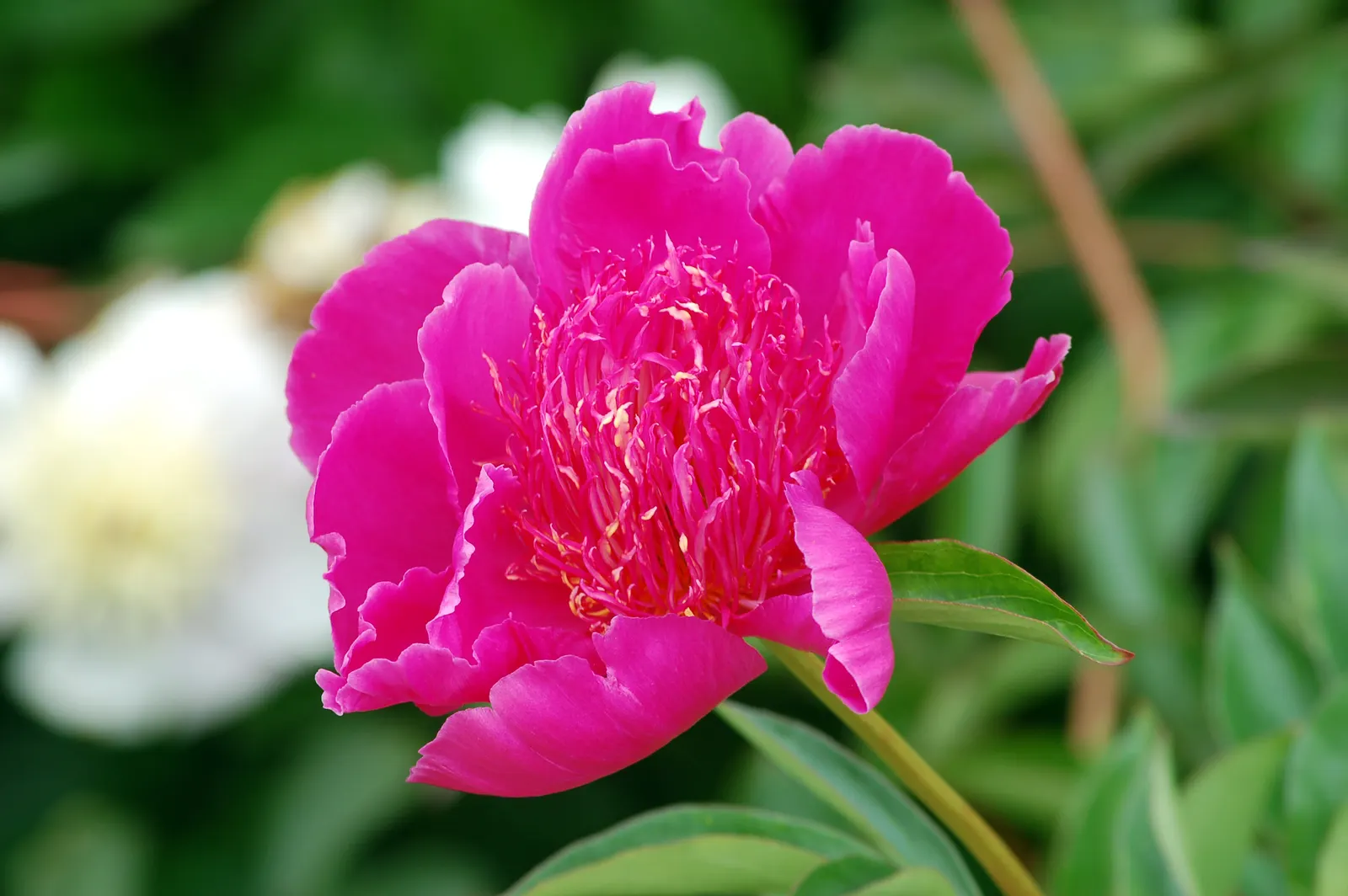
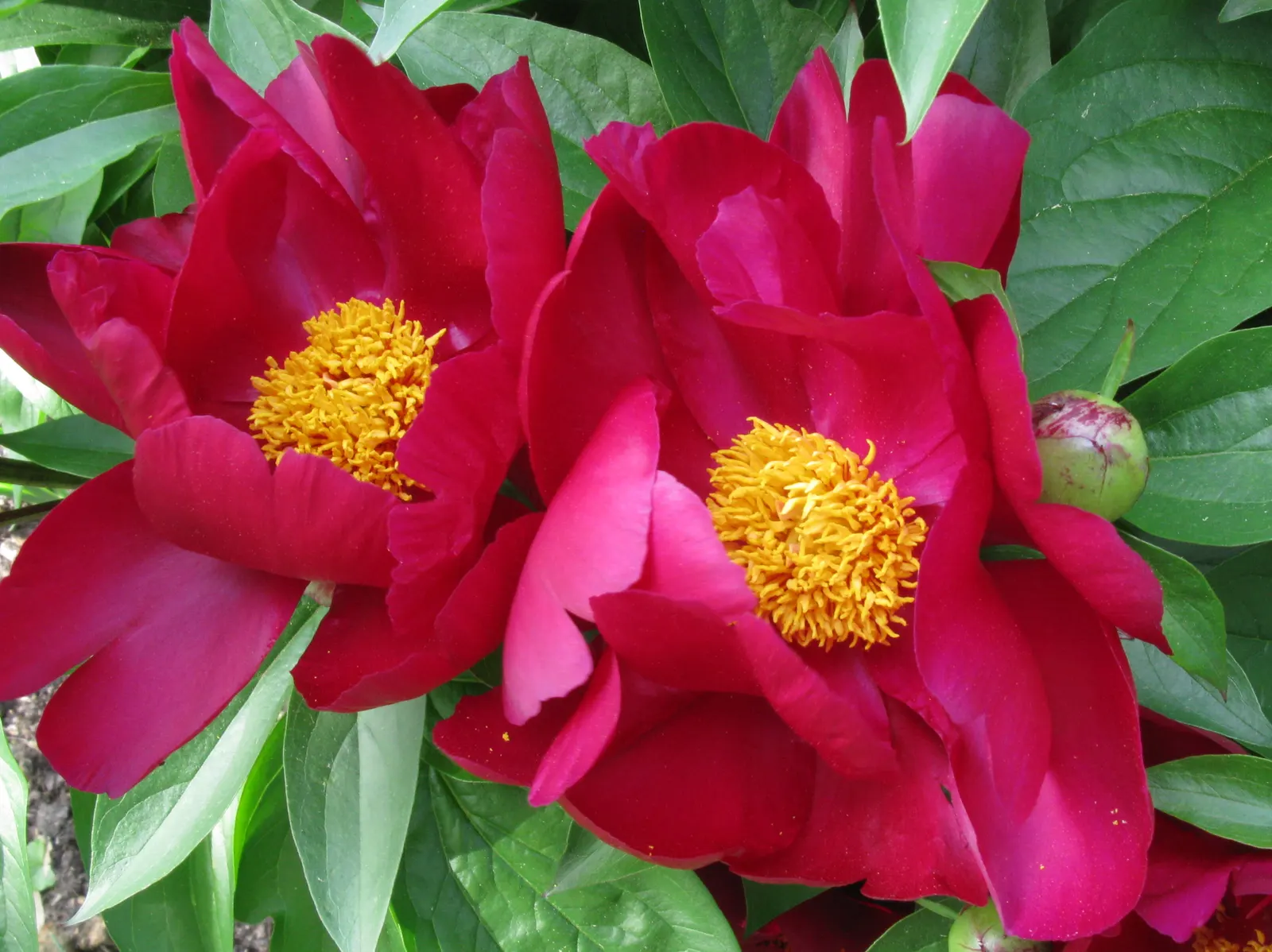
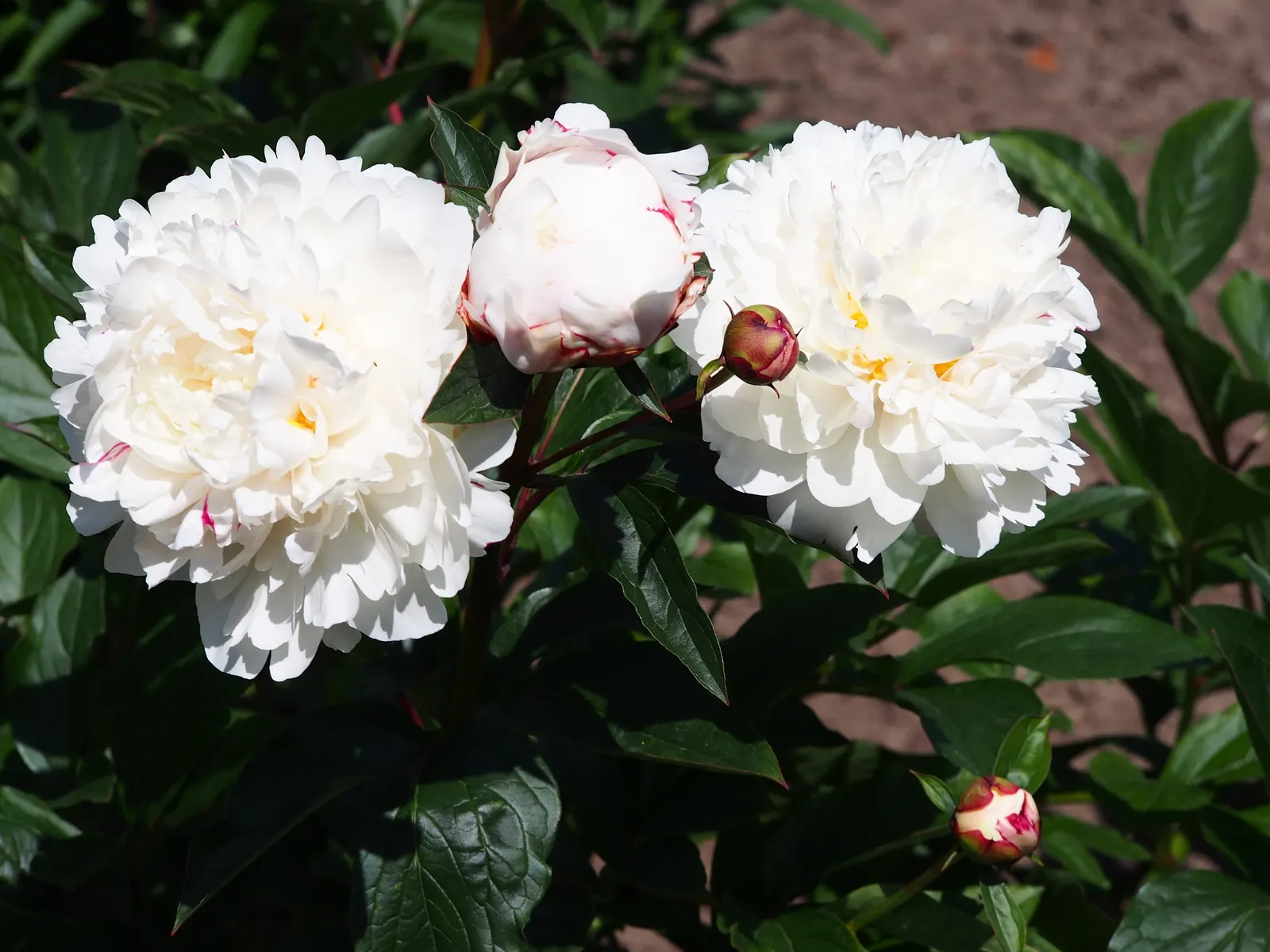
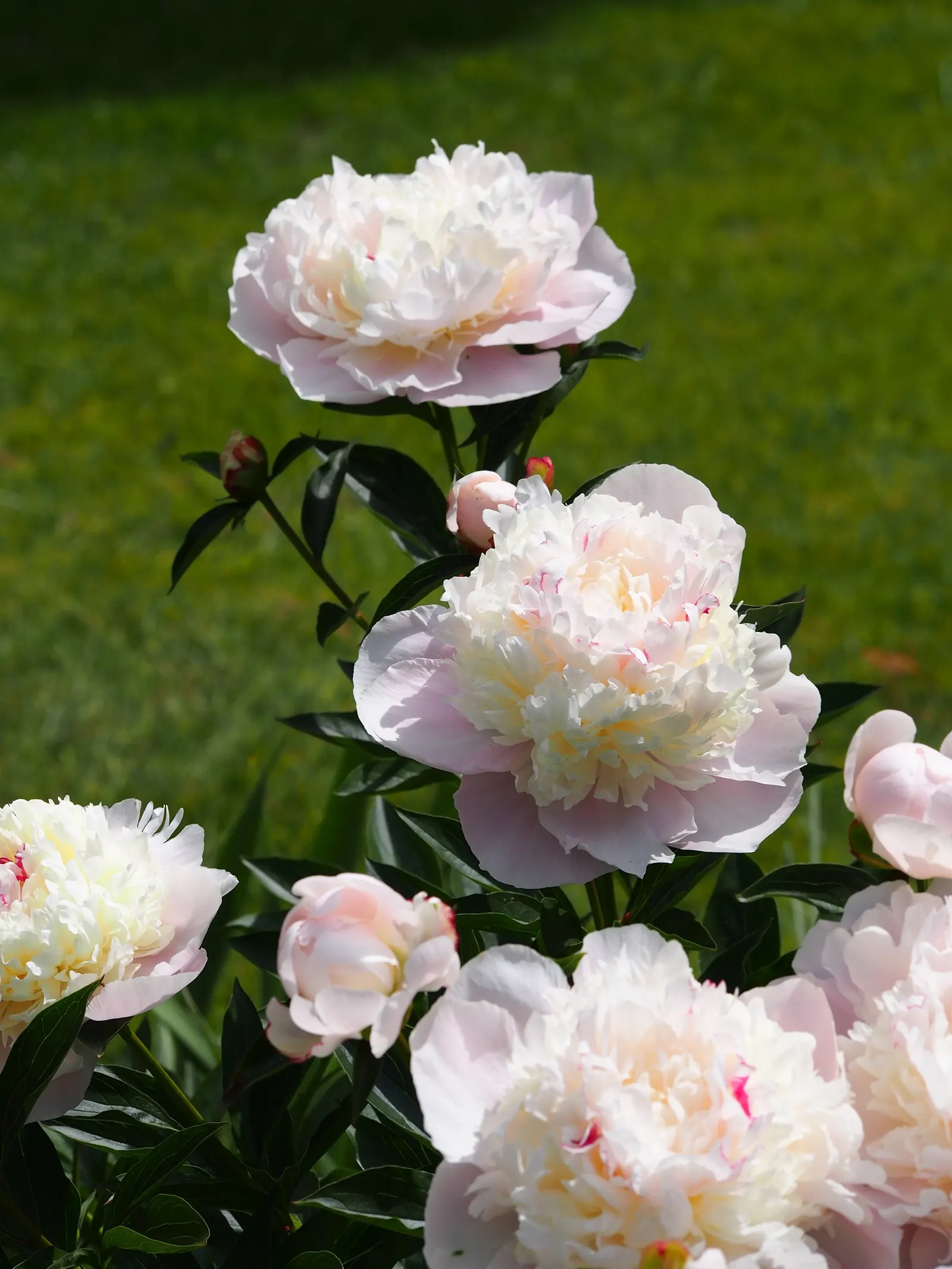
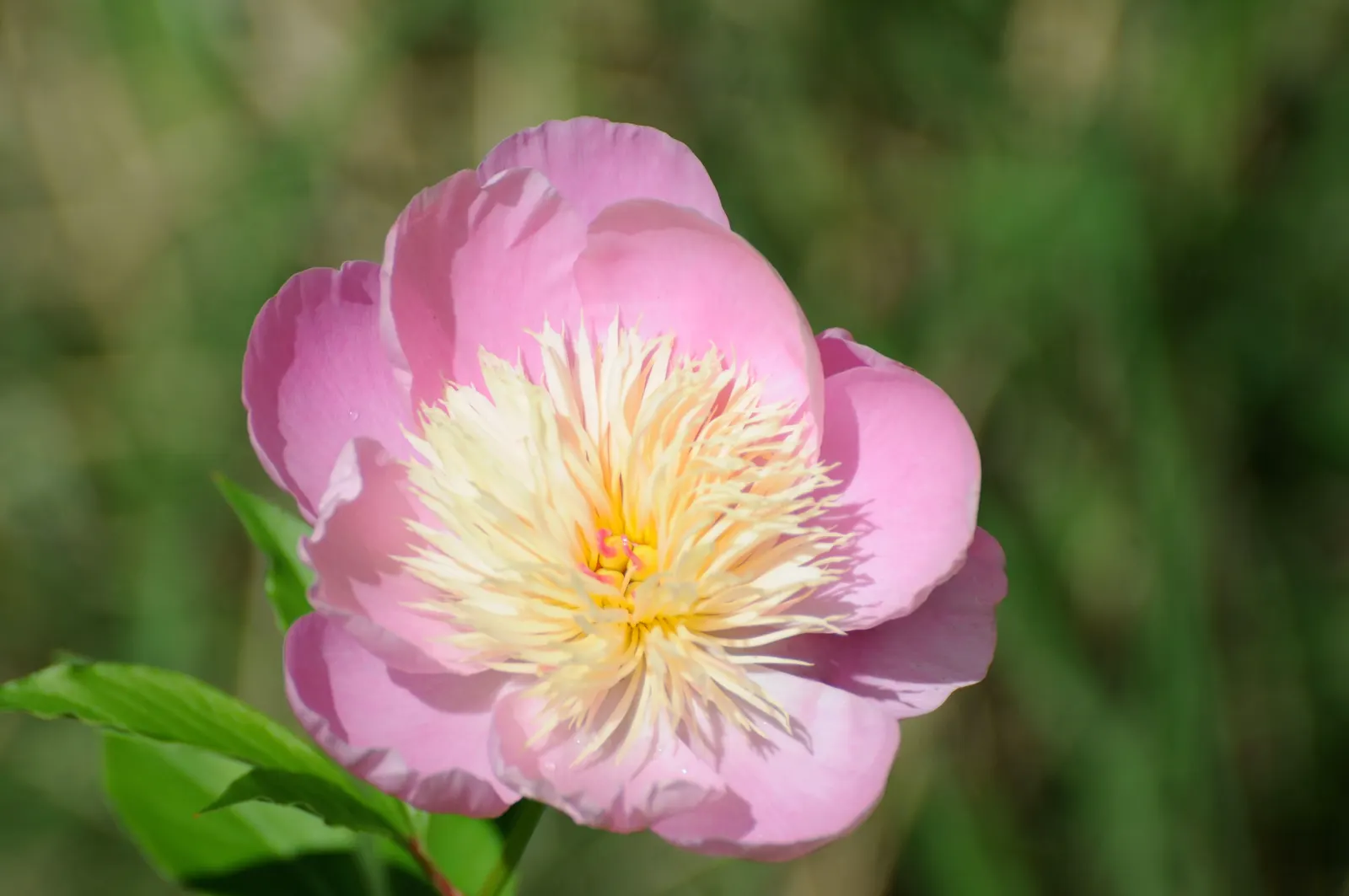
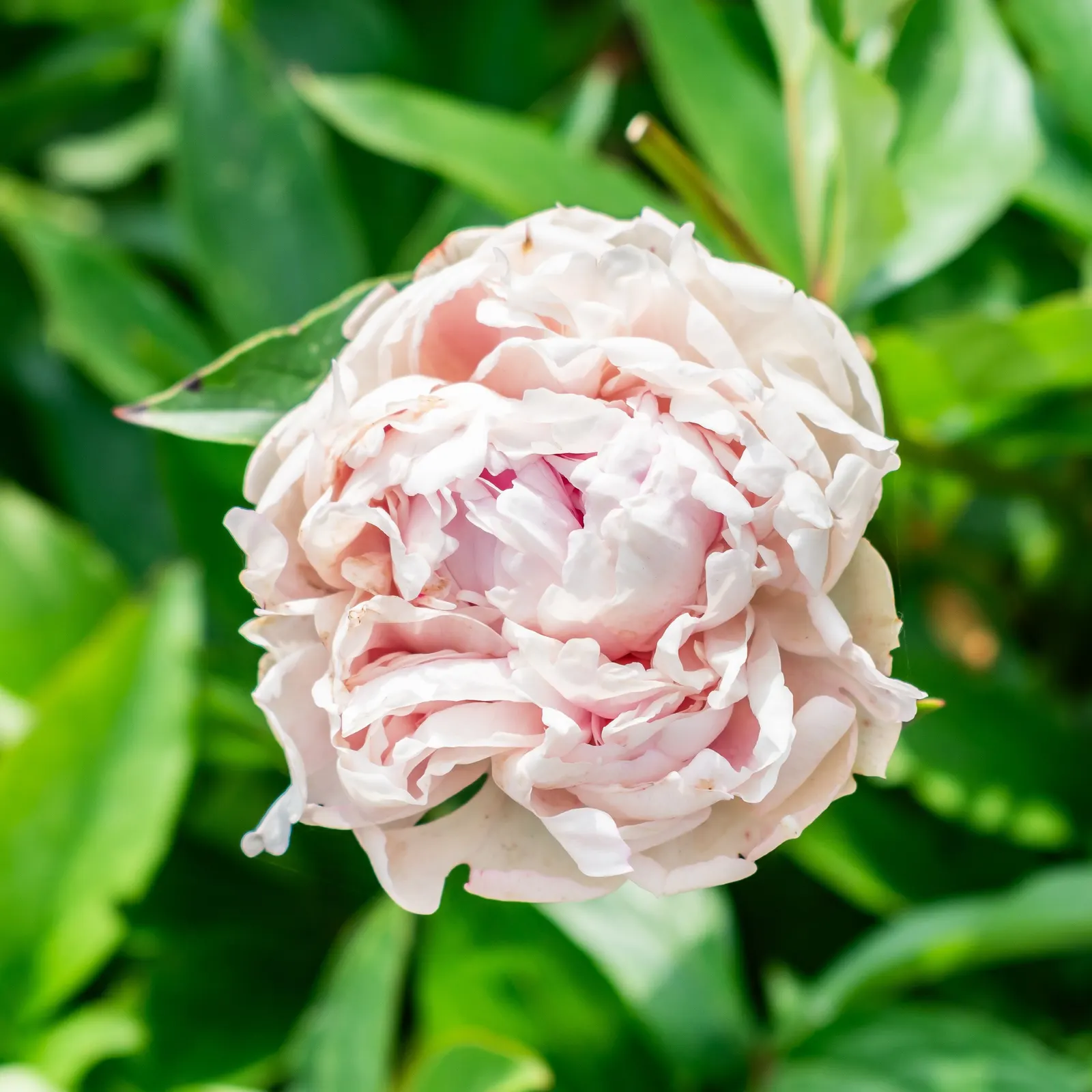
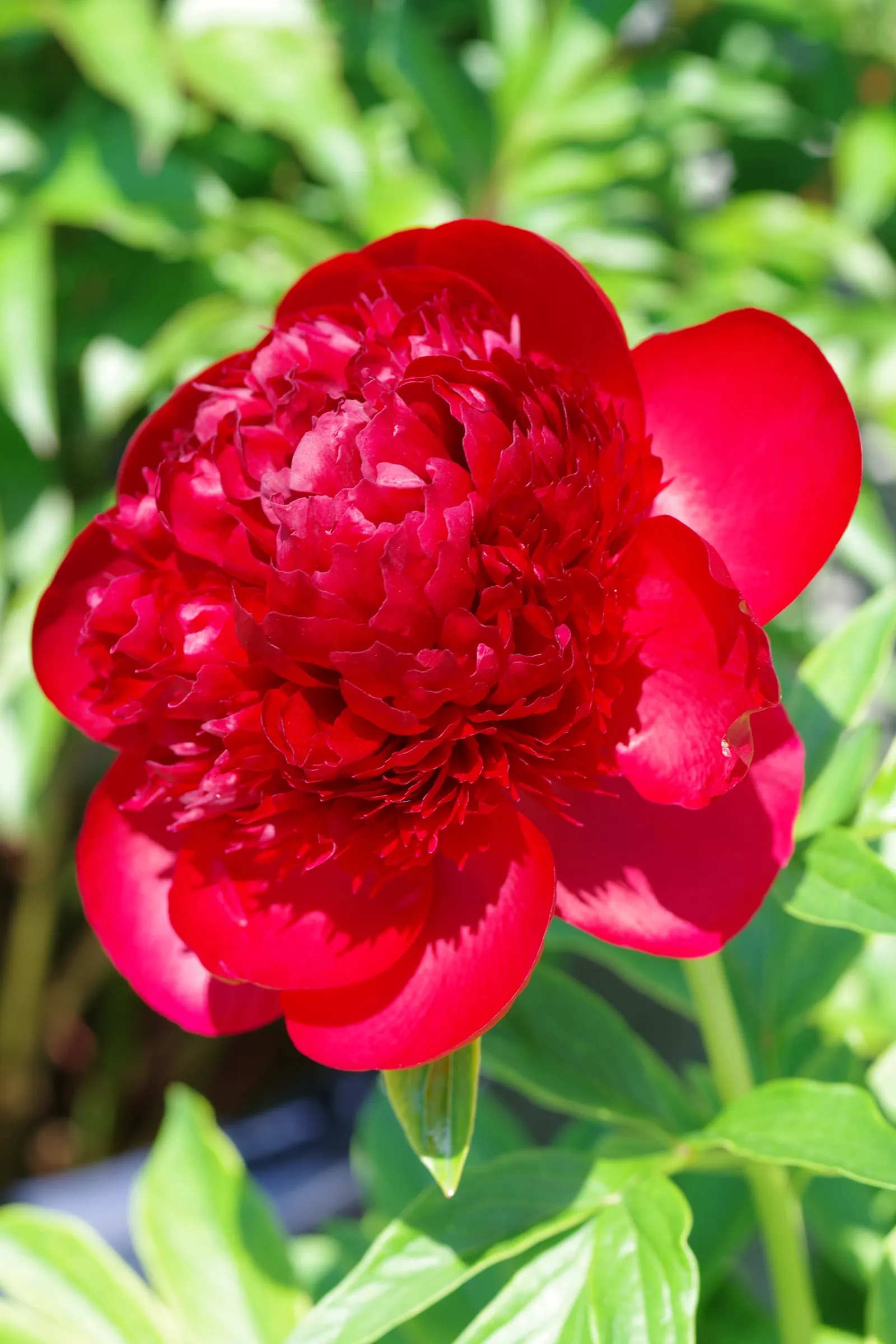
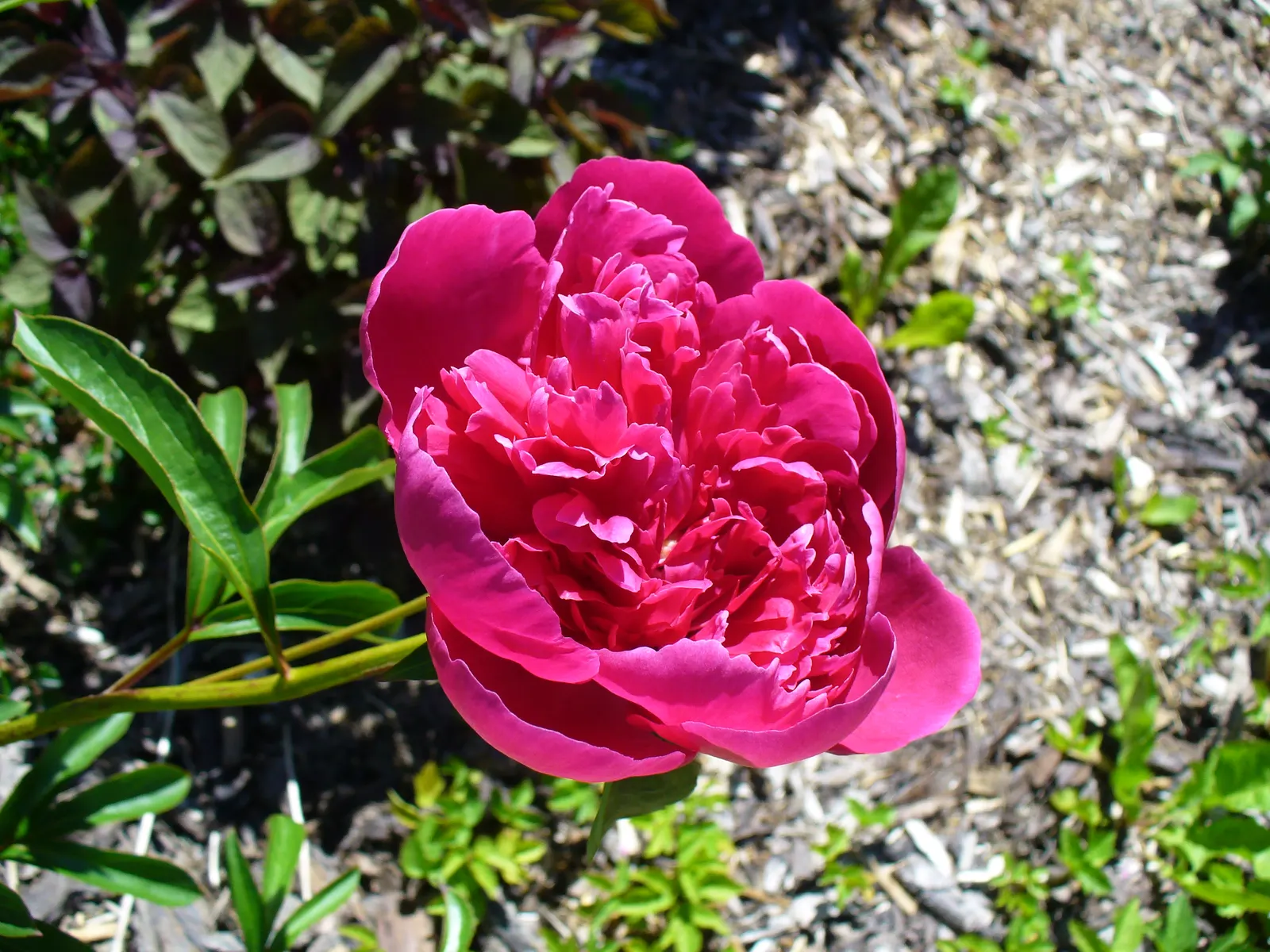
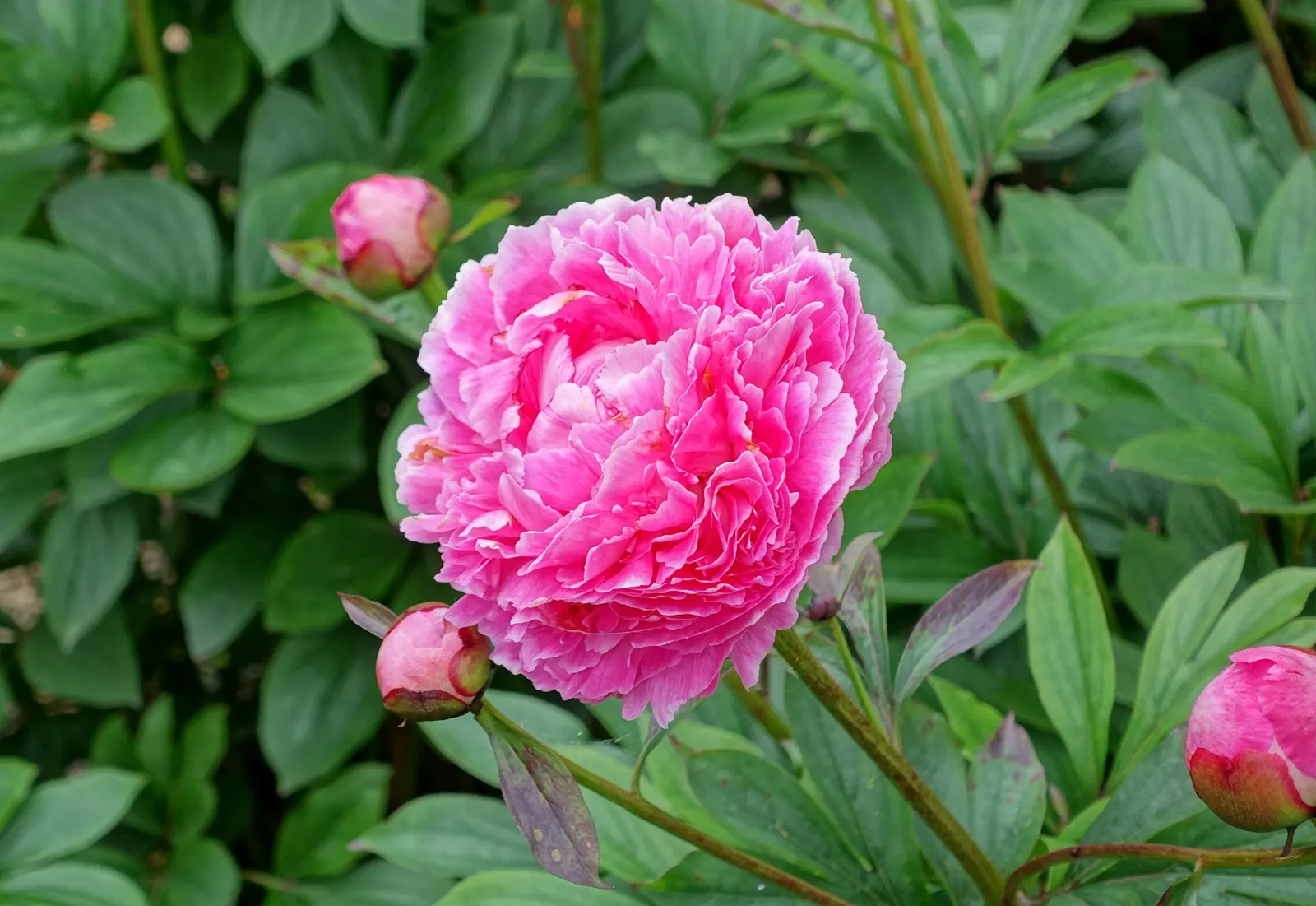
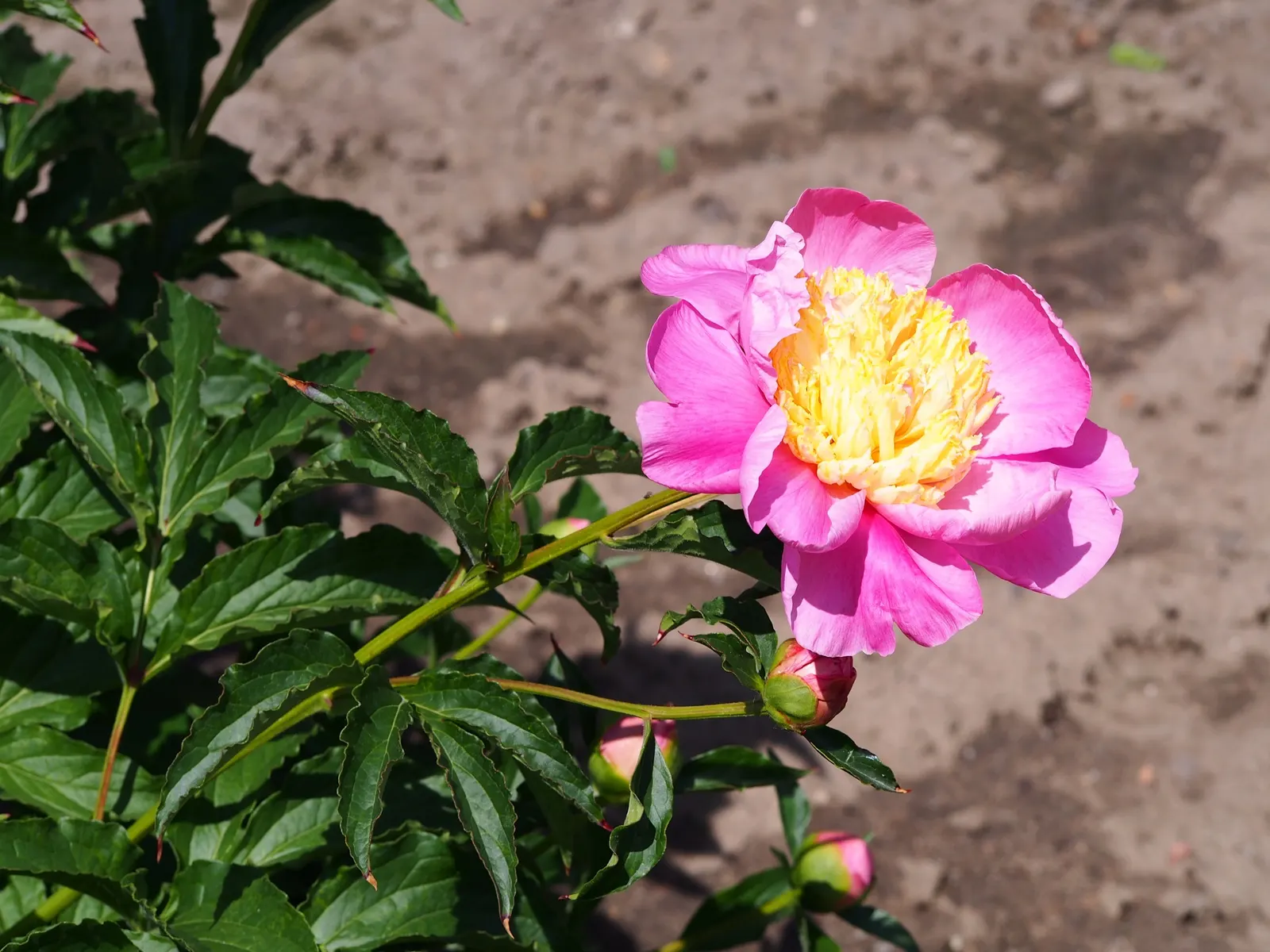
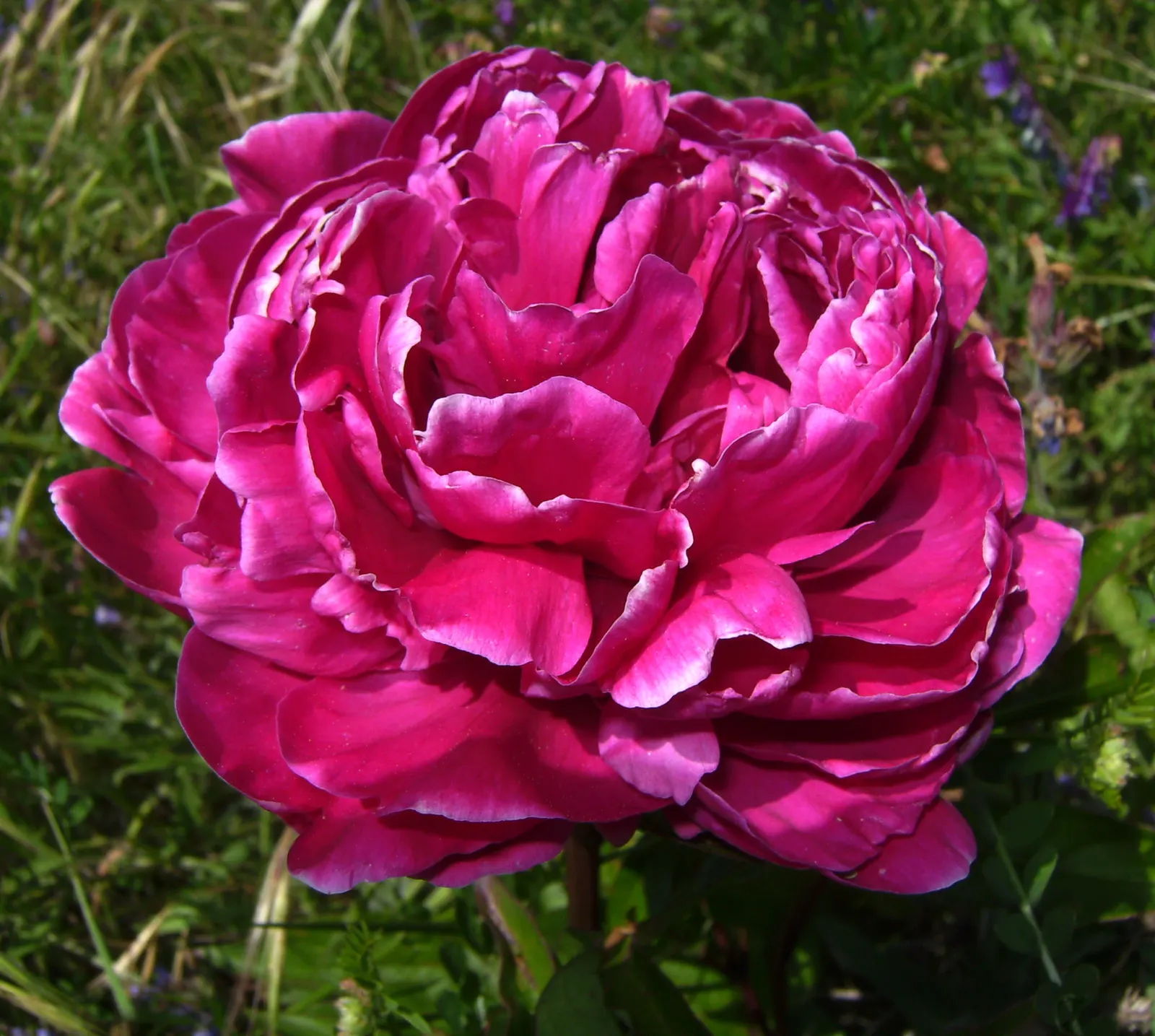
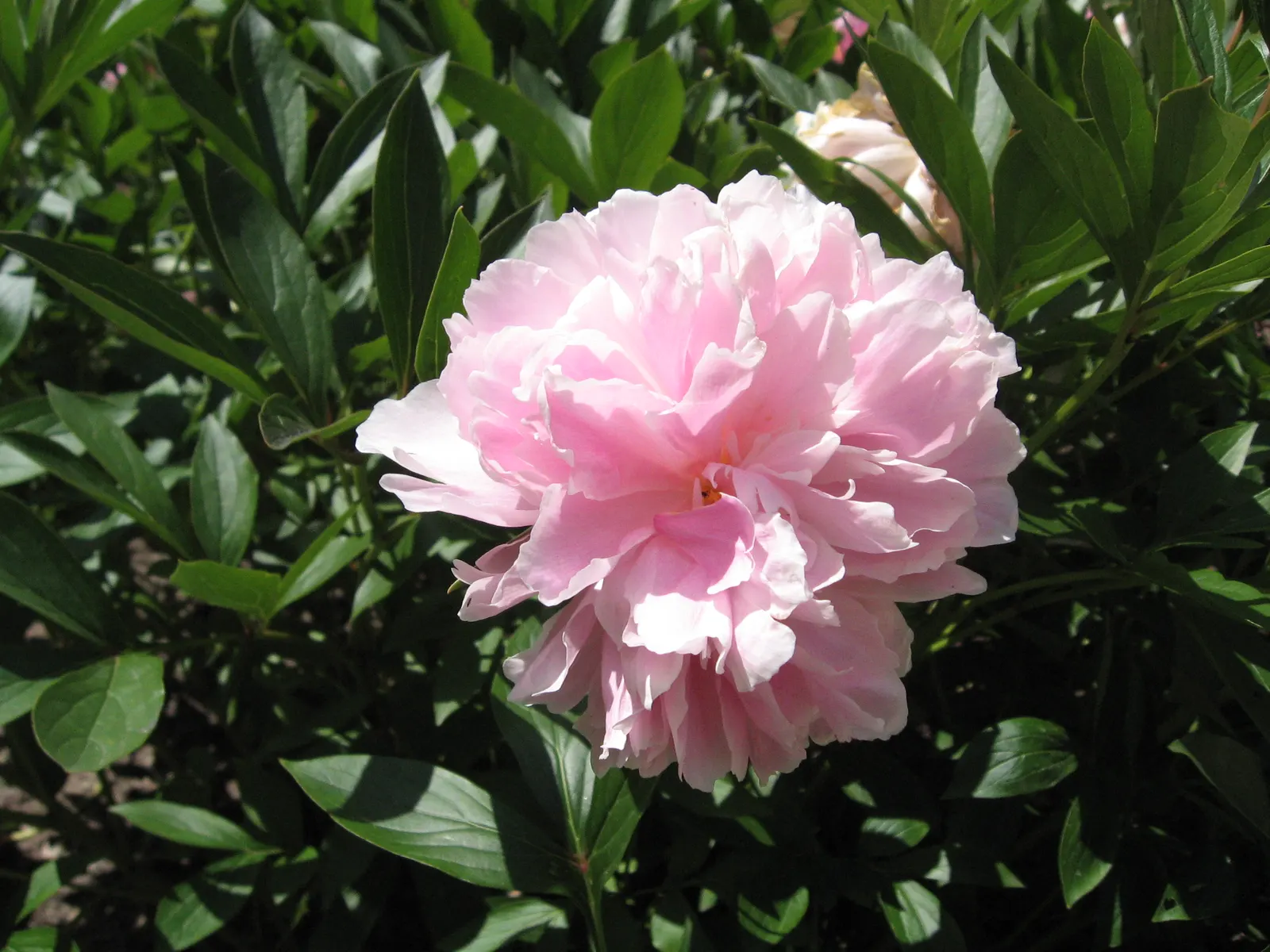
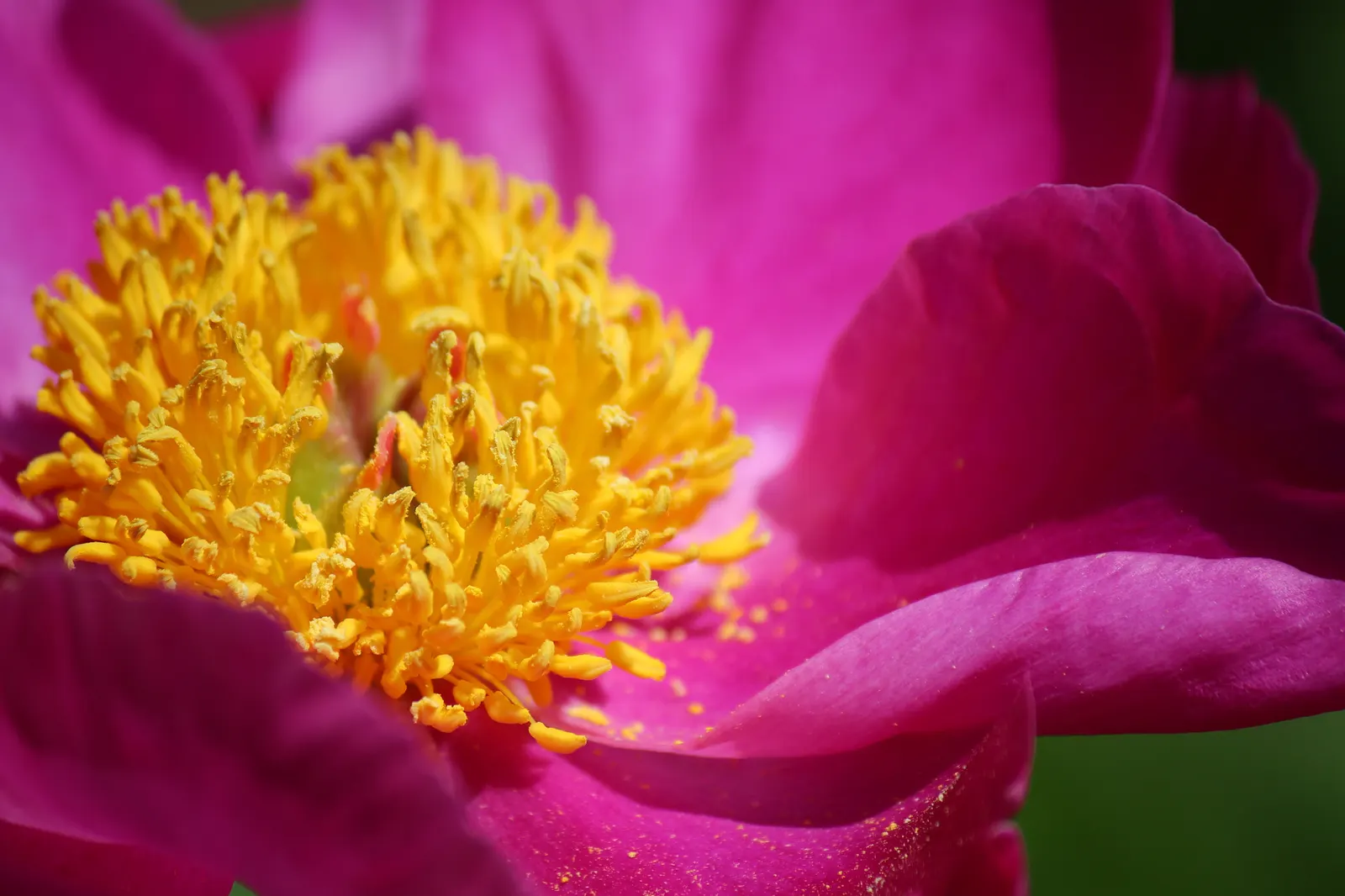
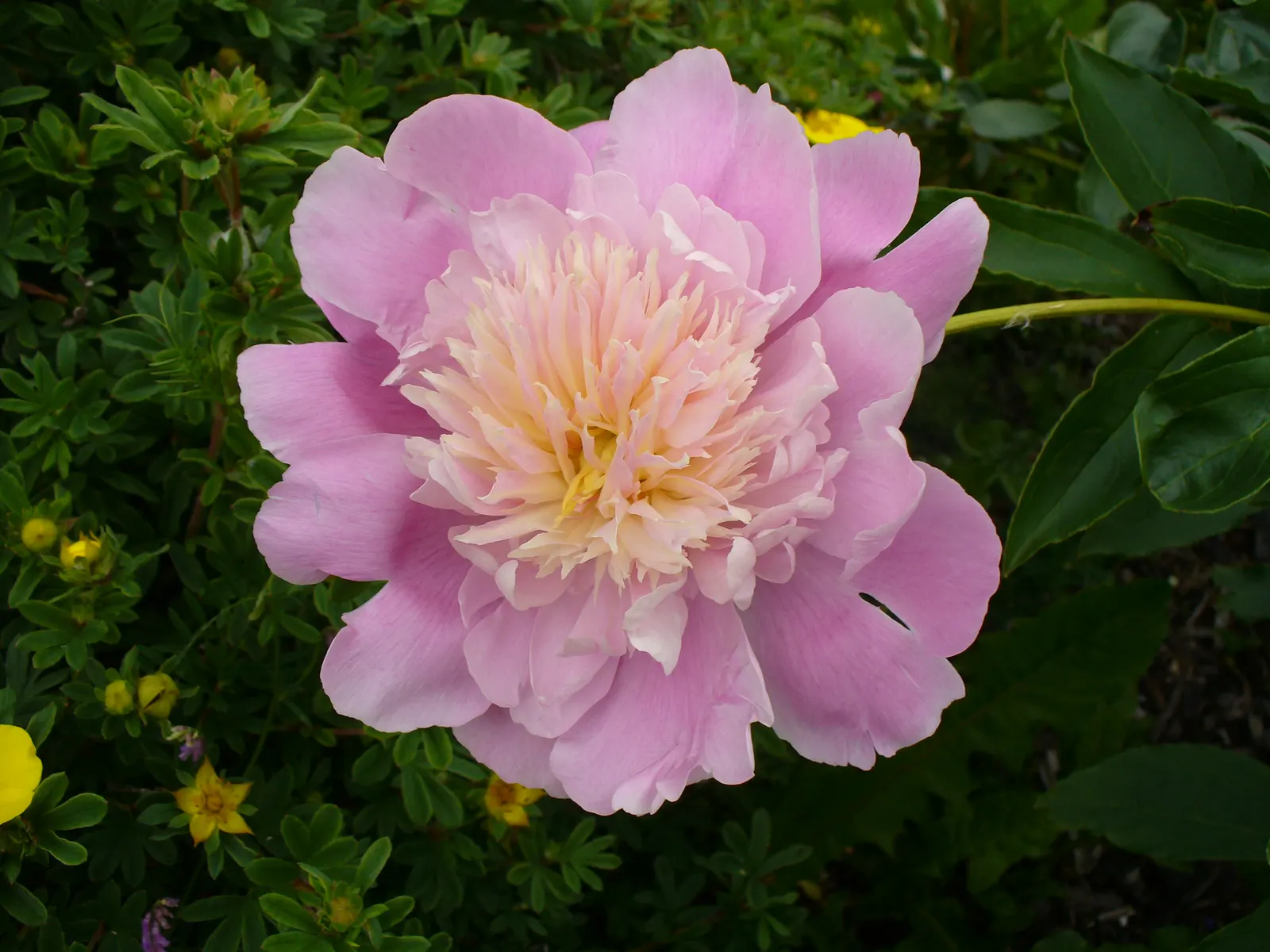
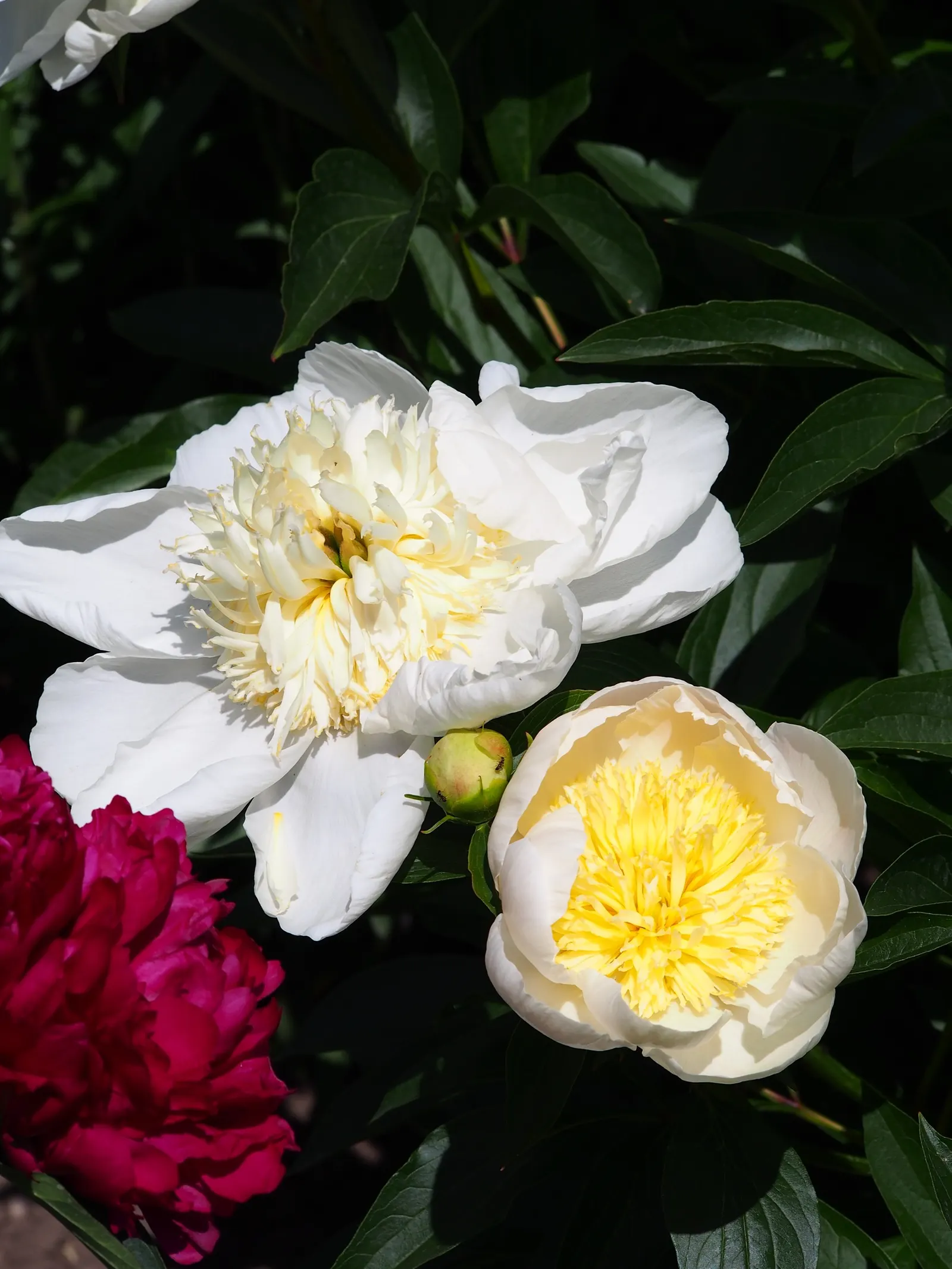
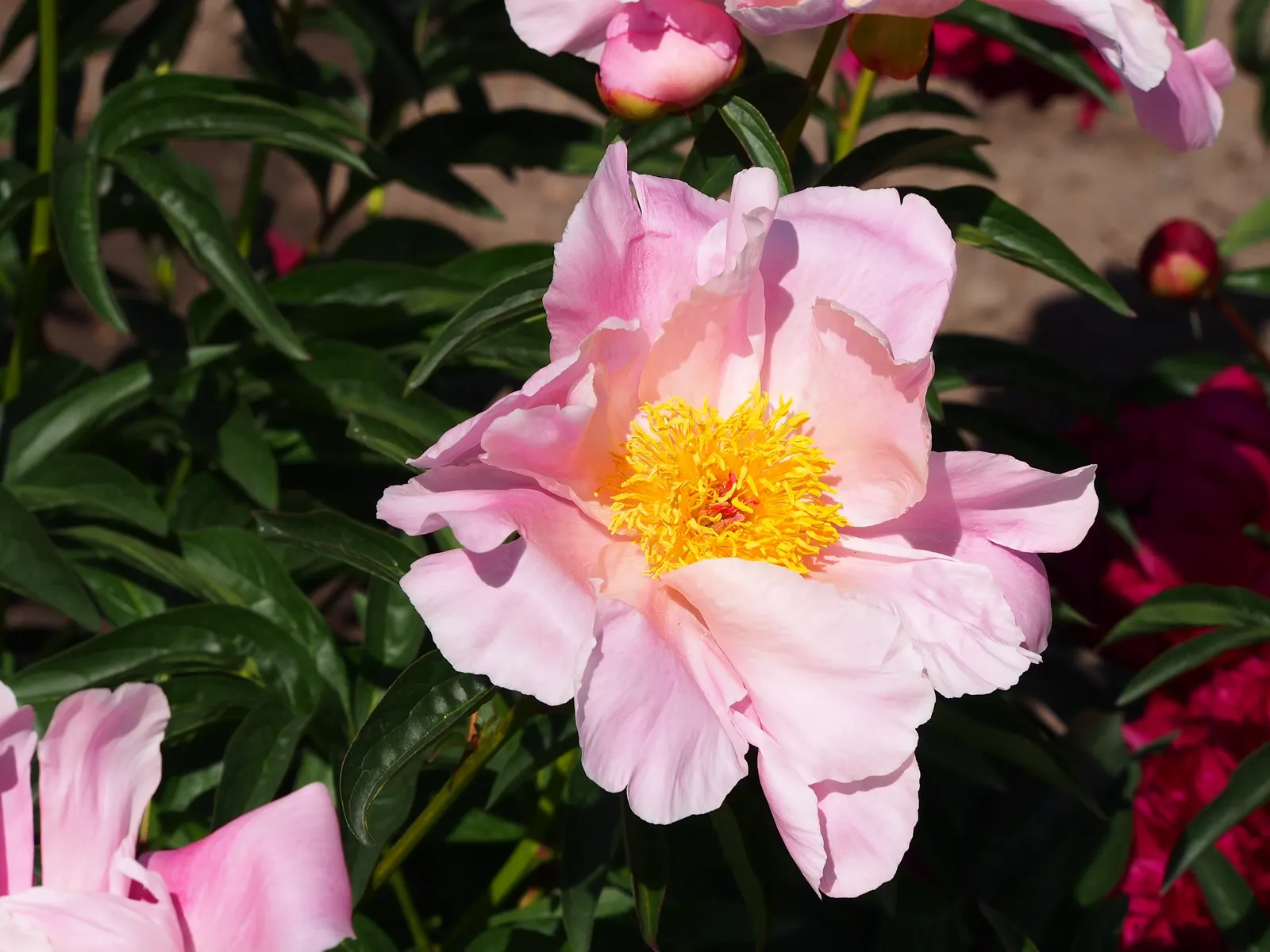
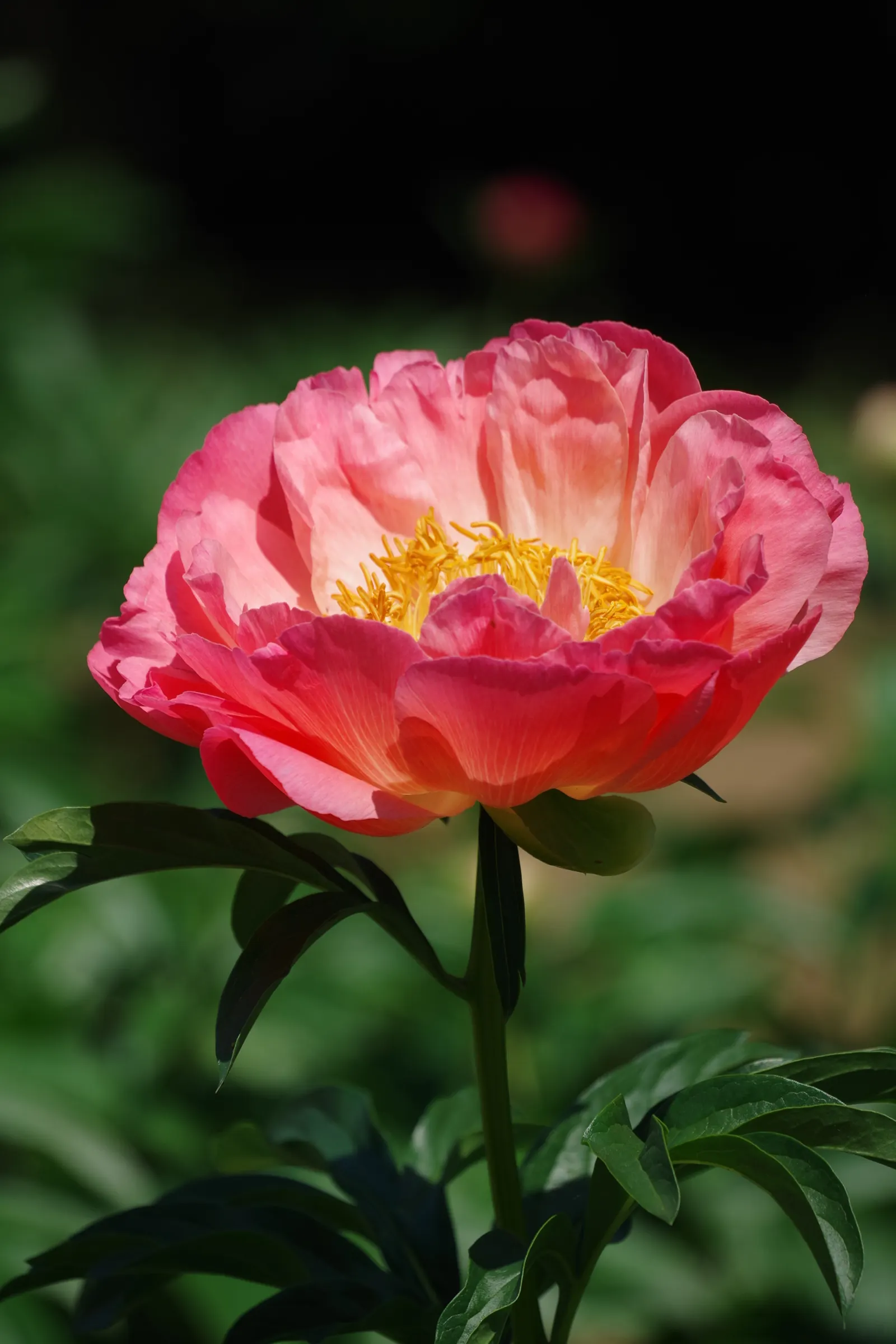
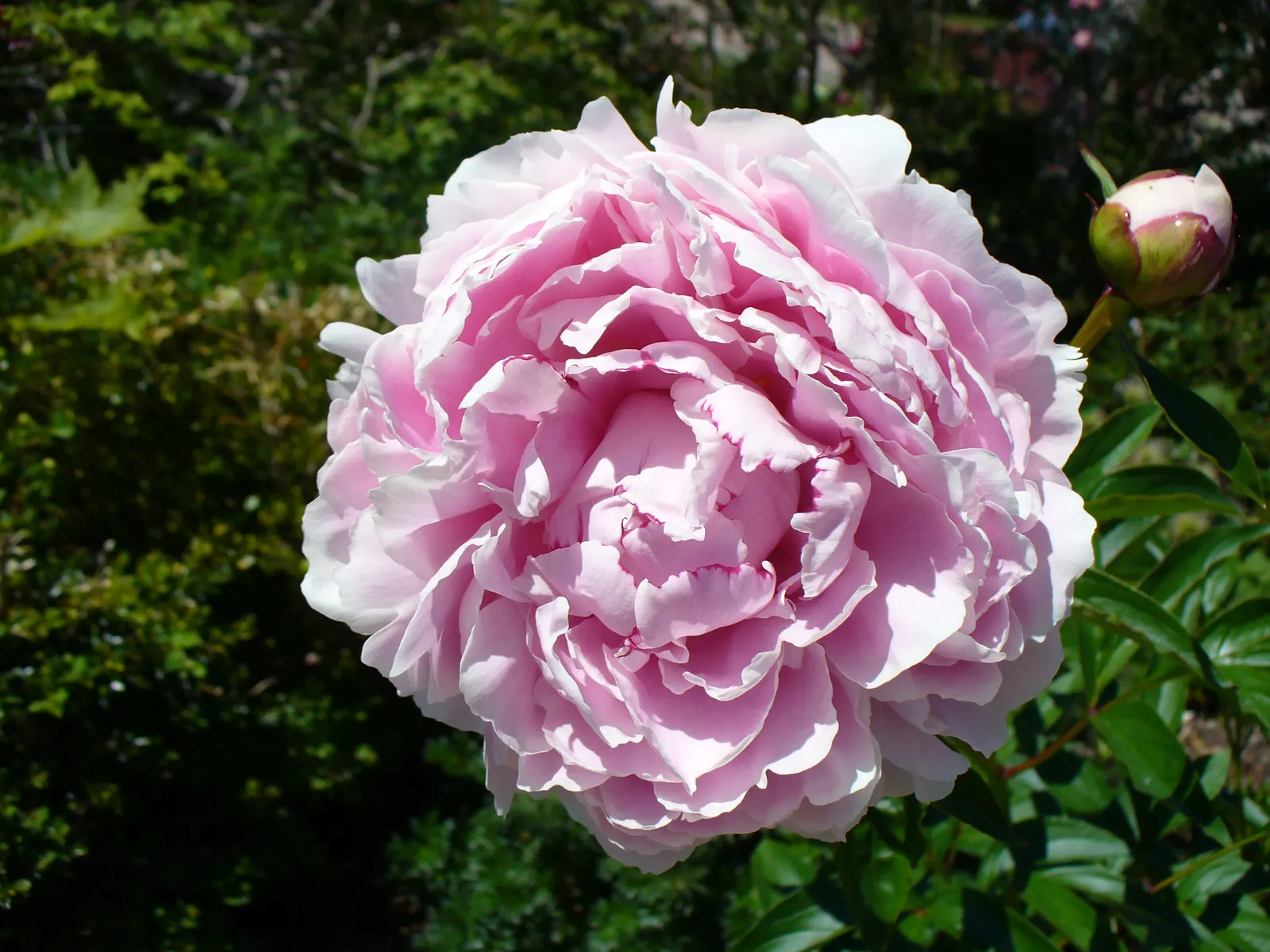
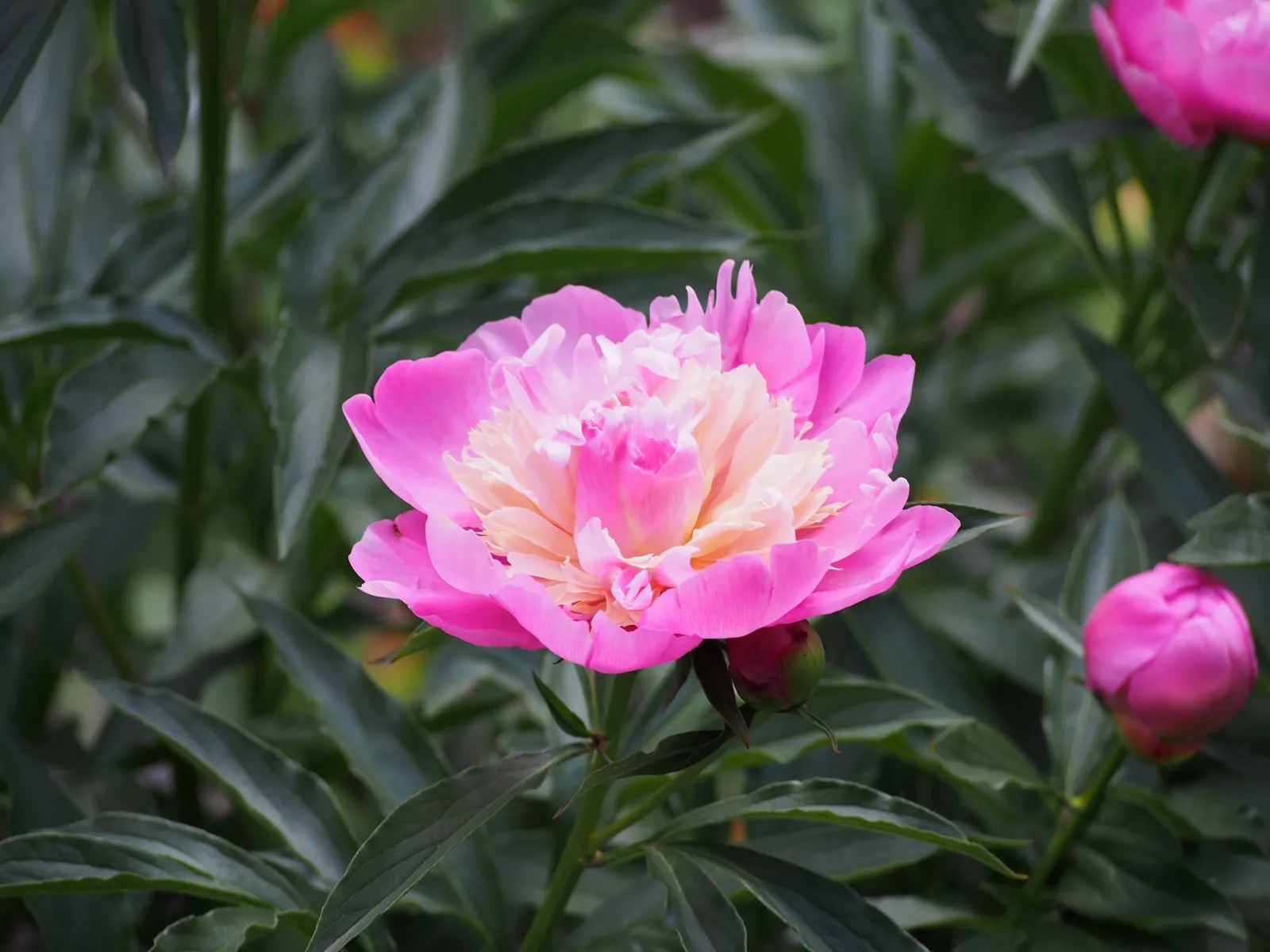
Chinese Peony (Paeonia Lactiflora) — pink and red and white flowers in the garden

Culture

Sun
Full, Half, Shade
Water
Extra in Summer, High
USDA zones
3–10

Shape & size

Classification

Type
Perennial
Family
Ranunculaceae

See full data, regional cultivation notes, and design tools. Build a client presentation around this plant.

Start your 14-day trial

Photos (120)

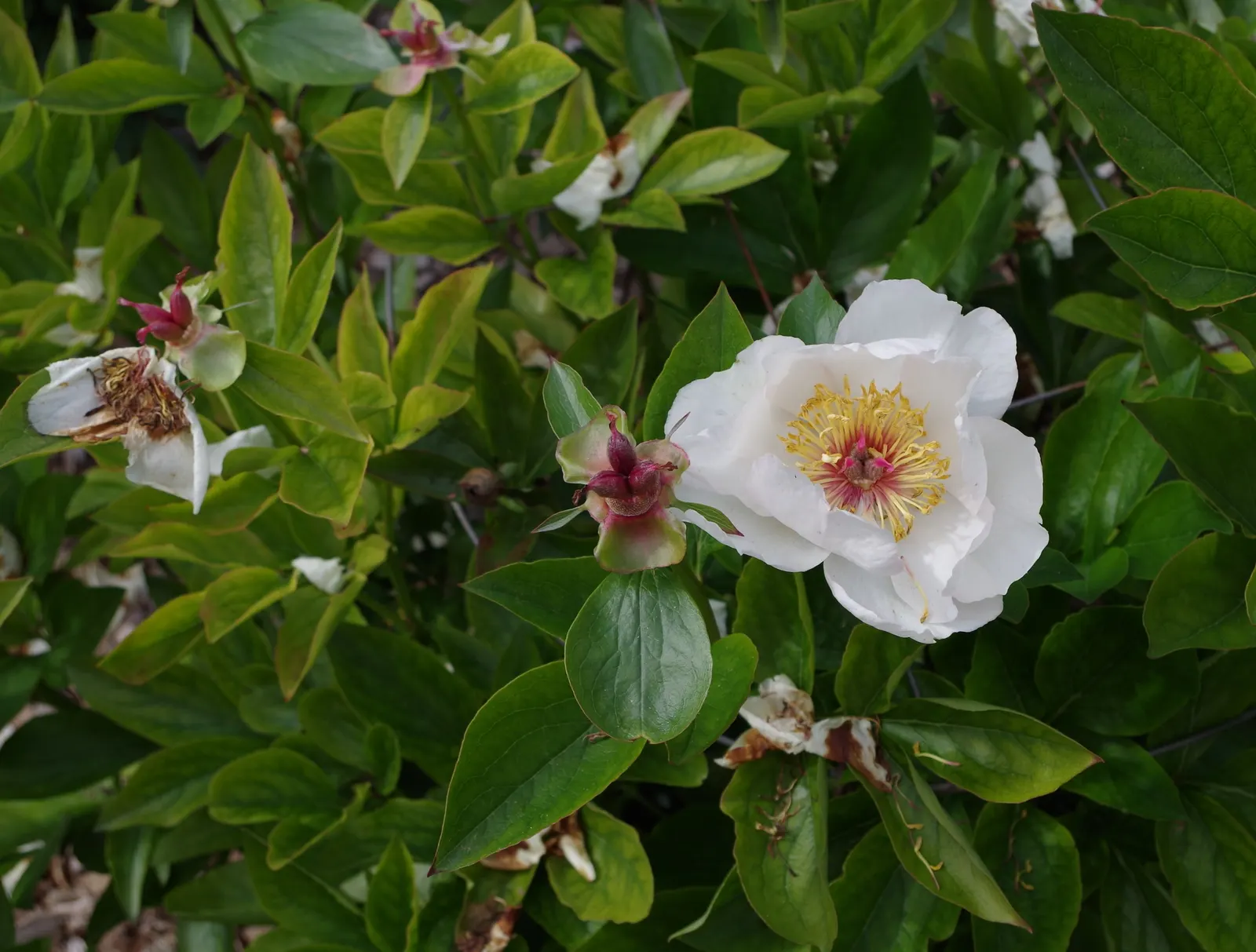
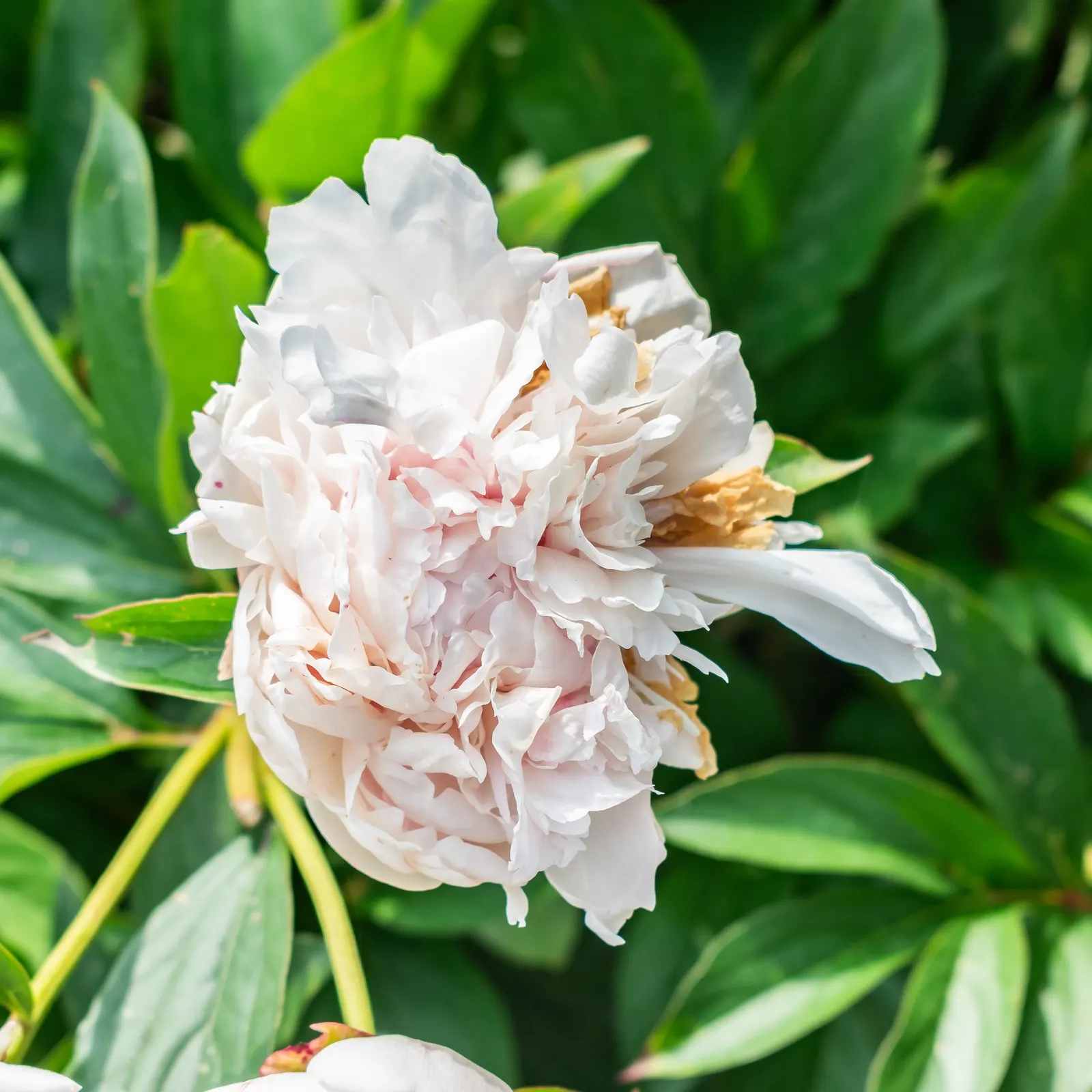
Chinese Peony (Paeonia Lactiflora) — fragrant flowers in shades from white to deep pink; blooms appear in late spring, offering a spectacular, image 88
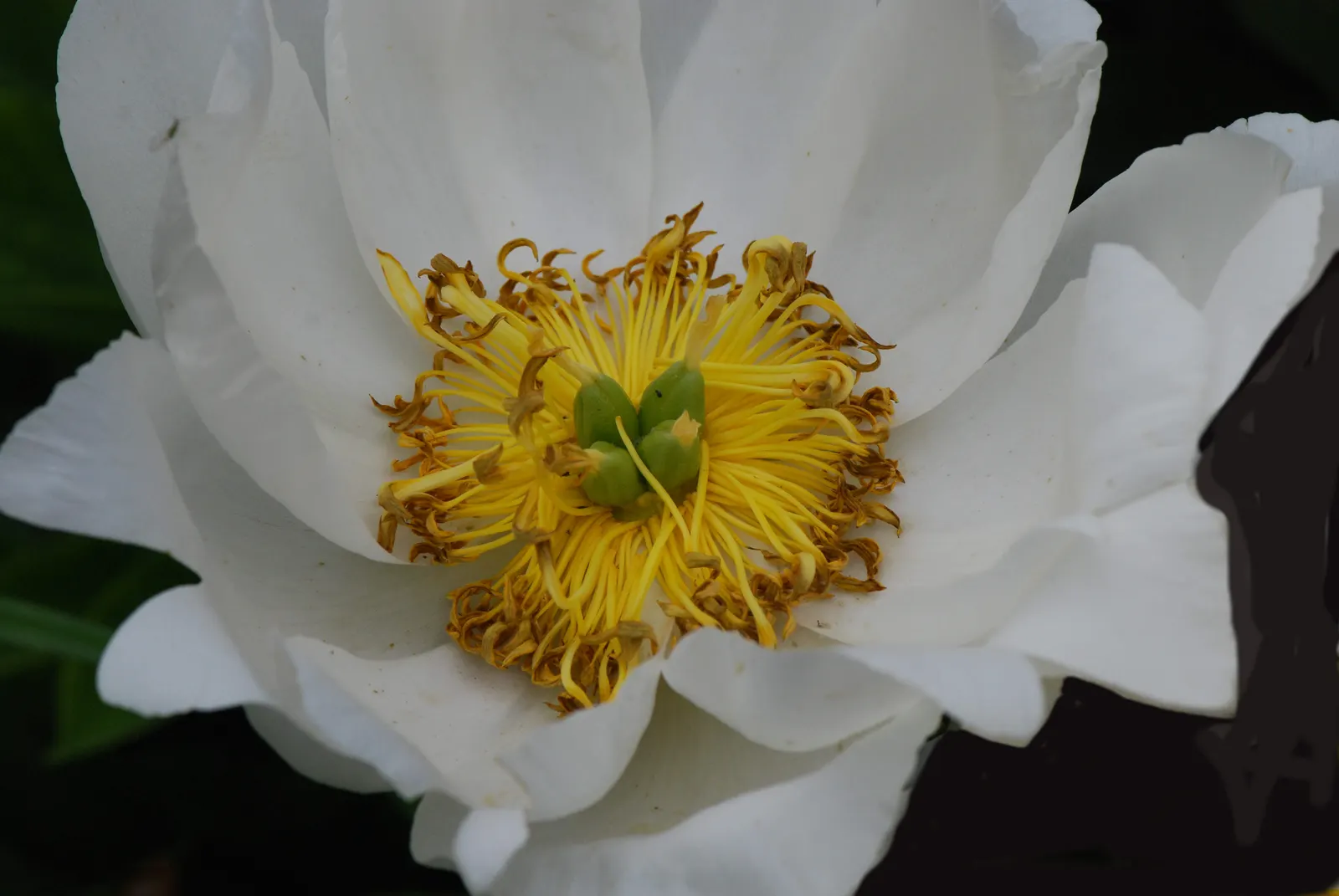
Chinese Peony (Paeonia Lactiflora) — recognized for their alluring scent
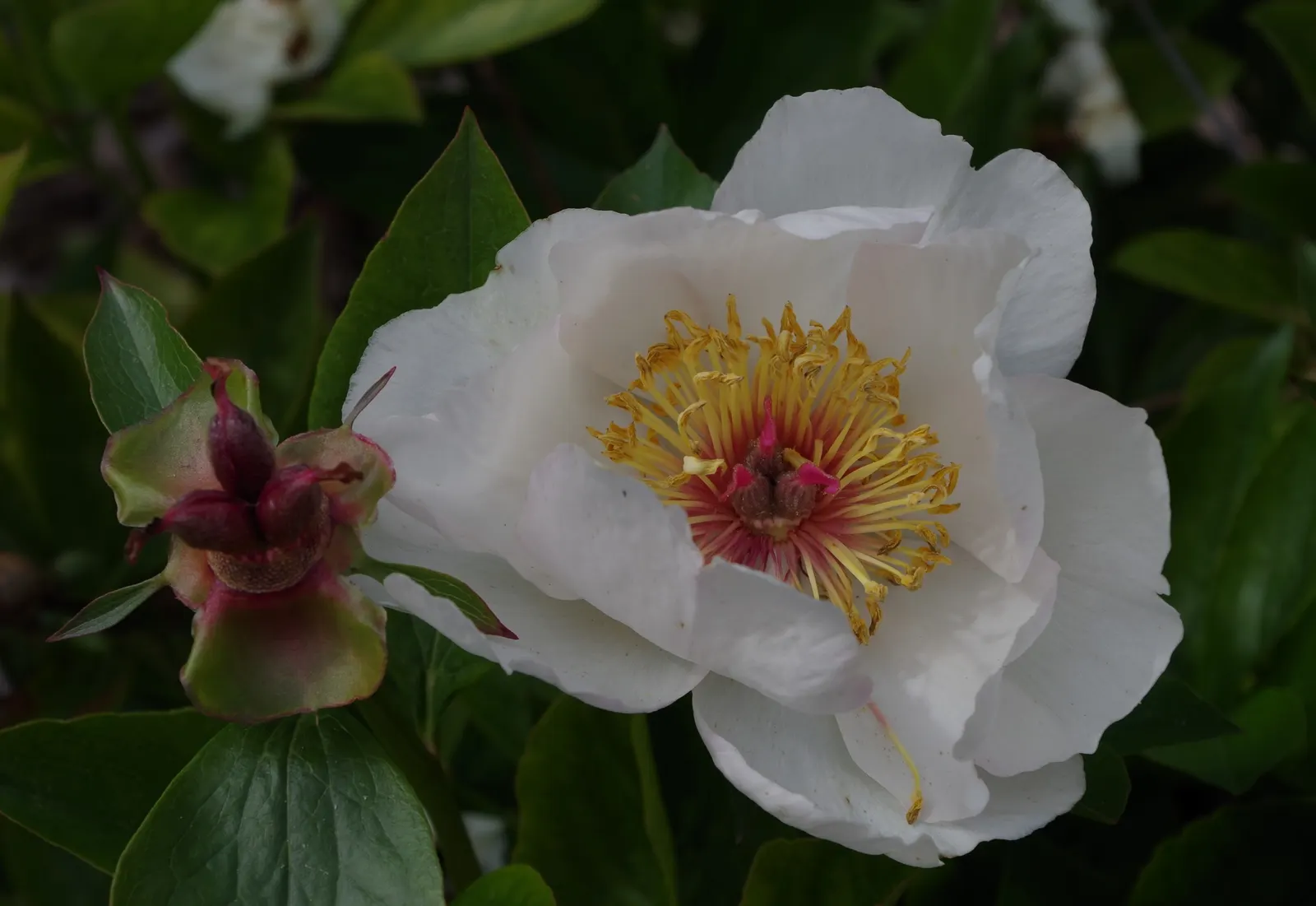
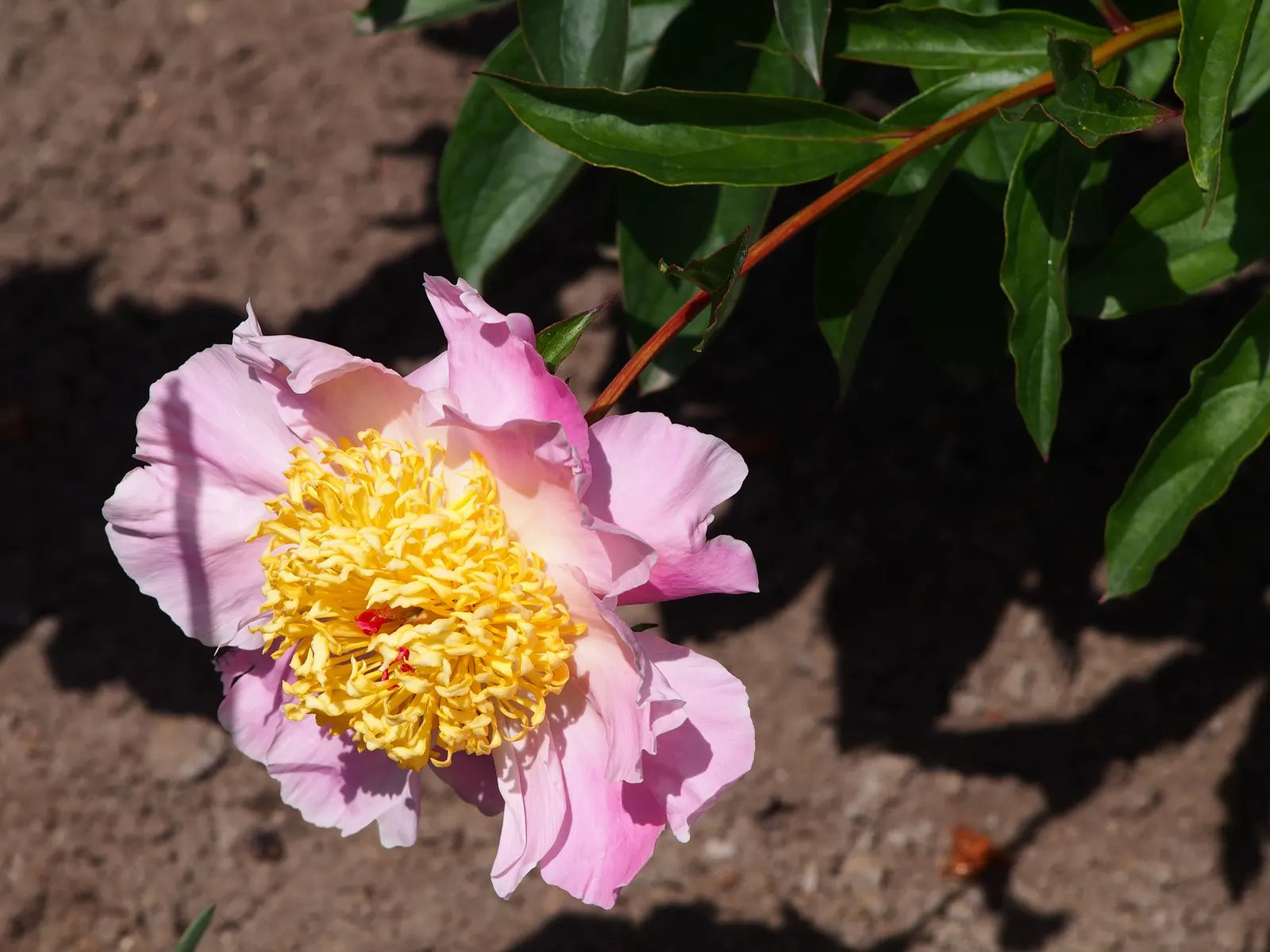
Chinese Peony (Paeonia Lactiflora) — Preferring full sun to partial shade, it flourishes in well-drained soil
Chinese Peony (Paeonia Lactiflora) — floriferous blooms that serve as a stunning centerpiece for any garden; little pruning is needed, just the, image 95
Chinese Peony (Paeonia Lactiflora) — floriferous blooms that serve as a stunning centerpiece for any garden; little pruning is needed, just the, image 66
Chinese Peony (Paeonia Lactiflora) — It's vital to ensure adequate spacing between plants for air circulation, which helps prevent disease; peonies, image 78
Chinese Peony (Paeonia Lactiflora) — The lush foliage provides a backdrop for summer plants after flowering; preferring full sun to partial shade, image 92
Chinese Peony (Paeonia Lactiflora) — Thriving in zones 3-8, it reaches 2-3 feet in height and spread; consider that an individual plant can reach a mature size
Chinese Peony (Paeonia Lactiflora) — floriferous blooms that serve as a stunning centerpiece for any garden; little pruning is needed, just the removal of
Chinese Peony (Paeonia Lactiflora) — Early to mid-spring is when these impressive blooms typically make their first appearance; suitable for USDA, image 103
Chinese Peony (Paeonia Lactiflora) — is a perennial plant renowned for its lush
Chinese Peony (Paeonia Lactiflora) — The lush foliage provides a backdrop for summer plants after flowering; preferring full sun to partial shade, image 63
Chinese Peony (Paeonia Lactiflora) — Thriving in zones 3-8, it reaches 2-3 feet in height and spread
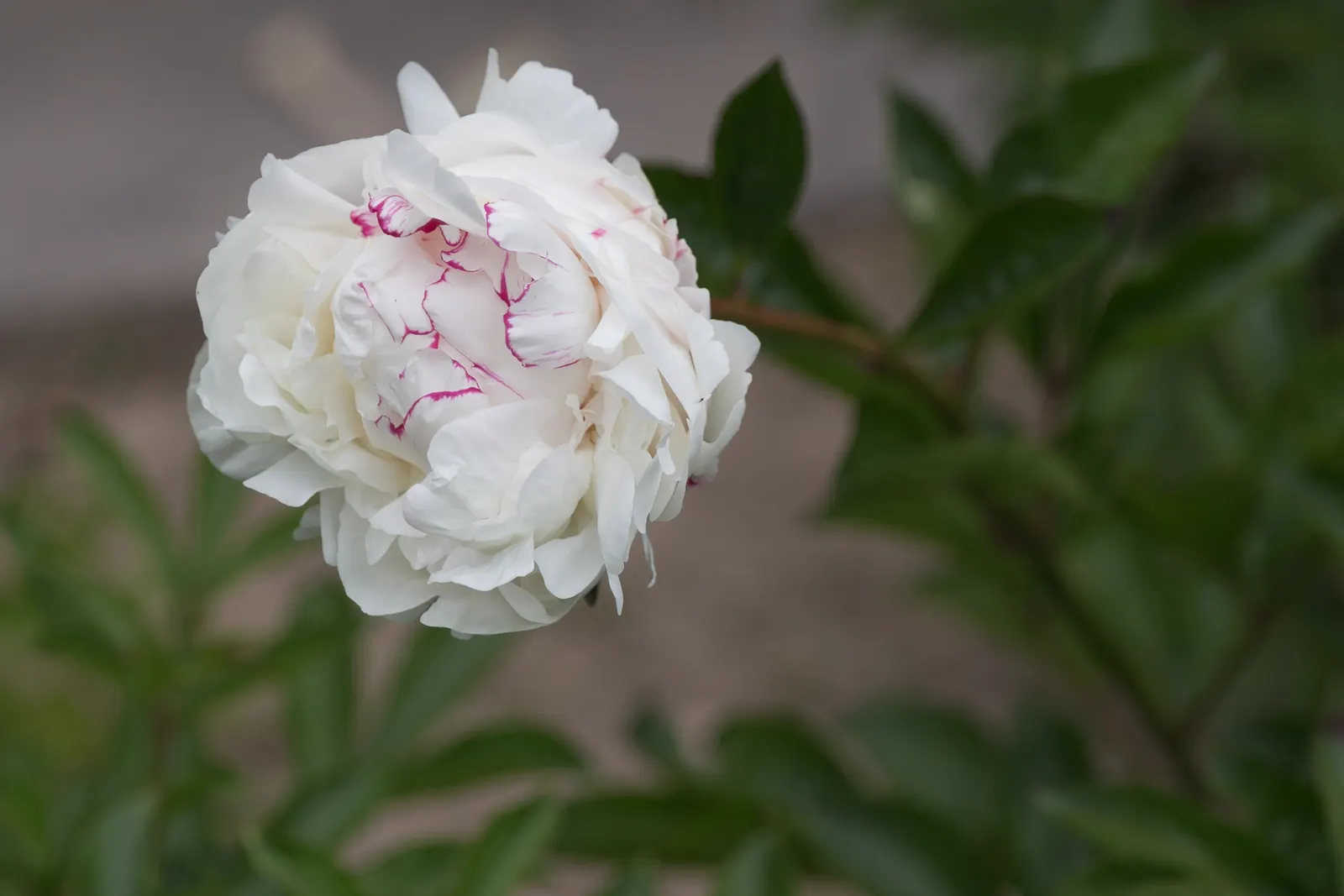
Chinese Peony (Paeonia Lactiflora) — and some cultivars feature enchanting multicolored petals
Chinese Peony (Paeonia Lactiflora) — attract pollinators to the landscape
Chinese Peony (Paeonia Lactiflora) — and some cultivars feature enchanting multicolored petals, image 102
Chinese Peony (Paeonia Lactiflora) — Deer resistant and low maintenance; when designing landscapes, image 64
Chinese Peony (Paeonia Lactiflora) — perennial with pink and red and white blooms
Chinese Peony (Paeonia Lactiflora) — gracing gardens with their presence in May or early June; perennial for full or half or shade, image 104
Chinese Peony (Paeonia Lactiflora) — When designing landscapes; this species boasts a rich horticultural history and is celebrated for its beauty, image 68
Chinese Peony (Paeonia Lactiflora) — exhibit a variety of hues including whites; floriferous blooms that serve as a stunning centerpiece for any, image 72
Chinese Peony (Paeonia Lactiflora) — thus it requires ample space to thrive.<br><br>Blossoms; and require minimal winter insulation once established
Chinese Peony (Paeonia Lactiflora) — The foliage remains an attractive green throughout the growing season; pink and red and white flowers in the, image 83
Chinese Peony (Paeonia Lactiflora) — Early to mid-spring is when these impressive blooms typically make their first appearance; suitable for USDA, image 74
Photographs by 7 contributors

Related plants