Skip to content

Sweet Olive

Osmanthus Fragrans

Design with this plant

Overview

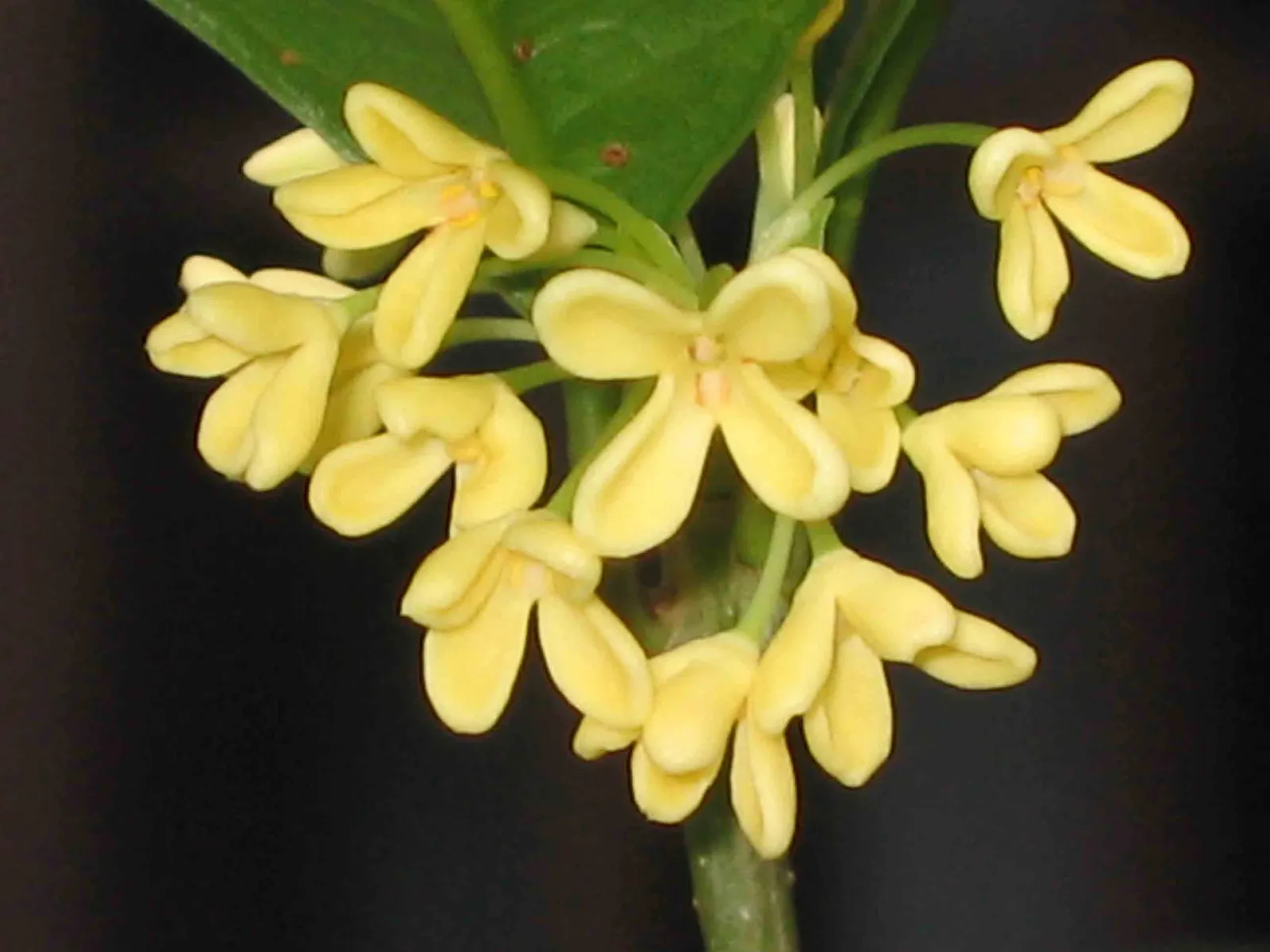
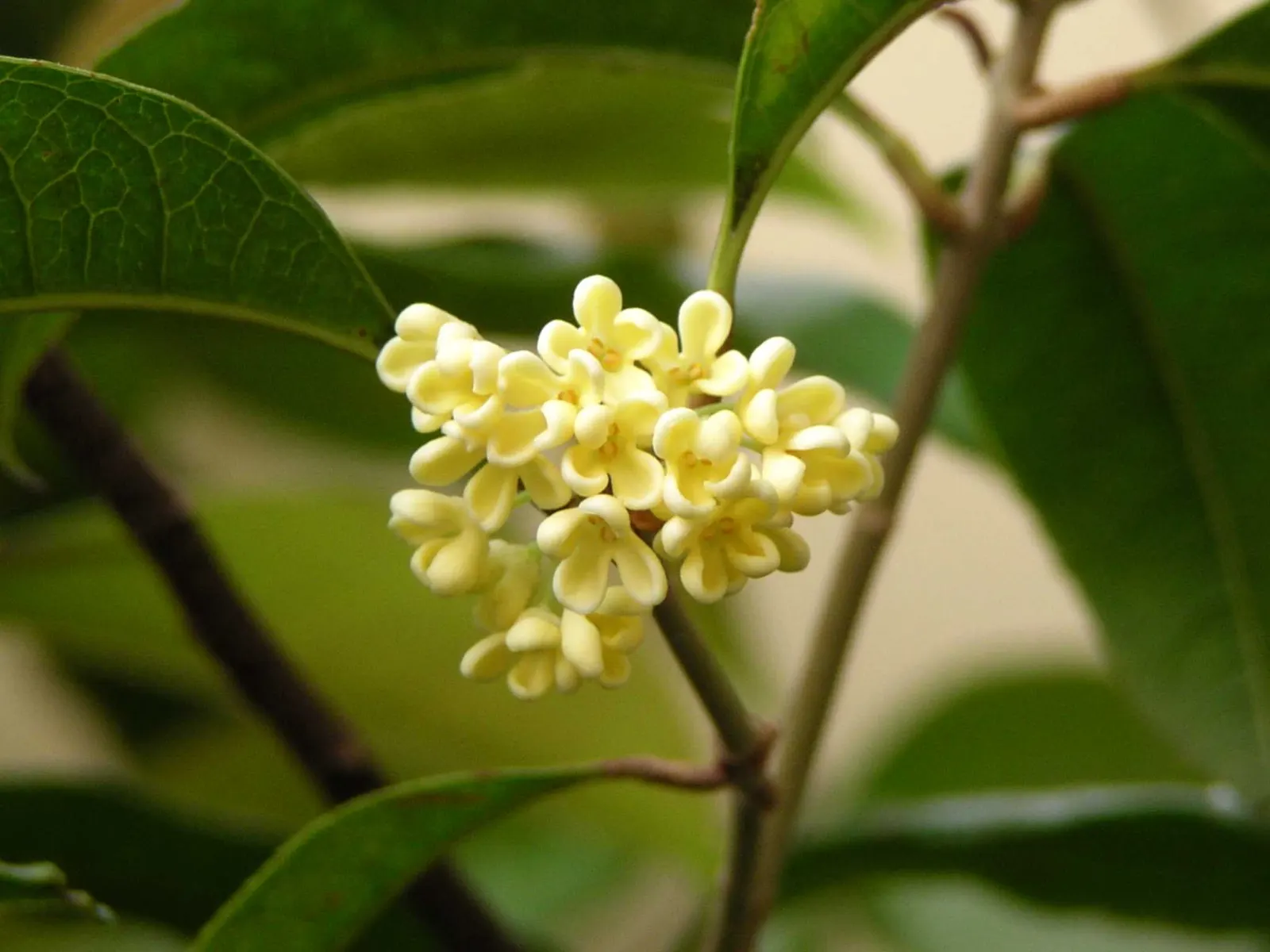
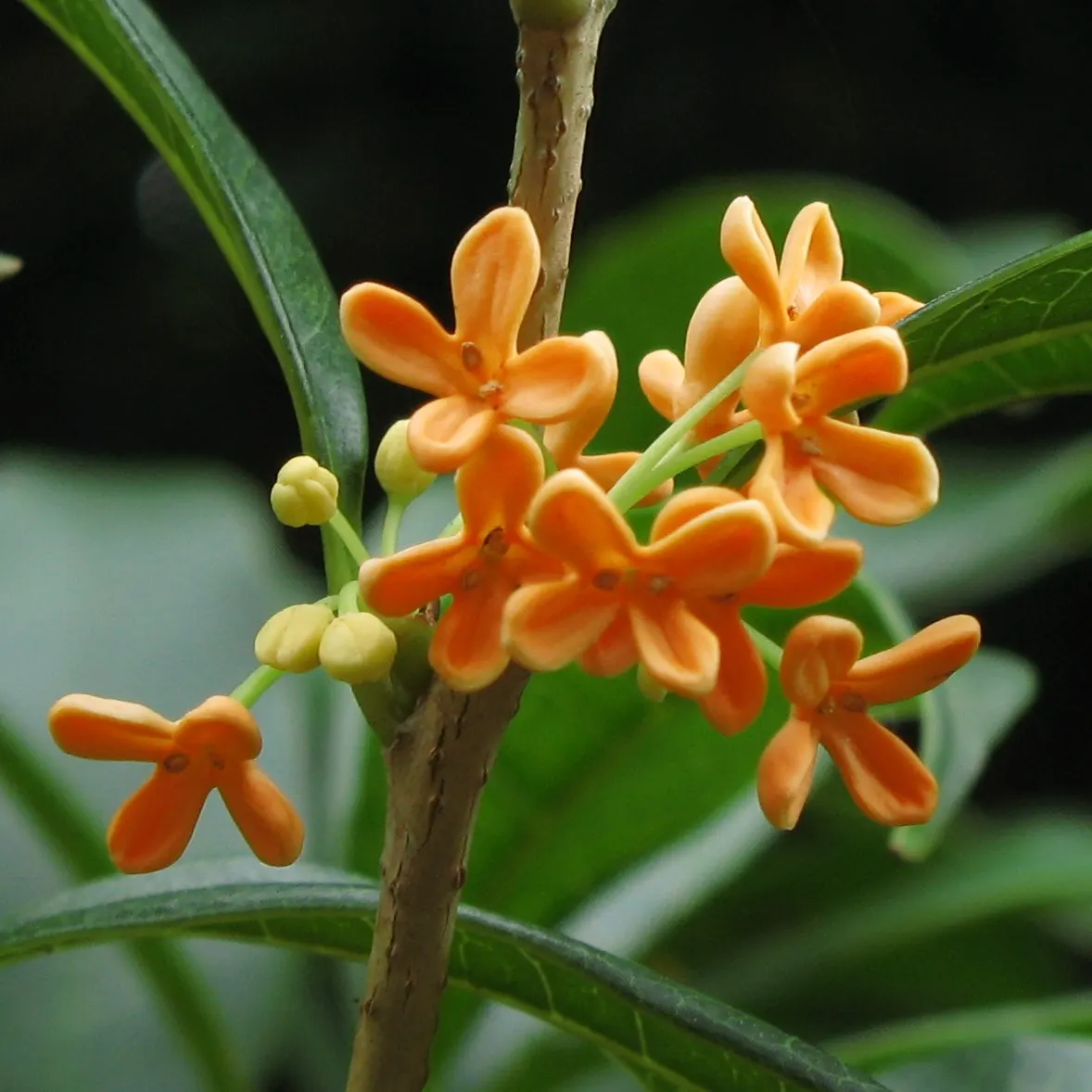
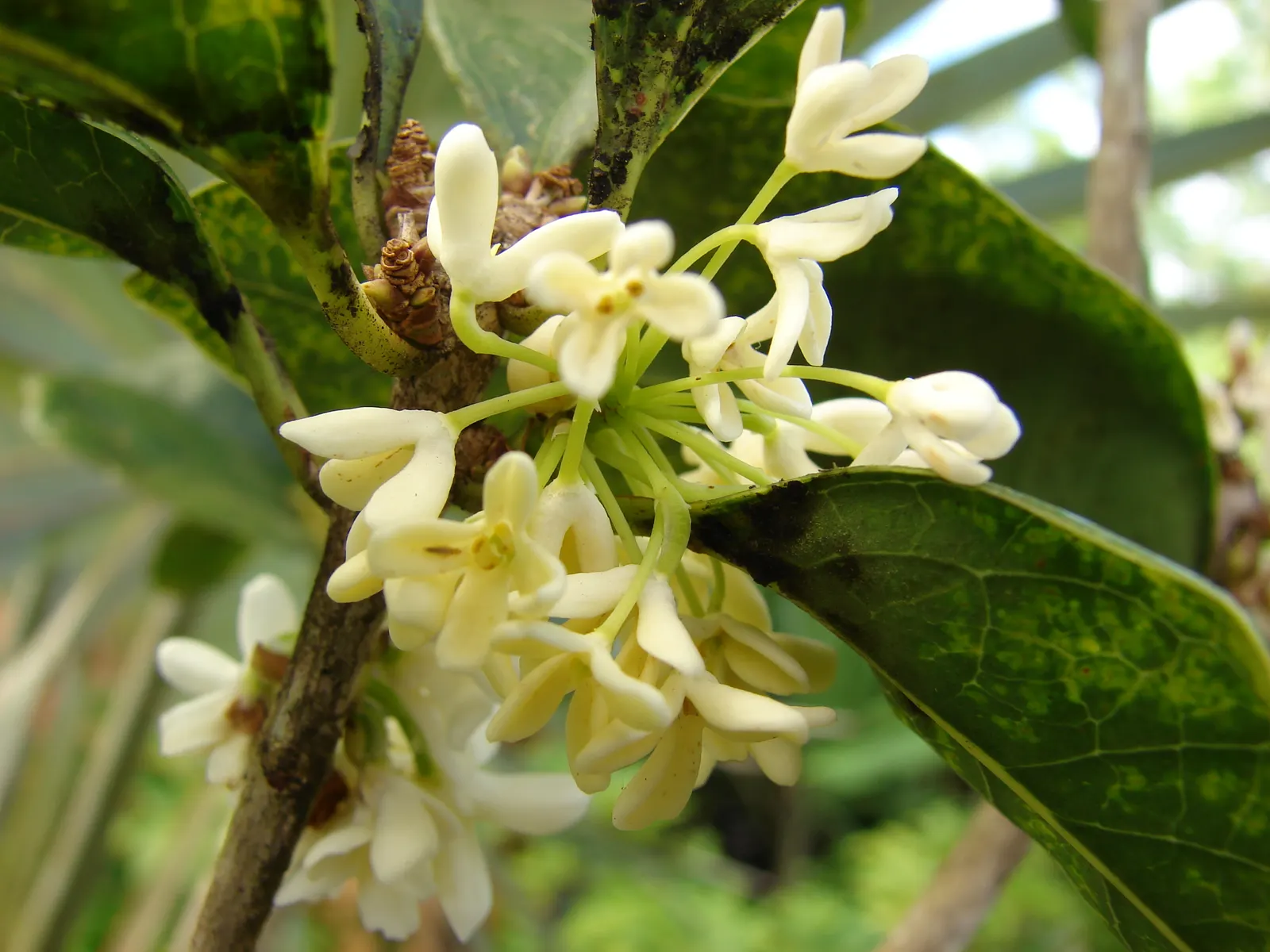
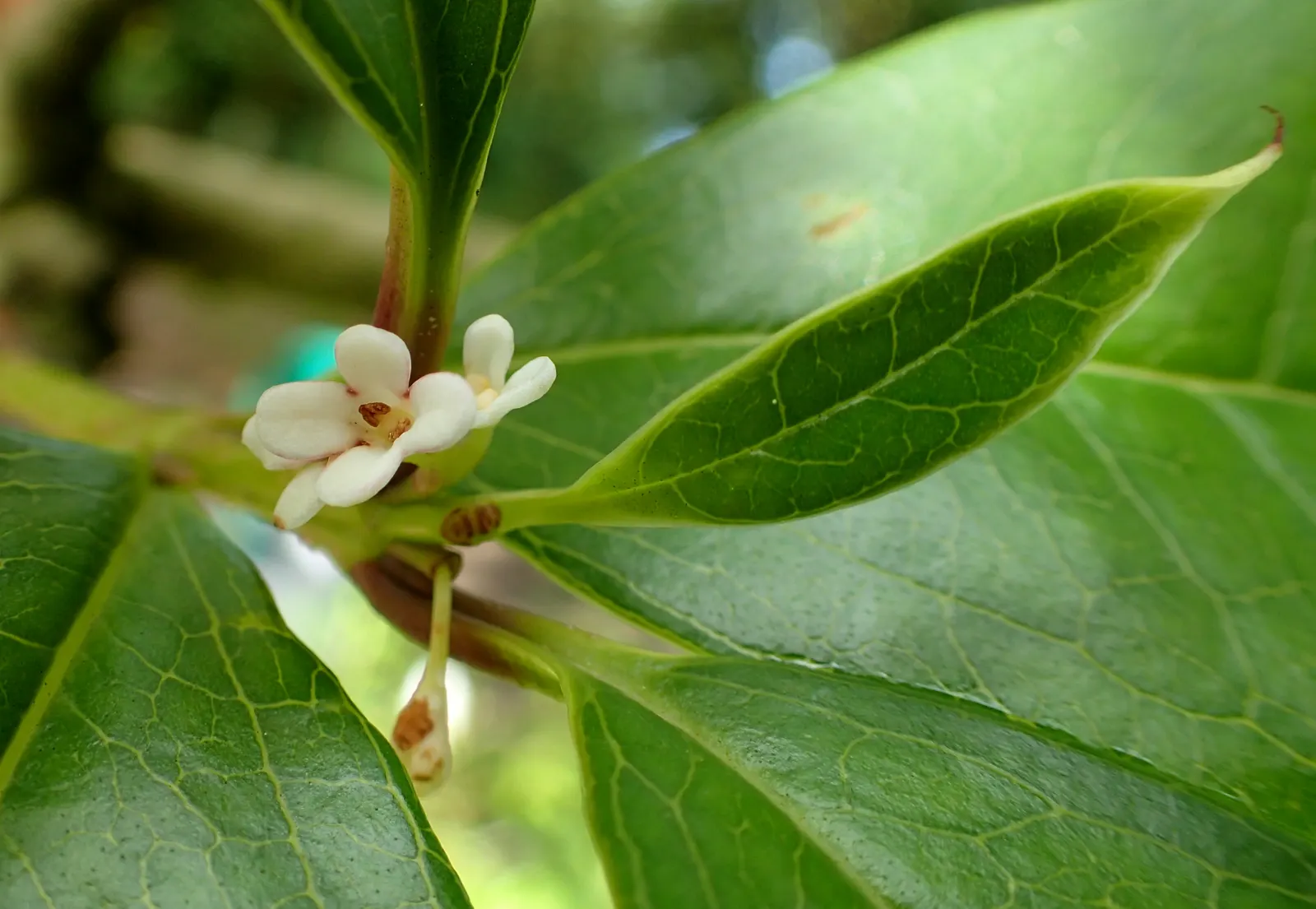
Sweet Olive (Osmanthus fragrans), an evergreen shrub with a height and spread of 6-30 feet, offers dense, leathery foliage and small, white, highly fragrant blossoms which peak in autumn. Thriving in USDA zones 7-9, they prefer full to partial sun and well-drained soil. Regular pruning maintains size and shape. Ideal as a hedge or specimen plant, it attracts pollinators while providing year-round visual and olfactory appeal in temperate landscapes.

Sun Full, HalfWater MediumZones 8–10Climate Temperate
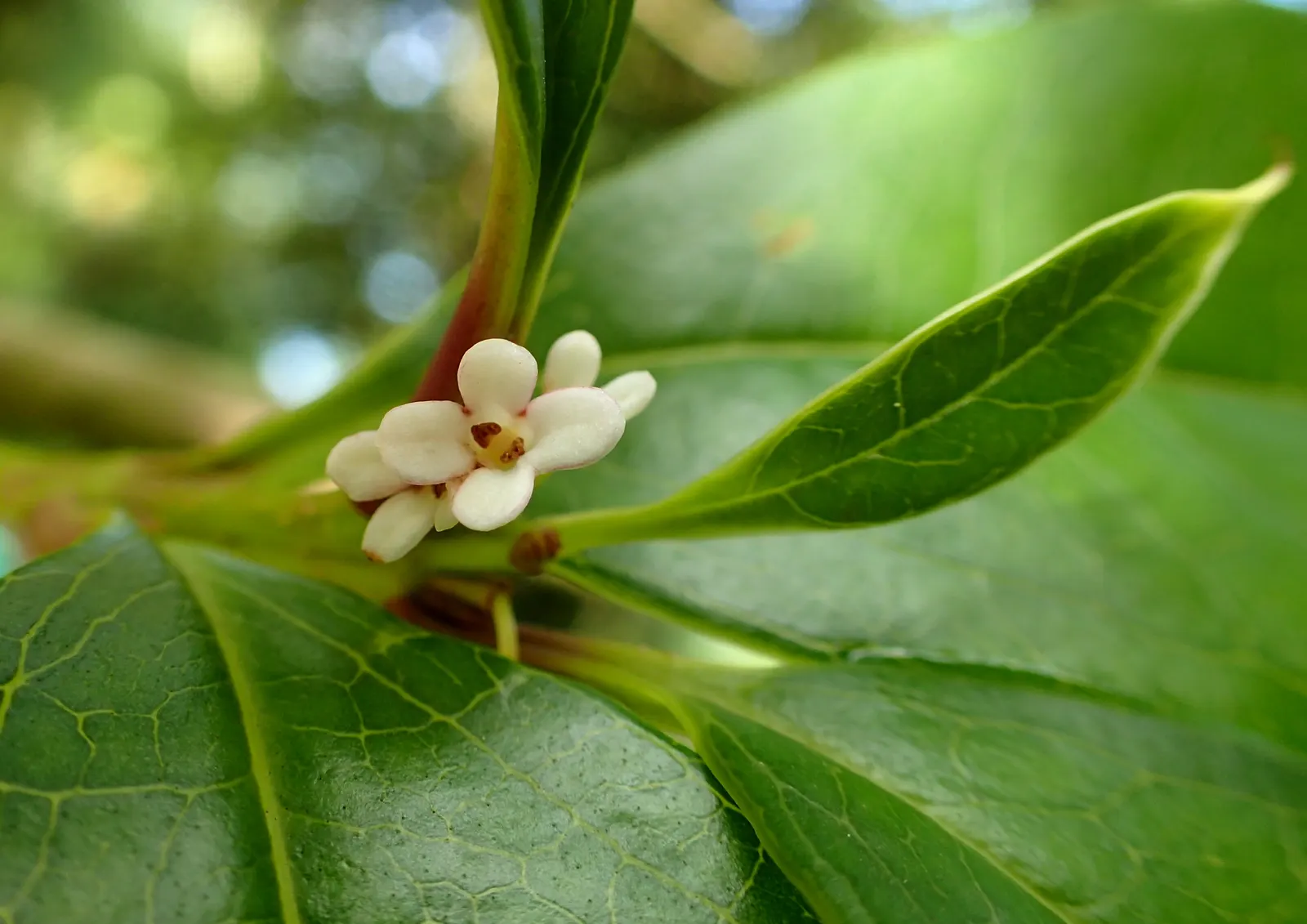
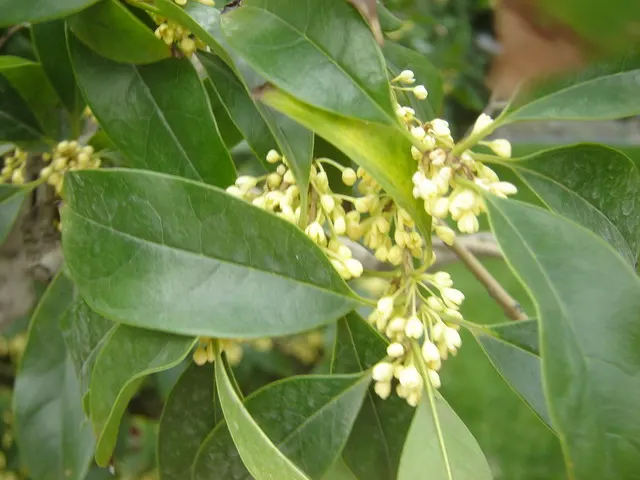
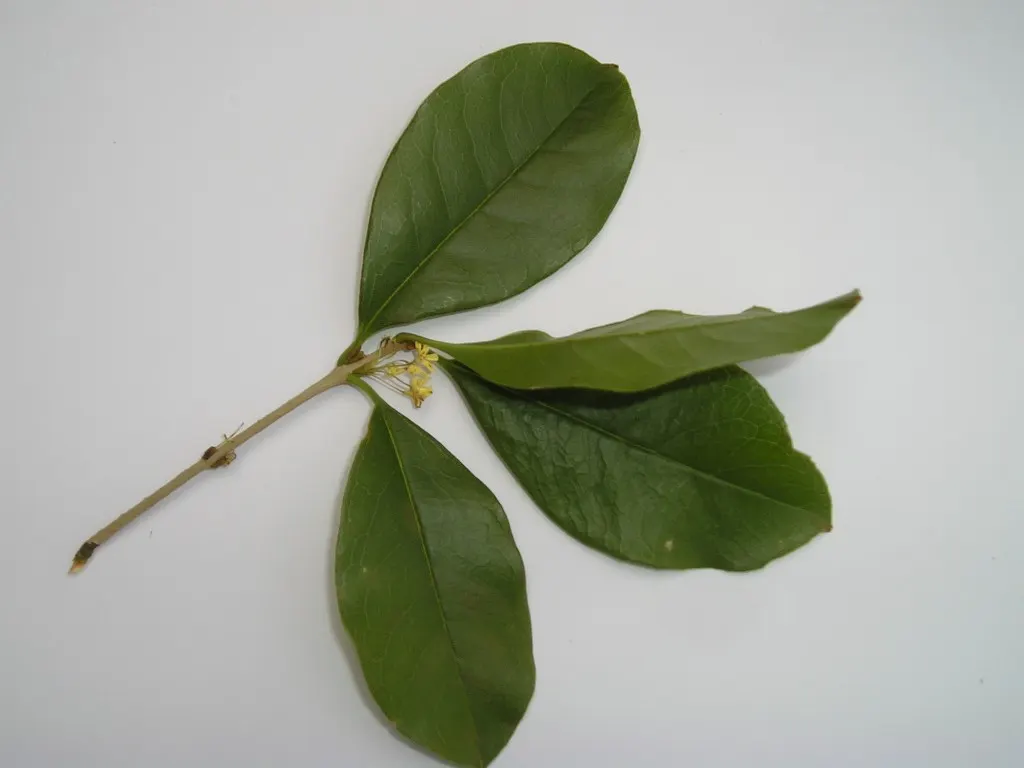
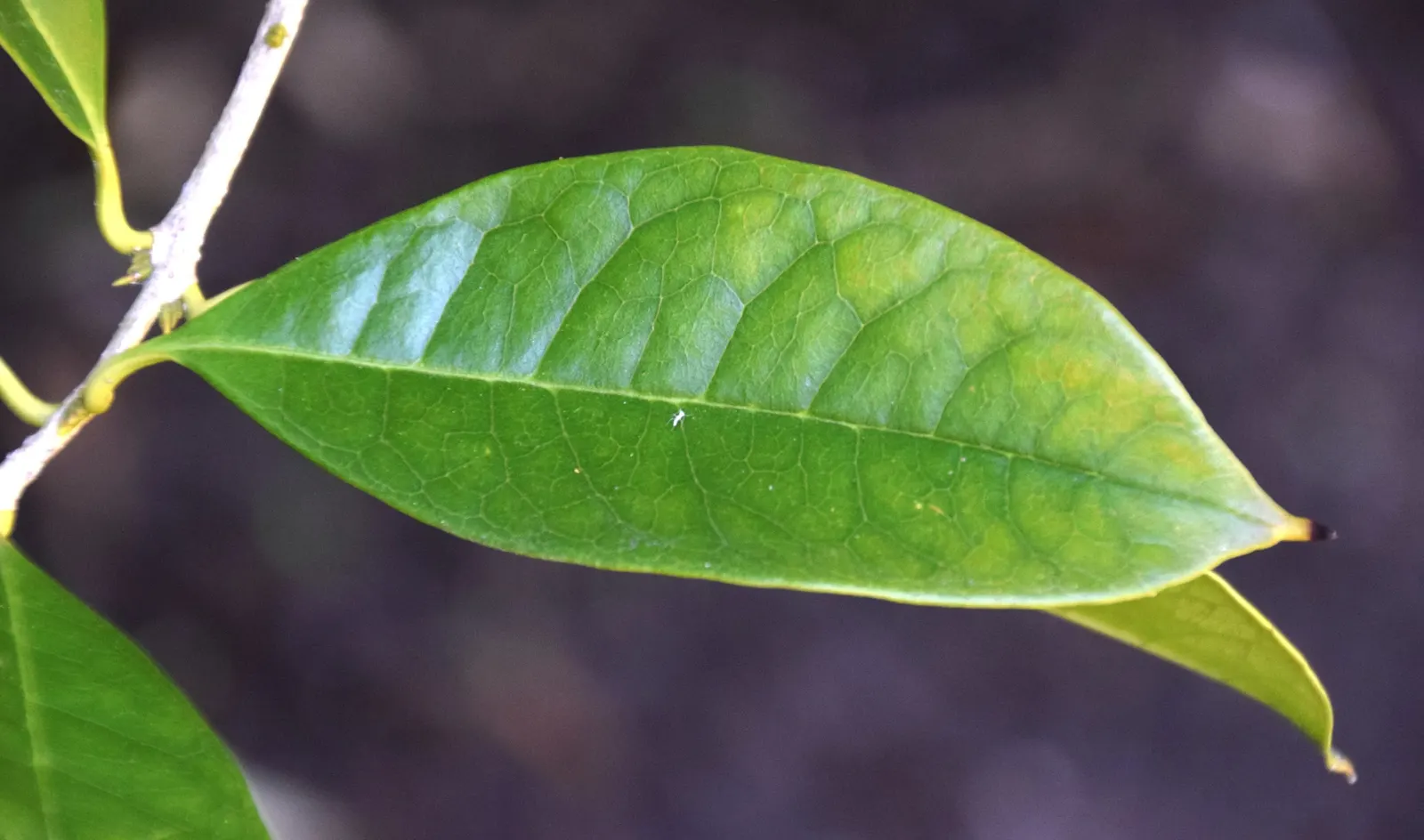
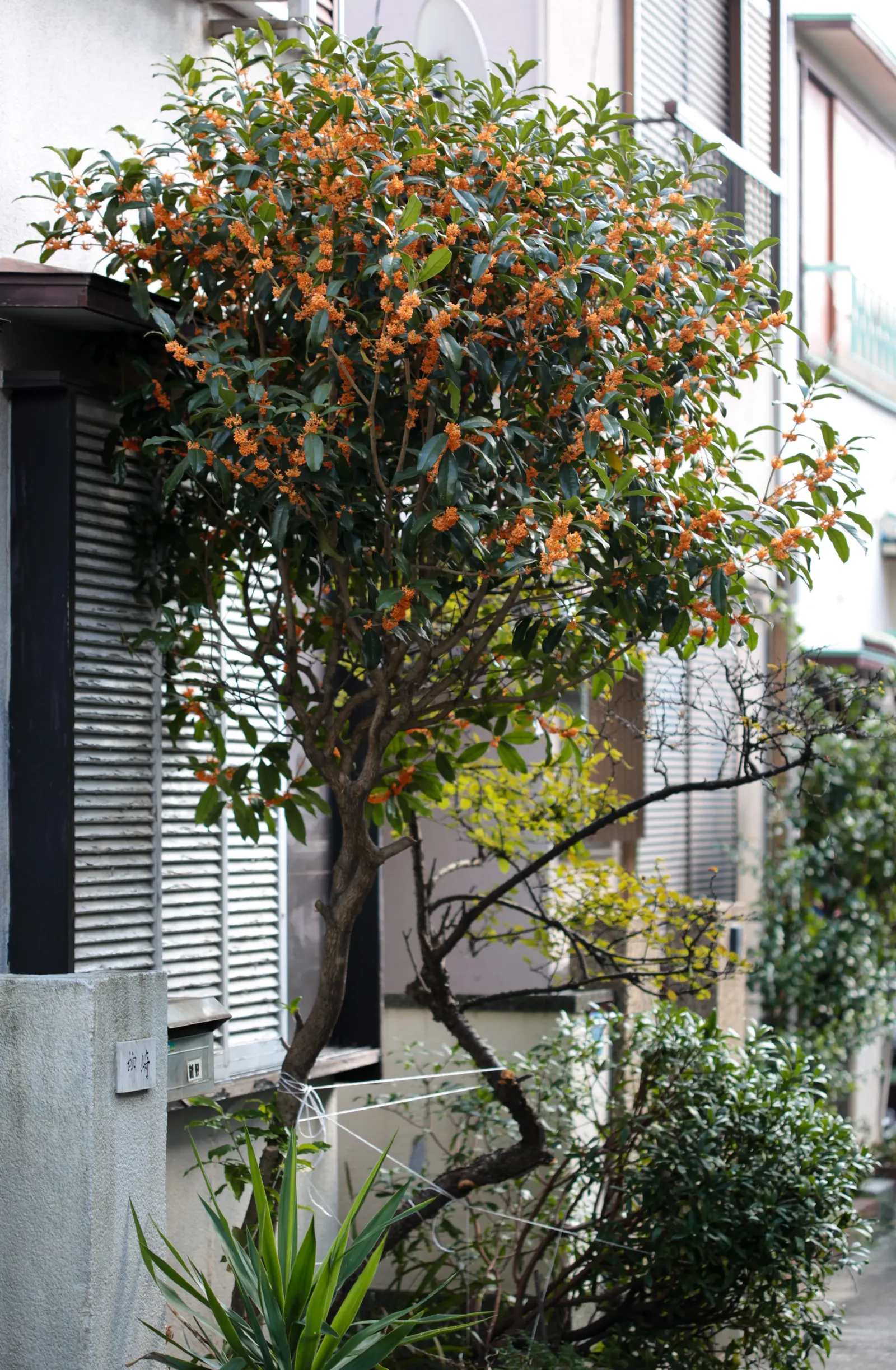
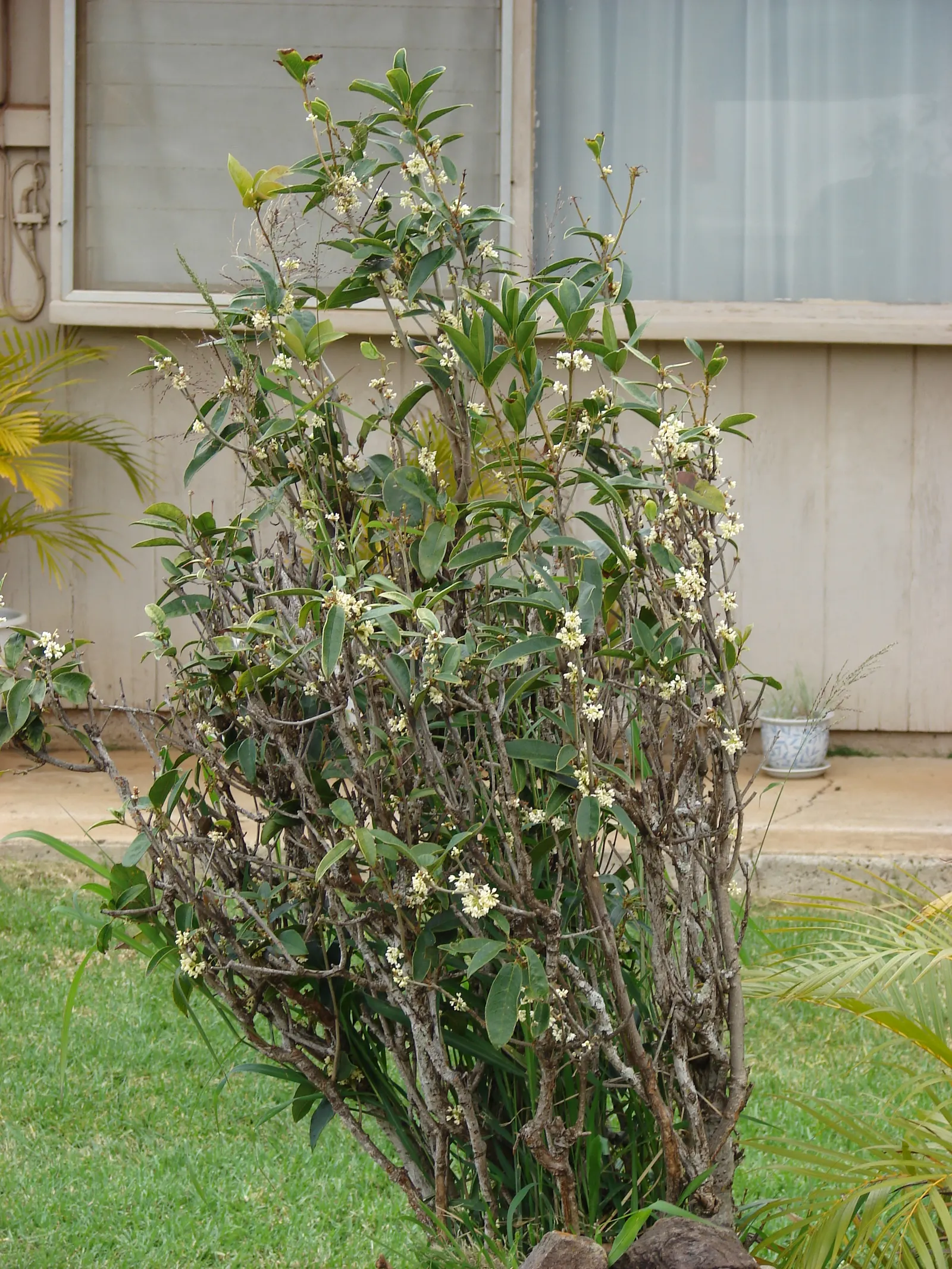
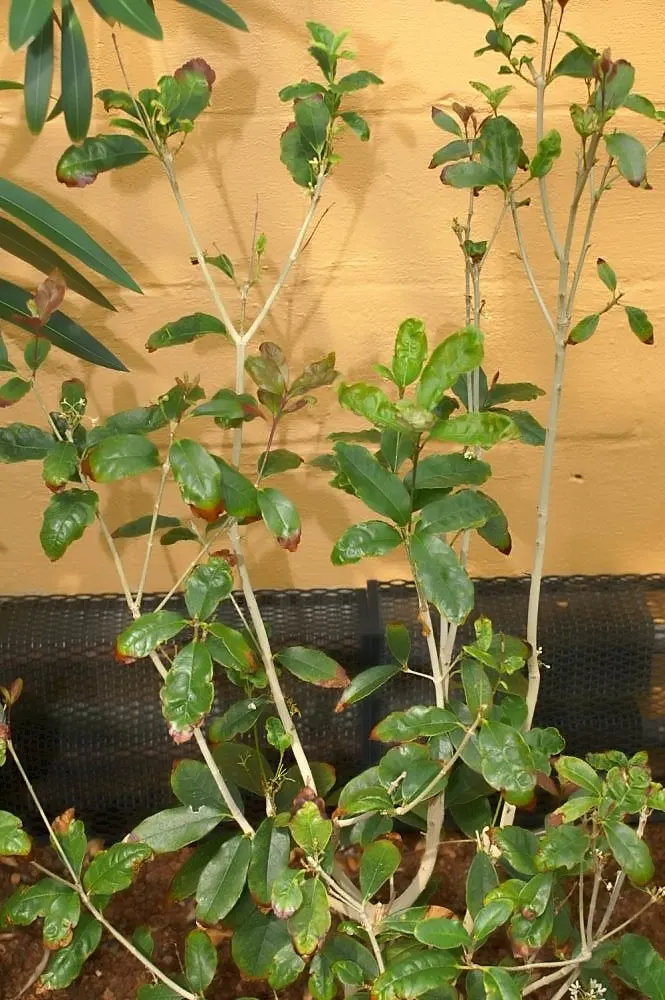
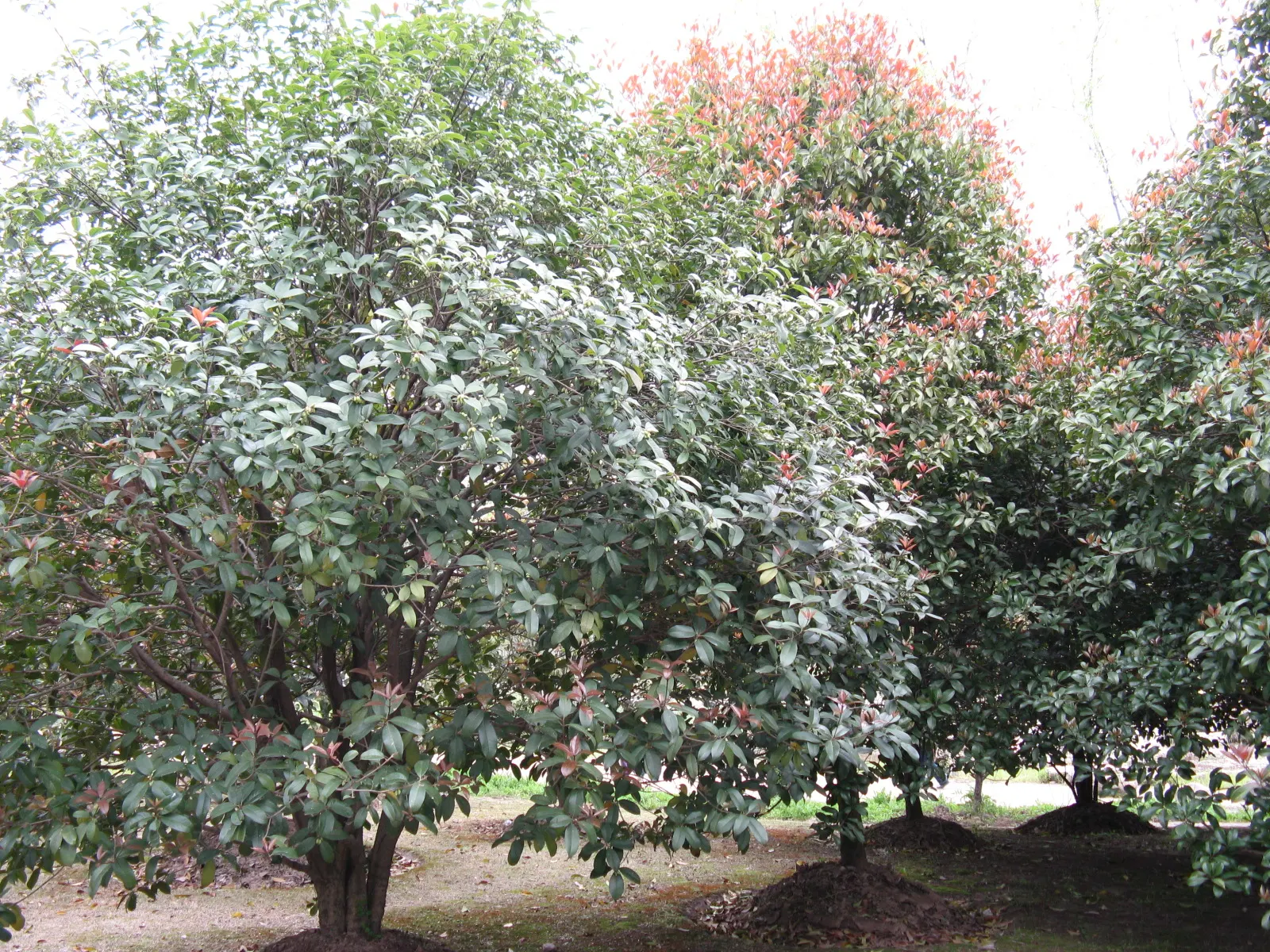
Sweet Olive (Osmanthus Fragrans) — an evergreen shrub with a height and spread of 6-30 feet

Culture

Sun
Full, Half
Water
Medium
USDA zones
8–10

Shape & size

Classification

Family
Oleaceae
Climate
Temperate

See full data, regional cultivation notes, full-resolution photos, and design tools. Build a client presentation around this plant.

Start your 14-day trial

Photos (85)

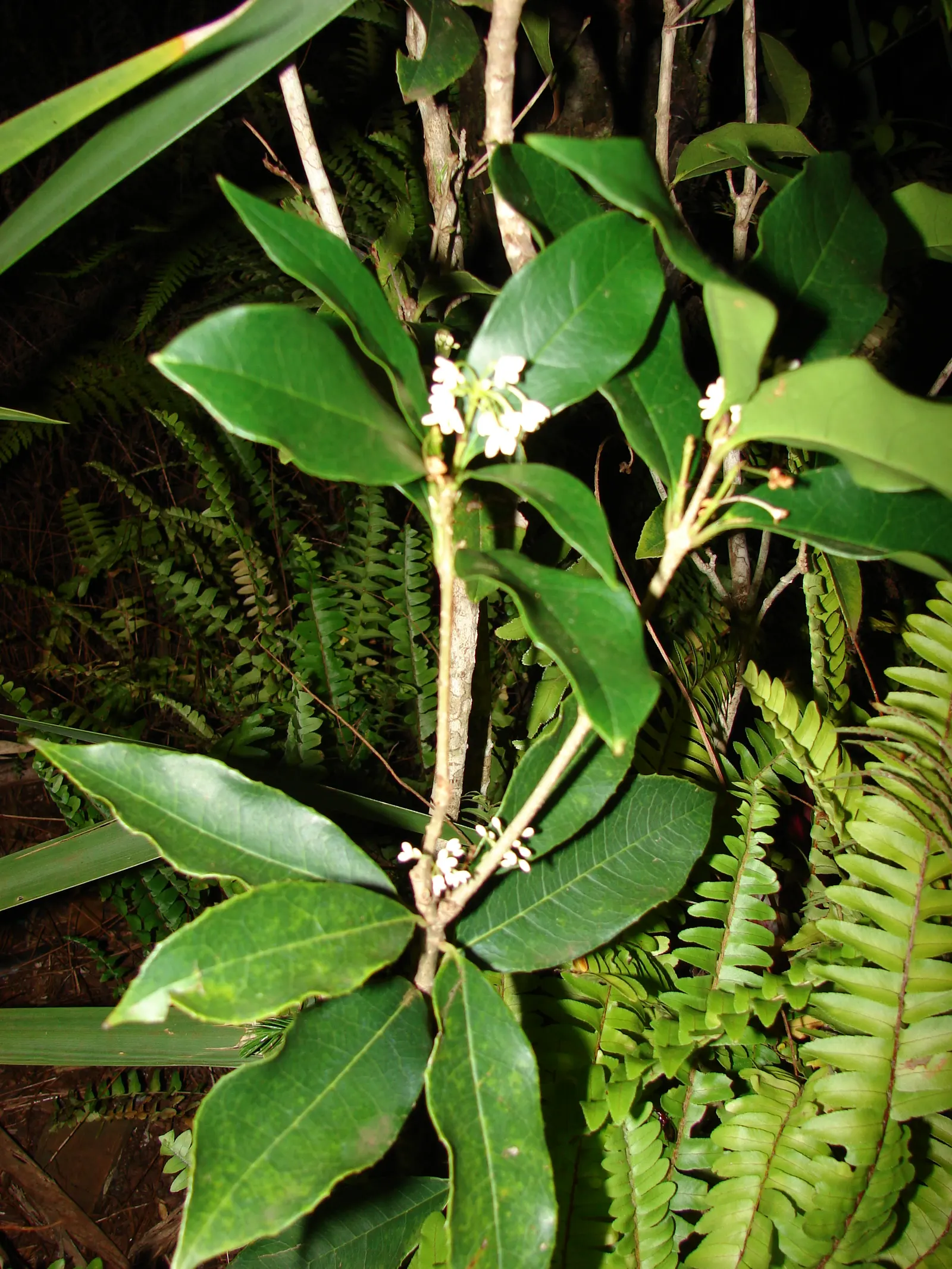
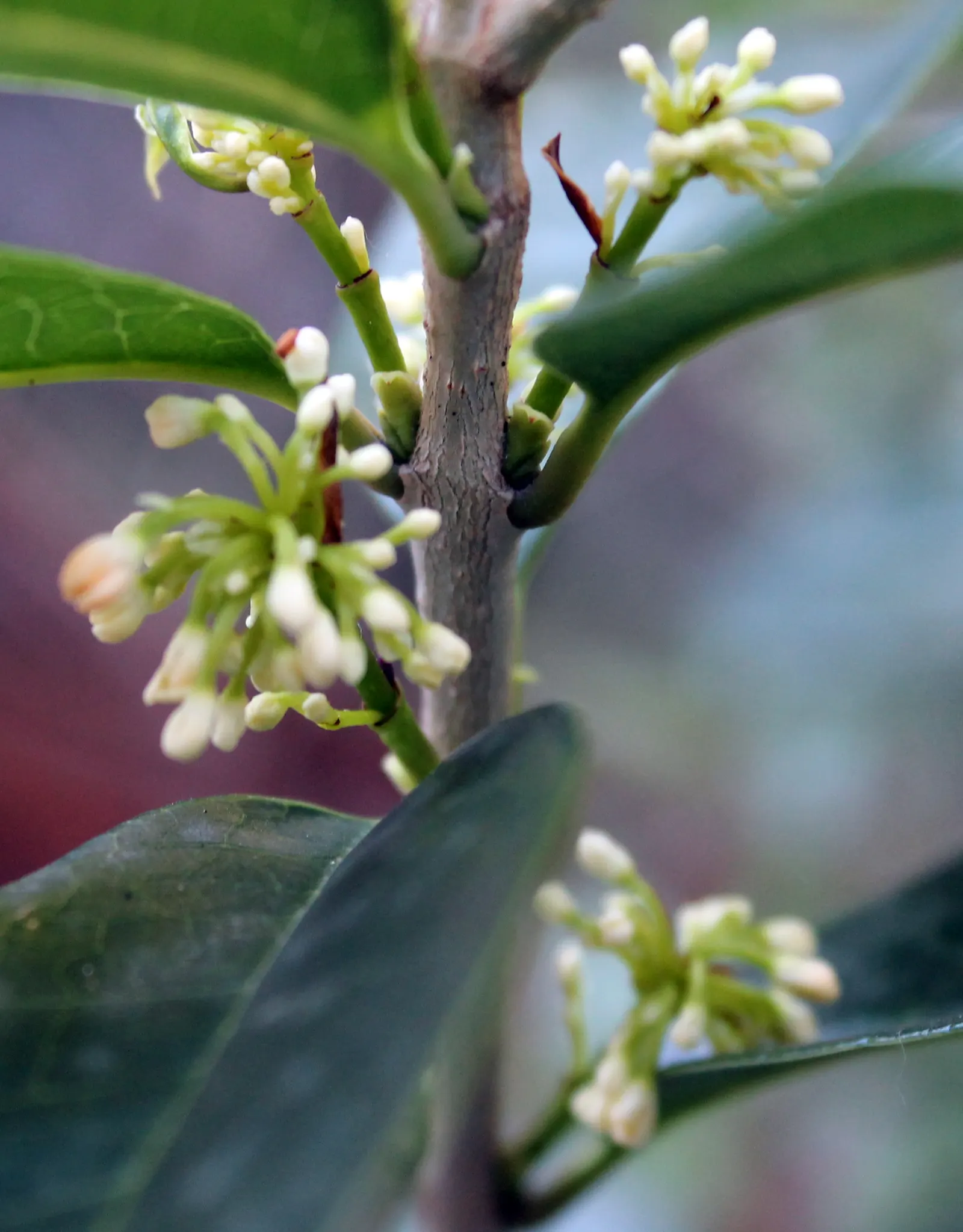
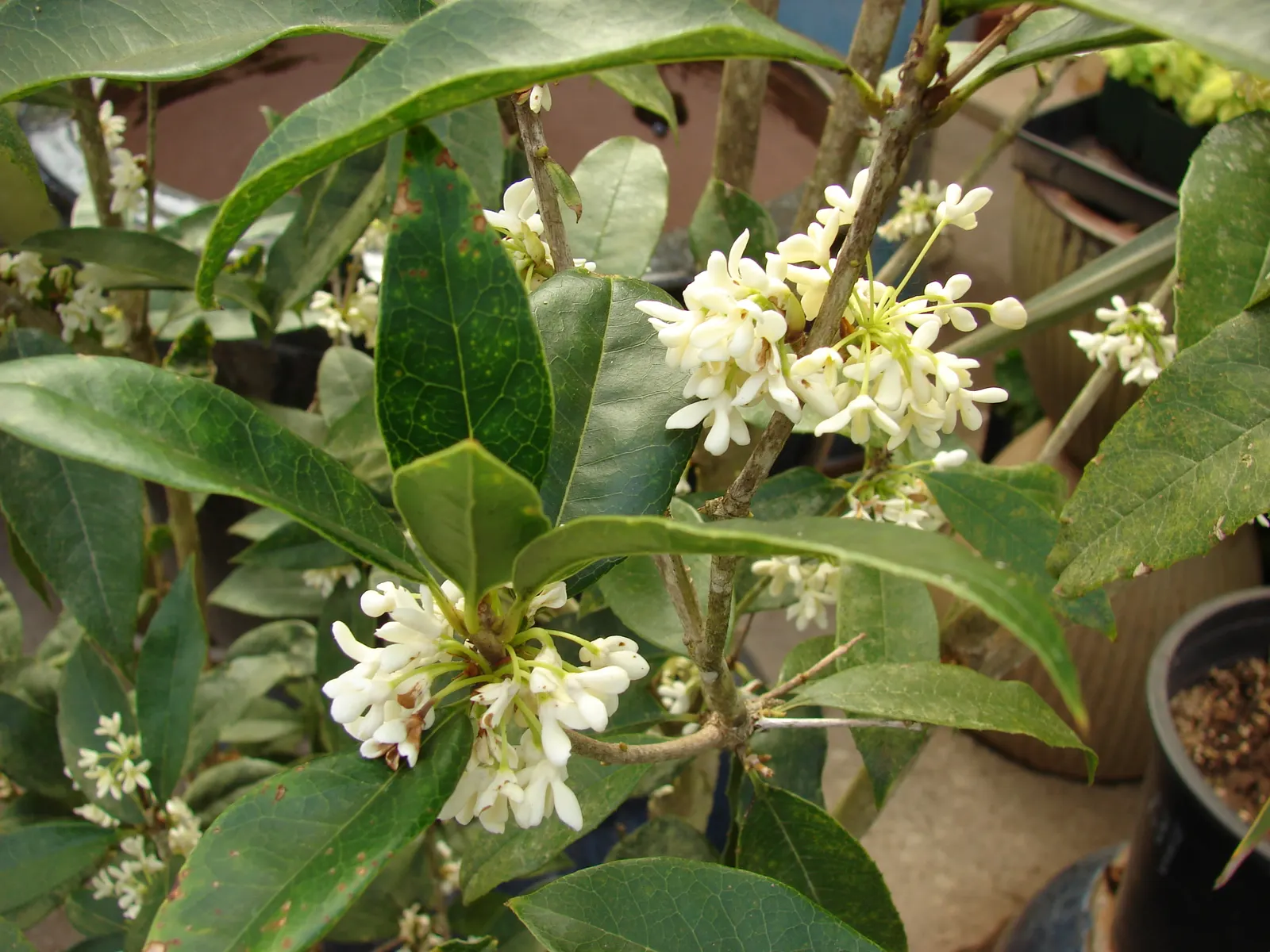
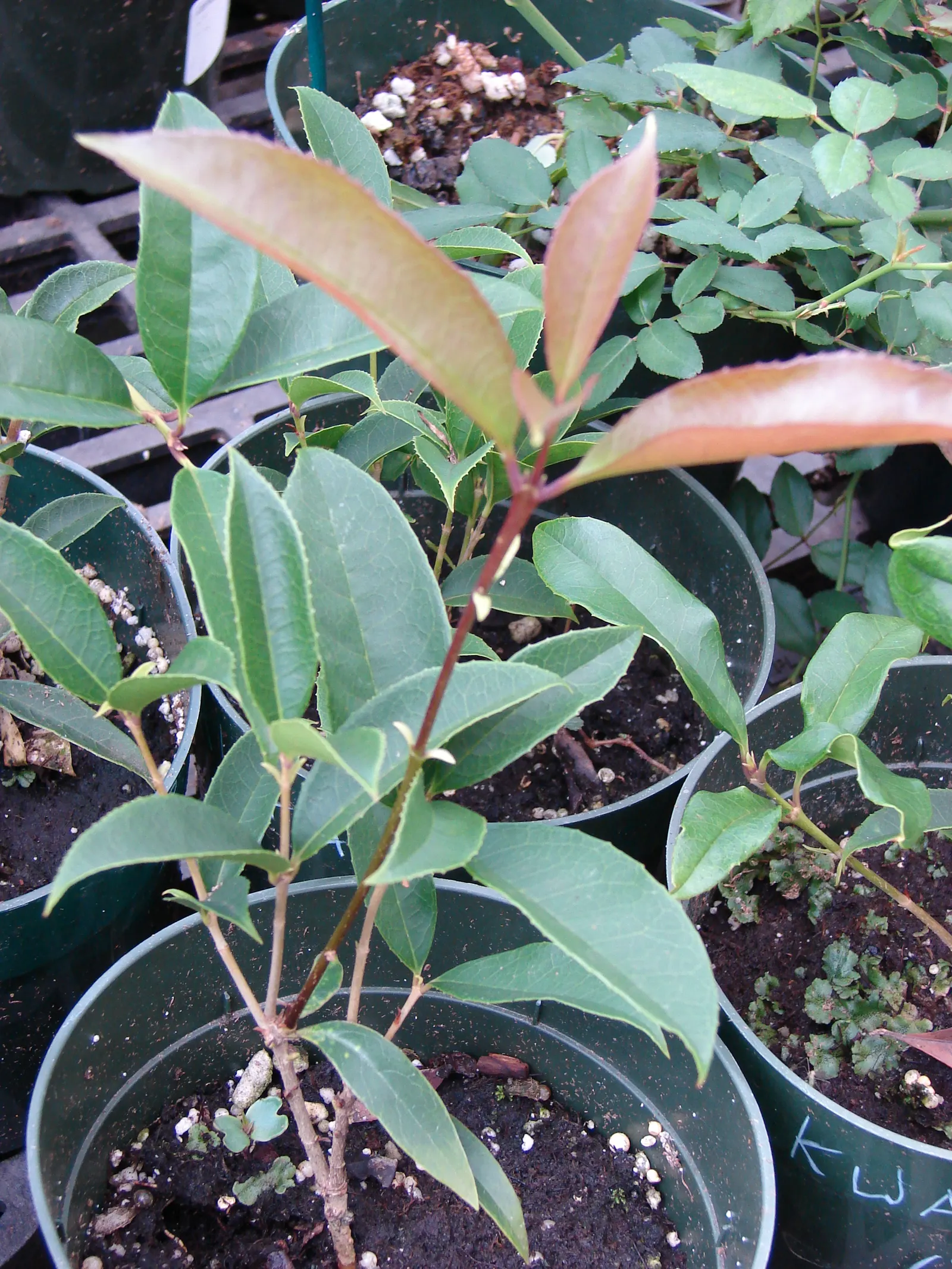
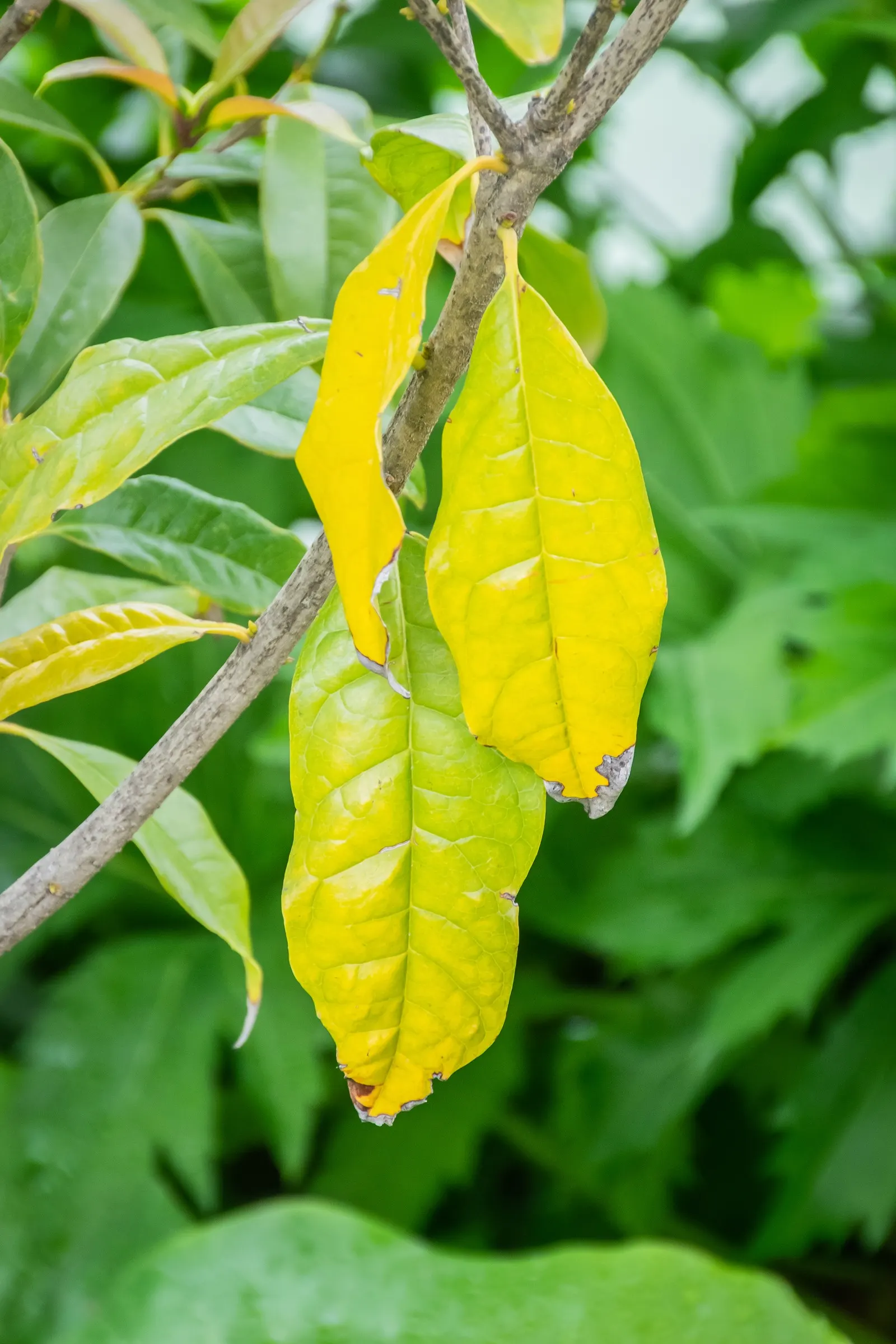
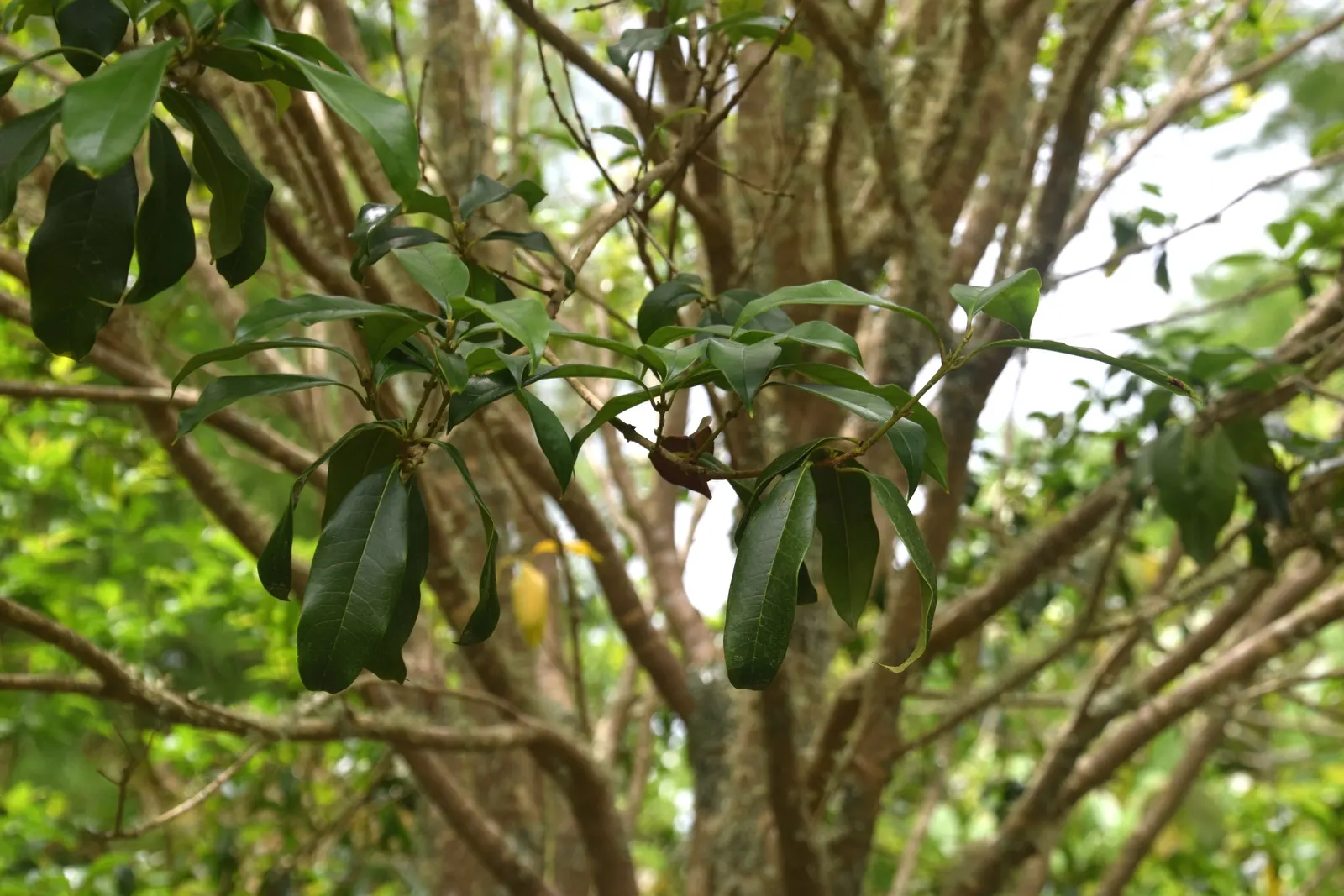
Sweet Olive (Osmanthus Fragrans) — the Sweet Olive possesses a naturally rounded shape that can be enhanced with pruning; when designing with this plant
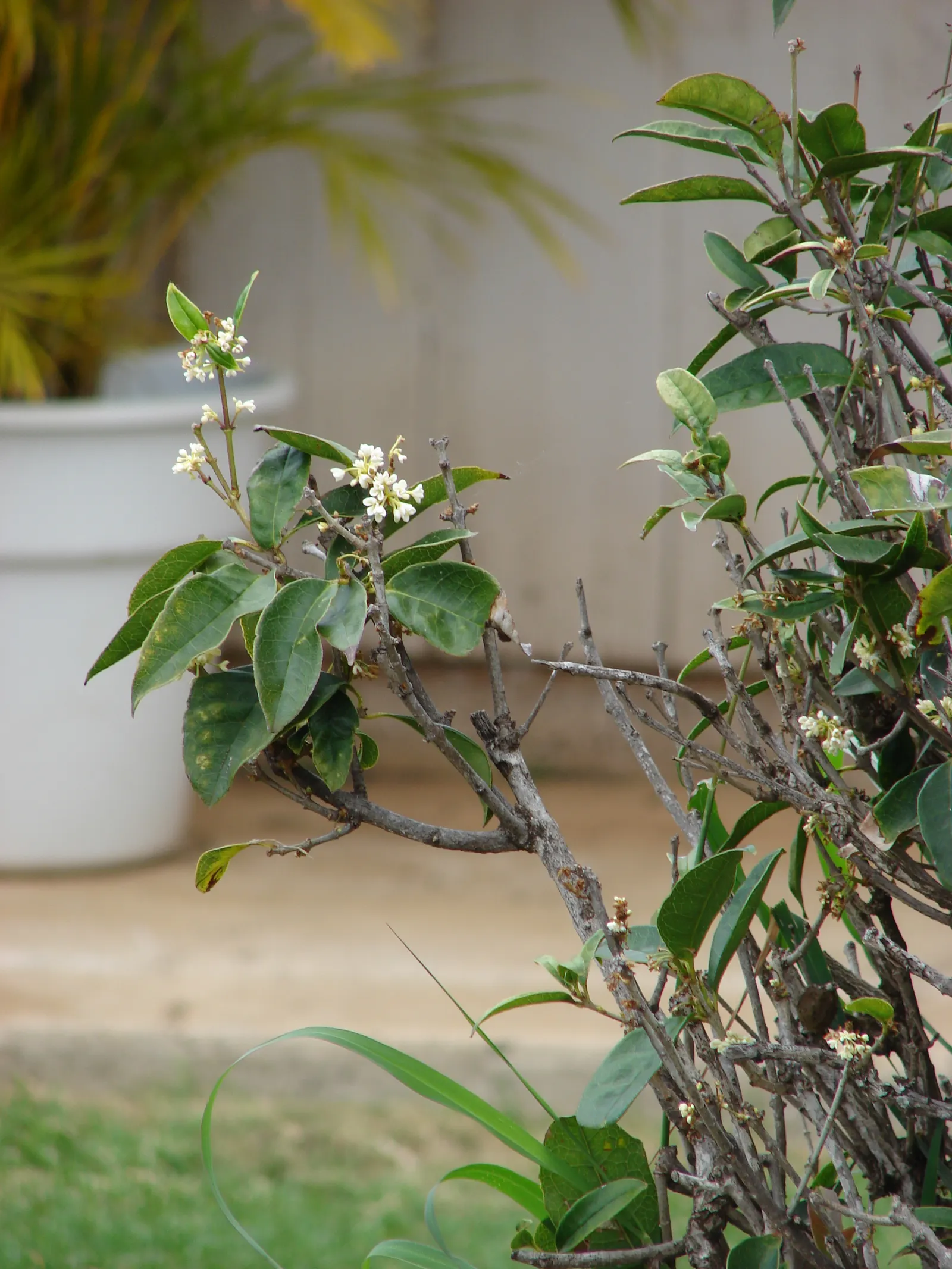
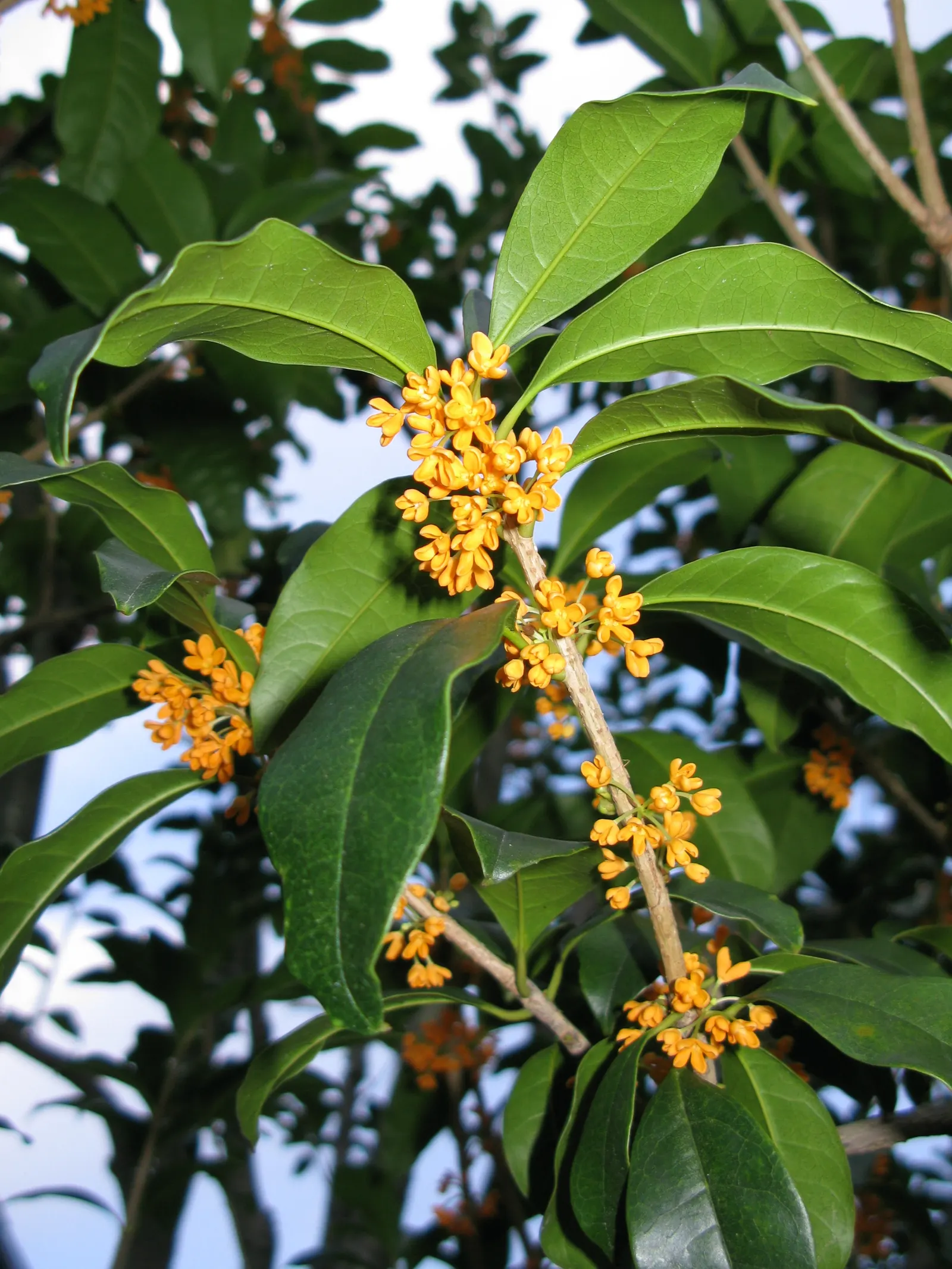
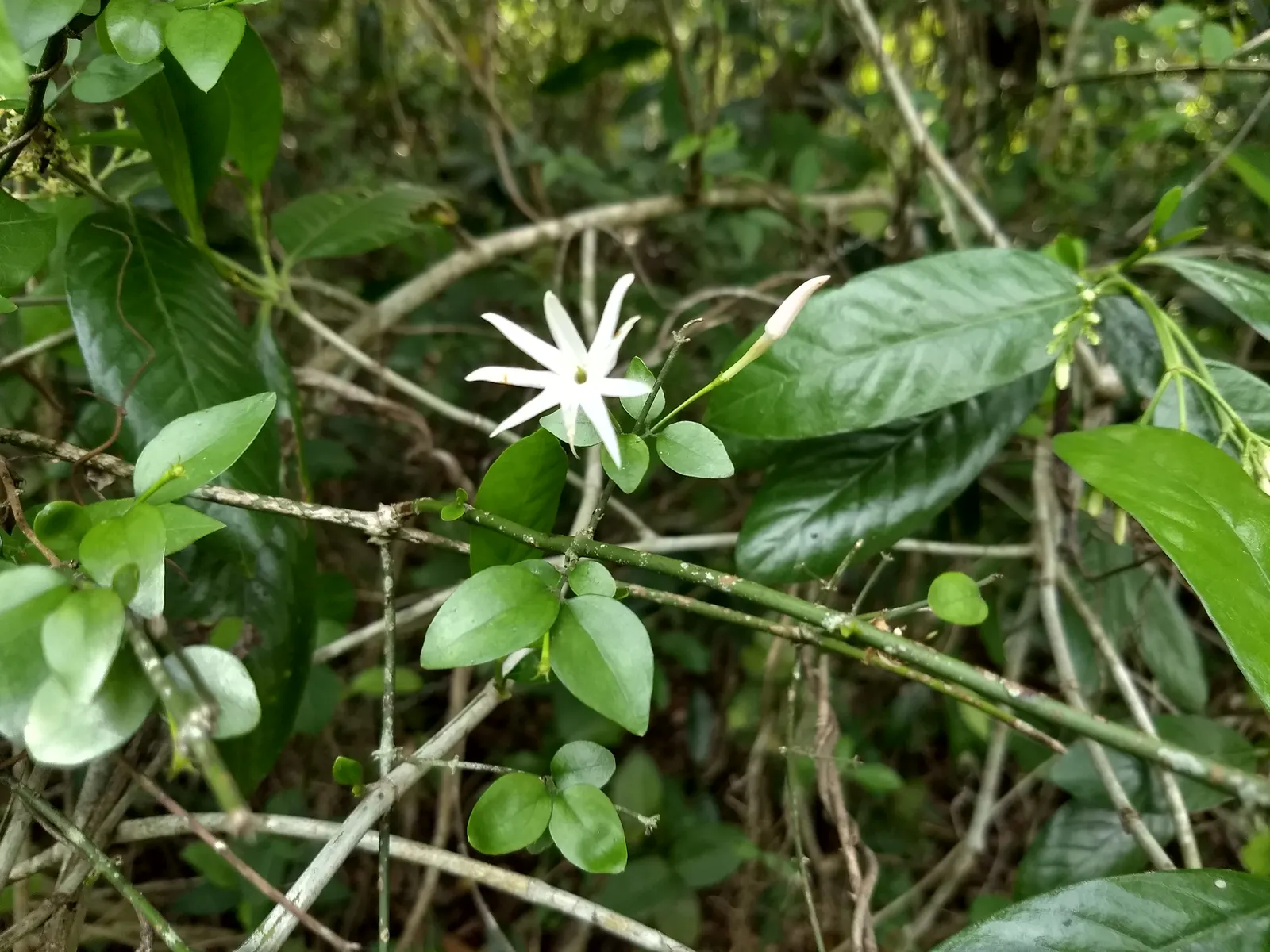
Sweet Olive (Osmanthus Fragrans) — Blooming intermittently throughout the year with peaks in early spring and fall; regular pruning maintains size and shape
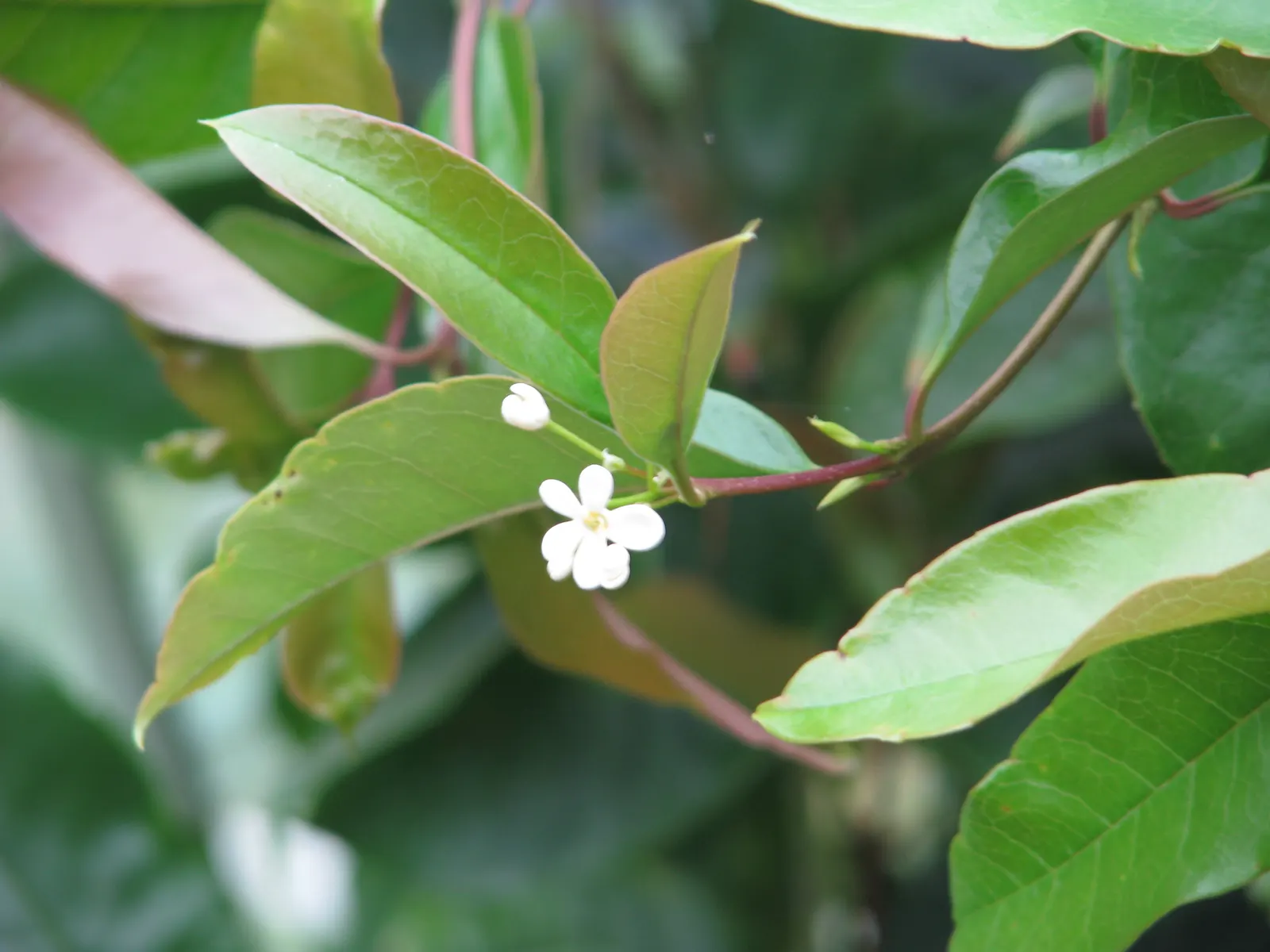
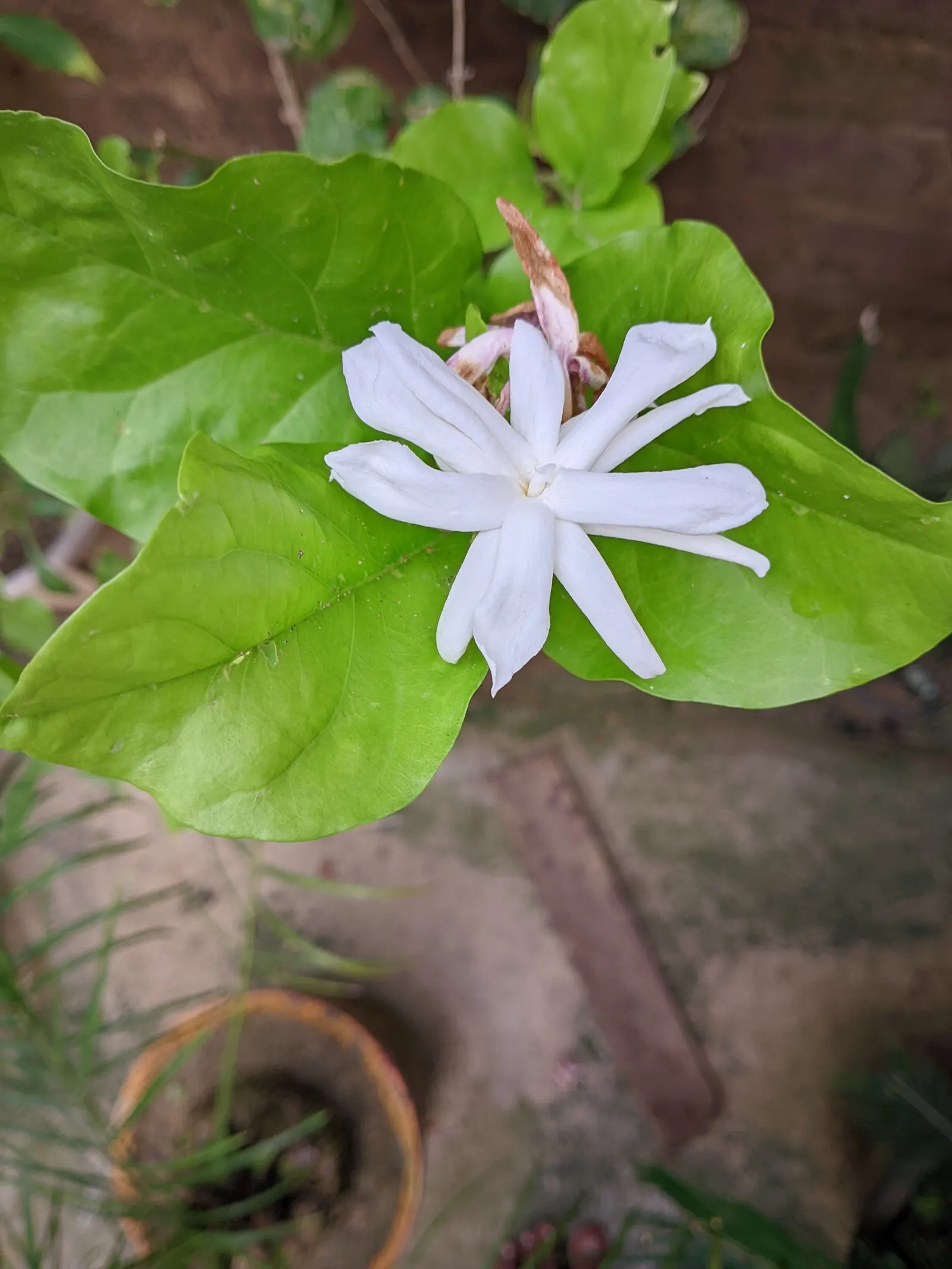
Sweet Olive (Osmanthus Fragrans) — is a highly aromatic evergreen shrub beloved for its delightful fragrance and handsome foliage; or part of a mixed border
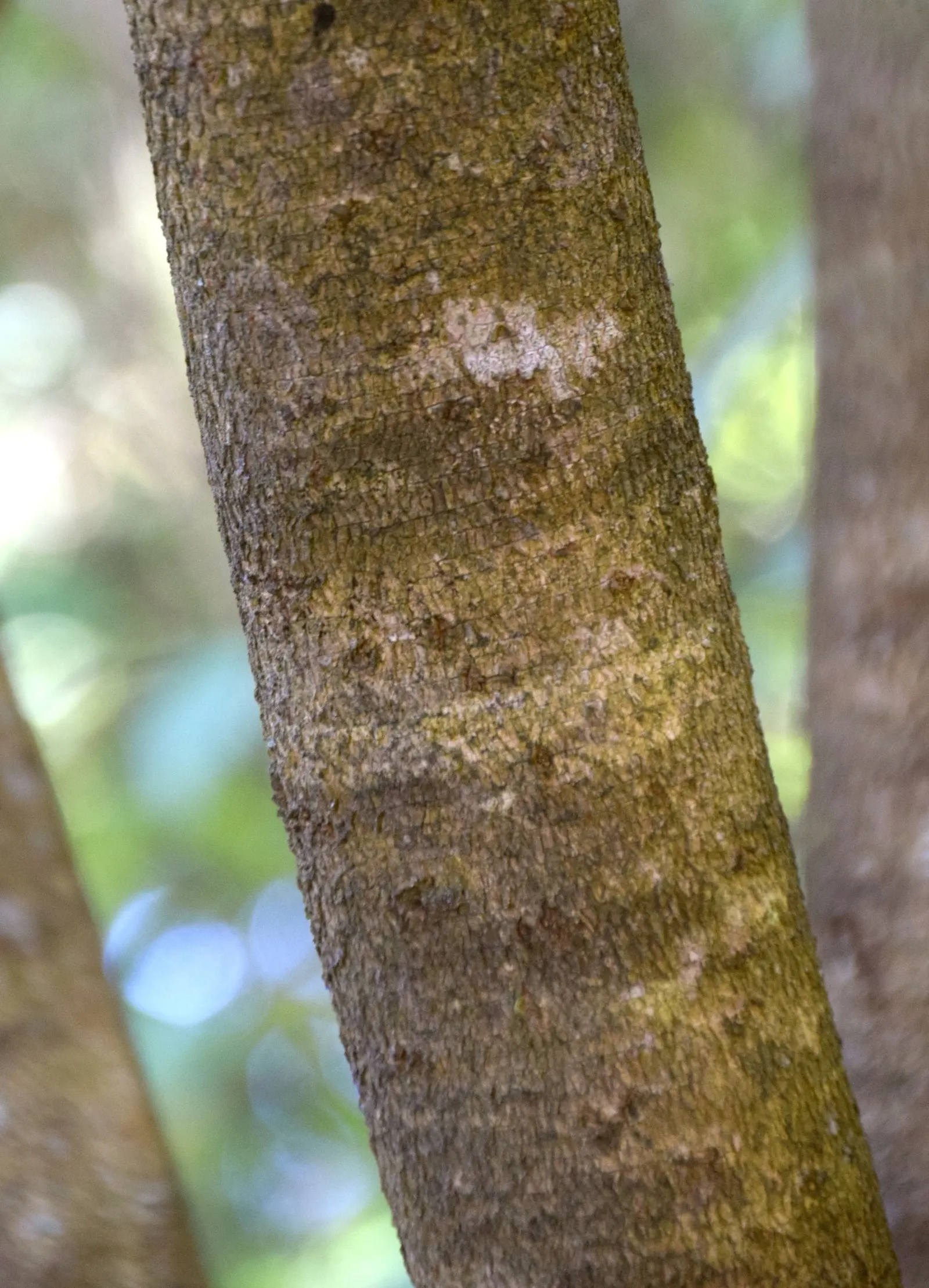
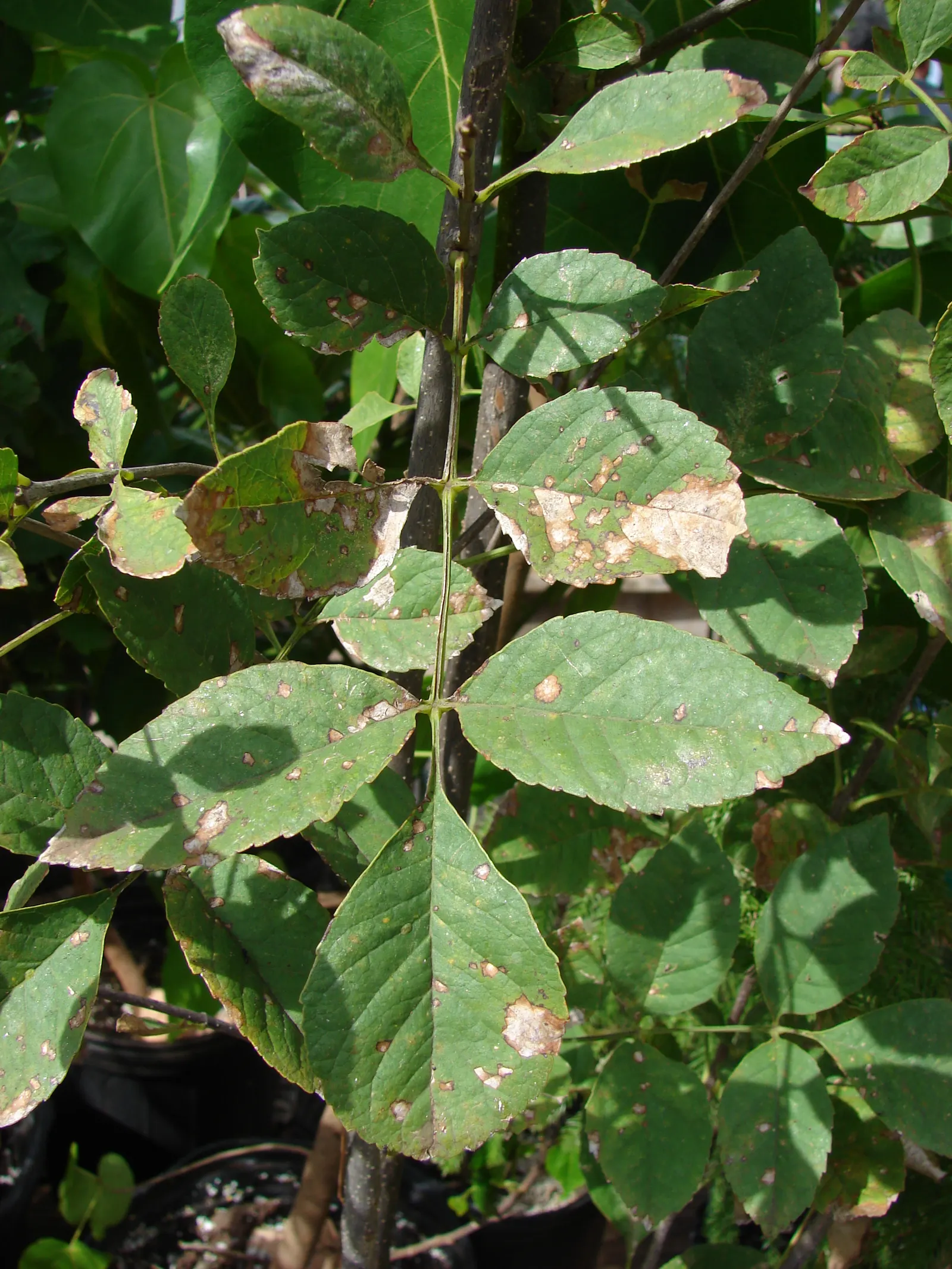
Sweet Olive (Osmanthus Fragrans) — Osmanthus fragrans thrives in full sun to partial shade and prefers well-drained soil; when designing with this, image 78
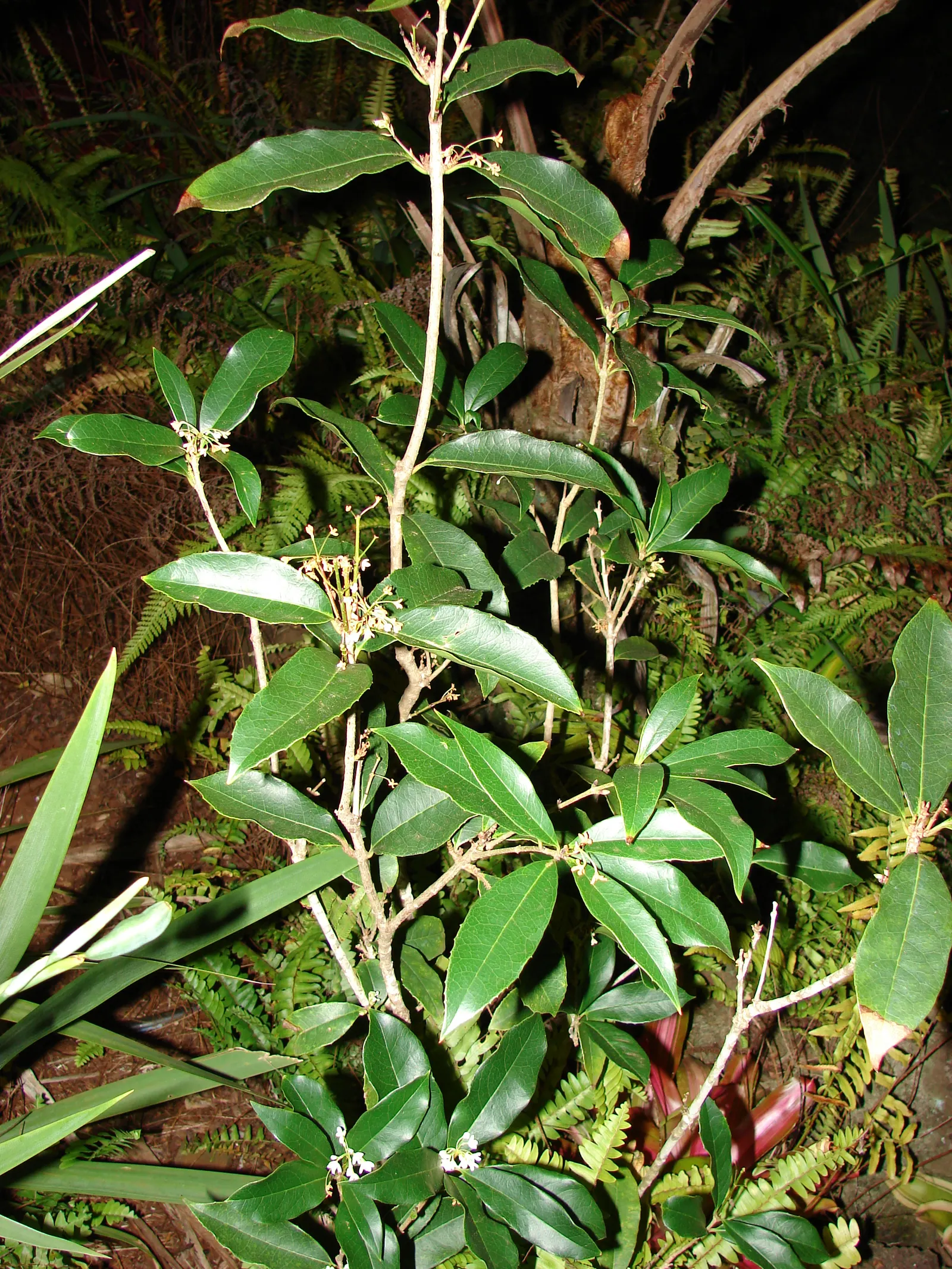
Sweet Olive (Osmanthus Fragrans) — they boast an intoxicating scent which is often likened to peaches; when designing with this plant, image 75
Sweet Olive (Osmanthus Fragrans) — Blooming intermittently throughout the year with peaks in early spring and fall; regular pruning maintains size, image 76
Sweet Olive (Osmanthus Fragrans) — it provides an extended period of enjoyment.<br><br>Hardy in USDA zones 7 to 9; or part of a mixed border, image 77
Sweet Olive (Osmanthus Fragrans) — Blooming intermittently throughout the year with peaks in early spring and fall; regular pruning maintains size, image 55
Sweet Olive (Osmanthus Fragrans) — shrub with white blooms; or part of a mixed border, image 62
Sweet Olive (Osmanthus Fragrans) — white flowers in the garden; regular pruning maintains size and shape, image 61
Sweet Olive (Osmanthus Fragrans) — When designing with this plant, image 60
Sweet Olive (Osmanthus Fragrans) — making it a relatively low-maintenance addition that offers ample rewards; or part of a mixed border, image 59
Sweet Olive (Osmanthus Fragrans) — It is tolerant of drought once established; regular pruning maintains size and shape, image 58
Sweet Olive (Osmanthus Fragrans) — they boast an intoxicating scent which is often likened to peaches; when designing with this plant, image 54
Sweet Olive (Osmanthus Fragrans) — Osmanthus fragrans thrives in full sun to partial shade and prefers well-drained soil; when designing with this, image 57
Sweet Olive (Osmanthus Fragrans) — it provides an extended period of enjoyment.<br><br>Hardy in USDA zones 7 to 9; or part of a mixed border, image 56
Sweet Olive (Osmanthus Fragrans) — an evergreen shrub with a height and spread of 6-30 feet; regular pruning maintains size and shape, image 85
Sweet Olive (Osmanthus Fragrans) — shrub for full or half; when designing with this plant, image 84
Sweet Olive (Osmanthus Fragrans) — shrub with white blooms; or part of a mixed border, image 83
Sweet Olive (Osmanthus Fragrans) — making it versatile for use as a specimen plant; regular pruning maintains size and shape, image 52
Sweet Olive (Osmanthus Fragrans) — or part of a mixed border, image 53
Sweet Olive (Osmanthus Fragrans) — white flowers in the garden; regular pruning maintains size and shape, image 82
Sweet Olive (Osmanthus Fragrans) — When designing with this plant, image 81
Sweet Olive (Osmanthus Fragrans) — making it a relatively low-maintenance addition that offers ample rewards; or part of a mixed border, image 80

Related plants