Skip to content

Olive

Olea Europaea

Design with this plant

Overview

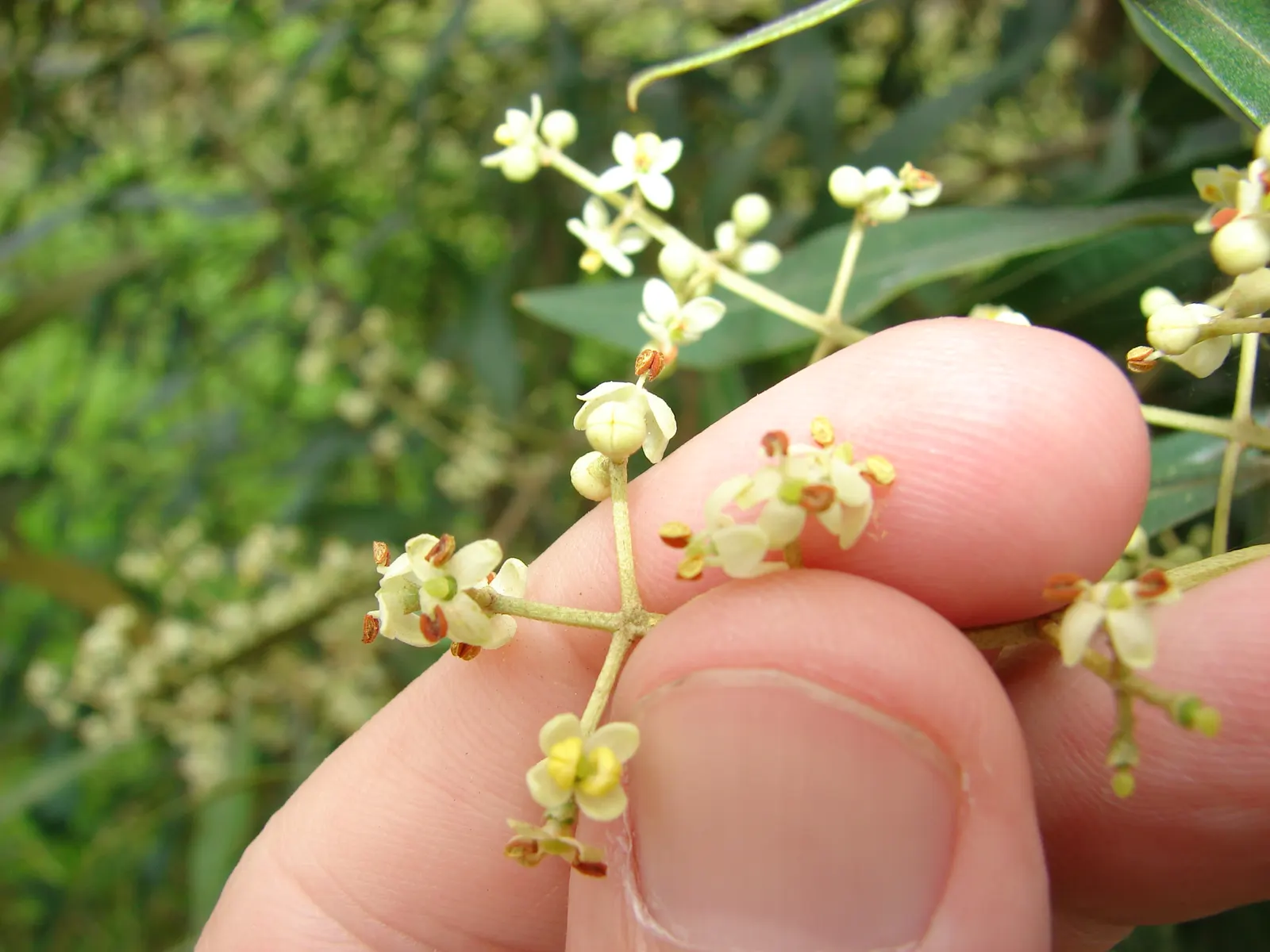
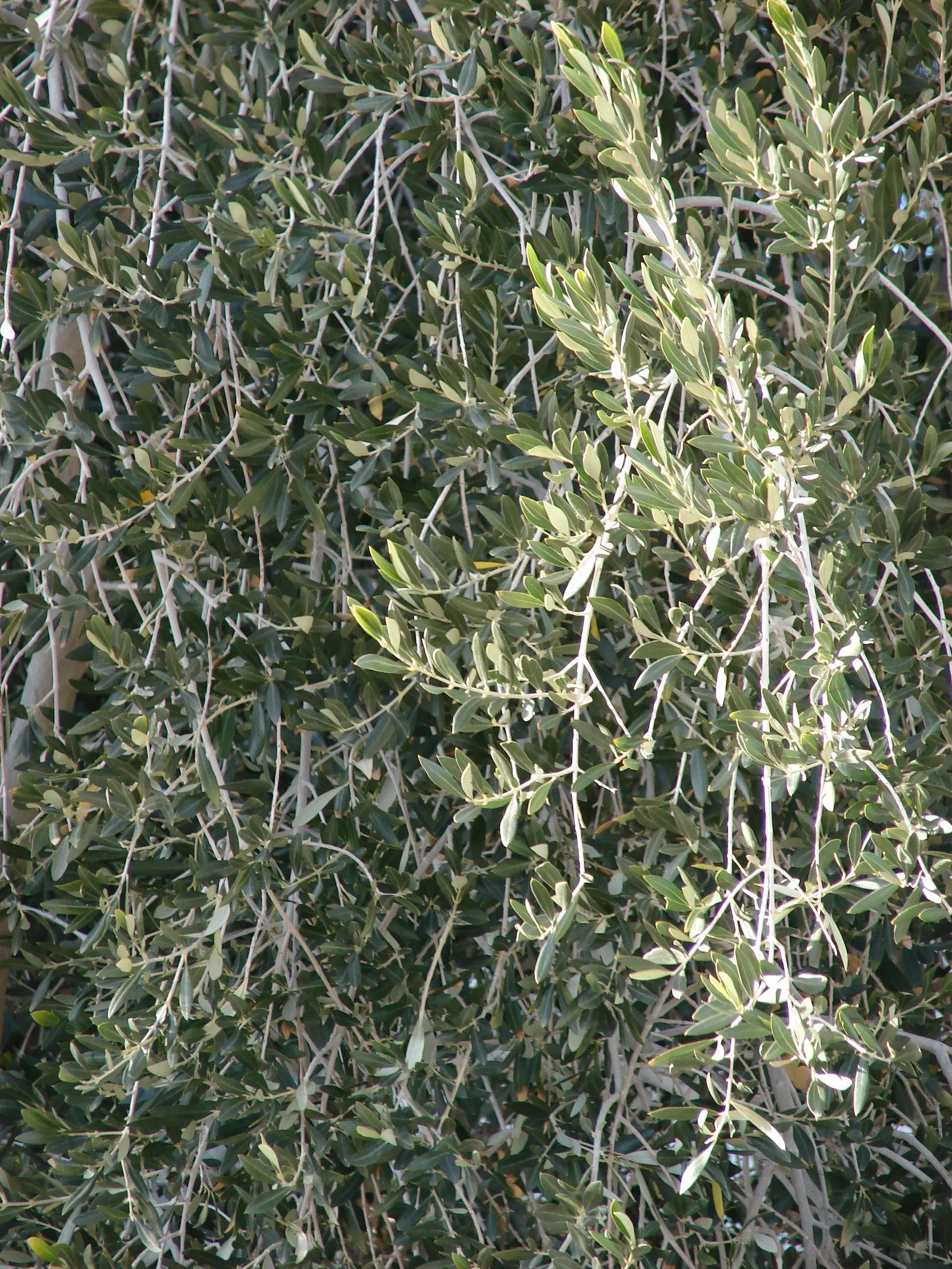
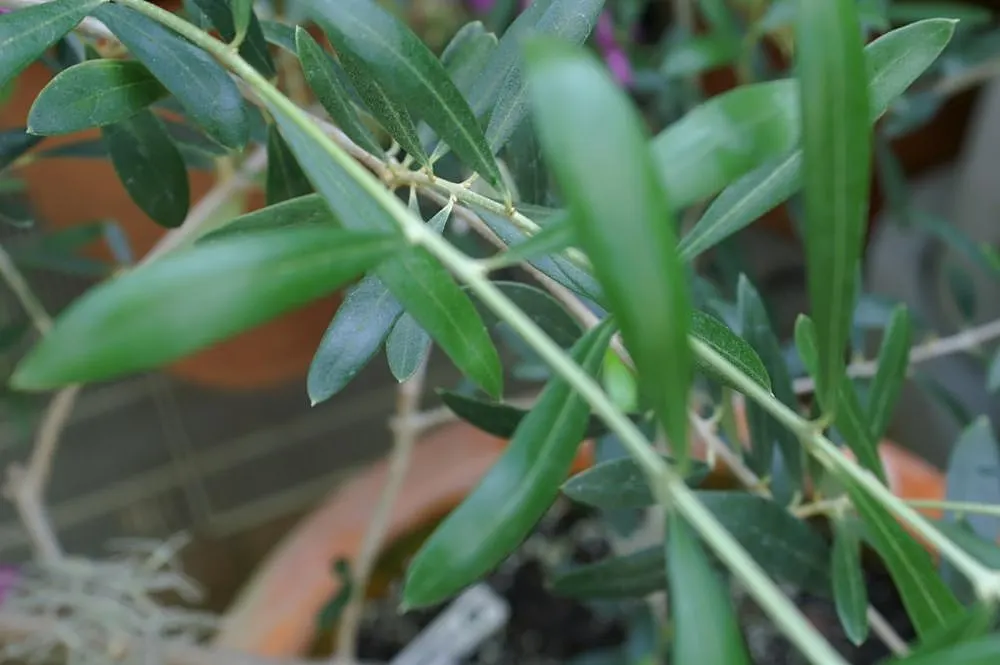
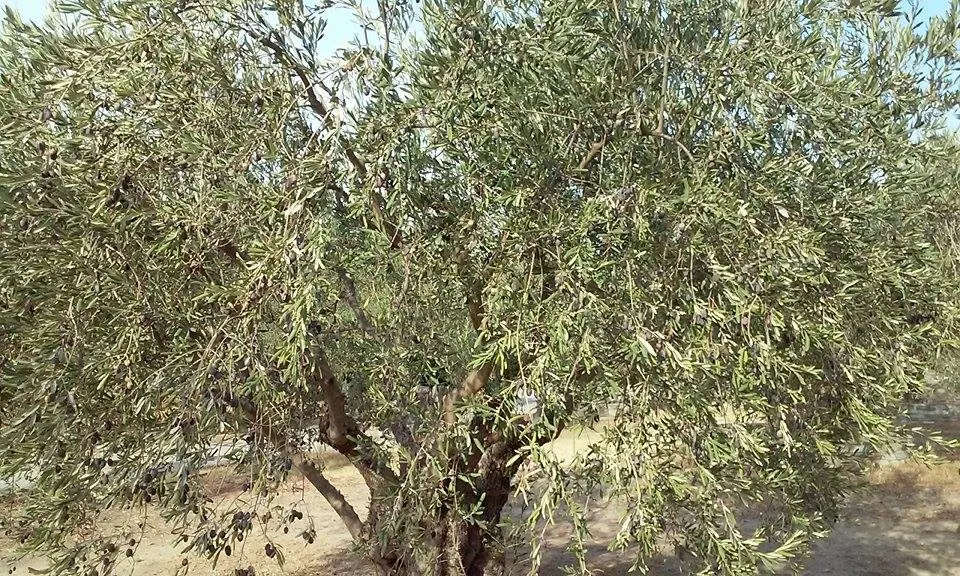
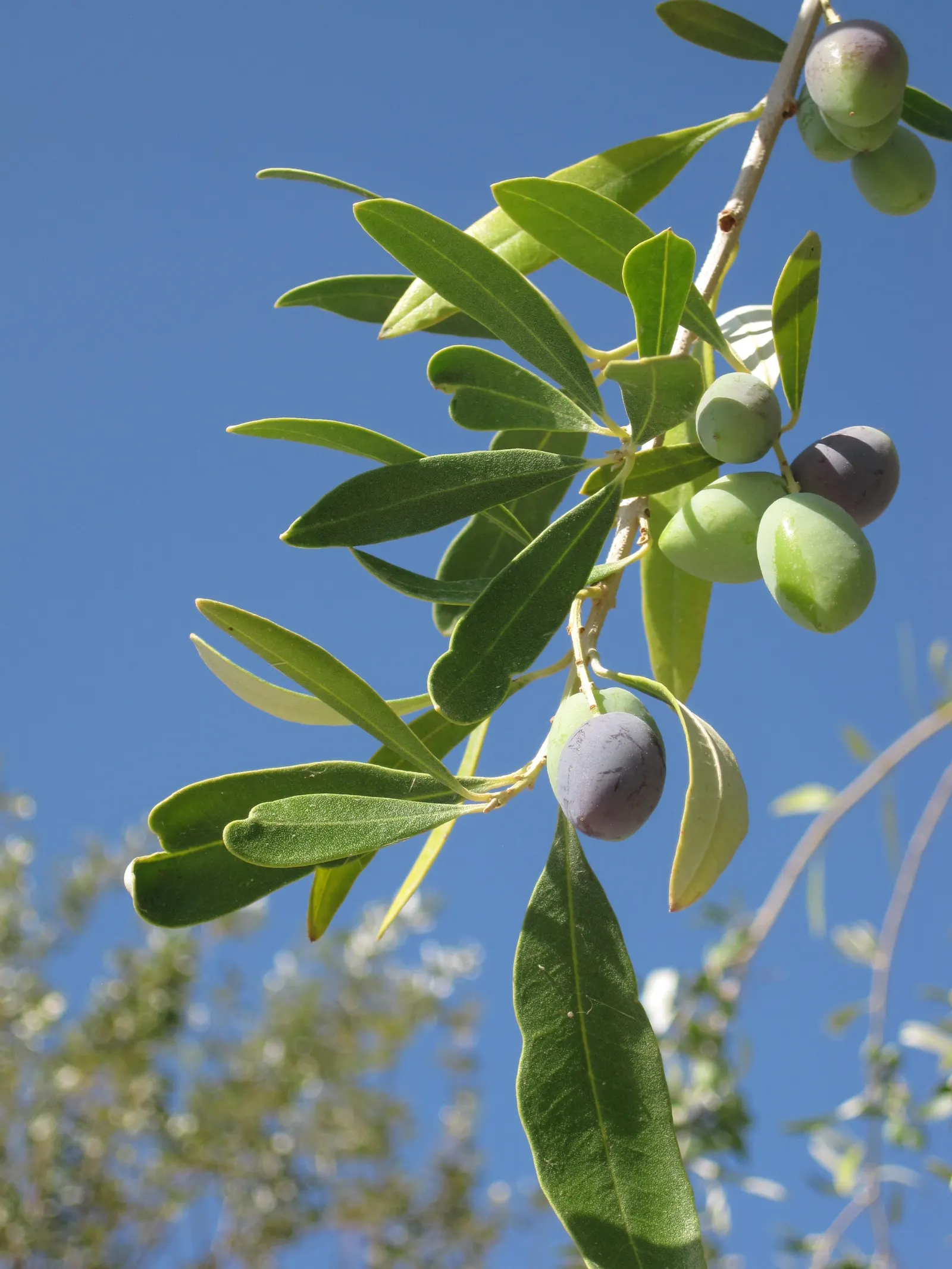
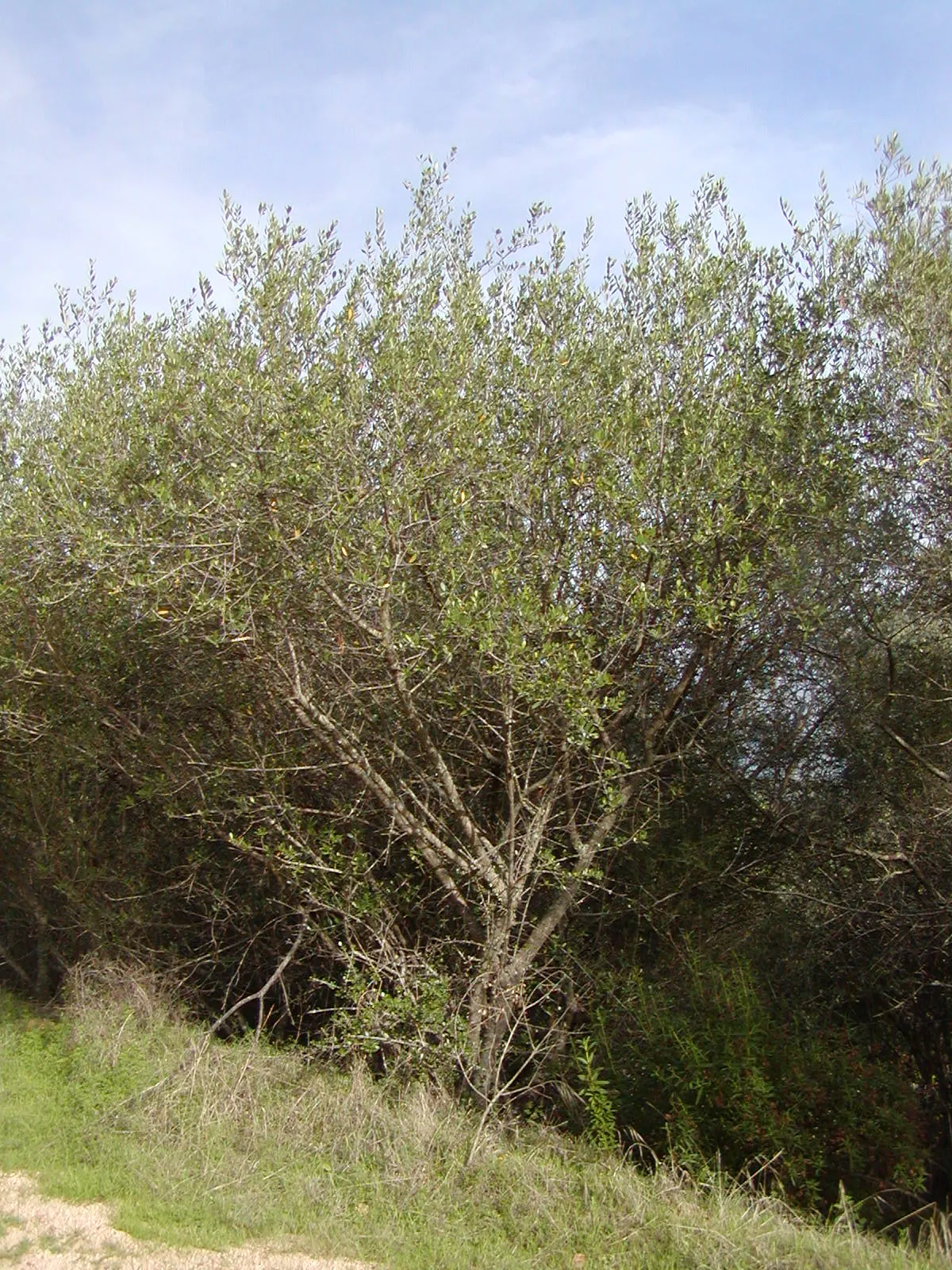
Olea europaea, commonly called Olive tree, is revered for its evergreen foliage and gnarly trunk. Mature specimens reach up to 30-40 feet in height with a spread of 15-30 feet. Its silvery leaves and small, fragrant white flowers complement Mediterranean-style landscapes. Thriving in USDA zones 8-11, it prefers full sun and well-draining soil, tolerating drought once established. Olives are harvested in fall and can be processed or left for ornamental purposes.

Sun FullWater LowZones 9–10Climate Mediterranean

Culture

Sun
Full
Water
Low
USDA zones
9–10

Shape & size

Classification

Family
Oleaceae
Climate
Mediterranean

See full data, regional cultivation notes, full-resolution photos, and design tools. Build a client presentation around this plant.

Start your 14-day trial

Photos (87)

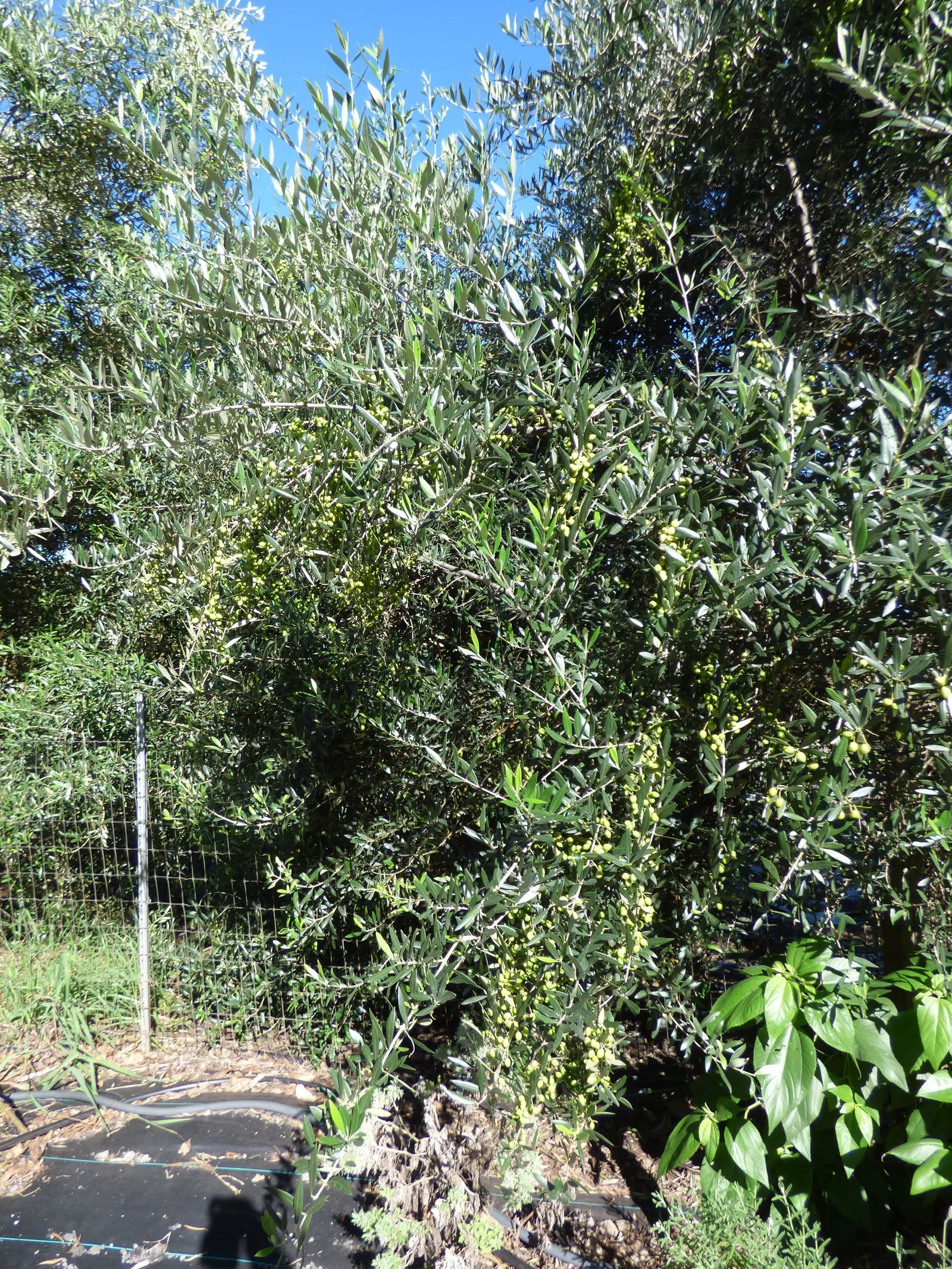
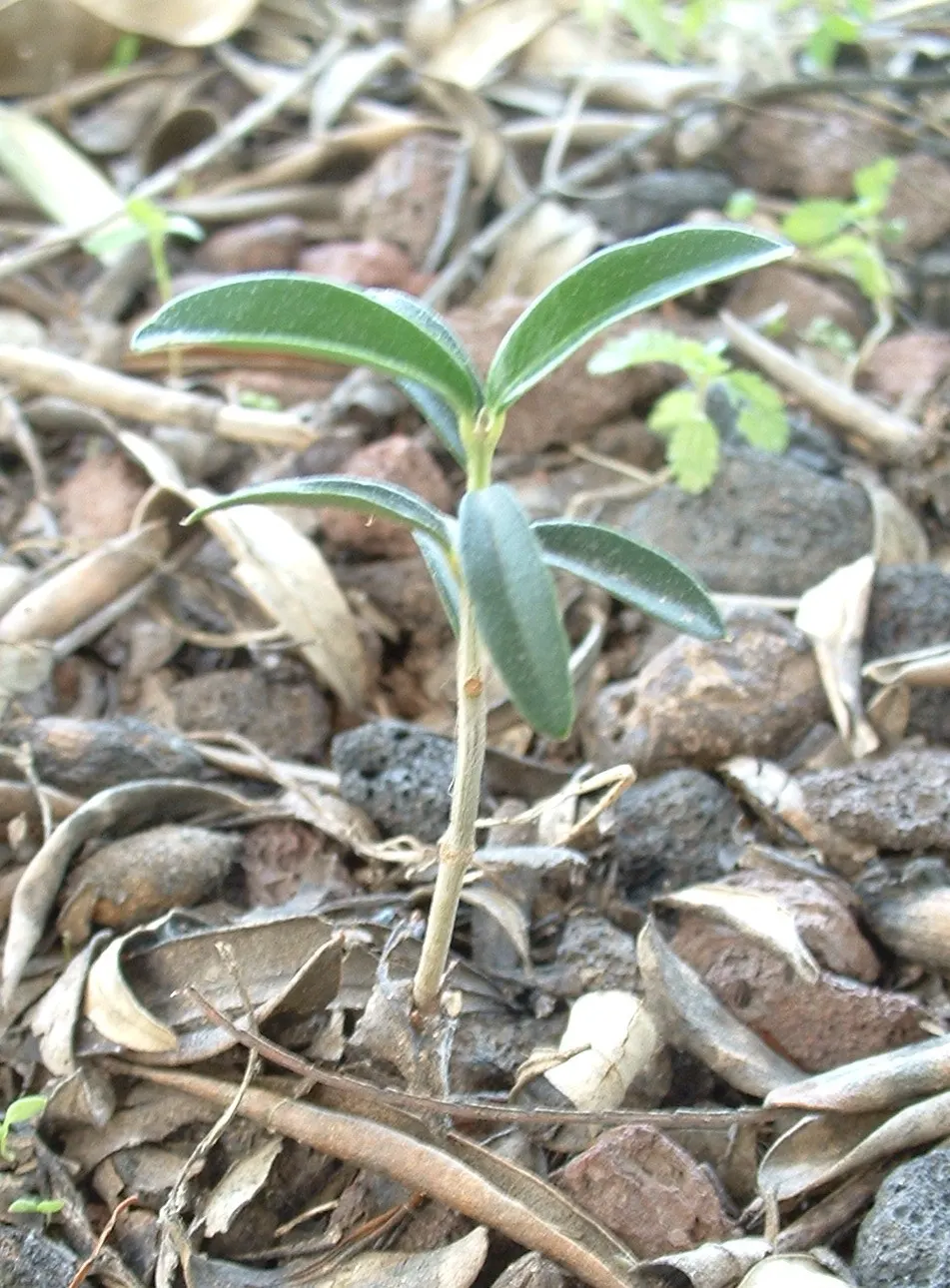
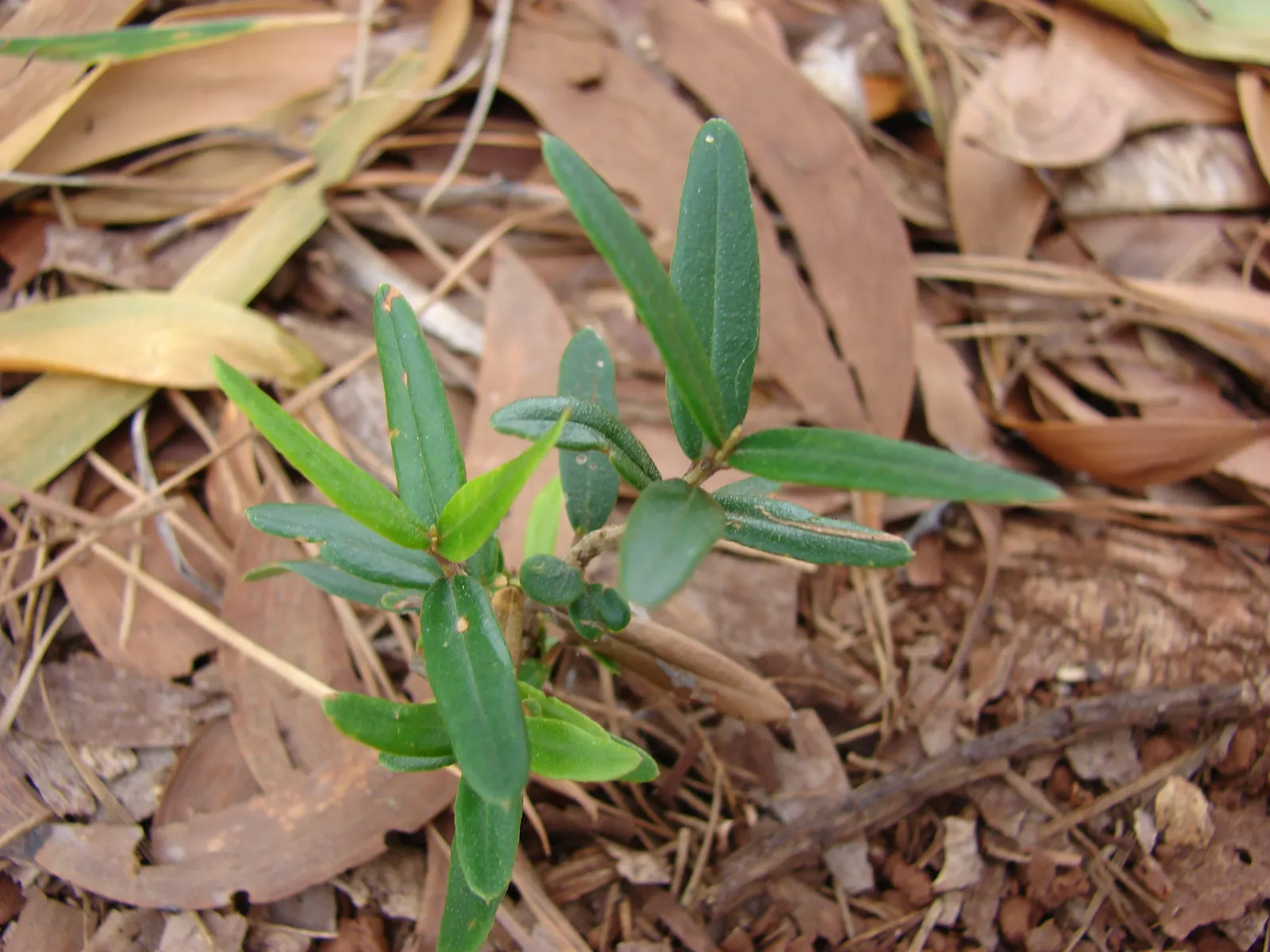
Olive (Olea Europaea) — is an iconic and versatile evergreen that can bring a Mediterranean essence to any landscape design
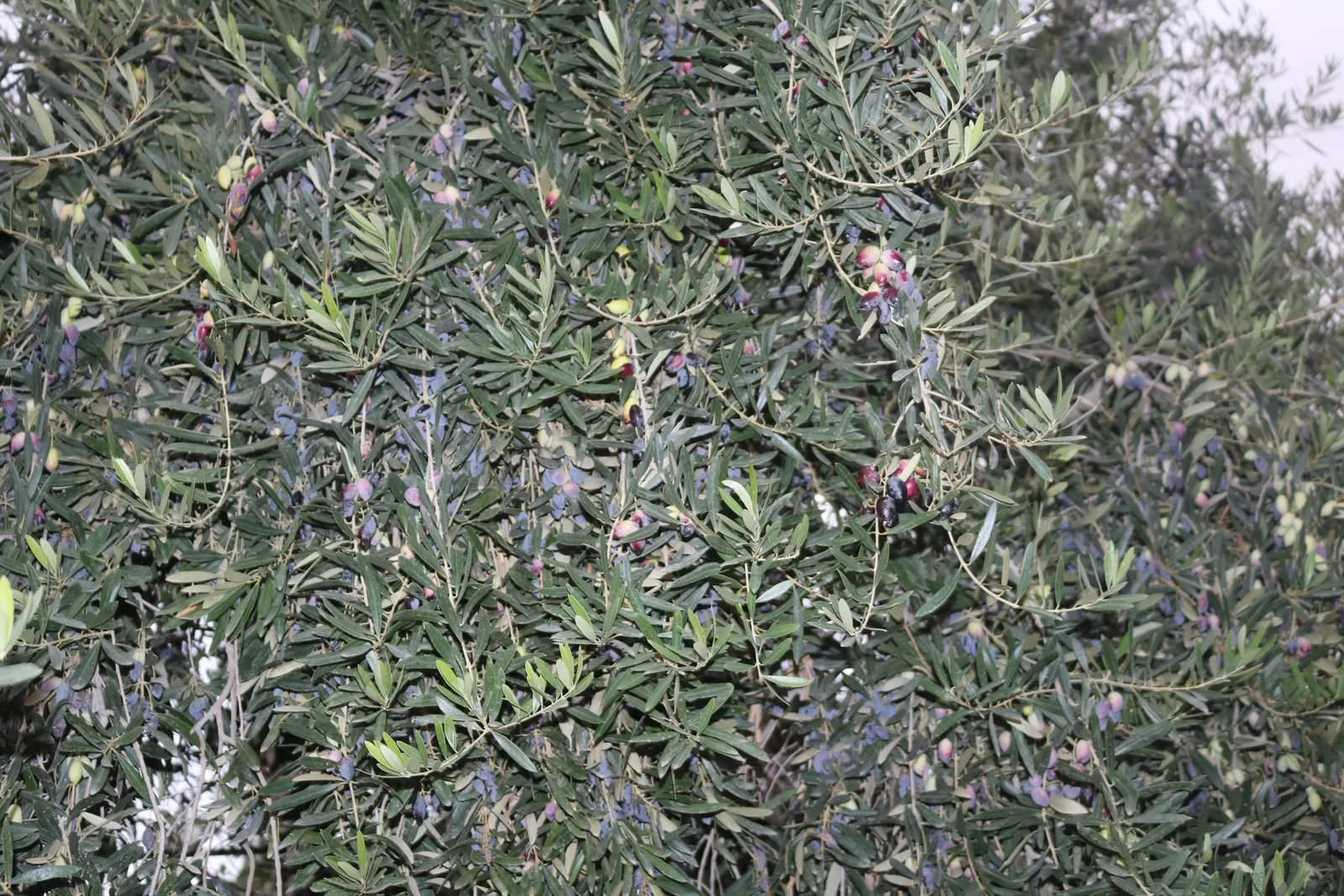
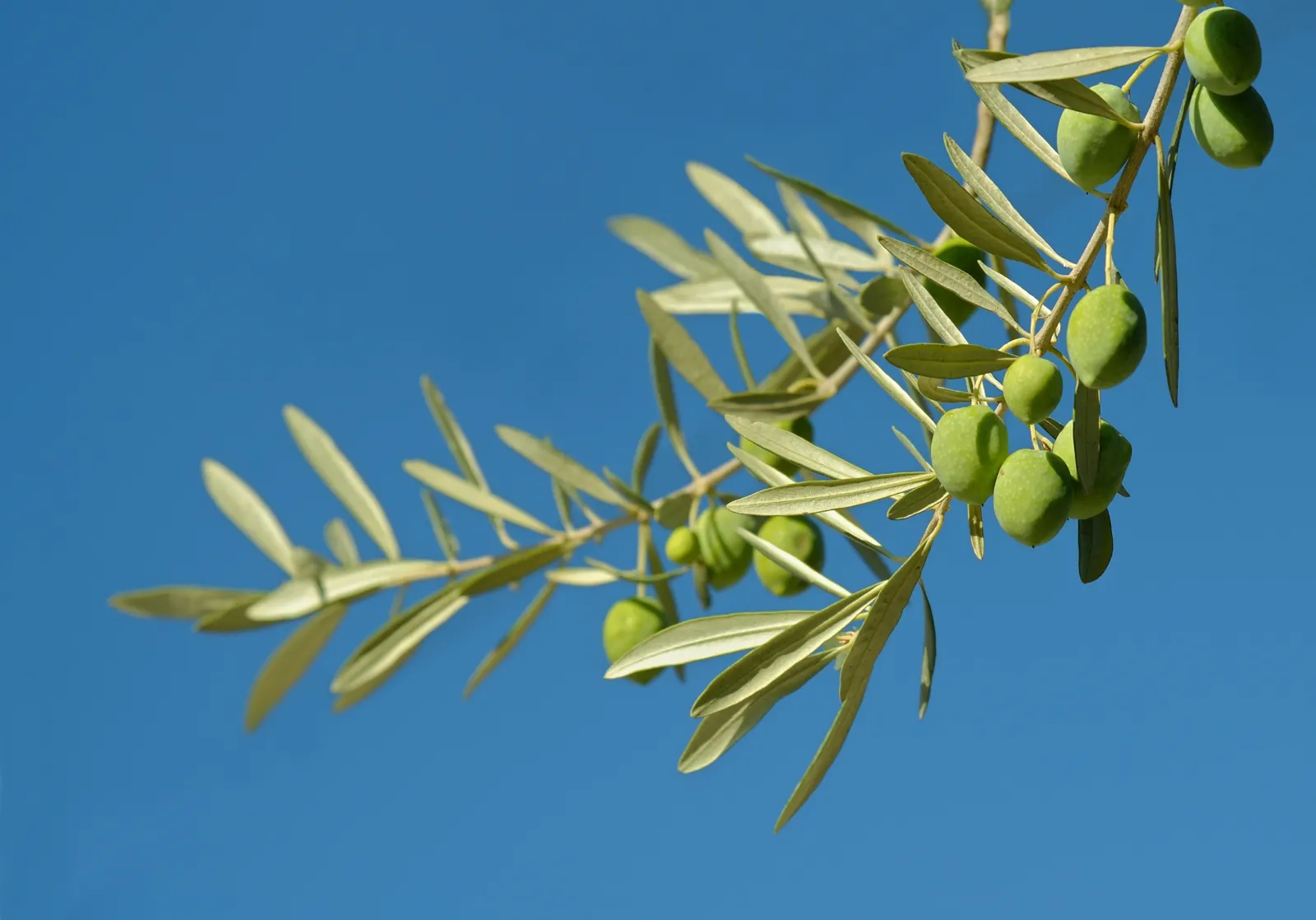
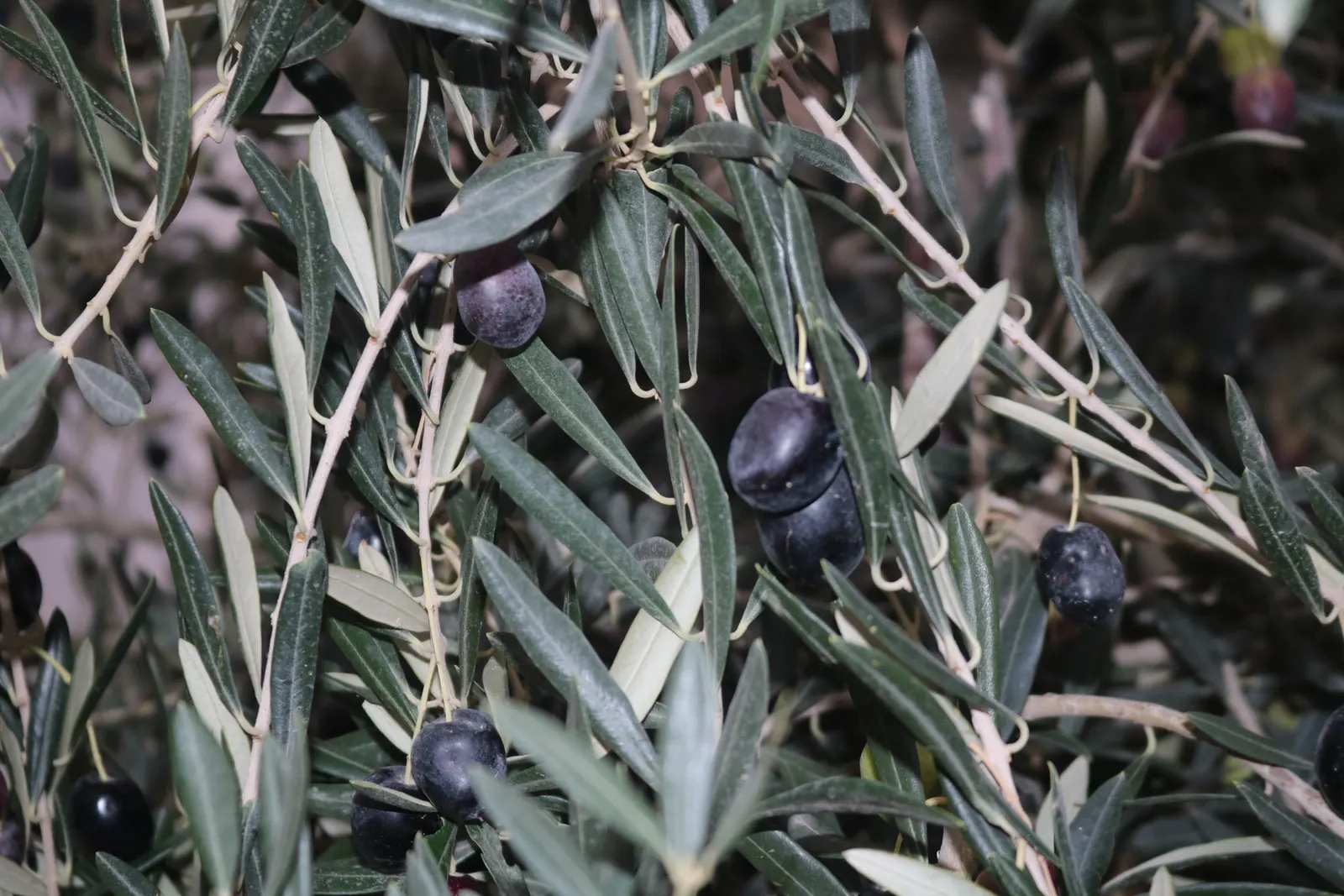
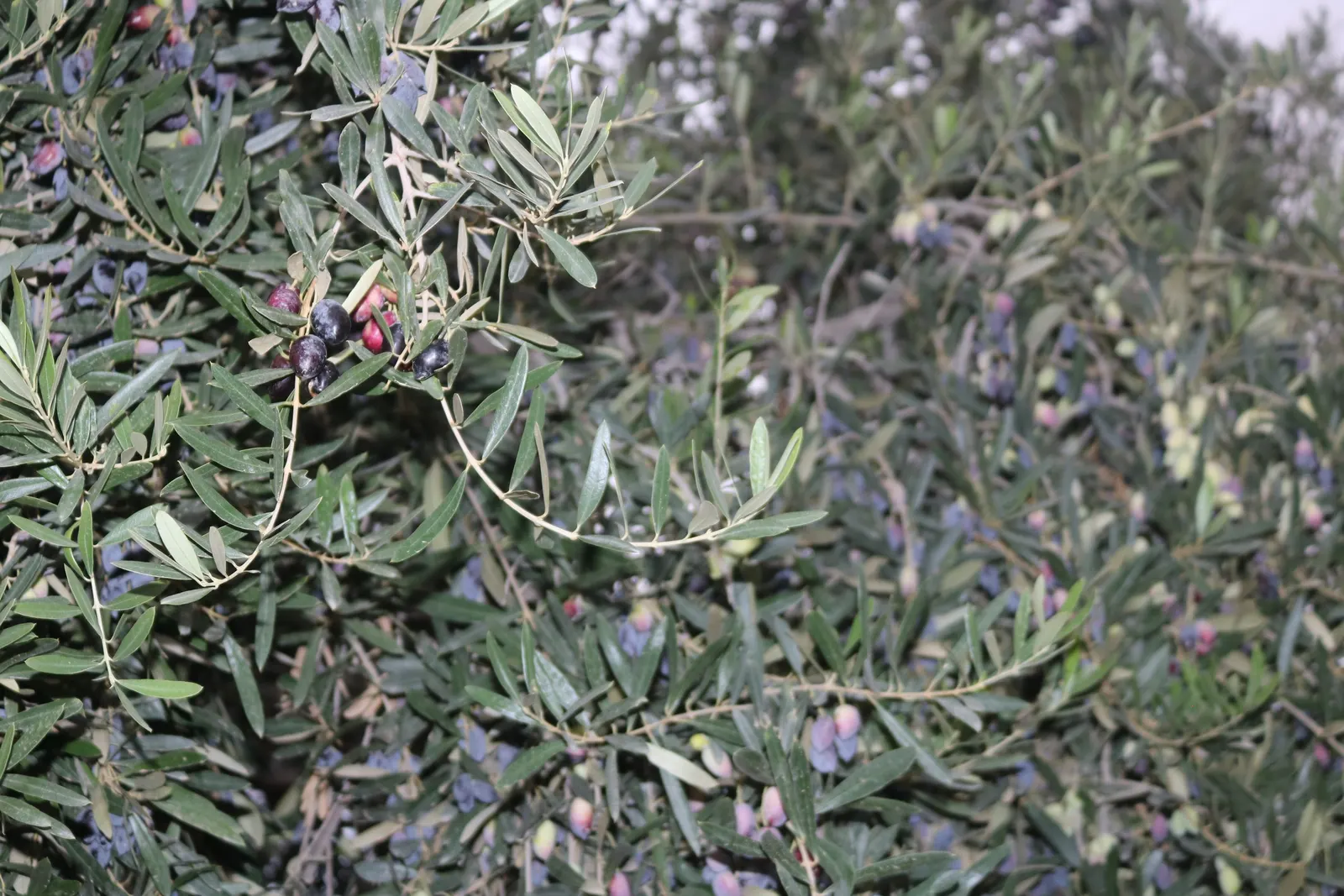
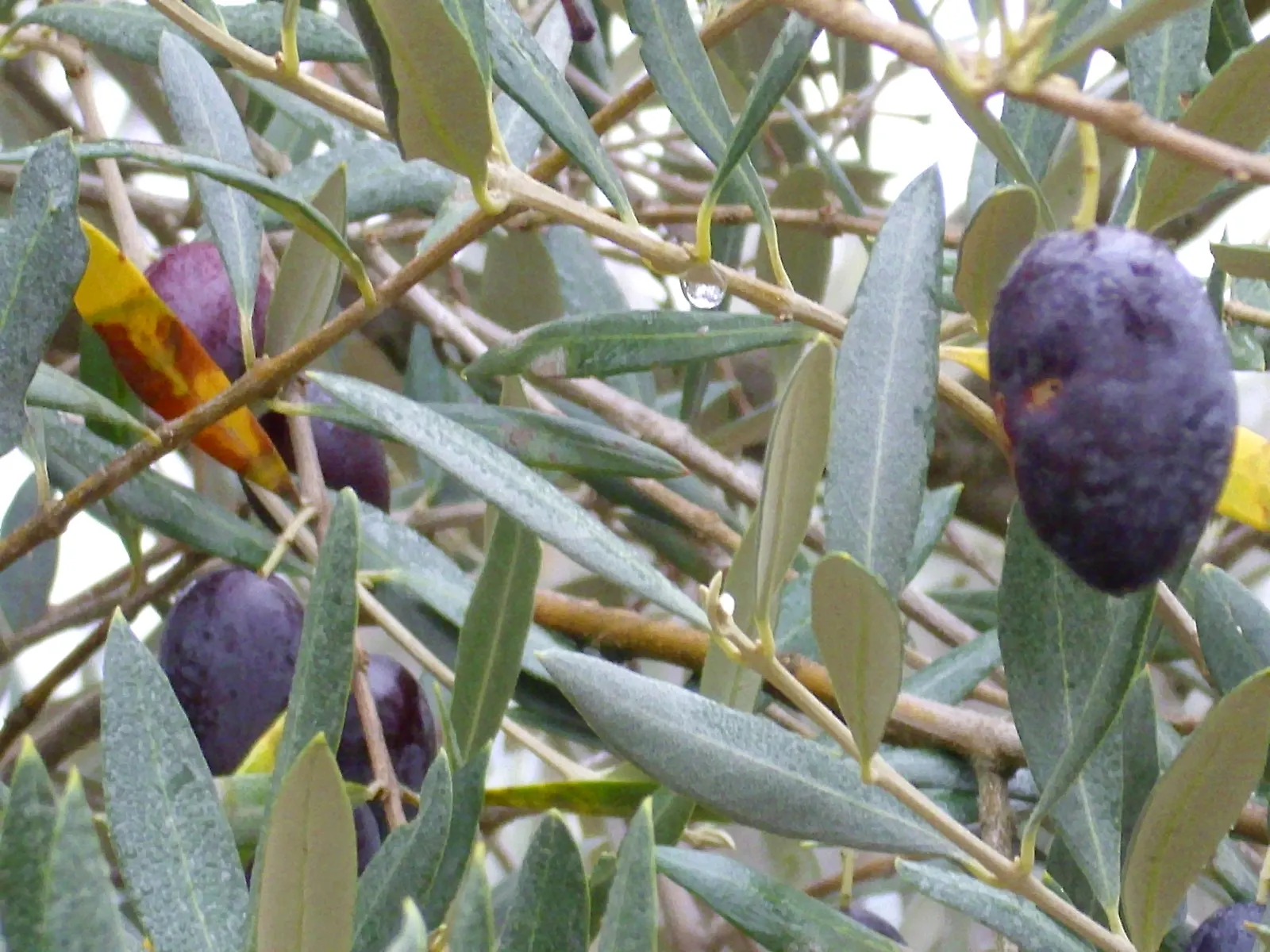
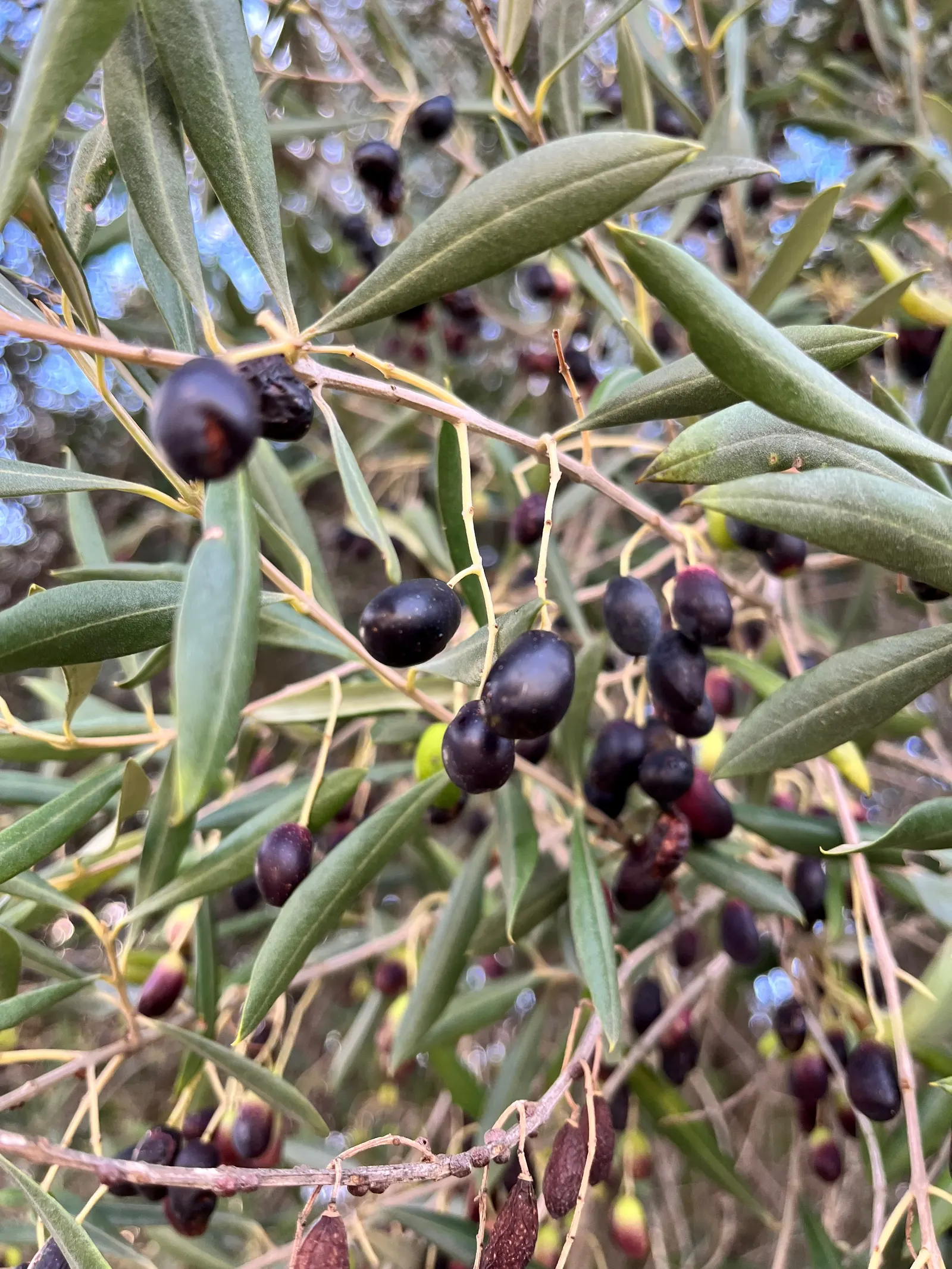
Olive (Olea Europaea) — Olives are harvested in fall and can be processed or left for ornamental purposes
Olive (Olea Europaea) — Olea europaea, commonly called Olive tree, is revered for its evergreen foliage and gnarly trunk
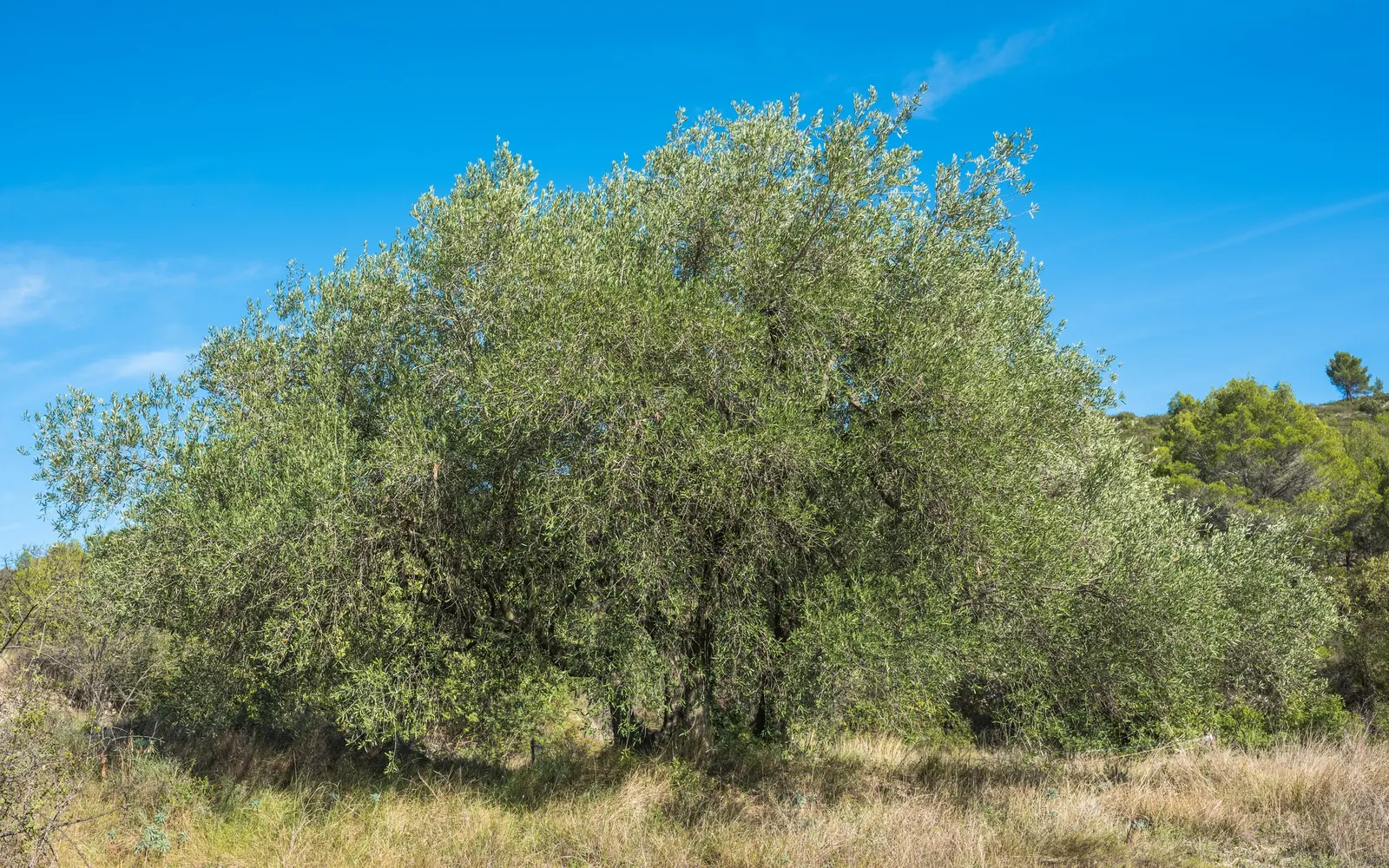
Olive (Olea Europaea) — Mature specimens reach up to 30-40 feet in height with a spread of 15-30 feet
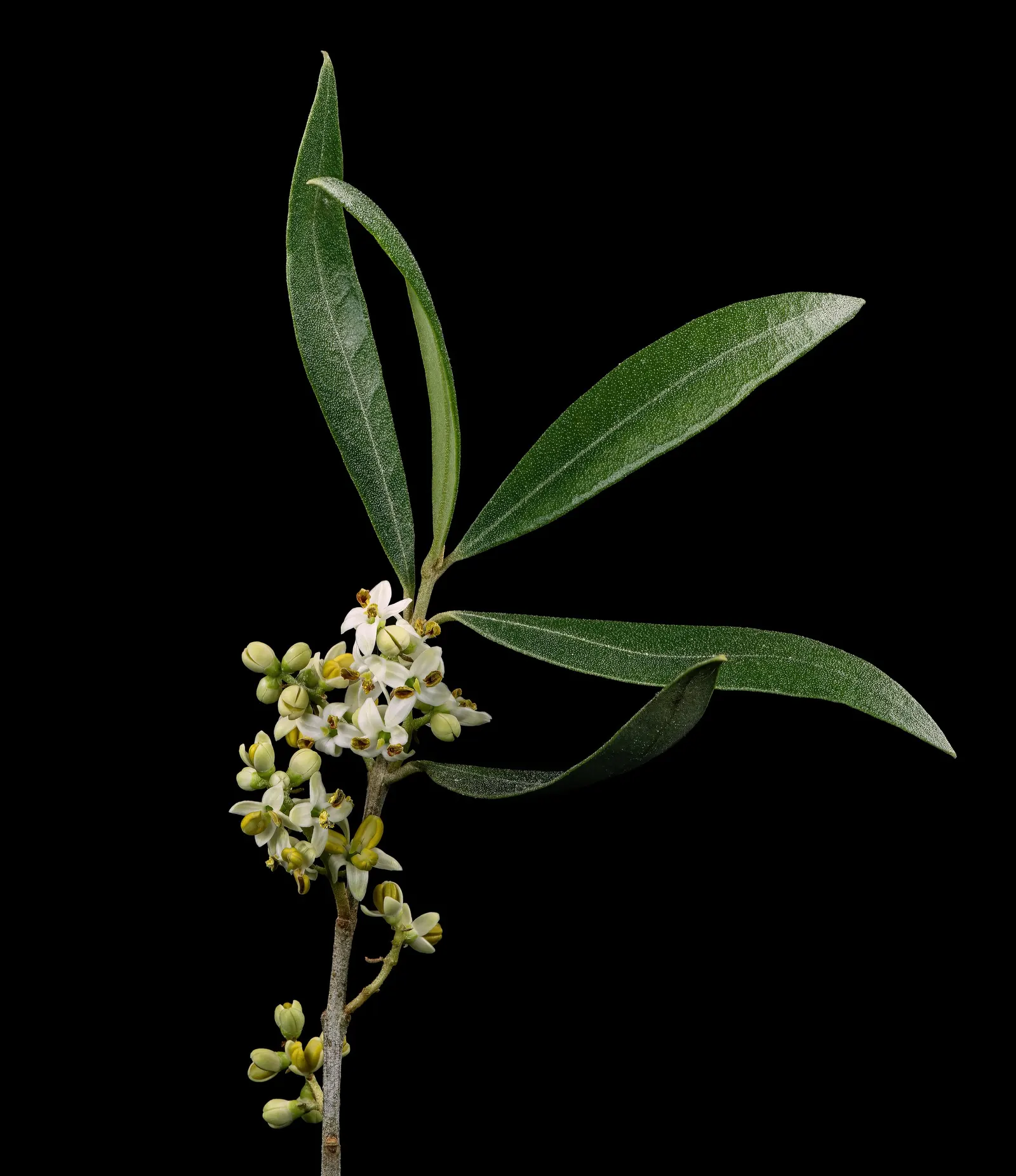
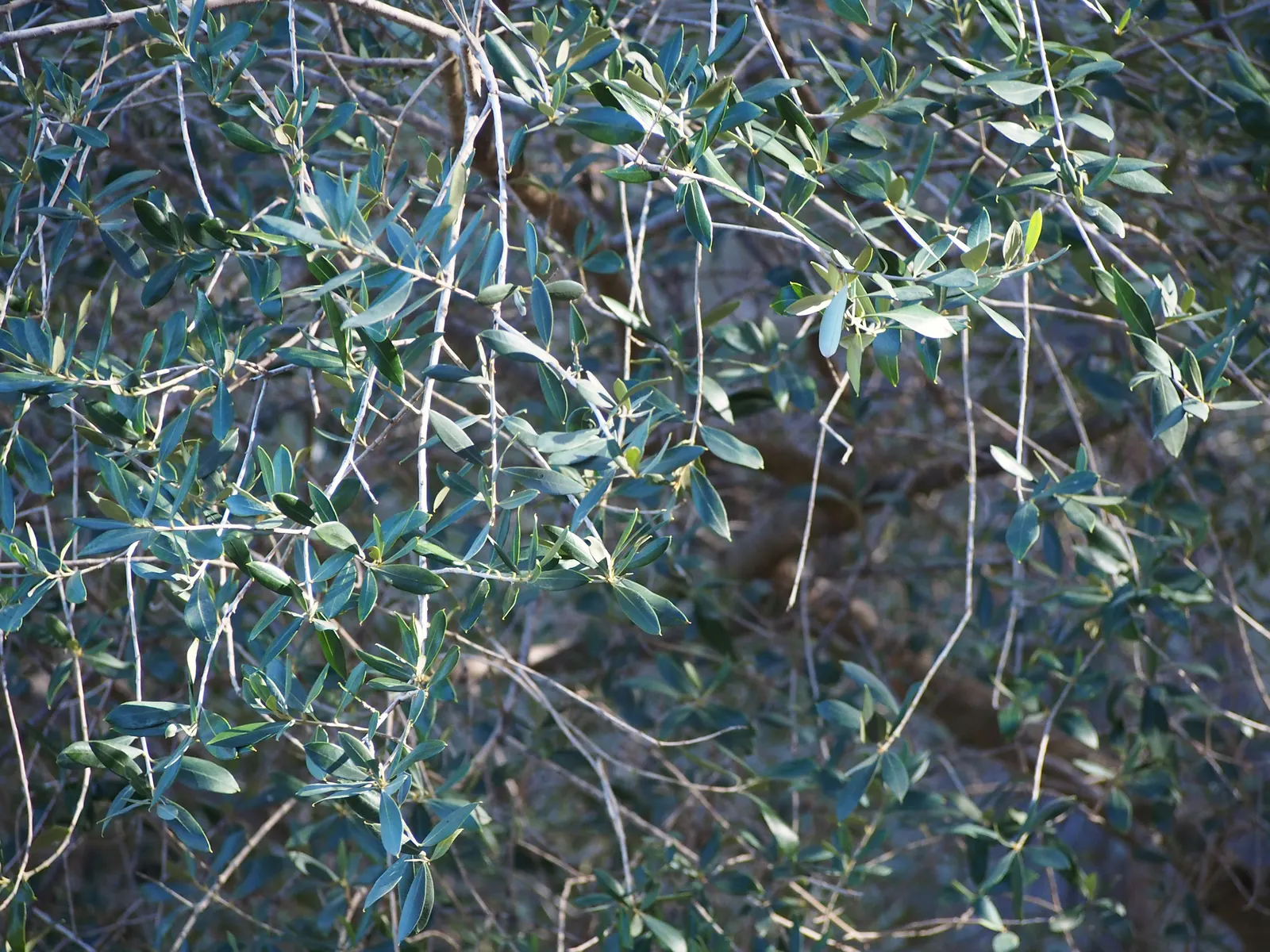
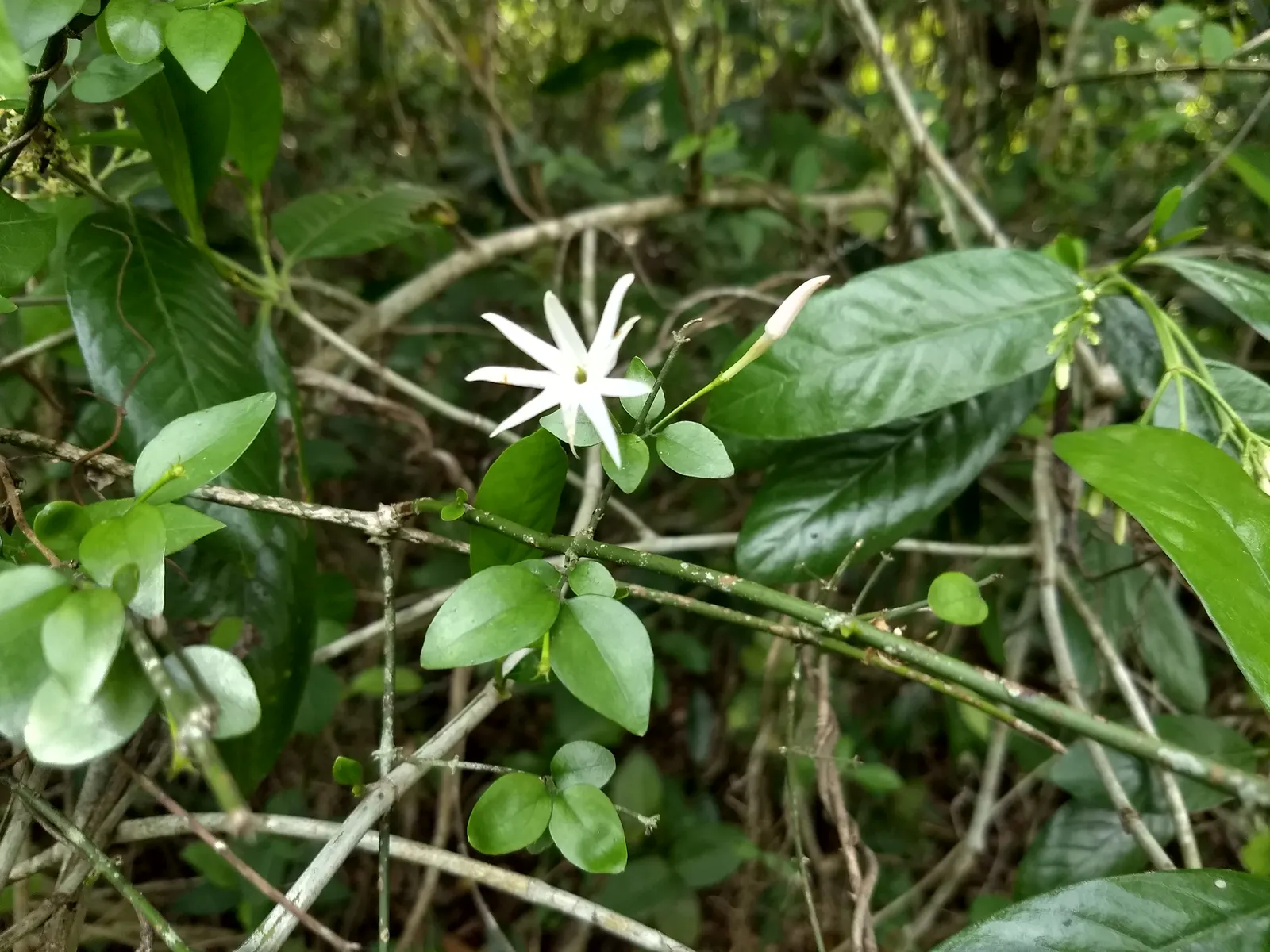
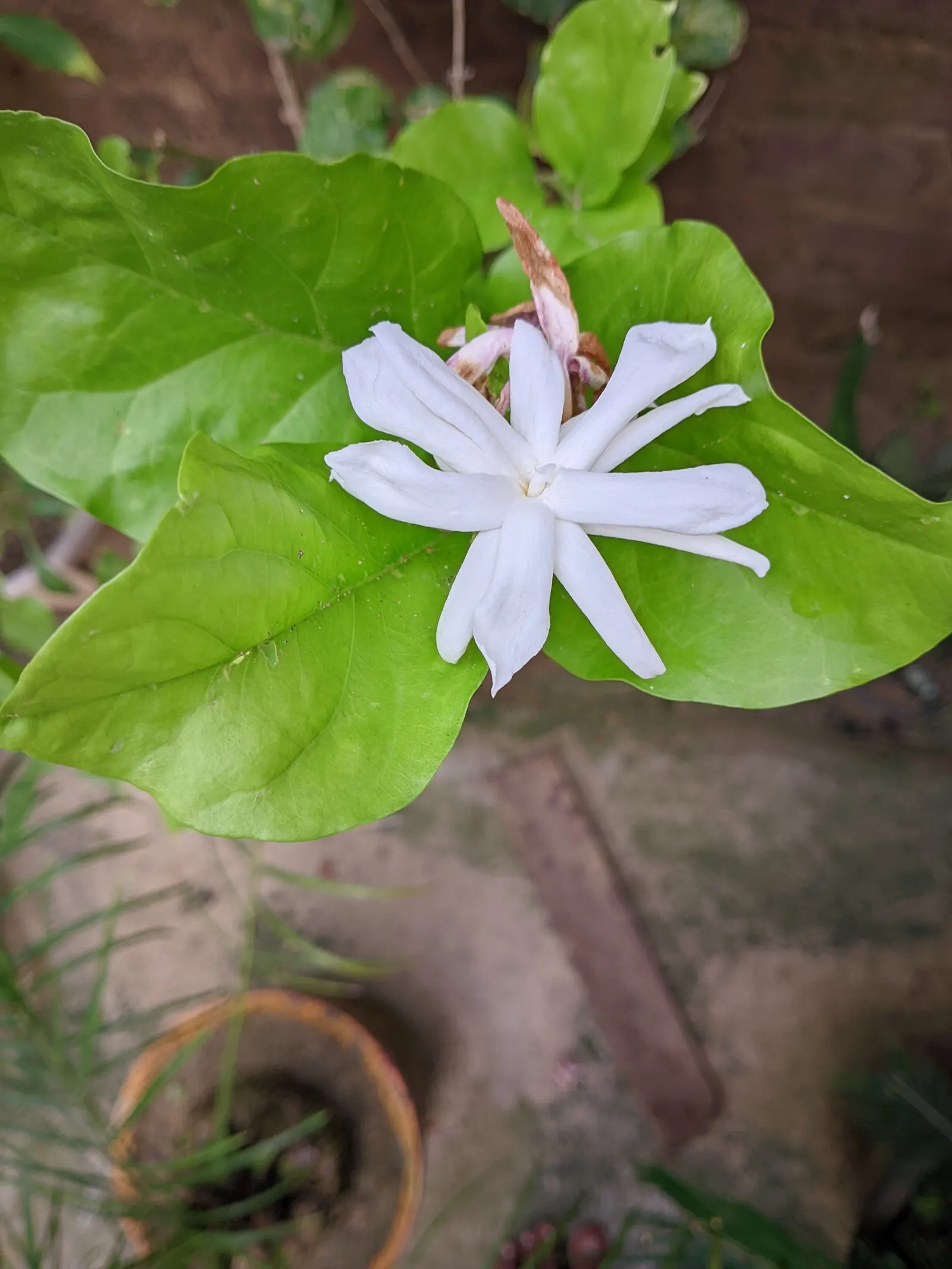
Olive (Olea Europaea) — Its silvery leaves and small, fragrant white flowers complement Mediterranean-style landscapes
Olive (Olea Europaea) — Thriving in USDA zones 8-11, it prefers full sun and well-draining soil, tolerating drought once established
Olive (Olea Europaea) — commonly referred to as the European olive
Olive (Olea Europaea) — airy canopy can create a perfect focal point or a picturesque screen in the garden
Olive (Olea Europaea) — Generally growing with a height of 20 to 30 feet and a spread of 15 to 25 feet
Olive (Olea Europaea) — Although renowned for its resilience to drought conditions once established
Olive (Olea Europaea) — to thrive and produce fruit
Olive (Olea Europaea) — Its hardiness is rated from USDA zones 8 to 11
Olive (Olea Europaea) — adequate watering during its initial growth period ensures a strong
Olive (Olea Europaea) — make it an exquisite and enduring choice for any landscape project
Olive (Olea Europaea) — providing a striking color contrast against darker foliage or bright flowering plants
Olive (Olea Europaea) — The small, fragrant, cream-white flowers that bloom in spring are subtle yet pleasantly aromatic
Olive (Olea Europaea) — With proper conditions, olives will eventually bear fruit, which typically matures in the fall
Olive (Olea Europaea) — which can reach hundreds of years
Olive (Olea Europaea) — white flowers in the garden
Olive (Olea Europaea) — Its silvery leaves and small, fragrant white flowers complement Mediterranean-style landscapes; make it an exquisite and enduring
Olive (Olea Europaea) — tree with white blooms
Olive (Olea Europaea) — tree for full
Olive (Olea Europaea) — Olea europaea, commonly called Olive tree, is revered for its evergreen foliage and gnarly trunk; thriving in USDA zones 8-11, it
Olive (Olea Europaea) — Mature specimens reach up to 30-40 feet in height with a spread of 15-30 feet; to thrive and produce fruit

Related plants