Skip to content

Missouri Primrose

Oenothera Missourensis

Design with this plant

Overview

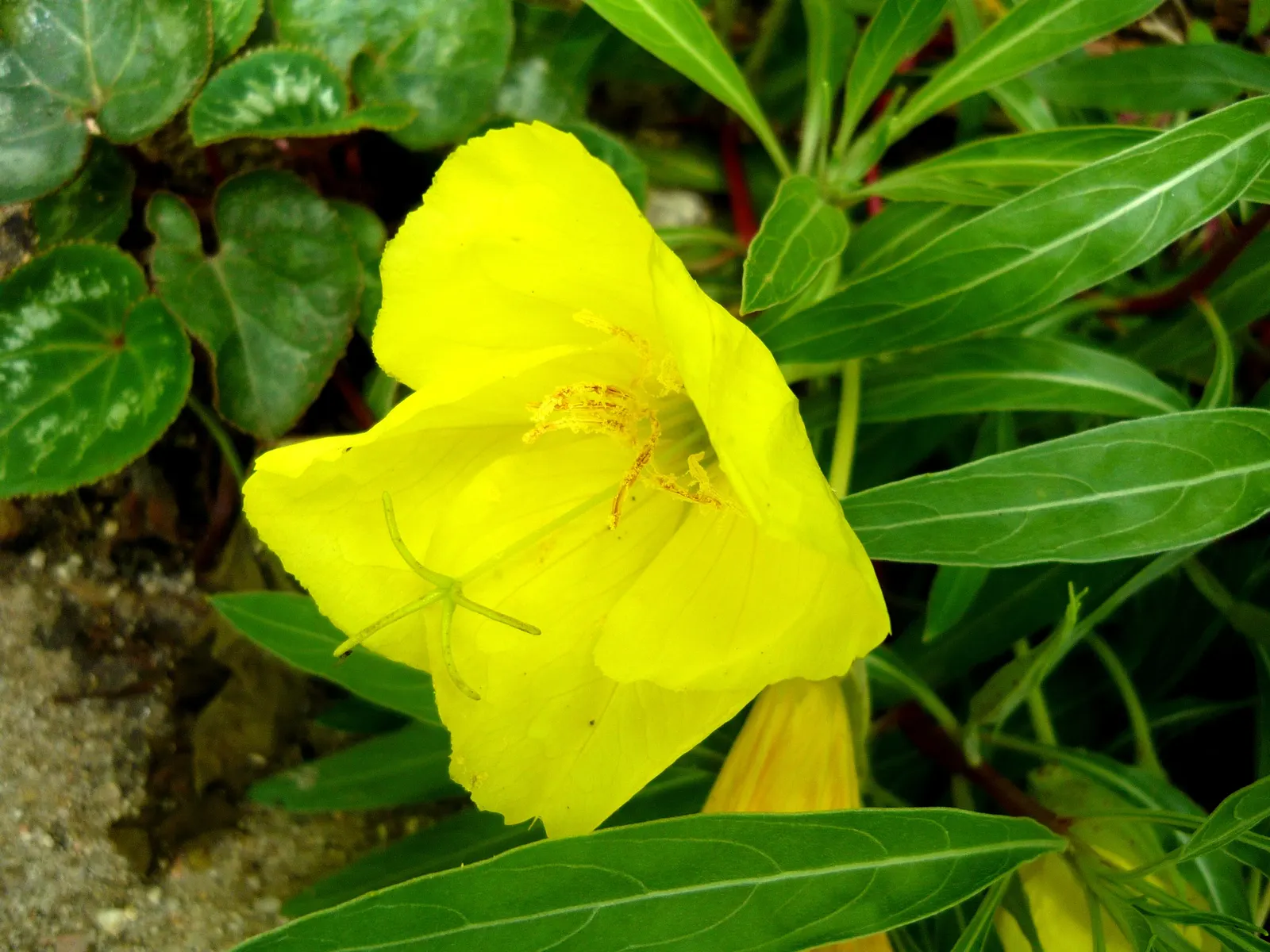
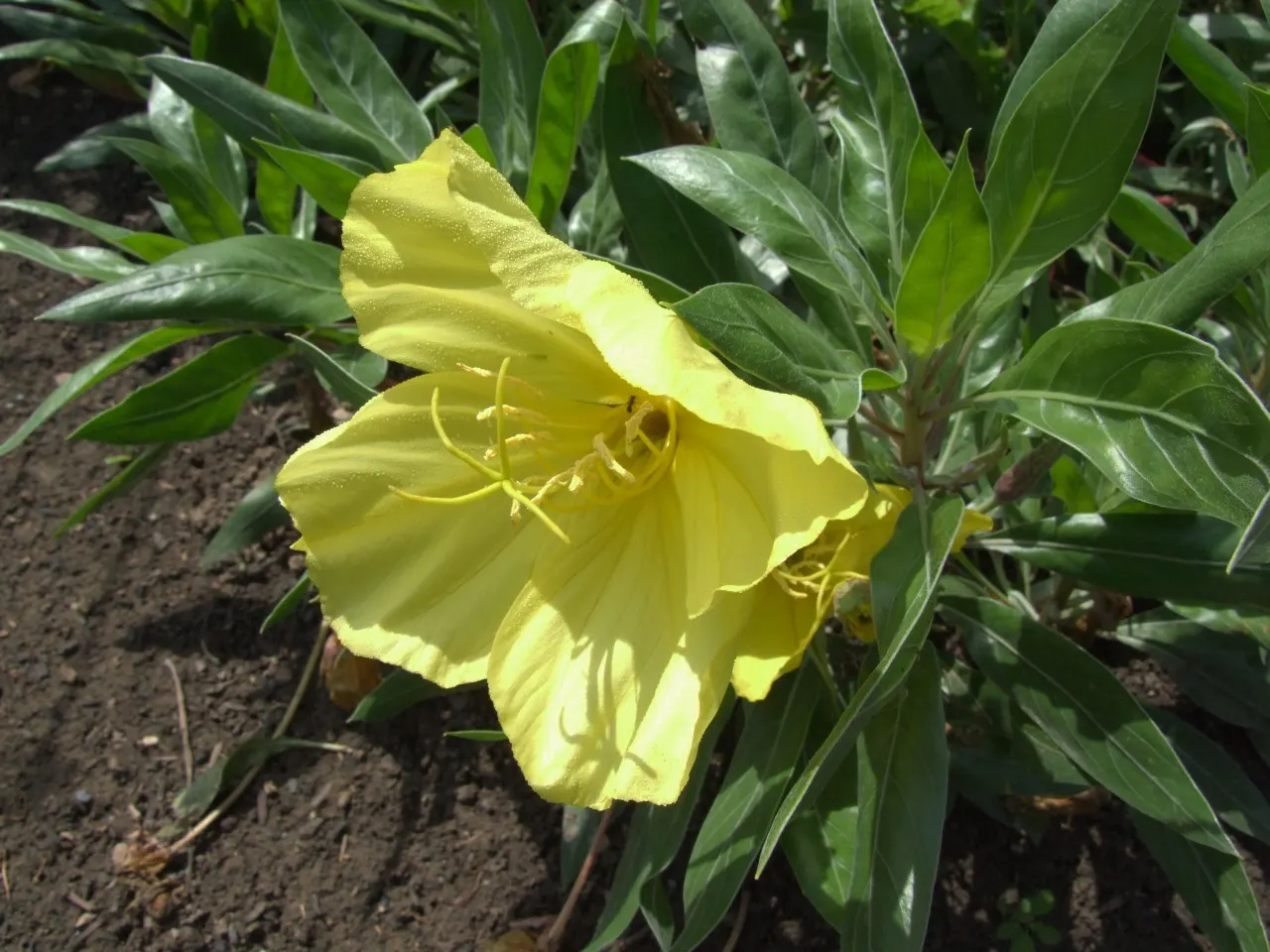
Missouri Primrose (Oenothera missouriensis) is a drought-tolerant perennial boasting large, cup-shaped, yellow flowers up to 5 inches wide. Flourishes in well-drained soil in full sun, reaching 9-12 inches tall with a spread of 10-20 inches. Ideal for rock gardens, borders, and naturalized areas. Blooms from late spring to early fall, attracting pollinators. Hardy in USDA Zones 3-7, displaying low-growing, sprawling habitat with dark green, lance-shaped leaves.
Sun Full, HalfWater Low, MediumZones 4–10Type Ground cover, PerennialClimate Temperate
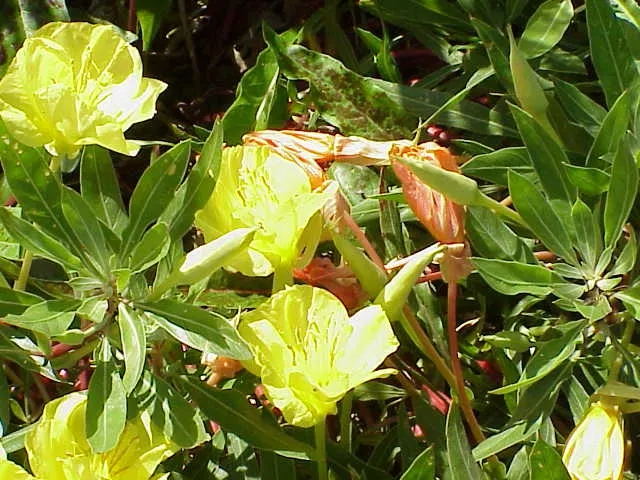
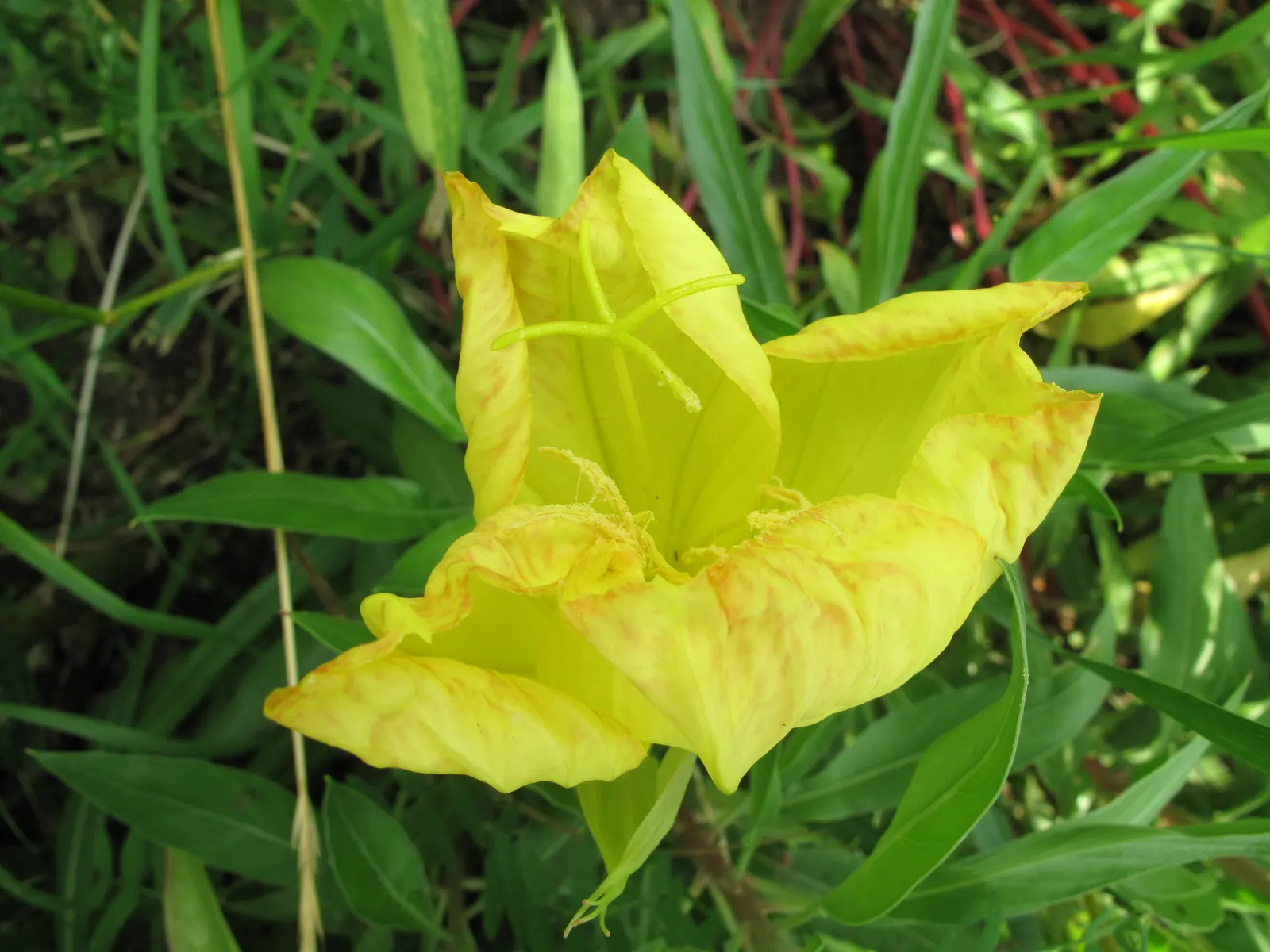
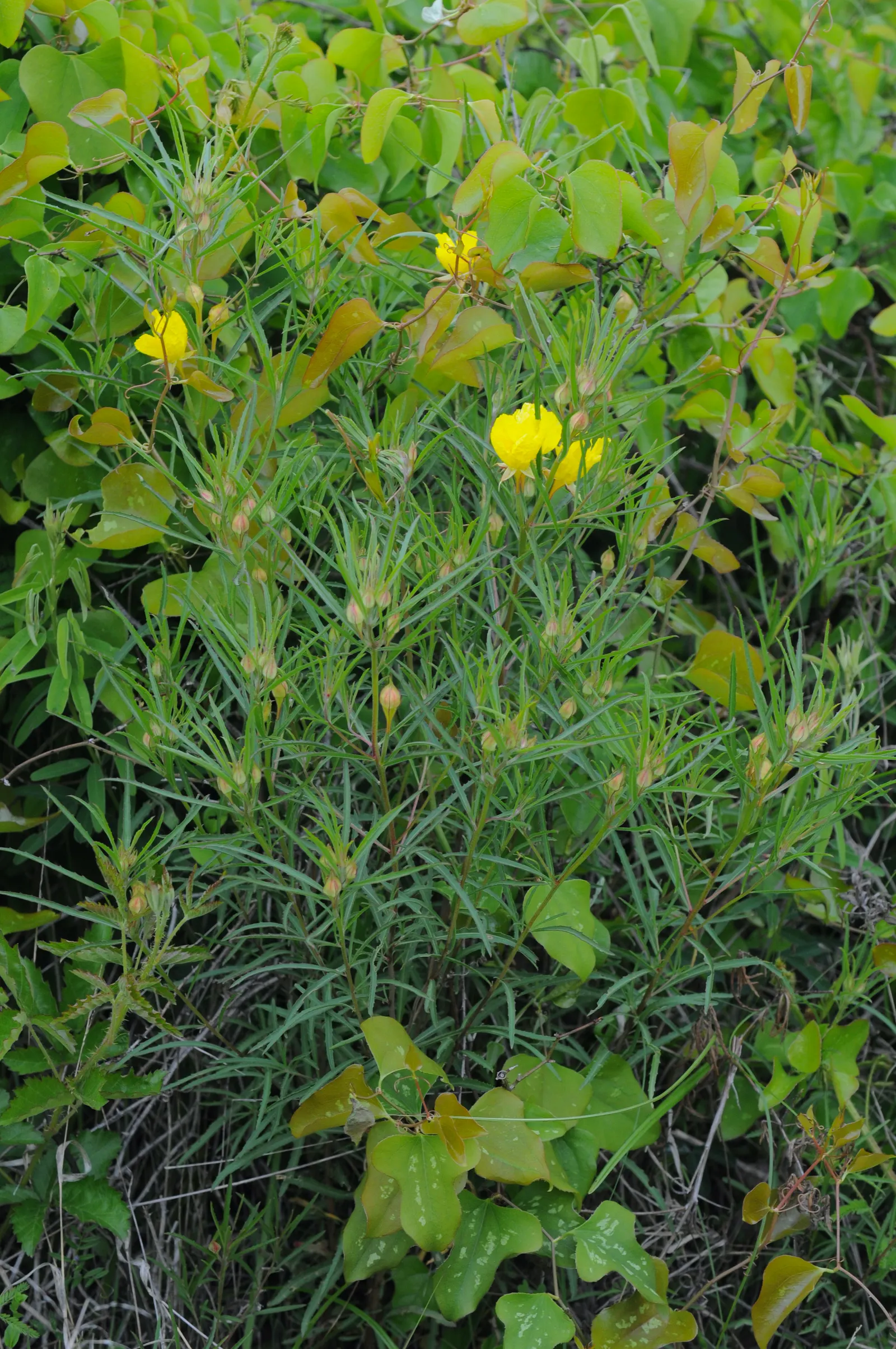
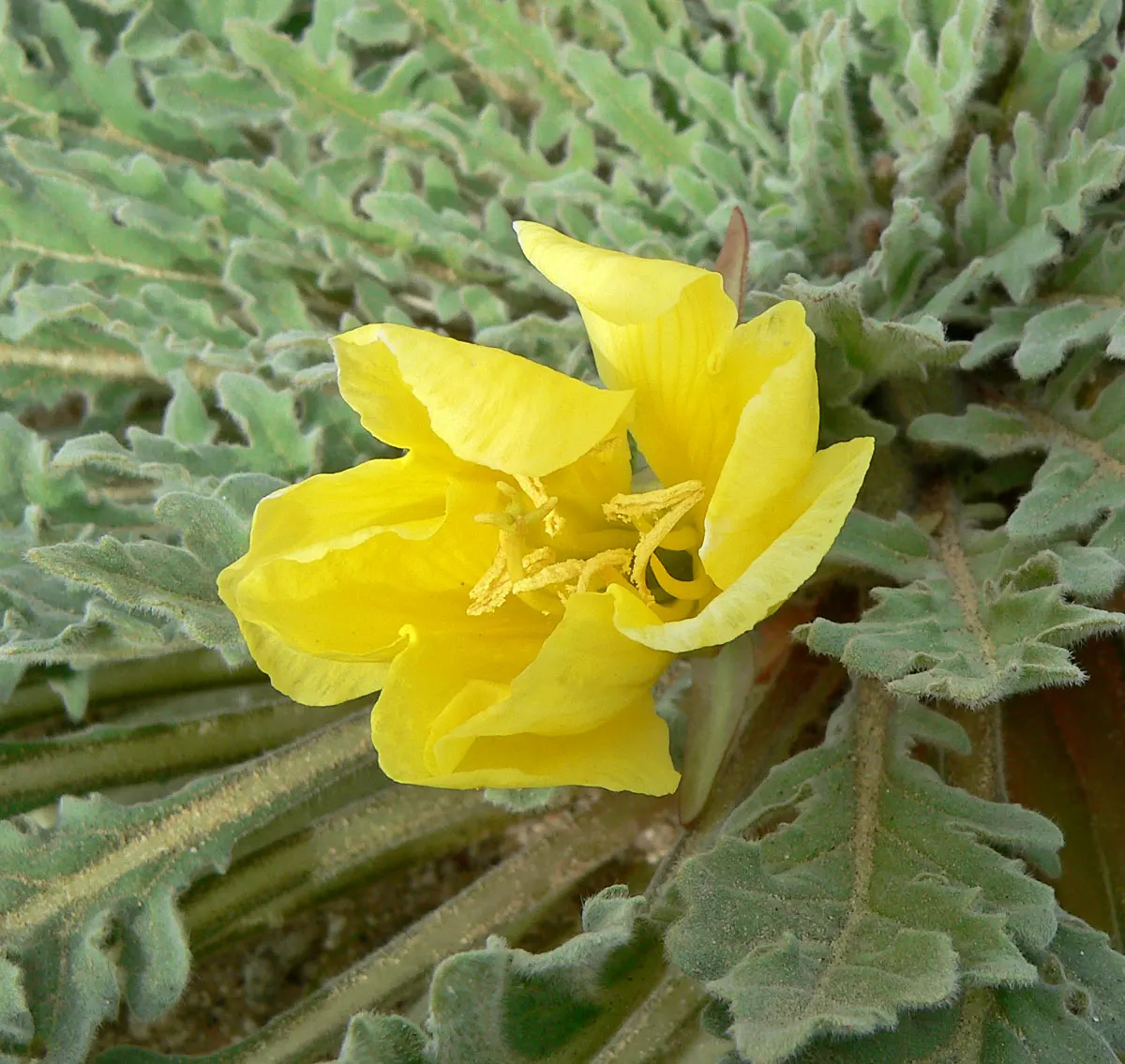
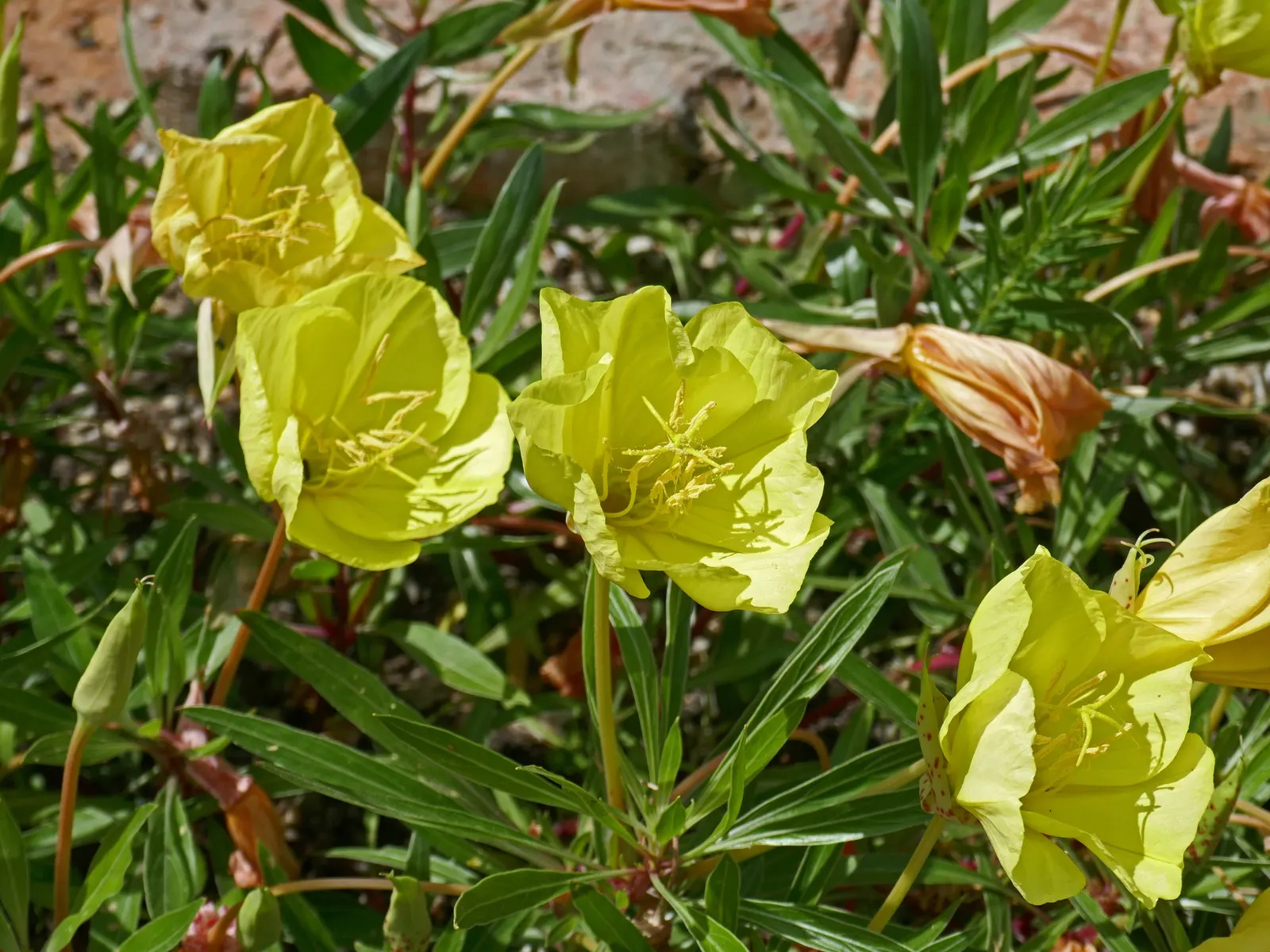
Missouri Primrose (Oenothera Missourensis) — Blooms from late spring to early fall, attracting pollinators; yellow flowers up to 5 inches wide, image 52

Culture

Sun
Full, Half
Water
Low, Medium
USDA zones
4–10

Shape & size

Classification

Type
Ground cover, Perennial
Family
Onagraceae
Climate
Temperate

See full data, regional cultivation notes, and design tools. Build a client presentation around this plant.

Start your 14-day trial

Photos (54)

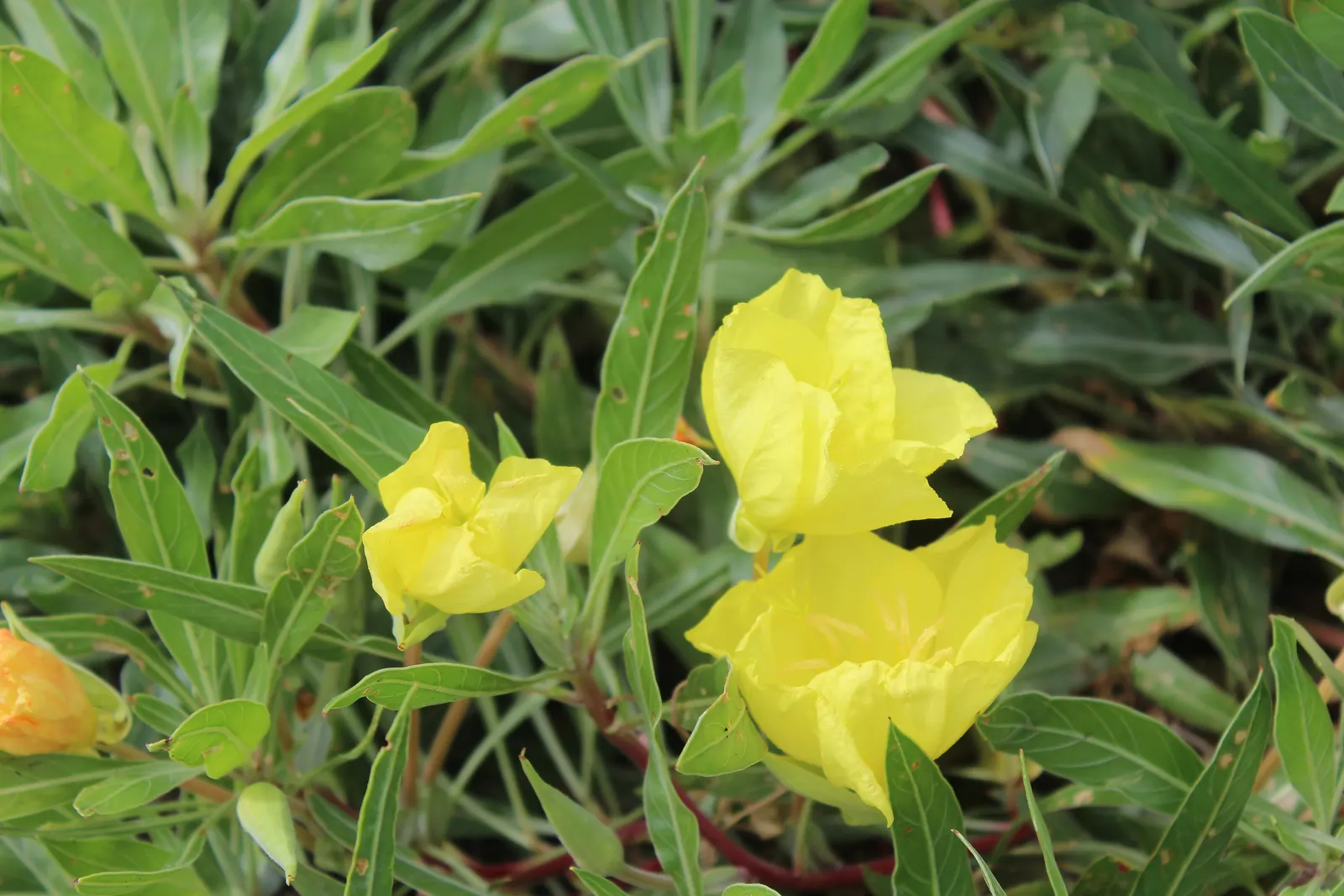
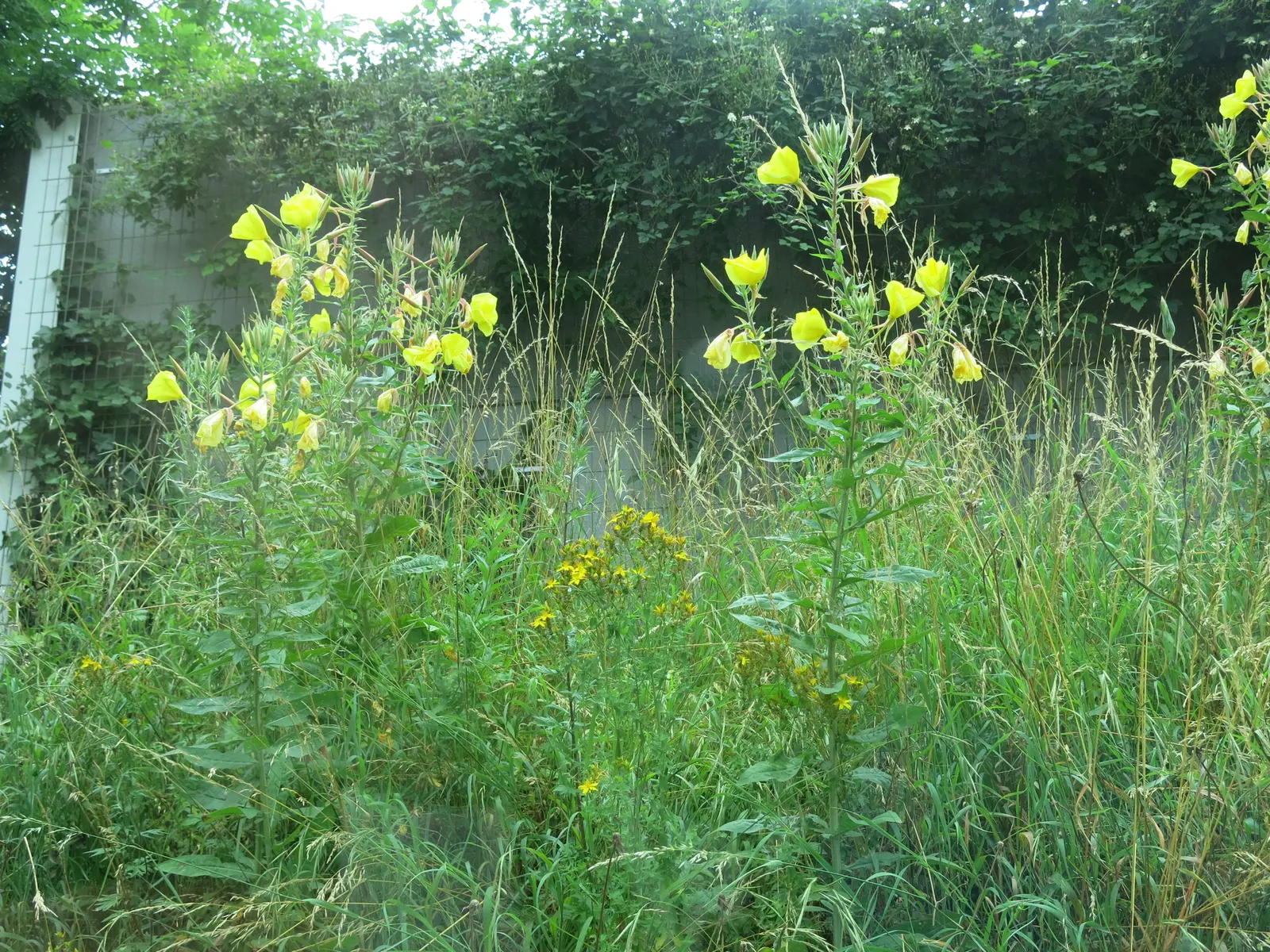
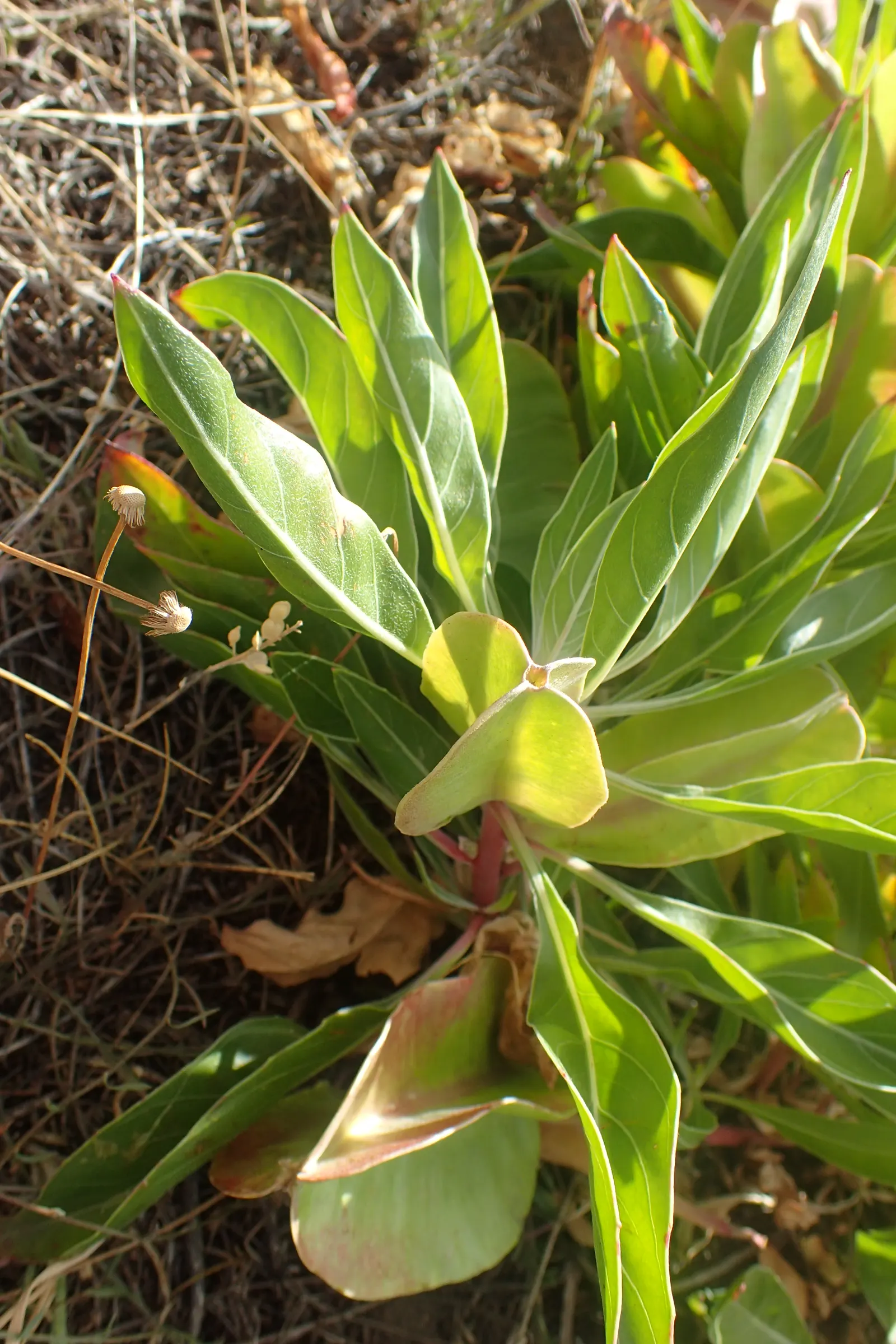
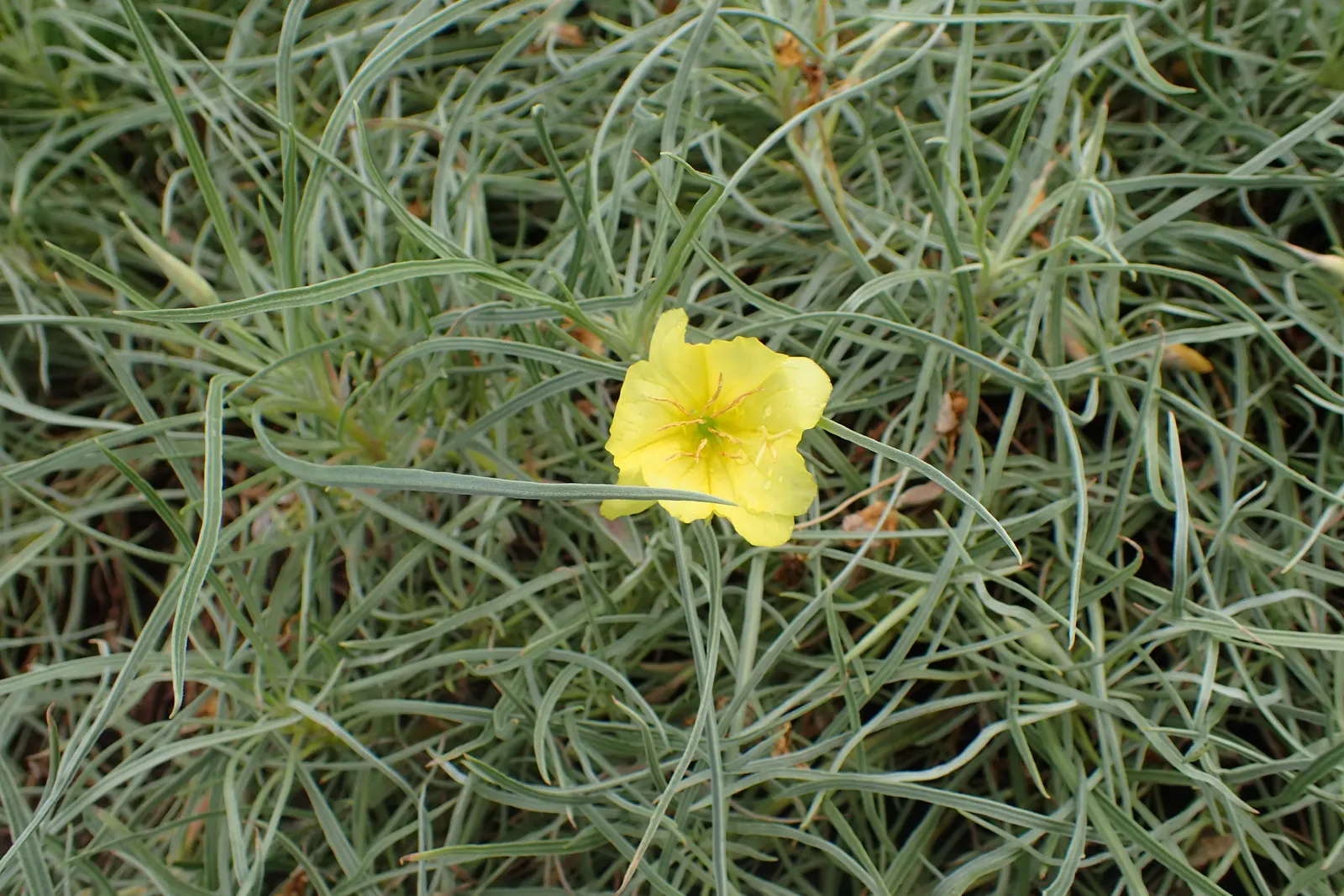
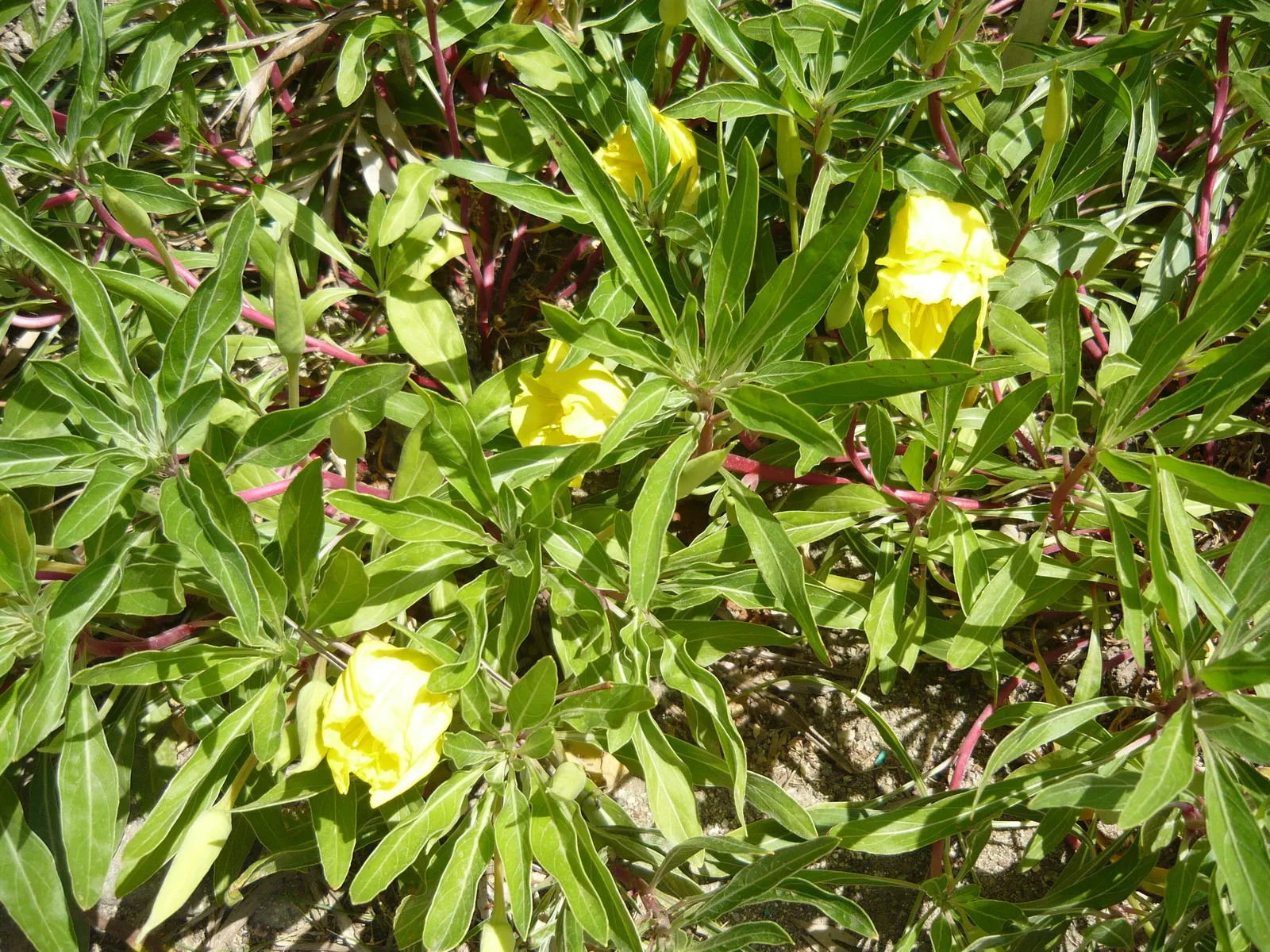
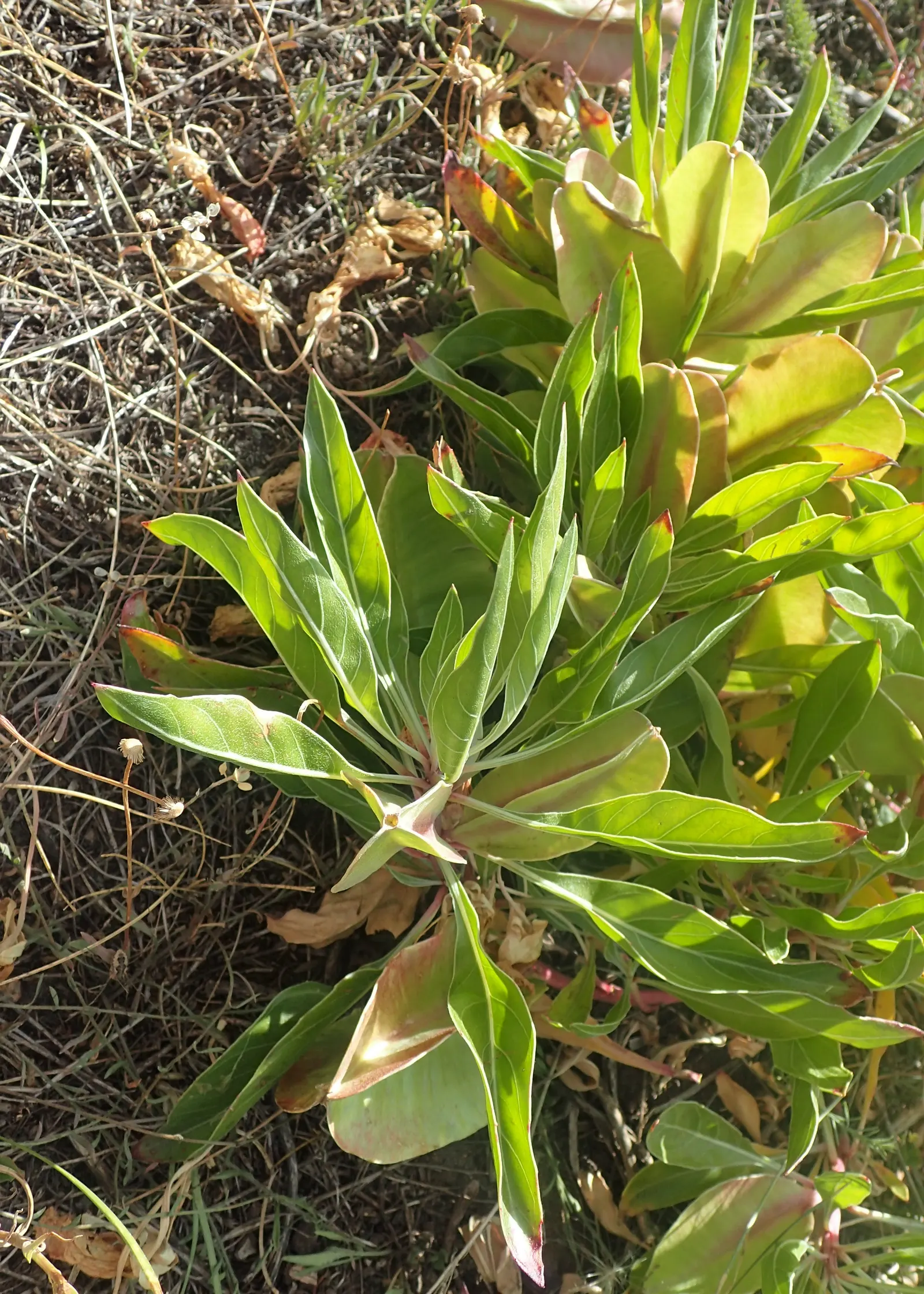
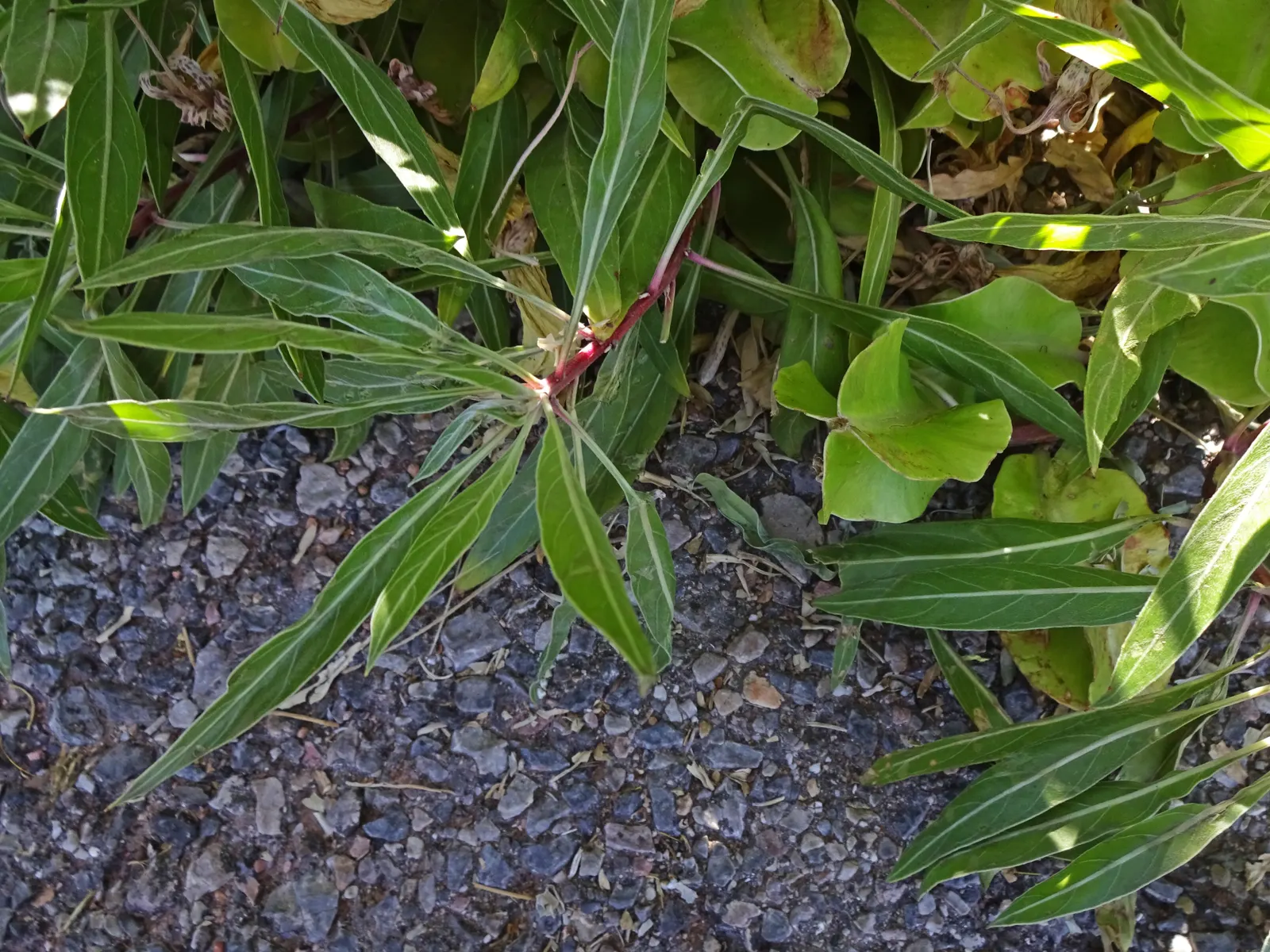
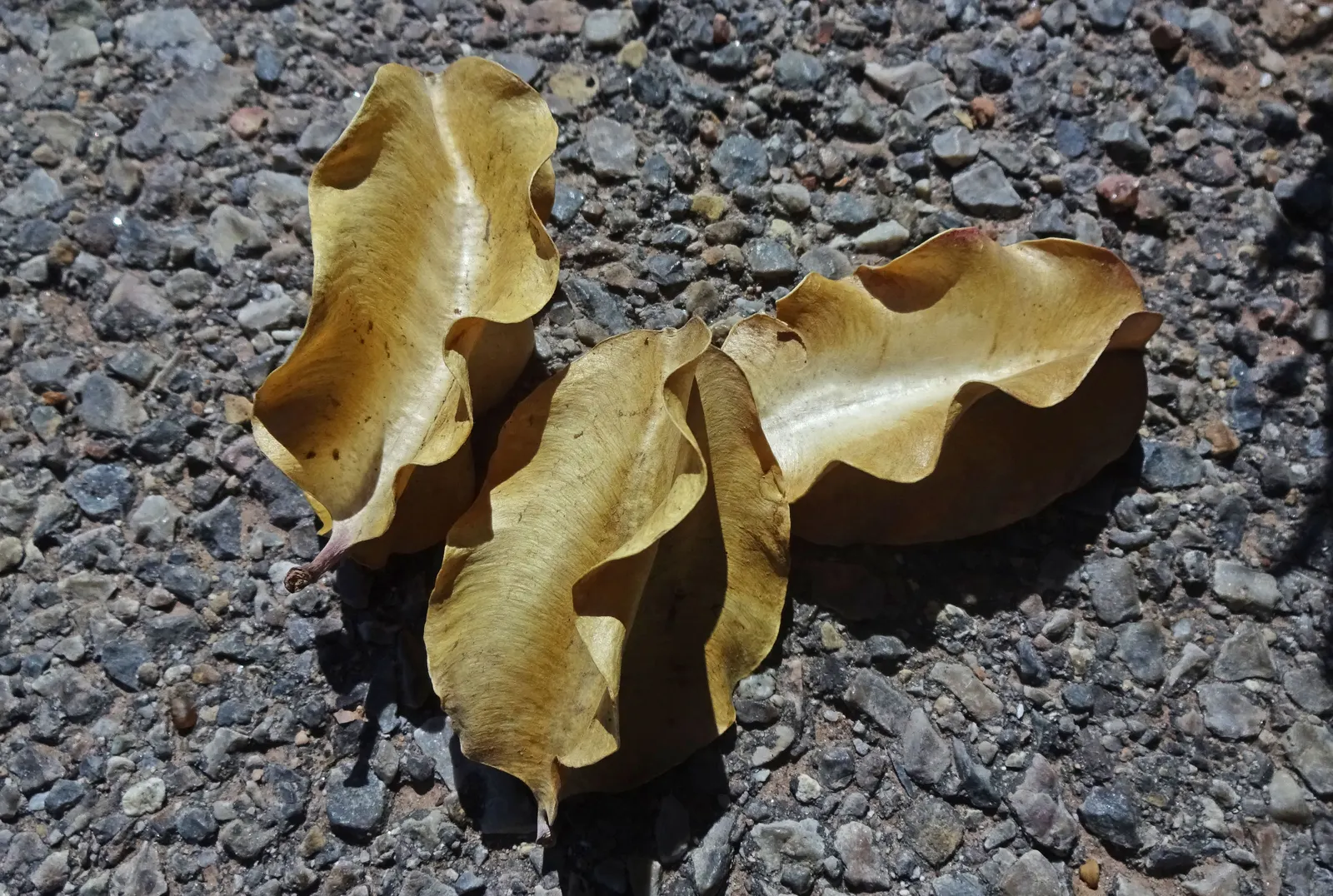
Missouri Primrose (Oenothera Missourensis) — Hardy in USDA Zones 3-7, displaying low-growing, sprawling habitat with dark green, lance-shaped leaves
Missouri Primrose (Oenothera Missourensis) — ground cover / perennial for full or half; making this splendid perennial a favorite among both landscapers and
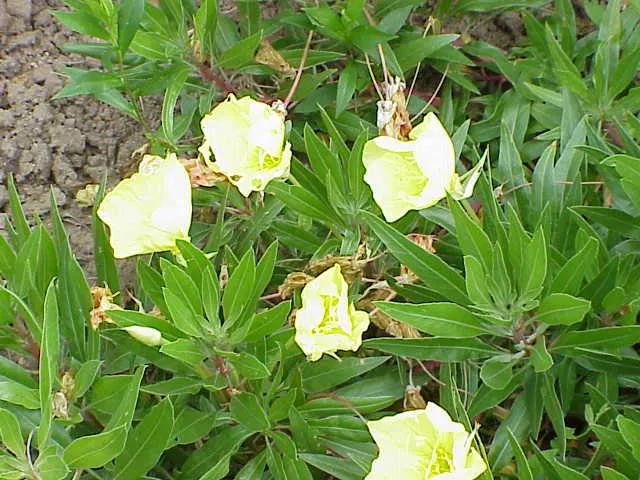
Missouri Primrose (Oenothera Missourensis) — ground cover / perennial with yellow blooms; which are medium green and can grow up to 3 to 6 inches
Missouri Primrose (Oenothera Missourensis) — with occasional watering during prolonged dry spells to maintain its luscious appearance; ideal for rock gardens
Missouri Primrose (Oenothera Missourensis) — knowing that once established; minimal maintenance is needed
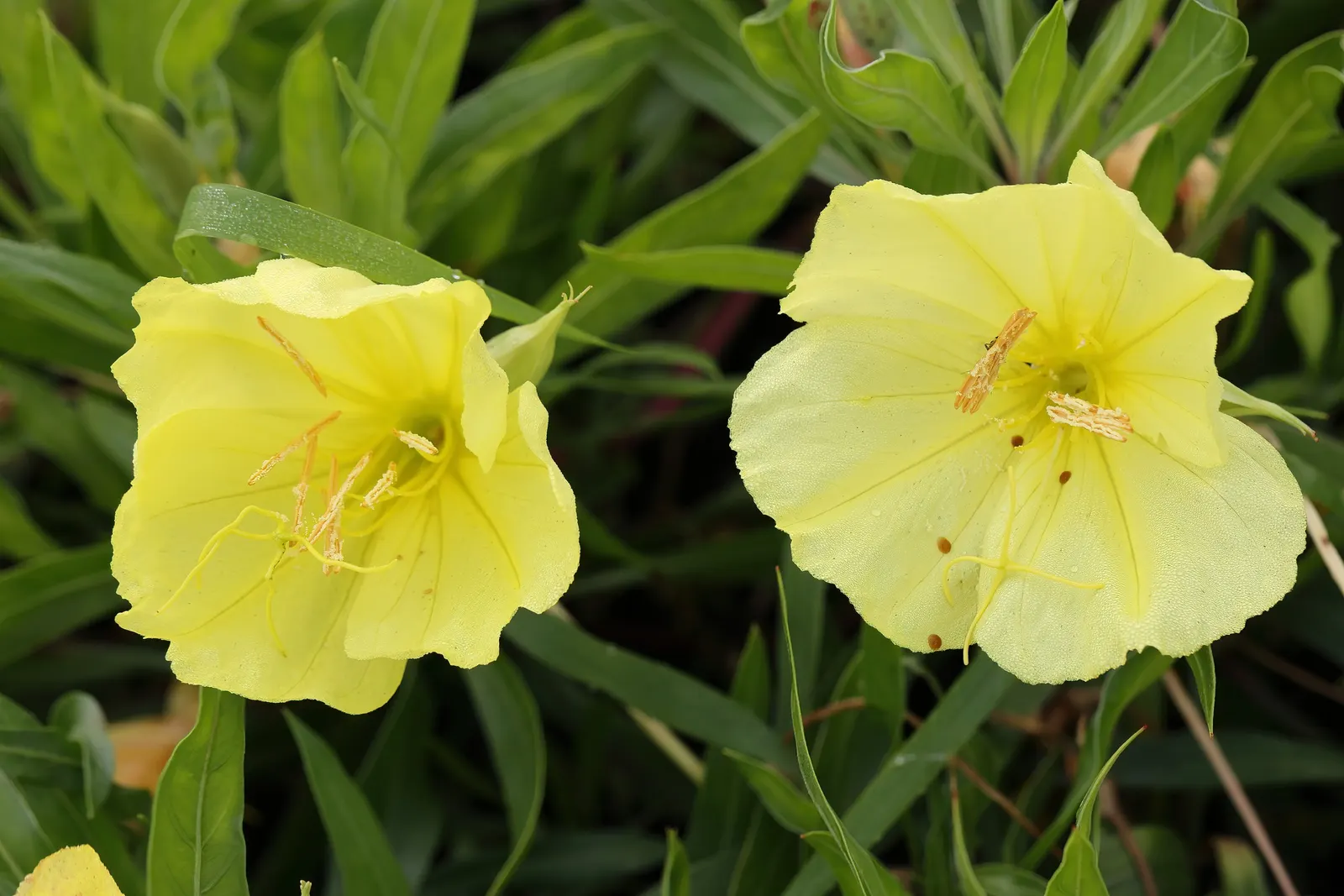
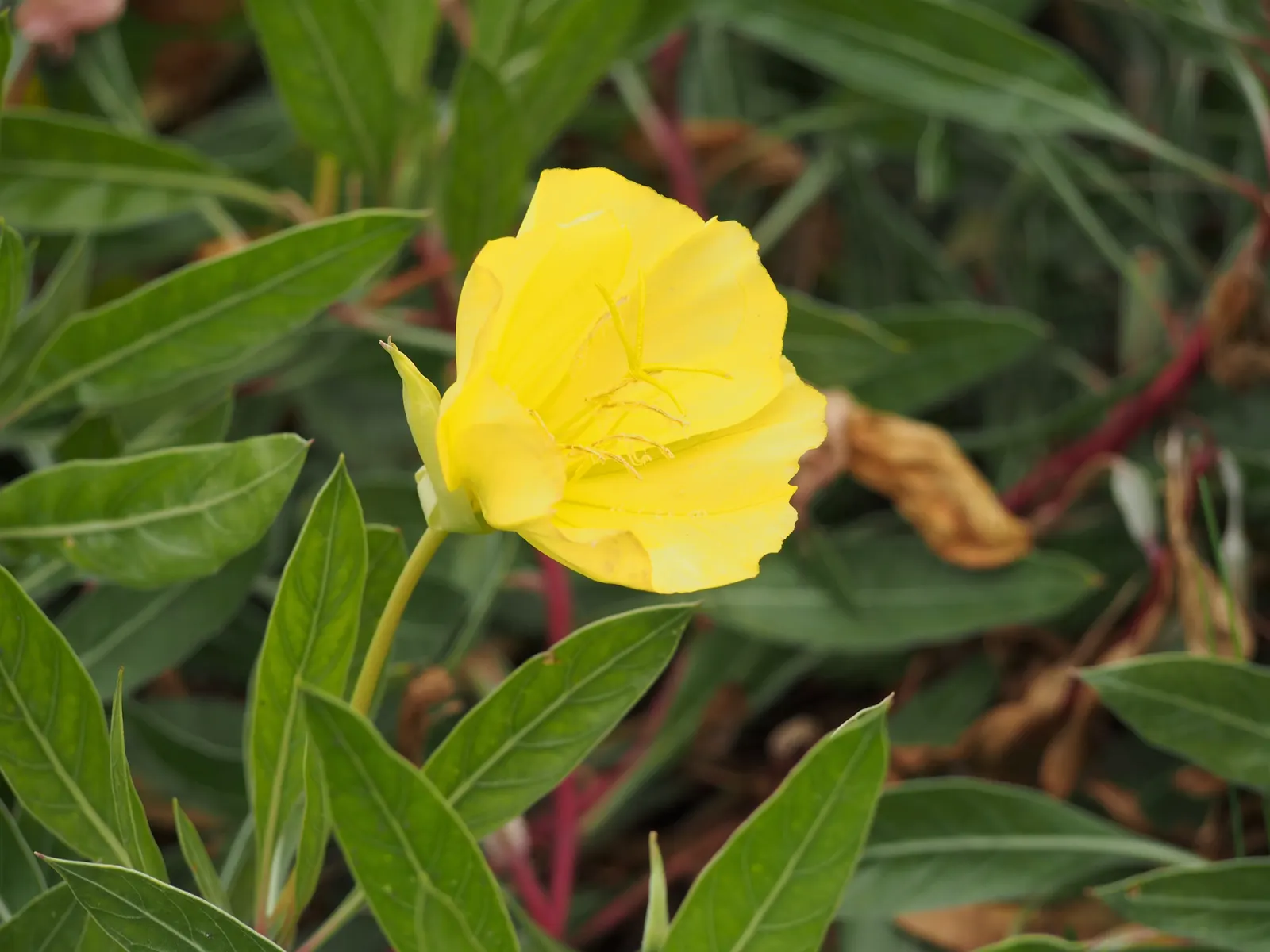
Missouri Primrose (Oenothera Missourensis) — yellow flowers up to 5 inches wide; blooms from late spring to early fall, attracting pollinators, image 49
Missouri Primrose (Oenothera Missourensis) — Blooms from late spring to early fall, attracting pollinators
Missouri Primrose (Oenothera Missourensis) — yellow flowers in the garden
Missouri Primrose (Oenothera Missourensis) — The foliage is characterized by lance-shaped leaves; the Missouri Primrose requires well-drained soil to prevent
Missouri Primrose (Oenothera Missourensis) — knowing that once established
Missouri Primrose (Oenothera Missourensis) — yellow flowers up to 5 inches wide; blooms from late spring to early fall, attracting pollinators
Missouri Primrose (Oenothera Missourensis) — Ideal for rock gardens, borders, and naturalized areas
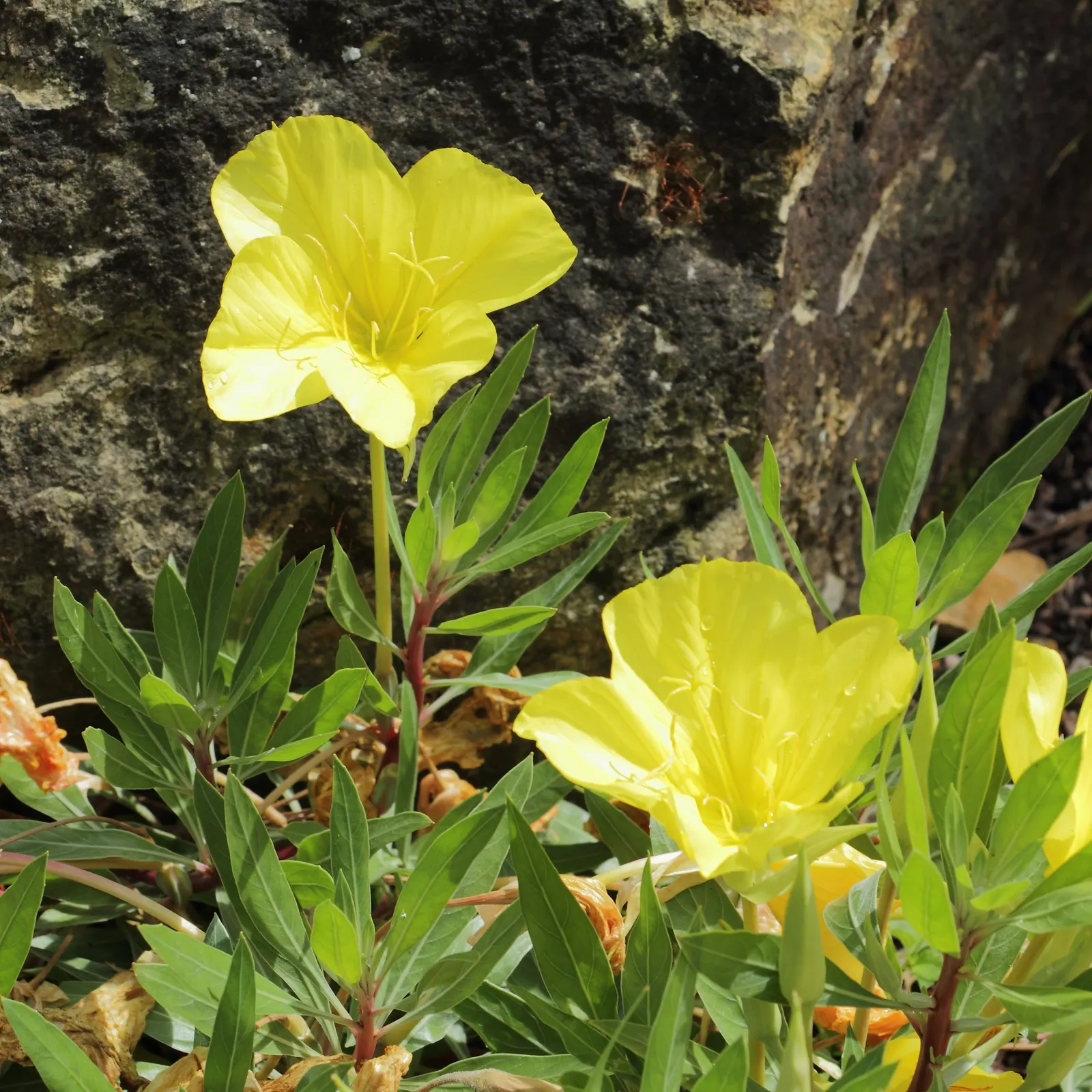
Missouri Primrose (Oenothera Missourensis) — Flourishes in well-drained soil in full sun, reaching 9-12 inches tall with a spread of 10-20 inches; its
Missouri Primrose (Oenothera Missourensis) — This resilient native of central North America thrives in U.S; hardy in USDA Zones 3-7, displaying low-growing
Missouri Primrose (Oenothera Missourensis) — ground cover / perennial with yellow blooms
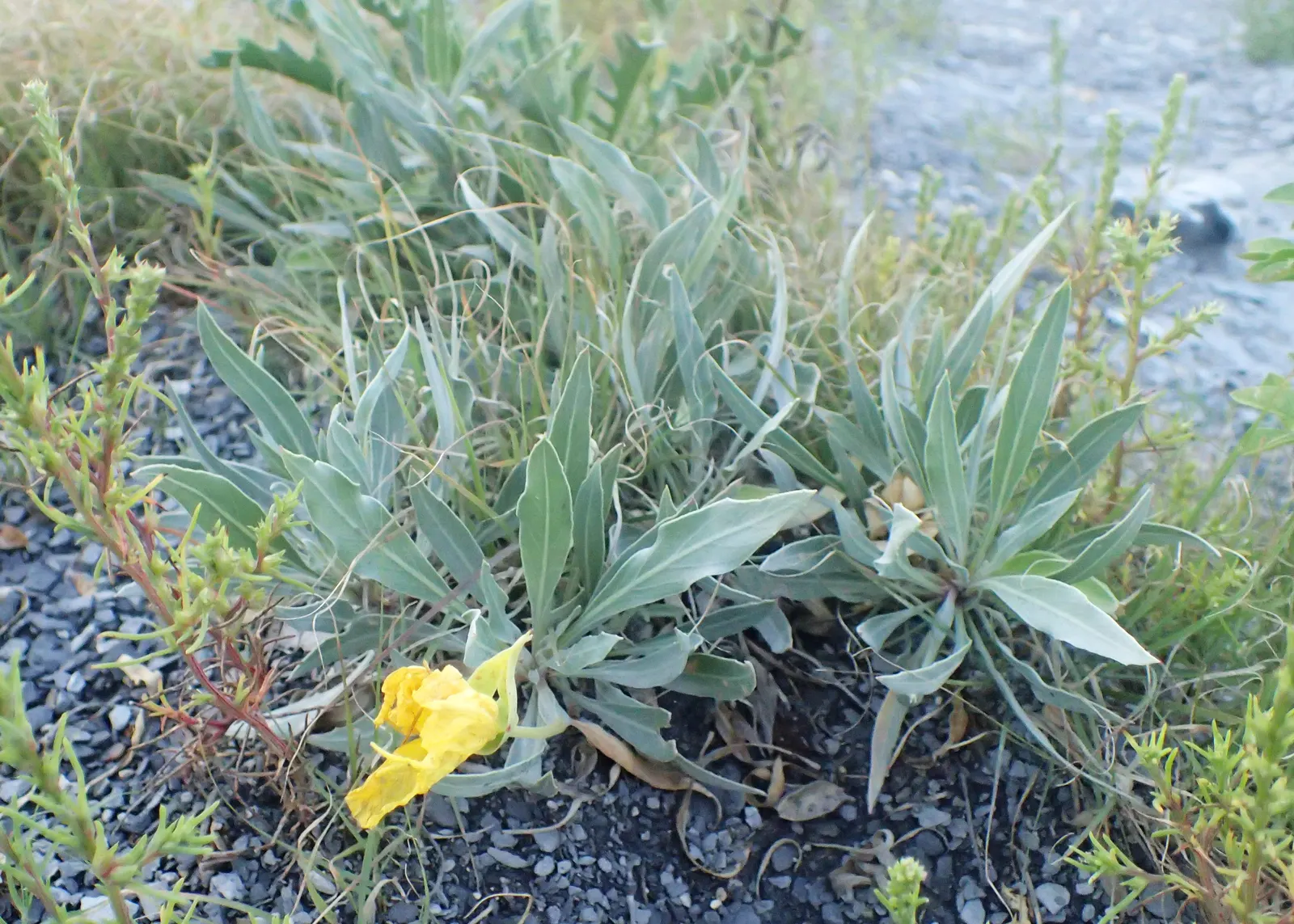
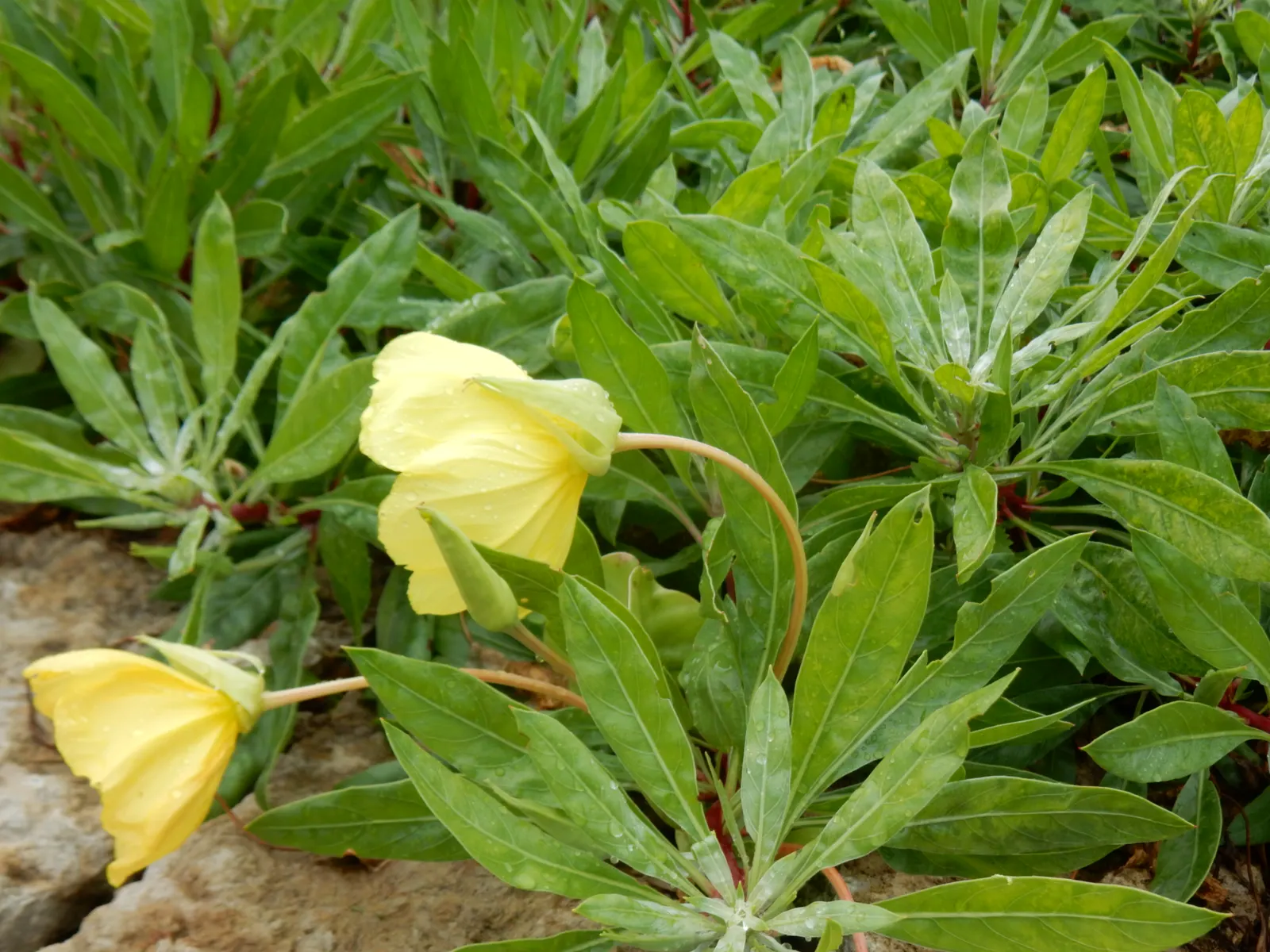
Missouri Primrose (Oenothera Missourensis) — Its low-growing habit makes it an excellent candidate for ground cover
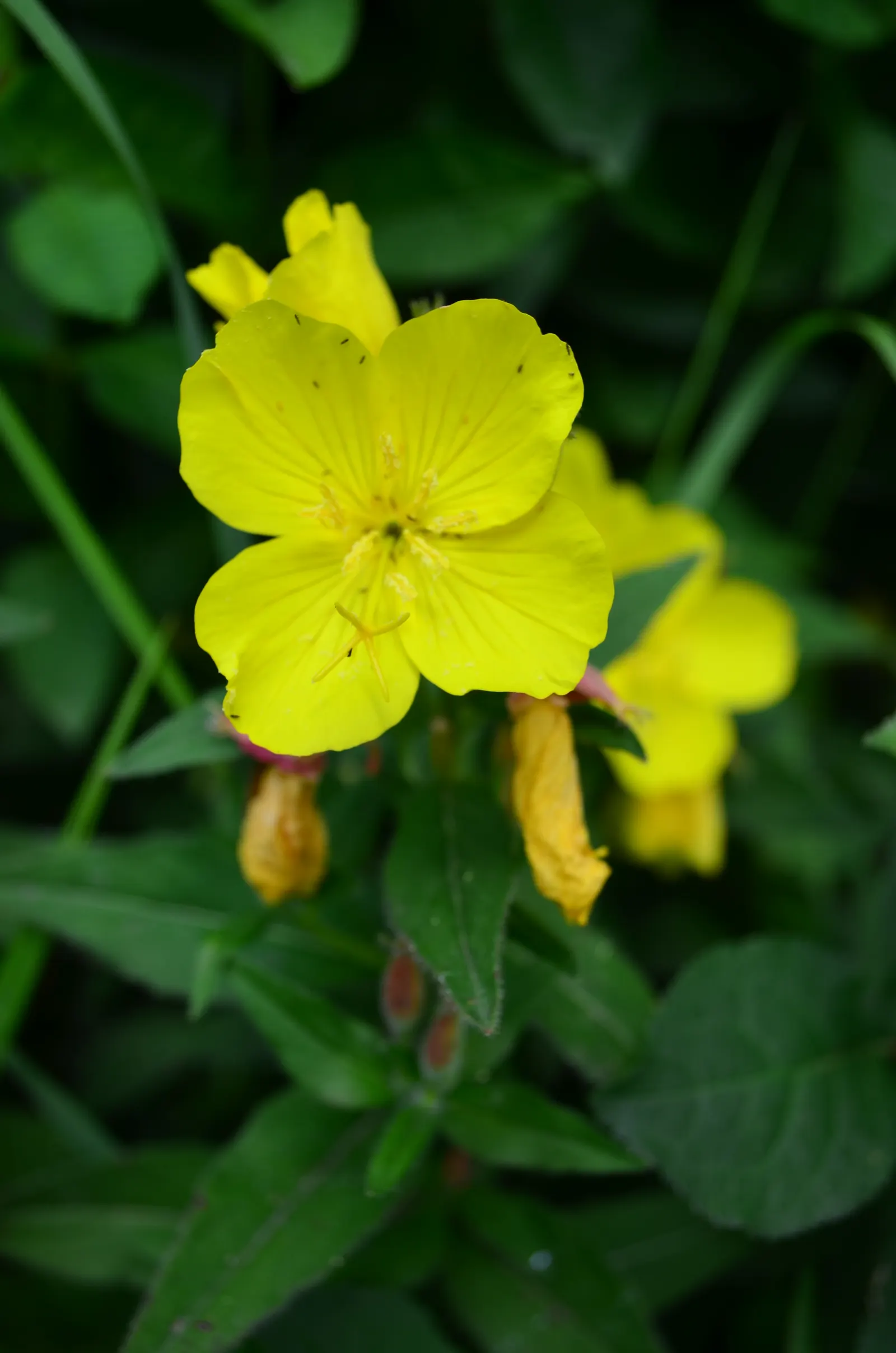
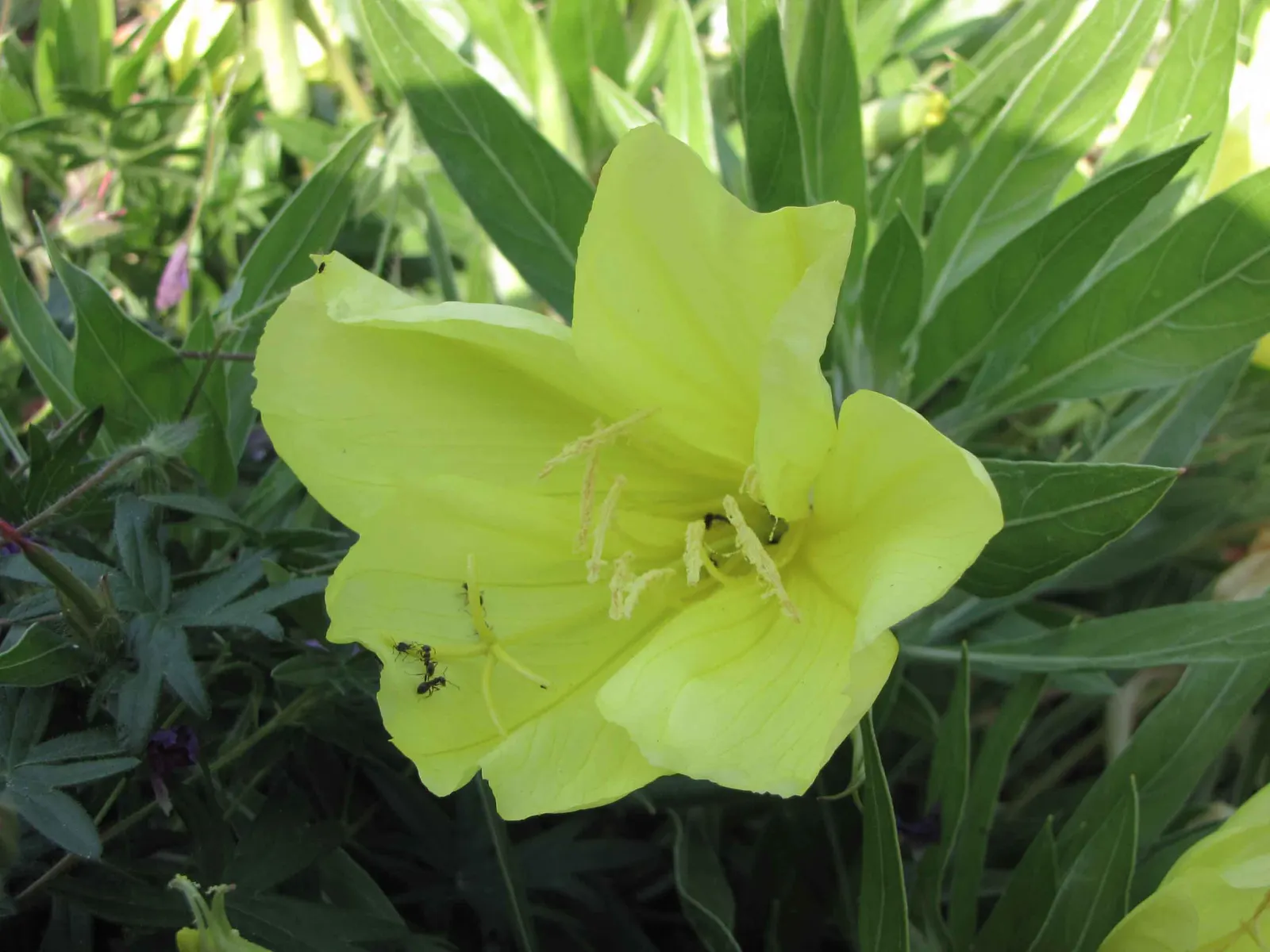
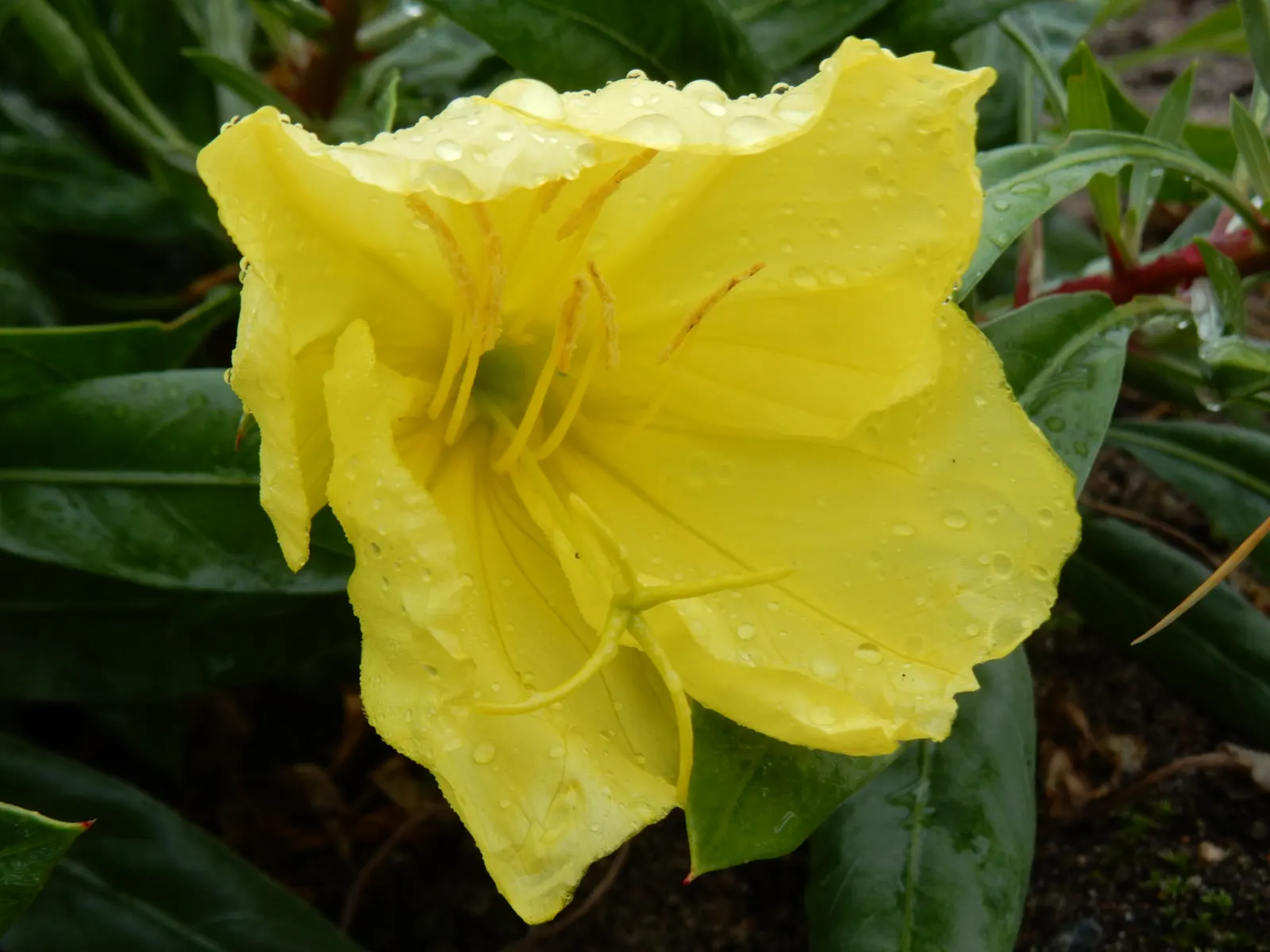
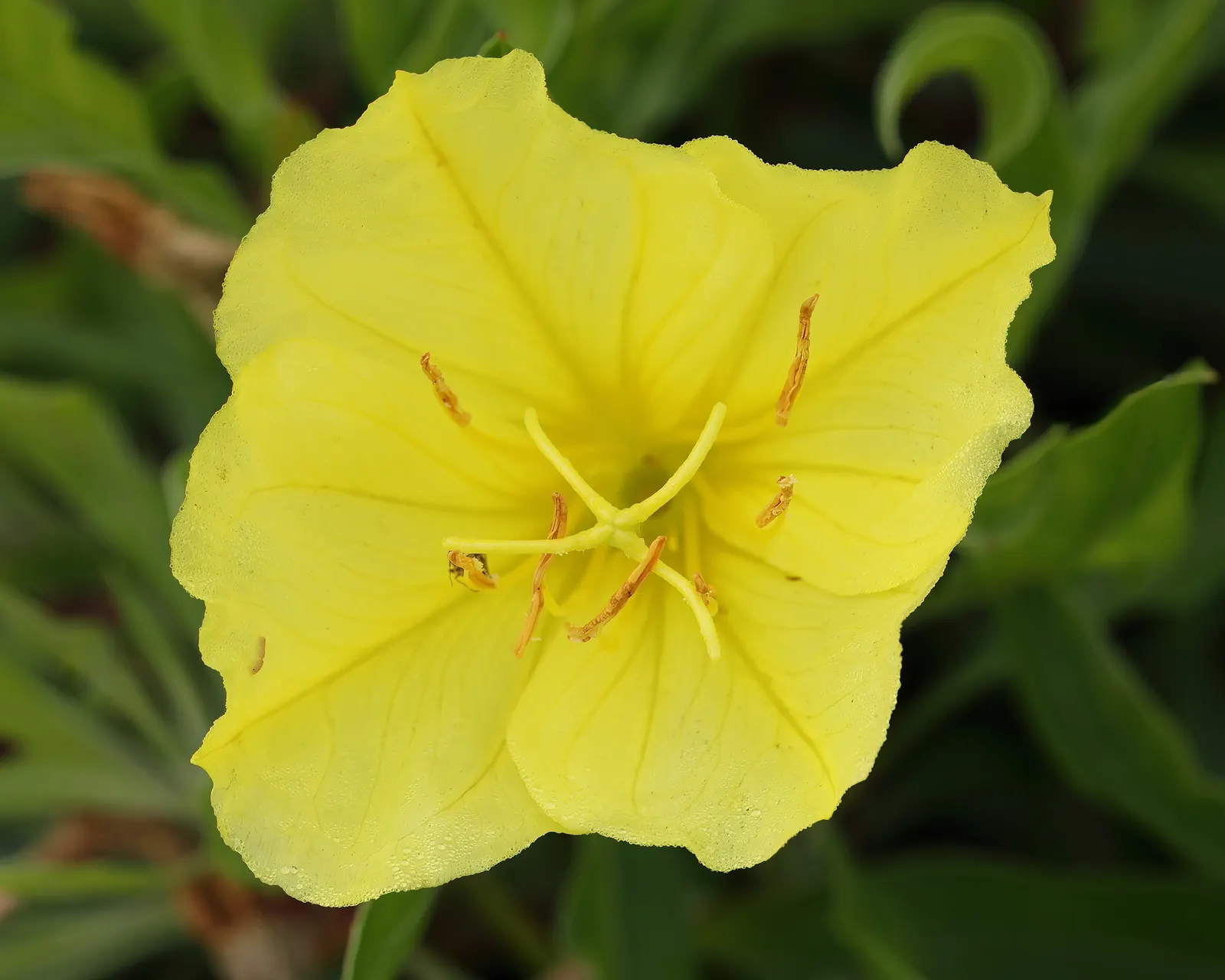
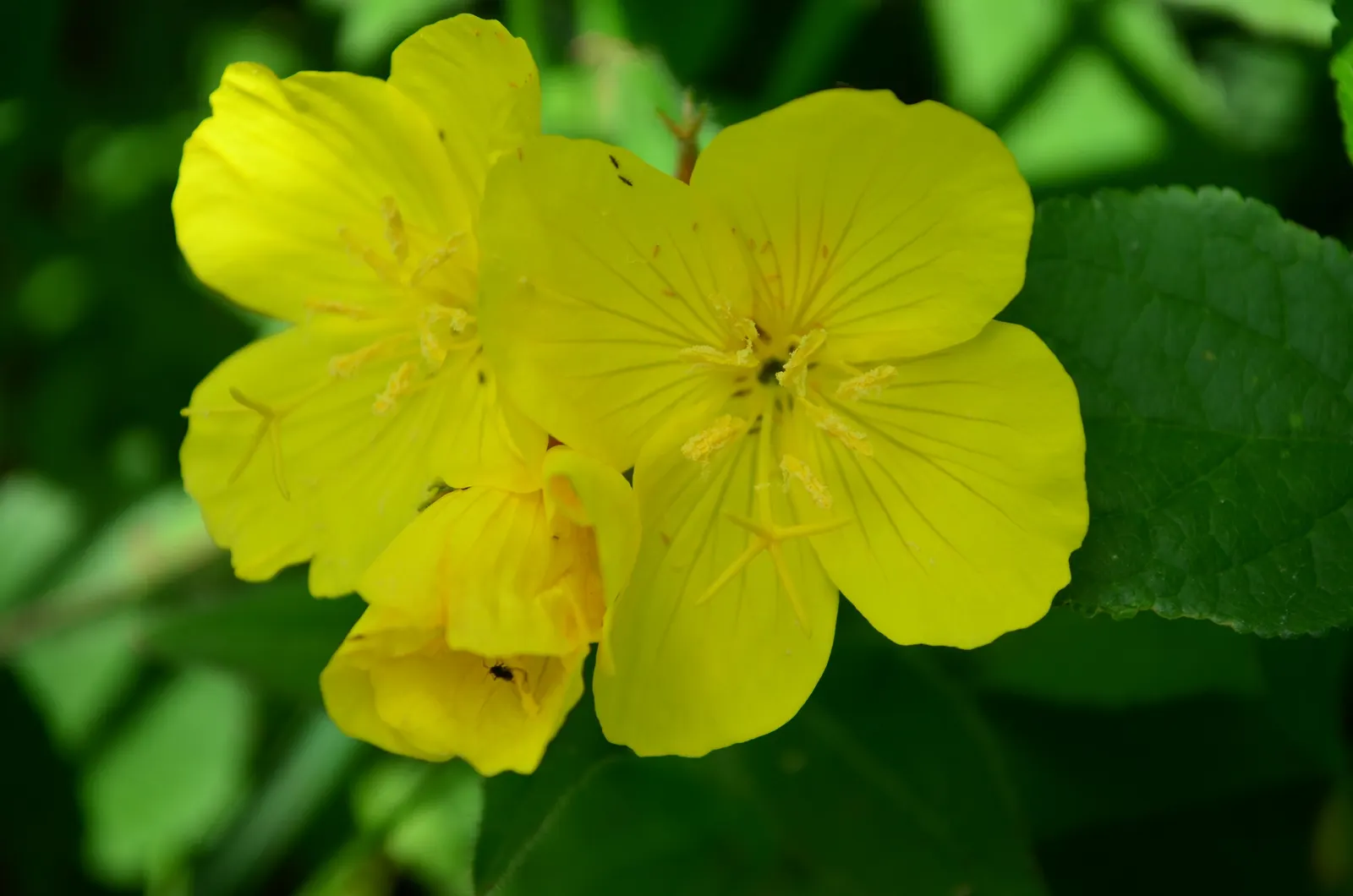
Missouri Primrose (Oenothera Missourensis) — scientifically known as Oenothera missouriensis; each saucer-shaped bloom measures about 3 to 5 inches in diameter
Missouri Primrose (Oenothera Missourensis) — forming eye-catching basal rosettes
Missouri Primrose (Oenothera Missourensis) — with occasional watering during prolonged dry spells to maintain its luscious appearance
Missouri Primrose (Oenothera Missourensis) — and the front edges of borders
Missouri Primrose (Oenothera Missourensis) — Minimal maintenance is needed; knowing that once established
Missouri Primrose (Oenothera Missourensis) — scientifically known as Oenothera missouriensis; each saucer-shaped bloom measures about 3 to 5 inches, image 54
Missouri Primrose (Oenothera Missourensis) — Flourishes in well-drained soil in full sun, reaching 9-12 inches tall with a spread of 10-20 inches, image 50
Missouri Primrose (Oenothera Missourensis) — Its low-growing habit makes it an excellent candidate for ground cover; flourishes in well-drained soil in full
Photographs by 14 contributors

Related plants