Skip to content

Indian Plum

Oemleria Cerasiformis

Design with this plant

Overview

Oemleria cerasiformis, commonly known as Indian Plum, is a deciduous shrub native to the Pacific Northwest. It typically grows 5-20 feet tall and spreads 4-12 feet wide. This early-blooming plant features clusters of small white flowers and yields small, plum-like fruits. It thrives in USDA zones 5-9, preferring partial to full sun and well-draining soil. Indian Plum provides excellent wildlife habitat and is ideal for naturalistic landscapes.

Sun Full, HalfWater Extra in Summer, HighZones 5–10Climate Temperate
Indian Plum (Oemleria Cerasiformis) — Oemleria cerasiformis, commonly known as Indian Plum, is a deciduous shrub native to the Pacific Northwest

Culture

Sun
Full, Half
Water
Extra in Summer, High
USDA zones
5–10

Shape & size

Classification

Family
Rosaceae
Climate
Temperate

See full data, regional cultivation notes, full-resolution photos, and design tools. Build a client presentation around this plant.

Start your 14-day trial

Photos (101)

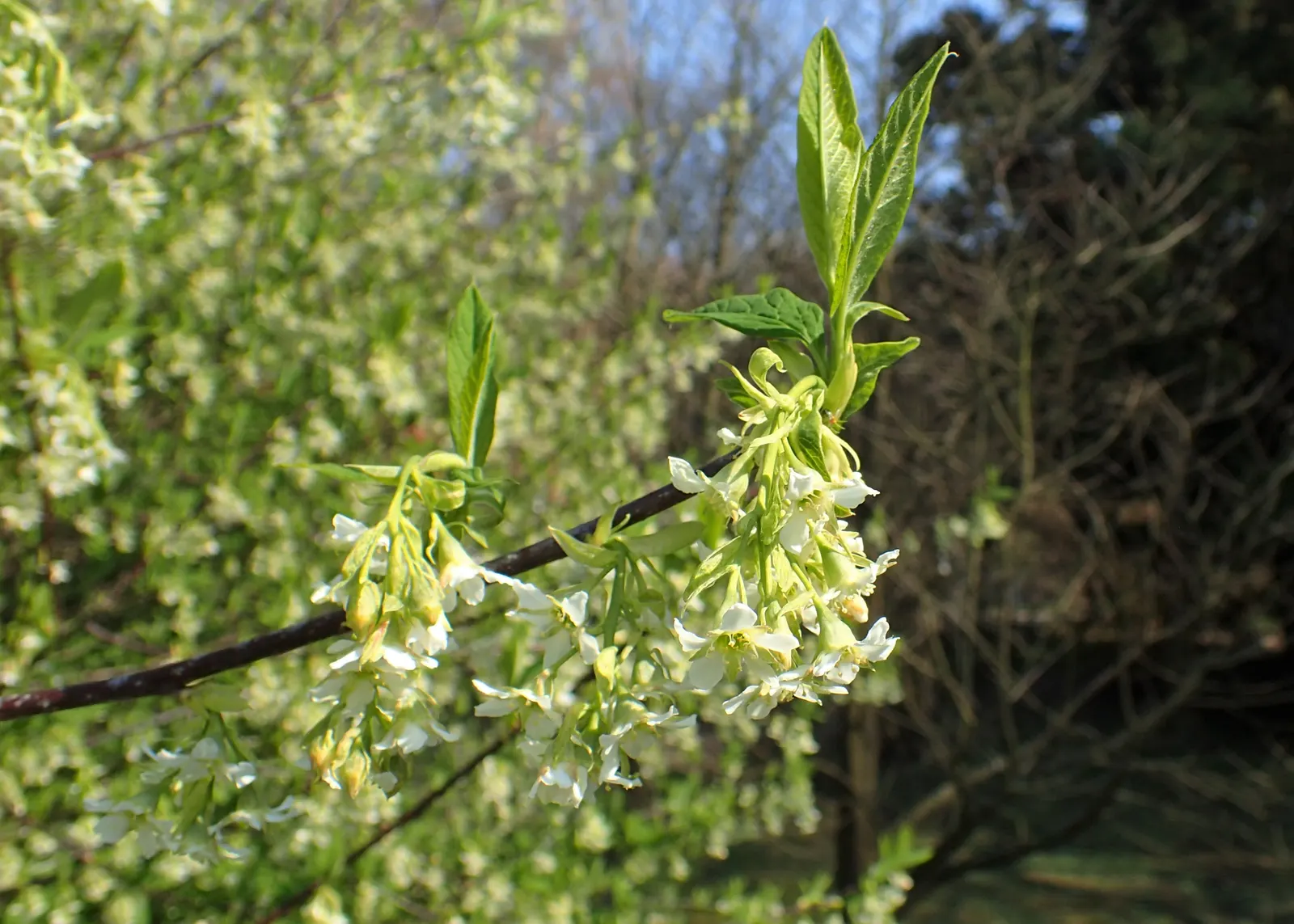
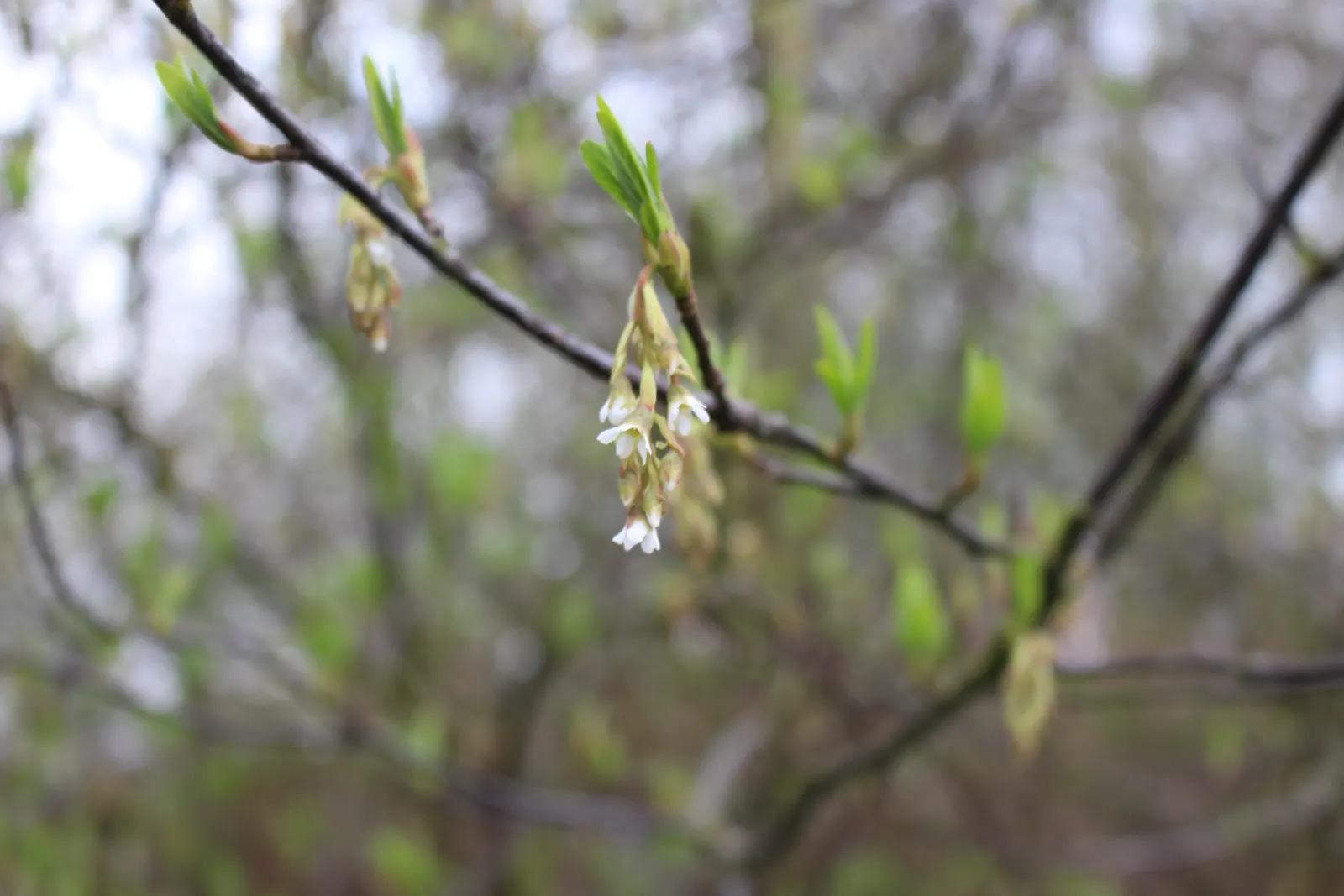
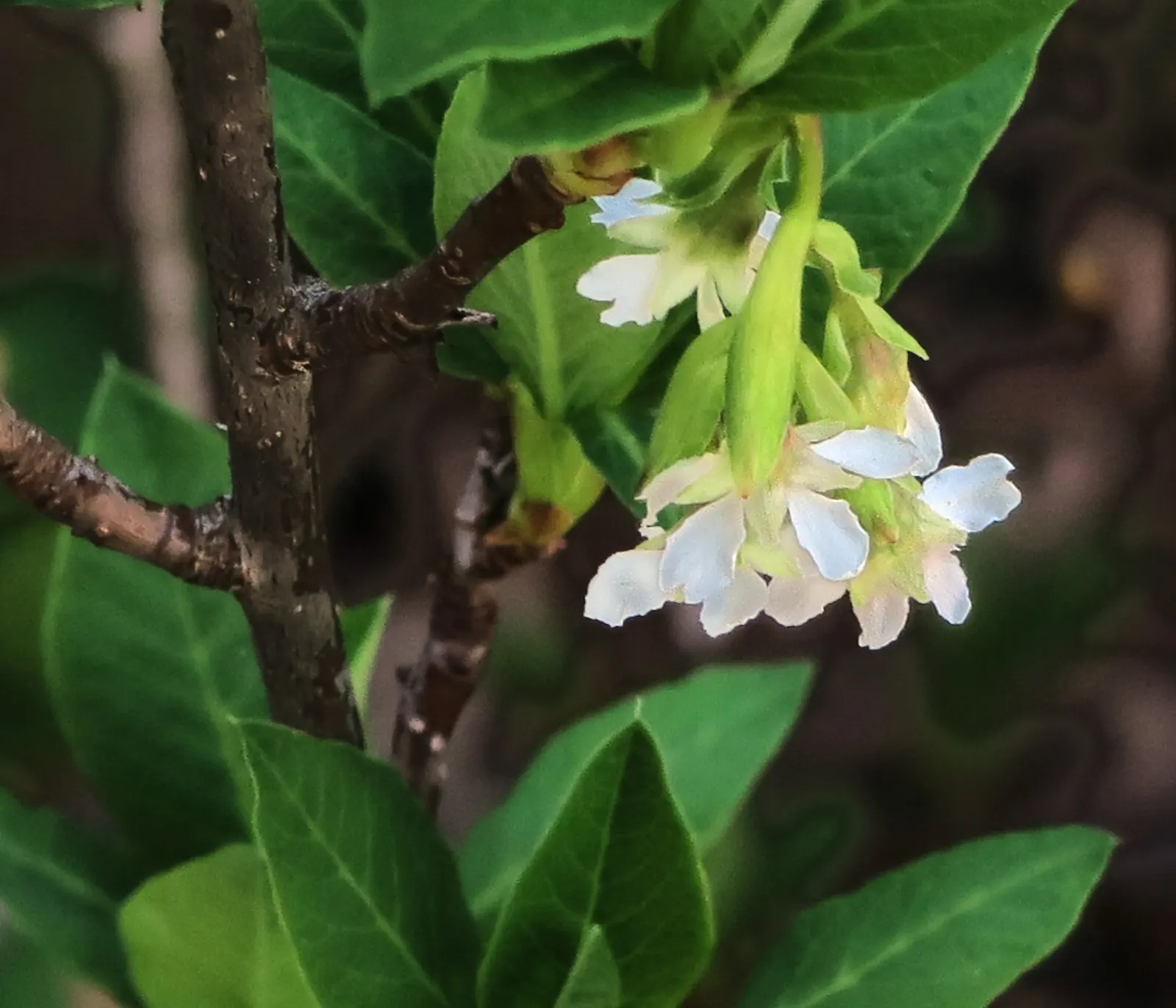
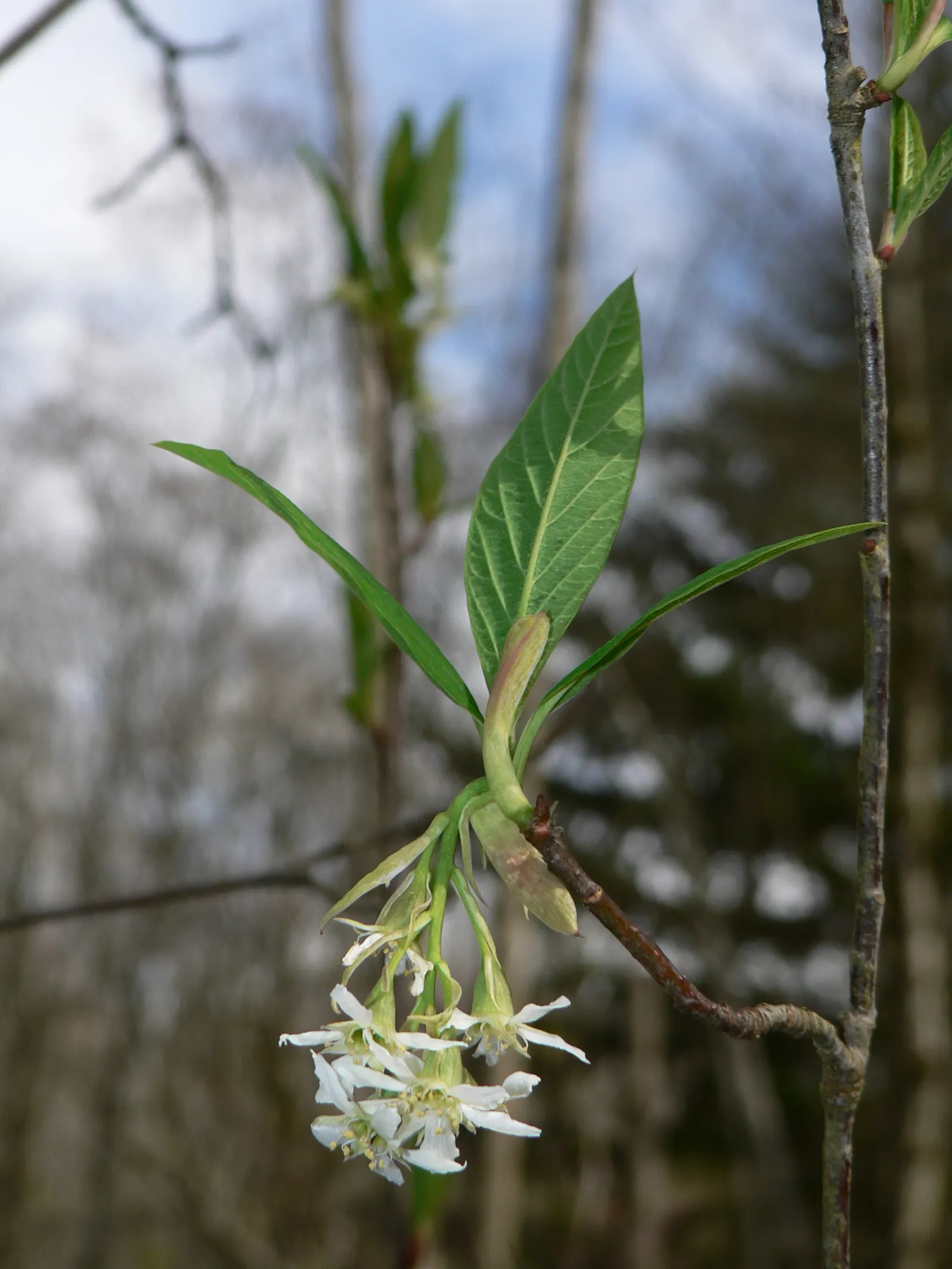
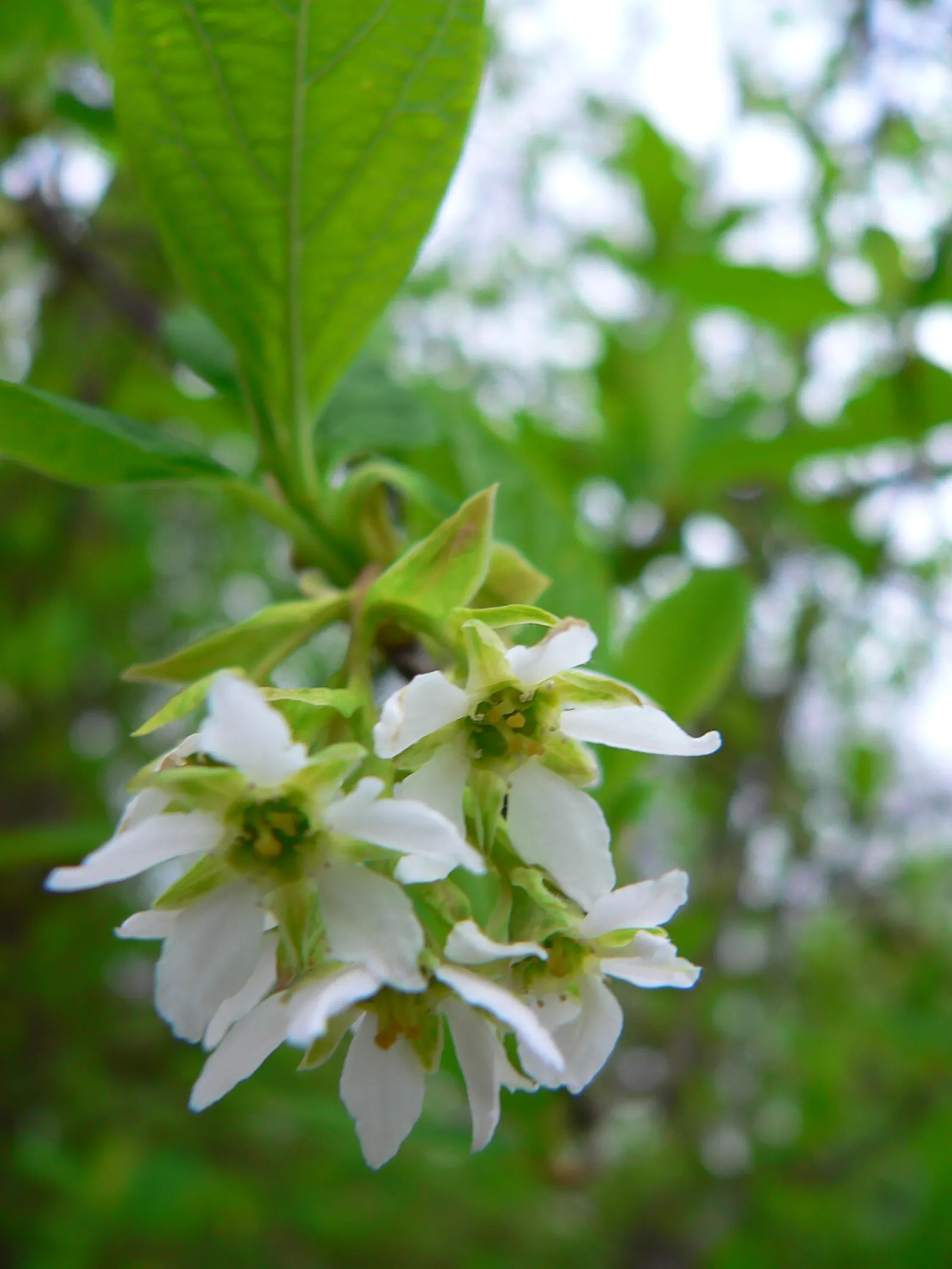
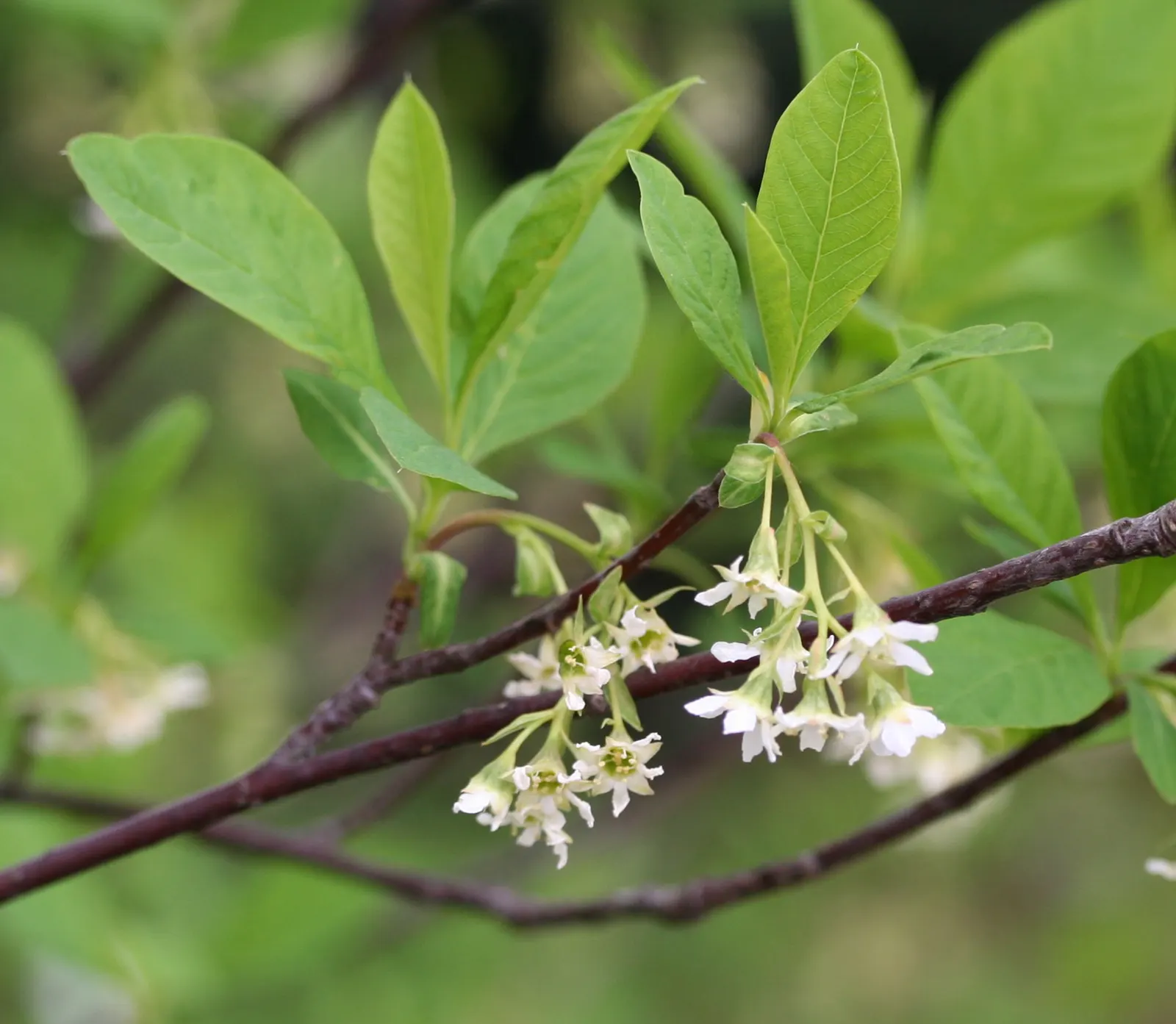
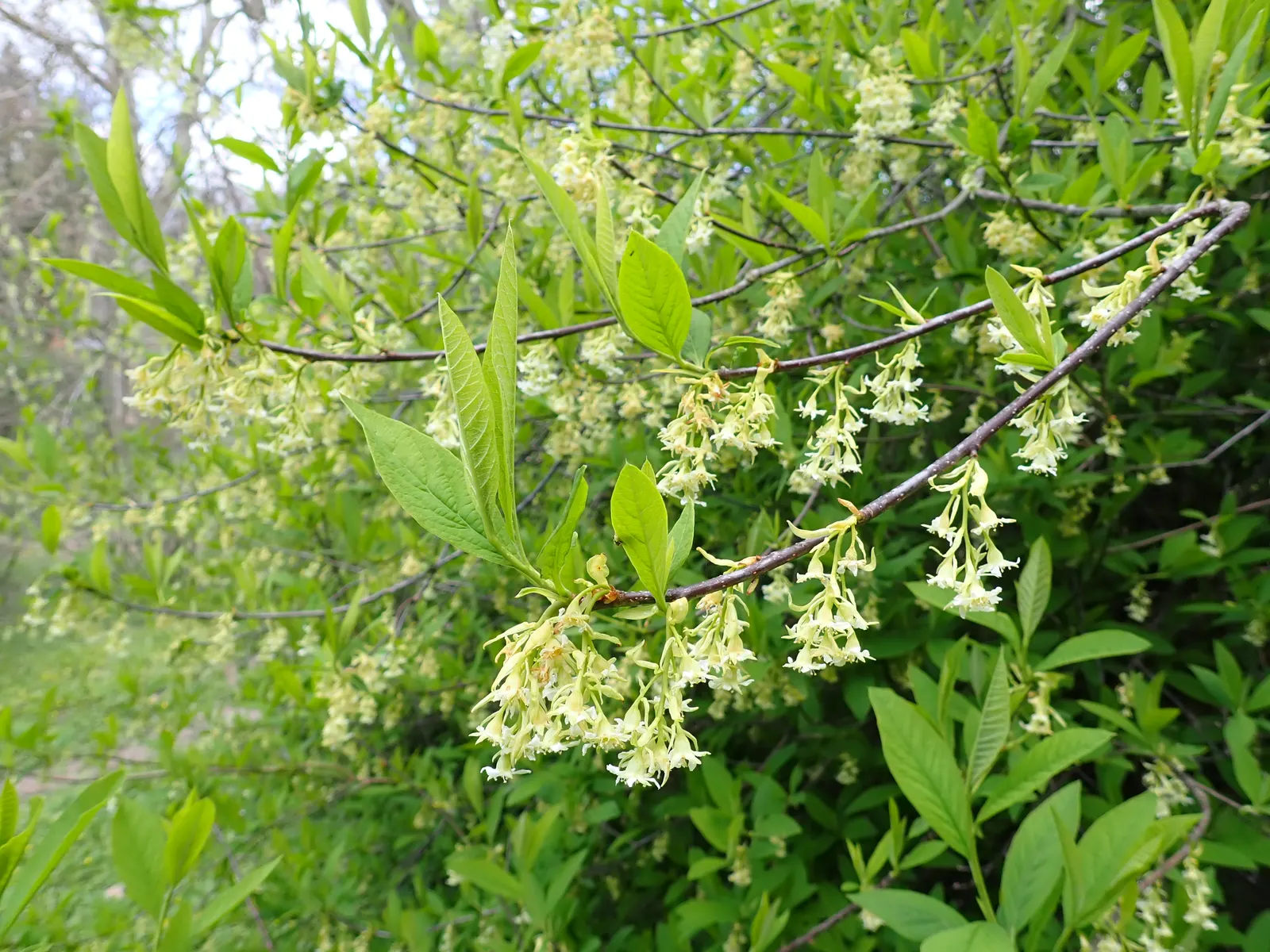
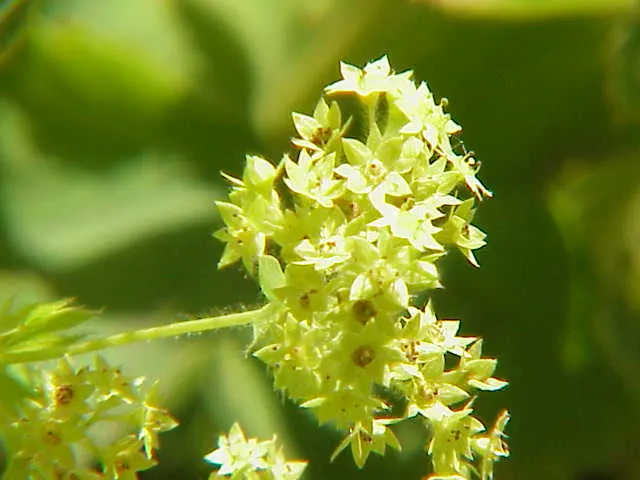
Indian Plum (Oemleria Cerasiformis) — white flowers in the garden; this shrub typically grows to a height of 5 to 15 feet
Indian Plum (Oemleria Cerasiformis) — shrub / tree with white blooms; reaching up to 5 inches long
Indian Plum (Oemleria Cerasiformis) — shrub / tree for full or half; ecologically supportive option
Indian Plum (Oemleria Cerasiformis) — Oemleria cerasiformis, commonly known as Indian Plum, is a deciduous shrub native to the Pacific Northwest, image 51
Indian Plum (Oemleria Cerasiformis) — It typically grows 5-20 feet tall and spreads 4-12 feet wide; the Indian Plum is dioecious, image 52
Indian Plum (Oemleria Cerasiformis) — This early-blooming plant features clusters of small white flowers and yields small, plum-like fruits, image 53
Indian Plum (Oemleria Cerasiformis) — Indian Plum provides excellent wildlife habitat and is ideal for naturalistic landscapes; celebrated for its, image 55
Indian Plum (Oemleria Cerasiformis) — Each flower measures about 0.5 inches across; contributing additional seasonal interest.<br><br>Upon, image 60
Indian Plum (Oemleria Cerasiformis) — This shrub typically grows to a height of 5 to 15 feet; this early-blooming plant features clusters of small, image 58
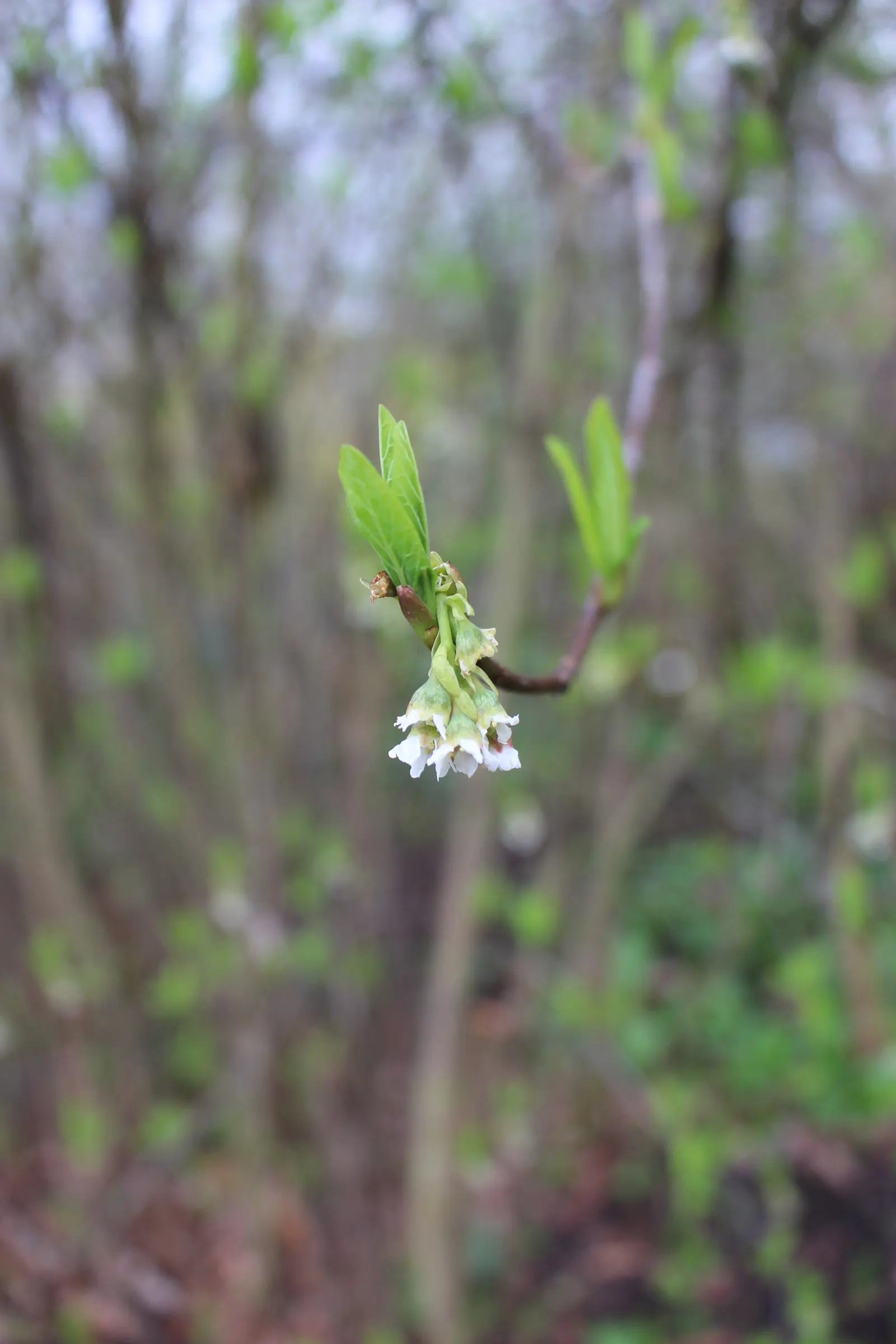
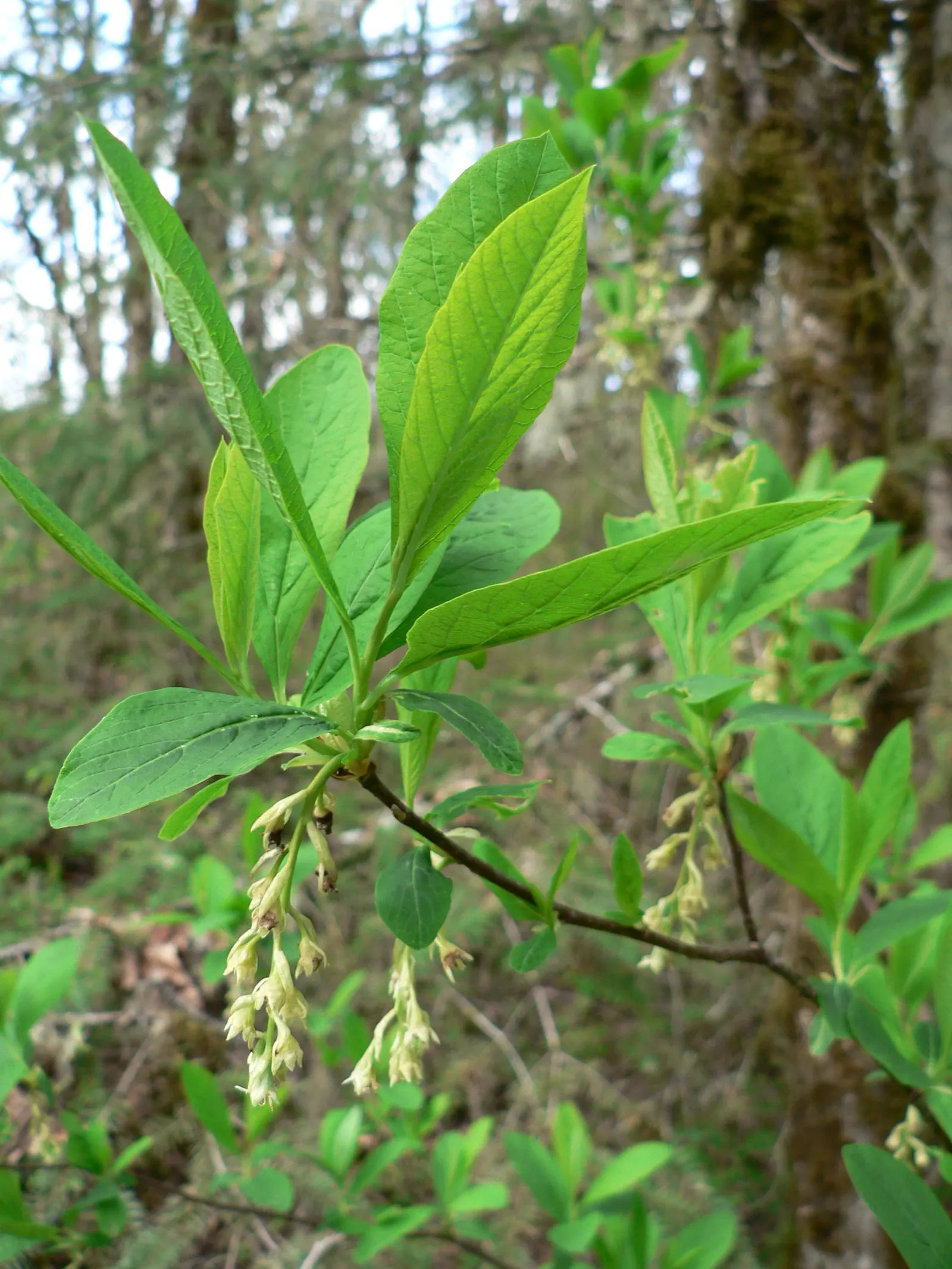
Indian Plum (Oemleria Cerasiformis) — pendant clusters of flowers grace the bare branches by as early as February and persist into April; each, image 59
Indian Plum (Oemleria Cerasiformis) — the Indian Plum is dioecious; shrub / tree with white blooms, image 61
Indian Plum (Oemleria Cerasiformis) — is a deciduous shrub native to the Pacific Northwest; both sexes must be present in the landscape.<br><br>The, image 56
Indian Plum (Oemleria Cerasiformis) — celebrated for its early spring blossoms and wildlife-friendly characteristics; its preference for USDA, image 57
Indian Plum (Oemleria Cerasiformis) — Autumn brings a subtle display of yellow foliage; pendant clusters of flowers grace the bare branches by as, image 66
Indian Plum (Oemleria Cerasiformis) — reaching up to 5 inches long; it typically grows 5-20 feet tall and spreads 4-12 feet wide, image 65
Indian Plum (Oemleria Cerasiformis) — contributing additional seasonal interest.<br><br>Upon pollination; autumn brings a subtle display of yellow, image 67
Indian Plum (Oemleria Cerasiformis) — if fruit production is desired, image 63
Indian Plum (Oemleria Cerasiformis) — meaning that male and female flowers are borne on separate plants; thus; is a deciduous shrub native to the, image 62
Indian Plum (Oemleria Cerasiformis) — both sexes must be present in the landscape.<br><br>The foliage is lance-shaped and bright green; they are, image 64
Indian Plum (Oemleria Cerasiformis) — ecologically supportive option; oemleria cerasiformis, commonly known as Indian Plum, is a deciduous shrub, image 72
Indian Plum (Oemleria Cerasiformis) — reaching about 1 inch in length; white flowers in the garden, image 68
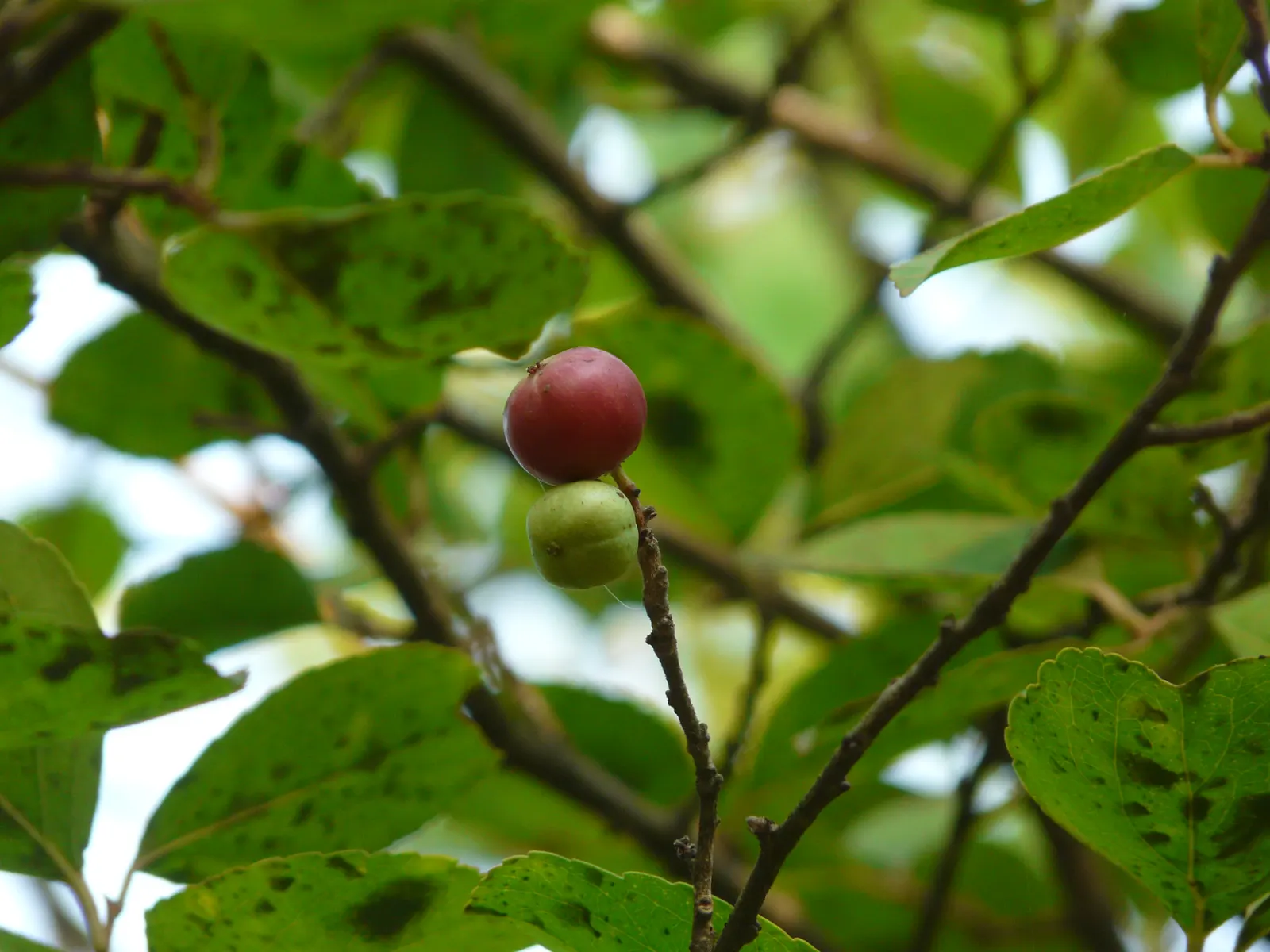
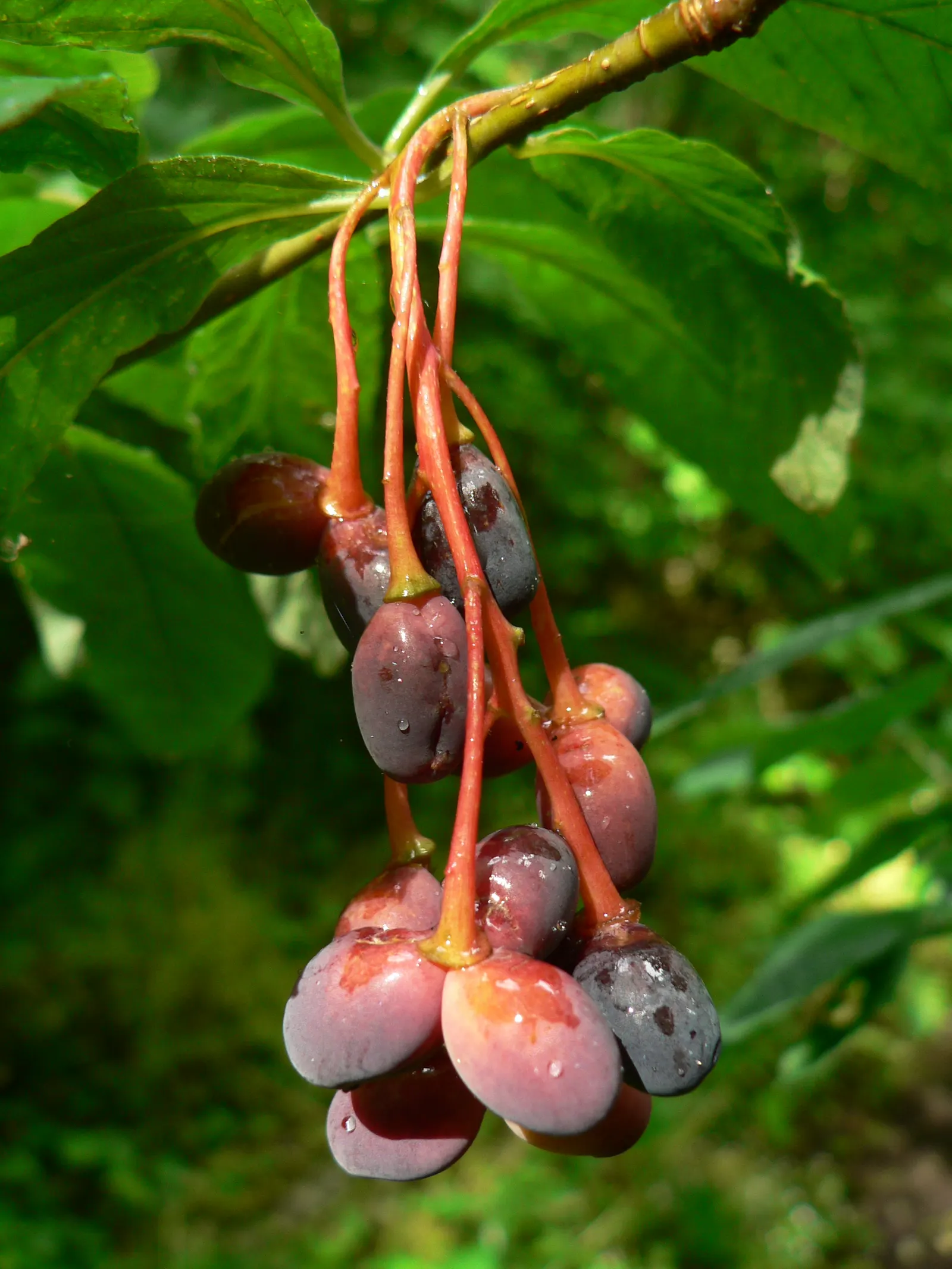
Indian Plum (Oemleria Cerasiformis) — Ripening to a dark purple in late summer; indian Plum provides excellent wildlife habitat and is ideal for, image 69
Indian Plum (Oemleria Cerasiformis) — they are favored by birds and small mammals; meaning that male and female flowers are borne on separate, image 70
Indian Plum (Oemleria Cerasiformis) — Its preference for USDA hardiness zones 5 to 9 makes it a hardy addition to many landscapes; ripening to a, image 71

Related plants