Skip to content

Apostle Plant

Neomarica Caerulea

Design with this plant

Overview

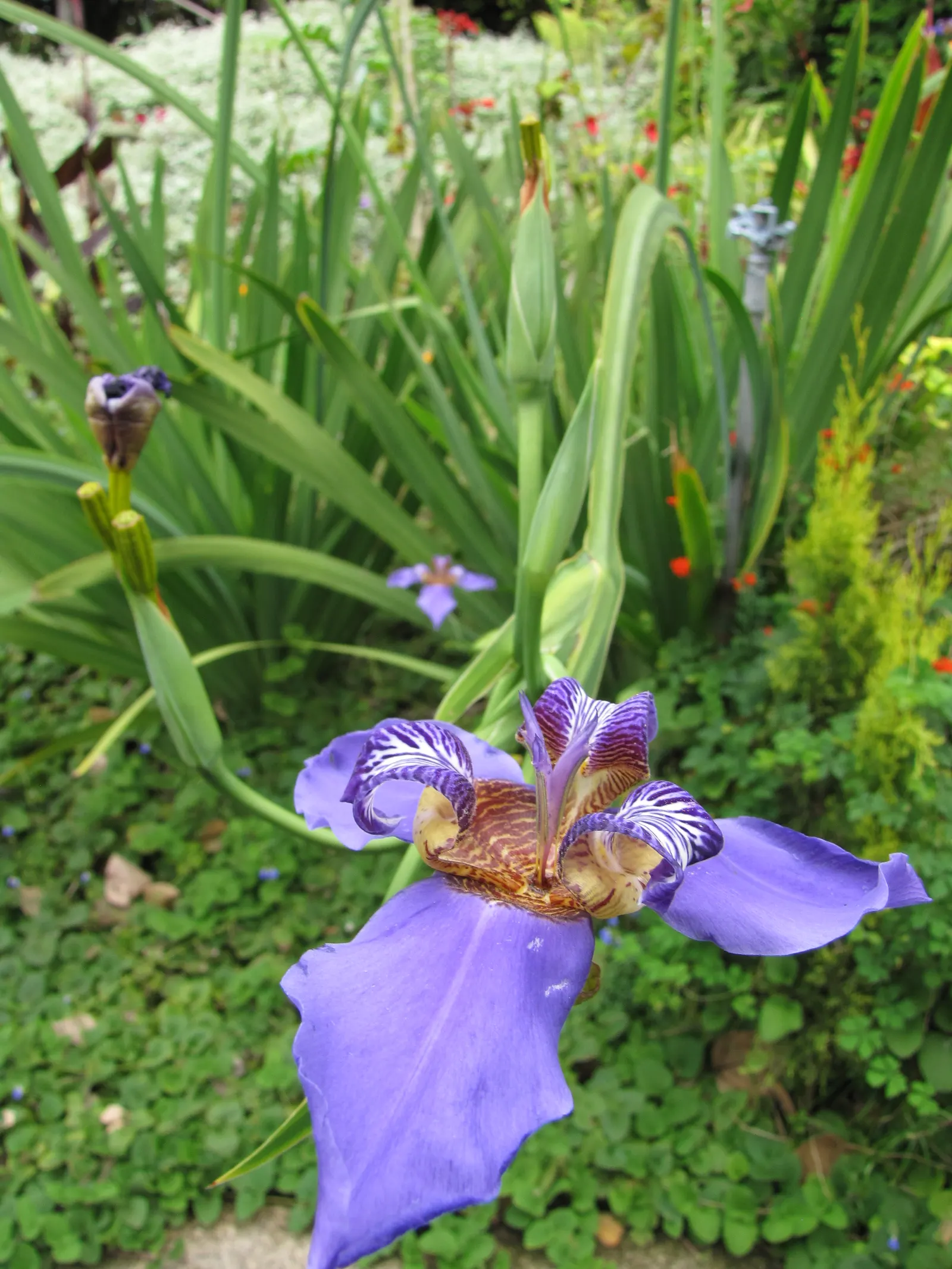
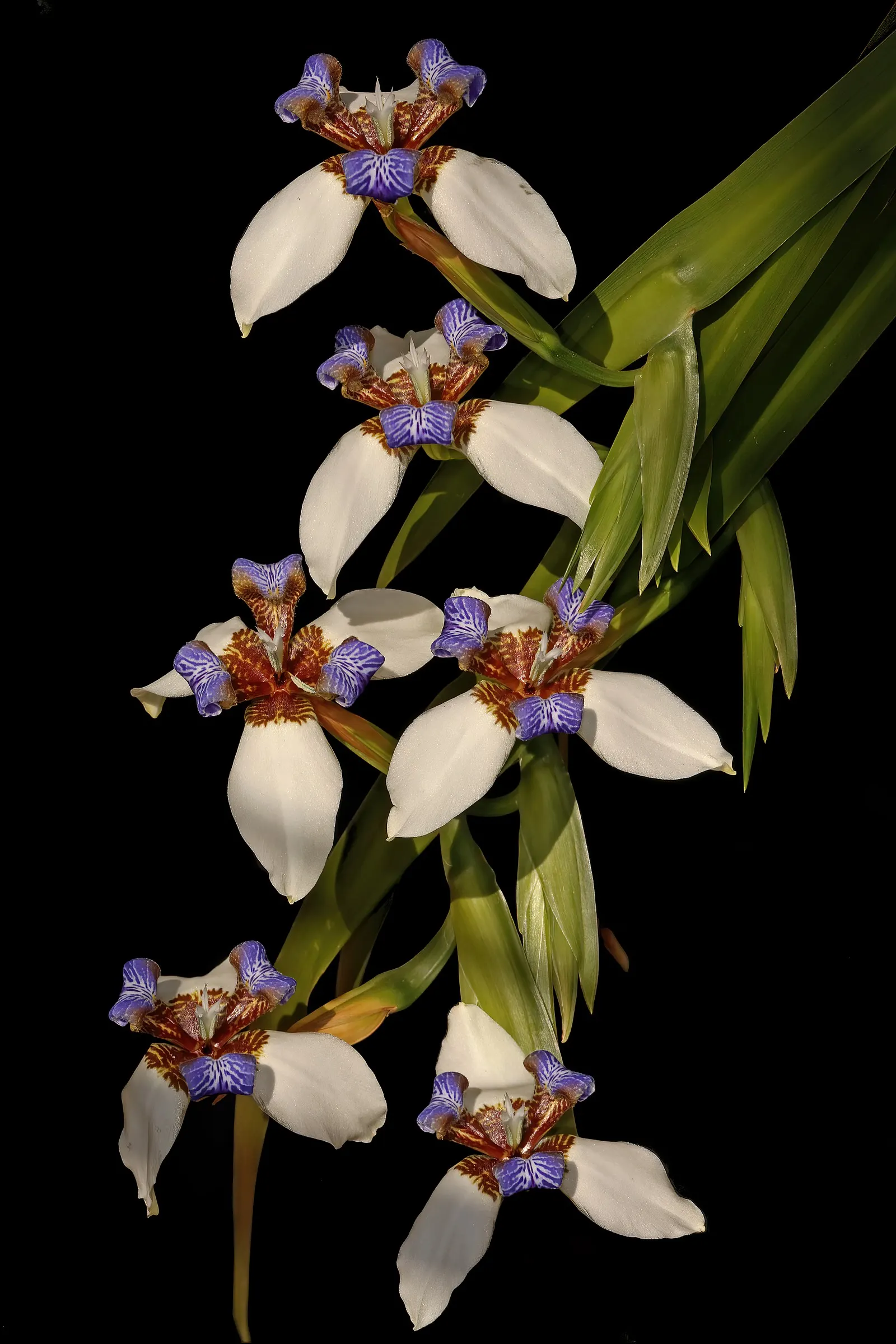
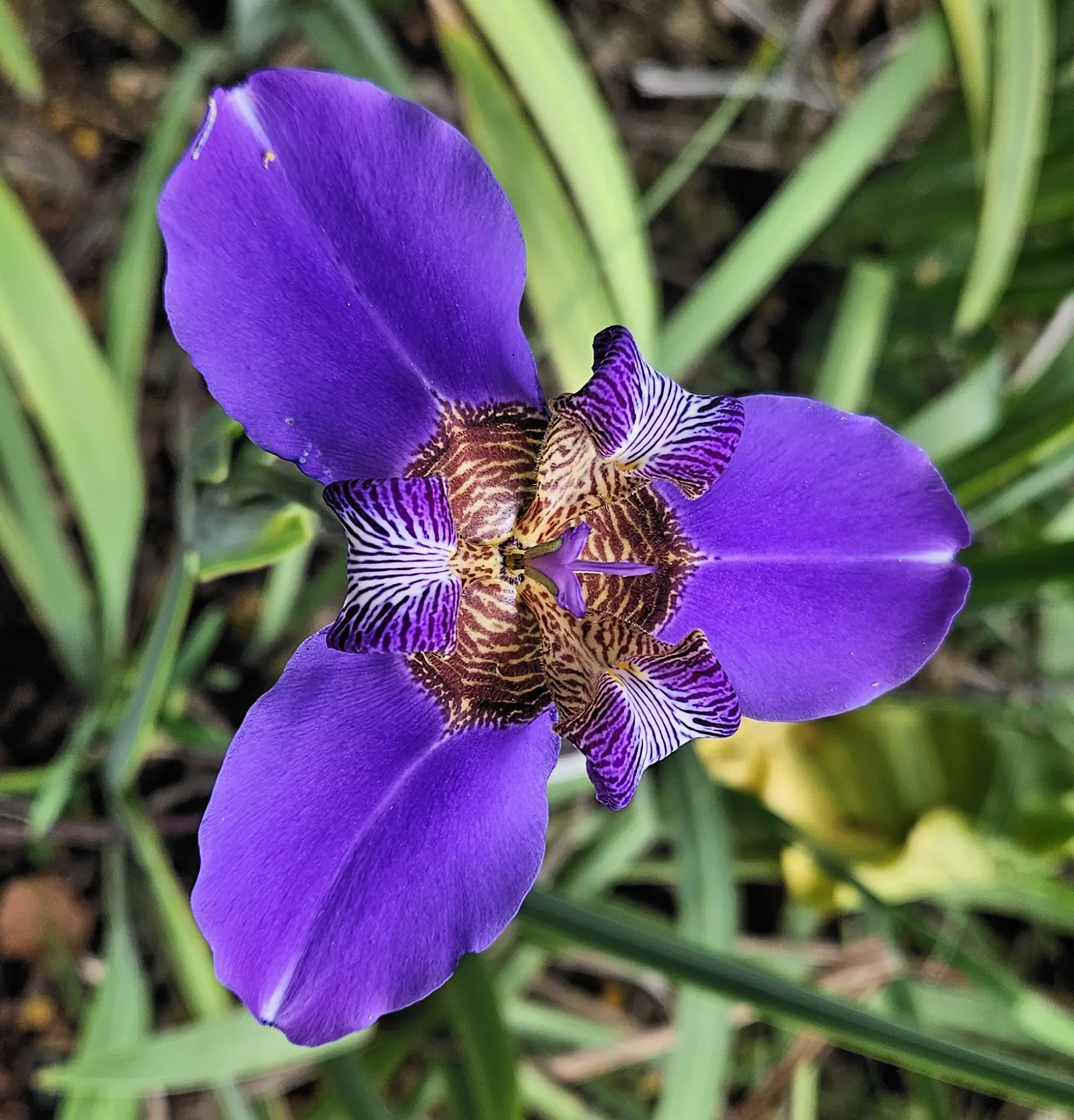
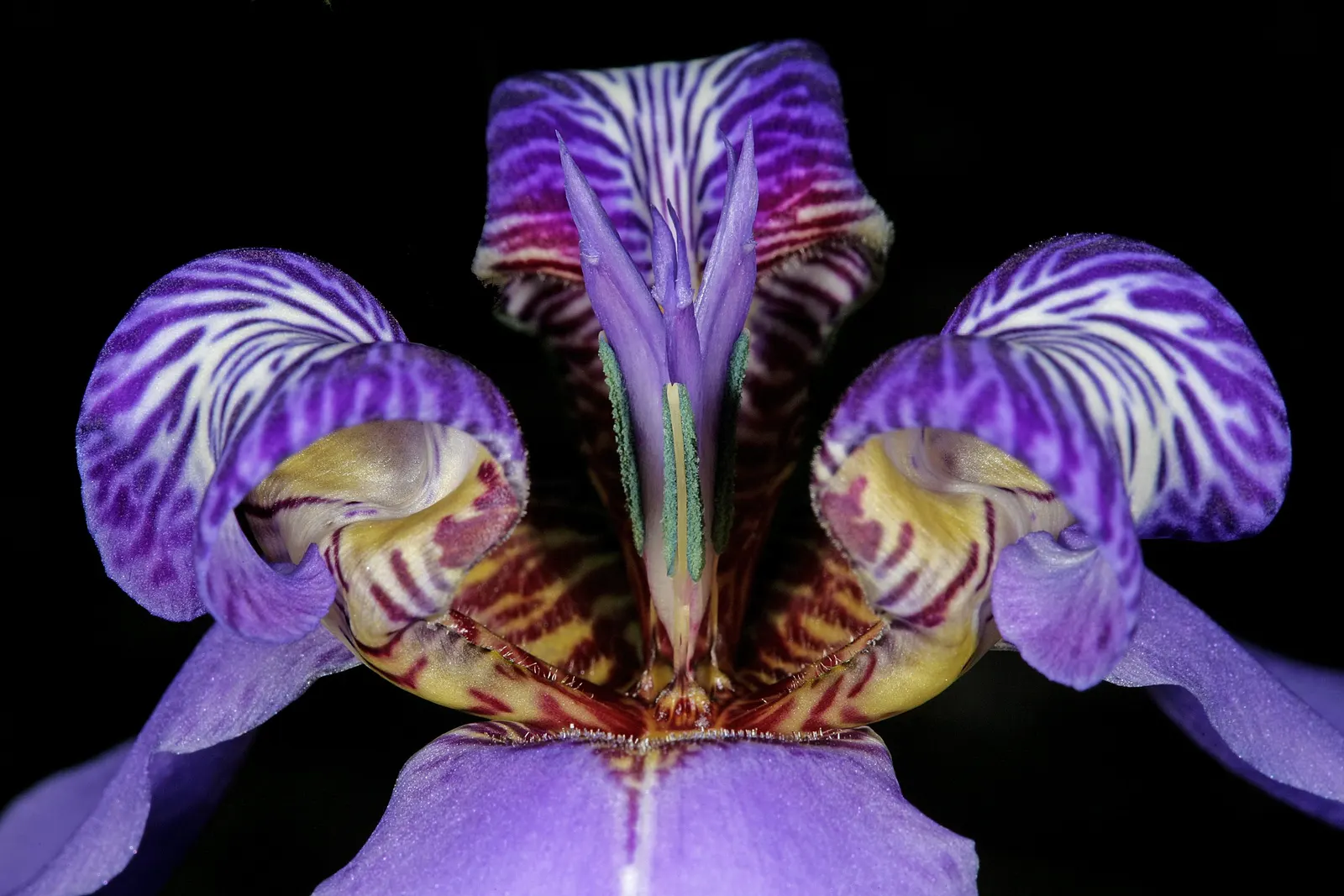
The Apostle Plant, Neomarica caerulea, is a tropical perennial known for its lush, sword-like leaves, reaching up to 3 feet long. It earns its name by typically flowering when it sports 12 or more foliage fans. In spring, this iris relative showcases striking blue to purple blooms with ornate maroon patterns. Prefers partial sun to light shade and well-draining soil. Ideal for creating textural contrast in borders or as an accent plant.

Sun Half, ShadeWater MediumZones 7–9Type PerennialClimate Temperate
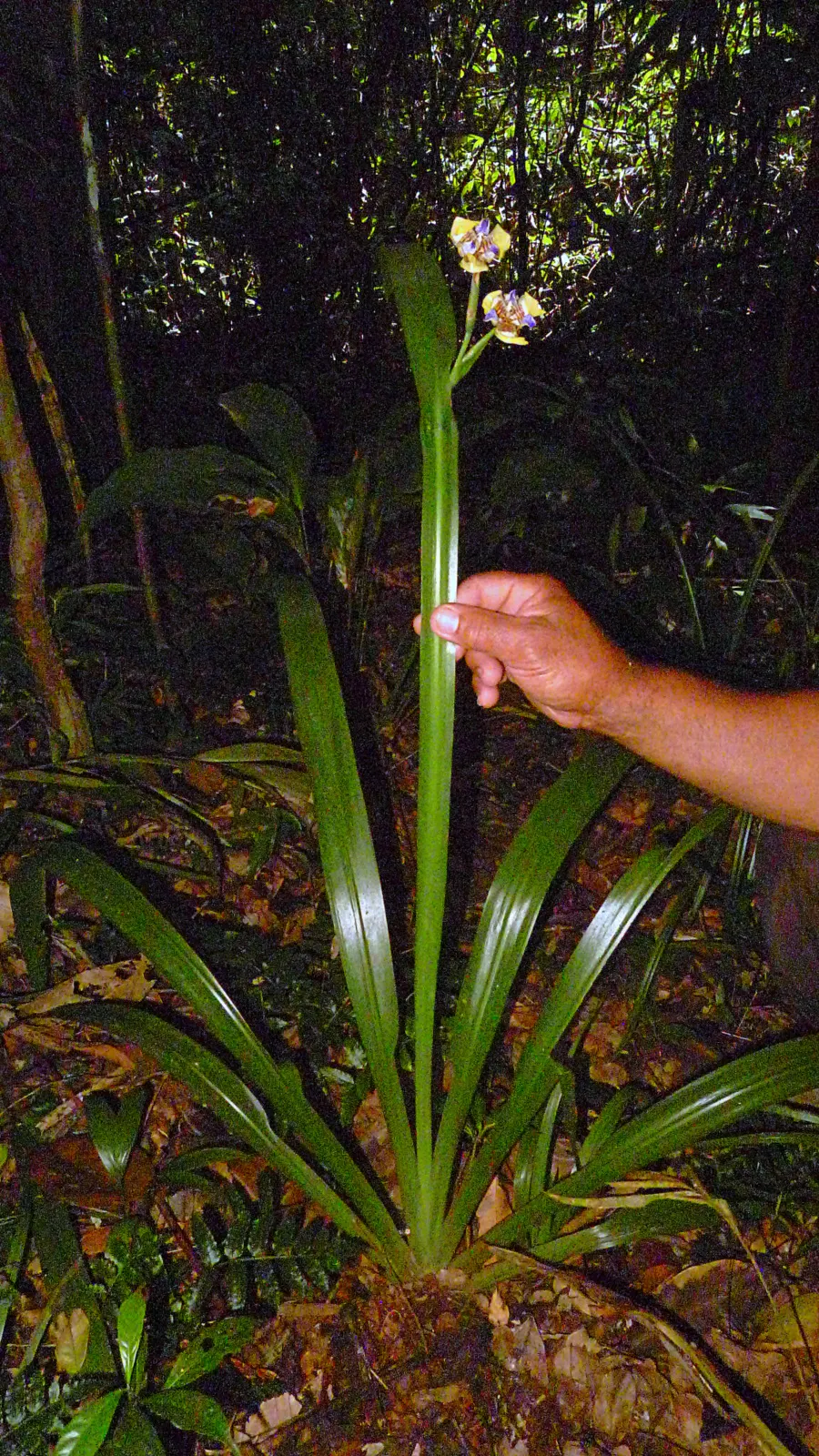
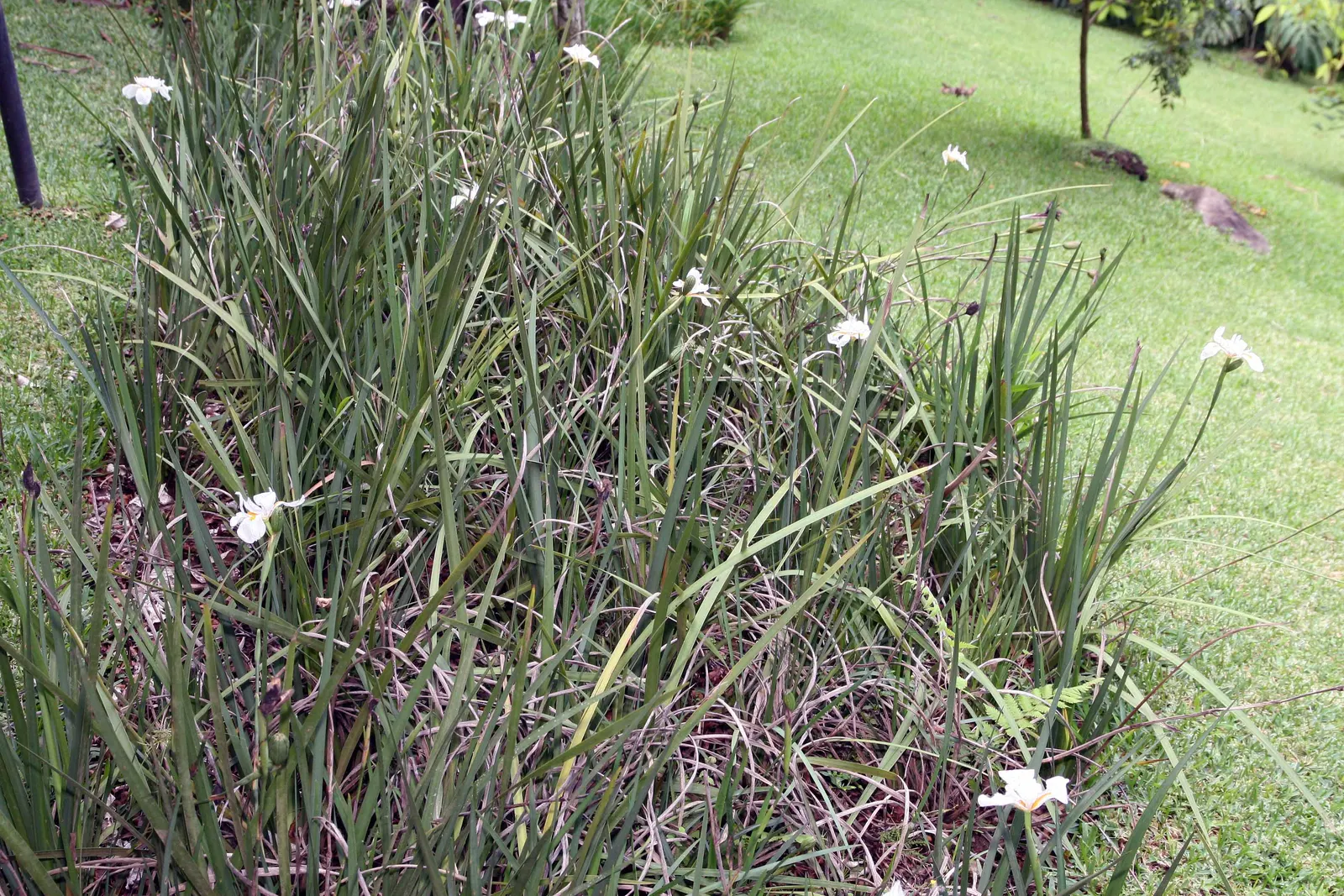
Apostle Plant (Neomarica Caerulea) — "Apostle Plant," stems from the belief that it flowers only when the plant has twelve leaves

Culture

Sun
Half, Shade
Water
Medium
USDA zones
7–9

Shape & size

Classification

Type
Perennial
Family
Iridaceae
Climate
Temperate

See full data, regional cultivation notes, and design tools. Build a client presentation around this plant.

Start your 14-day trial

Photos (155)

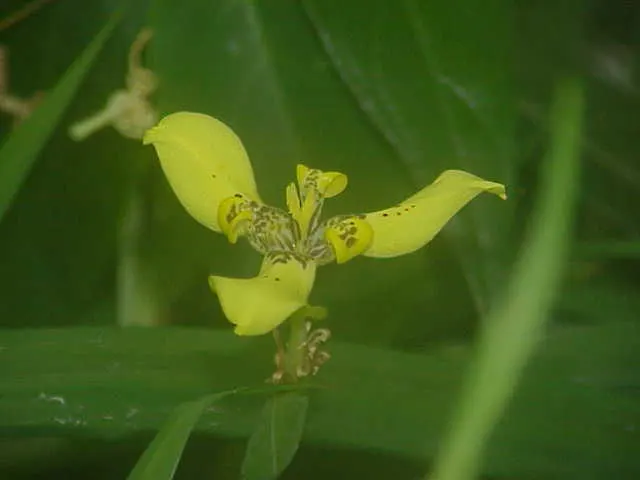
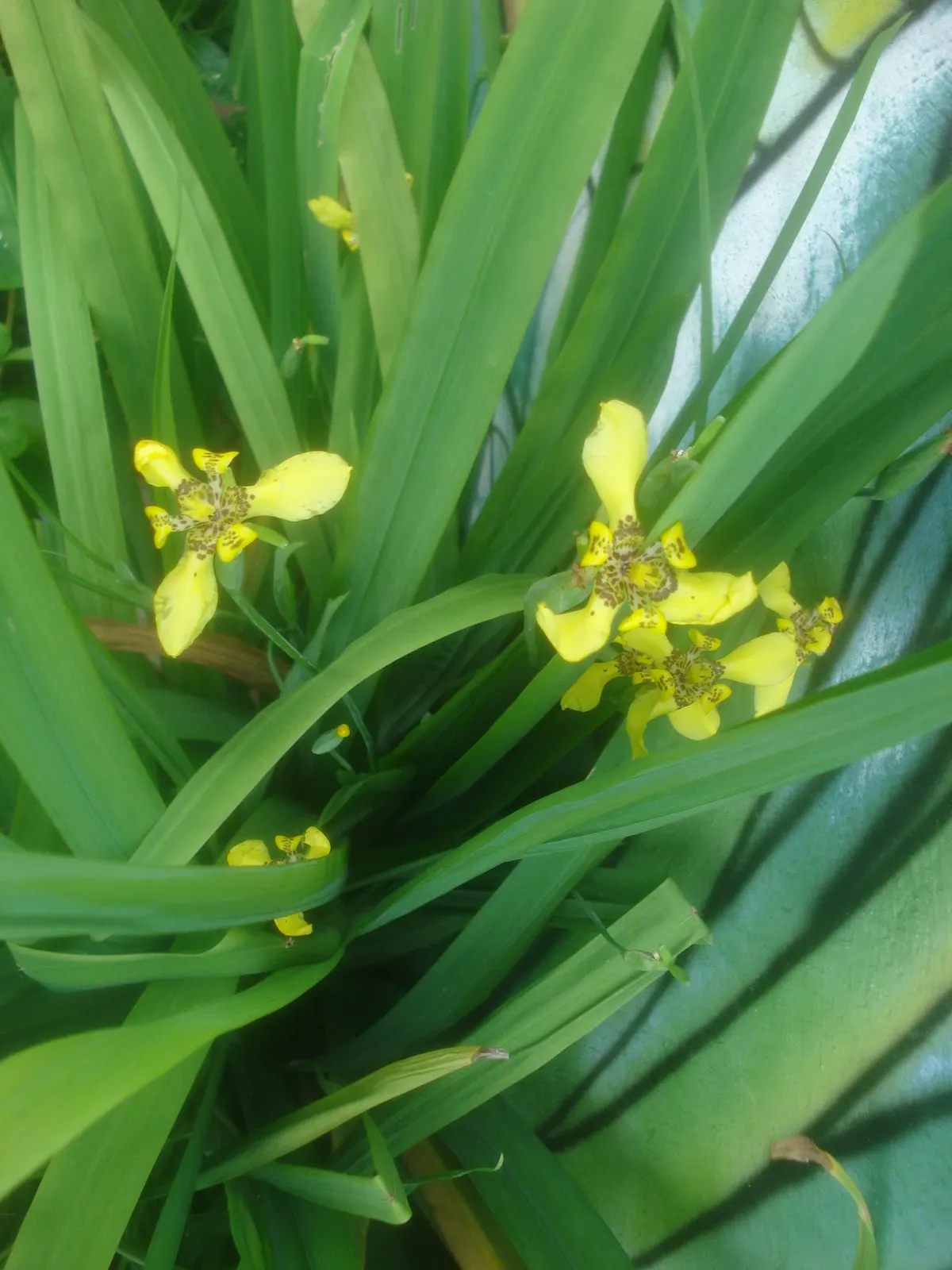
Apostle Plant (Neomarica Caerulea) — The foliage is equally impressive; blooms typically appear in the spring and summer, presenting a showy display, image 75
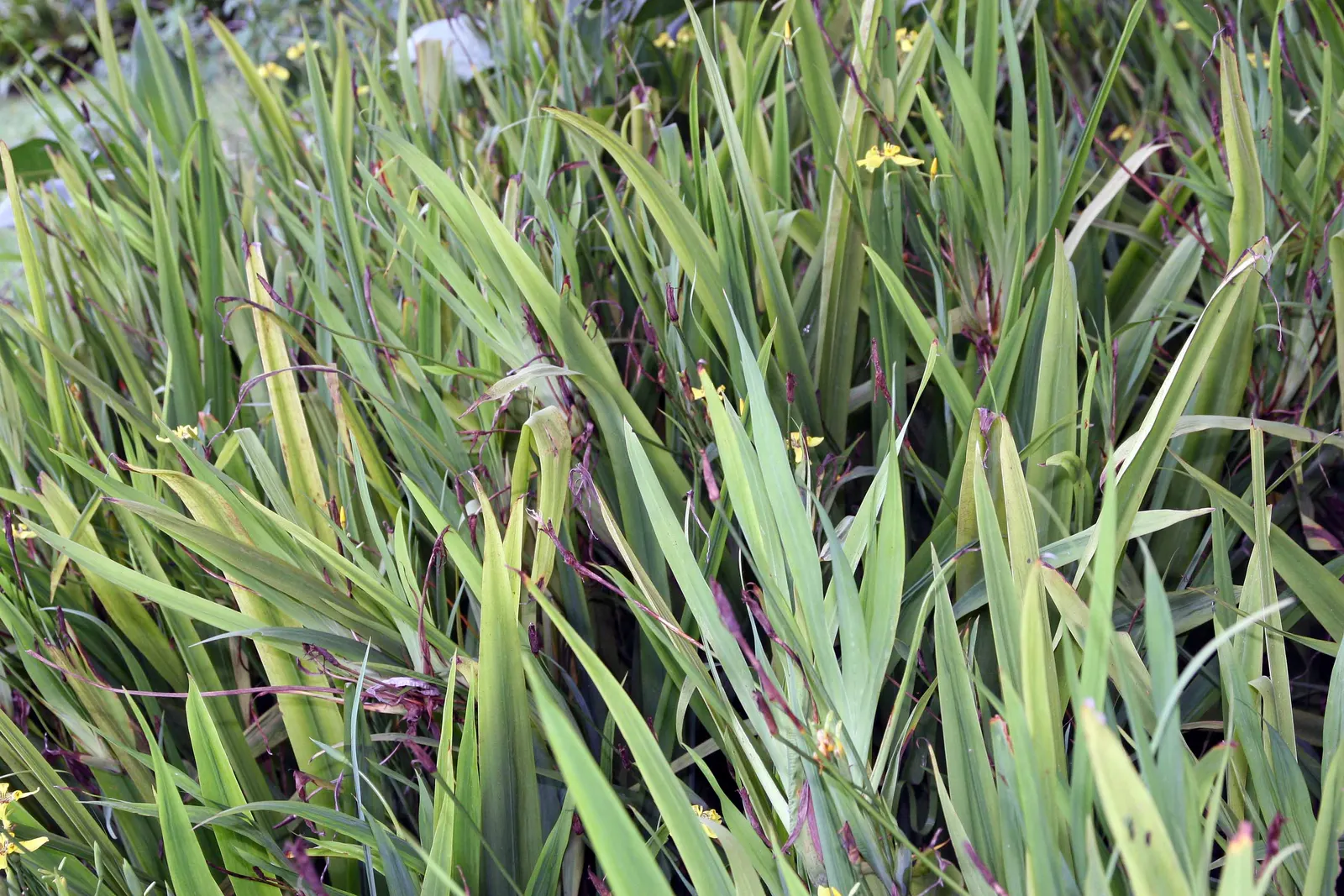
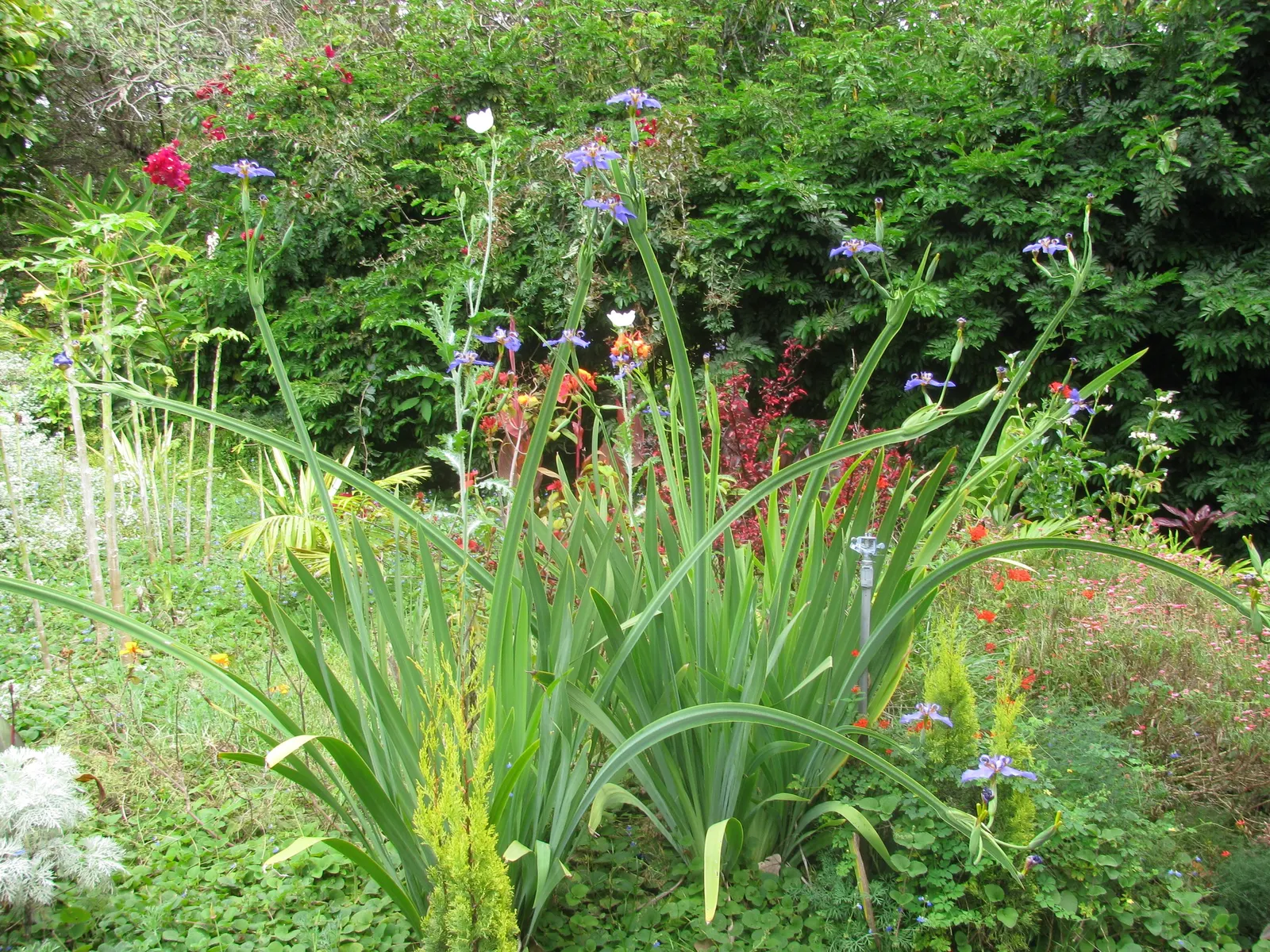
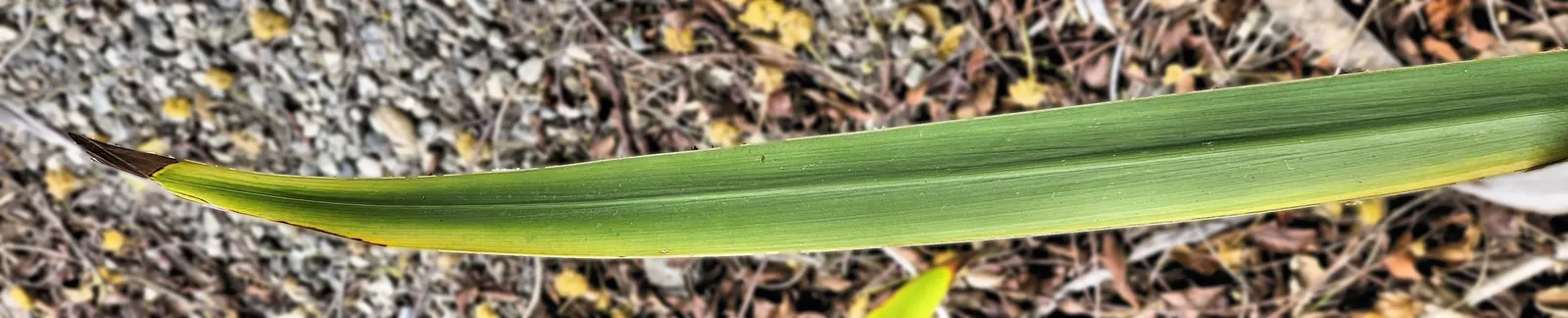
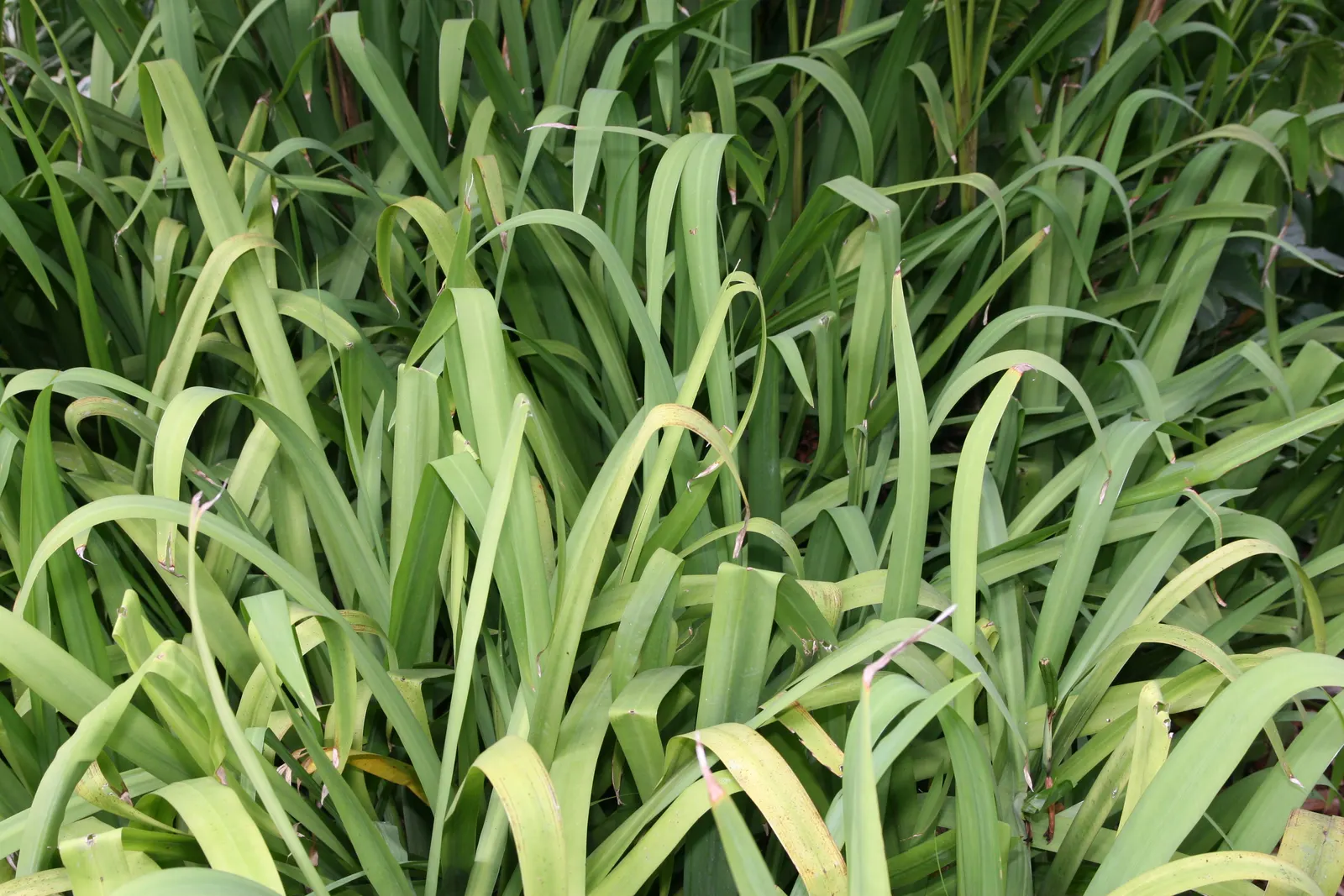
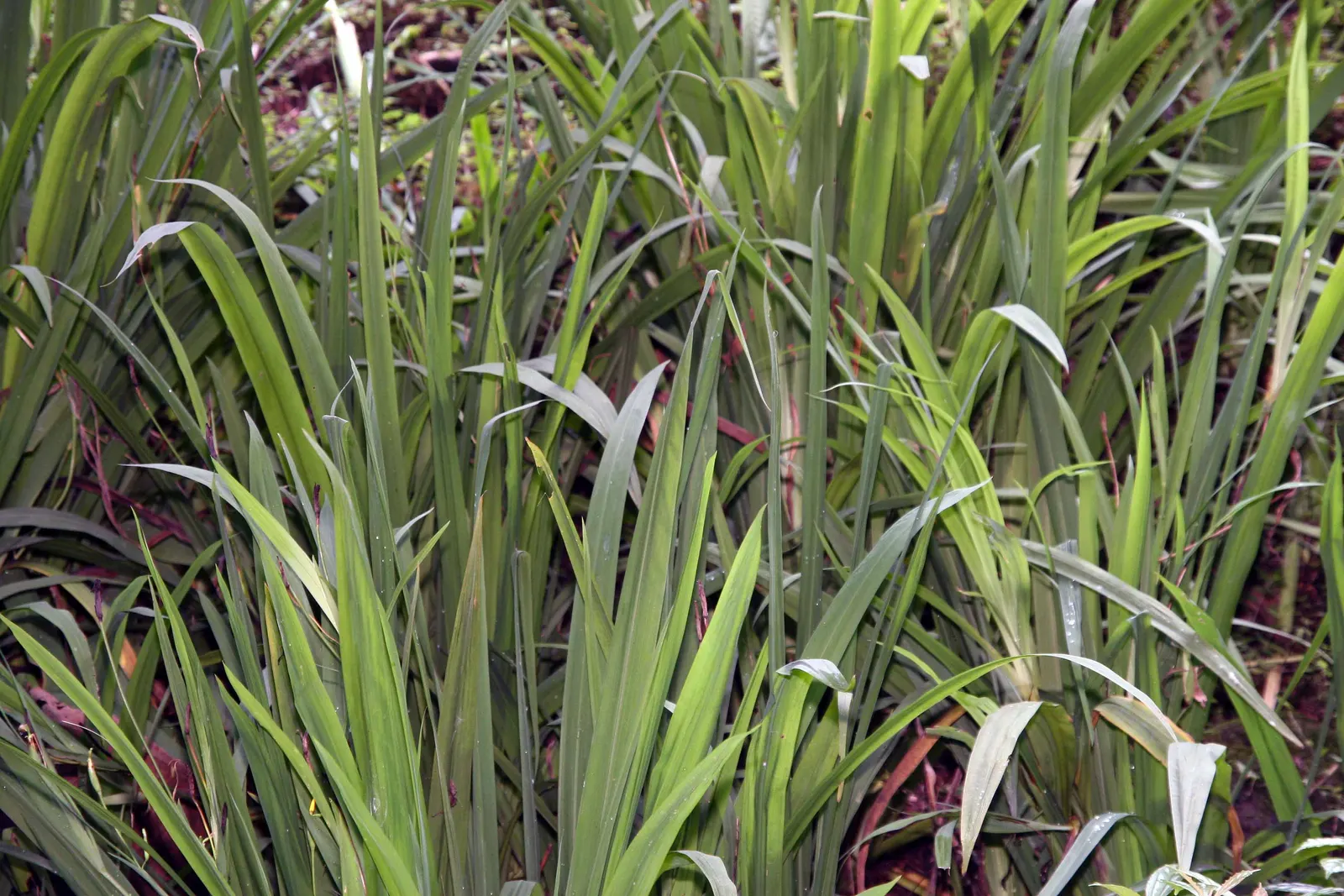
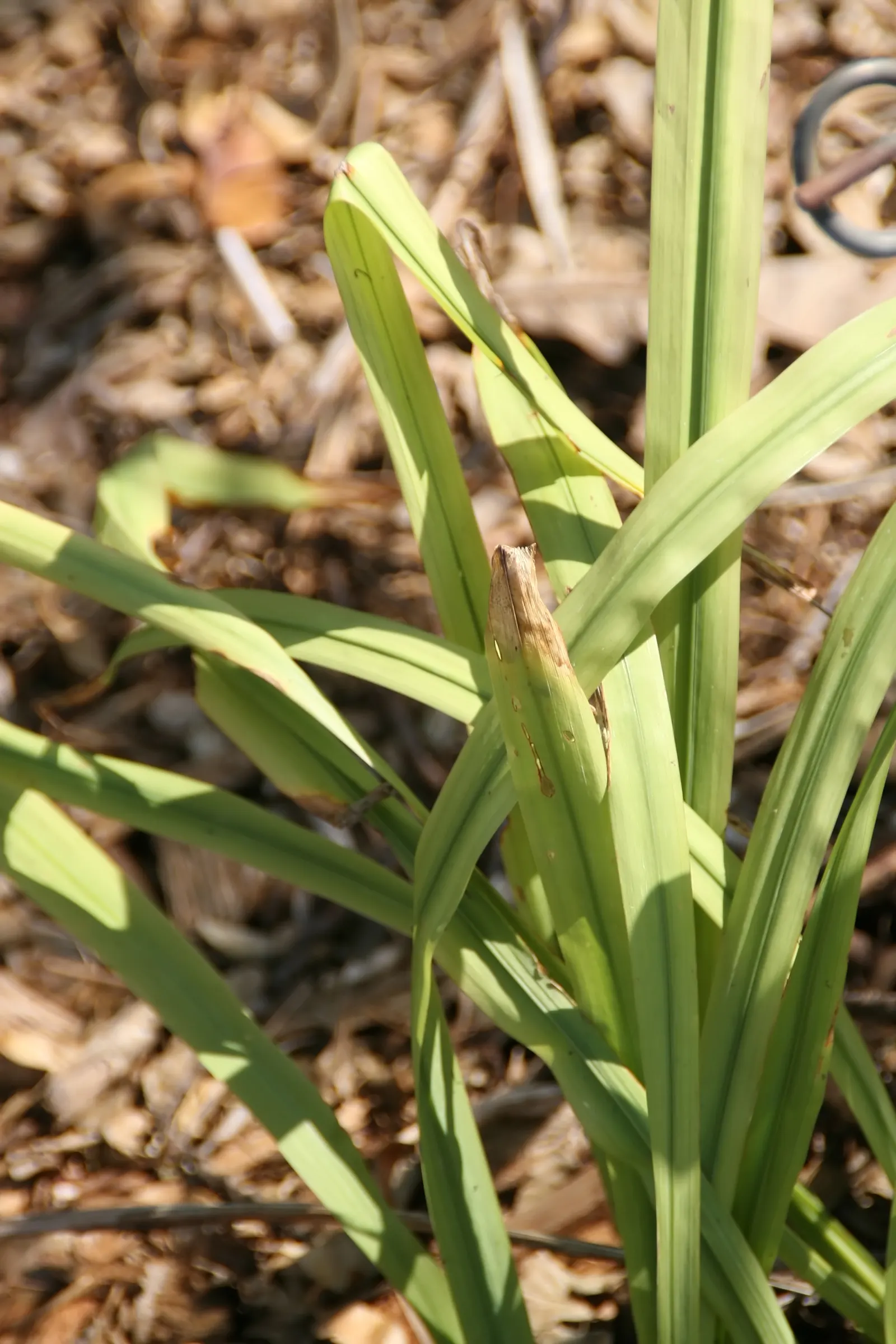
Apostle Plant (Neomarica Caerulea) — reaching up to 3 feet long
Apostle Plant (Neomarica Caerulea) — Blooms typically appear in the spring and summer, presenting a showy display; it thrives in partial to full, image 74
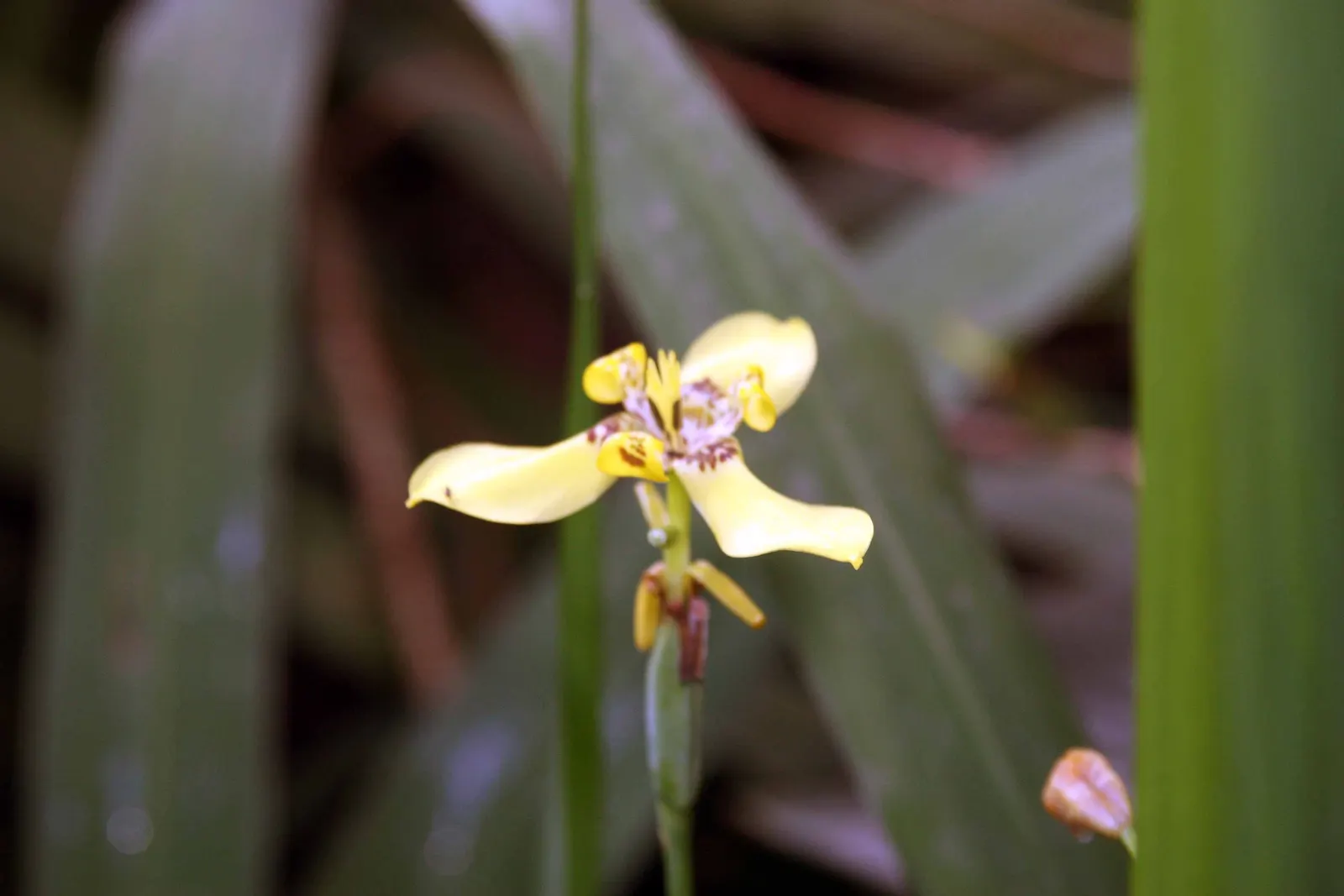
Apostle Plant (Neomarica Caerulea) — Ideal for creating textural contrast in borders or as an accent plant
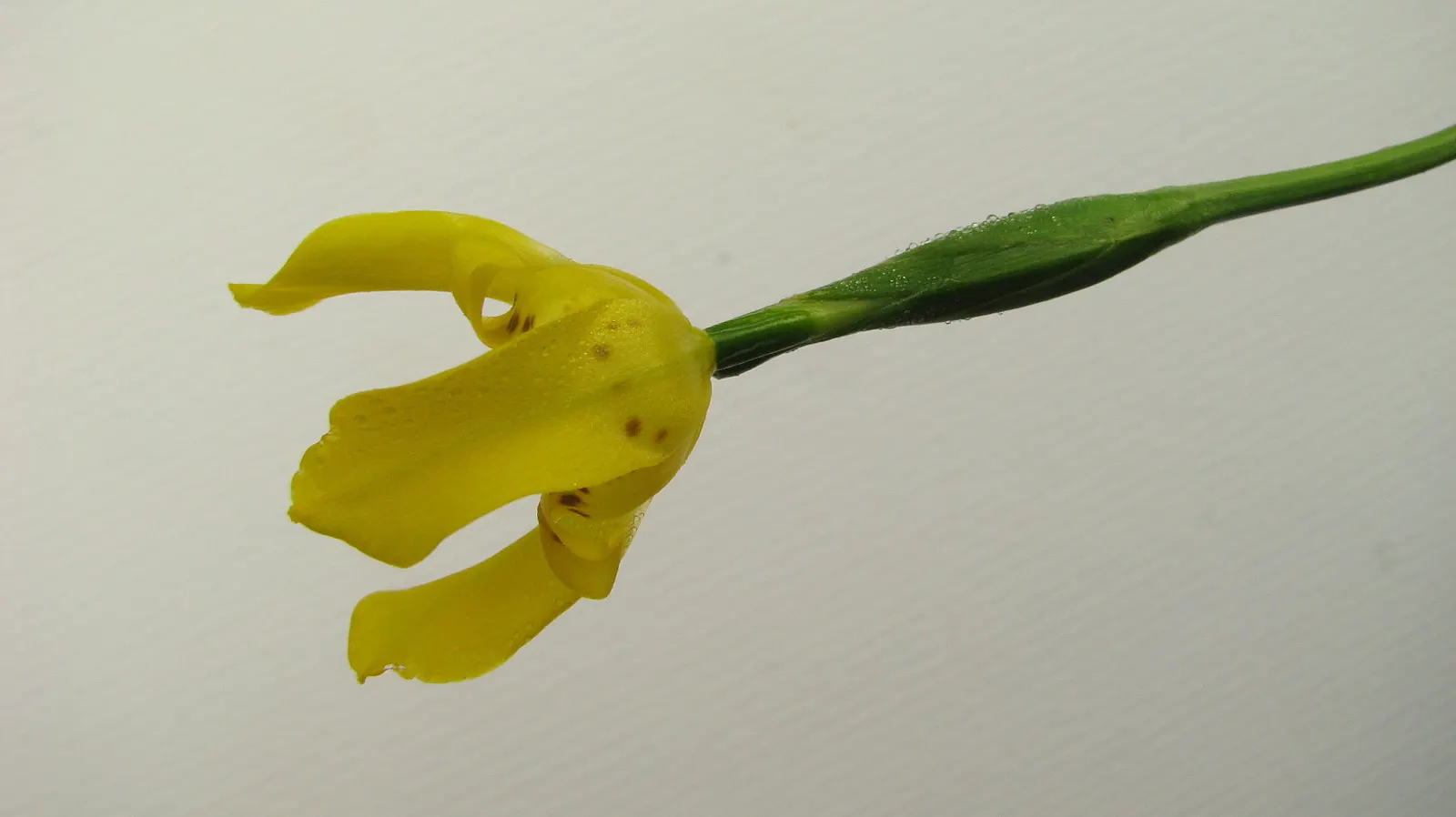
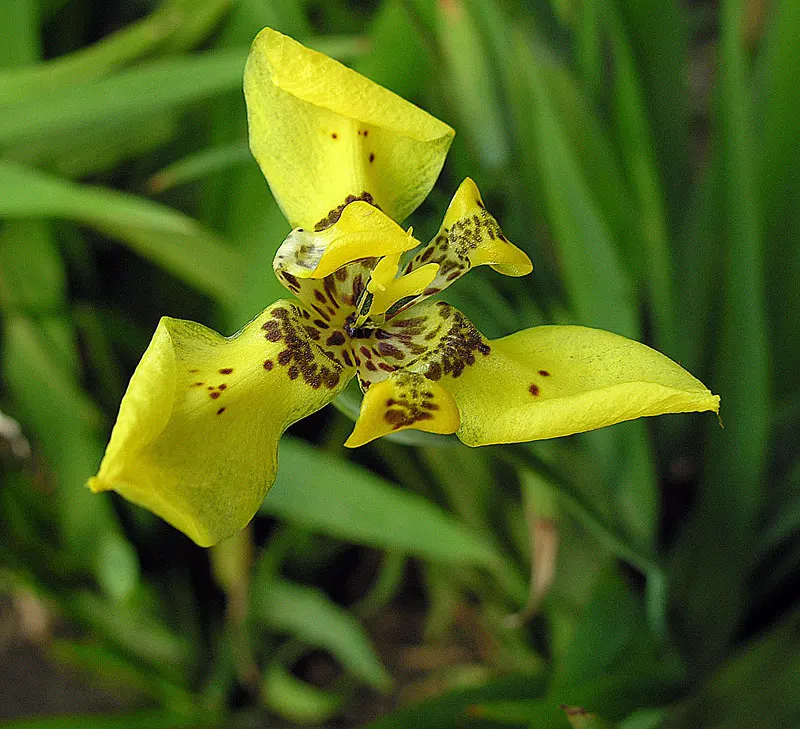
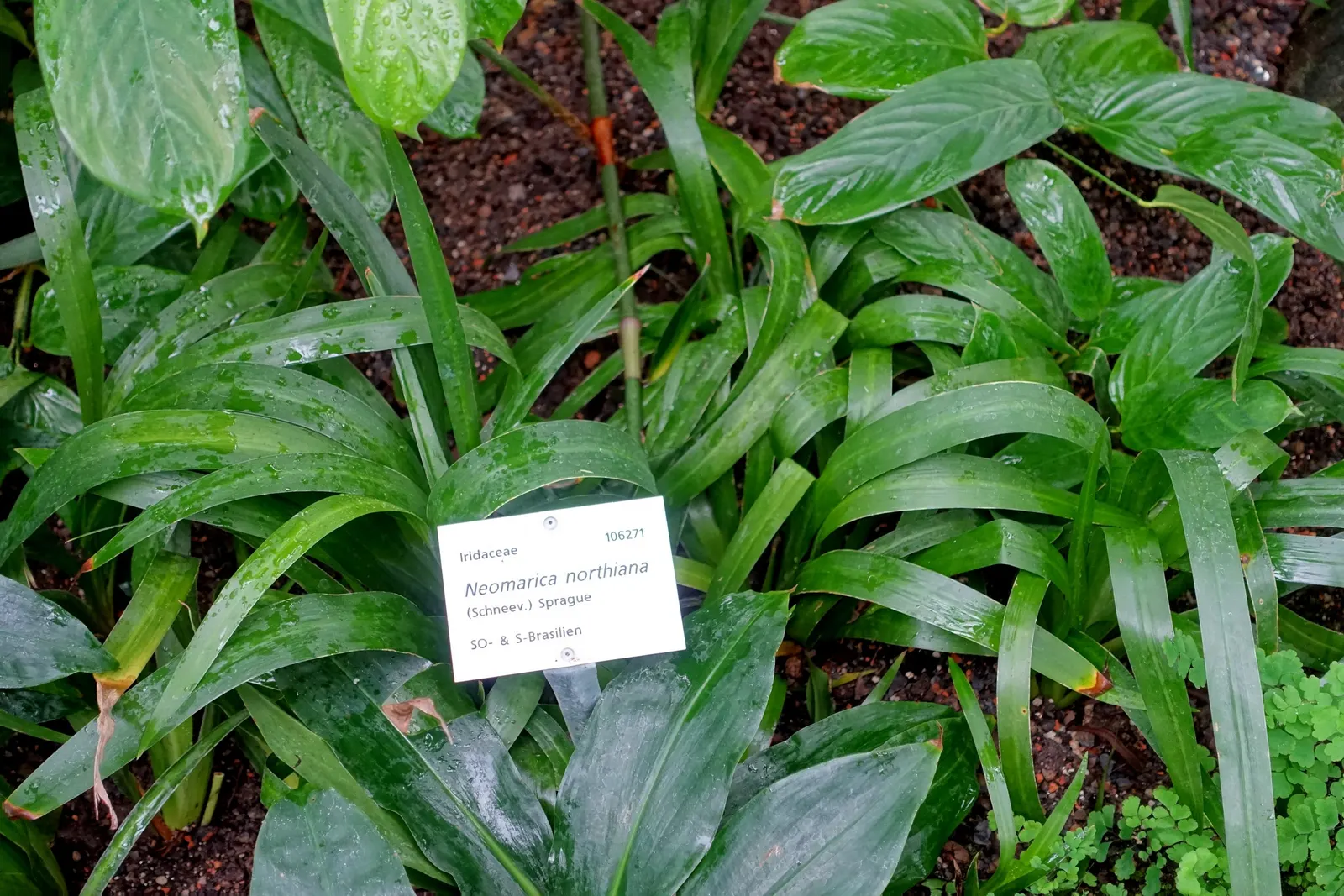
Apostle Plant (Neomarica Caerulea) — scientifically known as Neomarica caerulea
Apostle Plant (Neomarica Caerulea) — scientifically known as Neomarica caerulea; blooms typically appear in the spring and summer, presenting a, image 63
Apostle Plant (Neomarica Caerulea) — Prefers partial sun to light shade and well-draining soil; in spring, this iris relative showcases striking, image 145
Apostle Plant (Neomarica Caerulea) — but be wary of overwatering; it thrives in partial to full shade, image 134
Apostle Plant (Neomarica Caerulea) — blue to violet flowers that can span up to 4 inches across; making it a low-maintenance choice for the, image 128
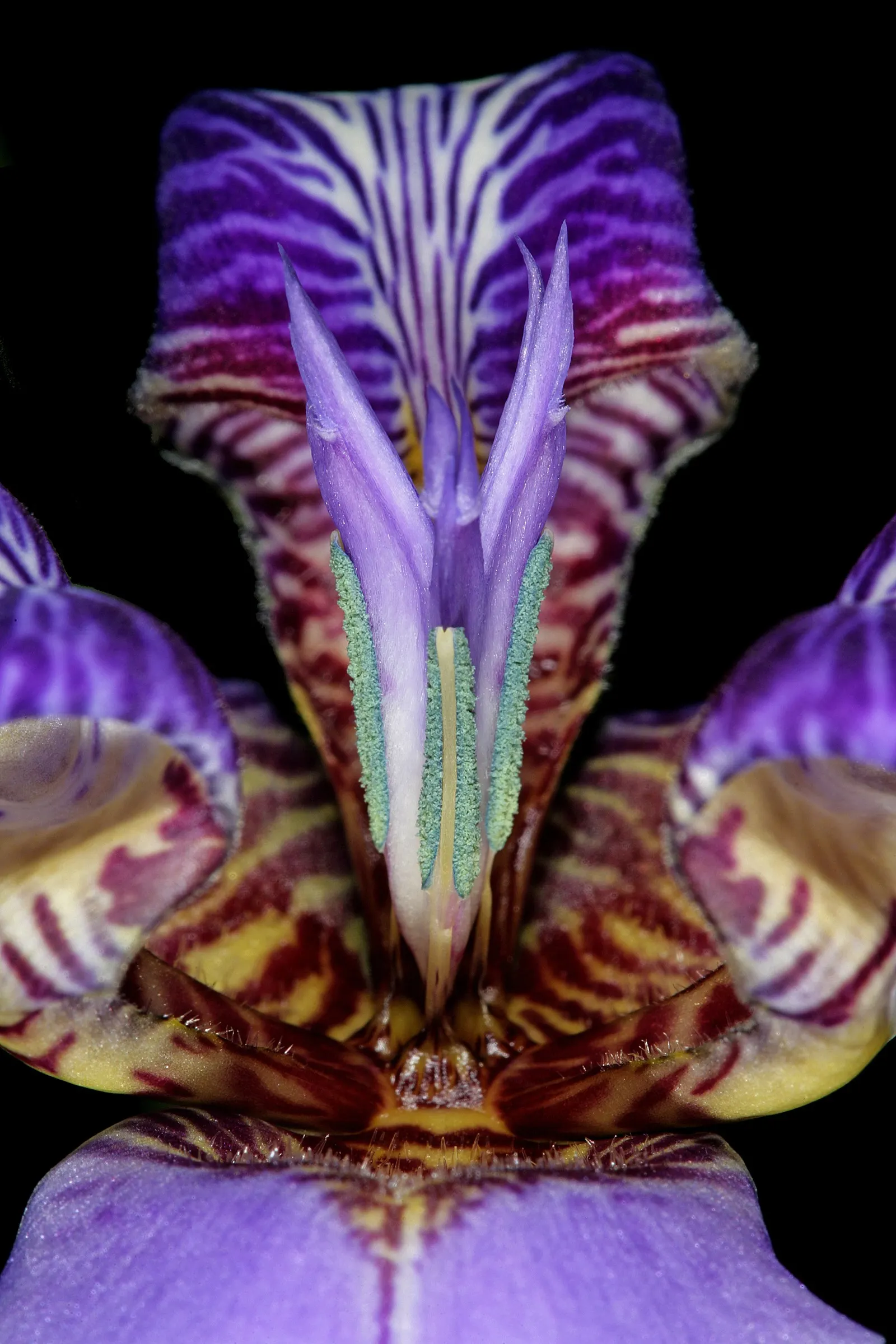
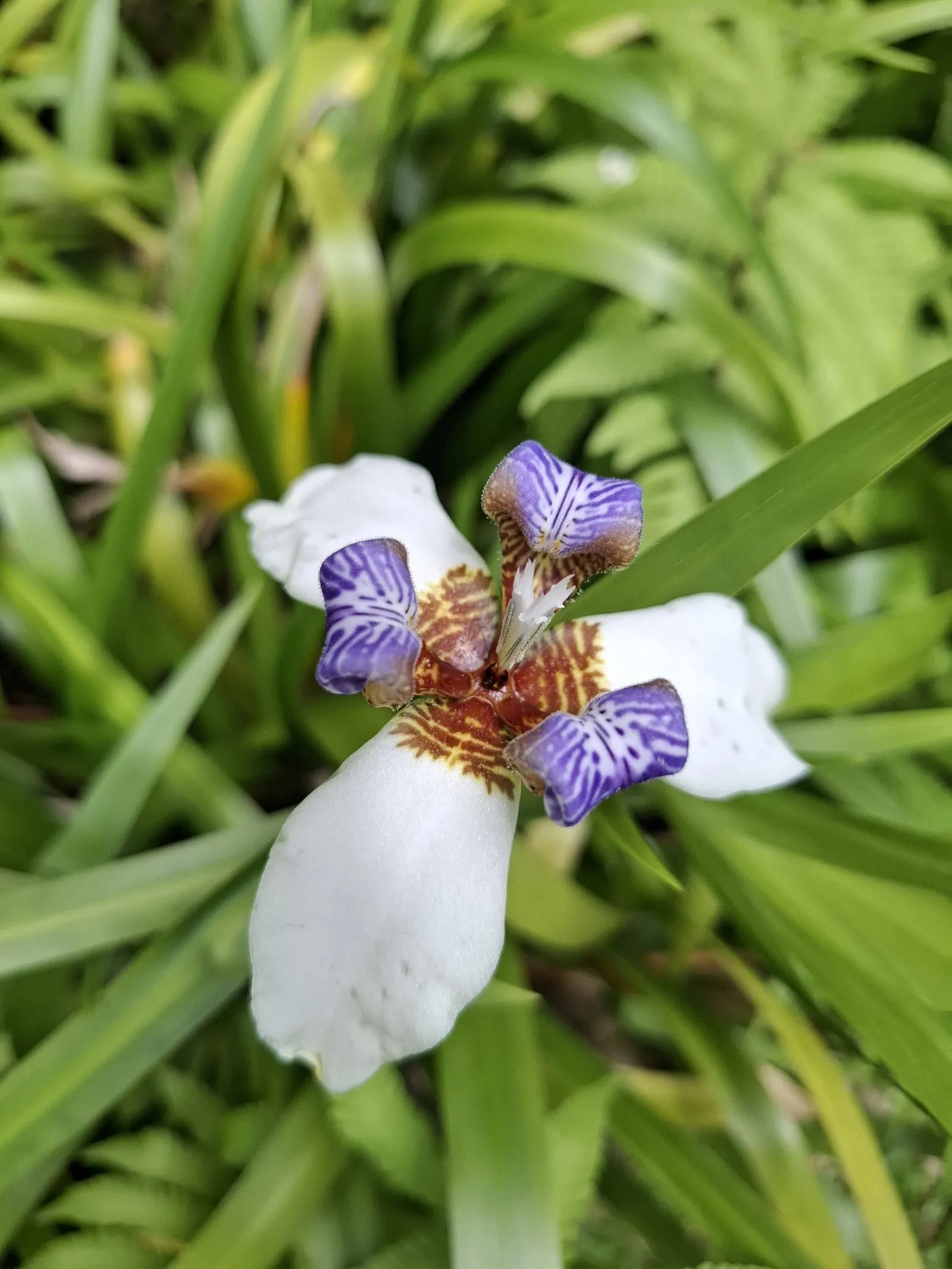
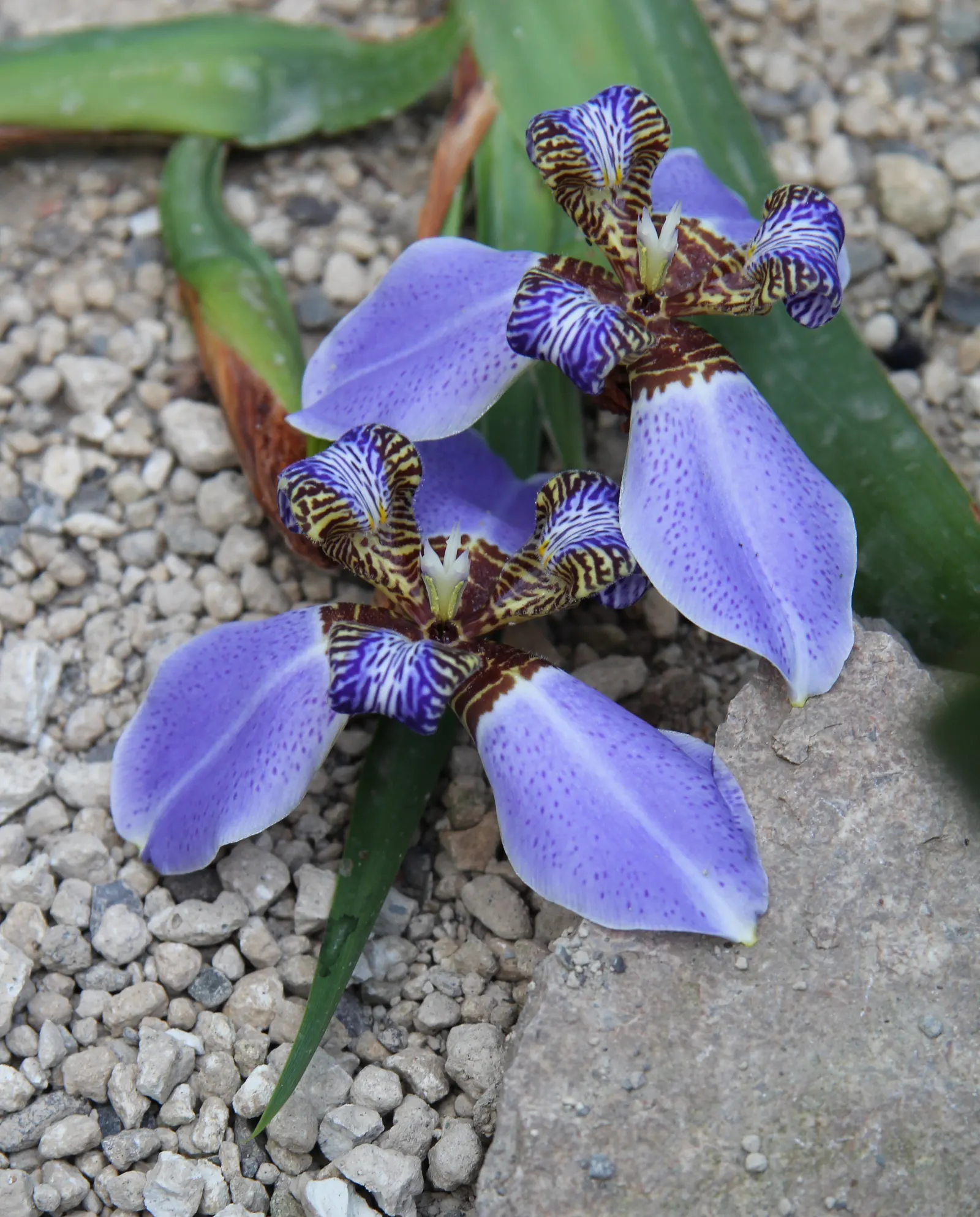
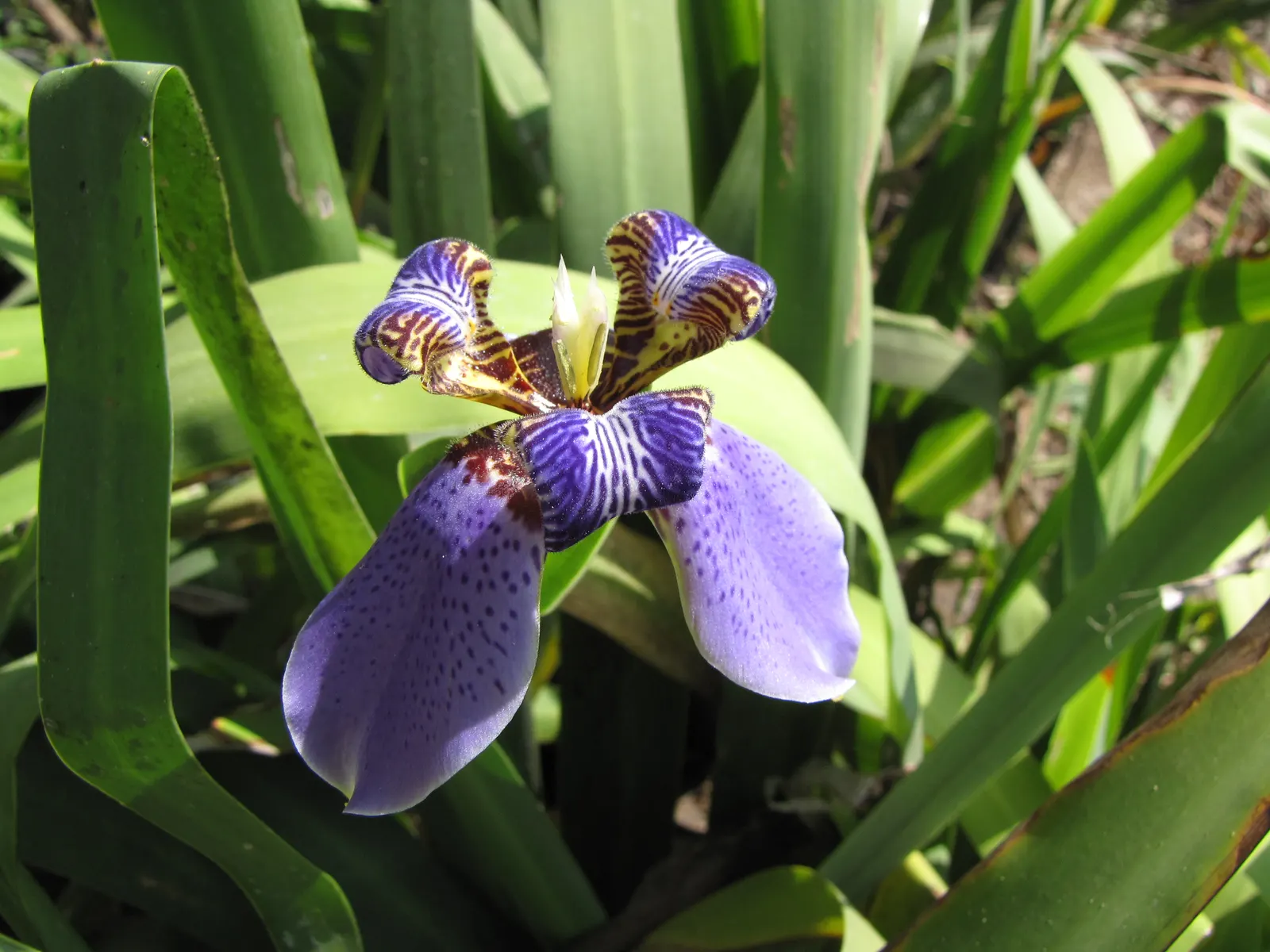
Apostle Plant (Neomarica Caerulea) — In spring, this iris relative showcases striking blue to purple blooms with ornate maroon patterns; making it a, image 144
Apostle Plant (Neomarica Caerulea) — with a preference for slightly acidic to neutral pH levels.<br><br>It boasts iris-like
Apostle Plant (Neomarica Caerulea) — perennial with blue blooms
Apostle Plant (Neomarica Caerulea) — The Apostle Plant requires well-draining soil; it thrives in partial to full shade
Apostle Plant (Neomarica Caerulea) — but be wary of overwatering; it thrives in partial to full shade, image 78
Apostle Plant (Neomarica Caerulea) — It thrives in partial to full shade
Apostle Plant (Neomarica Caerulea) — It earns its name by typically flowering when it sports 12 or more foliage fans; blooms typically appear in, image 115
Apostle Plant (Neomarica Caerulea) — In colder climates, it should be grown in containers that can be moved indoors; blooms typically appear in the spring and
Apostle Plant (Neomarica Caerulea) — In colder climates, it should be grown in containers that can be moved indoors; blooms typically appear in the, image 135
Apostle Plant (Neomarica Caerulea) — is a tropical perennial known for its lush; in spring, this iris relative showcases striking blue to purple, image 141
Apostle Plant (Neomarica Caerulea) — blue flowers in the garden; it thrives in partial to full shade, image 110
Apostle Plant (Neomarica Caerulea) — elongated petals and ornate maroon patterns near the base; in spring, this iris relative showcases striking, image 73
Apostle Plant (Neomarica Caerulea) — Native to the tropical regions of Central and South America, it flourishes in USDA hardiness zones 9 to 11; in, image 149
Apostle Plant (Neomarica Caerulea) — blue flowers in the garden; it thrives in partial to full shade
Apostle Plant (Neomarica Caerulea) — grassy clump.<br><br>Providing the Apostle Plant with consistent moisture is vital; in spring, this iris relative
Photographs by 10 contributors

Related plants