Skip to content

Myoporum

Myoporum Laetum

Design with this plant

Overview

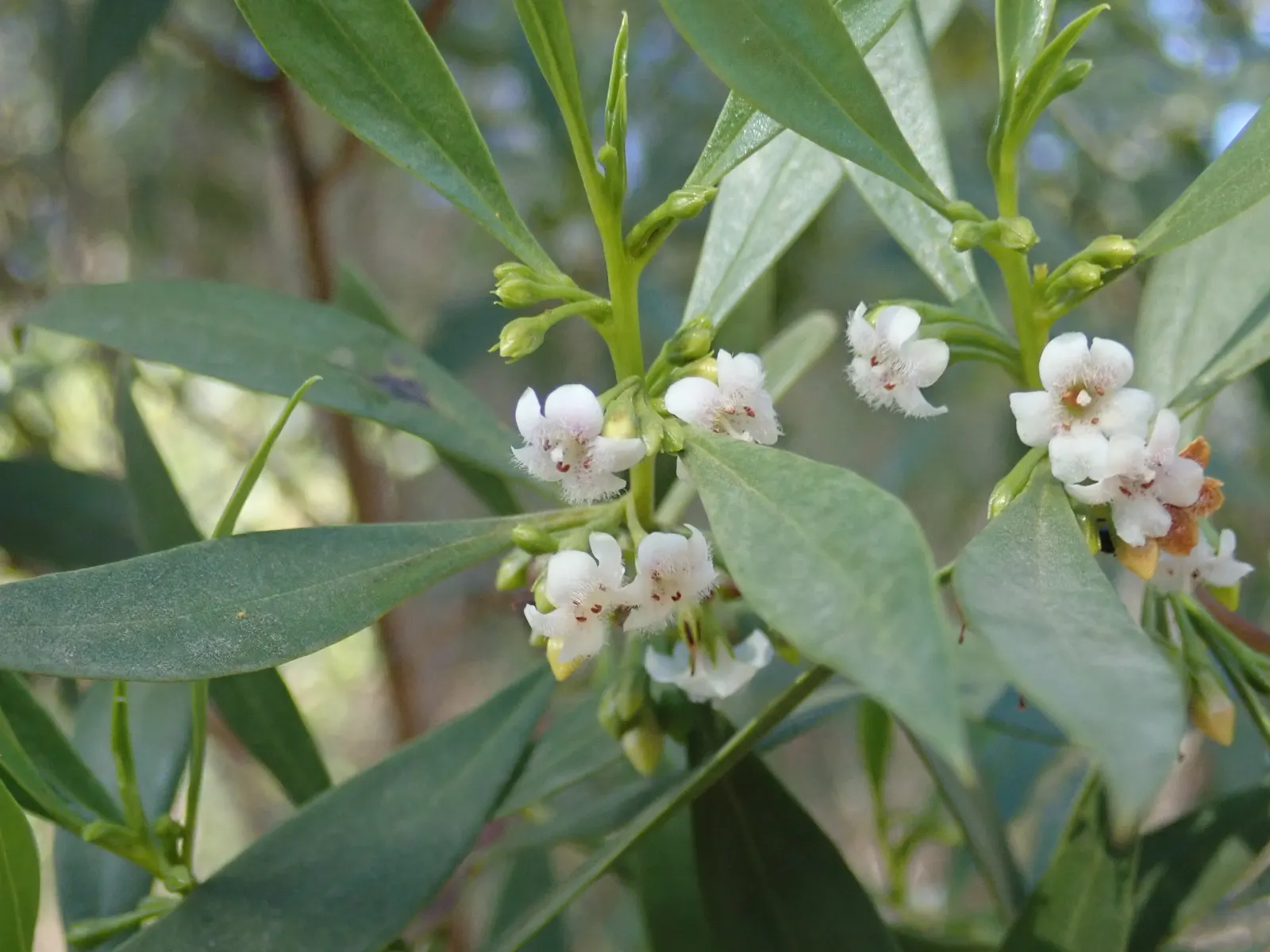
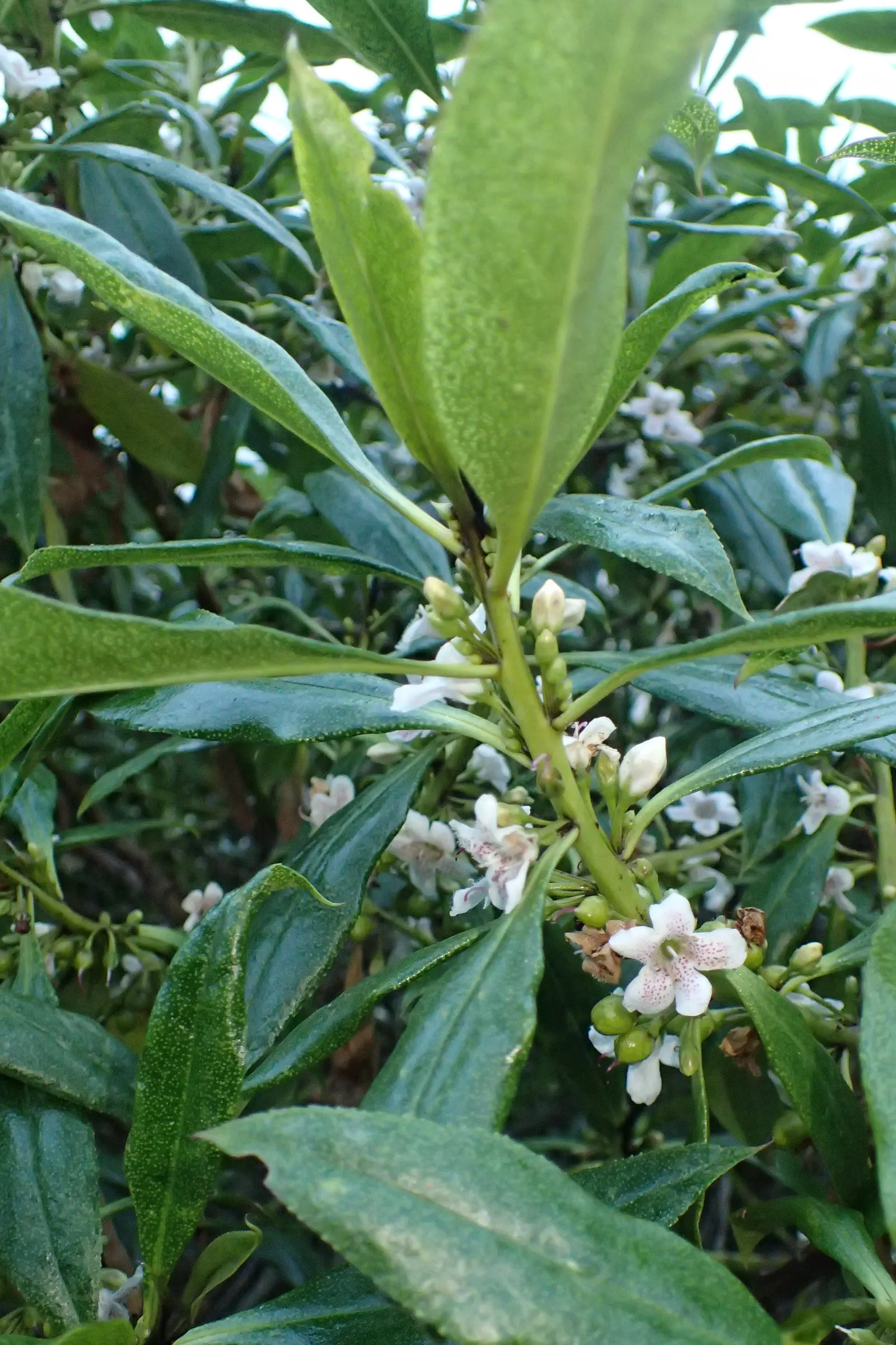
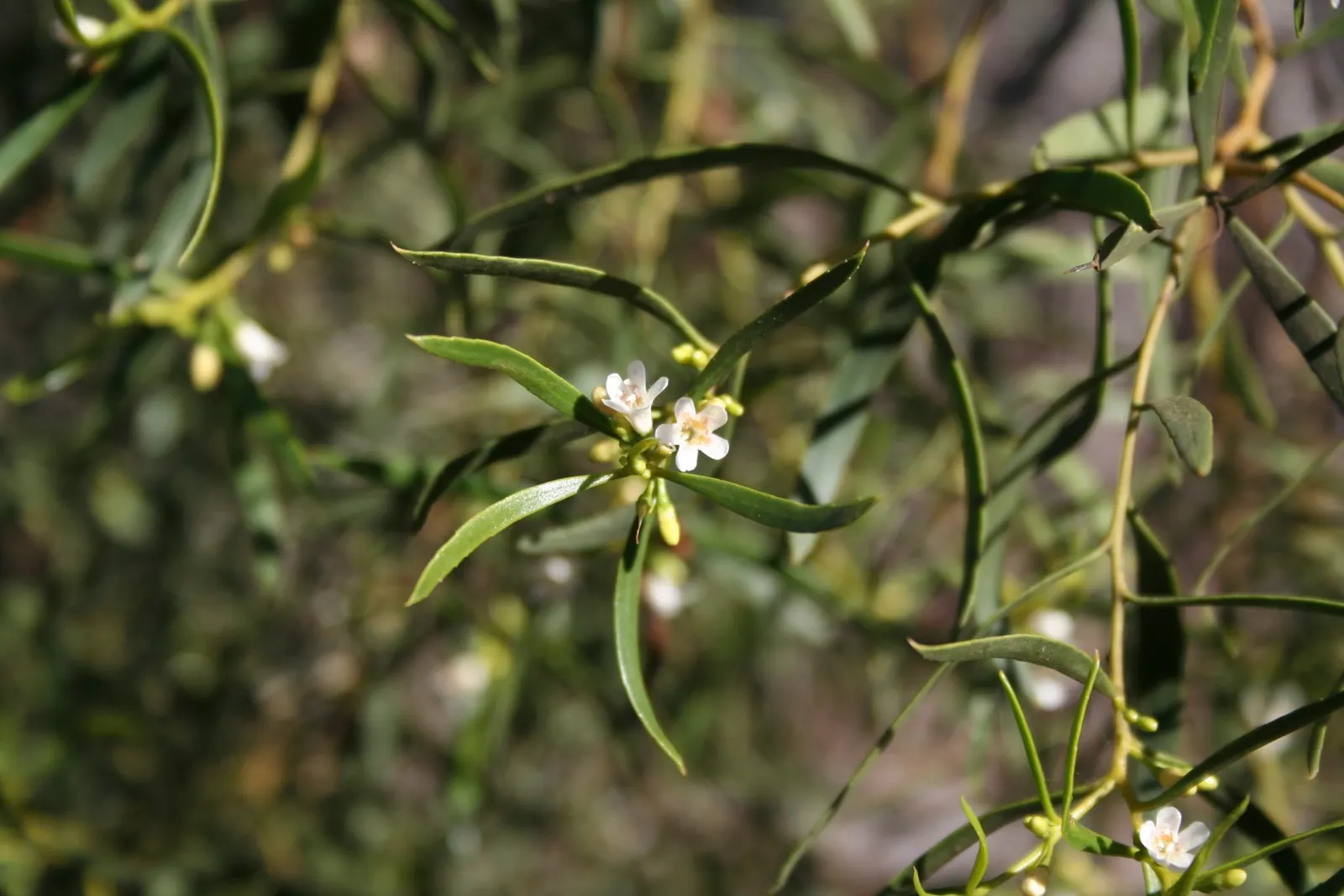
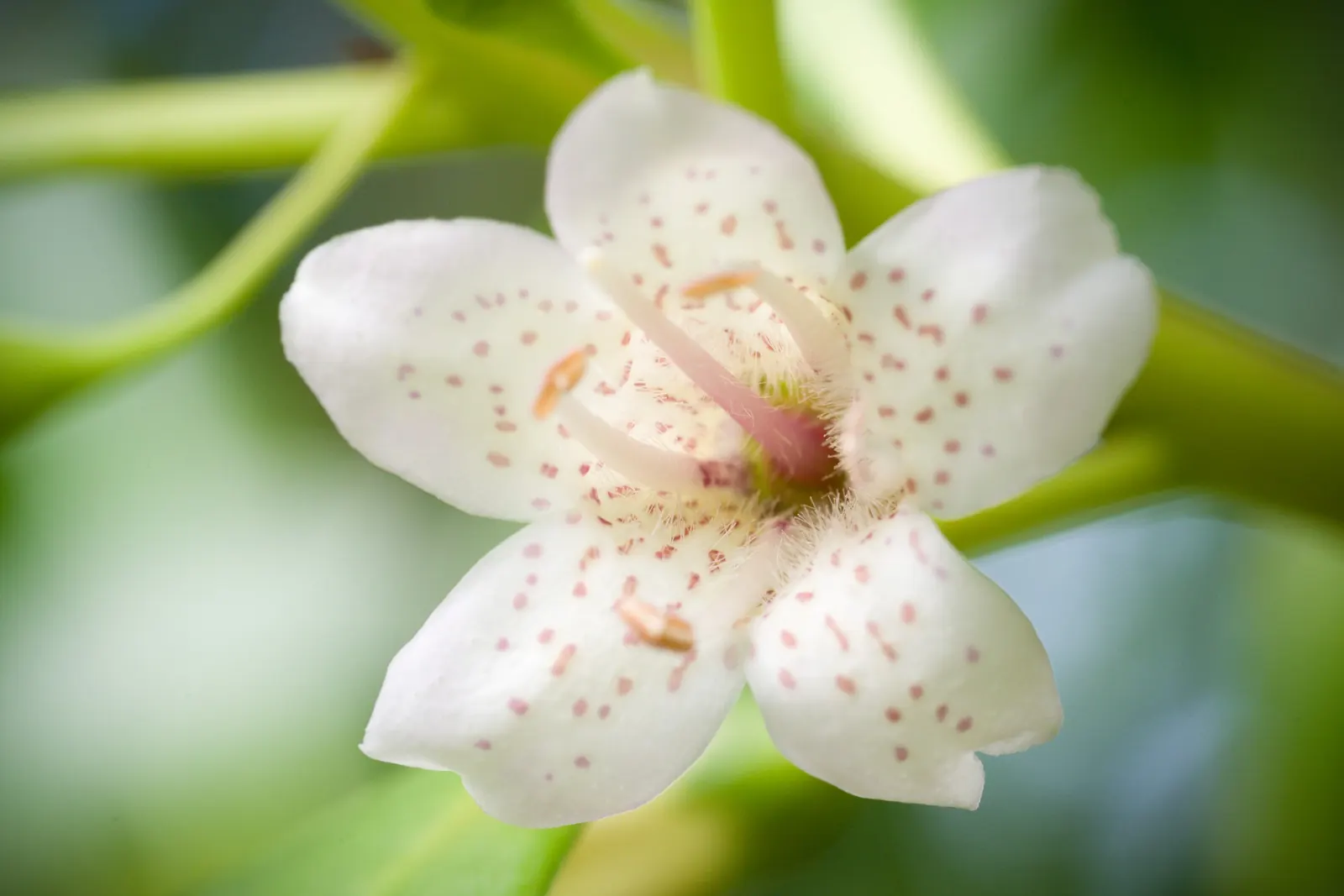
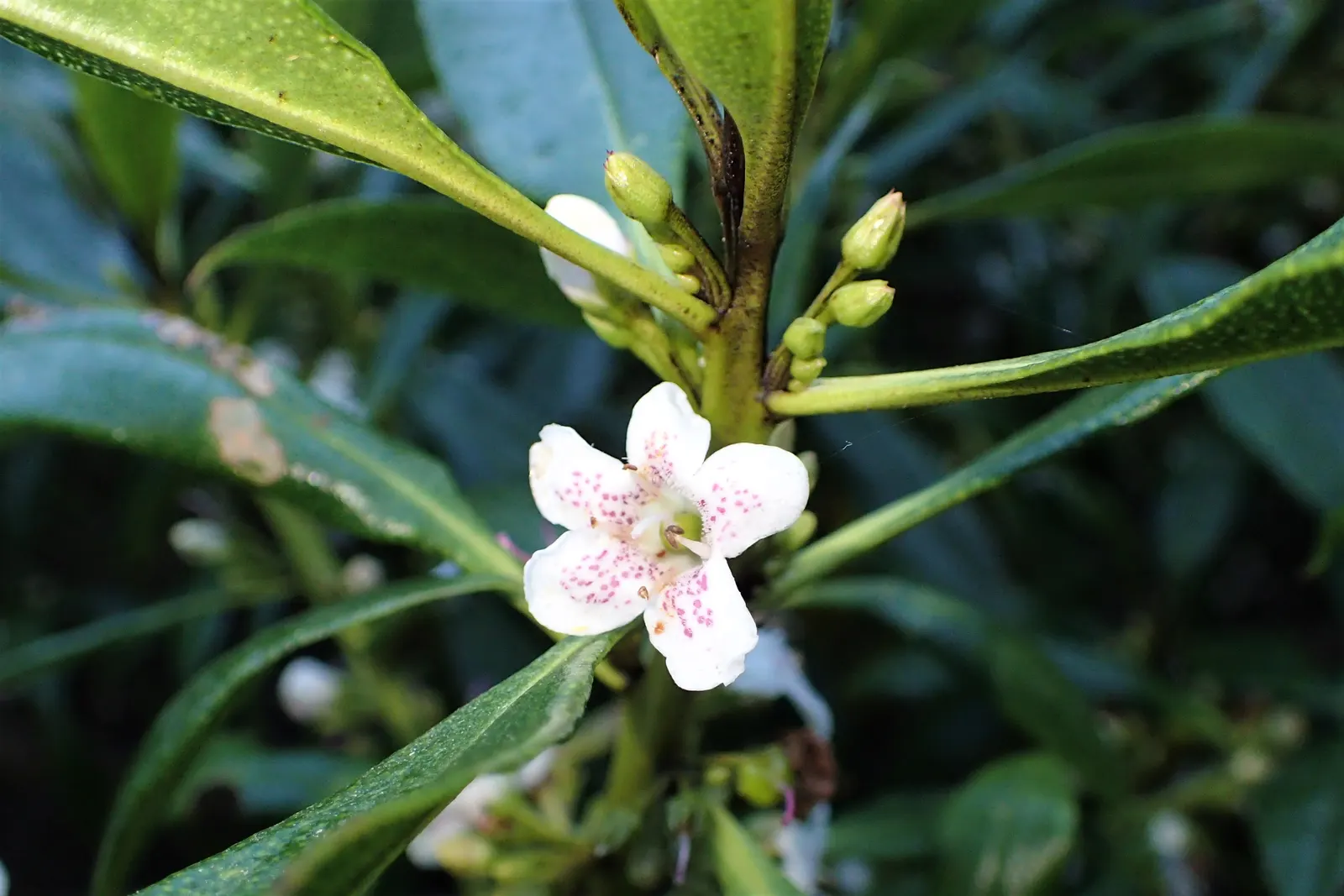
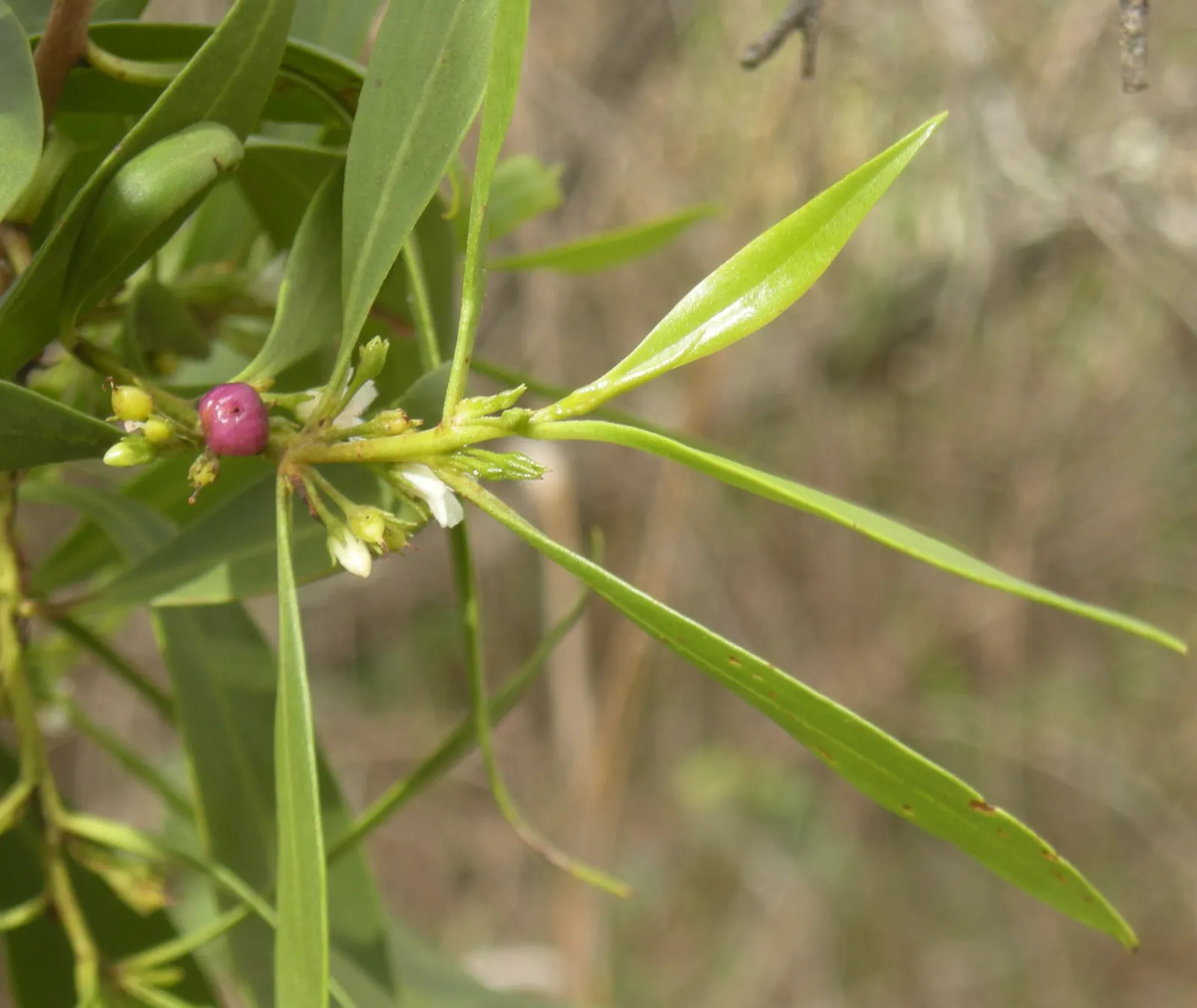
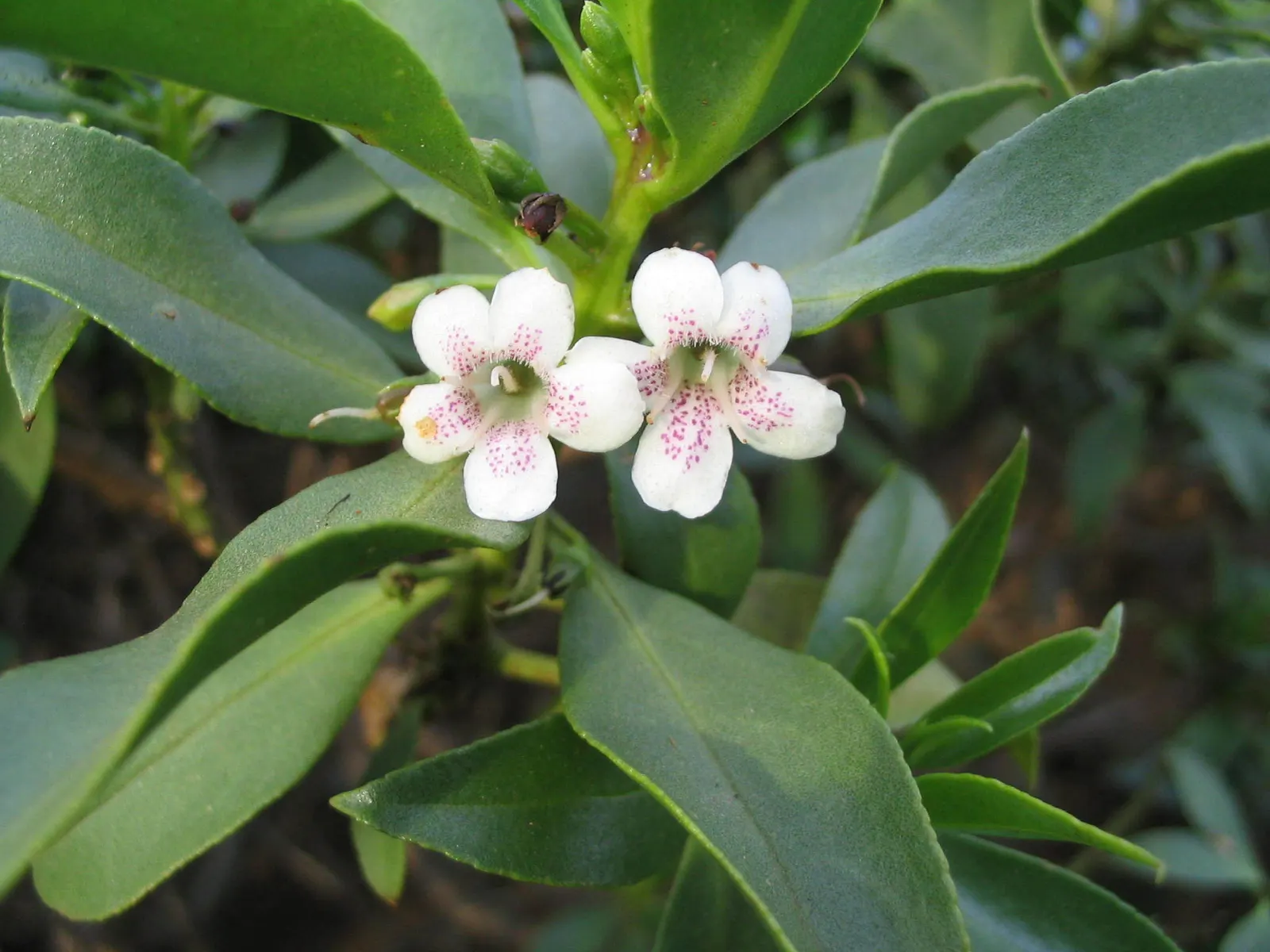
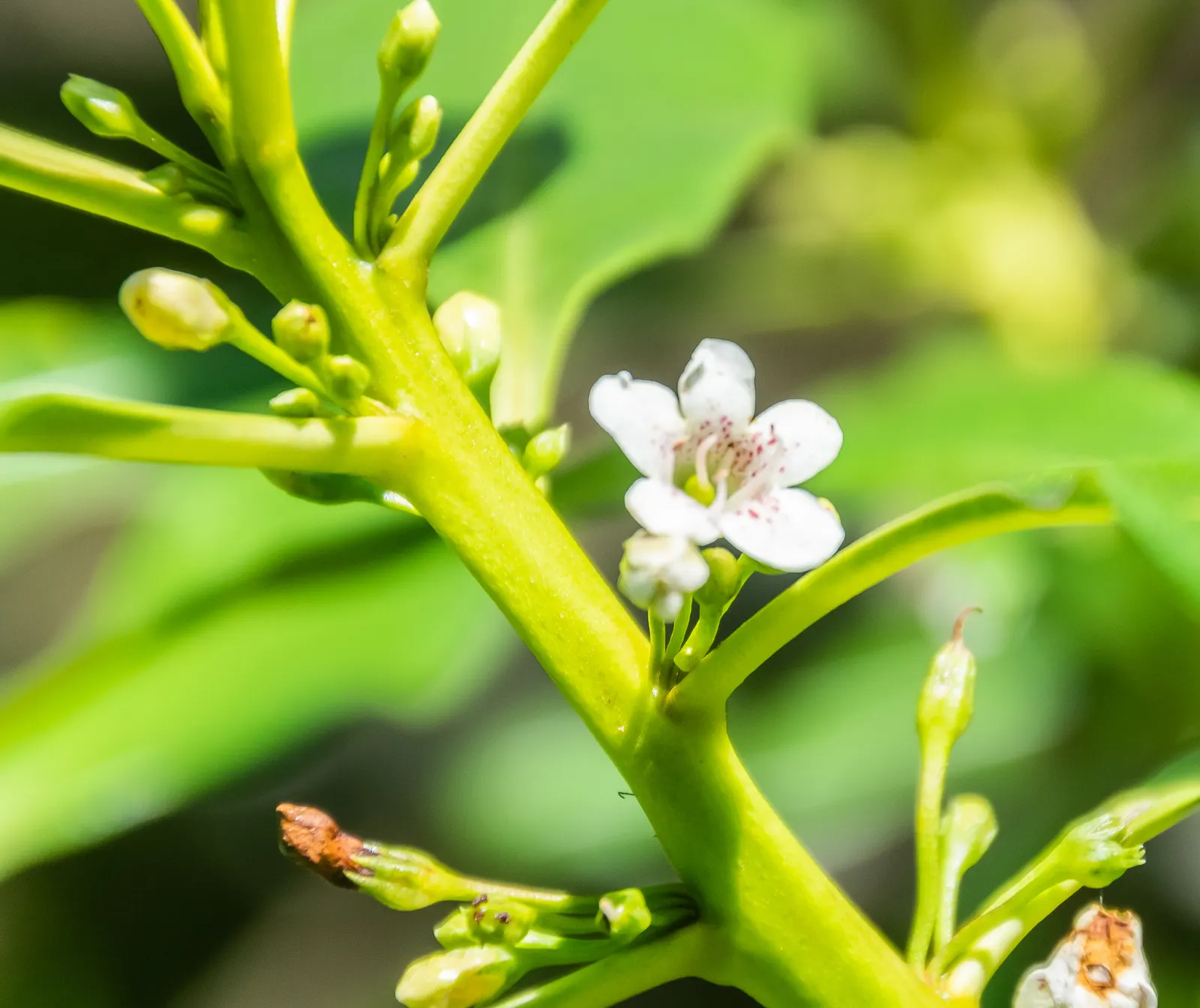
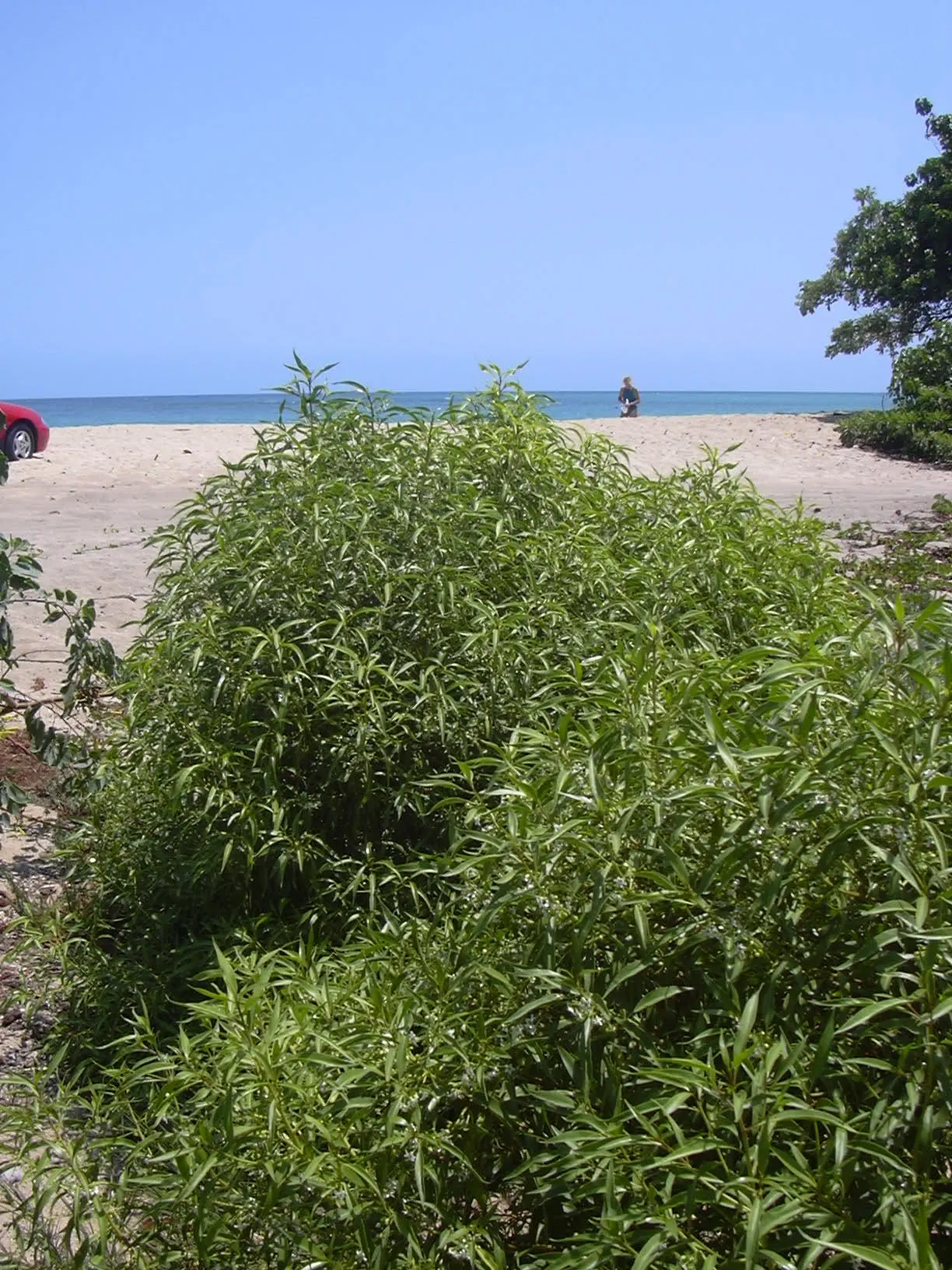
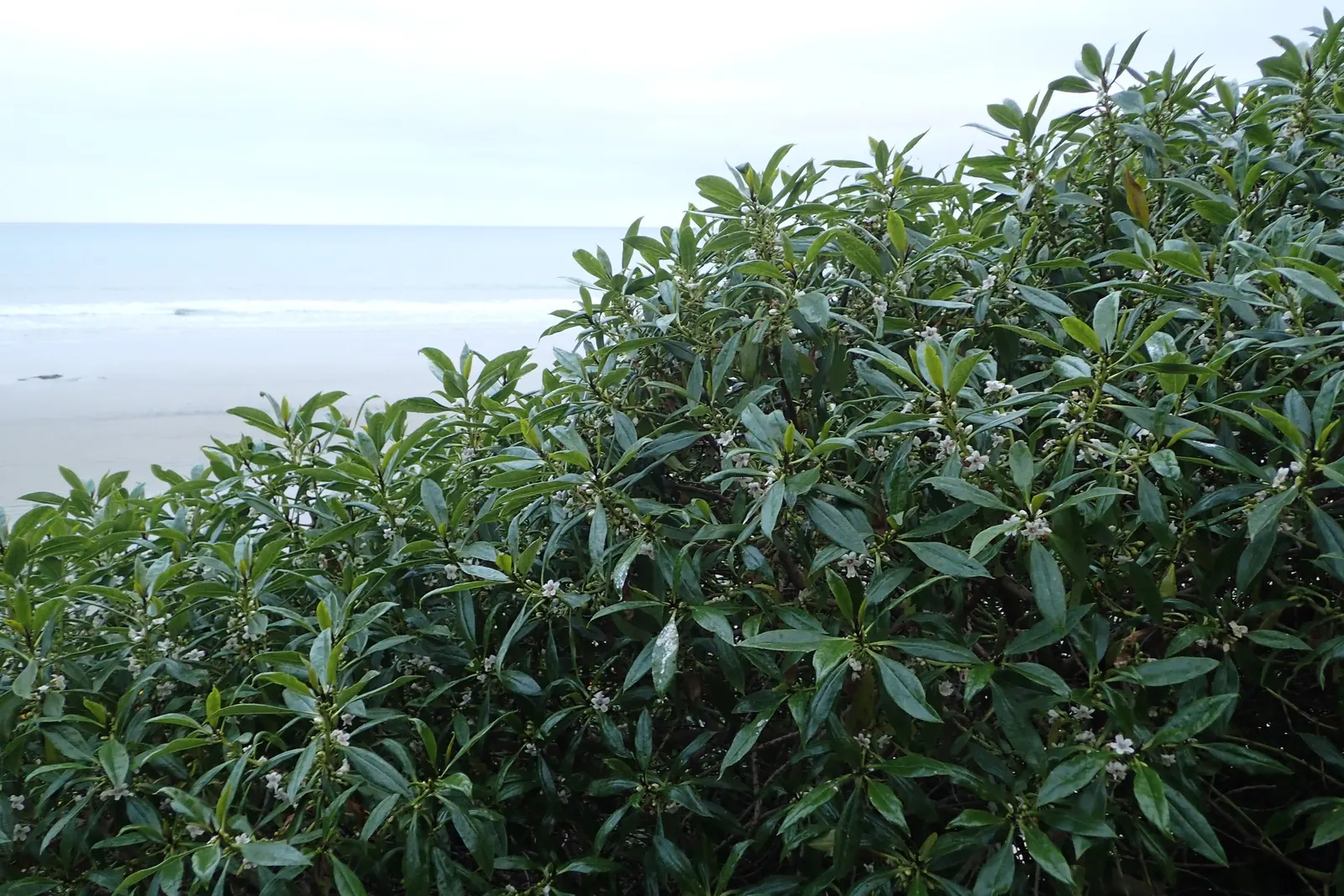
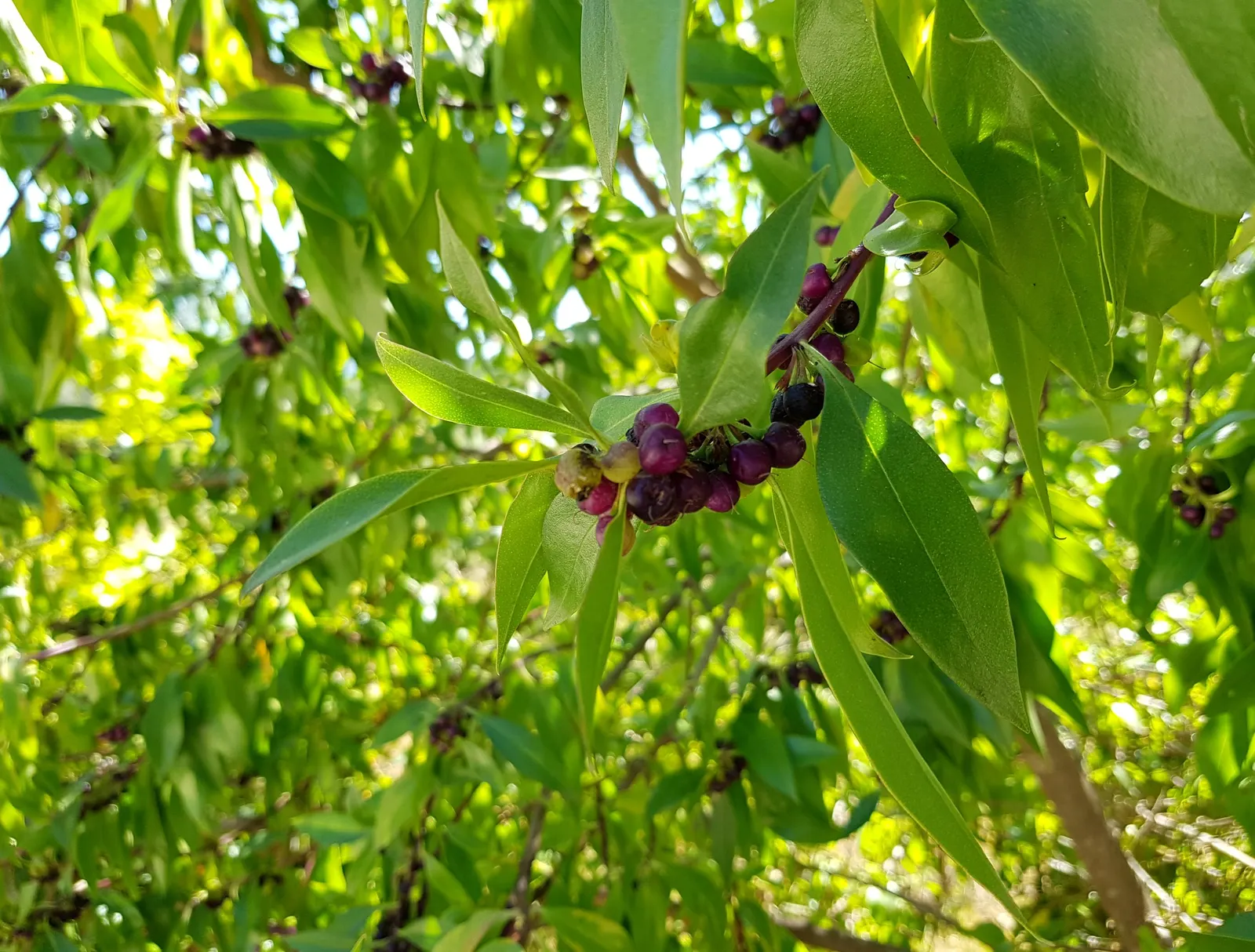
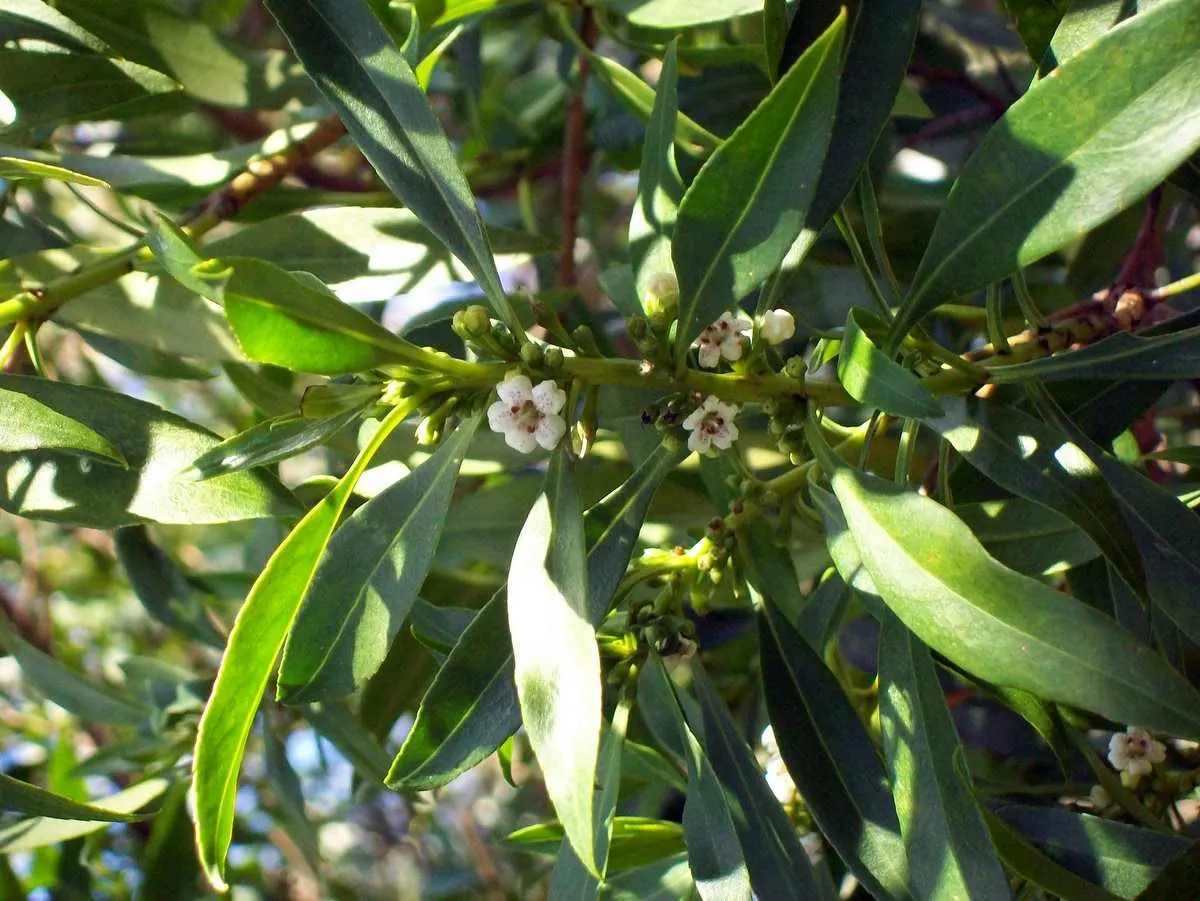
Myoporum laetum, commonly known as Ngaio Tree, is an evergreen hailing from New Zealand. This fast-growing shrub or small tree boasts glossy, oval leaves with a fleshy texture, reaching a mature height of 15-20 feet with a spread of 10-15 feet. It displays white to pale pink flowers in summer, followed by non-edible purple berries. Ideal for screening or hedging, it thrives in full sun and adapts to various soil types.

Sun FullWater Low, MediumZones 9–11Type Shrub, TreeClimate Mediterranean
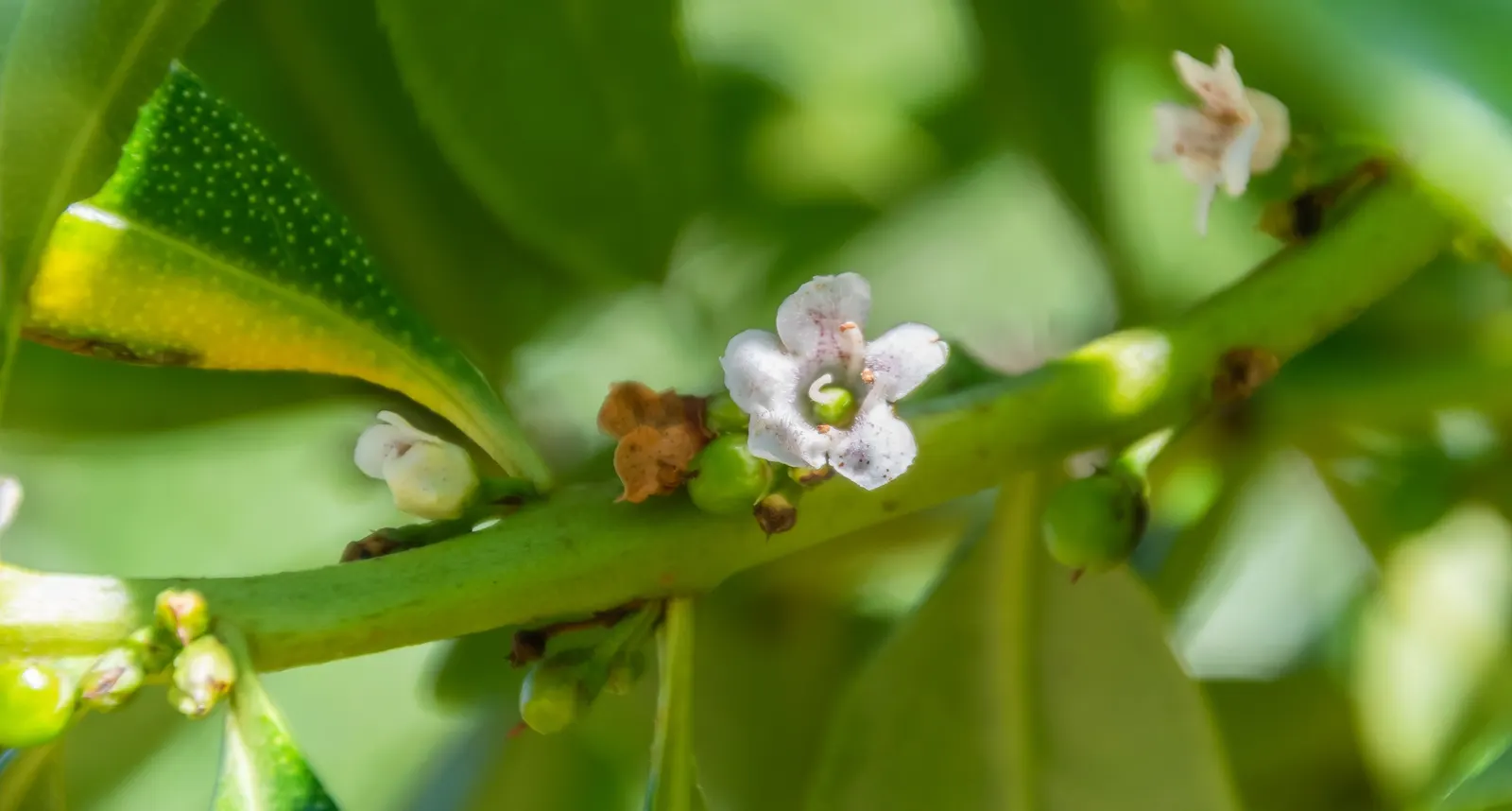
Myoporum (Myoporum Laetum) — boasting a width of 15 to 20 feet at maturity; offering added ecological value.<br><br>This species favors full sun, image 95

Culture

Sun
Full
Water
Low, Medium
USDA zones
9–11

Shape & size

Classification

Type
Shrub, Tree
Family
Myoporaceae
Climate
Mediterranean

See full data, regional cultivation notes, and design tools. Build a client presentation around this plant.

Start your 14-day trial

Photos (129)

Myoporum (Myoporum Laetum) — Ideal for screening or hedging, it thrives in full sun and adapts to various soil types
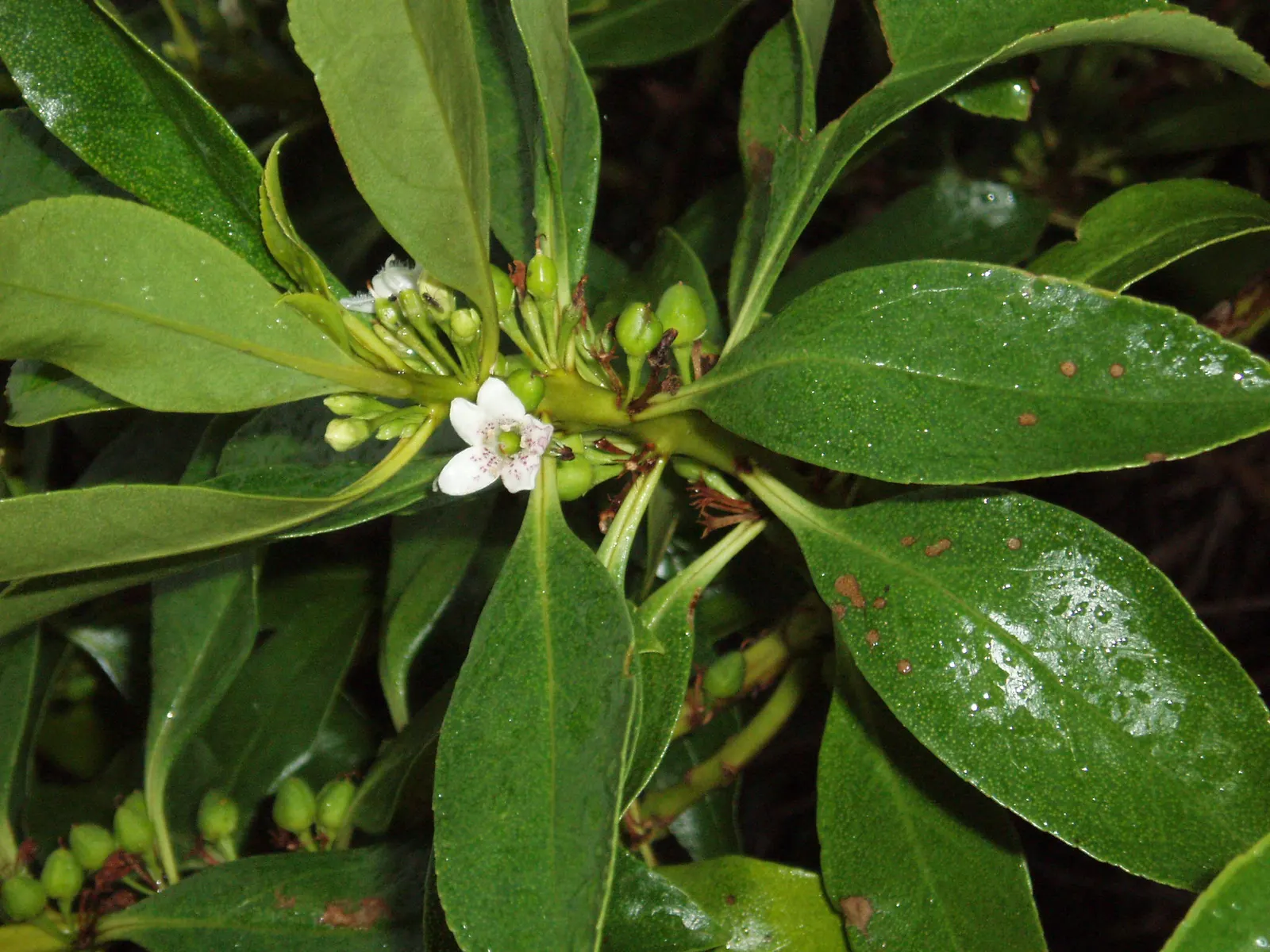
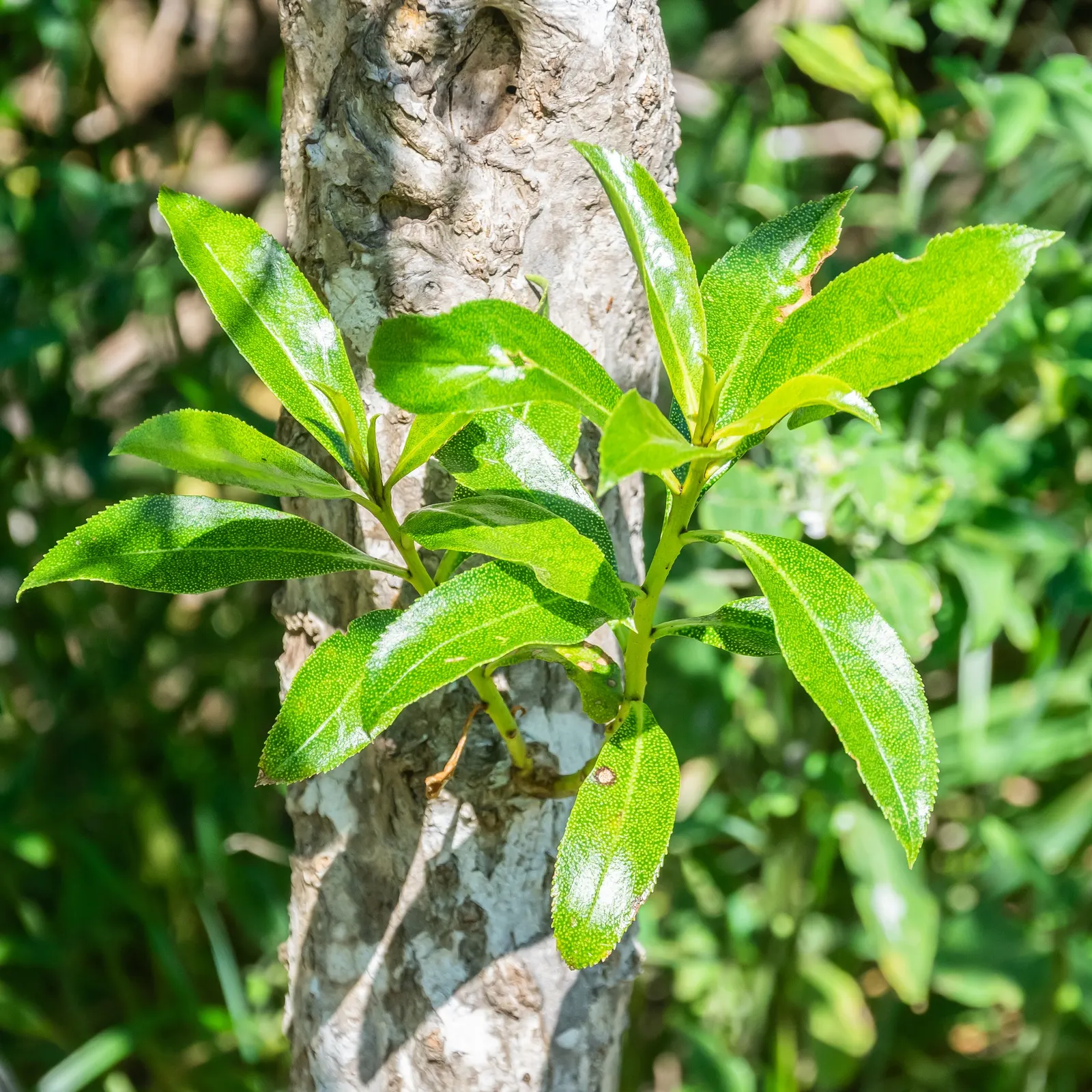
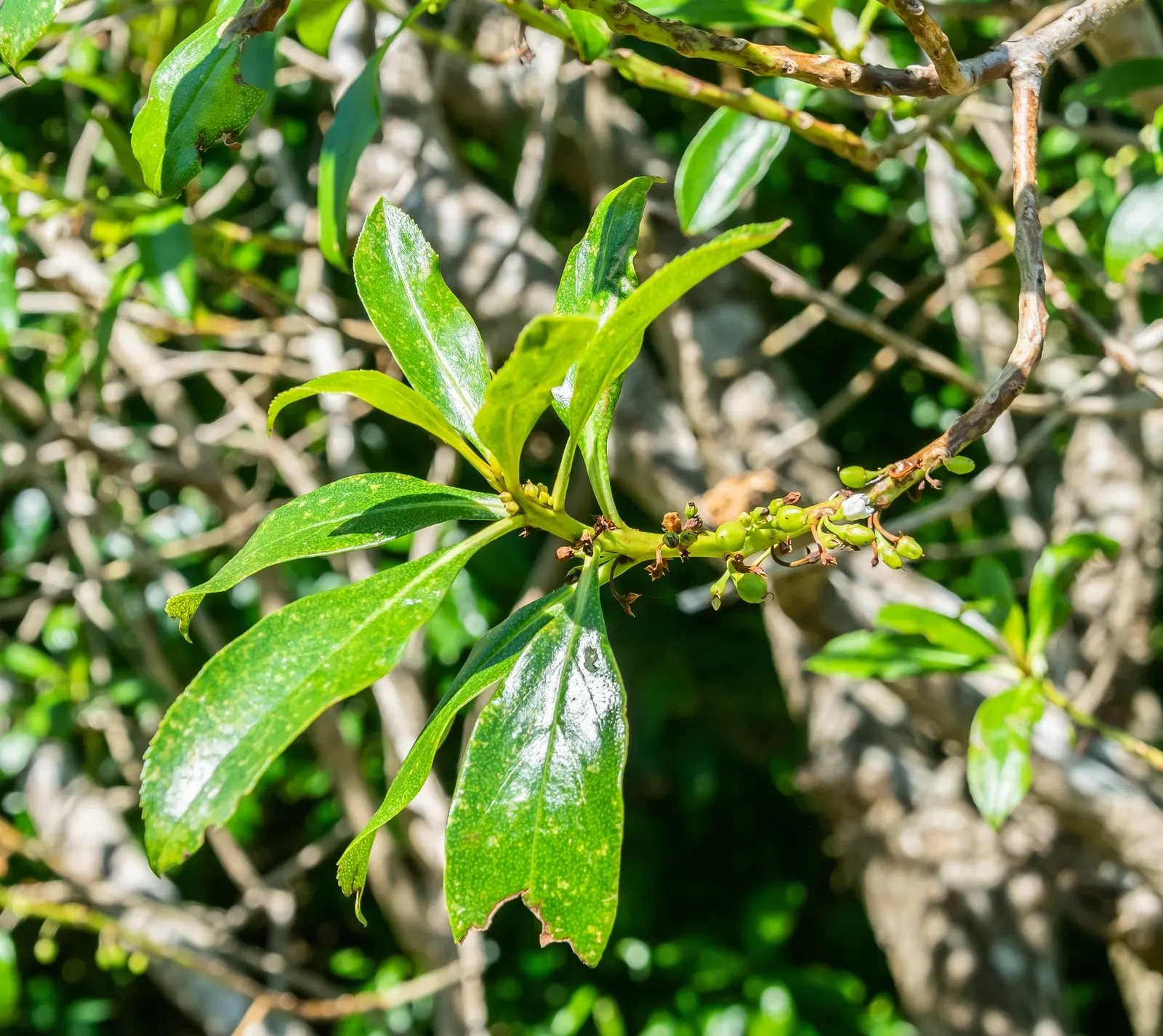
Myoporum (Myoporum Laetum) — oval leaves with a fleshy texture; offering added ecological value.<br><br>This species favors full sun exposure, image 87
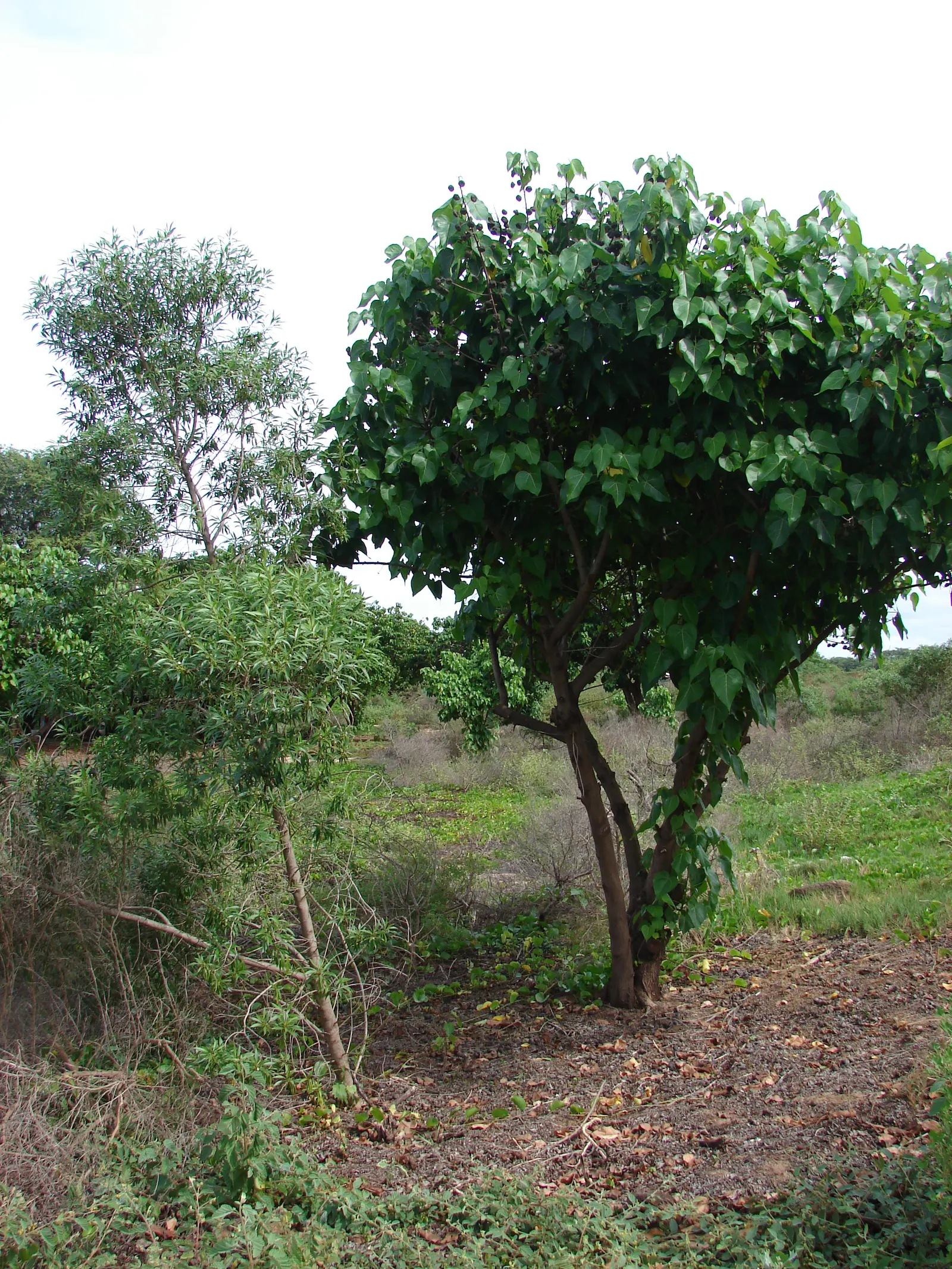
Myoporum (Myoporum Laetum) — reaching a mature height of 15-20 feet with a spread of 10-15 feet; and placement should consider its ability to act as a
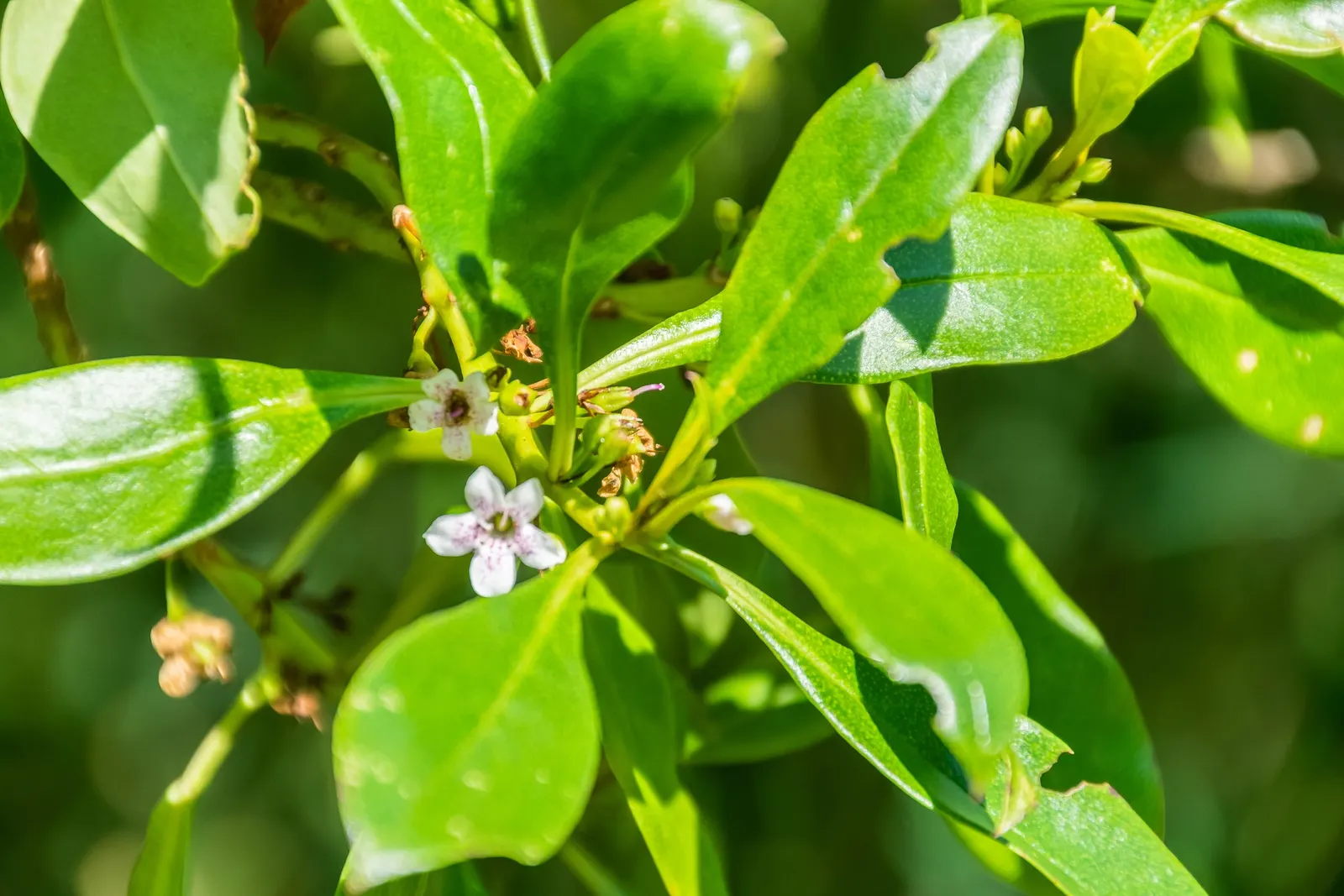
Myoporum (Myoporum Laetum) — This fast-growing shrub or small tree boasts glossy; boasting a width of 15 to 20 feet at maturity, image 86
Myoporum (Myoporum Laetum) — making it a low-maintenance option for xeriscaped gardens; reaching a mature height of 15-20 feet with a spread of, image 77
Myoporum (Myoporum Laetum) — making it a low-maintenance option for xeriscaped gardens; reaching a mature height of 15-20 feet with a spread of 10-15 feet
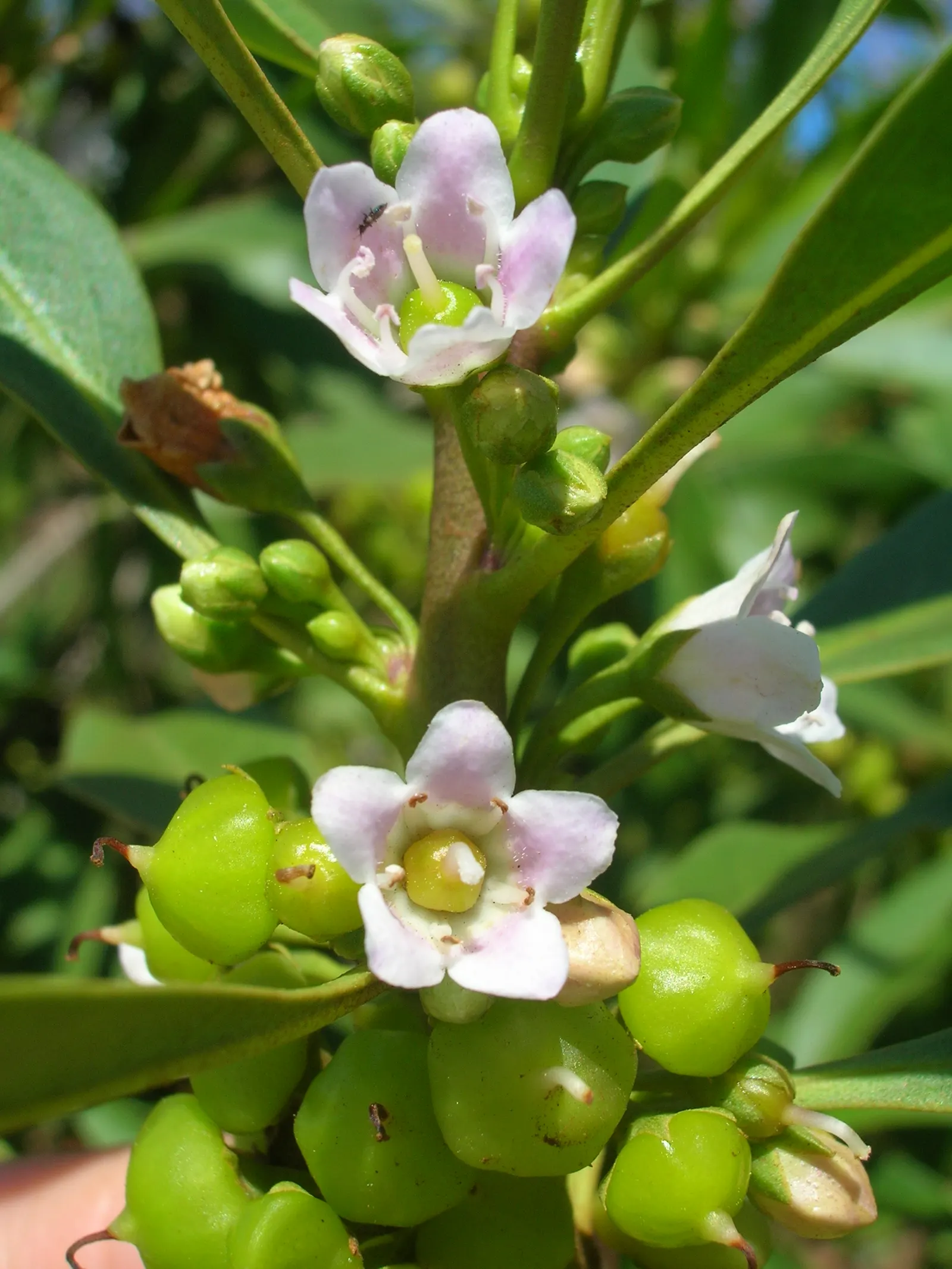
Myoporum (Myoporum Laetum) — Spring and summer usher in an array of delicate white flowers; boasting a width of 15 to 20 feet at maturity
Myoporum (Myoporum Laetum) — offering added ecological value.<br><br>This species favors full sun exposure; boasting a width of 15 to 20 feet at, image 102
Myoporum (Myoporum Laetum) — spacing should allow for its mature spread; and placement should consider its ability to act as a windbreak or privacy screen
Myoporum (Myoporum Laetum) — offering added ecological value.<br><br>This species favors full sun exposure
Myoporum (Myoporum Laetum) — acclaimed for its versatility and resilience in coastal landscapes; reaching a mature height of 15-20 feet with a spread of 10-15
Myoporum (Myoporum Laetum) — it exhibits considerable drought tolerance once established; and placement should consider its ability to act as a, image 104
Myoporum (Myoporum Laetum) — acclaimed for its versatility and resilience in coastal landscapes
Myoporum (Myoporum Laetum) — this fast-growing tree can reach 20 to 30 feet in height; boasting a width of 15 to 20 feet at maturity, image 66
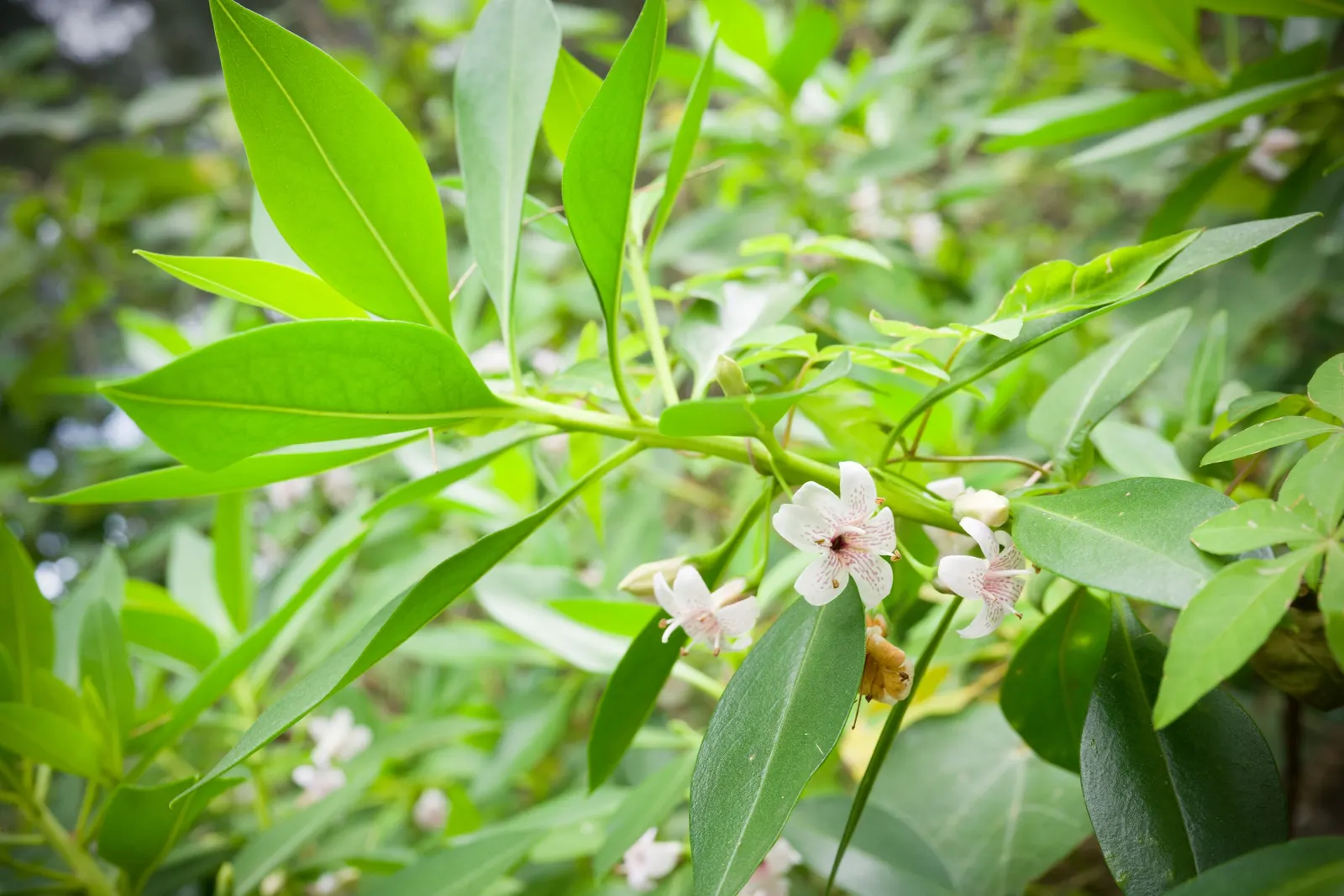
Myoporum (Myoporum Laetum) — It displays white to pale pink flowers in summer, followed by non-edible purple berries; reaching a mature height of 15-20 feet
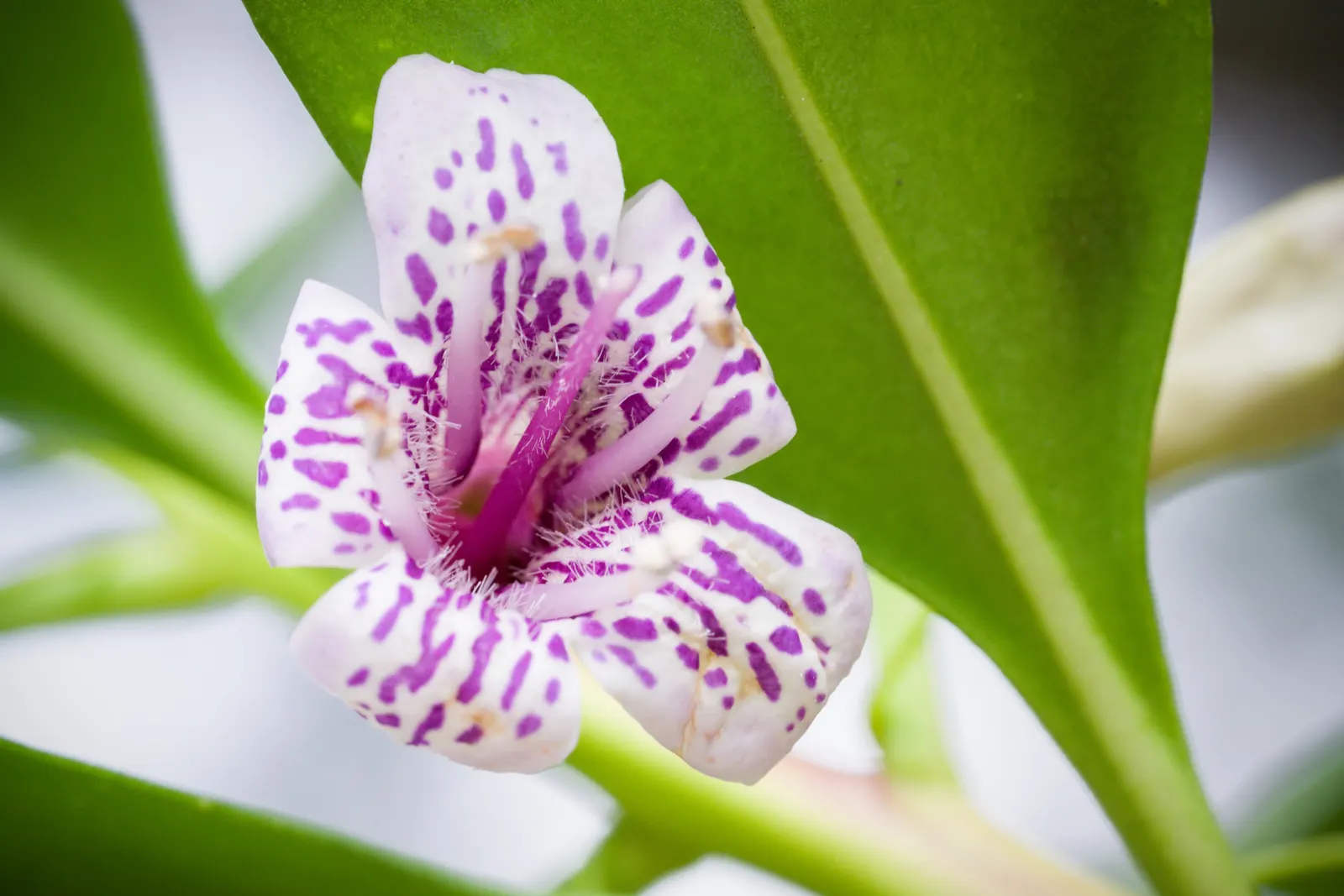
Myoporum (Myoporum Laetum) — each about 0.4 inches across; offering added ecological value.<br><br>This species favors full sun exposure, image 71
Myoporum (Myoporum Laetum) — Myoporum laetum, commonly known as Ngaio Tree, is an evergreen hailing from New Zealand; reaching a mature height of 15-20 feet
Myoporum (Myoporum Laetum) — exuding a distinct oils when crushed; reaching a mature height of 15-20 feet with a spread of 10-15 feet, image 97
Myoporum (Myoporum Laetum) — reaching a mature height of 15-20 feet with a spread of 10-15 feet
Myoporum (Myoporum Laetum) — Its non-invasive root system renders it safe to plant near structures; boasting a width of 15 to 20 feet at maturity
Myoporum (Myoporum Laetum) — boasting a width of 15 to 20 feet at maturity
Myoporum (Myoporum Laetum) — which are glossy and somewhat fleshy
Myoporum (Myoporum Laetum) — shrub / tree for full
Myoporum (Myoporum Laetum) — as all parts of the plant are toxic if ingested and can irritate skin upon contact; offering added ecological, image 83
Photographs by 12 contributors

Related plants