Skip to content

Red Mulberry

Morus Rubra

Design with this plant

Overview

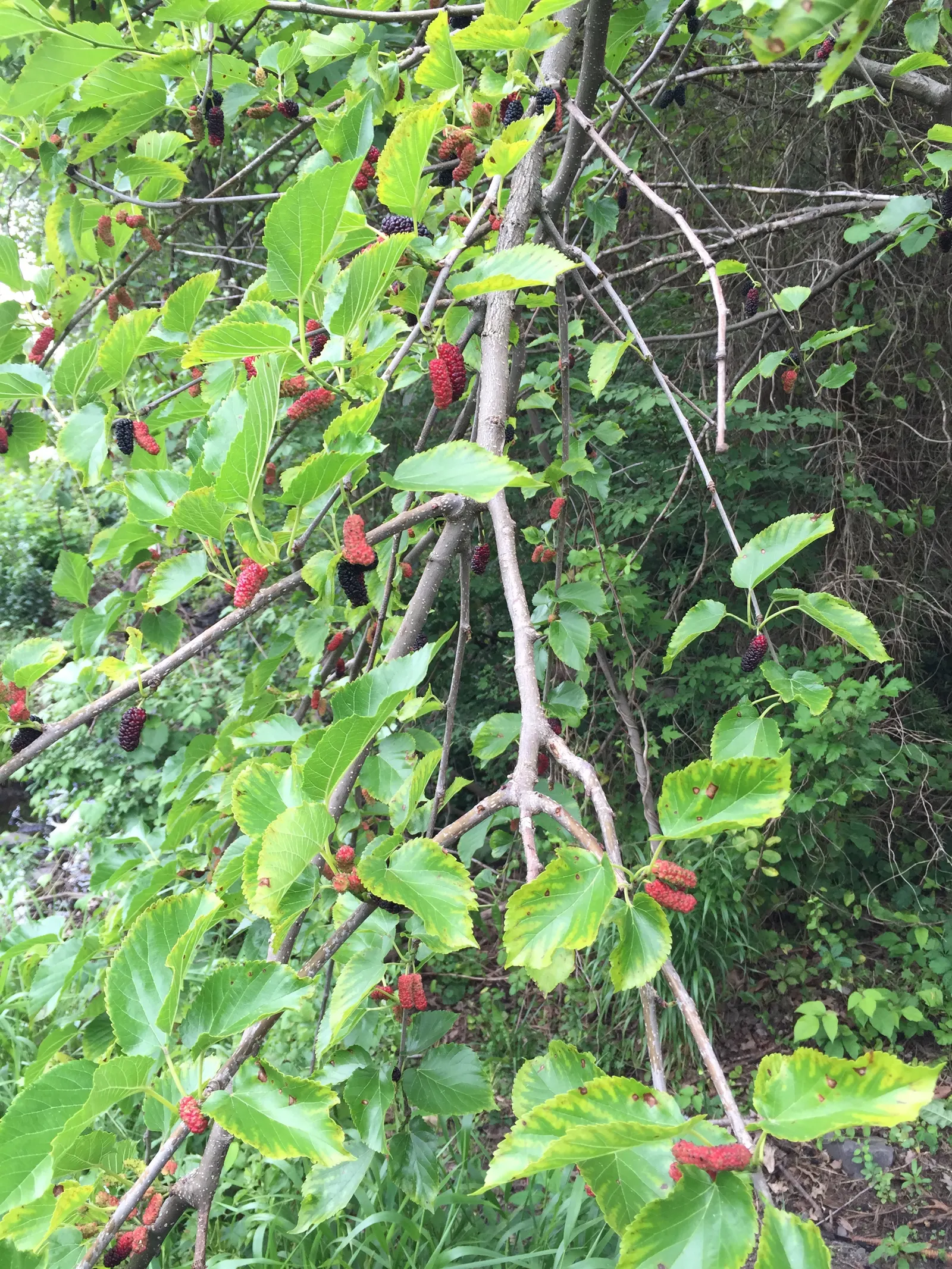
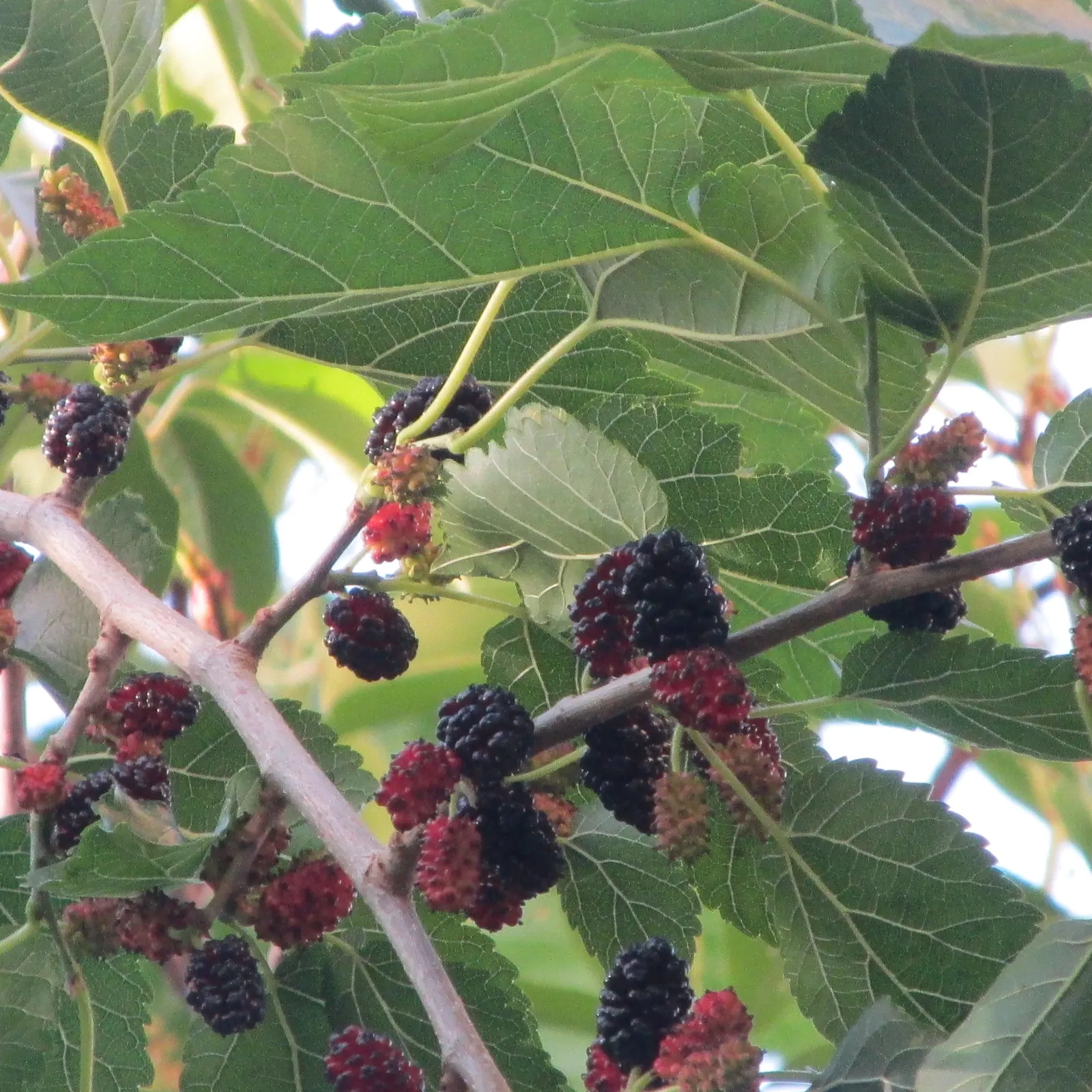
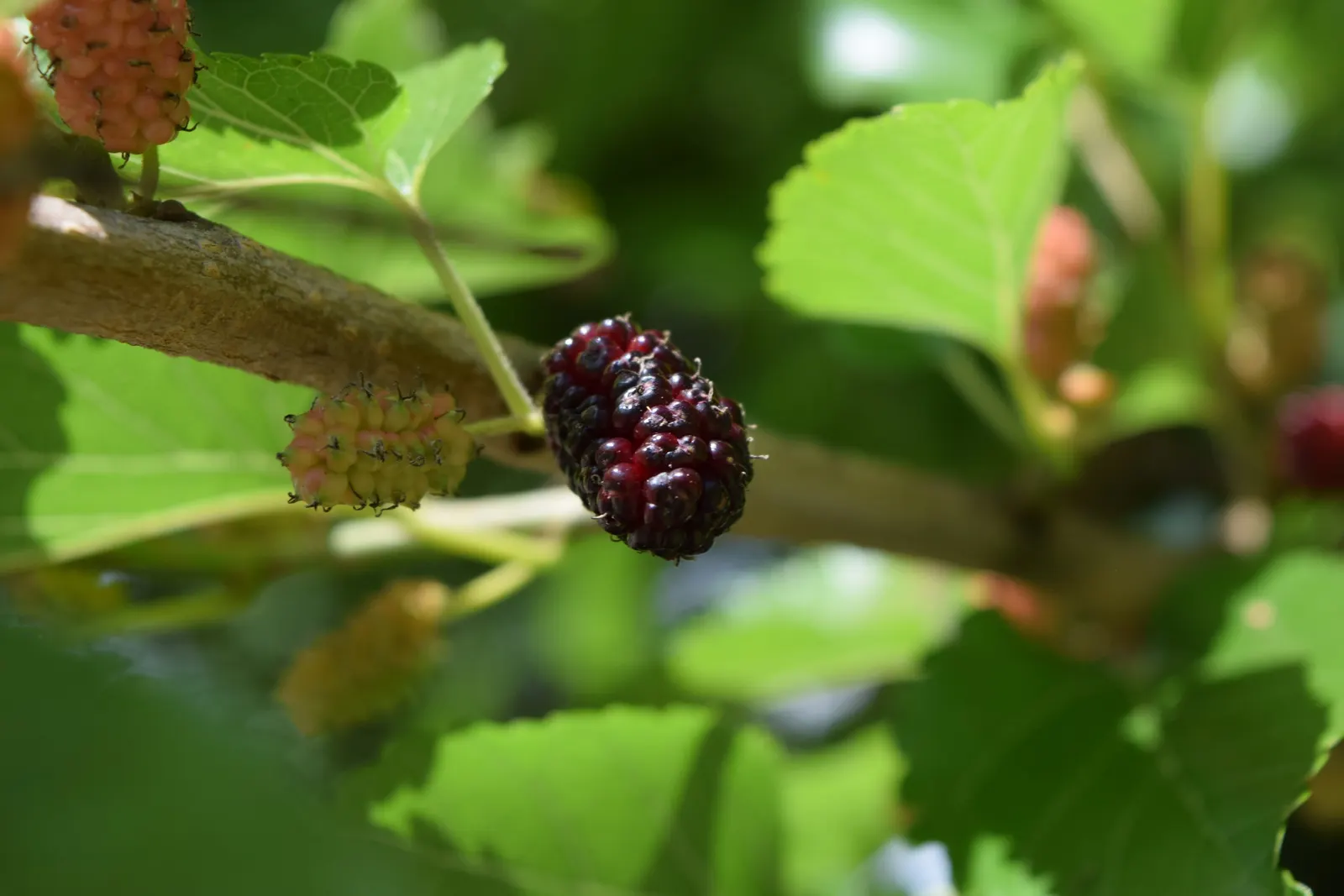
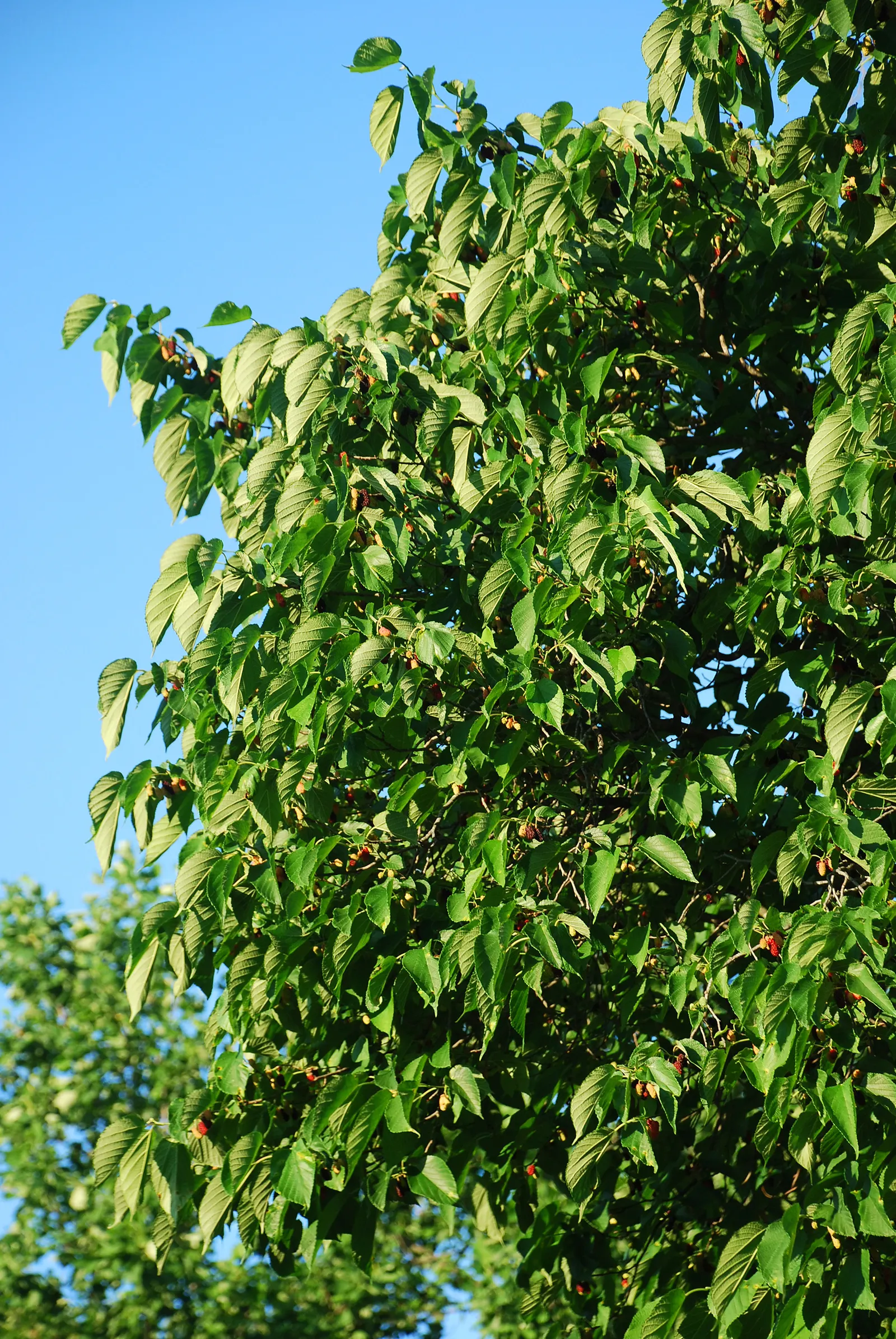
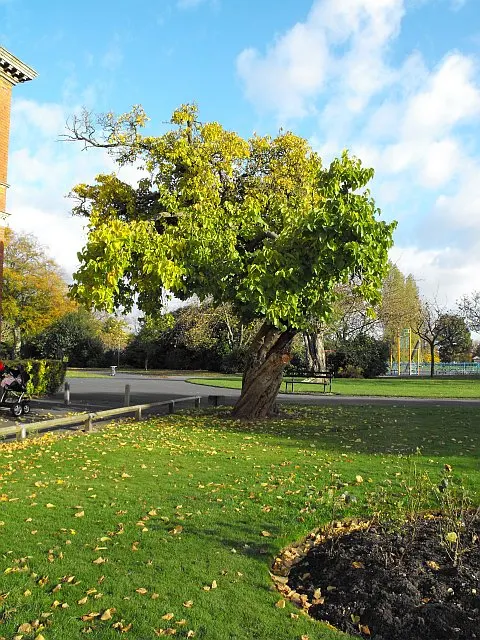
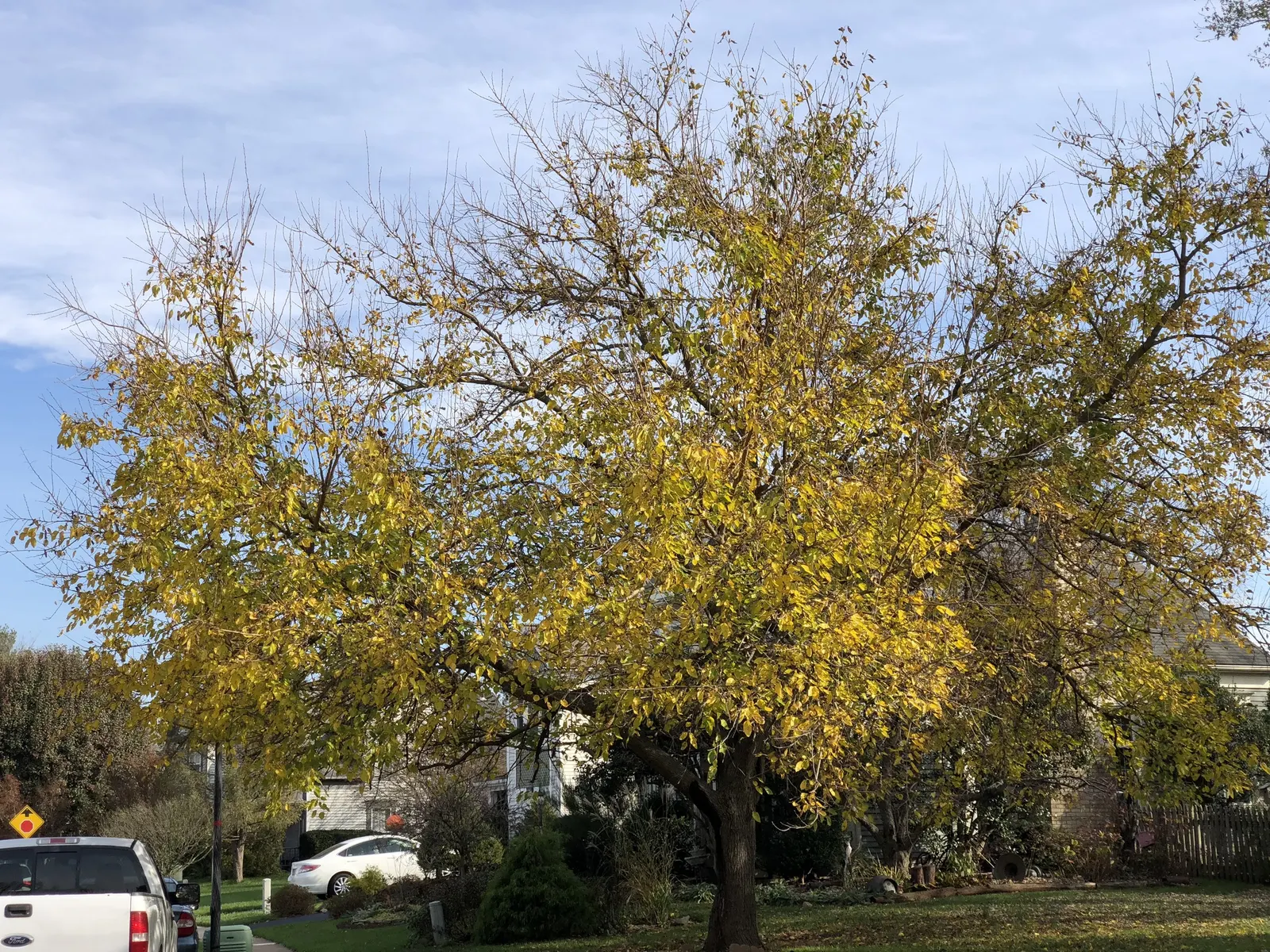
The Red Mulberry or Morus rubra is a deciduous native known for its broad, heart-shaped leaves and sweet, edible fruit. It reaches up to 35-50 feet tall with a 35-foot spread. This resilient tree prefers rich, well-drained soils and thrives in full sun to partial shade. Ideal for wildlife gardens, it provides food for birds and butterflies. Note: It can spread via seeds, potentially becoming weedy. Zone 4-8.

Sun Full, HalfWater Extra in Summer, MediumZones 4–8Type TreeClimate Temperate

Culture

Sun
Full, Half
Water
Extra in Summer, Medium
USDA zones
4–8

Shape & size

Mature height
40–50 Ft.
Mature width
40–50 Ft.

Classification

Type
Tree
Family
Moraceae
Climate
Temperate

See full data, regional cultivation notes, and design tools. Build a client presentation around this plant.

Start your 14-day trial

Photos (74)

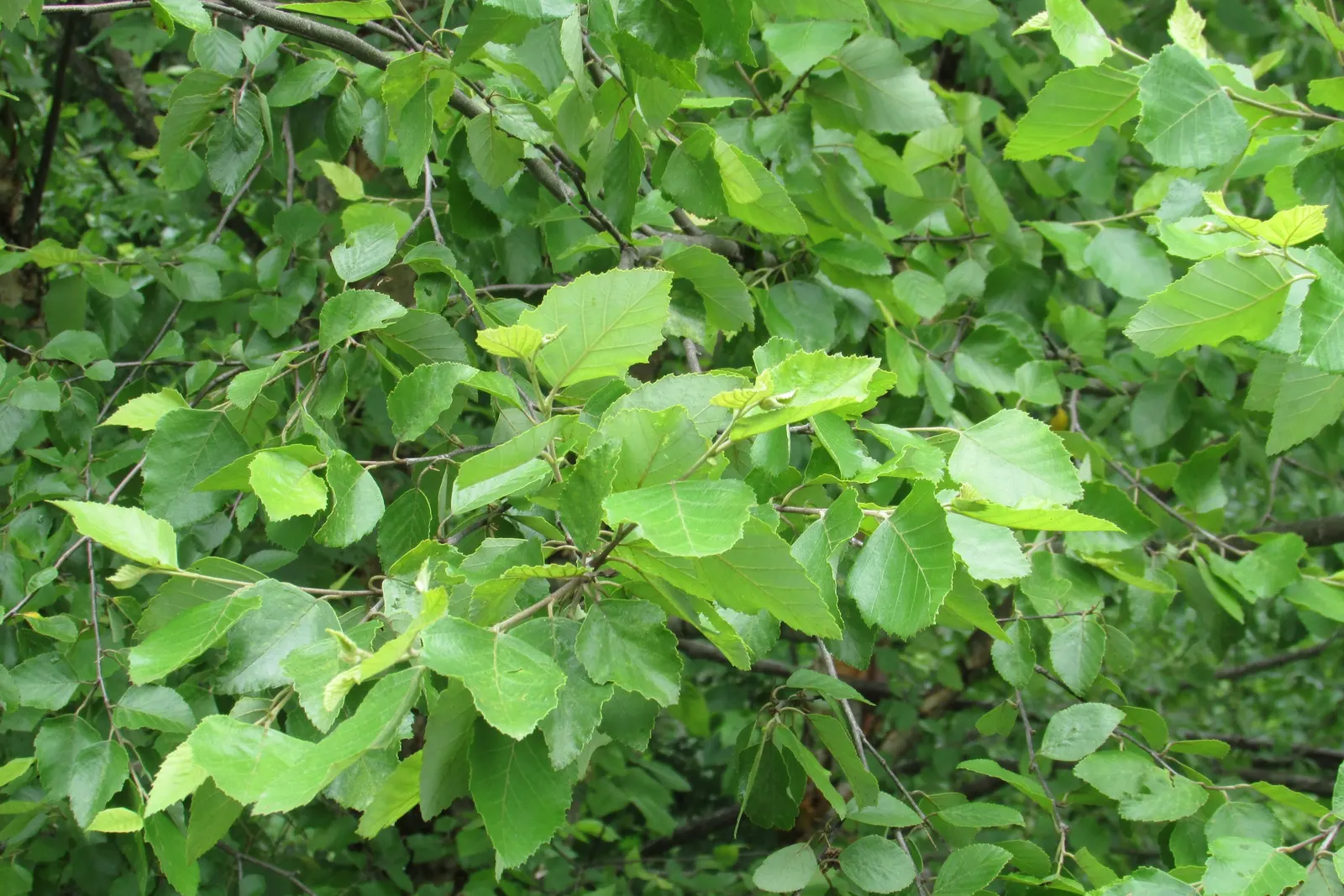
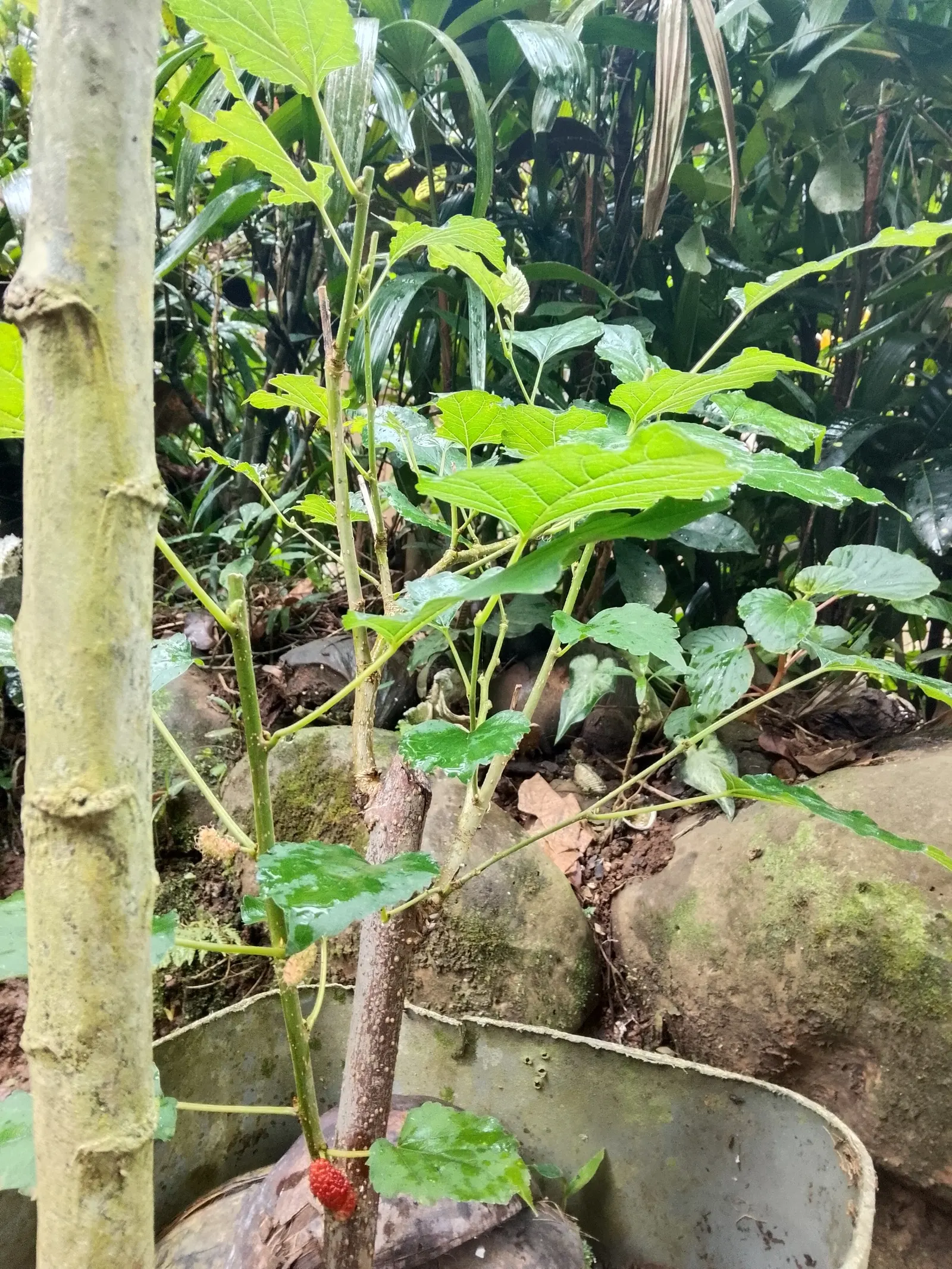
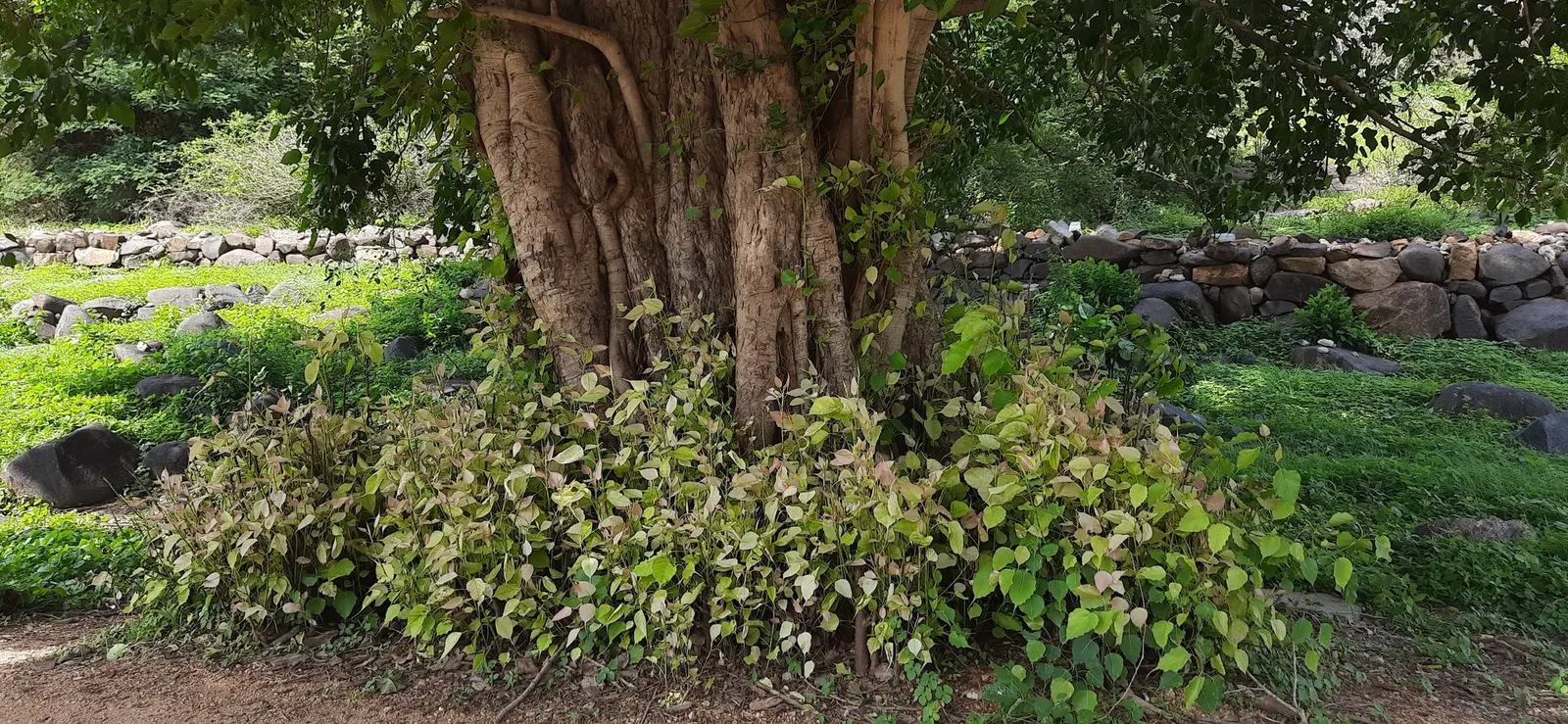
Red Mulberry (Morus Rubra) — Ideal for wildlife gardens, it provides food for birds and butterflies; this species is revered for its broad
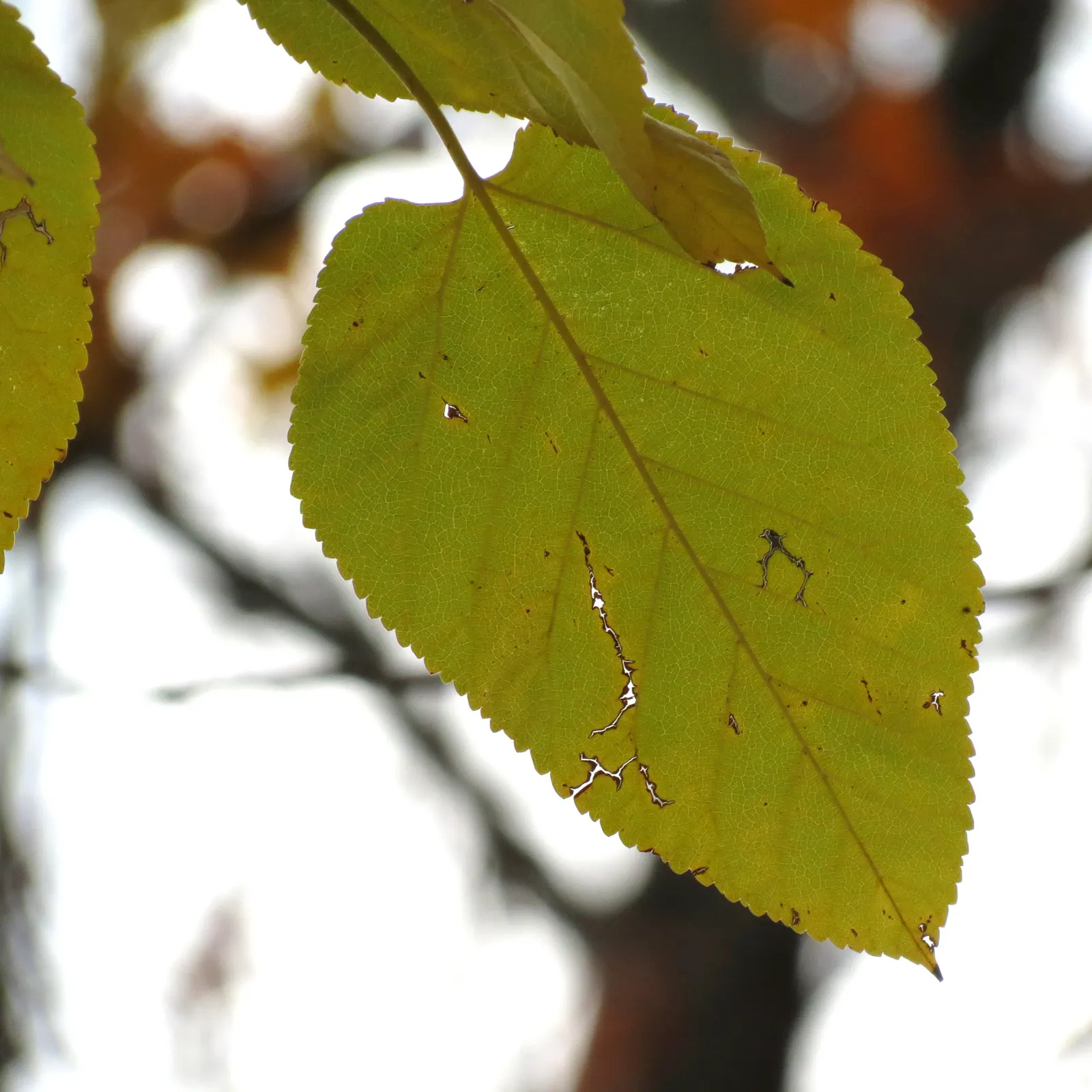
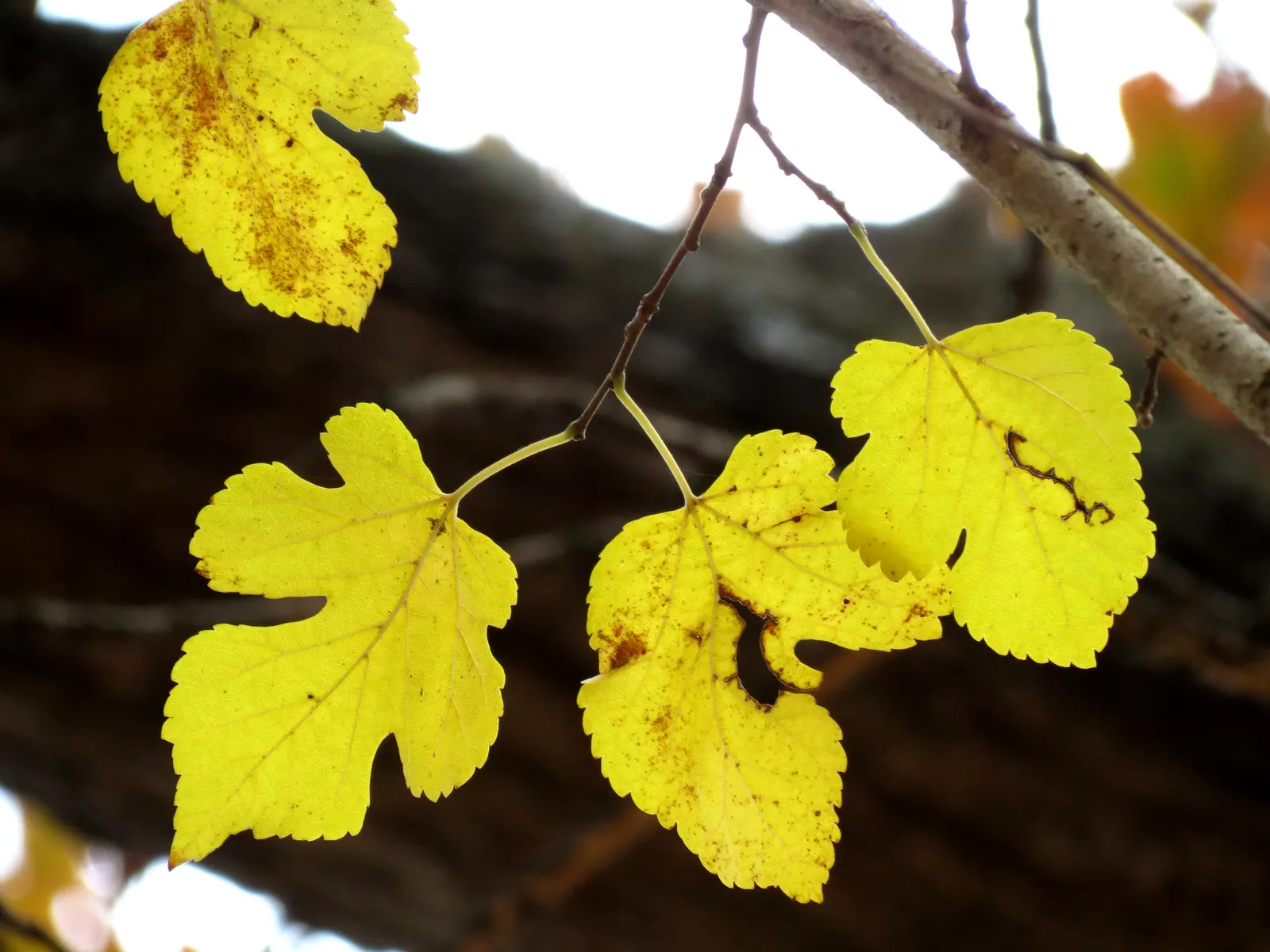
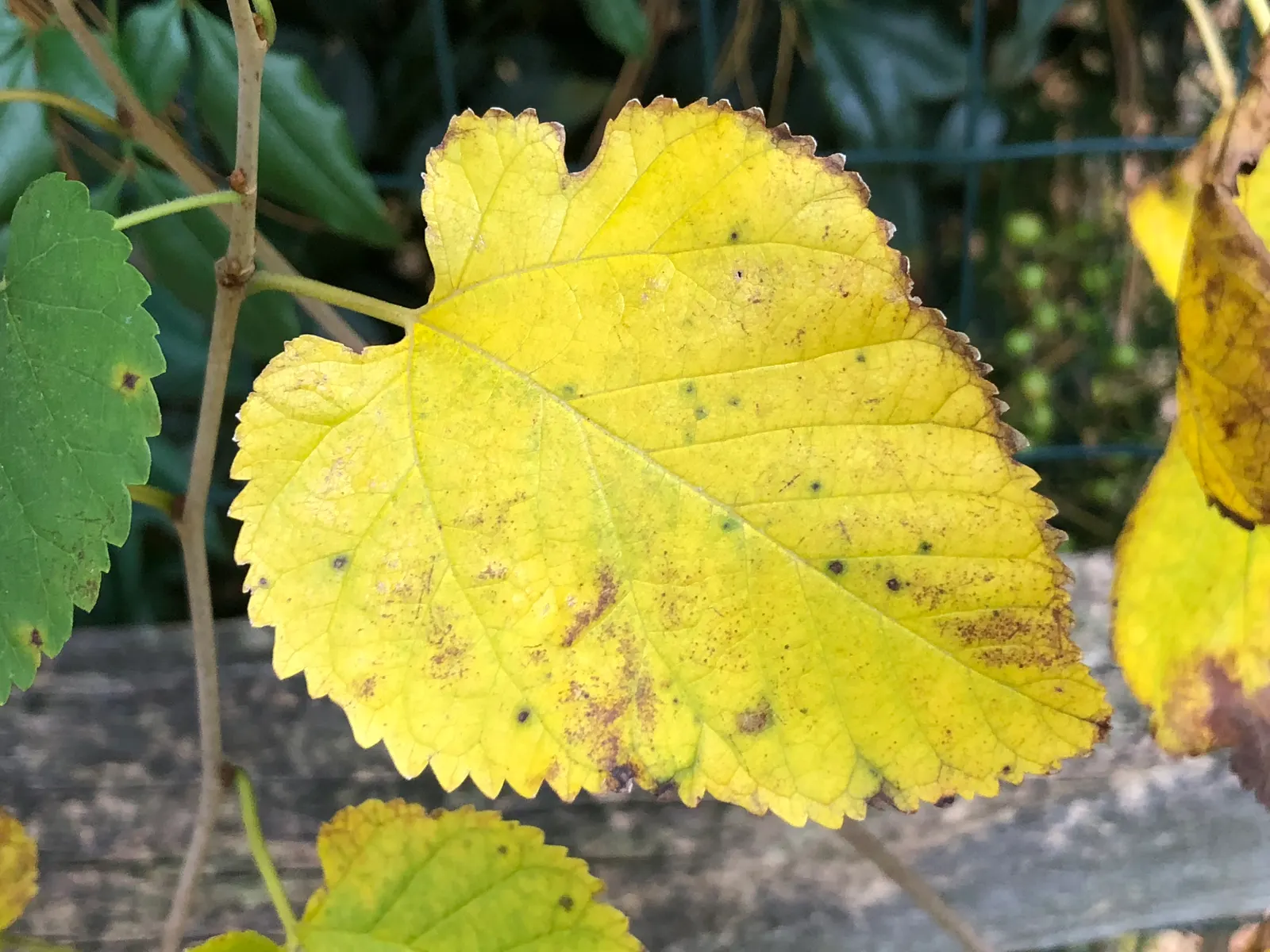
Red Mulberry (Morus Rubra) — heart-shaped leaves and sweet
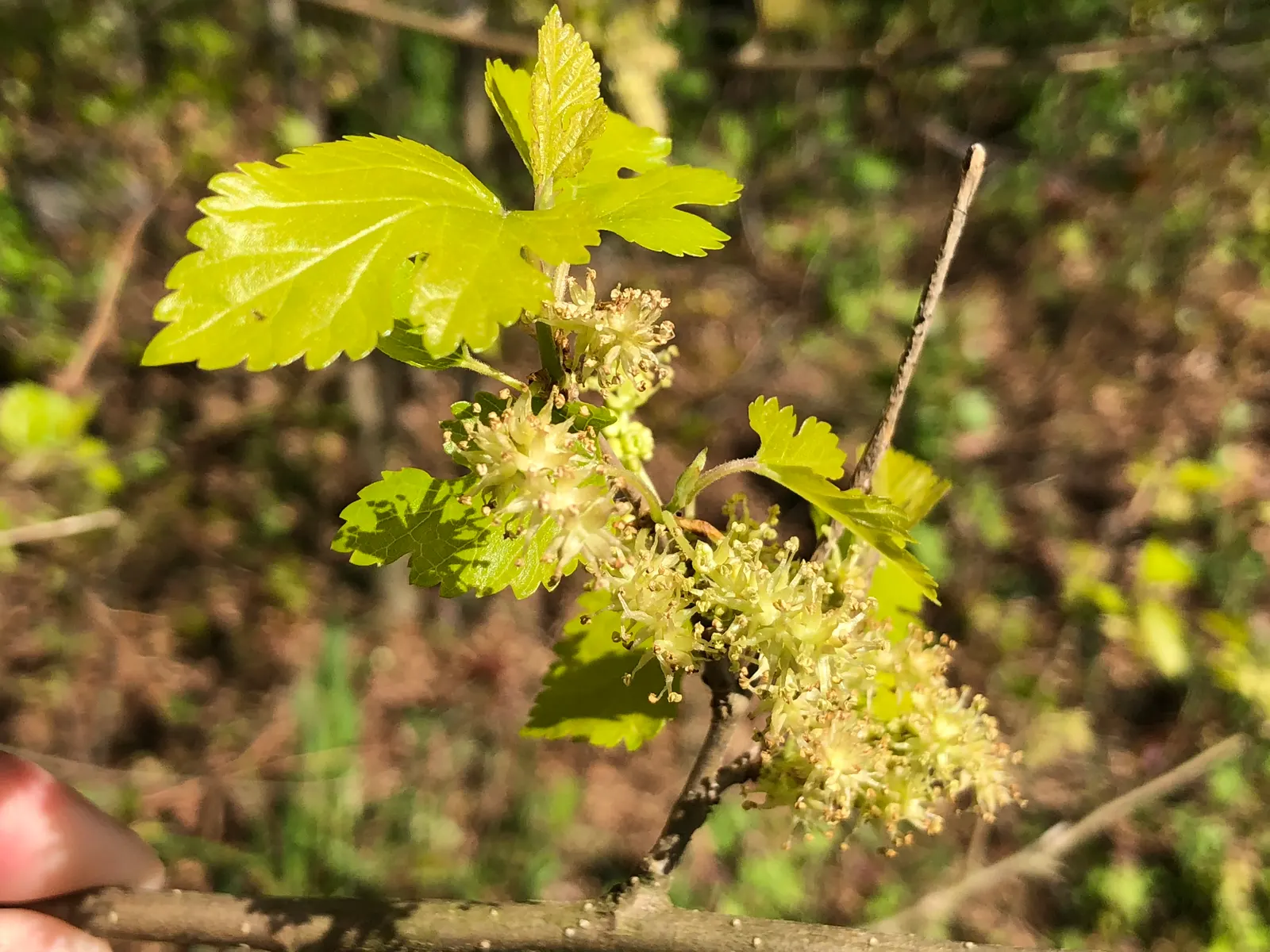
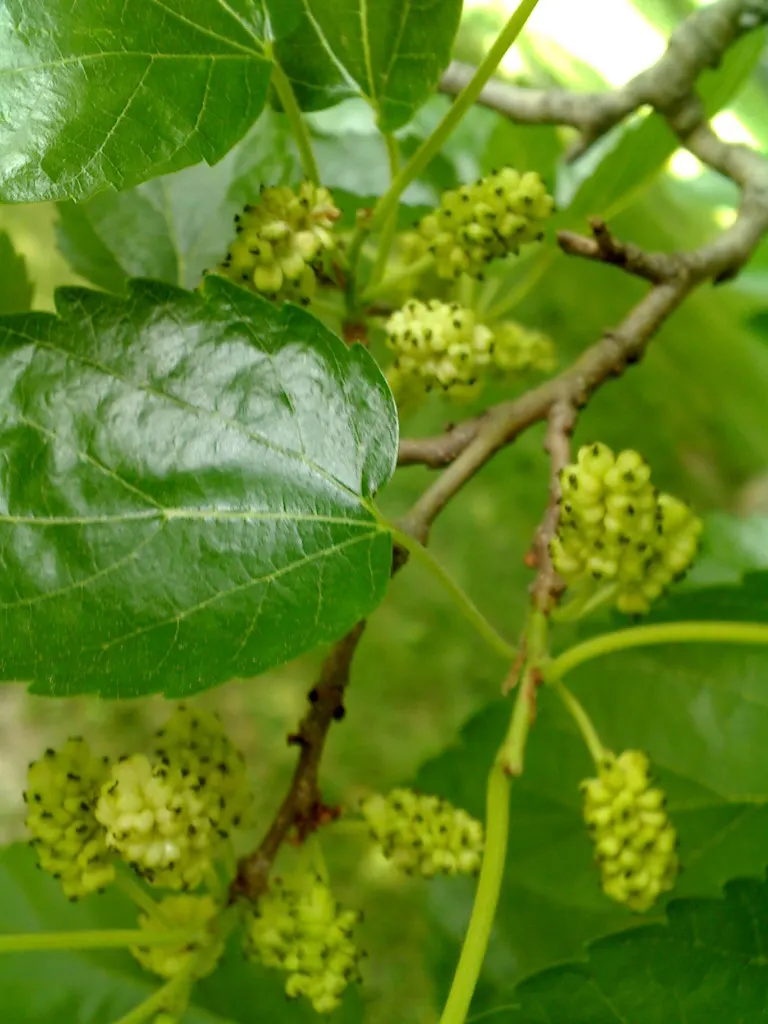
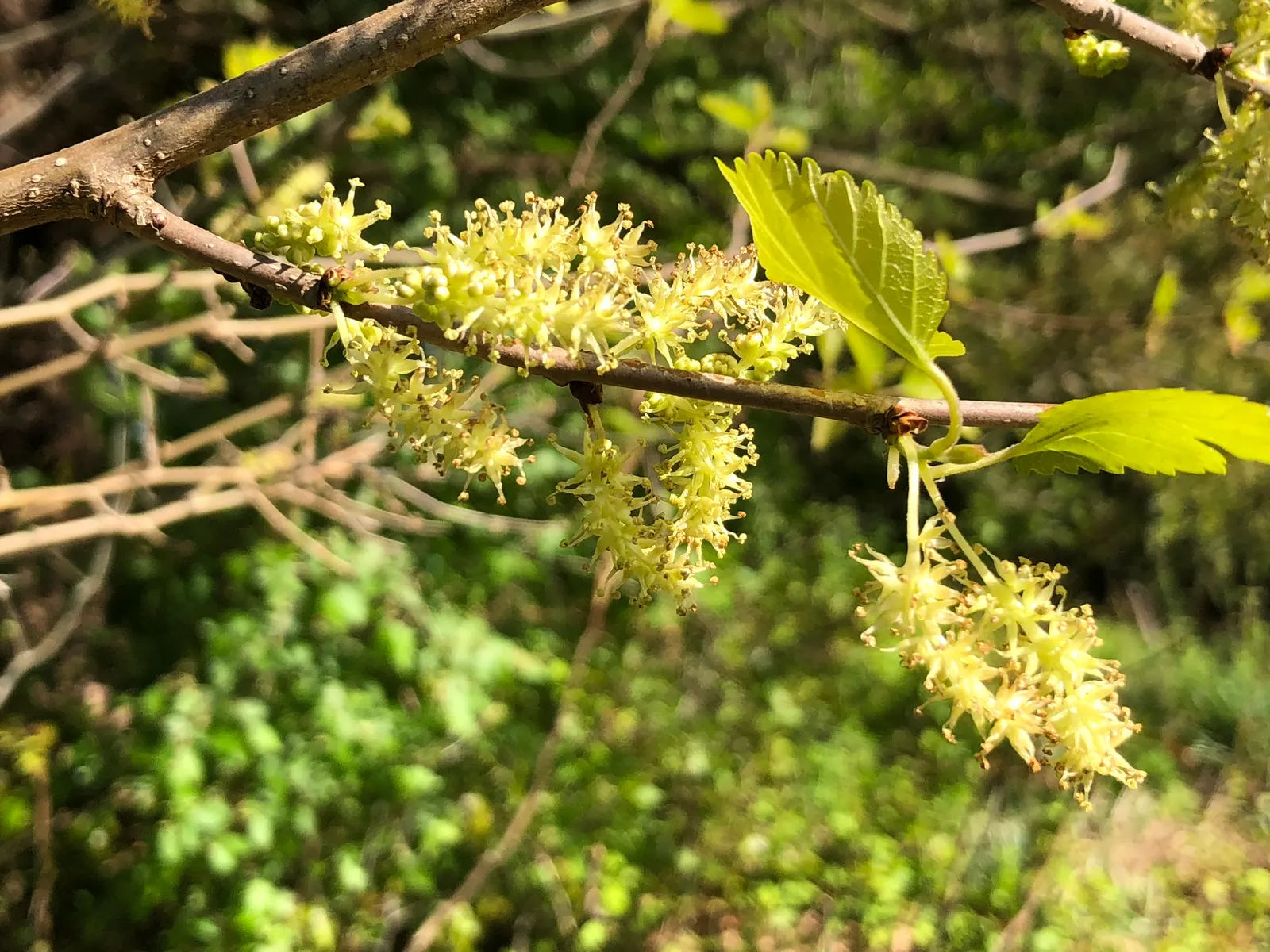
Red Mulberry (Morus Rubra) — including birds and butterflies; tree with green blooms
Red Mulberry (Morus Rubra) — It reaches up to 35-50 feet tall with a 35-foot spread
Red Mulberry (Morus Rubra) — Note: It can spread via seeds, potentially becoming weedy
Red Mulberry (Morus Rubra) — Hardy in USDA zones 4 through 8; so placement away from pathways or patios might be wise to reduce maintenance
Red Mulberry (Morus Rubra) — consider situating it in a location with full sun to partial shade and in well-drained soil; note: It can spread via seeds
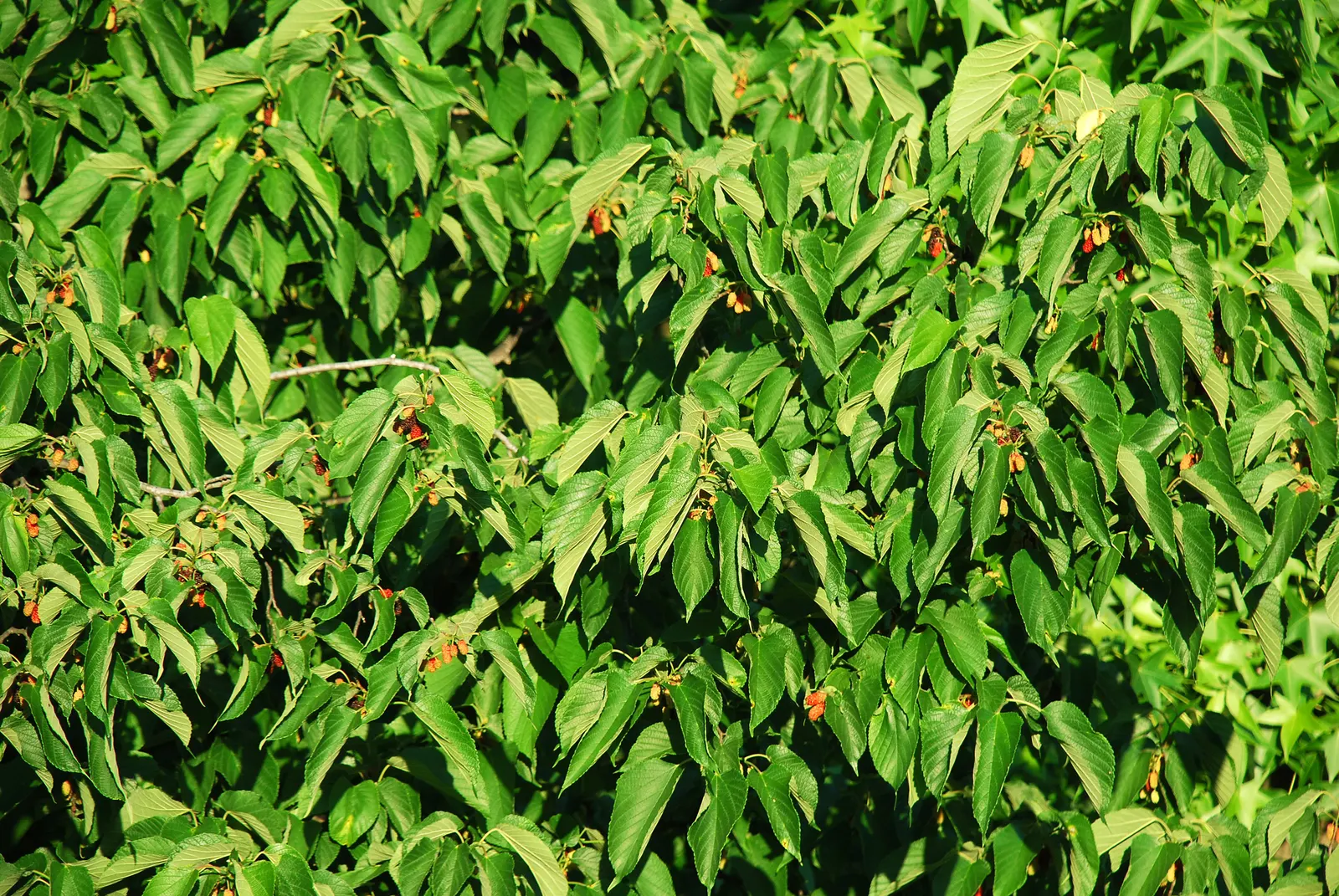
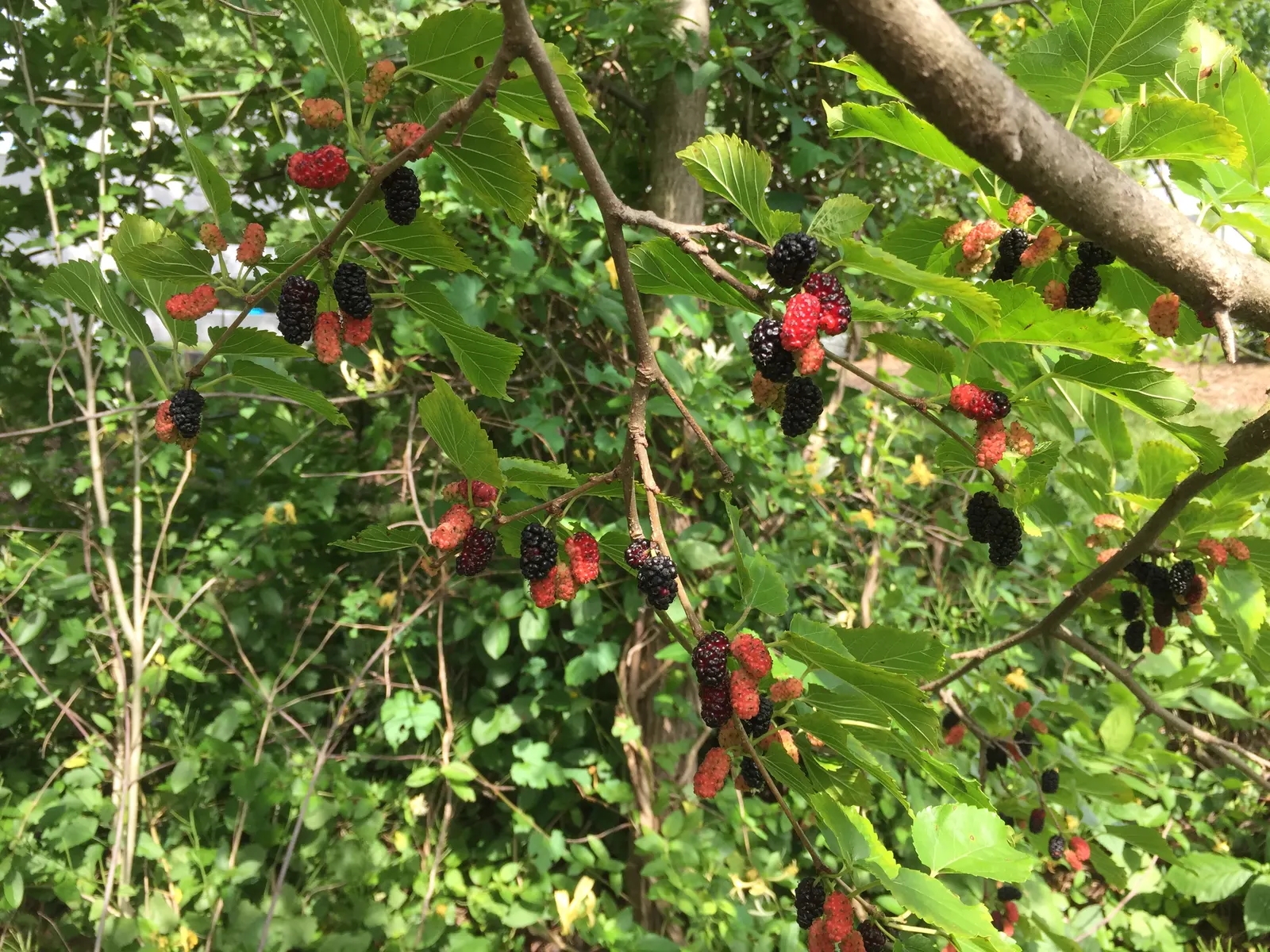
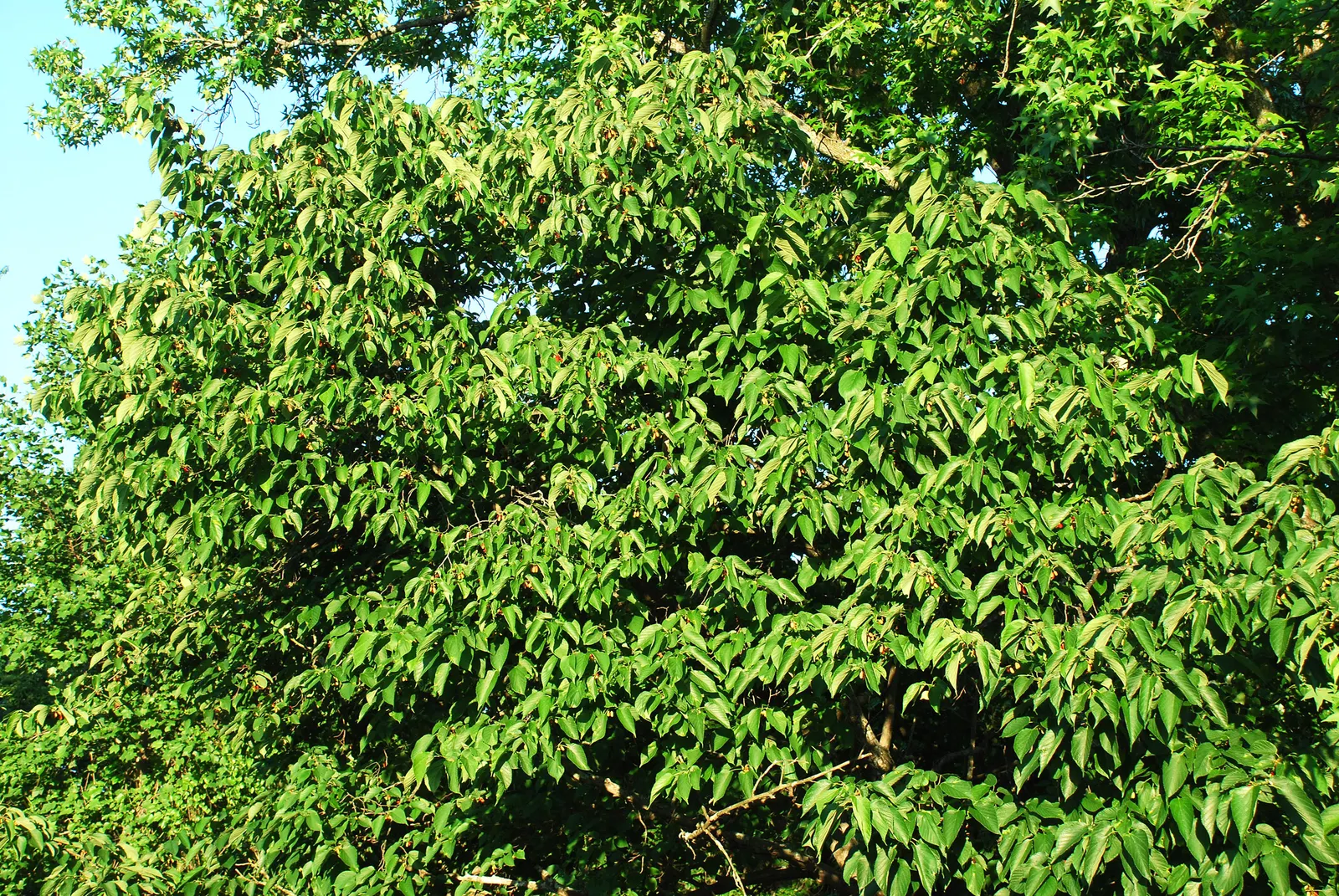
Red Mulberry (Morus Rubra) — round canopy that provides generous shade
Red Mulberry (Morus Rubra) — It reaches up to 35-50 feet tall with a 35-foot spread; the tree is relatively fast-growing and is adaptable to various soil types
Red Mulberry (Morus Rubra) — green flowers in the garden; typically reaching heights between 35 to 50 feet with a roughly equal spread
Red Mulberry (Morus Rubra) — though it prefers a slightly acidic to neutral pH
Red Mulberry (Morus Rubra) — This resilient tree prefers rich, well-drained soils and thrives in full sun to partial shade; the Red Mulberry or Morus rubra is
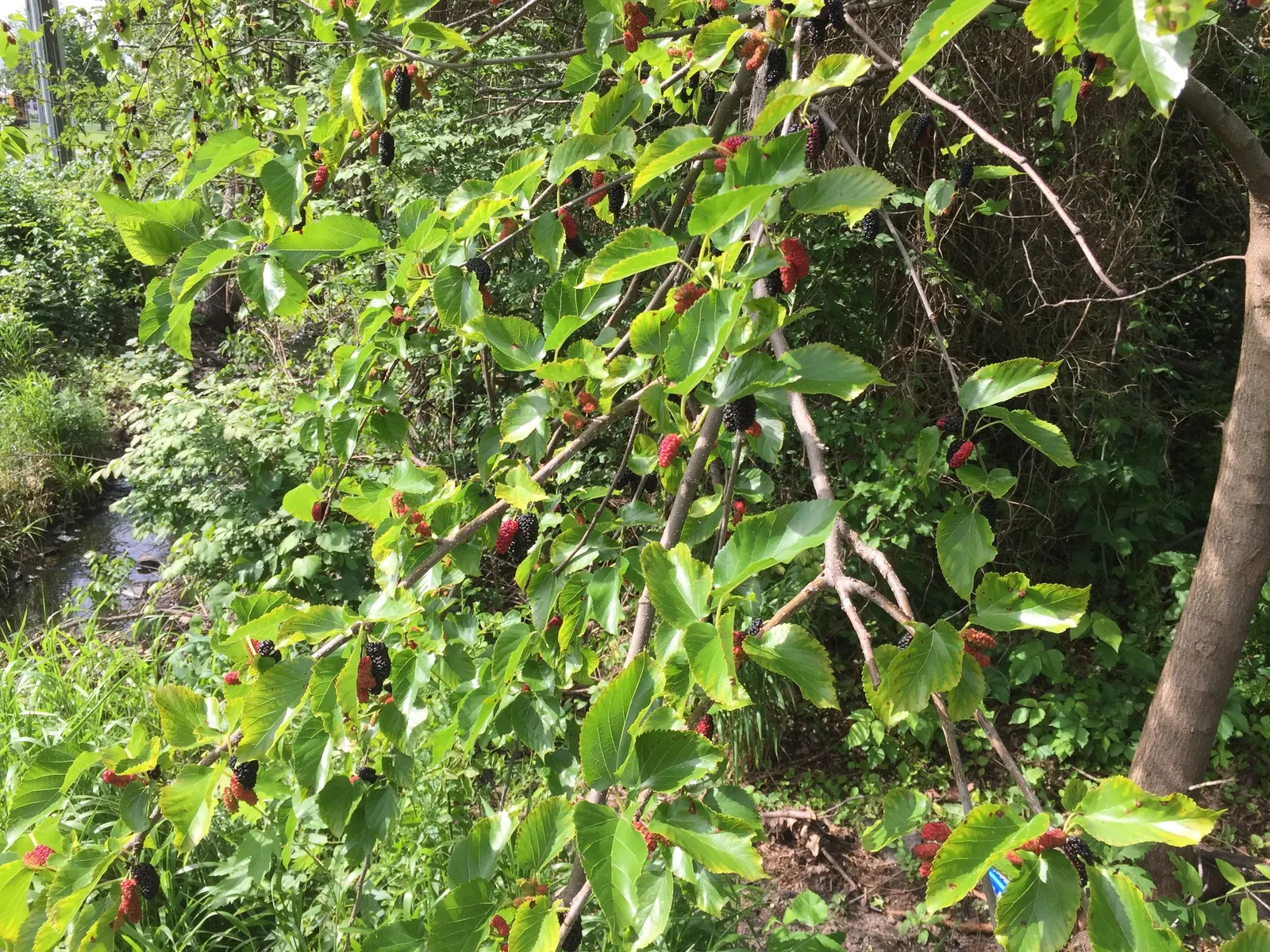
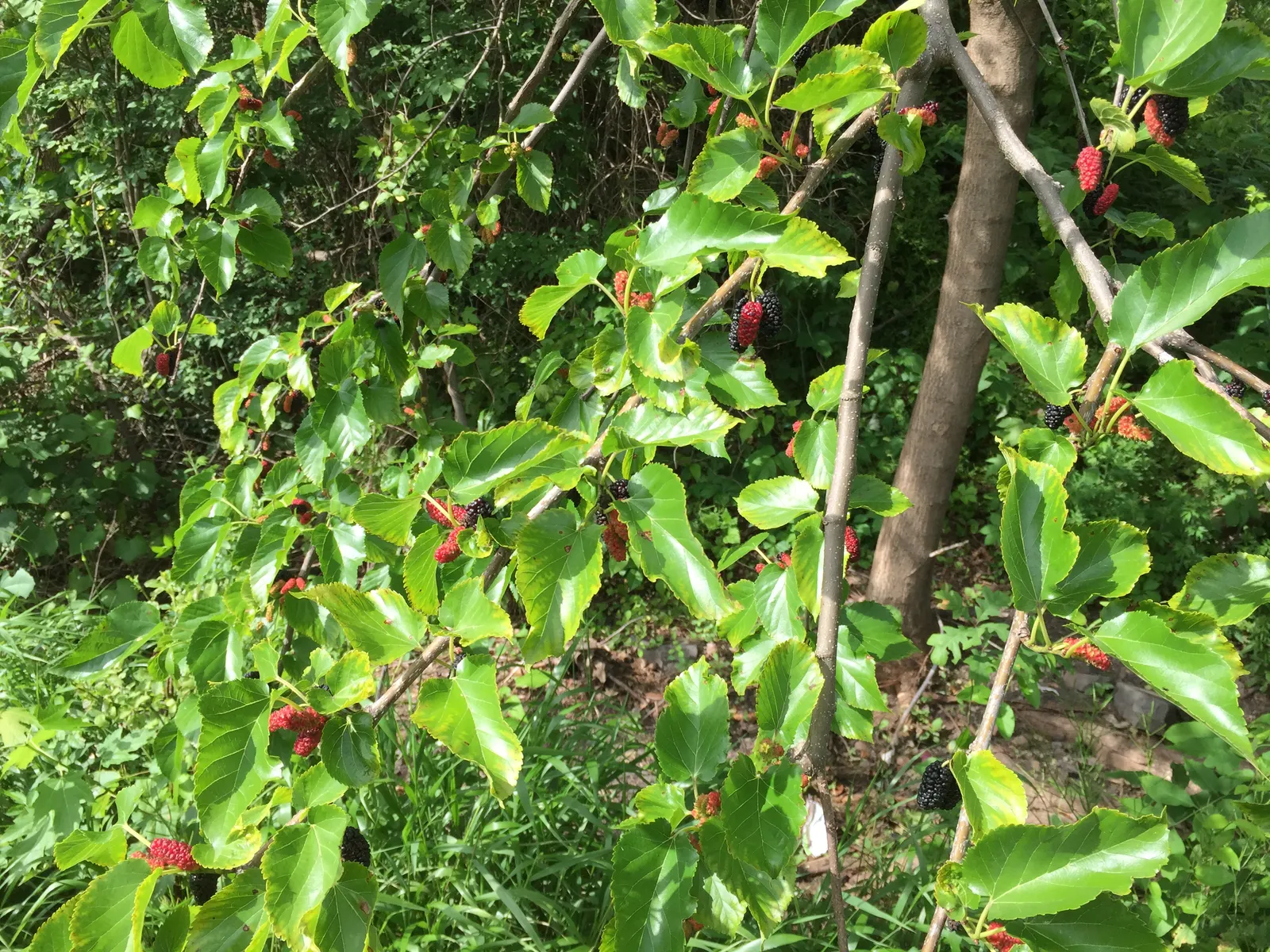
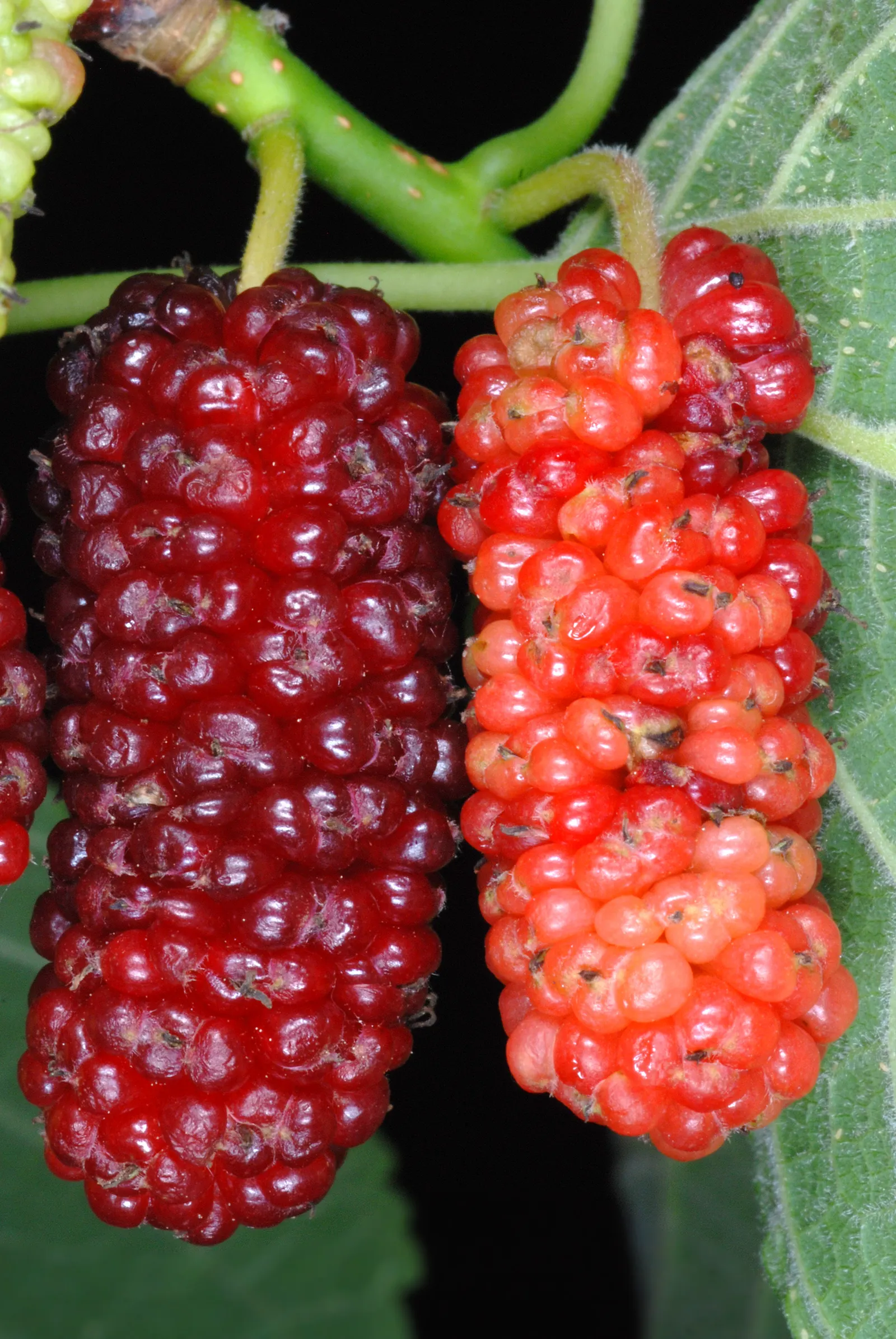
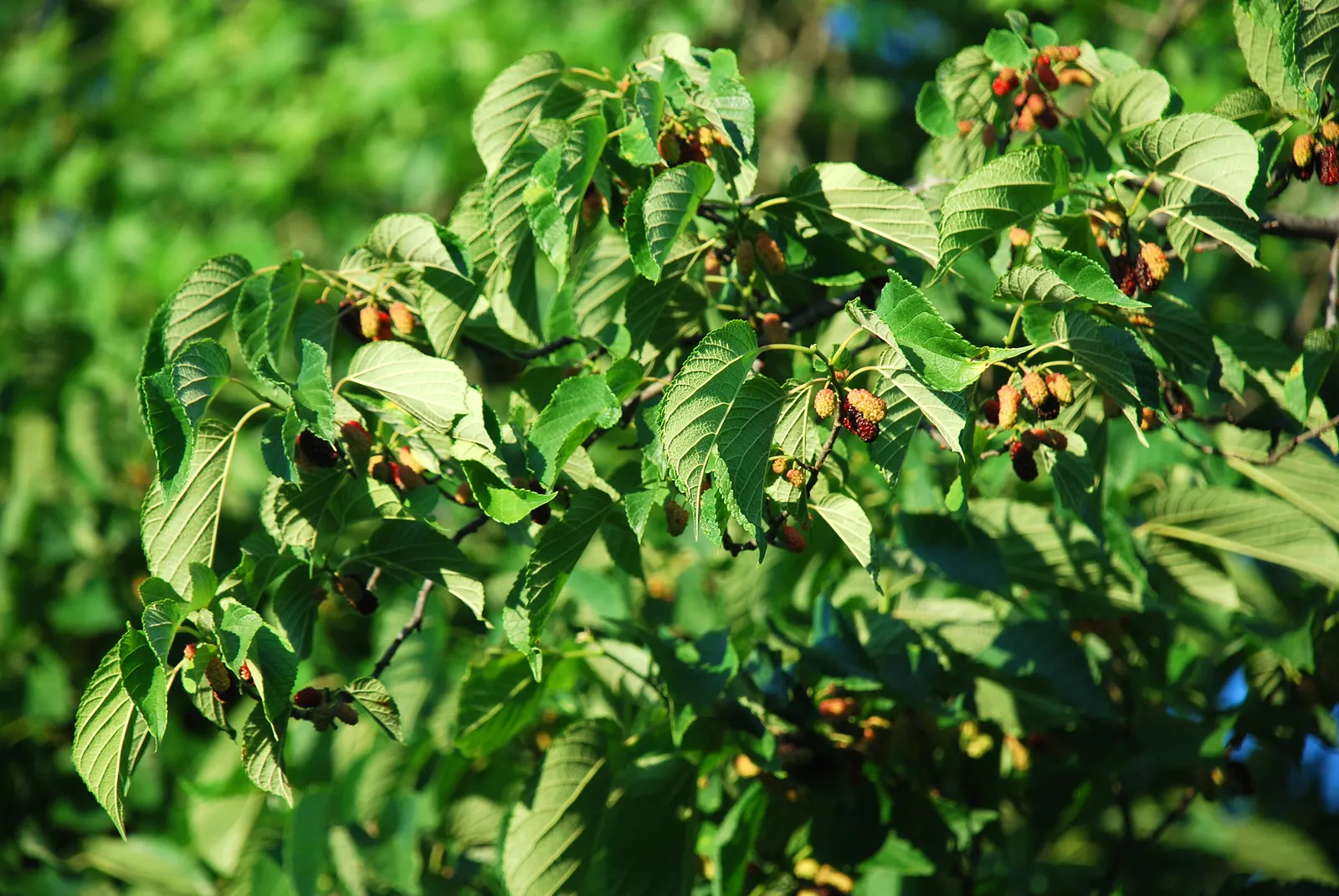
Red Mulberry (Morus Rubra) — round canopy that provides generous shade; each berry reaching up to 1 inch in length
Red Mulberry (Morus Rubra) — Note: It can spread via seeds, potentially becoming weedy; consider situating it in a location with full sun to, image 54
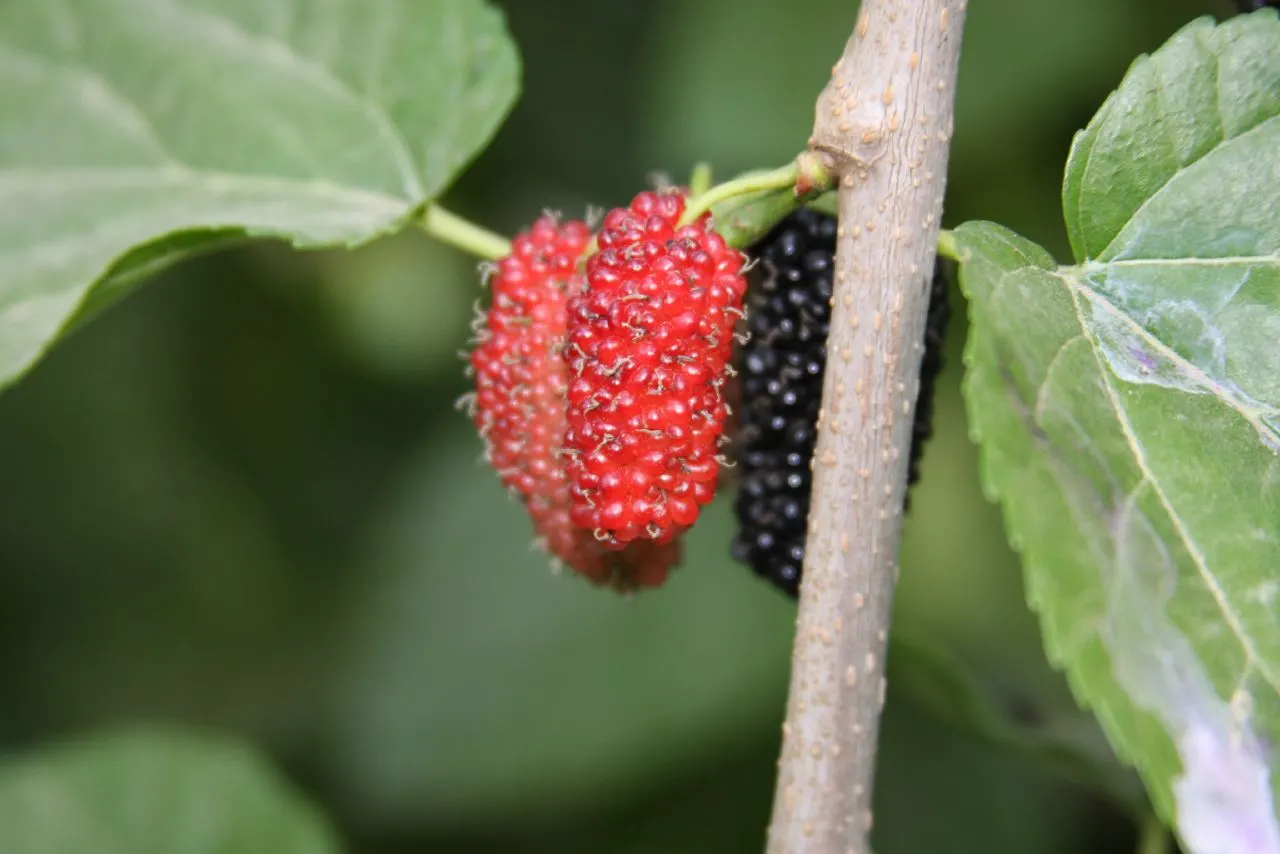
Red Mulberry (Morus Rubra) — heart-shaped leaves and sweet; inconspicuous flowers that give way to the plant's most distinctive feature: the elongated
Red Mulberry (Morus Rubra) — which can grow up to 7 inches long; though it prefers a slightly acidic to neutral pH
Red Mulberry (Morus Rubra) — so placement away from pathways or patios might be wise to reduce maintenance; hardy in USDA zones 4 through 8
Red Mulberry (Morus Rubra) — consider situating it in a location with full sun to partial shade and in well-drained soil
Red Mulberry (Morus Rubra) — Ideal for wildlife gardens, it provides food for birds and butterflies; this species is revered for its broad, image 53
Red Mulberry (Morus Rubra) — this tree offers both ornamental charm and hands-on engagement for any client's garden
Red Mulberry (Morus Rubra) — this species is revered for its broad; ideal for wildlife gardens, it provides food for birds and butterflies
Red Mulberry (Morus Rubra) — tree for full or half; this tree offers both ornamental charm and hands-on engagement for any client's garden
Red Mulberry (Morus Rubra) — tree with green blooms
Red Mulberry (Morus Rubra) — so placement away from pathways or patios might be wise to reduce maintenance
Photographs by 10 contributors

Related plants