Skip to content

Mulberry

Morus Alba

Design with this plant

Overview

The Mulberry tree, Morus alba, valued for its lush foliage and sweet fruit, thrives in zones 4-8. A deciduous species reaching up to 30-50 feet tall and spreading 30-40 feet wide, this robust tree prefers full sun to partial shade. It boasts broad leaves and produces small, edible berries. Fast-growing, it offers both shade and aesthetic appeal while requiring minimal maintenance, ideal for diverse landscape designs.

Sun Full, HalfWater Extra in Summer, MediumZones 4–10Climate Temperate
Mulberry (Morus Alba) — The Mulberry tree, Morus alba, valued for its lush foliage and sweet fruit, thrives in zones 4-8

Culture

Sun
Full, Half
Water
Extra in Summer, Medium
USDA zones
4–10

Shape & size

Classification

Family
Moraceae
Climate
Temperate

See full data, regional cultivation notes, full-resolution photos, and design tools. Build a client presentation around this plant.

Start your 14-day trial

Photos (125)

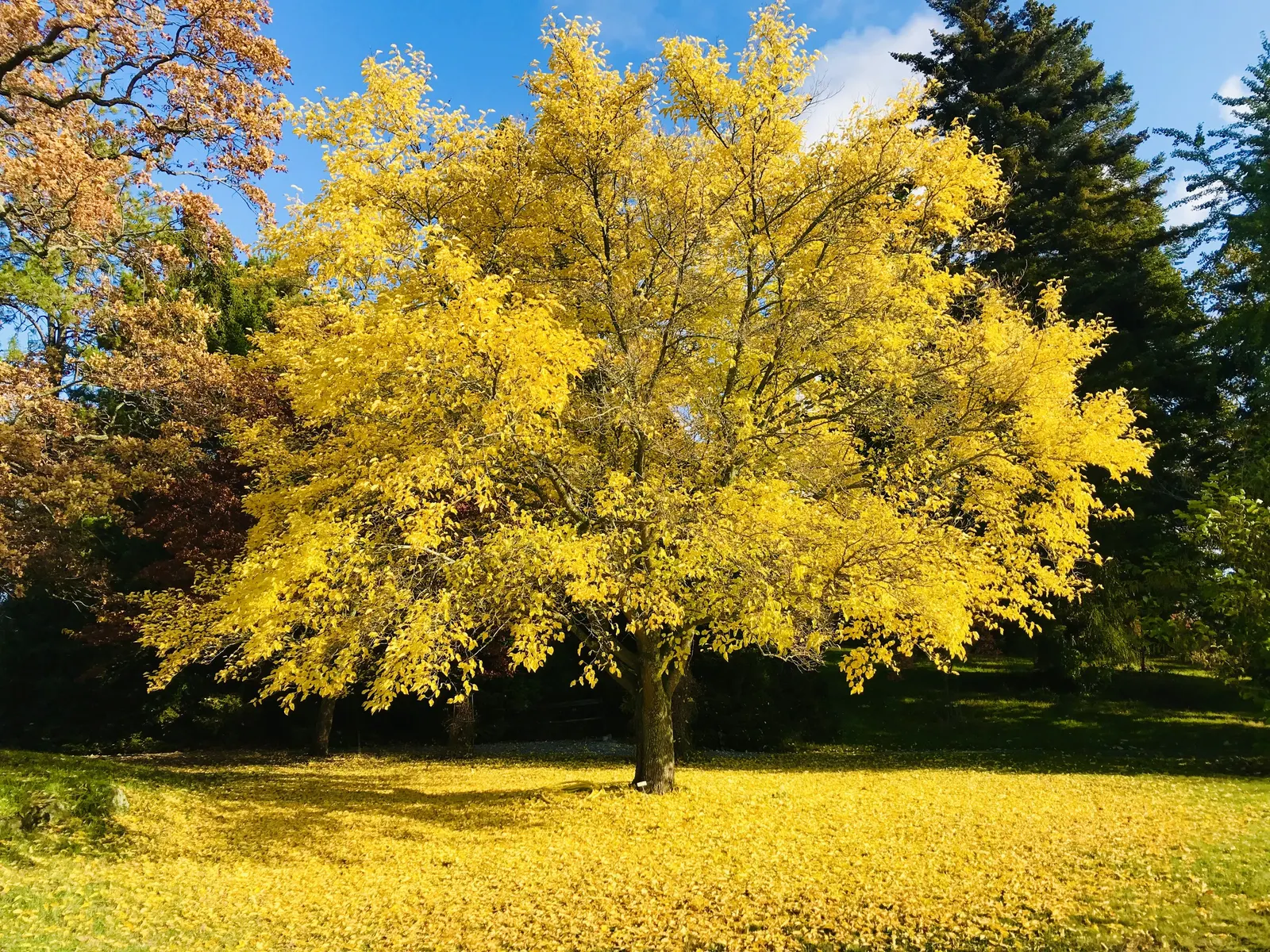
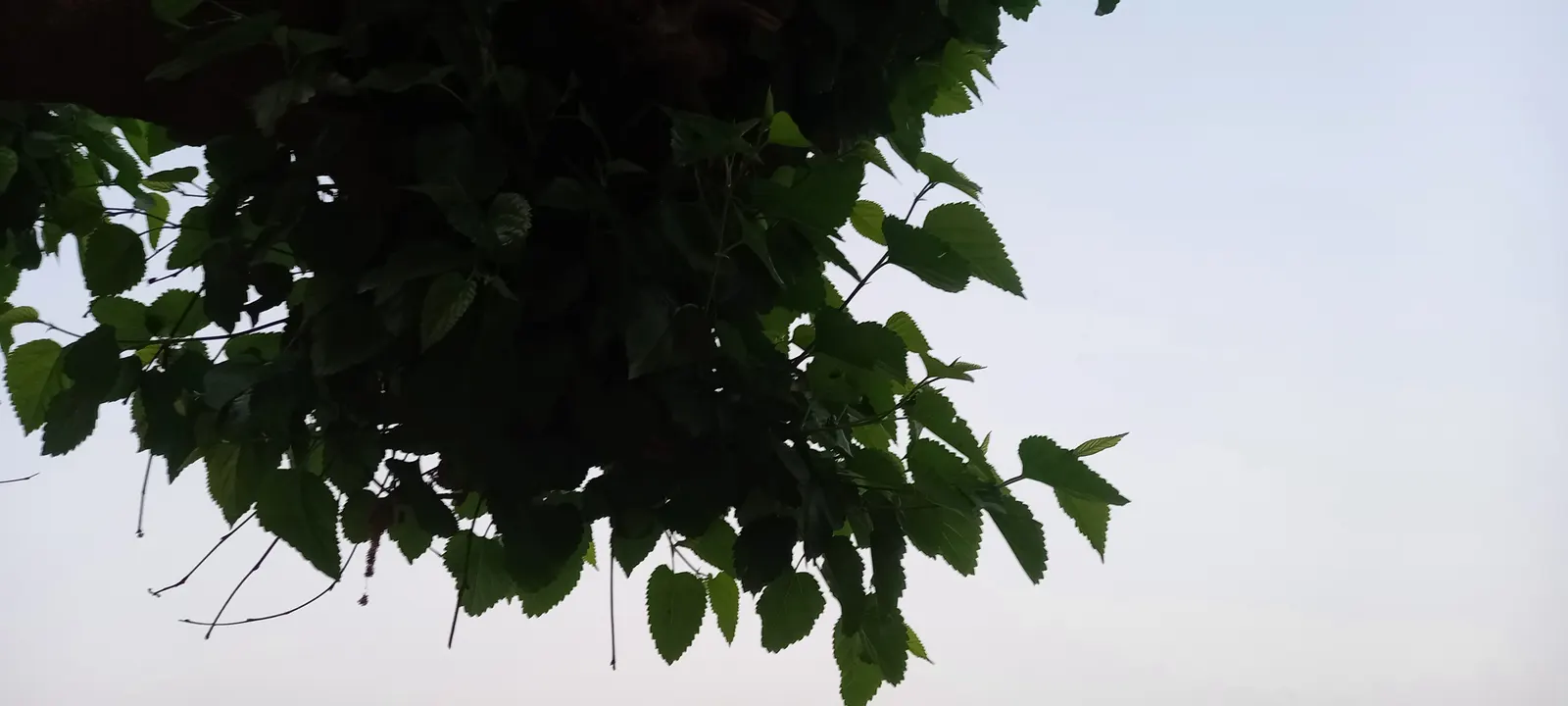
Mulberry (Morus Alba) — A deciduous species reaching up to 30-50 feet tall and spreading 30-40 feet wide; offering dense shade during the warmer months
Mulberry (Morus Alba) — this robust tree prefers full sun to partial shade; this hardy species is relatively low maintenance
Mulberry (Morus Alba) — the Morus alba serves as an excellent shade tree and is often used in public parks and private gardens
Mulberry (Morus Alba) — allowing ample space for its mature spread
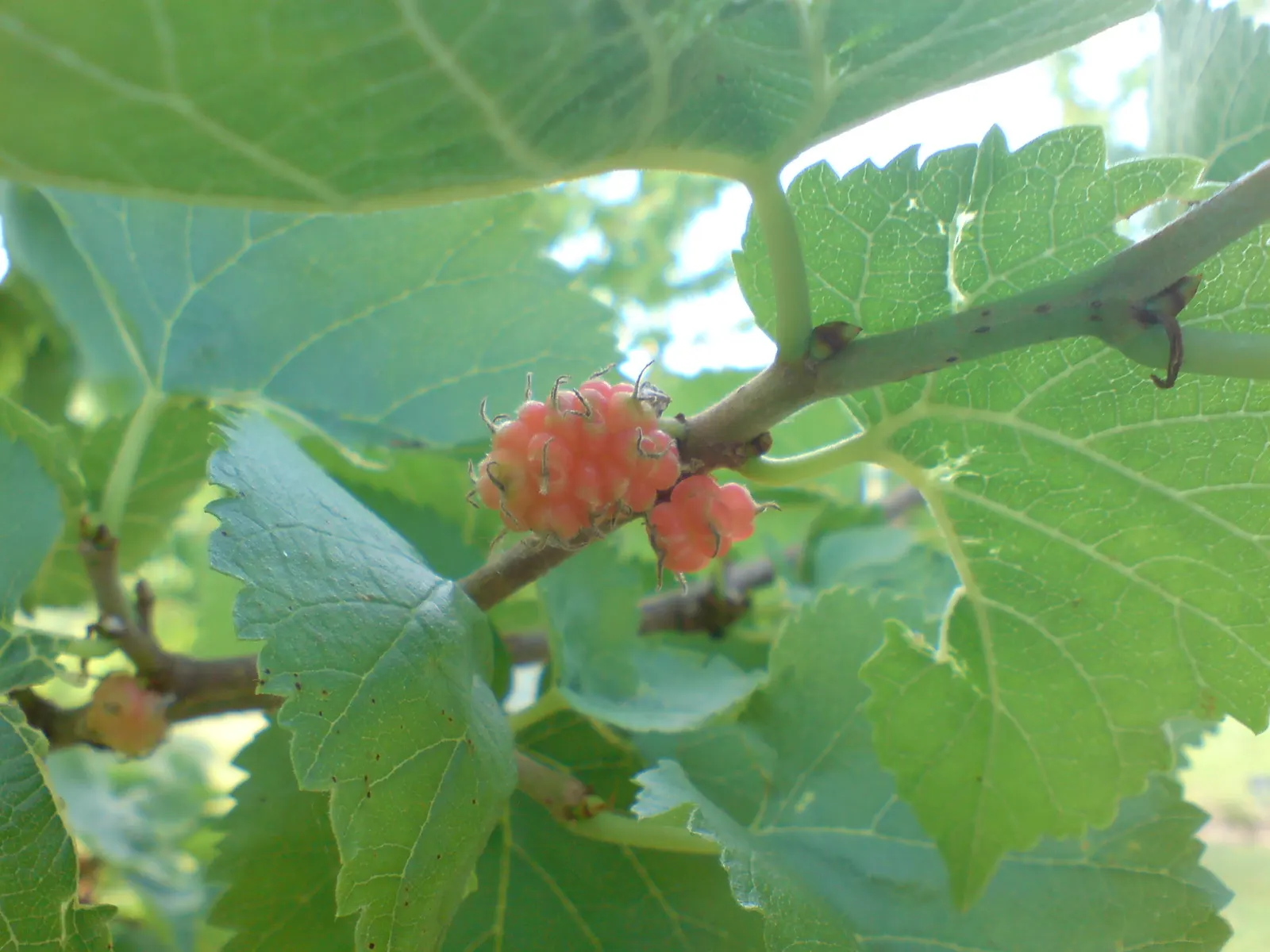
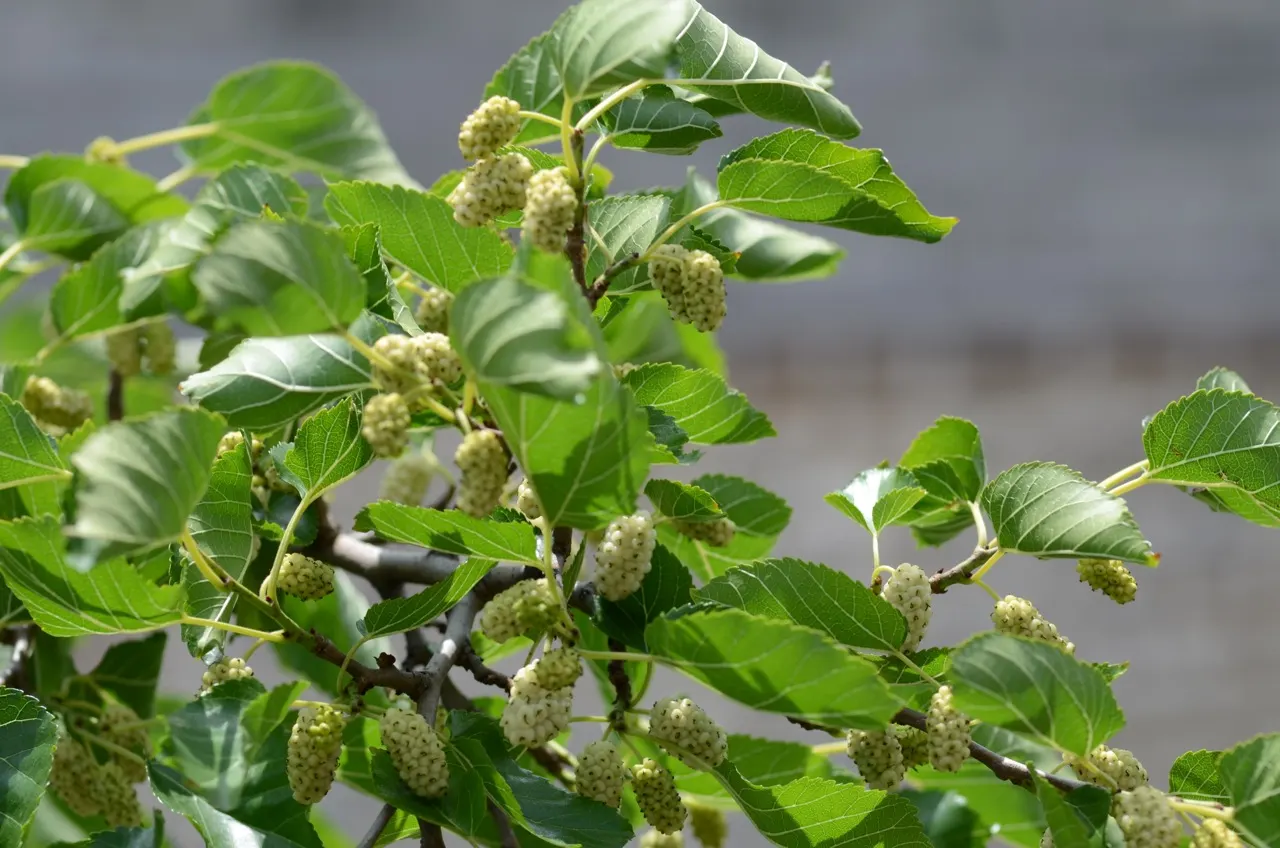
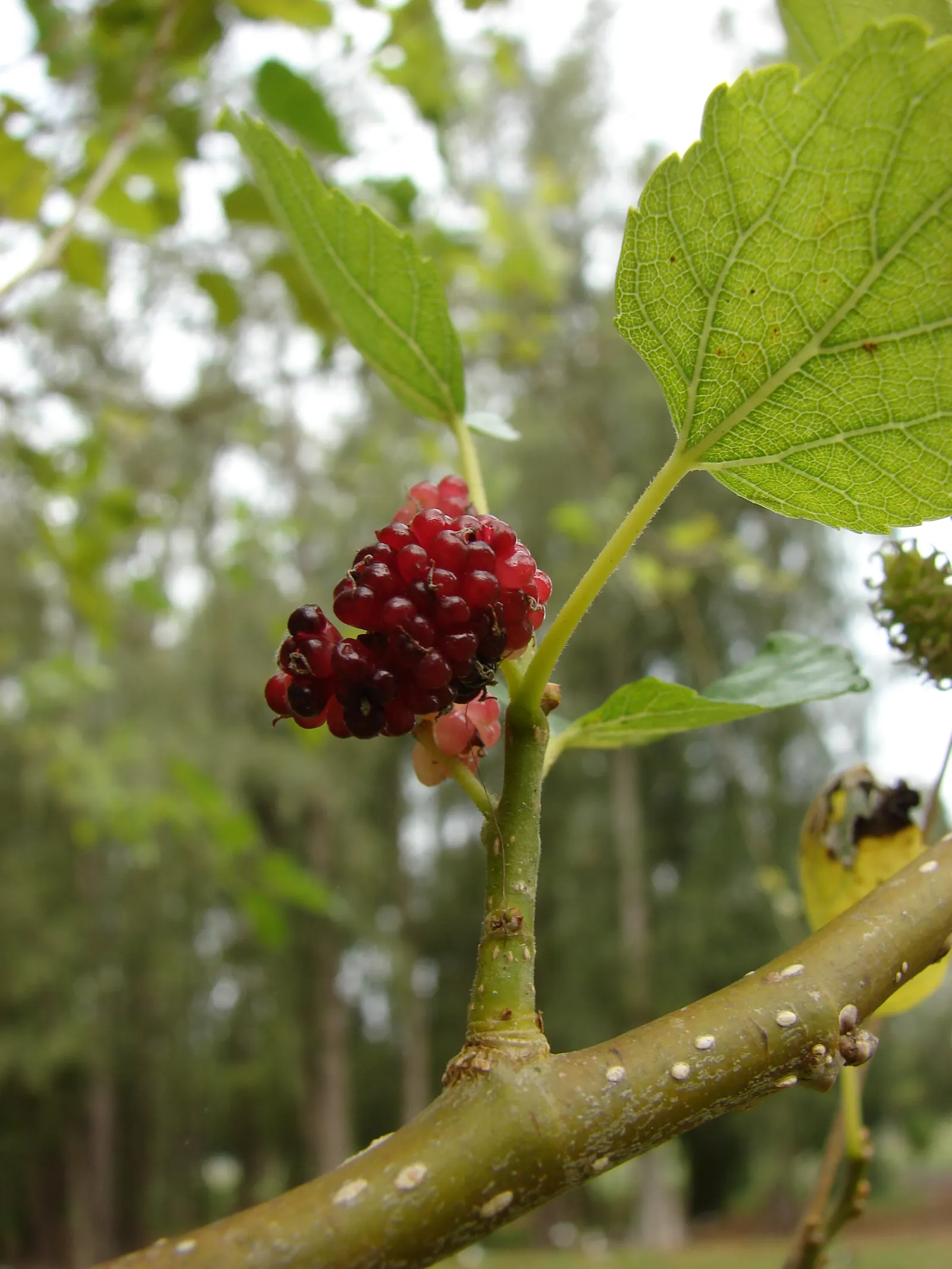
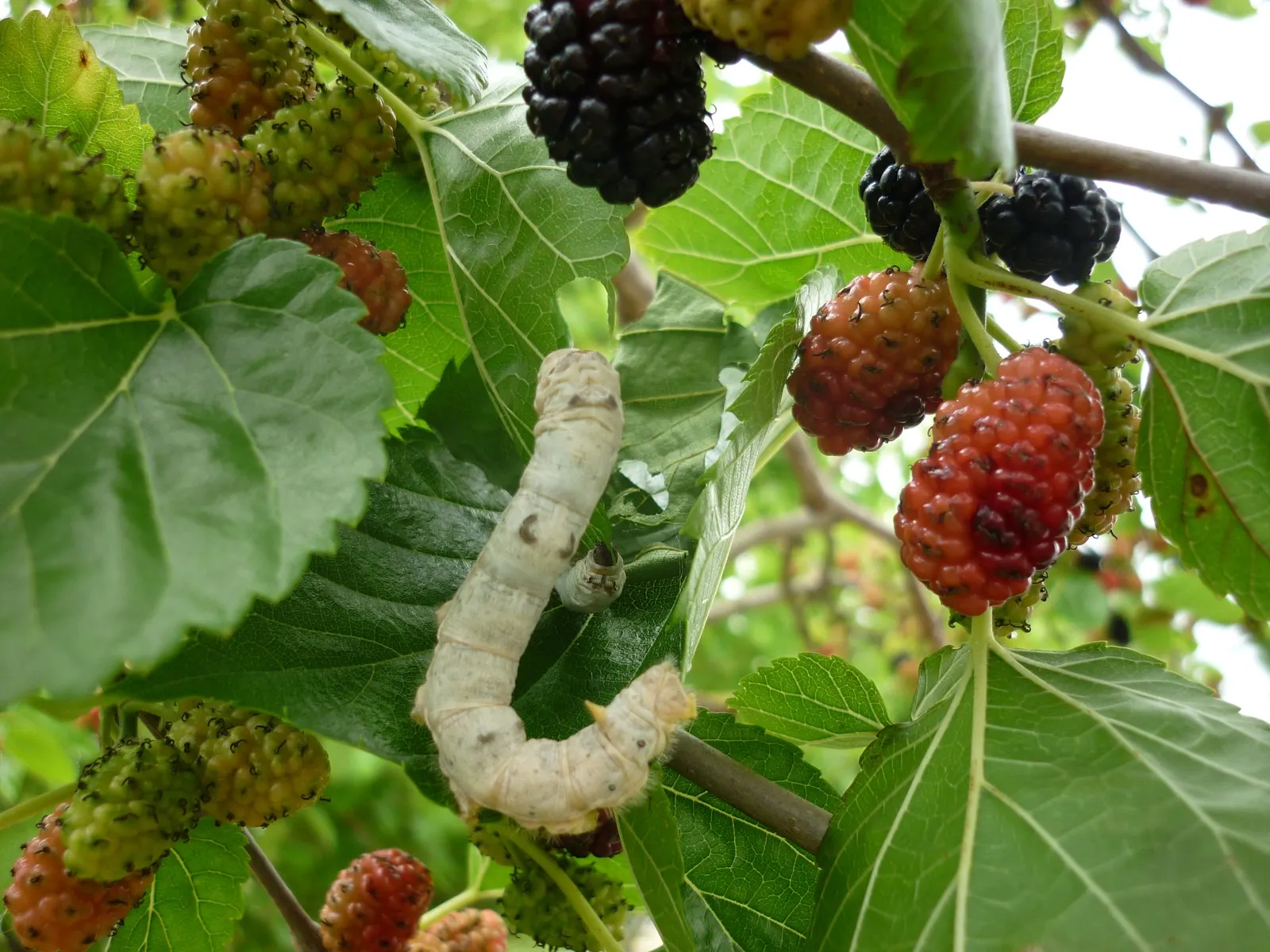
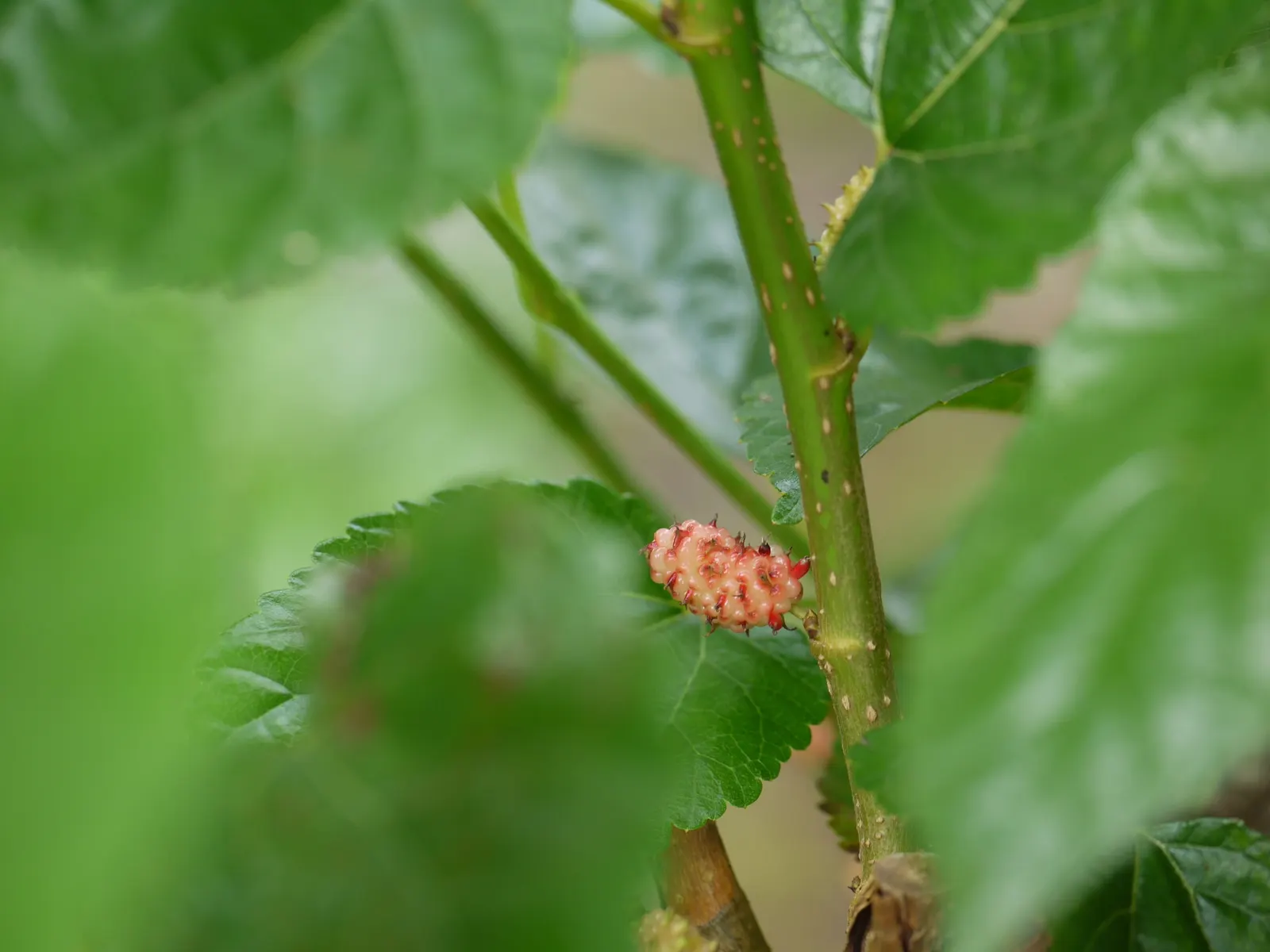
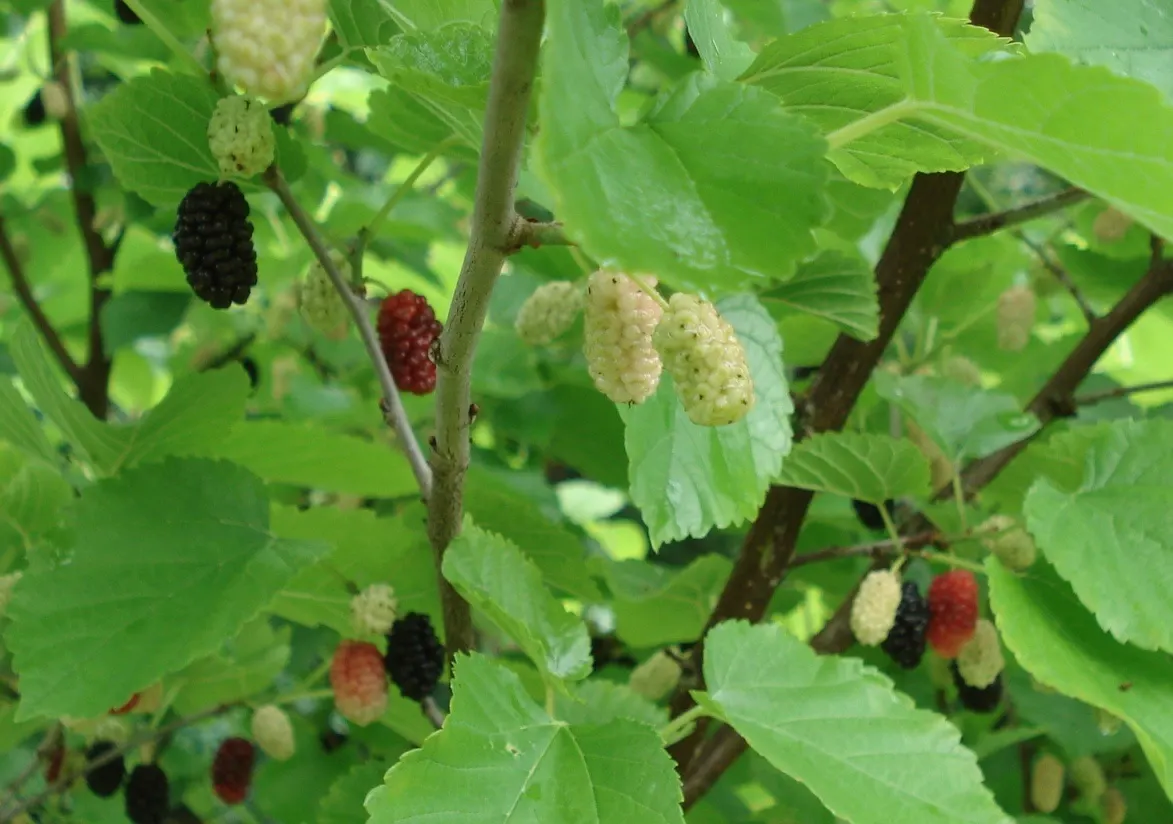
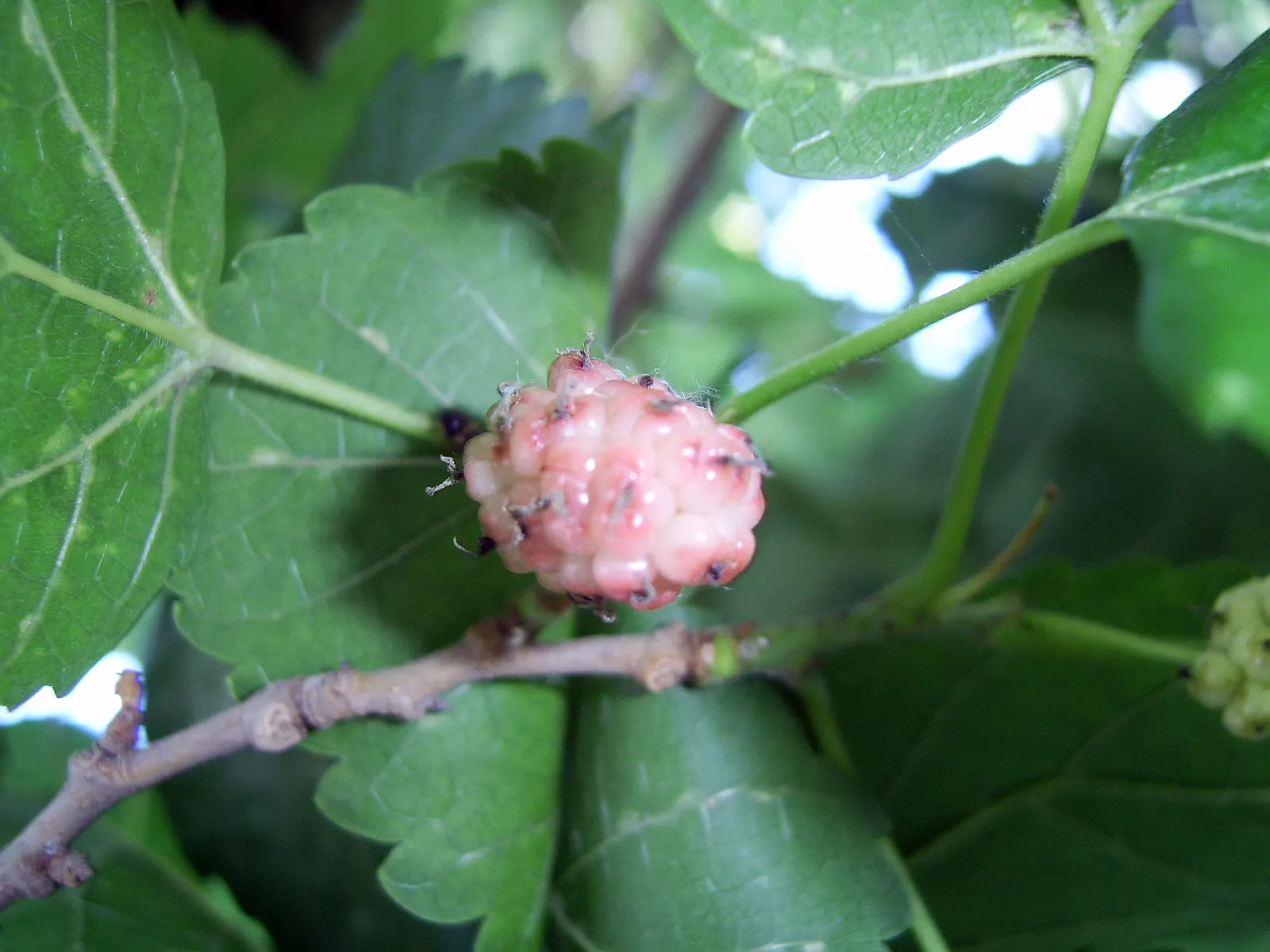
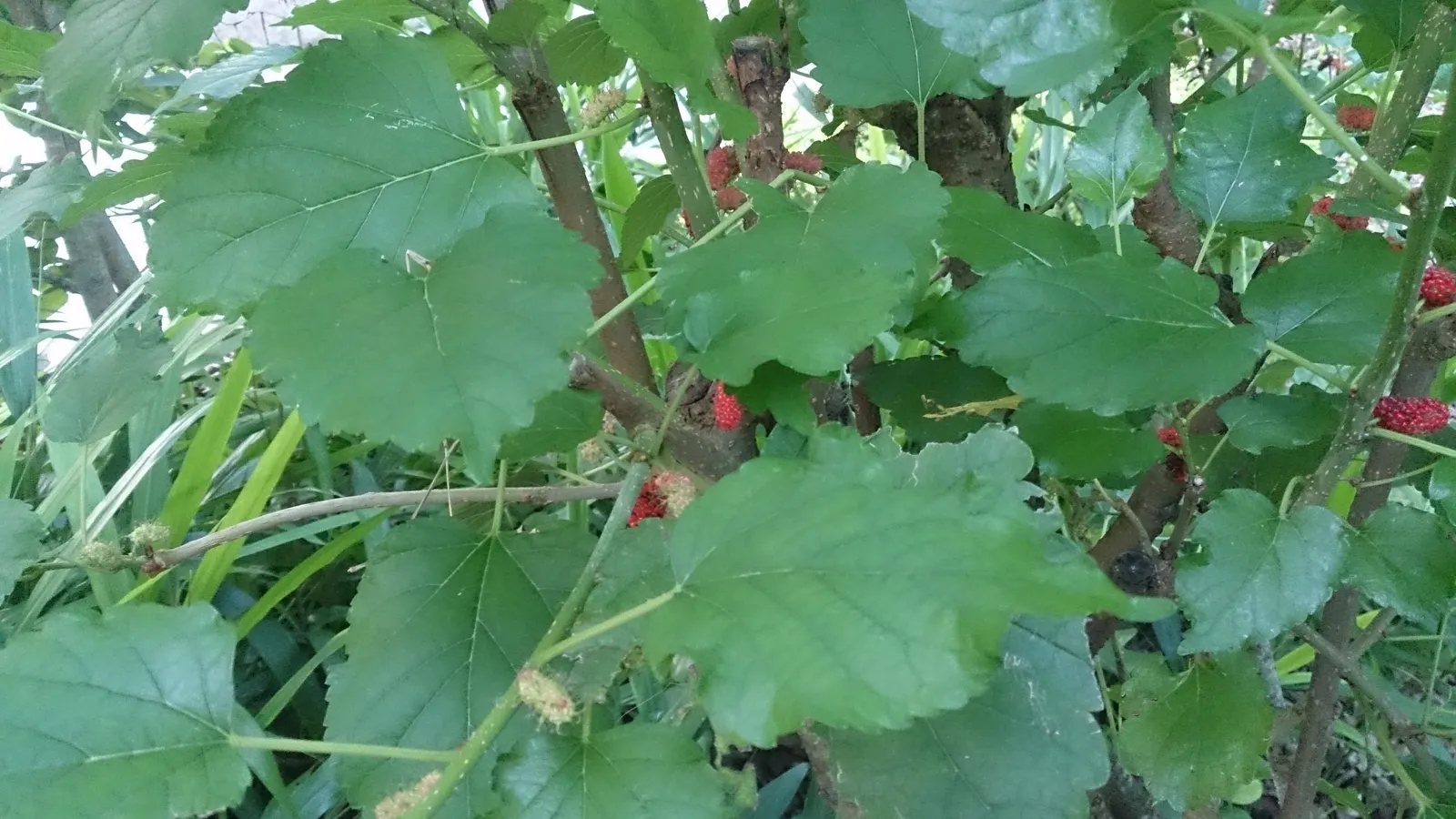
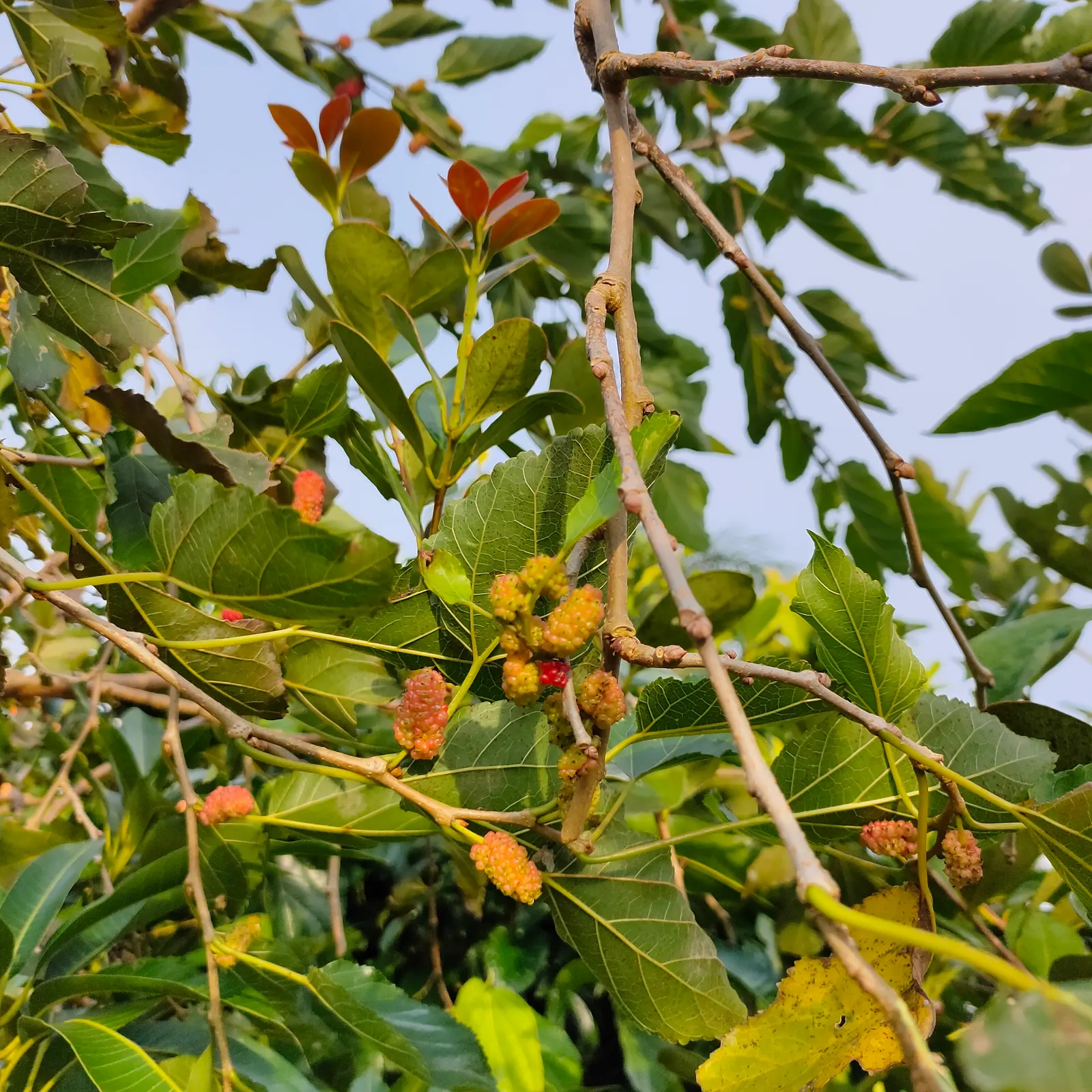
Mulberry (Morus Alba) — It boasts broad leaves and produces small, edible berries; tree for full or half
Mulberry (Morus Alba) — scientifically known as Morus alba; the Morus alba serves as an excellent shade tree and is often used in public parks and private
Mulberry (Morus Alba) — offers a blend of aesthetic appeal and practical use in the landscape; this robust tree prefers full sun to partial shade
Mulberry (Morus Alba) — it offers both shade and aesthetic appeal while requiring minimal maintenance; scientifically known as Morus alba
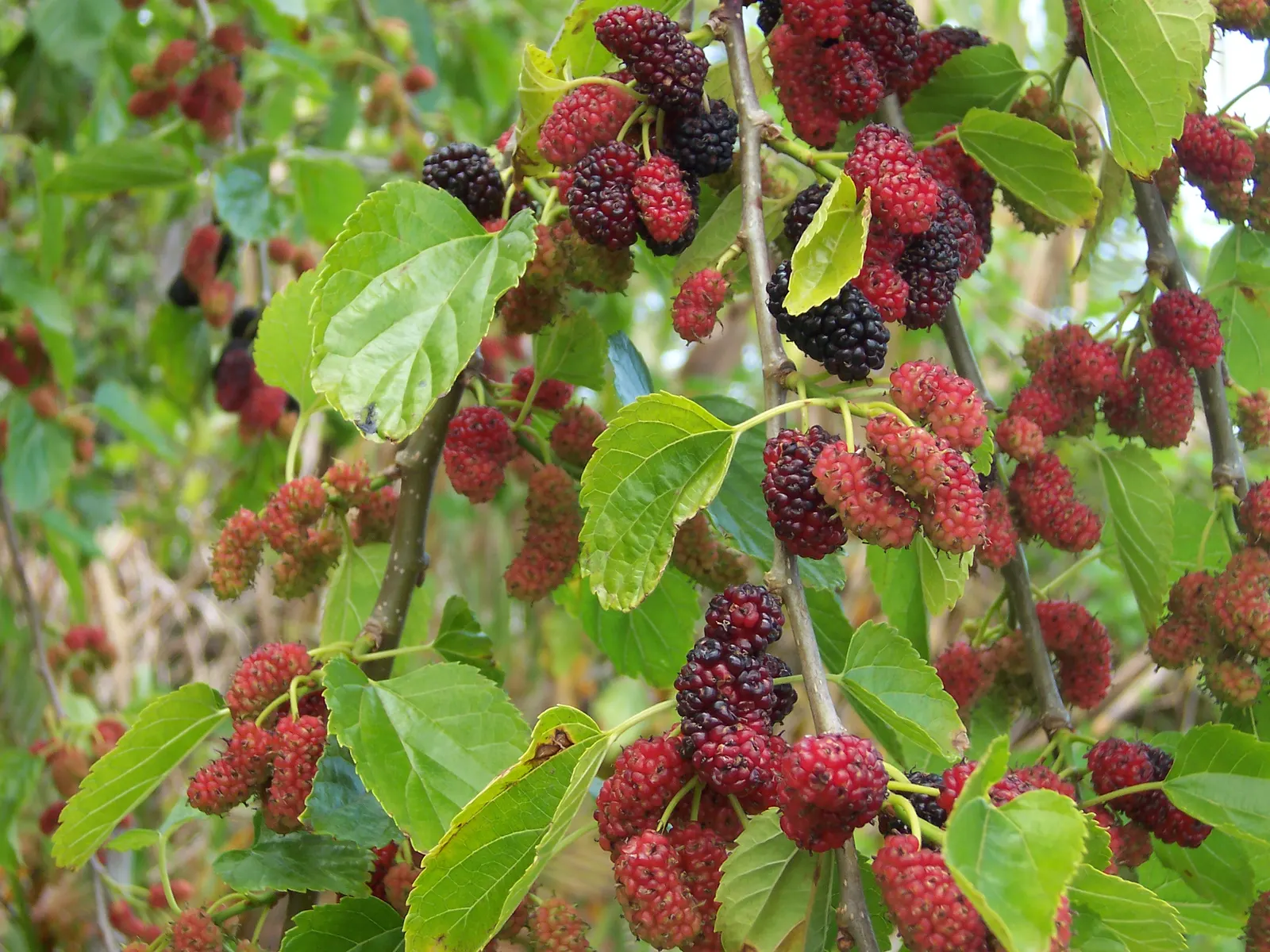
Mulberry (Morus Alba) — ideal for diverse landscape designs; or purple-black when ripe
Mulberry (Morus Alba) — which are followed by succulent; ideal for diverse landscape designs
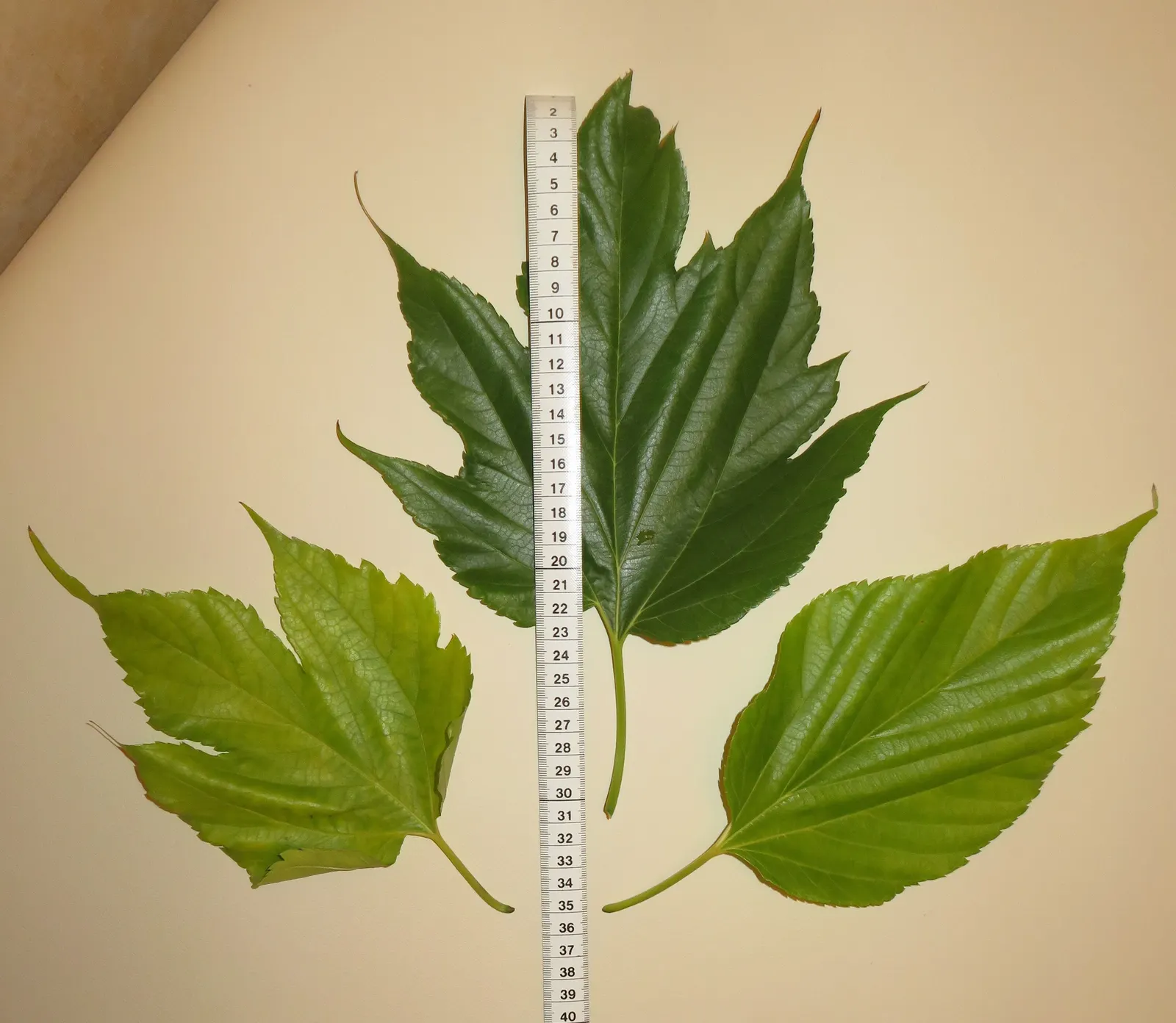
Mulberry (Morus Alba) — this deciduous tree can become a prominent feature in your garden; and serrated leaves that can grow up to 6 inches long
Mulberry (Morus Alba) — and serrated leaves that can grow up to 6 inches long; the Mulberry adapts well to a variety of soil types but prefers a well-drained
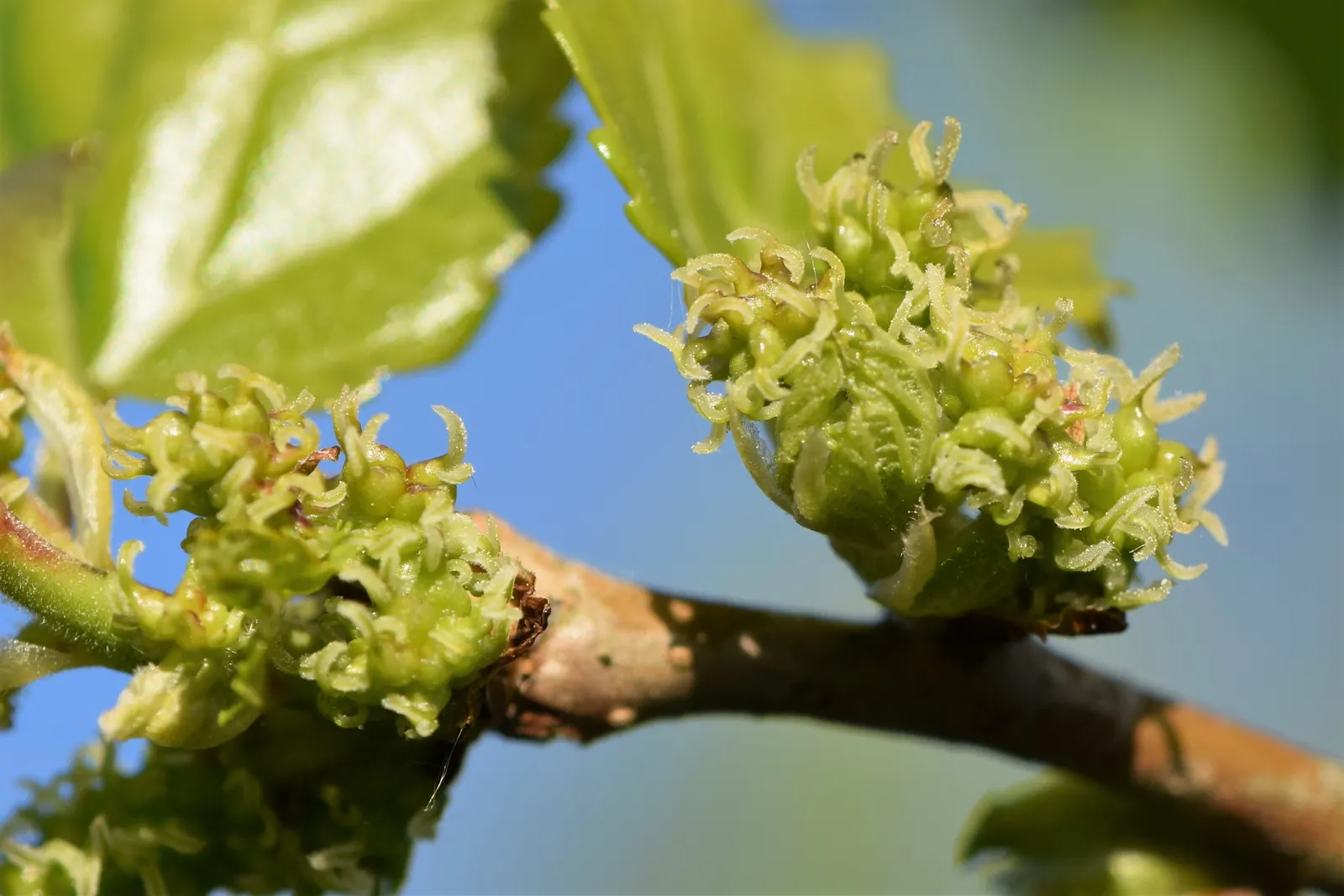
Mulberry (Morus Alba) — offering dense shade during the warmer months; tree with green and yellow blooms
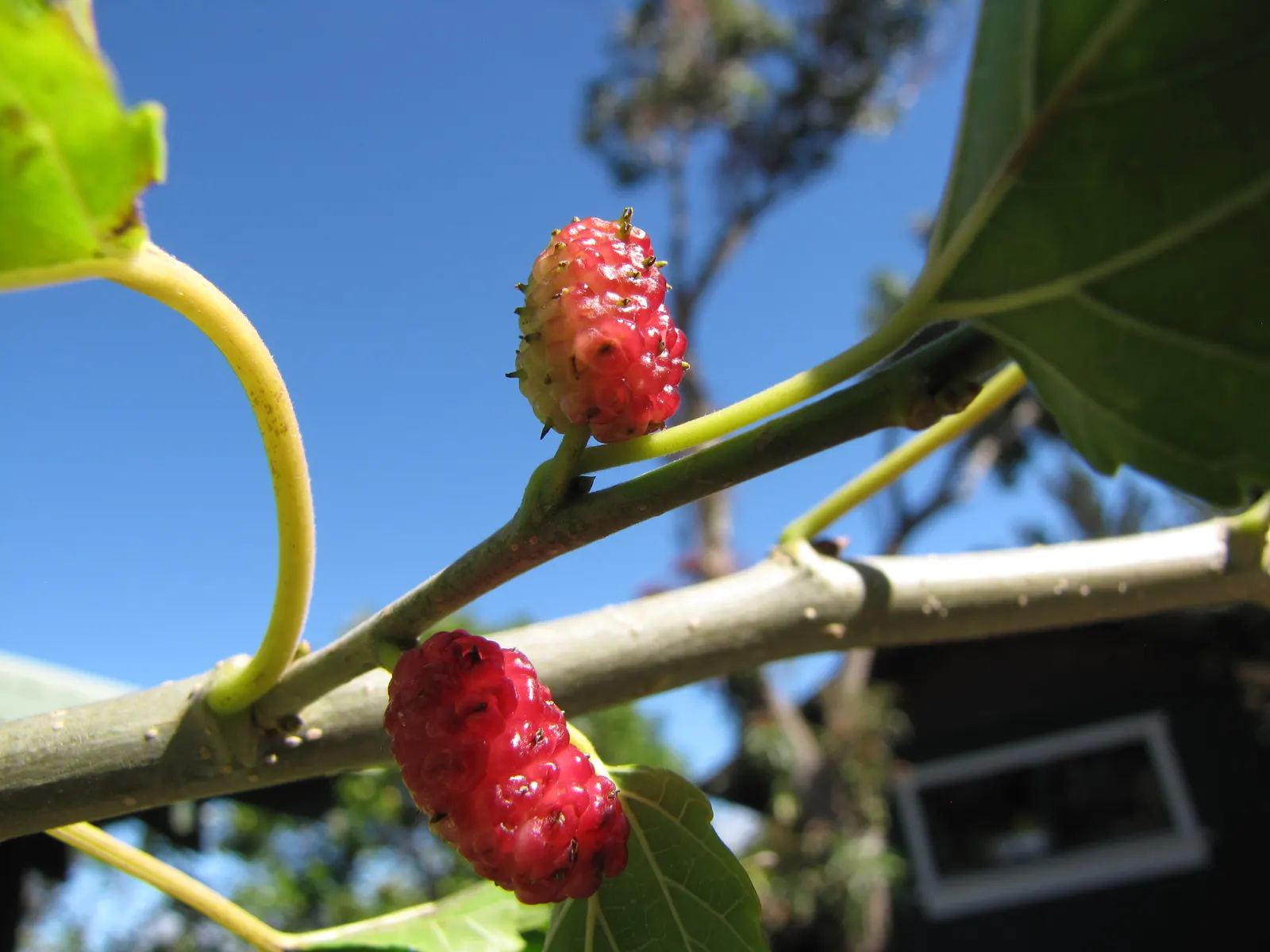
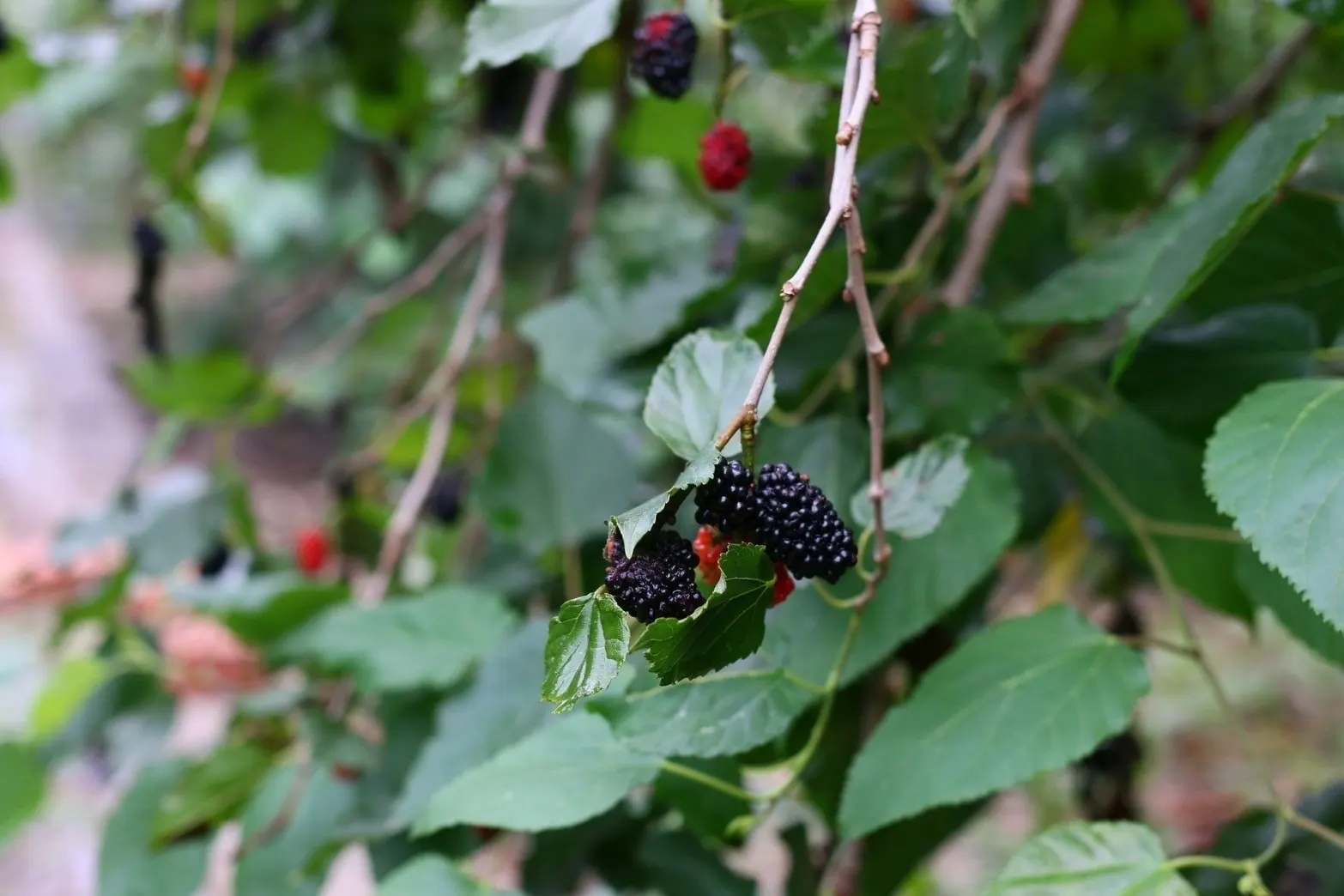
Mulberry (Morus Alba) — sweet fruits resembling blackberries, image 38
Mulberry (Morus Alba) — or purple-black when ripe; making it a resilient choice for diverse landscapes.<br><br>In urban settings
Mulberry (Morus Alba) — are a favorite among birds and can stain pavements; a deciduous species reaching up to 30-50 feet tall and spreading 30-40 feet wide
Mulberry (Morus Alba) — making it advisable to plant the tree away from walkways and dining areas.<br><br>For zones 4 through 8; this deciduous tree can become
Mulberry (Morus Alba) — the Morus alba serves as an excellent shade tree and is often used in public parks and private gardens; requiring minimal pruning once
Mulberry (Morus Alba) — the Mulberry adapts well to a variety of soil types but prefers a well-drained; making it advisable to plant the tree away from
Mulberry (Morus Alba) — allowing ample space for its mature spread; the Mulberry tree, Morus alba, valued for its lush foliage and sweet fruit, thrives in
Mulberry (Morus Alba) — green and yellow flowers in the garden; offers a blend of aesthetic appeal and practical use in the landscape
Mulberry (Morus Alba) — tree with green and yellow blooms; are a favorite among birds and can stain pavements
Mulberry (Morus Alba) — tree for full or half; allowing ample space for its mature spread
Mulberry (Morus Alba) — requiring minimal pruning once established and is tolerant of drought and poor soil conditions; it offers both shade and aesthetic

Related plants