Skip to content

Partridge Berry

Mitchella Repens

Design with this plant

Overview

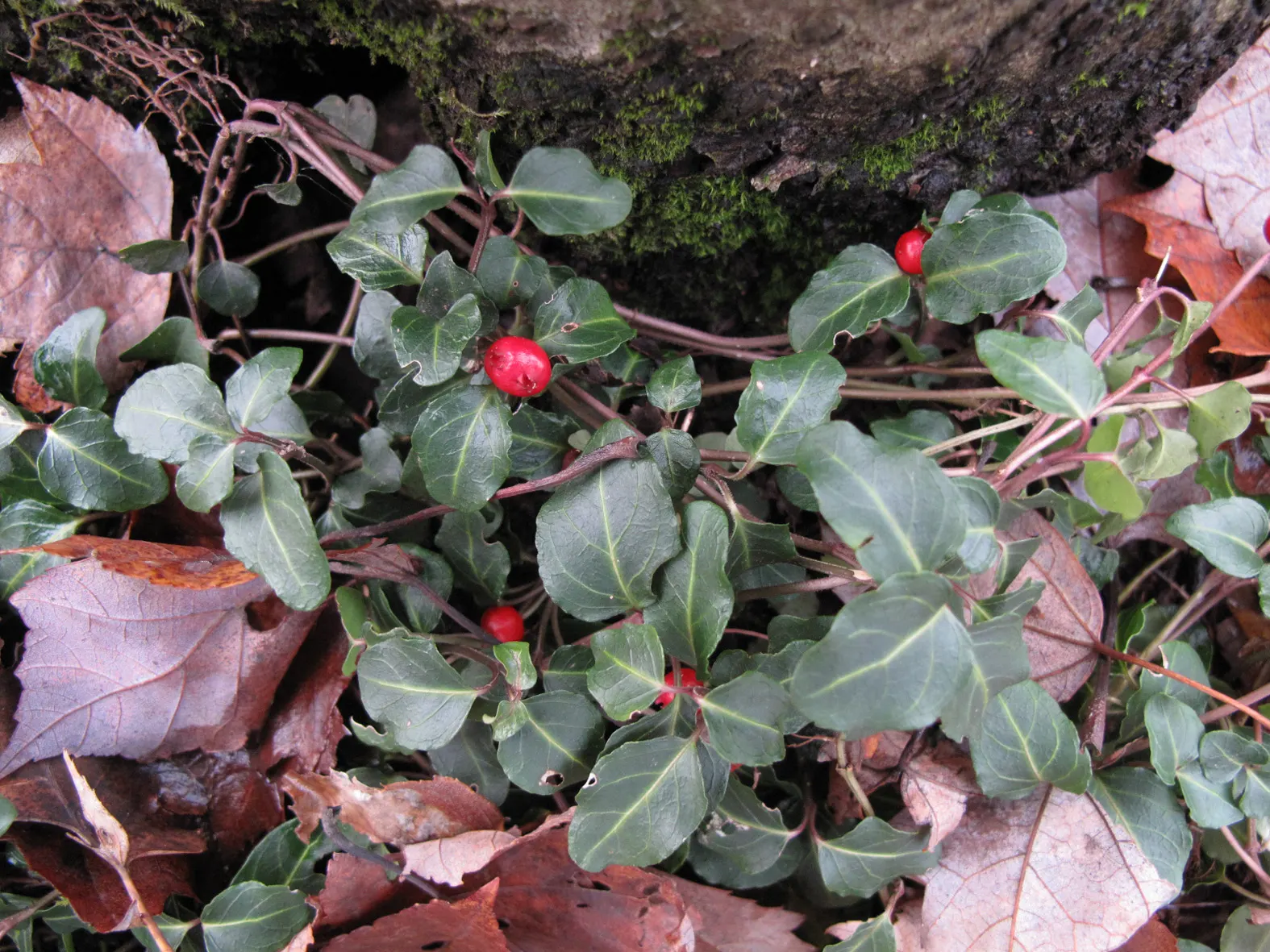
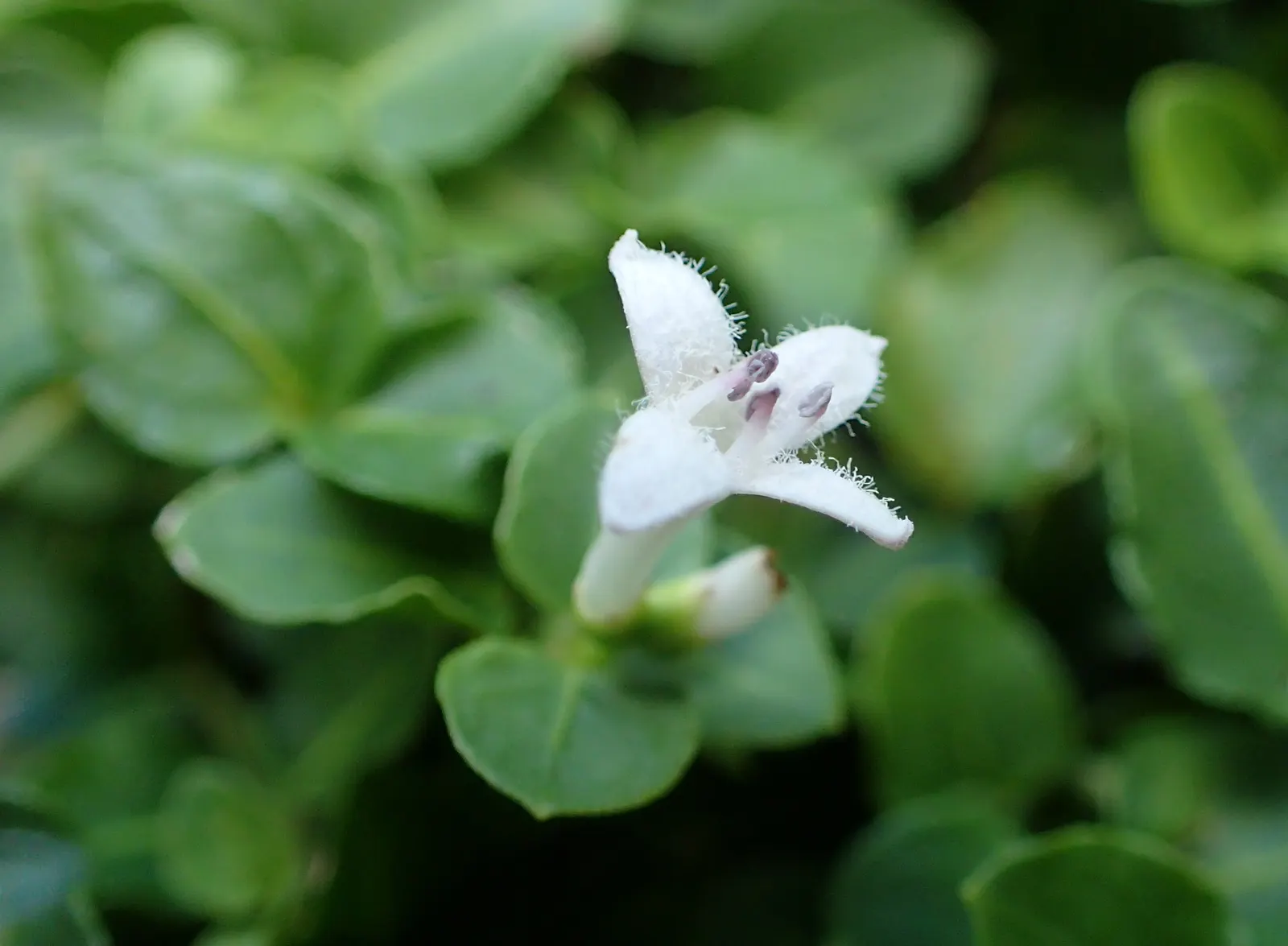
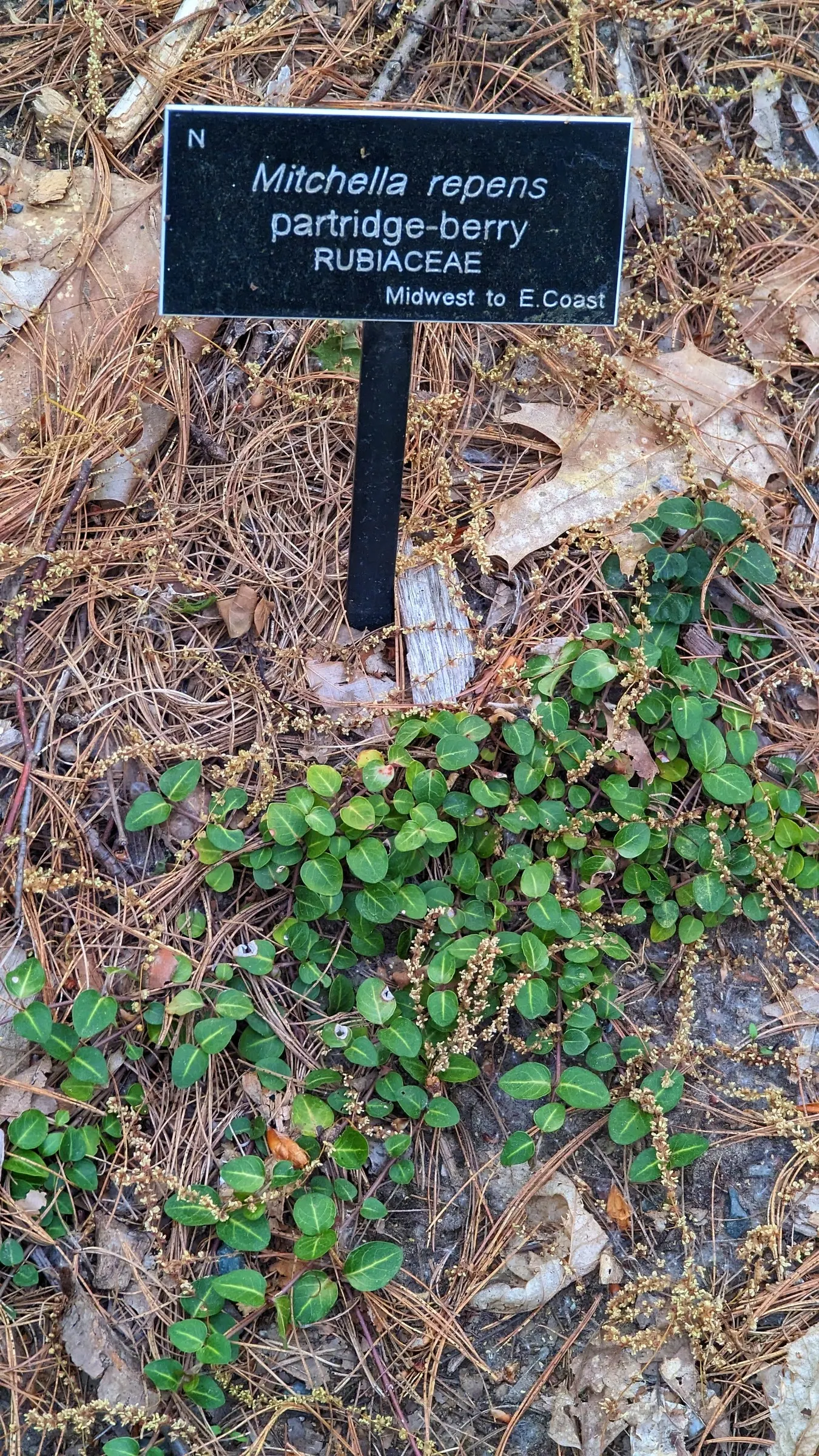
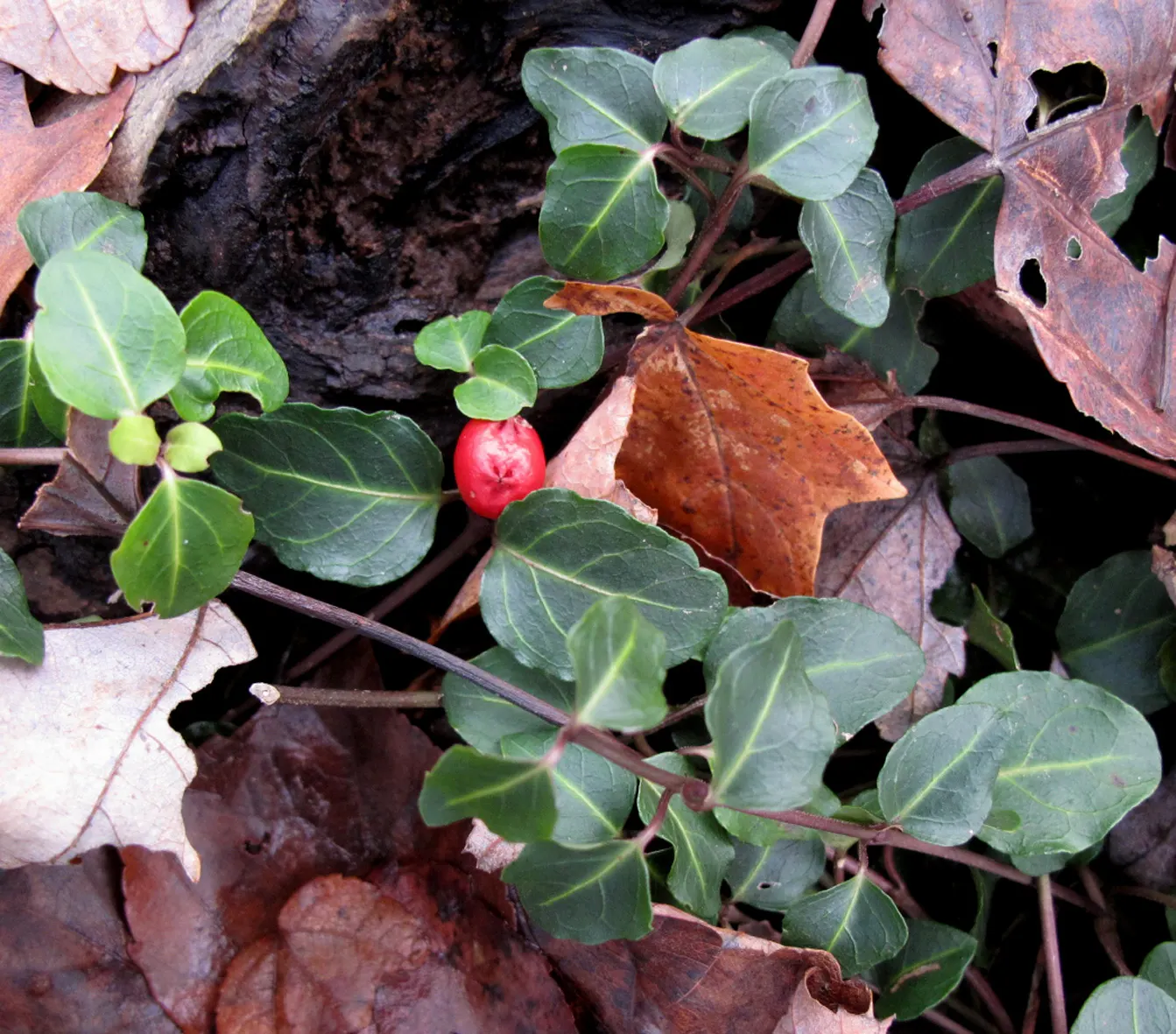
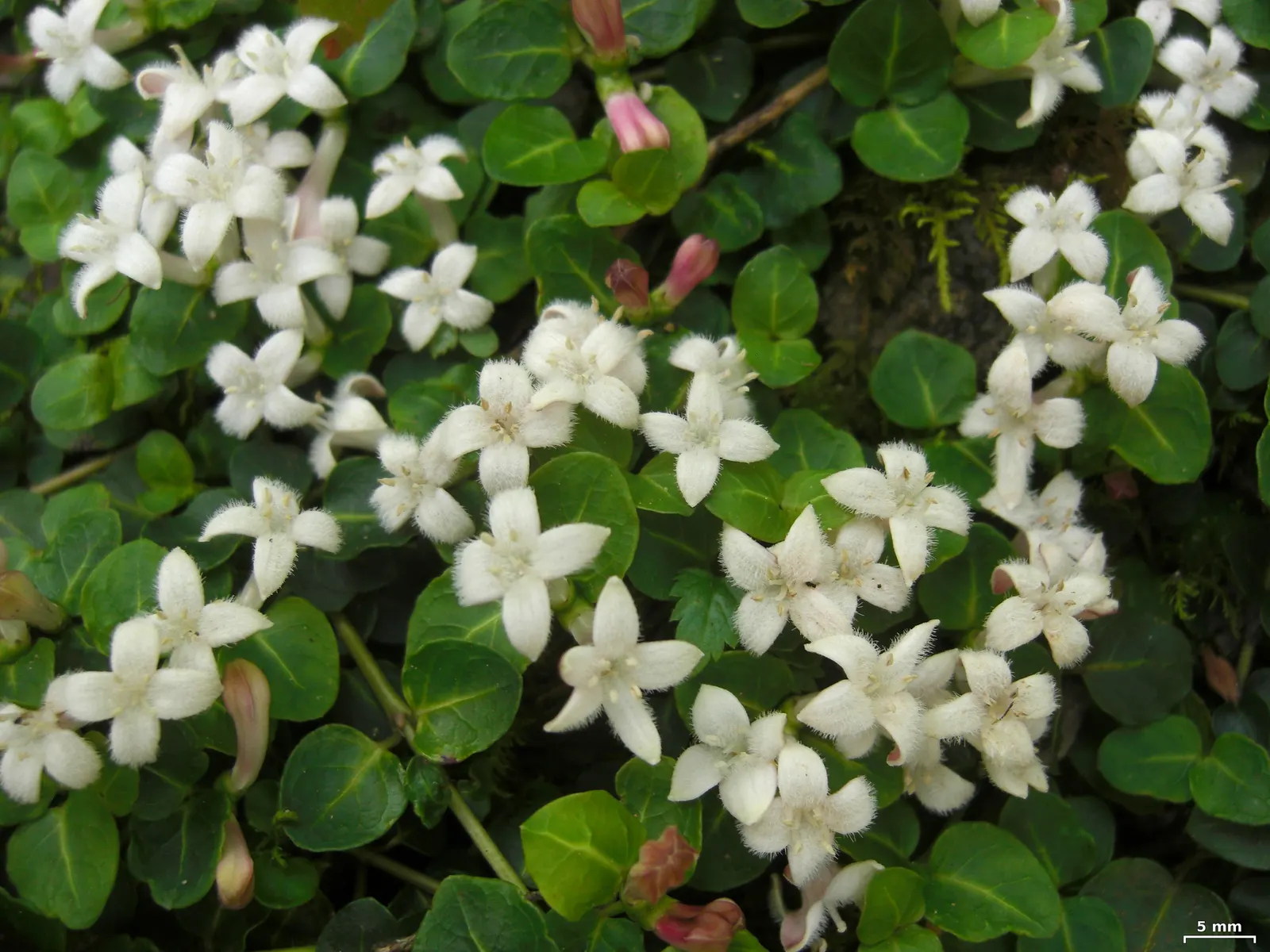
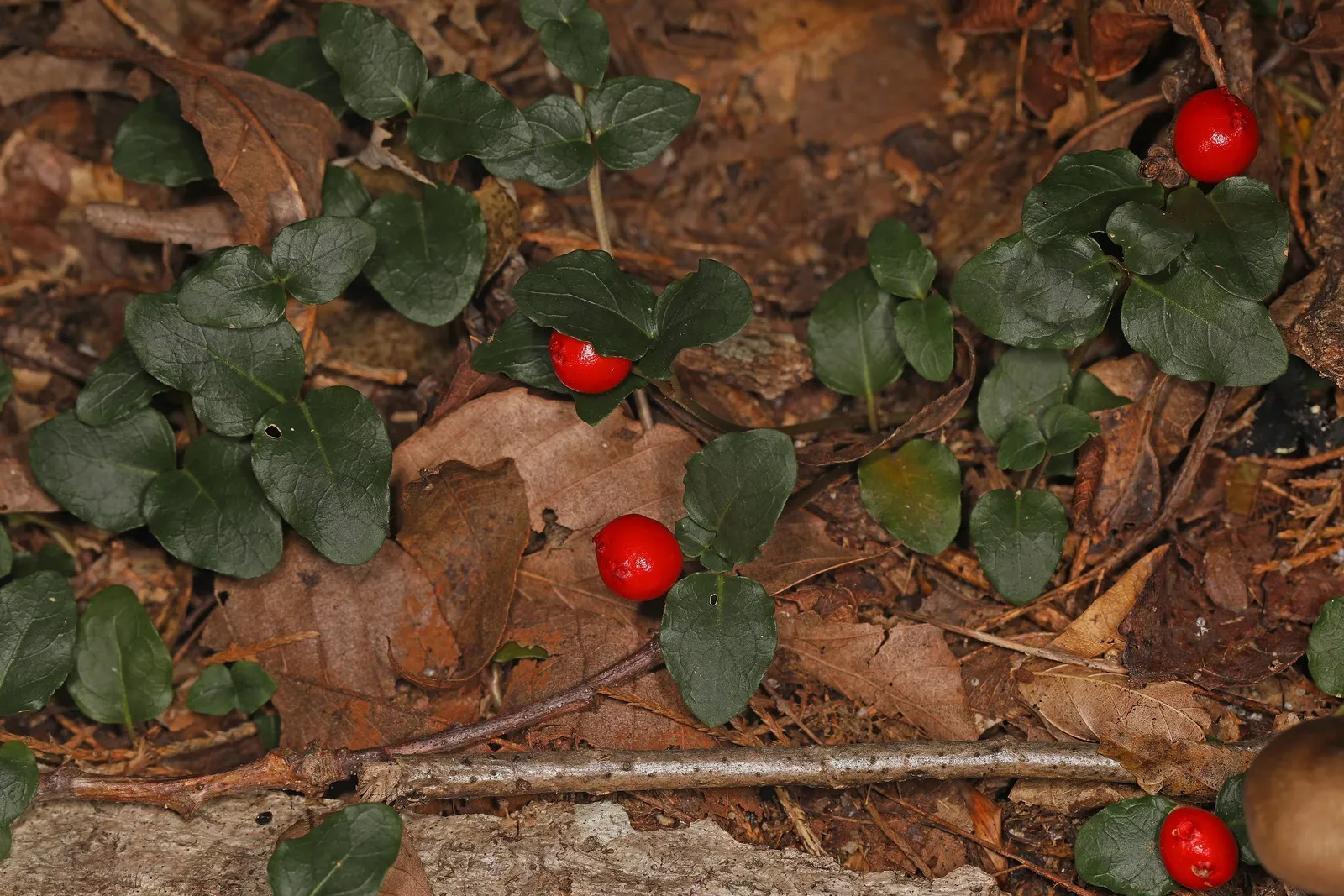
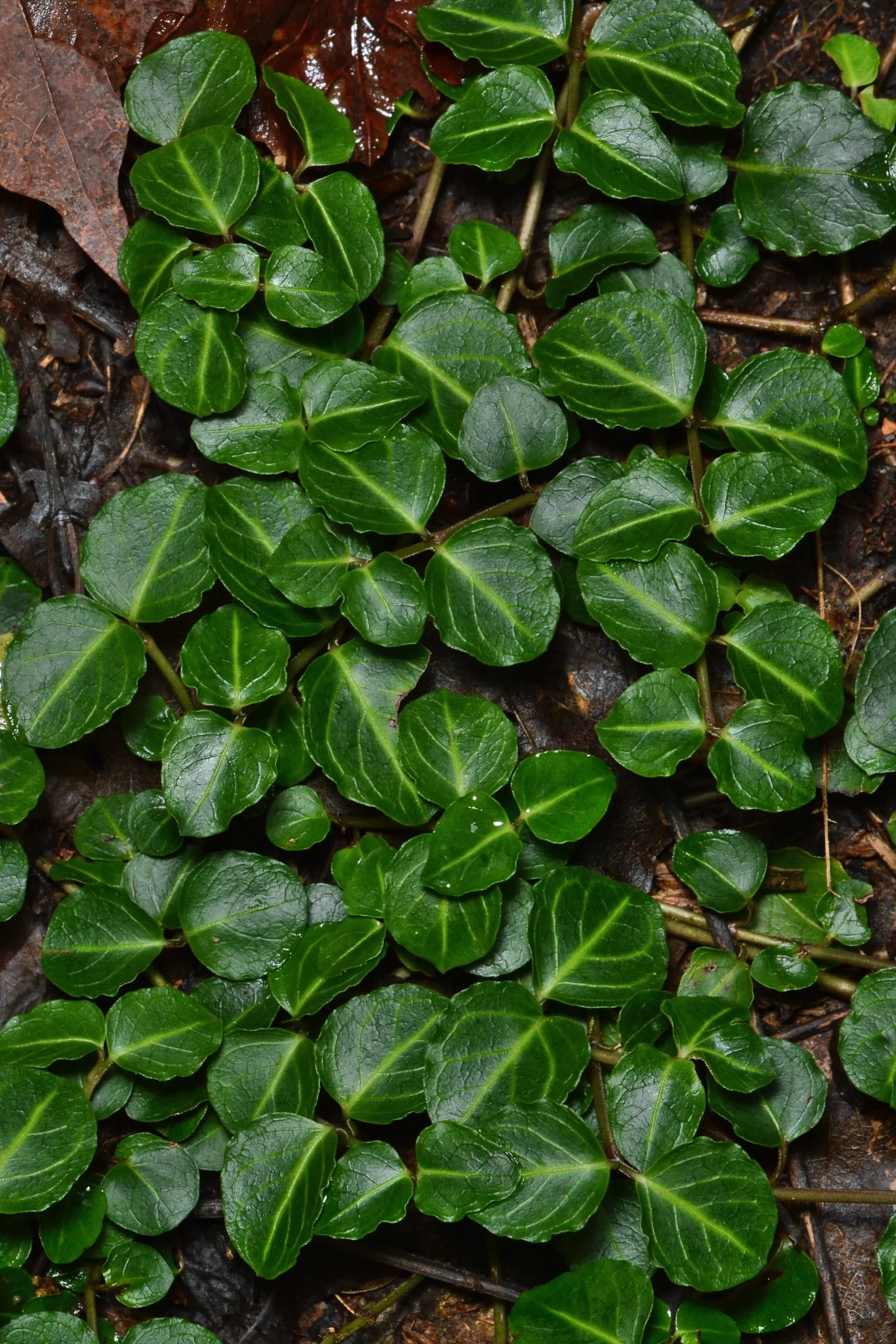
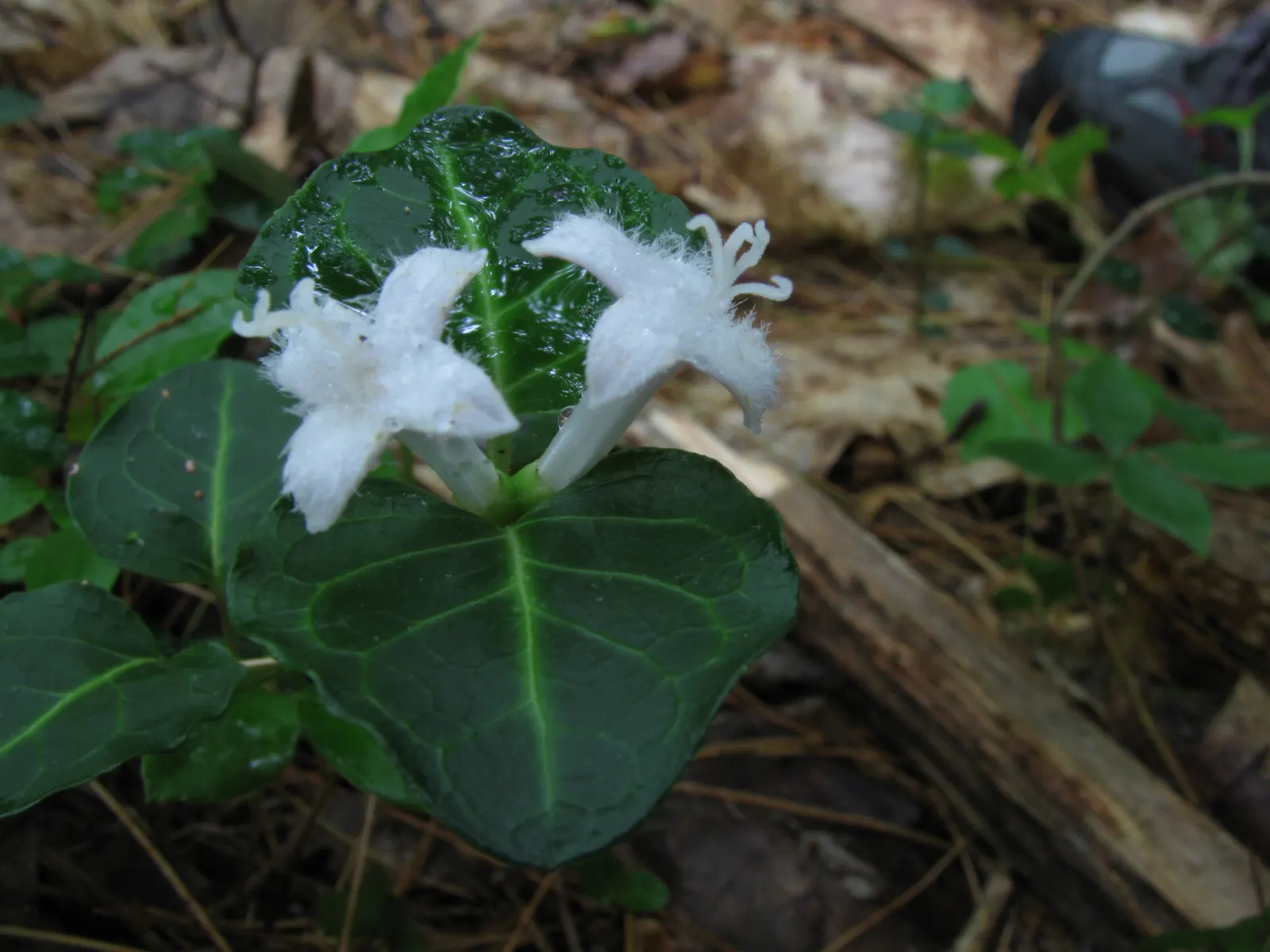
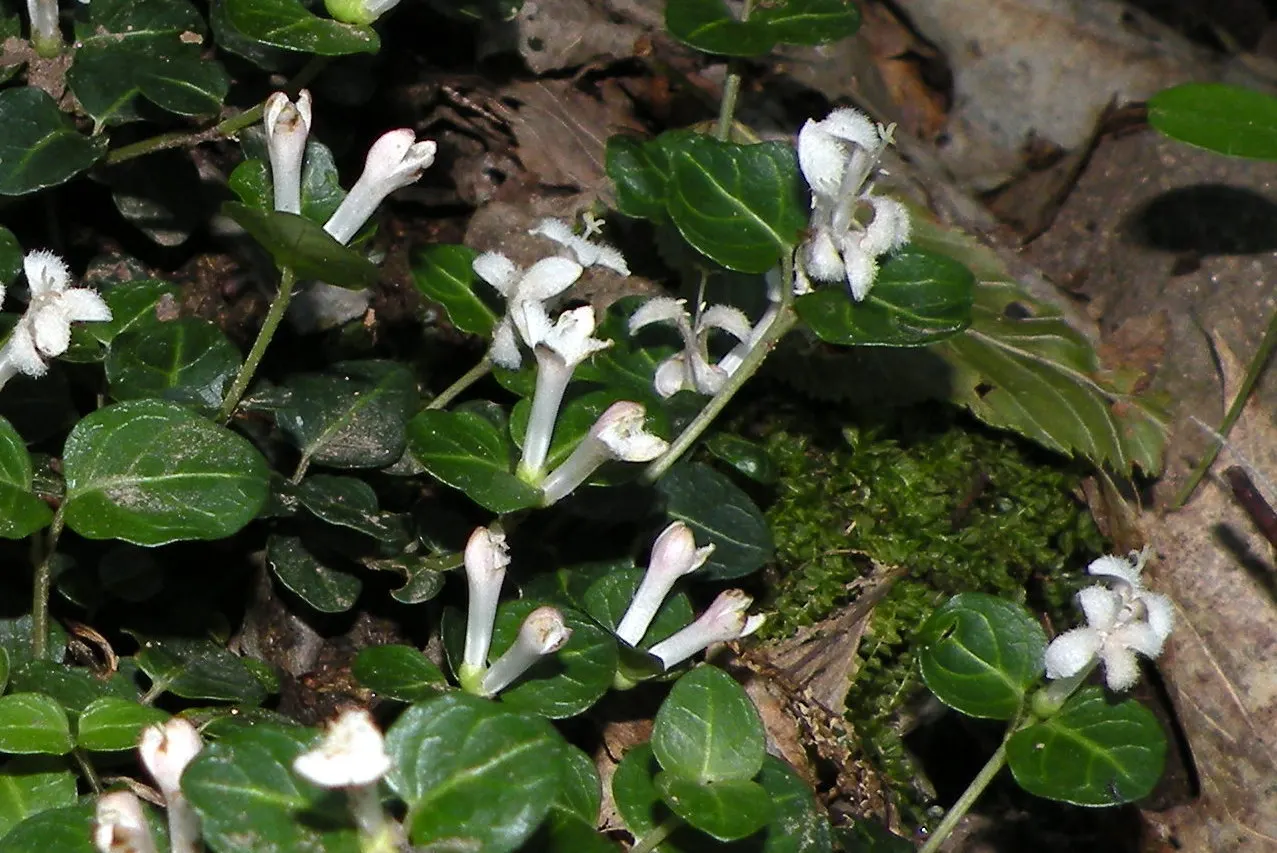
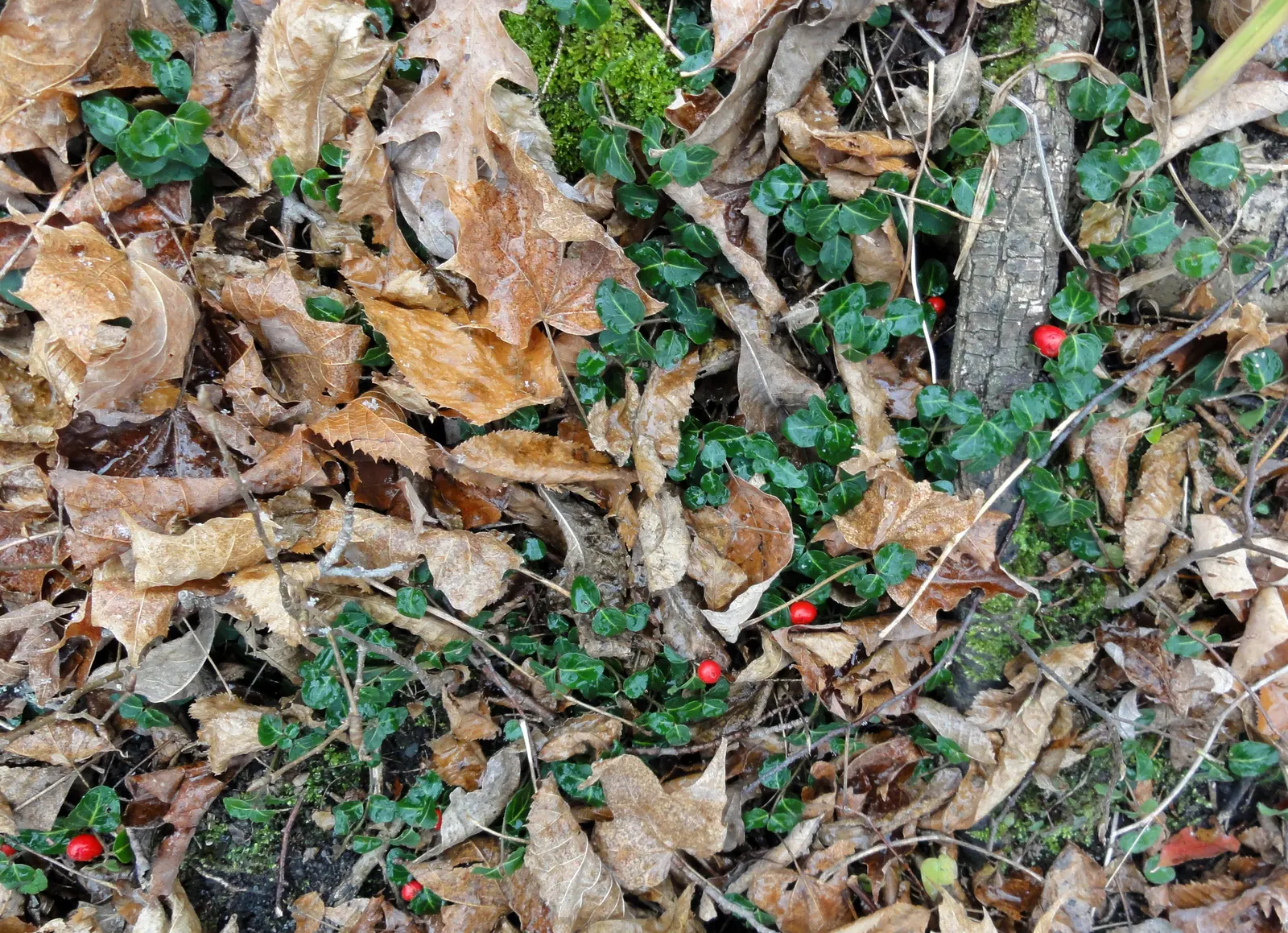
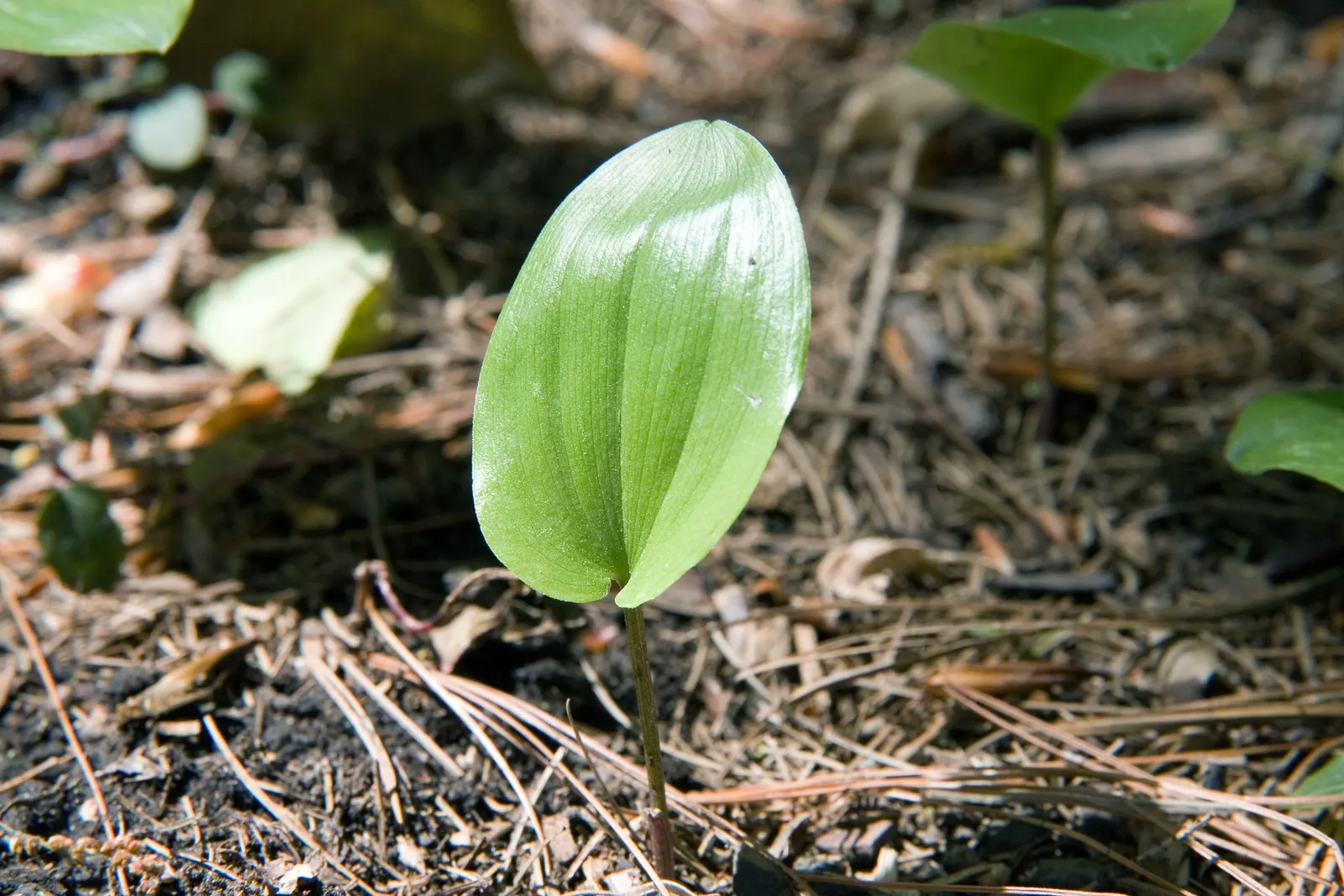
Partridge Berry (Mitchella repens) is an evergreen groundcover prevalent in North American woodlands. This plant features pairs of glossy, round leaves (approx. 0.5-1 inch wide) and yields fragrant white-pink flowers which develop into bright red berries, persisting through winter. It thrives in part to full shade, in moist, well-drained soil. This hardy native is excellent for woodland gardens, growing 2-3 inches tall and spreading up to 12 inches wide.

Sun Deep Shade, ShadeWater MediumZones 3–8Type Ground cover

Culture

Sun
Deep Shade, Shade
Water
Medium
USDA zones
3–8

Shape & size

Mature width
1–2 Ft.

Classification

Type
Ground cover
Family
Rubiaceae

See full data, regional cultivation notes, and design tools. Build a client presentation around this plant.

Start your 14-day trial

Photos (108)

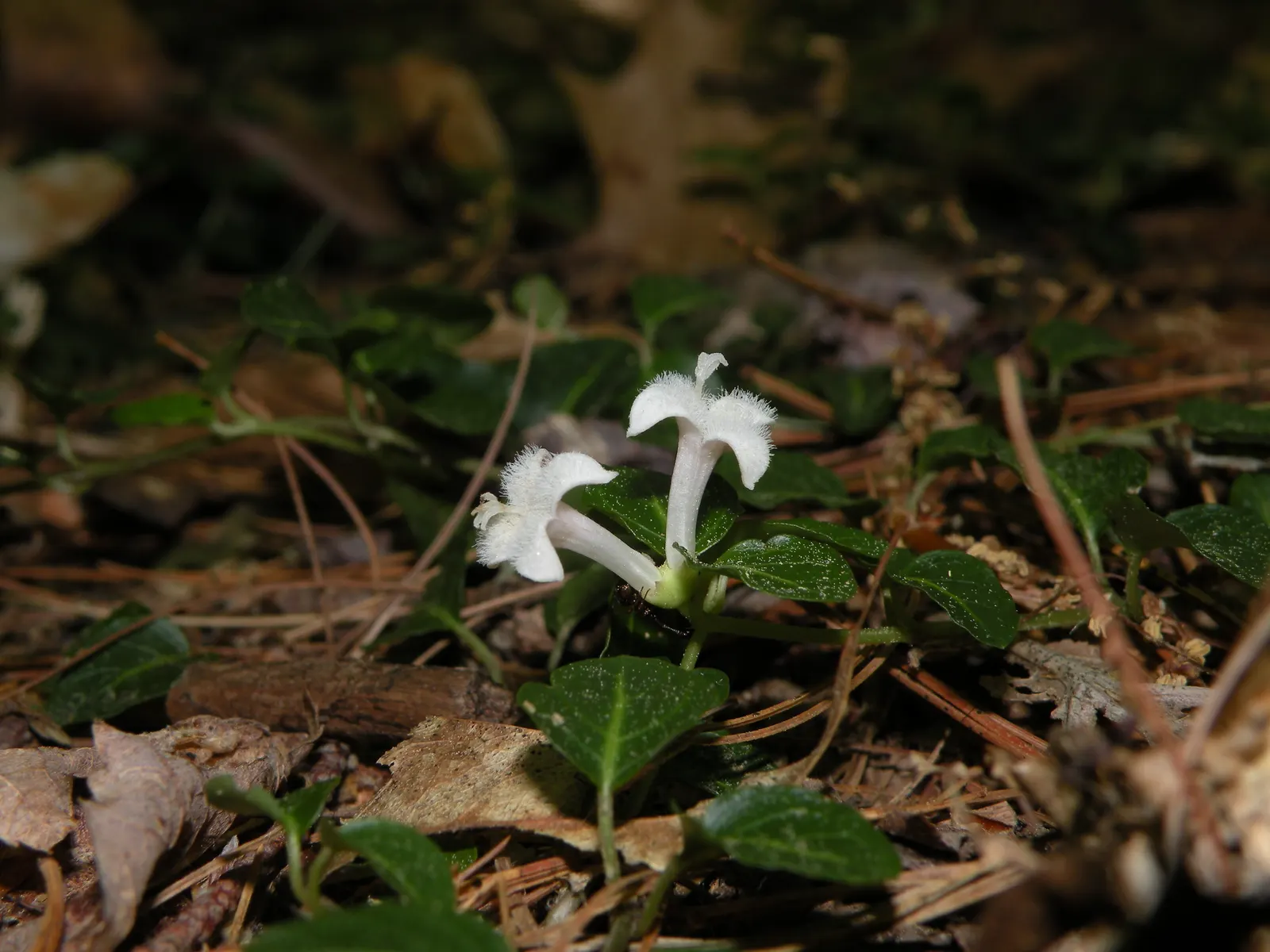
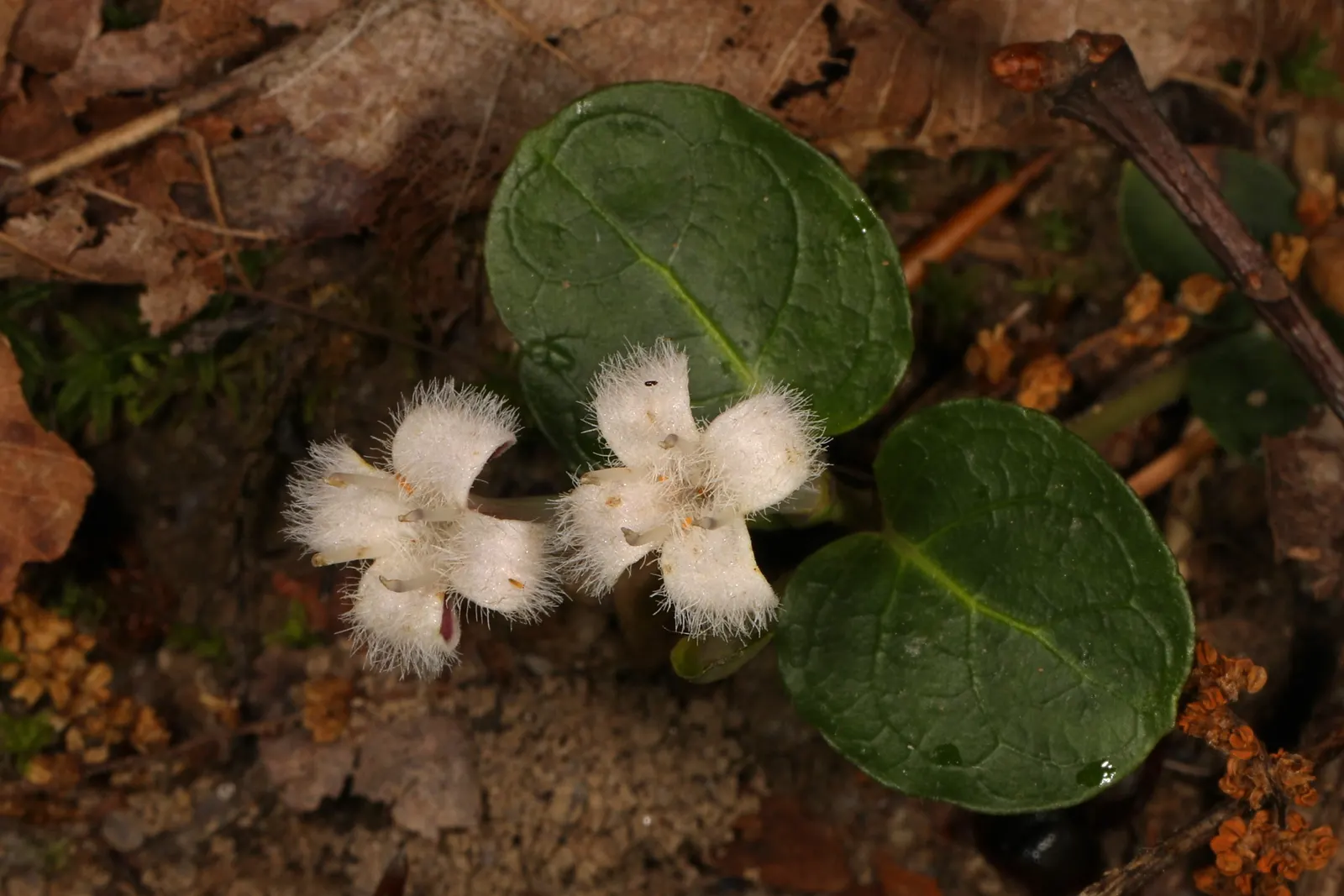
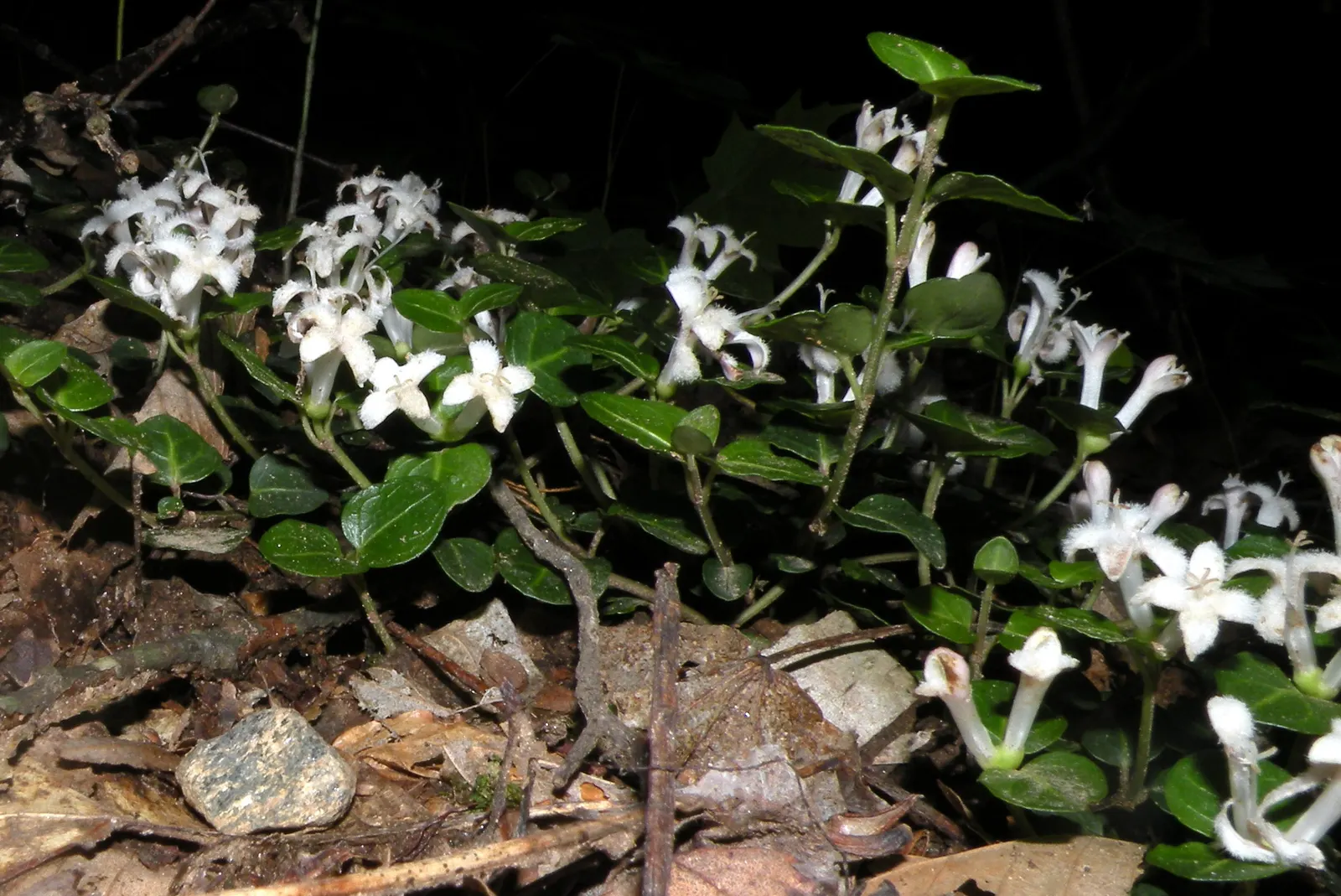
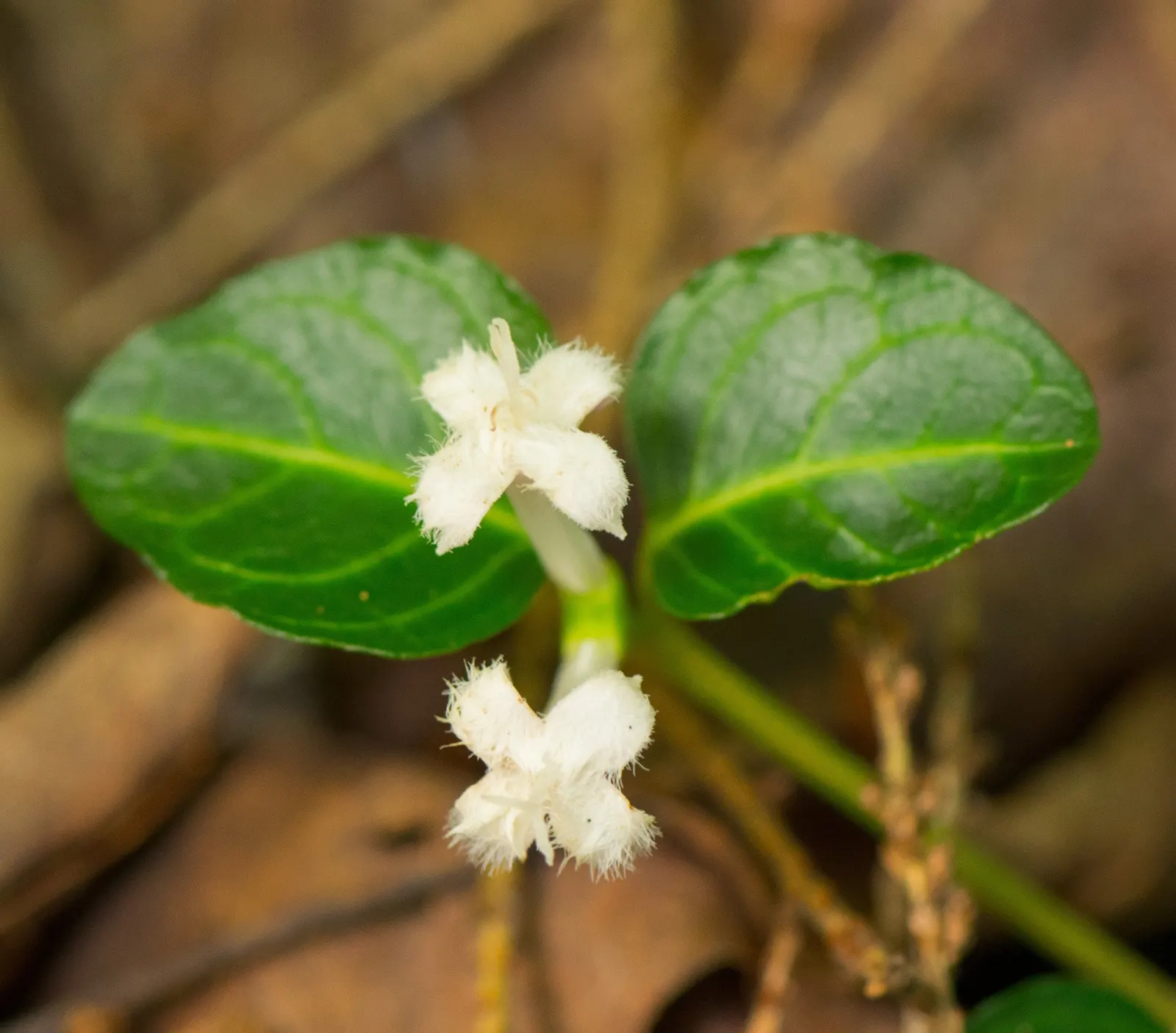
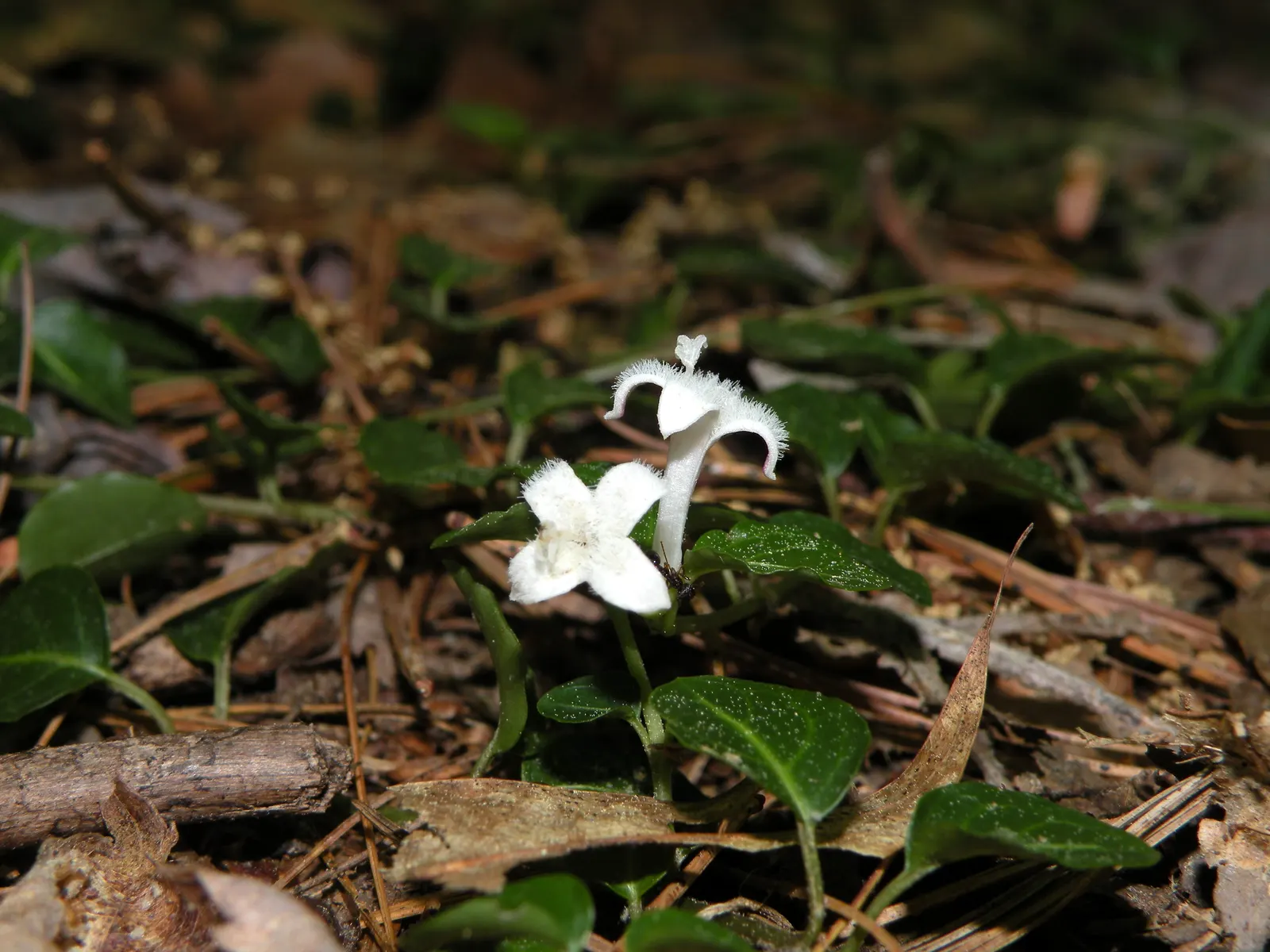
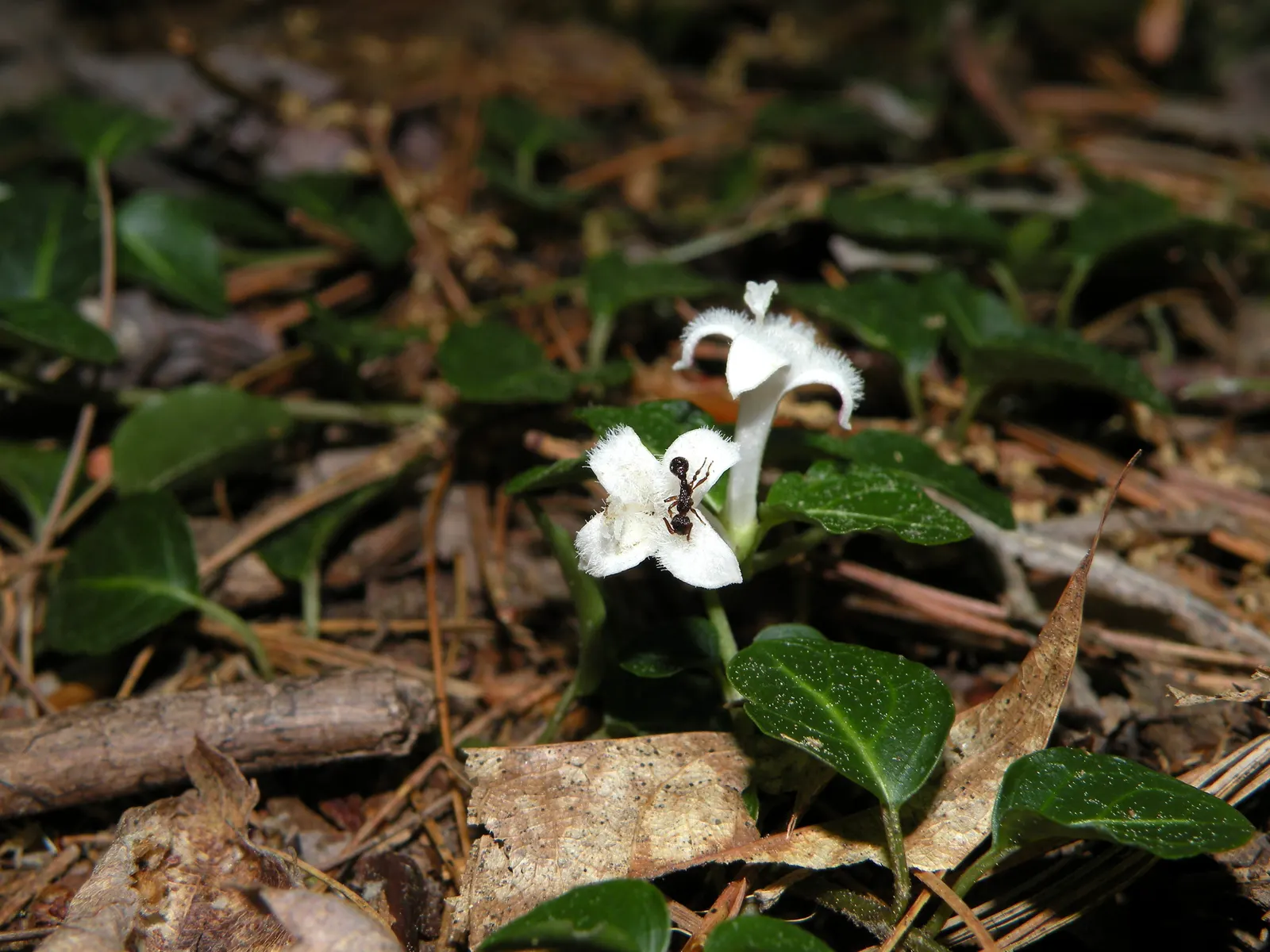
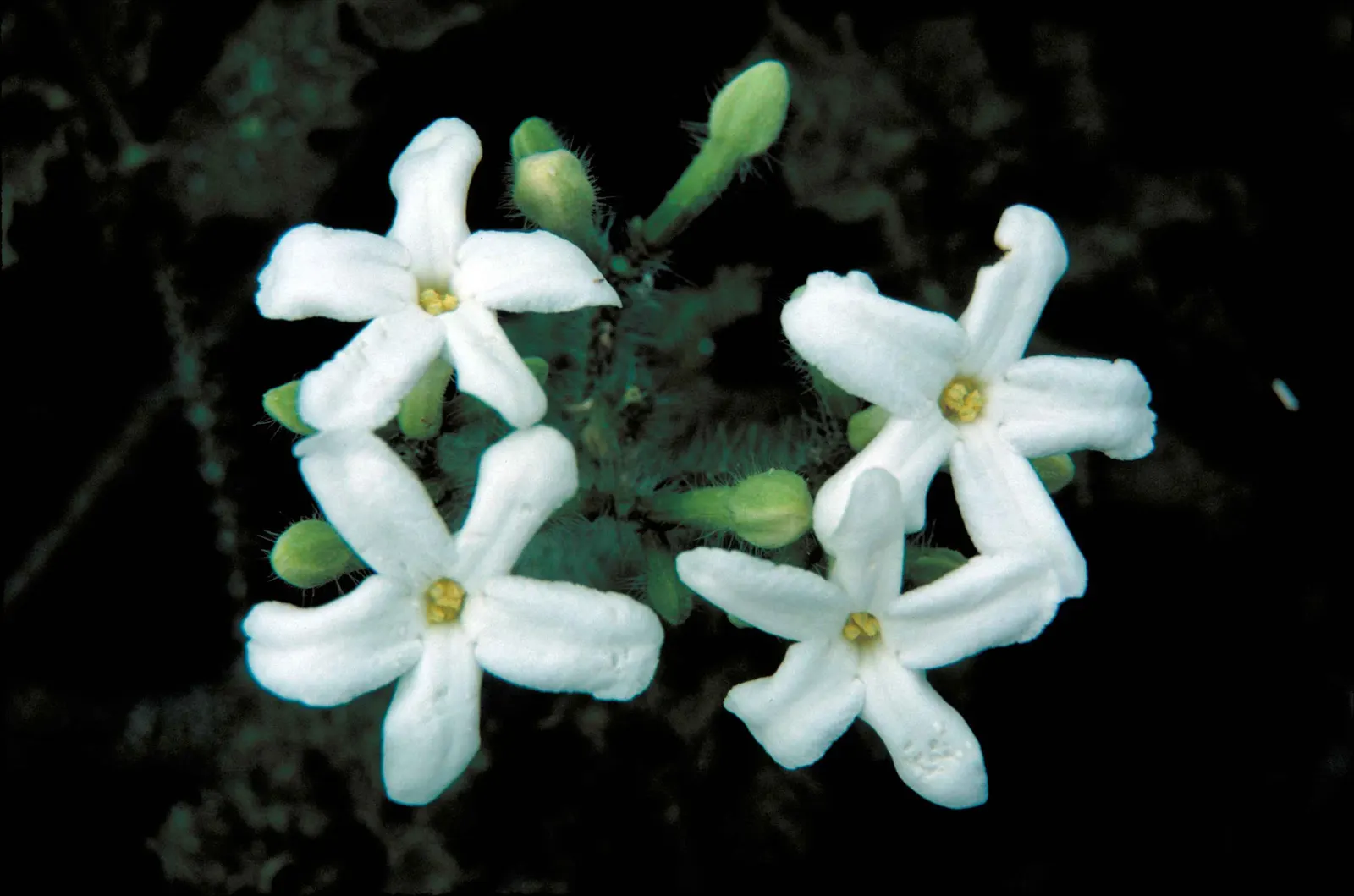
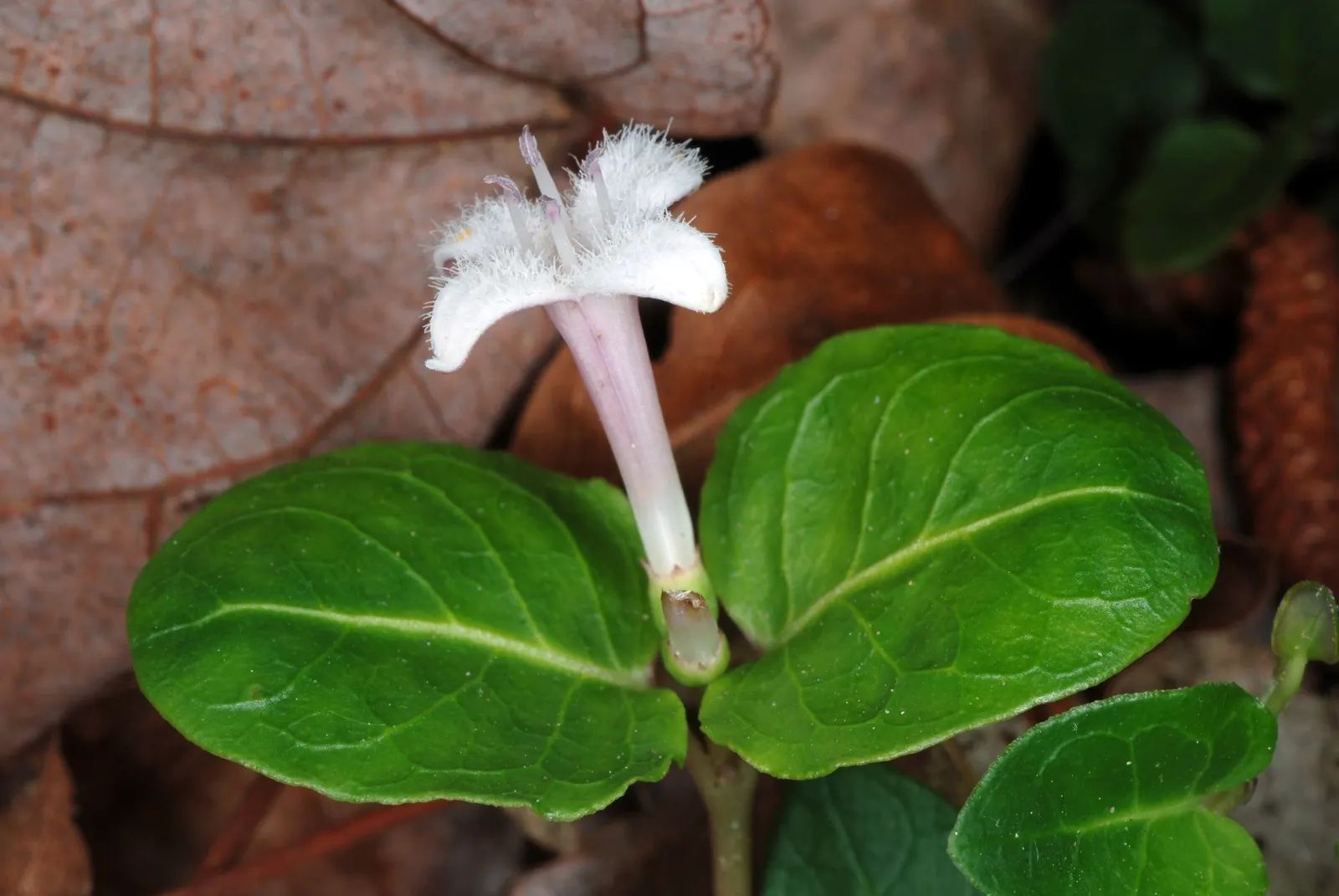
Partridge Berry (Mitchella Repens) — These blossoms are unique because they are twin flowers - two flowers fused together at the base
Partridge Berry (Mitchella Repens) — Partridge Berry (Mitchella repens) is an evergreen groundcover prevalent in North American woodlands; persisting through
Partridge Berry (Mitchella Repens) — which are dark green with a prominent white midvein and bear a unique
Partridge Berry (Mitchella Repens) — the plant produces petite; well-drained soils with a slightly acidic to neutral pH, image 74
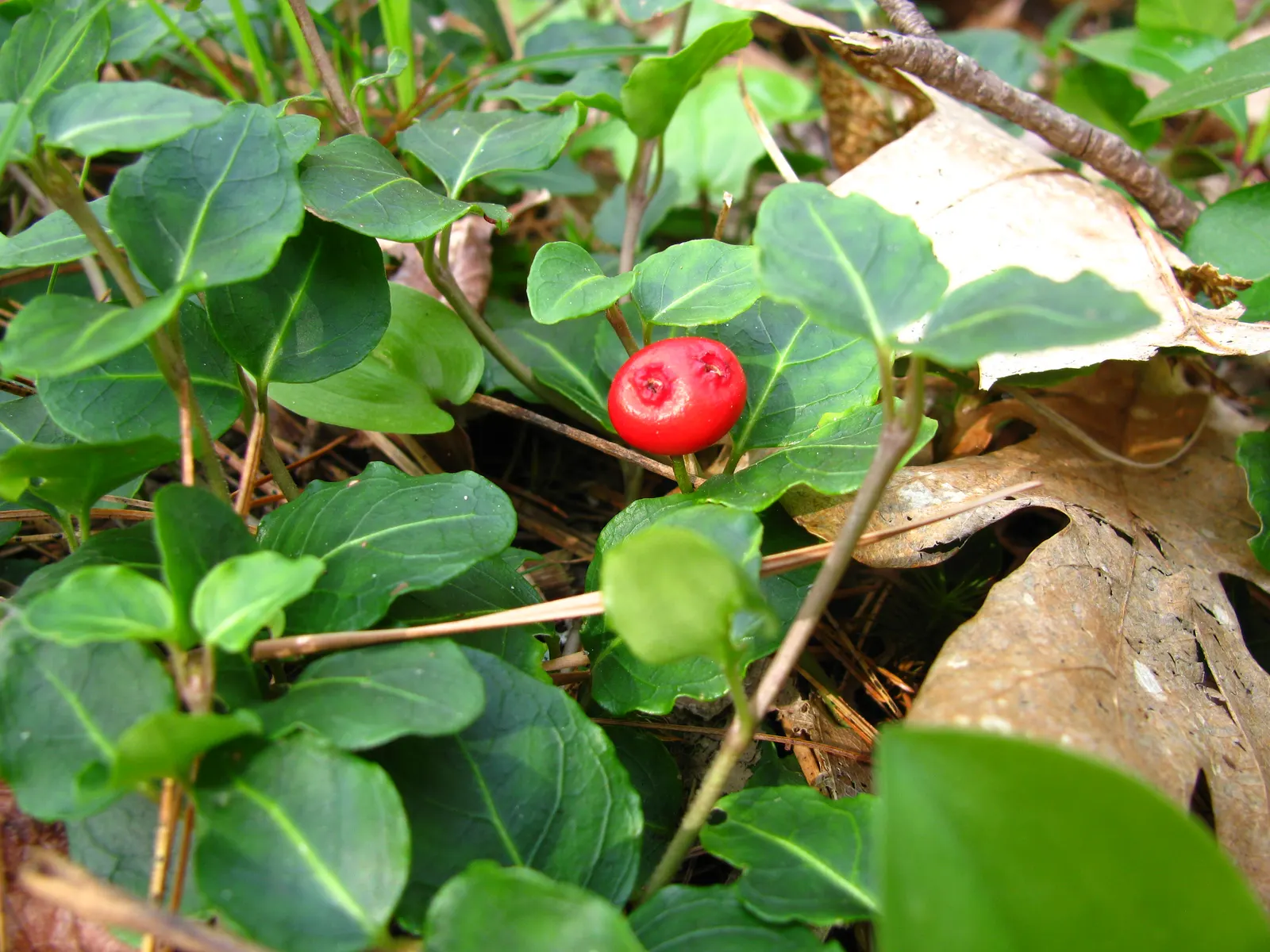
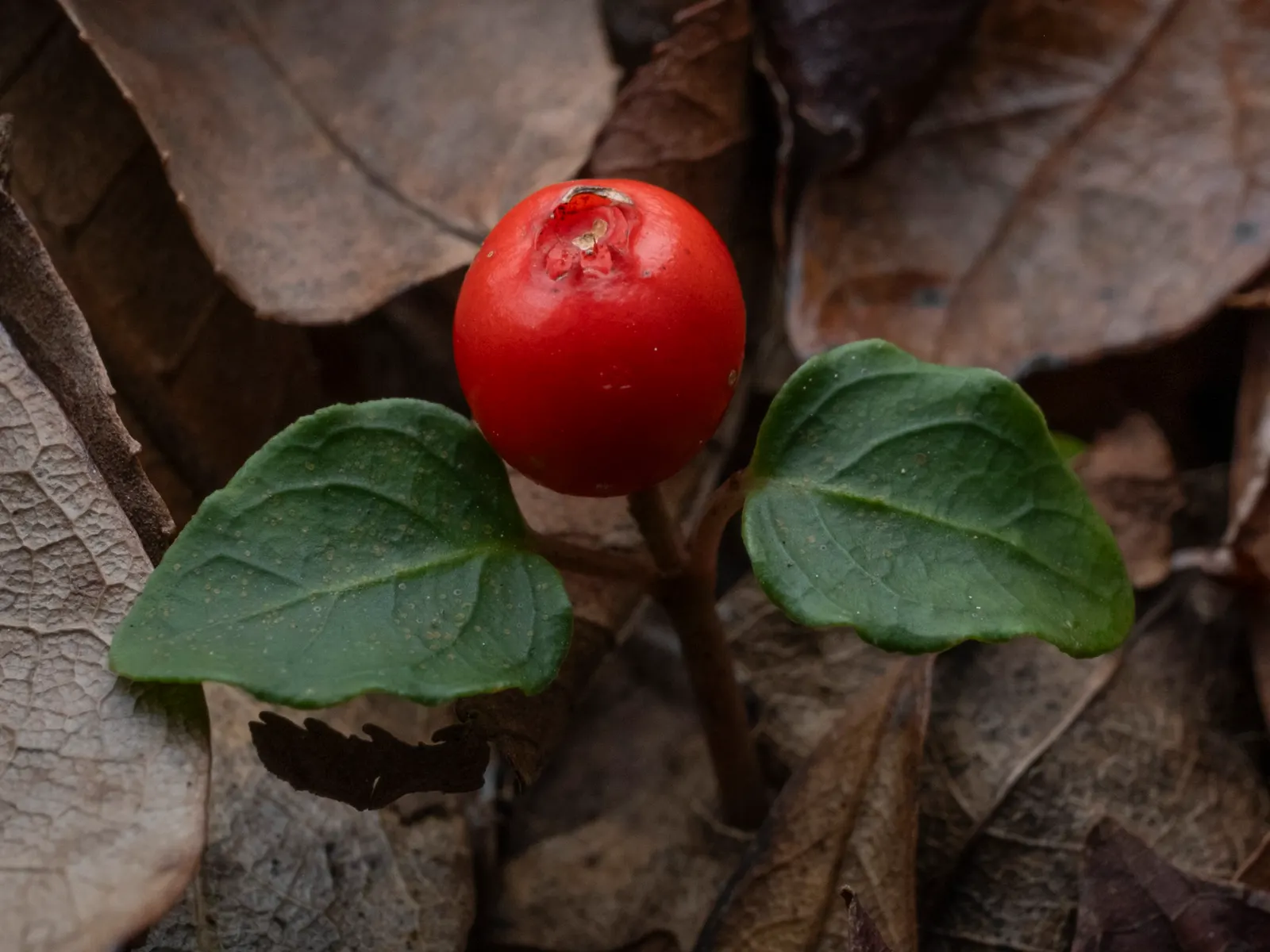
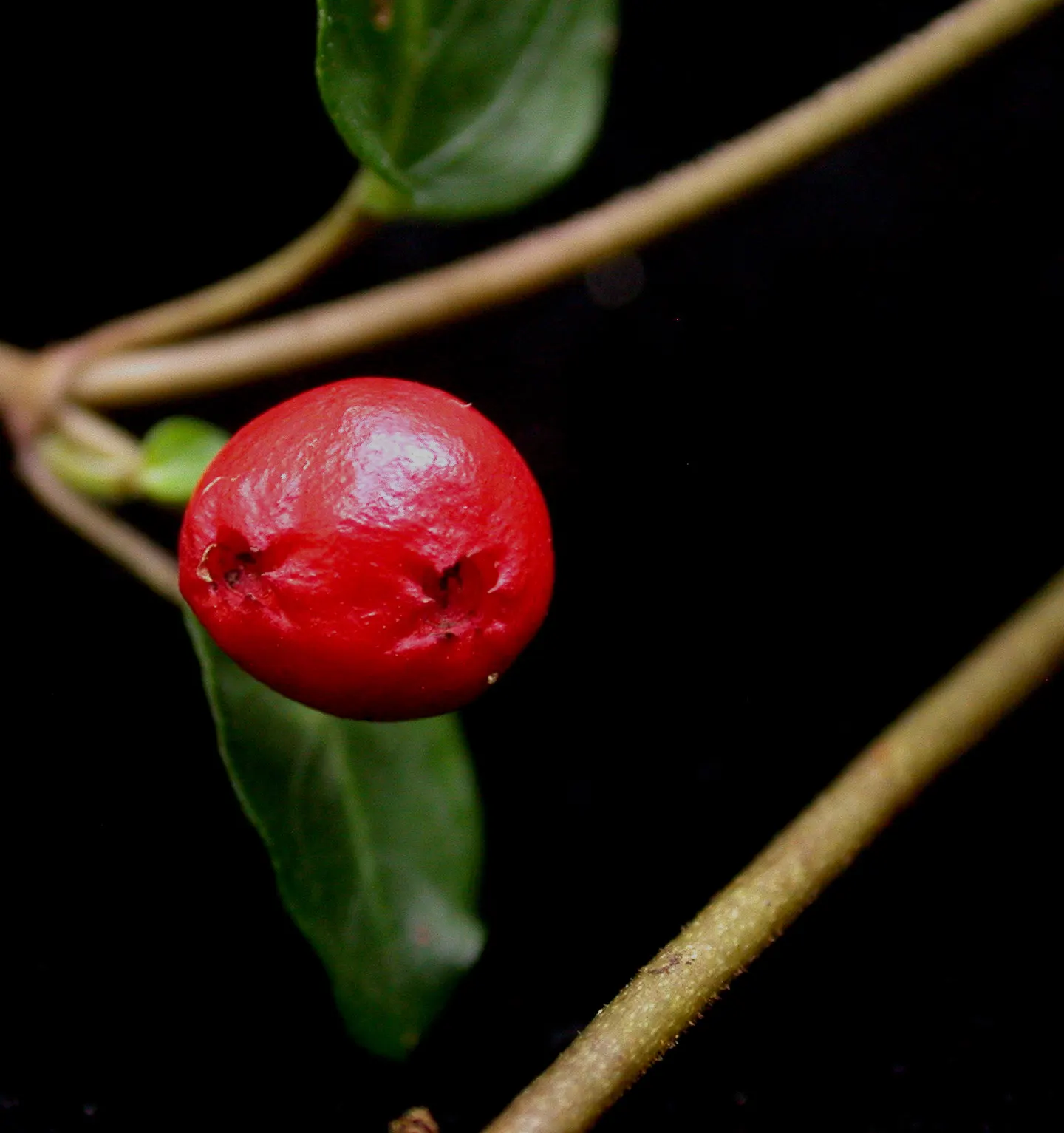
Partridge Berry (Mitchella Repens) — they give way to the plant's namesake feature: bright red berries; the leaves grow opposite on trailing stems, image 77
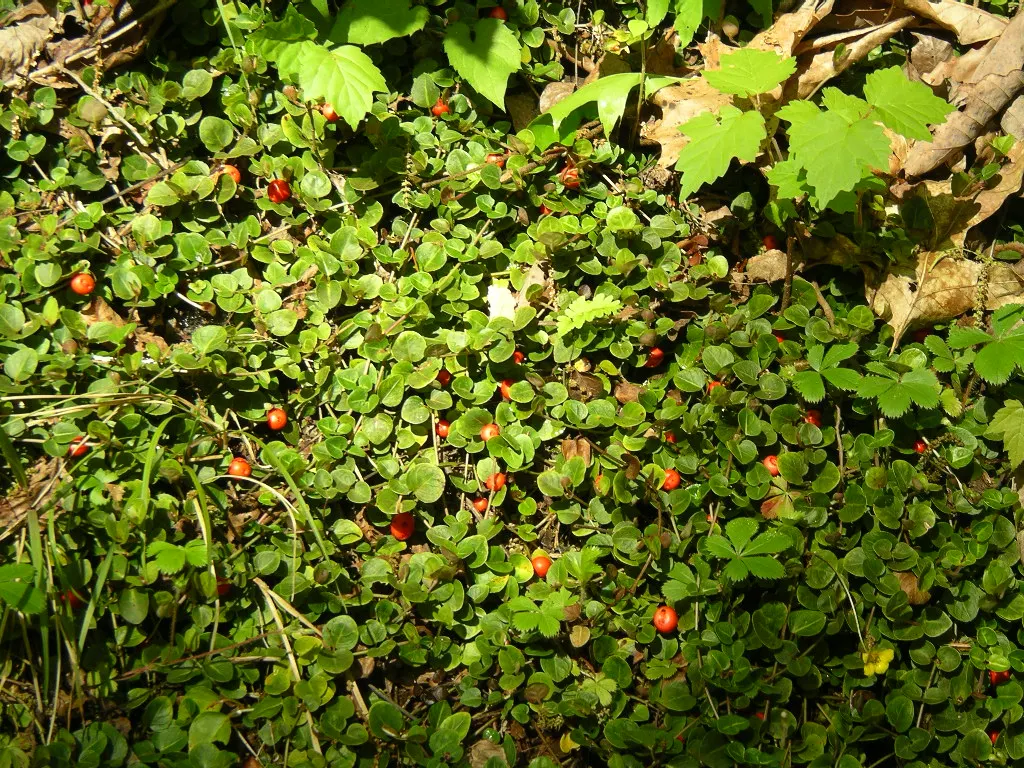
Partridge Berry (Mitchella Repens) — growing 2-3 inches tall and spreading up to 12 inches wide; white flowers with a delicate fragrance, image 65
Partridge Berry (Mitchella Repens) — In late spring to early summer, image 73
Partridge Berry (Mitchella Repens) — It is hardy in USDA zones 3 through 9; which are dark green with a prominent white midvein and bear a unique, image 81
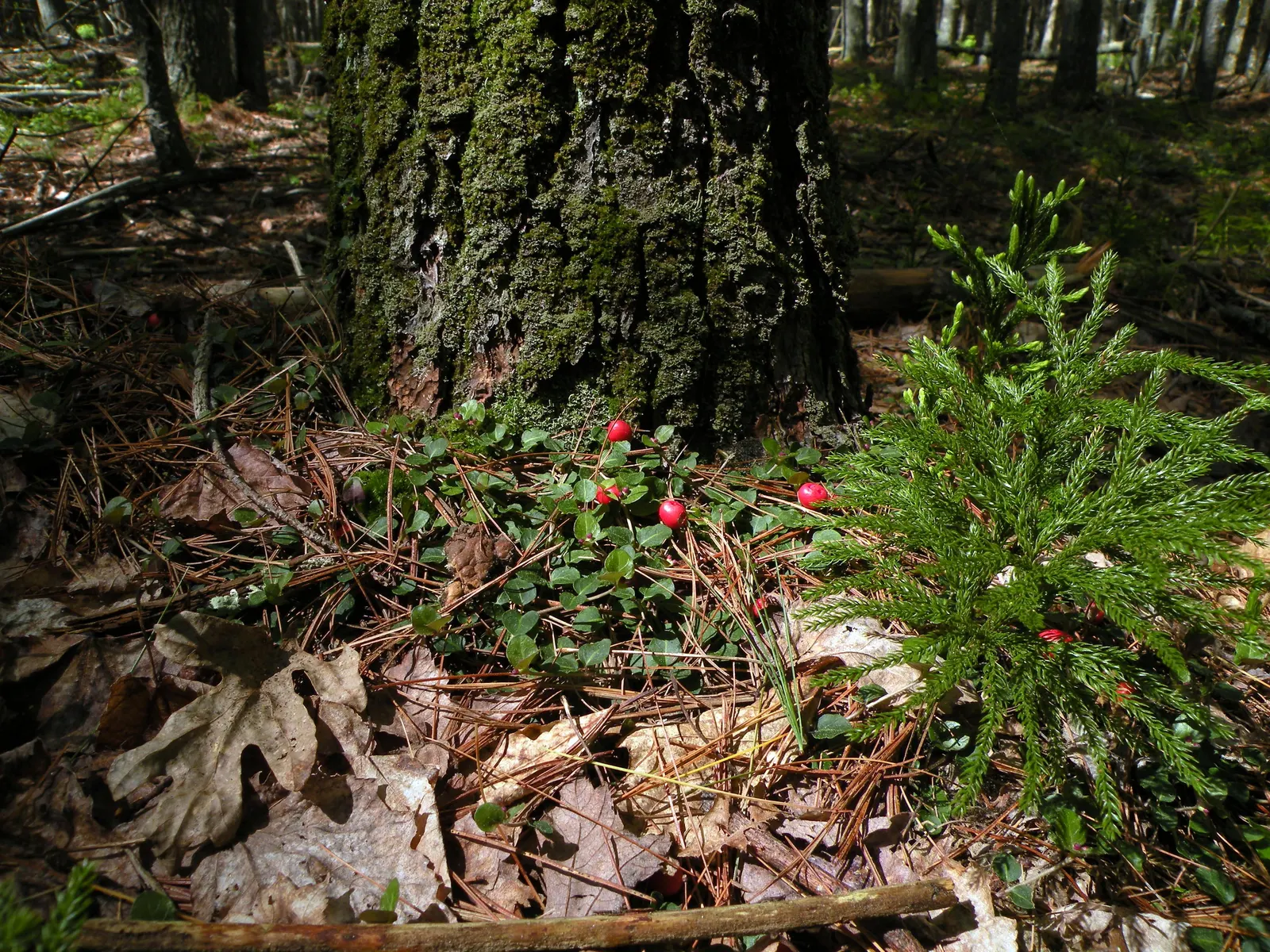
Partridge Berry (Mitchella Repens) — ground cover for deep shade or shade; inviting interest and supporting local fauna
Partridge Berry (Mitchella Repens) — white flowers in the garden; with a mature height of only about 2 inches and a spread that can reach up to 12 inches
Partridge Berry (Mitchella Repens) — the plant produces petite; well-drained soils with a slightly acidic to neutral pH
Partridge Berry (Mitchella Repens) — well-drained soils with a slightly acidic to neutral pH; this hardy native is excellent for woodland gardens, image 80
Partridge Berry (Mitchella Repens) — inviting interest and supporting local fauna; it thrives in part to full shade, in moist, well-drained soil
Partridge Berry (Mitchella Repens) — This hardy native is excellent for woodland gardens; this charming plant is ideal for a landscape design, image 64
Partridge Berry (Mitchella Repens) — scientifically referred to as Mitchella repens
Partridge Berry (Mitchella Repens) — These blossoms are unique because they are twin flowers - two flowers fused together at the base; growing 2-3, image 76
Partridge Berry (Mitchella Repens) — scientifically referred to as Mitchella repens; this low-growing perennial is tolerant of a range of soil conditions
Partridge Berry (Mitchella Repens) — This plant features pairs of glossy, round leaves (approx; forest floor appearance or for filling in shaded, image 60
Partridge Berry (Mitchella Repens) — persisting through winter
Partridge Berry (Mitchella Repens) — This hardy native is excellent for woodland gardens
Partridge Berry (Mitchella Repens) — 0.5-1 inch wide) and yields fragrant white-pink flowers which develop into bright red berries; these blossoms are unique
Partridge Berry (Mitchella Repens) — With a mature height of only about 2 inches and a spread that can reach up to 12 inches; it is hardy in USDA zones 3
Partridge Berry (Mitchella Repens) — It thrives in part to full shade, in moist, well-drained soil; 0.5-1 inch wide) and yields fragrant white-pink, image 63
Partridge Berry (Mitchella Repens) — In late spring to early summer
Photographs by 12 contributors

Related plants