Skip to content

Honey Bush

Melianthus Major

Design with this plant

Overview

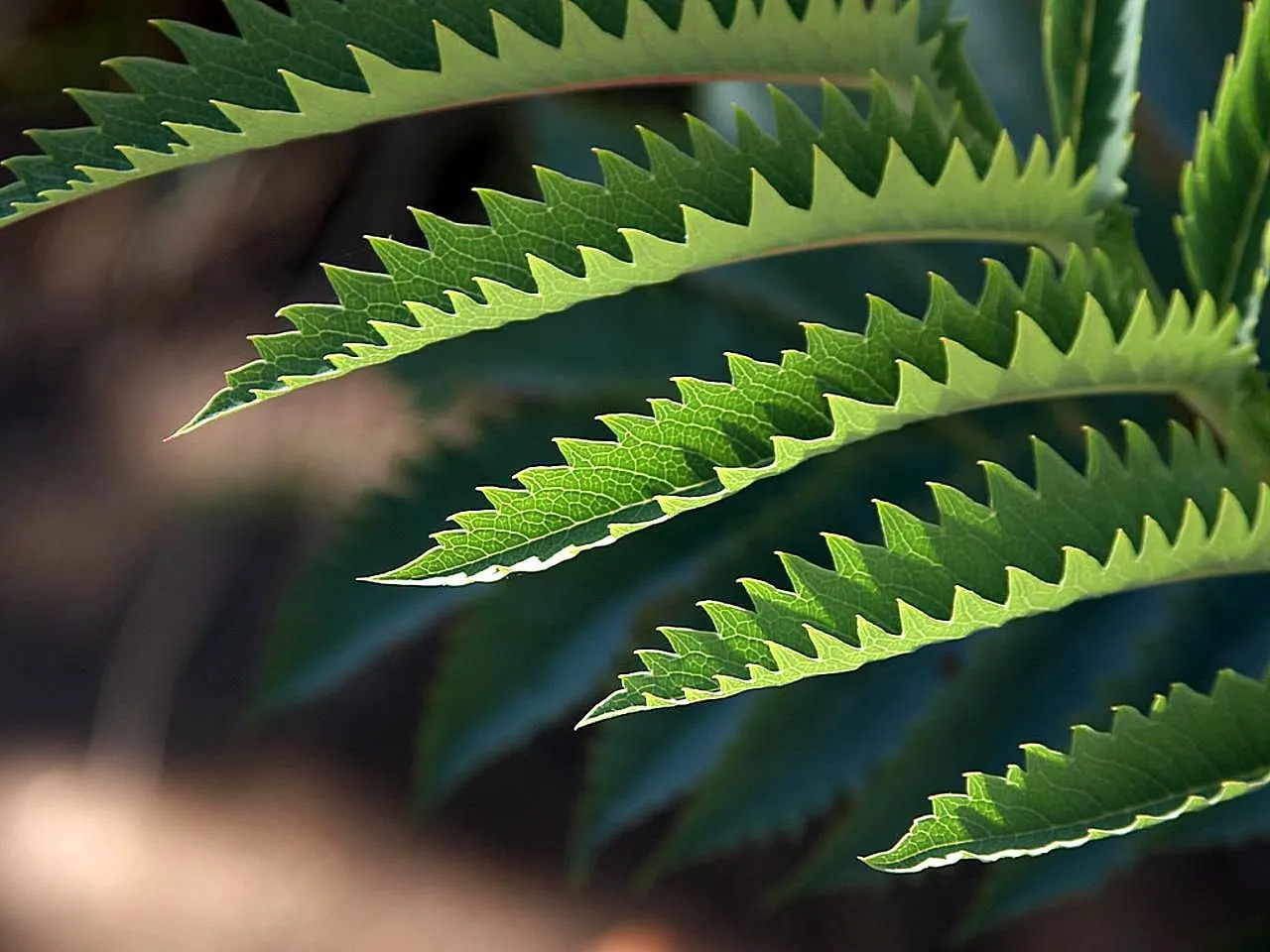
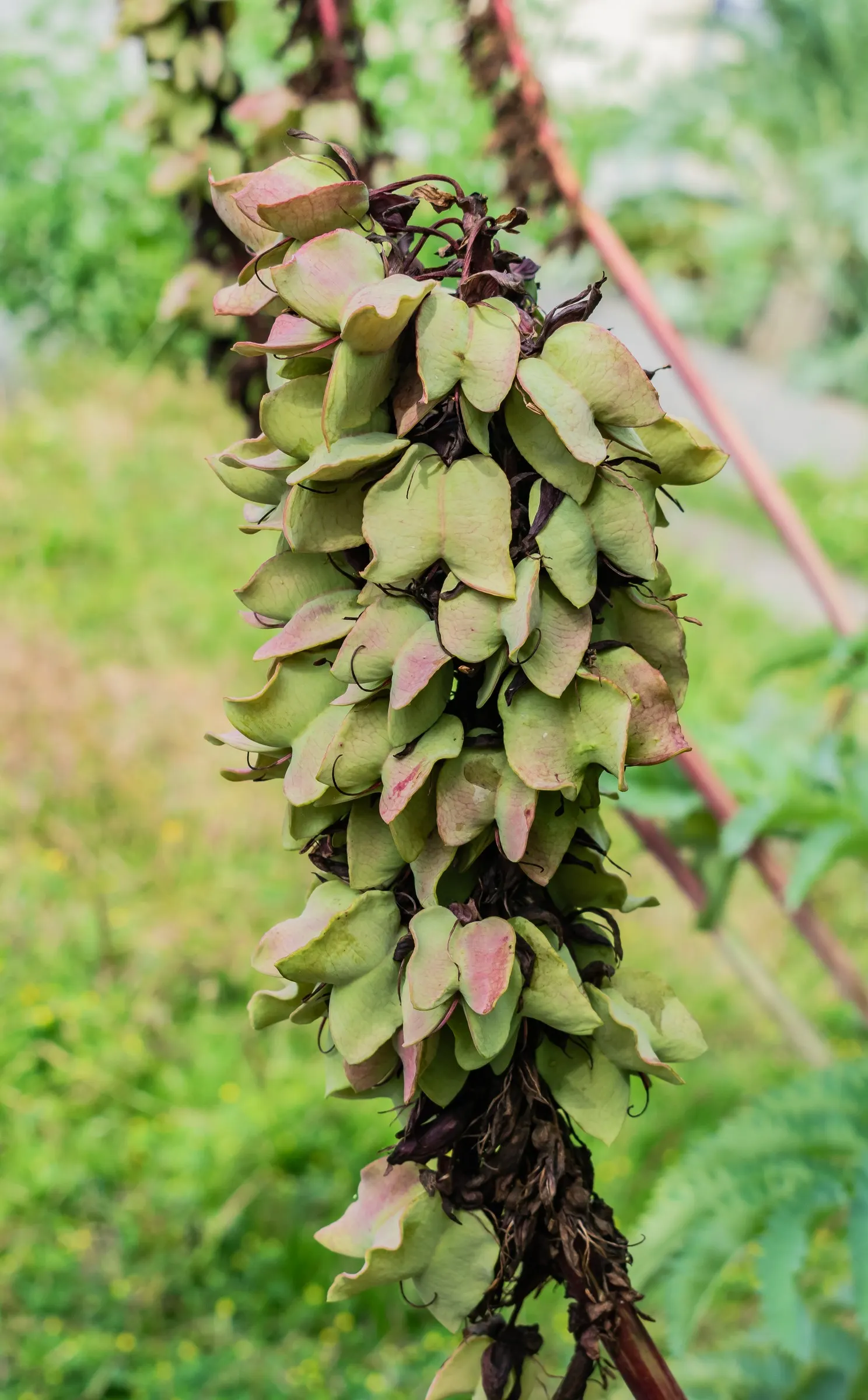
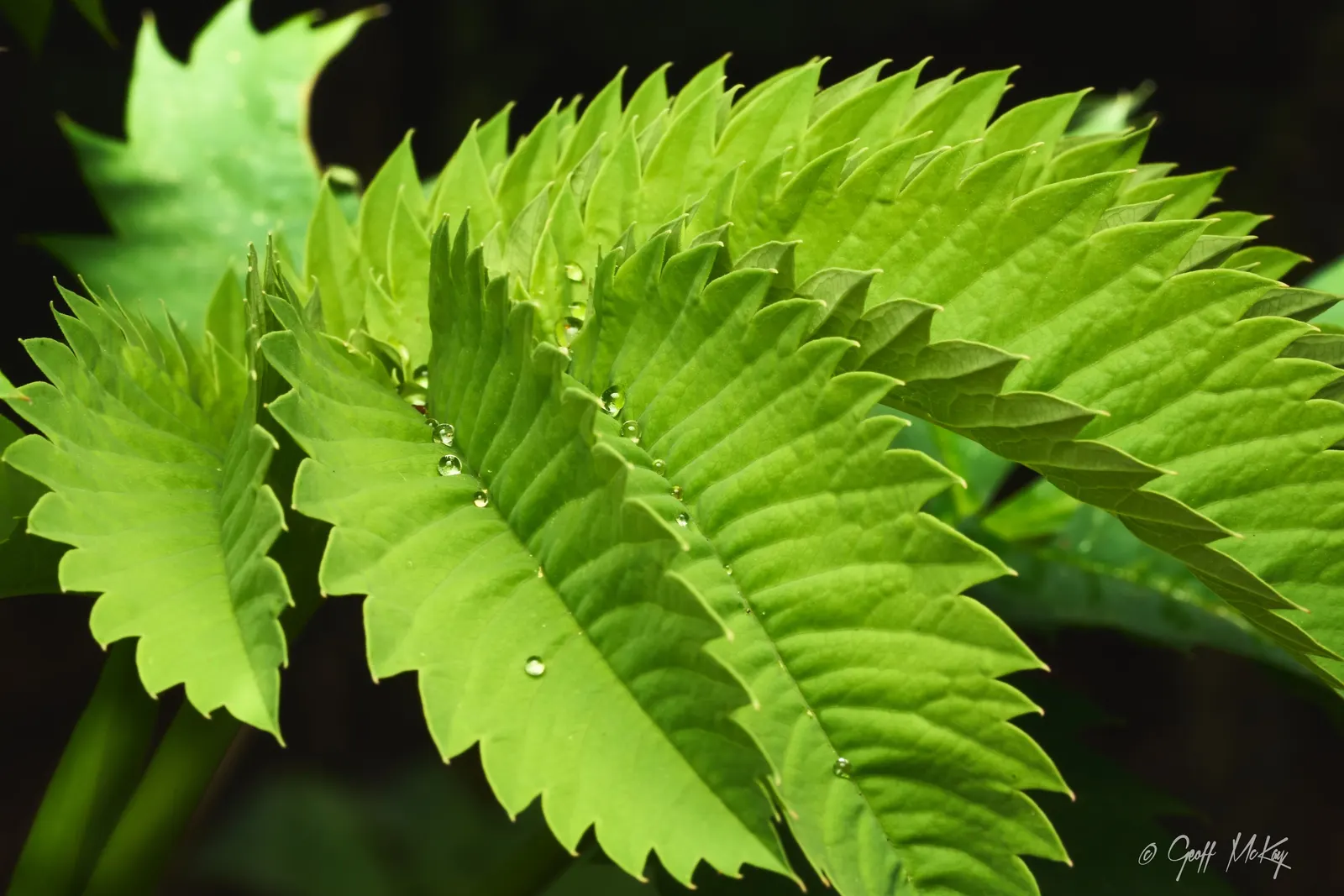
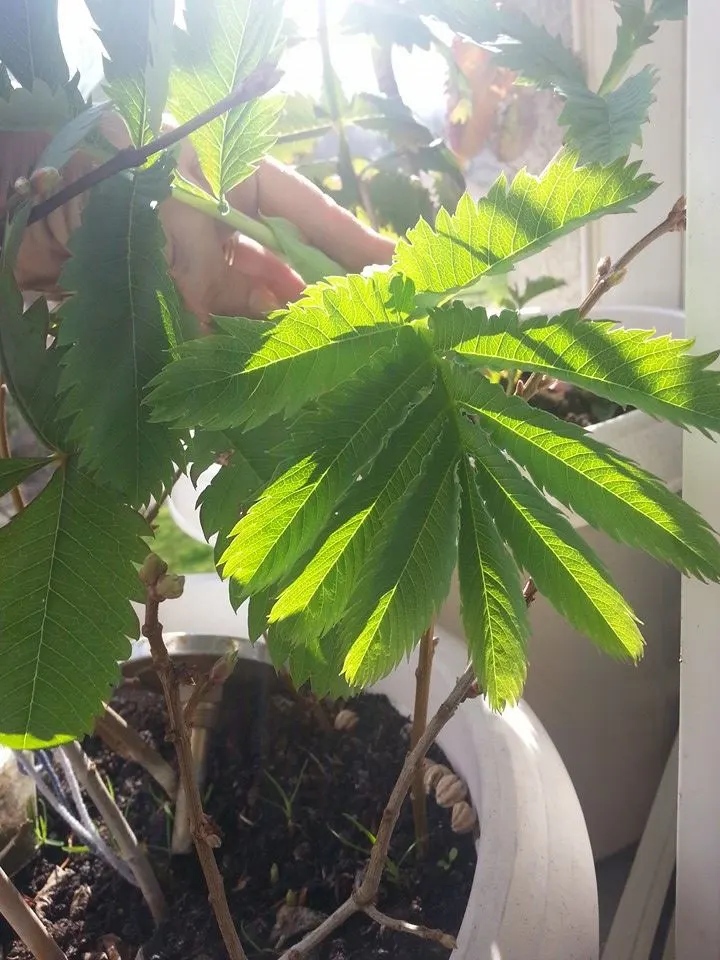
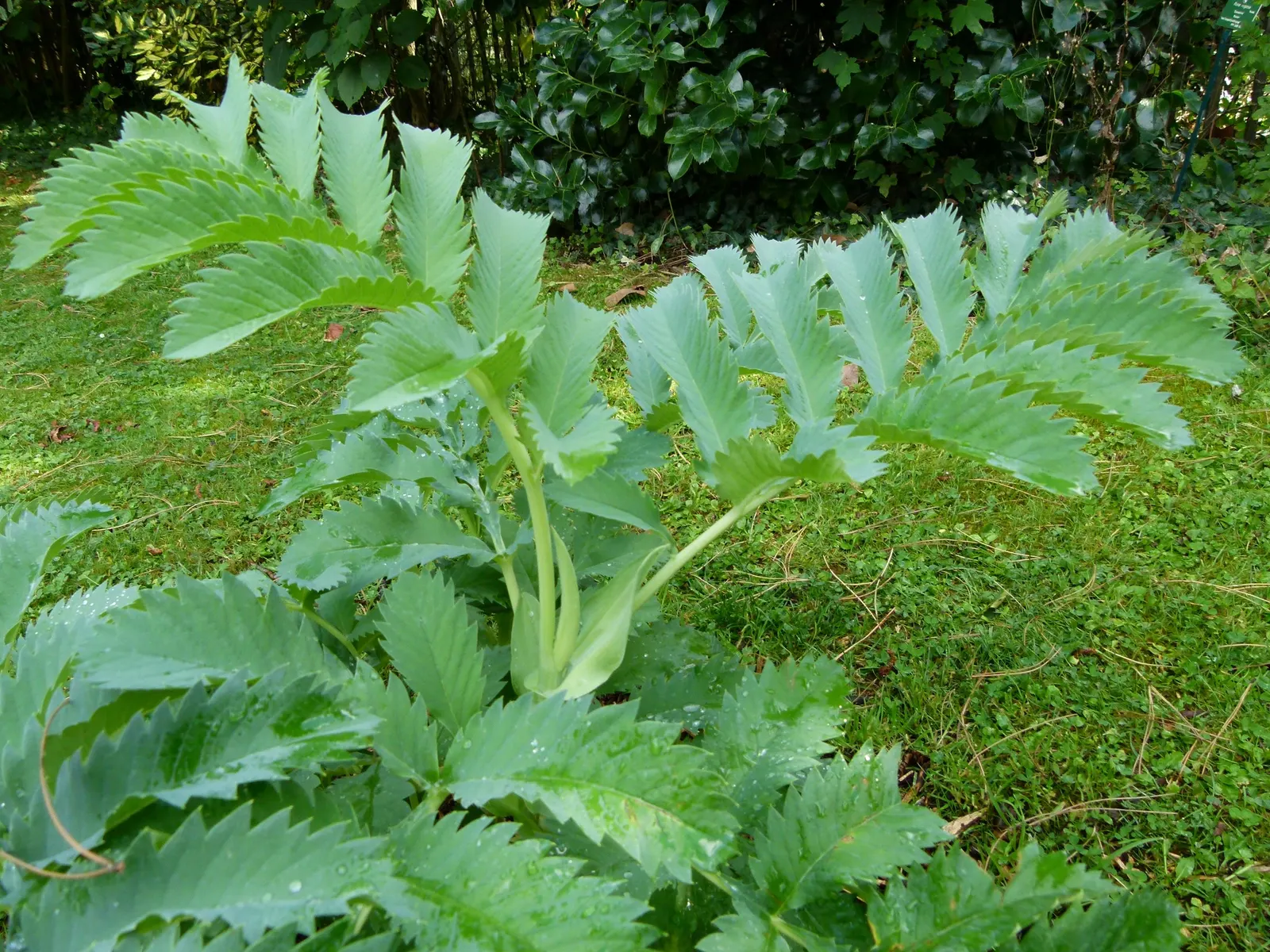
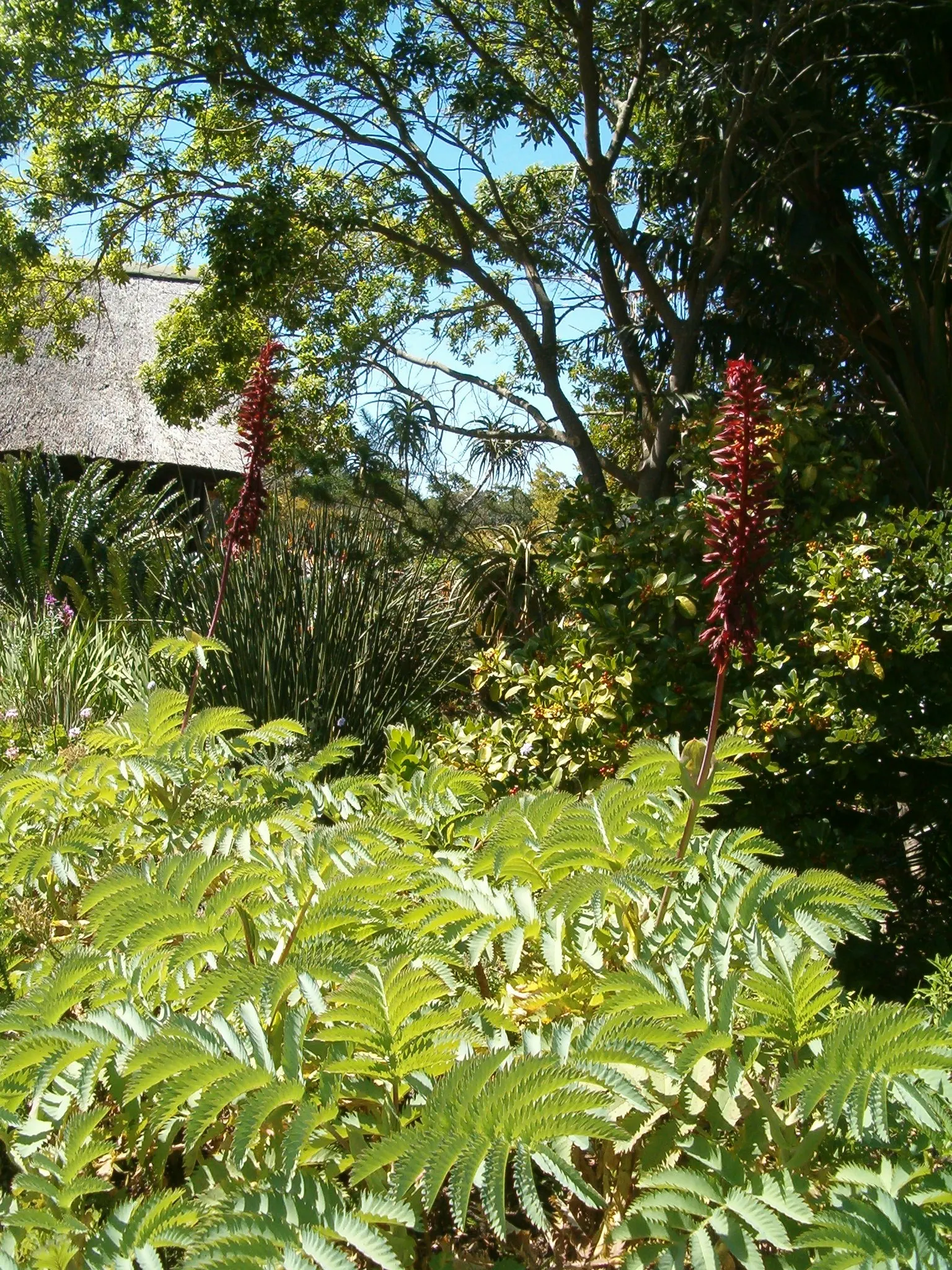
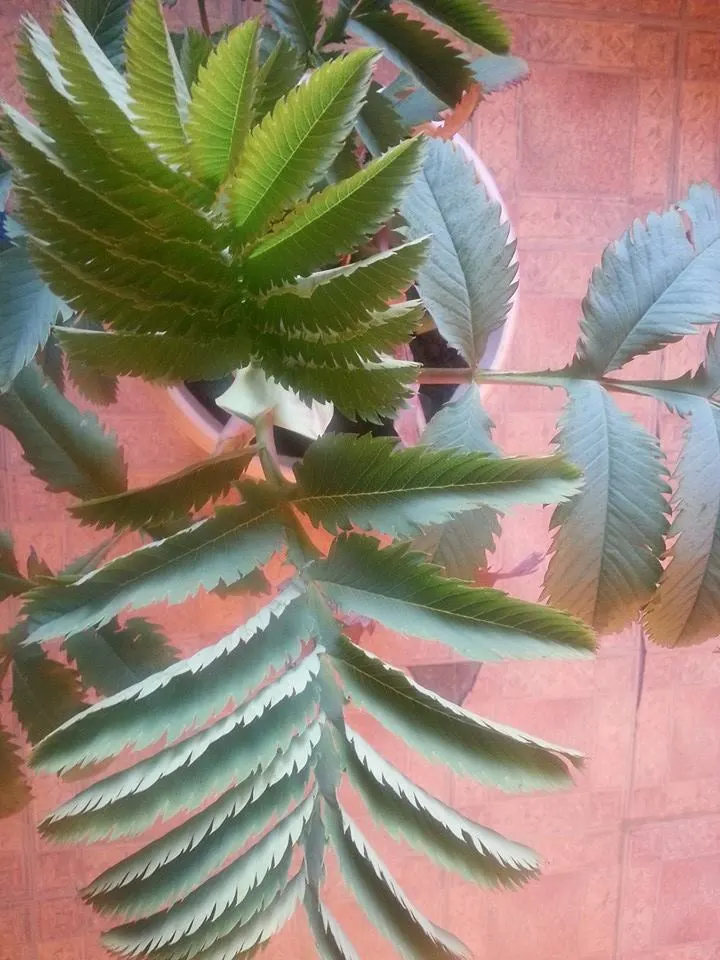
The Honey Bush (Melianthus major), a South African native, is an eye-catching perennial prized for its serrated, blue-green pinnate leaves that add a striking texture to gardens. It features reddish-brown, nectar-rich flowers, which bloom on towering spikes and attract pollinators. Fast-growing, it can reach up to 6-10 feet in height and 3-6 feet in width. Prefers full sun to partial shade and well-drained soil; drought-tolerant once established.

Sun Full, Half, ShadeWater LowZones 9–11Climate Subtropical
Honey Bush (Melianthus Major) — The Honey Bush (Melianthus major)

Culture

Sun
Full, Half, Shade
Water
Low
USDA zones
9–11

Shape & size

Classification

Family
Melianthaceae
Climate
Subtropical

See full data, regional cultivation notes, full-resolution photos, and design tools. Build a client presentation around this plant.

Start your 14-day trial

Photos (92)

Honey Bush (Melianthus Major) — It should be sheltered from strong winds, and in colder climates, a protective winter mulch is advisable
Honey Bush (Melianthus Major) — Pruning can be done in spring to maintain shape and encourage bushier growth
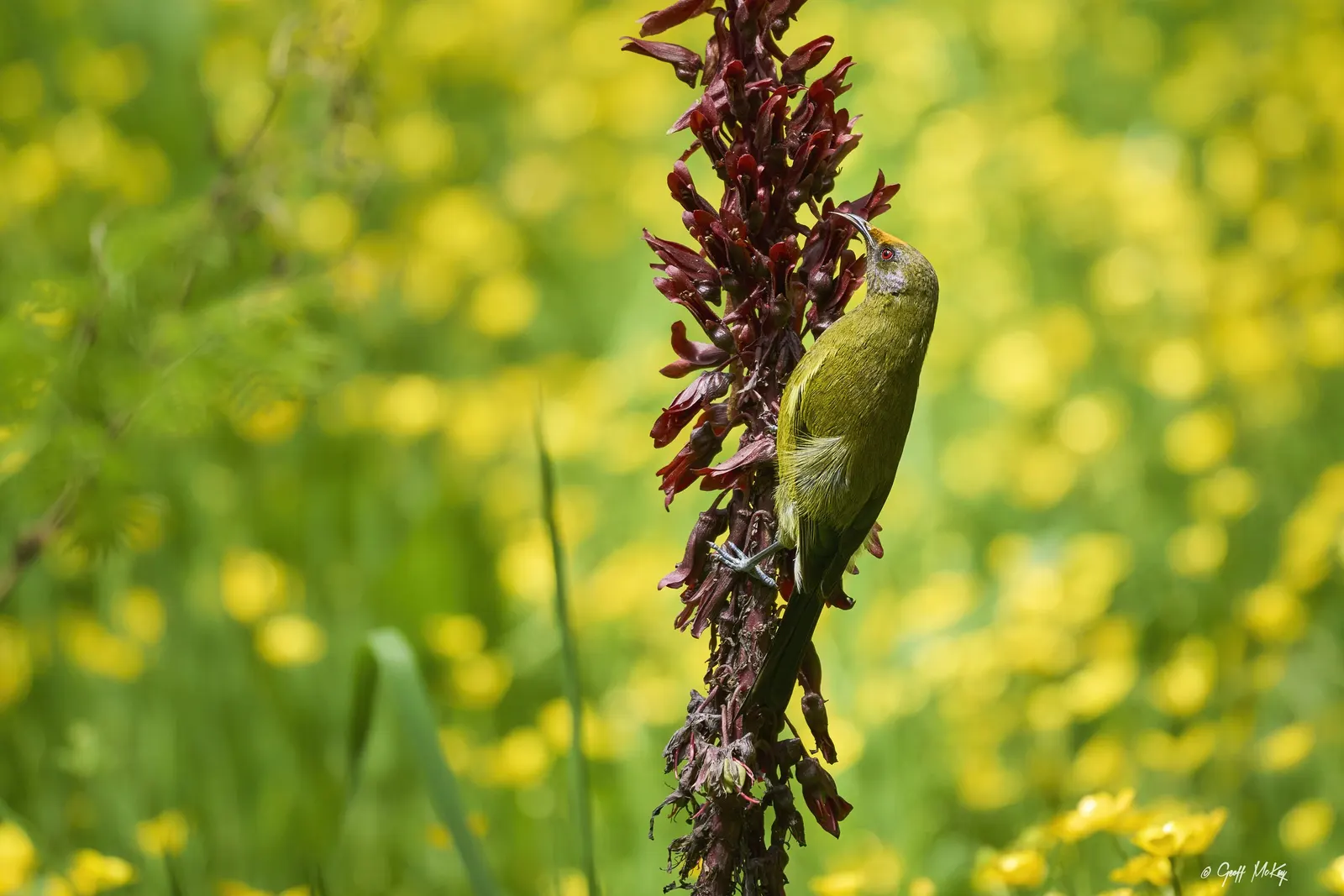
Honey Bush (Melianthus Major) — shrub with red blooms; the Honey Bush produces striking
Honey Bush (Melianthus Major) — Note that all parts of the Melianthus major are highly toxic if ingested
Honey Bush (Melianthus Major) — so caution should be taken if pets or children are present
Honey Bush (Melianthus Major) — red flowers in the garden
Honey Bush (Melianthus Major) — shrub with red blooms
Honey Bush (Melianthus Major) — shrub for full or half or shade
Honey Bush (Melianthus Major) — The Honey Bush (Melianthus major); it features reddish-brown, nectar-rich flowers, which bloom on towering spikes and attract
Honey Bush (Melianthus Major) — is an eye-catching perennial prized for its serrated; the Honey Bush can reach upwards of 6 to 10 feet tall with a spread of
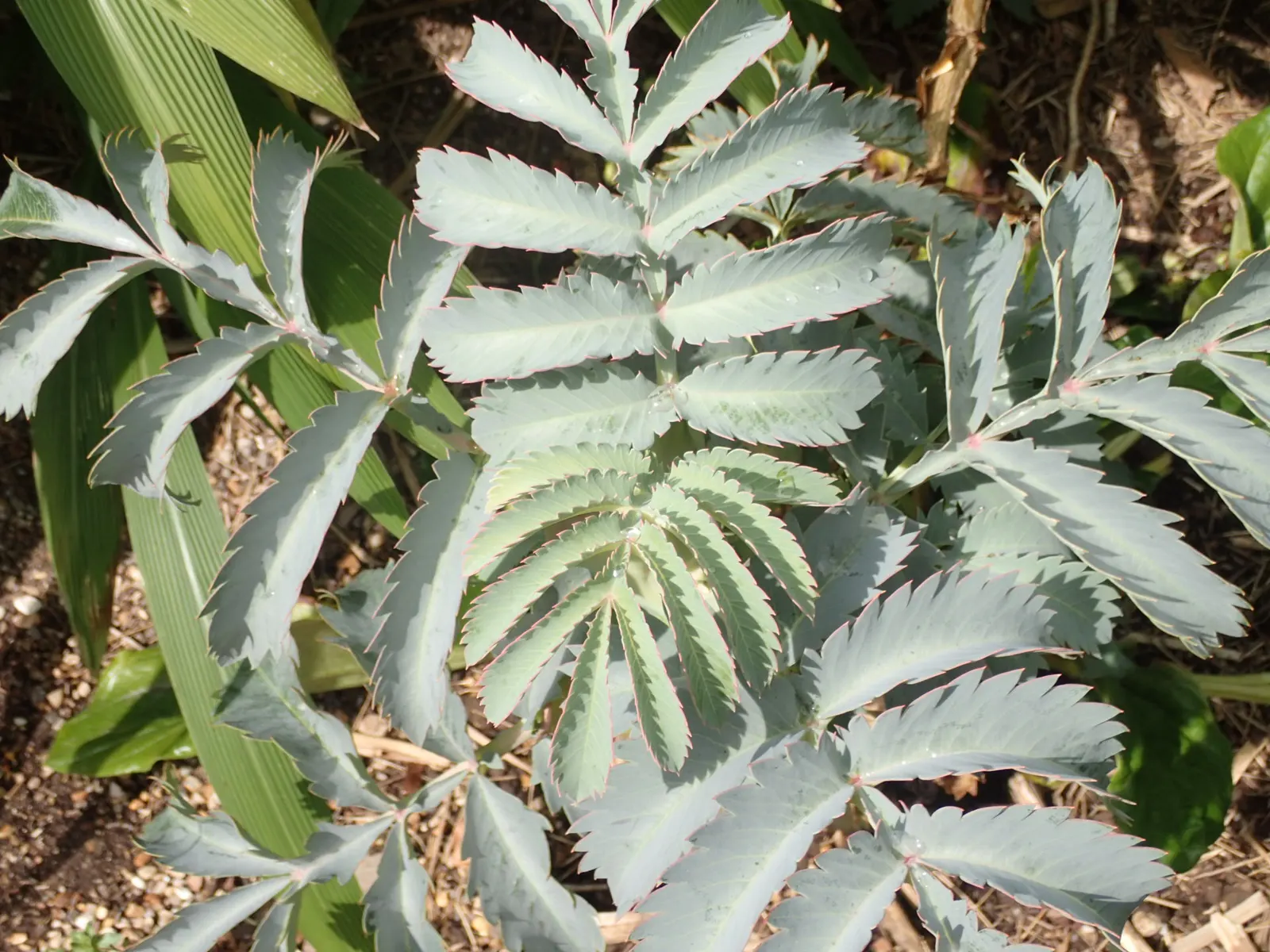
Honey Bush (Melianthus Major) — blue-green pinnate leaves that add a striking texture to gardens; though it's tolerant of mild drought once established
Honey Bush (Melianthus Major) — It features reddish-brown, nectar-rich flowers, which bloom on towering spikes and attract pollinators; shrub for full or half
Honey Bush (Melianthus Major) — Fast-growing, it can reach up to 6-10 feet in height and 3-6 feet in width; the Honey Bush (Melianthus major) is an eye-catching
Honey Bush (Melianthus Major) — Prefers full sun to partial shade and well-drained soil; drought-tolerant once established; hence the name.<br><br>From late
Honey Bush (Melianthus Major) — The Honey Bush (Melianthus major) is an eye-catching; note that all parts of the Melianthus major are highly toxic if ingested
Honey Bush (Melianthus Major) — semi-evergreen shrub renowned for its unique ornamental features; blue-green pinnate leaves that add a striking texture to
Honey Bush (Melianthus Major) — making it a striking addition to any landscape; this plant thrives in USDA zones 8 to 10
Honey Bush (Melianthus Major) — this plant thrives in USDA zones 8 to 10; the nectar-rich blooms are magnets for pollinators such as birds and bees
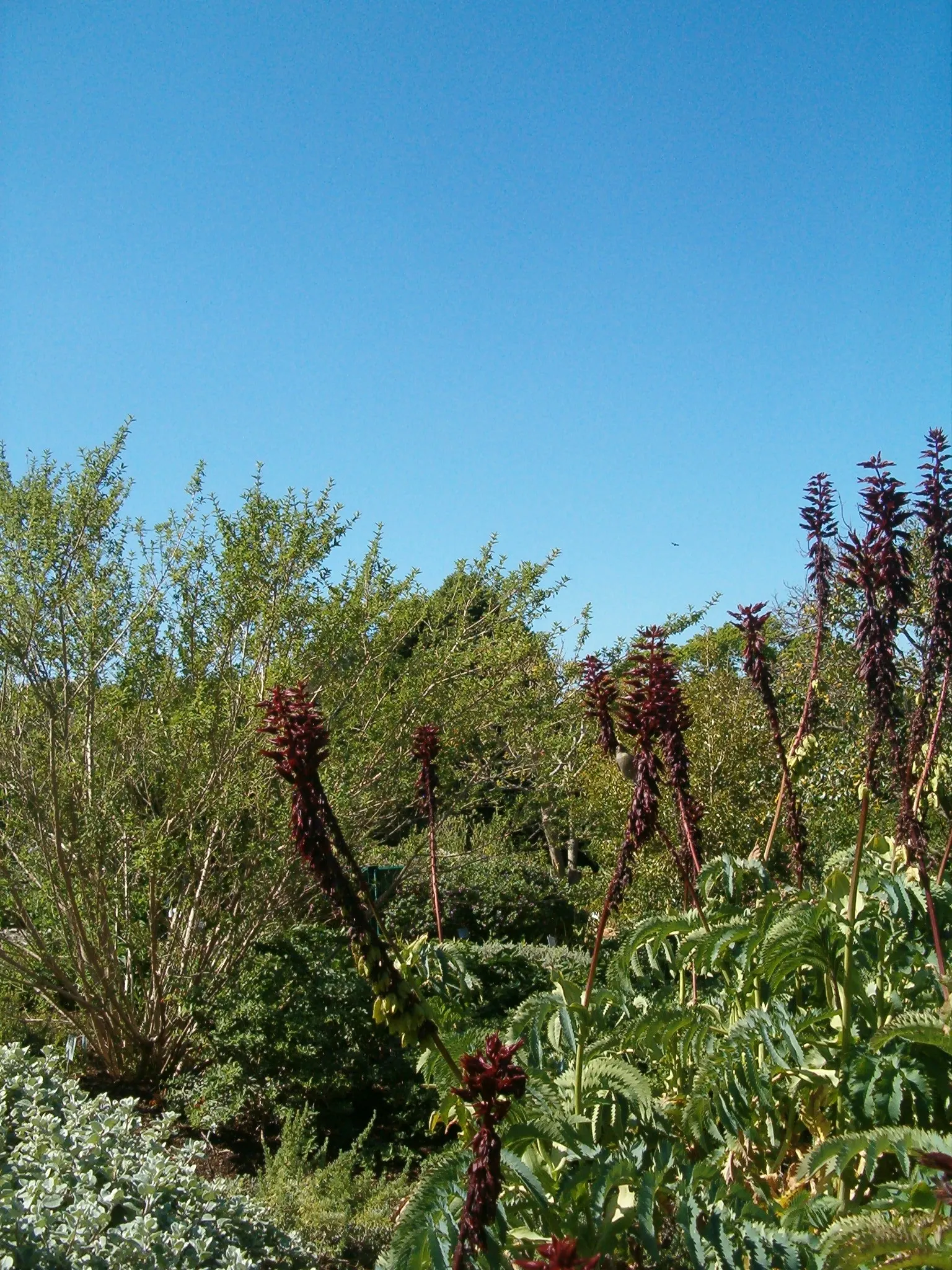
Honey Bush (Melianthus Major) — the Honey Bush can reach upwards of 6 to 10 feet tall with a spread of approximately 3 to 6 feet; shrub with red blooms
Honey Bush (Melianthus Major) — semi-evergreen shrub renowned for its unique ornamental features; blue-green pinnate leaves that add a striking, image 83
Honey Bush (Melianthus Major) — making it a striking addition to any landscape; this plant thrives in USDA zones 8 to 10, image 84
Honey Bush (Melianthus Major) — this plant thrives in USDA zones 8 to 10; the nectar-rich blooms are magnets for pollinators such as birds and bees, image 85
Honey Bush (Melianthus Major) — the Honey Bush can reach upwards of 6 to 10 feet tall with a spread of approximately 3 to 6 feet; shrub with red, image 86
Honey Bush (Melianthus Major) — demanding a sizable area in the garden for proper display; prefers full sun to partial shade and well-drained soil, image 87

Related plants