Skip to content

Alfalfa

Medicago Sativa

Design with this plant

Overview

Alfalfa (Medicago sativa) is a perennial flowering legume thriving in USDA zones 4-8. This hardy plant reaches up to 3 feet high and spreads 2 feet wide. It prefers full sun and well-draining soil, making it ideal for open, sunny landscapes. Its deep taproots enrich soil with nitrogen, supporting adjacent plant health. Showcasing purple blooms, Alfalfa offers forage for livestock and attracts pollinators, enhancing biodiversity in garden ecosystems.

Sun FullWater MediumZones 4–9Climate Temperate
Alfalfa (Medicago Sativa) — Alfalfa (Medicago sativa) is a perennial flowering legume thriving in USDA zones 4-8

Culture

Sun
Full
Water
Medium
USDA zones
4–9

Shape & size

Classification

Family
Fabaceae
Climate
Temperate

See full data, regional cultivation notes, full-resolution photos, and design tools. Build a client presentation around this plant.

Start your 14-day trial

Photos (75)

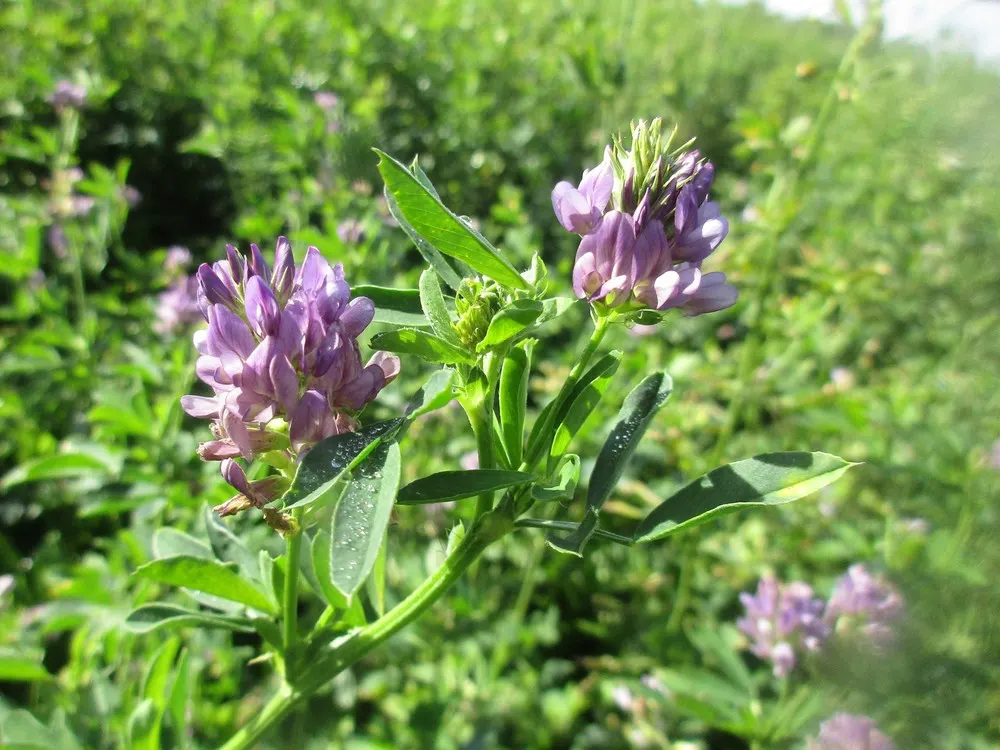
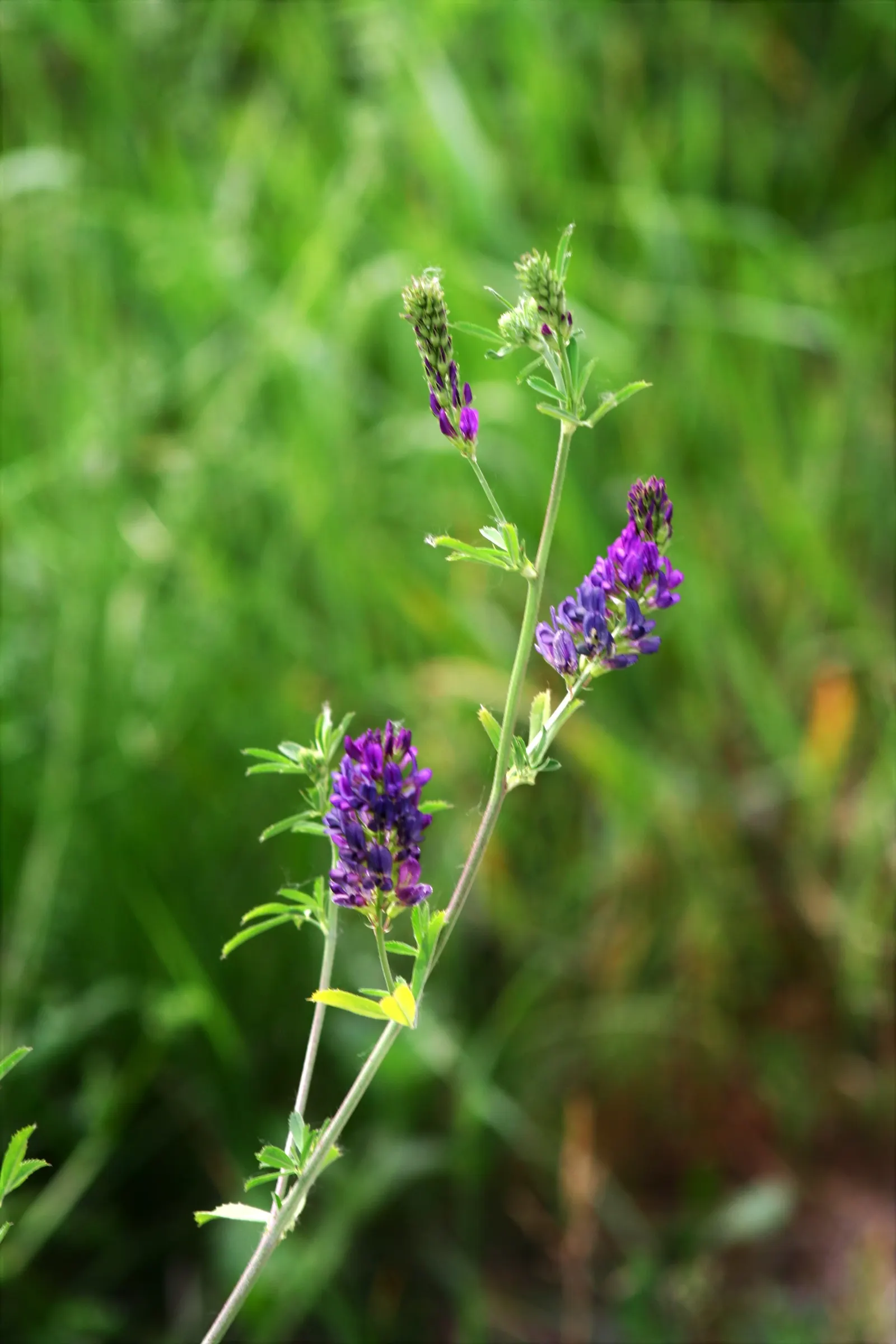
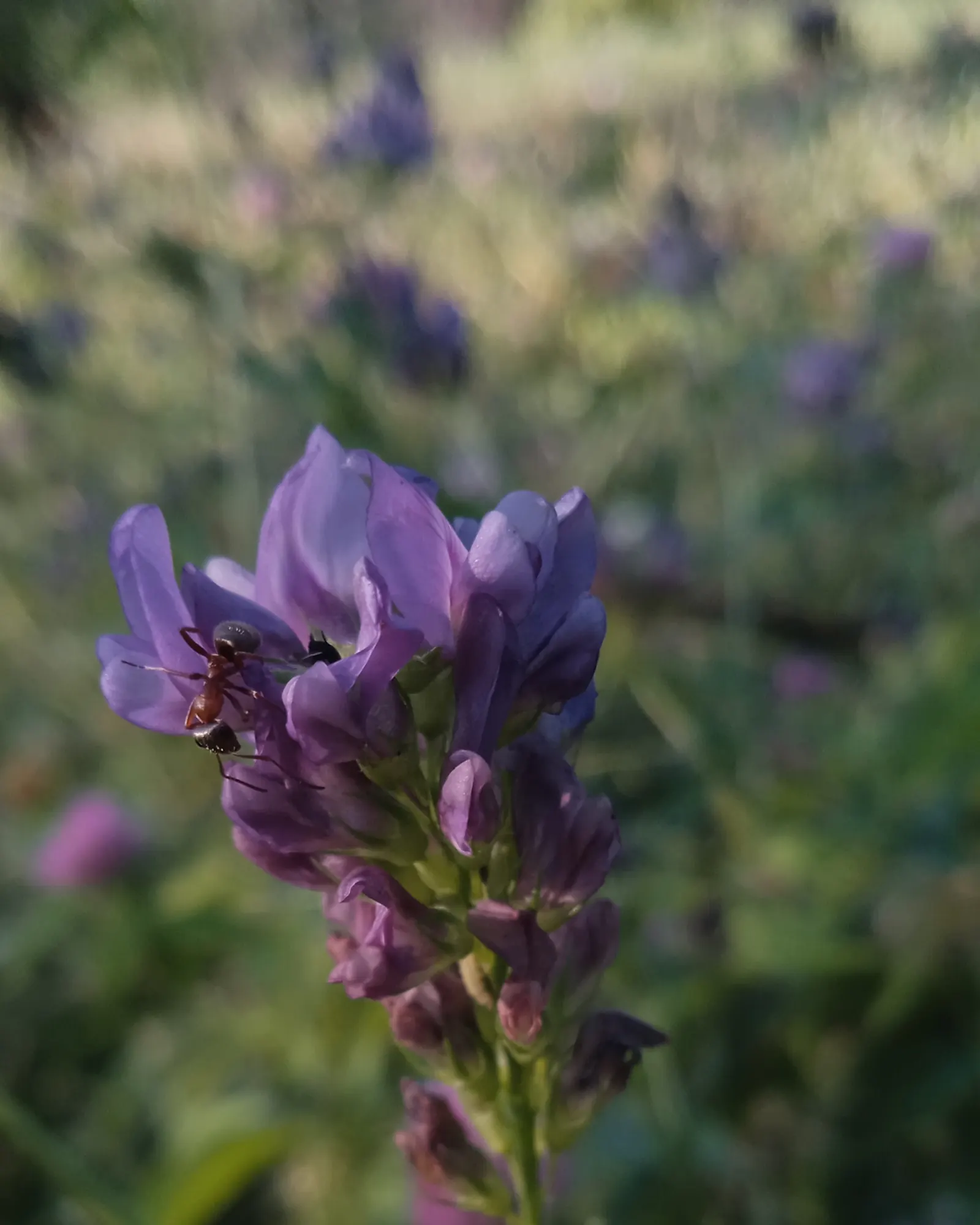
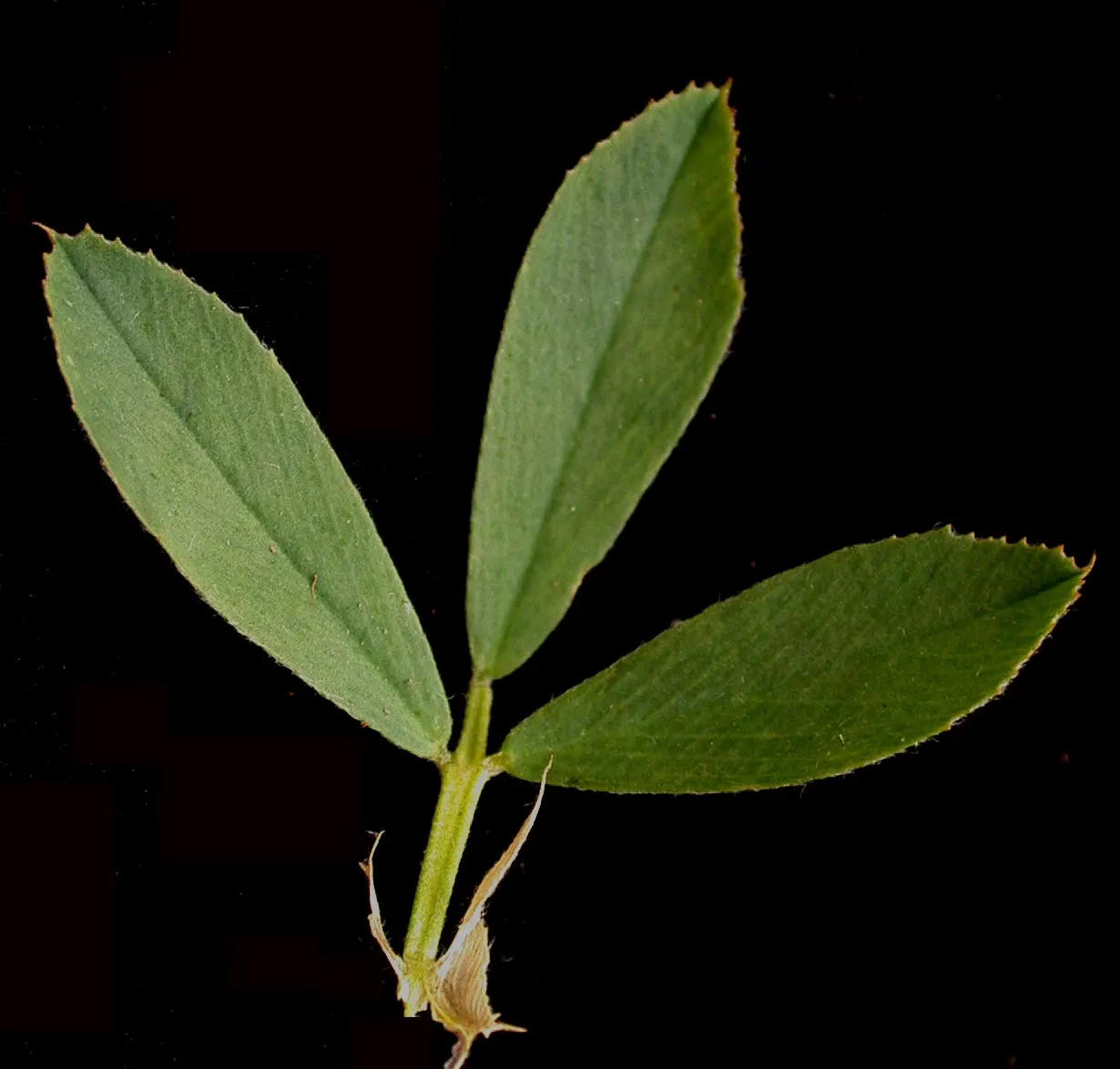
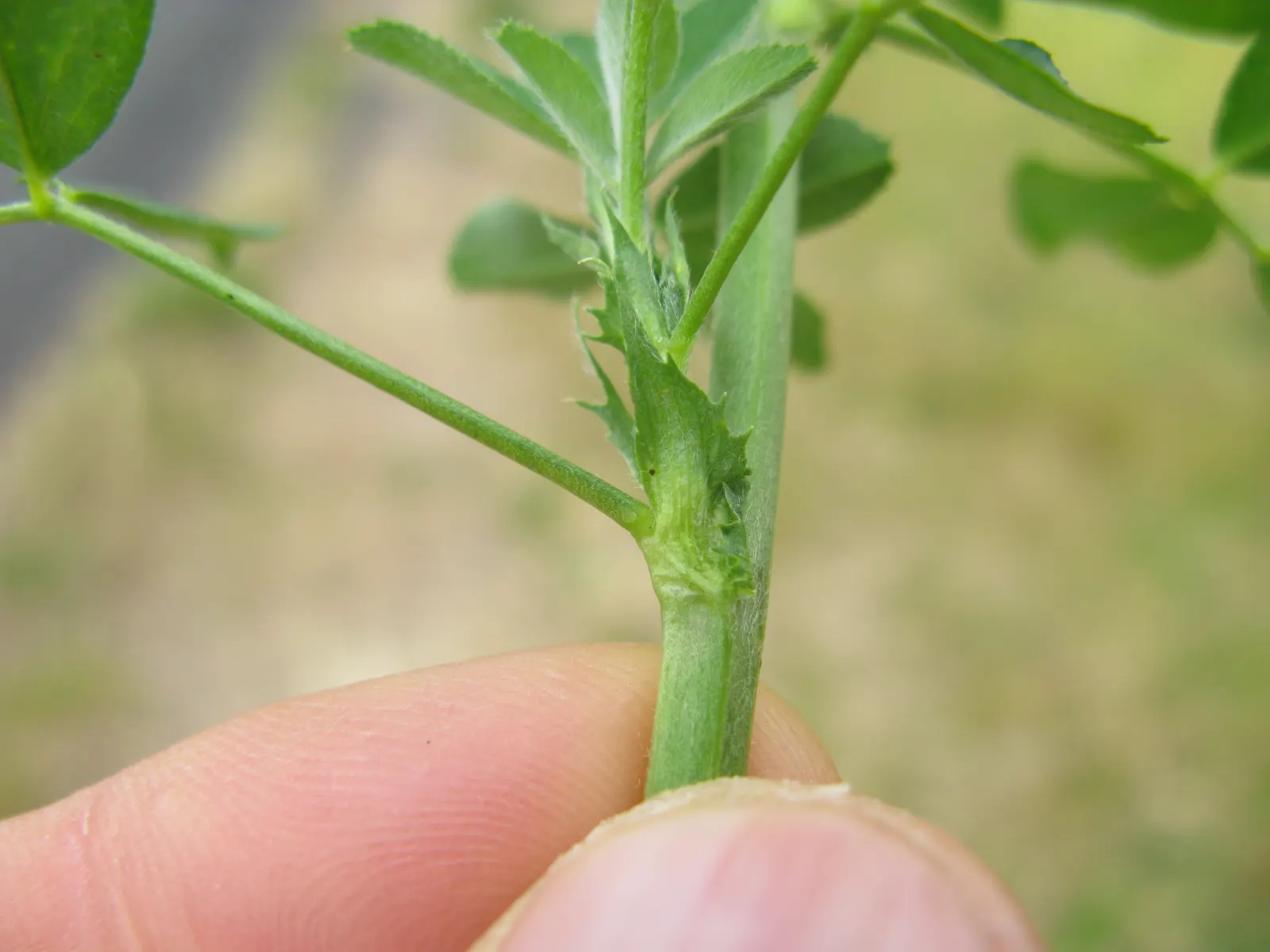
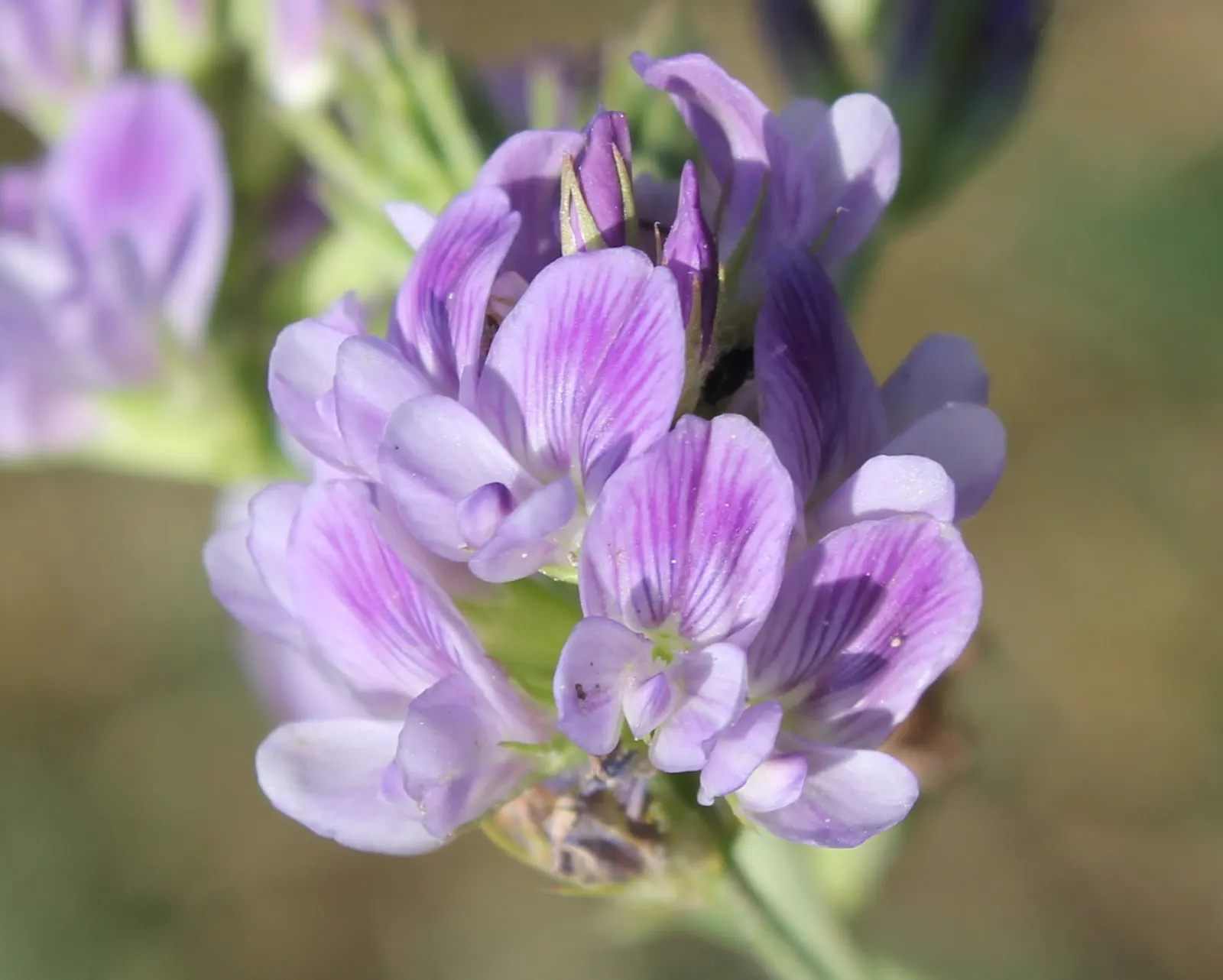
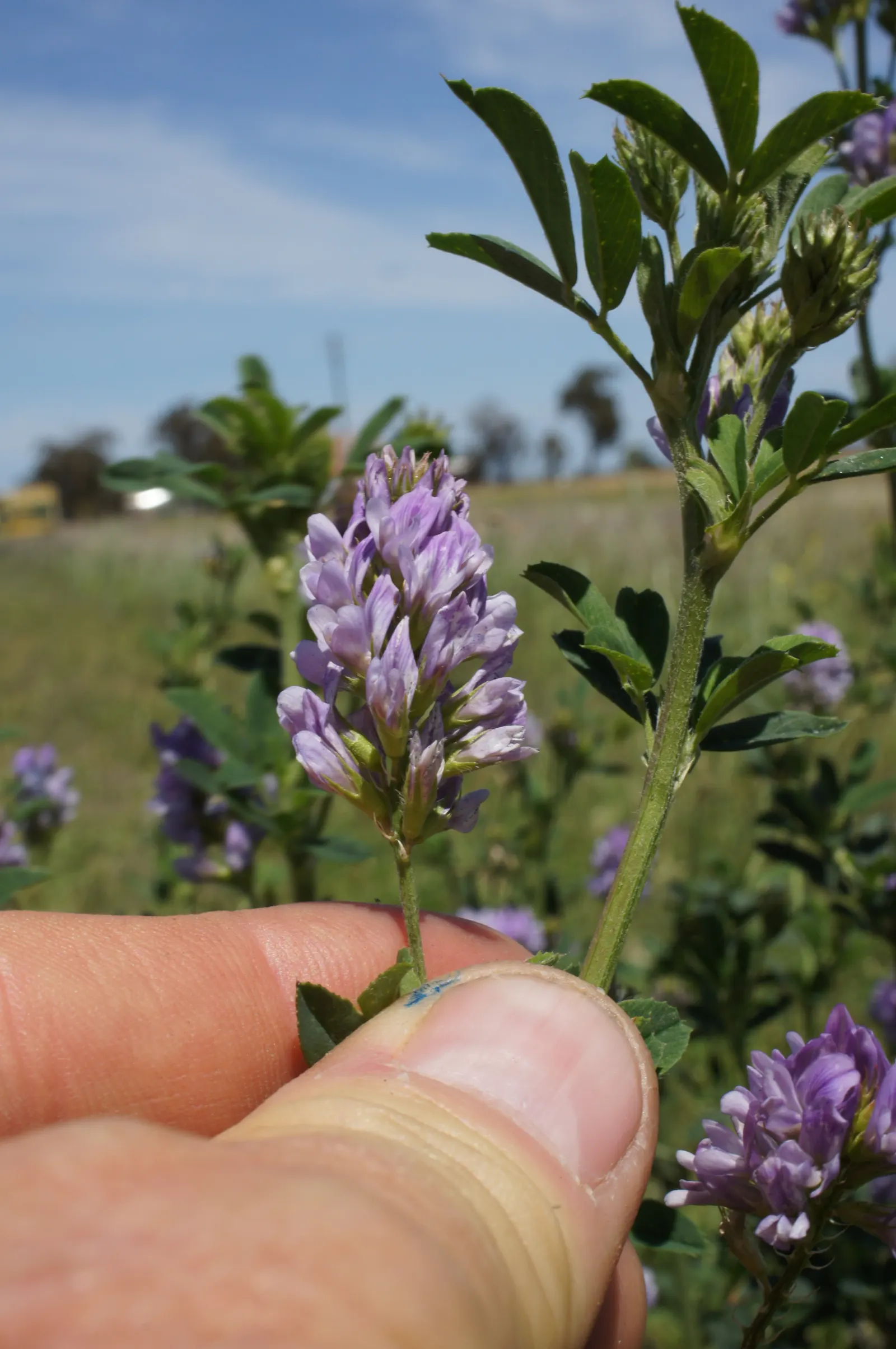
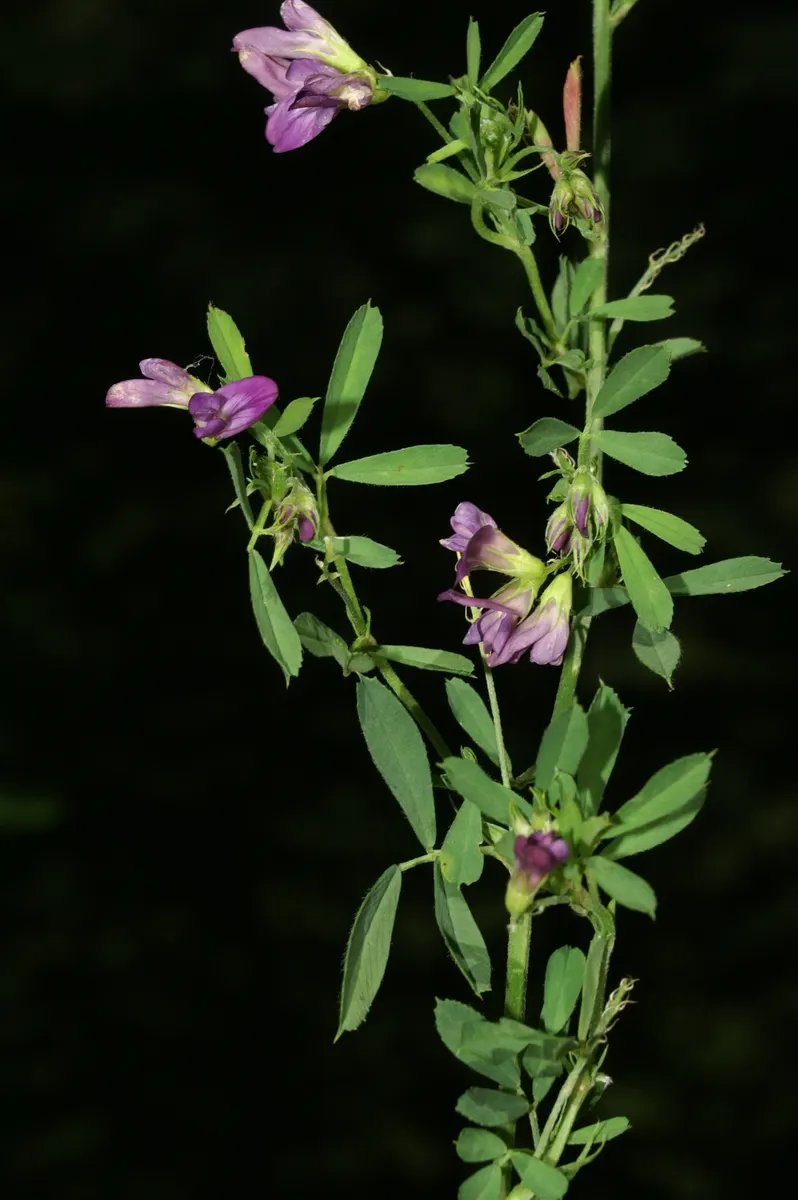
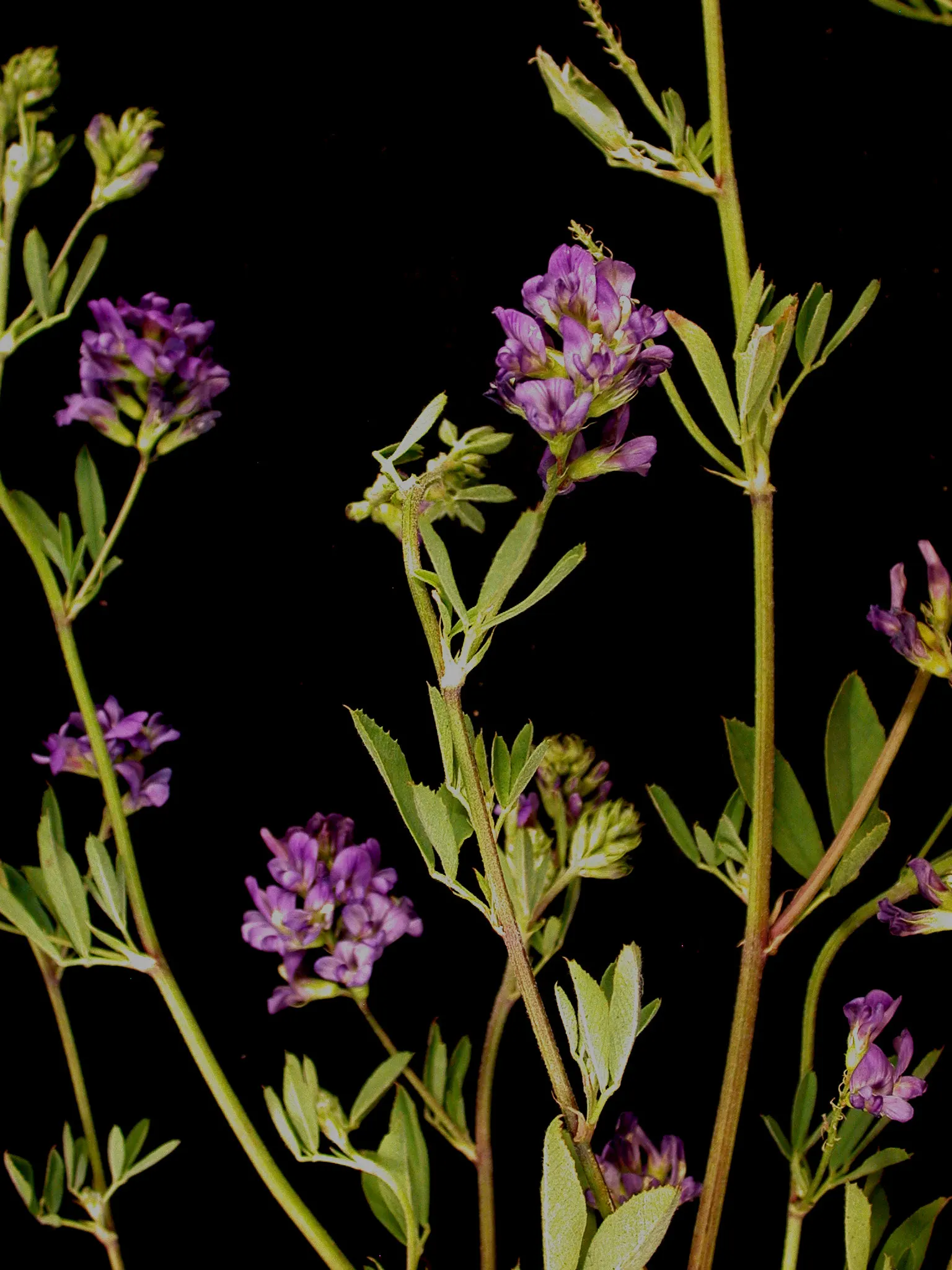
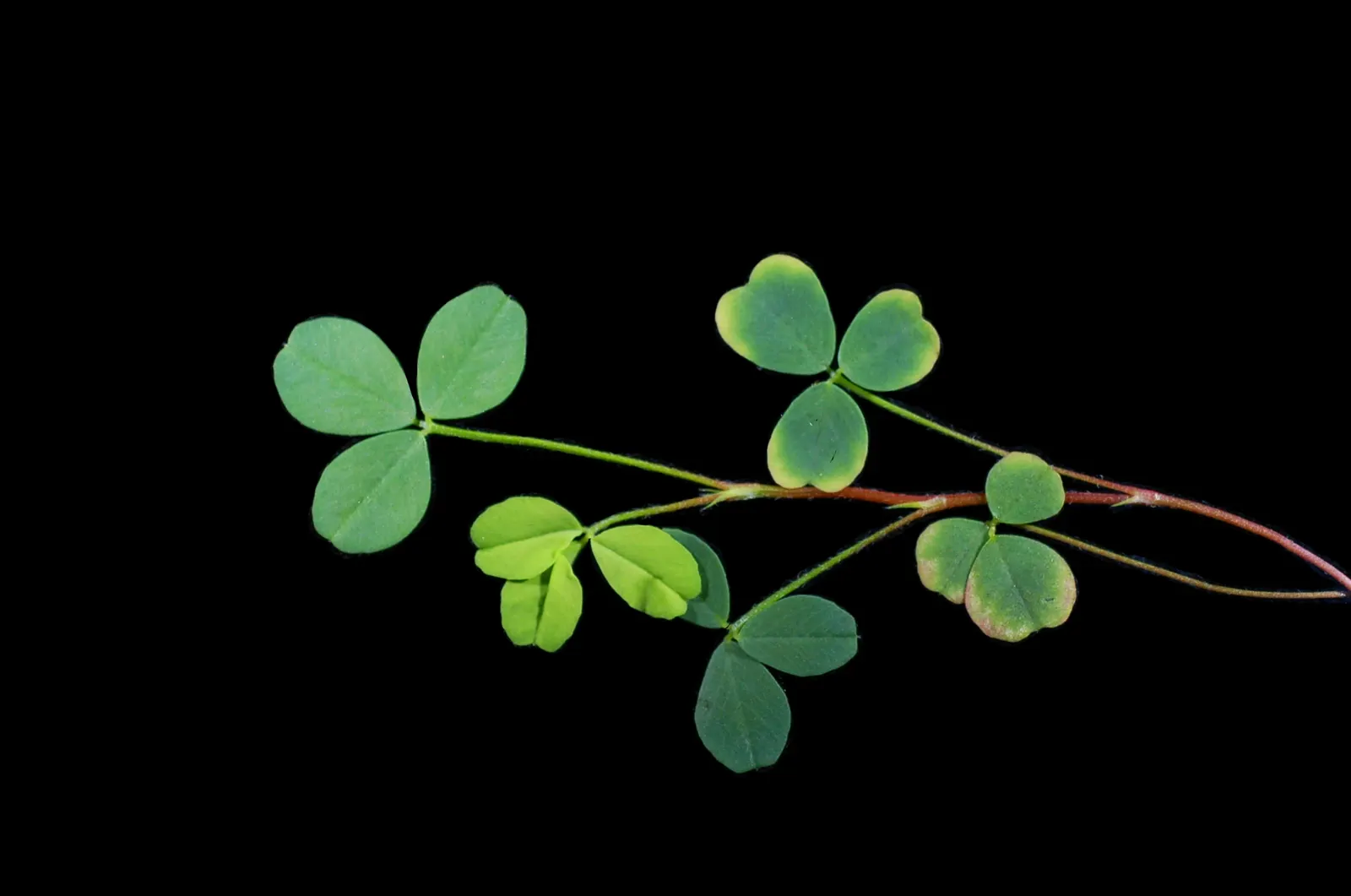
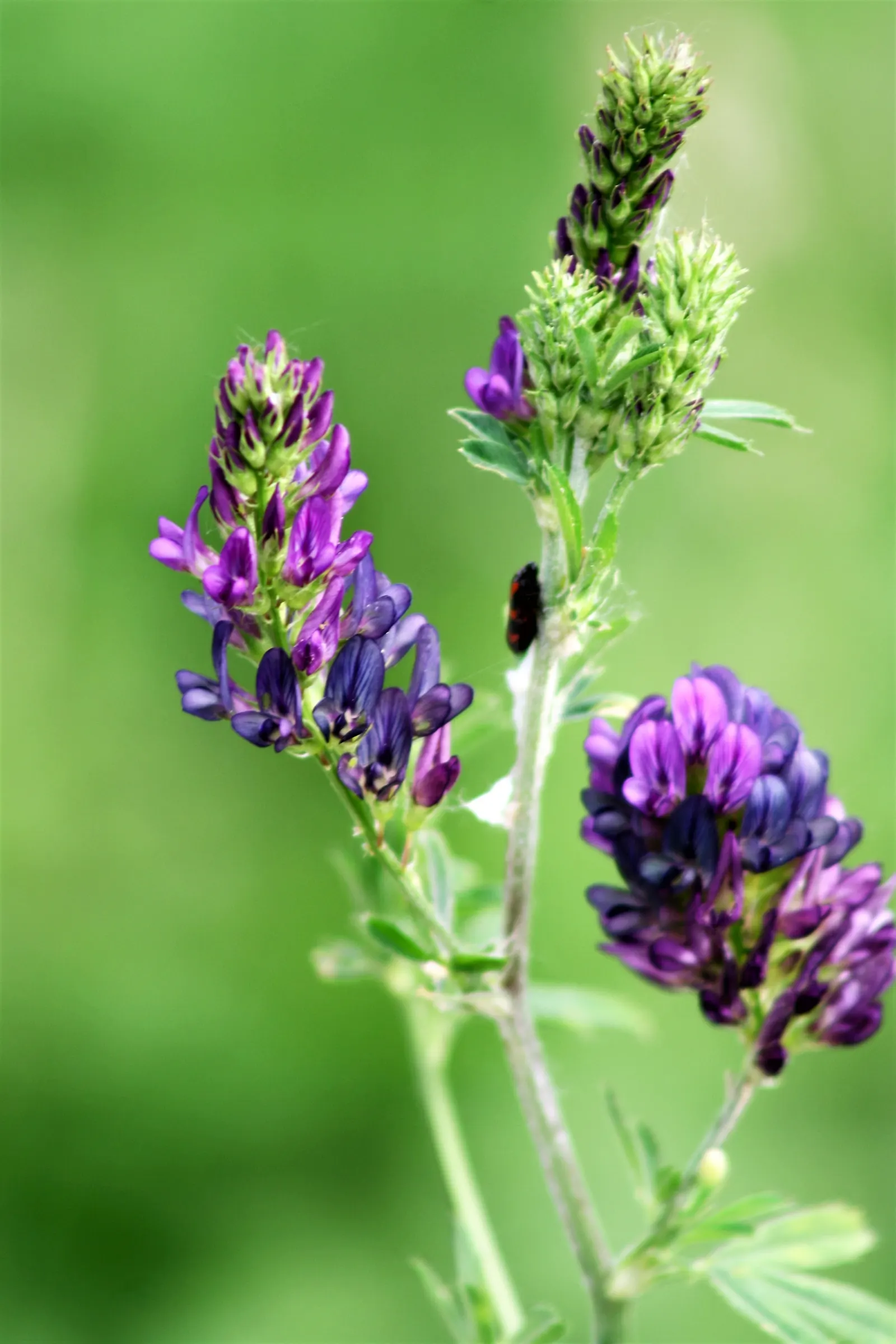
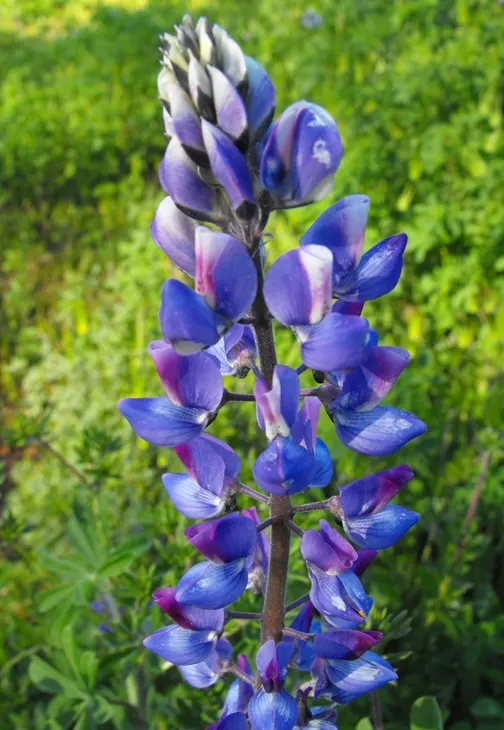
Alfalfa (Medicago Sativa) — perennial with purple blooms
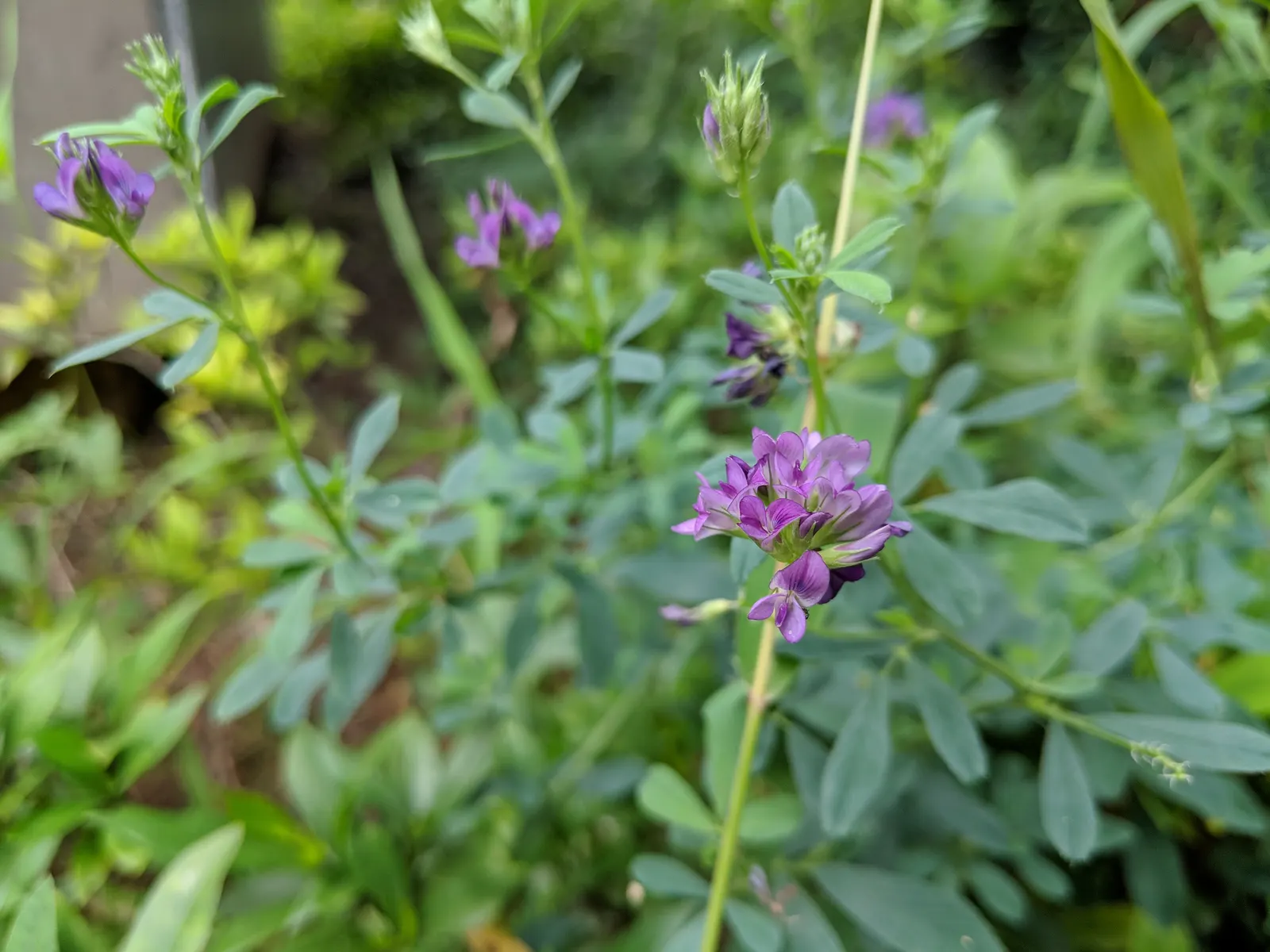
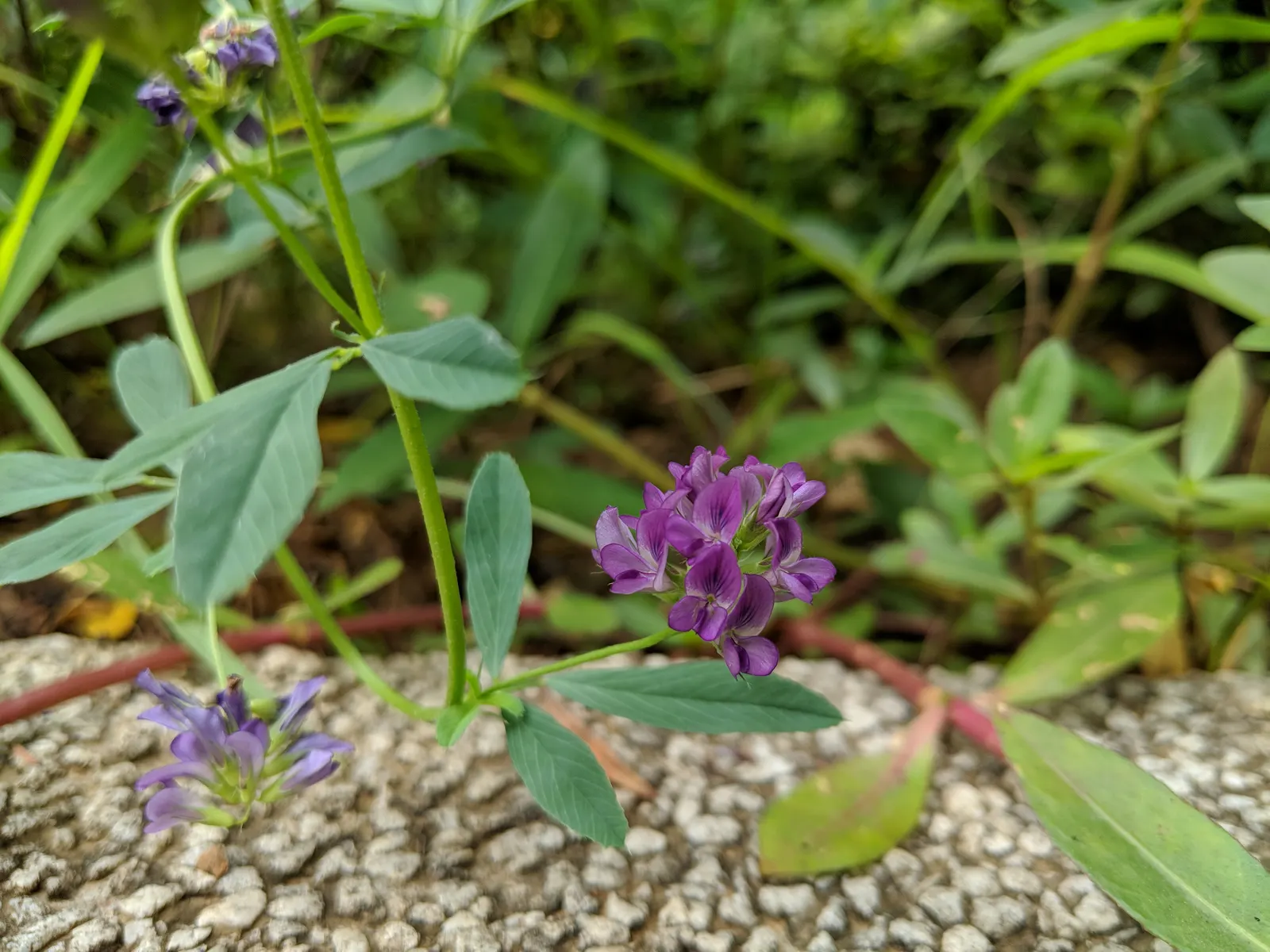
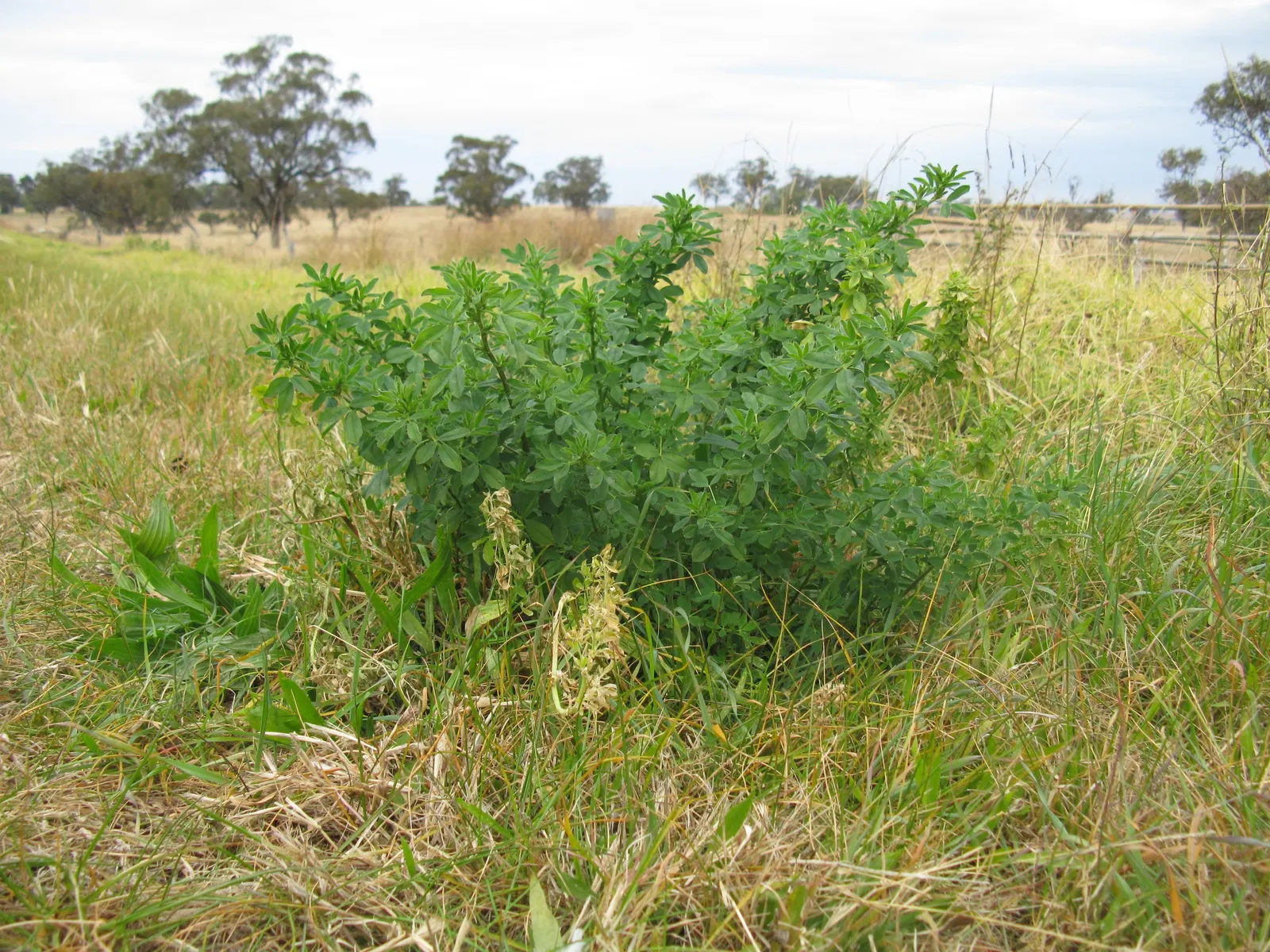
Alfalfa (Medicago Sativa) — purple flowers in the garden
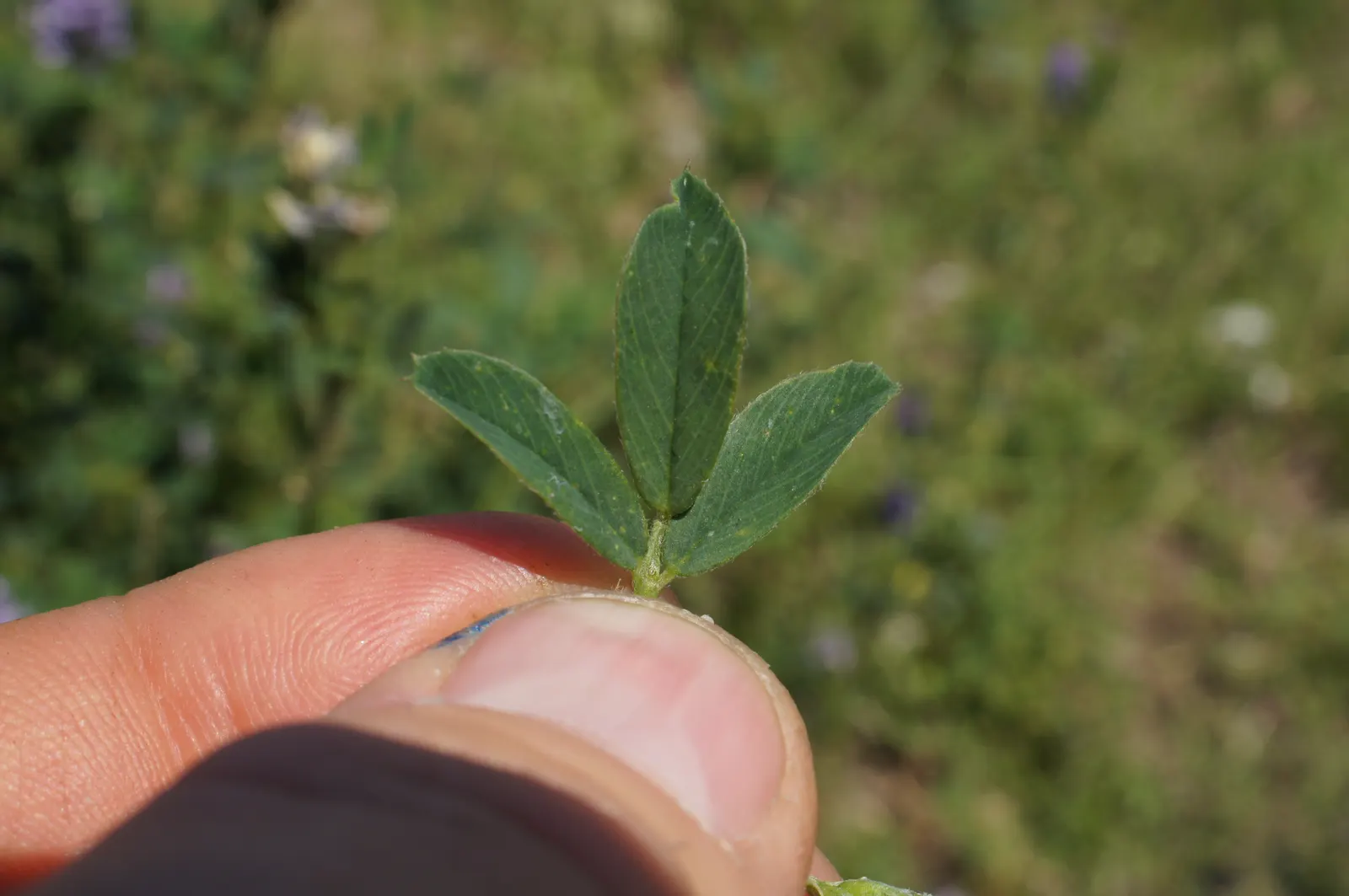
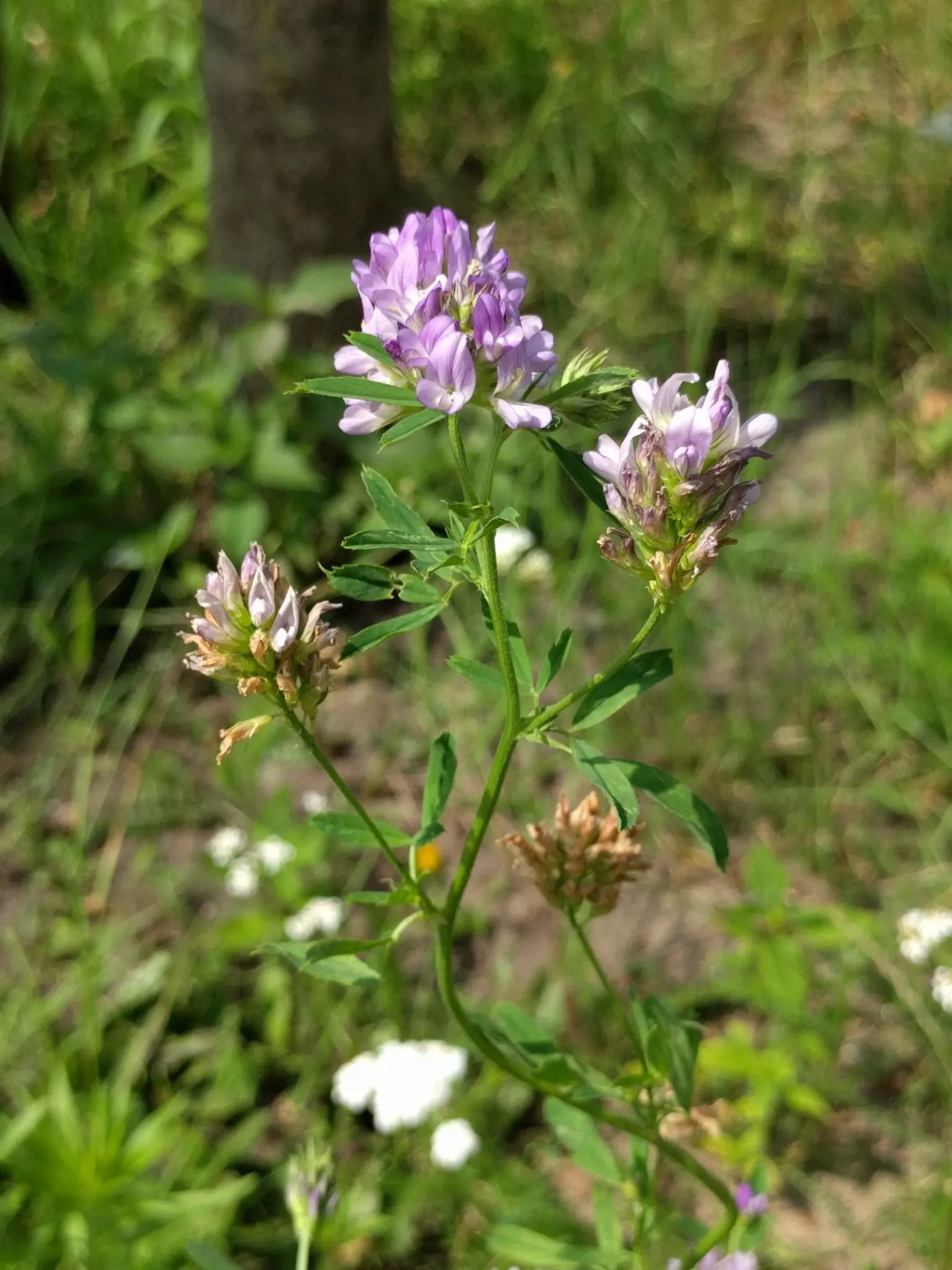
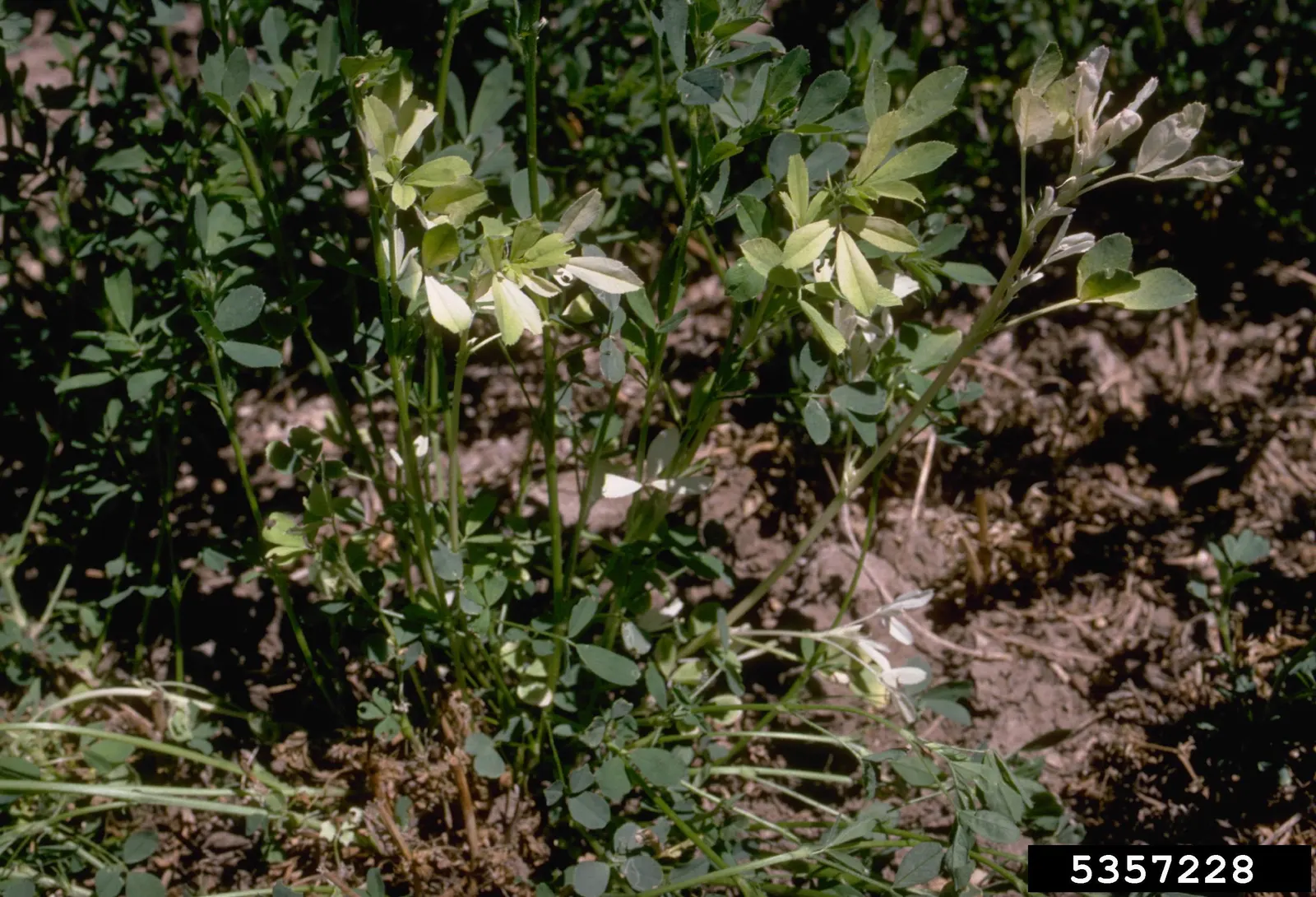
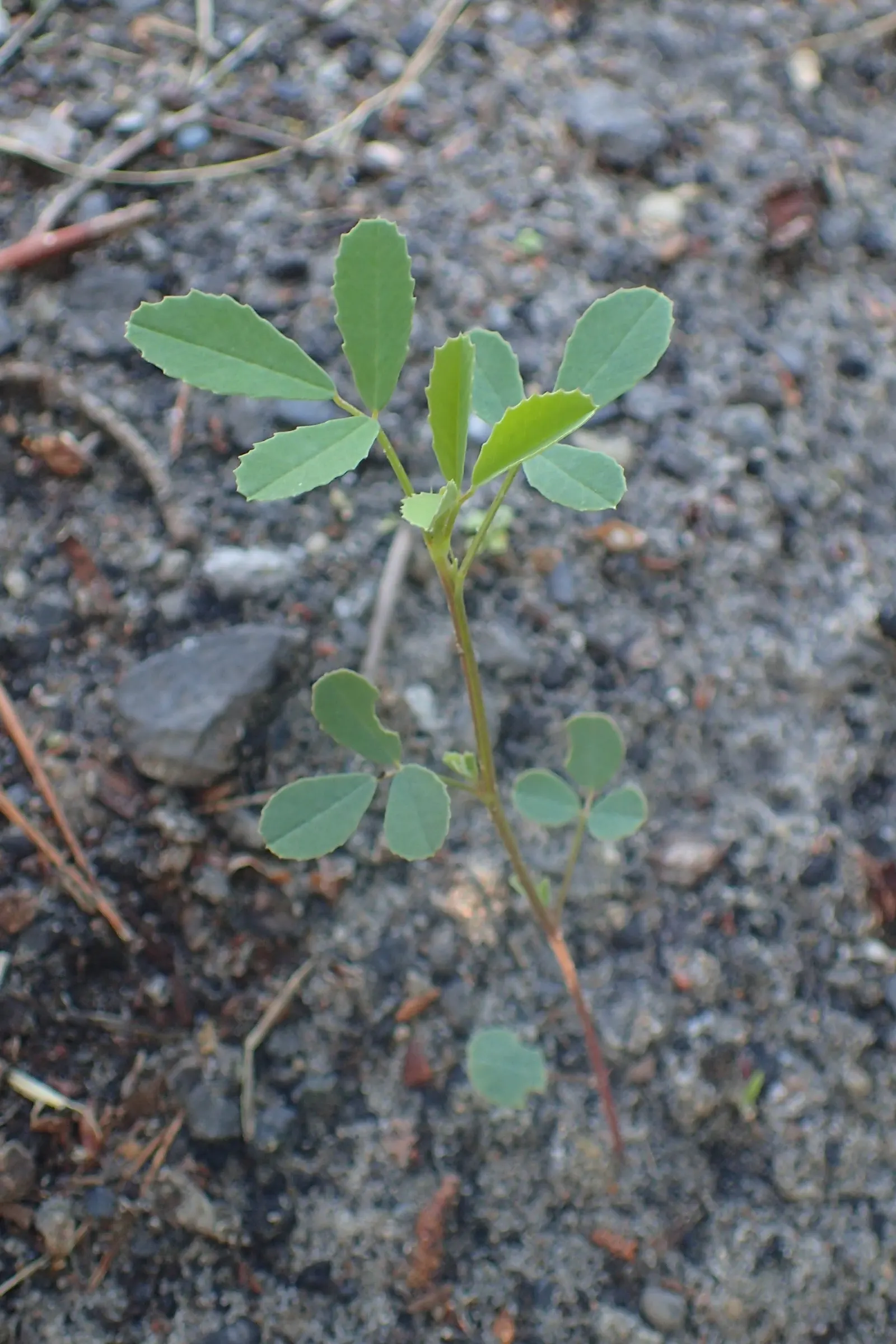
Alfalfa (Medicago Sativa) — Its deep taproots enrich soil with nitrogen, supporting adjacent plant health; perennial with purple blooms
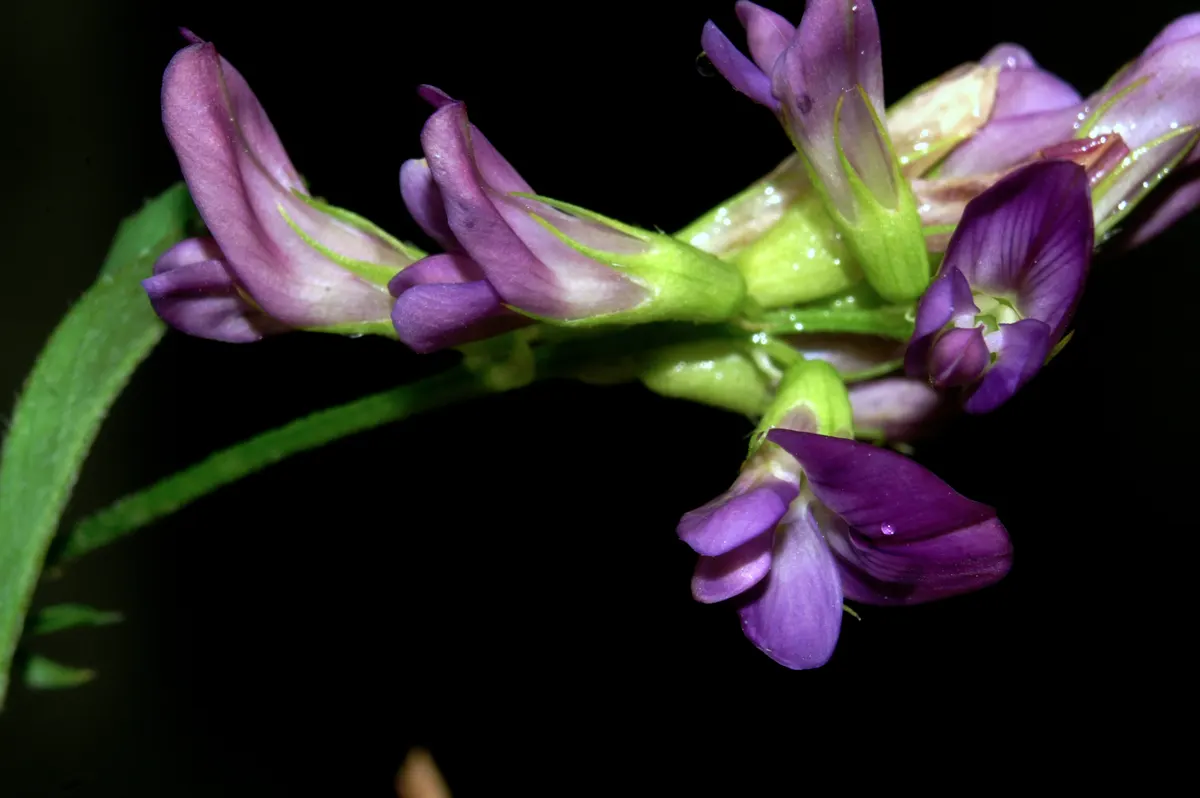
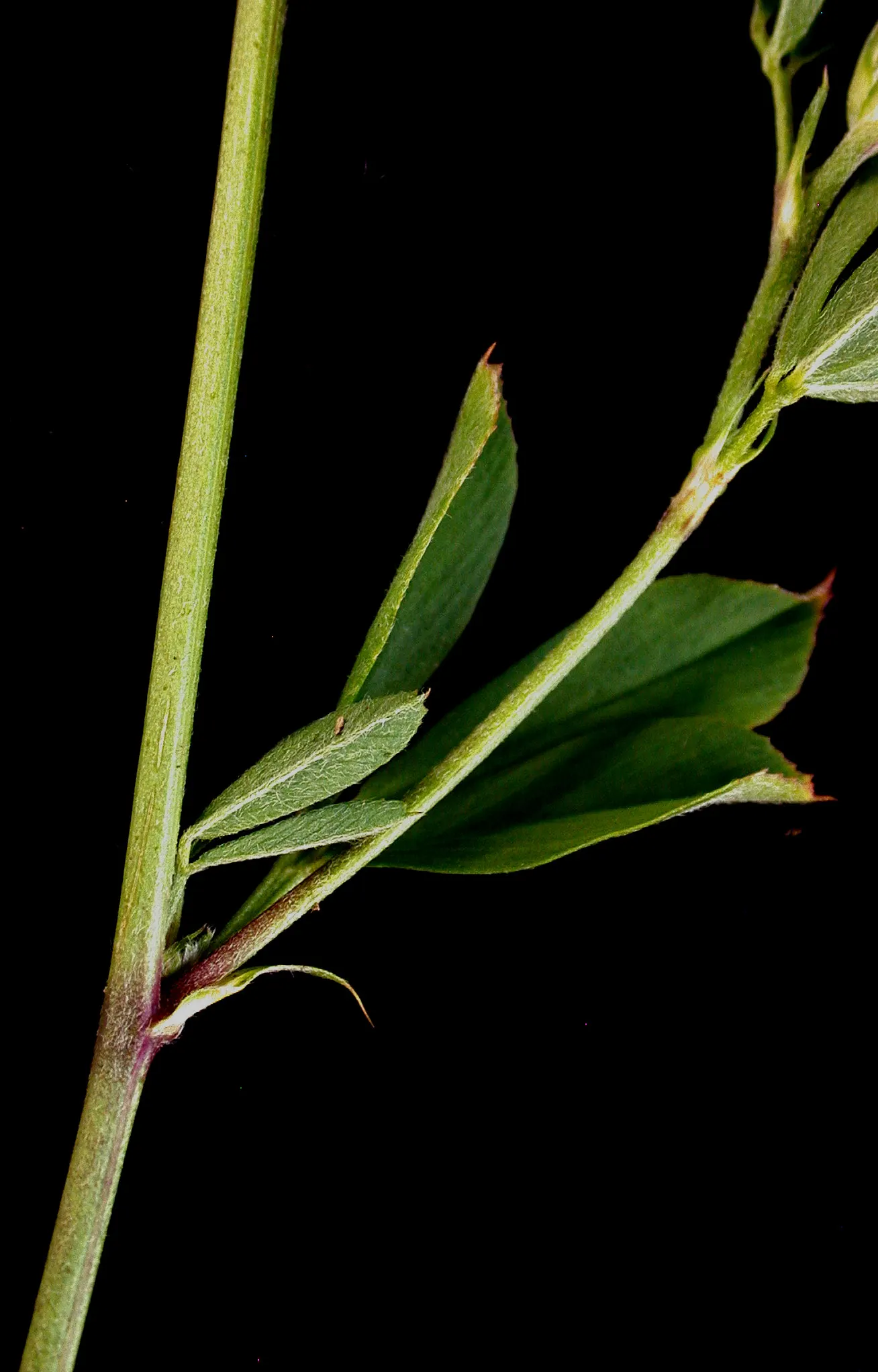
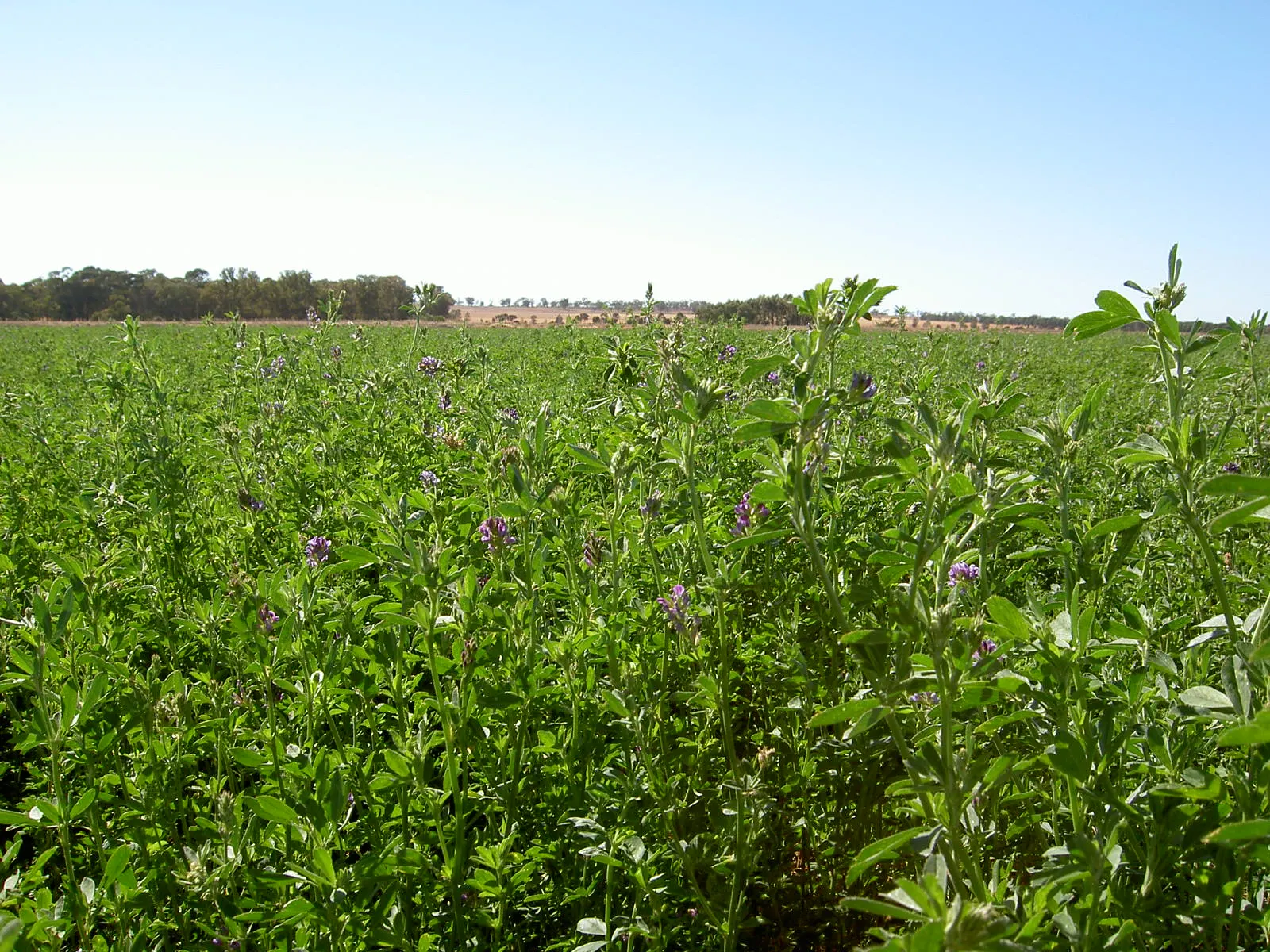
Alfalfa (Medicago Sativa) — Alfalfa (Medicago sativa) is a perennial flowering legume thriving in USDA zones 4-8; its deep taproots enrich soil with nitrogen
Alfalfa (Medicago Sativa) — Alfalfa offers forage for livestock and attracts pollinators; enhancing biodiversity in garden ecosystems
Alfalfa (Medicago Sativa) — It prefers full sun and well-draining soil, making it ideal for open, sunny landscapes; its attractive foliage and flowers can
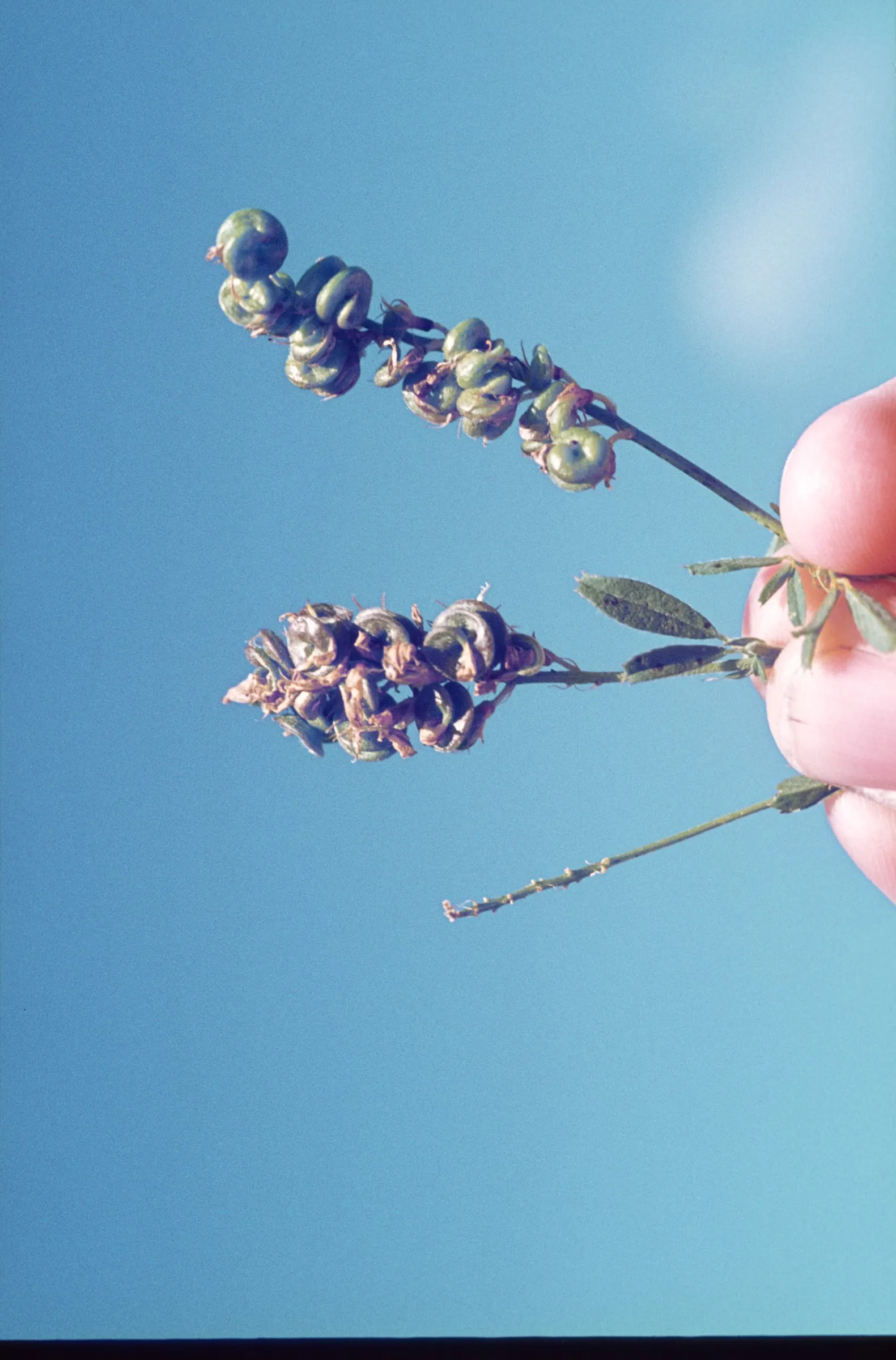
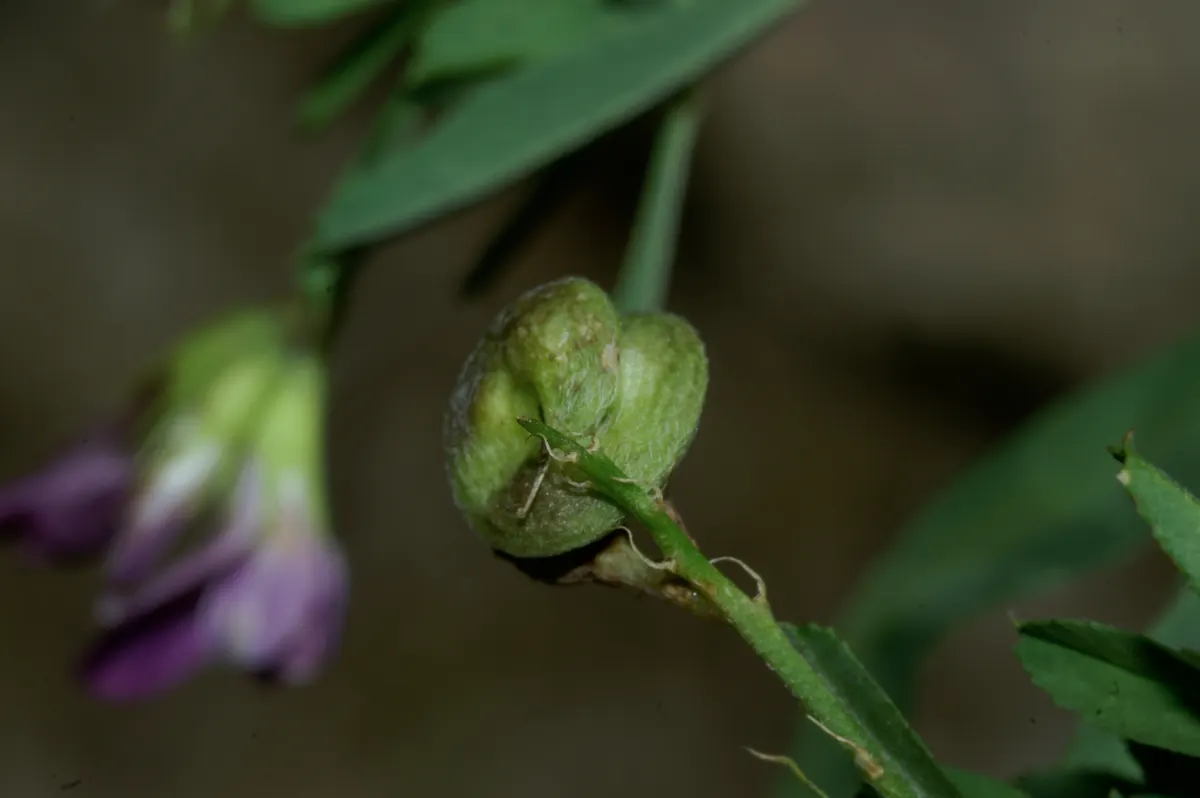
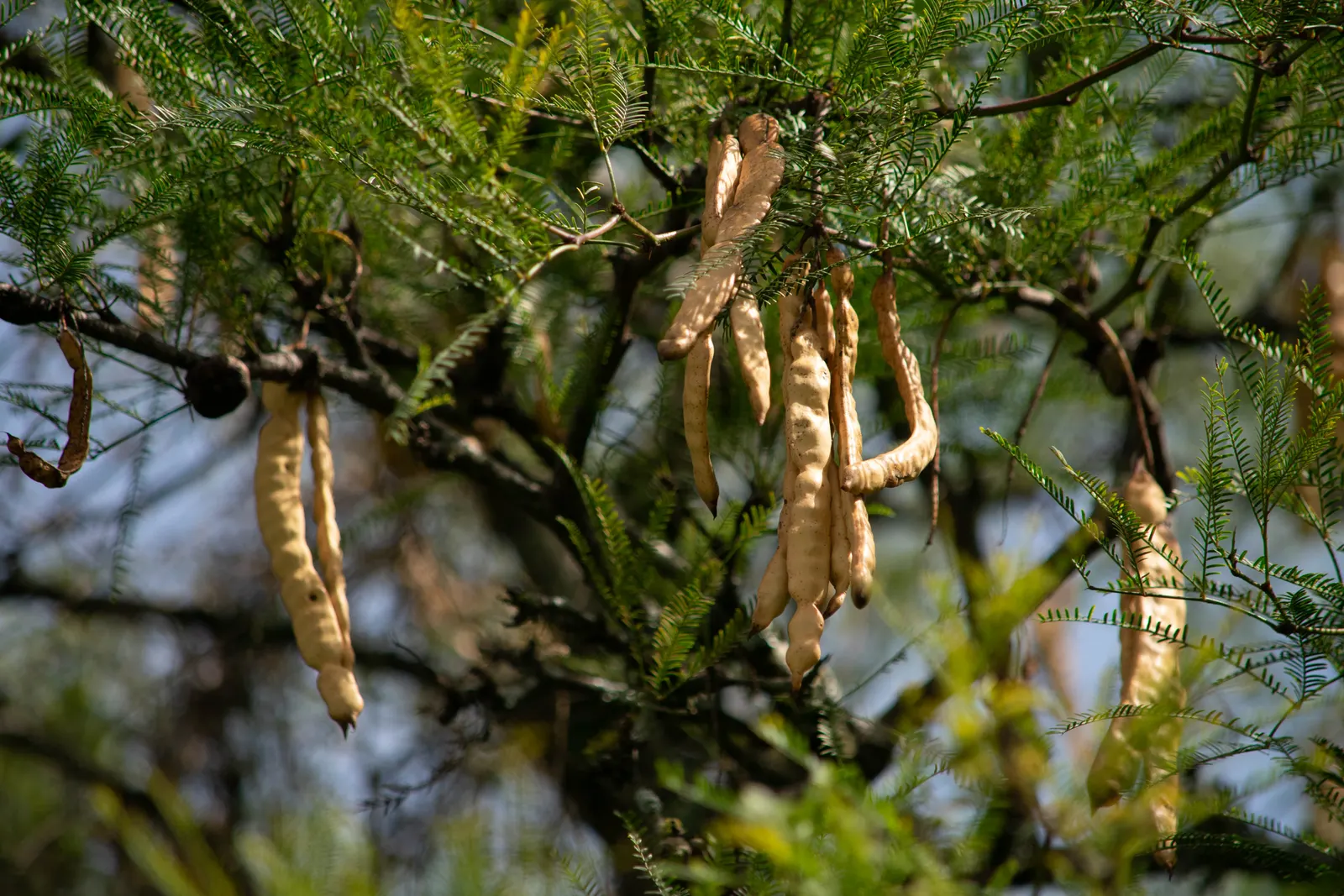
Alfalfa (Medicago Sativa) — This hardy plant reaches up to 3 feet high and spreads 2 feet wide; after flowering, the plant produces spiraled seed pods, each
Alfalfa (Medicago Sativa) — which bloom from late spring to early autumn; it acts as a soil conditioner
Alfalfa (Medicago Sativa) — is a perennial flowering plant renowned for its high nutritional value and versatility within a garden design; alfalfa (Medicago
Alfalfa (Medicago Sativa) — A member of the Fabaceae family; is a perennial flowering plant renowned for its high nutritional value and versatility within a
Alfalfa (Medicago Sativa) — scientifically known as Medicago sativa; incorporating alfalfa offers an environmentally-friendly option for lawn alternatives or
Alfalfa (Medicago Sativa) — enhancing biodiversity in garden ecosystems; extending up to 15-20 feet in optimal soil conditions
Alfalfa (Medicago Sativa) — extending up to 15-20 feet in optimal soil conditions; which bloom from late spring to early autumn
Alfalfa (Medicago Sativa) — Alfalfa's deep root system; it prefers full sun and well-draining soil, making it ideal for open, sunny landscapes
Alfalfa (Medicago Sativa) — After flowering, the plant produces spiraled seed pods, each containing 2-3 seeds; it requires full sun exposure and well-drained
Alfalfa (Medicago Sativa) — while its ability to attract beneficial insects aids in overall garden health.<br><br>For a garden owner; perennial for full
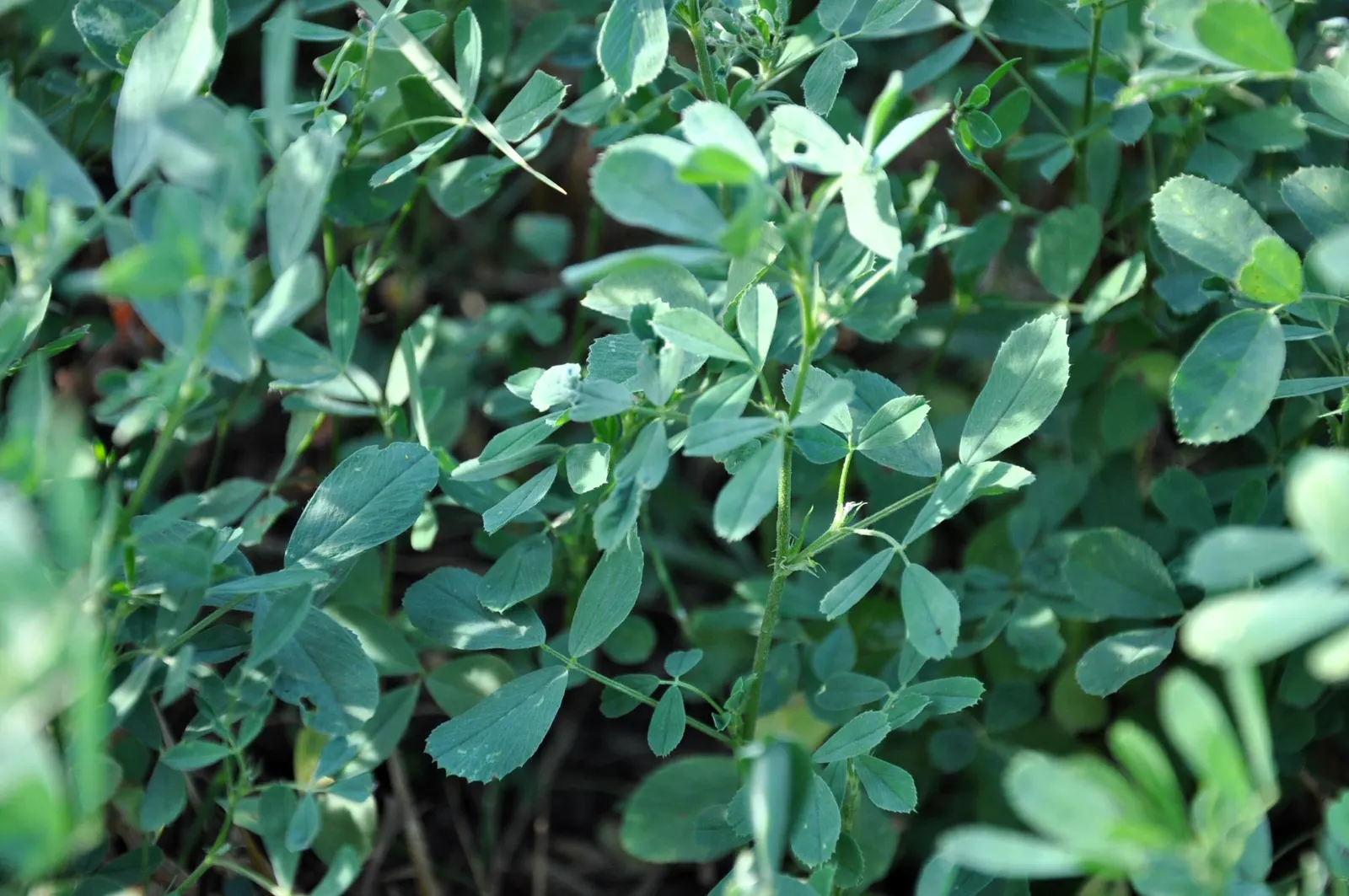
Alfalfa (Medicago Sativa) — its attractive foliage and flowers can provide a modest aesthetic appeal; while its ability to attract beneficial insects aids in
Alfalfa (Medicago Sativa) — adding nitrogen back into the soil through its root nodules; alfalfa offers forage for livestock and attracts pollinators
Alfalfa (Medicago Sativa) — alfalfa serves multiple functions; which is particularly beneficial in nutrient-depleted areas
Alfalfa (Medicago Sativa) — which is particularly beneficial in nutrient-depleted areas; alfalfa's deep root system
Alfalfa (Medicago Sativa) — It acts as a soil conditioner; purple flowers in the garden
Alfalfa (Medicago Sativa) — perennial with purple blooms; adding nitrogen back into the soil through its root nodules
Alfalfa (Medicago Sativa) — purple flowers in the garden; a member of the Fabaceae family
Alfalfa (Medicago Sativa) — incorporating alfalfa offers an environmentally-friendly option for lawn alternatives or green mulch; scientifically known as

Related plants