Skip to content

Mazus

Mazus Reptans

Design with this plant

Overview

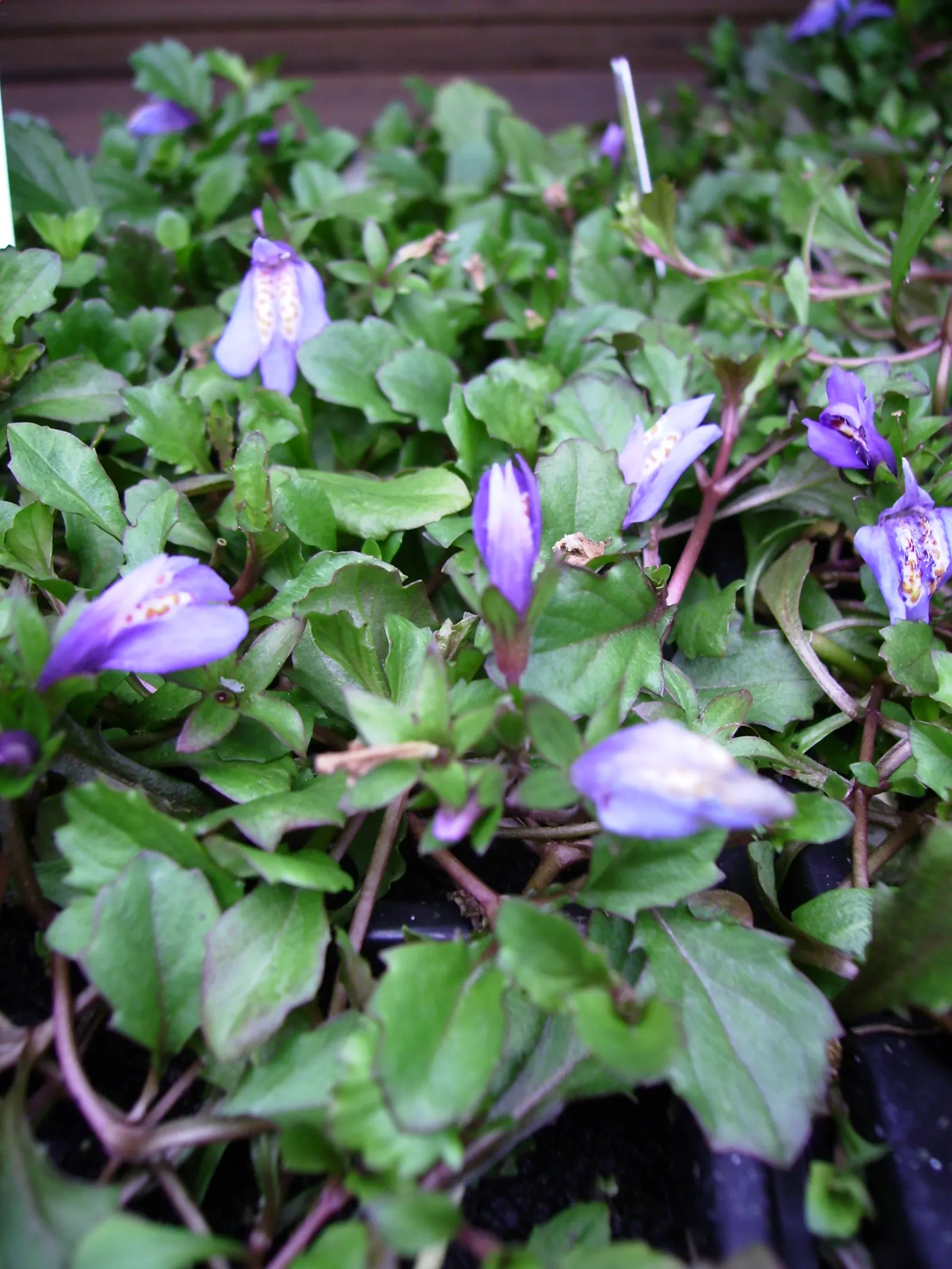
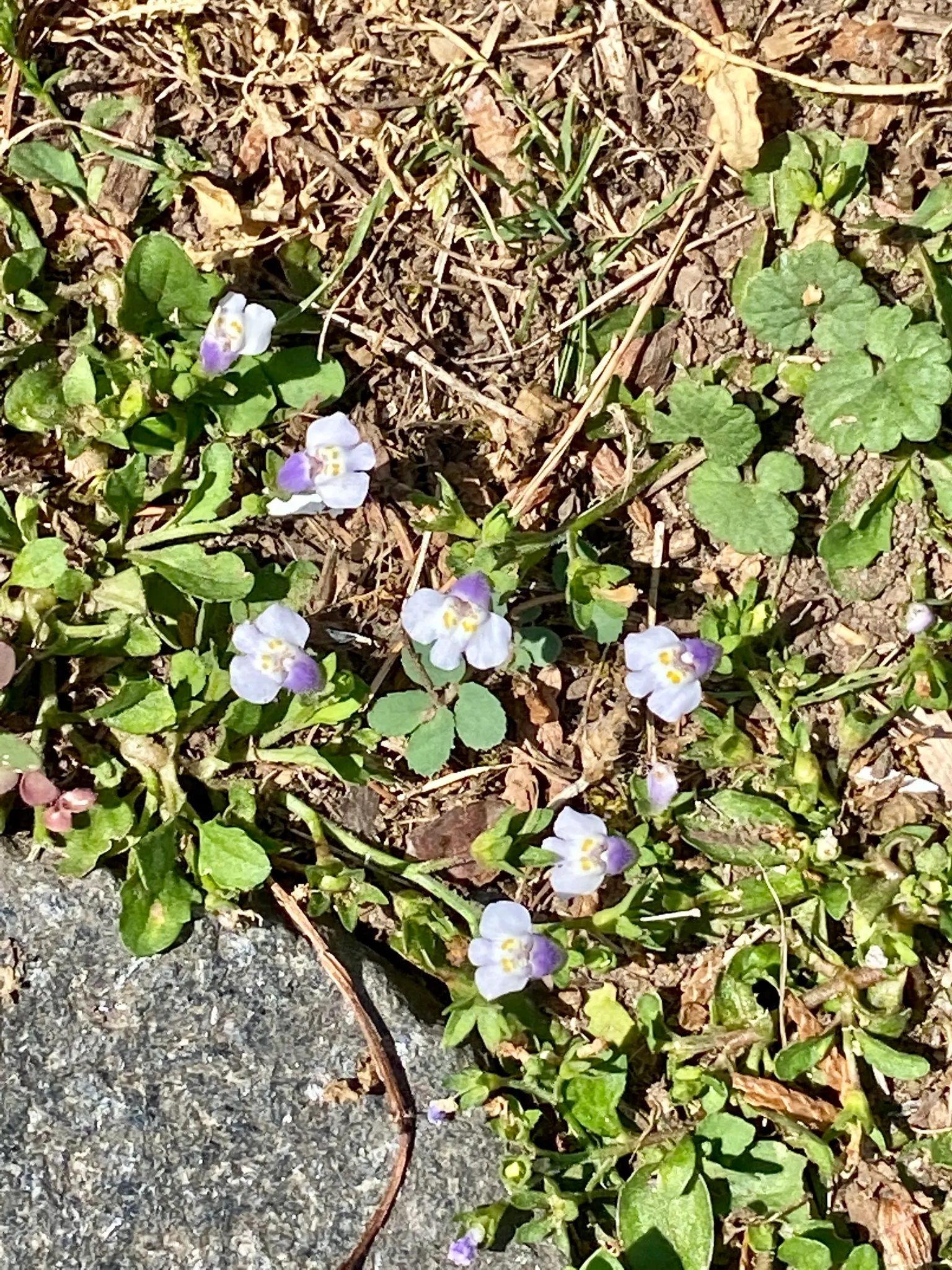
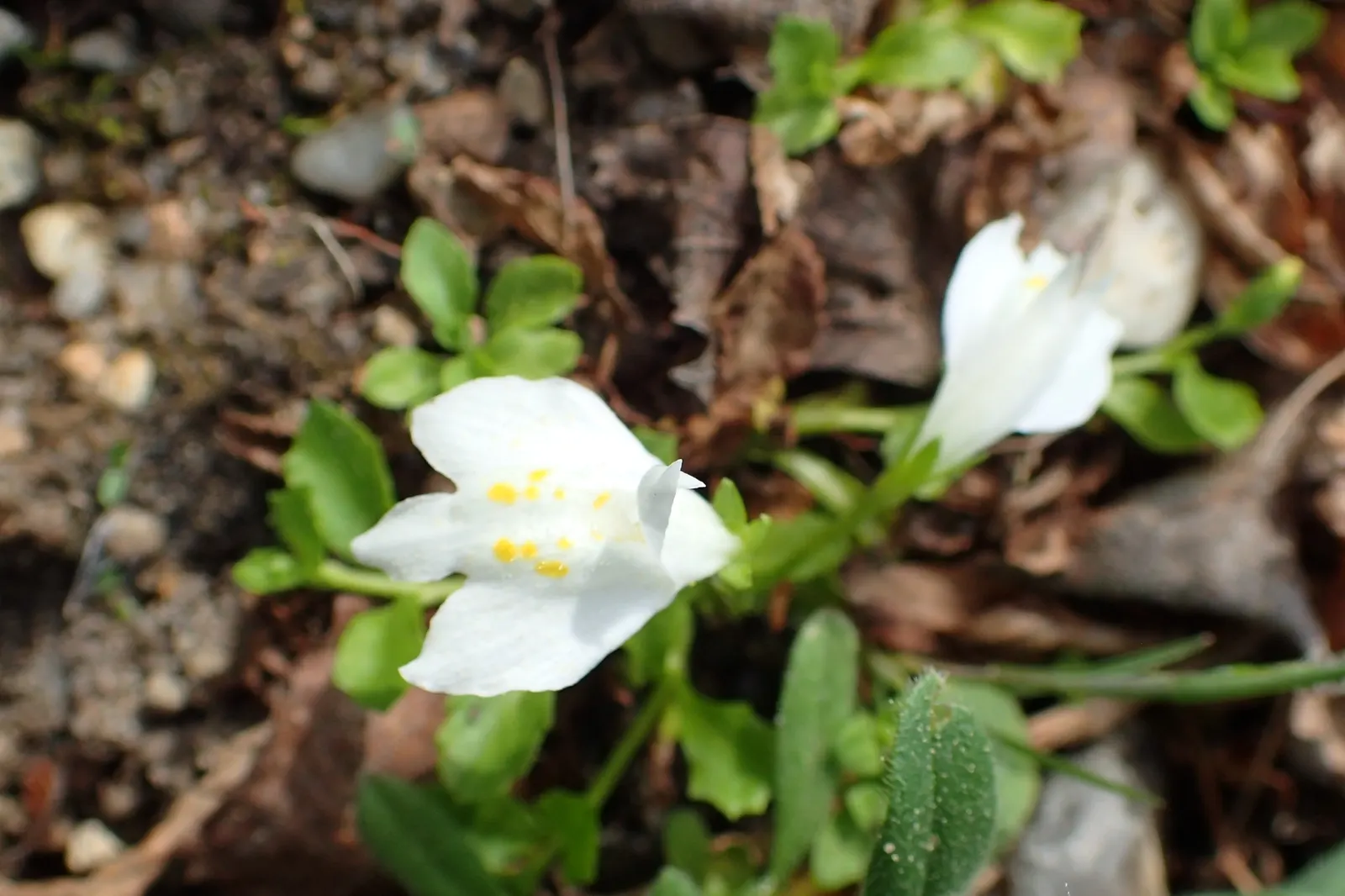
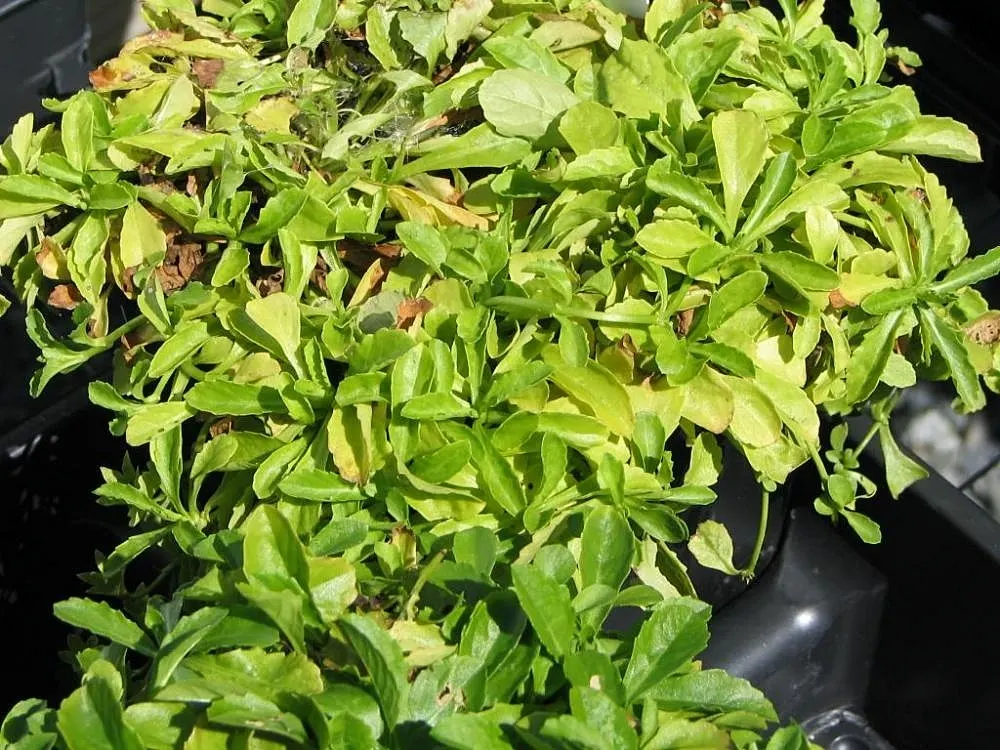
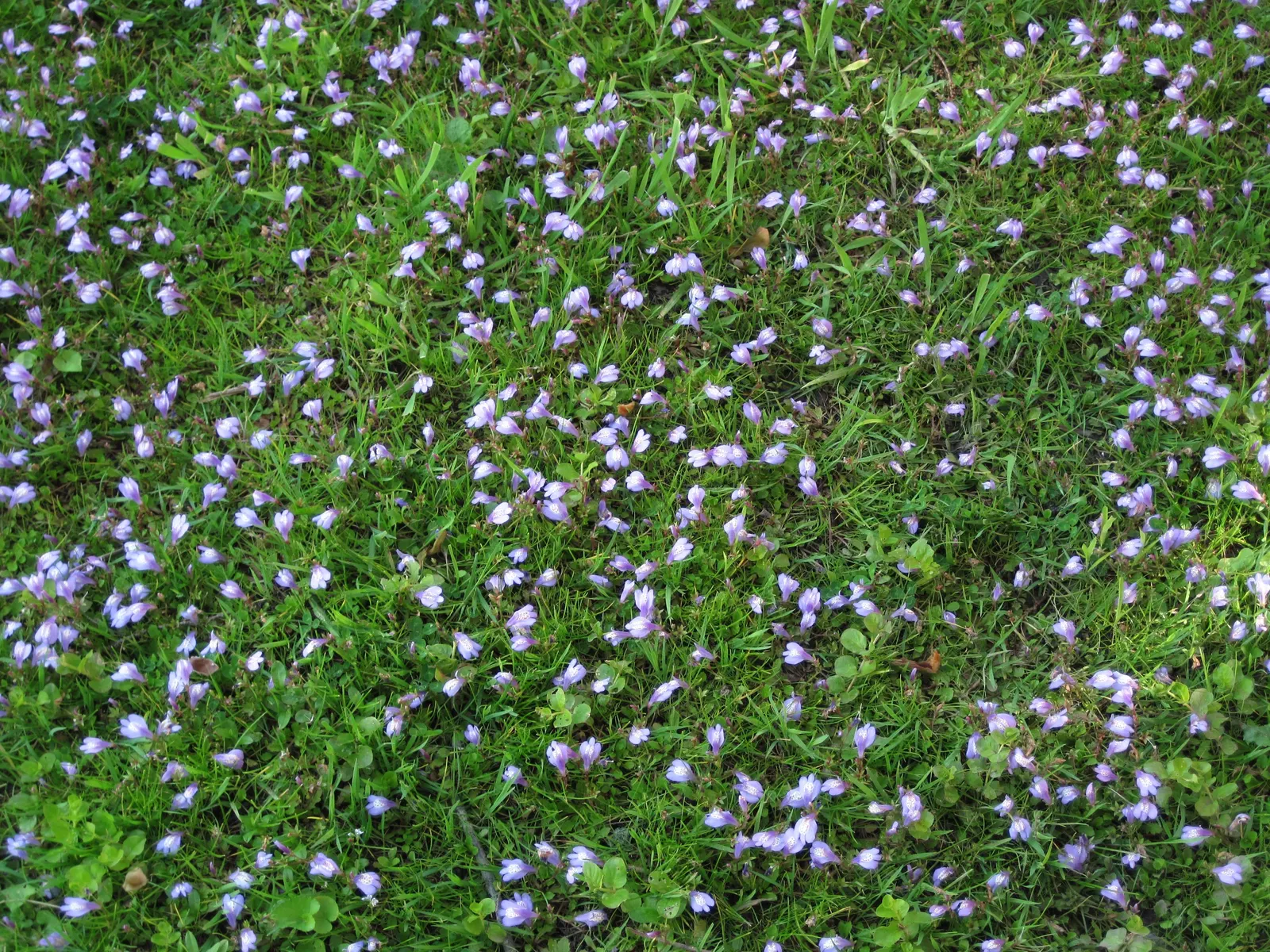
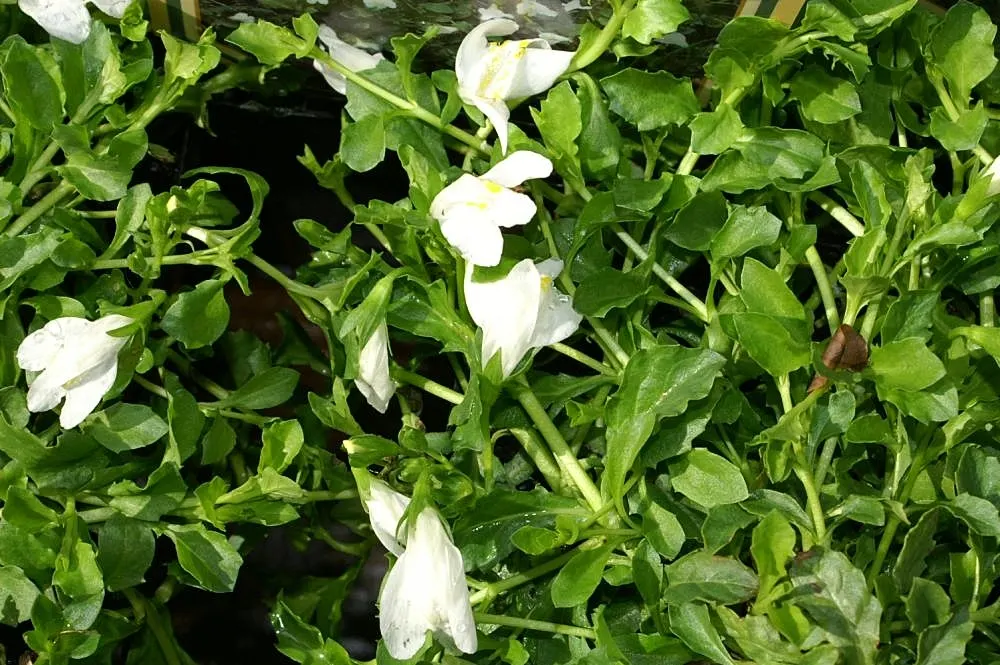
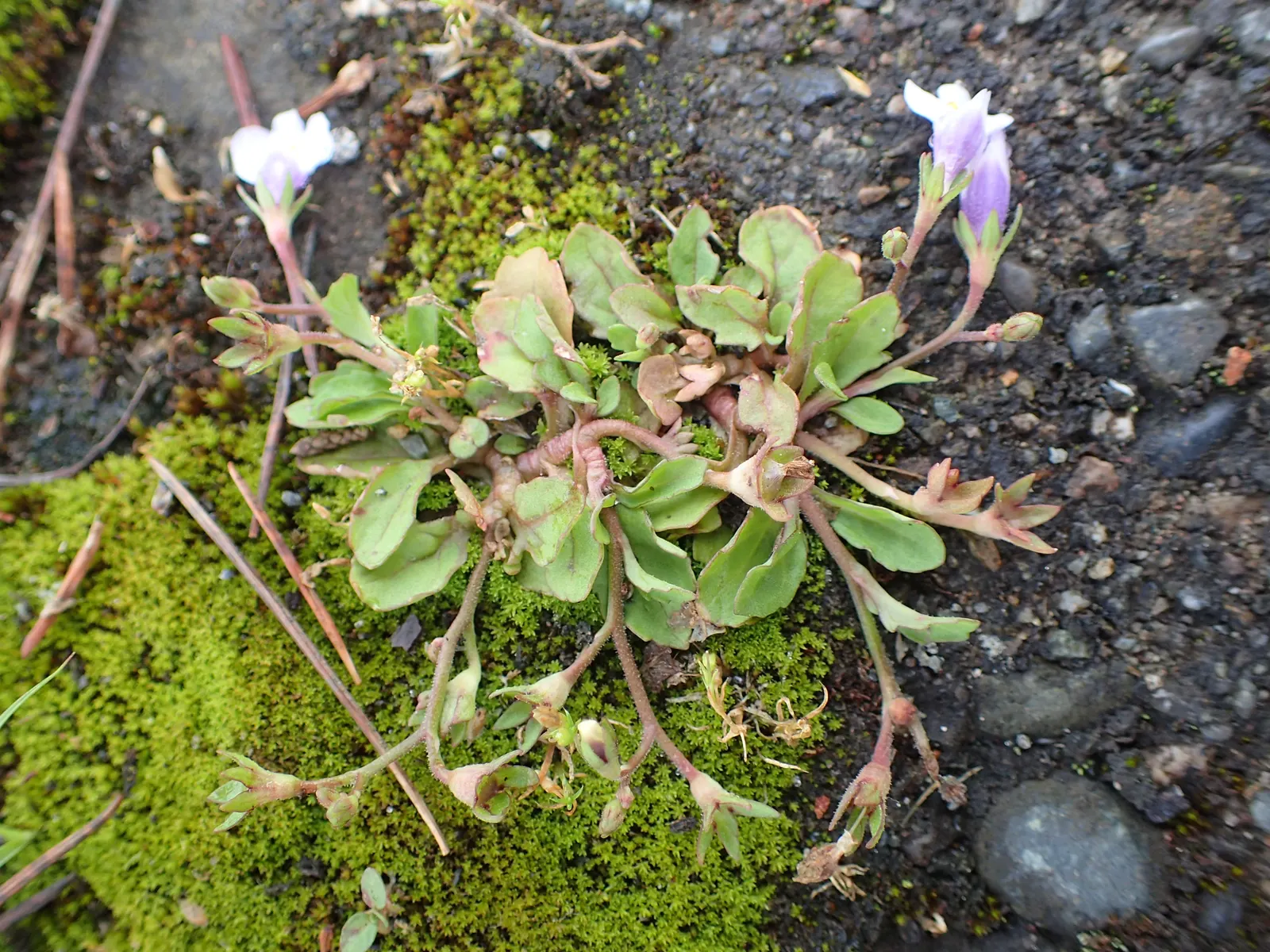
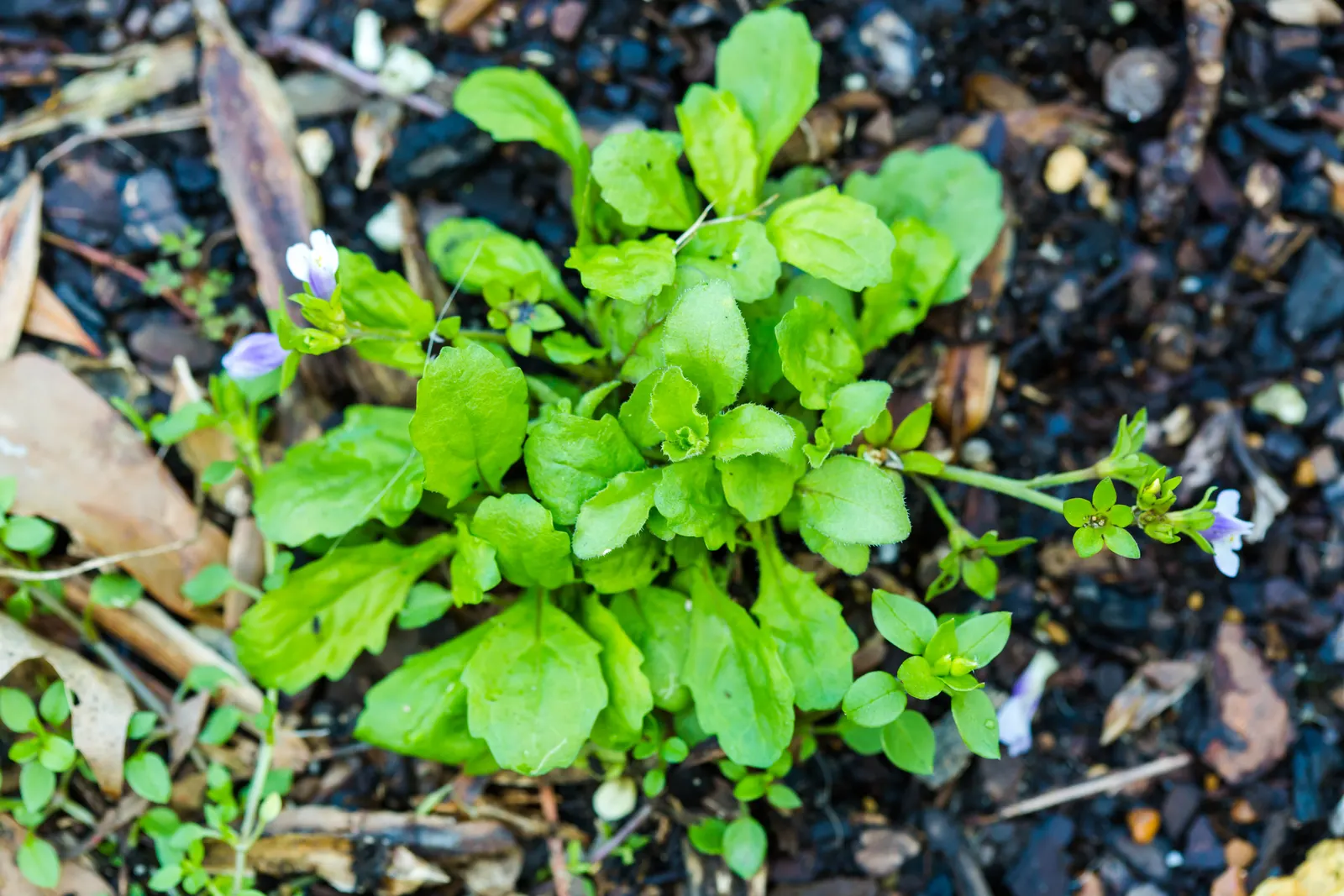
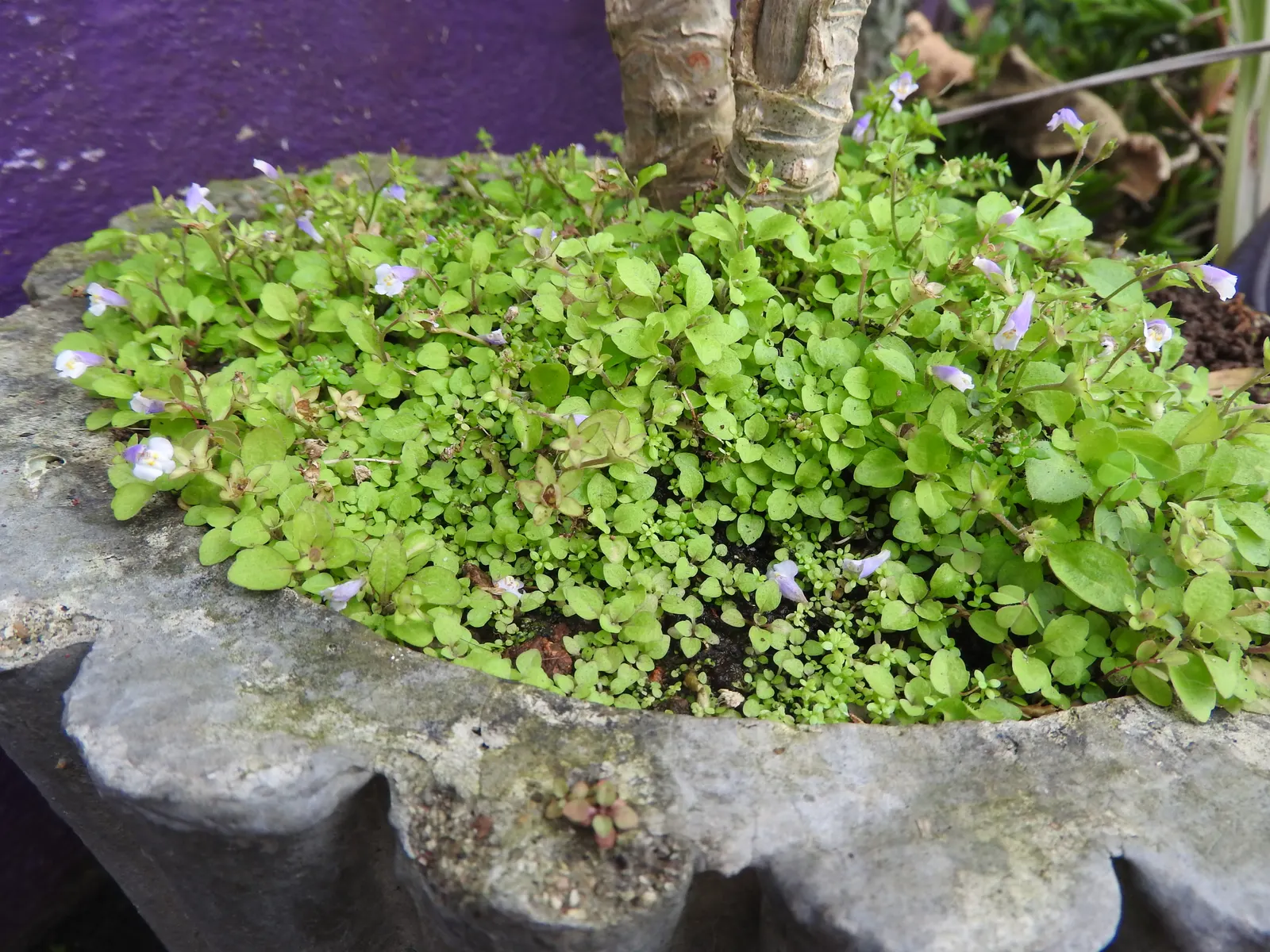
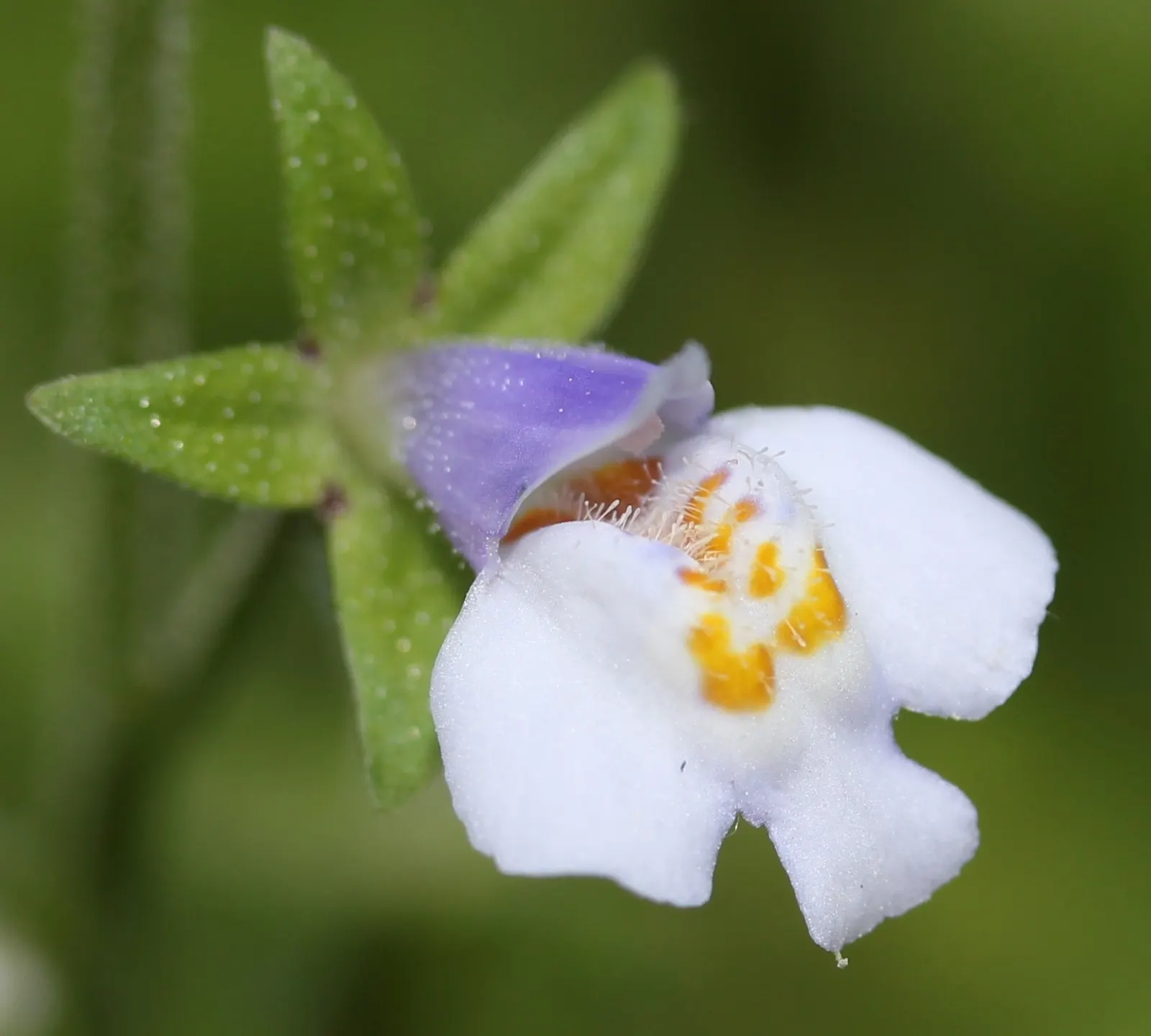
Mazus reptans, commonly known as creeping mazus, is a low-growing perennial, thriving in USDA zones 5-8. Spreading eagerly to form a dense 2-inch tall mat, its green foliage is adorned with lavender-blue flowers in late spring. This groundcover flourishes in moist, well-drained soils and partial shade, but tolerates full sun. It’s ideal for filling gaps between stepping stones, given its moderate foot traffic resilience. Space plants 12 inches apart for a lush effect.
Sun Half, ShadeWater LowZones 5–8Climate Alpine
Mazus (Mazus Reptans) — Mazus reptans, commonly known as creeping mazus, is a low-growing perennial, thriving in USDA zones 5-8

Culture

Sun
Half, Shade
Water
Low
USDA zones
5–8

Shape & size

Mature width
0.5–1 Ft.

Classification

Family
Mazaceae
Climate
Alpine

See full data, regional cultivation notes, full-resolution photos, and design tools. Build a client presentation around this plant.

Start your 14-day trial

Photos (79)

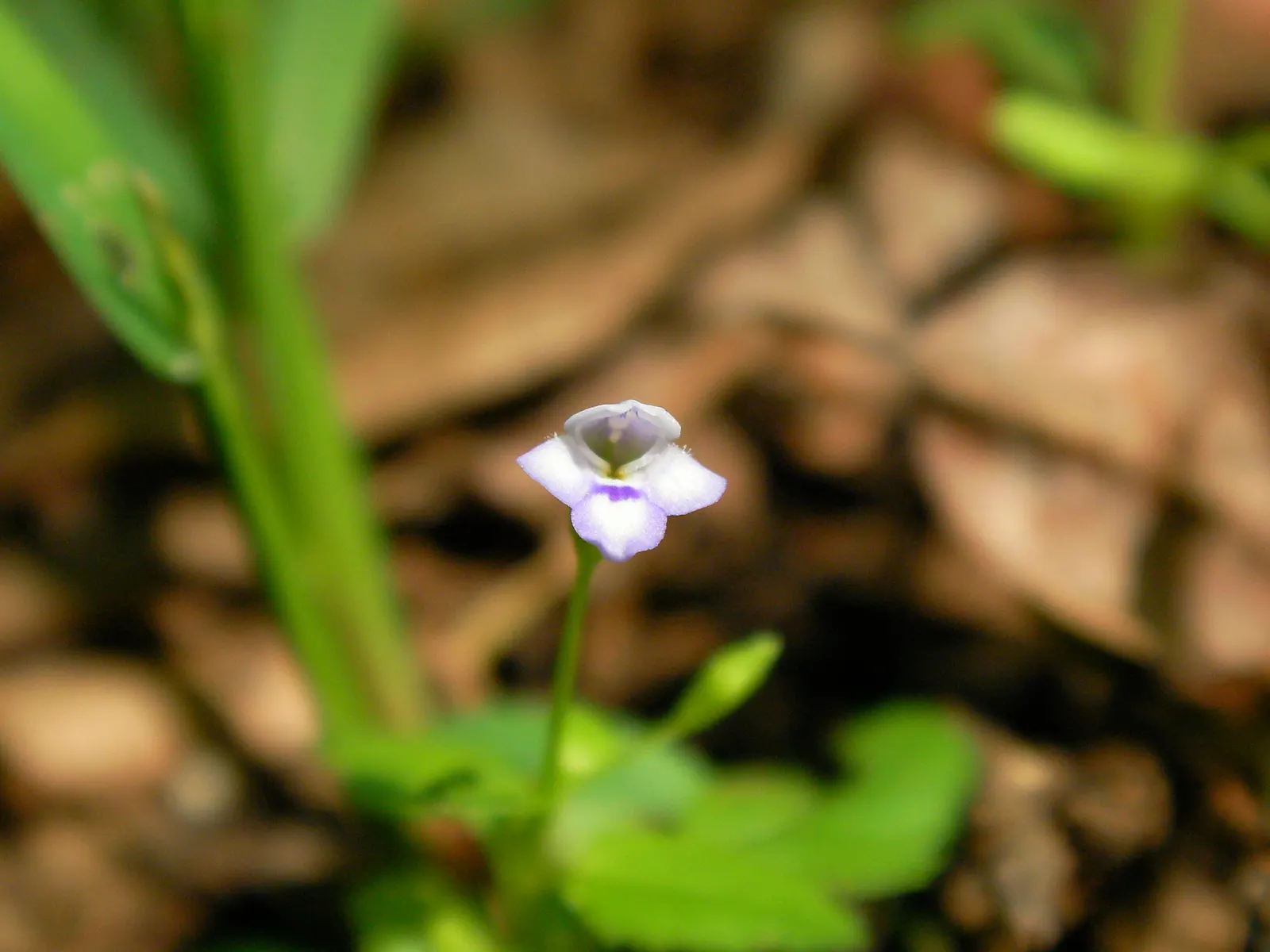
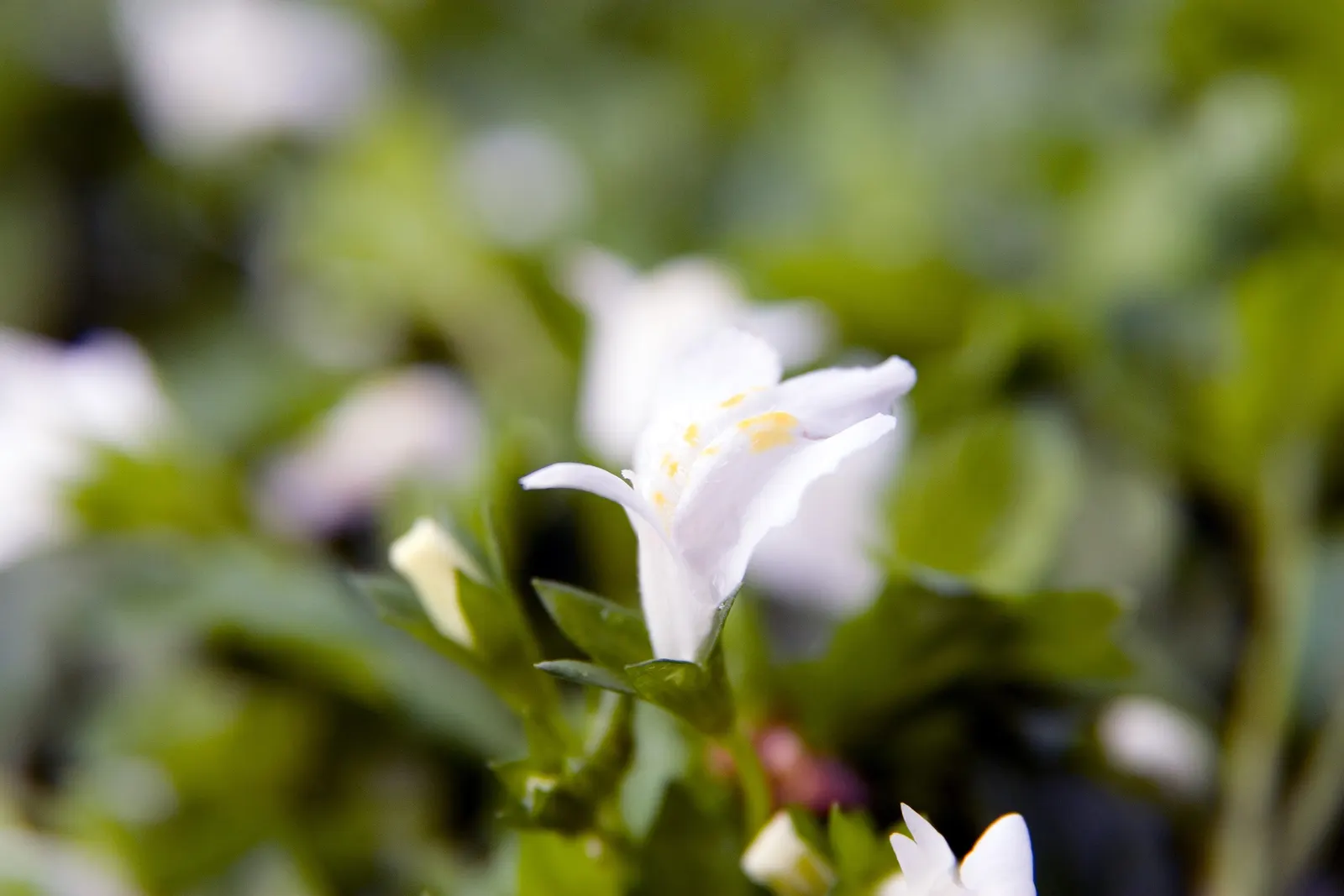
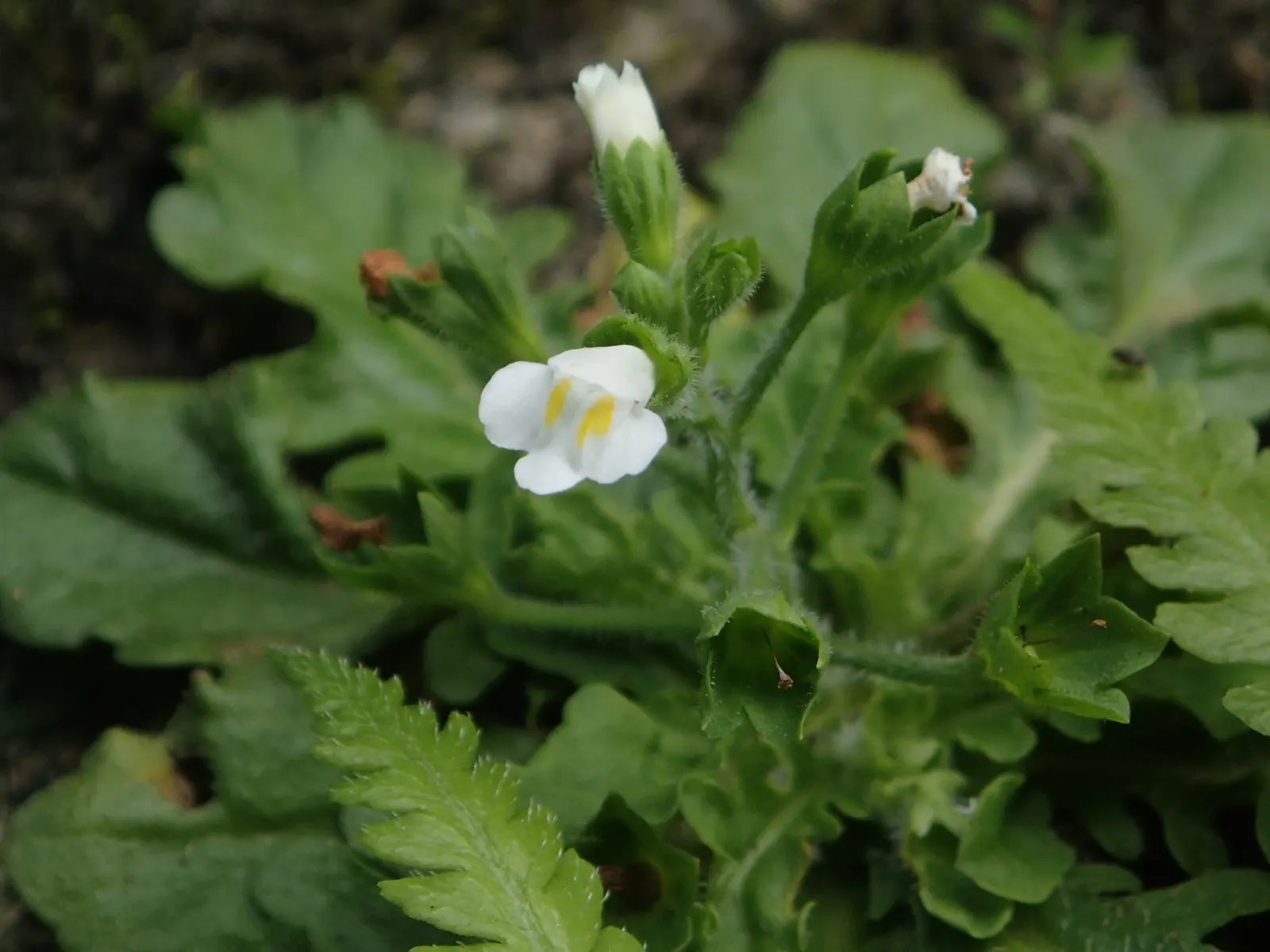
Mazus (Mazus Reptans) — ground cover for half or shade; picturesque scenes in their garden
Mazus (Mazus Reptans) — ground cover with blue and purple blooms; providing a vibrant contrast against the greenery.<br><br>Thriving in USDA zones 5 through 8
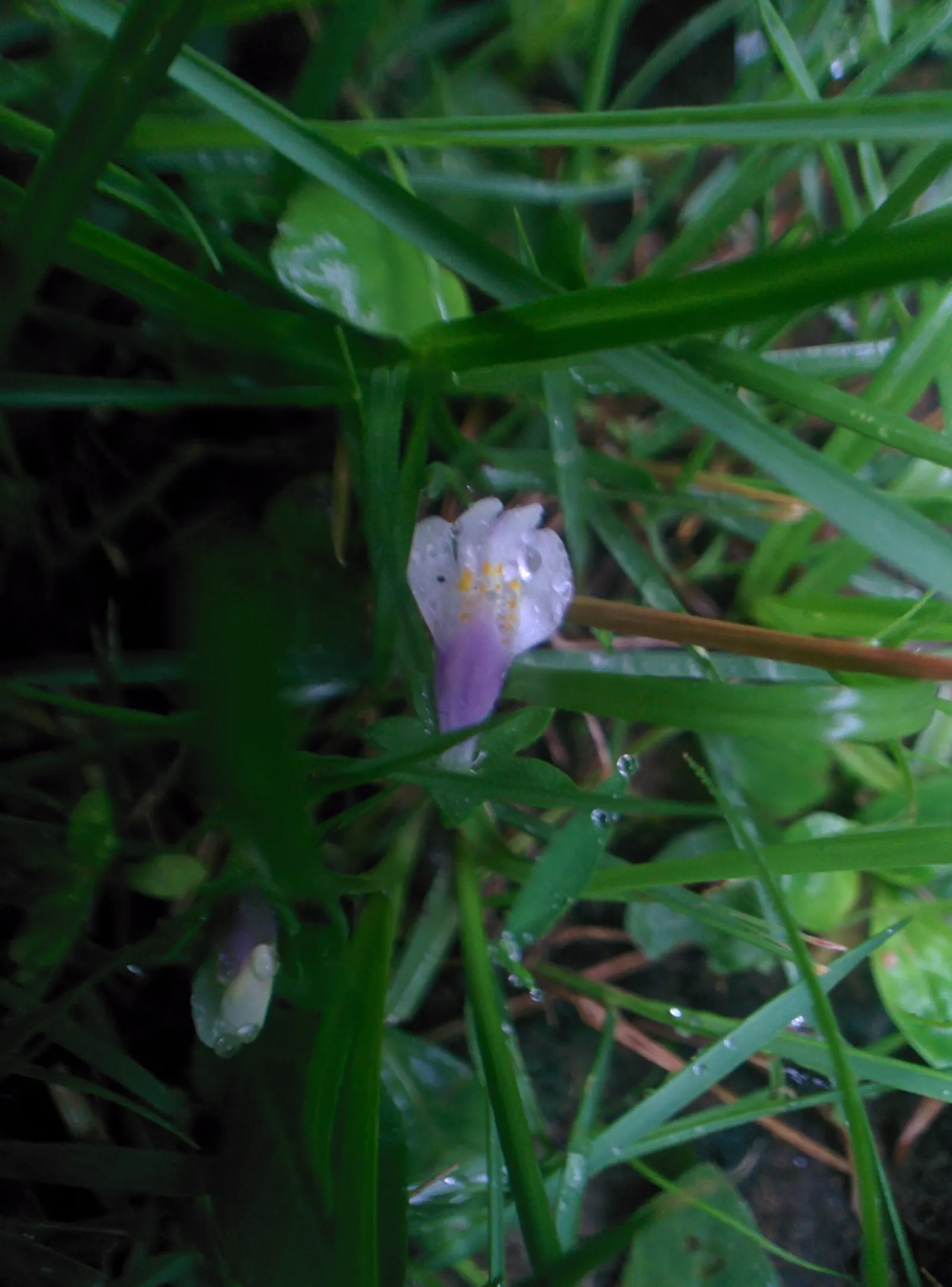
Mazus (Mazus Reptans) — blue and purple flowers in the garden; herbaceous perennial ideal for adding texture and color to your landscape design
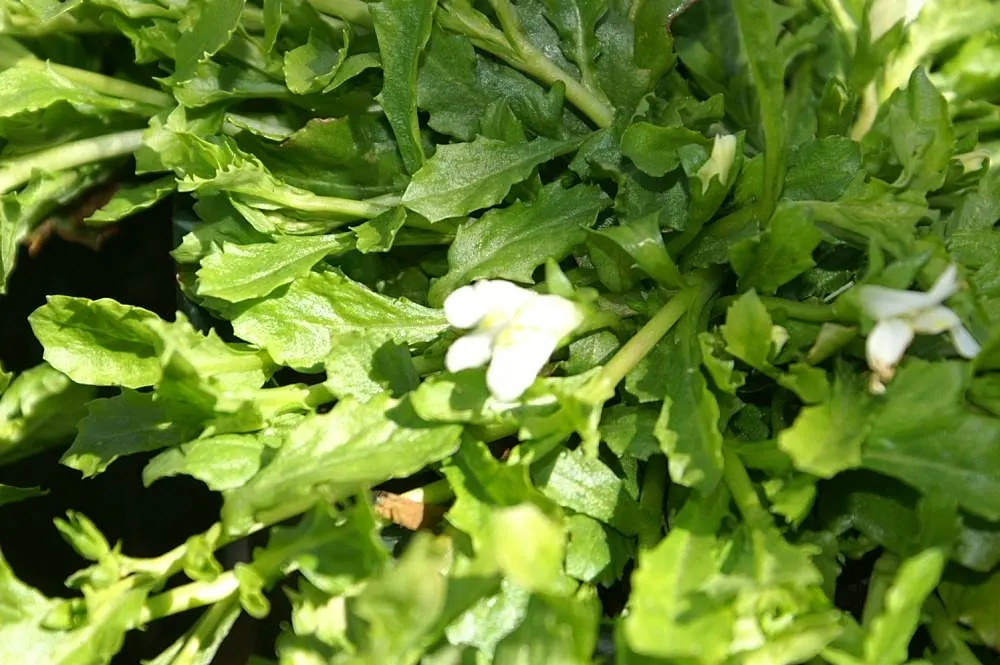
Mazus (Mazus Reptans) — picturesque scenes in their garden; mazus reptans, commonly known as creeping mazus, is a low-growing perennial, thriving in USDA zones
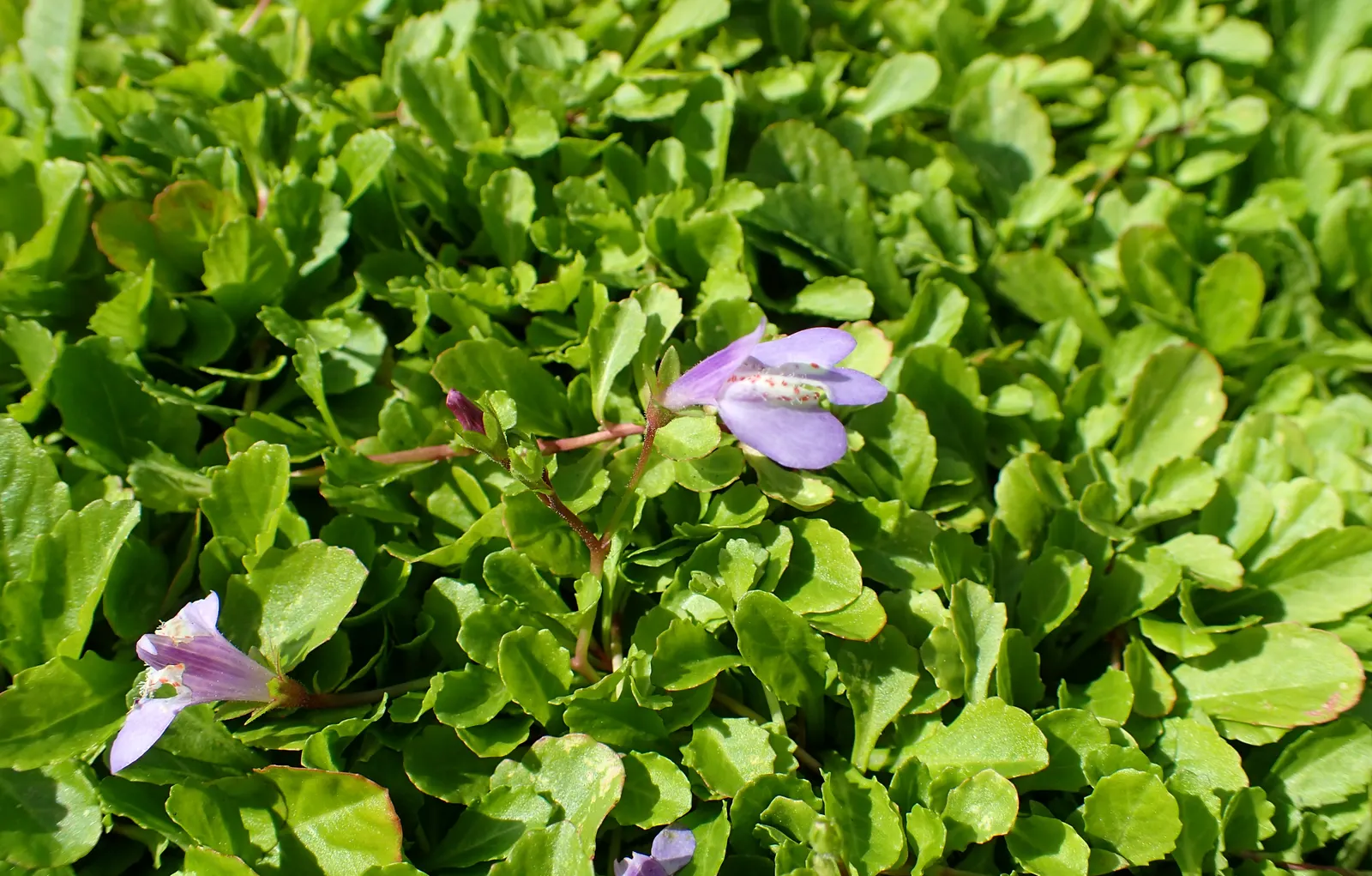
Mazus (Mazus Reptans) — its green foliage is adorned with lavender-blue flowers in late spring; this plant tolerates occasional foot traffic, image 53
Mazus (Mazus Reptans) — Space plants 12 inches apart for a lush effect; ranging from lavender to blue with intricate spotted markings and a yellow, image 56
Mazus (Mazus Reptans) — herbaceous perennial ideal for adding texture and color to your landscape design; its green foliage is adorned with, image 58
Mazus (Mazus Reptans) — It‚Äôs ideal for filling gaps between stepping stones, given its moderate foot traffic resilience; commonly known as, image 55
Mazus (Mazus Reptans) — This groundcover flourishes in moist, well-drained soils and partial shade, but tolerates full sun; ground cover for half, image 54
Mazus (Mazus Reptans) — commonly known as creeping mazus; but keep an eye on soil moisture to ensure optimal growth and spread.<br><br>For the, image 57
Mazus (Mazus Reptans) — This ground cover plant is characterized by its mat-forming habit; lance-shaped leaves that create a dense, image 59
Mazus (Mazus Reptans) — lance-shaped leaves that create a dense; well-draining soil and can flourish in full sun to partial shade, image 60
Mazus (Mazus Reptans) — about 1/2 inch in diameter; space plants 12 inches apart for a lush effect, image 62
Mazus (Mazus Reptans) — Mazus reptans prefers moderately fertile; this ground cover plant is characterized by its mat-forming habit, image 66
Mazus (Mazus Reptans) — providing a vibrant contrast against the greenery.<br><br>Thriving in USDA zones 5 through 8; spreading eagerly to form a, image 65
Mazus (Mazus Reptans) — ranging from lavender to blue with intricate spotted markings and a yellow throat; it's relatively maintenance-free once, image 64
Mazus (Mazus Reptans) — The blooms exhibit striking coloration, image 63
Mazus (Mazus Reptans) — From late spring to early summer; ground cover with blue and purple blooms, image 61
Mazus (Mazus Reptans) — This plant tolerates occasional foot traffic; blue and purple flowers in the garden, image 68
Mazus (Mazus Reptans) — making it an excellent filler between stepping stones or in rock gardens; it‚Äôs ideal for filling gaps between stepping, image 69
Mazus (Mazus Reptans) — it's relatively maintenance-free once established; about 1/2 inch in diameter, image 70
Mazus (Mazus Reptans) — well-draining soil and can flourish in full sun to partial shade; mazus reptans prefers moderately fertile, image 67
Mazus (Mazus Reptans) — picturesque scenes in their garden; mazus reptans, commonly known as creeping mazus, is a low-growing perennial, thriving, image 72
Mazus (Mazus Reptans) — but keep an eye on soil moisture to ensure optimal growth and spread.<br><br>For the client; making it an excellent filler, image 71

Related plants