Skip to content

Mango

Mangifera indica

Design with this plant

Overview

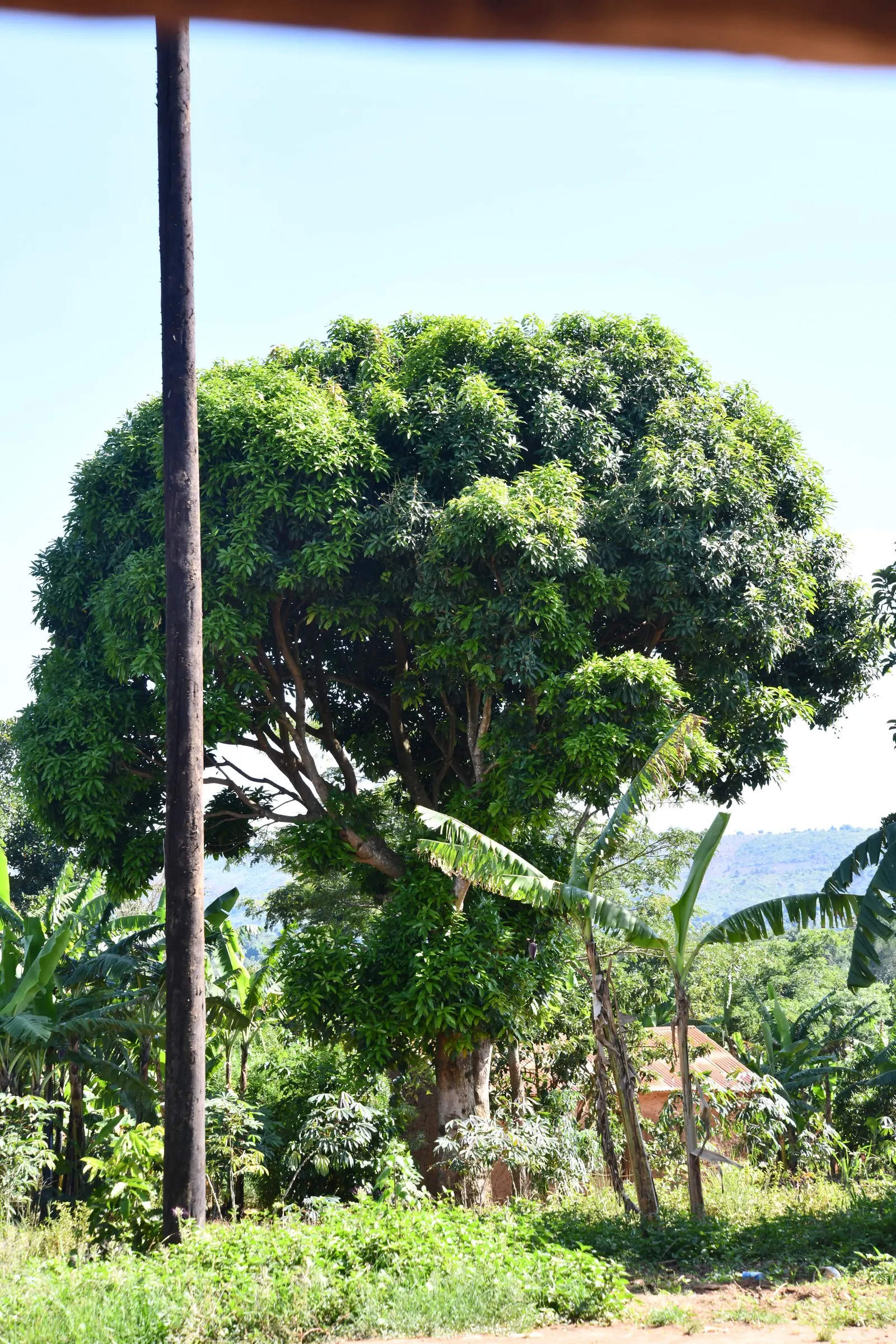
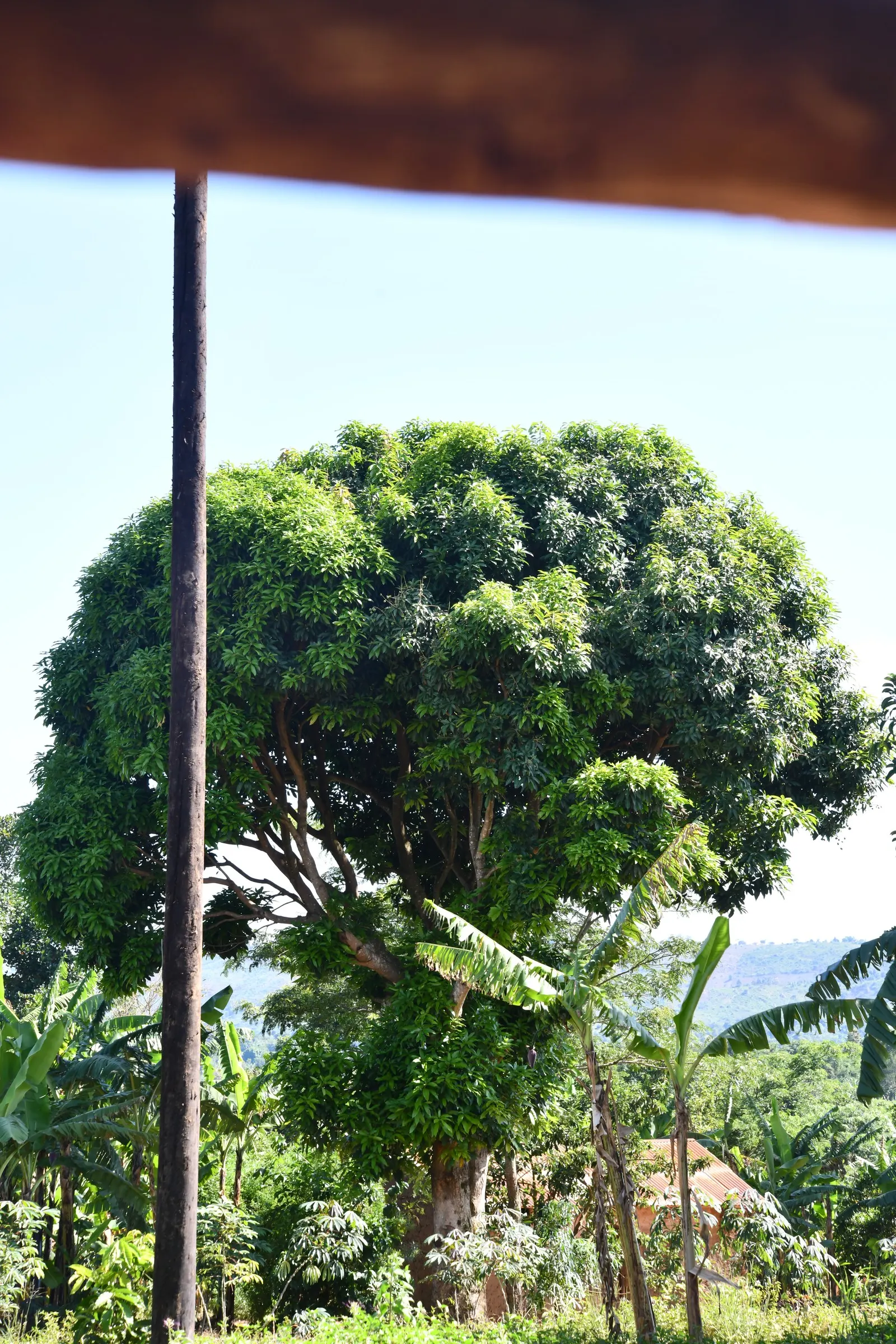
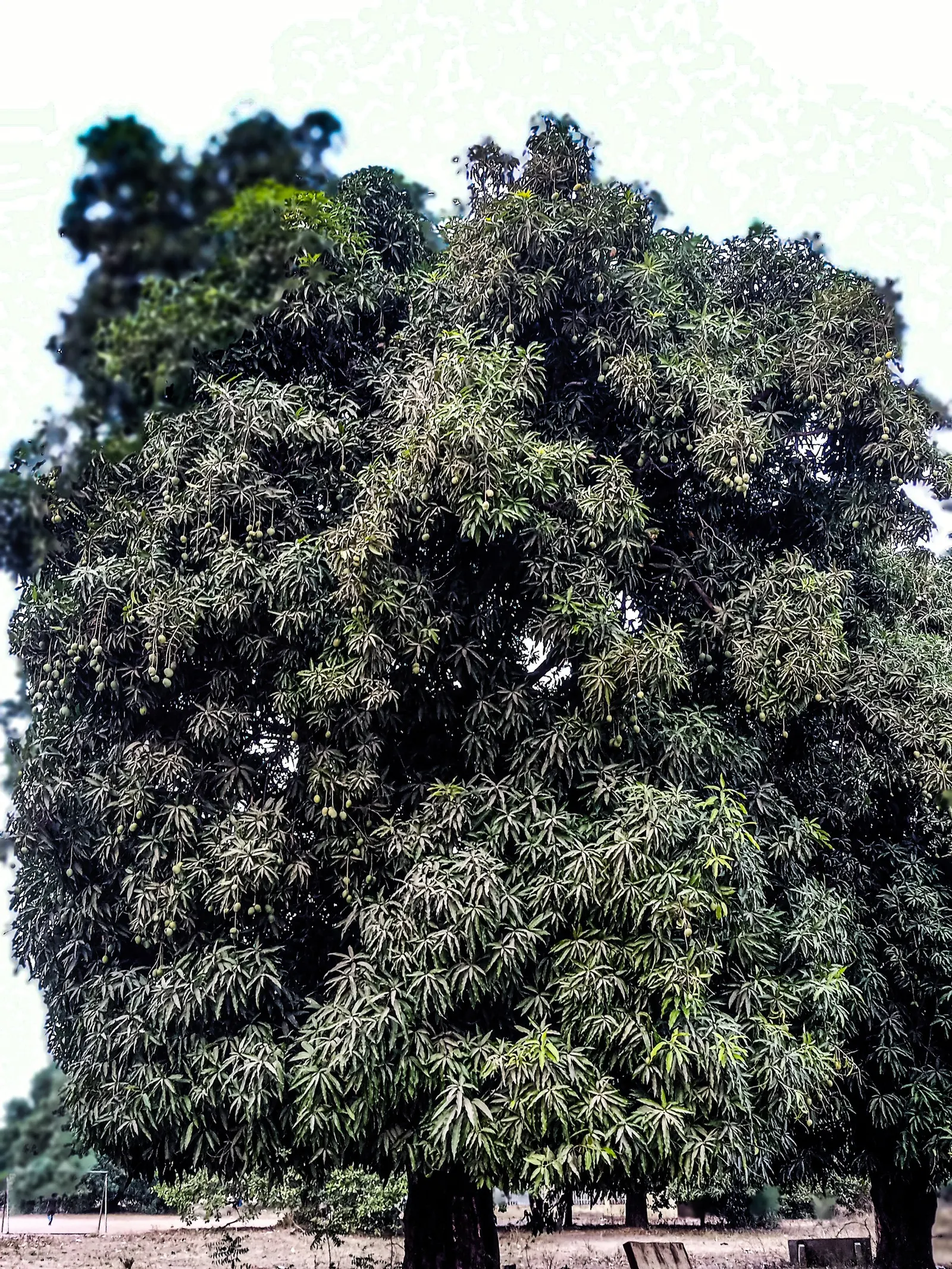
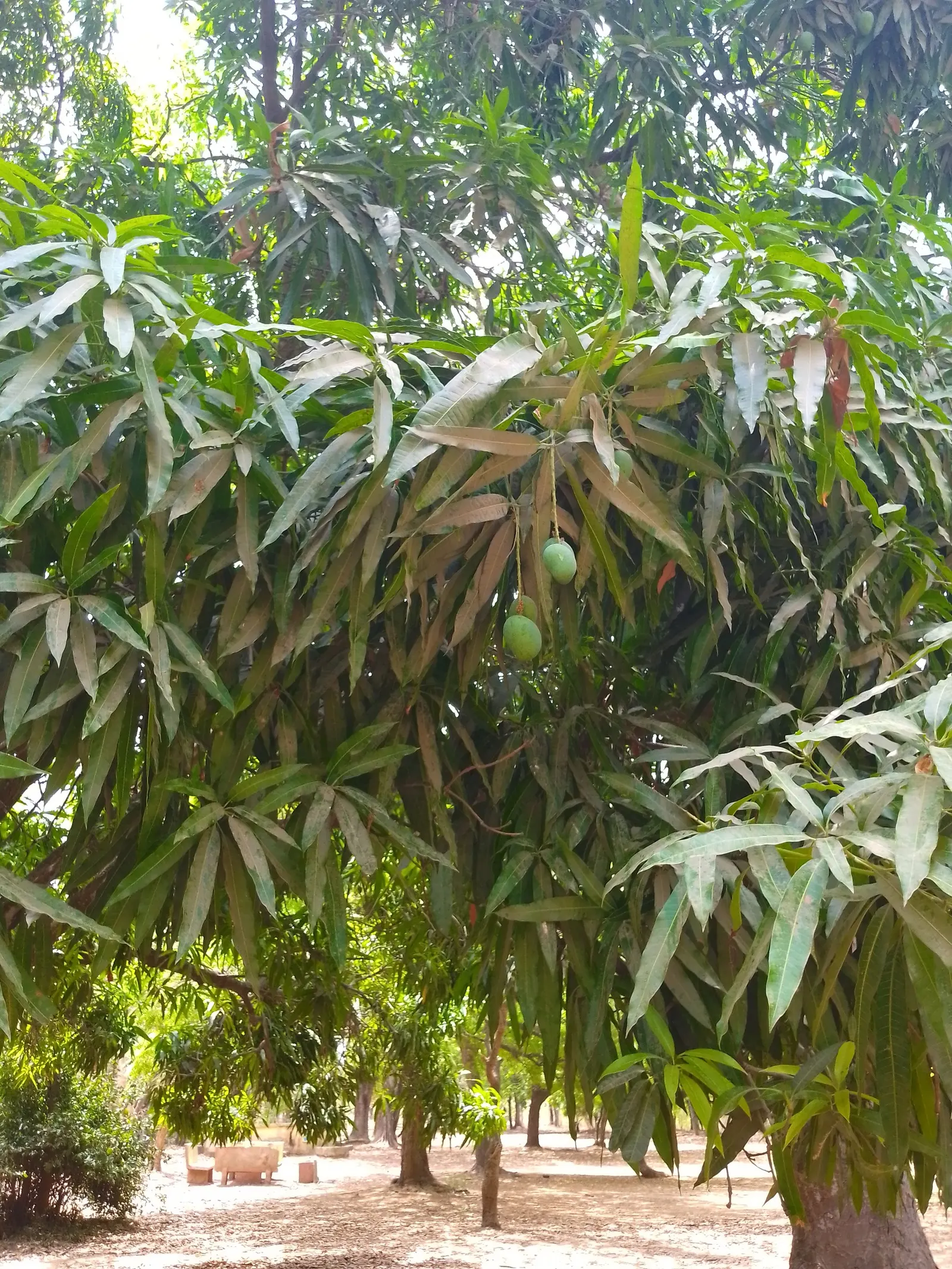
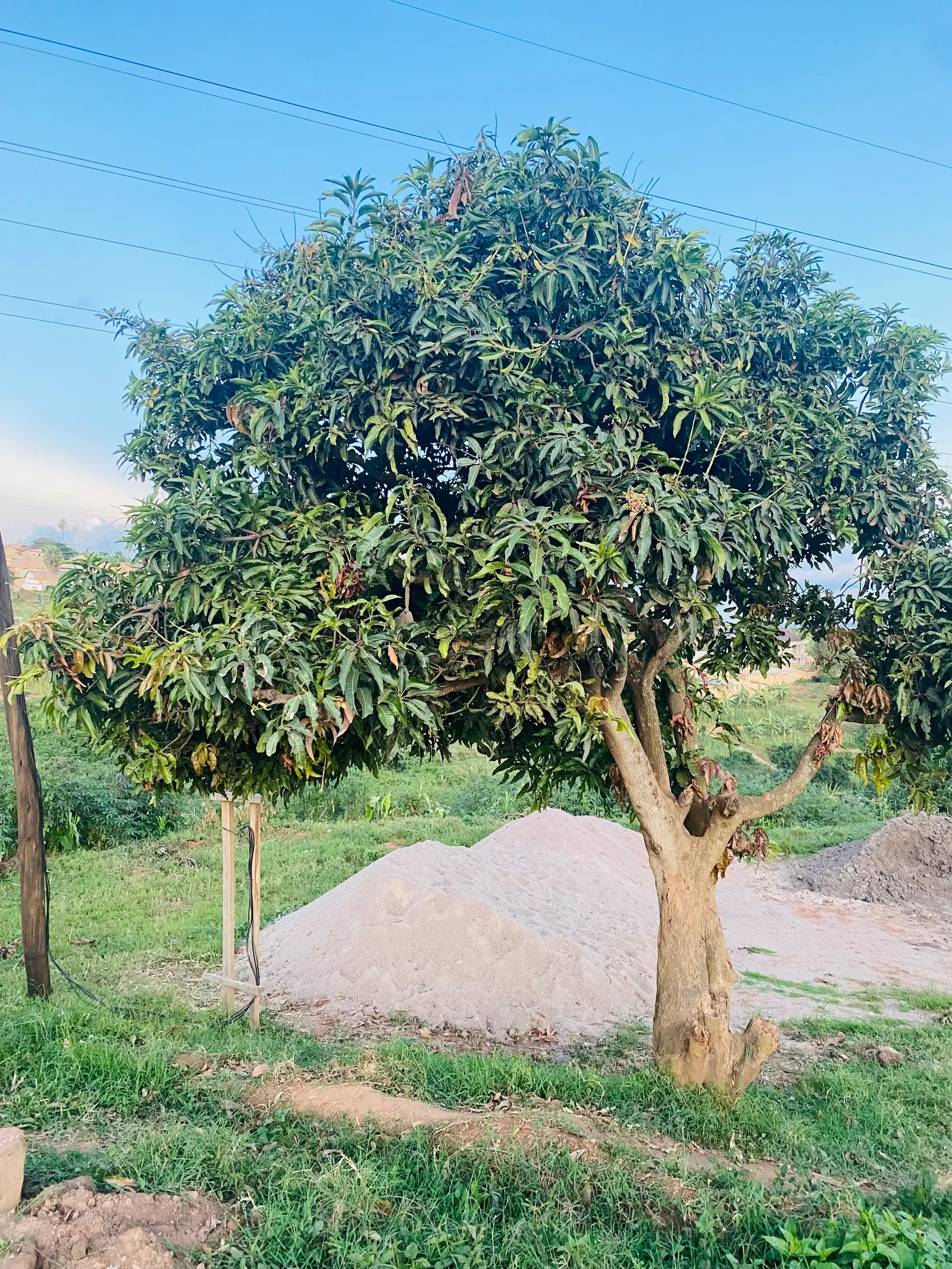
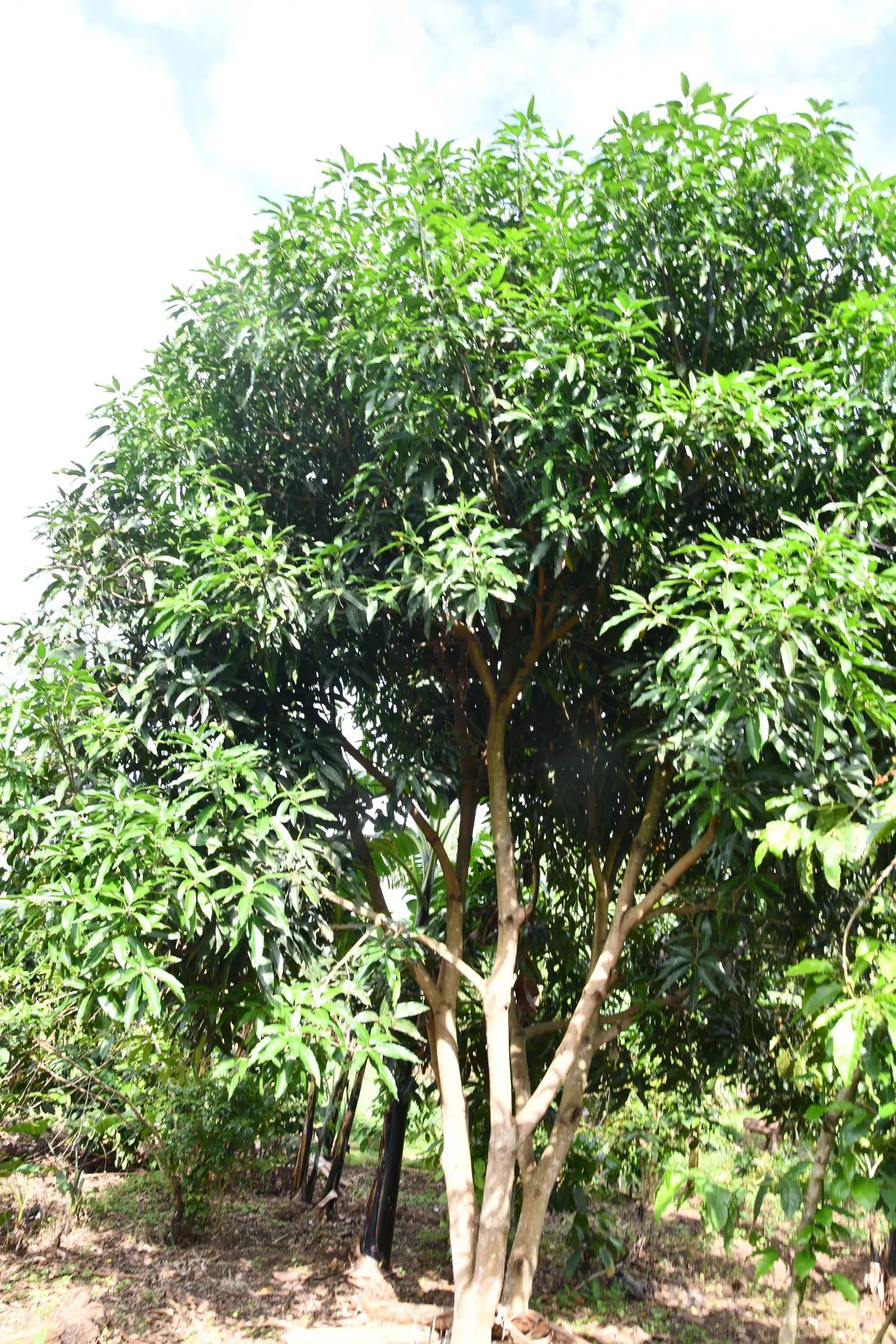
The Mango Tree (Magnifera indica) is a robust, evergreen tree that can soar to heights of 65-100 feet. With a broad, dense canopy, it typically spans 33-49 feet wide. Ideal in USDA zones 10-11, mangoes prefer full sun and well-draining soil. Spring blossoms give way to juicy, tropical fruit which is both ornamental and edible. Allow ample space from structures to accommodate its extensive root system. Annual growth is roughly 1-2 feet.

Sun FullWater Extra in Summer, Very LowZones 9–10Type TreeClimate Subtropical

Culture

Sun
Full
Water
Extra in Summer, Very Low
USDA zones
9–10

Shape & size

Mature height
15–80 Ft.
Mature width
15–40 Ft.

Classification

Type
Tree
Family
Anacardiaceae
Climate
Subtropical

See full data, regional cultivation notes, and design tools. Build a client presentation around this plant.

Start your 14-day trial

Photos (146)

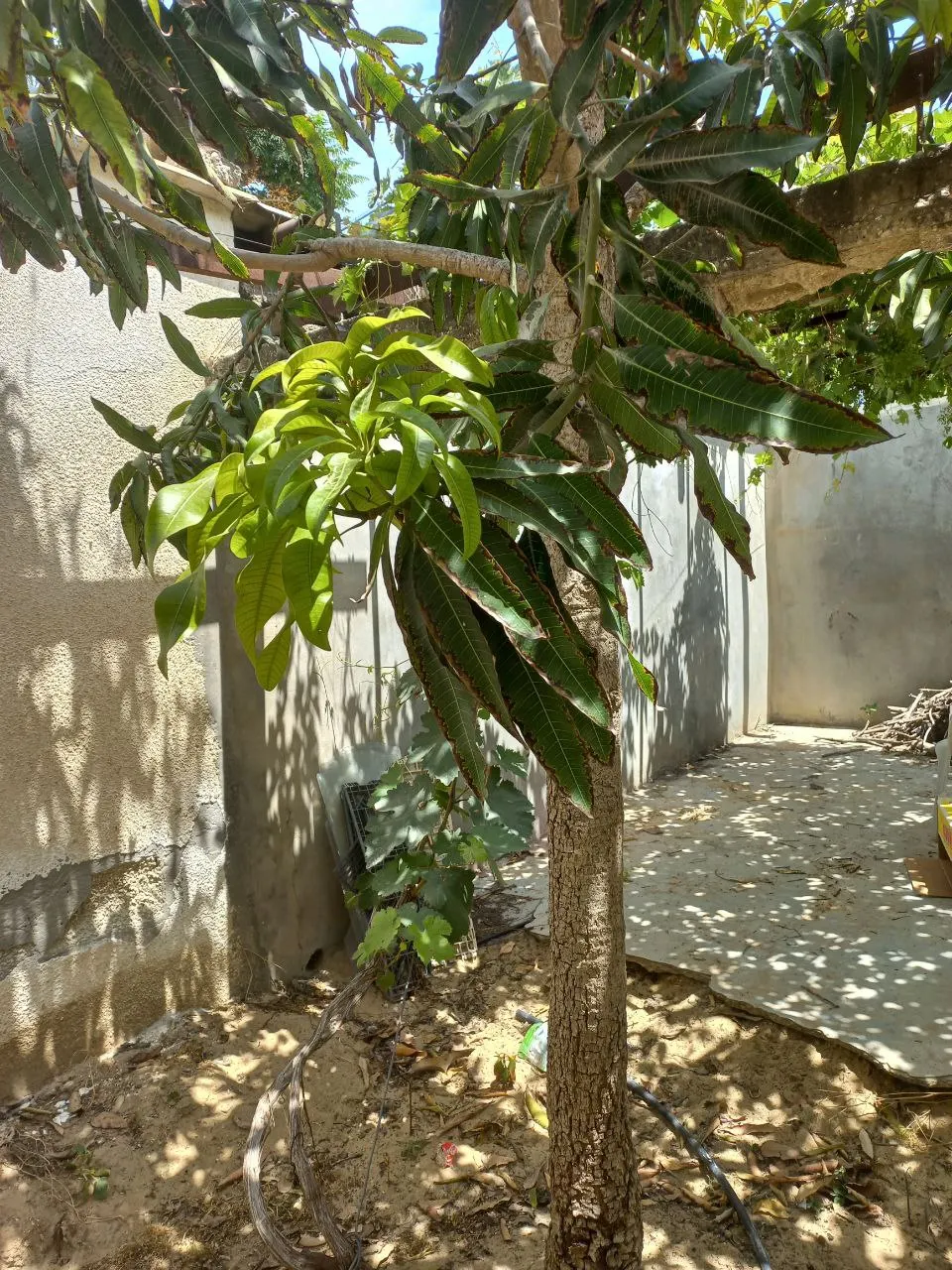
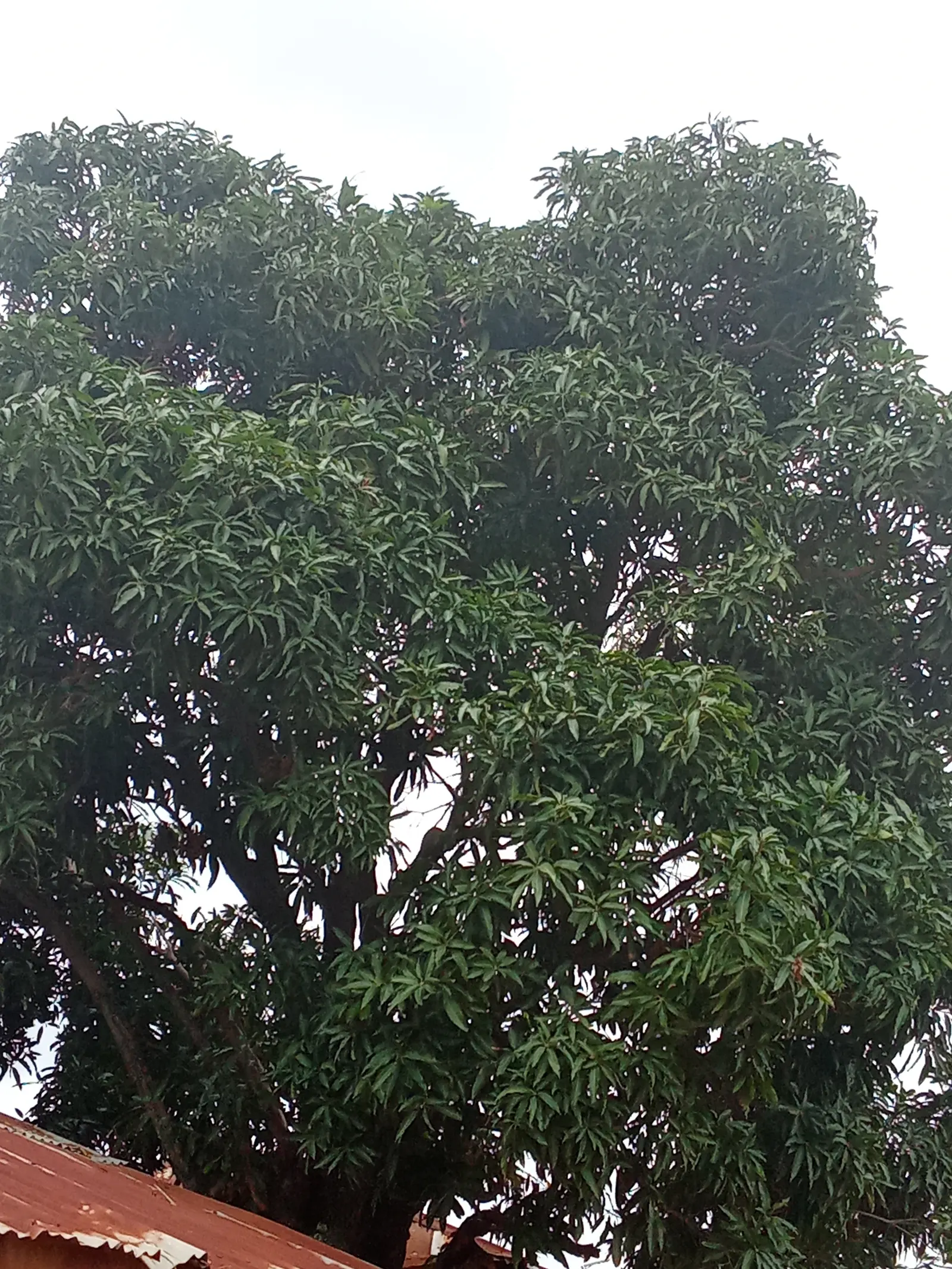
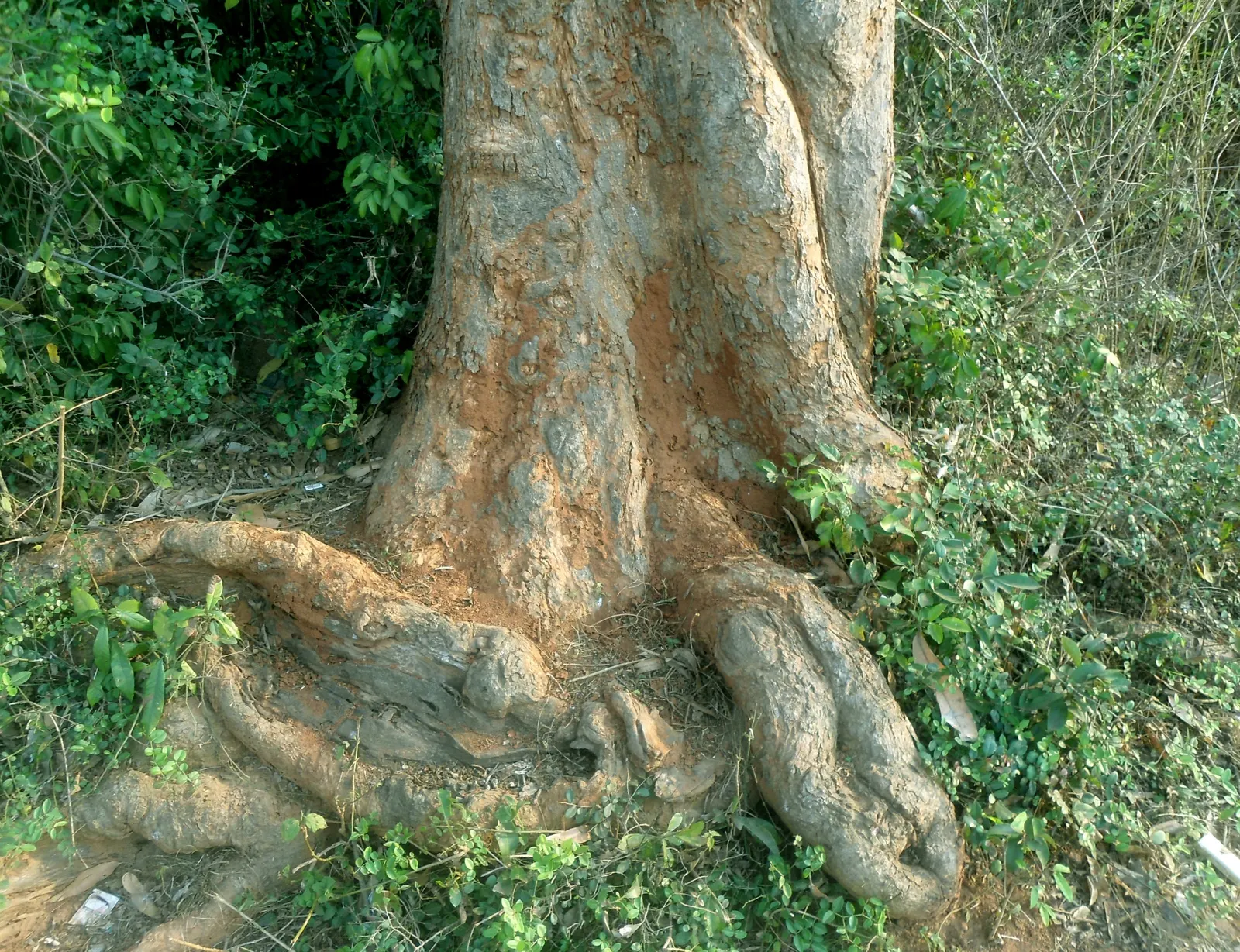
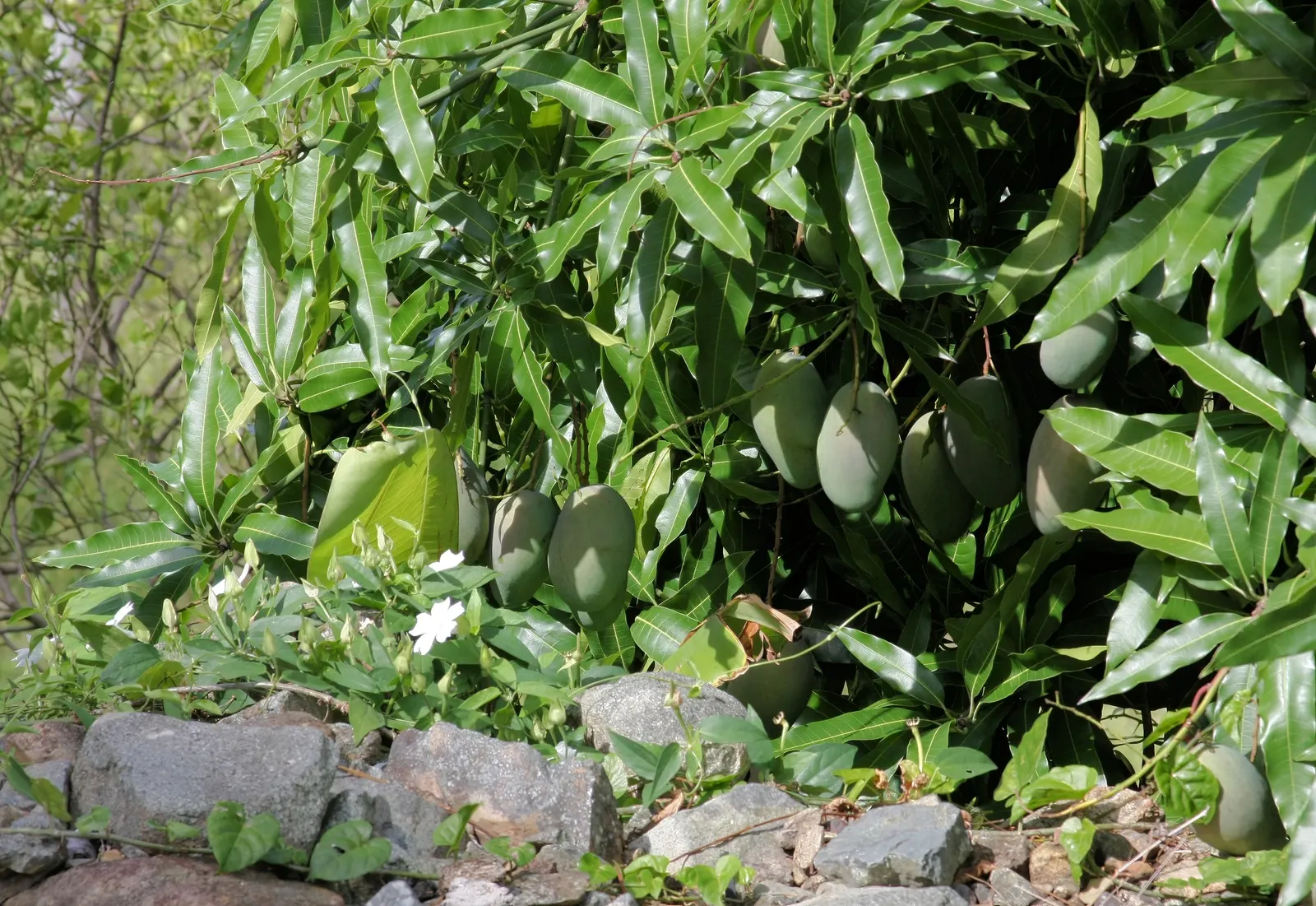
Mango (Mangifera indica) — Allow ample space from structures to accommodate its extensive root system; its domed and dense structure provides ample, image 115
Mango (Mangifera indica) — revered for its succulent fruit and exotic presence in landscape design; originating from South Asia, image 96
Mango (Mangifera indica) — revered for its succulent fruit and exotic presence in landscape design
Mango (Mangifera indica) — It thrives in USDA Hardiness Zones 10-11 and prefers a sunny
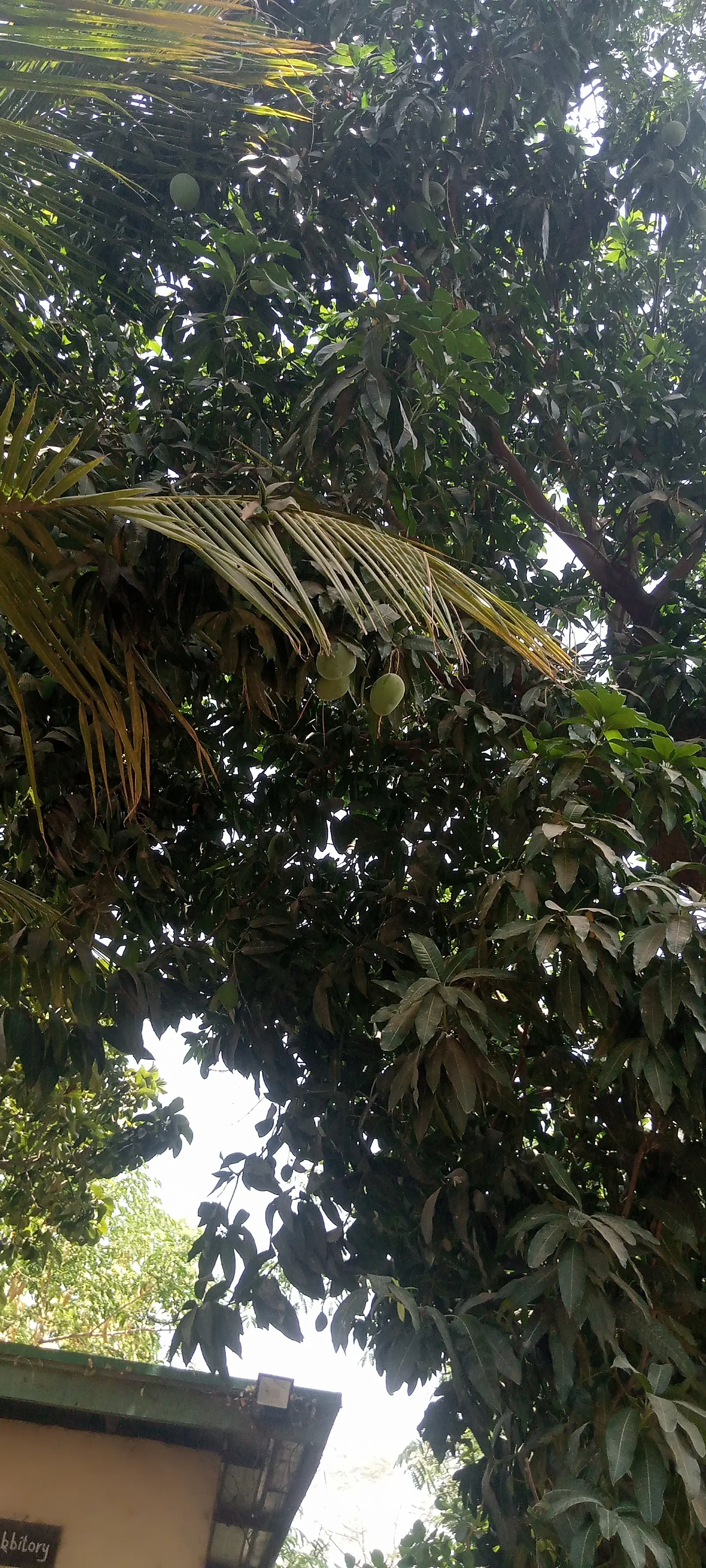
Mango (Mangifera indica) — The Mango Tree (Magnifera indica) is a majestic and resilient specimen; with a broad, dense canopy, it typically spans, image 117
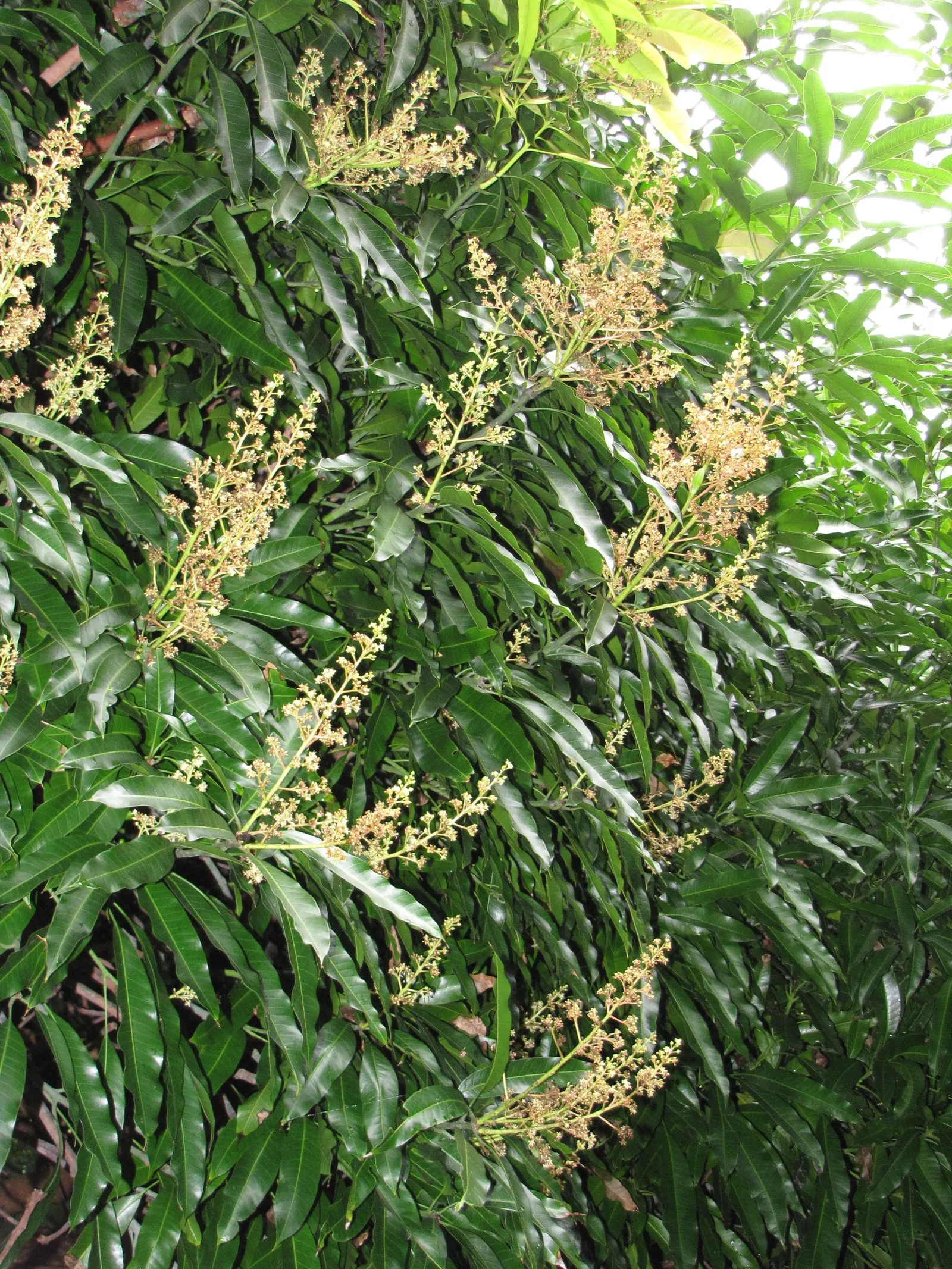
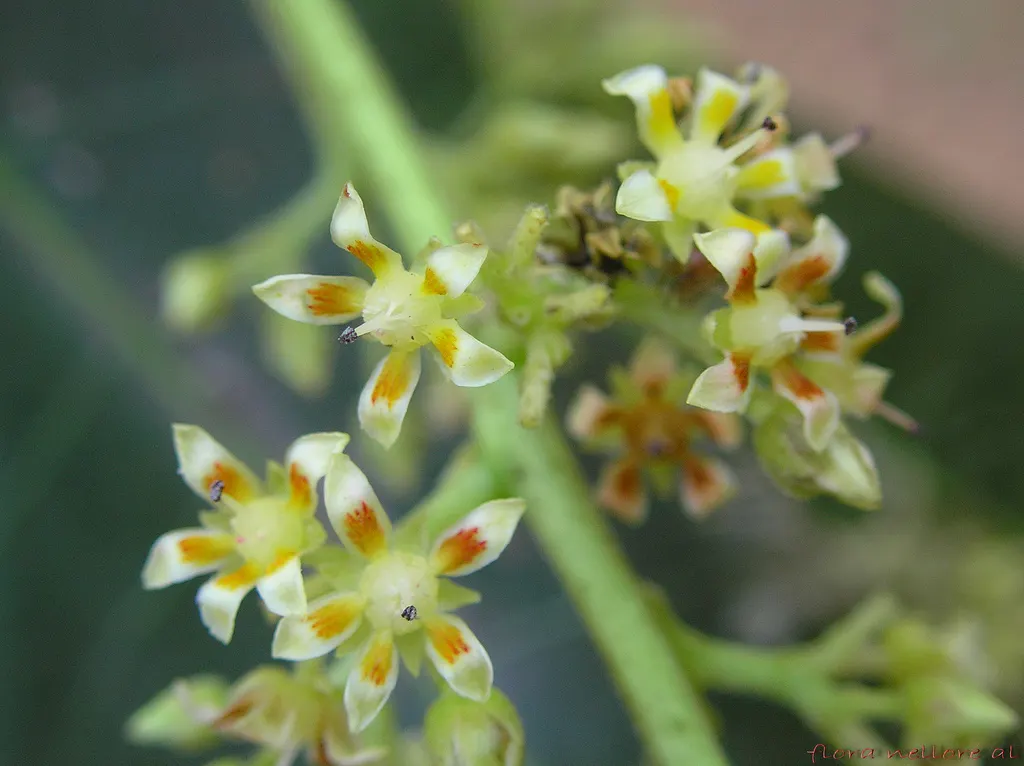
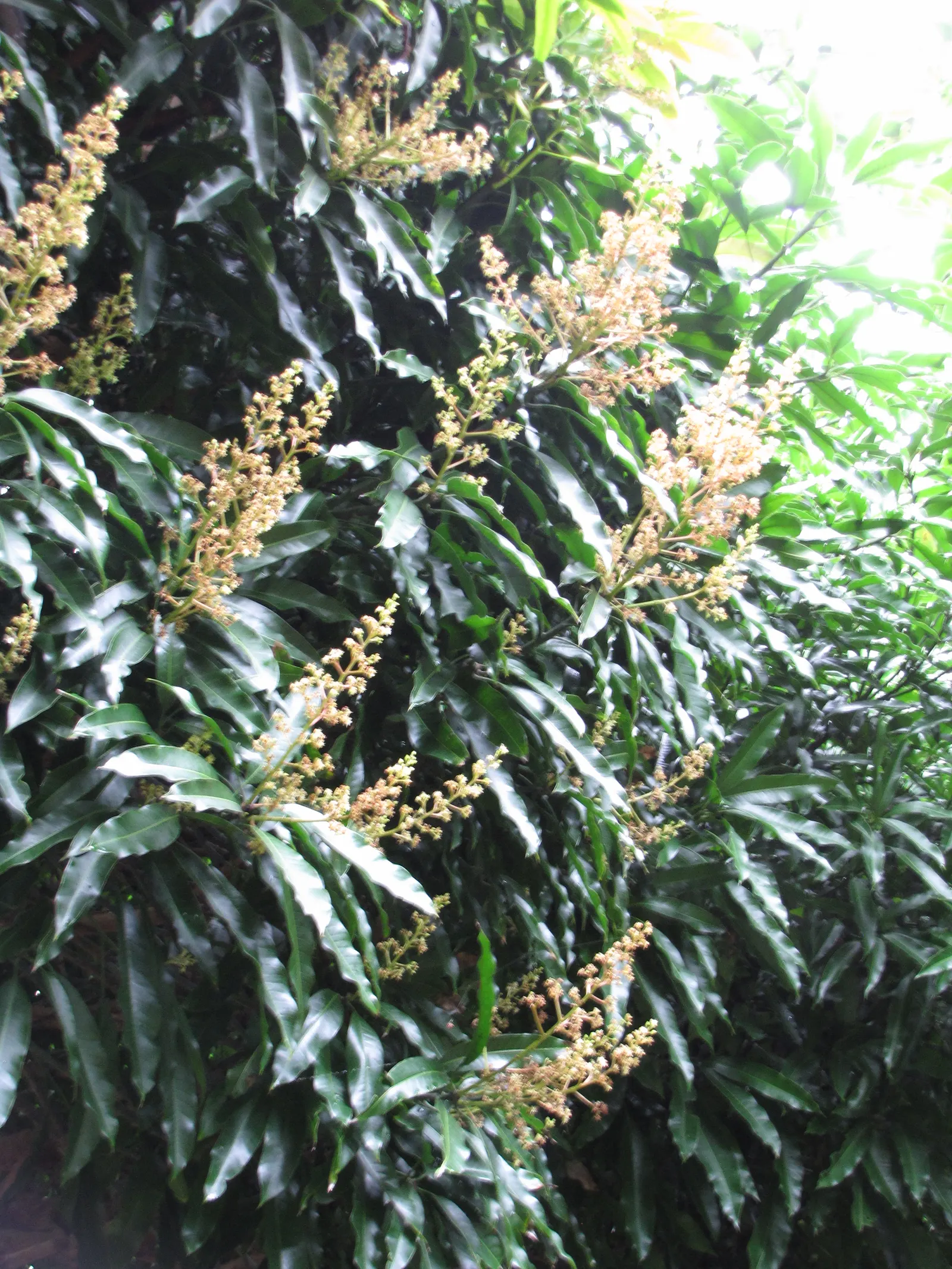
Mango (Mangifera indica) — which transform into generous crops of mangoes by summertime; tree with yellow blooms
Mango (Mangifera indica) — Its domed and dense structure provides ample shade
Mango (Mangifera indica) — Allow ample space from structures to accommodate its extensive root system; its domed and dense structure provides ample, image 49
Mango (Mangifera indica) — With a broad, dense canopy, it typically spans 33-49 feet wide; it thrives in USDA Hardiness Zones 10-11 and prefers a, image 46
Mango (Mangifera indica) — Its domed and dense structure provides ample shade; the Mango Tree (Magnifera indica) is a robust, evergreen tree that can soar to
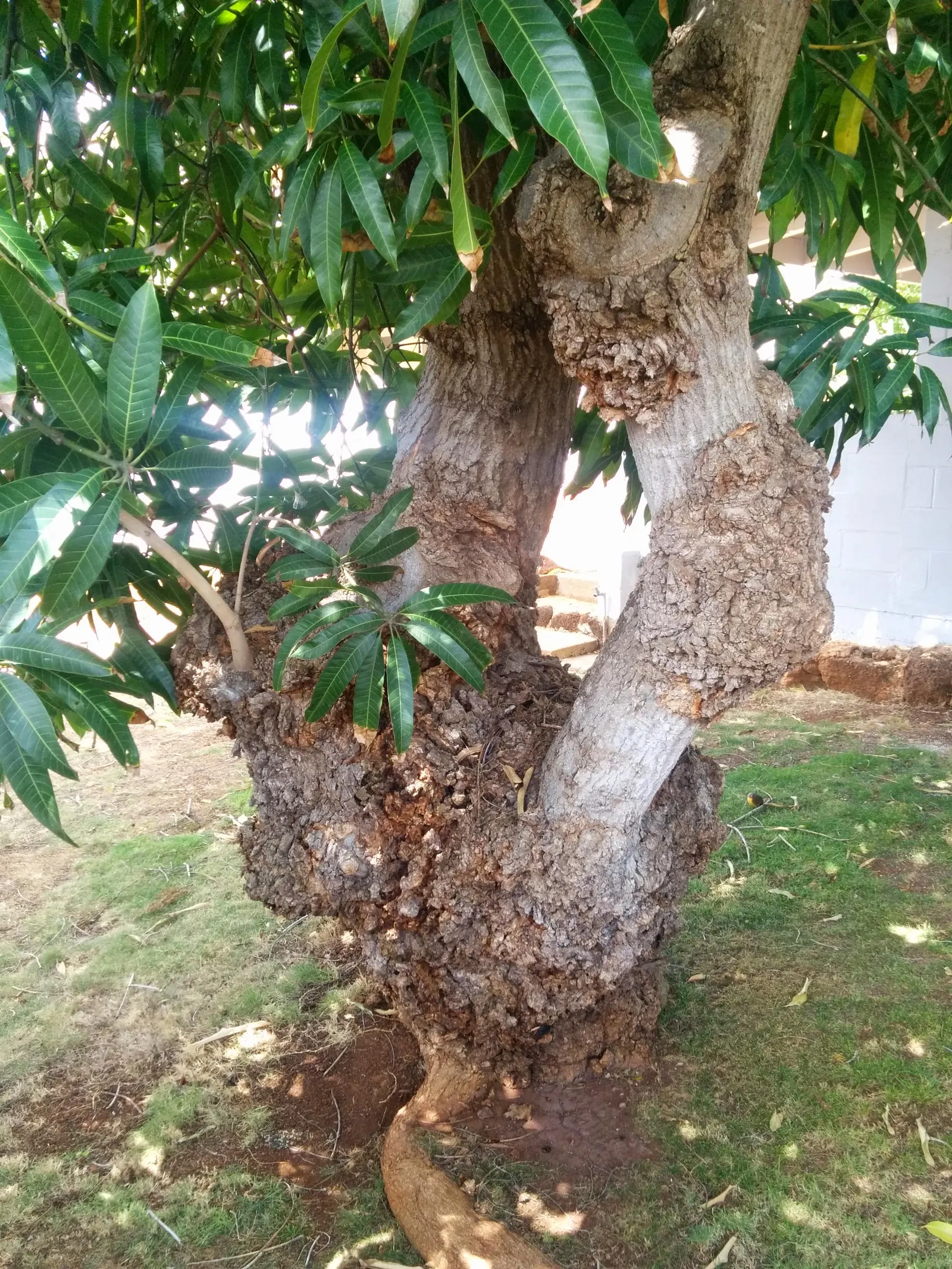
Mango (Mangifera indica) — well-drained site with soil pH between 5.5 and 7.5; presenting a brilliant contrast against the gray-brown bark, image 78
Mango (Mangifera indica) — Ideal in USDA zones 10-11, mangoes prefer full sun and well-draining soil; consider the tree's mature size and the, image 113
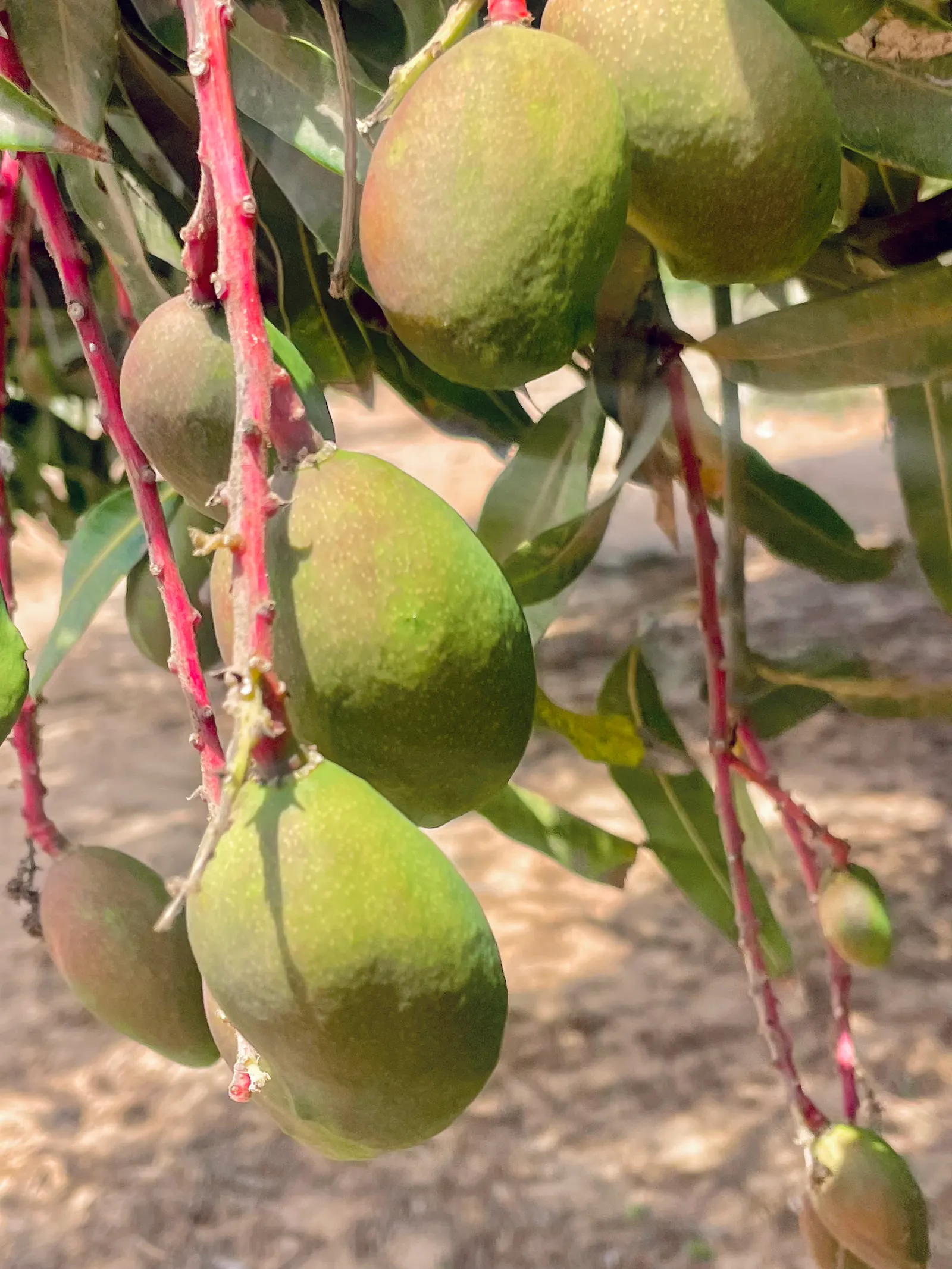
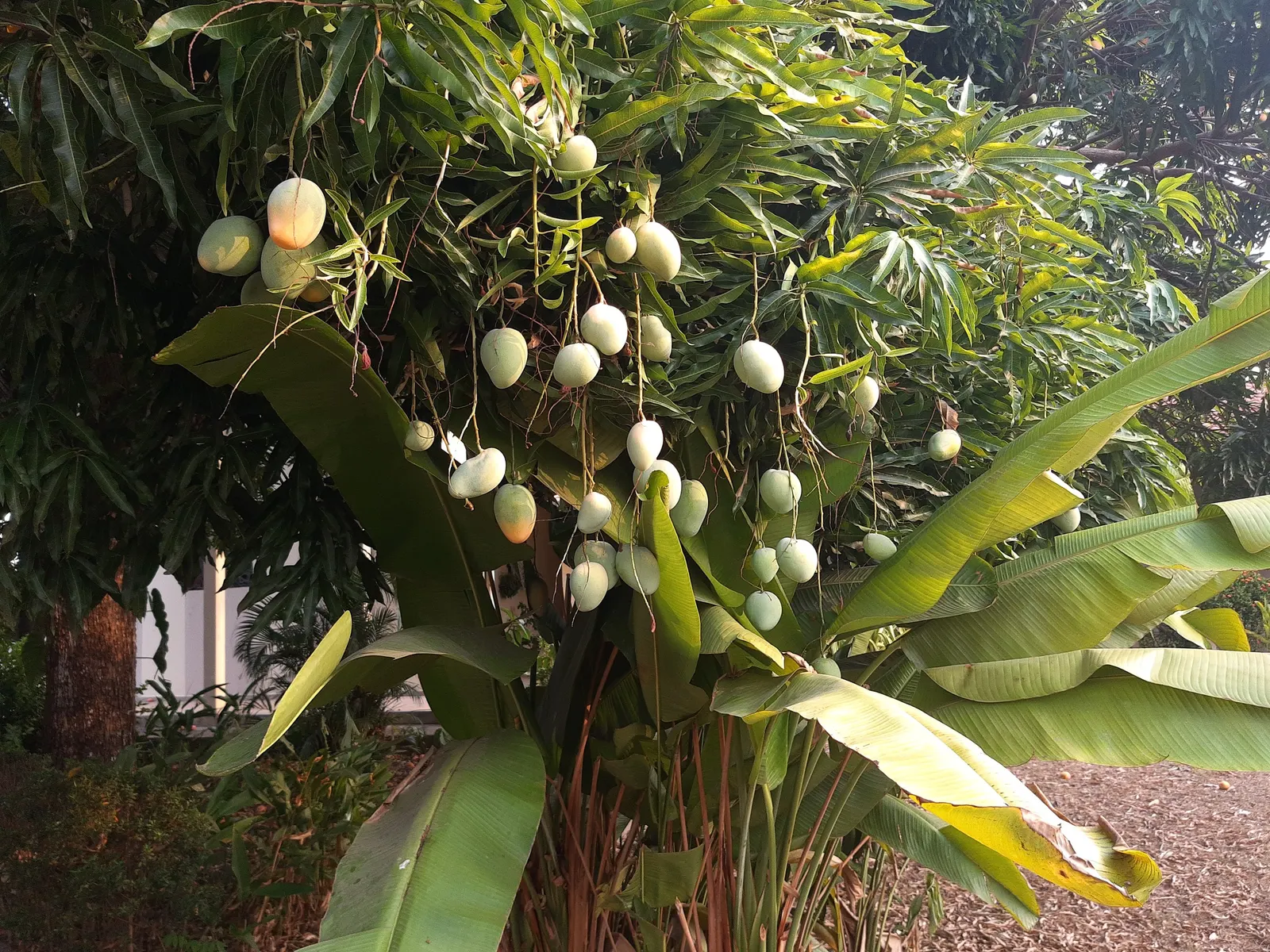
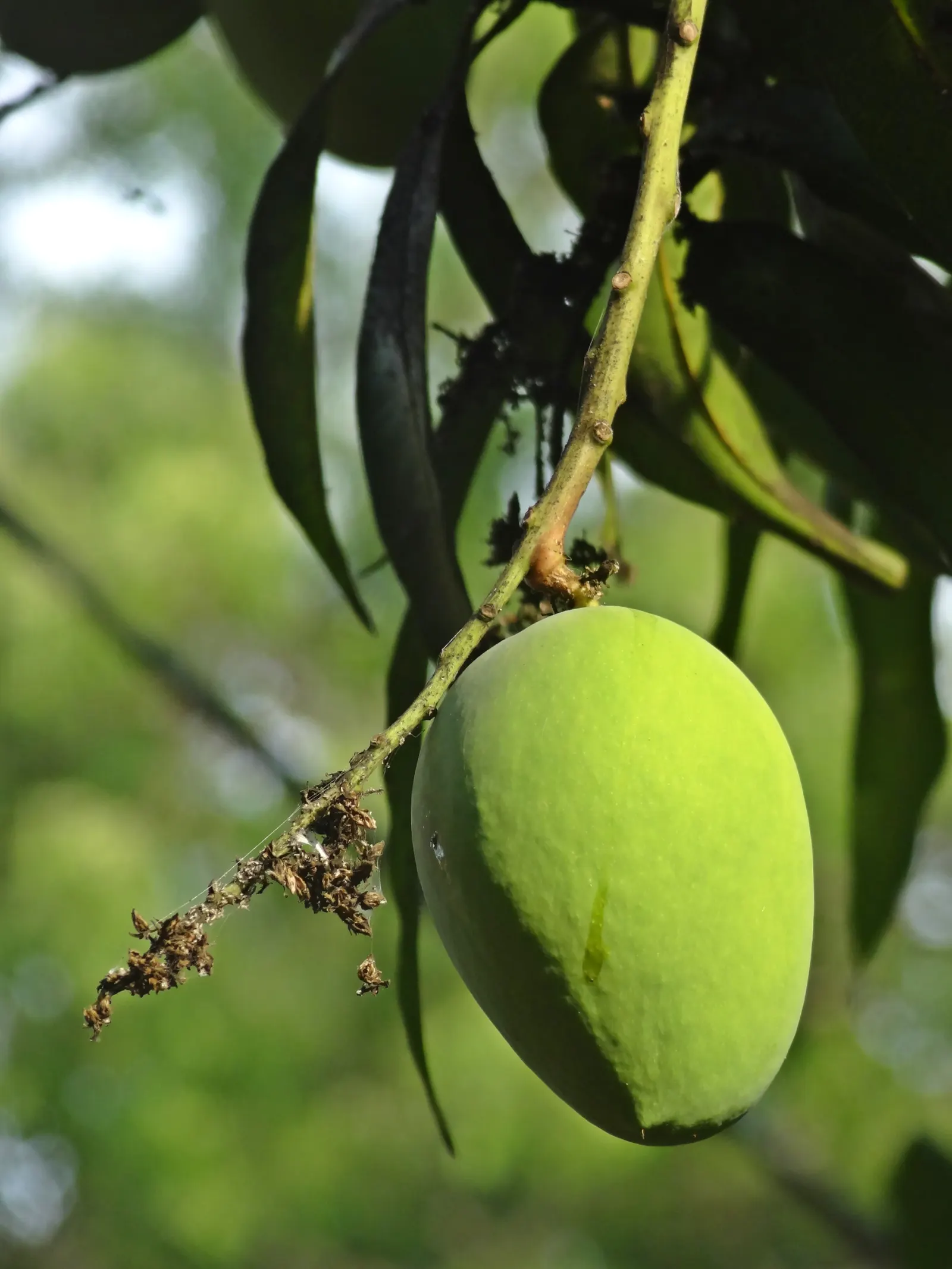
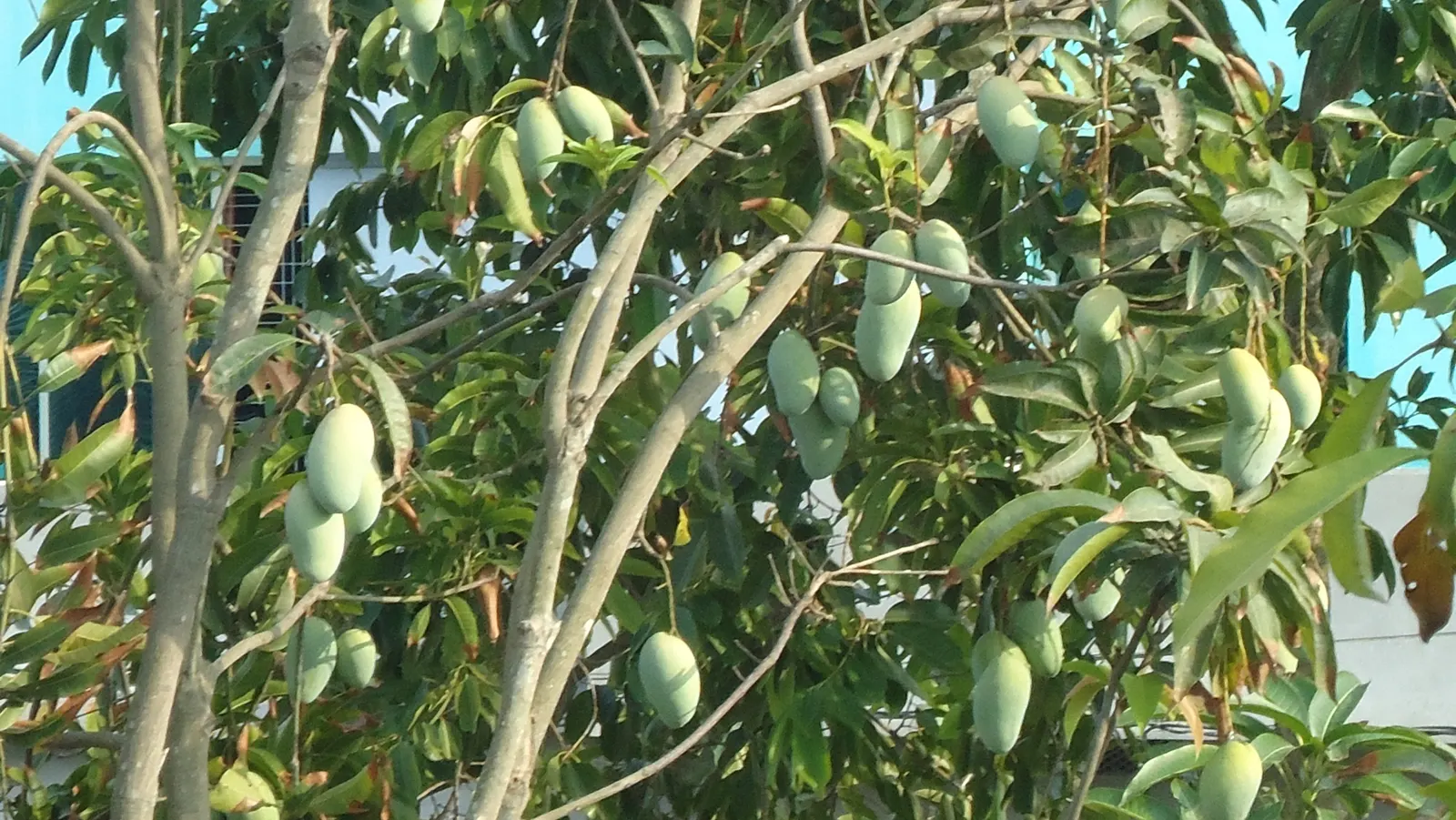
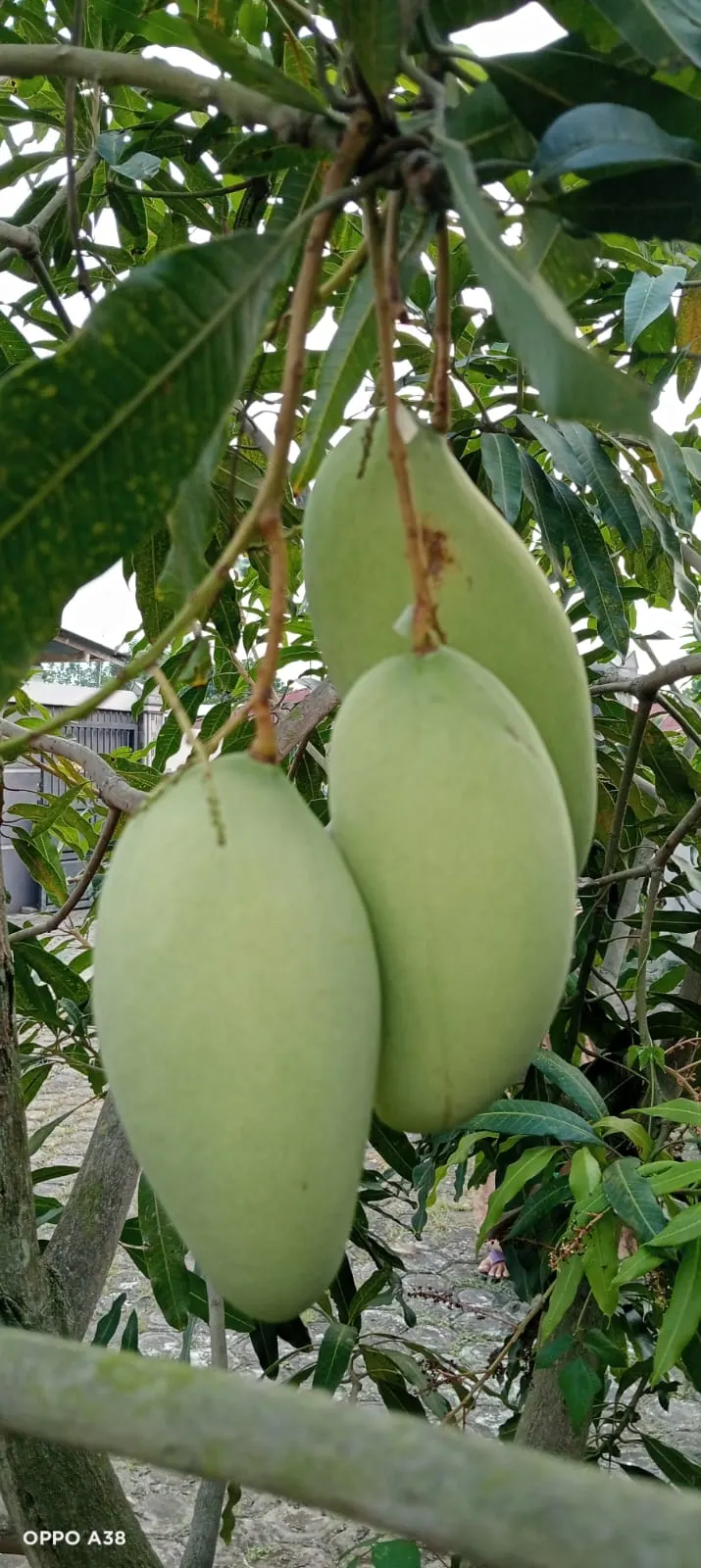
Mango (Mangifera indica) — Annual growth is roughly 1-2 feet; usually weighing between 8 ounces to 2 pounds, image 116
Mango (Mangifera indica) — yellow flowers in the garden; allow ample space from structures to accommodate its extensive root system, image 108
Mango (Mangifera indica) — Its domed and dense structure provides ample shade; the Mango Tree (Magnifera indica) is a robust, evergreen tree that, image 76
Mango (Mangifera indica) — tree with yellow blooms; well-drained site with soil pH between 5.5 and 7.5, image 87
Mango (Mangifera indica) — the tree requires a minimum of six hours of full sunlight daily.<br><br>The lush; tree for full, image 101
Mango (Mangifera indica) — well-drained site with soil pH between 5.5 and 7.5; presenting a brilliant contrast against the gray-brown bark, image 100
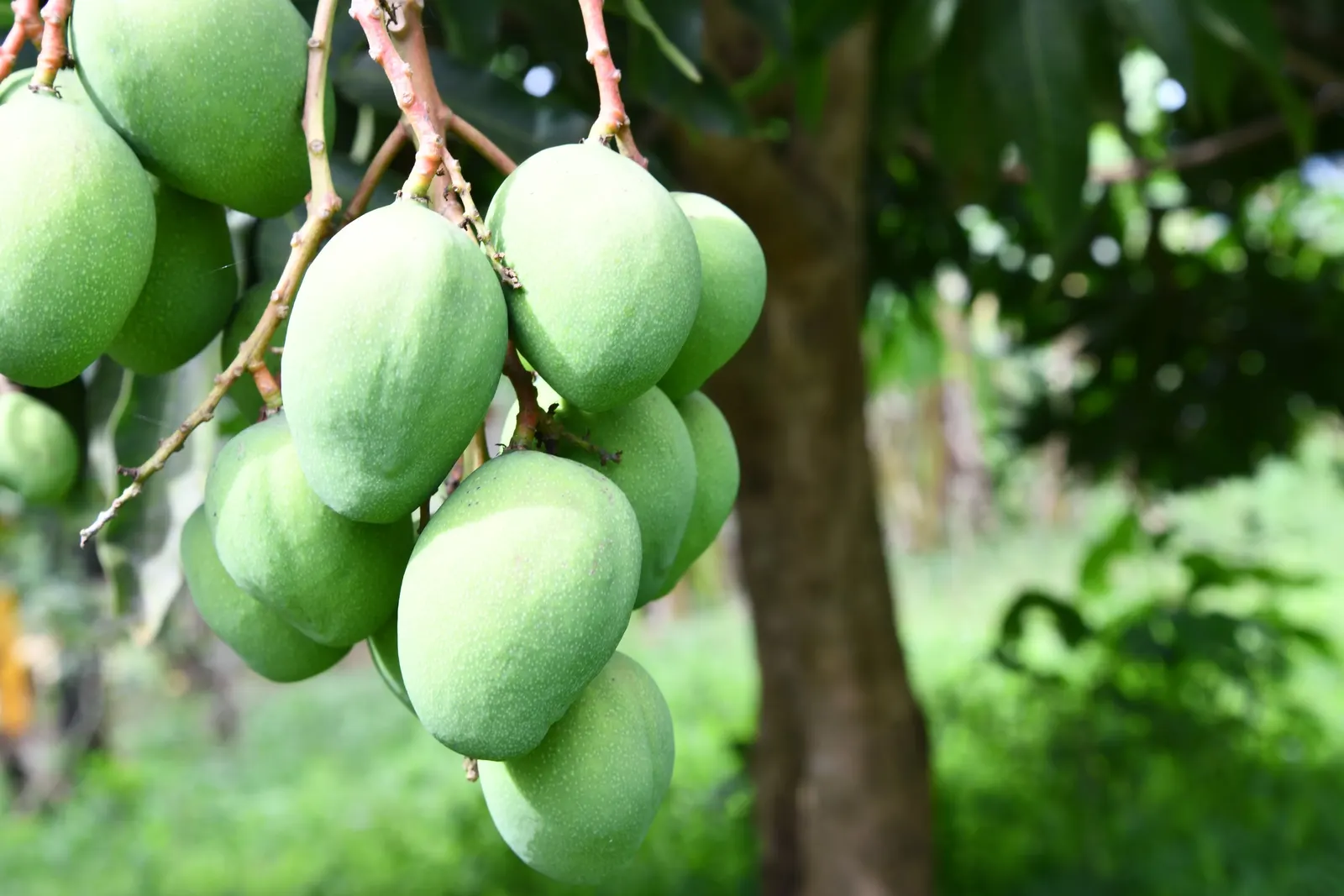
Mango (Mangifera indica) — usually weighing between 8 ounces to 2 pounds
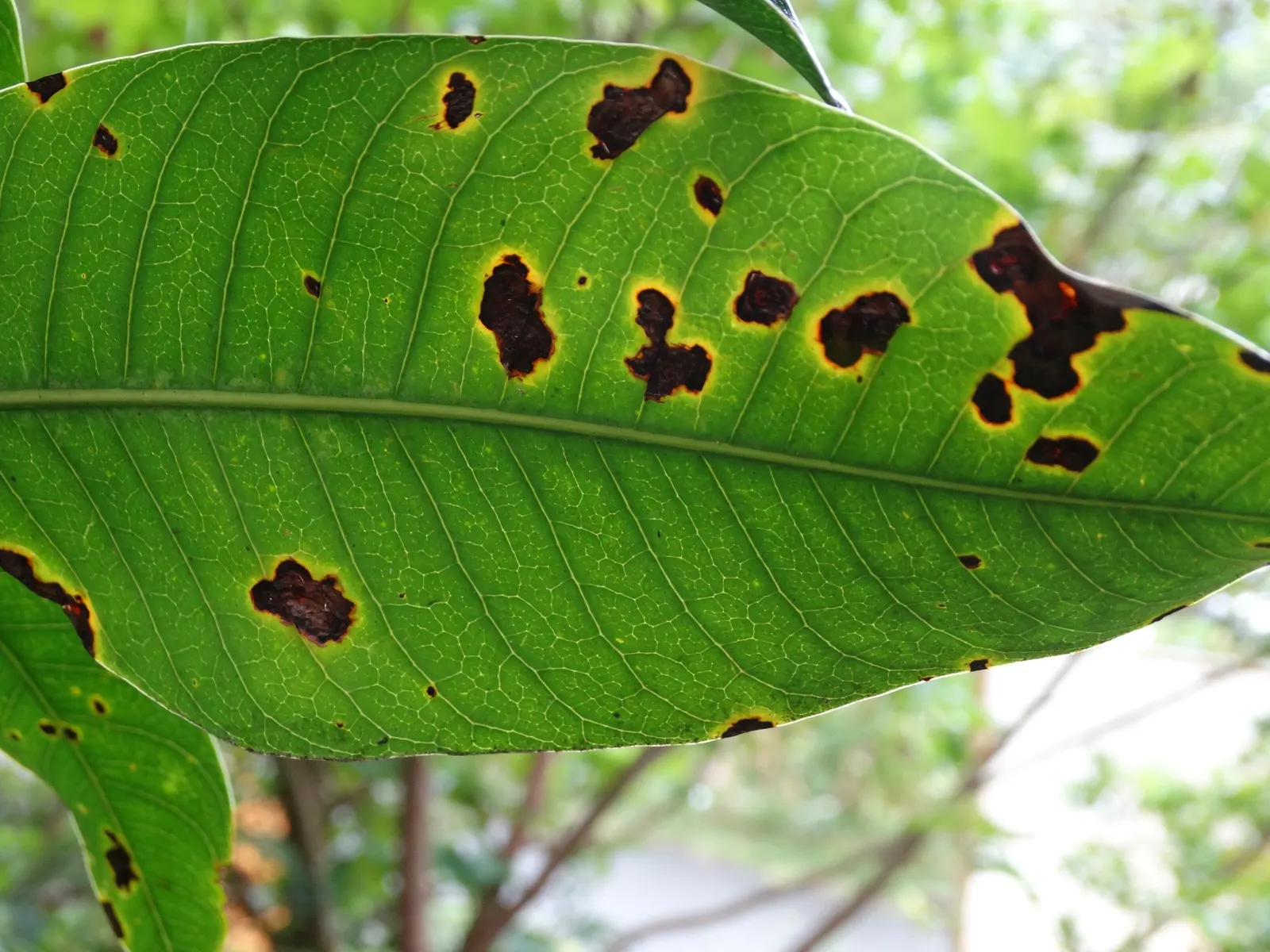
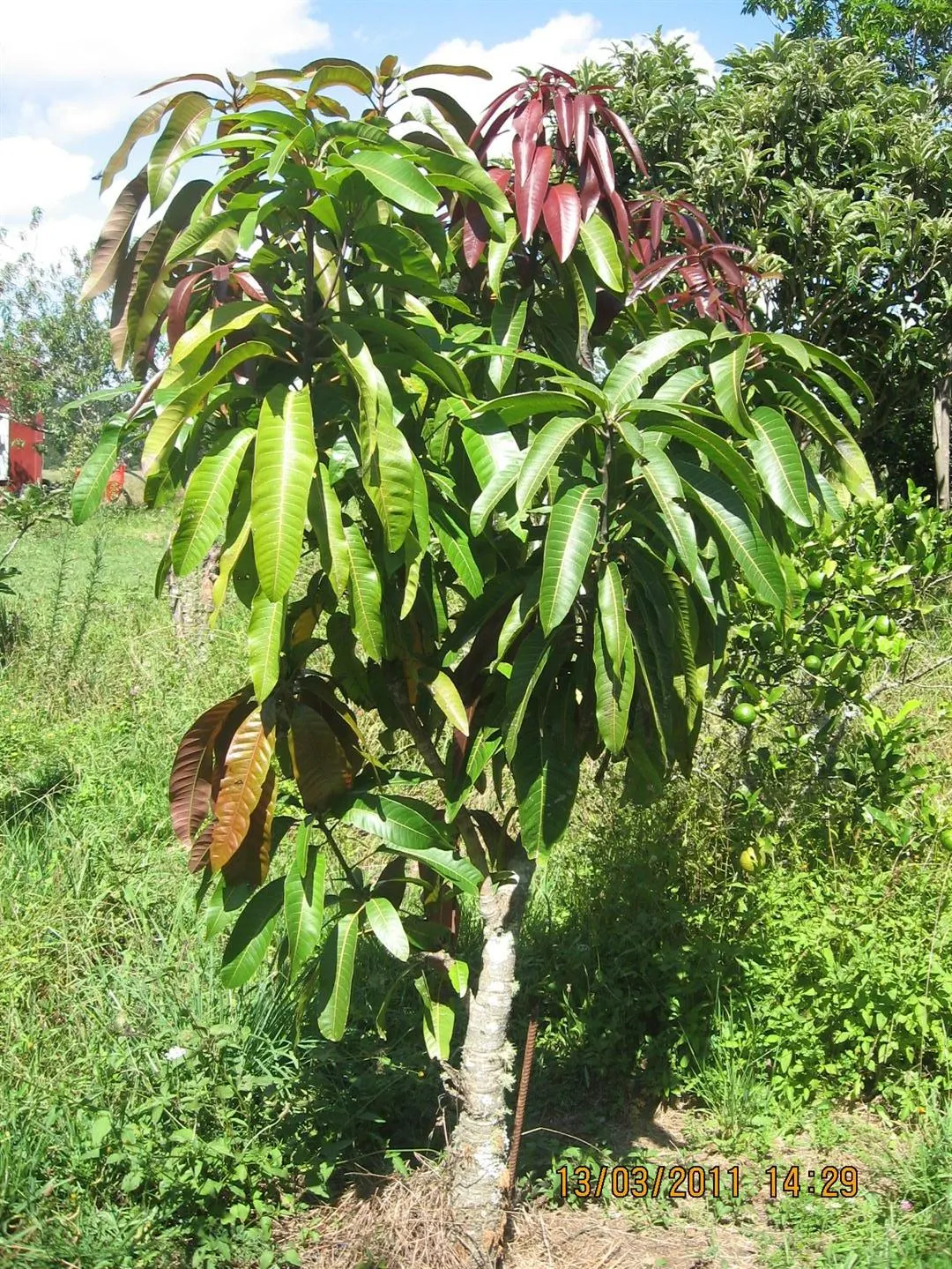
Mango (Mangifera indica) — deep green leaves grow up to 16 inches long; the Mango Tree (Magnifera indica) is a majestic and resilient specimen, image 58
Mango (Mangifera indica) — consider the tree's mature size and the potential for falling fruit when deciding on its location; the tree requires a, image 84
Mango (Mangifera indica) — Ideal in USDA zones 10-11, mangoes prefer full sun and well-draining soil; consider the tree's mature size and the potential for
Mango (Mangifera indica) — tree with yellow blooms; well-drained site with soil pH between 5.5 and 7.5, image 65
Mango (Mangifera indica) — Spring blossoms give way to juicy, tropical fruit which is both ornamental and edible; ideal in USDA zones 10-11, mangoes prefer
Photographs by 15 contributors

Related plants