Skip to content

European Crabapple

Malus Sylvestris

Design with this plant

Overview

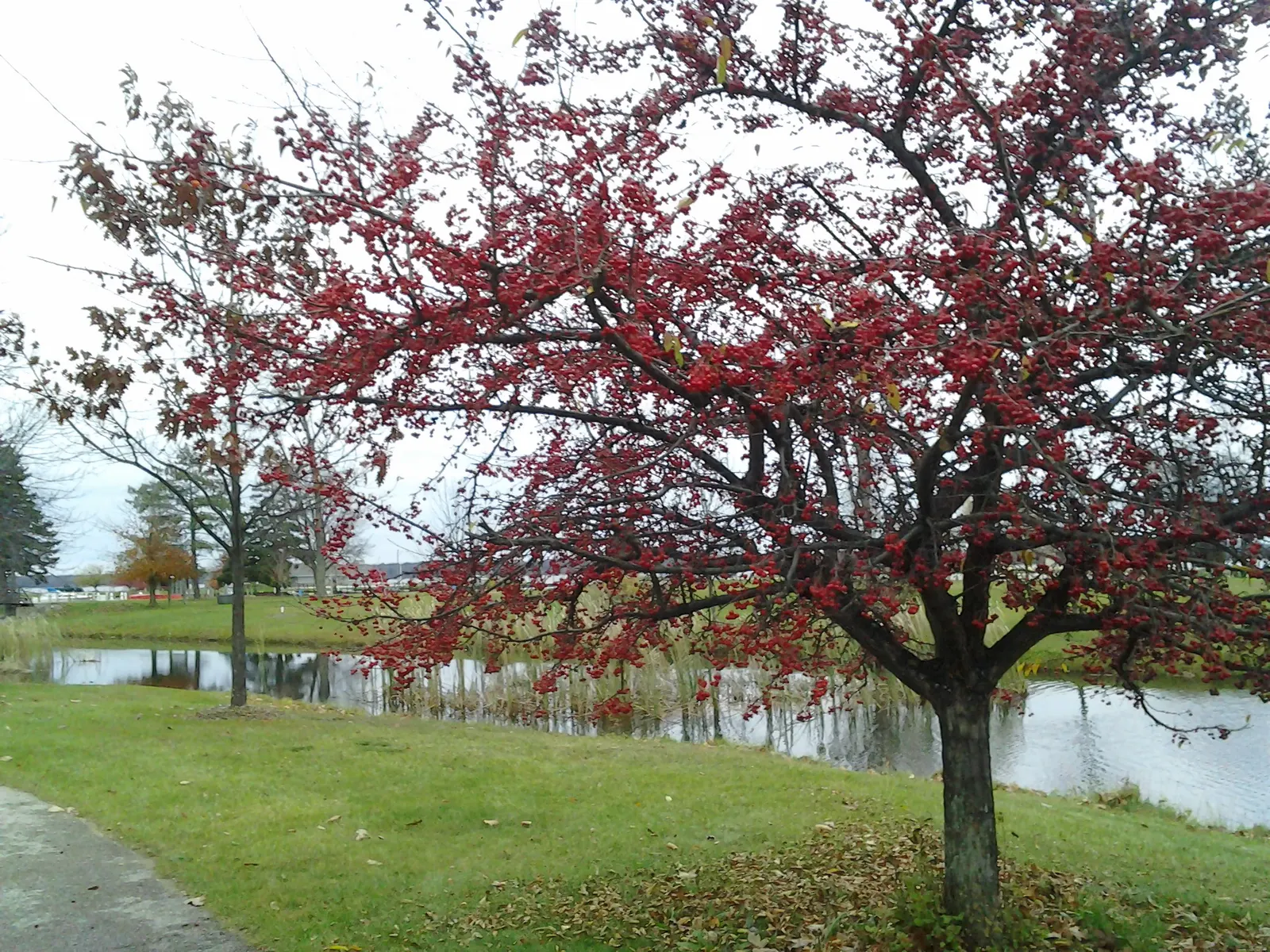
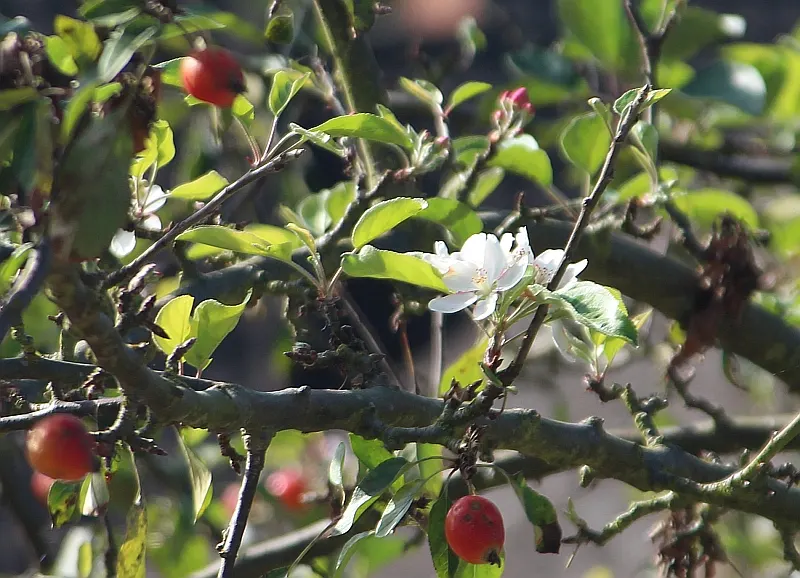
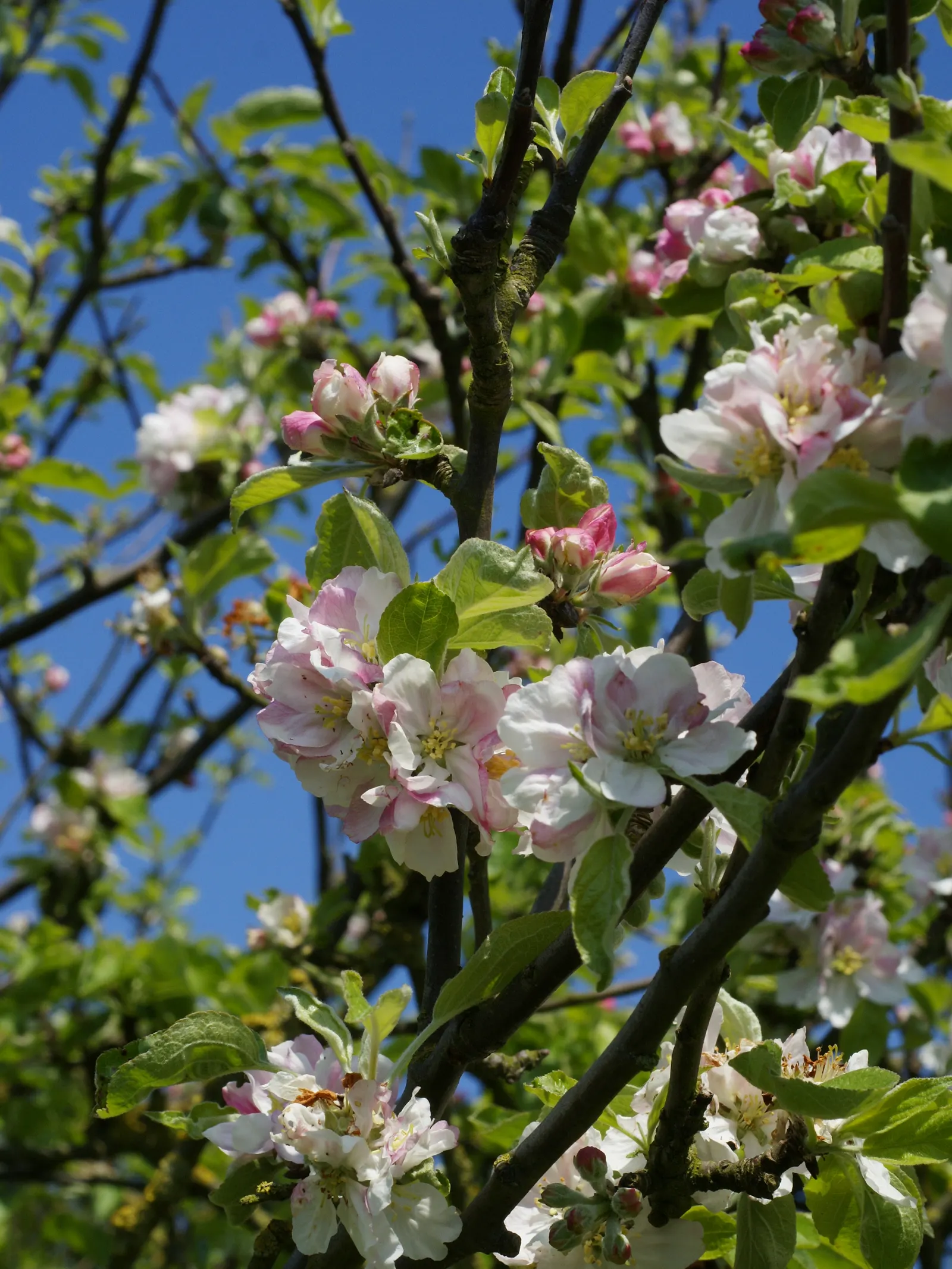
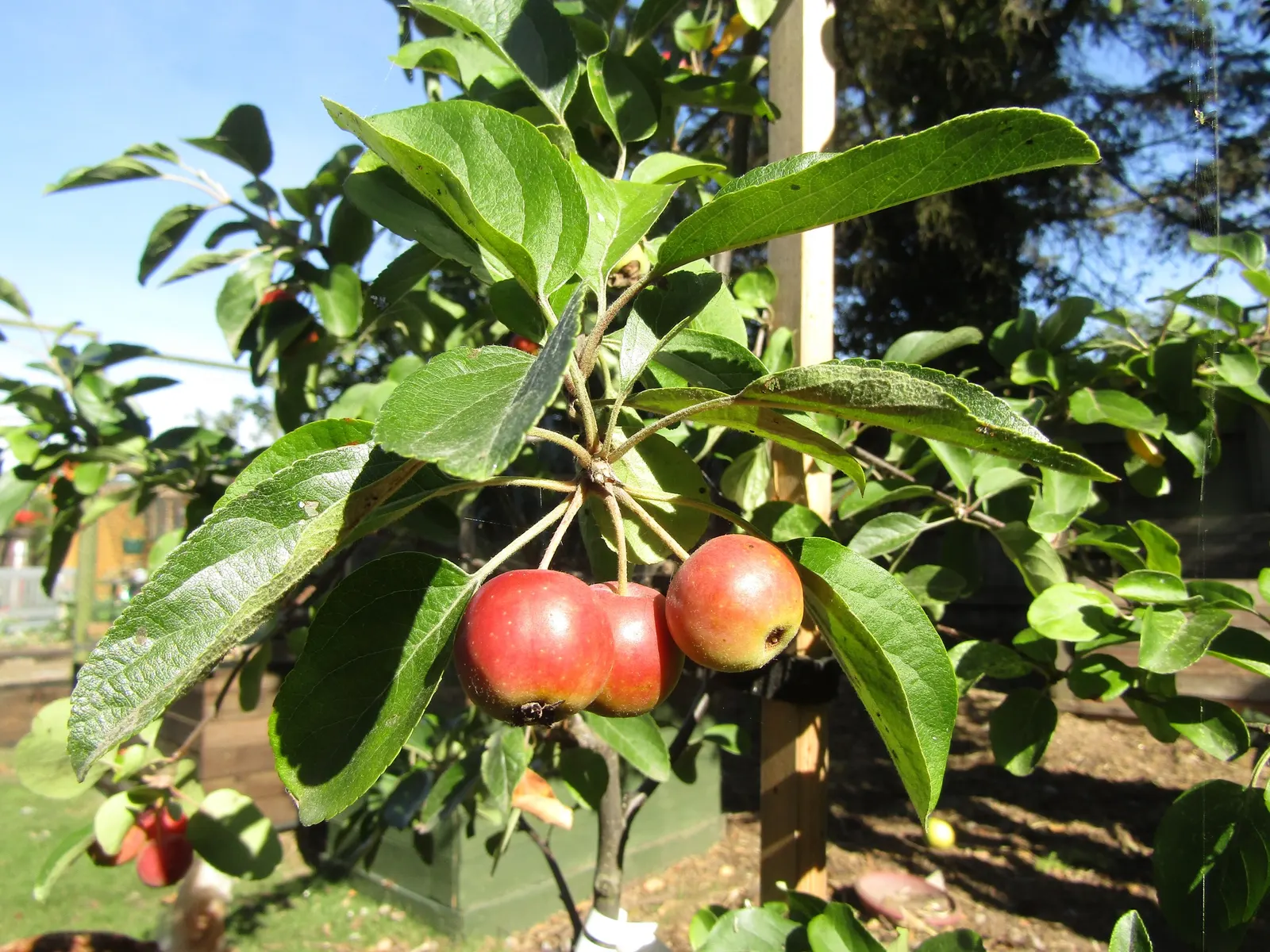
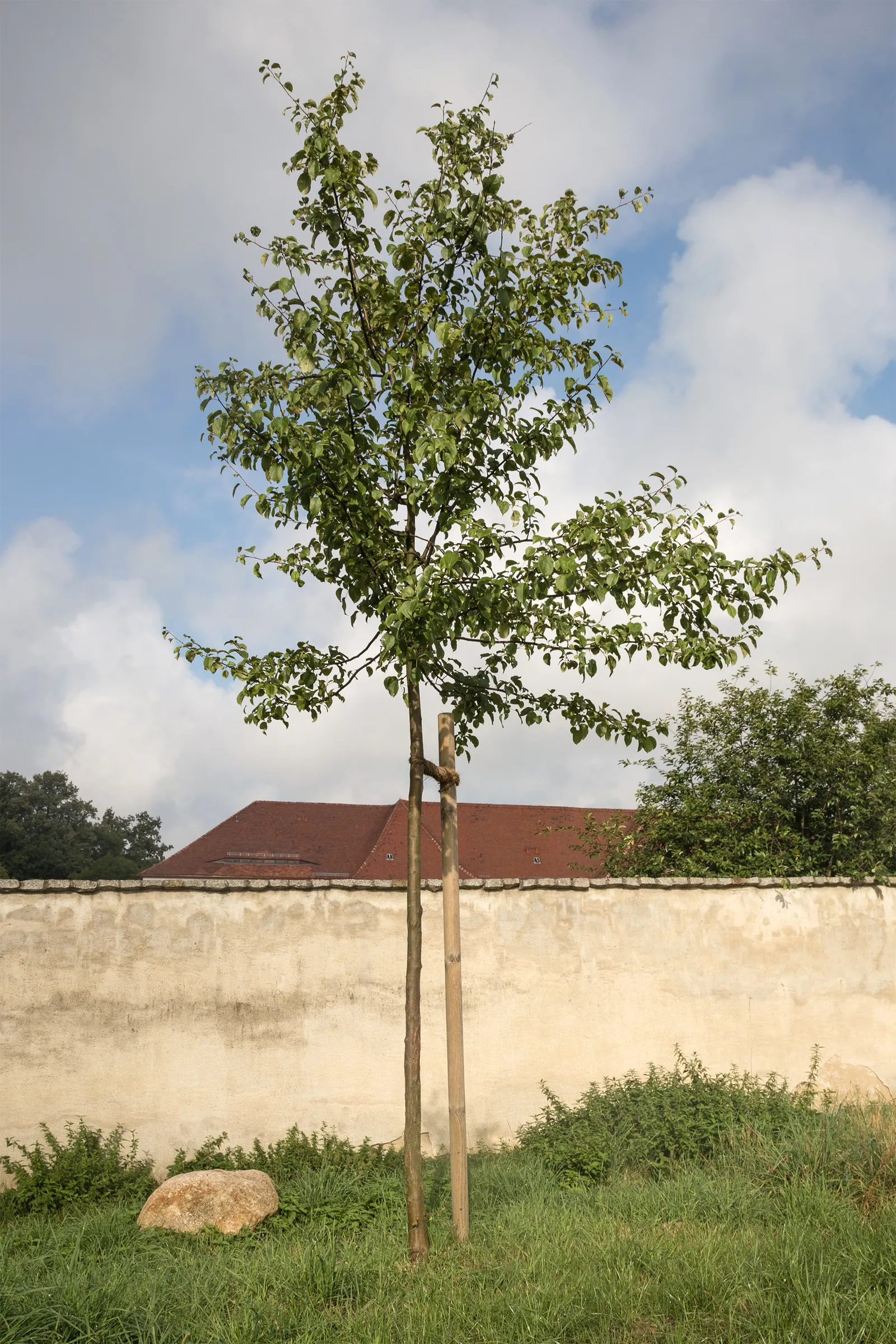
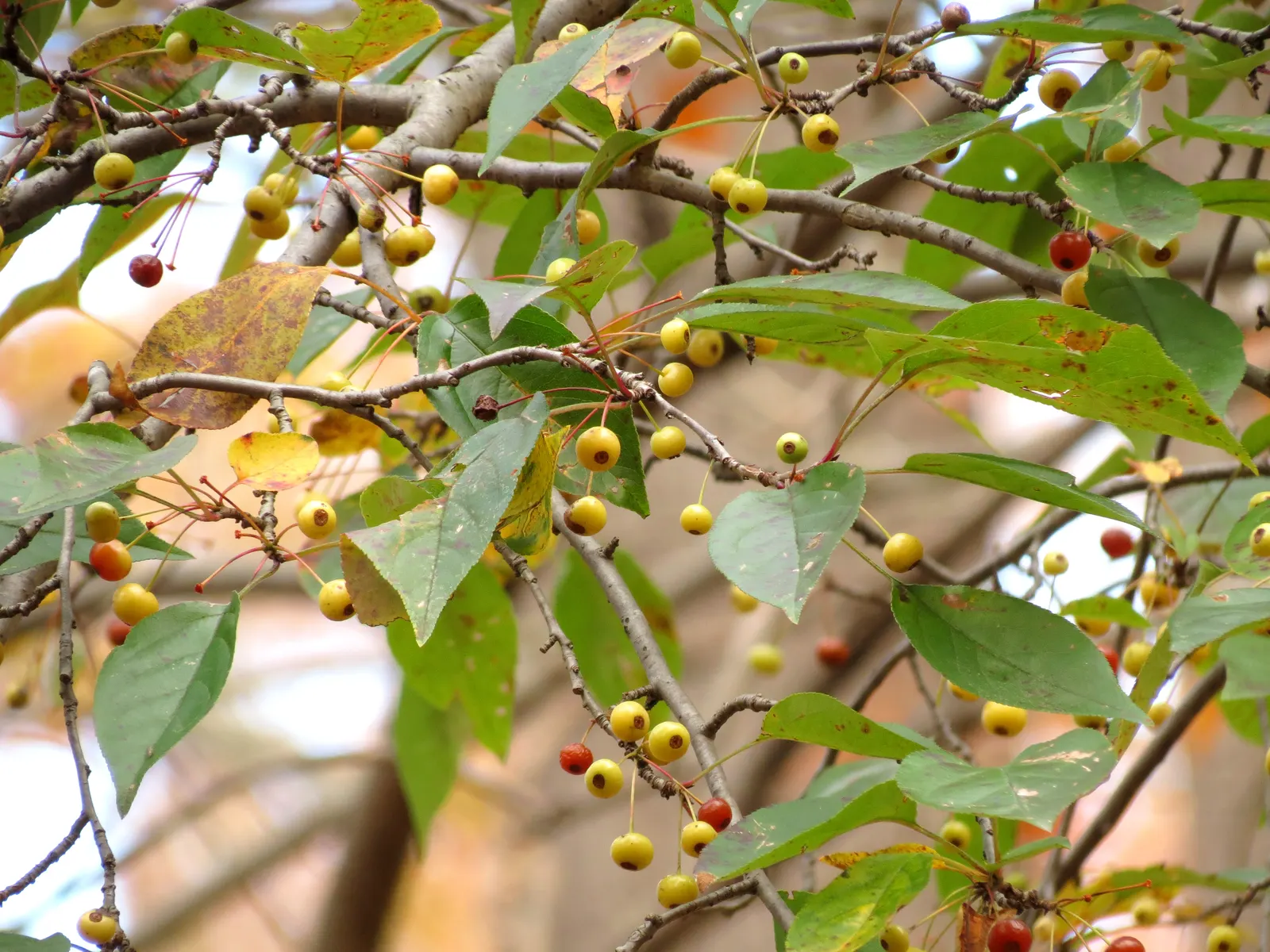
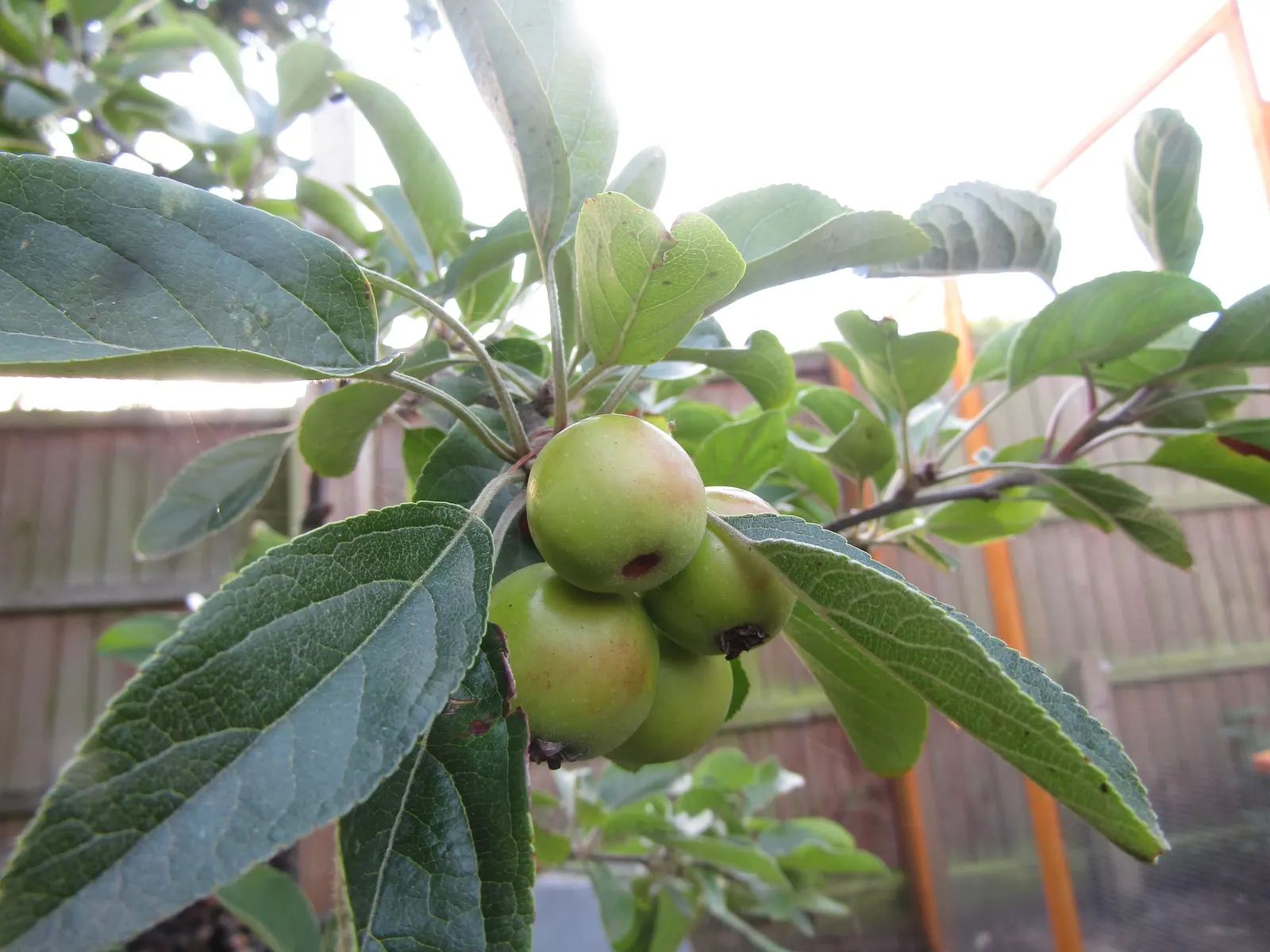
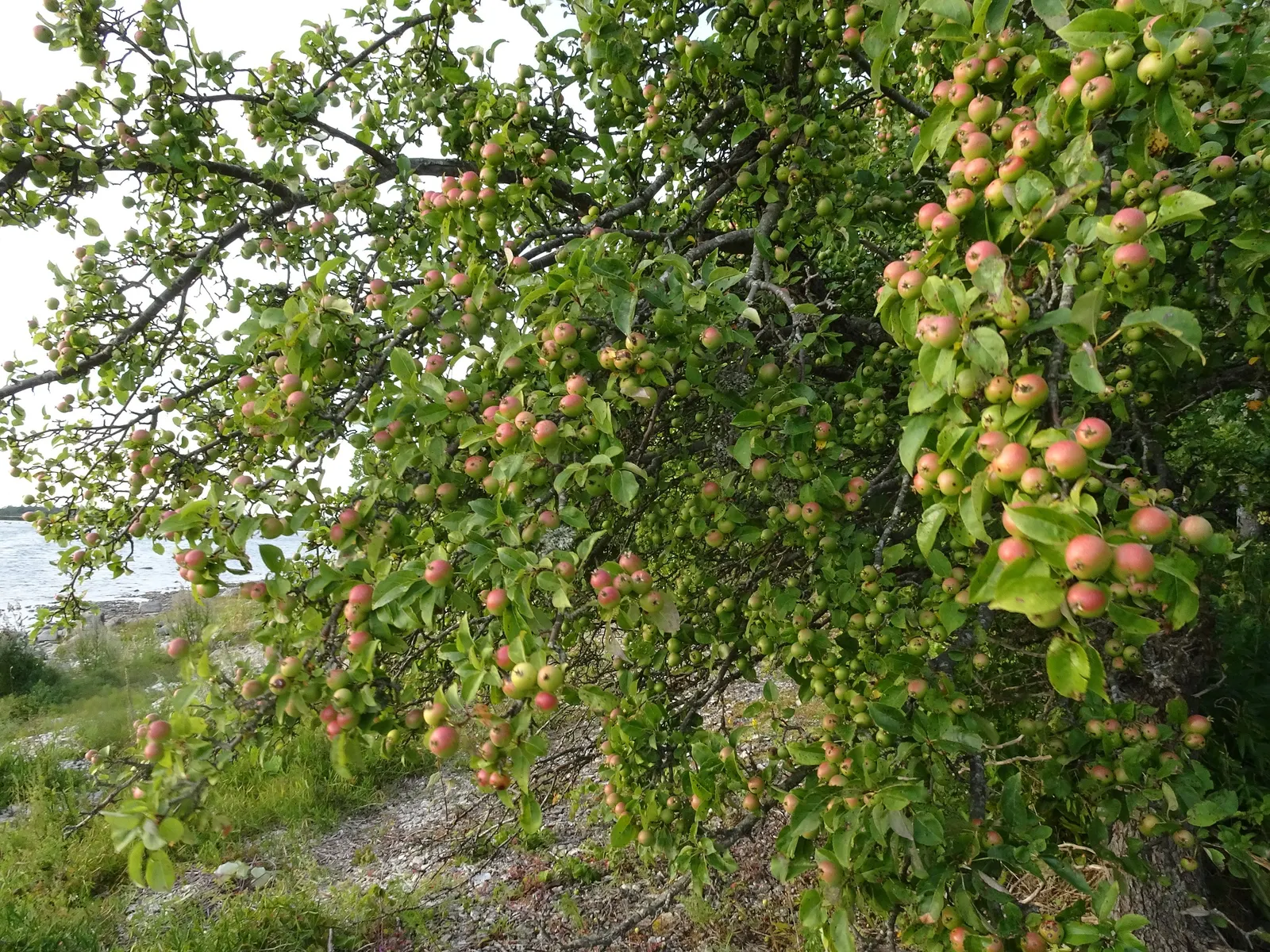
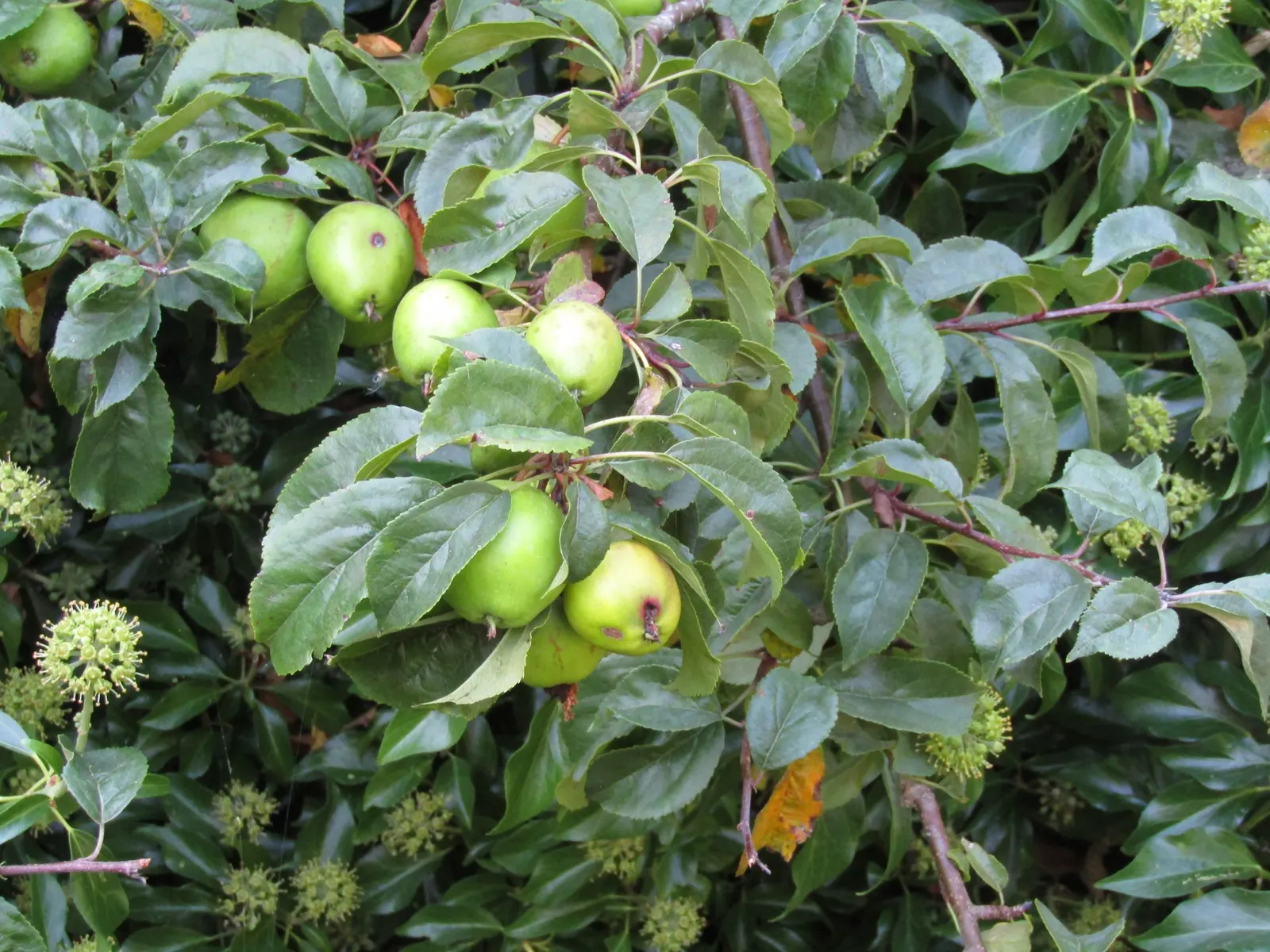
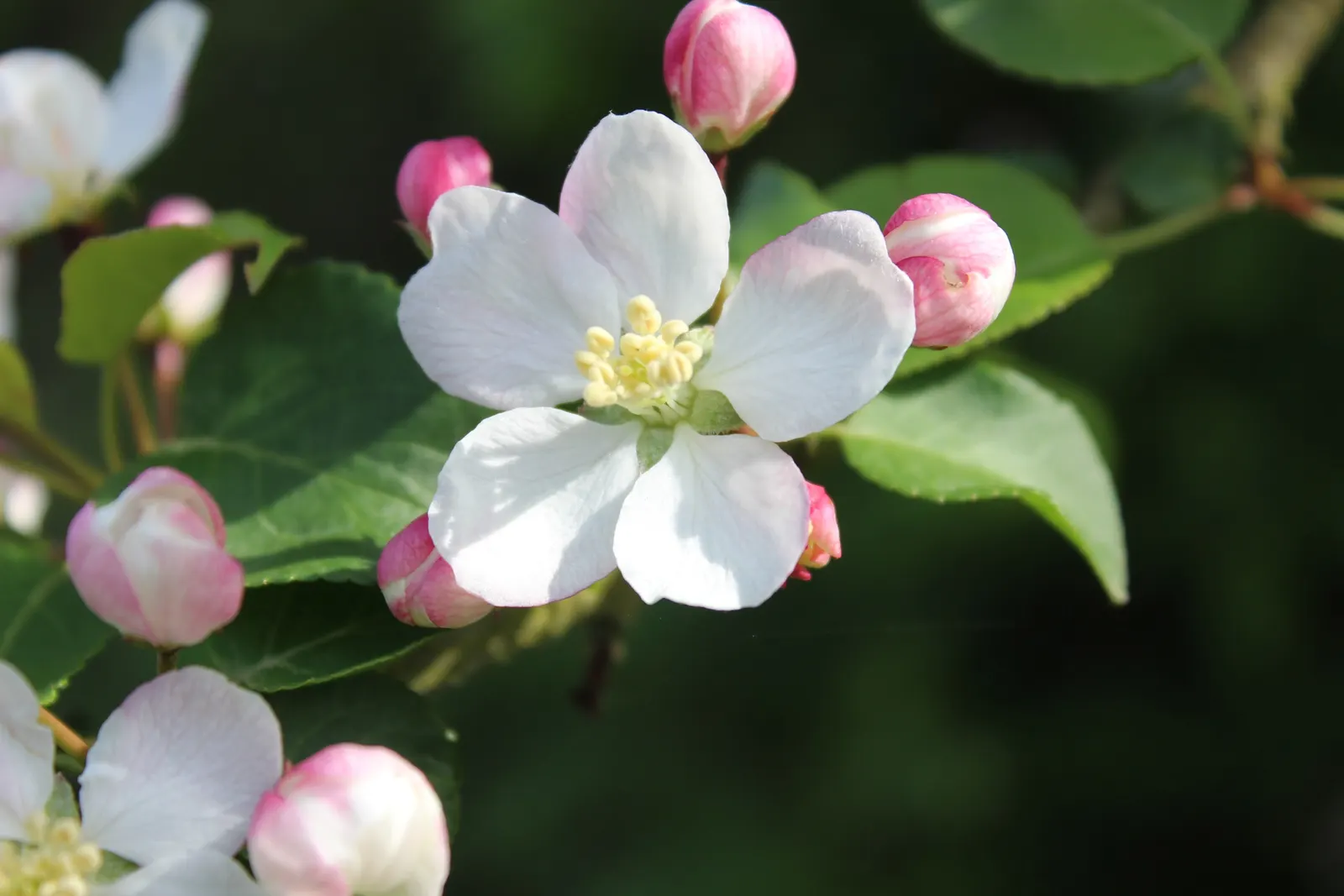
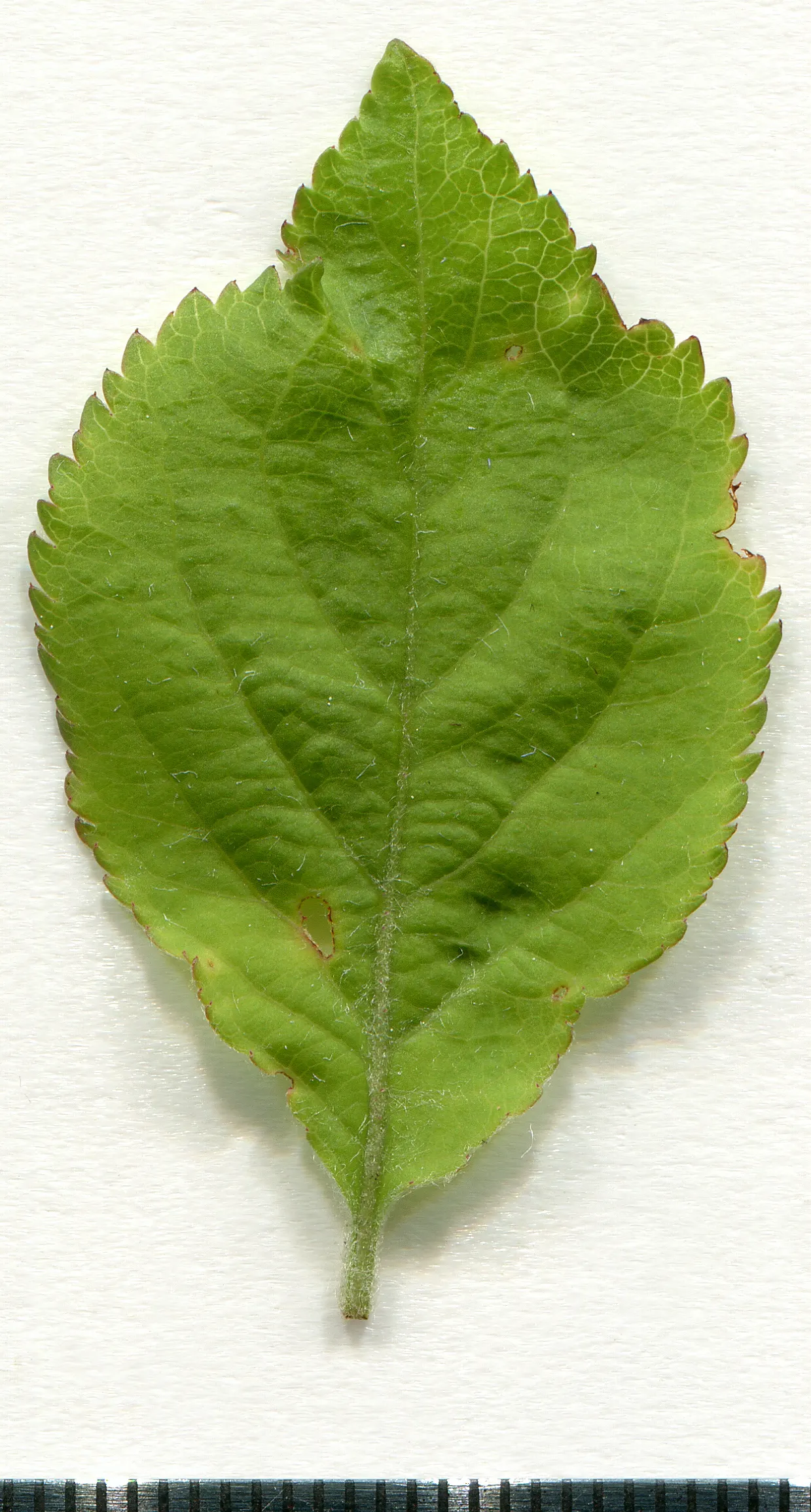
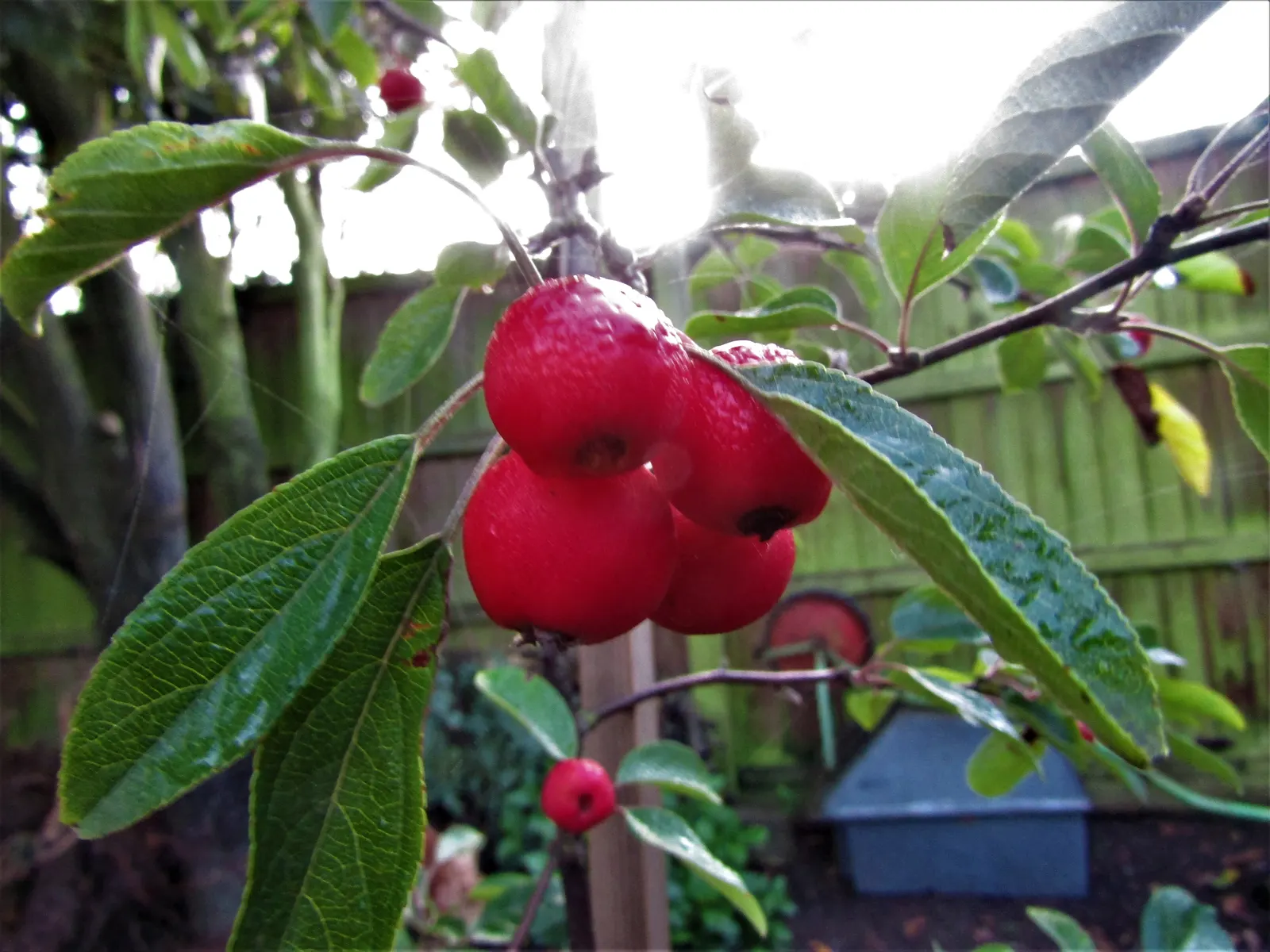
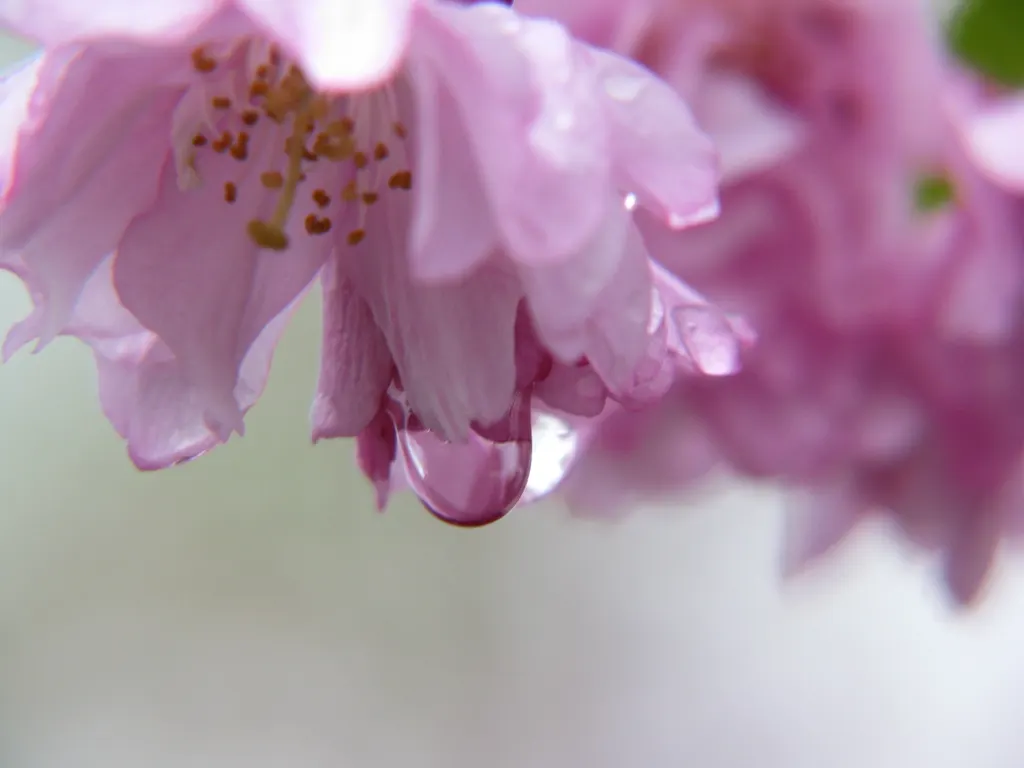
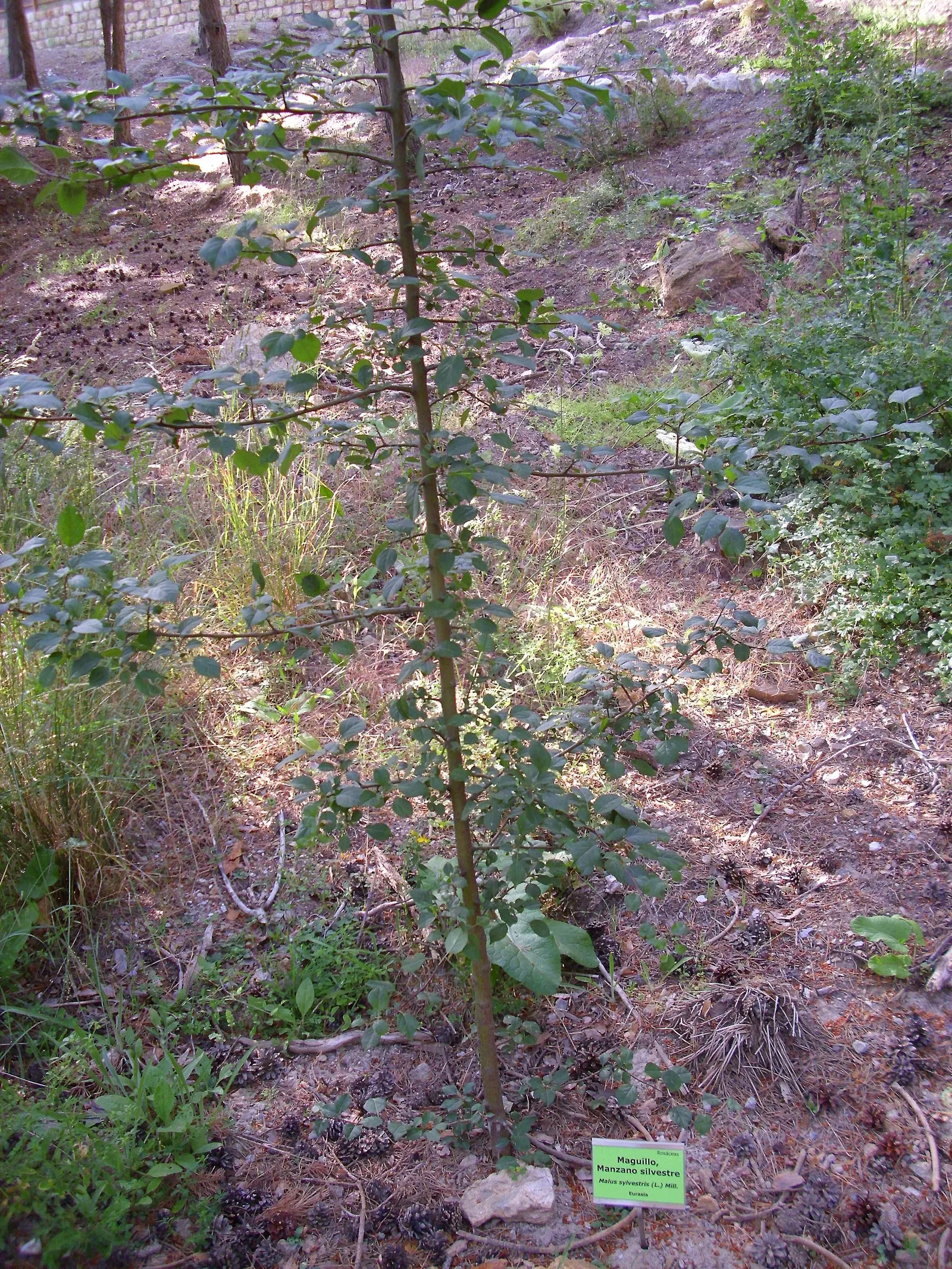
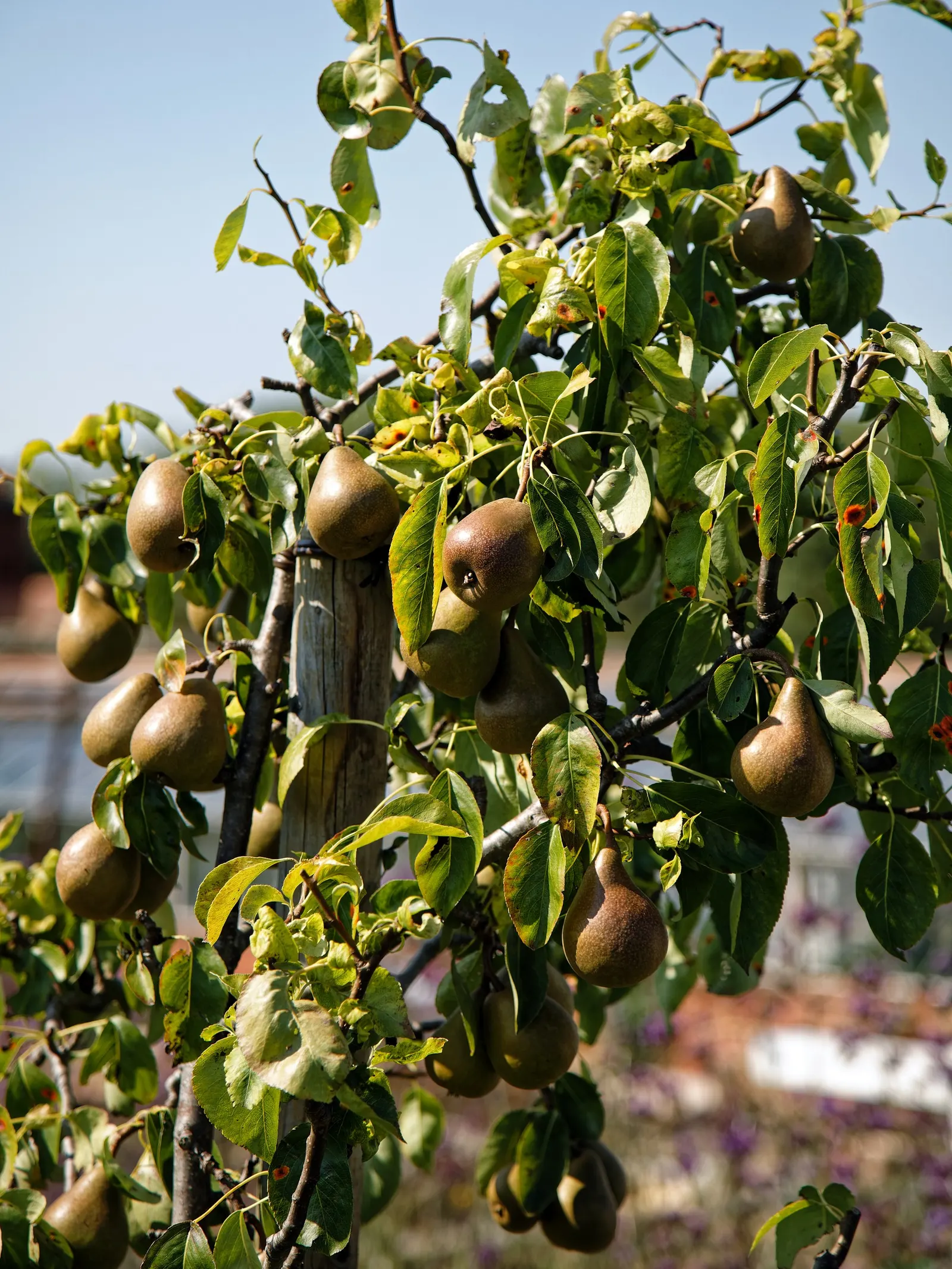
The European Crabapple (Malus sylvestris), a deciduous tree, thrives in USDA zones 4-8, reaching 15-20 feet in height and spread. Admired for its spring blossoms and autumnal crabapples, measuring up to 1 inch in diameter, it's an excellent wildlife attractant. Preferring full sun, it adapts to various soils, offering moderate drought tolerance. Ideal for smaller gardens, it brings charm with its twisted branches and a rustic, dense canopy.

Sun FullWater LowZones 4–9Climate Temperate
European Crabapple (Malus Sylvestris) — The European Crabapple (Malus sylvestris)

Culture

Sun
Full
Water
Low
USDA zones
4–9

Shape & size

Classification

Family
Rosaceae
Climate
Temperate

See full data, regional cultivation notes, full-resolution photos, and design tools. Build a client presentation around this plant.

Start your 14-day trial

Photos (50)

European Crabapple (Malus Sylvestris) — pink flowers in the garden
European Crabapple (Malus Sylvestris) — tree with pink blooms
European Crabapple (Malus Sylvestris) — The European Crabapple (Malus sylvestris); admired for its spring blossoms and autumnal crabapples
European Crabapple (Malus Sylvestris) — tree for full
European Crabapple (Malus Sylvestris) — thrives in USDA zones 4-8; typically reaching an ultimate height of 15 to 20 feet
European Crabapple (Malus Sylvestris) — Admired for its spring blossoms and autumnal crabapples; pink flowers in the garden
European Crabapple (Malus Sylvestris) — reaching 15-20 feet in height and spread; approximately 1 to 2 inches in diameter
European Crabapple (Malus Sylvestris) — measuring up to 1 inch in diameter, image 32
European Crabapple (Malus Sylvestris) — Preferring full sun, it adapts to various soils, offering moderate drought tolerance; generally maturing in late summer
European Crabapple (Malus Sylvestris) — it's an excellent wildlife attractant; this species is celebrated for its adaptability to a range of soil types
European Crabapple (Malus Sylvestris) — Ideal for smaller gardens, it brings charm with its twisted branches and a rustic, dense canopy; tree with pink blooms
European Crabapple (Malus Sylvestris) — scientifically known as Malus sylvestris; it's an excellent wildlife attractant
European Crabapple (Malus Sylvestris) — is a deciduous tree of modest size; it thrives in full sun to partial shade
European Crabapple (Malus Sylvestris) — typically reaching an ultimate height of 15 to 20 feet; rounded canopy and robust branching structure
European Crabapple (Malus Sylvestris) — This species is celebrated for its adaptability to a range of soil types, provided they are well-drained; tree for full
European Crabapple (Malus Sylvestris) — It thrives in full sun to partial shade; preferring full sun, it adapts to various soils, offering moderate drought
European Crabapple (Malus Sylvestris) — with colors ranging from white to soft pink, image 41
European Crabapple (Malus Sylvestris) — the tree's foliage turns into a striking autumnal display of rich yellows and oranges; ideal for smaller gardens, it
European Crabapple (Malus Sylvestris) — which not only add aesthetic value but also support local pollinators; which can provide focal interest or even serve
European Crabapple (Malus Sylvestris) — As the seasons transition; the European Crabapple (Malus sylvestris)
European Crabapple (Malus Sylvestris) — generally maturing in late summer to fall; regular pruning may be necessary to maintain its shape and health
European Crabapple (Malus Sylvestris) — approximately 1 to 2 inches in diameter; which not only add aesthetic value but also support local pollinators
European Crabapple (Malus Sylvestris) — rounded canopy and robust branching structure; thrives in USDA zones 4-8
European Crabapple (Malus Sylvestris) — which can provide focal interest or even serve as a natural privacy screen; scientifically known as Malus sylvestris

Related plants