Skip to content

Oregon Grape

Mahonia Aquifolium

Design with this plant

Overview

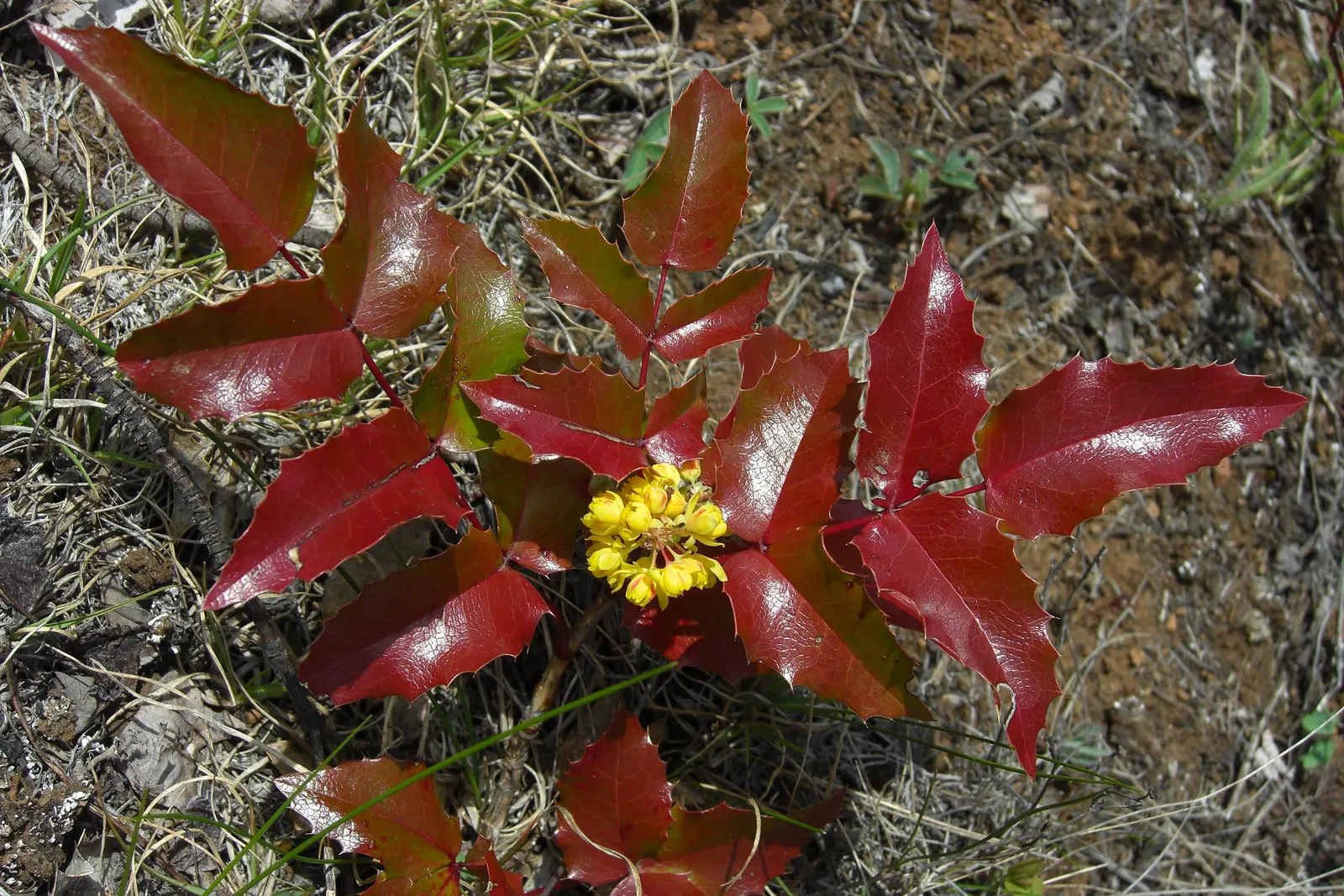
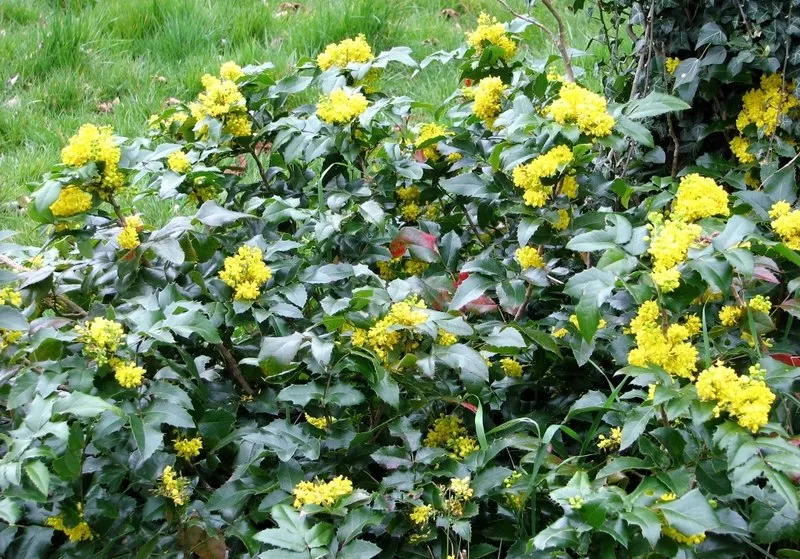
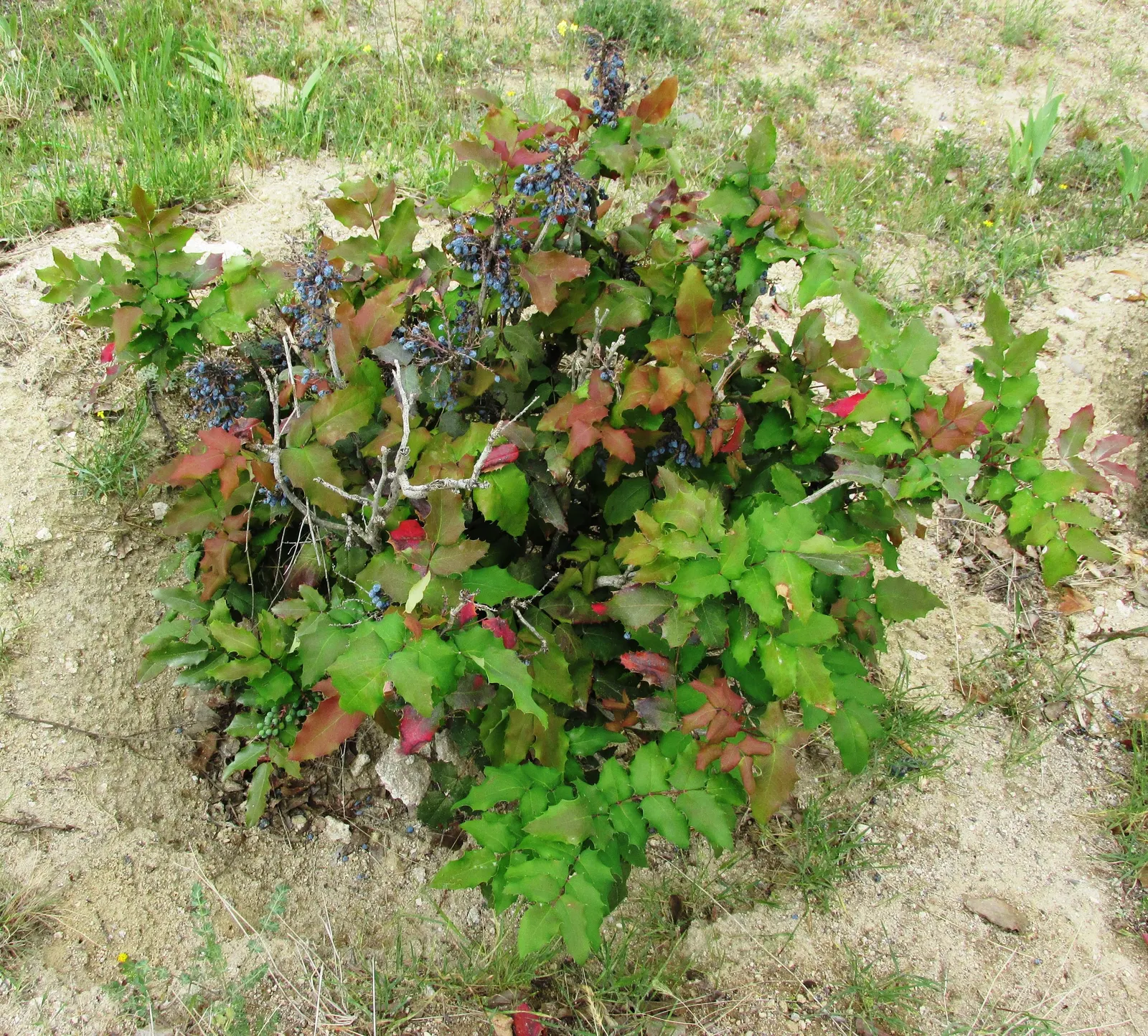
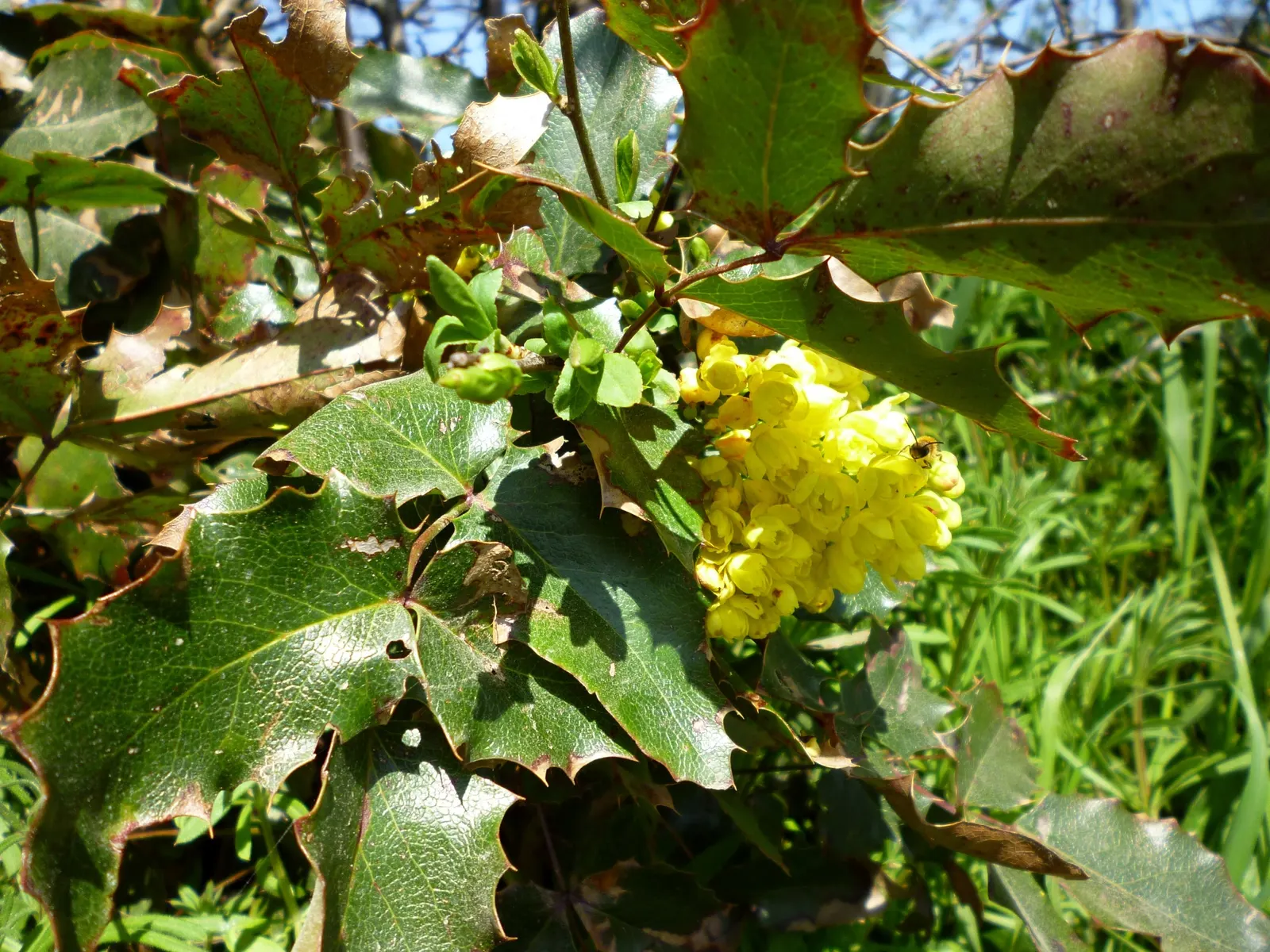
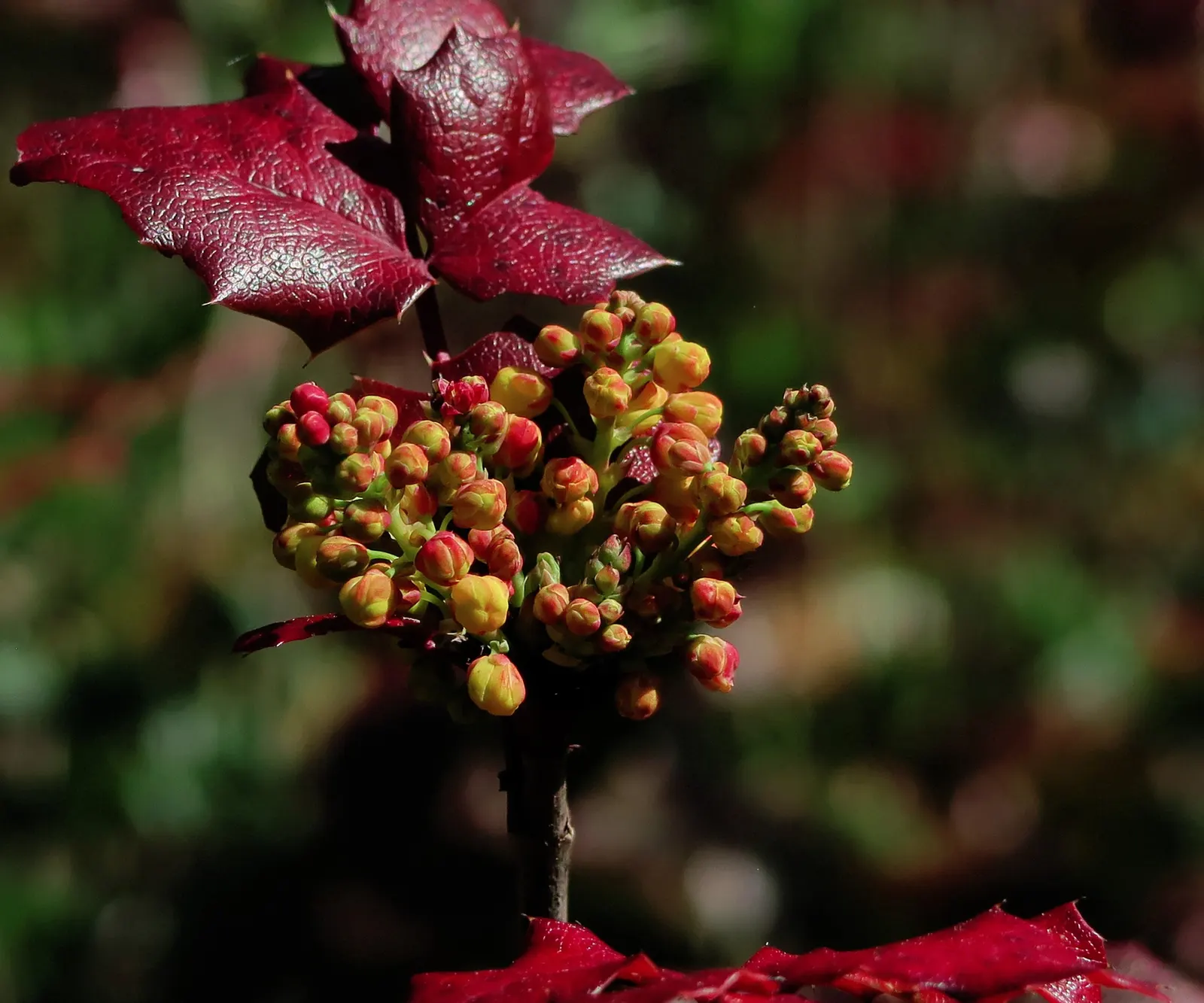
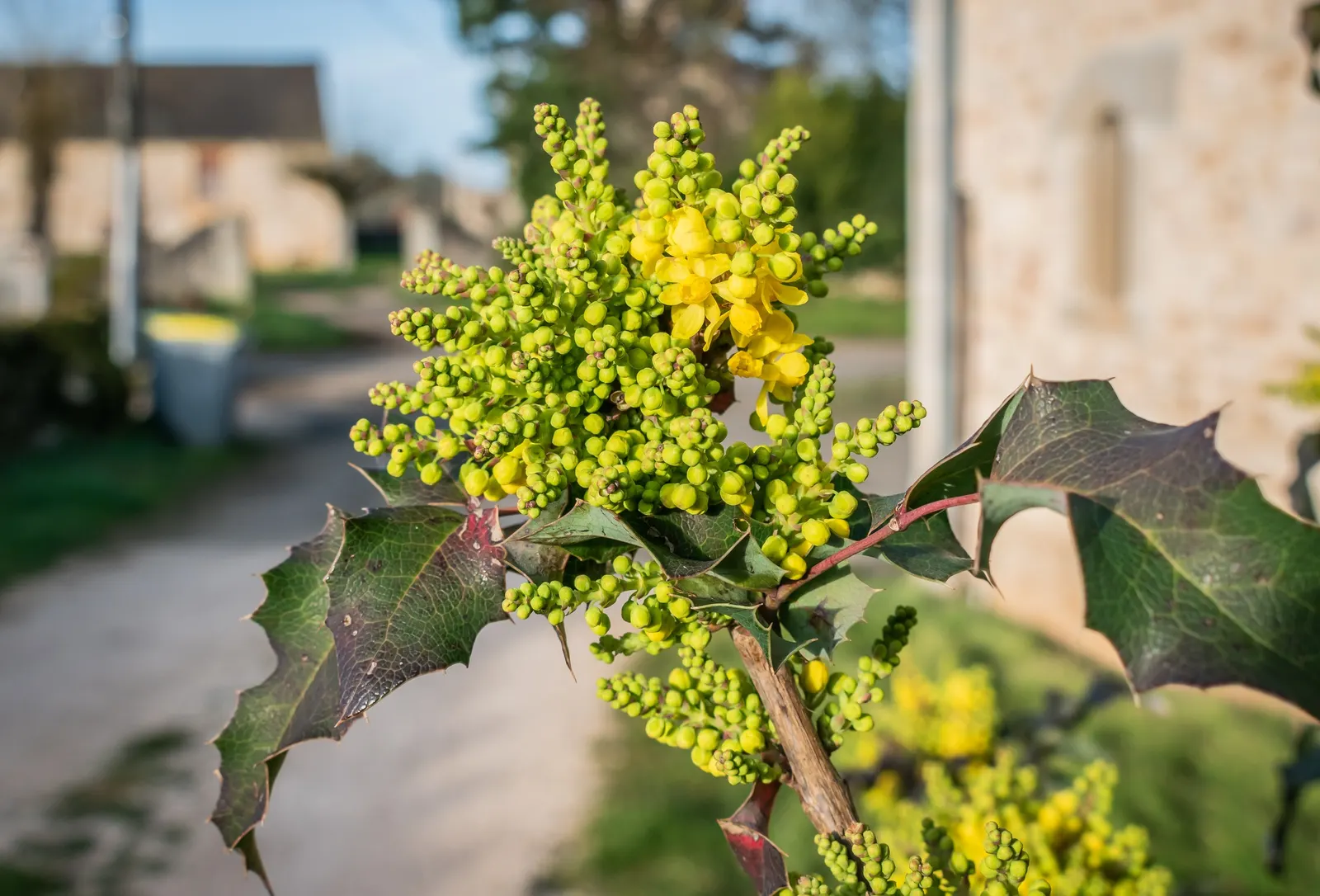
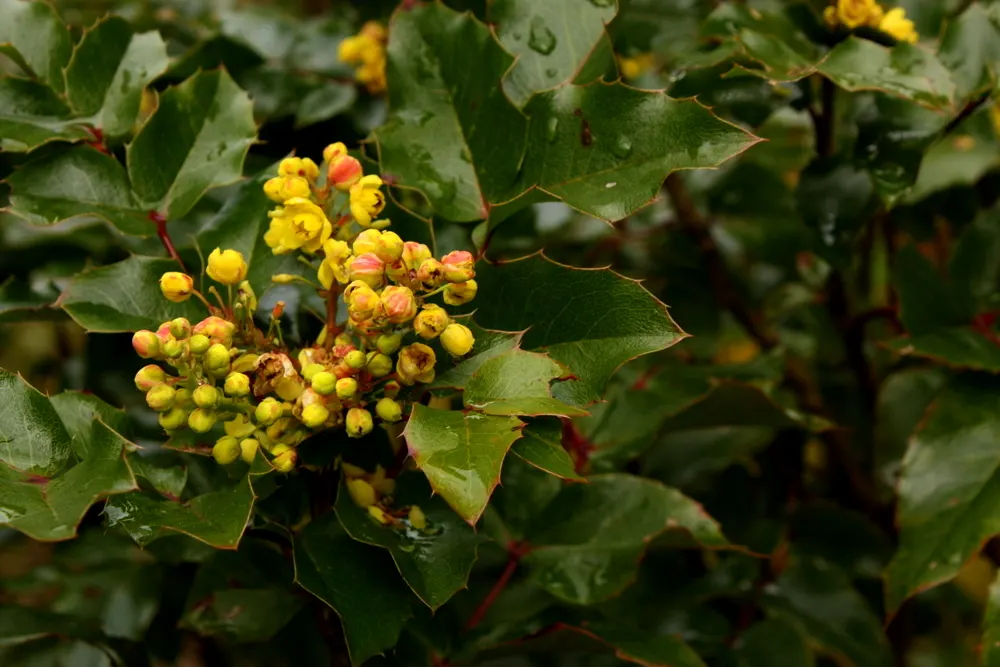
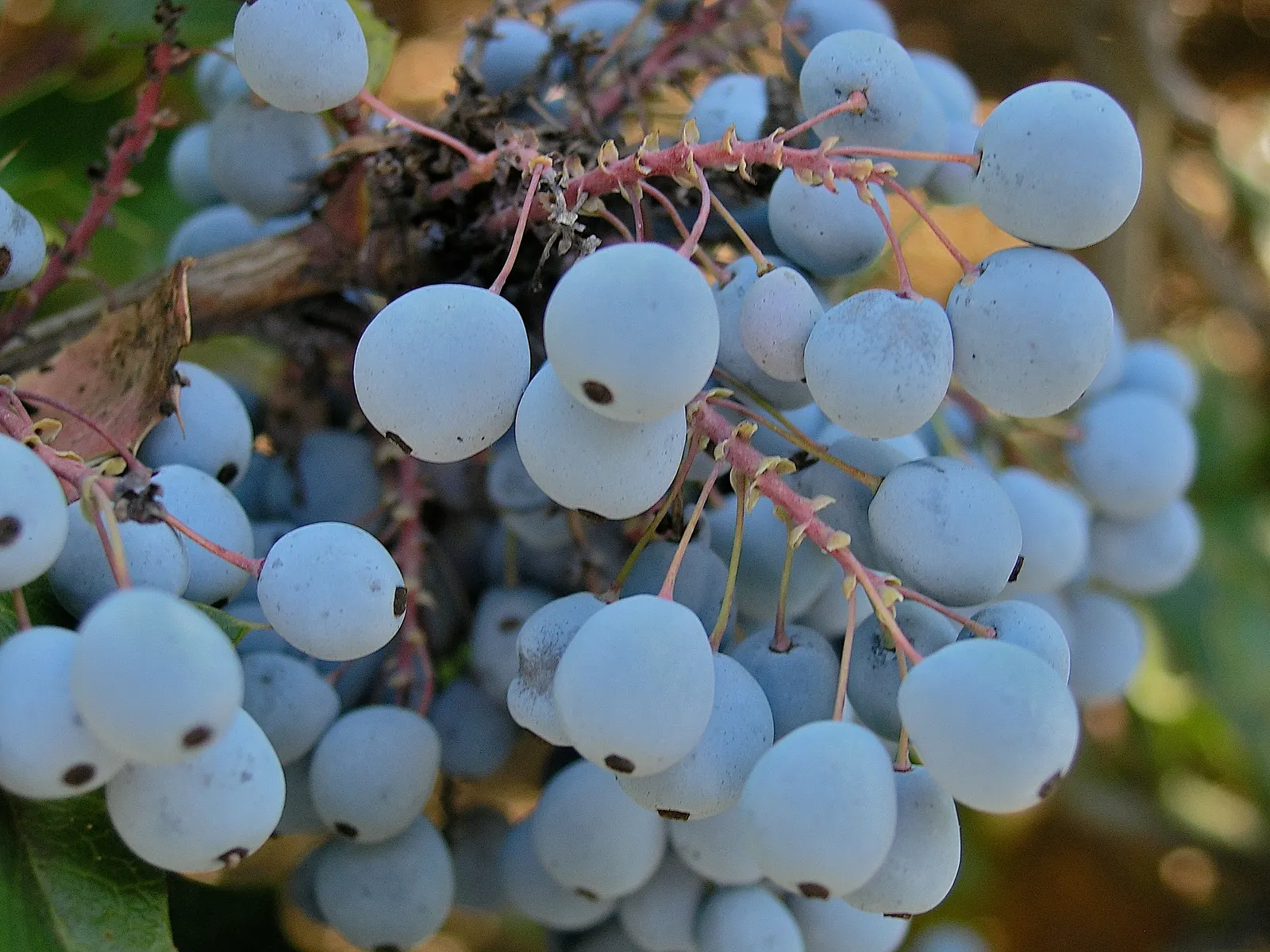
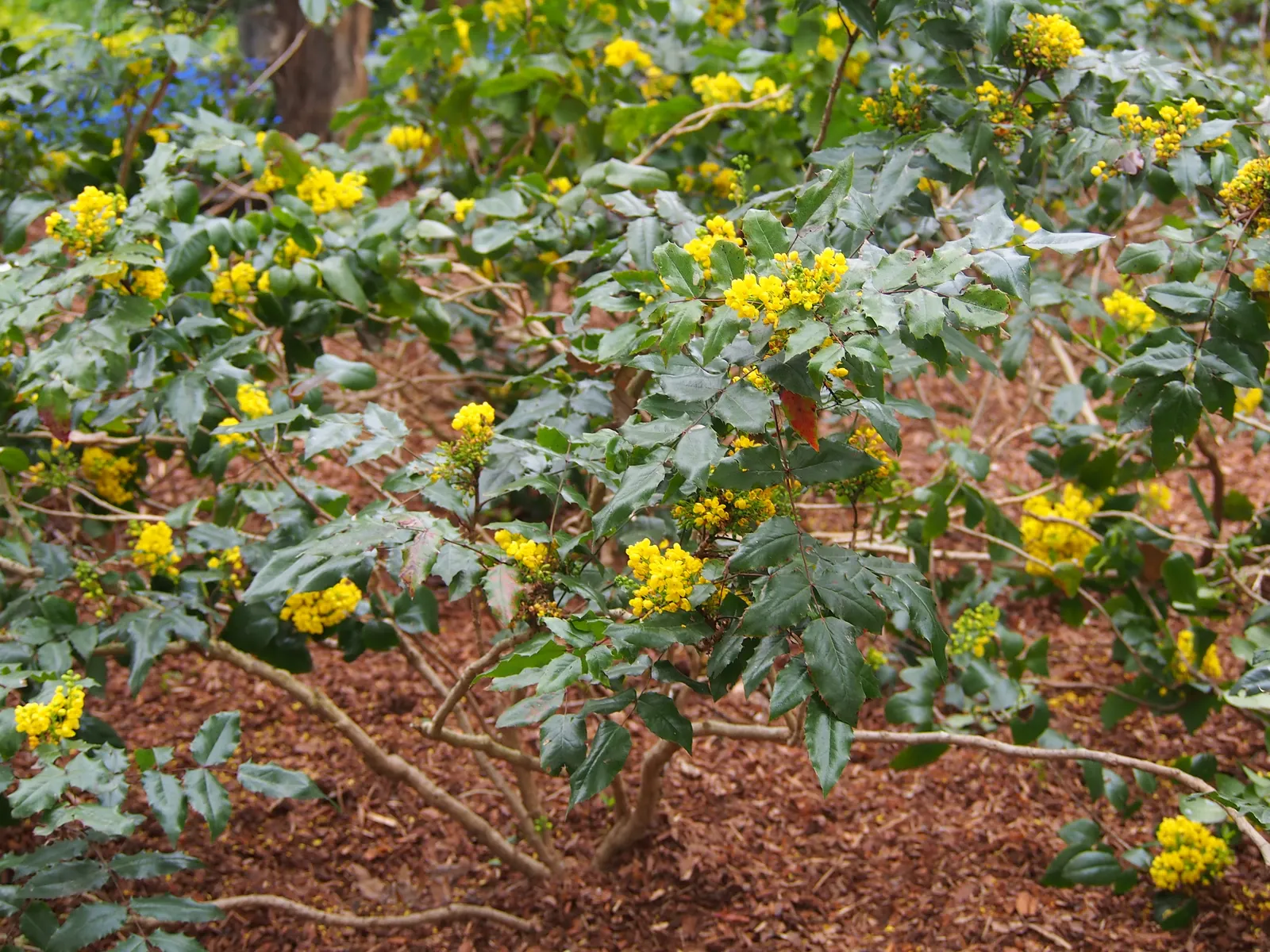
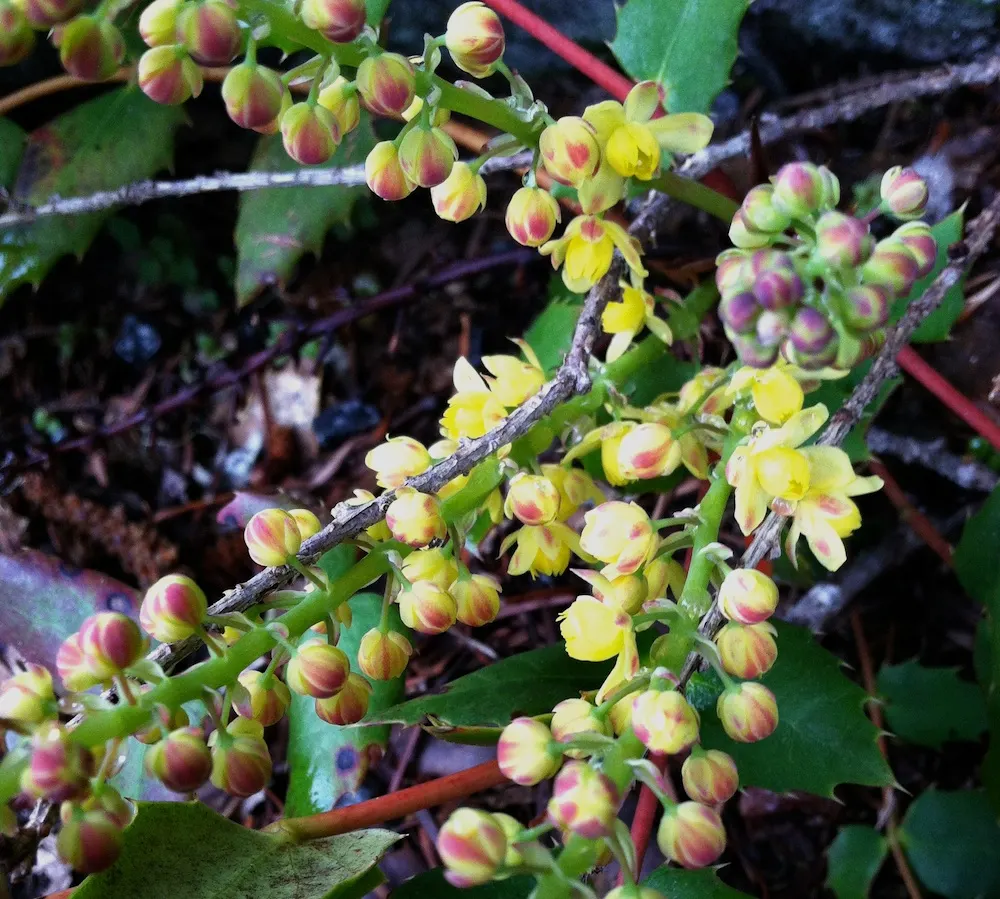
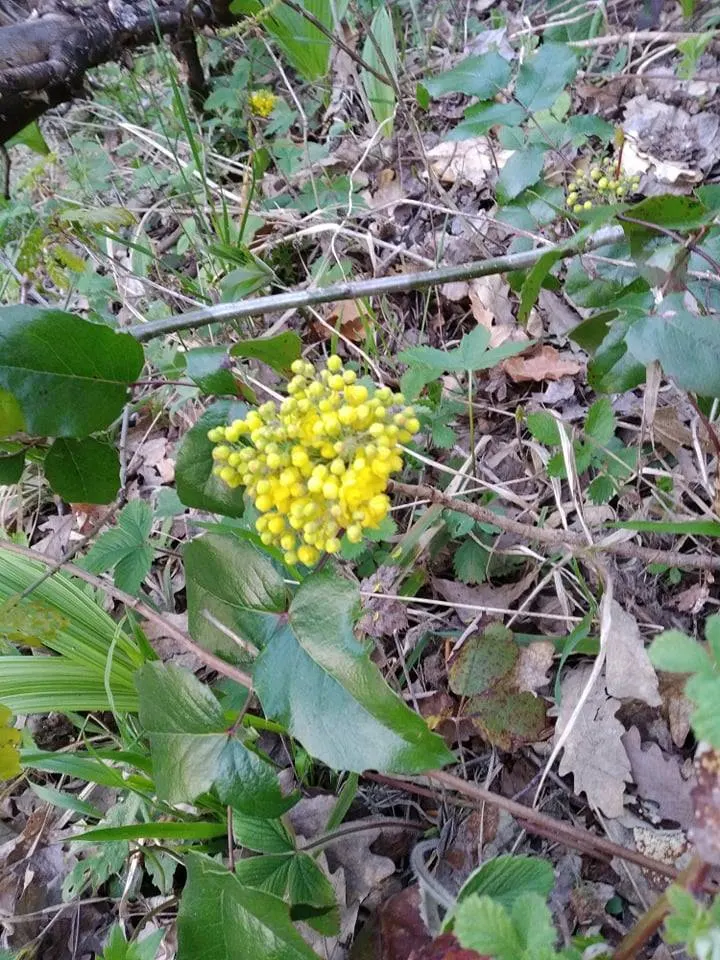
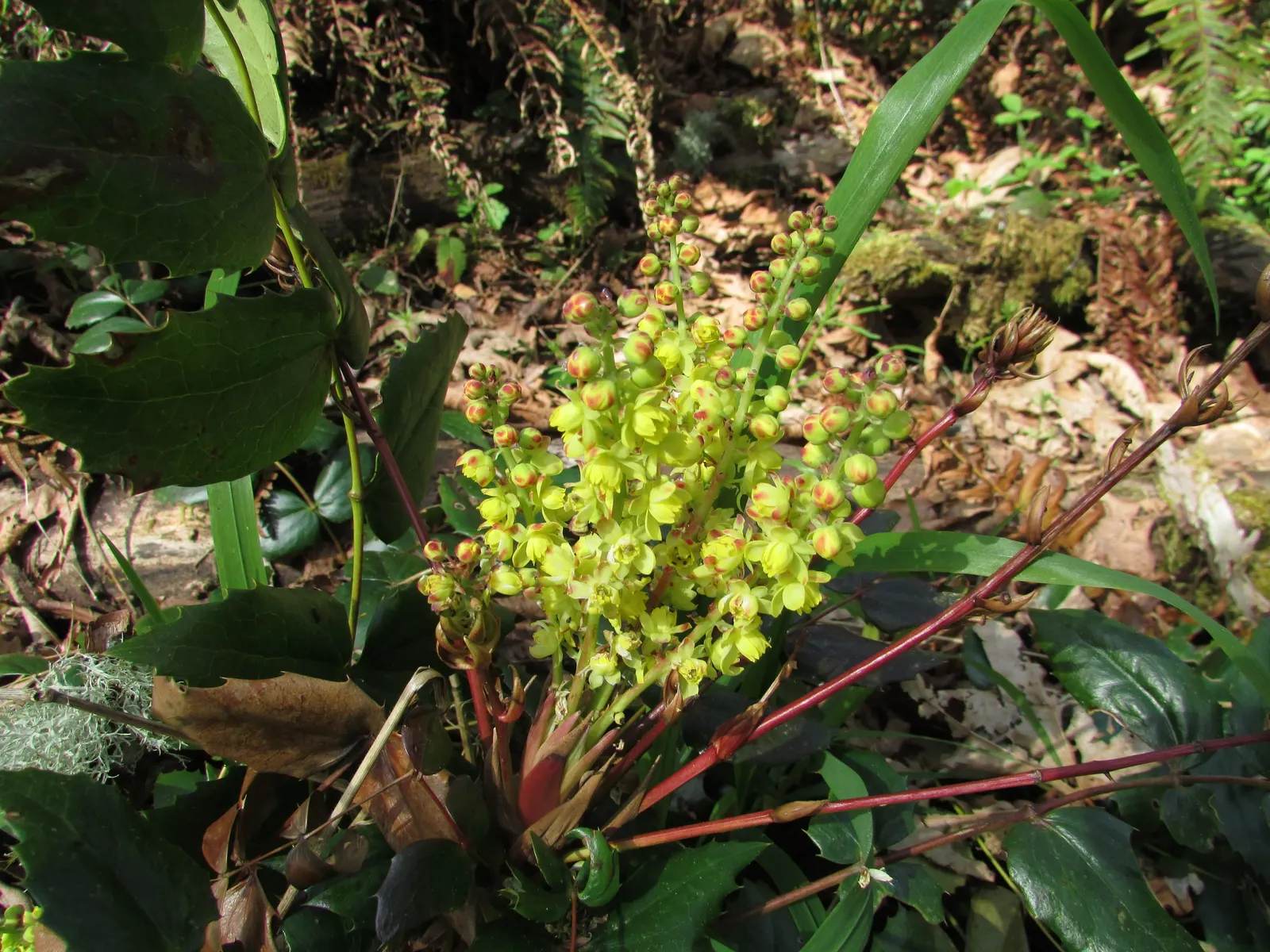
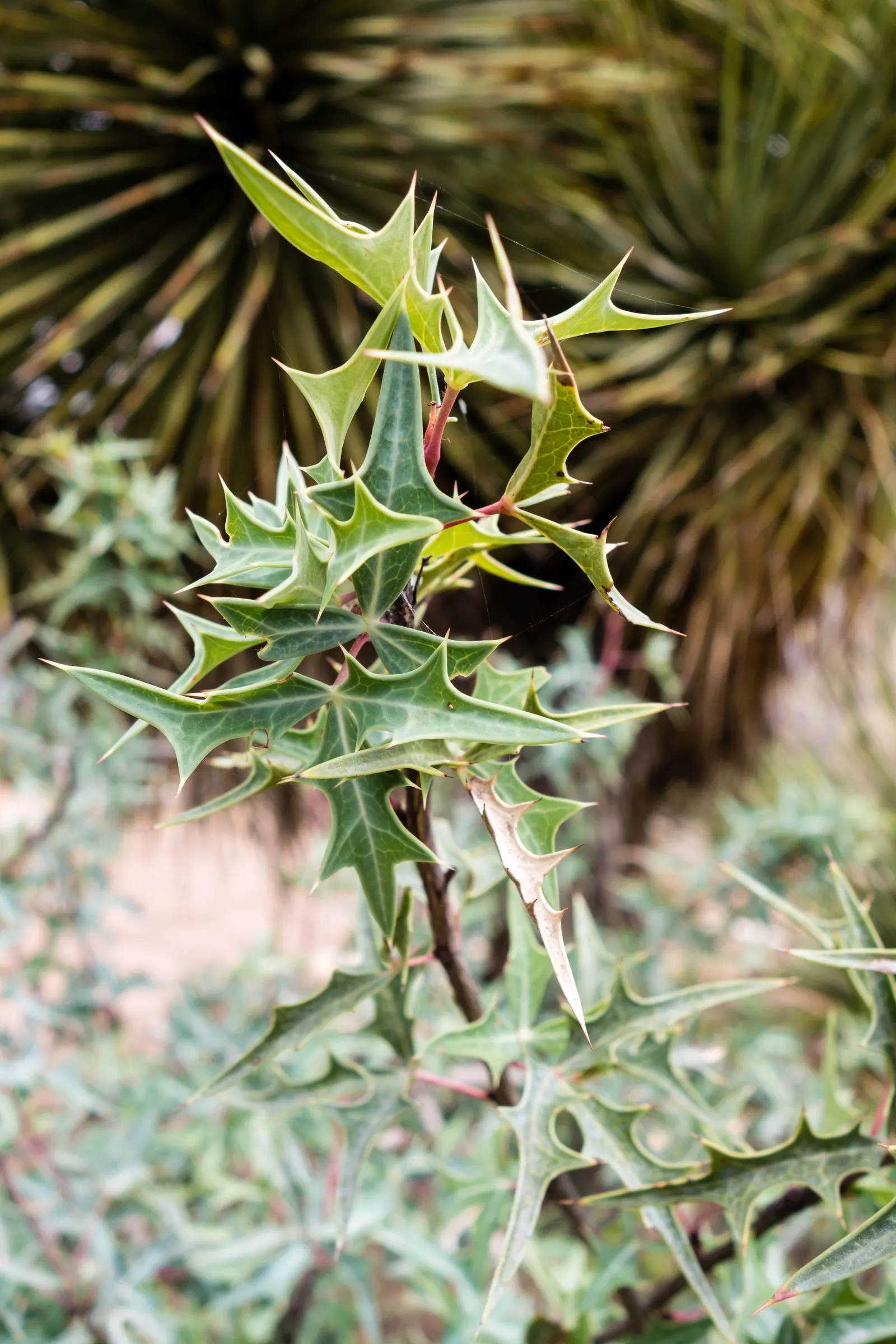
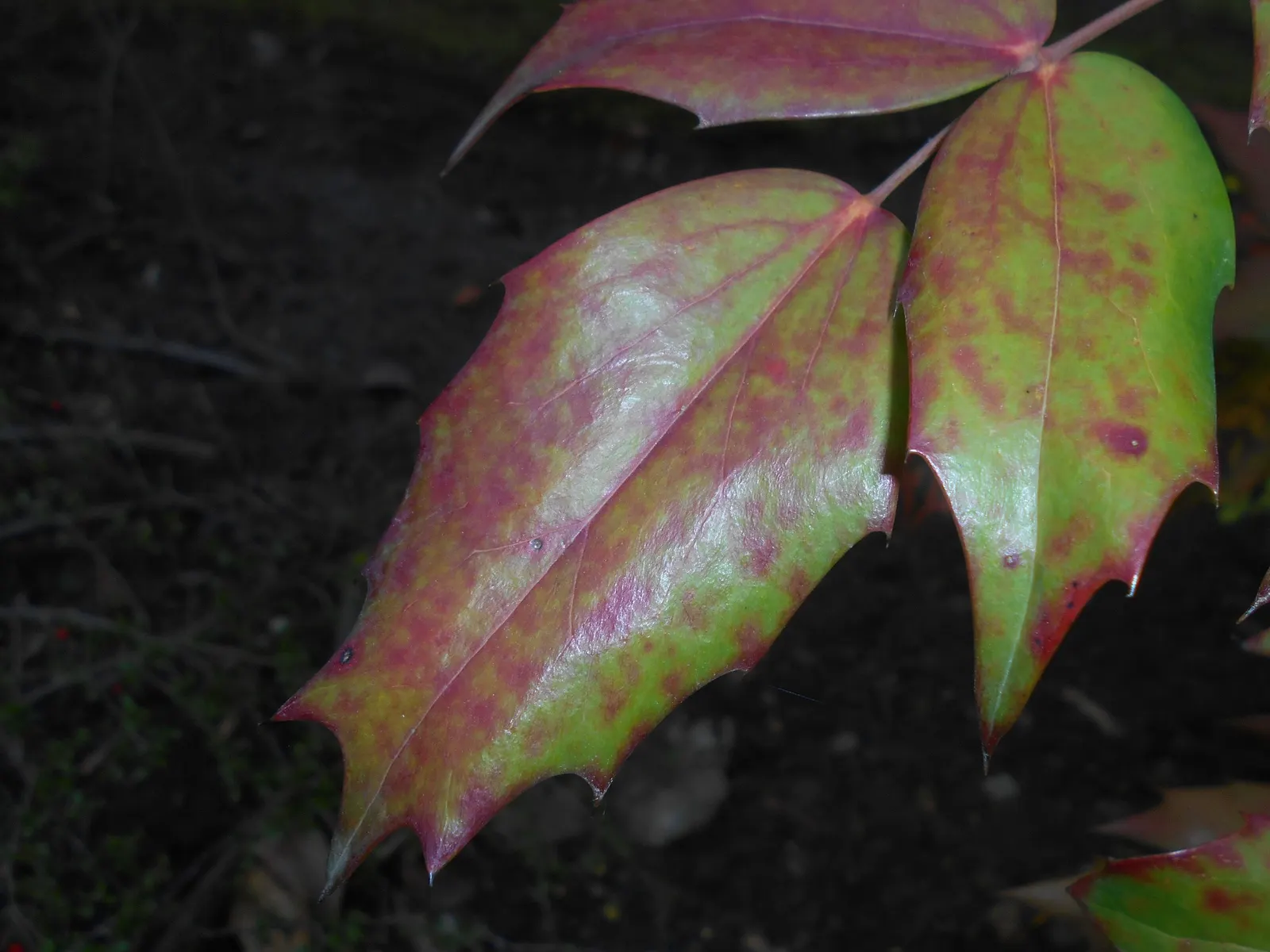
Oregon Grape (Mahonia aquifolium) is an evergreen shrub with holly-like leaves, reaching heights of 3-6ft. Its yellow flowers bloom in early spring, followed by purple-blue berries. This low-maintenance plant thrives in partial to full shade, prefers well-drained soil, and is hardy to -20°F. It serves as an excellent ground cover or barrier plant, offering year-round interest and attracting local wildlife with its nectar and fruits.
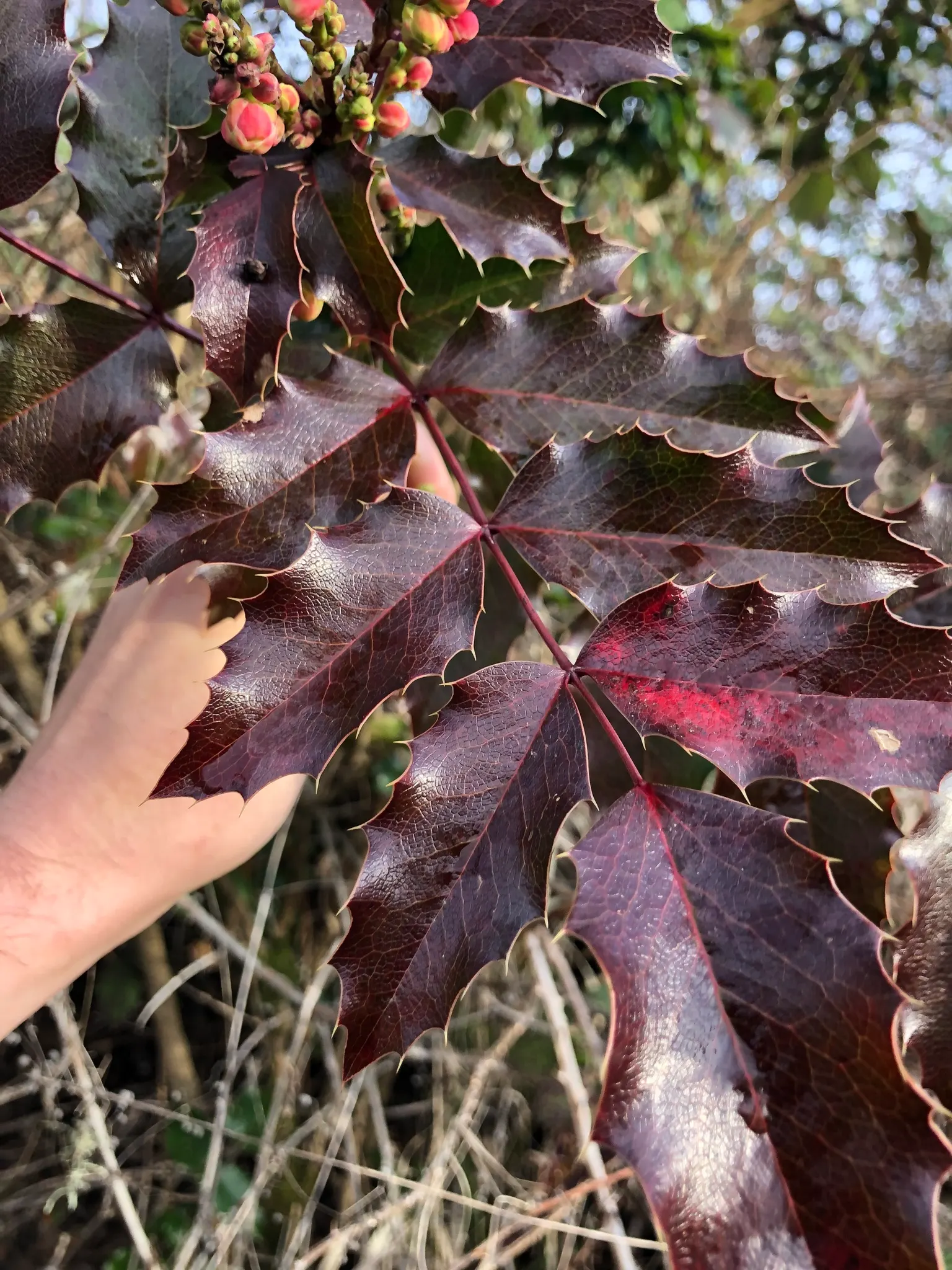
Sun Full, Half, ShadeWater MediumZones 5–10Type Broadleaf Evergreen, ShrubClimate Mediterranean
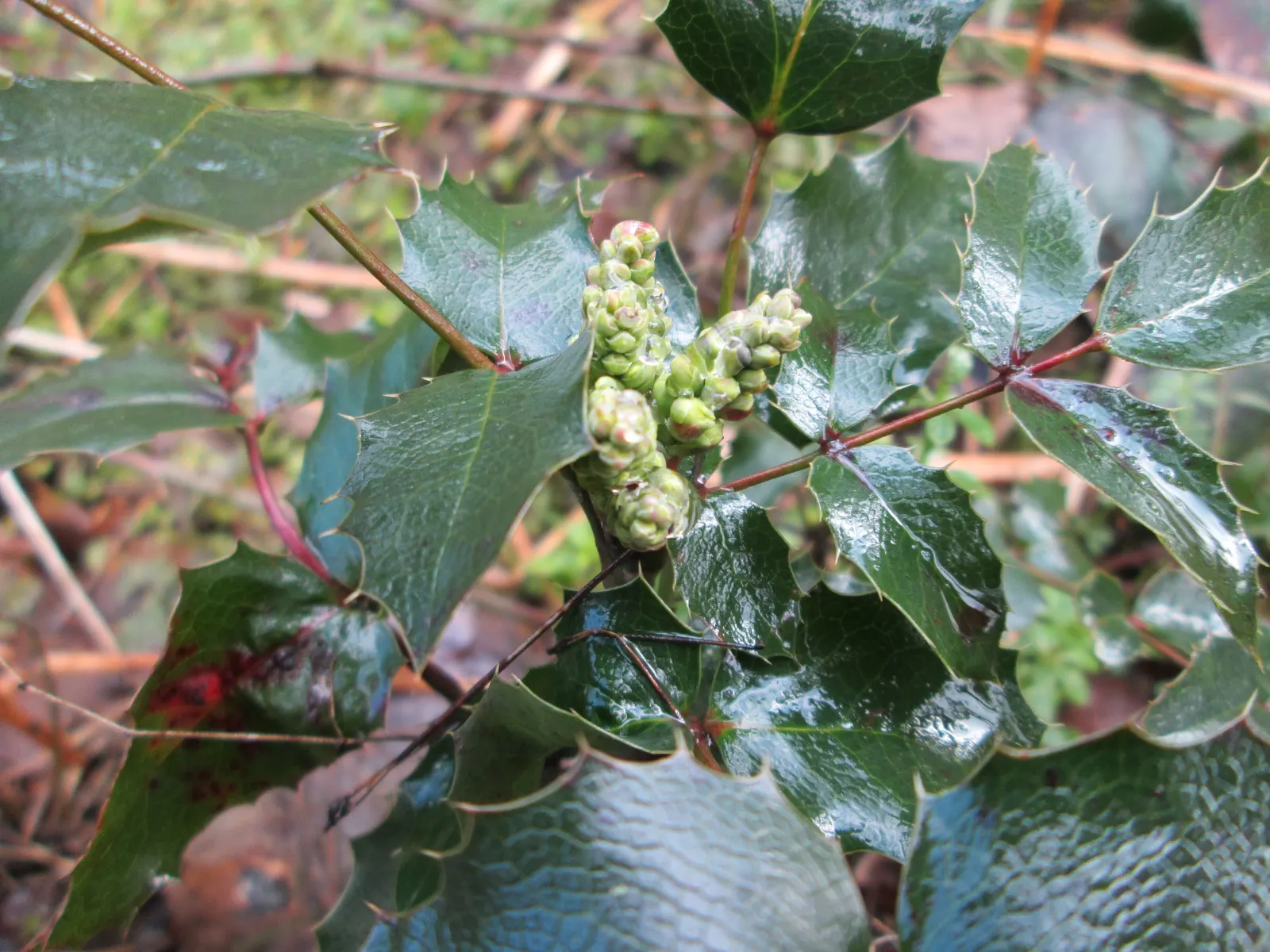
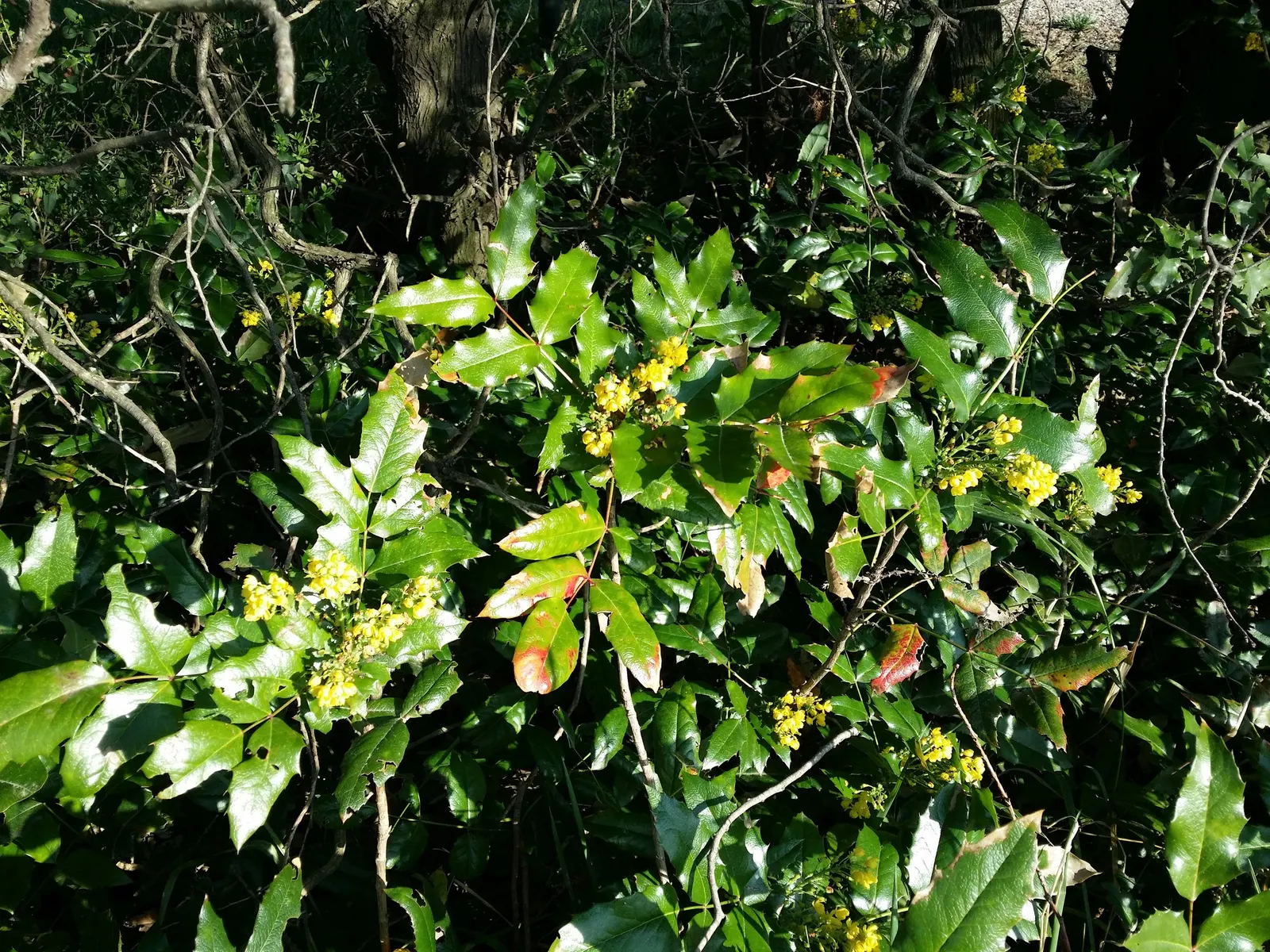
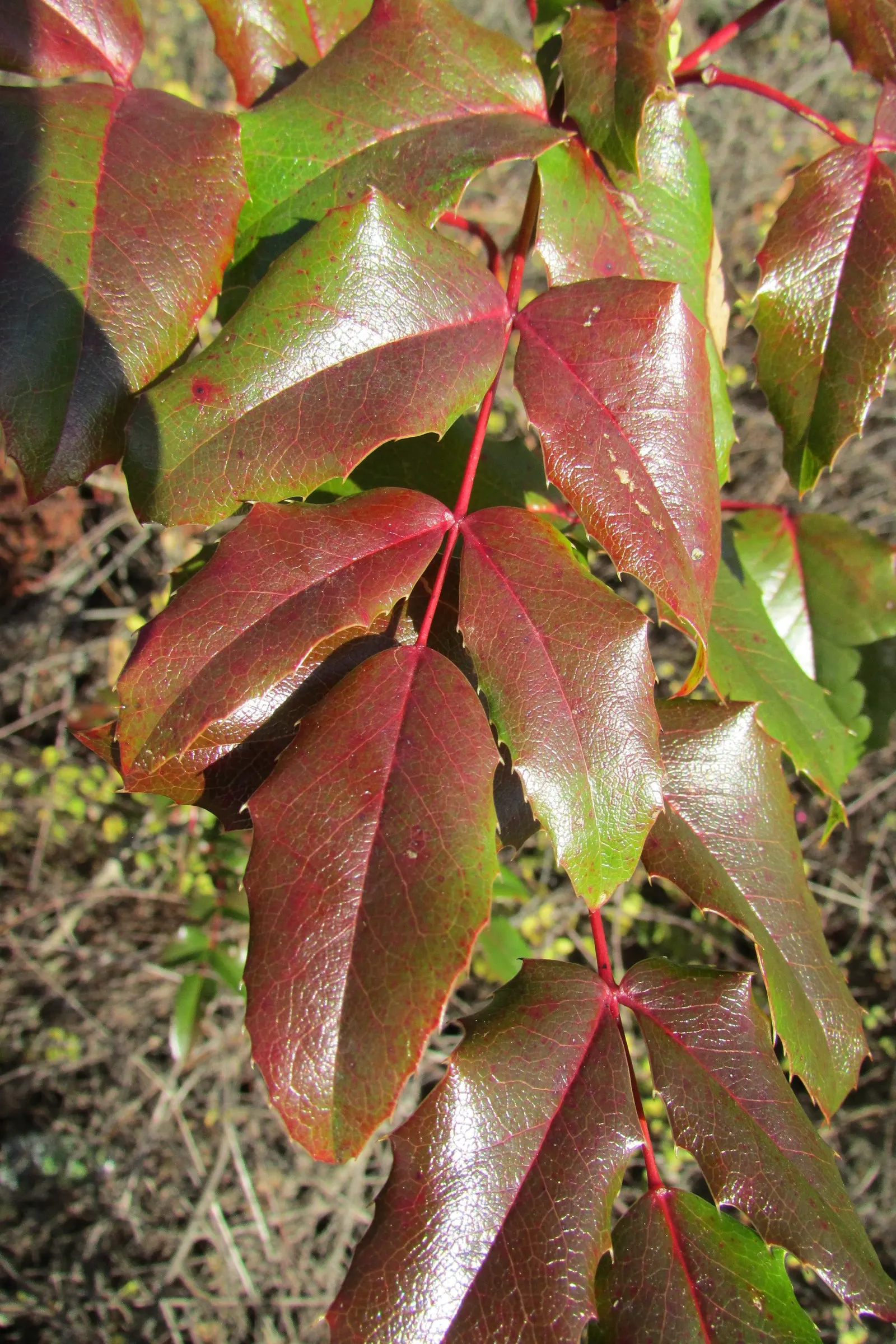
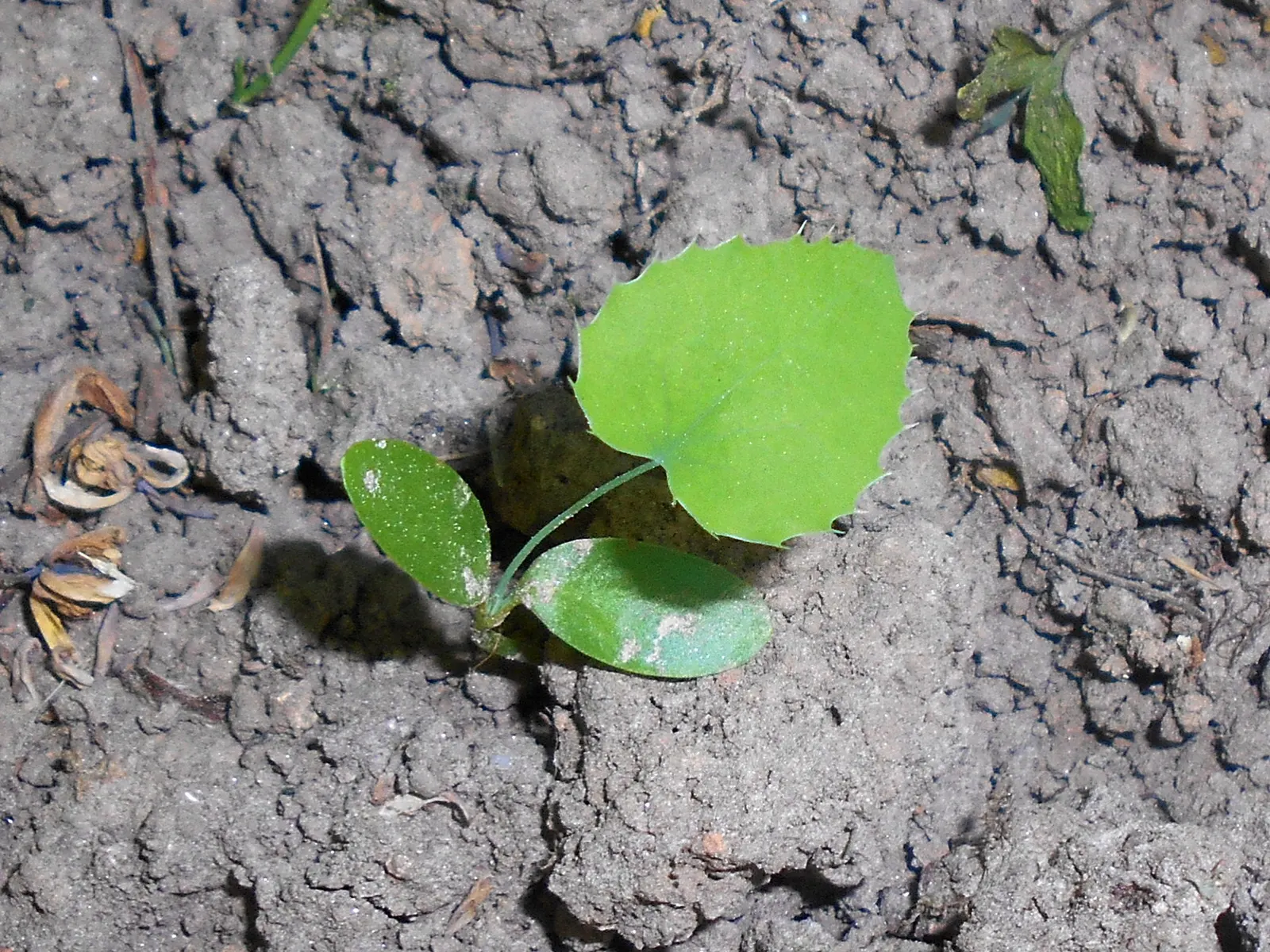
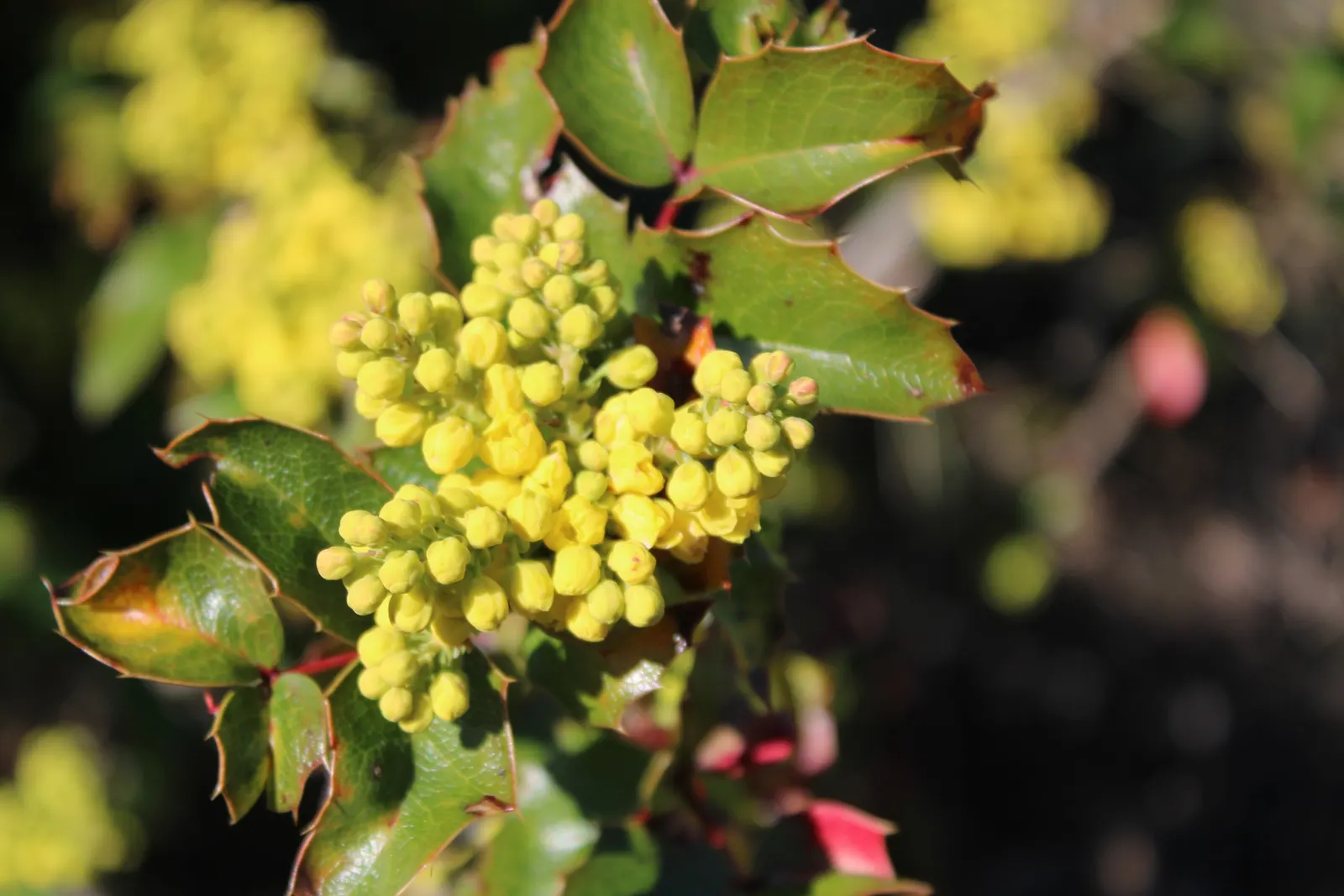
Oregon Grape (Mahonia Aquifolium) — though it tolerates full sun in cooler climates; provided that the soil is not overly wet, image 171

Culture

Sun
Full, Half, Shade
Water
Medium
USDA zones
5–10

Shape & size

Mature height
4–5 Ft.
Mature width
3–4 Ft.

Classification

Type
Broadleaf Evergreen, Shrub
Family
Berberidaceae
Climate
Mediterranean

See full data, regional cultivation notes, and design tools. Build a client presentation around this plant.

Start your 14-day trial

Photos (212)

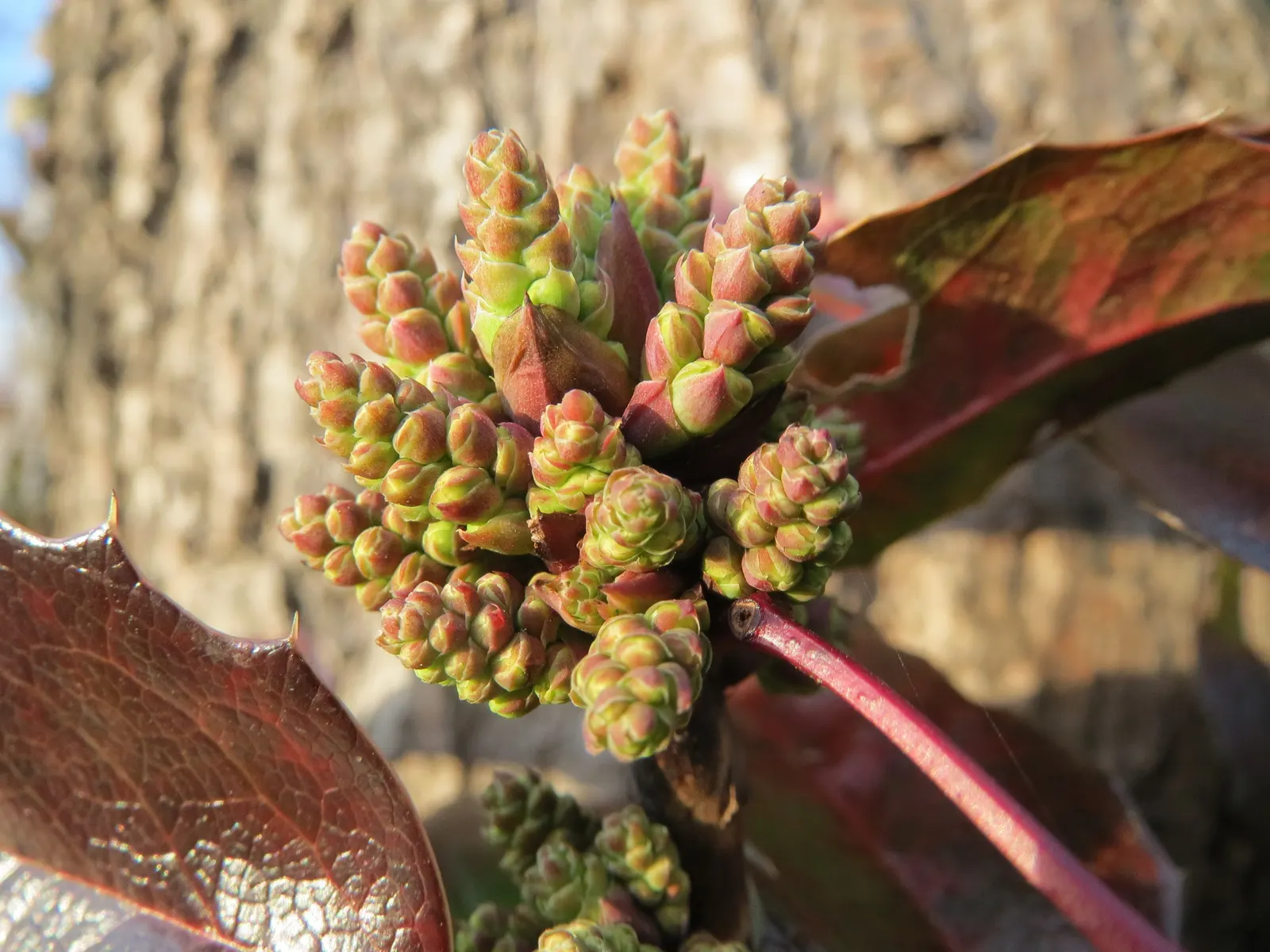
Oregon Grape (Mahonia Aquifolium) — With a moderate growth rate; though it tolerates full sun in cooler climates, image 132
Oregon Grape (Mahonia Aquifolium) — this plant typically achieves a height of 3 to 6 feet and spreads approximately 2 to 5 feet wide
Oregon Grape (Mahonia Aquifolium) — It is admired for both its ornamental and ecological value; offering year-round interest and attracting local, image 100
Oregon Grape (Mahonia Aquifolium) — Oregon Grape (Mahonia aquifolium) is an evergreen shrub with holly-like leaves, reaching heights of 3-6ft, image 91
Oregon Grape (Mahonia Aquifolium) — though it tolerates full sun in cooler climates
Oregon Grape (Mahonia Aquifolium) — is a distinguished evergreen shrub native to the Pacific Northwest
Oregon Grape (Mahonia Aquifolium) — yellow flowers in the garden; this plant typically achieves a height of 3 to 6 feet and spreads approximately 2, image 88
Oregon Grape (Mahonia Aquifolium) — requiring minimal care beyond occasional pruning to maintain its dense; it serves as an excellent ground cover, image 87
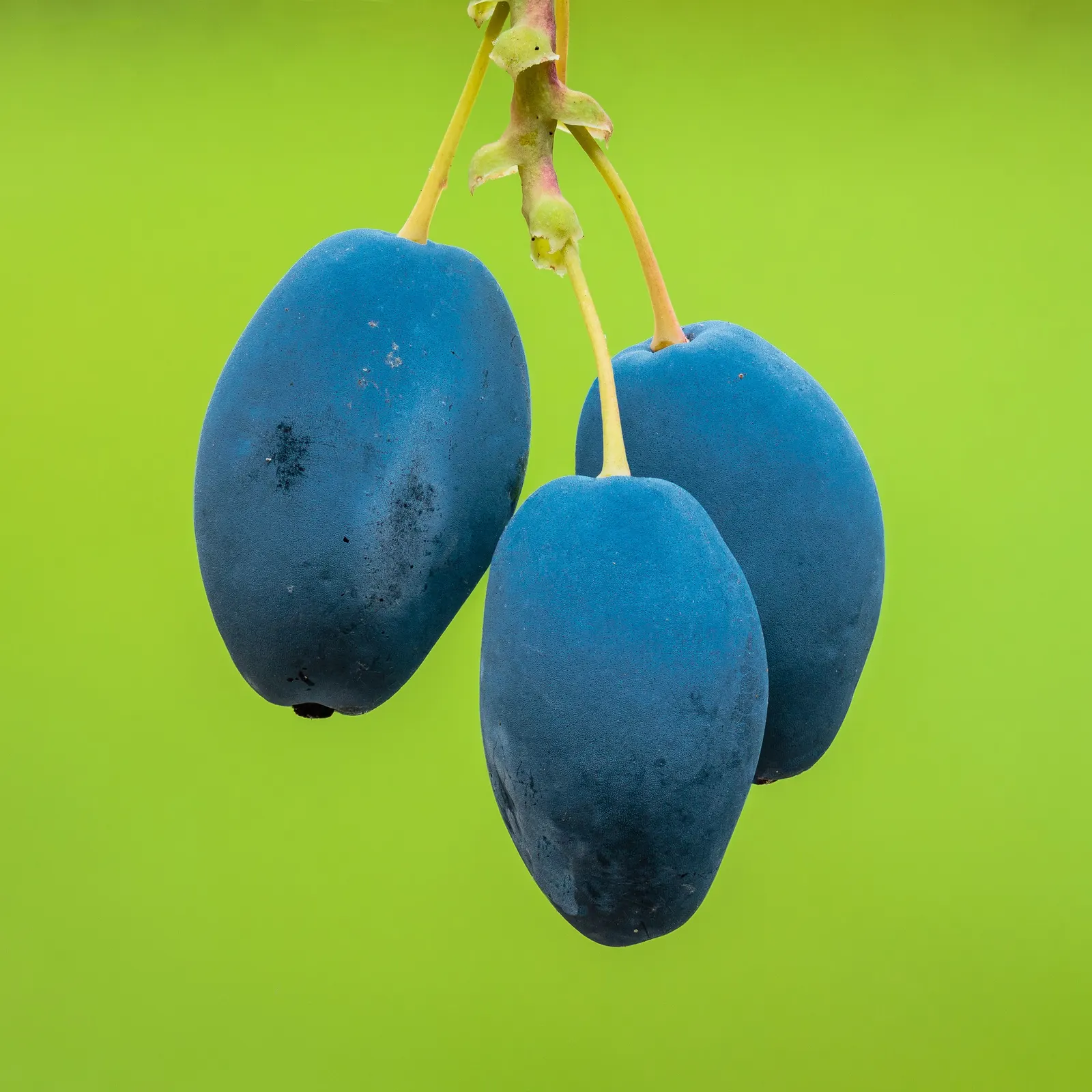
Oregon Grape (Mahonia Aquifolium) — edible blue-black berries by late summer; it is admired for both its ornamental and ecological value, image 169
Oregon Grape (Mahonia Aquifolium) — This low-maintenance plant thrives in partial to full shade; each close to 3 inches in length, image 153
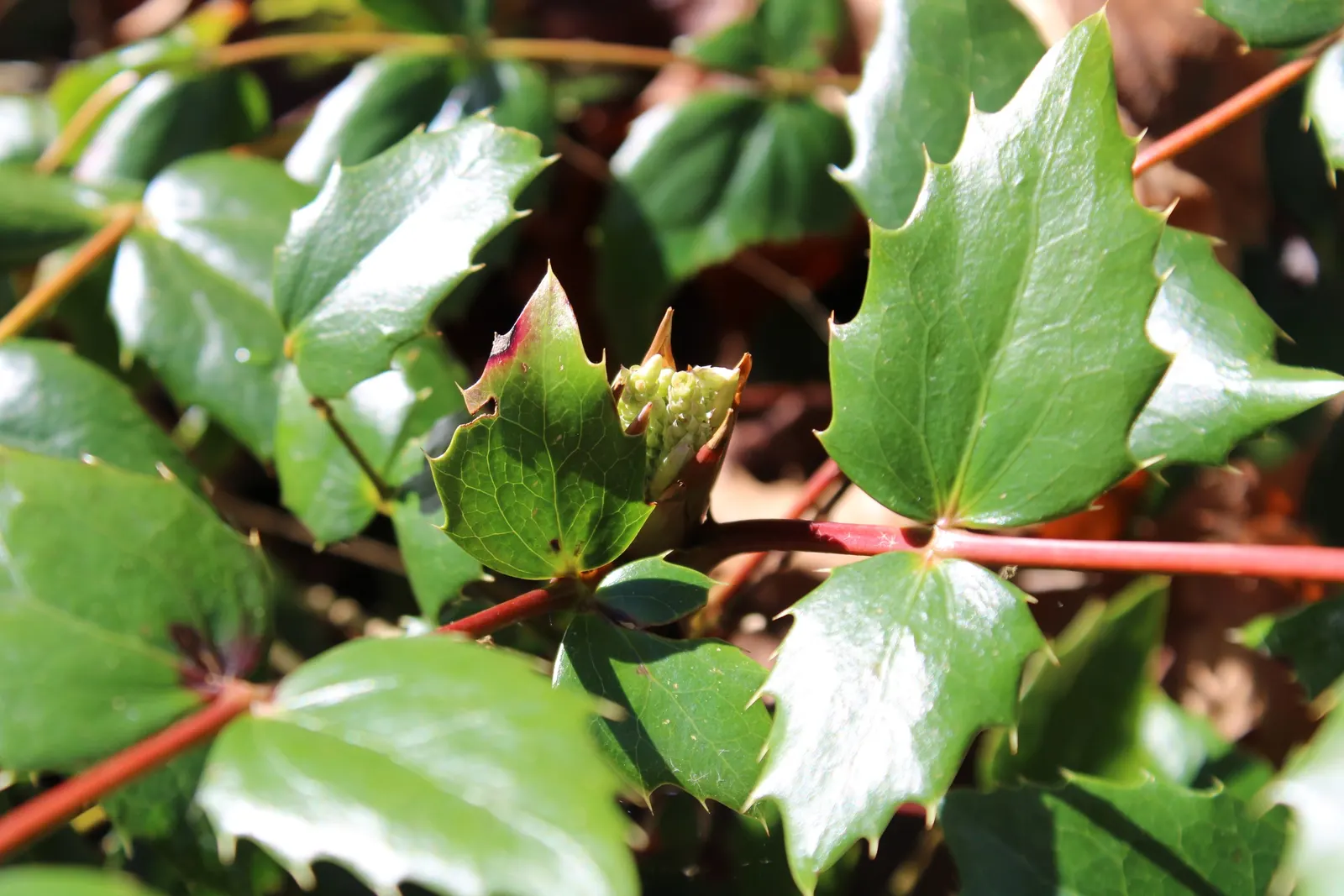
Oregon Grape (Mahonia Aquifolium) — with 5 to 9 leaflets per leaf
Oregon Grape (Mahonia Aquifolium) — broadleaf evergreen / shrub for full or half or shade
Oregon Grape (Mahonia Aquifolium) — It is adaptable to a range of soil conditions; oregon Grape (Mahonia aquifolium) is an evergreen shrub with, image 142
Oregon Grape (Mahonia Aquifolium) — each close to 3 inches in length; this low-maintenance plant thrives in partial to full shade
Oregon Grape (Mahonia Aquifolium) — It serves as an excellent ground cover or barrier plant; is a distinguished evergreen shrub native to the Pacific Northwest
Oregon Grape (Mahonia Aquifolium) — and each leaflet measuring up to 3 inches long; with a moderate growth rate
Oregon Grape (Mahonia Aquifolium) — It is adaptable to a range of soil conditions
Oregon Grape (Mahonia Aquifolium) — edible blue-black berries by late summer; it is admired for both its ornamental and ecological value
Oregon Grape (Mahonia Aquifolium) — each close to 3 inches in length; this low-maintenance plant thrives in partial to full shade, image 138
Oregon Grape (Mahonia Aquifolium) — scientifically known as Mahonia aquifolium
Oregon Grape (Mahonia Aquifolium) — offering year-round interest and attracting local wildlife with its nectar and fruits; these dark green, glossy, image 127
Oregon Grape (Mahonia Aquifolium) — Drought tolerant once established; it is adaptable to a range of soil conditions, image 115
Oregon Grape (Mahonia Aquifolium) — with 5 to 9 leaflets per leaf; and is hardy to -20°F, image 134
Oregon Grape (Mahonia Aquifolium) — from well-drained sandy soil to clay
Photographs by 16 contributors

Related plants