Skip to content

Star Magnolia

Magnolia Stellata

Design with this plant

Overview

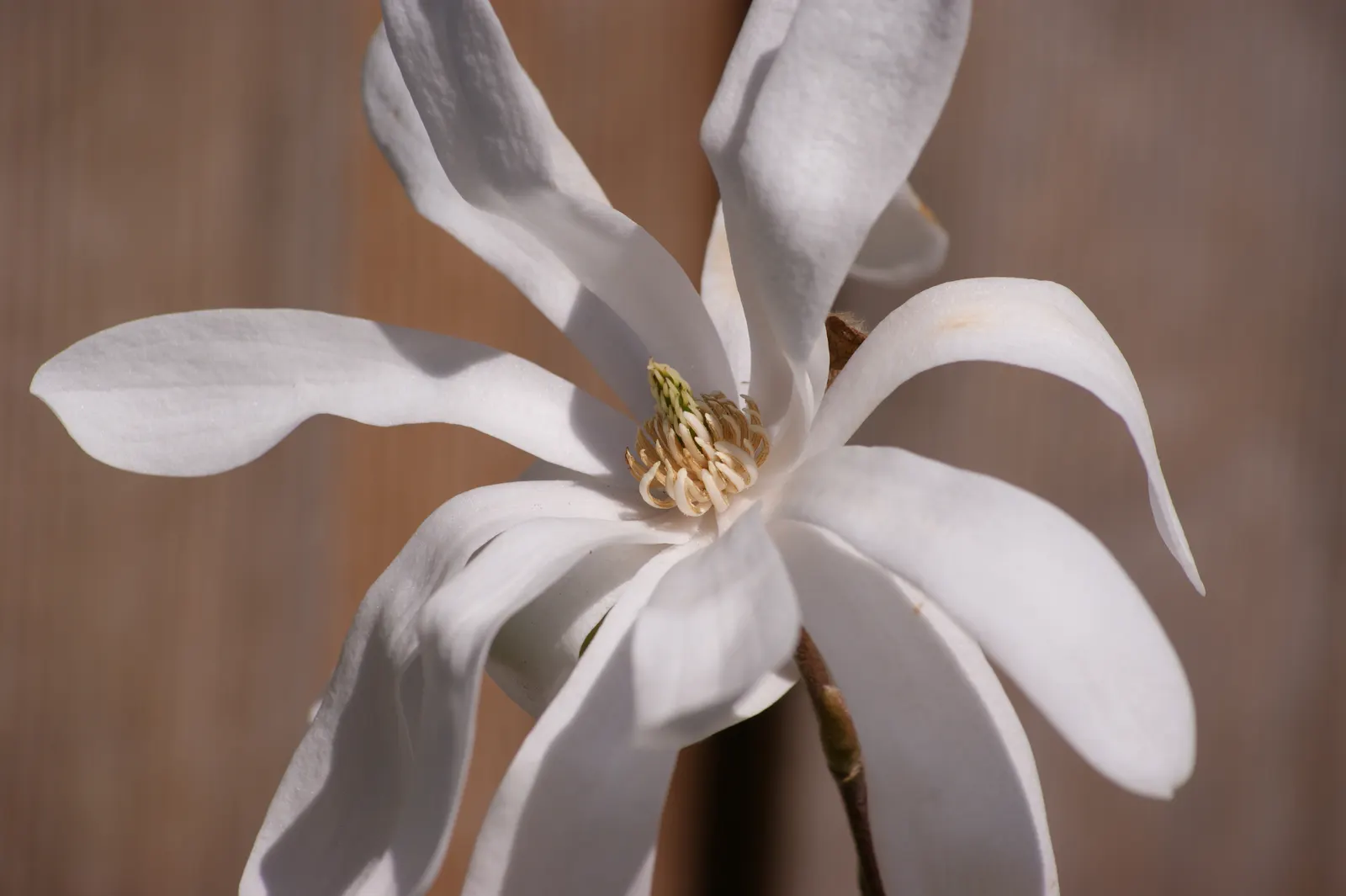
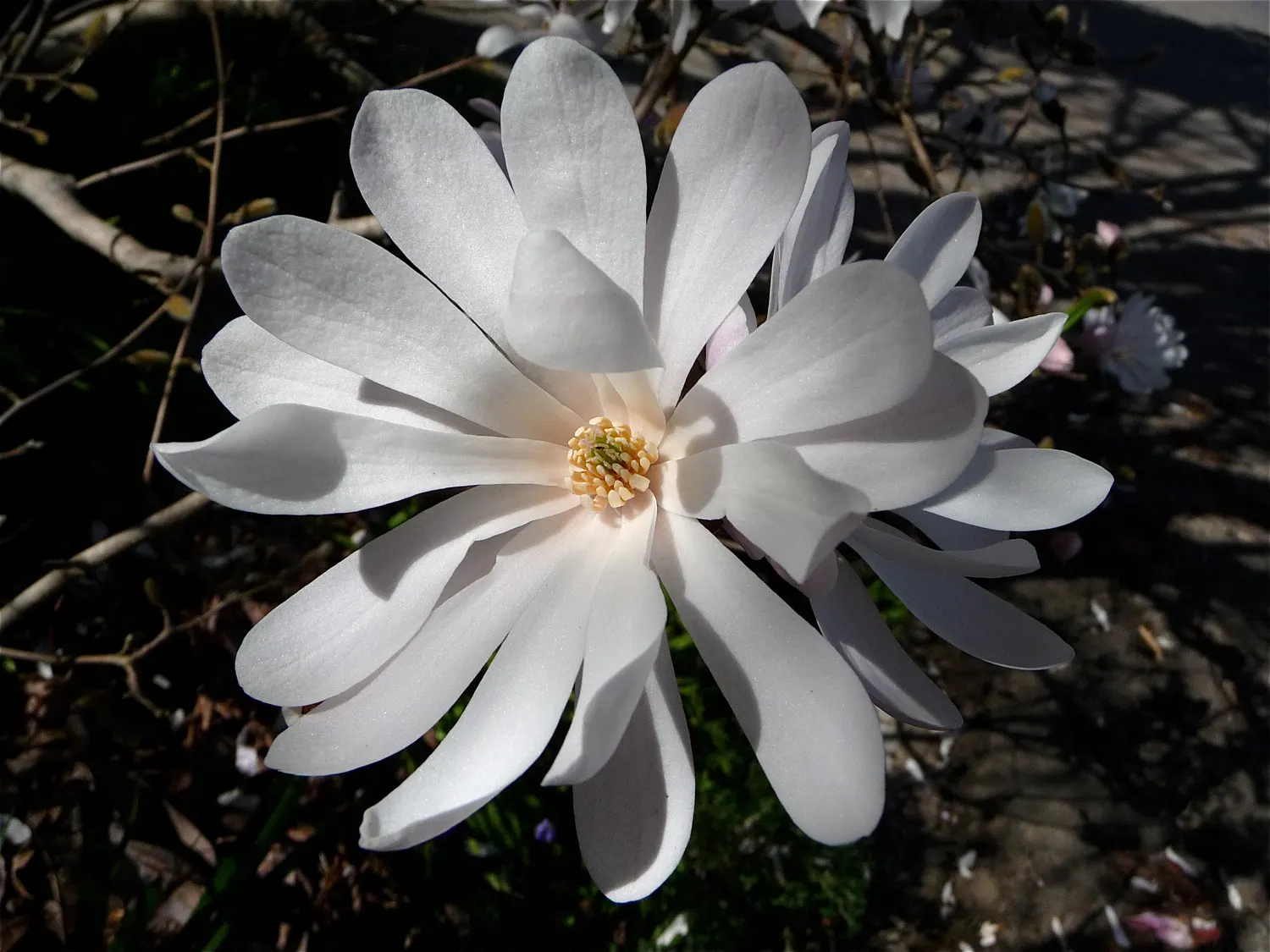
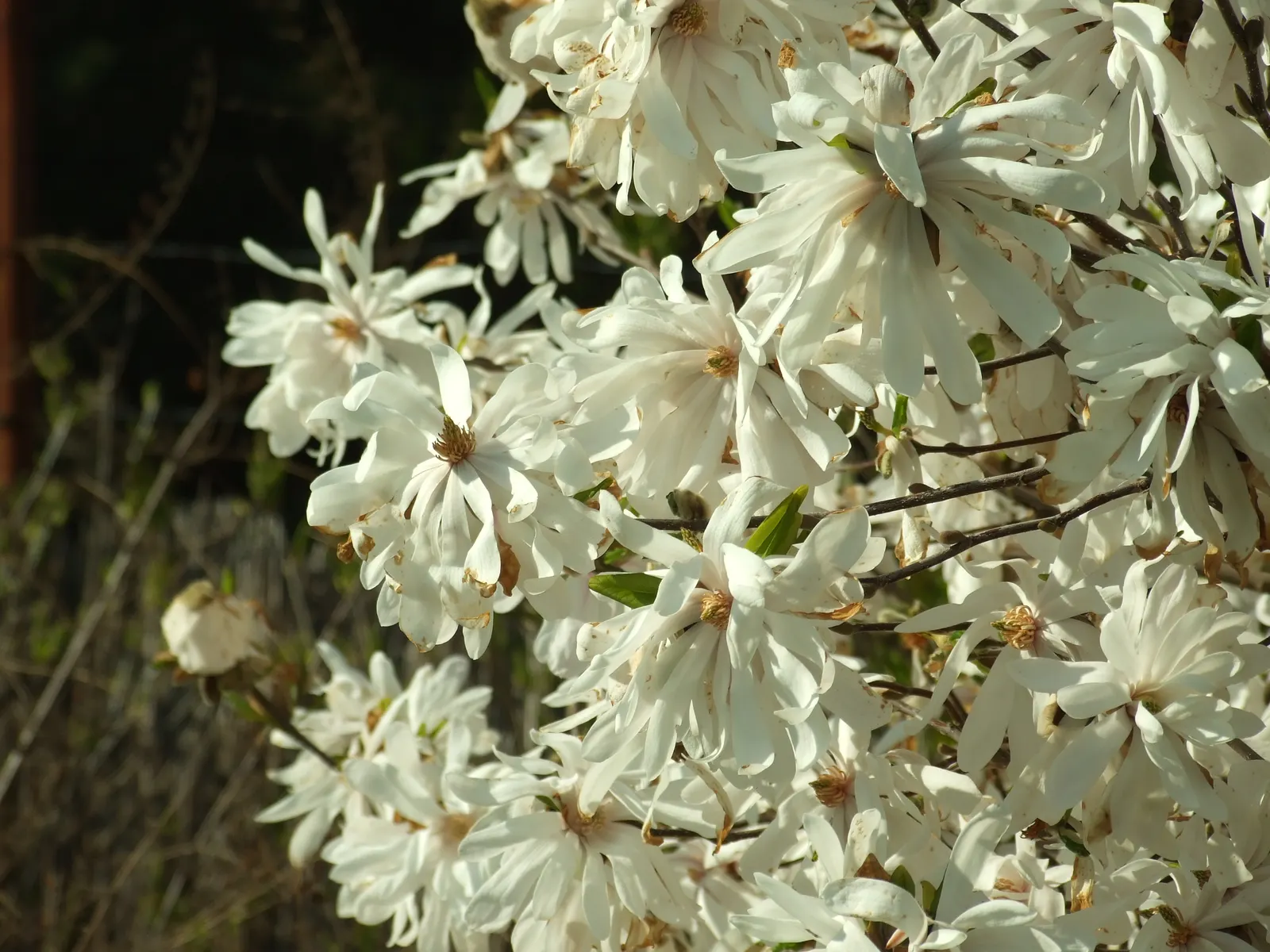
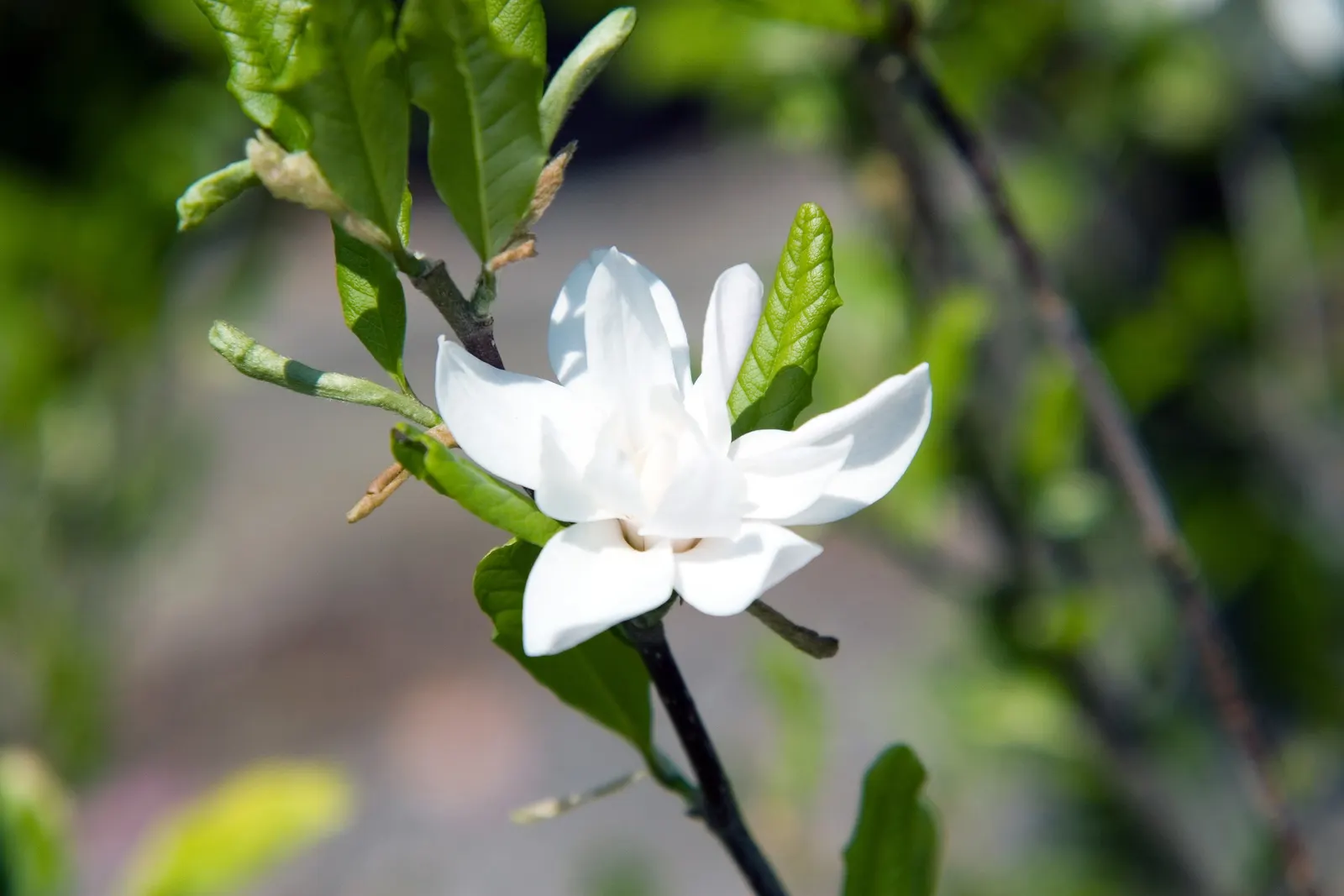
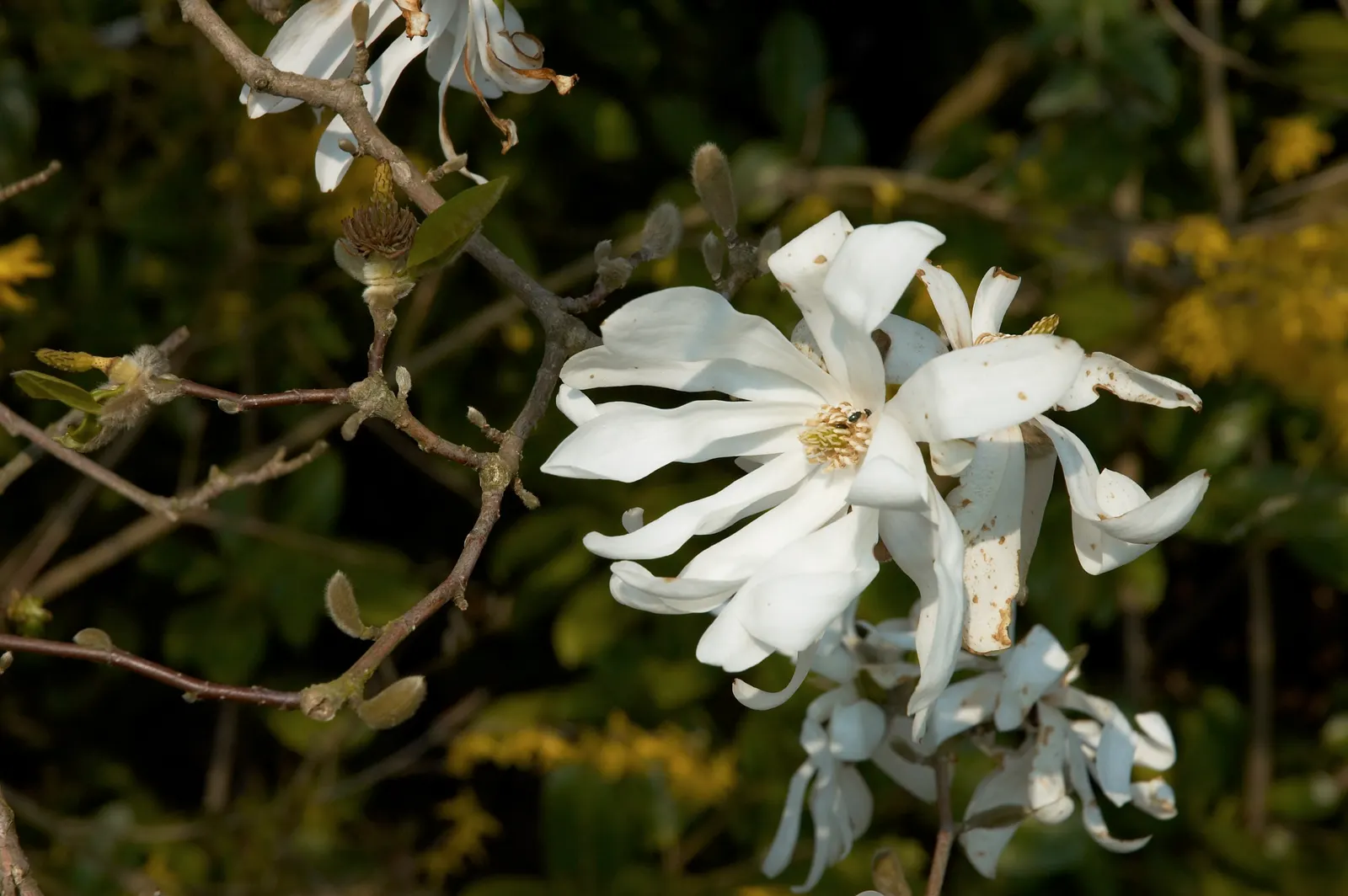
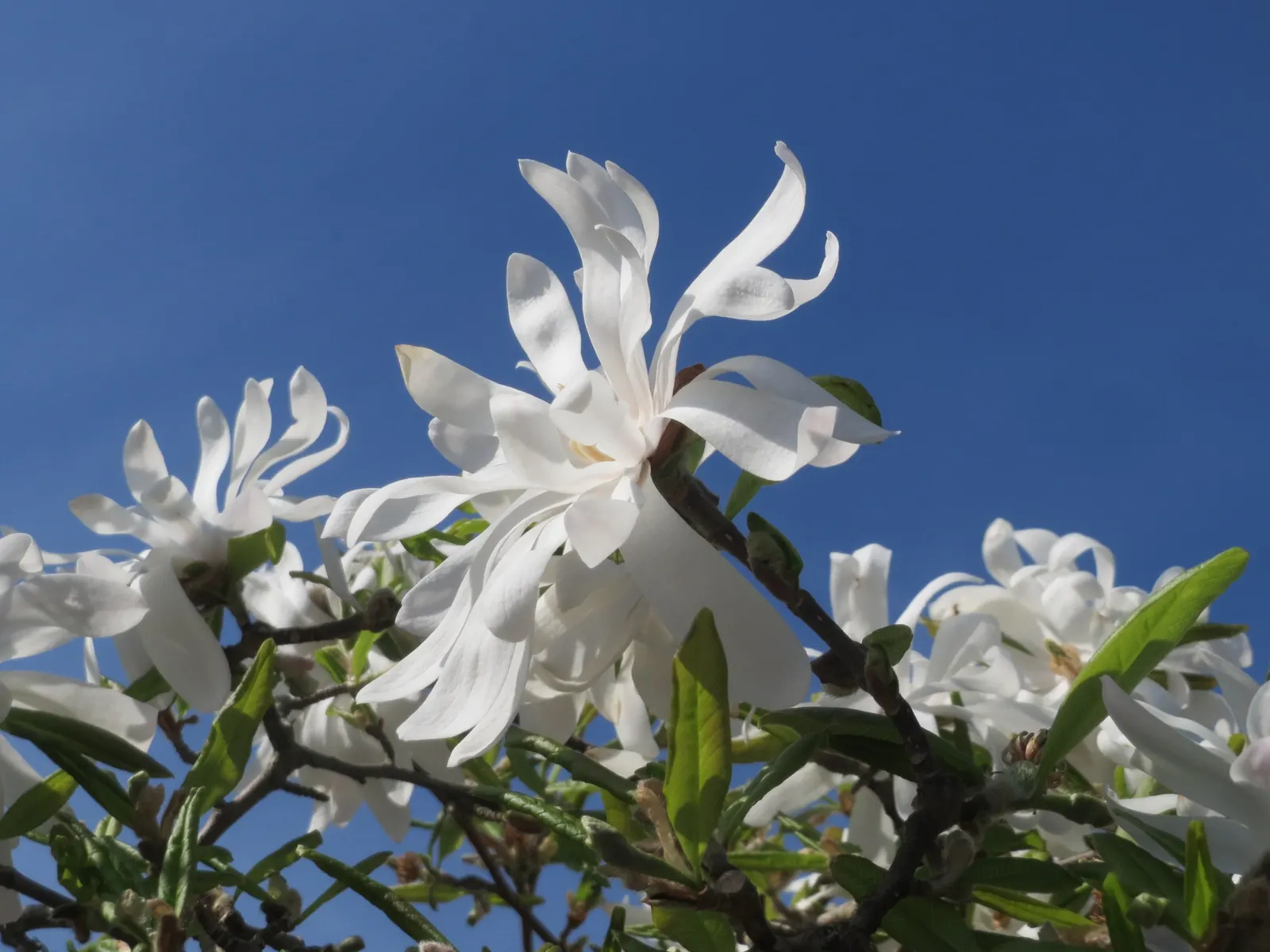
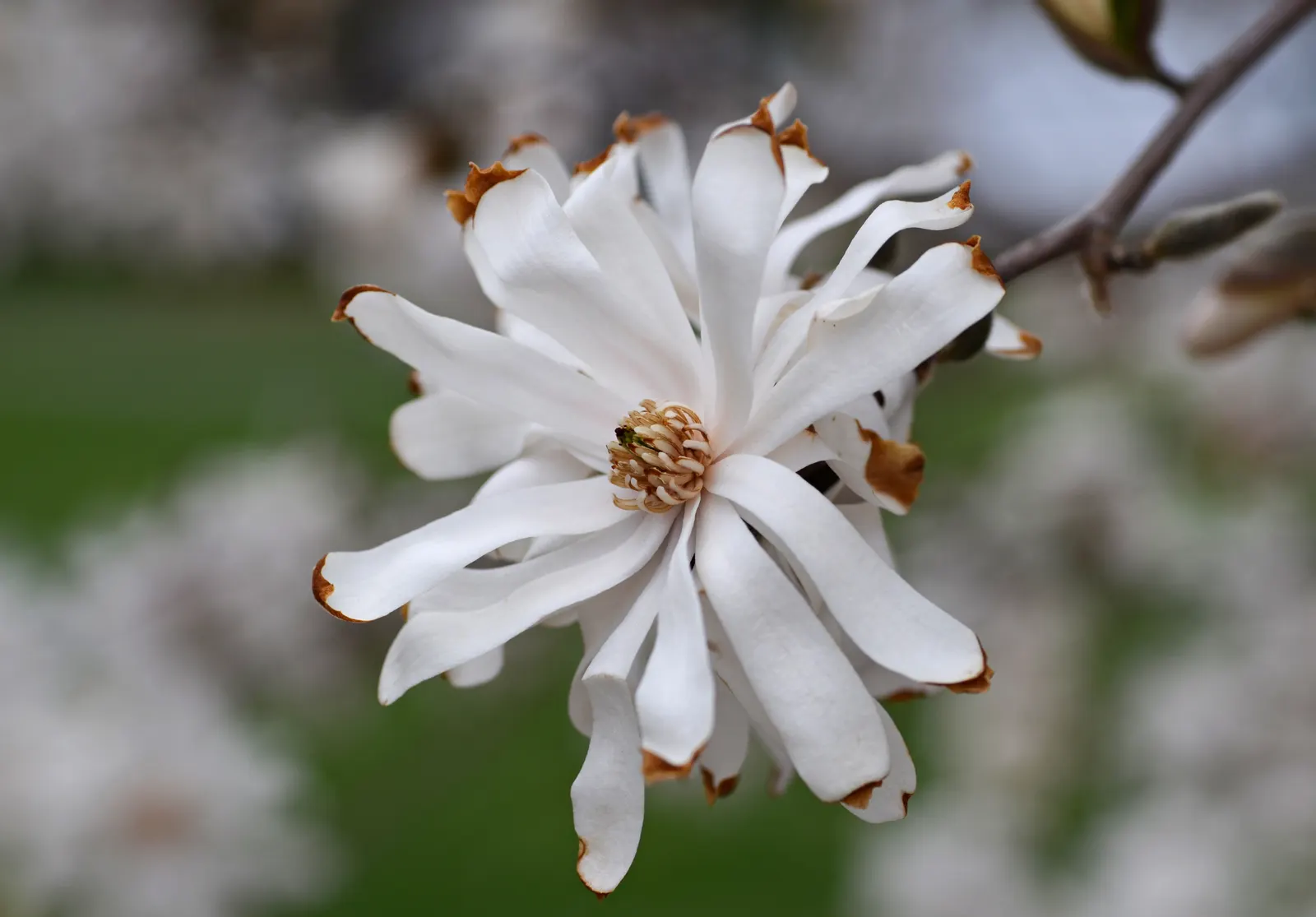
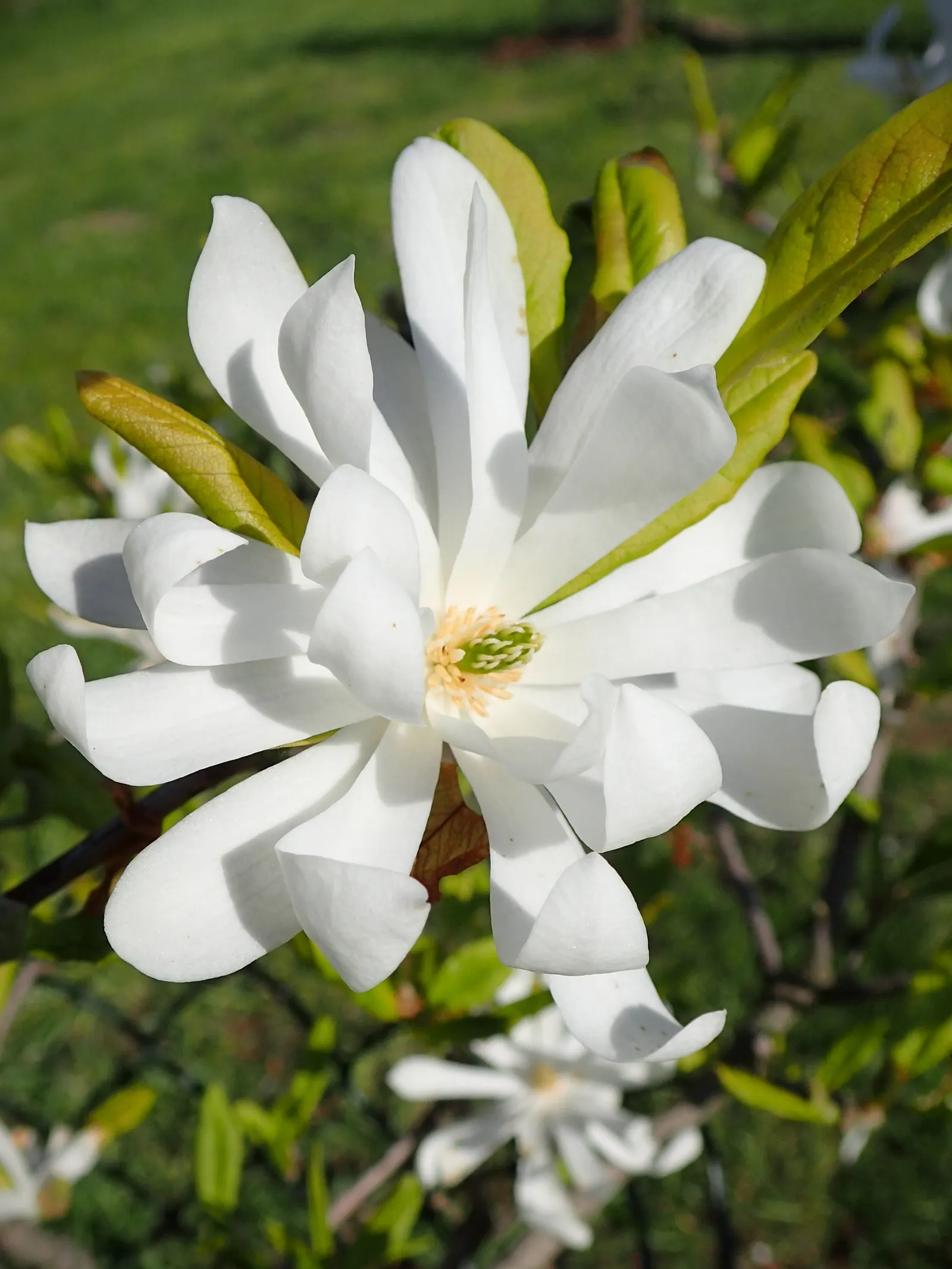
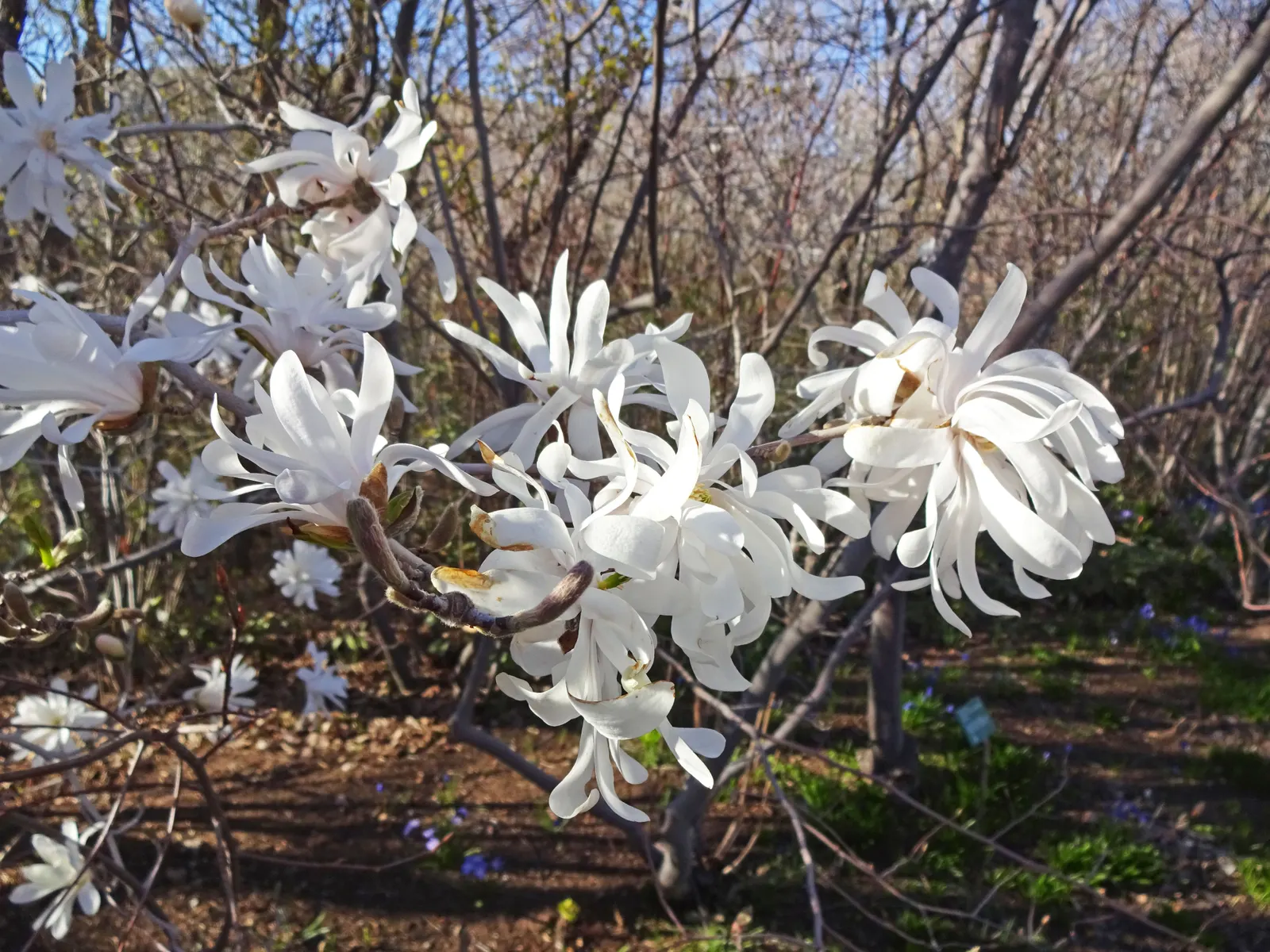
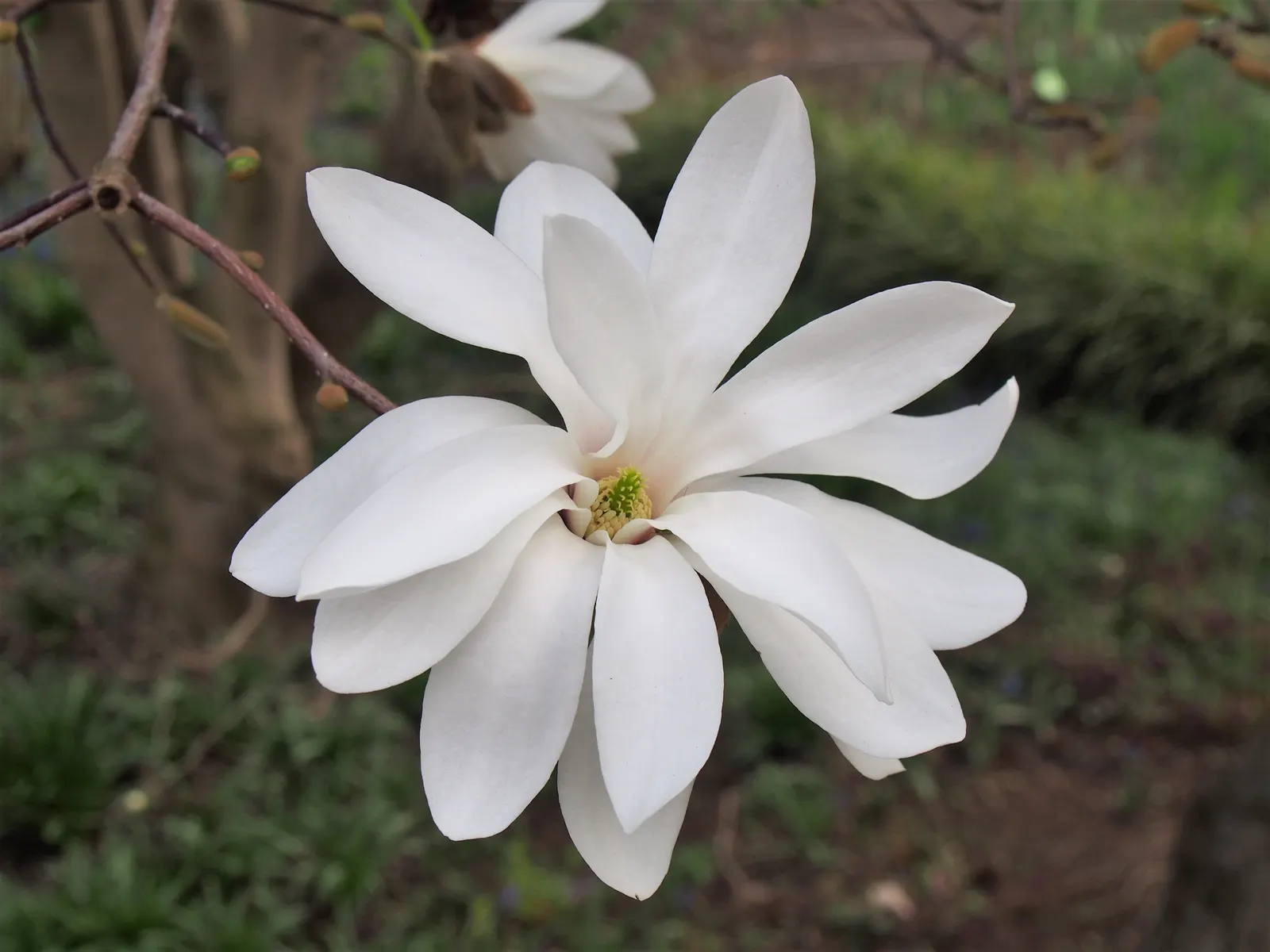
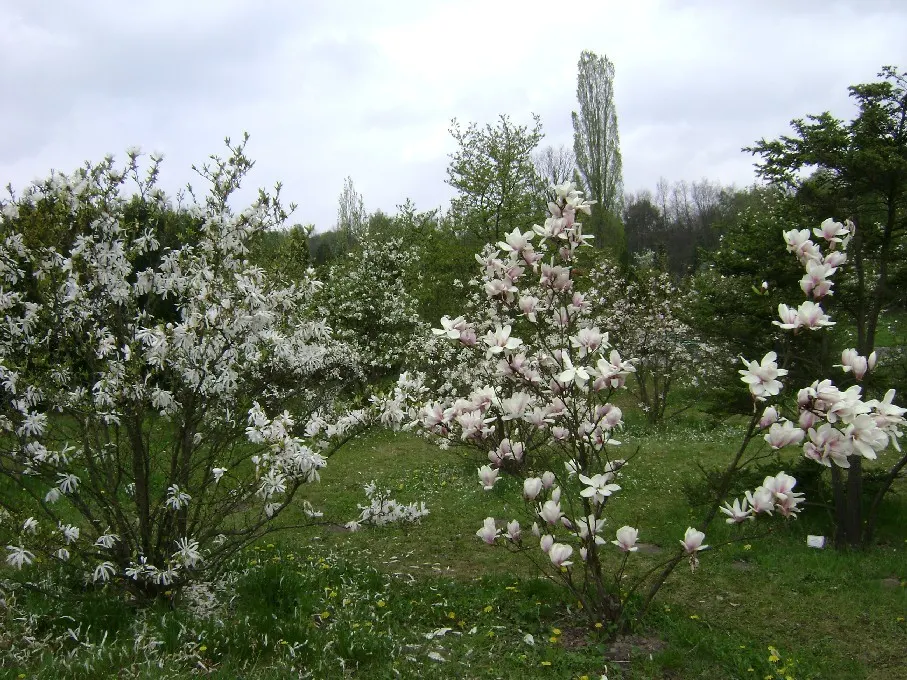
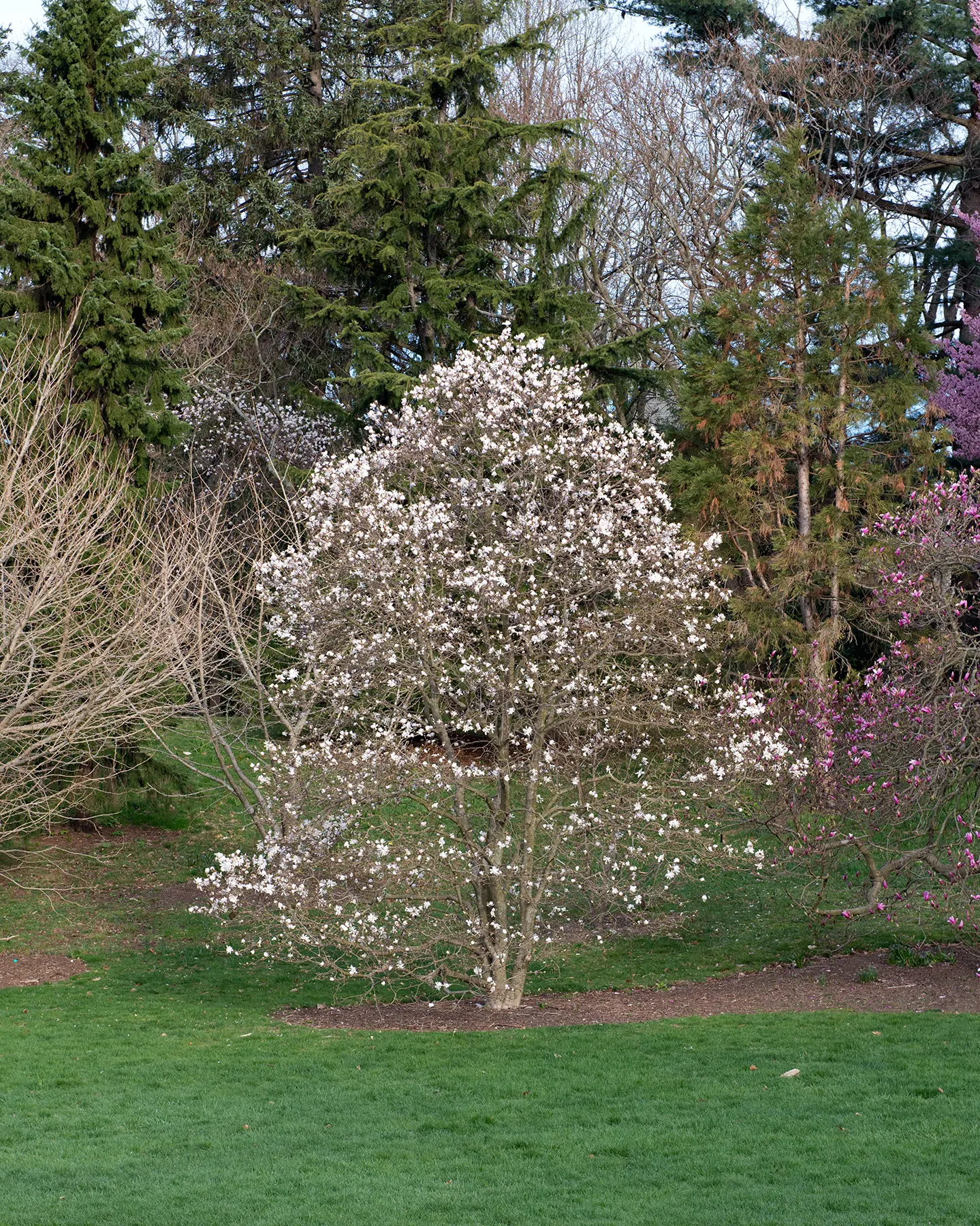
Star Magnolia (Magnolia stellata) is a deciduous shrub/small tree, renowned for its early spring bloom of star-shaped white flowers, each with 12-18 slender petals. Typically reaching 15-20 feet in height with a similar spread, this compact ornamental is ideal for small gardens. Prefers well-drained, slightly acidic soil; full sun to partial shade. Hardiness zones 4-8. Great as a focal point or in mixed borders for visual interest.

Sun FullWater MediumZones 6–10Climate Temperate
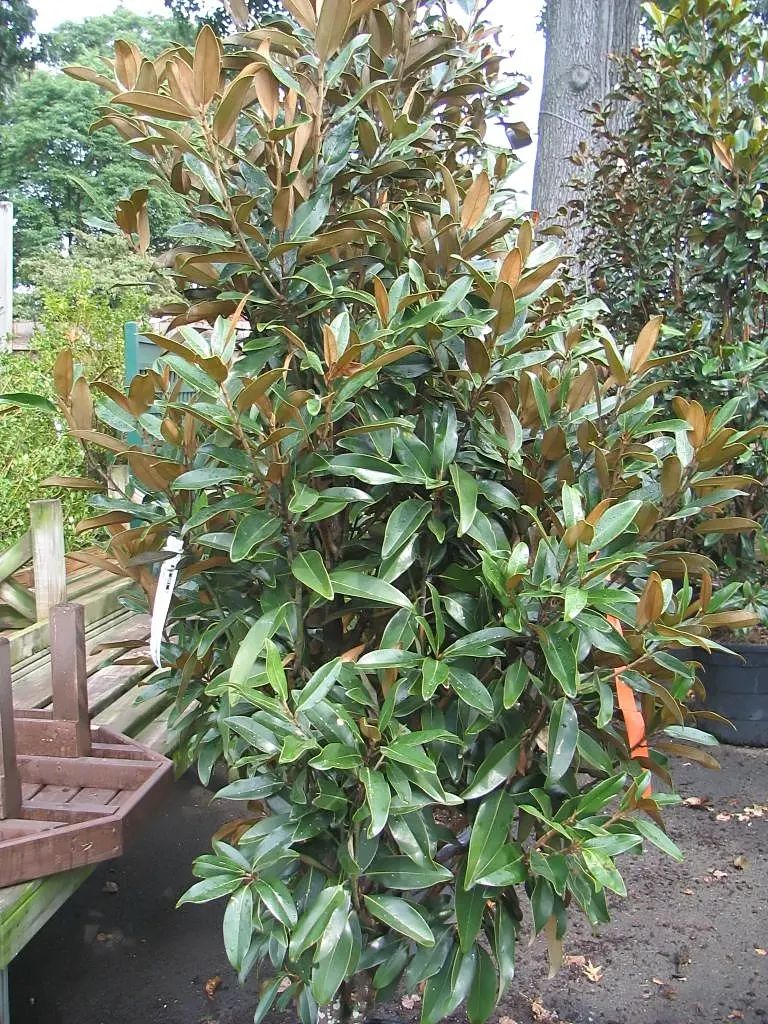
Star Magnolia (Magnolia Stellata) — Star Magnolia (Magnolia stellata) is a deciduous shrub/small tree

Culture

Sun
Full
Water
Medium
USDA zones
6–10

Shape & size

Classification

Family
Magnoliaceae
Climate
Temperate

See full data, regional cultivation notes, full-resolution photos, and design tools. Build a client presentation around this plant.

Start your 14-day trial

Photos (90)

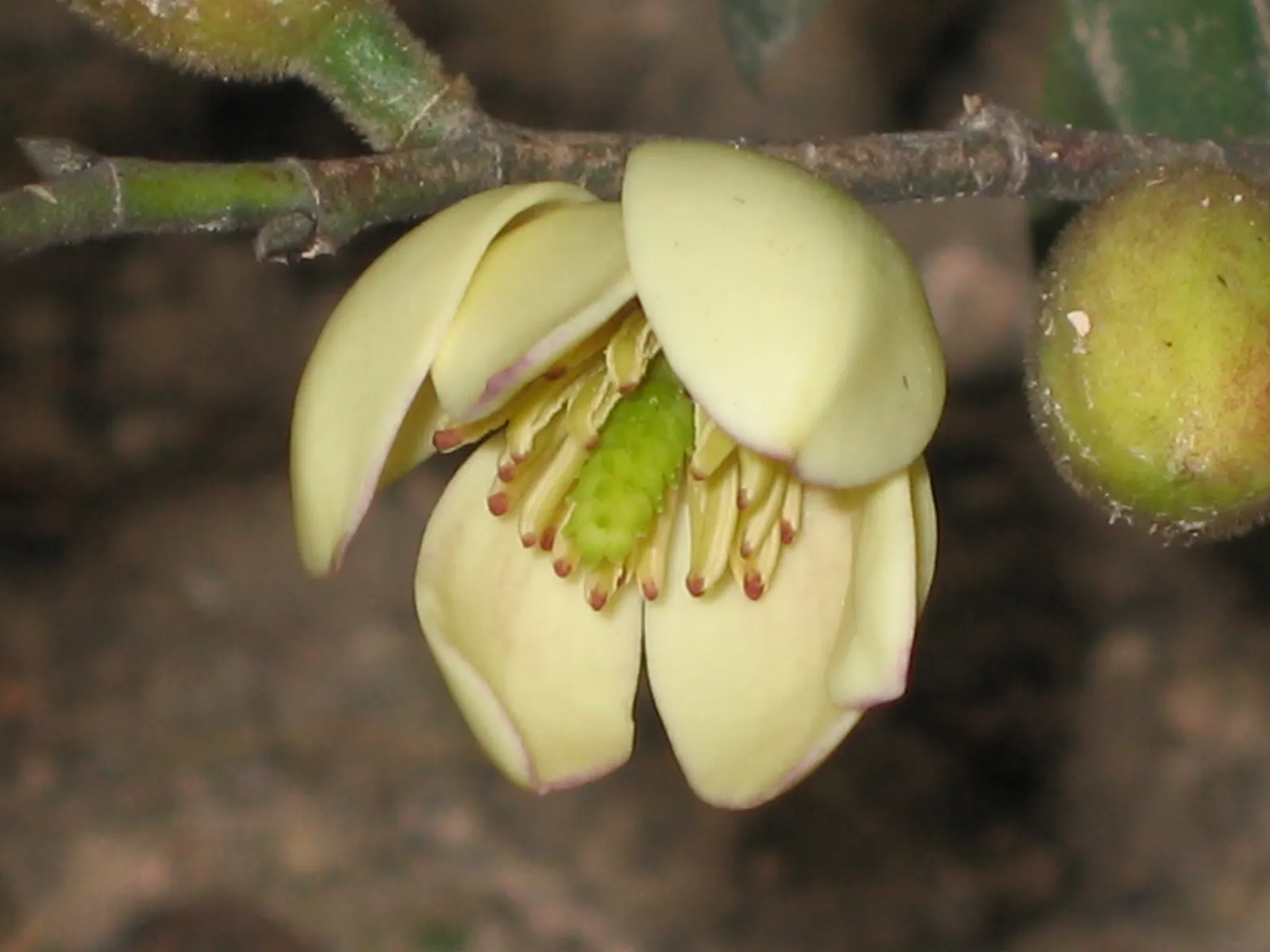
Star Magnolia (Magnolia Stellata) — Hardy in USDA zones 4 through 8; typically reaching 15-20 feet in height with a similar spread
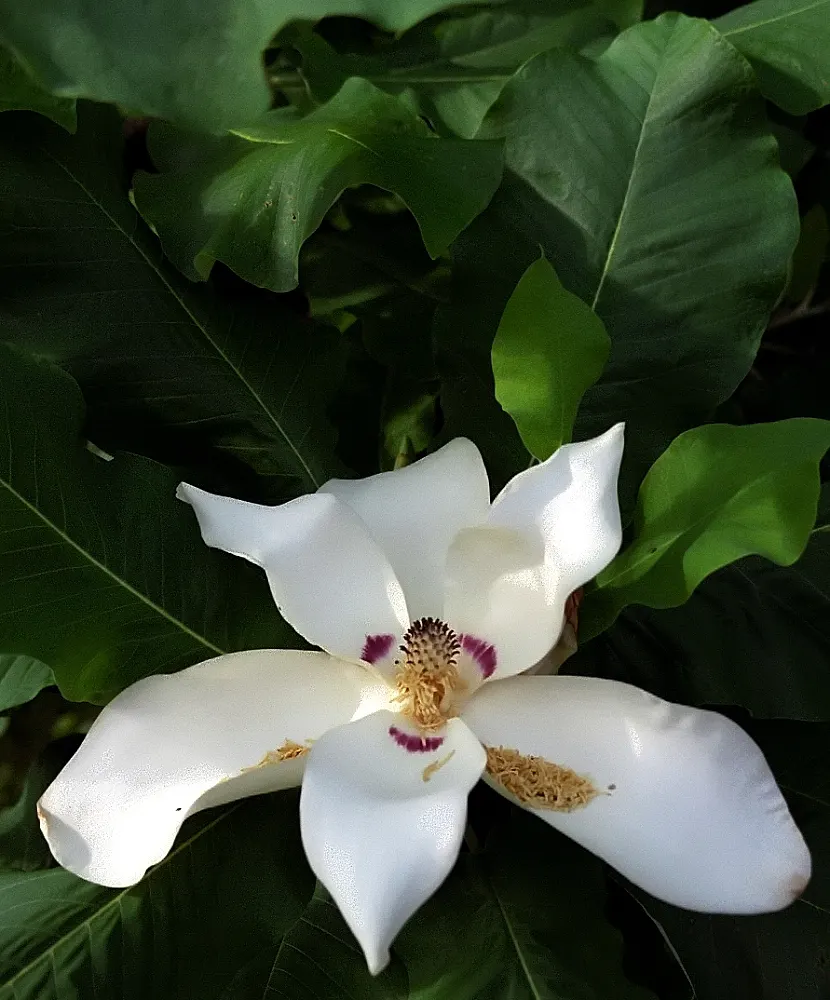
Star Magnolia (Magnolia Stellata) — It is also advisable to mulch around the base to conserve soil moisture and provide winter protection; and it prefers a
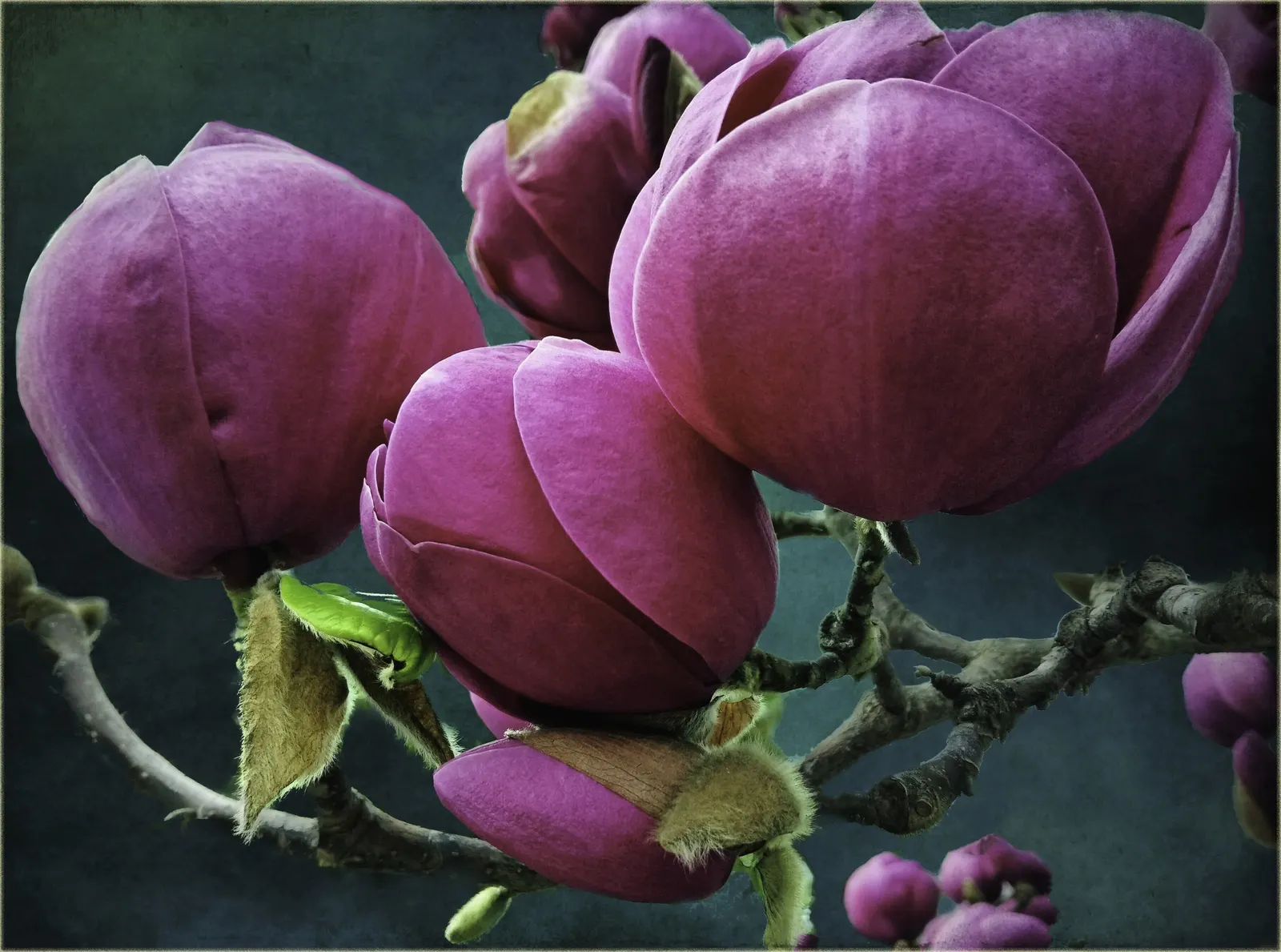
Star Magnolia (Magnolia Stellata) — With its size and ornamental value; the leaves are oblong to oval
Star Magnolia (Magnolia Stellata) — it is perfect for residential garden beds; or even as a border plant
Star Magnolia (Magnolia Stellata) — or even as a border plant; typically reaching 15-20 feet in height with a similar spread
Star Magnolia (Magnolia Stellata) — white flowers in the garden; and it prefers a sunny to partly shaded spot in the garden
Star Magnolia (Magnolia Stellata) — tree with white blooms; the leaves are oblong to oval
Star Magnolia (Magnolia Stellata) — tree for full; or even as a border plant
Star Magnolia (Magnolia Stellata) — Star Magnolia (Magnolia stellata) is a deciduous shrub/small tree; typically reaching 15-20 feet in height with, image 57
Star Magnolia (Magnolia Stellata) — renowned for its early spring bloom of star-shaped white flowers; and it prefers a sunny to partly shaded spot, image 58
Star Magnolia (Magnolia Stellata) — each with 12-18 slender petals; the leaves are oblong to oval, image 59
Star Magnolia (Magnolia Stellata) — Typically reaching 15-20 feet in height with a similar spread; or even as a border plant, image 60
Star Magnolia (Magnolia Stellata) — this compact ornamental is ideal for small gardens; typically reaching 15-20 feet in height with a similar, image 61
Star Magnolia (Magnolia Stellata) — Prefers well-drained, slightly acidic soil; full sun to partial shade; and it prefers a sunny to partly shaded, image 62
Star Magnolia (Magnolia Stellata) — Great as a focal point or in mixed borders for visual interest; the leaves are oblong to oval, image 63
Star Magnolia (Magnolia Stellata) — The Star Magnolia, a spectacular early spring bloomer, is renowned for its profusion of starry white flowers, image 64
Star Magnolia (Magnolia Stellata) — this slow-growing deciduous shrub or small tree can reach a mature height of 15 to 20 feet; typically reaching, image 65
Star Magnolia (Magnolia Stellata) — with a spread of 10 to 15 feet; and it prefers a sunny to partly shaded spot in the garden, image 66
Star Magnolia (Magnolia Stellata) — and it prefers a sunny to partly shaded spot in the garden; the leaves are oblong to oval, image 67
Star Magnolia (Magnolia Stellata) — Its relatively compact size and rounded shape make it an ideal focal point for small garden plots; or even as a, image 68
Star Magnolia (Magnolia Stellata) — adding elegance and visual interest; typically reaching 15-20 feet in height with a similar spread, image 69
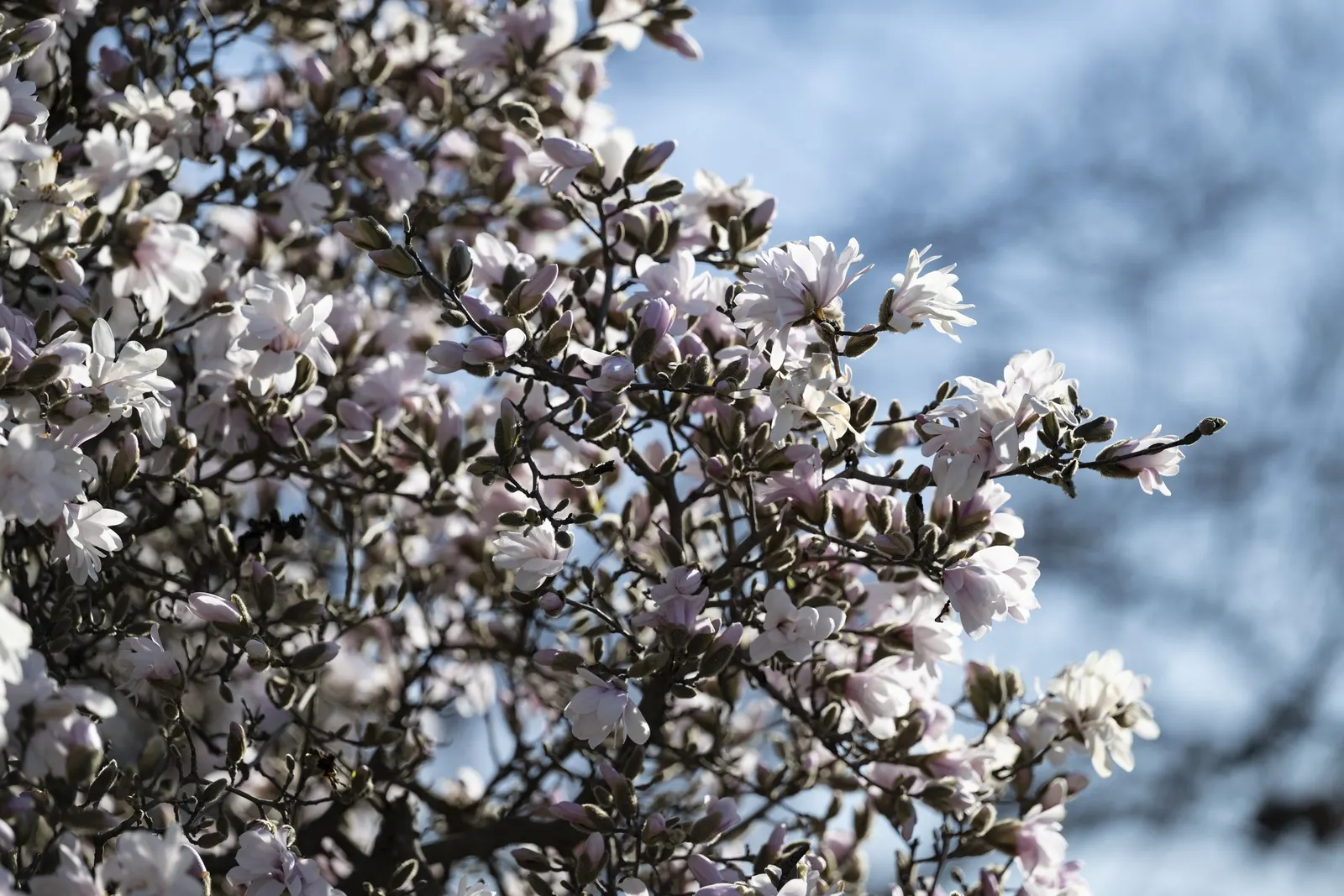
Star Magnolia (Magnolia Stellata) — <br><br>The flowers emerge before the foliage in late winter to early spring; and it prefers a sunny to partly, image 70
Star Magnolia (Magnolia Stellata) — with each bloom consisting of 12 to 18 slender; the leaves are oblong to oval, image 71
Star Magnolia (Magnolia Stellata) — creating a striking display against the bare branches; or even as a border plant, image 72

Related plants